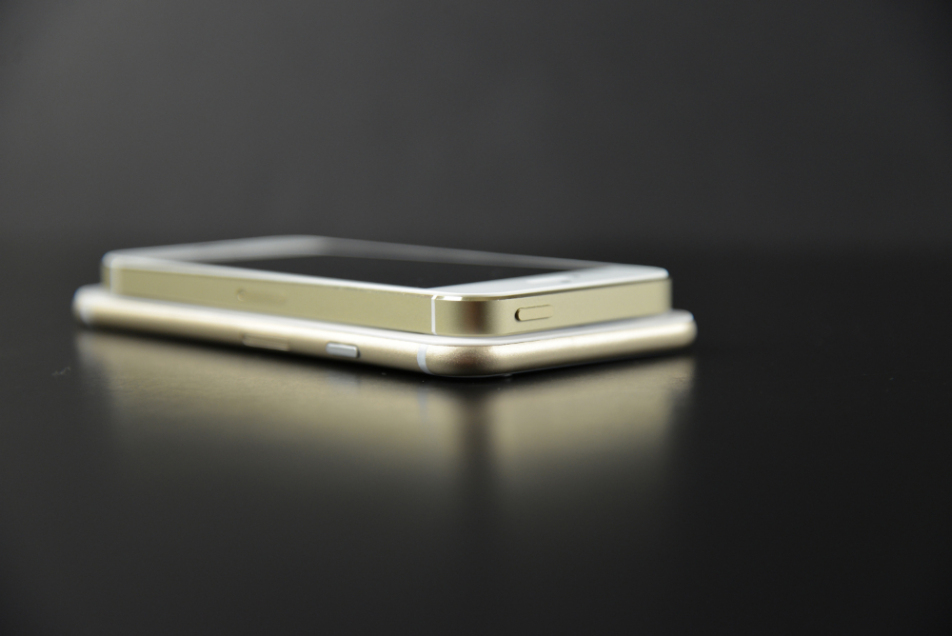
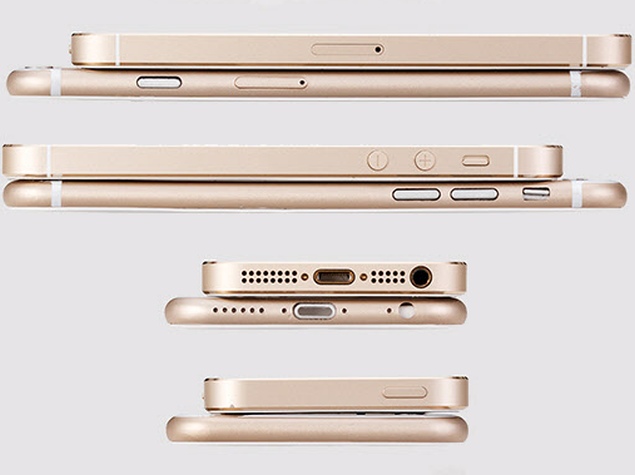
Less than an year ago, we were introduced to iPhone 5s and now rumors are gathering about its replacement, which should, if previous versions are taken in consideration, be called the iPhone 6.
Will it be bigger, or stay the same size? Will it have standout features? Will it be joined by an iPhone 6C, or the iWatch? Everyone is anxious to know what Apple is planning to do with the new Flagship phone. Sadly we need to wait till September for an official word.
A new report from China details an astonishing new launch date for another iPhone variant from Apple. The report is accompanied with alleged pricing details, as well as the name of the anticipated larger 5.5-inch iPhone 6 variant: The iPhone Air. The company first used the “Air” appellation to tag its smaller MacBook model, and has later used it for the full-size iPad’s. Both times the end result was a sleek and sexy looker with good performance.
When the next-gen iPhone lineup does launch sometime this fall, many expect the handset to feature a complete redesign with a relocated sleep/wake button, slimmed-down profile and advanced innards like an “A8” processor. It is also believed that Apple plans to differentiate the denoted 5.5-inch version from its smaller variant by adding on features like optical image stabilization and higher storage capacities.
The report are pointing out to a September 25th release of the new iPhones. However, it is unlikely if the Apple’s history of Friday releases of previous iPhones are taken into consideration.
Apple has ‘Air’ variants for its Mac as well as iPad’s. Only the iPhones weren’t touched by Apple’s “Air”. This would be a momentous year if they do decide to launch an ‘iPhone Air’. It will be great to see Apple bring its slim on as its the pioneer of slim technology. We have already heard the rumour that Apple is planning to go for flatter headphones jack with the lightening port. Apple has no problems throwing out technology that they find redundant and soon the world follows. So it would be fun to see how the next avatar of this legendary device turns out in reality.
Near Field Communication (NFC) got a lot of people excited, especially the ones working in the commerce field. It’s a great technology with lots of uses. Phones can make the wallet obsolete using this technology. Though, our phones can’t carry condoms and paper soaps so we will hang on to our wallets for a while. Now Magnetic communication which is still in the rudimentry phase will try to usurp NFC’s claim to wallets throne.
A group of scientists at the University of Oulu in Finland are experimenting with the prospects of using the magnetometer in the phone to send data. Magnetometers are used in smartphones for Compass apps. Using a system called Pulse, the researchers were able to send magnetically encoded data at a distance of 2 centimeters at 40bits/sec.
The researchers uploaded a video which showed their technique working on an Android phone. They were able to send textual data as well as a MIDI track over their connection. This technique will be great for confidential message transfers as it cannot be intercepted from a distance.
The data speed and distance might appear slow but that works in favor of the device. An NFC sensor works at a distance of 12 centimeters so if it can be wiped off in the line by malicious interests. Mobile payments can be much more secure with reduced proximity. They state that this can also be used in advertising. By having a tiny electromagnet on a street poster, advertisers can connect with consumers more interactively. Unlike a QR code, an electromagnetic transmitter will have the ability to have their data renewed.
There are several new studies going on around the world to get the best possible use of the components in the smartphones like the Barometer, Hall Sensor, Gyro Sensor, Finger Print Sensor, Gesture Sensor, Proximity Sensor, Accelerometer. Having multiple uses of these sensors will make the phones more efficient and help in bringing generational changes in now almost stagnant mobile phone development.
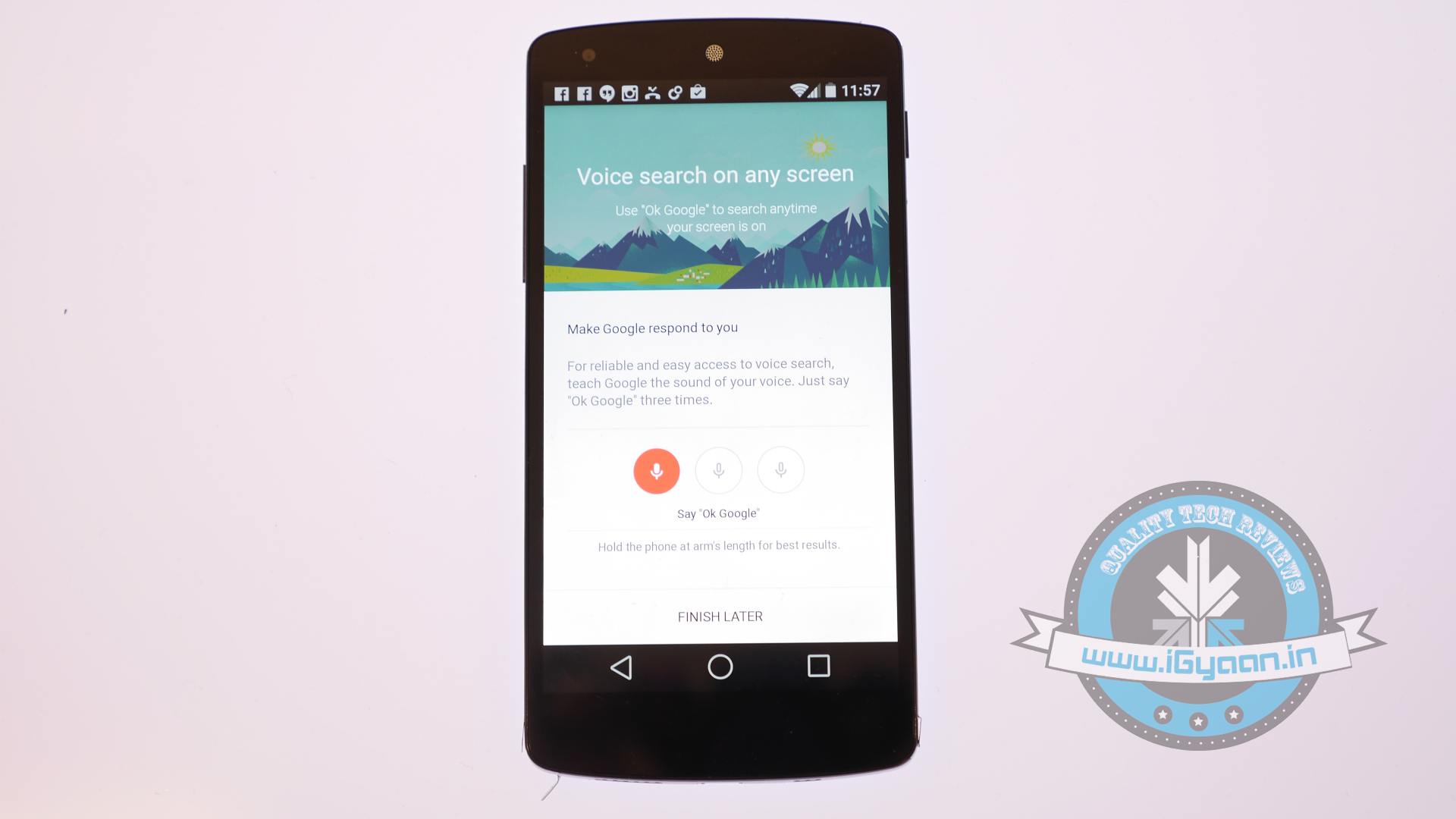
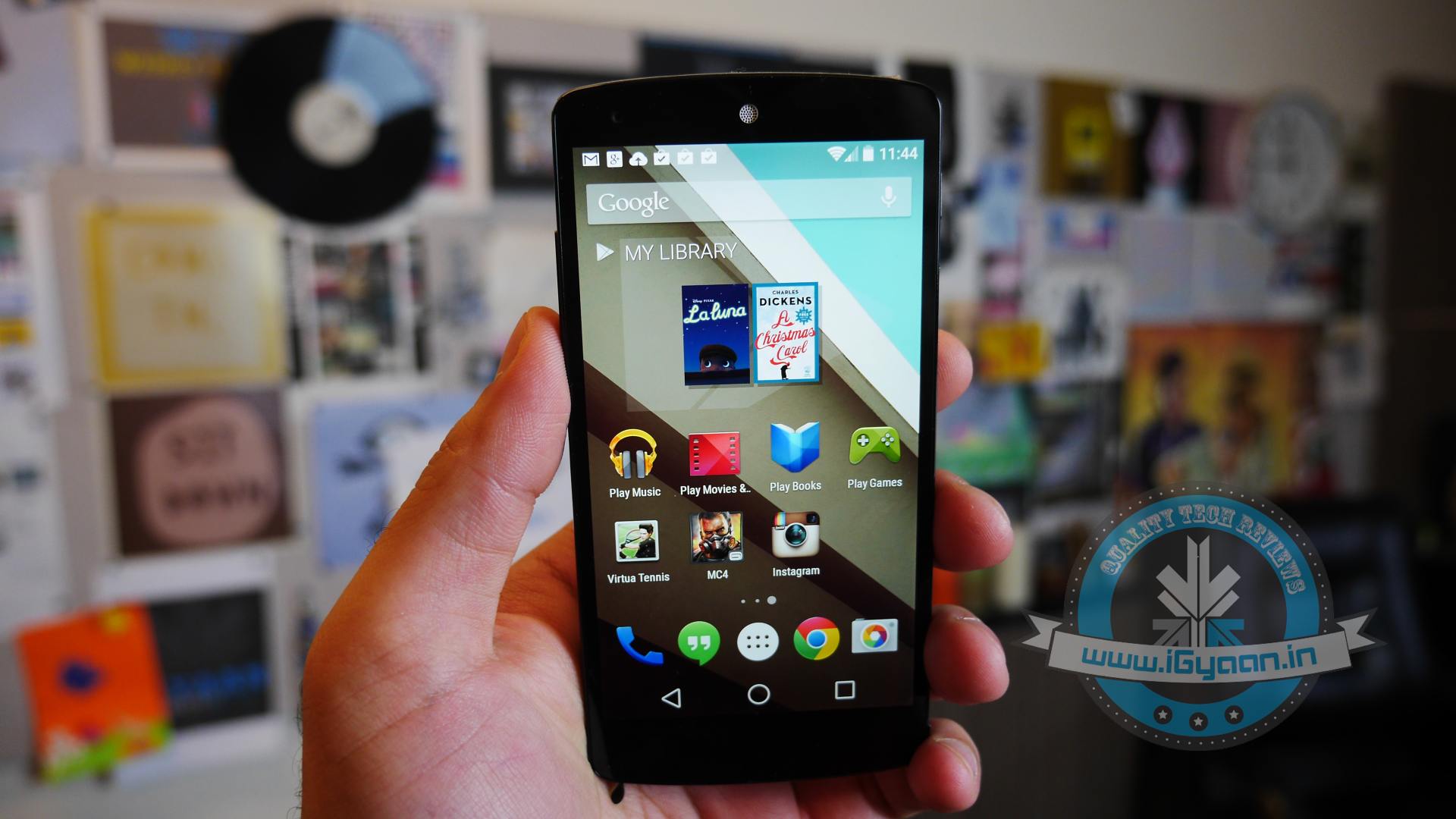
Moto X had a great feature which allowed users to reach Google Now from anywhere, even from the lock screen. It is a particularly useful feature when you are on the move or want to write a reminder instantly. Google announced that it will bring the Moto X like ability to all Android phones but that will take a while. Now a reddit user pr01etar1at has figured out a crack to have the same features on your 4.3 and above phones before Google officially releases it for your phone.
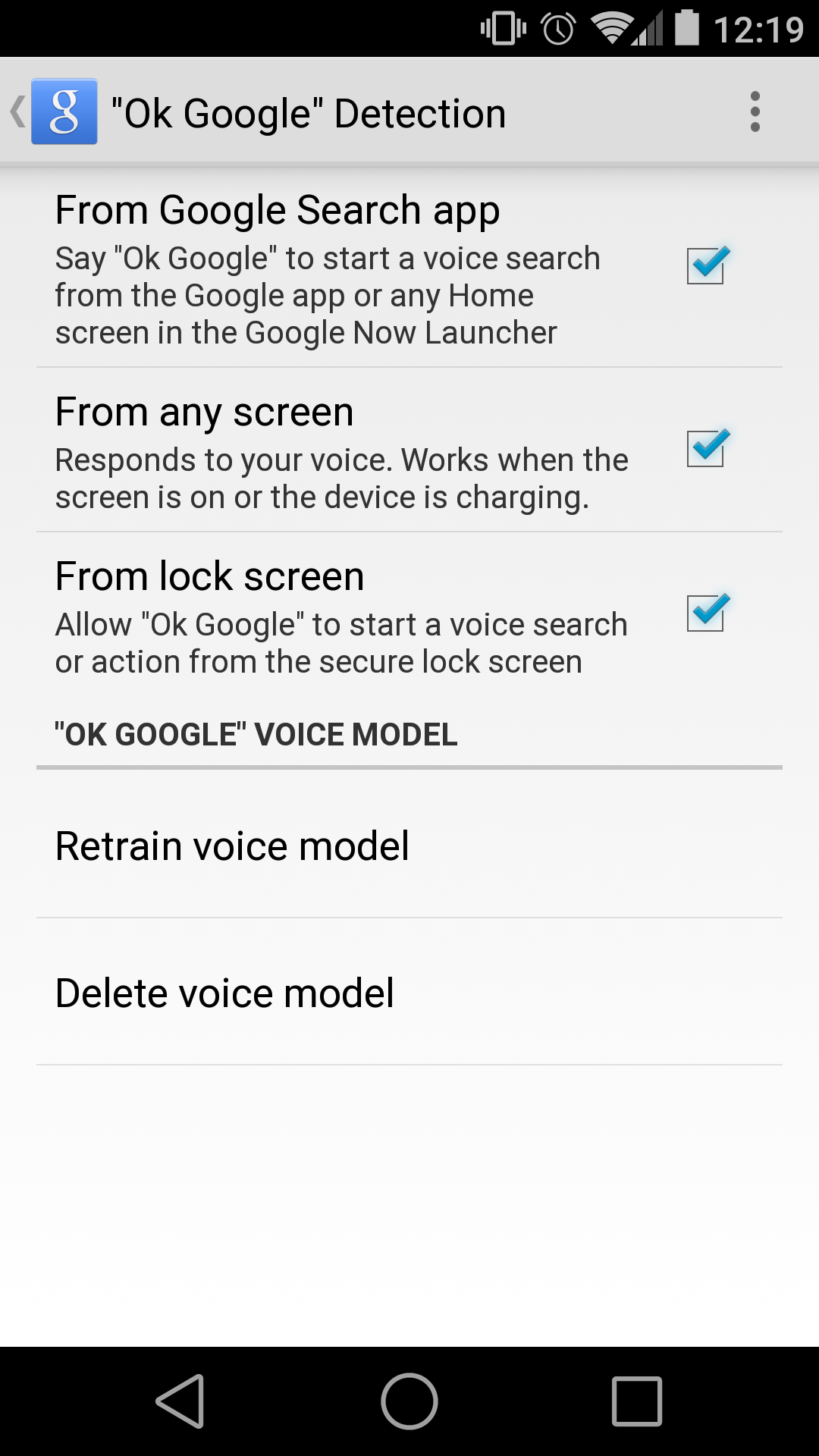
Following some simple steps you can have Ok Google hotword detection from anywhere on your device. We would like to warn you though that this might not work on all phones.
All you need to do is search for “Ok Google Everywhere” on your search bar. Now when you go back to the Voice setting menu, you will get new options in the voice detection section. The options will let you set the detection capability according to your discretion.
One suggestion that we’d like to give Google is giving an option for customizing the hotword. Considering the fact that Google’s Android is the World’s most selling operating system, once folks get a hang of this voice assistant, we’ll start listening to “Ok Google” everywhere. A personalisable hotword would come really handy for situation like those.
The blurred lines surrounding the release date of the iPhone 6 are finally sharpening up. Industry sources have reported that various media outlets in the region that Apple is planning to launch the device on 15th September and it plans to start sales September 25th onwards. China is expected to be in the first group of countries to get the device.
Mass shipments of the iPhone 6 from China to the United States are said to be starting during the last two weeks of August, and it is likely that Apple will announce the iPhone 6 during the first or second week of September. The first deliveries of the device will come later in the month on a corresponding Friday. Apple historically starts sales of new iPhone models on Fridays, roughly a week and a half after the event.
Regarding the pricing, Apple typically releases its new models at the same price as the old ones. If that stays the case for this new phone as well then we’d expect the 16GB model to cost Rs 53,500, 32GB model to cost Rs 62,500, the 64GB model Rs 72,500. Though with a larger screen we might see prices go up.
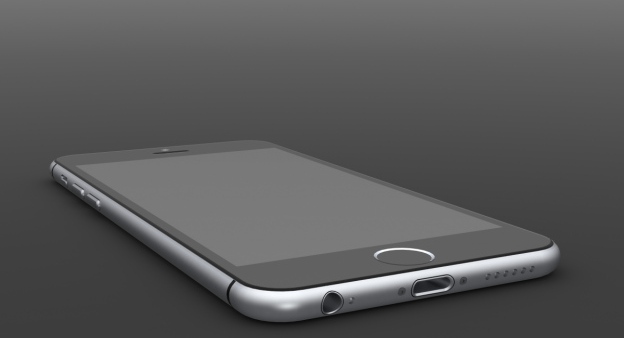
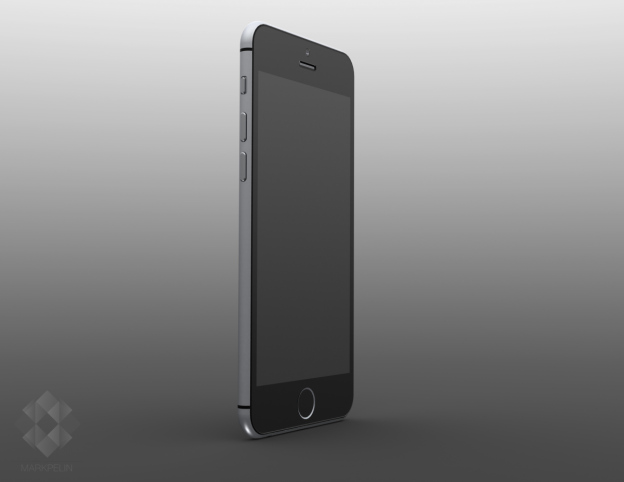
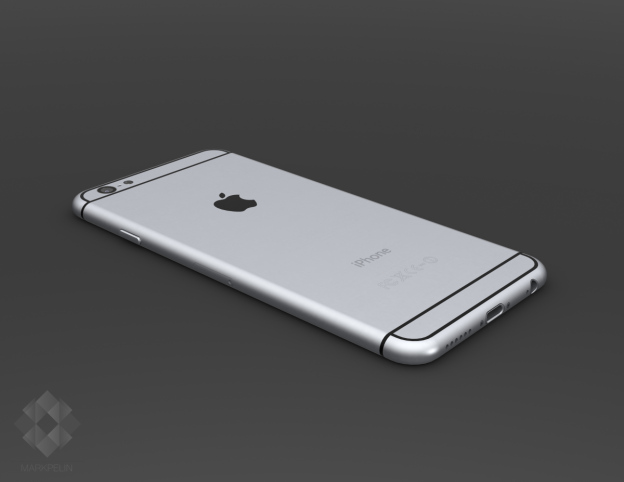
Also, a new render of Apple’s much talked about iPhone 6 created by graphic designer Mark Pelin is also making rounds on the internet. It is marked the first leaked iPhone 6 designs imagined, in a way, that might accurately represent an actual Apple device. Pelin’s work shows a completely redesigned handset that looks like it sticks to the leaked schematics quite closely. It also shows a device that is on par with the refinement and quality that Apple hardware always manages to achieve.
Apple’s iPhone 6 is expected to include a larger display size along with a thinner iPod-touch style design, A8 processor, and camera improvements. The 5.5-inch iPhone has, thus far, been positioned as a premium version and may include upgrades like optical image stabilization and a larger storage capacity.
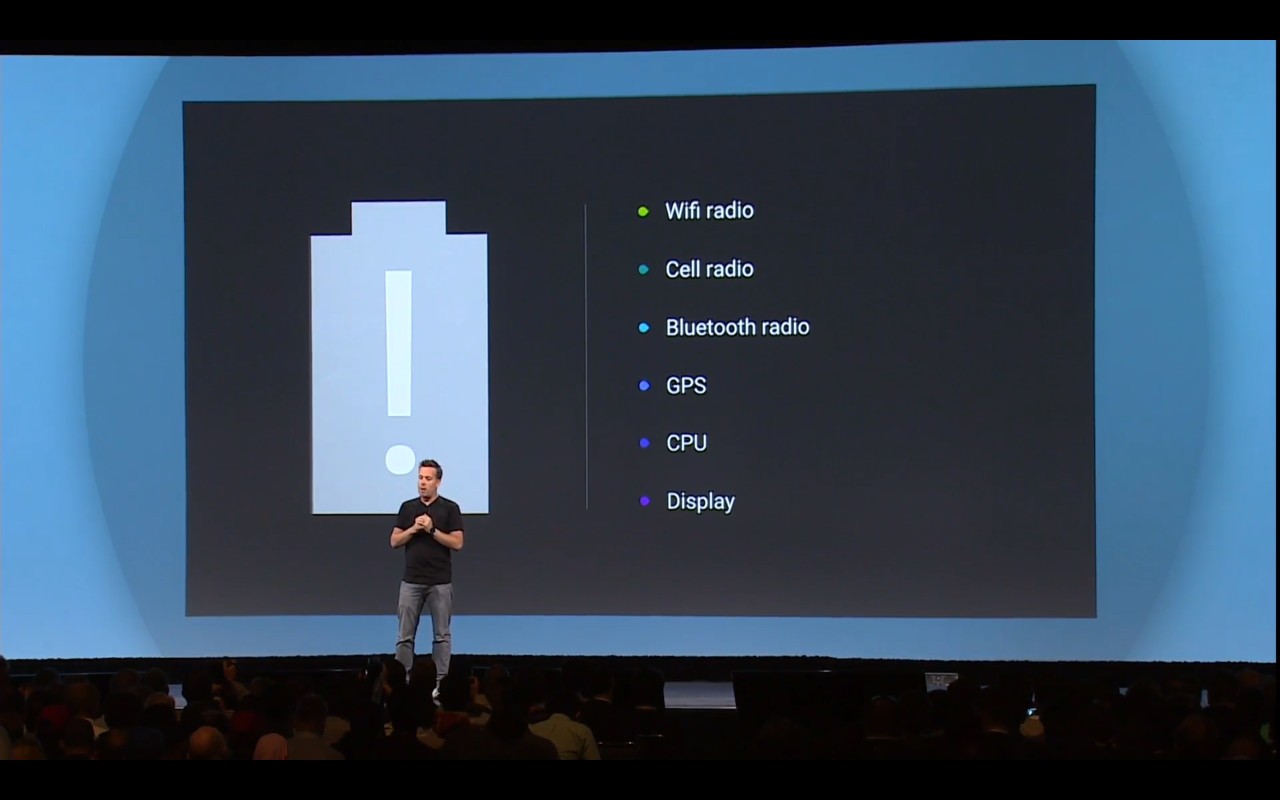
At the recently concluded Google I/O, the new Android L was showcased and it has received unanimous admiration. Even though Apple has won this year’s developer conferences by creating a new seamlessly interconnected universe; Google has a few surprises in the battery efficiency arena with its own Project Volta.
Project Volta aims to bring fundamental enhancement in Android for better battery life.
Battery technology has lagged in competition to almost all other elements of the phone designs. Within a short span of time, we have gone from HD to 2K phone screens. We have 4K video recording, better processors, better RAM, even the OS’s are competitive and getting better with each release. The loser in this entire race has been the battery. Even though, the phone manufacturers have compensated by making bigger batteries but almost all of them give only about a day’s worth of backup in their respective phones.
Google is working on the lines of its previous Project Butter initiative during the release of Android 4.1. Project Butter was directed towards making fundamental changes in Android to make it more efficient, smooth and lag free. There was also the Project Svelte, which was directed towards running the Android 4.4 on low-end devices, thereby making KitKat a truly inclusive Android operating system.
With Project Volta, Google introduces a slew of measures to find enhancements to the Android system to increase battery efficiency. Google hopes to fix fundamental flaws in its software architecture to address the battery issue.
Google invented a tool called the Battery historian for the developers to access what apps were using battery at a specific period. Using this, developers got to play around with the various variables which could help to make the best use of the precious juice in the battery.
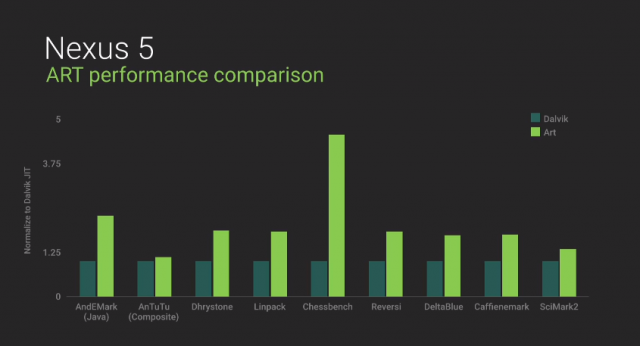
ART helps increase performance remarkably
Android is also completely incorporating the Android Runtime or ART and switching over from Dalvic runtime in a bet to improve efficiency and speeds. ART is available for testing on the Android 4.4, if some of you want to let your inner nerd flow. The difference between the two is that Dalvic compiles code every time an app starts and thereby waking the processor and in turn sucking in some juice every time. On the other hand, ART compiles and optimizes the codes well in advance thereby requiring less power to run apps.
JobSchedular API will help batch multiple functions at once to increase efficiency.
Project Volta also introduces a new Job Scheduler API. With this, developers could program certain apps to work only when corresponding conditions are met. So instead of individual apps arbitrarily asking for processor access, multiple functions can be batched together and done at once for minimum use of battery life so that you can spend that extra juice for watching “dogs and babies” videos on YouTube.
Apart from this Android also inducted the battery saver mode which has been seen on manufacturers like Samsung and HTC. When the phone reaches the predetermined low battery level, the processor is slowed down, screen is dimmed, animations are reduced and the radio usage is decreased. This option is to maximize the last few moments of the battery before finding the sanctuary of a plug point.
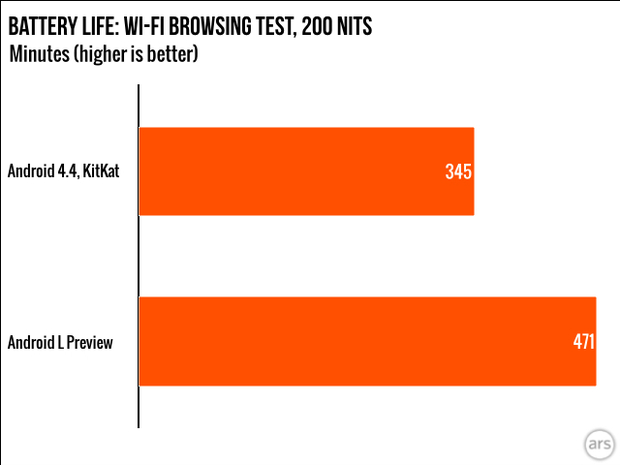
Ars Technica’s test showed a 36% increase in battery efficiency
These efforts seem to be showing some results as Ars Technica did an extensive test and found the Android L to be 36% more battery efficient, and that’s quite impressive.
There have been some efforts by the markets to address the battery issue. The Oppo Find 7 is a good example. With its fast charging VOOC charger, the Find 7 boasts of charging 0-75% battery in 30 minutes. Apart from this the market is also flooded with power-banks but they become just one more extra piece of equipment to charge and carry around. What is needed is a back-to-drawing-board study of the battery and maybe Google should make it a priority at the Google X (its semi-secret research facility) now.
With the amount of dependency we have on our smartphones and the information they hold on us, battery technology should be a priority research. The company that delivers the best battery improvement will surely emerge a winner in this over-saturated market. It’s about time that Smartphones got some Smart Batteries.
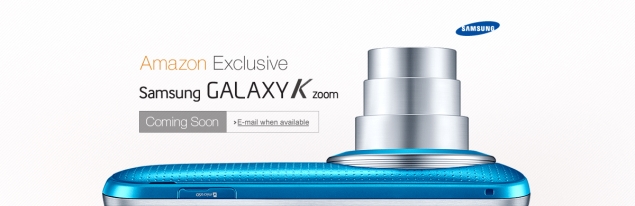
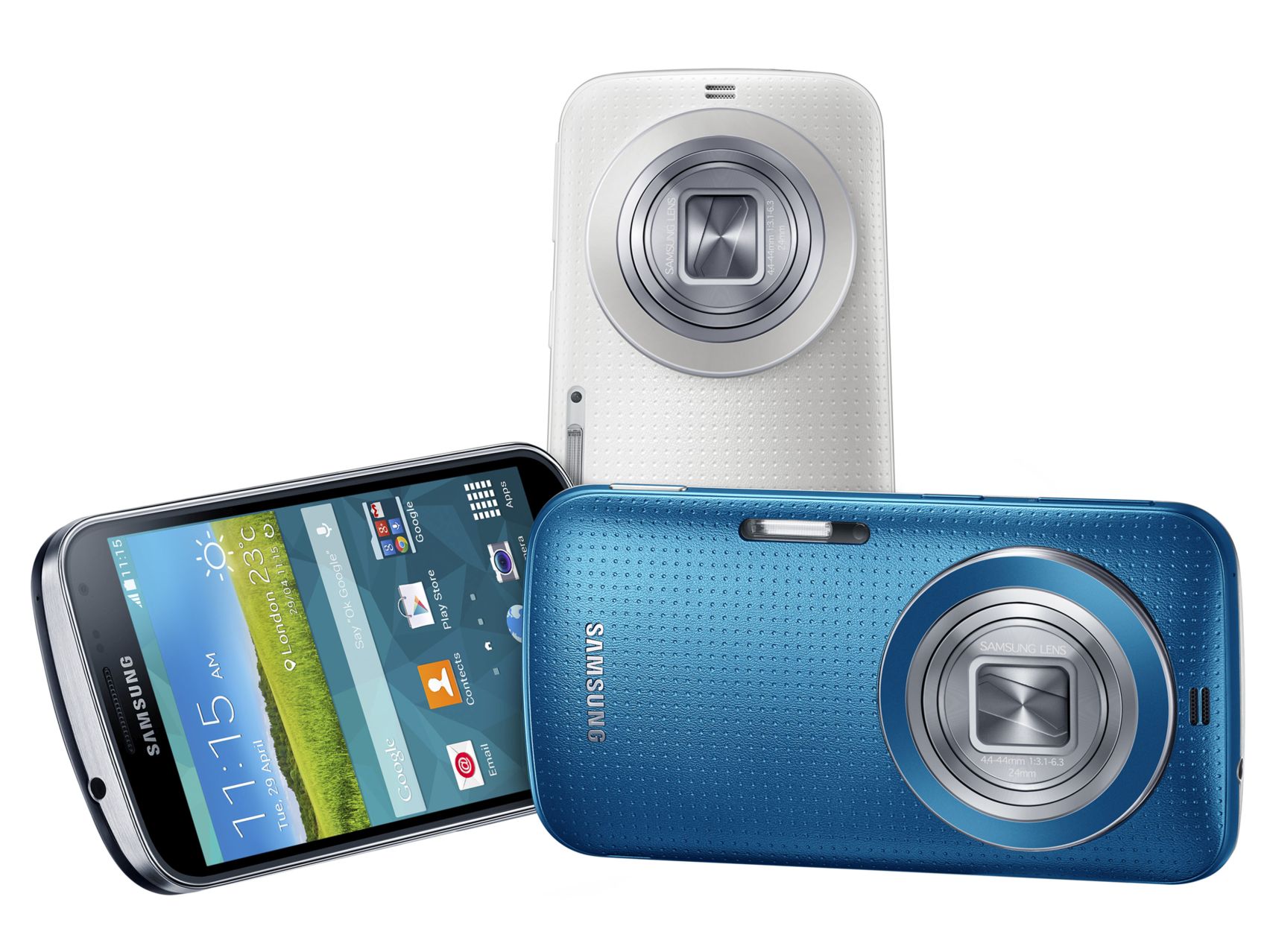
Samsung has launched the Galaxy K Zoom in India, a Galaxy S5 camera variant, and is now up for pre-order exclusively on Amazon India. The exclusive pre-order was opened yesterday at midnight. Its predecessor, the S4 Zoom was also launched on the same day last year but was not received well in the market because of its poor performance and bulkiness.
Samsung is now trying its hands again in the same segment with Galaxy K Zoom that holds a better processor and a leaner body. The leaner body might help this variant since the chunky lens of the S4 Zoom was a major deal-breaker. This s5 camera variant is priced at INR 29,999 and will be delivered July 9th onwards.
Samsung’s second crack at a modern “phone camera” is based on its popular Galaxy S5. The Galaxy K zoom fashions a huge 20.7-megapixel BSI CMOS sensor at the back accompanied by a Xenon flash and also features optical image stabilizer (OIS) for low-light imaging. The rear camera supports 10x optical zoom.
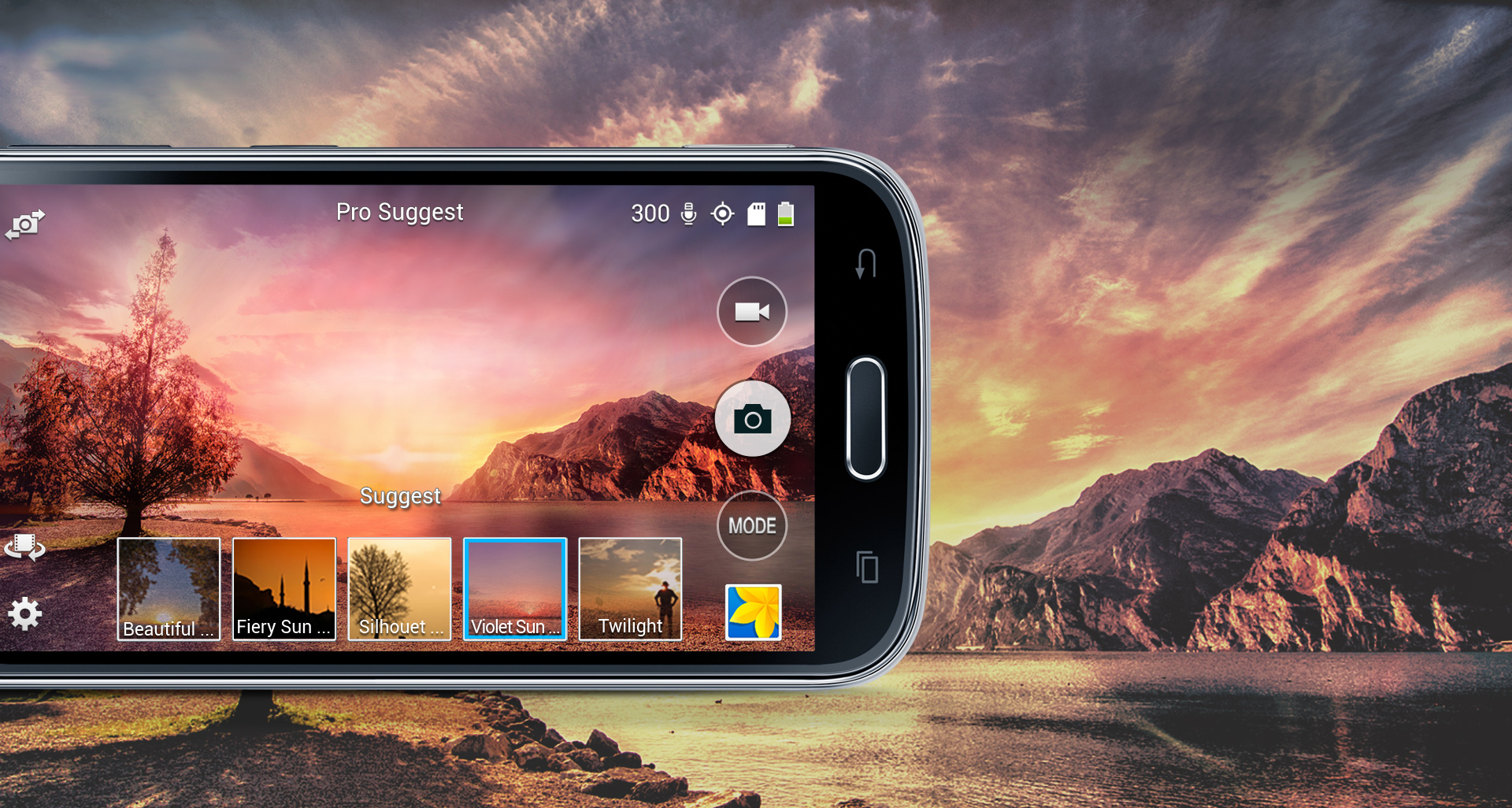
The rear camera comes with some advanced camera usability features and functions, including AF/AE (Auto Focus/ Auto Exposure) separation. Also Pro Suggest mode that comes with camera offers 5 optimized filter settings. The Selfie Alarm assists users in taking timed selfies. The Galaxy K Zoom also houses a 2-megapixel front-facing camera.
When compared to the Galaxy S4 Zoom that came with a 4.3-inch Super AMOLED qHD display, the Galaxy K zoom features a 4.8-inch Super AMOLED HD (720×1280 pixels) display. The new camera variant runs on Android 4.4 KitKat same as the Galaxy S5, the latest flagship device of the company.
Also it comes with a hexa-core processor (a quad-core 1.3GHz and a dual-core 1.7GHz), 2GB of RAM, 8GB inbuilt storage expandable via microSD card (up to 64GB), and a 2430 mAh battery. The Galaxy K zoom will be available in two variants – LTE and 3G – while other connectivity options include Wi-Fi, Bluetooth, Micro-USB and NFC.
The K zoom is thicker than the S5, it’s heavier and it has a lower-resolution display. The only area where the K zoom tops the S5, by a mile we might add, is where the camera is concerned. Though it certainly has a great camera, the deal breaker for most of the buyers will be the performance of the phone which also took the Galaxy s4 Zoom down the drain.
Facebook, in what has become an almost monthly affair, announced yesterday that it has the bought video ad tech startup LiveRail. Facebook seems to be on a roll. It has acquired close to 45 companies, with its largest acquisition being the purchase of WhatsApp, Oculus and Instagram. It had acquired WhatsApp for $19 billion, Instagram for $1 billion and Oculus for $2billion.
Now the social networking giant, keeping up the pace, has acquired LiveRail on Wednesday, with no terms of the deal disclosed. Though according to the grapevine, Facebook might have paid between $400 million and $500 million for LiveRail.
Liverail connects marketers to publishers on web and mobile. It automates the sale of video ads for publishers including Major League Baseball, ABC Family and Dailymotion. The start-up, which was founded in 2007, helps companies ranging from sports to entertainment optimize delivery of video ads on mobile and the web through real-time bidding and its proprietary market data. The company claims it delivers 7 billion video ads a month. Rather than negotiating deals over the phone or in person, publishers can upload their video inventory to LiveRail’s system, which provides buyers via real-time auctions. Publishers can also use LiveRail’s ad technology to process upfront deals without all the paperwork that can delay a campaign from airing at the right time and fashion.
We believe that LiveRail, Facebook and the premium publishers it serves have an opportunity to make video ads better and more relevant for the hundreds of millions of people who watch digital videos every month. More relevant ads will be more interesting and engaging to people watching online video, and more effective for marketers too.
[/quote]
Facebook plans to keep LiveRail’s existing business of selling ads for non-Facebook publishers in operation. Though the company declined to comment on any plans to sell Facebook’s own video ad inventory through LiveRail.
Facebook undoubtedly is the biggest social media platforms. It has a base of 1.28 billion daily active users worldwide and so it offers a greater reach than TV. It launched its Premium Video Ads service with a test last December for Summit Entertainment’s ‘Divergent’ and opened it up to a select group of marketers this spring. In May, NBC became the first TV network to use the Facebook autoplay video ads to promote their shows.
Facebook has around 5.8% share of all global digital ad revenues in 2013, up from 4.1% the year prior. While, in the U.S., the social networking giant held 18.4% market share of digital display advertising in 2013, overtaking Google for the first time, according the statistics.
Of all the purchases made by Facebook recently, the Livewire purchase seems like the safest bet as it already have a bustling user base and profitable business model. After some hefty money spending, this ones a more crafty investment by Mr. Zuckerberg.
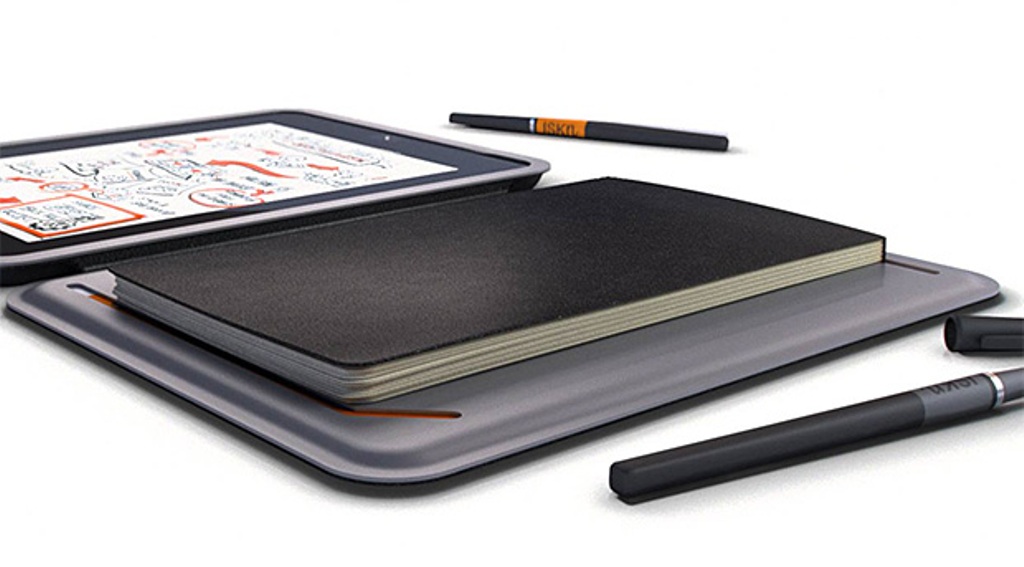
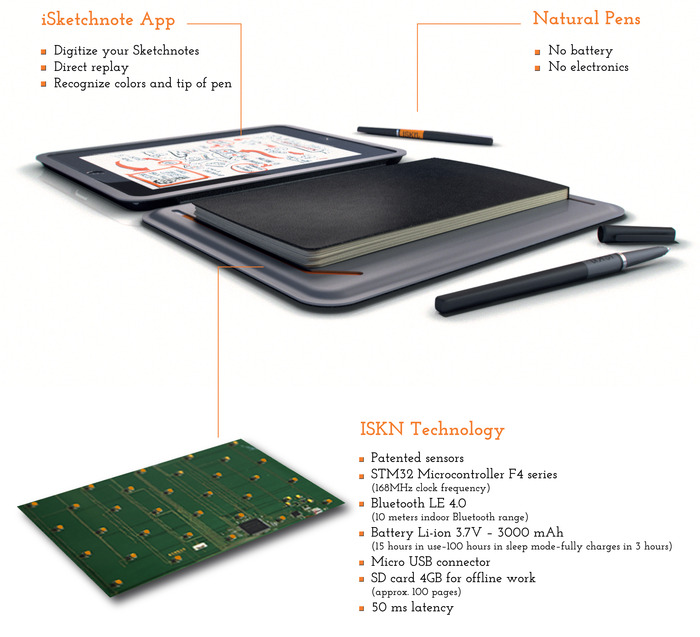
A company based in Grenoble, France called Iskn has developed an iPad cover that lets you mimic your physical doodlings in the digital realm called iSketchnote. Iskn’s mission is to combine the natural experience of familiar tools with the power of digital technology. They have successfully accomplished this by giving us this amazing iPod cover.
This could be the perfect cross-platform product for those individuals who prefer to use pen and paper instead of digital words, but they’d also like to have a digital copy for easy sharing. The iSketchnote can be connected to a PC or a Mac via USB, so those who don’t own an iPad will still be able to use the product. The company is soon planning to offer bluetooth services as well.
The iSketchnote is equipped with an array of sensors inside it to catch each and every stroke your pen makes on the paper placed on the iPad cover. You can use any kind of paper on this cover, while you have to use special kinds of pens that come with a ring-shaped magnet embedded in them. These special pens look like regular ball-point pens but work in unison with the cover that can also detect the color and tip of the pen being used.
Once you are finished with whatever you were doing on the notepad or paper, you can save the digital copy of your work, watch replays of your scribbling process and you can easily share it through e-mail or social media.
The start-up spent two year to develop the prototype of the iSketchnote. They have raised funds for the production through Kickstarter with the pledged goal of $35,000. The product can be pre-ordered on their official sitefor $358 USD.
Watch the video below to understand the technology better:
Google recently announced the shutting down of its Orkut service. After seeing a huge user base in Brazil and India, the social network just couldn’t keep up with the rapidly innovating competition. The social network service will officially shut down on September 30th.
Google will close the curtains on Orkut on September 30th
Orkut was the first social network that I laid my hands on and even on a 56000 bps connection; it was pure fun. Back in 2005, this was a better medium of interaction with friends with whom we could spend every waking moment with. It was a more interactive service than the dull telephone call,even though it did take 15 minutes to post a single ‘scrap’ (equivalent to fb’s wall post) on a friend’s profile. It was more interactive than Yahoo or MSN messengers which were staples of all internet connected computers of that era. Uploading or even viewing a single image was a night long affair which would skyrocket the phone bill and hence was meant to be avoided.
Social media has come a long way from my first encounter with it. The giants, Facebook and Twitter, have made their mark and cleared their competition while increasing their user base exponentially. Now one out of every seven human being has a Facebook account, and there are about six hundred forty five million users of Twitter worldwide. If Facebook were a country, it would have been the third most populous country in the world.
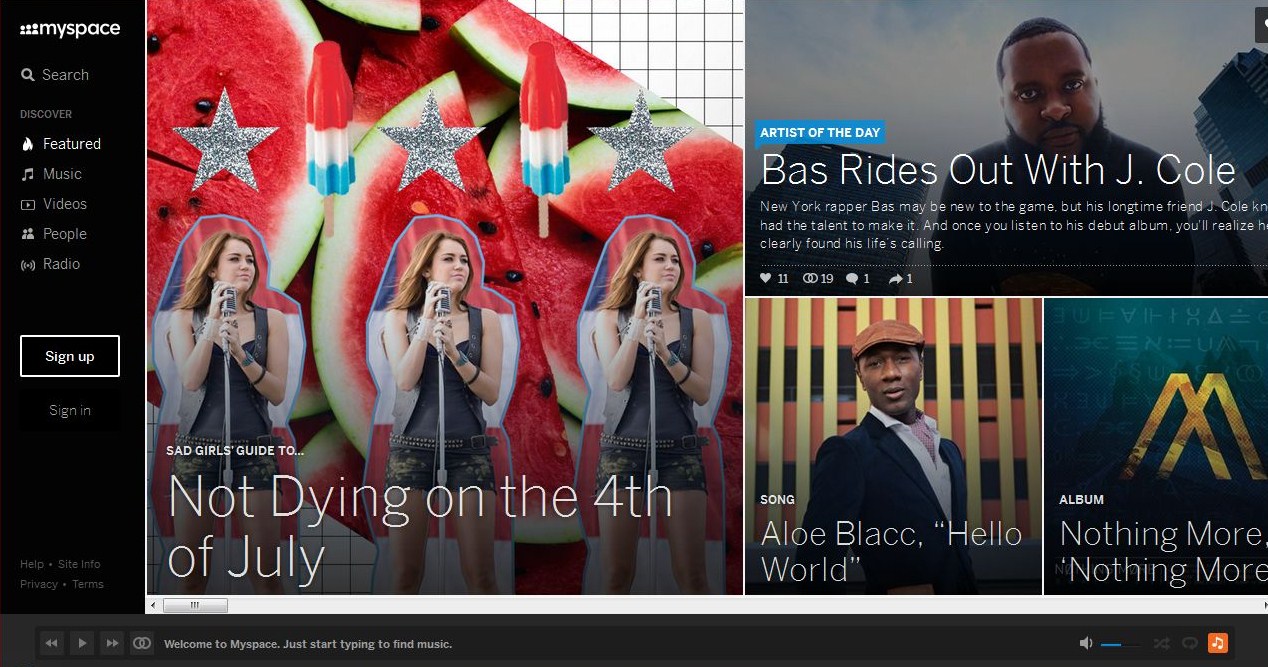
The Grand Daddy of Social networks has reinvented itself into a music heavy platform
The social media evolution began in 2003 with the inception of Myspace. Myspace created the foundation on which thousands of startups tried their luck on and Facebook ultimately won the game. Myspace has since had a new owner in Justin Timberlake, who has reinvented it in a music heavy flair.
Even social broadcast mediums like Blogger faced intense competition from micro-blogging revolution which came with Twitter. It took social interactions to a whole new level. With almost first person interaction with the who’s who of the world, it somehow brought an egalitarian aspect to the society.
The news media has also seen a major shift in information dissemination with the advent of social media. Now you don’t have to go find the news, the news finds you. Almost all major newspapers and media houses have their social media pages, and there is a predatory race to who could gather the most reach and most subscribers.
Erik Qualman in Socialnomics states that “Social Media is the biggest shift since Industrial Revolution.” He says that the four P’s of Marketing; Product, Place, Price, Promotion are now replaced by the 4 C’s of Digital; Creating, Curating, Connecting, Culture. Within our social media profiles, it’s clearly evident that digital marketing is now a major priority for companies around the world. An economy of “likes” is taking shape.
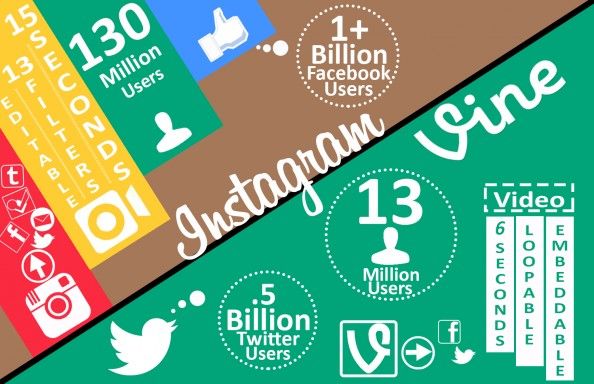
Instagram and Vine have grown because of their simplistic and swift approach
But this has also had some drawbacks. Because of the massive overload of information, the average human attention span is at seven seconds, in comparison, a Goldfish has 8 seconds of attention span. This is the reason why services like Instagram which are swift and efficient have been able to consolidate a faithful following. Apart from these, unscrupulous elements have found a whole new ecosystem to exploit naïve and unsuspecting victims. Fortunately lot many nations around the world have started talking about regulations for social media. These laws should be directed towards upholding freedom of speech while protecting privacy concerns to be efficient.
The death of Orkut does raise some questions on longevity of the social media ecosystems. The companies that have constantly read the user demands and have innovated with it have succeeded. It is this reason that we see Mark Zuckerberg signing up multi-billion dollar acquisitions. Mobile is where the game is to be played in the future and Whatsapp, Snapchat have fast become interaction medium between friends and acquaintances.
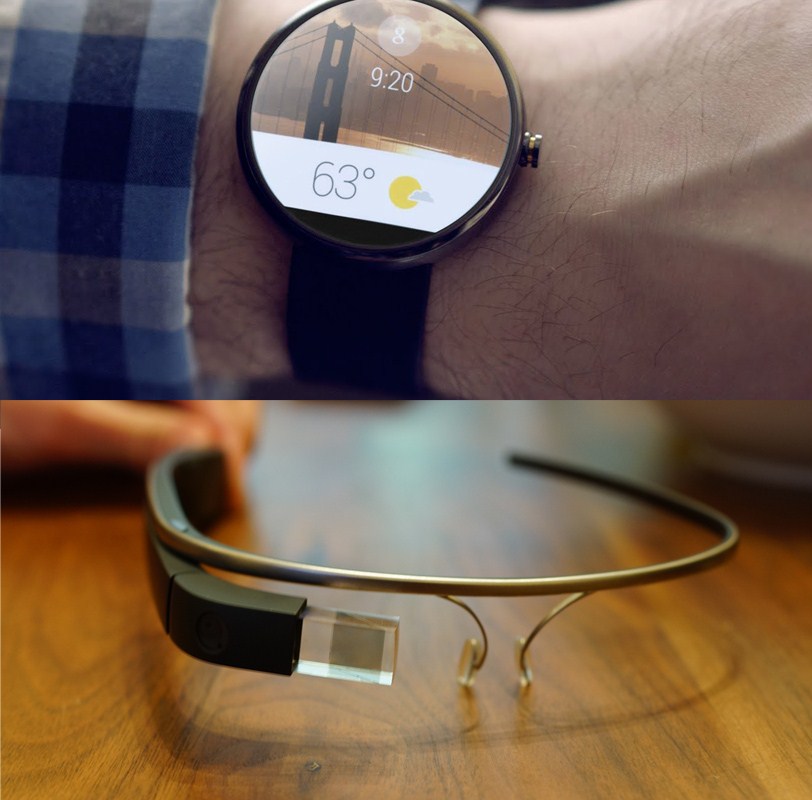
Google can create a new revolution with its wearable technology.
For Google, which has struggled to offer a winsome social network experience, this is an opportunity to either start afresh or start anew. Google is at an advantage to take some risks right now considering it is the leader in the mobile OS business. Its hardware platforms like Android Wear, and Google Glass provide it an opportunity to experiment and innovate. In the era of portables and identical looking operating systems, the world is looking constantly looking for the next big thing. It is for the future to see if it emerges from a giant as the iPod did from Apple or from an unknown garage workshop like in the case of Facebook.
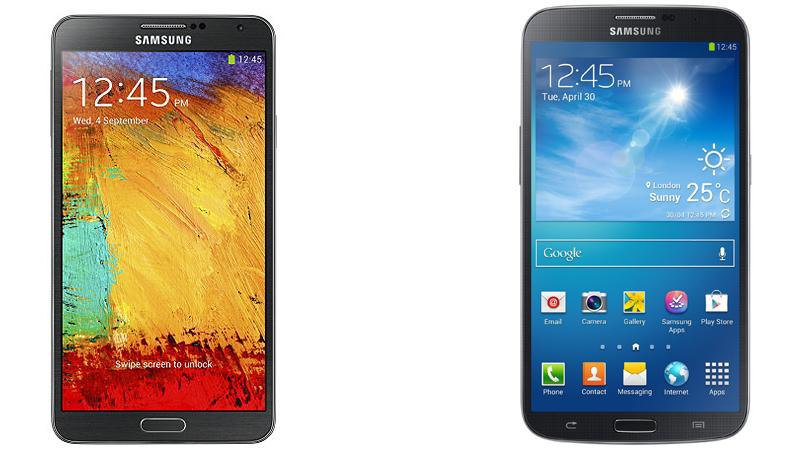
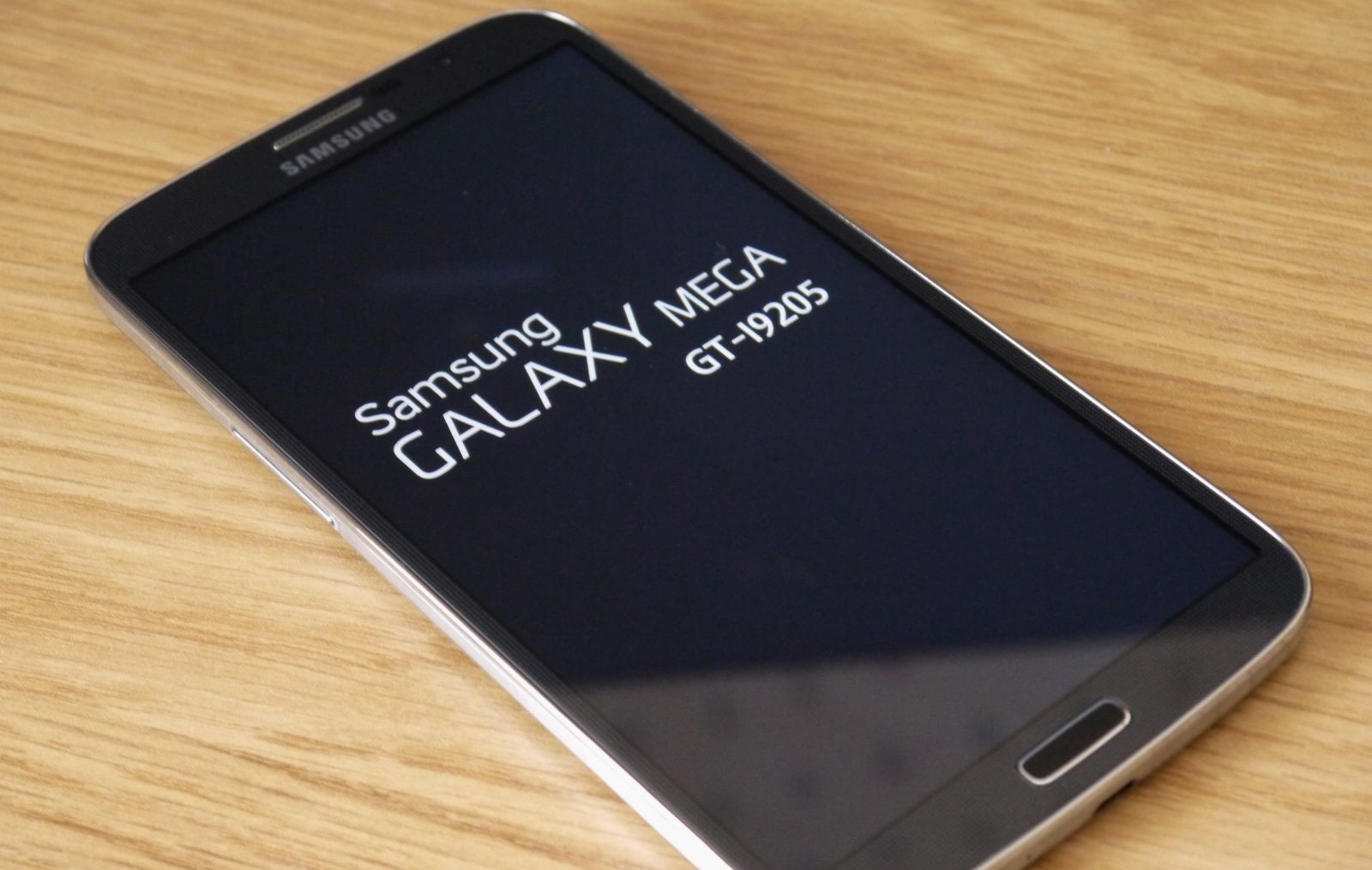
We have been hearing rumors about the new successor of the Samsung Mega series for quite some time, and now it seems like Samsung is finally pulling up its sleeves and getting ready to launch.
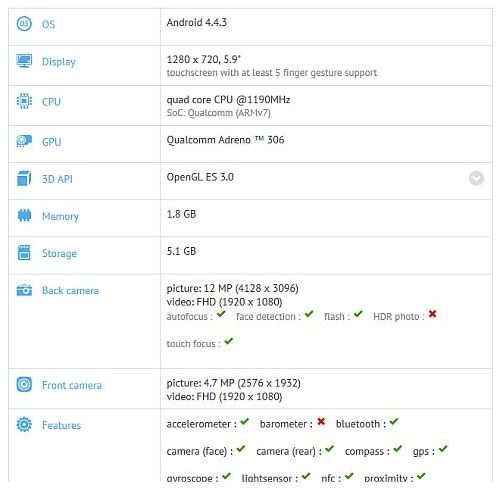
Recently, the Galaxy Mega 2 has had most of its important specs leaked because a pre-production unit has been put through the paces of a well known graphics benchmark. It is said that the handset maker might offer a plus-size device with a budget-friendly price tag.
Specs of Samsung Galaxy Mega 2 as per the GFXbench
Benchmarks on GFXbench disclosed a 5.9-inch display that targets a low to mid-range market, though earlier rumors suggested that the new device will sport a 6″ display (a slight difference). However, Samsung has maintained the same resolution as its predecessor at 1,280 x 720 pixels.
It is likely that the new Mega 2 will be Samsung’s first smartphone to run on 64-bit processor with a Qualcomm Snapdragon 410 quad-core chipset. There are also rumors floating that the new Samsung Mega 2 may run on Android L. Galaxy Mega 2 will have 720p HD resolution, 2GB of RAM, 8GB of internal storage, a 12 MP rear camera, and a 5 MP front shooter for selfies.
Samsung Galaxy Mega 6.3, released last year
Other Galaxy Mega 2 features listed on GFXbench includes accelerometer, barometer, Bluetooth, gyroscope, compass, GPS, light sensor, NFC, proximity sensor and Wi-Fi. Apart from these features not much is known about the phone’s specs or when it will be released. It is said that with the Mega 2, Samsung is trying to introduce low-end Note-like phones in the mid-range segment.
Flying saucers were an integral part of our 20th century pop culture. Movies like “The Day the Earth Stood Still” initiated our obsession with the rounded spaceships of unknown visitors. They also inspired a million hoaxes and countless imaginative tales of anal probes. But now NASA has made its own version of this Science Fictional travel medium to further transport capabilities to Mars.
The test program, called the Low-Density Supersonic Decelerator (LDSD), was put into an evaluation phase over the last weekend and it came out with flying colors. The test was done at the U.S. Navy’s Pacific Missile Range Facility in Kauai, Hawaii.
Retrieving the craft from the Ocean
The LDSD is an important technology to look forward to. The successful landing of the one tonne Curiosity rover using the rocket powered Sky crane set the precedence for this craft. NASA realized that the future missions will try to get even bulkier equipment on board and if the current plans of forming a human settlement on Mars have to succeed, they need to find a way to deliver payload efficiently and cost effectively.
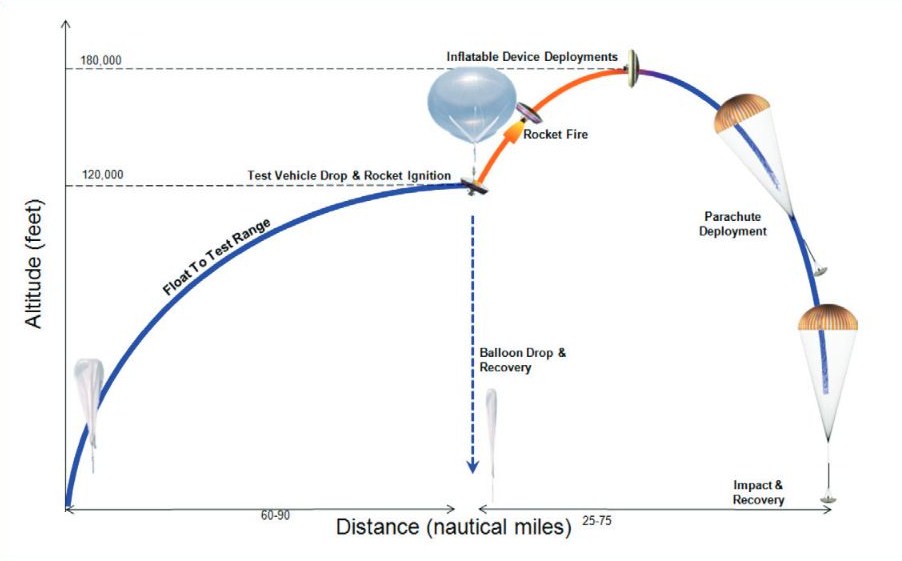
The LDSD, along with the Supersonic Inflatable Aerodynamic Decelerator (SIAD) was tested in the Stratosphere at the heights 36.58 KM above the earth surface where the winds are as thin as Mars. In the stratosphere, the LDSD payload underwent a rocket-powered trajectory to reach supersonic speeds. After this the deployment and optimum functioning of the inflatable decelerators were tested. This was followed by the recovery of the balloon and test vehicle in the ocean.
The Test Plan
NASA intends to use atmospheric drag as a landing solution, thereby saving rocket engines and fuel for final maneuvers and landing procedures. The technology for bigger spaceships will be bulkier to assist the massive crafts with landing capabilities. As the name suggests the craft is deployable at supersonic speeds and can bring the speed down for safe landing.
Mars is a complicated environment for landing spacecraft’s. As it has a thin atmosphere, the parachutes need to be massive. Airbags and rockets have been used for past missions, but they would not be that efficient with larger payloads.
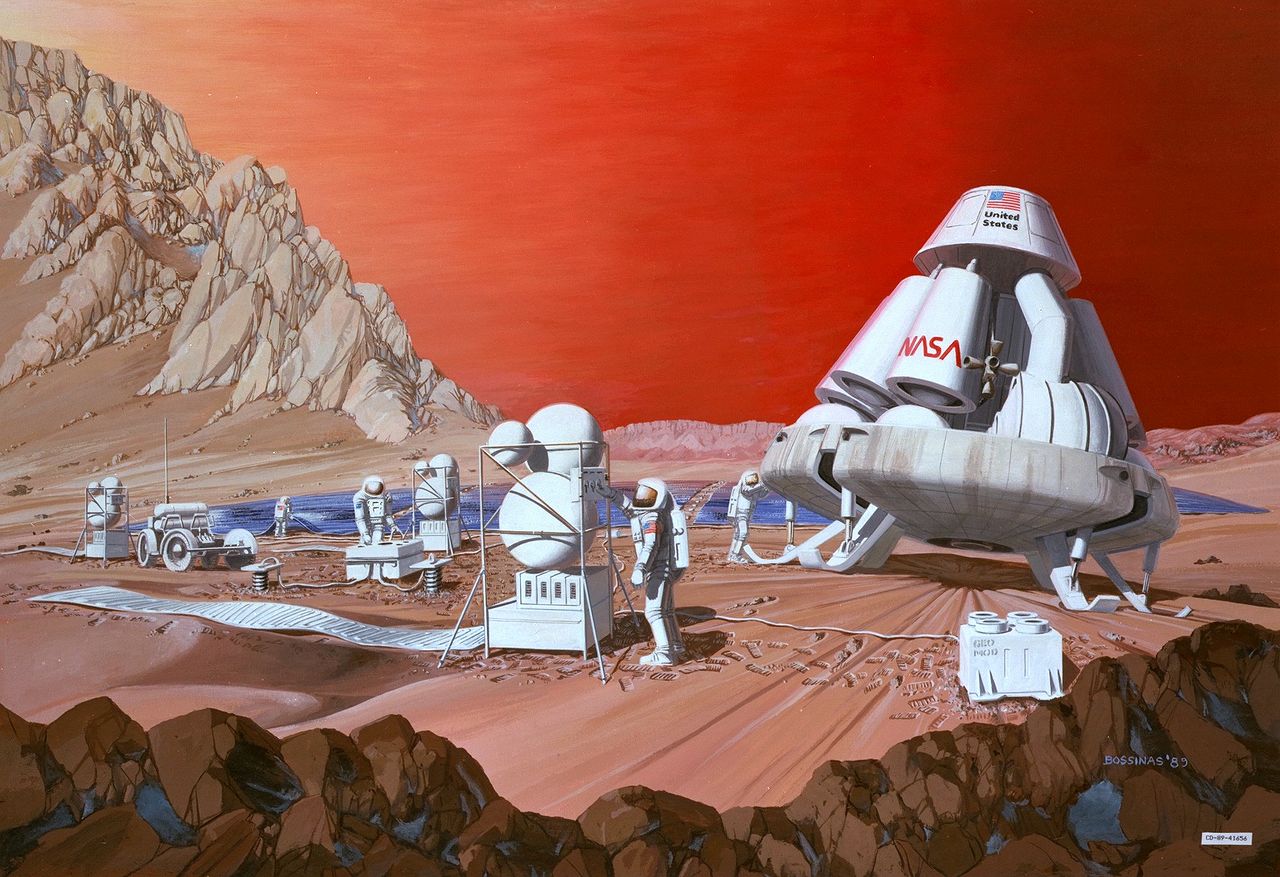
The Dream of Human Mars mission got a bit closer to reality with this LDSD test
This was the first of the three tests for the LDSD technology. There will be two other devices which will be tested later. As the mission dates for the audacious plans for landing humans on Mars is drawing closer, NASA intends to attain flight level maturity in the coming two-three years.
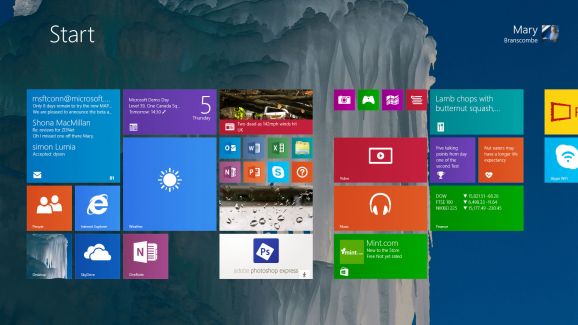
While, Microsoft is preparing a second update to its Windows 8.1, it is also focused on the larger “Windows 9” release. The new upgrade of the not entirely successful Windows 8 and now Windows 8.1, seems to be in focus.
Leaker WZOR claims that either Windows 9 will come out as a free update for those who installed Windows 8.1/Windows 8 Update 2 or these users could have the Windows 9 update with a good discount. Despite rumors of an aggressive development and shipping schedule, there’s no official word about what’s in the next version of Windows, however there are plenty of rumors.
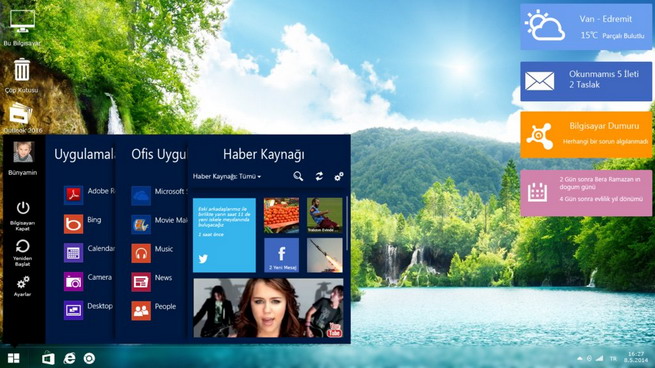
ZDNet reported that “a preview of codename Threshold — which may or may not be named Windows 9 once it’s released — will be available later this year.” It is said that the public preview will be released this fall, and it may be after Windows 8.1 Update 2 is released. Microsoft had been planning to bring the Start Menu back with Update 2, but the company is now planning to deliver that change with Threshold.
There are also rumors that Microsoft is looking to merge Windows RT and Windows Phone into one “Phone/Tablet” SKU that will just use the Modern UI and will run on ARM-based tablets and phones, along with Intel Atom tablets. That version could also run two apps side by side, which is already a feature on Windows 8 and 8.1 but has yet to be added to Windows Phone. The Desktop/Tablet version of Threshold could offer the desktop UI as default.
The new update also features improvements to the Start Screen including the ability to boot straight into the Desktop, the return of shutdown on the Start menu and a more familiar task bar to unify the old and new user interfaces. The update was announced at Build 2014, along with features teased for Windows updates to come. Microsoft Communications Chief Frank Shaw said the company wasn’t ready to talk about how often Windows updates might come out.
Meanwhile, Windows 8.1 Update 2 is expected to arrive as part of Microsoft’s monthly security patches in August. The update will include the usual bug fixes, and improvements for upcoming hardware ahead of the holiday season. Windows’ 8.1 Update included a number of interface changes and functionality tweaks, and Update 2 is expected to include some additional minor interface tweaks.
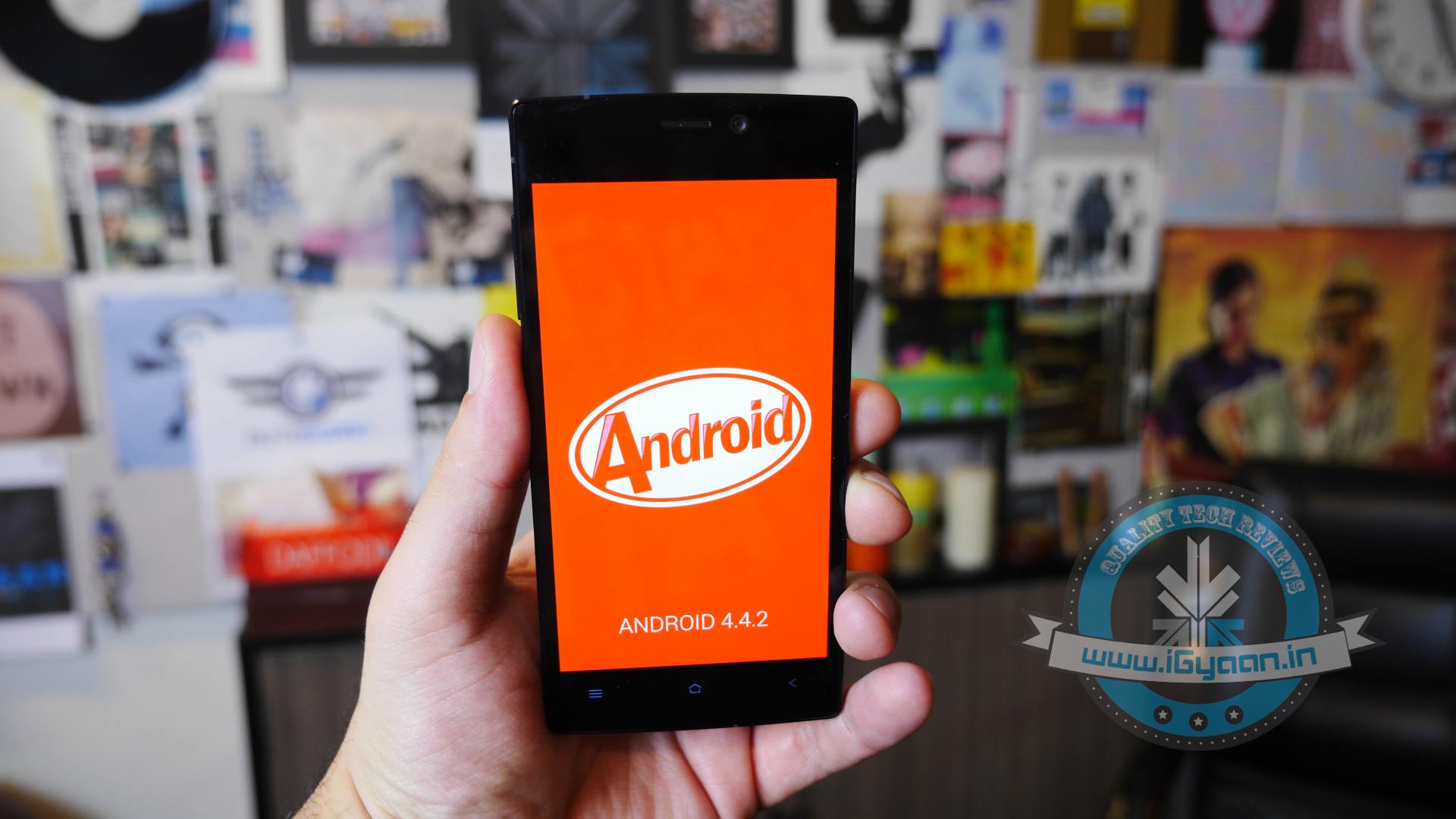
Gionee will be pushing out Android KitKat Update version 4.4.2 with the new Amigo UI to some devices in the coming days (as told to us by Arvind Vohra in our LetsTalkShop ).
The first two devices to get the said update are the CTRL V5 and Gionee Elife S5.5, while most owners of the V5 should already be getting update notifications, owners of the Elife S5.5 will soon get a notification for the proposed update.
We went hands on with the Elife S5.5’s Android 4.4 KitKat Update, and we can tell you, it is one major improvement. Apart from being a major overhaul in frameworks the new upgrade is at least twice as responsive and 50% lighter on the resources.
Here is a ChangeLog for the devices:
For the Gionee Elife Slim S5.5 and Gionee Ctrl V5
1. Android KitKat Update
2. New Desktop layout
3. Removed the World Cricket Champion and Real Football game
4. Added Du Speed Booster
5. Updated Amigo Paper with a brand New UI
6. Updated Game Zone with a New UI
7. Updated GioneeXender
8. Updated UC Browser
9.Updated NQ Mobile Security
10. Updated Kingsoft WPS
11. Removed Settings Shortcut from Notification Panel
12.Theme and Wallpaper will be reset to Default after System Update, but Data will not be Lost.
While you wait for the final KitKat update which should be a big download 800-900 MB in size, other devices including the Elife E7 and possible previous versions are also set to get Android KitKat in the coming weeks. As mentioned above, we did an update and the data remains safe, while some of the settings get reset, including the wallpaper, which you can reselect.
Now there are two ways of looking at the below story. The Grammar Nazis will bemoan this as the lowest dip in our communication medium. While the rest of the crowd will see it as an opportunity get creative with the wide library of emojis that iOS has to offer.
Introducing emojli, an Emoji-only Social Network where life is simple and easy. Here everything is based on emojis. Even your username. Since the communication is totally based on emoticons, comprehension is going to be a major issue.
The creators, Matt Gray and Tom Scott, say that this is a spam free social network. But perhaps the creators don’t know the incredible proclivities of the internet trolls to get creative. The social network is said to come out soon but you can reserve your username at emoj.li right now.
As of now this the concept seems a bit strange, but it also can be an equivocal revolution. We’ll reserve our judgement for the service to start. If the Emoji username selection is a kind of a trailer for things to come, it looks rather good.
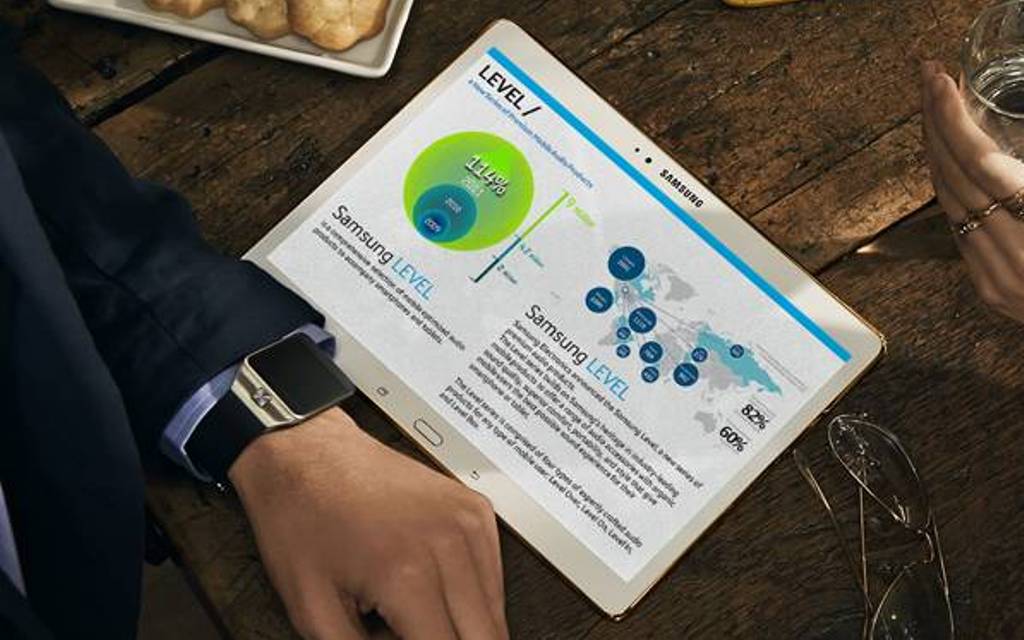
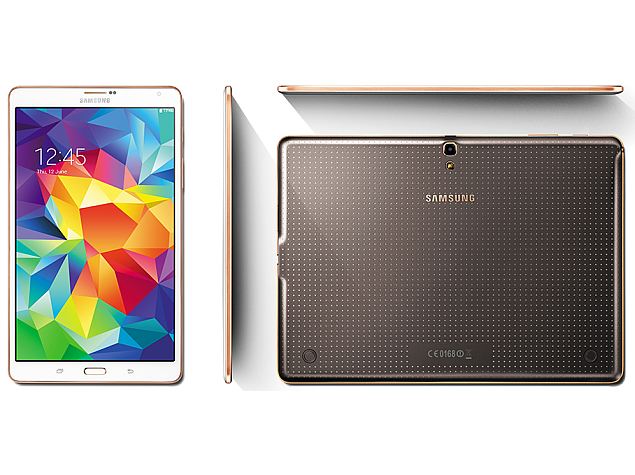
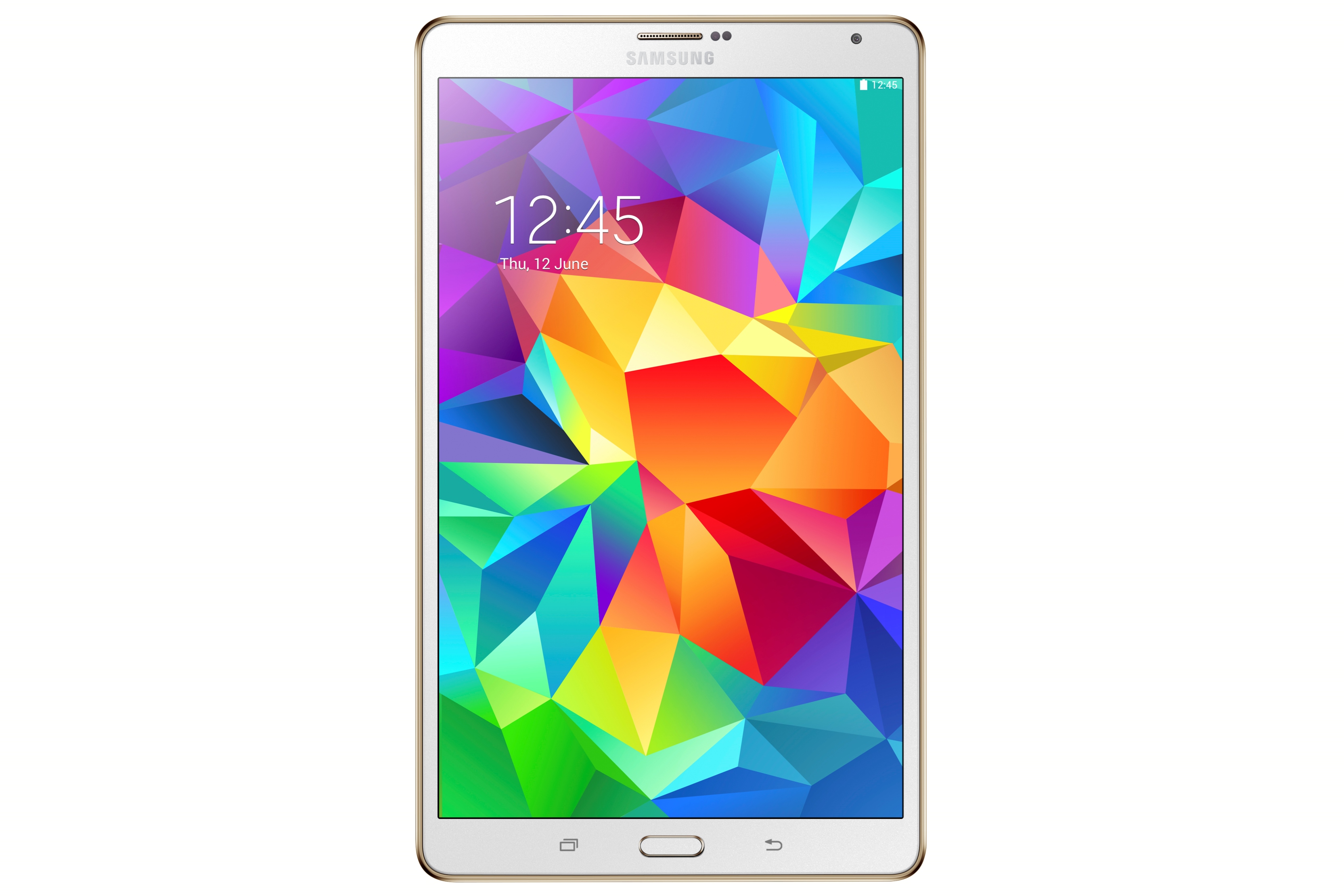
Samsung has launched its two latest tablets, Galaxy Tab S 10.5 and 8.4. The two models are scheduled for a mid-July release in both 3G and 4G LTE variants. The new Samsung Galaxy Tab S tablets were first unveiled on June 13 at an event in New York. This new line of high-end tablet computers, obviously, rivals against Apple’s iPad.
As far as specs and user experience are concerned, Samsung has done a great job but the prices are higher than what Apple is offering. The Galaxy Tab S features Super AMOLED displays. AMOLED stands for active-matrix organic light-emitting diodes which are already found in smartphones made by Samsung and a few other manufacturers. But until now, tablets haven’t used them because larger AMOLED screens are difficult to produce.
Besides producing richer colours, AMOLED allows the Galaxy Tab S tablets to be thinner and use less power because screens typically don’t require backlighting. Samsung did release an AMOLED tablet in 2012 which didn’t sell well because it was too expensive. The new ones will be priced more competitively. The Galaxy Tab S tablets are a quarter of an inch (6.6 millimeters) thick, which is thinner than the iPads. The smaller version is also lighter than the iPad Mini, while the larger one is about the same as the iPad Air.
Galaxy Tab S 10.5 and 8.4 are powered by an Exynos 5 Octa processor (1.9GHz quad-core+ 1.3GHz quad-core), and 3GB RAM. The devices run Android 4.4 (KitKat) with Samsung’s customized UI. These feature 16GB internal storage and a microSD card slot that supports cards of up to 128GB. Both the variants sport 8MP rear cameras with LED flash and a 2.1MP front-facing cameras. In terms of connectivity, the tablets offer Wi-Fi (including 802.11ac), Bluetooth 4.0, IrLED, 3G and voice calling capabilities.
The new tablets will also allow users to make calls and the device can be unlocked using a fingerprint. The tablets can support up to eight user profiles, so members of a single family can get separate home screens simply by swiping their finger on the sensor.
Until now, iPad rivals have succeeded largely by undercutting Apple on price, and better hardware hasn’t been enough. AMOLED screens could change that, because Samsung certainly have an edge with it. The Galaxy Tab S range will be available in India at Rs 37,800 for 8.4 inch and Rs 44,800/- for 10.5 inch variant. It comes in two colour options, Titanium Bronze and Dazzling White.