Blog

  • Can’t Login to Twitter on an iPhone, iPad or iPod ? Twitter knows it, Here is How you Fix it!

    Can’t Login to Twitter on an iPhone, iPad or iPod ? Twitter knows it, Here is How you Fix it!

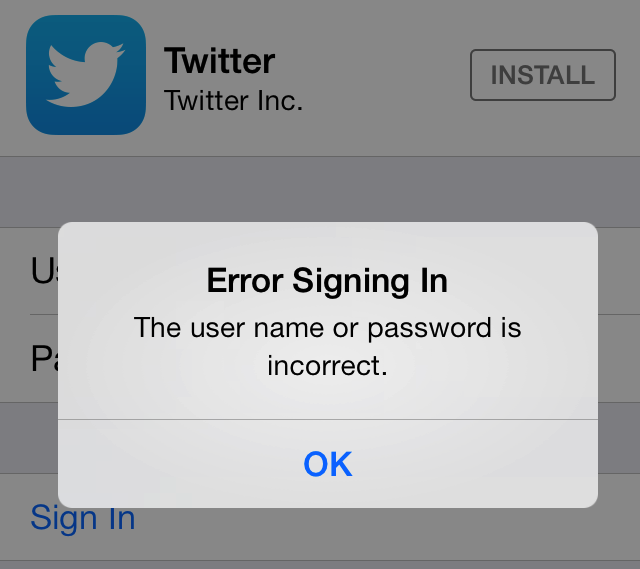
    Many iPhone / iOS device users are facing issues logging into Twitter from their iOS devices, so much so that some people cant even open the twitter website on their browser. Twitter is aware of this bug and claims that it is working on a fix. 

    If you can’t login to Twitter on your iPhone, iPad or iPod you may be one of the many who are affected by this bug.

    [box type=”notice” title=”Bug Alert:  ” message=” Some users are having trouble sending a Tweet with photo. Some users report seeing the following errors when logging into Twitter for iPhone: Unauthorized / @(null) / Error Loading Tweets (400 or 401) “]

    Twitter Recommends the following steps to attempt to reinstate your iPhone / iOS Twitter access to your Twitter account .

    Remove your account from the app and log back in

    If clearing your phone’s cache or turning your phone off and then on again didn’t work, you should try removing and then re-adding your account to the app. This is essentially the same thing as logging out and back in again, but since there is not “log out” option on the app, you’ll need to remove the account from the app entirely and then sign back in.

    Note: The instructions for removing an account from the app are different for iOS4 and iOS5 (and higher). If you don’t know which OS version your phone is running, you can check by going to your iPhone’s Settings > General > About > Version.

    To remove your account from the Twitter for iPhone app:

    1. Go to your phone’s System Settings.
    2. Tap on Twitter.
    3. Tap on the account that needs to be removed.
    4. Select Delete Account.

    To add your account back to the app:

    1. Open the Twitter for iPhone app.
    2. Tap Sign in.
    3. Enter your username and password.
    4. Tap Done.

    If you’ve forgotten your account’s password, follow the troubleshooting steps below to recover it.

    How to send a password reset from your mobile device:

    1. If you’re using a mobile device to access Twitter, you can send yourself a password reset via Twitter for Android, Twitter for iPhone, or mobile.twitter.com.
    2. On the welcome page, select Sign in and then Forgot password?
    3. Enter the email address or username that you are trying to request a password reset for. If you have a phone number associated with the account, you can choose to receive a reset via SMS. 

    Uninstall and reinstall the app

    If above troubleshooting steps didn’t resolve your issue, you can try deleting and reinstalling the app on your iPhone.

    To uninstall the app:

    1. From your home screen, press and hold your finger on the Twitter for iPhone app icon.
    2. The icon will begin to wobble and an x will appear in the top left corner of the icon. Tap the x.
    3. Your iPhone will ask you to confirm your decision to delete the app. Tap Delete.
    4. The app will disappear from the screen and has been deleted from your phone.

    To reinstall the app:

    1. Go to twitter.com/#!/download/iphone and click Download now.
    2. Open the App Store app on your phone and search for Twitter.
    3. Tap Install.

    Try clearing your phone’s cache

    1. Tap the Settings app icon on your iPhone.
    2. Tap Safari in the list of applications.
    3. Scroll down and select Clear History and/or Clear Cookies and Data
    4. If you’ve cleared your cache but are still experiencing the issue, try turning your phone off and then on.

    Check that your time zone settings are set to update automatically

    If you’re seeing “Unauthorized” or “Invalid username and Password” when you try to sign in, this is likely caused by incorrect time zone settings or an outdated version of the Twitter client application. Please make sure your Twitter client is up to date with the latest version and that the date, time and timezone settings are set to update automatically.

    To check your time zone settings:

    1. Tap the Settings app icon on your iPhone.
    2. Tap General.
    3. Select Date & Time.
    4. Make sure the option to Set Automatically is enabled.
  • LG Launches PD233 Pocket Sized Printer In India

    LG Launches PD233 Pocket Sized Printer In India

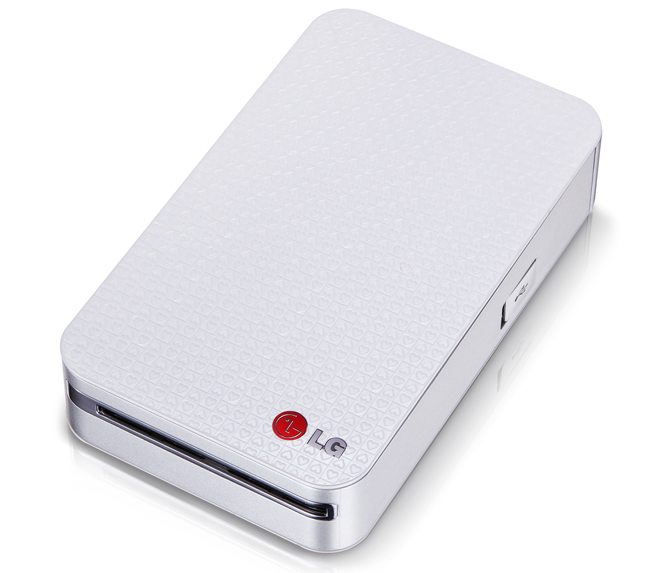
    LG today launched a pocket-sized photo printer called LG PD233 Pocket Photo in India. The LG PD233 is available at retail stores across India for Rs 14,990.

    Named Pocket Photo, the mini photo printer is compatible with both Android and iOS devices, operating wirelessly over either Bluetooth or near field communications (NFC).

    Fitting in the palm of your hand, Pocket Photo produces small 3x2in colour prints as requested by the connected device. In order to do so, however, users need to download the LG photo app from the Apple App Store or Google Play store, where they can also embed QR codes or make quick edits directly from the device before printing.

    Pocket Photo employs inkless printing technology from Zink, which LG claims eliminates the need for expensive ink cartridges.

    “Printed photos offer a certain intimate appeal and tactile pleasure that digital images simply can’t provide,” LG said. “Whether you want to keep a photo in your wallet or add it to a personal scrapbook or diary, LG’s smart mobile printer offers the ideal solution.”

    The Pocket Photo measures 72x120x24mm and weighs 215g.

  • MI6, NSA And Other Spy Agencies Ban Lenovo Laptops Over Hacking Vulnerability

    MI6, NSA And Other Spy Agencies Ban Lenovo Laptops Over Hacking Vulnerability

    Chinese companies such as Huawei have always been accused of helping the Chinese government in its spying operations. Countries such as the U.S. and U.K. take special measures to ensure that any Huawei equipment being installed is free from all vulnerabilities that can let China spy on them. A new report from the Australian Financial Review claims that top spy agencies like the MI6 and CIA have banned Lenovo machines from their networks over fears that they might contain “back-door” hardware that would aid China’s spying attempts.

    Machines produced by the state-backed technology company, which is the largest PC producer in the world, are claimed to have been found in tests by MI5 and GCHQ to have modifications in their circuitry which could allow remote access to the devices without the owners’ knowledge.

    If the reports are true, the timing of the ban coincided roughly with Lenovo’s purchase of IBM’s PC business in 2005.

    The UK Government Communications Headquarters (GCHQ), MI5 and MI6 are all named as participating in the Lenovo ban, as well as the Security Intelligence Organisation and the Secret Intelligence Service in Australia, and the US National Security Agency (NSA).

    Lenovo, today voiced its “surprise” at the alleged move and completely denied any fault in its machines.

    [Via, Via]

  • iOS 7 Beta Code Confirms Fingerprint Sensor Feature For Next iPhone

    iOS 7 Beta Code Confirms Fingerprint Sensor Feature For Next iPhone

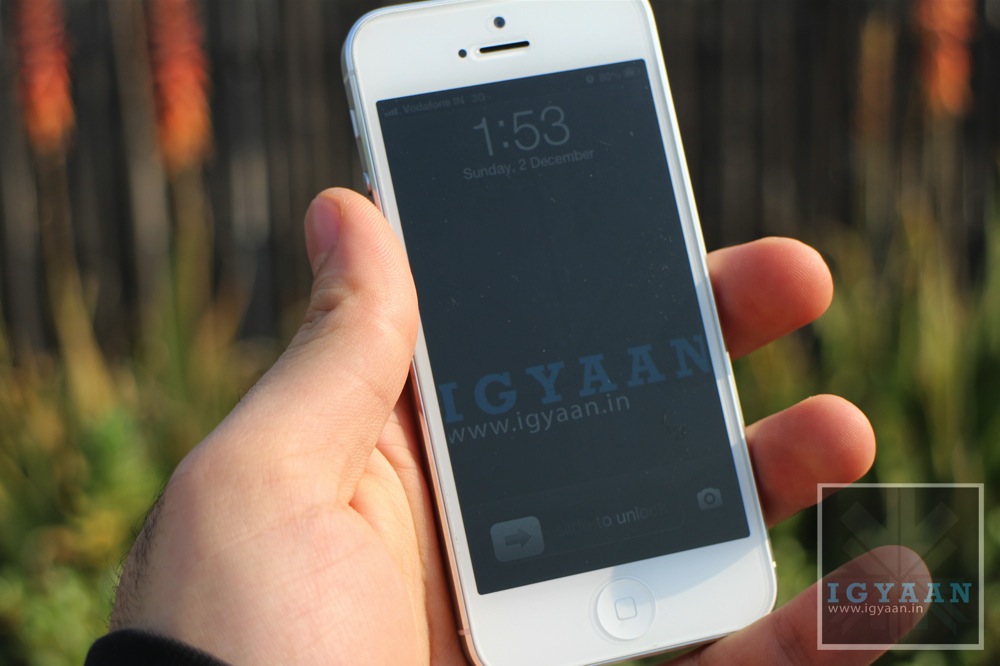
    In case you were wondering whether or not the next-generation iPhone will have that rumored fingerprint sensor, look no further than the latest iOS 7 beta.

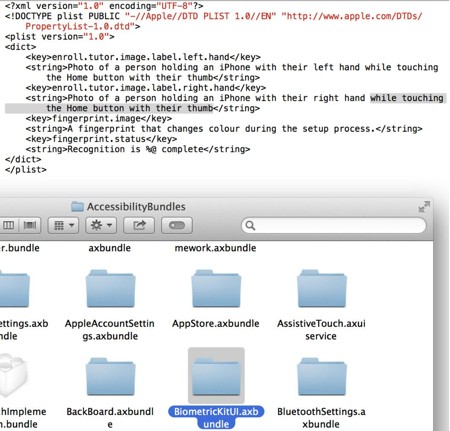
    A folder dubbed “BiometricKitUI” has been discovered in iOS 7 Beta 4 by Hamza Sood (and made public by 9to5mac) and, while the folder bears enough evidence of the fingerprint sensor in and of itself, the contents provide even more clues regarding the biometric capabilities of Apple’s next iPhones.

    fingerprint sensor

    Following its 2012 acquisition of mobile security firm AuthenTec, which specialized in fingerprint sensors, Apple has been rumored to be looking to incorporate its technology into its future products.

    The folder references a biometric user interface, complete with descriptions of a setup process that includes images of a colour-changing fingerprint and a person holding an iPhone with their thumb on the Home button.

    Earlier this month Apple was granted a patent for an in-display fingerprint sensor which would allow for biometric functionality while negating the need for a separate sensor panel.

    Details on the names for the new iPhone models have been scarce until earlier this week when a new photo leaked showing the packaging for a device called the iPhone 5C. This could be the name for the low-cost model scheduled to come out this fall.

    But it’s potentially even more interesting than that. As Bulgarian designer/developer Pavel Simeonov just tweeted, “Fingerprint sensor in iPhone 5S is much more than a gimmick. This + iCloud keychain = end of passwords.” So this is not just about security, but also convenience. If iCloud keychain converts and safeguards all of your passwords that you—and only you—can access via your iPhone, then Apple will have scored a tremendous usability coup that potentially makes its phone the key to your life—quite literally. 

    [Via]

  • Instagram Deleting Posts Uploaded Through Third Party Windows Phone App

    Instagram Deleting Posts Uploaded Through Third Party Windows Phone App

    Those of you using Instance, the unofficial Instagram client for Windows Phone, have probably noticed that things aren’t running as smoothly as they should since yesterday. Indeed Instance seems to be in some trouble.

    Numerous users report that photos that they share to the social photo service are being deleted shortly after being uploaded. This issue is in addition to an earlier problem that saw some users receiving a log-in error message when trying to use the app, although the two may be connected.
    The problems started when Instagram changed their keys that are used to authenticate, and Windows Phone users obviously got left out. However that problem was quickly fixed once Daniel Gary, the app’s developer, got wind of it.

    The Facebook-owned photo-based network hasn’t developed an official Instagram app for Windows Phone users. As a result, people have been forced to use third-party clients, such as the popular Instance application. 

    There’s no clear explanation why this is happening and the app’s creator Daniel Gary half-jokingly posted the tweet below.


    It’s unclear at this point whether the automatic deletions are a technical problem, or an intentional decision by Instagram to disincentivize third-party applications on the Windows Phone platform.


  • Sony Launches the XPERIA Z Ultra in India Rs. 46990, 6.4 inch Full HD, Waterproof and Dust Resistant (Hands On)

    Sony Launches the XPERIA Z Ultra in India Rs. 46990, 6.4 inch Full HD, Waterproof and Dust Resistant (Hands On)

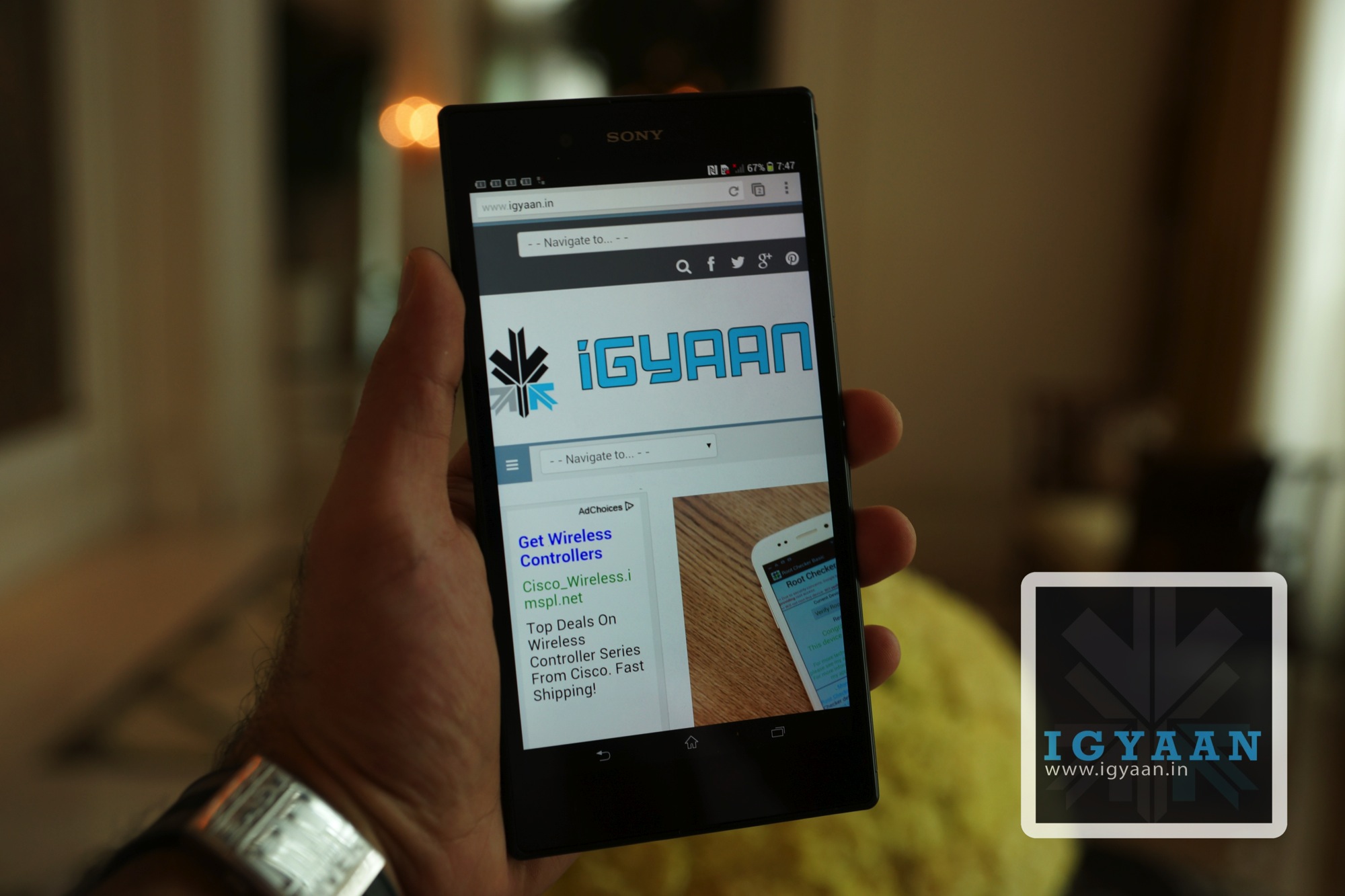
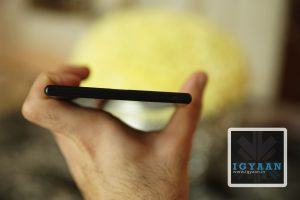
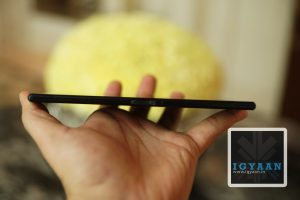
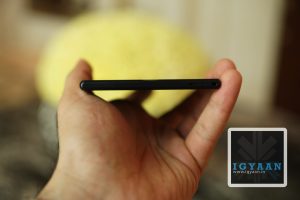
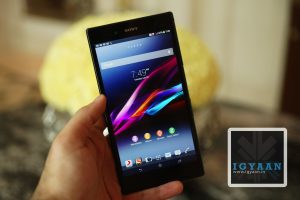
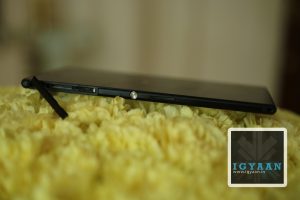
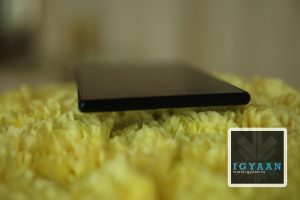
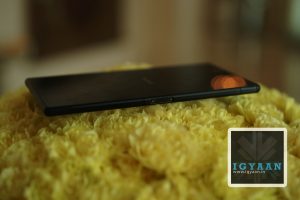
    Sony today launched the new Xperia Z Ultra in India, the phone is a bigger (really) sized variant of the Xperia Z and in theory really builds on the design and the features of the Xperia Z. The Xperia Z Ultra features a 6.4 inch Full HD 1920 x 1080p display with 344 ppi pixel density which is powered by the Triluminous and X-reality engines of the Mobile Bravia embed. The Xperia Z Ultra also features a MSM8974 Snapdragon 800 chipset which is more than capable of powering the device, with Quad-core 2.2 GHz Krait 400 CPU and Adreno 330 the phone is really a mammoth creation in both size and hardware power. The Xperia Z Ultra just like the Z before it, is IP58 certified – dust and water proof which means the the Xperia Z Ultra is Water resistant up to 1 meter and 30 minutes.

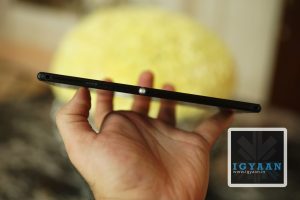
    For Cameras you have an 8 MP rear snapper and a 2 MP front camera both sans a LED Flash and capable of 1080p video at 30fps. The Xperia Z Ultra comes with a 3050 mAh battery which is embedded into the device and is non removable, the profile of the handset is truly fantastic where it is only 6.5mm thick and weighs only 212g considering the size. Sony have also rounded off the sides so that it does not bite your hands when you attempt to grip this passport sized handset. The phone will be available in Black, White and Purple and boasts lots of freebies from the get go, including Asphalt 7 which is pre installed, Sony Live Content from Indian Idol Etc. and free 3months subscription to Big Flix.

    The Xperia Z Ultra has 16 GB inbuilt storage and 2 GB of RAm and you can expand the storage with upto a 64 GB microSD card, class 10 recommended. 

    Buy Now

  • Corning Launches Gorilla Glass NBT for touch-enabled laptops

    Corning Launches Gorilla Glass NBT for touch-enabled laptops

    Gorilla Glass has been the name associated with strengthened mobile phone glass since 2010, but now Corning, the company behind it all plans to take it to the next step by introducing Gorilla Glass NBT for touch-enabled laptops. This new layer of glass promises to bring all the features of the Gorilla Glass 3 to a larger Laptop size glass. 

    “Known as the cover glass of choice, Corning Gorilla Glass now extends its exceptional capabilities into the emerging touch-enabled notebook market,We are confident that Corning Gorilla Glass NBT will outperform legacy soda lime glass, delivering eight to ten times more scratch resistance. In fact, for just one to two percent of a notebook’s retail price, consumers can now get the best cover glass solution: a Gorilla solution. Simply put, we believe that if you don’t have Gorilla on your device, it’s not as good.” said James R. Steiner, senior vice president and general manager, Corning Specialty Materials. 

    Gorilla Glass NBT will be available by Fall 2013 and should be incorporated in most manufacturer touch enabled laptops by 2014.

     NBT

    [toggle title=”Press Release”]Corning Brings Gorilla® Glass NBT™ to Touch-Enabled Notebooks

    New cover glass helps prevent damage to touchscreen displays; extends Corning Gorilla Glass into new market

    CORNING, N.Y., July 29, 2013 – Corning Incorporated (NYSE: GLW) today introduced its newest cover glass, Corning® Gorilla® Glass NBT™, designed to help protect touch notebook displays from scratches and other forms of damage that come from everyday handling and use.

    Gorilla Glass NBT is Corning’s unique glass solution for touch-enabled notebooks. Touch is becoming the primary way consumers are interacting with their mobile devices; and with increased touch comes the potential for the glass to scratch. Scratches can result in the cover glass breaking, when the devices are subject to normal day-to-day usage. Corning Gorilla Glass NBT provides enhanced scratch resistance, reduced scratch visibility, and better retained strength once a scratch occurs to help protect notebook displays from breakage that can occur with lower-performing soda lime glass.

    Consumers want thinner, sleeker and lighter-weight personal computers featuring touch technology. Noted as the next wave in touch technologies by market research groups, touch-enabled notebooks have the potential to approach the size of the current smartphone cover glass market within the next few years. Corning Gorilla Glass NBT delivers the cost-effective scratch and damage resistance that consumers have come to expect of the world’s leading cover glass solution to this new mobile device market.

    “Known as the cover glass of choice, Corning Gorilla Glass now extends its exceptional capabilities into the emerging touch-enabled notebook market,” said James R. Steiner, senior vice president and general manager, Corning Specialty Materials. “We are confident that Corning Gorilla Glass NBT will outperform legacy soda lime glass, delivering eight to ten times more scratch resistance. In fact, for just one to two percent of a notebook’s retail price, consumers can now get the best cover glass solution: a Gorilla solution. Simply put, we believe that if you don’t have Gorilla on your device, it’s not as good.”

    Similar to a handheld or tablet device, the consumer’s physical interaction intensifies with a touch-enabled notebook device to include swiping, tapping, gripping and cleaning. Everyday interaction with these notebook devices can result in scratched cover glass and a compromised user experience. Corning’s consumer research indicates that complaint rates for scratching on notebooks are already up to four times higher compared to other mobile devices. Replacing the screen can be expensive and sometimes cost as much as half of the full notebook price, while leaving the user without a device for days.

    “As a leader in touch-enabled computing, Dell is always seeking the finest materials to ensure our notebook screens are impact and scratch resistant,” said Sam Burd, vice president, PC Product Group, Dell. “We’re integrating Corning Gorilla Glass NBT into our new client devices launching this fall, further enhancing our industry leading product reliability and durability.”

    Corning Gorilla Glass NBT is currently available and is expected to be featured on several notebook product models by leading global brands later this year.

    For more information on Corning Gorilla Glass NBT, please visit www.corninggorillaglass.com.[/toggle]

  • LG G2 Quick Window Case gets official launch before the phone’s launch.

    LG G2 Quick Window Case gets official launch before the phone’s launch.

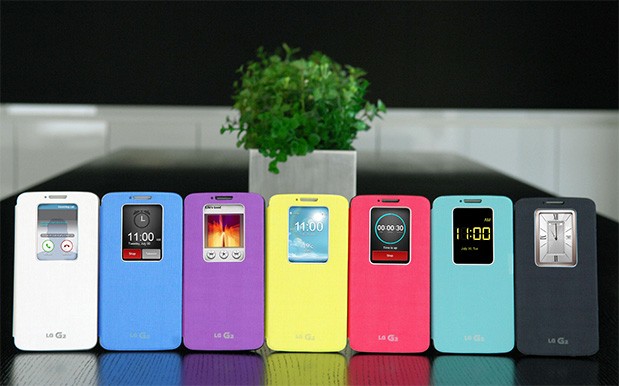
    LG G2 is the next upgrade for the LG Optimus G which is slated for launch on Aug 7th, but the company is not holding back in sending out accessories for the slated handset. Just like Samsung’s S View cover the Quick WIndow case has a cutout window in the front. But LG has gone one step forward and designed a new QuickView UI which will light up the area with incoming call details, text messages, a clock, weather report, alarm or music player.

    The availability for the LG G2 is still a mystery, but if LG intention to launch accessories is clear, it seems that the phone is not too far away!


    [toggle title=”Press Release”]LG EXPANDS ACCESSORY OFFERINGS WITH PREMIUM SMARTPHONE CASE

    Convenient QuickWindowTM Case for LG G2 Available in Seven Colors

    SEOUL, July 30, 2013 – LG Electronics (LG) will be introducing a line of premium cases for its upcoming flagship device, LG G2, to be available at the same time as the smartphone. The aesthetically beautiful case, QuickWindow, is the newest addition to LG’s growing premium smartphone accessory lineup, which includes cases, headsets and portable chargers.

    An opening or “window” on the cover of QuickWindow allows users to glance at various information displays without having to open the cover flap. With only a light swipe of a finger, the QuickWindow UX will appear in the window which users can view while on the go. Information that can be viewed through the QuickWindow cover include a clock, weather report, alarm, music player, incoming phone call details and incoming text messages.

    “LG’s newest premium accessory delivers practical and stylish options while protecting the smartphone, which for many consumers is a significant investment,” said Dr. Jong-seok Park, president and CEO of LG Electronics Mobile Communications Company. “Our smartphone designers have in mind the type of case they’d like to see on their designs. So it made a lot of sense for LG designers to share with our customers their vision of the perfect accessory.”

    The QuickWindow case for the LG G2 will be available in seven different colors, including black, white, pink, purple, blue, mint and yellow. The cases will be available simultaneously with the launch of the LG G2.[/toggle]

  • Samsung Working On 12.2″ And 10″ Tablets With 2,560 x 1,600 Resolution Panels

    Samsung has just released three new tablets in the form of the entry-level Galaxy Tab 3 7.0, the mid-range Galaxy Tab 3 8.0 and the in-the-middle Galaxy Tab 3 10.1. While all are clear improvements over their predecessors, both in terms of appearance and software, they still lack the high-end components of some of their Galaxy Note counterparts.

    According to evleaks, Samsung is to release a 12.2-inch Galaxy Note variant with an Exynos 5 Octa chip and high-resolution screen of 2560×1600 pixels, along with an S-Pen. This will likely appeal to the stationary tablet user, someone who wants a large, sharp display for sketching or drafting. Its model number is slated to be SM-P900.

    Another tablet, a more manageable 10-inch variant, will likely join the Galaxy Tab family, and have a similar resolution of 2560×1600 pixels — this is the same density as the Nexus 10 — along with an ultra-fast Qualcomm Snapdragon 800 SoC. Model number P600.

    Expect these tablets to debut in the coming months, as Samsung continues to saturate the phone and tablet market with every conceivable price range and screen size.

    There also exists the possibility that both of these tablets may have 3GB of RAM onboard. Right now no alleged pictures of both tablets have leaked and it is not known when Samsung plans on making them official.

    [Via]

  • MediaTek Unveils Quad-Core MT8135 big.LITTLE SoC

    MediaTek Unveils Quad-Core MT8135 big.LITTLE SoC

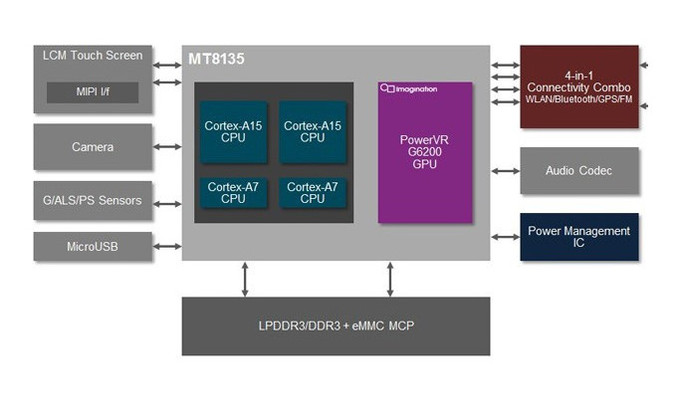
    Taiwanese chip maker MediaTek is looking to make its presence better known, and to that end, the company has announced its new quad-core MT8135 processor for high-end tablets. 

    It consists of four cores in total. Two Cortex A15 cores are paired with two Cortex A7 core in ARM’s big.LITTLE architecture. However, unlike the Exynos 5 chipset, the configuration here is called big.LITTLE MP, which allows both Cortex A15 and Cortex A9 clusters to work simultaneously. This makes it essentially a quad core processor (and that is just what MediaTek is touting it as).

    The new configuration is also said to make the processor more efficient than current chips using big.LITTLE architecture.

    The firm’s MT8135 SoC will use Imagination Technologies’ PowerVR G6200 GPU, which supports OpenCL GPU computing. 

    Imagination Technologies said the PowerVR Series 6 GPU used in the Mediatek MT8135 SoC uses its tile-based deferred rendering architecture. The firm also touted support for Miracast, giving tablets that use the chip the ability to stream content to supporting televisions.

    Mediatek could in theory use the MT8135 SoC to power Windows tablets, especially since the PowerVR Series 6 GPU supports DirectX 10.1. However it is far more likely that the chip’s OpenGL ES and OpenGL support will be used along with OpenCL and Renderscript. 

    MT8125

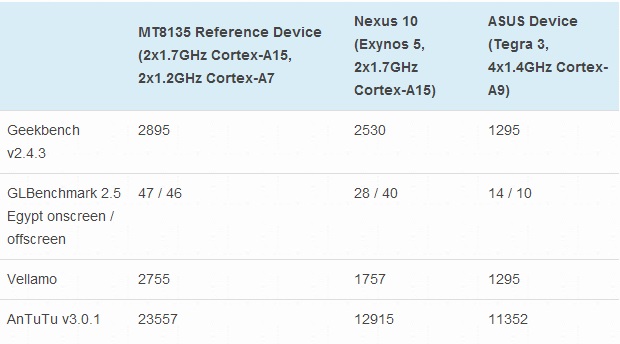
    The benchmarking scores provided by MediaTek for the chip, also puts it ahead of both Exynos 5 in the Nexus 10 and Tegra 3.

    No word on pricing or availability yet.

    [youtube id=”Kf_ZGDoEPMo” width=”100%” height=”300px”]

  • Sony And Panasonic Will Team Up To Create 300GB Optical Discs

    Sony And Panasonic Will Team Up To Create 300GB Optical Discs

    The highest capacity optical disc on the consumer market today is Blu-ray. In standard form it can hold 25GB of data or 50GB if dual layer. There’s also been the recent roll out of the BDXL format, which increases that capacity to 128GB. But such levels of storage are fast becoming too small, and both Sony and Panasonic have realized this and decided to do something about it.

    It has been announced today that both Sony and Panasonic are joining forces to create the next generation standard for optical discs. The objective with these discs is to expand their potential for long term data storage. Both companies hope to improve their development efficiency through technologies held by each company, their plan is to release optical discs touting a recording capability of at least 300GB by 2015. Sony and Panasonic will continue to hold discussions regarding the specifications related to the development of this new standard.

    In a joint release, the companies said: “Optical discs have excellent properties to protect them against the environment… they also allow inter-generational compatibility between different formats, ensuring that data can continue to be read even as formats evolve.”

    Much larger volumes of storage are expected to be required in the future both amongst broadcast and motion picture industries but also cloud data centers.

    Of course a new optical disc capable of storing much larger amounts of data could ultimately make its way on to the consumer market, with 4K Ultra HD video the most obvious material, if indeed 4K ever gets a disc format. 

  • BMW i3 Electric Car Made Official Worldwide

    BMW i3 Electric Car Made Official Worldwide

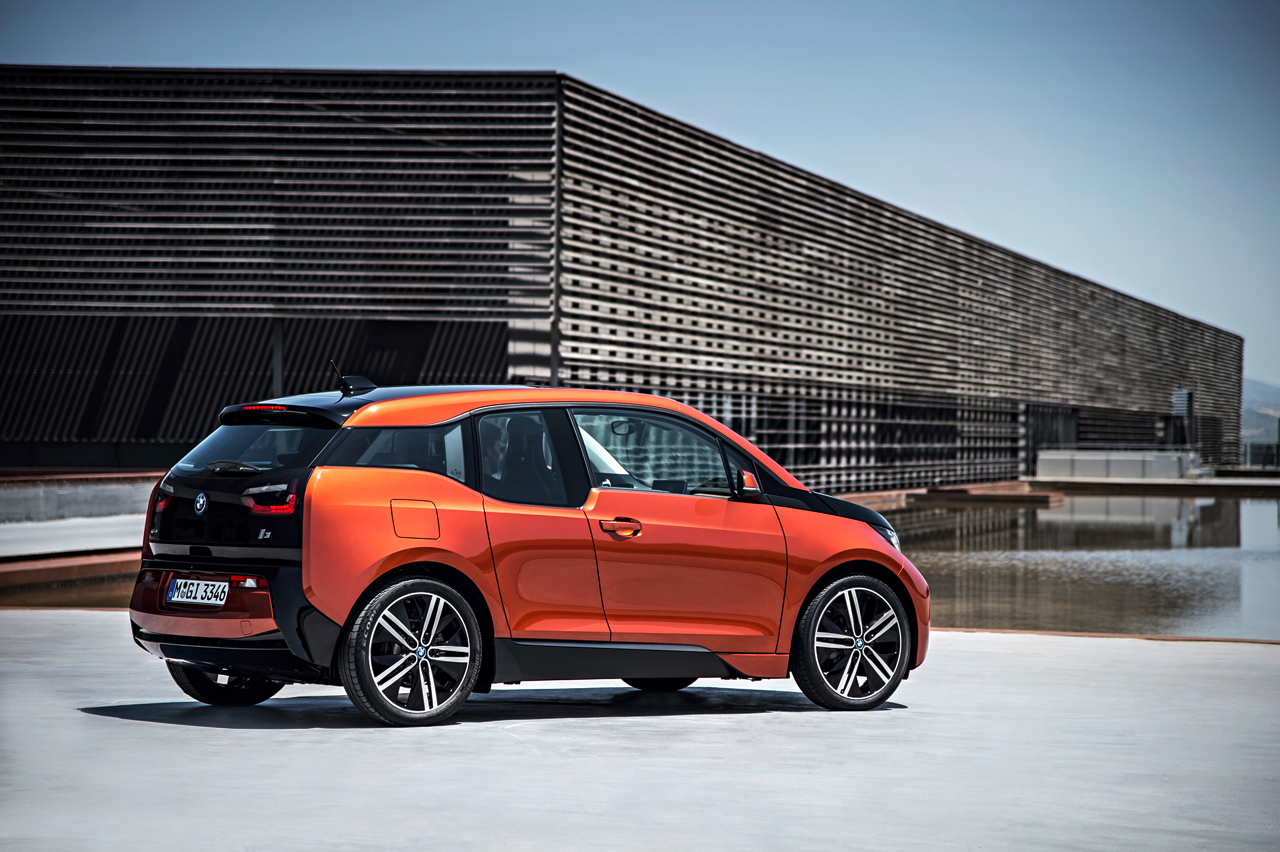
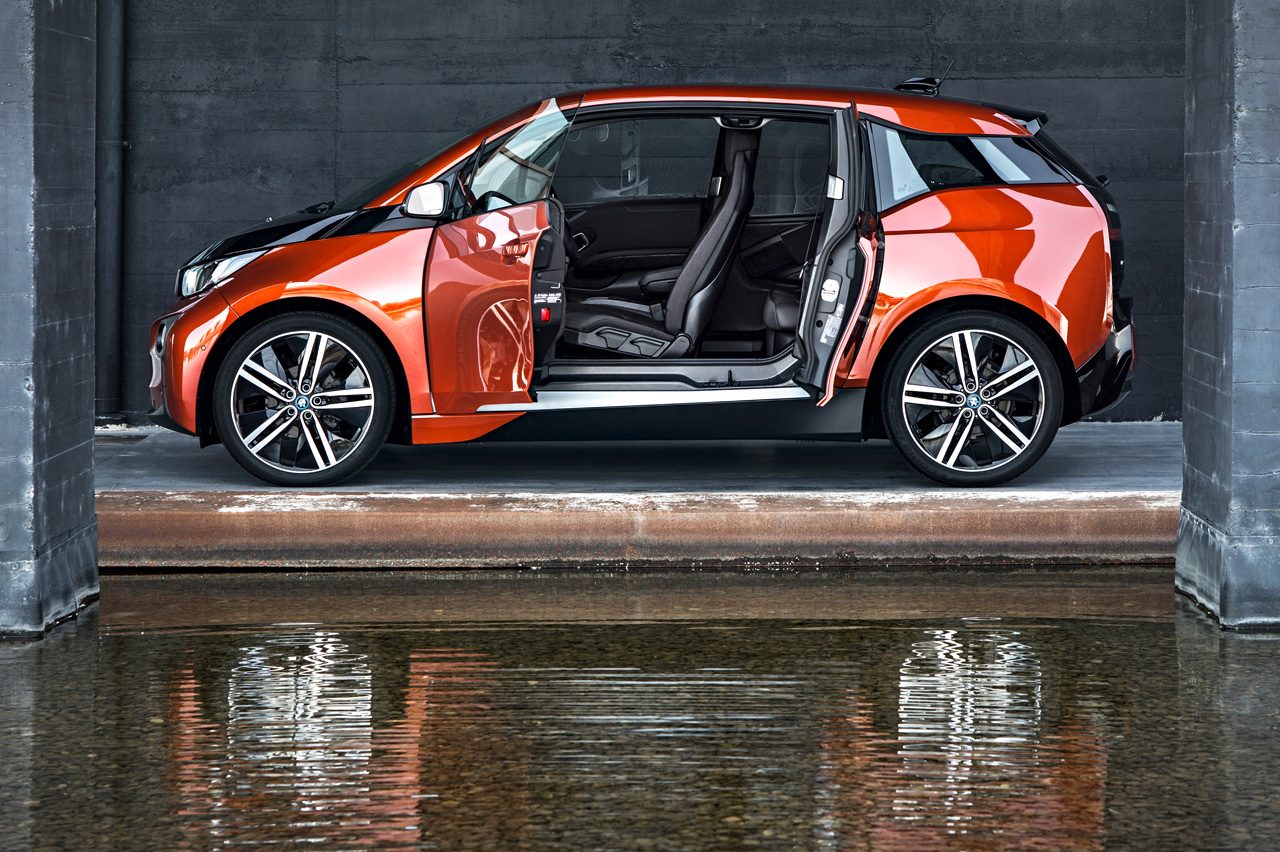
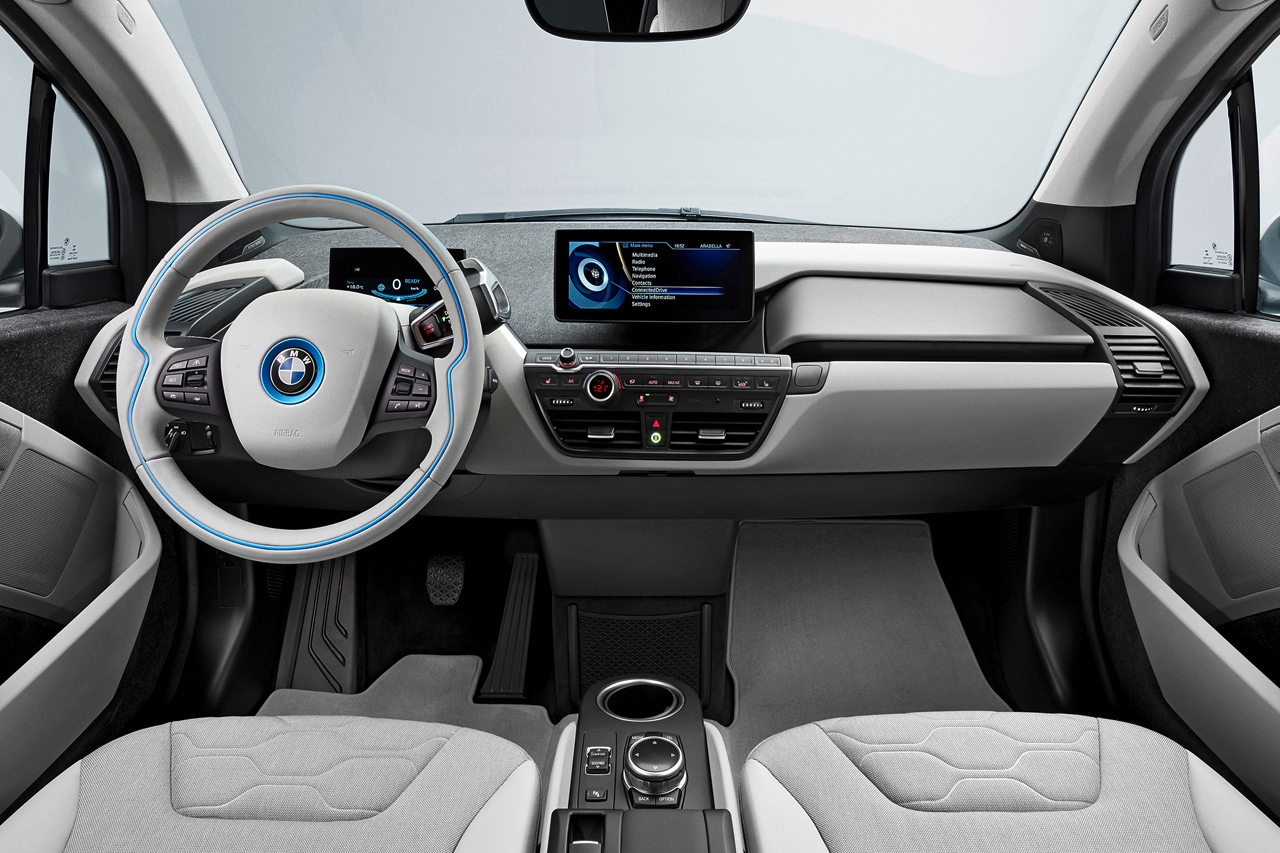
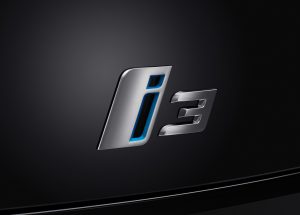
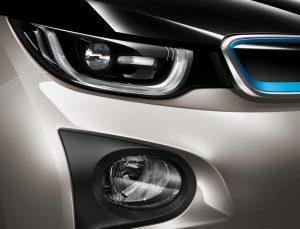
    Today marked what BMW hopes was a momentous day in its history, and especially the era of the electric vehicle. In a high stakes bid for electric vehicle supremacy, BMW unveiled the production version of the electric i3 hatchback – the first of what the German automaker promises will be a complete range of alternative drive models to be sold under its new ‘i’ brand. Simultaneous presentations in London, New York and Beijing were witness to the reveal of the innovative and much anticipated electric car. Unlike most cars today, the production version of the contemporary-styled hatchback managed to stay true to the concept displayed at the 2011 Frankfurt Motor Show. The most prominent change from the concept came in way of a five door bodystyle in place of the original three door arrangement, for obvious added practicality and ease of entry to the rear.

    i3

    The i3 will go on sale in the US for $41,350 in the second quarter of 2014, exclusive of any state or federal incentives that could lower the price or the $925 destination fee. The i3 will be available with three trim levels at launch, which BMW is calling ‘Worlds’: Mega (standard in the US), Giga and Tera.

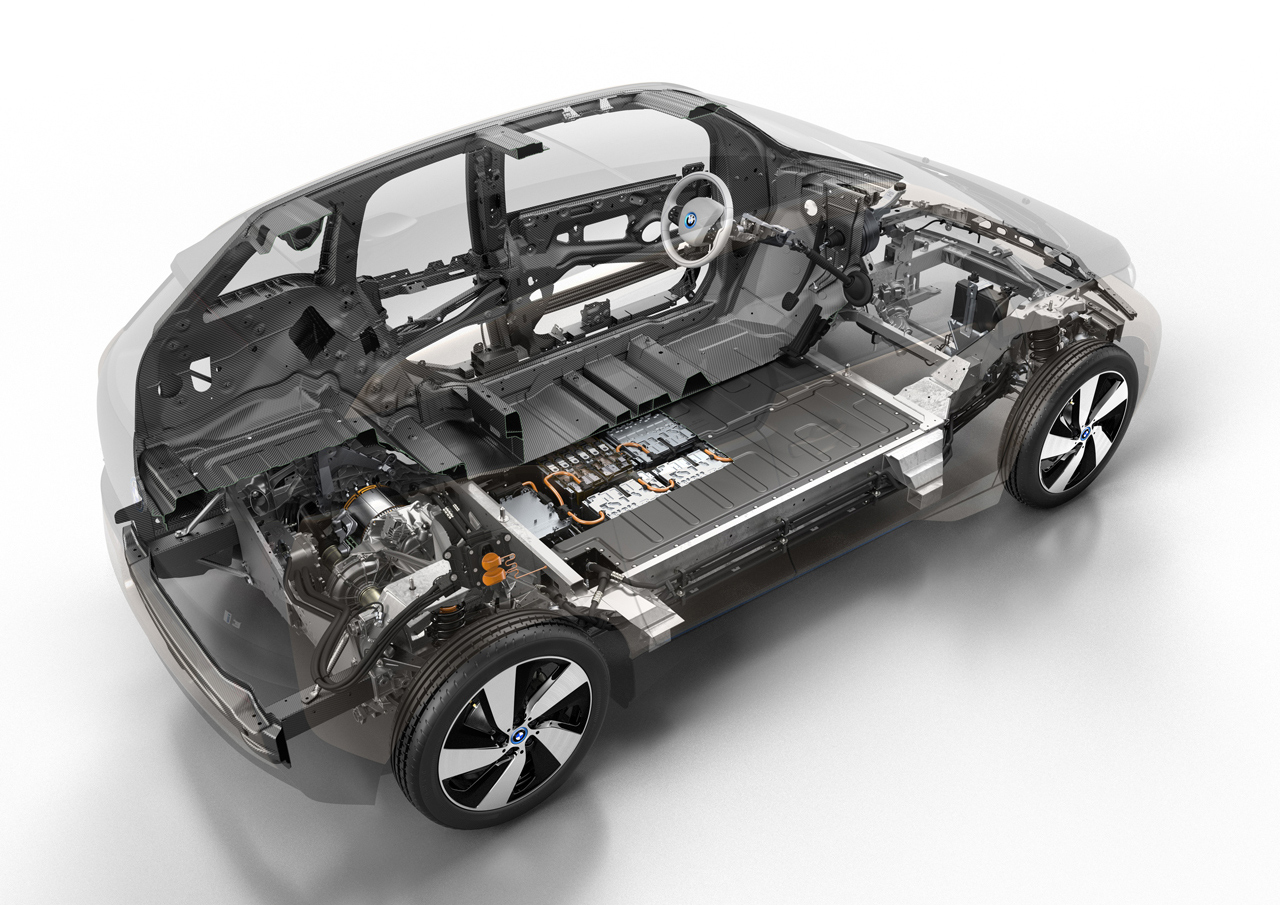
    The BMW i3 is truly revolutionary, with tons of new technology, probably because it was designed as an electric vehicle right from its conception. This has resulted in a vehicle layout unique to the i3, which the Bavarian manufacturer calls ‘LifeDrive‘ architecture. It features components called the ‘Life Module’ and the ‘Drive Module’.

    i3

    The Life Module is the i3’s pillar-less passenger cell, and is all set to become the first mass-produced monocoque made of carbon fiber reinforced plastic (CFRP). The tougher-than-steel material, usually seen only on very expensive supercars, is 30-percent lighter than aluminum, which results in the i3’s relatively light weight of approximately 1,200 kilograms. The Drive Module is basically a 100-percent aluminum chassis which is mounted under the Life Module and houses the hatchback’s powertrain. The 22-kWh, 250-kilogram lithium ion battery is mounted as centrally as possible to optimise vehicle dynamics, and provides power to a rear-mounted synchronous electric motor which drives the rear wheels.

    i3

    The in-house produced unit, known under the BMW eDrive banner, provides 170 horspower and 25.4 kgm of torque. This translates to a 0-100 km/h time of about 7.0 seconds, but a relatively low top speed of only 150 km/h. Drive is sent through a single ratio gearbox mounted to the end of the electric motor, offering the choice of three driving modes: Comfort, Eco Pro and Eco Pro+.

    The lithium ion battery is produced by Samsung and bears a warranty valid for up to six years or 1,60,000 kilometres. It consists of 96 individual cells mounted within the flat floor structure and has been designed to allow the replacement of damaged cells on an individual basis. BMW has mounted the battery as low as possible in the i3’s carbonfibre structure as possible, allowing a claimed centre of gravity lower than that of the BMW X1 compact SUV.

    i3

    According to BMW, the i3 has a real-world range of 130-160 kilometres, and the standard charger can fill the battery in three hours. However, if you go for the optional SAE DC Combo Fast Charger, you get 80% charge in 20 minutes and a fully charged BMW i3 in half an hour. If the range is an issue for you, BMW provides the option of a 34 horsepower, 650cc two-cylinder generator as a range extender for the electric drive system.

    The attractive little car was conceived under the working title of Mega City Vehicle, in order to focus attention on its suitability for urban driving. Reportedly, BMW has spent up to €2 billion (over Rs 15,000 crore) in research, development, testing and production processes for the new four-seater. At first glance, the BMW i3 seems to be properly revolutionary. Technologically marvellous, and visually very appealing, it may become the first real mainstream electric vehicle, in history.

    Check out some pictures of BMW’s new electric hatchback, and let us know what you think in the comments below!

  • Nokia Working On Bluetooth-Powered ‘Treasure Tag’ To Track Precious Objects

    Nokia Working On Bluetooth-Powered ‘Treasure Tag’ To Track Precious Objects

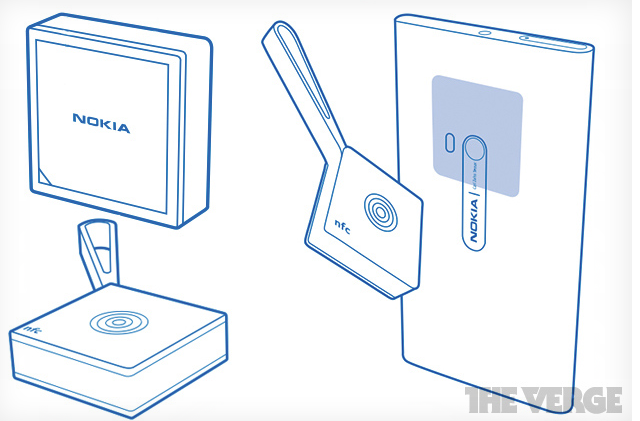
    Is Nokia getting into the accessories business? The Finnish company is reportedly making a Bluetooth 4.0 Low Energy-based device that, combined with NFC connectivity, will allow users to “tag” certain objects by attaching it to them, or placing it near them.

    Like the Selfstarter-funded Tile, Nokia’s “Treasure Tag” as it will apparently be called will communicate with a Nokia Lumia device via Bluetooth in order to gauge where the tag, and therefore the associated object, happens to be. 

    The whole idea is to fix this small device to something that’s precious to you: your keys, your laptop, your shiny golden Ring of Power. You’ll then be able to keep track of said object by using an app on your Lumia smartphone. You’ll even be able to find your phone by sending a notification from the Treasure Tag back to the phone, but that will only work if you’re in range.

    treasure tag

    At this point, it’s clear that Nokia is creating Treasure Tag to expand the desirability of its Lumia line; this is not a cross-platform product, and is unlikely to work with non-Nokia Windows Phones.

    The Treasure Tag app, according to The Verge, will let users see where the tag is on a map, or its last location if it has fallen out of range. LiveSight, Nokia’s augmented reality technology recently integrated in the HERE series of apps, will be available for more easily orienting oneself to the object. Users will be able to activate an alarm to more easily locate the object, too.

    In terms of usability, Treasure Tag is ostensibly rated for six months of “always on” usage, and will be inexpensive enough to replace on a bi-annual basis.

    The accessory requires Bluetooth 4.0, which Nokia is planning to enable across its entire Windows Phone 8 lineup with the upcoming Amber update, which will begin rolling out shortly.

    There’s no word on pricing but similar devices are in the $25 range so it should probably be close to that.

    [Via]

  • Apple Supplier Report Reveals Plastic Back Casing For Budget iPhone

    Apple Supplier Report Reveals Plastic Back Casing For Budget iPhone

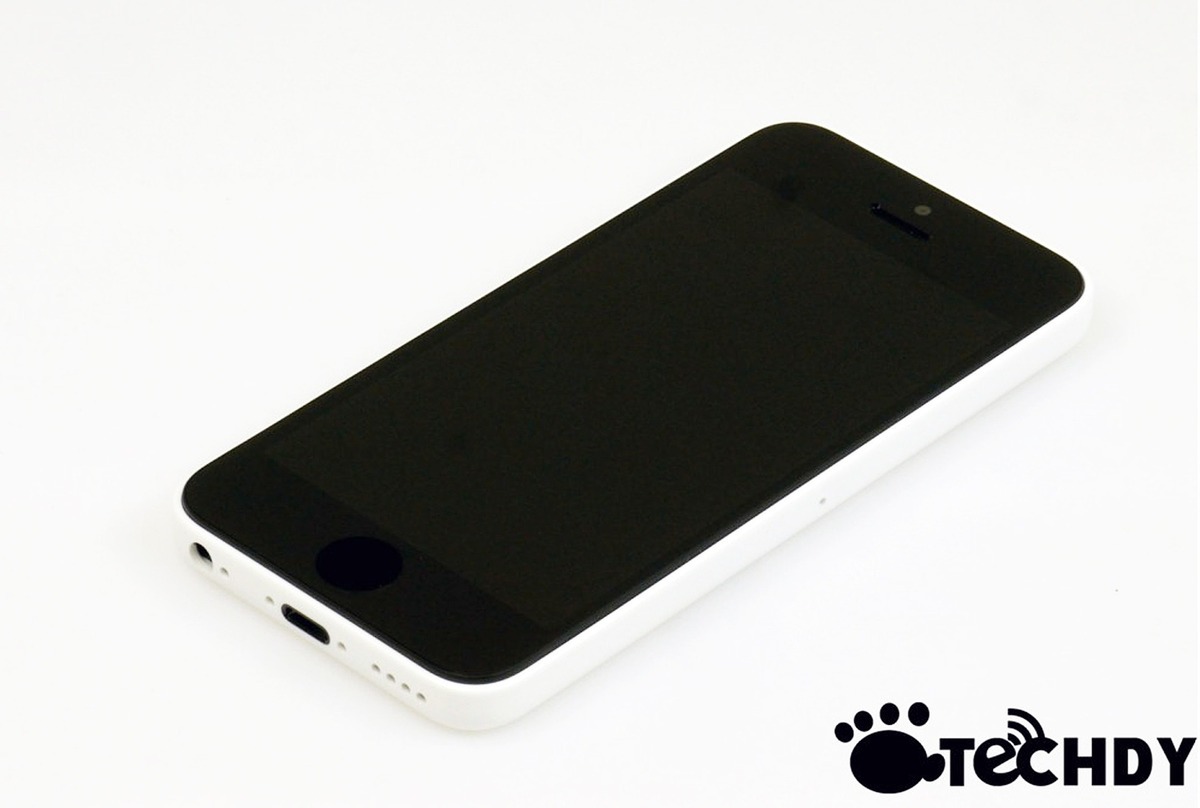
    Rumblings of a low-cost, plastic iPhone have been popping up on a fairly frequent basis throughout 2013, and today the rumored device is making headlines once again. 

    Apple’s future plan to introduce a plastic device is confirmed within this morning’s shocking report into labor abuses at manufacturing partner, Pegatron.

    As part of the investigation, China Labor Watch inserted people inside three of Pegatron’s factories. In one of these reports it confirms the future debut of a plastic iPhone:

    “Today’s work is to paste protective film on the iPhone’s plastic back cover to prevent it from being scratched on assembly lines. This iPhone model with a plastic cover will soon be released on the market by Apple,”the report explains.

    “The new cell phone has not yet been put into mass production, so quantity is not as important,” a worker wrote. “This makes our job more slow paced than in departments that have begun mass production schedules.”

    In addition, China Labor Watch’s company profile notes that Pegatron is responsible for building “low-priced plastic iPhones” for Apple, in addition to the iPhone 4, 4S and the 5.

    The report accuses Pegatron of violating labor regulations in China, as well as international labor laws and Apple’s own standards. 

    Photographs allegedly detailing the new iPhone’s packaging were uploaded to the Chinese forum WeiPhone over the weekend. The name iPhone 5C is printed on the side of the box, possibly leaking the name of the device.

  • 2015 Facelifted Nissan Sunny Leaked?

    2015 Facelifted Nissan Sunny Leaked?

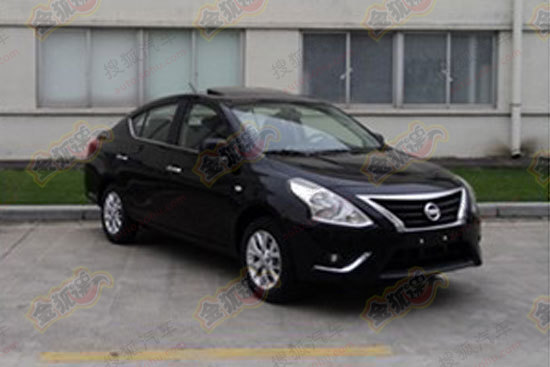
    Images of the 2015 facelifted Nissan Sunny have been leaked on to Chinese auto site Sohu. Introduced at the 2010 Guangzhou Auto Show, the Sunny is expected to be given a mid-cycle refresh and the images shown here come from China, where the refreshed Sunny could go on sale first. According to the Chinese media, the new Sunny could make its debut at the Chengdu Auto Show in September.

    From the grainy pictures, the biggest change will evidently be to the headlights with the Sunny getting boomerang-style units as seen on the new Nissan Micra. Other changes to the grille and front bumper are in the works with a new housing for fog lights and the addition of a chrome strip.

    Sunny

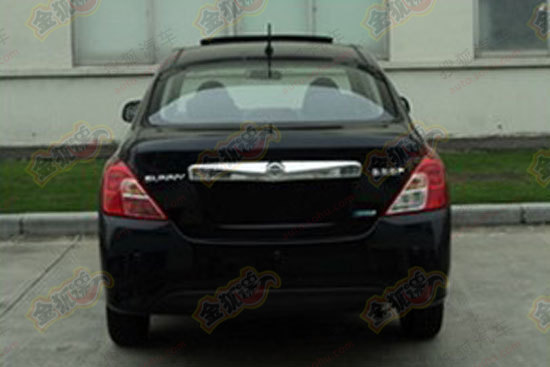
    A bigger chrome strip finds its way to the rear-end of the sedan, and a restyled bumper can be seen. New alloy wheels make up all the changes to the sides, and the interiors are expected to be the same as well. All in all, as it stands, the mid-cycle refresh isn’t a major overhaul, but only time will tell whether this will really be the production model, or if more changes are yet to be executed.

    [Source: Sohu via IndianAutosBlog]

iGyaan Network
Privacy Overview

This website uses cookies so that we can provide you with the best user experience possible. Cookie information is stored in your browser and performs functions such as recognising you when you return to our website and helping our team to understand which sections of the website you find most interesting and useful.