Blog

  • Android 4.3 Jelly Bean May Debut At Google I/O Instead Of Key Lime Pie

    Android 4.3 Jelly Bean May Debut At Google I/O Instead Of Key Lime Pie

    Android 4.3, Jelly Bean will be the next major software build released from Google.

    Android 5.0, Key Lime Pie was originally expected to debut at this year’s Google I/O, however, a newer build of JellyBean seems to be the stronger candidate to be introduced this year, according to a report from Android Community.

    Much of the proof has been found in IP logs that are available to many web administrators. They point to a new version of Jelly Bean, Android 4.3, with a build number of JWR23B. Android Police posted examples of this from their server logs coming from both the Nexus 4 and Nexus 7, all of which emerged from IP addresses in Google’s range.

    There are also several examples of developers citing this build in various bug trackers around Google products, suggesting that its launch is imminent. Because the build starts with “J,” it’s easy to assume that it’s part of the same family of code as the previous two major Jelly Bean releases; Google assigns the first letter of the name to each corresponding build.

    Google has also never launched a major version of Android at Google I/O. Android 4.1 was announced last summer, and Android 2.2 was launched at Google I/O in 2010. While Android 3.1 Honeycomb was exposed at Google I/O 2011, its significance would go on to be undermined as merely “aesthetic” in future releases.

    That being said, even though Jelly Bean has been around for over a year now, there still seem to be a few major bugs to squash. Android 4.2 has not been a smooth upgrade for many users, especially those running the Galaxy Nexus and Nexus 7, as it introduced significant slowdown, animation glitches, camera instability and more. Overall, while Android 4.2 seemed to be a fairly minor upgrade to end user, it actually made a number of significant modifications to the Android case base, and Google may believe it has another minor upgrade to fix any remaining bugs.

    Google I/O is coming on May 15th, and we’ll be there to cover all the announcements, major or otherwise. You can certainly expect a faster, Qualcomm-powered Nexus 7, as well as a rumoured 32GB LTE-powered Nexus 4. There will be a much higher prevalence of Glass users at this year’s jaunt, too, and you can bet on a few more surprises as well.

    [Android Police, Android Community]

  • Original iPhone To Be “Obsolete” From 11 June

    Original iPhone To Be “Obsolete” From 11 June

    The original iPhone will soon reach “obsolete” status at Apple retail stores. Obsolete status means that a product is not eligible for repairs or parts replacement even if the customer pays for it. The date the original iPhone reaches obsolete status is June 11, 2013, according to 9to5Mac, which obtained a leaked memo revealing the date. More than 6.1 million units of the device were sold during its lifecycle.

    iPhone

    Other Apple products that will be considered ‘vintage’ as of June 11, 2013 include the mid-2007 models of the iMac, the late 2006 model Xserve, and the original Mac Pro. 9to5Mac has the list of newly minted vintage and obsolete products, while Apple maintains a list of all products named vintage or obsolete going back to the Apple II.

    Steve Jobs officially introduced the iPhone at Macworld on January 9th, 2007. This ‘revolutionary’ smartphone came with a 3.5-inch touchscreen display (320 x 480), 2MP camera, iOS, and weighed in at 135 grams. Since this date we’ve seen the device progress and become thinner, more powerful and come with a larger screen. At the upcoming WWDC 2013 Apple will finally show off the new version of iOS – which apparently has a ‘flat’ design.

    The end of an era. The original Apple iPhone is headed to the museum.


  • Volkswagen Polo GT TSI Launched

    Volkswagen Polo GT TSI Launched

    Volkswagen has launched a performance variant of its popular Polo hatchback called the Polo GT TSI. However the steep price of Rs. 7.99 Lakh may turn customers away from what is an otherwise excellent small car.

    At its heart is a potent 1.2-litre turbocharged, direct injected TSI engine which produces an impressive 103 bhp and 175 Nm of torque. The power is sent to the front wheels through a seven speed dual clutch automatic gearbox. However there are no paddle shifters behind the wheel and no manual transmission on offer. Volkswagen claims that the Polo GT TSI can go from 0-100 km/h in 9.7 seconds and on to a top speed of 190 km/h. The ARAI fuel efficiency figure of the Volkswagen Polo GT TSI has been rated at 17.2 kmpl.

    The Polo GT TSI is on offer in the Highline Trim only and can be distinguished externally by the alloy wheels and prominently placed GT badging. It comes with more kit than the lesser 1.2 Highline variants such as a climate-control system and a double DIN music system with USB, AUX and SD card input. Front and rear fog lamps, electric ORVMs and a tilt and telescopic adjustable multifunction steering wheel are standard as is Bluetooth connectivity. It comes with parking sensors to help you park in tight parking slots. The seats are wrapped in new ‘Milan’ fabric and the pedals have an aluminium finish to round off the relatively plush interior. Safety equipment includes front airbags, ABS, ESP and pinch guard safety for all 4 power windows.

    The Polo GT TSI will be available in three colours namely, Candy White, Flash Red and Deep Black. To conclude, the Polo GT TSI packs in a very impressive powertrain, giving it performance miles ahead of its competitors. However a Rs. 2 Lakh premium over the slower top-of-the-line Polo may lead potential buyers to think twice, and consider other options.

  • Leaked : Specifications Of Sony Honami And Togari Flagships

    Leaked : Specifications Of Sony Honami And Togari Flagships

    Specifications of the upcoming Sony Togari and  the Sony Honami were leaked today in a report by XperiaBlog.

    These are both codenames so may well be changed before their respective releases. Both of these will be flagship devices and will also be both dust and water-resistant.

    Sony is said to plan on releasing Togari with a 6.44-inch 1080p touchscreen display and with a design similar to the one of Xperia Z. The smartphone will also include a glass back, as well as a very thin body, similar to both Xperia Z and Xperia Tablet Z.

    The Sony Honami is believed to sport a dedicated Walkman audio chip (S-Master MX Digital Amplifier?) and a 20MP Cyber-shot CMOS sensor with Carl Zeiss lens.

    The report goes on to say that Honami will be one of the most attractive phones Sony has ever made, even more so than the Xperia Z and iPhone 5. Honami could also see a July release, in Asia at least.

    Previously it was said that the Cyber-shot and Walkman lines will get separate One Sony handsets, but this was quickly debunked by people in the know, who reiterated that the Honami will only be one phone, with the best Sony can muster in the camera and sound departments.
     
    As for the rest of the specs, a 5″ Full HD screen is bandied about, as well as a fast quad-core 2.3 GHz Snapdragon 800 chipset, 2 GB of RAM and a 2700-3000 mAH battery.
     
    We’ll keep you posted as soon as anything becomes official!
     
    [Xperia Blog, GSMArena]
  • Google Now Lands On iOS, Works Seamlessly!

    Google Now Lands On iOS, Works Seamlessly!

    Starting right now, iPhone and iPad owners can get Google Now on their devices. 

    Google Now

    Google Now is a personal assistant, Siri’s rival, if you may, which brings on a combination of Google Search and personalized everyday “cards” showing what a user wants to know about every day elements like weather, sports, and calendar items.

    Google announced on Tuesday that the service, which has been available for about nine months on Android phones and tablets running Jelly Bean, will be available for free as part of an update to the Search App in the iTunes App Store.

    Get just the right information at just the right time with Google Now. 

    – weather and traffic conditions before you start your day 
    – updates on your favorite sports teams and breaking news stories as they happen

    The app appears to be exactly the same as the Android version with the exception of users being able to swipe up to launch the Now application. Google, though, reports that 22 of the 29 card types found on the Android version of Google Now are making their way to the iOS version, with airline boarding passes, Fandango, and local events being among those not making the transition.

    Google Now

    Google Now pulls information from all of your Google services like Search, Gmail, Calendar, Maps, Chrome browser history, and anything else that is connected to your Google account, then it provides pertinent information to the smartphone owner before they know they need it. 

    Google Now

    Our initial impression of the service is that it works seamlessly! It picked up our commands with ease and returned accurate information. 

    Job well done Google!

  • OS X 10.9 Rumoured To Have “Tabbed Finder”, Faster Safari, And iOS Like Multitasking

    OS X 10.9 Rumoured To Have “Tabbed Finder”, Faster Safari, And iOS Like Multitasking

    According to sources speaking on condition of anonymity with 9to5mac, the new Mac OS includes major Finder enhancements, like “application such as tags and tabbed browsing modes.”

    Code-named “Cabernet,” OS X 10.9 is expected to focus on various “power-user enhancements” and Safari will feature a completely redesigned back end that improves speed and efficiency. Users will also gain the ability to open different Spaces on connected monitors, 9to5Mac says. Some minor user interface changes are expected as well.  

    According to 9to5Mac:

    The new operating system includes major enhancements to the Finder application such as tags and tabbed browsing modes. Those additions are notable as many pro-users have relied on third-party solutions and hacks to enable these features. Additionally, the new operating system will include a new Safari web browser with a redesigned backend for improved page loading, speed, and efficiency…

    The most interesting notes in the report pertain to the possible inclusion of some “core features” from iOS in addition to the iOS features already present in OS X, such as iMessage and AirPlay.

    According to one source, Apple has been testing a new multi-tasking system for OS X that is similar to the quick-app-switcher function on iPhones, iPads, and iPod touches. The multitasking feature will be functional for applications in the background, according to this person.

    Additionally, Apple could use app-pausing technologies from iOS to pause background application processes in OS X. This is significant as full performance could be given to foreground apps, which could help optimize battery life on Apple’s notebook computers. It is unclear if this feature will make the cut for 10.9?s public release.

    [9to5Mac]

  • Upcoming Xbox 720 To Utilize Microsoft IllumiRoom Projection Technology?

    Upcoming Xbox 720 To Utilize Microsoft IllumiRoom Projection Technology?

    Microsoft’s Illumiroom could play a role in the future of the next-generation Xbox, according to a new preview video released ahead of this week’s CHI 2013 event which promises to reveal more technical details about this proof-of-concept system.

    Illumirooom

    IllumiRoom is a wide-angle projector that’s situated on your coffee table, pointed at your big-screen TV. The current prototype has a Kinect strapped to the projector, but the final version will have a Kinect sensor built in. The built-in Kinect uses an automatic calibration process to captures the color and geometry (shape, depth) of the wall behind and furniture around your TV.

    Then you hook the IllumiRoom up to your next-generation Xbox (wirelessly), and watch in awe as peripheral projection takes you to new levels of game immersion.

    The video goes on to state that the new technology “can extend the gaming content out of your TV, creating a truly immersive experience. Or we can selectively show game elements, like explosions, or make it snow in our living room.”

    Microsoft will have had to have got permission from Valve to include their game in the demo, so it suggests they’ve already been shopping the technology around to developers in order to get them interested in supporting it.

    Entirely self-calibrating and theoretically working in any room containing the next-generation Xbox, Microsoft realises that, like with Kinect, there may be issues with the technology. 

    “While there are many unanswered questions regarding peripheral projected illusions, we hope we have demonstrated that they are worth answering.”

    [youtube id=”0qyM5kRU-KM” width=”100%” height=”300px”]

    [The Verge]

  • Video : Samsung Reveals Galaxy S4 Design Philosophy

    Video : Samsung Reveals Galaxy S4 Design Philosophy

    The Galaxy S4. features heavily improved specs, a larger screen, the latest version of Android and a ton of new software features.

    However, one area where the S4 disappoints is in the design department. Rather than showing off some brand new design or better build materials Samsung opted to reuse the Galaxy S III design with tons of plastic used.

    Just like with the Galaxy S3 about a year ago, Samsung decided to release a Galaxy S4 design video, but this time around it posted it a lot closer to the handset’s launch. In it, you’ll hear Samsung designers talking about Galaxy S4 design lines, but also about some of the new software features part of Samsung’s TouchWiz user interface.

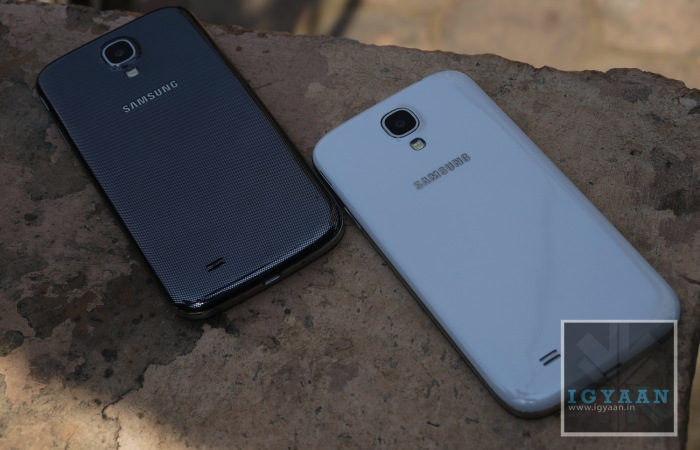
    The Galaxy S4 is described as having “natural elements” at its heart, including the new reflective battery cover, said to resemble “precious stone glittering in the dark, or countless stars sparkling in the night sky.”

    The design is “Not a radical difference, but more of an evolution” says product designer Hyoungshin Park in the first five seconds of the video.

    JongBo Jung (another product designer) says that the Galaxy S4 is “Like nothing you’ve ever seen before”.

    It’s a good primer for anyone thinking about buying the Galaxy S4 after it became available in India this week. Check out the video below, and tell us in the comments how you like it.

    [youtube id=”cUiRThvCp8E” width=”100%” height=”300px”]

    [Samsung]

  • Apple iPad Tops Tablet User Satisfaction Survey In The US

    Apple iPad Tops Tablet User Satisfaction Survey In The US

    The Apple iPad tablet has once again taken  the top spot for consumer satisfaction. The team at J.D. Power and Associates ranked the iPad at the top of its 2013 US Tablets Satisfaction Study.

    tablet

    J.D. Power spoke with 1,857 owners who owned their devices for less than one year. Apple devices finished on top of the survey for both tablets and smartphones.

    Satisfaction is measured across five key factors (in order of importance): performance (26%); ease of operation (22%); styling and design(19%); features (17%); and cost (16%).

    The iPad scored 836 out of a possible 1,000 points. The Kindle Fire wasn’t far behind with 829 points.

    Samsung devices received a score of 822 points. This was six points off the survey’s average score of 828 points.

    This is only the second time that J.D. Power and Associates has released a U.S. Tablets Satisfaction Study. After the iPad was awarded the top spot in 2012, Apple began advertising the win online.

    The study also revealed that : 

    • Tablet owners who also have a smartphone spend 36 percent more time browsing the Internet on their tablet than on their smartphone.
    • Twenty-seven percent of tablet owners say they are likely to buy a new tablet within the next 12 months, compared with 37 percent in 2012.
    • Ninety-four percent of highly satisfied owners of tablets are likely to purchase additional consumer electronic devices from the same manufacturer.

    [MacDaily News, J.D. Power and Associates]

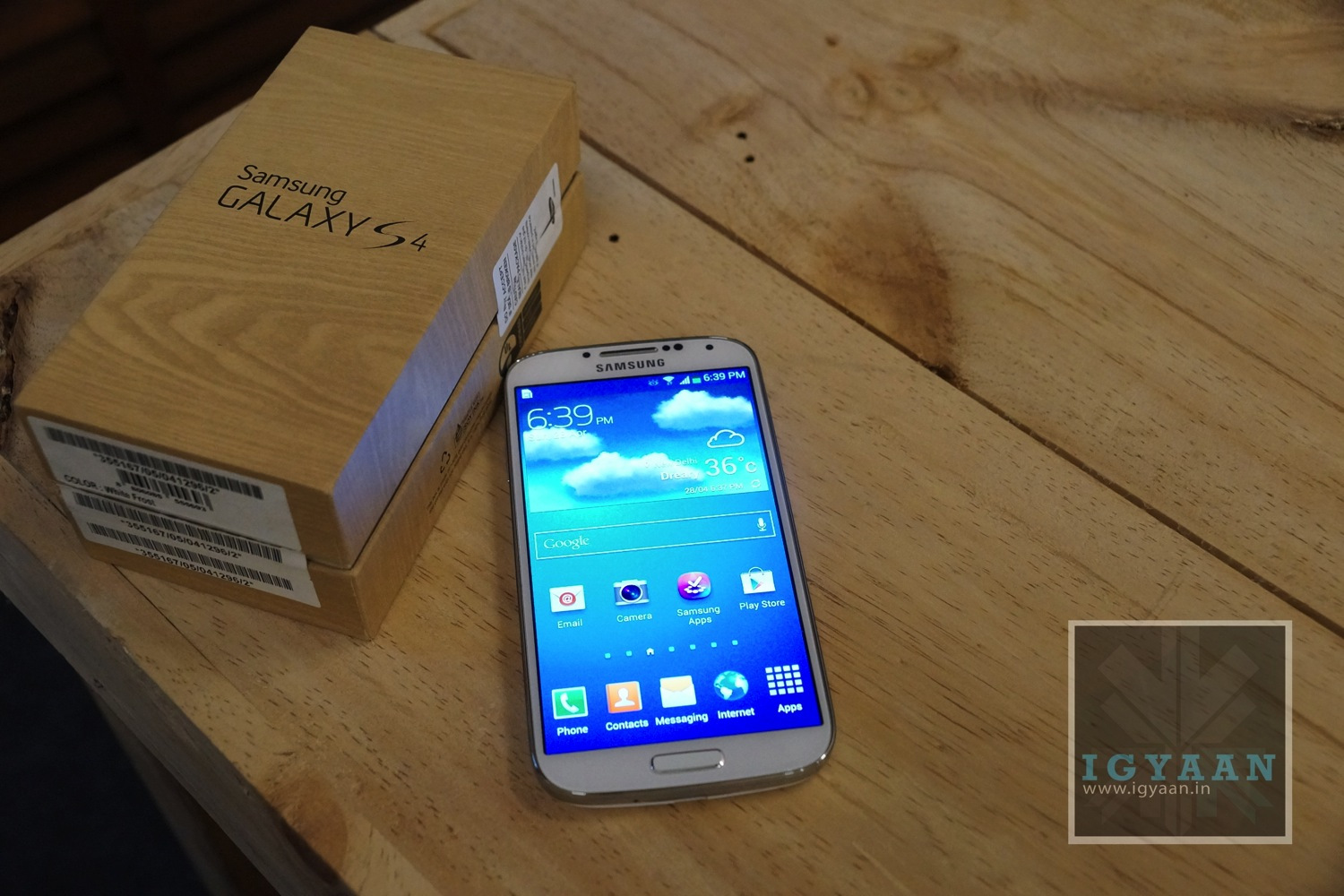
  • Samsung Galaxy S4 Unboxing and Hands On Review

    Samsung Galaxy S4 Unboxing and Hands On Review

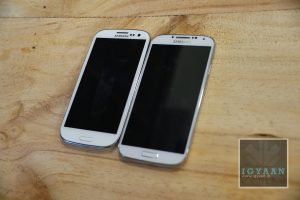
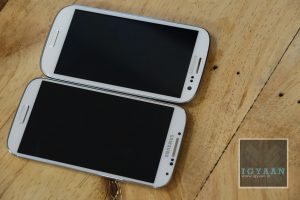
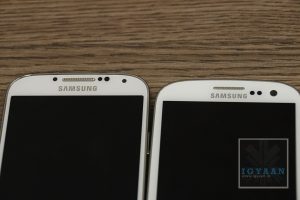
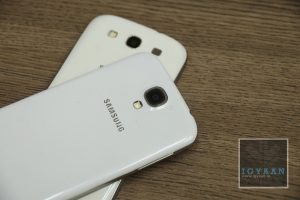
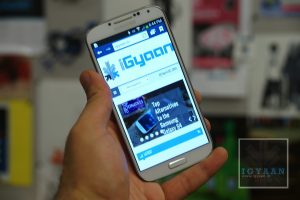
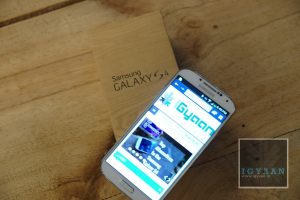
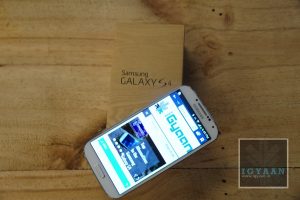
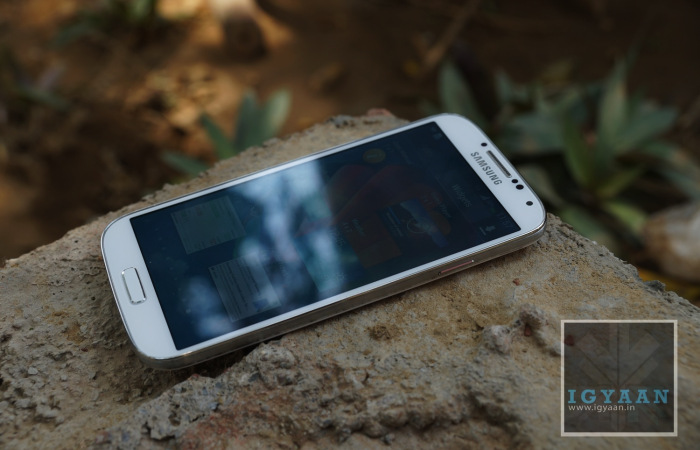
    Samsung Galaxy S4 is Samsung’s latest baby in the Super Smart Phone Market. Apart from being loaded with top notch Hardware, the Galaxy S4 also has great software that complements the user experience and makes it a fantastic all round product. 

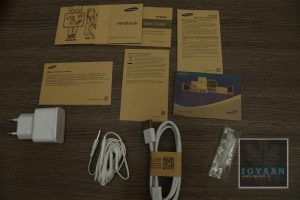
    Galaxy S4 Box Contents
    1. Charger
    2. USB Cable
    3. Documentation
    4. Tangle Free Earphones
    5. Samsung Galaxy S4 i9500 handset
    6. 2600 mAh Battery
    7. Warranty Card

    The build quality of the Samsung Galaxy S4 seems more robust than its predecessors, including the panel on the back along with the Gorilla Glass 3 laden display. 


    Samsung has booted several Software benefits to the end user, including the latest Android 4.2.2 and tons of Samsung Proprietary Apps like S Health, Memo, Samsung Hub, Air View, Gestures, Samsung Apps and a lot more. 

    While, a lot of Smartphone options exist for the new buyer in the market, see our list here. We feel that at the end of it all, Samsung has the widest reach simply because of the way they market their features to the end user. Between a group of Galaxy users these features can come in real handy as well. Group share, Group cast, Group Play are just some of the things Galaxy Devices can do with each other. 


    [youtube id=”_c8OsVmdf_A” width=”100%” height=”300px”]


  • Volkswagen Building 10-Speed Dual Clutch DSG, 134 hp/litre Diesel Engine

    Volkswagen Building 10-Speed Dual Clutch DSG, 134 hp/litre Diesel Engine

    The annual Vienna International Motor Symposium showcases some of the up-and-coming technologies in the automotive industry. This year, Volkswagen CEO Martin Winterkorn revealed that Volkswagen is working on a 10-speed dual clutch automatic gearbox. It was also confirmed that a high-performance diesel engine was being developed which would produce a staggering 134 bhp per litre. The diesel engine will feature “variable valve-train assembly, a high-pressure injection system at up to 3,000 bar and combined charging with the innovative e-booster (an electric turbocharger)”.

    Since the year 2000, we’ve reduced the fuel consumption of our TDI and TSI engines by more than 30 per cent. I’m convinced that by 2020 we can achieve further increases in efficiency of around 15 per cent.

    – Martin Winterkorn, CEO, Volkswagen AG

    Winterkorn spoke of a multi-faceted approach that Volkswagen is looking to reduce its fleet fuel consumption and exhaust emissions. Winterkorn said he believes that petrol and diesel internal combustion engines could be made more efficient with improvements in the combustion process, lightweight design and improved friction levels and thermal management. VW’s plug-in hybrid technology was also touched upon. The PHEV versions of the Audi A3 and Porsche Panamera are confirmedly on the way and Winterkorn also said that these two models will be followed up by Golf, Passat, Audi A6 and Porsche Cayenne plug-in models.

    Winterkorn also had the following to say on natural gas technology:

    The technology is fully developed and the vehicles are already in the market. We need to make the public even more aware of the benefits of natural gas engines. Everyone needs to play their part in this: carmakers, politicians and the fuel industry.

    The news about the new gearbox could indicate that a paddle shift equipped car with a ten speed double clutch could be coming. We hope its the rumoured Audi R4 supercar. 

  • Boeing 787s Set Take Off Again, But Is It Too Late For Air India Now?

    Boeing 787s Set Take Off Again, But Is It Too Late For Air India Now?

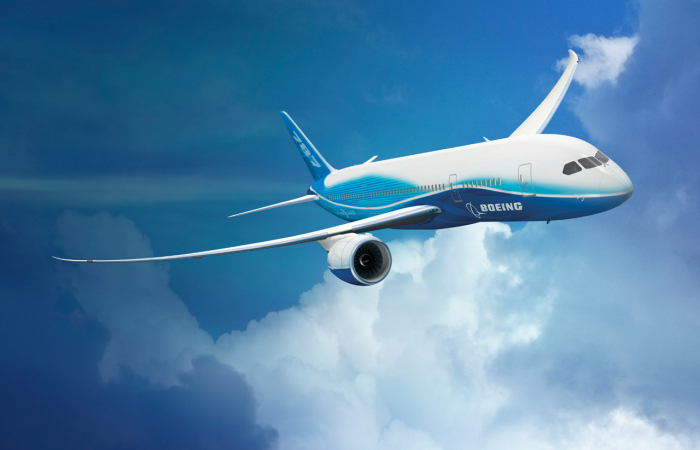
    Boeing Co.’s 787 Dreamliner is poised to resume flights in Japan, ending a more than three- month hiatus that grounded numerous planes owned by airlines around the world, including our country’s national carrier, Air India.

    The 787, Boeing’s newest and most technologically advanced plane, is the first airliner to make extensive use of lithium-ion batteries.

    Lithium batteries weigh less, store more energy and recharge faster than conventional batteries, making them attractive to aircraft makers and their airline customers.

    The world’s total fleet of 50 Boeing 787s had been grounded since January 16 as Boeing and investigators tried to determine why one aircraft battery caught fire and another smoldered, forcing an emergency landing. Both cases concerned aircraft owned by Japanese airlines.

    The battery system was designed with four layers of protection against overcharging, and overcharging wasn’t suspected in the two January incidents.

    Boeing did some of the safety testing on the 787 battery system, but testing was also performed by a subcontractor, Thales of France, which made the 787’s electrical system, and by battery maker GS Yuasa of Japan. 

    To solve the problem, Boeing made changes to the battery design and added a steel enclosure to prevent any overheating from affecting the plane.

    Too Little Too Late For Air India?

    A technical team from Boeing is in India and will install new battery systems in the national carrier’s B-787 fleet by early May, which the airline officials say will give them ample of time to restart services on existing and new routes. 

    “A Boeing team is arriving in India, in addition to another team which is already present here. They will be making some key technical changes to the battery system of at least two aircraft at a time,” a senior Air India official said.

    The grounding of the fleet was bad news for Air India. 

    The airline grounded the aircraft after the Directorate General of Civil Aviation asked Air India to stop using the Boeing 787 till the problem with a battery on board had been sorted out.

    In February, it was revealed that Air India flew some of its Boeing Co 787 Dreamliner aircraft even after U.S. regulators grounded the global fleet the month before after the battery problems.

    Dreamliners operated by India’s national carrier were flown to Mumbai for maintenance reasons, Arun Mishra, the head of India’s civil aviation regulator, had said. 

    “When the Dreamliners were grounded, they had come to Delhi from Frankfurt and Paris. Air India asked us for permission to take them to Mumbai because they have their maintenance facility there and also they were paying very high parking charges in Delhi,” Mishra, director general of civil aviation, told Reuters. “We gave them permission with strict orders that no passenger will be allowed.”

    Air India had deployed the Dreamliners on long routes due to the efficient operation of the aircraft. After the grounding of the fleet, the national carrier incurred heavy losses as the Dreamliners had become their most lucrative source for cash flow. The airline was looking at the induction and use of the Boeing 787 aircraft to turn around its financial fortunes. The fleet was generating revenues of Rs 2 crore a day when it was in service.

    Air India
    Air India had booked 27 Boeing 787s in a mega deal in 2006 and is supposed to get seven more planes in 2013.

    The airline was operating its six B-787s from Delhi to Bangalore, Chennai, Dubai, Paris and Frankfurt. The Dreamliner has been instrumental in replacing the fuel-guzzling Boeing 777 on some international routes, thus saving on costs and increasing efficiency.

    Air India had booked 27 Boeing 787s in a mega deal in 2006 and is supposed to get seven more planes in 2013, five in 2014, six in 2015 and three in 2016.

    But for the carrier, the problems don’t end here. Most of the Air India’s fleet has been rendered inoperable due to negligence and poor maintenance. 

    As Business Week reports, the carrier, which has lost at least 281 billion rupees ($5.2 billion) since April 2007, is saddled with $8 billion in debt. It owes 42.5 billion rupees to jet fuel suppliers, Panabaka Lakshmi, India’s junior minister for petroleum and natural gas, said in parliament on March 8. Among its 16 grounded planes are leased jets it hasn’t returned to their owners because it can’t afford to refurbish them.

    The return of the Dreamliner might turn our national carrier’s fortune around, or is it too little too late for Air India?

  • Toshiba Launches World’s Fastest Compact Flash Card

    Toshiba Launches World’s Fastest Compact Flash Card

    Compact Flash cards have been the fastest type of memory cards ever since they first came out, and they aren’t even the oldest sort. Toshiba turned things all the way up to 11 with the Exceria Pro though.

    Having a product that can be called world’s best, fastest, or any other epithet is something that IT companies, and any other corporations for that matter, always like.

    Toshiba, known more for its NAND flash memory than its consumer compact flash memory cards, claims to have the world’s highest bandwidth compact flash card with its Exceria Pro models.

    Toshiba

    The cards come in the now-standard 16GB, 32GB, and 64GB capacities, but the real gems are their read and write speeds. The cards reach a write speed of 150MB/s, and a read speed of 160MB/s. The speeds are so fast, that the cards allow the capture of 1080p video without a dropped frame and they are capable of handling 4K as well. The firm said that its Exceria Pro cards use its own NAND flash chips and its own firmware.

    Toshiba is likely to see interest for its latest cards from those that use digital SLR cameras where compact flash memory is still the primary storage medium, and higher write bandwidths will allow longer continuous image capture before the camera’s buffer is filled.

    Toshiba’s new memory cards are compatible with the CompactFlash Association (CFA) standard CompactFlash Specification Revision 6.1.

    They also support the UDMA7 high speed interface, which is the primary reason for its speed.

    [Gizmodo, Geek]

  • Qualcomm Snapdragon 800 To Enter Mass Production In May

    Qualcomm Snapdragon 800 To Enter Mass Production In May

    The next big thing in mobile chipsets, Qualcomm’s Snapdragon 800 system-on-a-chip (SoC), is set to enter mass production in May, according to a senior product manager. The company was showing off its newest chipset on development devices, indicating the advantages, both in speed and thermal efficiency, over the current high-end Snapdragon 600.

    snapdragon 800

    While the Snapdragon 800 is built using the same 28nm manufacturing process as its predecessor, there are a number of improvements to its Krait core, in addition to boosting clock speeds to 2.3Ghz. The Snapdragon 800 will include four Krait 400 cores, each operating asynchronously to ensure optimal battery life; all but one can be disabled on an as-needed basis depending on processing workload. The new chip boasts improved memory bandwidth and a faster Adreno 330 graphics processor, which is up to 50% faster than the current-gen Adreno 320, though it’s unknown whether those gains come from architecture improvements or just higher clock speeds.

    With an integrated baseband boasting LTE speeds up to 150Mbps, 802.11ac WiFi and USB 3.0, it boasts substantial IO improvements as well.

    The Snapdragon 800 will likely debut in tablets first, but will come to Android smartphones by end of the year or early 2014. More information about the chip and its OEM partners will be released in June, says Qualcomm, though you only have to look at the current swath of Android devices, from Samsung to HTC to LG, to ascertain the inevitable success of the Snapdragon 800.

    Qualcomm recently reported its Q2 earnings and found itself triumphantly in the black, boasting revenues above $6 billion and, incredibly, profits above $2 billion.

    [Engadget]

  • Rumoured Rugged Samsung Galaxy S4 To Be Called Galaxy Active, Coming In July

    Rumoured Rugged Samsung Galaxy S4 To Be Called Galaxy Active, Coming In July

    Samsung is readying a new variant of its Galaxy S4 for June, according to the Wall Street Journal. As reported earlier this week, the OEM is developing a rugged version of its flagship Android smartphone dubbed Galaxy S4 “Active,” which will look similar to the original but boast waterproofing and a sturdier chassis.

    galaxy s4

    This is the first time that Samsung has ruggedized its most high-end smartphone, and is doing so to appeal to a relatively untapped market; as smartphones replace larger, more cumbersome pieces of technology, they become more essential to have with us at all times, regardless of where we are. People who work in hazardous or unpredictable environments often require extra cases and utilities to keep their phones safe, but external covers fail, and having a phone designed with such use cases in mind can extend its life tremendously.

    Earlier this year, Sony unveiled the Xperia Z, a high-end device that is water- and dustproof. It’s proven quite popular everywhere in the world, and is rumoured to be Sony’s most successful Android device to date. Devices like the Sony Xperia Go are examples of rugged smartphones, but their specs don’t equal their might in many ways.

    Samsung is also expected to debut yet another 8-inch tablet, though this one will lack the Note branding and S Pen, and likely come in well below the $399USD MSRP of the Note 8.0. That, along with a smaller Galaxy S4 Mini, will debut alongside the Galaxy S4 Active, says the WSJ.

    [Wall Street Journal]

iGyaan Network
Privacy Overview

This website uses cookies so that we can provide you with the best user experience possible. Cookie information is stored in your browser and performs functions such as recognising you when you return to our website and helping our team to understand which sections of the website you find most interesting and useful.