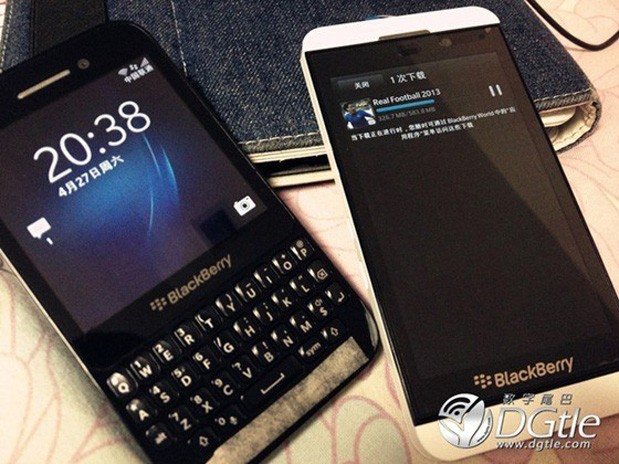
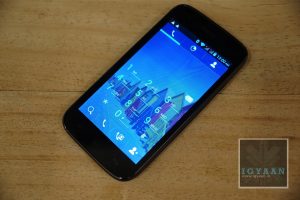
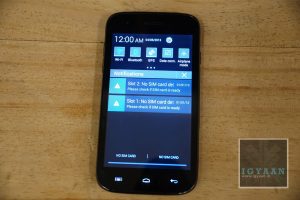
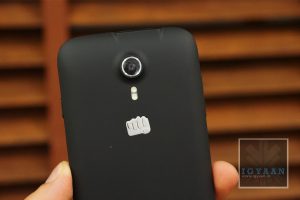
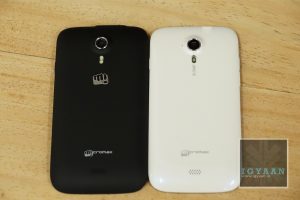
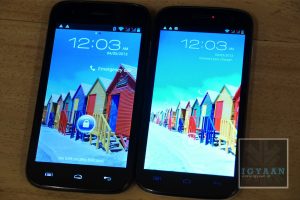
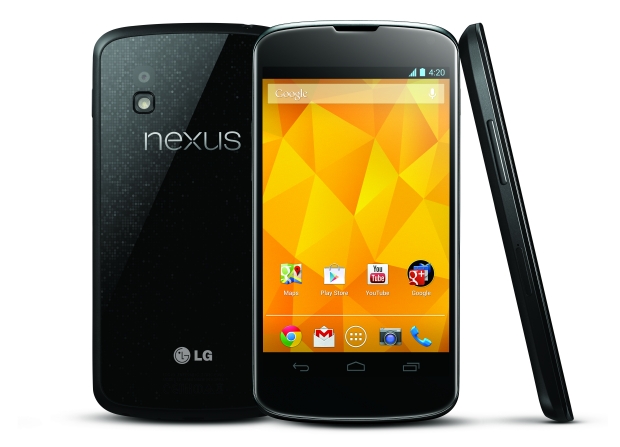
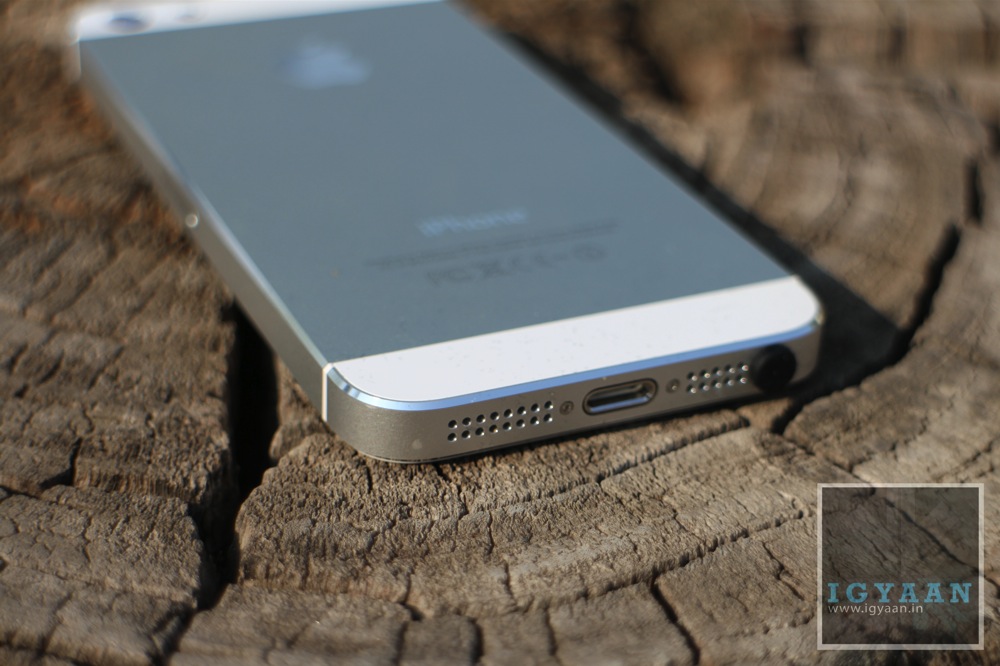
The Blackberry R10 is supposedly going to be a cheaper alternative to the Q10 with almost the exact same features, minus the multimedia benefits, ifDGtle is to be believed. The Blackberry R10 will have the same 3.1-inch screen size and 2GB of RAM as the Blackberry Q10. However, the R10 reportedly steps down to a 5-megapixel camera in addition to previously hinted cutbacks in storage (to 8GB) and battery (to 1,800mAh).
Blackberry (Previously RIM) pegged big hopes on their new range of Blackberry 10 devices, but as the sales reports for the company are lower than ever, a quick shift in policy and strategy may help the company come back from its current situation. Blackberry may need to retarget the lower end of the spectrum with budget Blackberry 10 devices, making the masses once again appreciate the company.
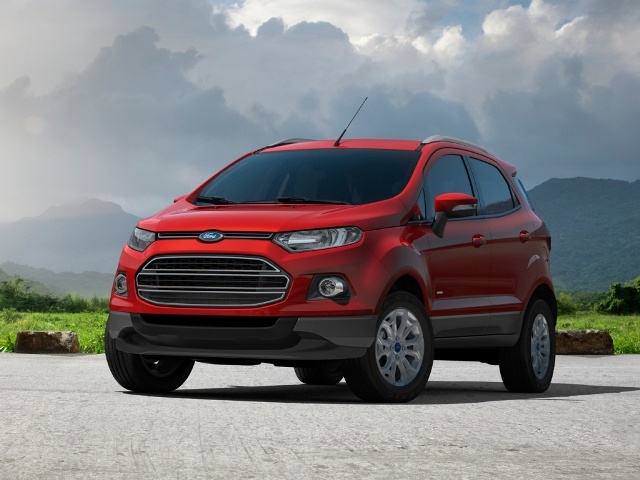
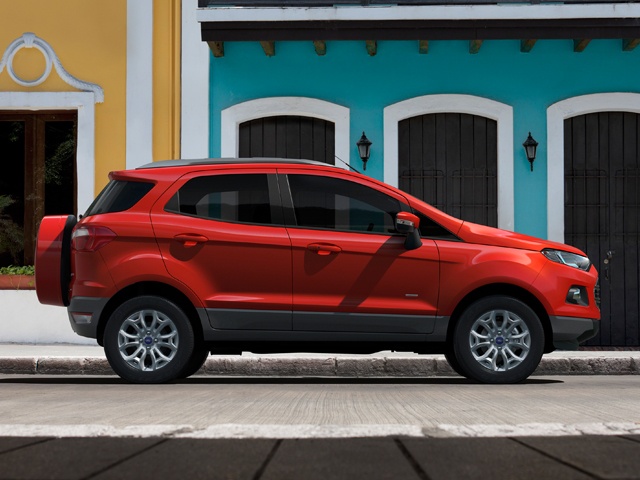
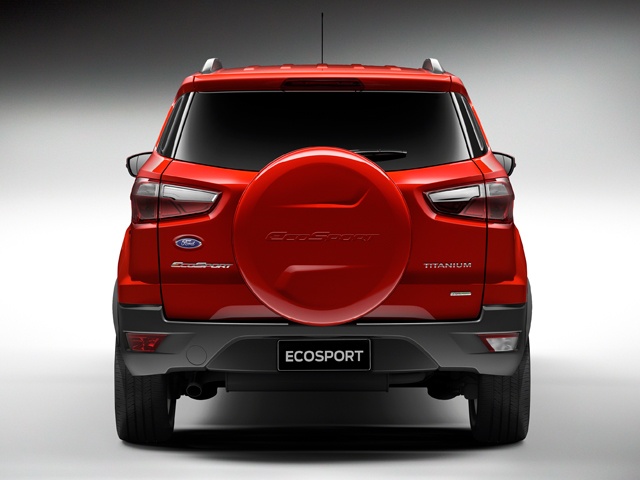
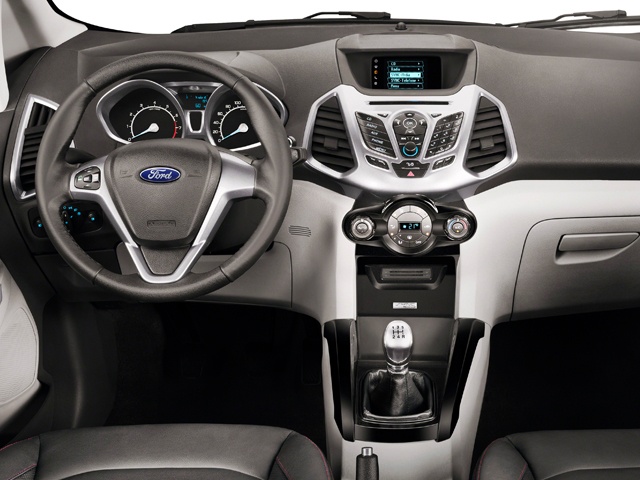
According to reports, the model range for the Indian version of the much anticipated Ford EcoSport has been leaked. Four trims namely Ambiente, Trend, Titanium and Titanium optional will be on offer. These trims will be available in a choice of 3 engines, a 1.5-litre petrol, 1.5-litre diesel and obviously the center of attraction will be Ford’s much awaited 1.0-litre turbo charged direct-injection EcoBoost petrol. The EcoBoost however will be available only with the top-end Titanium trim.
The Ambiente is expected to be the base trim and comes with a quite a bit of equipment despite it. Tilt and telescopic steering, a music player with Aux-in and Bluetooth, electric wing mirrors, remote locking, a multi-function display, front power windwos and 15-inch wheels make up most of the Ambiente trim. Next up the ladder is the Trend trim, which comes with anti lock brakes, rear power windows, steering-mounted audio controls and driver-seat height adjust over everything that the Ambiente has to offer. Both these trims will be available only with manual transmissions coupled to 1.5-litre petrol or diesel engines.
Further up is the aptly named Titanium trim. The famous 1.0-litre EcoBoost petrol engine is available only with the Titanium trim which also comes with a leather-wrapped steering wheel, 16-inch alloy wheels, climate control, cooled glovebox, roof rails, front fog lamps, reverse parking sensor, and dual airbags. An option pack for the Titanium will also be available, which offers push-button start, leather seats, keyless entry, and side and curtain airbags. The EcoBoost engine is mated to a manual gearbox but an automatic-gearbox-equipped Titanium version will be available with the normal 1.5-litre petrol. There is no diesel version available for the top-spec EcoSport.
The 1.5-litre petrol and diesel engines will produce 107 bhp and 88.8 bhp respectively and the new EcoBoost is expected to put out between 95 and 100 bhp. The Ford EcoSport is expected to have a base price around Rs. 7.5 lakh with the top of the line Titanium trim costing upwards of Rs. 12 lakh.
Bo Jiang, a Chinese research scientist who worked at a NASA facility and was suspected of stealing secrets, is expected to plead guilty today–not for espionage, but for downloading porn on his work computer.
Jiang was nailed down in suspicion of trying to spy on the National Aeronautics and Space Administration but was instead found guilty of downloading porn movies on his NASA laptop.
According to court documents, Jiang was previously characterized as a “low risk” hire at NASA, despite his status as a foreign national, because his team was “not working on classified material or any development that is critical to the success of a current mission.”
But even if Jiang didn’t have access to any such information, there are still directives barring NASA laptops “from being used for official business on international trips without prior written permission of the Chief Information Officer for NASA’s Langley Research Center.”
Jiang took his laptop and an external hard drive along on two trips to China without written permission, according to court documents, which also said that while Jiang was in China, he corresponded with colleagues about work-related matters.
His lawyers said he was doing “generic work” and did not have access to sensitive information. But he did have something else that could earn him a criminal record: Pirated movies and porn on his old NASA-issued laptop.
The charge for making a false statement “has been resolved,” a prosecutor said, without providing details. Nasa had previously said it took “any allegation of a security violation very seriously”.
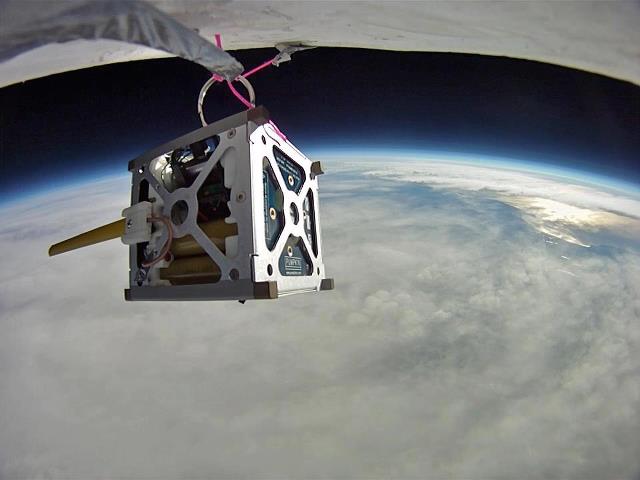
The trio of Android smartphones NASA blasted into orbit recently have ended their journey by burning up in the atmosphere, but not before snapping shots of Earth — and the pictures don’t look too bad.
The “PhoneSats” were a NASA experiment to develop super-cheap satellites and to determine whether a consumer-grade smartphone can be used as the main flight avionics of a capable satellite, NASA said.
The agency launched a rocket containing three of its PhoneSats, cubical satellites four inches on a side with that old classic the Nexus One tucked within.They have GPS, motion sensors, and a camera built-in. So, the project cost less than $10,000 using off-the-shelf technology. A custom-built system might have cost upwards of a million dollars. The module was equipped with extra lithium-ion batteries. Data, along with photos from the smartphone camera, are still being analyzed.
The photos above come straight from the phones’ five-megapixel cameras themselves. That part was successful, though the pictures aren’t exactly detailed. Between the transmission artifacting and the smartphone grade cameras it gets a little messy.
A major concern was whether smartphones could withstand space temperatures. “On Earth here, there’s not many situations where your phone will reach to 40, 50 degrees Celsius, and so I think we were pushing the limit, but we were really interested in seeing if this would really work,” said Watson Attai with the PhoneSat engineering team.
The mission successfully ended Saturday, April 27, after predicted atmospheric drag caused the PhoneSats to re-enter Earth’s atmosphere and burn up, NASA said.
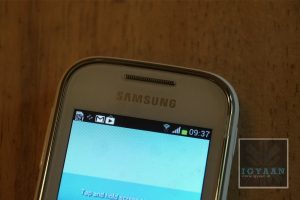
Samsung’s success in the Indian market is truly thanks to their ability to understand the need of the market. The company understood that by penetrating the lower end of the spectrum they could increase their popularity. So with devices like the Galaxy Ace and Galaxy Y, Samsung tapped the under 10,000 market space. With the Galaxy Y plus, Samsung has further tried to take away from the feature phone buyer and get him interested in smartphones. In our Samsung Galaxy Y Plus review we try to see if Samsung has yet another winner.
Solid Plastics
Build Quality & Design
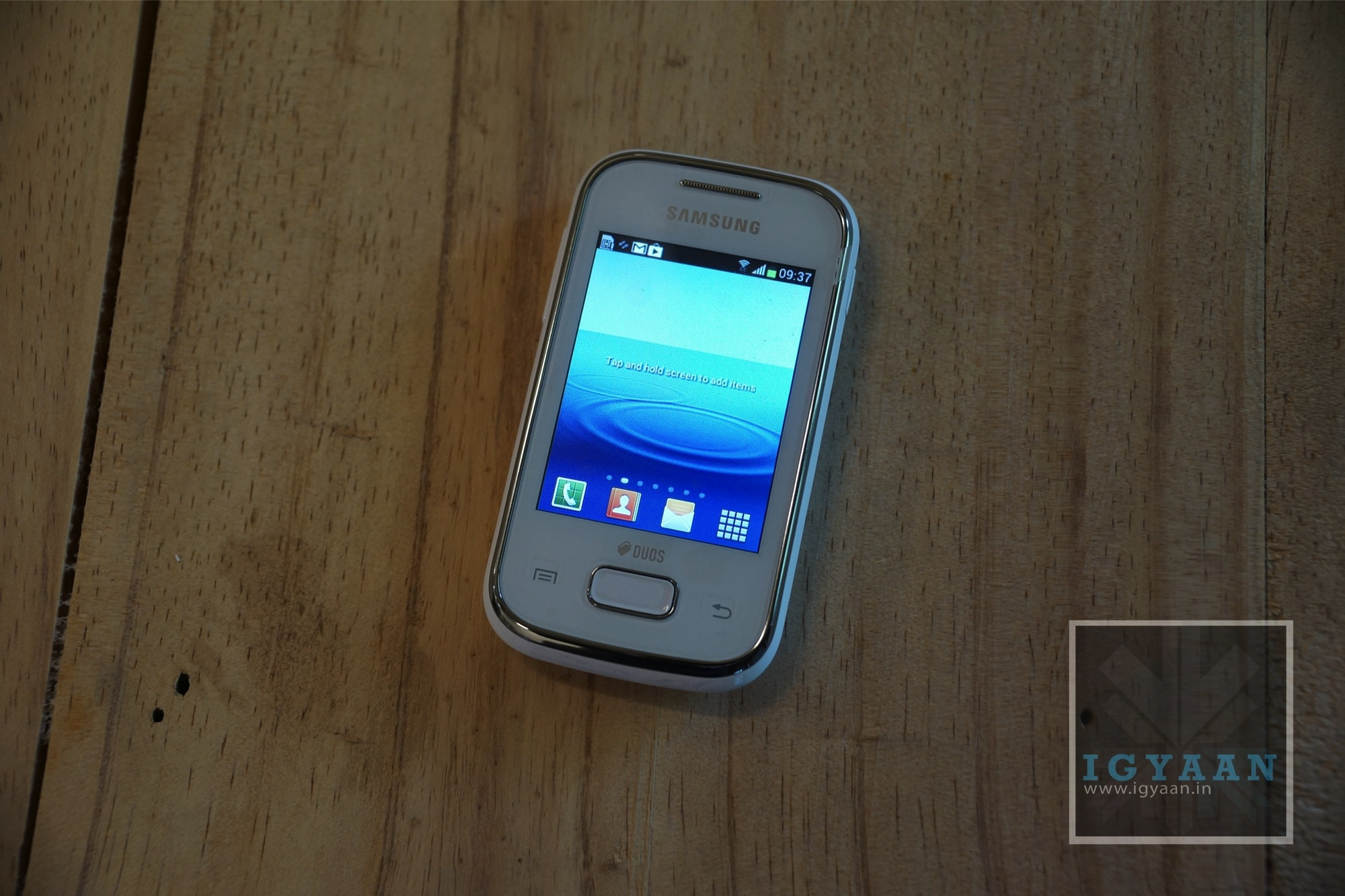
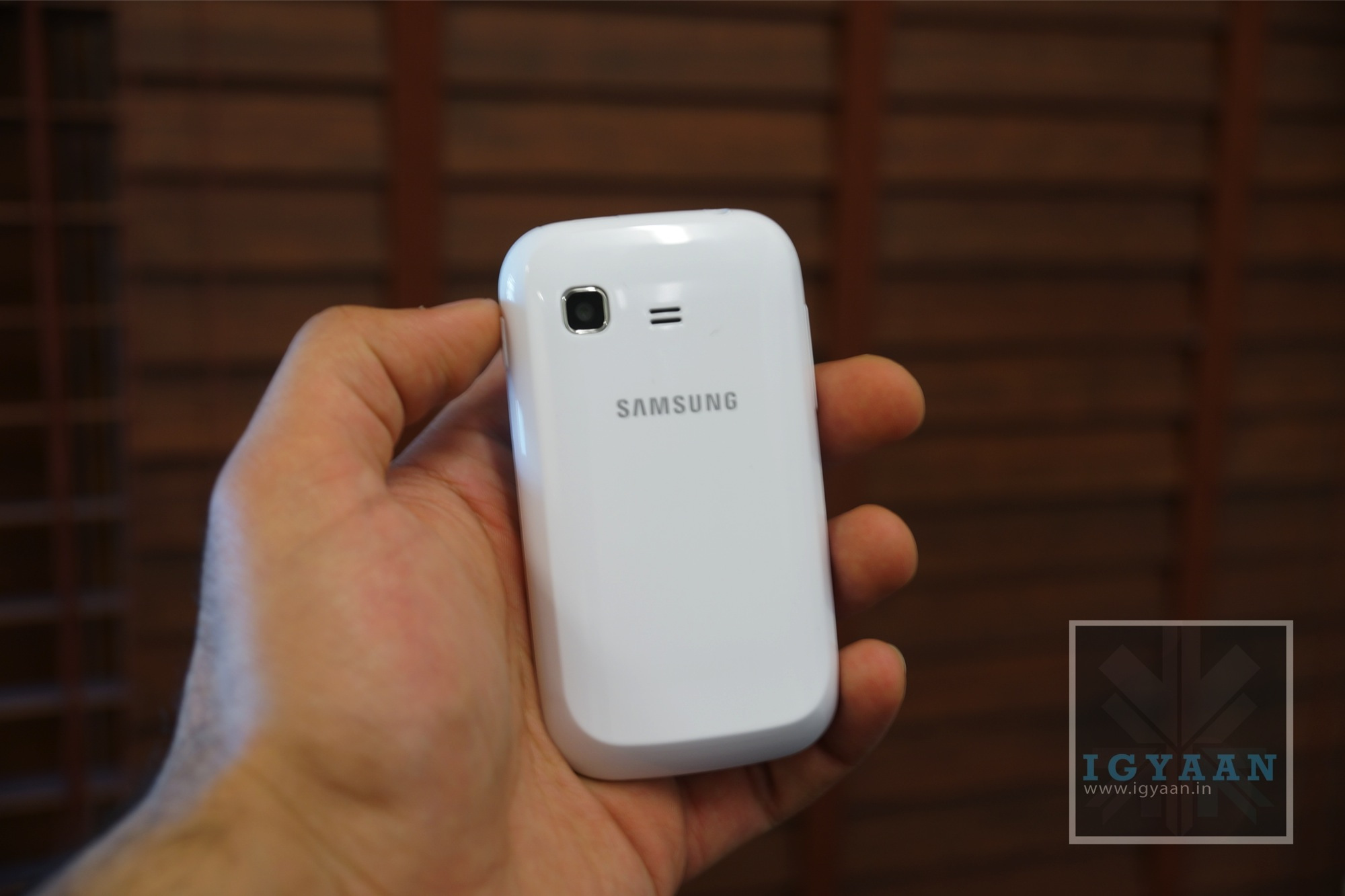
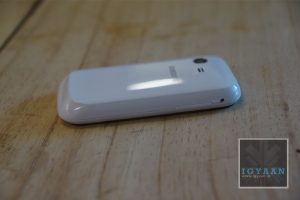
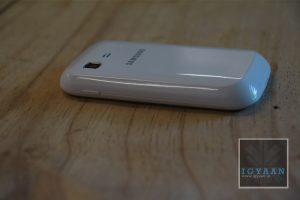
Weather you buy a Rs. 5000 phone or a Rs. 50,000 phone from Samsung, you will find the excessive use of plastics. The Samsung Galaxy Y Plus is no different, with a Plastic chassis, plastic back and plastic bezels along with plastic buttons. The phone however is robust and looks or at least feels like it could survive a bunch of falls and crashes, in fact we wont be surprised if it survives a car running over it, only to be thrown away.
The design and shape is reminiscent of the Y Series of Galaxy phones. The shape adds a bit of the looks of the higher end of the spectrum devices from Samsung.
No Front Cam
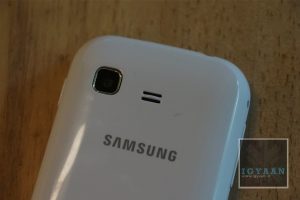
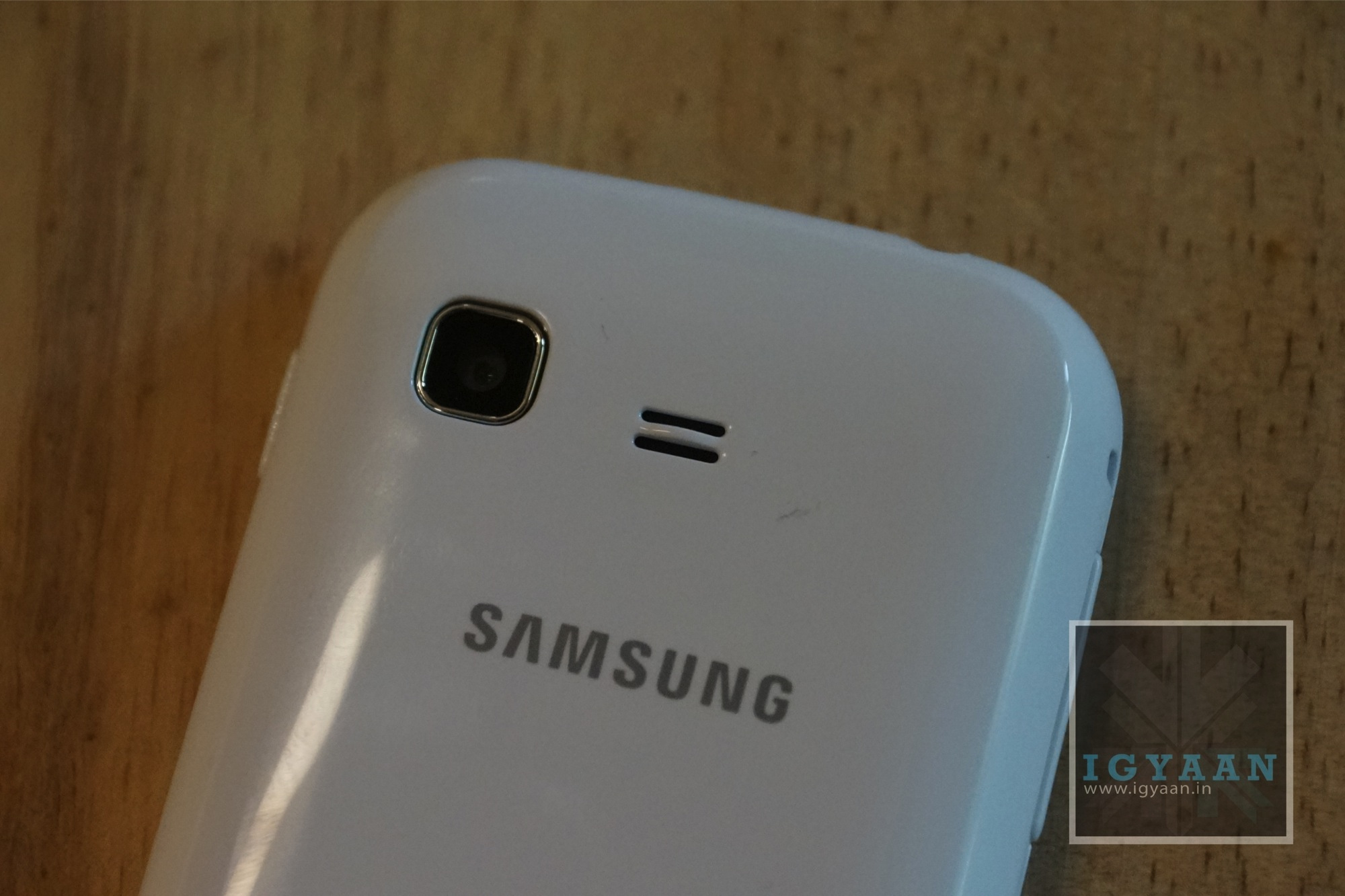
2 MP Rear Cam
Left Side
Right Side
Hardware
Not a lot to boast about here for the Samsung Galaxy Y Plus. The front has a 2.8 inch LCD which has a resolution of 240 x 320px making it 143 ppi, it truly makes you wonder if Samsung will ever dump small size AMOLED displays in budget phones. The insides are a little sketchy with an unknown 850 MHz processor, no details for any sort of GPU and no info on the RAM. If we were to guess, we’d say the RAM should be around the 384MB mark.
The Galaxy Y plus has a 2 MP, 1600×1200 pixels, camera which has a fixed focus and Geo Tagging capability. The internal storage is shown as 4GB out of which under 2 GB is available to the user and expandability is kept at 32GB via microSD. The Galaxy Y Plus has a 1200 mAh battery which seems sufficient considering the specs in question even thought the phone has two sim card slots, one for 3G and one for 2G.
Android and Interface
The Samsung Galaxy Y Plus comes with Android 4.0, which is a slight disappointment especially because companies like Micromax are throwing out Jelly Bean equipped phones by the minute. The interface however is very responsive and seems like this variant of Android was a logical choice of the company to retain the fluidity of the experience.
TouchWiz is also loaded on the tiny display which makes for a fun trailer to what you can expect when you later on switch to a more expensive Samsung Device (the company is betting on this). In fact adaptability of OS along with the available hardware is surprisingly great and performance seems acceptable from a phone of said value.
2 MP Rear Cam
Multimedia and Camera
The phone is poor in these departments and for anyone who may be looking to buy this phone for the multimedia aspects, we suggest you look elsewhere. Although the Samsung Galaxy Y Plus is capable of playing games like temple run 2 smoothly, we feel the display is tattered and totally takes away from any such experience. Similar is the video playback experience, not only does the screen create a letterbox, but also reduces the size of the video to play it totally taking away from the end user enjoyment.
Pictures can be clicked from the phone’s 2 MP snapper never to be reconsidered, Samsung’s emphasizes on the geo tagging feature, as if we must remember exactly where we clicked the atrociously horrible pictures which were completely out of focus.
Conclusion
The Samsung Galaxy Y Plus Duos is a great dual sim phone, which fades the barrier between smartphone and feature phone. While it does have multitasking capabilities, and a whole array of multimedia features you may not end up using any of them except possibly the loud music from the speakerphone.
If you want to get a basic phone to make phone calls and send messages , this is your bet, dual sim with a good two day battery life and great network reception and a loud speaker. You may also be happy knowing that you have other Android capabilities which you may never use.
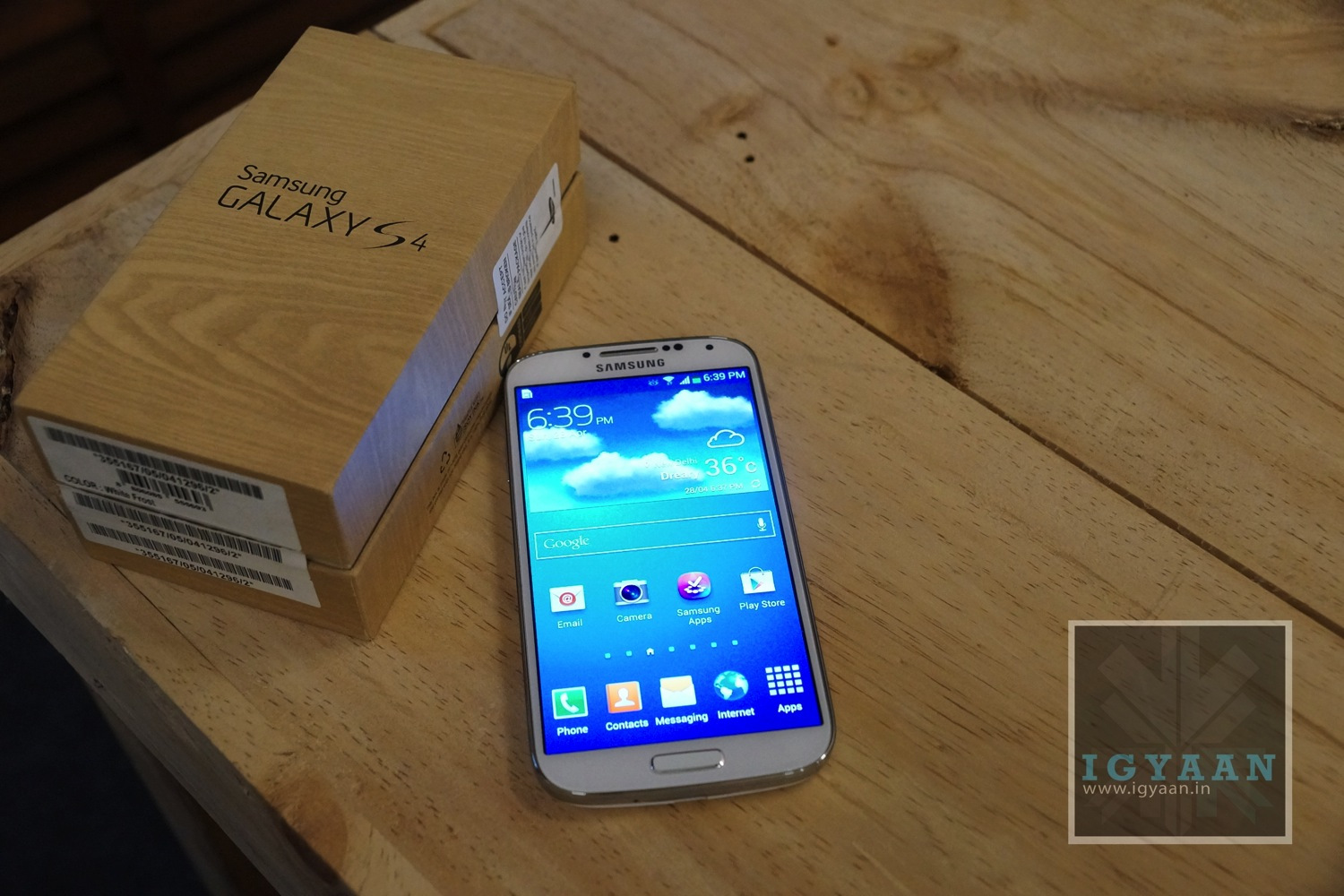
Samsung Galaxy S4 buyers are getting much less storage than they pay for because the device is sold full of ‘bloatware’.
Bloatware includes apps and files that are added to handsets by the manufacturers and networks before they are sold to customers. Some of the preinstalled Samsung files are needed for its new features, such as eye tracking, air gestures and voice commands.
The 16GB version of Samsung’s newest flagship handset has only just over half of its listed memory available for owner use, according to CNet UK. The rest is taken up by the smartphone’s operating system and built-in apps.
“For the Galaxy S4 16GB model,” Samsung said in a statement, “approximately 6.85GB occupies [the] system part of internal memory, which is 1GB bigger than that of the Galaxy S3, in order to provide [a] high resolution display and more powerful features to our consumers.”
For users who aren’t satisfied with the 8.49 GB or so of free space left to them on the 16GB model, Samsung’s simple solution was:
To offer the ultimate mobile experience to our users, Samsung provides [a] microSD slot on Galaxy S4 for the extension of memory.
As AppleInsider notes, Galaxy S4 owners are able to expand their devices’ storage capacity via microSD up to an additional 64GB, bringing the potential total capacity of the device to 80GB — of which 73.15 would be available to the user. That additional space, though, couldn’t be used to store apps, as Google removed that capability with Android 4.0. Users would, though, be able to store downloaded books, music, movies, and other files.
Until Android improves on the ability to use built-in apps and services on the Micro SD card, it cannot be a replacement for 32GB or 64GB Android smartphones.
We dig deep into the box of this new device the Micromax A115 Canvas 3D, and see what sets it apart from the rest of the crowd.
Box Contents
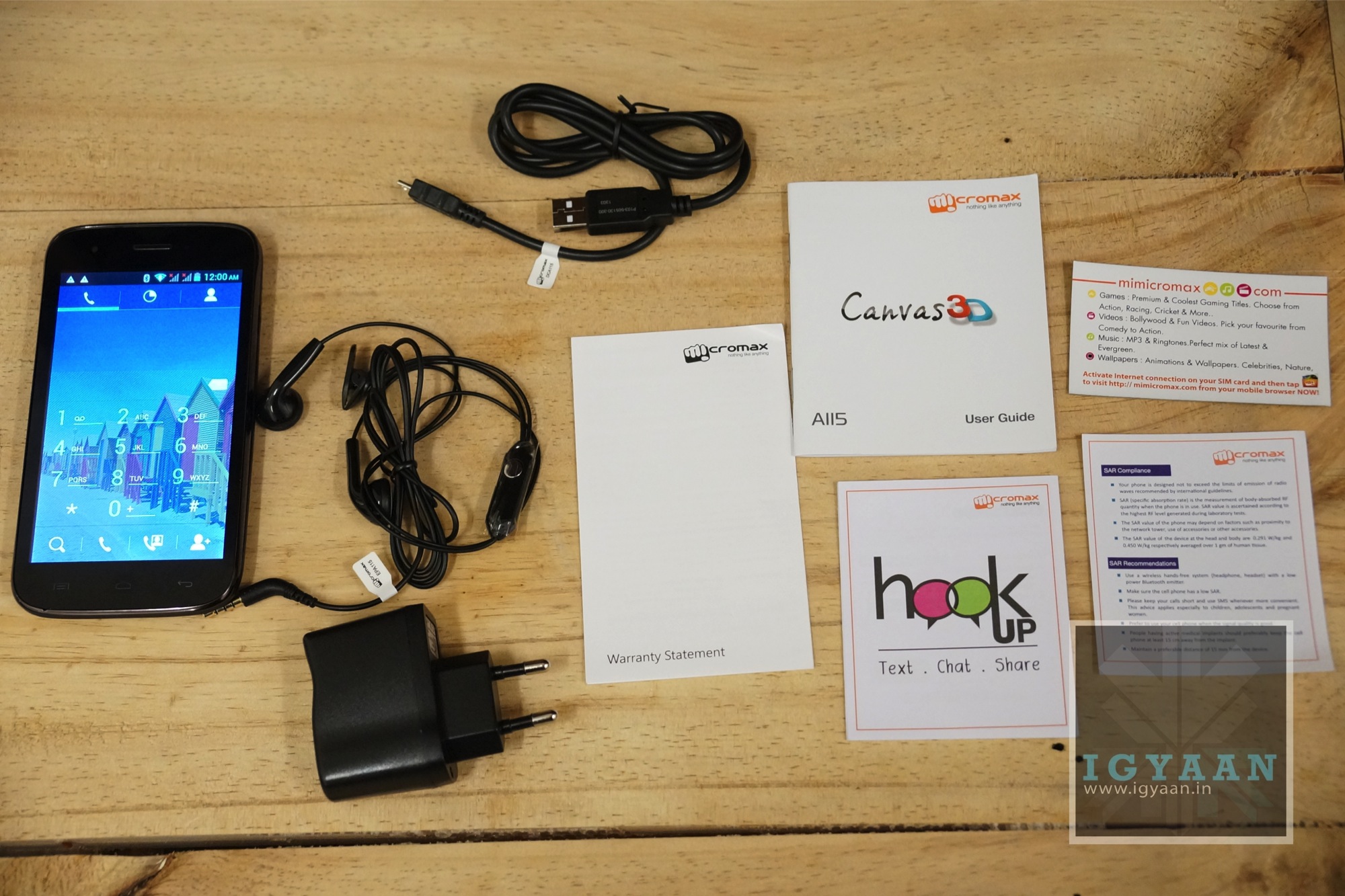
Micromax A115 Canvas 3D Box Contents
Plagued by similar box contents, the Micromax A115 Canvas 3D’s box also contains the usual set of things:
Wall Brick with USB Port
USB to Micro USB Cable
Documentation
Handsfree Kit
Micromax A115 Canvas 3D Unit
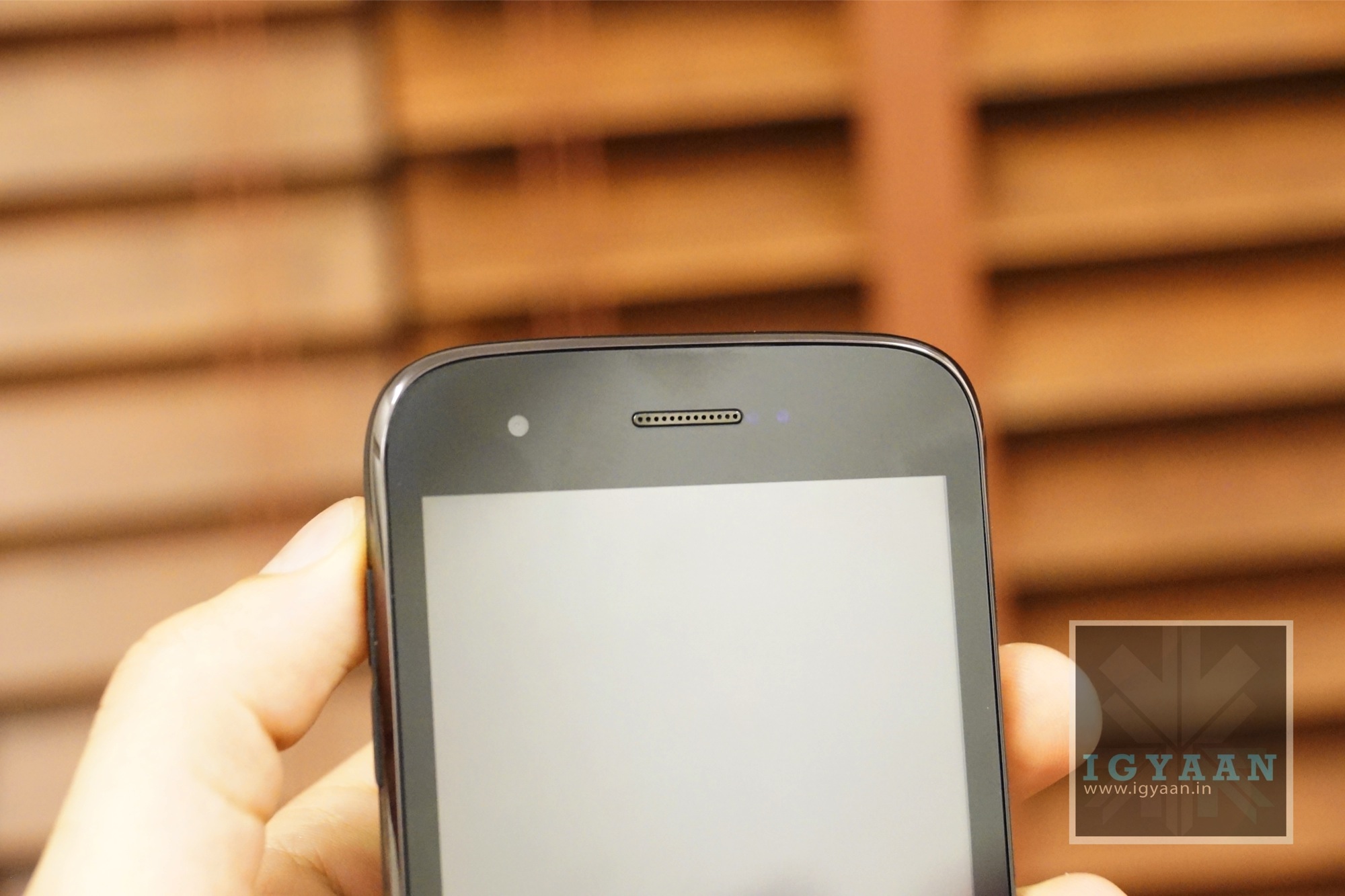
Front Facing 0.3 MP Cam
Initial Impressions of the Micromax A115 Canvas 3D
The new 3D capable Canvas is the same body Identity of the A110 or A116, with the exact same form factor and feel, except it’s a lot more comfortable in the hands.
The display is pretty good for the resolution, the 480 x 800 px laden Stereoscopic front of the Canvas 3D actually puts it in a good place. The Phone also has the ability to natively adjust the screen depending on the content you have on there.
3D Mode
The build of the Canvas 3d actually seems a little more robust if we compare it with the predecessor, the soft touch back does a lot to add to the overall feel of the phone, we honestly were hoping for a more wide array of colors. (bright blue perhaps). The phone is a cluncky and feel a bit heavier, but we are told that is due to the 3D hardware, which is significantly heavier.
The Micromax A115 Canvas 3D has a 5 Megapixel camera, which has the capability of converting images and video into 3D and then saving then natively on the device to be viewed later.
The Ui and interface elements seem really snappy, and with minimal customizations and very little bloatware the phone zipped through initial tests of usage.
While we devour the 3D elements of the new Micromax A115 Canvas 3D, Let us know below, what your impressions are of the device, and what you would like for us to check in this phone for the upcoming videos.
It looks like LG could be the latest device maker Google is contracting for the next flagship Nexus smartphone.
In an interview with the Korea Times, LG CEO Koo Bon-joon said he met up with Google boss Larry Page, where the two “discussed ways to improve their business partnership”.
Although the Korea Times concedes that native LG is lagging behind Samsung in the smartphone stakes, it later mentions that it is currently working with Google to make the next stock Android smartphone.
The Korean newspaper reported that LG has agreed to work on Google’s next Nexus device, relying on Google to boost its smartphone business. It said the smartphone is likely to launch as the Google Nexus 5, suggesting that it will have a 5in screen. It’s also likely to run Google’s upcoming Android 4.3 mobile operating system and feature a dirt cheap price tag.
About once per year, Google debuts a new smartphone that is meant to be a test bed for its Android operating system. The Nexus line of smartphones run a clean version of Android, meaning there are no manufacturer or carrier applications on board. The stock version of Android appears as Google wants it to on Nexus phones.
HTC made the first Nexus smartphone, the Nexus 1, and Samsung made the following two, the Nexus S and Galaxy Nexus. The Nexus 4 is the first such device made by LG.
The original article doesn’t go into any details of what the new device phone might look like, and the earliest official indication we’re likely to get will be around Google I/O in a couple of weeks.
Apple on Thursday released iOS 6.1.4, an iPhone 5 only update, which delivers an “updated audio profile for speakerphone”.
Normally Apple incorporates security fixes into iOS updates, but at present there’s no word as to whether this update patches any vulnerabilities.
According to the change log, the 6.1.4 update brings ‘updated audio profile for loudspeaker’. The update is just 11.5MB in size, should only take a few minutes for the download process to fully complete, and currently available for download on the iPhone 5. If you have any other iOS device, don’t bother checking as it’s not available for them.
To update your iPhone 5 to the latest and greatest software, open Settings -> General -> Software Update and tap Download and Install when the update appears. You can also connect your phone to your computer and apply the update from iTunes, or download it manually from Apple’s support site.
The last update, 6.1.3, was released in March and fixed six flaws, four of which were found by the jailbreaking hacking crew evad3rs who used the flaws in a popular jailbreak for iOS 6.0 to 6.2.
Apple engineers are racing to finish iOS 7 to preview it the company’s annual Worldwide Developers Conference this June, according to Bloomberg.