Blog

  • AMD Launches A-Series APUs

    AMD Launches A-Series APUs

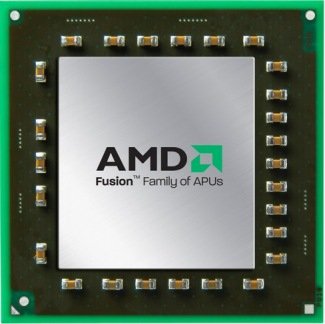
    AMD has launched its A-Series Chips. These Chips have a combination CPU + GPU chips in a single package that the company is dubbing APUs or Accelerated Processing Unit. The A-series was formerly known under the code name Llano. The company describes the new chips as follows:

    [quote]AMD A-Series APUs combine up to four x86 CPU cores with powerful DirectX 11-capable discrete-level graphics and up to 400 Radeon cores along with dedicated HD video processing on a single chip. [/quote]

    The processors will be available as the A4, A6, and A8 and are meant for mid to high-level laptops. The high-end quad-core A8 is targeted for “enthusiast HD and 3D entertainment,” with the quad-core A6 for “HD creation and Blu-ray entertainment,” and the lower-end dual-core A4 (comparable to Intel’s Core i3) for “Photo editing and HD movie playback.” Higher-end Laptops will also offer a separate discrete graphics card on top of the bundled GPU, in a setup called AMD Dual Graphics. The physically discrete GPU can be set to turn off while the system is not plugged into an outlet, in order to extend battery life.

    The first company to announce a line of A-Series Laptops is HP. It is not creating new models for these chips but is instead, adapting its existing models for these APUs. These processors should provide Intel’s second generation Sandy Bridge CPUs a run for their money.

  • Bogus Angry Birds Apps on the Google Marketplace

    Bogus Angry Birds Apps on the Google Marketplace

    Bogus Angry Birds Apps on the Google Marketplace are being used to distribute Malware. Andrew Brandt, lead threat research analyst at Webroot, had this to say about the code dubbed “Plankton”

    [quote]It has the ability to remotely access a command-and-control [C&C] server for instructions, and upload additional payloads. It uses a very stealthy method to push any malware it wants to phone.[/quote]

    The code was first found by Xuxian Jiang, who is the Assistant Professor in Computer Science at North Carolina State University. Unlike other malicious code found in the Marketplace, Plankton does not rely on getting “root” access to the device. Instead, once installed, Plankton can call in other files from a hacker-controlled server, including ones that would exploit one or more unpatched Android bugs. It also harvests data from the phone, including the bookmarks, bookmark history and home page of the device’s built-in browser.

    All 10 of the apps that Google pulled after Jiang’s report purported to be add-ons or cheats for the popular mobile game “Angry Birds” from Finnish game company Rovio. None of the apps actually provided their promised functionality, however, but were simply the delivery vehicles for Plankton.

    This is not the first attack code removed by Google from its Marketplace.

  • Duke Nukem Forever – Finally Here

    Duke Nukem Forever – Finally Here

    Its been nearly 14 years since the release of the multi-million selling Duke Nukem 3D. Well the long wait is finally over for all the Duke Fans out there as Duke Nukem Forever is being released Today ($60, for PS3 and Xbox 360 & $50 for Windows PCs). The Guinness Book of World Records 2011 Gamers Edition lists Duke Nukem as being the 27th most popular video game charecters of all-time, and the First Person Shooter with the longest development time (14 Years).

    Duke Nukem 3D was one of the first games with a fully interactive world with working soda machines and toilets in 1996. You can only expect that its gotten a lot better since then. We cant wait to get the game. Check out some screenshots below. dncornholio anyone?


  • Panasonic Announces the Lumix GF3 with 12.1 MP sensor, 1080i video (PR)

    Panasonic Announces the Lumix GF3 with 12.1 MP sensor, 1080i video (PR)


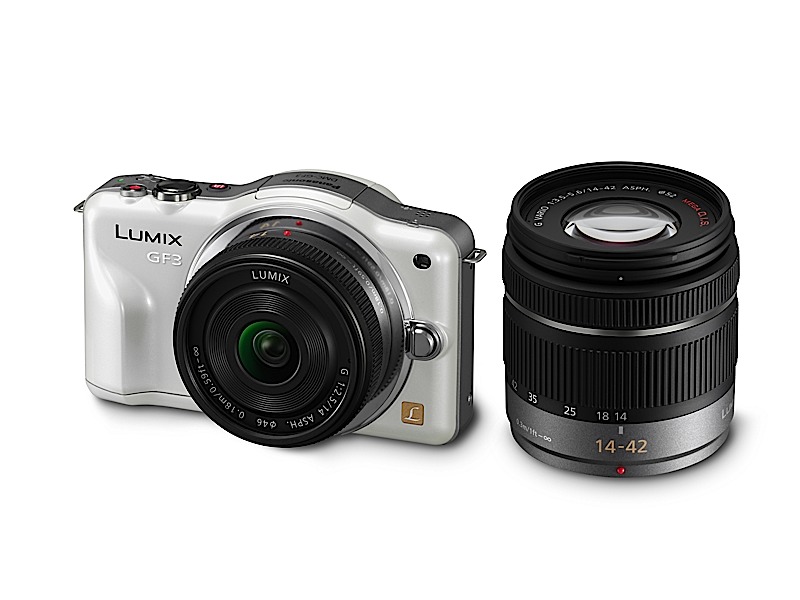
    After the Panasonic GF1, came the GF2 and now its the GF3. The third in series of Micro four thirds cameras from Panasonic brings about little but design changes and a few minor improvements to the camera. The LUMIX GF3 is approximately 16.7% smaller and 16.2% lighter than its predecessor, the LUMIX GF2.

    Key Features include


    [ordered_list style=”lower-greek”]

    1. 12.1 megapixel Sensor
    2. Panasonic Image Processor
    3. 1080i AVCHD video
    4. 3-inch touchscreen
    5. ISO range of 160 to 6400
    6. Redesigned UI
    7. NO Hot Shoe
    8. Price $699 (Rs. 32,000)

    [/ordered_list]


    [toggle title_open=”CLOSE THE RELEASE” title_closed=”READ THE FULL PRESS RELEASE” hide=”yes” border=”yes” style=”default” excerpt_length=”0″ read_more_text=”Read More” read_less_text=”Read Less” include_excerpt_html=”no”]PANASONIC UNVEILS THE LUMIX GF3, THE COMPANY’S SMALLEST AND LIGHTEST DIGITAL INTERCHANGELABLE LENS SYSTEM CAMERA WITH A BUILT-IN FLASH*

    The LUMIX GF3 Body Weighs Just 7.83oz and Produces High-Quality Photos, Full-HD Video Recording Capabilities and Smart Touch-Screen Controls
    SECAUCUS, NJ (June 13, 2011) – Panasonic today announces its latest compact system camera (CSC), the mirror-free Panasonic LUMIX DMC-GF3 is the company’s smallest and lightest digital interchangeable lens camera with a built-in flash*1, with its body size comparable to that of a smartphone and weighing just 7.83oz (body only), less than a standard 8oz cup of coffee. The Panasonic’s LUMIX GF3 realizes all the features desired from a traditional DSLR interchangeable lens camera, only it accomplishes them in an ultra-compact body that is lightweight and simple to master.

    This remarkable reduction in size and weight is thanks to advancements in new mirror-free camera technology, and large DSLR format sensors that are more compatible with a new class of compact Micro Four Thirds (MFT) System lenses. This new class of Compact System Cameras offers a weight and compactness not seen in traditional DSLRs, yielding greater portability and creative control. The DMC-GF3’s image quality comes from a large DSLR-sized 12.1-megapixel sensor and newly advanced image processing technologies.

    The LUMIX GF3 digital camera is based on the Micro Four Thirds standard of lenses, which includes Panasonic’s 3D lens, thus the LUMIX GF3 not only provides outstanding still photos, full-High Definition 1080/60i video, but is also capable of shooting 3D still photos.

    The Panasonic LUMIX GF3 produces high-quality photos with true-to-life details, thanks to excellent resolution, image rendering and color reproduction; high-grade lens options; and extremely precise Auto Focus (AF). Plus, the LUMIX GF3 creates the right balance between resolution and noise reduction, thus producing life-like images with accurate auto exposure and white balance, creating rich colors. Taking a page from the renowned LUMIX GH2’s image quality, the LUMIX GF3 boasts full sized DSLR like Image quality thanks the same Venus Engine FHD image processor. The Venus Engine FHD image processor makes impressive low noise images from its 12.1-megapixel Live MOS sensor. Notably, images shot in low-lit situations at high ISO sensitivity setting, are stunningly clear with extremely sharp resolution. The image processor also excels in energy consumption by extending the battery life, despite its smaller size.

    Thanks to a new mount, the LUMIX GF3 is approximately 16.7% smaller and 16.2% lighter than its predecessor, the LUMIX GF2. Despite its small size and unlike many CSC cameras in this class, the LUMIX GF3 still maintains a built-in flash and features a new pop-up mechanism that helps prevent the vignetting effect due to short distances between the flash unit and the interchangeable lens. With a newly-designed aluminum body that incorporates an ergonomic grip, and a well-designed control dial combined with a 3-inch touch enabled screen, the LUMIX GF3 is extremely intuitive and easy to use.

    “The Panasonic GF3 compact system camera is extremely small and its newly-designed rounded body is quite attractive, which we expect to be popular among those users wanting to step-up from a point-and-shoot, yet who view traditional DSLRs as bulky and overly complex,” said Darin Pepple, Senior Product Manager, Imaging, Panasonic Consumer Electronics Company. “While the size and weight of the GF3 has been greatly reduced, Panasonic does not compromise what is at the core of every LUMIX, which is exceptional photo and video quality with an easy-to-use interface.”

    All models in Panasonic’s LUMIX G Series of digital cameras feature Contrast AF for their focus system, as opposed to phase-difference AF systems, used in traditional DSLRs, which is susceptible to a mechanical margin of focus errors at wide apertures. With a Contrast AF system, focusing is controlled by the image sensor so that mechanical margin of error is reduced to achieve precise focusing, thus boosting higher number of in focus shots, especially when shooting in low light with wide open lens aperture. As a result, when the LUMIX GF3 is used with Panasonic’s new wide aperture interchangeable lens, the LEICA DG SUMMILUX 25mm / F1.4 ASPH, also announced today, the performance of the Contrast AF system is optimally maximized.

    The Panasonic LUMIX GF3 features a high-speed and extremely precise Contrast AF system that locks in approximately 0.18 seconds. Taking further advantage of Contrast AF, the LUMIX GF3 incorporates full-area focusing which makes it possible to set focus on any point in the field- of-view. The LUMIX GF3 also features Light Speed AF, an extremely fast AF which measures at approximately 0.1 seconds*2, which is achieved by reducing the detection time for focusing by doubling the sensors drive speed from 60 fps to 120 fps. With the combination of touch-control shooting, focusing on close up macro or still life objects is evermore quick and accurate thanks to the newly adopted Pinpoint AF that unlike a DSLR, offers near pixel level touch control focusing.

    Manual control over focus is available in the DMC-GF3 and now features a quick 4x magnification feature. By simply touching the subject, that subject is then enlarged in a small window, allowing you to keep the rest of the image in view as a framing reference. Beyond 4x, that small window fills the monitor so even more control over focus fine-tuning can be achieved. This handy feature is available from both the MF (Manual Focus) Assist and AF + MF focus modes.

    At the heart of the LUMIX GF3’s simplified functionality is a large 3.0-inch touch enabled LCD (460k- dot) that allows for intuitive touch control of menus and most shooting, focusing, playback and effects controls. Menus can be customized using simple drag-and-drop actions similar to those on some touch-enabled smartphones. This allows for a custom user interface, giving Quick Menu access to functions that can be tailored to any user’s expertise level. Users can also release the shutter using the touch-screen. Once locked onto a subject, the LUMIX GF3 tracks the subject with the AF Tracking feature and another touch allows the user to select the size of the AF area. In addition, Pinpoint AF function allows even more precise focus setting by further enlarging the focusing area. With increased customization, users can set the touch shutter and touch AF ON/OFF based on their preference. Touch-control also makes playback of photos and videos easy to flip through like pages in a book.

    For those who miss the tactile feel of a traditional DSLR mode dial, the DMC-GF3 offers an innovative mode thumb wheel that quickly cycles though all available modes with visual feedback provided on the large 3” touch-enabled LCD.
    The LUMIX GF3 records 1920 x 1080 full-HD video in the AVCHD format, which features almost twice the recording time in HD quality than the conventional Motion JPEG. A dedicated video record button on the top lets users instantly start recording video, without having to hassle with any menu settings. The LUMIX GF3 allows for Touch AF in video recording, enabling professional-like features, such as rack focusing. For instance, by touching the subject on the screen, the focus is shifted to the subject.

    Contributing to its ease-of-use, the LUMIX GF3 features Panasonic’s acclaimed iA*3 (Intelligent Auto) mode – and the new advanced iA Plus mode – are automatically engaged once the iA button is pressed, helping to make shooting video and photos with the LUMIX GF3 extremely simple – even to users new to compact system cameras. Panasonic’s iA features include MEGA O.I.S. (included in several lenses), Intelligent ISO Control, and Intelligent Scene Selector, Face Detection, AF Tracking, Intelligent D-range Control and Intelligent Resolution. With the new iA Plus mode, the LUMIX GF3 easily enables commonly desired manual enhancements not available from standard camera auto modes such as peripheral defocusing around faces, exposure compensation, and color balance adjustments which are visually adjusted by moving an on screen slider with the user’s finger or the thumb wheel,.

    The LUMIX GF3, like all CSCs in the Panasonic LUMIX G Series, is equipped with a highly-efficient Dust Reduction System. In some system cameras, if dust or other foreign matter gets inside the digital camera while the lenses are being changed, it’s possible that the debris could cling to the image sensor and show up as a spot in your photos. However, the Panasonic Dust Reduction System helps to eliminate this problem by placing a supersonic wave filter in front of the Live MOS sensor that vibrates vertically approximately 50,000 times per second – thus repelling dust and other particles from the LUMIX GF3’s sensor.

    Two modes – Photo Style and Creative Control – let users at any skill level get creative with their photos. With Creative Control, the user can choose the most-frequently-used color modes (Expressive, Retro, High Key, Sepia, High Dynamic and newly added Miniature Effect*4 mode) with easy access. In Miniature Effect mode, the peripherals are defocused while saturation and contrast is emphasized so the photos look like a diorama. The Photo Style mode revitalizes the conventional film mode with settings in Standard, Vivid, Natural, Monochrome, Scenery, Portrait presets while enabling finer adjustment of contrast, sharpness, saturation and noise reduction.

    The LUMIX GF3, like all the CSC in the LUMIX G Series of digital cameras, is compatible with other Micro Four Thirds lenses and the full sized Four Thirds System standard via an optional mount adaptor. Other accessories available to the LUMIX G Series include external flashes, PL and ND filters, leather cases, straps, and more. The Panasonic LUMIX GF3 will be available in black, white, red and brown bodies for a suggested retail prices of $699.99 with the 14mm lens kit system starting in July 2011, and $599.99 with the 14-42mm lens kit system starting in late August 2011; and. For more information on Panasonic LUMIX G Series compact system cameras, please visit www.panasonic.com/lumix.[/toggle]

  • Apple and Samsung will Defeat Nokia as the Top Phone Manufacturer by July

    Apple and Samsung will Defeat Nokia as the Top Phone Manufacturer by July

    Looks like everyone in this world believes that Nokia is a dying breed. Analysts from Nomura Research say Nokia’s will lose the top spot this quarter for the first time since 1996. Its a shame really. Also, according to the Analysts the top two spots will had by Apple and Samsung pushing Nokia to No. 3.


    [quote]“Nokia looks set to relinquish its smartphone crown to Samsung and Apple,” Nomura wrote in a note to investors on Monday. “Further emphasizing the shift in power to Asia is our forecast for HTC to almost match Nokia during 2012.” Nokia will retain its lead in overall cell phone sales, Nomura says[/quote]

  • Make calls from you iPad 3G : PhoneIt-iPad

    Make calls from you iPad 3G : PhoneIt-iPad

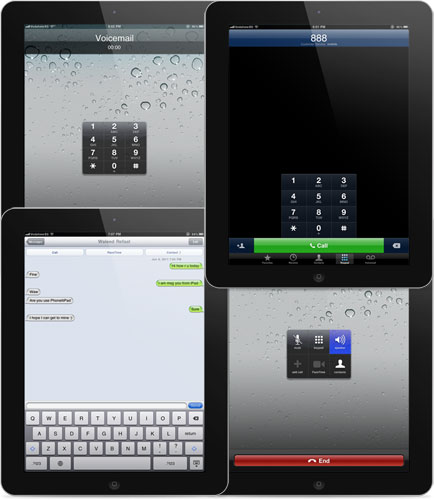
    The team from iPhoneIslam that hacked Facetime into iPhone 3Gs is back with what people though was impossible making calls from the iPad. Since the day the iPad was launched people wanted to use it as a phone. This new app allows just that but with a pretty knacker. The app costs 20$ or about Rs. 900, well worth it for converting your iPad 3G into a large iPhone.

    [iPhoneIslam]

  • Jailbroken iOS 5  Gets Custom Widgets in Notification Panel

    Jailbroken iOS 5 Gets Custom Widgets in Notification Panel

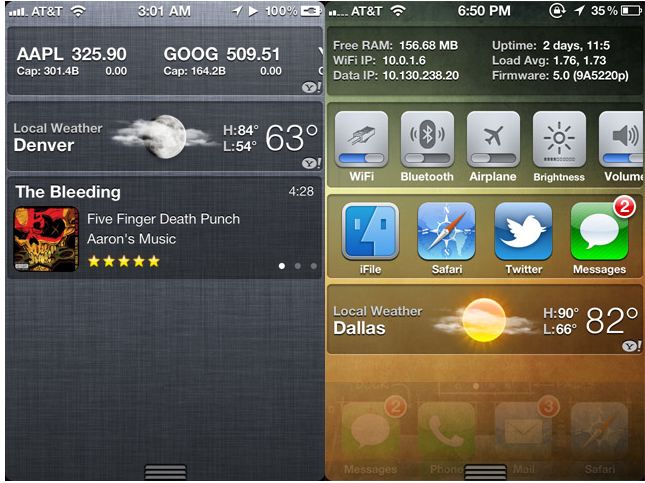
    Looks like the devs are on the move, the recently released jailbreak for the iOS5 has already been put to the test. This hack comes in the form of  new third-party applications that allow users to tweak the Notification Center with new widgets.

    UISettings : Allows users to add quick launch toggles – WiFi / Bluetooth / Data. etc

    MusicCenter(upcoming) : Allows users to view names and thumbnails of the Artwork of the currently playing track.


    [Via]

  • HTC Salsa Launched : Unboxing and Hands on Pics (PR) : Video now up

    HTC Salsa Launched : Unboxing and Hands on Pics (PR) : Video now up

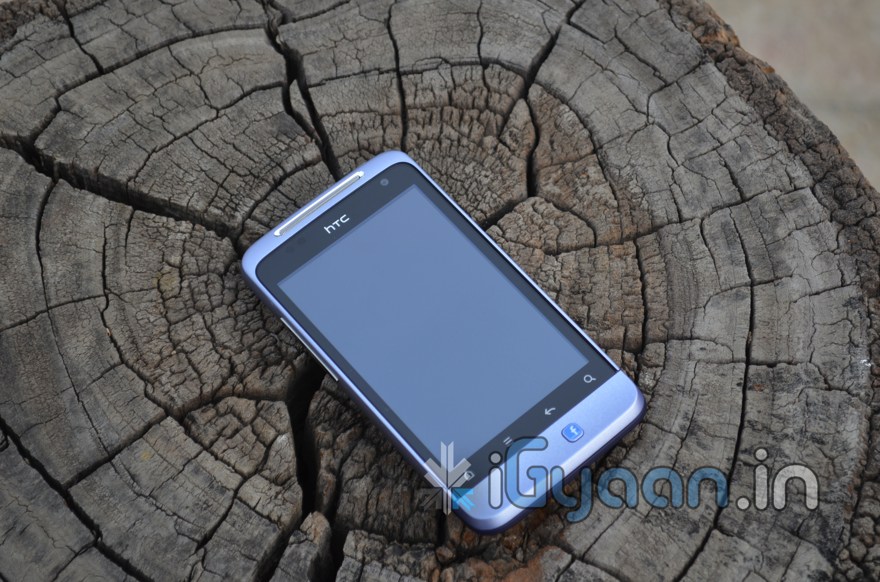
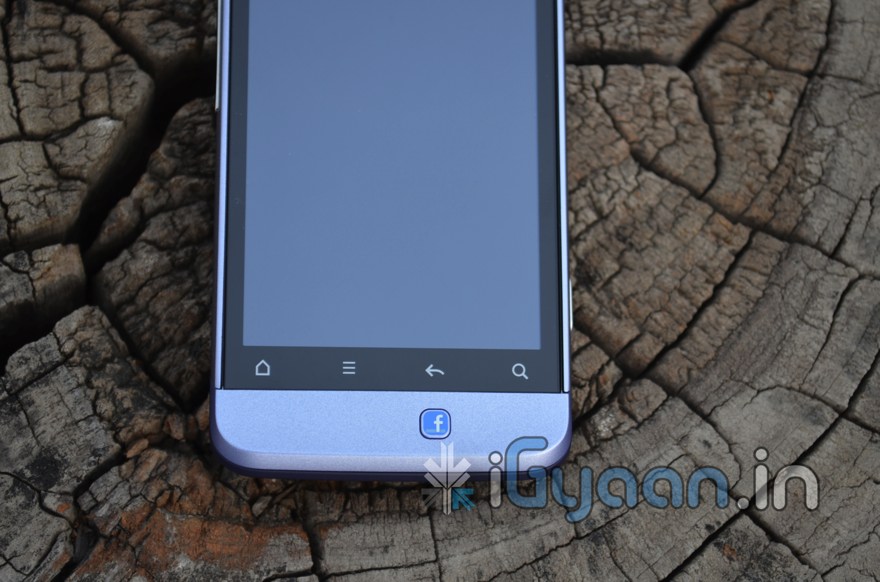
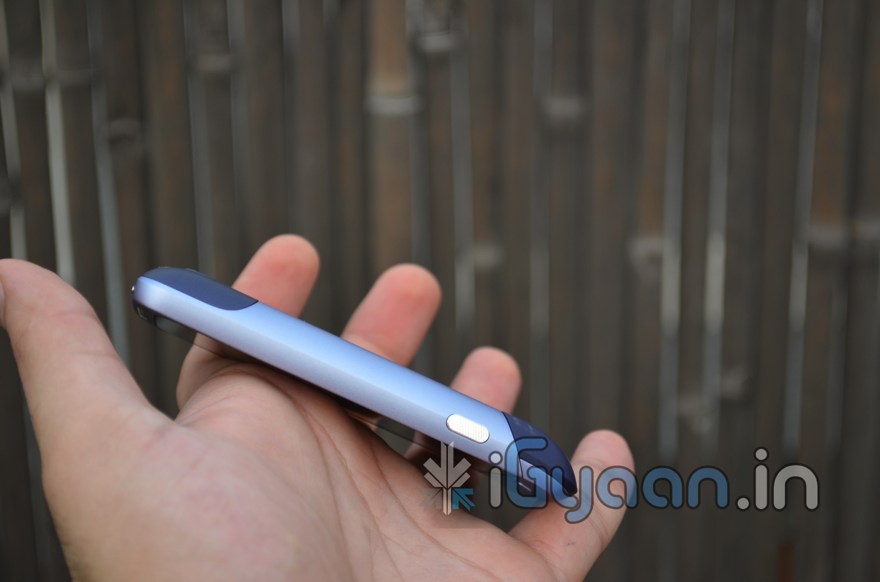
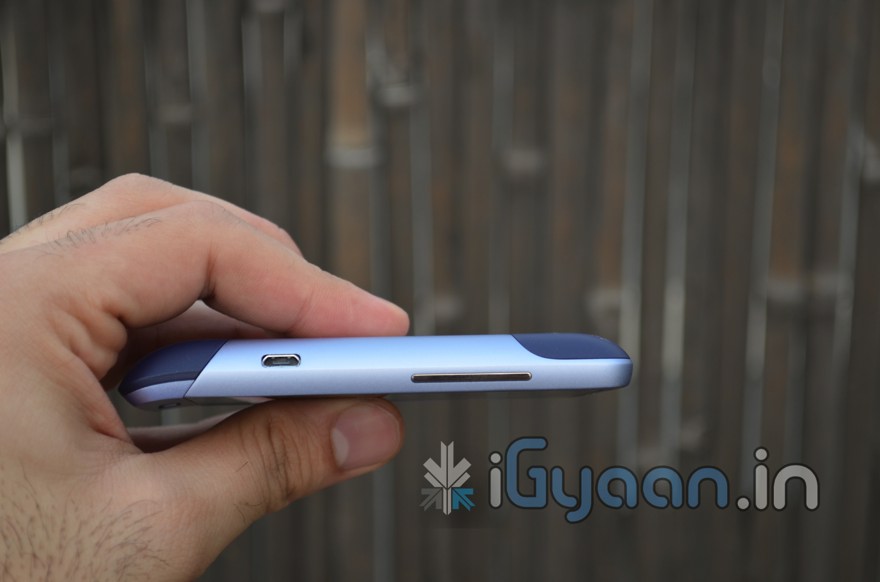
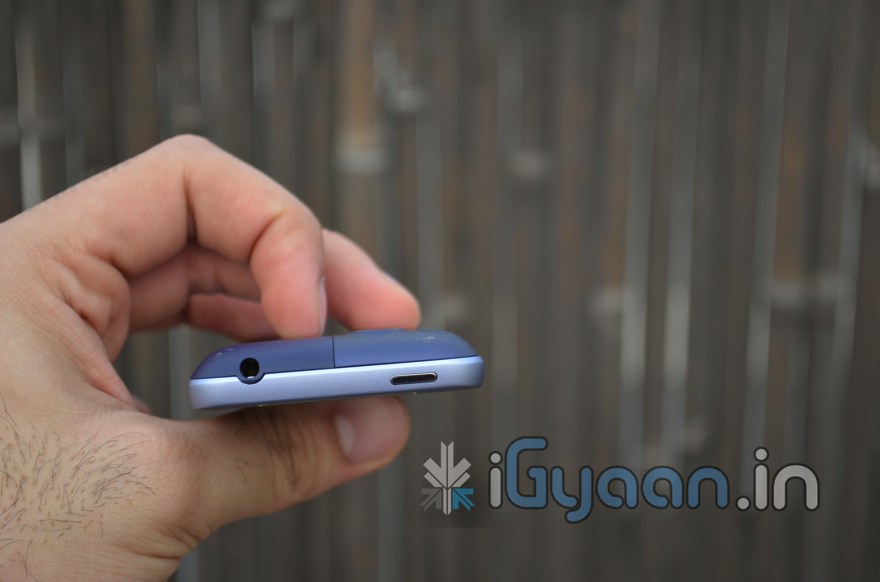
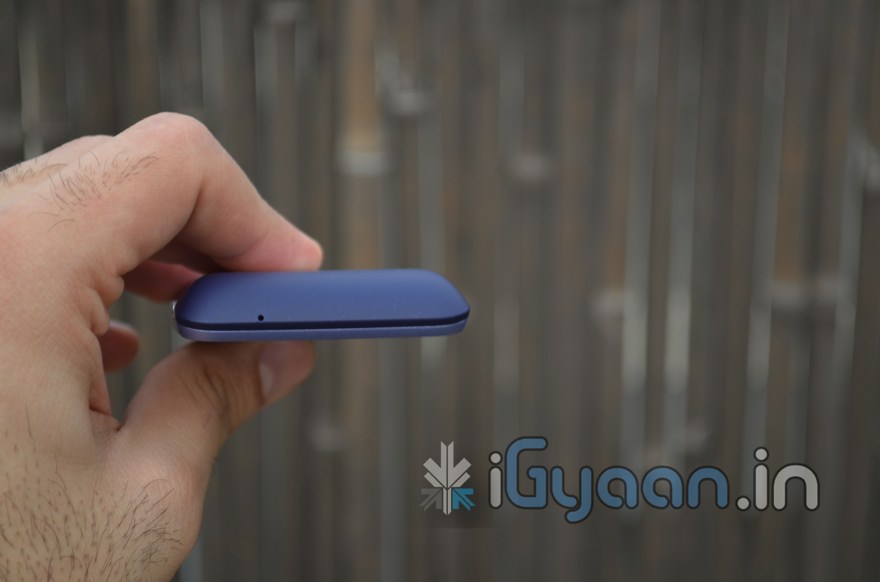
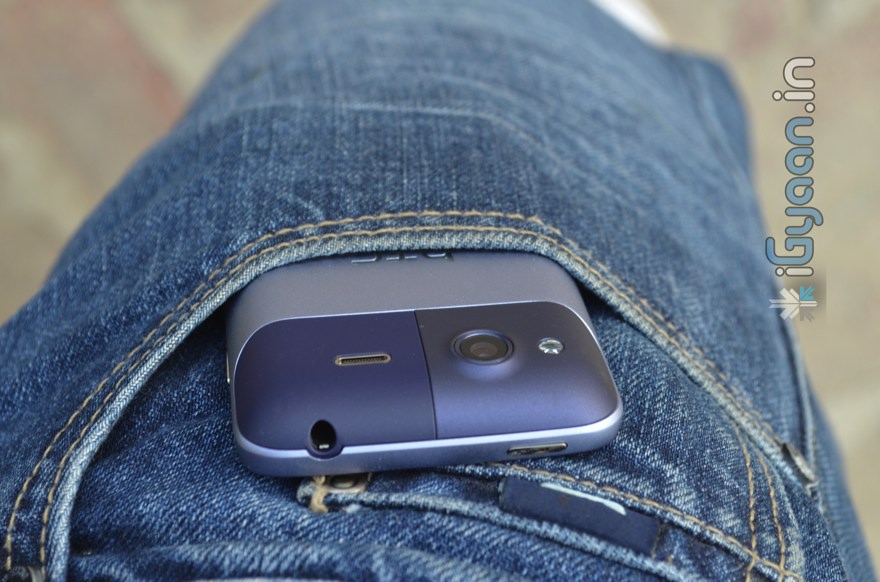
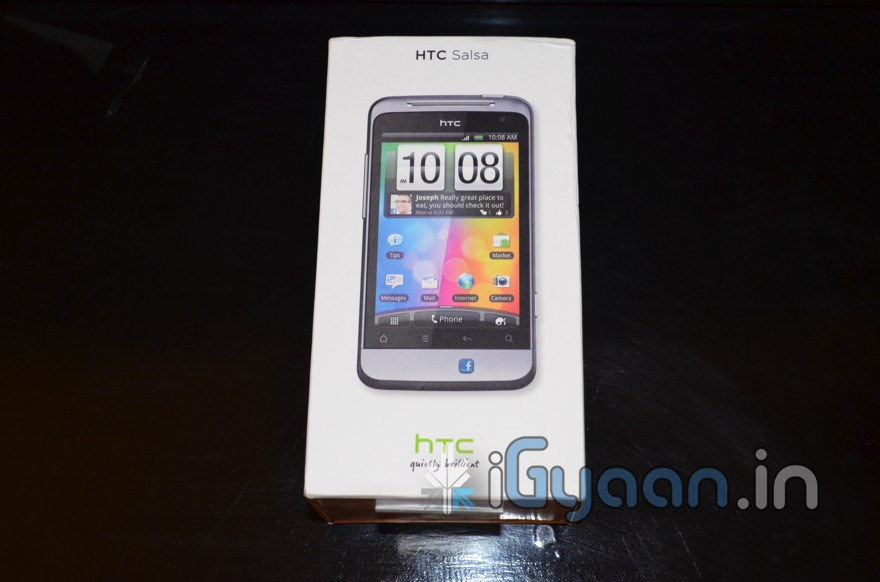
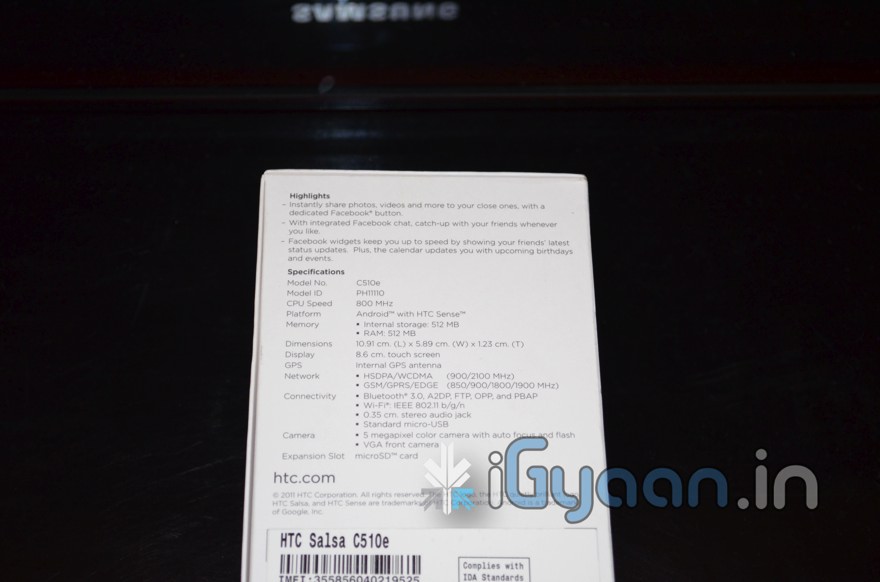
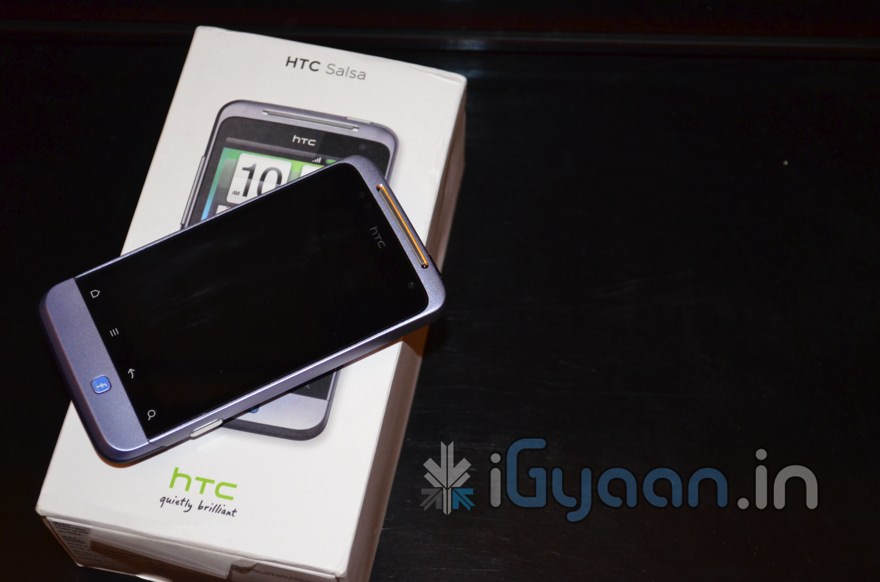
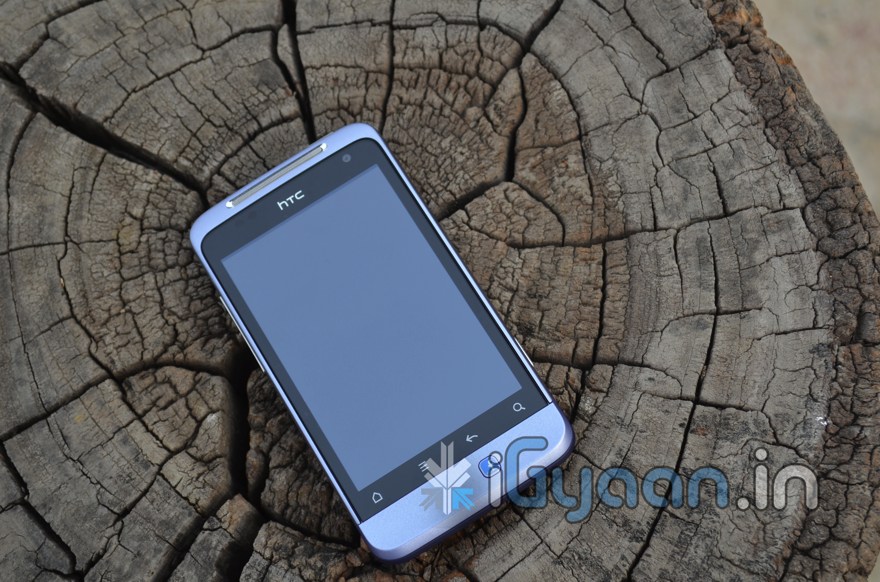
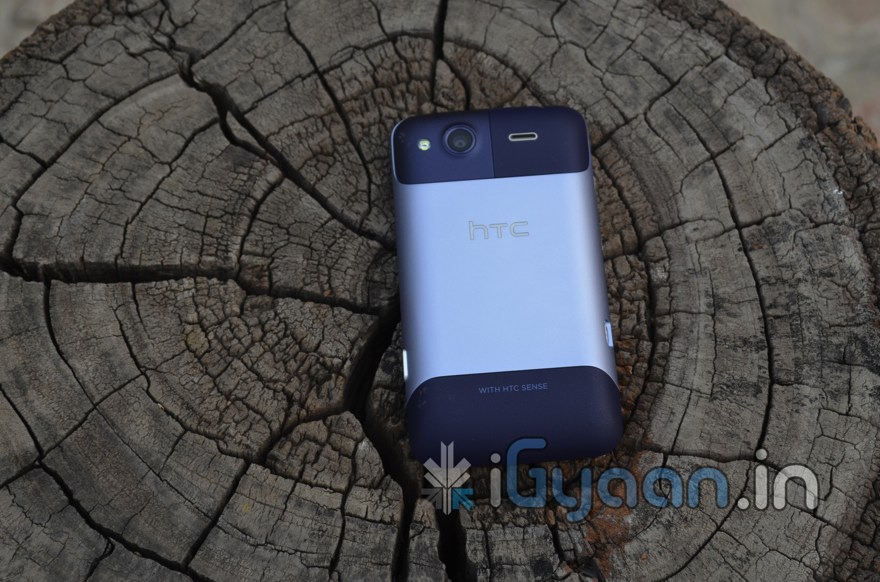
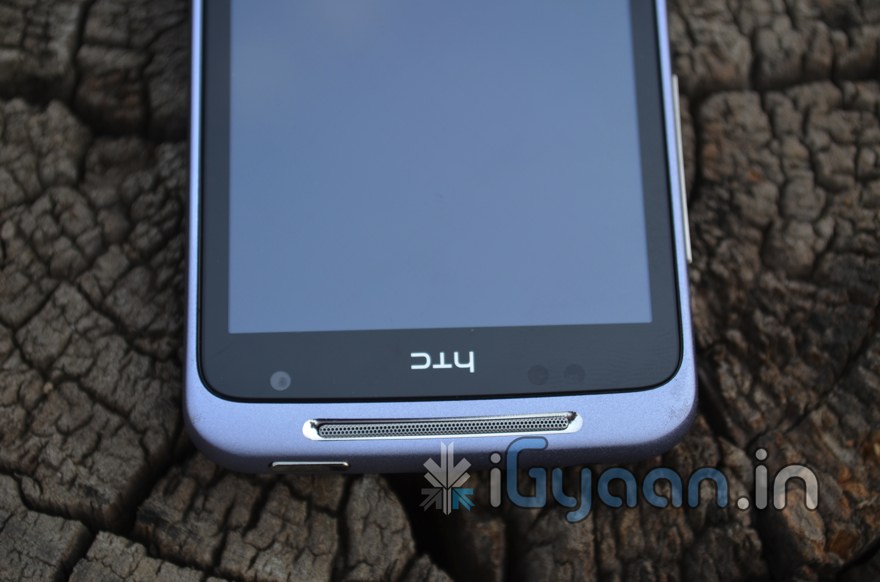
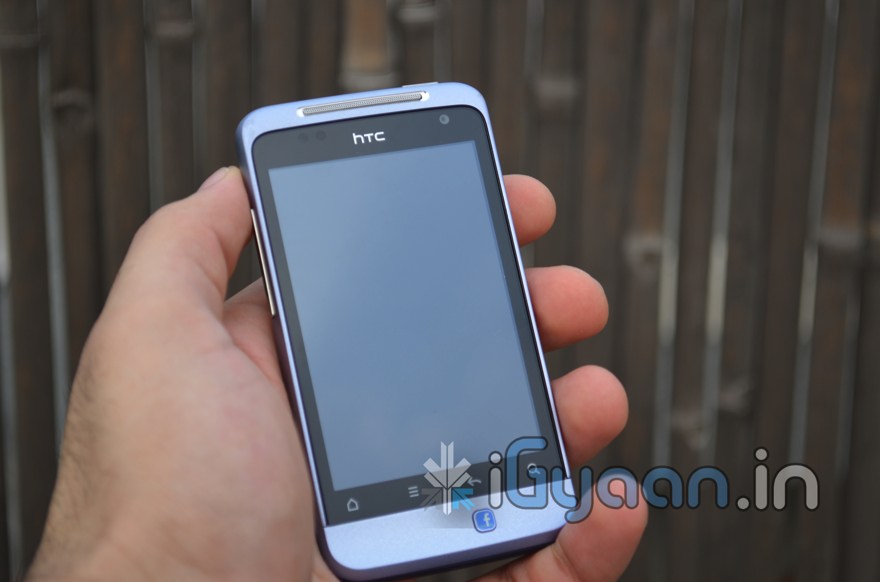
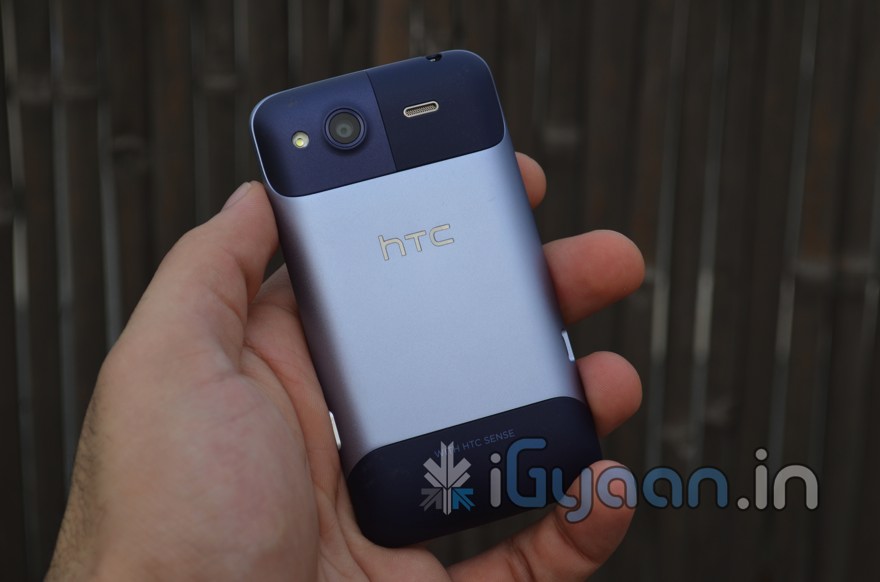
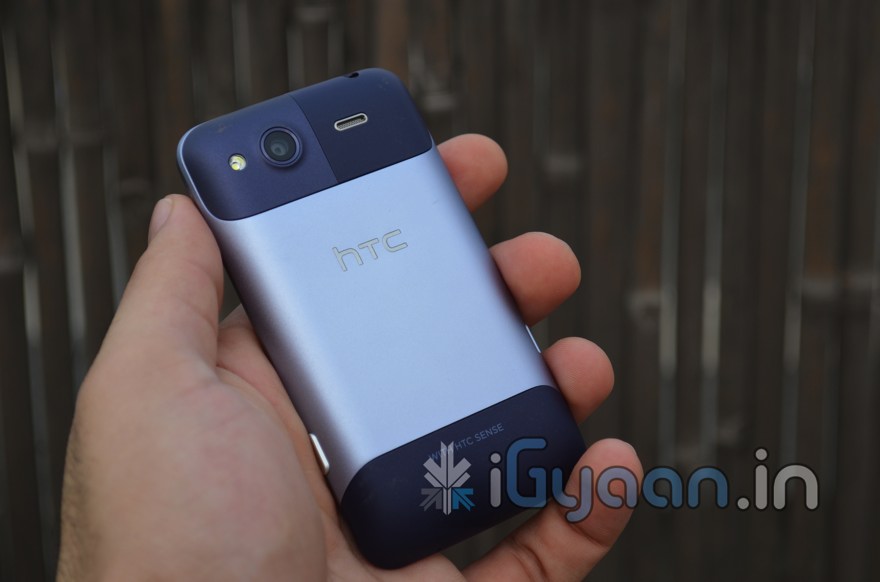
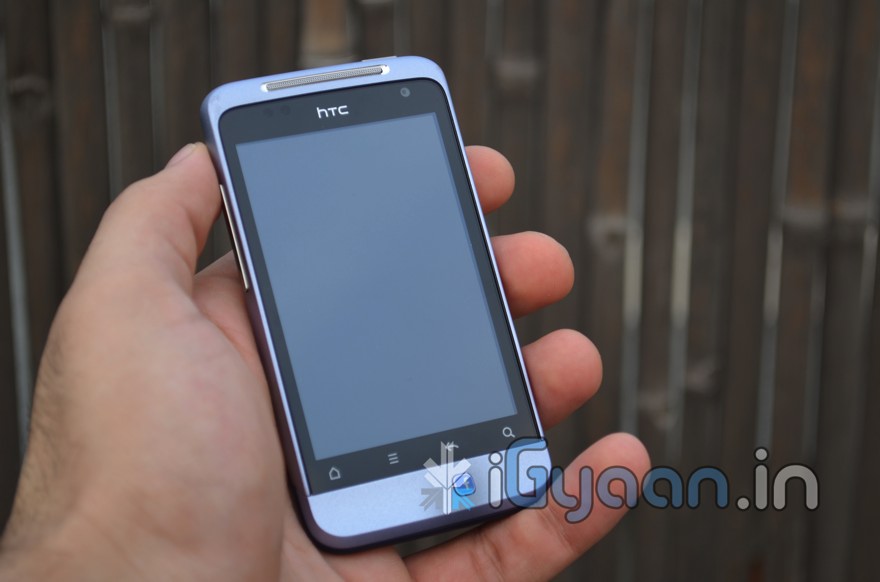
    Okay so HTC has officially announced the HTC Salsa, the phone with a dedicated Facebook button, As always we g0t the device and unboxed it for you viewing pleasure.

    Check out the pictures below, and hang tight while the video is uploaded. (there were some issues and the video is being re uploaded – hang on )


    [toggle title_open=”COLLAPSE PRESS RELEASE” title_closed=”CLICK TO EXPAND PRESS RELEASE” hide=”yes” border=”yes” style=”default” excerpt_length=”0″ read_more_text=”Read More” read_less_text=”Read Less” include_excerpt_html=”no”]

    HTC Unveils the Social Phone HTC Salsa in India


    Raises the bar for mobile social phones with the HTC Salsa


    New Delhi, India – June 13, 2011 – HTC Corporation, a global leader in mobile innovation and design, today announced the launch of the HTC Salsa in India. The HTC Salsa is powered by the Android operating system and features HTC Sense, HTC’s unique design philosophy that focuses on putting people at the centre by making your phone work in a more simple and natural way. The phone is built entirely to be social, incorporating the simplicity, ease-of-use and depth of HTC Sense.

    With the stylishly designed HTC Salsa, you can surf from one website to another with multiple browsing windows, zoom in and out of a page, and watch the text resize automatically on screen. You can merge your different email accounts together into one inbox. All the emails are color coded, so you know what’s what, and you can sort them by importance, groups or content. In keeping with its emphasis on easy social connectivity, the HTC Salsa also provides a one-touch access to the key functions of Facebook, integrated throughout the HTC Sense experience, through a dedicated Facebook button.
    According to Faisal Siddiqui, Country Manager, HTC India, ““HTC has always understood that different people want different things and the new HTC Salsa offers special new ways to socialize through a mobile device. With Indians increasingly getting hooked on to the social web, we wanted to create the ultimate socially connected phone which makes this experience simple and convenient.”
    The HTC Salsa offers a fast, high-performance smartphone experience. Capture the moment in high-resolution stills or video with the 5-megapixel camera and immediately share it with friends on the generous 3.4-inch, 480 x 320 resolution touch display. Upload your photos to Facebook at the touch of a button. For face-to-face conversations on the move, the VGA front-facing camera enables high-quality video calling.

    Pricing & Availability

    The new HTC Salsa will be available at a Market Operating Price of Rs. 22,000* at all authorized HTC resellers across the country.

    * Prices may vary according to the local applicable taxes

    About HTC

    HTC Corporation (HTC) is one of the fastest growing companies in the mobile industry. By putting people at the center of everything it does, HTC creates innovative smartphones and tablets that better serve the lives and needs of individuals. The company is listed on the Taiwan Stock Exchange under ticker 2498. For more information about HTC, please visit www.htc.com.

    [/toggle]
  • App a Day – 3D Board for iOS

    App a Day – 3D Board for iOS

    Have you ever wanted to turn your iPhone screen into a 3D screen? Well now you can. With the 3D board application, your home screen turns into a glasses free 3D screen. The wallpaper moves and shifts based on how you’re holding the phone. It is available from the BigBoss repository in Cydia for $2.99. All in all its a fun application to fool your friends into thinking you’ve replaced your iPhone’s Retina Display with a 3D Retina Display. Check out the video for more info.

  • First iPhone in Space

    First iPhone in Space

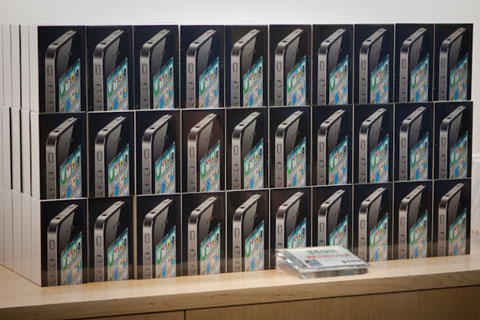
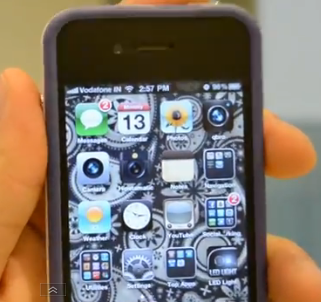
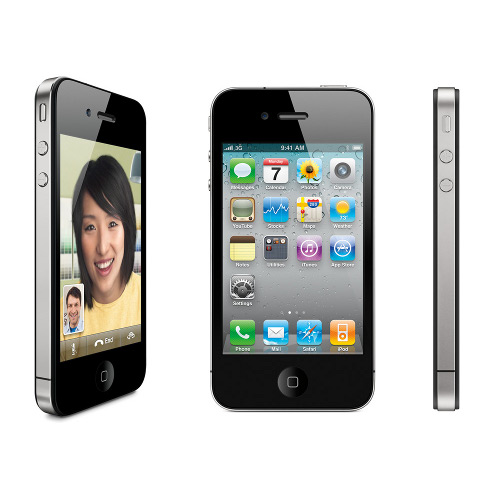
    The last space shuttle launch is scheduled towards the end of this year and its going to be carrying some special cargo. Two iPhone 4’s will be on board running special software designed by Odyssey Space Research.

    Once the space shuttle docks with the International Space Station, the crew members will use the iPhones to conduct four experiments, using the iPhones’ cameras, gyroscopes, and other sensors.

    [quote]”I’m pretty sure this is the very first iPhone to go into space,” said Odyssey CEO Brian Rishikof.[/quote]

    The debut of the iPhone 4 in 2010 inspired the Odyssey team to create iOS based space experiments as the new phone had a built in gyroscope. The company has developed software and simulations for guidance and navigation used in several spacecraft; a gyroscope means that the iPhone could potentially be used to determine a vehicle’s orientation in space as well as its position.

    The four experiments are:

    • A “limb tracker,” which lets astronauts take a picture of the Earth’s limb (its curved edge). The app then estimates the iPhone’s altitude.
    • A sensor calibration tool that uses camera images plus multiple sensors to calibrate the phone’s gyroscope and accelerometers.
    • Latitude and longitude estimation using photos of the Earth and matching them to wireframes of coastlines.
    • A test to see if space radiation affects computer memory by watching for unintended changes to single bits in the iPhones’ RAM.
  • Welcome to the All New iGyaan

    Welcome to the All New iGyaan

    Is it Better? Is it Faster? Is it Sexier? Is It Fancier? Is it Chic ? Is it Epic? Is it Hot? Is it New? Is it Me? Is it You?

    “No its the new iGyaan and We LOVE IT”!


    After months and hours of turmoil and toil, We have finally Done it. Our servers are situated on the Internet Backbone in the Netherlands and we have customized the whole website to integrate all the new features and easy navigation for you convenience.

    As with every new system, there are kinks and we will work them in the days to come, for now enjoy the new layout. Leave any feedback below, and be kind enough to report any errors.

    We love you guys and without you igyaan could not grow so fast. So continue to bring the love and we will continue to give it back.

    Oh and did we tell you that the website is now optimized to work on your, iPhone, iPad, Blackberry , iPod, Android, and mostly all major mobile phone browsers.

    And we will soon have Apps for specific Operating systems.

    We hope you Guys Enjoy the all new iGyaan.


    [polldaddy poll=5137700]
     

  • New Method to Make Lighter Stronger Steel Discovered

    New Method to Make Lighter Stronger Steel Discovered

    A Detroit entrepreneur, Gary Cola, surprised scientists at the Ohio State University by inventing a process that makes steel stronger by a whopping seven percent, all in a measly 10 seconds. What he has discovered may hold the key to making cars and other vehicles stronger, lighter, safer and more fuel efficient.
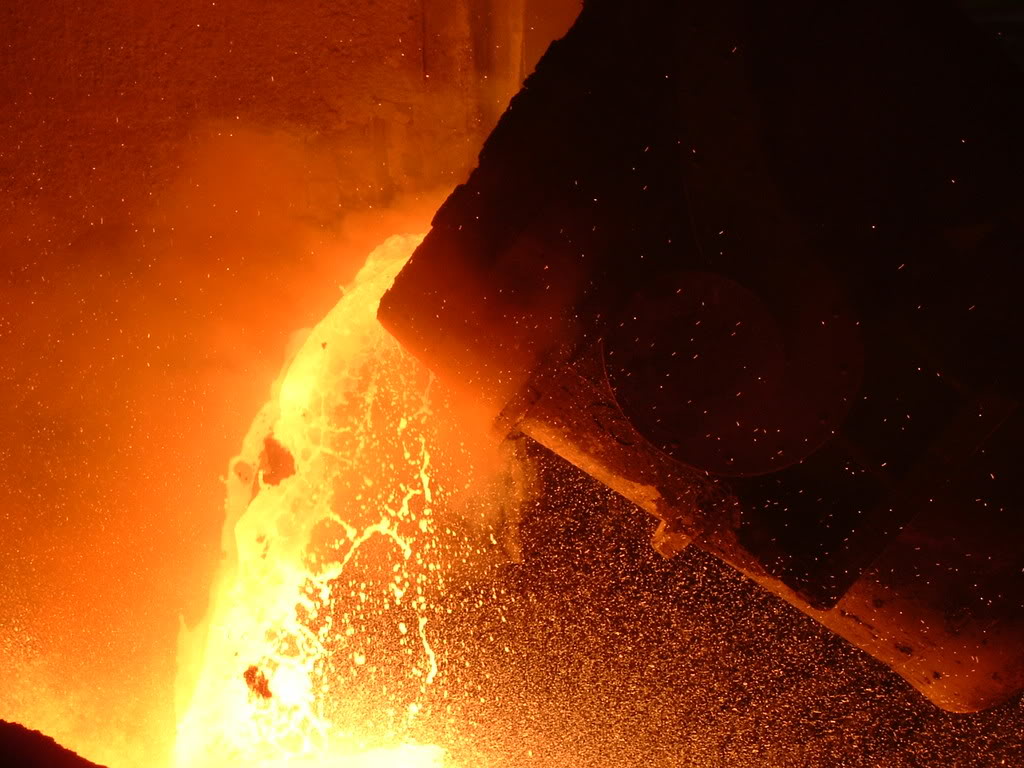
    The process basically involved rapidly heating and cooling the steel to change its molecular structure to make it less brittle. In fact, the steel trademarked as Flash Bainite, has tested to be stronger and more shock resistant than most titanium alloys used by the industry.

    Cola has a proprietary Lab setup at SFP Works, LLC, where rollers carry sheets of steel through flames as hot as 1100°C, followed by rapid cooling in a liquid bath. Though the typical temperature and length of time for hardening varies by industry, most steel types are heat-treated at around 900°C for a few hours. Others are heated at similar temperatures for days. Cola’s entire process took less than 10 seconds. He claimed that the resulting steel was seven percent stronger than martensitic advanced high-strength steel. Martensitic steel is so named because the internal microstructure is entirely composed of a crystal form called martensite.

  • Three Members of Anonymous arrested in Spain

    Three Members of Anonymous arrested in Spain


    Anonymous, the name behind various recent cyber attacks including one in our own home, are finally under the scanner in a major way, Authorities in Spain say they have arrested three members of the organization that claims to be an Activist for morals. They also seized at least one computer used in the attacks on Sony. Those arrested are believed to have been important in coordinating the group’s activities in the country and to have distributed the Loic DDoS tool to others.

    The group became infamous for hacking credit card companies, such as MasterCard and Visa, and PayPal in retribution for not allowing donations to be made to Julian Assange’s WikiLeaks. Sony has blamed the attack on its PlayStation Network partially on Anonymous, but the arrest of three of its members is a far cry from retribution for the company which has damages that total more than $172 million.

    The arrests serve more as a message to other hacking groups, such as the headline stealing LulzSec, that given time law enforcement will track them down. However, this particular set of arrests will probably do little to discourage hacktivists across the world.

    Spanish government are on high alert to make sure they are protected against any attacks from the various legions of Anonymous.

  • Tech 101: Modern LCD Displays

    Tech 101: Modern LCD Displays


    Displays have come a long way since the old CRT monitors and TVs. Advancements in display technology have made many modern devices possible such as mobile phones, mobile gaming platforms like the Sony PSP, thinner Televisions and Monitors. We use them everyday, for a variety of tasks but do we really know how they work? What is an LCD? What is a TFT Screen? How do they display so many millions of colours? This article will answer these questions and many more.

    What is an LCD?

    The term LCD stands for Liquid Crystal Display. But what exactly are Liquid Crystals? The term is quite confusing. A substance can either be a crystal, like quartz, which is hard as rock, or it can be a liquid which is obviously different. How can it be both? We all learned that matter can exist in 3 states, solid, liquid and gas. Solids have their molecules in a very rigid orientation while liquids and gasses are exactly the opposite. There are a few substances that have properties that are like solids and liquids at the same time. What this means is the the molecules of the substance tend to maintain their orientation, like a solid, but they also tend to move around, like a liquid. This is why they are called Liquid Crystals.

    It takes a lot of energy to convert a solid into this state, and only a little more to convert it into a liquid. This is why LCD’s are so sensitive temperature changes. This property allows them to be used in the making of Mood Rings and Thermometers. There are many types of liquid crystals. The major type used in monitors and other displays are called Twisted Nematic Liquid Crystals. These type of crystals twist and untwist at varying degrees to allow light to pass through when a voltage is applied.

    What is a TFT?

    A Thin Film Transistor LCD or TFT-LCD is named after a very thin layer of transistors that are applied to the back of a Liquid Crystal Display. These transistors allow only one row of pixels to be updated at any given point in time. The speed with which this updation takes place fools your brain into thinking that its viewing a static image.

    In small LCDs such as the ones used in calculators and other devices, a voltage can be applied across one segment without interfering with other segments of the display. This is impractical for a large display with a large number of pixels, since it would require millions of connections, two for each one of the three colors (red, green and blue) of every pixel. To avoid this issue, the pixels are arranged in rows and columns, reducing the connection count from millions to thousands. The column and row wires attach to transistor switches, one for each pixel. The one-way current passing characteristic of the transistor prevents the charge applied to the pixel from draining between refreshes, which creates the persistence of vision.

    What is a Pixel?

    A single pixel is the smallest addressable screen element in a display device, or it is the smallest unit of picture that can be represented or controlled. Each pixel has its own unique address which corresponds to its coordinates on the screen. Pixels are normally arranged in a grid pattern. Each pixel is made up of three Sub-Pixels which have a different color, Red, Green and Blue. The voltage applied to each subpixel decides its colour intensity. There are 256 possible gradations for each subpixel and together all three give a combination of 256 x 256 x 256 = 16,777,216 colours to each pixel on the screen.


    How it Comes Together

    A simple LCD monitor has many layers of technology that make it function. The basic principle behind these types of monitors is the Polarization of Light. What this means is that light is strategically allowed or not allowed to pass through any given point on the screen.

    At the base of a monitor, you have a single line of white LED’s that provide a backlight. There are many layers of films placed on top of these LED’s to create even lighting across the back panel. The next layer consists of a plate of glass. At the back and front of this sheet of glass are two polarization films. Light passes through the back film and is twisted by the glass to be ‘in sync’ with the front film. If the light is ‘in sync’, it passes through, if not, it is blocked by the film.

    The sheet of glass is an amazing piece of technology. It basically consists of a layer of TFT’s and a Liquid Crystal array that is arranged in a grid format. Each point or pixel of the grid consists of three subpixels. These subpixels are what give the pixel its colour. They have a maximum intensity of 255. What this means is that if we set the intensity of the red subpixel to 0, then no light passes through, and it appears black. If the intensity is set to 255, then all the light passes through and it appears bright red. If we wanted to create a single pixel of sky blue colour, the red subpixel would be set at 135/255 intensity, the green subpixel would be set at 206/255 intensity and the blue subpixel would be set at 250/255 intensity. This is how each pixel of your display is updated 60 times a second. Thereore, for a display of 1024 x 768 resolution, the monitor is making 141,557,760 updates per second. If it takes you half a second to flip a switch, making these many updates would take you 819.2 days or 2.24 years. Thats a LOT of updates (and finger cramps).


    To conclude, we would like to point out how much all of us take technology for granted. We have really got no idea what goes in to making most things we use everyday. We bicker and complain about our Tech being too slow or too old. We cant wait for the next big thing. At iGyaan, we have decided to start this section to demystify the basics of technology, so that the end user/consumer understands the true nature of the products that he/she is buying. We hope that you enjoy this section and learn something new from it. We’ll continue to bring you updates on the basics of technology. If you have something specific that you’d like us to talk about, please leave your requests on the comment section below.

    Stay tuned for the next update, continuing along the display line on OLEDs and AMOLEDs.

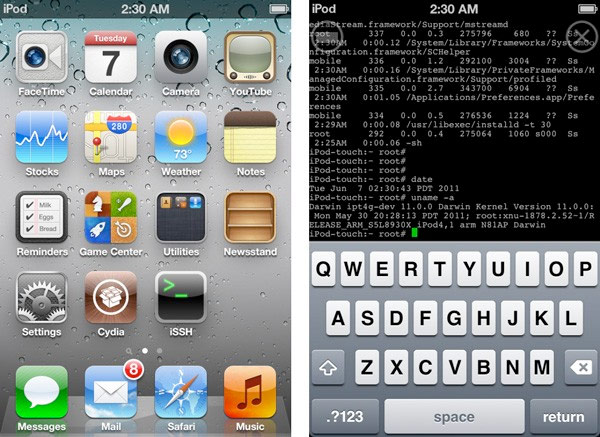
  • iOS 5 Beta : Jailbroken courtesy Redsnow 0.9.8b1 for Mac

    iOS 5 Beta : Jailbroken courtesy Redsnow 0.9.8b1 for Mac


    Did you update your iDevice to the iOS 5 BETA. Then this is possibly the best news for you. Redsn0w 0.9.8b1 has been released for Mac users, but given that it’s a tethered solution, you will have to plug in your phone everytime you need to boot up jailbroken.

    This Jailbreak is meant only for developers who already have an activated iOS5 device. so make sure you know what you are  doing before you take the plunge.

    [Dev-Team Blog]

iGyaan Network
Privacy Overview

This website uses cookies so that we can provide you with the best user experience possible. Cookie information is stored in your browser and performs functions such as recognising you when you return to our website and helping our team to understand which sections of the website you find most interesting and useful.