Tag: Android

  • Twitter’s Vine App For Android “Coming Soon”

    Twitter’s Vine App For Android “Coming Soon”

    Vine, Twitter’s popular video sharing app, has been a success on iOS and consistently remained as being one of the top ten social apps.

    vine

    The free app allows you to record 6-second looping videos and share them via Vine, Twitter or Facebook. Dom Hofmann, the original creator of Vine, spoke with The Verge and he noted that a future enhancement that will be coming to iOS will be the option to tag people, which as a result will make it even more social.

    In addition, Vine is poised to expand past Apple and integrate into the lives of Android users. 

    The company told The Verge recently that an Android version is coming soon, but didn’t say exactly when we can expect it to hit the Google Play store.

    Clues pointing to a Vine Android app have been out ever since February, when the company has started looking for a lead Android engineer. Why would anyone do that, unless they were developing an Android app?

    More interesting though is the thought process that went into creating Vine. Vine co-founder Dom Hofmann told The Verge that the key to the app was not in “reducing complexity” as Steve Jobs and Jony Ive were noted for saying, but rather “concealing complexity”.

    In other words, allowing users to do something relatively complex in a simple way. Quite an interesting interview if any of you are interested. 

    In any case we’ll keep you guys updated, but in the meantime Android users, are you guys excited?

    [The Verge]

  • Google MyGlass App Leak Reveals Multiplayer Gaming In Upcoming Android

    Google MyGlass App Leak Reveals Multiplayer Gaming In Upcoming Android

    A teardown of the MyGlass Google Glass companion app reveals that Google may have plans for a gaming service similar to Apple’s Game Center.

    Android Police discovered the complete feature list for a gaming service when tearing down the MyGlass application that will accompany the Google Glass AR specs.

    According to the website, Google usually ships apps with a few Google-powered components that some apps depend on to work but Google accidentally shipped all of them, even though the service has no connection with Google Glass.

    The underground Games service will feature support for real-time multiplayer games allowing users to play games with other connected players, as per the website. It would also apparently support turn-based multiplayer games such as board games where players take chances to play, and the teardown reveals that users will also get notifications when it’s their turn.

    Users would also be able to chat with other players within the game in real-time multiplayer mode, in addition to offering leader boards and allowing users to keep a track of achievements.

    The game service will bring in the ability to invite friends and will come with a ‘Lobbies’ feature through which users will be able to chat before a game begins, plan strategies, rules, and choose teams.

    If Google could create their own gaming service for Android and include some killer features, it could look much more attractive than iOS’s gaming offerings.

    Android Police has concluded that this gaming service is nearly finished, speculating that we might be able to learn more about it during Google I/O.

    [Android Police, SlashGear]

  • Google : 1.5 Million Android Devices Are Being Activated Everyday

    Google : 1.5 Million Android Devices Are Being Activated Everyday

    Google’s CEO, Eric Schmidt, has confirmed to the press that the company is activating 1.5 million Android devices every day.

    That’s 200,000 additional devices per day than the most recent status update, when Google shared in September that 1.3 million Android devices were being activated daily.

    Schmidt made these remarks during All Things D’s Dive Into Mobile conference, where he stated that Android has 700,000 apps available.

    Schmidt also talked about some things that would hep spur on more growth. Pricing is definitely on their mind, and device for the $100 price point is something that Google will be hitting quickly. Could we assume a new Nexus tablet at Google I/O that is $99? Quite possibly.

    The vocal CEO also stated he believes there will be one billion Android phones in the world by the end of the year, up from a projected 750 million stated some time ago.

    Of course, Schmidt didn’t just talk numbers the entire time, because that would be boring. He touched on subjects like Facebook Home and the Maps situation with Apple.

    When asked if Google was worried about Facebook Home, Schmidt dismissed the idea entirely.

    “We’re phenomenally happy that people are using Android in these ways. You can’t have half-open source. It’s open source,” Schmidt said.

    “From our perspective, we really want them to use [Google Maps],” Schmidt said. “It’d be easy to take the app in the store and use it as their basic one.”

    [Engadget]

  • Blackberry Ahead Of iOS And Android! In A ‘Don’t Want’ Poll.

    Blackberry Ahead Of iOS And Android! In A ‘Don’t Want’ Poll.

    Blackberry finally has the lead on Android and iOS! Well at least in a poll where people voted for the things they “didn’t want”.

    blackberry

    71.4% of the respondents agreed that “nothing would get them to buy a BlackBerry.” Only 31.3% said the same thing about Android and for the iPhone the number was even lower at 19.7%. Interestingly, Windows Phone does not appear in that survey conducted by research house Raymond James.

    Here is a brief excerpt from the piece, explaining in greater detail:

    “Here’s a novel way of polling consumer sentiment in the smartphone market: Don’t ask people which handset they prefer to use; ask them which one they would never use.

    Research In Motion/BlackBerry is having a difficult time convincing consumers that its new operating systems, coupled with fresh smartphones, is an alternative to the top players in the market. This Raymond James survey appears to back up that claim.

    As AllThingsD reports, it’s interesting to see purchasing sentiment gauged in terms of what smartphones consumers are adamantly opposed to using. If the smartphone market is truly so factionalized that some consumers say that nothing could convince them to switch away from their preferred device, then upstart platforms like Windows Phone and the like have a steep uphill climb, indeed.

    What do you think about the operating system, do you feel the same way about it as the respondents of this survey?

    [All Things D, Raymond James]

  • Facebook Addresses Facebook Home Privacy Concerns

    Facebook Addresses Facebook Home Privacy Concerns

    It seems that each time Facebook redesigns its News Feed, an entire swath of the Internet comes out and swears that they’ll never use Facebook again. But then, active users just increase more and more. But with Facebook Home, it’s a little different. Analysts and users alike have been asking Facebook for more clarity on what Home means for privacy — particularly for those who go with an HTC First, where there’s really no avoiding the Facebook connection.

    Now Facebook has posted a Q&A on its website about the privacy implications of its new Facebook Home software for Android phones, though it was unclear if it has addressed all the concerns raised.

    In a blog post Friday, the company said it had received “a few questions about how Home works with privacy.” It then posed several questions to itself about Home and privacy and answered them.

    Home is essentially a software wrapper for Android smartphones that modifies the home screen, among other things, to put Facebook photos and messages front and center. It was announced on Thursday.

    First of all, Facebook notes, Home is a completely optional experience. People have to install it to use it and they continue to use the regular Facebook app if they don’t like or want Home. That’s probably going to stay true for the mid-term future at least.

    They can also uninstall Home or disable individual features. For example, Facebook says Home can be turned off in the “Home Settings.”

    It’s unclear whether that means all “Home” features will be disabled leaving you with the core Facebook app functionality without actually uninstalling Home or whether this disables things like the Cover feed on the homescreen and that’s it.

    The data use policy states that the data Facebook collects can include Internet Protocol addresses and a user’s location. “For example, we may get your GPS or other location information so we can tell you if any of your friends are nearby.”

    It was not clear from Facebook’s post whether Home collects location data any more frequently than does the Facebook mobile app, and Facebook didn’t immediately respond to a question about that sent late on Friday.

    Facebook has riled users in the past with respect to their privacy. Last year it settled a class-action lawsuit over a feature called Sponsored Stories, which used people’s photographs to suggest that they were endorsing companies’ products.

    [PCWorld]

  • Facebook ‘Home’ App Suite For Android Announced, Available April 12

    Facebook ‘Home’ App Suite For Android Announced, Available April 12

    Facebook has announced, as expected, a suite of apps and Android launcher called Home. Its main tenet is called CoverFeed that uses photos to connect people, apps and data in a single place. According to Facebook, the app is used three times more than any other Android app on average; users are inside the app for an average of 30 minutes per day.

    facebook

    Unlike previous rumours, Facebook will not be releasing its own phone, nor will it be “forking” Android to its own version. Instead, CEO Mark Zuckerberg says that Facebook wanted to use Android’s inherent openness and flexibility to its advantage. Home sits atop your current Android operating system, regardless of manufacturer or version.

    facebook

    Home is also a suite of apps, combining the launcher, the Facebook app itself and Messenger, which now combines SMS and private messages into one app. There’s a “clean, simple” app launcher, so your previous workflow is still available. Facebook doesn’t want to prevent you from using apps, but its people-first integration is paramount.

    In addition to the lock screen experience, Facebook Home includes a feature called “chat heads,” a messaging interface that uses chat partners’ faces as tabs for their messaging windows. When a user is in any app, a “chat head” can appear off to the side of the screen. Users can tap the icon to enter the conversation and then swipe upward to take the messaging interface off the screen and return to the app they were in before. Both SMS and Facebook messages can use the “chat head” alert.

    facebook

    Home will be available to existing Facebook users who have the latest version of Facebook and Messenger. You’ll be prompted to download it in the coming days. Home will be available as a launcher replacement, which can be deleted and replaced with your favourite launcher going forward.

    facebook

    It will also be available for tablets in the coming months; the initial version will be offered only on phones. The initial rollout will be limited to the HTC One, Galaxy S III, Galaxy Note II, Galaxy S4, HTC One X and One X+.

    The app will eventually expand to work with a number of new devices, but it’s going to be Android 4.0+, which will help long-term performance.

    HTC has also announced the First device in four colours today. More on that developing.

    Facebook Home can be downloaded from the Google Play store starting April 12.

  • HTC First announced, phone with Facebook Home

    HTC First announced, phone with Facebook Home


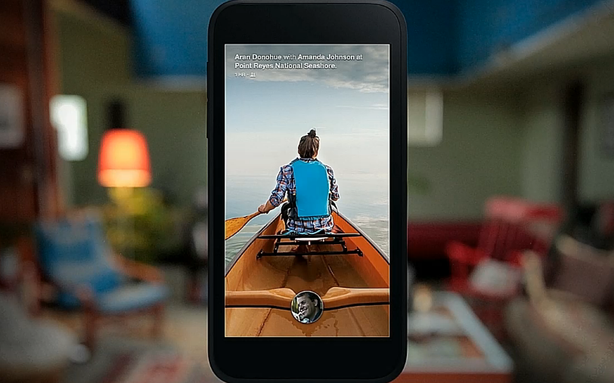
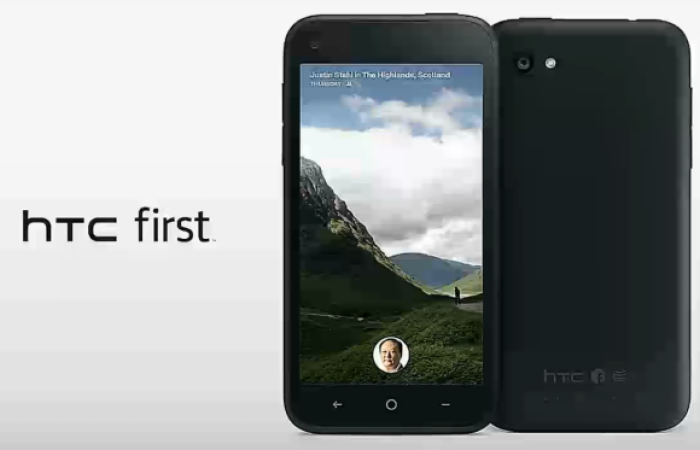
    The HTC First will continue on the partnership that HTC and Facebook have shared in the past, enabling users to experience a little more Facebook on their android screen, as the device comes preloaded with Facebook Home. Launching on April 12th on an exclusive carrier deal with At&t in the US the HTC First is expected tot be available globally shortly after. 
    large

    AT&T had been collaborating with Facebook on its Home experience, and invited HTC to assemble the phone, said Ralph de la Vega, CEO of AT&T Mobility said at a Facebook’s press conference on Thursday.

    On Thursday Facebook founder Mark Zuckerberg announced Facebook Home, a family of apps that would sit as a integrated layer on the Android operating system.

    first1

    Zuckerberg said Home was not an operating system or a “forked” version of Android akin to Amazon’s Kindle, but a separate software layer that could act as a home screen for smartphones.

    The mid-range HTC First will be available in black, white, red and pale blue, and sports a 4.3-inch display that matches with earlier reports. Facebook Home obviously serves to obscure the Android 4.1 Jelly Bean build that’s actually running the show, while one of Qualcomm’s dual-core Snapdragon 400 chipsets (and not the MSM8960 that was previously reported) provides the horsepower from inside that smooth, curved chassis. The HTC First has a 720p display and LTE 
    htc-first

    [youtube id=”HKyO0hJEp-g” width=”100%” height=”300px”]

    [toggle title=”Press Release”]Facebook’s Newest Mobile Experience Available Exclusively on the Nation’s Fastest 4G LTE Network

    DALLAS, BELLEVUE and MENLO PARK, April 4, 2013 – AT&T*, HTC and Facebook have teamed up to develop and launch the HTC First™, the first and only smartphone built to feature Facebook Home, which puts your friends at the heart of your phone. Facebook Home is the first mobile experience designed to give you your friends’ latest updates right on your home screen and messages that reach you no matter what you’re doing.

    HTC First will be available for pre-order today for $99.99 with a two-year commitment and available exclusively in AT&T stores and online starting April 12. To pre-order, visit www.att.com/facebookhome.

    The HTC First runs on AT&T 4G LTE, the nation’s fastest 4G LTE network.** In addition, independent mobile research firm RootMetrics® has published a special report on 4G LTE in the U.S. which notes that AT&T wireless customers in our 4G LTE markets that were tested by RootMetrics have access to the fastest mobile speeds on their smartphones. AT&T also has the nation’s largest 4G network, covering 288 million people.

    “The HTC First will offer the best Facebook Home experience on mobile, right out of the box. That’s why we’re committed to this phone and making it exclusive in our stores,” said Ralph de la Vega, president and CEO, AT&T Mobility. “Because AT&T offers the fastest 4G LTE** in the nation, it’s the best network for Facebook Home. And the best device for Facebook Home is the HTC First.”

    “HTC has a track record of providing beautiful hardware design, and of being first-to-market with smartphone innovations,” said Peter Chou, CEO, HTC Corporation. “The HTC First continues that track record, providing AT&T customers with a unique home experience that puts a user’s friends and family at the center of their mobile experience.”

    “Home is a completely new experience for your phone,” said Mark Zuckerberg, Facebook’s Founder and CEO. “With Home available right out of the box, you’re getting the best quality experience for connecting with your friends.”

    Facebook Home brings your News Feed to the surface, immediately giving you the content you care about right on your home screen when you turn on your phone without having to open an app or access a mobile website. Just sign into your Facebook account and begin using Home – no need for download or configuration. Facebook Home connects you directly with your friends, whether it’s their real-time updates and newest photo uploads being streamed on your cover feed or the ability to chat with friends without jumping in and out of apps.

    Facebook Home is built around your friends and puts them at the center of your phone:

    · Cover feed: A constant, fresh stream of photos and updates from your newsfeed, cover feed is always present when you wake up your phone. It lets you stay up-to-date on your friends’ latest activities in real-time, all the time. You can swipe through to see more photos and updates, double tap to “like” a post and comment right from cover feed. To learn more about cover feed, check out this video.· Notifications: Notifications from apps and friends appear right on your home screen. It’s easier to see when you have a missed call, calendar reminder or new message. Open a notification with a double tap or clear them away to see your Cover Feed. To learn more about notifications, check out this video.

    · Chat Heads: The mobile messenger lets you jump in and out of conversations while you do other things, like watch a video and browse the web. Reply right from chat heads, or move them around if you’re not ready to respond. Plus you can send and receive texts and Facebook messages from the same spot. To learn more about chat heads, check out this video.

    · App Launcher: See your favorite apps and post right to Facebook from the same spot. You choose what’s on your app launcher-press and hold an app then drag it anywhere.

    · Instagram: HTC First is the only phone that comes with Instagram pre-loaded.

    HTC First will be available in four colors: black, white, red and pale blue. The hardware is thin, modern and seamless, with soft edges to draw your attention to the updates from friends and family on the 4.3-inch glass display. Inside, the smartphone runs Android 4.1 (Jelly Bean) with the new Facebook Home experience and incorporates a Qualcomm Snapdragon™ 400 processor with dual-core CPU and 3G/4G world and multimode LTE so you can enjoy the richest content on AT&T’s blazing fast 4G LTE network.

    For more information, or to pre-order HTC First, please visit www.att.com/facebookhome.[/toggle]

  • Watch The Facebook “New Home On Android” Event Live

    Watch The Facebook “New Home On Android” Event Live

    Facebook CEO Mark Zuckerberg will take the stage in Menlo Park, Calif., this morning (evening for us Indians) to show off his company’s “new home on Android,” and you can watch a live stream of the event in the widget below.

    In just a few hours from now, the social networking giant Facebook will unveil it’s “new home on Android”, but thanks to all the leaks we’ve got till now, we already have an idea of what it might be like.

    Yesterday, we saw a rendered imaged, which showed us a glimpse of the HTC-manufactured Facebook phone, the HTC First and today, a new set of leaked images from 9to5Google shows how the Facebook Home might be like.  

    The video should auto-play shortly.

    Join us here for the live streaming of the event.

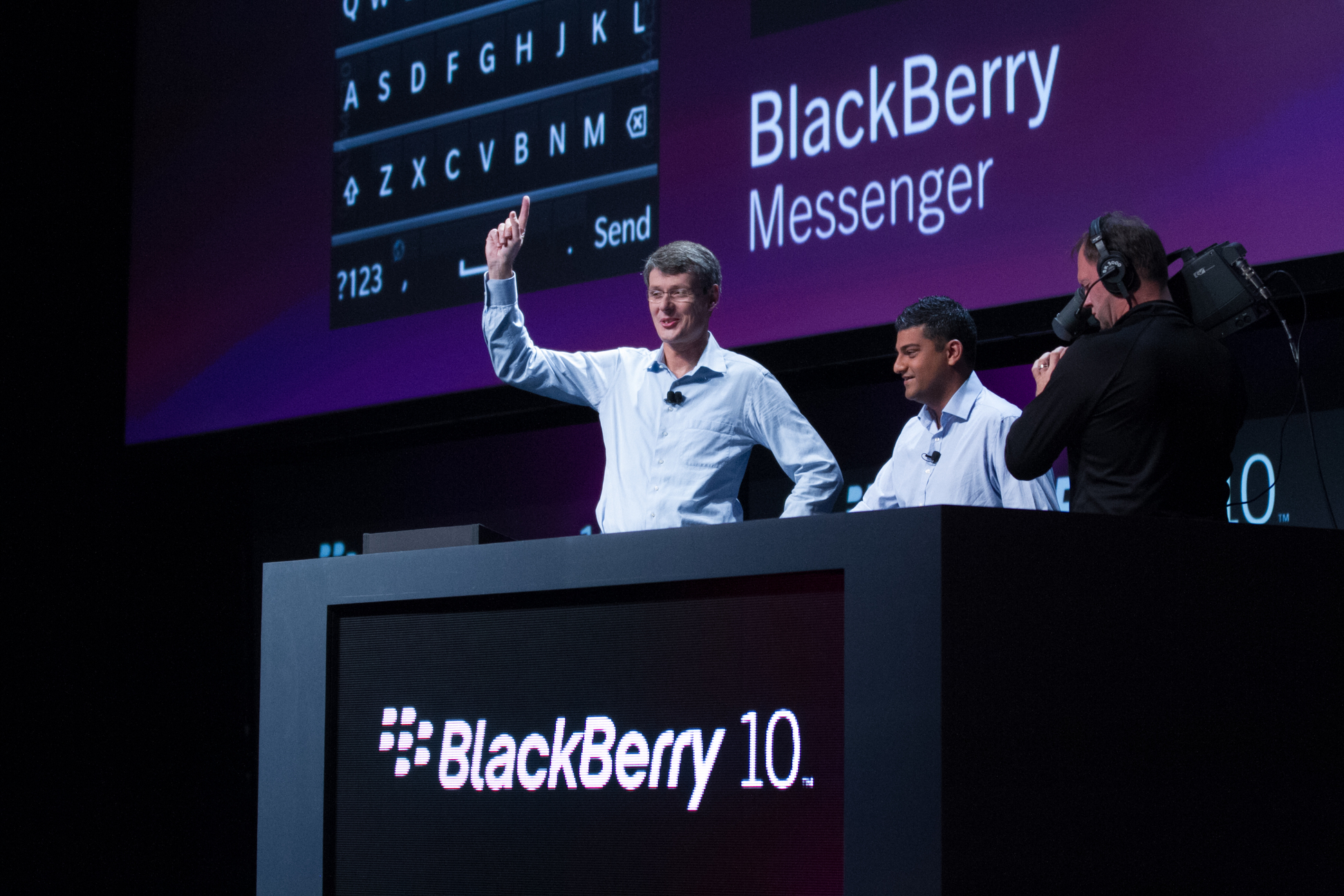
  • Blackberry Mobile Site Lets Android And iOS Users Experience BB 10 Via Browser

    The biggest roadblock to adoption of the Blackberry 10 is simply getting the device and the experience into peoples’ hands. The average smartphone user rarely walks into a mobile store searching for new operating systems to use, so instead of of BlackBerry waiting impatiently for its chance to shine, it’s decided to come to the people.

    blackberry

    The company launched an HTML5-powered smartphone portal for iOS and Android users this week which attempts to emulate the BlackBerry 10 experience. By swiping, tapping and experiencing, users can ascertain a taste of the real thing, it’s nowhere near as smooth as the Z10 itself.

    Even if you’re a dedicated iOS or Android fan, you still might have some curiosity about BlackBerry 10. And by using your mobile browser  to head to the BlackBerry 10 Demo page, you can get to experience exactly what it feels like to use the virtual QWERTY on the BlackBerry Z10, check your messages and social networks with BlackBerry Hub, select the best head shot with BlackBerry Time Shift and check out BBM with Screen Share.

    It introduces users to the swipe-and-peek navigation of the new operating system, hoping its innovation will shine through in person rather than on billboards or commercials.

    It’s a brilliant idea, one that more mobile makers should take on. Online demos are a great way to let potential users test-drive a platform or major update without making a major commitment.

    [Engadget]

  • Android Jelly Bean Now On 25% Devices As Google Counts Active Users

    Android Jelly Bean Now On 25% Devices As Google Counts Active Users

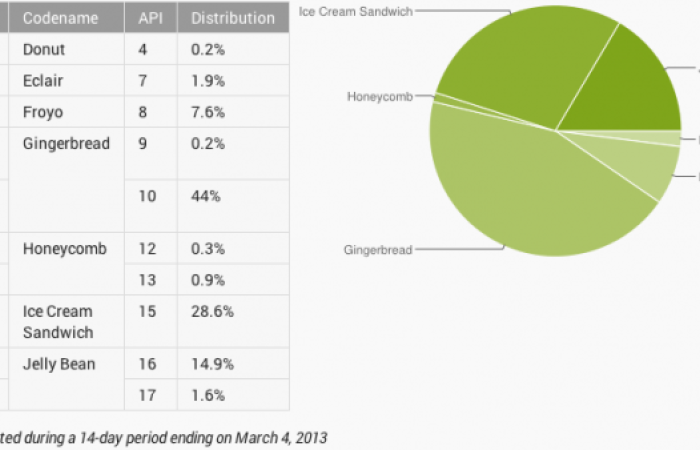
    Every month Google releases stats that give a glimpse into the distribution of the various versions of Android. Like clockwork, the percentages of the older versions (Donut, Eclair or Froyo) tend to trail off, while newer versions such as Ice Cream Sandwich and Jelly Bean amass greater authority.

    Last month's data
    Last month’s data

    Starting with the release of the new charts, Google has changed the way it collects information for the monthly Dashboard release. Back in the day when Froyo and Eclair were the current builds, Google took information from Android phones each time they checked in to Google servers. Now, the data comes from phones as they visit the Google Play Store. This should result in more accurate information.

    android

    Jelly Bean has reached 25 per cent marketshare, but is still not in the lead with the most active users. Android 3.2 Gingerbread, released in 2010, leads with more than 40 percent of users, followed by Ice Cream Sandwich with 29 per cent of users. 

    Before the change in the way Google counts, Jelly Bean sat at roughly 15 percent marketshare, which makes for a considerable jump. Android has long been blamed for taking longer to seed its latest update to new devices than Apple’s iOS. The new numbers, while aimed at developers, definitely paint a better picture to the public.

    At any rate, developers now have a better understanding of who to target their apps to.

  • Facebook Modded Android OS To Be Called “Facebook Home”

    Facebook Modded Android OS To Be Called “Facebook Home”

    Facebook is set to unveil something Android-related on Thursday. Some think it is a Facebook phone, others a forked version of Android with the social network’s paw prints all over it.

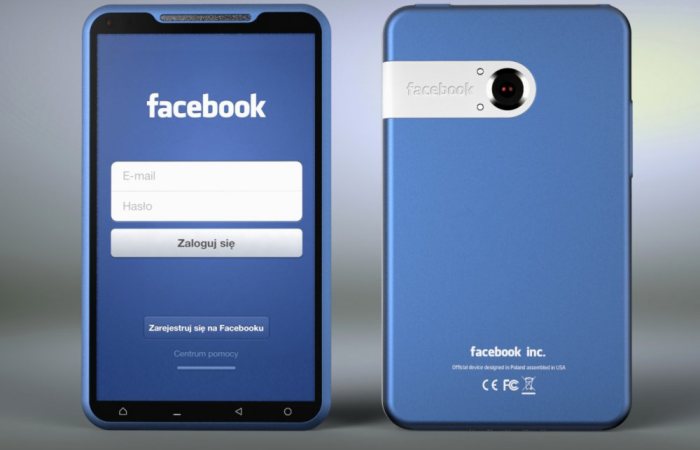
    According to a few new specks of leaked data, it looks to be a bit of both. Facebook will unveil an HTC-built “Myst” device, recently leaked as a 4.3-inch smartphone roughly the same size as the the iPhone 5. The entire experience, which includes a new version of the official Facebook app, as well as custom Messenger and Contacts apps specially designed to integrate with Android, will also be available.

    Evleaks, the often-correct source behind many previous leaks, posted a blurb from a device that doesn’t yet have the updated app: “The version of Facebook for Android currently on this device needs to be upgraded to support Facebook Home.”

    Facebook Home. Seems fairly plausible. Facebook also put out a version of Messenger a few months ago that integrated with the SMS data for a few supported devices. While it never really broadcast that feature to the world, it gives us pause now; could it have been due to the eventual integration with a Facebook-centric device?

    There is obviously no way to authenticate these reports, but they do seem to make sense. Earlier reports have also added that HTC isn’t going to be the only manufacturer to launch Android phone with “Facebook Home.” Apparently, the social giant is in talks with other companies too.

    [EVLeaks, 9to5 Google, MobileSyrup]

  • Not Android Phone, But Android Homescreen Is On Facebook’s Agenda

    Not Android Phone, But Android Homescreen Is On Facebook’s Agenda

    There is no Facebook phone. According to the Wall Street Journal, Facebook’s upcoming Android announcement is actually more of a home screen experience and not an actual device. That rumored HTC Myst? It’s just the first device to come from a partner, which, in this case is HTC.

    The social network has been developing new software for mobile devices powered by Google’s Android operating system that displays content from users’ Facebook accounts on a smartphone’s home screen–the first screen visible when they turn on the device, people familiar with the situation said.

    From the sounds of it, you’ll be thrown right into Facebook the moment the phone powers on. Reportedly, Facebook is working with other handset makers with hopes to bring the experience to additional devices.

    Facebook will initially demonstrate the capability on smartphones from HTC, these people said, but has been working to reach similar arrangements with other device makers.

    Facebook, which has said it has more than 650 million mobile users, is planning to make the app broadly available for all Android devices, these people said. Manufacturers must make some tweaks to the Android software to allow the Facebook app to take over the device’s home screen, they added.

    Such changes by the manufacturer don’t violate the agreements those companies made with Google to preserve the consistency of the Android user experience, one of the people familiar with the matter said.

    On Thursday, Facebook sent out invitations to a media event next week requesting recipients “come see our new home on Android.” Facebook and Google spokesmen declined to comment.

    HTC declined to comment on its business relationship with Facebook. However, HTC noted that it previously launched the ChaCha phone, which had a button designated to posting photos directly to Facebook. That wasn’t really successful. HTC’s proprietary Sense interface for Android also included quite a bit of Facebook functionality in the past.

    All will be revealed on April 4 now.

    [WSJ]

  • Facebook Pushing Android App Update Outside Play Store

    Facebook Pushing Android App Update Outside Play Store

    There are reports that Facebook is pushing updates to its Android App outside of the Google Play Store, meaning users would still install the app initially through Play, but updates after that would come straight from Facebook. This functionality would only be for Android users, because this sort of thing would be impossible on iOS. 

    As Liliputing first reported, users are receiving a persistent notification letting them know that an update is ready, and on clicking the notification are taken directly to the Facebook app to download the new version, known as 141046.

    This Facebook update is reportedly talking about adding some new and seemingly expected features such as being able to change your profile picture as well as being able to download files without notification.

    The updates would only be downloaded over WiFi, and won’t use your data plan. 

    According to Facebook product manager Ragavan Srinivasan, “We’re working quickly to improve Facebook for Android and want to make sure everyone is using the best version of our app. You’ll experience these updates when you are on Wi-Fi, and they won’t rely on your data plan.”

    One reason for this update to be pushed outside of the Play Store could be that Facebook is just trying it out, and it isn’t the final version yet. 

    It is interesting to note that Google’s terms of service does not give permission for apps “that cause users to unknowingly download or install applications from sources outside of Google Play.” Will the legal eagles there deem Facebook as crossing the line this time around?

  • BlackBerry To Bring Secure Work Space To iOS And Android

    BlackBerry To Bring Secure Work Space To iOS And Android

    BlackBerry will launch its Secure Work Space solution for iOS and Android devices in Q2, with a formal announcement at BlackBerry Live in May.

    BlackBerry Secure Work Space promises to emulate some of the functions of BlackBerry Balance, which is an integral part of BlackBerry 10, and allows enterprises to have control over confidential data while still providing employees with a fully functioning smartphone.

    BlackBerry Balance effectively creates two different profiles on any device, with administrators able to create their own application store that host custom apps as well as software from the public BlackBerry App World that has been approved for use in the workspace. Once approved, these applications can interact with other work apps and secure data.

    Secure Work Space will operate slightly differently, but will provide secured client applications for email, calendar, contacts, tasks, memos, secure browsing and document editing, while additional apps can be secured and added to the workplace without the need to modify the source code

    The Canadian manufacturer claims that the update will save its enterprise customers effort and expense as they will no longer have to configure and maintain expensive VPNs to provide access to data and applications behind a corporate firewall. It hopes that its reputation for mobile security and management will tempt companies who operate in a Bring Your Own Device (BYOD) environment.

    “With Secure Work Space for iOS and Android devices, we’re extending as many of these (Balance) features as possible to other platforms,” said David Smith, BlackBerry’s head of mobile enterprise computing, in a statement.

    BlackBerry’s move comes just as Samsung, whose line of Galaxy devices have gained great popularity, attempts to make itself a more viable option for enterprise customers with security features such as Samsung Knox and SAFE, or Samsung for Enterprise.

    [Reuters]

  • Jelly Bean Now On 16.5% Android Devices, ICS Drops Slightly From Last Month

    Jelly Bean Now On 16.5% Android Devices, ICS Drops Slightly From Last Month

    Google today updated its developer dashboard, which showed that Jelly Bean (version 4.1 and 4.2 combined) increasing its market share of the Android platform usage on devices by 2.9 percent month-over-month from 13.6 percent last month to 16.5 percent this month. Gingerbread, the hands-down leading version of the OS running on active devices, dropped in market share by 1.4 percent to 44.2 percent of devices.

    Android Ice Cream Sandwich, the second newest Android version behind Jelly Bean, saw its market share fall slightly from 29.0 percent to 28.6 percent.

    Froyo and Eclair, Android 2.2 and 2.1 respectively, also dropped slightly, but Donut remained static at 0.2%. Honeycomb also seems to be steady at 1.2%.

    Slowly, manufacturers are updating compatible phones to Jelly Bean – most of these updates are only Android 4.1.x upgradess for now – but also announcing new machines that will run Android 4.1.x out of the box.

    Most Nexus devices have been updated to the latest Jelly Bean version, Android 4.2.2, but it will probably be a while until more devices will be updated to the latest Android version in a timely fashion.

    Overall it looks like things are progressing fairly nicely for the newer versions of the OS, though we’d love to see Gingerbread drop more quickly.

    All the data from Google’s developer dashboard was collected from android devices that had accessed Google Play within a 14-period, which ended on March 4.

iGyaan Network
Privacy Overview

This website uses cookies so that we can provide you with the best user experience possible. Cookie information is stored in your browser and performs functions such as recognising you when you return to our website and helping our team to understand which sections of the website you find most interesting and useful.