Tag: arm

  • New MediaTek SoC Is All Set To Bring 5G Network On Budget Devices

    New MediaTek SoC Is All Set To Bring 5G Network On Budget Devices

    With every new generation of the bandwidth update cycle, only the latest premium devices in the market seem to incorporate the upgrades. MediaTek however, made a bold statement on the matter by claiming to include the new 5G ready system-on-chip that offer the latest network capabilities on affordable devices. 

    MediaTek

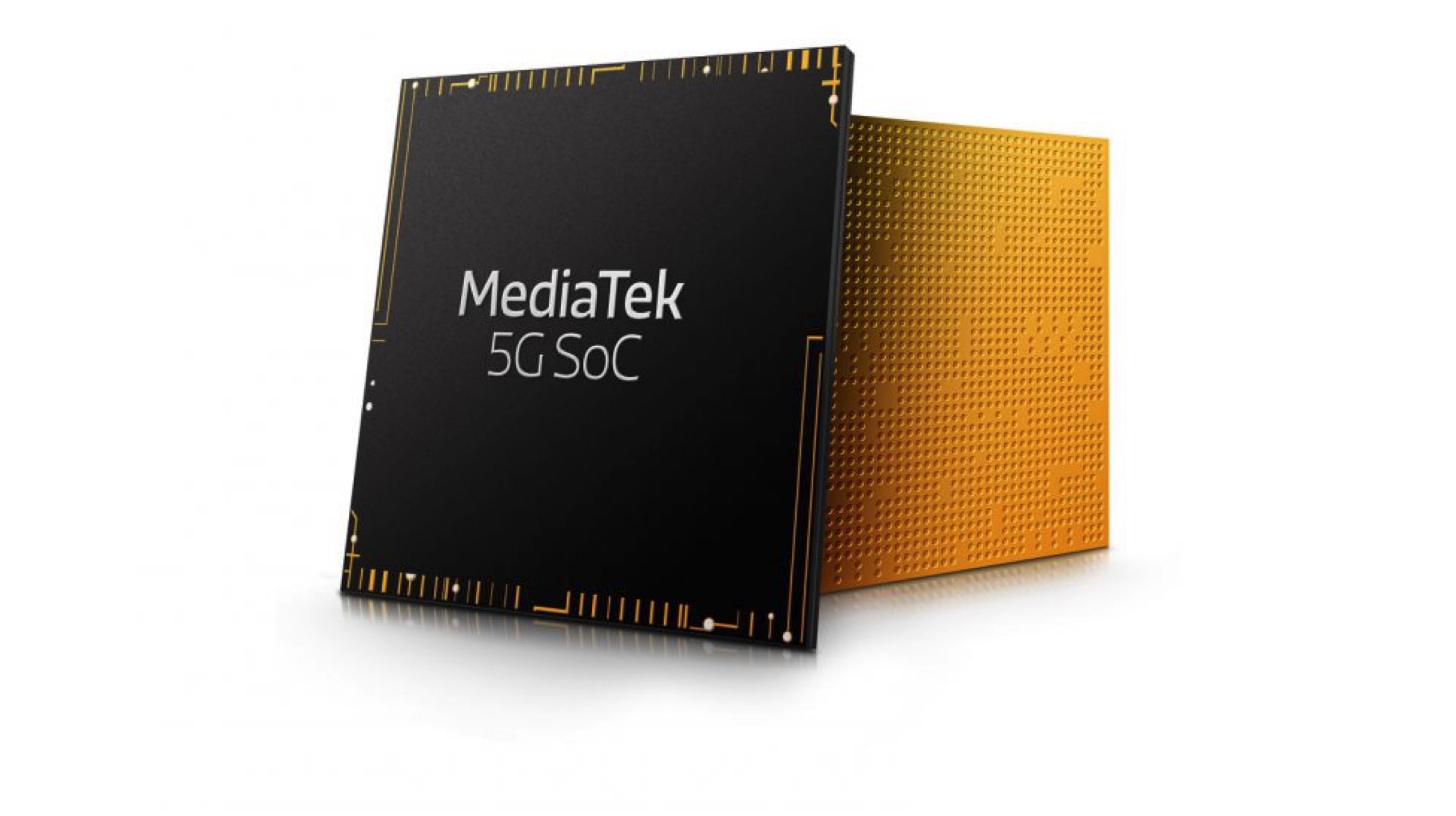
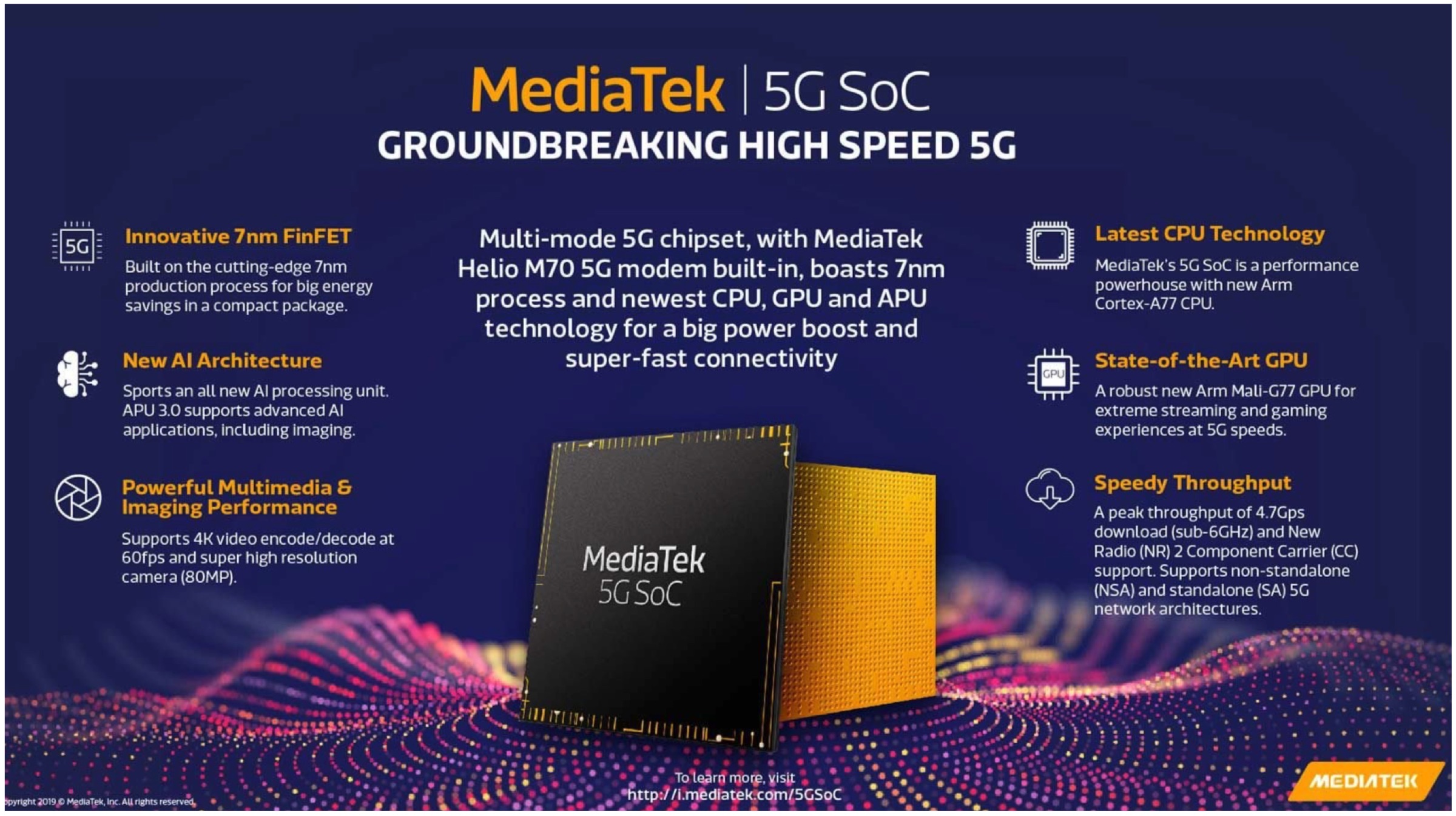
    The new 5G integrated SoC combines MediaTek’s M70 5G modem with the latest ARM CPU and GPU. MediaTek has always had a great impact on the lower end market in the industry where price plays the biggest factor in market share. Handsets like the Nokia 5.1 and Oppo R15 that utilizes MediaTek’s hardware are such examples. 

    MediaTek

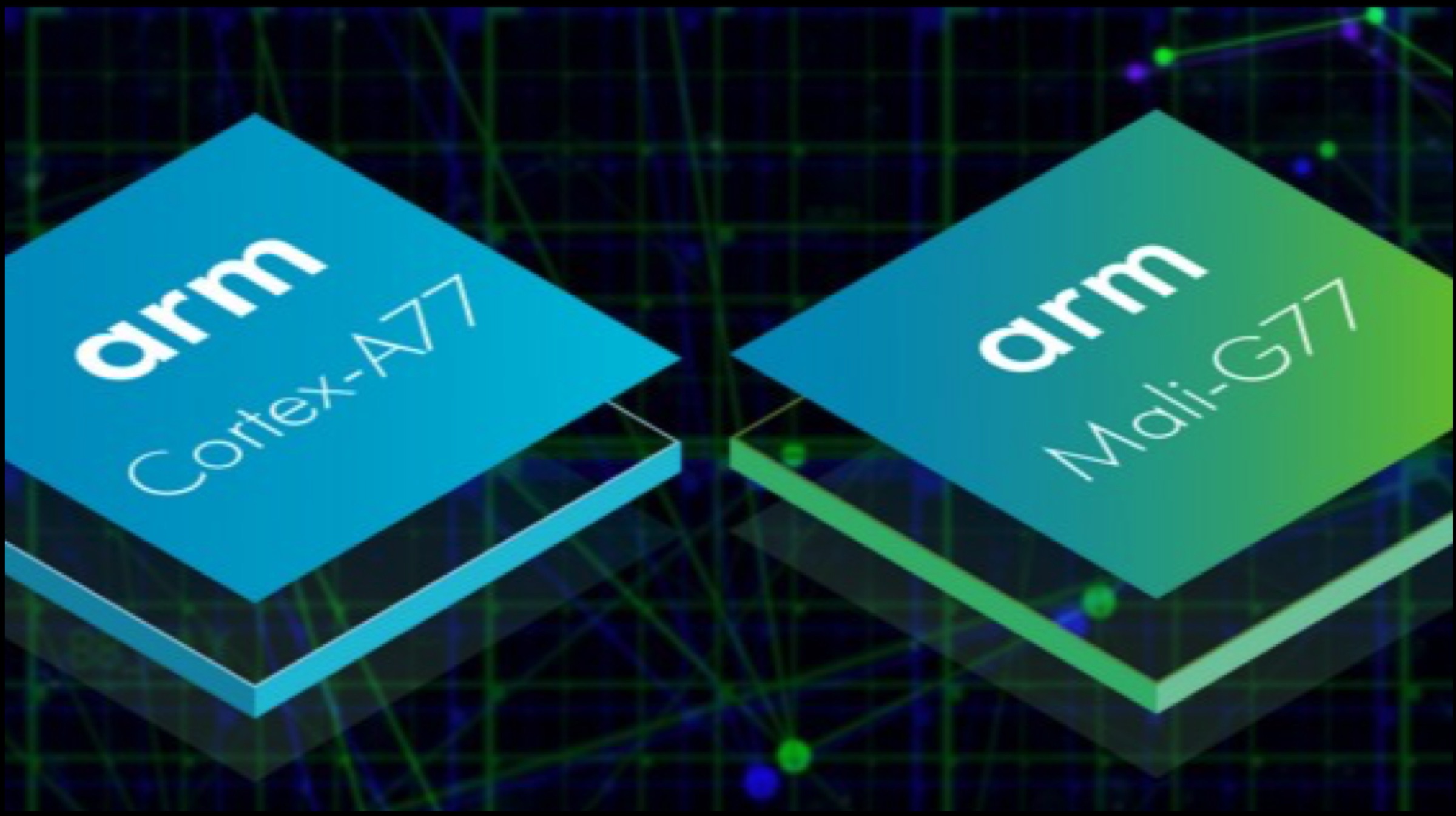
    MediaTek’s 5G ready chipset is built on the 7nm architecture that would provide a good balance between performance to power efficiency ratio at the lower price bracket. The M70 modem, that will be integrated alongside ARM’s Cortex-A77 CPU and Mali-G77 GPU, will support sub-6Ghz networking spectrum in 5G. The MediaTek chipset is reported to be available before year-end for OEM’s and manufacturers while the first wave of handsets with the 5G SoC are expected to be seen in early 2020.

    The company lowers the cost of the 5G network by utilizing (in layman’s term) the slower of the two categories under 5G. This, in turn, gives it a broader covered network to work on over the very limited 5G setups that have the other higher networking speeds. Shrinking the chip size to 7nm also provides advantages with power efficiency and heat management. Unlike Qualcomm (Snapdragon 855 and Snapdragon X50/X55 combination), the new Helio M70 5G modem is in-built on the chipset. 

    Also ReadNokia 9 PureView To Launch In India On June 6

    The mid-range priced handset is the new ‘premium’ according to the Taiwanese chipmaker company. MediaTek’s core focus true to their philosophy shall keep them relevant in the market in front of industry giants like Qualcomm who’s chipset premium handsets would keep 5G network out of hands for customers that can’t afford it.

  • ARM Announces New Design For Upcoming CPU And GPU

    ARM Announces New Design For Upcoming CPU And GPU

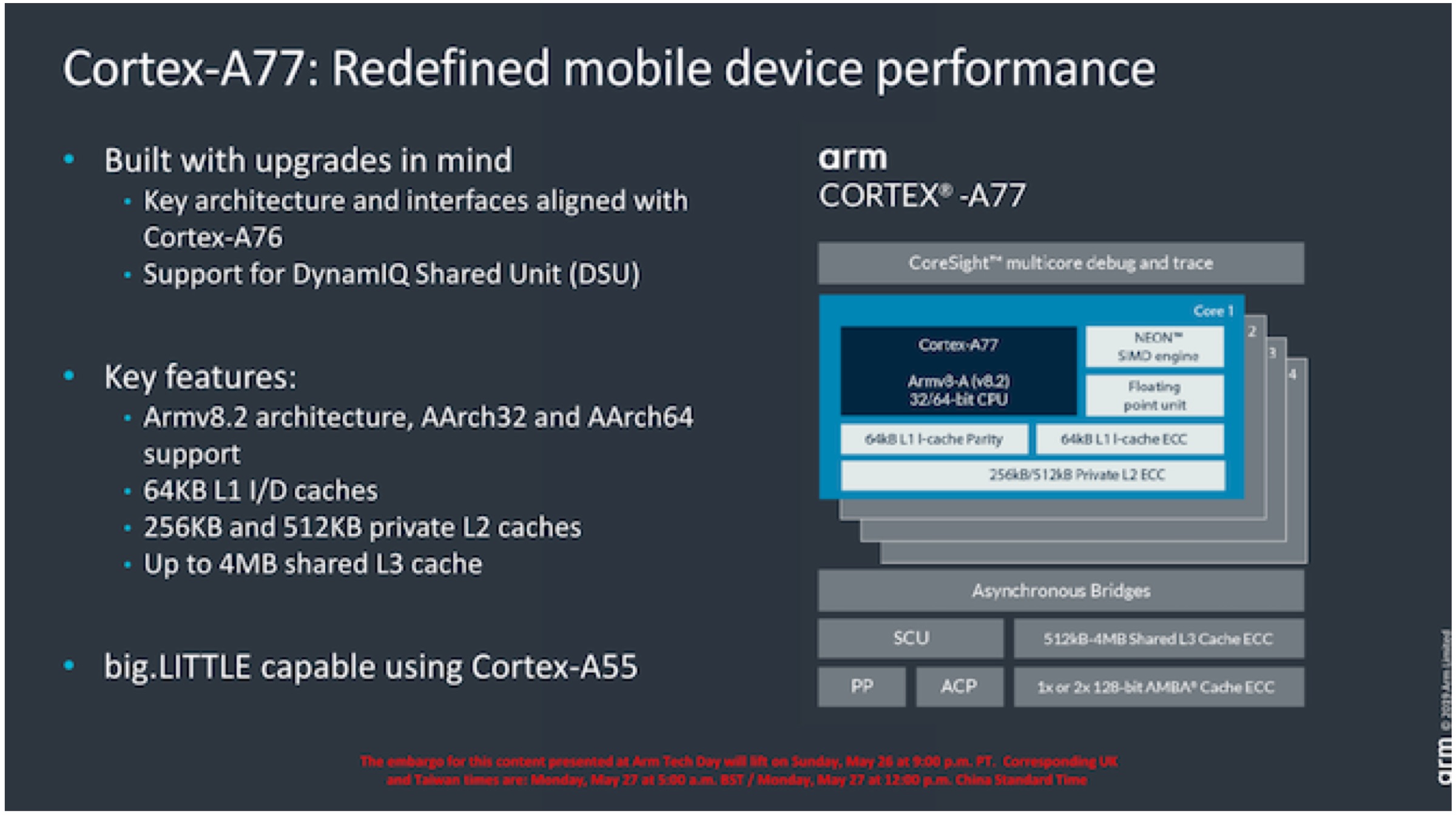
    ARM has announced new designs for its premium CPU and GPU chipsets. The company that has its basic architecture utilized by most smartphones in the world. The new chipset design architecture will not be seen in smartphones anytime soon. It can be noted that the first actual chips may be seen by the year end, going by past references. Cortex-A77 CPU with Mali-G77 as reported by the company is said to be a more energy efficient and powerful in machine learning processes.

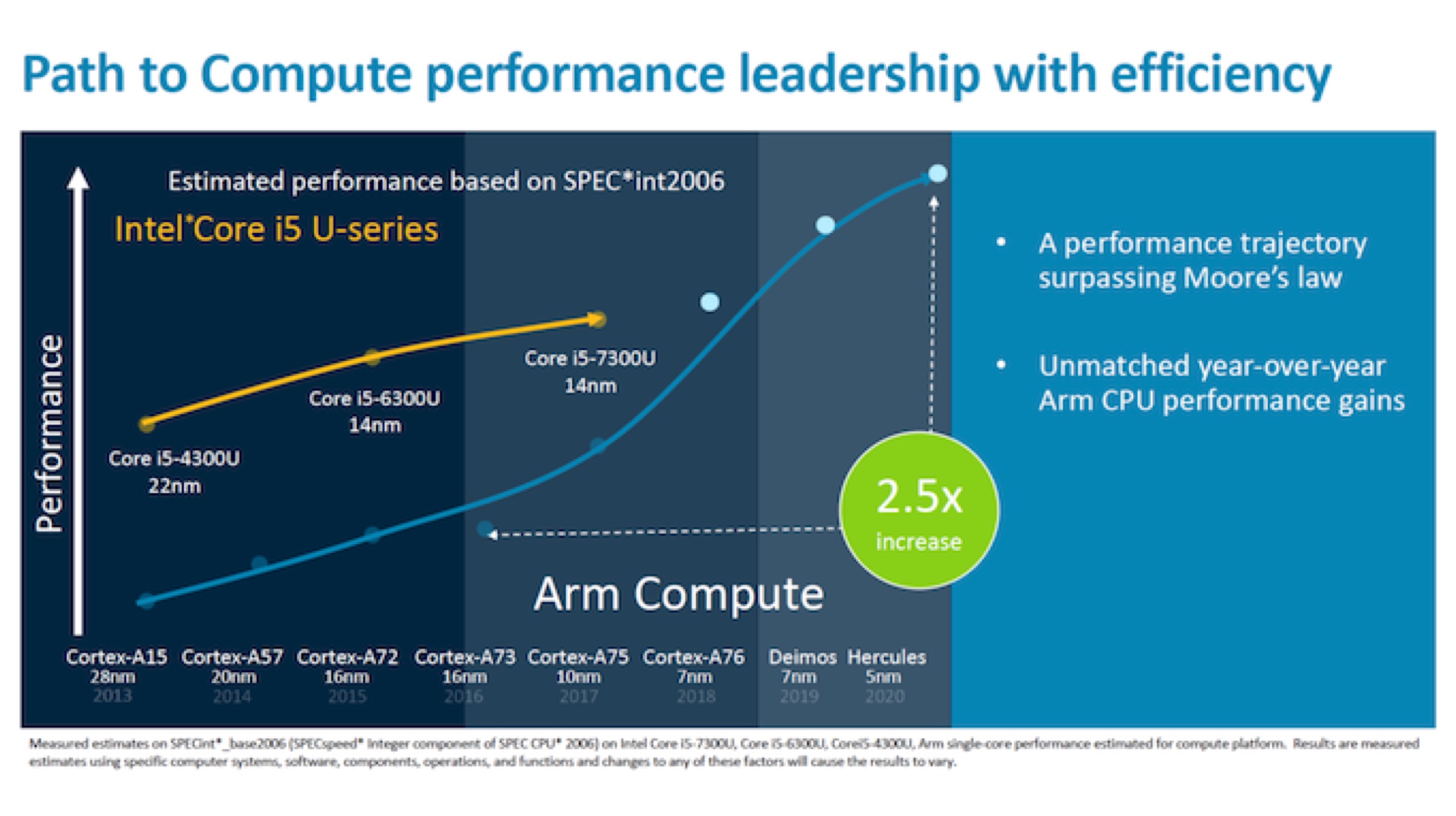
    It is obvious with its newer iterations that the new Cortex-A77 will feature an overall bump in performance, but ARM has promised a notable 20% IPC performance improvements over its last generation. The new Cortex-A77 claims to have a significantly better machine learning performance made possible by the company’s hardware and software optimizations.

    ARM in their announcement pointed out the fact that most smartphones do not use a dedicated neural processing unit (NPU) for machine learning processes. However, the company also argues that 85%  of smartphones today run machine learning through either only a CPU or a CPU+GPU combination and that even the CPU hands over to the accelerator when it is available, even if there is a GPU or a dedicated machine learning chip.

    ARM promises with its new CPUs, promise more power efficiency along with better raw processing performance. Arm claims to have quadrupled performance since 2013. Another area ARM has chosen to focus on is mobile gaming and with it mobile VR and augmented reality experiences.

    The new Mali-G77 GPU architecture is the first chipset to be based on the company’s proprietary Valhall GPU design that supposedly bumps the performance by 1.4 times, an improvement over the older G76. It is also claimed to be about 30% per cent more energy efficient and 60% faster at running neural net workloads and machine learning.

    Also ReadAMD Reveals 3rd Gen Ryzen CPUs And 7nm Radeon RX5000 GPU

    ARM offers its very own Project Trillium for the machine learning processor, the machine learning computing platform that works in conjunction with the company’s CPUs. Since the announcement of the project in 2018, the company has doubled its energy efficiency and raised the performance up to 8 cores and 32 TOP/s.

    This announcement will set up other companies that utilize the ARM to promptly make optimizations and work around the new designs. 

  • ARM Terminates All Ties With Huawei After US Ban

    ARM Terminates All Ties With Huawei After US Ban

    Huawei has been dealt another critical blow in the form of support withdrawal from ARM. The UK based company licenses the architectural design for the most smartphone chipset. After already have been knocked down by the loss of Android OS after the controversial US ban. The aforementioned ban was enforced by the US Commerce Department on all American firms to cease any forms of business ties or trades with the Chinese firm Huawei. This move had already crippled the company with the loss of the operating systems (Windows, Android) for the computing products they offer. 

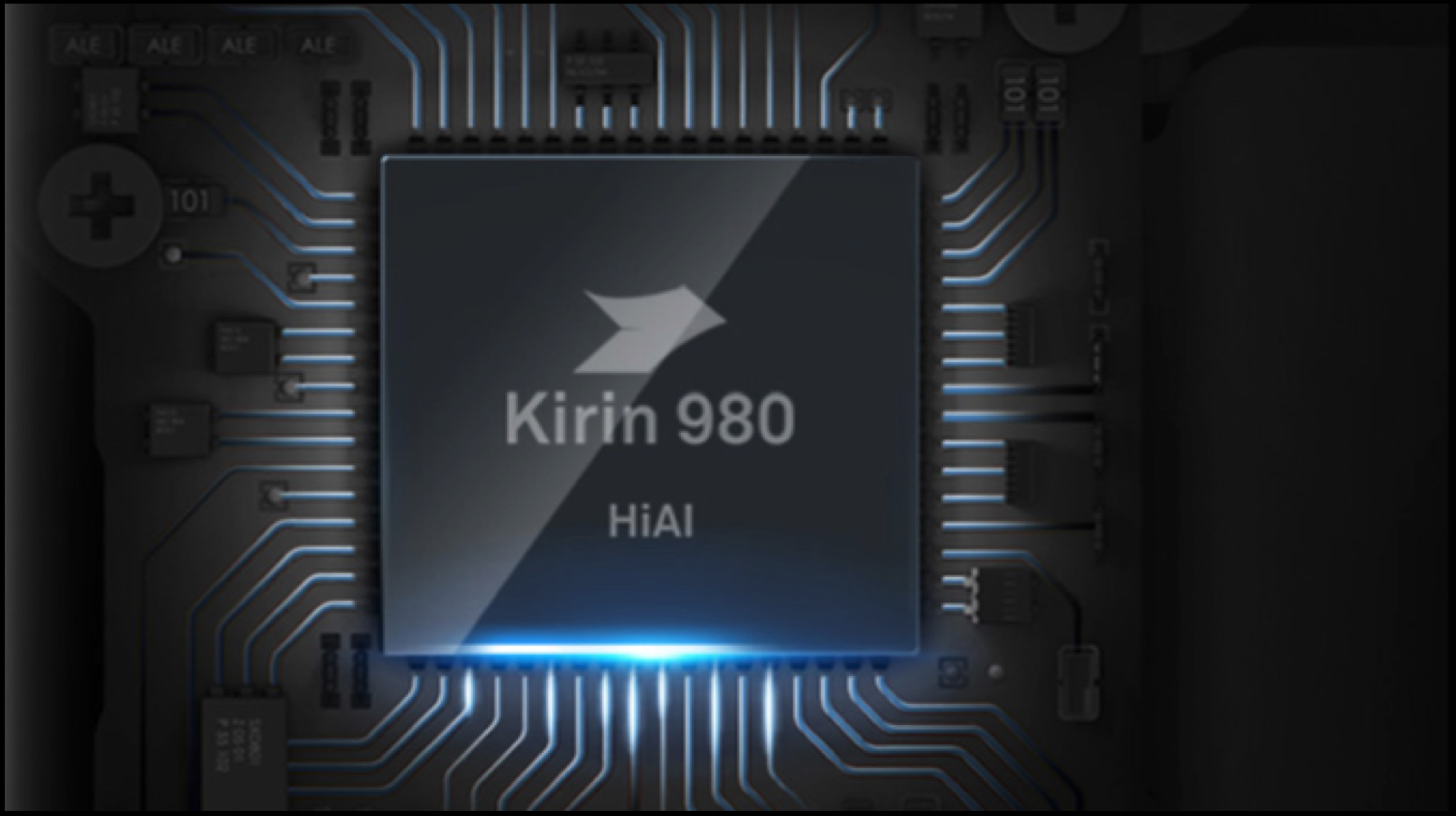
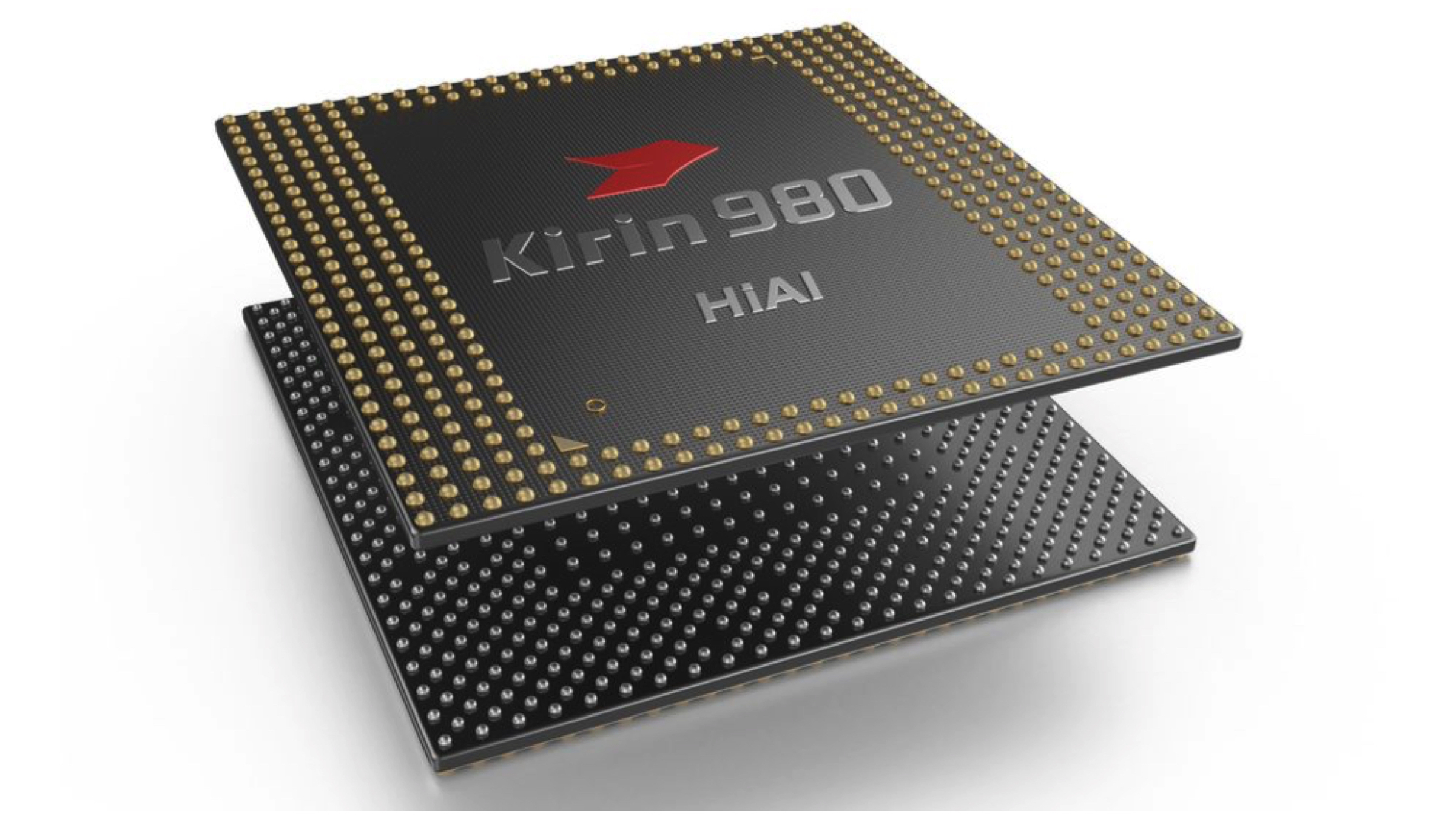
    The rippling effect of the oncoming ban essentially weakens the Chinese based company’s structure and functions. Huawei’s ambitious climb to the top came to a staggering halt as the UK based chipset manufacturer ARM, has ordered to cease all ongoing support or projects with the Chinese firm.ARM Kirin

    Since the US President’s decision on moving Huawei to the ‘Entity’ list, the business became restrictive and limited between the US based firms and its eastern counterpart. The ARM’s chip design is not easily replaceable or solvable. The UK based chipset manufacturer, although owned by the Japanese Firm SoftBank, has many of its technologies originated in the United States.ARM Kirin 980

    ARM’s chipset architecture is used by every major phone manufacturing company, name and not limited to, Qualcomm and Huawei. ARM’s belief is being held accountable under the US Regulations breach by operating with Huawei. Consequently, this also impacts ARM’s China joint-venture that aims to increase the impact of ARM technologies support on the country. ARM was reported to have a 49% stake in the joint-venture.

    Also Read: Samsung Launches 10000 mAh Power Bank With Wireless Charging Support

    Huawei had tasted success in the western market as well its domestic market. The company became the second largest smartphone manufacturer in the world in the month of May 2019. The Kirin 985 chipset is reportedly unaffected, but Huawei has remained silent so far on their stance. No future products can utilize the ARM chipset architecture, which was being used as a foundation of their own proprietary Operating system previously rumoured to debut this fall.

  • With Cortex-A72, ARM Promises Three Times Faster Performance in Smartphones

    With Cortex-A72, ARM Promises Three Times Faster Performance in Smartphones

    ARM, which is a standard when it comes to chipsets for smartdevices, has unveiled new CPU and GPU designs. The company claims that these products won’t just churn up faster performance for the products of 2016; they will also be power efficient.

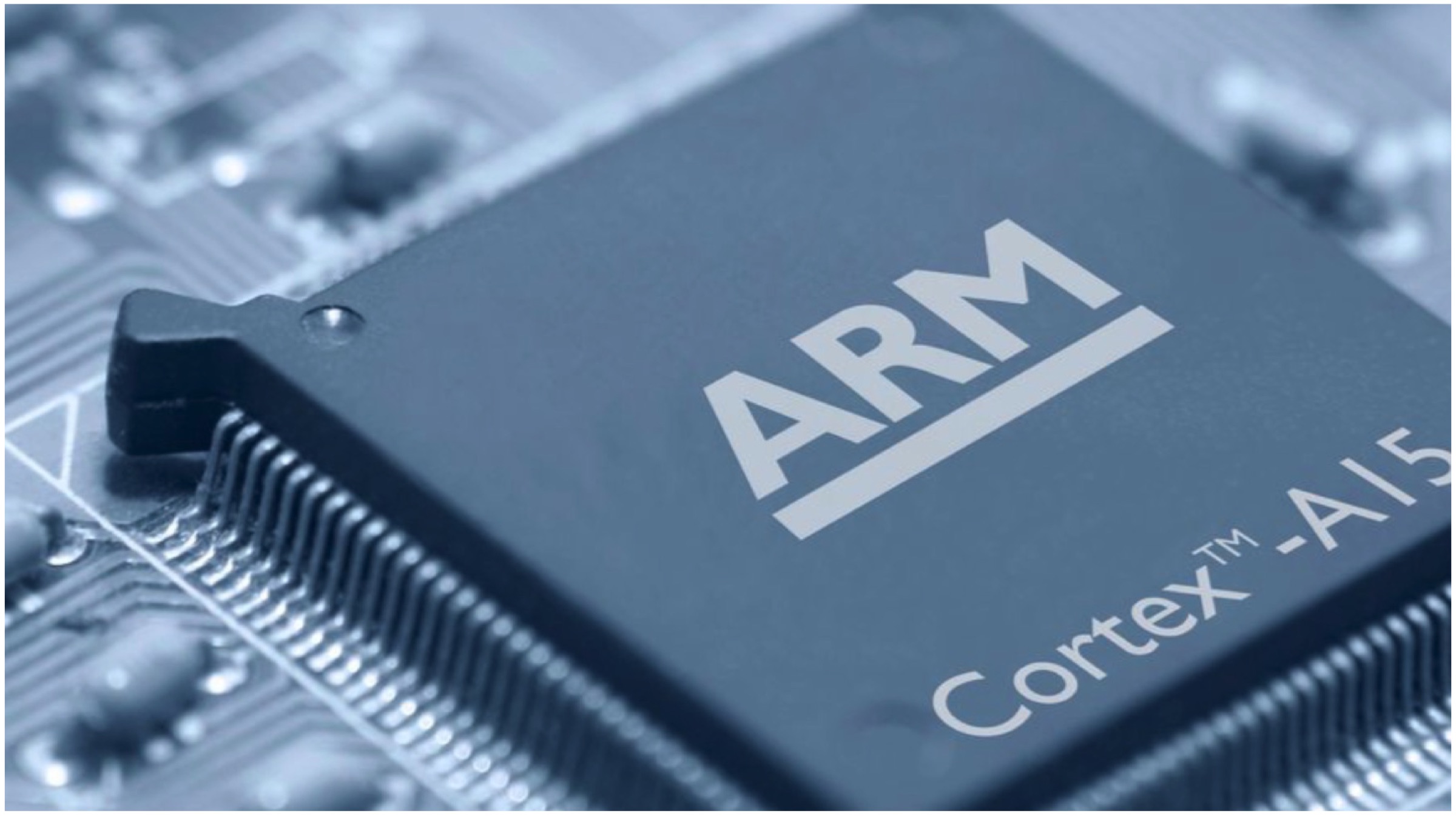
    The company introduced the Cortex A-72 mobile CPU that the company claims is 3.5 times faster than the existing Cortex-A15 chips. The company also claims that these chips will require 75% less energy than its current counterpart.

    The focus on battery efficiency is necessary as the batteries have not quite kept up with the rapid increase in the processing capabilities of smart devices. The new A72 can be paired with the Cortex A53 processors to further decrease the power consumption. ARM calls it the big.LITTLE configuration.

    The company also unveiled Mali-T880 mobile GPU. ARM claims that this GPU will offer 1.8 times faster graphics performance along with 40% lower energy consumption in comparison to the current generation Mali-T760 GPU.

    With these offerings, the company is focusing on providing even greater access to power intensive 4K content. As these energy hungry displays and content make their way to tablets and smartphones, the devices have to be ready face them. ARM plans to bring out the first demo devices based on the technology by the end of 2015 and hopes to bring the technology in the market with the 2016 line of products.

  • Qualcomm Announces its Entry into Server Chip Market

    Qualcomm Announces its Entry into Server Chip Market

    Qualcomm, after excelling in the market of smartphone processors and cellular chips, is aiming to target the data centre markets with new server chips based on ARM technology. Qualcomm CEO Steve Mollenkopf revealed during a meeting with financial analysts that the firm is working on chips for the data centre. However, he didn’t give away any specific product details.

    This means that Qualcomm will join the already established companies like AMD, AppliedMicro and Cavium, which manufacture chips based on ARM Holdings’ 64-bit ARMv8-A architecture. The company stayed quiet on important questions, such as how many cores, how fast will they work and when they will be available?

    ARM-Chip-lead-600x250

    He did say, however, that the market for ARM server processors could be worth $15bn by 2020 and that Qualcomm plans to capture a piece of it. Qualcomm sees big opportunities with the Internet of Things (IoT) and views it as the next logical step from the mobile era in that wearable technology and all those connected gadgets will be gathering enormous quantities of data that need to collect in a data centre.

    Qualcomm is the world leader in ARM chips for smartphones with around 58 percent revenue share, according to market research firm Strategy Analytics. In fact, the Chinese government has accused it of having a monopoly in the region, despite local competition from the likes of Allwinner, MediaTek, and Rockchip.

    Mollenkopf did not reveal as when Qualcomm will bring a server chip to the market, but he stressed on the fact that it would take time for the company to build this new business.

  • Samsung Shows new Exynos 5 Octa SOC : with 20 % more CPU power

    Samsung Shows new Exynos 5 Octa SOC : with 20 % more CPU power

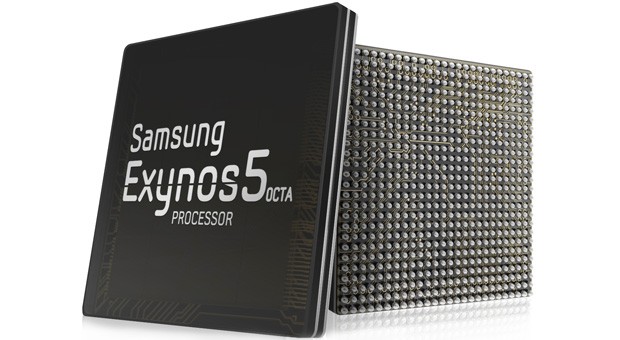
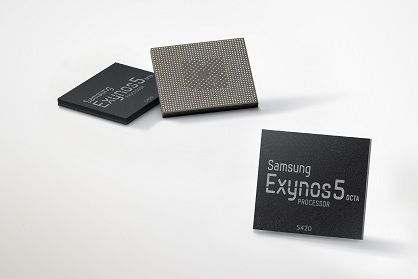
    Samsung is eager to show off their new chipset based on the Exynos 5 which will most probably land up in their next version of the Galaxy Note aka the Note 3. The new  5420 variant of the SoC is based on Mali-T628 MP6 chip and pairs a Quad Core ARM Cortex-A15 at 1.8GHz alongside a quad core 1.3GHz Cortex-A7 BigLittle configuration with smart switching. 

    Samsung’s PR claims that the new chip is not only 20 more effective at processing, it also has twice the graphics prowess. The memory is also a faster Dual-channel LPDDR3 at 933MHz with a memory bandwidth of 14.9 GBps. Thanks to the configuration the chipset will support multiple full HD WiFi displays. 

    The Chipset is on track to be made available to OEMs by August, which means it might as well end up in Samsung’s September baby.

    EXYNOS_5420_2

    [toggle title=”Press Release”]Samsung Brings Enhanced Mobile Graphics Performance Capabilities to New Exynos 5 Octa Processor

    SEOUL, Korea, July 23, 2013 – Samsung Electronics Co., Ltd., a world leader in advanced semiconductor solutions, today introduced the latest addition to the Exynos product family with top level of graphic performance driven by a six-core ARM® Mali™-T628 GPU processor for the first time in the industry. With mobile use case scenarios becoming increasingly complex, Samsung’s newest eight-core application processor gives designers a powerful, energy efficient tool to build multifaceted user interface capabilities directly into the system architecture. Samsung will demonstrate the new Exynos 5 family at SIGGRAPH 2013 in the ARM booth, #357; Exhibit Hall C at the Anaheim Convention Center.

    Samsung’s new Exynos 5 Octa (product code : Exynos 5420), based on ARM Mali™-T628 MP6 cores, boosts 3D graphic processing capabilities that are over two times greater than the Exynos 5 Octa predecessor. The newest member of the Exynos family is able to perform General-Purpose computing on Graphics Processing Units (GPGPU) accelerating complex and computationally intensive algorithms or operations, traditionally processed by the CPU. This product also supports OpenGL® ES 3.0 and Full Profile Open CL 1.1, which enables the horsepower needed in multi-layer rendering of high-end, complex gaming scenarios, post-processing and sharing of photos and video, as well as general high-function multi-tasking operations.

    “ARM welcomes the latest addition to the successful Exynos Octa 5 series, which uses ARM’s Mali GPU solution to dramatically improve graphics performance,” said Pete Hutton, executive vice president & general manager, Media Processing Division, ARM. “ARM big.LITTLE™ and ARM Artisan® Physical IP technologies continue to be at the heart of the Octa series and now complement the new functionality brought by ARM GPU Compute. This combination enables unprecedented capabilities in areas such as facial detection and gesture control, and brings desktop-quality editing of images and video to mobile devices.”

    “Demand for richer graphic experiences is growing rapidly nowadays,” said Taehoon Kim, vice president of System LSI marketing, Samsung Electronics. “In order to meet that demand from both OEMs and end users, we developed this processor which enables superb graphical performance without compromising power consumption.”

    The newest Exynos processor is powered by four ARM Cortex®-A15™ processors at 1.8GHz with four additional Cortex-A7™ cores at 1.3 GHz in a big.LITTLE processing implementation. This improves the CPU processing capability by 20 percent over the predecessor by optimizing the power-saving design.

    In addition, the multiple image compression (MIC) IP block inside this System-on-Chip successfully lowers the total system power when bringing pictures or multimedia from memory to display panel. This feature results in maximizing the usage hours of mobile devices with a high-resolution display such as WQXGA (2500×1600), in particular when browsing the web or doing multimedia application requiring the frequent screen refresh.

    The new Exynos 5 Octa processor also features a memory bandwidth of 14.9 gigabytes per second paired with a dual-channel LPDDR3 at 933MHz, enabling an industry-leading fast data processing and support for full HD Wifi display. This new processor also incorporates a variety of full HD 60 frames per second video hardware codec engines for 1080p video recording and playback.

    The new family of Exynos 5 Octa is currently sampling to customers and is scheduled for mass-production in August.[/toggle]

  • ARM unveils Mid Range Cortex-A12 CPU and Mali-T622 GPU (PR)

    ARM unveils Mid Range Cortex-A12 CPU and Mali-T622 GPU (PR)

    ARM has just announced a new Cortex-A12, which will replace the industry king the Cortex-A9, and will offer a 40% increase in performance.To increase power savings the A12 will initially be fabricated at 28nm instead of 40nm, and will be offered to manufacturers alongside a new Mali GPU (the Mali-T622) and video engine (Mali-V500) that promise further reduction on consumption and enhance the life of the battery.

    The configuration of the chip will allow the Cortex-A12 chipset to be placed along with an A7 for example, to take over for tasks that require less processing power. The same system that was implemented in the “Octa-Core” version of the Galaxy S4. The Chipset will land with manufacturers by 2014 and should reach consumer hands almost instantly. 

    [toggle title=”Press Release”]ARM Targets 580 Million Mid-Range Mobile Devices with New Suite of IP

    News Highlights:

    · Faster time to market and less design risk with suite of IP including: ARM Cortex-A12 processor, Mali-T622 GPU, Mali-V500 video solution and POP IP technology;

    · 580 million mid-range smartphones and tablets are forecast to be sold in 2015_[i];
    · Cortex-A12 processor delivers 40 percent more performance than Cortex-A9 and brings premium features such as virtualization to the mid-range mobile device market; efficiency profile also makes it ideal for DTV and home networking;

    · Cortex-A12 processor brings optimum performance and maximum efficiency of big.LITTLE processing to mid-range smartphones and tablets;

    · Mali-T622 GPU offers an efficient and qualified OpenGL ES 3.0 solution and smallest Full Profile GPU Compute solution, putting even greater compute power into the hands of more mobile users;

    · Mali-V500 video IP solution reduces system bandwidth and power, while enabling the protection of premium video content with TrustZone support.

    Cambridge, UK and Taipei – 3 June 2013: Today at Computex, ARM announced an optimized IP solution designed to power the 580 million mid-range mobile devices expected over the next two years. The mid-range market is projected to exceed the number of premium smartphones and tablets beginning in 2015. Targeted at the mid-range market, this new suite of ARM IP is optimized for power, performance and die size. Used together, this suite of IP will provide consumers with premium features like virtualization, big.LITTLE processing and GPU compute at mid-range price points.

    The suite extends the ARM® Cortex®-A processor and ARM Mali™-T GPU series with the Cortex-A12 processor and Mali-T622 GPU and introduces a new video IP product, the Mali-V500. With support from ARM POP™ technology and the ARM Development Studio 5 (DS-5™) toolchain, ARM partners can deliver smartphones and tablets with higher efficiency and reduced time to market. Partners will announce their plans in due course, but ARM expects this IP solution will be in mobile devices by mid-2014.

    “Mobile users expect a range of devices at different price points and for a mid-range mobile experience to include some high end mobile features. With a billion smartphones predicted to ship in 2013 and tablets projected to out-ship notebook PCs, device-makers can now provide quality, high-performance mobile products with the features that matter the most, at a range of price points,” said Ian Drew, chief marketing officer and executive vice president, ARM. “The market is evolving at an amazing rate and there is now a choice of solutions for semiconductor companies and for mobile device-makers. Our suite of optimized IP expands the choice for the mid-range mobile market.”

    Bringing Premium Features to the Mid-Range
    The energy-saving technology known as ARM big.LITTLE™ processing is only just coming to high-end devices today, but now can be designed into mid-range smartphones, allowing users to do more with their devices. The Cortex-A12 processor offers ARM partners a 40 percent performance uplift in the same power envelope when compared to the successful Cortex-A9 processor. The Cortex-A12 processor builds on best-in-class efficiency as a standalone solution and additionally supports the innovative big.LITTLE™ processing technology with the Cortex-A7 processor. The Cortex-A12 introduces features found in premium smartphones and tablets to mid-range devices, including virtualization. Additional information for the Cortex-A12 processor can be found here.

    Ready for the Next Graphics Standards
    The Mali-T622 GPU, is OpenGL ES 3.0 conformant, supports the Renderscript and OpenCL™ APIs, and is the smallest full profile GPU Compute solution available for mobile devices. The Mali-T622 GPU brings a rich, visual experience to mid-range mobile devices with functionality only now becoming available in the highest-end premium smartphones and tablets. It does all of this while providing a 50 percent energy-efficiency improvement over first-generation Mali-T600 series products. A closer look at the Mali-T622 GPU can be found here.

    High-Quality Video in Mid-range Mobile
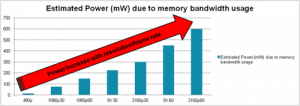
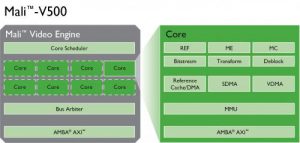
    The energy-efficient Mali-V500 video solution provides dedicated video processing and reduces system bandwidth requirements by more than 50 percent_[ii] compared to currently available solutions. The Mali-V500 is a multicore video solution, scaling from a single core capable of 1080p/60 encode and decode to multiple cores supporting ultra-high definition 4K at a blistering 120 frames per second. Additionally, the Mali-V500 video solution was architected with support for TrustZone® security technology enabling efficient, hardware-backed security for movie and TV content from download to display. More details on the Mali-V500 video solution are available here.

    ARM Brings it all Together
    ARM is best positioned to ensure its IP can be combined together for optimal performance with minimal energy consumption across the entire SoC, thus allowing every task to be run on the right processor. System advances include:
    · ARM POP IP supports leading 28-nanometer foundry processes. ARM POP IP is the only implementation solution which is co-developed and co-optimized, offering the best design points and fastest time to market for the Cortex-A12 processor and Mali-T622 GPU. More information on ARM POP IP, featuring Artisan® physical IP, available for this optimized suite can be found here.
    · ARM DS-5 toolchain to support development and optimization of software for systems based on the Cortex-A12 processor, Mali-T622 GPU, and CoreLink CCI-400 cache coherent interconnect. Complemented by the addition of the ARM Fast Models simulation library, the DS-5 toolchain enables early software development and system-wide performance and power optimization. Learn more about system software optimization here.
    “The immense success of Cortex-A9 processor-based SoCs, and the demand for highest performance at best energy efficiency, makes the new Cortex-A12 processor the perfect choice for VIA and will help drive our strong commitment to provide leading-edge platforms for our partners and the ARM ecosystem. The premium feature set of the Cortex-A12 processor will enable new use cases previously only limited to high-end devices and will allow the mid-range mobile device segment to continue growing rapidly,” said Tzu-Mu Lin, senior vice president, VIA Technologies.

    Tweet this story

    About ARM

    ARM designs the technology that is at the heart of advanced digital products, from wireless, networking and consumer entertainment solutions to imaging, automotive, security and storage devices. ARM’s comprehensive product offering includes RISC microprocessors, graphics processors, video engines, enabling software, cell libraries, embedded memories, high-speed connectivity products, peripherals and development tools. Combined with comprehensive design services, training, support and maintenance, and the company’s broad Partner community, they provide a total system solution that offers a fast, reliable path to market for leading electronics companies. Find out more about ARM by following these links:[/toggle]

    [VIA]

  • AMD Set To Release Its First ARM-based Chip in 2014.

    AMD Set To Release Its First ARM-based Chip in 2014.

    amd

    Advanced Micro Devices (AMD) is to release its first ARM-based chip in 2014.

    The central processing units (CPUs) will power computer servers used to run websites and smartphone app services.

    The US firm said the move would let it offer more energy efficient products.

    It is significant because AMD – alongside Intel – has been one of the key forces behind the rival x86 chip architecture.

    AMD added that it was also considering making ARM-based chips for consumer-targeted computers, but no decision had been made as yet.

    The company follows in the steps of Dell and HP which have previously announced plans to build ARM-based servers.

    The news is a coup for the British chip designer. Cambridge-based ARM designs and licenses its chip architectures but does not manufacture processors itself.

    Its creations already dominate the smart device market, powering most tablets and smartphones. Licensees including Apple, Samsung, Qualcomm, and Nvidia.

    AMD says internet-connected devices are likely to create more demand for ARM-based server chips

    AMD said it already accounted for about 4-5% of the x86-based server market, but had responded to demand for “denser server clusters” in which more processors are packed into a smaller space, creating the need for chips that produce less heat and consume less energy.

    “For the energy and space efficiency that the mega-data centres require ARM processors are always the best approach,” Suresh Gopalakrishnan, general manager of AMD’s server division, told the BBC.

    He added that the shift towards smartphones and tablets had led to a rise in demand for such centres as consumers made use of remote computers to provide cloud-based services.

    “People started with music and pictures, now you see firms offering 2GB blocks of storage for free,” said Mr Gopalakrishnan.

    “A lot of data is being put into the cloud and served onto these tablets and smartphones, and the goal of these devices is to have the longest battery life possible so a lot of the processing gets done in the cloud and then gets sent over into the devices.”

    AMD said it had held off offering an ARM-based product until now while it waited for the British firm to release a 64-bit, rather than 32-bit, design. 64-bit chips can make use of more random access memory (RAM) at once, helping make them faster at dealing with memory-intensive tasks.

    Since ARM-based chips produce less heat Mr Gopalakrishnan said more could be placed on each “pizza-box-shaped” server rack unit. However, the trade-off is that at present each chip is a less powerful processor than x86-based products on the market.

    As a result he said AMD would focus its new ARM products at servers used to power apps, host websites and carry out data analysis for business.

    Servers used to stream video, offer cloud-based gaming, carry out facial recognition and other more complicated tasks would be best off using x86-based chips, he added, at least for the next few years.

    The announcement comes during a period of upheaval at AMD. Earlier this month the company announced it was laying off 15% of its staff and warned its third-quarter sales would be weaker than Wall Street had expected.

    The shift towards ARM will incur extra costs as it will have to pay a fee for the use of the British firm’s technology – it does not incur such a charge for its x86-based chips.

    However, one industry watcher said the move was no surprise.

    “The demand for low powered chips is going through the roof,” said Chris Green, principal technology analyst at consultants Davies Murphy Group Europe.

    “AMD has traditionally offered powerful but power-hungry products and doesn’t have the in-house technology to design such chips.

    “But manufacturing ARM-based processors for servers alone wouldn’t be cost effective – so I think they will use the server market to perfect the product and then release ARM-based processors for tablets, smartphones and ultralight laptops.”

    [BBC]

  • Samsung planning Windows RT based tablets?

    Samsung planning Windows RT based tablets?

    Whoops! Something went wrong!

    Samsung is reportedly working on a Windows RT tablet that will be launched in October this year, giving the much needed boost to the newly announced operating system.

    According to a report in Bloomberg, sources familiar with the development stated that the tablet release will coincide with the Windows RT debut and it will be powered by a Qualcomm Snapdragon processor, probably S4.

    Windows RT is the first operating system version from Microsoft that is made for touchscreen devices and supports ARM chips, which consume less power than x86.

    If it does come through, the tablet would be Samsung’s first running a Microsoft OS.

  • Still wishing for Tegra 3 ? Tegra 4 coming Q1 2013

    Still wishing for Tegra 3 ? Tegra 4 coming Q1 2013

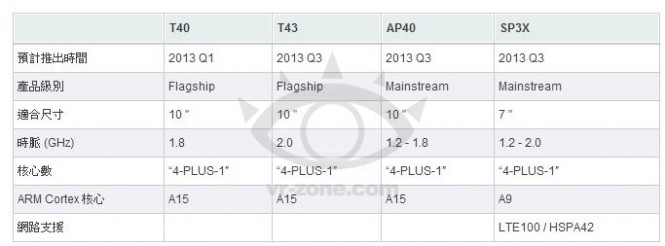
    While some are still waiting for their fix of quad core goodness of Tegra 3, it seems that the hardware is already old news.  Reportedly leaked Tegra 4 details and the NVIDIA CEO Jen-Hsun Huang saying that “A new Tegra every year” means that 2013 will see face of a newer more powerful Tegra Chipset. The new chipsets will  be major designed for 10 inch tablets. The Tegra 4 will come in four variants, three with a quad-core ARM Cortex A15 configuration, with clock speeds from 1.2 to 2.0GHz. 

    The Fourth one seems to be a budget SP3X variant based on A9, designed for 7inch tabs, it will also add high speed LTE.

    [VR-Zone ]

  • ARM launches Android dev kit, focus on Power management (PR)

    ARM launches Android dev kit, focus on Power management (PR)

    ARM is playing its fever and has launched the Android Development Kit for ARM SOC and other chipsets. With the release of Development Studio 5 Community Edition, the company has expanded its dev kit’s repertoire to include not just Linux, but Google’s Linux-based mobile OS we all know and love. DS-5 even integrates with the standard Android SDK as well as Eclipse IDE. 

    [toggle title_open=”Press Release” title_closed=”Press Release” hide=”yes” border=”yes” style=”default” excerpt_length=”0″ read_more_text=”Read More” read_less_text=”Read Less” include_excerpt_html=”no”]ARM Launches Free Toolkit For Android Application Developer Community
    28 November 2011

    ARM® Development Studio 5 Community Edition helps Android™ application developers create native software that can run up to 4 times faster than Java code.

    Cambridge, UK – 28th November 2011 – ARM today announced the release of the ARM® Development Studio 5 (DS-5™) Community Edition (CE) – a free-to-use edition of its reference software development toolkit. The new edition is dedicated to the Android application developer community and helps them create native software for compute intensive tasks that can run up to 4 times faster than Java code. DS-5 CE complements the standard SDK and NDK Android development kits by offering developers a unique set of tools to help them achieve the performance and energy-efficiency advantages made possible when ARM native code is used in Android applications.

    DS-5 Community Edition includes limited, but essential functionality from the premium DS-5 toolkit to help solve common Android application developer pain points. It achieves this by providing an integrated graphical debugger for NDK-generated code and visibility of advanced processor information, including ARM NEON™ Single Instruction Multiple Data (SIMD) registers. The new toolkit permits development of Java and C/C++ code in the same Eclipse integrated development environment (IDE) to maximise productivity and ease of use.

    DS-5 Community Edition features a tailored version of the ARM Streamline™ Performance Analyzer for use with compatible Android development platforms. Streamline captures detailed, system-wide performance statistics from a variety of sources which helps developers to locate hotspots in their code and isolate potential causes. Platform builders can add support for Streamline by integrating an open source driver available from the Linaro website.

    “With over half a million apps on the Android market today, developers need to deliver an outstanding user experience to succeed commercially,” said John Cornish, executive vice president and general manager, system design division, ARM. “ARM DS-5 Community Edition offers developers an easy to use environment for debugging and optimizing C/C++ code. This allows them to take full advantage of ARM processor technology using native code to deliver the performance and functionality that consumers demand.”

    Partner Quotes:

    “We have been using DS-5 extensively for system level debugging and performance tuning”, said Duan ZhiQiang, CTO, Thundersoft. “With the release of the Community Edition, it will enable our ISV and IHV partners to access similar capabilities, improving our platform as an application development target and expanding its ecosystem.”

    “The community edition of DS-5 (DS-5 CE) will further reduce the barriers to open source development on ARM. We have worked closely with ARM to ensure that DS-5 support is available as an easy to install add-on for Linaro Ubuntu images in the past and are working together to deliver a similar convenient developer experience for DS-5 CE as part of our Android images”, said Alexander Sack, Platform Technical Director, Linaro. “This initiative will help users of the community edition take full advantage of Linaro optimized images.”

    “The release of ARM DS-5 Community Edition is welcomed by Orange and solves some of the pain points of Android native apps developers”, said Yves Christol, Head of Advanced Software Centre, Devices, Orange.

    Availability

    The DS-5 CE is available free-of-charge for use by individuals and organizations with annual revenue of $100,000 or less, and up to 10 employees. DS-5 CE is available from ARM and can be downloaded now. For more information go to:

    DS-5 CE: http://www.arm.com/ds5community
    DS-5: http://www.arm.com/ds5
    Linaro platform evaluation builds http://www.linaro.org/downloads/

    About ARM

    ARM designs the technology that lies at the heart of advanced digital products, from wireless, networking and consumer entertainment solutions to imaging, automotive, security and storage devices. ARM’s comprehensive product offering includes 32-bit RISC microprocessors, graphics processors, video engines, enabling software, cell libraries, embedded memories, high-speed connectivity products, peripherals and development tools. Combined with comprehensive design services, training, support and maintenance, and the company’s broad Partner community, they provide a total system solution that offers a fast, reliable path to market for leading electronics companies. Find out more about ARM by following these links:

    ARM website: http://www.arm.com/
    ARM Connected Community: http://www.arm.com/community/
    ARM Blogs: http://blogs.arm.com/
    ARMFlix on YouTube: http://www.youtube.com/user/ARMflix
    ARM on Twitter:
    o http://twitter.com/ARMMobile
    o http://twitter.com/ARMCommunity
    o http://twitter.com/ARMEmbedded
    o http://twitter.com/ARMLowPwr
    o http://twitter.com/ARMTools
    o http://twitter.com/ARMMultimedia

    ARM is a registered trademark of ARM Limited. Cortex, Connected Community and MPCore are trademarks of ARM Limited. All other brands or product names are the property of their respective holders. “ARM” is used to represent ARM Holdings plc; its operating company ARM Limited; and the regional subsidiaries ARM Inc.; ARM KK; ARM Korea Limited.; ARM Taiwan Limited; ARM France SAS; ARM Consulting (Shanghai) Co. Ltd.; ARM Germany GmbH; ARM Embedded Technologies Pvt. Ltd.; ARM Norway, AS and ARM Sweden AB[/toggle]

    [ARM]

  • Qualcomm: Snapdragon-powered Windows 8 PCs coming in 2012

    Qualcomm: Snapdragon-powered Windows 8 PCs coming in 2012

    Qualcomm has confirmed that it will launch Snapdragon chips to support the Windows 8 architecture. CEO Paul Jacobs confirmed that his company is working with Microsoft in an effort to deploy Windows 8-powered computers that run on Qualcomm’s ARM-based Snapdragon processors.


    We’re going to see some interesting stuff going on,Windows 8 on ARM is a big opportunity

    -CEO Paul Jacobs, Qualcomm

    The task is not going to be easy since all apps and the whole windows architecture is designed to run on x86 processors. The applications will need to be rewritten to work on ARM processors.

  • SteelSeries Sensei gaming mouse soon to become a reality. (PR)

    SteelSeries Sensei gaming mouse soon to become a reality. (PR)

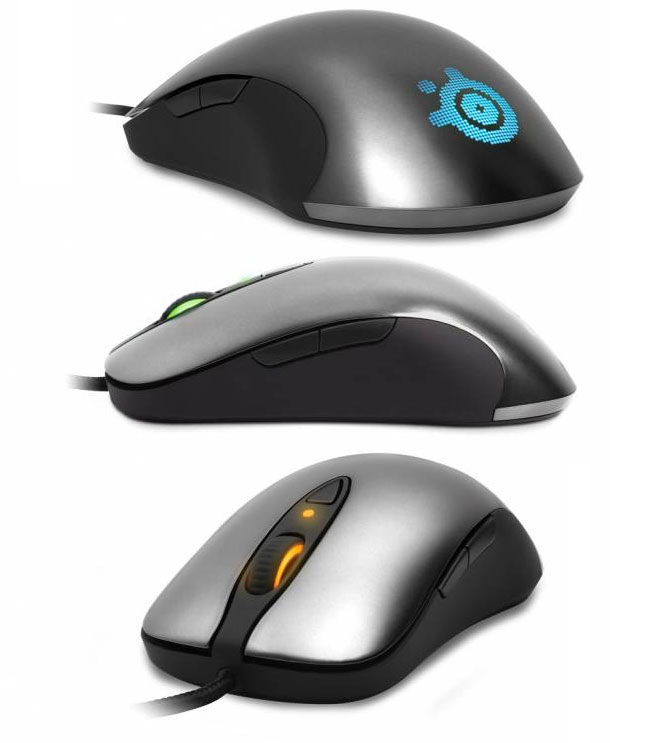
    SteelSeries has started pre-order of the Sensei mouse. This gaming specific mouse tracks up to 150-inches per second with its 10.8 megapixel sensor, and uses a 32-bit ARM processor to calculate it all , so that your PC does not have to share its gaming juice with high end peripherals such as this.

    Specs include:

    – Programmable macro buttons 
    – Ambidextrous shape 
    – Driverless plug-and-play 
    – User defined bitmaps for the onmouse LCD 
    – SteelSeries ExactSens 
    – SteelSeries FreeMove 
    – Menu system on the mouse 
    – SteelSeries ExactAim 
    – 7programmable buttons 
    – SteelSeries ExactLift 
    – Gold-plated USB connector 
    – 16 million colors of illumination 
    – Three zone lighting – Scroll Wheel, CPI Indicator, and Logo

    People in India can purchase the Special gaming mouse for a MSRP of $89.99 / €89.99, or like we did  from http://steelseries.com for€89.99 +20.88 shipping. The devices go out 1st week of October.

    So you can book yours now if you cant wait for the company to officially bring it India – Side, wont happen till Q2 2012 anyway.


    [toggle title_open=”Press Release” title_closed=”Press Release” hide=”yes” border=”yes” style=”default” excerpt_length=”0″ read_more_text=”Read More” read_less_text=”Read Less” include_excerpt_html=”no”]THE STEELSERIES SENSEI IS AVAILABLE ONLINE NOW

    Consumers Can Order the New Mouse Directly on the SteelSeries Web Shop

    CHICAGO – Sept. 20, 2011 – The most customizable mouse to ever hit the competitive gaming industry, the SteelSeries Sensei, is now available online for consumers directly from the SteelSeries’ Web Shop. With an MSRP of $89.99 / €89.99, and a list of original features that have been perfected alongside some of the world’s most recognized competitive gamers, the Sensei is setting a new standard in mouse customization and capabilities; some of these features include:

    · A 32 bit ARM processor, that powers sophisticated calculations to be done directly on the mouse – without the need for software drivers and without having to rely on the user’s computer.

    · Complete customization, from the buttons, macros and multiple profiles to the colors, and technology settings.

    · Illumination with 16.8 million colors choices to be programmed in 3 different zones on the mouse.

    · Sensitivity settings that can be changed in increments of one from 1 to 5,700 CPI, and an “overclocked” Double CPI feature that allows the user to go all the way up to 11,400 DCPI.

    · A 10.8 megapixel image correlation laser sensor at up to 12,000 frames per second and the ability to handle tracking movements of up to 150 inches per second.

    · An ambidextrous design with a metal, non-slip grip coating and is connected with a double braided nylon cord with a USB connector.

    · Simple plug and play; for the PC Gamers* who want advanced customization options, the Sensei is supported by SteelSeries Engine technology – save multiple profiles, create long and advanced macros with layers, keystrokes and precise timing. The Sensei Mouse is compatible with both Mac and PC; *SteelSeries Engine for Mac will be coming in 2012; for PC it is available now.

    The SteelSeries Sensei can be pre-ordered from the SteelSeries Web Shop directly at http://steelseries.com or by clicking the ‘Buy Now’ button, at http://steelseries.com/sensei.[/toggle]

  • Samsung will not make the Apple A6 Processor

    Samsung will not make the Apple A6 Processor

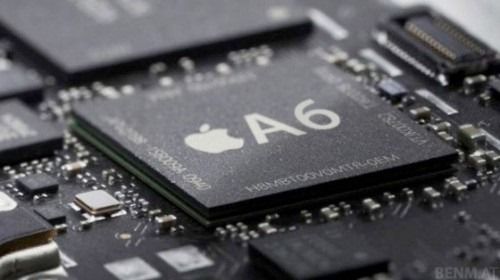
    TSMC or Taiwanese Semiconductor Manufacturing Corp will be the next company to manufacture the Apple A6 Chips that will go in the upcoming iPhone 5 / iPad 3. According to rumors Apple is looking for a high performance chip with a much more smaller topography than Samsung can manufacture. Samsung already had difficulties in the A5’s 45nm process. While it is suggested that TSMC will manufacture the processor on low power 28nm ARM chips.


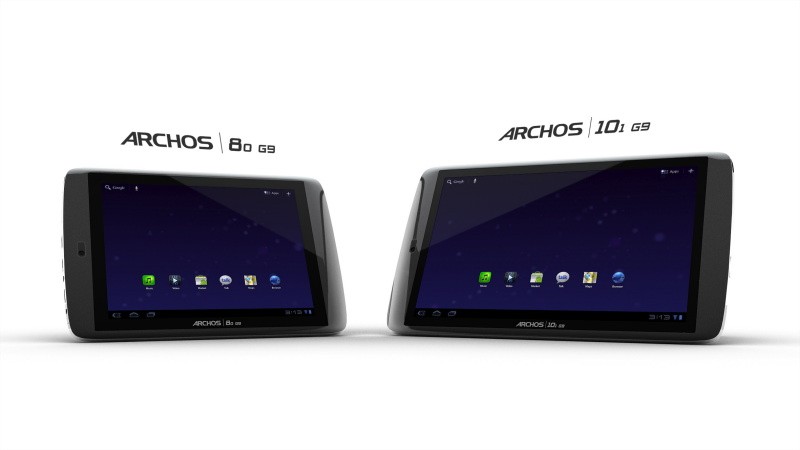
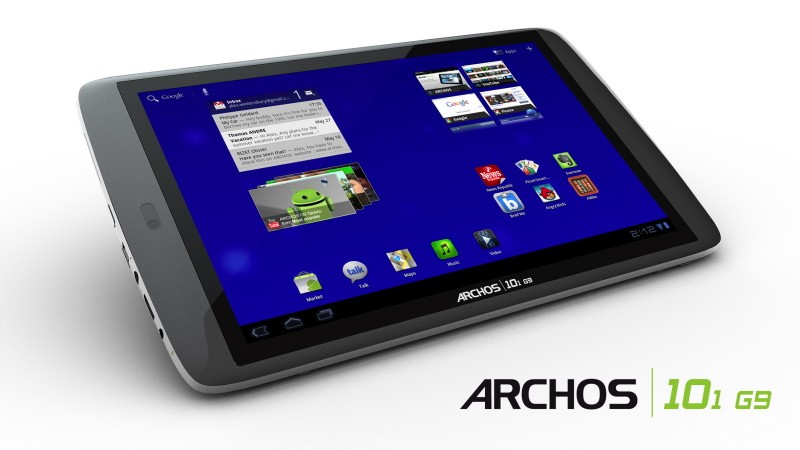
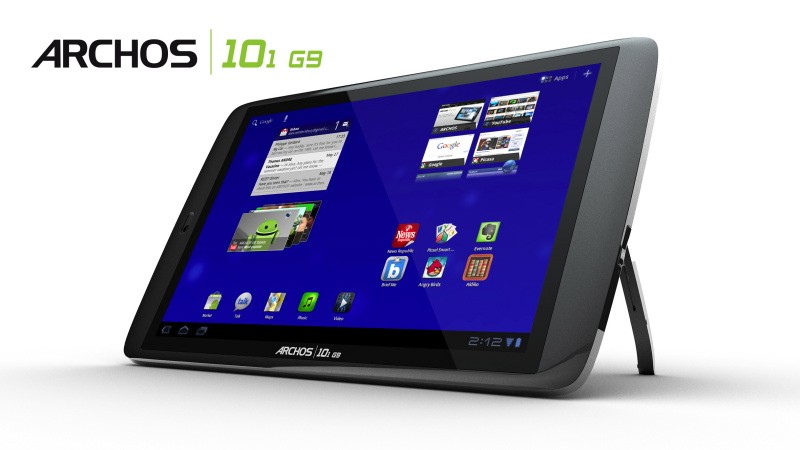
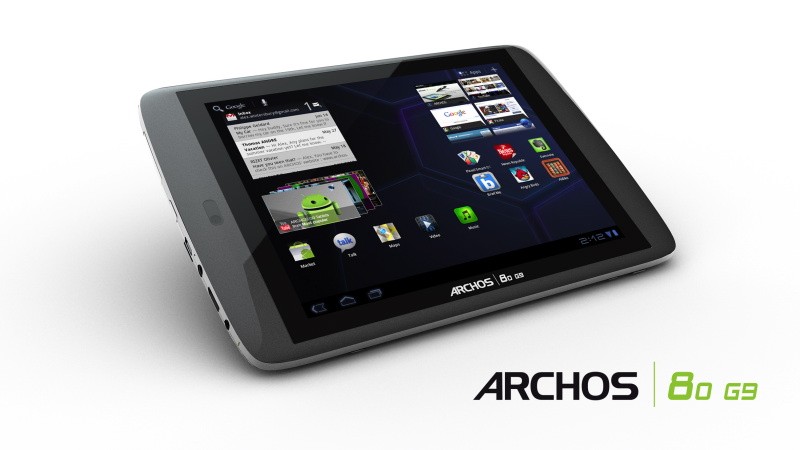
  • Archos launches 80 G9 and 101 G9 Android 3.1 tablets: Dual Core 1.5 GHZ

    Archos launches 80 G9 and 101 G9 Android 3.1 tablets: Dual Core 1.5 GHZ

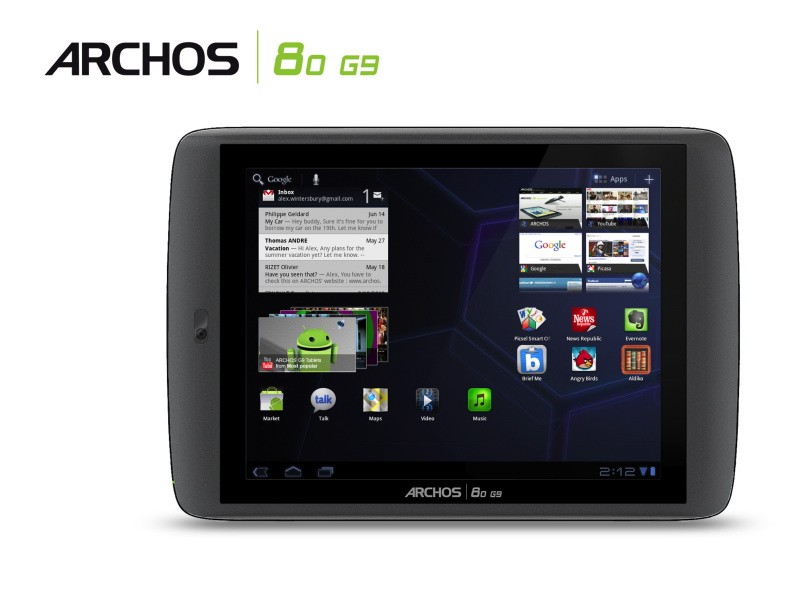
    Archos has just announced the new  80 G9 and 101 G9 Android tablets with good specs and a low pricing. Available in 2 modes the 8 inch 80 G9 and the 10.1 inch 101 G9.

    Specs include

    • Dual-core OMAP 4 processor (1.5GHz ARM Cortex A9)
    • Flash
    • Android Market
    • USB port
    • HDMI output
    • 1080p playback

    Archos claims that browsing speed is much faster than nVidia Tegra 2 based Tablets.

    [quote]with the 1.5 GHz OMAP 4 processor the ARCHOS G9 tablet enhance a user’s web browsing experience with page load time reduced by up to 50% over tablets running the Nvidia Tegra 2TM processor at 1 GHz.[/quote]

    [quote]The ARCHOS 80 G9 is the portable tablet with perfect size for web browsing, ebook and newspaper reading with its 8″ 4:3 screen and a resolution of 1024 x 768.[/quote]

    [quote]The ARCHOS 101 G9 is the perfect entertainment tablet to share the Android Honeycomb experience. With 250GB of storage space, users will be able to carry over 50 hours of full 1080p HD to watch on their 10.1″ wide 1280 x 800 16:10 screen.[/quote]


    Prices are set Cheap at

    80 G9 for $279 / Rs. 11000 and the 101 G9 for $349 / Rs. 16000

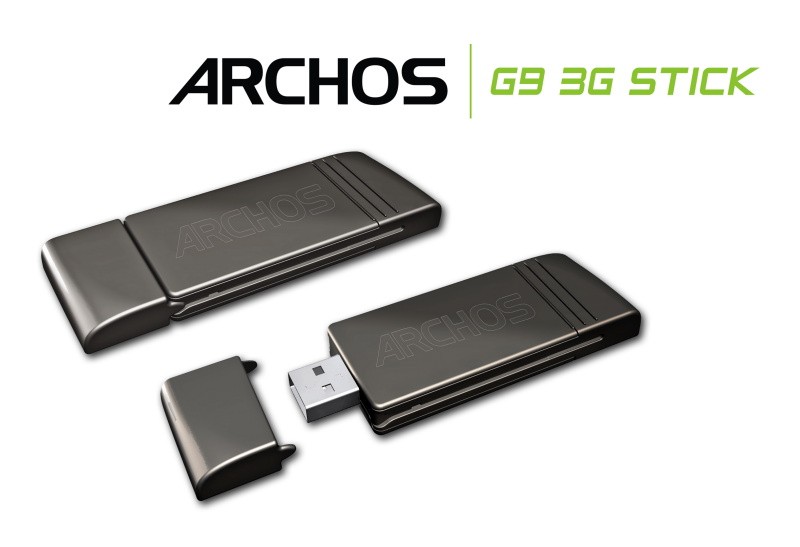
    The G9 3G WWAN stick $49 / Rs. 2000


    [toggle title_open=”COLLAPSE ” title_closed=”READ THE PRESS RELEASE” hide=”yes” border=”yes” style=”default” excerpt_length=”0″ read_more_text=”Read More” read_less_text=”Read Less” include_excerpt_html=”no”]ARCHOS Unveils Fastest Tablets with G9 Tablet Range

    The G9 range features the industry’s fastest dual-core 1.5 GHz processor, the largest storage capacity with a Seagate 250GB Hard Drive, Honeycomb 3.1, Android MarketTM, 1080p HD video and 3G capability

    DENVER, CO – June 23, 2011 – Today, ARCHOS, an award winning technology innovator and pioneer in the tablet market, introduces an unrivaled combination of speed and storage with its latest tablets featuring an OMAP 4 processor with an ARM® Cortex™ dual-core A9 running at 1.5 GHz and Seagate’s 250GB Hard Disk Drive (HDD) capacity.

    The 8″ ARCHOS 80 G9 and 10″ ARCHOS 101 G9 are powered by AndroidTM 3.1 “Honeycomb,”* the latest Android version. ARCHOS G9 tablets come with Google’s full suite of mobile applications and Android MarketTM, giving users access to over 200,000 applications such as games, books, social media and news. With the latest version of Honeycomb, G9 tablets also offer a full web experience complete with Adobe® Flash® support for on-the-go web browsing, communication and applications.

    Additionally, the G9 tablets feature a unique 3G ready solution where customers no longer need to choose between WiFi and 3G models at purchase. ARCHOS 3G Stick is a standard 3G stick for laptops which has been designed to be compatible with all ARCHOS G9 tablets. All G9 tablets come with a concealed USB port on the back of the device that when paired with the ARCHOS 3G USB Stick will enable 3G connectivity.

    The G9 tablet range continues to push technological boundaries and features the following innovations.

    Fastest Tablet Experience Ever
    ARCHOS have decided to push their G9 tablets even further by loading them out with a 1.5 GHz dual-core OMAP 4 processor from Texas Instruments™. With 50% more raw computational power, ARCHOS G9 tablets have the power needed for a great Android experience.

    For example, with the 1.5 GHz OMAP 4 processor the ARCHOS G9 tablet enhance a user’s web browsing experience with page load time reduced by up to 50% over tablets running the Nvidia Tegra 2TM processor at 1 GHz.

    All your HD multimedia in your hands or on TV
    With the best multimedia experience, ARCHOS G9 tablets are the only tablets able to decode 1080p H264 High Profile videos whilst current standard tablets are not even able to play 720p H264 High Profile smoothly.

    ARCHOS have replaced the standard multimedia apps with ARCHOS boosted apps for video and music to give to users more format compatibility and a unique user interface.

    With film and TV series metadata automatically downloaded, even video files are automatically organized by title, actor, director, year, season and episode, ARCHOS have redefined the tablet device category by providing consumers more ways to experience HD entertainment.

    ARCHOS G9 tablets also feature an HDMI output, giving users full access to their Android experience on TV including movies in 1080p resolution.

    WiFi or 3G, no need to choose, it’s up to you whenever you want
    This patented solution lets the consumer add a standard PC 3G stick to his tablet whenever and wherever. The ARCHOS G9 3G Stick has been specially designed to fit perfectly into the back of any G9 tablet. Just remove the cover and slide in the ARCHOS G9 3G Stick to unleash the full portability of your ARCHOS G9 tablet.

    With this innovative USB 3G stick, consumers will no longer have to choose between a WiFi and a 3G tablet at purchase. For just a $49 upgrade, the users can purchase the ARCHOS G9 3G Stick and start enjoying 3G connectivity on his ARCHOS tablet or PCs compared to other tablets where 3G modules add over $100 to the cost and there’s no option to add it later.

    This cutting edge 3G stick offers one 3G solution for both a tablet and a laptop and uses just one data plan1. Offered as a Pay-As-You-Go Plan, there is no subscription required and the consumer need only pay for what they need when they need it.

    Top performance, best value
    While the competitors’ tablets are priced starting at $499, ARCHOS is offering an 8” tablet starting at $279 and 10.1” tablet starting $349.

    ARCHOS is offering cutting-edge performance such as a more powerful and faster processor, unique 3G solution, enhanced multimedia experience and more storage capacity with the built-in 250GB HDD from Seagate.

    ARCHOS are the first in the industry to offer a tablet with a hard drive, bringing 8 times more storage at the same cost of a standard 32GB tablet.

    ARCHOS are also the first to offer such high performance at such affordable price, making ARCHOS G9 tablets the best cost-performance value.

    The ARCHOS 80 G9 and ARCHOS 101 G9 will be available at the end of September and will be shown beginning of September at IFA.

    Two tablets to fit your lifestyle: ARCHOS 80 G9 and ARCHOS 101 G9
    The ARCHOS 80 G9 is the portable tablet with perfect size for web browsing, ebook and newspaper reading with its 8″ 4:3 screen and a resolution of 1024 x 768.

    The ARCHOS 101 G9 is the perfect entertainment tablet to share the Android Honeycomb experience. With 250GB of storage space, users will be able to carry over 50 hours of full 1080p HD to watch on their 10.1″ wide 1280 x 800 16:10 screen.[/toggle]
iGyaan Network
Privacy Overview

This website uses cookies so that we can provide you with the best user experience possible. Cookie information is stored in your browser and performs functions such as recognising you when you return to our website and helping our team to understand which sections of the website you find most interesting and useful.