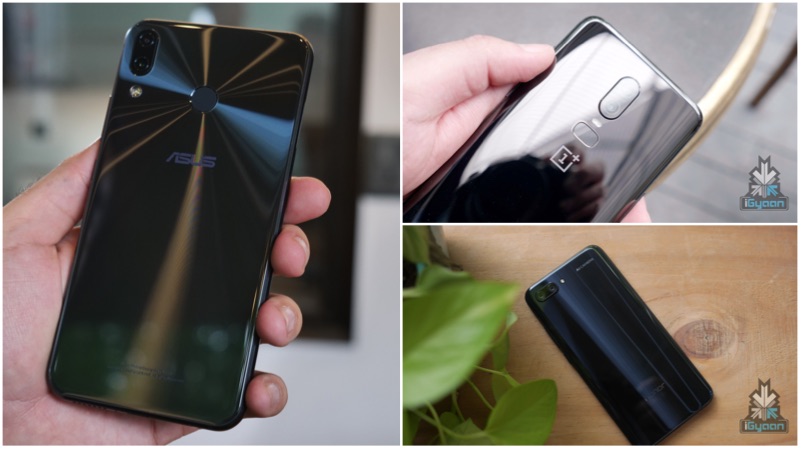
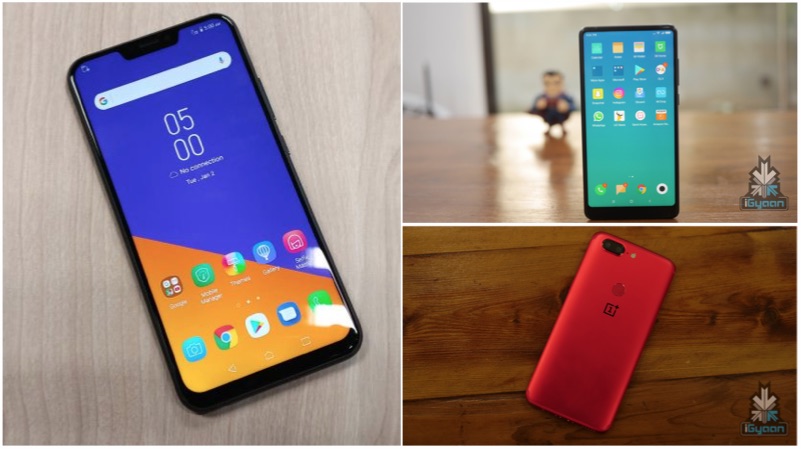
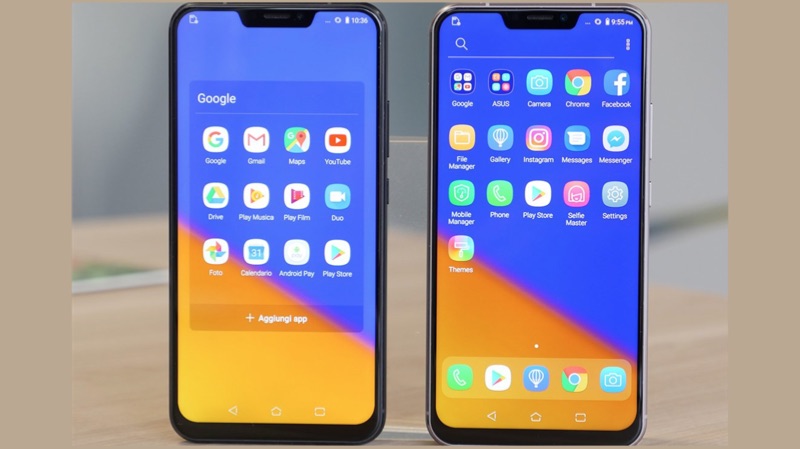
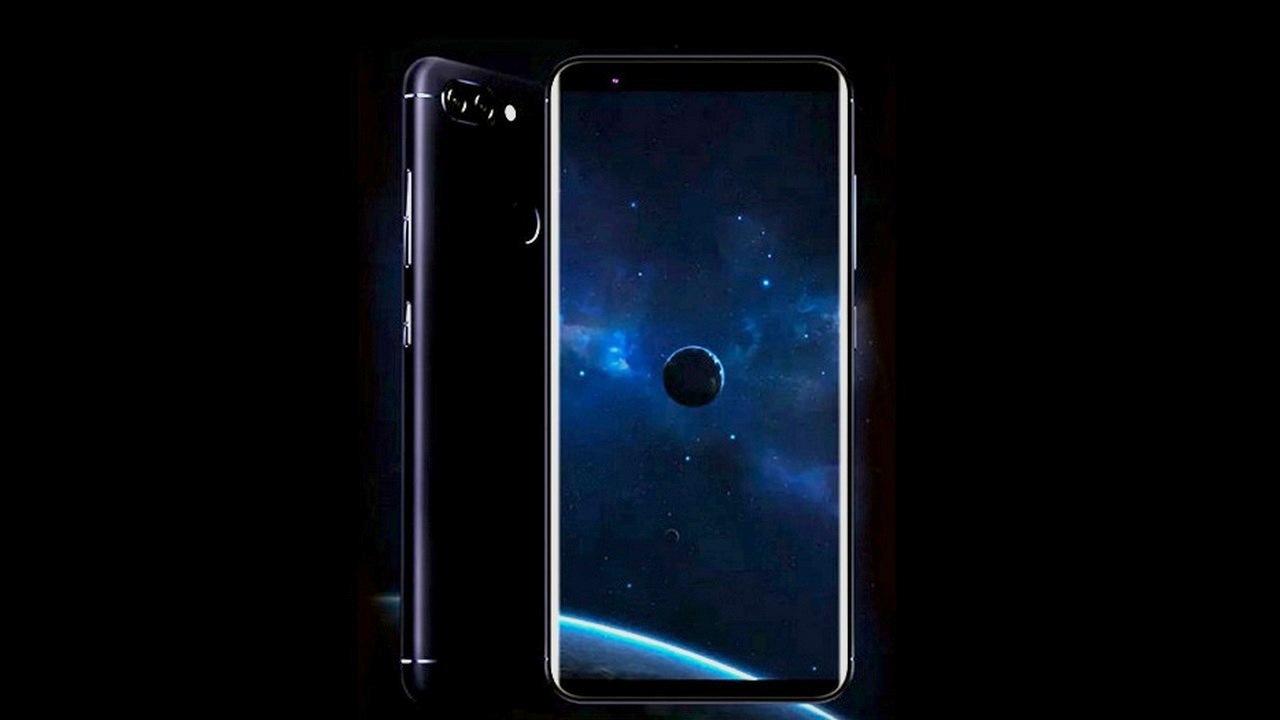
On 4th July, Asus launched its latest flagship device, the Asus Zenfone 5Z in India. The smartphone retails for a starting price of Rs 29999 and is available in three variants. With a competitive price and flagship specifications, the Zenfone 5Z has a lot going on for it, especially when compared to the OnePlus 6. The device has gone on sale via Flipkart and to everyone’s satisfaction, the smartphone is available via an open sale.
Flash sale has peeved a lot of Indian consumers over the past couple of years. Xiaomi still does it with most of its smartphones and OnePlus used to do it till not very long ago. The Asus Zenfone 5Z will be available at all times for consumers to buy. This essentially means that the OnePlus 6 has no advantage over the 5Z, in terms of accessibility at least. At this price, it was expected that Asus would go the Zenfone Max Pro route and sell the latest flagship smartphone via flash sales.
Asus Zenfone Max Pro
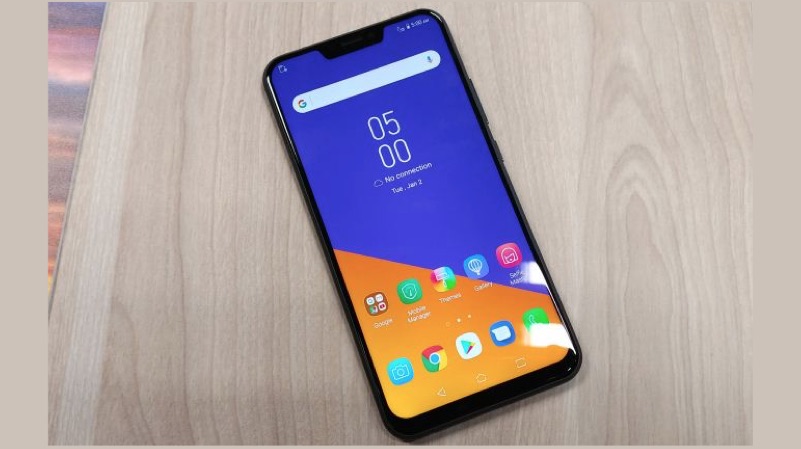
The Asus Zenfone 5Z has a 6.2 inch Super IPS+ display with a 2246 x 1080 px resolution. This translates into a 19:9 aspect ratio, just like the OnePlus 6 which also has a 19:9 aspect ratio.
Under the hood, the smartphone runs on the Qualcomm Snapdragon 845 chipset. The flagship chipset is coupled with either 6GB or 8GB of RAM. In India, the Zenfone 5Z will retail in three models, one with 64GB of storage, the second one with 128GB storage coupled with 6GB of RAM. The third variant has 256GB of onboard storage and 8GB of RAM. The onboard storage will be expandable up to 2TB via a microSD card which will use up the second SIM slot.
The Zenfone 5Z has all the features of a flagship smartphone. Moreover, it severely undercuts the OnePlus 6 and Honor 10 in terms of pricing. The OnePlus 6 retails for Rs 34999 while the Honor 10 is priced at Rs 32999. At a starting price of Rs 29999, the Zenfone 5Z gives consumers a lot to think about before buying their next flagship smartphone.
Asus has launched a new flagship smartphone in India, the Asus Zenfone 5Z. At a starting price of Rs 29999, it is the most affordable smartphone in India running on the latest Snapdragon 845 chipset. The Taiwanese smartphone maker has nailed the pricing for the Indian market as the Zenfone 5Z competes with the OnePlus 6 and Honor 10. All three smartphones are marquee devices for their respective companies in the Indian market and feature flagship-grade specifications.
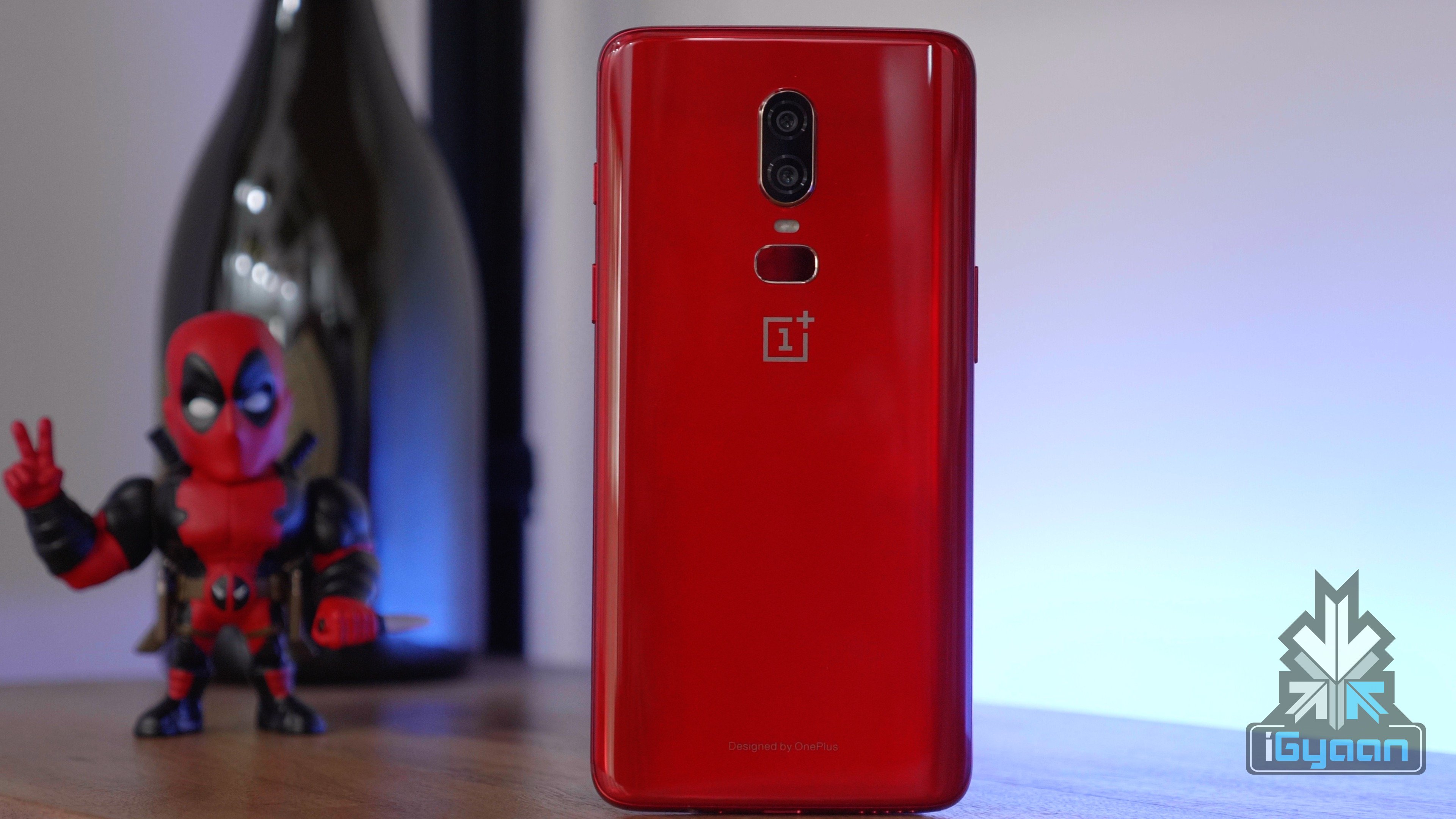
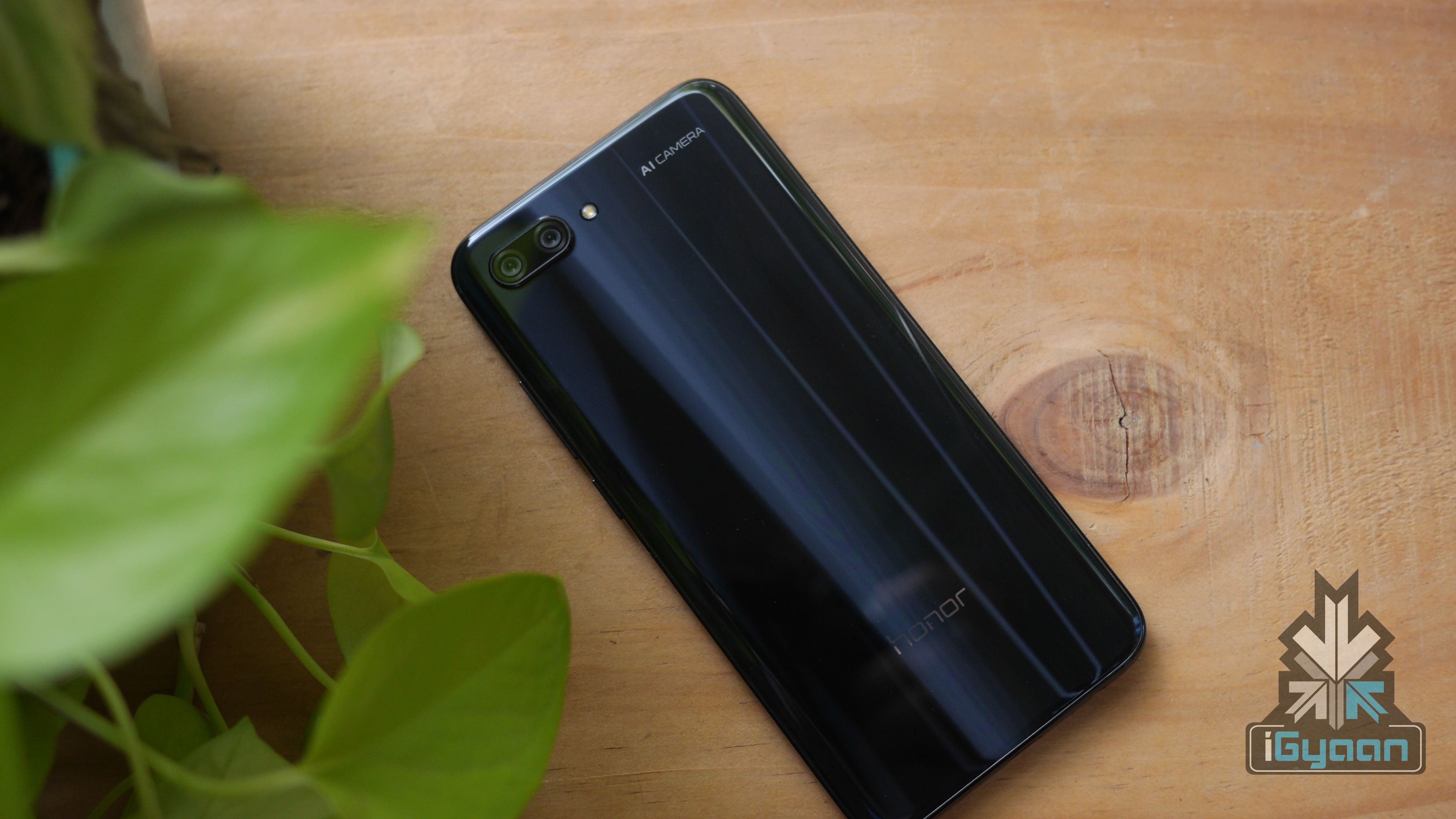
As has been the industry trend for a while now, all three smartphones have an all-glass build and design. Despite the similar build quality, all three smartphones feature a different finish on the glass. Essentially, the devices have a unique way of reflecting light and no two devices have a similar implementation here. It is hard to differentiate here and would boil down to personal preferences. The OnePlus 6 does have more colour options to choose from, recently launching the OnePlus 6 Red Edition.
The Asus Zenfone 5Z has a 6.2 inch Super IPS+ display with a 2246 x 1080 px resolution. The OnePlus 6 has a 6.28 inch Optic AMOLED display with a 2280 x 1080 px resolution while the Honor 10 has a 5.84 inch IPS LCD display and the same resolution. The OnePlus 6 has an AMOLED display which is known for producing more accurate colours.
Where the Zenfone 5Z and OnePlus 6 feel similar, the Honor 10 stands out. The Honor 10 runs on the HiSilicon Kirin 970 chipset with 6GB of RAM. The other two run on the Qualcomm Snapdragon 845 chipset. The flagship chipset is coupled with either 6GB or 8GB of RAM. Both the OnePlus 6 and Zenfone 5Z are available in three storage variants, 64GB, 128GB and 256GB.
Ever since the launch of the iPhone X, Face Unlock has been a fairly talked-about feature in smartphones. None of the devices miss out on jumping on that bandwagon but, it is software-based and not the most secure authentification way. The fingerprint sensor on the Zenfone 5Z and OnePlus 6 is placed on the back, albeit, different shapes. The Honor 10, on the other hand, has an invisible ultrasonic fingerprint sensor that can also detect a wet finger. It is also front-facing since it is housed inside the chin of the smartphone.
While most of the flagship specifications are similar to each other, these smartphones hugely differ when it comes to the optics. The Honor 10 has a 16MP RBG primary sensor and a 24MP secondary monochrome sensor. The OnePlus 6 takes a different route with two RGB sensors. It has a 16MP Sony IMX 519 sensor and a 20MP Sony IMX 376K sensor. The newly launched Zenfone 5Z has a 12MP primary sensor with an f/1.8 aperture and an 8MP wide-angle secondary sensor with a 120º field of view.
As a result of drastically different implementations, the cameras on these smartphones have their own advantages. However, it is worth noting that both the OnePlus 6 and Zenfone 5Z feature OIS and EIS while the Honor 10 misses out on both the features. The Honor 10 also doesn’t record 4K videos at 60fps.
At a price of Rs 29999, the Asus Zenfone 5Z is the most affordable flagship smartphone in India. It also holds its own in front of the OnePlus 6 and Honor 10, on paper, at least. We will soon be comparing the three devices in depth for a much clearer winner.
Asus has launched its new flagship smartphone, the Asus Zenfone 5Z in India. Astonishingly enough, the smartphone will retail for a starting price of Rs 29999, which is considerably cheaper than the OnePlus 6. The Zenfone 5Z has all the features for a 2018 flagship smartphone and will go on sale in India via Flipkart on 9th July. It is worth noting that there is a flat Rs 3000 discount upon using an ICICI Credit/Debit card, bringing the price down to Rs 26999 for the base model.
Asus recently launched the Zenfone Max Pro, a budget smartphone which runs on the Snapdragon 636 chipset. The smartphone has done well in India and the company would expect the same from its flagship device. So, let’s unbox the Asus Zenfone 5Z and see what we get inside the box!
[section label=”Unboxing”]
Inside the box of the Asus Zenfone 5Z
Asus Zenfone 5Z
Wall Charger
USB-C Cable
ZenEar Pro Earphones
Documentation
Sim Ejector Tool
Clear Case
[section label=”First Impressions”]
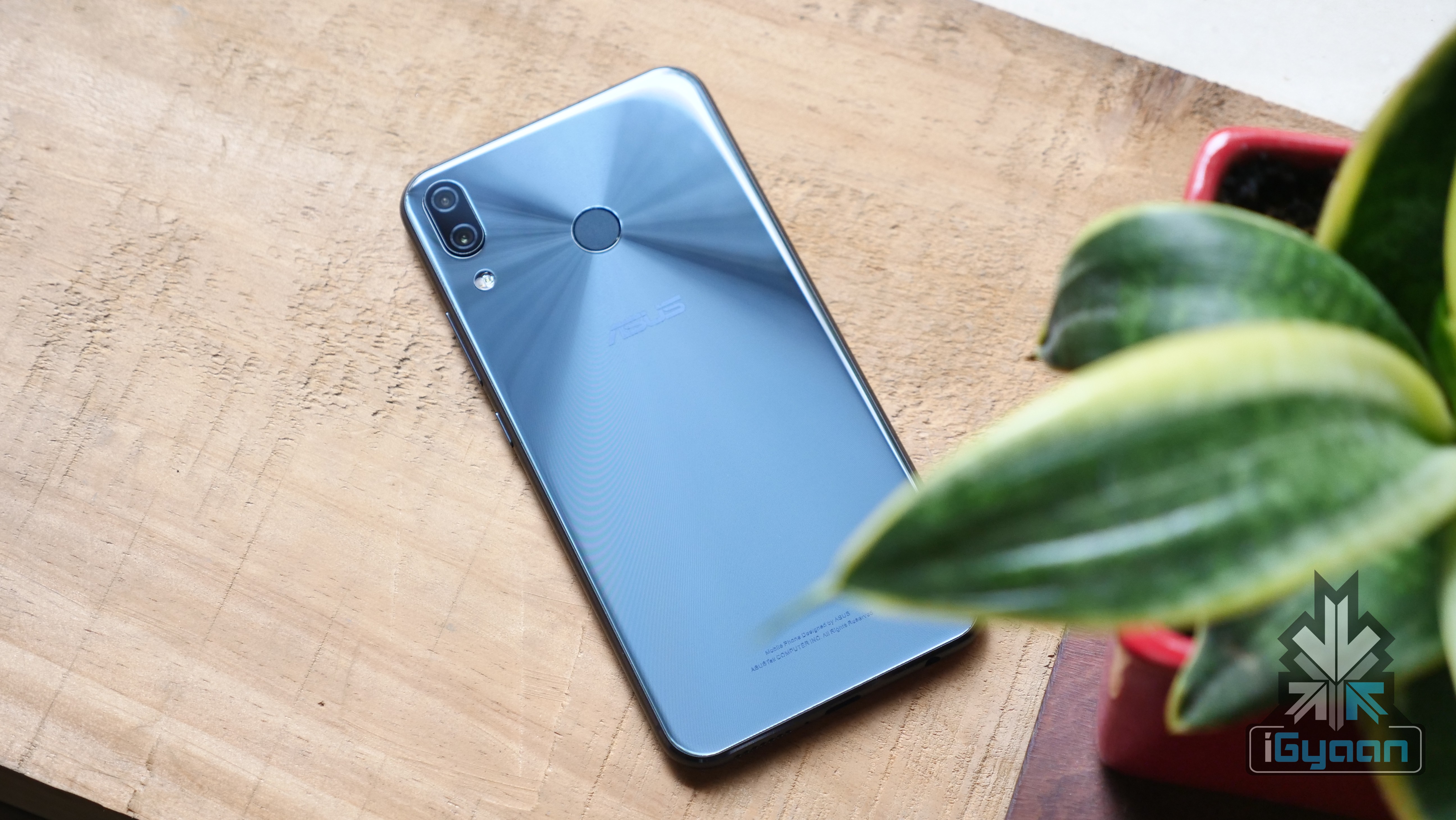
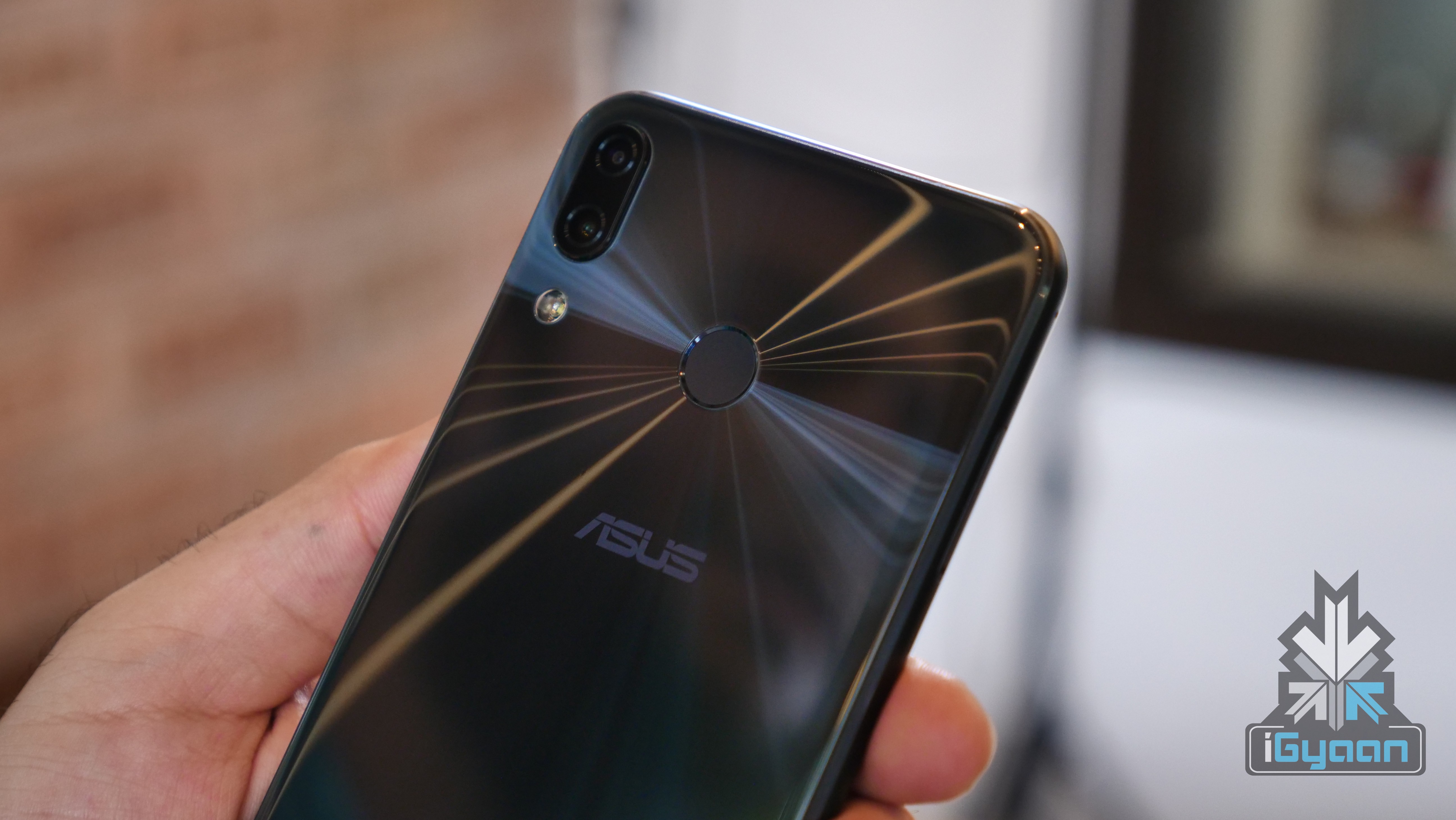
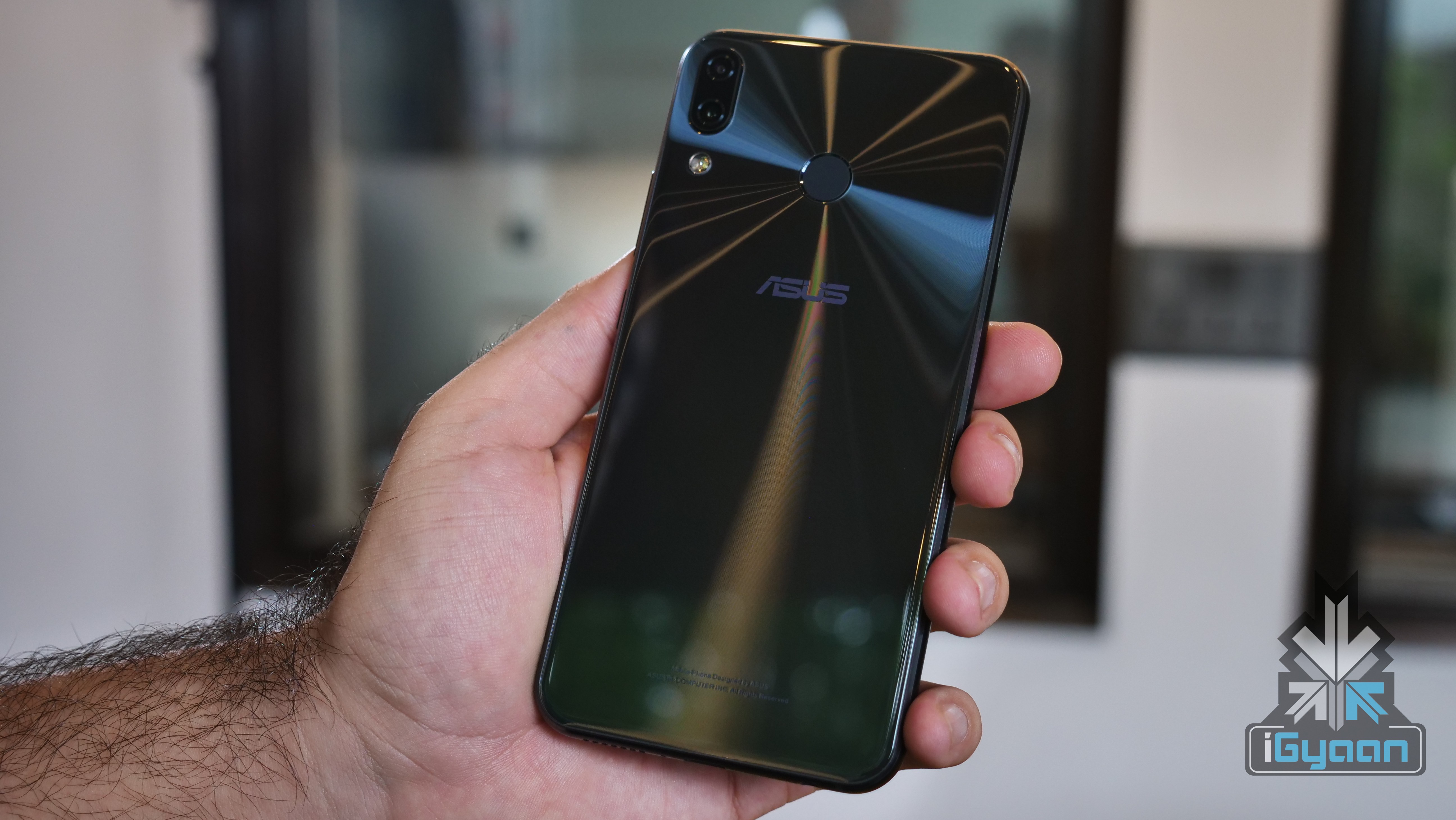
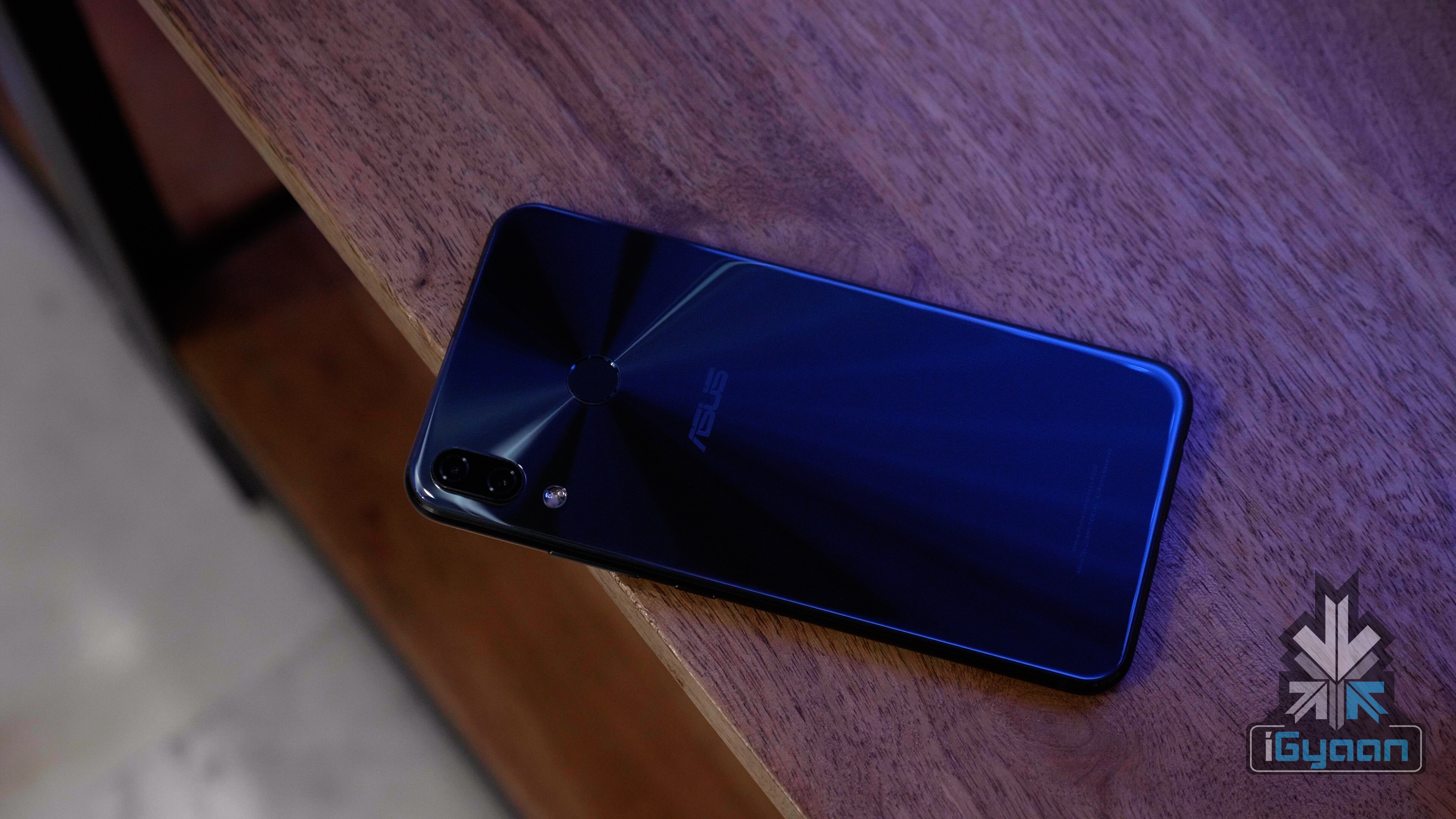
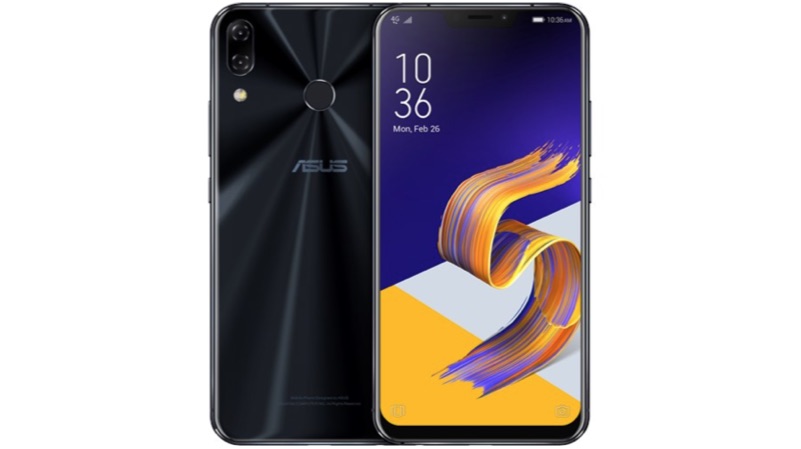
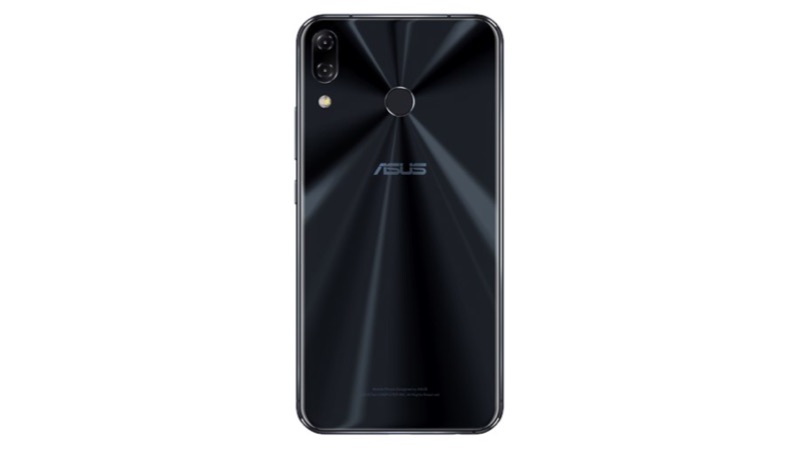
The trend of an all-glass design has really caught up in 2018. Even budget smartphones like the Honor 9 Lite, Moto G6, Nokia X6 sport an all-glass design and the Asus Zenfone 5Z is no different. The device will be available in Midnight Blye and The glass on the back has a unique finish which reflects the light in a very different manner. This is common with Asus smartphones and the Zenfone 5Z looks like a premium smartphone. The aluminium frame means that the device has a solid build.
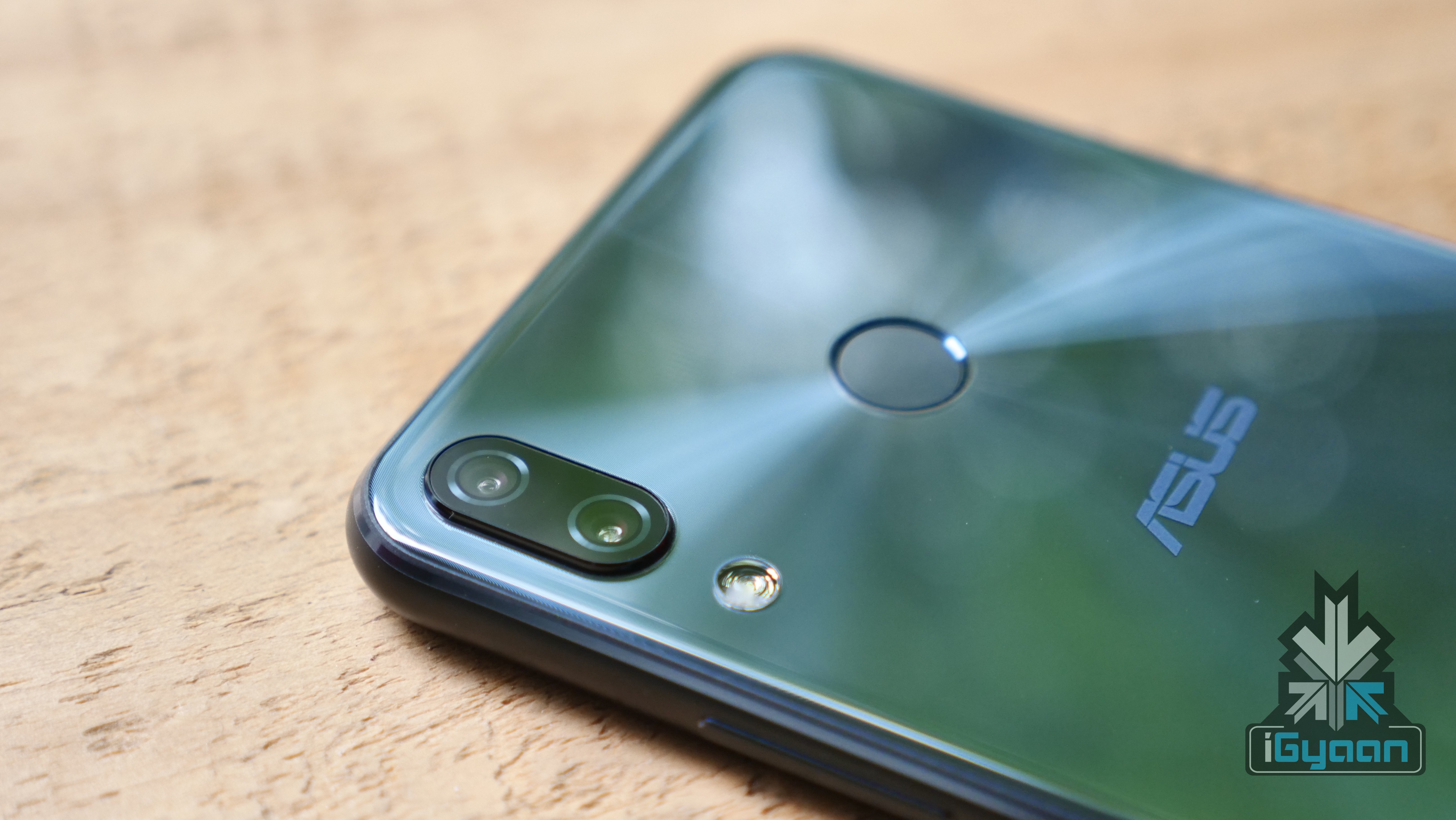
The dual-camera is placed vertically on the top-left corner. This design choice, again, has become very common ever since the iPhone X was launched in September 2017. There is a small camera bump which can be negated using the clear case found inside the box. Talking about accessories found inside the box, Asus talked a lot about the ZenEar Pro earphones that will retail with every Zenfone 5Z unit in India. We will be testing the earphones out and talk about it in detail in our full review.
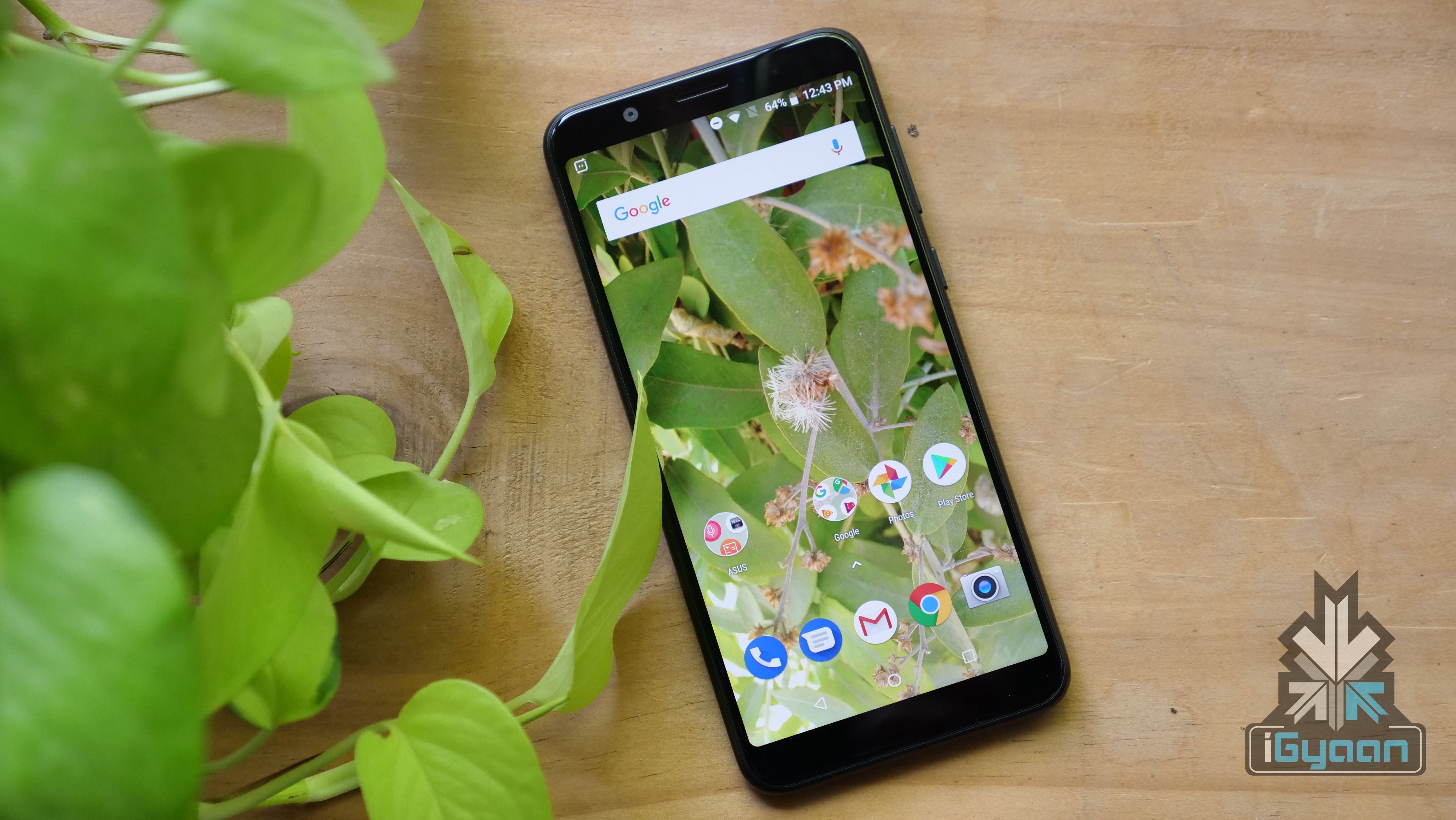
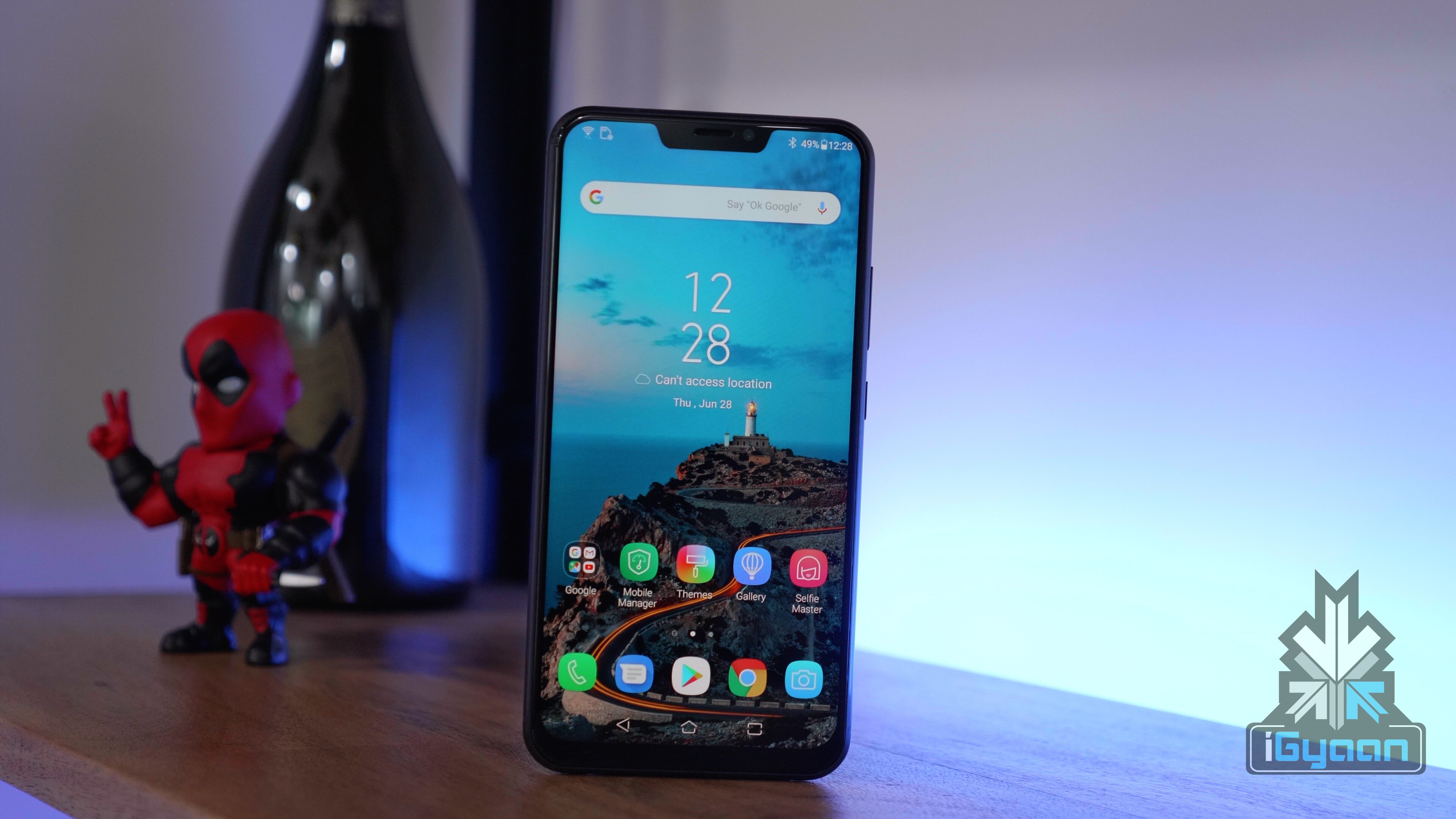
The Asus Zenfone 5Z has a 6.2 inch Super IPS+ display with a 2246 x 1080 px resolution. This translates into a 19:9 aspect ratio, just like the OnePlus 6 which also has a 19:9 aspect ratio.
Under the hood, the smartphone runs on the Qualcomm Snapdragon 845 chipset. The flagship chipset is coupled with either 6GB or 8GB of RAM. In India, the Zenfone 5Z will retail in three models, one with 64GB of storage, the second one with 128GB storage coupled with 6GB of RAM. The third variant has 256GB of onboard storage and 8GB of RAM. The onboard storage will be expandable up to 2TB via a microSD card which will use up the second SIM slot. The fingerprint sensor is placed on the back of the device in a central location.
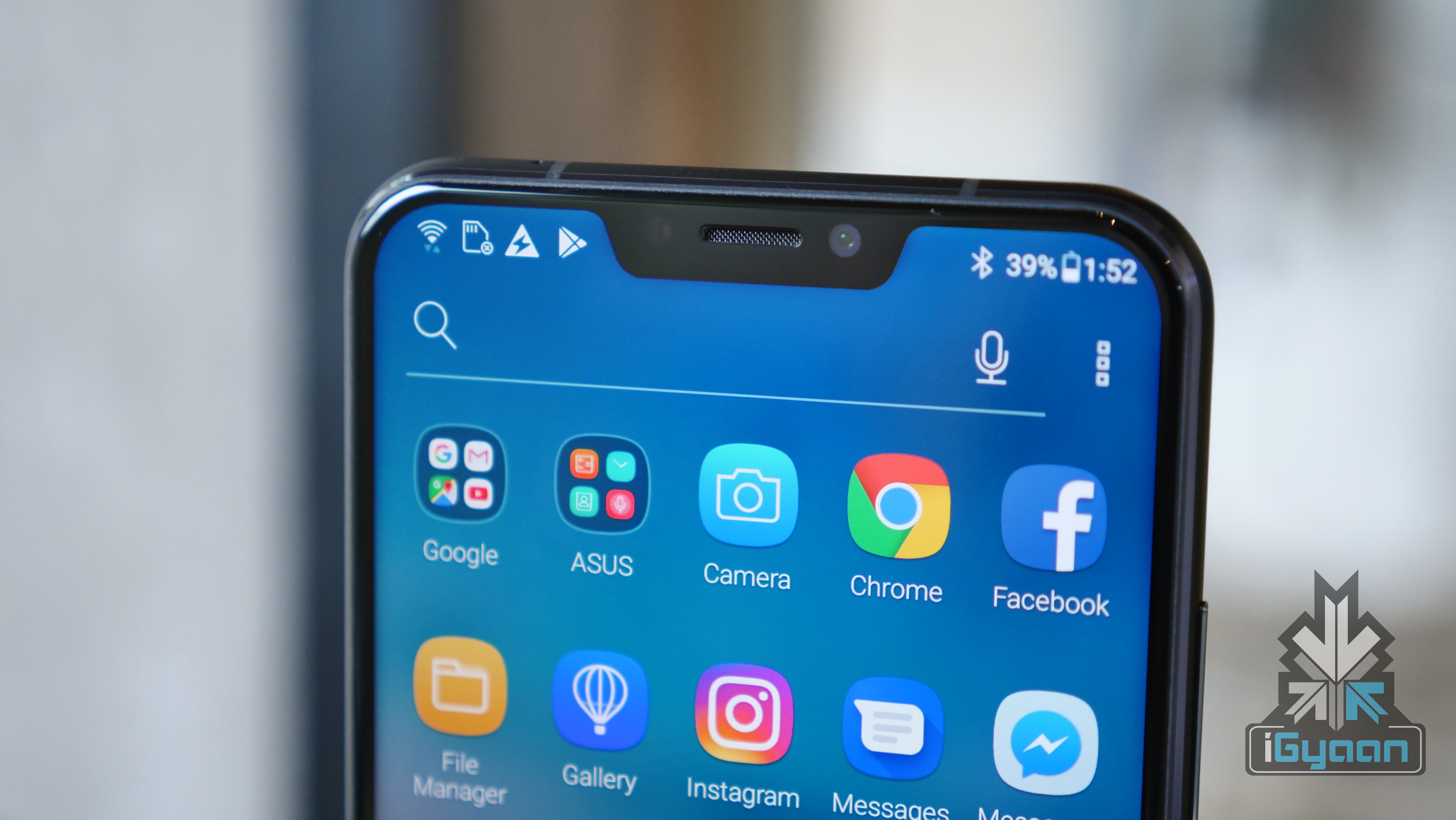
As is with a flagship device these days, the Asus Zenfone 5Z has a dual-camera setup on the back. It consists of a 12MP primary sensor with an f/1.8 aperture and 4-axis OIS. The secondary 8MP sensor has a wide-angle lens with a 120º field of view. This implementation is different from a lot of other flagship devices which usually have a telephoto or a monochrome lens. The OnePlus 6, for example, has two RGB sensors. The notch houses an 8MP camera with an f/2.0 aperture and an 84º field of view.
[section label=”Conclusion”]
At the first glance, the Zenfone 5Z appears to be a worthy affordable flagship smartphone. The price of the device sweetens the deal for sure but, does it hold its own against the OnePlus 6? We will find out in our full review which will soon be up on our YouTube channel.
Asus has launched the Zenfone 5Zin India at a starting price of Rs 29999. The new affordable flagship smartphone will be sold via Flipkart exclusively and go on sale on 9th July. It is worth noting that there is a flat Rs 3000 discount upon using an ICICI Credit/Debit card, bringing the price down to Rs 26999 for the base model. The Asus Zenfone 5Z enters India’s affordable flagship segment and will be up against the likes of OnePlus 6and Honor 10.
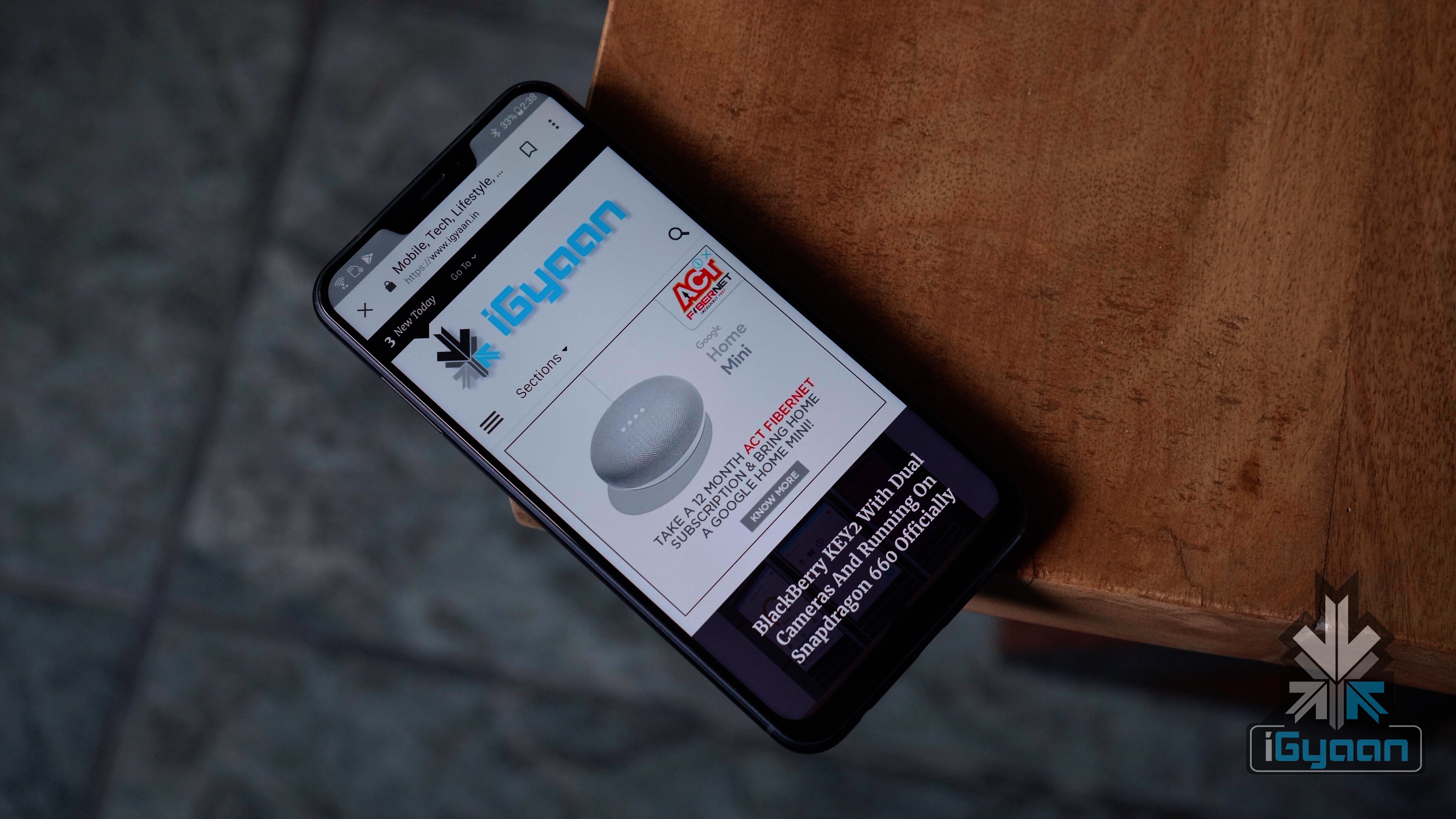
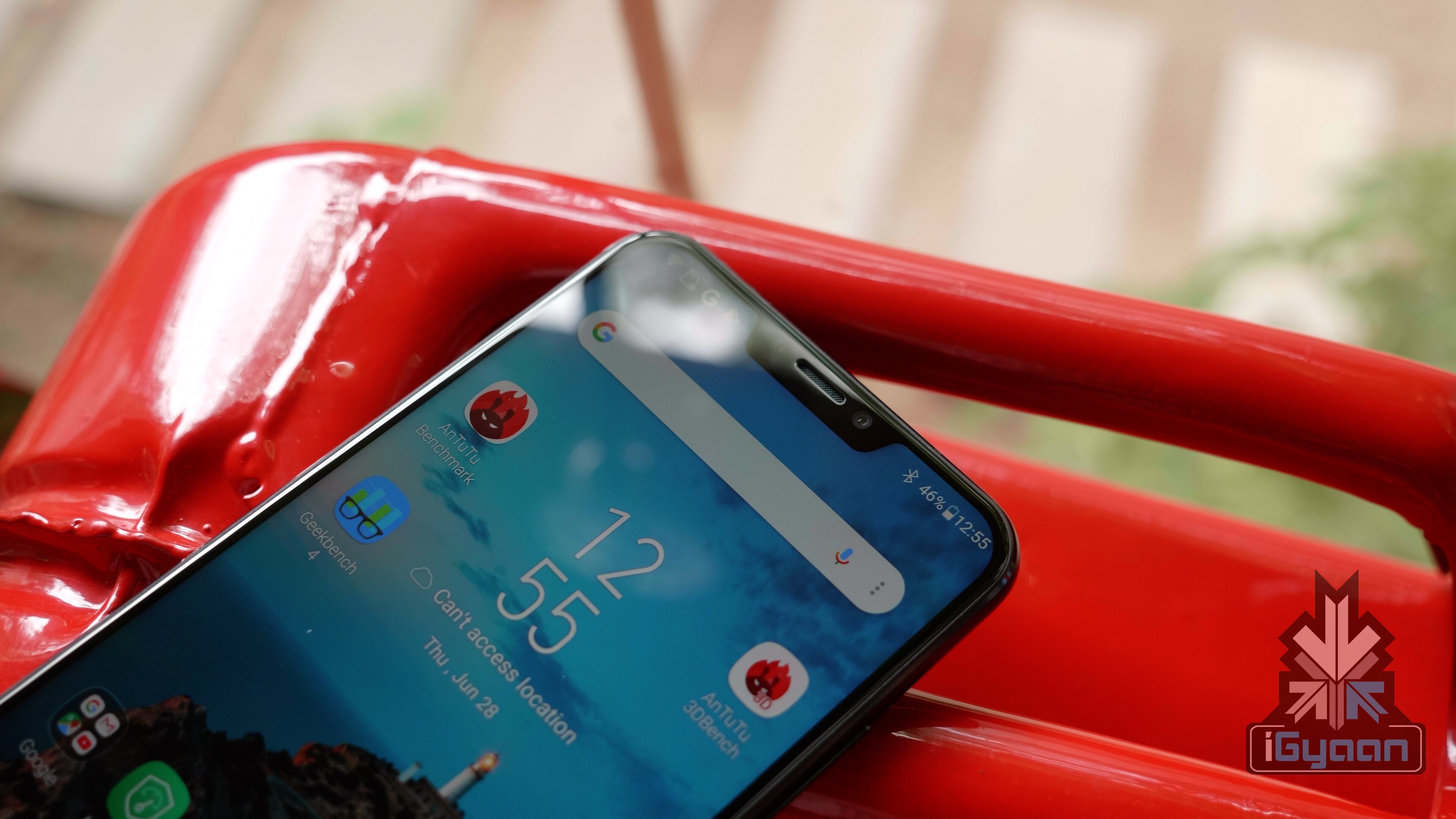
The Zenfone 5Z has all the makings of a flagship smartphone of 2018. The infamous notch also makes an appearance on the device. The notch, unlike the Xiaomi Mi 8, does not have any special sensors housed inside. The notch, however, allows the company to use a bigger display without drastically increasing the overall footprint of the smartphone.
The Asus Zenfone 5Z has a 6.2 inch Super IPS+ display with a 2246 x 1080 px resolution. This translates into a 19:9 aspect ratio, just like the OnePlus 6 which also has a 19:9 aspect ratio. With so many different aspect ratios prevalent in the market, it will become harder for content creators to cater to everyone’s needs.
Under the hood, the smartphone runs on the Qualcomm Snapdragon 845 chipset. The flagship chipset is coupled with either 6GB or 8GB of RAM. In India, the Zenfone 5Z will retail in three models, one with 64GB of storage, the second one with 128GB storage coupled with 6GB of RAM. The third variant has 256GB of onboard storage and 8GB of RAM. The onboard storage will be expandable up to 2TB via a microSD card which will use up the second SIM slot.
The fingerprint sensor is placed on the back of the device in a central location. The company also spoke about the ZenEar Pro earphones which will be included in the retail box. This is something most affordable flagship devices don’t include in their packaging and Asus has in fact, claimed that its earphones are of premium quality.
As is with a flagship device these days, the Asus Zenfone 5Z has a dual-camera setup on the back. It consists of a 12MP primary sensor with an f/1.8 aperture and 4-axis OIS. The secondary 8MP sensor has a wide-angle lens with a 120º field of view. This implementation is different from a lot of other flagship devices which usually have a telephoto or a monochrome lens. The OnePlus 6, for example, has two RGB sensors. The notch houses an 8MP camera with an f/2.0 aperture and an 84º field of view.
The Zenfone 5Z has all the features of a flagship smartphone. Moreover, it severely undercuts the OnePlus 6 and Honor 10 in terms of pricing. The OnePlus 6 retails for Rs 34999 while the Honor 10 is priced at Rs 32999. At a starting price of Rs 29999, the Zenfone 5Z gives consumers a lot to think about before buying their next flagship smartphone.
At the Mobile World Congress 2018, we saw the shifting trend of the notch in Android smartphones. Vivo announced the truly bezel-less Vivo APEX concept phone and many other OEMs like Nokia launched a plethora of devices. ASUS as well announced a few interesting products and the Zenfone 5Z was one of them. With a very familiar notched display, the ASUS Zenf0ne 5Z runs on the Snapdragon 845 SoC and it could be the most affordable flagship device if and when it launches in India.
The new flagship smartphone has gone on sale in France and Italy for 499 Euros (Rs 39785 approx.) for the 6GB RAM variant. While the currency conversion makes it more expensive than the OnePlus 6, it’s price in India (if launched) will be different. There is also an 8GB RAM variant which is priced at 599 Euros (Rs. 47,770 approx.). The OnePlus 6, for context, retails for 519 Euros (Rs 41,400 approx.) for the 6GB RAM variant.
With the ASUS Zenfone Max Pro, the company proved that it has a refreshed strategy for the Indian market. The Zenfone Max Pro is very competitively priced especially compared to its Snapdragon 636-running counterpart Redmi Note 5 Pro. This means that the ASUS Zenfone 5Z could also be priced competitively in India, should the company decide to bring it here.
The ASUS Zenfone 5Z has a 6.2 inch IPS LCD display with a 2280 x 1080 px resolution. The device has a 19:9 aspect ratio and a whopping 90% screen-to-body ratio, the same as the overblown Lenovo Z5.
Under the hood, the smartphone runs on the flagship Snapdragon 845 chipset. Coupled with this SoC is either 6GB or 8GB of RAM and either 128GB or 256GB of onboard storage. The back has the signature ASUS finish on a glass, which means the device an all-glass build with an aluminium frame. The fingerprint sensor is placed on the back of the smartphone.
The smartphone has a dual primary camera stacked up vertically like the Apple iPhone X. The primary lens in the primary camera is a 12MP Sony IMX363 sensor with an f/1.8 aperture and an 83-degree field of view while the second lens is an 8MP sensor with a 120-degree field of view. For the front-facing camera, the phone uses an 8MP sensor with an 84-degree field of view. The primary and the front-facing cameras are optically stabilised using 3-axial optical image stabilisation method.
On paper, the ASUS Zenfone 5Z is as good as the next affordable flagship smartphone. It is to be seen whether ASUS jumps the gun and launches the device in India before it’s too late. It’ll be interesting to see if Xiaomi ever launches the Mi 8 in India. The battle between the Mi 8, OnePlus 6 and Zenfone 5Z will be an interesting one and a great prospect for Indian consumers.
Asus has launched its new flagship smartphone, the Asus Zenfone 5Z in India. Astonishingly enough, the smartphone will retail for a starting price of Rs 29999, which is considerably cheaper than the OnePlus 6. The Zenfone 5Z has all the features for a 2018 flagship smartphone and will go on sale in India via Flipkart on 9th July. It is worth noting that there is a flat Rs 3000 discount upon using an ICICI Credit/Debit card, bringing the price down to Rs 26999 for the base model.
Barcelona, Spain hosted yet another edition of MWC 2018 in February. While smartphones like the Galaxy S9 and Xperia XZ2 were heavily leaked, there were a few surprise launches that caught a lot of attention. Nokia, for instance, launched as many as 5 devices. So, what are the top five smartphones that launched at MWC 2018? Let’s find out!
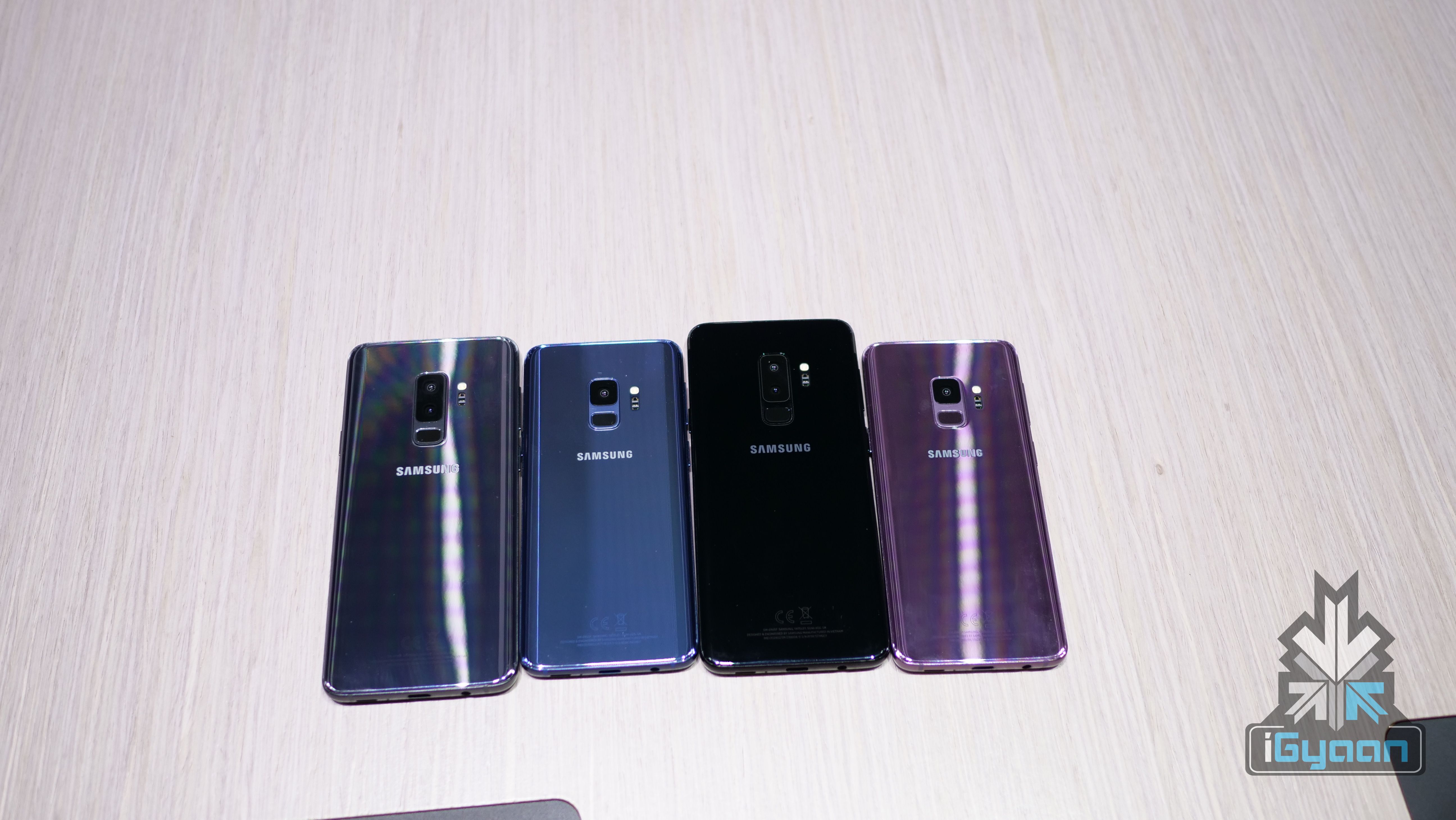
Samsung Galaxy S9, Galaxy S9+
Galaxy S9, S9+ Colour Variants
This is an obvious entry on the list. The Galaxy S9 and S9+ were the most anticipated smartphones of MWC 2018. Follow up to 2017’s successful flagship duo, a lot was expected from the Galaxy S9 and S9+. As was expected from the numerous leaks, the Galaxy S9 and S9+ did not look too different from their predecessors.
However, there are a few important upgrades that could be interesting. First one is in the camera department. The Galaxy S9 and S9+ now feature a variable aperture. The Dual Pixel 12 MP sensor has a dual f/1.5 and f/2.4 aperture. In bright lighting conditions, the camera will use the f/2.4 aperture, while the wider f/1.5 aperture is used in dark lighting conditions. It also captures 720P videos at 960fps and 4K videos at 60fps, similar to the Apple iPhone X.
Also, the fingerprint sensor is finally placed below the camera module, something we saw on the Galaxy A8+ as well. The S9 has a single camera setup while the S9+ now has a dual-camera setup similar to the Galaxy Note8. Both the smartphones will be launched in India on the 6th of March and go on sale on March 16th.
This smartphone is not a consumer-ready product yet. However, it is still one of the coolest devices displayed at MWC 2018. Over the years, MWC has been a witness to some amazing concept phones. Even this year, Nokia was expected to unveil the Penta-lens concept phone. However, that did not happen. But, Vivo did turn up and one-upped its CES 2018 unveiling.
The Vivo Apex has an in-display fingerprint sensor that covers almost half the display. While the Vivo X20 Plus UD only had a regular-sized fingerprint sensor underneath the display. In fact, this is not even the most interesting feature of the Apex. To accommodate probably the thinnest bezels on a smartphone, Vivo came up with a very different implementation of the front camera. The Apex has a hidden front camera which pops out every time it has to be used.
Although it is still a concept phone, the implementation is very interesting here. Let’s hope more companies come up with consumer-ready products with such intricate and satisfying design elements.
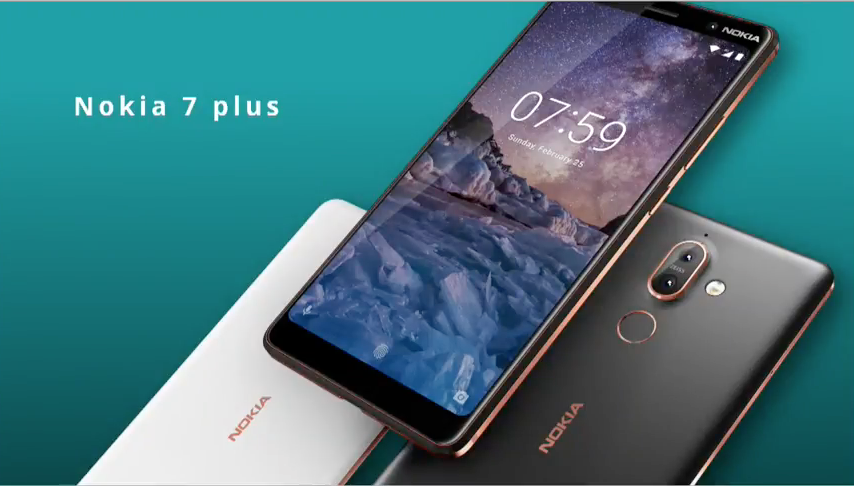
HMD Global launched not one, not two, but five devices at MWC 2018. Apart from the smartphones, it also announced that all Nokia devices will now be Android One devices. The Nokia 7 Plus, another heavily leaked device was one of the five phones to be launched. Along with the Nokia 8 Sirocco, the Nokia 7 Plus is the only Nokia smartphone with an 18:9 aspect ratio and thin bezels. A follow up to the China-only Nokia 7, the 7 Plus has a great design and build quality.
Under the hood, the 7 Plus has the Qualcomm Snapdragon 660 chipset and 2.2GHz octa-core processor. That is coupled with 4GB of RAM and 64GB of onboard storage which will be expandable via microSD card. The fingerprint sensor is now placed on the back and has the similar colour accents found on the Nokia 6 (2018).
If the European price of the smartphone is anything to go by, it will have a steep price in India. However, for it to work in the Indian market, HMD Global will have to price below Rs. 25000 to keep the Honor View10 at bay, which has flagship specifications and costs Rs. 28999. At under Rs. 25000, the 7 Plus will compete with the likes of the Moto X4.
At MWC 2018, companies like Sony and Samsung were expected to launch Snapdragon 845 powered smartphones. However, the most interesting device powered by the flagship chipset was unveiled by Asus. Apparently, this smartphone flew under the radars of leakers online and Asus had a worthy unveiling in its hands. From the moment you look at it, the Zenfone 5Z looks like an iPhone X lookalike.
Although Asus claims the notch on the Zenfone 5Z is smaller than that of the iPhone X, it is still a notch. Also, one thing that the iPhone X achieved was uniform bezels around the display, thanks to the notch. However, the Zenfone 5Z kind of defeats the purpose of a notch as it also carries a thicker chin. That being said, the flagship Asus device has a lot going on for it.
If and when Asus launches the Zenfone 5Z in India, it could nullify the effect of the OnePlus 5T if launched at a price of Rs. 40,000 or less. That is until the OnePlus 6 is launched.
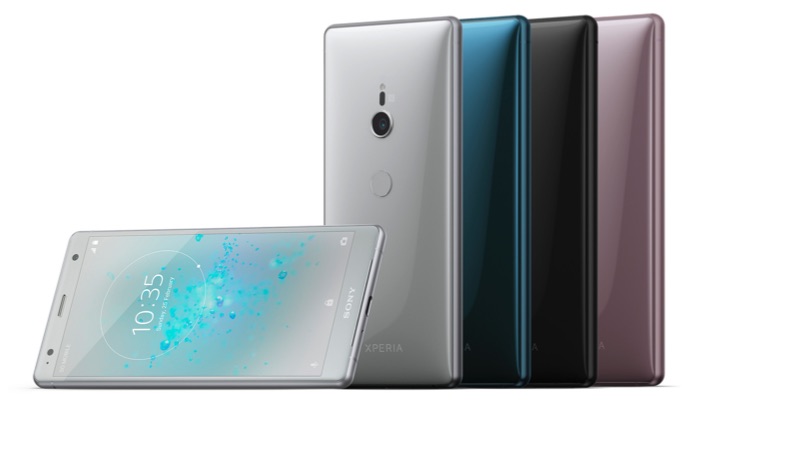
For the past couple of years, Sony smartphones have failed to capture the imagination of many consumers. Even in 2017, when many smartphone makers made a shift to bezel-less design, Sony continued to launch its signature boxy style devices. However, that finally changed at MWC 2018. Sony unveiled the Xperia XZ2 and Xperia XZ2 Compact with an 18:9 aspect ratio and thin bezels. However, still not the thinnest bezels you’ll see this year.
The Sony Xperia XZ2 and the smaller sibling also run on the latest and greatest Snapdragon 845 chipset. Apart from the Galaxy S9 and Zenfone 5Z, they are the only devices to run on the new flagship chipset. Sony still has a single camera setup on the front and back. So, it has still clinged on to a few Sony signature features.
Even for the Sony Xperia XZ2 and XZ2 Compact, the devices will have to be priced competitively in India.
Asus has launched its new flagship smartphone, the Asus Zenfone 5Z at MWC 2018. While at first glance it might look like an iPhone X knockoff, it has a lot more going on for it. In fact, the smartphone was launched along with three other Zenfone devices. The most interesting aspect of the Asus Zenfone 5Z is that it runs on the Snapdragon 845 and is priced at EUR 479 (Rs. 38,000 approx.).
Before MWC 2018 began, many expected Samsung to rule the Snapdragon 845 roost with its Galaxy S9 and S9+. However, smartphone makers like Sony and now Asus, have launched devices powered by the Snapdragon 845 chipset as well. The Asus Zenfone 5Z is the latest one before Xiaomi launches the Mi Mix 2S in late-March.
At this price point, the Zenfoone 5Z is much more affordable than the likes of the Galaxy S9 and Xperia XZ2. However, it will be interesting to see if and when Asus decides to launch the device in India, what the pricing will be like. If the company manages to keep the pricing under Rs. 40,000 the Zenfone 5Z will directly compete with the OnePlus 5T and Xiaomi Mi Mix 2. However, both of these smartphones run on the now older Snapdragon 835 chipset.
While the design of the Asus Zenfone 5Z and its UI might not be everyone’s cup of tea, there is no denying the potential of its chipset. The Galaxy S9, however, will be powered by the Exynos 9810 in India, will launch at a price of Rs. 62500. So, how does the Asus Zenfone 5Z hold up against the likes of the OnePlus 5T and Mi Mix 2? Let’s find out.
Comparison
Specifications
Asus Zenfone 5Z
OnePlus 5T
Xiaomi Mi Mix 2
Price
Starting at EUR 479 (Rs. 38,000 approx.)
Starting at Rs. 32999
Rs. 32999
Display
6.2 inch IPS LCD
6 inch Optic AMOLED
5.99 inch IPS LCD
Resolution
2246 x 1080 px
18.5:9
402 ppi
2160 x 1080 px
18:9
401 ppi
2160 x 1080 px
18:9
403 ppi
Chipset
Snapdragon 845
Snapdragon 835
Snapdragon 835
RAM
4GB
6GB
8GB
6GB
8GB
6GB
Storage
64GB
128GB
Expandable up to 400GB
64GB
128GB
Non-Expandable
128GB
Non-Expandable
Battery
3300 mAh
QuickCharge 4.0
3300 mAh
DashCharge
3400 mAh
QuickCharge
Primary Camera
12MP Sony IMX363 sensorf/1.8 aperture
Unspecified MP 120° wide-angle camera with 6p lens
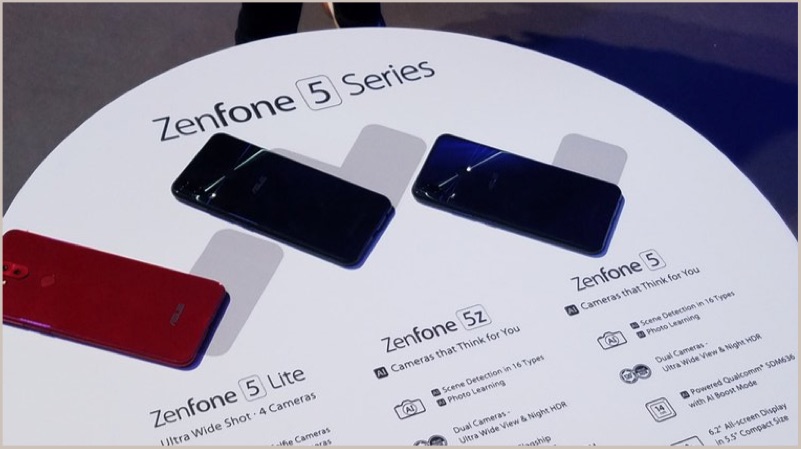
Asus launched three new ZenFone 5 smartphones at MWC 2018. The Asus ZenFone 5 Lite, ZenFone 5, ZenFone 5Z are the latest offerings from Asus, which boasts the modern design philosophy with an 18:9 aspect ratio. In fact, some of the models deliver up to 90% screen to body ratio.
Like Apple and Samsung, Asus introduced its own version of iPhone X’s Animojis called Zenimoji. However, the ZenFone 5z with flagship specifications costs half the amount of the iPhone X. With these three flagship series, the company launched the Asus ZenFone Max (M1) which is a smaller variant of the Asus ZenFone Max Plus (M1).
Price and availability:
The Asus ZenFone Max (M1) will be available in DeepSea Black, Sunlight Gold, and Ruby Red. Similarly, the Asus ZenFone 5 Lite will be available in Midnight Black, Rouge Red, and Moonlight White. The Asus ZenFone 5 and the Asus ZenFone 5z will be available in Midnight Blue and Meteor Silver from June. The Asus ZenFone 5z’s prices will start at 479 Euros.
Jerry Shen Asus CEO said:
We embarked on the ZenFone project four years ago with the idea to create empowering luxury for everyone to enjoy. Today, the ZenFone 5 Series is the most intelligent ZenFone series ever, utilizing advanced AI algorithms and big-data analytics to provide users with a unique slate of intelligent camera, communication and convenience features.
Asus ZenFone Max (M1):
The Asus ZenFone Max (M1) is the most affordable model from the company with the modern design. The smartphone has a 5.5 inch IPS LCD 1440 x 720p 18:9 aspect ratio display. Under the hood, the phone is powered by Qualcomm Snapdragon 425 Quad-core or Qualcomm Snapdragon 430 Octa-core chipset with 2/3GB RAM and 16/32GB storage. Similarly, the storage is expandable up to 256GB using a micro SD card.
The smartphone has a dual primary camera setup with a 13 MP primary sensor and an 8 MP wide angle lens with the electronic image stabilisation. For the front-facing camera, the smartphone offers an 8 MP sensor. The video recording is limited to 1080p due to chipset limitations.
The smartphone is fitted with a 4000 mAH sealed battery with a micro USB port. Additionally, the smartphone also supports NFC and Bluetooth. Finally, the smartphone runs on Zen UI 5.0 based on Android 7.1 Nougat.
Asus ZenFone 5 Lite:
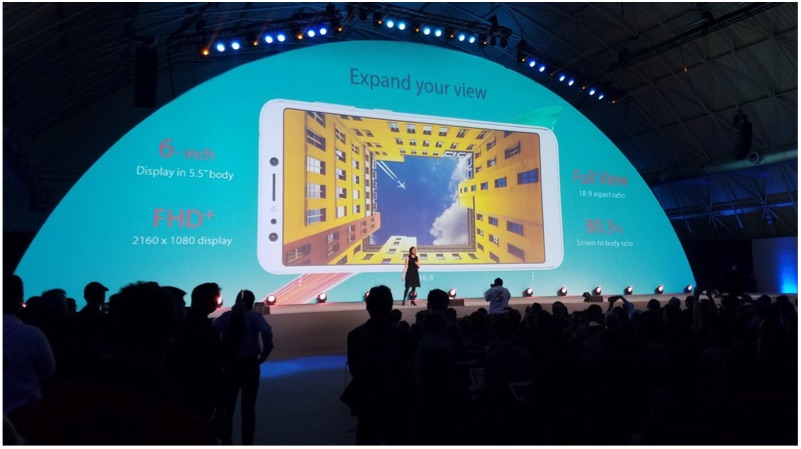
The Asus ZenFone 5 Lite offers a 6 inch FHD+ 2160 x 1080px IPS LCD display with 80.3% screen to body ratio. Under the hood, the smartphone is powered by Qualcomm Snapdragon 630 or Qualcomm Snapdragon 430 Octa-core chipset with 3/4GB RAM and 32/64GB storage. Similarly, the storage is expandable using micro SD card up to 2TB.
The smartphone has a dual camera setup at the back. The primary 16 MP sensor is a normal lens and the secondary 8 MP sensor is a wide angle lens with 120-degree field of view. The primary camera setup offers features like PDAF and EIS. In fact, the smartphone also has a dual front-facing camera setup with a 20 MP + 8 MP sensor setup.
The smartphone runs on Android 8 Oreo with custom Zen UI 5 skin on the top. Finally, the smartphone packs in a 3300 mAH battery with a micro USB port.
Asus ZenFone 5 and ZenFone 5Z
The Asus ZenFone 5 is probably the most affordable smartphone with a notch. On the front, the smartphone has a 6.2-inch FHD+ 2160 x 1080px IPS LCD display with a notch on the top. The device offers a staggering 90% screen to body ratio with 19:9 aspect ratio. In fact, unlike the ZenFone 5 Lite, these devices offer a premium glass shimmery design.
The only difference between the Asus ZenFone 5 and the Asus ZenFone 5Z is the chipset and amount of RAM. The Asus ZenFone 5 is powered by Qualcomm Snapdragon 636 Octa-core chipset with 4/6GB RAM and 64GB onboard storage. Similarly, the Asus ZenFone 5Z is powered by the top of the tier Qualcomm Snapdragon 845 chipset with 4GB and 64GB or 6GB and 128GB or 8GB and 256GB RAM and storage models.
The smartphone has a dual primary camera stacked up vertically like the Apple iPhone X. The primary lens in the primary camera is a 12 MP sensor from Sony with f/1.8 aperture and 83-degree field of view and the second lens is an 8 MP sensor with a 120-degree field of view. The primary camera setup is something similar to the LG V30+’s camera setup.
For the front-facing camera, the phone uses an 8 MP sensor with an 84-degree field of view. The primary and the front-facing cameras are optically stabilised using 3-axial optical image stabilisation method. In fact, the camera setup is similar to the Asus ZenFone 5 Lite.
The Asus ZenFone 5 and the Asus ZenFone 5z also features dual 5-magnets speaker setup with dual NXP smart amplifiers. There is a PMIC internal dual amplifier, triple internal microphones with noise reduction, Hi-Res Audio with DTS Headphone X support. In fact, both the models support 3.5 mm headphone jack.
Asus will be launching its next generation of Zenfone series smartphones in MWC 2018. Along with that, it could also launch a gaming-centric Android smartphone. As the brand has already established itself in notebook gaming territory, this upcoming device will have a lot to live up to.
Upcoming Asus ZenFone series
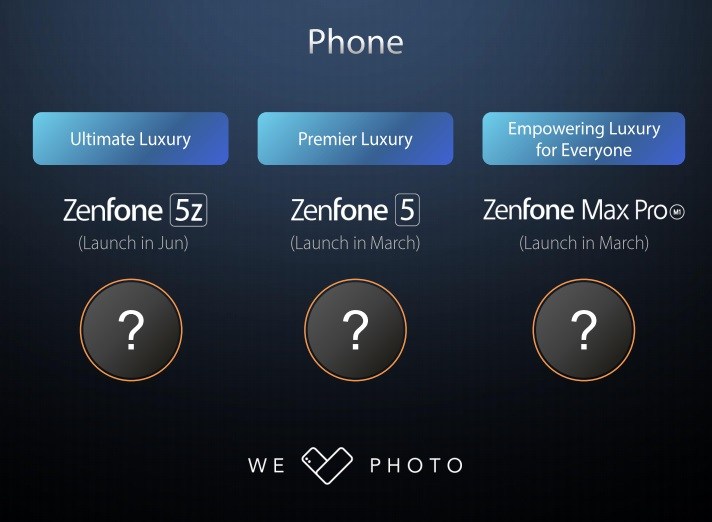
Along with Asus ROG, the brand will also announce a bunch of smartphones like ZenFone 5, ZenFone 5z, and ZenFone Max Pro. These smartphones will feature newer processor (Qualcomm Snapdragon 636) with taller 18:9 aspect ratio screen and a dual rear-camera setup. All three smartphones will be powered by Android Oreo 8.0 with custom Zen UI on the top.
According to sources, the smartphone will be named after ROG (gaming laptop series from Asus). Presently, there is no confirmation of the additional details of the phone. The only thing is that the brand should launch a phone with competitive pricing.
As Razer Phone has already set up an example for a gaming smartphone, here is the list of features that might feature on Asus ROG smartphone.
Speculated specifications:
Following the footsteps of the Razer Phone, the device will have a 120Hz display. It will have an IPS LCD display with a 2880 x 1440 px resolution.
Under the hood, the smartphone is expected to have either the Qualcomm Snapdragon 835 or the 845 chipsets. Depending on when the phone is launched, the chipset inside may vary. To handle the sort of heavy gaming, the chipset will be paired with either 6GB or 8GB of RAM. It will also have either 64 GB or 128 GB onboard flash storage based on UFS 3.0. To tackle overheating, it will apparently have a Liquid Cooling System
Similar to the Razer Phone, the device from Asus will have dual front-firing stereo speakers.
In the day and age of all premium smartphones having top-notch specifications, does a gaming phone make sense? Let us know your thoughts in the comments!