Tag: Benchmark tests

  • Snapdragon 8150 Registers Highest AI Benchmark Score

    Snapdragon 8150 Registers Highest AI Benchmark Score

    American chipmaker Qualcomm is about to launch their latest Snapdragon 8150 processor. It will be the successor to the Snapdragon 845. The new processor will be manufactured using the 7 nm FinFET technology compared to its predecessor which is made using the 10 nm technology. Qualcomm claims that the new processor has better performance and consumes less power. Recently, the AI performance of the Snapdragon 8150 was registered on the AI-Benchmark application. The results reveal that the AI scores are about two times higher than the Snapdragon 845.

    AI-Benchmark
    Model CPU RAM Year Android AI-Score
    Qualcomm 8150 Dev Platform Snapdragon 8150 6GB 2018 9.0 22082
    MediaTek P80 Dev Platform MediaTek Helio P80 6GB 2018 9.0 19453
    OnePlus 6 Snapdragon 845 8GB 2018 9.0 12274
    Huawei Mate 20 Pro HiSilicon Kirin 980 (NPU) 6GB 2018 9.0 12026
    Huawei P20 Pro HiSilicon Kirin 970 (NPU) 6GB 2018 9.0 8921
    Google Pixel 3 XL Snapdragon 845 4GB 2018 9.0 6895
    MediaTek P60 Dev Platform MediaTek Helio P60 6GB 2018 8.1 5767

    The tests were performed on a developer platform (prototype board) and not a real-world device. But it gives a fair idea about what to expect from the new platform. The prototype board with 6 GB of RAM and Android 9.0 Pie scored 22082 points. This score allows it to place at the top of the AI-benchmark results.

    The Competition

    Surprisingly, the Qualcomm Snapdragon 815o is closely followed by the MediaTek P80 chipset. Again, the results from the Helio P80 were collected on a prototype board. It is able to fetch a score of 19453 points. The results are about 400% higher than the company’s Helio P60 which is featured on a lot of budget devices like the Oppo Realme 1.
    At number three in this list is the Snapdragon 845 which gets a score of 12,274 points. Shockingly the 7 nm Kirin 980 is at number four in the list which Huawei claimed would have 2 times higher AI-scores than its predecessor, the Kirin 970. But, it only manages to fetch 12,026 points which are only 33% faster than P70’s 8921 points. Another revelation that AI-benchmark reveals is that the Google Pixel 3 XL with the Snapdragon 845 only scores 6895 points. This is probably due to lower RAM capacity and inferior optimisation compared to the OnePlus’s Oxygen OS.

    Also Read: Google Pixel 3 Lite Camera Samples Posted Before Official Launch

    All in all, the upcoming Snapdragon 8150 will be an absolute beast and will definitely raise the bar for flagship smartphones.
  • Samsung Galaxy S9 Could be The Fastest Android Phone In India

    Samsung Galaxy S9 Could be The Fastest Android Phone In India

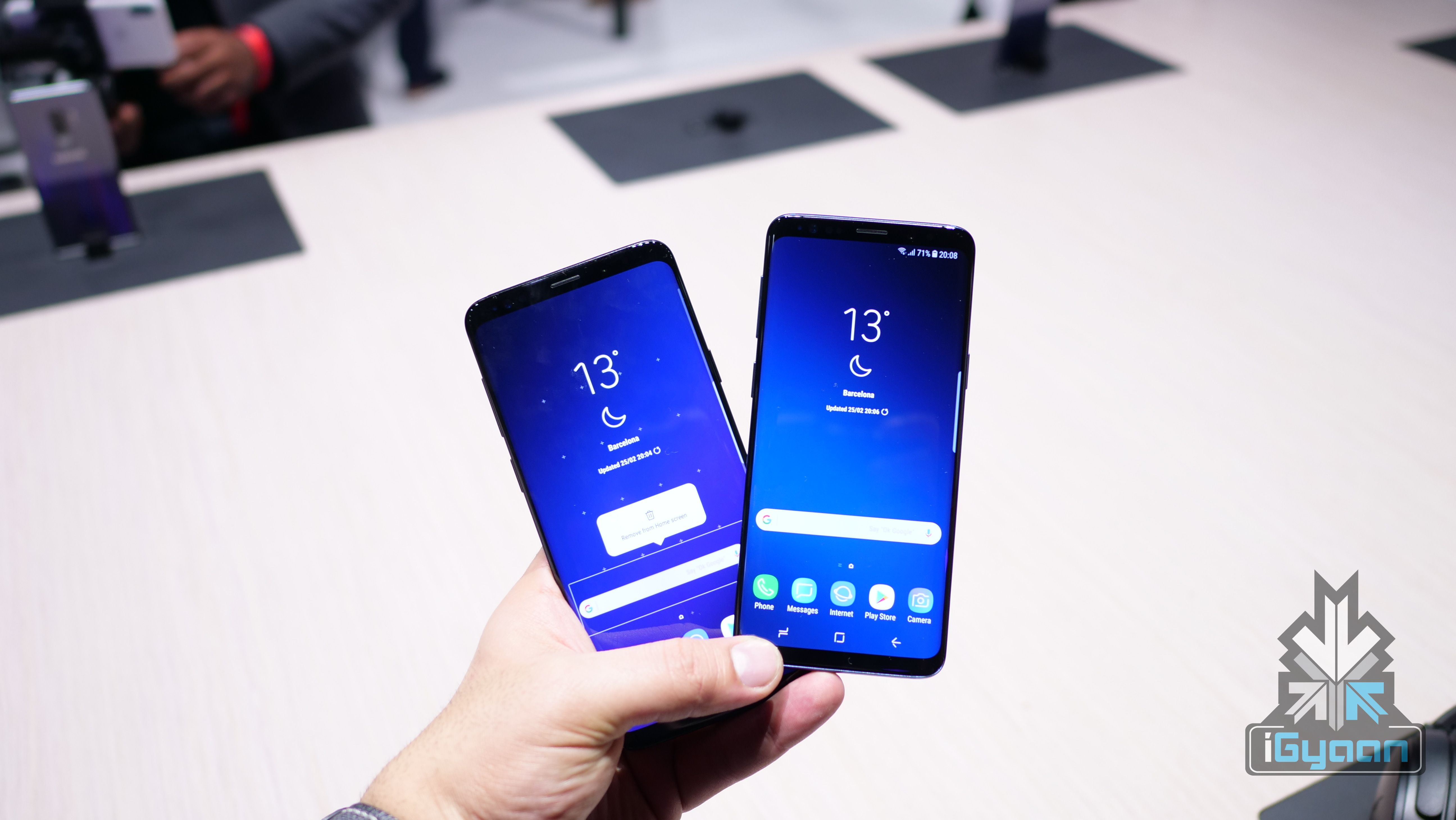
    Samsung launched the Galaxy S9 and the Galaxy S9+ at MWC 2018.  However, the Galaxy S9 and the Galaxy S9+ will come with two different processors. The Korean and US variant will feature Qualcomm Snapdragon 845 chipset and the rest of the market including India will feature Exynos 9810 chipset.

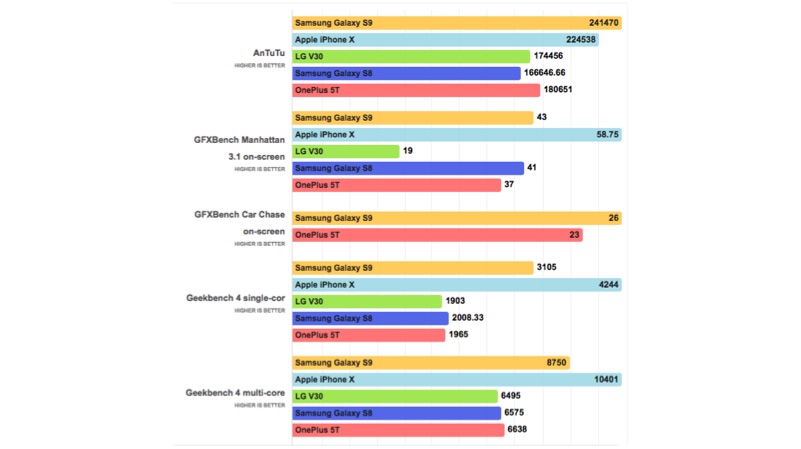
    The performance difference between the variants with different chipsets will be very negligible. In fact, the Exynos powered Samsung Galaxy S9 leads show by scoring points on the synthetic benchmarks. In fact, in some platform, the smartphone outperforms the Apple iPhone X.

    The Samsung Galaxy S9 and the Galaxy S9+ are already available for pre-booking. However, the company hasn’t confirmed the price.

    The Exynos 9810 is a true upgrade over the Exynos 8890 and the Qualcomm Snapdragon 835. The Galaxy S9 leads the Android benchmark territory, which throws away the 2017 flagship smartphones out of the ballpark. However, the Galaxy S9 with Qualcomm Snapdragon 845 is expected to perform better than the Exynos variant.

    Samsung Galaxy S9

    Samsung Galaxy S9 with Exynos 9810 chipset on synthetic benchmarks:

    AnTuTu

    This is the most tested benchmarking platform, which is used to test a smartphone’s potential. The Samsung Galaxy S9 scores 241470 points and leads the show. In fact, the Apple iPhone X comes in at second place by scoring 224538 points, preceded by the LG V30 174456 points.

    GFXBench Manhattan 3.1 on-screen

    In this platform, the Samsung Galaxy S9 scores 43 points, which is more than twice of the LG V30’s 19 points. However, the Samsung Galaxy S8 comes very nearby scoring 41 points.

    GFXBench Manhattan Car Chase on-screen

    The Samsung Galaxy S9 powered by Exynos 9810 scores 26 points, which is greater than the OnePlus 5T’s 23 points. This benchmark does not list other smartphones scores.

    Samsung Galaxy S9
    Galaxy S9, Galaxy S9+

    Geekbench 4 Single Core

    The smartphone scores 3105 points on the single-core performance, and the LG V30 once again falls behind with 1903 points, which is similar to the points scored by OnePlus 5T and Samsung Galaxy S8.

    Geekbench 4 Multicore

    The Samsung Galaxy S9 scores a staggering 8750 points on this platform, whereas the OnePlus 5T scores 6638 points, which is similar to the scores of LG V30 and the Samsung Galaxy S8.

  • Xiaomi Mi Mix 2S Could Be Faster Than Apple iPhone X

    Xiaomi Mi Mix 2S Could Be Faster Than Apple iPhone X

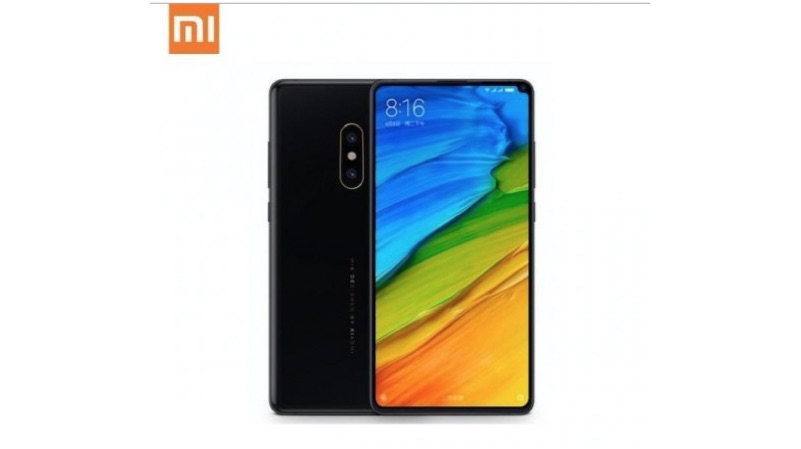
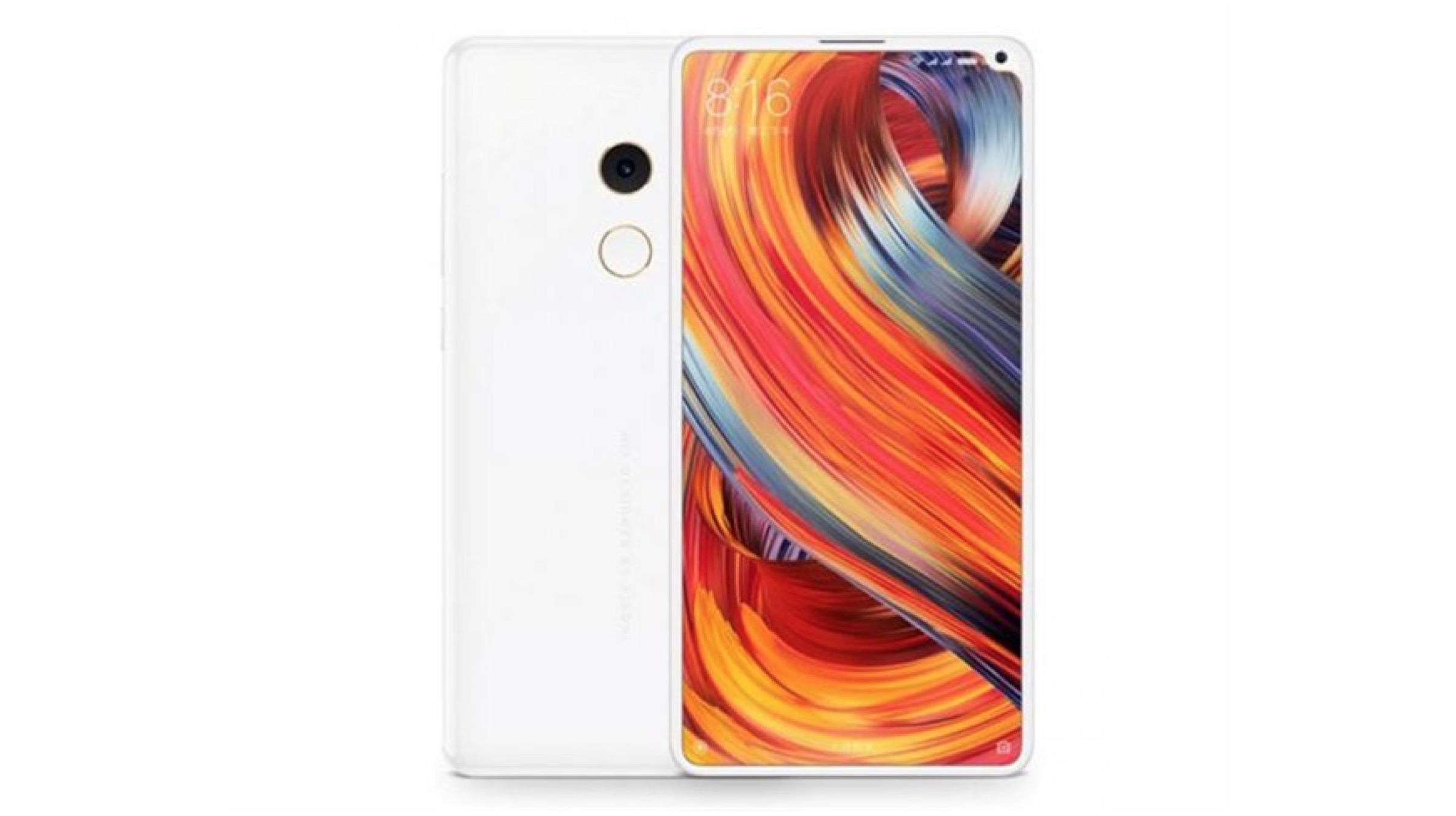
    Xiaomi Mi Mix 2S is speculated to be launched at MWC 2018. Apart from its out of the ordinary design, the Mi Mix 2S is expected to be one of the first few smartphones to run on the Qualcomm Snapdragon 845 chipset. If true, some tests have revealed that it could be much faster than the Apple iPhone X.

    Mi Mix 2s
    Mi Mix 2s Renders

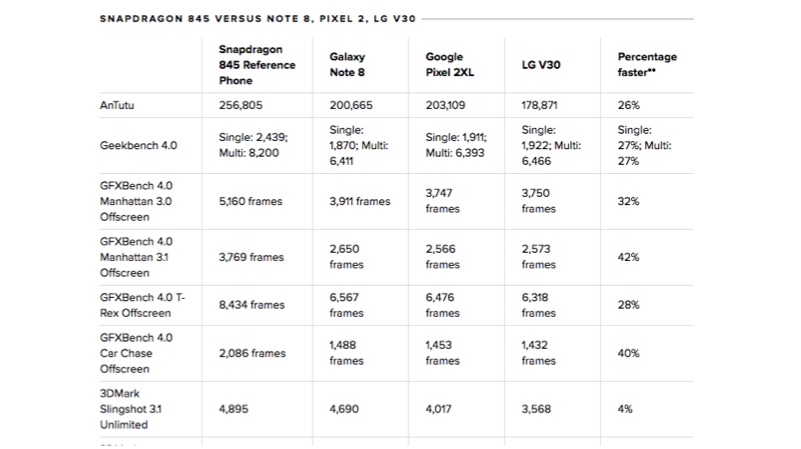
    A recent benchmark test of a reference phone running Snapdragon 845 chipset has revealed that it is much faster than the Snapdragon 835. A reference phone is what Qualcomm relies on, to test new chips in as close to a real-world environment as possible. The test scores were compared with Google Pixel 2, Galaxy Note8, and the LG V30. All smartphones running on the Snapdragon 835 chipset.

    Results:

    Apart from blitzing the Snapdragon 835 chipset, the reference phone has a higher AnTuTu score than the iPhone X. After the launch of the iPhone X, the A11 Bionic chipset was in the news for being much more powerful than the Snapdragon 835. In our Samsung Galaxy Note8 and Apple iPhone X comparison, the A11 chipset fared much better in benchmark results.

    The average score of the iPhone X on AnTuTu is over 202,000. In fact, the highest score record of iPhone X reported to Antutu database is 226,000. For context, Snapdragon 845 running reference phone scored a whopping 256,805. Now, if you are a believer in benchmark scores, then this test should be enough for you.

    However, benchmark scores hardly ever tell the whole story. Companies like OnePlus, Samsung have been accused of optimising their devices in order to score more on benchmark tests. Also, how a chipset fairs over a period of intensive testing varies. After all said and done, the Snapdragon 845 chipset seems ready to rule most of the “speed tests” on the internet for the next year at least.

  • Sony Xperia XZ2 Pro Specifications Leaked

    Sony Xperia XZ2 Pro Specifications Leaked

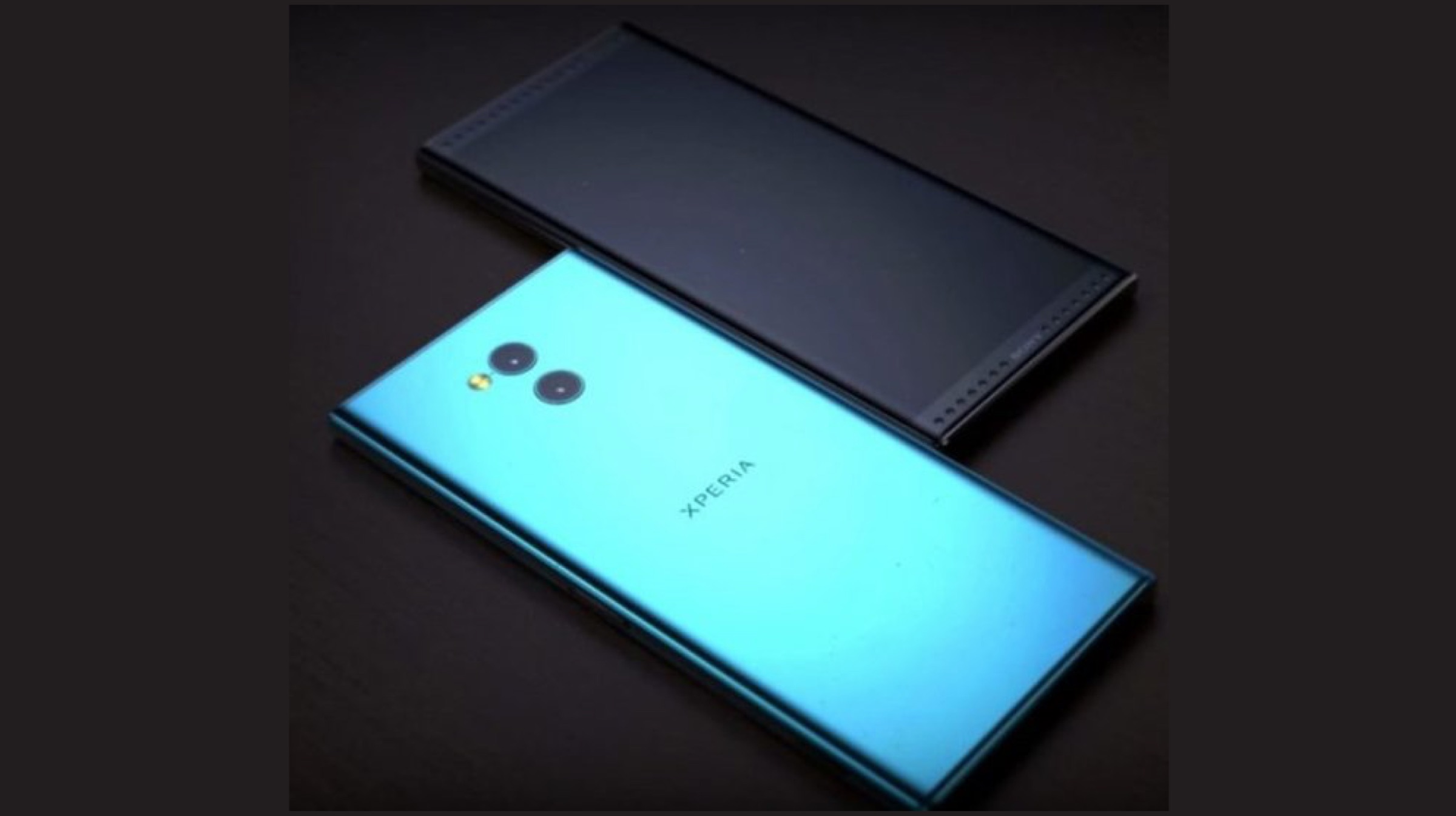
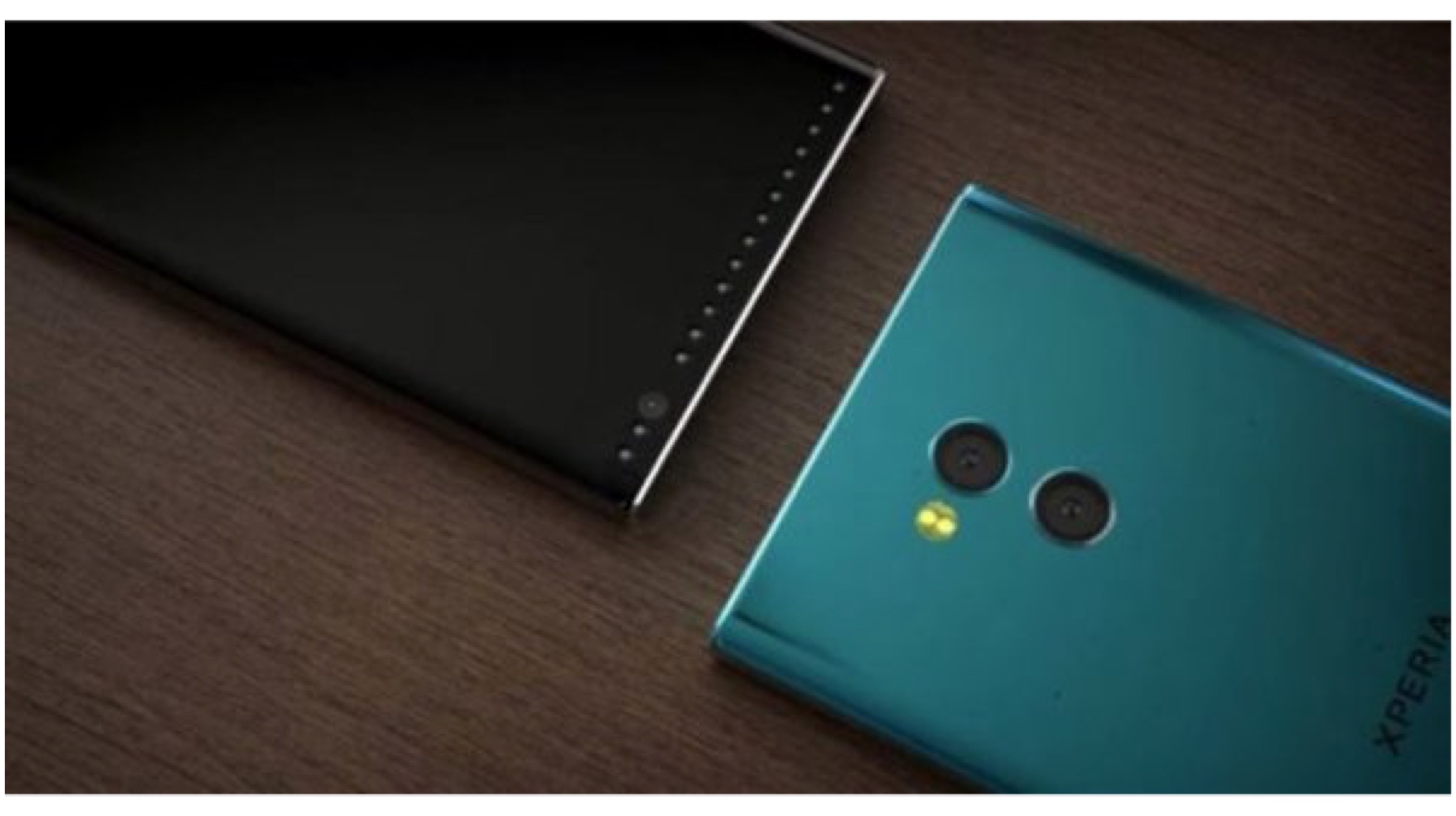
    Sony will be present at MWC 2018 and is expected to make a few announcements. One of the smartphones that are heavily rumoured to be launched at MWC is the Xperia XZ2 Pro. The Sony Xperia XZ2 Pro is expected to be the first Sony Android device to feature an 18:9 aspect ratio and thin bezels. This will be a timely departure for Sony smartphones from the normal design language.

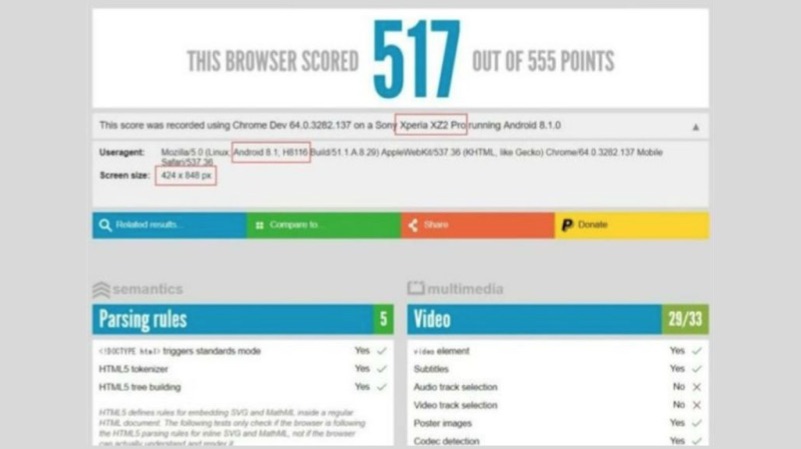
    A new leak has shed some light on what to expect from this Sony smartphone. First off, it appears that the smartphone will go by the moniker of Sony Xperia XZ2 Pro. Also, since this is an HTML benchmark, the listing doesn’t reveal much information about it. According to the listing, the upcoming Sony Xperia XZ2 Pro will run Android 8.1 out of the box.

    If true, the smartphone could be the first non-Google device to run Android 8.1 Oreo. So far, only Google Pixel and select Nexus phones run Android 8.1 Oreo. A lot of premium Android devices are stuck on Android 7 Nougat. The other detail revealed is that it will sport the 18:9 aspect ratio.

    It is rumoured the Xperia XZ2 Pro will have a 4K display resolution. Recently, an upcoming Sony smartphone with the model number ID PY7-21831A has surfaced online as it passed through FCC. While FCC listings don’t usually shed a lot of light on specs and features of a smartphone, this particular listing reveals that this Xperia device won’t have a 3.5mm headphone jack.

    Furthermore, the attached document also highlighted that the dimensions of the phone will be 152.79 x 72.42 mm and that it has a 5.7-inch screen diagonal display.

    The Sony Xperia XZ2 Pro will have a 5.7 inch OLED display with 4K resolution, thin bezels and an 18:9 aspect ratio.

    Under the hood, the Sony Xperia XZ2 Pro will have the Snapdragon 845 chipset, 6GB of RAM and up to 128GB of onboard storage. The storage is expected to be expandable via a microSD card. The fingerprint sensor is expected to be housed inside the lock button on the side. Although, with the presence of an OLED display, Sony could go ahead and use a screen embedded fingerprint sensor.

    The device will be powered by a 3420 mAh battery which will support QuickCharge 4.0+.


    The Xperia XZ2 Pro will have a dual rear camera setup, with one of the cameras having an 18 MP sensor with 1.33 microns pixel size and a 12 MP sensor with 1.38 microns pixel size. On the front will be a 13 MP camera.

  • Moto Z with Snapdragon 835 Shows Up In Leaks

    Moto Z with Snapdragon 835 Shows Up In Leaks

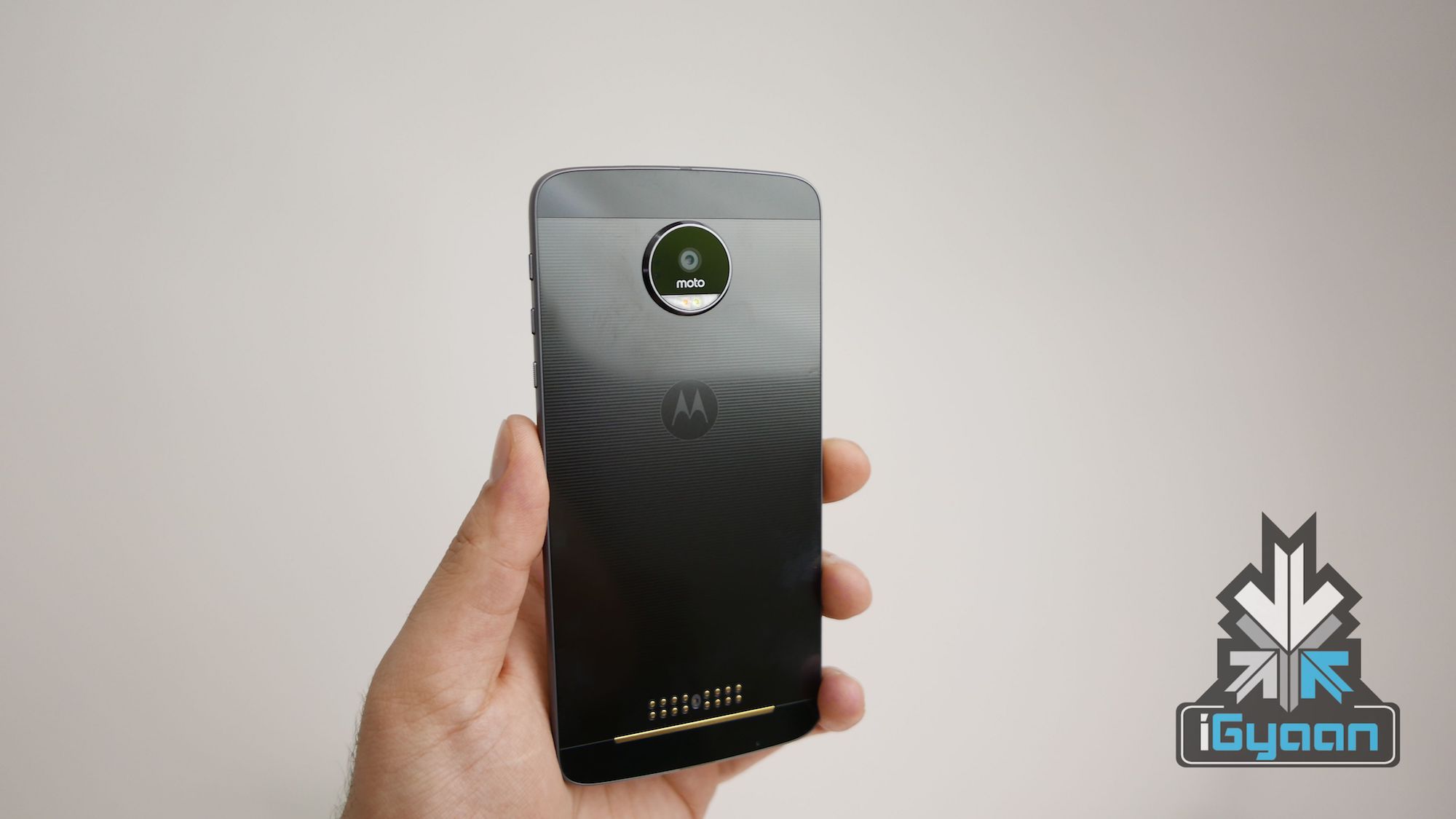
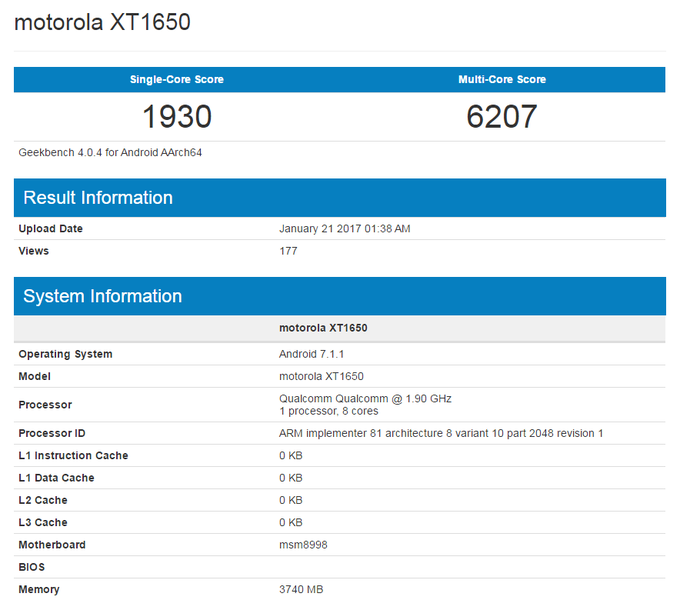
    Moto might be planning a revision of the Moto Z with a faster and more competent chipset. Sporting a Snapdragon 835 the new Moto Z leaked on benchmarking site GeekBench scoring 6207 on the multicore benchmark.

    The RAM remains the same at 4GB which may just mean that the processor is the only area seeing improvements. Moto could be refreshing the lineup to keep in trend with the constant new arrivals slated in the coming few months.

    Smartphones running flagship hardware are expected from Samsung, LG , HTC and even Nokia around the time of MWC, and this might be an excellent time for Moto to refresh their hardware and show off their abilities.

    This could also be a completely revamped Moto Z phone with the same identifier running completely refreshed hardware. For now just the benchmark will do.

  • Benchmark Tests Prove Microsoft Surface Book Not Twice as Fast as Macbook Pro

    Benchmark Tests Prove Microsoft Surface Book Not Twice as Fast as Macbook Pro

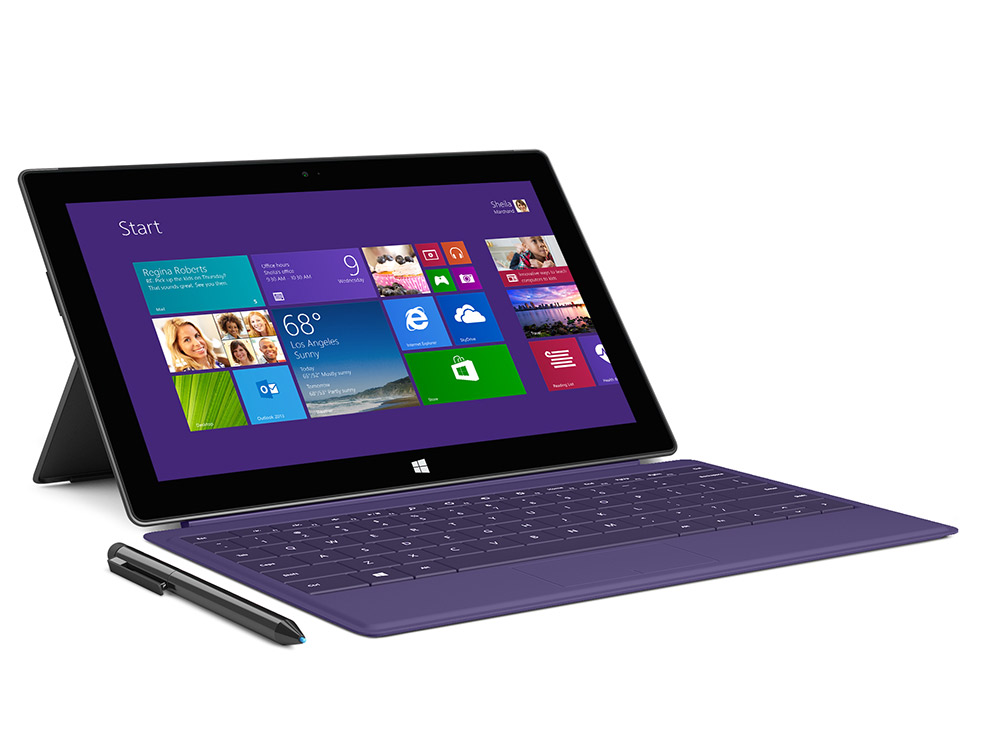
    At the launch of its first laptop, Surface Book, Microsoft had claimed it to be a machine twice the speed of the 13-inch MacBook Pro. However, when benchmark tests were carried out by PCWorld and Geekbench 3, these claims were proved incorrect. In terms of CPU benchmarks, the Apple device was slightly faster than the Surface Book.microsoft surface book

    Having said that, it should also be noted that when it came to the graphic card, some models of the Surface Book are ahead of its Apple counterpart. Additionally, processing tasks that are shared with the GPU also were performed better by Microsoft laptops as compared to Macbook Pro. A reason for this could be the dedicated GPU of Surface Book as opposed to the integrated one of the 13-inch MacBook. But it is the costlier model of the Surface Book, costing around $1700 (about Rs. 1,10,000), which has a dedicated GPU. The one which costs as much as the 13-inch MacBook Pro at $1500 (about Rs. 98,000) is the base Model Surface Book which too has an integrated GPU.

    Despite tall claims by Microsoft of its device’s doubled speed, the difference showed up only in a pure graphics test. When running Tomb Raider, the Surface Book achieved 74fps against the 23.6fps of the MacBook. But, once again, this can also be achieved by a GeForce graphics card. It would be interesting to see how the Surface Book fares against the MacBook Pro 15.

iGyaan Network
Privacy Overview

This website uses cookies so that we can provide you with the best user experience possible. Cookie information is stored in your browser and performs functions such as recognising you when you return to our website and helping our team to understand which sections of the website you find most interesting and useful.