Tag: benchmarks

  • Samsung Galaxy Tab S 10.5 inch : Benchmarks and Hardware

    Samsung Galaxy Tab S 10.5 inch : Benchmarks and Hardware

    Samsung reincarnated Galaxy Tab Series with two powerful devices variants: Galaxy Tab S 10.5 and 8.4. Samsung has beefed up the processor, improved the screen and managed to make it even thinner. We tested Samsung Galaxy Tab S 10.5’s performance and hardware muscles and here’s what we found:

    Galaxy Tab S 10.5 has an impressive line-up of core components. At the heart of this ultra-thin tablet lies a Samsung Exynos 5 Octa SoC, which has eight cores (four running at 1.9GHz, four at 1.3GHz), 3GB of RAM, a base storage allocation of 16GB and Mali-T628 MP6 graphics.

    To test benchmarks, we started by running Quadrant Standard on the device. The device performed well up to its hype and got an impressive score of 25,553. The score is quite higher than Galaxy Note PRO 12.2, which stands at 17,396.

    Following up, we ran AnTuTu Benchmarks on the Samsung Galaxy Tab S 10.5. The device scored 34,270, which is again pretty impressive. While the 8.4 inch variant of Galaxy Tab S lags slightly behind its bigger brother. Also, we ran the device through NinaMark 2 and the tab scored 59.8fps. The number is a little low as compared to other devices available in market such as Asus Nexus 7 and Sony Xperia Tablet Z. The multitouch score of the device was 10 which makes it a wonderful device for QWERTY typing.

    Check out our full benchmark  and hardware test video of  Samsung Galaxy Tab S 10.5 above.

  • Micromax Canvas Knight A350 Benchmarks Result

    Micromax Canvas Knight A350 Benchmarks Result

    Micromax launched Canvas Knight on 5th March 2014, this new smartphone is the latest addition in the vast Canvas series from the company. This new smartphone is the first Octa-core device from the company and is now available at a price of Rs. 19,999.

    The Canvas Knight sports a 5 inch display with a resolution of 1080 x 1920 pixels and a pixel density of 443ppi. The device is powered by a 2 Ghz Octa-Core MediaTek MT6592T processor and is equipped with 2 GB of RAM and comes with 32 GB inbuilt storage which is non expandable.

    The Canvas Knight offers dual-SIM support, runs Android 4.2.2 Jelly Bean and is packed with a 2350 mAh battery. The device is equipped with a 16 MP rear camera with OmniVision CameraChip sensor and M8 Largan Lens,and a secondary 8 MP front facing camera.

    Lets check the Benchmarks scores for the Micromax Canvas Knight:

      Micromax Canvas Knight Samsung Galaxy Grand 2 Micromax Canvas Turbo
    Quadrant Standard  11768 8407 4718
    Nenamark 2 57.7 fps 56.4 fps 33.9 fps
    AnTuTu 29469 16887 15557
    Coming to the benchmarks, we compared the scores side-by-side with the Micromax Canvas Turbo and the Samsung Galaxy Grand 2.
     
    Starting with Quadrant Standard, the Canvas Knight scored 11768, and left behind Canvas Turbo and Grand 2 with scores of 4718 and 8407 respectively. Coming to AnTuTu benchmarks, the Canvas Knight scored 29469,  and others scored 16887 and 15557. Next up, we checked the graphics, Nenamark 2 scored 57.7 fps on the Canvas Knight, whereas, it scored  56.4 fps on Grand 2 and 33.9 fps on the Canvas turbo. 


  • Android 4.4 Update Ends Samsung’s Benchmark Boosting

    Android 4.4 Update Ends Samsung’s Benchmark Boosting

    The past few months the folks at Samsung were accused of artificially boosting the benchmark performance of their high-end smartphones, by overclocking the CPU and GPU while the benchmark tests are running. With Android 4.4 KitKat, Samsung has ceased this behavior. The whitelists have been removed, the browser no longer detects SunSpider or Rightware’s Browsermark, and the phone doesn’t display unusual activity or processor clocks when benchmark applications are run.

    While the phones do still perform better than their Android 4.2 running counterparts, that should mostly be a result of the under-the-hood improvements made by Google in the latest version of the mobile OS.

    According to a report by Ars Technica:

    Moving to Android 4.4, that strange CPU activity stops happening. Every single benchmark we ran prompted variable-but-normal fluctuations in CPU speed based on actual activity. Speeds would ramp up for a couple of seconds while the app launched, but once it became idle, the speeds settled back down to where they would normally be.

    Compare this to the behaviour in Android 4.3 “where all four cores go right to the maximum speed of 1.9GHz when a benchmark app is opened.”

    Benchmarks are useful tools, but they are not, or should not be, the deciding factor in purchasing a device anyway but we’re glad to see Samsung moving away from this behavior on older devices. The real test will come with the launch of the Galaxy S5.


  • The New Nexus 7 32 GB LTE Listed On Play Store At a Price Of 25999 INR

    The New Nexus 7 32 GB LTE Listed On Play Store At a Price Of 25999 INR

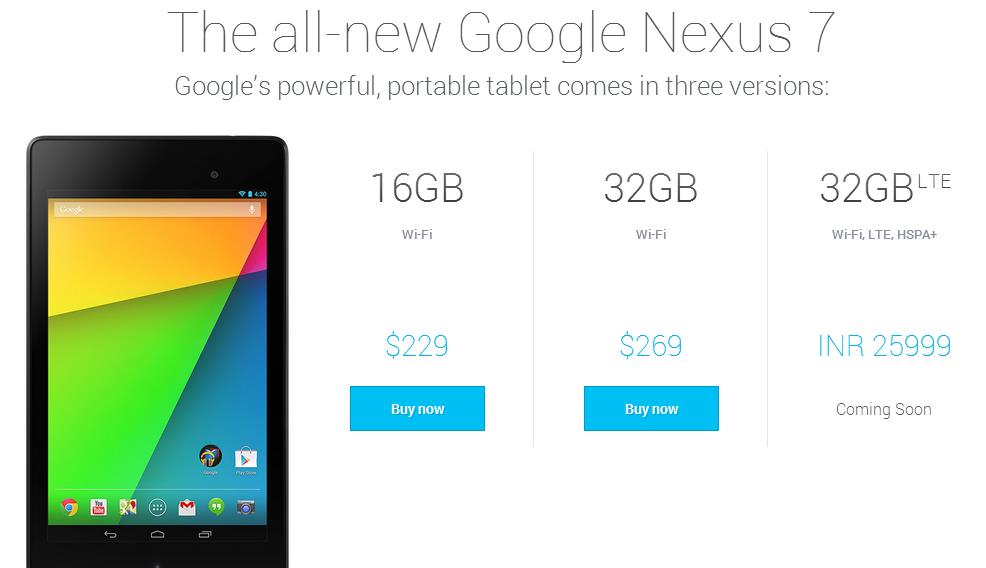
    The much awaited tablet from Google the new Nexus 7 is now listed on the Google Play Store with a tag of Coming Soon. The new Nexus 7 is listed as a 32 GB LTE/WiFi/HSPA+ variant and is priced at 25999 INR.

    However, other variants of the tablets seems unavailable as the price is not mentioned in INR and if you try to click on any of them which are Nexus 7 16 GB WiFI or the Nexus 7 32 GB WiFi they have prices in USD and are not available in India. This can surely hint that the new tablet will hit the shelves soon. 

    The Nexus 7 tablet features a 7 inch full-HD display (1920×1200 pixels), with a pixel density of 323ppi. It is powered by a quad-core Qualcomm Snapdragon S4 processor clocked at 1.5 GHz, and is equipped with a 2 GB of RAM and 32 GB of inbuilt storage which is not expandable. The new Nexus 7 also sports a 5 MP rear camera and a 1.2 MP front-facing camera. 

    For more information check out are unboxing, Gaming, Benchmarks and the full review below:

    [youtube id=”Dq6MCDLmKXI” width=”100%” height=”300px”]

    [youtube id=”8FAzR1TjrxM” width=”100%” height=”300px”]

    [youtube id=”yFROkb4Qc7c” width=”100%” height=”300px”]

    [youtube id=”qXVCnqszDOM” width=”100%” height=”300px”]


  • Samsung Galaxy Mega 6.3 Review

    Samsung Galaxy Mega 6.3 Review

    Build Quality And Design

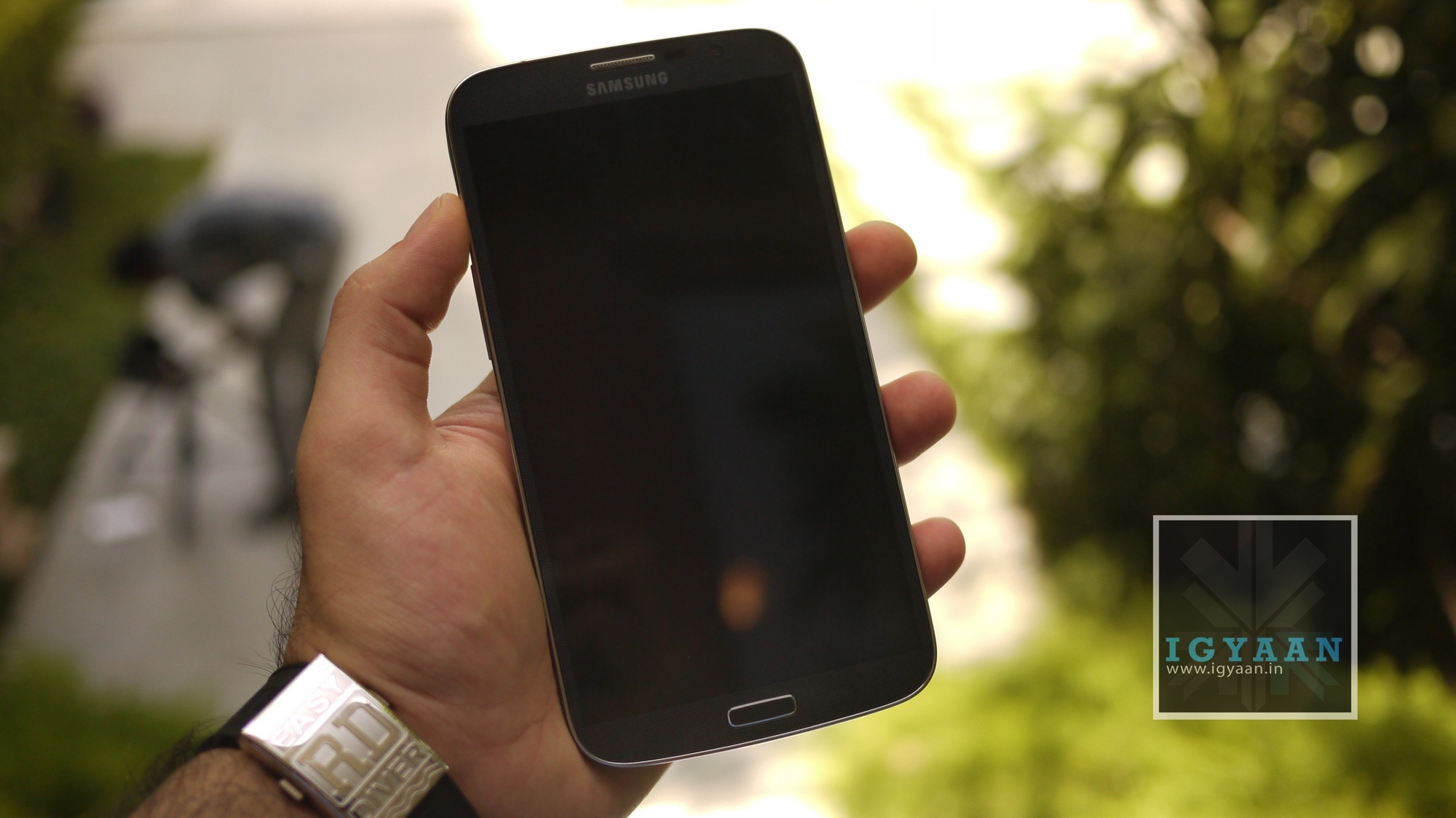
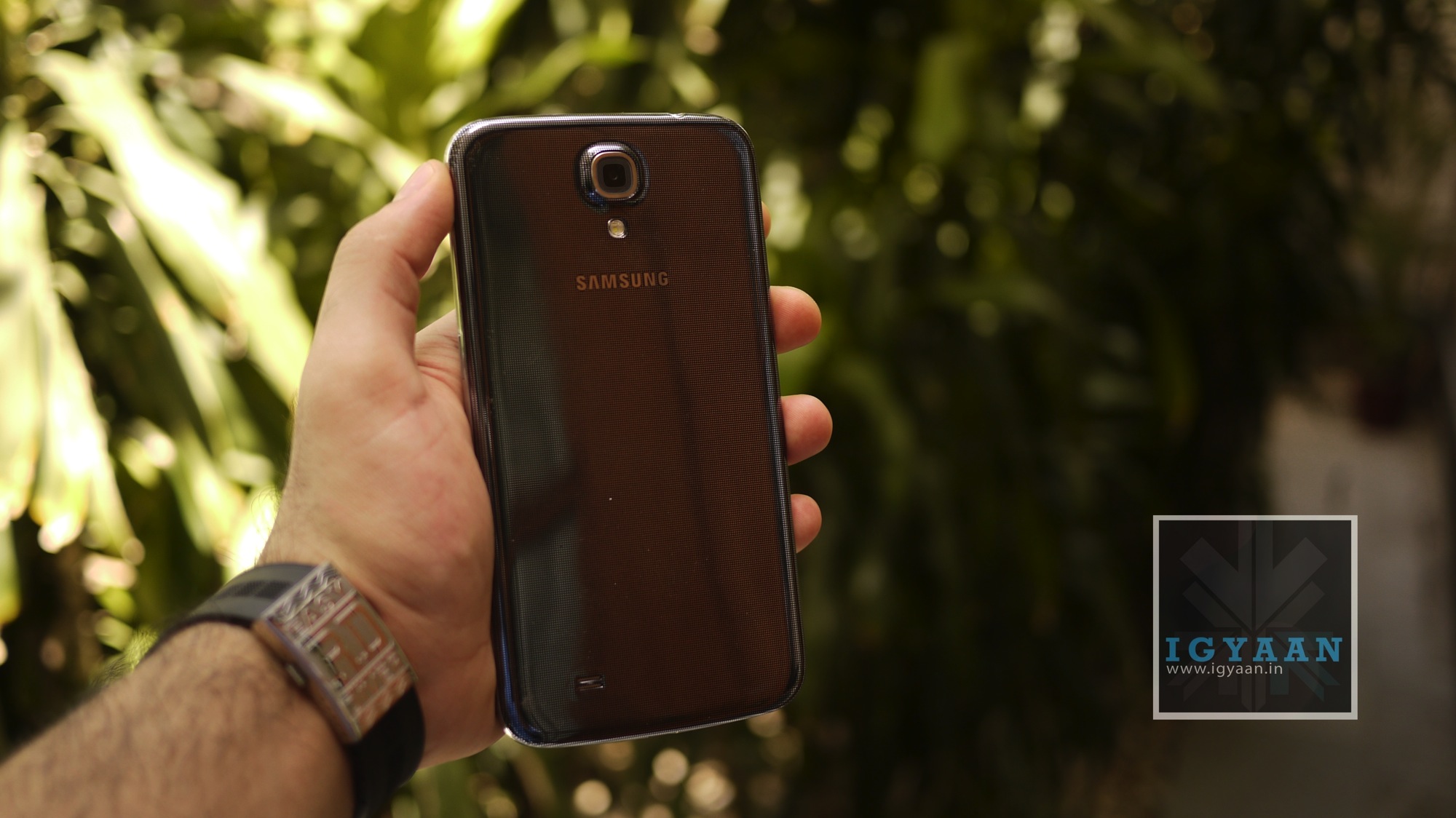
    Just like the rest of the Galaxy series, the Samsung Galaxy Mega 6.3 is a plastic-bodied phone with the same Galaxy S4-like template design. It has the same metallic edging, the silver-edged home button and shiny speaker grille. The back panel shares the same black and silver crosshatch pattern.
    samsung galaxy mega 6.3

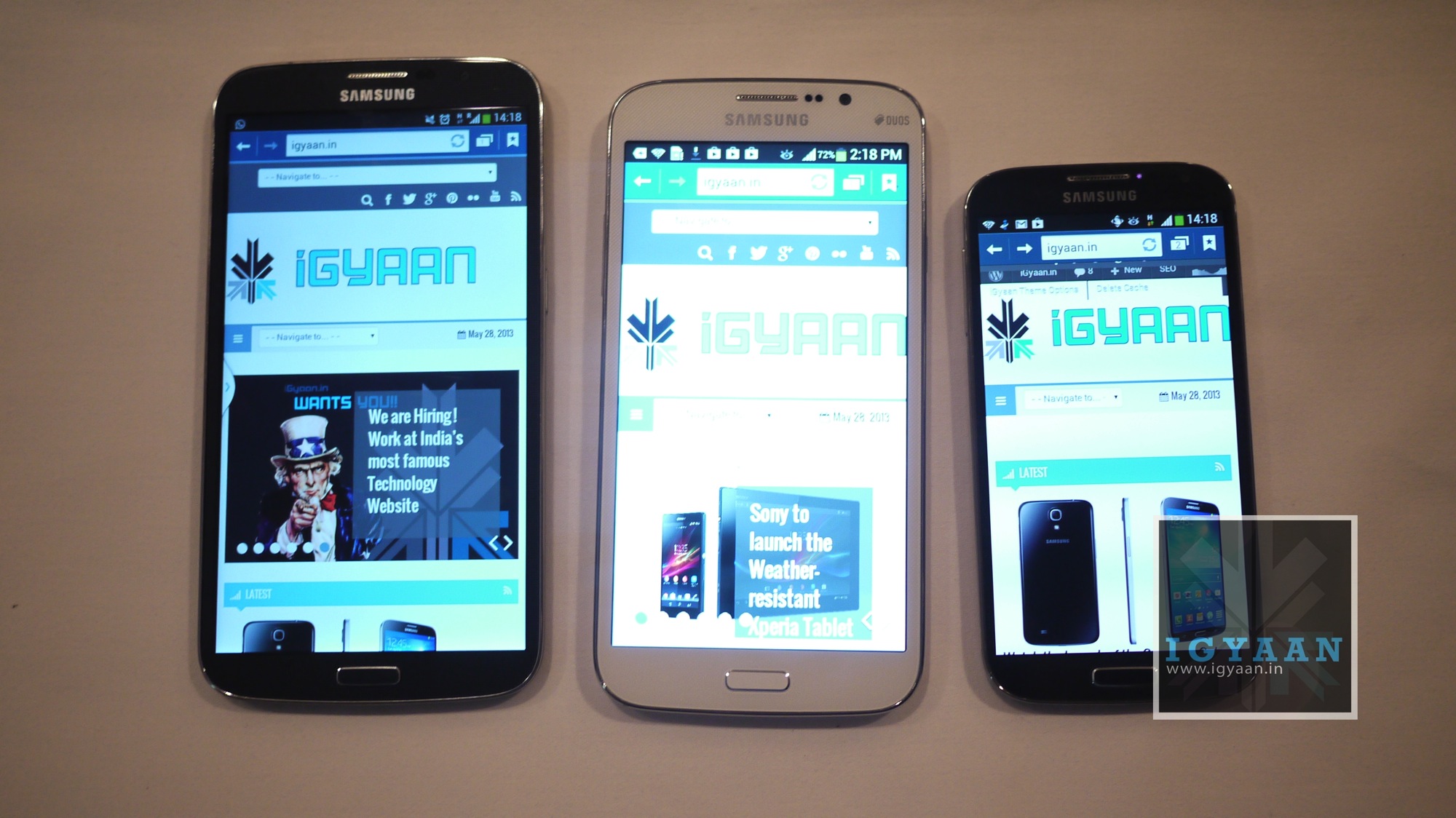
    The Galaxy Mega 6.3 is absolutely huge. At 88mm wide and almost 198mm tall, this is the biggest smartphone we’ve ever reviewed. It weighs almost 200g, but it doesn’t feel overly heavy in the hand considering its size.

    Moving around the device, there’s a microUSB charging port on the bottom, a volume rocker on the left-hand side, a power button on the right-hand side and a 3.5mm headphone jack up top. There’s a microSD card slot for adding additional storage under the flimsy battery cover.
    samsung galaxy mega 6.3

    Overall build quality is like any other Samsung device, but the mammoth screen size raises a few questions over the durability of the Samsung Galaxy Mega 6.3.

    Specifications And Hardware

    The Samsung Galaxy Mega 6.3 sports a 6.3-inch 720×1280 display and features the same camera as that of the Galaxy Mega 5.8. It is powered by a dual-core processor clocked at 1.7GHz. The Galaxy Mega has 1.5GB of RAM, Bluetooth 4.0, Wi-Fi 802.11 a/b/g/n and A-GPS. The Samsung Galaxy Mega 6.3 comes with a 3,200 mAh battery and runs Android 4.2 Jelly Bean. The phone comes with 16GB internal storage capacity and has a microSD card slot for expanding the storage up to 64GB. 

    Display And Multimedia

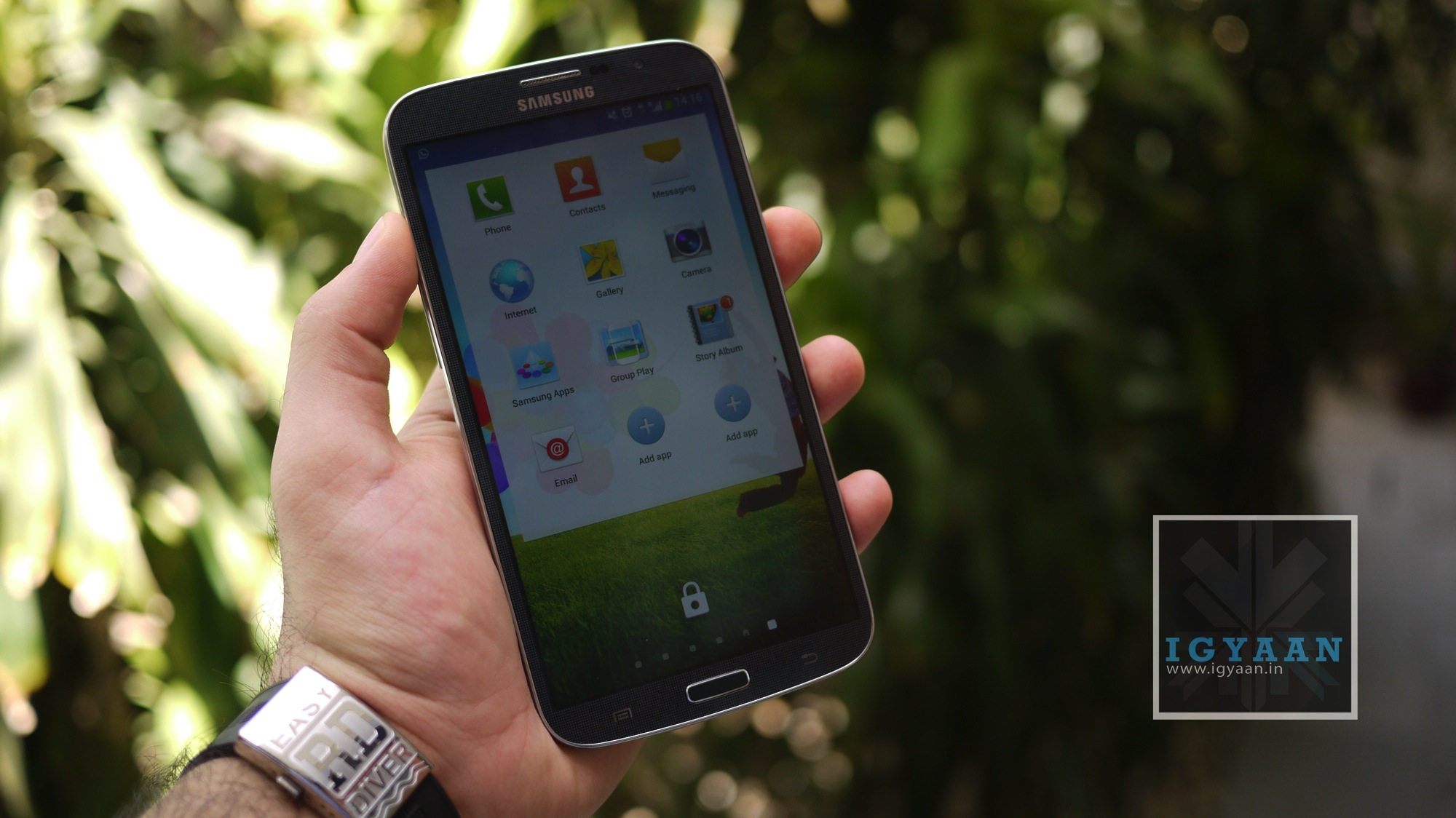
    The USP of the Samsung Galaxy Mega 6.3 is its display. While the sheer size of the display is impressive itself, we were also pleased with the colour reproduction. Samsung opted for a Super Clear LCD display instead of their AMOLED panel, and this makes it one of the better Samsung devices to use outdoors.
    samsung galaxy mega 6.3

    The thing that disappointed us though was the resolution of the display. At a time when companies are coming out with 5.5″+ Full HD displays on devices, and Samsung too will release the Note 3 with one, the 720×1280 resolution is a let down. A device of this size will by default be used for a lot of media consumption which involves a lot of text as well, so a 233 ppi pixel density is inadequate in our opinion. 

    The sheer size of the screen on the Samsung Galaxy Mega 6.3 though makes consuming media enjoyable and almost stress free, and the chipset is more than capable of handling HD video playback and streaming. 

    When it comes to general performance though, the Samsung Galaxy Mega 6.3 left us disappointed. The phablet lags while performing even the simplest of tasks sometimes, like scrolling through your apps grid. Samsung could have gone with a quad-core chipset on the Samsung Galaxy Mega 6.3 given the fact that it is priced above the Rs. 30,000 price mark, but instead it chose to extend its profits margin by using a dual-core chipset.

    We’re forced to believe this is poor optimization in TouchWiz more so than the capabilities of the chip though, as other Snapdragon 400 devices manage to perform smoothly, and the Snapdragon 600-powered Galaxy S 4 was also laggy until an update just before launch.

    The speakerphone on the Samsung Galaxy Mega 6.3 is fantastic, it is really loud, but not in a painfully distorted way, it sounds good through videos, music and even games.

    [youtube id=”_oIoZgw6-oU” width=”100%” height=”300px”]

    Camera

    The Samsung Galaxy Mega 6.3 has an 8-megapixel rear-facing camera and a front-facing 1.9-megapixel camera for video calls. The camera app is almost identical to the one used on the Galaxy S4 and we particularly like the excellent scrolling carousel to change camera modes.
    samsung galaxy mega 6.3

    Video is captured at Full HD and employs anti-shake if you need it from the main UI, the front camera however- captures 720p video. You can also add some effects to your pictures in the Auto Mode. Shooting modes like “Best Photo”, “Best Face” and “Sound and Shot” worked really well on the S4, and they work just as great on the Galaxy Mega 5.8 .

    Images are processed to give a punchy, high-contrast look that is high on impact, if not quite as great at producing an entirely natural look. 

    [youtube id=”Qv_q4IrY-sA” width=”100%” height=”300px”]

    Software

    The Samsung Galaxy Mega 6.3 runs Android 4.2 Jelly Bean, with the usual Samsung TouchWiz interface laid on top. Consequently, it looks and feels almost identical to the other high-end Galaxy phones, including the Galaxy S4.

    The old elements of the TouchWiz UI are intact too, with features like Direct call (lift the phone from within a message to call), Smart Alert, tilting to zoom into pictures or gallery. Pan device to move the Icons or browse a zoomed in Image and even Flipping the device to Mute or pause.

    Battery And Network

    One might think that such an enormous screen, coupled with a big flat form, would mean that the Samsung Galaxy Mega 6.3 battery life suffers. In fact, the very opposite it true. You can easily get a day and a half of moderate to heavy use out of this phone before it packs up. Given that there’s only two cores and that it’s not a 1080p screen, the quite large 3,200mAh actually goes a very long way, and that’s no small shakes if you’re looking at the Mega as both your tablet and phone.

    One area the Galaxy Mega 6.3 shines is call quality. The rear speaker for speakerphone and the earpiece speaker are both quite loud, and they provide crisp, clear audio.

    However, putting a phone as large as the Galaxy Mega against your head looks and feels odd. You may get used to it, but passers-by won’t any time soon. 

    Conclusion

    The Galaxy Mega’s name definitely refers to its size rather than specifications. The Galaxy Mega 6.3 is only slightly cheaper than the Galaxy S4, while having a less advanced screen, a much less powerful processor, less RAM, a worse camera and – worst of all – diminished usability. 

    The Galaxy Mega 6.3 is a phone that might as well be the next big thing, but, the problem here may be that its just too big to be an everyday phone.

  • LG G2 Benchmarks and Hardware

    LG G2 Benchmarks and Hardware

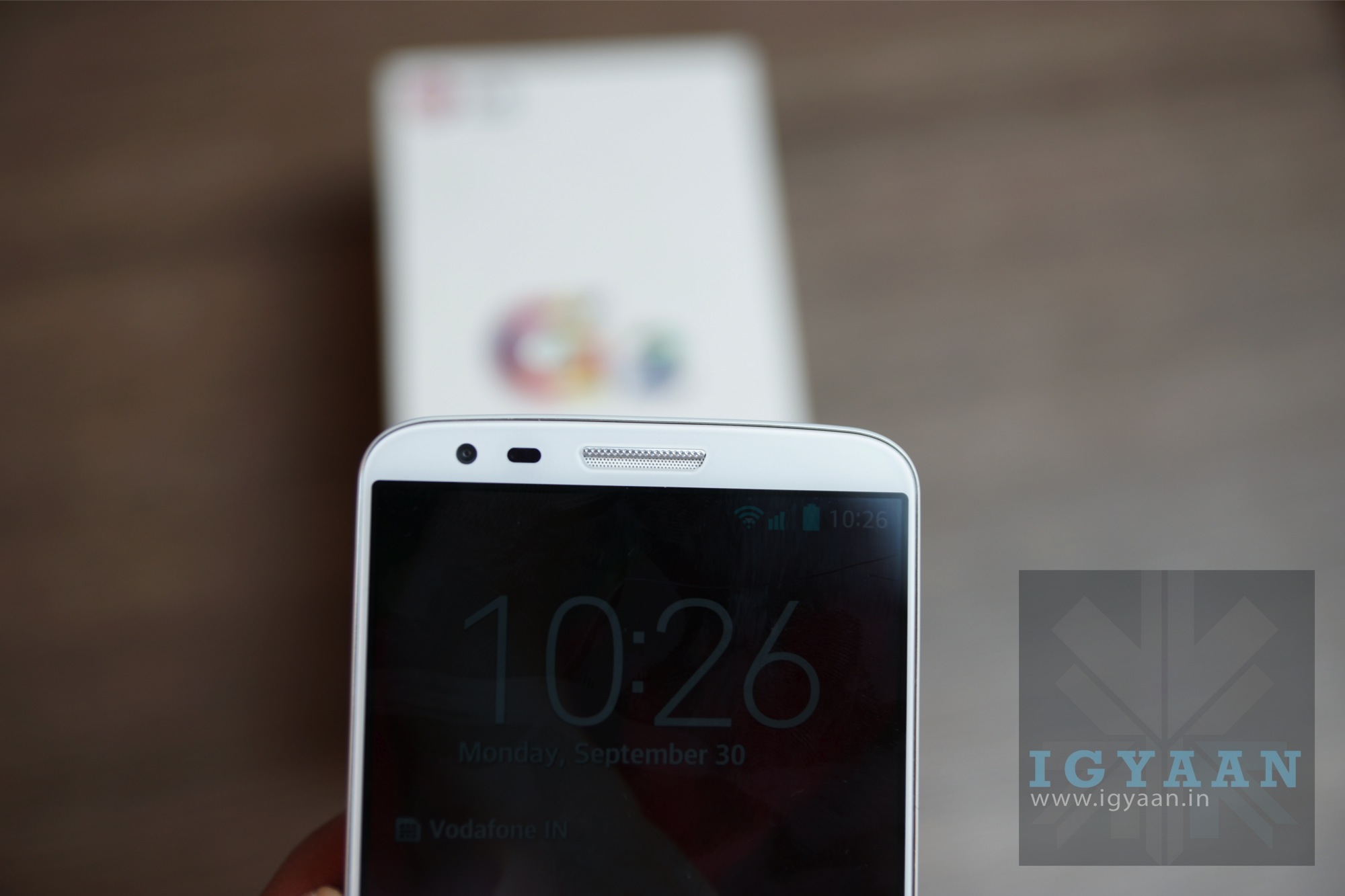
    LG’s latest flagship the LG G2 is now available across major cities in India, available in two variants 16 GB and 32 GB and priced at 40497 INR and 43497 INR respectively. The device come up with Qualcomm Snapdragon 800 chipset, with a Quad Core Krait 400 CPU clocked at 2.2 GHz and the new Adreno 330 GPU. 

    Coming to our benchmark tests, we started by running Quadrant Standard on the LG G2 and the device performed well up to it’s hype and scored 19689. This score is far better than what we got on the HTC One and Samsung Galaxy S4, but if we talk about Samsung Note 3, the device scored a bit of more score which is 20599. 

    Next up, we ran AnTuTu Benchmarks on the LG G2 and the device showed a score of 35736 which makes it the top scorer, as the other devices like the Samsung Galaxy Note 3, Samsung Galaxy S4 and HTC one scored 34546, 28431 and 25064 respectively.

    We also checked the graphic performance of the LG G2, the smartphone scored 59 fps, where as the Note 3 scored 60.4 fps in our benchmark tests. Check out the benchmark test below and our ‘unboxing’ video here!

    [youtube id=”ePYIXqsGhI8″ width=”100%” height=”300px”]

  • iBerry AUXUS Nuclea N1 Gaming and Benchmarks – iGyaan

    iBerry AUXUS Nuclea N1 Gaming and Benchmarks – iGyaan

    [youtube id=”4J2C8JaHFrY” width=”100%” height=”300px”]

  • Gionee Gpad G2 Full Review

    Gionee Gpad G2 Full Review

    Build Quality And Design

    The phone is aesthetically pleasing and looks quite similar to the Micromax Canvas Doodle from the front. A massive 5.3-inch qHD display dominates the front of the device with three touch capacitive buttons underneath it. The phone, as expected, is made up entirely of plastic, with a chrome-like bezel running around the side of the device. There is a volume rocker on the right side which offers decent tactile feedback.
    Gionee Gpad G2

    The back panel has a glossy finish, and we feel that it might be prone to scratches. Other than the camera, there is a speaker grill on the bottom right corner of the back panel, and the Gionee logo in the middle. Though one thing to note is that the G2 is quite heavy and prolonged usage might become uncomfortable for some.

    Overall the build quality is impressive and the Gionee Gpad G2 has a nice solid feel to it.

    Specifications And Hardware

    The Gionee GPad G2 is powered by 1.2GHz quad-core processor along with PowerVR SGX544 GPU. Internally, the phablet packs in a 1GB of RAM, 16GB of storage, which can be expanded by another 32GB via a microSD card.

    It is a dual-SIM phablet, which supports GSM on both the SIMs. The other connectivity options include 3G, Wi-Fi 802.11 b/g/n, Bluetooth 4.0 and aGPS. 

    The Gionee GPad G2 has an impressive 5.3 inch IPS display with qHD (540 x 960 pixel) resolution display which translates to 240ppi.

    Display And Multimedia 

    The screen of the Gionee Gpad G2 is really impressive, viewing angles are decent and colour reproduction is vivid and deep. A 240 pixel density makes for fairly crisp text as well. While there are no complaints with things like video playback, reading text and watching movies, outdoor visibility is poor due to the highly reflective screen. That is one are where Gionee could have done better.

    gionee Gpad G2

    Gaming is wonderful on this phone! We were able to play games like Virtual Tennis and Dead Trigger without any issues, but we did encounter some choppiness and lag while playing The Dark Knight Rises (expected!). 

    [youtube id=”3IamEzuu1oc” width=”100%” height=”300px”]

    Audio on the Gione Gpad G2 is loud. Very loud. While that may seem like a good thing, and it is to an extent, it leads to vibration of the phone on high volumes. This can be very irritating, especially while playing games which involve lots of sound effects. 

    gionee gpad g2

    The in-built browser is decent enough, with all the standard options available. There is a slight choppiness to its kinetic scrolling though. 

    Software And User Interface

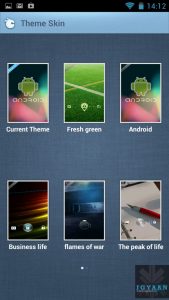
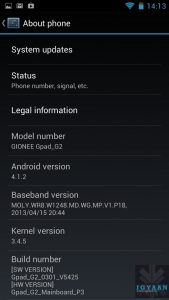
    The Gionee Gpad G2 runs on Android 4.1.2 with slight modifications to the User Interface. You have a themes option from where you can select the skin that is applied, including an “Android Theme”. 

    It has a few extra apps like Change, which enable single click change of themes and wallpapers.

    Phone and Networks

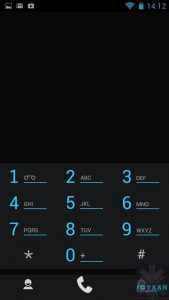
    The phone call capability of the Gionee Gpad G2 is good, networks are solid and Phone calls are stable. The dialler is the standard Android dialler, the one seen on Nexus devices.

    Messaging is also a breeze thanks to the responsive touchscreen and the way keys are laid out. You can swap out the keyboard with some alternatives from the Android marketplace, we even tried swype and it works great.

    Camera

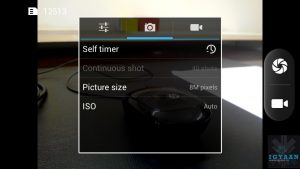
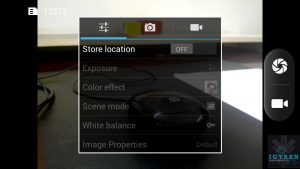
    The Gionee Gpad G2 comes with an 8 megapixel camera at the back with single LED flash with features like face detection, auto-focus etc.

    Gionee GPAd G2 review iGyaan 10

    Images though seem a little dull and grainy. Outdoor images come out really well, with nice focus and background blur in macro shots. Indoor and low light images are nothing special.  

    Video quality was decent, with nice continuous focus and occasional over-exposure our only concern. 

    Sample Shots : 

    Performance

    Under the hood, the Gionee Gpad G2 runs on 1.2GHz quad-core MediaTek MT6589 processor along with PowerVR SGX544 GPU. While there were occasional lags while navigating through menus, the overall performance was quite satisfying. 

    One thing to note though that occasionally the screen went blank and a Blackberry style battery pull was required to make it work again. We hope that was just an issue with our device.

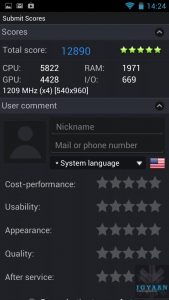
    It scored an impressive 12,890 in AnTuTu and 3892 in Quadrant. 

    Conclusion

    While everyone is sceptical when it comes to the quality of Chinese manufacturers, we were really pleased with the Gionee Gpad G2. It is fast, snappy and feature loaded. An average camera and occasional lagging are the only disadvantages of the device.

    Overall, we would recommend the Gionee Gpad G2 to anybody who wants a feature loaded budget phablet with a nice screen.

  • The HTC One X+ Benchmarks Blow Away the Competition!

    The HTC One X+ Benchmarks Blow Away the Competition!

    When we first held the HTC One X+ (Plus), we really asked ourselves whether the phone is a worthy upgrade. Many companies make major design changes when launching new phones, whereas the One X+ only has added red accents. 

    So whats different what makes it more expensive? 

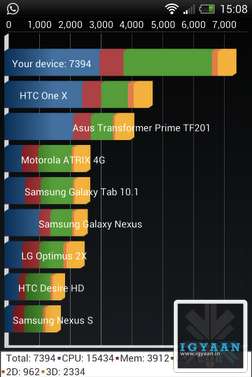
    For the HTC One X+ its whats under  the hood that matters. The new faster chipset shocked us when we ran benchmarks, especially with quadrant standard. The HTC One X+ beats out any Quadrant Score with 7394 Score on a stock rom, thats mighty impressive.


    For Nenamark2 the HTC One X+ benchmarks were really high as well, scoring an impressive fps.


    Antutu Benchmark also scored a 5 star rating on the One X+

  • The Galaxy Note 2 Gets Benchmarked on iGyaan

    The Galaxy Note 2 Gets Benchmarked on iGyaan

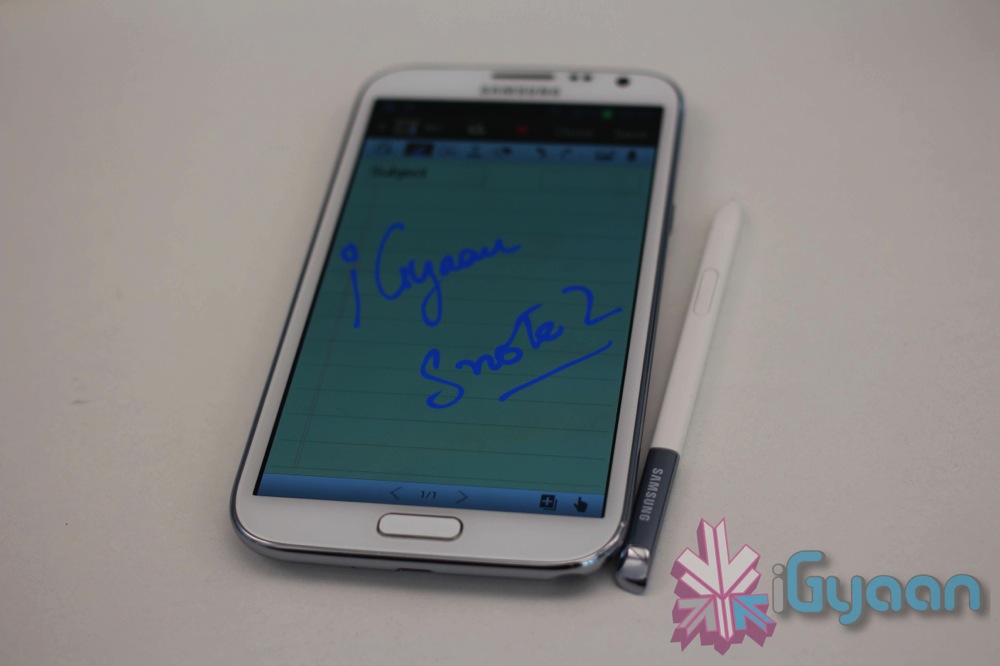
    We went hands on at launch in India and were able to run a series of benchmarks on the new Galaxy Note 2, keeping in Mind that the device was not yet the final build. Check out the video and stay tuned for more.

  • Leaked : HTC One X+ with 1.7GHz Tegra 3 revealed in NenaMark report

    Leaked : HTC One X+ with 1.7GHz Tegra 3 revealed in NenaMark report

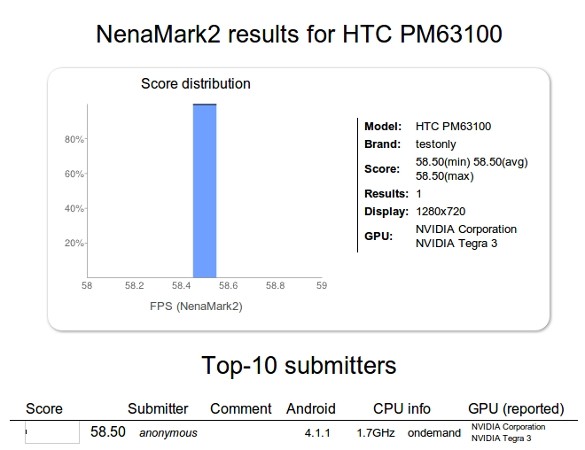
    Is this the new HTC XL replacement for the One Series? The HTC ONE X+ (read: Plus) has been found on the online benchcard of NenaMark website with the model number as PM63100. The phones also running it’s running Jelly Bean 4.1.1 with a  1280 x 720px resolution display in a much larger possible 5 inch size and same Tegra 3 innards as the One X.

    [NenaMark]

  • Verizon’s Droid RAZR HD leaked benchmarks leave a mark

    Verizon’s Droid RAZR HD leaked benchmarks leave a mark

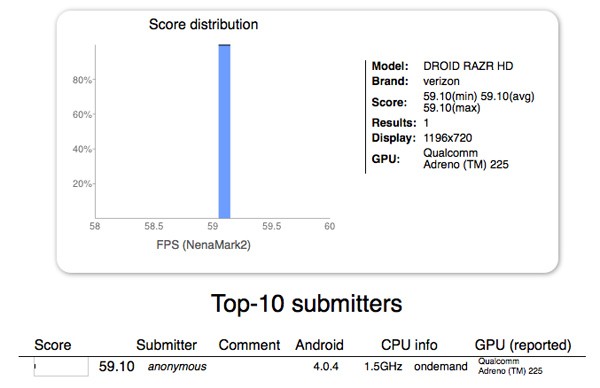
    The next revision of the DROID RAZR series is due this year, dubbed the “DROID RAZR HD” the phone recently was spotted in a benchmark listing. A NenaMark2 report clearly shows what claims to be the Verizon phone with a Qualcomm Adreno 225 GPU. There is reason to believe that the chipset is actually a 1.5GHz Snapdragon S4 .

    More details from the benchmark report show a HD screen 1196 x 720 px and Android ICS (4.0.4). Possibilities also include really thin dimensions. We’ll keep you guys updated.

    [NenaMark]

  • The New iPad goes through Benchmarks, iPad 3 vs iPad 2 vs Transformer Prime vs Galaxy Tab 10.1

    The New iPad goes through Benchmarks, iPad 3 vs iPad 2 vs Transformer Prime vs Galaxy Tab 10.1

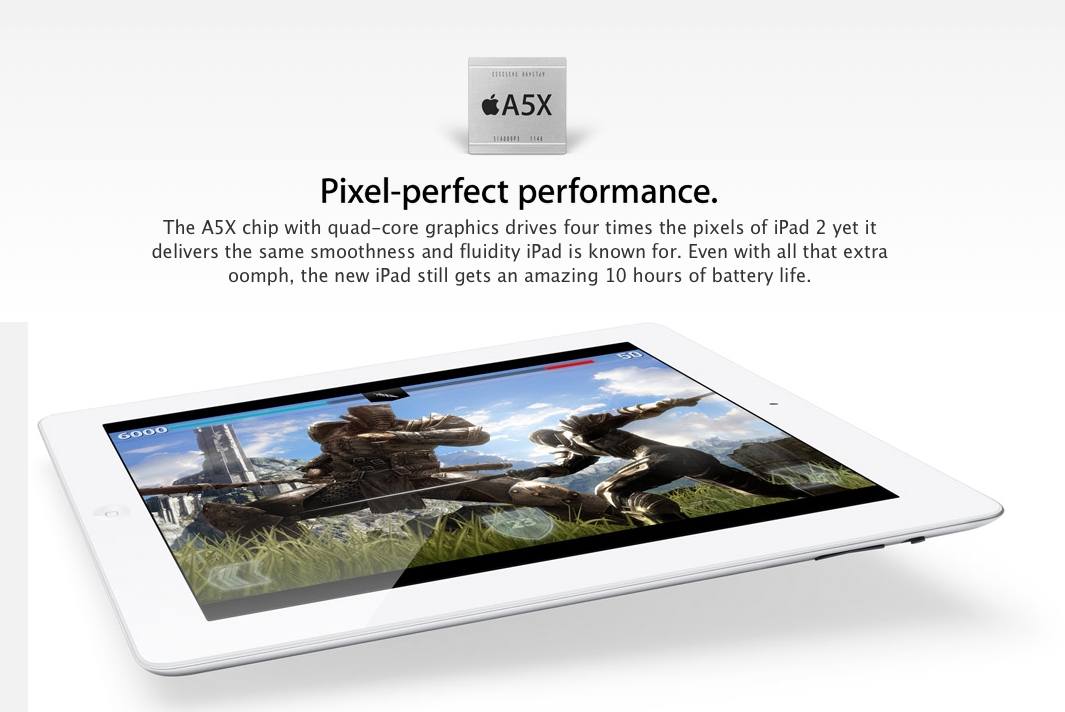
    During the launch of Apple’s third-gen iPad, the company made huge claims about the performance of the new A5x chip, claiming that the A5X processor with quad-core graphics provided up to 4x the graphics performance of NVIDIA’s Tegra 3 chip and  2x the graphics performance of the iPad 2?s A5 chip.

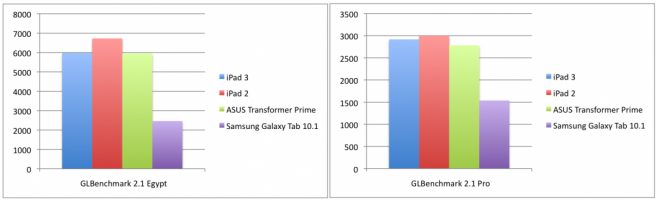
    Benchmark data shows the iPad 2?s A5 chip bettering both the A5X and Tegra 3 with the A5X’s improved graphics being used mostly to power the new iPad’s high-resolution Retina display of 3.1 million pixels.

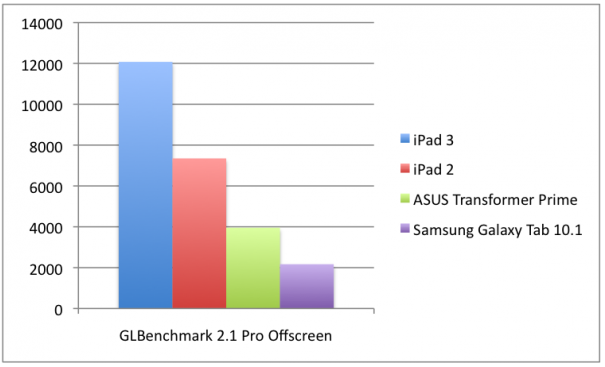
    However when the Screen is in off mode and benchmarks are run, the results of the A5x significantly prove to outperform all remaining devices. 

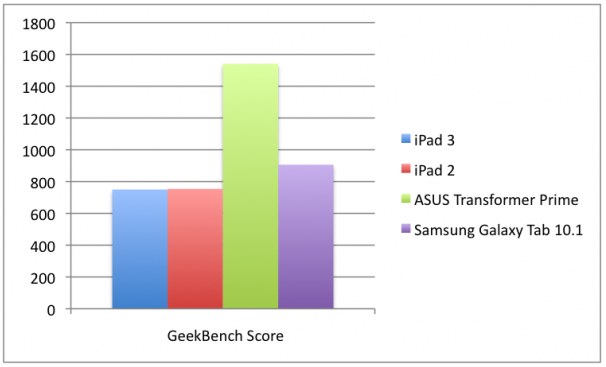
    For CPU Tegra 3-powered ASUS Transformer Prime and Galaxy Tab 10.1 scored higher in GeekBench than both the iPads:

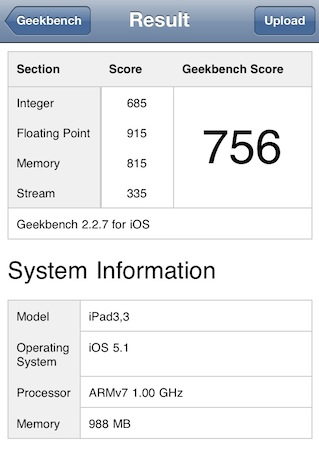
    Tegra 3?s quad-core configuration blazes past the dual-core A5X, garnering GeekBench scores of 1540 and 750, respectively. Interestingly, the A5X’s average score fell a few points short of the iPad 2?s standard A5 chip, 753. Both the A5X and the A5 also fell shy of the Samsung Galaxy Tab 10.1?s Tegra 2, which received an overall score 905. The gains made by the Tegra 3 are easily chalked up to its two extra cores, but it is also boasts the highest clocking speed of the group at 1.6GHz, compared to the 1GHz clock of the A5X, A5 and Tegra 2.

    IGN

    For graphics tests with GLBenchmark, iPad 2 scored higher than the third-gen iPad in both tests. 

    For the Egypt test, the iPad 2 (1024×768) produced 6,709 frames at a framerate of 59 frames-per-second, while the new iPad (2048×1536) ran 5,974 frames at 53 FPS and the Transformer Prime (1280×800) generated 5,955 at a rate of 52 FPS. The Galaxy Tab 10.1 (1280×800), on the other hand, produced only 2,465 frames at a surprisingly low 21 FPS.

    -IGN

    The results of the off-screen tests show the A5X producing 15,412 frames at a rate of 138 FPS compared to the iPad 2 that has 10,143 frames at 90 FPS.

  • The “New iPad” gets Geek Benched : 1GB RAM confirmed

    The “New iPad” gets Geek Benched : 1GB RAM confirmed

    The “new iPad” has been delivered to some lucky owners before hand and they are really enjoying the exploits. The first thing you do when you get a new gadget? benchmark! 

    The iPad is now confirmed to have 1 GB of RAM and an unchanged speed processor at 1GHz with now Quad Core Graphics. 

    [Tinhte.vn]

  • Qualcomm Krait S4 SoC Benchmark results out

    Qualcomm Krait S4 SoC Benchmark results out

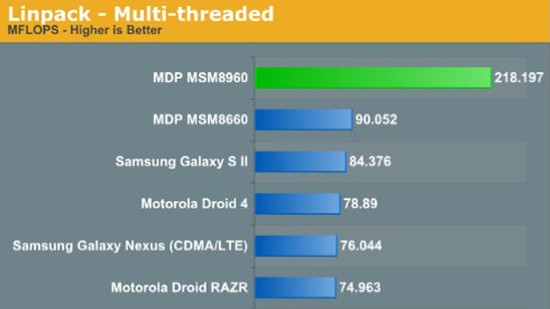
    Qualcomm’s next SoC is about to hit devices soon, but the company is already trying to spark buyer interest by benchmarking the bad boy. They sent the SoC to AnandTech and those guys ran a solid benchmark that clearly shows that the chip may actually be a great next upgrade for devices.  A dual-core 1.5GHz MSM8960-powered device scored a near 240 percent result on the CPU benchmarks. The SoC has a advanced GPU which allows the Adreno 225 GPU to run at up to 400MHz.

    [AnandTech]

iGyaan Network
Privacy Overview

This website uses cookies so that we can provide you with the best user experience possible. Cookie information is stored in your browser and performs functions such as recognising you when you return to our website and helping our team to understand which sections of the website you find most interesting and useful.