Tag: Bezel-less

  • Nubia X Launched With Dual Display And Dual Fingerprint Sensor

    Nubia X Launched With Dual Display And Dual Fingerprint Sensor

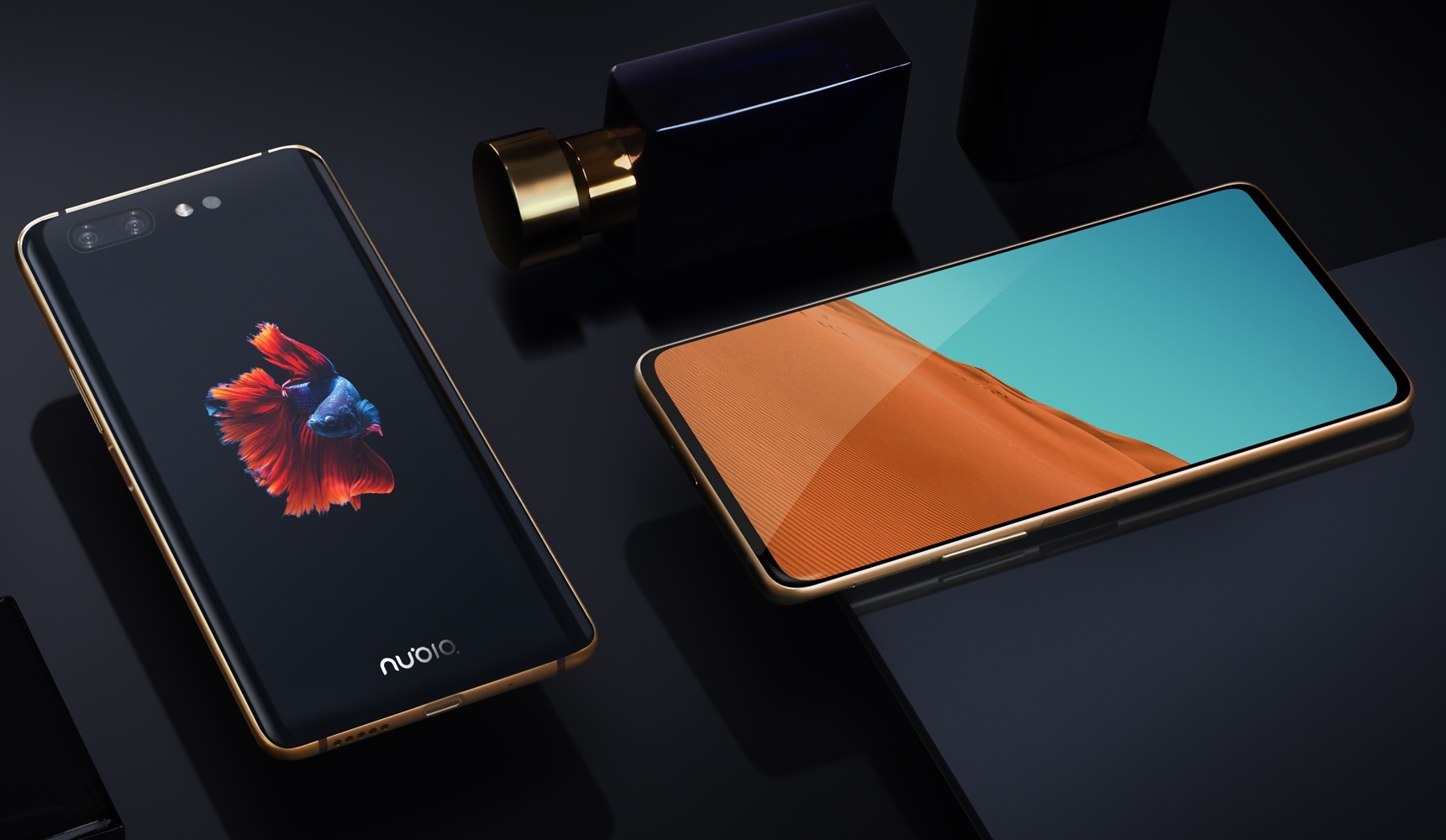
    Nubia has launched the Nubia X at an event held in China and the phone is every bit unique. The Nubia X has two displays, two fingerprint sensors and does not have a front facing camera. That’s right, the company eliminated the front-facing camera to ensure a bezel-less display. However, they do have a solution for the same. The smartphone has been launched at a price of CNY 3,299.

    Dual Display

    The Nubia X sports a 6.26 inch 2280 x 1080 px resolution primary display, on the front. The display has a 19:9 aspect ratio and is curved. Despite having a very thin forehead and chin, the device sports a 93.6% screen-to-body ratio. On the back, it has a 5.1 inch 1520 x 720 px  secondary display. The company claims that the display can be used for HD selfies, wallpapers, custom signatures, dynamic pictures and advanced controls for high quality gaming.

    As far as the lack of a front-facing camera, the Nubia makes up for it by having a display on its back as well.  This helps the user to utilise the main, dual camera setup to click ‘high quality’ selfies. The dual camera setup has 16 MP + 24 MP sensors. The device runs on the Qualcomm Snapdragon 845 SoC and has 6 GB or 8 GB of RAM along with internal storage of up to 256 GB.

    Under the hood, it packs a 3,800 mAh battery which will power the phone and the two devices comfortably, according to the company. The Nubia X does so by using technologies such as NeoPower 3.0. Additionally, it also has two fingerprint sensors, placed on either sides of the device. The dual side-mounted sensors are to increase convenience for users and allow them to access the device with either hand.

    Also Read: 5 Guidelines For Better Pictures With Your Smartphone Camera

    The Nubia X is sure as unique as it is unconventional. The questions still lingers as to whether the features are actually good enough to bring in a new level of convenience. As of now, the Nubia X has only been launched in China. It will retail at a price of CNY 3,299 for its base variant.

  • Samsung Teases Galaxy A8s With A Camera Cut-Out And No Notch

    Samsung Teases Galaxy A8s With A Camera Cut-Out And No Notch

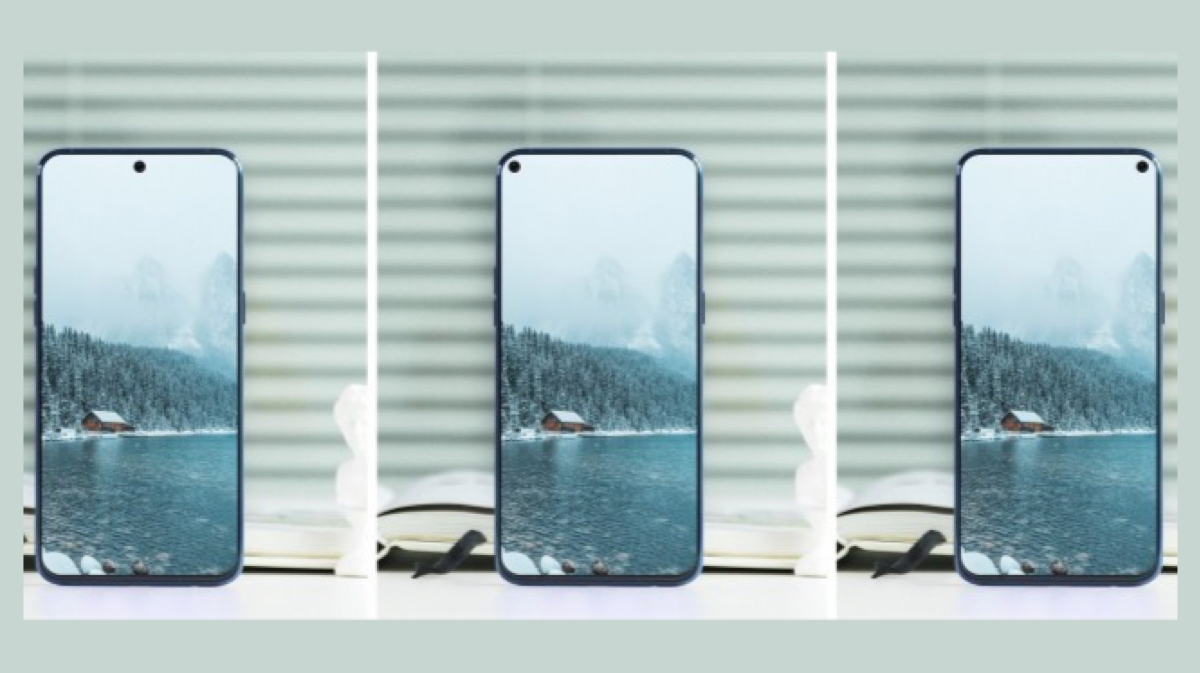
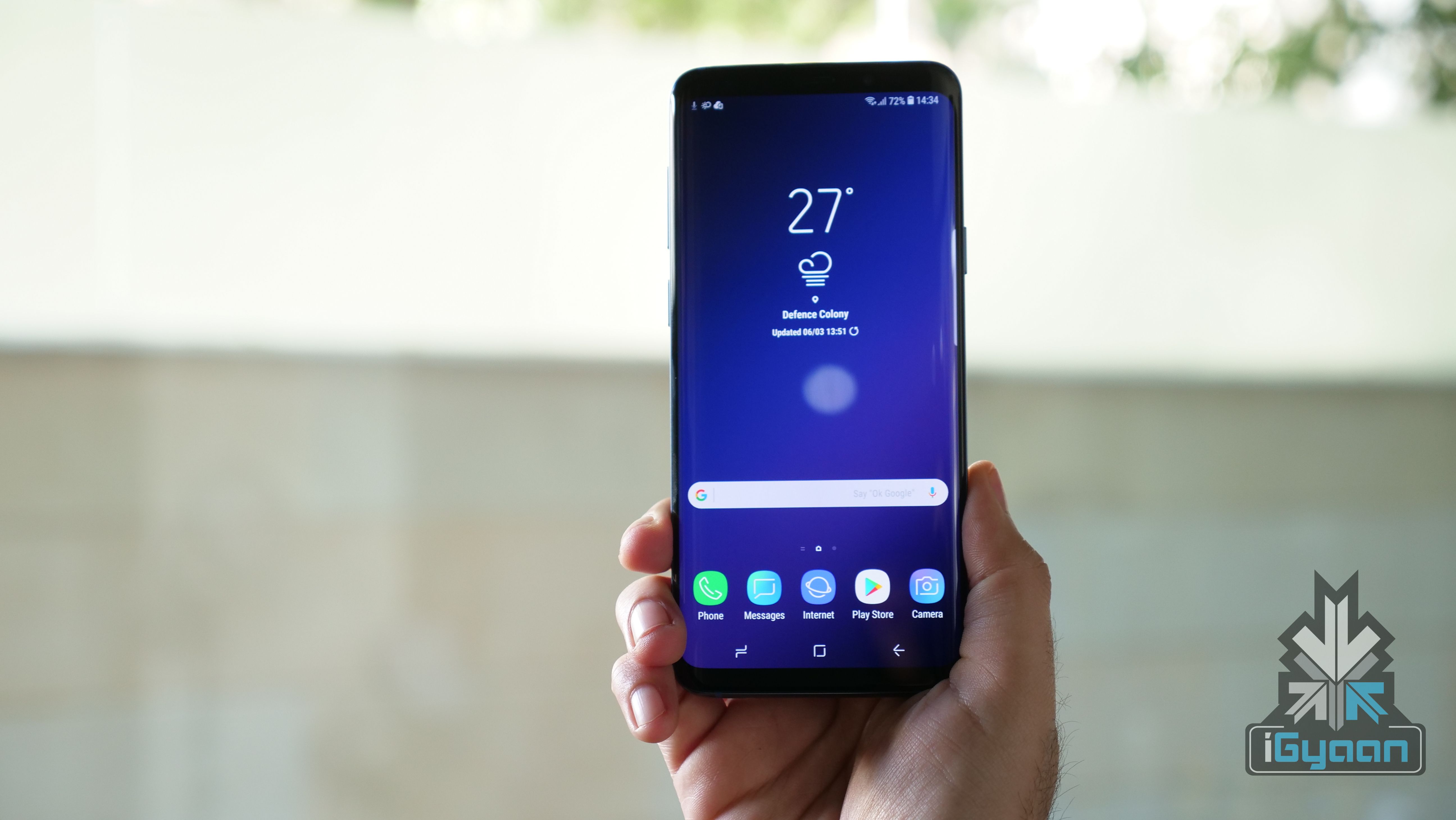
    Samsung has just taken the next step towards a truly edge-to-edge display, or so it seems. In its recent event, Samsung teased the Galaxy A8s. This device is as close as it gets to an all-screen display. The teaser by Samsung shows a clear display, free of any obstructions. But a well known Samsung leakster on Twitter said that the device will have a tiny camera cut-out on the screen.

    Galaxy A8s

    Samsung is probably the only smartphone manufacturer to not jump on to the notch bandwagon. But this hasn’t stopped the company from ensuring that they work towards an all-screen display. Talking about the Galaxy A8s, which is the cause for all this excitement, some reports also suggest that it will for sure have a camera cut-out. The camera cut-out might even be disabled while viewing videos or playing games, ensuring that it does not obstruct the display. The placement for the cut-out is still not known. Some sources are saying that it will be on the sides and not the centre to avoid direct obstruction. A recent tweet, which is no longer available, showcased the possible placement options that Samsung has for the device.

    Whether the company has cracked the code to making an all-screen display or whether we’ll see a camera cut-out is not clear at this point of time. They have not revealed anything more about the device which might see its launch in the early parts of 2019. A truly bezel-less and notch-less display is also possible as Samsung has recently patented a technology to have an in-display front camera. With this, the front camera will be present within the display, eliminating the need for a notch or a cut-out to house it. This technology is probably the only way to achieve a 100% screen-to-body ratio.

    Samsung’s Innovation Spree

    It is not surprising that Samsung is stepping up its innovation game. The company can no longer hold on to new technology or save it just for its flagship smartphones. With increasing competition threatening it in almost every smartphone market, the company needs to go out with all guns blazing. Other reports about the company developing a technology which will turn the entire screen into a fingerprint sensor has also appeared, showing that there is no slowing down for Samsung as of now.

    Also Read: OnePlus 6T To Have MicroSD Card Support

    Could the camera cut-out be the new trend for smartphone manufacturers or is it just as inconvenient as the notch? Tell us what you think in the comments below.

  • OPPO Find X To Launch In India On July 12th

    OPPO Find X To Launch In India On July 12th

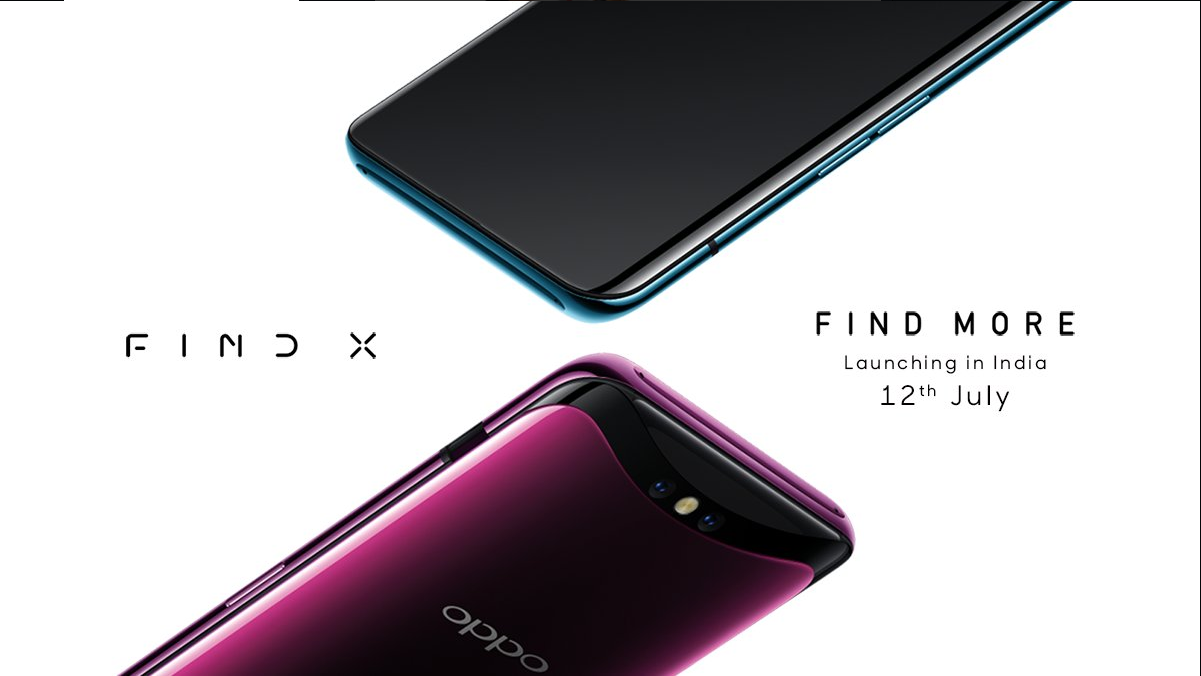
    A truly bezel-less smartphone is the dream we all have. We have seen smartphones mimicking the look of a bezel-less smartphone but, we are still quite a distance away from that sweet 100% screen-to-body ratio. But, that doesn’t mean smartphone makers aren’t making advancements toward that future. OPPO, the popular Chinese smartphone maker is the new entrant to the race for the highest screen-to-body ratio with the OPPO Find X. The unique smartphone was recently launched in China and is set to launch in India on July 12th.

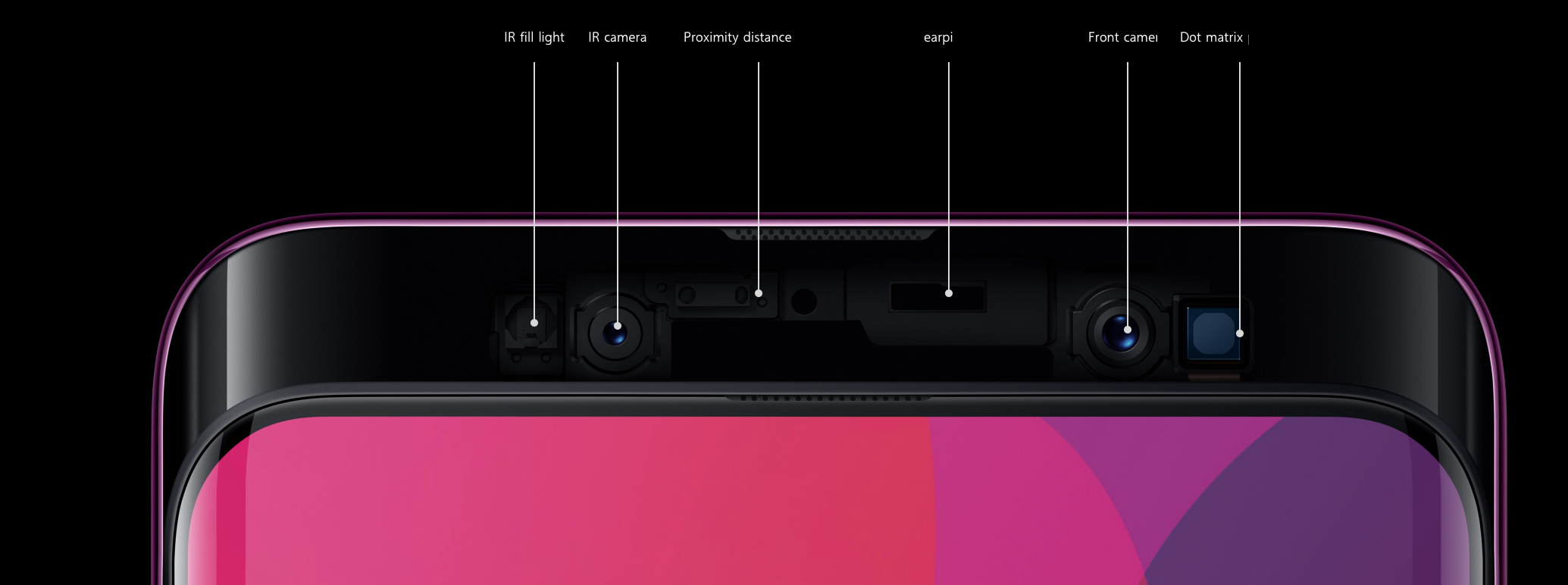
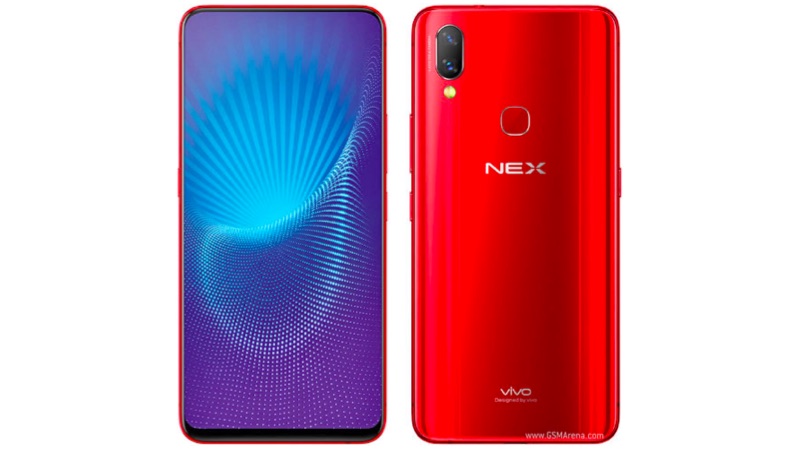
    The highlight of the OPPO Find X is its design. To achieve a high screen-to-body ratio, the company decided to move the front camera behind the display. However, we still don’t have the technology to embed a camera under the display. To counter that, the company took a page from the Vivo NEX S handbook and went for a pop-up camera. However, unlike the NEX S, the pop-up mechanism houses both the front camera and a rear facing dual camera setup.

    Face Unlock Mechanism

    Interestingly, the OPPO Find X misses out on a fingerprint sensor. It instead uses Face Unlock which is a bit more advanced than the software-based Face Unlock found on modern day devices. This means that the camera would pop-up a lot more than the NEX S. Hence, the durability of the mechanism can be questioned. OPPO conceded that the pop-up mechanism was tested to 300,000 slides, and the company says that the average person unlocks their phone 100-150 times a day. This means that durability won’t be an issue for at least 5 years.

    Must Read: Xiaomi Mi MIX 3 With Pop-Up Front Camera Revealed In Promotional Poster

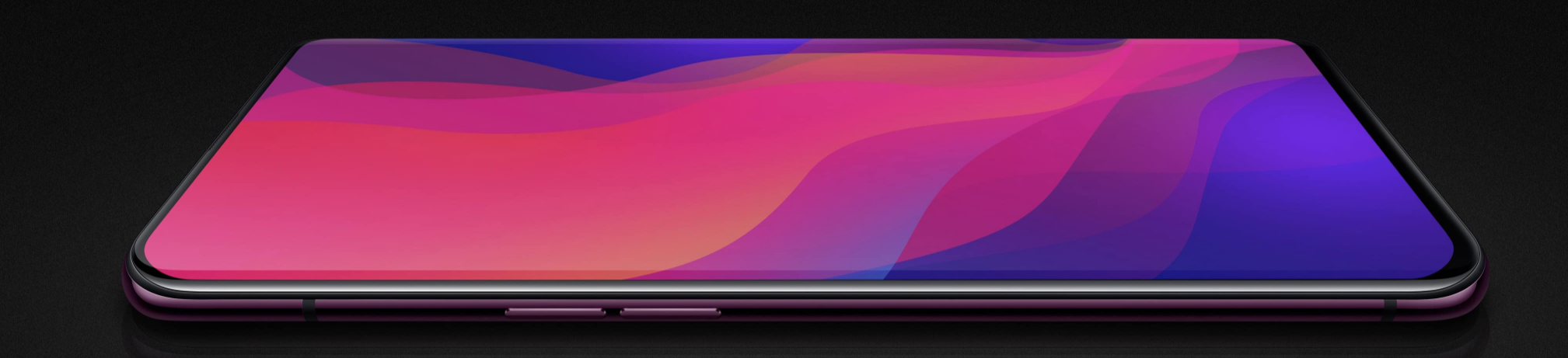
    With the slider doing the bulk of the heavy lifting usually dedicated to the bezels, the front of the smartphone is almost entirely made of a 6.4 inch OLED display with a 2160 x 1080 px resolution. The company claims that the screen-to-body ratio stands at 92.5%.

    Under the hood, the smartphone runs on the Qualcomm Snapdragon 845 chipset coupled with 8GB of RAM and 256GB of storage. Powering the smartphone is a 3730 mAh battery with support for VOOC fast charging. Out of the box, the smartphone will run Android 8.1 Oreo with ColorOS 5.1 on top of it.

    The sliding module houses a 16MP and a 20MP rear facing dual camera setup. The smartphone is capable of recording 4K videos at 30fps but, we know that the chipset can handle 4K videos at 60fps. The camera on the front is a 25MP sensor with an f/2.0 aperture.

    The OPPO Find X retails in Europe for 999 Euros which translates to about Rs 80000. However, that is not how the pricing of smartphones is done and the device could launch at a lower price in India. The pricing will be announced at the launch event is just a few days.

  • Xiaomi Mi MIX 3 With Pop-Up Front Camera Revealed In Promotional Poster

    Xiaomi Mi MIX 3 With Pop-Up Front Camera Revealed In Promotional Poster

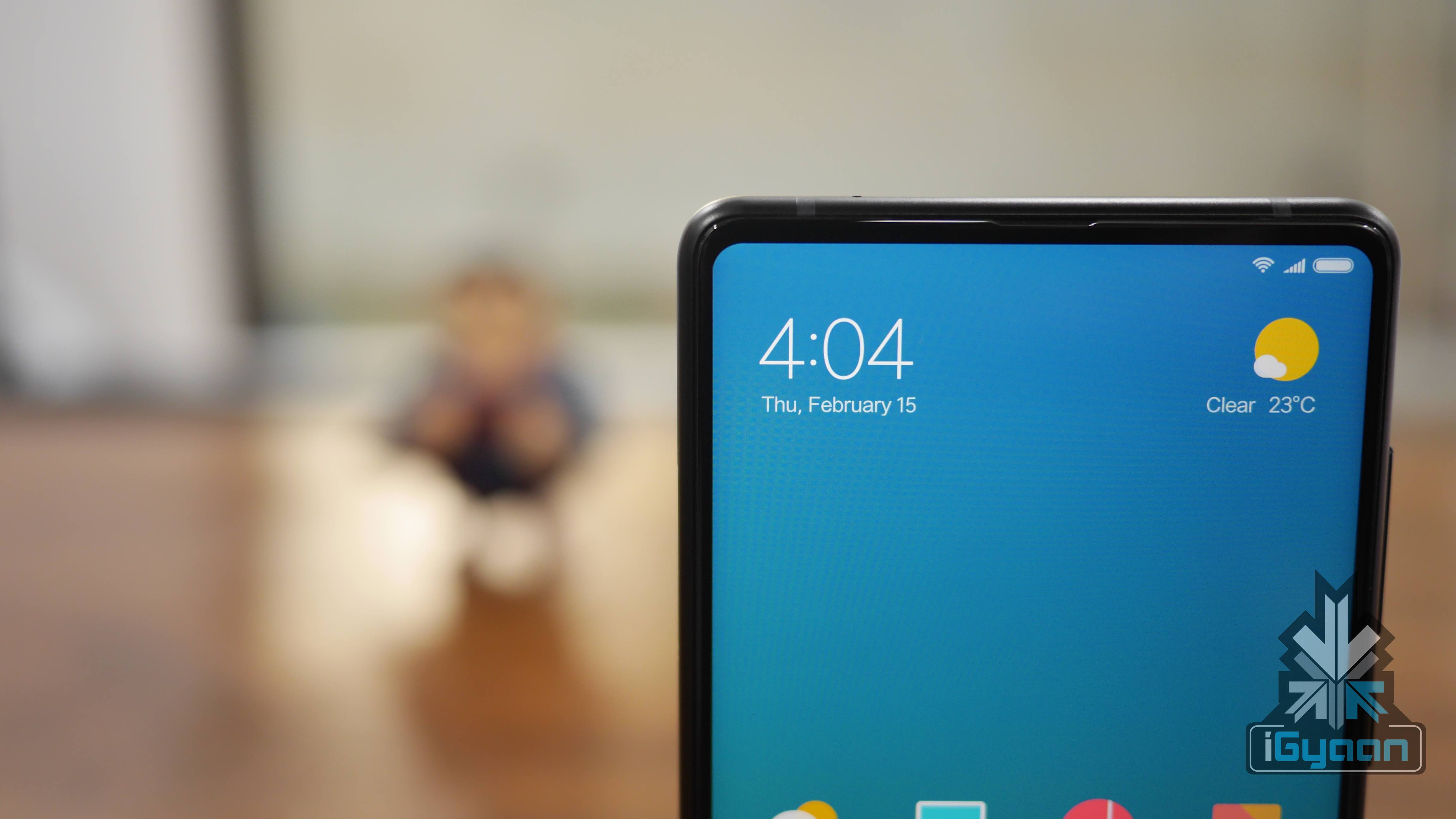
    The smartphone industry is moving towards that ultimate bezel-less smartphone. It looks more and more likely that a smartphone maker will soon unveil a working prototype of a futuristic smartphone and a few companies are at the forefront of that. Vivo recently launched the NEX S, based on its Vivo NEX concept with a pop-up front camera to further reduce the size of the bezels. It appears that this could be a trend that will catch on and Xiaomi might be the next in line. The Xiaomi Mi MIX 3 is rumoured to launch with a pop-up front camera to attain a very high screen-to-body ratio.

    A new image posted on Weibo appears to be a promotional poster of an upcoming Xiaomi smartphone. In the image, the pop-up camera is clearly visible, although, the name of the smartphone is nowhere to be found. However, Xiaomi’s Mi MIX lineup has been the company’s outlet for futuristic designs and pushing that screen-to-body ratio to its limits. The Mi MIX 3 could well beat OPPO Find X’s record for the highest screen-to-body ratio if the rumours turn out to be true.

    Must Read: Xiaomi Mi 8 SE Running On Snapdragon 710 Officially Launched

    While the design looks aesthetically pleasing and does help smartphone makers reduce the top bezel (or the bottom bezel in Xiaomi’s case), it has its sceptics. It is not a secret that having moving parts in a smartphone can be a recipe for a disaster waiting to happen. There are plenty of scenarios where moving parts can be cumbersome, and not to forget, expensive. The Vivo NEX S and OPPO Find X look great but, how they fair in the long run is yet to be seen.

    Over the years, Xiaomi has become famous for its reliable hardware and software. If the company does go ahead with a pop-up camera, it’s fair to assume that it would be a well thought out decision. What this will do to the affordability of the Mi MIX lineup is anybody’s guess as of now.

  • OPPO Find X Will Have A Record Breaking 93.8% Screen-To-Body Ratio

    OPPO Find X Will Have A Record Breaking 93.8% Screen-To-Body Ratio

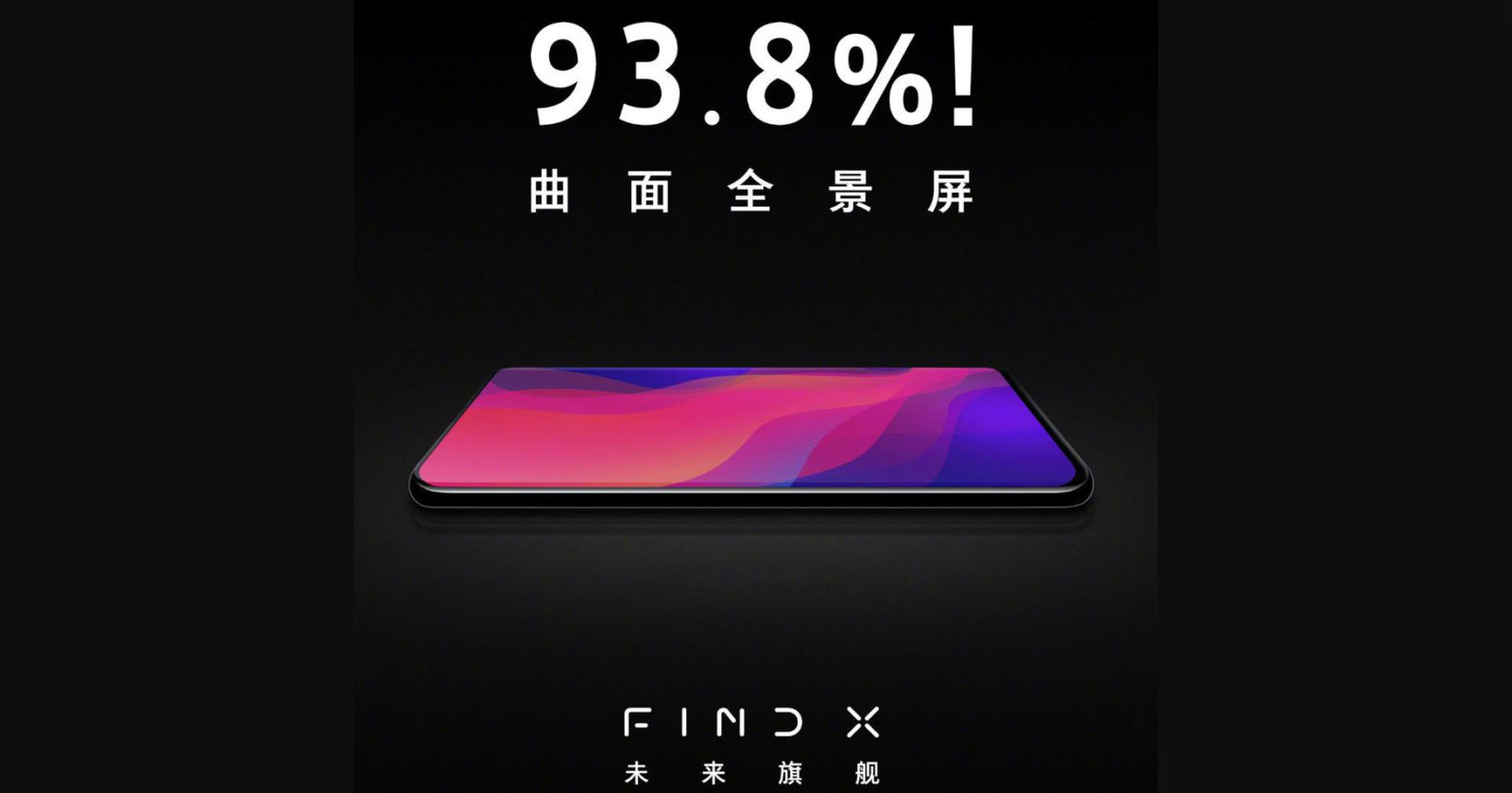
    Smartphone marketing, as we have come to realise, can often be misleading. The Lenovo Z5 is the latest example of that. We expected a truly bezel-less device and instead got a notched smartphone with a mediocre design. The next smartphone to create waves of interest is the OPPO Find X. The new flagship smartphone from the Chinese smartphone maker is set to launch on June 19th in Paris.

    Like the Lenovo Z5, the company has been teasing the design and features of the OPPO Find X on social media. In its latest post, the company claims that the smartphone will have a whopping 93.8% screen-to-body ratio. The current record holder is the newly Vivo NEX with a 91.2% screen-to-body ratio. OPPO will attain this ratio with a notch while the Vivo NEX, as we all know, doesn’t have a notch. With this screen-to-body ratio, OPPO’s record might not be broken for a while since the industry is still limited in the way an AMOLED display connects to a motherboard. So far, only the iPhone X has managed to not have a chin by curving the display inwards. It’ll be interesting to see OPPO executes its design for the Find X.

    Vivo NEX

    Even the notch on the OPPO Find X is expected to be different from what we’ve seen on any device so far. A recent teaser shows that the notch will be much more curved than devices like the iPhone X or Mi 8. This should result, at least on paper, in a much less asymmetrical design compared to other notched smartphones. However, this is just an educated guess from the teaser and the end result could be completely different, as we have seen on the Z5.

    The OPPO Find X is expected to feature a 6.4 inch AMOLED display with a 2280 x 1080 px resolution.

    https://twitter.com/bang_gogo_/status/1007504825930506240

    The device could run on the Snapdragon 845 coupled with up to 8GB of RAM and 128GB of onboard storage. The storage will be expandable via a microSD card. The fingerprint sensor will be placed on the back of the device which also houses a 16MP dual-camera setup. The notch will house a 25MP sensor for selfies.

    The launch of the Find X is just a day away and the specifications, coupled with the ambitious design surely makes this the most anticipated OPPO device yet.

  • Lenovo Z5 Will Have A World-First 4TB Of Onboard Storage

    Lenovo Z5 Will Have A World-First 4TB Of Onboard Storage

    Lenovo is really going all out with the new flagship smartphone. The company has already teased that the Lenovo Z5 could be the first smartphone to offer a 95% screen-to-body ratio. For context, the iPhone X as an 81.1% screen-to-body ratio. Lenovo VP Chang Cheng has been active on his Weibo account recently, teasing different aspects of the soon to be launched Android smartphone.

    In his latest post, Chang claims that the Lenovo Z5 will have a massive 4TB onboard storage. This is an extremely bold claim and we will wait before we jump the gun here. This could very well be a vague reference to cloud storage that Lenovo will provide with the Z5. In his post, he claims that this was possible thanks to “particle technology” and this amount of storage can hold 2000 HD movies, 150,000 lossless music files, and 1 million photos.

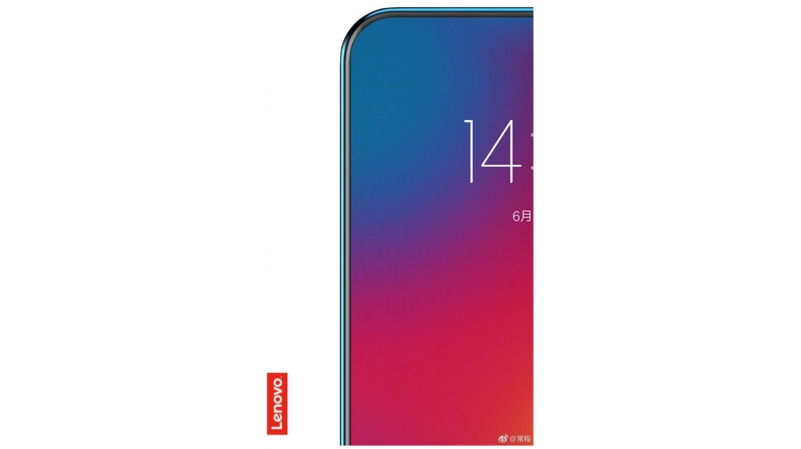
    A few days ago, Lenovo’s Vice President Chang Cheng shared a teaser image of the company’s upcoming flagship device on his Weibo page. The image revealed the top-left side of the smartphone which hinted at the fact that the device won’t have a notch. The bezels were also extremely thin. He then posted a sketch of the smartphone which revealed extremely thin uniform bezels around the display. Cheng has again posted a teaser of the Lenovo Z5, revealing the bottom half of the smartphone.

    There are rumours that the smartphone will have a flip-up front camera, something we saw at MWC 2018. The fingerprint sensor could have easily been placed at the back but, rumours claim the smartphone will have an in-display fingerprint sensor. However, considering how expensive that tech still is, we expect a rear-mounted fingerprint reader on the Lenovo Z5. The sketch also revealed the USB C port located at the bottom while the headphone jack is missing. It is possible that the company could place it on the top but, considering the industry-wide trend, we could see headphone jack-less Lenovo Z5.

    Bit by bit, the Lenovo Z5 is being introduced to the world, and so far, the details look promising. The launch is set for June 14th and it’ll be interesting to see if this device will ever make its way outside China.


  • Lenovo Z5 Will Have iPhone X Like Thin Bezels Without The Notch

    Lenovo Z5 Will Have iPhone X Like Thin Bezels Without The Notch

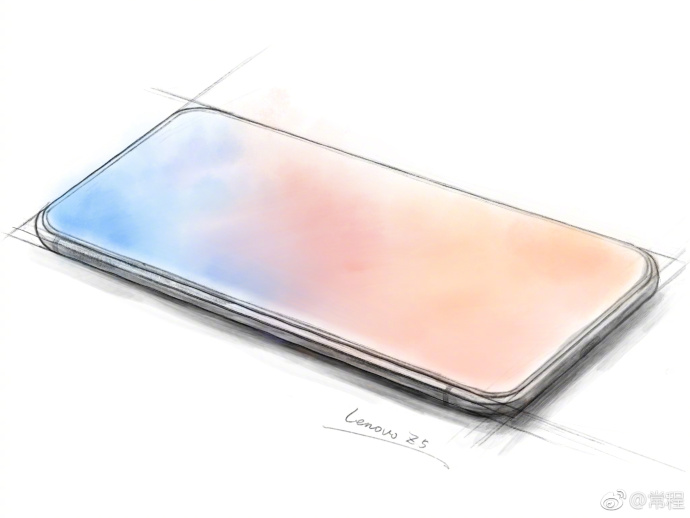
    A couple of days ago, Lenovo’s Vice President Chang Cheng shared a teaser image of the company’s upcoming flagship device on his Weibo page. The image revealed the top-left side of the smartphone which hinted at the fact that the device won’t have a notch. The bezels were also extremely thin. To continue hyping up the phone, the Lenovo VP has posted a sketch of the smartphone, the Lenovo Z5.

    If this one image is anything to go by, the Lenovo Z5 might be one of the most exciting smartphones to launch this year. The sketch reveals that the Z5 won’t have a notch, and the bezels will be evenly spread out on all sides. The sketch, which could exaggerate the design a bit, shows iPhone X-like thin bezels on all sides of the smartphone.

    Many questions arise after looking at the sketch. The front camera, earpiece and the necessary sensors appear to be missing here. There are rumours that the smartphone will have a flip-up front camera, something we saw at MWC 2018. The fingerprint sensor could have easily been placed at the back but, rumours claim the smartphone will have an in-display fingerprint sensor. However, considering how expensive that tech still is, we expect a rear-mounted fingerprint reader on the Lenovo Z5.

    The sketch also shows the USB C port located at the bottom while the headphone jack is missing. It is possible that the company could place it on the top but, considering the industry-wide trend, we could see headphone jack-less Lenovo Z5. Apart from that, the image doesn’t really tell us anything else about the device.

    The launch of the flagship device is still over a month away. The new sketch does increase the interest in the Z5, especially considering the slew of smartphones that sport a notch these days. The Lenovo Z5 could be a breath of fresh air the smartphone industry is in dire need of.

  • What Is The Future Of Front-Facing Cameras?

    What Is The Future Of Front-Facing Cameras?

    We all love bezel-less smartphones. Even since the turn of 2017, the bezels have become increasingly thinner and displays have become taller. All this while, the size of the whole device has remained constant. The trend has caught on so much that capable devices like the OnePlus 5, even the iPhone 8 and 8 Plus were deemed “archaic” for the modern times. By no means are they bad-looking devices, they just have modern looking siblings that are more appealing.
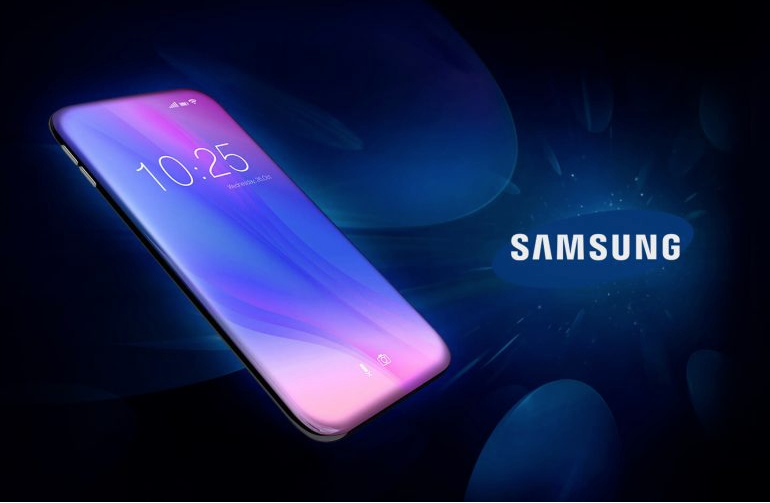
    But, while we despise anything with bezels, we need to remember that bezels on a display have a role. While we like to call smartphones like the iPhone X or the Galaxy S9 as “bezel-less,” in reality, they aren’t. No smartphone has a 100% screen-to-body ratio and there is a genuine reason behind that. Modern day smartphones have different implementations of the front-facing cameras and the earpieces. Along with that, you need space to store all the sensors as well.

    While the Mi Mix and Mi Mix 2 moved the front-facing camera on the bottom bezel to trim the other three sides, it hasn’t been a popular decision. The Galaxy S9 and S9+ with their infinity displays still have a chin and forehead which houses the sensors, camera and an earpiece. The iPhone X has a notch that houses everything. Similarly, the Essential Ph-1 has a cyborg eye-like notch for the front camera while the rest is situated just above the display.

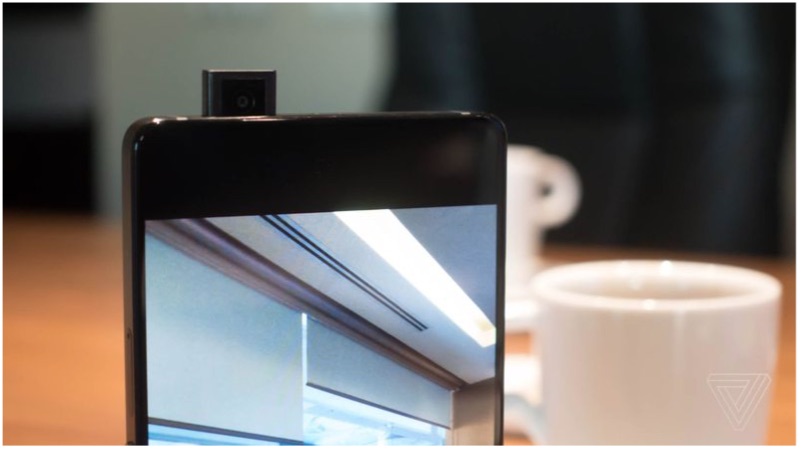
    However, it looks like two companies might have the answer to the front camera conundrum. At the ongoing MWC 2018, Vivo unveiled a concept phone, the Vivo Apex. Apart from having some of the thinnest bezels on a smartphone, it has an interesting implementation of the front camera as well. The Apex has a camera housed in the smartphone. It essentially means that when a user has to take a selfie, a camera pops out of the smartphone. It doesn’t use up any screen real estate which allowed the company to keep the bezels at 1.8mm thick.

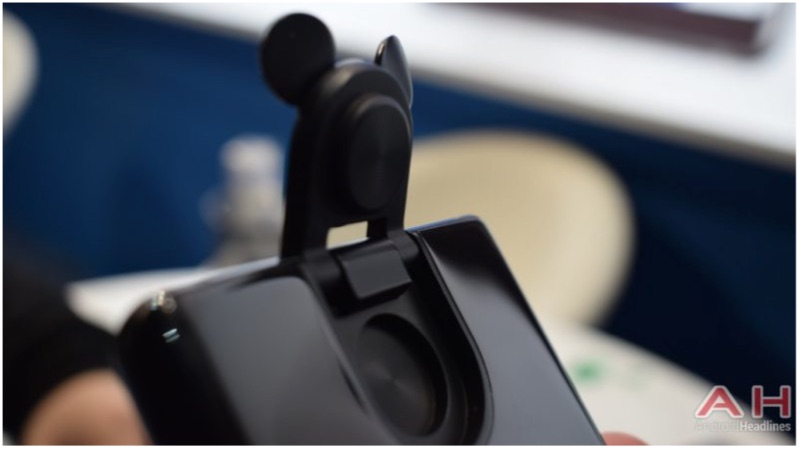
    While this is still a concept phone, it is an interesting implementation. Certainly, it is better than what Xiaomi did with the Mi Mix and Mi Mix 2. Another interesting smartphone unveiled at MWC 2018 is the Bluboo S2. However, the Bluboo S2 has an interesting implementation of the camera as well. Similar to what the OPPO N1 did, the Bluboo S2 has a rotating camera. You basically lift the camera from behind and it stands upright for front-facing functionalities.

    While this does seem futuristic, more brands, and mainly, bigger brands need to adapt these for it to grow. Until we get a screen-embedded camera, these could be some of the best options to completely get rid of the bezels.

  • Moto G6 Specifications Leaked

    Moto G6 Specifications Leaked

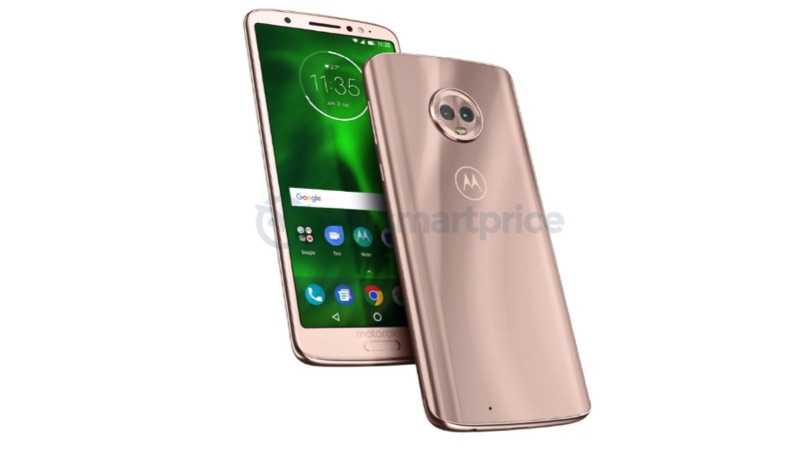
    The recent leaks and rumours about the Moto G6, Moto G6 Play and Moto G6 Plus are hinting towards the launch of these phones at MWC 2018. However, the company has not made any announcements pertaining to MWC 2018.

    The upcoming Moto G devices are expected to have an 18:9 aspect ratio. In fact, these will be the first few smartphones from Motorola to feature a modern design with thin bezels.

    Credits: Geekbench

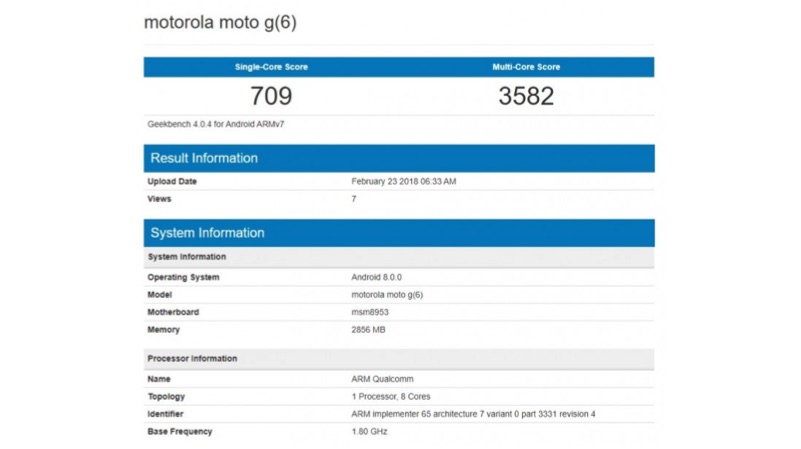
    The Moto G6 was spotted on Geekbench, revealing some of its specifications. The Geekbench listing reveals that the smartphone will be powered by the Qualcomm Snapdragon Octa-core processor with the base frequency of 1.8 GHz. The phone scores 709 points on a single core and 3582  points for the multi-core performance.

    The only chipset that matches the above equation is the Qualcomm Snapdragon 450. This seems accurate considering the Moto G5 was launched with the Snapdragon 430 chipset. However, these are still leaks and nothing can be said concretely.

    Specifications:

    The Moto G6 is most likely to have a 5.7-inch 2160 x 1080p IPS LCD display. Under the hood, the smartphone, as mentioned in the listing, will be powered by the Snapdragon 450 chipset with 3GB RAM and 32GB storage.

    The Moto G6, in all probability, will run Android 8 Oreo out of the box. However, considering the recent behaviour of other OEMs, it won’t be surprising to see the Moto G6 running Android 7 Nougat. The device is expected to feature a 3000 mAh battery with Turbocharging capability.

    The device will have a dual 12 MP + 5 MP primary cameras with an 8 MP front-facing camera.

    Conclusion:

    Motorola has been doing well in the Indian market. In fact, its smartphones like the Moto G5s Plus and Moto G5 Plus are some of the best selling smartphones. However, the competition in the budget segment has increased since the launch of the likes of Honor 9 Lite and Redmi Note 5 Pro. Therefore, the Moto G6 and its siblings need to have their pricing spot on to compete in the Indian market.

  • HTC Desire 12 With 18:9 Display To Launch At MWC 2018

    HTC Desire 12 With 18:9 Display To Launch At MWC 2018

    Smartphones in 2018 are expected to have the standard 18:9 aspect ratio. Not just premium phones, but, even budget and entry-level devices are expected to follow the industry norm. HTC, which recently launched the HTC U11+ in India, might be launching an entry-level phone with an 18:9 aspect ratio. The company is rumoured to launch the HTC Desire 12 with a tall display at MWC 2018.

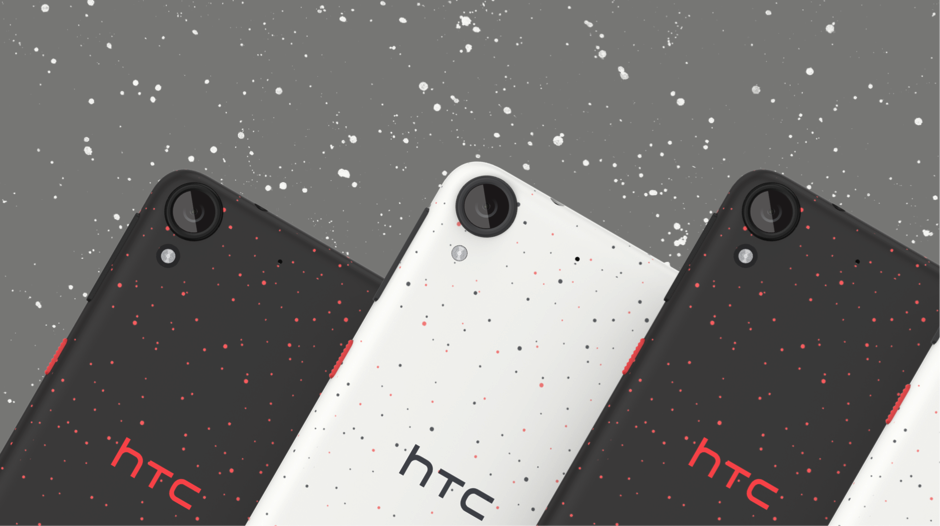
    HTC Desire 825

    Evan Blass, a popular tipster on Twitter revealed that the company is working on an entry-level device. He later revealed that this smartphone will be called the HTC 12 Desire. The company is also expected to launch the HTC U12 at MWC 2018.

    Specifications:

    The HTC Desire 12 will have a 5.5-inch display with an 18:9 aspect ratio. We have seen the majority of bezel-less smartphones have a display close to 6 inches, so, this information might not be accurate.

    The smartphone is expected to have a MediaTek processor, paired with 2GB RAM and 16GB onboard flash storage. If these specifications turn out to be true, the HTC U12 Desire could be one of the cheapest smartphones with an 18:9 aspect ratio. The device will be powered by a 2730 mAh battery.

    The smartphone is expected to have a 13 MP primary camera and a 5 MP front-facing camera. However, there is no further information on other specifications about the cameras.

    Conclusion:

    While the specifications do come across as entry-level, pricing could make a difference for the HTC U12 Desire. The 18:9 aspect ratio could differentiate it from other entry-level devices. Also, there are chances that this could be an Android Go device considering the specifications. However,

    HTC hasn’t learned anything from the past. People no more look for a brand name, instead, they dig down deep for the specifications. The only upside about the HTC Desire 12 is the 18:9 display. The processor, RAM, and ROM don’t say much about the device. However, nothing has been confirmed by the company yet. This means that the leaks could amount to nothing, come MWC 2018.

  • Could This Be The Future Design Of Bezel-Less Smartphones?

    Could This Be The Future Design Of Bezel-Less Smartphones?

    Smartphones are slowly but surely moving towards a completely bezel-less era. With every passing generation, the smartphones become sleeker. We even have a screen-embedded fingerprint sensor now, for people who want a bezel-less design but, also a front-facing fingerprint sensor. But, are bezels just an unnecessary extension or do they hold any importance?

    Bezel-Less
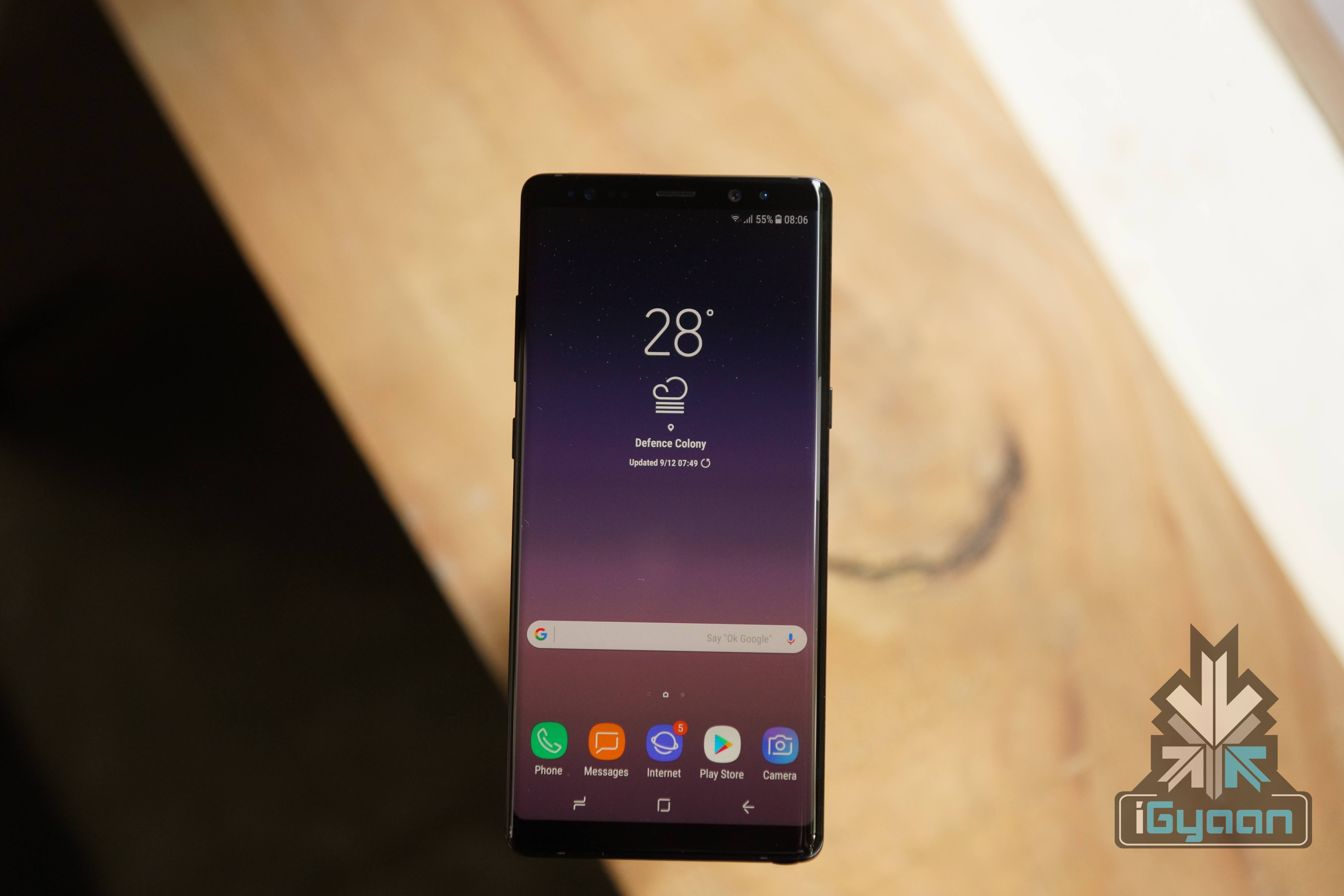
    Galaxy Note8

    With the technology we possess right now, bezels are important. As much as we would like an all-screen no-bezel phone, it seems highly impractical as of now. Apart from a display, the front of the device also houses a camera, sensors and the earpiece as well. Right now, there isn’t a commercialised technology that can house all of this under a display.
    Bezel-Less
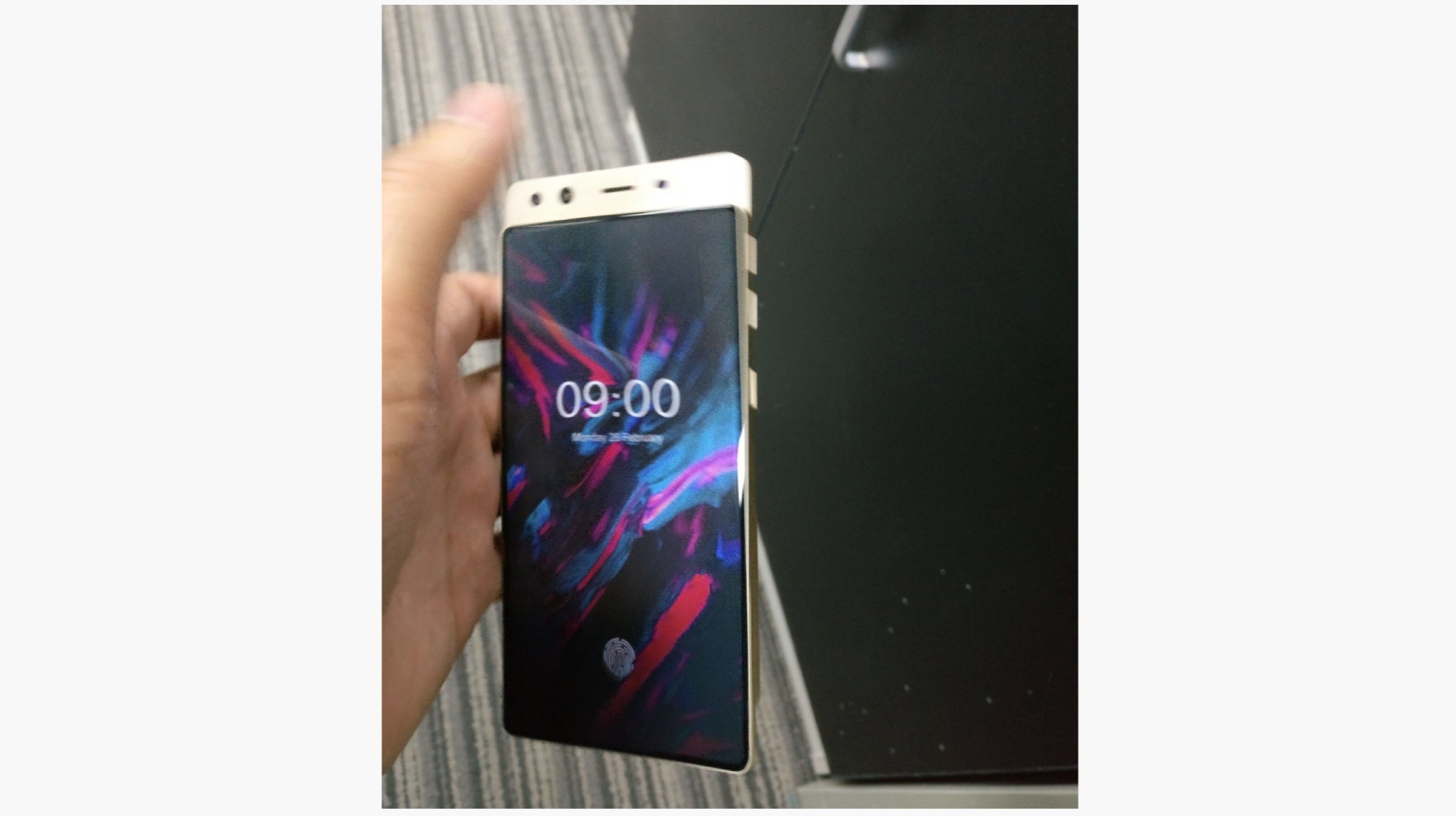
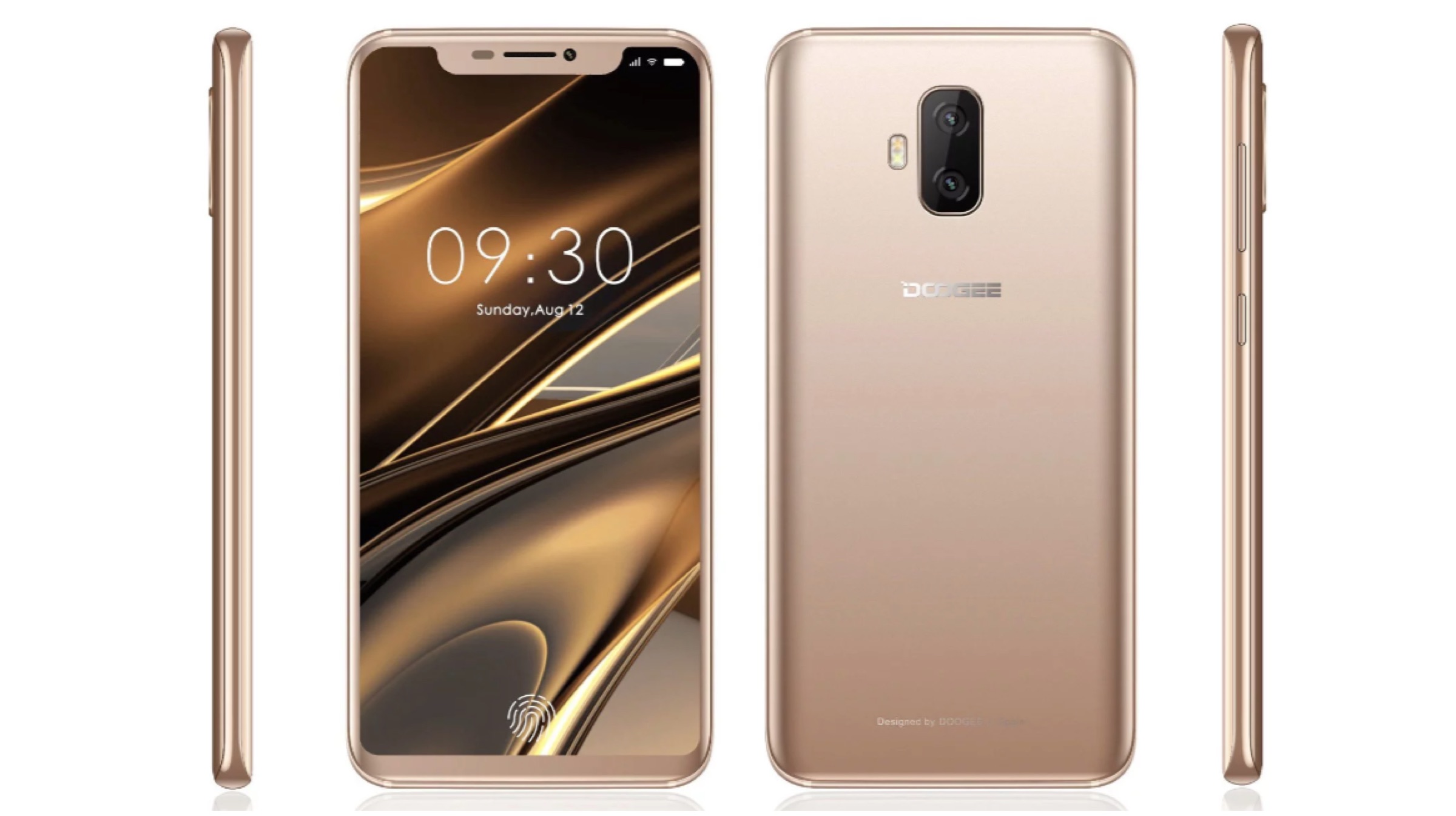
    Doogee Mix 3

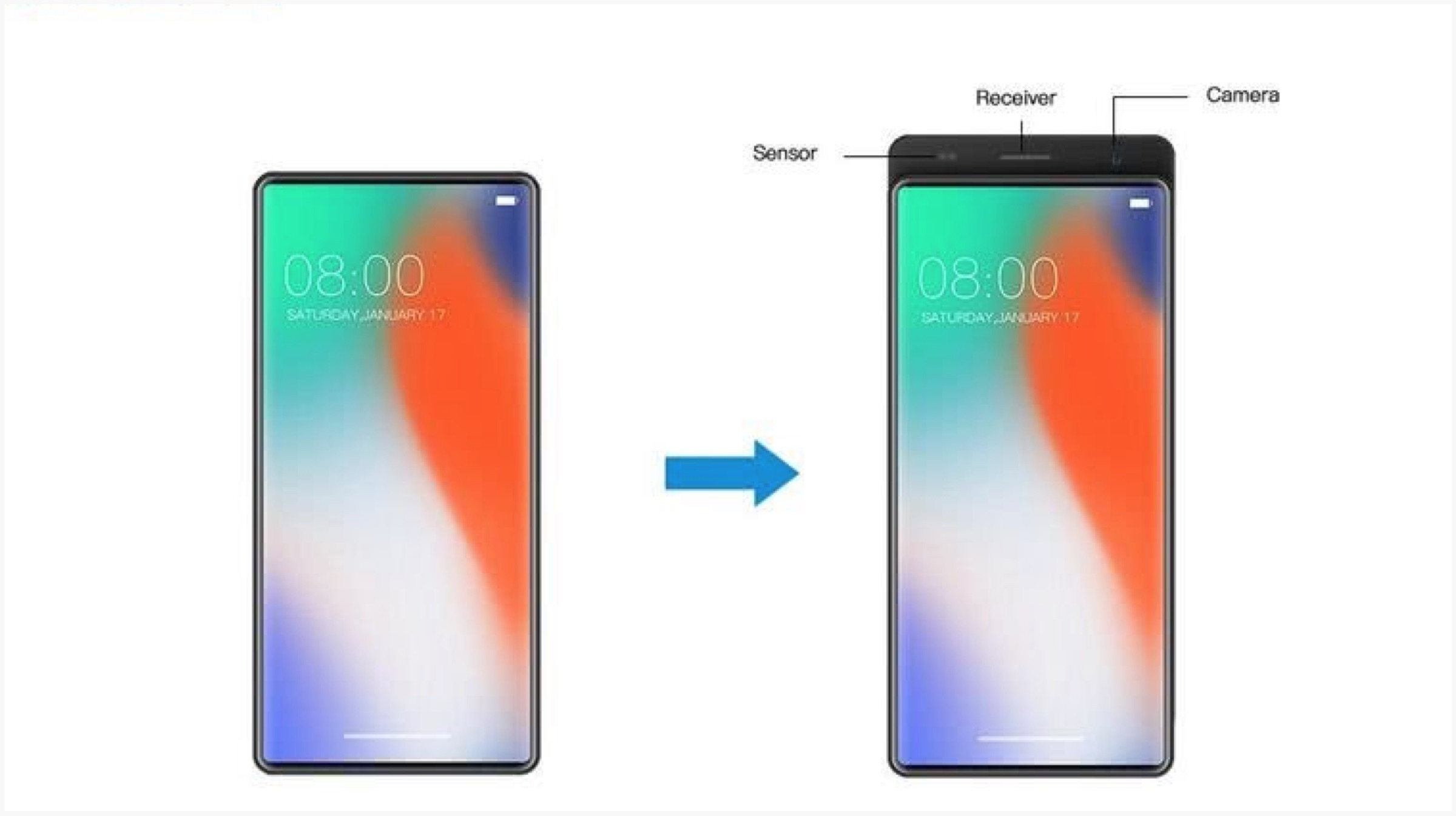
    A leak of a new smartphone by Doogee, however, could be the ultimate design solution for companies striving for an all-screen phone. The images of the devices were uploaded to Twitter by a popular tipster and reveal a sliding back panel which really looks ingenious. Basically, the front of the phone is almost all-screen and the front-facing camera and earpiece are housed in a sliding back panel.

    Bezel-Less
    Mechanism

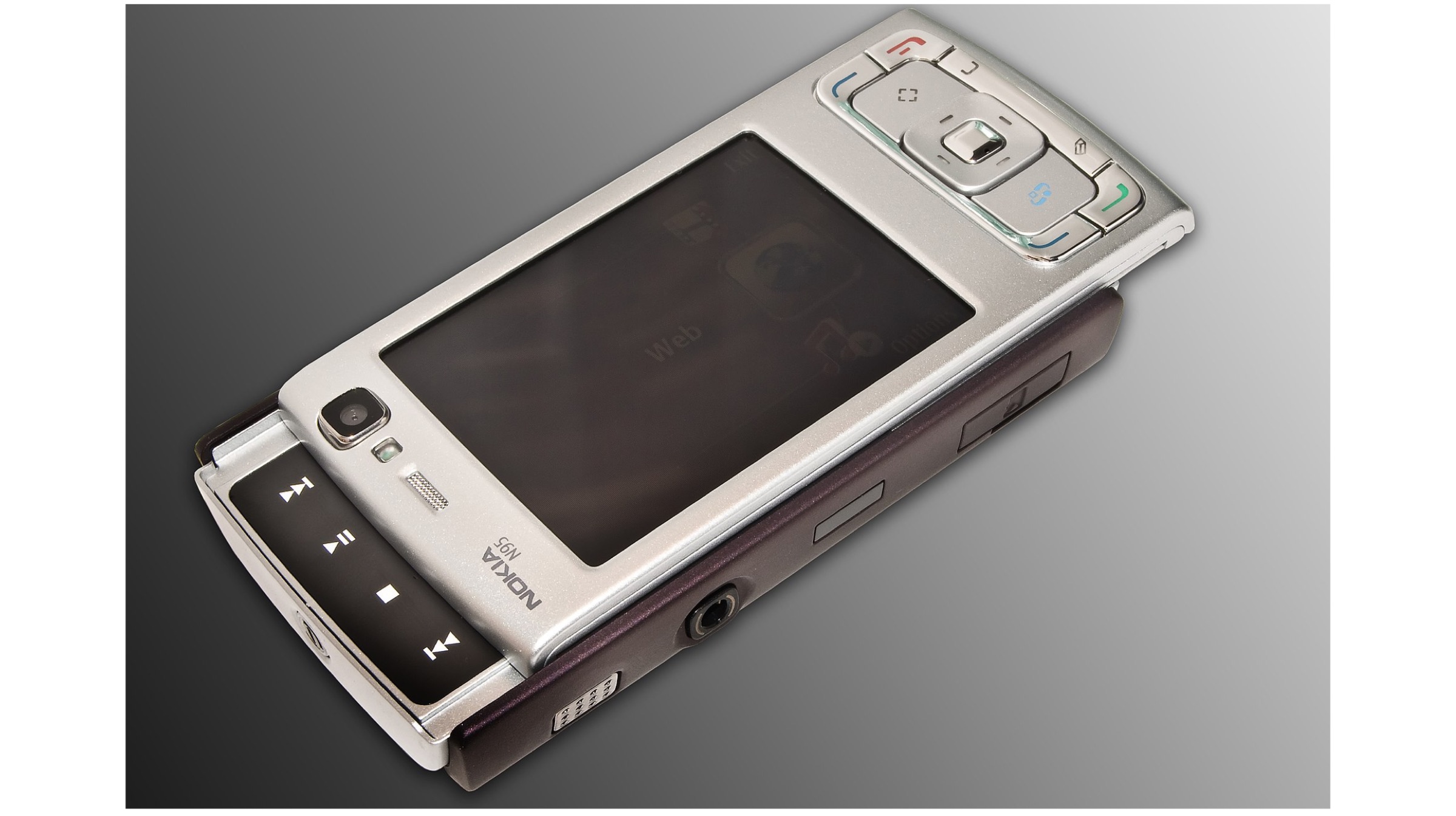
    If you jog your memory a bit and go back to 2007, you will recall a certain Nokia phone. The Nokia N95 had a two-way slider where it slid from top to reveal the “music keys.” In a similar way, the Doogee Mix 3 slides down from top to reveal a camera and the earpiece. This means that a smartphone maker can fit a display without worrying about the front-facing camera and earpiece.

    Samsung recently patented a camera that can be housed inside the display but, as of now, it is nothing more than a patent. Samsung decided to go the “infinity display” route with its 2017 flagship phones. It eliminated the side bezels with an edge display and kept the symmetrical top and bottom bezels. The Xiaomi Mi Mix, launched in 2016 had a tri-bezel less design with the bottom bezel housing the camera.

    Bezel-Less
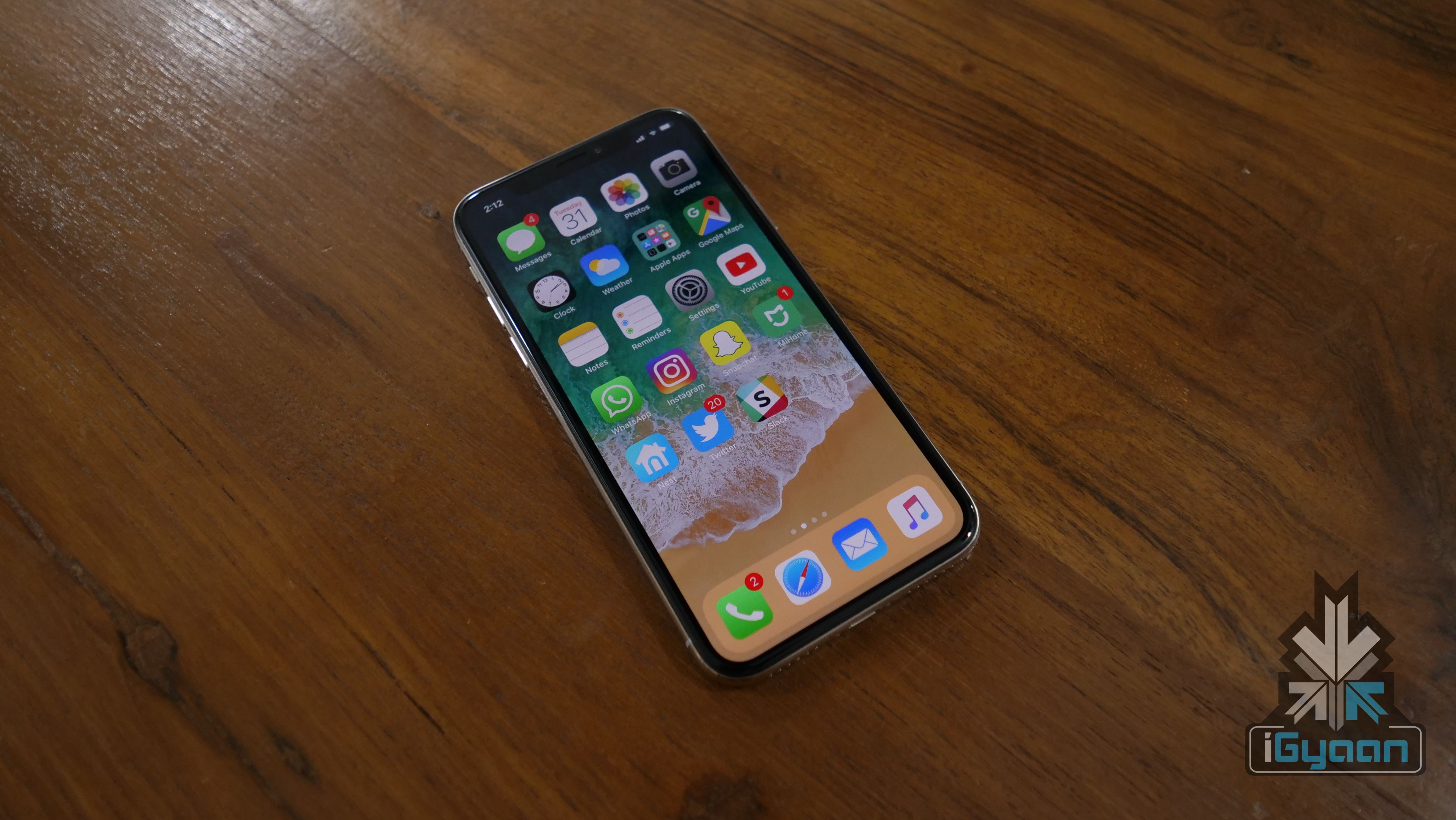
    iPhone X

    The Apple iPhone X launched in September with a design completely different than any of its predecessors. It looked more modern with a glass back and extremely thin bezels all around the display. Apple took the call to get rid of Touch ID altogether and introduced Face ID. But, the most noticeable aspect of the iPhone X was the notch on the display.

    Bezel-Less
    Mi Mix

    A case can be made whether having a notch on the display is the way forward. People’s despise towards the iPhone X could also be attributed to consumer’s lack of experience with such anomaly. If more smartphone makers adopt the idea, it will expose consumers to more implementations of the notch. Apart from the Essential-Ph1, no other major smartphone maker decided to implement the notch, which meant that the iPhone X was the only smartphone in the market with a design different than what’s “normal.”

    However, the notch on the display might hinder in some people’s experience. The old school slider, however, could be a convenient solution for smartphone makers and consumers alike. Until the “camera under the display” technology is commercialised, this seems like the best bet for companies to achieve the goal of an all-screen no bezel design.

  • Meizu 15 Plus Could Have The Slimmest Bezels Yet

    Meizu 15 Plus Could Have The Slimmest Bezels Yet

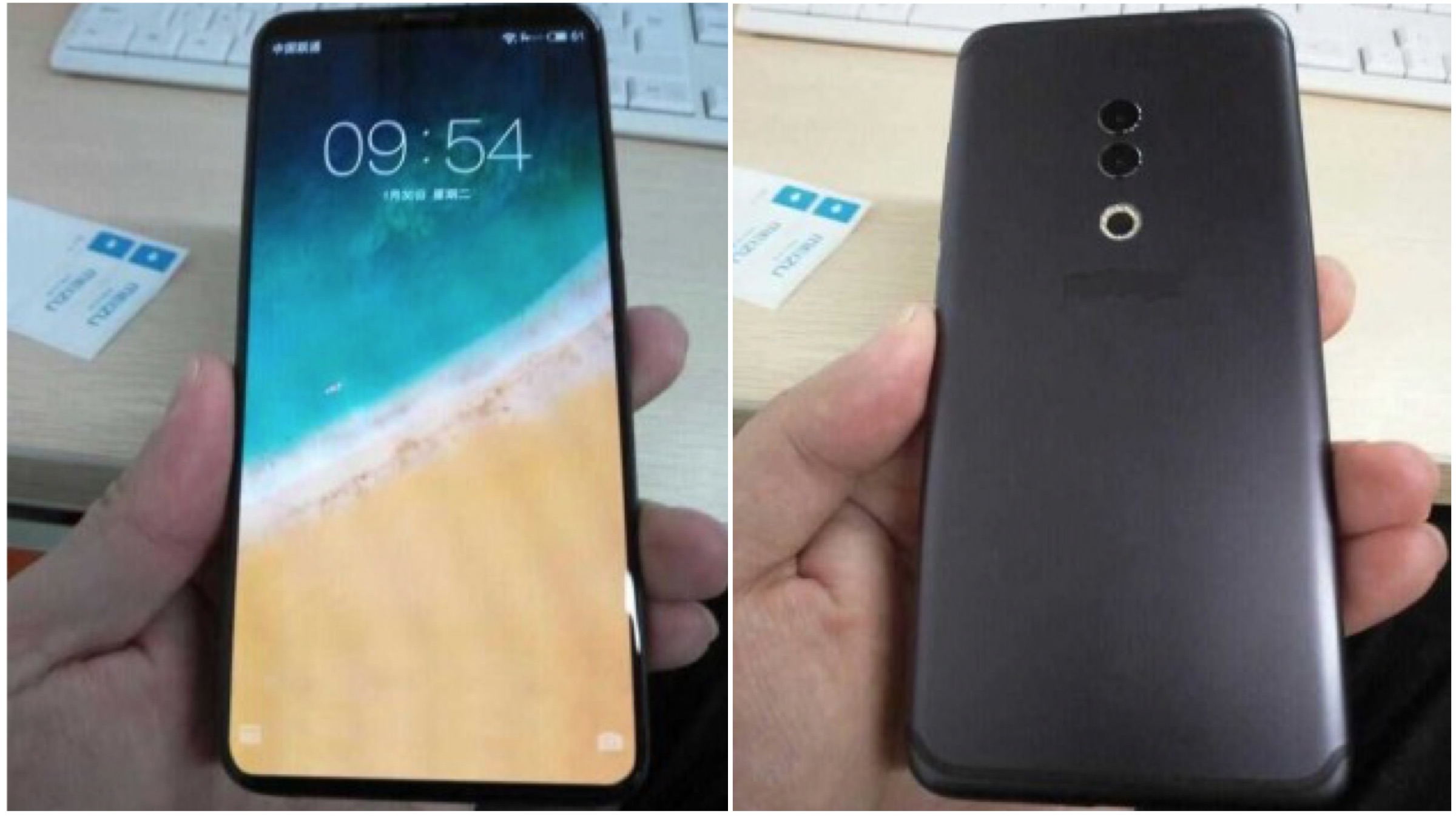
    Live images of the upcoming Meizu 15 Plus reveals a bezel-less design that could be the best one yet. The device will have narrow bezels on the three sides with a slightly thicker upper bezel to house the camera and sensors. Noticeably, there appears to be no fingerprint sensor on the back of the smartphone.

    Meizu 15 Plus

    Smartphones in 2017 saw an increase in the average screen size and a decline in the average bezel size. Samsung launched the Galaxy S8 and S8+ with the infinity display in 2017. Apple launched the iPhone X with thin bezels and a notch which raised a few eyebrows. Similarly, OnePlus had to refresh its OnePlus 5 as the OnePlus 5T to keep up with the changing industry trends. In 2018, we can expect smartphones to reduce the size of bezels even more.

    There have already been leaks about Motorola introducing the new design in its budget category while the Xiaomi Mi 6X is expected to take the design a notch higher with a vertically placed dual-camera on the back. While a lot was expected from the design of the Galaxy S9 and S9+, it looks more and more likely that they will look very similar to their predecessors with minor changes.

    DoogeeV Meizu 15Plus
    Doogee V With In-Display Fingerprint Sensor

    What Do We Know About The Meizu 15 Plus So Far?

    The leak also reveals that the Meizu 15 Plus will be either powered by the Qualcomm Snapdragon 845 or Exynos 8895. The smartphone will definitely be an affordable flagship Android phone with a price tag of CNY 3599 (Rs. 36000 approx.).

    It will have a dual-camera setup on the back along with a 10-LED flash.

    One interesting aspect here is that there is no fingerprint sensor on the back of the phone and with such thin bezels, there is a place for a front facing fingerprint sensor. This means that following the footsteps in Vivo, the company could embed a fingerprint sensor inside the display. Vivo recently unveiled the V20 Plus UD with the Clear ID technology. This technology only works with OLED displays.

    Or, the Chinese smartphone maker could go all the way and introduce Face ID on the new device. Facial recognition gained a lot more attention after Apple introduced Face ID in the iPhone X. The company could implement a facial recognition system and do away with a fingerprint sensor.

    There is still a lot that is unknown about the device such as its other specifications. Founder of Meizu has claimed that the phone is scheduled for March in China.

  • Image Of The Bezel-Less Sony Xperia Phone Leaked

    Image Of The Bezel-Less Sony Xperia Phone Leaked

    Sony has stuck to its trusted rectangular design for smartphones over the years even when the tall display and thin bezels became the norm in 2017. However, there have been several reports and leaks that have hinted at a major design shift in the upcoming Sony Xperia device. Recently, specifications of an upcoming Xperia device codenamed H8541 were leaked which revealed a tall display with 4K HDR resolution.

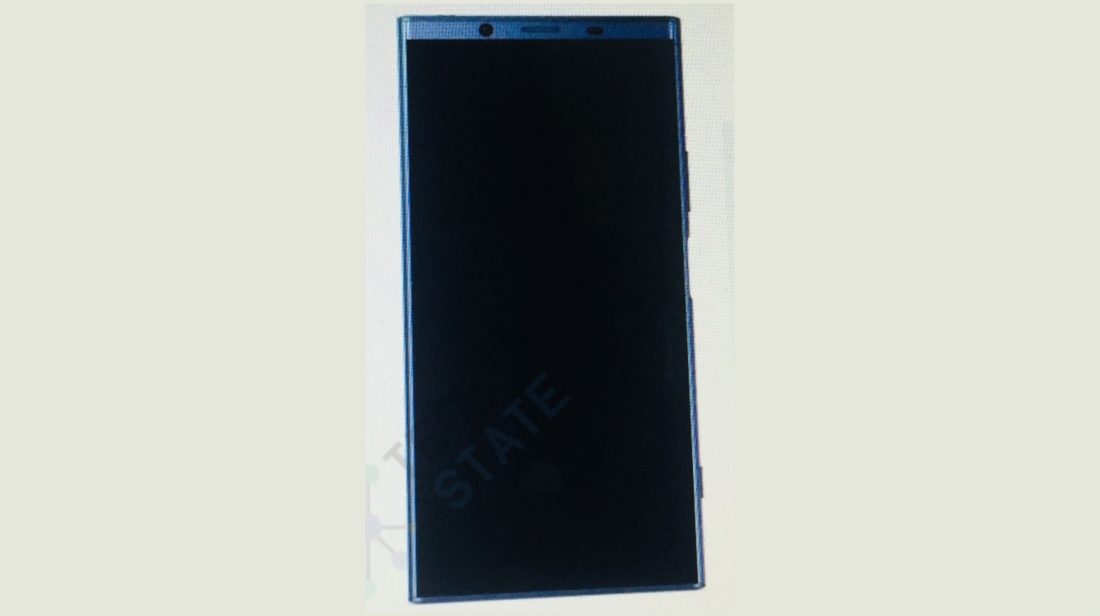
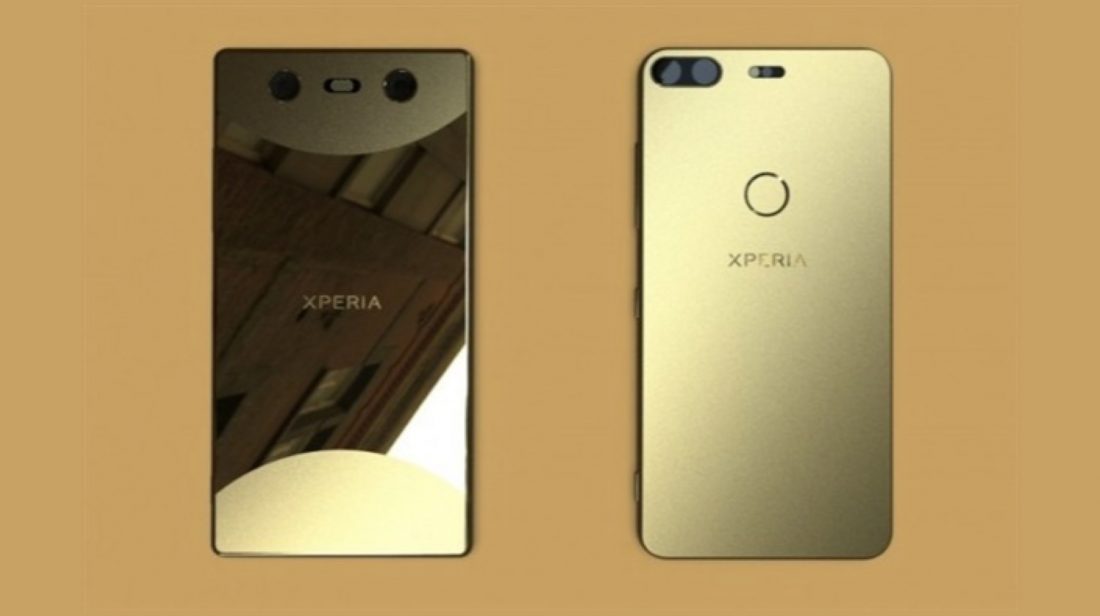
    The image reveals a design similar to the Xiaomi Mi Mix 2 with three sides of the device having minimal bezels and the top housing all the sensors and the secondary camera. Although the Xiaomi Mi Mix 2 has a thicker chin, the Xperia phone has a thicker forehead. The phone appears to have the power button on the side, most likely with a fingerprint scanner embedded. There is also a volume rocker and dedicated camera button on the right side.

    Leaked Image Of The Alleged Sony Xperia Phone

    Just like any other leaked image, it is fair to assume that this could easily be a doctored image and the real device could have a completely different design. But, until the time Sony announces the device itself, it is a good design cue for the company. Recently, images of two Sony Xperia phones were leaked along with a few specifications. Just like the image, these images also reveal the design shift that Sony will make in 2018 for all its flagship phones in 2018.

    Leaked Image Of The Alleged Sony Xperia Phone

    The next Xperia device could be unveiled at the upcoming CES or MWC event where a lot of other smartphones are also expected to be announced, most notably the Samsung Galaxy S9 and S9+.

  • Sony Bezel-Less Xperia Smartphones For 2018 Leaked

    Sony Bezel-Less Xperia Smartphones For 2018 Leaked

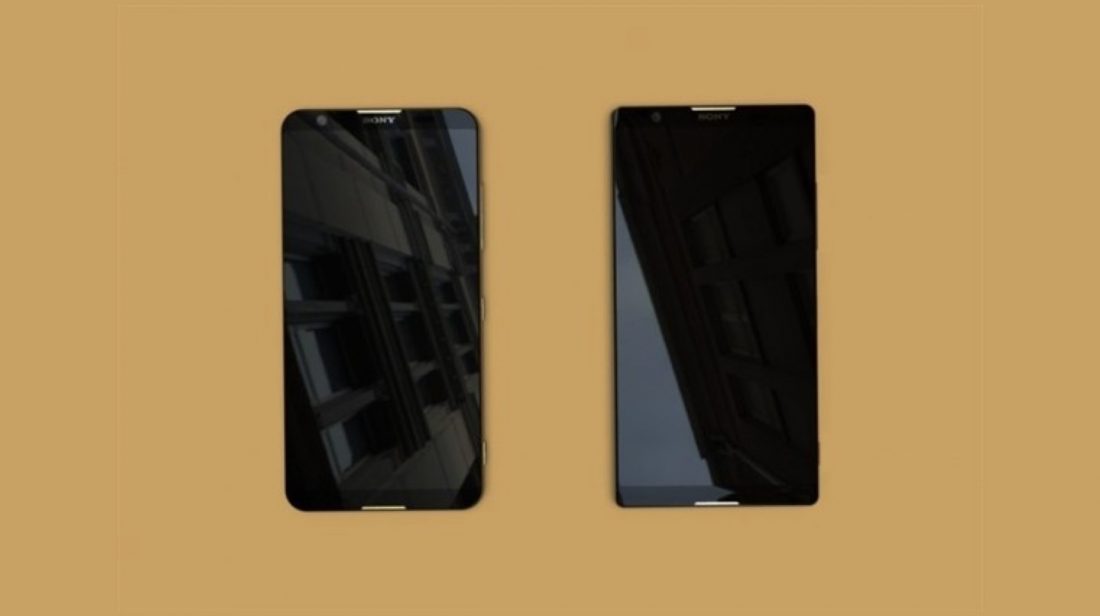
    Sony has followed a similar design language for all its flagship phones since the launch of the Xperia Z. There were reports that Sony was working on a smartphone with a tall display and thin bezels and new leaked images appear to shed some more light on the design of the phones.

    The leaked images show two phones with two different design aesthetics but, both with front-firing stereo speakers. It appears that stereo speakers are gaining popularity with the Pixel 2 and Razer Phone having front-firing stereo speakers as well. Of the two phones, one has a more recognisable Sony Xperia-like box shape while the other one has more rounded edges.

    The back of the phones is where it gets even more interesting. It appears that Sony will be re-imagining its whole smartphone lineup come 2018. At the back of the phones, the device with squared off edges has a mix of glossy and matte finish. The matte finish on the back forms two semi-circles at the top and the bottom while the middle area is covered with a glossy finish material. The two camera modules are oddly spread apart, which probably means one is just a depth sensor as this much spacing would result in much larger parallax for any other arrangement. It also appears that this phone will have a fingerprint sensor housed inside the lock button like previous Sony Xperia phones.

    The other phone has a more uniform matte finish at the back with a fingerprint sensor in the middle and a dual-camera setup at the top left corner. Both the phones are touted to have a 5.7-inch 18:9 4K displays. They’ll also be one of the first devices to have Snapdragon 845 and have 6GB of RAM and run Android 8.0 Oreo.

    The credibility of the leak can be questioned but, the bizarre design of the two phones almost validates the leak. It does seem questionable that the two phones will have the Snapdragon 845 chipset since Samsung will have early access to the chipset similar to last year. Sony might unveil the two devices at MWC 2018 but, that will mean that the devices will have to make do with the 2017 Snapdragon 835 chipset.

  • Samsung Is Working On The First Ever Truly Bezel-Less Phone

    Samsung Is Working On The First Ever Truly Bezel-Less Phone

    Samsung has been experimenting with smartphone displays for quite some time now. Who can forget the Galaxy Round in 2013 or the Galaxy Note Edge. Recently, Samsung’s flagship phones come with curved edges and in 2017, the top and bottom bezels were extremely thin as well. However, it appears that Samsung is not satisfied with thin bezels and has started working on an all-display smartphone with no bezels.

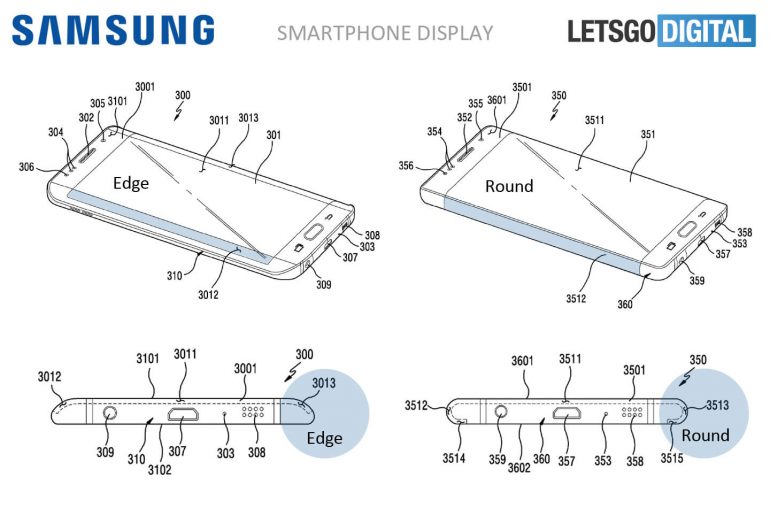
    A series of new Samsung patents have been published in the WIPO (World International Property Office) database. One such patent dates back to May of 2017 which describes an electronic device with a curved display on both sides of the device. So, no rounded display, but, 180? curved, up to the back of the smartphone.

    Along with some sketches demonstrating what the device might look like, it also discusses the production method for such a smartphone. That is a positive sign because a lot of patents just sit at the back burner but, a well thought out production plan means that the company is serious about this.

    In one of the sketches, you can see the regular edge display, with a rounded screen. Then there is another illustration of a smartphone with a round edge. The display is bent 180? on both sides and extended all the way to the rear of the phone.

iGyaan Network
Privacy Overview

This website uses cookies so that we can provide you with the best user experience possible. Cookie information is stored in your browser and performs functions such as recognising you when you return to our website and helping our team to understand which sections of the website you find most interesting and useful.