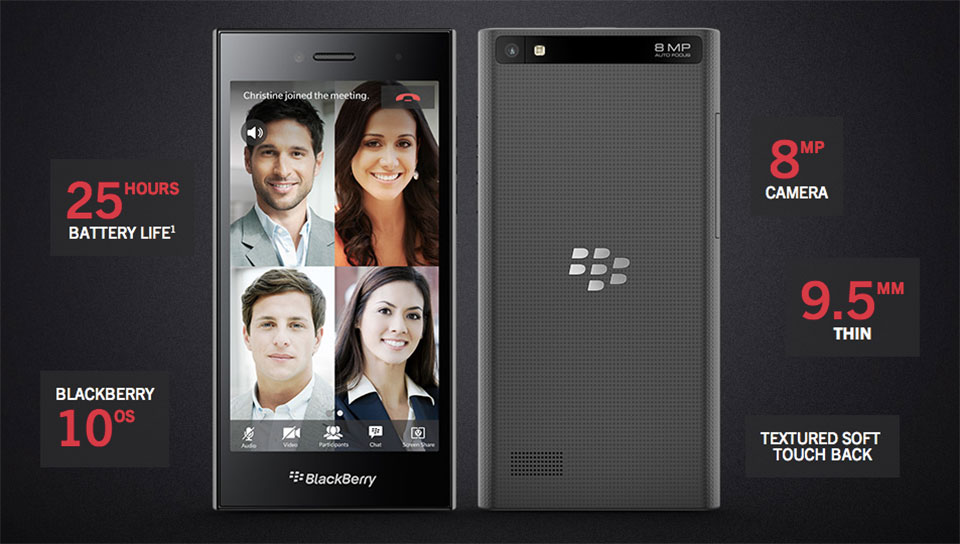
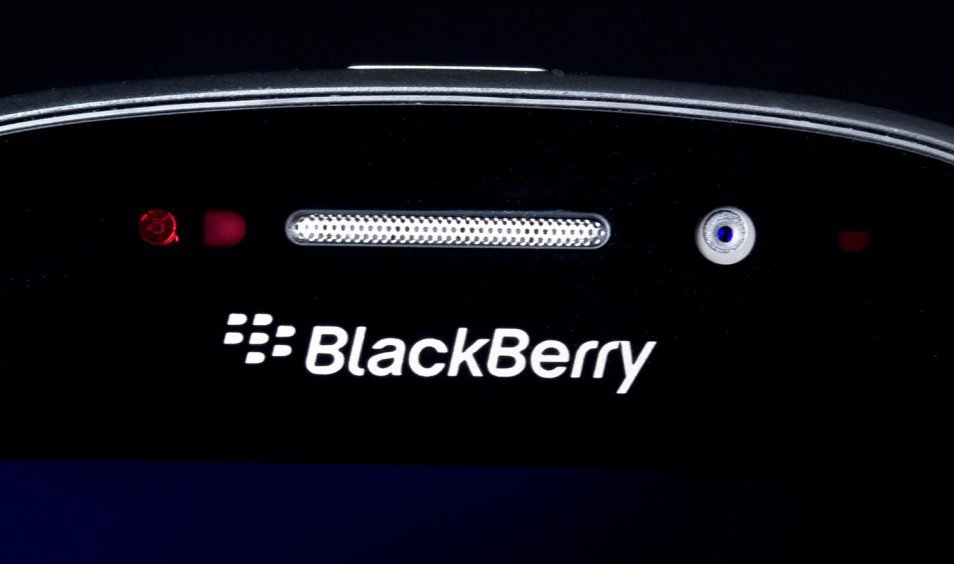
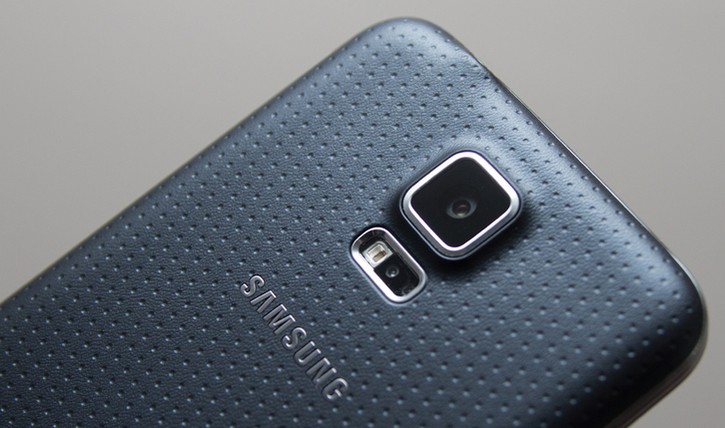
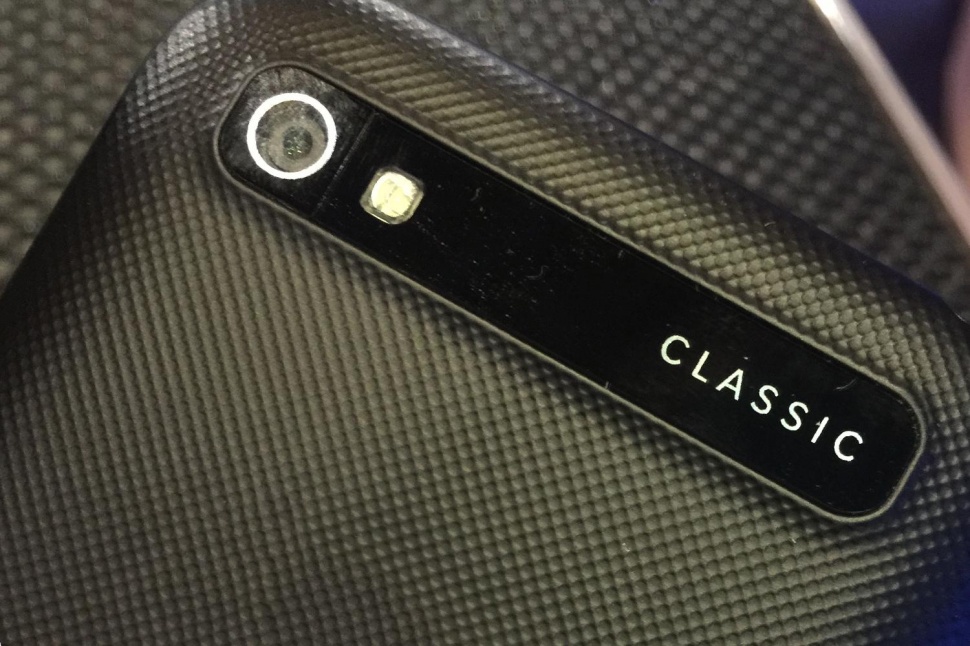
BlackBerry made an appearance at the MWC event and dropped two new smartphones – Leap and Keian. The former one is a 5-inch touch device, priced at $275 (Rs. 17,000). The BlackBerry Leap is a mid-range phone with average specifications. It comes in the matte look with textured back cover.
Surprisingly, the Canadian firm didn’t reveal a flagship instead went for another conventional piece.
Talking about the apparatus powering the device, then the BlackBerry Leap is equipped with 1.5GHz Qualcomm processor paired with 2GB of RAM. An 8MP rear shooter along with a 5 MP camera sits comfortably on the device. The Leap is supported by 2,800mAh non-removable battery. The major highlight of the phone, as stated before, is its touch screen. The company has returned to the touch arena with Leap.
The phone is 9.5mm thick and runs on the company’s own BB OS 10.3.5. That means users will have a Siri-like Assistant to help them with their problems. For the time being, there is no information about its price or its availability.
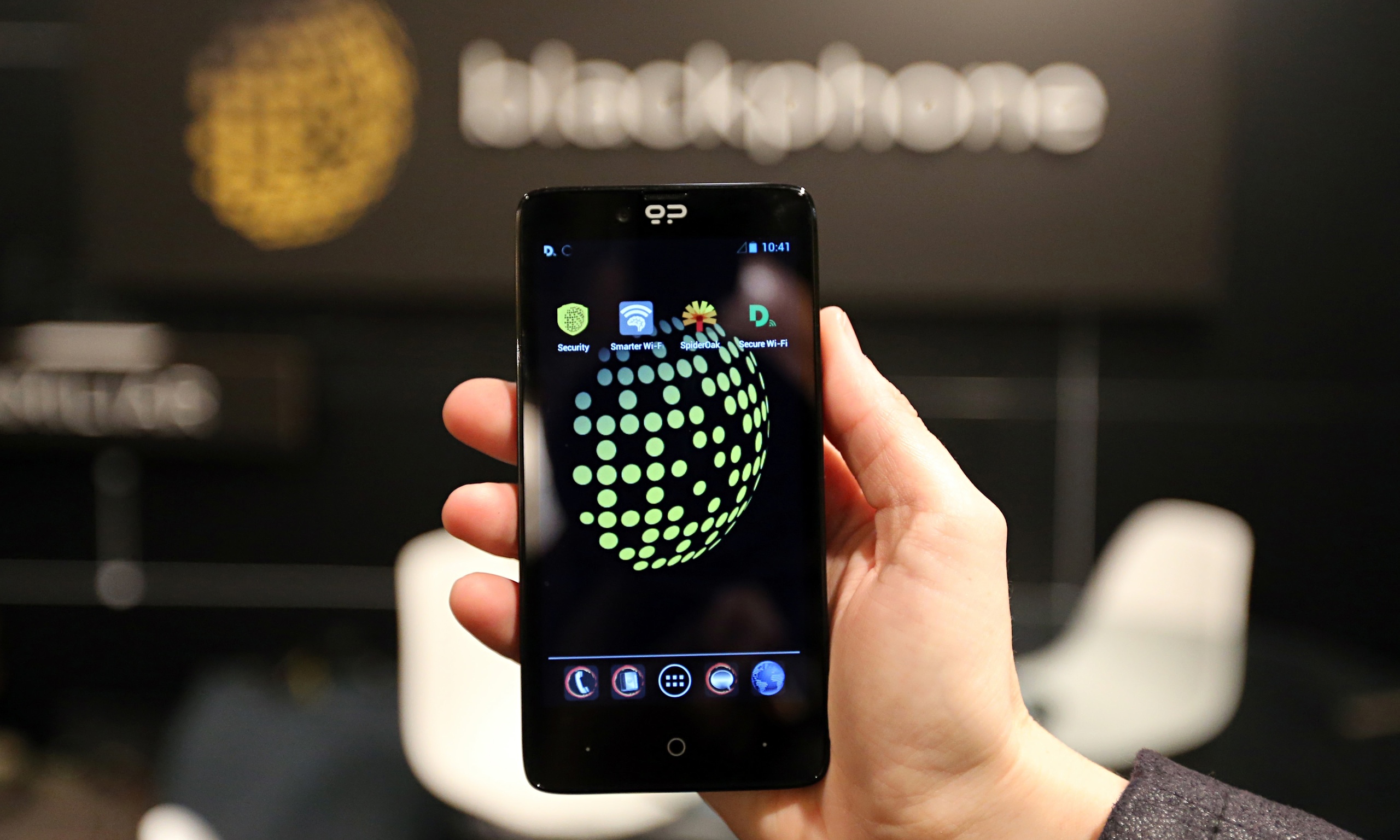
According to Silent Circle, it is not hard to dominate a company that has an estimated 0.4% of the market share. Silent Circle Security was extremely positive at the Mobile World Congress (MWC) 2015 about the new Blackphone 2 and stated it would end the Blackberry era once and for all.
We’re replacing BlackBerry, we don’t care that BlackBerry’s CEO is throwing nasty things about us onto Twitter. We’re going to dominate them.
Silent Circle made similar claims when they released the first version of the BlackPhone last year. The security hype did not live quite much up to expectations. In August 2014, N4BBpointed out that hacker @TeamAndIRC managed to root the Blackphone in just five minutes by enabling the Android Debugging Bridge (ADB) without unlocking the bootloader.
The new Blackphone claims that they have added quite a few more security features to its new device. Other than that, there is no available information right now. But in order to win over loyal BlackBerry fans, Blackphone 2 must produce something really unique to grab their attention.
The Blackphone 2 has a more premium look and feel than the original device, with an all-glass front and rear along with a larger full HD display, at 5.5 inches across; a faster 64-bit processor and more RAM. It will go on sale later this year.
Google’s Android OS is the only operating system that has touched almost every part of the globe. It has topped over all the other major softwares such as BlackBerry OS, Windows, and iOS. The search giant now intends to strengthen its stand in the enterprise environment by introducing a initiative called “Android for Work”.
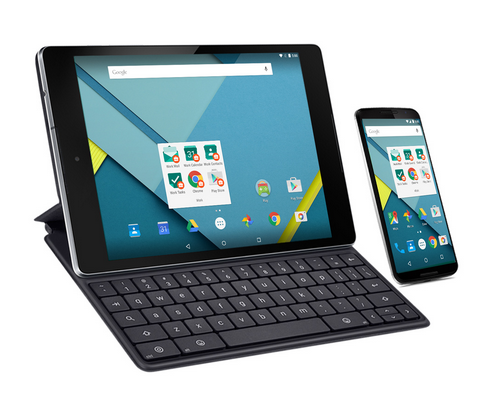
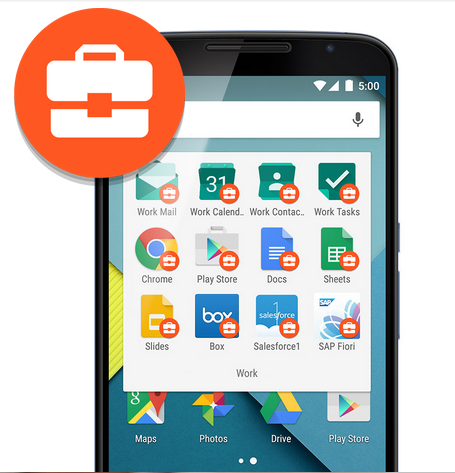
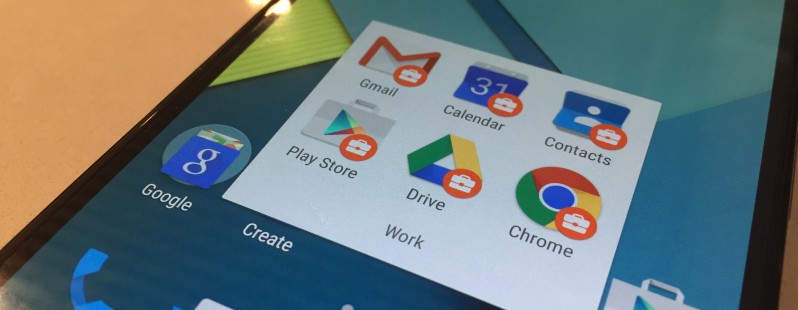
Today, Google introduced “Android for Work” that focuses on making Android devices more office-friendly. Through this, users can manage their content and can keep their professional data separate in silos, without merging it up with personal content.
Android OS lags in the business segment. However, smartphones and tablets running on Android sell like hot cakes, but they are underutilized in the workplace. Google’s mobile ecosystem was missing out on apps and features that users can bank upon for the security of their business content. The company might be able to bridge that gap with the introduction of new business centric features.
‘Android for Work’, works on four primary components. The gadgets running on Android Lollipop will be able to make the most of this service. IT team of a company can create profiles of the individual and can install apps to isolate their work data from the personal content. Next in the list is the Android for Work app which is built for devices running on Android 4.0 and above. The app delivers secure mail, calendar, contacts, documents, browsing and access to deployed work apps.
The third component, Google Play for Work, allows IT professionals to install and manage recommended apps on the handsets of the users running Android for Work. The company has created a suite of business apps for email, contacts and calendar, which offers both Exchange and Notes and provides document editing capabilities.
The internet search giant has partnered with well-known names like Box Citrix, VMware, HTC, LG and Sony, who are helping them in bringing out a more secure, manageable and innovative Android platform. BlackBerry has extended support through providing a cross-platform EMM (Enterprise Mobility Management) solution to manage devices.
Google has an extensive user base, which can be used to reach out to more audience through their software. The company announced the project eight months back and has launched it now after testing it thoroughly. Google is trying to make Android devices simple and essential for people to use at work and there will definitely be more updates coming to this initiative as enterprises are a profitable market for any tech company.
Just a few years back, BlackBerry was all the rage. In the pre-iPhone era, every celebrity flaunted their BlackBerry. The devices from the company were seen as a status symbol. At their peak, the devices held 43% of the American market. But soon Steve Jobs unveiled his baby, the iPhone, and Google got into the field with its Android ecosystem; they cornered BlackBerry out of the game. At present, the company holds only 0.5% of the market.
The smartphone market is just the brim of what BlackBerry does. The company has developed a plethora of products that are used worldwide by corporations and governments. We follow BlackBerry through its inception, its rise in the communications equipment world to its decline in the smartphone industry.
BlackBerry was founded by Mike Lazaridis and Douglas Fregin in 1984
The Beginnings:
BlackBerry began its operations under the name Research In Motion Limited. It was founded in 1984 by Mike Lazaridis, who was an engineering student at the University of Waterloo, and Douglas Fregin, who was an engineering student at the University of Windsor. This collaboration led to some game-changing devices and immense pop culture significance in the early moments of the smartphone age.
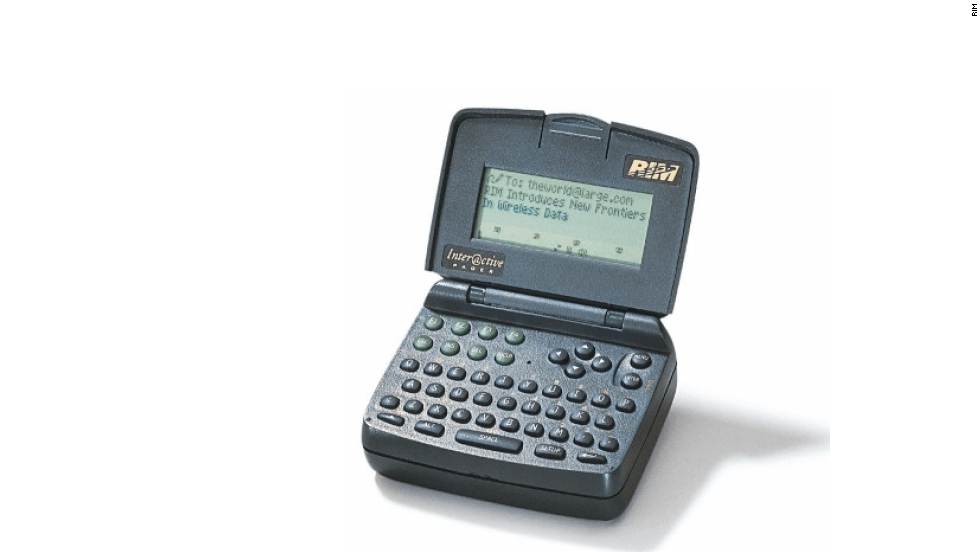
RIM 900
The first device from BlackBerry’s stable was the RIM-900, which was introduced in 1996 and was also known as the Inter@ctive Pager. This pager allowed users to receive and send messages over the internet via a wireless data network known as Mobitex, which was developed by Ericcson. It was followed by the RIM 950, introduced in 1998. It was a phenomenal success, to say the least. The messages could get forwarded to the device on the move. It was a giant deal back then; the only hitch though was that to receive email on the go, you had to leave your desktop switched on. The devices were appreciated by the top jocks of enterprises. People loved receiving messages on their belts as the device was kept in a holster. One CTO even called it digital heroin.
The company used some innovative techniques to market their products. During a launch in the Caribbean, they handed out scannable temporary barcode tattoos. These tattoos stored the user’s personal identification numbers (PINs). So instead of asking for each other’s numbers, people asked if they could scan their PINs.
Establishing the Smartphone brand:
By 2002, the company was bringing in devices with a “built-in mobile phone”. These devices ran on Java and transmitted data over normal 2G networks. These devices were targeted towards businesses, and they would enter the consumer markets much later.
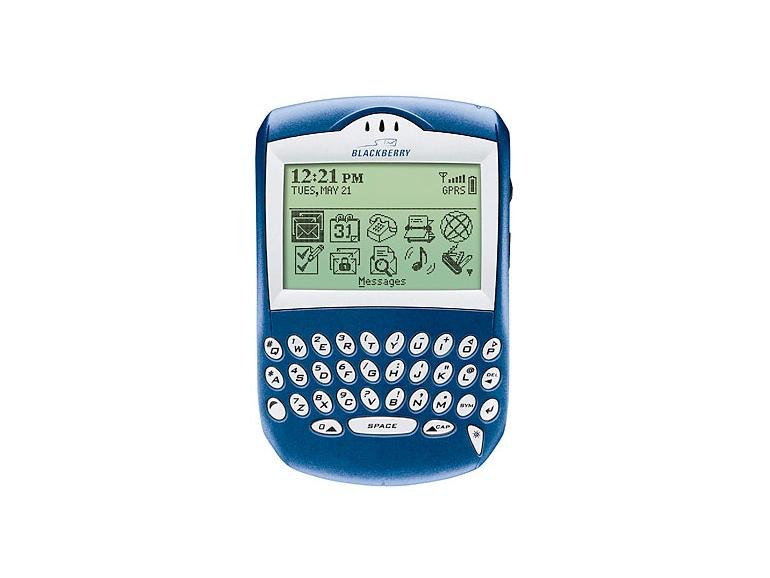
One of the major devices from BlackBerry’s first-generation offerings was the BlackBerry Quark 6230. Launched in 2003, this device had a 34 key Qwerty keyboard. It had 160×100 pixel display and had a 16 MB RAM. This device found a spot in the prestigious Time magazine’s All-TIME top 100 Gadgets list in 2010.
The BlackBerry Quark 6210
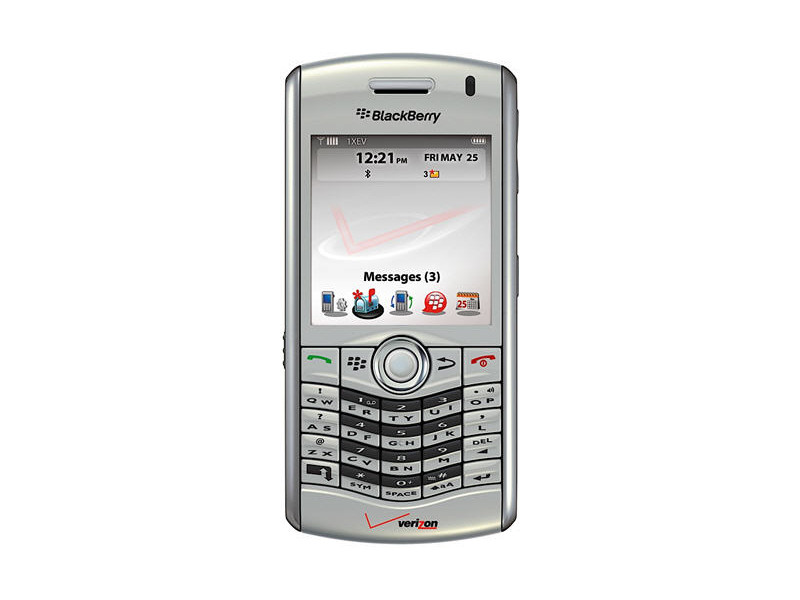
In 2006, BlackBerry’s official foray into the consumer market began with the BlackBerry Pearl family of devices. This bar shaped device was the first to get multimedia features. It included a media player and a camera. The 2 MP camera also had a self-portrait mirror at the back which let users take their own images, this was the first step towards the creation of the selfie generation.
The device flaunted GPS-enabled maps and had 64 MB internal memory that was expandable up to 16 GB MicroSDHC cards. The Pearl also replaced the scroll wheel for a tiny trackball that made it easier to access the phone’s function like a trackpad on a computer. A follow-up device was the Pearl Flip, which was BlackBerry’s first flip phone.
BlackBerry Pearl
Come 2007 and BlackBerry launched the Curve, a prominent family of devices from the company. The family garnered excellent reviews but also received flak for the absence of 3G, Wi-Fi along with the lack of video recording.
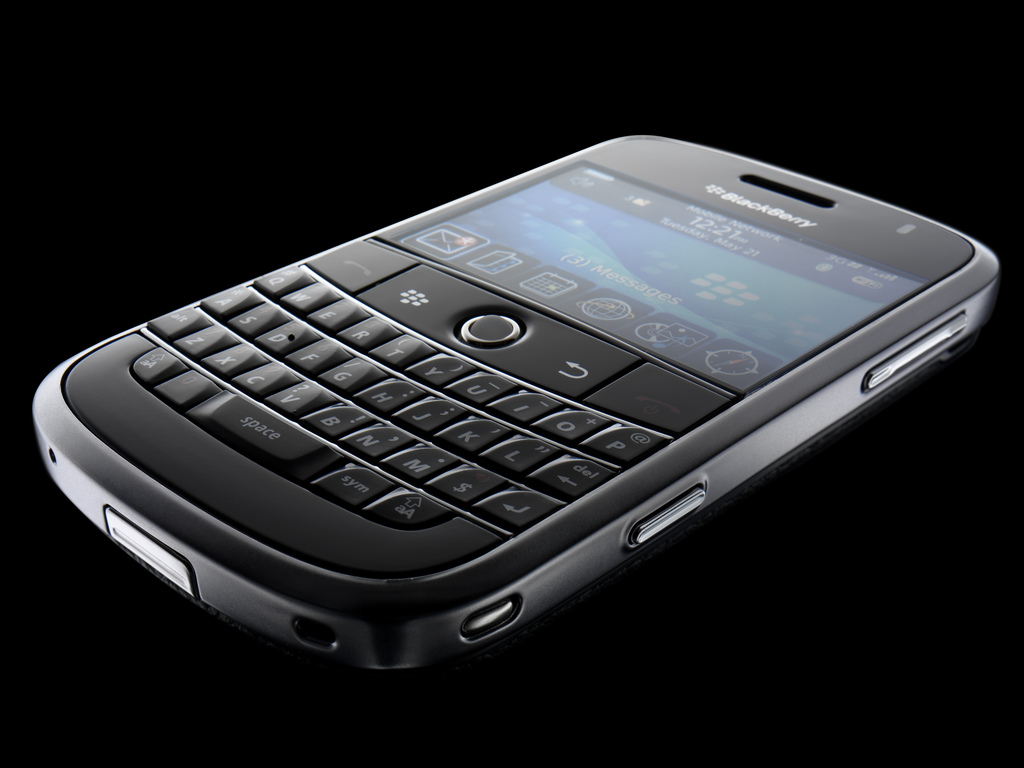
The BlackBerry Bold was one of the most popular form factor’s for the company.
In 2008, the company was at its peak with the launch of the BlackBerry Bold. This device introduced a whole new design feature which made them easier to use and type. It played around in the more premium segment of the market. This successful form factor would be later updated by BlackBerry in 2014 with a new device called BlackBerry Classic.
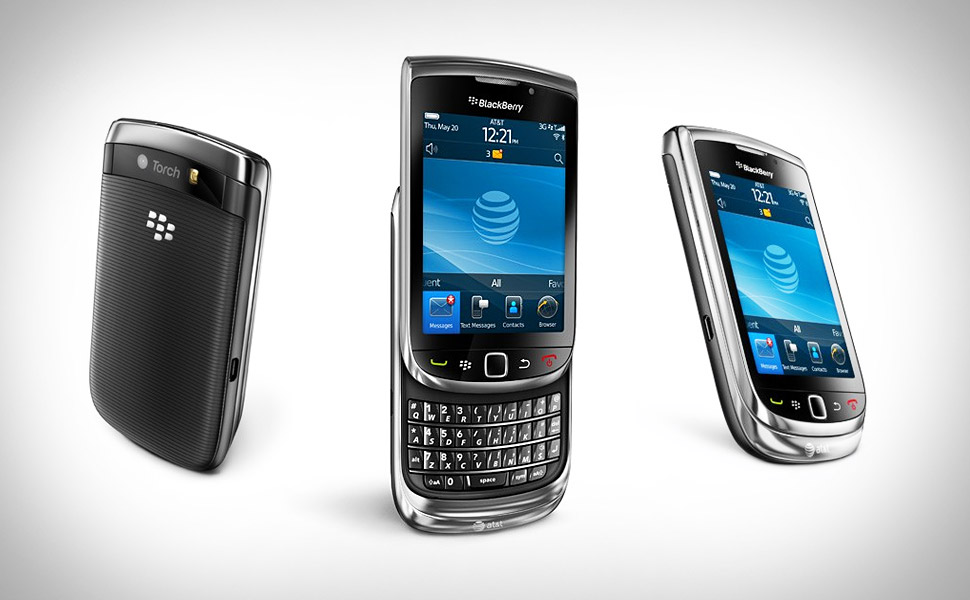
BlackBerry Torch
In 2010, Blackberry attempted a change in their form factor with the BlackBerry Torch. It carried the physical QWERTY keyboard but also came with a sliding multi-touch display. The Torch 9800 was the first device in the line-up and it ran on BlackBerry OS 6. The device was criticized for offering lower specs in comparison to its competitors like the iPhone 4 and the Droid X.
In 2012, Research in Motion officially changed its name to BlackBerry.
BlackBerry Messenger:
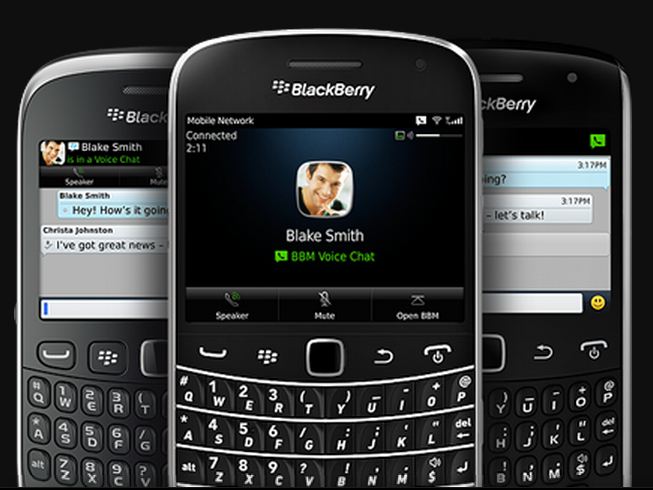
BlackBerry Messenger or BBM is a popular messaging app on the platform
The BlackBerry Messenger or BBM was one of the most appreciated apps from the company. This default messenger on BlackBerry device was so popular that it was later released for Android and Windows devices. Initially BBM was exclusive to BlackBerry and users required BlackBerry PINs to interact with each other. With BlackBerry 10, users could use video calling. It is estimated that there are over 91 Million BBM users worldwide.
In 2014 BlackBerry decided to give an adrenaline boost to its messaging app and added a plethora of functionalities to it. It added a retraction function so that users could remove chats that they regret sending. It added HD picture transfer to send high quality images through the service. The update also introduced a Snapchat-like time limited messaging service.
The Present:
After holding a considerable amount of influence over the smartphone market, BlackBerry’s market share has consistently depreciated. It now sits at a small corner reminiscing its glory days. This year after failed attempts at making touchscreen based devices, the company finally decided to go back to its roots. It decided to bring back the Qwerty keyboard-based form factor.
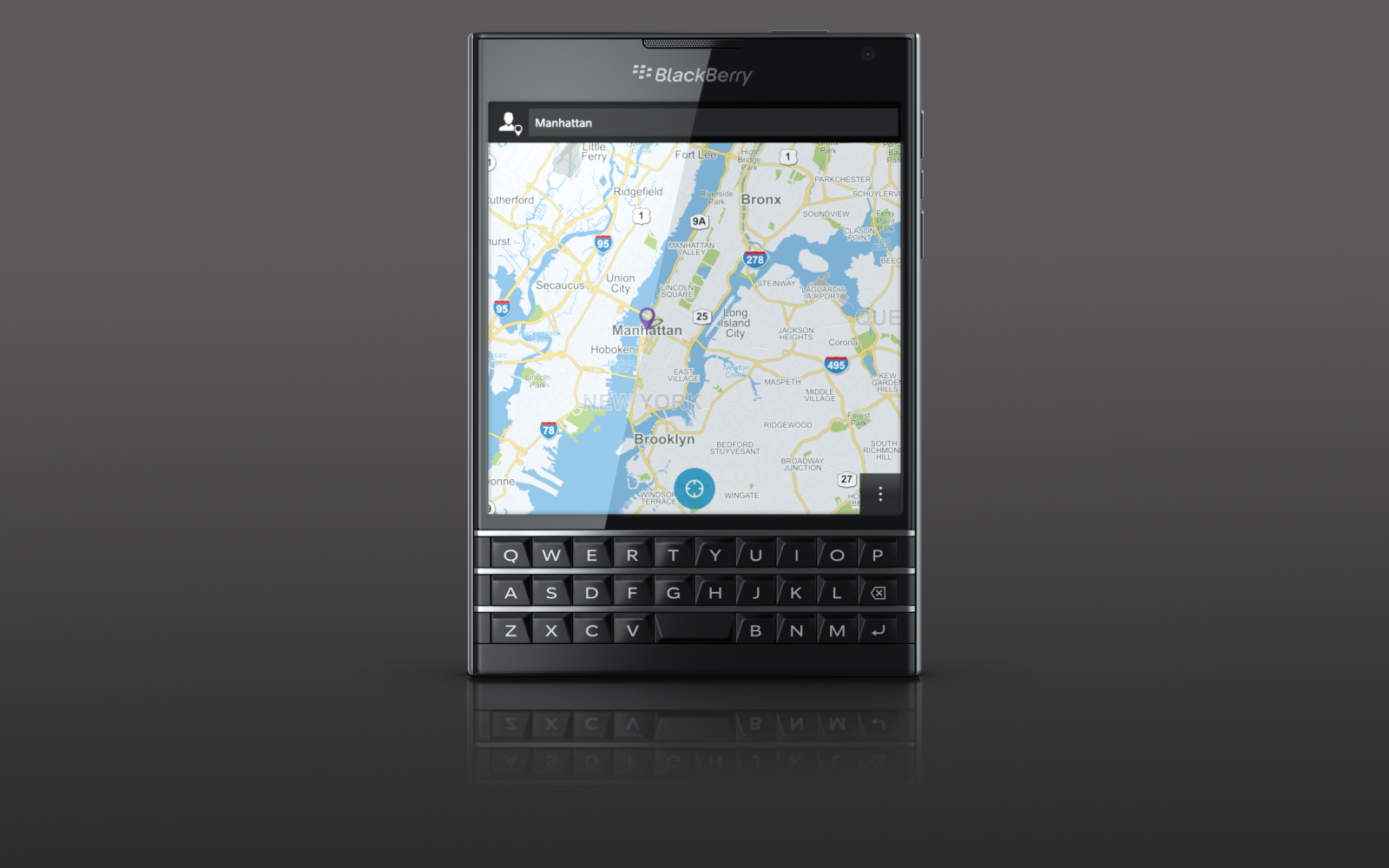
Passport received mix reviews but was appreciated for its unique features.
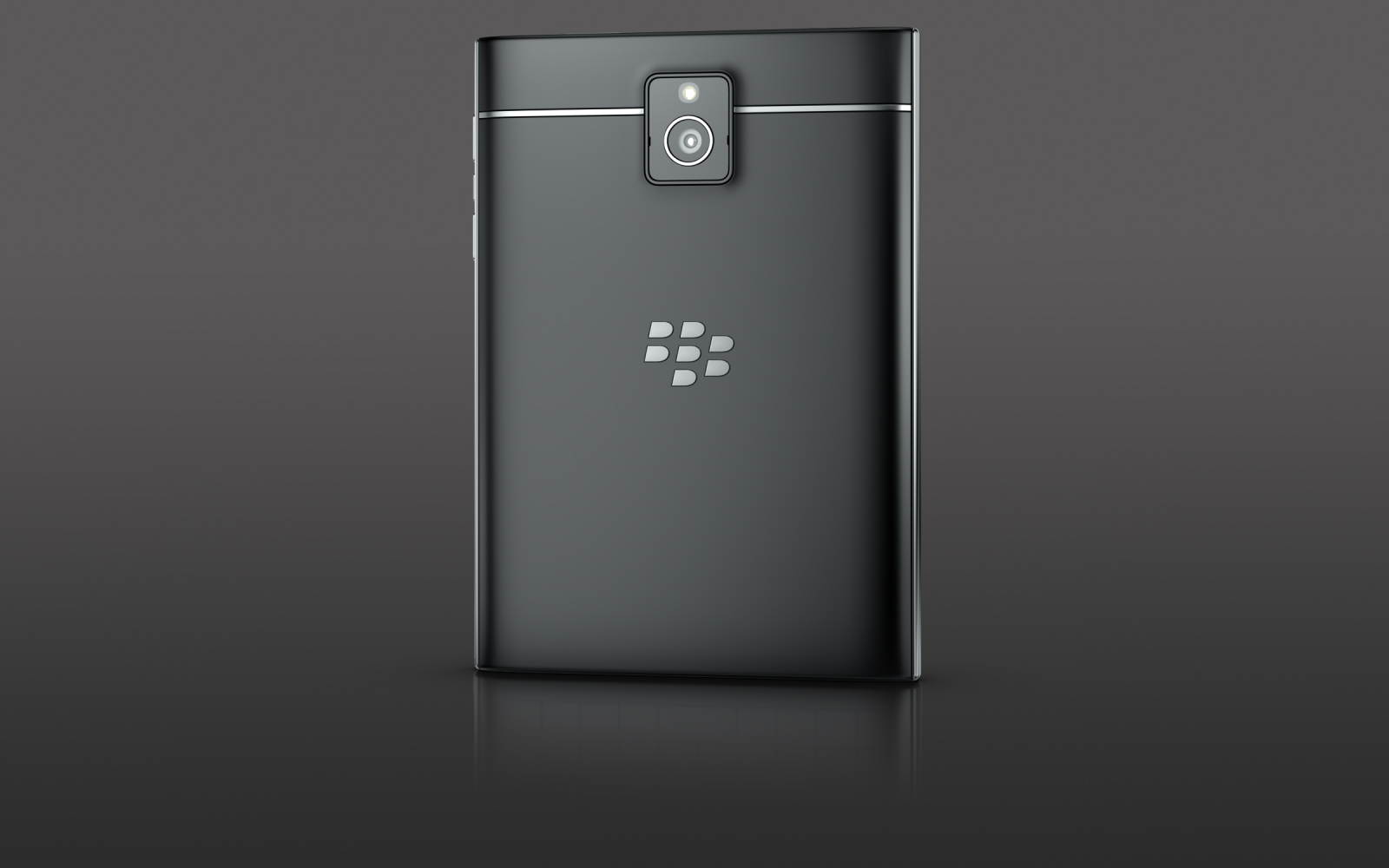
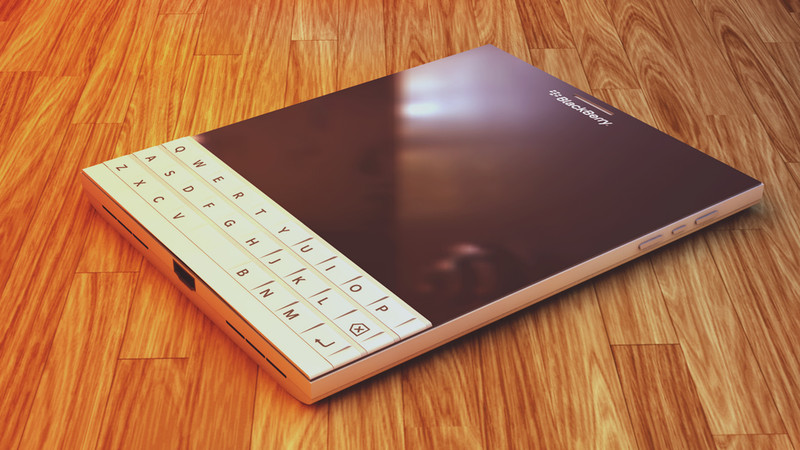
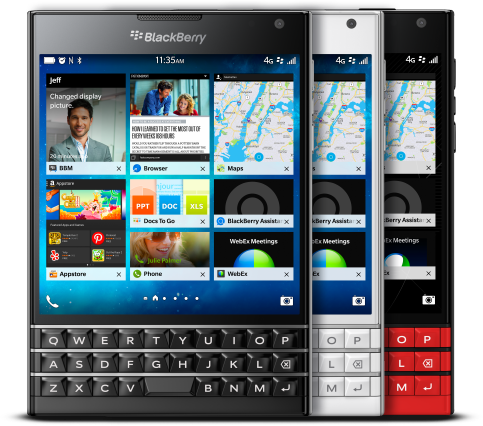
The company launched a unique device called the BlackBerry Passport. The device has a 1400X1400 pixel square display. It features a keypad that doubles as a trackpad. The device got a lukewarm response by the critics and received flak for being too wide to be held by one hand. The device though did good business in the festive season and held the top spot in Amazon’s Black Friday Sales.
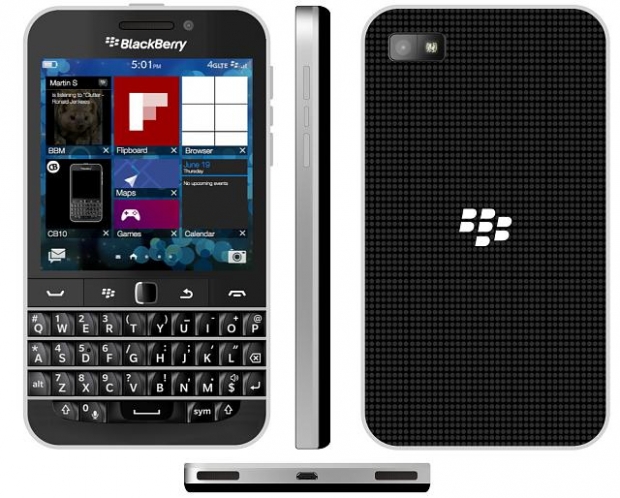
BlackBerry returned to its original form factor with the Classic Q20.
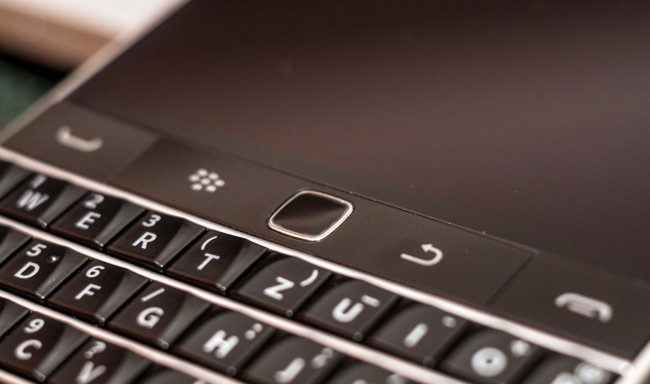
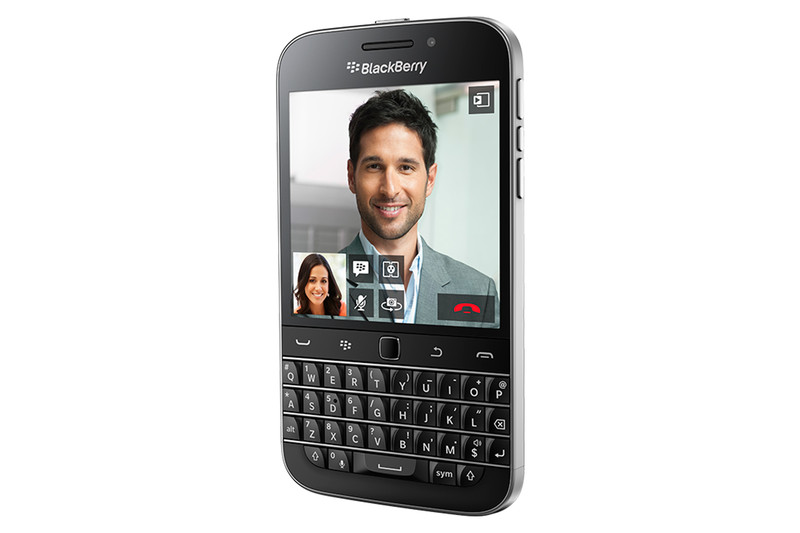
BlackBerry also launched a second device by the end of 2014 called the BlackBerry Classic. This was a kind of a follow-up to the BlackBerry Bold series and has the same form factor. The device sports a Square 3.5-inch 720p LCD display, and comes loaded with the latest specs in a retro design. This might be the device for hardcore BlackBerry enthusiasts to cherish the good old days.
Legacy:
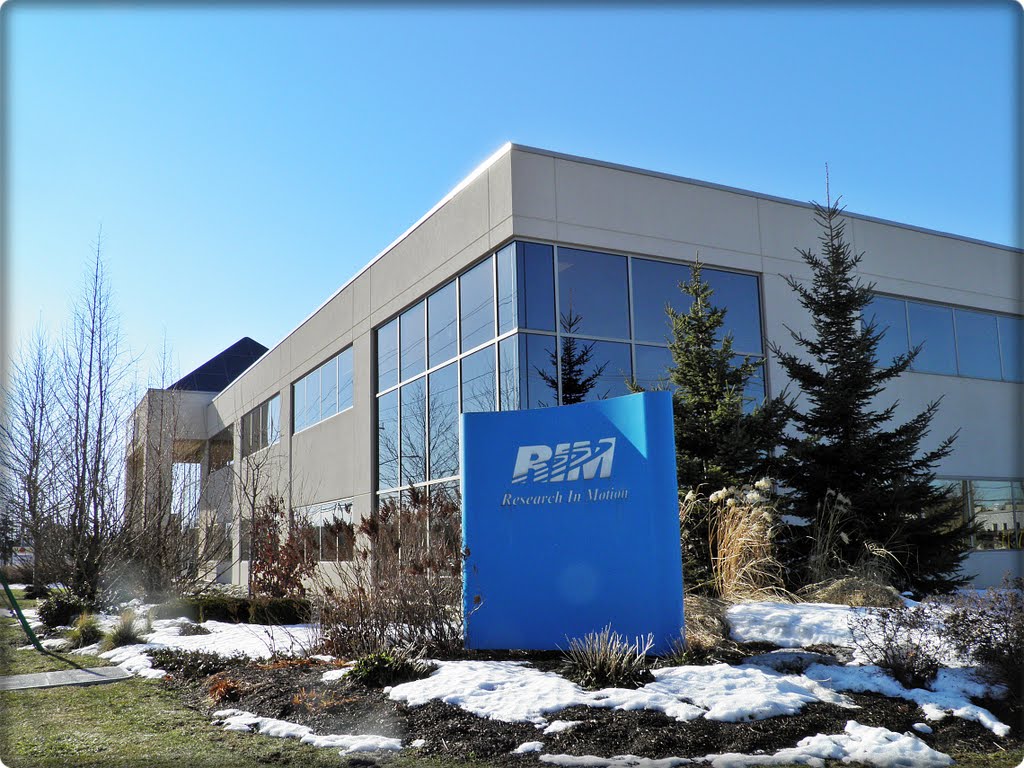
BlackBerry’s HQ in Waterloo, Ontario
At a point, BlackBerry was growing in popularity. Its success had turned Waterloo into a sort of Canadian Silicon Valley. At present, there are over 1000 companies operating there with a combined annual revenue of $30 Billion.
During the damaging Sony Hack by alleged North Korean hackers, BlackBerry phones came really handy. Because of their unmatched security standards, senior executives used the old BlackBerry phones that were stored in a basement. BlackBerry devices are used by top government and corporate honchos to keep their messages secure.
BlackBerry is still in the business, but its market share has been steadily declining for a while. It will be interesting to see how the step of returning back to the basic design format works out for BlackBerry. The company has some great technologies under its belt to share with the world, provided it withstands the challenges of the brutal smartphone business.
BlackBerry launched its latest operating system (OS) 10.3.1 few days back, but it was accessible to the privileged users of Classic only. The users of the previously released devices were eagerly waiting for the upgrade and now the Canadian telecommunication company is rolling out the official OS for their BlackBerry 10 models.
The update will bring the Siri-like BlackBerry Assistant to the handsets. Along with that there are many other features that diminishes the need of app installation. There is reverse contrast mode which is extremely good for viewing at night. It turns the screen from black on white, and to white on black. One can also block contacts from calling or texting. One can hide their private pictures with the new OS for which users need to install save gallery tool. The BlackBerry 10.3.1 also claims to have resolved the persisting battery issue. The Battery Saving mode cuts back the unnecessary features that takes a toll on the battery.
The roll out was scheduled for yesterday, but a bug was spotted early on. BlackBerry seems to have resolved the issue. The company hasn’t made any official announcement about the release, but it is likely to happen on 19th February.
Few days back, rumours about Samsung’s plans to acquire BlackBerry made the rounds. It was said that the South Korean company had offered close to $7.5 billion for the buyout. However, when the companies were approached for comment, both Samsung and BlackBerry denied the story. To reaffirm the same, the Co-Chief Executive of Samsung Electronics, J. K. Shin, made a statement that the company wants to work on an extended partnership but doesn’t aim to acquire BlackBerry at all.
[quote text_size=”small” author=”J.K. Shin”]
We want to work with BlackBerry and develop this partnership, not acquire the company.
[/quote]
Shin further added that they wish to extend the existing agreement, however, they are carefully keeping the details under wraps.
Late last year, Samsung closed a deal with BlackBerry which gave access to both the companies to sell mobile security technologies of the other company. Samsung also signed similar agreements with other companies such as Trix Systems Inc., Good Technology Inc., MobileIron Inc. and AirWatch.
The world’s largest maker of handsets respects its relationship with other companies and clarified that it is not eyeing the patent portfolio of BlackBerry, which carries the highest value in the technology world.
BlackBerry has launched the Classic in India. The device is available for purchase at BlackBerry stores and Snapdeal exclusively. It comes with a hefty price tag of Rs. 31,990.
BlackBerry Classic boasts its aesthetic QWERTY keypad which will make it a definite choice of the BlackBerry followers. The brand has restored its style and decided against using a touch screen.
Coming to its specs, the phone has a capacitive touchscreen display of 3.5-inch, which is secured by Corning Gorilla Glass 3 protection. The handset is powered by a 1.5GHz Snapdragon S4 dual-core processor paired with 2 GB of RAM. It features 16 GB of internal storage capacity that can be expanded up to 128 GB via MicroSD card.
Taking the camera into consideration, the Classic sports an 8MP shooter with the added features like autofocus and LED flash, along with a 2MP snapper at the front to take selfies. The device runs on company’s own BB OS 10.3.1 and houses a non-removable 2,512mAh battery.
The e-commerce website has released a buyback offer to lure customers. As per the deal, the existing BlackBerry Bold holders will get a rebate of up to Rs. 4,500 on the purchase of the Classic. The device comes with some in-built features like Blackberry Hub, BBM Meetings and BlackBerry Blend.
Earlier today, Reuters broke an exclusive news saying that Samsung is planning to buy BlackBerry. According to the international news agency, the South Korean electronics producer offered BlackBerry as much as $7.5 billion in view of its valuable patents.
As per the inside source of the agency, Samsung proposed to buy individual shares of the Canadian equipment manufacturer at a price of $13.35 to $15.49 per share, which is 22 percent higher than the current trading price of BlackBerry. Samsung is not the first company who has showed interest in acquiring BlackBerry. Back in 2014, Lenovo and few other firms were in rumours of the same buyout.
Meanwhile, both Samsung and BlackBerry have declined the ongoing acquisition reports. A spokesperson from Samsung simply commented:
Media reports of the acquisition are groundless.
BlackBerry also replied in the same tune and said that it had not engaged in any such discussions with Samsung with respect to purchase offer.
The news is no surprise and there are chances of these cries to be true as both are companies have reasons to sign this deal. BlackBerry is going through a rough patch and needs financial backing, whereas if Samsung cracks this deal, it might help it rebrand its image.
There are major reasons for these rumours to be true. First, if Samsung takes over BlackBerry, they would acquire the world’s best smartphone security systems. Secondly, we know that Samsung has shut dow its IM service ChatOn as it failed drastically to connect Samsung users.Meanwhile, BBM has 85 million monthly active users and Samsung could integrate the IM service to its devices to get hold of this large user base.
The third and the most vital cause of this could be the robust patent portfolio of BlackBerry. If Samsung succeeds in purchasing the Canadian star, it will get a hold of its networking, security and other important patents. Well, as of now, these are just rumours and nothing can be said until and unless these electronics giants stamp on these reports.
The Canadian telecommunication giant BlackBerry was on the verge of disappearing, but its last year’s release BlackBerry Passport bought the company some time. The last month’s release BlackBerry Classic received a lukewarm response from the international audience and now, it is set to launch in the Indian subcontinent.
According to a recent disclosure, it is confirmed that the company will roll out the Classic in India on 15th of this month. BlackBerry has sent out the media invites for the launch of the phone which reads, “Join us to witness the unveiling of the new BlackBerry 10.” The text is followed by another statement, “Serious Mobility for Serious Business.”
As far as its specifications are concerned, the Classic flaunts a 3.5-inch display with 720×720 pixels resolution. The device is powered by a 1.5GHz Snapdragon S4 dual-core processor and comes along with 2 GB of RAM. The handset runs on the company’s own software BB OS 10, but provides access to Google Play Store and Amazon app store. On the camera front, it sports an 8MP rear snapper along with a 2MP shooter upfront to capture selfies. The phone gets its juice from a 2,512mAh battery. However, there is no word about its price, it is expected to cost somewhere around Rs. 30,000.
The CEO of the company, John Chen, stated that the firm will focus on the business and will not come with a lot many devices. John commented:
BlackBerry will launch fewer devices and focus on profitability.
As it’s clearly evident from the picture itself, the company has moved back to its roots with the reintroduction of the QWERTY keypad. The firm earlier tried its hands in the touch screen arena with the BlackBerry Z3 announced in May 2014, but failed to make a mark in the crowded smartphone market.
As BlackBerry has restored its look with the new Classic, it’s likely to get a good response from its fans. Check out the video below to get an insite of the phone:
If the tech industry worked solely on the basis of efforts, BlackBerry would have been on the top right now. Anyhow, that’s not the case and the company has been struggling to revive its ancient glory. BlackBerry has been trying to push it’s new flagship smartphone, the Passport, into the market and has tried many marketing strategies to meet the goal.
In a desperate attempt to sell the Passport, the Canadian company’s has been thinking creatively to try and bring back the lost customers to other competitors in the mobile space such as Google and Apple. The company has launched a new marketing strategy called Trade-Up Program which intends to woo phone users to trade in their devices for its flagship smartphone, the Passport.
If you are ready to exchange your iPhone, BlackBerry will give you up to $550. All you have to show is a proof that you have purchased of a BlackBerry Passport. If qualified, payments will then be made via Visa Prepaid Card. BlackBerry is ready to exchange iPhone 4s, 5c, 5s and 6 for up to $550. The offer, which is only available in the US and Canada, is valid from 1st December to 13th February, 2015.
The BlackBerry Passport is a solid option if you are interested in the trademark, BlackBerry keyboard, and the weird square display doesn’t bother you. Interested? Don’t forget to read the Term and Conditions first.
BlackBerry’s propriety messaging system BBM (BlackBerry Messenger) has been one of the most successful messaging apps. The company has even introduced versions for other operating systems. At this time, when the company is struggling to hold back its position in the market, it’s natural that they are bringing new features to their most visible product.
BlackBerry has added several features to the new version of BBM. This includes Snapchat-like time-limited messaging attribute. It allows you to send an image or message, and set the amount of time you want it to be visible to the other person. The application will even send you notifications if the other person takes a snapshot of that picture or the message.
Other upgrades include message retraction, timed messages, HD image transfer, and many more. The message retraction will come really handy for folks who compulsively and erroneously hit the send key, and also for drunk texters who can swiftly act when they gain some senses and get rid of that embarrassing message or pic they have previously sent.
It seems like BlackBerry went into a full ‘get-inspired’ mode, and it borrowed features from several major apps and made one unified app. It also has a Skype-like feature where you can see what your contacts are listening to or watching.
The app will be available for download for BlackBerry, iPhone and Android users. But all these awesomeness come at a price. The features like timed messages and message retraction will be free only for the first three months, after which you’d have to pay for them. This will be a major challenge for the company as users already have free access to all these features through other apps. BlackBerry wants to eventually provide a BBM subscription service that comes bundled with all the multiple features it has introduced with this update.
So, this seems like a great app to have which gives almost all the features of all the messaging apps combined. You can either keep using all the free apps that crowd your phone or you can just pay a premium for one unified app. That is for you to decide.
Blackberry was once a device of choice for major celebrities and business professionals alike. Now after the emergence of the touch-screen revolution, it has found it hard to cope with the competition. Even though its features have been well appreciated, there have been fewer takers of its devices every quarter.
Now Lenovo, the Chinese company which has gobbled up some iconic business such as IBM’s workstation and Motorola Mobility, is now making a bid to acquire the Canadian firm. Benzinga claims that Lenovo might put forward the bid as early as this week.
The company is expected to make the starting bid of $15.00 per share and is expected to be closed at around $18.00 per share. BlackBerry shares have been hovering around the $9 mark, and this would seem like a profitable option for the company’s shareholders.
Lenovo had previously made a bid for BlackBerry last year. It was though blocked by the Canadian government. One of the major causes cited for the block was that Lenovo is a Chinese company, and the government didn’t want any mobile infrastructure falling into the hands of a Chinese Company.
Though it is unsure whether the Canadian government will allow a merger this time around. It sure will be a long process to convince the government the security of data. It is especially a concern because Blackberry is still used by entrepreneurial and government officials. They deal with sensitive data, and it might be a cause of concern for everyone using the device. This is a developing story, and we’ll keep our eyes on it. Come back for more.
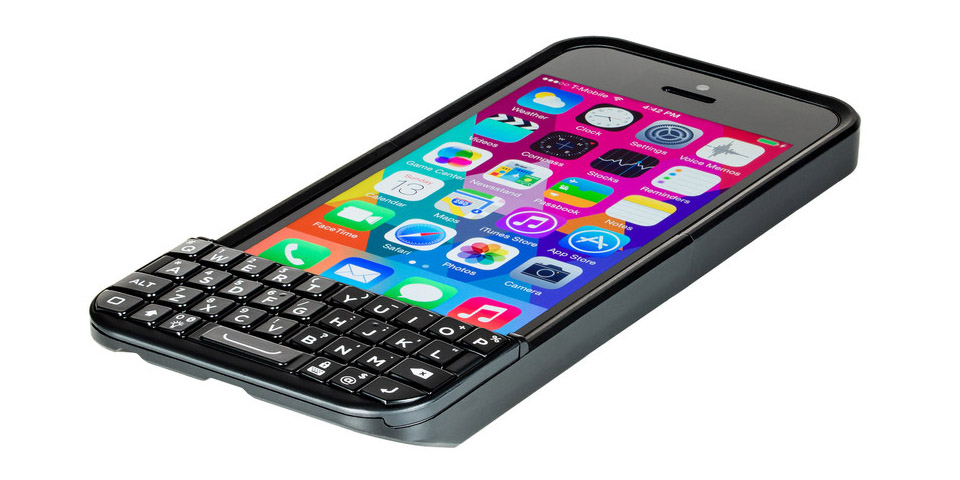
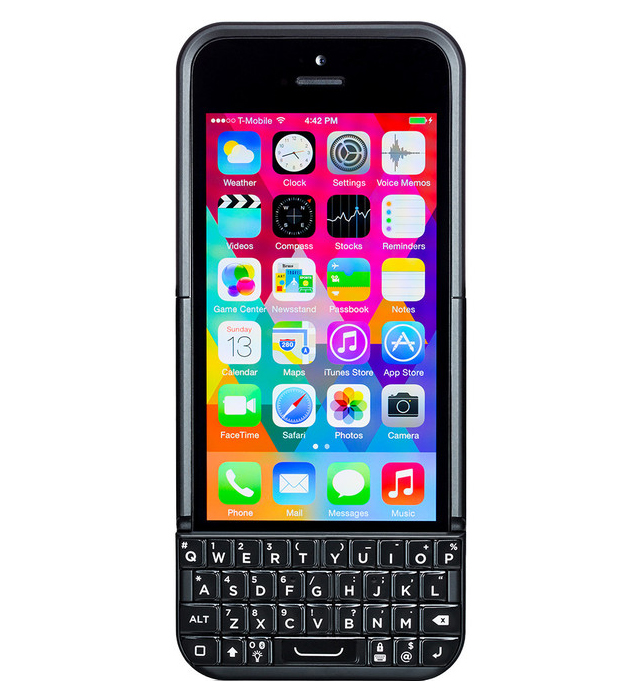
After being accused of being similar to BlackBerry keyboards, the Typo 2 physical keyboard for iPhone has been redesigned in a new second-generation model that will begin shipping in mid-September. The Ryan Seacrest-backed product aimed to give iPhone 5 and 5s owners a case that would give them a physical keyboard. BlackBerry sued Typo and eventually won a sales ban on the accessory. Apparently that didn’t deter Typo, as the company recently introduced a new model of its iPhone case.
Typo 2 is out for pre-order now, and it’s meant for the iPhone 5 and 5S. Priced at $99, this iPhone accessory will start shipping to customers during mid-September. According to its makers, it has been aimed at those who carry around two phones, one of which is used for typing and the other, for everything else (an iPhone).
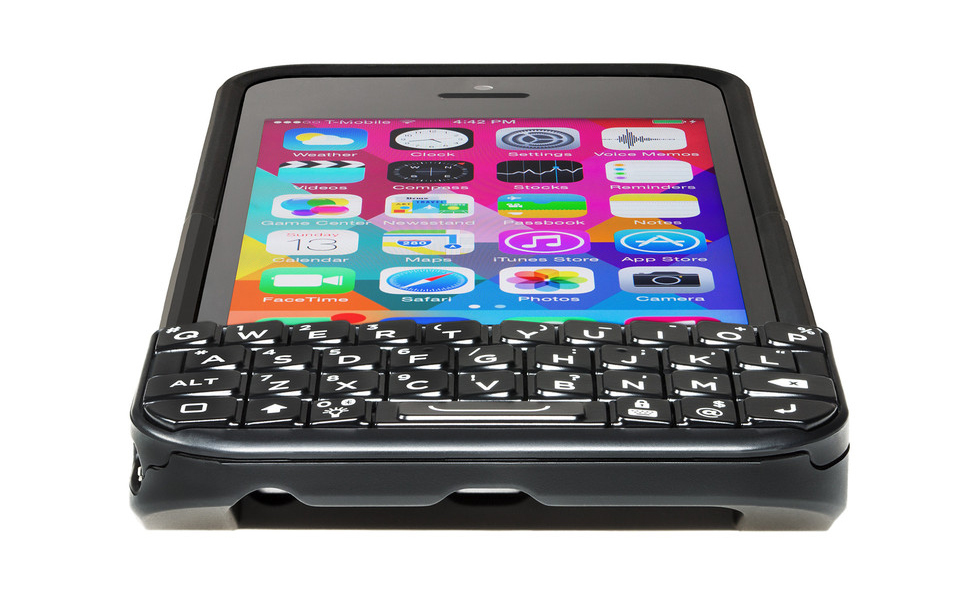
With Typo 2 the company aimed to create a keyboard and case that would add the absolute minimum additional length and thickness to the iPhone, while still providing protection to the phone and smooth typing experience.
The product description reads:
The result is Typo 2, which adds just short of a 1/4 inch in thickness and a less than 3/4 inch in total length to the iPhone, while still providing an unrivaled typing experience. This is made possible by miniaturizing the components on our circuit board, using our patented TYPOTouch keyboard technology and one of the world’s smallest Lithium-ion battery, measuring at just 1mm in thickness.
The people behind Typo believe that physical keyboards are superior to the virtual buttons featured on Apple’s iPhone. Their product was in development for two years, and the company calls it “an indespensible business tool that people simply can’t live without.”
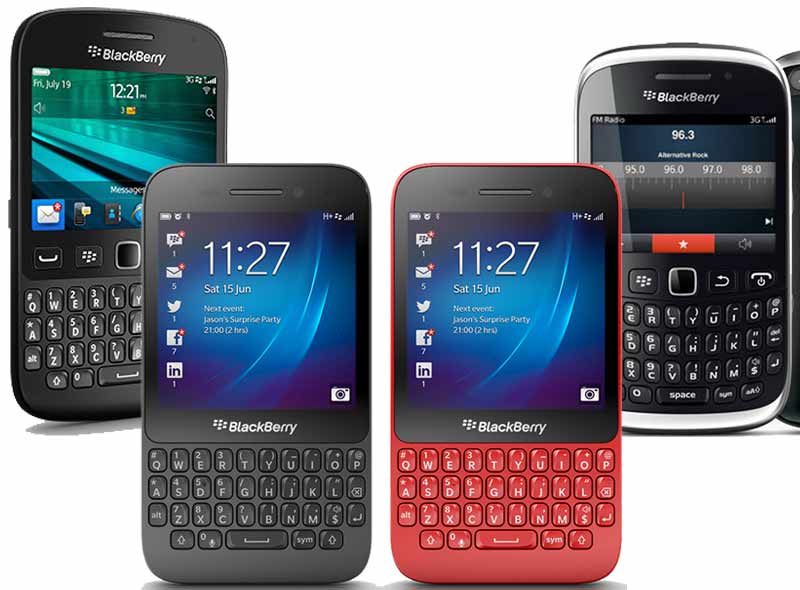
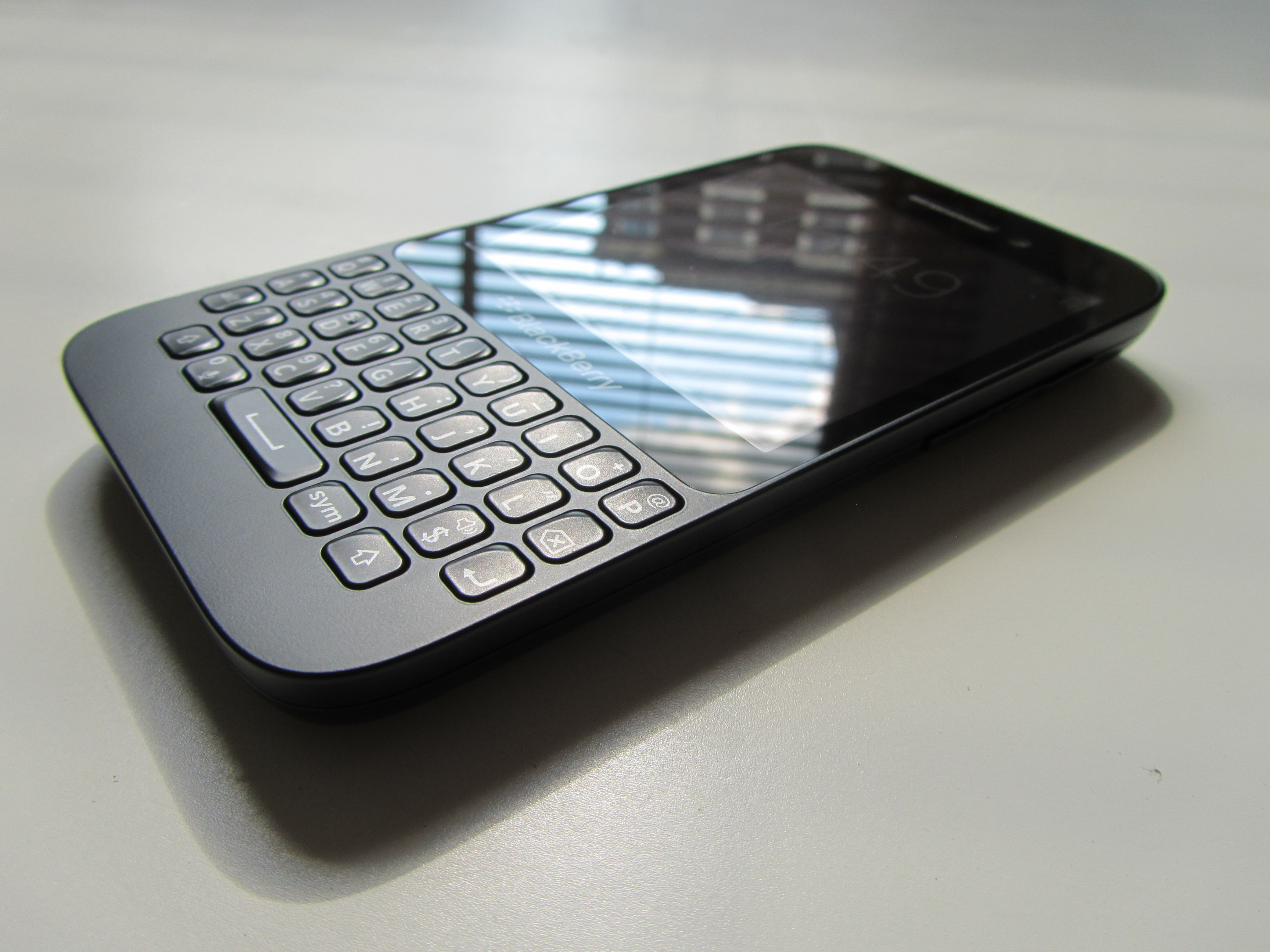
The Canadian handset maker, Blackberry’s numbers have been tumbling since the last few year. The company is going through rough patch these days, which can be further sensed with the recent drop of the prices of their QWERTY devices – 9320, 9720 and Q5 – by as much as Rs 6,000.
Blackberry Q5
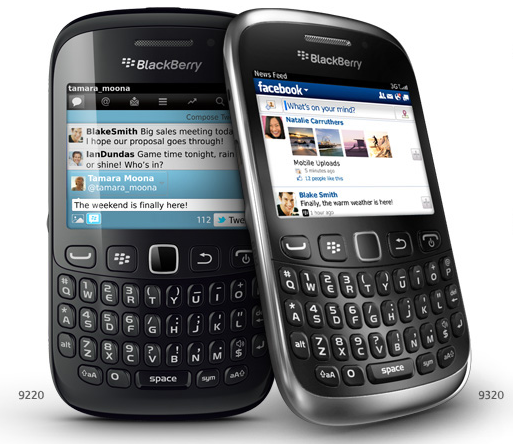
The BlackBerry 9320 is essentially a 3G variant of the 9220, and was launched for Rs 15,499. With this price cut, the BlackBerry 9320 becomes the cheapest 3G-enabled QWERTY device in BlackBerry’s portfolio.
Sameer Bhatia, Director, Distribution, BlackBerry, India, said, “The classic BlackBerry Keyboard, re-engineered for the fast efficient navigation and one-handed use, has huge fan base who swear by the distinct typing experience that BlackBerry offers. These compelling price-points will enable QWERTY fans to experience the latest technology and ease of use in one device.
Blackberry 9320
The BlackBerry 9720 was launched last year for Rs 15,990 and after the price slash will retail at Rs 11,990. The Q5, on the other hand, was launched for Rs 24,990 last year. It got a 20 percent price cut at the beginning of the year, which brought the price down to Rs 19,990, and with the latest cut, the price tag is down to Rs 13,990.
These compelling price-points will enable QWERTY fans to experience the latest technology and ease of use in one device. BlackBerry’s special offer comes shortly after the company launched its Z3 smartphone for Rs. 15,990. The company has previously used price drop model to push sales of its devices.
Earlier when the company slashed prices of its devices like Z30 and Z10 under special offers, the response they got was phenomenal, often resulting in stocks running out.
BlackBerry seriously needs to pull up its sleeves now. The smartphone market is slowly but surely being taken over by the three Silicon Valley giants – Apple, Google and Microsoft. BlackBerry needs to catch up. It needs to aim for the fourth position and give the market competitive alternative.
To achieve this BlackBerry has decided to start with a personal voice assistant. Announced officially on the company’s blog, BlackBerry Assistant (BB Assistant) is the latest new feature that we can expect in the BlackBerry OS 10.3 launch. Taking clues from the top dogs of the game; Siri, Google Now and Microsoft’s Cortana. BB Assistant is BB’s own little assistant that lives inside your Blackberry smartphone.
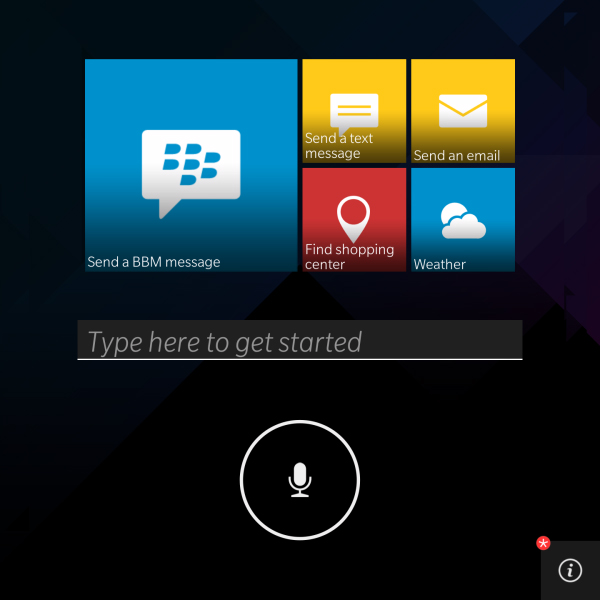
The tiles design reminds you of Windows OS
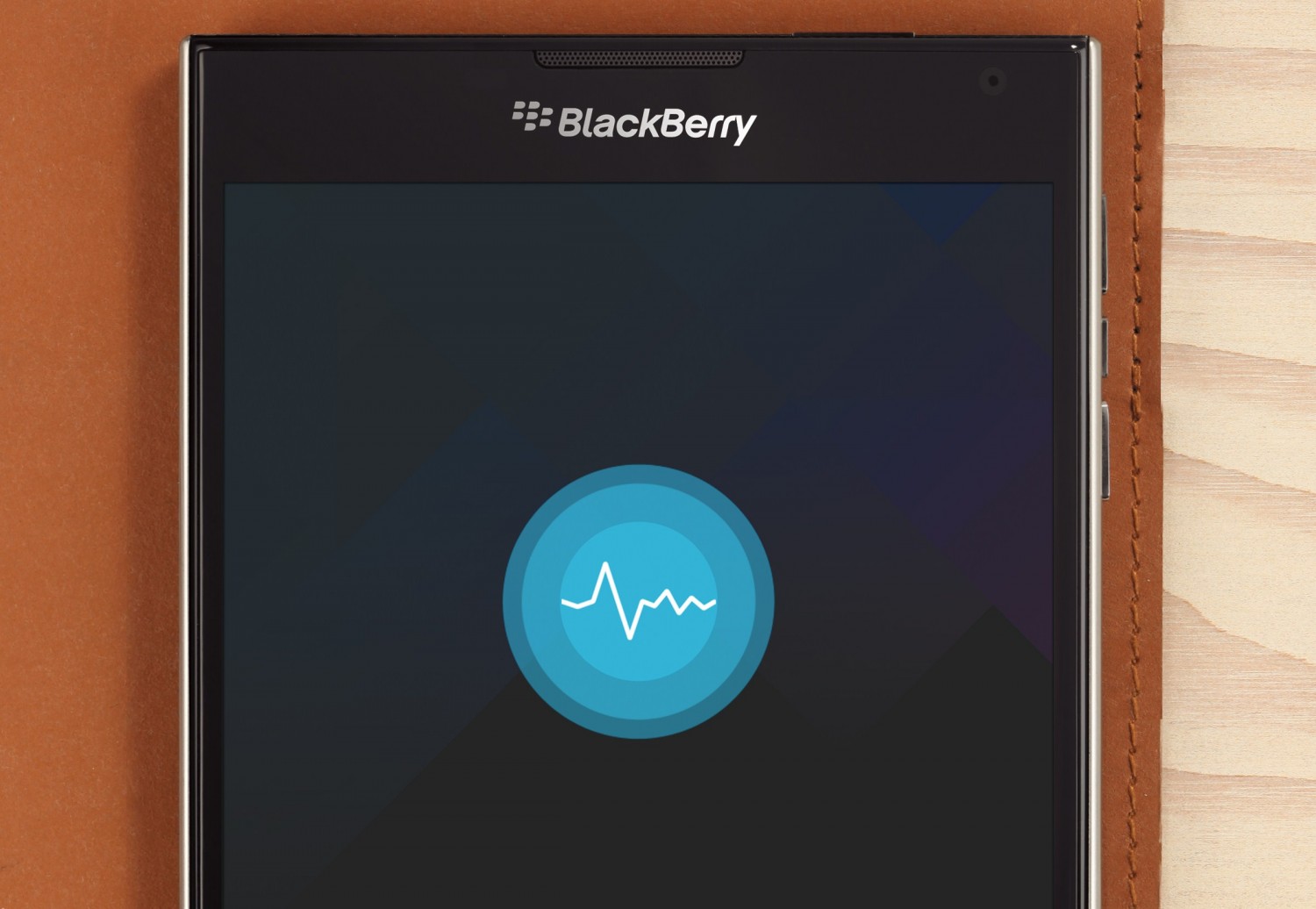
In terms of design, it’s uncannily similar to the likes of Cortana and Siri. It appears as a small mic-in-a-cirle that pulsates when you talk to it. Along with it is a basic tile layout for other instructions and information. BlackBerry is going for the formal, business look that they’ve been known for, and it shows.
Blackberry claims BB provides all features provided by other Personal Assistants
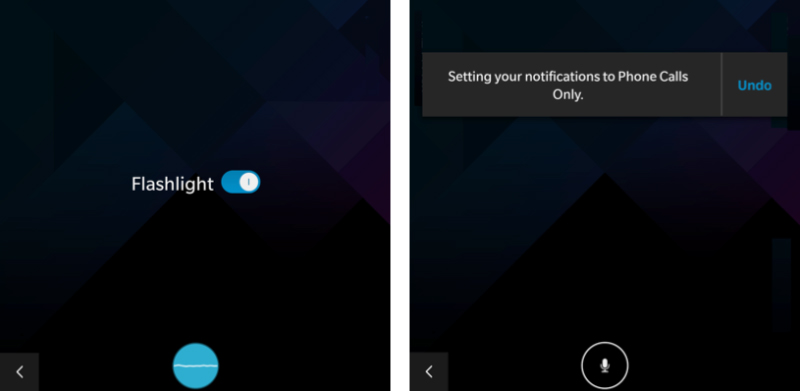
In BlackBerry’s words “the BB Assistant will keep you organized, informed and productive.” So what can it really do? While BB hasn’t released a full feature list yet, you can expect BB Assistant to do pretty much what we’ve come to expect from the dominant personal assistants. It can call people, send BBM/text messages, set reminders and alarms for you, read out and write emails and check Twitter trends if that’s your thing.
Like Google Now’s latest feature, BB Assistant will be in an ‘always on’ state which means; you can trigger it through a voice command without actually closing the application you’re in. Pretty neat. BB also claims that it’ll get better with multiple usages, by learning your habits and needs.
This is clearly not a new feature by brought out by BlackBerry. They’re not even trying to promote it as new. The other competitors have had quite a bit of a head start. But as an attempt to catch up, BB Assistant is not a bad attempt in any way. Things might get better for BlackBerry. They really need to.