Tag: china

  • Samsung Introduces Apps to Delete Bloatware in China

    Samsung Electronics, was sued in Shanghai, China over its alleged involvement in blocking Galaxy users in China from deleting applications. Samsung has been asked to address the issue of less storage space due to pre-installed apps otherwise known as bloatware. The particular device in question is the “N9008S” model, called the Galaxy Note 3 in Korea.

    The Chinese version of the Note 3 is said to come with 44 pre-installed apps, which reduces its storage by a fair amount. Therefore, Samsung is now distributing apps that allow consumers to delete pre-installed apps in all Galaxy devices.

    However, this change is specifically caters to Chinese consumers and does not affect the rest of the world. Would you like Samsung to introduce bloatware deleting apps in India too? Let us know.

    Source:[tw-button size=”medium” background=”#07ABE2″ color=”” target=”_blank” link=”https://www.koreatimes.co.kr/www/news/tech/2015/07/133_183780.html”] Korea Times[/tw-button]

  • Belgium City Sets Up a Special Lane for Pedestrians Who Can’t Stop Texting

    Belgium City Sets Up a Special Lane for Pedestrians Who Can’t Stop Texting

    It is quite common for people to bump into each other because they are too preoccupied with their smartphones. Another typical scenario, instead of looking left or right before crossing the street, people are steadily studying their mobile screens. Both the cases may lead to unnecessary collisions and can be a cause for serious injury. 

    Following its success in China, the forward-thinking European country, Belgium, has launched the perfect solution for this problem and is already proving a hit among texting fanatics.

    text-lane

    The solution is Text Walking Lanes. Antwerp, Belgium, has given its smartphone users their own designated lanes, where they can walk while texting or looking at their mobiles, without the risk of bumping into someone and dropping their phones. The path is marked as ‘Text Walking Lane’ and is marked with a bright, highly visible white paint.

    texting lane china

    Dietrich Jehle, professor of emergency medicine at the University at Buffalo, said,

    When texting, you’re not as in control with the complex actions of walking. While talking on the phone is a distraction, texting is much more dangerous because you can’t see the path in front of you.

    This temporary arrangement was the brainchild of a smartphone company based in the city. They say that a significant number of mobile phone breakage is due to ‘text walking’ collisions. This idea received equal criticism, some welcoming the idea while others wonder to what level of dependency has the human race stooped down to.

    Let us try to apply such a change here in India. Our country has the second largest population in the world, and more than half of it owns a mobile phone. Among this is a good amount of people who just duck their heads into their mobile screen. So, yes, the probability of bumping onto another commuter while walking is very high. Because of this reason, Texting Lanes could be welcomed here in India. But, for achieving this, space and infrastructure are imperative factors. With almost 40% of India living in urban cities, is it possible to make space for people to text-and-walk, when there isn’t even enough area demarcated for walking? 

    Comment and let us know about your thoughts on ‘Texting Lanes’. 

  • Huawei Unveils the Affordable Honor 4C with a 13MP Camera and 5-inch Display

    Huawei Unveils the Affordable Honor 4C with a 13MP Camera and 5-inch Display

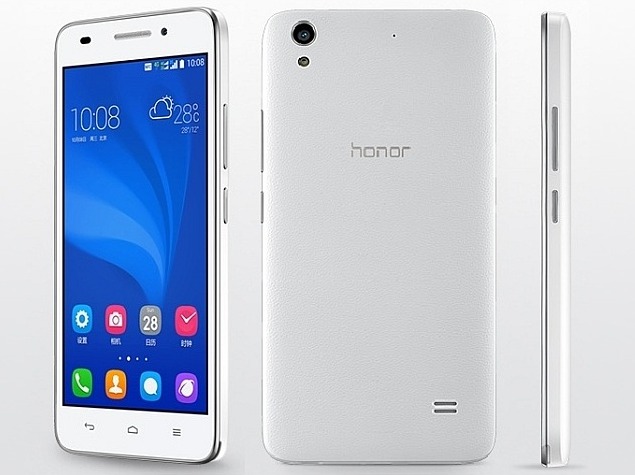
    After launching the Huawei P8 at an official event on 15th April, Huawei released yet another handset today, the Honor 4C. With a price tag of 799 Yuan (Rs. 8,150), the phone will directly compete against the Micromax Yu Yureka and Xiaomi Red Mi Note 4G.

    From the specs point of view, the 2GB RAM Honor 4C sports a 5-inch 720p display and is powered by a Qualcomm Snapdragon 615 Octa-Core processor and a HiSilicon Kiri 620 Octa-Core chipset. Camera specifications include a 13MP f2.0 aperture primary camera and a 5MP front camera. Internal memory offers 8GB of storage and a microSD slot. It runs on Android 4.4 KitKat and feature a 2,550 mAh battery.

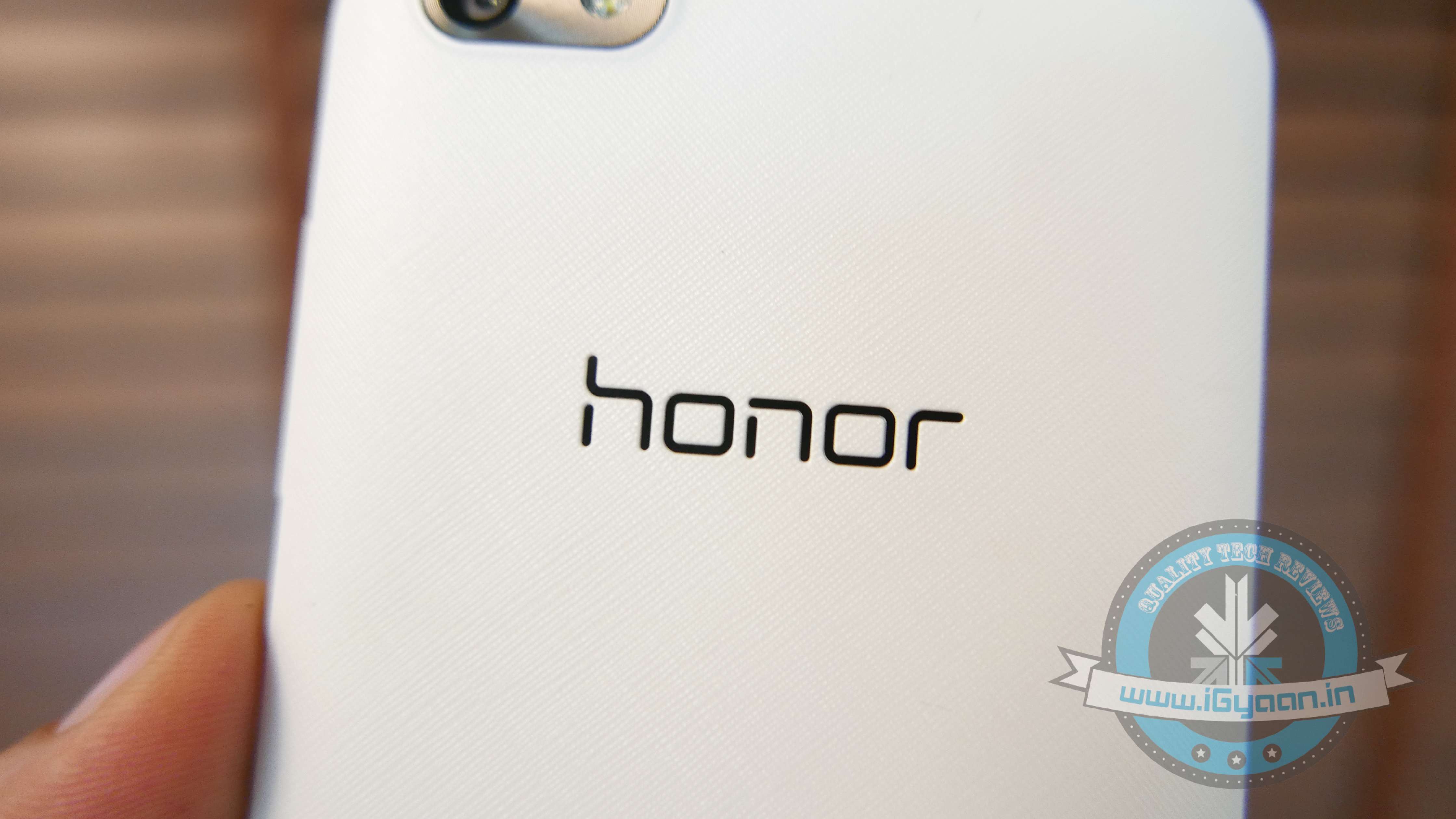
    huawei honor 4 play

    The phone is being offered in black, white, blue, gold and pink color options. For now, the handset is up for sale only in China and will be available through online portals only. The handset will be available on Huawei’s Vmall online store and Alibaba’s Tmall store on 7th May, registration are now open on both the online retailers.

    Specifications Honor 4C
    Display 5-inch 720p Display
    Processor Qualcomm Snapdragon 615 Octa-Core processor
    RAM 2GB
    Storage 8GB internal, microSD
    Primary Camera 13MP
    Front Camera 5MP
    Battery 2,550mAh
    Price Rs. 8,150, (tentative)
  • Yahoo is Closing Shop in China, Hundreds of Employees to Lose Jobs

    Yahoo is Closing Shop in China, Hundreds of Employees to Lose Jobs

    Once the top portal on the internet, Yahoo has not seen good days in the recent past. But recently, since the arrival of new age apps and features, Yahoo has somewhat faded into the background. The company is now pulling out from China where it had to shut down its web portal in 2013. This move will result in a loss of jobs of 200 employees.

    The consumer side businesses of Yahoo such as the Web portal, Yahoo Music and email service has already been shut down. Yahoo’s only office in Beijing was then transformed into a research facility. Now the company is pulling the curtain down on its entire show in China by shutting down the Beijing facility.

    Yahoo’s Chinese business was overseen by Alibaba group. The Beijing facility though was directly controlled by Yahoo and the company employed over 350 employees there. The shutdown will lead to massive layoffs in terms of hundreds. Yahoo has intimated the employees about the shutdown. Yahoo had laid off about 2000 employees in 2012 citing financial woes.

    Yahoo’s present CEO Marissa Mayer has been instrumental in turning the company around by taking some unpopular decisions. Her first task in the office as CEO was to shut shop in South Korea. As the services were being ignored for newer services outside US, she decided to bring focus back to America. There were also several layoff’s in India, Vietnam, Indonesia, Malaysia, Singapore, and the Middle East. In total, the company has cut between 700-900 jobs since October last year.

    The wages were also cited as reasons for the shutdown. Yahoo China employees get twice the salary of their Indian counterparts. Considering there are no consumer side application in the country, it made sense for the company to cut the costs there.

  • China to Employ More Robots Than Any Other Country by 2017

    China to Employ More Robots Than Any Other Country by 2017

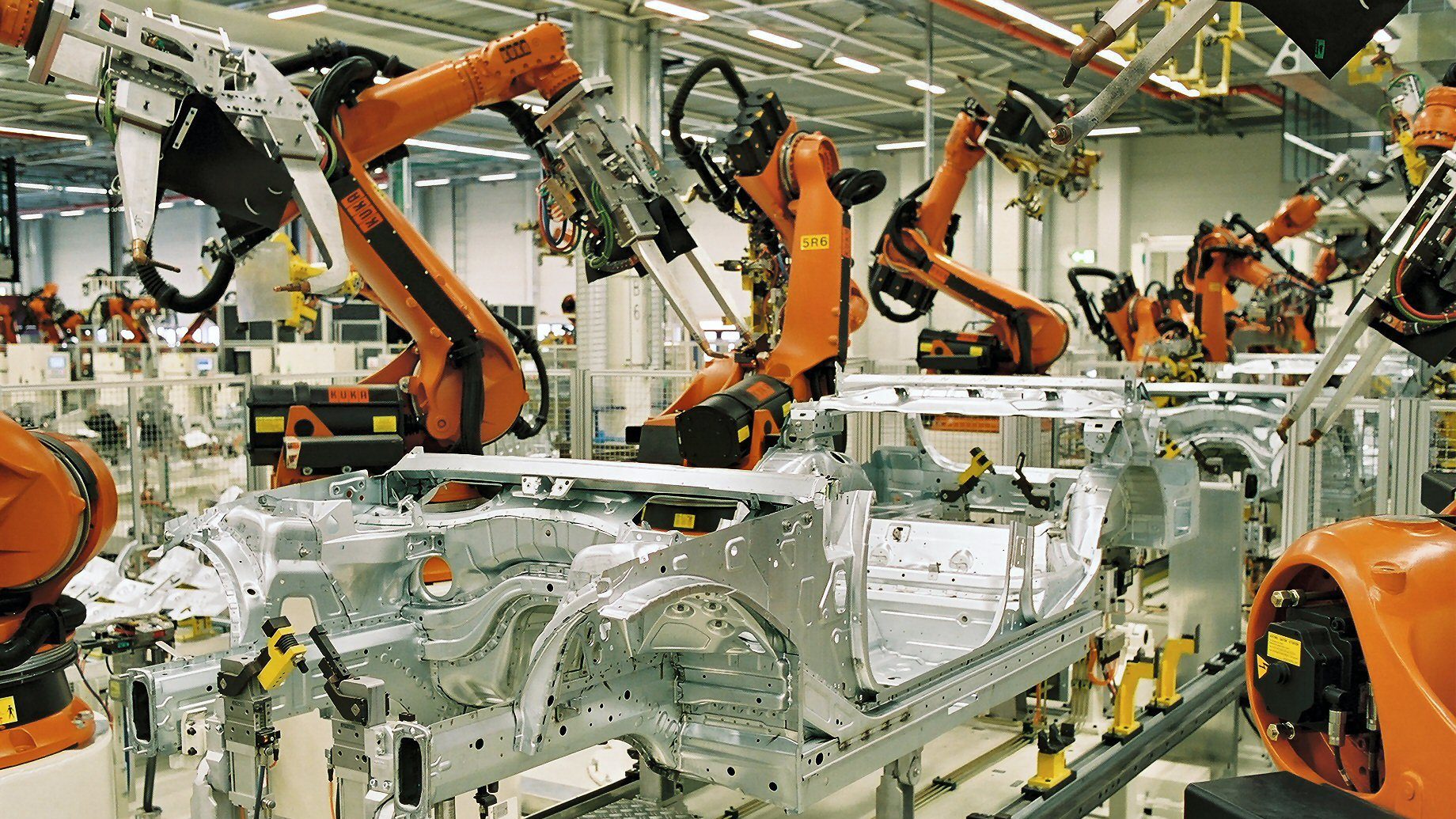
    China is the biggest manufacturing hub in the world. State provided incentives, low wages and the lack of strict labour laws have helped the country become a formidable force in the field of manufacturing. The country is slated to become the biggest employer for robots by 2017.

    To give a boost to its automotive and electronics production the country is in an active automation-drive. The wages have grown over the years and hence the companies are being forced to invest in robots.

    The trend has started with automobile production, but specialists believe it will soon be seen in the electronics production. The automobile industry accounts for about 40 percent of robots currently in operation.

    China is still lagging behind in terms of numbers of robot it employs now. While China has 30 robots per 10000 workers, South Korea boasts of 437; Japan has 323, and the United States has 152. But the the International Federation of Robotics (IFR) estimates the numbers of Chinese robots to grow exponentially.

    Japanese robot suppliers lead the race to supply to the industry and hold 60 percent of the market. Chinese suppliers are also fast gaining ground and have captured a quarter of the market.

    The robots will also actively take jobs away from human workers so its left to be seen how China will address that issue.

  • Apple Takes The Top Spot in China, Dethrones Xiaomi and Samsung

    We are all familiar with Apple’s soaring sales of iPhone 6 and iPhone 6 Plus. Apple recently revealed its record Q1 sales, surpassing even the highest analyst iPhone sales expectations as it set new iPhone sale records and new company record, too.

    Now, a Chinese data firm Canalys has released its latest report that the Cupertino based manufacturer has risen to the top spot in the highly competitive Chinese market for the first time. The report also mentioned that it is highly surprising considering the price of its devices is ‘nearly double those of its nearest competitors’.

    While the home grown smartphone giants of China are aiming for global expansion, the iPhone maker has turned the table towards the domestic market. The report highlights that the major reason of the success is the that Apple is finally embracing the LTE and large screen trends which are the most vital parameters in Chinese market.

    Apple captured a record 33 percent market share in South Korea in November 2014, according to Hong Kong-based market research company Counterpoint. Samsung, arch-rival of Apple has been shunned to the third place, tailing behind Apple is China’s Xiaomi.

    Apple will be reporting it last quarter earning next Tuesday in detail.

  • China Offers 100% Ownership to Foreign Investors of E-Commerce Companies

    China Offers 100% Ownership to Foreign Investors of E-Commerce Companies

    China is doing everything in its power to excite foreign investors to come invest their resources in their country. The government of China has now allowed foreign investors to hold 100% stake in e-commerce companies in Shanghai’s Free Trade Zone.

    This new policy comes from China’s Ministry of Industry and Information Technology. Previously the investors needed to partner with a Chinese company to conduct business. They were also only allowed to own 55 percent stake in the company. China aims to gather more access to retailers and consumers outside the country.

    The Shanghai Free Trade Zone (SFTZ) was established in 2013. It is the first free trade zone in mainland China and spans across 29 square kilometers. The intention is for the SFTZ to expand gradually to cover the entire 1,210 square kilometres.

    Chinese E-Commerce company Alibaba made history by offering a $25 Billion IPO.
    Chinese E-Commerce company Alibaba made history by offering a $25 Billion IPO.

    At present, there are more than 12,000 companies operating in the SFTZ. This number also includes 1,677 foreign-funded firms. This decision today will help the foreign companies such as Amazon to infiltrate into the Chinese e-commerce space.

    The Chinese e-commerce market is profitable and growing at a rapid rate. At present, there are about 330 million online shoppers in the country, which, for perspective, is more than the entire population of the United States. Chinese e-commerce company, Alibaba.com had also shown its might on the NYSE when if offered the biggest IPO in history worth US$ 25 Billion. Alibaba is planning to enter India and was in talks with Snapdeal in September 2014.

  • Google’s Gmail Service Blocked in China

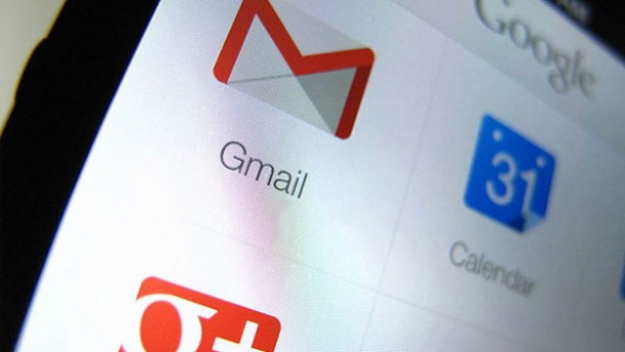
    Gmail was banned in Mainland China earlier this year, however, people were able to exchange messages, videos, pictures through  the mailing service. Protocols like IMAP, SMTP and POP3 and third-party apps such as Microsoft Outlook and Apple Mail aided users to access Gmail but now, even that isn’t possible as the Chinese government closed the loophole. As per a recent revelation, the government has permanently shunned Gmail in the country behind the Great Firewall.

    Google has continuously been observing a major traffic dip in Gmail from China and this has been evident through Google’s Transparency Report. A spokesperson from the firm said that there had been no issues from the company’s side, which could have led to this action, “We’ve checked and there’s nothing wrong on our end.”

    The China-based freedom of speech advocacy group GreatFire.org argued that this is a step towards completely banishing Google from China,

    I think the government is just trying to further eliminate Google’s presence in China and even weaken its market overseas. Imagine if Gmail users might not get through to Chinese clients. Many people outside China might be forced to switch away from Gmail.

    The East Asia’s sovereign state has made a firm boundary around itself called Great Firewall of China, which it says is a sophisticated internet censorship mechanism. This wall restricts the Chinese audience to interact with rest of the world. The decision will lead to an awkward situation for companies doing business, as almost all use Gmail to exchange conversation.
    gmail-sign-google

    However, the Chinese government has regulated the ban, the Foreign Ministry spokeswoman Hua Chunying said that she has no clue about the ban. Chunying added to her statement that the government is committed to provide a healthy business environment to foreign investors, “China has consistently had a welcoming and supportive attitude towards foreign investors doing legitimate business here. We will, as always, provide an open, transparent and good environment for foreign companies in China.”

    Meanwhile, as the mailing service is blocked, the users out there are left with just one alternative, Virtual Private Networks (VPN). The Gmail ban hasn’t come a surprise decision as the country has a long list of restricted websites. Along with Google Docs, Google Drive, YouTube, Twitter and many more sites blocked earlier, the recent block record includes Instagram, Dropbox, Google Maps, Google and a few more.

  • Sony and Microsoft Ready to Begin Console Wars in China

    Sony and Microsoft Ready to Begin Console Wars in China

    China is a country that practically produces almost everything available in the market. The country is the manufacturing hub of most of the world’s electronics. But it has serious distrust for foreign products. The People’s Republic of China (PRC) is a nanny state that is quick to ban anything that doesn’t stand up to its cultural standards. The country recently lifted a 14-year ban on foreign consoles in the country. This led to the arrival of the two gaming giants in the country who will now start a new battle in their war of console supremacy in the most populated country in the world.

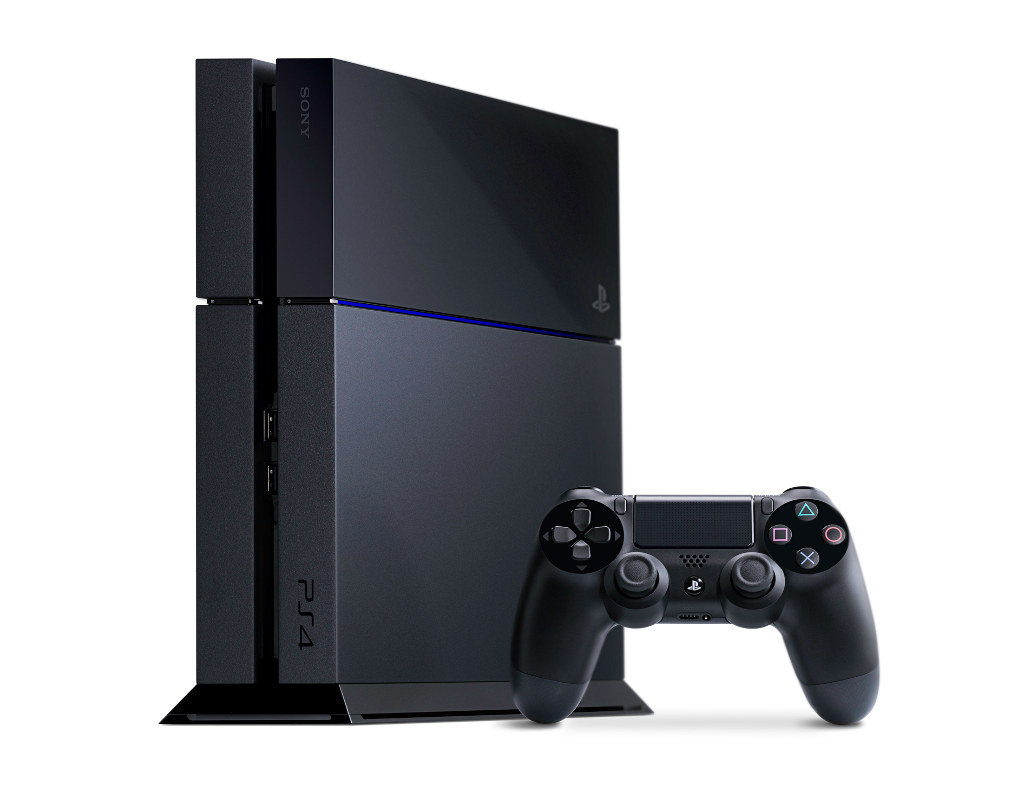
    About four months back, Microsoft’s Xbox One hit the Chinese shores. On January 11th its arch nemesis, Sony PlayStation 4 will arrive to begin the familiar war. Sony told Reuters that it would arrive with 30 titles and has already applied for licenses for them. In comparison, Xbox One has only 10 titles in the country.

    It is rather difficult to get your gaming title passed through the scrutiny of the Chinese censors. The country is infamous for having a giant mechanism that constantly censors content throughout the media and the internet. The safest bet for the companies is to bring sports based titles to get past easily through the licensing process. It doesn’t seem like the Chinese gamers are going to get access to the likes of GTA 5 anytime soon.

    These devices also come at a hefty price tag even though the consoles are made in the country. The PS4 comes for 2,899 yuan(Rs. 29,240) while Chinese buyers would have to shell out 3,699 yuan (Rs.37,300) for the Xbox One. Microsoft hopes to sell a million devices by October 2015.

    It is good to see China opening its doors to the world one step at a time. It’s about time the country also imported democracy and let its people taste real freedom. Well, if freedom in 21st century means being a slave to the screen, guess the Chinese aren’t far from it.

  • Xiaomi Breaks Records, Sells 1.1 Million Mi Units Within 24 Hours

    Xiaomi Breaks Records, Sells 1.1 Million Mi Units Within 24 Hours

    Xiaomi has announced that it has sold 1.16 million Mi smartphones in just 24 hours in China, generating a revenue of $254 million. This number is 2.8 times over the company’s revenue of 550 million yuan generated as a part of Singles’ Day in 2013. This is quite a phenomenal performance by Xiaomi, which according to IDC has sold over 17.3 million smartphones in the whole of Q3, 2014.

    For those who are not familiar with November 11 (11/11), it is known as Singles’ Day (Anti-Valentine’s day or Bachelor’s day) in China and has become one of the largest online shopping days. Heavy discounts are offered by online retailers on a wide array of products as a part of the Singles’ Day sale, which is even bigger than the Cyber Monday and Black Friday sales in the US.

    Xiaomi, which is just 4-year-old, has become the No.1 smartphone brand in China. The company’s VP Hugo Barra confirmed via Twitter that the sales have generated a revenue of $254 million with 1.16 million Mi units sold.

  • Russian President Gifts Dual-Screen YotaPhone 2 to Chinese President

    Russian President Gifts Dual-Screen YotaPhone 2 to Chinese President

    You don’t see a lot of tech news about Russia unless it’s about its new global infractions that have almost become a daily affair. Russia doesn’t have a huge name in the consumer technology market. But one Russian company has merged the smartphone and the e-reader to make a unique dual-display device.

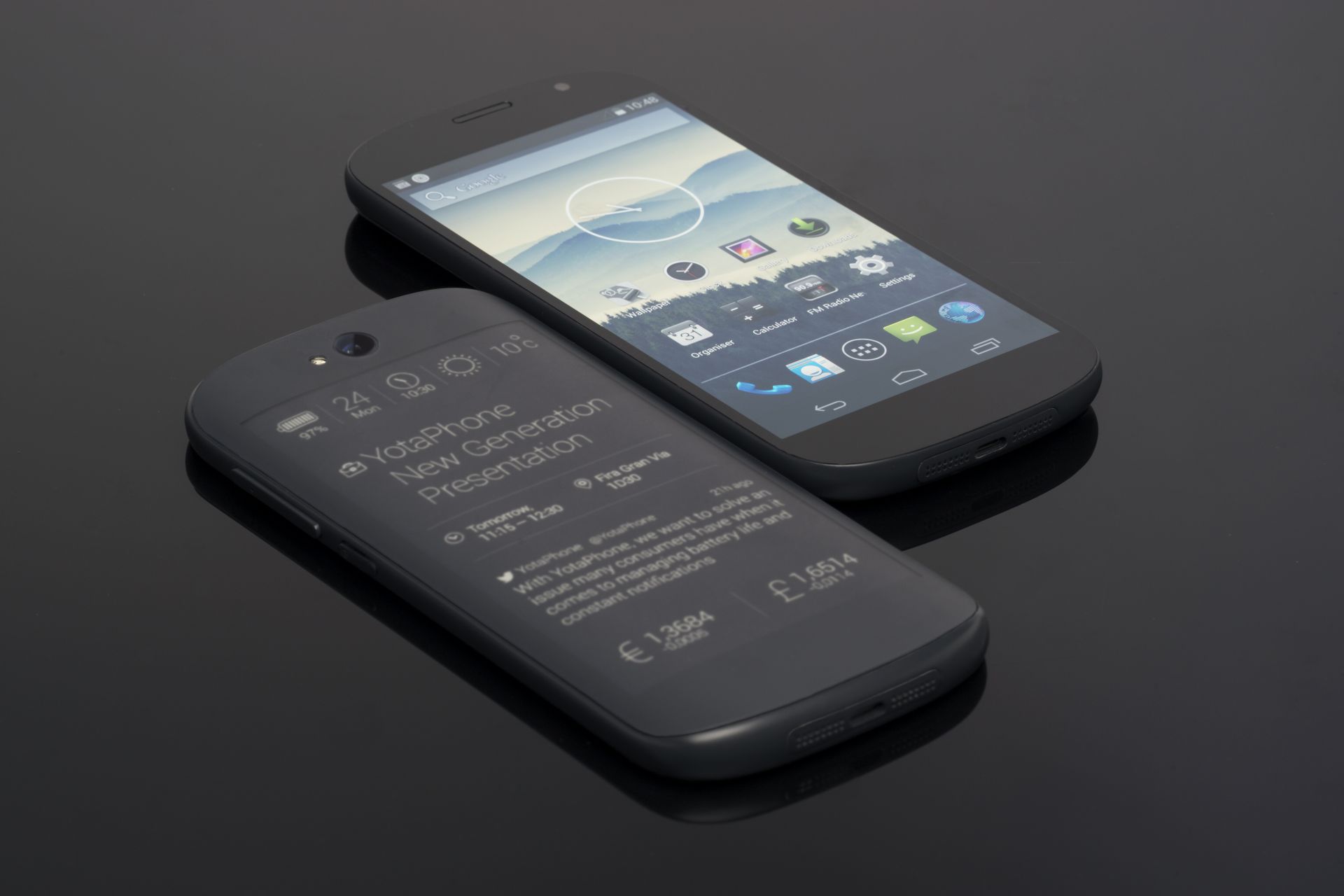
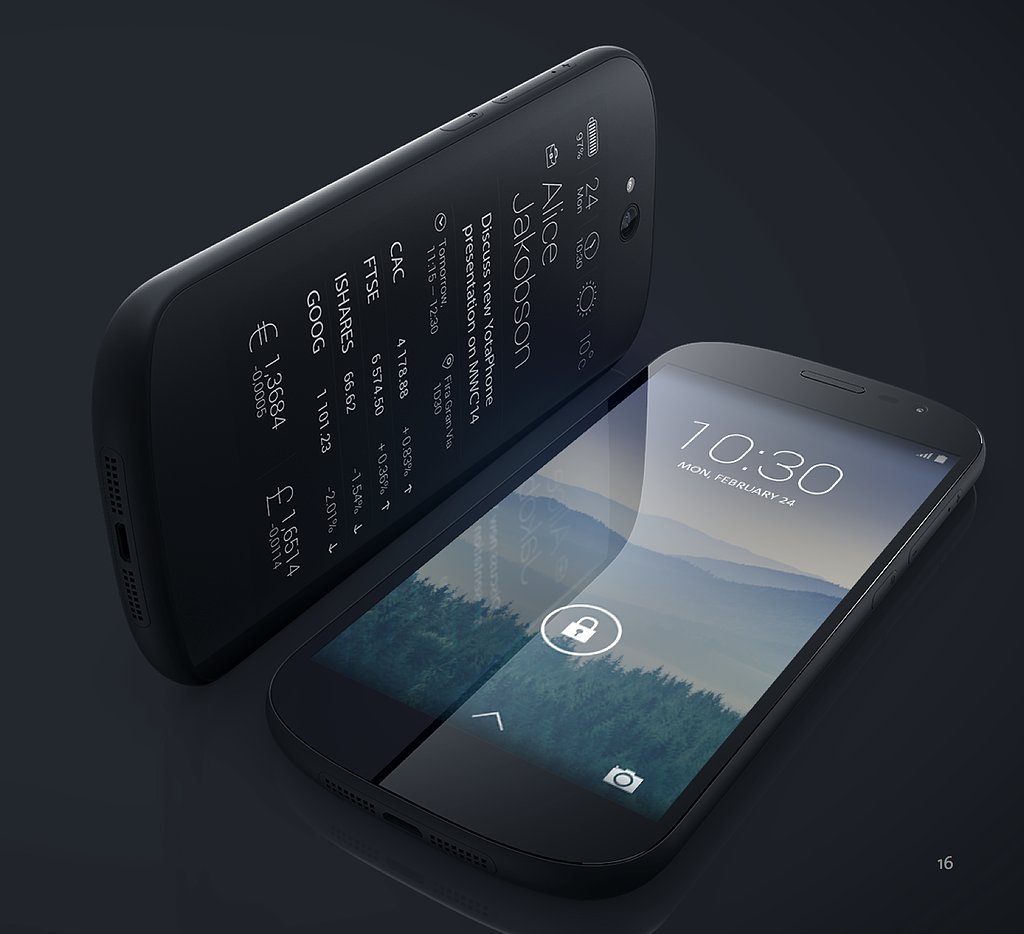
    YotaPhone recently made a footfall on the Indian shores. The phone is being sold exclusively on Flipkart in India. The phone’s next version, the YotaPhone 2, has found its first owner in Chinese President Xi Jianping.

    President Putin Gifting President Xi JIngping the Yotaphone 2. (Source: RT screen grab)
    President Putin Gifting President Xi Jinping the YotaPhone 2. (Source: RT screen grab)

    Russian President Vladimir Putin gifted the next generation phone to the Chinese President during the ongoing Asia-Pacific Economic Cooperation (APEC) summit in Beijing.

    YotaPhone 2 has got some improvements over its predecessor. It features a 5-inch 1080p AMOLED display and a 4.7-inch QHD e-Ink touchscreen, which is way better than the 4.3-inch of the previous model. It runs on Android KitKat and is powered by a 2.3GHz quad-core Snapdragon 800 chipset along with 2 GB of RAM. The phone has 32 GB internal storage space.

    Yotaphone 2 is a considerable improvement over its predecessor.
    Yotaphone 2 is a considerable improvement over its predecessor.

    On the camera front, YotaPhone 2 sports an 8MP camera on the back and a 2MP camera on the front. It gets its juice from a 2,550mAh battery. The phone is expected to release for general sale in Russia this December. It will come to European, Chinese and South-East Asian market in the first quarter of 2015.

    Well, now that the phone is in Chinese hands, we can expect a million copies coming out soon all over the world. Russia might have inadvertently handed the only unique consumer device to the world’s photocopier nation.

  • China Develops a Laser That Can Shoot Down Low Flying Drones

    China Develops a Laser That Can Shoot Down Low Flying Drones

    In the history of weaponry, every new lethal weapon has led to the creation of a weapon that can take the lethal weapon down or at least diminish its effects. Even the most destructive of them all; the nuclear weapons can be defended from by using missile defense systems. One of the pieces of weaponry choice of countries like US is drones. The drones or unmanned aerial vehicles are capable of getting the desired result without putting the pilot’s life in danger. China though seems to have created the counter-measure for a drone offensive and their answer is lasers.

    China’s new anti-drone laser weapon has a range of two kilometers and is capable of taking down low-altitude threats in five seconds of locating the target. The state media said that the technology will be used against “various small aircrafts.” The technology has been developed at the China Academy of Engineering Physics (CAEP).

    Chinese government has been known for taking aggressive stands against almost every country that it sees as a threat. The nation’s President, Xi Jinping, had recently asked the country to be prepared for regional wars. China is already the 2nd biggest spender on defense in the world. It regularly finds itself at odds with its neighbours, especially India and the countries in the South China Sea.

    The anti-drone weapon is one the steps taken by the country as a preventive measure and also to assert its military might. According to Xinhua, the weapon is effective up to a maximum altitude of 500 metres and against an aircraft flying at up to 50 metres per second (112 mph).

    The drone technology has gained tremendous leap in just the recent times. Consumer models are available in departmental stores for really affordable prices. One of the officials has said that terrorists can make use of this easily available technology for their activities, and hence a deterrence is required.

    A statement by CAEP says that shot down more than 30 drones in a recent test with a 100 percent success rate. The academy is also developing the next generation of laser security systems which will be capable of greater power and longer range.

  • IAF Adamant to Ban Use of Xiaomi Smartphones

    IAF Adamant to Ban Use of Xiaomi Smartphones

    The Indian Air Force (IAF), earlier this week had issued a circular to its employees asking then to refrain from using Chinese phones. The focus was mainly on the hot selling Xiaomi phones. It had cited a report by F-Secure which said that they found that the Redmi 1S was forwarding carrier name, phone number, IMEI (the device identifier) plus numbers from address book and text messages back to Beijing. Even after Xiaomi took proactive steps towards addressing its concern, IAF, is pressing on its officials and families to refrain from using the phones.

    Xiaomi had earlier in an interaction with PTI said that IAF must be taking into consideration an earlier privacy concern raised by F-secure. The security solutions company had done a test on the phones and found that they were automatically syncing the files on the cloud. Xiaomi said this was because cloud syncing was on by default on their devices. The company had released an OTA update on 10th August which would give the users the option to manually turn cloud syncing on.

    Xiaomi Redmi 1s Unboxing 4

    Xiaomi added that F-Secure had acknowledged the efficacy of the new update. The company had also started the process of migration of the international user data out of its Beijing-based servers and started shifting it to Amazon’s AWS data centers.

    It is important to know that this issue is not a cause for concern for the general public. The data, that is said to be collected by all service providers and handset manufacturers. The cause of concern was it going into the hands of a Chinese company. The Chinese government is notorious for collecting information without much regard for the legality of its actions. The country’s authorities had raged a man-in-the-middle attack to harvest passwords of iCloud users. Folks working in the military deal with sensitive information and that’s why the Air Force is exercising proactive caution. For the average person, you can go ahead and register for that next flash sale. It’s only going to get better after these incidents.

  • Apple Protects Chinese Citizens from the Government Attacking Their Security

    Apple Protects Chinese Citizens from the Government Attacking Their Security

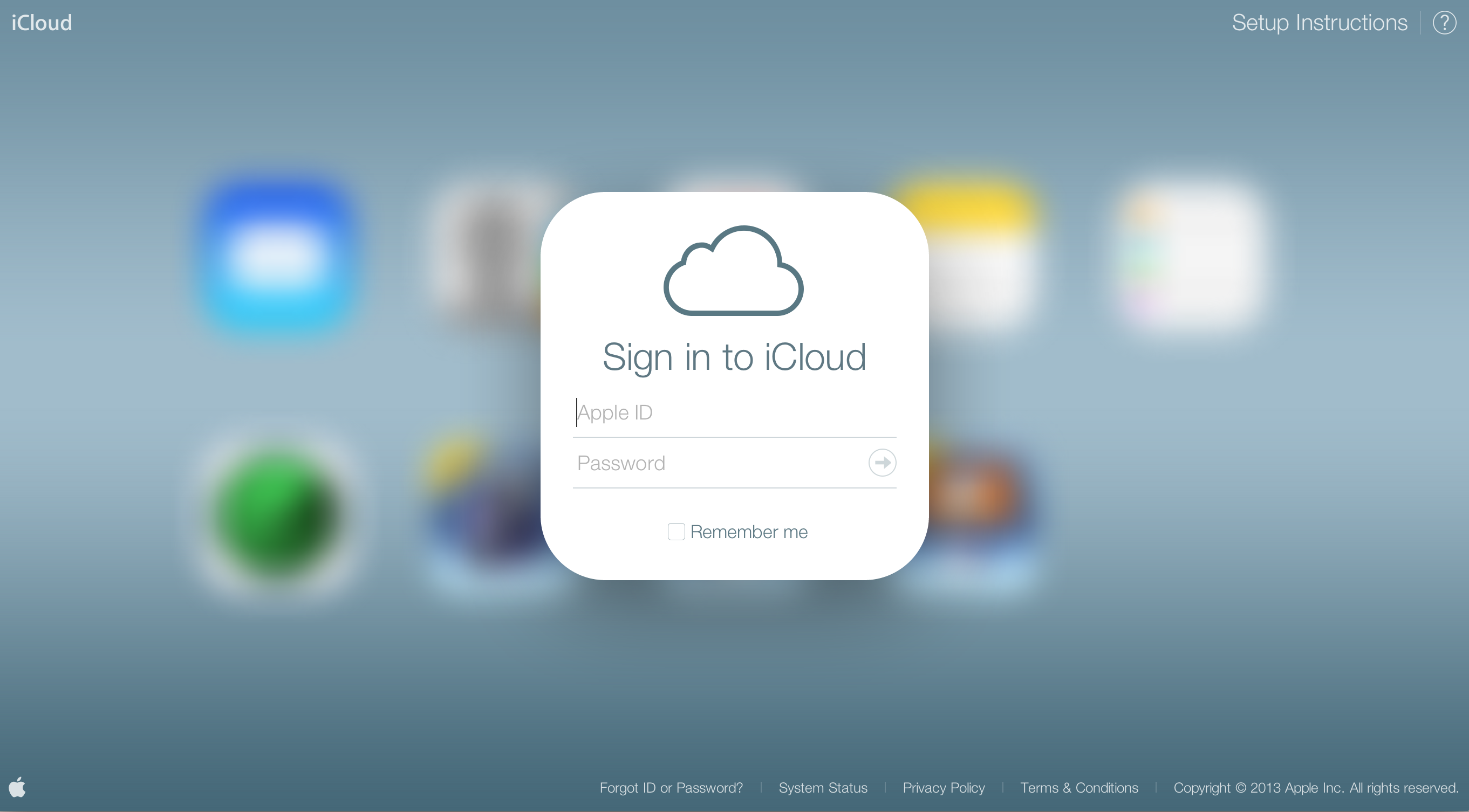
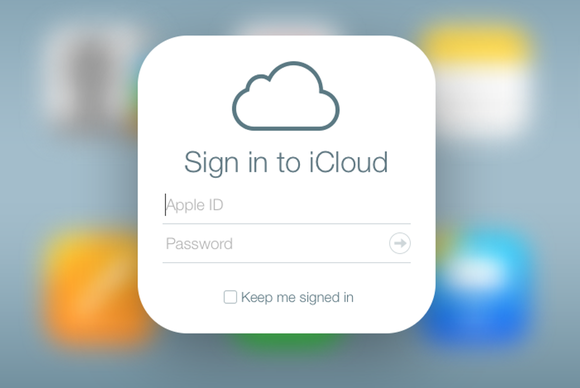
    Reports have been circulating about a massive piracy attack on iCloud. It is being alleged that hackers and Chinese authorities were deploying man-in-the-middle(MITM) attacks in order to compromise Apple ID’s from Chinese users that visited Apple’s iCloud website.

    The latest report by the Wall Street Journal suggests that Apple has officially confirmed that it is aware of the organized attacks on its iCloud users, however their own servers have not been compromised.

    “Apple is deeply committed to ‘protecting our customers privacy and security. We’re aware of intermittent organized network attacks using insecure certificates to obtain user information, and we take this very seriously. These attacks don’t compromise iCloud servers, and they don’t impact iCloud sign in on iOS devices or Macs running OS X Yosemite using the Safari browser”.

    Apple has come out with a support document that clearly specifies the importance of digital certificates, advising users who come across an invalid certificate alert in their web browser while visiting iCloud. The company has also issued guidelines as to how users can verify that their web browser is connected to iCloud and not a fake third party MITM website.

    safariicloudverified-800x508

    Apple has asked its users to make sure the green lock icon is visible and see the following message “Safari is using an encrypted connection to www.iCloud.com” when the lock icon is clicked.

    But the main problem lies in the fact that users are not using secure browsers to access their cloud storage. A report indicates that many users in China access the Internet via a popular Chinese browser named Qihoo. It does not alert users when a fake site is getting their information, it rather redirects Chinese users to a fake website identical to the iCloud website. Users who eventually log into the fake site inadverently give the attackers their login and passwords that can be used to access personal information.

    Chinese authorities are suspected to be a part of this attack. According to CNBC, a spokeswoman for China’s Foreign Ministry said that Beijing was “resolutely opposed” to hacking.

    Chinese users are being advised to switch to secure browsers like Chrome or Firefox, or use a VPN to bypass the redirection and log in directly to iCloud. Two factor authentication is also required to be turned on as it restricts unauthorized users from logging into an iCloud account even when a username and password is compromised.

  • China Rages a Massive Privacy Attack on iCloud

    China Rages a Massive Privacy Attack on iCloud

    Just when Apple fans were setting up their new iPhones, they discovered that they are being misled to an identical looking page. Web censorship watchdog Great Fire is reporting that the Chinese authorities are staging a man-in-the-middle (MITM) attack on Apple’s iCloud. The attacks coincide with the new iPhone launch, thereby giving the authorities’ access to a massive number of passwords of people setting up their new phones.

    According to Wikipedia, a MITM attack is a form of active eavesdropping. The attacker makes independent connections with the victims and relays messages between them. It makes them believe that they are talking directly to each other over a private connection, when in fact the entire conversation is controlled by the attacker.

    When a person tries to log into their iCloud, they are instead redirected to an identical looking page. When using a Firefox or Chrome browser, there is a warning that you are not on the authentic website, but when using China’s most popular browser, Qihoo there is no warning. Microsoft’s Live.com, Github, Google and Yahoo have also faced such attacks in the recent past.

    It is being said that this is a massive effort from the Chinese authorities to fish out usernames and passwords from a huge population. Doing so will give them access to all the data including personal documents, pictures and videos stored on the cloud. For folks who set automatic syncing to the cloud for their entire data, this news might be troublesome.

    It’s being said that the recent addition of encryption system might have attracted this unfriendly attention from the Chinese authorities. The system faced disapproval from security institutions like the FBI.

    China is infamous for censoring the internet using its giant firewall, known as Golden Shield Project or better known as the Great Firewall of China. But fishing out user information is a recent phenomenon which by the looks of it is gaining steam. There are few ways you can circumvent the impositions. The user can use a VPN service to access their real accounts just make sure that the VPN service is also not blocked by the country’s firewall.

    Internet freedom are considered a part of human rights and right to privacy is one of the cornerstones of a civilized society. But this recent surge of privacy theft should concern all.

    Here’s a TED talk by Glenn Greenwald who explains why privacy is such an essential element for our society:

iGyaan Network
Privacy Overview

This website uses cookies so that we can provide you with the best user experience possible. Cookie information is stored in your browser and performs functions such as recognising you when you return to our website and helping our team to understand which sections of the website you find most interesting and useful.