Tag: chip

  • Faster and Smaller, IBM Unveils World’s First 7nm Chip

    Faster and Smaller, IBM Unveils World’s First 7nm Chip

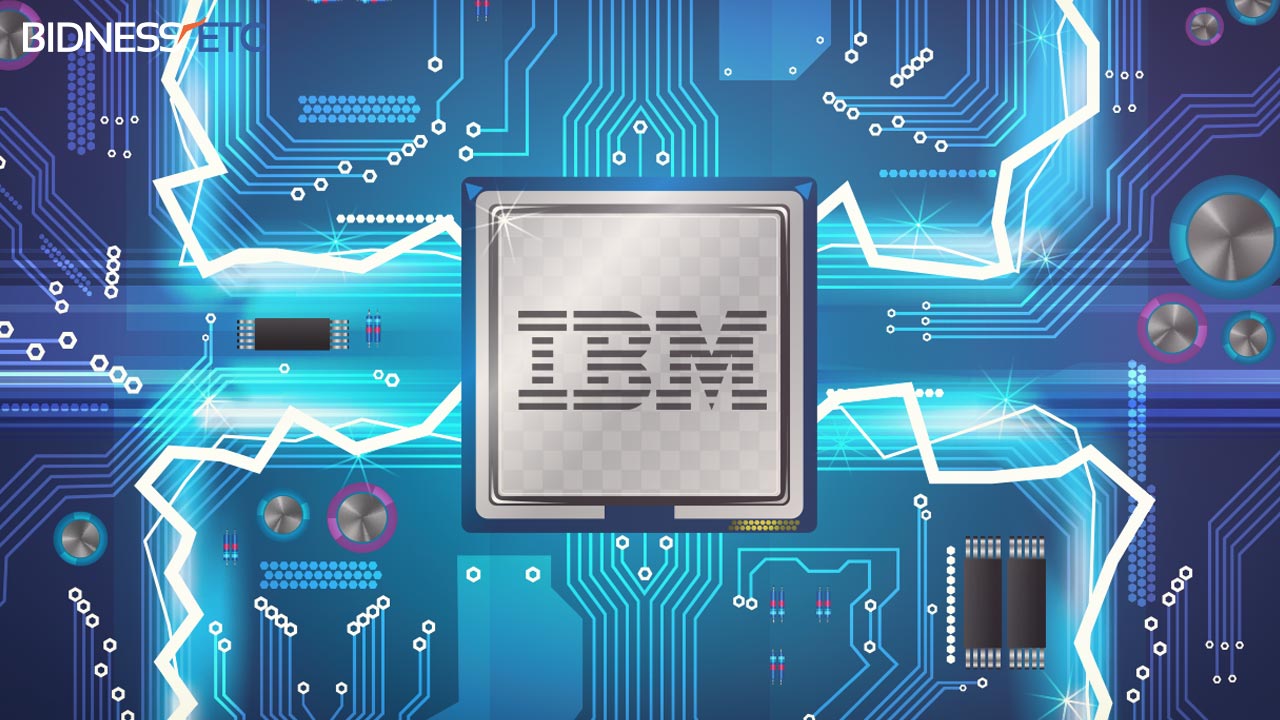
    IBM has just made a breakthrough in chip manufacturing technology. The company, working with GlobalFoundries, Samsung, SUNY, and various equipment suppliers, has created the world’s first 7nm chip with working semiconductors. This would be the first time a chip maker has succeeded to achieve such a feat. Normally, the smaller the transistor gate, the better the performance of the chip. As a result, reducing it to just 7nm will drastically increase the power to performance proportion of the chipset.

    While it should be emphasized that commercial 7nm chips remain at least two years away, this experimental chip from IBM and its partners is remarkably significant for three purposes: it is a functional sub-10nm chip; it is the first commercially viable sub-10nm FinFET logic chip that uses silicon-germanium as the channel material and feasible design produced with extreme ultraviolet (EUV) lithography.

    IBM’s 7nm chips use a FinFET transistor configuration that differs from existing FinFETs in that the transistor’s channel is made from silicon-germanium alloy, rather than plain silicon. This is because silicon by itself has problems with electron mobility below 10nm, which restricts current flow and hampers smooth performance. Adding germanium to the mix has been found to resolve these issues.

    IBM has managed to pack transistors incredibly tightly on their 7nm chips, achieving a conductor pitch of just 30nm. This leads to the surface area reduction of around 50% matched to bleeding-edge 10nm chips, which IBM believes can result in performance and power improvements of “at least” 50%.

    Enabling the first 7nm node transistors is a notable breakthrough for the entire semiconductor industry as we continue to push beyond the limitations of our current capabilities,” said Michael Liehr, the university’s vice president of innovation and research.

    Although the company has succeeded in creating a working transistor using 7nm, although, it is still in the prototype stage, and may take at least a few years for such chips to end up in the market. So, this tech will probably make it to final products only after the 10nm chips have been widely used.
  • Five Amazing KickStarter Projects That Need To Be Crowd Funded Right Now

    Five Amazing KickStarter Projects That Need To Be Crowd Funded Right Now

    Crowdfunding has transformed the way people do business. Now, inventors do not have to hunt down big time investors or established companies to create life to their ideas. Now they can turn to the wisdom (and wallets) of the general populace to get started. Namely, sites like KickStarter, where the crowd are the inventor’s financial help.

    Kickstarter allows ideas to be funded via crowd-funding. Members ‘pledge’ amounts of money in return for a creative award from the inventor.

    Let us see some of the KickStarter projects that definitely need crowd-funding:

    The Light Phone

    The Light Phone

    It’s difficult to assume anything that comes close to how swiftly humans have completely fallen for their mobile devices. If you have a separate smartphone just for work, why not have another just for life?

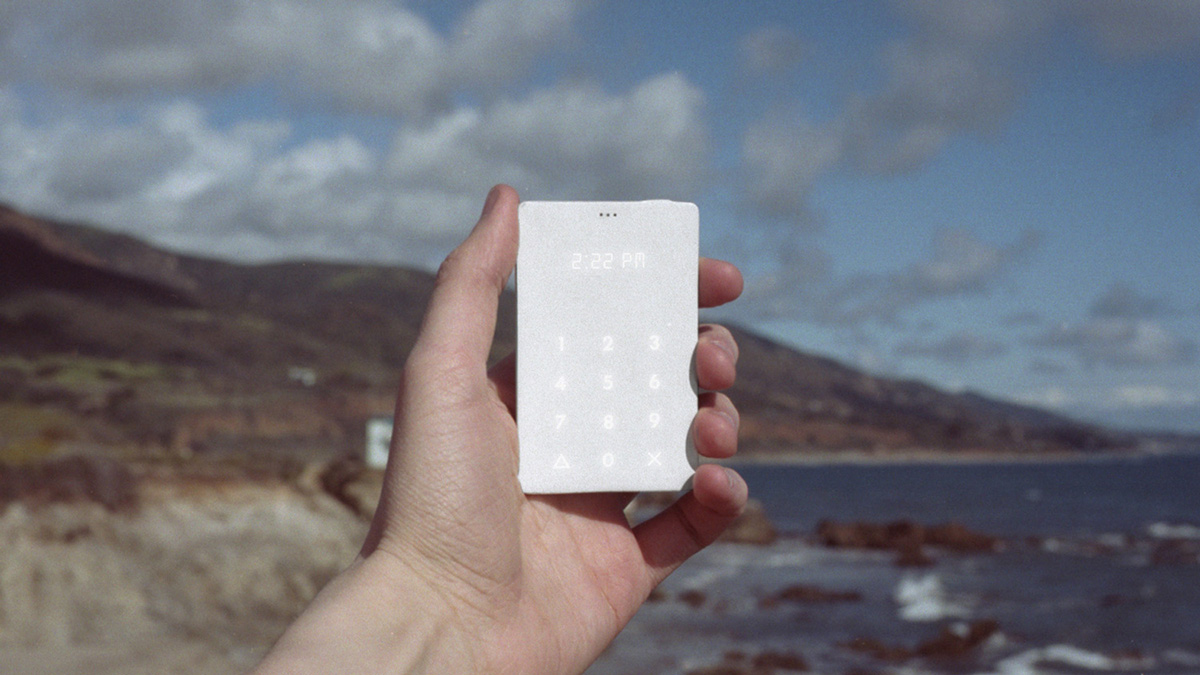
    You can now leave your distracting device at home and take your credit card­sized cell phone out for work. The Light Phone uses the simple call­forwarding function of the phone to connect calls from your smartphone.

    It’s what a phone was always meant to be – it receive and makes calls. You have no Wi-­Fi, Bluetooth, texting or apps. There won’t be any voicemails or missed ­call display as a reason for you to keep checking your Light Phone. And yes, it can also make a great first phone for a child too. No selfies or texting! Sounds great!

    Kickstart the Light Phone here

    Phree

    Phree

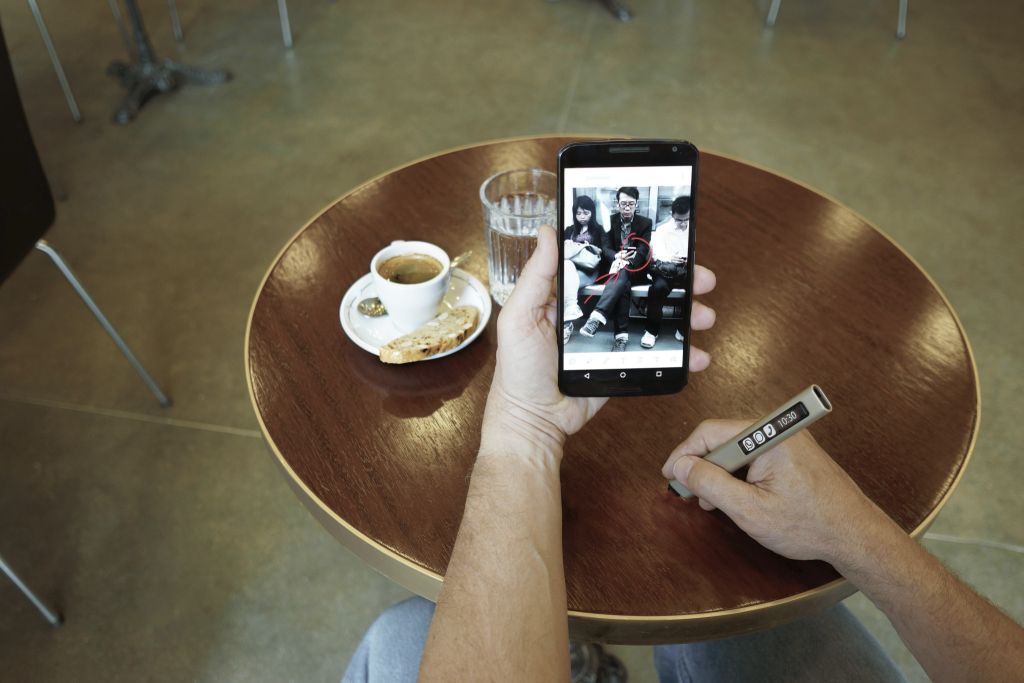
    Yes, we all have stylus in some of our phones, but there’s just something about writing on a smartphone screen that feels very out of this world. And, of course, there is always the­ reliable paper­ and ­pen option too, but, a soft­ copy is most reliable and easy when it comes to conveying messages these days.

    Presenting Phree, the world’s first unrestricted, high ­resolution, write­virtually­-anywhere mobile input device. Be it on the wall, or the elbow of your sofa or your hand, Phree connects to all your media devices via Bluetooth and is compatible with software and apps, such as Office, OneNote, Acrobat, Viber and more. Just jot down notes and numbers immediately, or doodle on the spot. The whole world is your paper!

    Kickstart Phree here

    CHIP

    CHIP

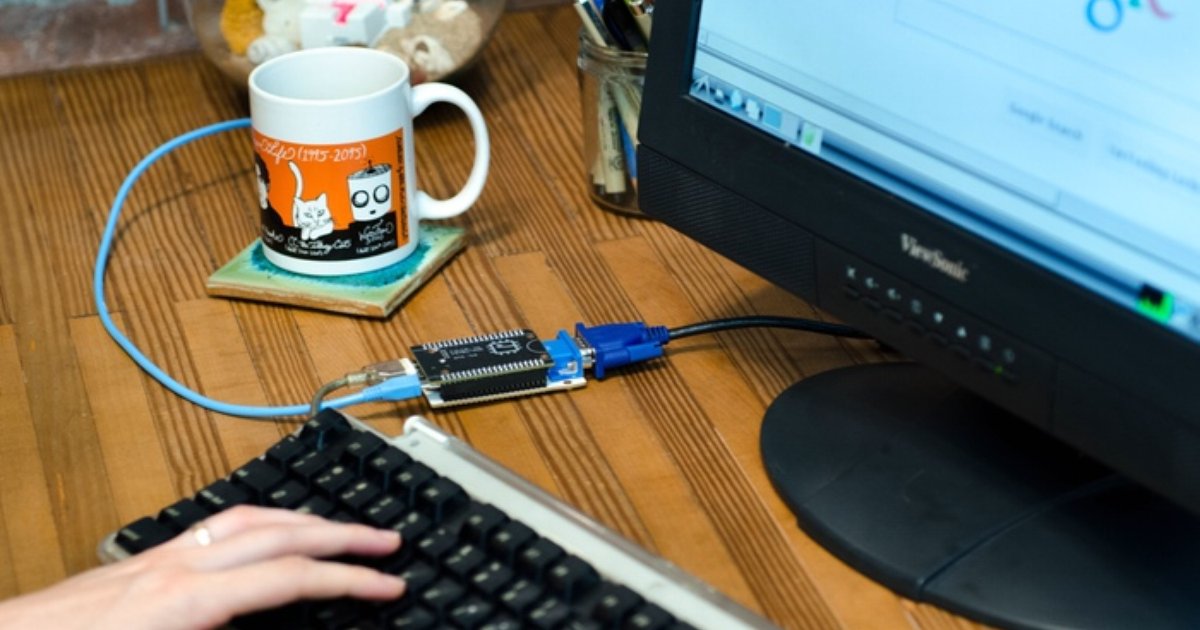
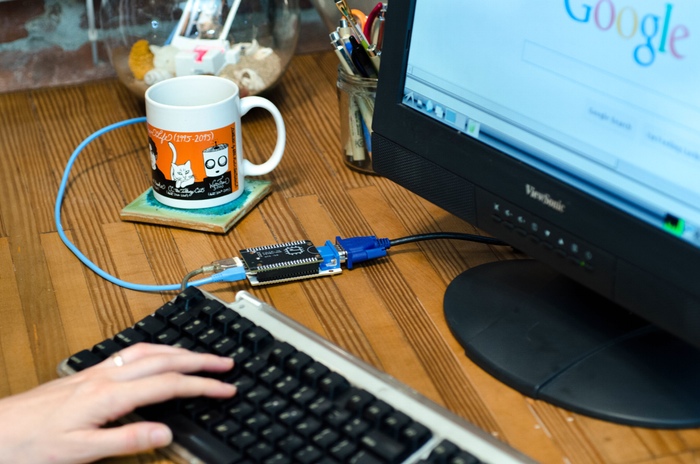
    CHIP is the tiniest and the cheapest computer ever made. We are talking $9, and the size of two AA batteries here.

    For all the tech geeks, it sports a 1GHz processor, 512MB ram and 4GB storage. It has built-­in Wi-­Fi and Bluetooth, so you can connect to the Internet and can also attach a keyboard and a mouse wirelessly. It runs Linux, and works with any screen too!

    It comes pre-installed with applications such as LibreOffice to edit spreadsheets, create word documents, or craft presentations. Or Scratch for easy-­to-­learn programming and coding lessons. Hook up Bluetooth­-enabled controllers for games, or a MIDI keyboard for jamming music. CHIP is a little guy ready for bigger things the moment you power it on.

    Kickstart CHIP here

    Trago

    Trago

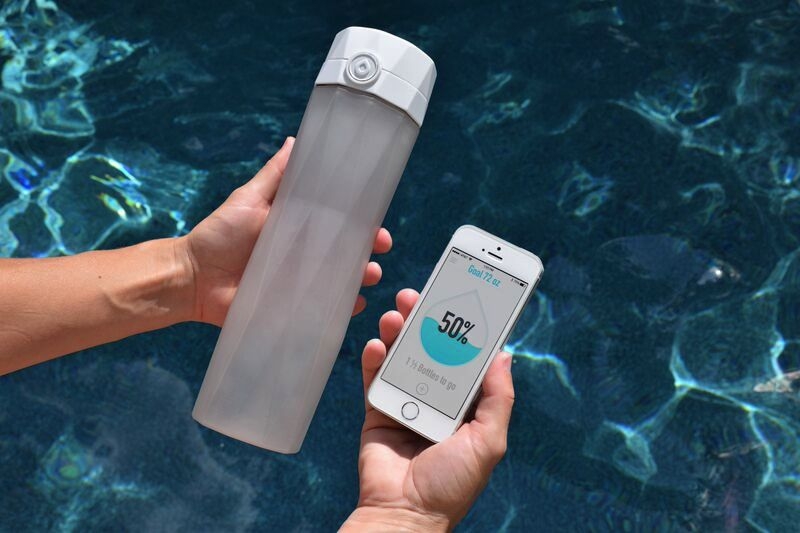
    When you hear the words ‘water’ and ‘phones’ together, “get it away from my electronics!” is usually the first sentence that springs to mind. But Trago wants to bring in water and technology together in the world’s first intelligent water bottle.

    We all know the value of water to our health, but most of us do not keep track of how much water we should be drinking. It is important because optimal hydration levels are different for everyone, Trago follows your precise needs through simple inputs in an app, through your smartphone. Ultrasonic technology situated in its cap measures your water consumption and encourages you to complete your daily water requirement, via periodical reminders.

    Kickstart Trago here

    SensorWake

    There is nothing more excruciating and painful than the sharp­ screech of the alarm clock in the morning. Most people start their day repeatedly hitting the snooze button and still wake up drowsy.

    But what if you have the option of waking up to the heavenly aroma of coffee? SensorWake, the world’s first olfactory alarm clock, spreads a perfect amount of scent that can wake you up faster than you can say, “Not a morning person.” Plus, it is a scientifically proven theorem.

    Kickstart SensorWake here

  • CHIP is the World’s First $9 Computer of the Size of a Debit Card

    CHIP is the World’s First $9 Computer of the Size of a Debit Card

    Microcomputers are in these days, but they come at a bulky price tag. Meet CHIP, a microcomputer that will slip conveniently in your small pocket and will not put any load on you, moneywise. The handy personal computer costs as low as $9 and is under development as of now. Interested users can back the project on Kickstarter.

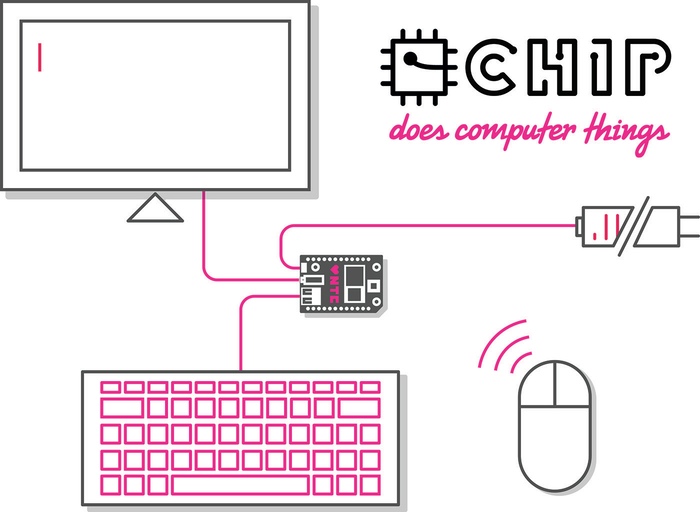
    So, how does it work? CHIP connects to any screen, keyboard and a mouse to transform into a full-fledged computer. It has inbuilt Wi-Fi and Bluetooth 4.0 to surf the web and do other tasks over the internet. It has a 1GHz processor, 512MB RAM, and 4GB of storage capacity. It can perform office tasks of importance, can teach the basics of programming with pre-loaded Scratch, allows playing games and can do many more things. Thousands of apps are pre-installed on the device, which can be accessed for free.

    chip1

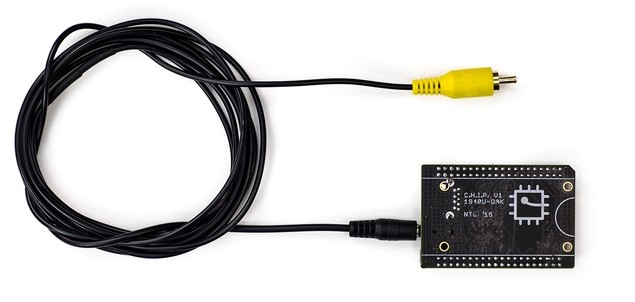
    The initiative has raised more than $635,000 till yet and people are constantly joining in to back the project financially. The same will be shipped by December this year. Buyers can opt for other deals as well. For $19, the next Thing Co. is offering a CHIP with a battery or a VGA Adapter. It’s not exclusive to a specific region or a country, and will be shipped to all parts of the world.

    chip 2

    That’s not it. There is an optional PocketCHIP that houses the CHIP and makes the whole system portable. It sports a 4.3-inch touch-screen display, a QWERTY keypad beneath the screen and a 3000mAh battery fuelling up the gadget. It can go up to 5 hours on a single charge. One can pledge for a PocketCHIP for $49. It will ship to the backer by May next year.

    Check out the video below to understand the concept better:

  • Intel’s New ‘Quark Core’ for Wearable Devices

    Intel’s New ‘Quark Core’ for Wearable Devices

    Intel is working on a new line of ultra-small and ultra-low-power microchips for wearable devices like smart-watches and bracelets, it seems like an effort from the company to fit into the next generation technology, which is the wearable devices.

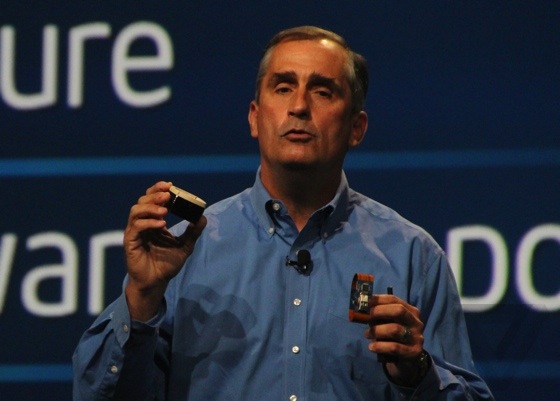
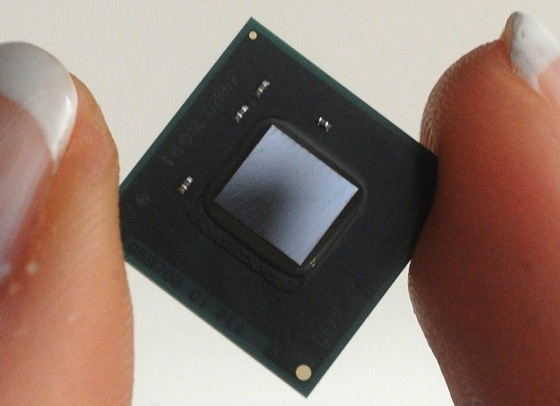
    Intel CEO Bryan Krzanich just pulled out the tiny Quark X1000 chip at the 2013 Intel Developer Forum (IDF) in San Francisco. Intel will provide equally miniature reference boards and software to help developers put tiny communicating computers in just about everything, which includes smart-watches, if developers are interested.

    “Our strategy is actually very simple,” Krzanich explained earlier in the keynote. “Our plan is to lead in every segment of computing.” That includes servers, laptops, tablets, and phones, but also other devices yet to be designed.

    In other words, the actual CPU core inside a Quark chip is one-fifth the size and consumes one-tenth the power of an Atom CPU core. Quark is aimed at markets where power consumption and form factor take priority, according to an Intel representative.

    After the launch of the Samsung Galaxy Gear and Qualcomm Toq, the wearable devices is supposedly the next technology to rule the world, keeping that in mind ‘Quark’ seems a smart move from Intel.

  • NVIDIA launches Tegra 4: with quad-core Cortex A15 and 72 GPU cores !

    NVIDIA launches Tegra 4: with quad-core Cortex A15 and 72 GPU cores !

    tegra 4 2013-01-07 at 10.46.39 AM


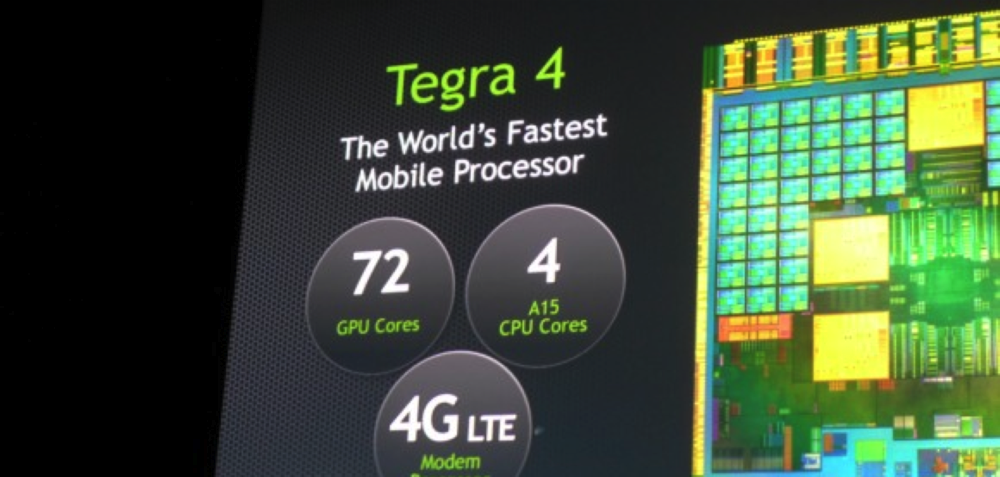
    At CES 2013, NVIDIA has announced their chipset upgrade of the year, The Tegra 4 platform. Even though the chip retains the same 4-plus-1 arrangement of the Tegra 3 Platform, adds capabilities of an impressive 72 GPU cores. That will improve the GPU capability almost 6 times. 


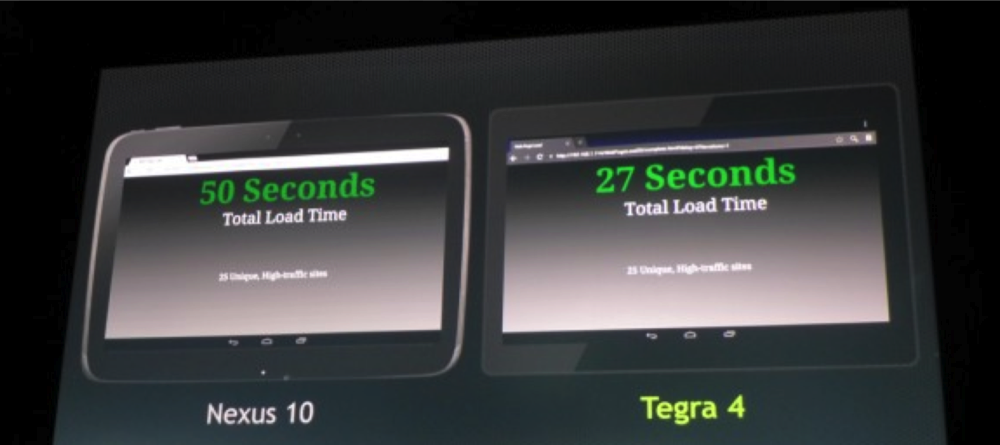
    The first test this processor was put to live on stage was between itself in an unnamed tablet and the Google Nexus 10 – loading webpages on the Tegra 4 finished  almost 50% quicker than the Nexus 10.tegra 4 2013-01-07 at 10.47.05 AM

    Its also the first quad-core processor with Cortex A15 cores on-board, which offers compatibility with LTE networks. NVIDIA also claims this piece of silicon is the world’s fastest mobile processor. in a comparative chart putting the NVIDIA Tegra 4 ahead of the iPad 4 and then the Nexus 10.

    The Tegra 4 also boasts of new Photography computational expertise, which will drastically improve the time between an image clicked, processed and saved. NVIDIA said that it will introduce a new mobile processor architecture each year, with the Tegra 4 however it seems the Tegra 3 chipset has been updated.


    tegra 4 2013-01-07 at 10.46.58 AM

  • Intel Launches their new Range of Ivy Bridge Core Processors along with new Ultrabooks in India

    Intel Launches their new Range of Ivy Bridge Core Processors along with new Ultrabooks in India

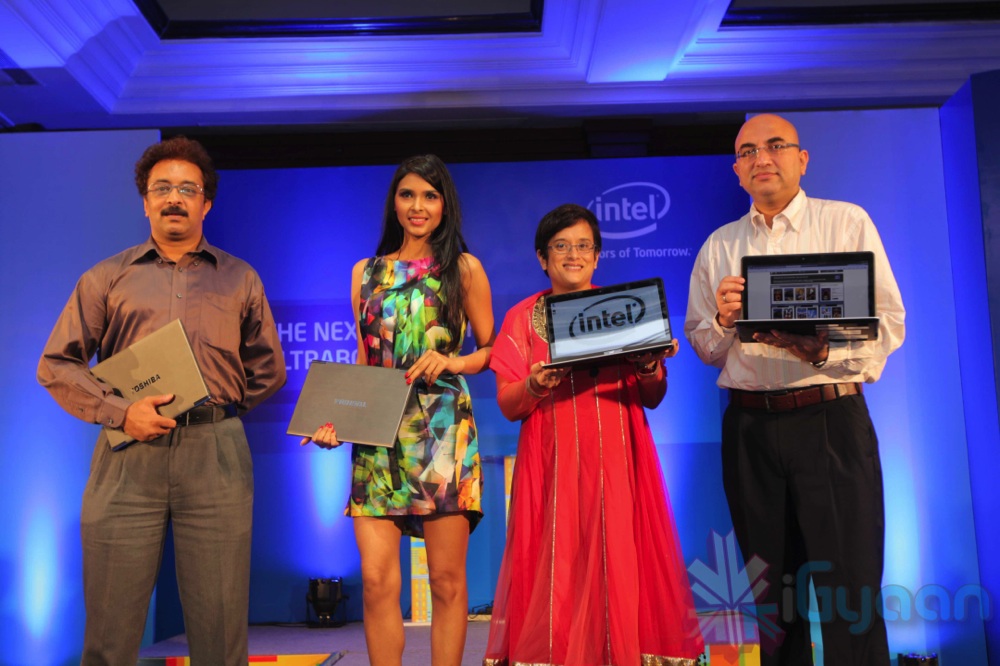
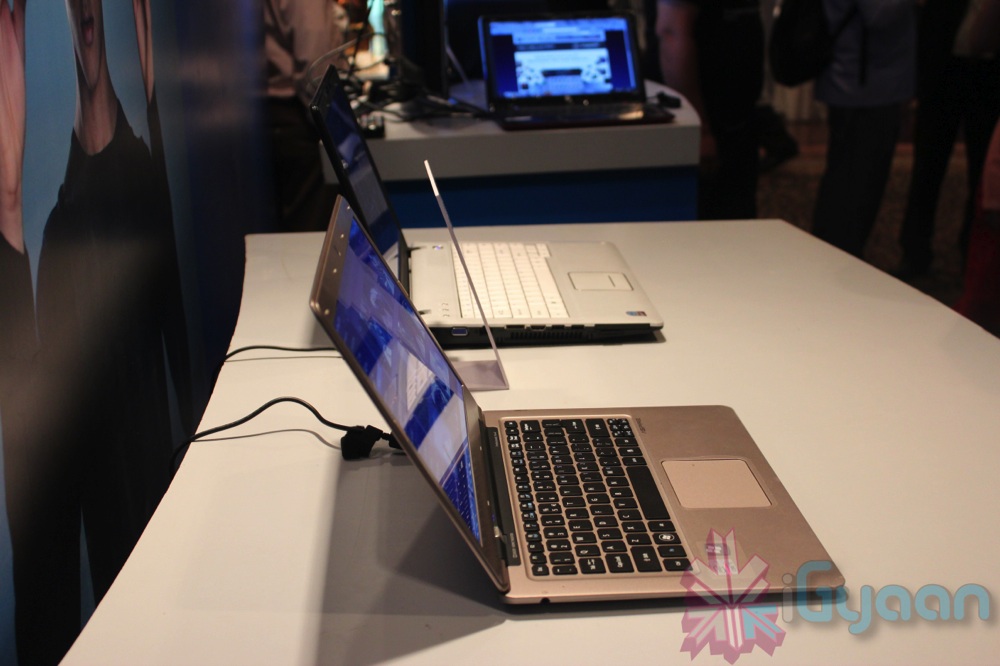
    Intel on Tuesday launched a whole new range of Ultrabooks, along with their new 3rd Gen Core Processors. The new range of products are designed on their 22nm platform, with added benefits of better battery life, more flexible designs and  light mobile ultrabooks. The new inbuilt features will offer more security and theft protection by allowing new services like remote locking. 

    Intel said devices such as Ultrabooks, powered by Ivy Bridge, would give consumers ability to play games, upload videos to the Internet and movies without purchasing expensive, separate graphics card.

    [quote]Similar to introduction of Intel Centrino nearly a decade ago, this is a time of revolutionary change in personal computing

    -Ms Debjani Ghosh, Managing Director, Sales and Marketing Group, Intel South Asia[/quote]


    [quote]

    We would see around 30 new designs coming which are touch-enabled and 10-12 designs which are convertible like sliders by end of this year. Sliders are designs that can be used as tablet as well as laptop.


    -Mr Sandeep Aurora, Director Marketing, Intel South Asia

    [/quote]


    Though Intel has kept the cost of Ivy Bridge similar to that of Sandy Bridge, products such as Ultrabooks would remain as a niche product for at least next 12 months. Intel was also keen to mention that the staring SKU’s of the new ultrabooks would cost upwards of Rupees 50,000. But, the company is working closely with OEM manufacturers to bring pricing to the older time Centrino levels.

    Along side their new Ultrabooks, Intel tied up with Satya Paul Designs to launch a new range of Ultrabook accessories at the event

    PRESS RELEASE

  • No iPhone This year : Due to Overheating A5 Chip

    No iPhone This year : Due to Overheating A5 Chip

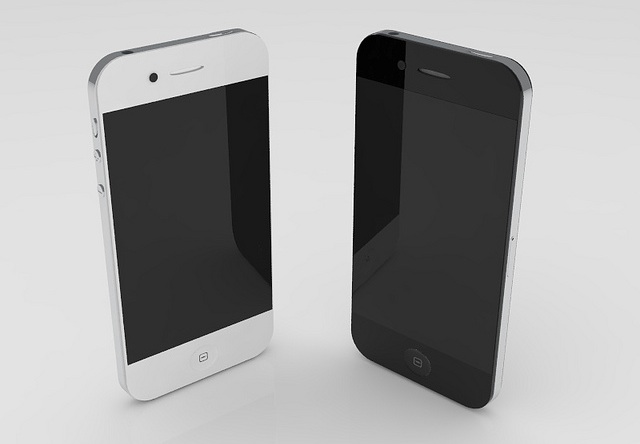
    Say it isn’t so! Several rumors are pointing to a further delay in the launch of Apple most anticipated phone since the original iPhone n 2007. According to a story on a chinese website, the overheating A5 chip was the first cause of delay in the iPhone 5 and the shift from June to a supposed September release. 

    The story goes on to say that Apple will be transitioning to a 28-nanometer manufacturing process with the A6 chip, apparently due next year. The A5 chip that goes into iPad 2 is manufactured on Samsung’s 45-nanometer process and is almost twice the size of the iPhone 4?s A4 processor. That is not acceptable for the constantly shrinking size of the iPhone.

    If there is any truth to the story, then we think Apple might release an iPhone 4s sort of modest yet sufficient upgrade which will satisfy the hungry customer for another year, say gorilla glass, 8mp camera dual core A4 chipsets. Either way get ready to take on news with a pinch of salt as we start to get closer to the real deadlines.

  • Your Desktop Supercomputer: Coming Soon

    Your Desktop Supercomputer: Coming Soon

    Scientists at the University of Massachusetts Lowell have managed to squeeze over a thousand processor cores onto a single chip. We’ve heard a lot about the potential for future desktop-sized supercomputers, but more than anything else this research proves that in the not-too-distant future it’s likely to be a reality. Interestingly enough, there’s also a green angle to this idea: FPGA chips can be more power efficient than their competitors, and if less computer time is needed to process complex tasks, then the overall power consumption of computers using the tech could be impressively low.


    The advance was made by Dr. Wim Vanderbauwhede’s team, who programmed an advanced chip called a Field Programmable Gate Array (FPGA). FPGA systems have been around for a while, and their strength is that they can be programmed “in the field” to best suit whatever task they’re needed for, unlike the hard-coded silicon ship designs you’re probably imagining. The UM team’s innovation was in working out how to program the FPGA to act as mini processor cores, since the tech is typically difficult to work with. This has traditionally been a barrier to their use in desktop PCs, although small FPGAs are often found inside devices like LCD TVs.


    Once the 1,000 individual CPU cores had been programmed onto the chip, the scientists took the necessary next step to prove how useful their innovation is: They ran an intensive algorithm through it to test how powerful it was, and they chose a tricky one too–at the core of motion MPEG video processing, used in many online video systems. The results speak for themselves. Using the kilo-core FPGA computer, the team was able to process 5 gigabytes per sec of movie files, which is about 20 times the rate that existing high-end computers can manage.

iGyaan Network
Privacy Overview

This website uses cookies so that we can provide you with the best user experience possible. Cookie information is stored in your browser and performs functions such as recognising you when you return to our website and helping our team to understand which sections of the website you find most interesting and useful.