Tag: comparison

  • Xiaomi Redmi 5 Vs Xiaomi Redmi Y1

    Xiaomi Redmi 5 Vs Xiaomi Redmi Y1

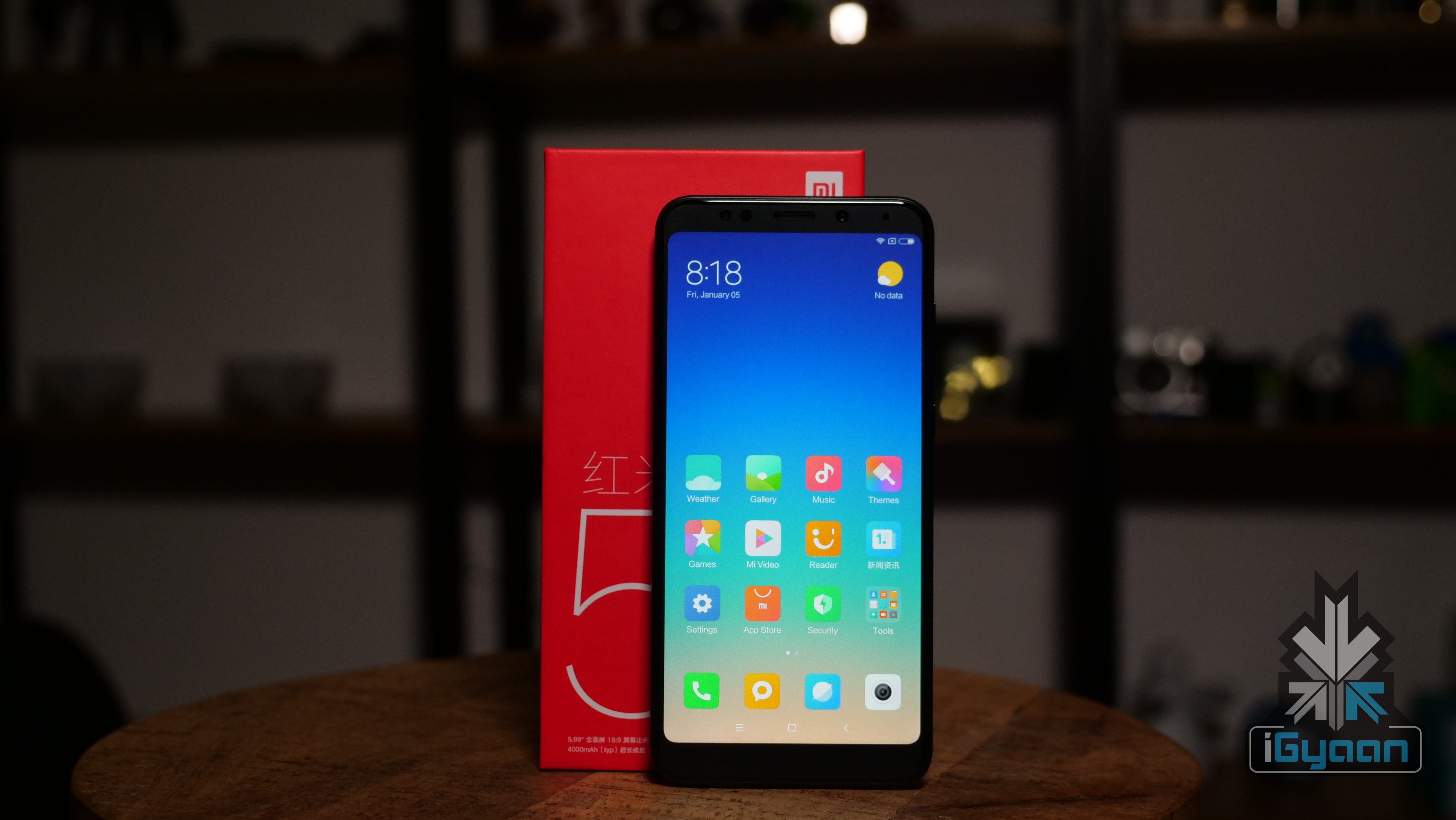
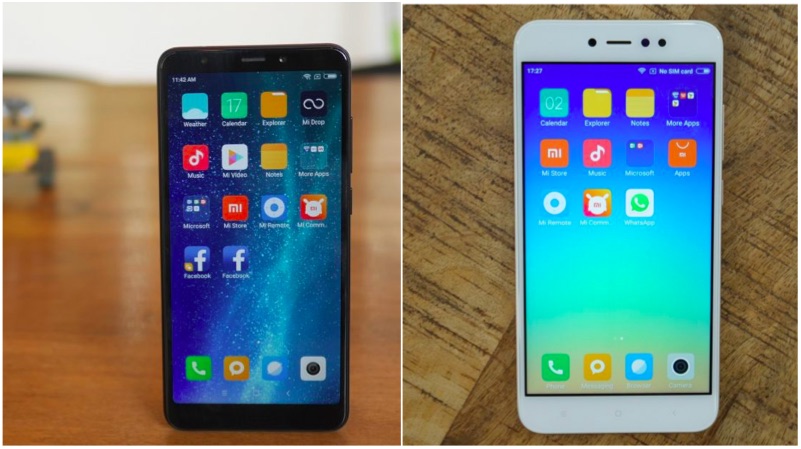
    Xiaomi Launched the Redmi 5 in India in on the 14th of March. The price starts at Rs 7,999 for the base variant and goes up to Rs 10,999 for the 4GB RAM and 64GB storage. This is the cheapest smartphone from the company with an 18:9 display. In late 2017, Xiaomi also launched the selfie-centric Redmi Y1 at a similar pricing.

    In late 2017, Xiaomi also launched the selfie-centric Redmi Y1 at a similar pricing. Interestingly, the Redmi Y1 also retails for Rs. 8999 for the 32GB storage variant. So, does the Redmi 5 essentially makes the Redmi Y1 redundant?
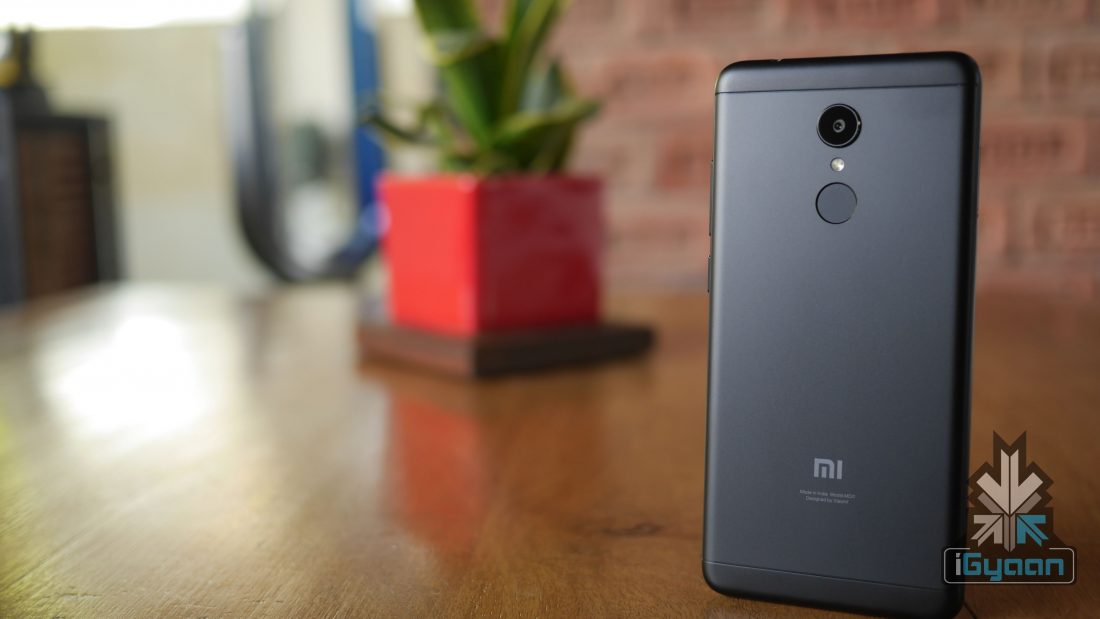
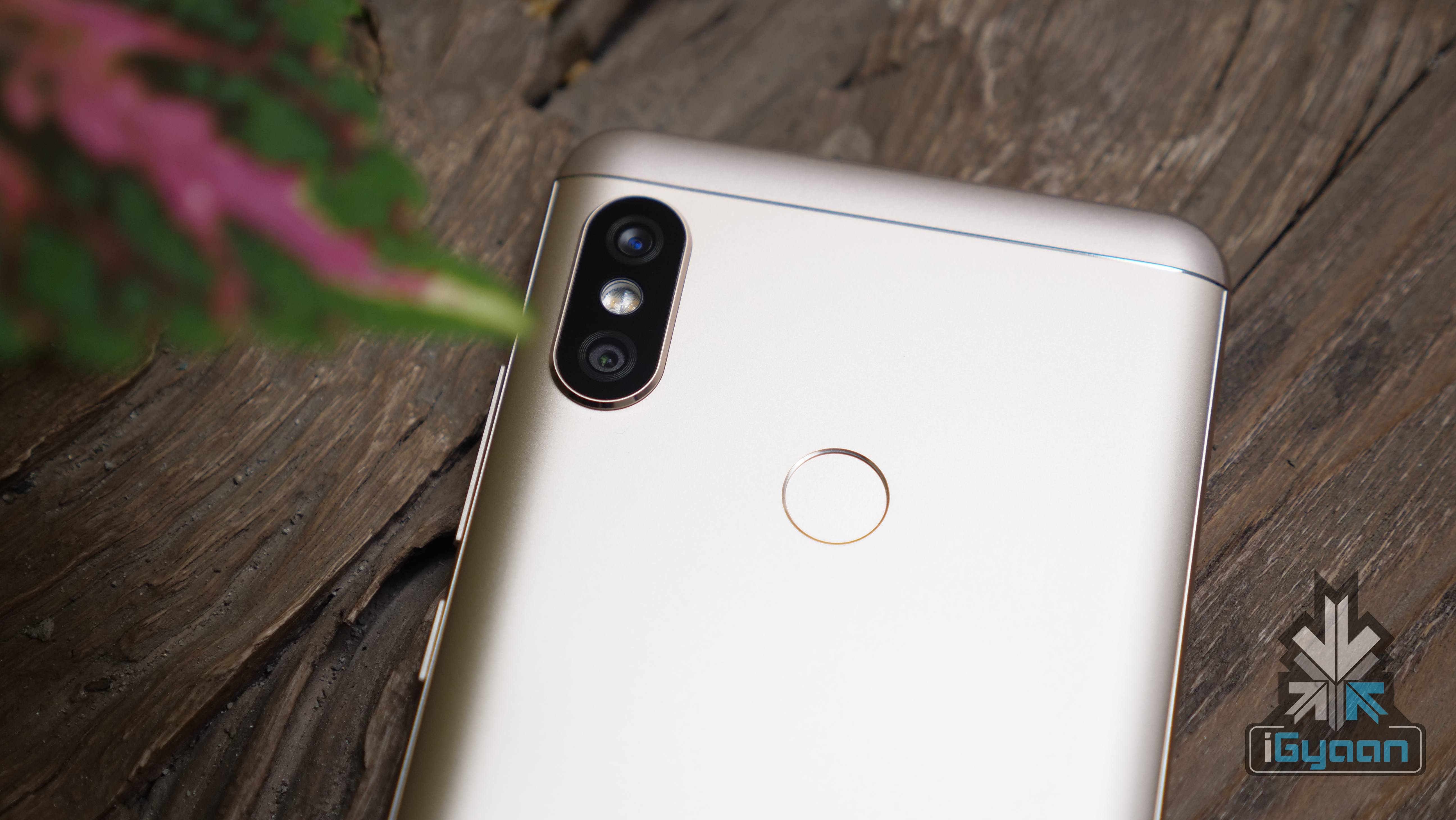
    Redmi 5
    Xiaomi Redmi 5

    [amazon_link asins=’B0756Z242J’ template=’ProductAd’ store=’igyaan-21′ marketplace=’IN’ link_id=’31039d15-29c0-11e8-b417-a3336d9d6e9a’]

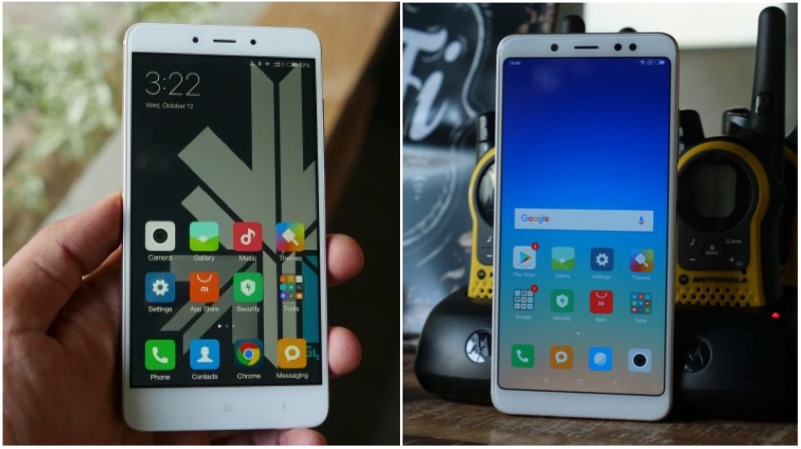
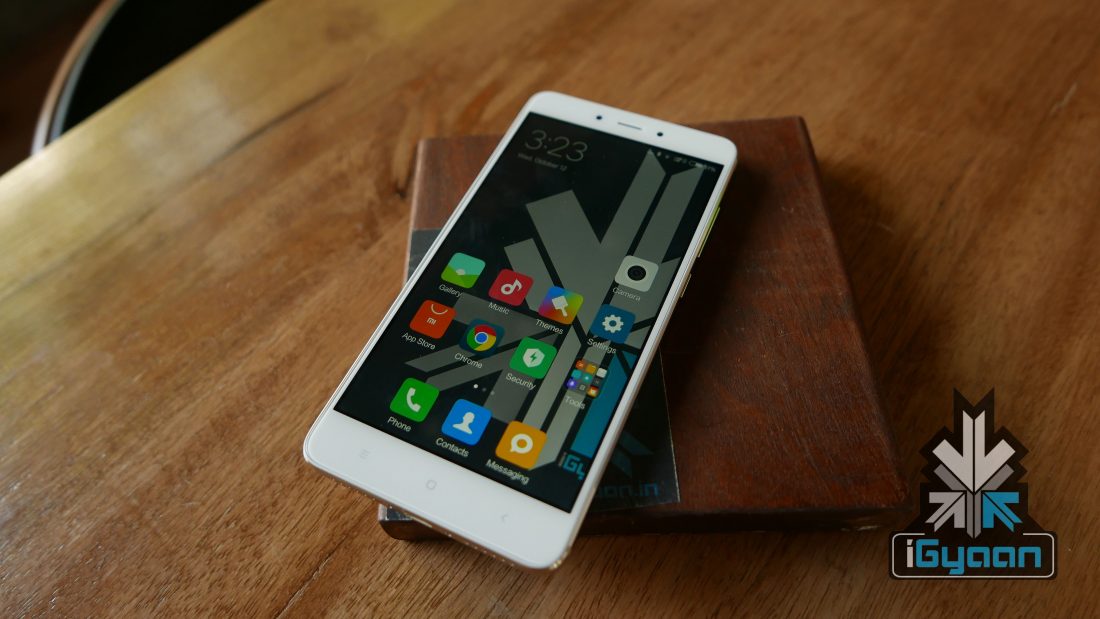
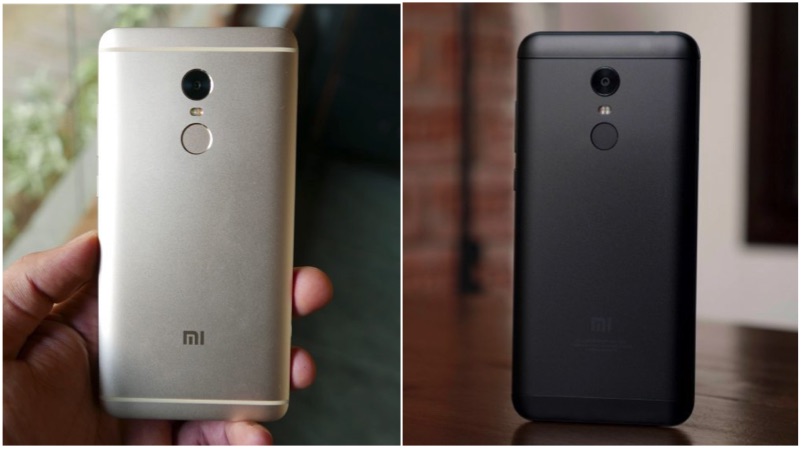
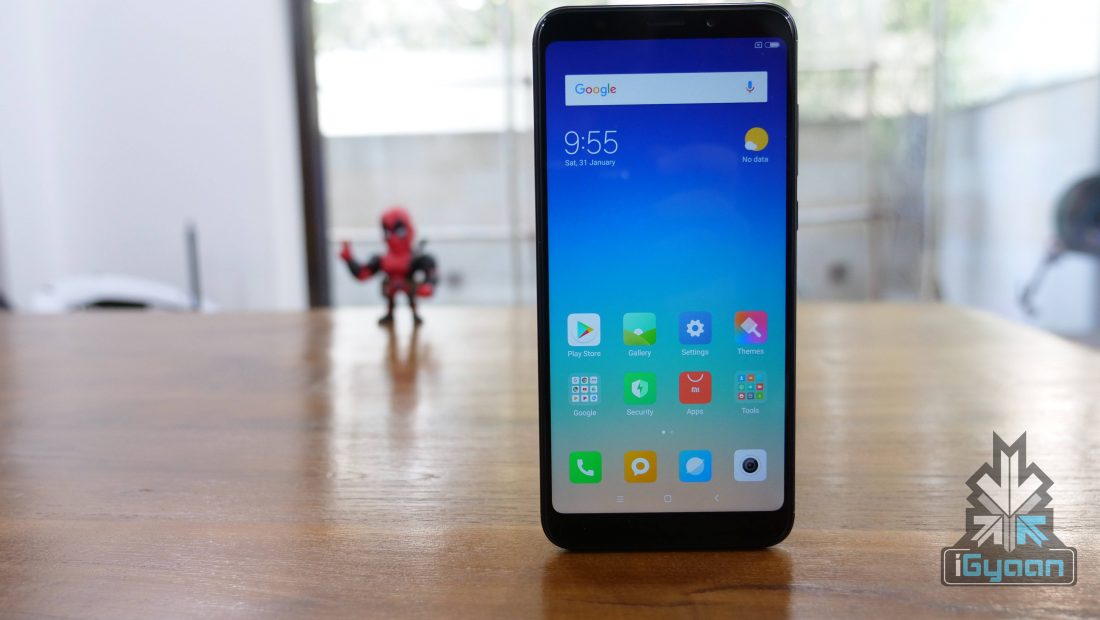
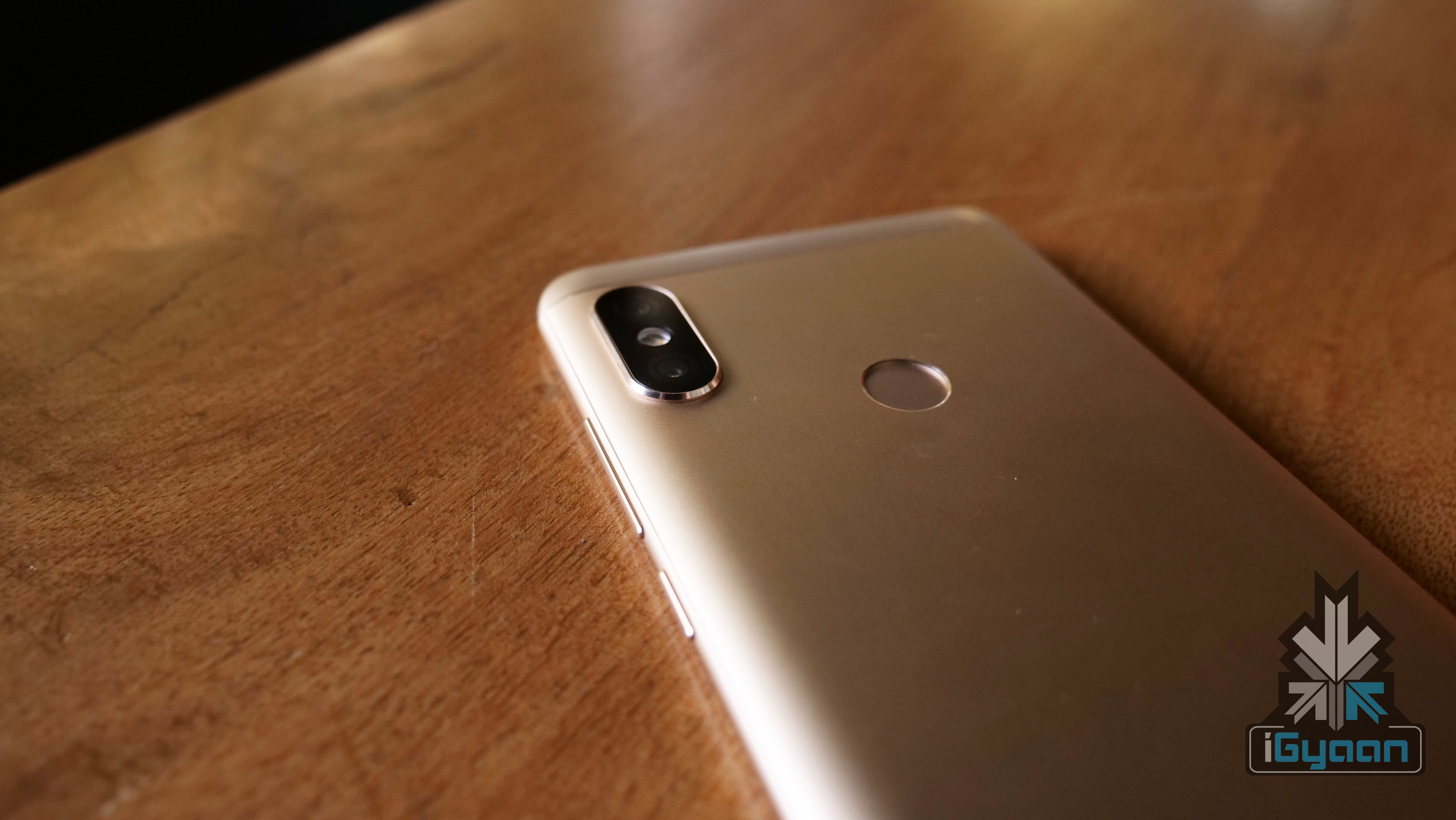
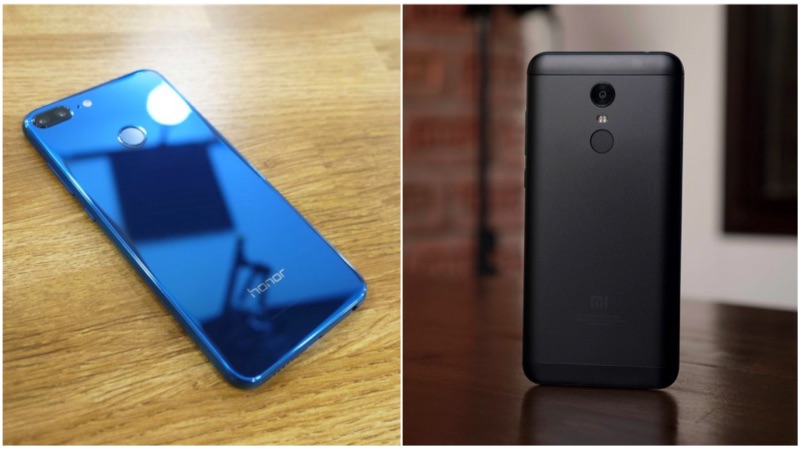
    To begin with the display, the 18:9 aspect ratio display on the Redmi 5 is generations apart from the one found on the Redmi Y1 with 16:9 aspect ratio. The Redmi 5 has narrower bezels with a higher resolution display. The Redmi 5 takes the lead even with the build-quality. The Xioami Redmi Y1’s plastic unibody design is no match for the Xiaomi Redmi 5’s metal unibody design. The metal design not only looks premium, but it also helps to dissipate the heat in a faster way.

    Redmi 5
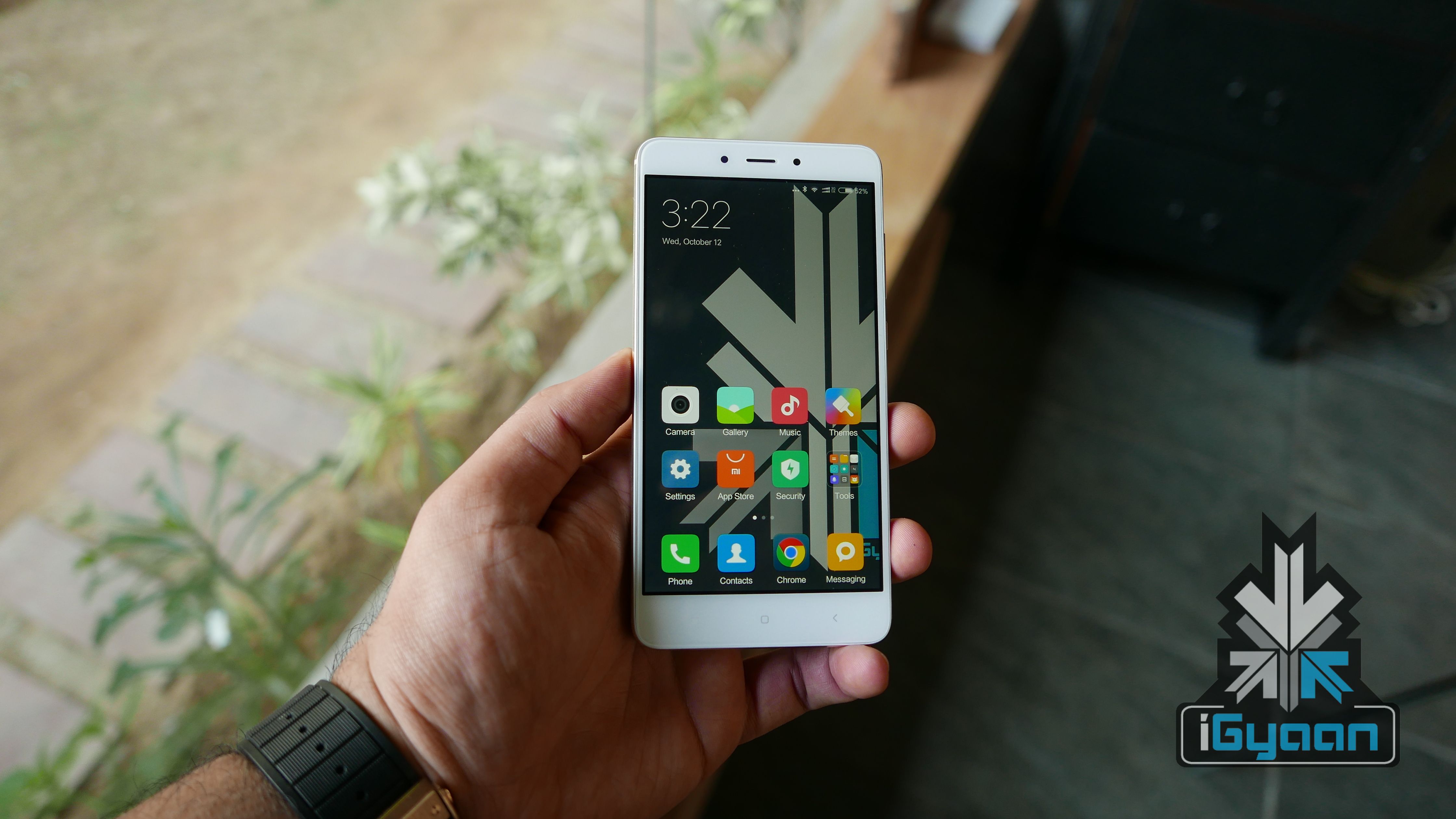
    Xiaomi Redmi Y1

    The Xiaomi Redmi Y1 is powered by Qualcomm Snapdragon 435. However, the 5 has the Qualcomm Snapdragon 450 chipset. Both the smartphones have an Octa-core processor. However, the Snapdragon 450, which is based on the 14nm FinFET technology is superior to the Snapdragon 435. The chipset on the Redmi 5 is a much more efficient and a faster chipset.
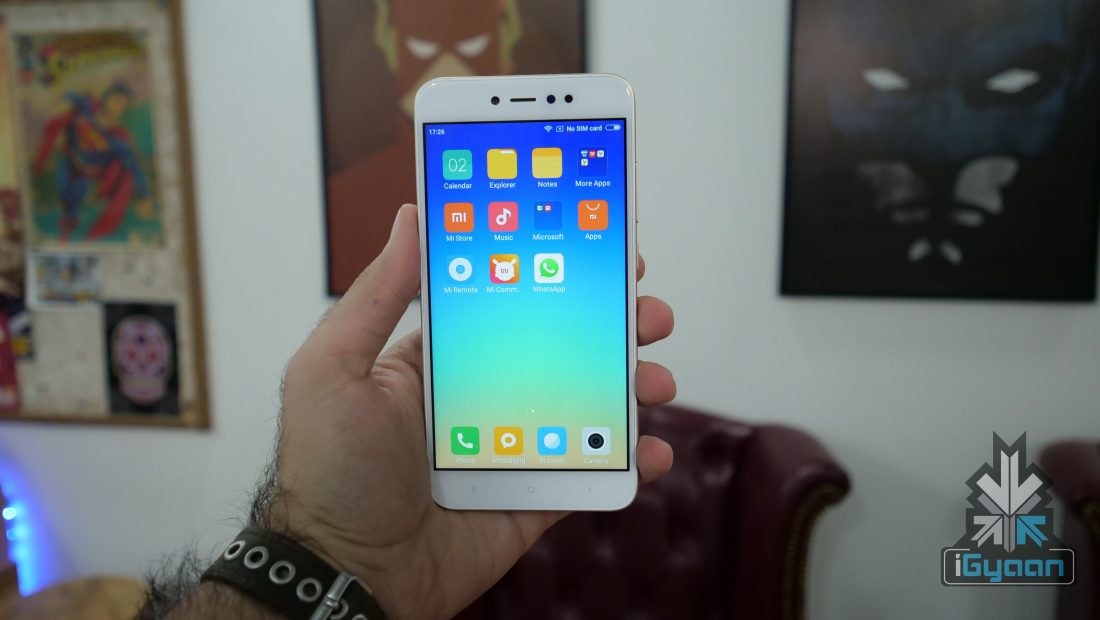
    Redmi 5
    Xiaomi Redmi Y1

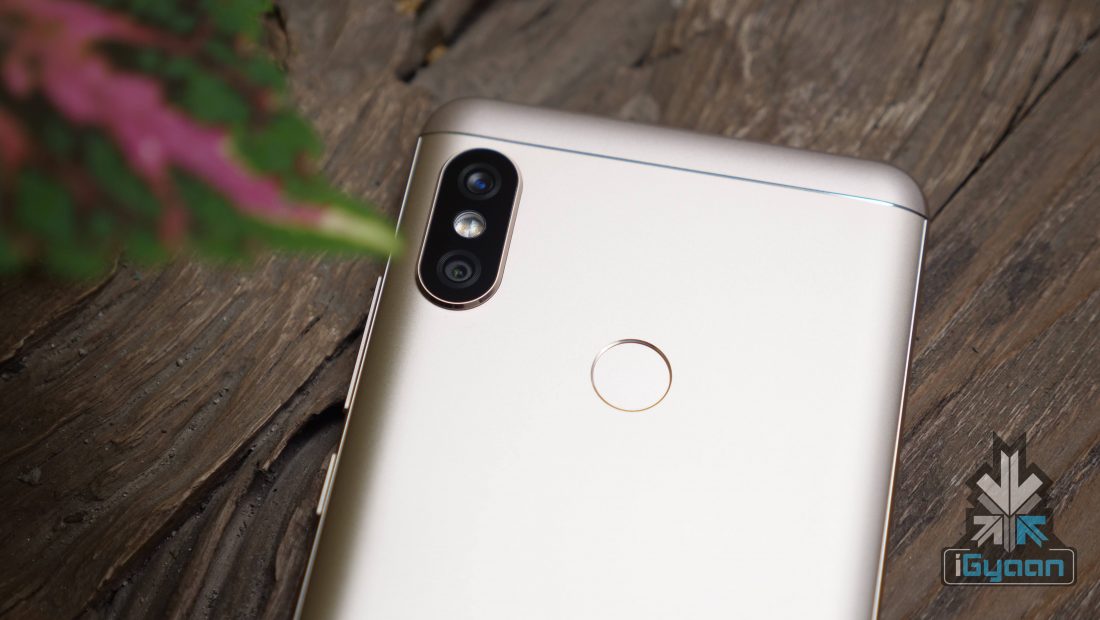
    The camera is the one department, where the Redmi Y1 excels. The Redmi Y1 has a 16MP front-facing camera, which puts the 5MP front-facing camera on the Redmi 5 to shame. The primary 12MP camera on the Redmi 5 offers a much better 1.25 micron pixels and the Redmi Y1 packs in a 13MP primary camera with unknown pixel size. The 12 MP camera used on the Redmi 5 is an identical sensor, which has been used on other Xiaomi devices as well. In fact, the Redmi Note 5 Pro has an exact sensor.

    Specifications comparision
    Specifications Xiaomi Redmi 5 Xiaomi Redmi Y1
    Price 2GB RAM: Rs 7,999

    3GB RAM: Rs 8,999

    4GB RAM: Rs 10,999

    3GB RAM: Rs 8,999

    4GB RAM: Rs 10,999

    Display 5.7 inch IPS LCD HD+

    1440 x 720px

    5.5 inch IPS LCD HD

    1280 x 720px

    Design Metal unibody design polycarbonate shell
    RAM 2/3/4GB 3/4GB
    Storage 16/32/64GB 32/64GB
    Primary camera 12MP with f/2.2 13MP with f/2.0
    Front-facing camera 5MP 13 MP
    Battery 3300 mAh  3080 mAh
    Additonal features Fingerprint sensor Fingerprint sensor
  • Xiaomi Redmi 5 Vs Samsung J7 Nxt Vs Moto G5s

    Xiaomi Redmi 5 Vs Samsung J7 Nxt Vs Moto G5s

    Xiaomi has officially launched the Redmi 5 in India for a starting price of Rs 7,999. The device comes with a metal unibody design with an 18:9 aspect ratio display. In fact, this is the cheapest Redmi smartphone to feature 18:9 aspect ratio display. And can be deemed as a downscaled version of the recently launched Xiaomi Redmi Note 5.

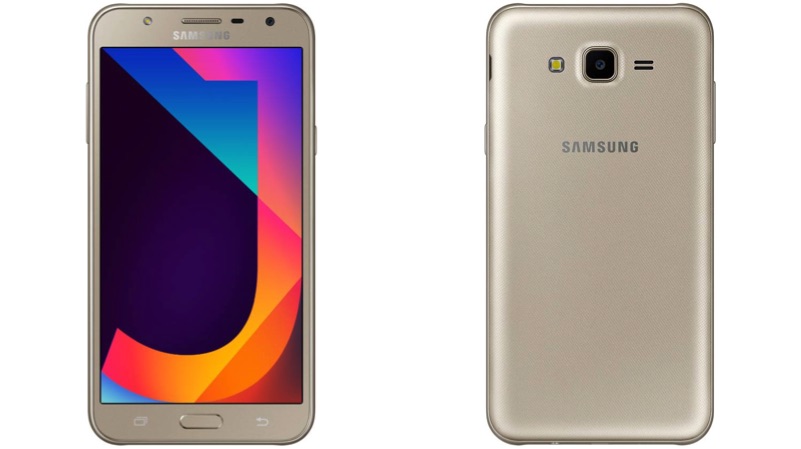
    At the time of launch, the device was compared to smartphones like the Samsung Galaxy J7 Nxt and Moto G5s. The Samsung Galaxy J7 Nxt is one of the most affordable smartphones from the South Korean smartphone maker. The smartphone has a 5.5 inch HD 1280 x 720 px Super AMOLED display with 16:9 aspect ratio. Though the device has prominent bezels compared to the Redmi 5, the OLED panel offers impressive black levels and high contrast ratio.

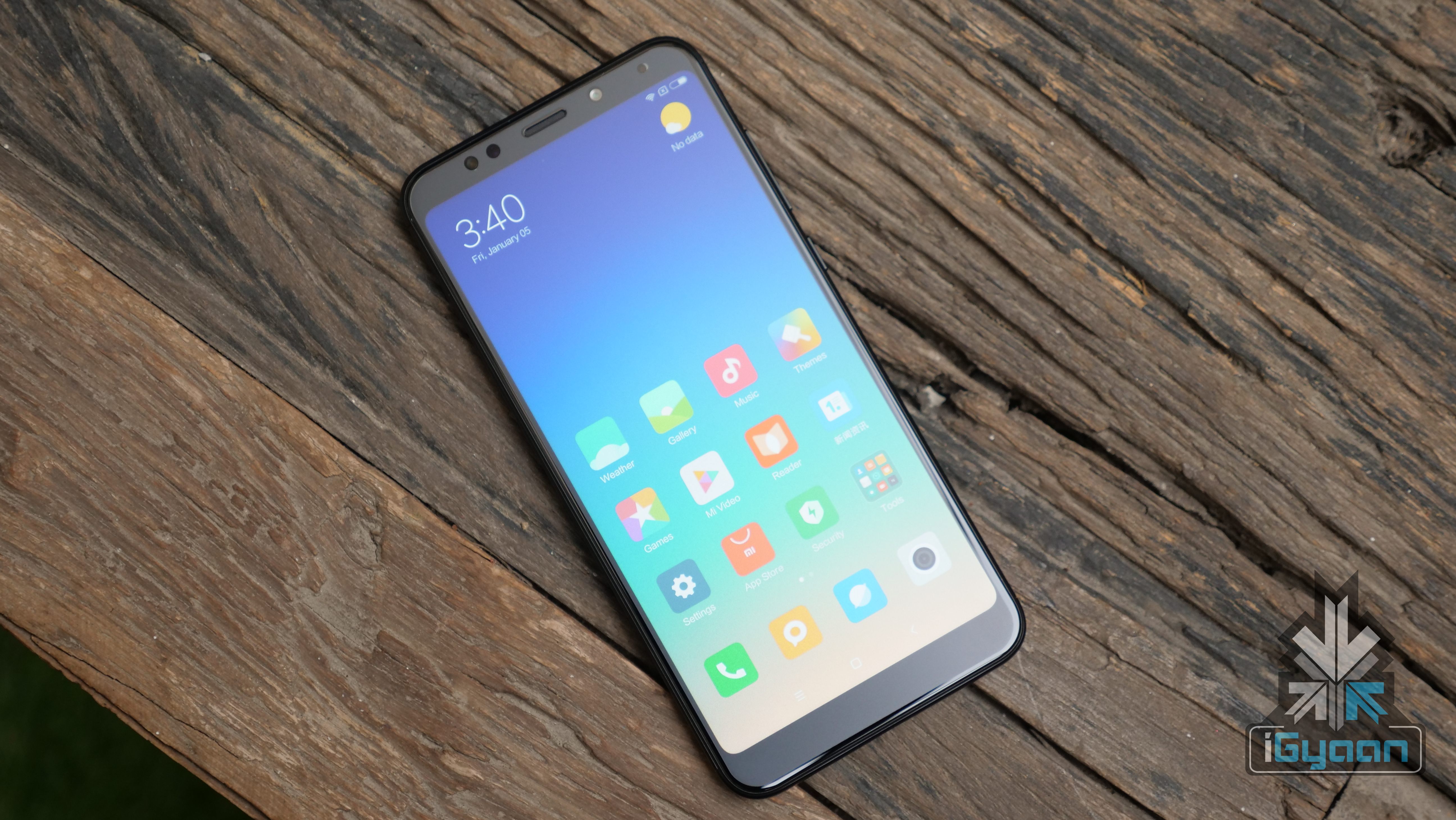
    Xiaomi Redmi 5


    The Galaxy J7 NXt is powered by Exynos Octa-core chipset with 2GB RAM and 16GB storage. However, unlike the Moto G5s and the Redmi 5, the device does not have a fingerprint scanner. Similarly, the Samsung Galaxy J7 Nxt also misses out on the full metal unibody design.

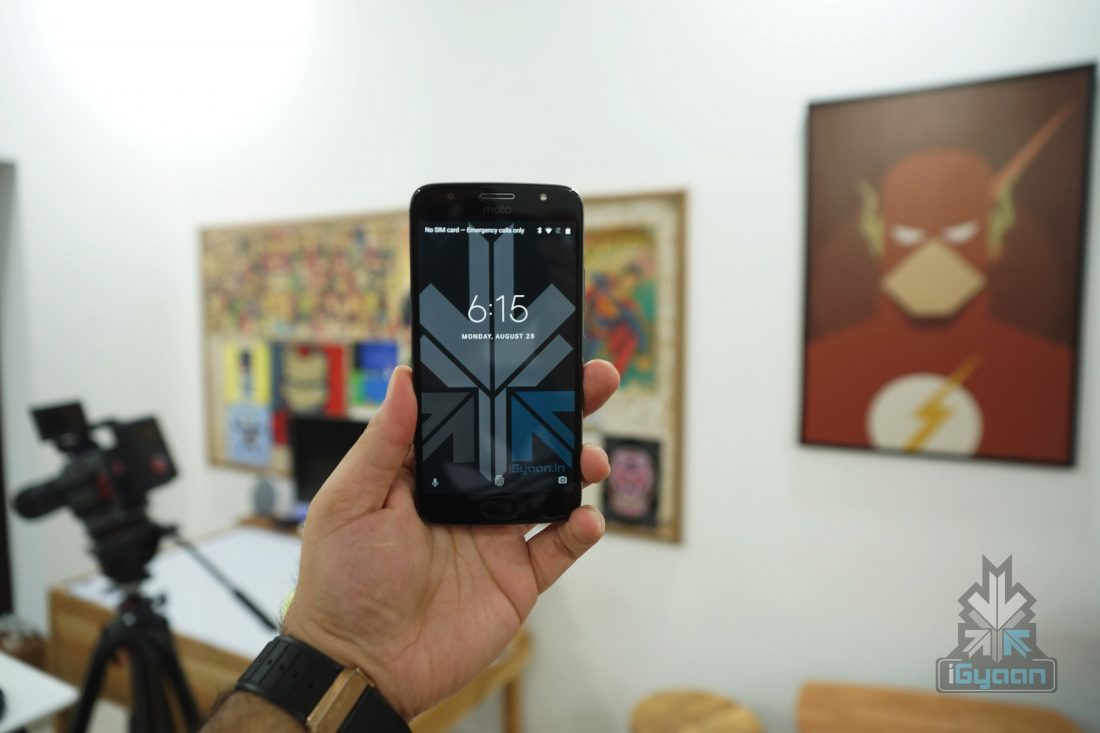
    The Moto G5S is the close contender for the Redmi 5. The smartphone has a full metal unibody design and a fingerprint sensor. Stock Android OS is also an added advantage for the Device. However, unlike other two devices, the smartphone has a full HD 5.2 IPS LCD display with Corning Gorilla Glass protection.

    Xiaomi Redmi 5


    Specifications Comparision
    Features Xiaomi Redmi 5 Samsung Galaxy J7 Nxt Moto G5S
    Price Rs 7,999 Rs 9,900 Rs 10,999
    Display 5.7 inch HD+ IPS LCD

    1440 x 720

    18:9 aspect ratio

    5.5 inch HD Super AMOLED

    1280 x 720

    16:9 aspect ratio

    5.2 inch FHD IPS LCD

    1920 x 1080

    16:9 aspect ratio

    Processor Snapdragon 450 Octa-core Exynos Octa-core Snapdragon 430 Octa-core
    RAM 2GB 2GB 4GB
    Storage 16GB 16GB 32GB
    OS Android 7 Nougat

    MiUi 9

    Android 7 Nougat

    Samsung Experience UI

    Android 7 Nougat

    Stock Android

    Primary camera 12MP 13MP 16MP
    Front-facing camera 5MP 5MP 5MP
    Battery 3300 mAh 3000 mAh 3000 mAh


  • Xiaomi Mi TV 4 55″ Vs Vu 43″ Android TV: Specs Comparison

    Xiaomi Mi TV 4 55″ Vs Vu 43″ Android TV: Specs Comparison

    Just like smartphones, televisions have evolved from CRT to Plasma to LED to Quantum DOT. Presently, televisions with Quantum DOT display are on an expensive side and most of the consumers are looking for an LED TV, which offers a great value for money.

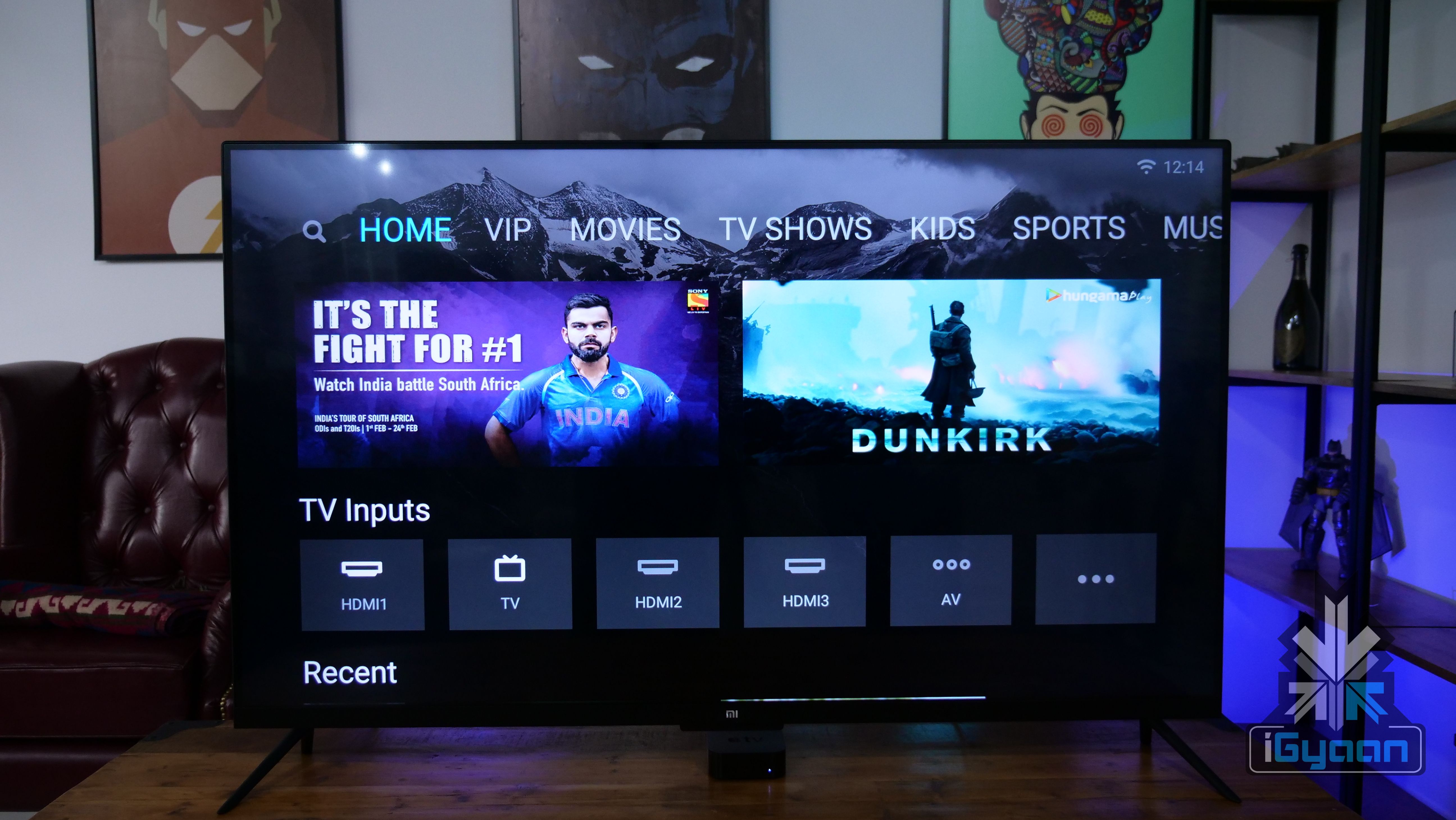
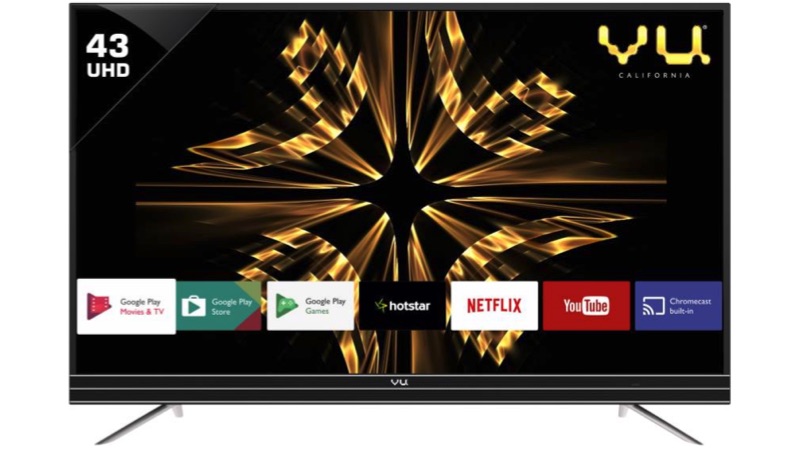
    Xiaomi recently launched the Xiaomi Mi TV 4 in India for Rs 39,999. The television comes with a 55 inch UHD 4K LED display with 4K resolution and HDR 10 capability. Similarly, Vu has also launched a new Vu Android TV for Rs 36,999. The television comes with a 43 inch UHD 4K LED display.

    Features

    The Xiaomi Mi TV 4 has a 55 inch backlit LED display with UHD 4K resolution. Similarly, the Vu TV comes with 43 inch display with the same 4K UHD display. The Mi TV 4 is HDR 10 compatible, which is an advantage over the Vu’s offering. However, if you are looking for a high-resolution display with a smaller screen size, then you would like the Vu TV 43 inch.

    Xiaomi Mi TV 4

    The Vu TV 43 inch runs on Android TV OS based on Android 7 Nougat. However, the Xiaomi Mi TV 4 runs on PatchWall UI, based on Android 6 Marshmallow. Choosing between these OS should be as simple as choosing between custom and stock Android smartphones. The Vu TV comes with Google play store and natively supports YouTube, Netflix, and Amazon Prime. However, though the Mi TV 4 has an option for sideloading APK’s none of them actually worked on our review unit. The Vu TV also comes with ActivVoice Line, which is the Vu’s term for voice control, which is missing on the Xiaomi’s counterpart. However, unlike Xiaomi Mi TV 4, there is no smart analogue and digital TV integration.

    Feature Xiaomi Mi TV 4 55 inch Vu Android TV 43 inch
    Price Rs. 39,999 Rs. 36,999
    OS  PatchWall UI Stock Android Nougat TV OS
    RAM 2GB 2.5GB
    Storage 8GB 16GB
    Sound 16 Watt 20 Watt
    Additional features HDR 10 ActivVoice Line voice control

  • Xiaomi Redmi Note 4 Vs Redmi Note 5: A Real Upgrade?

    Xiaomi Redmi Note 4 Vs Redmi Note 5: A Real Upgrade?

    Xiaomi India claimed that the Redmi Note 4 was the number one budget-centric smartphone in 2017. The device had almost everything that a user can ask for in a smartphone in that budget. However, by the end of 2017 things changed. Users were looking for a smartphone with features like bezel-less display and dual cameras, and the Redmi Note 4 had none of those.

    Xiaomi recently launched the Redmi Note 5, the successor to the Redmi Note 4. Is this the smartphone that users were anticipating from the brand? Is a rebranded Redmi 5 Plus a worthy upgrade over the Redmi Note 4?

    Display

    The Xiaomi Redmi Note 4 has a 5.5 inch 1920 x 108px IPS LCD display with prominent bezels. The display is vivid and has great viewing angles. However, it has big bezels and looks dated for today’s standards. However, the Redmi Note 5 has a 5.99 inch FHD+ 2160 x 1080px IPS LCD display. Colours and contrast have been improved over the Redmi Note 4. Finally, the Redmi Note 5 opts for “Full Display” design with a taller 18:9 aspect ratio.

    Note 4
    Xiaomi Redmi Note 4
    Under The Hood

    The Redmi Note 4 and Note 5 are powered by the Snapdragon 625 Octa-core chipset. The chipset is based on the 14 nm FinFET architecture with great thermal efficiency and battery life. So, both the devices will offer similar user experience as they use an identical chipset. So, you will not feel a difference in terms of performance.

    Design

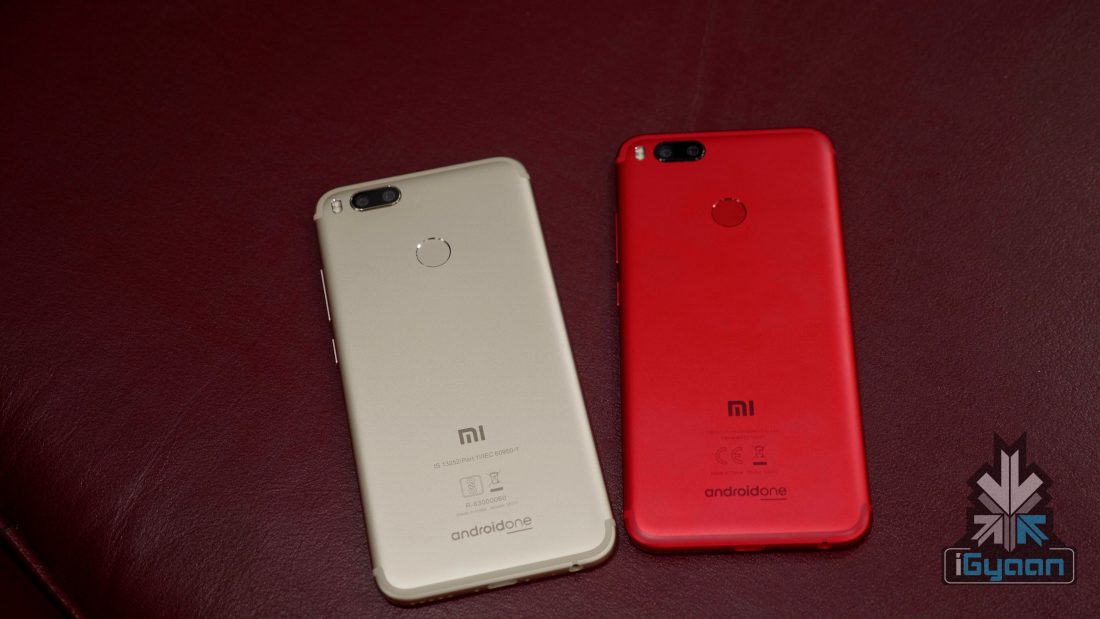
    Except for the display, the smartphones have an identical metal unibody design. However, the design feels old-fashioned in front other smartphones like the Honor 9 Lite.

    Note 4
    Left: Redmi Note 4 Right: Redmi Note 5
    Camera

    The Xiaomi Redmi Note 4 has a 13MP primary camera and the Note 5 has a 12MP primary camera. Though the number of pixels has been decreased, the 1.25-micron pixel size on the Note 5 helps the device to take better photos. Similarly, the Redmi Note 5 also excels in video department with 4K @30fps video recording capability, as the Note 4  maxes out at 1080 @30fps. For the front-facing camera, these phones use an identical 5MP sensor with f/2.0 aperture.

    Battery

    The Redmi Note 5 has a 4000 mAh battery and the Redmi Note 4 has a slightly bigger 4100 mAh battery. However, the Note 5 does support Quick Charge 2.0 and the Note 4 doesn’t.

    Redmi Note 5
    Xiaomi Redmi Note 5
    Conclusion:

    If you have a Redmi Note 4 and happy with the performance but not happy with the display and the camera, then go with the Redmi Note 5. However, if you are not happy with the performance and camera, then better skip the Redmi Note 5, as there are no differences. Similarly, consider the Xiaomi Redmi Note 5 Pro, which offers better performance with a much better dual camera setup and a front-facing camera with face unlock. It is also powered by the Snapdragon 636 chipset.

  • Top Five Budget Dual Camera Smartphones In India

    Top Five Budget Dual Camera Smartphones In India

    Dual cameras are one of the features, that the majority of consumers will consider when buying a smartphone. The trend of two cameras started with the Apple iPhone 7 Plus in 2016. Similarly, flagship Android smartphones adopted the feature, which later started trickling down to budget smartphones as well. In fact, a dual-camera setup has become staple for most budget smartphones today.

    So, if you have a budget of around Rs. 15000 and need a smartphone with a dual-camera setup, what do you pick? Let’s have a read!

    Xiaomi Mi A1
    • 5.5 inch IPS LCD 1920 x 1080 px display
    • Snapdragon 625
    • 4GB/64GB
    • 12MP wide-angle + 12MP telephoto
    • 4K video recording

    Xiaomi Mi A1 is an allrounder smartphone, which retails for Rs 13,999. The smartphone has a premium metal unibody design with a USB type C port. The device has a dual camera setup, which is similar to the iPhone X with a 12 MP wide angle lens and a 12 MP telephoto lens with lossless zoom. However, the camera misses out on any kind of image stabilisation. The smartphone also has an added advantage of the Android One programme, which guarantees regular software updates.

    Dual camera

    Xiaomi Redmi Note 5 Pro
    • 5.99 inch 2160 x 1080 px IPS LCD display
    • Snapdragon 636
    • 4GB/6GB RAM, 64GB storage
    • 12MP+5MP depth sensor

    The Xiaomi Redmi Note 5 Pro is the latest smartphone to join the dual camera clan. The smartphone has an 18:9 aspect ratio with a 5.99 inch FHD+ display. This is also the first smartphone to use the Qualcomm Snapdragon 636 chipset. The dual camera setup on the device consists of a 12 MP primary sensor and a 5 MP depth sensor, which helps take the depth of field/bokeh effect. The smartphone is priced at Rs 13,999 for the 4GB RAM variant and the 6GB variant will cost Rs 16,999. However, the only caveat this great device has is its Flash Sales.

    Moto G5s Plus
    • 5.5 inch 1920 x 1080 px display
    • Snapdragon 625
    • 4GB/64GB
    • 13MP RGB + 13MP Monochrome

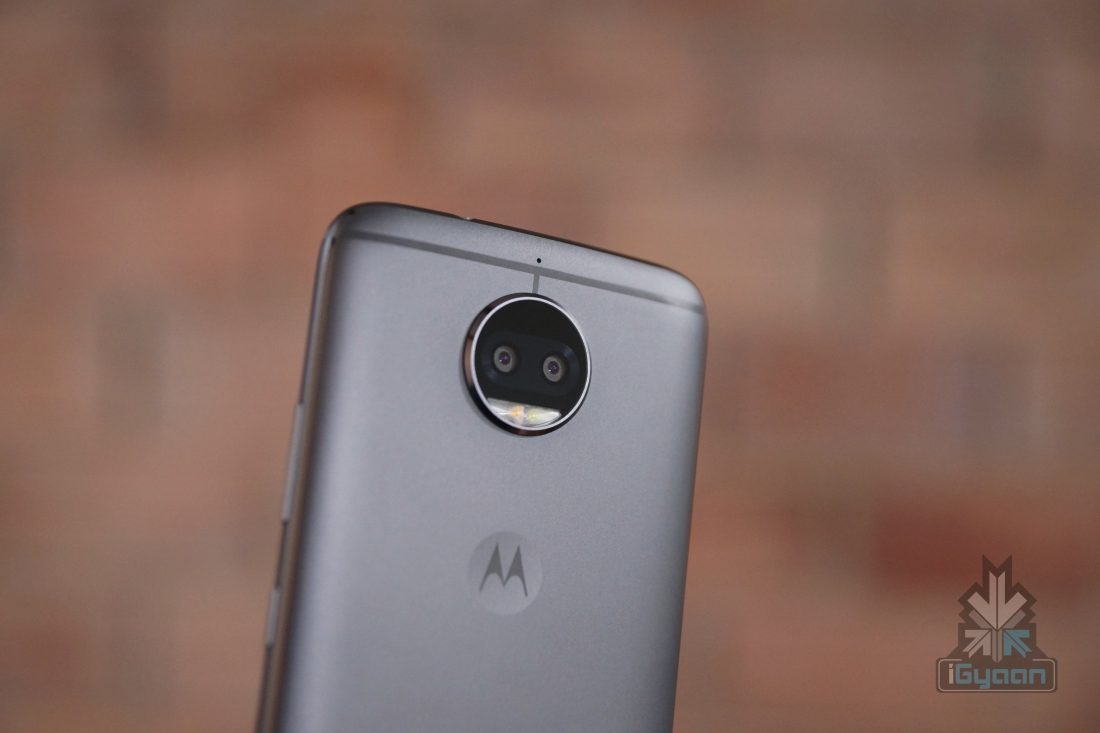
    The Moto G5s Plus is one more smartphone, that offers a great value for money. The device runs on stock Android OS and retails for Rs 14,750 on Amazon. The device has a full metal unibody design with a matte finish. The smartphone is powered by Qualcomm Snapdragon 625 Octa-core chipset, that also powers the Mi A1. The smartphone has a 13MP RGB and a 13MP monochrome sensor, which helps to produce selective black and white photos.

    Dual camera

    Honor 7x
    • 5.99 inch 2160 x 1080 px IPS LCD
    • Kirin 659
    • 4GB, 32GB/64GB
    • 16MP +2MP depth sensor

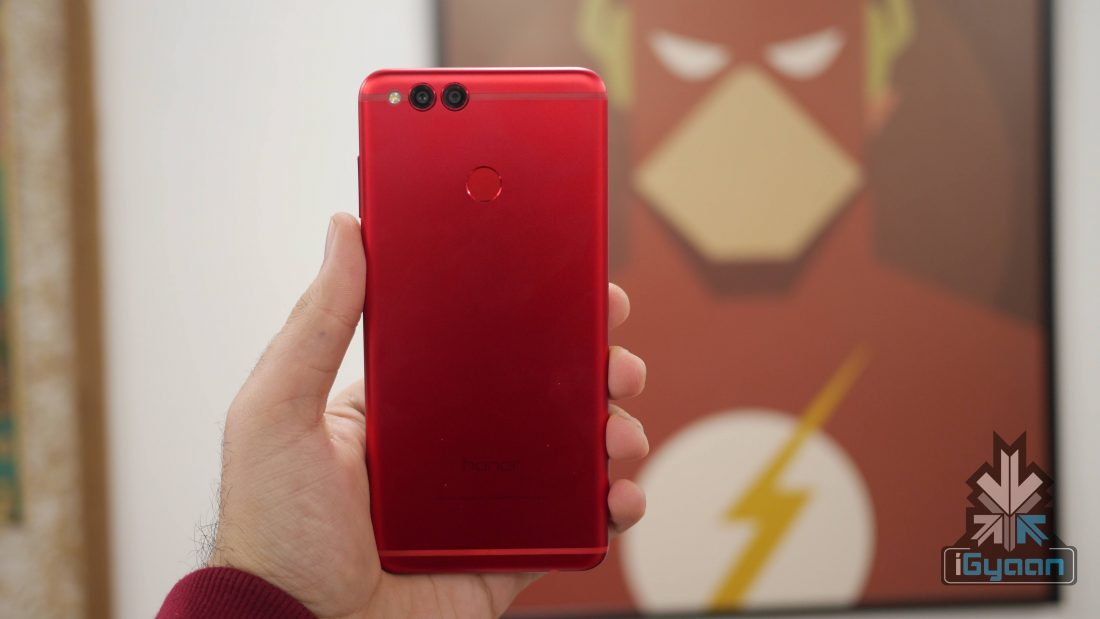
    The Honor 7x is available on Amazon for Rs 12,999 for the 4GB RAM and 32GB storage variant. The device has a 6 inch 18:9 display, powered by the Kirin 659 Octa-core chipset. The dual cameras on the smartphone consist of a 16MP RGB sensor and a 2MP depth sensor. The device has an 8MP front-facing camera and expected to support Face Unlock via future software updates.

    Dual Camera

    Honor 9 Lite
    • 5.65 inch 2160 x 1080 px IPS LCD
    • Kirin 659
    • 3GB/32GB, 4GB/64GB
    • 13MP + 2MP depth sensor

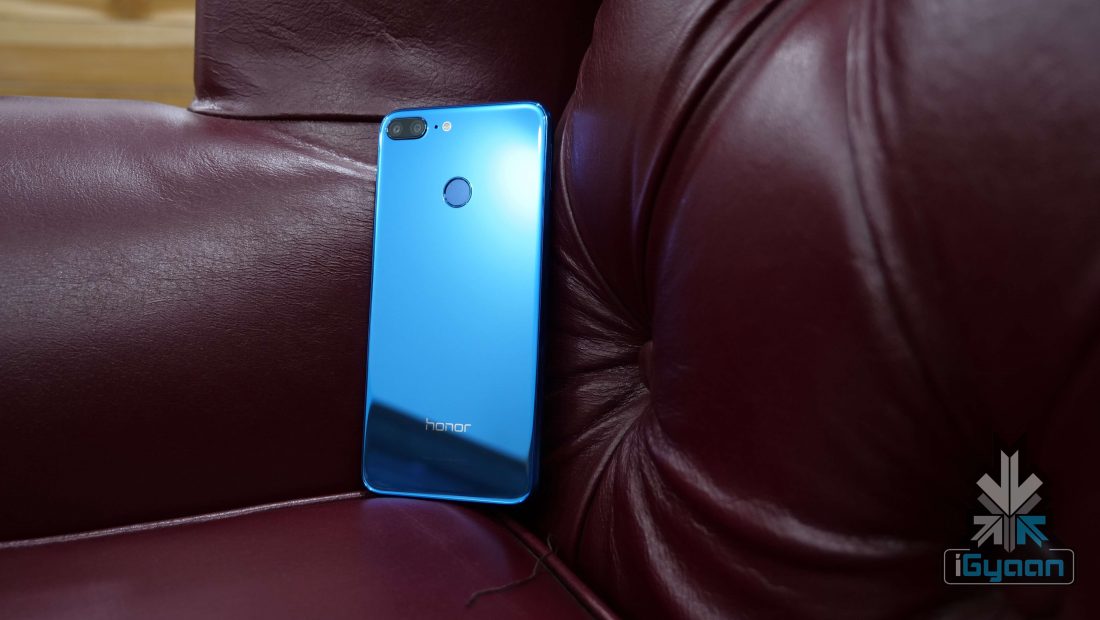
    The last but definitely not the least is the Honor 9 Lite. In fact, this is the only smartphone that has a premium glass design with a quad camera setup. The pricing starts at Rs 10,999 for the 3GB RAM and 32GB storage. The device has a 5.65 inch FHD+ 18:9 display, powered by Kirin 659 chipset. The phone has a 13MP primary shooter and a 2MP  depth shooter both on the front as well as on the back.

  • Xiaomi Redmi 5 Vs Honor 9 Lite: Specifications Comparison

    Xiaomi Redmi 5 Vs Honor 9 Lite: Specifications Comparison

    Xiaomi Redmi 5 is expected to launch in India on the 14th of March. Considering the price of the Redmi Note 5, the Redmi 5 is expected to be cheaper in India. In fact, the 2GB RAM version is expected to retail for Rs 6,999 and the 3GB RAM version for Rs 8,999. For this price tag, the smartphone offers some of the best-in-class design and specifications. The Redmi 5 has a 5.7 inch 1440 x 720 px IPS LCD display with 18:9 aspect ratio, powered by Snapdragon 450 chipset. Even the 12 MP primary camera is exactly similar to the one used on the Note 5 and the Note 5 Pro.

    Redmi Note 5

    The Honor 9 Lite takes a different route. In fact, this is the only smartphone to feature premium glass design with a quad-camera setup under Rs 15,000. The device has a 5.7 inch FHD+ 2160 x 1080 px display, which has more pixels than the Redmi 5. In fact, the smartphone does support face unlock using the front-facing camera, which is like the cherry on the cake. However, do note that the entry-level model of the Honor 9 Lite retails for Rs 10,999, which could be at least Rs 4000 more than the price of the Redmi 5.

    Honor 9 Lite
    Specifications
    Honor 9 Lite
    Xiaomi Redmi 5
    Price Starts at Rs 10,999 Expected to start at Rs 6,999
    Display 5.65 inch IPS LCD
    18:9 Aspect Ratio
    5.7 inch IPS LCD
    18:9 Aspect Ratio
    Resolution 2160 x 1080 px 428ppi 1440 x 720 px 282ppi
    Chipset HiSilicon Kirin 659 Snapdragon 450
    RAM 3GB
    4GB
    3GB
    4GB
    Storage 32GB
    64GB
    Expandable up to 256GB
    16GB
    32GB
    Expandable up to 256GB
    Battery 3000 mAh 3300 mAh
    Primary Camera 13MP
    2MP (depth sensor)
    12MP
    Primary Camera Video 1920 x 1080px @ 30fps 1920 x 1080px @30fps
    Secondary Camera 13MP
    2MP (depth sensor)
    5MP
    Add-ons Fingerprint Sensor
    Face Unlock
    Fingerprint Sensor


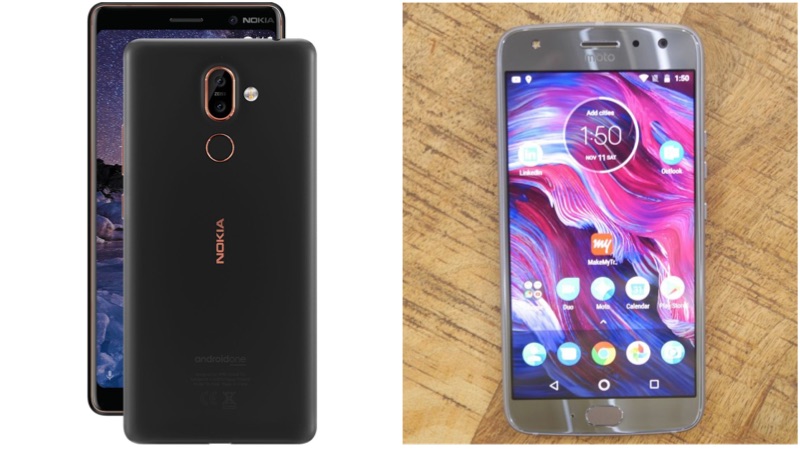
  • Nokia 7 Plus Vs Moto X4

    Nokia 7 Plus Vs Moto X4

    HMD Global launched the Nokia 7 Plus at MWC 2018. Leaked way ahead of its official launch, the Nokia 7 Plus garnered a lot of interest. It was touted to be the first-ever Nokia smartphone with an 18:9 aspect ratio. However, the Nokia 89 Sirocco, launched along with the 7 Plus, has the same aspect ratio. The price of the Nokia 7 Plus EUR 399 (Rs 31000).

    However, if the company decides to launch the Nokia 7 Plus in India, it will have to be priced below the estimated price. The Nokia 7 Plus at a price of Rs. 25000 would really be one of the best options on the market. At Rs. 28000 or thereabouts, the Honor View10 has a better chipset and features like AI integration. However, at Rs. 25000 price bracket, the Nokia 7 Plus has competition from the Moto X4 and Honor 8 Pro at best.

    The Moto X4 has a glass back while the Nokia 7 Plus has an aluminium unibody design. However, the Nokia 7 Plus has subtle accents around the camera and fingerprint sensor, similar to the Nokia 6 (2018). So, if the Nokia 7 Plus is launched at around Rs. 25000, which smartphone comes out on top? Let’s find out!

    Specifications
    Specifications Nokia 7 Plus Moto X4
    Price EUR 399 (Rs. 31000) Starting at Rs. 20999
    Display 6 inch
    IPS LCD
    5.2 inch
    LTPS IPS LCD
    Resolution 2160 x 1080 px
    18:9 Aspect Ratio
    403 ppi
    1920 x 1080 px
    16:9 Aspect Ratio
    424 ppi
    Chipset Snapdragon 660 Snapdragon 630
    RAM 4GB 3GB
    4GB
    6GB
    Storage 64GB
    Expandable Up to 256GB
    64GB
    Expandable Up to 256GB
    Battery 3800 mAh 3000 mAh
    Primary Camera Carl Zeiss Optics
    12MP f/1.8 Wide-Angle
    13MP f/2.6 Telephoto
    12MP f/2.0 aperture
    8MP f/2.2 aperture
    Primary Camera Video 3840 x 2160 @ 30fps 3840 x 2160 @ 30fps
    Secondary Camera 16MP
    f/2.0
    16MP
    f/2.0
    Add-Ons Fingerprint Sensor
    Android One
    Fingerprint Sensor
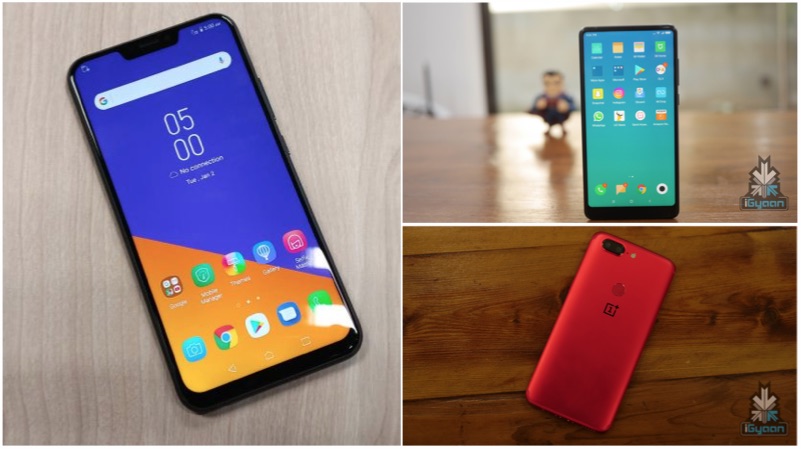
  • OnePlus 5T Vs Asus Zenfone 5Z Vs Xiaomi Mi Mix 2

    OnePlus 5T Vs Asus Zenfone 5Z Vs Xiaomi Mi Mix 2

    Asus has launched its new flagship smartphone, the Asus Zenfone 5Z at MWC 2018. While at first glance it might look like an iPhone X knockoff, it has a lot more going on for it. In fact, the smartphone was launched along with three other Zenfone devices. The most interesting aspect of the Asus Zenfone 5Z is that it runs on the Snapdragon 845 and is priced at EUR 479 (Rs. 38,000 approx.).

    Before MWC 2018 began, many expected Samsung to rule the Snapdragon 845 roost with its Galaxy S9 and S9+. However, smartphone makers like Sony and now Asus, have launched devices powered by the Snapdragon 845 chipset as well. The Asus Zenfone 5Z is the latest one before Xiaomi launches the Mi Mix 2S in late-March.

    At this price point, the Zenfoone 5Z is much more affordable than the likes of the Galaxy S9 and Xperia XZ2. However, it will be interesting to see if and when Asus decides to launch the device in India, what the pricing will be like. If the company manages to keep the pricing under Rs. 40,000 the Zenfone 5Z will directly compete with the OnePlus 5T and Xiaomi Mi Mix 2. However, both of these smartphones run on the now older Snapdragon 835 chipset.

    While the design of the Asus Zenfone 5Z and its UI might not be everyone’s cup of tea, there is no denying the potential of its chipset. The Galaxy S9, however, will be powered by the Exynos 9810 in India, will launch at a price of Rs. 62500. So, how does the Asus Zenfone 5Z hold up against the likes of the OnePlus 5T and Mi Mix 2? Let’s find out.

    Comparison
    Specifications Asus Zenfone 5Z OnePlus 5T Xiaomi Mi Mix 2
    Price Starting at EUR 479 (Rs. 38,000 approx.) Starting at Rs. 32999 Rs. 32999
    Display 6.2 inch IPS LCD 6 inch Optic AMOLED 5.99 inch IPS LCD
    Resolution 2246 x 1080 px
    18.5:9
    402 ppi
    2160 x 1080 px
    18:9
    401 ppi
    2160 x 1080 px
    18:9
    403 ppi
    Chipset Snapdragon 845 Snapdragon 835 Snapdragon 835
    RAM 4GB
    6GB
    8GB
    6GB
    8GB
    6GB
    Storage 64GB
    128GB
    Expandable up to 400GB
    64GB
    128GB
    Non-Expandable
    128GB
    Non-Expandable
    Battery 3300 mAh
    QuickCharge 4.0
    3300 mAh
    DashCharge
    3400 mAh
    QuickCharge
    Primary Camera 12MP Sony IMX363 sensorf/1.8 aperture
    Unspecified MP 120° wide-angle camera with 6p lens
    16MP f/1.7
    20MP f/1.7
    12MP
    f/2.0
    Primary Camera Video 4K @ 60fps 4K @ 30fps 4K @ 30fps
    Secondary Camera 8MP
    f/2.0
    16MP
    f/2.0
    5MP
    f/2.0
    Add-Ons Fingerprint Sensor
    Face Unlock
    Fingerprint Sensor
    Face Unlock
    Fingerprint Sensor
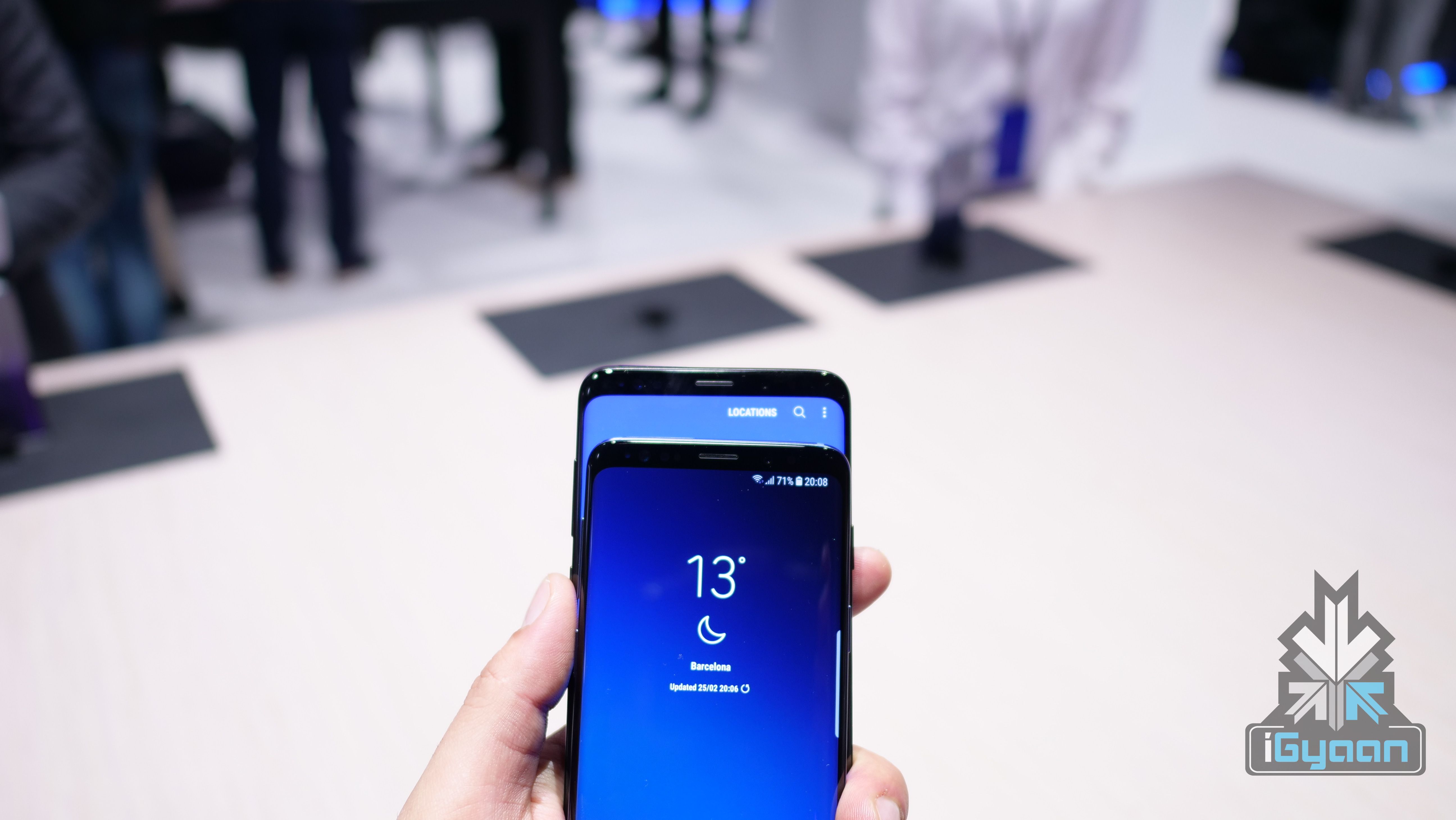
  • Samsung Galaxy S9/S9+ Vs The Competition

    Samsung Galaxy S9/S9+ Vs The Competition

    Samsung has launched its new flagship devices, the Galaxy S9 and S9+. Both the smartphones are available for pre-order in India and will go on sale from the 16th of March. However, the price of the smartphones has not been revealed yet. That is expected to happen on the 4th of March. Samsung won’t be selling the 128GB storage variant in India, only the 64GB and 256GB variant will be available.

    The Galaxy S9 and S9+ will carry a premium price tag for sure, and go up against the likes of the iPhone X, iPhone 8 Plus and even Galaxy Note8. However, flagship specifications no longer come at a premium price tag. Android smartphones like the OnePlus 5T and Mi Mix 2 offer top of the line specifications at a much lower cost. So, how does the Samsung Galaxy S9/S9+ stack up against the competition? Let’s find out!

    Comparison
    Samsung Galaxy S9 Samsung Galaxy S9+ Apple iPhone X Samsung Galaxy Note8 OnePlus 5T
    TBA TBA Starting at Rs. 89000 Rs. 67900 Starting at Rs. 32999
    5.8 inch
    Super AMOLED
    6.2 inch
    Super AMOLED
    5.8 inch
    Super Retina OLED
    6.3 inch
    Super AMOLED
    6 inch
    Optic AMOLED
    2960 x 1440 px
    570 ppi
    2960 x 1440 px
    529 ppi
    2436 x 1125 px
    458 ppi
    2960 x 1440 px
    521 ppi
    2160 x 1080 px
    401 ppi
    3000 mAh
    Wireless Charging, QuickCharge 4.0
    3500 mAh
    Wireless Charging, QuickCharge 4.0
    2716 mAh
    Wireless Charging, Fast Charging
    3300 mAh
    Wireless Charging, QuickCharge 4.0
    3300 mAh
    DashCharge
    Exynos 9810 Exynos 9810 A11 Bionic Chipset Exynos 8895 Snapdragon 835
    4GB 6GB 3GB 6GB 6GB
    8GB
    64GB, 256GB
    Expandable up to 400GB
    64GB, 256GBGB
    Expandable up to 400GB
    64GB, 256GB
    Non-Expandable
    64GB
    Expandable up to 256GB
    64GB, 128GB
    Non-Expandable
    12MP Dual Pixel
    f/1.5 to f/2.4
    12MP Wide-Angle f/1.5
    12MP Telephoto f/2.4
    12MP Wide-Angle f/1.8 aperture
    12MP Telephoto f/2.4 aperture
    12MP Wide-Angle f/1.7 aperture
    12MP Telephoto f/2.4 aperture
    16MP f/1.7
    20MP f/1.7
    Super Slo-mo videos
    HDR
    Panorama
    OIS
    Variable Aperture
    4K videos @ 60fps
    Super Slo-mo videos
    HDR
    Panorama
    OIS
    Variable Aperture
    Bokeh Shots
    2X lossless zoom
    4K videos @ 60fps
    HDR
    Panorama
    Portrait mode
    Portrait Lighting (beta)
    Dual optical image stabilization
    Six-element lens
    Quad-LED True Tone flash with Slow Sync
    4K videos @ 60fps
    HDR
    Panorama
    PDAF
    2X lossless optical zoom
    Bokeh Shots
    OIS
    HDR
    Panorama
    PDAF
    Portrait Mode
    8MP
    f/1.7
    Auto HDR
    8MP
    f/1.7
    Auto HDR
    7MP camera
    f/2.2
    Portrait Lighting (beta)
    8MP
    f/1.7 aperture
    16MP
    f/2.0
    Fingerprint sensor
    IP68 certification
    Iris Scanner
    Fingerprint sensor
    IP68 certification
    Iris Scanner
    FaceID
    IP67 certification
    Iris Scanner
    Fingerprint Sensor
    IP68 certification
    Fingerprint sensor
    Face Unlock

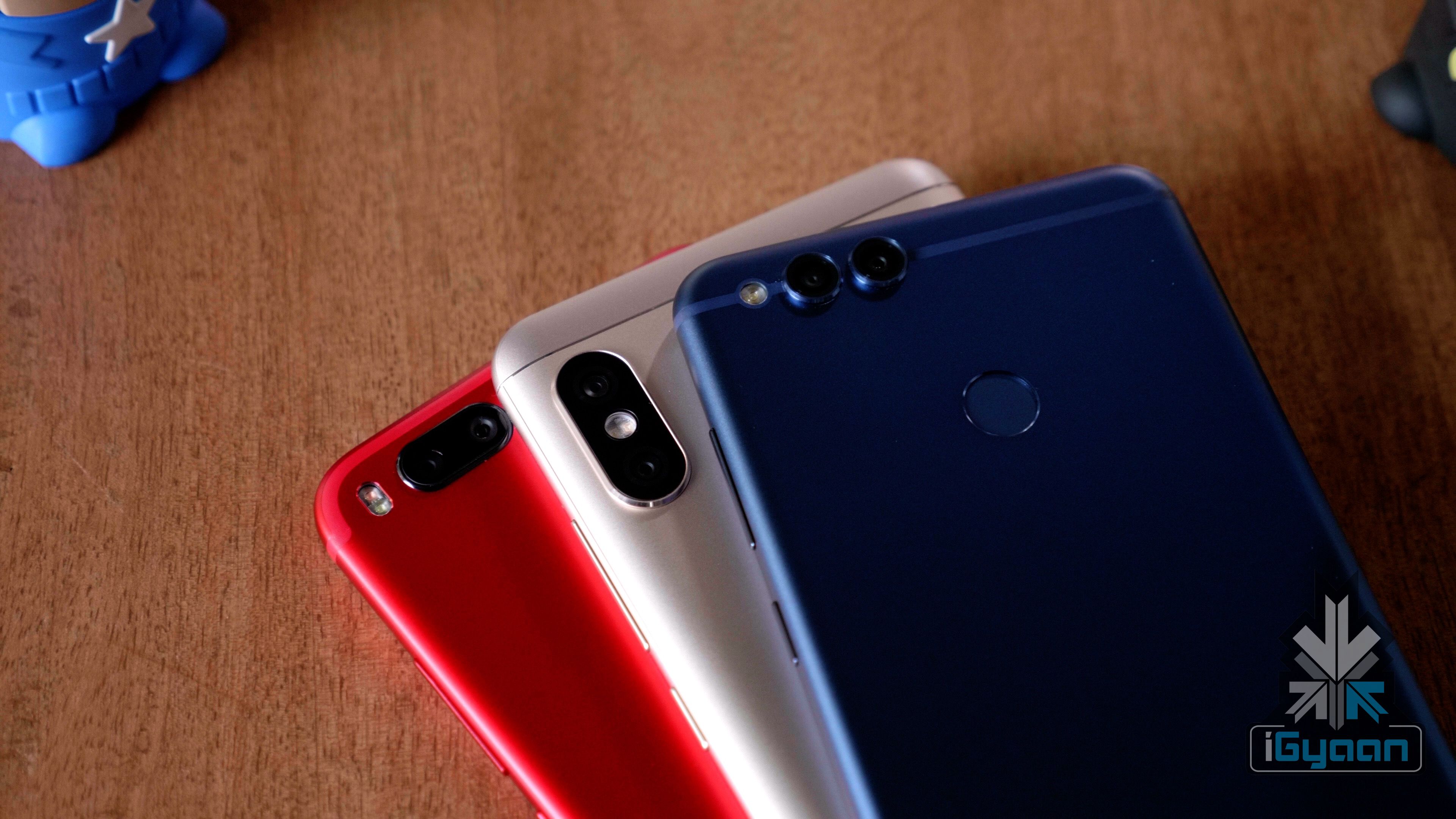
  • Xiaomi Redmi Note 5 Pro Vs Honor 7X Vs Xiaomi Mi A1: Camera Shootout!

    Xiaomi Redmi Note 5 Pro Vs Honor 7X Vs Xiaomi Mi A1: Camera Shootout!

    Xiaomi recently launched the Redmi Note 5 Pro in India at a starting price of Rs. 13999. Keeping up with the industry trends, the Redmi Note 5 Pro has an 18:9 aspect ratio and a dual-camera on the back. Unlike a lot of other smartphones with a dual camera setup, the Redmi Note 5 Pro has two RGB sensors.

    Redmi Note 5 Pro
    Dual-Camera Redmi Note 5 Pro

    At this price tag, the Note 5 Pro directly competes with the likes of the Honor 7X and Xiaomi’s own Mi A1. The Honor 7X and Mi A1 also have the best cameras in this price segment. Despite the 18:9 aspect ratio, the Redmi Note 5 Pro has thicker bezels than the Honor 7X which are even more prominent in the Gold colour variant. The Mi A1 has a 16:9 aspect ratio and definitely looks archaic when put next to the Note 5 Pro and Honor 7X.

    Where the Mi A1 one-ups the other two devices is the software. It runs stock Android OS and is part of the Android One program. Hence, it will get the latest software update for the next two years at least. However, the same cannot be said about the Honor 7X and Redmi Note 5 Pro since they run custom UI on top of Android. In fact, the Honor 7X and Note 5 Pro still run Android 7 Nougat, while the Mi A1 has been updated to Android 8 Oreo.

    With the three devices priced similarly, we decided to put them through their paces. Let’s see which one came out on top:

    Camera Samples

    Xiaomi Redmi Note 5 Pro

    Honor 7X

    Xiaomi Mi A1


    Specifications Redmi Note 5 Pro Honor 7X Xiaomi Mi A1
    Price Starting Rs. 13999 Starting Rs. 12999 Rs. 13999
    Display 5.99 inch
    18:9 Aspect Ratio
    IPS LCD
    5.93-inch
    18:9 Aspect Ratio
    LTPS IPS LCD
    5.5 inch
    16:9 Aspect Ratio
    LTPS IPS LCD
    Resolution 2160 x 1080 px
    403ppi
    2160 x 1080 px
    407 ppi
    1920 x 1080 px
    403 ppi
    Battery 4000 mAh 3340 mAh 3080 mAh
    Chipset Snapdragon 636 HiSilicon Kirin 659 Snapdragon 625
    RAM 4GB
    6GB
    3GB
    4GB
    4GB
    Storage 64GB
    Expandable Up to 256GB
    32GB
    64GB
    Expandable up to 256GB
    64GB
    Expandable up to 128GB
    Primary Camera 12MP f/2.2
    5MP f/2.0
    1.25-micron
    16MP
    2MP depth sensor
    12MP f/2.2 Wide-Angle
    12MP f/2.6 Telephoto
    1.25-micron
    Primary Camera Video 1920 x 1080 px @ 30fps 1920 x 1080 px @ 30fps 4K @ 30fps
    Secondary Camera 20MP Sony IMX376
    Beautify 4.0
    LED flash
    8MP 5MP
    f/2.0
    Add-Ons Fingerprint Sensor Fingerprint Sensor Fingerprint Sensor

    Photos are extremely subjective, hence, we will let you choose your winner. Let us know your choice in the comments below!

  • From Xiaomi Redmi Note 4 To Redmi Note 5 : What Has Changed?

    From Xiaomi Redmi Note 4 To Redmi Note 5 : What Has Changed?

    Xiaomi has launched the Redmi Note 5 in India at a starting price of Rs. 9,999. The device will finally go on sale on the 22nd of February in India. The Redmi Note 5 has huge shoes to fill in, considering the Redmi Note 4 is the bestselling smartphone by Xiaomi.

    Redmi Note 5
    Xiaomi Redmi Note 4

    A few weeks ago, a news from China claimed that Xiaomi won’t launch a Redmi Note 5 in China and instead rename the Redmi 5 Plus as Redmi Note 5 for the Indian market. While many were sceptical about this move, it felt more plausible at that time. Now, it is official that the Redmi 5 Plus is indeed the Redmi Note 5. So, what has changed between the two generations?

    The first thing you notice when you hold the new Note 5 is the display and its 18:9 aspect ratio. The smartphone industry has moved on from the 16:9 aspect ratio and it made sense for Xiaomi to launch a modern looking device in 2018. The Redmi Note 5 provides that with its relatively thinner bezels. The Redmi Note 5 is not a bezel-less device by any means and the Gold colour makes the presence of the bezels more prominent, thanks to the white colour.

    Redmi Note 5
    Redmi Note 5

    Having said that, the Redmi Note 5, in terms of design, is a definite upgrade over the Redmi Note 4. It is still built very sturdily with an aluminium unibody design.

    Under the hood, the Redmi Note 5 has the same the Qualcomm Snapdragon 625 chipset as the Redmi Note 4. The company claims that the Snapdragon 625 is one of the best budget chipsets and that is one of the reasons the Note 5 has maintained the chipset. When you look at flagship devices, a 2018 flagship phone launching with the Snapdragon 835 would not make sense because the Snapdragon 845 exists. Similarly, the Note 5 should have had a better chipset, like the Redmi Note 5 Pro has the Snapdragon 636 chipset.

    This move might stop a lot of Redmi Note 4 owners from upgrading in 2018. Since, the Redmi Note 4 continues to perform great and its succesor won’t really provide anything better. A lot of customers usually look for hardware upgrade rather than design changes, especially in the budget category. Probably, Redmi Note 4 users could get tempted to update to the Note 5 Pro considering it has a newer and better chipset under the hood.

    Redmi Note 5
    Redmi Note 4

    The Redmi Note 4’s biggest issue was its camera performance. Xiaomi claims that the Redmi Note 5 has much better camera performance than the Redmi Note 4. It has a 12MP primary camera with an f/2.2 aperture. On paper, these aren’t the most flattering numbers but, it performs better than the Redmi Note 4. But again, is that worthy enough for a generational upgrade?

    The Xiaomi Redmi Note 4 had a great battery performance thanks to the Snapdragon 625 chipset and the 4000 mAh battery. In a world where companies are making smartphones slimmer by reducing battery sizes, Xiaomi has done something else. The Redmi Note 5 has the same combination of the Snapdragon 625 chipset and a 4000 mAh battery. But, it also has a bigger display which means that the battery performance might be affected slightly.

    At a price of Rs. 9999, this smartphone is a great prospect for some with a Redmi Note 3 or older phone. However, people who own a Redmi Note 4 would be hard pressed not to take out their wallets for the Redmi Note 5. What are your thoughts? let us know in the comments.

    Buy The Redmi Note 5 here


  • Xiaomi Redmi Note 5 Vs Honor 9 Lite

    Xiaomi Redmi Note 5 Vs Honor 9 Lite

    Xiaomi has launched the Redmi Note 5 in India at a starting price of Rs. 9,999 with a new design but, the same chipset. At this price, the Redmi Note 5 competes directly with the recently launched Honor 9 Lite. Both the smartphones have an 18:9 aspect ratio and very capable respective chipsets.

    Redmi 5
    Redmi Note 5

    The Xiaomi Redmi Note 5 is basically the Redmi 5 Plus which was launched in December in China. The design is much more modern than the previous generation and it comes in four different colour variants. The Honor 9 Lite has much thinner bezels but, also a smaller screen size. The Honor 9 Lite has an all-glass build which gives it a much more premium look when compared to the aluminium unibody design of the Redmi Note 5.

    With a very similar pricing and more or less similar design language, which device comes out on top? Let’s find out!

    Specifications Xiaomi Redmi Note 5 Honor 9 Lite
    Price Rs. 9999
    Rs. 10999
    Rs. 10999
    Rs. 14999
    Display 5.99 inch IPS LCD
    18:9 Aspect Ratio
    5.65 inch IPS LCD
    18:9 Aspect Ratio
    Resolution 2160 x 1080 px
    403ppi
    2160 x 1080 px
    428ppi
    Battery 4000 mAh 3000 mAh
    Chipset Qualcomm Snapdragon 625 HiSilicon Kirin 659
    RAM 3GB
    4GB
    3GB
    4GB
    Storage 32GB
    64GB
    Expandable up to 256GB
    32GB
    64GB
    Expandable up to 256GB
    Primary Camera 12MP
    f/2.2
    13MP
    2MP (depth sensor)
    Primary Camera Video 1920 x 1080 px @ 30fps 1920 x 1080 px @ 30fps
    Secondary Camera 5MP
    LED
    13MP
    2MP (depth sensor)
    Add-ons Fingerprint Sensor Fingerprint Sensor
    Face Unlock (update scheduled)
  • Moto X4 Vs Honor 8 Pro Vs OnePlus 3T

    Moto X4 Vs Honor 8 Pro Vs OnePlus 3T

    The budget segment of smartphones in India saw a plethora of releases in 2017. Even the flagship segment and affordable flagship segment saw the release of some great devices by Samsung, Apple, OnePlus and Honor. However, the Rs. 20,000-25,000 price category is right now full of old devices that were great at one point. In November 2017, Lenovo-owned Motorola launched the Moto X4 that entered this price segment.

    Recently, Motorola launched the 6GB RAM variant of the Moto X4 in India at a price of Rs. 24999. At this price, the Moto X4 has competition from the bygone flagship devices OnePlus 3T and Honor 8 Pro. It is worth noting that only a certified refurbished OnePlus 3T is available on Amazon anymore.

    While how people perceive a phone is subjective, the Moto X4 does exude a premium feel. The OnePlus 3T and Honor 8 Pro offer great build quality as well but, the contoured glass back of the Moto X4 feels more premium. The Sterling Blue colour of the Moto X4, thanks to a different hue of blue stands out between the three phones.

    Both the Moto X4 and OnePlus 3T run Android 8 Oreo out of the box. The Honor 8 Pro, launched after the OnePlus 3T runs Android 7 Nougat right now with no confirmation from the company regarding an Android 8 Oreo update. OnePlus has confirmed that Android 8 Oreo will be the last major software upgrade for the OnePlus 3T. Since the new Moto X4 runs Android 8 Oreo out of the box, there is a high possibility that it will receive an update to Android P as well.

    Under the hood, the OnePlus 3T has the 2016 flagship chipset, Snapdragon 821. The Honor 8 Pro has the Kirin 960 while the Moto X4 has the Snapdragon 630 under the hood. OnePlus 3T has a very capable chipset under the hood which is almost two years old now. Add no software support to that, and the OnePlus 3T doesn’t look like a future-proof phone.

    The Honor 8 Pro is already lagging in the software department but, it does offer a customisable skin which a lot of people prefer over stock OS.

    One of the USPs of the Moto X4 is its ruggedness. While 2017 flagship phones like the Pixel 2 and OnePlus 5T skipped an IP rating, the Moto X4 has an IP68 rating for water and dust resistance. The Moto X4 is the only device in this price range that has a dual-camera setup and provides an IP68 rating.

    Let’s compare the specifications and see which smartphone provides the most in this price range.

    Spec Comparison:
    Specifications Moto X4 Honor 8 Pro OnePlus 3T
    Price Rs. 24999 (6GB RAM) Rs. 25,980 Rs. 24999 (Refurbished)
    Display 5.2 inch
    LTPS IPS LCD
    5.7 inch
    LTPS IPS LCD
    5.5 inch
    Optic AMOLED
    Resolution 1920 x 1080 px
    424 ppi
    2560 x 1440
    515 ppi
    1920 x 1080 px
    401 ppi
    Battery 3000 mAh 4000 mAh 3400 mAh
    Chipset Snapdragon 630 HiSilicon Kirin 960 Snapdragon 821
    RAM 6GB 6GB 6GB
    Storage 64GB, Expandable up to 2TB 128GB, Expandable up to 256GB 128GB, Non-Expandable
    Primary Camera 12MP f/2.0
    8MP f/2.2
    12MP f/2.2
    12MP f/2.2
    16MP f/2.0
    OIS
    Primary Camera Video 4K at 30 FPS
    1080p at 60fps
    4K at 30 FPS
    1080p at 60fps
    4K at 30 FPS
    1080p at 60fps
    Secondary Camera 16MP f/2.0
    LED flash
    8MP f/2.0 16MP f/2.0
    Add-Ons Fingerprint Sensor
    IP68 Rating
    Fingerprint Sensor Fingerprint Sensor
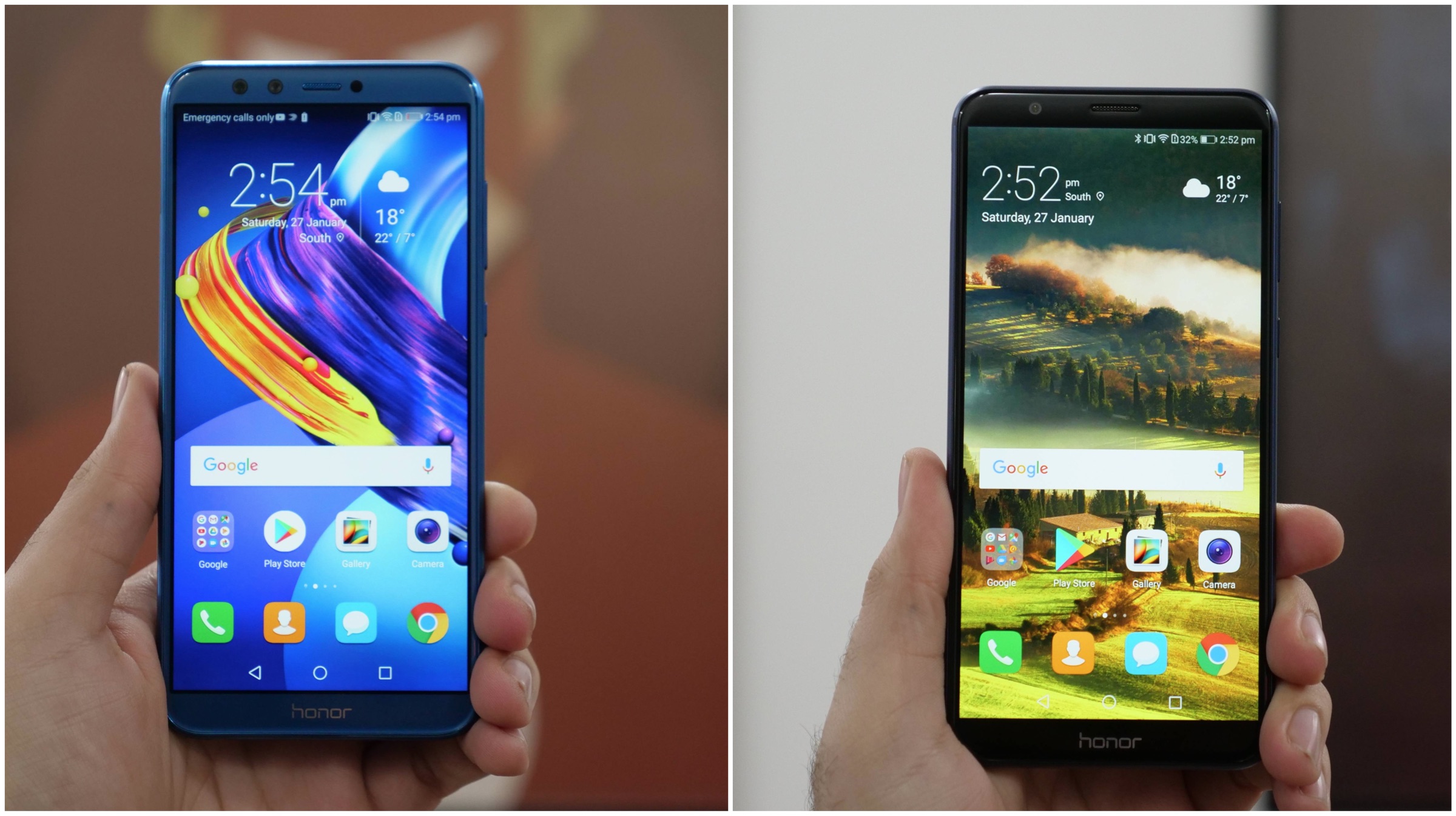
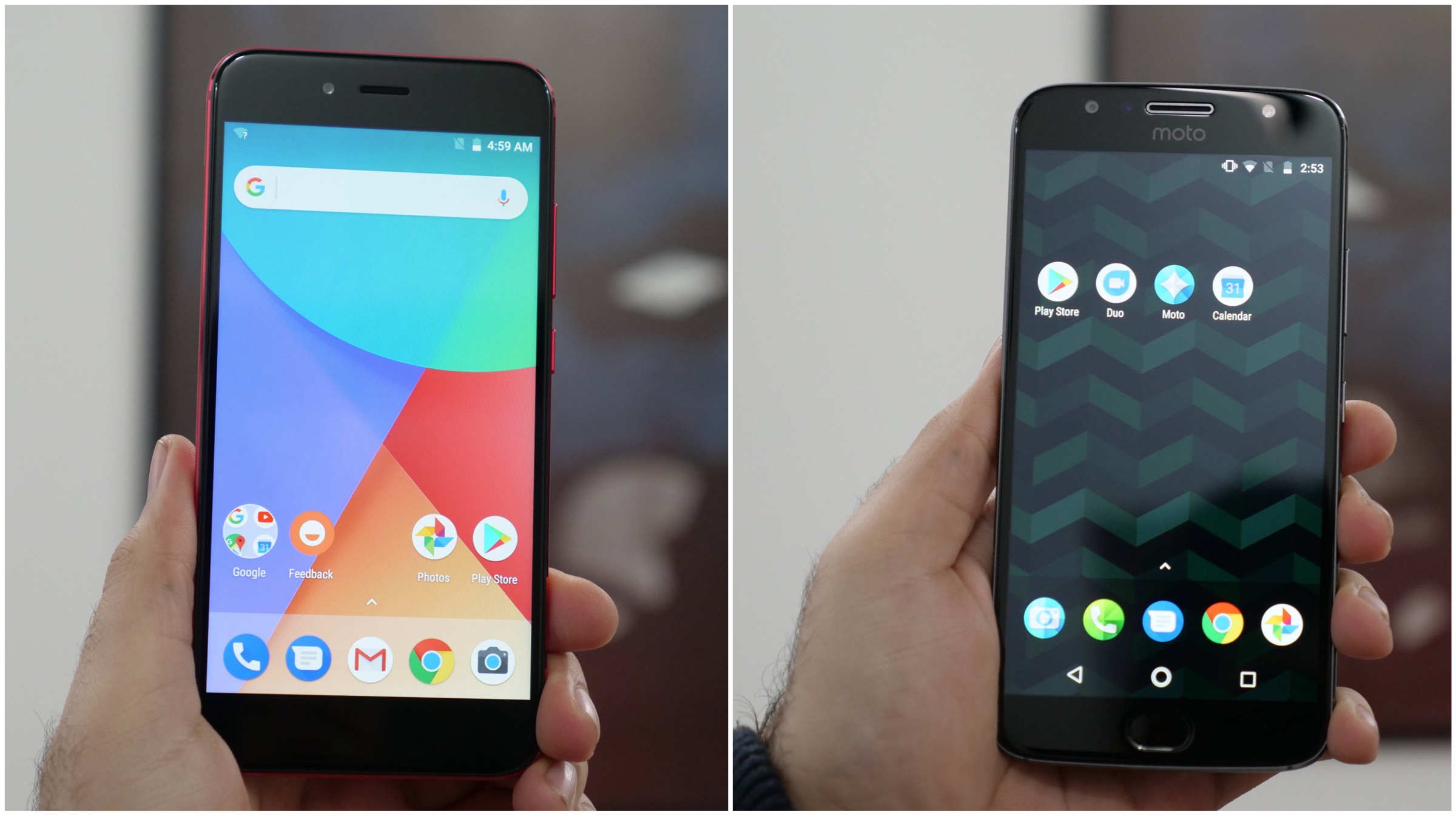
  • Honor 9 Lite Vs Honor 7X Vs Xiaomi Mi A1 Vs Moto G5s Plus

    Honor 9 Lite Vs Honor 7X Vs Xiaomi Mi A1 Vs Moto G5s Plus

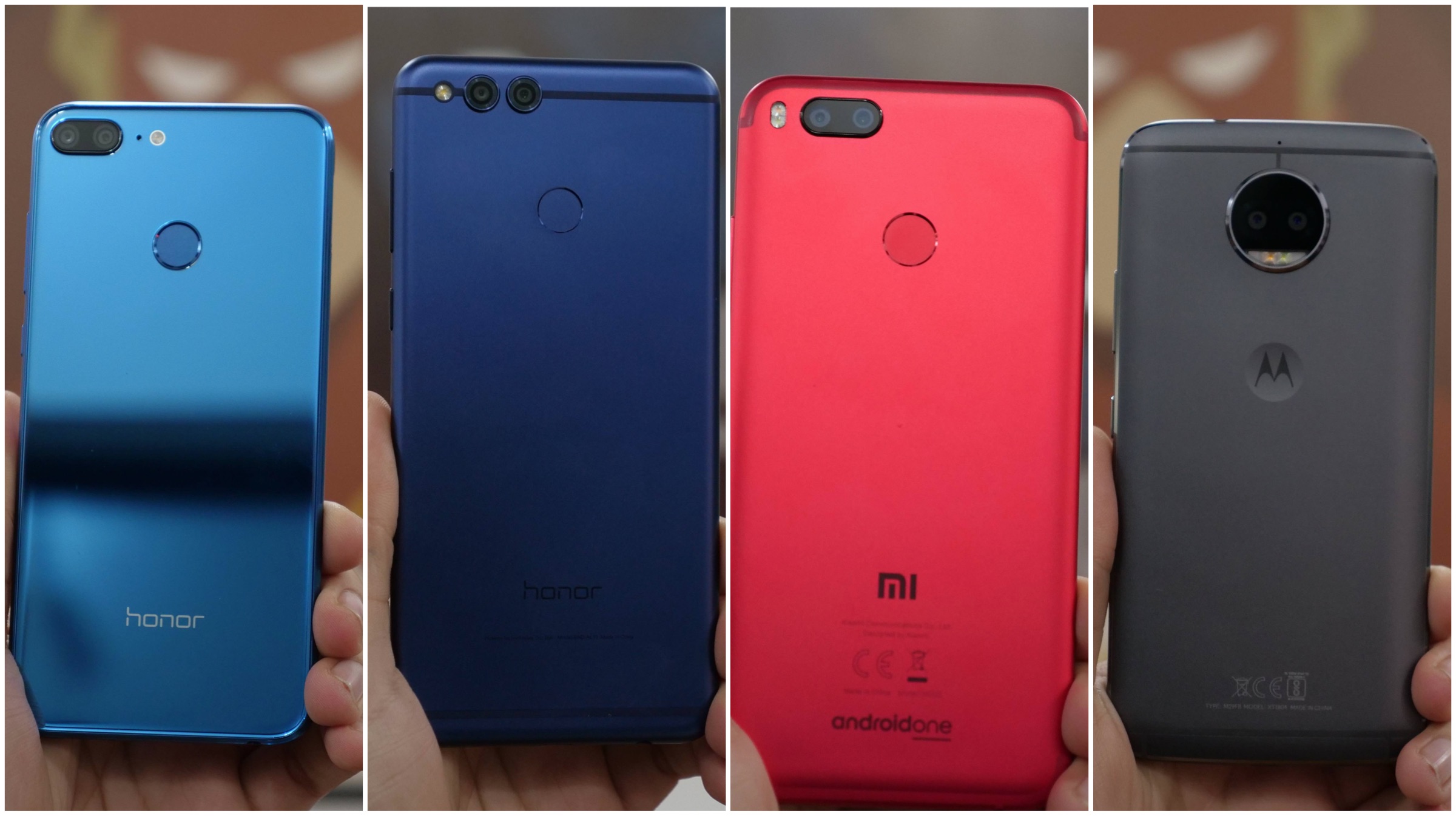
    2017 saw the launch of a lot of great mid-range smartphones. Right from the Moto G5 Plus in early 2017 to the Honor 7X, the mid-range segment had some excellent additions. It is fair to rate the Honor 7X, Xiaomi Mi A1 and the Moto G5s Plus as the three top phones in their price segment. And in January 2018, Honor launched the Honor 9 Lite with four cameras and a price of Rs. 10999.

    Honor 9 Lite
    Honor 9 Lite & Honor 7X

    At a price of Rs. 10999, the Honor 9 Lite is a great prospect with its bezel-less design and a very capable Kirin 659 chipset. The Xiaomi Mi A1, Honor 7X and the Moto G5s Plus possess good cameras and have been great performers over the past few months of testing.

    In terms of design, the Honor 9 Lite is the clear winner. At such a price, to offer a glass build is commendable. The other three phones have a great aluminium unibody design as well but, the Honor 9 Lite wins by a mile here.

    Honor 9 Lite
    Mi A1 & G5s Plus

    In our recent comparison of the Xiaomi Mi A1 and Honor 7X, both the smartphones were at par when it came to day-to-day performance. The Honor 9 Lite has the same chipset and RAM configuration as the Honor 7X while the Mi A1 shares the specifications with the Mi A1. Software on all the phones is extremely smooth. At the end of the day, it will boil down to personal preference, whether you like stock Android OS or the customisable EMUI.


    Specifications
    Specifications Honor 9 Lite Honor 7X Xiaomi Mi A1 Moto G5s Plus
    Price Starting Rs. 10999 Starting Rs. 12999 Rs. 13999 Rs. 14999
    Display 5.65 inch
    IPS LCD
    5.93-inch
    LTPS IPS LCD
    5.5 inch
    LTPS IPS LCD
    5.5-inch
    IPS LCD
    Resolution 2160 X 1080 px 2160 X 1080 px 1920 x 1080 px 1920 x 1080 px
    Battery 3000 mAh 3340 mAh 3080 mAh 3000 mAh
    OS Android 7.1 Nougat
    EMUI
    Android 7.1 Nougat
    EMUI
     Android 8 Oreo  Android 7.1 Nougat
    Chipset HiSilicon Kirin 659 HiSilicon Kirin 659 Snapdragon 625 Snapdragon 625
    RAM 3GB/4GB 3GB/4GB 4GB 4GB
    Storage 32GB/64GB (Expandable up to 256GB) 32GB/64GB (Expandable up to 256GB) 64GB (Expandable up to 128GB) 64GB (Expandable up to 128GB)
    Primary Camera 13MP + 2MP (depth sensor) 16MP + 2MP depth sensor 12MP wide-angle f/2.2 + 12MP telephoto lens f/2.6 13MP + 13MP with f/2.0
    Primary Camera Video 1080P @ 30fps 1080P @ 30fps 4K @ 30fps 4K @ 30fps
    Secondary Camera 13MP + 2MP (depth sensor) 8MP 5MP 8MP f/2.0
    Add-ons Fingerprint sensor Fingerprint sensor Fingerprint sensor Fingerprint sensor
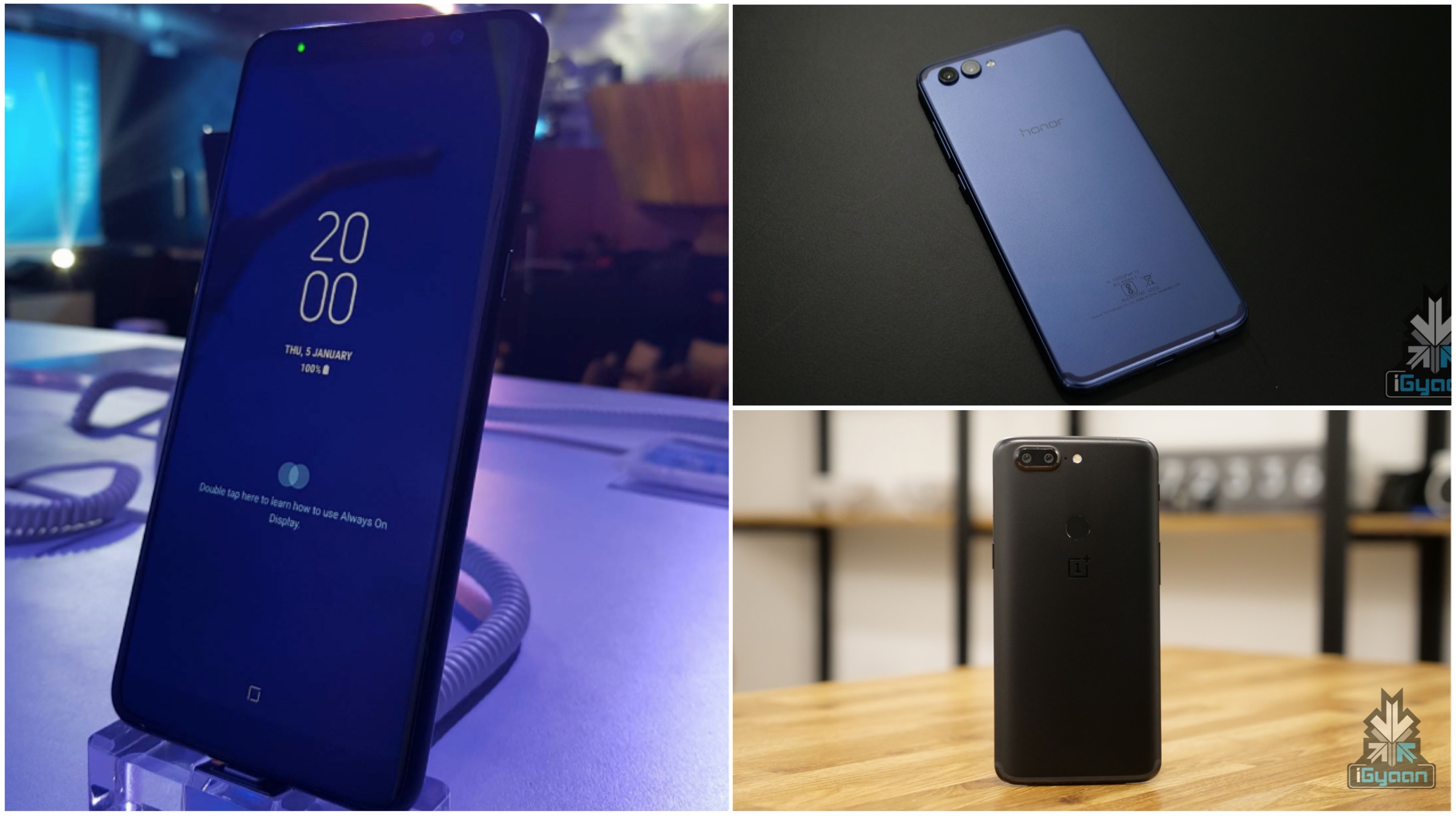
  • Samsung Galaxy A8+ Vs The Competition

    Samsung Galaxy A8+ Vs The Competition

    Samsung has launched its new iteration of the Galaxy ‘A’ series, the Samsung Galaxy A8+ in India. The smartphone, priced at Rs. 32990 will go on sale from the 20th of January in India via Amazon. Compared to other Asin markets, the price of the Galaxy A8+ comes as a surprise but, still remains pricier than the Honor View10 and on par with the OnePlus 5T (6GB RAM variant).

    While the OnePlus 5T and Honor View10 are powered by flagship chipsets and feature a dual-camera setup on the back, the Galaxy A8+ is powered by the Exynos 7885 but, has a front-facing dual-camera setup. The Galaxy A8+ has the advantage of an IP67 rating which is missing from other other two devices. The Galaxy A8+ is also slightly taller than the other phones with an 18.5:9 aspect ratio.

    So, what do the specifications tell us about the Galaxy A8+ when compared to its closest competitors? Let’s find out:

    Specifications Samsung Galaxy A8+ OnePlus 5T Honor View10
    Price Rs. 32,990 Starting at Rs. 32,999 Rs. 29,999
    Display 6-inch
    Super AMOLED
    6-inch
    AMOLED
    5.99 inch
    IPS LCD
    Resolution 2220 x 1080 px
    411ppi
    2160 x 1080 px
    401ppi
    2160 x 1080 px
    403ppi
    Weight 191 grams 162 grams 172 grams
    Dimensions 159.9 x 75.7 x 8.3 mm 156.1 x 75 x 7.5 mm 157 x 75 x 7 mm
    OS Android 7.1 Nougat
    Samsung UX
    Android 7.1 Nougat Android 8.0 Oreo
    EMUI 8
    Battery 3500 mAh 3300 mAh 3750 mAh
    Chipset Exynos 7885 Qualcomm Snapdragon 835 HiSilicon Kirin 970
    RAM 6GB 6GB/8GB 6GB
    Storage 64GB (Expandable up to 256GB) 64GB/128GB (Non-expandable) 128GB (Expandable up to 256GB)
    Primary camera 16MP
    f/1.7 aperture
    16MP f/1.7
    20MP f/1.7
    16 MP (RGB)
    20 MP (Monochrome)
    f/1.8 aperture
    Primary video 1080P 4K @ 30fps 4K @ 30fps
    Secondary camera 16MP f/1.9
    8MP f/1.9
    16MP f/2.2 13MP f/2.0
    Add-ons Fingerprint sensor
    IP67 Rating
    Fingerprint sensor
    Face Unlock
    Fingerprint sensor
    Facial Recognition
    AI

    With a similar price tag and very little advantages, a lot will depend on the Samsung Galaxy A8+’s camera performance. A solid front-facing camera and snappy user experience can sometimes be enough to sway buyers and the Galaxy A8+ will have to do just that. Stay tuned for more updates.

iGyaan Network
Privacy Overview

This website uses cookies so that we can provide you with the best user experience possible. Cookie information is stored in your browser and performs functions such as recognising you when you return to our website and helping our team to understand which sections of the website you find most interesting and useful.