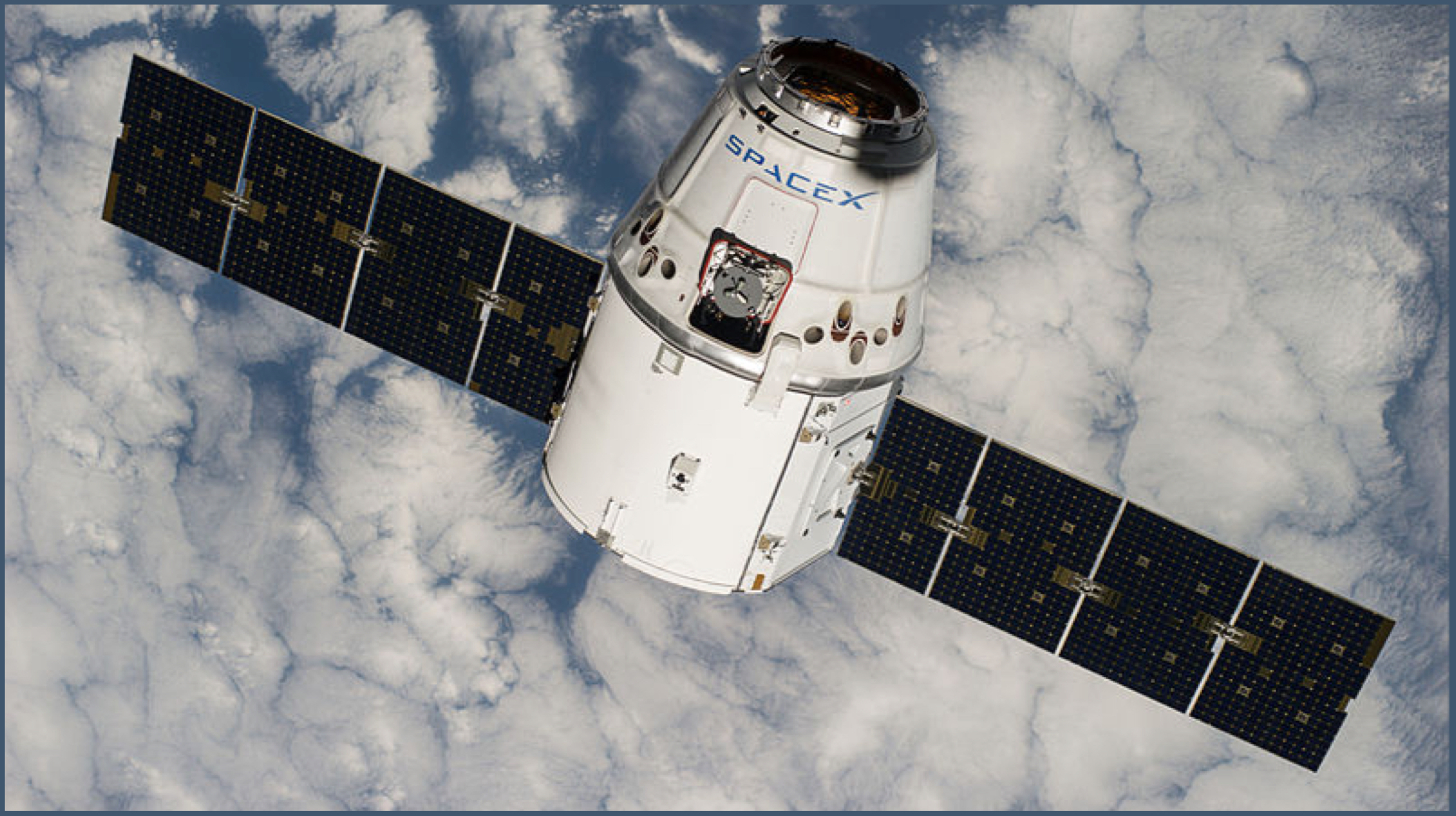
Israel’s first lunar lander took flight on 7:15 am IST aboard SpaceX’s Falcon 9 rocket, which was launched from Cape Canaveral, Florida on February 22. This mission (called the Nusantara Satu mission), if deemed successful, will place Israel at the fourth place amongst nations which have already attained controlled touchdown on the moon. The list already includes countries like the United States, USSR and China. The unmanned robotic lander has been named ‘Beresheet’, which is a Hebrew translation for “in the beginning”.
About The Rockets And Payloads
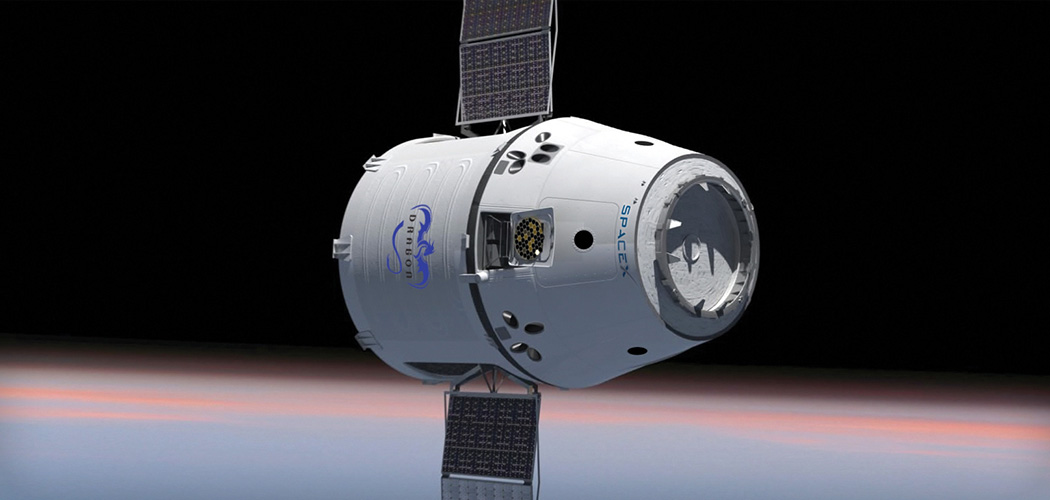
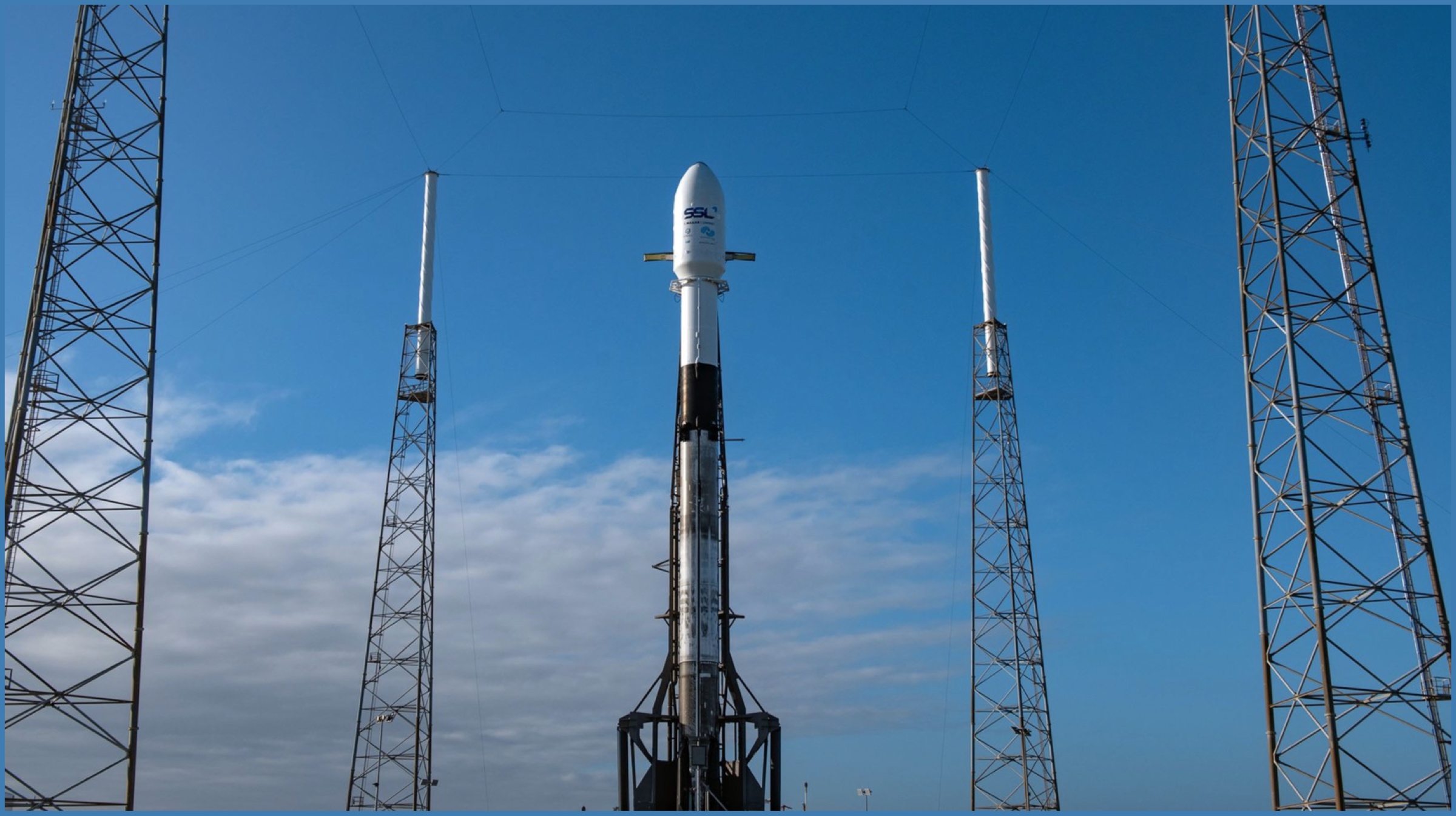 The 23-storey-tall rocket disappeared into the sky as it made its way towards the moon. There were three sets of cargo on the Falcon 9, which is one of the most famous rockets in the arsenal of Elon Musk’s aerospace research organization, SpaceX. As mentioned before, one of the payloads was the 585 kg Beresheet lunar lander, whereas the other two payloads were intended for different purposes. One of them was Indonesia’s telecommunications satellite and the other was an experimental satellite for the US Air Force. It was also reported that the lunar lander took its place in earth’s orbit almost 34 minutes after its launch. 15 minutes later, two satellites separated from the Beresheet. The complete launch was broadcasted on SpaceX live webcast.
SpaceX Recycles Falcon 9’s Engine
Highest reentry heating to date. Burning metal sparks from base heat shield visible in landing video. Fourth relight scheduled for April. https://t.co/uq6TdMhgFN
— Elon Musk (@elonmusk) February 22, 2019
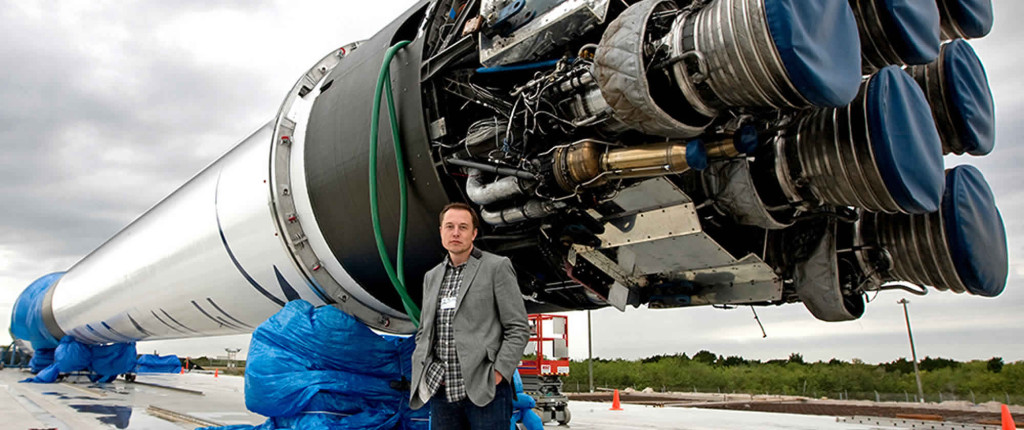
The Falcon 9 and the lunar lander launch was not the only highlight of the launch. SpaceX added another milestone in its book of innovating technology by recycling its rockets. Mission control engineers and other people cheered from the launch site as the Falcon 9’s main-stage booster separated from the rest of the payload, shuttled back to Earth and had a safe landing on the “Of Course I Still Love You” droneship.
Main engine cutoff and stage separation confirmed. Second stage engine burn underway. pic.twitter.com/bDt2z62HGI
— SpaceX (@SpaceX) February 22, 2019
Bearing the name of legendary Sci-Fi author Iain M. Banks’ “fictional starships”, the drone-pad was positioned almost 500 km off Florida’s coast. The distant glow of the returning booster was clearly visible against the sky as the moon appeared. Noteworthy, this marked the booster’s third launch and landing after delivering Iridium-7 and SAOCOM 1A payloads to space.
Plans For Landing
Successful deployment of the SpaceIL lunar lander confirmed, starting the spacecraft’s two-month voyage to the Moon pic.twitter.com/iMlVYJHef3
— SpaceX (@SpaceX) February 22, 2019
Beresheet is expected to land on the near-side of the moon by mid-April. In doing so, it will travel through almost 6.5 million kilometres in space. Agreed, the direct path from the earth to the moon would be much shorter, but the lunar lander will travel via a more circular orbit. As per SpaceX plans, the gradually widening Earth orbit will help the probe to eventually reach the moon’s gravitational pull, leading to a controlled ‘soft’ landing.
Also Read: Elon Musk Promises Tesla Will Release Full Autonomous Driving Feature This Year
As of now, there is no plan to get the spacecraft back to earth. It will spend 2-3 days on the moon, photographing landing sites and measuring the moon’s magnetic field. Then the lunar probe will be shut down and it will remain on the lunar landscape for all eternity. The complete broadcast of the Nusantara Satu Mission can be found below.
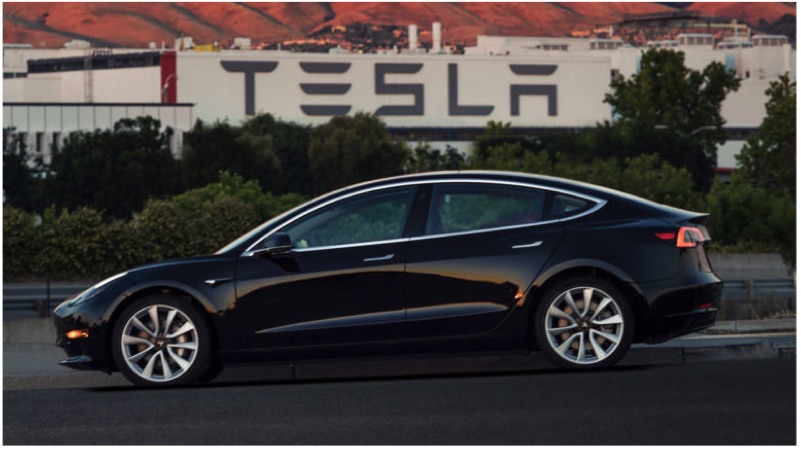 Tesla cars are renowned for their Autopilot feature which makes use of several cameras and sensors present on the exterior of the vehicle. The feature, when used makes the car a partially autonomous vehicle. It still requires the driver to be attentive of their surroundings all the time, or the feature stops working. The feature is then disabled for the rest of the trip and won’t be accessible. It was touted as a revolutionary feature when it was introduced back in 2015 with the v7.0 update of the Tesla OS.
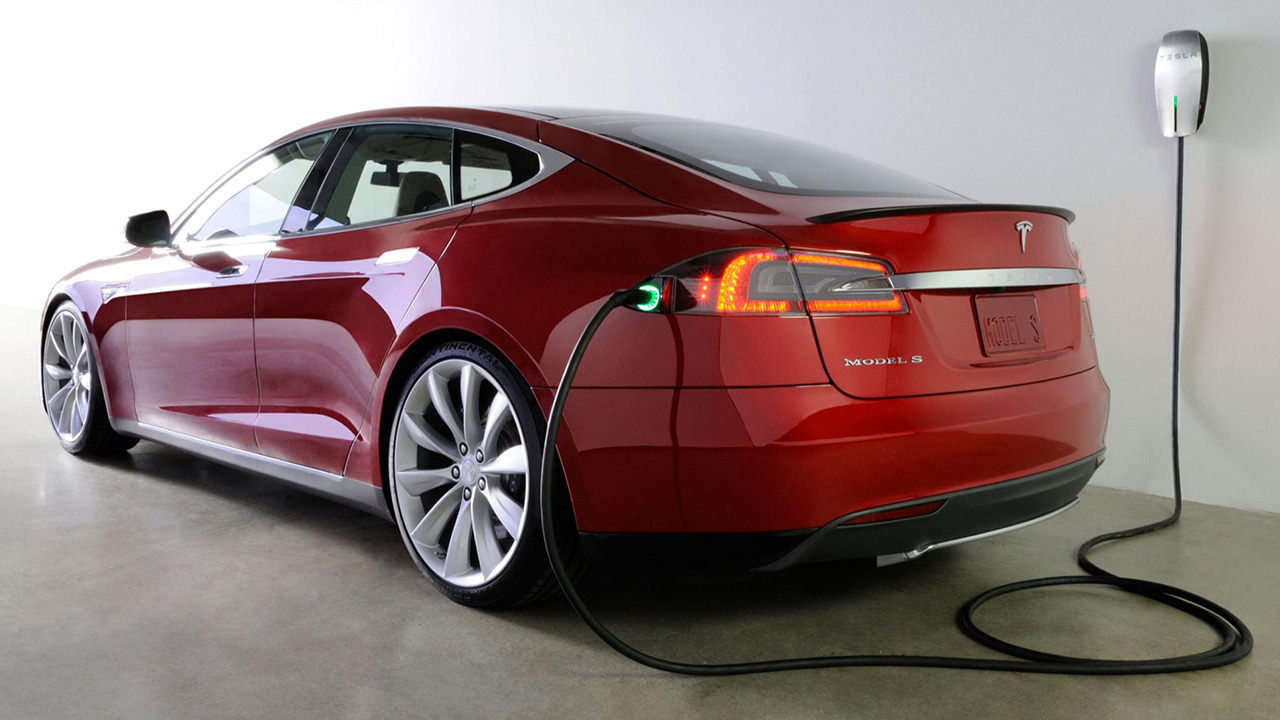 According to Elon Musk though, the hardware in current Tesla cars is capable of fully autonomous driving since October 2016. It is expected that when the fully autonomous driving feature arrives in the form of a software update, it will automatically support the cars manufactured after late 2016. He states that the feature will be so capable that the driver will be able to sleep while the car drives itself. The vehicle will be able to pick the driver up, drive and drop the rider off their destination. This feature will fully roll-out by 2020 until then manual monitoring is required.
 Also read: