Tag: Facebook

  • Zuckerberg Reveals Why We Were Forced to Download the Facebook Messenger App

    Zuckerberg Reveals Why We Were Forced to Download the Facebook Messenger App

    Back in July, Facebook announced that it will be removing the messaging feature from its mobile app, and requiring people to use its standalone Messenger app instead. Hence, forcing users to download the Messenger app to chat with their Facebook contacts on their mobiles.

    The change followed through a plan which was announced in April and for now, affects Facebook mobile app on iOS and Android. According to the company, the plan had seen ‘positive results’ in Europe in terms of user engagement, and so decided to move ahead with rolling out of the standalone app to everyone. However, they never explained why this plan came into effect at the first place, until now.

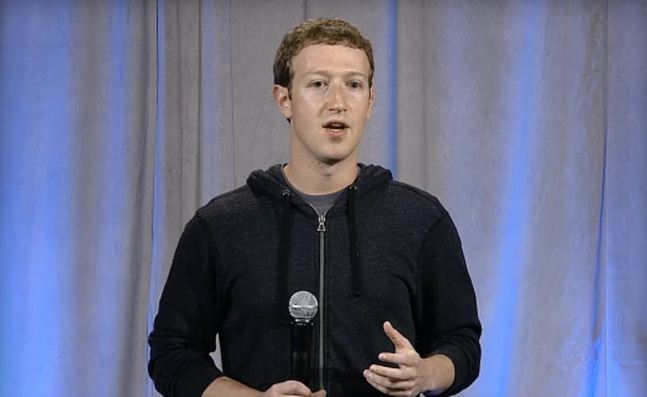
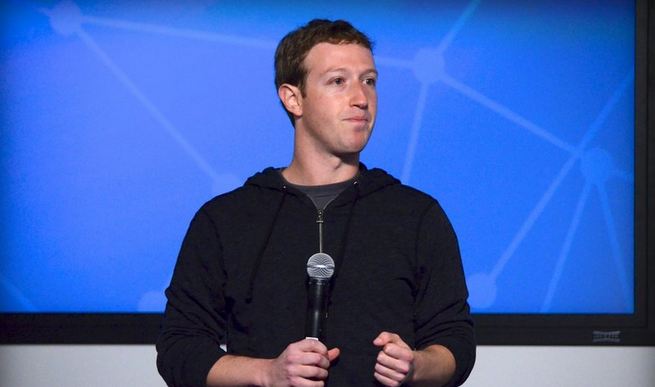
    In a live Q&A conversation yesterday, Mark Zuckerberg finally explained why Facebook moved messaging out of its main app and made it into a separate, standalone app that needs to be downloaded.

    I’m grateful for hard questions. It keeps us honest. We need to be able to explain clearly why what we’re thinking is good. Asking everyone in our community to install a new app is a big ask. I appreciate that was work and required friction. We wanted to do this because we believe that this is a better experience. Messaging is becoming increasingly important. On mobile, each app can only focus on doing one thing well, we think.

    The primary purpose of the Facebook app is News Feed. Messaging was this behavior people were doing more and more. 10 billion messages are sent per day, but in order to get to it you had to wait for the app to load and go to a separate tab. We saw that the top messaging apps people were using were their own app. These apps that are fast and just focused on messaging. You’re probably messaging people 15 times per day. Having to go into an app and take a bunch of steps to get to messaging is a lot of friction.

    Messaging is one of the few things people do more than social networking. In some countries 85 percent of people are on Facebook, but 95 percent of people use SMS or messaging. Asking folks to install another app is a short term painful thing, but if we wanted to focus on serving this [use case] well, we had to build a dedicated and focused experience. We build for the whole community. Why wouldn’t we let people choose to install the app on their own at their own pace? The reason is that what we’re trying to do is build a service that’s good for everyone. Because Messenger is faster and more focused, if you’re using it, you respond to messages faster, we’ve found. If your friends are slower to respond, we might not have been able to meet up.

    This is some of the hardest stuff we do, is making these choices. We realize that we have a lot to earn in terms of trust and proving that this standalone messenger experience will be really good. We have some of our most talented people working on this.
  • WhatsApp User-Base Reaches 70 Million in India

    WhatsApp User-Base Reaches 70 Million in India

    There is absolutely no doubt that WhatsApp is one of the most popular messenger services all over the world. Recently in an event, WhatsApp’s Business Development head Neeraj Arora revealed that in India, the user base of the application has grown to 70 million active-users, which is over a 10th of its global users.

    “We have 70 million active-users here who use the application at least once a month,” said Arora at the fifth annual INK Conference in Mumbai. He further added to his statement that the total user base for the company is 600 million, including the one bought by Facebook in a $19-billion deal earlier this year.

    WhatsApp for Tab

    India is one of the biggest markets for WhatsApp, a application which targets to connect billions. Arora stated that WhatsApp will continue to hold a stand-alone identity even after the Facebook acquisition and will not get merged with the social networking website.

    The company also commented that with the team of just 80 people, WhatsApp is already getting benefitted through learnings from the social networking giant. Also, it could have been a pretty good deal if he would have paid some money to buy WhatsApp three years back, Arora stressed upon the fact that the company has grown a lot since then. That time, it would have been in “low tens of million” dollars. The user-base has exponentially grown to 600 million from the 30 million three years ago.

  • Facebook-Owned WhatsApp Lost Close to $200 Million in 2 Years

    Facebook-Owned WhatsApp Lost Close to $200 Million in 2 Years

    As a result of the official closing of Facebook’s acquisition of cross-platform instant messaging application WhatsApp, the first clear picture of WhatsApp’s financial results emerged. A Form 8-K/A filed with the Securities and Exchange Commission has revealed that in 2014, WhatsApp lost $140 million and generated just $10 million in revenue. And in 2012 and 2013, the app lost a total of $192.8 million.

    In the six months ending June 30, 2014, WhatsApp brought in $15.921 million in revenue but suffered a net loss of $232.5 million. However, $206.5 million of the net loss was for share-based compensation expenses and issuance of common stock below fair value. Its net cash used in operating expenses during the first half of 2014 was $13.5 million, which sounds much more reasonable.

    “We’re the most atypical Silicon Valley company you’ll come across,” Brian Acton, a WhatsApp co-founder, once said in an interview. “We were founded by thirty-somethings, we focused on business sustainability and revenue rather than getting big fast, we’ve been incognito almost all the time, we’re mobile first and we’re global first.”

    mark zuckerberg

    Essentially, due to WhatsApp’s quickly rising valuation, it used share-based compensation to attract top talent. Eventually, the $22 billion acquisition by Facebook largely made the ‘expenses’ of issuing that stock moot. This is standard for growing companies hiring new talent, and shouldn’t convey that WhatsApp was burning money irresponsibly. $148 million is a lot to lose for a small company, but the company seems to have been doing it wisely. Fewer than $10 million was burned in 2013 in actual operating expenses.

    Overall, Facebook broke down the money it spent on WhatsApp as $2.026 billion for the user base, $448 million for the brand, $288 million for technology, and $21 million for the rest. That left it to chalk up the $15.314 billion difference as “good will” aka the value “from future growth, from potential monetization opportunities, from strategic advantages provided in the mobile ecosystem from expansion of our mobile messaging offerings.”

  • Facebook Brings Out an App for Anonymous Chatting Called ‘Rooms’

    Facebook Brings Out an App for Anonymous Chatting Called ‘Rooms’

    Facebook seems to be in the mood for experimenting with mobile applications. After bringing out Mentions, Slingshot, Paper and most recently, their independent messaging app, they’ve now brought out ‘Rooms’. Although they’re sticking to their key philosophy of connecting people, this time they’re going to be keeping their identities discreet.

    We had earlier reported that Facebook was working on building a standalone app that will let its users interact and communicate under the cloak of anonymity. This was said to be the outcome of recent criticism for Facebook’s stance on real names. Facebook’s policies require verified email addresses. Those policies clashed with drag queens, some of whom had their profiles removed from Facebook by algorithms.

    Facebook Rooms

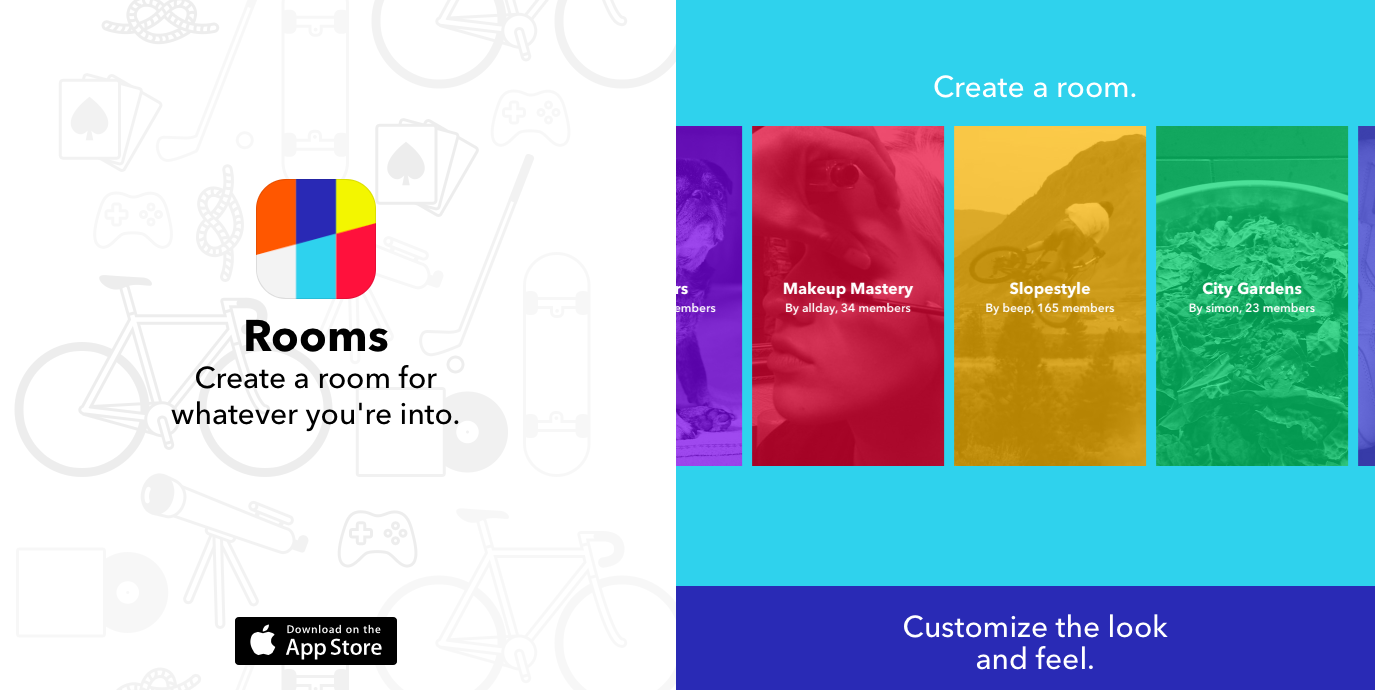
    On the other hand, Rooms doesn’t require the user to reveal any personal information and allows them to create chat rooms based of common interests (think fashion, photography, automobiles, gardering etc.)  These chat rooms can be made public or private. The private chat rooms are then made invite only, requiring a QR code that can be scanned with a smartphone. These Codes can also be shared on social media or via e-mail. Facebook’s new app doesn’t even allow you to import your contacts, it is entirely independant. Chat room creators or chosen moderators can customize the look, ban people from the room or set the room to be 18+.

    Currently the app is free and available on the app store, you can download it here.

  • Facebook Announces New ‘Safety Check’ Feature to Help Communicate During Disasters

    Facebook Announces New ‘Safety Check’ Feature to Help Communicate During Disasters

    Facebook has introduced Safety Check, a brand new feature that people can use when major disasters occur, a simple and effective way to say you’re safe and check on others during times when communication becomes a necessity. Facebook CEO Mark Zuckerberg announced this feature in Tokyo, in lieu of the great earthquake and Tsunami that hit Japan a few years ago. The calamity inspired Facebook to build the first version of this feature for Japan, and now this feature is available worldwide.

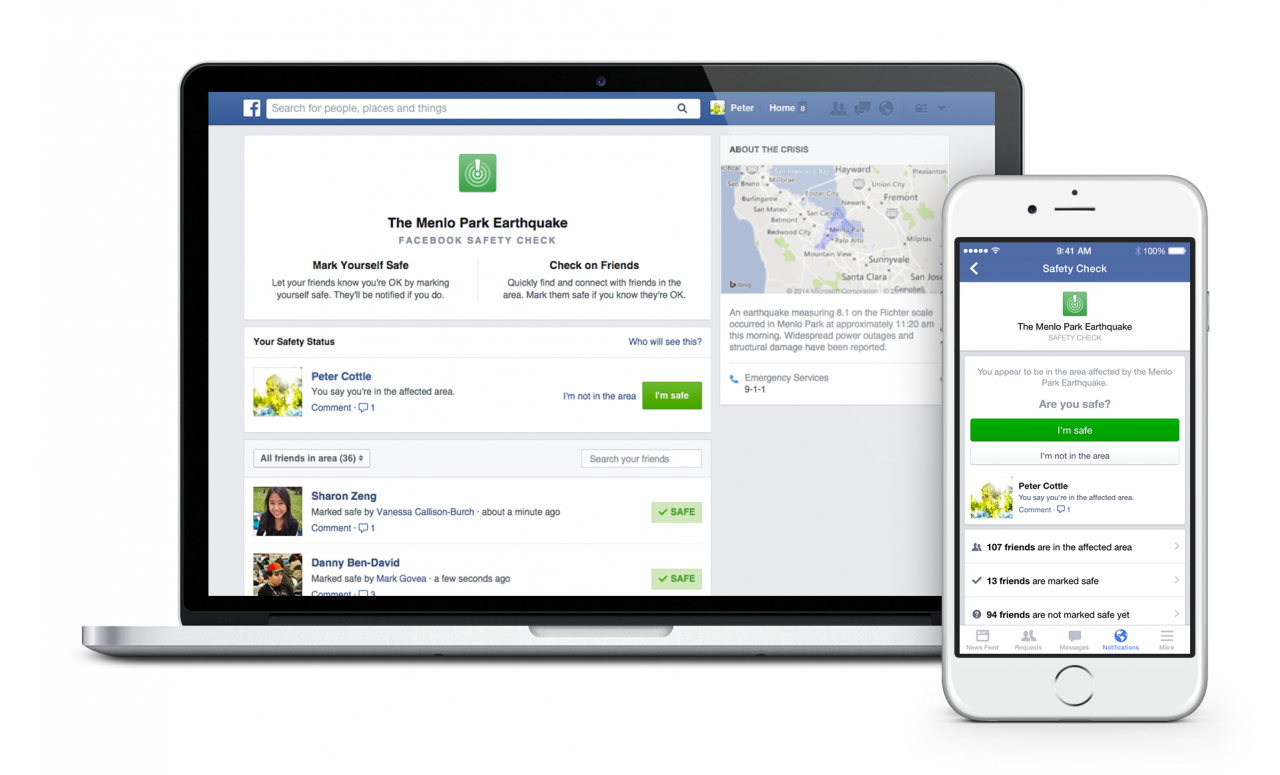
    During a disaster, the Safety Check feature helps users to inform their friends and family that they are safe, users can also check on others in the affected region and can even mark their friends as safe.

    facebook-fans

    How does it work?

    The safety feature works when it is activated after a natural disaster has occurred and if a user is in the vicinity of the affected area, he/she will receive a Facebook notification asking if they’re safe. Facebook will then automatically determine their location by the user’s last location and the city where the user is using the Internet.

    If Facebook determines the wrong location, users can mark that they are outside the vicinity of the affected area. Meanwhile if they are safe, they can select ‘I am safe’ and a notification and a News Feed story will generate automatically with the user’s friends. Even friends can mark a user as safe.

    Even if users have friends in the affected area and the tool has been activated, they will receive a notification about those friends that have marked themselves as safe. To understand the features better, check out the video below:

  • Facebook and Samsung Reportedly Collaborating to Develop a Smartphone

    Facebook and Samsung Reportedly Collaborating to Develop a Smartphone

    Facebook founder and CEO Mark Zuckerberg’s meeting with Samsung Electronics Vice Chairman Lee Jay-yong has triggered rumours that the two firms are discussing the possibility of a new Facebook phone. According to sources, the two parties met at Samsung’s headquarters, they were joined by Facebook COO Sheryl Sandberg, along with Samsung’s mobile chief Shin Jong-kyun along with other top level executives from both companies.

    This raised speculations that Facebook and Samsung are planning a Facebook phone. As we saw in the past, Facebook’s last phone the HTC First, which had Facebook Home software layer with Android UI on top was discontinued, same goes with HTC ChaCha, another Facebook phone which had a physical Facebook button for quick posting to the social network. Though, both devices couldn’t succeed and did not take off.

    It’s not the first time these power houses are working together, the much hyped Samsung Gear VR has been launched in partnership with Oculus last month, which is now owned by Facebook. If rumours are true, it will interesting to see what this device can offer to users and if it can it be a competitor to Google’s Android One Project.

  • Indian Govt and Facebook to Work Together on an App for ‘Clean India’

    Indian Govt and Facebook to Work Together on an App for ‘Clean India’

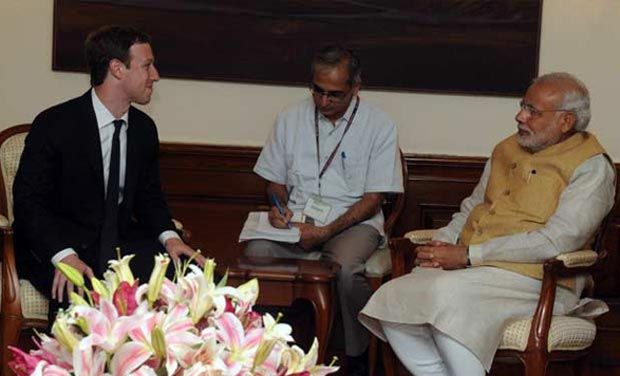
    Facebook founder Mark Zuckerberg on Friday met Prime Minister Narendra Modi. One of the highlights of the meeting was the prospect of launching a mobile application devoted to Clean India, while they also discussed the PM’s pet projects such as Digital India and his hopes to use the networking site’s use for social causes and prevent its misuse by terror outfits. Facebook will help in the creation of the Clean India Mobile App and it would be launched soon. This would give a strong impetus to the Swachh Bharat Mission, the Facebook boss told Modi.

    “Connecting more than a billion people with internet is not only going to improve lives of people in India but will help the innovation and imagination of Indian people to help turn around the world and we are very excited in opportunities in India,” Zuckerberg said after his meeting with the telecom minister.

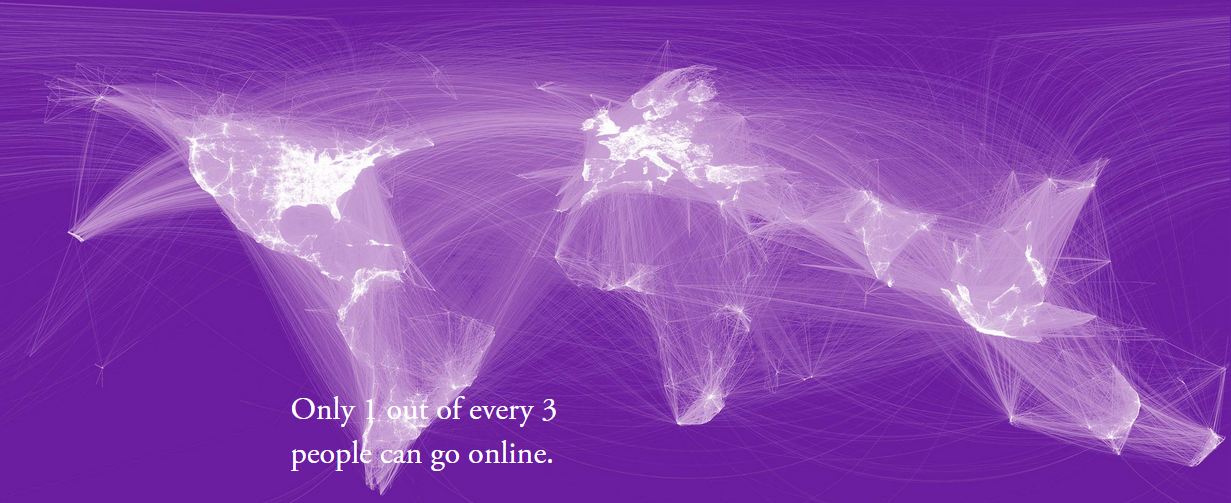
    “About 2.7 billion people have access to the internet. But that’s only one-third of humanity. Almost 4.5 billion people don’t use the internet,” pointed out Zuckerberg, in Delhi on a two-day visit to India. “Connectivity cannot just be a privilege of the rich and powerful. It is a human right.”

    mark-modi
    Facebook CEO, Mark Zuckerberg in conversation with PM Narendra Modi

    According to The Economic Times report, Zuckerberg told the Prime Minister that he is extremely excited about the government’s Digital India initiative. Modi, a prolific user of social media platforms with nearly 7 million followers on Twitter and around 23 million people following him on Facebook, has asked Zuckerberg to identify domains of the program that it can get involved in and work with the government.

    In the conversation, the Prime Minister also expressed some concerns about social media, especially the use of such platforms by terrorist elements to recruit new members. “This is unfortunate and we need to think of the role social media can play to stop terror,” the PM said.  He also urged Facebook to promote India’s rich tourism potential and look at how to enhance internet literacy along with connectivity.

  • Facebook CEO Mark Zuckerberg to Meet PM Narendra Modi Today

    Facebook CEO Mark Zuckerberg to Meet PM Narendra Modi Today

    After Facebook COO Sheryl Sandberg’s successful meeting with Prime Minister Narendra Modi, it’s now founder Mark Zuckerberg’s turn. He will be in India to address the first Internet.org summit taking place from October 9-10 in the capital city.

    His visit comes three months after the visit of Sheryl Sandberg (July 2014), Chief Operating Officer of the social networking giant, to the country, which is the second biggest market for Facebook. Zuckerberg is the third high profile CEO of a US-based corporation, after Amazon’s Jeff Bezos and Microsoft’s Satya Nadella, to visit India in last few days.

    Modi famously utilised social media effectively during his Lok Sabha campaign, and has been open about his desire to spread government and civic messages via social media.

    facebook-fans

    While Zuckerberg’s meeting with Modi is likely to dwell on how the Indian government can collaborate on Internet.org, which aims to make internet access affordable for people across the globe, he could end up receiving a small briefing on the Prime Minister’s ‘Digital India’ plan which has rather similar goals.

    When Modi met Sandberg, he had suggested the use of Facebook for improving governance, better interaction between people and the government, and to attract more tourists to India. India is an important market for the social networking company. With over one billion users globally, the company gets over 100 million users from India. Many of these users log onto the website from their mobile devices.

    Zuckerberg is also expected to meet with Communications Minister Ravi Shankar Prasad as well as some other ministers, who had also met Sandberg when she visited.

  • Facebook is Reportedly Working on an App for Anonymous Sharing

    Facebook is Reportedly Working on an App for Anonymous Sharing

    Facebook is reportedly building a standalone app that will let its users interact and communicate under the cloak of anonymity. This is said to be the outcome of recent criticism for Facebook’s stance on real names. Sources within the company told the New York Times that Facebook plans to release an app that would let people talk anonymously.

    Facebook’s long held policies require verified email addresses, and originally required college-specific email address logins per its collegiate origins. Those policies clashed recently with drag queens, some of whom had their profiles outright removed from Facebook by algorithms.

    Earlier this year, Mark Zuckerberg said that Facebook would branch out from real-name apps. “I definitely think we’re at the point where we don’t need to keep on only doing real identity things,” he said in an interview. “If you’re always under the pressure of real identity, I think that is somewhat of a burden.”

    facebook

    Little else about the software is known at this stage. We don’t know what it will be called, or whether it’s indeed meant to be a direct competitor to apps like Secret and Whisper, which are built entirely around the idea of staying anonymous. Facebook is also widely criticized for its use of user information. When Facebook made its Messenger app standalone and required more access to users’ information, many decided to drop the service entirely.

    Obviously this new app wouldn’t change Facebook’s overall strategy, but it could be an interesting experiment for both the company and its billion-plus users.

  • Facebook is Gearing Up to Test Wi-Fi Drones for Internet.org Initiative

    Facebook is Gearing Up to Test Wi-Fi Drones for Internet.org Initiative

    Facebook has taken steps ahead of Google in the race to provide internet to everyone in the world. Facebook plans to start testing its internet beaming solar-powered drones in 2015, with the ultimate aim of getting two-thirds of the global population online. Mark Zuckerberg has announced it to be part of the efforts of Internet.org.

    Speaking at the Social Good Summit in New York last week, engineering director at Facebook Connectivity Lab, Yael Maguire, detailed the company’s vision of internet-carrying drones, with plans to begin testing in 2015 in a US location which is yet to be determined. “In order for us to fly these planes; unmanned planes that have to fly for months, or perhaps years at a time, we actually have to fly above the weather, above all airspace. That’s between 60,000 and 90,000 feet. Routinely, planes don’t fly there, and certainly not drones” Maguire said.

    internetorg

    Wi-Fi will be beamed using solar-powered drones that are the size of a Boeing 747, announced Facebook. Facebook said that the drones would be powered by the Sun and that it would fly in the air for months or years at a time. Apart from the flying Wi-Fi drones, there will be satellites and infrared lasers too which will be built to provide Internet to all.

    Facebook has also gone on to join hands with Ericsson, Nokia, Qualcomm and Samsung for its effort. A spokesperson from Facebook confirmed that though these companies were helping Facebook with bringing internet connectivity to the developing nations, they weren’t going to be a part of the drone project.

    Google has been working on a similar project with one of the differences being that they have plans of making use of balloons in addition to the drones. Google’s project has been named project Loon. It has only performed a few tests of the ambitious proposal so far.

  • Oculus Reveals New VR Headset Prototype Codenamed ‘Crescent Bay’

    Oculus Reveals New VR Headset Prototype Codenamed ‘Crescent Bay’

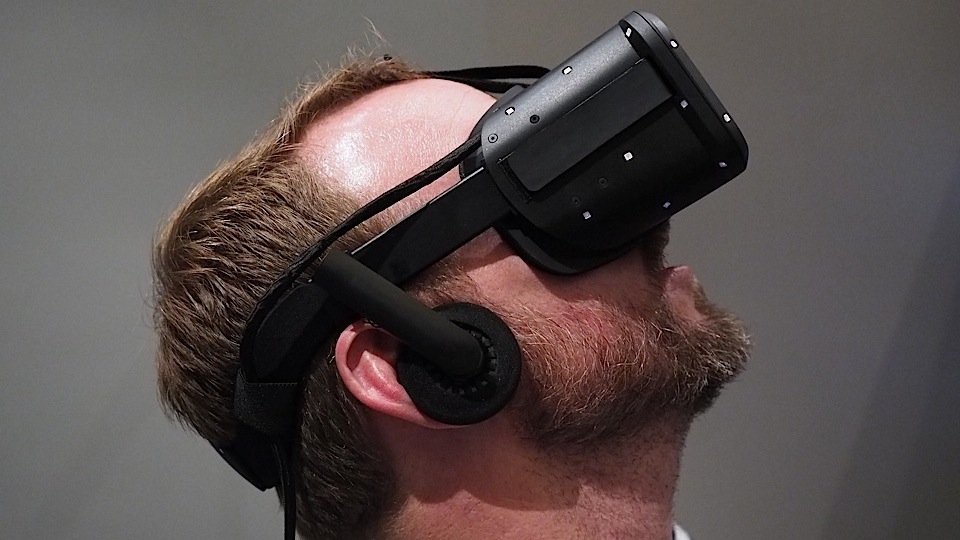
    Unlike Google’s Cardboard and Samsung Gear VR, which use a smartphone, Facebook and Oculus VR are aiming at a much more sophisticated, independent and ultra-high-res experience with their new VR prototype codenamed as Crescent Bay.

    The company revealed the new prototype, which is an upgraded version DK2 Headset, at the recent Oculus connect conference. “It’s as big of a leap as we made from DK1 to DK2,” says Oculus CEO Brendan Iribe, referring to the first two versions of the Rift development kit. The new headset comes with 360-degree tracking, letting the Rift’s external camera track the back of the headset as well as the front, making it easier for people to move without feeling constrained by staying in the camera’s range.

    crecentbay oculus

    The first Oculus Rift VR headsets were shipped in the spring of 2013, but a consumer version has not yet been announced. According to the company so far, over 100,000 Rift development kits have been shipped to 130 countries, and the company is still filling pre-orders for its second-generation model. The Crescent Bay prototype follows “Crystal Cove,” which was first shown off at CES 2014 in January — the DK2, which is based on it, came out a couple of months later.

    morpheus

    Oculus and Samsung announced their Gear VR mobile headset earlier this month, and it is believed mobile and desktop VR will ultimately complement each other in coming time. Oculus created its first real in-headset user interface for the Gear VR, and it’s now said that it will be releasing a mobile app for VR games.

  • Facebook Updated its Messenger App With Android Wear Support

    Facebook Updated its Messenger App With Android Wear Support

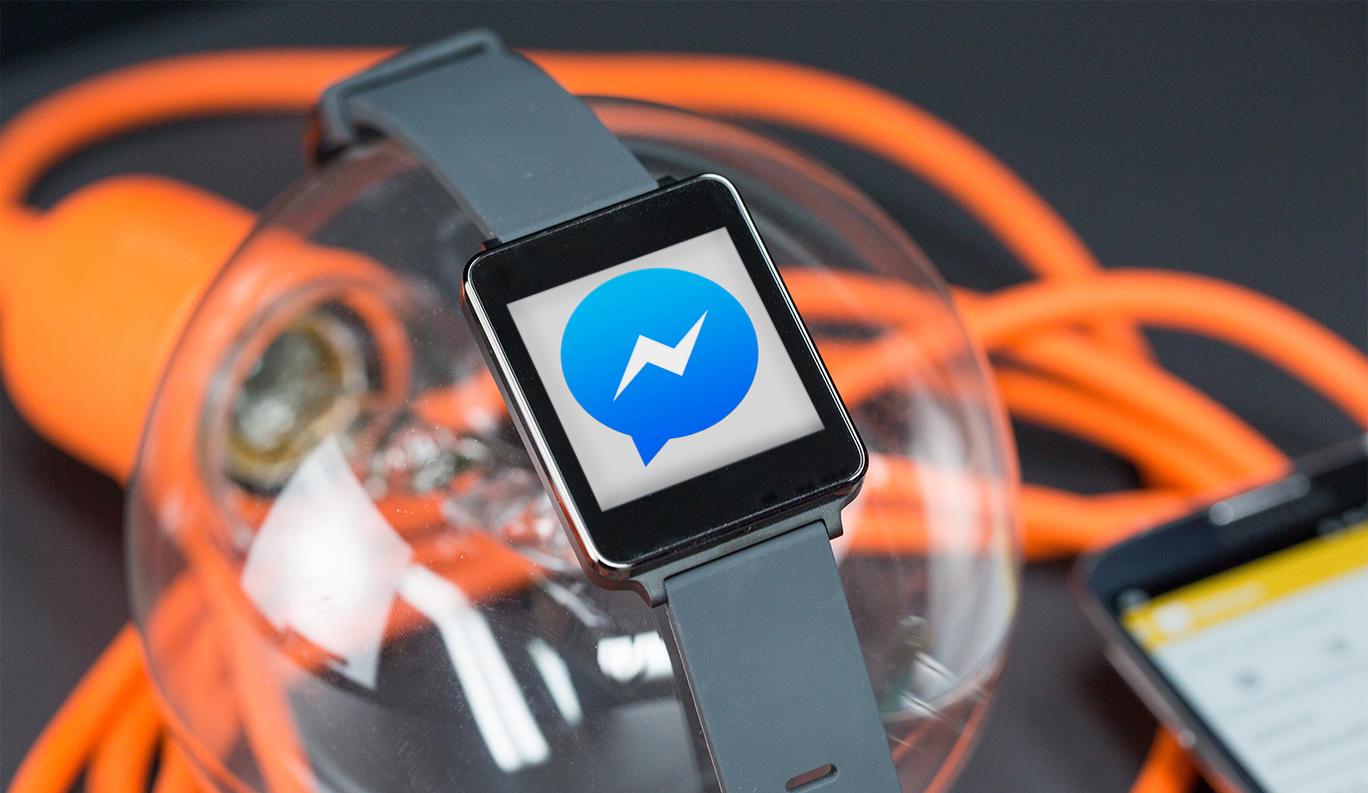
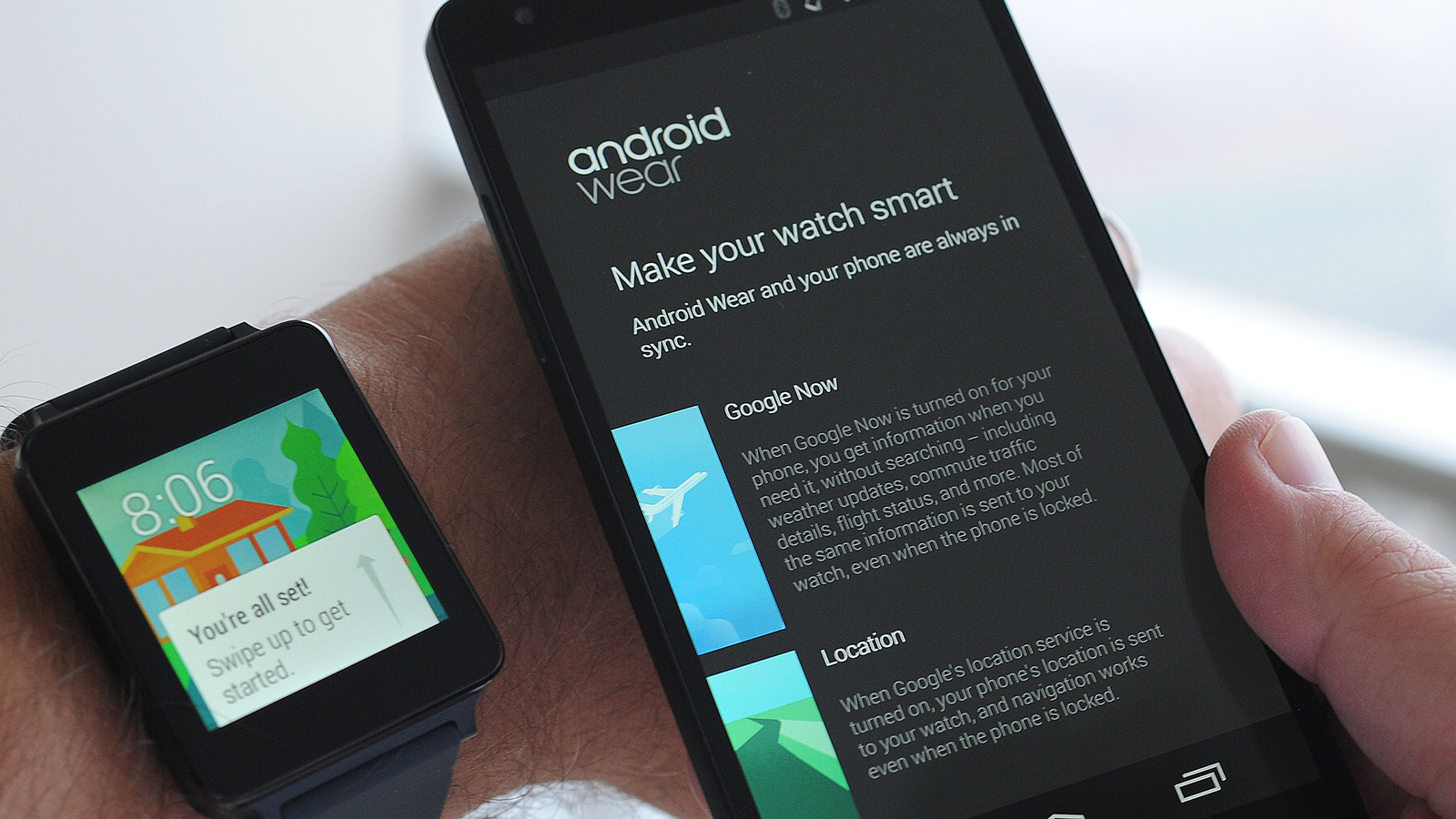
    Android Wear is the platform of choice for many, and Facebook recently added itself in the list. They’ve updated their popular Messenger app to work with Android Wear, leaving your phone to rest in your pocket.

    Facebook recently had pulled out the chat option from its app, making Facebook Messenger a standalone app. Mark Zuckerberg is”The reason why we’re doing that is we found that having it as a second-class thing inside the Facebook app makes it so there’s more friction to replying to messages, so we would rather have people be using a more focused experience for that,” Zuckerberg said.

    In an announcement by Facebook’s Ian Lake, an updated version of the Messenger, version 9, will include lots of new Android Wear focused improvements. First on the list is voice replies. The update includes the ability to tap the reply button when a message comes in, and speak what you want to say. Also included is the ability to mute a conversation directly from the Android Wear device.

    android-wear-setup

    Lake also mentioned that users will be able to reply to messages with the ‘thumbs up’ icon. No word on whether or not Facebook will follow suit and expand the selectable replies beyond just a ‘thumbs up’, but with Wear support constantly growing, we can’t help but imagine that new features are just around the corner.

    Even with the shortcomings wearables can bring, this is still a major app supporting Android Wear. These are still early days for Android Wear, and Facebook Messenger support is pretty impressive

  • Facebook is Forcing Android Users To Download the Messenger App

    Facebook is Forcing Android Users To Download the Messenger App

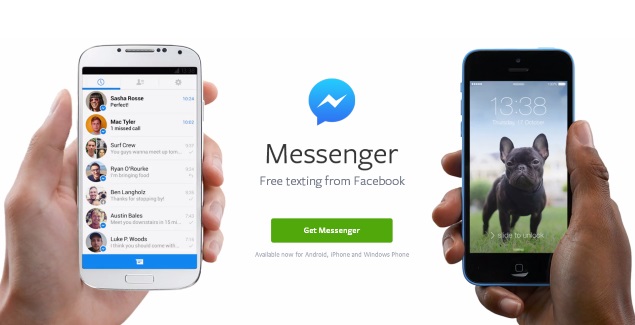
    Facebook announced on Monday that it will be removing the messaging feature from its mobile app over the next few days, and requiring people to use its standalone Messenger app instead. Hence, forcing users to download the Messenger app to chat with Facebook contacts on their mobiles.

    “In the next few days, we’re continuing to notify more people that if they want to send and receive Facebook messages, they’ll need to download the Messenger app,” a Facebook spokeswoman said.

    facebook_messenger_app_officialpage

    The change follows through on a plan announced in April and for now affects Facebook’s mobile app on iOS and Android. You’ll be able to send and receive messages on the desktop as before. The social networking giant told TechCrunch that it had seen “positive results” in Europe in terms of user engagement, and so decided to move ahead with rolling-out the standalone app to everyone.

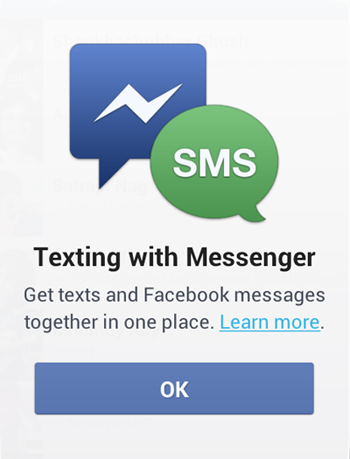
    Facebook-messenger-sms-integrationThe company notes that users can continue to chat via the main Facebook app on iPad tablets, feature phones, Windows Phone devices, via Paper app, and the Web-based desktop interface. The company said that this move is to make the Facebook messenger, the best app for messaging. It is also an effort to avoid any confusion that might arise from having two mobile products for the same thing.

    The move will also greatly increase the number of people who use Facebook Messenger. CEO Mark Zuckerberg said on the company’s earnings call last week that Facebook was looking to turn Messenger into an important business. Messenger currently has more than 200 million monthly active users—just under a fifth of Facebook’s total user base. It can handle Internet-based voice calls, group chats, and exchanging photos and short videos, as well as sending text messages.

    Facebook says the change will help improve the performance of both the apps over time. It’s already working to improve Messenger; the company recently hired the former PayPal President David Marcus as part of a push to build new capabilities for Messenger, possibly including payments.

    Earlier this year, Facebook had announced an agreement to acquire WhatsApp, which also handles Internet-based messaging. Along with that the company also launched its own Snapchat-like app called Slingshot which is not well received.

    Slingshot may not have performed to the company’s expectations, but when you have a billion plus subscribers, you have the freedom to force them to use an additional app which only performs a part of the function that the current app does. But we are ourselves are so addicted to this man’s creation that we will do as he commands and give some more of our phone storage and RAM to conquer.

  • New Facebook ‘Save’ Feature Helps Bookmark Content For Later Viewing

    New Facebook ‘Save’ Feature Helps Bookmark Content For Later Viewing

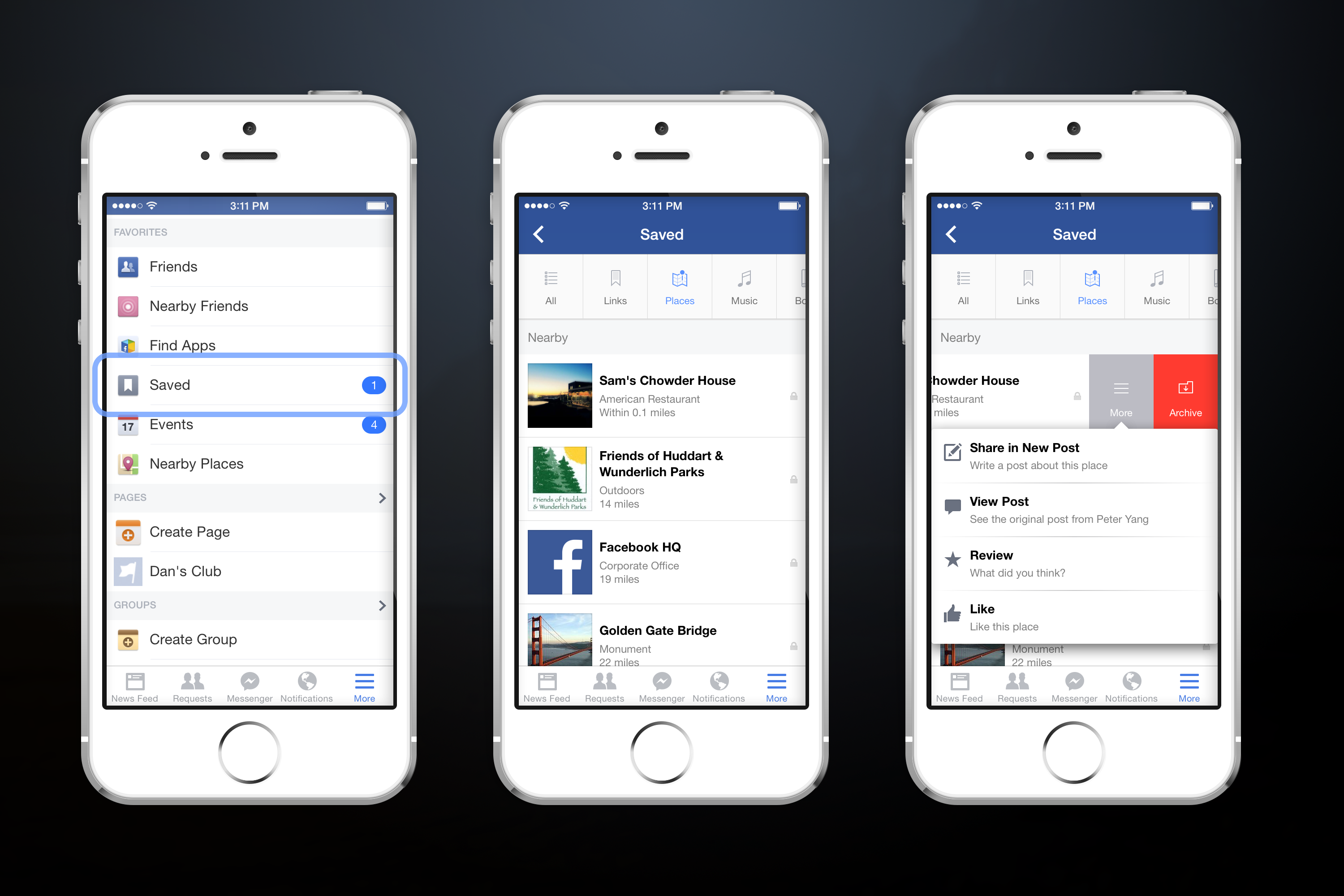
    Well Facebook updates usually take time to get accustomed to but this new feature seems to solve a huge problem for the people who use Facebook on the go regularly. The new ‘Save’ feature, as it is called, lets you save links, pictures, places, music etc. to go through later when you have time.

    “Every day, people find all sorts of interesting items on Facebook that they don’t have time to explore right away,” said Daniel Giambalvo, software engineer at Facebook, in a blog post. “Now you can save items you find on Facebook to check out later when you have more time.”

    facebook save

    Facebook’s Save feature rolls out to all iOS, Android, and web users over the next few days. You’ll notice the option in your newsfeed either as a button on the bottom of some posts or in the drop-down menu beside each post. Users can then re-visit their saved items using the “More” tab on mobile, or by hitting the “Saved” link on lefthand rail of the desktop version. The save option can only be seen by you on your your phone or web browser.

    The new feature, like almost all components of the social network is to keep you inside Facebook. Instead of saving items to Pinterest, Instapaper, Pocket, or other read-it-later services, you can use Facebook as a bookmarking service. It’s also a good way to keep track of restaurants and stores you may want to visit.

    screen-shot-2014-07-21-at-10-13-46-am

    There’s a very good reason Facebook may not be caching content: it would rob its publisher partners of ad views. If Facebook simply scraped the destinations of links for their text, images, and videos, and let you view them on a stripped down page in Save, why would you go to the actual Page? It seems Facebook likely doesn’t want to offend these publishers since they contribute content to its service through Pages, and buy Facebook ads to grow their audience.

iGyaan Network
Privacy Overview

This website uses cookies so that we can provide you with the best user experience possible. Cookie information is stored in your browser and performs functions such as recognising you when you return to our website and helping our team to understand which sections of the website you find most interesting and useful.