Tag: Facial Recognition

  • Dell Unveils Latitude 7400 Laptop With New ExpressSign-In Feature

    Dell Unveils Latitude 7400 Laptop With New ExpressSign-In Feature

    The advent of technological innovation has made human lives easier. A couple of decades ago, fingerprint sensor or facial recognition was a term pulled straight out of a science fiction novel. American multinational company Dell has launched a new laptop, the Latitude 7400 that takes another step towards the seamless integration of modern technology into our lives. The company introduced a new method of turning on a laptop and logging in without touching the keyboard at all.

    ExpressSign-In 

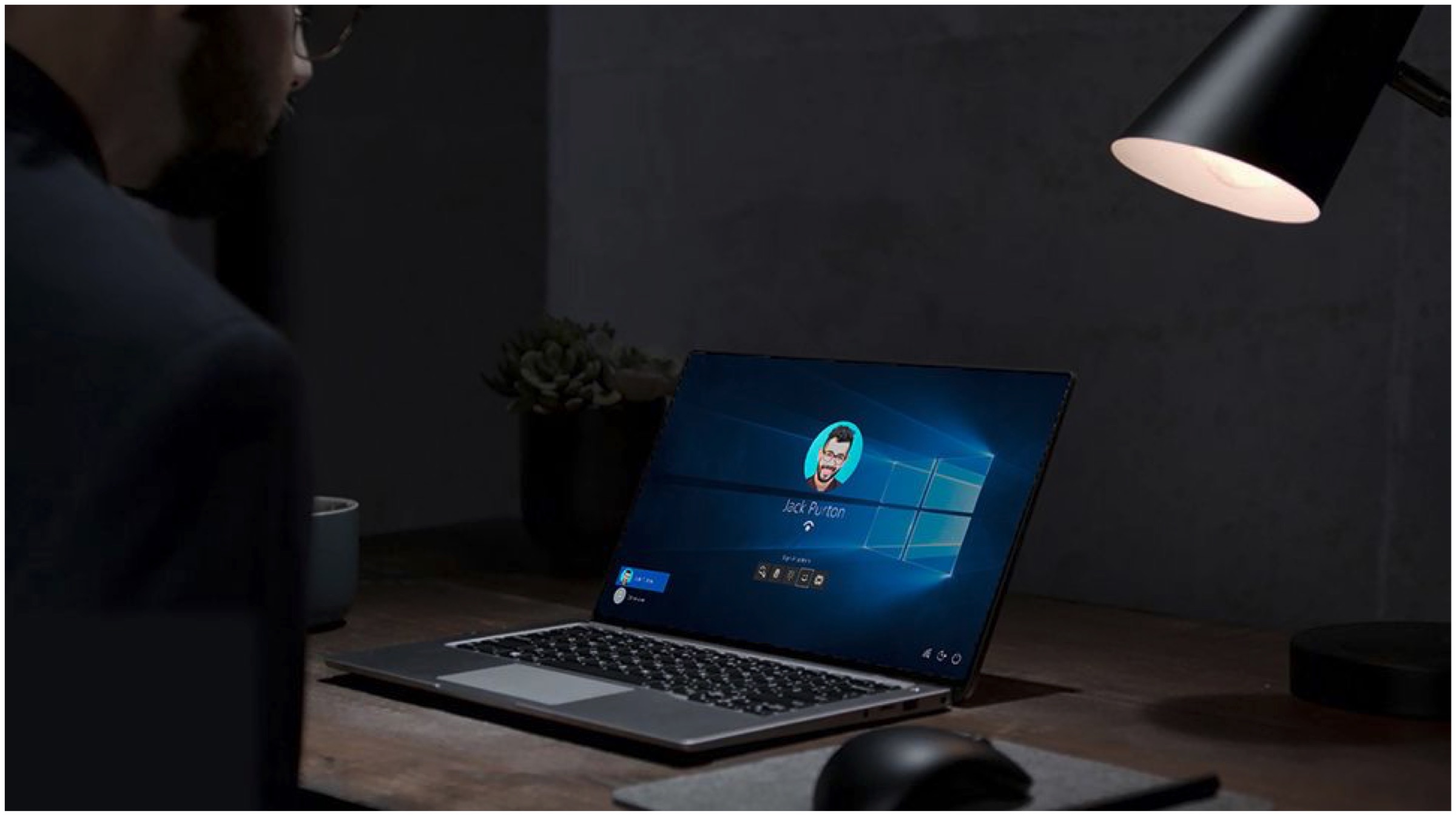
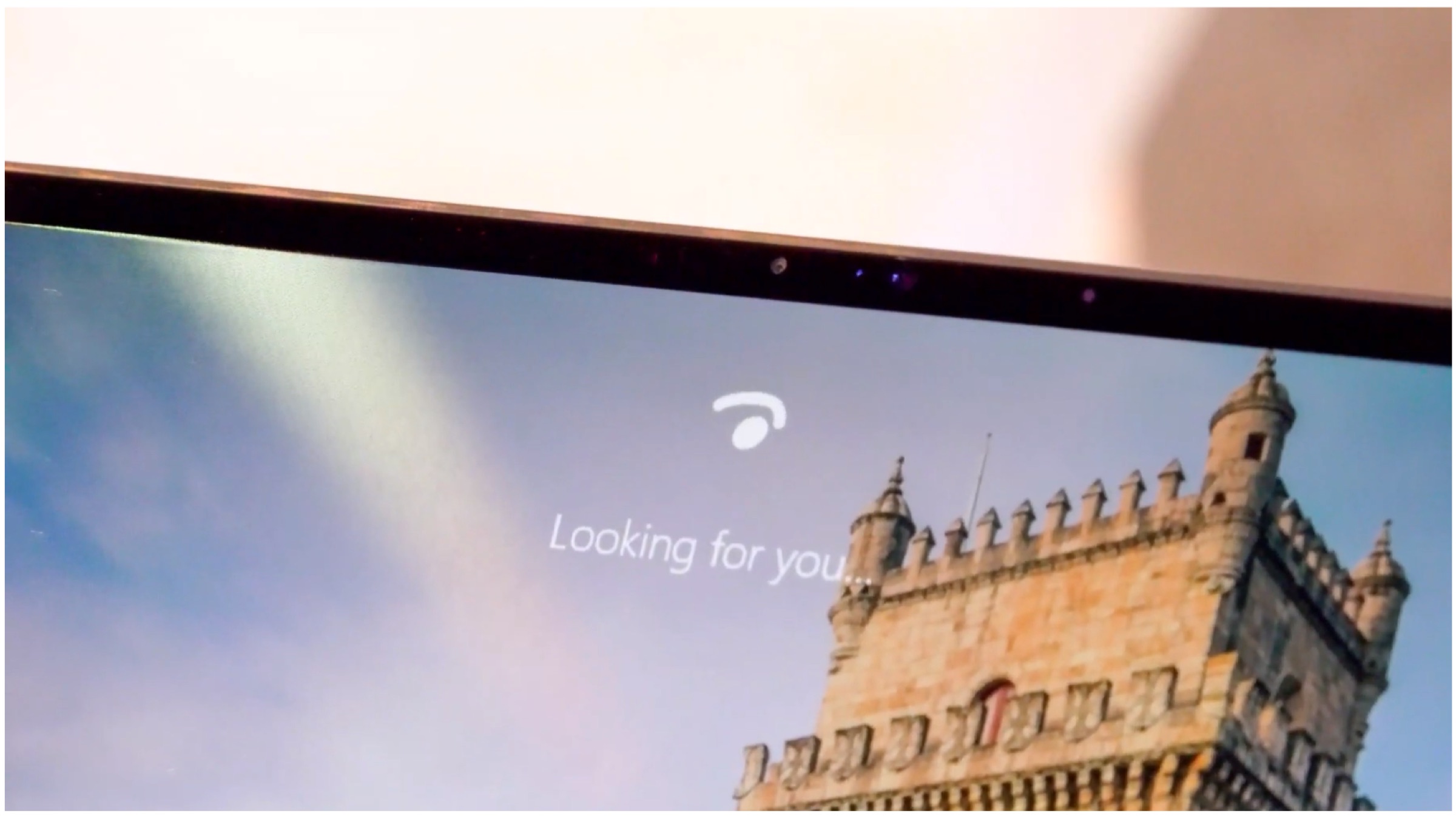
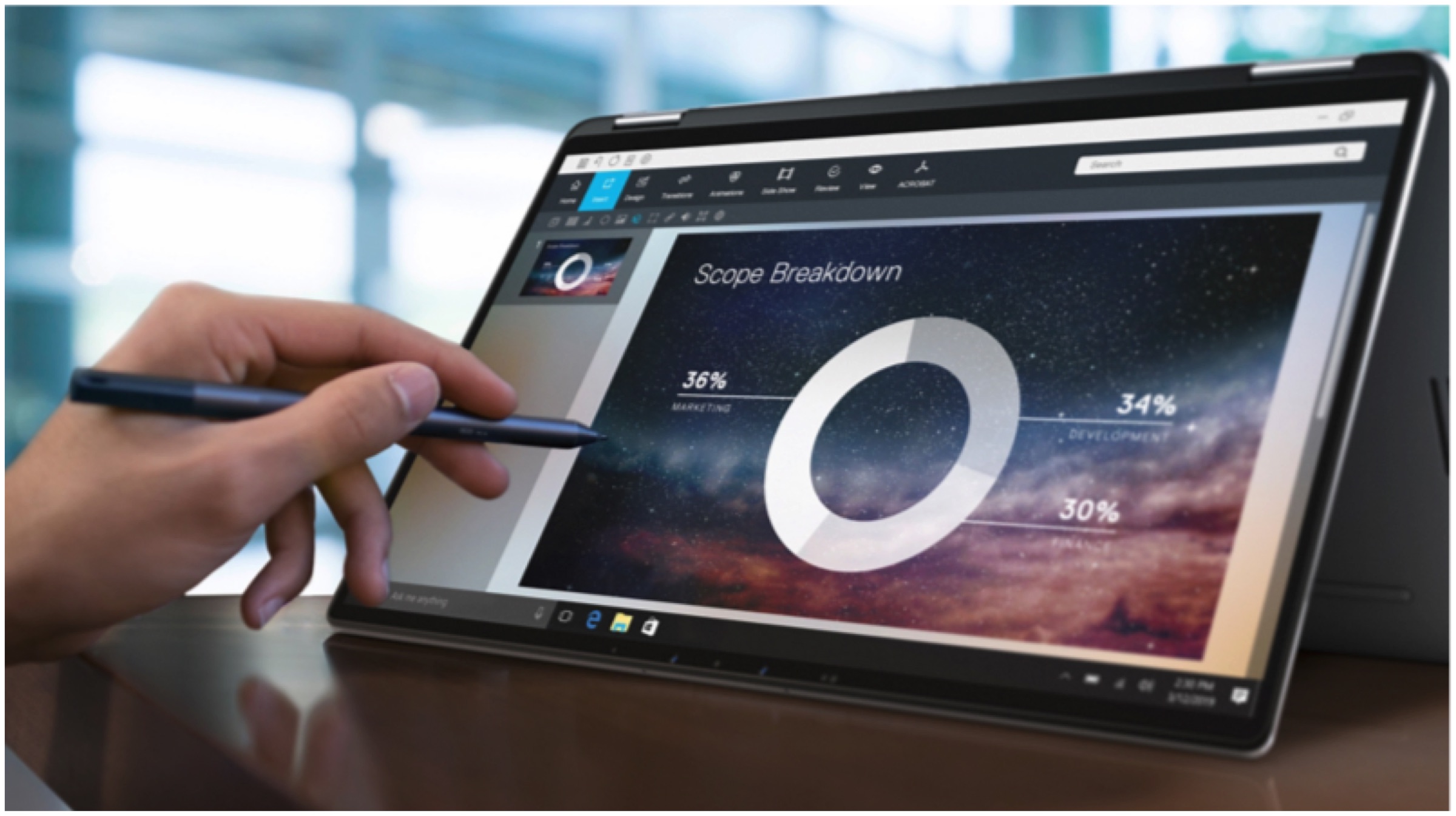
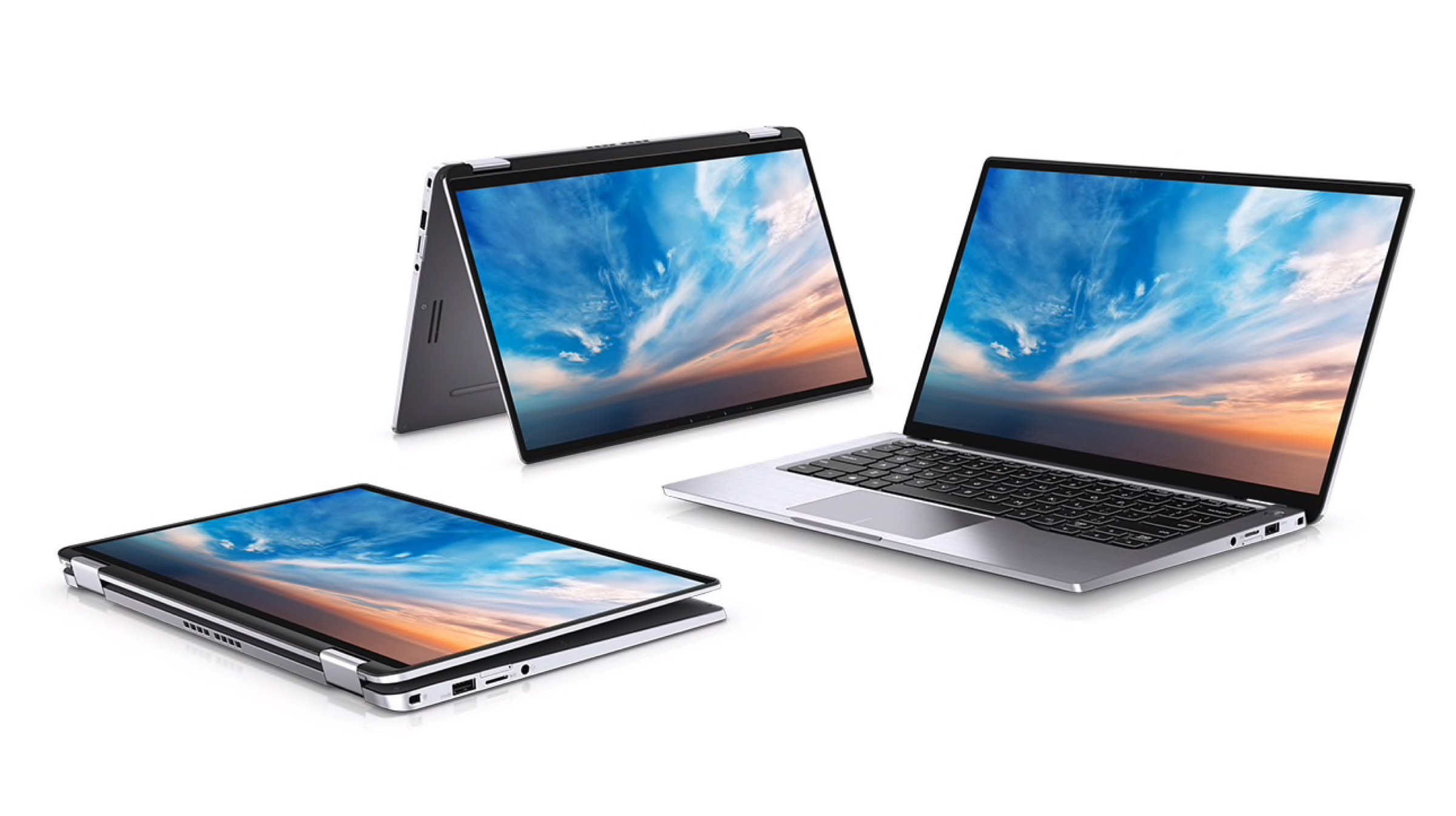
    The new ExpressSign-in feature from Dell will now scan for the user’s face even when the system is in sleep mode to automatically sign in to the system. The feature is introduced in a recently unveiled business-oriented laptop, the Latitude 7400 2-in-1. Apart from the new login feature, the laptop features a slim form factor.
    Dell Latitude 7400

    Dell achieves the new login method with the help of Intel’s Context Sensing technology and Microsoft Windows ‘Hello’ recognition system. The Hello recognition system and other fingerprint-based sensors have aimed towards making life easier with previously attempted hands-free tests. Dell’s new method, however, takes this a step forward with the Latitude recognizing the user’s face and boots up with no user input via keyboard or any other device.
    Dell ExpressSign-In Latitude 7400

    Dell’s trick to the new login method is to simply look at the screen while proximity sensors enable two LED lights to strobe from either side of the camera. After the screen turns on, the Windows Hello eye icon will try to recognize the user. The entire process of recognition by the system takes less than 5 seconds, as demonstrated by the company. 

    Specifications

    The Latitude 7400 2-in-1 from Dell is equipped with the i5 8th Generation Intel Core Processor with 8GB of RAM, which can be expanded up to 16GB. The laptop has various internal storage variants that start from 128GB PCIe/NVMe to 512GB. The battery pack also gets two variants: a 4-cell 52WHr and a 6-cell 78WHr. The laptop houses two USB 3.1, two Thunderbolt, HDMI, SIM, and a microSD card reader ports. 
    Dell

    Also ReadMicrosoft Renames The Windows 10 Xbox App To Xbox Console Companion

    The aforementioned configuration is packed in 12.59 x 7.87 x 0.34-inch compact form factor, with an all-aluminium build. The laptop also has a backlit keyboard. Dell Latitude 7400 is currently available for purchase starting from $1,599 (approx. Rs.1,11,000) and going upto $2000 (approx. Rs.1,38,000) for the specced-up variants.
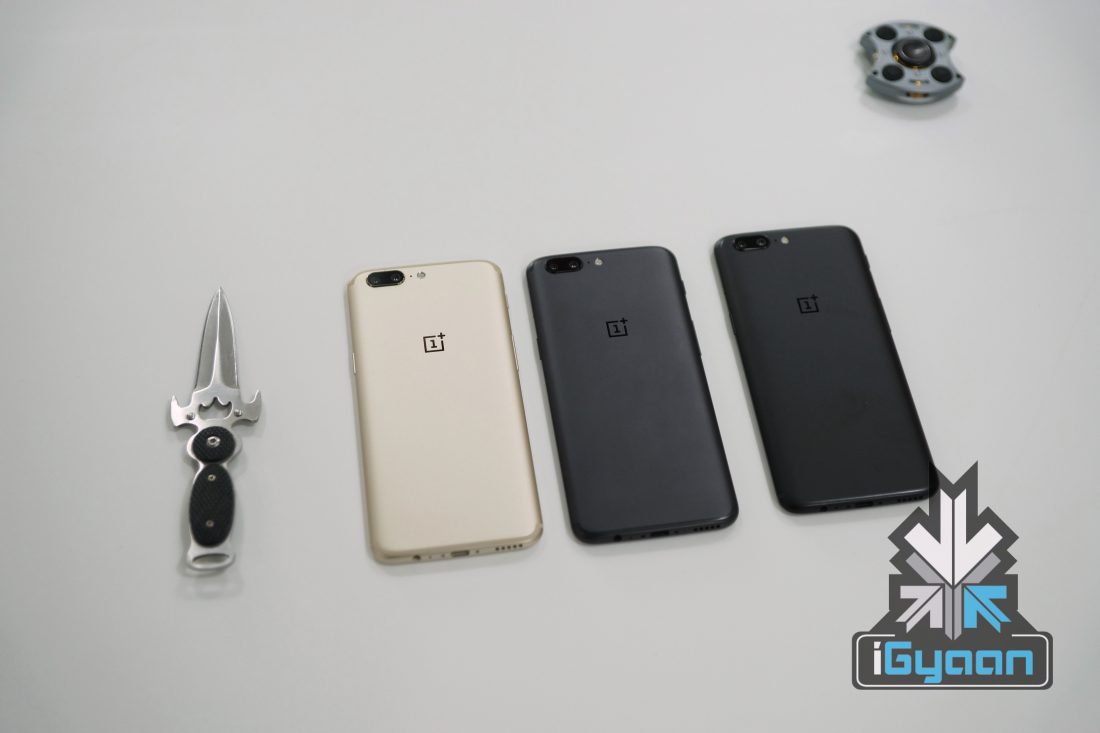
  • OnePlus 5 Is Getting The OnePlus 5T Feature Everybody Is Raving About

    OnePlus 5 Is Getting The OnePlus 5T Feature Everybody Is Raving About

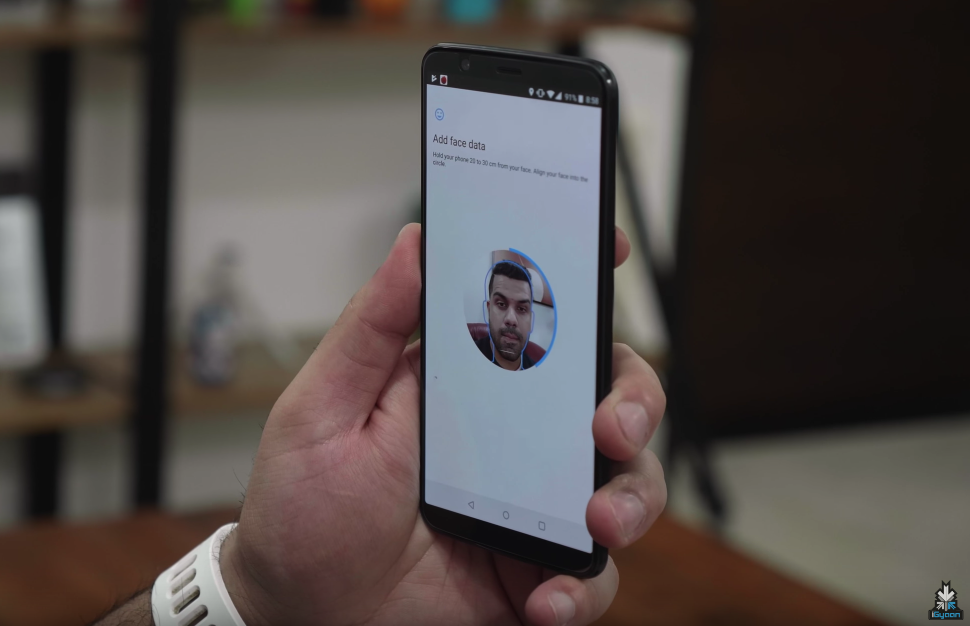
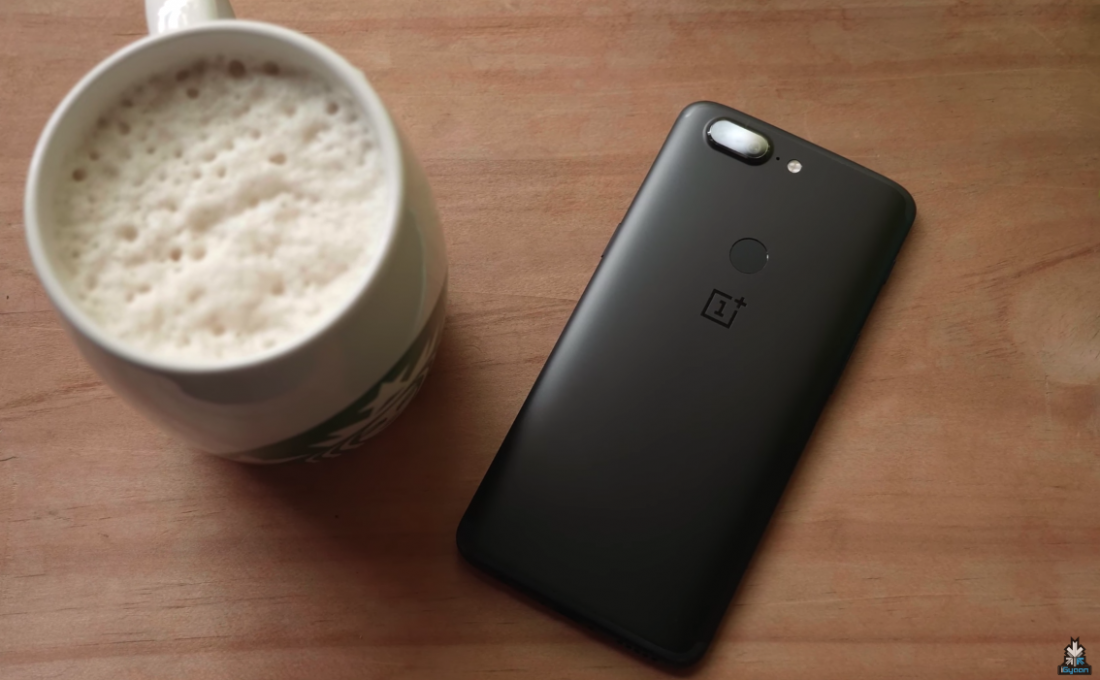
    The OnePlus 5T was launched back in November, just 5 months after its older flagship sibling the OnePlus 5 was launched. While many OnePlus 5 owners betrayed that the new device had come out just a few months later with a better design, in a nutshell, the OnePlus 5T was not that big an upgrade. The one thing that everybody has noticed about the OnePlus 5T is its Face Unlock technology. What was exclusive to the OnePlus 5T is now finally arriving in the OnePlus 5 as well.

    https://twitter.com/getpeid/status/944915403398098944

    [amazon_link asins=’B01FM8M0EI’ template=’ProductAd’ store=’igyaan-21′ marketplace=’IN’ link_id=’452ebc05-e952-11e7-ad0b-b3d612b3a656′]

    OnePlus co-founder Car Lei took to Twitter and announced that the Face Unlock feature will soon be coming to the OnePlus 5 as well. Unlike Face ID, OnePlus’ facial recognition doesn’t use any extra hardware and only makes use of the front-facing camera and software tweak. This is a welcome news for a lot of OnePlus owners especially those who felt dejected after the launch of the OnePlus 5T.

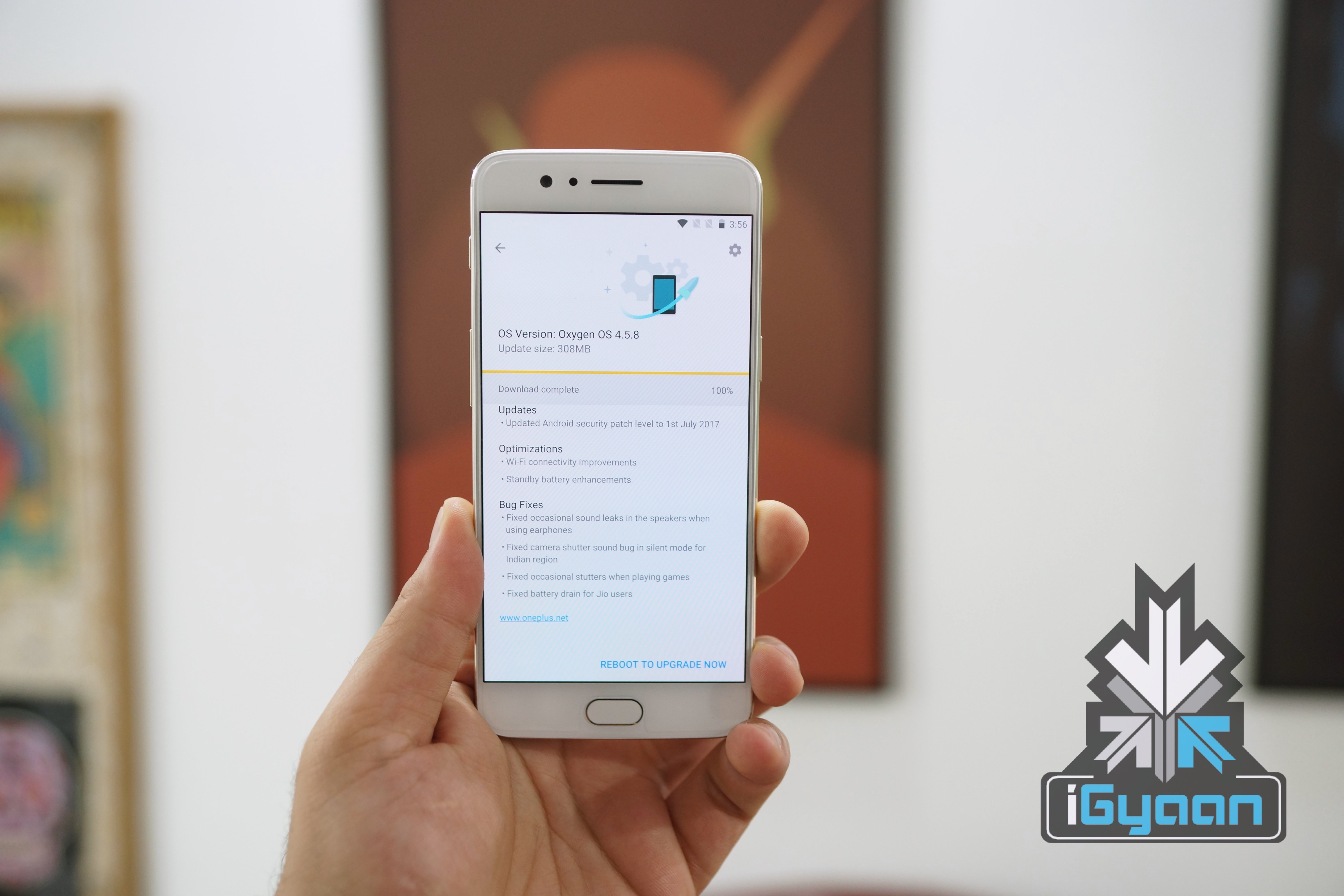
    The OnePlus 5 has also started receiving Android 8.0 Oreo update with OxygenOS 5.0 update. The company announced the new update on its forum page and detailed all the new features along with the new December security patch.

    In terms of specifications, the OnePlus 5 is almost identical to the OnePlus 5T in all aspects except the screen size and the primary camera setup. The OnePlus 5 has a 5.5-inch AMOLED display with a 1920 x 1080 px display while the OnePlus 5T has a 6-inch 2160 x 1080 px AMOLED display with thin bezels. The OnePlus 5 has a regular lens and a telephoto lens at the back while the OnePlus 5T has two lenses of the same size and the same f/1.7 aperture.
    [amazon_link asins=’B0756ZFXVB’ template=’ProductAd’ store=’igyaan-21′ marketplace=’IN’ link_id=’3862d33b-e952-11e7-a8fa-ed2fde25d236′]

    OnePlus recently announced that it will soon stop manufacturing the OnePlus 5 but, will support the device for the coming year and that it will also receive the Android P update.

  • OnePlus Could Be Sued For Face Unlock Patent Infringement

    OnePlus Could Be Sued For Face Unlock Patent Infringement

    OnePlus might be in some legal trouble if some reports are to be believed. The company is facing a possible patent infringement lawsuit that revolves around the Face Unlock facial recognition system on the OnePlus 5T. While the Face Unlock technology on the OnePlus 5T has received rave reviews from fans and critics alike, one company is definitely not a fan.

    SensibleVision is a company that works on facial recognition and biometric systems. George Brostoff, CEO and co-founder of SensibleVision claims that at least one of his company’s patents was infringed on by OnePlus’ Face Unlock system. One of the patents that he believed was used without permission, allows a phone’s screen to be used as an illuminator. Based on a video released by Forbes that shows Face Unlock in action, Brostoff claims that OnePlus is “likely infringing at the very least on our illumination patent.”

    In a statement, Brostoff said:

    This is nothing new. We have been doing this for years. It even appears that they may be using several patented technologies. We have not licensed our patents to OnePlus or their supplier. From the video on Forbes, they are likely infringing at the very least on our illumination patent.

    This is the definition of the patent in question right now:

    A camera is used for providing images to the facial recognition software where the display operates in a first mode for displaying images to a user and in a second mode for illuminating the user’s face for detection by the camera.

    It is also worth noting that patents are only valid in jurisdictions where they were granted. So, unless SensibleVision filed a patent application or was granted a patent for the illumination technology in China, there is no infringement, since the company is based in the US.

    It doesn’t appear that SensibleVision has yet taken a legal step towards addressing the issue. Stay tuned for more updates regarding this possible legal battle.

  • Facebook Is Working On Its Own Facial Recognition System

    Facebook Is Working On Its Own Facial Recognition System

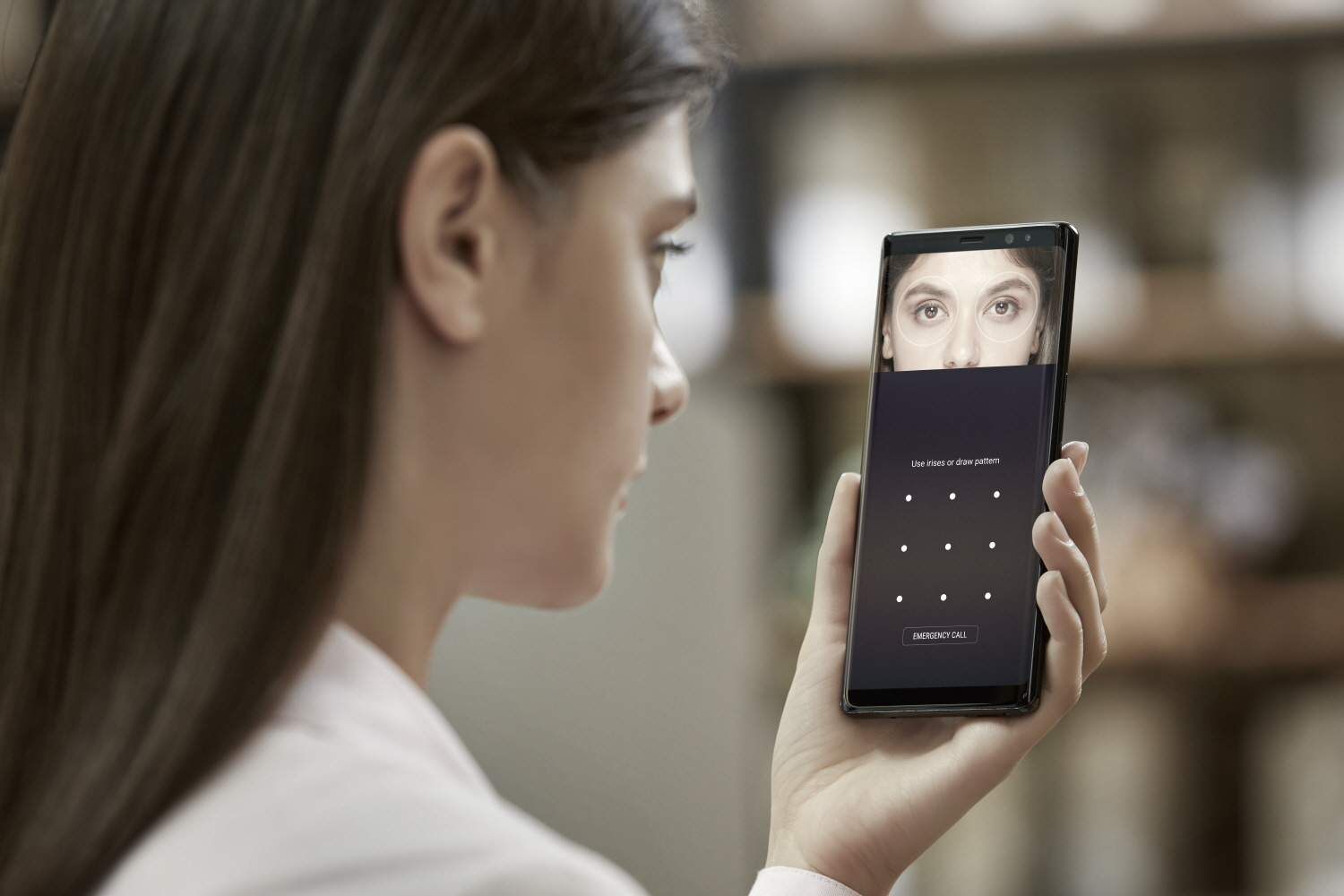
    Facebook is working on it’s own facial recognition system. According to a screenshot shared by a social media researcher, this feature is in its testing phase right now. Facial recognition system is really picking up its pace in the tch industry after a series of iris scanners found in likes of Galaxy phones and most recently, Apple adopting facial recognition to replace fingerprint sensors in its upcoming iPhone X.

    If you get locked out of your Facebook account, the feature will help you regain access by using your face to verify your identity. That could be especially useful if you’re somewhere that you can’t receive two-factor authentication SMS due to network issues, like if you’re on a hike or while traveling abroad, or if you lose access to your email account. TechCrunch reached out to Facebook and received a response:

    We are testing a new feature for people who want to quickly and easily verify account ownership during the account recovery process. This optional feature is available only on devices you’ve already used to log in. It is another step, alongside two-factor authentication via SMS, that were taking to make sure account owners can confirm their identity.

    In its testing phase, Facebook is testing how robust the feature is and the failure rates. If the new feature proves to be reliable helpful isn’t fooled by hackers or images of the owner, Facebook could potentially roll it out to more people. This feature will add another dimension to Facebook’s account recovery process. Already, if you get locked out of your Facebook account, you can either use the two-factor authentication SMS or email, or you can designate several “trusted friends” who receive a code that you can ask them for to unlock your account. In some cases it asks you to identify photos of your friends to prove you’re actually you.

    Any form of biometrics used by a social networking site can cause in people’s minds but, if it is used to privately get your account back then the new facial recognition might be welcomed by the Facebook community.

  • Polygram : A New Social Network Powered By Facial Recognition

    Polygram : A New Social Network Powered By Facial Recognition

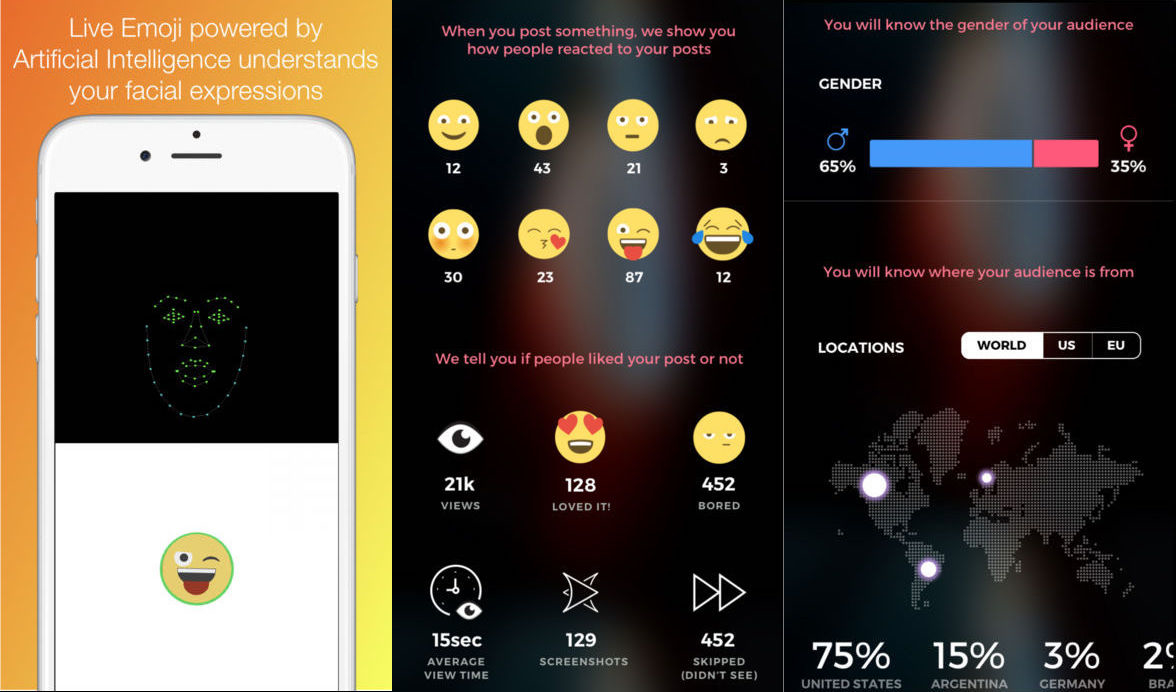
    While the internet is flooded with social networks like Facebook, Snapchat, Twitter, Polygram, a new photo-sharing social network comes packed with some unique and innovative features. The photo sharing social network tracks your facial expression to choose an emoji which corresponds to your reaction. So instead of looking at user picked reaction to a particular post, Polygram lets you view the actual emotional reactions people have to the photos you post.

    But that is not all, along with face-controlled emojis, the app offers geographical and demographic analytics which let you determine the location and the gender of your viewers. Few other features include filters designed by plastic surgeons to make you look more attractive, for private images, the app provides a “wipe-to-reveal” function which covers the image with fog-like covering. In order to see the image, the viewers will have to wipe away the blur, but that blurriness rapidly reappears so the viewer is unable to see the whole picture. In case a viewer tries to screenshot or take a photo with a second camera, only the currently visible section will be recorded. You will also receive a notification along with a copy of the image they captured or took a screenshot of.

    Official Video

    Even with all these new features, Polygram might have a hard time breaking into the scene. Company’s co-founder Faryar Ghazanfari believes that the app can will gain popularity amongst the millennials as no other social media platform offers facial detection and analytics.

    Ghazanfari says that “Influencers and content creators are the oxygen in this ecosystem,” and “We have white glove service for influencers, with full-time employees that just create custom features for them.” So if the app can deliver enough usage and views, Ghazanfari thinks people might start purposefully sharing on Polygram too.

    Though the company managed to raise $2.1 million in seed funding, Polygram will still have to sign up substantial number of users and ensure that they invest time in this platform to compete with the likes of Instagram and Snapchat. The app is currently available on iOS only.

  • Facial Recognition: The New ‘National Security Weapon’ of Other Countries

    Facial Recognition: The New ‘National Security Weapon’ of Other Countries

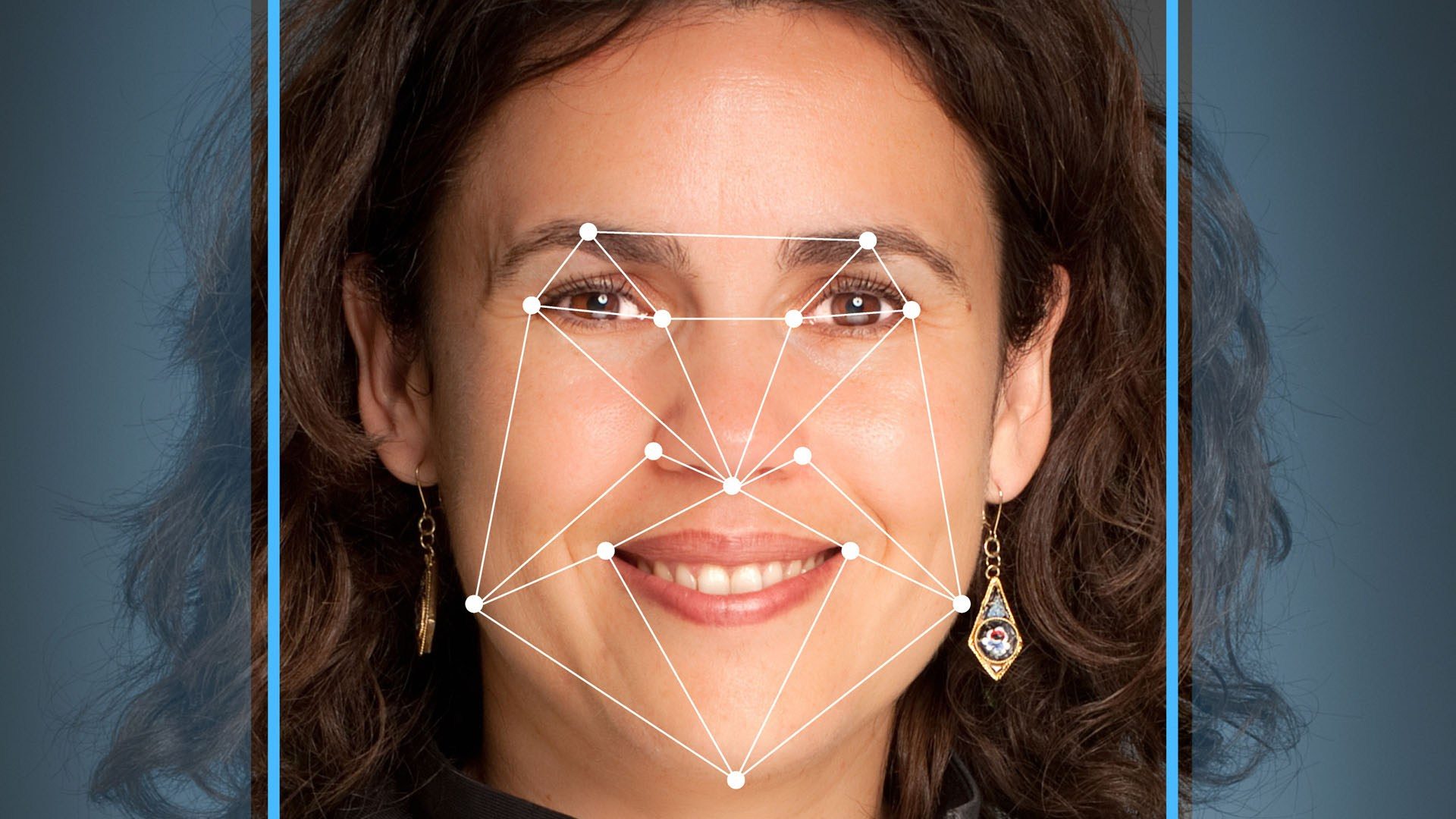
    Government agencies in Australia now have facial recognition technology at their disposal to look up people of interest. They would have a database of individuals taken from photographs on visas, passports and driving licenses.

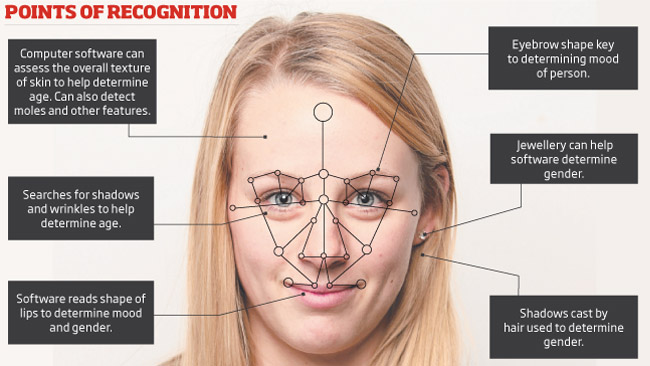
    This technology allows identification of individuals using a digital image of sorts of their face. It uses unique features of the face in the image — shape of the eyes, nose or jaw etc. — to compare the digital image with the one stored in the database.

    976542-facial-recognition

    A sum of $18.5 million to be spent on establishing the National Facial Biometric Matching Capability (NFBMC) was announced by the Australian Minister for Justice, Michael Keenan on Wednesday. He referred to the development as the country’s “newest national security weapon.” Agencies and police would be able to “share and match” photographs of Australians held in existing databases next year onwards.

    Speculations regarding similar technology are rife in India, but the country is yet to see any concrete developments in the field. One of the biggest hindrances India would face while establishing such a database would be its humongous population. Meanwhile, Australia’s public announcement has sparked off numerous debates about the nature of this technology -a tool to control crime and maintain security, or another example of the State’s growing control and influence over people?

    Do you think its time India got its own ‘National Security Weapon’ of this sort? Let us know in the comments below.

    Image Source: [tw-button size=”medium” background=”#07ABE2″ color=”” target=”_blank” link=”http://www.couriermail.com.au/news/super-spy-camera-surveillance-network-to-fight-crime/story-e6frep2f-1226081971440″]Courier Mail[/tw-button]

iGyaan Network
Privacy Overview

This website uses cookies so that we can provide you with the best user experience possible. Cookie information is stored in your browser and performs functions such as recognising you when you return to our website and helping our team to understand which sections of the website you find most interesting and useful.