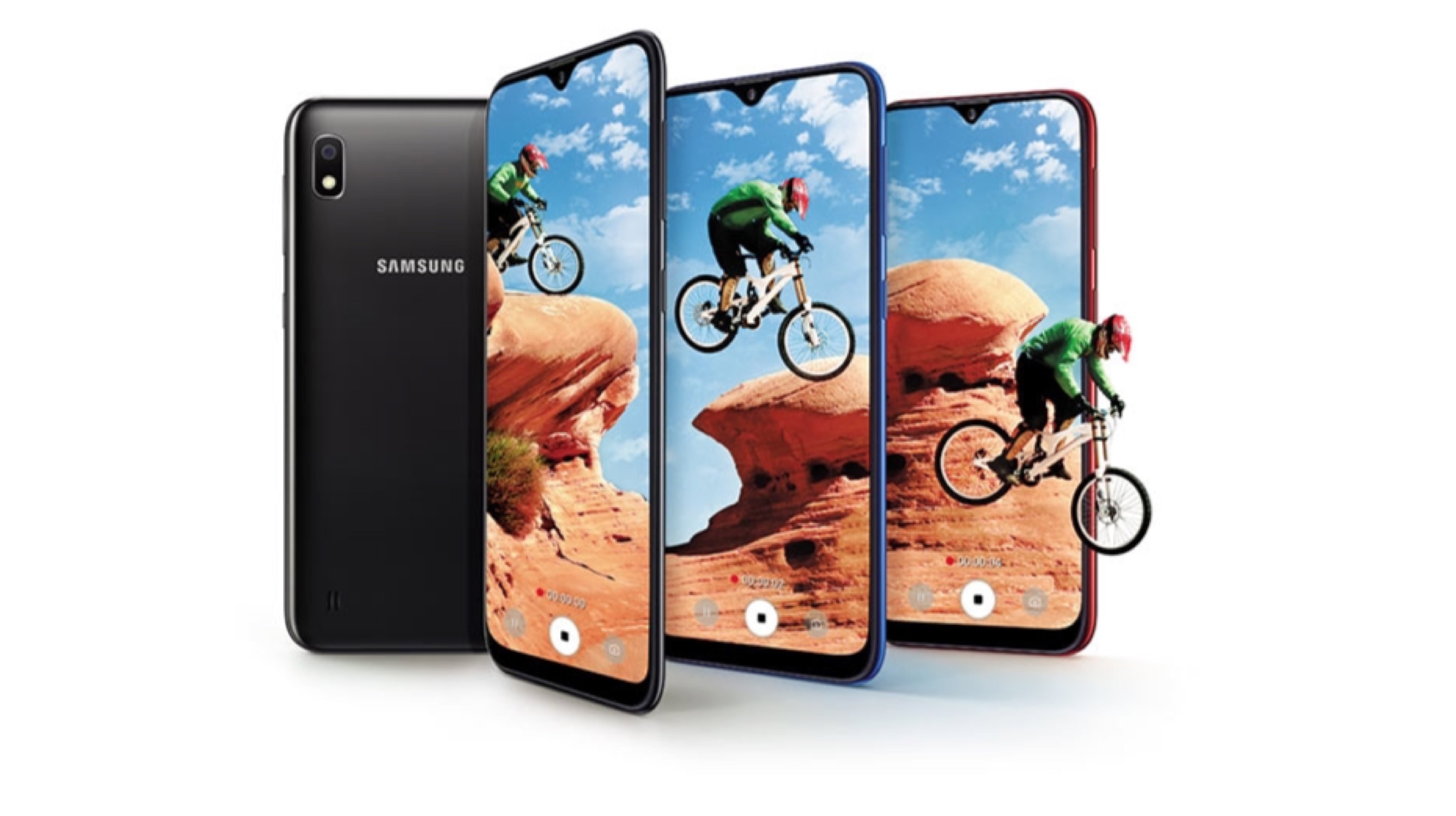
Samsung launched the Galaxy M30 in India on February 27, which is the third device in the M series lineup so far. Earlier this month, another Samsung smartphone, the Galaxy A10 was leaked online. Now, Samsung has officially launched the Galaxy A10 in India. The company is targeting low to mid-range segment smartphones with the A series, and the Galaxy A10 is the base model in this lineup.
Display And Design
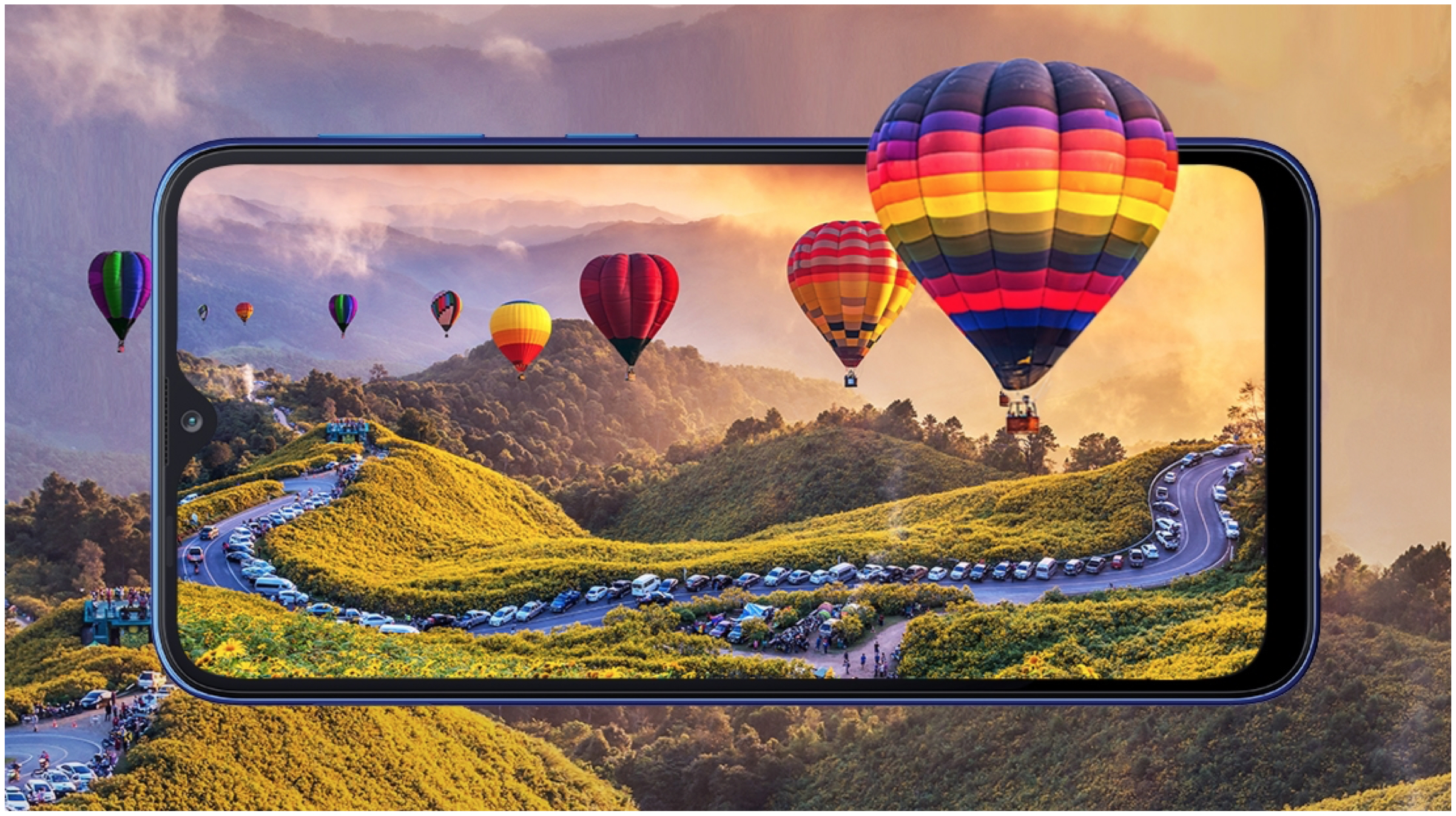
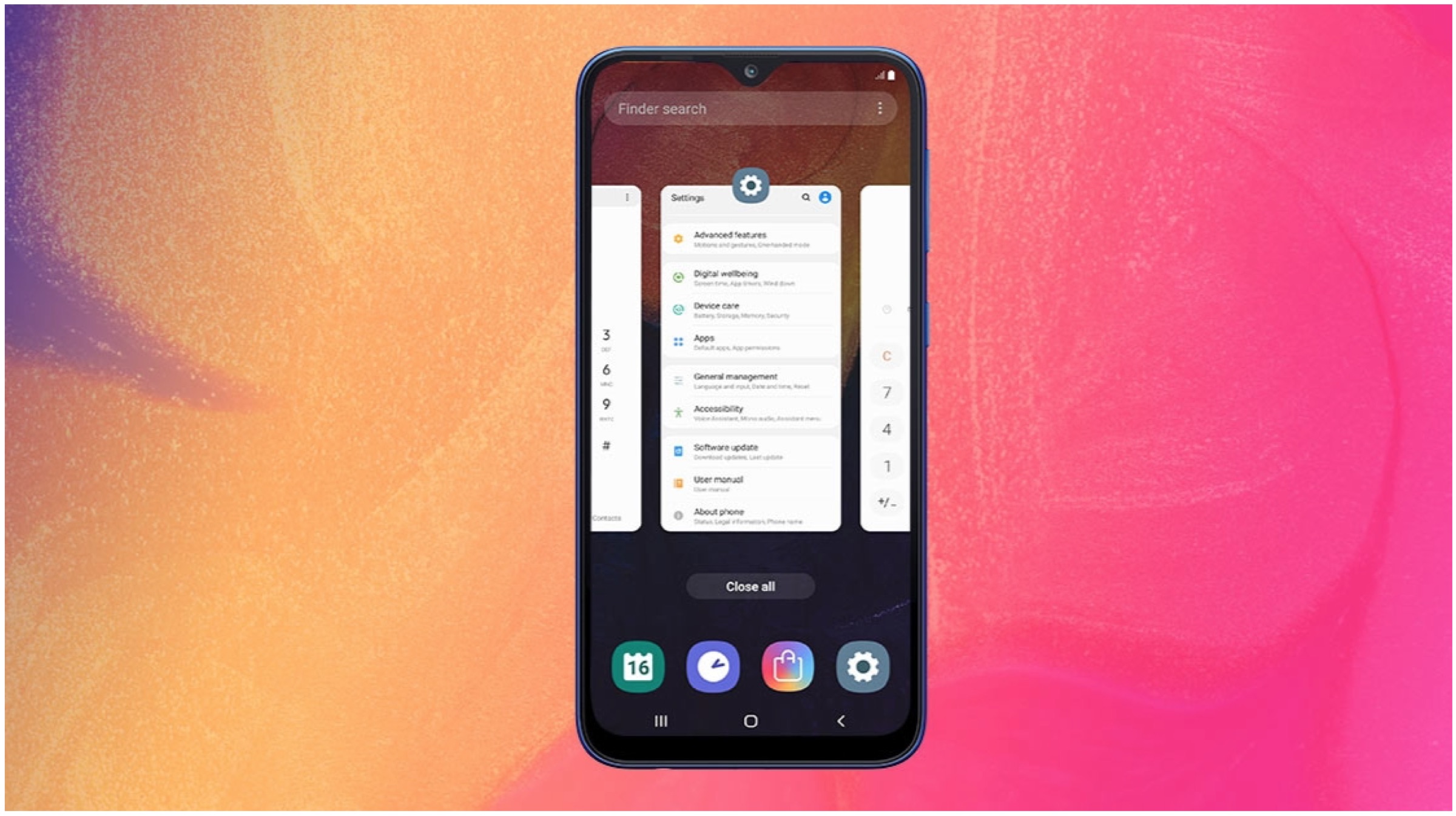
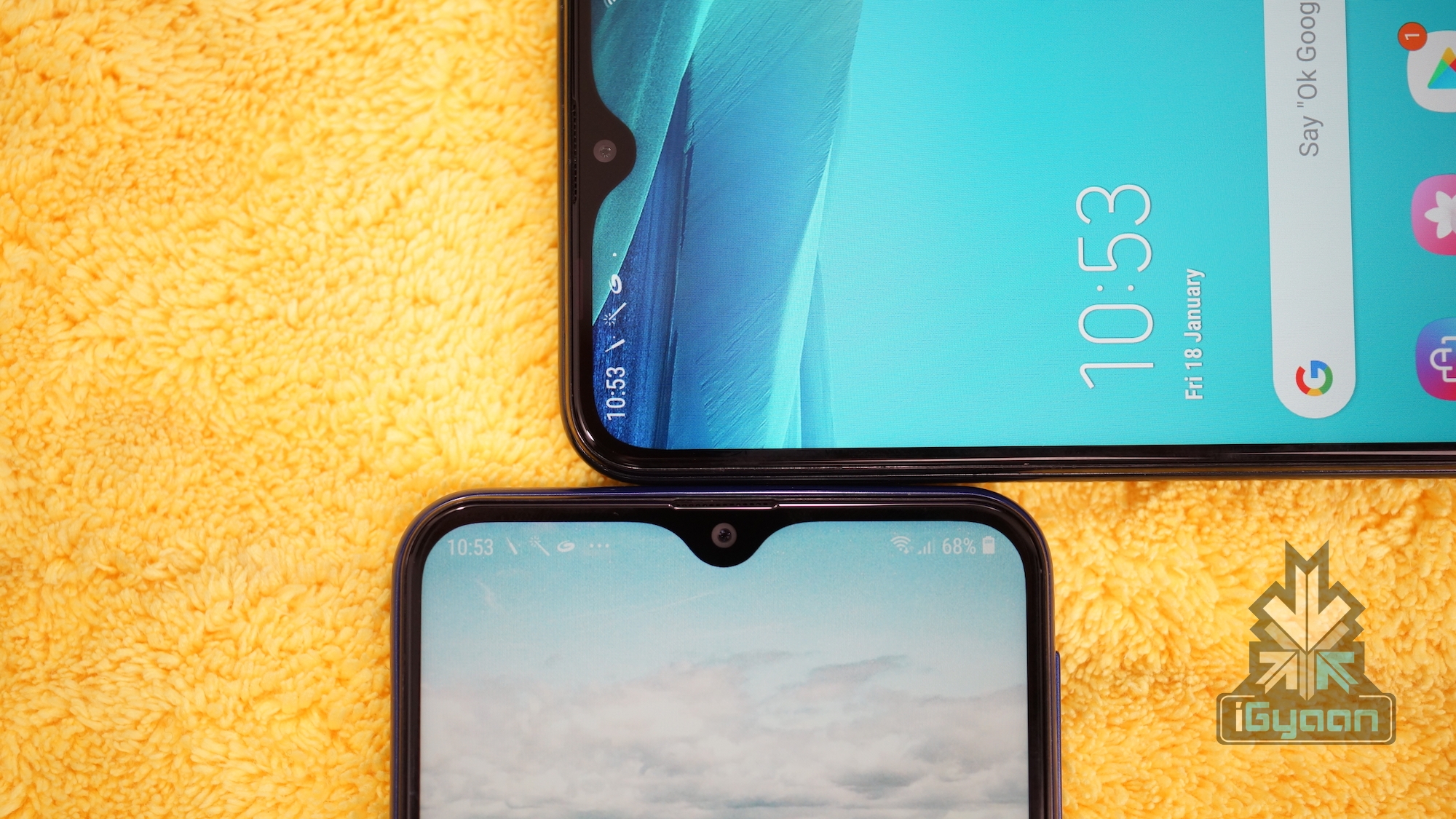
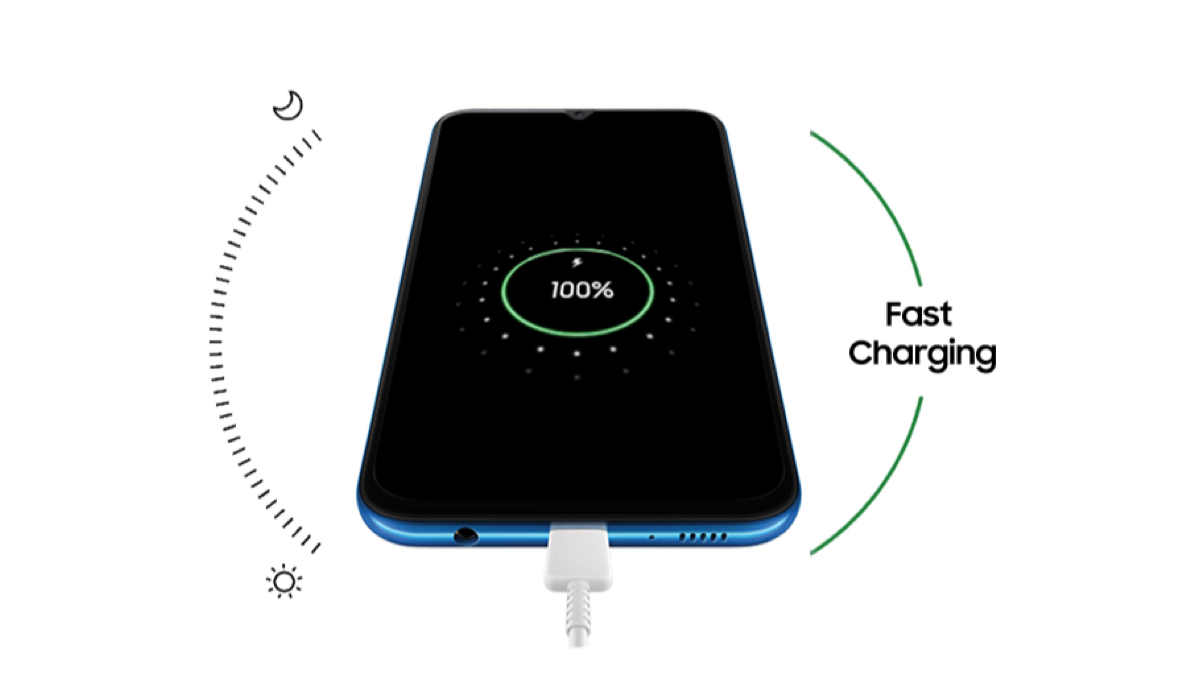
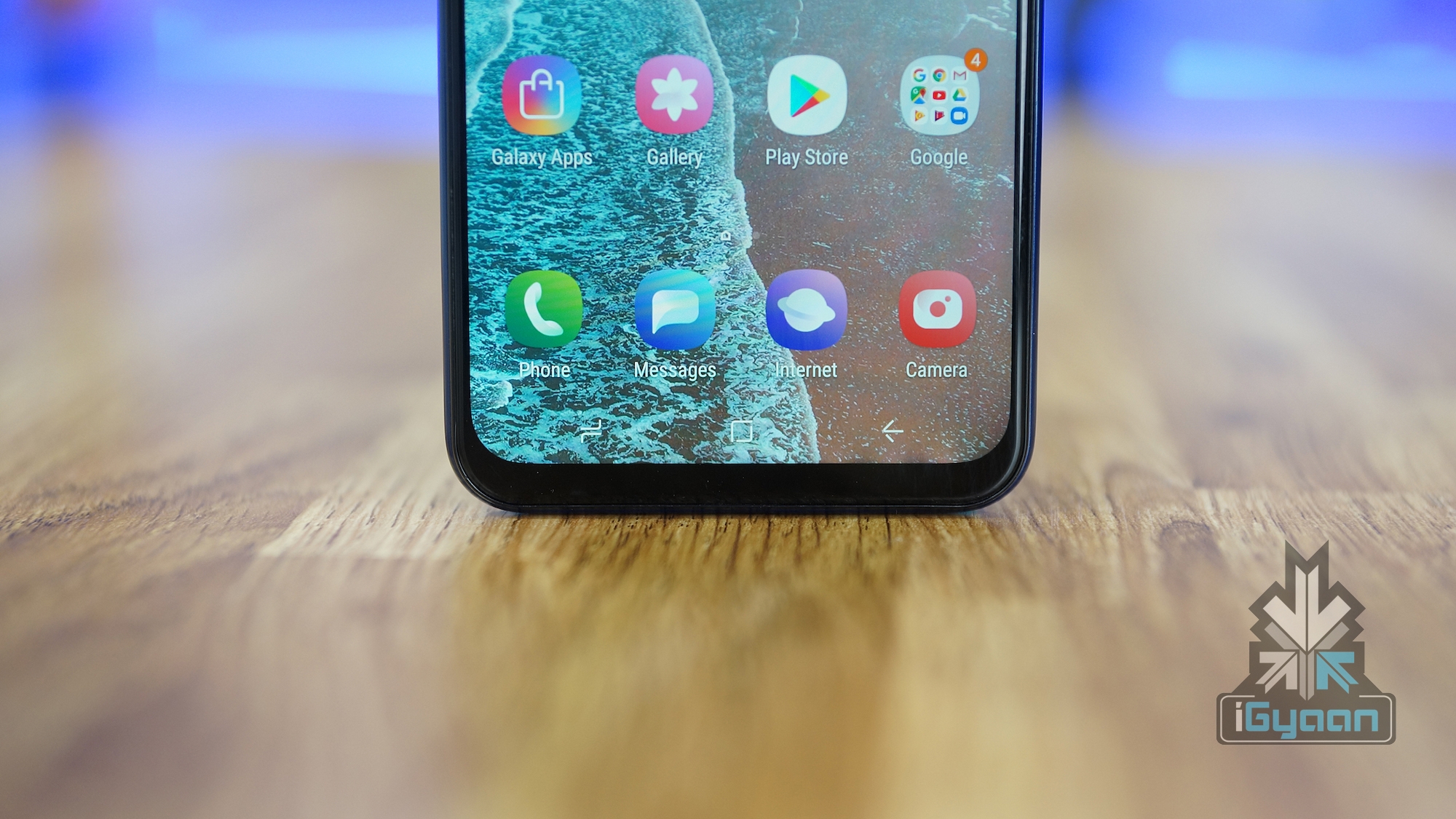
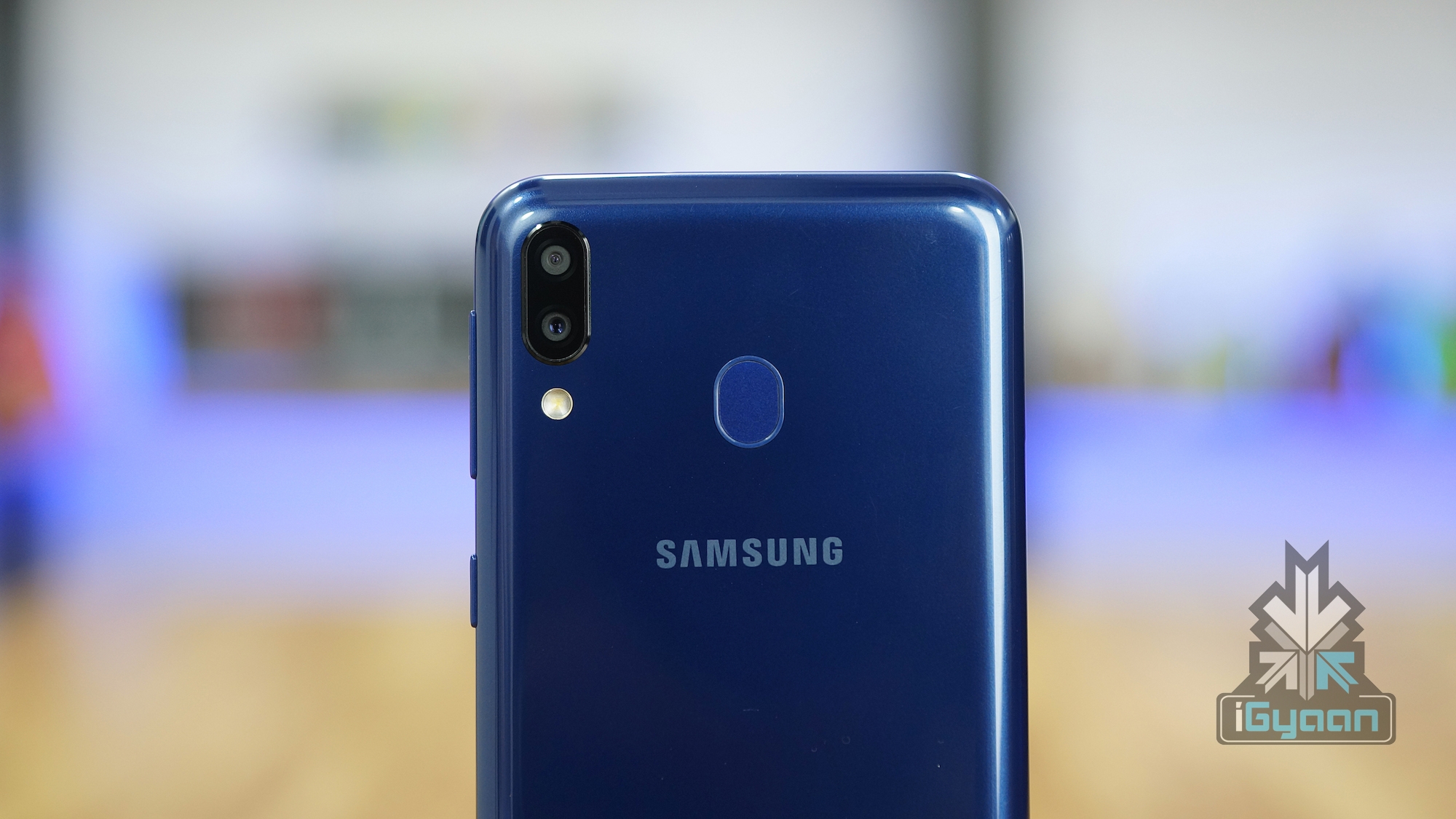
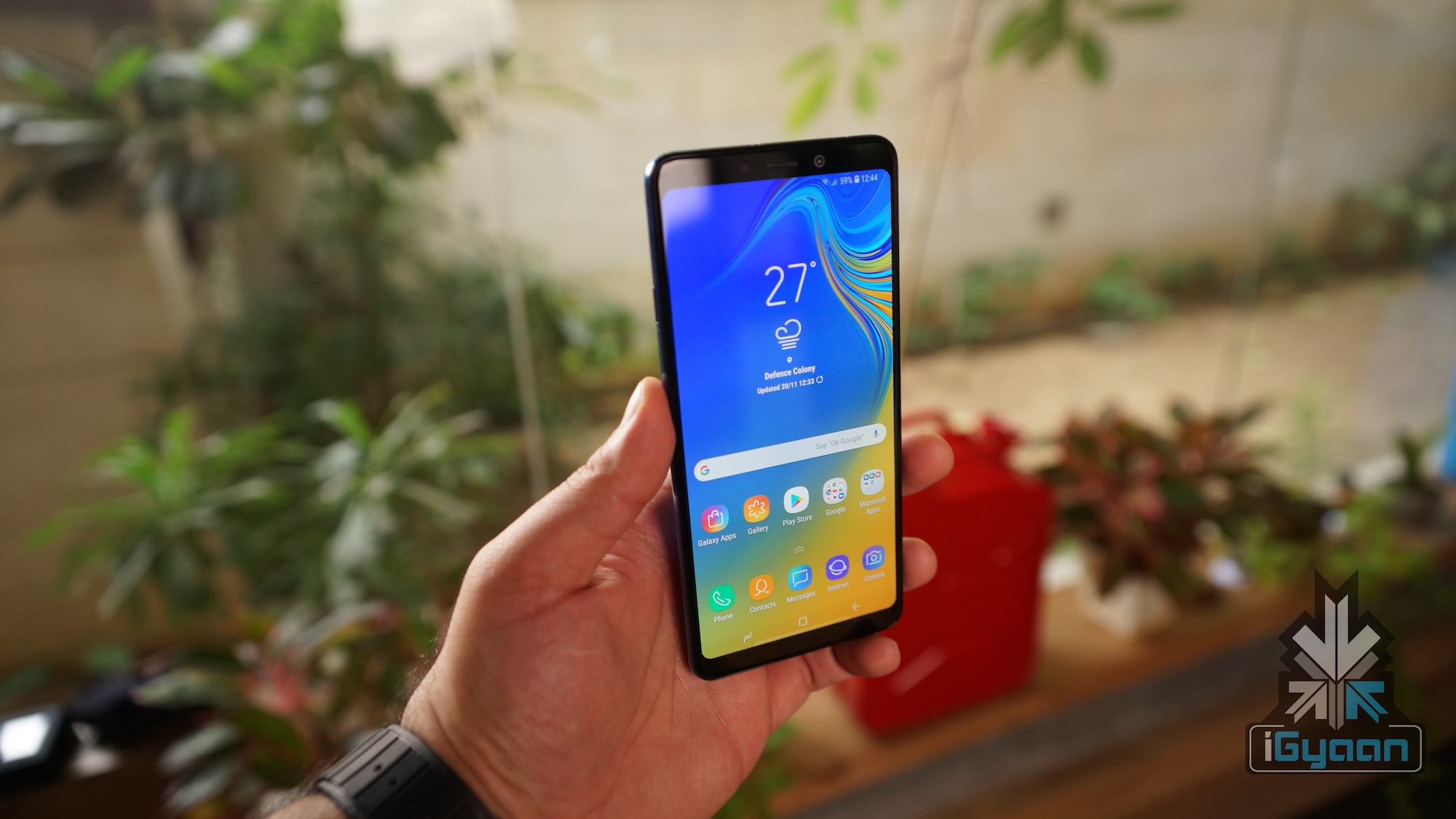
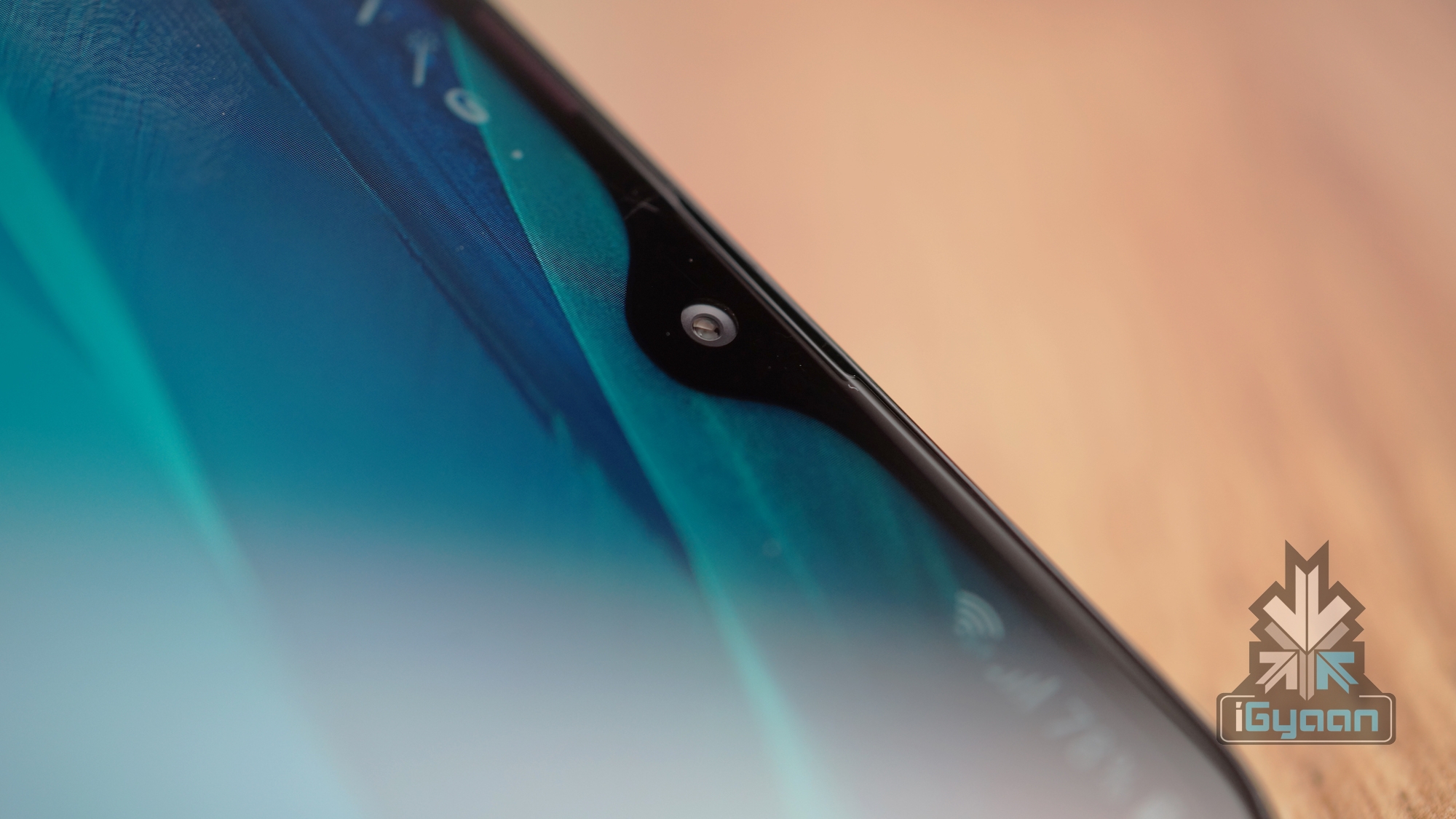
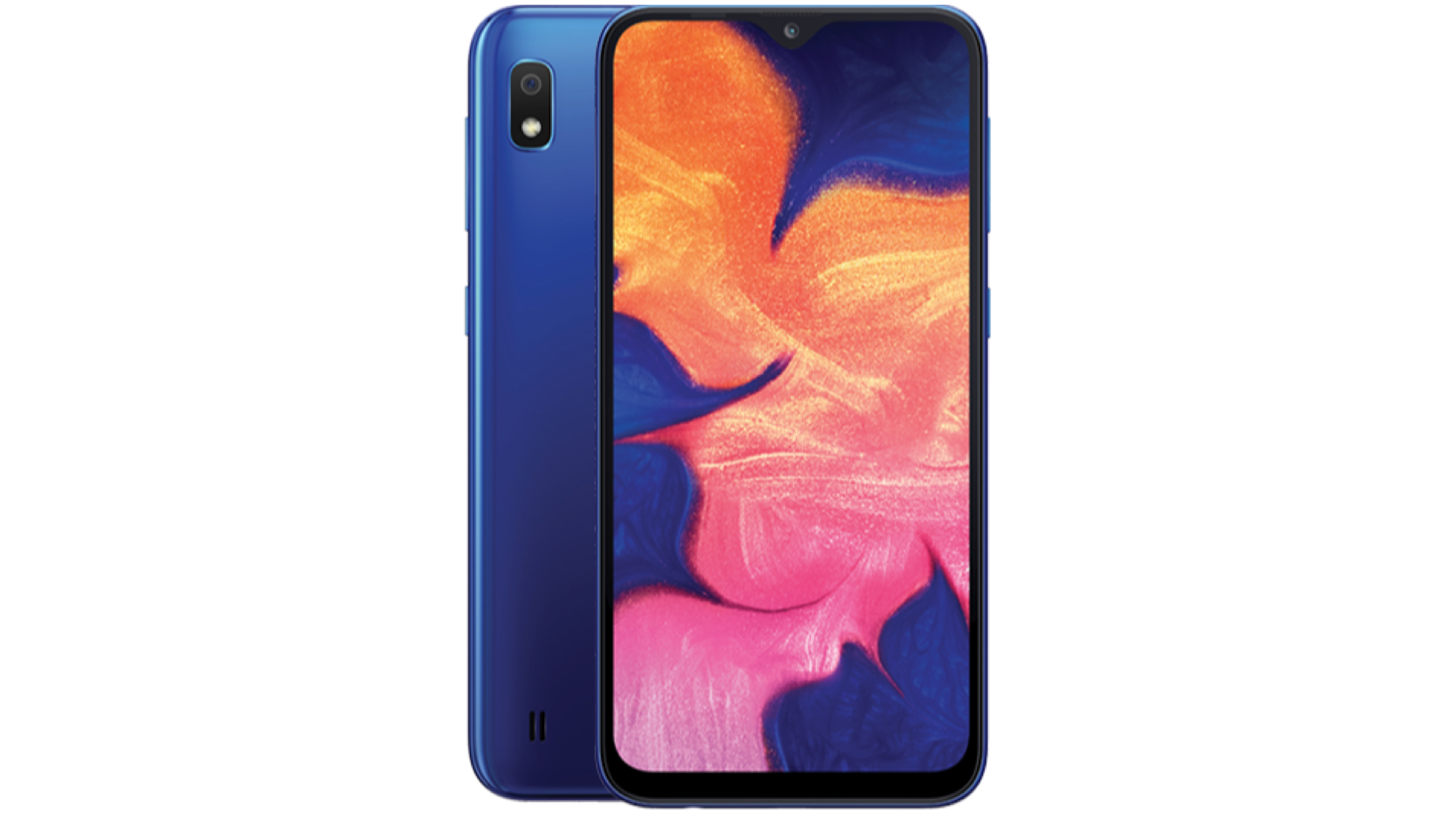 The Samsung Galaxy A10 features a 6.2 inch HD+ Infinity-V display. The smartphone measures at 155.6 x 75.6 x 7.94 mm. It sports a glossy plastic back panel, with a waterdrop notch on the front and a single camera module on the back. The speaker is present on the back near the bottom left corner of the panel. The right side of the smartphone houses the volume rockers and the power button, while the left side houses the SIM card tray. The bottom of the Galaxy A10 is occupied by a 3.5 mm headphone jack and micro USB 2.0 port which can be used for charging and data syncing.
Specifications And Camera
 The Galaxy A10 packs the Exynos 7884 chipset, which comprises of an octa-core CPU. The device is available with 2 GB RAM and 32 GB of internal storage, which is expandable up to 512 GB via the dedicated microSD card slot. The smartphone runs on Android 9 (Pie) out of the box, with Samsung’s One UI on top. It sports a single 13 MP (f/1.9) rear camera with an LED flash and a single 5 MP (f/2.0) front facing selfie camera. The Galaxy A10 is powered by a 3,400 mAh battery.
Price And Availability
Also Read: Redmi Note 7 Pro Launched In India
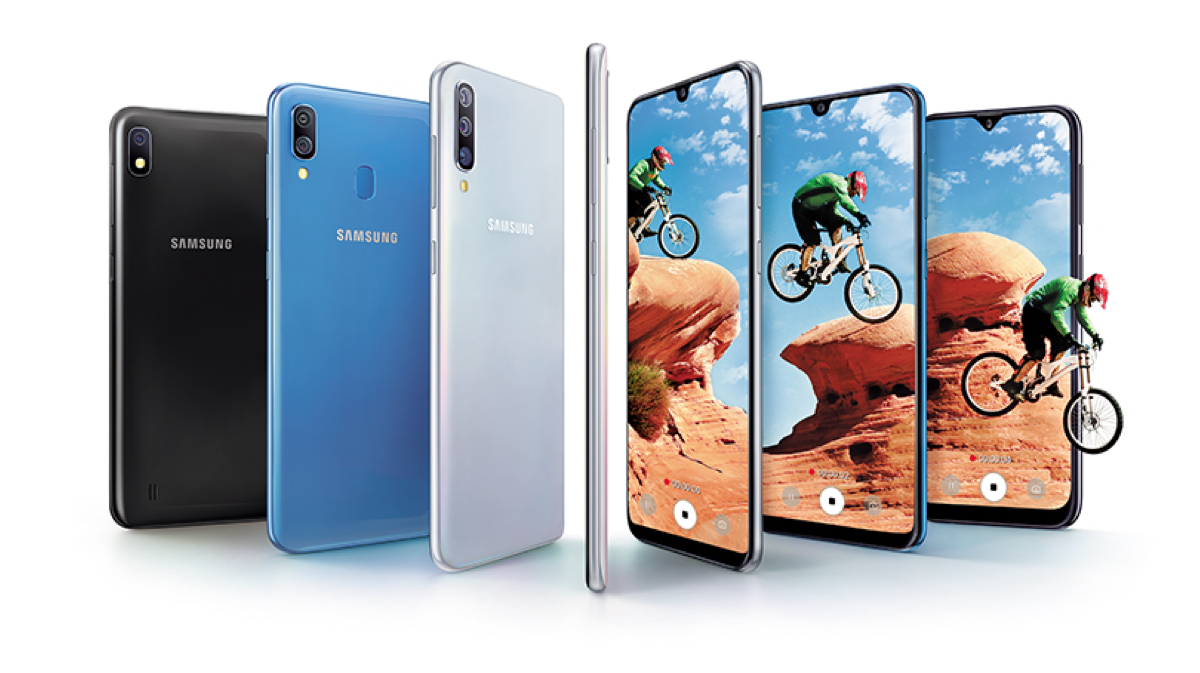
The Galaxy A10 has been priced at Rs. 8,490 for the 2GB+32GB variant. The smartphone will go live on sale from March 20, and will be available in the following colour options:
- Red
- Blue
- Black


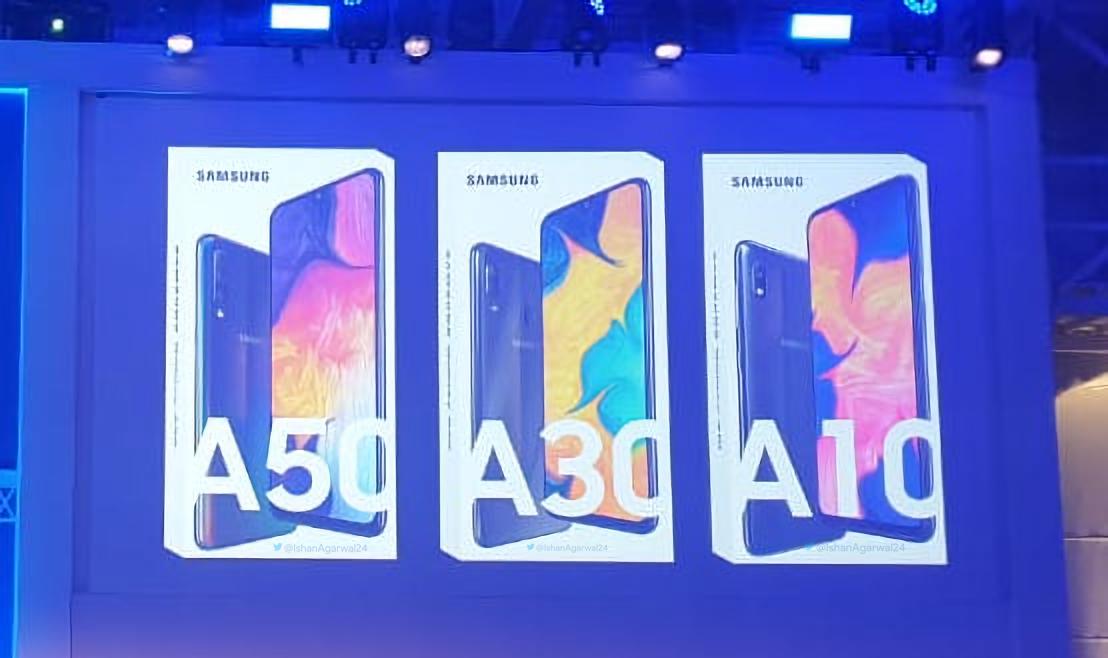
 The Samsung Galaxy A30 will have a glossy plastic body. The smartphone will feature a 6.4 inch Super AMOLED, Infinity-U display with a full HD+ resolution. Apart from that, the screen of the Galaxy A30 will also have the ‘Always-On’ feature. As the name suggests, this feature keeps the screen awake for displaying notifications like messages and missed call alerts. The smartphone will run on the 14nm Exynos 7904 chipset with a 1.8 GHz octa-core processor and the Mali-G71 MP2 GPU. The Galaxy A30 will be equipped with a 16 MP (f/1.9) primary sensor with a secondary 5 MP (f/2.2) ultra wide sensor. It will also have a front facing 16 MP (f/1.9) camera. Furthermore, the Galaxy A30 will have a plethora of other features such as AR Stickers, Background Blur and Pro Lighting.
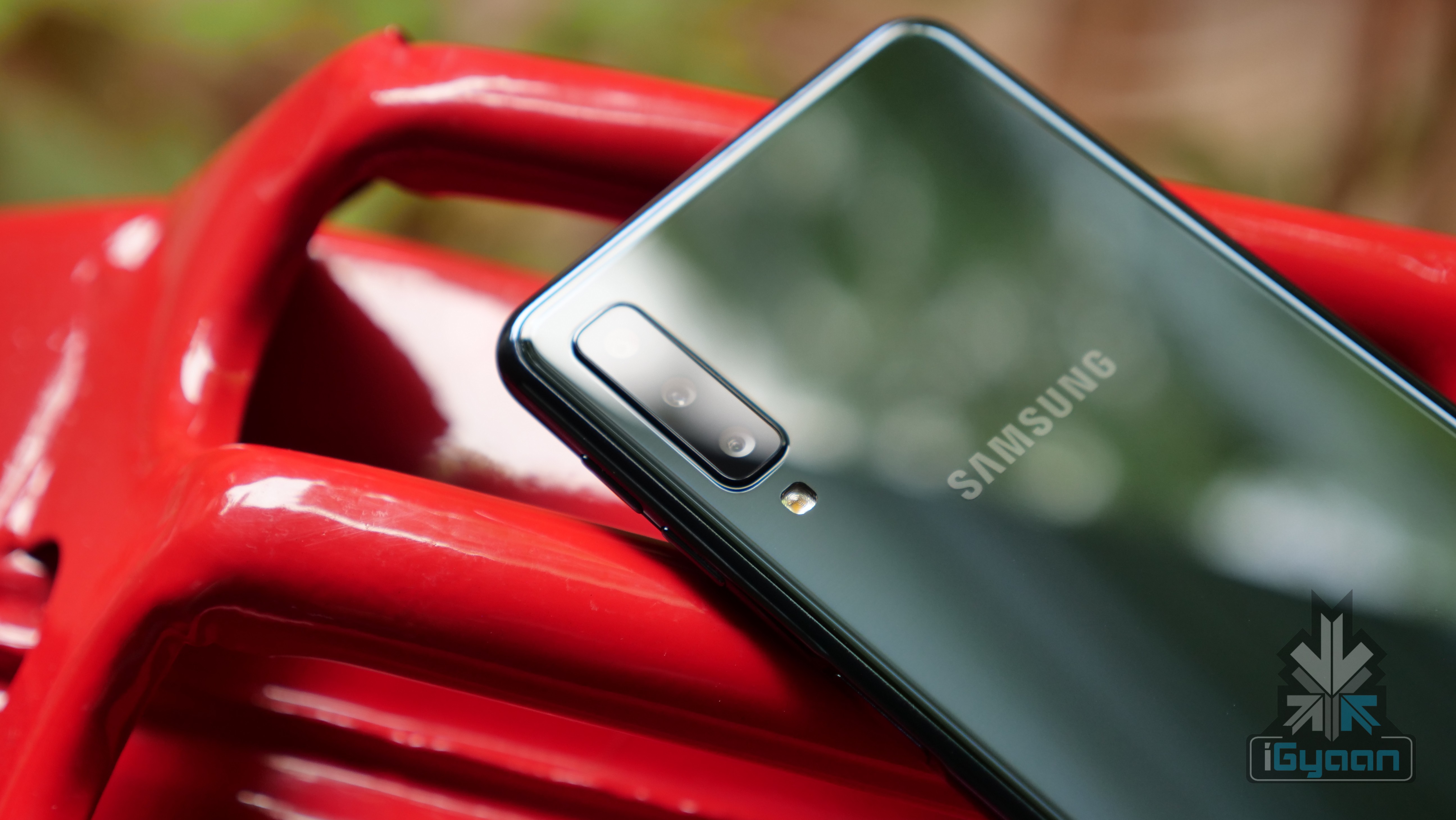 The Samsung Galaxy A50 will be the most feature laden smartphone out of the three upcoming devices. The smartphone’s highlighting feature is an in-display fingerprint scanner which is slowly becoming the industry standard for premium smartphones. The device will run on the Exynos 9610 chipset which consists of an octa-core CPU and the Mali-G72 MP3 GPU.
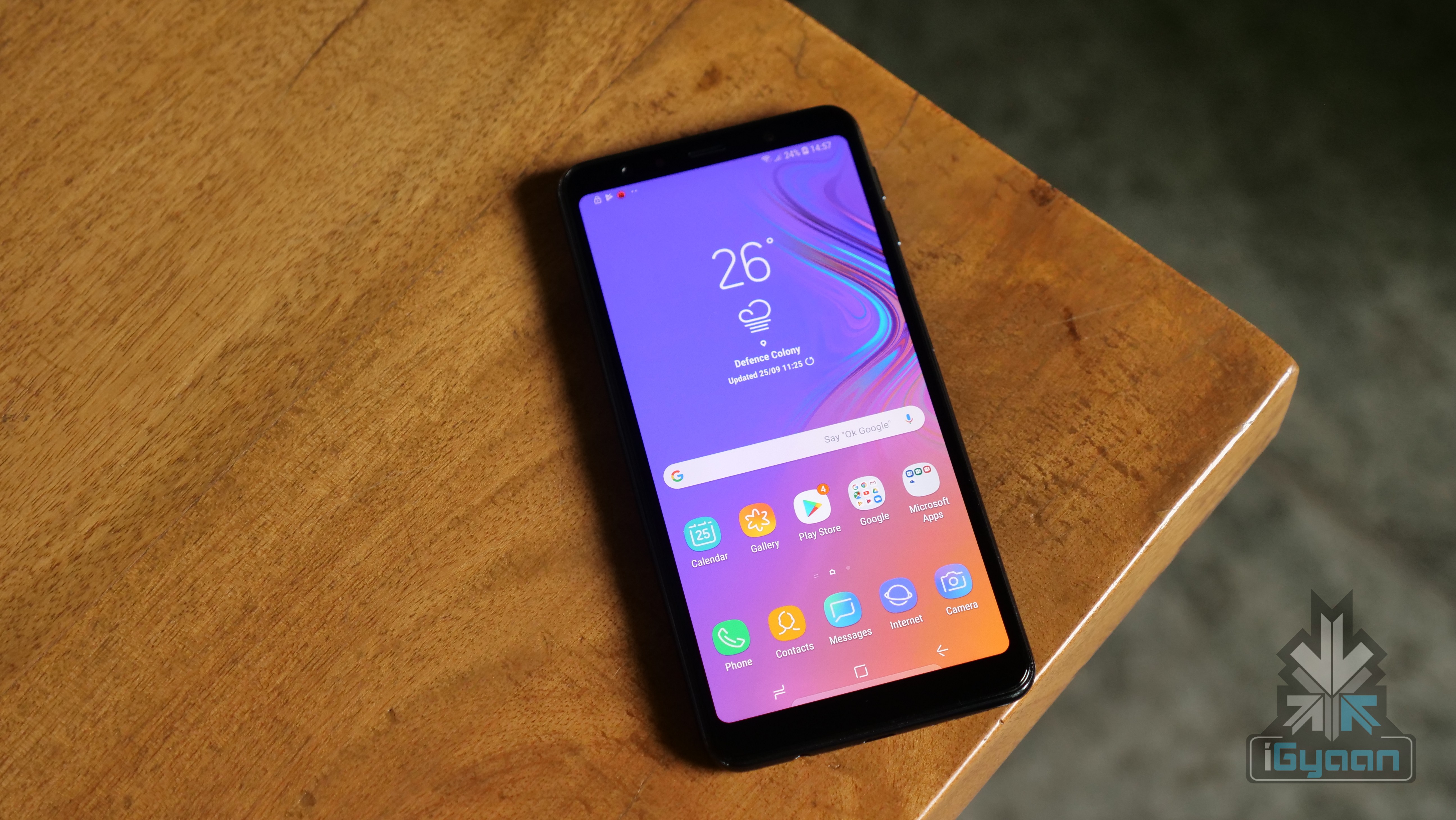 The Galaxy A10 will be available with a plastic body, and a 6.2-inch Infinity-V display with HD+ resolution. The device will have a 5 MP front facing camera, and a 13 MP primary camera. The phone will pack the Exynos 7884B chipset with an octa-core CPU clocked at 1.6GHz. The handset will have 3GB of RAM and 32 GB of internal storage.
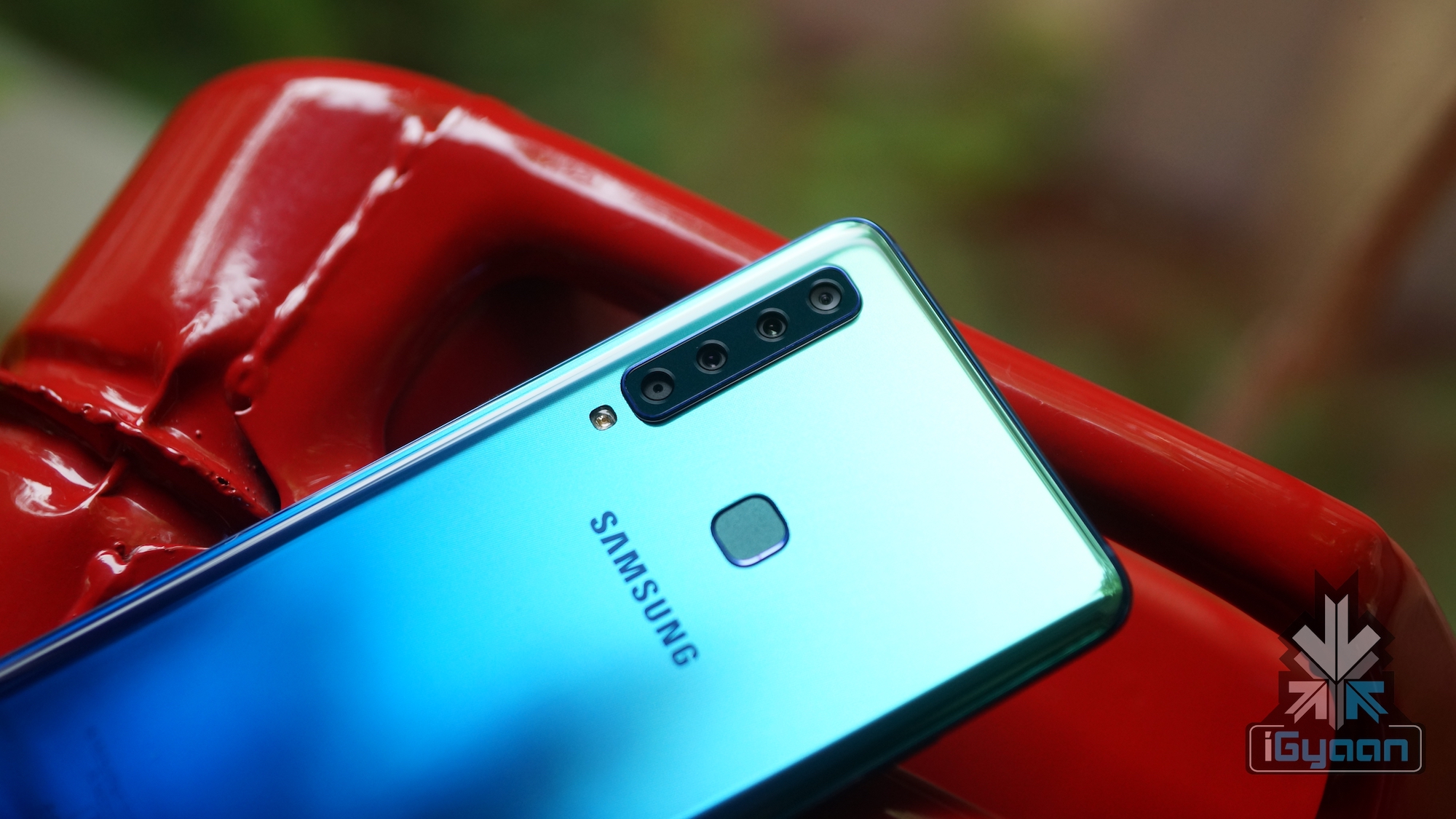 The Samsung Galaxy A50 is the top variant out of the three devices in the new A series. The highlighting feature of this smartphone will be its in-display fingerprint sensor, which is the norm for any high-end smartphone these days. It will have a triple camera setup on the back, and a 25 MP front facing selfie camera. The triple camera setup would consist of a 25MP main sensor with f/1.7 aperture, a 5MP depth sensor, and an 8MP fixed-focus ultra-wide camera with f/2.4 aperture.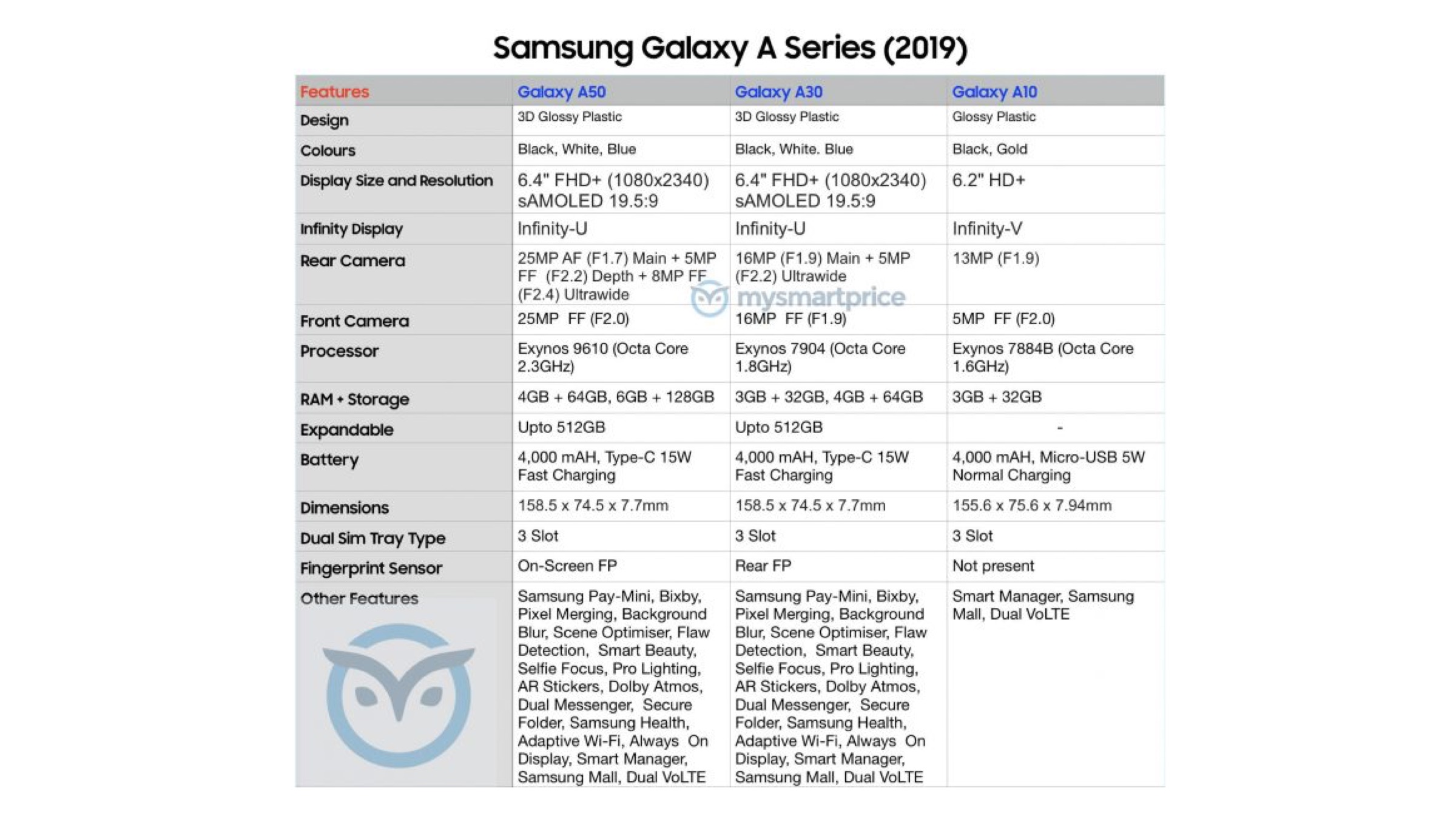
 According to a leak the
  As far as the reported specs go, the three phones popped up on Geekbench some time back, and that’s when it became clear The three smartphones will probably be powered by the Exynos 7885 octa-core processor. Furthermore, With successively 2GB, 3GB and 4GB of RAM, the devices will most likely be running Android 9 Pie. Also, that has to be based on Samsung’s very own UI.