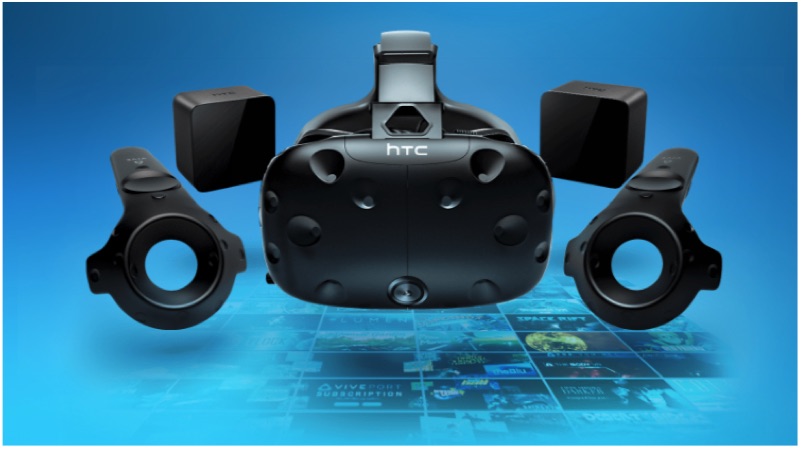
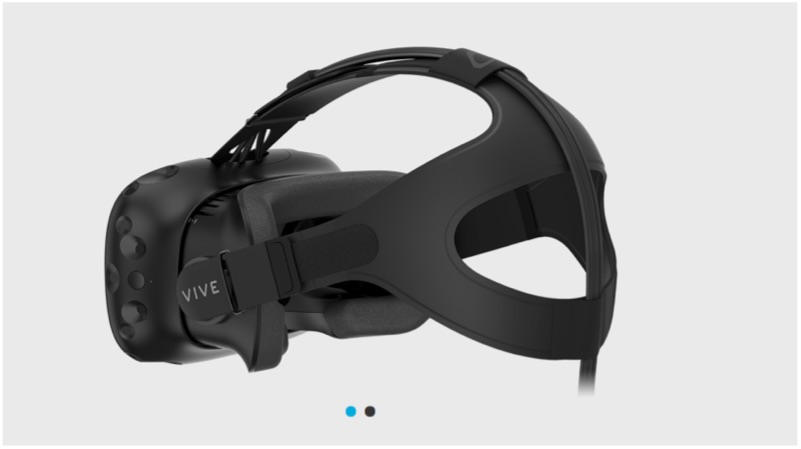
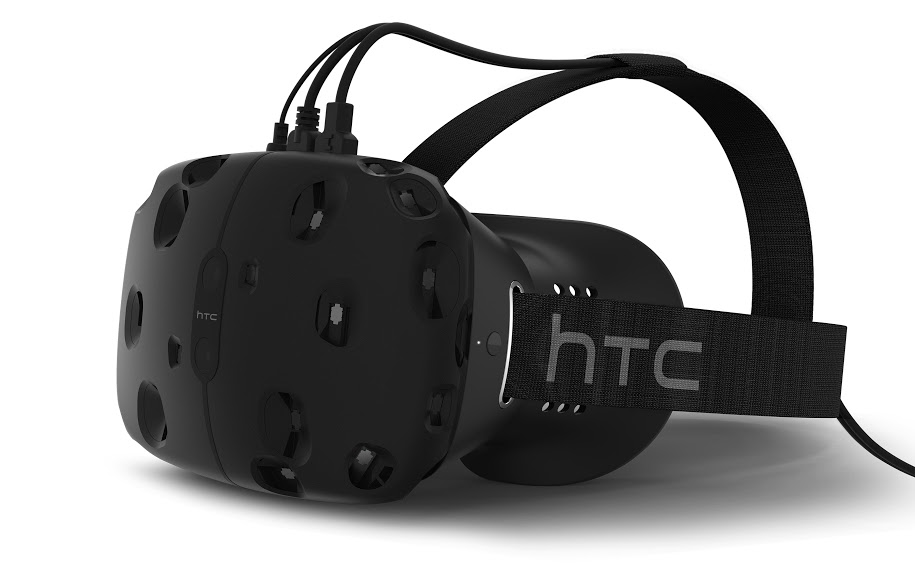
HTC has launched its business edition of the HTC Vive VR system in India, priced at Rs 1,26,990. The VR headset will be available on via Amazon and www.iamonline.co.in. The business model of the HTC VR headset comes with additional service adapters for the business and commercial users.
In fact, HTC and Oculus are the only companies that make business-class VR headphones. Presently, the Oculus Rift is available in India for Rs 41,282. However, it will not come with Business support and can only be for personal usage.
Faisal Siddiqui, President, South Asia at HTC said:
Built to scale with growing business requirements, Vive Business Edition delivers an exceptional experience and innovative solutions that address the growing business needs of companies globally. As a part of our focus in 2018, we plan to expedite the growth of our partners through application of Vive technology across areas like gaming, entertainment, automotive, engineering and medical, among others.
Features:
The business edition of the HTC Vive VR comes with commercial licensing and 12 months of limited warranty. With the first purchase, there will be an additional option to order the device in large quantity.
The final package also includes a standard headset, two controllers, two base stations, 3-in-1 cable, and a four face cushion.
Specifications:
The HTC Vive VR headset has a dual OLED display with 2160 x 1200p resolution, with 90 Hz refresh rate. The device is built on the platform called SteamVR and VivePort. The device offers up to 110-degree viewing angle with inbuilt speaker and mic.
The HTC Vive VR headset requires NVIDIA GTX 970 / AMD Radeon RX 480 equivalent or greater graphics card with Intel Core-i5 4590 equivalent or greater CPU with at least 4GB RAM. The PC should have Windows 7 or the newer version of the operating system with support for HDMI 1.3 video output. The headset also packs a special sensor called Lighthouse laser tracking system to offer seamless VR experience.
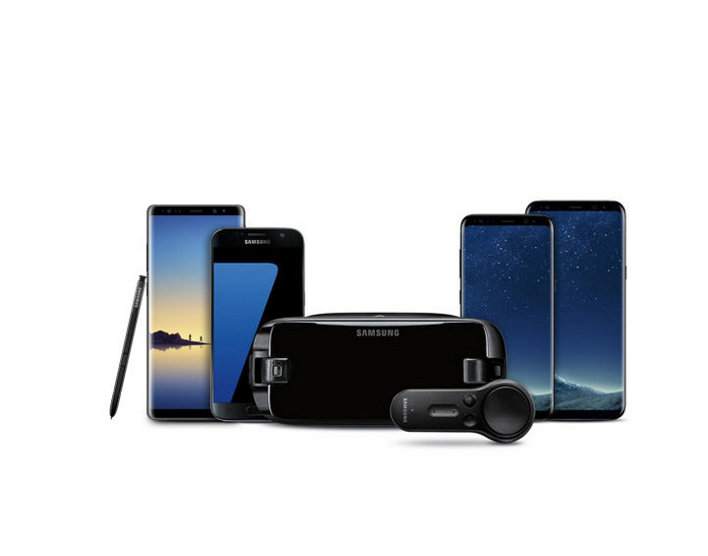
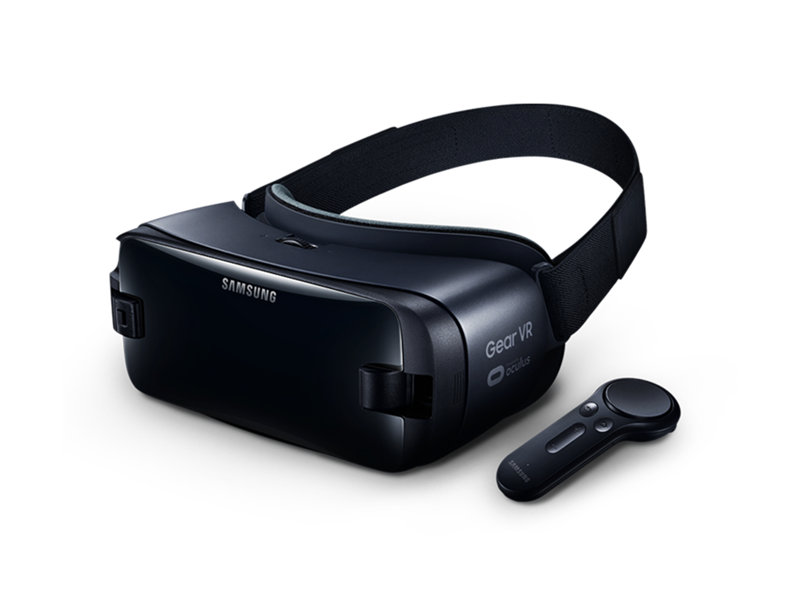
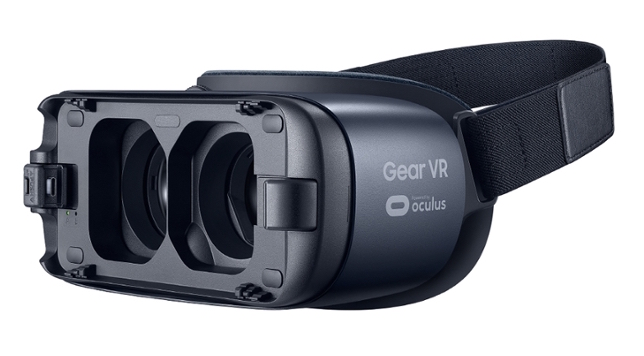
The Galaxy Note 8 wasn’t the only device announced at the launch yesterday. Samsung confirmed that the company is releasing another iteration of the Gear VR headset as the previous variant wasn’t big enough to fit the newly launched Note 8. The new Gear VR headset is designed to support the Galaxy Note 8’s 6.3-inch display and can be paired with Samsung’s new wireless controller. Apart from the size difference, no such significant difference could be spotted between the new and the previous Gear VR.
Both the devices are powered by Oculus and come with a physical controller which offers quicker selection and interaction, Samsung claims. The Gear VR headsets feature a wide interface and an ergonomic design for an interactive and immersive gaming session.
The Gear VR launched a few months back had a 101-degree field of view and the latest edition is no different. The previous iteration was compatible with the Galaxy Note5, S6, S6 Edge, S6 Edge+, S7 and S7 edge and the S8 phones. It appears to be that Samsung didn’t put in much thought whether the device would be capable of supporting the next Note or not. Hence, the new and bigger Gear VR headset.
The Gear VR (Galaxy Note8 Edition) will support Android Lollipop 5.0 or later devices. The headset weighs 345 grams and will be compatible with Galaxy S8+, S8, S7, S7 edge, S6, S6 edge, S6 edge+ and of course the Galaxy Note8. The Gear VR headset can be connected via Bluetooth, USB Type-C & micro USB and has an additional USB Port, Type-C for power connection, OTG USB Memory, 3rd-party controller.
Samsung promises that the new Gear VR will let you explore the multi-dimensional worlds in virtual reality, offer enhanced gaming experience with organic, intuitive responses, etc. Well, you won’t have to wait too long to find out as the Gear VR – Note8 Edition, which costs $129.99 (approximately Rs. 8,325) is already available on the company’s website for ordering.
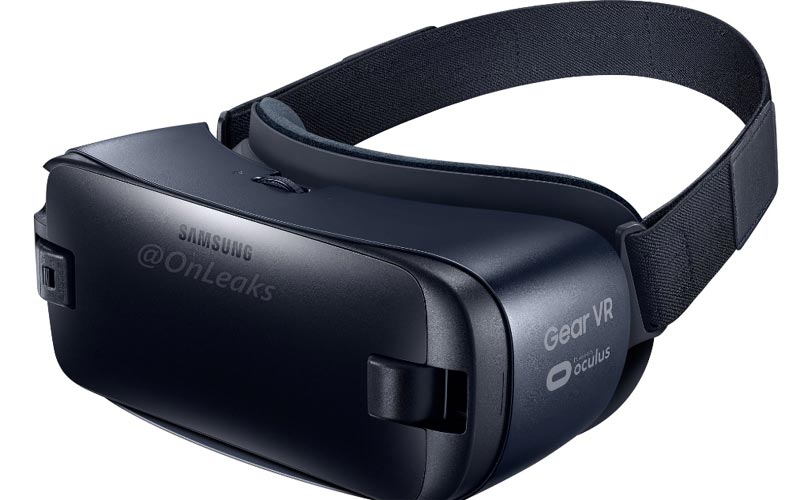
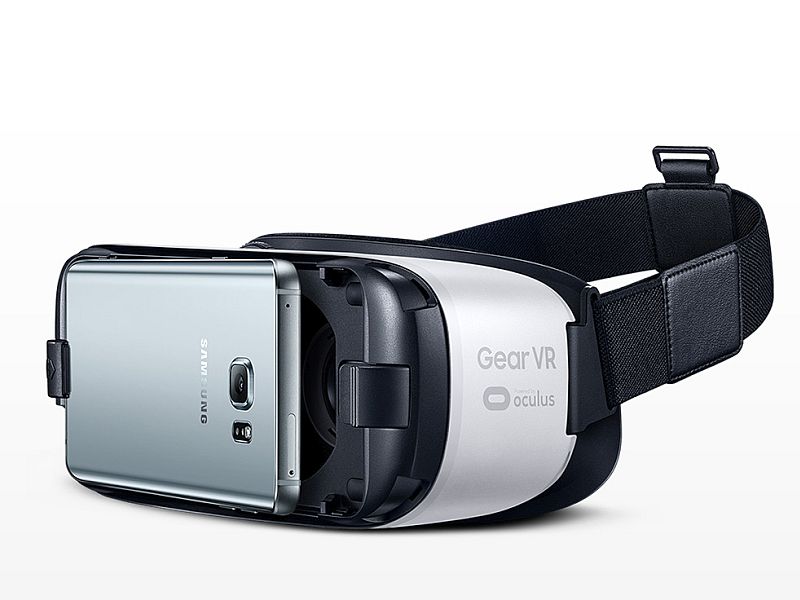
Thanks to the new USB Type-C port on the Samsung Galaxy Note 7, the old Gear VR ends up being incompatible. The company has hence, launched a brand new Gear VR especially designed for the all new Samsung Galaxy Note 7.
It has interchangeable ports, so you can change the USB Type-C for a Micro-USB to use the older gen Samsung Devices. The Padding and controls get the much needed update so the Gear VR is apparently more comfortable and easier to use.
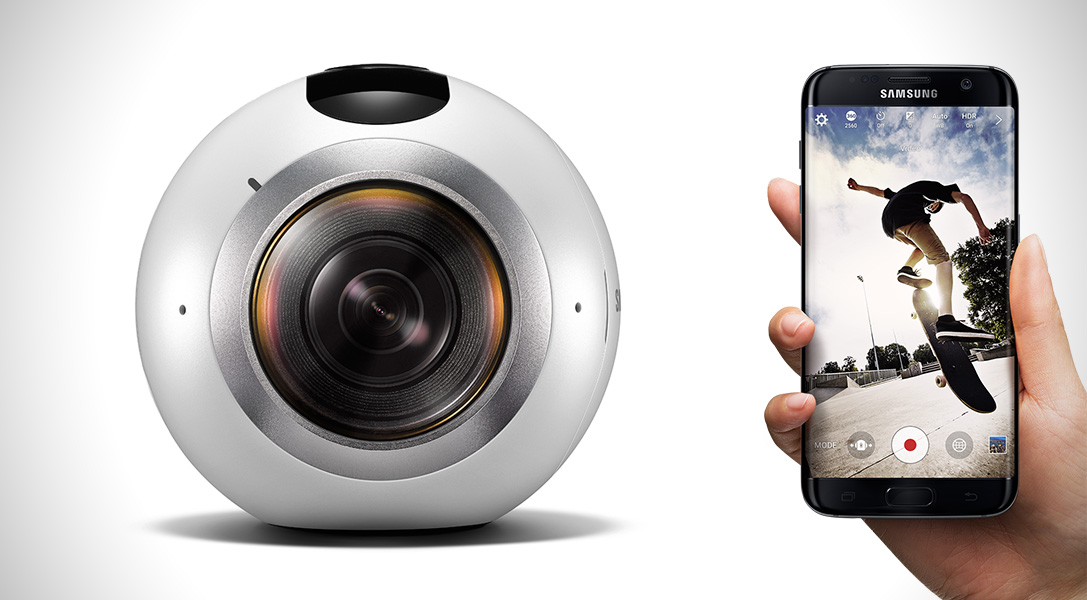
Samsung is also launching the Gear 360 in other countries including the US and India. Samsung is expected to include the Gear VR for free with the Samsung Galaxy Note 7 for those who pre-order when the phone launches in India.
Independently the new Gear VR is expected to sell for Rs. 9,999 with interchangeable adapters.
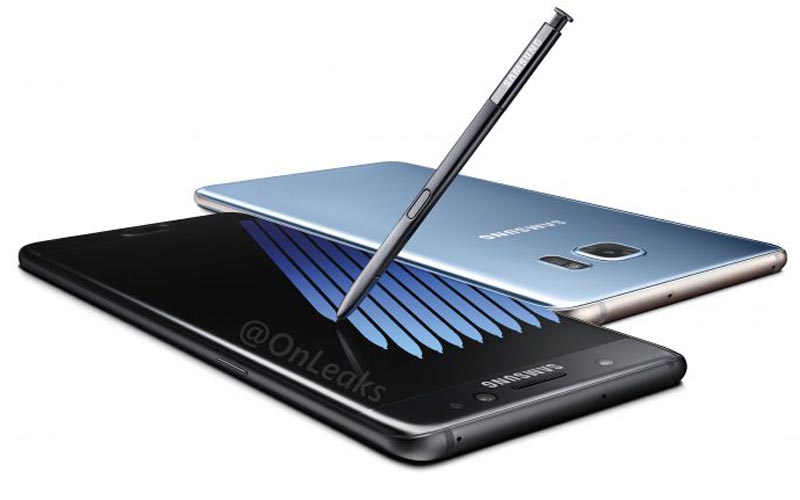
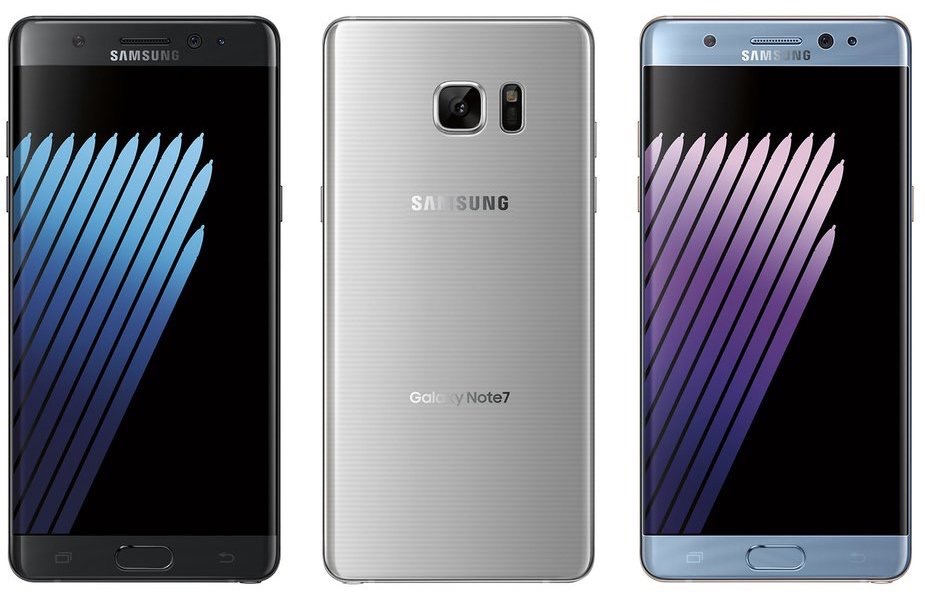
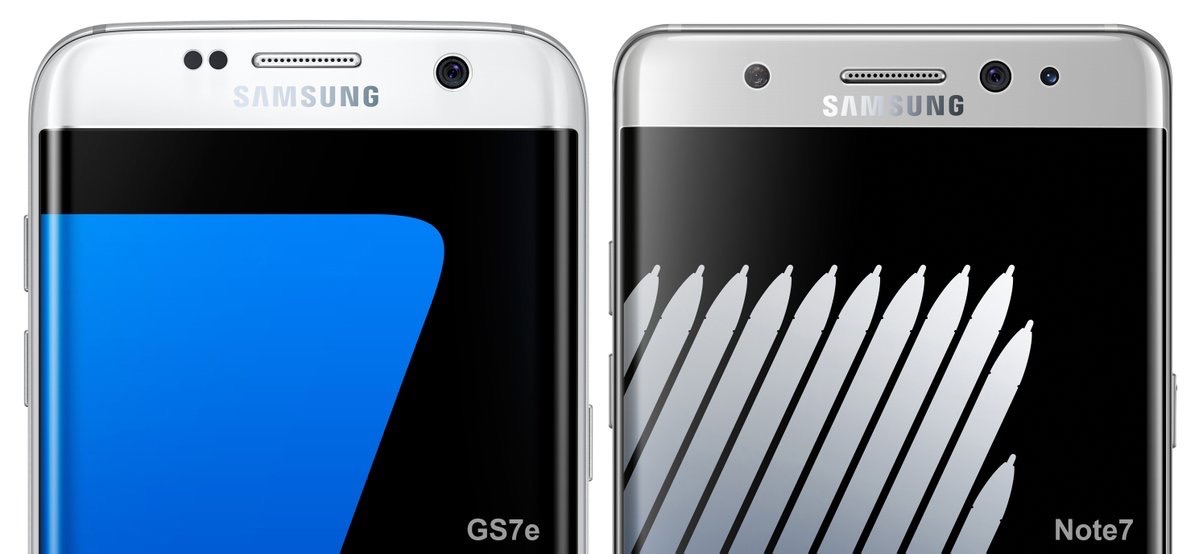
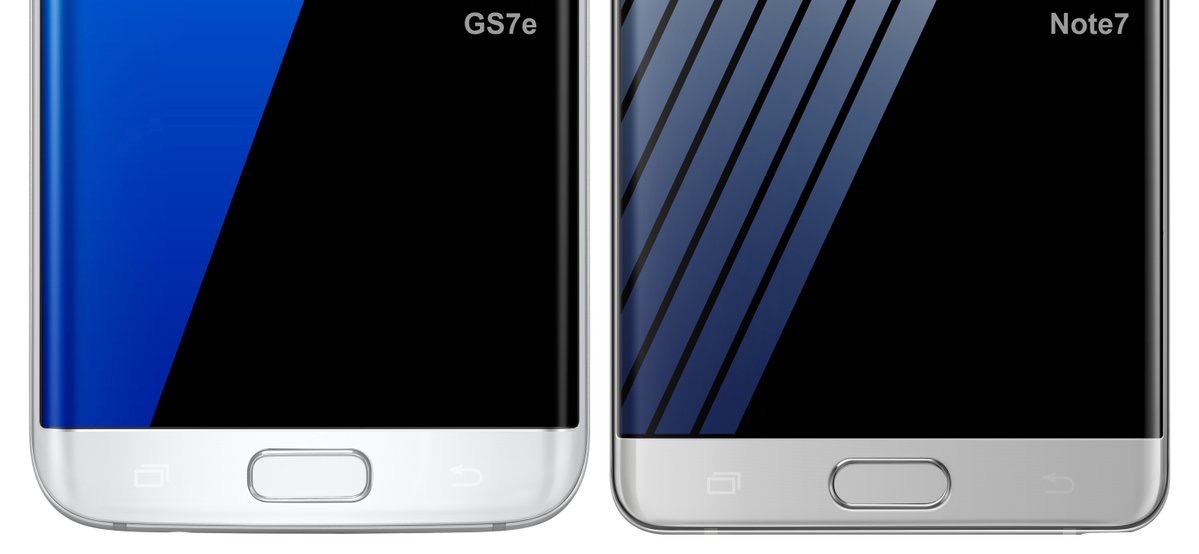
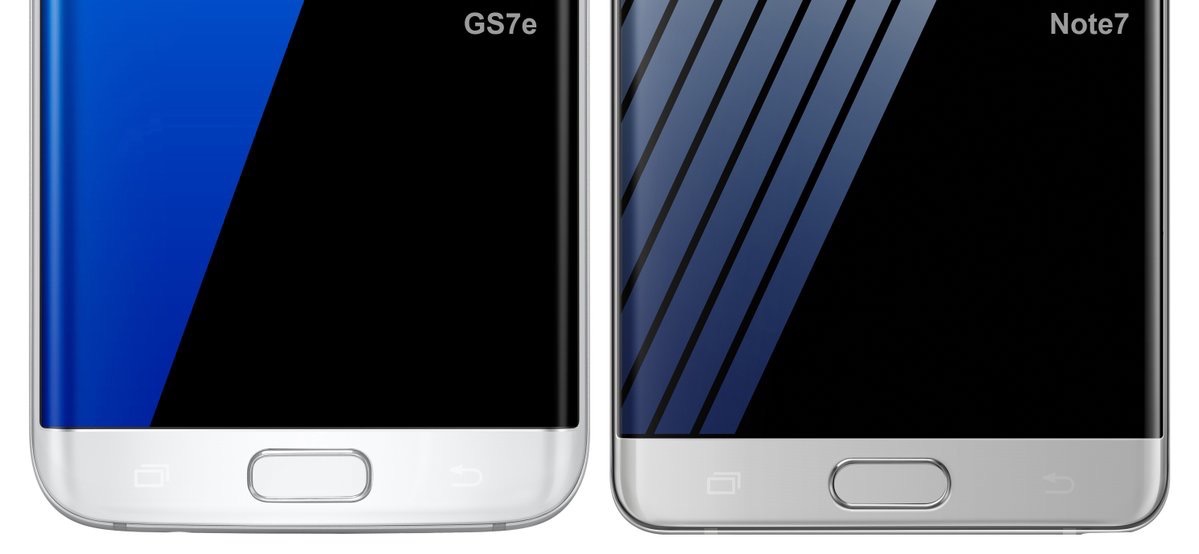
With the Samsung Galaxy Note 7 set to launch tomorrow, the full renders fro the press have leaked to show the dual edged Note phone from the company. The look of the phone falls in with many other previous leaks, talking about a new design stylus and iris dimply which can been seen on the handset.
The Samsung Galaxy Note 7 is expected to be launched in three colours as seen before and will feature an Exynos variant and a Snapdragon 820 variant, with 3 GB or 4 GB of RAM respectively.
Samsung is betting big on the Iris scanner for locking up of individual apps and the main phone to make it more secure in lieu of most businesses opting out of using an Android handset.
The new S Pen is expected to have some fun tricks up its sleeve. Along with a similar camera setup when compared to the Galaxy S7 and S7 Edge.
Another leak shows the new Samsung Gear VR in an all Black variant which looks excellent and should work with all the latest Samsung handsets. See below for comparisons of the Note 7 with the S7 Edge courtesy @Onleaks
Virtual Reality is the next big thing to happen to technology and every big name out there is getting into the game. Samsung, Apple, Google and many more are all working on VR technology as we speak. When it comes to virtual reality, Oculus is the name that first comes to mind. While the Oculus Rift is one of the more premium VR headsets out there, there is also the Oculus-powered Samsung Gear VR for the general masses that stands as a stepping stone into the realm of virtual reality. Here’s everything you need to know about the Samsung Gear VR.
Design, Features, and Compatibility
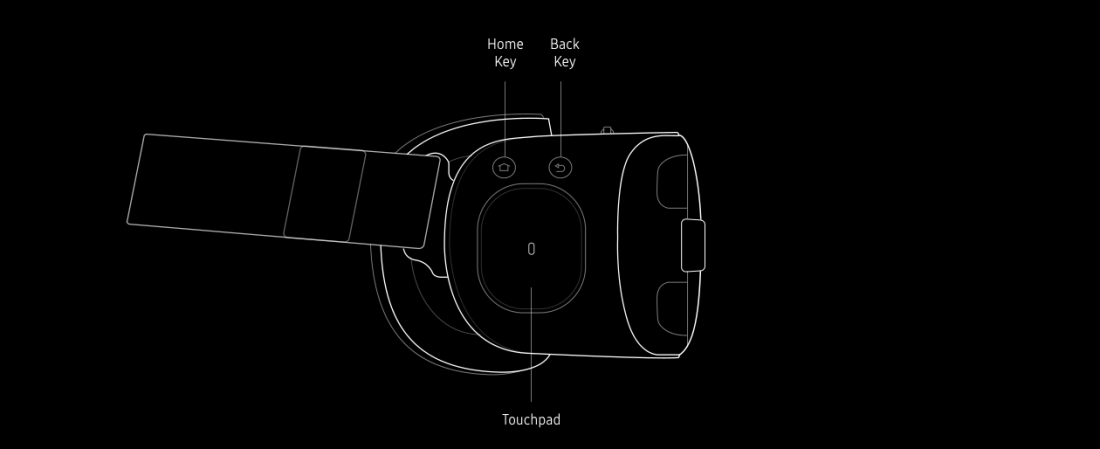
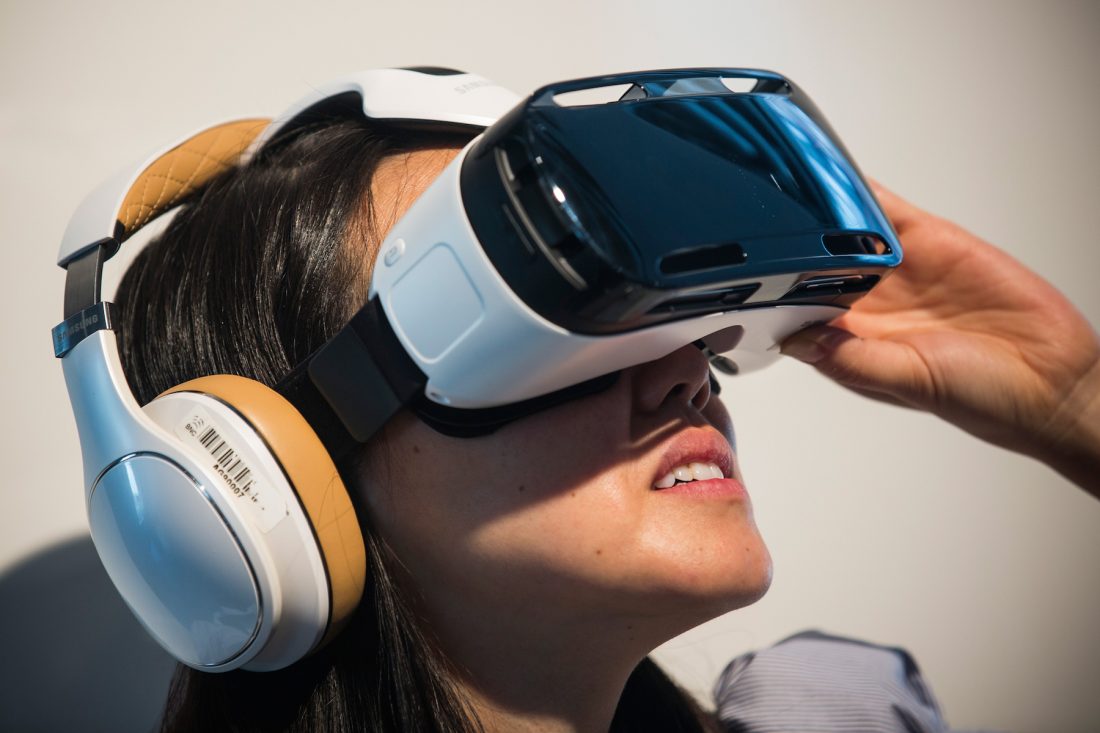
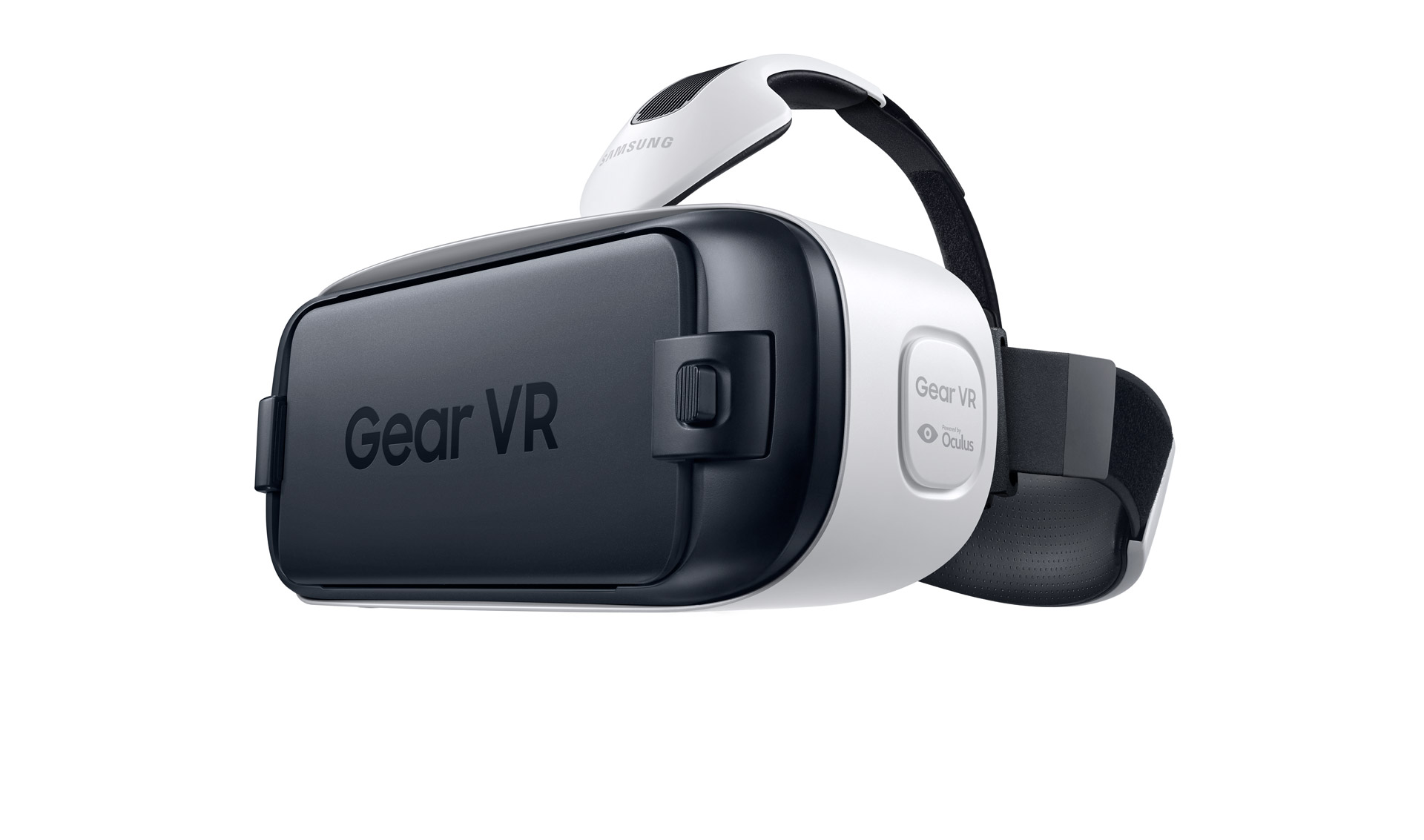
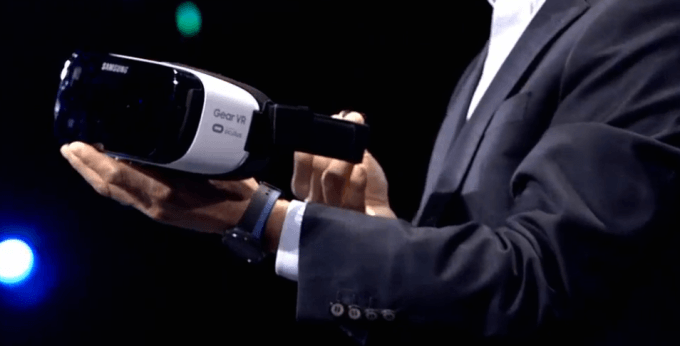
Samsung launched the Gear VR headset in India last month at a price of Rs 8,200. The headset is currently being offered for free on pre-orders for the Galaxy S7 and S7 Edge. The headset features a large touchpad for control. It weighs about 318 grams and measures 201.9×116.4×92.6mm. The Gear VR comes with an impressive field of view of 96 degrees and houses back, volume, and focus adjustment wheel button for controls.
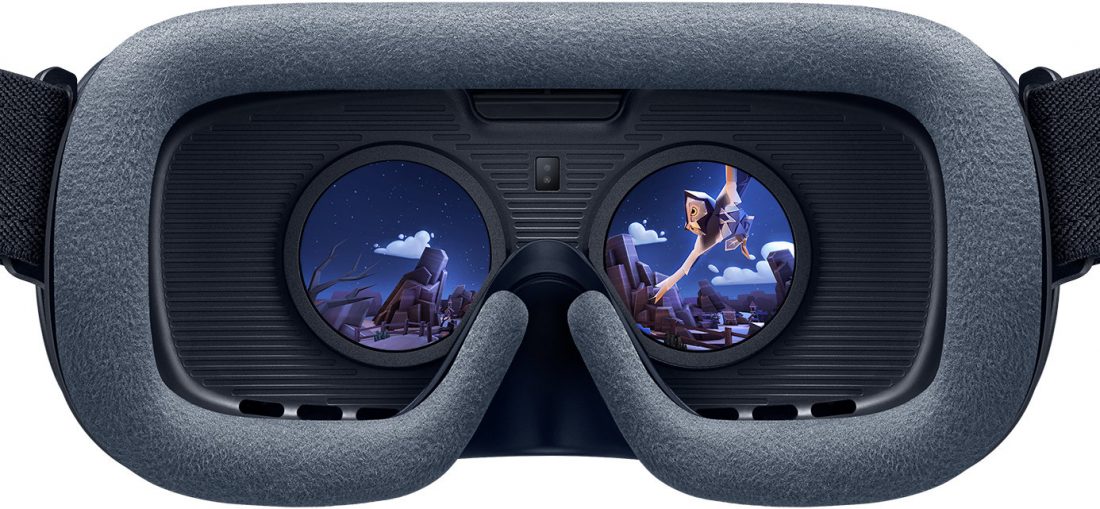
The Gear VR also packs sensors such as gyro, accelerometer, and proximity, and the device will support Micro-USB charging. The Gear VR comes with soft, flexible cushioning material, and also features adjustable straps for ease use of use.The Gear VR Headset will also support 360-degree videos.
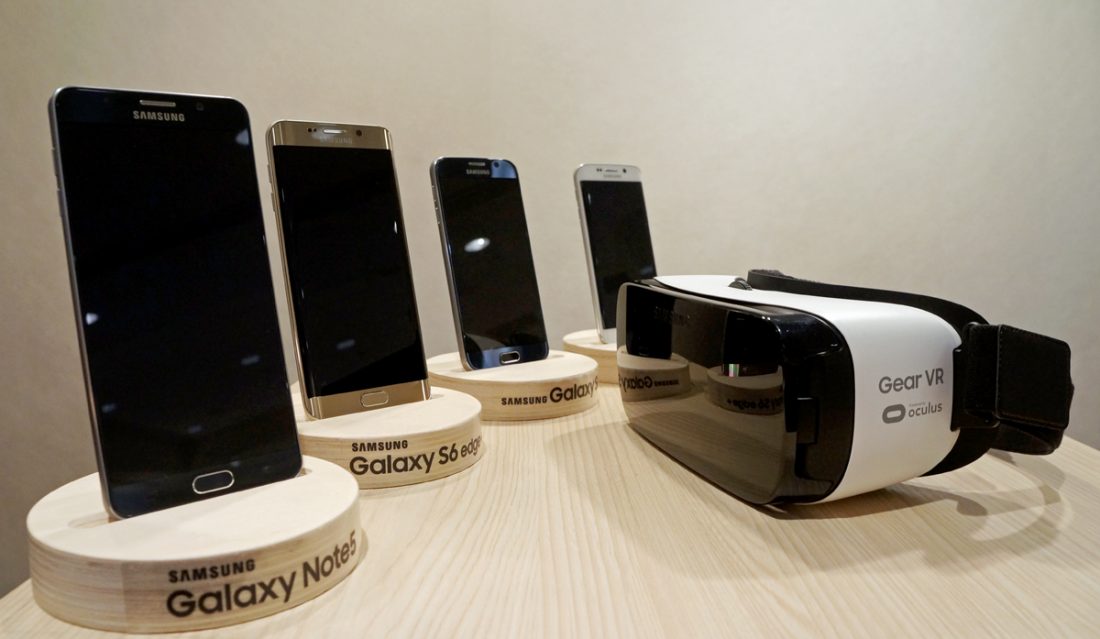
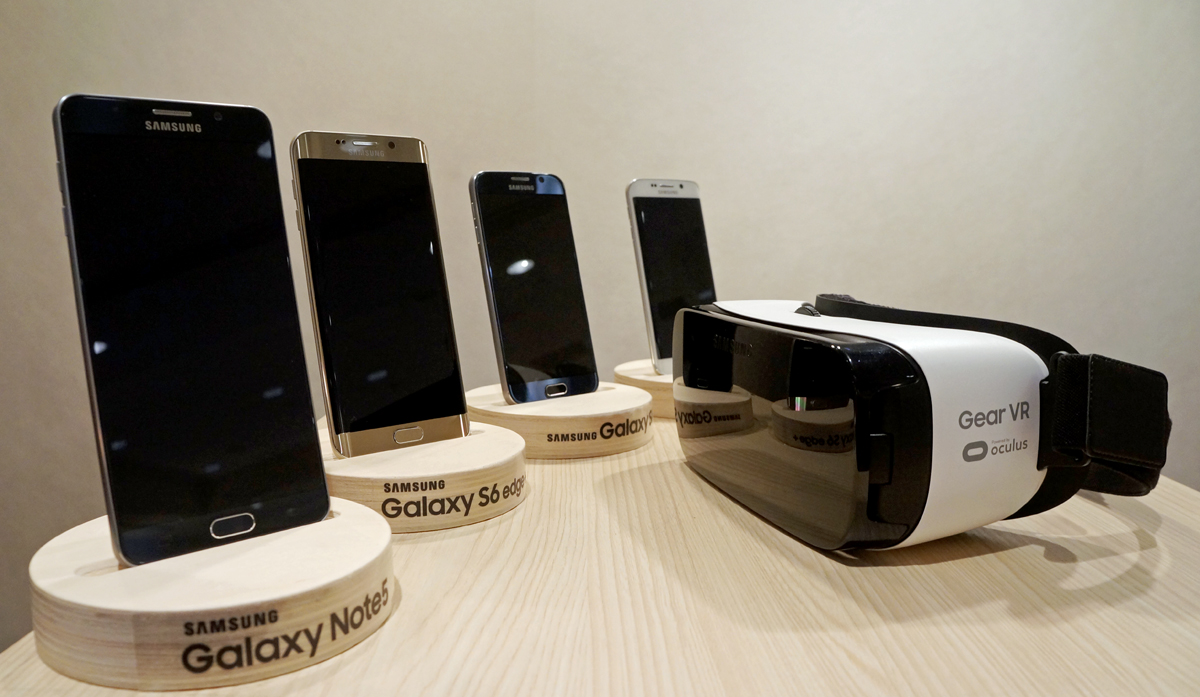
The Gear VR Headset features a wide interface, ergonomic design, and a large touchpad. Gear VR promises convenient and accurate control to enjoy games and videos. At the launch, the company stressed that Gear VR Headset works seamlessly with high-end Galaxy smartphones including the Galaxy Note 5, Galaxy S6 Edge+, Galaxy S6, Galaxy S6 Edge and the new Galaxy S7 series.
Applications
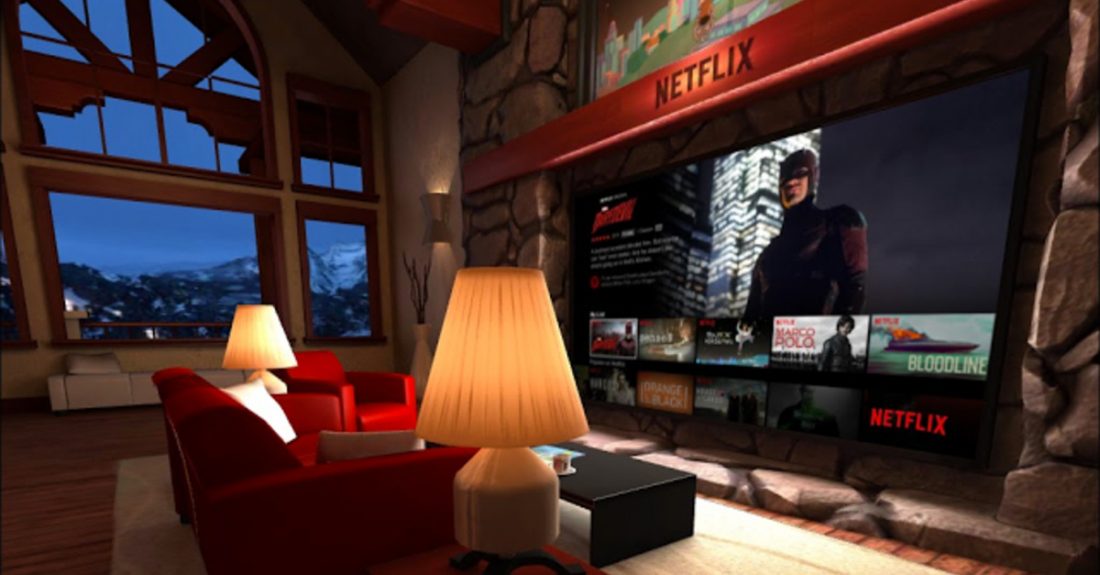
The Gear VR got a major media boost few months ago with Netflix, Hulu and Twitch among the few new services made available for the headset. The Netflix app, for example, creates a virtual living room for the viewer to watch in. The virtual television in front of you will have the Netflix UI on the screen. You simply look to move the cursor and tap the touchpad on the side of the Gear VR to make your selection. And since Netflix is now in India, streaming movies never sounded this good!
The Netflix Experience
As the Gear VR is still a work in progress, applications and uses are still limited. As of February 2016, here are 185 Apps available for the Gear VR on the Oculus Store. Apart from media entertainment, the Gear VR also offers an entirely new gaming experience. After all, virtual reality is all about immersing the user completely in a virtual world for a 360-degree experience.
Notable games include Herobound: First Steps, Ikarus, Dreadhalls, Esper and Proton Pulse. “The new games include “Social Trivia” and “Herobound: Gladiators,” Oculus says. Social Trivia pits you against friends or strangers in a battle of knowledge while Herobound: Gladiators lets you band together in groups of four to battle goblins and demons.
https://www.youtube.com/watch?v=-4vhtpa8JRA
Furthermore, Oculus is ready to get Gear VR owners a lot more social. Starting today, Gear VR owners will get to set up their own social profiles and connect with other Gear VR friends by searching their Oculus username or real name. You will then be able to kick back and watch movies together and engage with each other in social games.
You also may be aware that Facebook started 360-degree videos a while ago that lets users navigate the video for a complete 360-degree view. With the Samsung Gear VR, you’ll now be able to connect your Facebook account to “Like” and share 360-degree videos from inside it. From next week, Oculus will let users sign into Facebook and get a personalised news feed based on people and pages they follow.
With this, Facebook-owned Oculus is taking the first big step in bringing virtual reality and social media together.
Is There a Downside?
Perhaps the few main problems about a VR headset is that it can make you look silly, which is why users usually prefer to wear it in the confines of their homes, away from the eyes of passersby. VR headsets tend to cause headaches or nausea if worn for too long. But the Gear VR, being on the lighter side, hasn’t caused these symptoms as much as the heavier Oculus Rift has.
Nevertheless, the Gear VR is a great new product from Samsung that promises a good virtual reality experience at an affordable cost.
Samsung is looking to expand its consumer base and is looking to make the Gear VR not just a device for niche audience. It may take a while before people take to the virtual reality experience, but the future of media and gaming technology looks pretty clear. So, for those who want to experience the next season of Daredevil (which begins March 18) in virtual reality can get their hands on the Gear VR today.
The Samsung Gear VR Headset, alongside the Gear S2, and Gear S2 Classic Smartwatch launches for a price of Rs 8,200 today to eager Indian customers. The product will be available through the company’s retail stores, as well as through Flipkart.
The focus on virtual reality is growing with every passing day. As more and more important names from the tech industry are coming forward with their products, Samsung too has decided to jump into the fray with its new VR offering for its millions of fans around the globe.
The Gear VR Headset features a wide interface, ergonomic design and a large touchpad. Gear VR promises convenient and accurate control to enjoy games and videos. At the launch the company stressed that Gear VR Headset works seamlessly with Galaxy smartphones. As of now, the Gear VR supports the latest high-end Galaxy smartphones including the Galaxy Note 5, Galaxy S6 Edge+, Galaxy S6, and Galaxy S6 Edge. Samsung also added the recently unveiled Galaxy Note 5 Dual SIM to the compatible devices list.
Samsung stresses that the new Samsung Gear VR Headset is 19 percent lighter compared to the previous model. The new VR Headset features a large touchpad for control. It will weigh 318 grams and measures 201.9×116.4×92.6mm. The Gear VR comes with an impressive field of view of 96 degrees. It also houses back, volume, and focus adjustment wheel button for controls.
Samsung’s new offering packs sensors such as gyro, accelerometer, and proximity, and the device will support Micro-USB charging. The Gear VR comes with soft, flexible cushioning material, and also features adjustable straps for ease use of use.The Gear VR Headset will also support 360-degree videos.
Announcing the product Manu Sharma, Director, Marketing said, “Gear VR presents the unique opportunity for consumers to get an immersive virtual reality experience. Samsung will be at the forefront of this exciting revolution to create further ‘wow’ moments in our consumer lives.”
The Netflix experience is about to get a whole lot better. Samsung announced the newest edition to Gear VR in collaboration with Oculus , along with a slew of new features and apps. The headset will have a redesigned trackpad, a new Xbox-style Gamepad with dual analogue design, and a new, lower price that’ll be available this November in the United States.
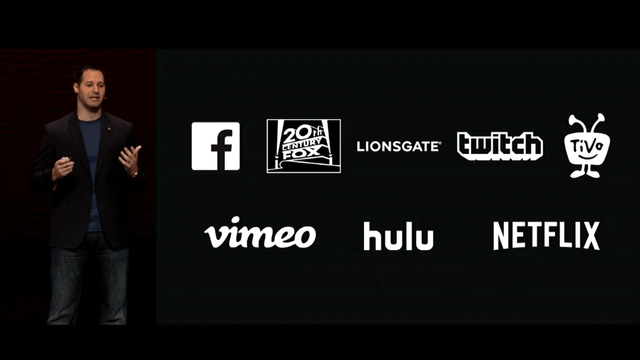
The Gear VR is also getting a major media boost with Netflix, Hulu and Twitch among the few new services that will be available for the headset. The Netflix app, for example, creates a virtual living room for the viewer to watch in. The virtual television in front of you will have the Netflix UI on the screen. You simply look to move the cursor and tap the touchpad on the side of the Gear VR to make your selection. Currently the app allows almost no choice for the user in terms of the environmental changes or the distance of the screen.
The Oculus -made Samsung Gear VR will work with the whole 2015 line of Samsung Smartphones including the Note 5, S6, S6 Edge, and S6 Edge+, and will be priced at $99, a $100 less than the previous Gear VR.
“Virtual reality that’s accessible to consumers is still very young and so it was all about developing the ecosystem,” said Jim Willson, director of immersive products and VR at Samsung. “We had to make sure there was enough content, both in terms of video content … and on the gaming side.”
Wilson hinted at a captive audience that an app like Netflix can provide with more number of hours being spent with these media apps. Apart from Netflix, Oculus also announced 20th Century Fox and Lionsgate, as well as Hulu, Twitch, TiVo and Vimeo for VR apps.
Samsung is looking to expand its consumer base and is looking to make the Gear VR not just a device for niche audience. It may take a while before people take to the virtual reality experience, but with PlayStation also working on its VR gaming technology, the future of media technology looks pretty clear. So, for those who want to experience the next season of Daredevil in virtual reality can get their hands on the Gear VR from November.
Taiwanese smartphone maker, HTC is known as one of the premier smartphone companies. It was one of the first companies to bring out Windows and Android based devices. It’s known for its unique design elements that make its devices recognizable in the crowded smartphone market. HTC is now taking an aim at a new device segment; virtual reality(VR) headset with the new HTC Vive.
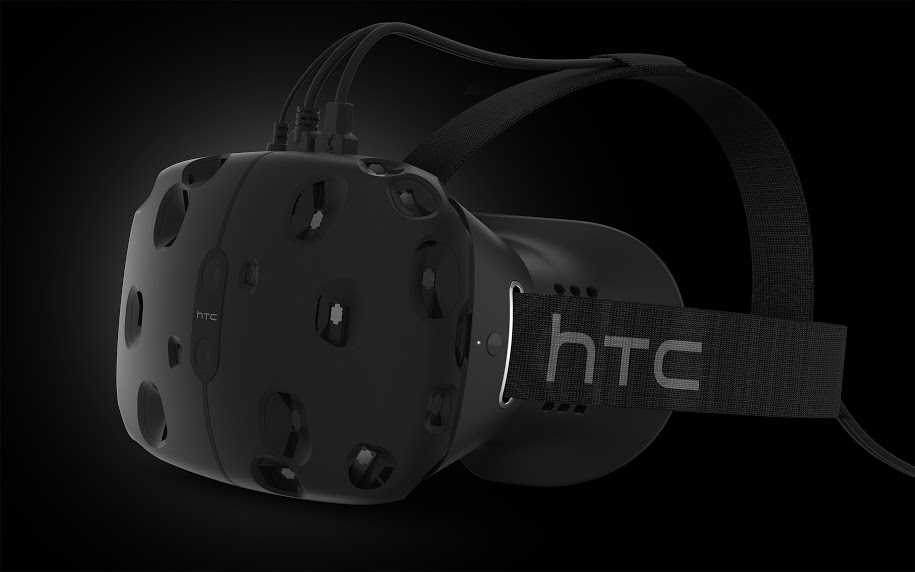
HTC has unveiled the Vive at a special event held in Barcelona, Spain. The device is made in collaboration with an entertainment software technology company called Valve. Valve will offer its Steam VR tracking and input technologies whereas HTC is responsible for the design as well as the build of the product.
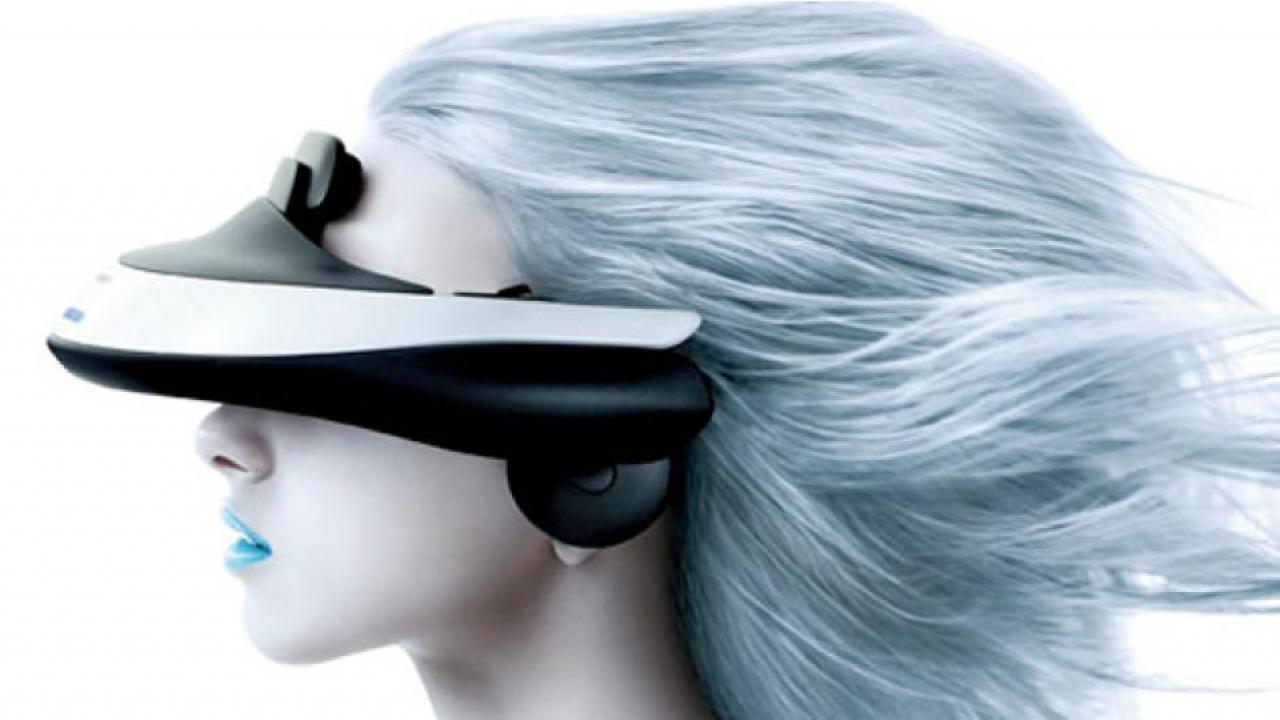
HTC Vive will take on the likes of Oculus Rift, Gear VR and Project Morpheus.
HTC Vive is claimed to offer immersive VR experience that includes moving around and interacting with the virtual space. The device comes with wireless controllers that make it rather easy to operate and get on with the virtual gaming. It offers high-quality graphics, 90 frames per second video and impressive audio fidelity.
HTC has collaborated with many game developers such as Vertigo Games, Wemo Labs, Google, Owlchemy and others to generate content for the HTC Vive. Beta versions of the games for the Vive Developer Edition have already been produced. HTC is also working with companies like Google, HBO, Lionsgate and the National Palace Museum in Taiwan to create unique content for the new VR device.
In its present iteration, the HTC Vive looks like the first generation Oculus device. It looks massive and messy with the cables hanging on top of it. Being the Developer edition, it still has a look of a prototype device. HTC might tweak the design to make it wireless by the time it arrives in the consumer market.
The Developer Edition of the HTC Vive will be launched this spring. The consumer edition is expected to come out by the end of 2015. Virtual Reality headsets are one of the most promising consumer devices and have tremendous potential. HTC’s entry into the VR foray definitely makes things interesting for the market.
In the year 2014 Virtual Reality(VR) took a giant leap. From the hands of a limited few, the technology has now seeped into the consumer market. Oculus can be credited for bringing the technology to the mainstream. Taking cues from Oculus, several new devices have arrived in the market. Sony got its Project Morpheus and Samsung got the Gear VR headsets. There were also some independent attempts into making VR headsets including Google’s Cardboard project. The question remains – is this just a mere fad or is this technology here to stay? We delve into the past, present and future of VR Headsets today.
What is Virtual Reality?
According to a popular online encyclopedia, virtual reality is a computer simulated environment that can simulate physical presence in places in the real world or imagined worlds. It, in essence, creates a world that creates the perception of being in a whole new place. Using various other techniques, VR can create sensory perceptions of touch, smell, sounds and even taste.
The Journey to Now…
It’s not really a recent phenomenon in any sense of the word. There have been efforts to create an artificial environment for manipulating the senses since the 1800s. In 1860’s there were art installations that used a 360-degree panoramic mural to create an artificial reality. One of the most prominent examples of this is Sala delle Prospettive by Baldassare Peruzzi.
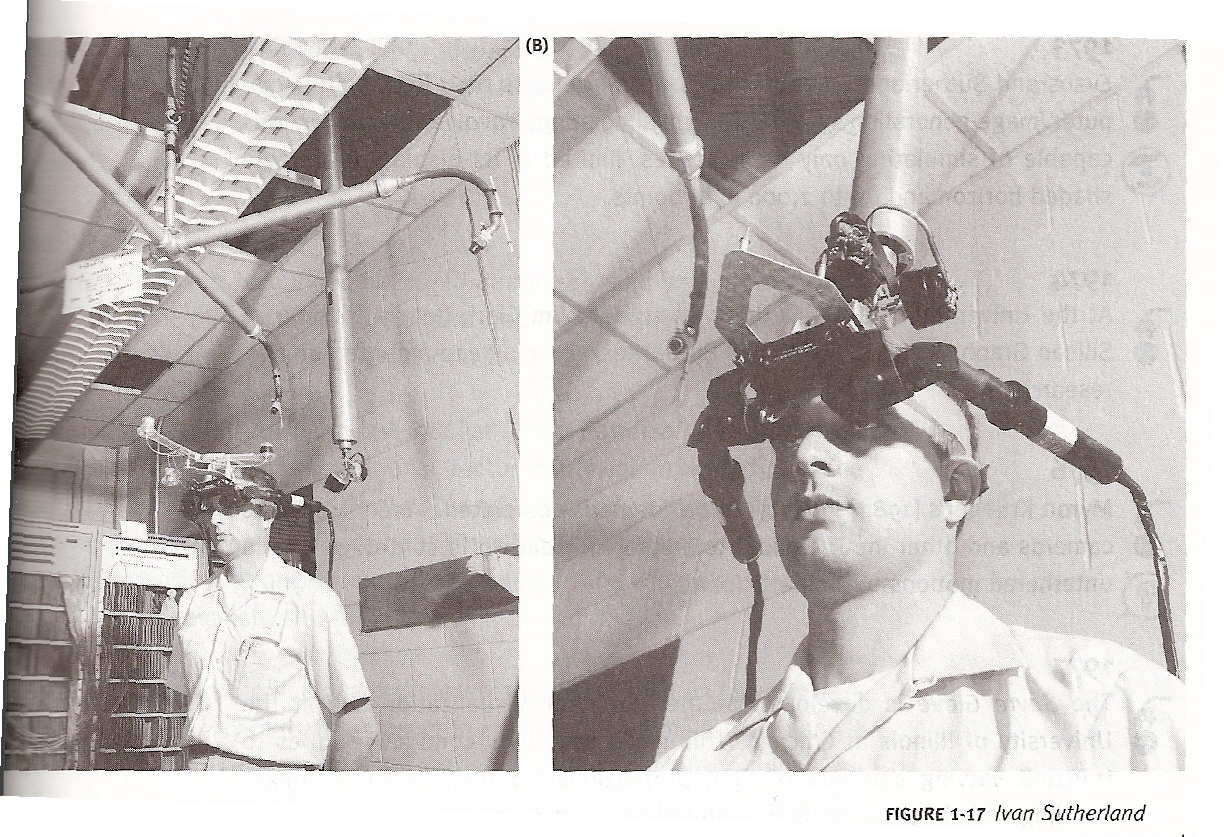
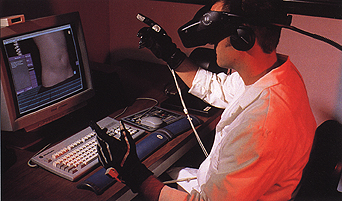
Since then, there have been multiple efforts to artistically take the audience into a perceived reality. But in 1968 the first computer artificial reality headsets came to become a reality. Dubbed the Sword of Damocles that was created by computer scientists Ivan Sutherland. It was archaic in every sense of the word. It only displayed wire-frame models and was so heavy that it needed to be suspended from the ceiling, thus getting its name.
Sword of Damocles was the first computer aided VR headset.
In 1991, Sega arrived with the first VR headsets for the consumers. Though it got a tepid response from the press, and there were fears that they could spoil the eyesight of children, this prevented it from getting to the shelves.
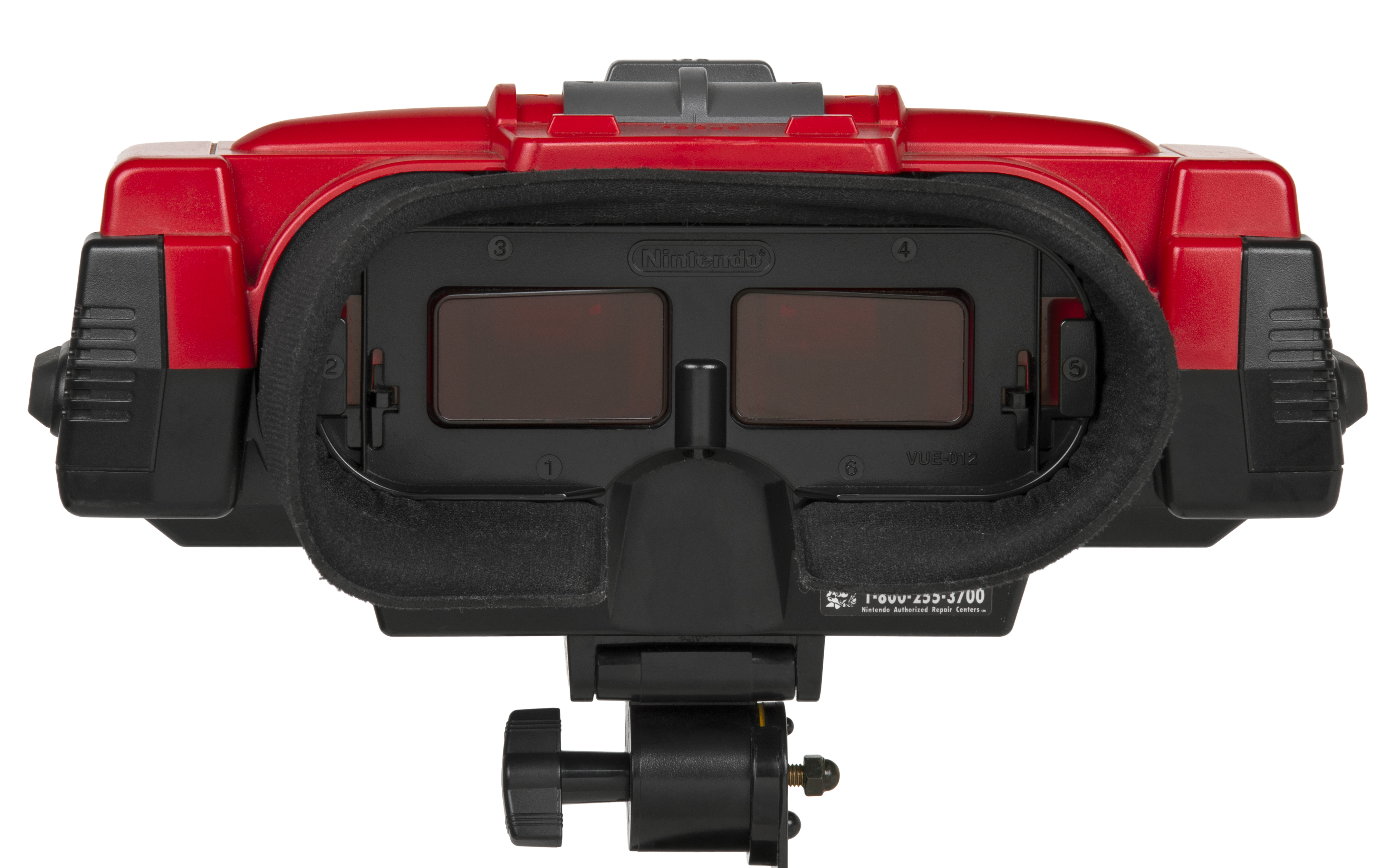
Nintendo tried its hand at VR headsets when it came out with the Virtual Boy in 1995. This device too was a commercial failure, and the users faced discomforts like dizziness, nausea, and headaches after extended use. The device was also lamented for the lack of a head tracking feature and color graphics.
Virtual Boy by Nintendo released in 1995
Fast forward to 2014, and we see a return with a vengeance of the VR technology. Aided by high processing power of modern day devices and the phenomenal breakthroughs in the mobile technology, it seems like VR has finally found its moment in time. The race was intensified with the purchase of Oculus VR by Facebook. Sony and Samsung soon followed with their own designs. Google tried to bring the technology in the grasps of everyone with the cardboard project, a DIY project through which you can create a stereoscopic VR headsets using cheap ingredients which costs just about $20.
How do VR Headsets work?
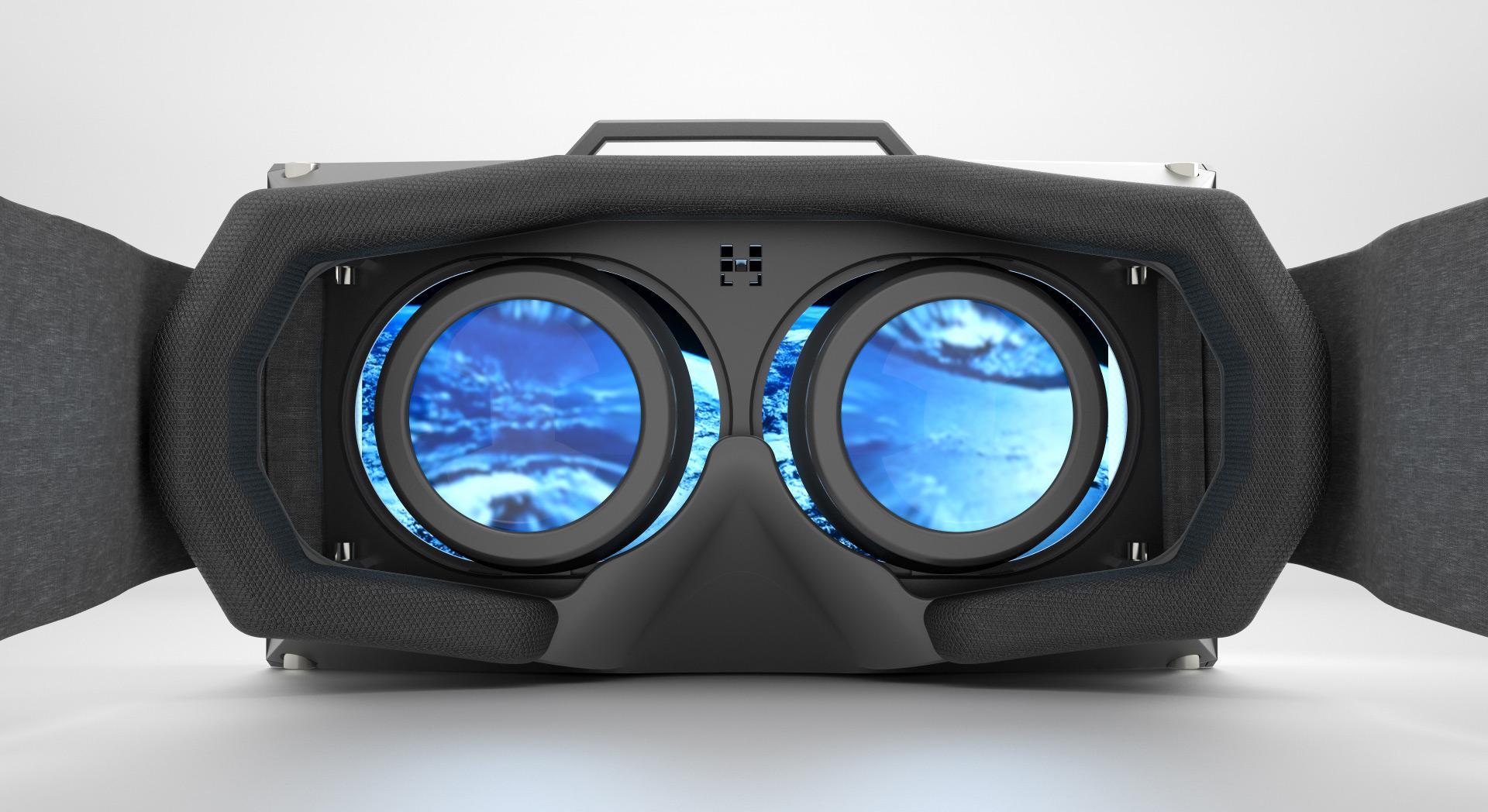
VR headsets pretty much use the concept of 3D glasses. On the displays, there are two images, one for each eye. These images, when viewed through a stereoscopic lens system, gives a perception of depth in the images. The brain brings together the two images as one and that creates the depth that immerses the user into the artificial world. Advanced VR systems like the Oculus have motion tracking system that responds to the user’s movement. Using hardware like the Omni treadmill, you feel like you are really moving around in the virtual environment.
The emergence of mobile-based portable headsets has made it a lot easier to access the technology. Devices like the Gear VR, Google cardboard, and ANTVR make it a lot easier to use. These even allow you to look at your movies with a perception of watching them on a big screen. This could possibly mean the end of movie theaters and the expensive popcorn that comes with it.
The other potential uses of the technology
There are a wide range of uses of VR technology.
Virtual Reality is not just limited to providing quality entertainment and gaming, it has many real world applications too. It can come in handy in multiple fields such as:
Virtual field Trips
The best way to learn about a new place is to go there and travel around. It can often be educational to travel. But if you cannot afford the trip, you have virtual reality to your rescue. The virtual tour can show you around the place and using complementary technologies like haptic mediums; you can get to touch and smell your new environment too. It can be a complete immersive experience that you wouldn’t want to come out of.
Education
Learning by doing is the best way to acquire knowledge. Using the tools provided by gaming advancements in VR, students can learn to interact with their future workplace. For example, an architect can learn to create buildings and manipulate it in real time, almost like Ariadne in Inception. It can even come handy to school children to bring lessons to them in a more interactive immersive fashion.
Training
Several military professionals are trained on VR surfaces. It is a lot more economical than creating real world environments and also decreases the chance of injury while training. It gives the chance to practice their lessons as many times as needed. Pilots are also trained on simulators that actively recreate the flying environment. VR can come handy to train drivers who work in specialized environments such as high terrains or ice roads.
Medicine
The technology can be used to train doctors.
Doctors can benefit from some virtual simulations too. Specialized surgeries that require immense precision require constant practice. In an artificially created environment, the surgeon can constantly train on the simulated body to perfect his/her skills that could someday come handy to save real lives.
Challenges with VR Devices
VR though has been in development for quite a while, but there are some limitations to the technology to make it more palatable to a mass audience. The confines of graphics and the tracking systems even in the best headsets results in various discomfort for the users. The industry needs to really work on the VR tracking systems.
The audio too is an important element of an immersive experience. The disconnect between the audio and visuals or low quality audio can also lead to motion sickness and other discomforts. The audio industry is being encouraged to fix the gap to create a more natural environment for the users.
There are also some issues with the content that can be created for consumption in the virtual world. Some psychologists say that the VR can create a generation of sociopaths who have gotten so used to first person violence that they are desensitized to it. To counter this, there is a need for regulation and codification of content meant for VR headsets. There should also be instruction and education on how to use the technology right so that it benefits all.
Virtual Reality has come a long way, but there still is long way ahead for the technology to grow.
A Long journey begins now.
With the processing power up to the mark and graphical interfaces replicating reality better than ever, this is the right time for VR to come out of its cocoon. The smartphone revolution has brought the VR technology in the grasps of everyone. Google’s cardboard project literally makes this technology universal. There is a long way to go with the potential applications of the technology, but its mainstream visibility will speed up its adoption in various fields. There is a lot the technology can offer us, and it’s just the beginning of the access to the virtual world. The immense potential of the technology is still up for unlocking. We’re excited about the prospects of VR, are you?