Tag: google

  • Gmail’s Auto-Complete Glitch Results in Emails Being Sent to Unintended Recipients

    Gmail’s Auto-Complete Glitch Results in Emails Being Sent to Unintended Recipients

    Have you ever mistakenly sent an email to the wrong person? Usually it’s our fault for not double-checking before hitting the send button, but right now there is a glitch in Gmail which isn’t helping the cause. A bug is spotted that might, if you’re careless, help you send emails to unintended recipients.

    The ‘To’ section of Google’s Gmail is facing an auto-complete glitch because of which, it is prioritising the names of people that are less frequently mailed. The auto-complete feature is designed to suggest addresses regularly used. A number of people have reported on Twitter about being troubled because of the bug.

    Google itself confirmed and apologised about the malfunctioned auto-complete feature.

    We’re aware of an issue with Gmail and auto-complete and currently investigating. Apologies for any inconvenience.

    Google has been working aggressively to make its services better for its users, and this bug being in notice of the company, we can expect them to fix it soon. Until then, make sure to triple check the recipients bar before sending out that confidential email.

  • Google’s Upcoming 2-in-1 Chromebook Will Run on Both Chrome OS and Android

    Google’s Upcoming 2-in-1 Chromebook Will Run on Both Chrome OS and Android

    If Google is the frontrunner in the smartphone race with Android, Microsoft is the boss of laptops and computers with the power of Windows. The internet search beast wants to take the charge in this segment as well and is geared to release a hybrid 2-in-1 Chromebook that would be working on both Chrome OS and Android.

    The yet-untitled device is a detachable machine that runs on Android in the tablet form, and when attached to a keyboard instantly switches to Chrome OS. Google has gone far ahead with the integration of Android ecosystem to Chrome OS.

    google 2 in 1 chromebook

    Meanwhile, it’s not known that how the two operating systems are going to boot or if Android apps will run on Chrome OS. It seems like the 2-in-1 hybrid machine will switch between the two operating systems automatically as per requirement.

    The forthcoming Chromebook is said to be designed by Quanta Computer and will launch under Google branding. The product will complete sometime in the first quarter of this year. Many vendors are said to be joining Google’s 2-in-1 Chromebook later this year.

    The Chromebooks did tremendously well in 2014 with a worldwide shipment of 6.5 million units. But to retain that number and increase it, Google needs to carry on, on the path of innovation.

  • First Look at Toshiba’s First Working Camera Modules for Project Ara

    First Look at Toshiba’s First Working Camera Modules for Project Ara

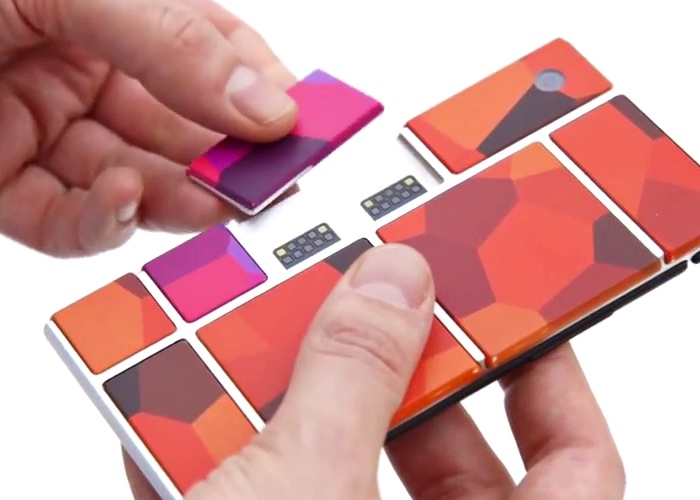
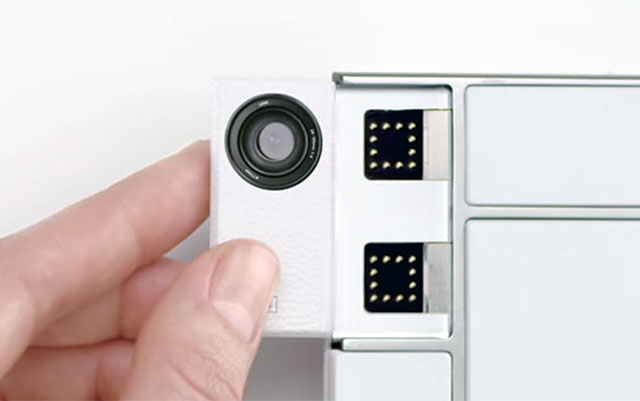
    Project Ara is an on-going endeavor by Google to create a modular smartphone for which the user can switch critical components in and out, thus allowing them to build the perfect phone for their specific needs. It seems that one of the third parties working on the modules is Toshiba, which is contributing towards its progress in creating the first swappable camera units.

    projectaracamera

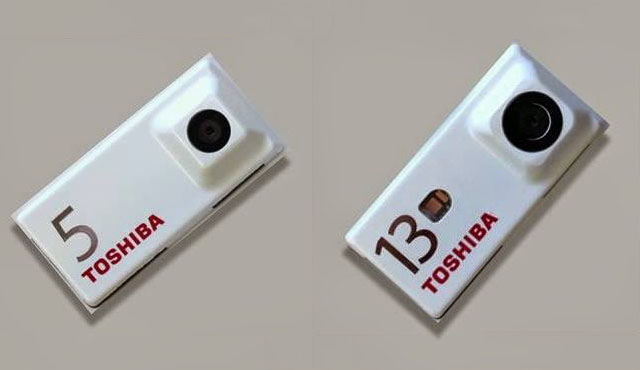
    Toshiba has created one prototype with a 2MP camera which is designed to be placed in front of the camera and 5MP and 13MP camera modules, which is to be placed as the primary camera. All the cameras are within a swappable module, which would allow the user to swap cameras according to their desired shot, or simply purchasing a better camera piece and replacing the existing one.

    toshibamodules

     Toshiba had revealed some of the initial designs at the Modular Phones Forum. As of now, the company is now developing three different modules: a 2MP front camera and 5MP/13MP primary camera.

    The video below shows Toshiba’s new 5MP prototype camera module working and capturing images.

    http://www.youtube.com/watch?v=Mo4GeSil9fU

  • Google Gtalk’s 9-Year-Reign to Come to an End on 16th February

    Google Gtalk’s 9-Year-Reign to Come to an End on 16th February

    Google’s IM service Gtalk after 9 fulfilling years will come to an end on 16th February. The internet search giant has decided to push its user base to Hangouts, the new app for chat.

    The company is shutting down its Gtalk service on February 16, which will be replaced by Hangouts. Google declared the same via chat saying that Google Talk app for Windows will go non-functional on February 16, 2015 and users can download Hangouts Chrome feature to continue chatting.

    gtalk

    Hangouts is also very user friendly to use and offers many more features with a convenient interface. It shows when the person was last seen, allows to chat with multiple people at a time, allows video calling and packs many more features than the Gtalk.

    This move was obvious and Google is not being unfair by taking down Gtalk. The company gave users ample time to get used to it by announcing it on May 2013. Hangouts is the future of Google, but it is also true that Hangouts is not widely accepted. However, one cannot deny that the instant messaging application is the need of the hour as it provides smooth integration between PC, tablet and mobile.

  • Google Brings Mortgage Calculator into Search for Quick Calculations

    Google Brings Mortgage Calculator into Search for Quick Calculations

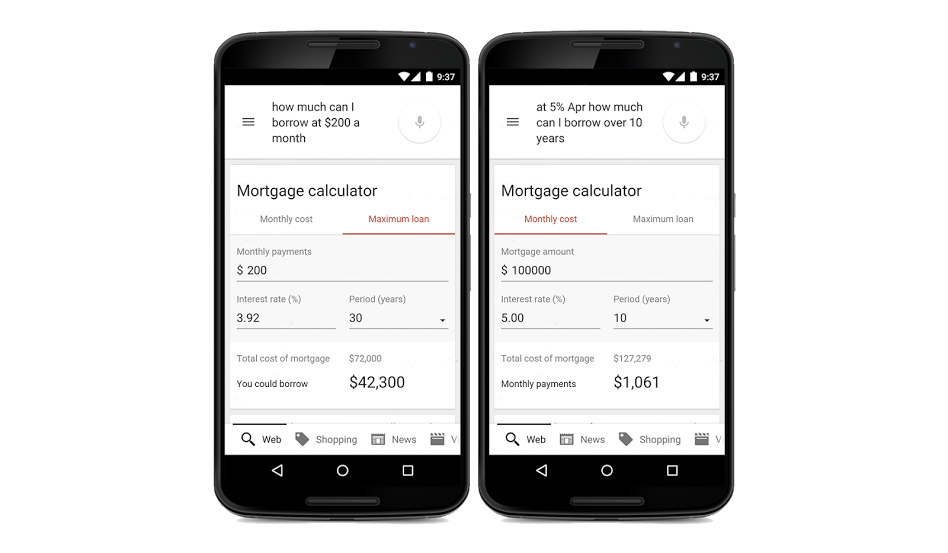
    Google today launched a new feature that will help new homeowners make quick calculations of their mortgage amount. The internet search giant has added a mortgage calculator in the Google Search that will allow users to adjust interests and check which financial options fit their needs. The option works on both desktop and mobile.

    mortgage calculator google

    According to the company, users can ask Google questions like “How much can I borrow at $200 a month?” or “At 5% APR how much can I borrow over 10 years?” and Google will answer them instantly, eliminating the need to jump to another website. The company says that users can even adjust the mortgage amount, interest rate, mortgage period and can choose other options that match your interest. You can even take advice if needed. The new feature seems handy and useful.

    Along with total mortgage amount, one can also check the monthly payments for the mortgage amount. Meanwhile, this service is only available for UK-based users and there is no information when is it going to launch in other countries.

    This small feature eliminates the need to recheck the amount with middlemen. Once again, Google making our lives a little simpler.

  • Google Blames Nexus 6’s Supply Drought for its Revenue Dip

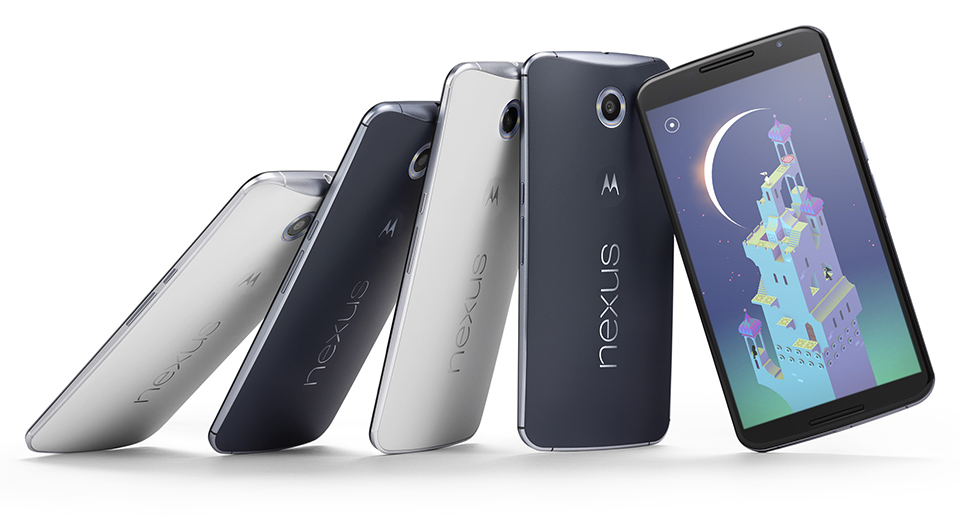
    Google Blames Nexus 6’s Supply Drought for its Revenue Dip

    Recently a performance report was released by an analysis firm, Strategy Analytics that declared Apple as the top grosser of year 2014. Apple earned the highest revenue that broke records and Google was nowhere to be seen. The company considers imbalance in demand and supply of the Nexus 6 as the reason for the revenue dip.

    Chief Financial Officer and Senior Vice President of Google Patrick Pichette said that the supply problem with the Nexus 6 hammered the company’s revenue. He also remarked that the demand of Nexus 6 could not be met, as they faced several production issues.

    The company doesn’t aim to produce the products to earn revenue from them. In fact, the company manufactures products as a guide to other manufacturers so that they can implement and improve the latest Android OS onto their products.

    Less mobile units means less sale, and less sale directly affects the overall revenue. It’s not the mobile division that fetch the company money, but the Nexus 6 problems contributed to the slow growth rate in other sectors too.

    Play Store’s earnings also saw a steep decline, which Patrick stated is because of the rising value of the dollar, especially in Japan. The company has stated the reason for the loss, but hasn’t commented what would its next step to fix it would be.

  • Facebook’s Oculus Forms a Dedicated In-House Studio for Virtual Reality Movies

    Facebook’s Oculus Forms a Dedicated In-House Studio for Virtual Reality Movies

    The independent cinema fair of 2015, Sundance Film Festival, showcased some top-notch films. The one that left the world awestruck was the first virtual-reality film by Facebook-acquired Oculus. Facebook premiered its first short piece titled ‘Lost’. It is the first of five short animated flicks the company will be making this year.

    oculus lost

    Oculus has built in-house studio called Story Studio, where the company will be creating virtual reality films and research on the story telling.

    By developing content for virtual reality, Oculus aims to attract more filmmakers to invest in the new technology. To start with, the company has tapped the highest talents from both the film industry and video gaming world. Veteran of Pixar Animation Studios and Lucasfilm Ltd., who were responsible for films like Toy Story and Monsters Inc., will be attached to the upcoming five-film project.

    oculusrift1

    The premiered movie Lost is helmed by former Pixar artist Saschka Unseld, who is now the creative director of Story Studios. The film takes the viewers to the middle of the forest where a mechanical creature bounds into the scene. The Chief Executive of Oculus Brendan Iribe described the flick as ‘a real-time version of a Pixar experience that you’re inside of.’

    Iribe further added to his statement –

    This is really tuning into what a lot of people who are extending 360-degree film into VR cannot do yet. It’s getting into the heart and soul and magic of VR.

    Virtual Reality films are the real-time cinema where you can not only see, but also feel your presence in the space. However, the concept of experiencing 360-degree panoramic view using a gadget that fixes at the head has not reached the masses as of yet. In spite, Samsung and Google have developed products like Galaxy Gear VR headset and Google’s Cardboard VR device, the journey of it to be available mainstream will take some time.

  • WikiLeaks Blames Google for Handing Over Private E-mails to the US Government

    WikiLeaks Blames Google for Handing Over Private E-mails to the US Government

    WikiLeaks, an open information group, has criticized Google for handing out personal data and emails belonging to three of its employees to the US government.

    Google had given away the digital data in response for investigation concerning espionage against three WikiLeaks staff members; Sarah Harrison, Kristinn Hrafnsson and Joseph Farrell to the Justice Department order. This data included emails, IP addresses, metadata and other content. According to Google, the company was unable to say anything as a ‘gag order’ had been imposed which restricts them to reveal information.

    Google also stated that it has a policy of informing the users about government requests, “except in limited cases like when a gag order is issued by the court, which sadly happens frequently.”

    A letter, written by WikiLeak’s New York based lawyer, Michael Ratner, to Eric Schmidt, executive chairman of Google, to protest that the search engine revealed this scam only a month ago. WikiLeaks says they are ‘astonished and disturbed’ by the fact that Google waited for almost three years to notify its subscribers, possibly robbing them of their rights to privacy.

    The letter asks Google to list everything they have provided to the FBI and whether it has yet to reveal any other data demands and as to why Google waited for more than two and a half years to provide any notice.

    WikiLeaks was formed by Julian Assange. It came to the public view in 2010 when they published a pile of classified government information, including leaked US diplomatic links.

  • Google Reportedly Launching its Own Wireless Carrier Service This Year

    Google Reportedly Launching its Own Wireless Carrier Service This Year

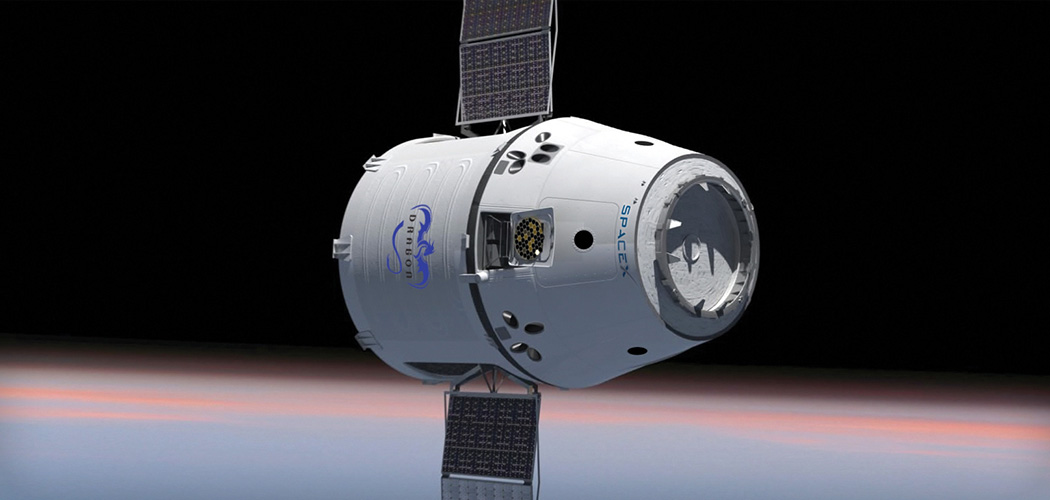
    Google is the front runner in the Internet search business and from the recent announcement, it is clear that it has plans to conquer space as well. The company has partnered with Elon Musk to connect the world through space-based internet. Now, recent reports have surfaced which say that Google will penetrate deep into the telecom sector by launching its own wireless service.

    According to the report, Google plans to directly sell the mobile phone plans to the end customers. The company will be handling calls and mobile data. Google is in talks with Sprint and T-Mobile to buy wholesale access of these carriers. If sources are to be believed then users can see the Google network later this year.

    rural-internet-nepal

    Codenamed ‘Nova’, the project is led by the Executive of Google Nick Fox. The firm wants to offer creative plan pricing, says a leading publishing daily. By bringing out a carrier service, Google would be able to have a better control on the devices manufactured by them.

    It’s still under wraps that where the company will launch its services, what will be the charges and what all manufacturers are involved. As the internet giant is dealing with Sprint and T-Mobile (available in the US), it will affect the US market and the carriers in the regions will be pressurised to cut down the price in order to sustain their user base.

  • Google to Shut Down the Google Maps Engine

    Google to Shut Down the Google Maps Engine

    Google Maps Engine is a tool that lets developers create their own maps on top of Google provided maps. The service now faces a shutdown as the engine is supposedly slowing down. Google Maps will remain functional, but the service to create customized maps will be pulled off.

    ZDNet reports that the search giant will end the service in the coming year after which users won’t be able to sign into the service. A rival map maker CartoDB is said to be replacing the service.

    Google has confirmed the shutdown and said that they will support the clients who use the Maps for Work product by Google through their contract period. Maps for Work gave enterprises and businesses the power to visualize their business on the map and attract more customers using the various features. There aren’t any reasons cited for the shutdown.

    CartoDB hopes to be the replacement of this Google Maps engine and is expected to run on the Google Cloud Platform. It can also be engaged with Google sign-in accounts.

    These are some of the moments when big corporations have to do the unfavorable thing. The company had given immense tools in the hands of the people in the form of the Maps Engine. The sting of shutdown will be felt by businesses as well as by Google.

  • Google Partners With Elon to Make Space-Based Internet a Reality

    Google Partners With Elon to Make Space-Based Internet a Reality

    Just a few days back, SpaceX chief, Elon Musk was in the news again when he talked about his audacious plan to connect the world through space-based internet. He said that this would not just benefit the internet users around the world; it will also help connect those last 3 Billion people who still don’t have access to the internet. The plan as anyone can expect would be expensive, but seems like Elon may now have a partner with one of the deepest pockets in the business; the search giant Google.

    Elon has stated that the cost of setting up the constellation of satellites would be above $10 Billion. He claims that this system of providing internet would be speedier and more convenient to spread around. The satellites are expected to be connected through a laser based system as Elon doesn’t have rights to use radio waves.

    Google will be investing $1Billion in Satellite Internet initiative of SpaceX
    Google will be investing $1Billion in Satellite Internet initiative of SpaceX

    According to the Wall Street Journal, Google is interested in investing $1 Billion into the project to kick off the initial stages of the development of the constellation. This deal would be beneficial for Google too as the internet behemoth would find a massive new user base. Google has been known for investmenting in multiple areas to spread the reach of the internet around the world. Previously the company has invested in Project Loon that is an initiative to provide internet through giant helium balloons circling the globe that are equipped to beam Wi-Fi signals down below. Along with that the company was also planning a massive investment in undersea cables to bring 60 Tbps Internet connectivity for Asia.

    The main competion to SpaceX initiative is Greg Wyler's OneWeb project .
    The main competition to the SpaceX initiative is Greg Wyler’s OneWeb project backed by Qualcomm and Virgin .

    Google was also working with Greg Wyler whose project is almost similar to SpaceX’s plan. Greg left Google last year to form his own satellite company called OneWeb. The company is now backed by Virgin founder Richard Branson and chip maker Qualcomm. Richard had earlier said that Elon doesn’t have the spectrum license, and there isn’t a space for a competing company, so SpaceX should join OneWeb’s initiative. But it seems now that with Google’s blessings on their side, SpaceX can make their plans, a reality. It will also be interesting to see how the company manages to provide the service without access to radio waves. Get ready for some big corporate fights on this issue.

    For Google, the initiative, to bring the internet through satellites, will also be cheaper than laying those expensive submarine cables. And the rest of humanity will benefit from the access to the internet. This sounds like a win-win for all. The icing on the cake is Elon’s hopes of setting up a human station on Mars from the revenue of the satellite based internet.

  • Google Might be Planning its Own Mobile Payment Solution

    Google Might be Planning its Own Mobile Payment Solution

    Apple’s Apple Pay mobile payment system was unveiled last year on the same day we saw the Apple Watch, iPhone 6 and iPhone 6 Plus for the first time. With Apple Pay all you need to do for paying at stores is bring your phone near the payment sensor, and that’s it, your payment is done. Apple Pay is available on both, the iPhone 6 as well as the iPhone 6 Plus.

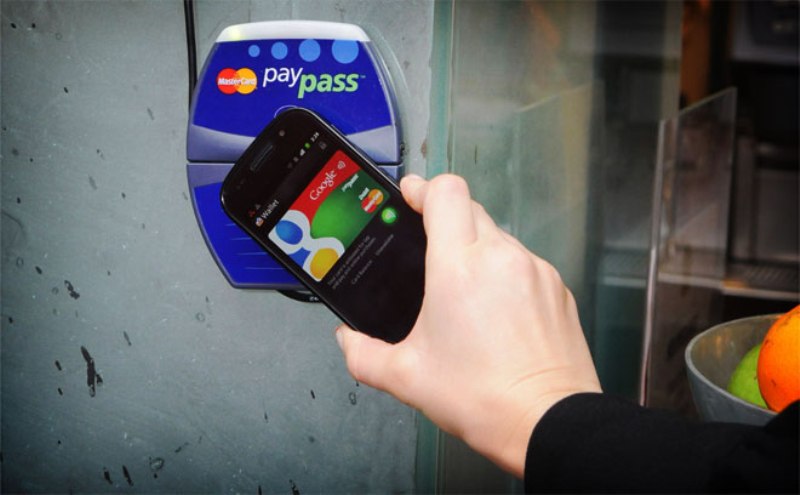
    Now it seems like Google is also looking to add the popular feature in its portfolio. NFC-based payment system is said to eliminate plastic money (credit cards) for hassle free payments. The Android maker is reportedly in talks to acquire Softcard, the a mobile payment company, and subsequently launch its own NFC-based payment system.

    Softcard, formerly known as ISIS, is a joint venture of
    Softcard, formerly known as ISIS, is a joint venture of  Verizon, T-Mobile, and AT&T

    Softcard is a joint venture of Verizon, T-Mobile, and AT&T which has been going through a rough patch lately. Softcard earlier this month laid off about 60 employees and has been in a consolidation phase. According to TechCrunch, hundreds of millions of dollars apparently were sunk into the company by all three carriers.

    Apple, right now, enjoys the monopoly of owning its own NFC-based payment system. Looks like we’ll have to wait a while to see Google’s retaliation.

  • Google Maps Lane Guidance Feature Makes For a Handy Travel Companion

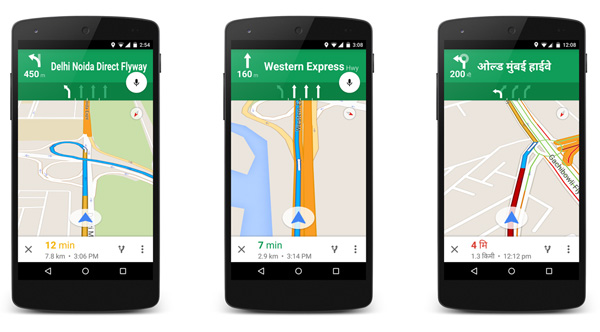
    Indian roads always remain packed with vehicles. These busy roads notice honking and screaming on working days as well as on weekends. People have to leave home half an hour or an hour in advance to counter traffic. Not any more! Now Indians don’t have to freak out in the traffic jam as Google Maps has launched a lane advisory system in India.

    Lane-Guidance

    With this new feature, Google Maps gives voice guidance to the users, enabling them to see and hear voice-guided instructions about the alternate lane they should take to avoid traffic. The app is compatible with both Android and iOS and gives lane guidance in around 20 major cities. Google aims to make the app handy and more useful for regular travellers. Director, Producer and Program Management of Google Suren Ruhela clarified the main motive behind updating the app saying –

    With the Google Maps app for iPhone/iPad and Android, users will now be able to see and hear voice-guided instructions, signalling which lane they should stay in or move to while in navigation mode.

    She further said that the company will continue to upgrade Google Maps for mobile to make it a handy travel companion.

    The 20 cities included in the lane guidance feature are Ahmedabad, Bengaluru, Bhopal, Chandigarh, Chennai, Coimbatore, Delhi, Hyderabad, Indore, Jaipur, Kolkata, Lucknow, Mumbai, Mysore, Nagpur, Pune, Surat, Thiruvananthapuram, Vadodara and Visakhapatnam. Drivers in this cities will be able to choose on lane option for easy commute in their mother tongue. The app added Hindi as a default accent last year in July.

    The app added a couple of other features as well like turn-by-turn voice guidance, which user’s can get in preferred language. Drivers can change the language from the ‘Language and input’ option. The added feature is a really supportive addition to improving search experience for Indian users.

    With traffic the way it is, even in the smallest towns in India, this is quite an initiative by Google Maps to help the hapless stuck in everyday traffic!

  • How Google’s Project Ara Will Reinvent the Existence of Smartphones

    How Google’s Project Ara Will Reinvent the Existence of Smartphones

    The whole idea of technology is to continuously evolve through introduction of new and feasible upgrades. However, this process of evolution makes the old devices inherently wasteful. As soon as a new device comes out, the old one is tossed in the garbage or put on the shelf to collect dust. But Google’s Project ARA wants to change that with a Lego-like device in which parts of the phone, although not the entire device, can be replaced.

    History

    The idea of modular smartphone may sounds exciting but it was not easy to build; we presently call it the PhoneBlok smartphone. PhoneBloks began with a single video, almost one and a half years ago, describing in some detail, the idea for a phone worth keeping. Even though it was just an idea, it generated quite a buzz in the tech industry with a social media reach of over 380,000,000 people. Shaking the mere foundation of the smartphone market, the idea presented by the PhoneBlok community questioned the idea of typical smartphones and showed an effective way for change.

    The roots of the modular smartphone can be traced back to Modu, an Israeli mobile phone company, founded in 2007 by Dov Moran. The company invented the Modu, a modular cellular device which could be used in various other devices. However, the company ceased operations in February 2011 as it attempted to pay back debts and salaries owed to its workers. In mid May 2011 Google acquired several Modu Mobile patents for $4.9 million. In 2013, Google-owned Motorola announced it is developing a modular phone and hence the Project Ara was born. Meanwhile, Google sold Motorola to Lenovo, but, retained the Project ARA Team.

    How Does it Work?

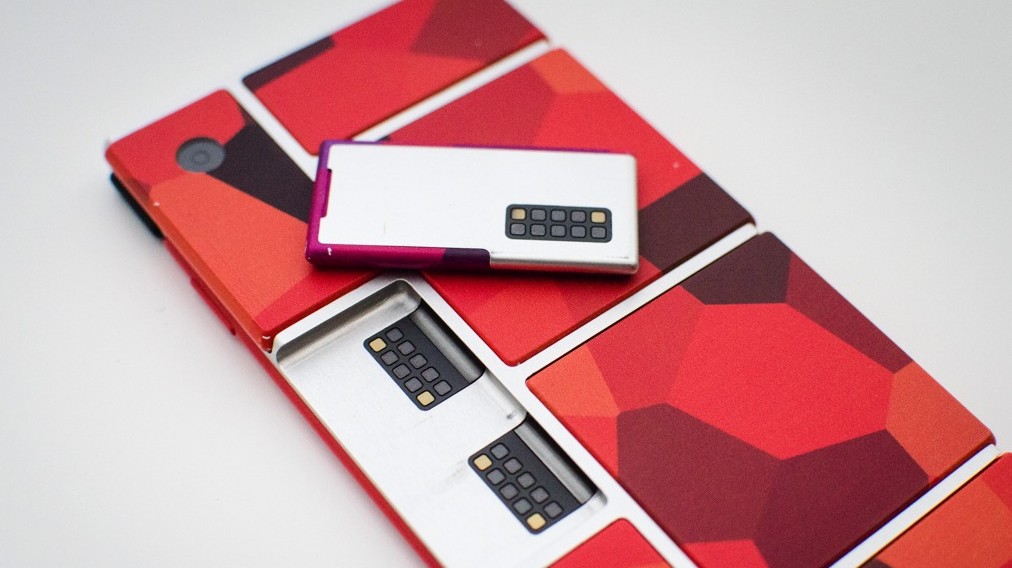
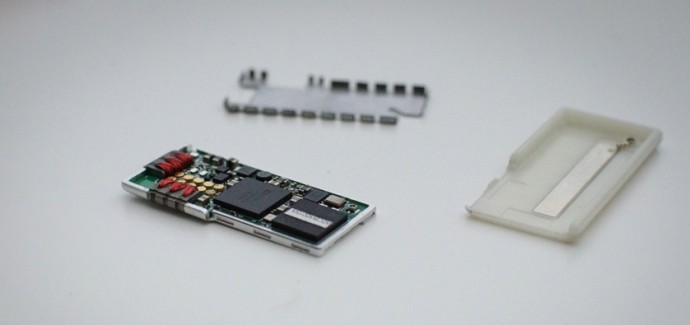
    The basic idea of the Phoneblok is creating a smartphone that has detachable components on its front and back so that everything from the processor to the camera can be easily upgraded without discarding the rest of the phone. The entire contraption is held together by a pegboard-style base, with a screen also replaceable mounted on the front.
    project-ara-8

    There would be one block (also called modules) for the camera lens, one for the battery, one for storage and so on. Those blocks would plug into the base, and the blocks, base and screen would be secured together with two screws. Because individual blocks can be replaced when they become outdated or simply break. Additonally the electronic junk will be minimal with these smartphones.

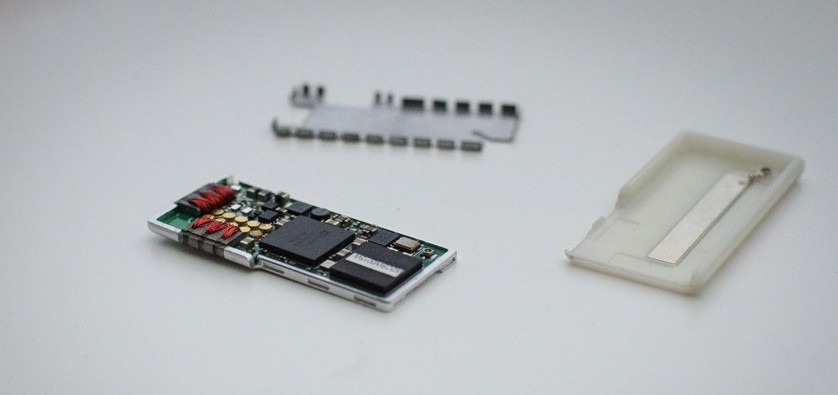
    Ara modules need to have a way to communicate with the rest of the phone, but physical contacts are often cumbersome and prone to easy damage. So instead, the modules use “capacitive interconnects,” which are wireless and theoretically more reliable, especially at high speeds. The capacitive pads also help saving space on the modules, since they’re smaller than physical pins.

    project ara 1

    Modules will be available both at an official Google store and at third-party stores. Ara Smartphones will only accept official modules by default, but users can change a software setting to enable unofficial modules. This is similar to how Android handles app installations.

    When Will It be Available?

    At present, Google has announced the launch of Project Ara MDK 0.2. The second developers kit from the project is said take PhoneBlok closer to the reality. The MDK 0.2 is based on the Spiral 2 prototype that will be revealed at the upcoming developers’ conference. The company has added  a section on the Module Marketplace, which is said to be a lot like a Google Play Store for Ara hardware modules. Unlike the Play Store, however, it seems that this marketplace is going to be strictly curated.

    project ara

    Along with this, the company has also announced the release of Ara Manager app that will be made available in the near future. This app will let users control the functions of different modules and monitor their state and information.

    Coming February, Google will kick off second installment of Ara Developers’ Conference which will mark the roll out of MDK 0.2 to limited number of developers. The commercial release is still on hold, however, the recent advancement in the project has hinted that the modular smartphone are very close to become a reality.

    Project Ara could be a ground shaker in the Tech Industry. With a video managing a social media reach of 380 Million, and the smartphone market growing so rapidly; one can only wonder what impact it will have when this project becomes a reality.
  • Google Translator Gets Smarter With Real-Time Language Detection

    Google Translator Gets Smarter With Real-Time Language Detection

    Google has majorly updated its Google Translate mobile app. The update brings promises to expedite the translation process while on the move.

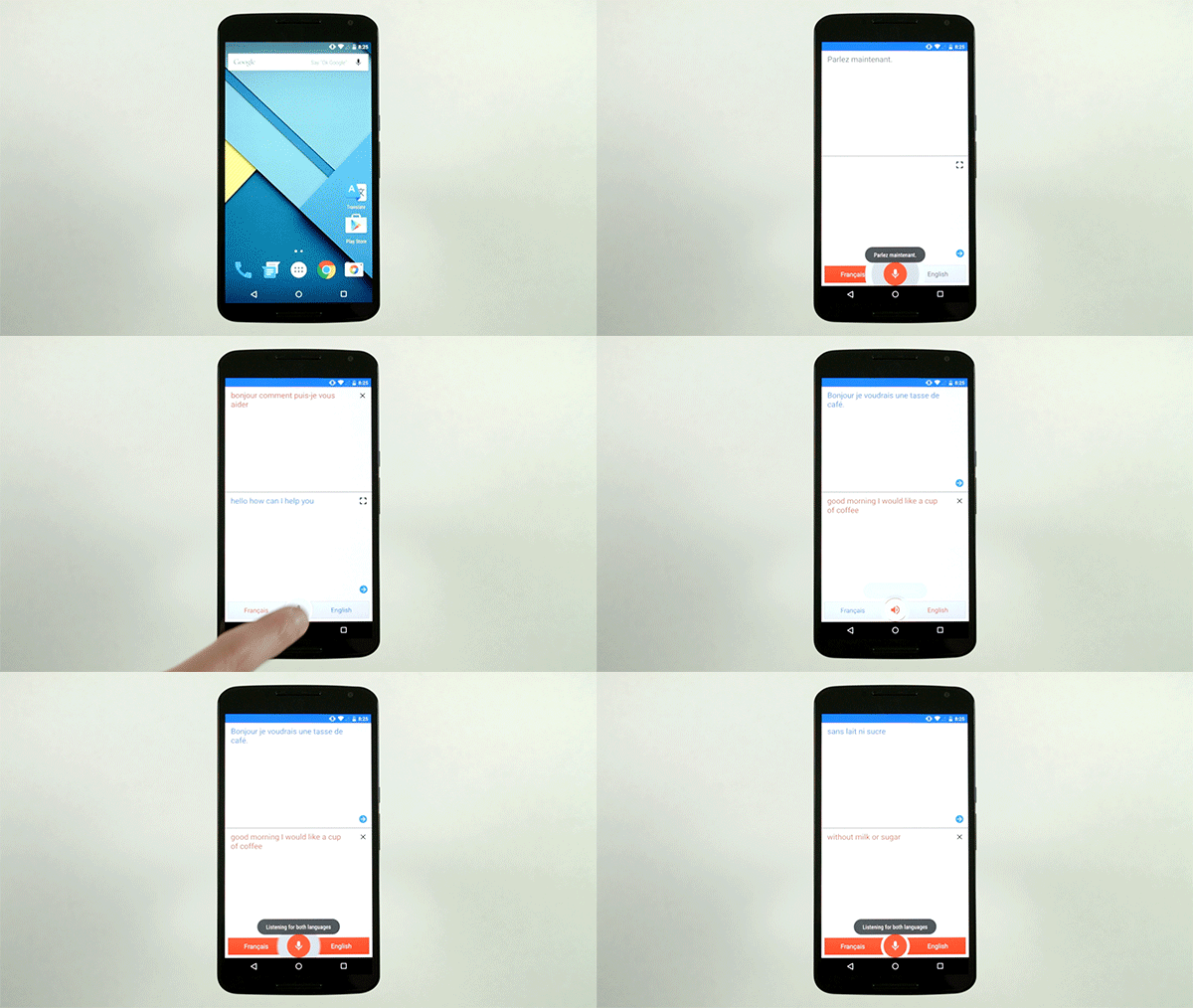
    As rumored, the new version includes automatic language detection in conversation mode, so having a conversation between two people who don’t speak the same language is actually possible. Once you’ve selected the two languages being spoken, Google Translate can now tell which one is being spoken at any moment. With no need to manually toggle them, conversations can be more natural.

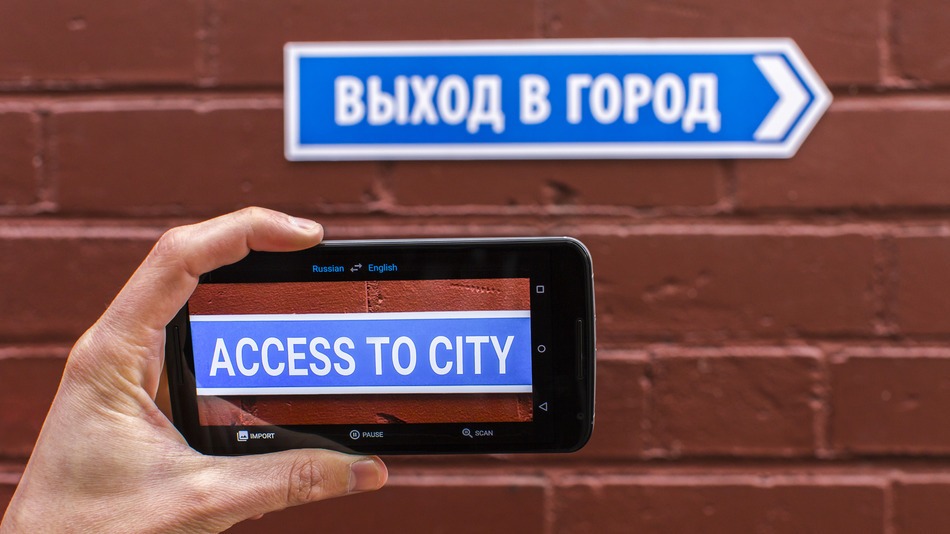
    Another big update is the integration of the World Lens tool in the app. Google acquired the Word Lens technology last year when it bought Quest Visual, a start-up founded by former video game developer Otavio Good. Word Lens uses video mode in smartphone cameras to scan scenes, identify writing and then display it as if it were written in English.

    Conversation Mode GIF

    While the Google Translate app already lets you convert words into 36 languages using your phone’s camera, this process will become more or less instant. So you can basically hover your device in front of menus, road signs, and more, and see the translated text overlaid on the screen immediately without any internet connection.

    The updated apps aren’t live yet, but the refresh will be rolling out starting today, according to Google’s blog post.

    Thanks to technological advancements, the barrier of language is rapidly disappearing with such tools. It may not solve all problems, but at least travel and tourism will get easier for many.

iGyaan Network
Privacy Overview

This website uses cookies so that we can provide you with the best user experience possible. Cookie information is stored in your browser and performs functions such as recognising you when you return to our website and helping our team to understand which sections of the website you find most interesting and useful.