Tag: hybrid

  • AutoGyaan : Ford Unleashes the Fusion Hybrid Plug-in (PR)

    AutoGyaan : Ford Unleashes the Fusion Hybrid Plug-in (PR)

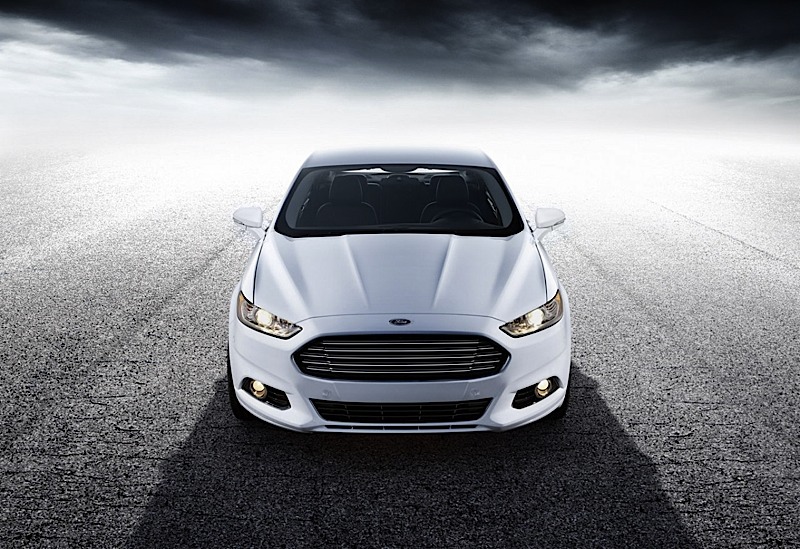
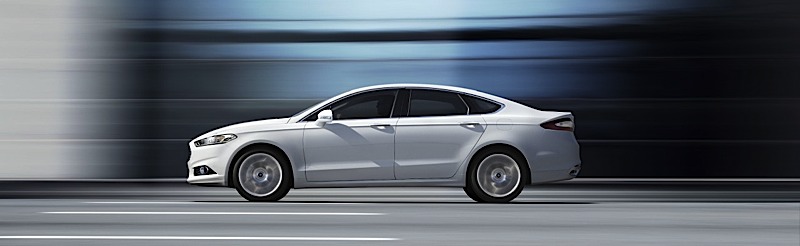
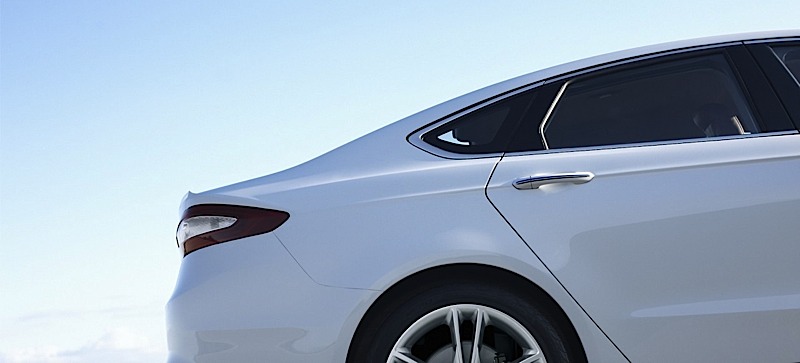
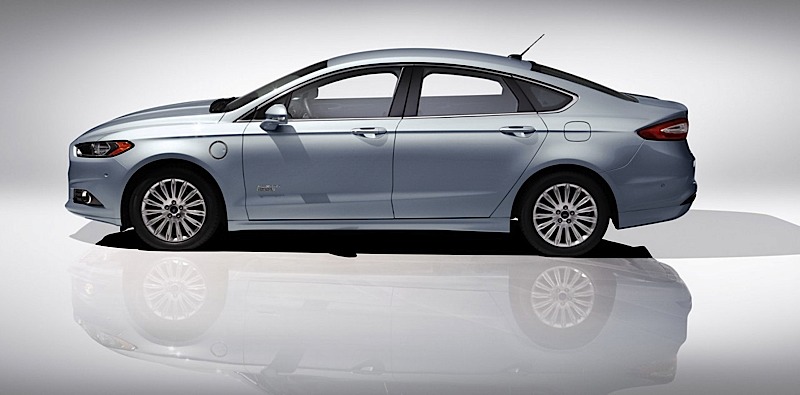
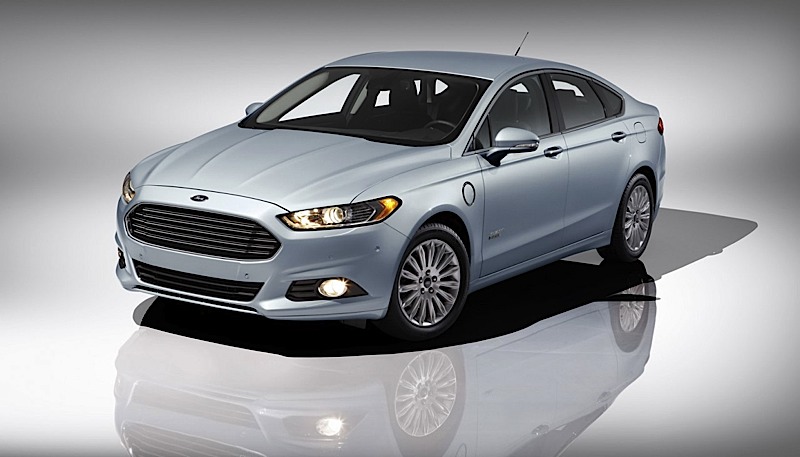
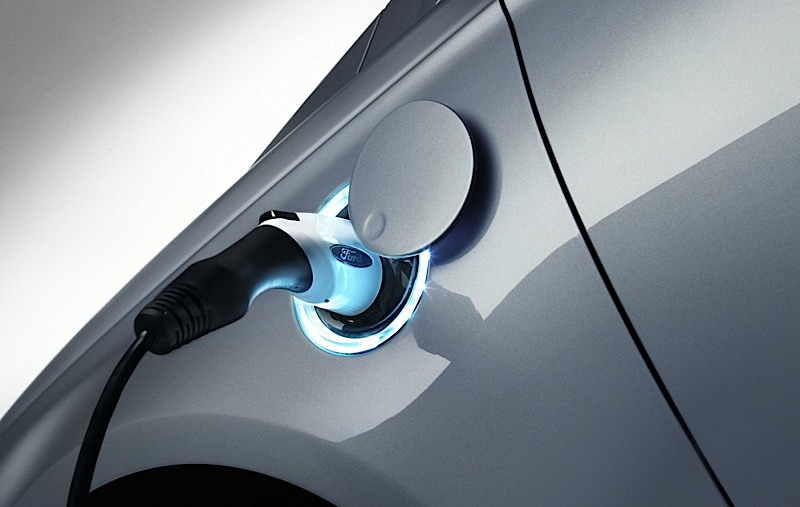
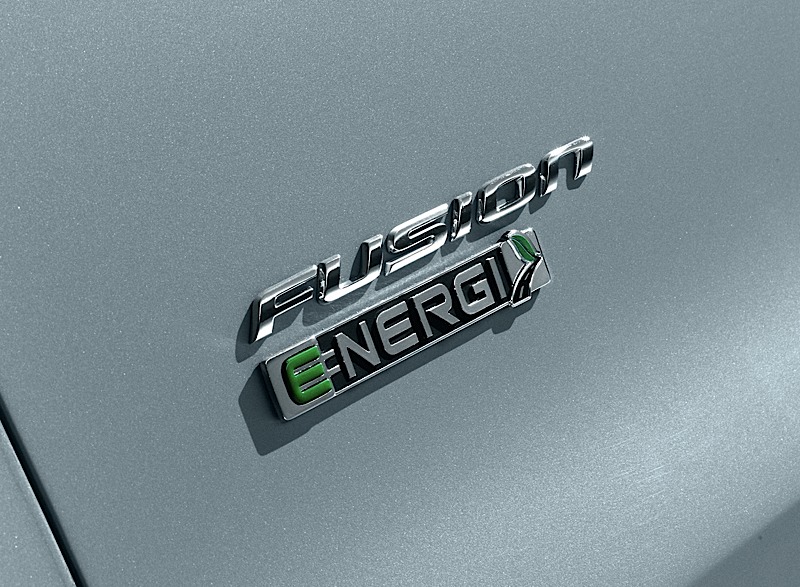
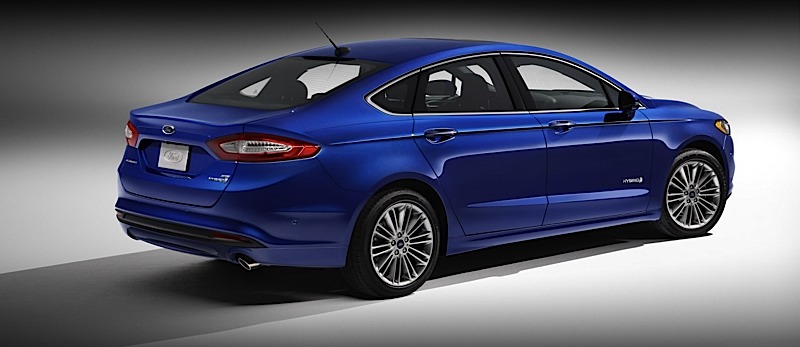
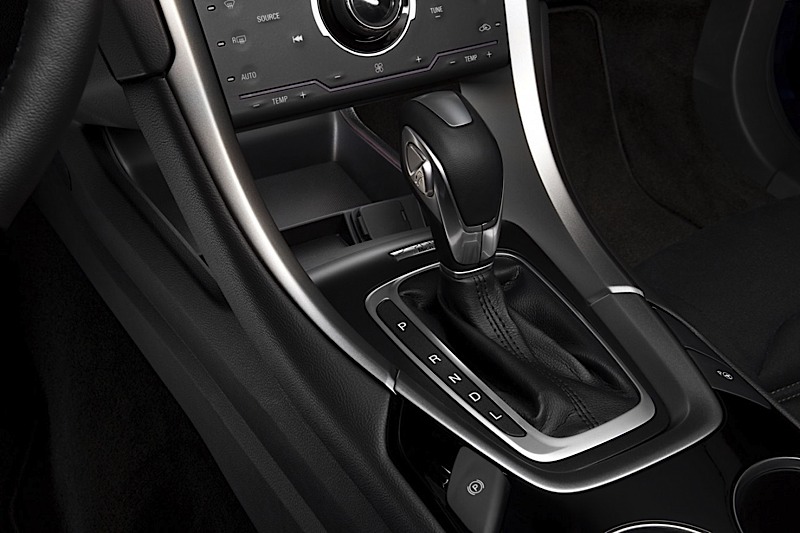
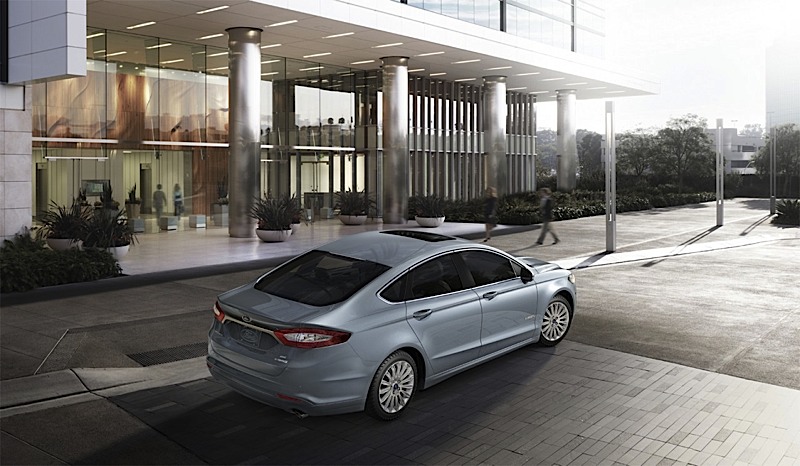
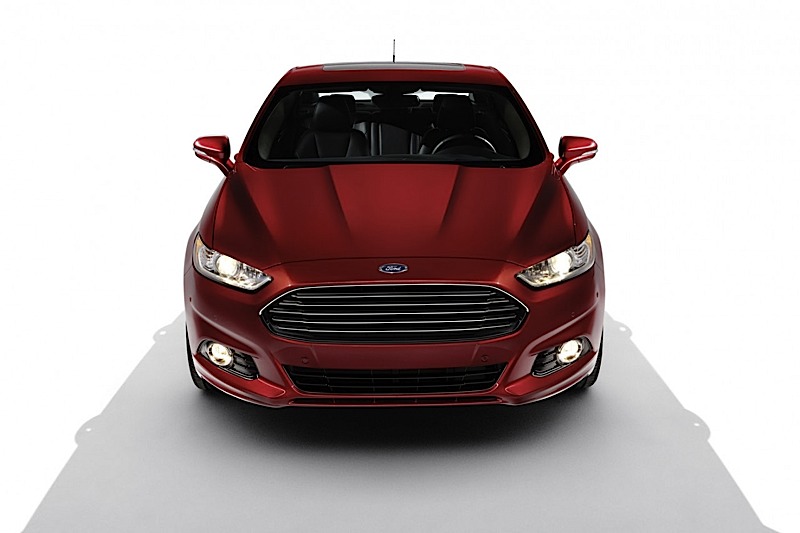
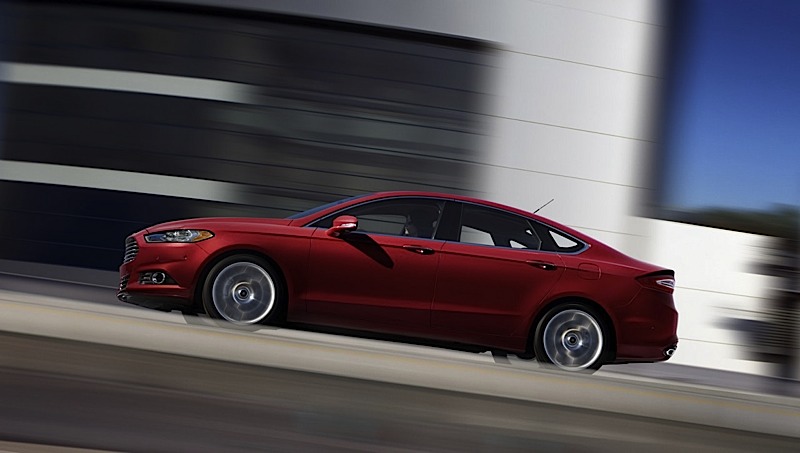
    Ford has released a new Fusion Hybrid Plugin for their 2013 model lineup. The lineup which will consist of the petrol, and petrol hybrid will also be greeted with this new plug-in hybrid. The car offers doubly improved efficiency vs standard petrol and hybrid engines. The Fusion Energi plug-in offers an efficiency  14 KMPe more than the Chevrolet Volt topping in at 100 MPGe.

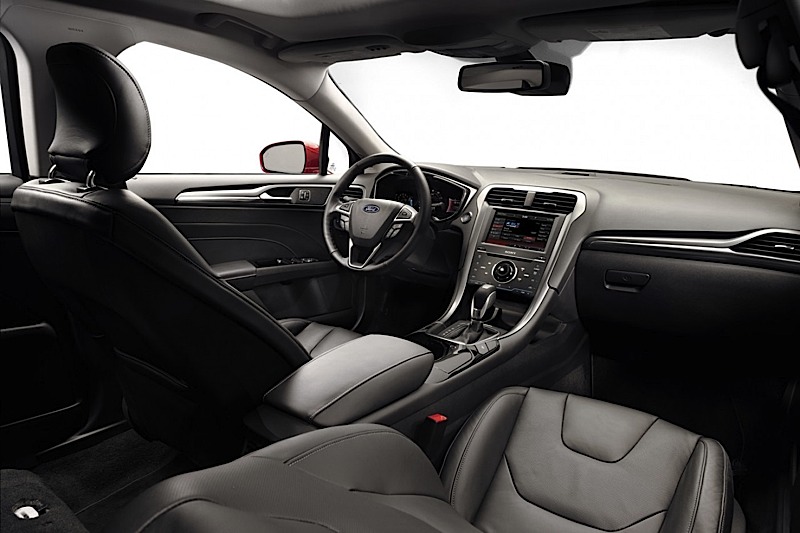
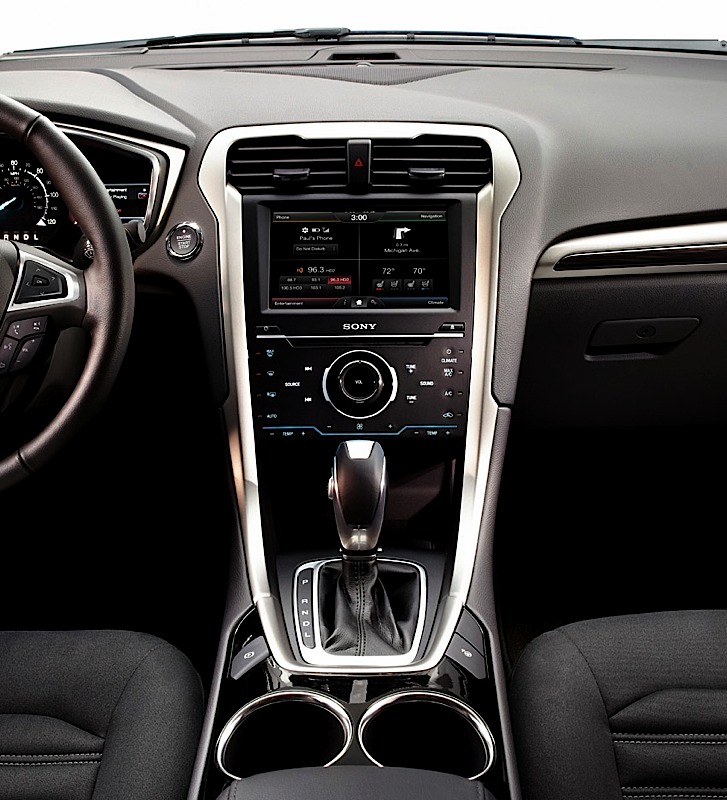
    Ford plans to sell these vehicles in India sometime at the end of 2013, for a very comfortable(!) 20 Lac. The car also features plus interiors along with 11 Airbags, SOny Sound system with integrated navmapping and surround stereo.

    The Ford Fusion 2013 has undergone 180 validating crash tests to ensure optimum safety for its passengers.
    [toggle title_open=”Press Release” title_closed=”Press Release” hide=”yes” border=”yes” style=”default” excerpt_length=”0″ read_more_text=”Read More” read_less_text=”Read Less” include_excerpt_html=”no”]


    New Ford Fusion Brings More Technology, Expected Triple

    Crown of Best-in-Class Gas, Hybrid, Plug-In Efficiency
    • New Ford Fusion is the first sedan to offer gasoline, hybrid and plug-in hybrid powertrains, each with expected top fuel economy, underscoring Ford’s commitment to give customers the power of choice

    • With seven must-have technologies, including a Lane Keeping System, adaptive cruise control, active park assist and MyFord Touch®, the all-new Ford Fusion shows how Ford is delivering features customers truly want and value

    • Customers can choose from Fusion’s widest-ever portfolio of fuel-efficient powertrain options including EcoBoost™, hybrid and plug-in hybrid engines; automatic and manual transmission offerings and auto start-stop technology

    • Revealed in North America as the midsize Fusion sedan, this all-new car signals the next-generation Ford Mondeo for world markets

    DETROIT, Jan. 9, 2012 – Ford’s all-new Fusion brings alive the next generation of more expressive vehicles from Ford and is the first sedan to offer gasoline, hybrid and plug-in hybrid versions – each expected to deliver top fuel economy and an engaging driving experience.

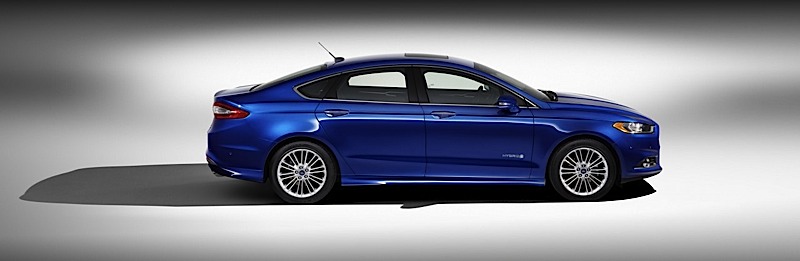
    Featuring a sleek silhouette and fresh face, the all-new Fusion is the latest in a series of vehicles from Ford – following the 2011 Fiesta subcompact and 2012 Focus small cars – developed to satisfy customers everywhere looking for leading fuel efficiency, helpful technologies and game-changing looks.

    “Our vision for Fusion was clear – deliver the very best of what ‘One Ford’ stands for,” said Derrick Kuzak, group vice president of Global Product Development. “We brought our global teams together around a blank slate with the charge to develop a midsize car with ground- breaking design and jaw-dropping fuel economy – one that featured technologies to help make our customers safer and better drivers. This car is the result.”

    Fusion is revealed in North America in S, SE and range-topping Titanium series and points to the next Ford Mondeo for world markets.

    For more information on the importance of the midsize car market, please follow this link: http://youtu.be/7C2ipp5A7gQ

    Triple-crown fuel efficiency
    New Fusion is expected to deliver best-in-class fuel economy across customers’ choice of gasoline, hybrid and plug-in hybrid sub-segments, delivering on Ford’s commitment to be the fuel-efficiency leader – or among the leaders – with each new model brought to market.
    Fusion brings the broadest selection of fuel-efficient powertrains in the midsize car segment. It offers hybrid and plug-in hybrid alternatives, a pair of EcoBoost™ four-cylinder engines, a normally aspirated four-cylinder engine, an automatic start stop system to shut off the engine at stationary idle, front-wheel drive and all-wheel drive applications, and a choice between automatic and manually shifted six-speed transmissions.

    The 1.6-liter EcoBoost is expected to deliver best-in-class four-cylinder non-hybrid fuel efficiency of 26 mpg in the city and 37 mpg on the highway. The 2.0-liter EcoBoost engine – paired with a paddle-shifted six-speed SelectShift Automatic™ transmission, available 19-inch wheels and tires and all-wheel drive with the ability to send additional torque to the rear – is the Fusion performance option.

    The Fusion Hybrid – 2010 North American Car of the Year – continues to innovate and evolve with all-new lithium-ion batteries that save weight and generate more power than previous nickel-metal hydride batteries, while raising maximum speed under electric-only power from 47 mph to 62 mph.

    Fusion Hybrid also features an all-new 2.0-liter Atkinson-cycle four-cylinder gasoline engine, significantly downsized from the previous 2.5-liter unit while maintaining performance standards. This innovative powertrain is anticipated to deliver best-in-class fuel economy of 47 mpg in city driving and 44 mpg on the highway.

    Fusion Hybrid fuel economy stands to outperform the 2012 Toyota Camry Hybrid by 4 mpg city and 5 mpg highway and the 2011 Hyundai Sonata Hybrid by 12 mpg and 4 mpg, respectively.

    Topping the fuel-efficiency ladder is the Fusion Energi plug-in hybrid, aiming to be the most fuel-efficient midsize car in the world. Arriving this fall, Fusion Energi is anticipated to deliver more than 100 MPGe, a mile per gallon equivalency metric for electrified vehicles. This is 8 MPGe more than the Chevrolet Volt and 13 MPGe more than the projected efficiency of the Toyota Prius plug-in hybrid model.

    The next-generation Fusion 1.6-liter is the first automatic-transmission Ford product offered with an automatic start-stop system. It shuts off engine power smoothly when the car is stopped and seamlessly restarts as the driver releases the brake pedal, helping Fusion to reduce fuel consumption and emissions by approximately 3.5 percent.

    Fusion looks out for you
    The all-new Fusion offers an unprecedented portfolio of driver assistance and convenience technologies based on sensors, cameras and radar that enable the car to see and respond.

    Fusion can help drivers maintain proper lane position, adjust vehicle speed to changing traffic conditions, identify suitable parking spaces and help park, even aiding drivers backing out of parking space where visibility is obstructed. Specific technologies include:

    • Lane Keeping System: This class-exclusive technology consists of three elements to help a driver maintain proper lane position. Using a small, forward-facing camera behind the inside rearview mirror, the system “looks” down the road, monitoring lane lines to determine that the car is on course. The system will alert a driver if drowsiness or erratic lane-keeping is detected. The second element warns a driver with a steering wheel vibration if the Fusion drifts too close to lane markings. Finally, lane keeping aid will actually apply pressure on the steering to help bring the car back into proper lane position

    • Adaptive cruise control: Using forward-looking radar, this system “looks” down the road when activated, slowing the Fusion when slower traffic is detected ahead. Adaptive cruise control enables collision warning with brake support to help slow the car if the potential of a crash is detected

    • Active park assist: Employing sensors, this technology can identify a suitable parallel parking space, calculate the trajectory and steer the car to properly position it within the spot. All a driver need do is operate accelerator and brake pedals

    • Blind Spot Information System (BLIS®) with cross-traffic alert: Sensors in both Fusion rear quarter-panels are able to detect traffic in a driver’s blind spot, providing both audible and visual warnings if traffic – unseen by the driver – is detected. BLIS technology enables cross-traffic alert, warning the driver of oncoming traffic when backing out of a parking space with obstructed views, such as between two large vans

    The power of voice
    The all-new Fusion offers the latest iteration of Ford’s award-winning, industry-exclusive SYNC® communications and entertainment system, which enables voice-activated communication through a driver’s mobile phone and interaction with the car’s audio system.

    Fusion also offers the latest version of MyFord Touch®, allowing a driver to interact with vehicle systems through voice control, a touch screen tap or a conventional button.

    Both SYNC and MyFord Touch – powered by SYNC – help reduce the potential for driver distraction through voice-controlled functionality, allowing drivers to keep hands on the wheel and eyes on the road.

    Different, by design
    “The previous Fusion was an easy purchase for a customer to rationalize,” said Chris Hamilton, chief exterior designer for the next-generation model. “Our design goal for the new car was to give the mainstream sedan buyer a top-drawer visual experience, adding some emotional appeal to an already sensible choice.”

    These five elements provided direction for the design team behind the all-new Fusion:

    • Silhouette innovation: Fusion’s sleek profile sets it apart from the powertrain/cabin/trunk “three-box” designs synonymous with midsize sedans
    • Perceived efficiency: Fusion character lines sweeping to the rear and thin roof pillars suggest the car is nimble and light on its feet
    • Refined surface language: Fusion demonstrates that a tasteful, well-executed design does not require add-ons or visual clutter
    • Technical graphics: Fusion’s functional design elements such as headlamps, LED taillamps and polished exhaust tips communicate enhanced technological capability
    • New face: Fusion signals the next evolution in Ford global design language for midsize cars and smaller

    Inside, the new Fusion offers a sporty, driver-oriented environment with next-generation seating that brings expanded functionality. A higher center console supports the driver-centric theme and yields clever storage for items a driver wants to keep handy.

    Additional passenger space was designed-in by moving the instrument panel toward the windshield, contributing to the cabin’s airy, open environment. Thinner, lighter frames support comfortable next-generation seats trimmed with fabric using recycled sustainable yarns.
    Craftsmanship plus dynamics equals feel
    Fusion design delivers on the promise of high visual quality, with improved materials, elevated levels of craftsmanship and attention to detail.

    Interior surfaces are softer to the touch and interior and exterior gaps are minimized, while extra care has been taken to upholster or cover each edge and every surface a customer can touch. When the trunk lid is opened, for example, a spring-loaded cover automatically conceals the trunk latch hardware.

    “The holistic goal of our craftsmanship process is to see that Fusion not only delivers a superior visual experience but also feels like quality to the customer,” said Adrian Whittle, Fusion chief engineer.

    Key contributors to how the Fusion feels are the ride and handling components that maximize vehicle dynamics.

    “This really is a driver’s car,” said John Jraiche, program manager. “Fusion is even more fun to drive with specially tuned electric power-assisted steering (EPAS), a MacPherson strut front suspension and an all-new premium-level multilink rear suspension – comparable to Audi and BMW configurations.”

    Careful tuning by Ford’s vehicle handling and ride team has yielded a Fusion with a dynamic character that will please a well-seasoned enthusiast while increasing the confidence level of less-experienced drivers.

    Fusion interior quiet reaches a new level with acoustic underbody shields and weight-saving sound-absorption material; both minimize road and powertrain noise while boosting aerodynamic efficiency to help save fuel. The all-new model adds content such as a full-perimeter hood seal to be among the midsize sedan segment leaders in giving drivers a quiet ride.

    Fusion Hybrid and Fusion Energi models also are equipped with active noise control. This feature uses the audio system to mitigate extraneous road noise while enhancing powertrain sounds.

    Strength and safety
    Fusion is designed with customer safety in mind. Engineers increased its body strength by 10 percent, using more high-strength steels such as boron, and added dual first-row knee airbags and adaptive front airbags that vent and tether to conform to a specific occupant’s size, position and seatbelt usage.

    The Fusion safety team targeted top-of-the-line ratings in each public domain safety benchmark, including National Highway Traffic Safety Administration ratings, the Insurance Institute for Highway Safety Top Safety Pick and top ratings in world markets where the car will be sold.

    The most prominent example is Fusion’s front-end architecture, as the same car must face simultaneous – and seemingly conflictive – standards across regions. The car’s front end is equipped to meet head-on and offset barrier standards for North America while still conforming to European standards for pedestrian protection – thanks to hours of computer modeling and 180 validating crash tests.

    Fusion will be produced at Ford’s Hermosillo, Mexico, manufacturing facility, soon adding production at AutoAlliance International Plant in Flat Rock, Mich. The car will appear in Ford showrooms in North America and South America later this year. Mondeo will be introduced next year in Asia and Europe.

    The story behind the new Fusion
    For more on the new Ford Fusion, check out http://FordFusionStory.com, a special mobile site featuring plenty of unique content including articles, videos and graphics that are easily shareable directly from your smartphone, tablet or computer browser to Facebook, Twitter, Google+ or blogs.

    # # #

    About Ford Motor Company
    Ford Motor Company, a global automotive industry leader based in Dearborn, Mich., manufactures or distributes automobiles across six continents. With about 166,000 employees and about 70 plants worldwide, the company’s automotive brands include Ford and Lincoln. The company provides financial services through Ford Motor Credit Company. For more information regarding Ford and its products worldwide, please visit http://corporate.ford.com.

    [/toggle]
  • AutoGyaan : Piaggio Unveils the Vespa scooter in India at Auto Expo 2012

    AutoGyaan : Piaggio Unveils the Vespa scooter in India at Auto Expo 2012

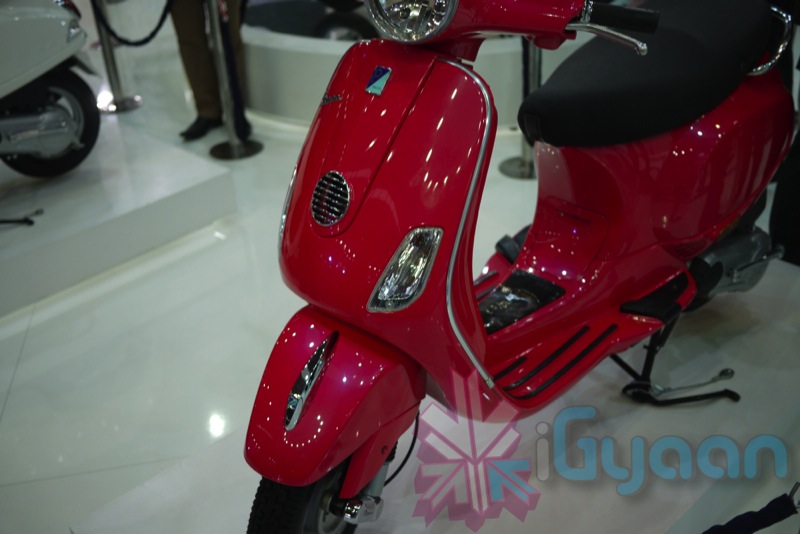
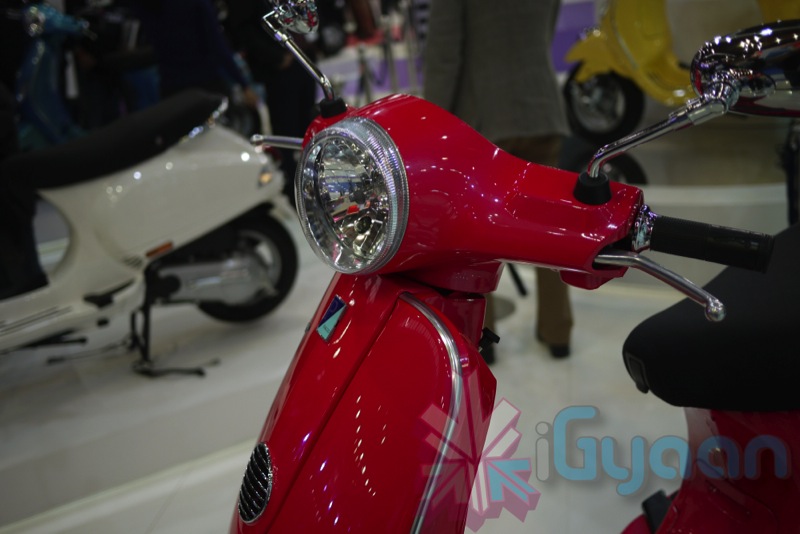
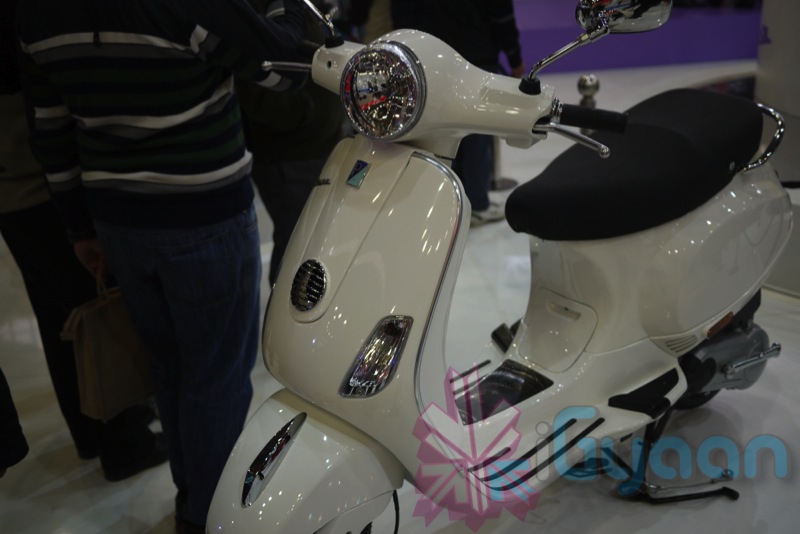
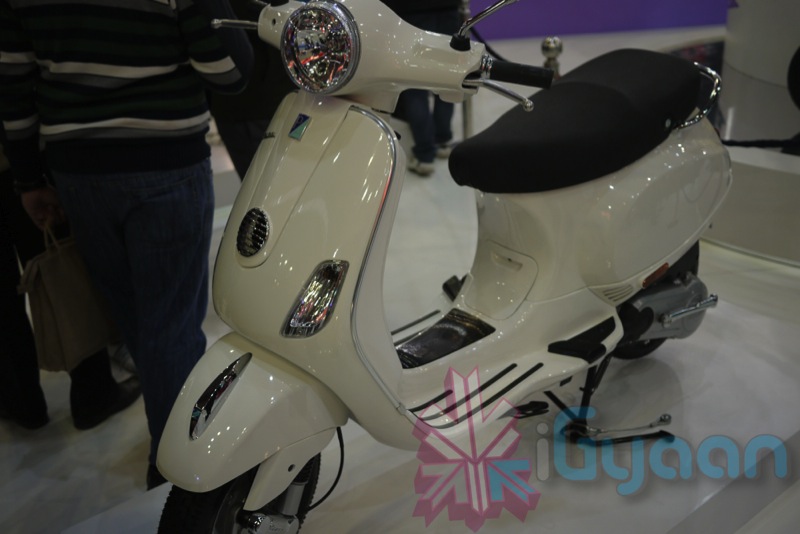
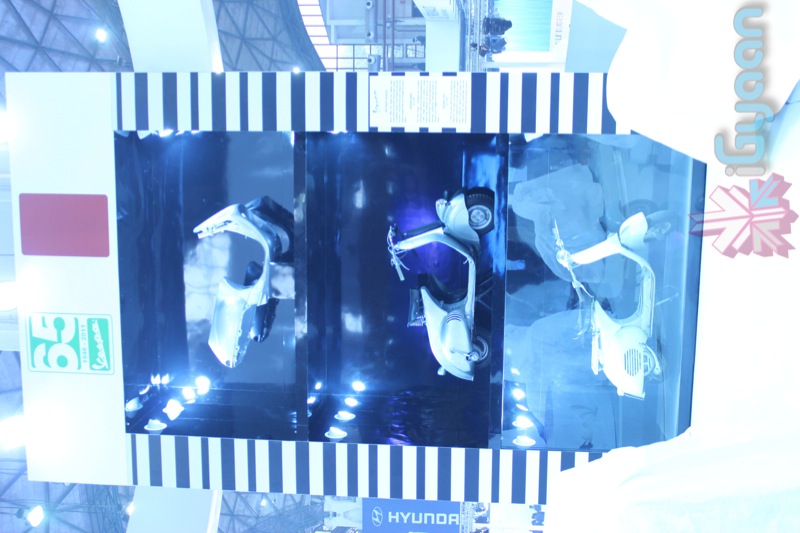
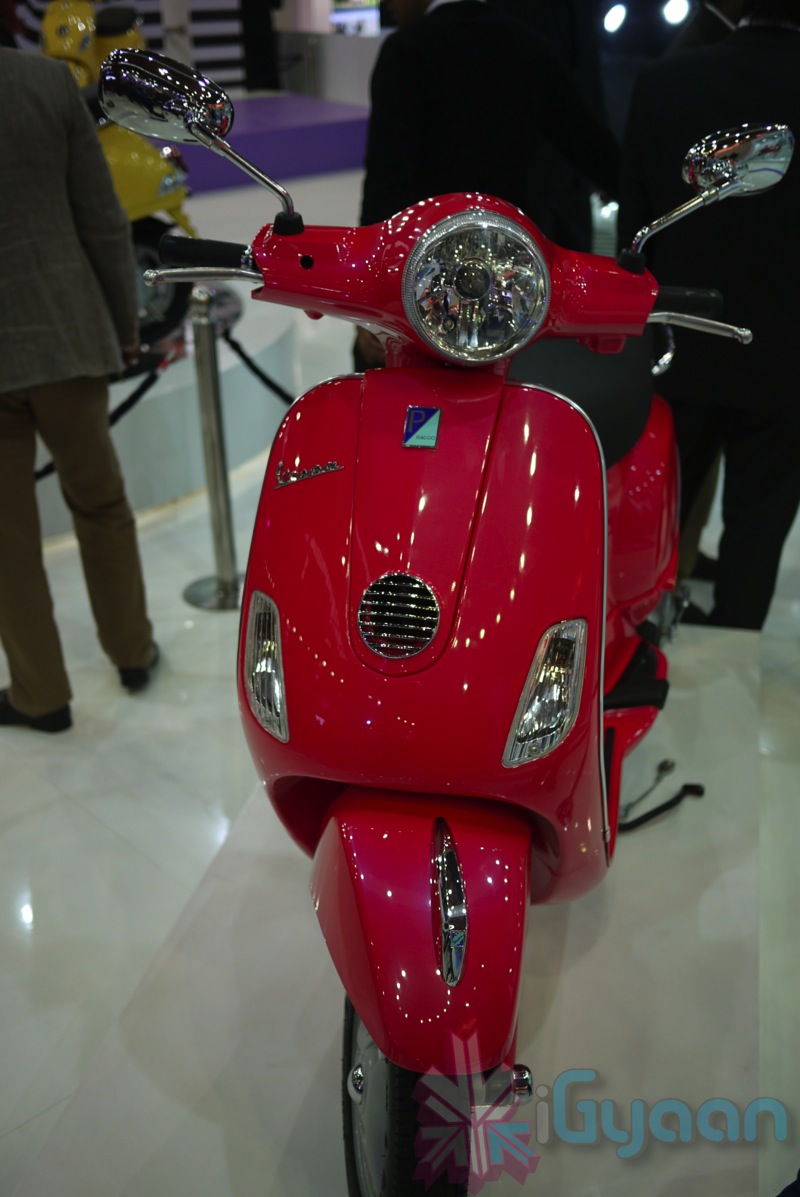
    Piaggio Vehicles Pvt. Ltd, the Italian motorcycle maker, unveiled the Vespa scooter at the 2012 Auto Expo. Vespa was started in 1946 and since then, the company have sold more than 17 million units worldwide. Piaggio plans to bring this iconic brand back to India with a new spirit. Piaggio have set up a new facility at Baramati for Vespa’s production, where they plan to manufacture with initial capacity of 150,000. The Vespa will hit Indian roads in April 2012 and will initially be available in 35 main cities.


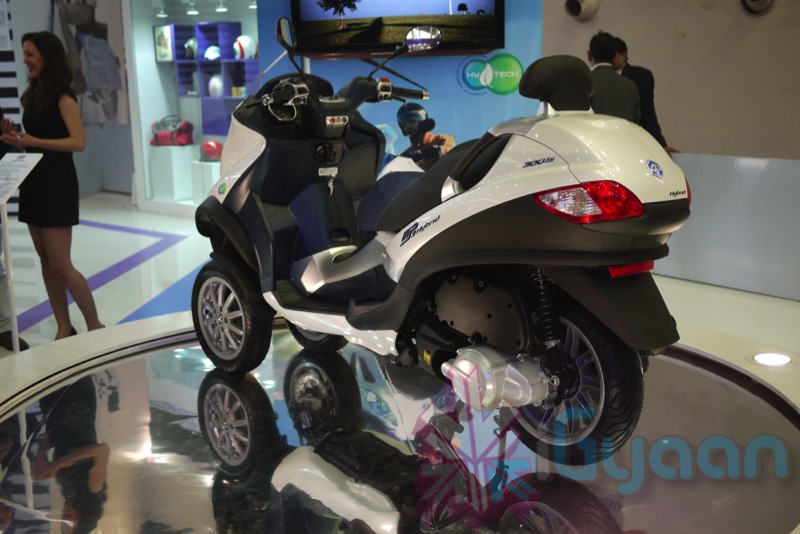
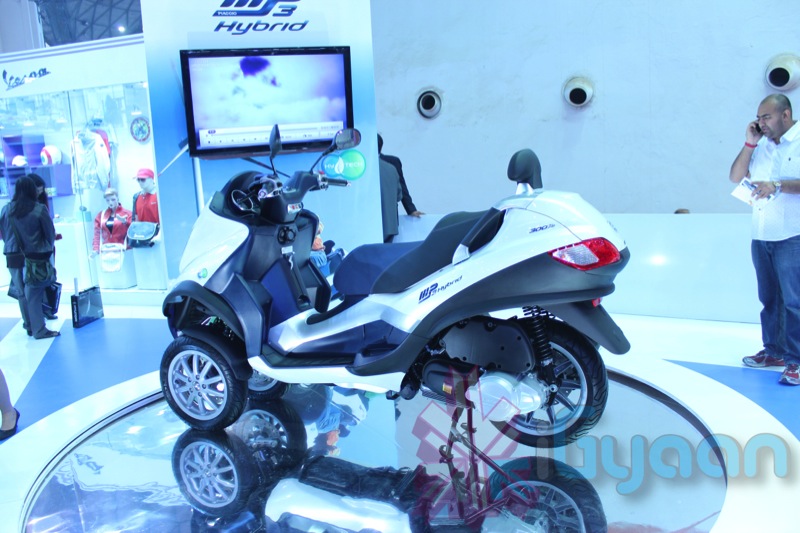
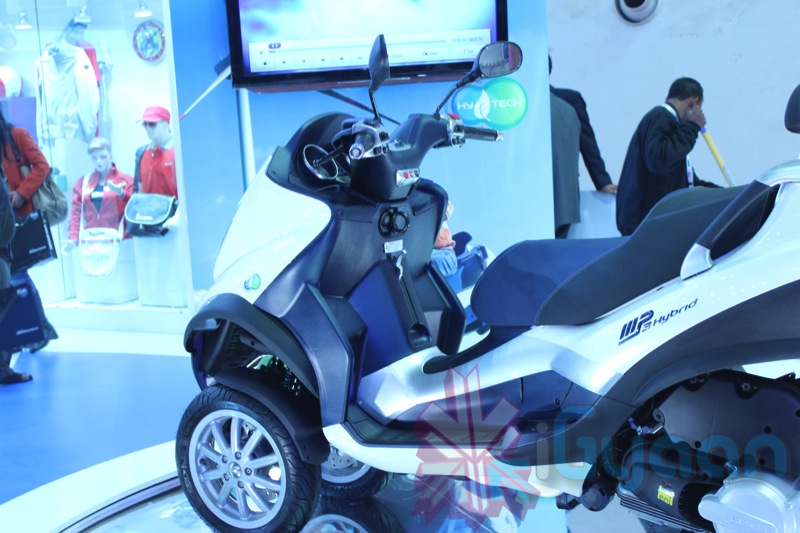
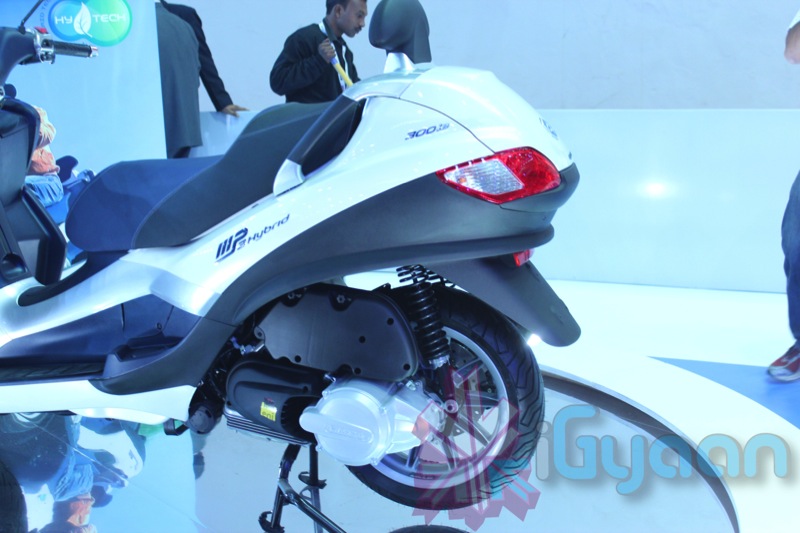
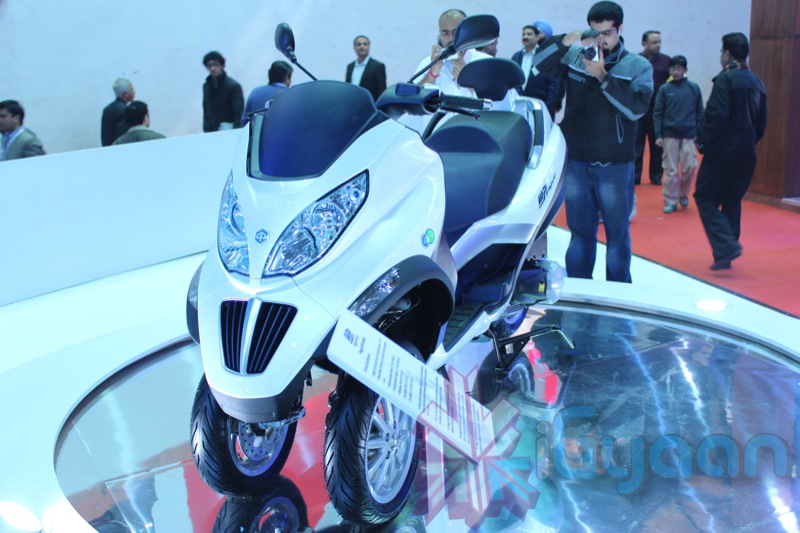
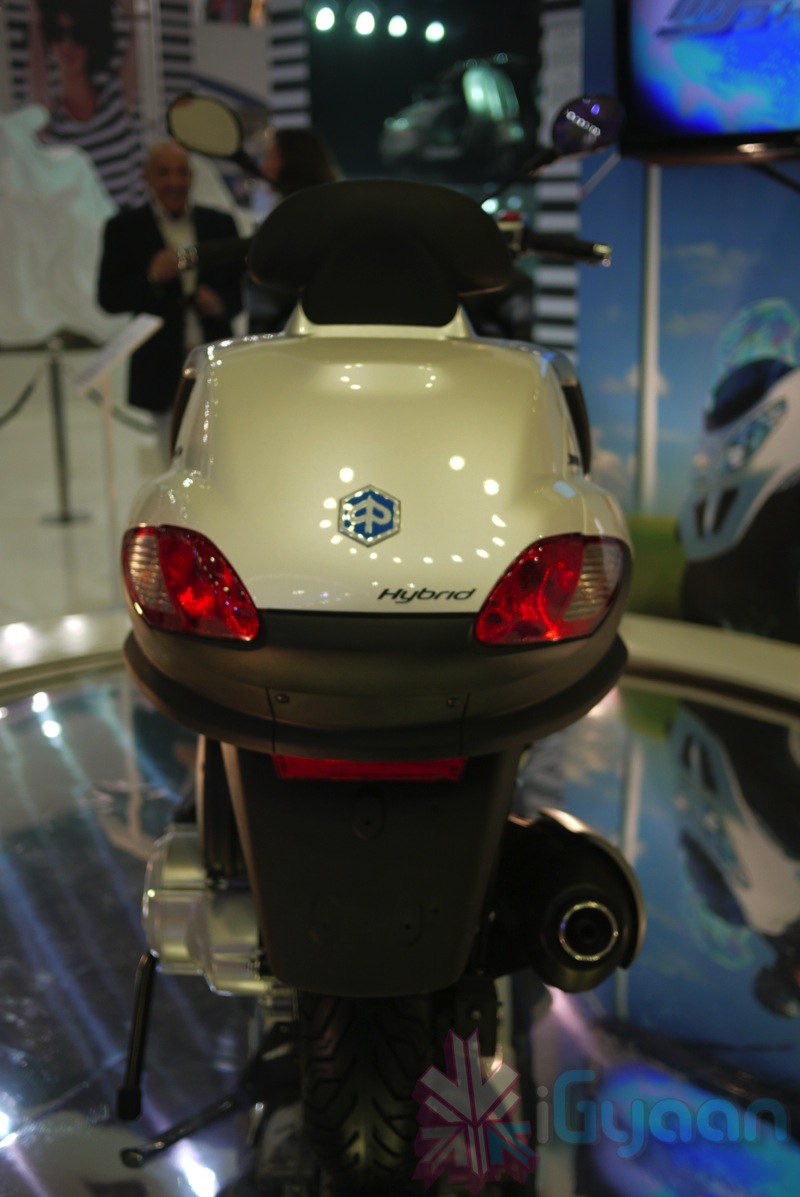
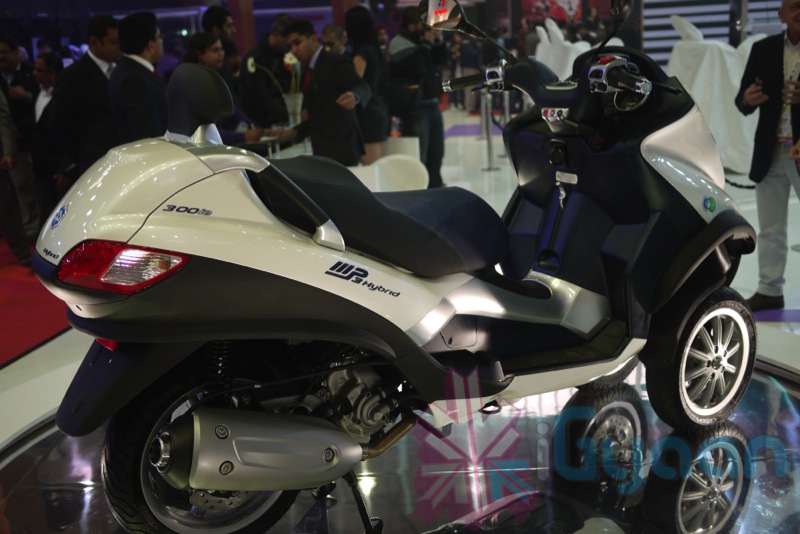
    The company showed off its Hybrid MP3 trike-scooter with a bi-wheel front and single wheel real. The show stoppers were the P Scooters, launched in a range of colors.

  • Seagate Launches Momentous Hard Drive part 2, 750GB – 8GB SSD (PR)

    Seagate Launches Momentous Hard Drive part 2, 750GB – 8GB SSD (PR)

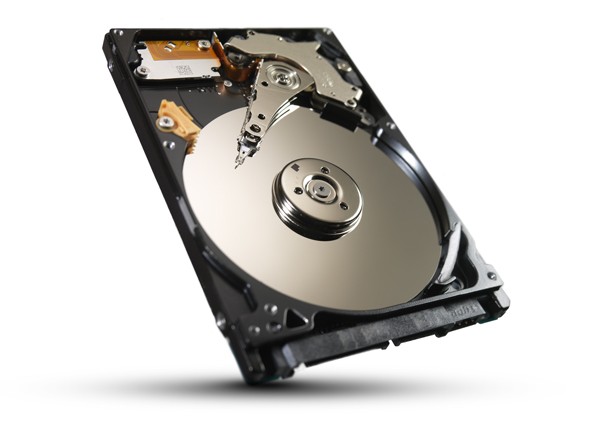
    Seagate was the first with its Momentous Hard drives last year, a hybrid drive which uses a mix of SSD along with traditional HDD to speed up operations. Now the company has bumped up its lineup with the next-gen Momentous hard drives. This time around the storage has been increased to a total of 750GB Minus a Nand flash partition which has been upped from 4GB to 8GB.

    Price is expected to be in Rs. 10,000/- mark at launch, and the drive promises incredible boot up and application startup times.


    [toggle title_open=”Press Release” title_closed=”Press Release” hide=”yes” border=”yes” style=”default” excerpt_length=”0″ read_more_text=”Read More” read_less_text=”Read Less” include_excerpt_html=”no”]SEAGATE SOUPS UP LAPTOP PC PERFORMANCE WITH FAST SOLID STATE HYBRID DRIVE

    Cupertino, Calif. – November 29, 2011 – Tip for revving up the speed of your laptop PC: Slip in a new Seagate (NASDAQ:STX) Momentus XT drive for faster computing, snappier gaming and lickety-split boot-up!

    Seagate is now shipping the second generation of Momentus XT, its groundbreaking solid state hybrid drive for consumer and commercial laptop personal computers. With a simple drive installation, users can boost boot-up speed and overall performance to transform the use of an ordinary laptop or desktop computer into a high-performance computing experience. Momentus XT is available at online retailers Amazon, Canada Computers, CDW, Memory Systems, NCIX, Newegg, and TigerDirect, and seven original equipment manufacturers are gearing up to ship laptops powered by Seagate’s fastest laptop drive ever.

    “Personal computer users are creating and using more documents, photos, video and other digital content than ever before, driving strong demand for systems that deliver the highest performance they can get their hands on,” said Scott Horn, vice president of worldwide marketing at Seagate.”Seagate’s second-generation Momentus XT is serving up solid state drive (SSD) speed, more storage capacity and simple, easy installation at an affordable price for even better, faster computing.”

    “High-speed storage devices make a difference when it comes to improving overall PC performance,” said John Rydning, research vice president at IDC. “Seagate’s newest Momentus XT gives notebook PC users an economical option for boosting PC performance while at the same time providing spacious storage capacity all in one device.”
    The Momentus XT drive is three times faster than a traditional hard disk drive, delivering speeds rivaling much pricier SSDs. The all-in-one design of Momentus XT makes installation for system upgrades simple, easy and affordable: the drive works in any laptop or desktop computer and with any operating system.

    Momentus XT – Satisfying the need for speed
    The Momentus XT hard drive delivers a massive 750GB of storage capacity and owes it speed to a Serial ATA 6Gb/second interface, 8 gigabytes of high-speed Single Level Cell NAND flash, 32 megabytes of drive-level caching and Seagate’s Adaptive Memory and FAST Factor technologies. Adaptive Memory works by identifying data usage patterns, and then moving the most frequently retrieved information to the embedded solid state memory for faster access – effectively tailoring hard drive performance to each user and their applications. FAST Factor blends the strengths of SSDs and hard disk drives into a powerful device for faster access to applications, quicker bootup and higher overall system speed.

    Now shipping in volume worldwide, the Momentus XT hard drive is backed by Seagate’s 5-year limited warranty. Manufacturer’s Suggesting Retail Pricing (MSRP) for Momentus XT 750GB is $189.[/toggle]
  • Ford’s Evos concept is the company’s version of the EV tomorrow (PR)

    Ford’s Evos concept is the company’s version of the EV tomorrow (PR)

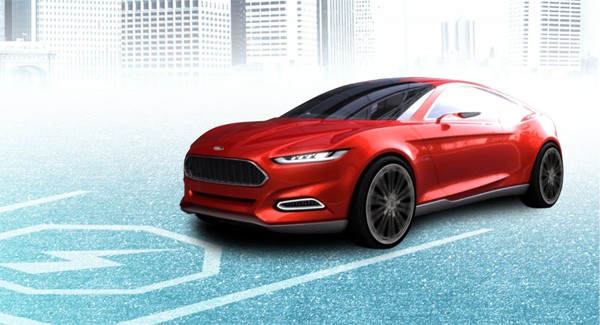
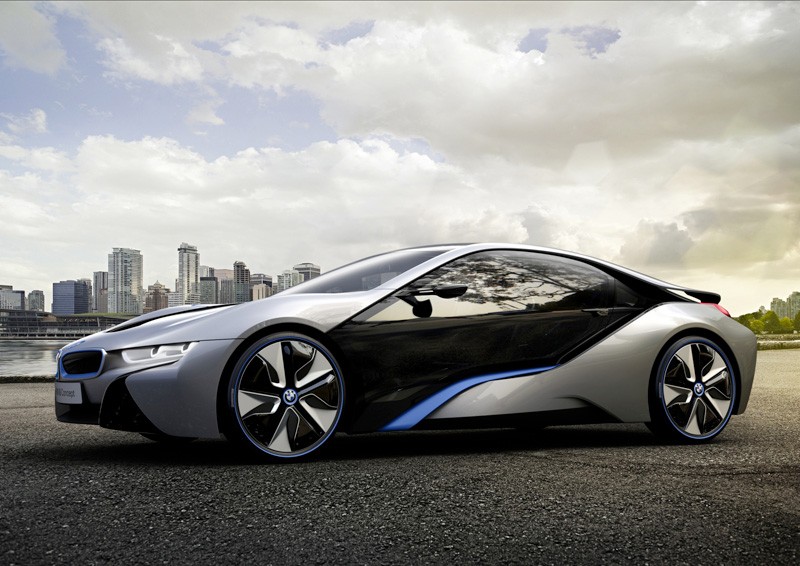
    Ford Evos is a cloud powered Electric Vehicle from tomorrow. The car’s automated and integrated with everything to give you a complete modern experience. The clod powered vehicle is able to sync alarms, meetings , calendars, continue music playback from other devices where you’ve left off and even suggest alternative routes based on your schedule and past driving history. 

    Now is that wonderful or what? Check out the Video Below followed by the full PR.


    [toggle title_open=”PRESS RELEASE” title_closed=”PRESS RELEASE” hide=”yes” border=”yes” style=”default” excerpt_length=”0″ read_more_text=”Read More” read_less_text=”Read Less” include_excerpt_html=”no”]Ford Evos Concept – The Ultimate Expression of Ford’s New Global Design and Technology Vision

    – Ford Evos Concept showcases Ford’s first truly global design language and a new vision for customer-focused and intuitive technologies

    – Dramatic four-door, four-seat fastback concept with state-of-the-art lithium-ion plug-in hybrid powertrain previews Ford’s new global design language with distinctive exterior and interior design cues

    – Driver engagement technologies explore seamless enhancement of the driving experience, driver well-being and smart, electrified powertrain.

    Ford Evos Concept makes global debut at the 2011 Frankfurt Motor Show

    BERLIN, Germany, August 31, 2011 – Making its global debut at the 2011 Frankfurt Motor Show in September, the Ford Evos Concept represents the ultimate expression of Ford’s new global design language, and explores key future powertrain and vehicle technologies.

    Created as a bespoke concept vehicle, the fastback introduces Ford’s first truly global design language as the momentum of the company’s One Ford product plan continues to build.

    “The Ford Evos Concept unites three key elements which are at the core of our One Ford global product strategy: outstanding design, smart technologies and fuel economy leadership,” said Derrick Kuzak, group vice president of Global Product Development.

    “With its compelling design and innovative technology experience, this is a clear demonstration of the exciting vision we have for the Ford brand. While you will never see this car on the road, the next generation of Ford products around the world will display many of the distinctive design ideas and advanced technologies it showcases.”

    Technology vision for enriched customer experience
    Ford Evos Concept is not just a design-led exercise. It also embodies the global Ford product development team’s move to design and develop vehicles as more than just an interior and exterior, or a collection of attributes.

    “Our goal is to focus on enriching a customer’s every experience with their vehicle – by personalizing it, adapting it, and creating unique, unexpected features that surprise and delight them,” said Kuzak. “In the Ford Evos Concept, this objective is explored and extended to the area of connectivity, where the intent is not to convert the vehicle into a smartphone, but rather ?????to provide personalised and safe connection to the outside world in an enriching manner designed totally for the vehicle context.”

    Ford’s global Research and Innovation team, led by Paul Mascarenas, was tasked with building Evos Concept around a technology experience as visionary as the design. The result signals how Ford intends to build on the momentum of innovations like the SYNC in-car connectivity system.

    “At Ford, the future of technology in the car will be defined by the experience that it delivers to the driver and passengers,” said Paul Mascarenas, chief technical officer and vice president of Ford Research and Innovation. “We see technology as more than just an impressive list of microprocessors, sensors and software; it’s about the application of that technology to create an experience that enhances the driver’s time behind the wheel.”

    The concept’s technology experience embraces a new generation of driver interaction and awareness currently under development in the Ford Research and Innovation laboratories. Seamless connectivity between the vehicle and the driver’s „personal cloud? of information is at the heart of the vision for its capabilities.

    “The possibilities are fascinating when we explore how to enable a seamless lifestyle between home, office and car linked by access to the driver’s personal information,” Mascarenas said.

    With information from the cloud, the vehicle can provide the same connected lifestyle the driver experiences at home or office. The car knows the driver, and automatically adapts handling, steering and engine controls to deliver an exceptionally dynamic driving experience.

    Ford researchers are focusing their efforts in this area to deliver on four key customer benefits: personalisation, seamless enhancement of the driving experience, looking after the driver’s well- being and delivering smart electrified powertrain optimisation.

    The personalised, cloud-connected lifestyle
    While today’s Ford products provide drivers with many personalisation options, cloud connectivity will enable future Ford vehicles to take the experience to the next level.

    Drawing from a detailed understanding of the driver’s preferences and driving habits, the Ford Evos Concept combines this personal information with additional data from the cloud, such as the drivers work schedule and local traffic or weather conditions. This information provides a personalised and seamless experience as the driver transitions in and out of the car.

    “We’re researching how we can use patterns or preferences set by the driver to make life simpler,” said Mascarenas. “The car gets to know you and can act as a personal assistant to handle some of the usual routines of a daily commute.”

    It could automatically play the same music or news program that was just streaming at home, or heat or cool the interior to an ideal temperature before the driver gets in without having to be requested by predicting departure time based on his calendar. Wirelessly communicating with devices in the home, it could close the garage door and switch off the lights automatically as it pulls away.
    ????
    “This cloud-connected vision shows the enormous potential of tailoring the driving experience to suit the exact personal tastes and moods of the driver,” said Mascarenas. “From recommending a great driving road from friends on your social networks or resetting your alarm clock to let you sleep in when a morning meeting gets cancelled!”

    Enhanced driving experience
    Ford Evos Concept explores adaptive vehicle technologies to redefine the driving experience.

    Current technology requires vehicle chassis settings to be defined based upon the abilities and tastes of a cross-section of drivers and the topography of typical roads. The concept foresees tuning handling and performance to the road ahead and the specific individual behind the wheel.

    Learning driver habits and capabilities, the technology can overlay map and weather data sourced from the cloud to adjust powertrain, steering, suspension and braking systems for optimum enjoyment, comfort and safety. Because the vehicle is adaptive and honed to maximum performance based on the situation, it takes driving engagement to a new level.

    Driver wellness
    Ford researchers have already developed technologies focused on driver wellness, such as the heart-rate monitoring seat and certified allergy-free interiors. With a seamless connection to the cloud, the Ford Evos Concept monitors the physical state and workload of the driver and adjusts the driving experience accordingly.

    “Our wellness research and technologies are focused on relieving driver stress and enhancing their situational awareness,” said Mascarenas. “Drivers around the world are spending more time behind the wheel, and the car should not be another stress point in their lives.”

    The Ford Evos Concept is also equipped with advanced air quality sensors and filtration systems to help allergy sufferers. Location aware, it can access air quality data from the cloud and proactively suggest a healthier route to the destination.

    In dynamic driving situations, the vehicle may simplify the appearance of the instrument panel to display only necessary gauge information and switch the driver’s connected smartphone to “Do Not Disturb” mode to help keep the focus of attention on the road.

    Cloud-optimised hybrid powertrain
    Completing the vision for the Ford Evos Concept is a state-of-the-art lithium-ion plug-in hybrid (PHEV) powertrain providing the same next-generation performance and fuel economy as the Ford C-MAX Energi scheduled for introduction in North America in 2012 and Europe in 2013.
    Ford „powersplit? hybrid architecture allows the electric motor and petrol engine to work together or separately to maximise efficiency. The advanced powertrain typically runs in all-electric mode before switching to charge-sustaining hybrid mode for continued optimal fuel efficiency.
    Cloud connectivity would provide further opportunities to enhance performance and efficiency by selecting the optimum combination of powertrain modes for any given journey.
    ????
    “Access to historical driver behaviour and travel patterns allows us to calculate the optimal fuel and energy efficiency by predicting the destination,” said Mascarenas. “Our researchers are working to increase understanding of driver behaviour, develop accurate protocols to predict it and enhance the trip by providing the smartest use of fuel or battery for the situation.”

    The cloud-optimised powertrain would automatically „know? when to save energy and switch modes, using information about the vehicle’s predicted travel route, any emission zone restrictions during the journey and current weather conditions.

    In the future, communities may place firm restrictions on the types of vehicles allowed to use certain roads or highway lanes, and some city centres may choose to be open only to full electric vehicles. Helping drivers comply with such regulations could therefore be among the benefits of this technology. For example, the French government is considering creating zones mandating lower emissions, while cities such as London, Berlin, and Stockholm already have them in place.

    This capability would further enhance the performance of Ford?s advanced PHEV technology, which offers an overall driving range of more than 500 miles (800 kilometres) using the battery and engine – more than any other plug-in or extended-range electric vehicle.

    “With its leading-edge „cloud-optimised? PHEV powertrain offering outstanding efficiency and range with supreme driving enjoyment, the Ford Evos Concept highlights our vision for greener, smarter vehicles with outstanding customer appeal,” said Kuzak.

    Ford’s new design direction
    The Ford Evos Concept was specifically developed to introduce the new Ford design direction. Key design elements will be applied to forthcoming Ford vehicles.

    The new global design DNA provides the company?s worldwide design teams with a common framework to guide the creation of new products, enabling them to shape a coherent family of distinctive vehicles sharing the same fundamental design character.

    “We wanted the Ford Evos Concept to give a clear message about where Ford design is heading – shaping vehicles that are fun to drive, have a strong premium visual appeal, and above all, are stunningly beautiful,” said J Mays, group vice president, Design and chief creative officer.

    “Our exciting new design DNA has been developed and refined by an intensive effort by all of our talented global design team,” said Mays. “As a team, we wanted to create a more technical design vocabulary to help communicate the smart technology that is now core to the Ford brand. In addition, we worked particularly hard on meeting the high-expectations of a new generation of buyers – a group of consumers who have grown up surrounded by beautiful, premium design work on even the most affordable products.”

    Dramatic fastback design with unique proportions
    To provide a fitting vehicle to introduce the new design language, the Ford Evos Concept was conceived as a dramatic fastback concept, combining a striking new profile with innovative ?proportions. Attention-grabbing lines conceal a unique new format, with a four-door, four-seat layout which combines dynamic appearance with surprising practicality.

    “This is an exciting new interpretation of the fastback bodystyle, with a really innovative silhouette as well as dramatic and very modern proportions,” Mays said.

    With the length of a typical C-car, but with width of a CD-car, the Ford Evos Concept has a powerful, sporting stance. The forward position of the cowl, the strongly rounded front screen and the A-pillars set further to the rear enabled the designers to create the impression of a classic GT car, but with a very contemporary feel.

    The concept?s spectacular hinged gullwing-style doors, both front and rear, provide outstanding access to the spacious four-seat cabin.

    The concept car measures 4.50m (177in) long, 1.97m (77in) wide and 1.36m (53in) high, with a wheelbase of 2.74m (108in).

    Distinctive evolution
    Shaped as the ultimate expression of the new design DNA, the Ford Evos Concept highlights key elements of Ford?s distinctive new global design language.

    “The new design DNA marks a bold evolution of the kinetic design language featured on existing global Ford products and is characterised by a number of important elements that will contribute to an unmistakable future Ford look,” said Mays.

    From the front, the Ford Evos Concept immediately signals the arrival of something new – a new face for Ford featuring the signature trapezoidal grille mounted higher on the car and creating a confident, more premium look.

    Bold, technical shapes, such as the extremely slim „laser cut? front lamps or the dramatic graphic created by the front and rear screens connected by the thin glazed section of the roof, add a distinctive character to the design. Sculptured flanks highlight attention to detail on the surfacing, which lends a refined quality and a tauter, more muscular character.

    “The Ford Evos Concept embodies the core elements of the new global design language, while capturing the dynamic, fun-to-drive spirit which is central to the Ford DNA,” said executive design director Martin Smith. “Most notable is the brand new „face of Ford?, with its higher mounted trapezoidal grille, and the design is characterised by the use of very bold, technical graphics. We have also created much more refined and precise surfacing, and these elements together give a strong visual sense of premium quality.

    The vehicle was sculpted with the same purity of surface sculpture and attention to detail which characterise premium vehicles. Around the world, a new generation of buyers have come to expect premium design in all products, regardless of the purchase price.

    Built around the driver
    Reflecting the fun-to-drive spirit of its exterior design, the interior of the Ford Evos Concept is built around the driver. A stylish and innovative cockpit promises new levels of driving pleasure and driver interaction.
    ????
    The interior architecture features clean and simple surfaces, with a muscular, athletic character to the slim upper instrument panel, enhanced by bold trapezoidal cut-outs. Contrasting these muscular forms, curvaceous cockpit display surfaces sweep down either side of the driver, providing secondary information about vehicle and infotainment systems.

    The concept features a bold red driver?s seat and the vision of unprecedented driver interaction via an advanced driver interface. The two rear seat passengers get an equally special experience, with dedicated touch-screen displays to interact with the vehicle and individually adjustable sports seats.

    “Both the exterior and interior of the Ford Evos Concept clearly communicate that this is a driver?s car, so that as soon as people see the vehicle, they will immediately want to get in and drive,” said executive design director Moray Callum.

    ###
    About Ford Motor Company
    Ford Motor Company, a global automotive industry leader based in Dearborn, Mich., manufactures or distributes automobiles across six continents. With about 166,000 employees and about 70 plants worldwide, the company’s automotive brands include Ford and Lincoln. The company provides financial services through Ford Motor Credit Company. For more information regarding Ford’s products, please visit www.fordmotorcompany.com.[/toggle]
  • BMW showcases the new i3 and i8 Concepts, we drool! (PR)

    BMW showcases the new i3 and i8 Concepts, we drool! (PR)

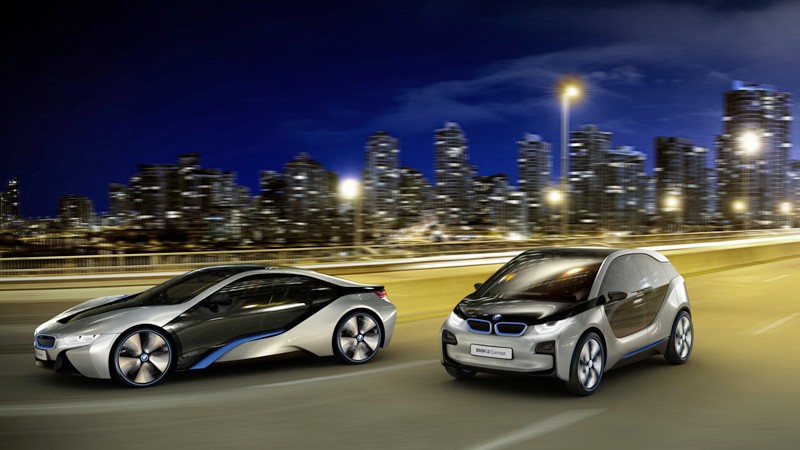
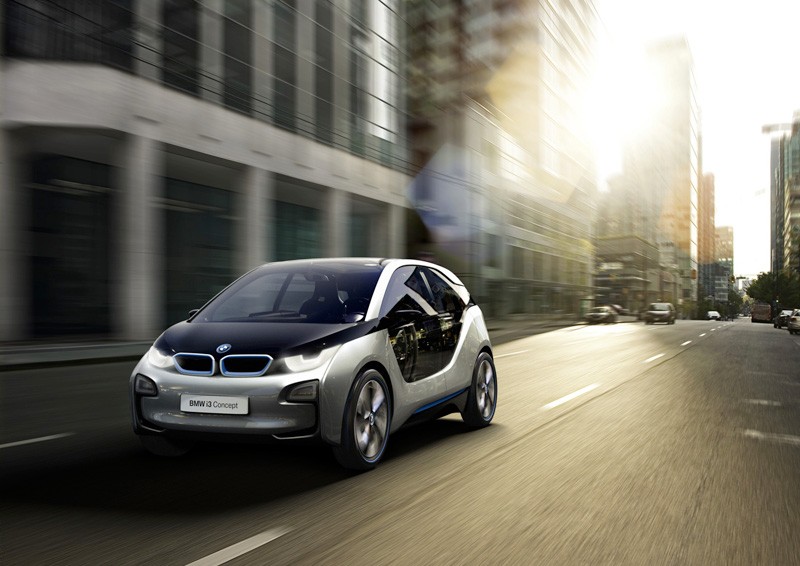
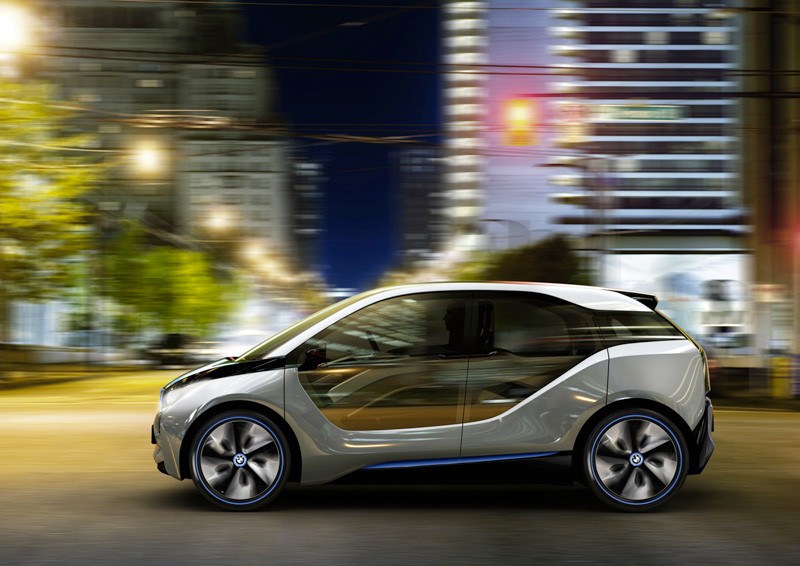
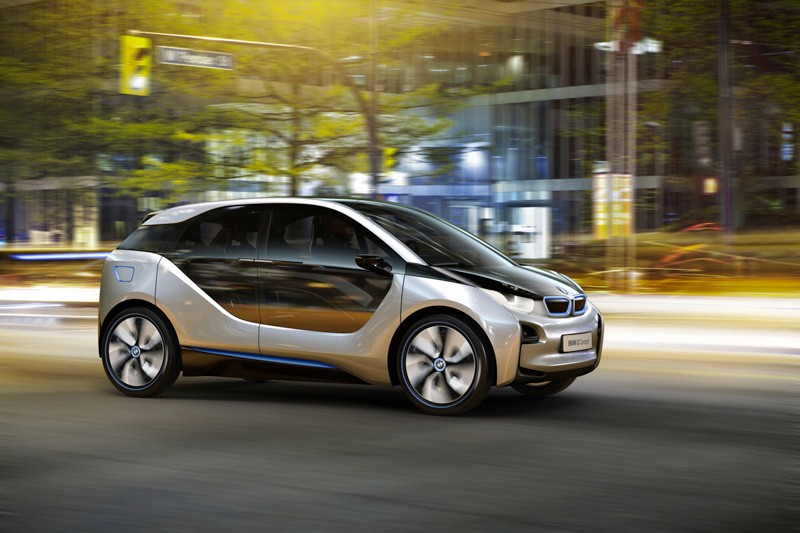
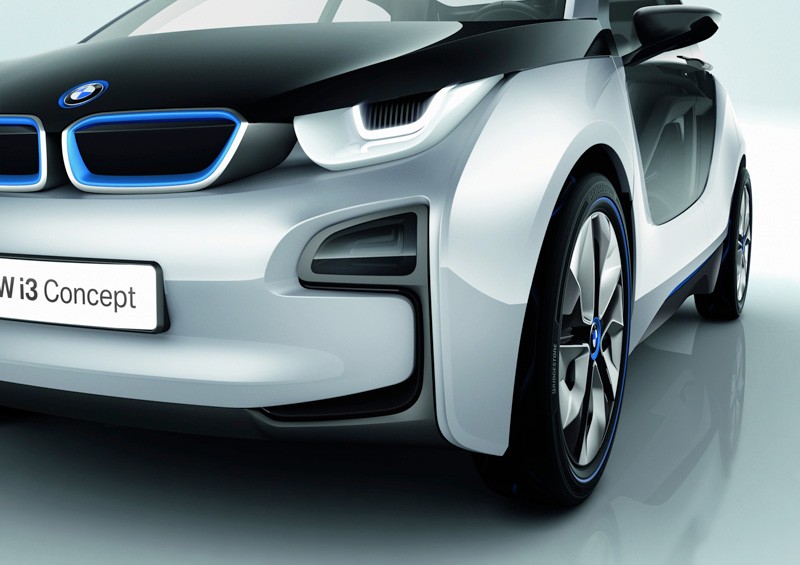
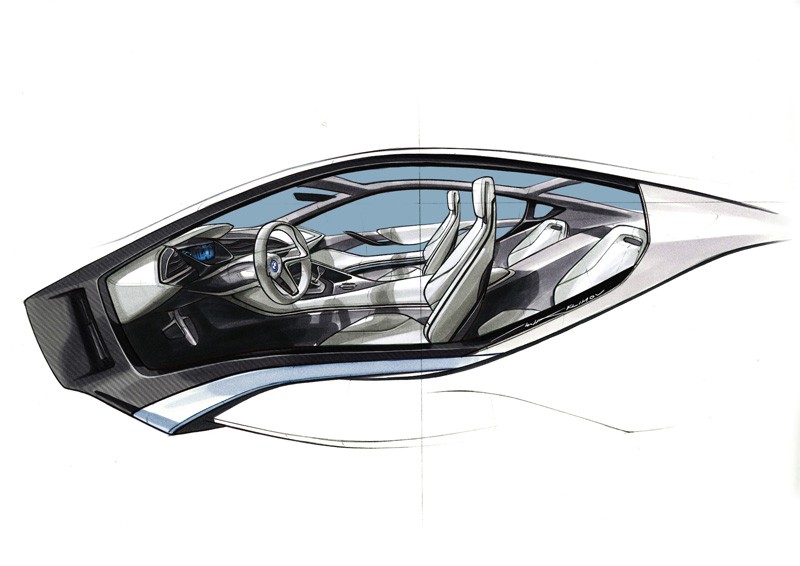
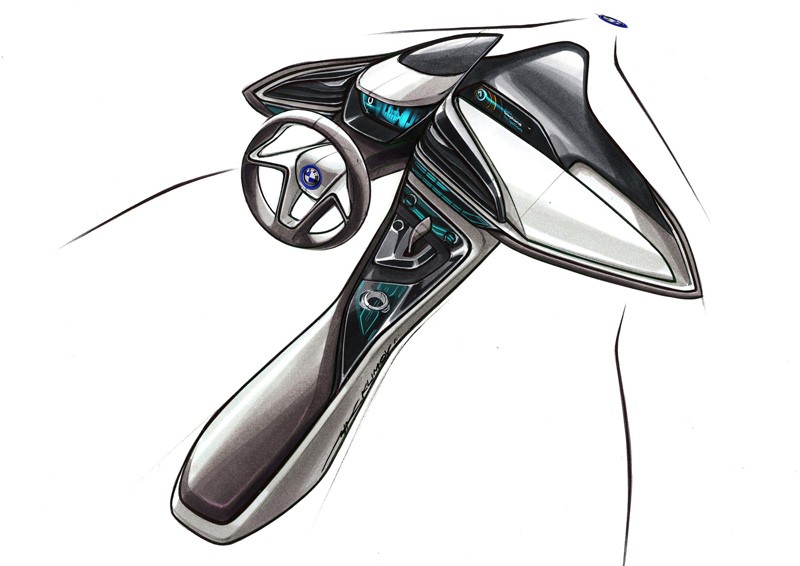
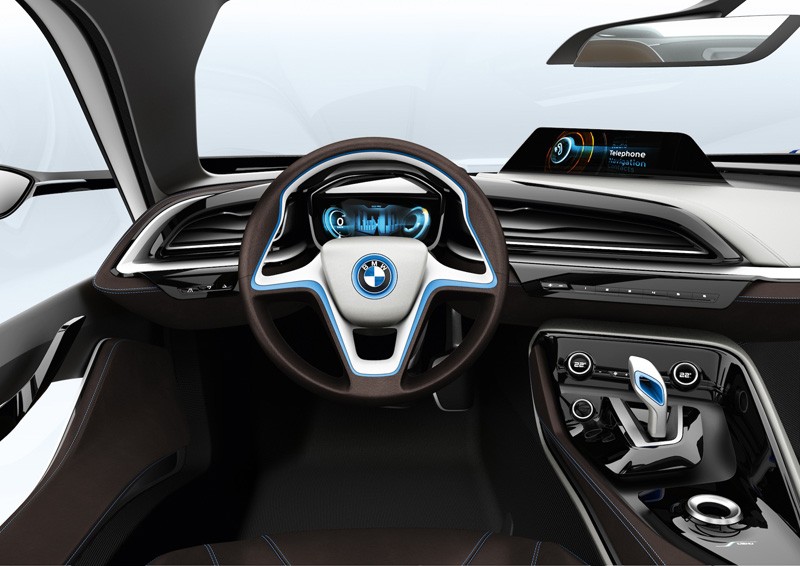
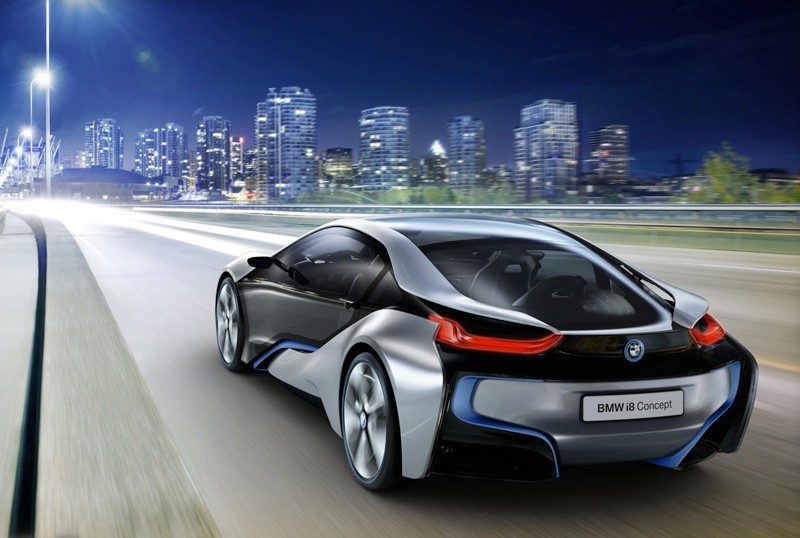
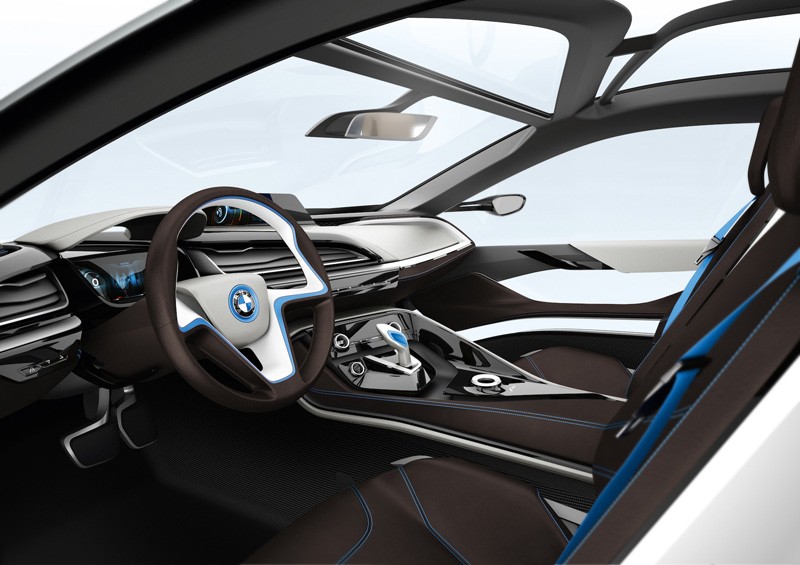
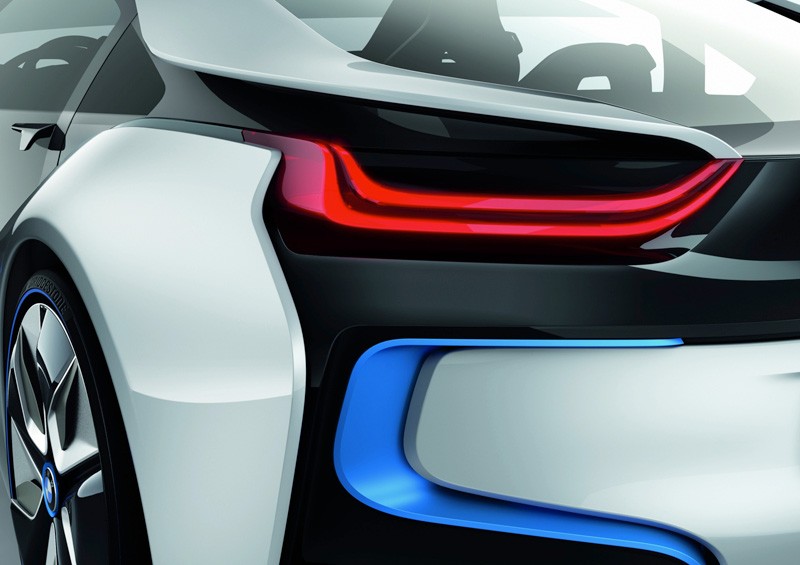
    BMW automobiles is a well known name in the automotive industry, especially when it comes to innovation. The i brand was announced for the electric division of BMW automobiles earlier this year. The launch of the sub brand comes hand in hand with the two concept electric cars. 

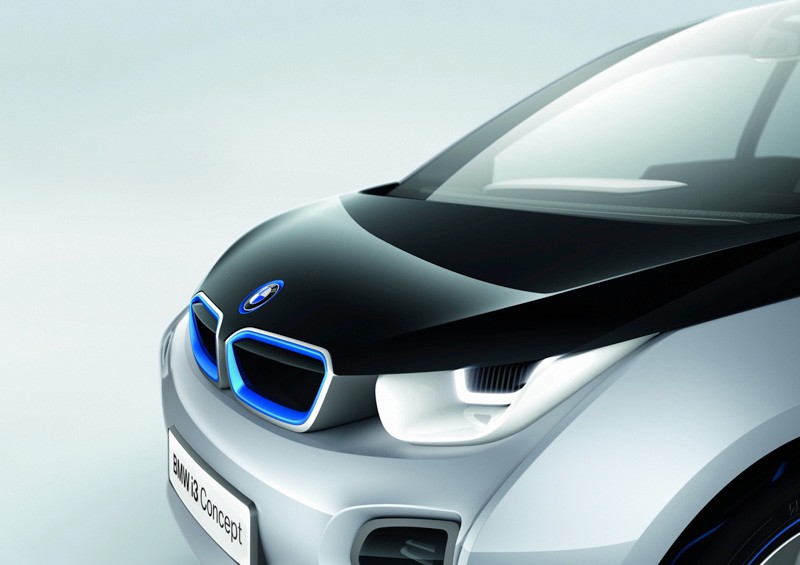
    The i3 Concept

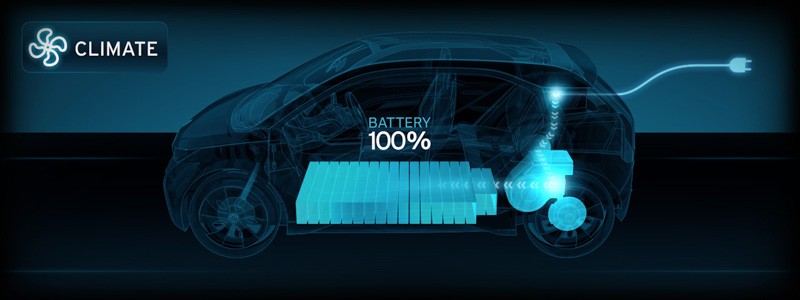
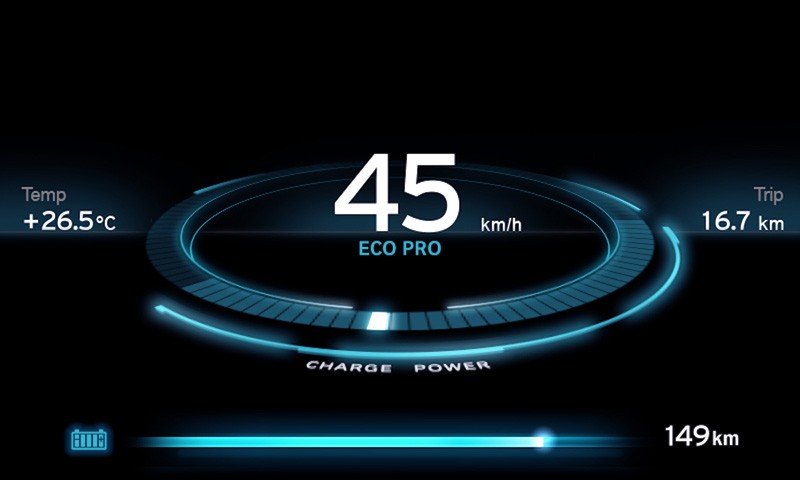
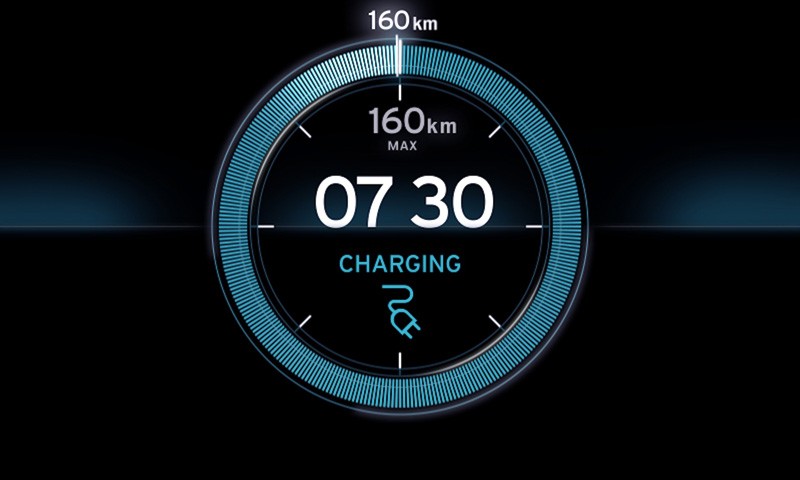
    The i3 will drive 150km on a full charge, acceleration is about 0-60mph in around 8 seconds, while buying the vehicle owners will be able to opt in for the range-extending motor aptly named “REx.” The first consumer model should hit prime markets by as early as 2013. The charger will complete eighty percent charging in an hour, while a full charge could take as long as 6 hours.


    The i8 Concept


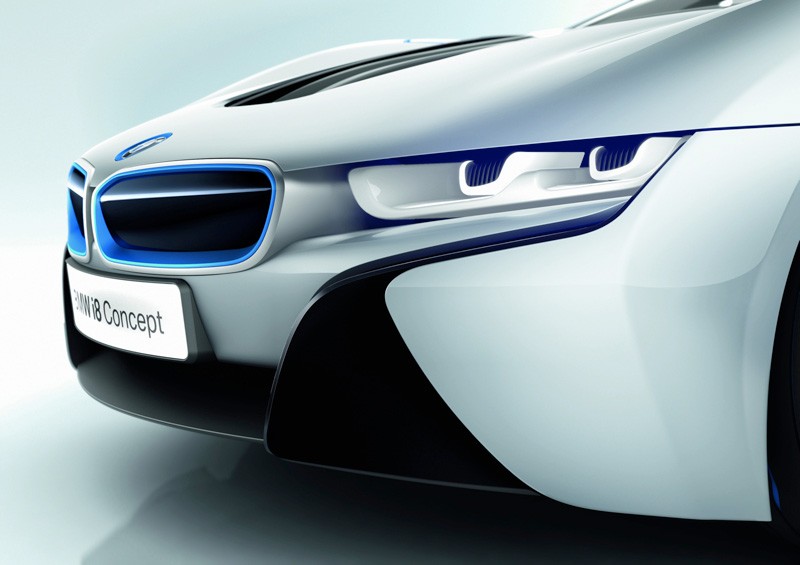
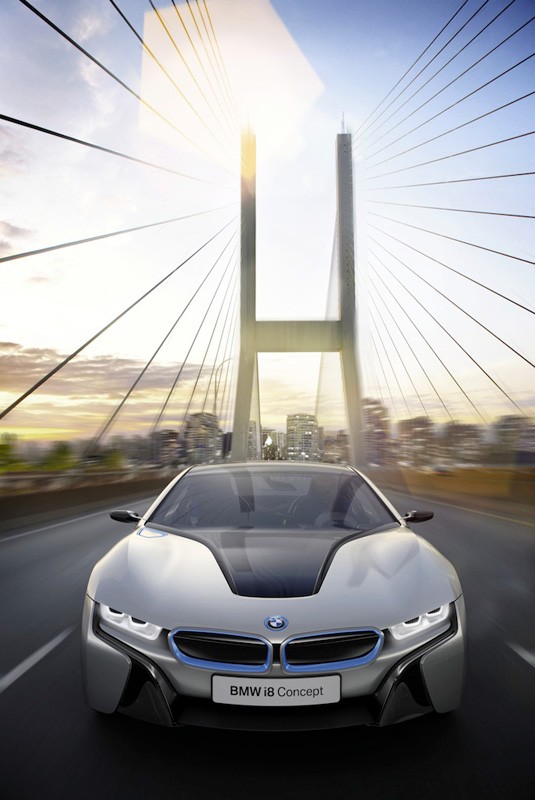
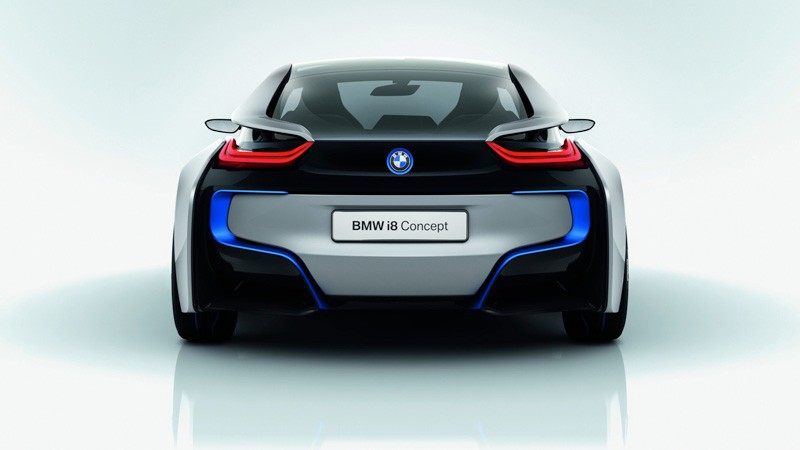
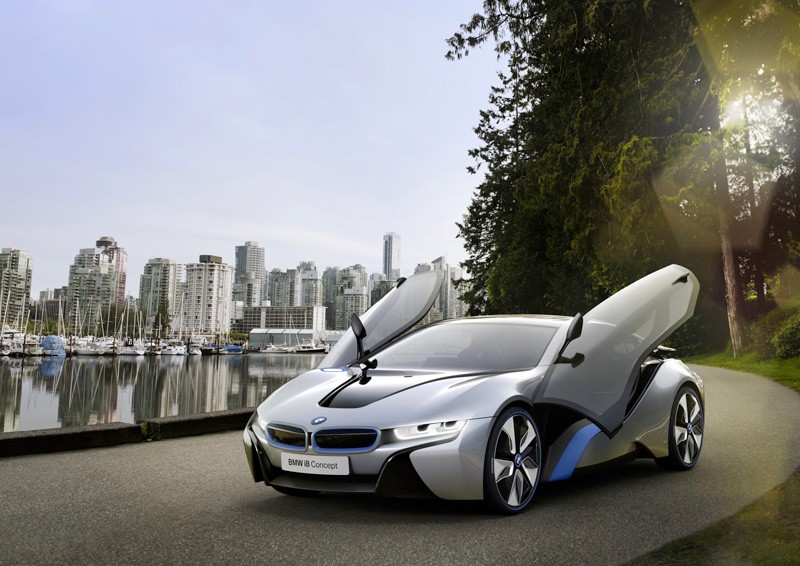
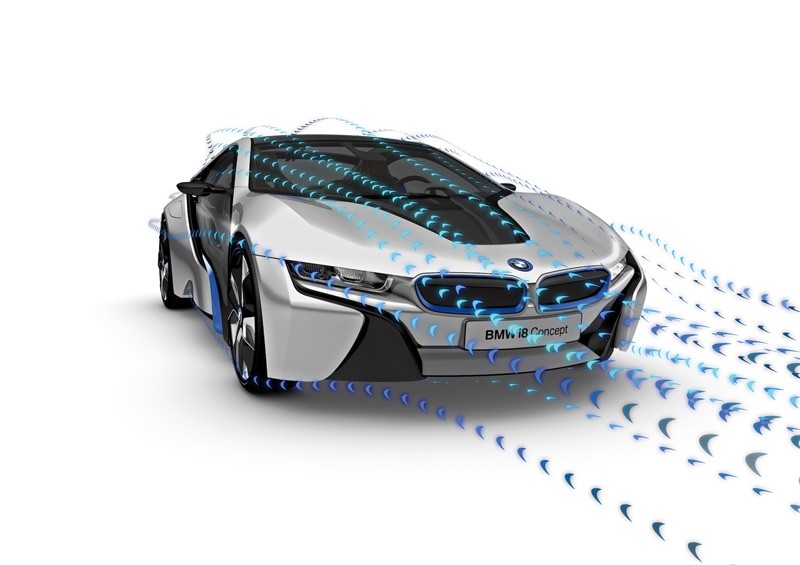
    The i8 on the other hand is highly aerodynamic and has a hybrid diesel-electric drivetrain, while consumption will remain around the region of 2.7 liters per 100km, while it will speed up from 0 to 62mph in 4.6 seconds.


    [toggle title_open=”Collapse” title_closed=”Read The Press Release” hide=”yes” border=”yes” style=”default” excerpt_length=”0″ read_more_text=”Read More” read_less_text=”Read Less” include_excerpt_html=”no”]BMW Group presents mobility of the future +++ World premiere of the BMW i3 Concept and BMW i8 Concept +++ Reithofer: A milestone in the history of the company +++ Sustainability across the entire value added chain

    Frankfurt a.M. / Munich. The BMW Group showcases its visions of future mobility in the shape of the BMW i3 Concept and BMW i8 Concept studies. Unveiled for the first time, these concept vehicles provide a glimpse of the first electrically powered production cars from the new BMW i sub-brand, due to be launched as the BMW i3 in 2013 and the BMW i8 in 2014.

    “We are marking another milestone in the history of the BMW Group. As Chairman of the Board and an engineer myself, I am very proud of this project,” declared Norbert Reithofer, Chairman of the Board of Management of BMW AG, at Friday’s premiere of the two vehicles in Frankfurt. “As the world’s leading premium car manufacturer, our aim is to offer customers purpose-built electric-drive cars as well,” he added.

    With its zero-emission electric drive and a range of approximately 150 kilometres, the BMW i3 Concept has been specifically developed for use in an urban environment, its dynamic 125 kW electric motor and rear-wheel drive ensuring BMW-style dynamic handling. Thanks to its innovative LifeDrive architecture featuring a carbon passenger cell, the BMW i3 Concept combines an extremely low weight of 1,250 kilograms with optimal interior space and the highest crash safety levels. With four seats and a 200-litre luggage compartment, this vehicle is fully suited for everyday use.

    Draeger: a revolution in car design

    “This vehicle will mark the launch of the first volume-produced car featuring bodywork largely made of carbon. It’s a revolution in automotive design,” stressed Klaus Draeger, Member of the Board responsible for Development. The application of this new CFRP technology allows a weight reduction, compared to a conventional electric car, of between 250 and 350 kilos, and that means more dynamic handling coupled with a greater range. The BMW i3 does the 0 to 100 km/h sprint in less than eight seconds, while a high-speed charger achieves an 80% battery charge in just an hour.

    Thanks to the emission-free drivetrain and a value added chain designed to be sustainable all along the line, life cycle emission figures for the BMW i3 are at least a third lower than for a highly efficient combustion-engine car. If the BMW i3 is run on electricity from renewable sources, the figures improve by well over 50%.

    BMW i8 Concept: new-generation sports car

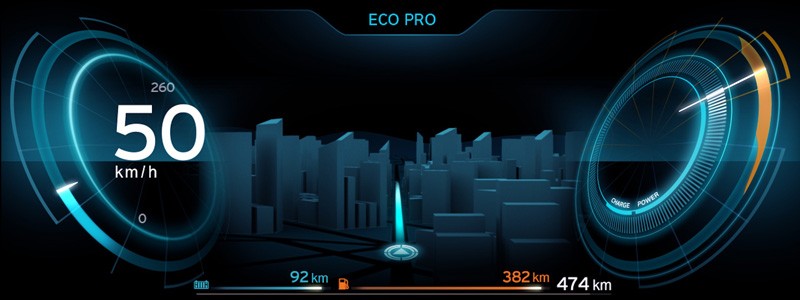
    The BMW i8 Concept goes from 0 to 100 km/h in less than five seconds and boasts fuel consumption of under three litres per 100 km. Its plug-in hybrid drive with a system output of 260 kW allows a range of up to 35 kilometres in electric mode – sufficient for most everyday journeys. For more dynamic driving or out-of-town routes, a high-performance three-cylinder petrol engine also comes into play. The sports car has an electronically governed top speed of 250 km/h and space for up to four occupants. “The BMW i8 Concept is the sports car for a new generation – pure, emotional and sustainable,” Draeger underlined.

    With BMW i, the BMW Group is corroborating its position as the most innovative and sustainable auto manufacturer in the world, as reflected in the fact that it has been the supersector leader in the Dow Jones Sustainability Indexes for the sixth year running. With BMW i, the BMW Group is providing answers to the mobility challenges of the future while pursuing a holistic approach. In addition to purpose-built premium vehicles with electric drive, the company is also offering intelligent mobility services.

    The focus here is on solutions for improved use of parking space, intelligent navigation systems with location-based information, intermodal route planning and car-sharing schemes such as DriveNow. Following MyCityWay, ParkatmyHouse marks the second investment by the recently launched venture capital company BMW i Ventures in a company providing internet-based mobility services. Parkatmyhouse allows private individuals to use the internet or
    smartphone app to rent out their private parking spaces on a short- or long-term basis.

    Both the BMW i3 and the BMW i8 will be built at BMW’s Leipzig plant in Germany. Some 400 million euros are earmarked for investment in new buildings and facilities by 2013, while 800 new jobs are to be created. Vehicle production will be CO2 neutral and will draw on renewable resources. The company is currently investigating the possibility of erecting its own wind turbines on the plant site.

    The BMW Group
    The BMW Group is one of the most successful manufacturers of automobiles and motorcycles in the world with its BMW, MINI and Rolls-Royce brands. As a global company, the BMW Group operates 25 production and assembly facilities in 14 countries and has a global sales network in more than 140 countries.

    During the financial year 2010, the BMW Group sold 1.46 million cars and more than 110,000 motorcycles worldwide. The profit before tax for 2010 was euro 4.8 billion on revenues amounting to euro 60.5 billion. At 31 December 2010, the BMW Group had a workforce of approximately 95,500 employees.

    The success of the BMW Group has always been built on long-term thinking and responsible action. The company has therefore established ecological and social sustainability throughout the value chain, comprehensive product responsibility and a clear commitment to conserving resources as an integral part of its strategy. As a result of its efforts, the BMW Group has been ranked industry leader in the Dow Jones Sustainability Indexes for the last six years.[/toggle]
  • A New Hybrid Heatsink Makes Your Computer Run Faster

    A New Hybrid Heatsink Makes Your Computer Run Faster

    The traditional way with which most computers deal with heat is a heat-sink and a fan assembly over the processor. Of course you have custom solutions like liquid cooling, but they’re out of the budget for most people. Unfortunately, this idea is quite dated and hails from the heydays of computing. New technology requires new solutions and that’s exactly what Jeff Koplow, a researcher at Sandia National Laboratories has developed.

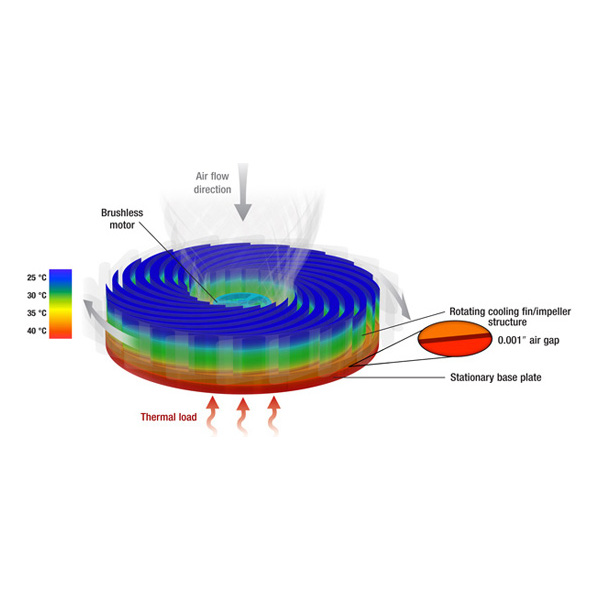
     The problem with traditional heat-sinks is that, while the fins provide adequate surface area to cool the processor, a layer of air clings to the fins, which reduces efficiency, acting as an insulator. To compensate, the CPU fan can be cranked up to move more air, but that becomes noisy and uses more energy. As the heat-sink itself doesn’t move, it becomes a great place for dust to settle.

    Jeff has come up with an ‘air bearing heat exchanger’, which is just a fancy way of saying that he’s combined the heat-sink and fan into a spinning heat-sink. The heat exchanger is separated from the processor by just 1/1000th of an inch, and as it spins, it forces air out from the center of the exchanger, cooling the fins and eliminating the insulating layer of air. This turns out to be so efficient, that it can be run at much lower and quieter speeds. You can even overclock your CPU a few notches without it being any worse for the wear. As the heat-sink is spinning, it also becomes immune to dust.

    A prototype has been developed which doesn’t require any fancy metals or electronics, just good design. This hopefully means that the technology will be easily mass producible and will be available to the market soon.

  • The Asus PadFone Leaked

    The Asus PadFone Leaked

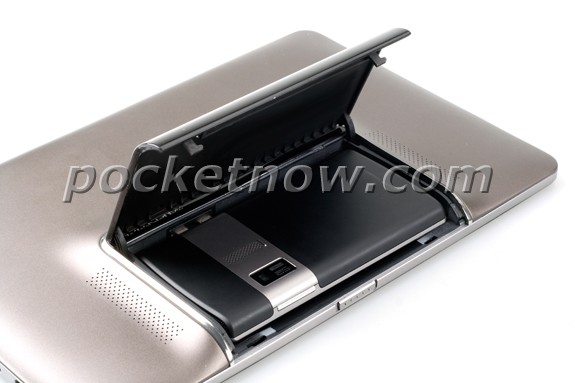
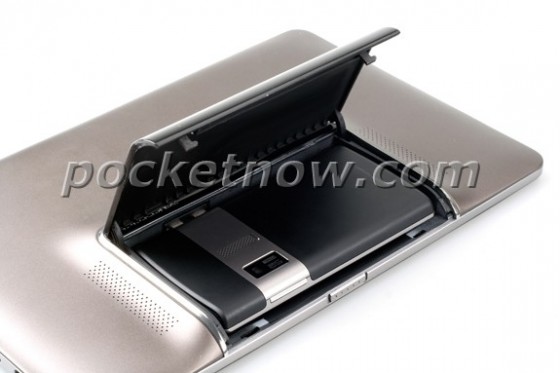
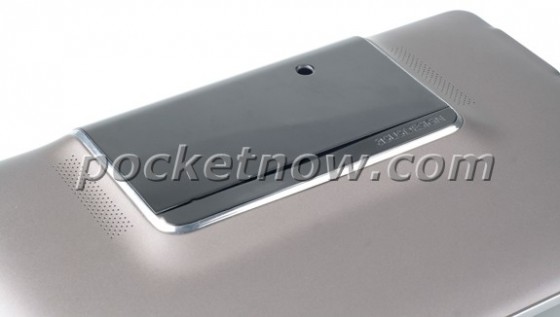
    The folks from Pocketnow have got exclusive pictures of the upcoming Asus PADFone. According to the images, the android phone will dock behind a Touchscreen shell with a shielded cover. Now the only thing speculating the web-o-sphere is whether this will run Gingerbread or the muti-platform Ice Cream Sandwich.

  • Volkswagen’s XL1 concept plug-in diesel hybrid has 133 KMPL range

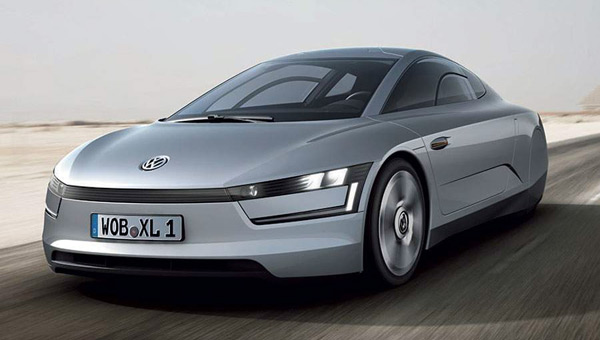
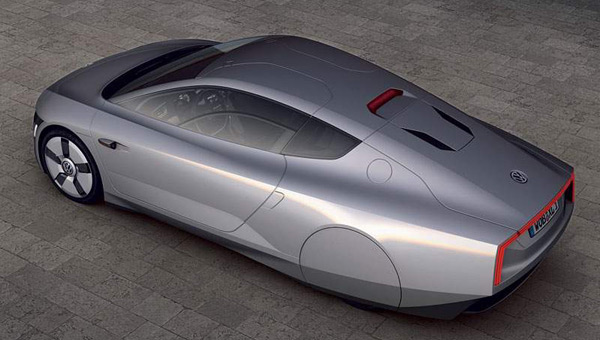
    Volkswagen’s XL1 plug in hybrid diesel (futuristic) concept car, is perfect for the Indian Consumer. If we all remember Maruti’s new advertising campaign “Deti kitna hai?”. This car delivers a whopping 133 KPML range – and that too on Diesel. Brilliant, isn’t it? It also, produces only 24g of CO2 per kilometer traveled.

    Volkswagen has achieved a 795kg curb weight by using carbon fiber, magnesium, ceramics, and aluminum to shave down any excess weight from the XL1, Testing shows only 0.186 drag coefficient.

    Read the PRESS STATEMENT below to get a better feel.

    Volkswagen unveils the XL1 Super Efficient Vehicle in Qatar

    The new Volkswagen XL1 Super Efficient Vehicle (SEV) has been unveiled at the Qatar Motor Show. Pioneering construction techniques, an advanced plug-in hybrid drivetrain and innovative packaging all play a part in allowing the XL1 to return 313 mpg on the combined cycle while emitting 24 g/km of CO2 to set a new benchmark for vehicle efficiency.

    Powering the XL1 is a compact 800 cc TDI two-cylinder common rail diesel engine developing 48 PS. It’s linked to an electric motor producing 27 PS, resulting in a total of 75 PS – a modest output yet more than enough when the low kerb weight (795 kg) of the vehicle is taken into account.

    The TDI engine is linked to an electric motor and a seven-speed DSG gearbox with an automatic clutch mounted between each unit. The electric motor can either work independently of the TDI engine or in tandem when accelerating. In pure electric mode the XL1 can travel up to 35 km before the diesel engine cuts in. Accelerating from rest to 62 mph can be achieved in 11.9 seconds; the electronically limited top speed is 99 mph.

    In both its styling and packaging the XL1 draws on lessons learned from the 1-Litre car (2002) and the L1 concept (2009). The XL1 has evolved to feature staggered seating with the driver and passenger placed next to each other in a body structure made from advanced new materials providing immense strength yet weighing just 230 kg.

    To make such weight savings possible, and yet viable for series production, Volkswagen developed and patented a new system for the manufacture of the Carbon Fibre Reinforced Polymer (CFRP) parts on the car called the Resin Transfer Moulding (RTM) process.

    In total the XL1 weighs 795 kg. In addition to the body structure, the weight is accounted for by the drivetrain (227 kg), the running gear (153 kg), the interior including a pair of bucket seats (80 kg) and the electrical system (105 kg). In total just 23.2 per cent of the car (184 kg) is made out of either steel or iron.

    Further savings are made through the extensive use of lightweight materials including magnesium (wheels), ceramics (brake discs) and aluminium (dampers, steering system, brake calipers).

    The styling of the XL1 is borne out of functional requirements – easy access to the interior is granted via a pair of elegant scissor doors that hinge on the A-pillar while the profile of the car has been honed in the wind tunnel, the result being a remarkable coefficient of drag figure of 0.186. The XL1’s overall length (3,970 mm) and width (1,682 mm) are similar to those of a Volkswagen Polo yet its height (1,184 mm) is more akin to that of a Lamborghini Gallardo Spyder.

    Although the XL1 is still very much a concept, its unveiling marks the next step towards the birth of a new class of Super Efficient Vehicles, while the advent of a process such as RTM is a significant milestone.

    Source : Volkswagen

iGyaan Network
Privacy Overview

This website uses cookies so that we can provide you with the best user experience possible. Cookie information is stored in your browser and performs functions such as recognising you when you return to our website and helping our team to understand which sections of the website you find most interesting and useful.