While the premium smartphone segment is dominated by chipsets from Qualcomm and Samsung, Taiwan based MediaTek with its affordable SoCs mainly targets the budget and mid range handset segment.
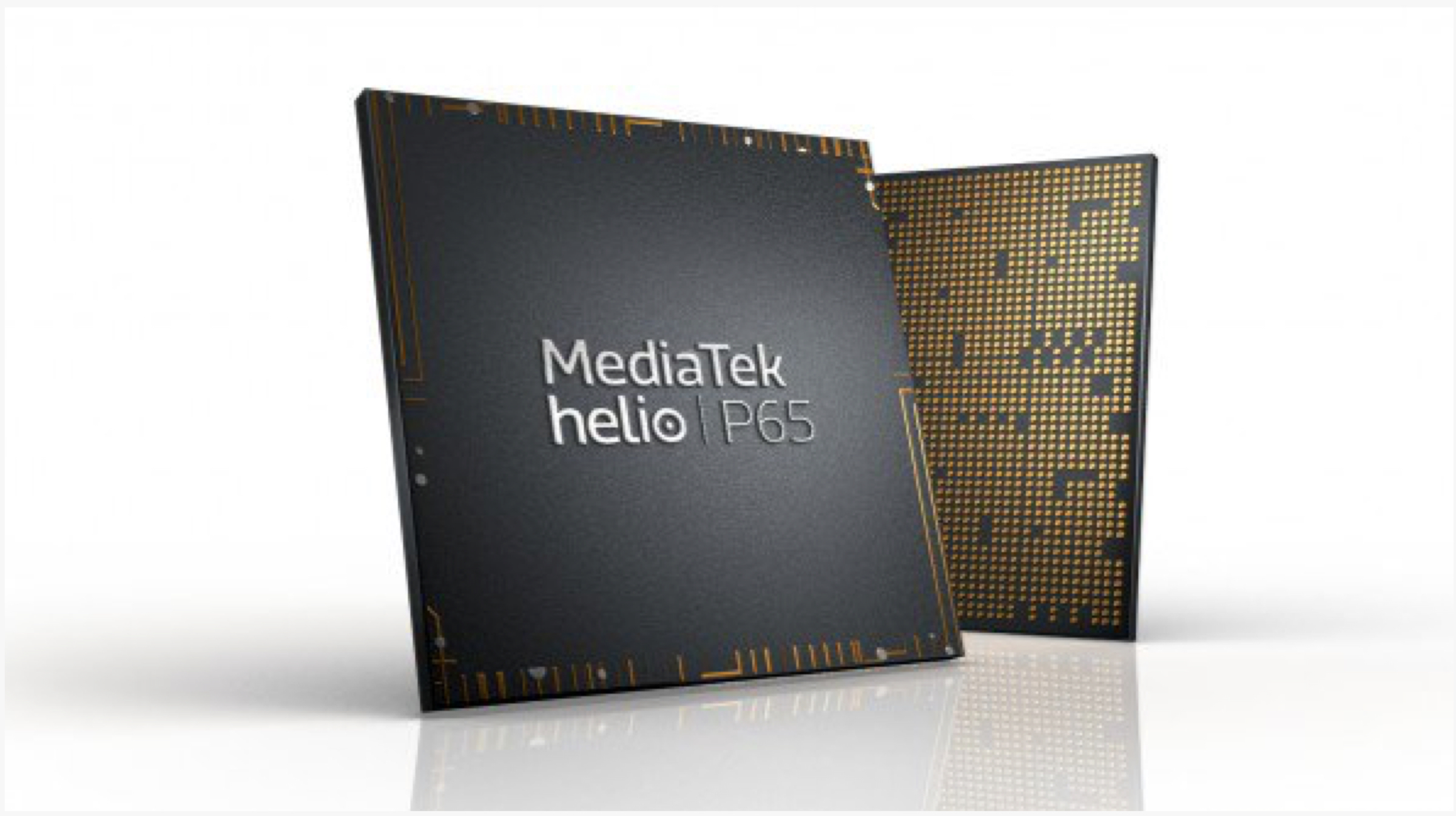
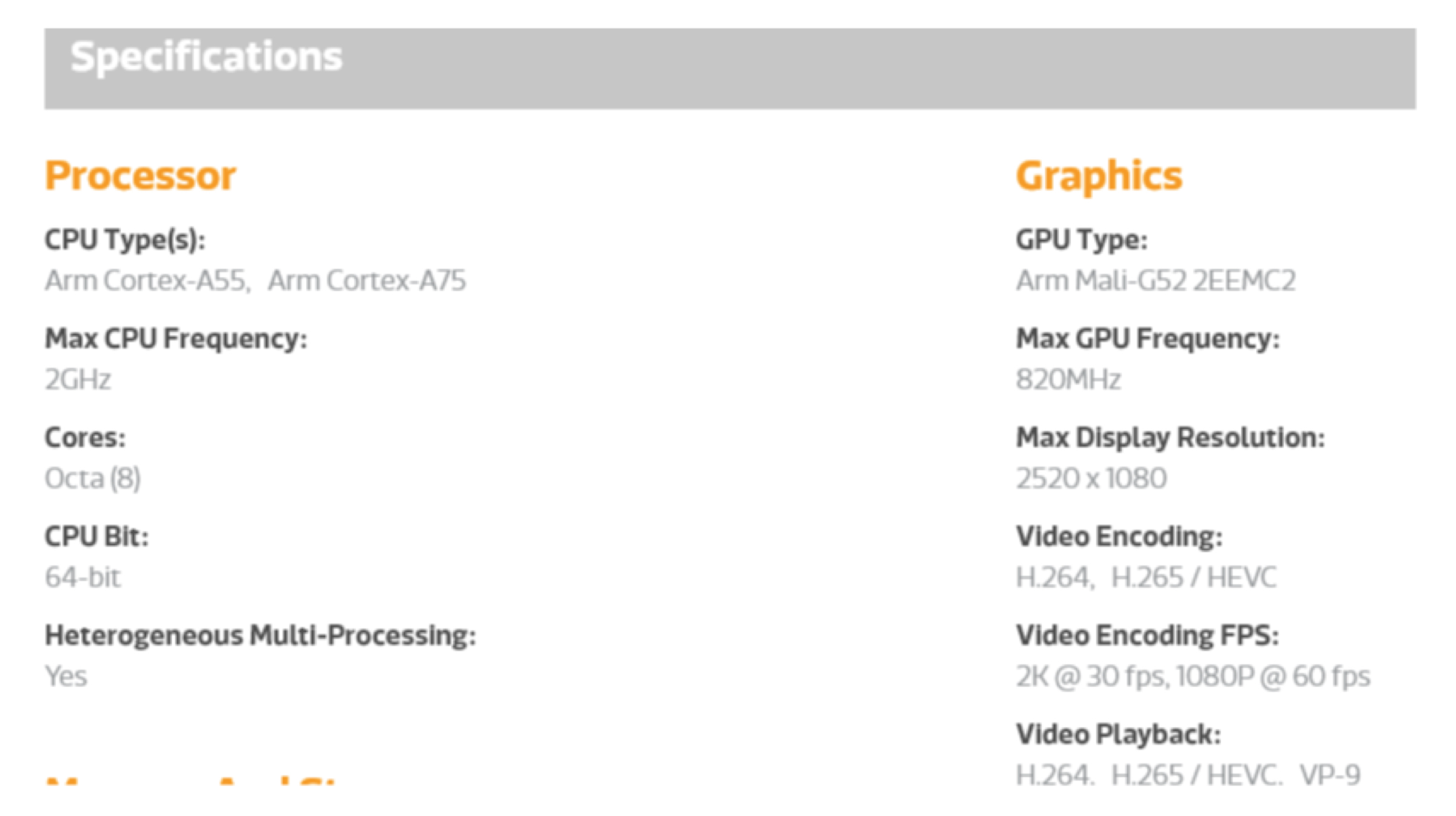
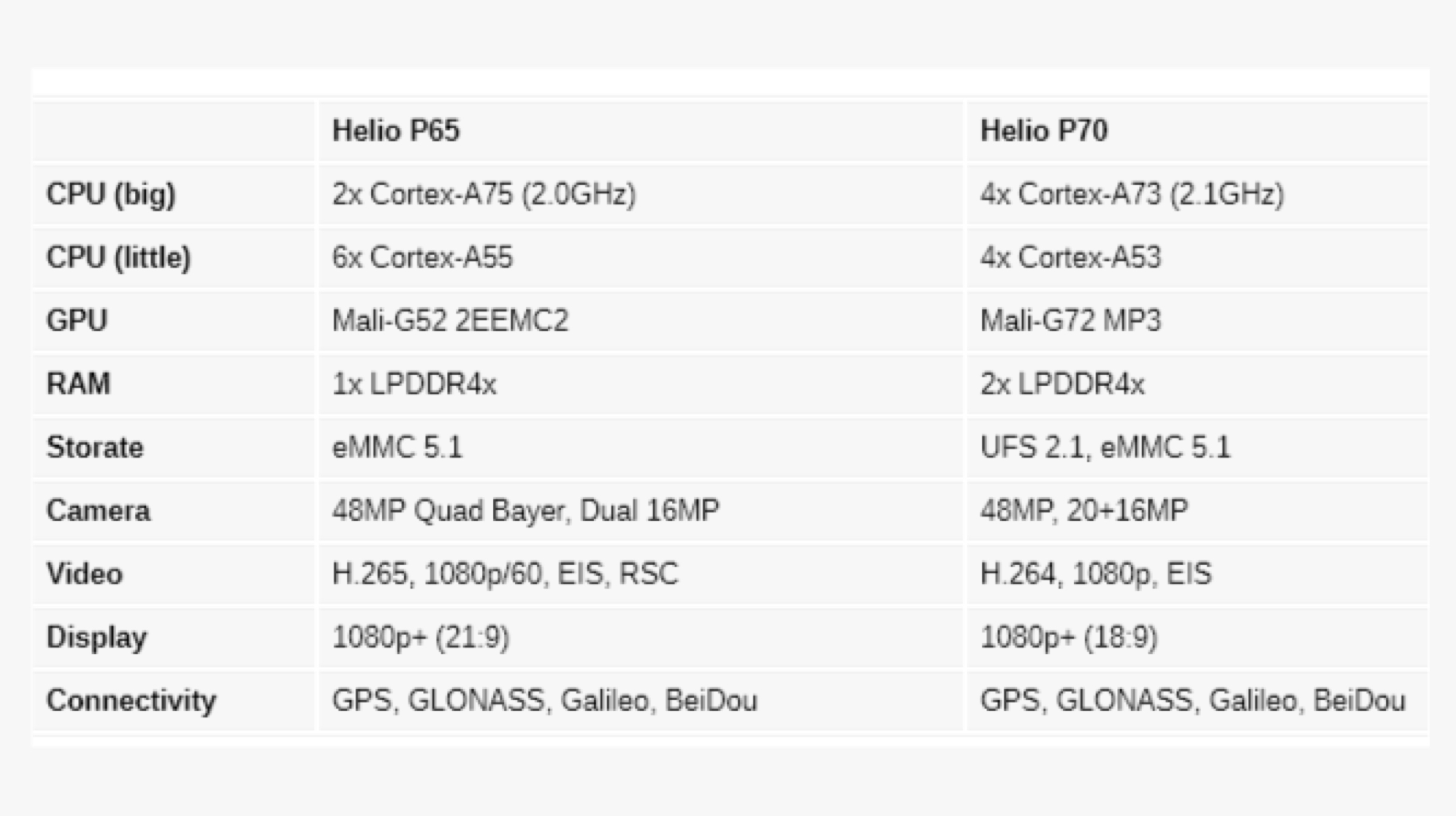
The company has unveiled a new chipset called the Helio P65 which features a handful of improvements over the Helio P60and the Helio P70. The latest SoC consists of the Mali G52 GPU and 64 bit Octa Core CPU which is divided into two separate clusters.
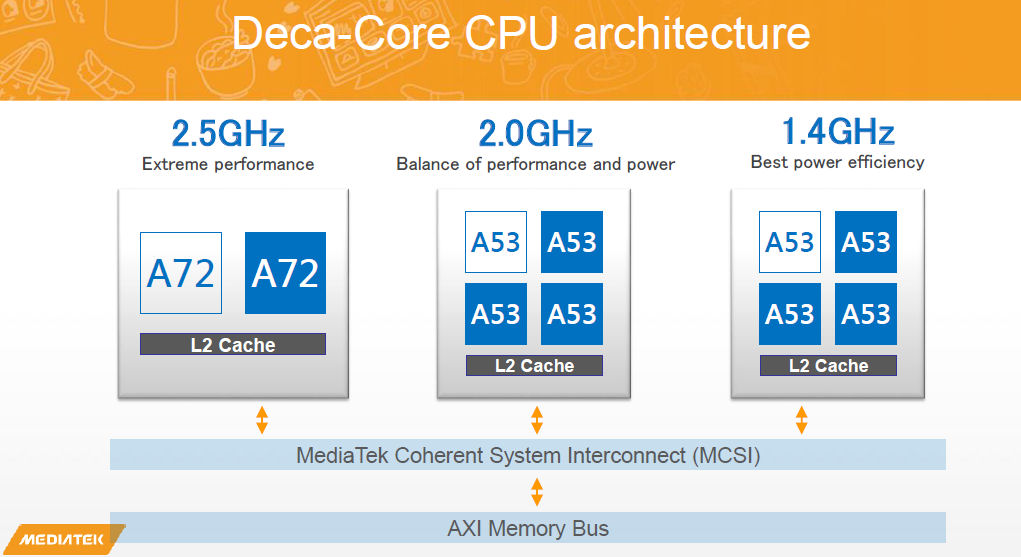
The Octa Core CPU on the Helio P65 is comprised of 2x Cortex A75 cores which are clocked at 2 GHz and 6x Cortex A55 cores that have an unspecified clock speed. This combination of two CPU core groups with different architecture and clock frequency helps in providing the best of both worlds i.e battery life and performance on smartphones that employ the chip.
When the user is running resource hungry tasks like games on their device with the Helio P65 chipset, the two Cortex A75 cores come into play. Inversely, when the device is put to sleep or is being used to run lightweight tasks like making phone calls or messaging, the 6 core Cortex A55 will be put to the use which will help in prolonging the battery backup. Do note that this is not a proprietary technology as most chipsets in the modern era have this type of architecture.
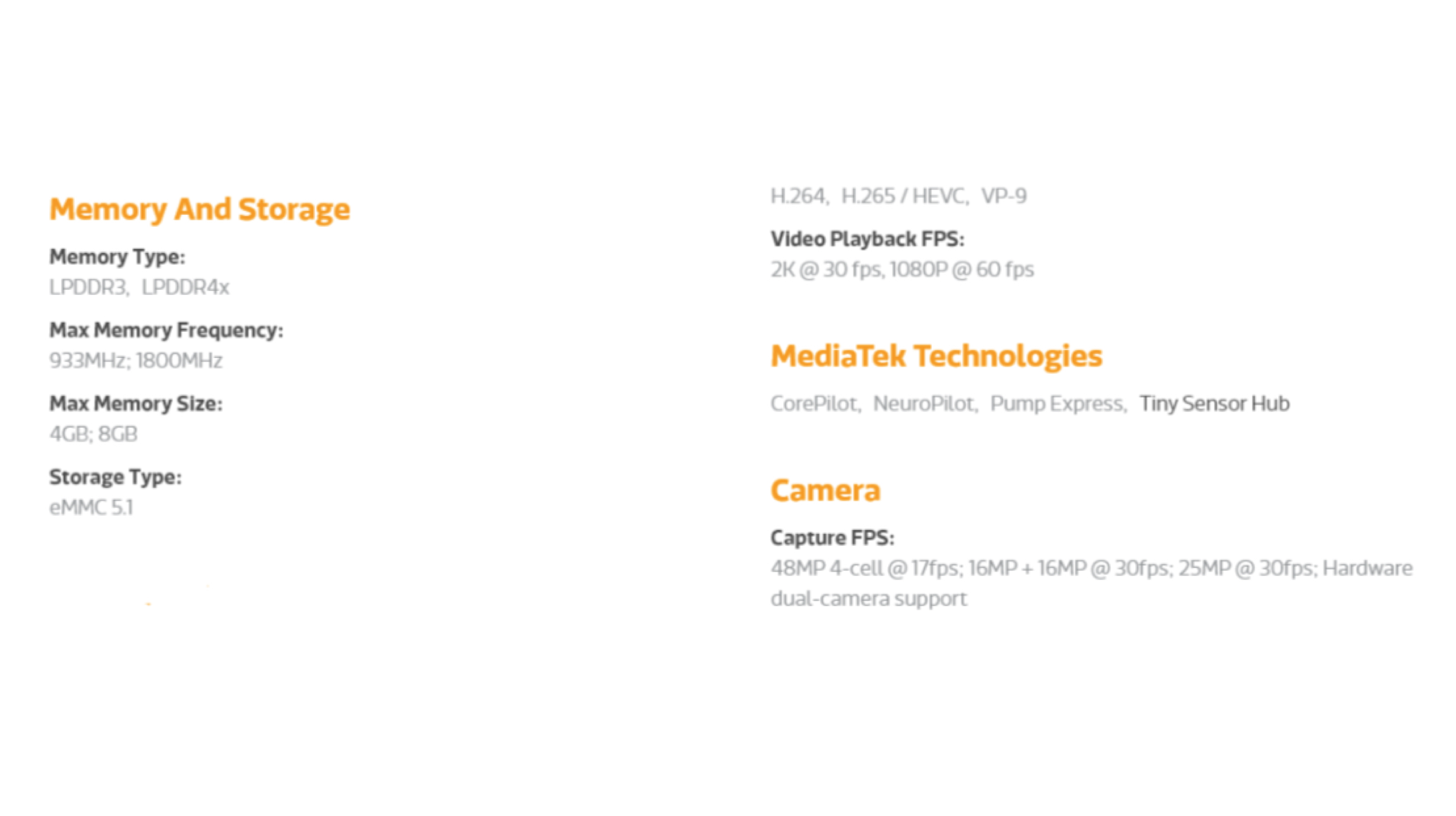
Smartphones kitted with the Helio P65 chipset are capable of supporting upto 8 GB of LPDDR4x RAM (fastest memory standard available as of now). However, unlike the Helio P70 which supports dual memory modules, the new chipset only supports a single RAM module, therefore, limiting the full potential highest capacity of supported memory.
In terms of memory, the Helio P65 only supports eMMC 5.1 (embedded multimedia card) storage and lacks support for faster UFS. However, most devices that feature chipsets from MediaTek’s affordable lineup would rarely incorporate this fast storage standard. Usually, flagship grade devices including OnePlus 7 Pro and Galaxy Fold use UFS which is considerably more expensive than eMMC.
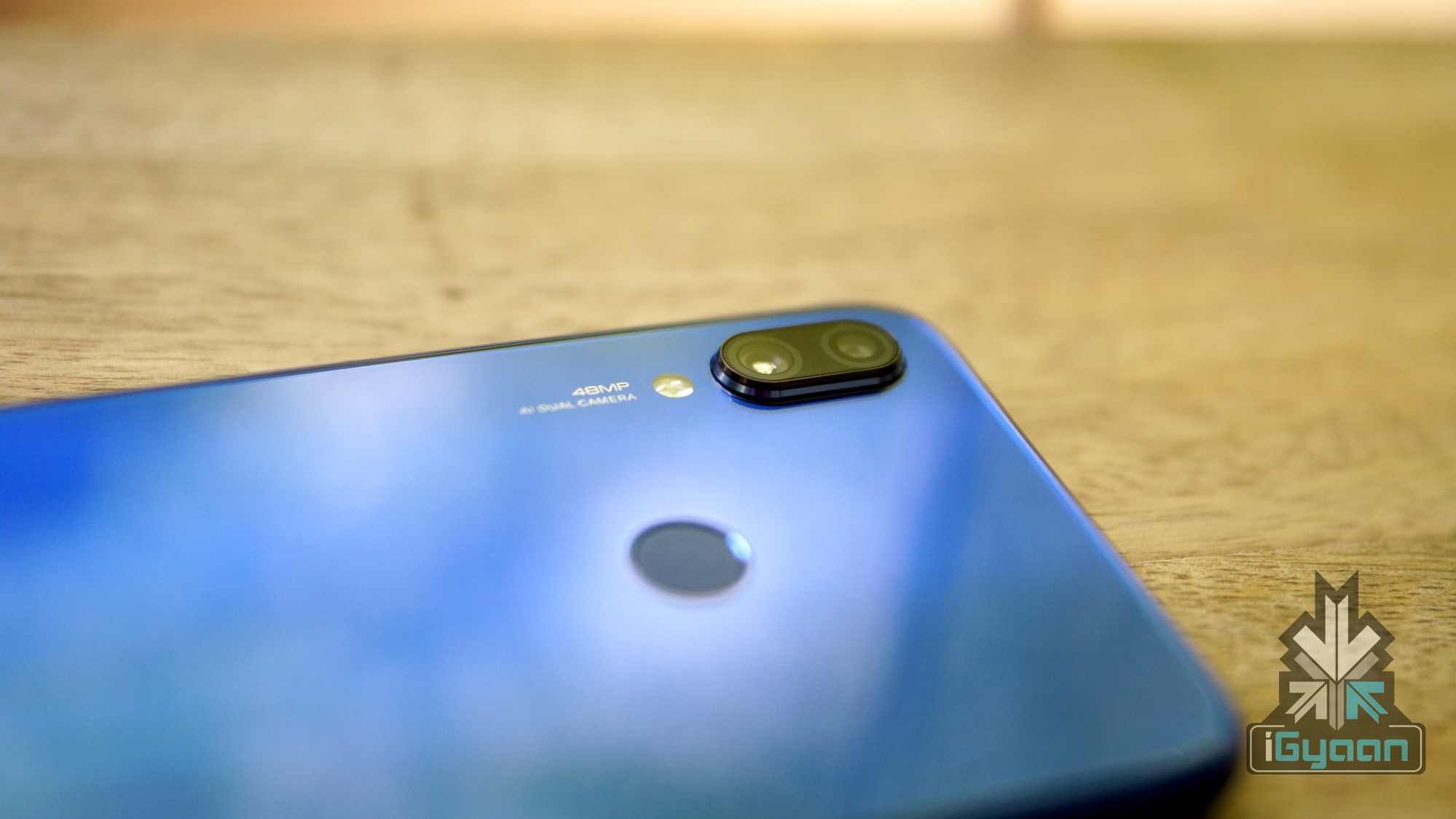
Redmi Note 7 With 48 MP Camera
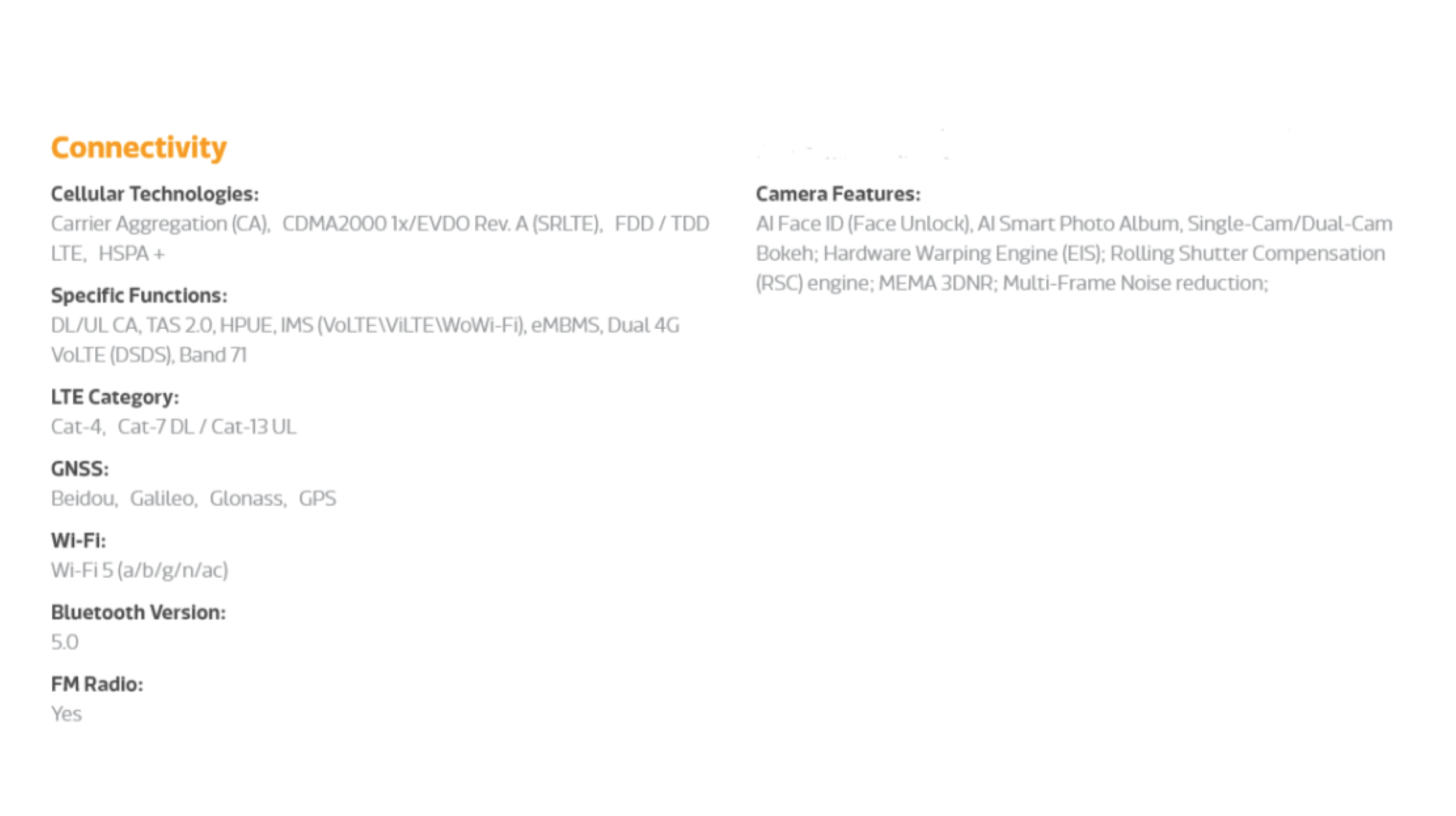
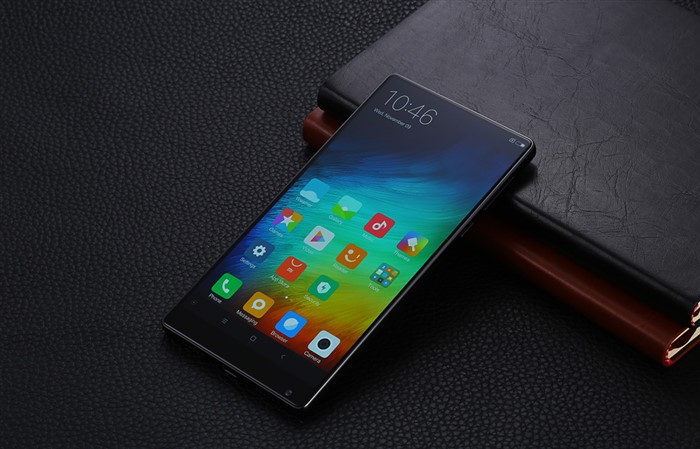
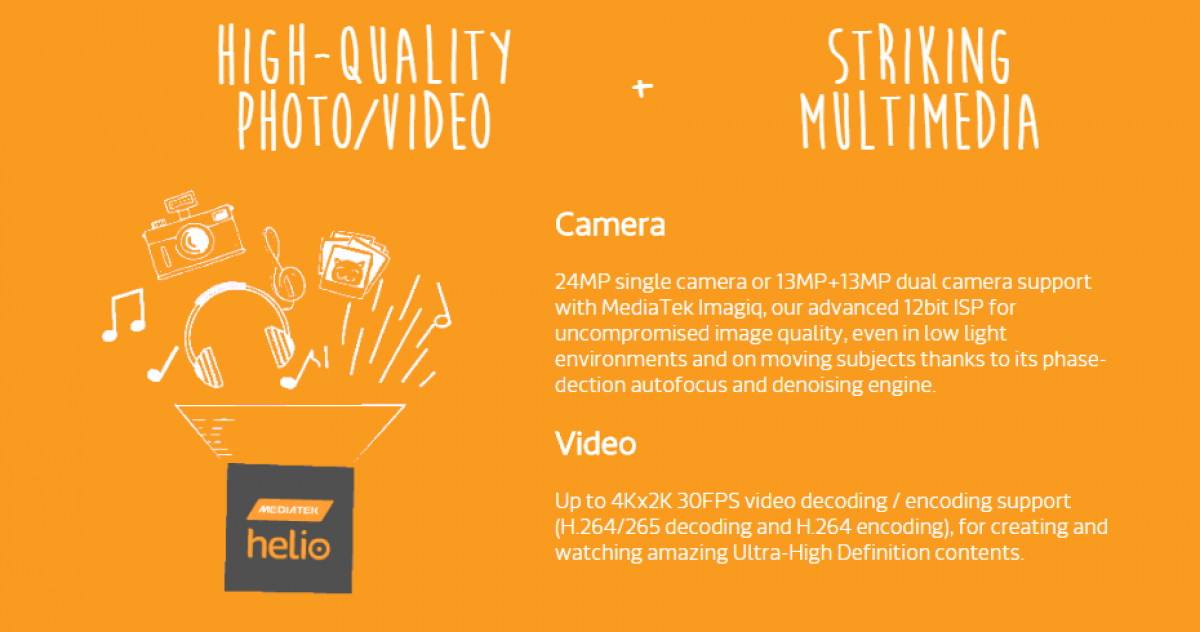
Xiaomi with its Redmi Note 7 Pro that features a 48 MP camera turned a lot of heads around the globe. However, in order for a smartphone to be able to process images of this high resolution, the chipset should be developed with this feature. Taking into consideration the demand for budget smartphones high res cameras, MediaTek has added support for such sensors in the new Helio P65.
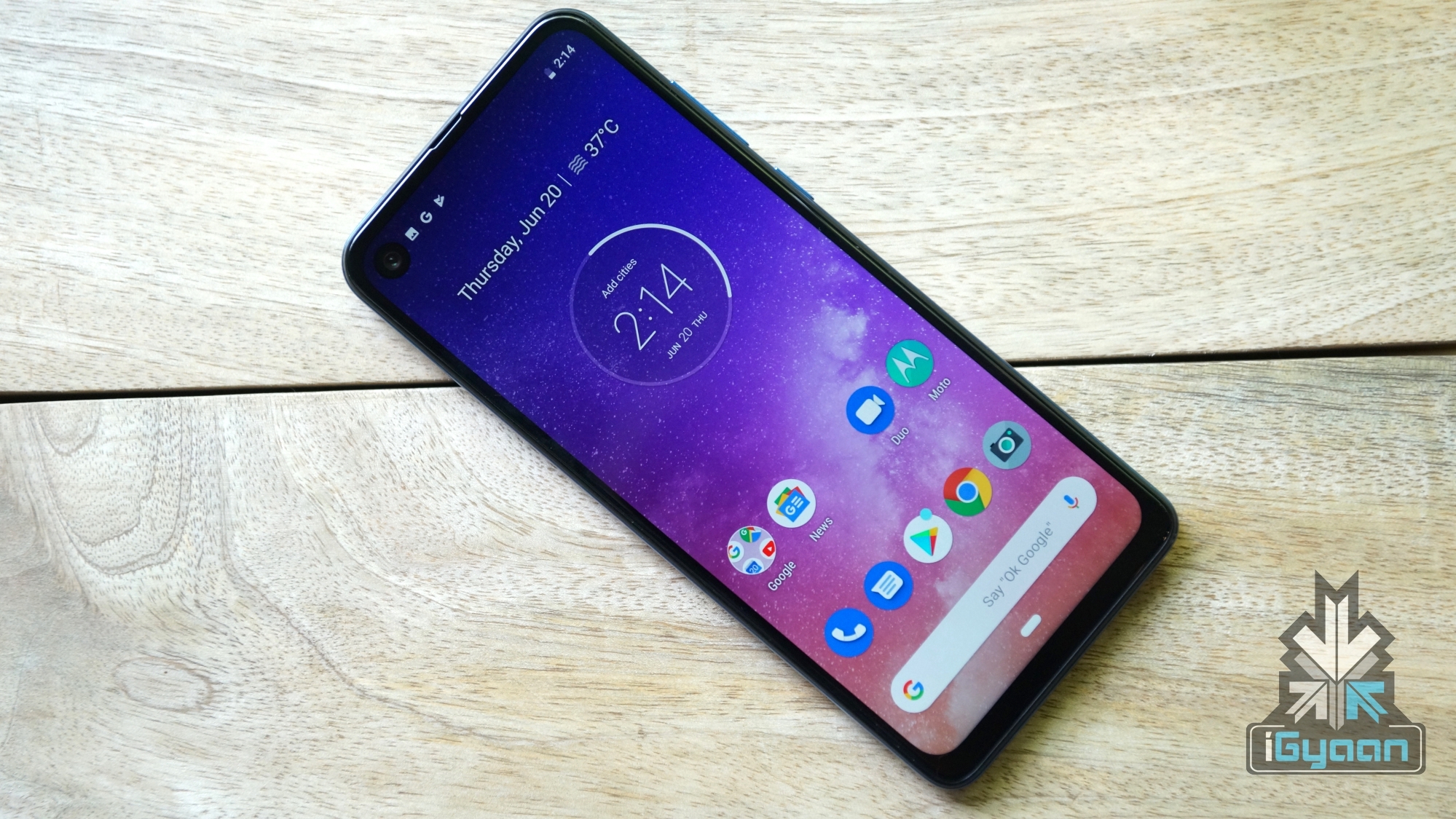
Moto One Vision With 21:9 Display
Another notable feature that the Helio P65 brings to the table is support for 21:9 display. An aspect ratio which is slowly gaining popularity as seen with the Moto One Vision and Sony Xperia 1.
All in all, MediaTek has designed and developed the Helio P65 chipset after thoroughly researching the budget smartphone market while also studying the features that consumers like to see in such devices.
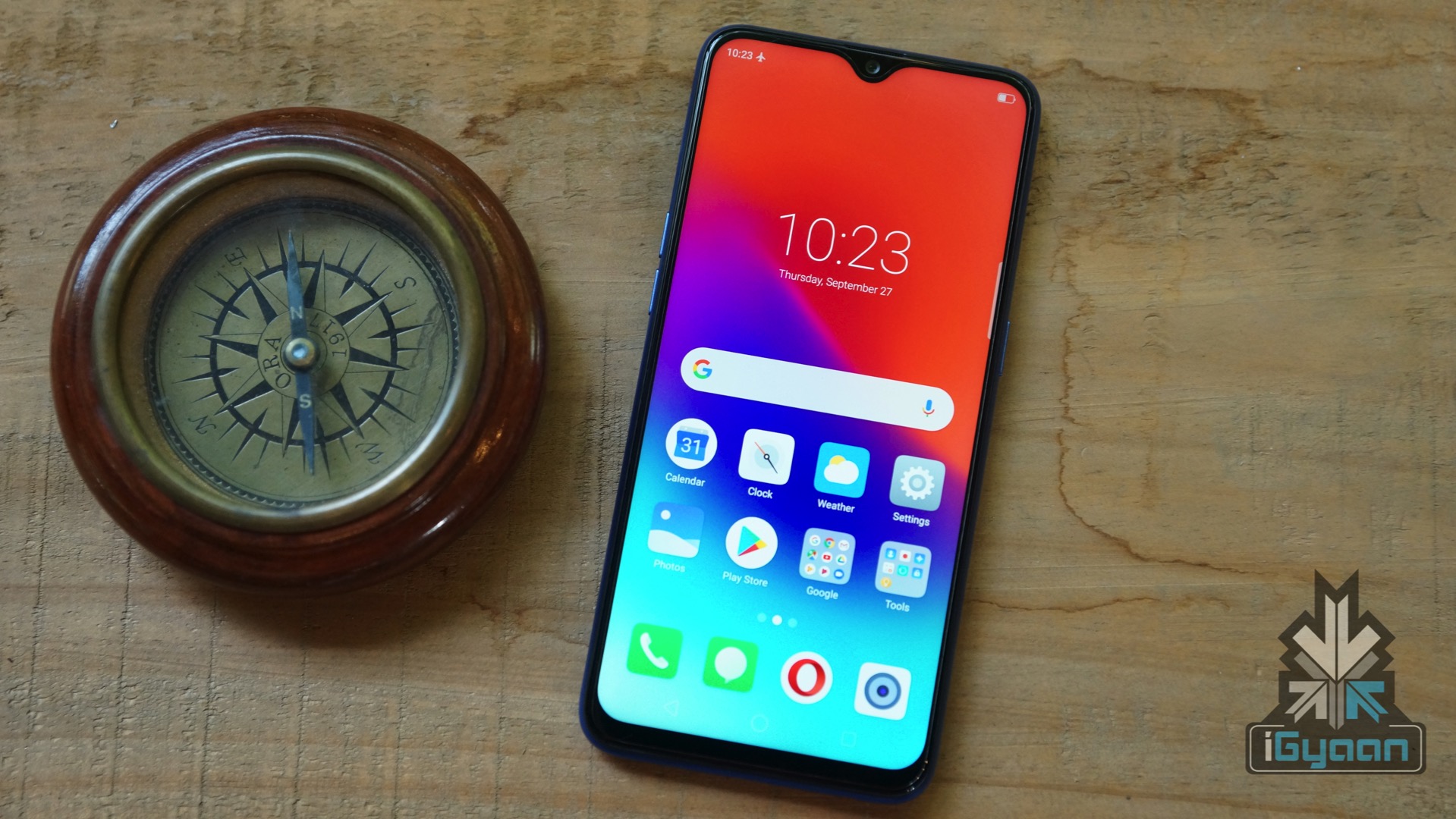
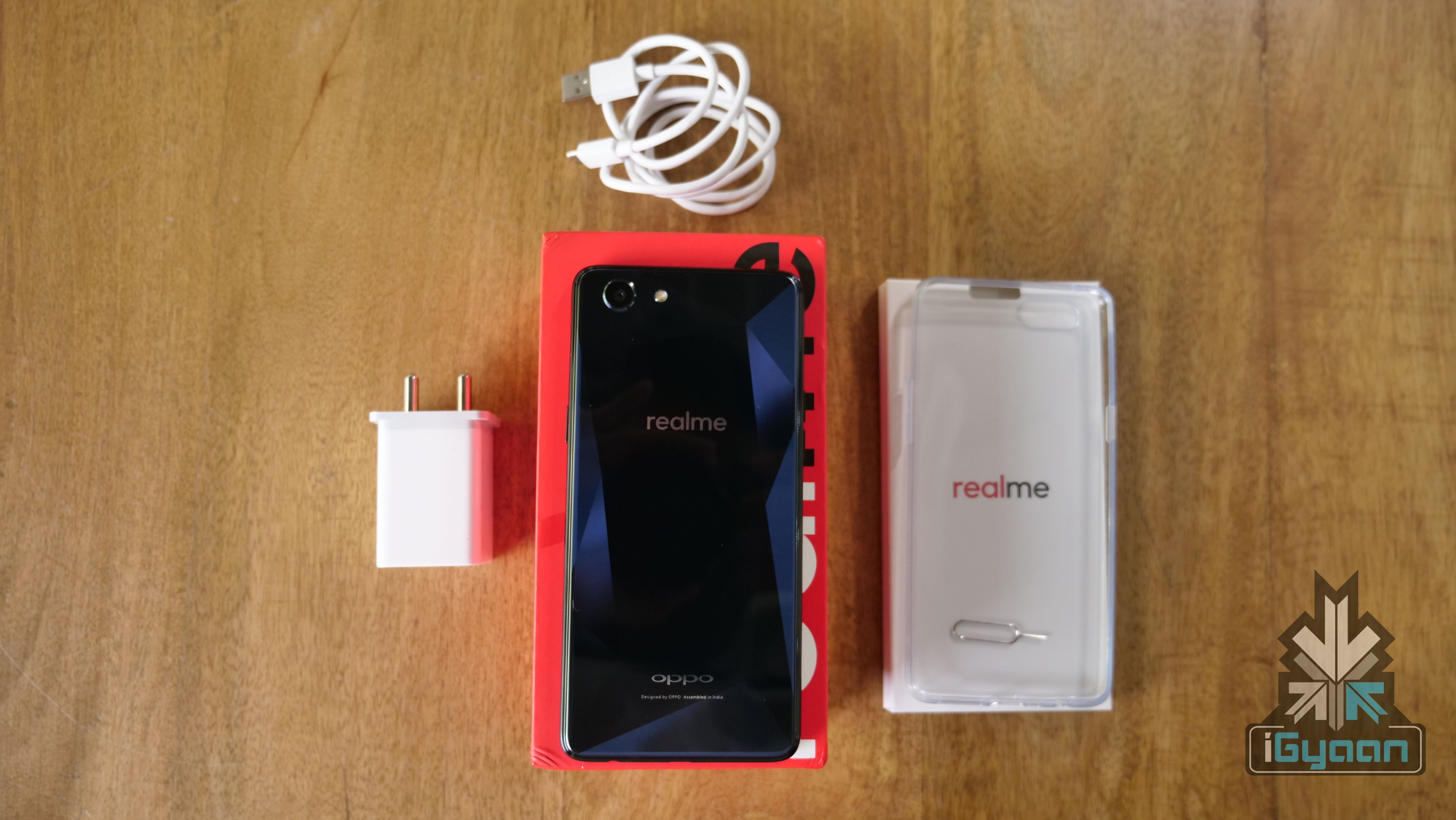
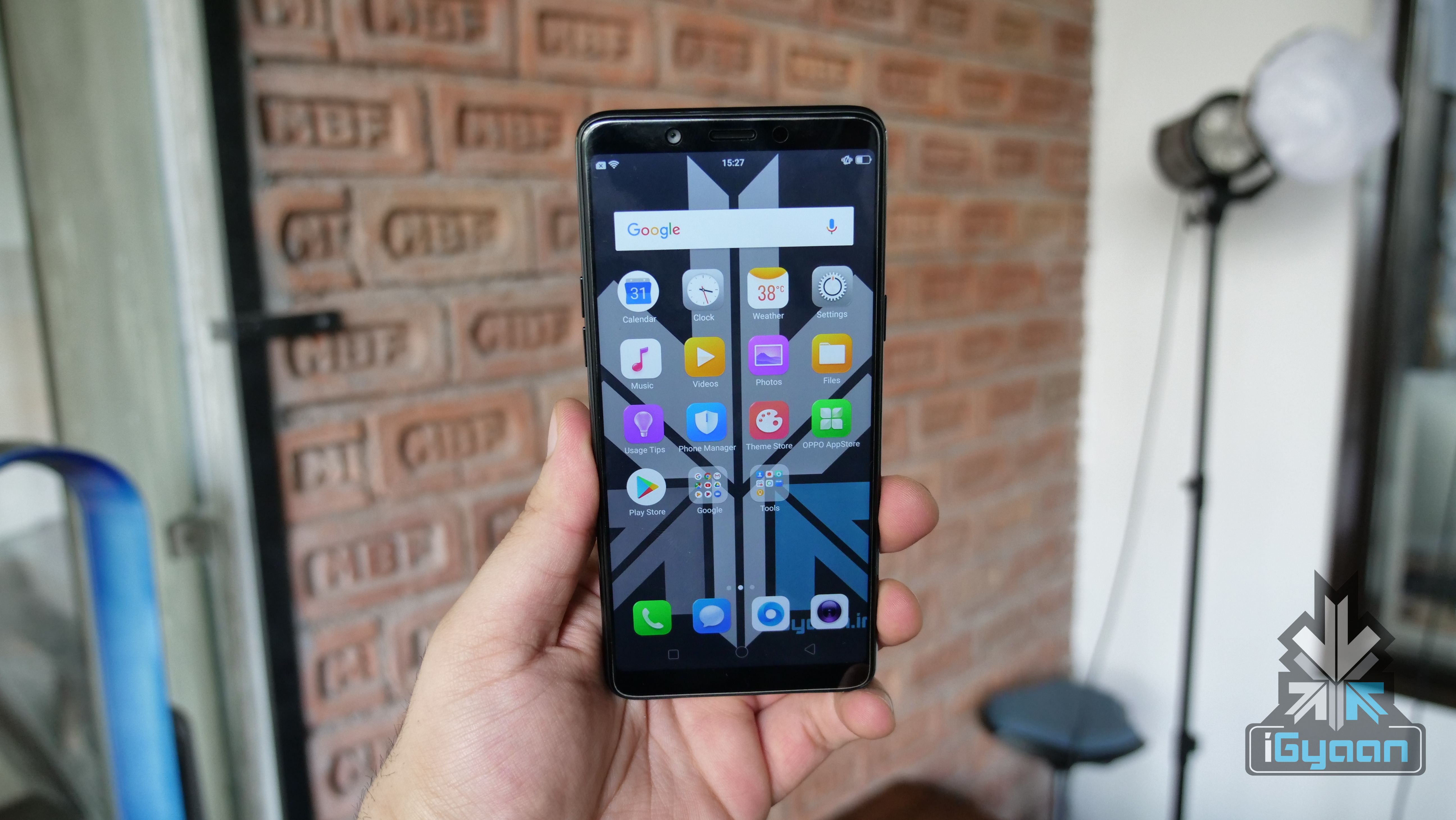
As of now, no details about a smartphone launching with the chipset has been revealed. Though, going by past experiences, companies like Realme and Oppo will be one of the first ones to launch a handset that employ the Helio P65
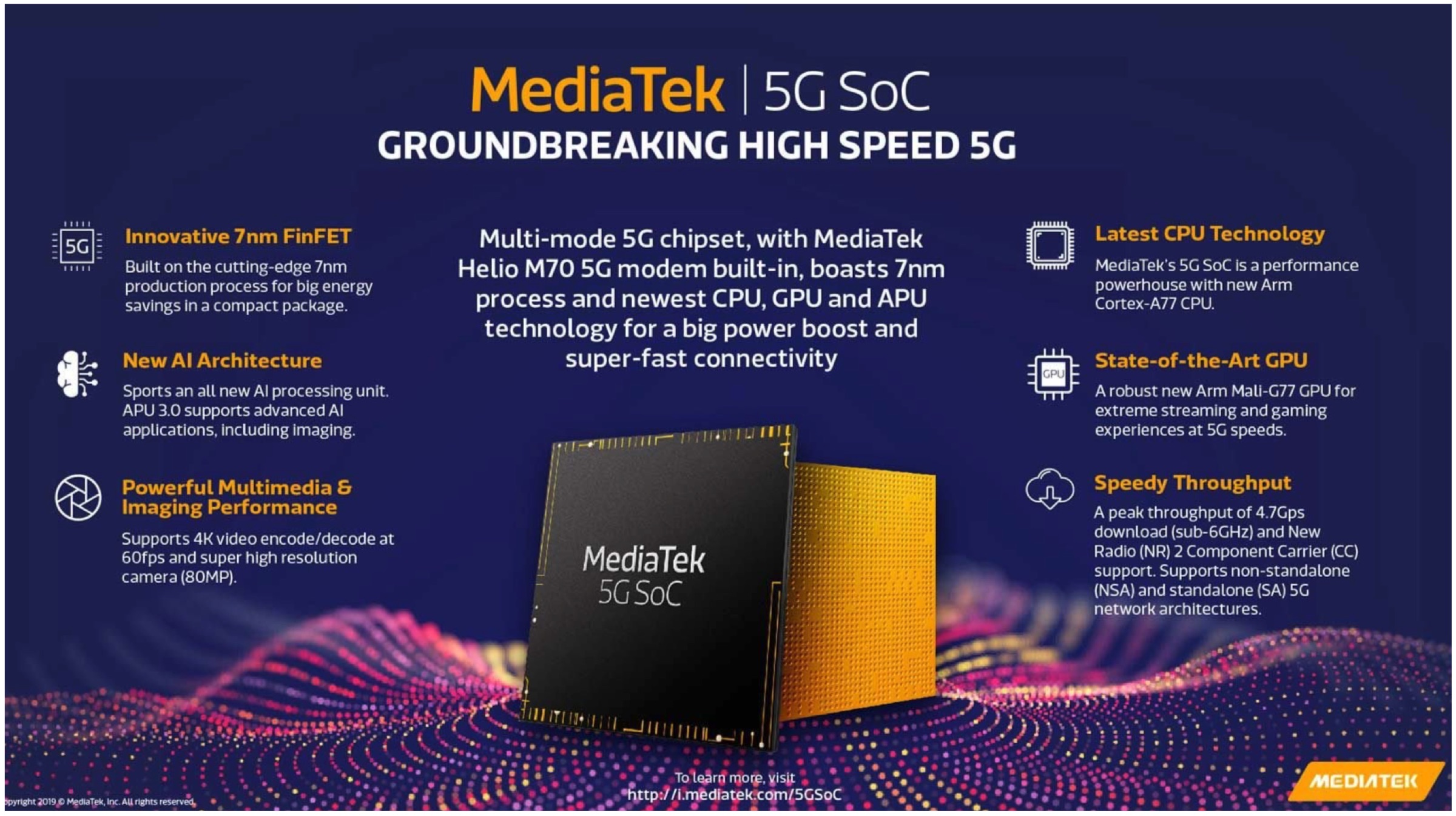
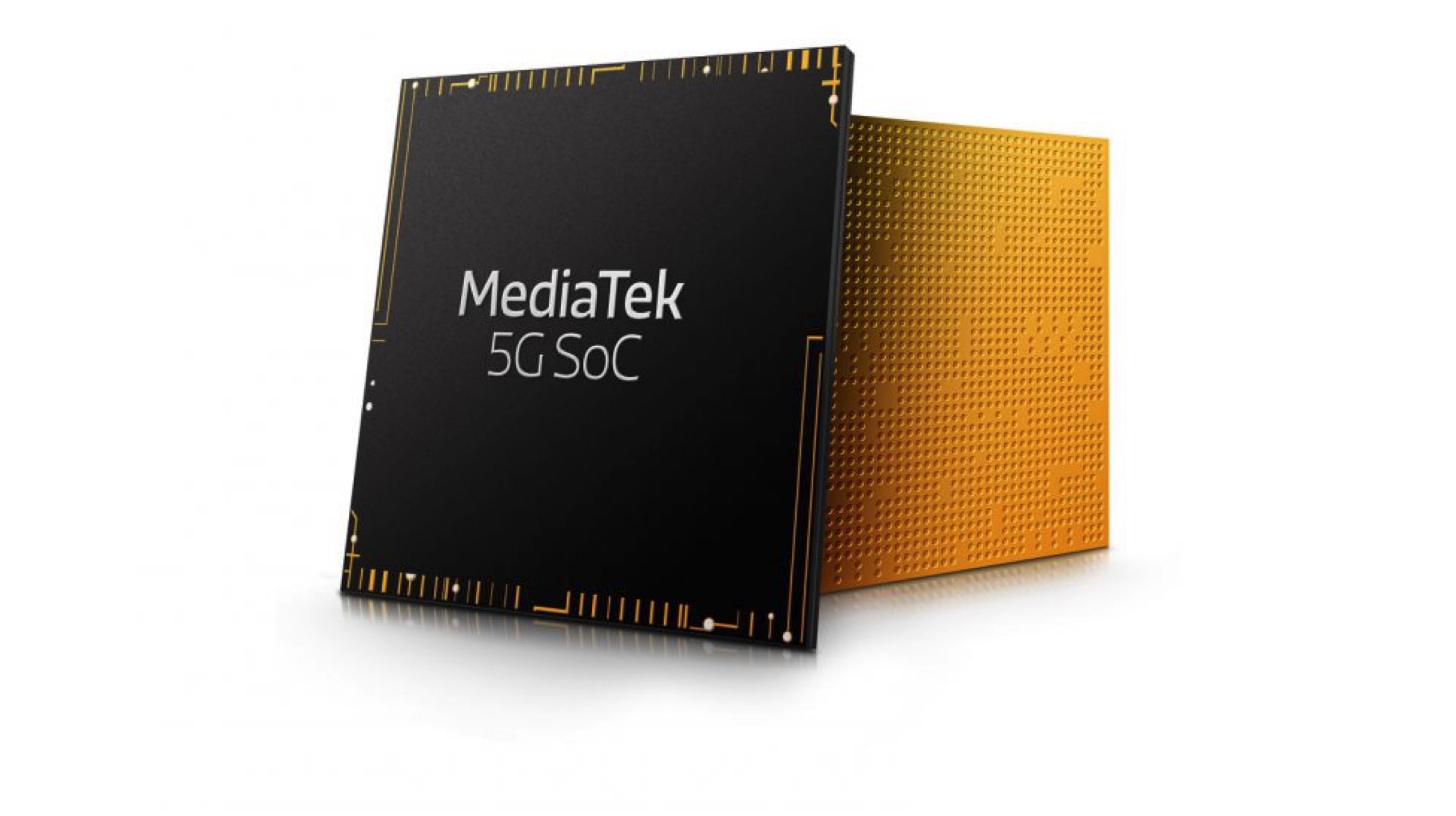
With every new generation of the bandwidth update cycle, only the latest premium devices in the market seem to incorporate the upgrades. MediaTek however, made a bold statement on the matter by claiming to include the new 5G ready system-on-chip that offer the latest network capabilities on affordable devices.
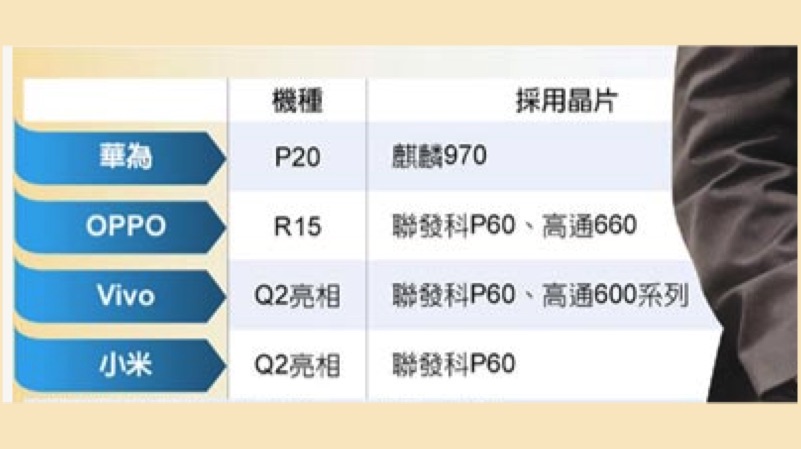
The new 5G integrated SoC combines MediaTek’s M70 5G modem with the latest ARM CPU and GPU. MediaTek has always had a great impact on the lower end market in the industry where price plays the biggest factor in market share. Handsets like the Nokia 5.1 and Oppo R15 that utilizes MediaTek’s hardware are such examples.
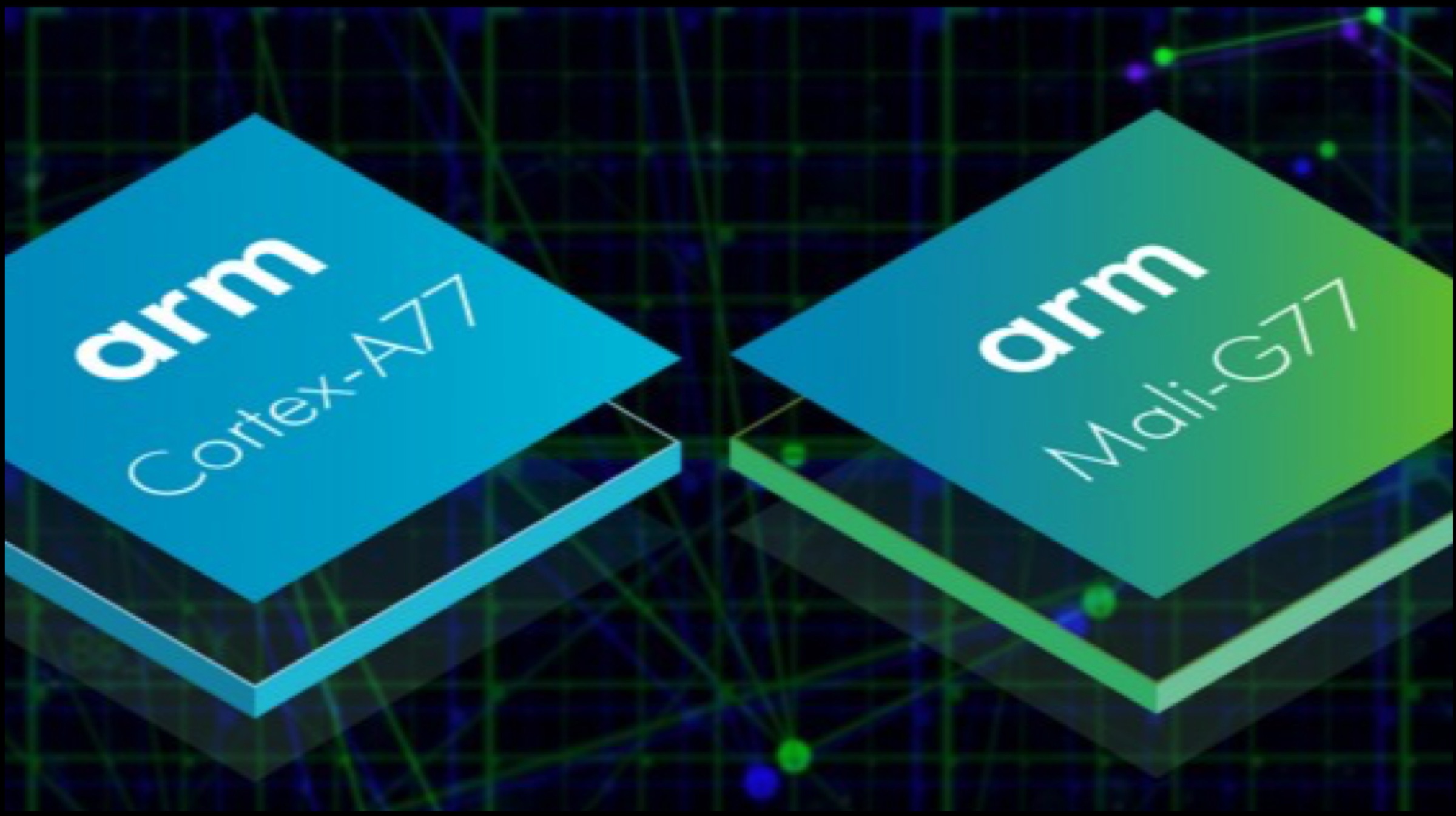
MediaTek’s 5G ready chipset is built on the 7nm architecture that would provide a good balance between performance to power efficiency ratio at the lower price bracket. The M70 modem, that will be integrated alongside ARM’s Cortex-A77 CPU and Mali-G77 GPU, will support sub-6Ghz networking spectrum in 5G. The MediaTek chipset is reported to be available before year-end for OEM’s and manufacturers while the first wave of handsets with the 5G SoC are expected to be seen in early 2020.
The company lowers the cost of the 5G network by utilizing (in layman’s term) the slower of the two categories under 5G. This, in turn, gives it a broader covered network to work on over the very limited 5G setups that have the other higher networking speeds. Shrinking the chip size to 7nm also provides advantages with power efficiency and heat management. Unlike Qualcomm (Snapdragon 855 and Snapdragon X50/X55 combination), the new Helio M70 5G modem is in-built on the chipset.
The mid-range priced handset is the new ‘premium’ according to the Taiwanese chipmaker company. MediaTek’s core focus true to their philosophy shall keep them relevant in the market in front of industry giants like Qualcomm who’s chipset premium handsets would keep 5G network out of hands for customers that can’t afford it.
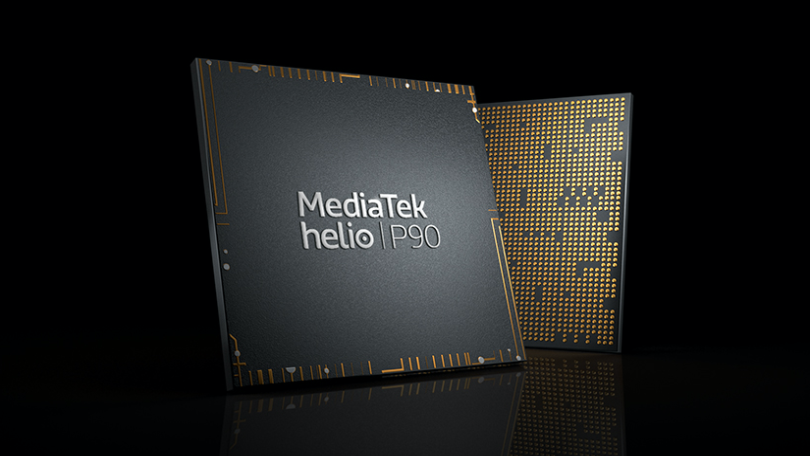
Taiwanese chip maker, MediaTek launched the Helio P90 chipset earlier this year. It is the most powerful SoC that the company has designed till date. The chip is intended for high-end flagship level smartphones. The company boasts that the Helio P90 chipset is extremely power efficient and has Groundbreaking AI performance. The claims, however, cannot be verified as no smartphone manufacturer has yet launched a device featuring this chipset. But, an AnTuTu benchmark leak provides some insight into the performance capability of the Helio 90.
The AnTuTu benchmarks of the MediaTek Helio P90 were shared by an Indonesian leaker, Bang Gogo. The source of the leak is trustworthy as most of the leaks provided by him in the past have turned out real. The user shared a screenshot which reveals both the benchmark result and the hardware details of the device it was captured on. The device from the listing features the Octa-Core Helio P90 processor along with the IMG PowerVR GM 9446 GPU. The display of test smartphone has a resolution of 2160px x 1080 px.
The test device runs on the latest Android 9 Pie OS with 6 GB of RAM and 128 GB ROM. Most notably, the device with the Helio P90 SoC registers a score of 162861. In comparison, the smartphones with the Snapdragon 845 get a much higher AnTuTu score which ranges from 250000-290000 depending on the make of the device. However, it is possible that the smartphone in the listing is not optimised leading to the unimpressive score. Therefore, until a real-world smartphone with the P90 SoC is launched, it is hard to decide what the chipset has on offer.
Specifications
The MediaTek Helio P90 is an Octa-Core chipset that is manufactured using 12 NM TSMC technology. Other relevant information of the chipset is as follows:
MediaTek is a Taiwanese company that designs chipsets for mobile phones, navigation systems, and other electronic devices. A short while ago, the company announced their Helio P70 chipset which is featured on the Realme U1. In a recent launch event, the company has announced their Helio P90 SoC. The Helio P90 is the company’s flagship mobile chipset that is currently on offer. Like the Helio P70, it is an Octa-Core processor and is manufactured using 12 nm technology. The biggest highlight of the new chipset is its AI capabilities.
Features And Support:
The Helio P90 accommodates the PowerVR GM 9946 GPU and an Octa-Core CPU. The CPU consists of two ARM A75 cores and six Cortex A55 cores. The ARM A75 cores are clocked at 2.2 GHz while the Cortex A55 cores are clocked at 2.0 GHz. This ARM 75 and ARM A55 duo provides best of both performance and efficiency. The Helio P90 can support up to 8 GB of LPDDRX RAM and UFS 2.1 storage. It supports a maximum display resolution of 2520 x 1080 px and an aspect ratio of 21:9.
In terms of camera, the SoC can support single camera sensor of 48 MP resolution and dual 24 MP + 16 MP sensors. However, it is dependent on the smartphone manufacturer how they incorporate it on their device. The Helio P90 also has a built-in APU (AI Processing Unit) 2.0. With the help of AI, a smartphone can optimise both, power and performance depending on usage patterns of different users. According to benchmarks, the Helio P90 has better AI performance than the Snapdragon 845 which is 10 nm chipset. Most notably, its AI benchmark is slightly lower than the Snapdragon 855 which is a 7 nm chipset.
For connectivity, the Helio P90 supports dual 4G VoLTE, Wi-Fi 802.11ac, Bluetooth 5.0, GPS, GLONASS, Beidou, Galileo and FM Radio. The company announced that smartphones featuring the chipset are already being developed. The first smartphone packing the P90 SoC is expected to launch in Q1 of 2019.
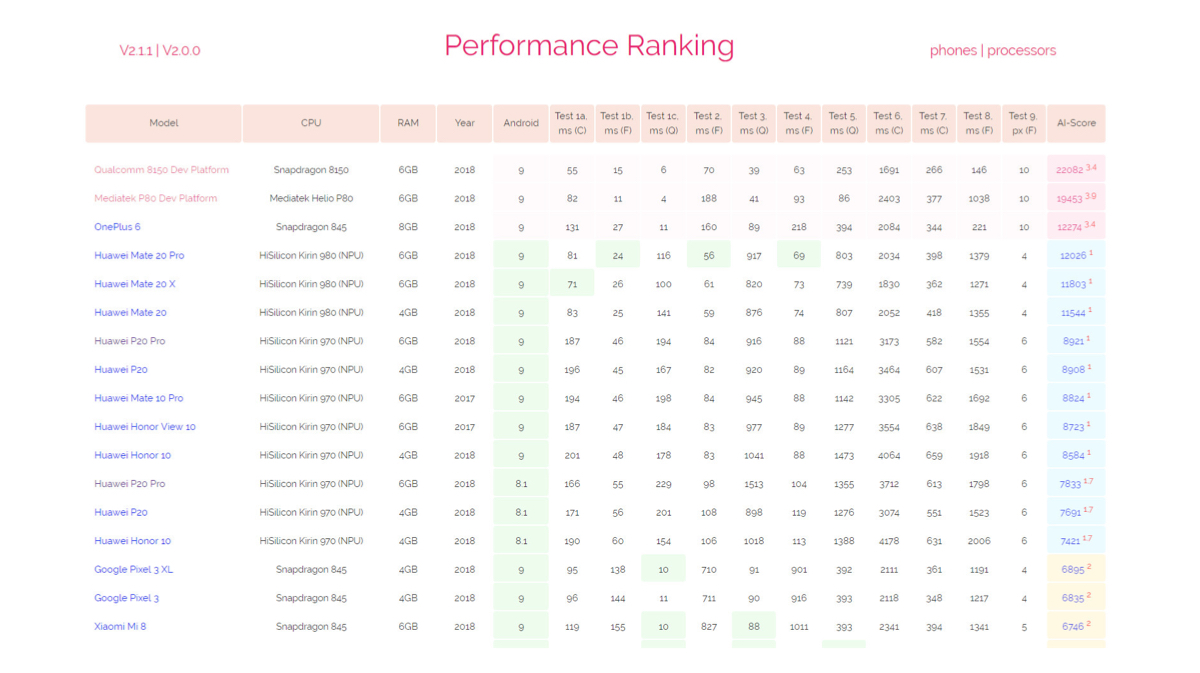
MediaTek is a Taiwanese company that designs chips for mobile phones and other smart devices. Last month, the company unveiled their Helio P70 chipset which is present on the latest Realme U1 smartphone. Recently the company has teased another upcoming high-end chipset called the Helio P90. It will be the most powerful chipset that the company has designed to date. The AI benchmarks of the Helio P90 are already available online and the chipset gets the number two spot in the listing.
MediaTek has shared a teaser for the upcoming Helio P90 on their official Twitter account. The tweet boasts that the upcoming chipset will be more powerful, efficient and will have Groundbreaking AI performance. It is expected to use the 7 nm FinFET manufacturing process like the Apple A12x,Huawei Kirin 980and the upcoming Snapdragon 8150.
AI Benchmarks
The AI benchmarks of the Helio P90 were gathered from a developer board which had 6 GB of RAM and ran Android 9.0 Pie. According to the listing, the chipset scores 19453 points and is only second to the Snapdragon 8150 which gets 22082 points. Surprisingly, the 7 nm Huawei Kirin 980 is at number four in the listing after the Snapdragon 845 which gets the number three spot.
What To Expect?
The upcoming Helio P90, like other MediaTek chipsets, will have an aggressive pricing. Therefore, it is most likely to be present on devices from companies like Oppo, Realme, and Xiaomi.
MediaTek has not officially announced the unveiling date of the Helio P90 SoC but the tweet indicates that its launch is around the corner. It is expected to launch before the end of 2018.
Realme is a smartphone manufacturer which was first registered in China in 2010. The company was a sub-brand of of Oppo Electronics until it’s sepration in 2018. The company launched its first smartphone, the Oppo Realme 1 earlier this year which was a huge hit in the Indian smartphone market. Realme has launched other smartphone models since then which are in high demand as well. Now, MediaTek has made an announcement at the IMC(Indian Mobile Congress) 2018. The company confirmed that a Realme smartphone will be the first device to be powered by the upgraded MediaTek Helio P70 SoC.
Helio P70- What Has Changed?
The recently launched Helio P70 is an upgraded version of the Helio P60 which is seen in the likes of Oppo F9 Pro & Realme 1. The Helio P70 is 64-bit Octa-Core processor which uses 12nm production process that makes it more power efficient. It is up to 13% faster than the Helio P60 and up to 35% less power hungry. The Heli0 P70 supports up to 8 GB DDR4 RAM or 4 GB DDR3 RAM. The Helio P70 SoC has the Mali-G72 GPU with 900 MHz frequency and has a maximum screen resolution support of 2160 x 1080 px.
The Helio P70 also has an in-built 525 MHz APU(Accelerated Processing Unit) which is a combination of CPU & GPU that allows for faster data communication. Hence, resulting in better performance and processing power.
Realme & MediaTek
Oppo Realme 1
The last time Realme and MediaTek got together ,the result was the Realme 1. It stirred up the already cut-throat Indian smartphone market. Before the launch of Realme, Xiomi was one of the top smartphone manufacturers to offer a feature packed device at a highly affordable price. The Realme brand has since then become a synonym for great value for money smartphones. Later, the company launched the Realme 2, with a bigger battery and a fingerprint scanner which was an alternate to their Realme 1 which was more performance oriented. Recently, the company launched the Realme 2 Pro, a powerful mid-ranger and the Realme C1, the budget killer. Both of which run on Qualcomm processors.
The Realme 1 with the Helio P60 SoC had overall better performance compared to it competitors in that price bracket. Now, the updated Helio P70 with multiple updates and better AI intergration is out. We are eager to see how the upcoming Realme smartphone with the Helio P70 SoC will fare. As we know, Realme prices their smartphones very aggressively we have a feeling the new smartphone will be a killer deal that will be hard to pass.
The launch date of the device is not yet available, but the company had hinted towards a possible smartphone release by the end of this year.
MediaTek is a Taiwanese micro chip manufacturer that provides chips for smartphones, HD-TV’s and wireless communication devices. Recently, they launched the Helio P70 SoC which is the successor to the popular Helio P60. The Helio P60 was seen on devices like Oppo F9 Pro and the budget champion Realme 1.
Supported Configuration
The Helio P70 is a 64-bit Octa-Core processor with a max frequency of 2.1 GHz which is up to 13% faster than the Helio P60. It is based on the ARM Cortex-A53 & Cortex-A73 microarchitecture and uses the 12nm production process which makes it faster and power efficient. In terms of camera support, the Helio P70 offers support for 32 MP and 24 MP + 16 MP camera sensors. It means, any smartphone featuring the processor can use this camera configuration either on the front or back of the device. It can also process a max video resolution of 2160p.
Oppo Realme 1 With Mediatek Helio P60
The Helio P7 supports both LPDDR3 and LPDDR4x high frequency RAM. It can be paired with up to 4 GB of DDR3 RAM or up to 8 GB of DDR4x RAM. It also supports eMMC 5.1 and high speed UFS 2.1(Universal Flash Storage). In terms of Graphics, it has a Mali-G72 GPU with a max frequency of 900 MHz and max display resolution of 2160 x 1080 px. The processor can carry Dual 4G Volte SIMs and supports Bluetooth 4.2 low-energy, Wi-Fi a/b/g/n/ac and GPS.
Key Changes
The Helio P70 has a a multi-core APU (Accelerated Processing Unit) with a maximum frequency of 525 MHz. When combined with the Mediatek’s NeuroPilot, it delivers 10-30% more AI processing than the Helio P60. An APU is simply a combination of CPU & GPU which allows for faster data communication resulting in greater processing power and performance. Mediatek’s Neuropilot makes use of “Edge AI”, which means the processing is done on the device rather than relying on a fast internet connection or cloud service. It makes the AI faster and keeps user data private as the data always remains on the device. The new Helio P70 is more power efficient and is up to 35% less power hungry than the Helio P60.
To sum up, the Helio P70 looks like a promising SoC for mid range smartphones. But, we are yet to see smartphone manufacturers to incorporate the latest chipset in upcoming handsets to see it’s real life performance.
Xiaomi recently launched the Xiaomi Mi MIX 2s, which is the first 2018 flagship smartphone from the company. Lately, the company has been launching smartphones powered by a Snapdragon chipset. However, according to a report, the company is all set to launch a smartphone in Q2 of 2018 powered by the Helio P60 chipset. The MediaTek Helio P60 chipset was launched at MWC 2018.
Companies like Oppo, Vivo, and Meizu have already launched smartphones with this chipset and Xiaomi is the next phone-maker to join the club Helio P60. However, considering the patent infringements, the Xiaomi smartphone based on this chipset is most unlikely to launch in India.
MediaTek Helio P60 Specs
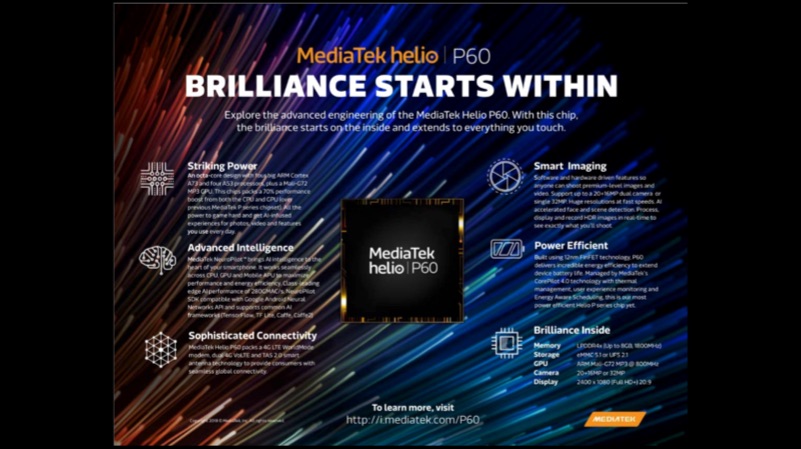
The chipset uses 12 nm FinFET technology based on big.LITTLE architecture. The four high-performance cores are based on ARM Cortex-A73 cores and the other four efficient cores are based on ARM Cortex-A53 cores. Compared to the Helio P30 chipset, the Helio P60 offers up to 70% improved CPU performance.
The chiset has a Mali-G72 MP3 GPU. The chipset offers a staggering 70% boost in overall GPU performance compared to its predecessor. In fact, the performance will be similar to Qualcomm Snapdragon 660 chipset. The dedicated NeuroPilot can handle native AI tasks using Android Neural Networks API with class-leading performance. The three image sensing processors support dual camera module. In fact, this uses 16% less power by combining Ai accelerators with the real-time image enhancement.
The MediaTek Helio P60 chipset supports displays with up to 1080p resolution. In fact, the smartphone manufacturers can go with a display with up to 20:9 aspect ratio. In terms of storage and RAM, the chipset can handle up to 8GB LPDDR4x RAM. The chipset can handle UFS 2.1 storage. Finally, coming to the connectivity the processor can handle dual LTE and VoLte network with Cat 7 download speeds and Cat 13 upload speeds.
MediaTek launched the MediaTek Helio P60 chipset at MWC 2018. The is the most powerful P series chipset from the Chinese chipset manufacturer, which is based on 12nm FinFET architecture. This is the first processor from the brand with native features like hardware accelerated AI and a dedicated NeuroPilot Core.
Features:
The processor is manufactured by TSMC based on 12 nm FinFET technology based on big.LITTLE architecture. The four high-performance cores are based on ARM Cortex-A73 cores and the other four efficient cores are based on ARM Cortex-A53 cores. Compared to the Helio P30 chipset, the Helio P60 offers up to 70% improved CPU performance.
The same goes for the GPU as well. The Mali-G72 MP3 is a flagship-class CPU, which is used in the chipsets like Kirin 970. The chipset offers a staggering 70% boost in overall GPU performance compared to its predecessor. In fact, the performance will be similar to Qualcomm Snapdragon 660 chipset.
The dedicated NeuroPilot can handle native AI tasks using Android Neural Networks API with class-leading performance. The three image sensing processors support dual camera module. In fact, this uses 16% less power by combining Ai accelerators with the real-time image enhancement.
The MediaTek Helio P60 chipset supports displays with up to 1080p resolution. In fact, the smartphone manufacturers can go with a display with up to 20:9 aspect ratio. In terms of storage and RAM, the chipset can handle up to 8GB LPDDR4x RAM. The chipset can handle UFS 2.1 storage.
Finally, coming to the connectivity the processor can handle dual LTE and VoLte network with Cat 7 download speeds and Cat 13 upload speeds.
Comparison:
MediaTek Helio P60
MediaTek Helio P30
MediaTek Helio X30
CPU Configuration
4 x ARM Cortex A53 @2.0GHz
4 x ARM Cortex A73 @2.0GHz
4 x ARM Cortex-A53 @ 1.65GHz
4 x ARM Cortex-A53 @ 2.3GHz
4 x ARM Cortex-A35 @ 1.9GHz
4 x ARM Cortex-A53 @ 2.2GHz
2 x ARM Cortex-A73 @ 2.5GHz
MediaTek is expected to launch a new smartphone chipset the MediaTek Helio P60 at MWC 2018. The MediaTek Helio P60 will be the successor to the MediaTek Helio P30, with improved CPU and GPU processing power.
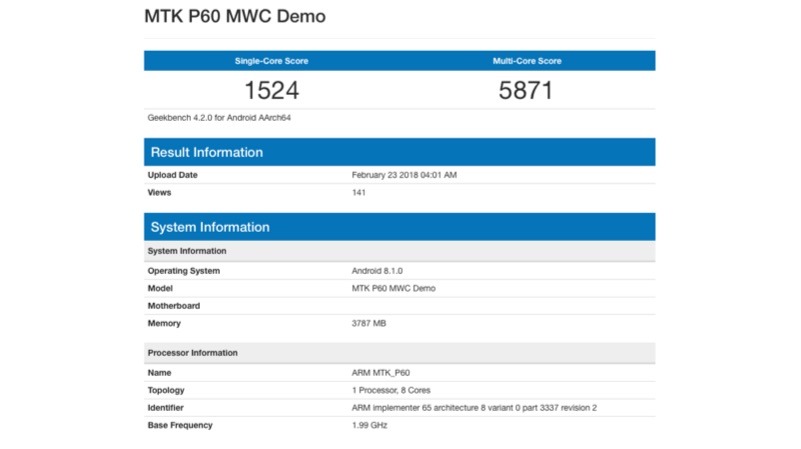
In fact, the chipset scores on the Geekbench are almost equivalent to the scores of Qualcomm Snapdragon 660 Chipset, which is found on the smartphone like the Xiaomi Mi Note 3 and the Vivo X20 Plus UD. However, the Mi Note 3 scores 1775 points on single-core and 6428 points on multi-core performance, which is slightly better than the MediaTek Helio P60.
Credits: Geekbench
According to leaks, the chipset comes with the features like AI Deep learning, Real Time Bokeh, CorePilot, thermal low power demonstration, power efficiency, and with support for dual 4G VoLte/ViLte with support for wireless charging. However, it depends on smartphone OEM to give access to these features.
The chipset was listed on Geekbench in a test smartphone with 4GB RAM. On Geekbench, it scored 1524 points on a single core and 5871 points on the multi-core. The scores are pretty impressive for the Helio P range chipset. In fact, these scores are similar to the one obtained on a smartphone with the Snapdragon 660 chipset.
Specifications:
The chipset has an 8 core CPU design, with big.Little architecture. The base frequency is listed as 1.99 GHz, which is expected to be the clock speed of the four little CPUs. The chipset might also come improved GPU with energy efficient processing.
Conclusion:
This will be the successor of the MediaTek Helio P30, which was not that of a performer. Finally, MediaTek is launching a chipset with can challenge the Snapdragon counterpart.
Google recently announced the Android Go Oreo edition. A new variant of Android 8.1 Oreo OS optimised for smartphones with 1GB of RAM or less. Two of the most prominent chipmakers in the smartphone industry, MediaTek and Qualcomm have now voiced their support for Android Go.
MediaTek, in a statement, said that it will be an SoC partner for bringing Android Go Oreo edition to smartphone makers and will offer support on Android devices with 512MB to 1GB of RAM.
MediaTek Inc. today announced that it is a System-on-Chip (SoC) partner for providing Google’s Android™ Oreo (Go edition) software to smartphone makers, and after a deep collaboration with Google, MediaTek’s MT6739, MT6737, and MT6580 SoCs, among others, now have board support packages available to run Android Oreo (Go edition).
Qualcomm has also announced that it will be working closely with Google to offer an optimised experience on smartphones with a memory of 1GB or less.
We are excited to implement Android Oreo (Go edition) within the Qualcomm Snapdragon mobile platform family as it will enable consumers around the world to experience a more robust operating system for lower cost smartphones.
This allows greater consumer flexibility as mobile users in emerging regions such as India, Southeast Asia and Africa gain access to a wider variety of Android smartphones with a more modern operating system.
Google has claimed that Android Go’s Oreo edition will be a variant of Android Oreo that a manufacturer can just set by ticking off a configuration flag. What this basically does is that it sets up the phone to use the “Go” versions of a handful of Google apps such as the main Google app, Google Assistant, Google Maps, Gmail, and others. Google claims that the smaller apps and slimmer OS can as much as halve the amount of storage that’s taken up by default on a new phone running default OS.
India is expected to be one of the first few countries to get Android Go Oreo edition thanks to its large budget smartphone segment.
MediaTek has announced its latest SoC for budget smartphones called the Helio P20. It will be the direct successor to the company’s Mediatek Helio P10. The new chip is built using SMC’s latest 16nm FinFET Plus (16FF+) process and the company claims, as a result, the Helio P20 will be 25% more energy efficient than its predecessor. It’s also the industry’s first SoC to support LPDDR4X, which is Samsung’s more efficient LPDDR4 RAM.
“MediaTek designed the MediaTek helio P20 to meet today’s consumer demand for sleek, powerful yet highly power efficient mobile devices,” said Jeffrey Ju, Executive Vice President and Co-Chief Operating Officer at MediaTek. “Consumers place increasing importance on the battery life and multimedia capabilities of their smartphones. MediaTek has risen to this challenge with a leading solution,” he added.
The Helio P20 is structured to come with eight Cortex-A53 cores which are the same number of cores as the last generation, but the new SoC is clocked higher at 2.3GHz owing to the move to the new manufacturing process. It also has ARM’s latest Mali-T880 GPU, but unlike the GPUs found on high-end mobiles, the GPU on the particular SoC comes with only two cores which are clocked at 900MHz, quite high for mobile GPUs.
The Helio P20 SoC is also the first SoC to support Samsung’s LPDDR4X, which according to the company provides 70 percent more bandwidth and 50 percent higher efficiency compared to LPDDR3. This is achieved by lowering the supply voltage to a low 0.6v.
The SoC uses MediaTek’s latest Image Signal Processor (ISP) which adds support for dual-phase detection autofocus significantly improving autofocus performance by upto four times compared to conventional autofocus systems.The company has revealed that phones using the Mediatek P20 could be seen as early as second half of 2016.
It looks like MediaTek’s top of the line offering, the Helio X20 is already running into trouble. This Dec-Core beast which comes with the promise of never before seen power on a smartphone will allegedly bring along with it more heat than it can handle.
The SoC much like the 810 is being accused of producing too much heat, and if industry sources are to be believed, it could be overlooked by manufacturers in the coming months just like the 810 initially when Samsung turned it down because of the overheating issues it brought along with it.
Mediatek-Helio-X20-Deca Core
Reports also suggest that the Helio X20 has done so poorly in its trials with phone manufacturers when it came to managing its thermal outputs that it has already been rejected by HTC, Lenovo, Xiaomi amongst others for their upcoming phones.
Needless to say, all these are just murmurs for now making their way to and fro across the trusted land of Internet, so waiting for something official before sounding the X20s death knell is highly recommended.
The mobile phone market over the years has grown by leaps and bounds. The evolution of the industry has been so staggering that it has seen hardware once thought only for the elite rich make its way to the pockets of the masses, and this evolution in no way looks to be coming to a halt.
Mediatek which has been at the forefront of this evolution looks set to do more in its aim of giving the masses access to phones with high-end specifications by equipping its low budget processor chips with LTE capability. Mediatek will be bringing to the phone makers three new chipsets, all affordable, and each one of them LTE ready for low budget handsets of the future.
The MT6738 is the least expensive of the three chipsets on offer. It comes with four ARM Cortex-A53 chips running at 1.5 GHz and a Mali T860 MP1 GPU. On the downside, screen resolution support is capped at 720P, but the MT6738 will support up to 4GB of RAM and a 13MP camera along with the Cat.6 LTE support.
The MT6750 is the second offering, and sits above the MT6738 in the hierarchy order. It houses a total of eight Cortex-A53 cores, four clocked at 1.5 GHz and the other four at 1.0 Ghz. The GPU on the chipset is the more powerful Mali T860 MP2, but like the MT6738 resolution support is capped at 720p. The camera support, however, is bumped up to 16MP.
Finally, the big daddy of the list, the MT6750T, is a beefed up version of the MT6750. It comes with the same octa-core configuration and support for 4 GB of RAM. Camera support is also 16MP for this chipset, and it will also come equipped with the same Mali-T860 Mp2 GPU.This processor will support 1080p displays.
These chipsets are expected to be available to handset makers sometime in the second half of February.
HTC has had a tough year, tough decisions and a lot of devices. The company has had the slowest quarter yet and the stock prices have dropped to an all time low. The company also reported a net loss of $258 Million, which points to the fact that the company is not doing well.
However that has not stopped HTC from making new handsets, and in countries like India, the HTC market share is growing considerably.
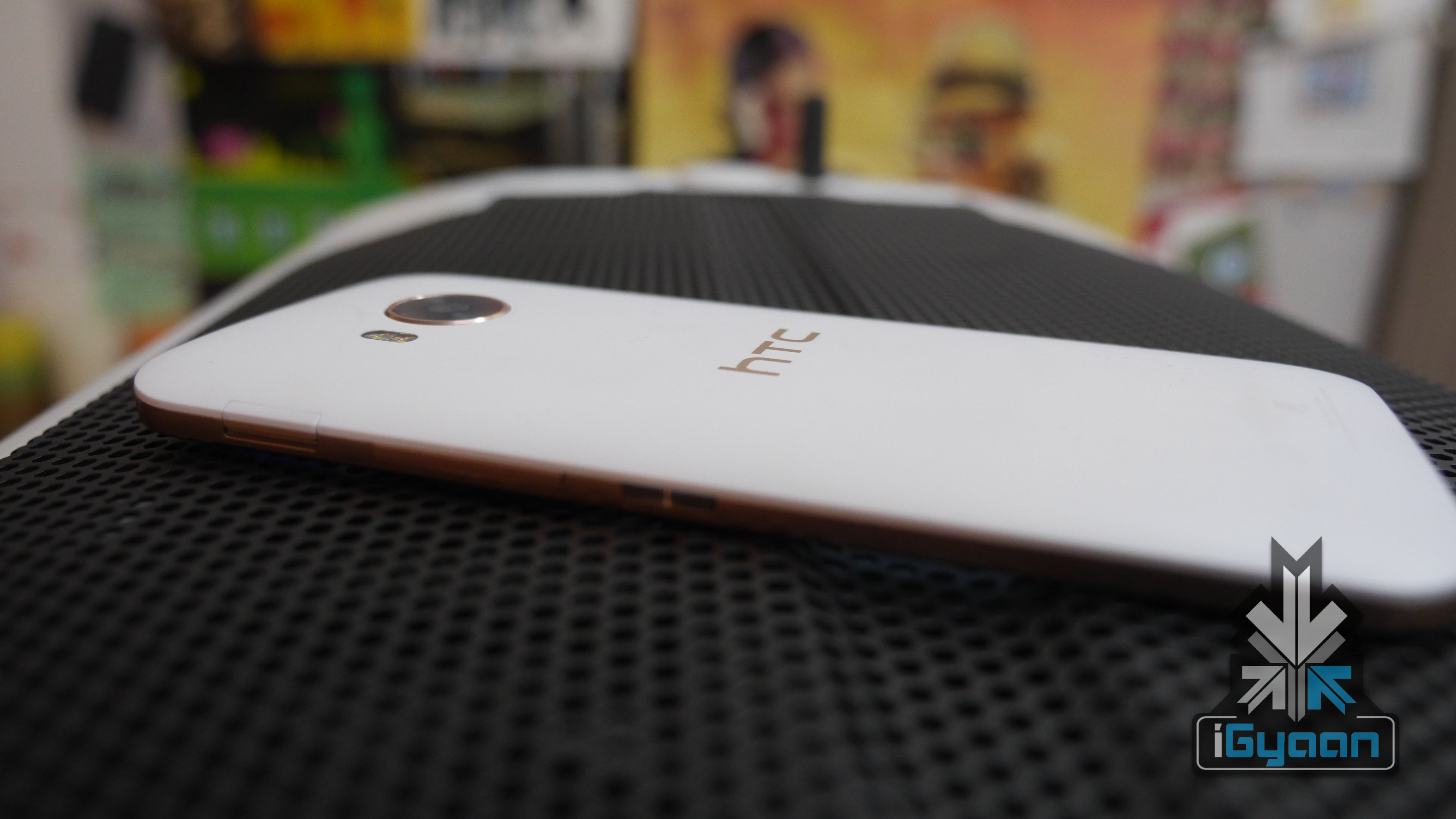
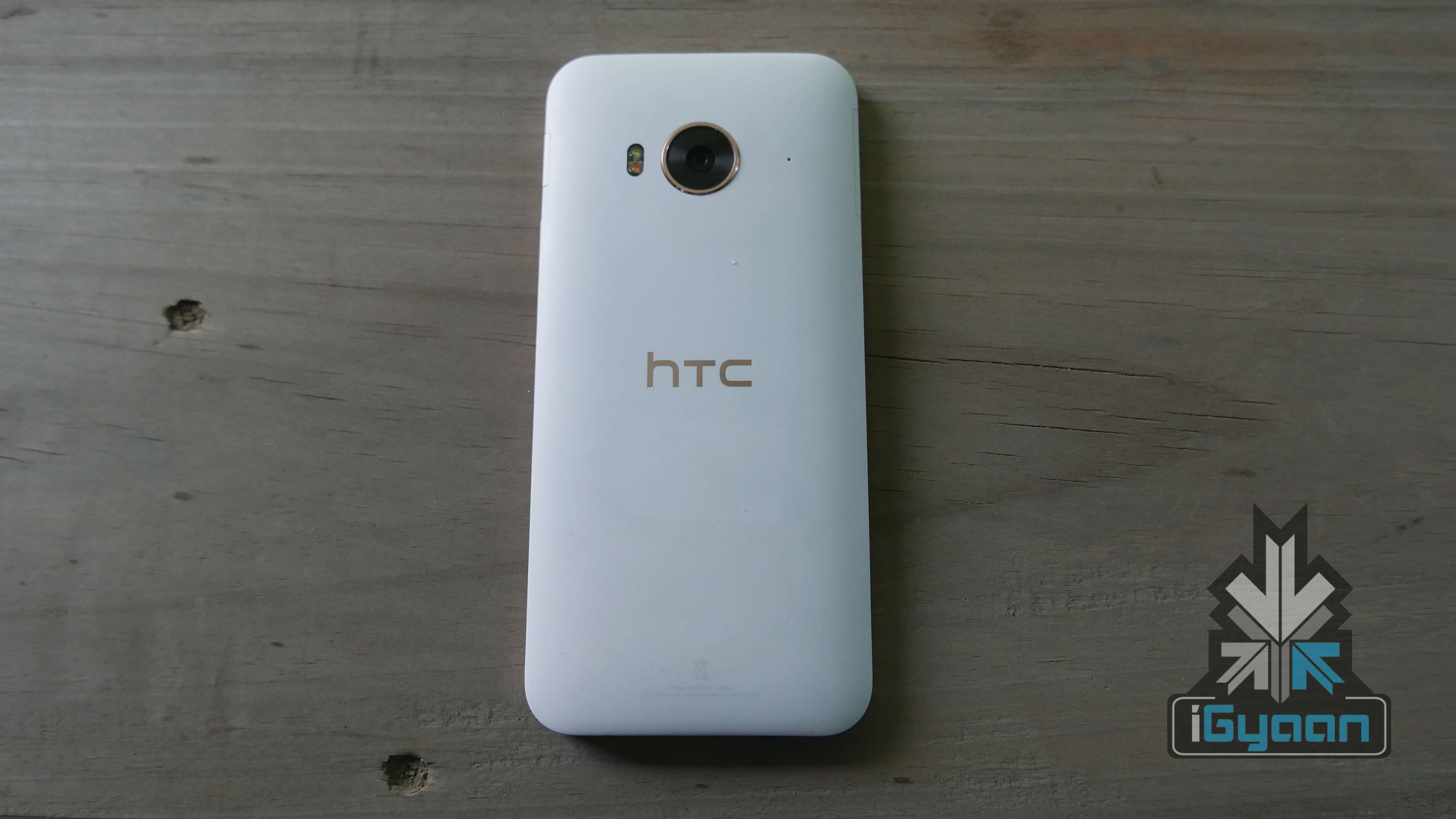
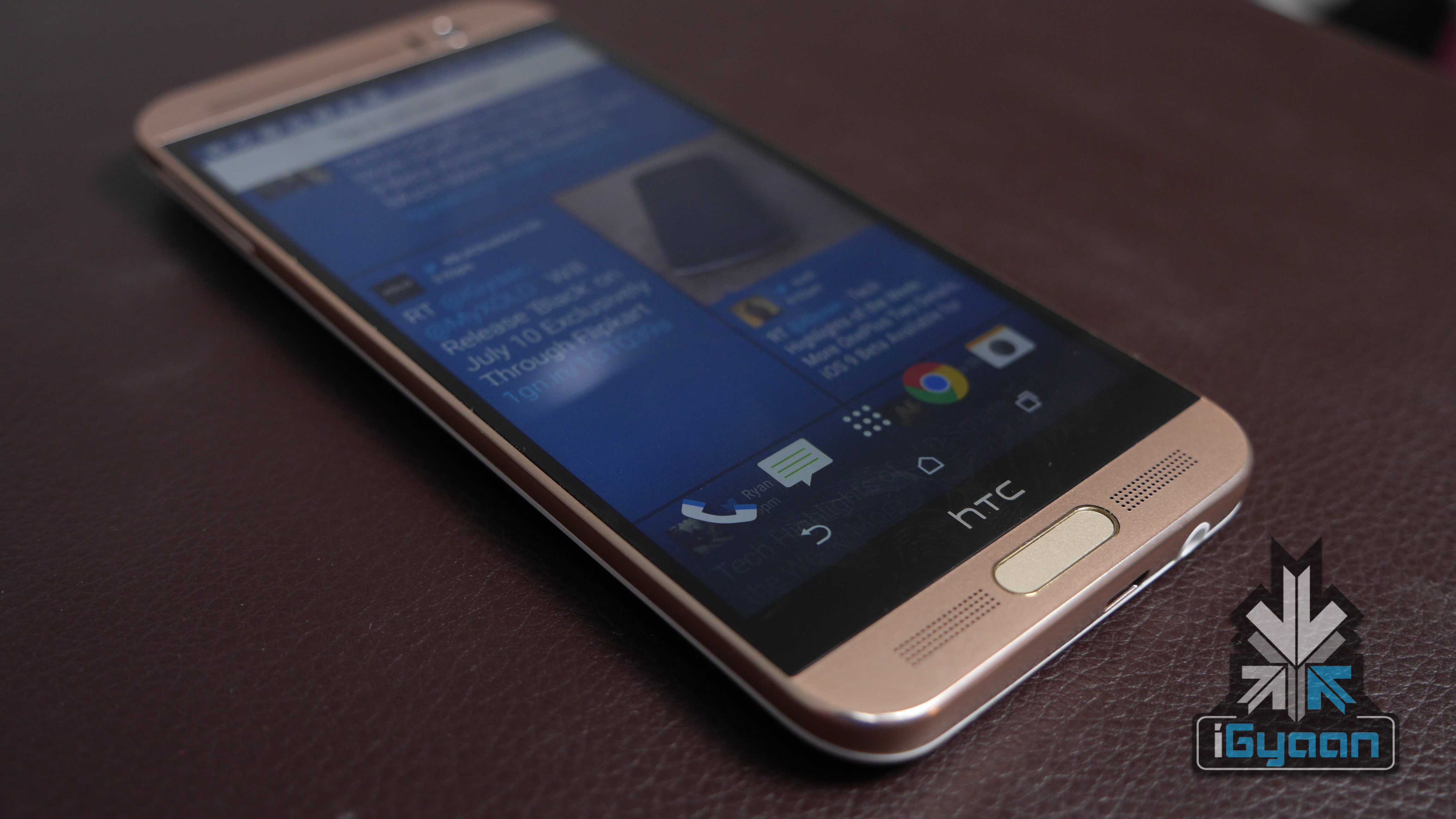
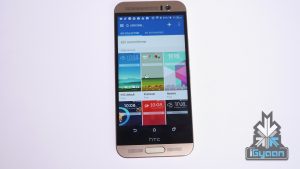
The HTC One ME, adds fuel to the HTC fire in India, a handset that brings the best of the flagship world at a relatively lower cost.
Overview
The HTC One ME is a good mix of things from HTC. Priced at Rs. 40000 or US $ 630 (outright) the phone makes a lot of sense to people. However the use of mediate is slightly bothersome to the tech crowd, especially at such high prices.
Hardware
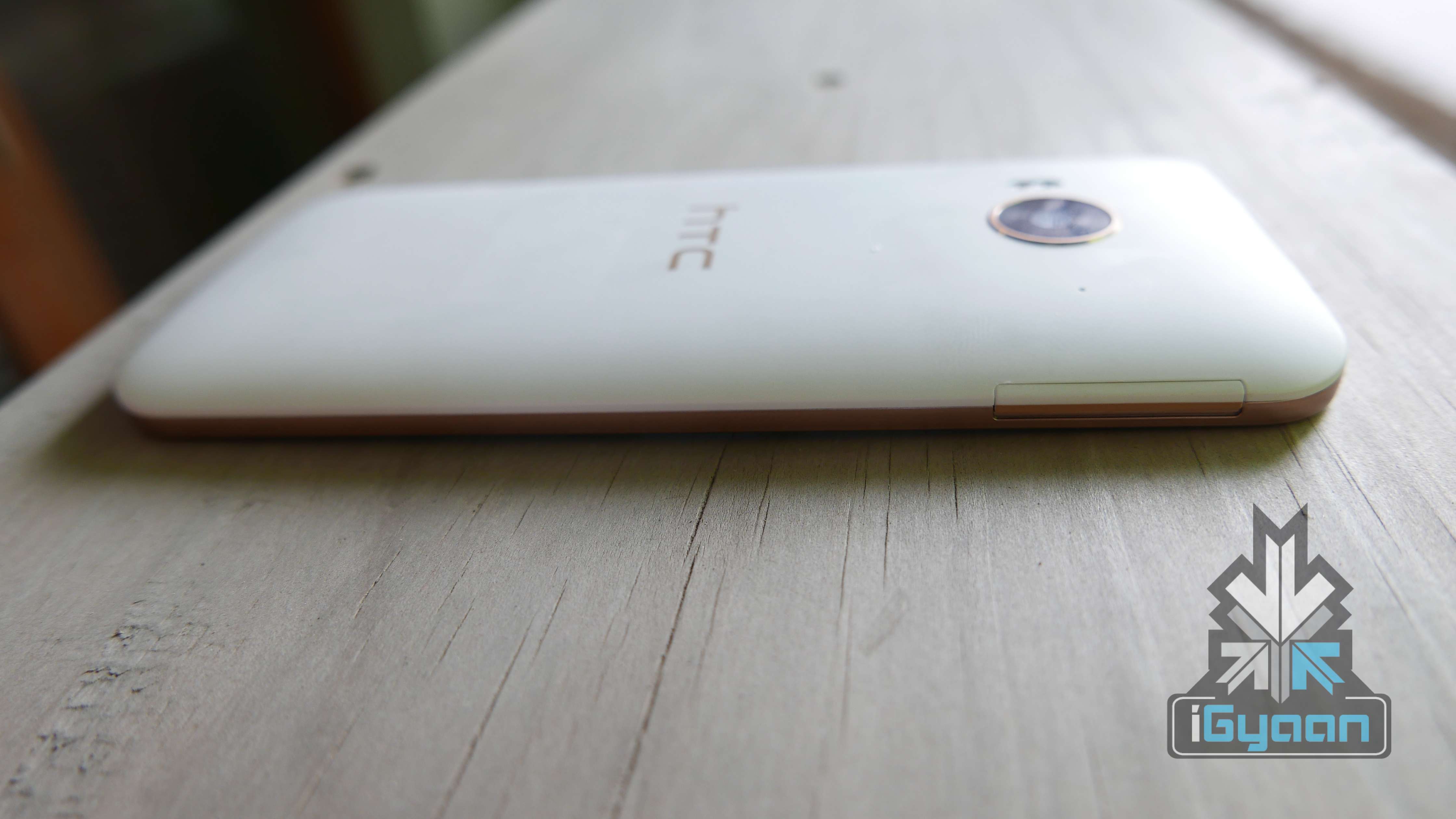
The HTC One ME has almost everything from the HTC One M9+ including most of the hardware. What differs is the chipset. The One ME uses the new MediaTek Helio X10 and is also the first phone with the said chipset. This enables devices to utilise full octal-cores at 2.2 GHz in 64 bit and also shoots high quality videos at upto 480 frames/sec. It allows a 120 Hz video display rate too.
Apart from that you will get 3 GB of RAM, a brilliant 2k display with 5.2 inch size, a 2560×1440 px resolution and 565 ppi.
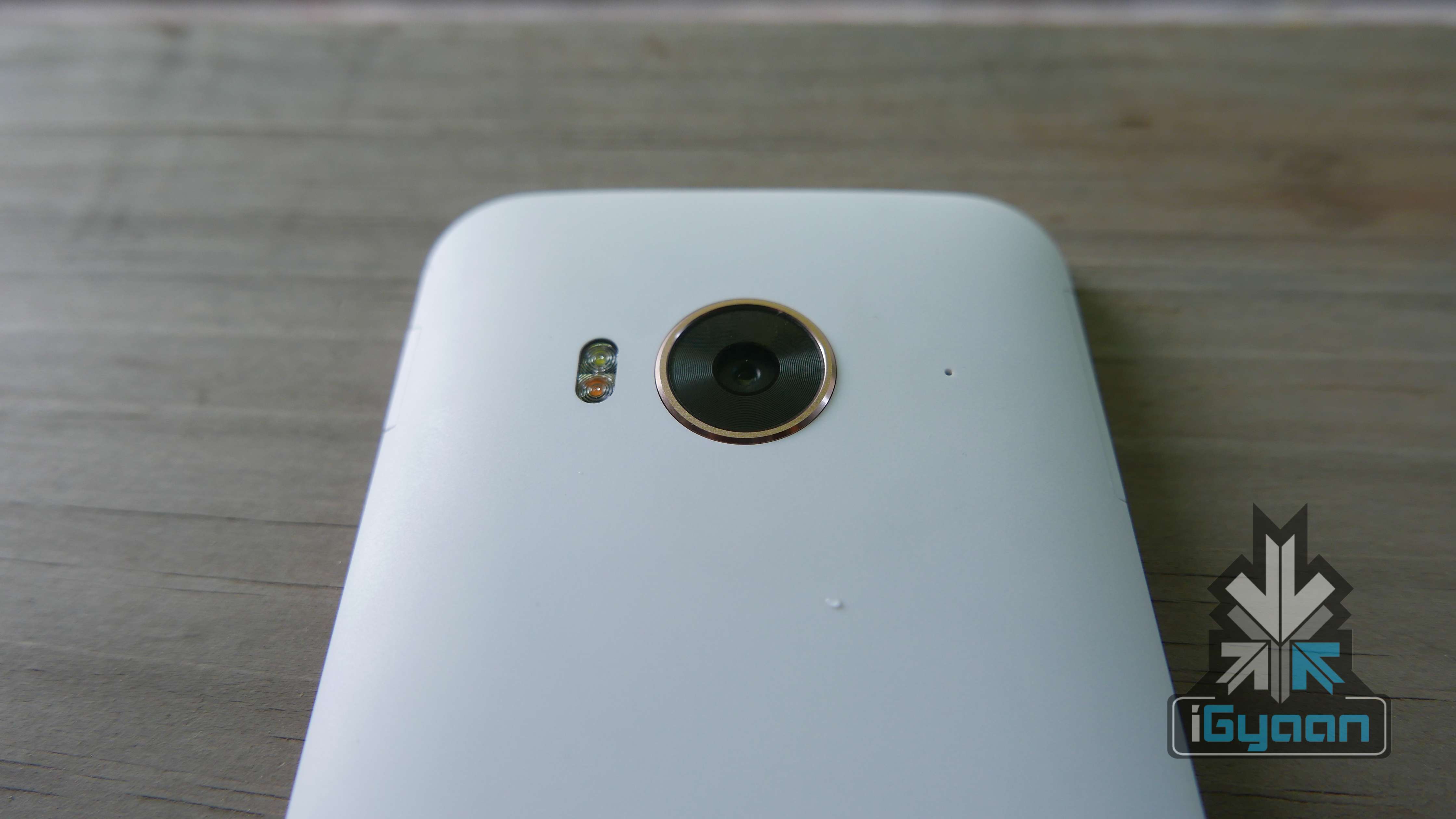
The same camera as the One M9, a 20 MP f2.2 lens equipped sensor, and an HTC ultra pixel sensor for the front.
Specifications
HTC One ME
Display
5.2-inch Super LCD3
Resolution
WQHD 1440×2560 pixels : 565 ppi pixel density
Chipset
MediaTek Helio X10
Processor
Octa-Cora 2.2 GHz
GPU
PowerVR G6200
RAM
3 GB
Storage
32 GB
MicroSD Support
Yes, Upto 2TB
Rear Camera
20MP, f2.2, BSI Sensor, 4K Video Recording
Front Camera
HTC Ultrapixel, f2.0
Battery
2,840mAh
Operating System
Android Lollipop 5.0.2 with HTC Sense 7.0
Misc
Boom Sound Speakers / Fingerprint Scanner
Price
Rs. 40,500
Display, Multimedia and Camera
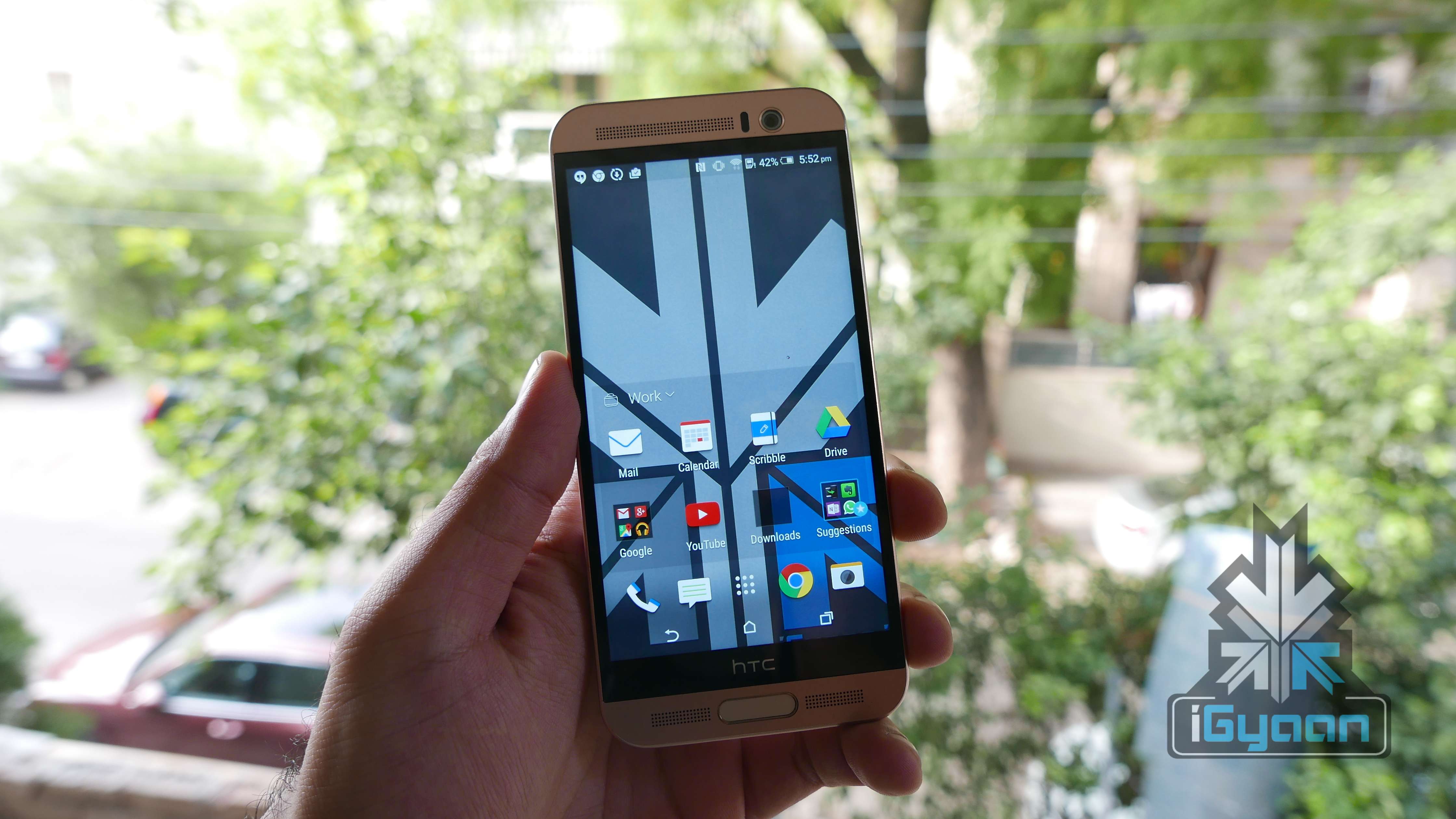
The display on the new ME is the same as the M9+, excellent colours, deep blacks and great outdoor visibility. The touch is highly sensitive and even works when there is water on the display or if your fingers are wet. You will also get features like double tap to turn on. The display is great for all sorts of usage like watching movies, playing games or even browsing the internet. The high resolution makes content optimized for this look, great and the strain on the eyes is reduced considerably.
Boomsound speakers have always had this ability to be better than the remaining devices in the price segment and that continues with the new One ME. Sound is excellent in the headphones, out speakers or via bluetooth. Volumes are kept high and bass levels deep, almost as if the profile is the same as the old ones when HTC handsets would ship with “Beats Audio,” however, only better.
The camera lens and sensor are relatively large, hence a lot of light passes through to get a really high detail image. The images have excellent contrast and sharpness, shallow depth of field on close ups and a large zoom ratio thanks to the large 20.1 MP size of the rear camera.
4k video can be captured in 5 minute bursts, which gets annoying for those looking for a seamless solution. There are alternatives, devices which do not have said limits including the one we chose for our project here. Video is jitter free and captured at 30fps and it looks good, as the colour is deep and light is aptly adjusted.
Camera App
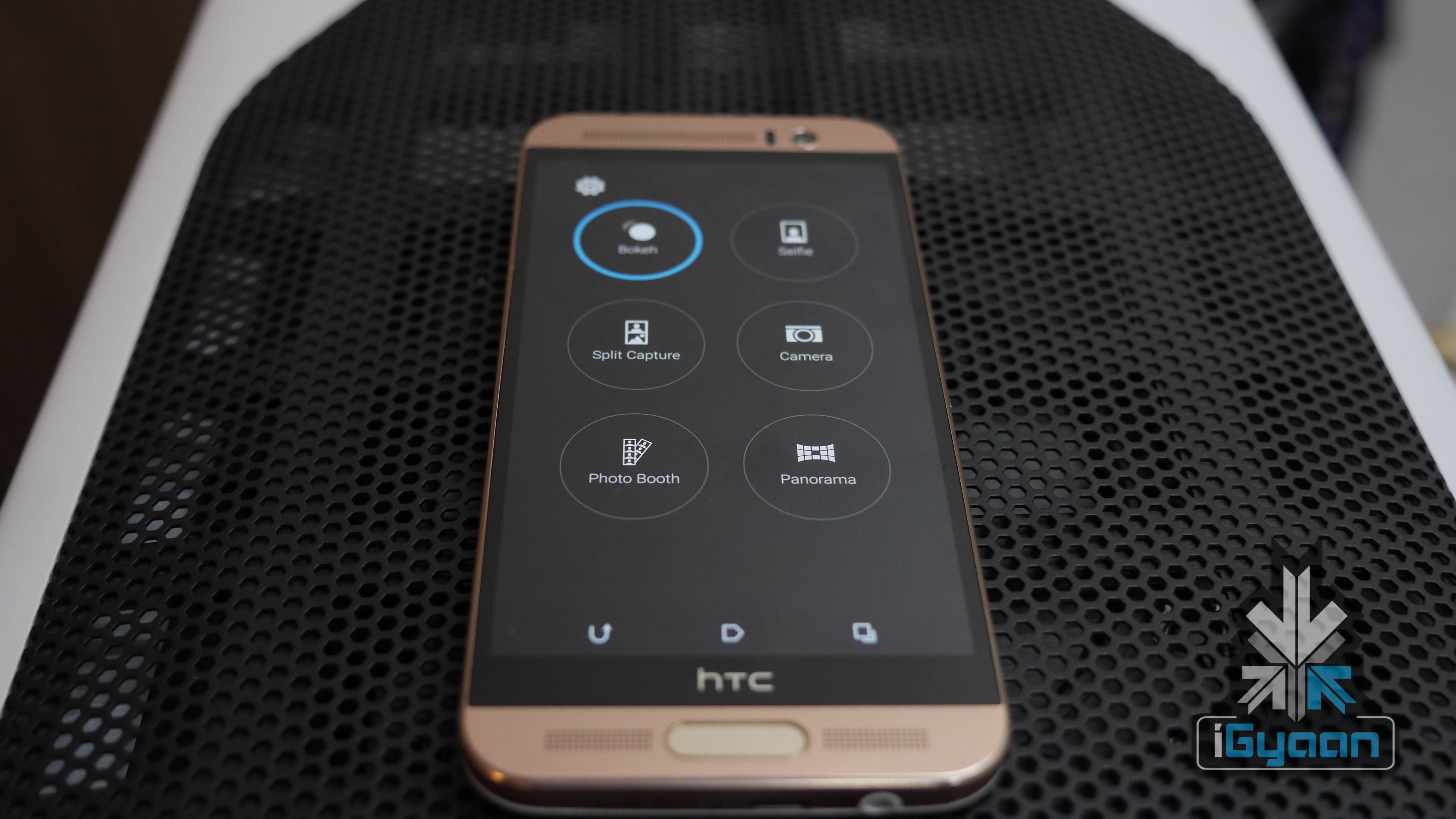
The Camera App is in-depth and features a lot of the capabilities of HTC devices seen in the past, galleries and Zoe are now independent apps with independent cloud storages. This complicates things for first time users, but in the longer run, makes sense. You also get the usual filters and effects along with post capture edits, which were all a part of HTC’s Sense.
Rear Camera Bokeh Effect
Rear Camera Indoor
Wide Front Camera
Front Ultrapixel Camera
Performance and Gaming
The handset scores roughly 46-48k on Antutu 64 Bit benchmark, which is impressive taking into consideration, the price. However, most of the performance which may not appear on benchmarks can been seen in real time usage.
The handset will almost never lag. In the 2 weeks of usage, the handset has not slowed down and transitions remain smooth, despite consuming large parts of the storage and or RAM.
Gaming remains impressive, the 120 Hz refresh rate of the display helps tremendously. Boom sound adds to the experience and so does the impressive touch screen. The good thing is that the device does not heat up despite increased usage, or high periods of gaming.
Phone Networks and Battery
The HTC One ME accepts dual LTE sim cards, both of which need to be nano sim cards. Network strength is great and so is the audio on both sides. Both sim cards can run LTE data packs and can be switched, depending on your convenience or usage scenarios.
Battery life was impressive due to high levels of optimizations and range point locks. Despite several rumours of poor battery life, we did not face any such issues with the handset. On our handset, the battery life was rather impressive. We got an average of One day plus use. Another thing to brag about is the quick charge capability of the handset. The One ME reaches a full charge in just over an hour, 50% recharge can be achieved in about 15 minutes of time.
Type of Usage
Battery Life Expectancy
Phone Calls
5 Hours
Standby
3 Days
Gaming
3.5 Hours
Music Playback
11 Hours
Internet
7.5 Hours
Fingerprint, Blinkfeed and New Sense 7
The new style fingerprint scanner utilised by HTC is better by leaps and bounds. Versus the previous ten scanners, which required you to slide your finger across, the new “Apple Touch ID” style scanners are efficient and very usable. This makes your phone private and safe. You can easily unlock your device in the presence of others, without revealing your passwords or unlock patterns.
Fingerprint Sensor
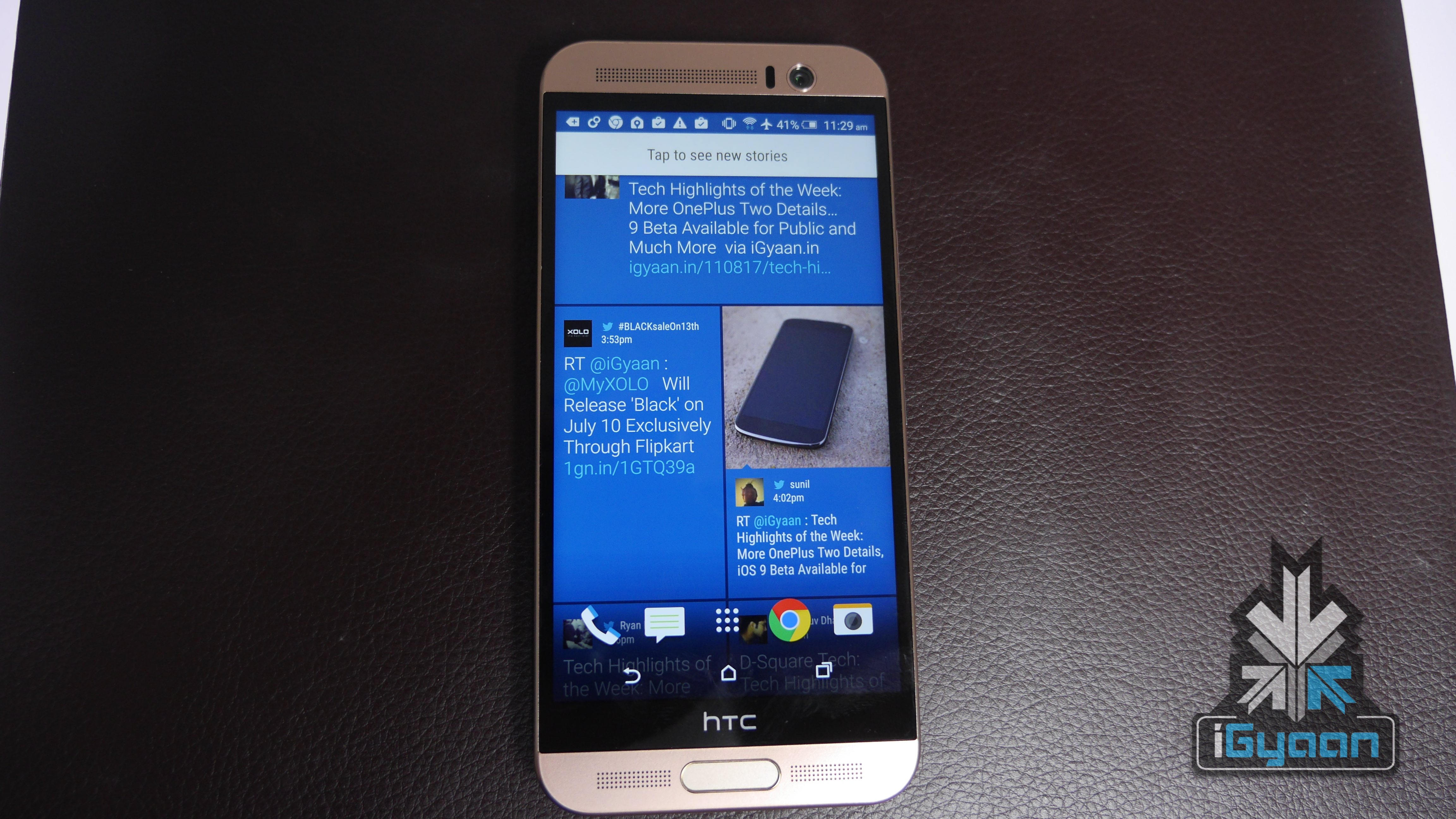
The new Blinkfeed is far more seamless and smooth. The UI is easy and very pleasing to the eye, HTC has improved the layout of the content and things like fonts and colours have been tweaked to appear easy to the eye. You can now simplify content and chose what feeds you want, within your Blinkfeed. You can also set up custom channels for the same, to allow you to reach directly to your favourite feeds.
Sense 7 is a mega improvement over previous Sense UIs, more because of the way pure android is available to the consumer. The UI is far more simplified and streamlined, less invasive and does not come loaded with bloatware. Essentials like the “Zoe” feature and the “One Gallery” are cloud-only apps that serve a simple purpose.
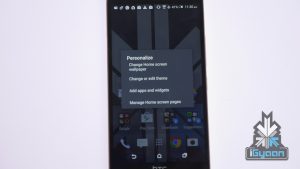
Customisation has been HTC’s forté and it remains so, in the new Sense 7 on the new HTC One ME. The UI is extensively modifiable, and if you don’t like the BlinkFeed on the left you can simply use a third party launcher and replace it all.
Conclusion
HTC may not have gotten a lot of things right this year, but their devices in the Indian market show that the company has chosen the right things at the right time.
The HTC One ME is one such example. With Snapdragon not performing well on their current lineup of chipsets, HTC went with MediaTek and their latest “premium” chipsets. This has made the devices a lot more stable. However, this has also made one handset considerably vary from another. Some report of lag and battery drain while others, like us, appreciate the long battery life on our handset.
MediaTek aside, the HTC One ME is the plastic equivalent of the all round phone. The impressive display, great camera, excellent battery and seamless performance on our handset, makes us want to like it a lot. Just like any other scenario alternates do exist and with the S6 becoming cheap, a fixed storage and single sim is something that may make you pick the HTC One ME with its Dual Sim and 2TB expandability. However the S6 performs better and looks damn good.