Tag: MWC 2018

  • The LG G7 Will Have An iPhone X Like Notch

    The LG G7 Will Have An iPhone X Like Notch

    At the recently concluded MWC 2018, LG unveiled the V30S ThinQ. This is not a completely new flagship instead, it is exactly like the LG V30 with an AI camera app. However, it is fair to assume that LG had much better plans for one of the largest mobile events in the world. The LG G7 was expected to be launched as a 2018 flagship smartphone.

    That, however, did not happen as the company decided to overhaul its next flagship. The CEO of LG Mobiles conceded that the company would no longer follow a pattern for launching smartphones. This paved the way for a refresh of the LG V30 with trendy AI camera capabilities. However, the LG V30S ThinQ with its unusually long name was not the only LG device present at MWC 2018.
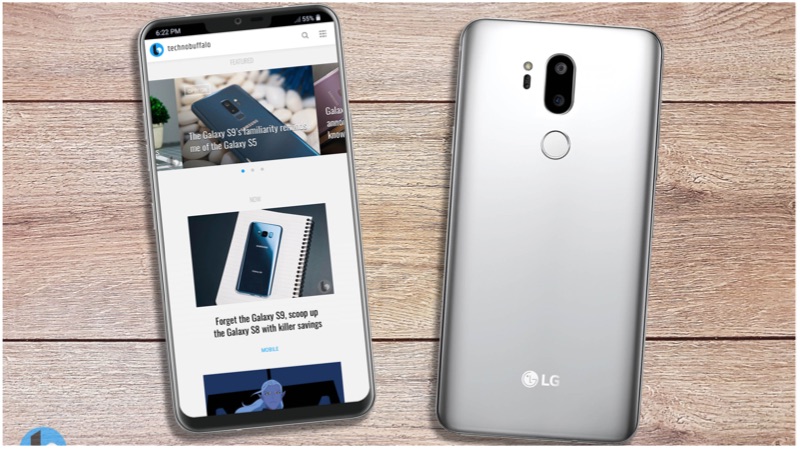
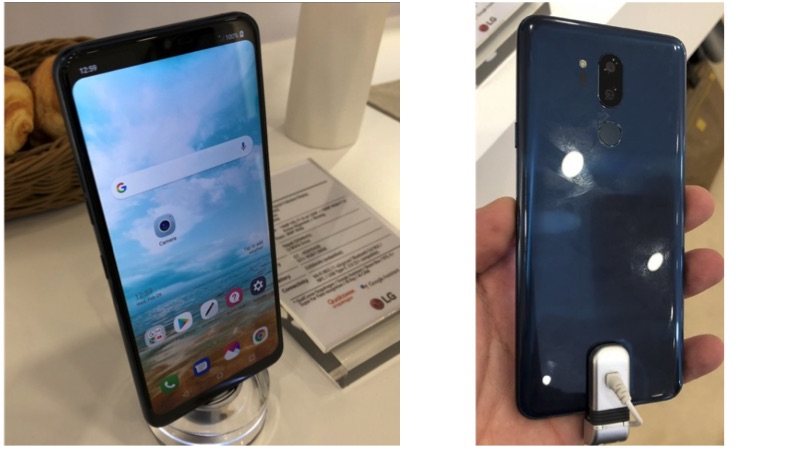
    A leaked report suggests that the company had a plan to launch the flagship LG G7 at MWC 2018. In fact, it was even showed off behind closed doors. However, an Israeli publication managed to record a video of the upcoming LG G7 and it has astonishing features.

    Renders

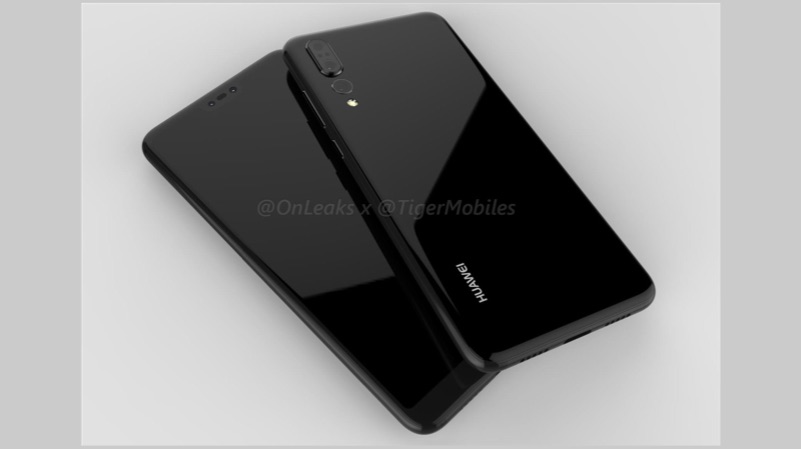
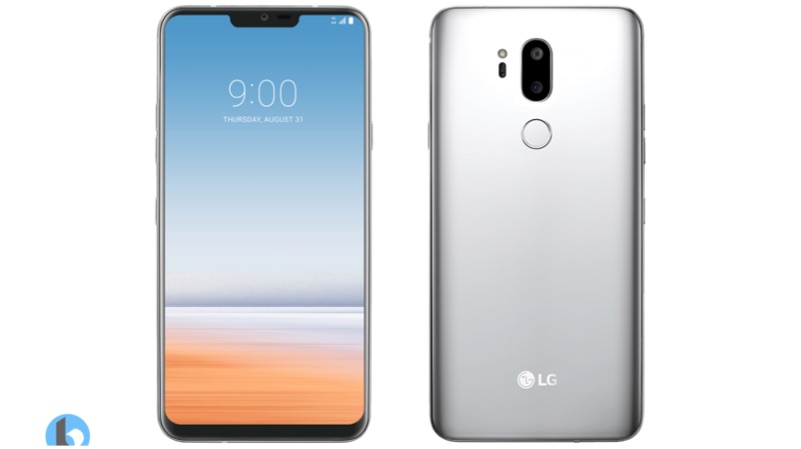
    Studying the leaked video TechnoBuffalo and leaker, Benjamin Geskin have come up with renders of the G7. The renders reveal the possible design of the LG G7 (or whatever the company decides to call it). The most striking design aspect of the smartphone is the notch on the display. MWC 2018 saw a lot of smartphones launch with a notch. So much so that the iPhone X no longer looks like the odd one out.

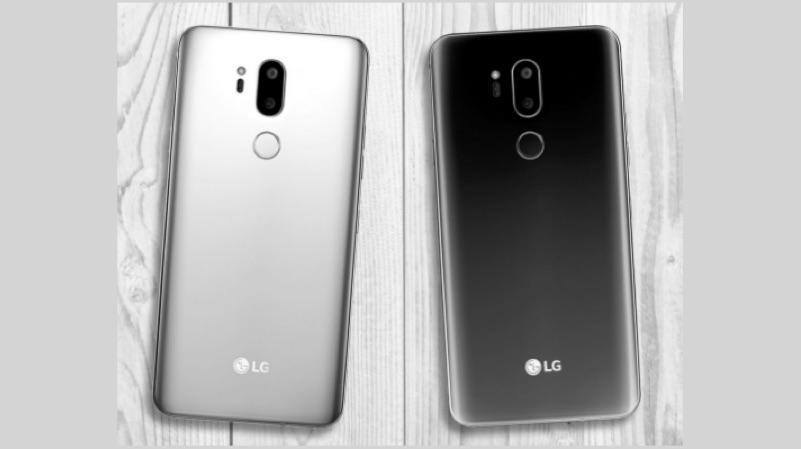
    Apart from the notch, the dual-cameras will be placed vertically on the back of the device. However, the placement is different from the ones found on the iPhone X. The fingerprint sensor will be placed just below the camera module. Similar to a lot of recent LG flagship smartphones, it will have an all-glass build with an aluminium frame.
    Expected Specifications

    The LG G7 is expected to have a 6 inch pOLED display with a 2880 x 1440 px resolution. Until Corning comes up with Gorilla Glass 6, we expect most flagship smartphones to have the Gorilla Glass 5 on top.

    Under the hood, the G7 will have the Snapdragon 845 chipset. One of the primary issues with the LG G6 was its older chipset. By no means was the Snapdragon 821 a bad chipset but, the Galaxy S8 with the Snapdragon 835 made the G6 look archaic. However, that won’t happen this time around as Samsung no longer has exclusive access to the new chipset.
    LG G7
    LG G7 Leaked Images

    Features like water resistance, wireless charging and fast charging are expected to be retained. The dual-camera setup on the back will be placed vertically, this time around. The implementation is expected to be the same as the G6 and V30. A regular lens coupled with a wide-angle lens. This is also something that has been appreciated by many LG users.

    Conclusion

    There is no denying that LG has seen a rapid decline in its smartphone business. Veterans like Apple, Samsung and new entrants like Xiaomi and OnePlus have had much more popular products in the market. However, a rebranding of sorts and high-end specifications might sway consumers toward an LG flagship device.
  • Top 5 Unveilings At MWC 2018

    Top 5 Unveilings At MWC 2018

    Barcelona, Spain hosted yet another edition of MWC 2018 in February. While smartphones like the Galaxy S9 and Xperia XZ2 were heavily leaked, there were a few surprise launches that caught a lot of attention. Nokia, for instance, launched as many as 5 devices. So, what are the top five smartphones that launched at MWC 2018? Let’s find out!

    Samsung Galaxy S9, Galaxy S9+
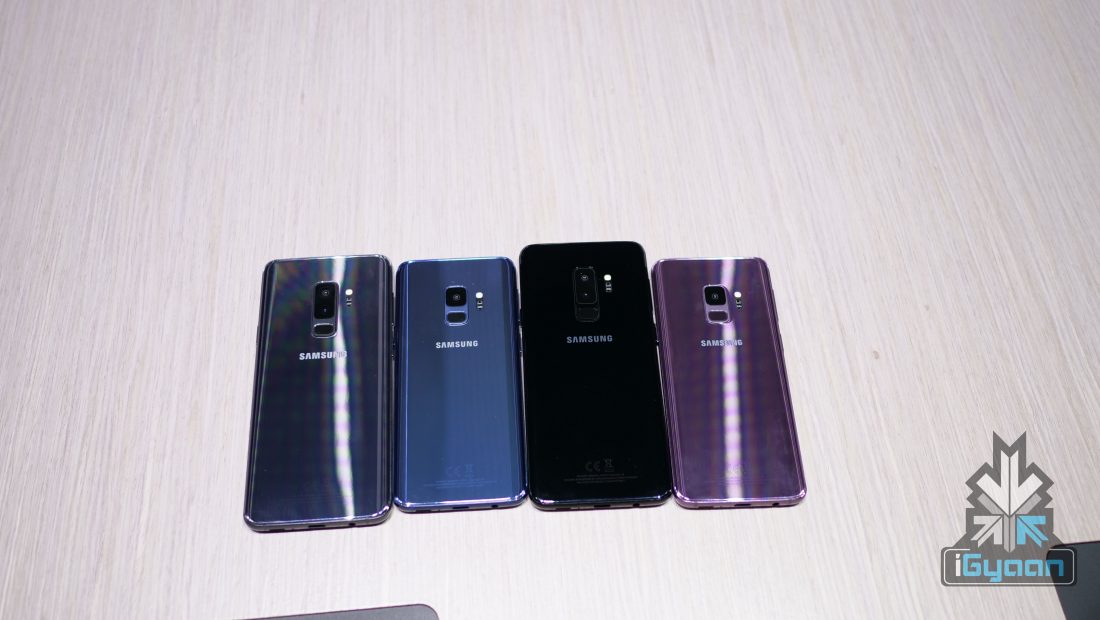
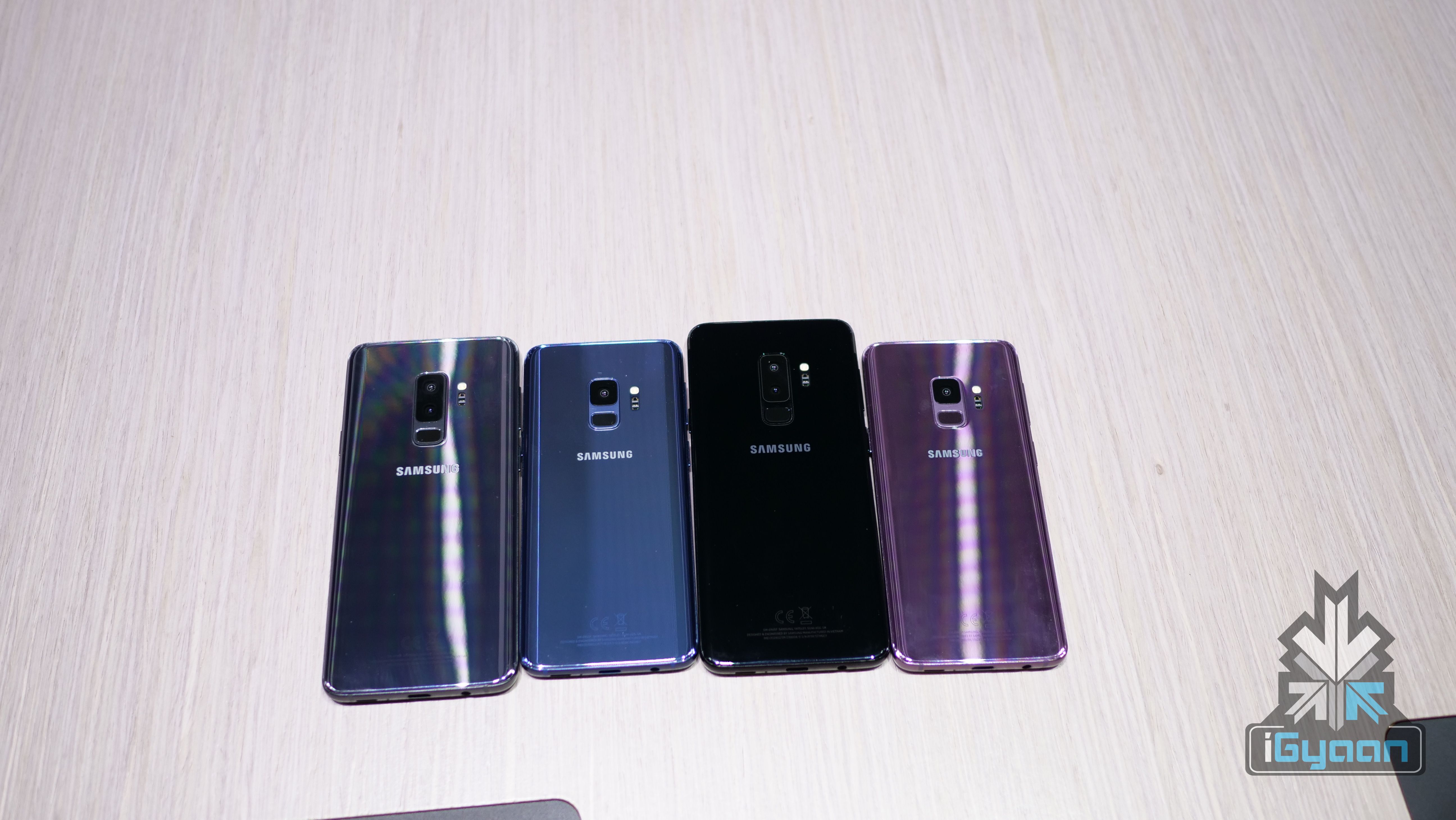
    Galaxy S9, S9+ Colour Variants

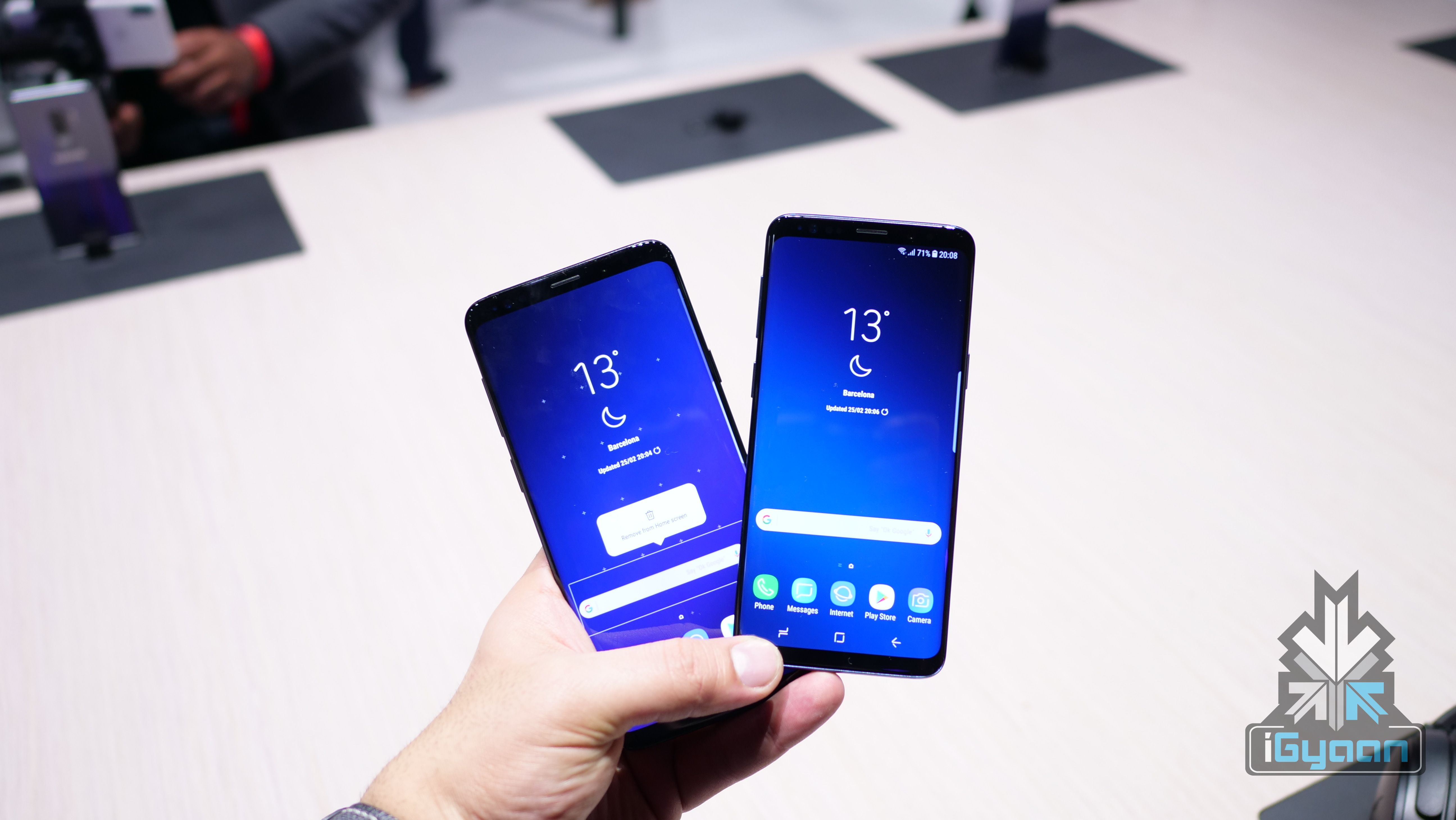
    This is an obvious entry on the list. The Galaxy S9 and S9+ were the most anticipated smartphones of MWC 2018. Follow up to 2017’s successful flagship duo, a lot was expected from the Galaxy S9 and S9+. As was expected from the numerous leaks, the Galaxy S9 and S9+ did not look too different from their predecessors.

    However, there are a few important upgrades that could be interesting. First one is in the camera department. The Galaxy S9 and S9+ now feature a variable aperture. The Dual Pixel 12 MP sensor has a dual f/1.5 and f/2.4 aperture. In bright lighting conditions, the camera will use the f/2.4 aperture, while the wider f/1.5 aperture is used in dark lighting conditions. It also captures 720P videos at 960fps and 4K videos at 60fps, similar to the Apple iPhone X.

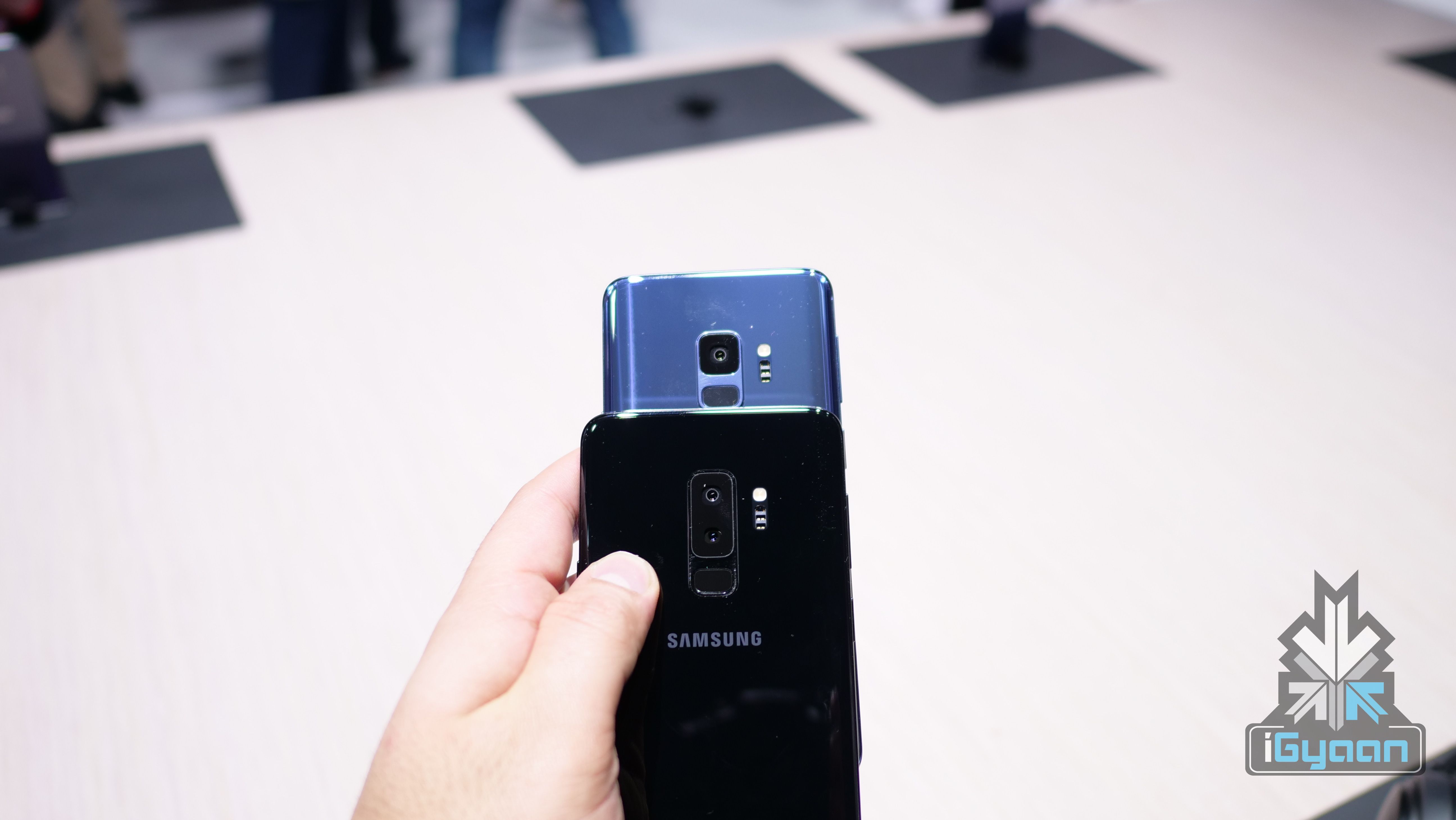
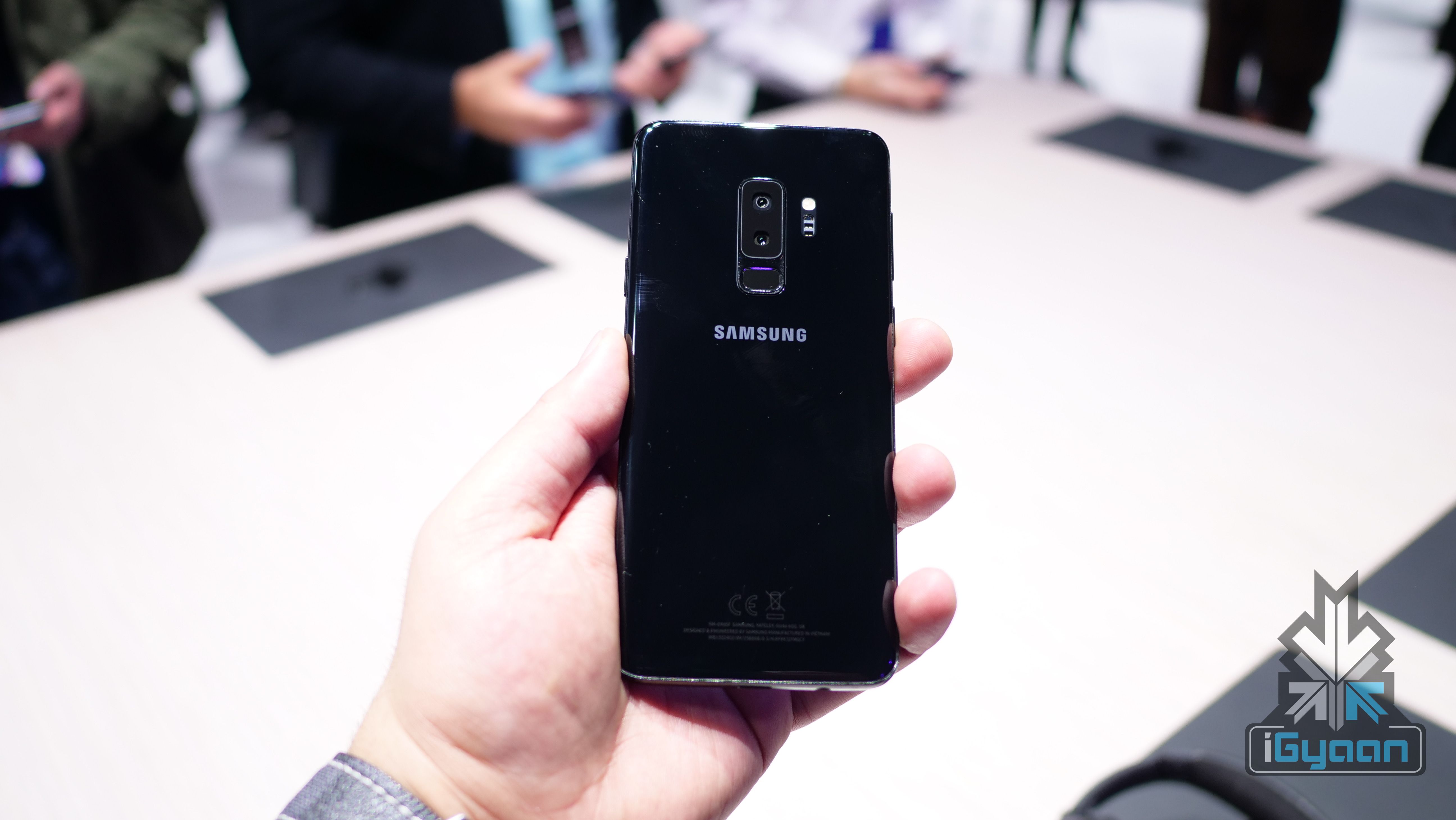
    Also, the fingerprint sensor is finally placed below the camera module, something we saw on the Galaxy A8+ as well. The S9 has a single camera setup while the S9+ now has a dual-camera setup similar to the Galaxy Note8. Both the smartphones will be launched in India on the 6th of March and go on sale on March 16th.

    Also Read: From Samsung Galaxy S8 to S9: What Has Changed?

    Vivo Apex

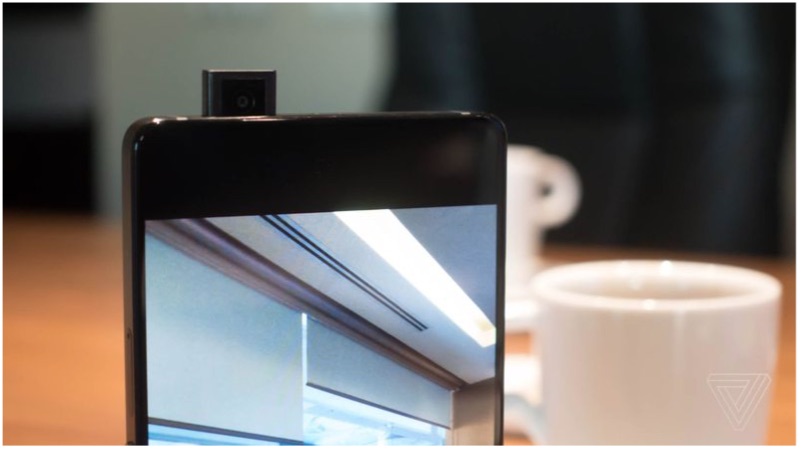
    This smartphone is not a consumer-ready product yet. However, it is still one of the coolest devices displayed at MWC 2018. Over the years, MWC has been a witness to some amazing concept phones. Even this year, Nokia was expected to unveil the Penta-lens concept phone. However, that did not happen. But, Vivo did turn up and one-upped its CES 2018 unveiling.

    The Vivo Apex has an in-display fingerprint sensor that covers almost half the display. While the Vivo X20 Plus UD only had a regular-sized fingerprint sensor underneath the display. In fact, this is not even the most interesting feature of the Apex. To accommodate probably the thinnest bezels on a smartphone, Vivo came up with a very different implementation of the front camera. The Apex has a hidden front camera which pops out every time it has to be used.

    Although it is still a concept phone, the implementation is very interesting here. Let’s hope more companies come up with consumer-ready products with such intricate and satisfying design elements.

    Also Read: What Is The Future Of Front Cameras?

    Nokia 7 Plus

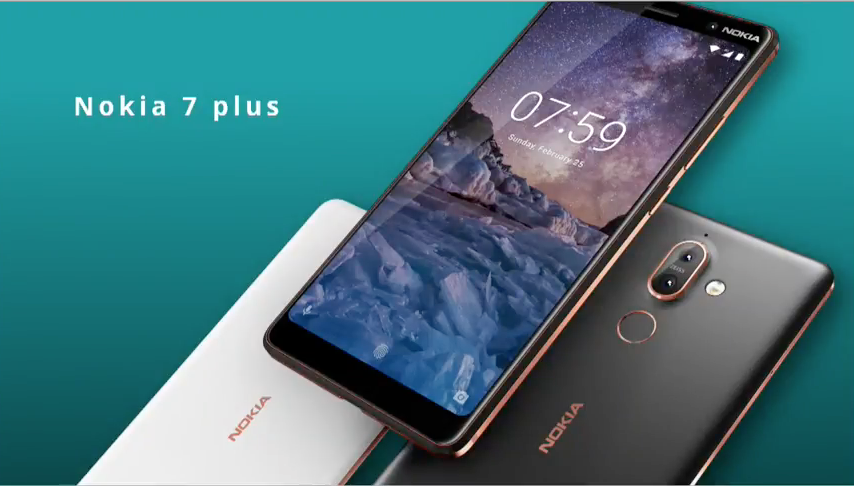
    HMD Global launched not one, not two, but five devices at MWC 2018. Apart from the smartphones, it also announced that all Nokia devices will now be Android One devices. The Nokia 7 Plus, another heavily leaked device was one of the five phones to be launched. Along with the Nokia 8 Sirocco, the Nokia 7 Plus is the only Nokia smartphone with an 18:9 aspect ratio and thin bezels. A follow up to the China-only Nokia 7, the 7 Plus has a great design and build quality.

    Under the hood, the 7 Plus has the Qualcomm Snapdragon 660 chipset and 2.2GHz octa-core processor. That is coupled with 4GB of RAM and 64GB of onboard storage which will be expandable via microSD card. The fingerprint sensor is now placed on the back and has the similar colour accents found on the Nokia 6 (2018).

    If the European price of the smartphone is anything to go by, it will have a steep price in India. However, for it to work in the Indian market, HMD Global will have to price below Rs. 25000 to keep the Honor View10 at bay, which has flagship specifications and costs Rs. 28999. At under Rs. 25000, the 7 Plus will compete with the likes of the Moto X4.

    Also Read: Nokia 7 Plus Launched

    Asus Zenfone 5Z

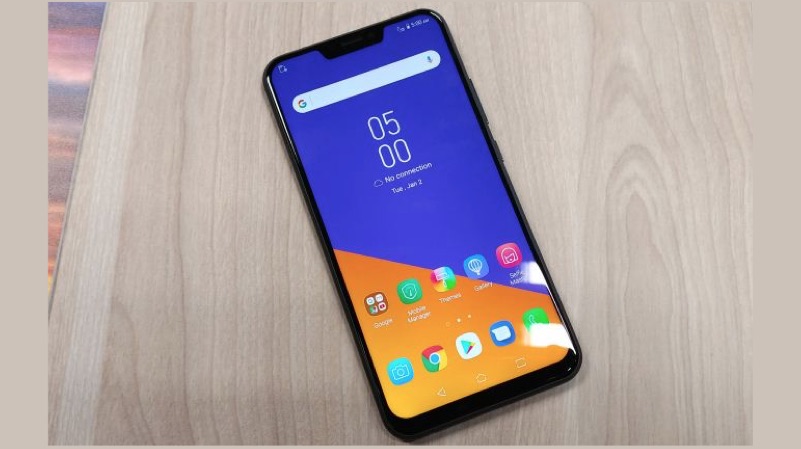
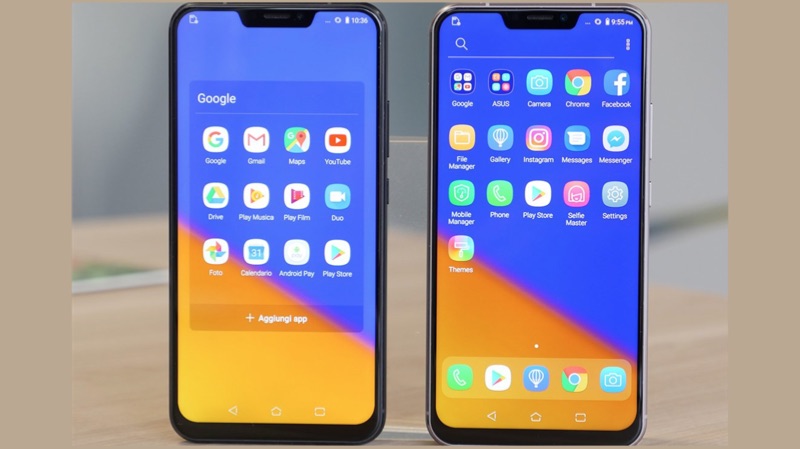
    At MWC 2018, companies like Sony and Samsung were expected to launch Snapdragon 845 powered smartphones. However, the most interesting device powered by the flagship chipset was unveiled by Asus. Apparently, this smartphone flew under the radars of leakers online and Asus had a worthy unveiling in its hands. From the moment you look at it, the Zenfone 5Z looks like an iPhone X lookalike.

    Although Asus claims the notch on the Zenfone 5Z is smaller than that of the iPhone X, it is still a notch. Also, one thing that the iPhone X achieved was uniform bezels around the display, thanks to the notch. However, the Zenfone 5Z kind of defeats the purpose of a notch as it also carries a thicker chin. That being said, the flagship Asus device has a lot going on for it.

    If and when Asus launches the Zenfone 5Z in India, it could nullify the effect of the OnePlus 5T if launched at a price of Rs. 40,000 or less. That is until the OnePlus 6 is launched.

    Also Read: OnePlus 5T Vs Asus Zenfone 5Z Vs Mi Mix 2

    Sony Xperia XZ2, XZ2 Compact

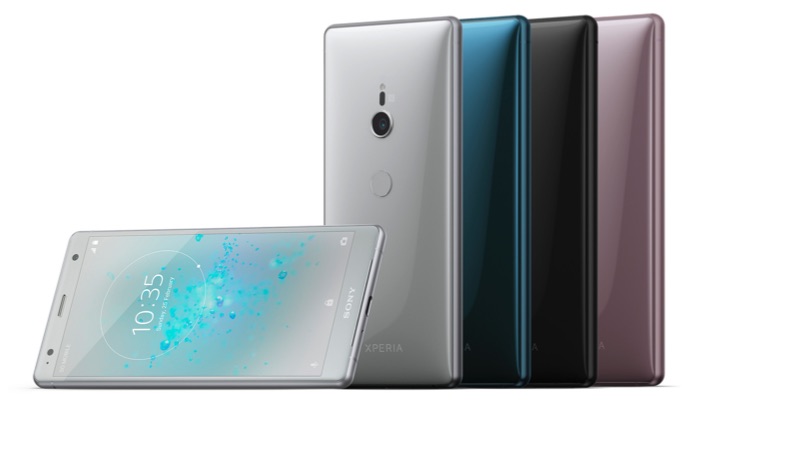
    For the past couple of years, Sony smartphones have failed to capture the imagination of many consumers. Even in 2017, when many smartphone makers made a shift to bezel-less design, Sony continued to launch its signature boxy style devices. However, that finally changed at MWC 2018. Sony unveiled the Xperia XZ2 and Xperia XZ2 Compact with an 18:9 aspect ratio and thin bezels. However, still not the thinnest bezels you’ll see this year.

    The Sony Xperia XZ2 and the smaller sibling also run on the latest and greatest Snapdragon 845 chipset. Apart from the Galaxy S9 and Zenfone 5Z, they are the only devices to run on the new flagship chipset. Sony still has a single camera setup on the front and back. So, it has still clinged on to a few Sony signature features.

    Even for the Sony Xperia XZ2 and XZ2 Compact, the devices will have to be priced competitively in India.

    Also Read: Sony Xperia XZ2, XZ2 Compact Launched

  • PhoneKid Is A Kids-Friendly Smartphone With Parental Control

    PhoneKid Is A Kids-Friendly Smartphone With Parental Control

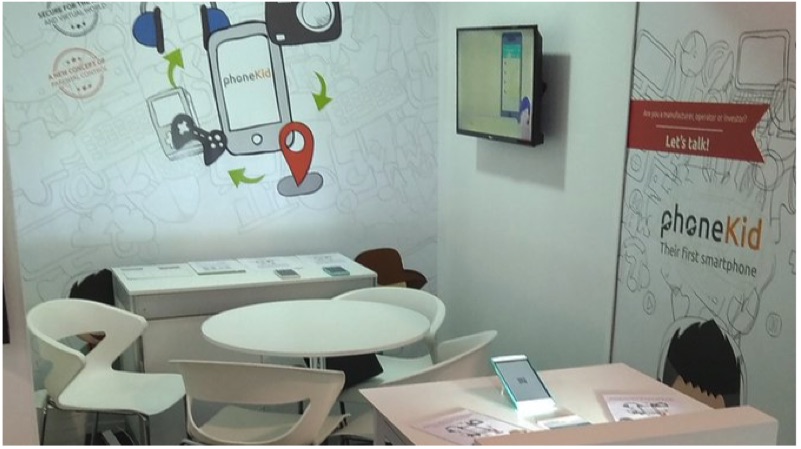
    Most of the parents are afraid of exposure that their children get on a smartphone. In fact, most of them do not let their children use a smartphone until a specific age. In this modern world security is also a major concern. To solve this riddle, a Spanish company has come up with a new smartphone, the PhoneKid. It was officially launched at MWC 2018. However, there is no information on the specifications, pricing, or, availability.

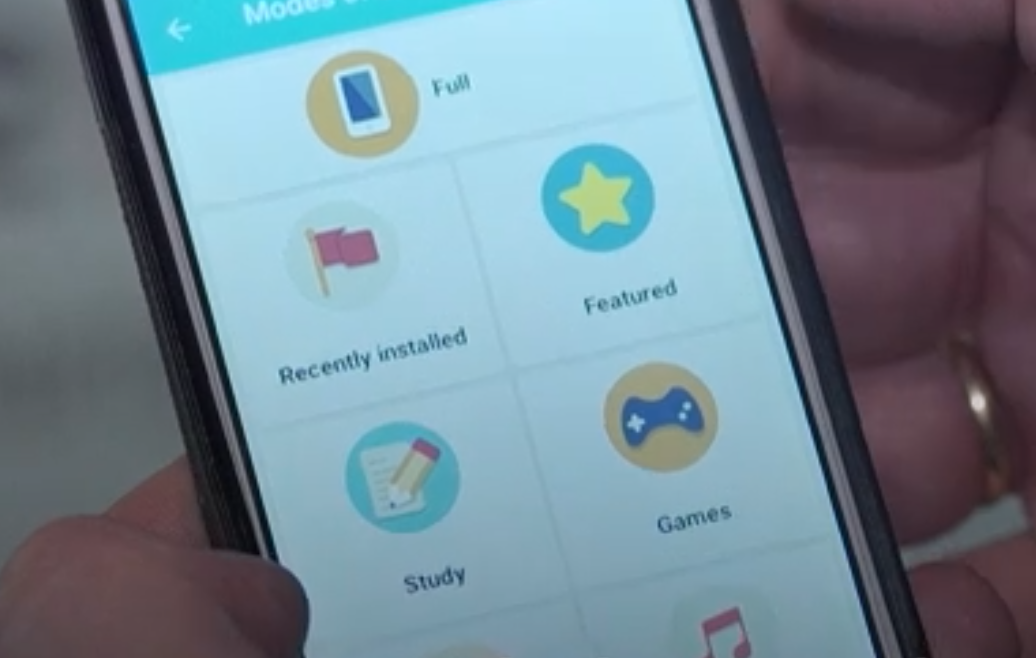
    The PhoneKid is a regular smartphone based on the Android operating system. Similarly, it also gives a layer of control for the parent. A parent can enable or disable certain functions (remotely) by just using an app. In fact, they can replace the phone’s screen into an activity command page.

    However, the child cannot do two things on the PhoneKid. One, he/she cannot turn off the smartphone, two, they cannot disable GPS or global positioning service. So, the parent will have the added advantage of tracking their children at all the time. Similarly, if the battery runs out, then there is no alternative what so ever.PhoneKid

    What is PhoneKid?

    PhoneKid is a fully fledged Android smartphone with support for Google Play store. However, it depends on the parents to give or not to give access to these services. There is a hidden SOS mode, which can be used to call the parent, whenever the user is in some kind of trouble.

    This would be a great smartphone for the kids. However, the kids might not appreciate the fact that, the parents can control all the actions on the smartphone.

    Conclusion:

    The idea behind the concept looks promising. However, these actions can be duplicated by just installing an app on any Android or iOS smartphones. In fact, here are some the some of the apps that can give complete control over your children’s smartphone.

    SecureTeen Parental Control

    Kaspersky SafeKids: Parental Control for Android

    Kids Place – Parental Control

  • Qualcomm Announces Snapdragon 700 Chipset Series At MWC 2018

    Qualcomm Announces Snapdragon 700 Chipset Series At MWC 2018

    Qualcomm launched the Snapdragon 700 series chipset at MWC 2018. The Snapdragon 700 series of chipsets from Qualcomm offers premium tier-1 performance in the mid-tier smartphones.

    In fact, the company claims that the Qualcomm Snapdragon 700 chipset will be able to deliver up to two times the AI performance compared to series 600. This series of chipsets will bring features and performance that was previously available on the series 800 chipset. However, the company did not unveil any chipset on this newer lineup.

    Alex Katouzian, senior vice president and general manager, mobile, Qualcomm Technologies, said:

    From our cutting-edge Qualcomm AI Engine to superior camera, device performance and power. The Snapdragon 700 Series is optimized to support the experiences consumers have come to expect from the most advanced mobile devices at a lower price point.

    Features:

    The new series will support premium features like Qualcomm Spectra ISP, Qualcomm Kryo CPU, Qualcomm Hexagon Vector Processor and Qualcomm Adreno Visual Processing to improve the overall user experience.

    The chipset from the new series will offer 30% better battery efficiency compared to the Qualcomm Snapdragon 660 chipset. The chipset also supports latest WiFi standards with carrier WiFi features. Similarly, the chipset also offers Bluetooth 5.0.

    The chipsets will be available for the OEMs in the first of 2018. Similarly, we will see smartphones by the end of Q3 2018.

    Conclusion:

    The Qualcomm Snapdragon 700 series chipset will enable OEMs to create a new smartphone segment. With this chipset, we can expect flagship smartphones at a much affordable price tag.

  • Asus ZenFone 5Z Running On Snapdragon 845 Launched At MWC 2018

    Asus ZenFone 5Z Running On Snapdragon 845 Launched At MWC 2018

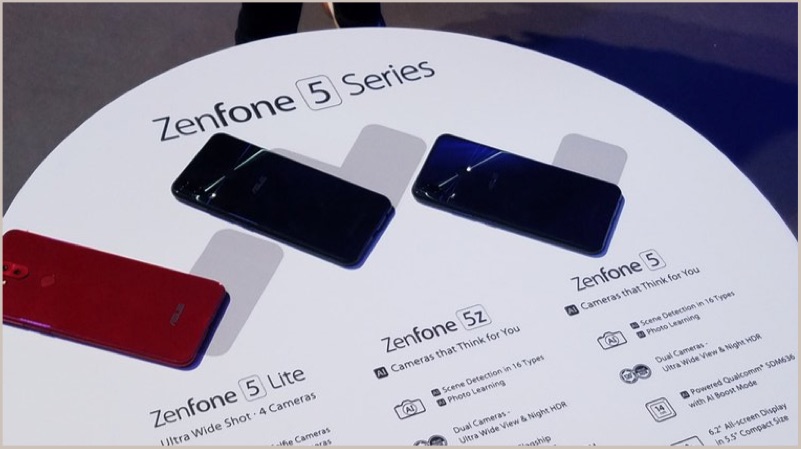
    Asus launched three new ZenFone 5 smartphones at MWC 2018. The Asus ZenFone 5 Lite, ZenFone 5, ZenFone 5Z are the latest offerings from Asus, which boasts the modern design philosophy with an 18:9 aspect ratio. In fact, some of the models deliver up to 90% screen to body ratio.

    Like Apple and Samsung, Asus introduced its own version of iPhone X’s Animojis called Zenimoji. However, the ZenFone 5z with flagship specifications costs half the amount of the iPhone X. With these three flagship series, the company launched the Asus ZenFone Max (M1) which is a smaller variant of the Asus ZenFone Max Plus (M1).

    Price and availability:

    The Asus ZenFone Max (M1) will be available in DeepSea Black, Sunlight Gold, and Ruby Red. Similarly, the Asus ZenFone 5 Lite will be available in Midnight Black, Rouge Red, and Moonlight White. The Asus ZenFone 5 and the Asus ZenFone 5z will be available in Midnight Blue and Meteor Silver from June. The Asus ZenFone 5z’s prices will start at 479 Euros.

    Jerry Shen Asus CEO said:

    We embarked on the ZenFone project four years ago with the idea to create empowering luxury for everyone to enjoy. Today, the ZenFone 5 Series is the most intelligent ZenFone series ever, utilizing advanced AI algorithms and big-data analytics to provide users with a unique slate of intelligent camera, communication and convenience features.

    Asus ZenFone Max (M1):

    The Asus ZenFone Max (M1) is the most affordable model from the company with the modern design. The smartphone has a 5.5 inch IPS LCD 1440 x 720p 18:9 aspect ratio display. Under the hood, the phone is powered by Qualcomm Snapdragon 425 Quad-core or Qualcomm Snapdragon 430 Octa-core chipset with 2/3GB RAM and 16/32GB storage. Similarly, the storage is expandable up to 256GB using a micro SD card.

    The smartphone has a dual primary camera setup with a 13 MP primary sensor and an 8 MP wide angle lens with the electronic image stabilisation. For the front-facing camera, the smartphone offers an 8 MP sensor. The video recording is limited to 1080p due to chipset limitations.

    The smartphone is fitted with a 4000 mAH sealed battery with a micro USB port. Additionally, the smartphone also supports NFC and Bluetooth. Finally, the smartphone runs on Zen UI 5.0 based on Android 7.1 Nougat.

    Asus ZenFone 5 Lite:

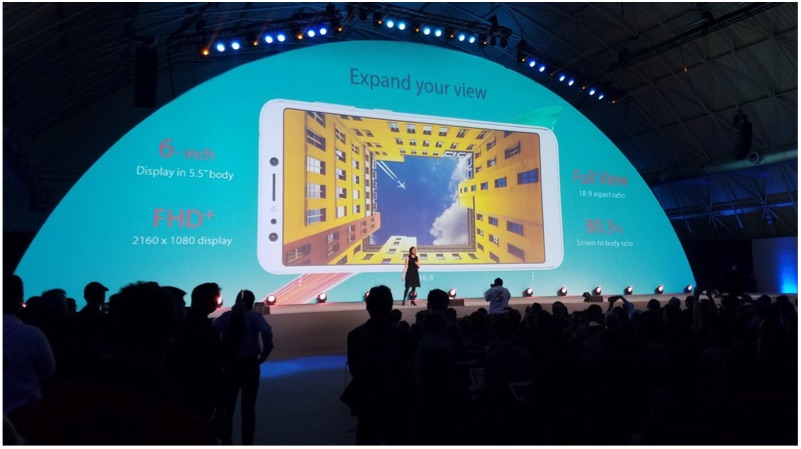
    The Asus ZenFone 5 Lite offers a 6 inch FHD+ 2160 x 1080px IPS LCD display with 80.3% screen to body ratio. Under the hood, the smartphone is powered by Qualcomm Snapdragon 630 or Qualcomm Snapdragon 430 Octa-core chipset with 3/4GB RAM and 32/64GB storage. Similarly, the storage is expandable using micro SD card up to 2TB.

    Asus ZenFone 5

    The smartphone has a dual camera setup at the back. The primary 16 MP sensor is a normal lens and the secondary 8 MP sensor is a wide angle lens with 120-degree field of view. The primary camera setup offers features like PDAF and EIS. In fact, the smartphone also has a dual front-facing camera setup with a 20 MP + 8 MP sensor setup.

    The smartphone runs on Android 8 Oreo with custom Zen UI 5 skin on the top. Finally, the smartphone packs in a 3300 mAH battery with a micro USB port.

    Asus ZenFone 5 and ZenFone 5Z

    The Asus ZenFone 5 is probably the most affordable smartphone with a notch. On the front, the smartphone has a 6.2-inch FHD+ 2160 x 1080px IPS LCD display with a notch on the top. The device offers a staggering 90% screen to body ratio with 19:9 aspect ratio. In fact, unlike the ZenFone 5 Lite, these devices offer a premium glass shimmery design.

    The only difference between the Asus ZenFone 5 and the Asus ZenFone 5Z is the chipset and amount of RAM. The Asus ZenFone 5 is powered by Qualcomm Snapdragon 636 Octa-core chipset with 4/6GB RAM and 64GB onboard storage. Similarly, the Asus ZenFone 5Z is powered by the top of the tier Qualcomm Snapdragon 845 chipset with 4GB and 64GB or 6GB and 128GB or 8GB and 256GB RAM and storage models.

    The smartphone has a dual primary camera stacked up vertically like the Apple iPhone X. The primary lens in the primary camera is a 12 MP sensor from Sony with f/1.8 aperture and 83-degree field of view and the second lens is an 8 MP sensor with a 120-degree field of view. The primary camera setup is something similar to the LG V30+’s camera setup.

    For the front-facing camera, the phone uses an 8 MP sensor with an 84-degree field of view. The primary and the front-facing cameras are optically stabilised using 3-axial optical image stabilisation method. In fact, the camera setup is similar to the Asus ZenFone 5 Lite.

    The Asus ZenFone 5 and the Asus ZenFone 5z also features dual 5-magnets speaker setup with dual NXP smart amplifiers. There is a  PMIC internal dual amplifier, triple internal microphones with noise reduction, Hi-Res Audio with DTS Headphone X support. In fact, both the models support 3.5 mm headphone jack.

  • Samsung Galaxy S9 Could be The Fastest Android Phone In India

    Samsung Galaxy S9 Could be The Fastest Android Phone In India

    Samsung launched the Galaxy S9 and the Galaxy S9+ at MWC 2018.  However, the Galaxy S9 and the Galaxy S9+ will come with two different processors. The Korean and US variant will feature Qualcomm Snapdragon 845 chipset and the rest of the market including India will feature Exynos 9810 chipset.

    The performance difference between the variants with different chipsets will be very negligible. In fact, the Exynos powered Samsung Galaxy S9 leads show by scoring points on the synthetic benchmarks. In fact, in some platform, the smartphone outperforms the Apple iPhone X.

    The Samsung Galaxy S9 and the Galaxy S9+ are already available for pre-booking. However, the company hasn’t confirmed the price.

    The Exynos 9810 is a true upgrade over the Exynos 8890 and the Qualcomm Snapdragon 835. The Galaxy S9 leads the Android benchmark territory, which throws away the 2017 flagship smartphones out of the ballpark. However, the Galaxy S9 with Qualcomm Snapdragon 845 is expected to perform better than the Exynos variant.

    Samsung Galaxy S9

    Samsung Galaxy S9 with Exynos 9810 chipset on synthetic benchmarks:

    AnTuTu

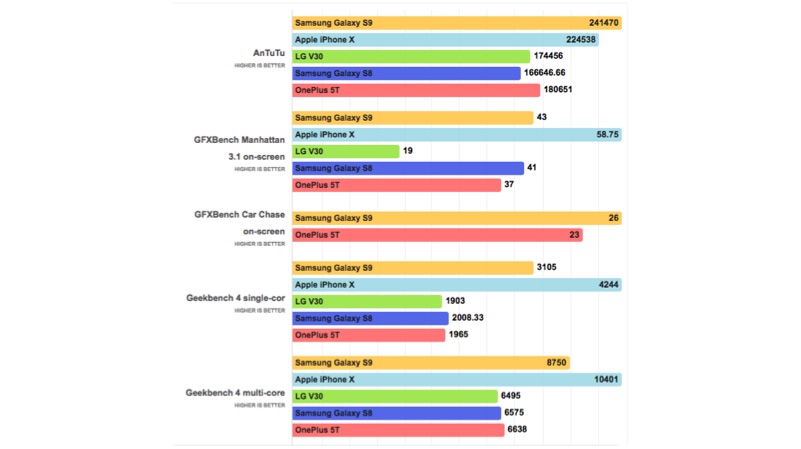
    This is the most tested benchmarking platform, which is used to test a smartphone’s potential. The Samsung Galaxy S9 scores 241470 points and leads the show. In fact, the Apple iPhone X comes in at second place by scoring 224538 points, preceded by the LG V30 174456 points.

    GFXBench Manhattan 3.1 on-screen

    In this platform, the Samsung Galaxy S9 scores 43 points, which is more than twice of the LG V30’s 19 points. However, the Samsung Galaxy S8 comes very nearby scoring 41 points.

    GFXBench Manhattan Car Chase on-screen

    The Samsung Galaxy S9 powered by Exynos 9810 scores 26 points, which is greater than the OnePlus 5T’s 23 points. This benchmark does not list other smartphones scores.

    Samsung Galaxy S9
    Galaxy S9, Galaxy S9+

    Geekbench 4 Single Core

    The smartphone scores 3105 points on the single-core performance, and the LG V30 once again falls behind with 1903 points, which is similar to the points scored by OnePlus 5T and Samsung Galaxy S8.

    Geekbench 4 Multicore

    The Samsung Galaxy S9 scores a staggering 8750 points on this platform, whereas the OnePlus 5T scores 6638 points, which is similar to the scores of LG V30 and the Samsung Galaxy S8.

  • Samsung DeX Pad Features And Specifications

    Samsung DeX Pad Features And Specifications

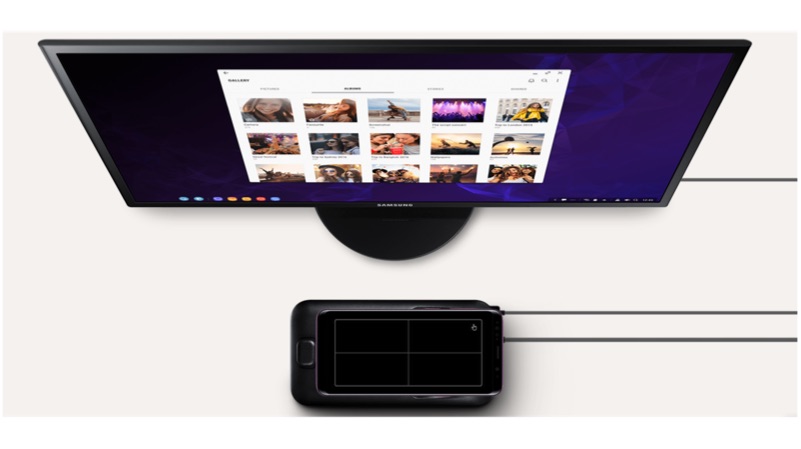
    If you are planning to get the Samsung Galaxy S9 or the Galaxy S9+, then Samsung DeX Pad is a must-have accessory. The second generation DeX Pad comes with added features compared to the original iteration. The Samsung DeX was launched along with the Galaxy S9 and the galaxy S9+ at MWC 2018.

    However, do note that the Samsung DeX is not included in the retail package. Instead, one has to buy it separately. As of now, there is no information on the price tag. However, the last generation DeX Station retailed at US$ 100, which is expected to remain the same.

    Here are the top 5 features of the Samsung DeX Pad:
    Using the smartphone as Keypad + trackpad

    This is the newest addition to features that were missing from the original DeX Station. With the Dex Pad, you can use your smartphone as a keypad or trackpad. However, you can also connect an external keypad (wired or wireless) using the dedicated USB port. However, when you are on the go you will appreciate precision trackpad.

    DeX Pad

    Connect to external display

    The USP of the Dex Pad is the ability to connect it to an external display or projector. In fact, the Qualcomm Snapdragon 845 or Exynos 9810 chipset can drive external monitors up to 2560 x 1440 resolution. Be it an official presentation preparation or binge-watching your favourite Amazon Prime show, your experiences will be escalated.

    Backward compatibility

    Samsung has also promised that the 2nd generation Dex Pad will also support older Samsung Galaxy S8, S8+, and Note 8 smartphones. However, the company will push an OTA update in the future to enable the same.

    Multiple ports

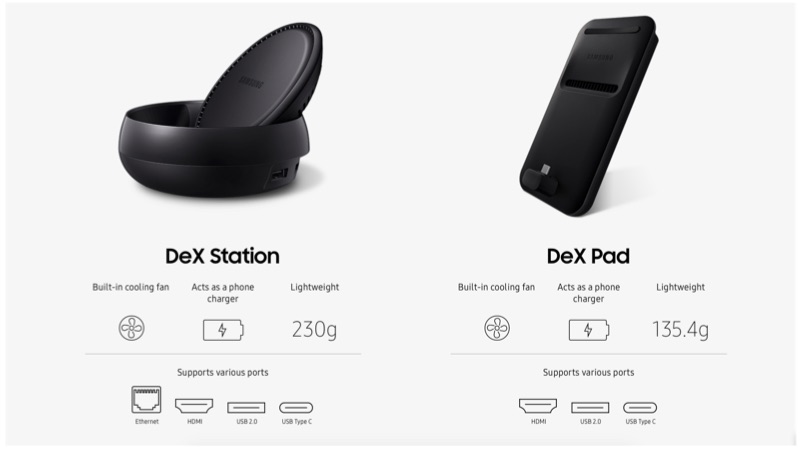
    The Samsung Dex Pad offers one USB type C port, two USB type-A port, and a full-sized HDMI port. Using this device, one can connect additional peripherals like external hard discs, pen drives etc. With the DeX, you will get a fully fledged PC experience. However, the DeX Pad misses out on the ethernet port.

    Powered by Samsung Galaxy S9 charger

    The DeX Pad needs to be hooked up to the charger via USB type C port to work. However, it will not work with any USB type C charger but the output ratings are in line with the power required for the DeX. Similarly, the smartphones also get charged up when it is connected to the Dex.

  • Huawei P20 Live Images Leaked

    Huawei P20 Live Images Leaked

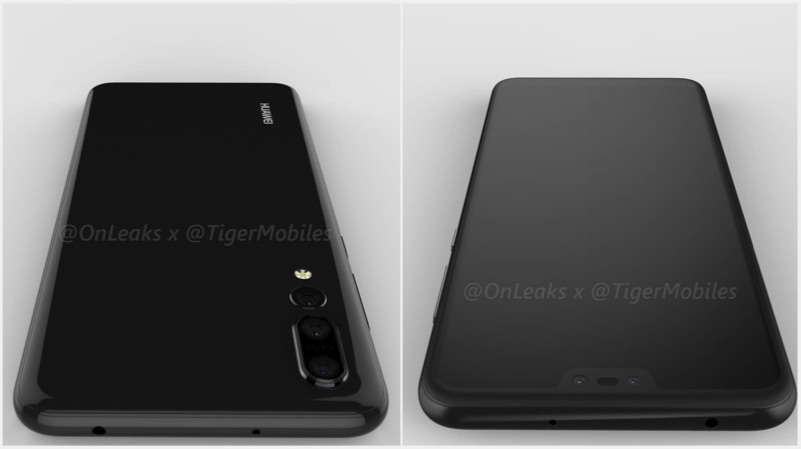
    It is now confirmed that the Huawei P20 will be launched in France on the 27th of March. However, one thing that is not clear is the main camera setup on the Huawei P20. Until now, most of the sources predicted the existence of triple camera setup.

    The company had a big banner at the MWC 2018 on the Huawei P20 product launch in France on 27th March, which gave us an insight into the triple camera setup. So, we might see a Huawei P20 Plus, which might sport a triple primary camera setup.

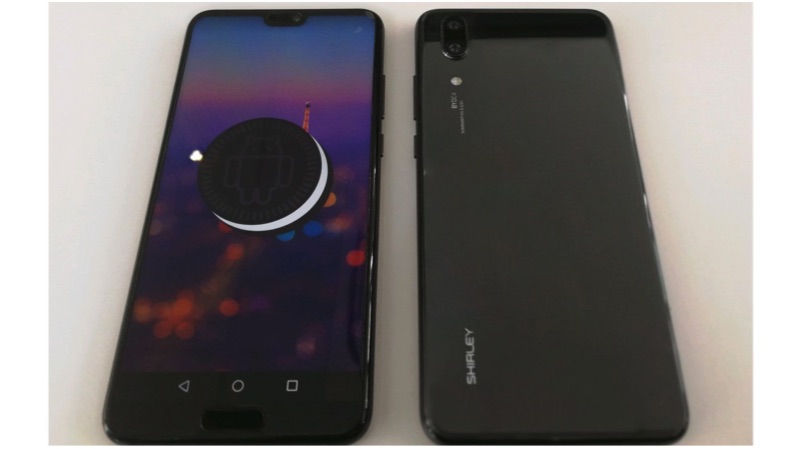
    However, a new leak from the tipster @evleaks confirms that the smartphone has a dual camera setup, not triple camera setup. In fact, the presence of the notch has been confirmed on the live image of the smartphone.

    Initial findings:

    The Huawei P20 runs on Android Oreo 8.1 out of the box with the custom EMUI skin on the top. Similar to the Honor View 10, the smartphone has a front-facing fingerprint scanner. The smartphone has a three-sided bezel-less design with a notch on the top.

    Due to the placement of fingerprint scanner on the bottom, there is a substantial amount of bezel at the bottom. At the back, there is a LEICA branded dual camera setup similar to the Huawei P10. The camera setup is placed vertically, similar to the Apple iPhone X.

    Expected specifications:

    The smartphone is expected to have a 6 inch 2160 x 1080 px IPS LCD display with a notch on the top. Under the hood, the smartphone will be powered by the HiSilicon Kirin 970 Octa-core chipset with 6GB RAM and 128GB storage. However, we might also see a plus version with OLED display and 8GB RAM.

    The smartphone is likely to house a triple lens primary camera setup with RGB + wide angle + telephoto lens combination. On to the front, the smartphone is likely to have dual camera setup. In fact, the dual front-facing camera can aid the facial recognition system as well.

    Conclusion:

    In a recent interview at the MWC 2018, Huawei CEO confirmed that the Huawei P20 will be more powerful than the Apple iPhone X. In fact, the device has a lot of similarity to the Apple counterpart.

  • Moto E5 Plus Leaked Ahead Of MWC Launch

    Moto E5 Plus Leaked Ahead Of MWC Launch

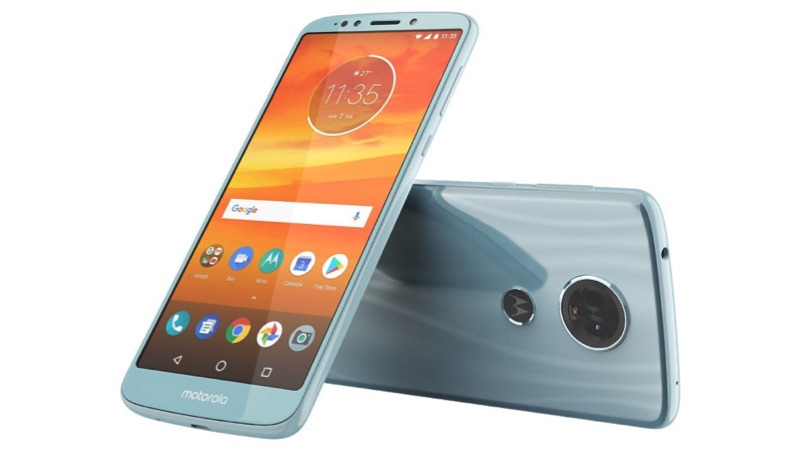
    A new Motorola Moto E5 Plus smartphone leaked online by the tipster Evan Blass. However, this time it is an E series device rather than the G series device. At the first glance, we couldn’t make much of difference between the two. This is the first smartphone from Moto E lineup with the premium glass design.
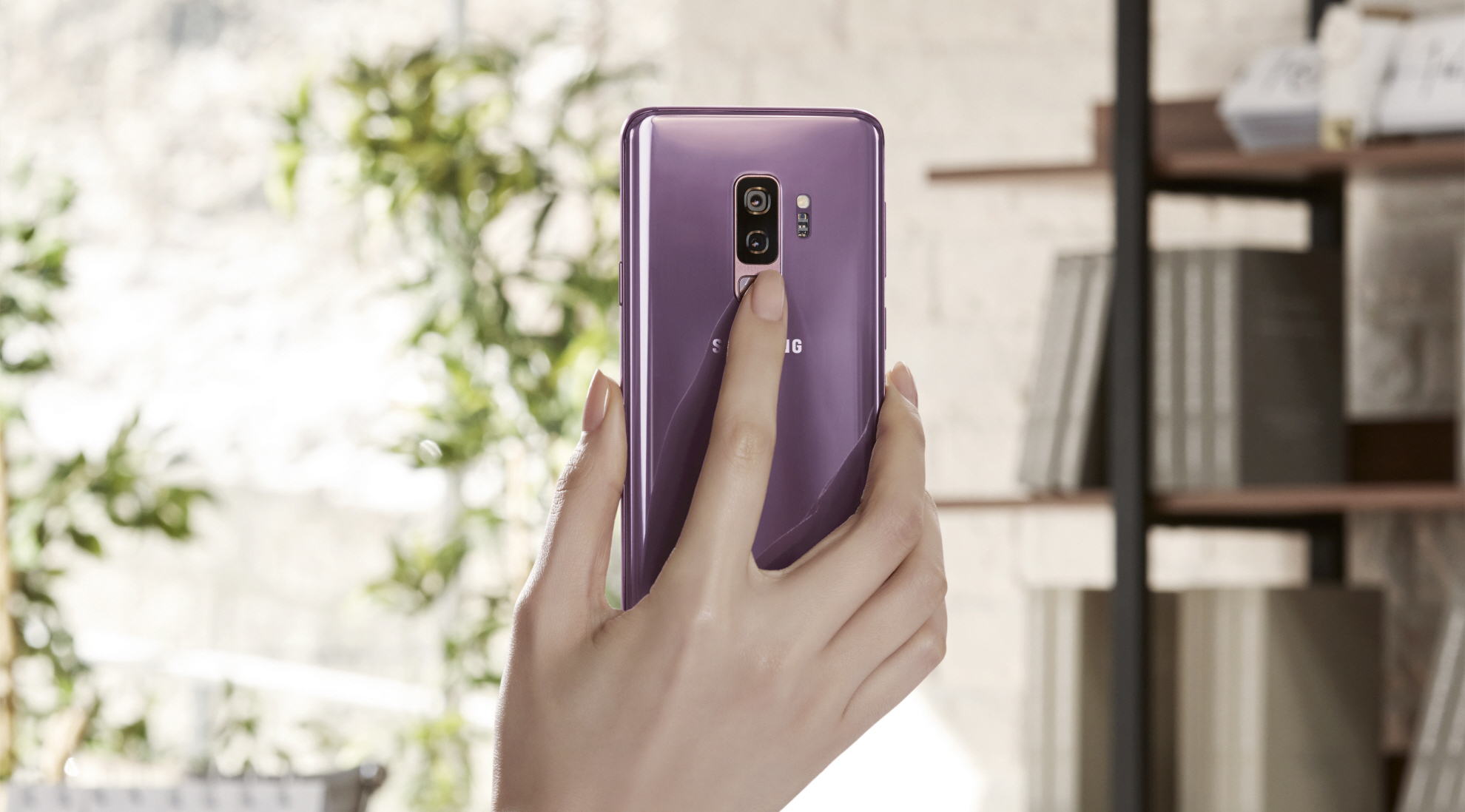
    Interestingly, the fingerprint sensor will be housed inside the Moto logo on the back. Rumours predict that the company might launch the upgraded Moto G6 and Moto E5 series at the MWC 2018.

    Specifications:

    The Moto E5 Plus comes with 5.8-inch 1440 x 720px IPS LCD display with 2.5D tempered glass protection. Under the hood, the smartphone is powered by an unknown quad-core chipset with 3GB RAM and 32GB/64GB onboard flash storage.

    The mobile has a primary camera setup with dual camera cutout like the recently leaked Moto G6 lineup. However, it just has a single 13 MP primary camera and an empty cutout. However, on the front of the smartphone will be a dual camera setup of a 5MP primary sensor coupled with a 2MP depth sensor.

    The smartphone is expected to run on nearly stock Android 8 Oreo OS. In fact, there were rumours of Motorola adopting Lenovo’s custom skin for its upcoming line of budget smartphone. That, however, does not seem plausible.

    Conclusion:

    With the launch of 6th generation Moto smartphones, the is getting ready for the bezel-less frontier. However, as this is just a leak we have to wait until official announcement for the detailed specifications. Moto E5 Plus looks great with the modern design. In fact, it might contend with the Honor 9 Lite.

  • Energizer Power Max P16K Pro With 16000 mAh Battery Launched At MWC 2018

    Energizer Power Max P16K Pro With 16000 mAh Battery Launched At MWC 2018

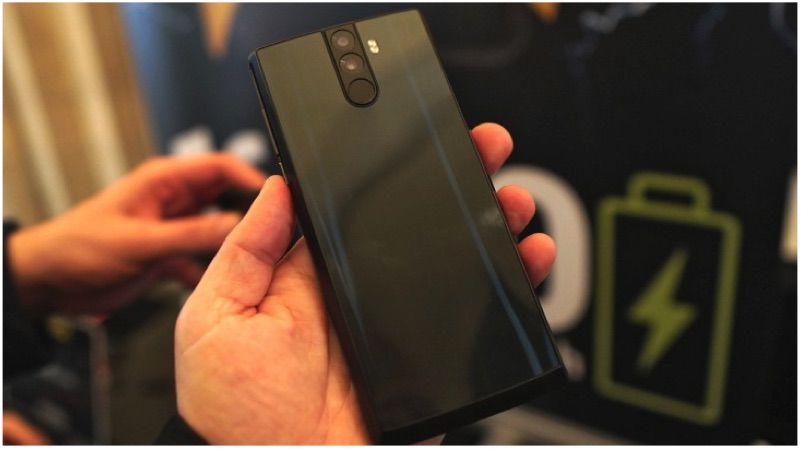
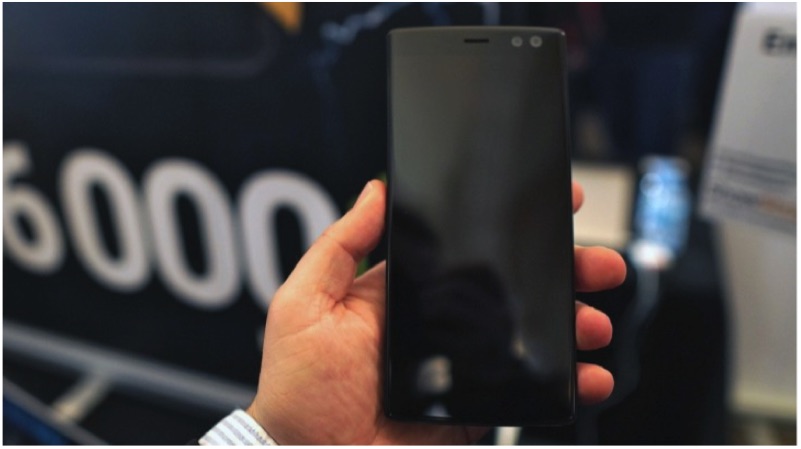
    Energizer, the premium battery maker launched the Energizer Power Max P16K Pro at MWC 2018. This is the only production smartphone with a massive 16000 mAh battery.

    The dimensions of the smartphone are a bit unusual with a tank-like design. The smartphone looks like a beefed-up version of the Cat S60. For sure, this is the thickest modern smartphone with the modern internals.

    Pricing and availability:

    As of now, there is no information on pricing or availability.

    Energizer Power Max P16K Pro
    Credits: GSM Arena
    Specifications:

    The Energizer Power Max P16K Pro has a 5.9 inch 2160 x 1080px IPS LCD display. Under the hood, the smartphone is powered by Helio P23 chipset with 6GB RAM and 128GB storage. The smartphone also retains the 3.5 mm headphone jack, which means one can go on movie marathon on this mobile.

    The phone has a dual primary camera setup with 16 MP + 13 MP camera with 4K video recording capability. The front-facing camera setup also has a 13 MP primary sensor and a 5 MP depth sensing sensor for bokeh effect. So, the smartphone offers decent camera modules at least on paper.

    The device measures 15.2 mm at its thickest point and weighs around 300 grams. Considering the mammoth 16000 mAh battery, the weight of the device is quite acceptable.

    The Energizer Power Max P16K Pro supports fast charging via USB type C with the 12V rating. However, there is no information on the time required to charge the battery from 0 to 100 percent.

    Conclusion:

    The concept of a smartphone with a massive battery on the Energizer Power Max P16K Pro is very interesting. Probably, a smartphone with truly impressive battery life that no one complains about.

  • MediaTek Helio P60 Launched At MWC 2018

    MediaTek Helio P60 Launched At MWC 2018

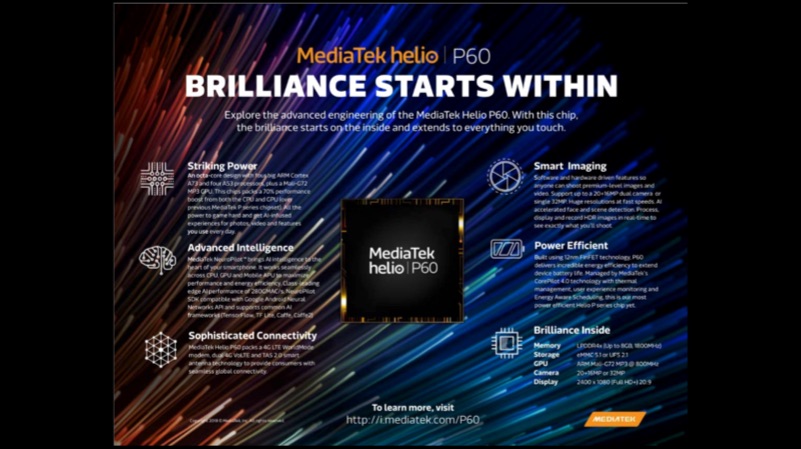
    MediaTek launched the MediaTek Helio P60 chipset at MWC 2018. The is the most powerful P series chipset from the Chinese chipset manufacturer, which is based on 12nm FinFET architecture. This is the first processor from the brand with native features like hardware accelerated AI and a dedicated NeuroPilot Core.

    Features:

    The processor is manufactured by TSMC based on 12 nm FinFET technology based on big.LITTLE architecture. The four high-performance cores are based on ARM Cortex-A73 cores and the other four efficient cores are based on ARM Cortex-A53 cores. Compared to the Helio P30 chipset, the Helio P60 offers up to 70% improved CPU performance.

    The same goes for the GPU as well. The Mali-G72 MP3 is a flagship-class CPU, which is used in the chipsets like Kirin 970. The chipset offers a staggering 70% boost in overall GPU performance compared to its predecessor. In fact, the performance will be similar to Qualcomm Snapdragon 660 chipset.

    The dedicated NeuroPilot can handle native AI tasks using Android Neural Networks API with class-leading performance. The three image sensing processors support dual camera module. In fact, this uses 16% less power by combining Ai accelerators with the real-time image enhancement.

    The MediaTek Helio P60 chipset supports displays with up to 1080p resolution. In fact, the smartphone manufacturers can go with a display with up to 20:9 aspect ratio.  In terms of storage and RAM, the chipset can handle up to 8GB LPDDR4x RAM. The chipset can handle UFS 2.1 storage.

    Finally, coming to the connectivity the processor can handle dual LTE and VoLte network with Cat 7 download speeds and Cat 13 upload speeds.

    Comparison:
    MediaTek Helio P60 MediaTek Helio P30 MediaTek Helio X30
    CPU Configuration 4 x ARM Cortex A53 @2.0GHz
    4 x ARM Cortex A73 @2.0GHz
    4 x ARM Cortex-A53 @ 1.65GHz
    4 x ARM Cortex-A53 @ 2.3GHz
    4 x ARM Cortex-A35 @ 1.9GHz
    4 x ARM Cortex-A53 @ 2.2GHz
    2 x ARM Cortex-A73 @ 2.5GHz
    GPU Mali-G72 MP3 @ 800MHz Mali-G71 MP2 @ 950MHz PowerVR GT7400+ @ 800MHz
    Manufacturing process 12 nm FinFET 16 nm FFC 10 nm FinFET


  • Sony Xperia Ear Duo Wireless Earphones Launched At MWC 2018

    Sony Xperia Ear Duo Wireless Earphones Launched At MWC 2018

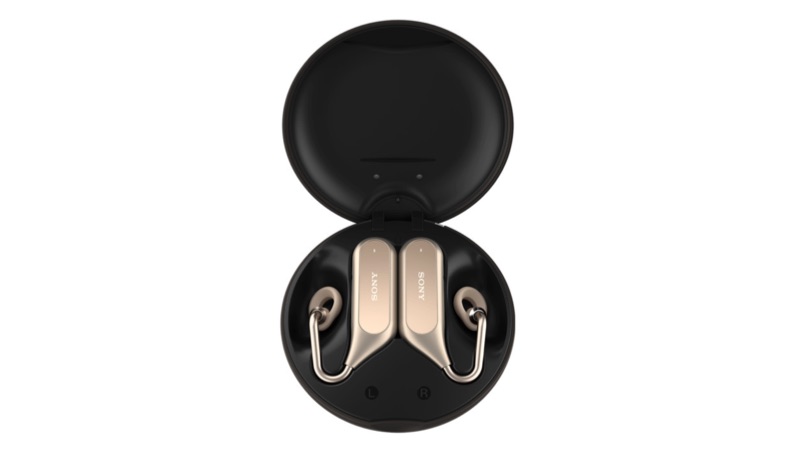
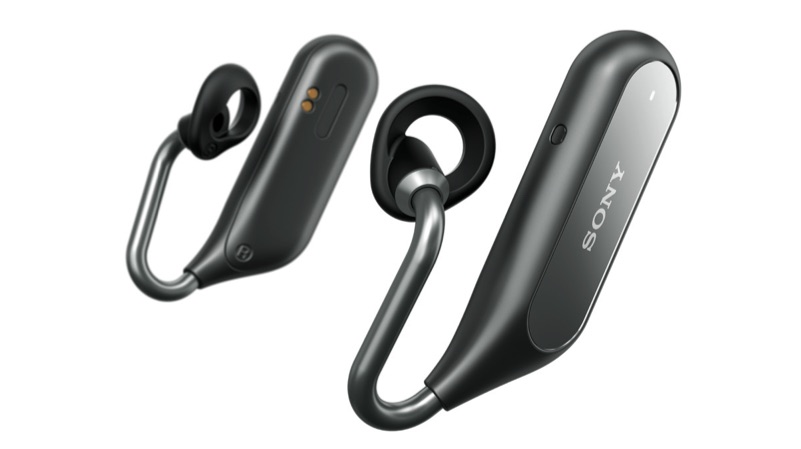
    Sony has officially launched the Xperia Ear Duo at MWC 2018. Just like Google, Sony has launched a pair of wireless Bluetooth earphones after removing the 3.5mm headphone jack from its new Xperia XZ2 and XZ2 Compact. These are a universal pair of Bluetooth earphones, which works with iOS and Android devices.

    Pricing and availability:

    The Sony Ear Duo will be available in selected markets in Black and Gold style from Spring 2018. However, the pricing is yet to be announced.

    Hiroshi Ito, Deputy Head of Smart Product Business Group at Sony Mobile Communications said:

    Xperia Ear Duo represents what we’ve learned from audio and acoustics research. Ear Duo is the first wireless headset to deliver a breakthrough Dual Listening experience – the ability to hear music and notifications simultaneously with sounds from the world around you.

    Features of Sony Xperia Ear Duo:

    These wireless earphones are based on the new Sony concept called “Dual Listening”. The earphones bring the capability, which enables to listen to a music track + environmental sound.

    Sony has developed a special Spatial Acoustic Conductor, which transmits the sound directly into the ear. The specially designed ring surrounds the ear canal, which blends the music and the sound from the environment seamlessly.

    The earphones use AI to adjust the volume according to the external factors, which enables the crystal clear audio listening experience using Sony’s Clear Chase technology. The Xperia Ear Duo are IPX2 certified for splash proof. Which means one can use this while exercising without any worries.

    The Sony Xperia Ear Duo is equipped with a low power consuming CXD5602 chipset with a multisensor platform. In fact, the headphones support various head gestures like nodding to decline a call, shaking your head from left to right to change the music etc.

    The earphones do not come with a dedicated voice assistance. Instead, one can use voice control to access Google Assistance or Siri. This works in most of the situations due to the quad microphone system.

  • Samsung Galaxy S9, Galaxy S9+ Available To Pre-Book In India

    Samsung Galaxy S9, Galaxy S9+ Available To Pre-Book In India

    Samsung officially launched the Samsung Galaxy S9 and the Galaxy S9+ at MWC 2018. In the US, the Galaxy S9 is priced at US$ 719.99 and the Galaxy S9+ retails for US$ 839.99. In fact, the direct conversion to Indian rupees comes to around Rs 46,600 and Rs 54,400. However, the price will be higher than that in the Indian market.

    Samsung is yet to make an announcement about the retail prices of these phone in India. However, these phones are already up for pre-booking on the Samsung India official website. The 64GB variant will be available in Midnight Black, Coral Blue, Lilac Purple and the 256GB variant is limited to Midnight Black as of now. However, there is no information about the inclusion of complimentary wireless charging dock for the pre-orders like the Galaxy S7 and S8 pre-booking.S9+

    How to Pre-book?
    • Head to Samsung India official website
    • Select your model, colour, and storage option
    • Make an advance payment of Rs 2000
    • You will receive a pre-booking coupon
    • Once the phone goes official, you will receive a text message with the complete pricing details
    • Apply the pre-book coupon, which adjusts Rs 2000 from the final amount
      S9+
    Specifications of Galaxy S9:

    The Samsung Galaxy S9 has a 5.8 inch Super AMOLED display with a 2960 x 1440 px resolution. This translates to an 18.5:9 aspect ratio, which means it is slightly taller than the usual bezel-less smartphones.

    The smartphone is powered by the new Exynos 9810 chipset. Coupled with the chipset is 4GB of RAM and 64GB or 256GB of onboard storage. Similar to a lot of Samsung smartphones, the storage will be expandable up to 256GB via a MicroSD card.

    The Galaxy S9 has a single Dual Pixel 12 MP sensor with dual /1.5 and f/2.4 apertures. In bright lighting conditions, the camera will use the f/2.4 aperture, while the wider f/1.5 aperture is used in dark lighting conditions. It also captures 720P videos at 960fps and 4K videos at 60fps, similar to the Apple iPhone X. On the front of the smartphone is an 8MP camera with an f/1.6 aperture and records 4K videos.S9+

    Specifications of Galaxy S9+:

    As is with its smaller sibling, the Galaxy S9+ has the same screen size as the Galaxy S8+. It sports a 6.2 inch Super AMOLED display with a 2960 x 1440 px resolution.

    Under the hood, it is powered by the Exynos 9810 chipset. Unlike the Galaxy S9, the S9+ will be available in 6GB RAM/64GB storage and 6GB RAM/256GB models in major markets across the world. Similarly, the phone does support external micro SD cards up to 256GB.

    The main difference between the two S9 models this year is in the camera department. Unlike its predecessor, the Galaxy S9+ has a dual-camera setup on the back. The Galaxy S9+ has one wide-angle 12MP camera with an f/1.5 aperture and the other is a 12MP telephoto lens with an f/2.4 aperture. The telephoto lens is the same one found on the Galaxy Note8, which means it has OIS. On the front of the smartphone is an 8MP camera with an f/1.6 aperture and records 4K videos.

  • From Samsung Galaxy S8 To Galaxy S9: What Has Changed?

    From Samsung Galaxy S8 To Galaxy S9: What Has Changed?

    Samsung launched the Galaxy Note8 back in August 2017 to a great reception. It built on the success of the Galaxy S8 devices and offered a lot more at a slightly higher price. However, it was still the most expensive Samsung Android device almost touching thousand dollar mark. The Samsung Galaxy S9 and Galaxy S9+, according to early rumours were going to be these radically different smartphones with almost no bezels on the display.

    However, that seemed too good to be true and as we moved closer to the imminent launch, we saw more accurate renders. The renders revealed something that will hold true for the smartphone industry in general. As we approach the future of completely bezel-less smartphones, the difference in design between two generations will be minimal. The Galaxy S9 and S9+, represent that future.

    Galaxy S9
    Galaxy S8

    On the 25th of February, Samsung finally launched its two new flagship smartphones, the Galaxy S9 and Galaxy S9+. As is with almost every launch these days, there was barely anything for Samsung to tell us that would be a surprise.Right from the volume rockers placement to the stereo speakers, everything about the devices was leaked well in advance. However, the Samsung flagship phones will dominate smartphone sales this year and these are two of the most important Android smartphones of 2018.

    So, from the Galaxy S8 of 2017 to the Galaxy S9 of 2018, what really has changed, and what remains constant?

    Galaxy S9, Galaxy S9+
    Design

    The Samsung Galaxy S8 and S8+ were some of the best-looking smartphones of 2017. Samsung incorporated its edge design with thinner bezels and called it the “Infinity Display”. The glass on the front and back with a metal frame meant that the smartphones looked stunning. However, they were also fingerprint magnets. Somebody once said, “Don’t fix it if it ain’t broken,” and someone at Samsung followed the philosophy.

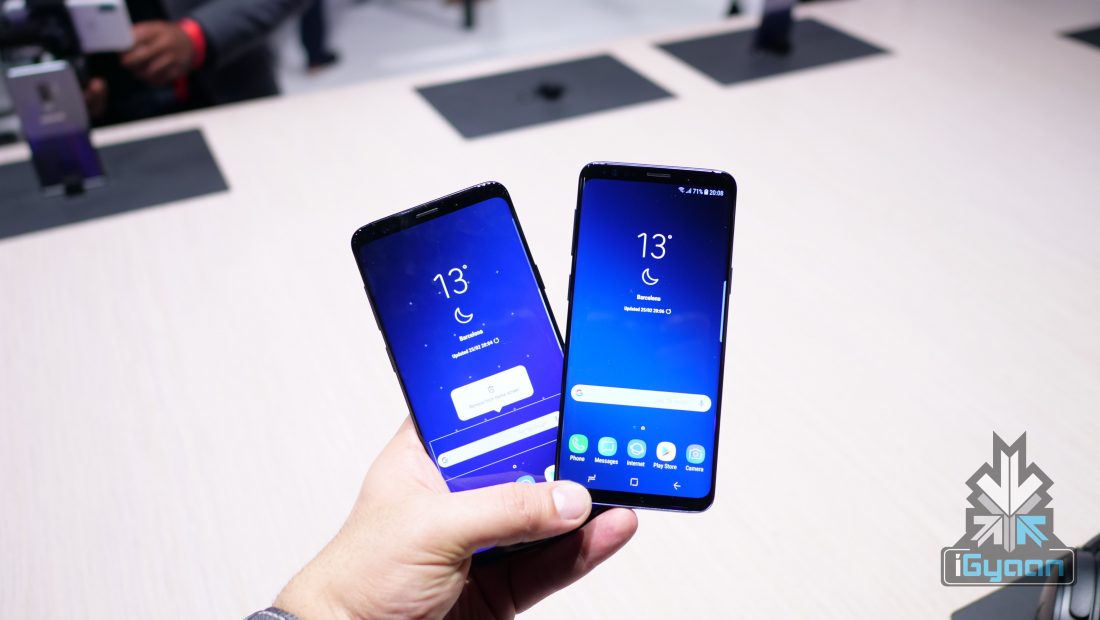
    The Galaxy S9 and S9+, barring slightly thinner bezels, look very similar to their predecessors. In fact, it is hard to pick the correct one out when put side by side, at least from the front. To the back is where Samsung has made a necessary change. The Galaxy S8 and S8+, while lauded for their design, had a very suspect fingerprint sensor placement. With the new flagship phones, Samsung has fixed that and moved the sensor below the camera module.

    Also, the Galaxy S9+ now has a dual-camera setup which is similar to the Galaxy Note8. However, the Galaxy Note8 had a horizontally placed setup while the S9+ has a vertically placed dual-camera setup.

    Galaxy S9, S9+ Colour Variants
    Display

    The Samsung Galaxy S9 and Galaxy S9+ have the exact same displays as their predecessors. Smaller of the two siblings, the S9 has a 5.8 inch Super AMOLED display while the S9+ has a 6.2 inch Super AMOLED display. Both smartphones have a 2960 x 1440 px resolution which translates to an 18.5:9 aspect ratio. This means that the Galaxy S9 devices are slightly taller than the usual 18:9 devices. The smartphones have a curved display where the edges can be used for shortcuts. This has become a standard for Samsung flagship phones now.

    Under The Hood

    It is understandable if the design and display don’t get an upgrade over a generation. However, seldom do you see a company launching a new generation smartphone with the same hardware. Same is the case here as well. The Galaxy S9 and Galaxy S9+ are powered by the new and faster chipsets. For the US and South Korean markets, the S9 and S9+ will have the Snapdragon 845 chipset under the hood. For the rest of the world, they will be powered by Samsung’s own Exynos 9810 chipset.

    The Galaxy S9 has 4GB of RAM while the Galaxy S9+ has 6GB of RAM. Both the smartphones will be available in 64GB, 128GB and 256GB storage variants which will be expandable via a microSD card. Also, for the first time in the Galaxy S series, Samsung has included a dual stereo speaker setup. These speakers are tuned by AKG and come with Dolby Atmos integration as well. Samsung has also decided to stay away from the herd and include a 3.5mm headphone jack which is great for people who still prefer wired headphones over Bluetooth ones.

    Galaxy S9+

    Similar to the predecessors, the Galaxy S9 is powered by a 3000 mAh battery while a 3500 mAh battery powers the S9+. Both devices support QuickCharge 4.0 and wireless charging as well. This time around, the iris scanner is more advanced and there is a Face Unlock feature called Intelligent Scan. If someone is not a fan of the rear-facing fingerprint sensor, there are more ways to unlock their smartphone now.

    Software

    The Samsung Galaxy S9 and S9+ will run Android 8 Oreo out of the box with Experience UI 9.0 on top. Samsung’s custom skin has come a long way since the days of TouchWiz. It definitely holds up for a longer period of time and looks much better. There will be a lot of customisation options as well. In fact, this also means that smartphones like the Galaxy Note8 will also finally start receiving Android 8 Oreo update.

    Cameras

    Before even unveiling the new smartphones, Samsung revealed what will be new in them. The teaser poster clearly stated that the Galaxy S9 and S9+ will have much better cameras than their predecessors. On paper, that is definitely true but, we will test out the cameras in detail before giving our two cents on it. However, the Galaxy S9 and S9+ do have improved specifications in the camera department.

    The Galaxy S9 has retained a single camera setup on the back. It is a Dual-Pixel 12MP camera with a variable aperture of f/1.5 to f/2.4. In bright lighting conditions, the camera will use the f/2.4 aperture, while the wider f/1.5 aperture is used in dark lighting conditions. It also captures 720P videos at 960fps and 4K videos at 60fps, similar to the Apple iPhone X. On the front of the smartphone is an 8MP camera with an f/1.6 aperture and records 4K videos.

    The Galaxy S9+ gets a dual-camera setup on the back. The primary 12MP camera is the same one found on the Galaxy S9. The secondary telephoto lens is a 13MP camera with OIS and an f/2.4 aperture. This telephoto lens is the same one found on the Galaxy Note8. As is with S9, it records 720P videos at 960fps and 4K videos at 60fps. This is one more feature where the Galaxy S9 devices will go head to head with the iPhone X.

    Some people might call it an Animoji rip off but, Samsung is calling it AR Emoji. Basically, the smartphone captures the face data, analyses it, which allows users to make animated versions of themselves. These can later be customised further. It is a fun feature to have on your smartphone but, you probably won’t spend all that money just for AR Emojis. However, it is something that Samsung demoed at the launch and believes it has enough customisation options to make it interesting.

    Conclusion

    While there is no information about the exact pricing of the two devices in India, they will be pricier than their predecessors. The pre-booking for the S9 and S9+ has already begun India and will go on sale from the 16th of March. Will you be buying one?

  • Sony Xperia XZ2 and XZ2 Compact Launched At MWC 2018

    Sony Xperia XZ2 and XZ2 Compact Launched At MWC 2018

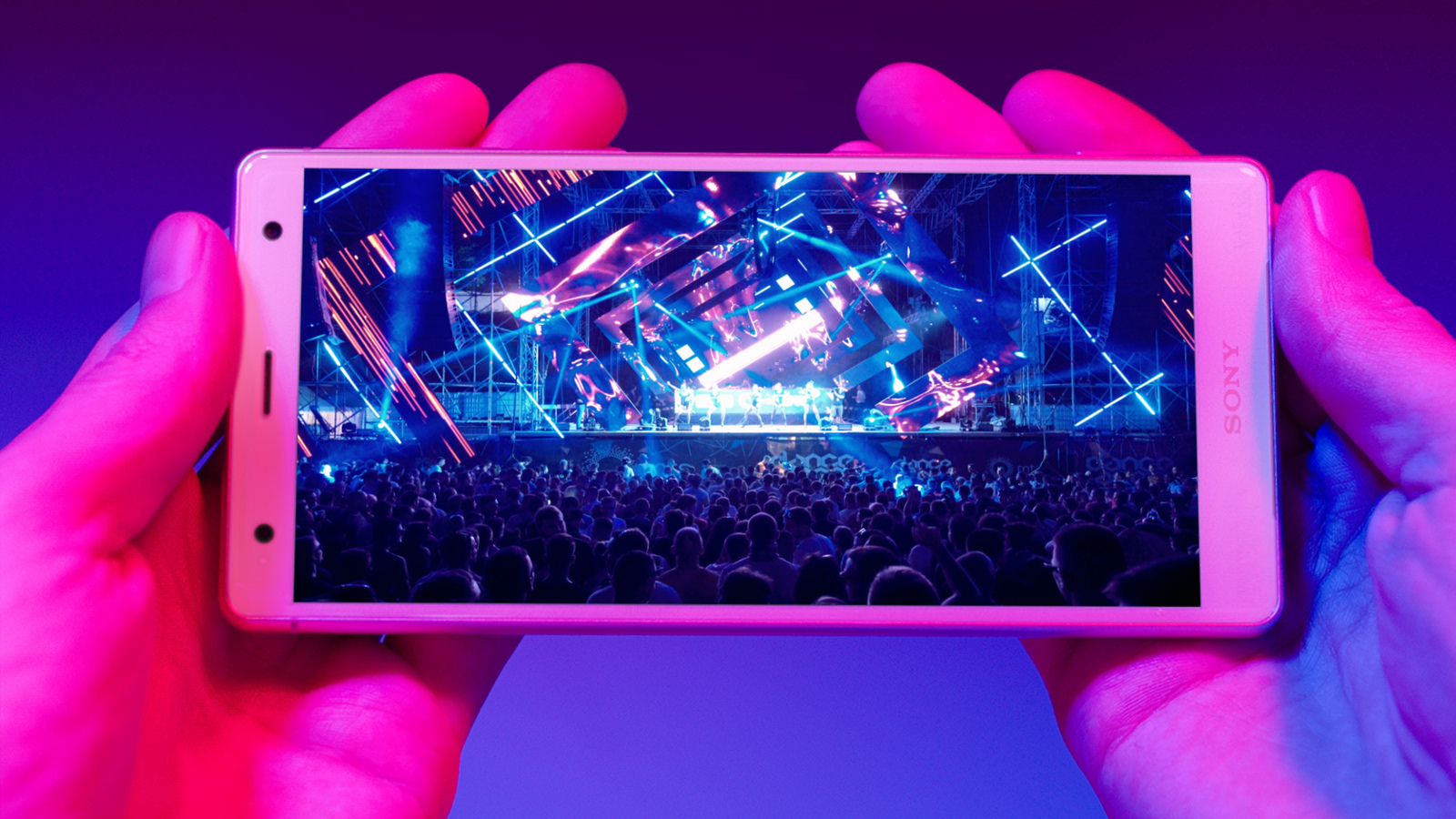
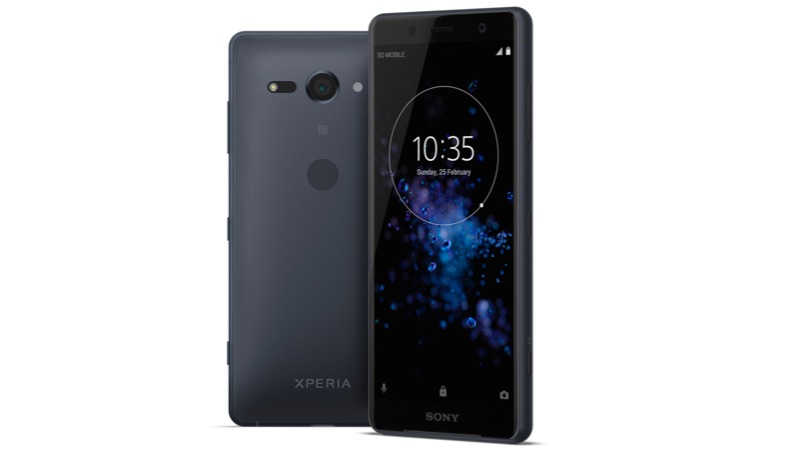
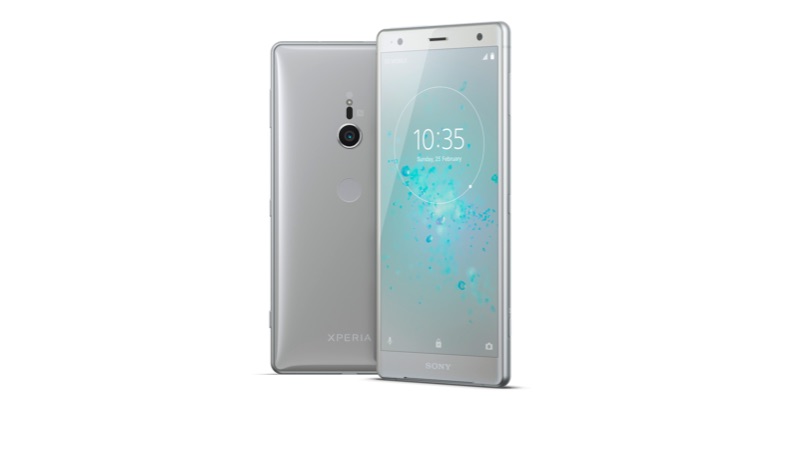
    Sony has officially launched the Sony Xperia XZ2 and the Sony Xperia XZ2 Compact at MWC 2018. Both the smartphones have been significantly redesigned inside out, with a new design philosophy.

    These are the first batch of smartphones from Sony to boast an 18:9 display with a curvier back. Sony is the second smartphone maker to announce the smartphone based on this new Snapdragon 845 chipset. With this new flagship series, Sony no longer offers 3.5 mm headphone jack.

    Pricing and availability:

    The Sony Xperia XZ2 and the XZ2 compact will be available from March 2018 in Black, White Silver, Moss Green and Coral Pink colours. However, there is no information on the pricing yet.

    Specifications of Sony Xperia XZ2 Compact:

    The Sony Xperia XZ2 Compact has a 5 inch FHD+ 2160 x 1080px IPS LCD display with 18:9 aspect ratio. Under the hood, the smartphone is powered by Qualcomm Snapdragon 845 Octa-core chipset based on Kryo 385 architecture, with 4GB RAM and 64GB storage. The storage is also expandable using micro SD card up to 400GB.

    The smartphone has an “anti-twist” aluminium frame with a “frosted-glass” like polycarbonate shell. Sony claims that the polycarbonate shell is scratch resistance. However, Sony is still missing out on the dual camera setup, which has been widely adopted in the industry.

    The phone has a 19 MP primary camera with support for 4K video recording and super slow motion video up to 960 fps. For the front-facing camera, the company is using a 5MP wide-angle lens with f/2.2 aperture that records 1080p videos. In fact, the front camera also comes with EIS. The smartphone runs on Android 8.1 Oreo with the Xperia UI on the top. In fact, even the Xperia XZ had similar slow-motion video recording capability.

    The Sony Xperia XZ2 Compact has a 2870 mAh sealed battery with fast charging support. However, the device does not support wireless charging.

    Specifications of Sony Xperia XZ2:

    Like the Sony Xperia XZ2 Compact, the Sony Xperia XZ2 offers flagship class specifications. The Sony Xperia XZ2 has a bigger 5.7 inch screen with the same 2160 x 1080px resolution. The smartphone is powered by the same Qualcomm Snapdragon 845 chipset with 4GB RAM and 64GB storage. The smartphone also offers support for external SD card. However, the Xperia XZ2 uses a similar aluminium frame with the back panel is made using 3D Gorilla Glass shielding, which enables the wireless charging capability.

    However, the cameras found on the Xperia XZ2 are the same as the XZ2 Compact. The smartphone offers a 19 MP primary camera with an f/2.0 aperture and a 5 MP front-facing camera with an f/2.2 aperture.

    The phone has a slightly bigger 3180 mAh battery with fast charging and wireless charging capability. Like the compact variant, the Xperia XZ2 is also IP68 certified for the water and dust resistance.

    Conclusion:

    The Sony Xperia XZ2 and the Sony Xperia XZ2 Compact represents a design change necessary for Sony devices and do not look anything like the Xperia flagships of the yesteryears. However, Sony’s pricing strategy will determine the two smartphone’s fate in markets like India.

iGyaan Network
Privacy Overview

This website uses cookies so that we can provide you with the best user experience possible. Cookie information is stored in your browser and performs functions such as recognising you when you return to our website and helping our team to understand which sections of the website you find most interesting and useful.