Tag: Nokia

  • Revisiting Nokia : Discovering Everything That the Fallen Titan Did For the World

    Revisiting Nokia : Discovering Everything That the Fallen Titan Did For the World

    With the release of the new Lumia branded phones by Microsoft, Nokia died as a mobile phone brand. For most, it’s not just a phone brand; it was a revolutionary change maker. It created, nurtured and took the mobile business to its maturity. We have now reached a point of tremendous concentration in the mobile market and the company who started it all has bid farewell. Nokia is like a grandparent; it did its part and then departed, leaving behind a lasting legacy of  a communication infrastructure that has brought gigantic leaps in the growth of human civilization.

    Journey To The Mobile Business

    Nokia's paper mill on the banks of River Nokianvirta in 1868.
    Nokia’s paper mill on the banks of River Nokianvirta in 1868.

    Nokia began as a paper mill back in 1865 with its second mill going up in the town of Nokia in Finland. The name ‘Nokia’ is derived from the river Nokianvirta, on the banks of which the company was established.

    The company expanded to working with rubber, electricity, and cables. Nokia rubber boots become a bona fide design classic, still on sale to this day by the name Nokian, albeit under new owners.

    Let’s fast forward to ’60s when the company made its foray into electronics. Nokia developed a host of electronic devices including radio telephones for the army. In 1979 Nokia took its first steps into telephony by creating Mobira Oy in a JV with Finnish TV maker Salora, and they created the Nordic Mobile Telephone (NMT) service. This was the world’s first international cellular network and in the 80s, Nokia launched its first car phone called the Mobira Senator.
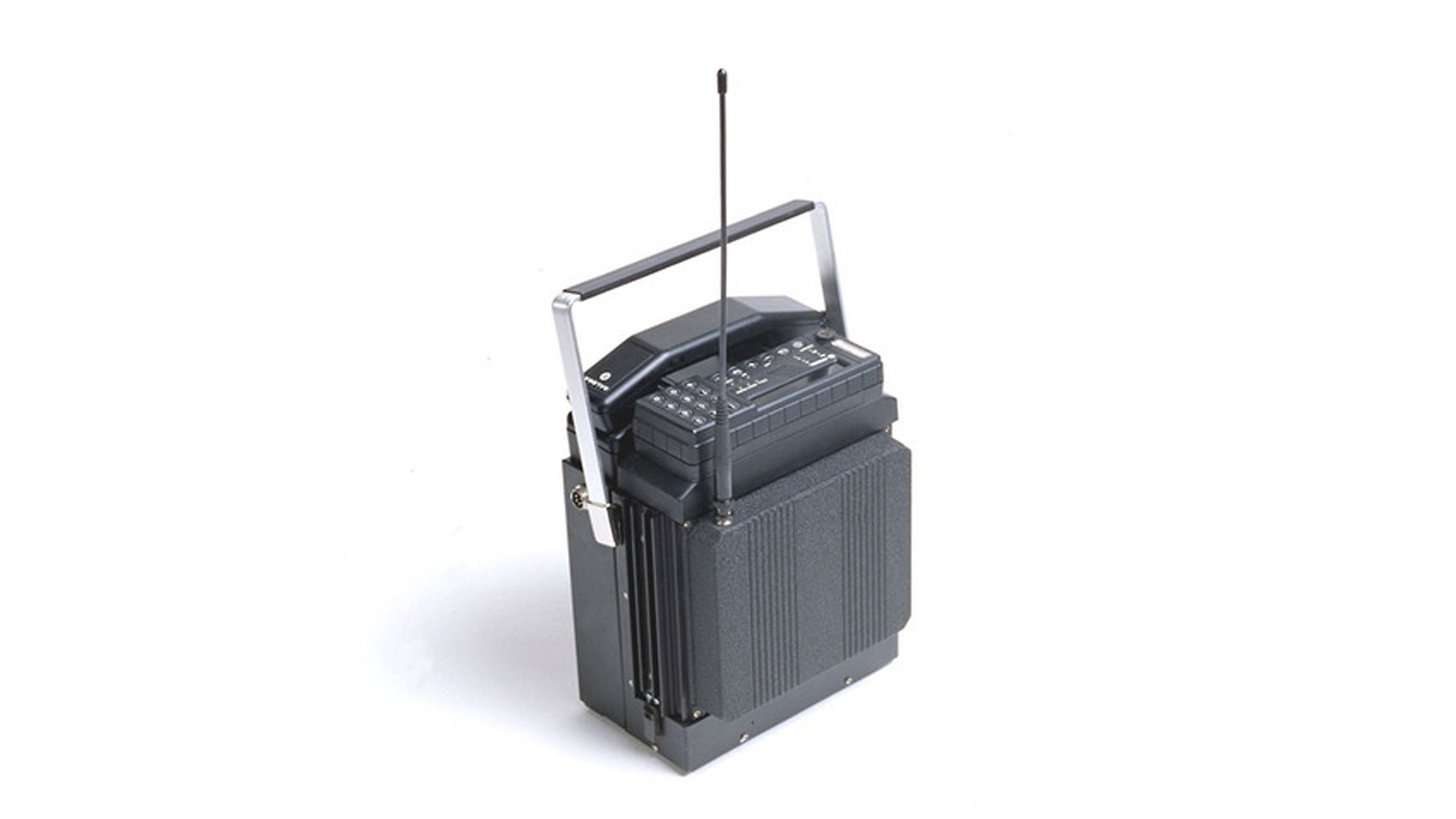
    The Mobira Senator was the companies first car phone.
    The Mobira Senator was the companies first car phone.

    In the 1970s and 1980s, Nokia developed the Sanomalaitejärjestelmä (“Message device system”), a digital, portable and encrypted text-based communications device for the Finnish Defence Forces.

    In 1987, Nokia launched the Mobira Cityman, the first mobile phone that would run on the company’s NMT network. At 800 grams and priced at $6,308, it may be heavy and pricey by today’s standards, but the device soon hit cult status when Mikhail Gorbachev was photographed using the device.

    Nokia also tried its hands at personal computing.
    Nokia also tried its hands at personal computing.

    In the 1980s, Nokia’s computer division Nokia Data produced a series of personal computers called MikroMikko, which it later sold to Fujitsu. It briefly tried its luck again in the personal computer market in August 2009 with the introduction of the Nokia Booklet 3G mini laptop. It was not commercially successful but was appreciated for its integrated 3G modem, high-resolution screen, exceptional battery life and its fan-free design.

    World’s first commercial GSM call was made in 1991 in Helsinki over a Nokia-supplied network, by Prime Minister of Finland Harri Holkeri. Also, the first device to be used to make a satellite call in 1994 was a Nokia device. Nokia truly started the mobile revolution.

    The Devices

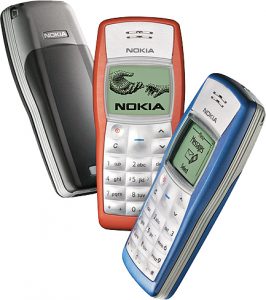
    Nokia 1011 was the first mass-produced device from Nokia. The design of the device was quickly copied into making pencil boxes for kids. The memory could hold 99 numbers and had a price tag of $1600.

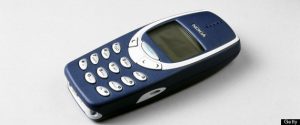
    Nokia 3310 announced on 1st September 2000, has now become a cult classic. There are unlimited internet memes based on the “Hulk-ness” of the device. Touted in humor as the only Man-Made thing that can incapacitate the Hulk. Nokia sold over 126 million pieces of the 3310 which had a 96×48 pixel display. You could take off the front and back panel and replace it with the color of your choice. It was the first phone to allow 459 character SMS messaging.

    Nokia 2110 was the first phone to come with the Nokia tune. It is estimated that the Nokia Tune is heard worldwide an estimated 1.8 billion times per day, approximately 20,000 times per second. It has been the icon of Finnish corporation Nokia since the 1990s.

    Introduced in 2002, the Nokia 3510 was the first color phone from the company. It was also the first mass market GPRS device.
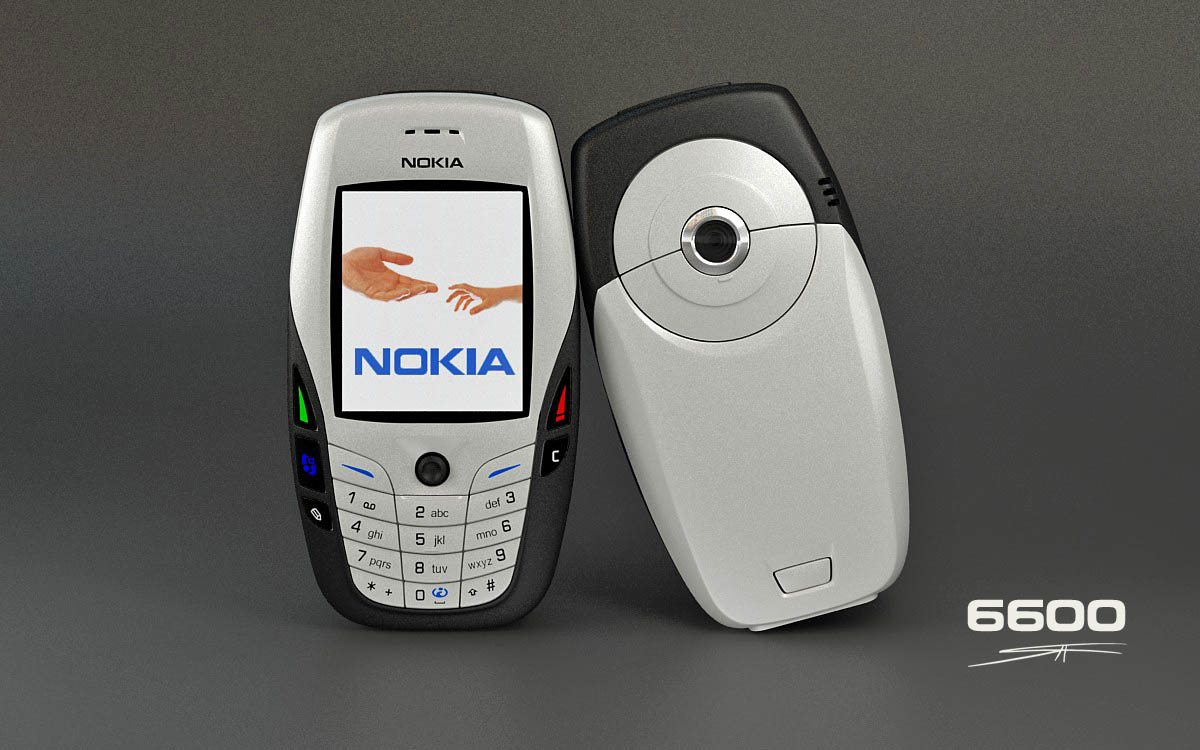
    The 6600 was one of the most popular devices and was almost the star of the movie, Cellular.
    The 6600 was one of the most popular devices and was almost the star of the movie, Cellular.

    The Nokia 6600 was a prolific device that was launched in 2003. The owners of the phone flaunted its VGA camera, Bluetooth and expandable memory. It was the first Nokia and Symbian device to sell over a million.

    The devices from Nokia were also known for its superior camera performance. Thanks to its popularity amongst the users worldwide, at one point Nokia was the biggest digital camera manufacturer in the world. It surpassed all other conventional camera makers.

    The company has set records after records during its stint at the top of the food chain. In fact, the Nokia 1100 is the bestselling phone yet, selling over 250 million devices. At its peak the company sold 475 Million devices back in 2008, a feat that is still unchallenged.

    So What Remains of Nokia

    Following the departure of the mobile and services division of the company, the company is now has three business groups: Mobile Solutions, HERE, and Technologies. The company is currently headed by India-born Rajeev Suri.
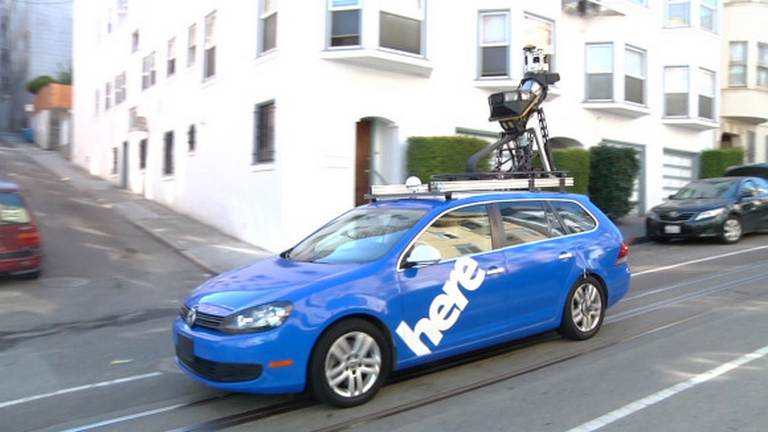
    Nokia's Mapping service Here is one of its remaining businesses.
    Nokia’s Mapping service Here is one of its remaining businesses.

    In 2007 Nokia acquired Chicago-based company NAVTEQ, which was the largest maker of automotive. This set the path to Nokia’s Here Maps. The mapping system is one of the few business retained by Nokia following its acquisition by Microsoft. Nokia will be now selling the mapping data to navigation providers like Garmin, BMW, Oracle and Amazon.com. It will now be available as a service across multiple platforms like Android and iOS.
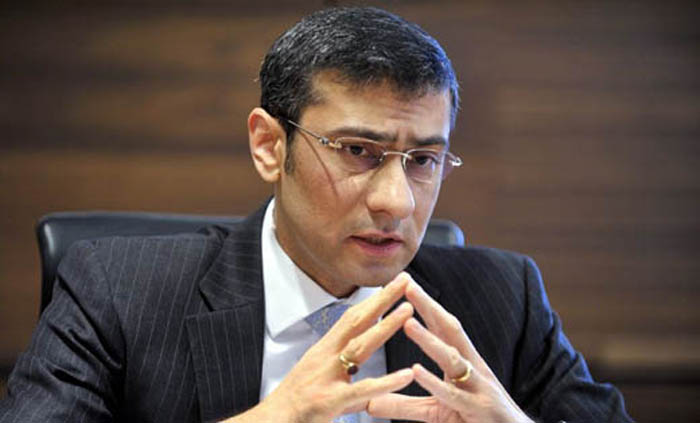
    India born Rajeev Suri will be heading Nokia in its new era.
    India born Rajeev Suri will be heading Nokia in its new era.

    Nokia Networks, which is a wholly owned subsidiary of Nokia will also stay back with the company. It is a multinational data networking and telecommunications equipment company. They provide business services like Customer care support, fixed-mobile convergence, Hosting, IPTV, Mobile TV, WCDMA frequency reforming. It also provides connectivity solutions to governments, railways and airways.

    Nokia had developed a new operating system called MeeGo. When it shifted to Windows phone, the MeeGo team left Nokia to form an independent phone company called Jolla. The phones recently arrived in India.

    Another brand that is the offspring of Nokia is the luxury smartphone maker, Vertu. It was established by Nokia as a wholly owned subsidiary in 1998. For long the company used Symbian OS before shifting to Android recently. The phones are known for their stratospheric price and handcrafted luxury devices.

    nokia-logo-with-hands copy

    The journey of Nokia was long, arduous and for the most part rewarding. The company deserves credit and respect for spearheading the mobile revolution across the world. For the folks who saw the transition of the mobile world in the past two decades, the name Nokia brings a lot of memories of personal communications through what are now archaic devices. The mobile world has come a long way, but the fingerprints of Nokia will be visible everywhere. We don’t know what the future holds for Nokia, but we sure hope that it pulls a ” Motorola” and has a chance to rise from its ashes. RIP you Tech Giant.

    Timeline

    1. 1982: Nokia created the world’s first car phone, the Mobira Senator. It was paired with the Nordic Mobile Telephone analog standard and weighed around 22 pounds.
    2. 1987: the portable Cityman was Nokia’s first handheld mobile phone. It weighed a little over 1.7 pounds and cost about $5,456.
    3. 1994: Nokia launched the 2100 with the now iconic Nokia ringtone.
    4. 1997: Launches Snake, one of the most widely recognized mobile games of all time.
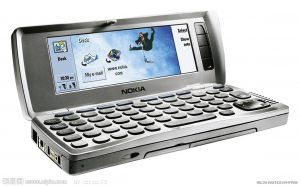
    5. 1996:  The Communicator 9000 of was the first all-in-one phone of Nokia’s kind. It had email, web browsing, fax, word processing and spreadsheet capabilities came for $800.
    6. 2000: Nokia 3310, the hulk of the mobile world is launched, and it sells 126 million units sold worldwide. Later becomes a popular internet meme.
    7. 2002: Nokia 7650 for around €600 was Nokia’s first Camera phone.
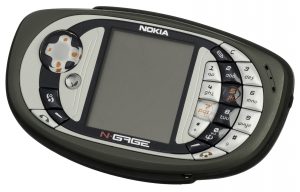
    8. 2003: N-Gage, World’s first gaming phone.
    9. 2008: 5800 Xpress Music release was Nokia’s first all-touch smartphone, but Apple was out with its iPhone and Android was coming up around this time.
    10. 2011, Nokia debuted its first Windows Phone, the Lumia 800.
    11.   2014, Microsoft acquires Nokia’s Mobile and Services business and puts an end to Nokia’s existence as a mobile brand.
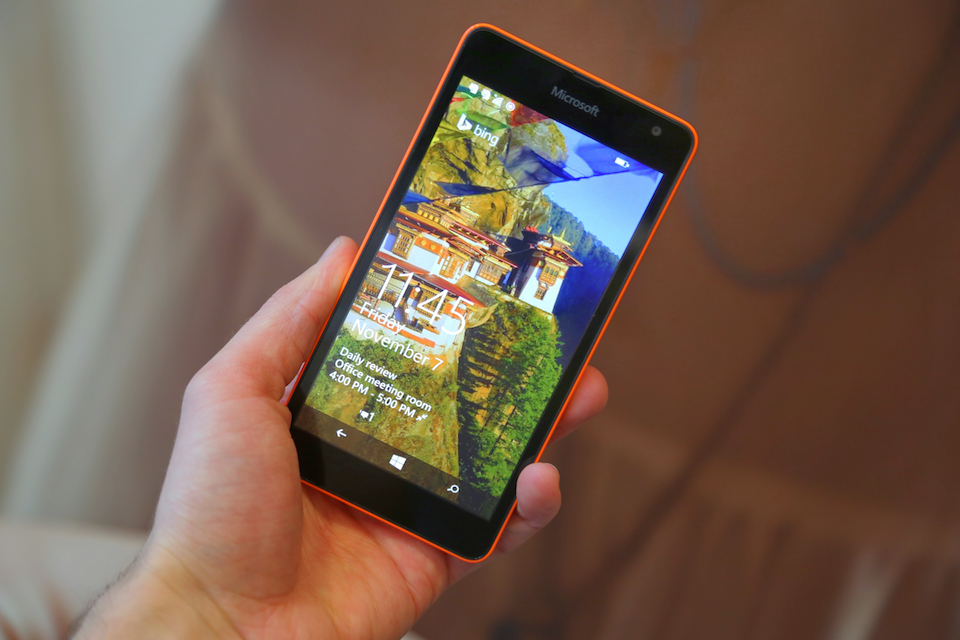
  • Microsoft Officially Launches the First Lumia Without Nokia Branding

    Microsoft Officially Launches the First Lumia Without Nokia Branding

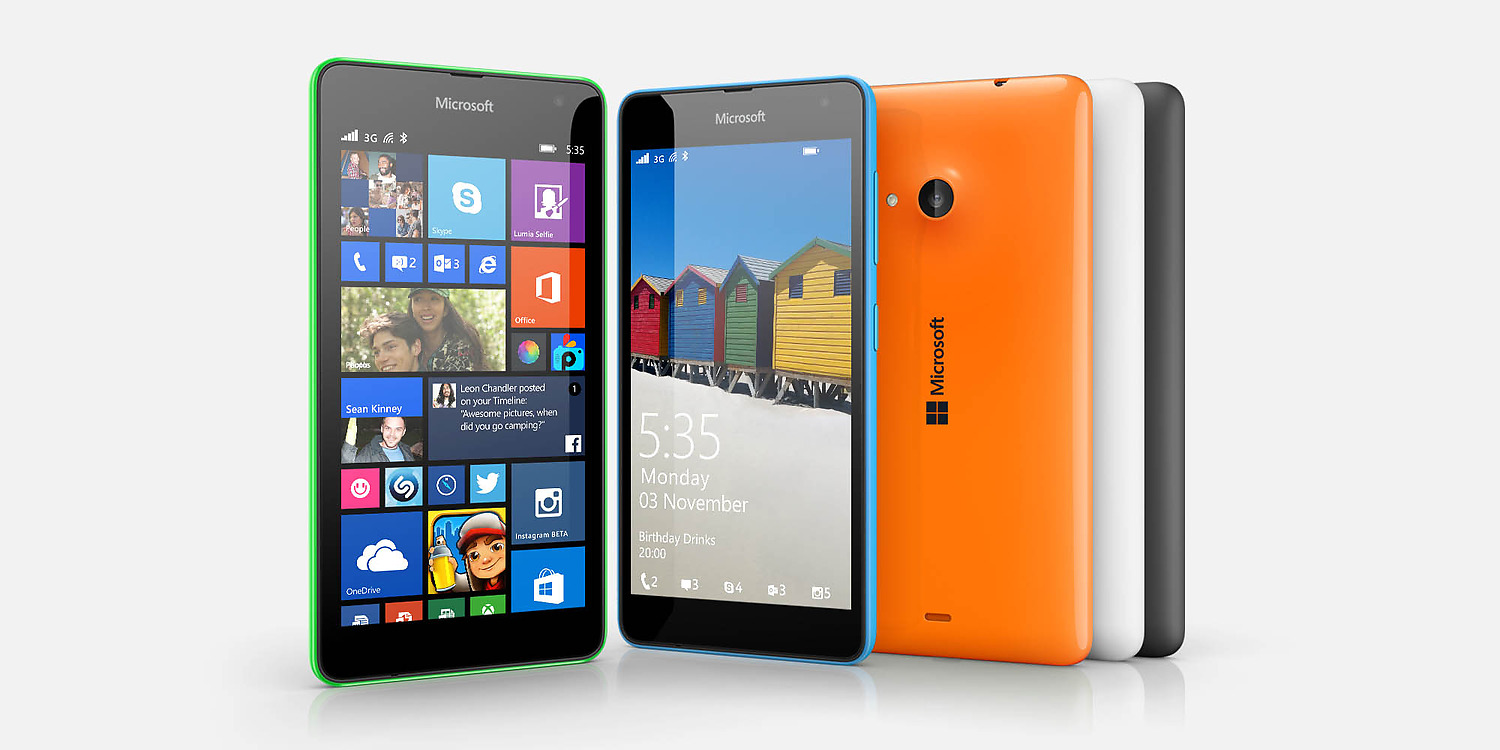
    We all knew it was coming. But today finally, Microsoft has officially unveiled the first Lumia device without the Nokia branding. The new Microsoft Lumia 535 is essentially an entry-level device and is somewhat similar to the Nokia devices that have come before it.

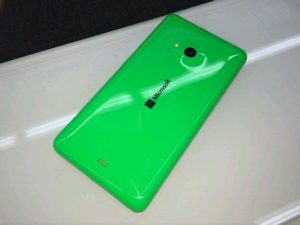
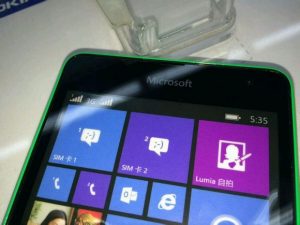
    One of the most evident differences is that the handset has dropped the Nokia branding in favour of Microsoft at the rear and front, and a company logo has been incorporated on the colourful removable shell. All future Lumia devices will be launched with Microsoft branding, and the existing Lumia phones with Nokia moniker will continue to be known as Nokia handsets.

    Microsoft Lumia 535 has been designed as an alternative of Nokia Lumia 530 and will be targeting users from Russia, India, China and other parts of Asia. It is clear that the company wants to push Lumia sales and Windows Phone market share by betting on this low-end  device.

    Even though, Lumia 535 comes with a low-end specification, Microsoft has tweaked the handset with some considerable changes which, according to the company, will not compromise their experience as much as some other budget Lumia devices. The Lumia 535 comes with 5-inch qHD display with the insufficient resolution of 960×540 pixels. The company claims that it has tweaked the display for outdoor readability. Even if it is true, the miserly pixel count is pretty hard to ignore.

    Lumia-535-hero1-jpg

    Microsoft has added 1 GB RAM in the Lumia 535 instead of the usual 512 MB, which is an appreciable move as many users, especially Windows Phone gamers, have been complaining about low RAM in their devices. Microsoft has also included auto-brightness, and a 5-megapixel forward-facing camera. The front-facing  camera includes a wide-angle lens with a 24 mm focal length, just like the Lumia 730/735.

    The Lumia 535 runs on a 1.2GHz quad-core Qualcomm Snapdragon 200 processor and a 1,905mAh battery. There’s 8 GB of onboard storage, coupled with a microSD card slot for up to 128 GB of extra capacity. Like all other Lumia devices, Lumia 535 is available in many colour options – green, cyan, orange, black and white. The backplates of this handset are interchangeable and Microsoft will be offering flip covers in matching shades for those who like to give their handsets a little extra protection.

    Microsoft said that the Lumia 535 will launch later this month in Asia-Pacific territories, with Russia, India and China at top of the list, ahead of Africa and Europe. The handset will sell for roughly around Rs. 8,000 (the price will vary between countries).

    [poll id=”23″]

  • Here’s What the First Microsoft Lumia Might Look Like

    Here’s What the First Microsoft Lumia Might Look Like

    The first-ever Microsoft-branded Lumia is a hot topic these days. The software giant is all geared to announce their first Lumia device without the Nokia branding next week, marking the end of Nokia as a smartphone manufacturer. Now, the new reports have surfaced that showcases leaked images of the Microsoft Lumia RM-1090. Courtesy: China’s Tieba, an online community powered by Baidu.

    According to the leak, the expected Microsoft-branded Lumia smartphone will be a low-end device and will feature a 5-inch QHD display with 960×540 pixel resolution. It will be powered by a Snapdragon 200 chipset clocked at 1.2 GHz bundled with 1 GB of RAM, dual-SIM, 8 GB ROM, a 5MP primary camera with LED and a 1900mAh battery.

    Microsoft Lumia RM-1090 will be 140.2×72.45×9. 32 mm and weighs 145.7 grams. It will be available in following colour variants – white, black, grey, green and orange. Connectivity features will be limited to 3G with HSPA and GSM. The handset is said to have been cleared for US FCC certification in October after being cleared for TENAA certification.

    We can expect it to go head to head against the Android One series.

  • HTC Desire Eye, Nokia Lumia 830 and LG G Watch R Arrive on 7th November in the US

    HTC Desire Eye, Nokia Lumia 830 and LG G Watch R Arrive on 7th November in the US

    Post Samsung Galaxy Note Edge announcement, AT&T revealed a long list of devices which will be available in the US starting from 7th November.

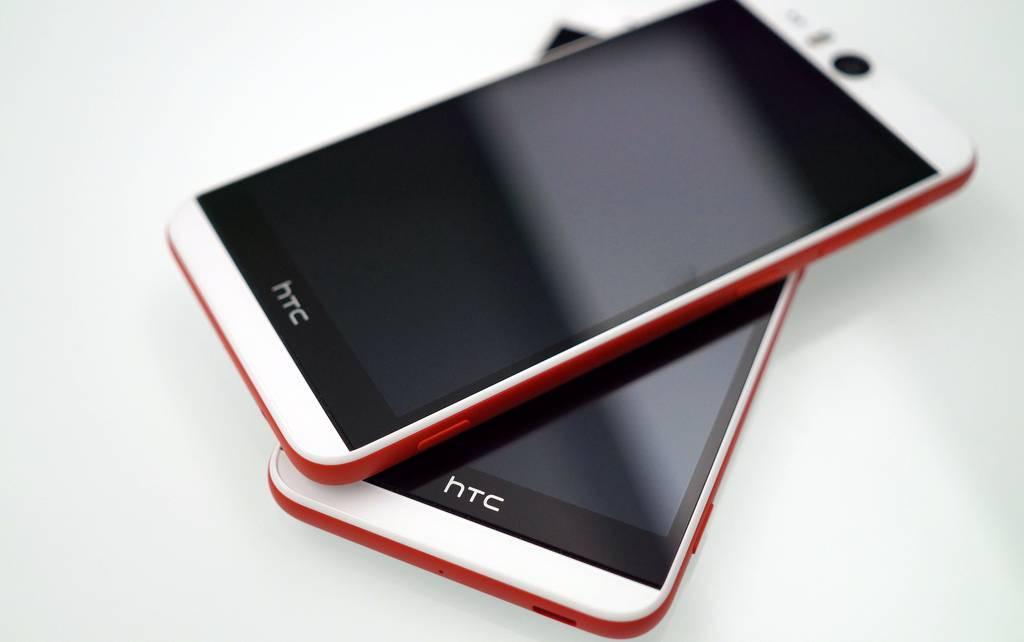
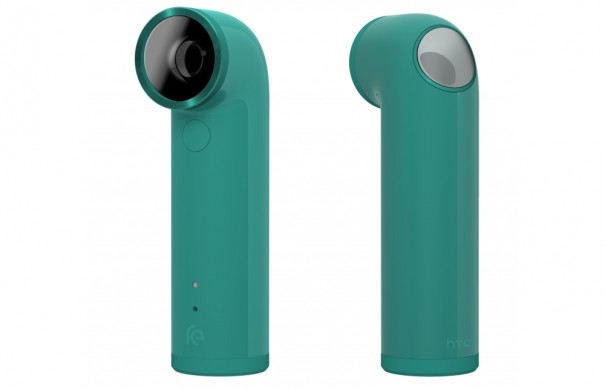
    AT&T is going huge with HTC offerings including the Desire Eye ($150 on-contract, $550 off-contract), One (M8) for Windows and RE camera ($199 contract-free). Along with these devices, the previously promised Lumia 830 will also be available around the same time, costing you $100 on-contract and $450 upfront; you’ll get a free Fitbit Flex activity tracker with the Windows Phone, if you are one of the lucky buyers.

    RE-camera-605x389

    The One (M8) for Windows will be available online and in AT&T retail stores starting 7th November. It will cost $200 with a two-year contract or free upfront with a Next plan – $27.92 a month for Next 18 and $33.60 for Next 12. If you don’t want commitment to AT&T, the off-contract price is $670.

    Nokia-Lumia-830-hero1

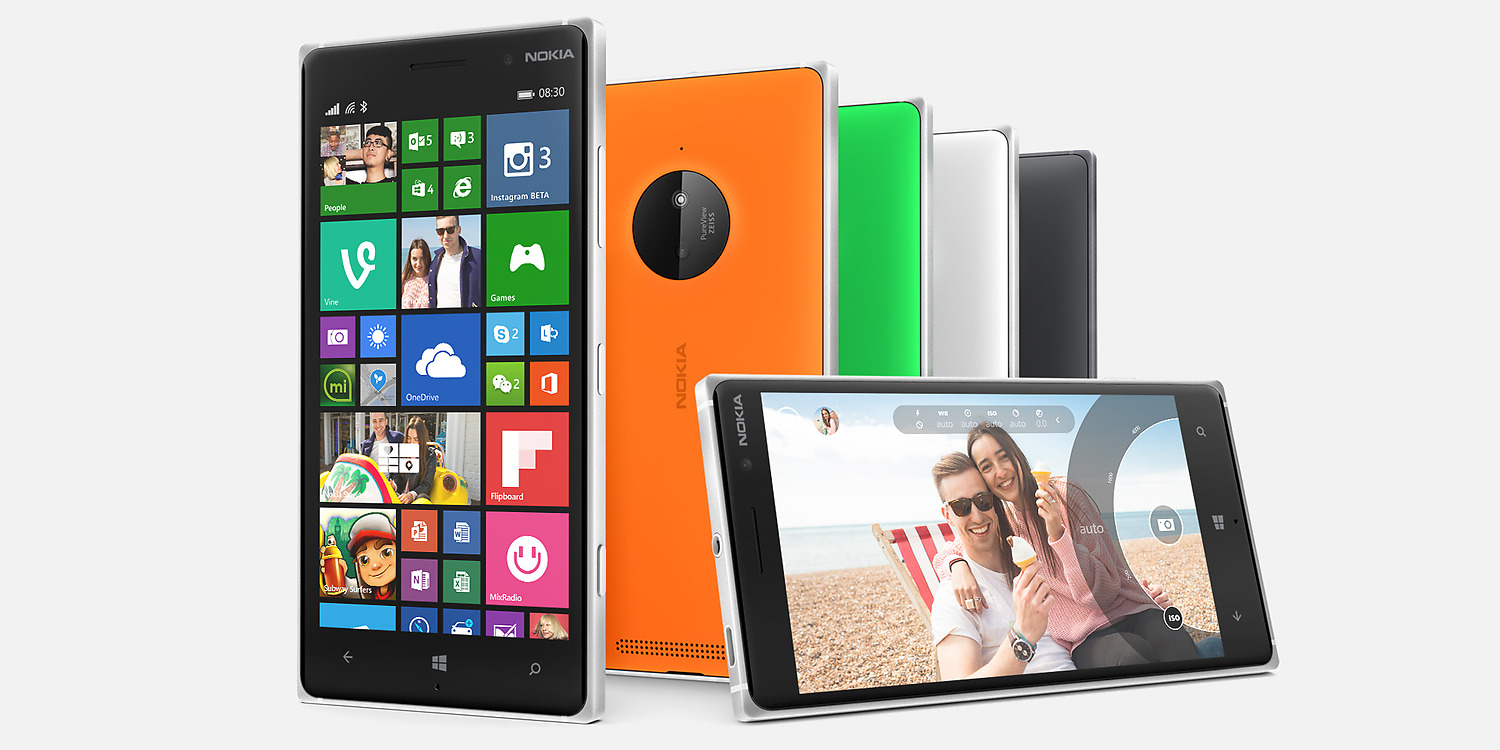
    The Lumia 830 is exclusive to AT&T and will also go on sale on 7th of this month. It is priced at $100 with a two-year contract or $18.75 with Next 18 and $22.50 with Next 12. The no-commitment price is $450.

    Along with this, the retail giants will also offer Moto 360 and LG G Watch R for respective prices of $299 and $249.

  • In a Post-Nokia World, Microsoft Unveils the New Microsoft Lumia Branding

    In a Post-Nokia World, Microsoft Unveils the New Microsoft Lumia Branding

    With the era of Nokia coming to a close, a new phone ecosystem will take its place. Microsoft has unveiled the new branding for its smartphone line-up which will now be known as Microsoft Lumia. As a part of the transition, the websites and social media pages are already on the move from the old Nokia to new Microsoft’s mobile pages.

    greenimage3

    To make its name prominent on the device, the Microsoft name will be featured prominently on the front and back of devices. According to the acquisition agreement, Microsoft had a good 18 month long period for them to transition from the Nokia brand for its smartphone business. The Nokia name will not be completely scratched out yet. Microsoft still has a 10-year license to use the Nokia brand on basic phones. This was a really shrewd move by Microsoft as Nokia has immense brand recognition in the basic phone market. Microsoft can use it to their advantage to have a constant stream of income through this channel. It is not a resource intensive segment either so Microsoft can literally make easy cash off Nokia’s heavy lifting.

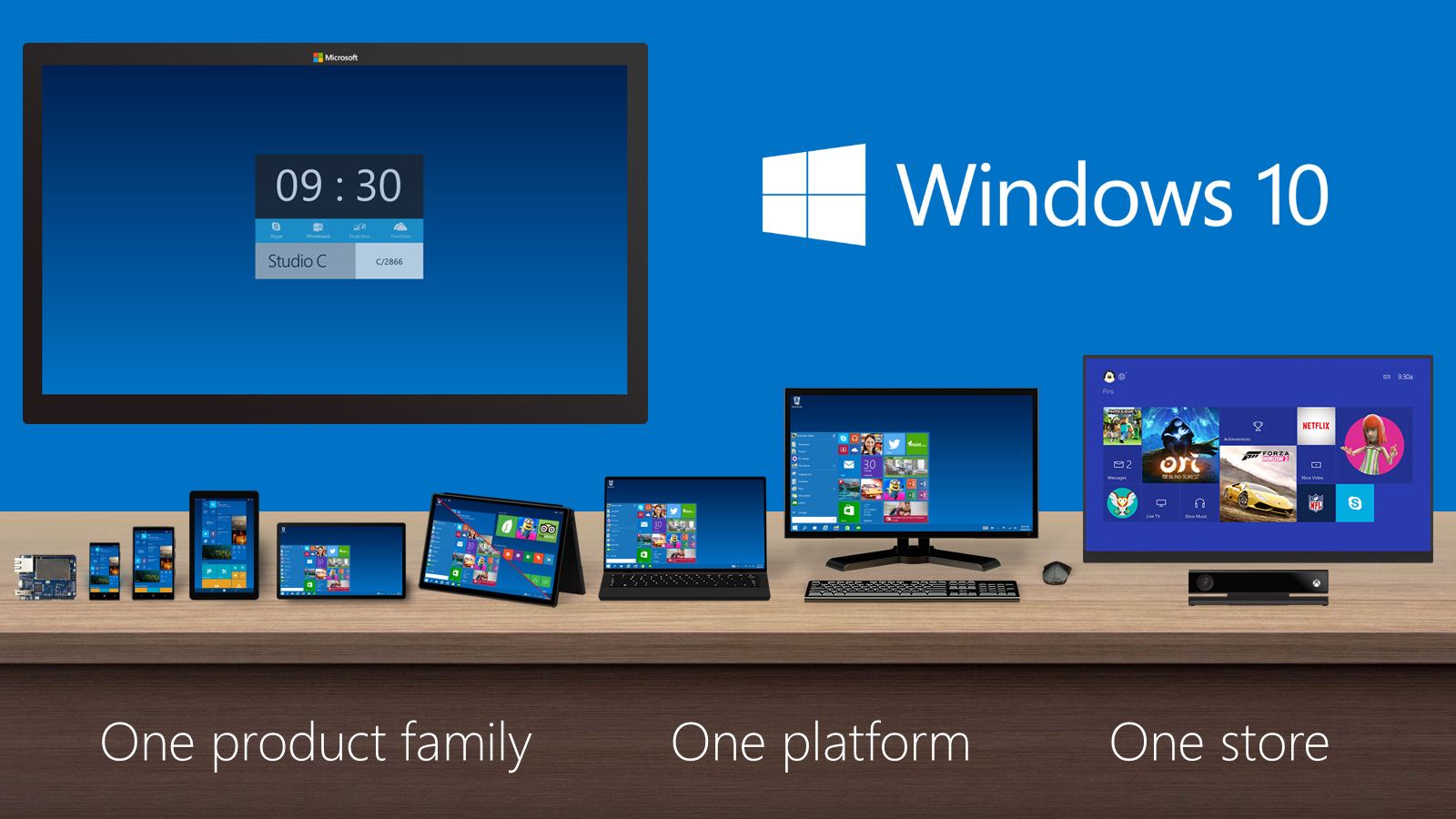
    Microsoft won’t have an easy ride in the market. Though its devices have been commended for superior performance and with the 8.1 update, the Lumia ecosystem have got an immense boost. But the devices have failed to find users in the market that is ruled by Google and Apple. Mobility segment is important for the future of Microsoft as an institution. With the speedy shift towards mobility by the enterprise segment, Microsoft’s core consumers are at stake. With the one platform ideology of the upcoming Windows 10 OS, the company can make some gains in the mobility market too. We just need to wait until next year to see how it all works out for Microsoft.

  • Nokia Mobiles Will Soon Be Officially Known as Microsoft Lumia

    Nokia Mobiles Will Soon Be Officially Known as Microsoft Lumia

    Well, we had been dreading for this day to arrive and it’s here. The Verge reports that Microsoft might announce that it is killing off the Nokia brand. The transition is expected to begin soon in which all the branding of Nokia will be replaced by Microsoft Lumia branding.

    We had reported this summer about how Microsoft had planned to do away with the Nokia’s brand identity in its mobile business and seemed like the process has started. The devices are moving to Microsoft’s new mobile site. The French division of Nokia will be one of the first one’s to make the transition and adopt the “Microsoft Lumia” for its Facebook, Twitter, and other social media accounts. Microsoft had once claimed that the reason they are quitting the Nokia brand name for their phones is because they felt it comes from a bygone era.

    This move is done to absolve all relation to the original Nokia, which will now become a separate entity under the leadership of another Indian, Rajeev Suri. This Nokia will concentrate on Network, Software’s and Maps divisions. It also has a huge patents division which can ensure its profitability at least for the coming future.

    COnsidering the initial presentation of Windows 10, it seems like Lumia phones are only going to get better
    Considering the initial presentation of Windows 10, it seems like Lumia phones are only going to get better

    Back at the beginning of the mobile era, Nokia was a brand name that everyone trusted. It had a stature of titans in the mobile phone industry. Now it will limit itself into a tiny corner of the tech industry. We still hope that the company can make a turnabout and see it making a return to compete in the market. Till then we’ll keep our eyes on how Microsoft plans to take on the mobile business. It has great products and a great operating system, it just needs to attract customers to them.

  • Microsoft Launched Three New Lumia Smartphones in India

    Microsoft Launched Three New Lumia Smartphones in India

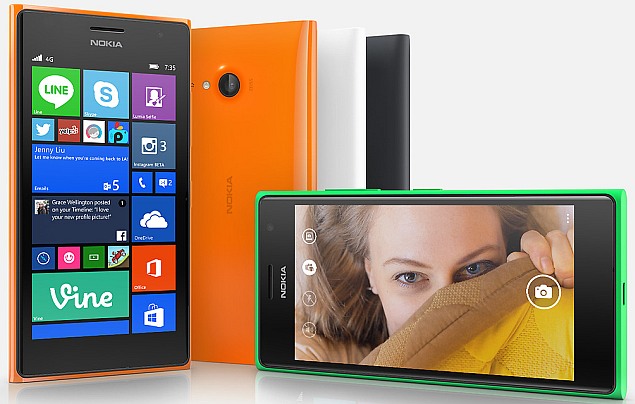
    Microsoft seems to be gearing up to get in the celebration mood. The company has launched three new Lumia phones – the 730, 830 and 930, in India. The double-SIM Lumia 730 has been priced at Rs. 15,299, while the Lumia 830 and 930 are estimated to have a tag of Rs. 28,799 and Rs. 38,649, respectively.

    The Nokia Lumia 730, also being called the company’s first selfie smartphone, features a 4.7-inch 1280 x 720 pixel Super Sensitive Touch HD OLED display. Microsoft says the 5 megapixel wide-edge front camera on the Lumia 730 double SIM will help buyers click and share better quality selfies. This phone has been updated remembering the Skype application as they let users switch from voice to Skype feature calls with one single tap. It comes powered by a 1.2 Ghz Snapdragon quad-center processor. The Lumia 730 has a 6.7 megapixel back camera, 2220mAh battery, 8GB of interior stockpiling and 15 GB of free OneDrive stockpiling. It can back a microSD card of up to 128GB.

    lumia_830_microsoft

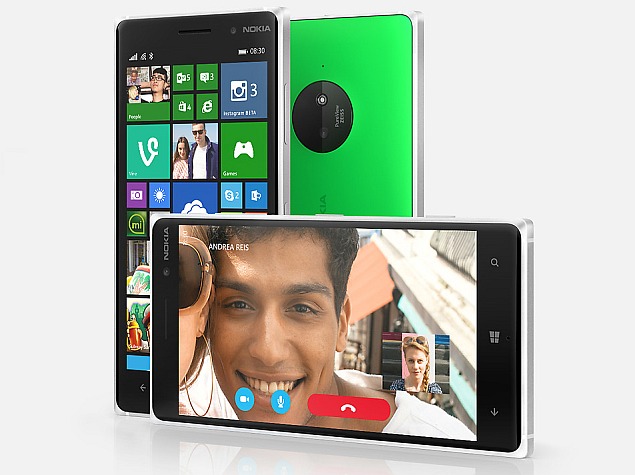
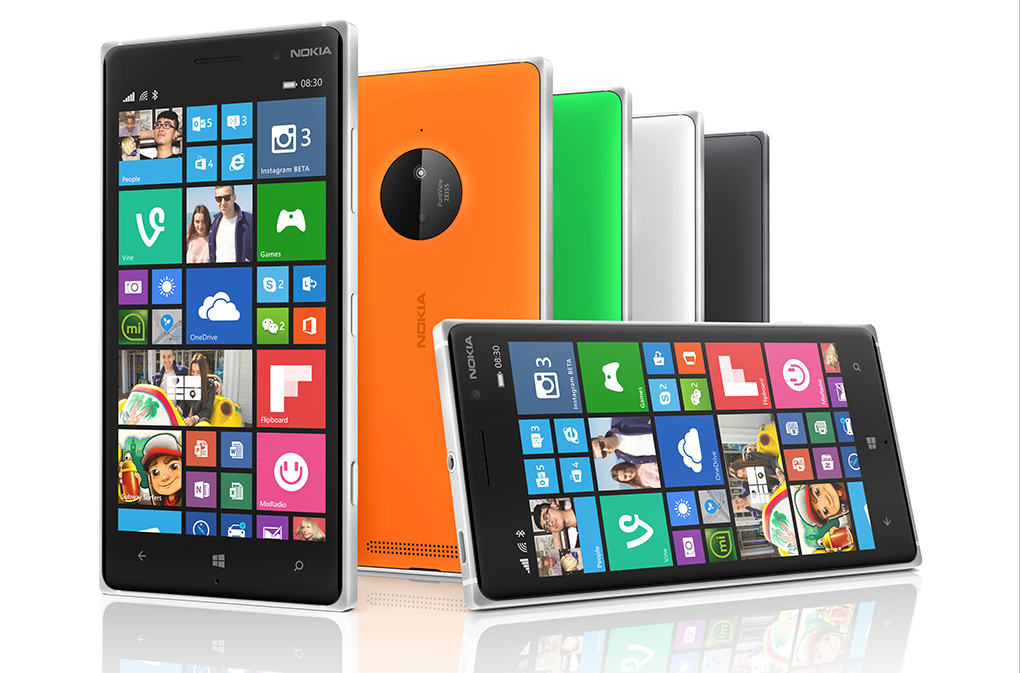
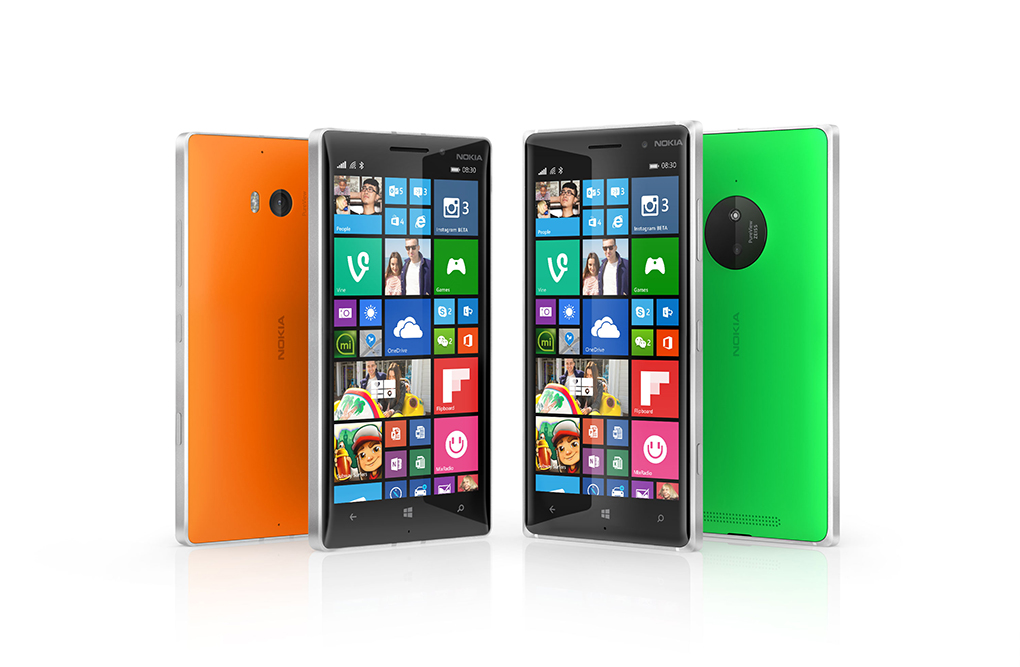
    The Lumia 830 is the most slender and lightest Lumia yet. Microsoft calls the metal-encircled Nokia Lumia 830 “the reasonable lead” of the Nokia Lumia range. It has a 10 megapixel back camera alongside a 1 megapixel front camera and is fuelled by a 1.2GHz Snapdragon quad-core processor. The affordable smartphone has a 5-inch screen with 1280×720 pixels resolution protected with Corning Gorilla 3.0 glass.

    The battery in the Lumia 830 is 2200 mAh and storage option includes 16GB of internal memory and an extra 15GB space accessible on Microsoft’s OneDrive. It can also back microSD cards of up to 128gb. The Lumia 830 will accompany the Lumia Denim update that presents gimmicks, for example, Live Folders, Apps Corner and an refurbished Glance screen.

    nokia_lumia_930_nokia

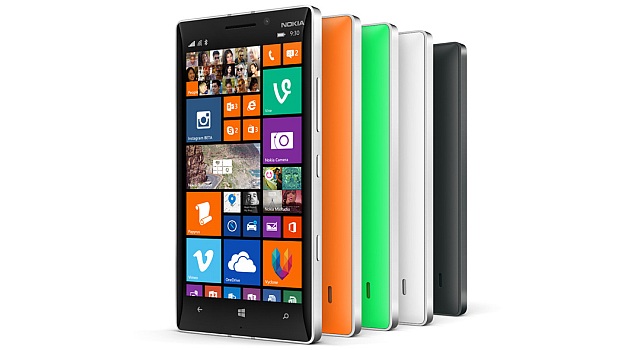
    The Lumia 930 has a 5-inch 1920 x 1080 pixel display. Powered by a 2.2 Ghz quad-center Snapdragon chipset with 2GB of RAM and 32GB inside capacity, the phone is extremely stylish and stands out from the other phones in the entire range. The Lumia 930 smartphone also offers a 20MP primary camera with Pureview tech and a 1.2MP secondary camera with ZEISS optics and updated Rich Recording. The Nokia Lumia 930 is stimulated with a Li-Ion 2420mAh battery.

  • Microsoft Hands Out Pink Slips to 2100 Employees

    Microsoft Hands Out Pink Slips to 2100 Employees

    The day has arrived. Microsoft, had previously announced that it would be “restructuring” its business to make it better and nimble. To do this, the company decided to cut 18,000 jobs. This was the biggest job cut in the company’s history. So as planned, the company is slowly cutting its fat down and has now handed pink slips to 2100 employees.

    In July this year, Microsoft’s CEO Satya Nadella had sent out a memo to its employees stating that they would be cutting jobs to make “fewer layers of management, both top down and sideways, to accelerate the flow of information and decision-making.” Most of these jobs came from the newly acquired Nokia’s stable.

    ZDNet reports that 747 of the employees were situated in Washington, 160 were in California. Microsoft’s Silicon Valley Research arm has also been shut down effective today. There will be one more major job loss coming up. The company had recently got bad press for offering Nokia 630 to workers at the Nokia plant in China for quitting their job.

    Microsoft has to take on a whole new world if it wants to be a name that can be a part of the future. It is still the biggest corporation with the Windows operating system holding a monopoly over the computers around the world. But the world is fast moving towards mobile and to succeed in this market, Microsoft has to strive hard.

    The job cuts do make business sense, but they will hurt the folks who were dependent on the job for their bread. For now, we can just wait and watch if the biggest job cut in Microsoft’s history actually amounts to anything for the company.

  • IFA 2014 : Microsoft Unveils Glowing Wireless Charger and Mirroring Tool for Lumia Devices

    IFA 2014 : Microsoft Unveils Glowing Wireless Charger and Mirroring Tool for Lumia Devices

    In addition to two new smartphone, Lumia 830 and Lumia 730, Microsoft has launch two new tools for the Windows ecosystem at IFA Berlin 2014.

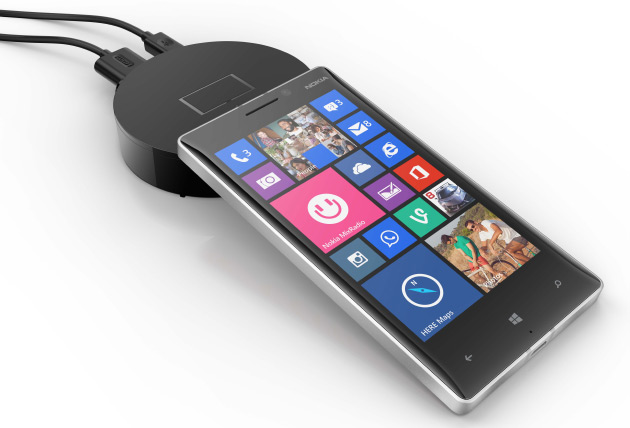
    Focusing on the first, Microsoft announced a new screen-sharing tool for Lumia devices which will be compatible with any television or other display with an HDMI port. The compact box is 1080p compatible and is powered by a micro-USB. It lets you mirror the content from your Windows phone. It will ship with an NFC “coaster” that lets you pair your handset without walking over to the box itself. The device will work with Lumia devices that support screen projection, along with WiFi Miracast products. 

    lumiascreensharing

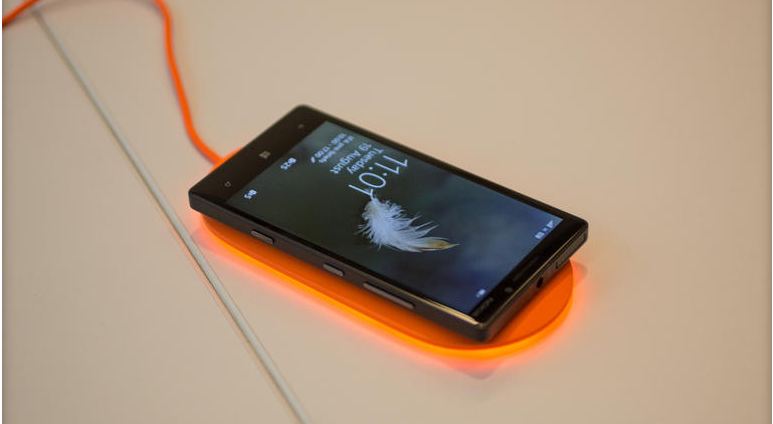
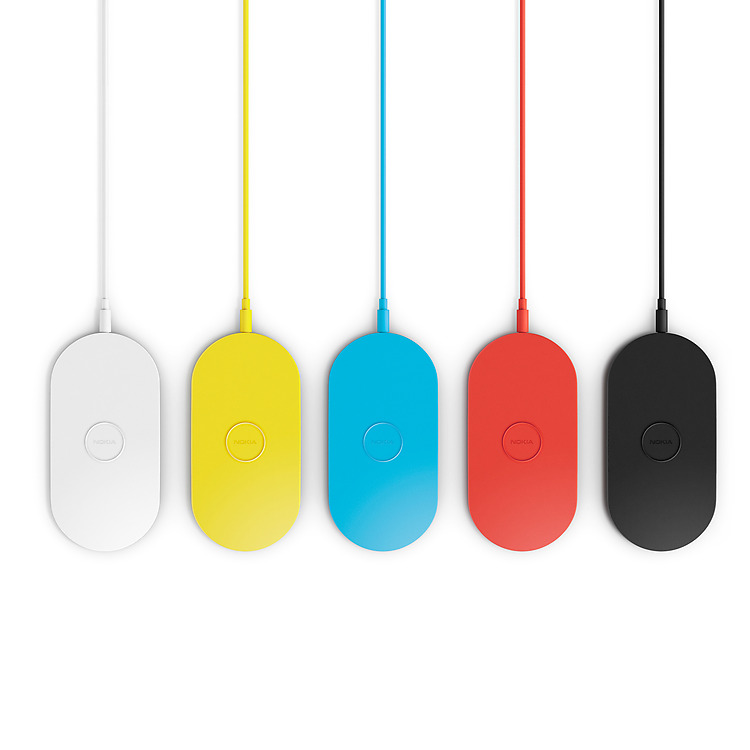
    Also, company has announced a new Qi wireless charger which glows for missed calls and texts, or a low battery below 30 percent. The wireless charger is equipped with bluetooth connectivity and fancy LED lights. You can pair it to your phone when it’s off the charger, and it’ll glow if you get any missed calls or texts.

    charging lumia

    The colour of lights are matched with the green, orange or white color options, and will light in different patterns depending on the notification. Obviously, it also charges your phone or tablet wirelessly, provided it’s a Qi-enabled Lumia model with Windows Phone 8.1.1 and Bluetooth 4.0

    Both the tools are expected to ship later this month and mirroring tool is priced at $79, while the Qi wireless charger is priced at $59.

  • Microsoft’s ‘Affordable Flagship’ Lumia 830 Comes with a PureView Camera

    Microsoft’s ‘Affordable Flagship’ Lumia 830 Comes with a PureView Camera

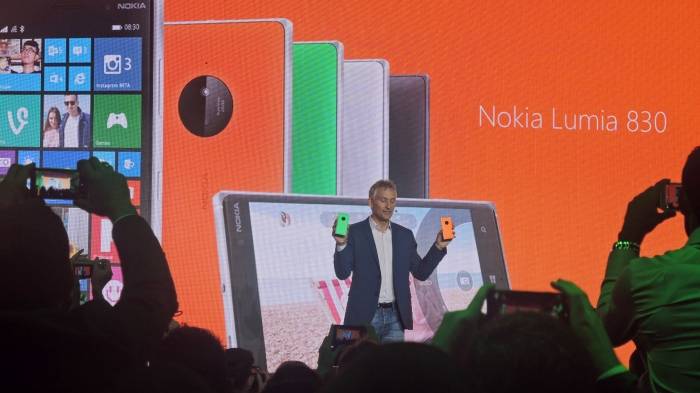
    Microsoft, today at IFA Berlin 2014, has launched a new affordable smartphone, the Lumia 830. The company has added a PureView camera feature in the new affordable handset which has typically been associated with Nokia’s premium phones. 

    The device looks very similar to the Lumia 930, it comes with an aluminum frame and a polycarbonate back. While it uses the PureView name, rumour has it that the rear camera’s 10MP resolution isn’t quite as good as the 930 or 1020. 

    Lumia_830_3.0

    Further, the company has added a lot of extra software enhancements to improve the experience. The Lumia 830 is essentially a thinner, less bulky, and lighter version of the Lumia 930 on the outside. However, inside there are a ton of differences between the two. 

    The Lumia 830 is powered by a 1.2GHz quad-core Snapdragon 400, 1GB of RAM, and 16GB of storage. The 830 is also a 5-inch handset, but Microsoft has opted for a 1280×720 resolution instead of the beautiful 1080p display on the Lumia 930. 

    Microsoft-Lumia-830-is-the-first-affordable-flagship-smartphone

    As for the hardware specifications, the Lumia 830 comes with  with a 5-inch 720p display, Gorilla Glass 3, slightly curved (2.25D) glass, a 2,200mAh battery and a 1.2GHz quad-core Snapdragon 400. The device will ship with the Lumia Denim update, which is Microsoft Device’s specially-packaged version of Windows Phone 8.1.1 (Update 1).

    That new ‘affordable flagship’ comes with a new version of Lumia Camera, which comes with faster shot-to-shot and pocket-to-picture times and several other enhancements to the imaging experience. Lumia Denim also includes 4K-quality video recording and general improvements to low light images.

     Lumia Denim also includes 4K-quality video recording and general improvements to low light images. Microsoft’s Lumia 830 will be available globally this month. It is priced at 330 euros, which when converted is approximately Rs. 27,000.

  • Microsoft Opens New Site for Lumia Apps Beta Tests, Drops Nokia Beta Labs

    Microsoft Opens New Site for Lumia Apps Beta Tests, Drops Nokia Beta Labs

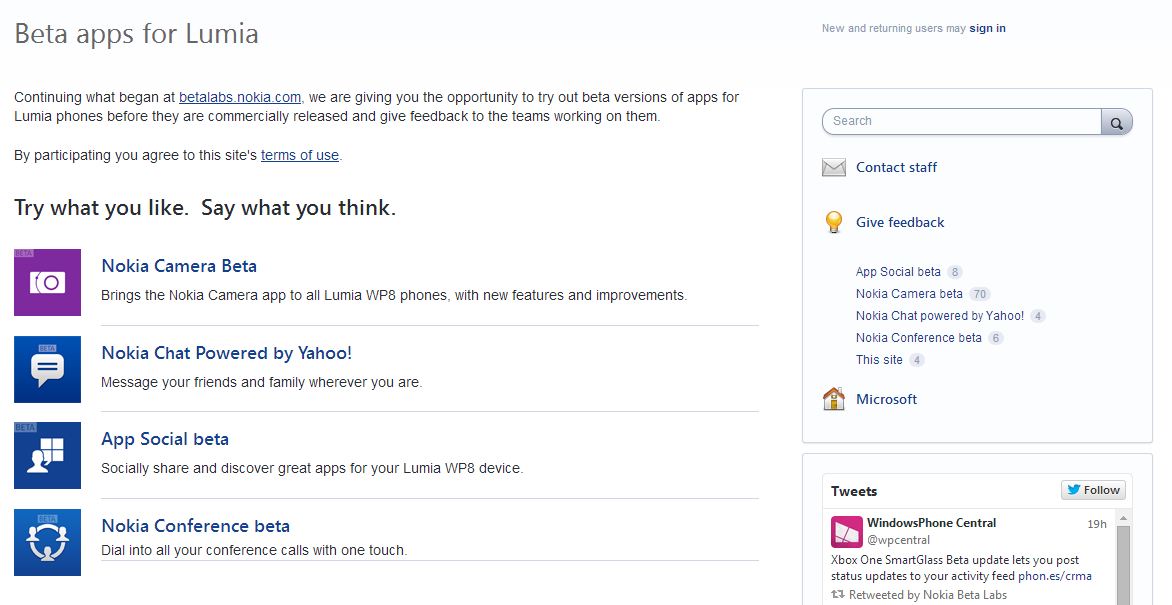
    Microsoft has recently announced that the company is closing the Nokia Beta Labs site, but users will still be able to test apps under development via the new Lumia Beta Apps site. Microsoft said that the new site is designed to elicit more feedback and make it easier for users to participate.

    The Nokia site betalabs.nokia.com will be discontinued from August 31, 2014. Thereafter, all links to the Nokia site will be redirected to Lumia Beta Apps. The new site is includes UserVoice, which also hosts the Windows Phone Feature Suggestion box page and more.

    On the Lumia Beta Apps site, users will be able to find information about ongoing trials, instructions on how to install apps, and notes about features and known issues. Each beta has its own feedback forum for interacting with other users and the teams developing the apps. The ongoing trials at Nokia Beta Labs will continue at the new site and users can continue to give feedback and interact there.

    lumia beta testing

    The beta apps can be downloaded via Microsoft’s Windows Phone store, by clicking on a link or by scanning a QR code. Anyone is welcome to participate, but Microsoft prefers if users have a “relatively new Lumia smartphone”, “are willing to tolerate rough edges” and aren’t afraid to share their opinions, company said.

    Presently, four apps – Nokia CameraYahoo-powered Nokia Chat, App Social and Nokia Conference are available in the beta version. These apps will be rolled out publicly following testing and app revisions based on the feedback given to their respective development teams.

    The change is a clear indication of the company’s plan of dropping Nokia as a brand image. Back in April, Stephen Elop, now Executive Vice President of the Microsoft Devices Group, said, “Nokia as a brand will not be used for long going forward for smartphones. Work is underway to select the go-forward smartphone brand.”

  • Microsoft’s Nokia Lumia 530 Officially Arrives

    Microsoft’s Nokia Lumia 530 Officially Arrives

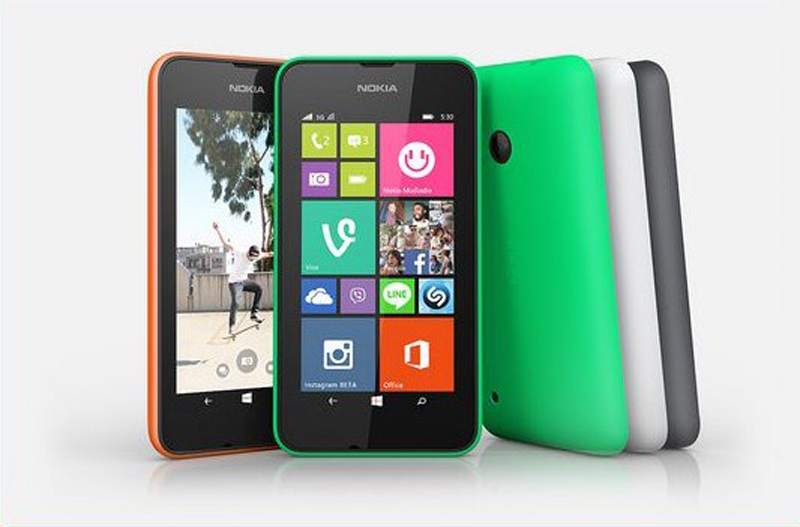
    After taking in the Nokia brand and completely trashing away the Android based Nokia X series, Microsoft Mobility has come back with their Lumia series. The new phone known as the Lumia 530 will come in single and double Sim variants.

    The Nokia Lumia 530 will come with a 4-inch FWVGA (480x854p) display. It gets its processing power from a 1.2GHz Snapdragon 200 quad-core processor with a 512 MB RAM. Though the phone comes with a 4 GB internal storage but is expandable upto 128 GB which is definitely welcome. The device is juiced up through a 1430 mAh battery which seems good enough for a 4-inch screen.

    The camera on the phone is a 5MP fixed focus shooter without an LED Flash. The phone also lacks a front facing camera so that might be a dissuading factor for prospective buyers. Connectivity wise, the Lumia 530 offers Bluetooth 4.0, FM Radio, Wi-Fi, 3G and A-GPS.

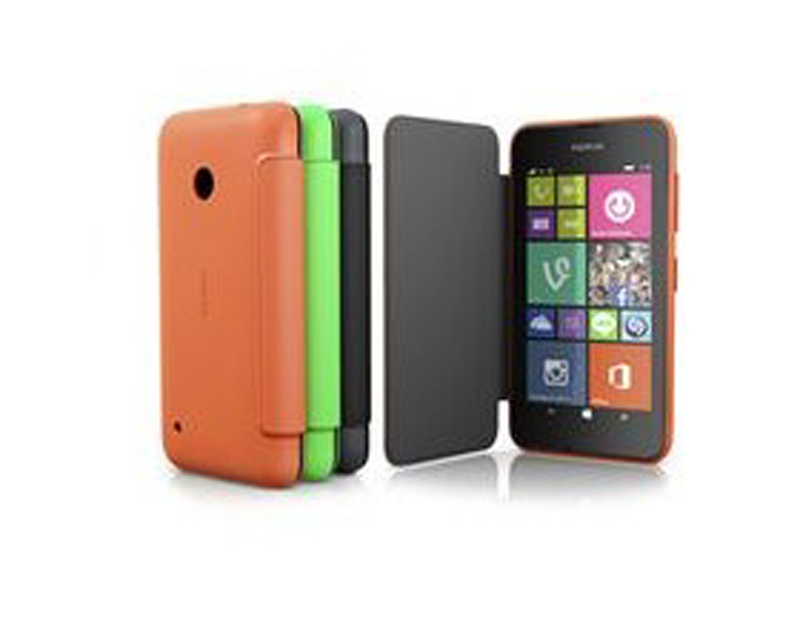
    Lumia 530 comes with multi color Flip cover options
    Lumia 530 comes with Multi color Flip cover options

    The phone comes preloaded with Microsoft Office apps and provides 15GB of free cloud storage space via OneDrive. Storage wise the phone is a warehouse but might lose in the feature race. The phone comes with multiple back panel color options like Orange, Green, Black and White. The company also provides multicolored Flip covers which is known as Flip shells.

    Lumia 530 will be released globally and selective roll-outs will begin in August 2014. The expected price of the device is around 6,900 which is pretty steep when compared to what the competition offers at that price.

    Considering this was the first independednt release from Microsoft they should have offered a lot more instead of a generic release. This phone doesn’t even match its predecessor, the Nokia Lumia 525 in terms of specs. A Moto G or E like release would have really set brand Microsoft in the Phone business. This phone seems inadequate except in terms of storage.

  • Nokia Releases the New ‘Z Launcher’ App

    Nokia Releases the New ‘Z Launcher’ App

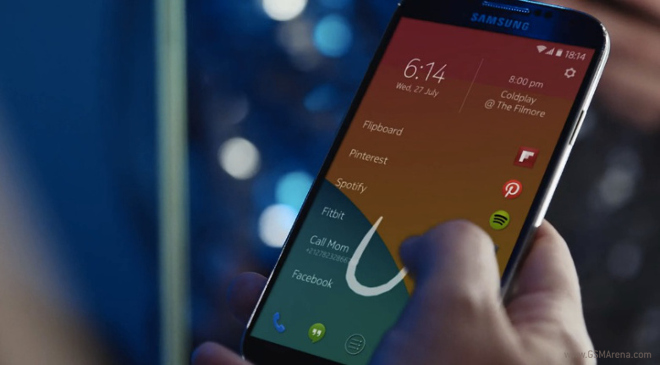
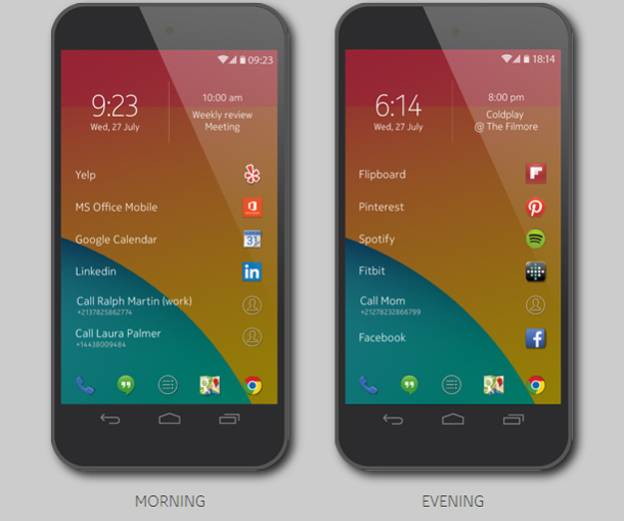
    These are hard days for Nokia. Once the largest phone vendor by a staggering margin, Nokia has sold its devices and services business to Microsoft and will now try different sectors as it looks toward the future. The company tried something similar by launching an app called Z launcher, a truly novel home screen replacement for Android phones.

    Launched on Thursday, this screen app is able to accomplish this by dynamically changing the most frequently used apps throughout the day. Z Launcher is also able to include your contacts and frequently visited websites into the mix and making it a more complete experience.

    At the top of the screen are the time, date and the upcoming calendar event. Tapping the time will open Android’s clock app and tapping the calendar event will open the phone’s Calendar app. The remainder of the screen is dedicated to just a few apps, contacts and web pages.

    nokia-z-launcher-2

    Five static shortcuts appear at the bottom of the screen, while the majority of the launcher screen is occupied by six additional shortcuts. These items lead to a combination of apps, contacts and web pages that you open most often.

    If Z Launcher does not offer the apps you are looking for, you can easily bring them up by accessing a feature called Scribble. Scribble works by just drawing the first letter or two of the app or contact you want to access. It then instantly brings you to the proper selection. This virtually eliminates the need to tap, scroll, and hunt for the application or contact you are searching for. 

    The Z launcher is a very nifty offering from Nokia and it has the potential to completely change the way you use your phone. Smartphones are all about apps, plain and simple. With the Z Launcher, your most used apps take center stage and everything else is a few short swipes away.

    It’s currently available only to a limited number of users in a rough alpha release. And while the alpha should run on many Android phones, Nokia has only tested it on the Nexus 5 and the recent Galaxy S models.

  • Canvas Win W121 Vs Lumia 630 : The ‘Windows’ War

    Canvas Win W121 Vs Lumia 630 : The ‘Windows’ War

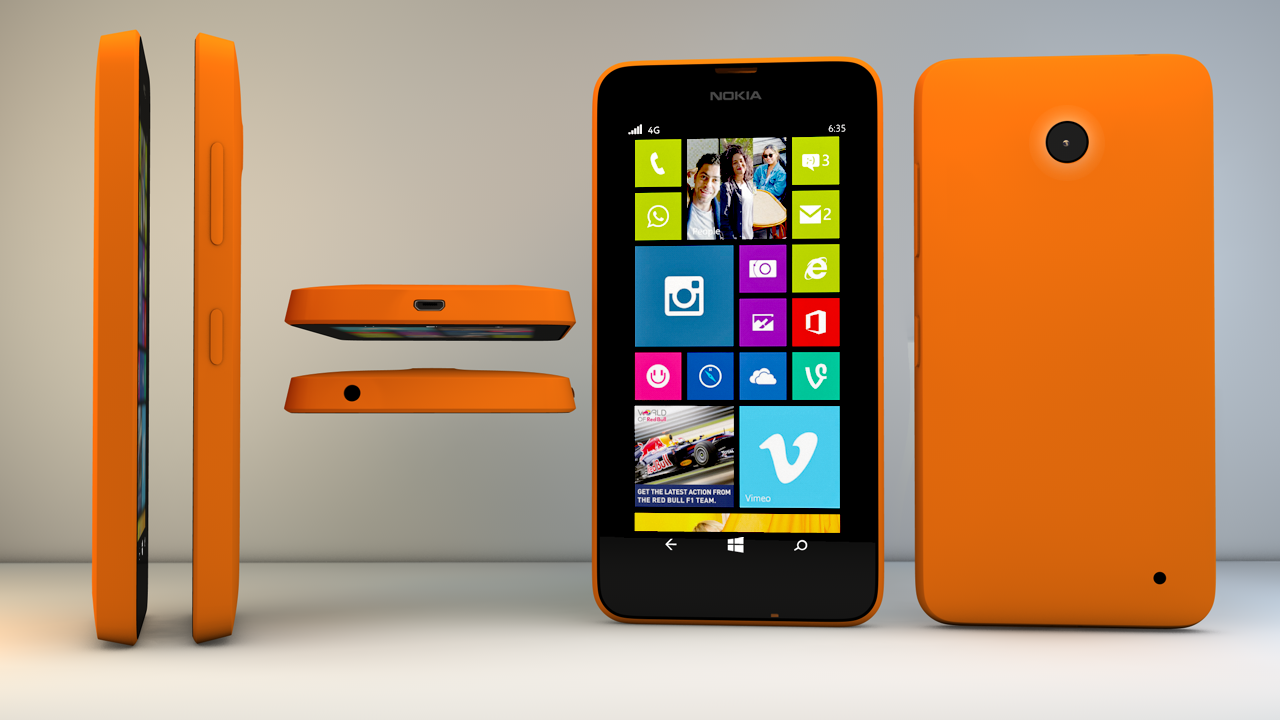
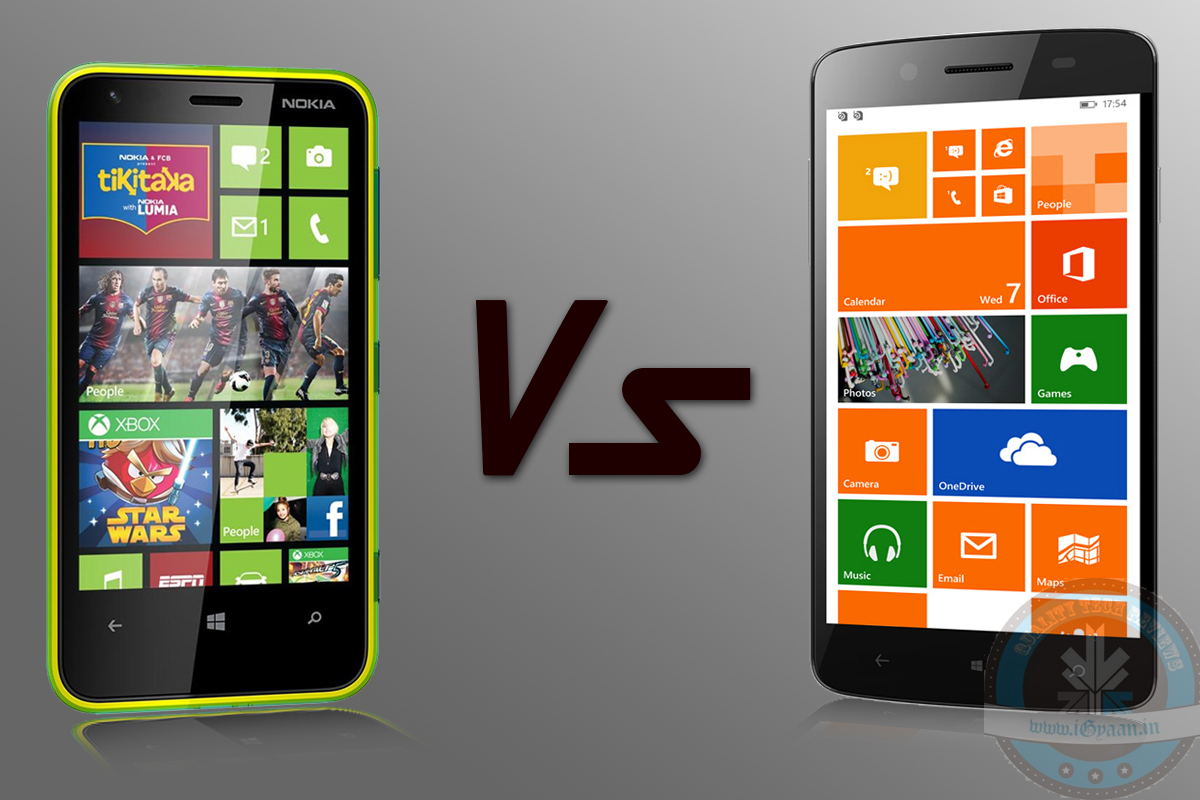
    Micromax’s much talked about association with Microsoft took a huge leap with the launch of two new phones in its Canvas Win series; W092 and W121. Considering W121’s price tag (INR 9,500) and Windows phone 8.1 OS, it is expected to give a hard time to Nokia’s newly launched Lumia 630.

    Lumia 630 is equipped with impressive quad-core Snapdragon 400 processor clocked at 1.2GHz in comparison to W121’s mediocre 1.2GHz quad-core Snapdragon 200. People who love to use apps on their phones may have some problems with Lumia 630’s 512MB RAM against W121’s 1GB.

    Canvas Win W121 fashions an 8MP rear snapper with LED flash and also a front-facing 2MP front-camera for selfies and video conferencing while in Lumia 630 front camera is missing, and it has a 5MP rear camera with auto-focus but no flash.

    Considering the present state of the company, I personally won’t recommend Nokia Lumia 630. Furthermore, Canvas Win121 is a better option while comparing both. Canvas Win121 definitely provides you with better feature and performance


    Specifications

    Nokia Lumia 630

    Micromax Canvas Win W121

    General
    • Battery capacity (mAh): 1830
    • Colours: Bright Green, Bright Orange, Black, White
    • Form factor: Touchscreen
    • Battery capacity (mAh): 2000
    • Colours: Black
    DISPLAY
    • Screen size (inches): 4.50
    • Touchscreen: Yes
    • Resolution: 480×854 pixels
    • Screen size (inches): 5.00
    • Touchscreen: Yes
    • Resolution: 720×1280 pixels
    CAMERA
    • Rear camera: 5-megapixel
    • Flash: No
    • Front camera:No
    • Rear camera: 8-megapixel
    • Flash: Yes
    • Front camera: 2-megapixel
    RAM
    512MB 1GB
    Processor
    1.2GHz quad-core Qualcomm Snapdragon 400 1.2GHz quad-core Qualcomm Snapdragon 200
    Internal Storage
    8GB 8GB
    Software
    Operating System: Windows Phone 8.1 Operating System: Windows Phone 8.1
  • Nokia Failed, Microsoft Won :  Here Is How

    Nokia Failed, Microsoft Won : Here Is How

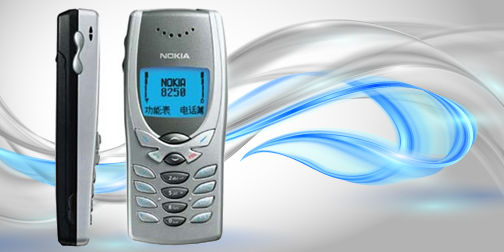
    It was the year 2001, and Nokia had just rolled out its best phones yet, the 8250 was a super success right after the launch of the 8210 which was one of the best selling “high end” cellular phones available at the time. But, the year also marked the end of monochrome displays, as Nokia the only big name in mobile telephony would transition to color displays for their next generation of phones.

    nokia 8250
    Nokia 8250 Print Ad Title : Walk on the Blue Side!


    The Nokia 9210 communicator became the phone of choice of many professionals, the first color screen clamshell to revolutionize the Mobile industry. Nokia had everything working for them, they had the right markets, the right products and they were rich, rich enough to explore the future.

    It was also the year when Nokia secretly developed 2 world changing products, a Color Screen touch phone set above one single hardware button, and a ten-inch tablet computer both of which had features like video playback, internet access and navigation capabilities. These two world changing devices could also securely order products online and create online accounts and keep data safe within the internet (Now known as Cloud Storage).

    Nokia was innovating and how, but these products never came out, the consumers never saw them and the corporate marketing heads shut down the research claiming that the ideas were far fetched. Ironically, Nokia had never been so wrong in the many years of leading the wireless revolution and becoming stronger than ever in the 1990’s.

    Apple iPhone
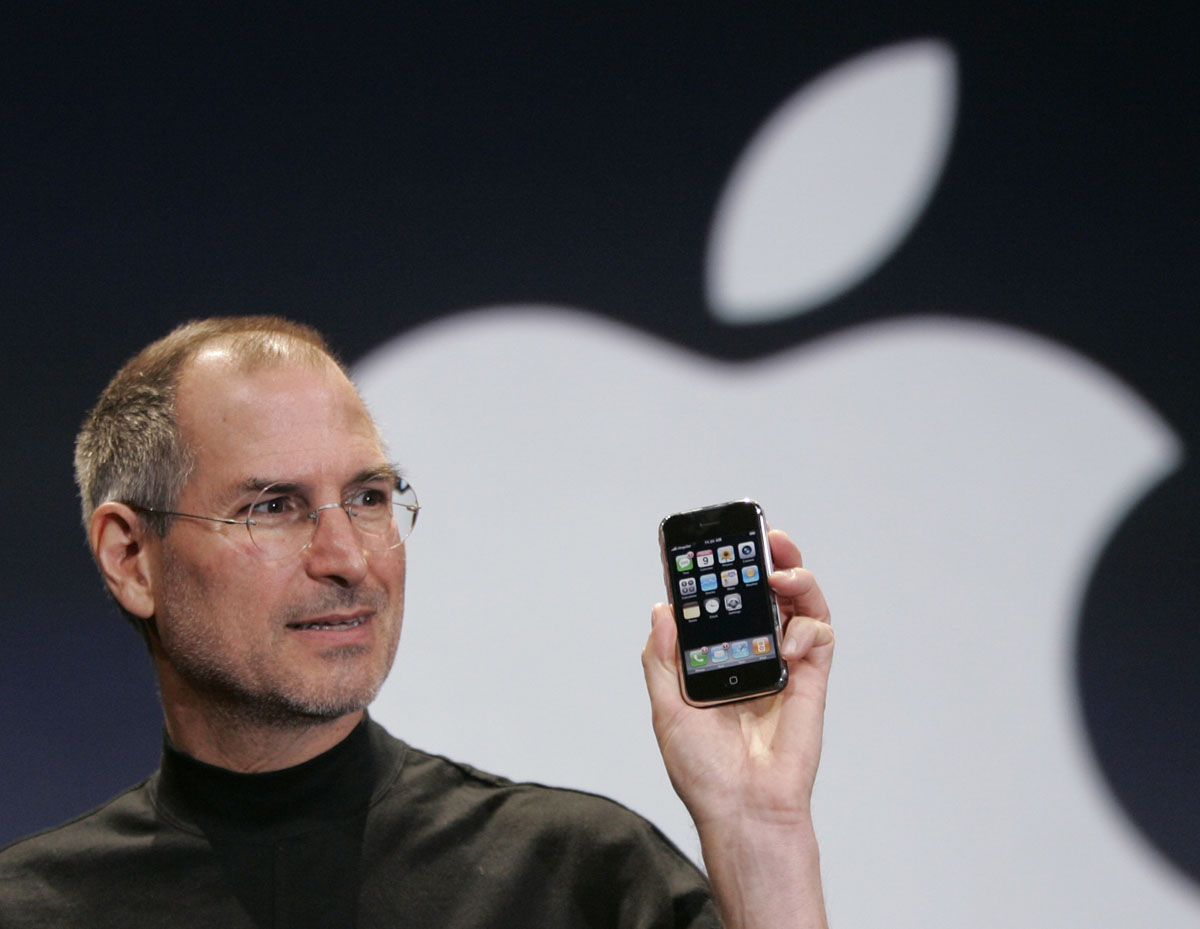
    Steve Jobs Announces the First Apple iPhone in 2007

    Seven years later, Steve Jobs got on stage and announced the first Apple iPhone, and all hell broke loose in the world. Nokia execs were scrambling left right and center to now re energize their seven year old product research. But the world had matured beyond Nokia’s internal understanding, while people now wanted Capacitive Touch Phones, because they were easy to use and type on, Nokia still confident of its seven year old tech wanted to hold on to their N series and E series which they continued to develop for quite a while.

    In 2012, Apple had already announced the iPhone 4 and had taken a major chunk of the Smartphone sales under its banner, a new enemy loomed for Nokia: Android. This Google made OS, was revolutionizing the Smartphone and bringing it to the masses. This year Android Powered handsets were available for as low as 200 $ and Nokia ended its 14 year streak as the world’s largest mobile phone manufacturer. Nokia’s Stock crashed and thousands of employees lost their jobs.

    nokia microsoft

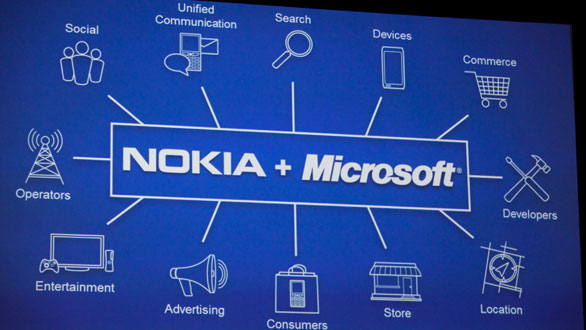
    Nokia had another big opportunity lost around the time when they started a cold war with Google and decided never to make Android Phones, and shift focus completely towards making Windows Phones, bringing gradual cancerous death Meego and Symbian in the process.

    But there was a name  that is mostly believed to be the root cause of the above decisions. In September of 2010, ex-Microsoft Exec Stephen Elop was the first non-Finn to be named CEO of Nokia. During the 3 years Elop was Nokia CEO, Nokia revenues fell 40%, Nokia profits fell 95%, Nokia market share collapsed in smartphones from 34% to 3.4%. 

    In one of my meetings with a Product Design manager at Nokia during IFA 2012, it became apparent that Nokia was still the same, shutting down ideas and killing innovation. In fact, most of those who worked at the Finnish HQ already assumed that Nokia would collapse under Elop and Windows Phone.

    Stephen Elop launches
    Stephen Elop at a Launch

    A company that was easily valued for upwards of $150 billion 14 years ago, when they secretly developed the first “iPhone” and “iPad” (Smartphone and Tablet) was sold in 2013 to Microsoft for a mere $ 7 Billion. For context, that’s less than half of what Facebook paid for Whatsapp.  Stephen Elop who would then join back Microsoft as Executive Vice President, later to be made head of XBOX, Games and Hardware division. Conspiracy theorists have called Elop the Trojan Horse who led Nokia to its demise simply because Microsoft eyed a takeover.


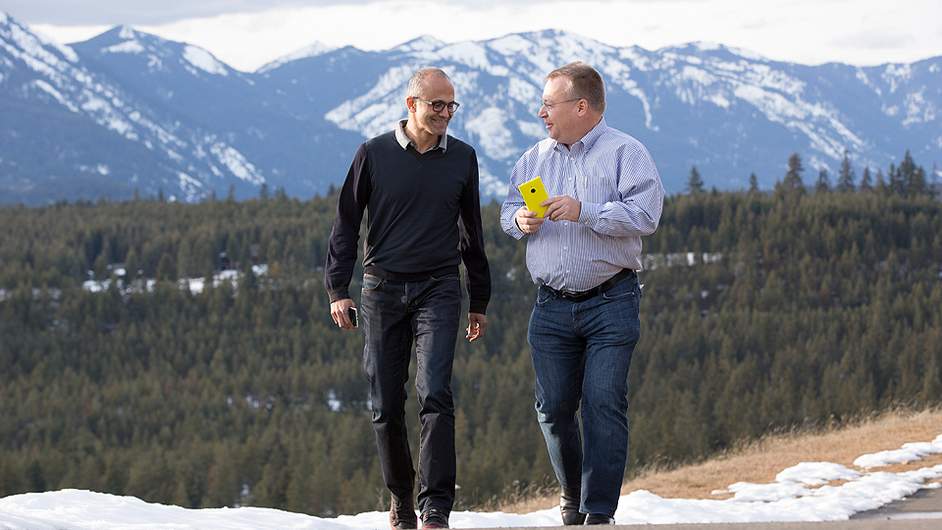
    Elop and Nadella
    Elop and Nadella

    Microsoft has confirmed that they will kill the “Nokia” branding and start building a new line of smartphones internally called “Microsoft Mobile Oy”. The final name may simply be Microsoft Mobile or Microsoft Surface Phone even Microsoft Lumia.  This may not be the smartest move on Microsofts part, A long legacy of Nokia also would have brought among the loyalty of Nokia users. But, as Elop mentioned, “Nokia is not a Brand placement” that Microsoft would like for their lineup of Smartphones, especially if one was to consider the bad press we have seen lately. “Nokia” as a name is now considered “old school” and maybe a new name might just do wonders.

    After the announcement of the acquisition Nokia shares jumped 35% on the news, whereas Microsoft’s fell more than 5%, either way the only company to benefit is Microsoft, and Nokia truly lost, thanks to a corporate culture that lavished funds on research but squandered opportunities to bring innovations.

    Nokia’s line of Lumia Phones have seen some success in the recent past, only to measure their success in non percentages compared to the world. Nokia is finally dead, and most of the world will and should shy away from investing in the brand. At least up until the Microsoft version comes out.
    [poll id=”4″]


iGyaan Network
Privacy Overview

This website uses cookies so that we can provide you with the best user experience possible. Cookie information is stored in your browser and performs functions such as recognising you when you return to our website and helping our team to understand which sections of the website you find most interesting and useful.