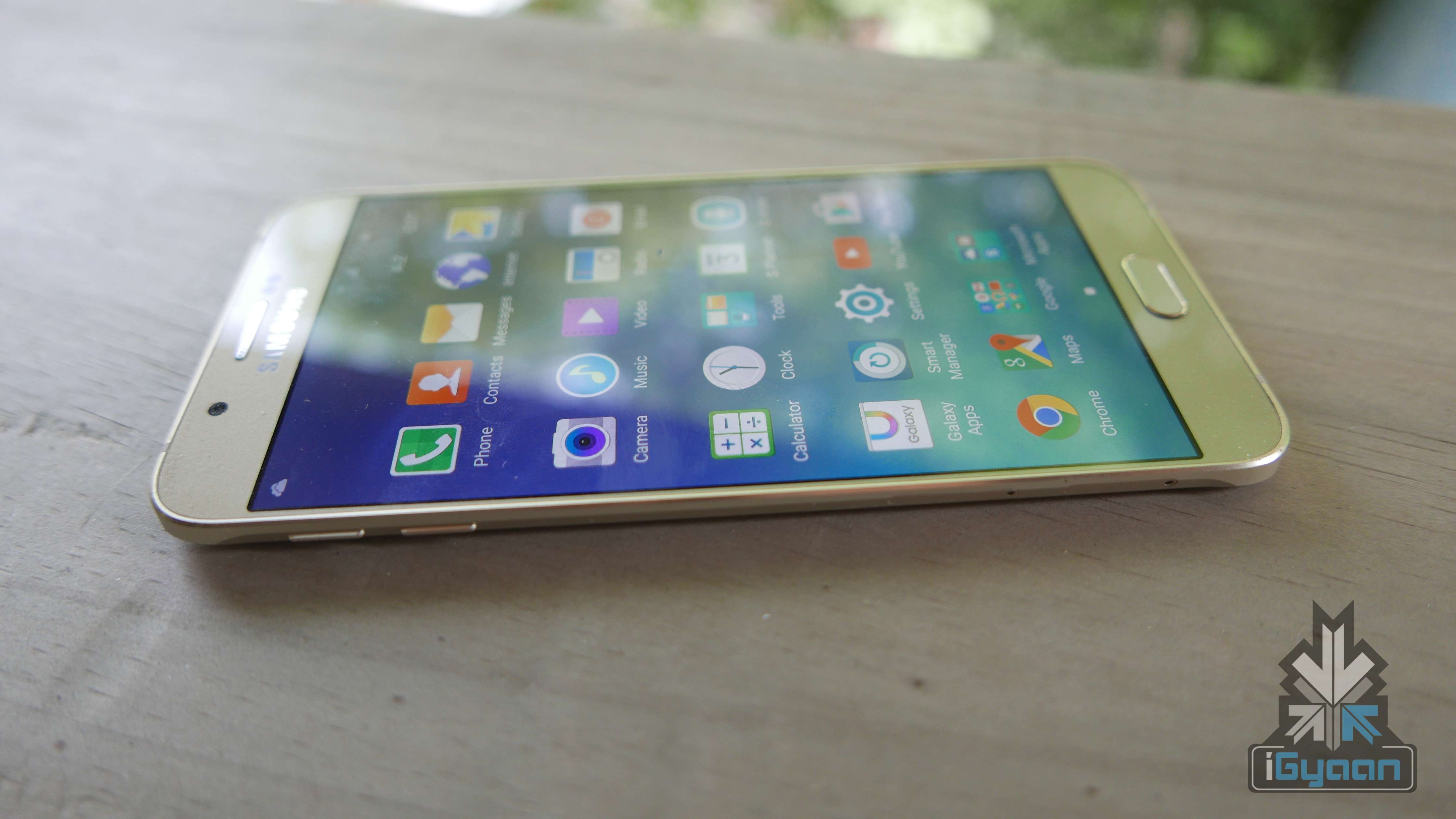
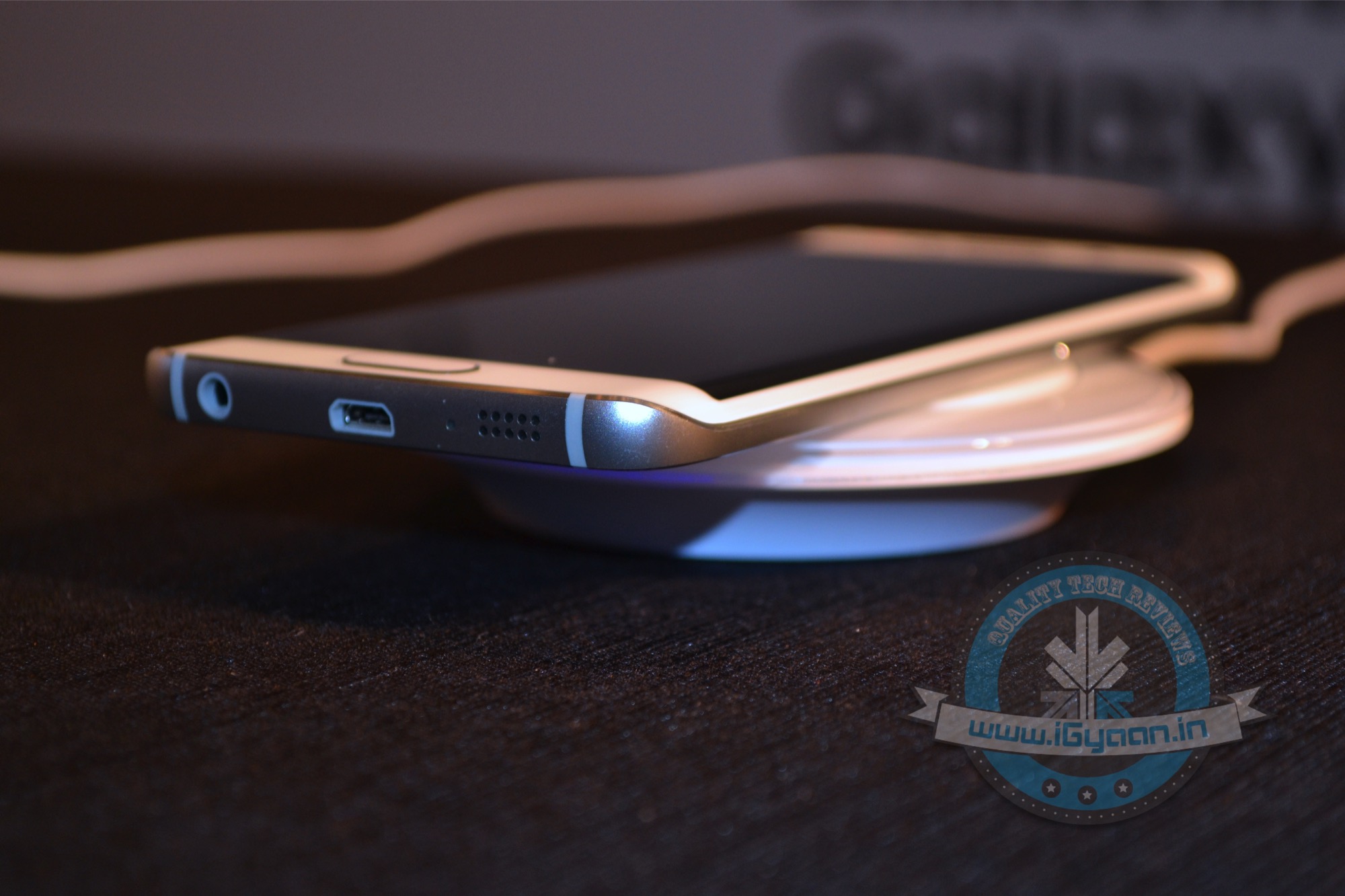
Samsung has not even released its Galaxy Note 5and S6 edge+, and there are already leaks and rumours about the Galaxy S7.
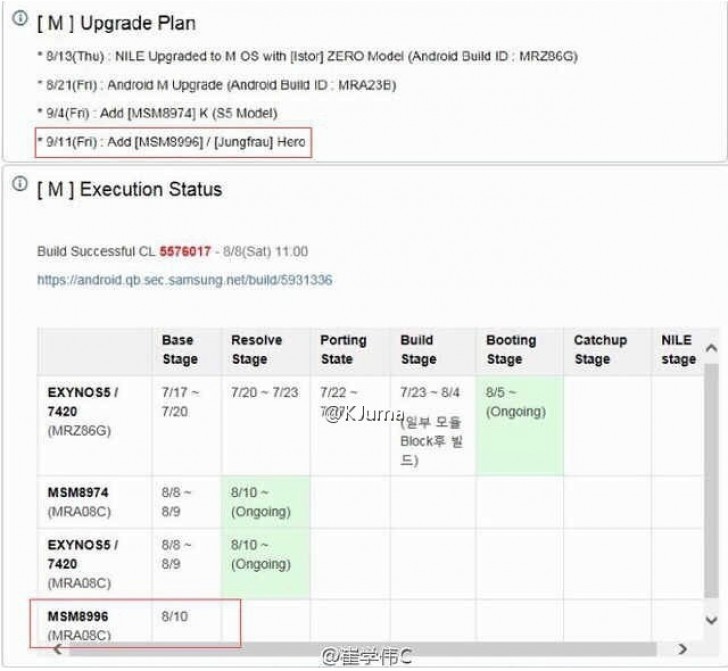
According to reports, today in China, a document depicting an internal Samsung communication suggested that “Jungfrau”, which is rumoured to be the code name for the Galaxy S7, is being added to the company and along with it the “MSM8996” , which is the model number for the Qualcomm Snapdragom 820, as part of its software development plan for Android M.
This suggests that Samsung may be beginning to test the Qualcomm Snapdragon 820 inside its next flagship. This also means that after the company’s usage of an Exynos silicon chipset throughout 2015, it is again planning on using Qualcomm chipsets for its devices.
Reports also say that Qualcomm’s new chip should be out in devices by the end of 2015.
Along with customization, security is another area drawing the attention of software developers. Apple was the first to introduce the breakthrough Touch ID technology that took over manual methods of entering text and numeric combinations to unlock the screen. And following the Cupertino-based giant, Qualcomm brought forward its revolutionary Sense ID at the Mobile World Congress that’s much more secure and authentic than the Touch ID. Let’s find out what separates the two modern day technologies.
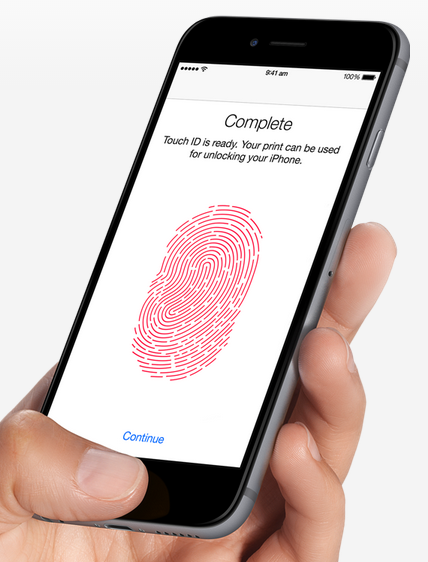
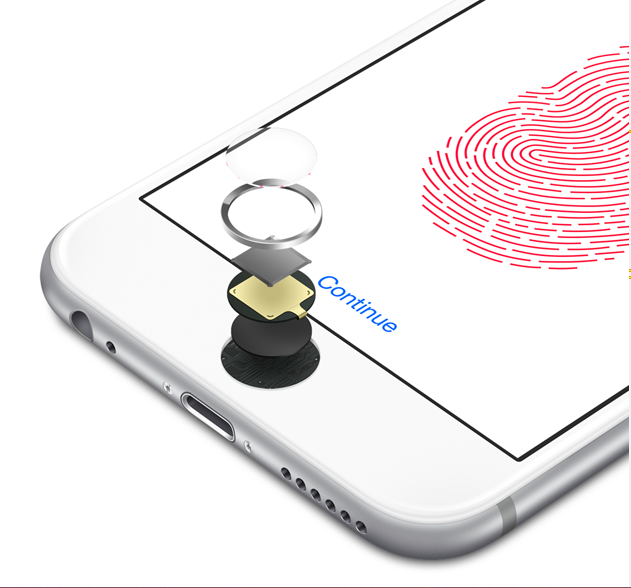
The Touch ID is the simplest way to wake up your lock screen. Just put your finger on the physical button and device will recognise the provided input and let you access the phone. Once the user puts his/her finger on the Home button, the stainless steel ring on the button comes into action and activates the capacitive touch sensor. The finger impression gets imprinted on the button’s sapphire crystal surface, which is sent to the sensor lying beneath. The software then reads the input and unlocks the device for you. The mechanism seems complex, but the whole process takes a fraction of a second.
The Touch ID is capable of reading impressions with a 360-degree orientation. Users can place their finger the way they want and it will still work. One can enrol multiple fingerprints on a device. Its usage is not just limited to unlocking the screen and you can also make purchases on iTunes and the Apple App Store by making mobile payments through your fingerprint. It can also be infused into third-party apps through developers’ support.
On the other hand, Sense ID is one step ahead of Touch ID. It’s the mobile industry’s first biometric platform based on ultrasonic technology. Instead of just analysing the ridges of your fingers, it makes a 3D map of the minute details including ridge flow and sweat pores. The sound waves penetrate the outer layer of the skin and create a matchless password that is hard to reproduce. According to Qualcomm, the technology “incorporates a Qualcomm biometric integrated circuit (QBIC), custom sensor technology and algorithms managed by the company’s hardware-based SecureMSM technology.”
Here’s the video showing how Sense ID works:
It can work with moist fingers and with other contaminants like dust and dirt. Its ability to scan doesn’t get blocked by the display type and allows fingerprint detection through glass, plastic, steel, aluminium and sapphire. Snapdragon Sense ID permits manufacturers to experiment with designs, enabling them to develop sleeker smartphones in the future.
Along with the added benefits of scanning through multiple surfaces and damp fingers, Sense ID embraces features from FIDO (Fast IDentity Online). It is an Alliance biometric protocol that keeps the fingerprint data on the device, instead of securing it on cloud; allowing people to visit websites, more securely. Online accounts and apps can also be accessed without the need of repeatedly providing a password for authentication.
Fingerprints are unique and make matchless passwords. Their unique characteristics compel smartphone manufacturers to deploy the newest innovations. Qualcomm will install the technology to its Snapdragon processors and soon, fingerprints will replace the traditional character-based passwords, giving faster access to a plethora of features. Since Qualcomm penetration in the Android market is high, more smartphones will have this standout feature on board.
Till date, Apple’s recent handsets, iPhone 6 and 6 Plus have Touch ID, and Samsung implanted its own fingerprint technology on Samsung Galaxy S6. It is learnt that Microsoft and Google have also tied up with FIDO Alliance, which means future Android and Windows devices may pack identical authentication features. Fingerprint scanning is a doorway to enormous features for which we presently need passwords. Akin to Touch ID, if Sense ID also offers third-party app integration, regular apps like Gmail, Yahoo and others will work through your fingerprint. It would be nice to see how Apple revises its technology to compete with Qualcomm’s Sense ID 3D fingerprint technology.
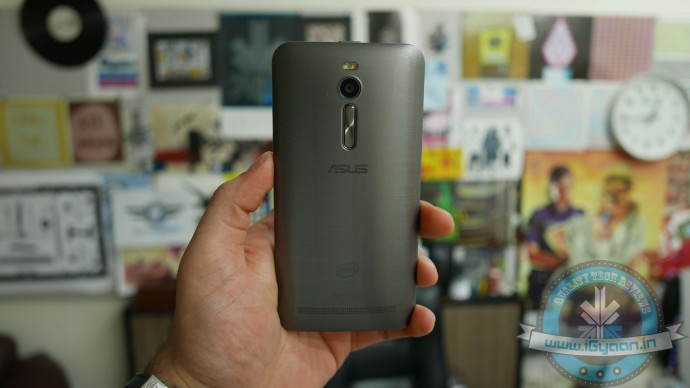
ASUS has long been using Intel chipsets on its smartphones. It has a tie-up with the software firm that makes available latest chips for personal computers, as well as handsets. The Taiwanese equipment manufacturer is reportedly in talks with Qualcomm to embed its chips in future Asus phones.
The CEO of Asus, Jerry Shen shared some information with online tech portal Yugatech about the company’s partnership with Qualcomm and hinted that it could use Snapdragon 615 for future handsets. He also disclosed that they will discontinue using confusing naming convention opted for the recent releases, and go Apple’s simplistic way. Users might see a new nomenclature for the forthcoming ZenFone 3.
Shen mentioned that the company will release a major product every year and will roll up incremental upgrades every six months. With this he confirmed we can expect the successor of the ZenFone 2 in 2016.
Qualcomm has long association with one of the world’s largest semiconductor foundry Taiwan Semiconductor Manufacturing Company (TSMC). The latter firm has provided some of the cutting-edge chips like Snapdragon that are fitted to most of the high- and low-end smartphones of the decade. But Qualcomm seems to giving a break to its customary practice and is planning to head towards Samsung for the next-generation Snapdragon processor.
As per a report by Re/code, Qualcomm will make use of Samsung’s manufacturing arm to build the upcoming Snapdragon 820, stated an insider. This means we might see the high-end 2016 smartphones powered by a Snapdragon processor manufactured at Samsung’s chip-making plants. Meanwhile, it is heard that Apple has also given the contract to Samsung for the A9 chips.
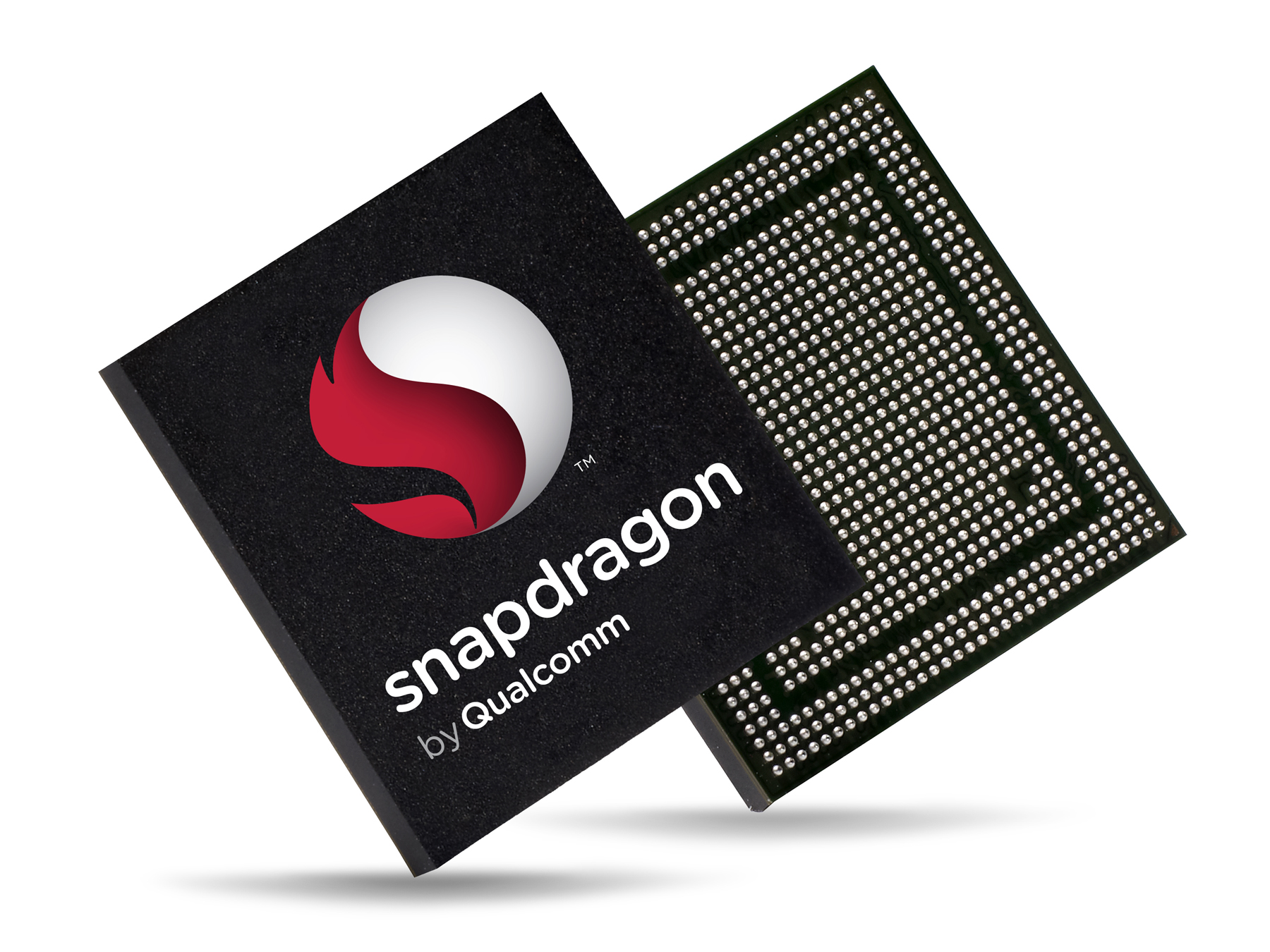
The present Snapdragon 810 made by TSMC lags behind Samsung’s own Exynos 7, equipped with the latest Galaxy S series handsets. Unlike previous processors, the Snapdragon 810 heats up and slows down immensely after certain minutes of usage. This led to a major loss to Qualcomm, who lost a major chunk of its customers because of the problematic Snapdragon 810 processor.
Samsung also has an edge over TSMC as it uses thinner 14nm transistors instead of 20nm used at TSMC. A thin wiring adds benefits to the phone. As the wires are slim, the chips would be small and smaller chips costs less. Smaller chips also give a better battery performance.
Qualcomm has all reasons to turn to Samsung as Snapdragon is the major revenue factor for the company. To regain its lost clients, the global semiconductor firm may make a switch and tie up with the Korean company for improved chips. It is welcoming news for Samsung who has shown tremendous growth in the smartphone, as well as hardware business.
According to the source, the Snapdragon 820 will have built-in LTE modem along with a graphics core and a custom-designed Qualcomm processor. For now, both Samsung and Qualcomm hasn’t slipped any information, and we have to wait for an official announcement for the authenticity of the report.
At the Mobile World Congress 2015, Qualcomm Technologies and Cyanogen announced a new surprise collaboration. The two renowned companies are joining hands with each other to facilitate users with more improved features on the unique user interface of Cyanogen OS.
Chipset maker, Qualcomm will work in close coordination with Cyanogen to include features and UI enhancements on Qualcomm Snapdragon processors in the 200, 400 and 600 series. The software maker will make available all its unique features to the Qualcomm Reference Design (QRD) program.
The CEO of Cyanogen Inc. Kirt McMaster announced about the collaboration –
We’re delighted to collaborate with Qualcomm on their QRD program. We’re addressing the needs of device makers in developed and developing markets looking for a truly differentiated software experience that matter to consumers.
Jason Bremner, SVP of Product Management, Qualcomm Technologies further elaborated saying that they have chosen to work with Cyanogen because of their deep Android expertise and innovative approach to enhancing smartphone software.
Through the QRD program, the company aims to boost the production of low-cost smartphones. Qualcomm’s Reference Design program helps unrecognized companies to choose smartphone templates and launch them under their brand. Cyanogen’s Android version will replace Qualcomm’s own builds on devices embedded with a Snapdragon 200, 400 or 600 processor.
Through this deal, Qualcomm will be able to revamp its devices running on Snapdragon and Cyanogen and can widen its user base, which is now restricted to limited devices. Cyanogen is the true Android experience for people who prefer to tinker with the user experience. Qualcomm’s active support will help boost the reach of this amazing user interface to a broader user base.
Chipset maker Qualcomm’s Snapdragon 810 SoC marked the beginning of a new era, deployed in latest devices like the HTC One M9. However, it seems the company has something more in store. At the ongoing Mobile World Congress, it offered a brief teaser of their next iteration of chipsets.
Expected by the end of the year, the Snapdragon 820 will use a custom 64-bit architecture, the Qualcomm Kyro, and will be built using the FinFET process, similar to Intel’s tri-gate ‘3D’ fabrication method. These 64-bit processors will be based on Qualcomm’s own Kro design replacing ARM’s.
Moreover, the Snapdragon 820 will be the first SoC designed and integrated with the company’s own Zeroth platform, a cognitive self learning module. This allows devices to have an AI of their own, making them more personal and adaptive to external factors.
The 820 SoC is expected to arrive by end of the year and may show up devices by next year. In addition, Qualcomm also announced that it’ll be rolling out new modems named X5, X7, X8 and X10 and X12 depending upon their capabilities.
Qualcomm, the American chip maker, has expressed the desire of setting up new technology that would offer mobile phone users better connectivity in places like subways and shopping malls. The company said on Thursday that it will soon start to sell components which will feature LTE technology which can be adapted for a smaller scale.
LTE, short for Long-Term Evolution and commonly marketed as 4G LTE, is a wireless communication standard for high speed data for mobile phones or other wireless devices. The newer LTE Unlicensed, which will be introduced at the MWC 2015, adapts the technology to be used over short distances by sharing radio spectrum, like WiFi.
Qualcomm said that adopting the LTE-U will provide much faster performance for phone users and save money that the operators would have had to pay on setting up cell phone towers. Thousands of LTE-U connectivity devices could be set up in different locations like building or places which has poor network connectivity.
The performance is better. It’s not a large cost adder and it also provides a lot of advantages flexibility to the operators
[/quote]
Qualcomm claims that the problem of LTE-U signals disrupting WiFi signals has been overcome, which had drawn criticism of this technology in the past. This technology will be one of the first steps towards a departure from cell tower based connectivity. With the demand for all round access to internet increasing with each passing day, new innovations need to be brought into let people stay connected 24/7.
With mobile phones going for slimmer and thinner designs, its components are also going narrower in size. So far, all high-end phones are equipped with 28nm or 20nm size system-on-chip (SoC), but Samsung has showcased the sleekest ever SoC that makes a dent in the mobile hardware market.
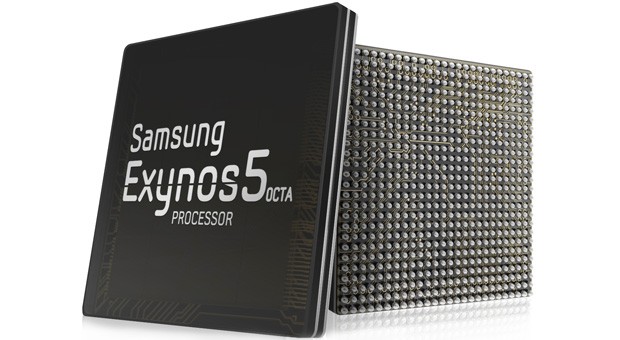
Today, at the International Solid State Circuits Conference (ISSCC), the Korean manufacturer demonstrated the 10nm FinFET semiconductor manufacturing process. It’s the world’s first SoC to come in such a minimal size and is expected to be more powerful and energy efficient than the existing offerings. Meanwhile, the latest processor, Qualcomm Snapdragon 810 is built on a 20nm die size. On the other hand, Samsung’s in-house Exynos 7420, said to be embedded on the upcoming Galaxy S6 and S6 Edge flagship devices, uses a 14nm SoC.
Samsung Electronics Semiconductor President, Kim Ki-nam explained the new manufacturing process as a major step in the evolution of the Internet of Things (IoT). He said that it allows more power efficient chipsets at smaller and smaller sizes. It’s also learnt that Samsung is planning on releasing a memory built on the same 10nm die process.
The company has solidified its steps in the hardware segment and the refurbishment of its in-house operating system Tizen is going in full swing. Samsung has given decent competition to Intel and Qualcomm. Since the Korean firm has just presented the idea, it is not going to come anytime soon (maybe in a year or two).
A day before, the world’s biggest chip maker Qualcomm was penalized by the Chinese Regulators for antitrust violations. The chip making firm was fined with a record amount of around $1 billion and the company agreed for a settlement with Chinese antitrust authorities. But the trouble for the US-based firm hasn’t ended yet and the reason for the revenue dip this time is the smartphone producers.
Qualcomm gets a major part of its revenue from the royalties based on the handsets’ value and with companies like Xiaomi and Huawei reducing the handset price to set at the top of the competition, the profit margin is slipping for Qualcomm.
Bernstein analyst Stacy Rasgon made a statement –
You’ve got all these Chinese companies – like Xiaomi, Huawei and Lenovo – that want to go global and take share from Samsung Electronics, HTC and presumably even Apple, but they’re going to do it at much lower price points.
Yesterday, Qualcomm agreed to pay $975 million as fine for settlement with Chinese antitrust authorities. National Research Development Corporation (NRDC) held an anti-monopoly investigation and found Qualcomm guilty. The company underwent changed practices in licensing patents for mobile phones sold in China. Qualcomm did not contest and agreed to pay to the Chinese National Development and Reform Commission.
The chip maker is already under pressure because of increasing competition by Intel, Marvell, MediaTek and HiSilicon. Even major brands are dropping Qualcomm for the next top-tier phones. Qualcomm has to take a step now to sustain the top chip maker position.
A sustainable, high-speed internet is the demand of the digital era. The world has entered into the 4G zone, but the need for speed never dies. There’s still a need for improved, high-speed global Internet access which can be offered to people at cheap rates. Qualcomm, a semiconductor manufacturer, has moved ahead in this direction and is venturing with British multinational brand Virgin Group to build a structure that would offer global internet access at express speed.
The top giants are aiming to fly a constellation which will have a total of 648 satellites. Some of the satellites will be launched by the Virgin’s own spaceflight unit, Virgin Galactic. The company is presently developing a satellite delivery service called LauncherOne, along with some vehicles that will revolve in the sub-orbit of Earth. These vehicles have been named SpaceSpace Two.
The fleet of satellites will cost somewhat between $1.5 billion and $2 billion. The telecom brand is saying that these satellites will not only facilitate users with lightening speed Internet, but will also provide the world with an option of superior telephone services. Presently, the proposal is under review with OneWeb and the company will soon come up with its verdict. The OneWeb system will build a spacecraft that will be positioned in the orbit of Earth. Both companies, Virgin Mobiles and Qualcomm, plan to fund the project with an undisclosed amount.
OneWeb said that the forthcoming project will extend the networks of mobile operators globally through which they can reach around 3 billion people in far-flung areas.
Following year, Google started a research and development project called Project Loon, under which the internet search engine sent balloons 20 miles up in the air. Through these, users of the service could connect to the balloon network using a special Internet antenna attached. These signals travel from one balloon to another and then to the base stations and later circulate to the global Internet. Project Loon was well received, but at times, the balloons witnessed some crash incidents.
If OneWeb accepts the investment proposals of the producers, Qualcomm and Virgin will be the front runners in the race of top Internet providers. With the satellite-based internet, accessing broadband will be fast and hassle-free.
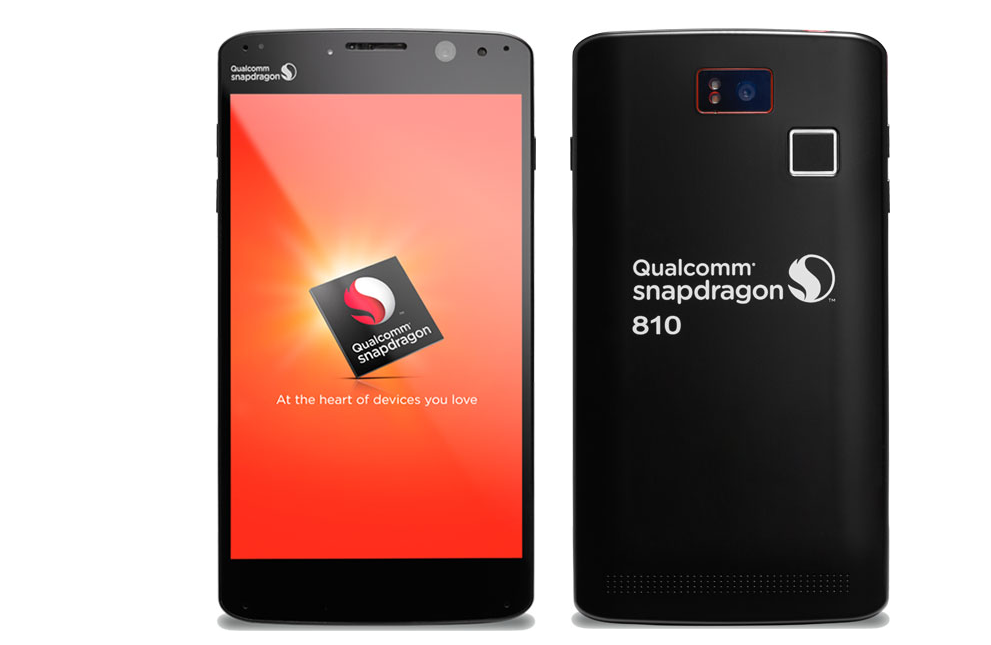
Chipset manufacturer Qualcomm is testing the prowess of its next-gen Snapdragon 810 processor. This involves production and release of a new set of devices which the company has been busy with off late. First in the list is the Snapdragon 810 MDP smartphone that sports a 6.2-inch QHD display, 64-bit octa-core Snapdargon 810 Ultra HD processor, Adreno 430 GPU, 4 GB of RAM, 32 GB storage, 13 MP rear camera, 4 MP front snapper, a hefty 3020mAh battery with Quick Charge 2.0 technology. In addition to this, the device is packed with ultrsound emitter, microSD card slot, microUSB 3.0, fingerprint scanner and Android’s latest 5.0 Lollipop. This beast of a smartphone costs $799, which is still way below the 64 GB iPhone in the US market that costs $849.
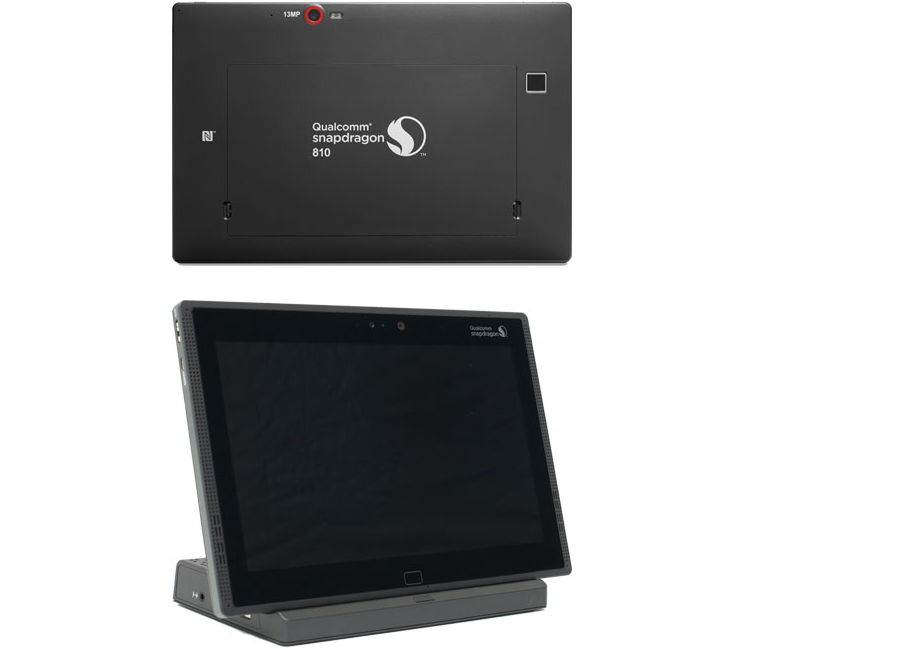
The second one is the Snapdragon 810 MDP tablet that comes with a 10.1-inch 4K display, 64-bit octa-core Snapdragon 810 Ultra HD processor, Adreno 430 GPU, 4 GB of RAM, 64 GB storage. Optics include a 13MP rear camera along with a 4MP front snapper. The device packs in a mammoth 7050mAh battery with Quick Charge technology. The tablet also features dual ultrasound emitters, a microSD slot, microUSB 3.0 and Android Lollipop 5.0. The device costs $999.
The mammoth set of specs that both the devices have is quite a notch higher than what we are used to. Sorry guys, but you don’t get to play around with these devices as it will be only available with registered purchasers.
Qualcomm, after excelling in the market of smartphone processors and cellular chips, is aiming to target the data centre markets with new server chips based on ARM technology. Qualcomm CEO Steve Mollenkopf revealed during a meeting with financial analysts that the firm is working on chips for the data centre. However, he didn’t give away any specific product details.
This means that Qualcomm will join the already established companies like AMD, AppliedMicro and Cavium, which manufacture chips based on ARM Holdings’ 64-bit ARMv8-A architecture. The company stayed quiet on important questions, such as how many cores, how fast will they work and when they will be available?
He did say, however, that the market for ARM server processors could be worth $15bn by 2020 and that Qualcomm plans to capture a piece of it. Qualcomm sees big opportunities with the Internet of Things (IoT) and views it as the next logical step from the mobile era in that wearable technology and all those connected gadgets will be gathering enormous quantities of data that need to collect in a data centre.
Qualcomm is the world leader in ARM chips for smartphones with around 58 percent revenue share, according to market research firm Strategy Analytics. In fact, the Chinese government has accused it of having a monopoly in the region, despite local competition from the likes of Allwinner, MediaTek, and Rockchip.
Mollenkopf did not reveal as when Qualcomm will bring a server chip to the market, but he stressed on the fact that it would take time for the company to build this new business.
Qualcomm showcased Snapdragon 802, a new chip for televisions at the CES 2014. However, this new chip will not be used in televisions as the company feels the demand of these chips are less then they planned of.
In a blog from Jon Carvill, who is the Sr. Director, Public Relations for Qualcomm it notes:
Qualcomm Technologies, Inc. has decided not to commercialize the recently announced Snapdragon 802 processor as the overall demand for processors uniquely designed for smart TVs has proven to be smaller than anticipated.
The company also notes this will not affect the production of any other product. However, with the non availability of technology like the Snapdragon 802 chips, it somehow feels that we have restricted ourselves with the technology we move around on daily basis. What do you think ?
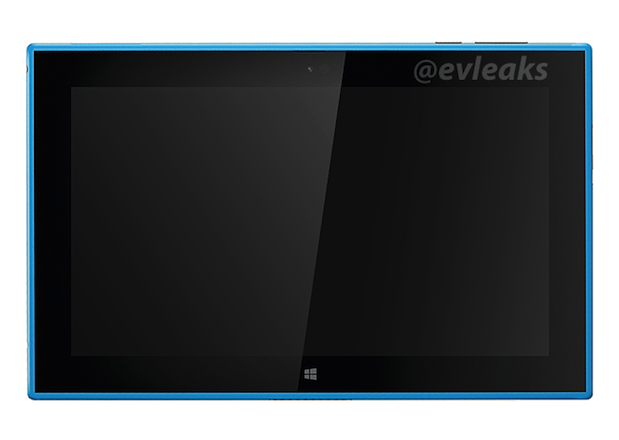
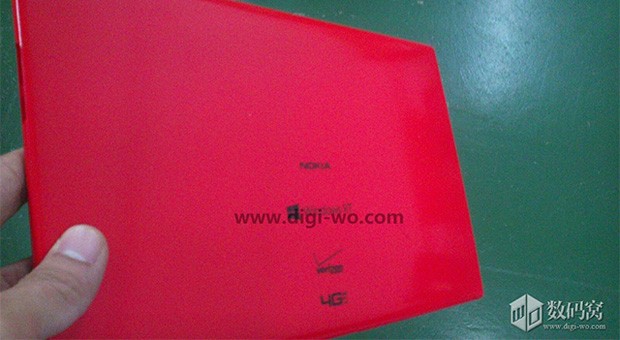
In a few weeks at Abu Dhabi at Nokia World, the company will announce its latest product strategy, the Lumia 2520 Tablet. Notorious Tipster @evleaks is back with some fresh images of the upcoming Lumia 2520 tablet in the expected cyan color.
What is currently unknown is the list of specs of the device, however we did hear that it will carry a Snapdragon 800, an outdoor-ready 1080p screen and LTE, the tablet would last a healthy 10 hours on battery. It would also include both 6-megapixel rear and 2-megapixel front cameras, and Nokia may complement the previously mentioned 32GB of storage with a microSD card slot. The only real thing that needs to be found is what OS it will run between an option of Windows 8, RT and Windows Phone. Stay tuned for More!
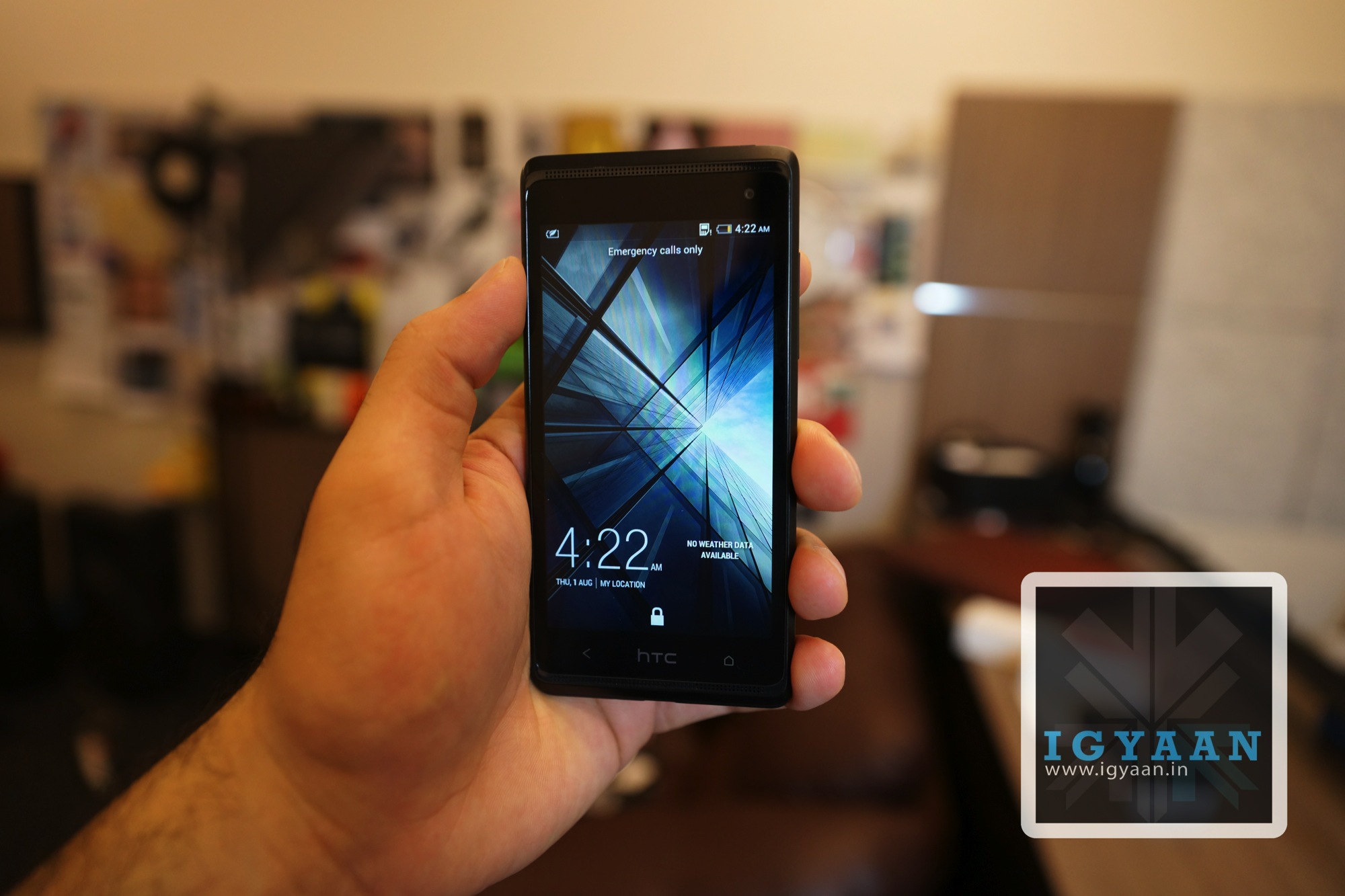
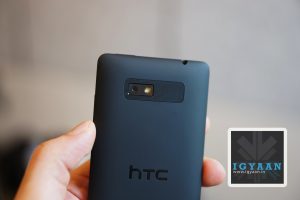
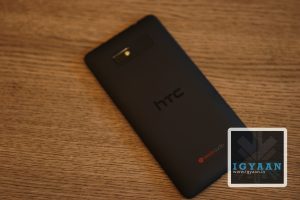
HTC is ready to bring its flagship features to the masses with the new HTC Desire 600 Dual Sim. The Smartphone running Android 4.1 Jelly bean also features the Latest HTC Sense and Blinkfeed UI. Laid out with a 4.5 inch 540 x 960 px Super LCD2 capacitive touchscreen display, it has a nimble 242 ppi pixel density. Cameras are borrowed from the HTC 8X with a 8 MP snapper 1/3.2” sensor size, 1.4µm pixel size. The front facing camera is a 1.7 MP shooter both will do 720p video.
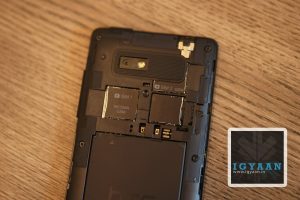
The HTC Desire 600 dual sim is based on a Qualcomm MSM8625Q Snapdragon 200 with a Quad-core 1.2 GHz Cortex-A5 and an Adreno 203, all of which according to the company can tak on any Mediatek based handset offering similar features. The Build quality and feel of the HTC Desire 600 Dual Sim is definitely great. With its rubberized grippy back panel and slim brushed steel bezel the dual sim smartphone is really worth of the brand.
The box we got is not a retail box , but the usual in-box items should include :
Handset
Earphones
USB Cable
Warranty
User Guide
Wall Charger
1860 mAh Battery
HTC has not left out on the usual Sense features bundling 25 GB Dropbox storage. Check out the unbxoing video (uploading) and stay tuned for Gaming Benchmarks and full review shortly.