Tag: Space

  • NASA To Test Safer, More Efficient Green Fuel For Spacecraft

    NASA To Test Safer, More Efficient Green Fuel For Spacecraft

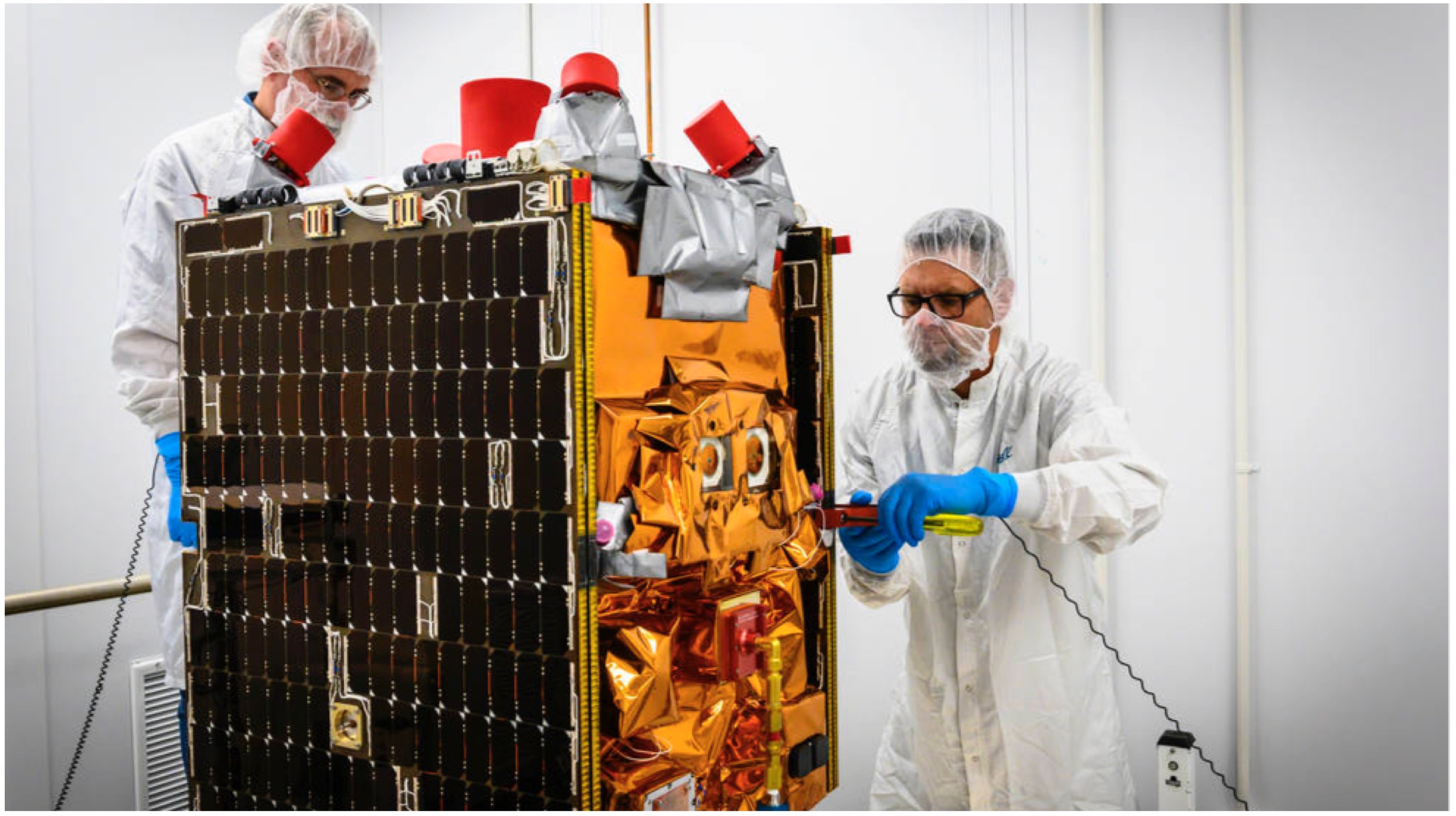
    The human race has seen drastic advancements in space exploration over the last five decades. However, humans missions still remain few and far between. The reason for that is considered to be the fuel used in the missions. Until now, most missions to space have used hydrazine, which is a dangerous and toxic chemical for humans to use and handle. Handling the colourless liquid requires some very strict safety precautions. Now, the National Aeronautics and Space Administration (NASA) of the United States has announced that it is planning on testing a new fuel for spacecraft. Dubbed the Green Propellant Infusion Mission (GPIM) it uses a non-toxic, rose coloured solution that can be a breakthrough in space exploration.

    About the fuel
    NASA

    The GIPM is a spacecraft which will use the aforementioned fuel to power the mission. The fuel in question is a “green” mix of hydroxylammonium nitrate with an oxidizer that assists it in burning. It is considered safe enough to fuel the spacecraft while it is still being built, which will fast forward the launch. Apart from being safer, the newest chemical is also significantly more powerful than hydrazine. According to NASA, the newer fuel will offer up to 50 percent better performance. This boost in efficiency can either be used by travelling more distance in an equivalent amount of hydrazine; or by reducing the amount of fuel required in a spacecraft. 
    NASA

    Also read: Huawei Has Shipped 1 Million Phones With Their Own OS

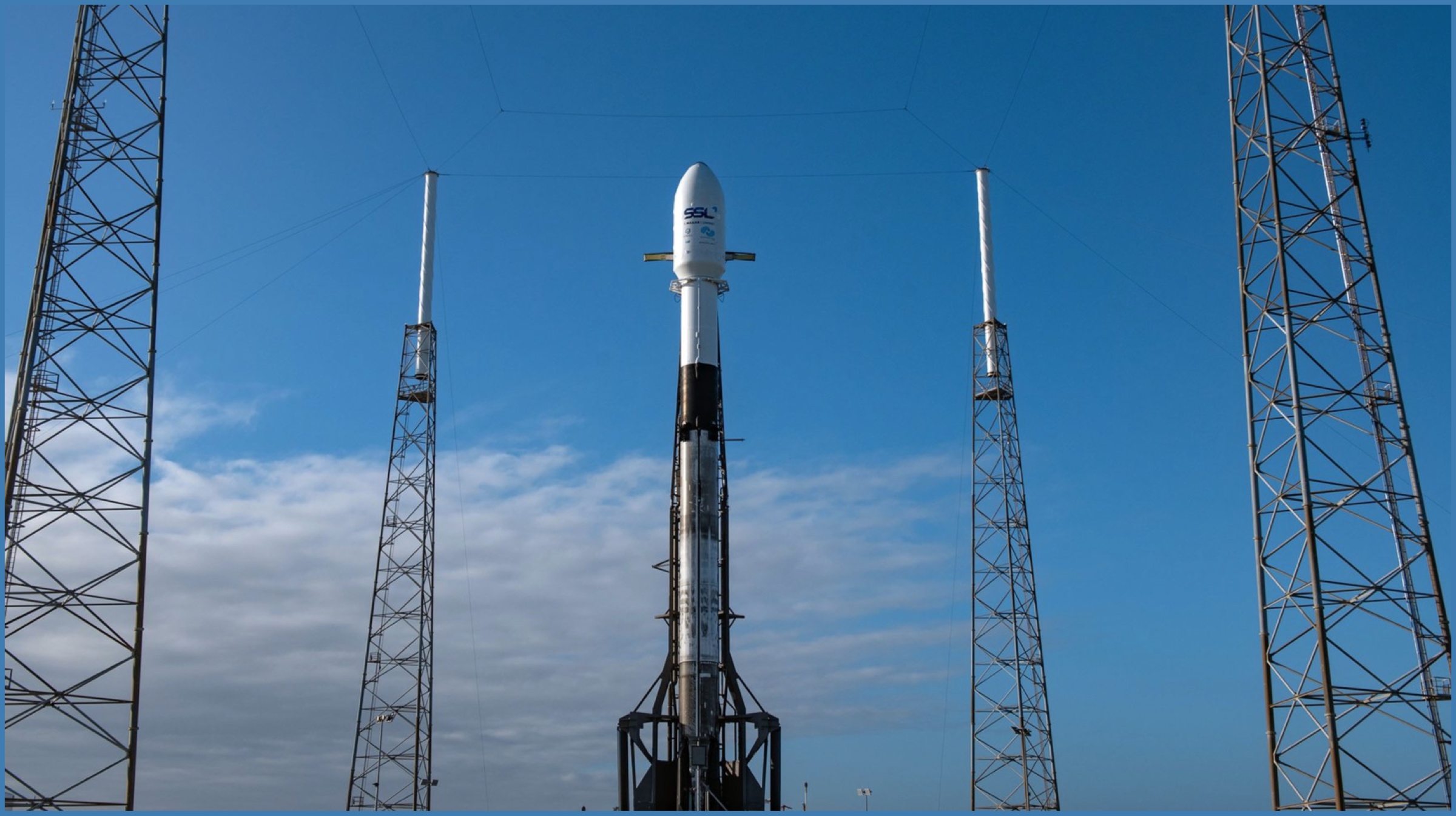
    If the GIPM by NASA is successful in justifying the need for the new type of fuel; it could pave way for longer, more resource intensive missions like sending humans to Mars or Moon. The aforementioned mission by NASA, GPIM is scheduled to launch in June on board a Falcon Heavy Rocket by SpaceX. This is the same mission carrying the LightSail 2 project which is being conducted to demonstrate controlled solar sailing.

  • NASA Opens Commercial Opportunities For The International Space Station

    NASA Opens Commercial Opportunities For The International Space Station

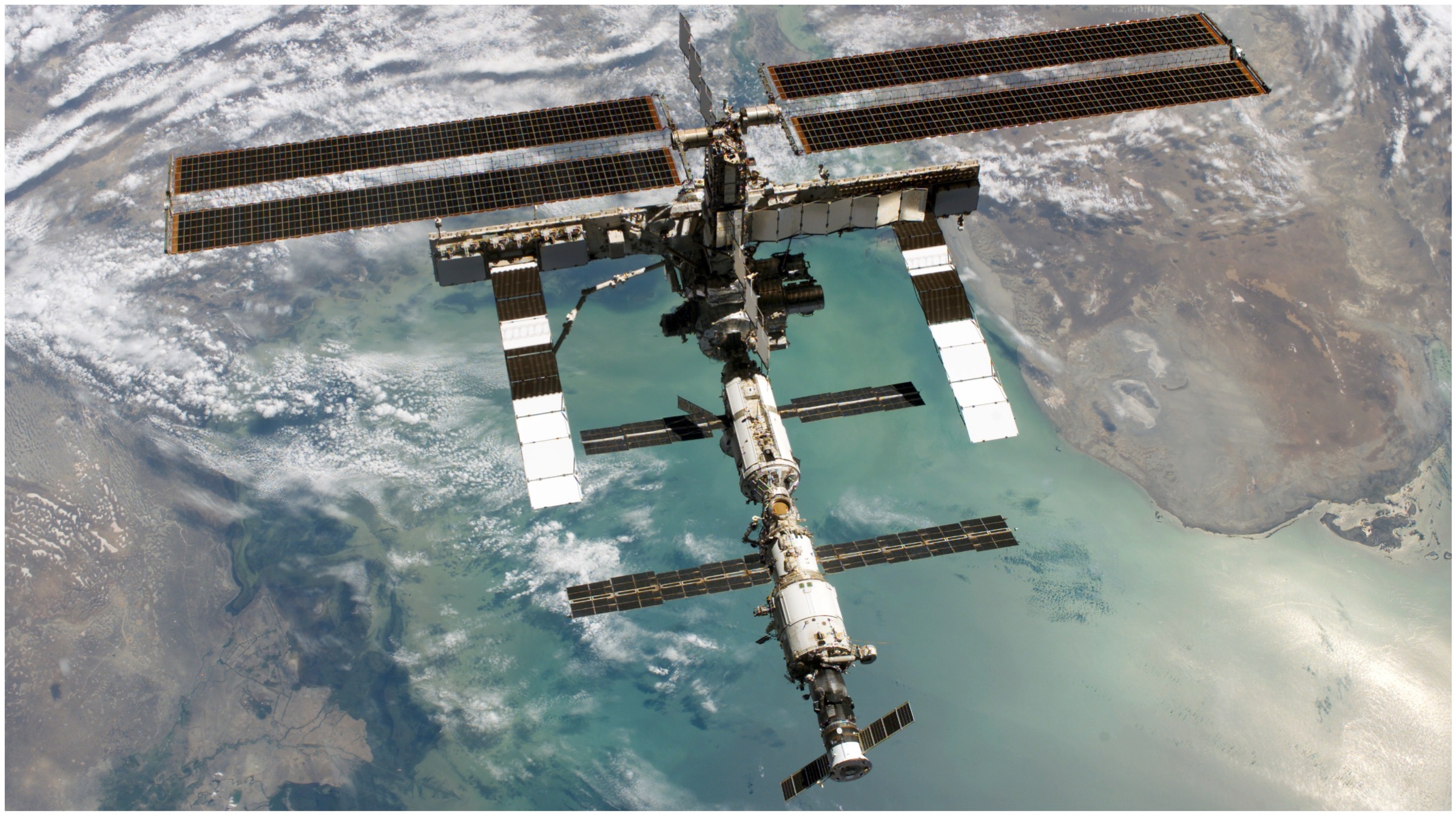
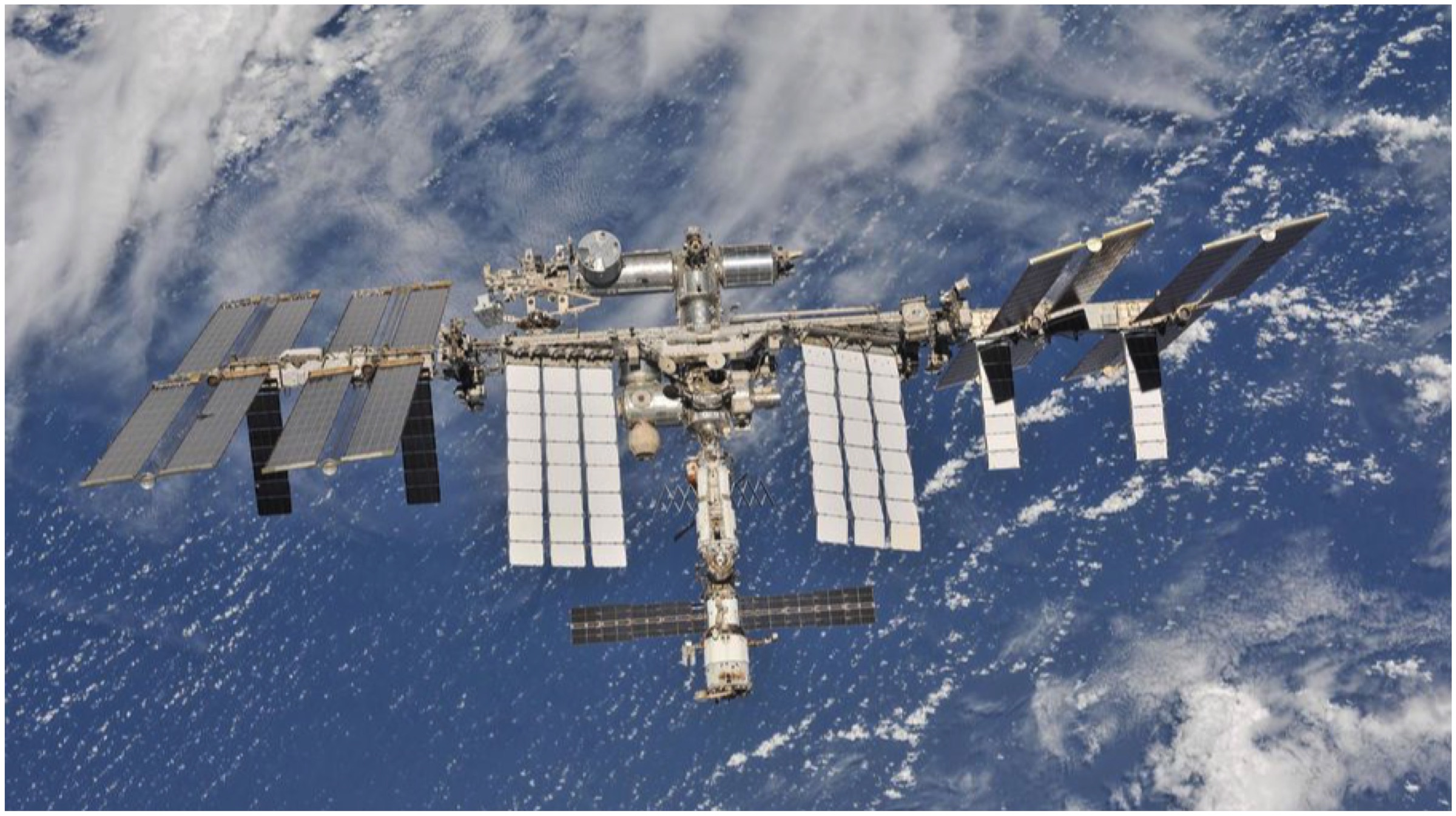
    The National Aeronautical Space Agency of the US has opened the door for business endeavours in the ISS. The American space agency made this decision with national interest in mind. “US industry innovation and ingenuity can accelerate a thriving commercial economy in low-orbit,” as stated by NASA in a press release, will open the space station to private sectors

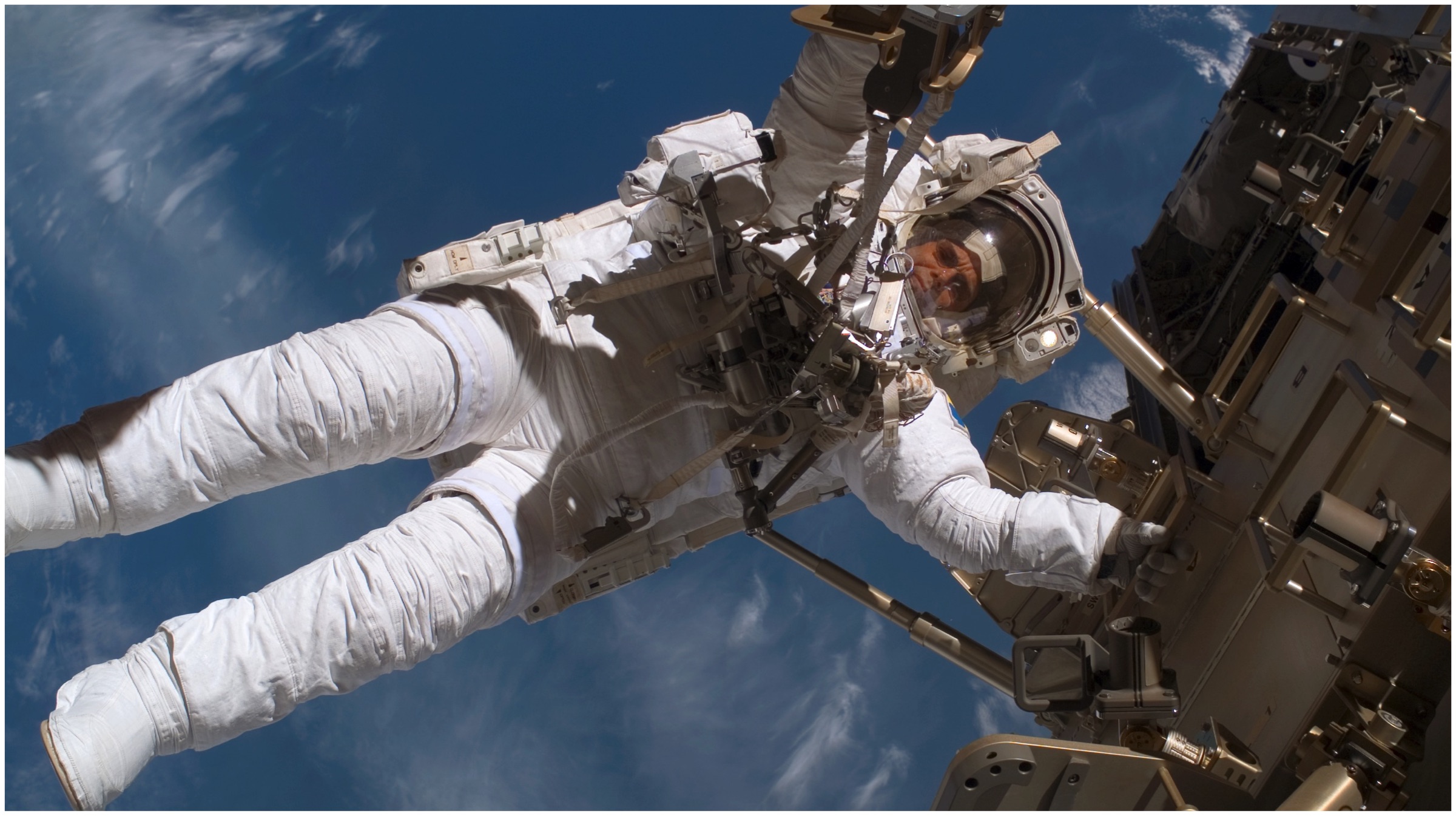
    NASA executives announced today the commercial viability of opening up certain sections of the International Space Station. This will allow companies to work in space with the station’s facilities. The filming industry could greatly utilize the opportunity for filming commercials or movies in space. NASA is also encouraging the private space industry to send in ideas for habitats and modules attachable to the ISS for a temporary basis.

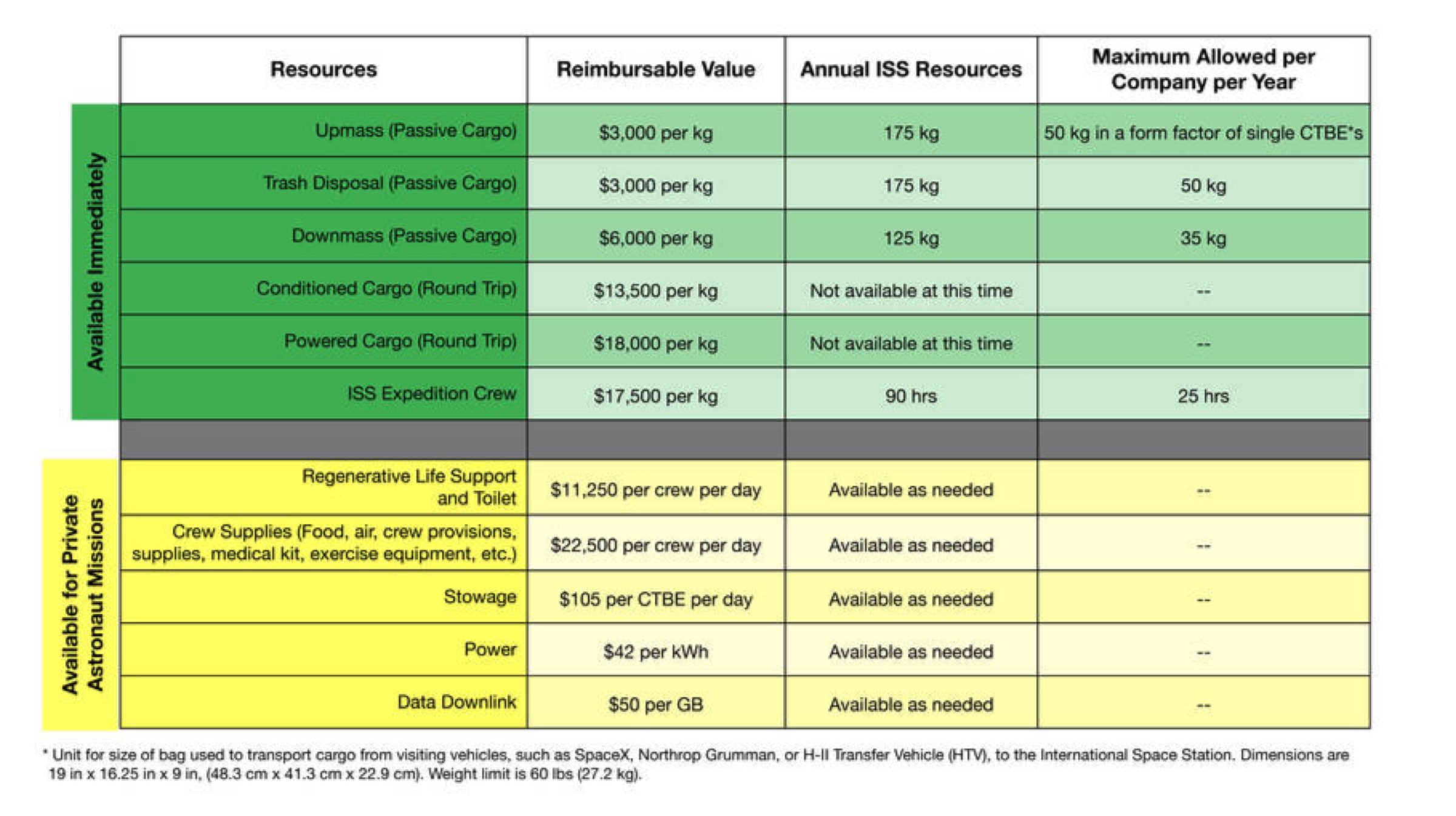
    Private companies can now buy time and space for a chance aboard the ISS to produce, market, or test products. These companies will also be allocated resources directly from the ISS for their commercial endeavours. Starting from 2020, companies can send their astronauts to the ISS but with a heavy cost. NASA has always been openly against the commercialisation of the ISS, unlike Russia that is open to ads and branding on its side of the station. The Russian side has even allowed tourism to some extent while NASA has strictly regulated all forms of commercial activities, save educational undertakings or technological demonstrations that are non-commercial in nature.

    The extent of this commercial-phobia even had NASA ban its astronauts from experimenting on any research that might be profitable down on Earth. A committee formed by the western space agency was tasked to devise new methods to commercialize the space station for a new source of revenue and recognition. This business-oriented mindset might also see NASA selling naming rights of its past spacecraft and rockets, although nothing concrete supports this claim. 

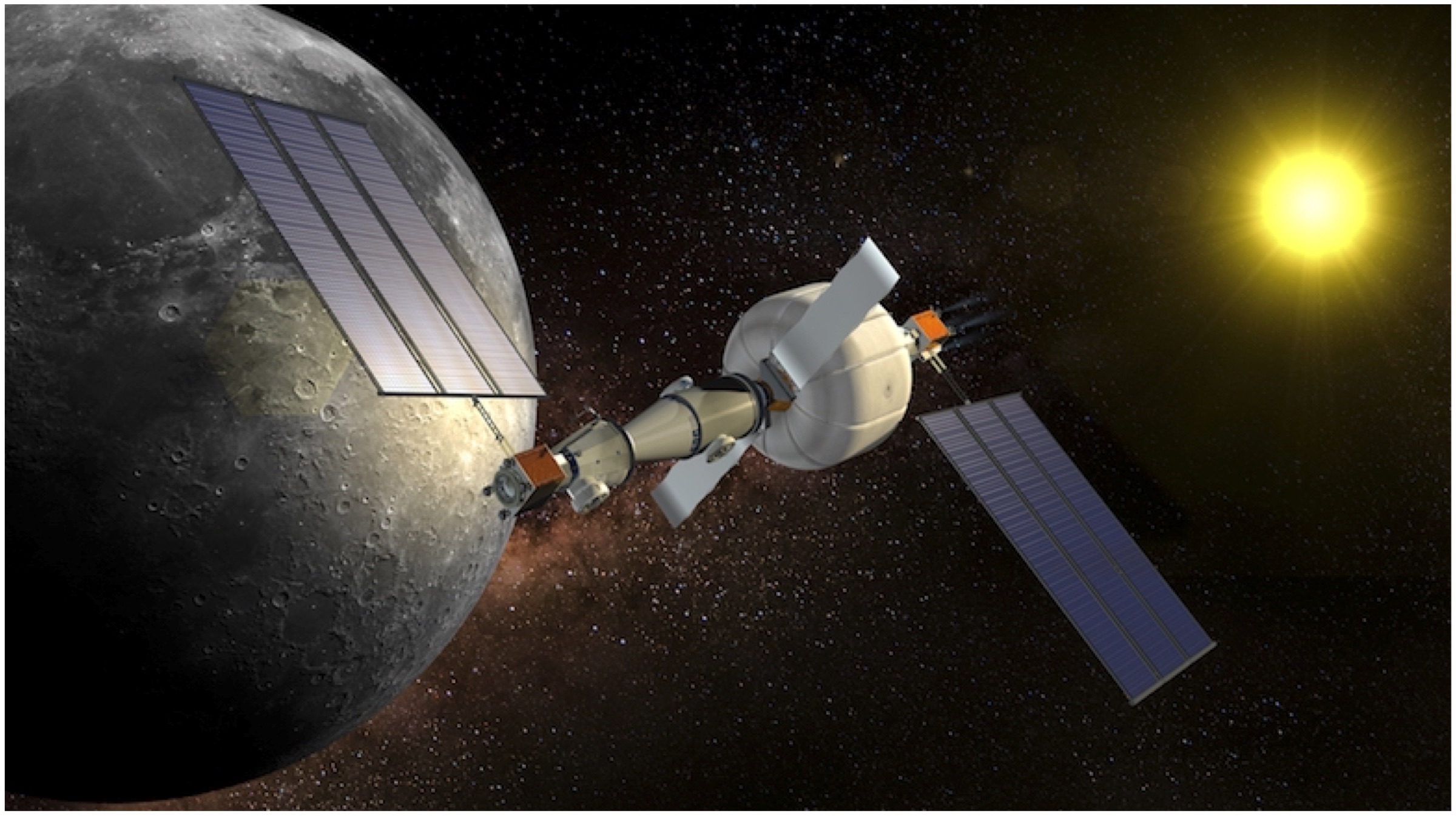
    The leadership behind NASA is looking into a transition for the commercialization of the ISS and its low orbit region of space to the private sector. This will help alleviate the monetary load required to run and maintain the ISS, $3-4 billion per year. Eventually, the entire station might be handed over to private sectors and the funds acquired will help in making the new space station near the moon. 

    Also ReadHuawei P30 With 12GB RAM Spotted On TENAA

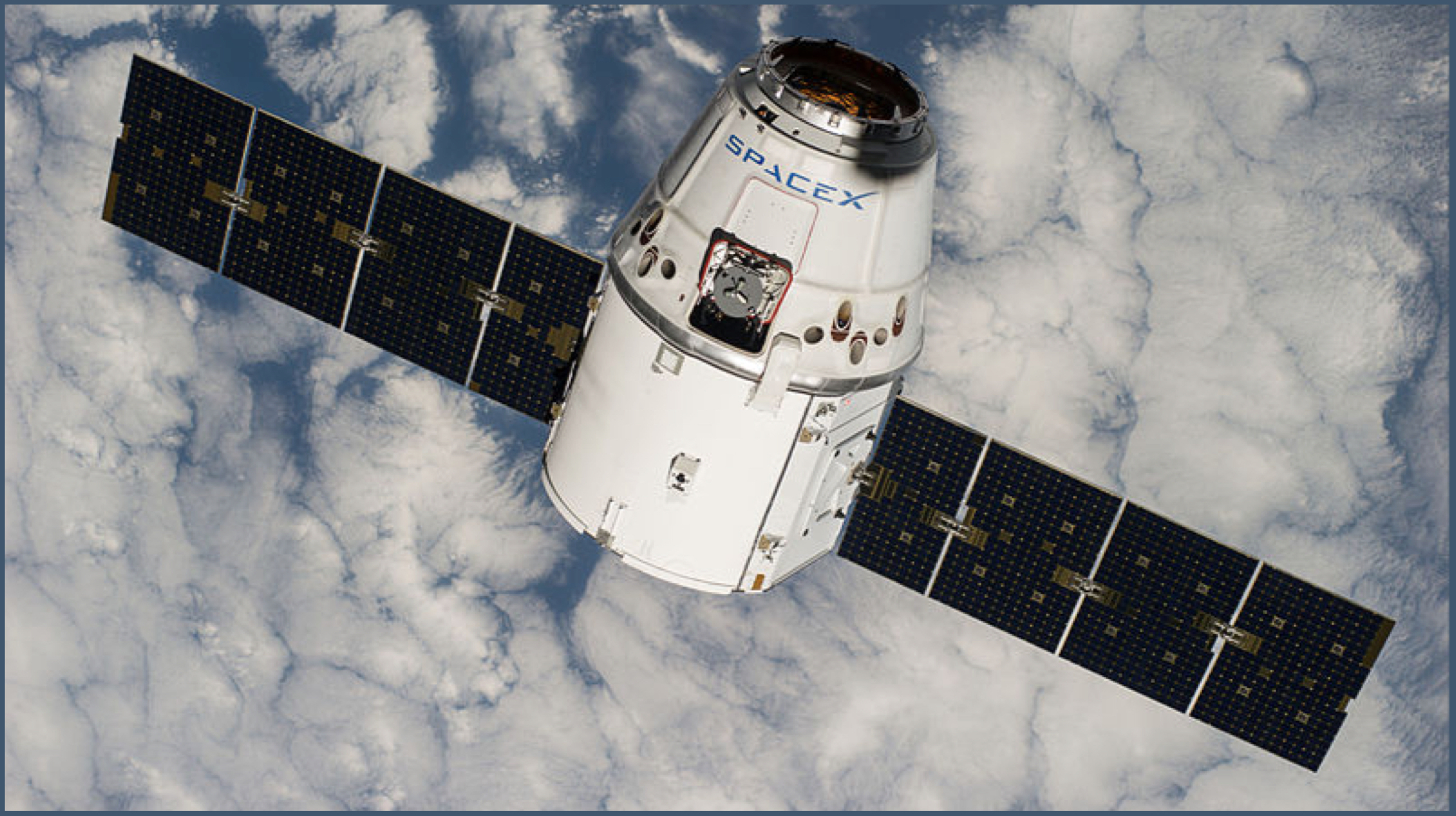
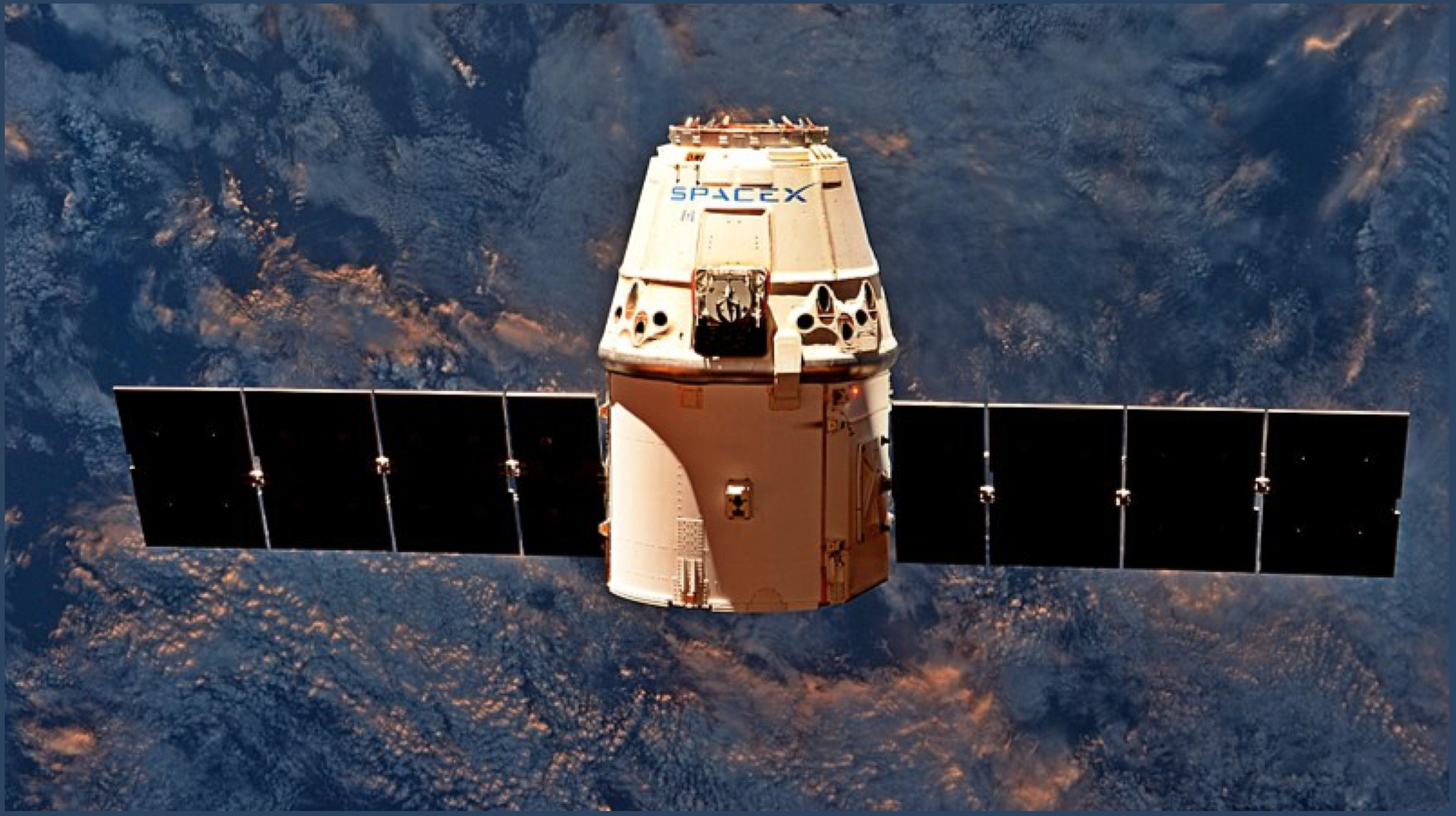
    The new opportunities for commercial activities might lead to some really interesting outcomes in the near future. The world has already started moving post this announcement with SpaceX’s Crew Dragon space being contacted by Bigelow Aerospace, the space habitat developer, for the transport of its private astronauts. Soon many more announcements and projects like the aforementioned collaboration are likely to be seen.

  • Space Crafts May Survive Collisions Thanks To Origami Inspired Materials

    Space Crafts May Survive Collisions Thanks To Origami Inspired Materials

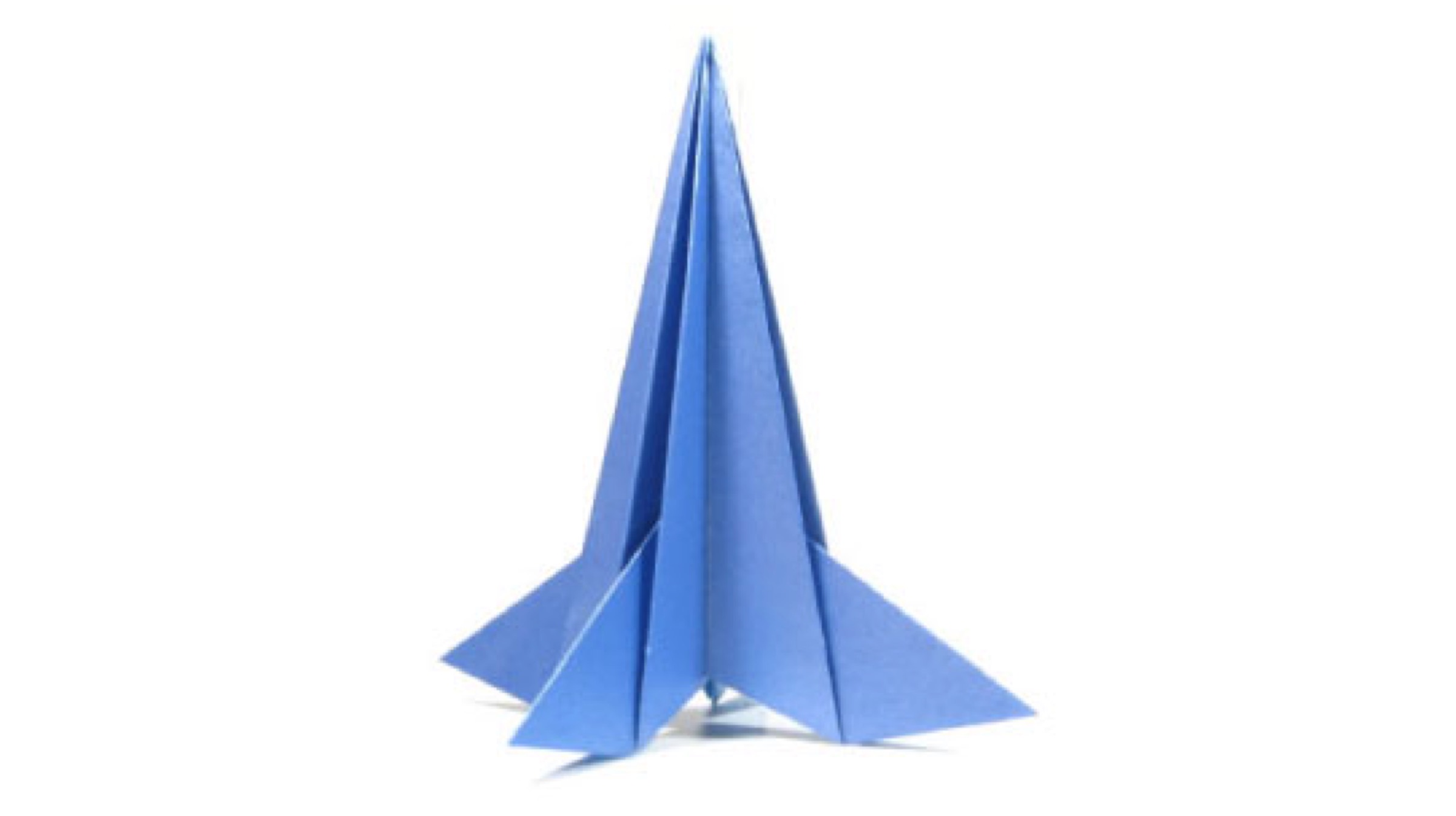
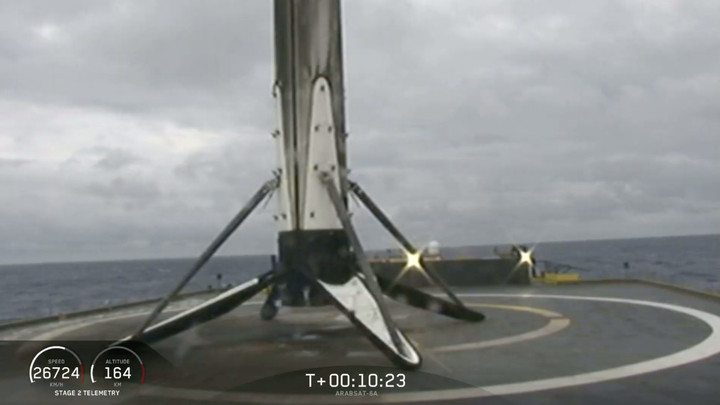
    Space collisions are a very common occurrence, considering that 128 million pieces of debris is floating around in space. A small marble-sized piece of debris can deal a significant amount of damage to a spacecraft. Furthermore, while landing, a lot of force is exerted by reusable rockets on both the ends i.e. the landing pad and the rocket itself. In order to make space vehicles more durable to withstand such collisions, scientists are taking design ideas from the Japanese paper-folding art, also popularly known as Origami. 

    Origami Space RocketResearchers from the University of Washington have derived inspiration from Origami techniques and have developed a solution that can serve to keep spacecrafts safe from collisions. They are designing materials that can withstand huge amounts of forces and pressure in space. The paper model of the “demo” material implements the incorporation of “folding creases” that forms a basis of Origami models, which in turn cushions the impact forces consequently reducing the chance of material rupture. 
    Space RocketAlso Read: ARM Announces New Design For Upcoming CPU And GPU

    When two objects collide with force, a “push” is exerted by one object on the other. Instead, when the meta-material collides with another object, it exerts a form of “pull” by the time the energy dissipates through to you. This considerably nullifies the chance of such an object tearing through such a surface. Comparing the meta-material to Legos, a member of the research team stated that a number of different structures can be designed by repeatedly using the same type of building block over and over again. Using this technique, researchers can create never-seen-before material structures with unprecedented properties. 


  • 3D-Printed Rocket Company Given Launch Site In Cape Canaveral

    3D-Printed Rocket Company Given Launch Site In Cape Canaveral

    Relativity Space, a three year old start up, that wishes to send 3D printed rockets to space have finally received a launchpad in Cape Canaveral. Cape Canaveral is America’s busiest spaceport. Relativity is reportedly taking over a site called LC-16. This pad was previously used by the US military to launch Titan and Pershing ballistic missiles at a point in time. The announcement was made by the company on Thursday. According to the company, they have a five-year agreement with US Air Force to operate out of the launchpad in Cape Canaveral. 

    Relativity will be the fourth company to gain access to the popular launch site after SpaceX, Blue Origin and the United Launch Alliance. A bidding was held for the launch site and Relativity won the bid. They also have permission to modify the launchpad to suit its own technology. The company will save approximately four years which would have otherwise been spent on building a launch site from scratch. 

    Relativity Space 

    Relativity wishes to deploy and resupply satellite constellations with industry-defining lead time and cost. The uniqueness of Relativity Space is to build an entirely 3D printed rocket. They also have the first fixed tooling-free, evolvable factory and a proprietary building-sized metal 3D printer called Stargate. The company also wishes to eventually print 3D rockets on Mars.

    The first launch vehicle for the company is called Terran 1. Surprisingly, the company says that it would only take 60 days to print. The vehicle would have a max payload of 1,250 kg (2756 lbs) to low-Earth orbit. 

    Relativity Space CEO Tim Ellis was named by Vice President Mike Pence as a member of the National Space Council’s Users Advisory Group last year. The company, even though just three years old, has come a long way. It also has a long way to go, quite literally. To Mars if things go as planned. 

  • Birth Of A Black Hole Observed By Scientists For The First Time

    Birth Of A Black Hole Observed By Scientists For The First Time

    Researchers in a recent study have revealed that an observation was made of a mysterious bright object that lit up the night sky. This sudden glow spotted from Earth, 200 million light years away disappeared as quickly as it had appeared. Scientists believe it may have been the exact moment that a star collapsed into a compact object. This might be the birth of a black hole or a neutron star. 

    The Cow

    Nicknamed ‘The Cow’, the formation of a blackhole is the direct result of a star’s death. The scientists also said that such a phenomenon, the birth of a black hole, has never been witnessed before. Raffaella Margutti, was leading the research for Northwestern University when the phenomenon was spotted.  “We thought it must be a supernova,” Margutti said. “But what we observed challenged our current notions of stellar death.”

    The bright light was initially thought to have come from a bright star. However, the scientists changed their view because the flash was 100 times brighter than a normal supernova. The outburst was discovered using the Asteroid Terrestrial-impact Last Alert System also known as ATLAS. ATLAS are a pair of survey telescopes in Hawaii.

    Copyright Raffaella Margutti/Northwestern University

    After the outburst was seen, various scientists researched the reason for the phenomenon using different methods. According to reports, Margutti’s team studied The Cow in X-ray wavelengths using NASA’s Nuclear Spectroscopic Telescope Array (NuSTAR) and the European Space Agency’s International Gamma-Ray Astrophysics Laboratory (INTEGRAL) and XMM-Newton spacecraft.  Radio waves were studied using the National Radio Astronomy Observatory’s Very Large Array (VLA) and in optical light using the MMT Observatory in Arizona and the Southern Astrophysical Research (SOAR) telescope in Chile. 

    Margutti’s team announced its results on Jan 10 during a news conference. The conference was held at the 233rd meeting of the American Astronomical Society (AAS) in Seattle. Several other scientists gave their own hypothesis of the phenomenon as well. However, not all of them agreed with each other. But if it is indeed the birth of a black hole that they saw, it would definitely be a scientific milestone of this century. 


  • SpaceX Successfully Launches Its First Mission Of 2019

    SpaceX Successfully Launches Its First Mission Of 2019

    SpaceX, short for Space Exploration Technologies Corp is a privately owned American company that manufactures aerospace vehicles and offers space transportation services. The company was founded in 2002 and has since developed two lineups of aerospace vehicles which are Falcon and Dragon. SpaceX has successfully developed orbital rockets that are capable of being reused. This feature allows SpaceX rockets to drastically reduce the costs of launching satellites in and around earth’s orbit. On 11 January 2019, the company successfully launched its first rocket of the year. 

    Falcon 9 Successfully Launches The Last Batch Of Iridium Satellites

    SpaceX previously signed a contract with Iridium Communications to launch 75 in-orbit satellites that will update Iridium’s aging space fleet. The new fleet of satellites is called Iridium NEXT constellation and it will replace the original fleet of the company that was launched between the year 1997 and 2002. 

    The satellites owned by Iridium Communications are used for worldwide voice and data communication from hand-held satellite phones and other transceiver units. The satellite network owned by Iridium Communications is unique in its own manner as it is able to provide coverage anywhere on Earth, including oceans, airways and poles. 

    SpaceX rockets have been launching these satellites in batches of 10 except for one flight that launched 5 satellites. The latest launch will be carried out in 10 minutes after which the company plans to touch down the Falcon 9 rocket on a drone ship in the middle of the ocean. 

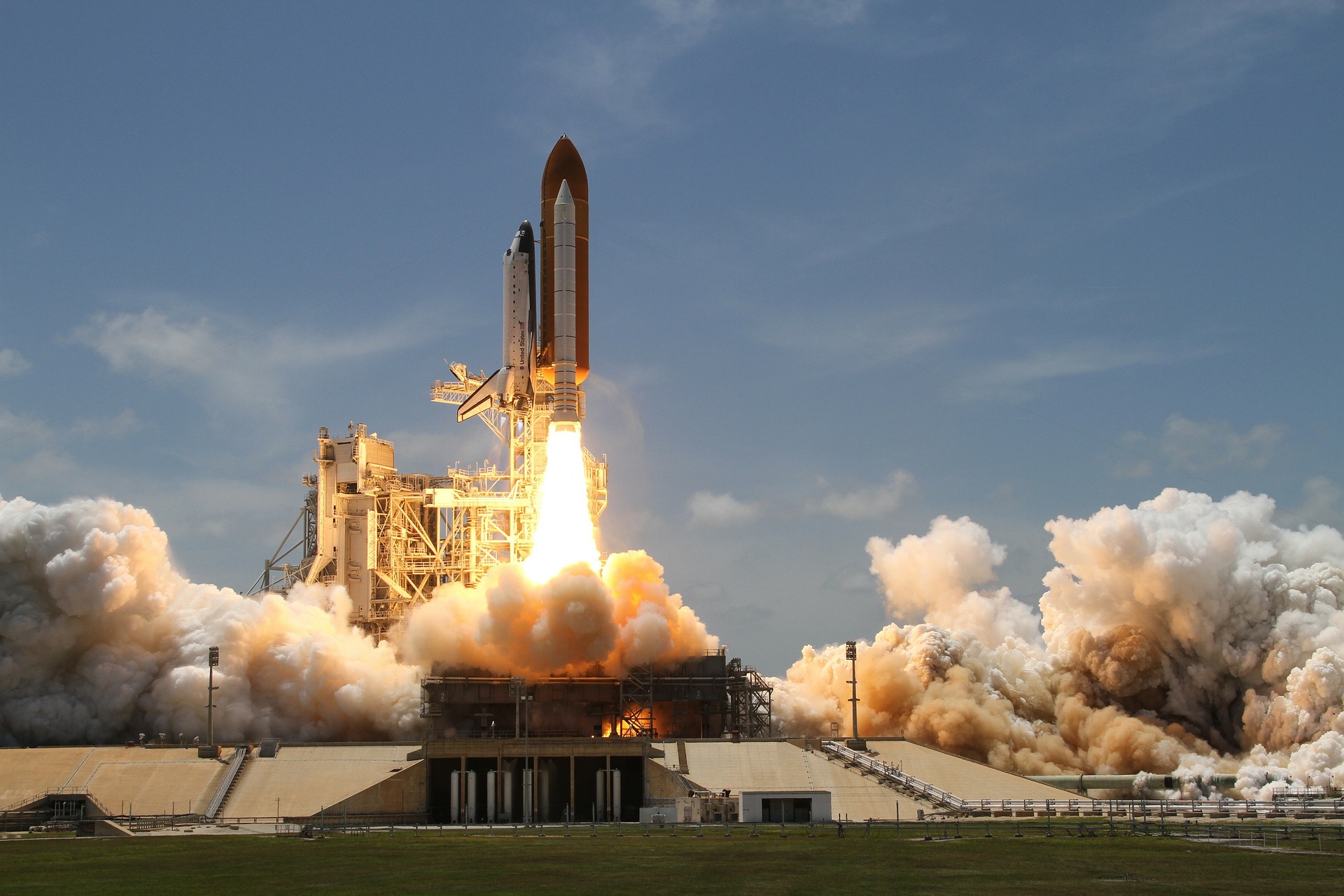
    Previously a Falcon 9 rocket that was supposed to land back was botched. The rocket was intended to land on a concrete pad on the Florida coast but instead, it ended up in the ocean. According to the live stream provided by the company, the Falcon 9 has indeed launched the Iridium Satellites and successfully landed unharmed. This landing marks the 33rd successful landing of a SpaceX Falcon 9 rocket core.

    Meanwhile Checkout the Falcon9 Landing on a Ship 


  • Russia Working On “Nuclear Powered Engine” for Fast Travel to Mars

    Russia Working On “Nuclear Powered Engine” for Fast Travel to Mars

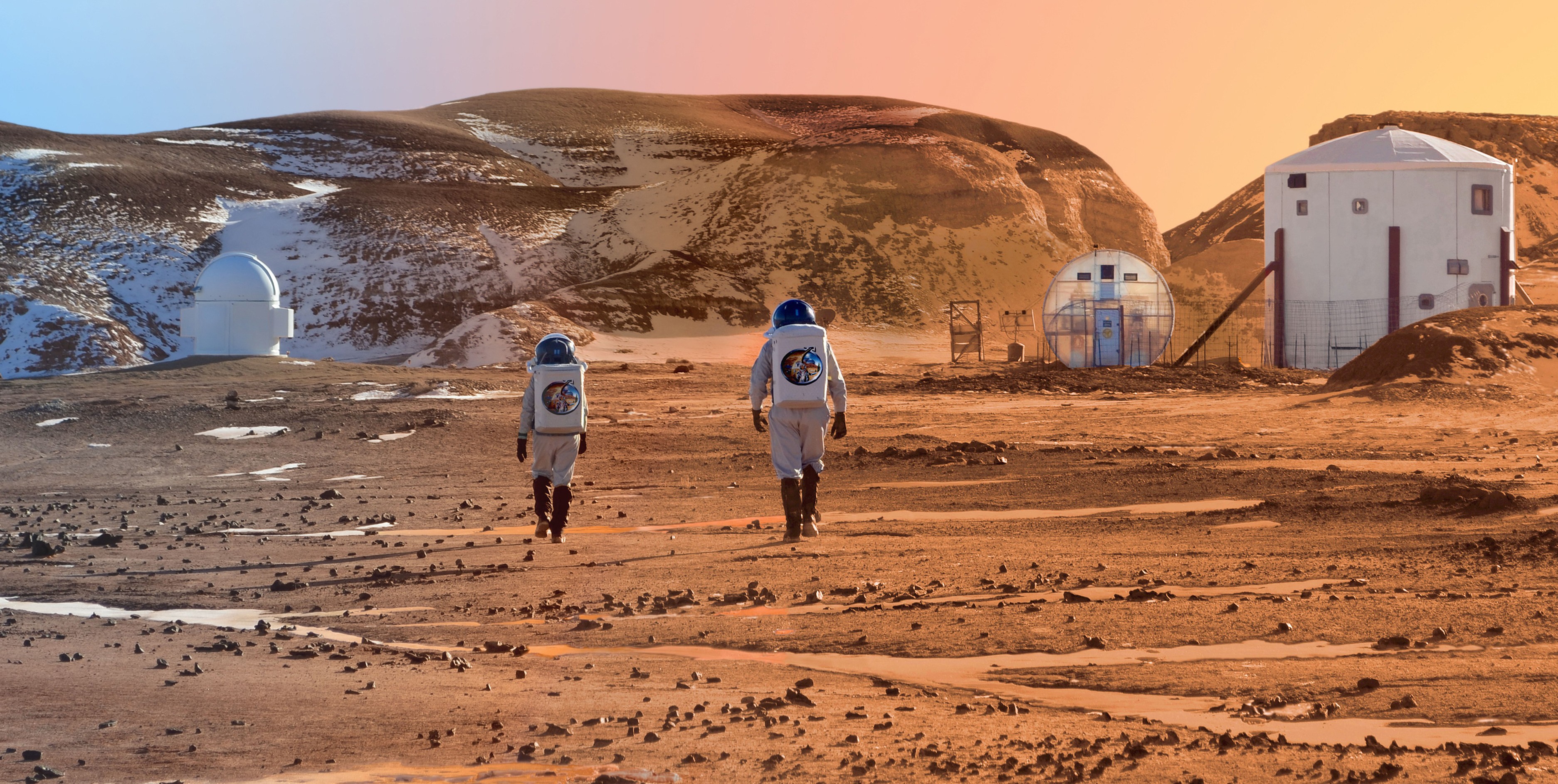
    Mars, for long has remained a planet which has captivated the imagination of the human race. For some reason, we have always maintained an obsession with the red planet making it become almost an enigma for us. Much of it is down to the fact that for all our technological advancements, we haven’t yet deciphered a fuel efficient and quick way to reach Mars, but all of it is about to change.

    Mars


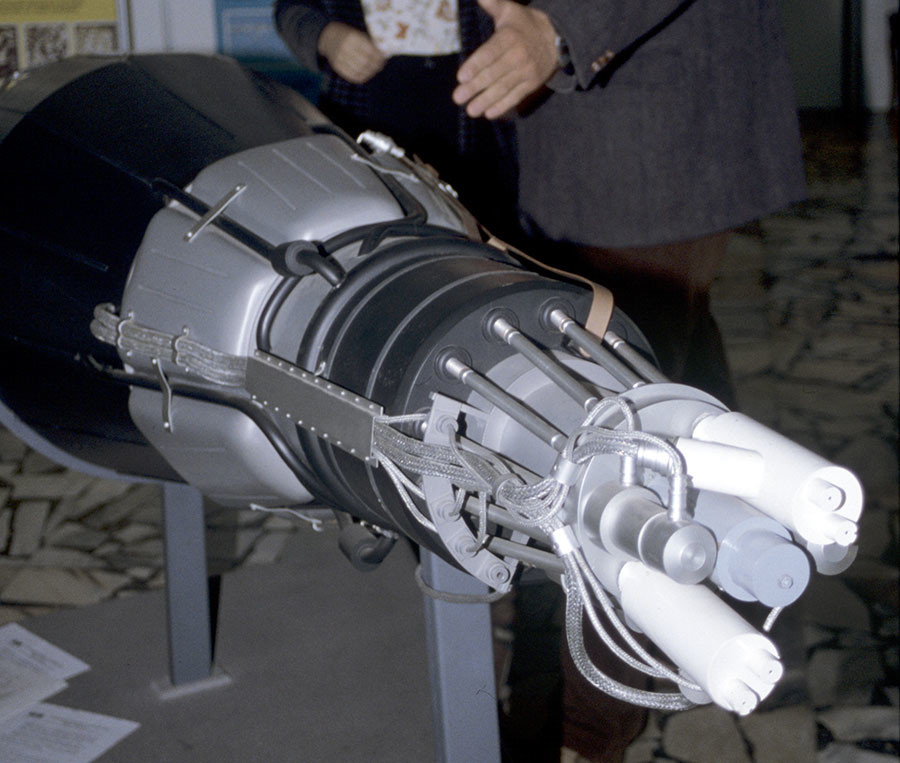
    Russia is reportedly working on a super-fast spaceship which will take Astronauts to Mars in 45 days, as compared to what is 18 months using the current generation rocket propulsion technology. Talking about this, head of Russia’s state nuclear body Rosatom, Sergey Kirienko said,

    ” A nuclear power unit makes it possible to reach Mars in a matter of one to one and a half months, providing the capability for maneuvering and acceleration. Today’s engines can only reach Mars in a year and a half, without the possibility the of return.”

    topaz space reactor

    According to reports, a prototype nuclear drive could start testing by 2018. Traditional rocket engines are believed to have reached the limit of their potential and can’t be used for deep space exploration. The nuclear engine project was first launched in 2010 and by 2012, an engineering design had been created. The project’s budget is estimated at 20 billion rubles (about $US274 million). This is highly economical also in comparison to traditional rocket engines whose cost goes into 10s of Billions of US Dollars.

    Needless to say that a “Nuclear powered” spaceship comes with its obvious set of risks. As with rockets, many do not manage to cross the earth’s atmosphere, and some even blow up at the site of launch. Keeping that in mind, having a nuclear-powered spaceship blow up in the atmosphere leading to radioactive debris falling from the air onto areas of our planet does sound like a dangerous idea. In 1978, a nuclear-powered Soviet satellite crashed in northern Canada, spewing radioactive waste over nearly 50,000 square miles. But having said that, we’re sure the Russians will have some failsafe in place for a mishap like this, or at least we hope they would.


  • Students Send GoPro to Space, Find It Two Years Later

    Students Send GoPro to Space, Find It Two Years Later

    What happens if you send something up in a weather balloon and instead of it coming back down like you expect it to, it gets lost somewhere in a desert 80 kilometers away from you?

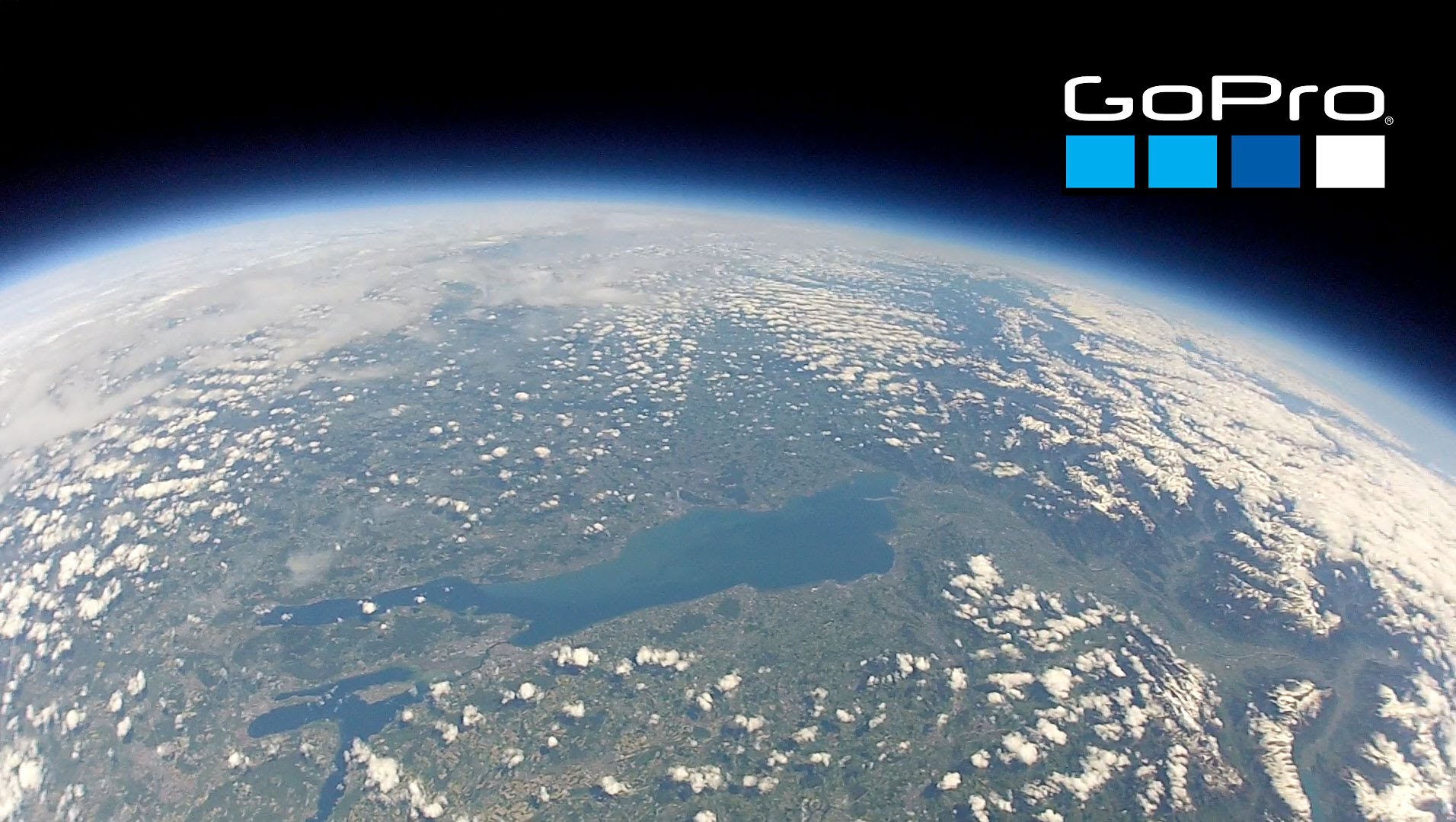
    This is exactly what happened to a group of Arizona-based students who wanted to see what their GoPro camera could capture when attached to a weather balloon and sent it high up to the edge of space. No doubt their intention was on seeing something spectacular when the camera returned back.

    The preparation for it was all planned well as the video below shows. The team spent months testing parachutes, calculating wind trajectories, custom 3D printing their GoPro case, and a spacecraft. The launch took place in June of 2013 on a clear day. They released the balloon which slowly went up capturing the Grand Canyon from afar. It went to an altitude of 30 kilometres and an hour and a half later, the balloon exploded leaving the camera to plummet down to the ground.

    Till here everything went according to plan, however, the package’s return to earth didn’t go down as smoothly. Due to GPS and data coverage difficulties, the package could not be tracked after it had landed.

    We planned our June 2013 launch at a specific time and place such that the phone was projected to land in an area with cell coverage. The problem was that the coverage map we were relying on (looking at you, AT&T) was not accurate, so the phone never got signal as it came back to Earth, and we never heard from it….

    The phone landed ~50 miles [80 km] away from the launch point, from what I recall. It’s a really far distance considering there’s hardly any roads over there!”

    The device was found two years later by an employee of AT&T who was hiking in the desert. She identified the SIM card and returned the camera to its owners. The package had landed approximately 80 kilometers away from the launch site.

    The whole affair may not have gone as planned, but the video shows some amazing footage on its way up, and a really cool slow motion capture of the balloon exploding into tiny bits.

iGyaan Network
Privacy Overview

This website uses cookies so that we can provide you with the best user experience possible. Cookie information is stored in your browser and performs functions such as recognising you when you return to our website and helping our team to understand which sections of the website you find most interesting and useful.