Tag: Symbian

  • Top Android And iOS Competitors That Got Lost In The Wheel Of Time

    Top Android And iOS Competitors That Got Lost In The Wheel Of Time

    Google’s Android and Apple’s iOS are the most popular and the most used mobile Operating Systems worldwide. While their success is unprecedented and doesn’t seem like it can be beaten; there was a time when many companies were close. Here is the list of all the once-promising competitors to the hulking giants in the smartphone OS market. Most of them have been forgotten in the wheel of time.

    Windows Phone
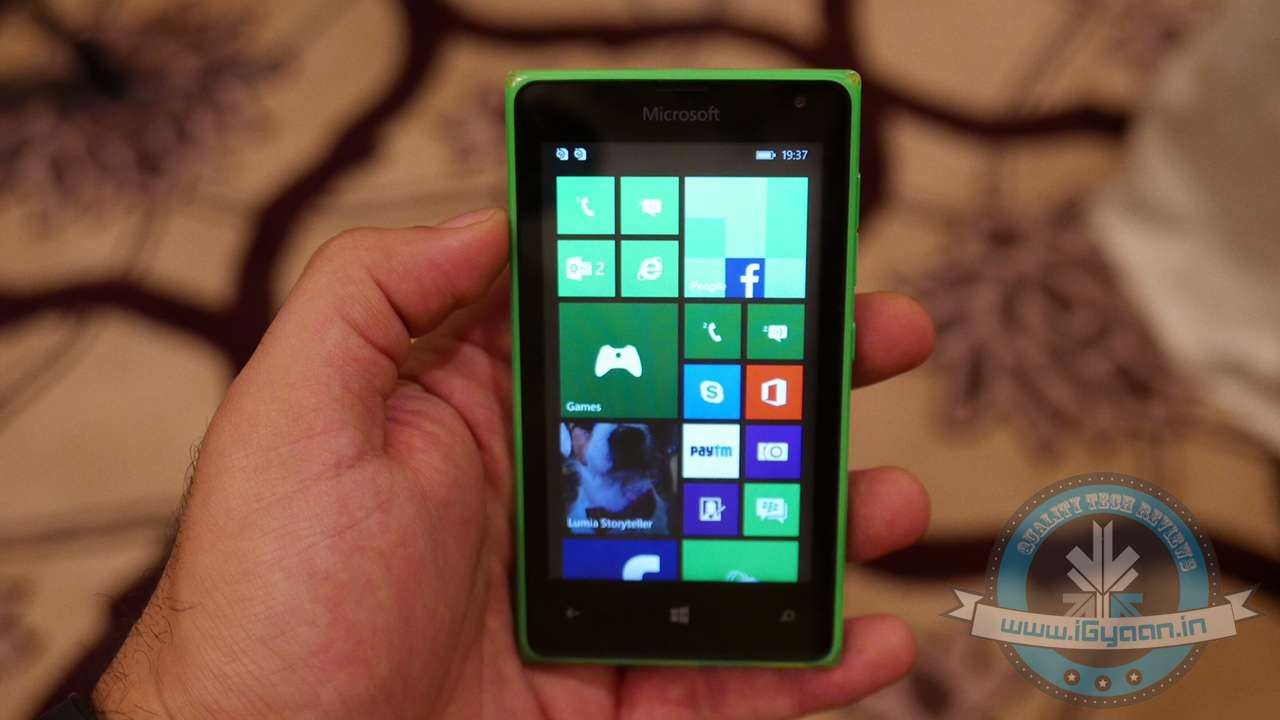
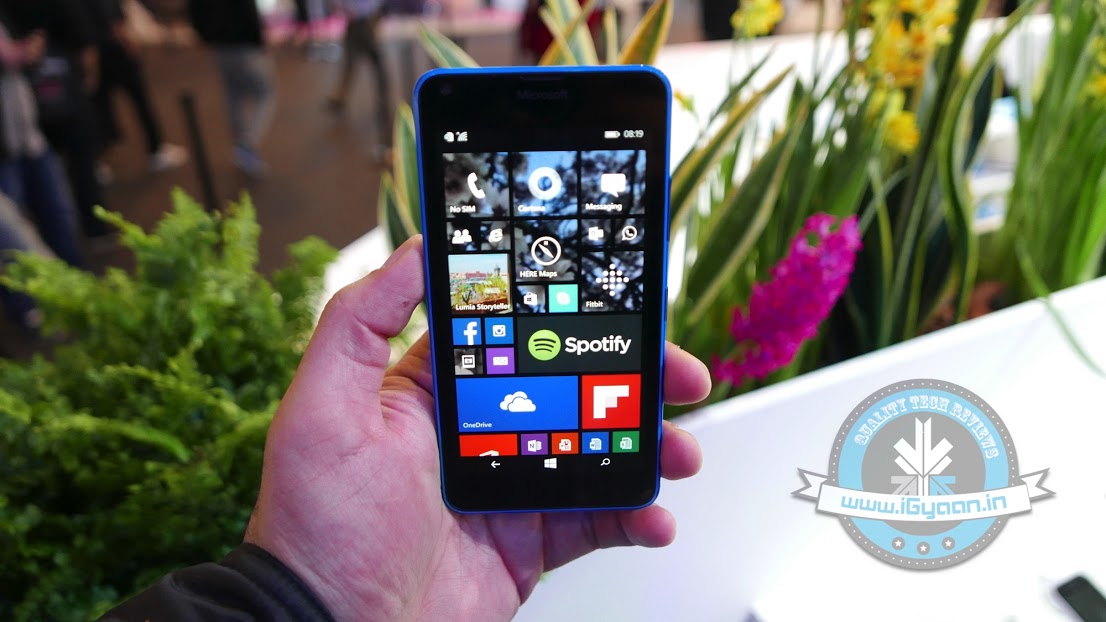
    Windows Phone first debuted in the early 2000s and ran on QWERTY based mobile phones. After the ever increasing hold of Android and iOS on the consumer market, Microsoft shifted its strategy and named it Windows Phone in 2010. With support for touchscreen devices and partnership with renowned smartphone OEMs like Nokia, HTC and Samsung; it was a refreshing take on Operating System for mobile phones. Alas, due to the poor app support and partners backing out of the project, the company officially shut down the Windows Phone two years ago. While the loyalists would still swear by its fluidity and colourful UI; the Windows Phone is still the closest any competitor ever arrived at beating Android and iOS.

    Symbian
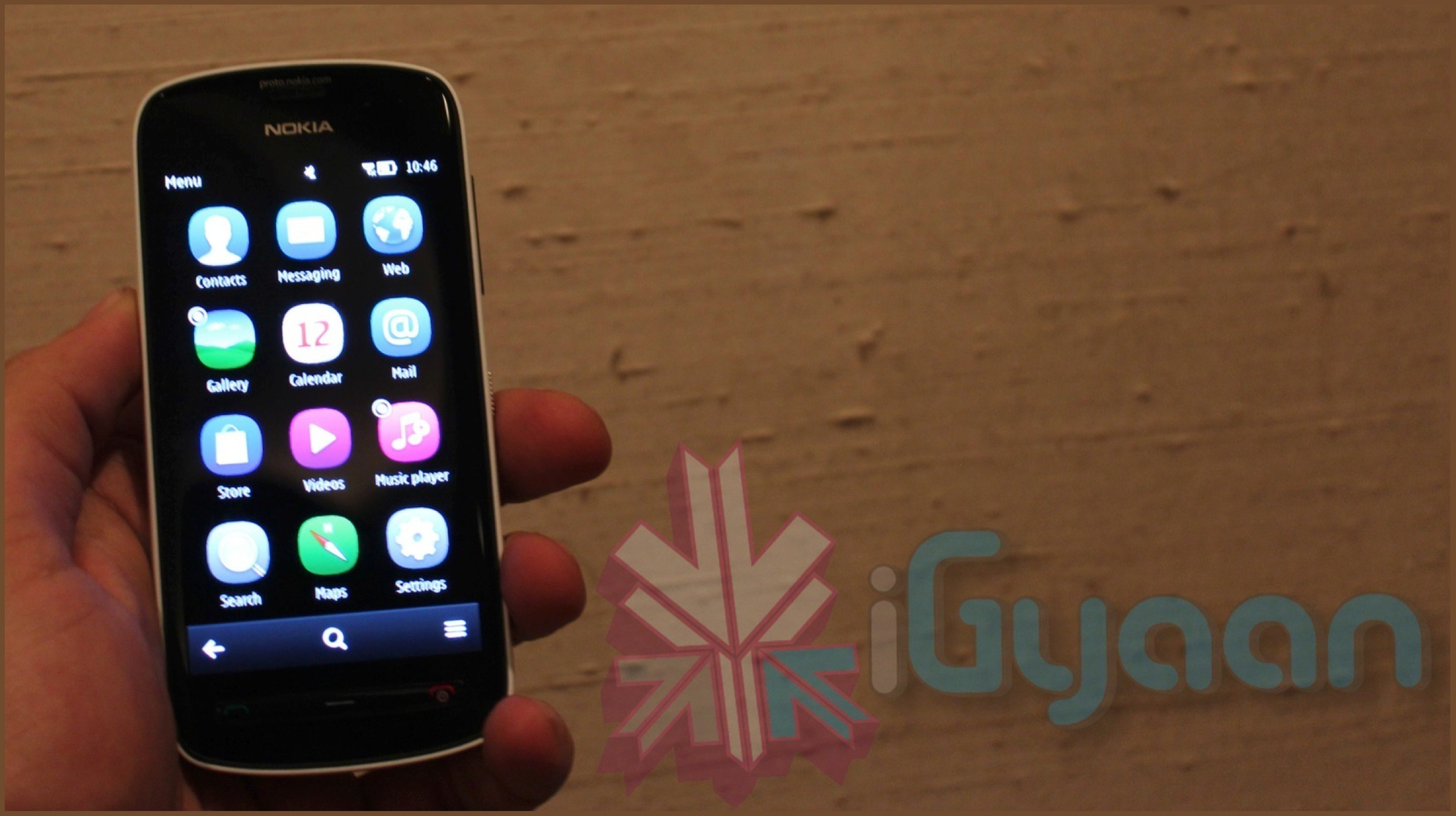
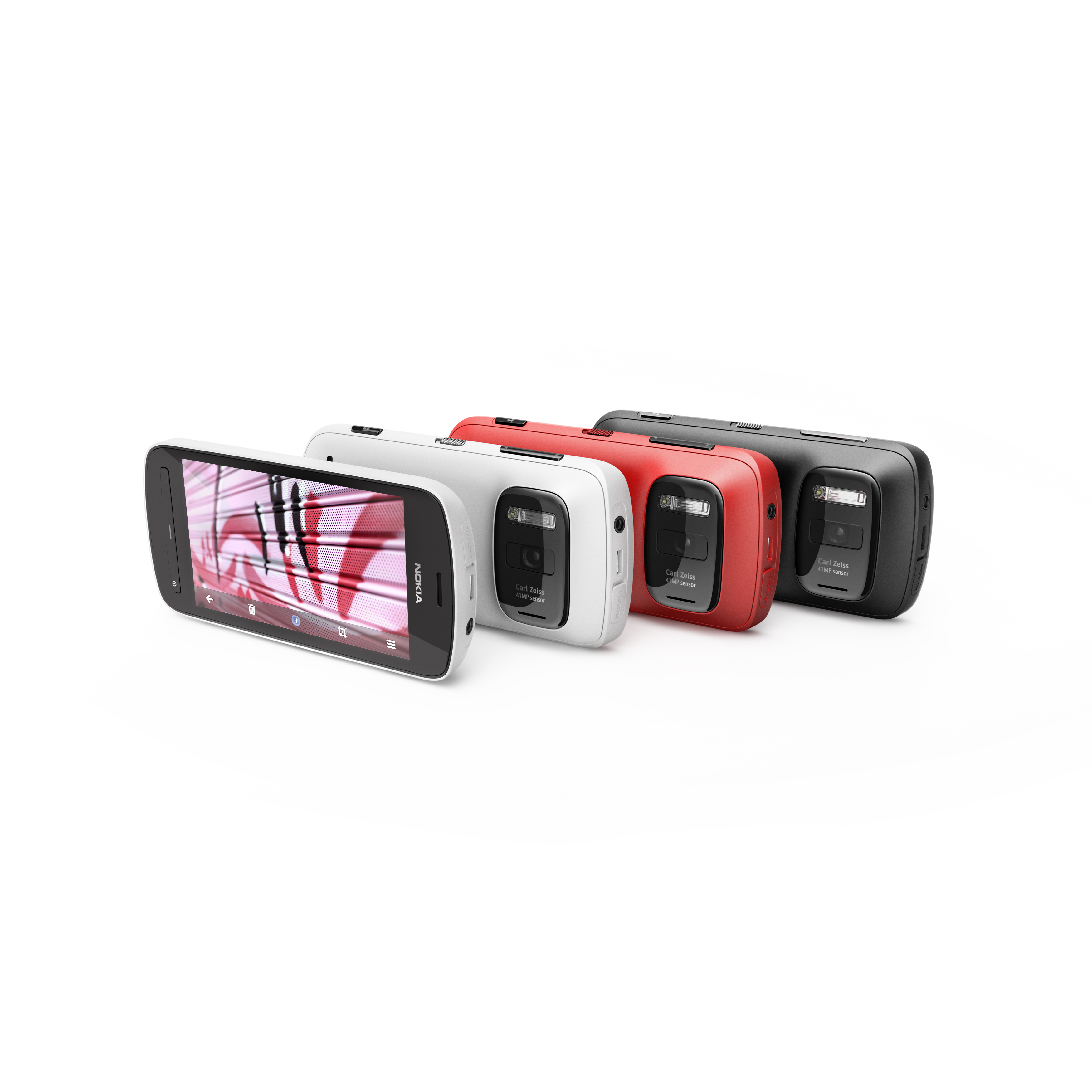
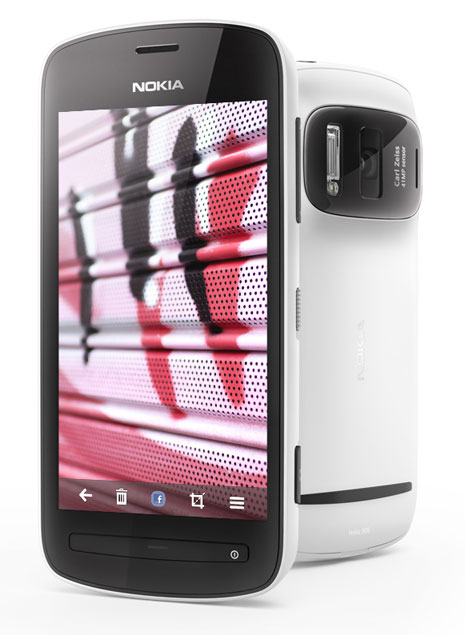
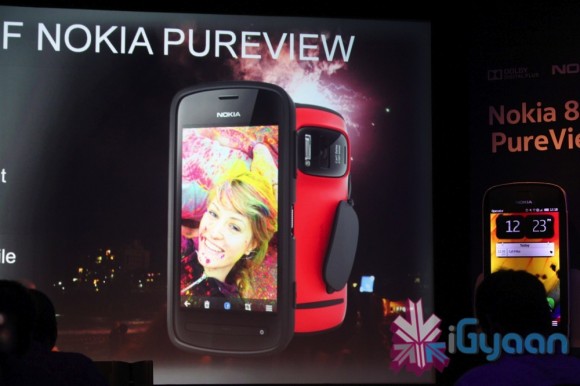
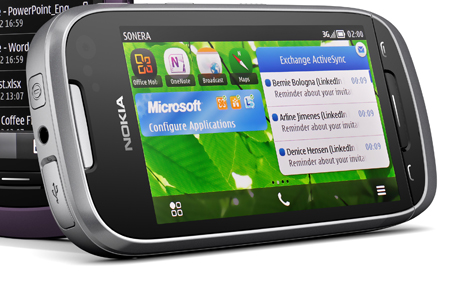
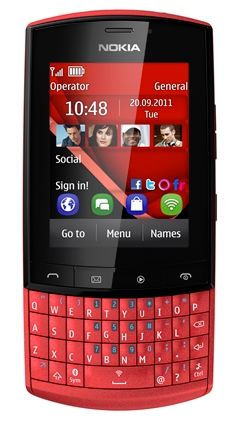
    Symbian OS was developed by Symbian Limited and was launched in the year 1998. While it was earlier designed for Personal Digital Assistants (PDAs), many major phone makers adopted the OS. The most prominent one of them was Nokia. The king of mobile phone OEM at the time also used a User Interface (UI) called S60. But, due to the ever increasing adoption of Android and iOS and Nokia’s foray into Windows Phone, Symbian also had to meet its ill-fated end. The legendary Nokia 808 PureView released in the year 2012 was the last phone to run SymbianOS from Nokia.

    Sailfish OS
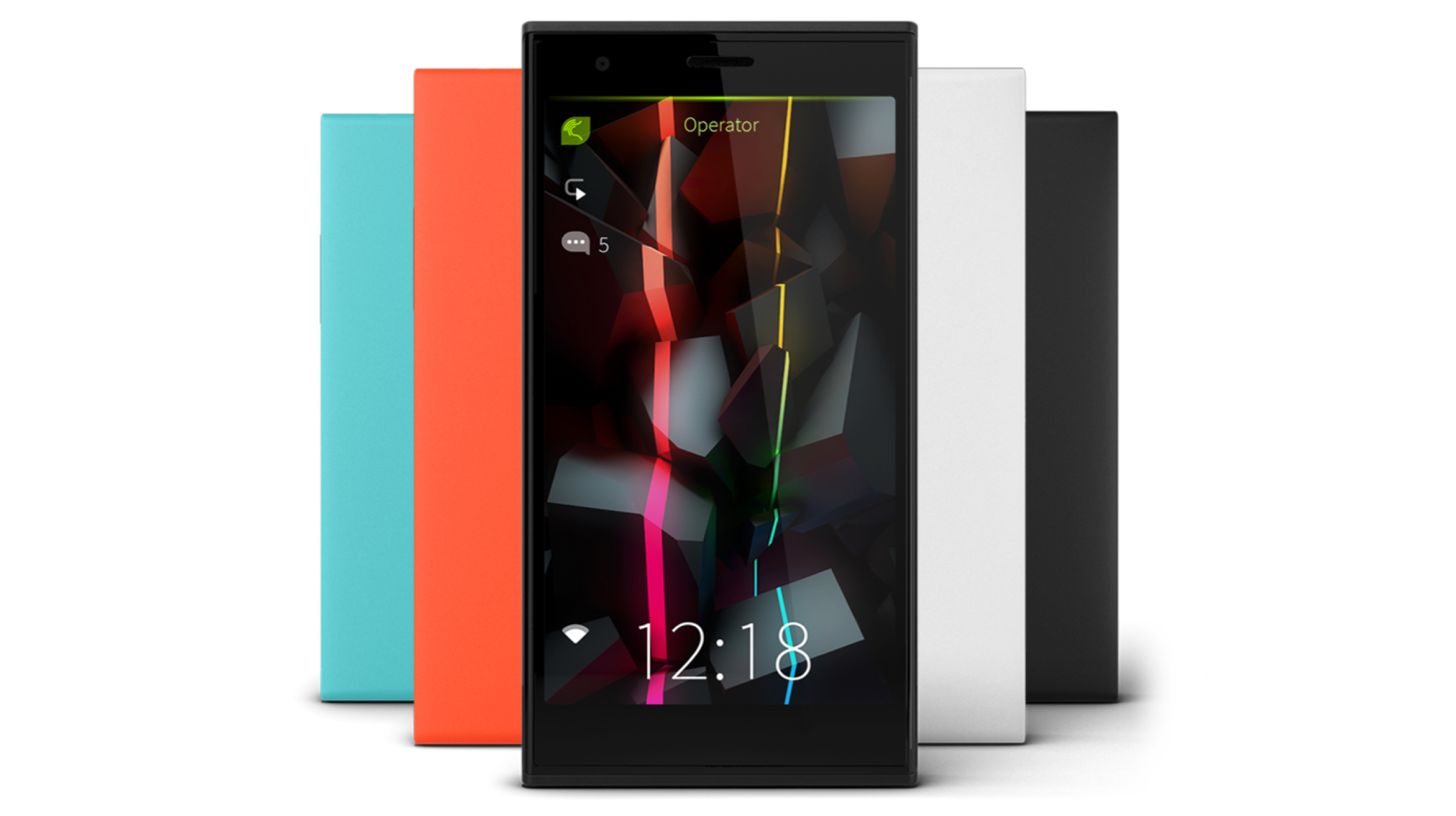
    Sailfish is developed by Jolla after the MeeGo interface by Nokia in its smartphone, the N9. While the latter was soon discontinued after its release, the former still receives consistent updates. Sailfish was designed to be a replacement for Android, promising better and safer software integration. To appeal to its investors, the company even had to release its own smartphone, called Jolla Phone. But, due to issues with various part suppliers, the company failed miserably and announced bankruptcy. However, software updates to the OS are still delivered quite regularly.

    BlackBerry OS
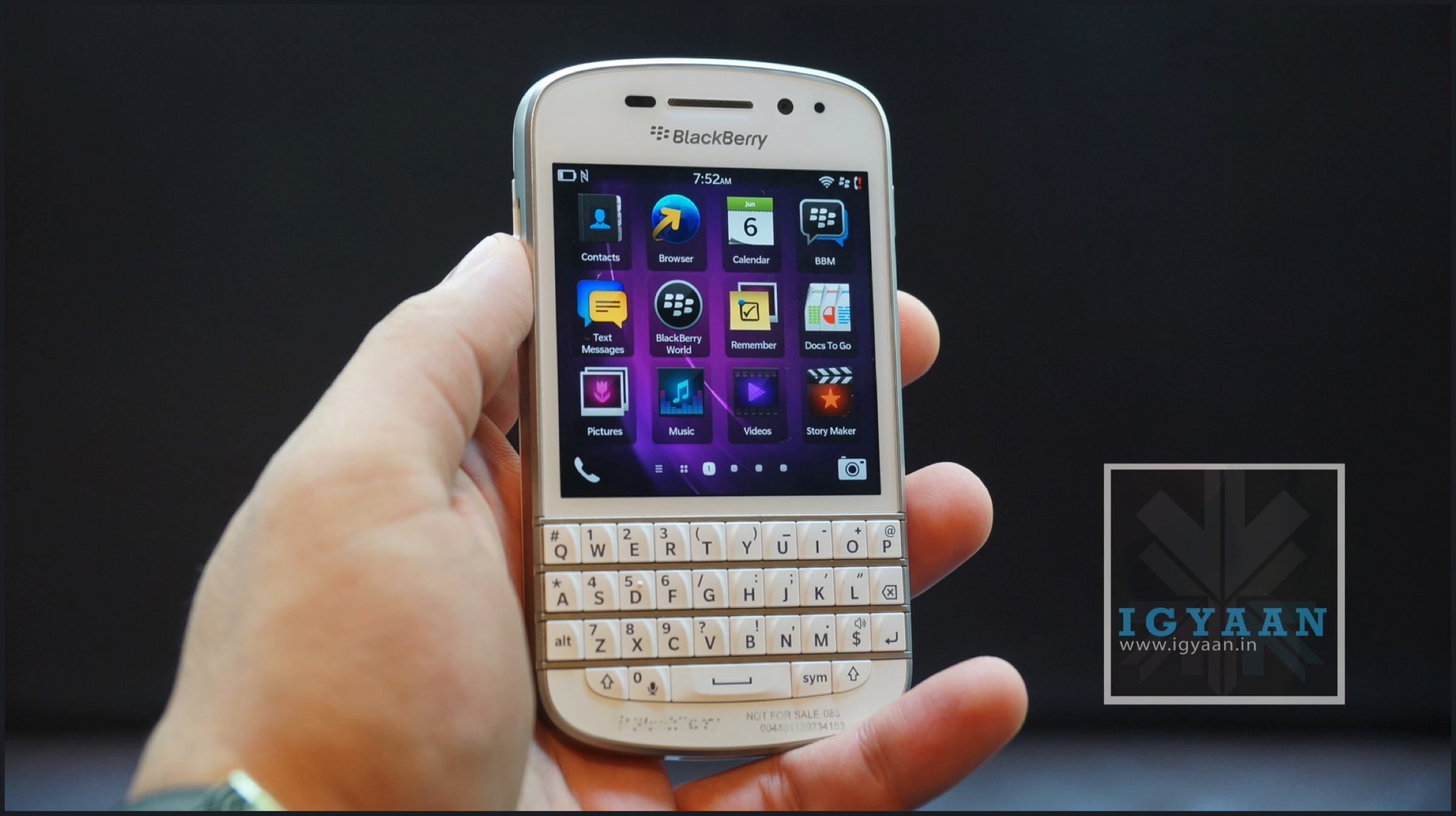
    Blackberry, the Canadian smartphone maker was once the most popular brand amongst businessmen and college goers. Remember when all the cool kids had access to BBM? This was due to the BlackBerry OS inside the devices. It was a secure operating system that was capable of supporting touch screen and QWERTY input. Although, like most entries in this list the BBOS also fell flat to its competition over the lack of apps and a dated UI design. While the company tried fixing it by allowing the installation of Android apps on the devices. But, BlackBerry eventually gave up and launched the Priv, a smartphone running Android OS in the year 2015. 

    FirefoxOS
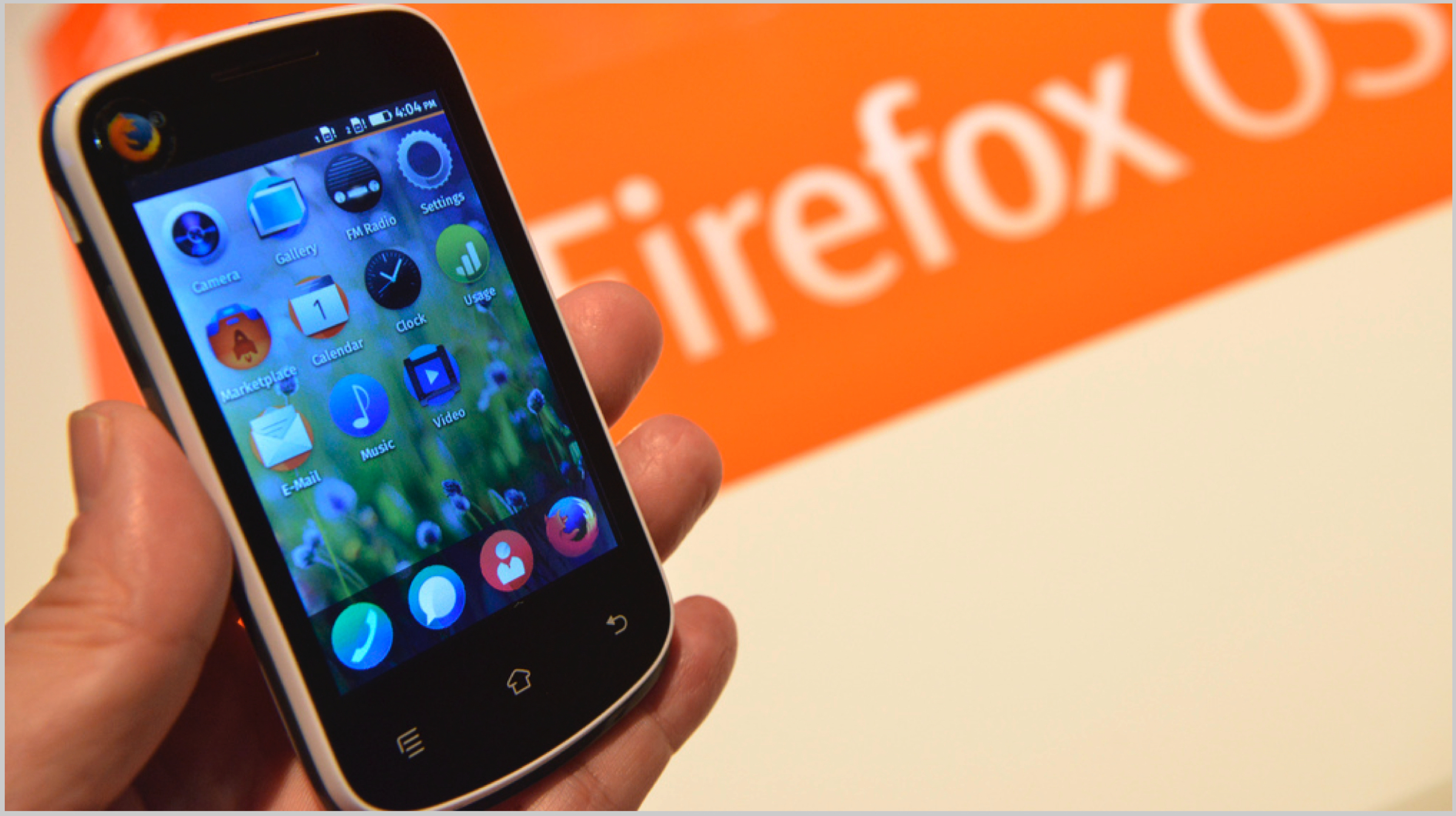
    One of the biggest names in web browsers, Mozilla’s foray into the mobile OS business is nothing to write home about. First shown in the year 2012, it was designed for entry-level smartphones. But again, due to a sluggish adoption and lack of app support made the company discontinue Firefox OS in the year 2016. While it didn’t have a good run, the OS is credited for the birth of KaiOS. It is the latest software to power feature phones to make them smarter.

    Tizen
    Also read: Huawei Working On Smartphone With 16MP Pop-Up Camera And 4,000 mAh Battery

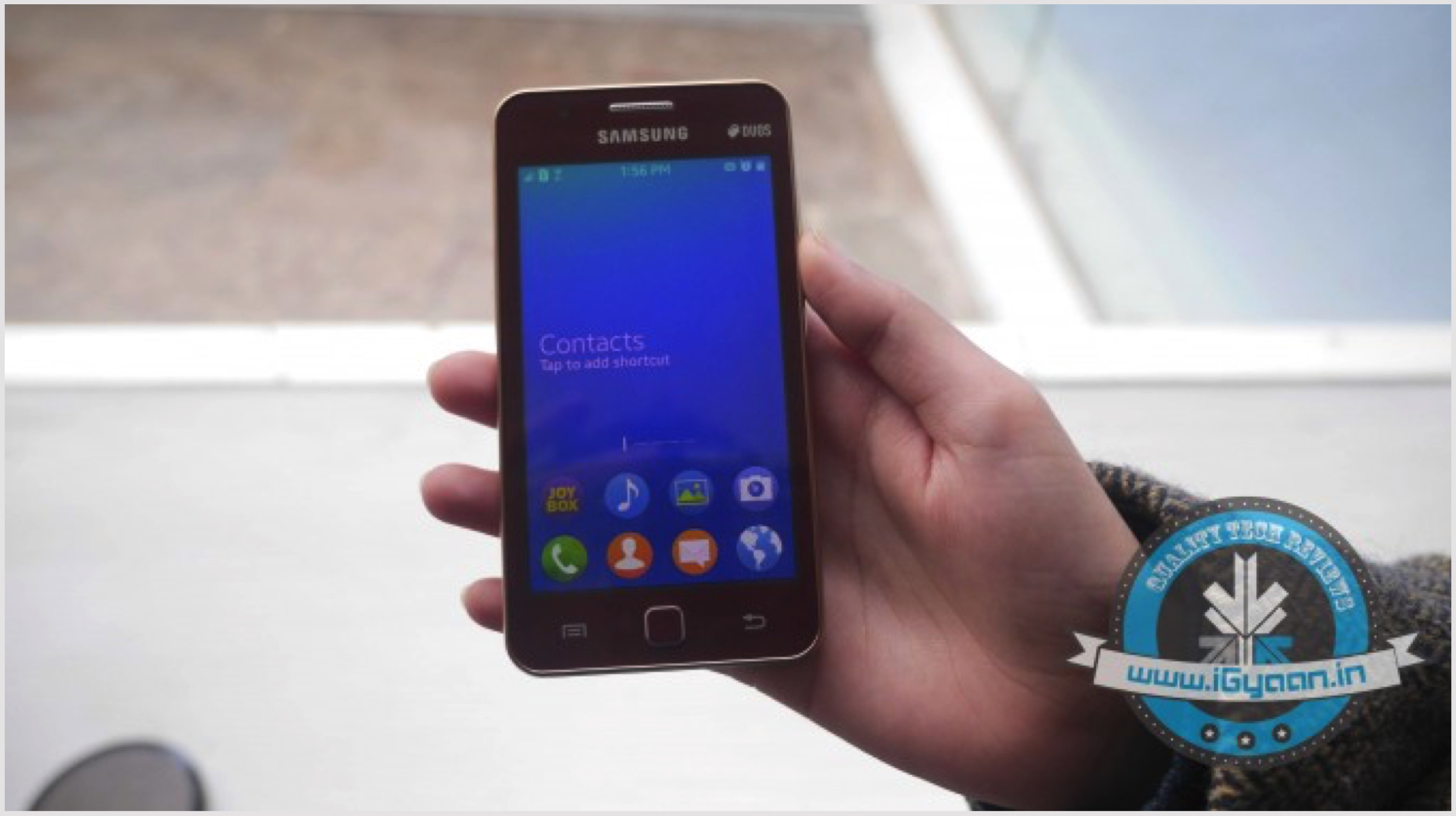
    Tizen is an open source Operating System mainly embraced by Samsung in its Z series. It was mainly intended to run on entry-level budget smartphones and as a replacement to Android. The Tizen OS promised a faster UI with future support for popular applications. All the promises fell flat, however as these premises were met with no results. Tizen was last seen in the Samsung Z4 in the year 2017. 
  • WhatsApp to Drop Support for Blackberry OS by End of 2016

    WhatsApp to Drop Support for Blackberry OS by End of 2016

    In another blow to the already fledgling Blackberry OS, Facebook owned WhatsApp has revealed that by the end of 2016 it will withdraw all support for its software from the Blackberry platform.

    whatsapp-app

    The announcement came shortly after WhatsApp celebrated its seventh birthday and recently crossed over 1 billion users worldwide. The company in its official blog said, “As we look ahead to our next seven years, we want to focus our efforts on the mobile platforms the vast majority of people use”

    The company also revealed that WhatsApp will withdraw support for the once popular Symbian S40 and S60 platforms along with Android 2.1 and 2.2, as well as the Windows Phone 7.1 devices by the end of the year.

    WhatsApp’s developers decision to take this step makes sense considering the push the company is making towards providing a streamlined service to its user base across the multiple platforms it offers its services on.

  • Nokia Asha 501 Review

    Nokia Asha 501 Review

    Nokia has long lost the major chunk of the market it used to own, and it is not easy to come down from the 80% market share to a lowly 15%. Despite the continued efforts of the the Finnish manufacturer, the market seems to not want to adapt to their ecosystem anymore. Fortunately for Nokia, countries like India still exist and devices like the Nokia Asha 501 are the only Asha (ray of hope) the company may have at surviving their toughest time yet. Does the Nokia Asha 501 cut its place out in the market which is now dominated by cheap Chinese replicas.

    Build Quality and Hardware

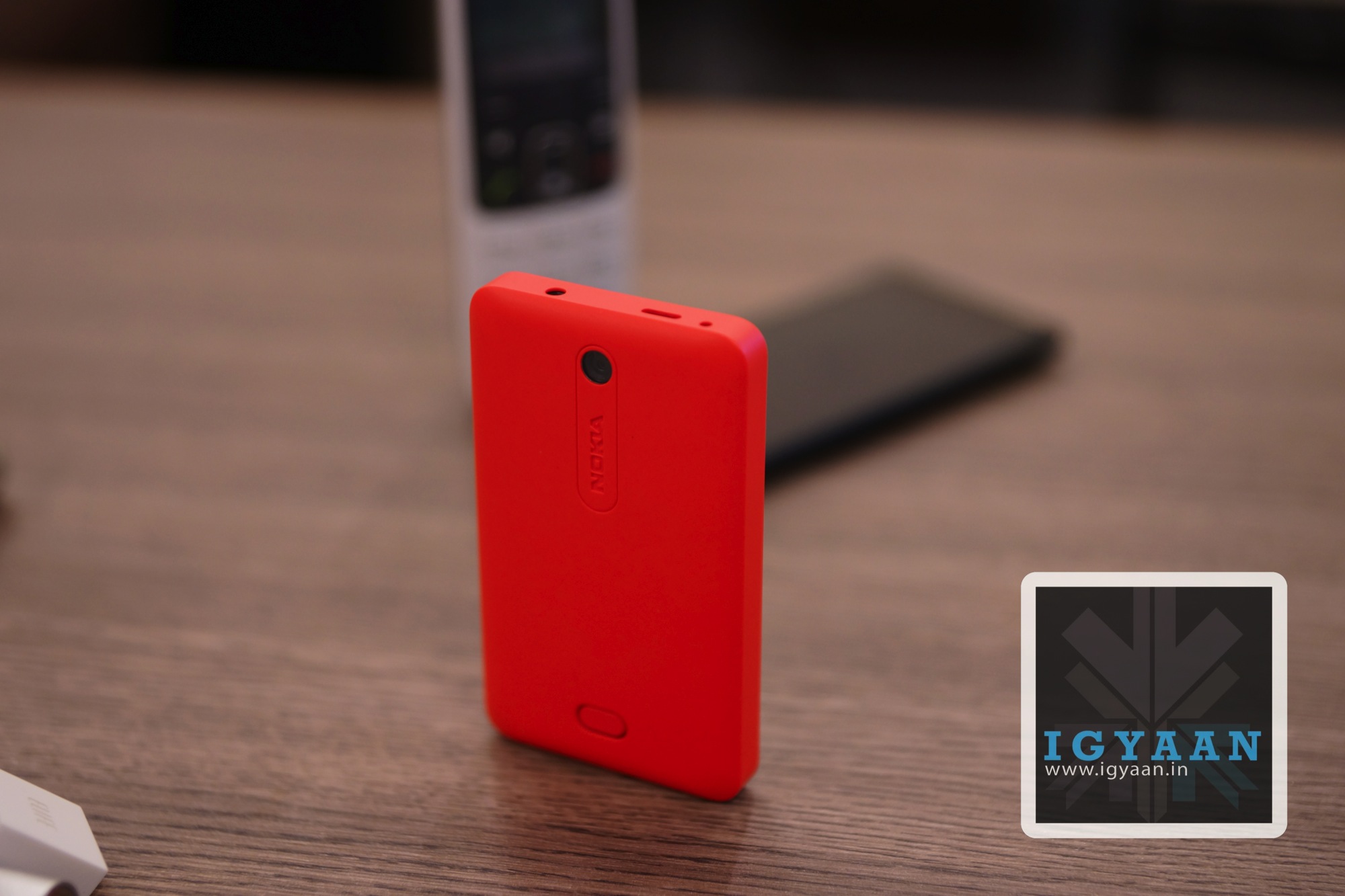
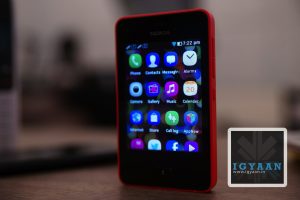
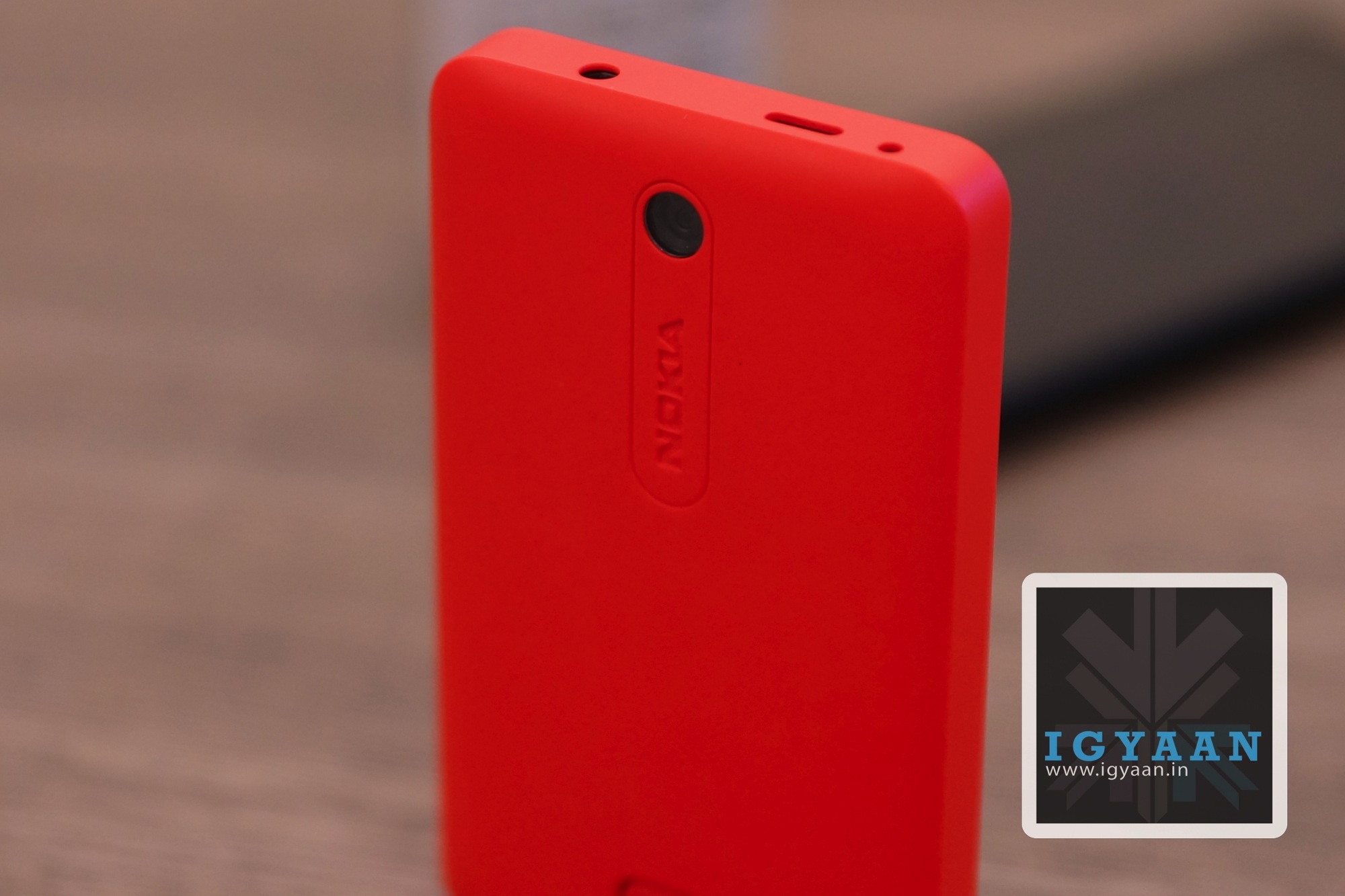
    Impressive. That is the only word that comes to mind the minute you pick up the Nokia Asha 501, its almost nostalgic. Suddenly Nokia has been able to remind us why we have so many MEMEs about the Nokia 3310. Nokia has once again focused on making a sturdy and strong device, that will promise to last long through the battles of life. The Nokia Asha 501 also targets the youth with a array of beautiful color options including Cyan, Green, White, Black and the “Pinkenta” that we got (seriously !)

    With its Unibody-esque ( the shell is openable) design and polycarbonate feel, which is actually plastic make this phone really robust. The quality of materials used has actually shown off in the end result and will be appreciated for a long time to come.

    On the hardware front all is sketch, in an age where people want to know everything about the workings of their phone, the 3 pieces of relevant information here are : 3 inch screen, 1200 mAh battery and  3 MP camera. All of which are in the 3 negatives; below par, below standard and below competition.

    Software and UI

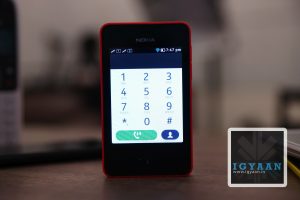
    Nokia has done something fascinating with the new “ASHA” UI, which makes is a lot more appealing. The number of interactions required by a user before execution have been considerably reduced with the new Nokia Asha 501.

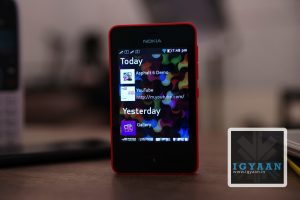
    The new ASHA interface truly is a rebuild of S40 which is a rebuild of Symbian which means you have JAVA on this phone. Which means that you should not expect an experience close to any Smartphone that you have ever seen, in fact despite Nokia’s huge software attempt, the UI is slow, boring and sort of dated. 

    Coming down from an Android, best of luck transferring contacts! Despite the series of softwares available, its still not done automatically via Gmail. 

    Sure you get Nokia Music and Express Browser that do work well and the music service is truly worth the value. You also get FM radio, but you still need a headset ( incidentally the one in the box is color coded to the color of the handset).

    Phone and Battery Life

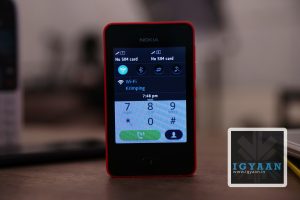
    The Dual Sim Nokia Asha 501, is one hell of a phone, and that is what it is. The modern marvel of Nokia build engineering and possible Meme star (part deux) has immaculate network reception along with impressive voice handling and transmission. No network lag during travel and little or no disturbance through usage. In todays low/no network enviorment, the phone works as great indoors as it does outdoors.

    The battery life is another gem in the treasure chest, over 12 hours of talk time on our test, with endless standby. The company claimed 17 hours of talk time and over 600 hours of standby actually seem possible with time.

     Nokia Asha 501 dual 1

    Camera and Multimedia

    Dont think this phone is limited in terms of features, you get a pretty impressive browser that actually impressed us with the promptness with which is handled many websites including iGyaan. The video playback from Youtube over Wifi is smooth and lag free and the speaker is pretty loud. 

    The 3 MP camera is a feature that you get but may never use, the images are poor and composed without a pop of color, are flat and underexposed. Low light conditions will remind you of the days of 3310 indeed, where a no camera is better than any camera at all.

    Conclusion 

    The Nokia Asha 501 is not supposed to be a Smart Phone, even though the company may be leading the world to believe so. The Asha 501 is a fantastic phone, built with an impressive quality and attention to detail, and a battery life that puts the big dogs to shame the market over. Unfortunately Nokia fails to communicate this to potential buyers, when its trying to show off features like music playback and Facebook access, which truly are not the highlights of this phone. 

    The Nokia Asha 501 is a fantastic second phone, I’d buy one just because its that good a phone, which that good battery life, but that is all there is to it. Several options in the Rs. 5000 price bracket offer Smartphone-features especially if the phone is loaded with Android. We have listed a few options below. 

    Buying Options


  • Nokia Will Ship Its Last Symbian Phones This Summer

    Nokia Will Ship Its Last Symbian Phones This Summer

    Nokia is set to ship its last batch of the outdated Symbian OS smartphones this summer, before devoting its smartphone production to Windows devices, The Financial Times reports.

    Nokia pointed long development of Symbian devices as one of the reasons to halt their production. According to the manufacturer it takes 22 months to bring a Symbian product to the market, compared to less than a year for a Windows Phone handset.

    “It took 22 months to get a Symbian phone out of the door. With Windows Phone, it is less than a year. We spend less time having to tinker with deep-lying code and more time on crafting elements of the experience that make a big difference, such as around photography, maps, music and apps in general.”

    SymbianOf course, there is also the matter of the number of units sold. Nokia moved only 500,000 Symbian smartphones in Q1 this year – significantly less than the 5.6 million Lumia devices sold during the same period. 

    Nokia will supposedly sell the last of the Symbian devices only in developing markets, that too only until stocks last. 

    In the past seven months, the company has released seven new Windows Phones, and with Nokia EOS rumors swirling the company is clearly committed to Microsoft’s mobile platform.

  • End Of The Road! Nokia 808 Pureview Was Last Symbian Phone

    End Of The Road! Nokia 808 Pureview Was Last Symbian Phone

    symbian

    Nokia has confirmed in its Q4 financial results that the 808 Pureview smartphone will be the last Symbian device it will ever produce.

    This morning Nokia reported operating profits for the first time in six quarters of €439m on revenues of €8.04bn and chimed that its strategy to turn its fortunes around is working.

    An essential part of that turnaround strategy has been an alliance with Microsoft to produce smartphones based on the Windows Phone operating system.

    That strategy is paying dividends with over 4m Lumia devices shipped during the busy Christmas sales season. The casualty of this strategy, however, is Nokia’s longstanding use of the Symbian operating system.

    [quote]In its  fourth quarter and full year 2012 Interim Report (spotted by the eagle eyes at TechCrunch), Nokia states: “During our transition to Windows Phone through 2012, we continued to ship devices based on Symbian. The Nokia 808 PureView, a device which showcases our imaging capabilities and which came to market in mid 2012, was the last Symbian device from Nokia.”[/quote]

    The news, which shouldn’t come as a surprise to anyone really, means the transition to Windows Phone is complete from a hardware perspective, although we suspect Nokia still has plenty of Symbian handsets still on shelves around the world for those that want a piece of history. 

    Symbian OS on Nokia devices has played a key part in the smartphone game over the past ten years, but its significance was severely reduced once the touchscreen revolution started. Some of the most notable phones to come out of Nokia were powered by Symbian – beginning with the 9210 Communicator. The Nokia E61 started a messenger phone hype that peaked with the E71, making Symbian OS the only viable competitor to the then-strong BlackBerry portfolio of messengers.

    The 808 PureView, Nokia’s last Symbian device, picked up the Best New Mobile Handset Award at the Mobile World Congress in 2012. The device created quite a stir at the time because it came with a 41-megapixel camera lens from Carl Zeiss as well as NFC capabilities.

    Nokia is rumoured, and almost expected, to include PureView technology in a new Windows Phone 8 smartphone out later this year. 

    We will keep you posted.

  • 75% Of Smartphones Shipped in Q3 Run On Android

    75% Of Smartphones Shipped in Q3 Run On Android

    smartphone

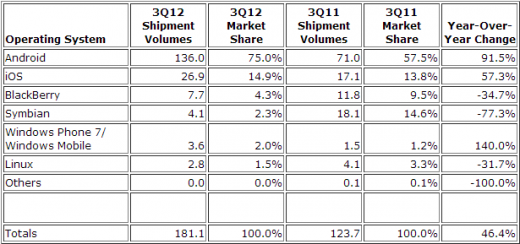
    Smartphones running Google’s Android software have leapt to 75% share of worldwide smartphone shipments, according to market tracker IDC.

    Google’s OS was present on 136 million devices shipped in Q3, up from 71 million a year ago, a boost of 91.5% year-over-year. Apart from RIM and Apple, most smartphone manufactures have produced a wide variety of handsets that run on Android.

    Coming in a distant second was Apple’s iOS with 14.9% of the smartphone market. That is also impressive as Apple has only three phones in production, the iPhone 4, 4S and 5.

    Top-end Androids like Samsung’s Galaxy S III (which is expected to sell 30 million this year) are holding their own against Apple’s iPhone.

    Coming in 3rd place is RIM – who hasn’t come out with a new smartphone in over a year – and they captured 4.3% of the market, significantly dropping of 34.7% over last year. Hopefully RIM’s tune will change when they launch their new BB10 devices in early 2013.

    Nokia’s Symbian squeaked in with 2.3% market share, meanwhile Microsoft’s Windows Mobile/Windows Phone rose 140% over the year to take hold of 2% of the market, but have failed to grab the buyers attention. This might shift with all their new WP8 handset coming out in a couple weeks.

  • Nokia Asha 308 Dual-SIM Phone Launched At INR 5,865

    Nokia Asha 308 Dual-SIM Phone Launched At INR 5,865

    nokia asha 308

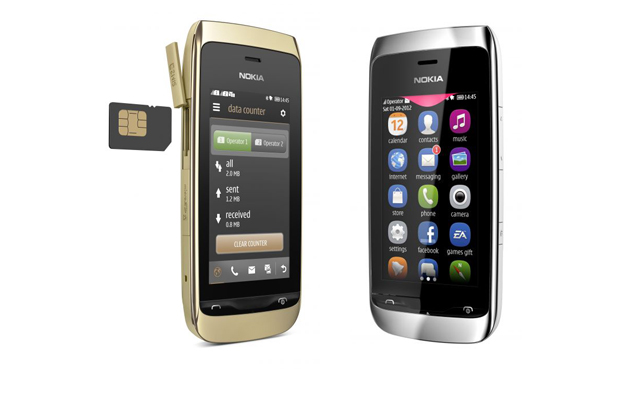
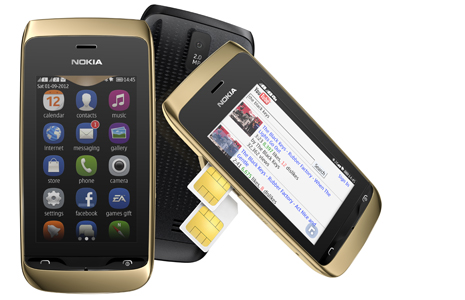
    The Nokia Asha 308 unveiled last month alongside the Asha 309, is now available in the country for Rs. 5,865. Users can head to the Nokia store and purchase the device online. The Nokia Asha 308 is available in Black and Gold colour variants. The company is also offering Yatra.com travel  vouchers worth Rs. 4,500 for a limited period.

    As far as the specs are concerned, Asha 308 has a 3 inch capacitive multi-point touchscreen display with 400 x 240 pixel resolution, 800MHz processor, 2MP rear camera with fixed focus, 64MB internal memory, 128MB mass memory and a micro SD card slot supporting up to 32GB expandable memory.

    In terms of connectivity, the Nokia Asha 308 packs features including Bluetooth and micro USB 2.0. Also, the handset is powered by a 1,110 mAh BL-4U battery.

    Also, the Nokia Asha 308 comes with a fluid ‘swipe’ user interface and an open environment for third-party application development. We have seen the fluid ‘swipe’ interface before when Nokia unveiled the Asha 305 and the Asha 311.

    The Nokia Asha 308 also comes with the free gift of 40 premium EA games, and pre-loaded Facebook, Twitter and WhatsApp apps. The device also features Nokia Messaging Service, and video streaming through the browser from sites like YouTube.

  • Nokia extends Life information app to new Asha smartphones

    Nokia extends Life information app to new Asha smartphones

    Nokia today unveiled Nokia Life+, the latest evolution of its widely-used Nokia Life service. Nokia Life+ is a free (*) Web application, which will provide millions of people with Nokia phones valuable information on education, health and “infotainment” topics. Nokia Life+ will be supported by the Nokia Asha 308 and Nokia Asha 309 smartphones alongside a wide range of Nokia mobile phones.

    More than 76 million people have experienced the original Nokia Life service, the world’s most popular life improvement information services suite that works across a range of basic and feature phones without the need for a data connection. The new Nokia Life+ web application builds on this success by providing an even richer web-based service through the new and improved Nokia Xpress Browser, which compresses Internet data up to 90%, resulting in more efficient web browsing and a smarter Internet experience.

    “People in developing economies need better access to information on the Internet that has relevance and value to their daily lives beyond entertainment. Nokia Life+ will serve as a bridge as people graduate from a primarily text-based mobile experience towards richer, web-based usage,” explained Jawahar Kanjilal, Vice President & Global Head of Nokia Life. “Nokia Life and Nokia Life+ are now available on a huge variety of Nokia phones, including the Asha smartphone range, to plug the information gap for people with or without data plans.”

    Nokia Life+ is now available in 18 countries (**) as a free Web application, accessible as a download from Nokia Store or from the Xpress Browser.

    Life+ is now available in English with two services – ‘Life Skills’ and ‘Live Healthy’ – with more services to be added over the coming months. Life Skills is aimed at younger consumers, providing content on how to develop interpersonal skills, build self-confidence, acquire financial literacy or prepare for a job. Live Healthy offers consumers and their families a range of tips and trivia touching upon nutrition, hygiene, staying fit and prevention of common illnesses. Later this year, local versions of Nokia Life+ will be available in India, China and Indonesia, providing consumers with a truly localized mobile Internet experience.

    Nokia Life+ is supported by an ecosystem of reputable global and local content partners who carefully tailor information specifically for the services. These Nokia Life+ partners include Reader’s Digest, Foundation for Social Change, FKUGM, Detik.com, Cita Cinta, GADIS, Gamatechno, Sygma, Ayahbunda, Madison Research, EnableM, Sina and iMedia.

    [Reuters]

  • Edit : Is Nokia another RIM in the Making

    Edit : Is Nokia another RIM in the Making

    Long gone are the times when this legend ruled the streets, Nokia had the major chunk of the market share for 14 years in a row. With over 27% of the total market size cap, Nokia dictated terms of the trade and decided future technology along the lines of mobile telephony.

    More than seven years before Apple rolled out the iPhone, the Nokia design team showed to the top executives a phone with a color touch screen set above a single button. The device was shown locating a restaurant, playing a racing game and ordering lipstick. In the late 1990s, Nokia secretly developed another alluring product: a tablet computer with a wireless connection and touch screen—all features today of the hot-selling Apple iPad. According to Frank Nuovo, the former Chief Designer at Nokia Corp.

    The consumers never saw those devices simply because of the internal company politics, that made getting approvals practically impossible. 

    Nokia’s long battle of being the leader in the mobile phone segment was ended when rival Samsung took the lead and never looked back. In 2007, the year the iPhone was announced, Nokia had its highest market share of 40%. Nokia had always claimed that the iPhone would not do well, as it did not have 3G networks, was not drop tested and didn’t have basic things like bluetooth file transfer and message forwarding. But the consumers loved the iPhone, the phone that ushered in the era of the smartphone, leading to the development of what is now called Android OS and Windows Phone, and the inevitable downfall of all those who were left behind (Read RIM and Nokia)

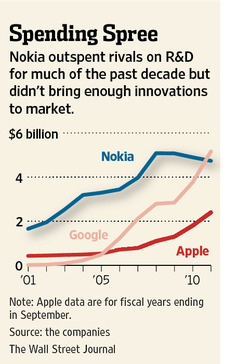
    [pullquote_left]Cash reserves are at an all time low US $5.1 billion[/pullquote_left]Nokia is still fighting hard, even though cash reserves are at an all time low US $5.1 billion in  vs the $6.3 billion in Q1 2012. Nokia’s strategies and internal company politics have often been blamed for  such a major downfall. To battle the current mobile giants, Nokia had developed many products Meego was one of them. Nokia spent over US$ 40 billion in research over the past 10 years, on projects including Meego OS. 

    The company thought they had it right going the Apple way, the Hardware was propriety and so was this super smooth OS. But there was always rivalry within the company as the Symbian and the Meego teams competed with each other for support and the attention of the top executives as each group was accountable for delivering the most competitive phone.

    Nokia design meetings are not anything like you would imagine. In a normal world a few design heads and key executives would sit in a conference hall and discuss design strategies for the company. But with Nokia it was a different ball game together, hundreds of engineers and designers were called in from all over the world to meet in one large auditorium where everyone was shouting to be heard. Your involvement ensured your position at the company, therefore the end resultant was anything short of a legislative assembly on the decision of a Legal Bill in the Delhi Parliament house. 

    In 2010 Stephen Elop joined Nokia as CEO and brought about a massive shift in strategy. The company was at the time spending €5 billion a year on R&D—30% of the mobile phone industry’s total. Elop came in and completely eradicated the future of both Symbian and Meego paving the way for a Windows Phone alliance which would see the light of the Lumia Devices.  

    [pullquote_right]Lumia phones were a generation behind[/pullquote_right]Nokia managed to screw that up, because, the first series of Lumia phones were a generation behind. While companies like HTC and Samsung pushed out their second generation Windows Phone devices, equipped with Mango and ready to handle tasks like VOIP, video conferencing and tethering, Nokia Lumia phones focused on build quality and apps (Nokia’s view since the starting era). Nokia left out key elements that makes the consumer of today lean in to buy smartphones. 

    Every announcement made by Microsoft for the Windows Phone OS update has left Nokia in the dust of the past. Windows Phone 8 will now not work on any Lumia phone already available , and those yet to be announced in India (Lumia 900). While Elop and Nokia are trying to escape the matter by assuring that the Hardware requirements for Windows Phone 8 cannot be met in existing devices, the consumers who did give Nokia another fighting chance may never look at the brand again.

    Symbian based Nokia Asha series and PureView phones belong to totally different sectors. The Asha Series being targeted at the budget line while the PureView at a high end niche market. While these devices show promise for the company, their sales cannot be accounted for positive sustainability of the once leader of mobile telephony. 

    Only if Nokia would drop all side businesses and truly focus on system which was perfect to the core would they be able to capture the market again. Nokia might actually rise again, but this time not thanks to Symbian or any other OS but Windows Phone. If they design hardware keeping in mind the consumer and use the software that is at their disposal, then the company may once again win the heart of the consumer. Until that happens, for the future of this Mobile SmartPhone manufacturer, your guess is as good as mine.

    Sources : WSJ, Economic Times, Nokia Archives and EU Commission 

  • New Nokia Phones leaked, 4 new Lumia phones indicated

    New Nokia Phones leaked, 4 new Lumia phones indicated

    Whoops! Something went wrong!

    Developers with access to Nokia’s Remote Device Access (RDA) tool have “discovered” a bunch of new Lumia and Belle phones. Interestingly, four of these handsets seem to be Windows Phone devices while the Belle 805 should be running on Symbian Belle.

    According to Nokia Power User, the Lumia 920, 950, 1001 and Nokia 510 could be authentic or just misinformation planted by rumormongers. However, the blog believes that the Nokia 510 and Belle 805 are likely “authentic” and that the Nokia 510 could be the “cheapest Windows Phone 7.5 device” aimed at competing against Android.

    We think the blog could be right because it doesn’t make any sense for Nokia to release any new high-end Windows Phone 7.5 handsets at the moment with Windows Phone 8 (WP8) expected to launch soon. However, a budget device like the Nokia 510 running the Tango update could be just the thing to maintain Nokia’s presence in the smartphone market before the WP8 mobiles arrive.

  • Nokia PureView launched in India, MRP Rs. 33,899

    Nokia PureView launched in India, MRP Rs. 33,899

    Whoops! Something went wrong!
    The device sports a massive 41-megapixel sensor

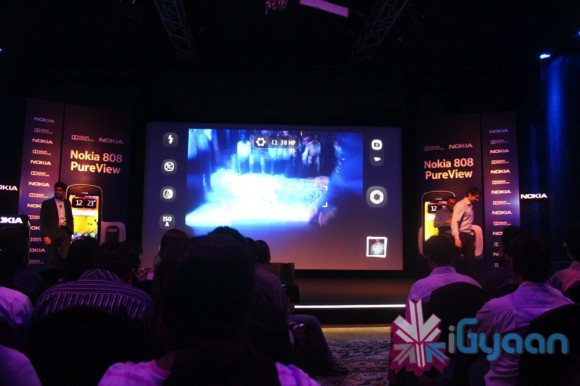
    The Nokia 808 PureView was launched at an event here in New Delhi today. The device is priced at Rs 33,899/- and sales are going to start today. Throughout the keynote, conducted by Mr. Vipul Mehrotra, the emphasis was on the massive, high-resolution 41 megapixel sensor with high-performance Carl Zeiss optics. The device, hailed as a “Camera SmartPhone”, has truly amazing imaging and video quality, arguably one of the best we’ve seen on smartphones till now, including 4x loss-less zoom at 1080p. 

    Whoops! Something went wrong!
    Only the white and black colours will be available for now

    [quote]Vipul Mehrotra, Director and Head of smart devices, Nokia India said, “Nokia has always been known for its imaging legacy. What started off with a simple objective to create the most advanced imaging device, the Nokia 808 PureView has evolved into something extremely revolutionary.[/quote]

    Whoops! Something went wrong!
    Vipul Mehrotra during the keynote

    It was also announced that Airtel will offer a bundled data package of 500MB with the phone, which for now is available in 2 colours-Black and White. Various Apps are also available to make use of the phone’s mutli-media capabilities.

    Whoops! Something went wrong!
    The camera on the phone was highlighted the most

    However, it was made clear that this does not signal the end of Nokia’s previous flagship device, the N8.

    Whoops! Something went wrong!

    Nokia also announced there collaboration with Dolby Worldwide, the press release of which is below : 


    [toggle_box title=”Press Release” width=”Width of toggle box”]

    Nokia ushers in a new era in smartphone innovation


    Inspired by satellite imaging, revolutionary Nokia 808 PureView now available in India


    Collaborates with Dolby Laboratories to offer cinema-like entertainment on-the-go


    New Delhi, June 13, 2012— Nokia India today announced the launch of much awaited Nokia 808 PureView with 41 MP sensor and the most advanced imaging innovation featuring Nokia’s award winning PureView technology. Nokia 808 PureView brings together high resolution sensors, exclusive Carl Zeiss optics and Nokia developed algorithms to offer a break through imaging experience to the consumers. Nokia also announced its collaboration with Dolby Laboratories to bring outstanding cinematic sound experience for entertainment enthusiasts – Nokia 808 PureView is the first mobile device to feature both Dolby Digital Plus and Dolby Headphones technology. The Nokia 808 PureView features a large, high-resolution 41 megapixel sensor with high-performance Carl Zeiss optics and new pixel oversampling technology which is set to revolutionize high-end imaging in the smartphone sector. With superior low-light performance and the ability to save in compact file sizes for sharing in email, MMS, and on social networks, the Nokia 808 PureView makes it possible for anyone to capture professional looking images in any conditions.


    Speaking at the launch, Vipul Mehrotra, Director and Head of smart devices, Nokia India said, “Nokia has always been known for its imaging legacy. What started off with a simple objective to create the most advanced imaging device, the Nokia 808 PureView has evolved into something extremely revolutionary. Nokia 808 PureView stands for industry leading innovation – it represents Nokia’s highest level of smartphone imaging experiences and marries it effectively with Dolby’s cinematic sound experience, resulting in a smartphone that has set new standards in mobile technology. This was possible due to our long expertise in imaging, partnering with the best companies in the world such as Dolby Laboratories and Carl Zeiss, incredible craftsmanship and unwillingness to compromise on performance. We are proud of what we have jointly created, world’s first super camera phone.”


    “In the past, entertainment was confined to the living room but the current trend witnesses more and more entertainment available not only at home but on the go. The Nokia PureView 808 is an amazing device and has really allowed us a platform to showcase Dolby technologies, and deliver an outstanding entertainment experience that is perfectly aligned with the device’s capabilities,” said Pankaj Kedia, Country Manager, Dolby Laboratories India. He further adds, ““The PureView 808 is the latest Nokia smartphone to showcase Dolby Digital Plus, which delivers an outstanding entertainment experience that is perfectly aligned with this groundbreaking phone’s capabilities. Meanwhile, a software upgrade for other Nokia smartphones unleashes the power of Dolby technology in those devices, enabling cinematic 5.1 surround sound for music and movies.”


    Through this collaboration, both the pioneers are creating new benchmarks in smartphone technology. Nokia and Dolby will also unlock the Dolby technologies on other Nokia smartphones – specifically the Nokia 700, Nokia 701 and Nokia 603 with the latest Nokia Belle feature pack software upgrade. The inclusion of Dolby technologies in Nokia smartphones brings an extra dimension to their performance, transforming them into devices which can deliver high-definition (HD) content with Dolby Digital Plus 5.1-channel surround sound to HDTVs, audio/video receivers, and home theater systems. In addition, Dolby Headphone, available on the PureView 808, transforms content into a personal surround sound experience over headphones to create a natural, engaging, and authentic listening experience.


    In addition to superior still imaging technology, the Nokia 808 PureView, also includes full HD 1080p video recording and playback with 4X lossless zoom and the world’s first use of Nokia Rich Recording.  Rich Recording enables audio recording at CD-like levels of quality, previously only possible with external microphones. Dolby technology delivers rich, full-impact audio. Whether the content is video or music, Dolby technology unlocks the surround sound experience from Video content and optimizes the playback of music.


    The Nokia 808 PureView will be available across Nokia retail outlets starting tomorrow. Nokia 808 PureView will be priced at Rs. 33,899/- and will be available in white and black colour.


    About Nokia


    Nokia is a global leader in mobile communications whose products have become an integral part of the lives of people around the world. Every day, more than 1.3 billion people use their Nokia to capture and share experiences, access information, find their way or simply to speak to one another. Nokia’s technological and design innovations have made its brand one of the most recognized in the world. For more information, visit http://www.nokia.com/about-nokia


    About Dolby Laboratories


    Dolby Laboratories (NYSE:DLB) is the global leader in technologies that are essential elements in the best entertainment experiences. Founded in 1965 and best known for high-quality audio and surround sound, Dolby creates innovations that enrich entertainment at the movies, at home, or on the go. For more information about Dolby Laboratories or Dolby technologies, visit www.dolby.com.


    Dolby and the double-D symbol are registered trademarks of Dolby Laboratories. All other trademarks remain the property of their respective owners. W12/25383 DLB-G


    [/toggle_box]


  • Opera releases Version 7 of the popular mobile browser Mini.

    Opera releases Version 7 of the popular mobile browser Mini.

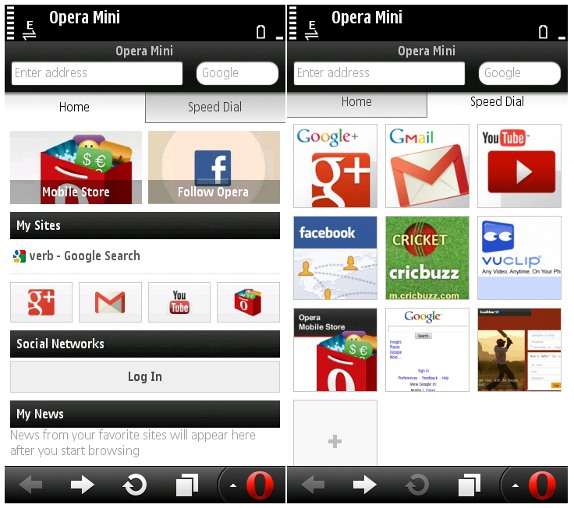
    Opera on Friday releases the new version of their popular mobile browser, called Mini 7, aimed at capitalizing on the social networking wave. The biggest change that makes its way into the browser is a new feature called “Smart Page” which brings all the latest feeds from your Facebook and Twitter accounts, your favorite websites (via RSS feeds) on your homepage. The SmartPage also uses Opera’s page compression technology,  which shifts a large part of user-end calculation, such as running javascript, to special servers which reduces the data charges involved in mobile browsing.  


    Other updates include

    • Better tab features
    • Unlimited speed dials for quick access to your favorite websites.
    • Direct URL’s (without “www.”)

    The website made the new version available for download for free from their website, m.opera.com, for BlackBerry, Symbian S60 and Java phones.  No news yet on when it’ll be made available for iOS and Android users.

  • Word, PowerPoint and Excel come to Nokia phones with Symbian Belle

    Word, PowerPoint and Excel come to Nokia phones with Symbian Belle

    Nokia and Microsoft have made the mobile versions of Word, PowerPoint and Excel available to select Symbian Belle handsets. The add-on is given through a free software update to those eligible for the update. If you own a  E7, C7, C6-01, X7, Oro, 700, 701 or 603 you can get the apps directly from the Nokia Software Update utility. 

    If you’re a Word user, you’ll appreciate the fact that with Word mobile, you can save or send documents while preserving tables, SmartArt and charts, or the pinch/zoom functionality to easily view and edit documents.

    In PowerPoint mobile, you can edit presentation texts and speaker notes, or use the Outline view to quickly browse through slides. With Excel mobile, you can create charts, or insert formulae and view rich data and charts from anywhere.

    Another really convenient feature of Office Mobile is that it gives you a single view to documents – whether they’re stored on your phone as files, as email attachments, or on your company SharePoint site.

    If you are waiting to get the newer version of Nokia Devices, they might just come preloaded with MS Office goodness.

    [Nokia Conversations]

  • Nokia Asha 303 launched in India for Rs. 8899

    Nokia Asha 303 launched in India for Rs. 8899

    Nokia is finally bringing the Asha 303 to India for a price of Rs. 8899 this QWERTY phone was announced in 2011, and is now on sale for as low as 7750/- at some online retailers. It also comes bundled with 1GB of free Vodafone 3G/2G data per month for 4 months incase thats your network of choice.

    The Asha 303 is powered by a 1 GHz processor, has a 2.6-inch (320 x 240 pixels) capacitive touch display and a full QWERTY keyboard. For optics there is a  3.2MP  Full Focus camera with video recording at 15 fps. The Asha 303 has 170MB internal memory with 32GB expandability options vis microSD.

    The phone comes with DRM-free Nokia Music Unlimited service. It is only 13.9 mm thick and weighs only 99g.

    Other Specs:

    • 3G, HSPA Quad-band Network
    • WiFi 802.11b/g/n , Bluetooth 2.1 +EDR
    • Stereo FM Radio with RDS and MP3 music player
    • Facebook, Shazam 
    • 1300 mAh battery with 7.2h talk time and 731h standb
  • Nokia Breaks all possibilities, Nokia 808 PureView with 41 Megapixel Camera (PR)

    Nokia has broken every possible camera record, with its new Nokia 808 PureView Smartphone. The new 4 inch 360 x 640 (nHD) device runs a new featured version of Belle OS on a 1.3GHz single-core chip and  512MB of RAM and 16GB onboard storage. But, all these things are not what make the purview 808 special, its actually the camera technology. The PureView 808 is capable of capturing images at a whopping 41 Megapixels and 34-megapixels for 16:9 images, the camera also shoots 1080p with continuous autofocus.  


    The technology means that taking typically sized shots (say, 5 megapixels) the camera can use oversampling to combine up to seven pixels into one “pure” pixel, eliminating the visual noise found on other mobile phone cameras. On top of that, you can zoom in up to 3X without losing any of the details in your shot – and there’s no artificially created pixels in your picture, either.

    Otherwise, you can use ‘Creative Shooting Mode’ to capture images at high resolution – 38 megapixels; then reframe, crop and zoom to find the best “picture within the picture” after the image has been shot and before saving it at convenient sizes for sharing and storage.

    [toggle title_open=”Press Release” title_closed=”Press Release” hide=”yes” border=”yes” style=”default” excerpt_length=”0″ read_more_text=”Read More” read_less_text=”Read Less” include_excerpt_html=”no”]


    Nokia sets a new industry standard with the first in a range of high end experiences based on exclusive Nokia PureView imaging technologies.


    Barcelona, Spain – Nokia today ushered in a new era in high-end smartphone imaging with the Nokia 808 PureView.  This is the first smartphone to feature Nokia PureView imaging technologies, bringing together high resolution sensors, exclusive Carl Zeiss optics and Nokia developed algorithms, which will support new high-end imaging experiences for future Nokia products.  The Nokia 808 PureView features a large, high-resolution 41 megapixel sensor with high-performance Carl Zeiss optics and new pixel oversampling technology.  At standard resolutions (2/3, 5 and 8 megapixels) this means the ability to zoom without loss of clarity and capture seven pixels of information, condensing into one pixel for the sharpest images imaginable.  At high-resolution (38 megapixelmaximum) it means the ability to capture an image, then zoom, reframe, crop and resize afterwards to expose previously unseen levels of details. With superior low-light performance and the ability to save in compact file sizes for sharing in email, MMS, and on social networks, the Nokia 808 PureView makes it possible for anyone tocapture professional looking images in any conditions.

    In addition to superior still imaging technology, the Nokia 808 PureView, also includes full HD 1080p video recording and playback with 4X lossless zoom and the world’s first use of Nokia Rich Recording.  Rich Recording enables audio recording at CD-like levels of quality, previously only possible with external microphones. The Nokia 808 PureView also features exclusive Dolby Headphone technology, transforming stereo content into a personal surround sound experience over any headphones and Dolby Digital Plus for 5.1 channel surround sound playback.


    “Nokia PureView imaging technology sets a new industry standard by whatever measure you use,” said Jo Harlow, executive vice president of Nokia Smart Devices.  “People will inevitably focus on the 41 megapixel sensor, but the real quantum leap is how the pixels are used to deliver breath-taking image quality at any resolution and the freedom it provides to choose the story you want to tell.”


    About Nokia
    Nokia is a global leader in mobile communications whose products have become an integral part of the lives of people around the world. Every day, more than 1.3 billion people use their Nokia to capture and share experiences, access information, find their way or simply to speak to one another. Nokia’s technological and design innovations have made its brand one of the most recognized in the world. For more information, visit http://www.nokia.com/about-nokia.  

    [/toggle]

    [Nokia Conversation]

iGyaan Network
Privacy Overview

This website uses cookies so that we can provide you with the best user experience possible. Cookie information is stored in your browser and performs functions such as recognising you when you return to our website and helping our team to understand which sections of the website you find most interesting and useful.