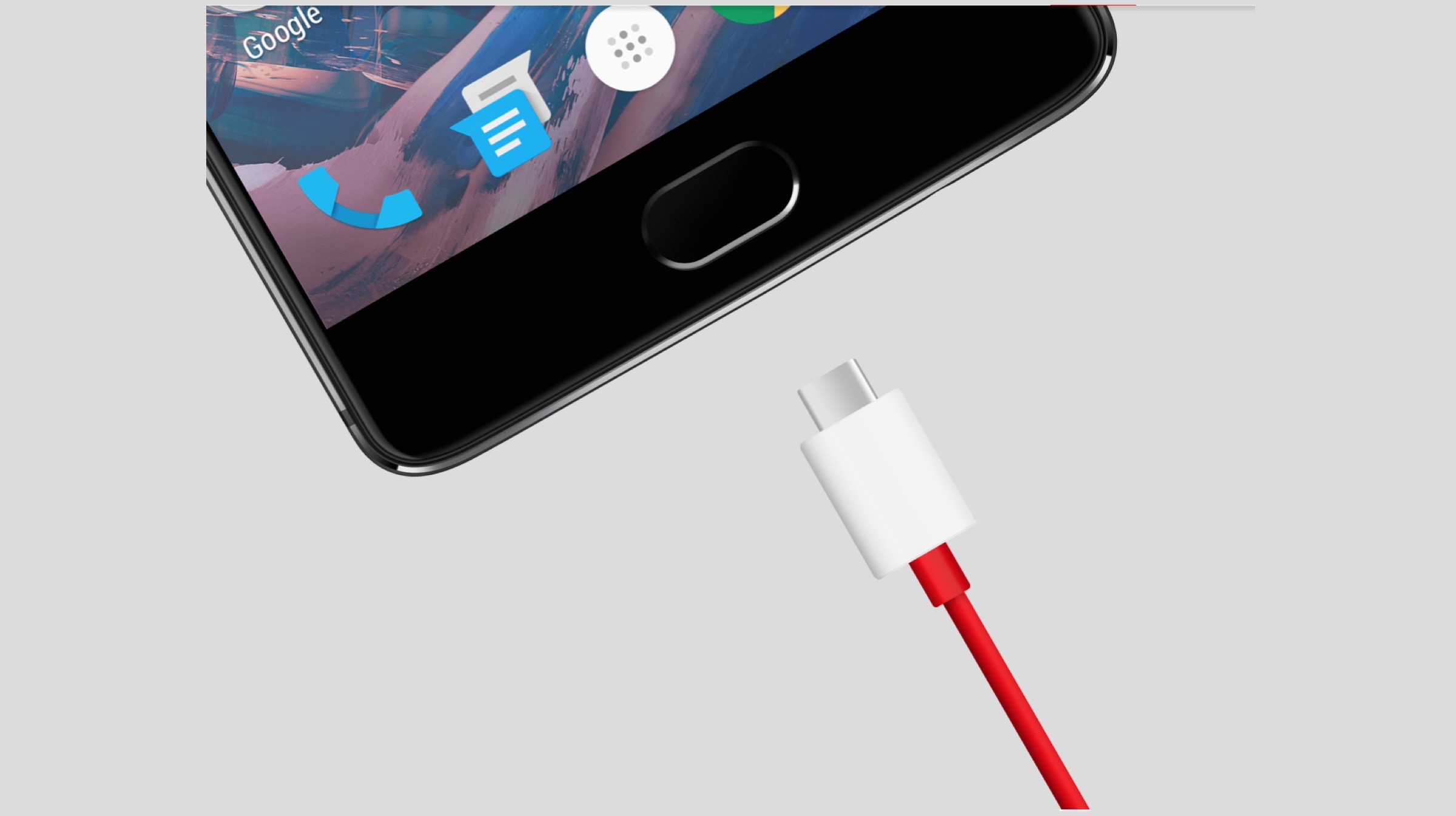
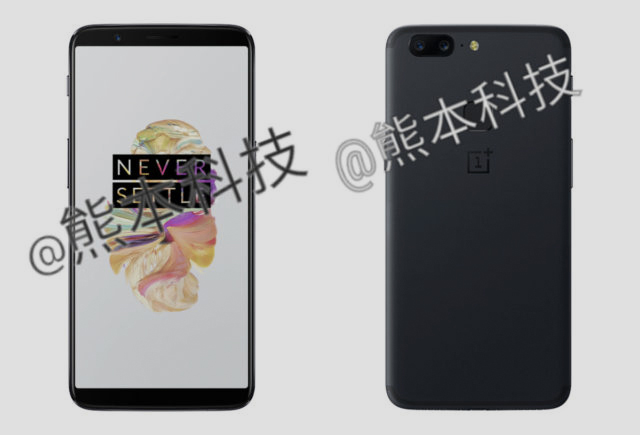
The upcoming OnePlus 5T appears to be the 2017 flagship phone that OnePlus 5 should have been. A tall display with thin bezels, dual-cameras, great hardware and rumoured competitive pricing. One thing that would be missing from the OnePlus 5T is wireless charging. OnePlus believes that its ‘Dash Charging’ is better than wireless charging hence, it decided to forego including wireless charging.
Pete Lau, co-founder of OnePlus shared two reasons why the company decided to not include a popular feature in the OnePlus 5T:
Reason 1: Wired quick charging solutions like ours clearly outshine wireless on quantitative measures. Just plug your device in, and Dash Charge produces 20 watts of power, reliably giving a day’s power in half an hour.
Reason 2: Dash Charge gives you enough power for the day with just one charging session. All you need is the Dash Charge cable and adaptor to consistently power your device at superior rate. It doesn’t matter whether you’re gaming or streaming video. Dash Charge stays cool and power efficient.
Wireless charging has been around for a long time now but, it became a mainstream topic of discussion after Apple included it in its latest 2017 iPhones. It is true that wireless charging doesn’t produce enough electrical juice to “fast charge” your smartphone and doesn’t even compare to OnePlus’ dash charge technology.
However, OnePlus has not dismissed the idea of wireless charging in their phones. Pete Lau says the company will “consider adopting the wireless charging technology when the time is right.”
It seems like Xiaomi has finally jumped the wireless charging bandwagon and the Mi 7 might be the first Xiaomi phone to feature wireless charging. Xiaomi seems to have joined the Wireless Power Consortium according to their official website.
Wireless Power Consortium was formed back in 2008 and its sole purpose is to promote wide market adoption of the Qi wireless charging technology. In 2012, Google and Nokia released phones that supported inductive charging using the Qi standard. From then on, the consortium started receiving mainstream coverage as more and more companies joined it. Over the years, wireless charging has become a standard parameter for flagship smartphones as the trend and need for wireless charging has increased.
In February 2017, Apple Inc. officially joined the Consortium and rumours of the new iPhone featuring wireless charging started doing the rounds on the internet. Those rumours were confirmed On September 12 when Apple unveiled the iPhone 8, iPhone 8 Plus and the highly anticipated iPhone X with Qi wireless charging capabilities. The fact that even Apple has opted for the Qi wireless charging technology means that this feature will be adopted universally very soon.
And now, Wireless Power Consortium’s official website has listed Xiaomi as a member:
It’s extremely likely that Xiaomi is preparing to launch devices that support the Qi standard although it remains to be seen whether the first Xiaomi-made phone with wireless charging will be the Mi 7.
There is no official word from Xiaomi being listed as a member suggests that it is extremely likely that Xiaomi is preparing to launch devices that support the Qi standard. Whether the Mi 7 will have wireless charging or not is yet to be seen, and chances of next year’s Mi Mix 3 having wireless charging is a possibility as well, since the Mi Mix 3 will be a more globally targeted device, just like the Mi Mix 2.
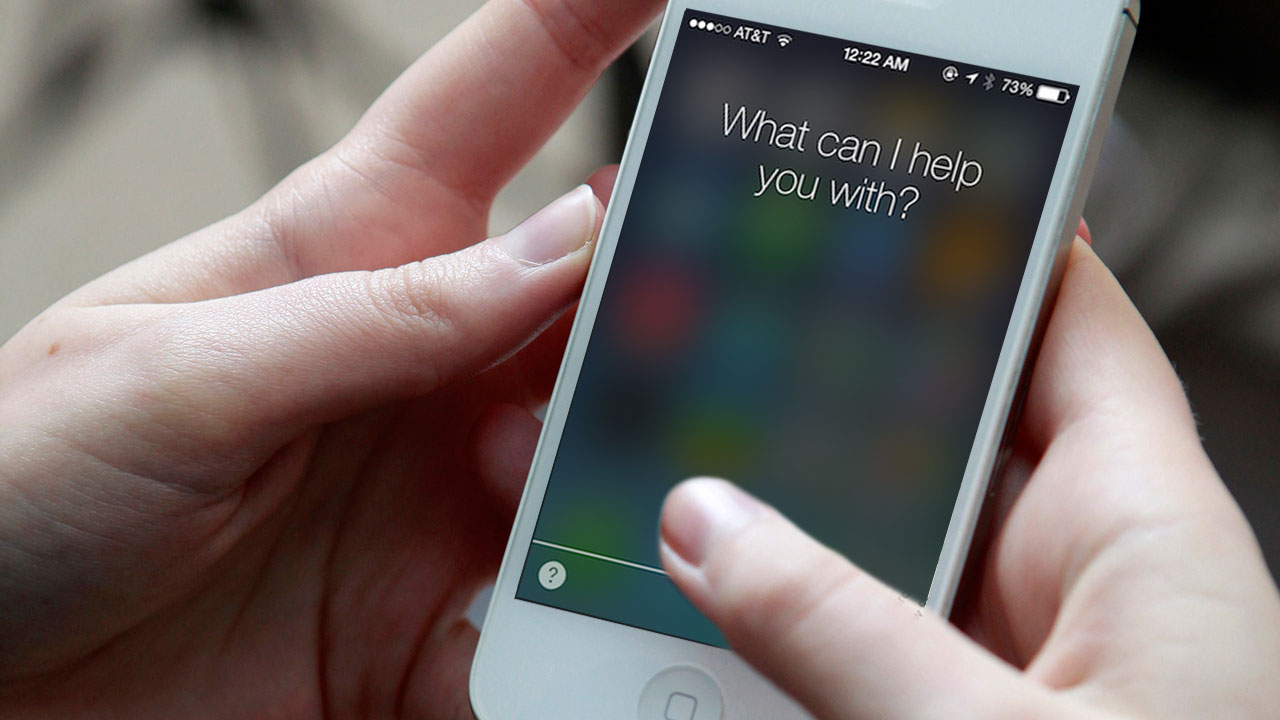
The rumours about Apple bringing wireless charging to its iPhone 8 lineup have been innumerous. Given its membership in the wireless power consortium, Apple is likely to depend upon the Qi inductive standard for its rumoured new feature. For a feature like wireless charging, the company will most likely have to come up with a pad- like device, may be like a -Siri powered wireless charging dock. And considering that Apple has recently been granted a new patent which states, “Smart dock for activating a voice recognition mode of a portable electronic device,” the company might just roll out a Siri powered dock sometime in the future.
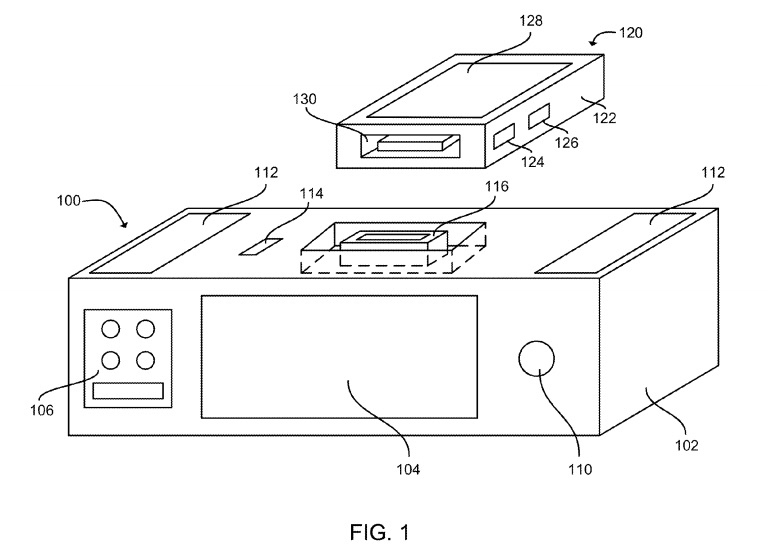
The patent describes a device that could serve as a dock for “a portable electronic device”, an iPhone outfitted with microphones for voice commands, allowing the users to access the phone from a distance, processors and wireless charging. The microphone installation in dock indicates it being powered by Siri. Further, the patent also states multiple ways of powering the iPhone which includes wireless charging, docks that range from basic microphone and speaker integrated connectors to mini computers with displays.
Filed back in 2012, the patent defines Siri integration in the dock as “a voice recognition mode of the portable electronic device,” than a built in feature but considering the upcoming trends in the tech world, Apple might infuse Siri directly in the dock. The filing date of the patent also suggests that Apple might have been working on the idea for a while.
Amidst all the ongoing rumours and announcements, the $349 HomePod, one of the upcoming Apple product is also expected to hit the stores in December. The Siri supported speaker is rumoured to serious contender against the Amazon Echo and Google Home. As to when the Siri powered wireless charging will be announced or if it ever will be, its all upto Apple. Amongst all the speculation, we still can’t claim it for sure until Apple officially announces the rumoured Siri connected dock.
According to new reports, a small start-up company named Energous has partnered with Apple to bring its WattUp technology to the iPhone. Reportedly, Apple will have the exclusive rights to the technology, which allows devices to be charged wirelessly from as far as 15 feet. The Energous chip that is added to the phone is so small that it won’t affect the size of the phone.
The chip works with a transmitter that can be placed anywhere in a room. If the WattUp chip is placed inside the iPhone 7, and you put a transmitter inside your office, your phone will Be able to charge through the day. If you put a transmitter in your bedroom, it will charge wirelessly all night.
Neither Apple not Energous have confirmed these rumours and it may be unlikely that the iPhone 7 may not feature this technology, but it doesn’t rule it out for the iPhone 7s or so.
The answer to this question could be, yes. The iPhone could finally have a wireless charging pad and here is how. The WiPower, discovered by Qualcomm will help in the process:
“WiPower has added the ability to have the device itself made of metal. This advancement maintains WiPower’s existing ability to charge devices requiring up to 22 watts today, at speeds equal to or faster when compared to other wireless charging technologies.”
The main reason why Apple never released a wireless charging pad was because all its iPhones came with a metal body which interfered with any wireless charging pad. But now with the WiPower, which is itself made of metal, will help solve this problem. The WiPower is supported by the Rezence standard, which uses different technology than the more commonly used Qi standard. Although this shouldn’t be a problem for iPhone and iPad users, since their software is compatible with Rezence.
It is said that with the use of this technology could help you charge both a WiPower enabled iPads and iPhones, simultaneously. It can also use the bluetooth smart connection to determine the proper charging requirements for devices.
Rumours suggest that the iPhone 6 and 6Plus will also have metal backs although they may not support wireless charging. However, an iPhone 7 with a metal body could include the wireless charging software.
The Xiaomi Mi 5 and Mi 5 plus have already been the talk of the town, in recent times. While everyone anticipates its release into the market, the China based firm has let out yet another secret that will come as an exciting new upgrade to its devices.
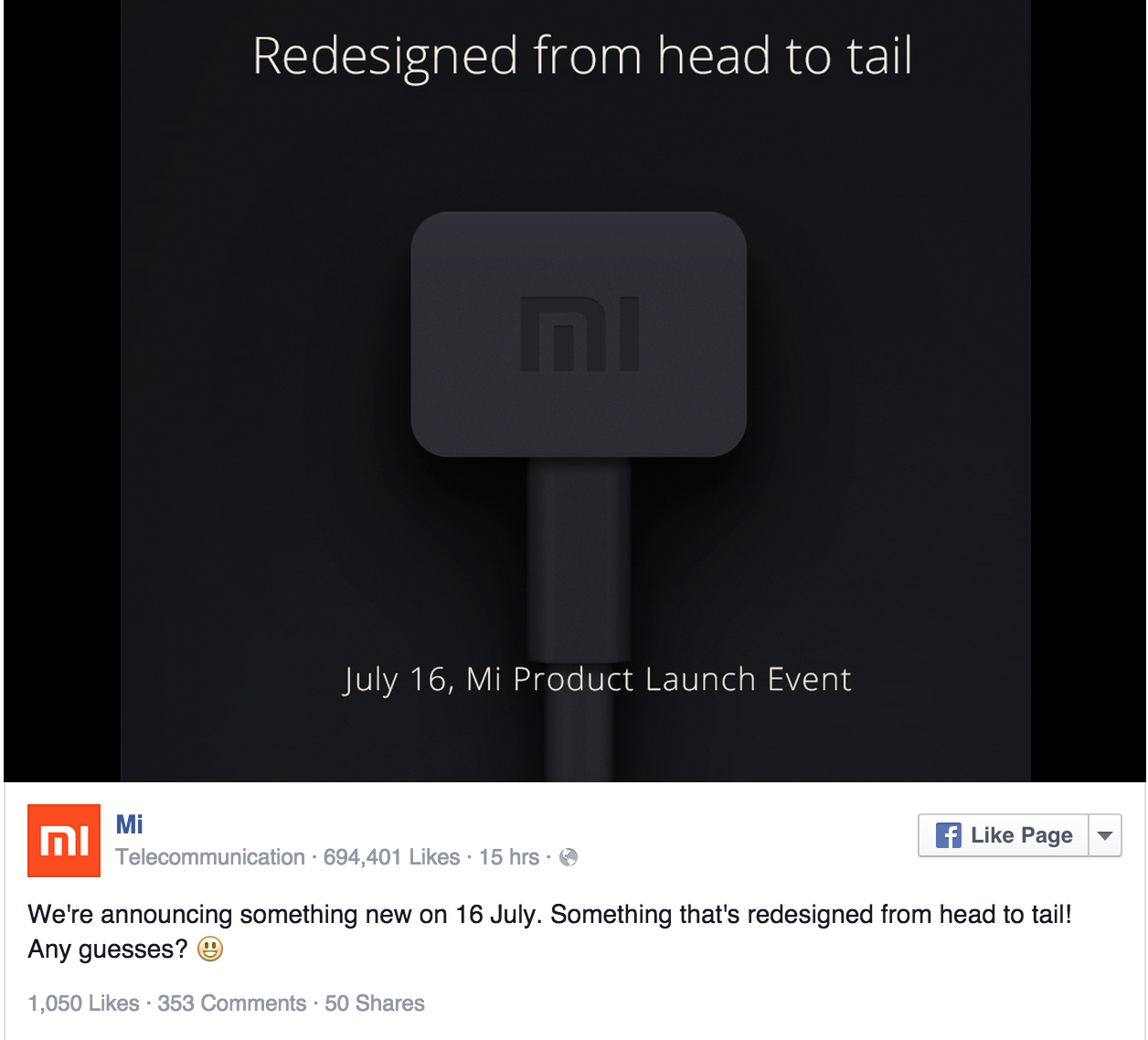
Apart from the phones releasing tomorrow, which is good news enough, the Mi 5 and Mi 5 plus are likely to have wireless charging as the company revealed an image on social media sites, asking its fans to ‘take guesses’ on what is going to be unveiled tomorrow.
While it is clear that the Mi 5 and Mi 5 plus will be reasonably priced (not more than 30,000 thousand rupees), this new speculated feature will surely add a competitive edge to the devices as we saw Samsung playing its wireless charging card earlier, this year.
The Mi 5 and Mi 5 plus are touted as the most anticipated phones of the year as there have been many rumours and leaks regarding their specs as well as the release date. Xiaomi released the Mi 4i, this May and sold a staggering 40,000 units within 15 seconds due to its raging popularity.
Hence, we are presumably excited about the launch of the Mi 5 and Mi 5 plus. Let’s see how Xiaomi fares with the coming of these devices.
Wireless charging is efficient and convenient but it requires you to keep the phone on a particular surface. Microsoft wants to make your life even easier. The company has created a prototype device that can charge your device without the need of a charging dock or surface.
The technology is called AutoCharge and for now it uses Microsoft’s motion sensor, Kinect. The AutoCharge setup is placed overhead from where it constantly scans the surface of smartphone shaped objects. Once it recognises that the smartphone is in view it, sends out a beam of light on the surface of the phone. The phone surface is made of photovoltaic panel that will absorb the light to generate electricity.
AutoCharge uses Kinect to detect the phone that needs to be charged.
To make sure that AutoCharge recognises the smartphone and assess if the device needs charge, the device is provided with a microcontroller and a LED light. The light blinks in a specific pattern to indicate the amount of charge in the device. Once the device is all juiced up the LED, blinks in a different pattern and tells AutoCharge to cease charging.
The team behind the project has agreed in their paper that this technology will take a while to reach the hands of the consumer. There aren’t many devices either which have photovoltaic films on them yet. The biggest disadvantage of wireless charging is that you need to keep it on the specific surface. A system that lets you use the device however you choose, while charging, would really help the customers. But you have to agree that the good old wired charger works great. Wireless charging has a long way to go before it matches up to the convenience like that.
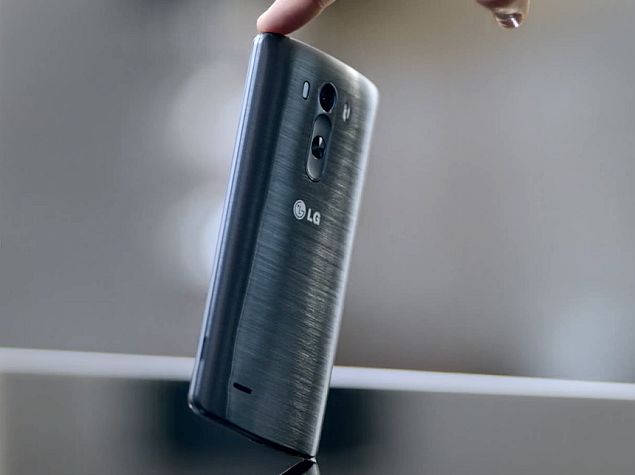
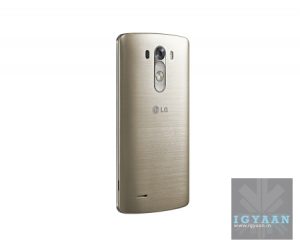
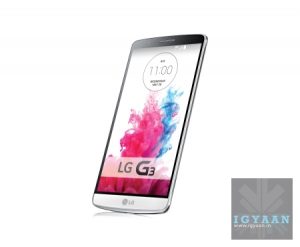
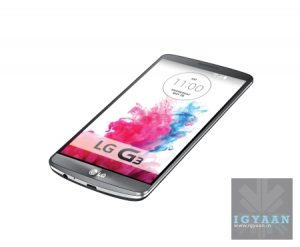
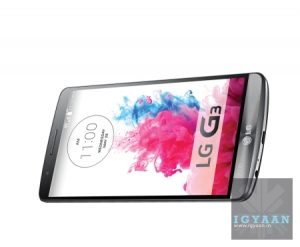
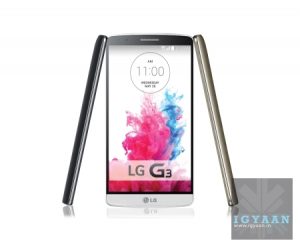
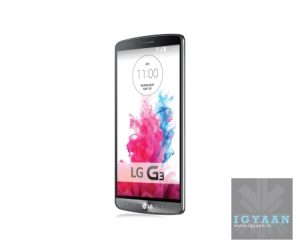
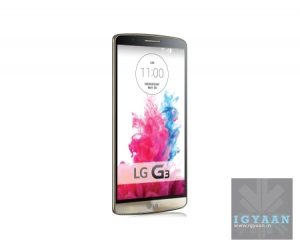
Over the past weeks we have seen LG’s latest marvel, get leaked front, side and centre. This time around the Korean manufacturers latest flagship the LG G3’s press images have leaked along with the full list of specifications.
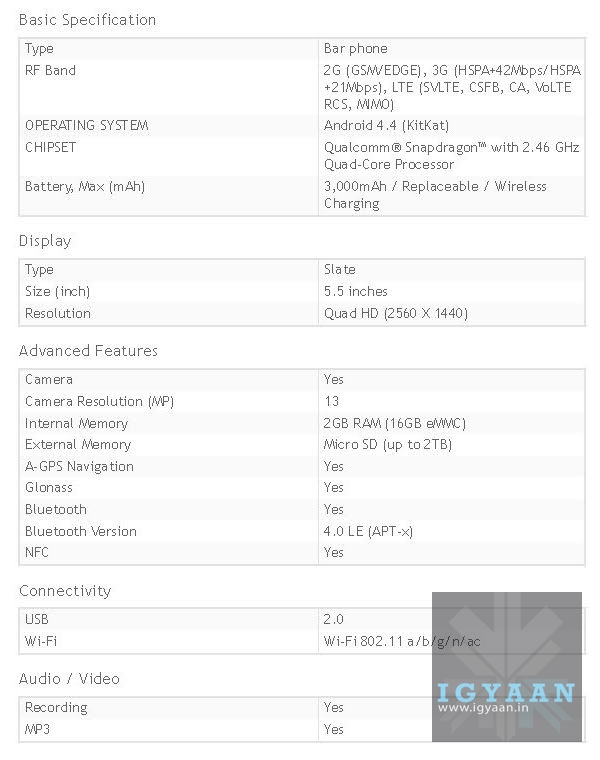
The new marvel will feature a 5.5 inch QuadHD display with a resolution of 2560 x 1440px. The first flagship to have such a resolute, the new G3 will also feature wireless charging for its 3000 mAh battery and a Snapdragon 801 chipset with 2.46 GHz on the clock. Just like last years G2, the LG G3 will also feature Optical image stabilization.
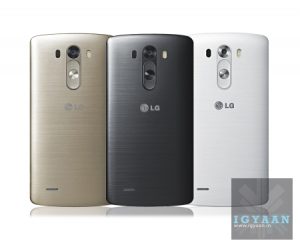
The images of the LG G3 show that the company will launch the phone in 3 colors, White, Grey and a new Copper Gold to match up to the other manufacturers. Interesting elements include the fact that the handset will support upto 2TB microSD cards. Another good news for prospective buyers is the fact that the phone will feature Globally unlocked LTE at launch even in India.
Yesterday a couple of videos teased the LG G3:
With the event scheduled for tomorrow, it seems that LG may not have any surprises left to share. Unless they pull “an Apple” on stage and use the words “One More Thing”. Either way, an anxious lot of people wait for the final launch.
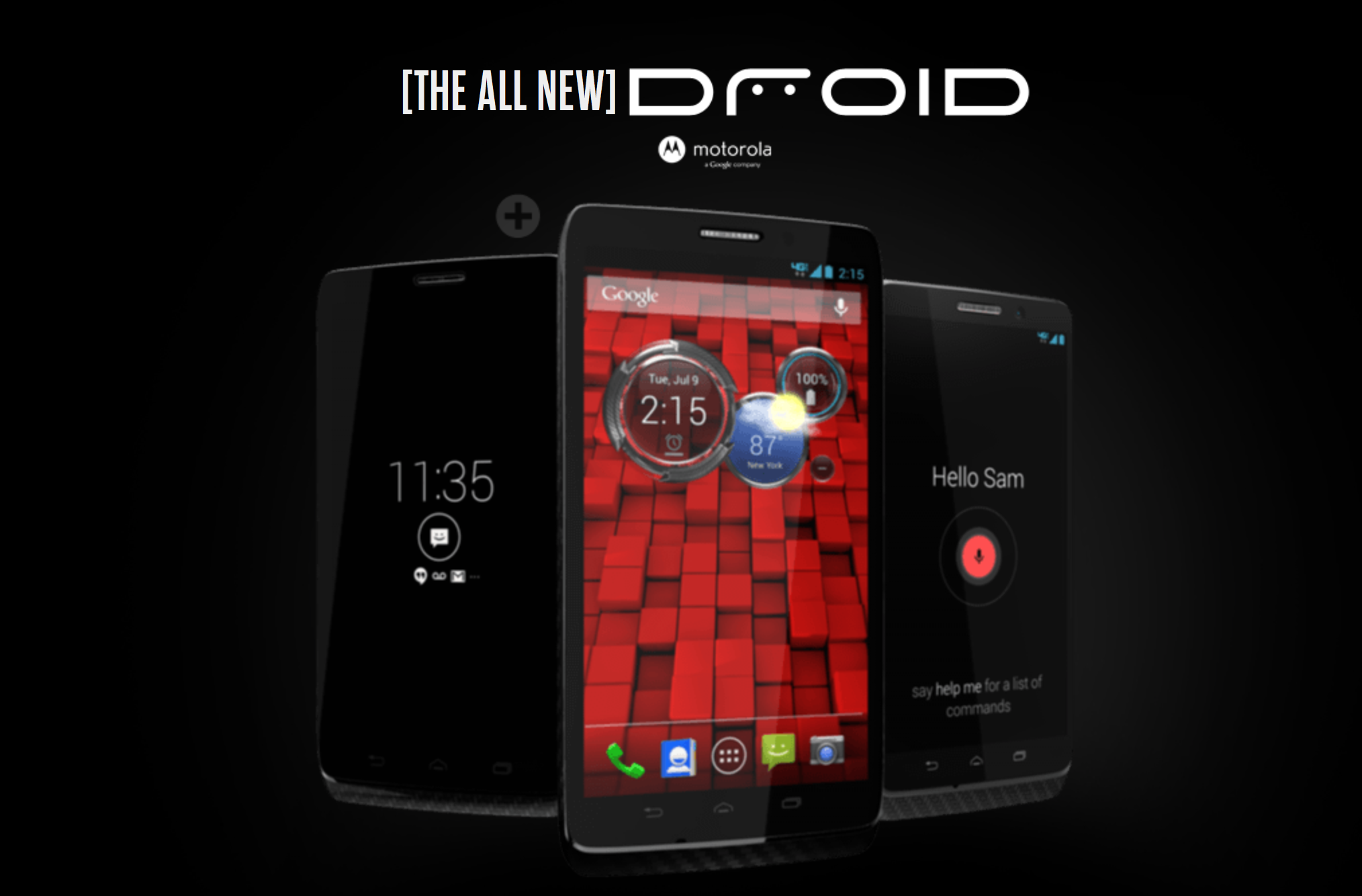
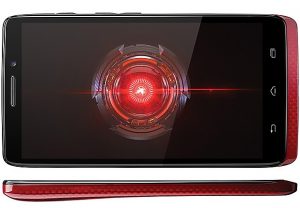
US carrier Verizon today launched three new Motorola phones which may truly change the way the world looks at the Google owned mobility company. Motorola and Verizon have launched a trio of phones which focus on all those things that have come to be the envy of smartphone owners,
Starting with the Droid Ultra which is a 5-inch smartphone that the company claims is “all about thin,”. The Droid Ultra sports a glossy, unibody Kevlar shell that makes it thinner (7.18mm) yet stronger than its predecessors.
The Droid Ultra sports a dual-core X8 Mobile Computing System delivers about 24 percent faster processing and double the graphics capabilities on all aspects. The Droid Ultra ships August 20th for $199, and pre-orders are starting today.The Droid Ultra will be available in Black and Red models.
The Droid Maxx on the other hand is designed for a long lasting Android experience, it sports a massive 48-hour battery life and is apparently 9 percent thinner than the RAZR Maxx HD. Just like the Droid Ultra, the phone is said to be 24% faster and double in the graphics department 10-megapixel camera out back that’s capable of shooting 1080p HD video. The Droid Maxx has wireless charging and a 3500mAh battery.
Droid Mini
Droid Maxx
Droid Ultra
Finally the Droid Mini comes with a 4.3 inch display 1.7GHz dual-core processor, 16GB of onboard storage (with 2GB of RAM), a 2130 mAh battery and a 10-megapixel camera with 1080p video capture. The Droid Mini goes on sale for US $ 99 and comes with wireless charging capabilities.
The Motorola Verizon Droid phones aim to focus more on experience and less on the specs of these handsets. The handsets get the new Droid Command Center homescreen widget with access to notifications, weather updates and more, as well as quick capture to take photos with a double-shake.The three phones will also include voice capabilites as leaked in the Moto X and the Droid handsets can apparently be woken on voice command by saying, “Ok Google Now.”
[toggle title=”Press Release”]Trio of New DROID Smartphones Coming to Verizon Wireless
MINI, ULTRA and MAXX: Cutting-edge design meets strength and agility.
A new family of exclusive DROID smartphones is coming soon to Verizon Wireless: DROID MINI, DROID ULTRA and DROID MAXX by Motorola. Keeping up with the DROID tradition, these devices give users what’s expected from a DROID on Verizon – intelligence, strength and endurance.
It starts with DROID Command Center, an exclusive homescreen widget for users to easily access notifications for text messages, missed calls, battery level and weather. It also serves as the gateway to new features including Wireless Display to mirror what’s on the screen onto a compatible HDTV to play games, browse the web and share pictures on a big screen.
Taking a picture and sharing it is now as easy as shake, tap and swipe. Quick Capture lets users access the 10-megapixel camera by shaking the phone twice, then tapping anywhere on the screen to snap a pic or a selfie. Sharing with a friend or a group of friends nearby is simple with the DROID Zap feature. Swiping up on a picture instantly shares it with fellow new DROID owners nearby, all they need to do is swipe down on their screen to receive it.
Hands are full or messy? Wake up the DROID by saying “Ok Google Now” and then tell it what you want to do. And for those users who constantly lose their phone under the couch or around the house, they can simply say “Ok Google Now, call my DROID” and it will start ringing. And Active Notifications lets users preview messages and app alerts without waking their phone.
These Touchless Controls and Active Display let users make calls, send texts, get directions, play music, set a reminder and preview notifications hands-free without having to unlock the phone, giving DROID users a whole new way of interacting with their phones.
The first DROID launched in November 2009 and included features new at the time such as Google Maps Navigation. It was also the first smartphone to feature Android 2.0. The new trio of DROID devices continues to give innovative features.
DROID MINI: A compact design with an edge-to-edge 4.3-inch HD display and wireless charging capabilities.
DROID ULTRA: The thinnest 4G LTE smartphone available, measuring 7.18mm, and with a 5-inch HD display. The ULTRA will be available in Black and Red models.
DROID MAXX: Features wireless charging and a 3500mAh battery that gives users nearly two days of battery life on a single charge, making it the longest lasting 4G LTE smartphone available.
These DROID smartphones are made with DuPont Kevlar fiber unibody design and will be available for pre-order online starting today, July 23, at 1 p.m. ET. The DROID ULTRA and DROID MAXX will be available for purchase starting Aug. 20 and the DROID MINI will be available starting Aug. 29. The DROID MINI will be $99.99, the DROID ULTRA will be $199.99 and the DROID MAXX will be $299.99, all with a new two-year customer agreement.[/toggle]
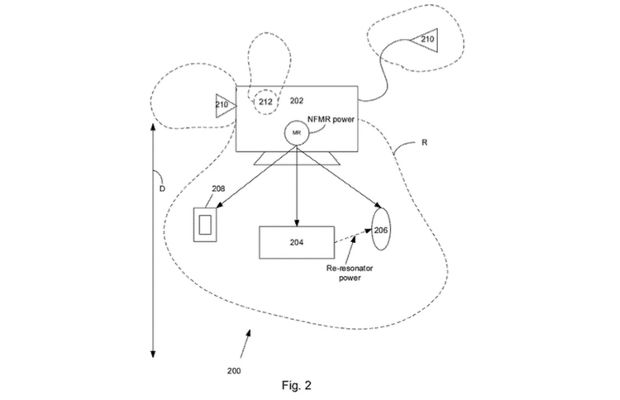
When it comes to wireless charging, today’s options aren’t exactly as cord-free as the label would suggest. Things like charging mats or other wireless docking options are fine and all, but adding more accessories and bulky cases to the mix is often more trouble than it’s worth. As Wired reports, a patent filed this week by Apple side steps these pesky add-ons and could offer true wireless charging for the first time on Apple hardware.
An Apple patent application published Thursday, “Wireless Power Utilization in a Local Computing Environment,” uses a different approach. Apple’s implementation would utilize a near-field magnetic resonance (NFMR) power supply to deliver juice to nearby devices that have an NFMR resonator circuit within.
In the patent filed by Apple, the company claims they will “utilize a near-field magnetic resonance (NFMR) power supply to deliver juice to nearby devices that have an NFMR resonator circuit within.” This approach would create a “virtual charging area” within about a yard of this power supply, which would thereby charge your device.
A secondary benefit is that wireless devices like the mouse and keyboard could ditch their batteries, helping the environment. Eco responsibility is a cause that, despite challenges with product repairability, Apple is quite dedicated to.
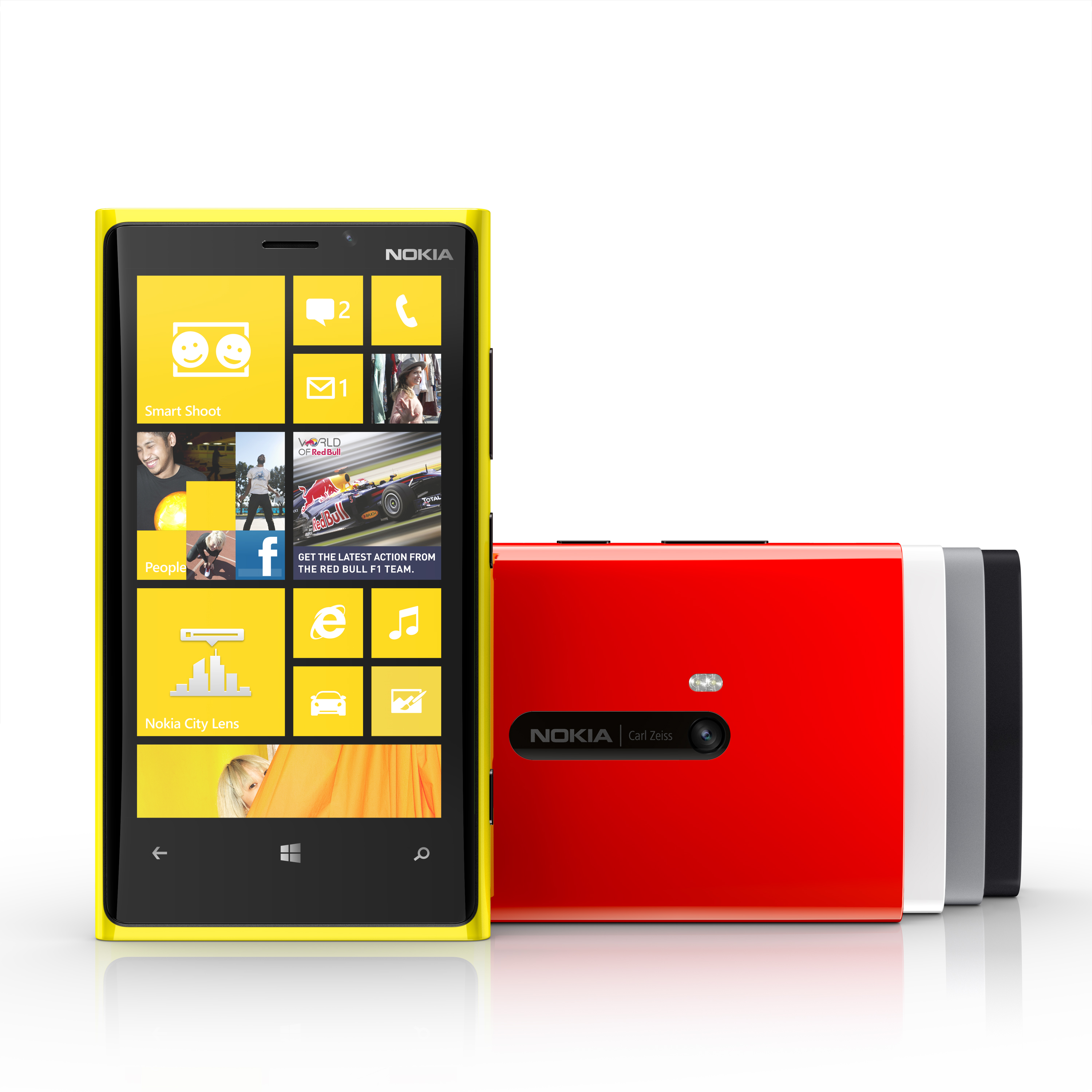
Nokia revealed its first smartphones to run the next version of Windows, a big step for a company that has bet its future on an alliance with Microsoft.
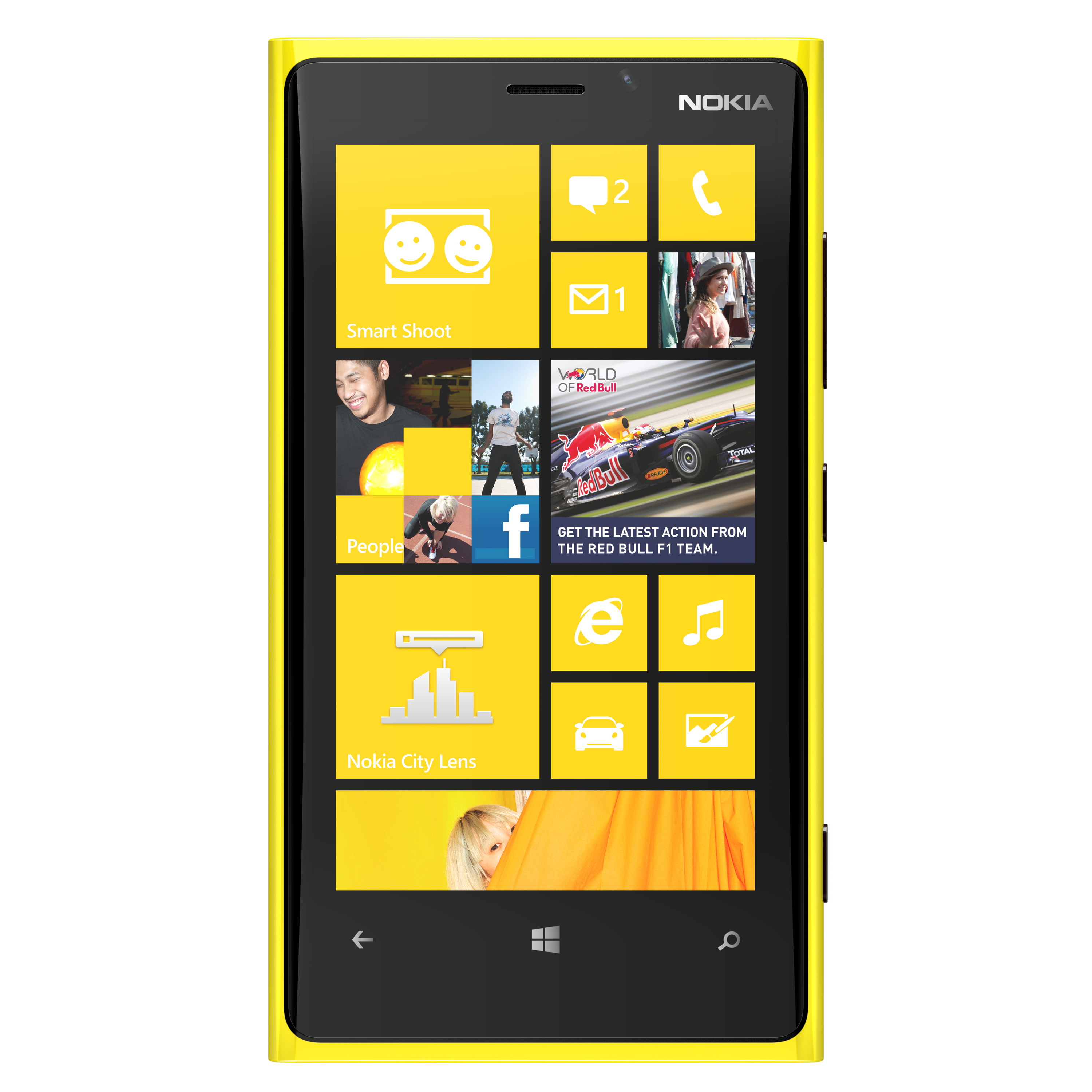
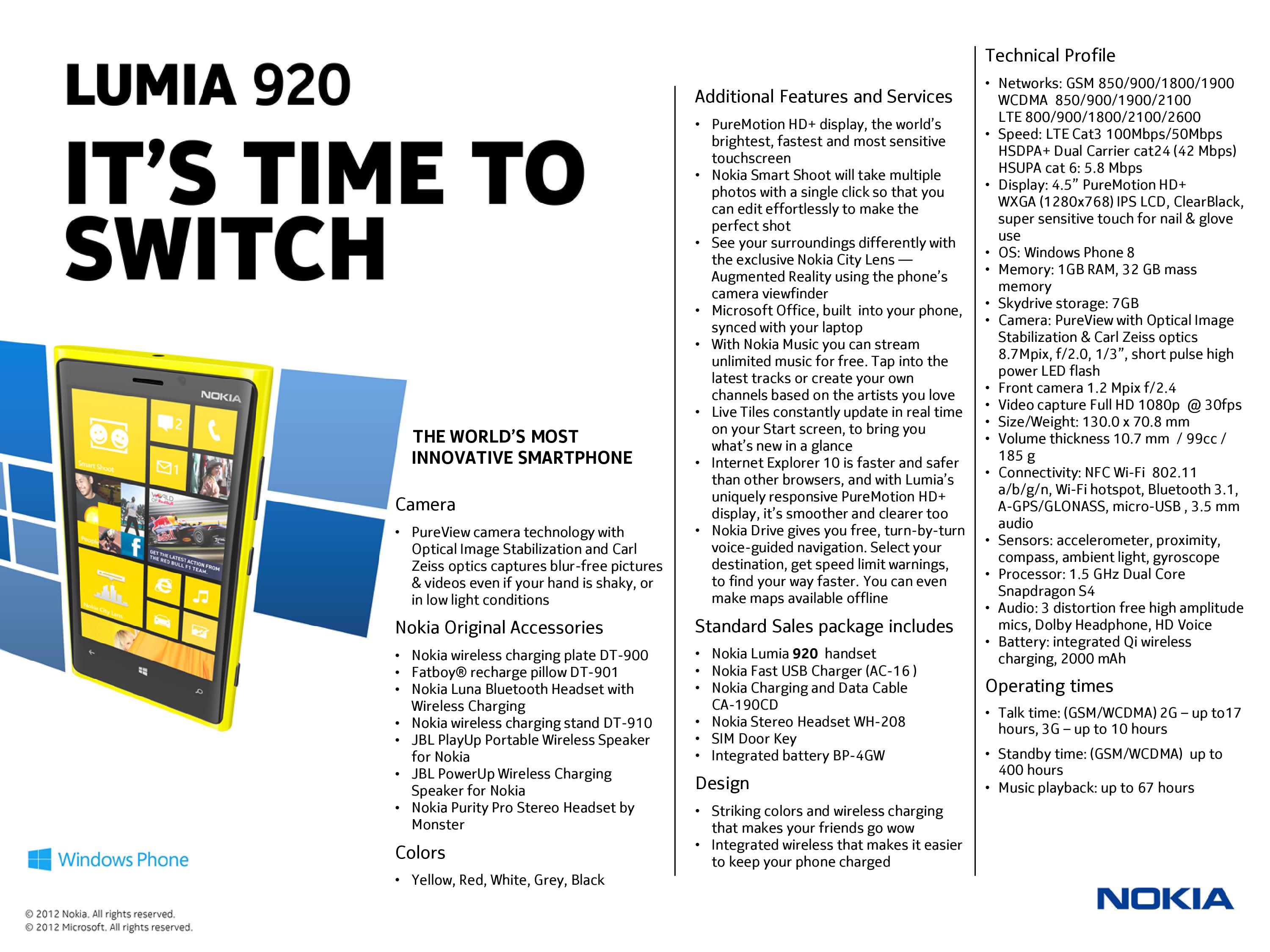
The Nokia Lumia 920 is the company’s new flagship smartphone and has a touchscreen with all- new PureMotion HD+ technology and is powered by a 1.5 GHz Dual Core Qualcomm Snapdragon S4 processor with 1GB of RAM. It also has 32GB of inbuilt storage with 7GB of SkyDrive storage available.
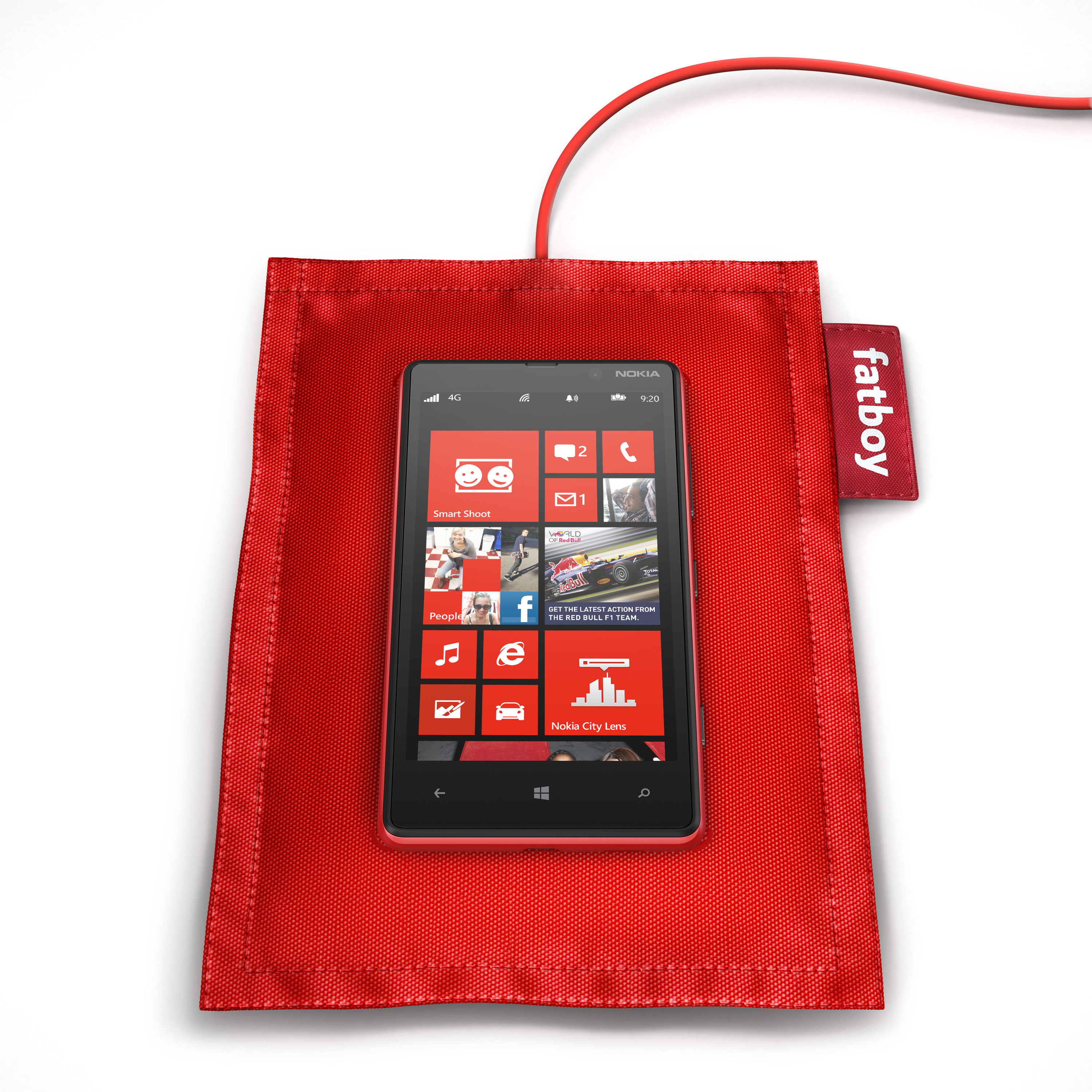
It features an 8 megapixel (MP) rear camera with PureView technology that can capture HD videos. The lenses on its camera shift to compensate for shaky hands, resulting in sharper images in low light and smoother video capture, Nokia said. Other features of the Lumia 920 include a 2,000mAh battery as well as wireless charging capabilities. However, you have to buy the charger, called Fatboy, separately.
With better than HD resolution, overdrive technology for keeping moving images pixel-perfect and sunlight enhancements for easy viewing even in the brightest sunlight, the 4.5 inch display of the Lumia 920 produces a totally amazing experience.
The WXGA (1,280 x 768 pixels) display is also super sensitive–it will be usable even with gloves or fingernails. PureMotion displays are super-sensitive with any touch interaction, enabled by the ClearPad Series 3 technology.
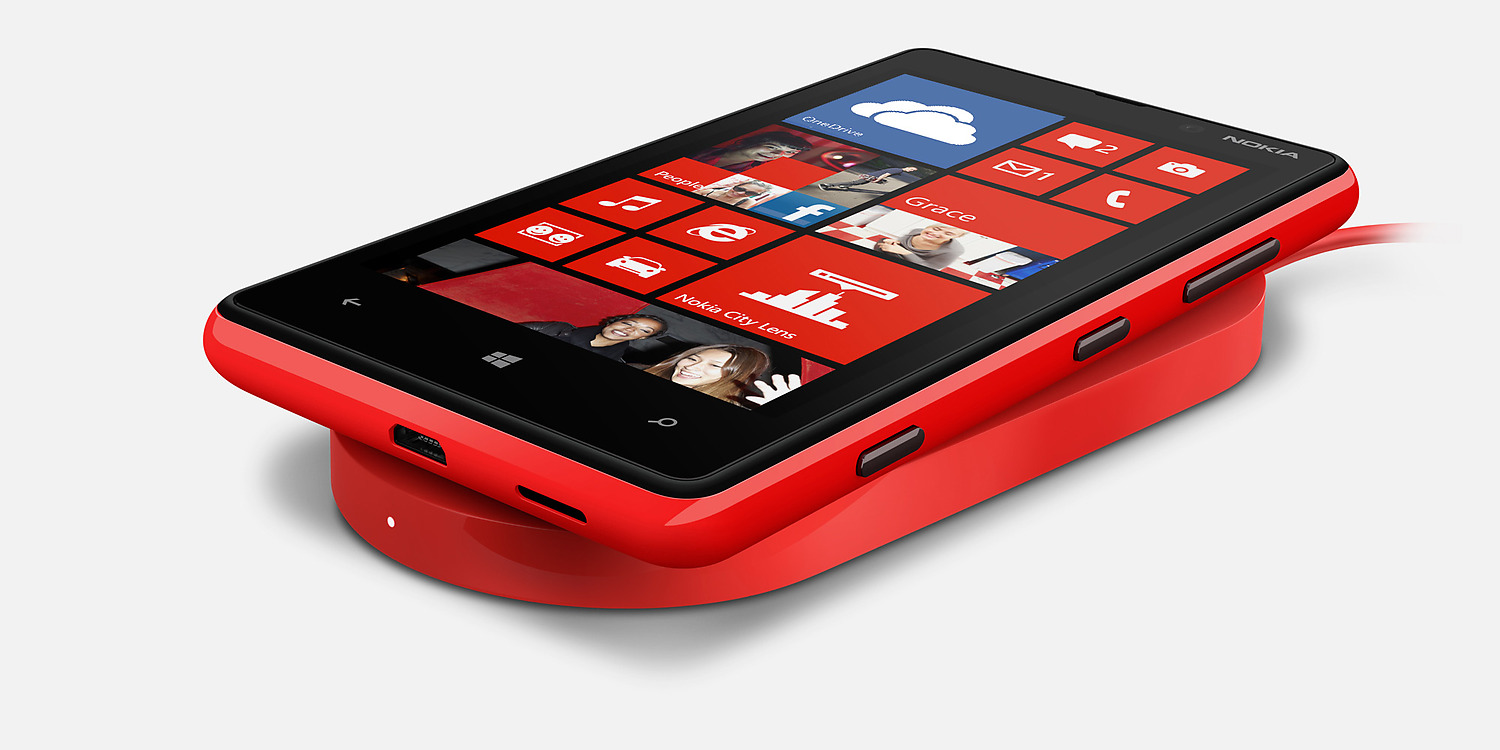
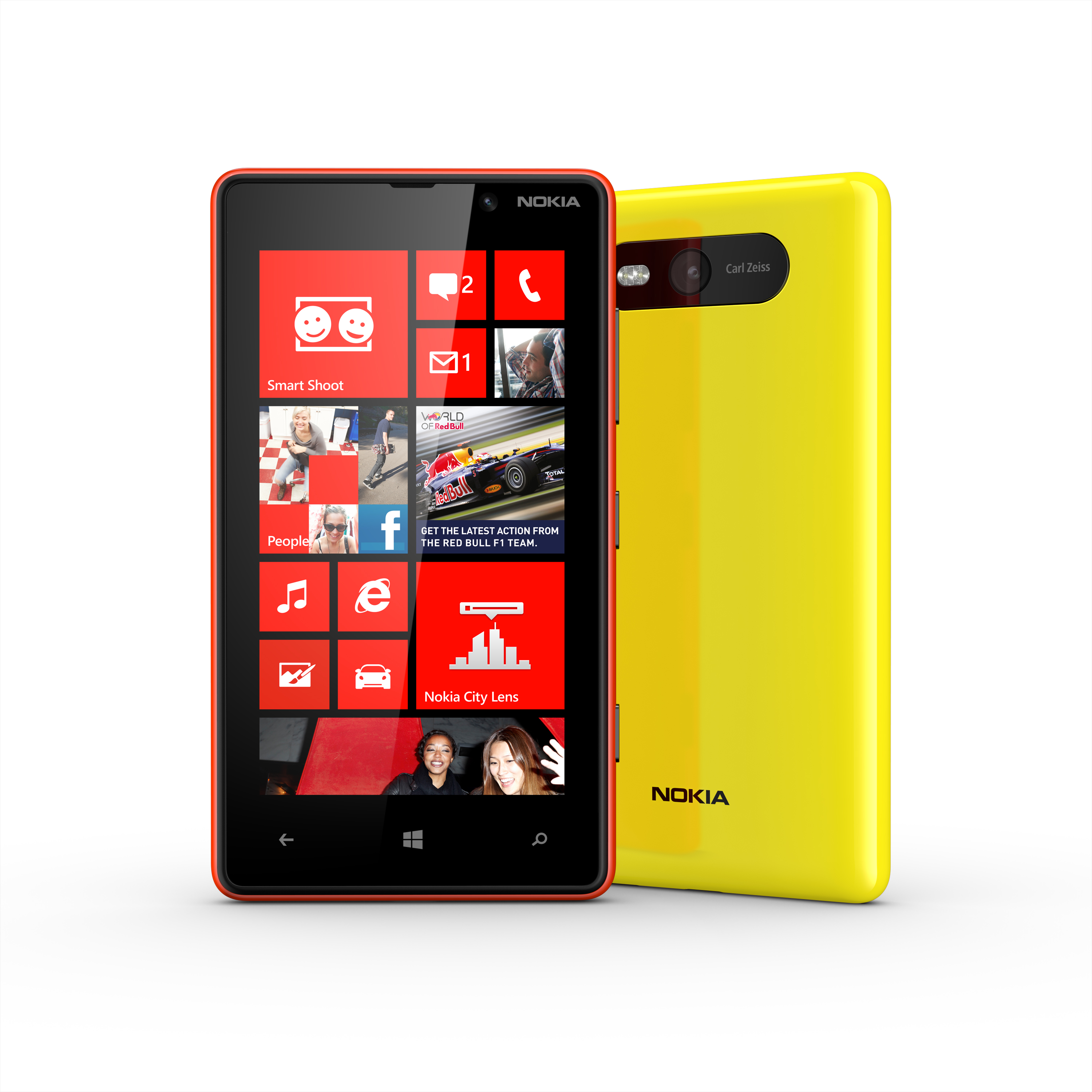
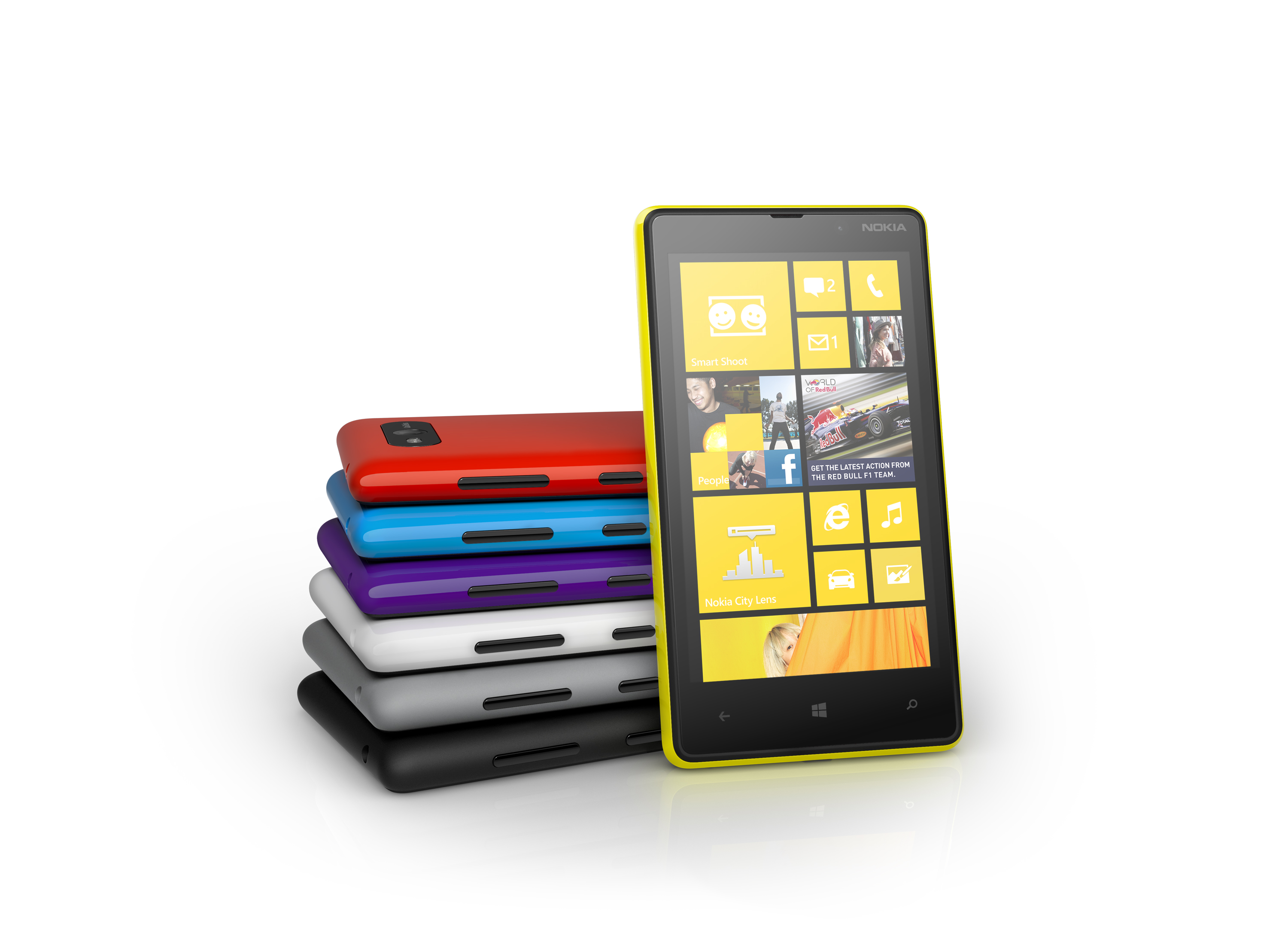
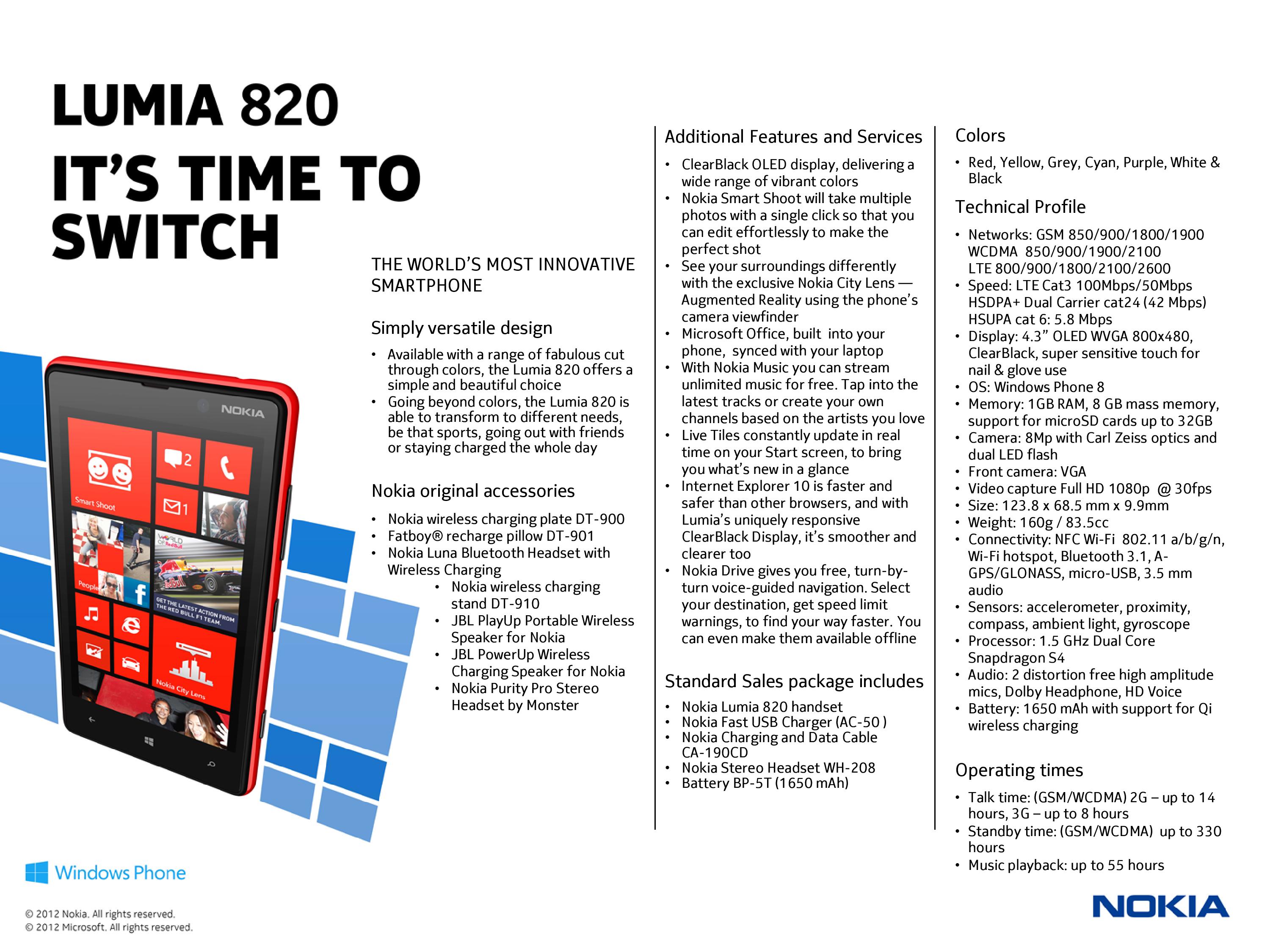
The other device, Lumia 820, comes with a 4.3-inch AMOLED touchscreen and it runs on a 1.5GHz dual-core Qualcomm Snapdragon S4 processor coupled with 1GB RAM. The other features include a 8 megapixel (MP) camera with dual-LED flash, wireless charging and a 1650mAh battery and all exclusive apps that Lumia 920 has. The 8GB model comes with changeable back covers in Red, Yellow, Grey, Cyan, Purple, White & Black.
Both handsets feature near-field communication (NFC)–Nokia has been a fervent supporter of the technology, and the handsets will come with the usual Nokia Drive and Maps apps. In fact, Maps is now the default for Windows Phone 8, a result of the close partnership between the Finnish company and Microsoft.
The price and availability date of the new phone weren’t immediately available.
Could this be Nokia’s comeback to the pinnacle of the smartphone segment? Let’s wait and see! Expect a hands-on soon!
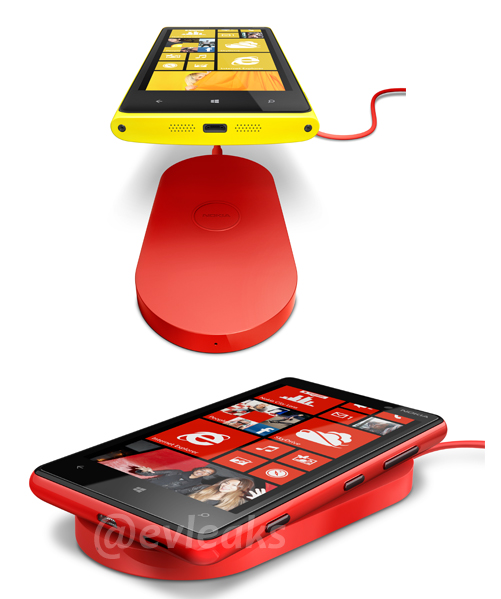
According to a report by The Verge, Nokia, which is all set to launch its Lumia 920 smartphone powered by Windows 8 OS tomorrow in New York, will includewireless charging with the phone. The smartphone will have a PureView Camera although the megapixel capacity will be much less than the original PureView smartphone. An image of the charging pad of Nokia was leaked on Twitter via @evleaks, the same account that leaked the original image of the Lumia 920.
It is also believed that the Nokia Lumia 920 will have a 1.5GHz dual-core processor, 1GB of RAM and 32GB of storage along with a 4.5-inch HD display.
If the report is true, then Nokia has finally dished out a phone capable of challenging the big guns of this segment.
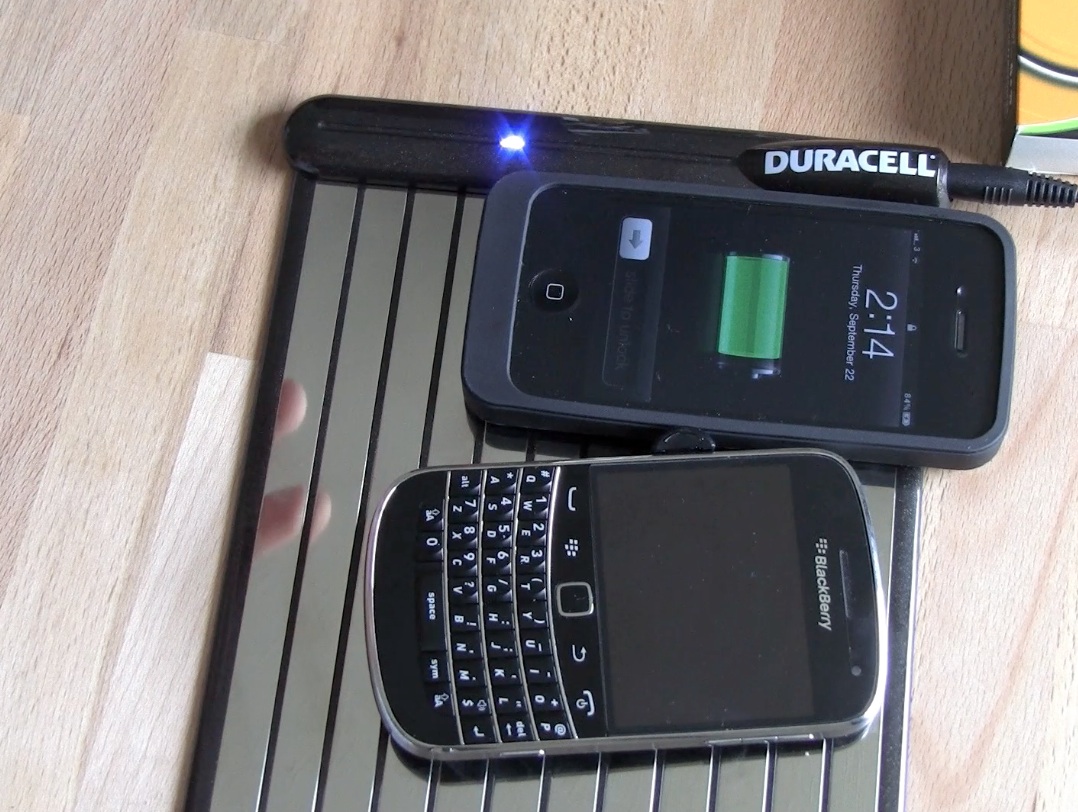
Bharat goes on to unbox the simplest docking system for all your devices. If you have as many devices as Bharat has, then this might just be for you. Especially becuase it is now available for a massive discount. Check it out
Specs include Drop and go charging for supported devices technical information below:
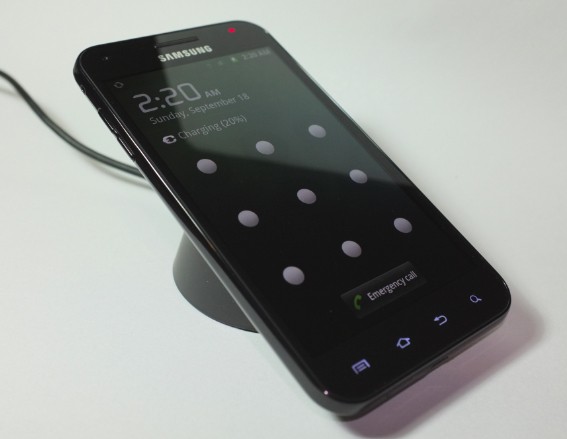
lusModders are getting it on with inductive charging mods using hardware from old PALM PREs. First it is a Samsung Galaxy S Plus. German IT student Qian Qin ripped apart a palm pre back cover and installed it on his device. The result is a physically indifferent device which now charges wirelessly. check out the video below.
Next it is the new Samsung Galaxy S2 variant Epic 4G Touch . This modder hacked his 3 day old device to charge via the dock using bolder moves. cutting open the back cover and soldering the wires right onto the board. You can check out the full systems in a step by step carving of the new device at AndroidCentral Forums.
Dana Innovations recently announced LaunchPort system which allows users to pop their iPads the way they were meant to – on walls. The cost however seems strange, US $200 for the charging bases and US $150 for the Sleeve. A total of INR 18000 ($350) to charge a $499 device. IF you fancy it you can pre-order it for $10 extra at the link below.