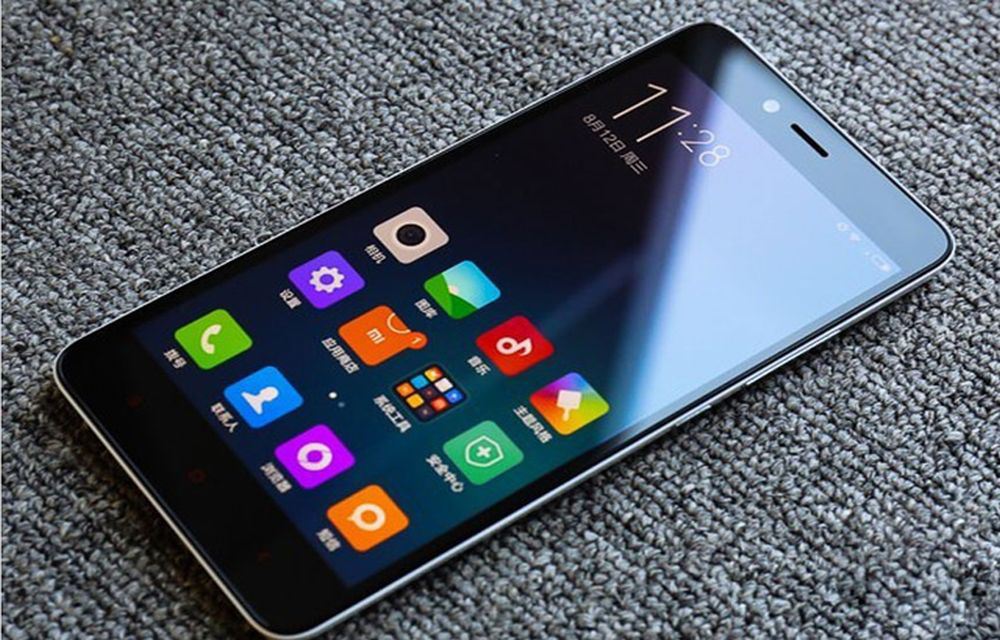
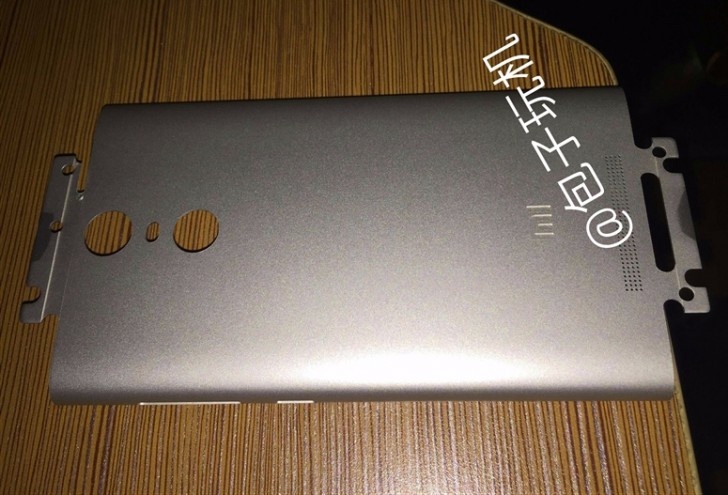
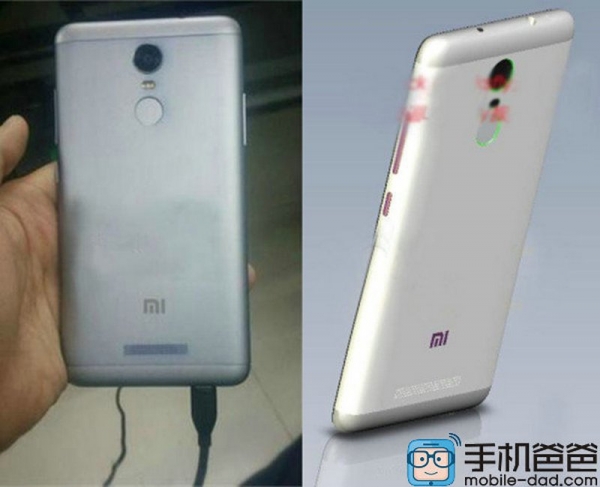
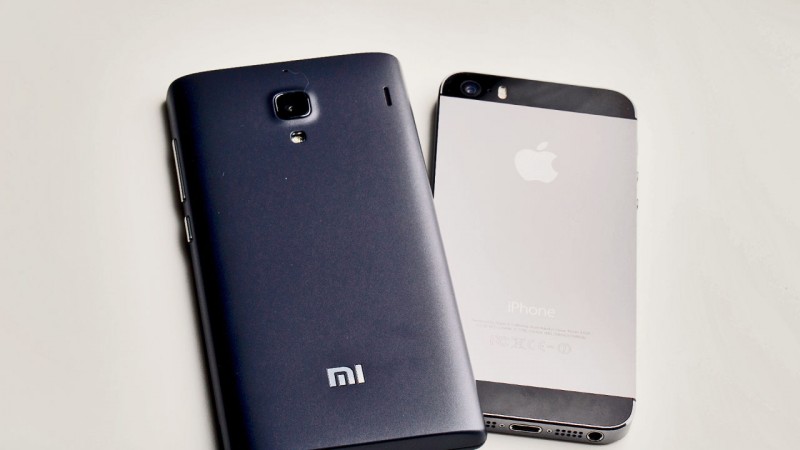
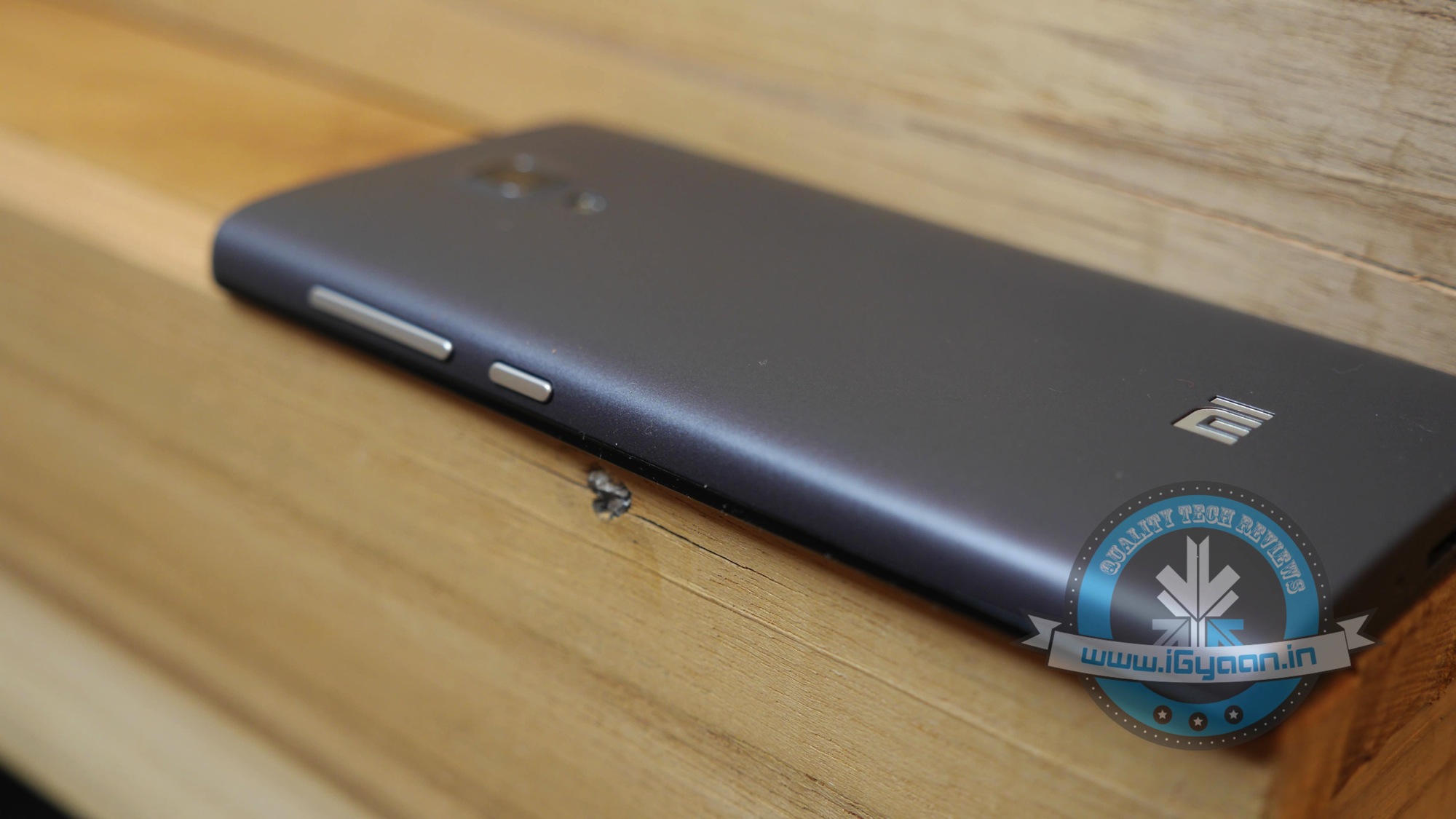
Xiaomi is reportedly working on a ‘Pro’ version of its recently release Redmi Note 2. A few days ago some leaked images of the upcoming device revealed a sleek, all-metal body as well as a fingerprint scanner. A new leaked image straight from China shows a clearer view of the metal back.
As rightly suggested, the Redmi Note Pro will have a metal body and it will be the first Xiaomi device to feature a fingerprint scanner. The sensor will be just below the the camera and LED flash on the back. You will also notice a speaker at the bottom while the power and volume buttons will be on the right side.
In terms of hardware specs, this model is expected to come with the same specs as seen in the Redmi Note 2. The Redmi Note 2 Pro will likely sport a 5.5-inch touchscreen, Qualcomm’s Snapdragon 808 chipset, and at least 2GB of RAM and 16GB of built-in storage with a 3,060mAh battery. On the camera front, the device will likely feature a 13 MP primary camera and a 5 MP front.
With an all-metal design, the Redmi Note 2 Pro can be expected with a price slightly higher than the Note 2, but still in the budget friendly zone nevertheless. The Redmi Note 2 has proved exceptionally successful in China due to its $150 price tag, making it one of the bestselling smartphones in the market currently.
Nothing is official as of yet so the leaks and rumours should not be considered the final word on the Xiaomi device Watch this space for more Note 2 Pro updates.
When it first started off in 2010, this company did not expect that five years down the line, it would would become one of the biggest smartphone companies globally. Yes, Xiaomi had taken the tech world by surprise when they released the Xiaomi Mi series lineup, capable of holding its own ground against Apple or Samsung smartphones. Additionally, Google had lost one of its top Android executives, Hugo Barra, to an ‘unknown Chinese smartphone company’ in 2013. Yes, he was headed to Xiaomi as the Vice President of Xiaomi Global, also dubbed as ‘Apple of the East’ by New York Times.
History
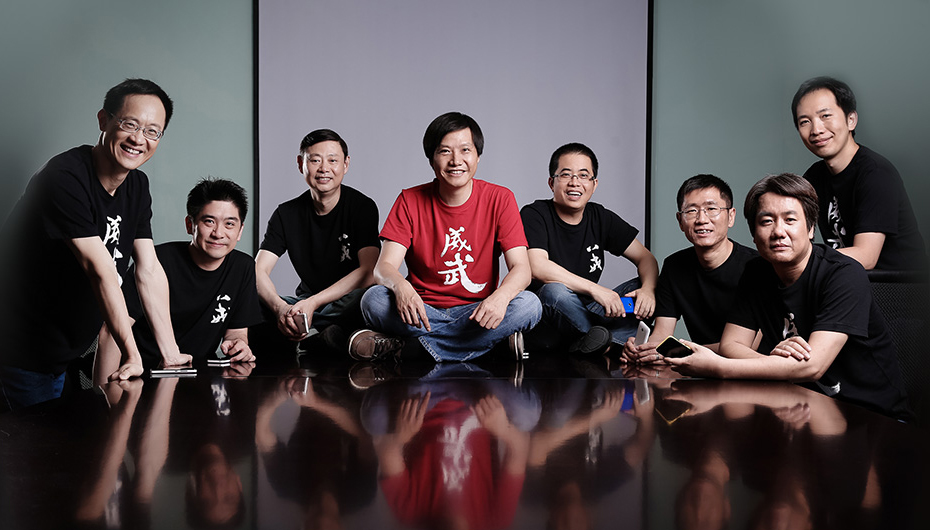
Xiaomi was initially started by Mr. Jun Lei and seven more partners on April 6th, 2010. Initial investors included Temasek Holdings, an investment office from Singapore, and Chinese venture capital funds IDG Capital and Qiming Venture Partners. After Mobile Processor developer, Qualcomm, joined hands with Xiaomi, the smartphone company launched the first Android-based user-interface, MIUI. Xiaomi’s Mi1 smartphone was announced immediately next year, and since then there was no turning back.
Xiaomi Founding Team with Mr. Mr. Jun Lei (in red).
Rise of the Name
After three and a half years of entering the market, Xiaomi had employed a small number of 2,400 staff and sold its wares only in China, Hong Kong and Taiwan. Despite the limited market, Xiaomi managed to sell more than 7 million devices 2012. It is quite an impressive feat, keeping in mind that it was around the same time that Nokia and BlackBerry were struggling to reach up to the same number worldwide.
The expansion campaign did not stop just there. Xiaomi unveiled its second high-end phone, Xiaomi Mi2, in August 2012, and it sold 10 million devices in the next 11 months. In total, Xiaomi sold over 18.7 million smartphones in 2013 and 26.1 million smartphones in 2014.
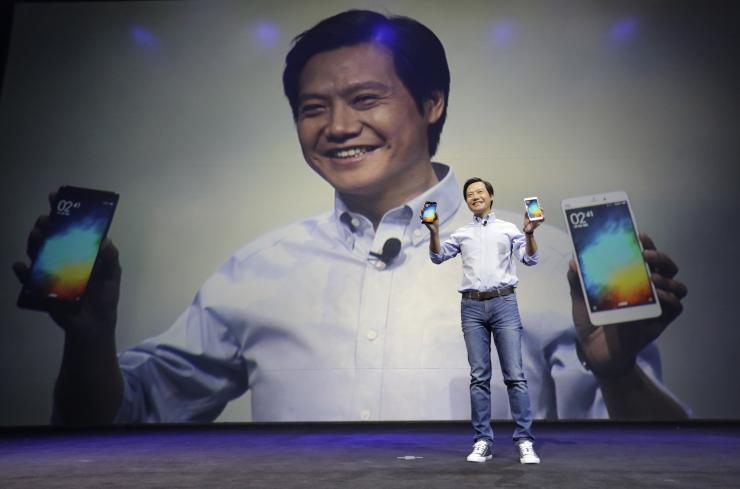
Lei Jun, founder and Chief Executive Officer of China’s mobile company Xiaomi, shows Mi Notes at its launch in Beijing January 15, 2015.
It opened its first international expansion outside with their first destination in Singapore. On its Opening day, Xiaomi Mi3 batches were sold off within two minutes. Apart from Singapore, Xiaomi had also landed in the markets of Malaysia, Philippines and India. Xiaomi entered the Indian market via an exclusive retail partnership with Flipkart and offline retailers for the first time.
In April 2014, Xiaomi purchased a new domain- mi.com for $3.6 million. It became the most expensive domain name ever bought in China and it replaced xiaomi.com as the official website for Xiaomi.
Idea behind the Success
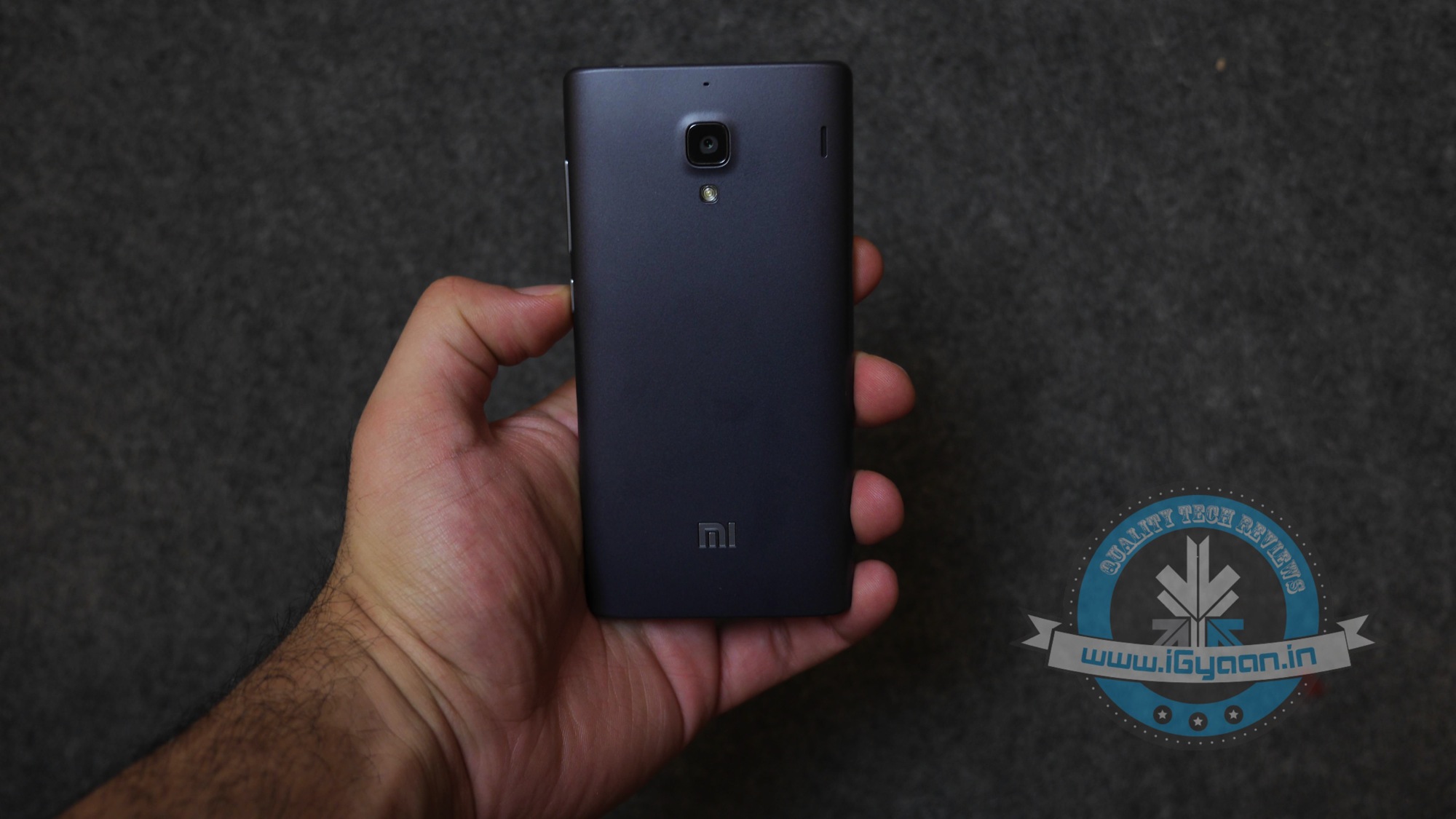
What separates Xiaomi from other smartphone companies is that the company sells its products at a cost that has virtually no profit margin. So, how does the company make a profit? It makes its money when customers pay for its cloud services like messaging and data backup. The company also pointed out its iconoclastic business model which instead of using traditional marketing and distribution practices, it heavily relies on the Internet to fuel its sales, thus reducing advertising and promotional costs.
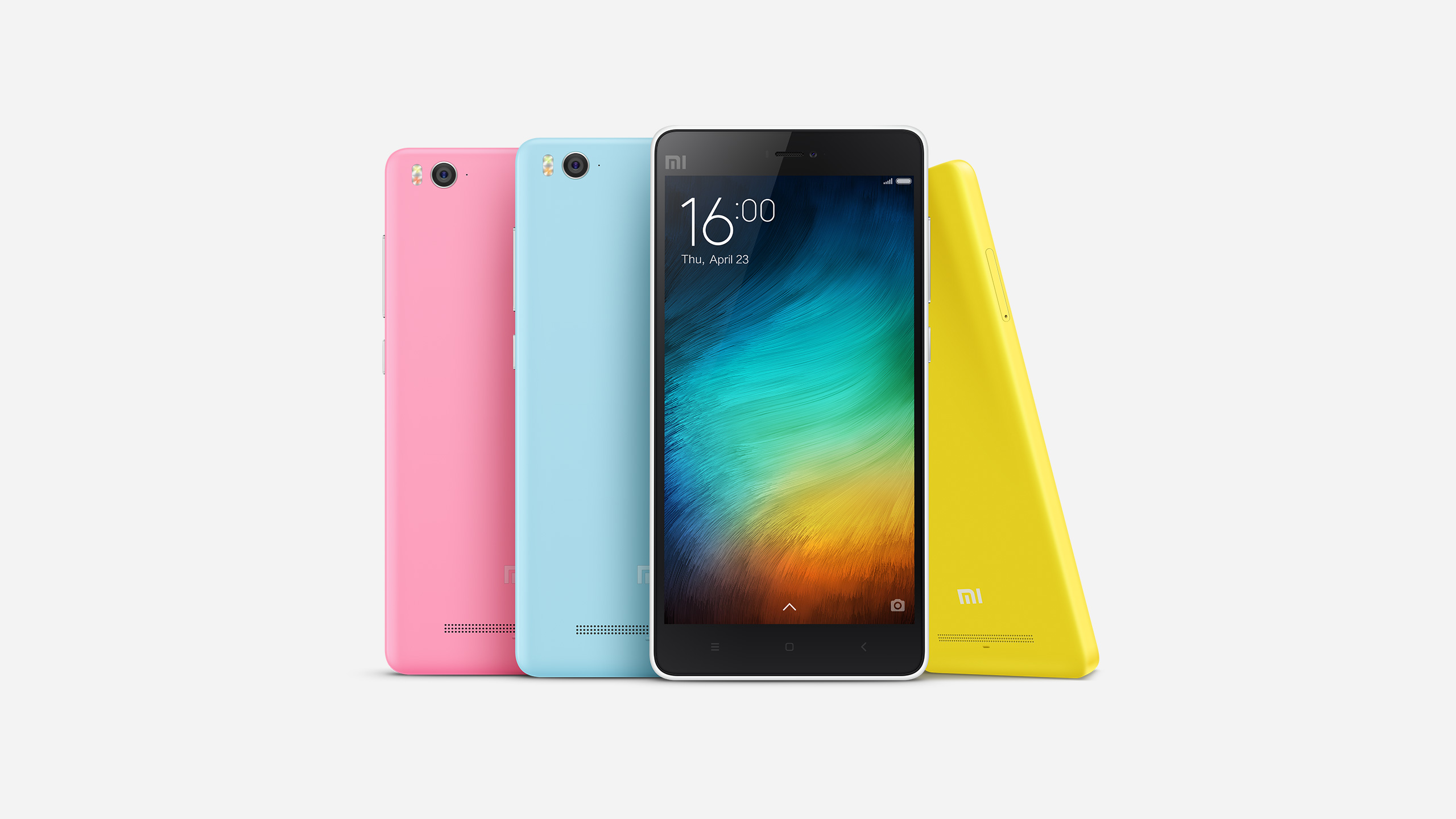
Xiaomi Mi 4i was the first Xiaomi phone to see its initial release outside of China
Another reason the handset is so much cheaper than its competitors is because of the weekly/monthly Flash Sales. Releasing only a small quantity of phones per sale keeps down the production cost. But the only drawback is that eager customers have to wait, thus leading to a loss in sales.
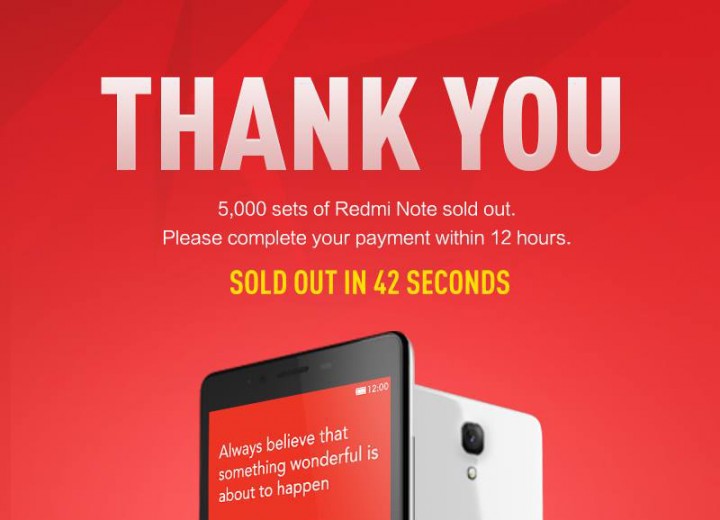
In a Singapore flash sale, Xiaomi sells 5,000 Redmi Note units in 42 seconds.
To make up for its thin line profit margin, Xiaomi continues to sell the same phones for a long period of time, rather than coming out with a new handset every six months. This gives more flexibility with profits and ensures the sale of accessories too.
Here is a fun fact: Apart from its own website, the company also sells devices on Tmall.com, one of China’s largest online retail sites. Xiaomi not only sells its handsets here, but also sells accessories like headphones, T-Shirts and its toy rabbit mascots. The company claims it sold over 180,000 units of mascots in 2012 alone!
Controversies
With great success, criticism and controversies are sure to follow. Xiaomi’s first controversy was the similarity in the design of its products and Apple products. If this weren’t enough, Xiaomi CEO, Lei Jung cultivated a Steve Job image after reading his about him in college. Thus, Xiaomi was accused by Apple for copying their philosophy and mindset. Xiaomi stated that it followed a different set of principles. While many pointed out the similarities between the two companies, few others said the ability to customize the software based on user preferences sets Xiaomi apart.
In India, import and export of Xiaomi’s products were banned on December 9th 2014. This was because of a complaint filed by Ericsson. Ericsson had alleged earlier this month that Xiaomi was selling Mediatek chipset powered smartphones through the site Xiaomishop.com. Ericcson claimed it to be a violation of the interim order of the Delhi High Court that allowed the company to sell only Qualcomm chipset based smartphones. Xiaomi, in turn, told the court that the site was not an authorized seller of its products.
Conclusion
Today, Xiaomi is the 3rd largest smartphone distributor. Many Chinese companies sprung up after the success story of Xiaomi across the world, with Huawei creating real impact with visible success. Along with controversies surrounding it, it will be interesting to see how Xiaomi copes in the global market. We will just have to wait and watch.
On the occasion of completing five years on 8th April, Xiaomi had decided to give the public something worthwhile. Hence, the Chinese firm staged a 12-hour ‘fan festival’ across seven Asian countries. This event saw a total sale of 2.12 million smartphones, more than 38,000 Mi TVs and over 770,000 smart appliances, amounting to a revenue of RMB 2.08 billion ($335 million).
In the words of Xiaomi, the company has truly established itself as an Internet company, with e-commerce proving to be the best way to reach its customers. In 2014 alone, Xiaomi sold over 61 million handsets worldwide and are aiming to complete a 100 million by the end of this year. This feat has landed them as the third largest mobile manufacturer in the world. The company has been on a tear lately, quadrupling its valuation while other established handset makers, including smartphone giant Samsung, have stumbled.
Xiaomi will soon be launching its Mi.com online store in US and Europe, although this store will only be selling accessories like the Mi band and the ridiculously cheap power banks.
Xiaomi has been grabbing headlines in the Indian market too with the release of the Red Mi, Mi Pad and many other products. You can read more about it here.
The Delhi High Court has reportedly put a halt on Xiaomi’s surging sales in India by passing an ex-parte injunction order. Hearing a case filed by Ericsson India against Xiaomi, the court on Monday passed an ex parte order from “selling, advertising, manufacturing or importing devices” that infringe upon Ericsson’s patents. In fact, the judge also directed the customs officials to stop the imports under the IPR Rules, 2007. Moreover, local commissioners too have been appointed to visit Xiaomi India offices to ensure the implementation of the order.
The adverse order in the case seems to have come about after Xiaomi allegedly ignored Ericsson’s repeated communications. Reports indicate that Flipkart is also implicated in the case, and that the Delhi High Court granted the injunction after Xiaomi did not respond to Ericsson’s missives.
In an emailed statement to NDTV Gadgets, Xiaomi India Head, Manu Jain, responded to the Delhi High Court Injunction
While we haven’t received an official notice from the Delhi High Court, our legal team is currently evaluating the situation based on the information we have.
India is a very important market for Xiaomi and we will respond promptly as needed and in full compliance with Indian laws. Moreover, we are open to working with Ericsson to resolve this matter amicably.
Xiaomi had launched its India operations in July 2014 and the country is the second largest market for the company and also the fastest growing one. It sells phones exclusively through online marketplace Flipkart via flash sales in limited numbers. In such a limited span Xiaomi has made an unparalleled impact completely throwing the domestic smart phone players off their game.
Will this injunction imply the end of Xiaomi in India? A similar incident happened with Gionee, early this year when Ericsson had managed to halt sales for the brand, but the case was resolved out of court in a matter of hours.
In Xiaomi’s case, the company may not have enough “moolah” to get away with an out of court settlement. Will India witness the rise and fall of one of the most dynamic smartphone company all in a span of 6 months?
Only time will tell…!
Update :
Not just sales, Xiaomi now shuts down its Indian website too. Following the suspension of its handsets through Flipkart, Xiaomi shut down its Indian website. The company has put out an announcement, which now contains only one page that shows the letter from its global vice president Hugo Barra addressing the Xiaomi fans. On the brighter side, the facebook page of Xiaomi is still live, so all the Xiaomi followers can stay updated.