Author: Anshika Jain

  • Apple Working On A Self-Driving Employee Shuttle

    Apple Working On A Self-Driving Employee Shuttle

    The latest reports suggest that Apple may be working on a self-driving shuttle for its employees. The new self-driving shuttle project is codenamed “PAIL,” short for Palo Alto to Infinite Loop. The shuttle will reportedly run from Apple’s current campus to its new one. Surprisingly, Apple will supposedly use another automaker’s commercial vehicle for the project, rather than building the vehicle itself. The company will then use the vehicle to test the autonomous driving technology it develops.

    Apple was earlier reported to be working on a self-driving car initiative, nicknamed – Project Titan. The iPhone maker started the Project Titan in 2014 and hoped to shake up the auto industry like it did with the mobile business. In 2015, Apple’s COO Jeff Williams said: “The car is the ultimate mobile device, isn’t it?”. However, the company gave up on the self-driving automobiles pretty soon, indicating that Apple might have underestimated the complexity of the task. But it seems like Titan wasn’t the last of Apple’s efforts to venture into the auto industry.

    Timothy D. Cook, CEO of Apple Inc. in an interview, mentioned that Apple is “focusing on autonomous systems.” Many tech companies like Apple have made similar efforts to build a self-driving car. Waymo, a division of Alphabet, is also focusing on building software for cars made by traditional manufacturers.

    Given the company was granted a permit for testing self-driving cars, but gave up on the dream too soon, we hope, (Apple employees certainly do) that PAIL turns out to be more than just a concept. It has been said that under Bobby Mansfield’s (a hardware engineer at Apple) guidance, the team is more focused and the morale has improved. But it seems that the smartphone maker would need more than just improved morale and focus, as Apple is hardly the only company working on self-driving technology.

  • Mini Google Home To Take On Echo Dot

    Mini Google Home To Take On Echo Dot

    Google is reportedly planning to compete with the Amazon’s smart speaker, Echo Dot by releasing a miniature version of its own Home smart speaker. The unveiling of the miniaturised Google Home is expected to be at a hardware event planned for the upcoming Pixel sequel.

    Planning to rival the Amazon’s Echo Dot, the Google Assistant powered smart speaker will allow you to access voice command interfaces for audio systems, connecting multiple Home units, playing music etc.

    It is still unclear as to what all features Google’s smaller Home Speaker will come with but we are hoping that the voice-activated Assistant hub will host the similar features like its sibling. Some of which are expected to be hands free calling, accessing smart home devices, personalised experience by disguised voice feature, getting real-time answers related to traffic, weather reports etc.

    No specific details about the mini Home speaker’s pricing, dimensions and feature set have been spilled yet. But given the massive popularity of Amazon’s Echo Dot which is priced at $50, a smaller, cheaper version of Google Home makes much more sense, as the original Google Home costs $129.

    You may also like : Amazon Echo Dot, Prime Music Might Be Arriving In India This Diwali

    It has also been reported that Google will also launch the new Pixel-branded Chromebook at the Pixel event. This will be the first Chromebook after the launch of the original Chromebook Pixel in 2015. At present, no information about the specifications for this laptop has surfaced. It has been widely reported that the new Pixel Chromebook is a byproduct of Google’s Project Bison, but, it appears not to be the case . Google may be planning to target the higher-end notebook market once again. It is safe to say that the new Pixel-branded Chromebook is intended to be a serious contender to Apple’s MacBook lineup and Microsoft’s Surface Pro.

  • iPhone 8 OLED Display And Power Cable Leaked

    iPhone 8 OLED Display And Power Cable Leaked

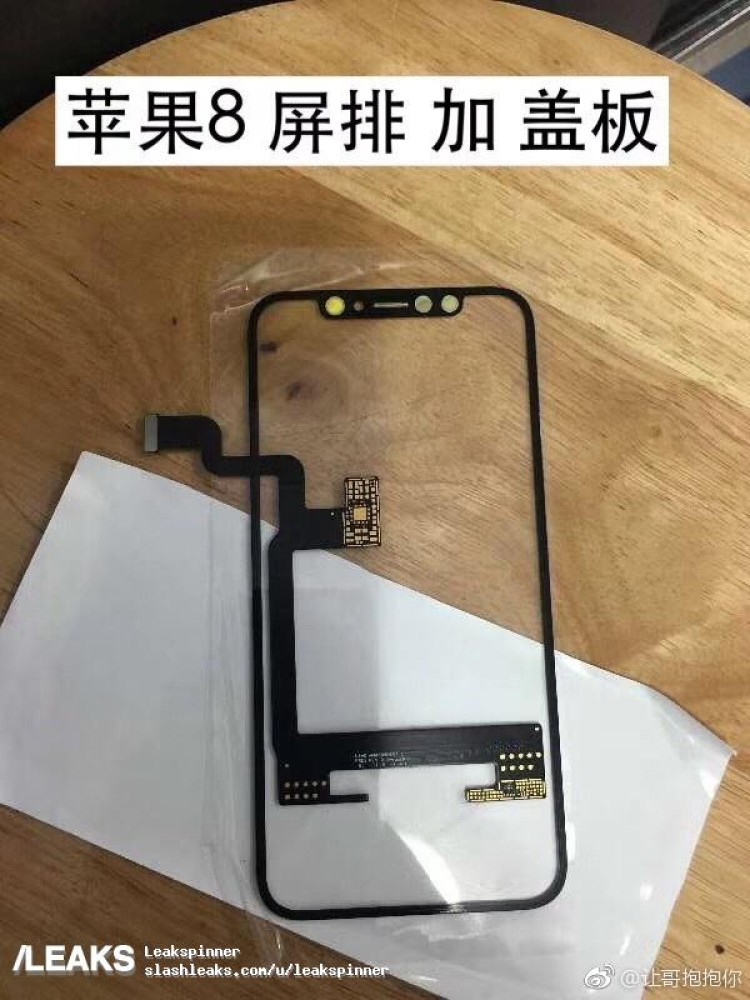
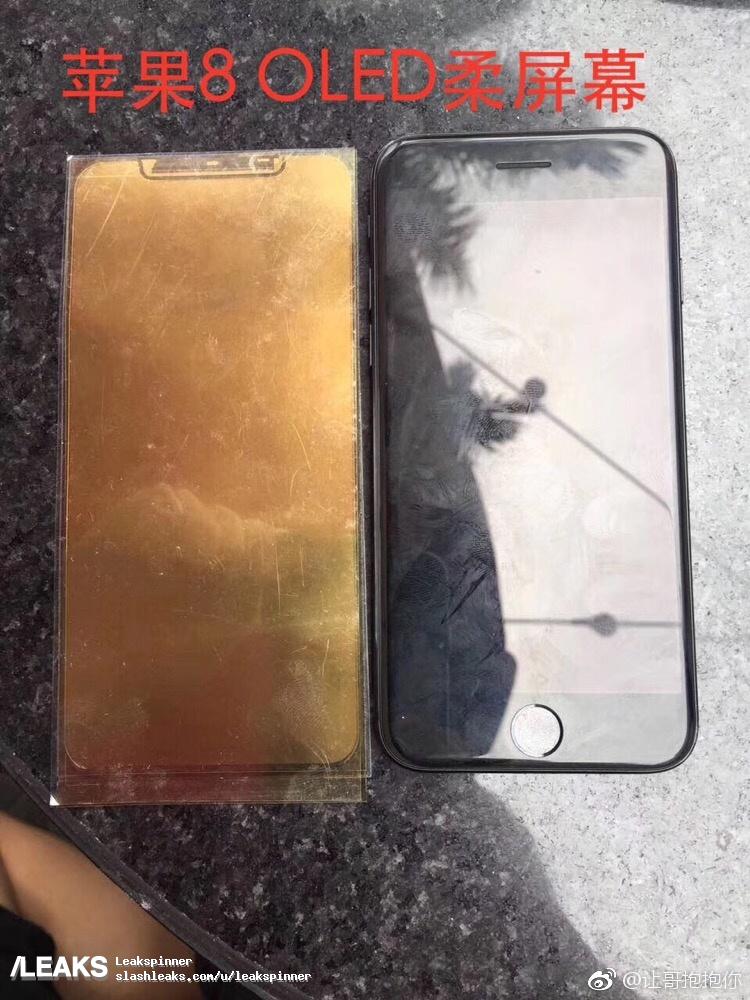
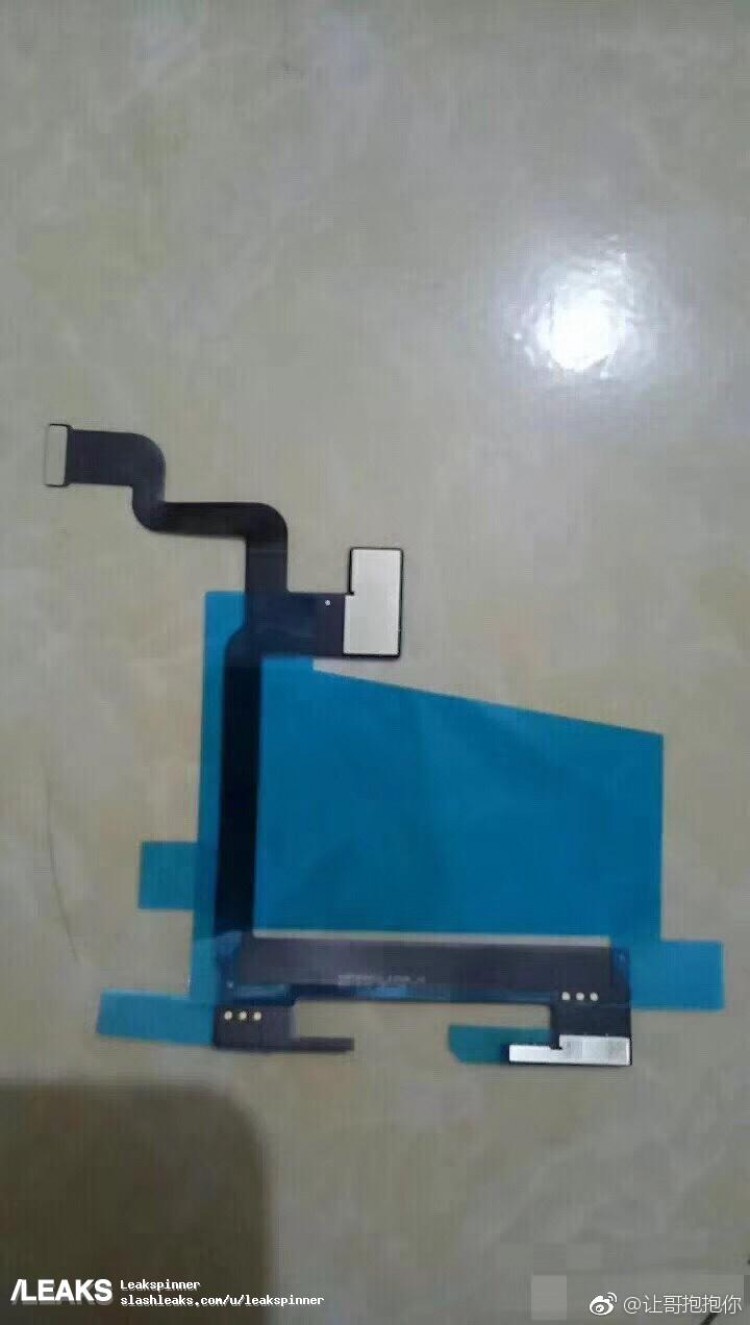
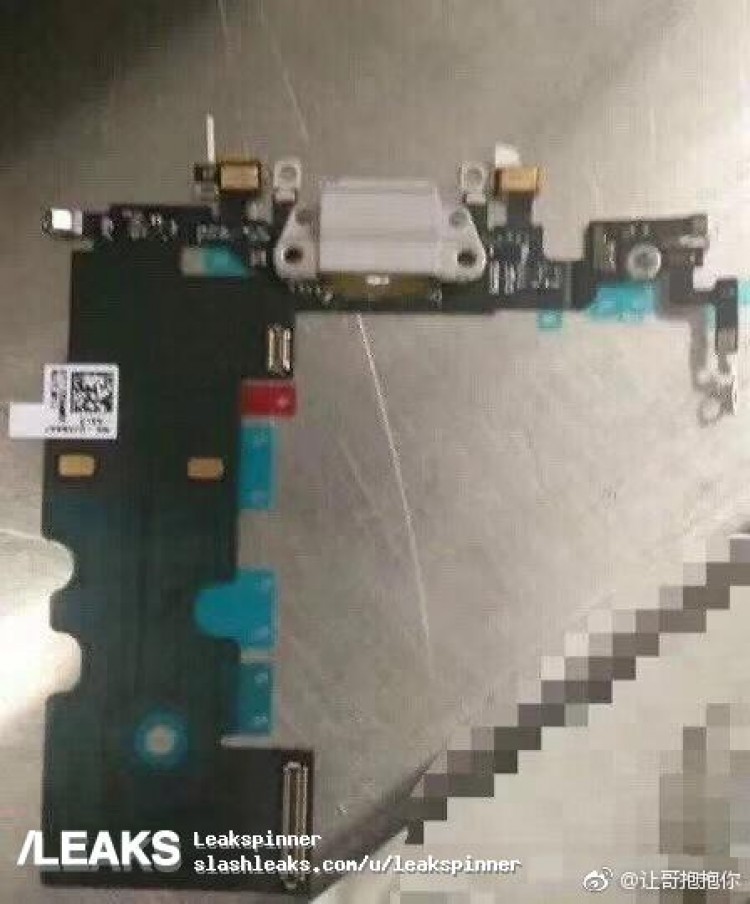
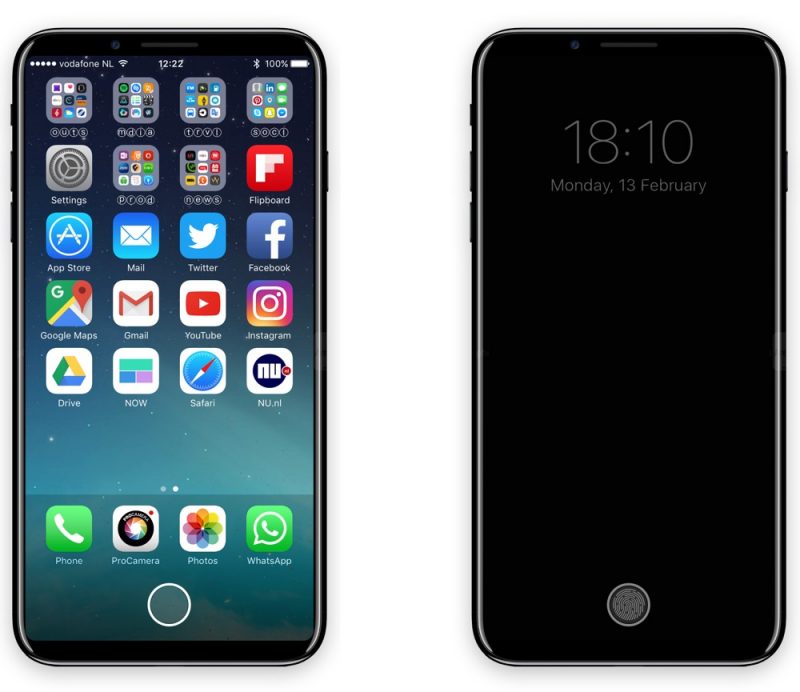
    Apple is prepping for the September launch of the widely anticipated iPhone 8. Though the launch is nearer than ever, the smartphone still doesn’t seem to be catching a break from leaks and rumors. An image leak shows iPhone 8’s OLED display assembly, lightning and power flex cables, further corroborating the existing reports.

    These images, though blurry give a close look of the iPhone 8’s internals.  The display panel picture confirm the curved edges and bezel less design. No physical home button could be seen on the images, indicating that the iPhone 8 will feature a virtual home button and most likely launch without Apple’s iconic Touch ID.


    The OLED panel image also displays the notch on the top of the smartphone which houses the sensors and the dual-cameras used for 3D mapping for FaceID. The  HomePod firmware leak had confirmed that the iPhone 8 will arrive with facial recognition technology. The smartphone’s front camera, which was rumored to feature 4K video recording at 60 FPS can also be seen in the leak.

    The display has always been a major component of the iPhone (or any smartphone) and Apple may finally be throwing OLED panels into the mix, all thanks to Samsung ramping up its manufacturing facilities after Apple termed the latter as the sole provider of the iPhone 8’s display.

    Apart from the display assembly, the image leak also includes lightning and power flex cables.There have been multiple reports suggesting that Apple will launch the iPhone 8 with wireless charging capabilities.

    The smartphone is expected to run on the Apple A11 Chipset and will be available in 128GB and 256GB variants for the iPhone 8. To be launched with iOS 11, the smartphone is speculated to range from US $ 1,100 to US $ 1,200.

  • Apple iPhone 7s And 7s Plus Will Still Have Significant Bezels

    Apple iPhone 7s And 7s Plus Will Still Have Significant Bezels

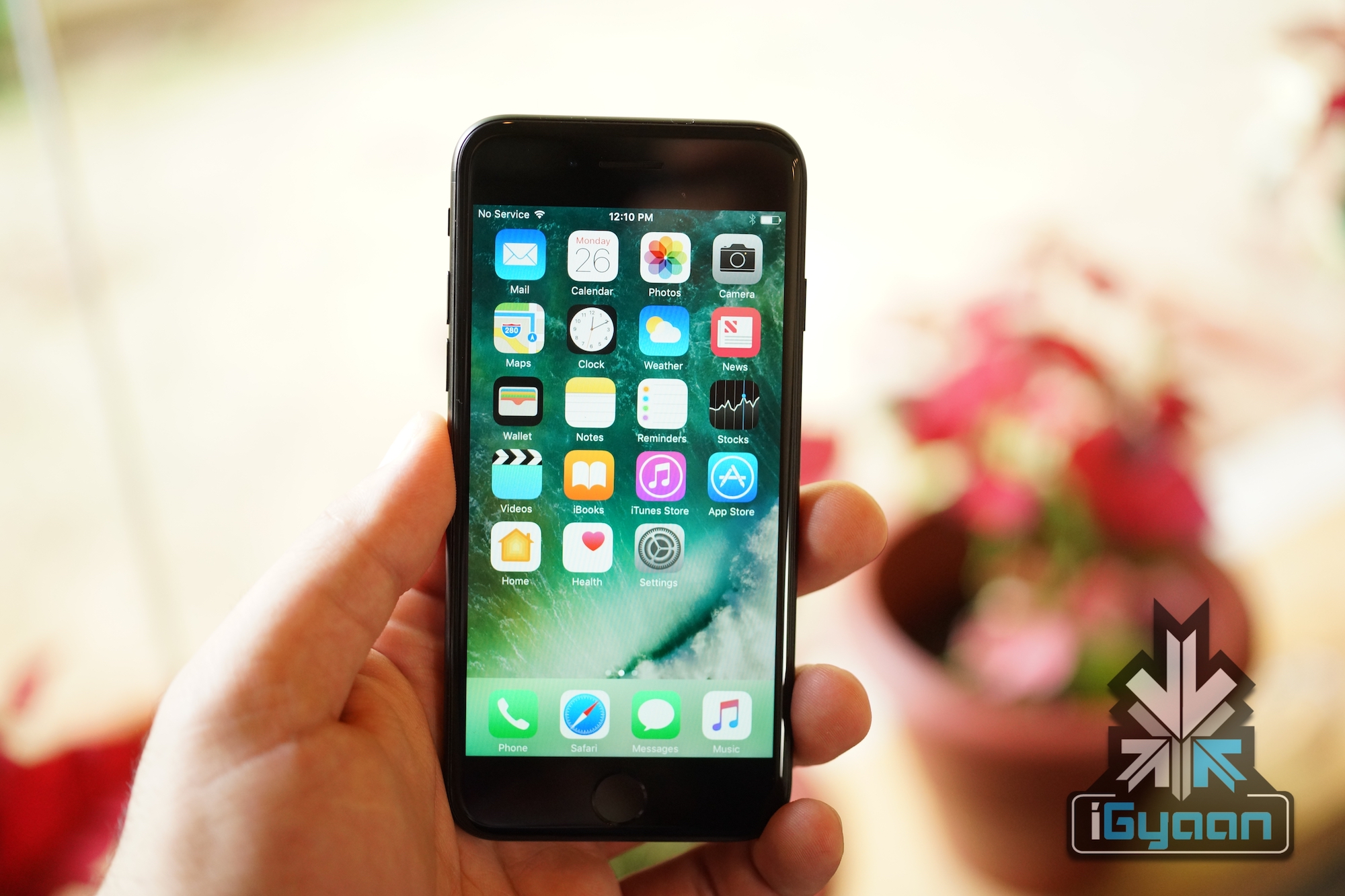
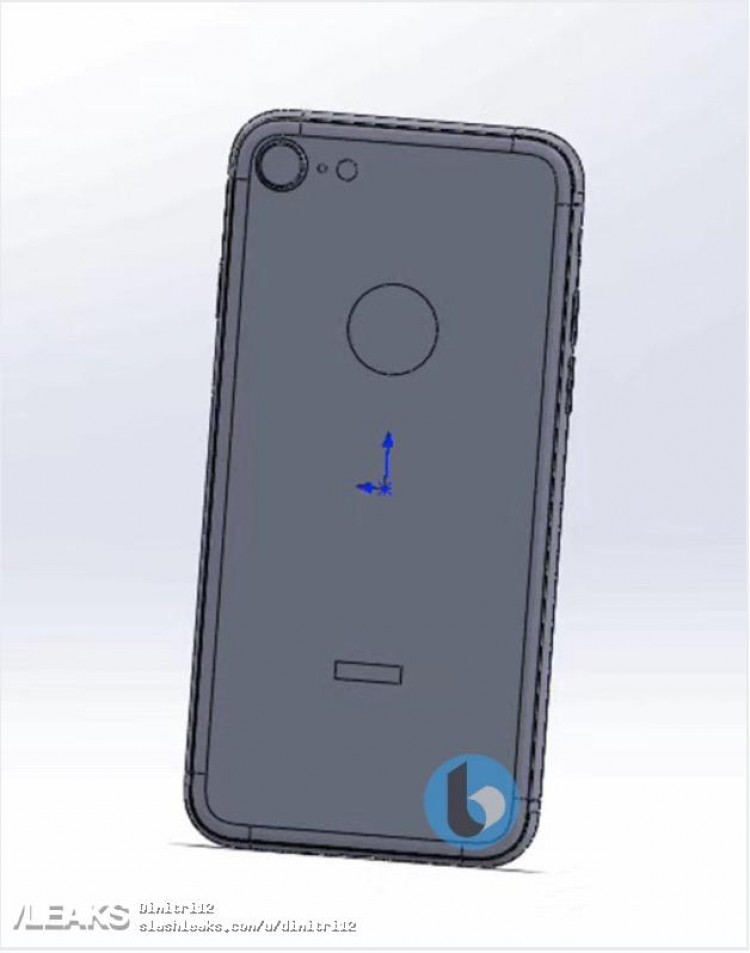
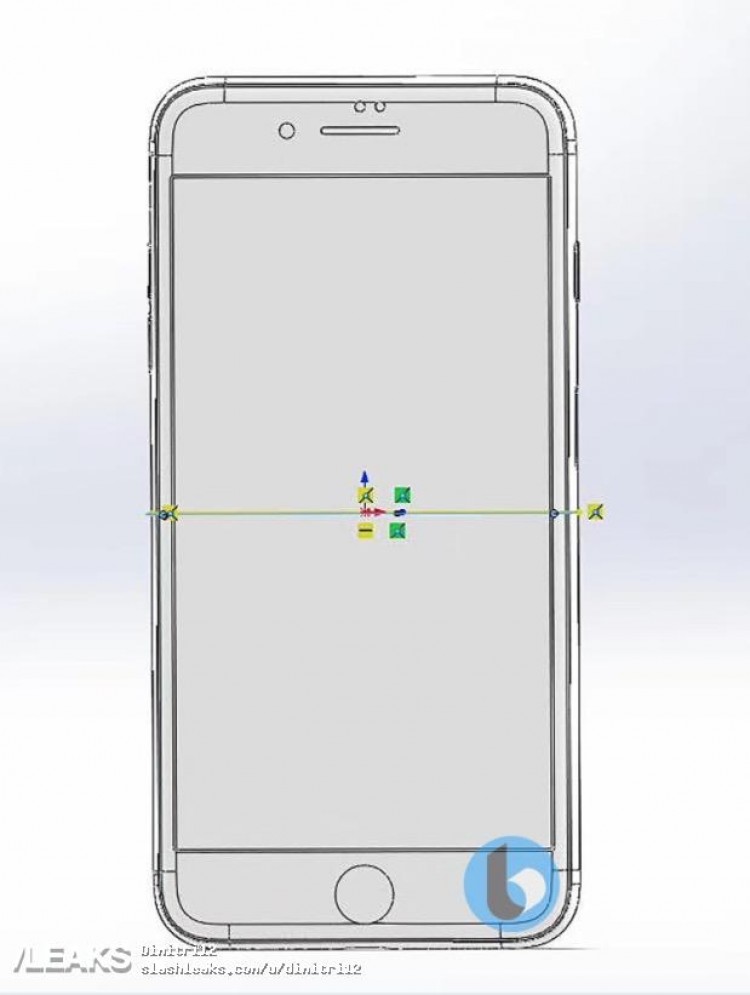
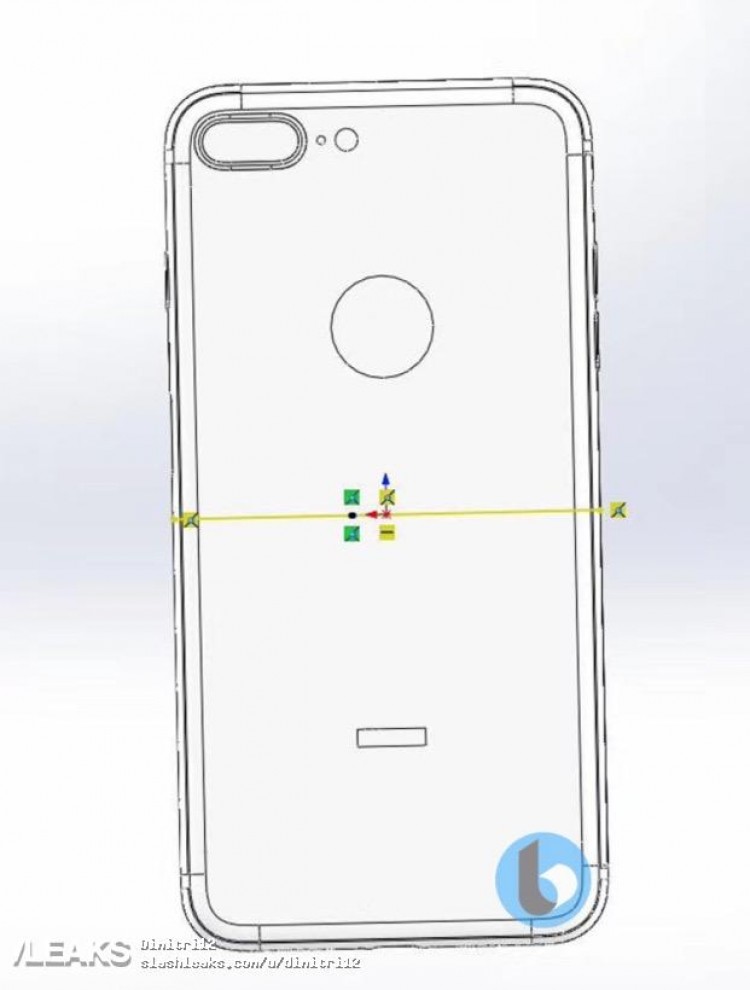
    Apple is expected to launch the new iPhone 7S models alongside the iPhone 8. Though the redesigned iPhone 8 has had its fair share of leaks, but we haven’t seen a whole lot of information for the iPhone 7S and 7S plus. Newly surfaced CAD images offer a pretty close look of the yet to be revealed iPhone 7S and 7S Plus.

    Both the devices have the similar haptic home button at the bottom, volume buttons on the left and the power button on the right. The iPhone 7 iteration has the sensors placed at the top of the screen and so does the the 7s and 7s Plus. According to the leaked images, the iPhone 7S Plus will feature a dual camera setup, whereas the 7S will have a single lens camera.


    Sticking with same LCD panels used by Apple, the 7s and 7s Plus will feature the Apple logo at the back. Not much is expected to change on the design front, apart from the few tweaks like a glass back on the 7S.

    The S models are known to receive internal upgrades and same applies to the iPhone 7S iterations. Apple is expected to upgrade both iPhone 7S and iPhone 7S Plus with the A11 Fusion chip and hopefully increased RAM. It is widely reported that Apple’s long awaited wireless charging feature will be arriving with the next iPhone lineup. But for now, Apple seems to be sticking to the same size display on the front with the thick bezels on the top and bottom.

  • Samsung Galaxy Note 4 Batteries Recalled

    Samsung Galaxy Note 4 Batteries Recalled

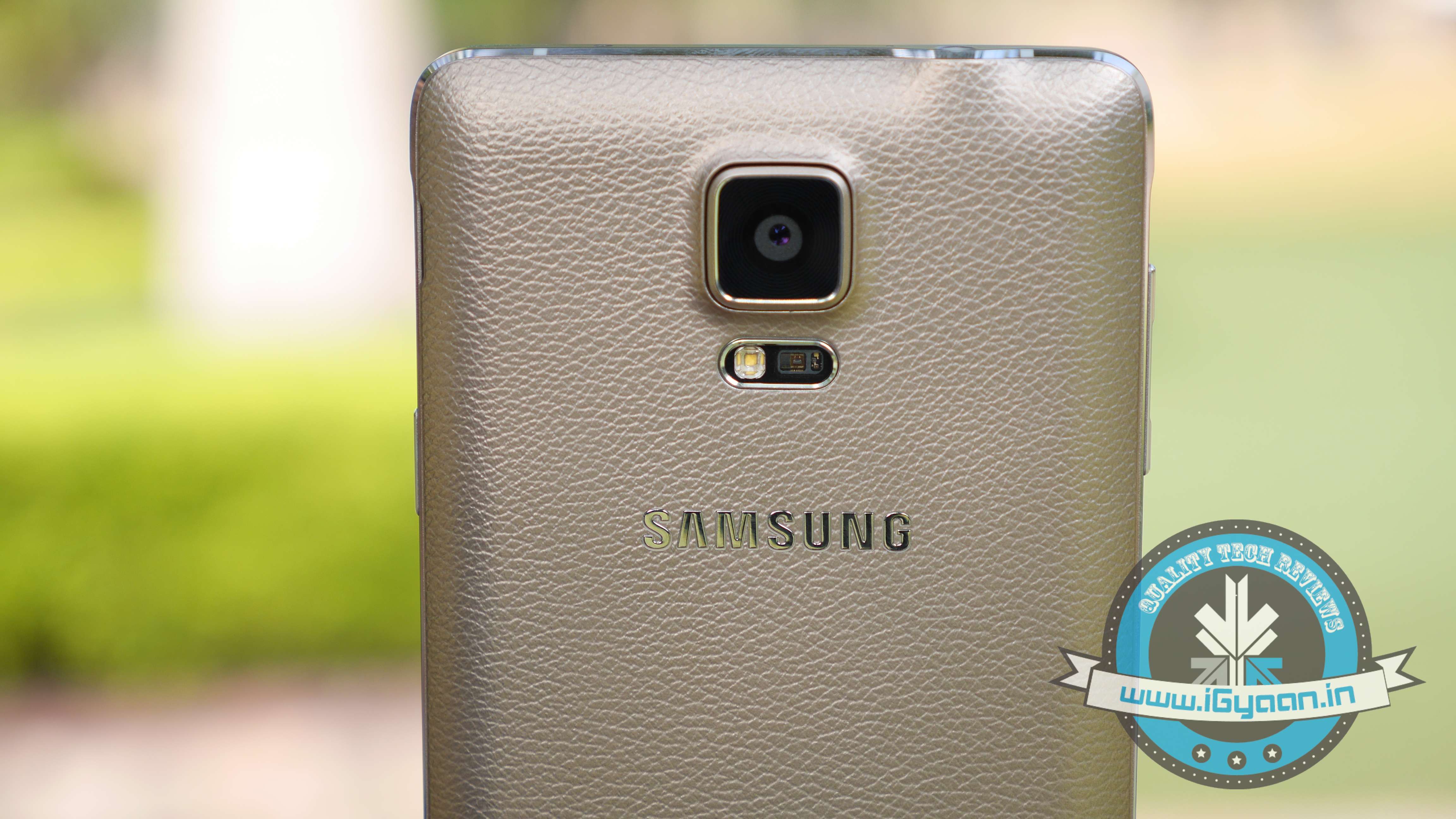
    Samsung doesn’t seem to catch a break as far as their batteries are concerned. Last year, Samsung’s Galaxy Note 7 was recalled after the smartphone’s battery randomly started overheating and catching fire. Samsung is again on the radar as Consumer Product Safety Commission (CPSC) has issued  a recall on certain Galaxy Note 4 batteries. The CPSC fear that these batteries might have a tendency to overheat, posing a risk of burns and fire hazards.

    Although Samsung has had a past with faulty batteries, the same might not be the case with the recalled Galaxy Note 4 batteries. It has been reported that the affected batteries were found in refurbished Note 4s which were distributed by particularly FedEx Supply Chain as replacement phones for an AT&T’s insurance program. It was further revealed that the faulty batteries were not genuine Samsung parts. Though the device was launched in 2014, the affected batteries were distributed between December 2016 and April 2017.

    A company spokesperson said,”FedEx Supply Chain has recalled a batch of lithium batteries that were installed in the mobile devices,” and “As some of the batteries may be counterfeit. We are closely engaged with our customer to make sure all of these lithium batteries are safely and quickly returned, and will replace those lithium batteries free of charge for consumers.” CPSC estimated a recall of approximately 10,200 faulty batteries, unlike the Galaxy Note 7’s 3 million recalled complete devices.

    Post the Note 7 recall,  Samsung has been taking extra measures to ensure safer batteries and has even instituted an eight-point battery check . Considering the upcoming launch of the Note series successor, the Galaxy Note 8, on August 23, these steps seem wise and somewhat mandatory. Regardless, the current scenario (definitely not an ideal one), may not be what Samsung hoped for just a few days before the Note 8’s crucial launch.

  • Samsung Galaxy Note 8 Dummy Unit Images Surface

    Samsung Galaxy Note 8 Dummy Unit Images Surface

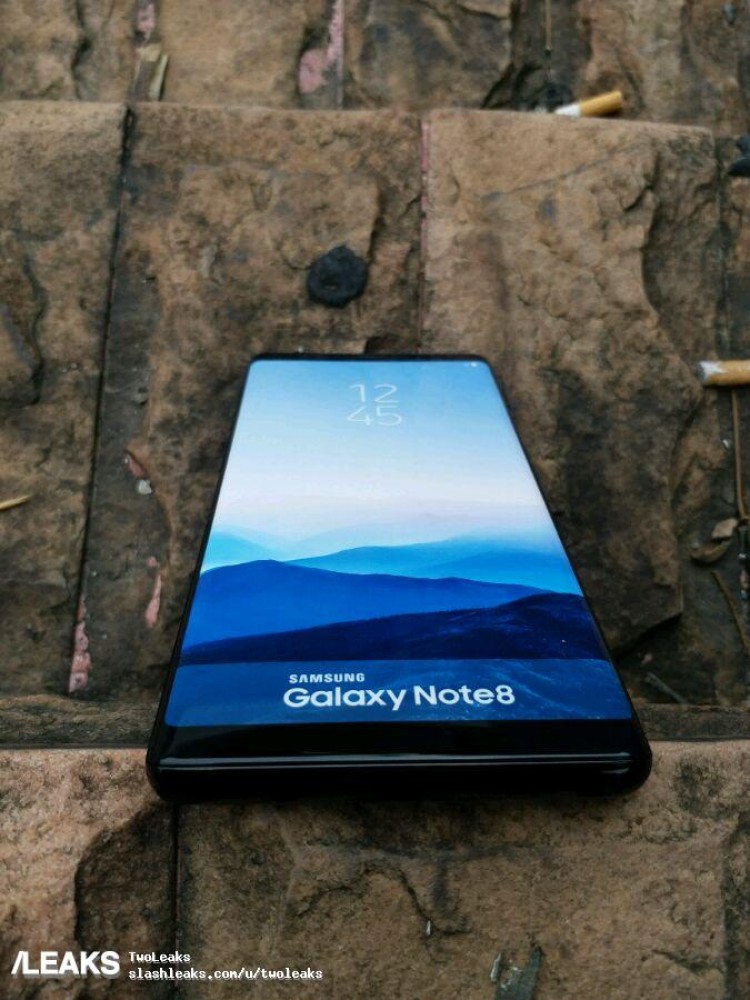
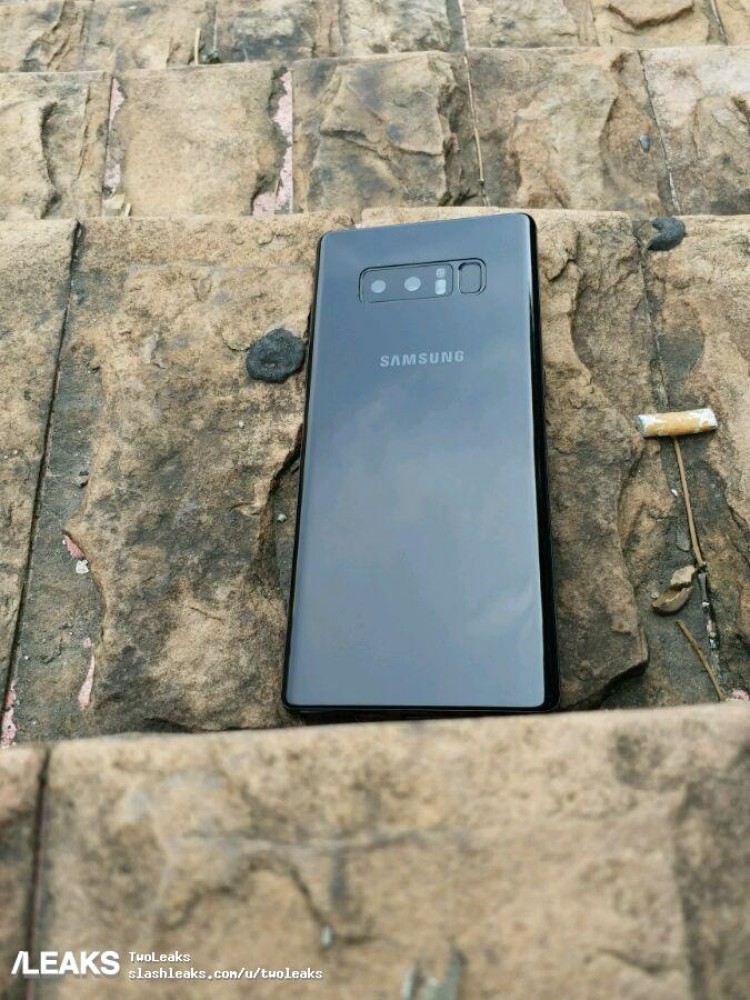
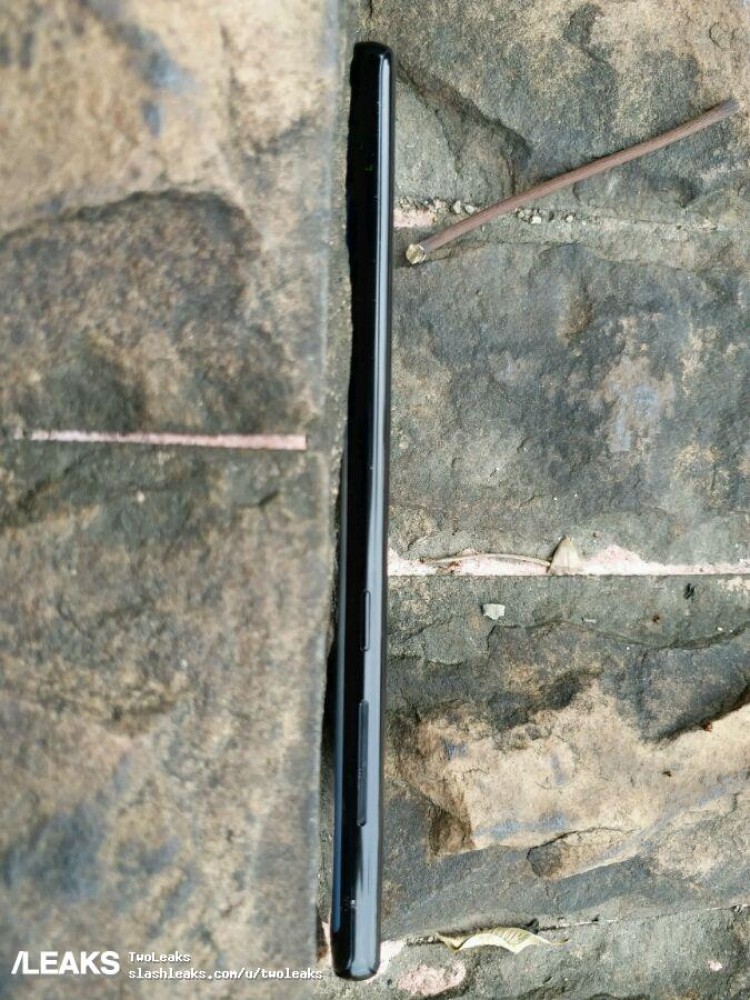
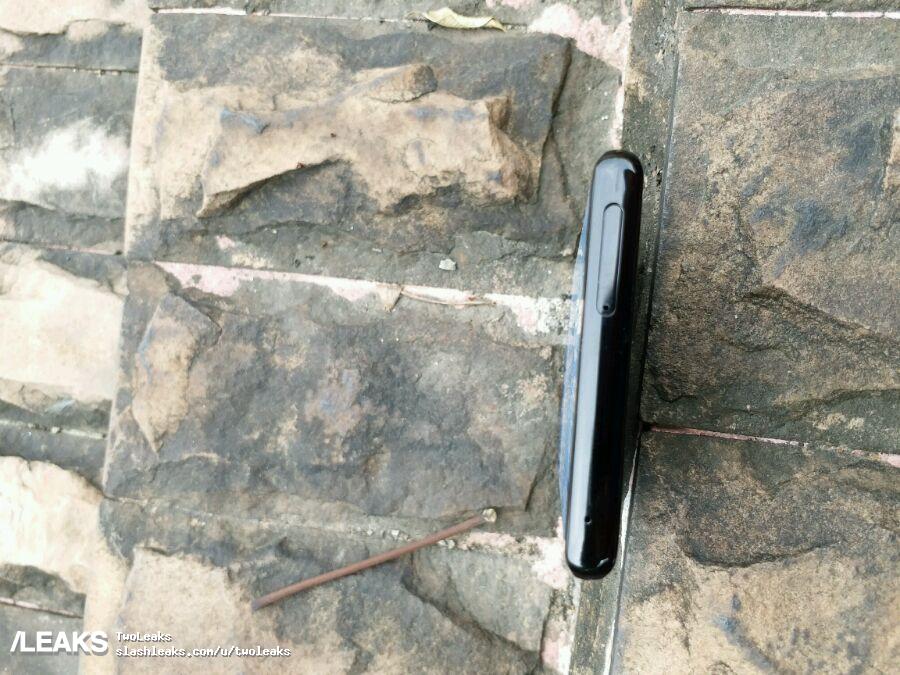
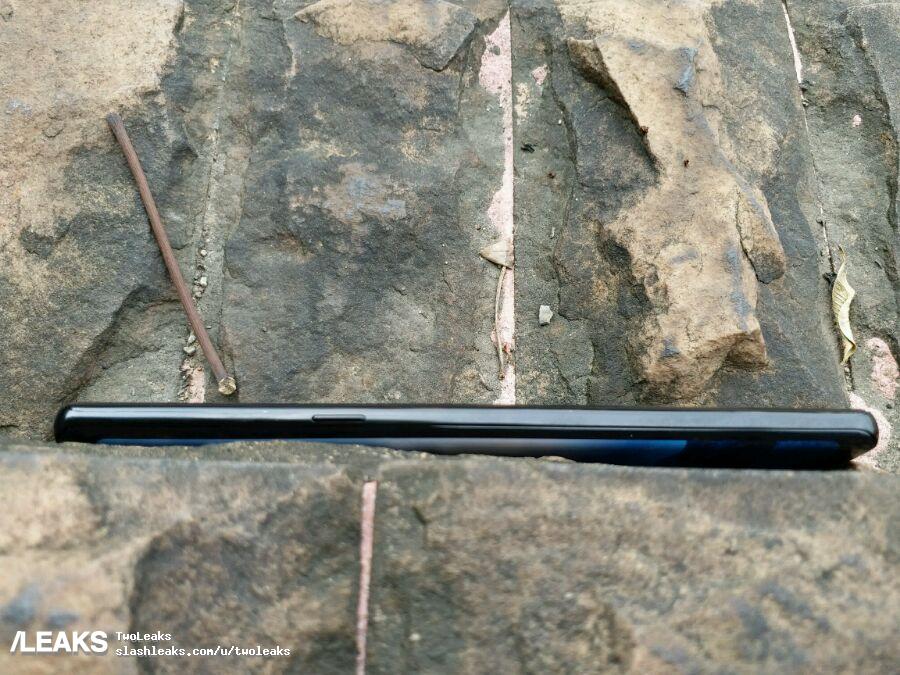
    Samsung Galaxy Note 8 renders are a thing of past. It’s time to move on to a much more realistic Galaxy Note 8 dummy. Samsung’s flagship device is less than a week away from its official launch and the dummy  gives a good look at exactly what to expect from the unreleased phone.

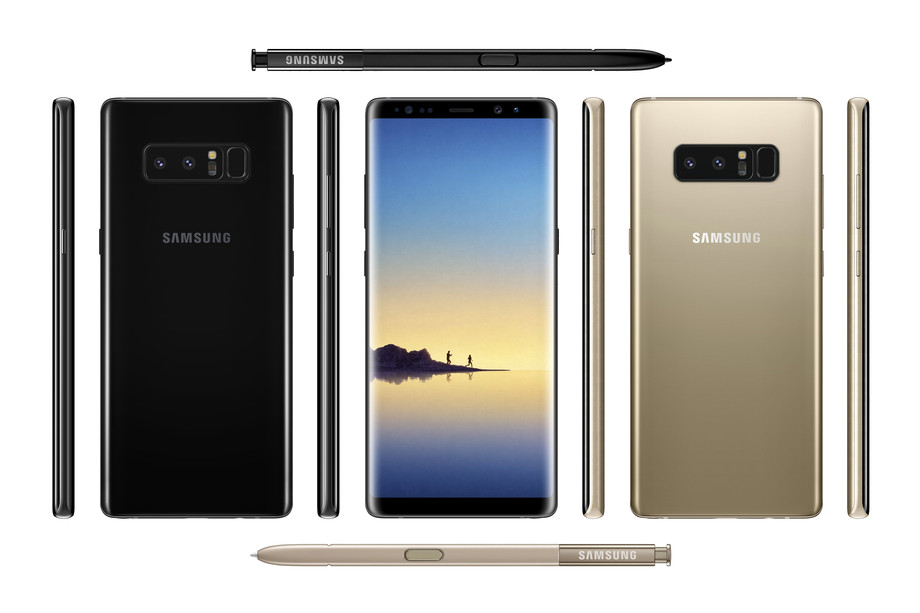
    The latest leak shows the Galaxy Note 8 from various angles – rear, front, bottom and sides. The dummy of the smartphone appears to be in line with the past rumours and leaks. As earlier speculated, the Galaxy Note 8 dummy features an Infinity display, similar to the Galaxy S8. The images show a horizontally placed dual lens camera along with the heart rate sensor and the rear-facing fingerprint sensor.

    [carousel arrows=”display” buttons=”display” caption=”display” interval=”0″]
    [panel title=”Dummy Back “][/panel]
    [panel][/panel]
    [panel][/panel]
    [panel][/panel]
    [/carousel]

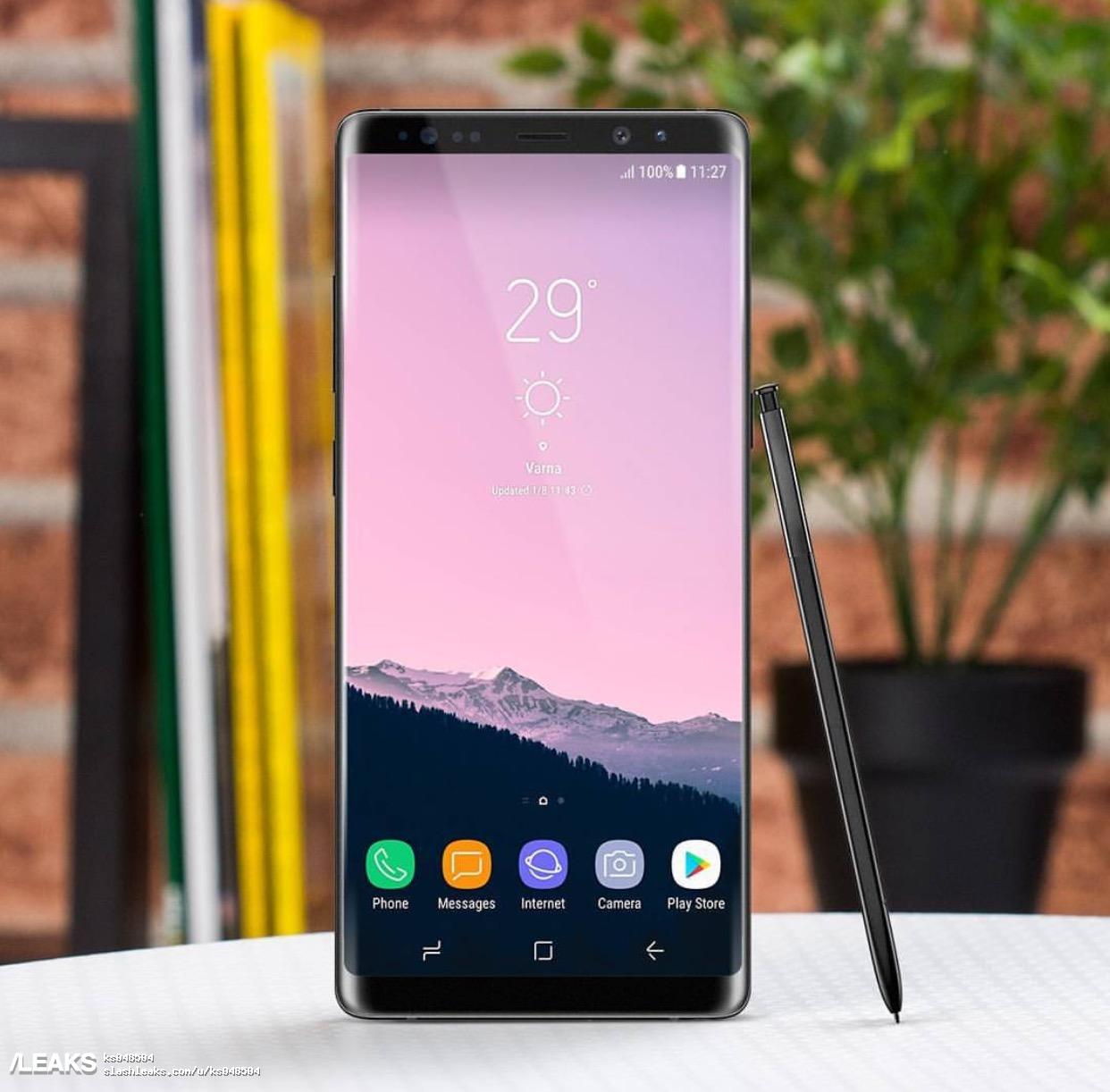
    Earlier reports claimed that Samsung will also be introducing the new and improved S- Pen and according to the recent image leaks, it is expected that the stylus and the device will be of same colour. Although, the widely speculated S-Pen could not be spotted in the images, but, we did find a dedicated Bixby button right next to the volume buttons. The power button is on the opposite side. The images confirm that Samsung is following Galaxy S8’s suit in terms of design elements for the upcoming Galaxy Note 8.

    The listing also state that the Galaxy Note 8 will run Android 7.1.1 Nougat with Samsung’s TouchWiz UI on top. The smartphone will have a Exynos 8895/Snapdragon 835 chipset along with 6GB RAM and 64GB of onboard storage, expandable with an additional card, upto 256 GB.

    It wasn’t long ago when Samsung’s yet to be launched Note 8 was leaked in live images and soon after, two colour variants, “Midnight Black” and “Deep Blue Sea” were revealed. This is pretty much as close as it gets to the real thing, the Samsung Galaxy Note 8 will be unveiled in New York in a few days. The Note 8 is expected to be priced at US$ 999 at the time of launch.

  • Indian Government Asks 21 Smartphone Companies To Share Security Information

    Indian Government Asks 21 Smartphone Companies To Share Security Information

    Amidst the multiple reports of online thefts and data leakage, the Ministry of Electronics and IT has taken steps to ensure privacy and safety of user data. The Ministry sent our notices to 21 smartphone makers to provide the framework as well as the procedures they follow for data security.

    Aside from the global providers like Apple and Samsung and Indian firms like Micromax, majority of the listed 21 Smartphone companies included Chinese makers such as Oppo, Vivo, Xiaomi and Lenovo.

    All 21 smartphone companies are to provide detailed information about security practices, architecture, process, guidelines and standards followed for providing secure transmission and storage of data, irrespective of whether the devices are manufactured in India or not. The government has announced 28 August as the official deadline for all the firms to file the security compliances. Several reports mention that additional measures such a security adits will also be taken.

    If a company fails to provide the information, the firm will face charges and levy penalty for violation of security norms. Though the extent of penalty has not been stated yet, but according to the Sec 43(a) of the IT Act, any company found to be in violation of rules can attract penalties of up to Rs. 5 crore along with a provision for unlimited compensation.

    A ministry official  said that, “The first step in that direction is that we have asked the mobile companies to inform us what are the security procedures and processes that have been taken by them to ensure the security of the data of the users and their privacy… We want to make sure that any device that is sold in the country should be safe.”

    This series of events unfolded after the IT minister Ravi Shankar Prasad called a meeting of senior officials in the IT department and representatives of CERT-In to understand the situation. As a result, a notice was sent to 21 companies, issued under Section 70B(6) of the IT Act.

    With the government progressing towards digital India, and pushing for digital payments,  data security has become much more crucial, and while these seems like a step towards preventing data breaches, a large amount of the fear is towards the Chinese majors collecting sensitive information using smartphones which at present flood the Indian market.


  • This Is The New LG V30

    This Is The New LG V30

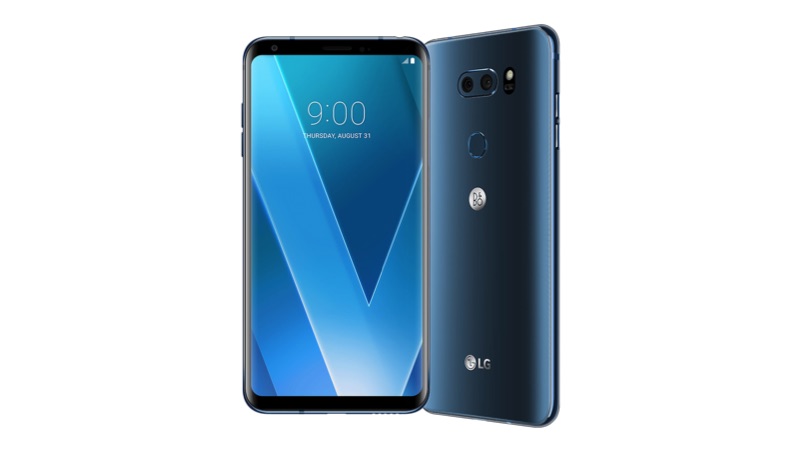
    LG is only a week away from the official unveiling of the LG V30, but that doesn’t put a hold on leaks. The V30 which is set to launch on August 31 at IFA, Berlin has been leaked yet again. The new image shows a press render of the device from different angles the front, rear, and sides.

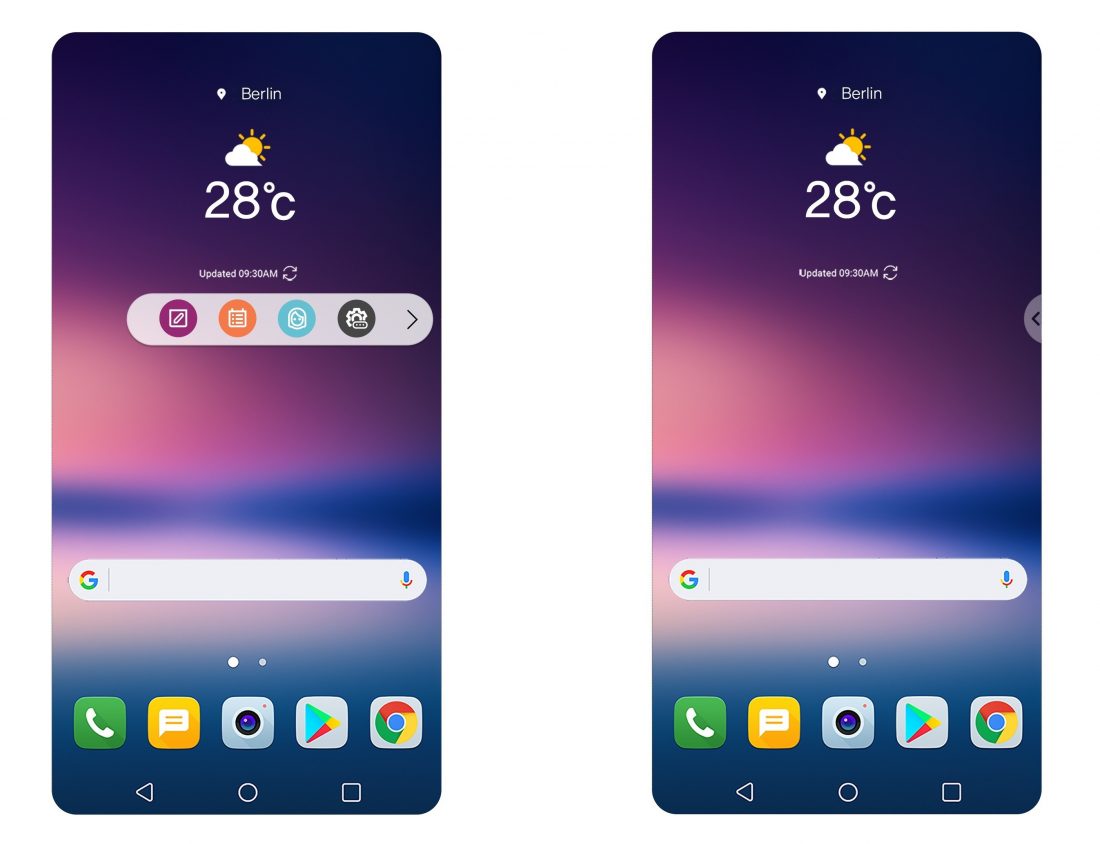
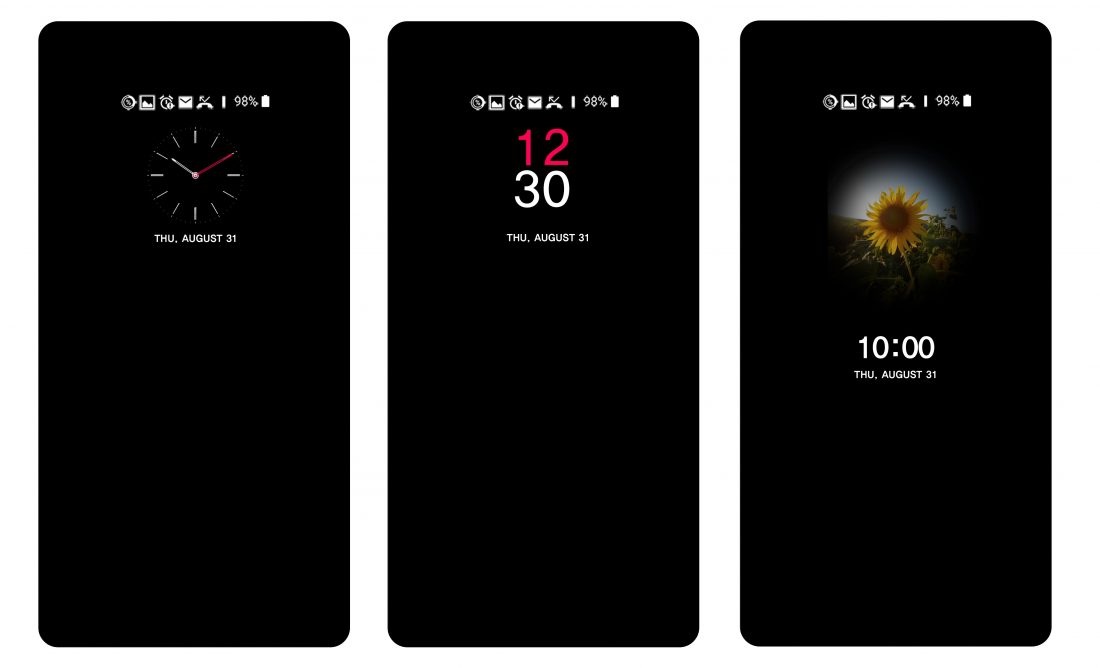
    LG has already announced switching to OLED display with smaller bezels for the upcoming V30. The company also confirmed that the smartphone will include features like the floating bar, facial recognition and pressure sensitive haptics for an “innovative touch experience”. LG previously hinted at V30’s design while confirming the smartphone’s OLED display.

    The LG V30 will come with a 6-inch POLED display with display features like floating bar for quick access and always-on display mode. The floating bar feature “inherits the convenience” of the second screen, similar to the earlier models. Whereas, the new Always On Display offers more customisations, display Quick Tools, Music Player or a personal photograph. On the design front, the latest image reveals a slight curve on both a display-covered front and rear of the handset. 

    LG V30 will house a Snapdragon 835 chipset with 4GB/6GB and upto 128GB onboard storage. The smartphone will run Android Nougat 7.1.1 with UX 6.0+ on top. The UX 6.0+ offers security updates like facial and voice recognition. The phone will be powered by 3,300 mAh battery with wireless charging capabilities. The new render shows a 13MP dual camera setup with an f/1.6 aperture ratio lens and a fingerprint scanner at the back.

    According to the latest reports, the $700 LG V30 seems to be giving the 3.5mm jack a miss. Though most of the V30’s details and specs have already been disclosed via either leaks or by announcements made by LG  showing off the new software features, many are awaiting the imminent launch of LG’s V30.

  • Essential Phone PH-1 To Start Shipping In A Week

    Essential Phone PH-1 To Start Shipping In A Week

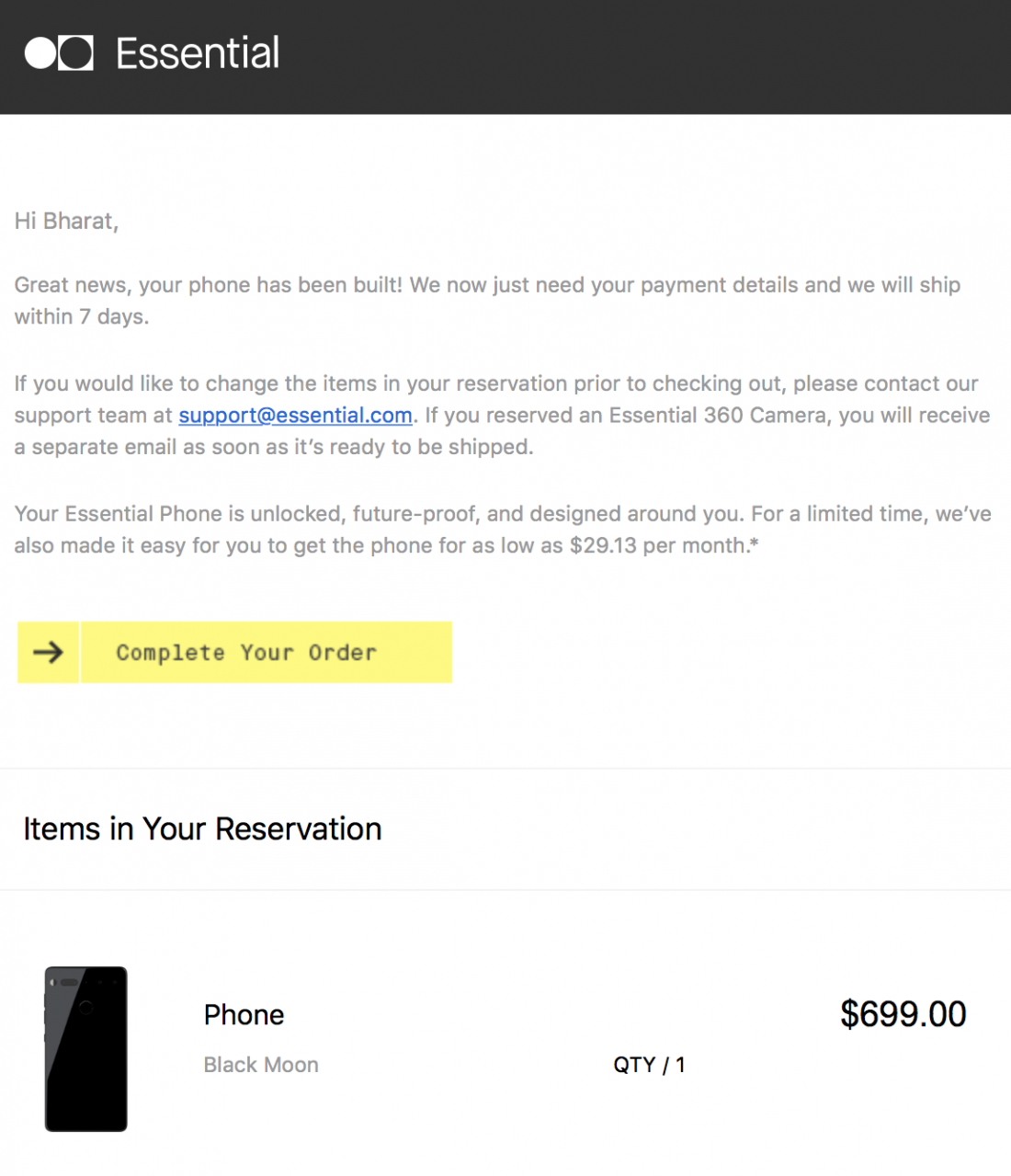
    The Essential Phone PH-1, the brain child of Andy Rubin, was all set to launch in in May 2017. Emails went out from Andy Rubin to those who ordered the Essential Phone, confirming that the shipping of devices. The ambitious deadline set by Rubin seemed like a far fetched dream and soon enough, Essential missed its first shipping target.

    The father of Android has yet again promised that the Essential phones will go sale in August. Recent announcements via email have confirmed the shipping of devices within a week for customers who preordered the Essential Phone.


    Earlier the company claimed to ship the Essential PH-1  within 30 days after May 30,  but, by July, there was still no phone in sight. After official missing the original shipping target, Essential promised its customers later in July that the device would arrive “in a few weeks.”

    Essential seems to have been going through a rough patch lately. The company lost the VP of Marketing, Brian Wallace and Head of Communications Andy Fouché in the beginning of July. Shortly after, Essential’s Head of UX, Liron Damir  decided to quit the company and move to Google Inc.

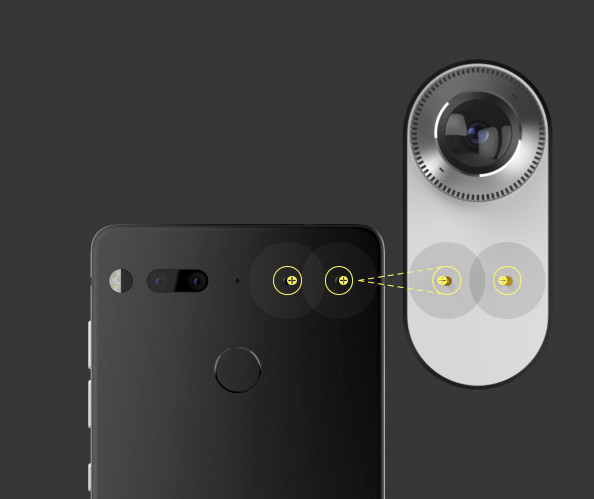
    Though the company has delayed the PH-1’s release, the Essential PH-1 is said to be worth the wait. The smartphone is the brainchild of Andy Rubin, former Google exec and father of the Android OS.  The $700 phone will surely make an impact on the smartphone market. The Essential PH-1 stands out for its slim bezels, 5.7-inch display and magnetic modules, like the world’s smallest 360-degree camera and host of accessories, that will snap on to the phone using the magnetic mounts. The PH-1 is powered by 3040mAh battery and supports fast charging using USB C.

    The Essential PH-1 features 13 MP dual cameras with a combo of RGB sensor and Monochrome sensor and f/1.85 aperture lenses. The front facing camera is an 8 MP sensor based unit. And both  the rear and the front cameras are capable of shooting 4k video at 30fps.

    With another release just round the corner, it wont be long before the Essential PH-1 is stacked up against its competitors. Priced at $700, the Smartphone is presented as a premium handset and certainly has the high-end looks to match its price tag.

  • Asus Zenfone 4 Lineup Revealed In An Image Leak

    Asus Zenfone 4 Lineup Revealed In An Image Leak

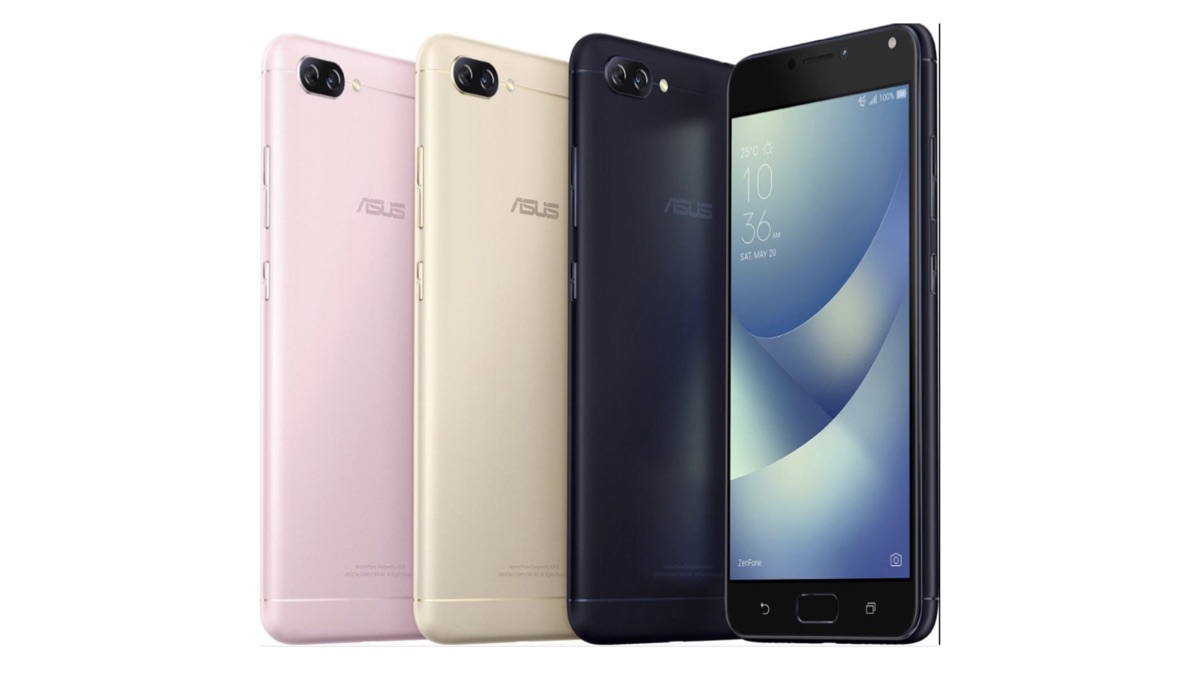
    Asus’s upcoming smartphone lineup – Asus ZenFone 4, Asus ZenFone 4 Selfie, Asus ZenFone 4 Selfie Pro and the Asus ZenFone 4 Max’s details were accidentally leaked on the company website. It wasn’t long before Asus realised the error and took it down, but, it was long enough for people to take screenshots of the detailed specs of the ZenFone 4 line up. A few more pictures of the Asus Zenfone 4 series have been leaked on twitter.


    Here’s a rumour roundup of the Asus Zenfone 4 smartphones.

    Asus Zenfone 4

    According to the leaks, the Asus Zenfone 4 will feature a 5.5-inch full HD (1080×1920 pixels) display with 4GB RAM and 64GB of inbuilt storage. The smartphone will be powered by a 3300mAh battery and will house the Snapdragon 630/Snapdragon 660 chipset.

    The Zenfone 4 is expected to sport a dual rear camera setup with a 12 MP and an 8 MP sensor. An 8 MP sensor makes up the front camera. To be available in Black, Mint Green and White colour variants, the Zenfone 4 is expected to cost EUR 499 (approximately Rs 38,000).

    Asus Zenfone 4 Max

    The Asus Zenfone 4 Max will sport a 5.2-inch IPS HD display, a Snapdragon 425 chipset and a 3GB RAM. The smartphone is expected to launch with a 4,100 mAh battery, 32GB onboard storage and a dual camera setup with a 13 MP and a 5 MP sensor. The front facing camera is said to be an 8MP sensor. The Asus Zenfone 4  Max is rumoured to be priced at sell at 230 Euros (approximately Rs 17,800).

    Asus Zenfone 4 Selfie


    As the name suggests, the Zenfone 4 Selfie will be focussed on delivering enhanced selfie shots. The smartphone will have a 5.5-inch IPS HD display along with a Snapdragon 430 chipset. The Zenfone 4 Selfie will house 4GB RAM with up to 64 GB of expandable storage. The phone will be powered by a 3,000 mah battery.

    On the camera front, the ZenFone 4 Selfie is expected to come with two front-facing cameras, one with a 20 MP sensor and the other with an 8 MP sensor along with a 16 MP rear camera. The smartphone will most likely be selling for 300 Euros (approximately Rs 23,000).

    Asus Zenfone 4 Selfie Pro

    Zenfone 4 Selfie Pro, an amped up version of the Zenfone 4 Selfie, will most likely feature a 5.5-inch Full HD AMOLED display. This variant of the Zenfone lineup will run on the Snapdragon 625 chipset with 4 GB RAM. The Zenfone 4 Selfie Pro is also equipped with 64GB of inbuilt storage and a 3000mAh battery.

    The ‘Pro’ version of the Zenfone 4 Selfie has enhanced dual front camera sensors from a 20 MP +8 MP combination to a 24 MP + 5 MP setup and a 16 MP rear sensor. The Asus Zenfone 4 Selfie Pro is expected to sell at 400 Euros (approximately Rs 30,000).

    With two selfie-focussed smartphones set to launch, Asus seems to be focussing on winning over the selfie generation. The company also sent out the ‘Save the date’ invites for August 19 for the launch of the Zenfone 4 Lineup.

  • Samsung Galaxy Note 8 Leaked In A New Deep Sea Blue Colour

    Samsung Galaxy Note 8 Leaked In A New Deep Sea Blue Colour

    Samsung is hosting an “Unpacked” event on 23rd August and many are anticipating the glitzy reveal of the new Galaxy Note 8. Though the press invite didn’t disclose the name of the device, but, the words “Samsung’s newest mobile device.” makes it quite obvious.

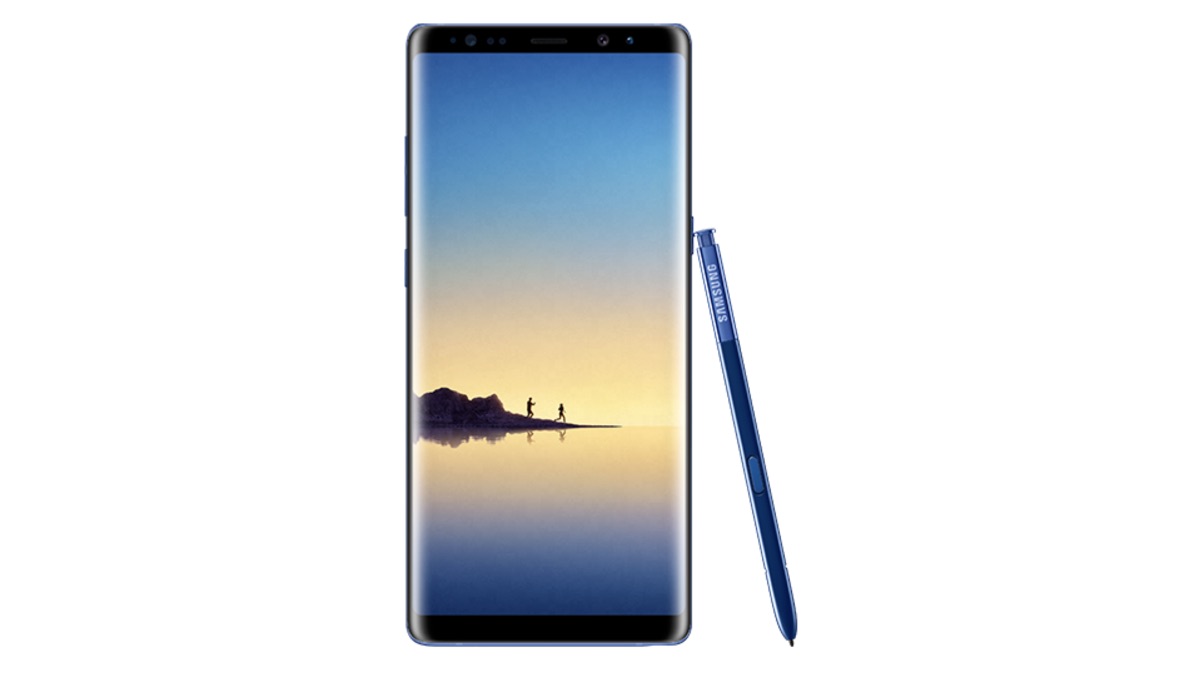
    Recently, the Galaxy Note 8’s “Midnight Black” colour variant was leaked in a tweet.  Now another colour variant of Samsung’s flagship device has surfaced. The tweet shows a leaked image of the Galaxy Note 8 in a “Deep Sea Blue” colour with the Note series S-Pen stylus.

    The Galaxy Note 8 is expected to feature a 6.4 inch Super AMOLED edge-to-edge 2960 x 1440 px display. The smartphone will be available in two variants, one with the Exynos 8895 Chipset and the other one with the Qualcomm Snapdragon 835. Both the models will feature 6GB RAM and 64GB onboard storage, expandable via microSD up to 256 GB additional storage. The leaks confirm that the Galaxy Note 8 will run Android 7.1.1 Nougat with Samsung’s TouchWiz UI on top.

    The next Galaxy Note is rumoured to sport a horizontally placed, 12MP dual camera setup, along with the fingerprint sensors placed next to the cameras. The primary, wide-angle camera will have an f/1.7 aperture and dual-pixel autofocus, while the telephoto lens will have an f/2.4 aperture and will enable a 2x optical zoom. The front-facing camera will be an 8MP camera with an f/1.7 aperture.

    As compared to the Galaxy Note 7’s 3500mAh battery, the Samsung Galaxy Note 8 will reportedly run on a 3,300mAh battery with Qualcomm’s QuickCharge 3.0. Samsung has a lot riding on the next Galaxy Note smartphone, as the Note 7 battery debacle served quite a blow to the company’s reputation last year.

    The Samsung Galaxy Note 8 is expected to cost around EUR 1,000 and will be available in the Midnight Black, Maple Gold, Orchid Grey and Deep Sea Blue colour variants.

  • Motorola Phones May Soon Have Self Repairing Displays

    Motorola Phones May Soon Have Self Repairing Displays

    The Motorola flagship, the Moto Z2 Force was launched on 10 August 2017 with a shatter-resistant coating on the display and a dual camera setup. Though the shatterproof tech can survive a few drops and bumps, but it isn’t strictly “shatterproof “. Therefore, Motorola has reportedly decided to take display protection a step further.

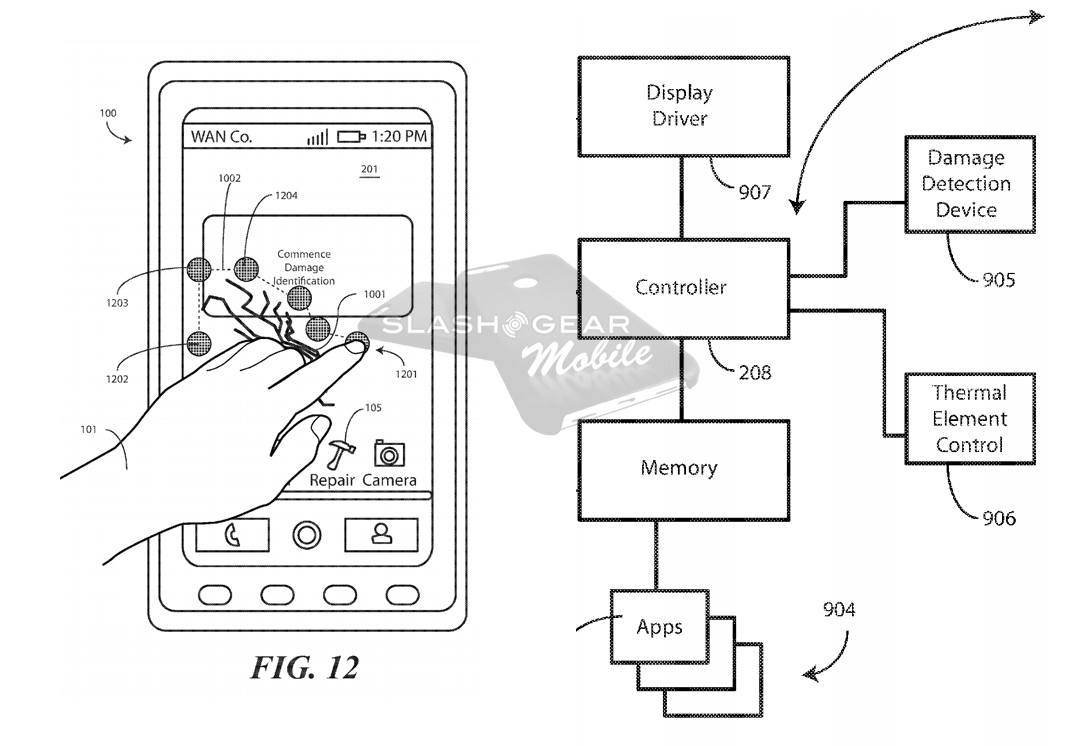
    A newly-filed patent shows that Motorola is planning to build a thermal self-repairing phone, covered with shape memory polymer materials or ‘Smart Glass’.The self repairing tech will detect cracks on its external smart glass and notify the user. The user will then mark the damage area using the fingertip, while heat from the phone will be applied to the smart glass in order to repair the damage.

    In the above image, Motorola described the process of the phone’s self-repair with thermal elements. The heat from the phone will trigger the smart glass’s shape memory properties, hence reversing the damage.

    The FIG. 12 shows a user identifying the damage by encircling the crack on the smart glass. The phone can then identify the segments which need to be reset, and where to apply heat.

    Though the self healing smart glass is a big step forward, Motorola described in the filed patent that the tech will “reverse at least some deformation”, and not all. As it would be difficult to reverse the damage on shattered screens. Safe to say, the thermal self repairing tech may not be able to fix the smart glass if it is completely broken or a a chunk of the screen is chipped out.

    Even though original patent papers for the thermal self healing technology have surfaced, it will be a while before we witness the tech in a phone. It also appears that this patent was filed way back in or before 2011 as it features dockable phones like the Motorola Atrix which were launched back then. This means that Motorola has wanted to solve this problem for a while. If this technology does appear from the Motorola stable, hopefully they will license it out to the other big manufacturers namely Apple and Samsung, who have had major issues with broken smartphone displays.

  • LG V30 Image Leak Showing A Prototype Of The Upcoming Smartphone

    LG V30 Image Leak Showing A Prototype Of The Upcoming Smartphone

    LG has recently announced that the LG V30 will be the ‘first smartphone from LG to sport a plastic OLED FullVision display.’  The company is expected to launch its V30 flagship in a press event on 31st August at IFA in Berlin.

    Following the LG V30’s renders, a leaked image of the smartphone’s prototype has recently surfaced. The image is reported to be an engineering unit of V30. This hands-on photo of the device confirms the widely reported features like the P-OLED display, and the bezel-less 18:9 form factor, similar to this year’s LG G6.

    Leaked Image Of The LG V30 Prototype

    The picture showcases the V30’s front-facing camera on the top-left and a 6-inch POLED display. By the looks of the leaked image, LG’s claims of reducing the top and bottom bezels by 20 per cent and 50 per cent appear to be true. LG will be replacing the ‘V’ series hallmark feature, the secondary display at the top with a “floating bar.” Speculations are, that the newly introduced feature will work similar to the V10 and V20’s secondary display by revealing the time, date, notifications, etc.

    So far, here’s what we know about the LG V30

    LG’s flagship device is expected to run on the Qualcomm Snapdragon 835 Chipset with 4GB RAM and 64GB onboard storage. Along with a POLED display, the LG V30 is rumoured to be powered by a 3,300mAh battery with support for wireless charging. On the camera front, the smartphone will feature a 13MP dual-camera setup along with a fingerprint sensor at the back, much like the other flagships of the year.

    Rumoured to be priced at around USD 700 (approximately INR 45000), LG V30 is expected to go on sale about a month after its launch in August, with pre-orders starting on September 17.

  • Google Pixel 2 Image Leak, Showing Familiar Thick Bezels

    Google Pixel 2 Image Leak, Showing Familiar Thick Bezels

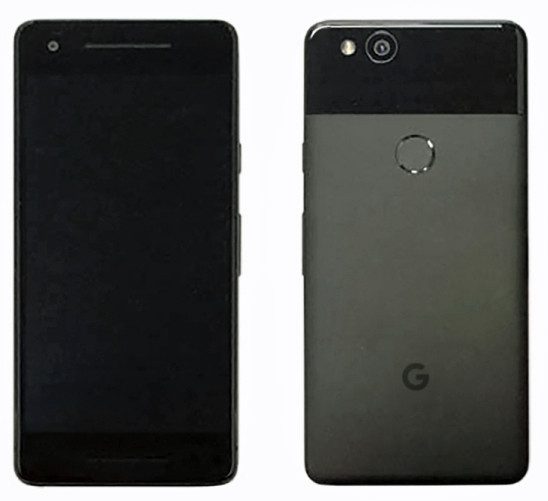
    Google’s next in the Pixel lineup, the Pixel 2 and the Pixel XL 2 are set to release later this year. Google’s 2017 Pixel smartphones have been at the centre of various rumours for a while now. Though no official announcements have been made yet, the speculations and leaks have offered a good enough idea about how the next flagship devices will turn out to be.

    New reports have surfaced, offering further insight to the Pixel 2. The current updates confirm few of the earlier speculations, like the lack of a headphone jack and offer the first live image of the device.

    Google Pixel 2 Leaked Image

    The image shows that the Pixel 2, contrary to the past leaks, will adopt a similar design of its predecessor. The top and bottom bezels on the front side remain just as large as last year’s Pixel. Whereas, its larger sibling, the Pixel XL 2 is reported will have have the top bezel cut-out similar to the iPhone 8.

    Apart from that, both the Pixel 2 and the Pixel XL 2 are expected to feature a 5-inch and a 6-inch curved glass around the flat OLED display. Speculated to have an improved processor and a single-lens, dual-flash rear camera setup, both the devices will most likely be water resistant and are expected to run on Snapdragon 835 chipset and with 4GB RAM and 64GB onboard storage.

    On the design front, the smartphones will have the back panel similar to the Pixel. However, this time the rear has been redesigned to match the Pixel XL’s shorter glass frame that no longer encompasses the fingerprint sensor.

    According to the reports, Google’s Pixel 2 and Pixel XL 2 will be manufactured by LG, whereas, the last year’s Pixel lineup was manufactured by HTC. Despite the change of hands, the upcoming Pixel 2 and Pixel XL 2 will feature HTC’s squeezable frame. And though the reports of Google ditching the 3.5mm headphone jack seem to be in tandem with the current speculation, the recent image also showcase front-facing stereo speakers in both the devices.

  • Samsung OLED Production Lines For iPhone 8 Ramping Up To Full Capacity

    Samsung OLED Production Lines For iPhone 8 Ramping Up To Full Capacity

    As the launch of the iPhone 8 approaches, a new report suggests that Apple is claiming almost one third of Samsung’s OLED displays for the upcoming iPhone 8’s screens.

    Samsung has reportedly geared up to operate seven of its next-generation OLED production lines at full capacity, all of which are dedicated to Apple and the iPhone 8. By ramping up their scale of production, Samsung Display, a unit of Samsung, is now able to manufacture about 45,000 panels a month for OLED displays, out of which 15,000 of them are allegedly reserved for Apple.

    Samsung Display being the only supplier of the Apple iPhone 8’s OLED screens, the manufacturer, is said to further increase the production from 15,000 panels per month for Apple to 105,000 panels per month. The report says that full-scale production will begin later this month, with output capacity increasing by 700%.

    At this rate and capacity, Samsung Display facilities are expected to yield approximately 130 million 5.8-inch screens per year. However, due to Apple’s specific requests, which involve “high degree of technical difficulty”, the actual production may decrease to 60% (which will amount to about 79 million displays for Apple iPhone 8).

    Subsequently, the current reports of Samsung facing technical challenges during OLED display manufacturer for its future iPhones, seem to validate the rumours of production delays for the next iPhone, potentially leading to a limited iPhone 8 launch.

    Though Samsung is currently reported to be the sole supplier of the OLED displays for the iPhone 8, it might not be the case for long. Apple seems to be already on a hunt for a new OLED display supplier for its future iPhones.

    Recent announcements of Apple investing  $2.7 billion in LG Display to help set up new OLED production lines dedicated for the future iPhones seems a little less than promising for Samsung. Subsequently, LG is also planning to invest $13 billion in OLED production over the next three years in order to continue its dominance in the OLED TV screen market. The company hopes to “make inroads against rival Samsung in smartphone displays.” Irrespective, Samsung is building the world’s largest OLED production plant in hopes of getting future Apple orders.

iGyaan Network
Privacy Overview

This website uses cookies so that we can provide you with the best user experience possible. Cookie information is stored in your browser and performs functions such as recognising you when you return to our website and helping our team to understand which sections of the website you find most interesting and useful.