Author: Anshika Jain

  • “Smart Stickers” Which Will Detect And Prevent Sexual Assault

    “Smart Stickers” Which Will Detect And Prevent Sexual Assault

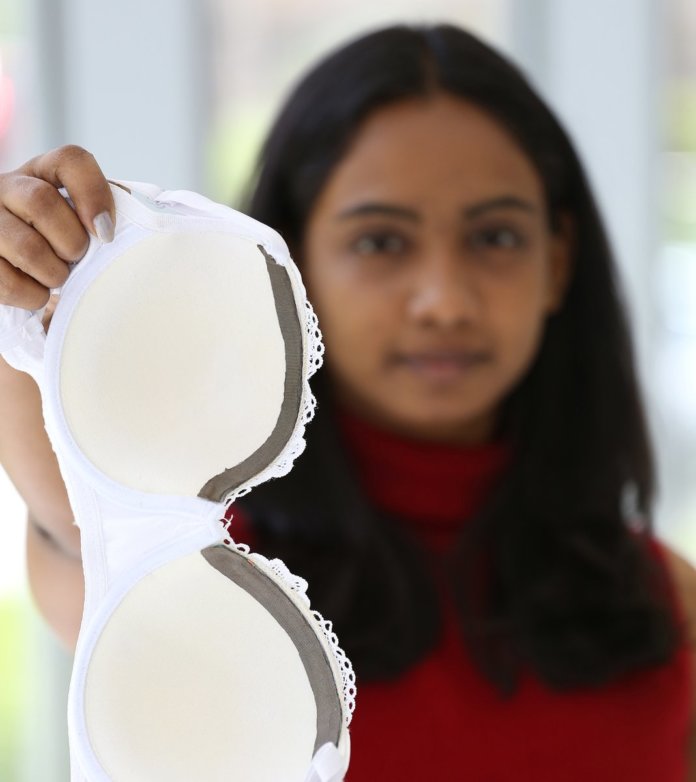
    Manisha Mohan, an Indian grad student and researcher at the MIT, invented “Intrepid” –  an electronic sticker that can detect forcible grabbing. The smart clothing detects “forcible touch” and sends a distress signal to your network of friends and family via message or a phone call.

    The Intrepid can be attached to any piece of clothing and connected to user’s phone via Bluetooth. If the piece of clothing attached to the device is taken off forcibly, the device waits for 30 seconds after which a “loud alert” goes off for 20 seconds. If there is still no response from the wearer, an SOS is sent to the listed emergency contacts. With the help of an accompanying app, Intrepid can also record encounters in the case of no timely response from the wearer. These recordings can be further used in the court in the case of legal proceedings.

    [embedyt] https://www.youtube.com/watch?v=RgU_evcSPrs[/embedyt]

    The “Smart Stickers” operate in two modes – active and passive. Manisha explains that, “An active mode [for] for instances when the victim is unconscious or cannot fight against the assaulter, for example in the case of infants, bed-ridden patients, elderly, disabled, intoxicated people and the passive mode where the victim can self-actuate the safety mechanism.”

    The Intrepid uses methods like olfactory stimuli (sense of smell) to detect initial signs of assault. It differentiates between the effect of smells on sexual arousal and partner selection with the effect of smells on forced touch or disrobing.

    Sexual abuse, assault, and harassment are regarded as some of the most common human rights violations in the world. As per the data release by the NCRB and Delhi Police, cases of sexual assault across the country remain high, with India’s “rape capital” Delhi registering six cases of rape on an average every day. The reports paint a pretty bleak picture in regard to ensuring safety against sexual assault.

    With crimes against women on the rise, and women being left with no choice but to stay indoors after dark, a device like Intrepid can not only help by improving the response time in cases of sexual assault but more importantly, it can make women feel safer when stepping out on the streets.

    The proposed solution, as Manisha states, can help combat rape, assault, harassment, child sexual abuse, abuse of elderly and disabled and might offer some peace of mind.

  • Vector’s Micro Rocket Took Off Successfully For The Second Time

    Vector’s Micro Rocket Took Off Successfully For The Second Time

    Vector Space Systems, a private spaceflight startup, was founded in 2016 by Jim Cantrell. (Interestingly, Jim is also one of the founding members of Elon Musk’s venture -SpaceX.)

    Vector Space Systems (VSS)  is a micro satellite company based out of Tuscan, Arizona, and in contrast to SpaceX’s huge probes, it focuses on small satellites, weighing a few dozen pounds. The company had received over $1 million to work on its first vehicle called the “Vector – R”, which took off for its first test flight on 3rd May 2017.

    Following the successful flight test of the Vector – R, Jim Cantrell commented, “We always wanted to build micro-rockets” and “We were more attracted to the smaller stuff.”

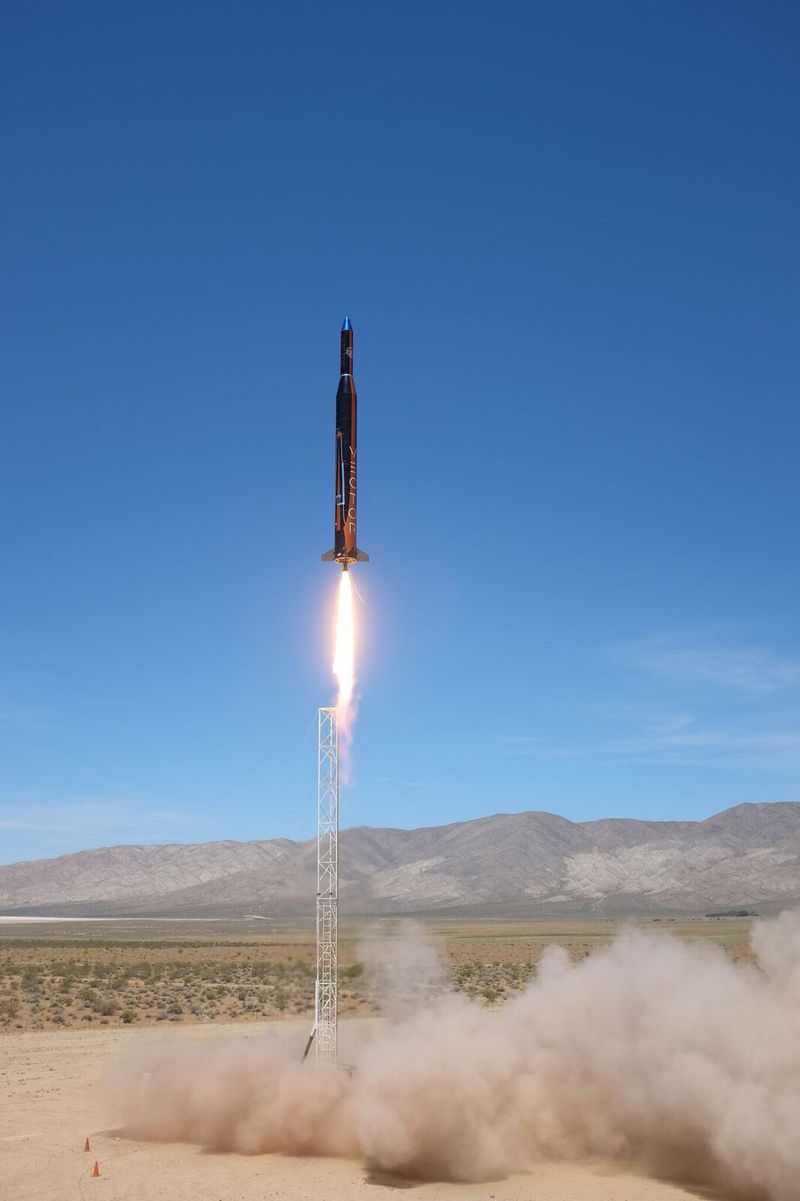
    The first sub-orbital launch of the Vector-R on 3rd May 2017

    Instead of taking the conventional route of building and assembling multiple parts, the company switched to using 3D-printing technology to build everything in one piece for the Vector-R. Employing the 3D-printing technology helped minimize costs and made the assembling of the parts easier.

    After Vector-R’s first successful flight test, the company successfully pulled off the second test flight launch of the 40-foot-tall vehicle from a spaceport in Georgia. It was the second flight of the Vector-R, a full-scale prototype of the company’s micro rockets.

    Designed to launch small payloads weighing up to 145 pounds into lower Earth orbit, Vector-R is one of two rockets the company hopes to start launching on a regular basis. The other vehicle, Vector-H, is still under development and is expected to be slightly larger than Vector-R. Once ready, Vector-H will be able carry payloads weighing over 350 pounds into orbit.

    VSS plans to launch both the rockets “hundreds of times a year” once the initial testing phase concludes successfully. This would help in getting small probes into space a lot faster than the typical bulky vehicles.

    Jim Cantrell, CEO and co-founder of Vector, said, “We’re not going to be the guys developing new rockets,” and “We hope to get these two vehicles running and milk the hell out of them… We’re going to be building the same thing over and over — like the McDonald’s of rocket business.”

    On the financial front, Vector recently raised $21 million, which amounts to more than $30 million in overall funding. The company has also managed to strike a chord with a few major players in the aerospace industry. Today’s launch was fully funded by Vector’s customers and carried test payloads from NASA’s Ames Research Center, the Center for Applied Space Technology, and Astro Digital (it specializes in small imaging satellites).

    Today’s test launch was the first rocket flight ever out of Camden Spaceport, located near the coast of Georgia. Though the vehicle didn’t reach Earth’s orbit, these test flights will help mark the beginning of launching tiny satellites to into space.

  • Human Embryos Edited For The First Time In The US-Using CRISPR

    Human Embryos Edited For The First Time In The US-Using CRISPR

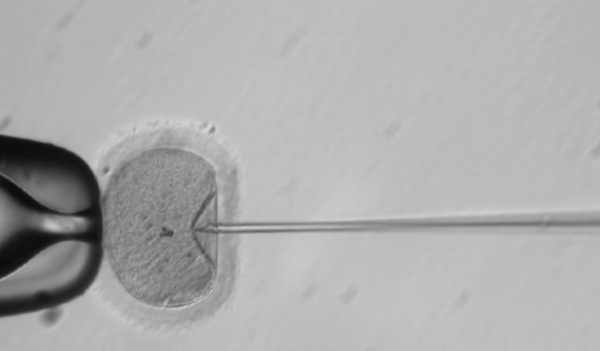
    A new era of genetically modified humans may arrive sooner than we expected. Recent reports show that researchers in the US have been successful in their first attempt at creating genetically modified human embryos. This research was carried out by a team in Portland, Oregon. Scientists used a gene altering tool called CRISPR to edit the DNA of viable human embryos.

    Source – MIT Technology Review

    The yet to be published research was led by Shoukhrat Mitalipov of Oregon Health and Science University. According to reports, the research included fertilising donated human eggs with sperm carrying inherited diseases. The team used CRISPR to correct the disease-related mutations and allowed the embryos to develop for a few days. The reports state that a series of tests resulted in embryos accepting the desired genetic changes in the majority of their cells with minor errors.

    This is not the first time human embryos have been edited. China has also experimented on altering the human embryos using CRISPR.

    Considering the NIH’s (National Institutes of Health) ban on using gene-editing technologies in human embryos, this research of editing viable human embryos can be termed controversial. However, in February, a committee created by the National Academy of Sciences and the National Academy of Medicine encouraged the use of genetic altering of human embryos in case of  no “reasonable alternative” available.

    The ability to edit human DNA can allow scientists to correct defective genes causing inherited diseases. It is also a big leap in the medical sector as the research may prevent incurable diseases or disabilities in new born babies.

    Despite being a revolutionary breakthrough, this research may raise concerns regarding genetically modified humans. And though the DNA editing tool – CRISPR is extremely precise, it still has a long way to go. Few fear that the tool may pose danger of minor errors leading to permanent problems. Also, many skeptics question the power of making genetic tweaks in a human due to ethical reasons.

    CRISPR engineered humans may still be a far fetched dream, as according to the research, the embryos were developed for a few days and were not implanted. Without implantation, embryos cannot develop into babies. This raised questions about the “ground breaking” research. Many believe that the real breakthrough will be when the scientists will actually be able to develop a genetically modified human being.

    Regardless, the research shows how far gene editing has come. It may not be long before the concept of customised designer babies becomes more than just a theory.

  • Google Pixel 2 And Pixel 2 XL Image Revealed

    Google Pixel 2 And Pixel 2 XL Image Revealed

    Google’s first Android smartphone – Pixel was launched on 20 October, 2016. Confirming the rumors, Osterloh announced last year that Pixel will pave way for its successors, the Pixel 2 and the Pixel 2 XL. He said, “There is an annual rhythm in the industry. So, you can count on us to follow it. You can (also) count on a successor this year, even if you don’t hear a date from me now”.

    Google is expected to launch the two Pixel successors later this year – Google Pixel 2 and Pixel 2 XL. Though no release dates have been announced yet, the rumors offer a hint at what Google has in store for us.

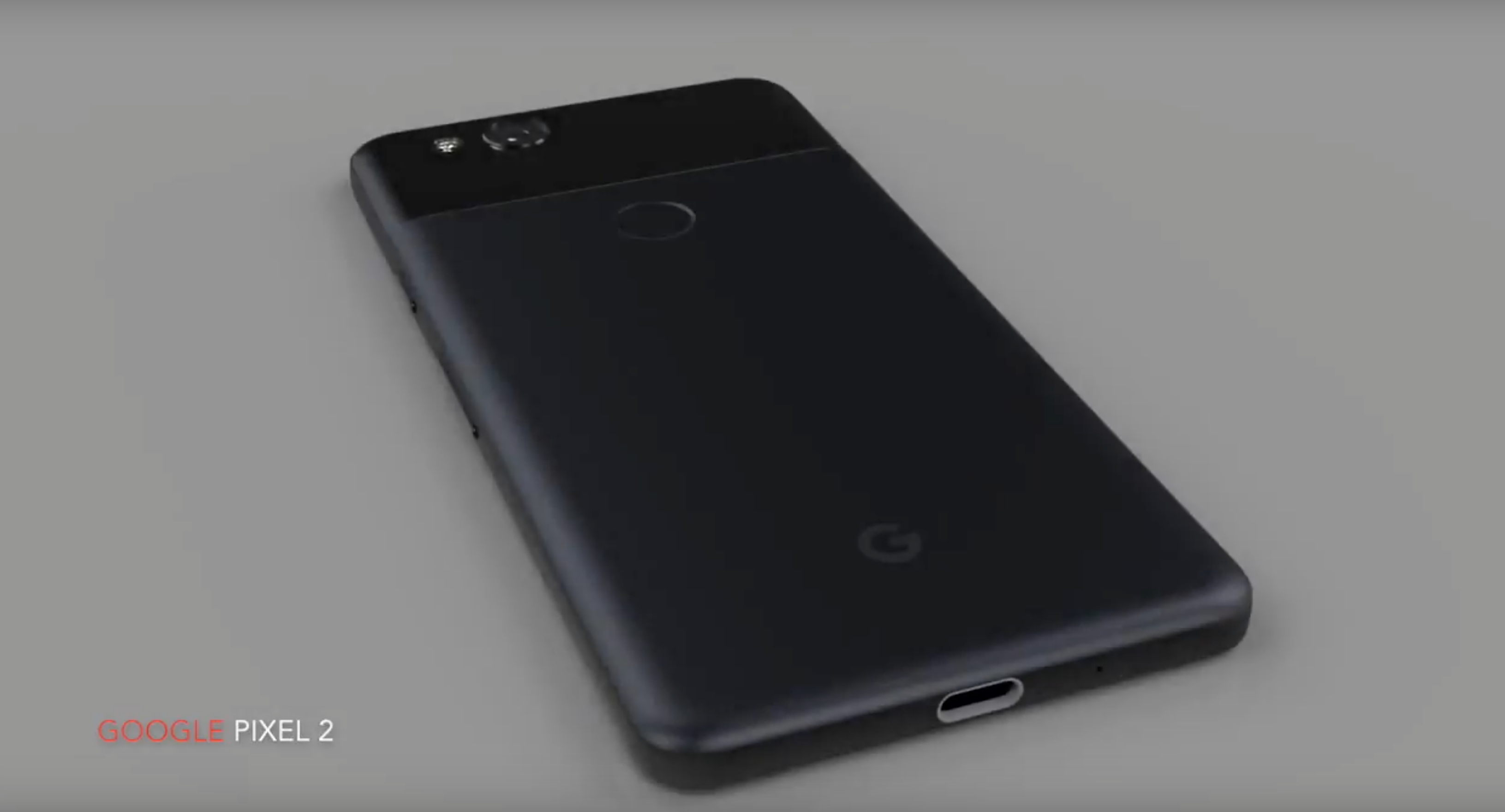
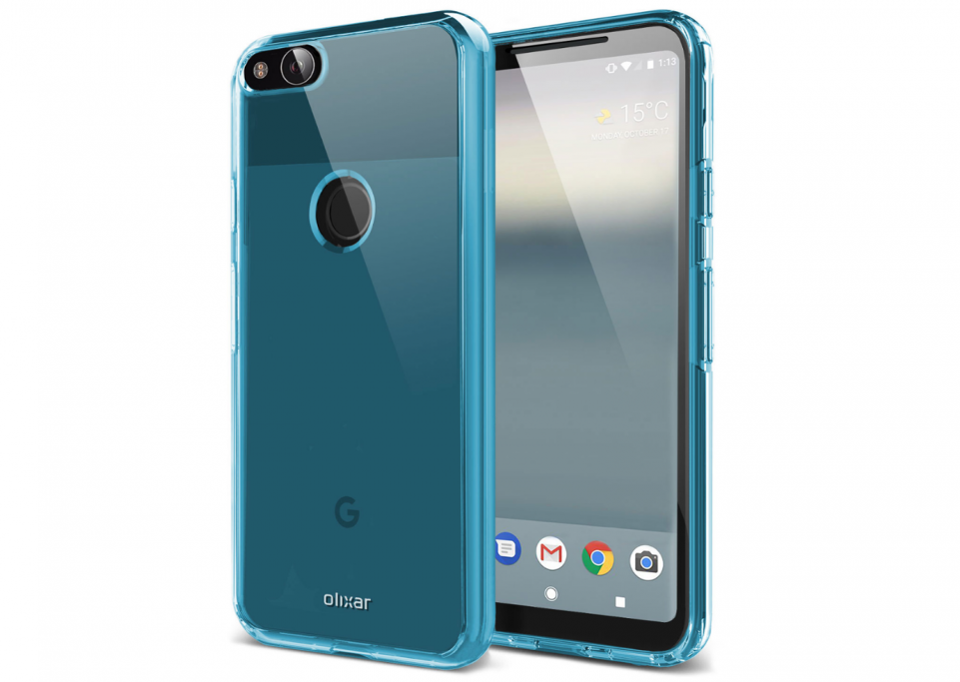
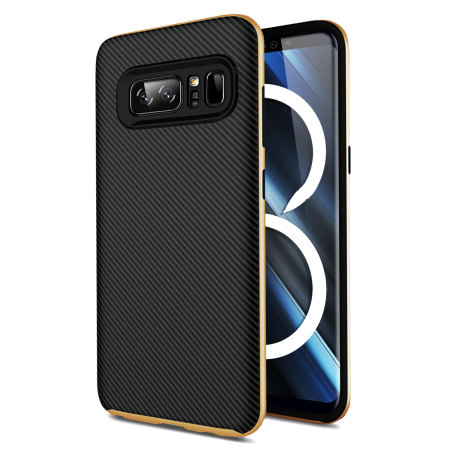
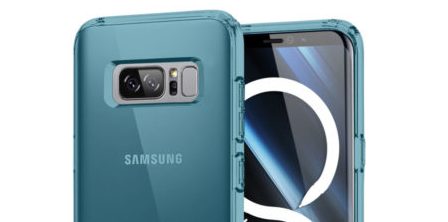
    Recent render leaks from one of the case makers show that the upcoming Pixel successors will be getting the best of both the worlds. The renders of the Pixel 2 and Pixel 2 XL  show that the devices will reportedly employ polarizing curved edges of the Galaxy Note 8 and top bezel cut-out of the iPhone 8.

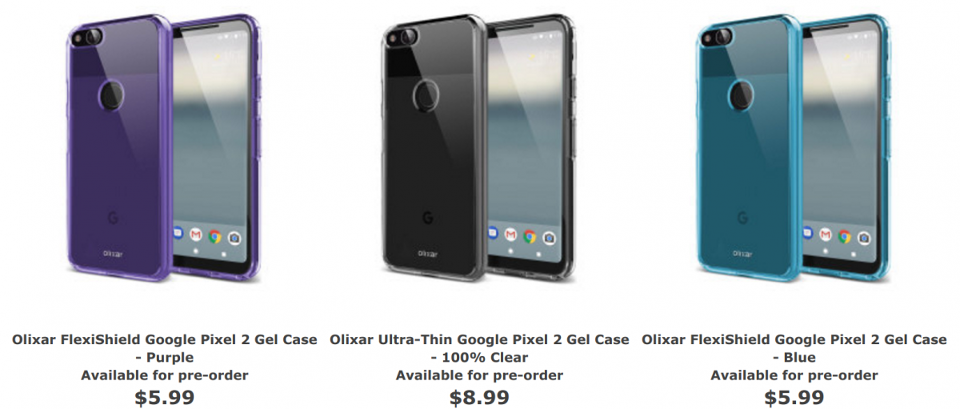
    Furthermore, Olixar has made the Pixel 2 and Pixel 2 XL cases available for pre-orders with prices starting from $5.99 for the basic FlexiShield range in UK and US.


    Though the details about the Google’s upcoming smartphones have been hard to come by, here’s all we know about the next Pixel lineup.

    Several reports suggested that only the Pixel 2 XL will be launched with these features, but according to updated renders, Google seems to follow last year’s strategy of making both the phones almost identical with few exceptions. Given the previous rumors of LG manufacturing the smartphones, both the Pixel 2 and Pixel 2 XL look similar to the LG G6.

    Evident from the recent case images, both the Pixel 2 and 2 XL are expected to feature curved glass around the flat OLED display with small bezels. Speculations about the Pixel 2 XL sporting a slightly larger OLED display at 6 inches have also been doing the rounds, whereas the Pixel 2 is said to have a 5-inch, 1080p display in a chassis similar to the previous model.

    Reports suggest that the Pixel 2 and Pixel 2 XL will have an improved processor and a single-lens, dual-flash rear camera setup. Both the devices will most likely be water resistant and are expected to run on Snapdragon 835 chipset and with 4GB RAM and 64GB onboard storage.

    A recently updated image suggested that Google may be planning to replace the good ol’ 3.5mm headphone jack with a single USB-C port. But it can’t be said for sure as the case images of the top or bottom of the Pixel 2 and Pixel 2 XL are still unavailable.

    Other than that, both the smartphones will have the back panel much like the original Pixel – a mix of metal and glass. However, this time the fingerprint sensor might not be covered with the glass.

    The word on the street is that Google may launch the not so“affordable” Pixel successors by the end of this year. Osterloh hinted that the second edition of the highly-priced smartphones may not be ideal for a budget buyer. Therefore, we can expect the Google Pixel 2 to be in the same or slightly higher price bracket than its predecessor.

  • Motorola Opens Its First Offline MotoHub Stores In India

    Motorola Opens Its First Offline MotoHub Stores In India

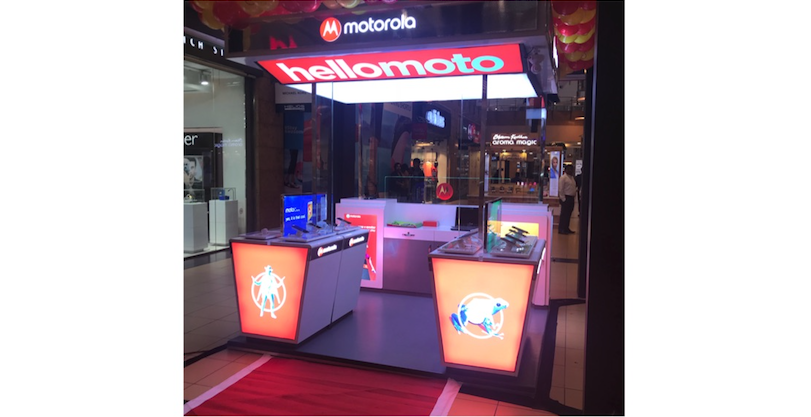
    Motorola announced the opening of its retail stores “Moto Hub” at the Great India Place Mall, Noida today.  Six MotoHub stores were established across the country – 3 in Delhi and 3 in Mumbai. The offline stores are expected to strengthen Motorola’s offline presence in India and enhance the customer base.

    The MotoHub retail stores will house the entire range of Motorola smartphones ranging from the exclusively available online devices to the ones meant only for offline retail like the Moto E, Moto C, etc. Along with the smartphones, the company will also stock accessories like Moto MODs, on-ear and in-ear headphones, Moto shells, covers etc. The stores aim to offer a hands-on experience of all devices. Motorola plans to open 50 Moto Hubs across the metropolitan cities in India, within the next two years.

    When Motorola’s resurgence began in 2013 with the Moto G and Moto X, they stuck to following an online only sales model in India to cut costs. Now, as ownership has shifted from Google to Lenovo, the company has once again started venturing into the offline retail channel. Here’s a list of first six Moto Hub stores :

    Stores In Delhi Stores In Mumbai
    Great India Place, NOIDA Xperia Mall, Dombivali
    Logix Mall, NOIDA Korum Mall, Thane
    Shipra Mall, Indirapuram Viviana Mall, Thane

    With the recent launch of Motorola smartphones, establishing of the Moto Hub stores can be an important step towards building a strong on-ground presence for the brand. Few of the USPs of the Moto Hub stores will be –

    • Offline Availability Of The Exclusively Available Online Smartphones
    • Same Price As Online Stores
    • Hands-On Experience Of The Smartphones
    • Easy Availability
  • Microsoft Windows 10 Preview Released with Built-In Eye Tracking

    Microsoft Windows 10 Preview Released with Built-In Eye Tracking

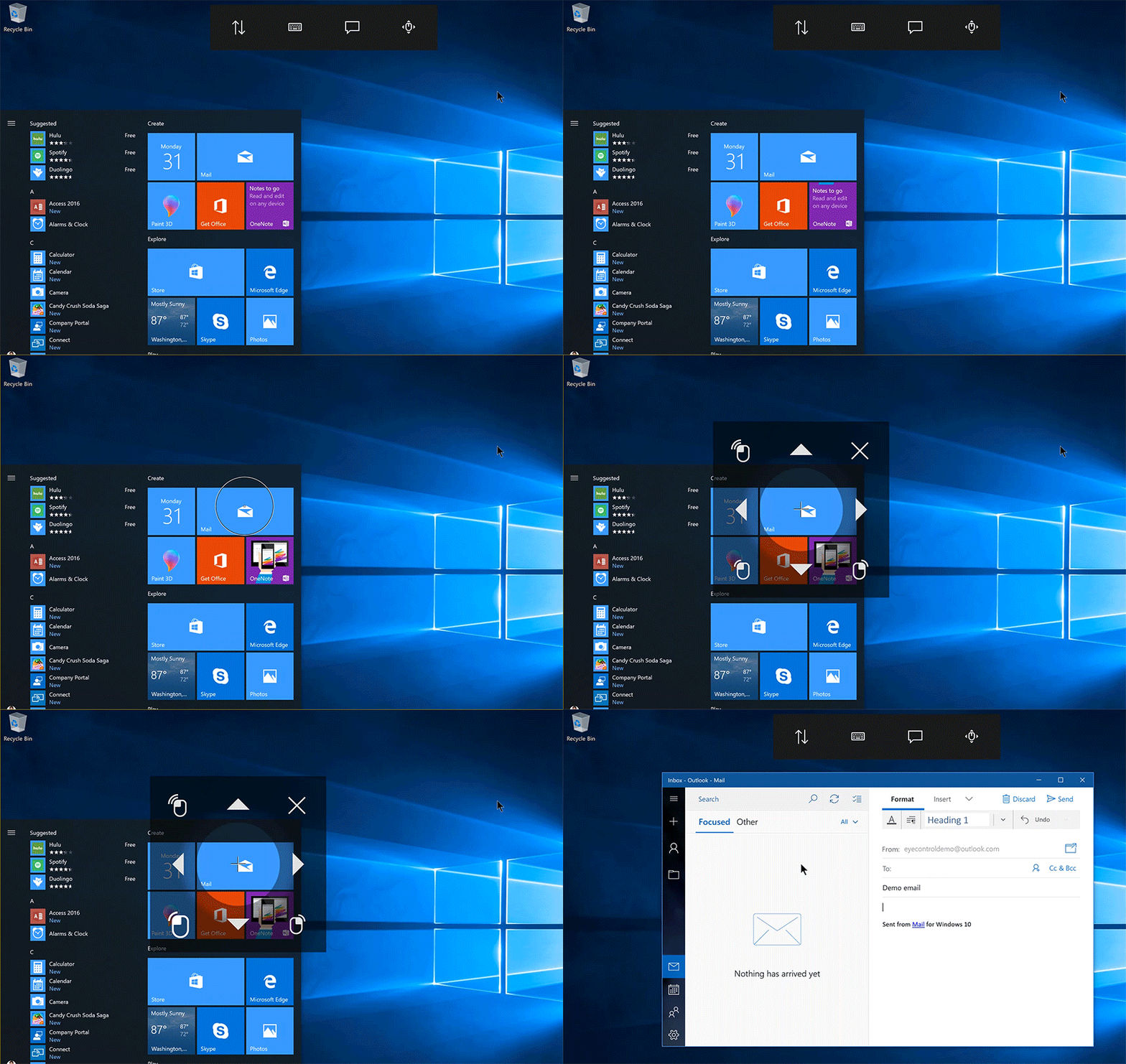
    Microsoft announced its Windows 10 tester edition on 2 August 2017. The new Windows 10 Insider Preview Build 16257 includes support for a beta version of Eye Control aka built-in eye tracking feature and improvements to Edge, Console, input, and Windows Defender Application Guard (WDAG). This is the ninth build of the upcoming Windows 10 Fall Creators Update, which is slated to arrive in September.

    The Windows 10 Insider Preview was introduced as a service, setting it aside from its predecessors in terms of built. This could mean that the regular updates would include a little more than just bug fixes, maybe new features. But first here’s a look at the newly added and updated features.

    Eye Control

    The major addition to the Windows 10 preview is the Eye Control technology which would make the Windows 10 much more accessible to people with disabilities. The eye tracking feature will make it easier for people to operate an on-screen mouse or keyboard and convert text-to-speech. The Eye Control feature requires a compatible eye tracker – Tobii Eye Tracker 4C, to access the windows OS.  The Tobii Eye Tracker 4C enables a user to carry out tasks which were previously accomplished via a physical mouse or a keyboard with just their eyes.

    In the preview blog post, Microsoft mentioned that it will be supporting only the US English language keyboard layout but plans on adding more layouts sometime in future.

    Microsoft Edge

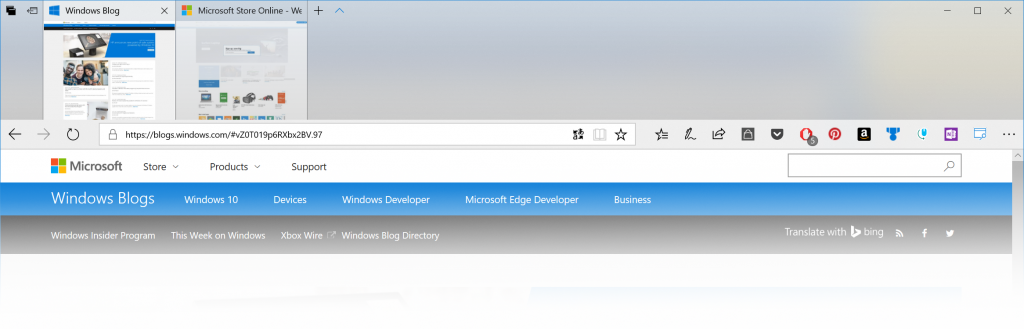
    Apart from the eye tracking feature, Microsoft Edge was also updated for a more modern look in the browser frame and other fixes for copying images, closing tabs in full screen mode and tab ordering. According to the company, ” The use of Acrylic material provides depth and transparency to the tab bar and other controls” and button animations are “more responsive”.

    Microsoft also made changes to the address bar. So now, when you click and drag the text it will remain under the cursor, even if the address bar isn’t in focus. Whereas , previously the text would shift as the “http://” appeared, making it difficult to edit the URL.

    WDAG and Input Upgrades

    As for input improvements, the touch keyboard now launches faster from the taskbar and the bugs in dictation and Japanese keyboards have been fixed. WDAG has also received performance upgrades, specific to container launch times. The tool has also received new status strings for providing more detailed information when starting up, plus networking and launching bug fixes.

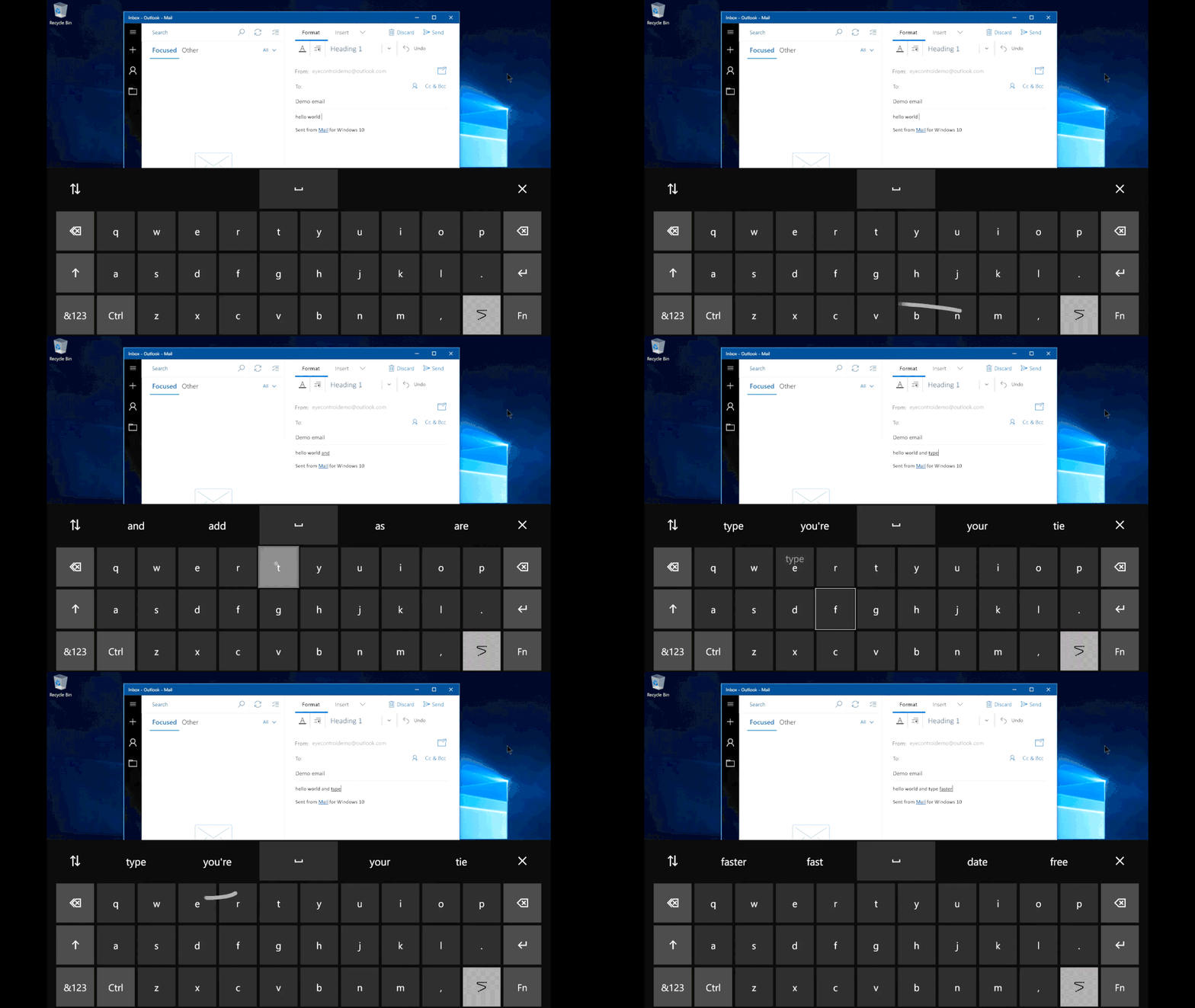
    Aside to the general improvement and fixes, Microsoft introduced another feature included in Eye Control called “shape writing,” . This feature allows a user to speed up typing by just looking at the first and last letters of a word and “simply glancing at letters in between.” And to make things easier, a “hint of the word predicted will appear on the last key of the word,” but if the prediction is incorrect, it can be swapped with another predicted alternative.

    Shape Writing

    It’s still unclear when the built-in eye tracking will roll out as a fully baked feature. But, it may not be long before we see a fully functioning version of the new Windows 10.

  • IBM  Breaks The Record – Stores 330TB Data Into A Tiny Tape

    IBM Breaks The Record – Stores 330TB Data Into A Tiny Tape

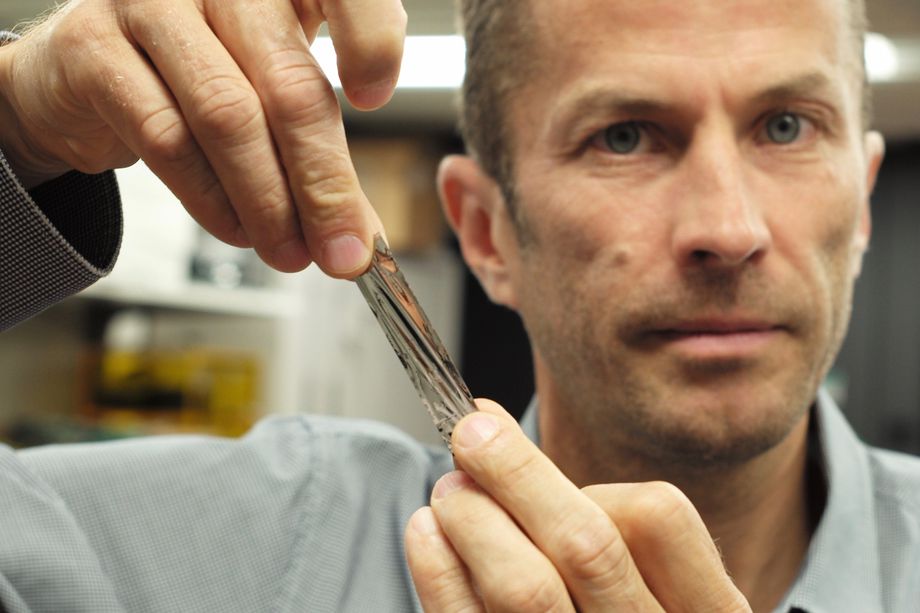
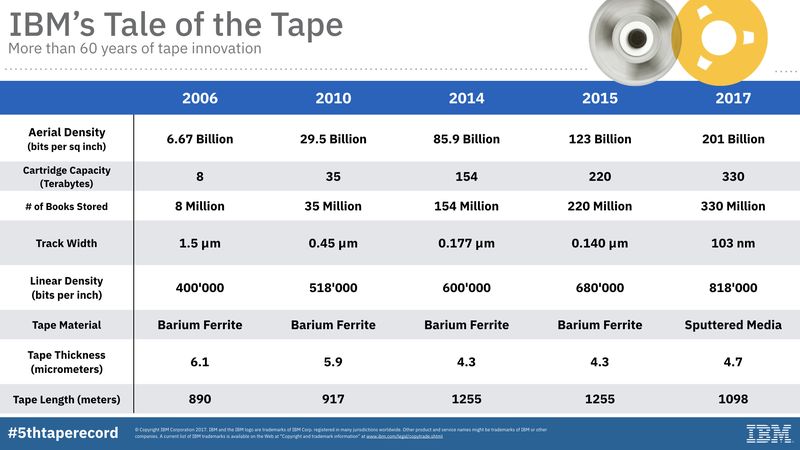
    IBM Research Scientists created a new world record in tape storage. Their latest invention can capture 330 terabytes of uncompressed data (equivalent to 330 million books) into a single tape cartridge that can fit into the palm of your hand.

    The new record of 201 gigabits per square inch in areal density was achieved on a prototype sputtered magnetic tape developed in collaboration with Sony Storage Media Solutions.

    The tape holds 330 terabytes per square inch,  beating the earlier record of 220 terabytes of uncompressed data per square inch. The prototype tape is more than 20 times the areal density currently used in commercial tape drives. (Areal recording density is the amount of information that can be stored on a given area of surface.) Since IBM’s first tape unit which could hold upto 2 megabytes of data, this invention is a huge step forward into the future of tape storage. Invented over 60 years ago, storage tapes are typically used by businesses to archive huge amounts of data like tax documents, health care records, etc.

     Evangelos Eleftheriou from IBM said

    Tape has traditionally been used for video archives, back-up files, replicas for disaster recovery and retention of information on premise, but the industry is also expanding to off-premise applications in the cloud,  and While sputtered tape is expected to cost a little more to manufacture than current commercial tape, the potential for very high capacity will make the cost per terabyte very attractive, making this technology practical for cold storage in the cloud.”

    Analysts predict that by 2020, global data storage will amount to 40 trillion gigabytes – around 5,200 gigabytes per person. According to experts, using tape is a cheaper and more energy efficient way of storing data in comparison to power-consuming, bulky data centres full of drives.

    It wasn’t an easy task creating a tape that could hold 201 gigabits per square inch, as IBM researchers had to develop several new technologies. Working in collaboration with Sony, IBM was able to develop this tech, particularly on enabling increased areal recording densities.

    However, retrieving data from tape is a far slower process. In a storage tape, data can only be accessed in the order in which it was written, in other word – sequential access. But IBM and Sony are apparently working on speeding up the data retrieval process.

  • Apple Hints At September Launch of The iPhone 8 with US$ 50 Billion in Q4 Earnings

    Apple Hints At September Launch of The iPhone 8 with US$ 50 Billion in Q4 Earnings

    The rumours of delay in launch of the Apple iPhone 8 have been innumerous, but Apple’s Q3 earnings announcement suggested quite the opposite. Tim Cook said that Apple is expected to earn revenue anywhere from US $49 billion to US $52 billion in the next quarter, which ends in September.

    The earnings represented by Apple are high enough to hint that the iPhone 8 may go on sale in September itself, during the fourth financial quarter.

    Further to support the claims of an early iPhone 8 launch is the statement made by Tim Cook, saying that Apple would have “very exciting Fall.” He also said :

    We’ve put everything we know into coming up with the guidance…we really like what we see for the beginning of the back-to-school season.”

    Though nothing can be confirmed, but we certainly hope that the iPhone 8 is one of the reasons for quoting such optimistic earnings prediction. A September release would impact Apple’s Fourth Quarter revenue immensely.

    That said, the earlier reports of manufacturers backing out from contracts with Apple, problems with installing few features like the Touch ID, etc have led the analysts to make a common prediction. They expect that the delays and shortage of supplies may mean that iPhone 8 will see a very limited release in September.

    We have also been receiving constant updates about the next iPhone’s design, features etc. – courtesy the leaked HomePod firmware. But that doesn’t mean the redesigned iPhone is what Apple plans to release this September. There has been some speculations about Apple splitting the iPhone line by releasing theiPhone 7S in September, and the redesigned model – iPhone 8, a few months later.

    These speculations could also mean that the significant earnings predicted by Apple could be from expectations of people upgrading to the rumoured iPhone lineup – iPhone 7s and 7s Plus. Or maybe Apple is banking on massive HomePod sales, either way Apple is definitely prepared for  something “very exciting” this fall.

  • Details Of The Apple iPhone 8 Confirmed By HomePod’s Firmware

    Details Of The Apple iPhone 8 Confirmed By HomePod’s Firmware

    Apple announced it’s smart speaker – HomePod at the annual WWDC (World Wide Developer Conference) at 5 June 2017. The $349 Siri powered speaker is said to rival Amazon’s Echo and Google’s Home and will be available for purchase in December.

    After introducing the HomePod at the conference, Apple pushed out a developer update for it’s wireless speaker ahead of its launch.  A bunch of developers examined the firmware bearing the name “AudioAccessory1,1”. The update revealed that the HomePod included the codebase for the next iPhone, along with the secrets about the smart speaker.

    Here’s a roundup of all the secrets found in the HomePod firmware –

    References to an LED matrix 

    According to one of the coders, it’s possible that HomePod will have a dot LED matrix screen that could display shapes, symbols,icons or even text. References to a Siri button on the top of the device were also found. This could mean that the existence of an LED matrix could potentially offer additional information to the user.


    References to an Infra-Red Camera and Facial Recognition Feature

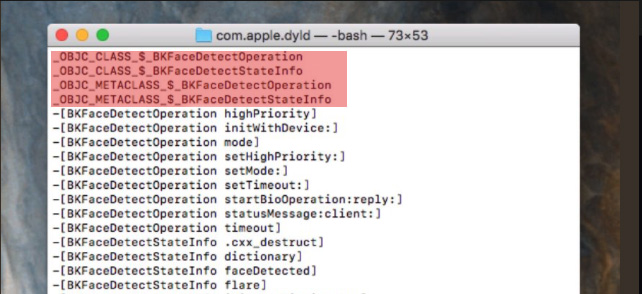
    A code snippet was found that refers to iPhone’s infra-red, face recognition-based unlocking capabilities. The code consisted of the lines “BKFaceDetect” which probably refers to Biometric Kit and facial detection tech. .

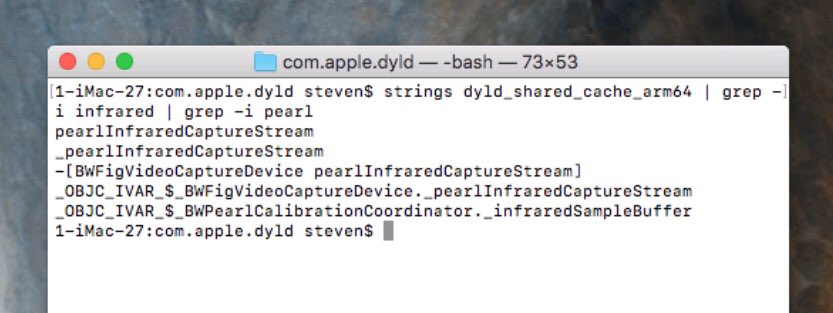
    References to an infrared camera – “pearlInfraredCapture Stream”, which can be used to detect your face even in the dark have also been seen. Reports of Apple using an infrared camera for 3D face scanning in the iPhone 8 have also been seen earlier this month.

    A tweet from one of the developers pretty much confirmed the facial unlocking feature in the iPhone 8.


    References to the iPhone 8 Form Factor

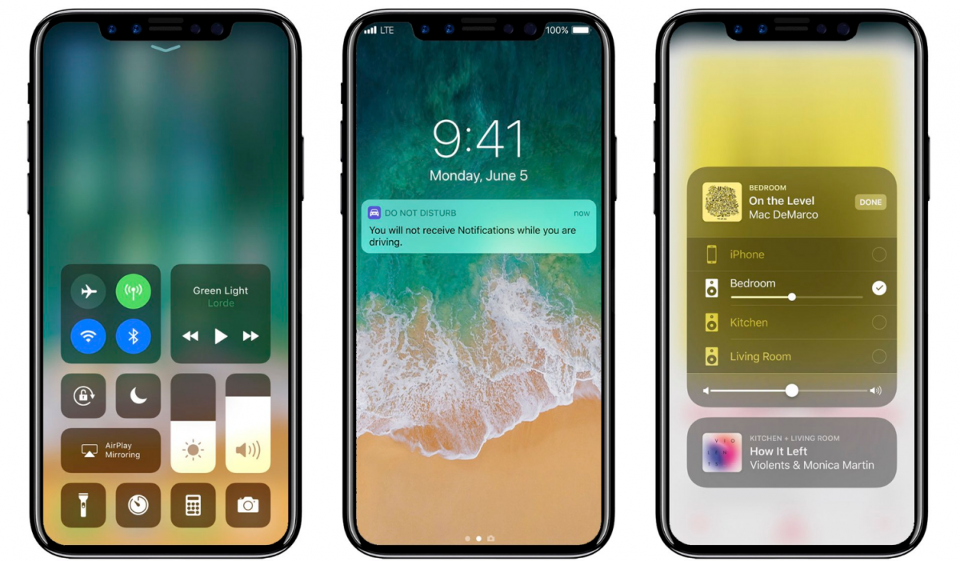
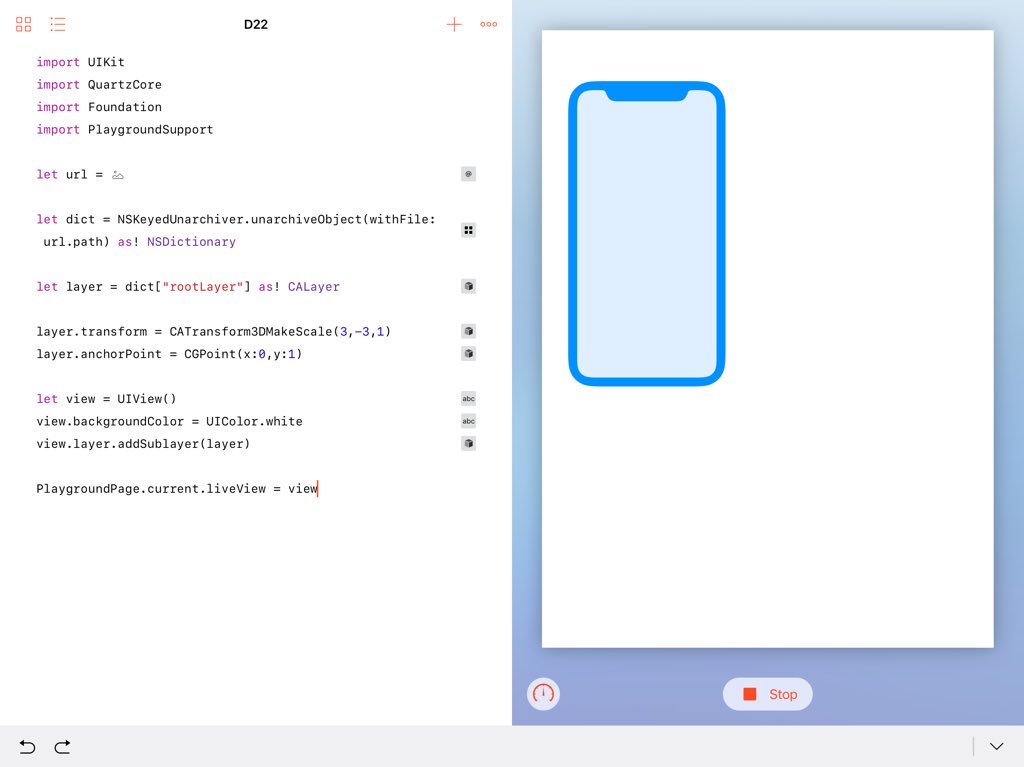
    HomePod firmware also appears to have carried an icon of the iPhone 8. Confirming the all-screen design, a stylized image of the new iPhone was also extracted from the “Payment_glyph_phone-D22.caar” in “PassKitUIFoundation.framework”.

    Later, another developer tweeted a high resolution version of the of the next iPhone’s icon. The form factor revealed a bezel-less, edge to edge display extending around the top speaker and sensors.


    The earlier icons of the previous iPhones like iPhone 5s had a home button which doubled as the Touch ID. The placement of the TouchID and the home button in the iPhone 8 is still not disclosed . Apple might just give the fingerprint sensor a miss in the new iPhone.

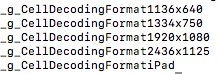
    References to a 2436×1125 Resolution

    Another snippet of the code was tweeted yesterday containing references to a 5.15-inch screen with the rumoured 2436 x 1125 resolution.

    Assuming the speculations are true, iPhone 8 will have a pixel density around 521 PPI with 3x Retina display which is higher than the existing iPhone lineup.

    Tap to wake feature 

    A tap to wake feature has also been discovered. The developers say that it may be similar to the Lumia 950’s Double-tap to wake the phone feature.

    References to a virtual Home Button

    A developer confirmed that the traditional home button will now be replaced with a virtual home button called the “home indicator”. The coders also shot down the possibility of a Touch ID.

    Apple will not be the first to use facial recognition and edge to edge display. Both the features have already been seen on other Android phones like Samsung Galaxy S8 and S8+, LG G6 etc. But with the increased pixel density and the 3x Retina display, the iPhone 8 will be at par with the latest high-end Android phones like the Galaxy S8 (2960 x 1440) or the Google Pixel (1080 x 1920), which tend to offer more pixel-dense displays.

    It is still not definitive whether the features extracted from the code will make it into the iPhone 8 or not. But as these are the samples of code released by Apple, it is more likely that the said features will be present in the upcoming smartphone.

  • IIT Delhi Student Invents A New Way To Detect Breast Cancer

    IIT Delhi Student Invents A New Way To Detect Breast Cancer

    IIT Delhi student, J.Jean Rossario Raj from the department for biomedical engineering, presented an alternate design in ultrasound transient elastography system for early detection of breast cancer. The project was to expertly diagnose and differentiate between malignant (cancerous) and benign (non-cancerous) tumours by combining various ultrasound imaging modes.

    Studies show that the malignant tumours are stiffer than benign ones. And one of the ways to detect the tumor is through Ultrasound elastography. It is a non invasive imaging technique which helps differentiate between the two types of tumours by evaluating the elasticity of the tumour.

    In an abstract, Jean provided a detailed account of her research. The research was conducted on 72 breast cancer patients using conventional non-invasive tumour detection techniques. With the help of the data collected during the research, Jean built a prototype for faster and efficient detection of cancer. The clinical data of the patients was tested using the prototype. The results show that the machine was able to detect tumours with 94.7% sensitivity, 90.6% specificity and 91.7% accuracy. The machine was also able to differentiate between the malignant and benign tumours with accuracy.

    Breast cancer is the most common cancers in women worldwide. It is the fifth most common cause of death from cancer in women. Nearly 1.7 million new cases were diagnosed in 2012, which represents about 12% of all new cancer cases and 25% of all cancers in women.

    In developed countries with advanced medical care, the survival rate of early stage breast cancers is 80-90 %, which falls to 24% for cancers diagnosed at a more advanced stage. Whereas, in developing countries, the survival rate further decreases to 40%.

    Breast cancer is increasing rapidly in developing countries where the majority of cases are diagnosed at later stages. The lack of early detection and adequate diagnosis of the cancer reduces the survival rate.

    Following is the standard procedure of diagnosing breast cancer

    • Breast Exam/Physical Exam
    • Mammography
    • Ultrasound Imaging
    • Biopsy
    • MRI

    Currently, a biopsy is the only definitive way to detect breast cancer. The procedure requires removing a sample of breast cells to analyse –

    • Whether the cells are cancerous
    • Type of cells involved in the cancer
    • Grade of the cancer
    • Hormone receptors of the cancer cells

    A biopsy is a time taking and invasive process. The machine uses a non invasive technique which will allow the doctors to diagnose the cancer at an early stage. The device will also allow the doctors to bypass the standard time consuming process and achieve faster results with  significantly improved specificity and accuracy. If used by medical practitioners and doctors, the machine invented by J.Jean Rossario Raj can help detect breast cancer early, thereby reducing female mortality.

  • Samsung Galaxy Note 8 Midnight Black Colour Image Leaked

    Samsung Galaxy Note 8 Midnight Black Colour Image Leaked

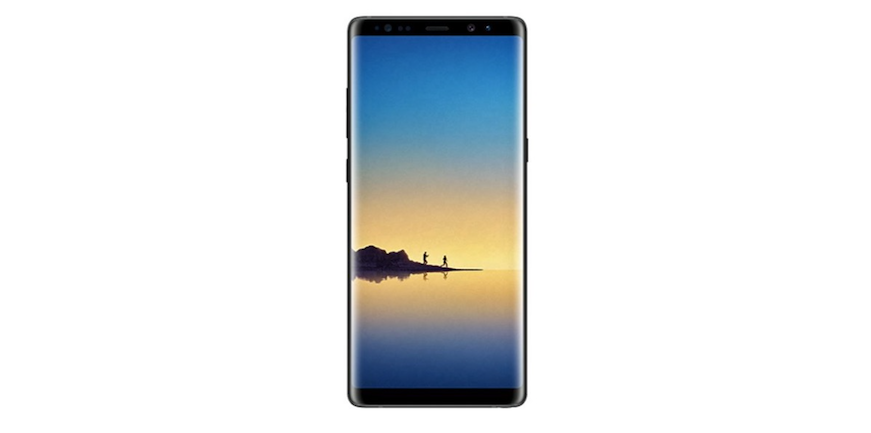
    Samsung’s flagship device of the year, the Galaxy Note 8 is all set for launch on August 23. Earlier this month, Samsung sent out press invites for the official unveiling of the Galaxy Note 8. The invite carried an image featuring an outline of a device with an Infinity Display, thin bezels on the top and bottom and a stylus.

    The invite just offered a glimpse of the Galaxy Note 8 silhouette, but a recent tweet has revealed the smartphone in its “Midnight Black”color variant.

    The Galaxy Note 8 is expected to feature a 6.3-inch Super AMOLED curved infinity display with a 4k resolution, the smartphone is expected to run on the Qualcomm Snapdragon 835 chipset.  The Galaxy Note 8 will run Android 7.1 with a massive 6GB RAM and 64GB on board storage.

    The smartphone is said to feature a horizontally placed dual rear camera set up. Each sensor is expected to be a 12MP, while one will provide 3X optical zoom for a close-up shot. The dual cameras will enable brighter low-light shots when used in tandem, along with the other features like background effect (to blur the all but the subject of a shot), perspective view (which tilts the image based on how you rotate your phone) and a depth-of-field effect.

    Samsung seems to be opting for a 3,300mAh battery pack for the Galaxy Note 8 which is slightly smaller in comparison to last year’s Galaxy Note 7 which had a 3500mAh battery. The decision of installing a smaller battery might be a smart one, considering the last years battery failures.

    Given last year’s Note 7 recall, and the damage it did to the brand, Samsung is under pressure to deliver a smartphone that could win back the customer’s trust and re-establish the Galaxy Note name in the Smartphone market.

  • Moto G5S Plus Colour Options Leaked

    Moto G5S Plus Colour Options Leaked

    After launching its flagship device of the year – the Moto Z2 Force, Motorola is all geared up for unveiling another upgraded version of the Moto G5 Plus. Both, Moto X4 and the Moto G5S Plus were expected to be announced on July 25, but instead Motorola chose to launch just the Moto Z2 Force.

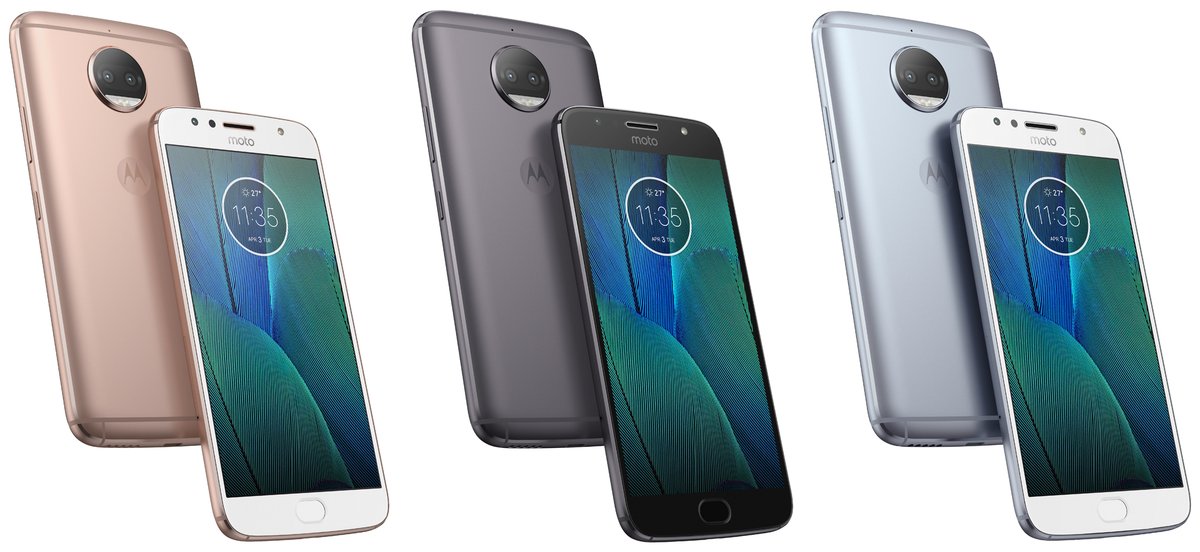
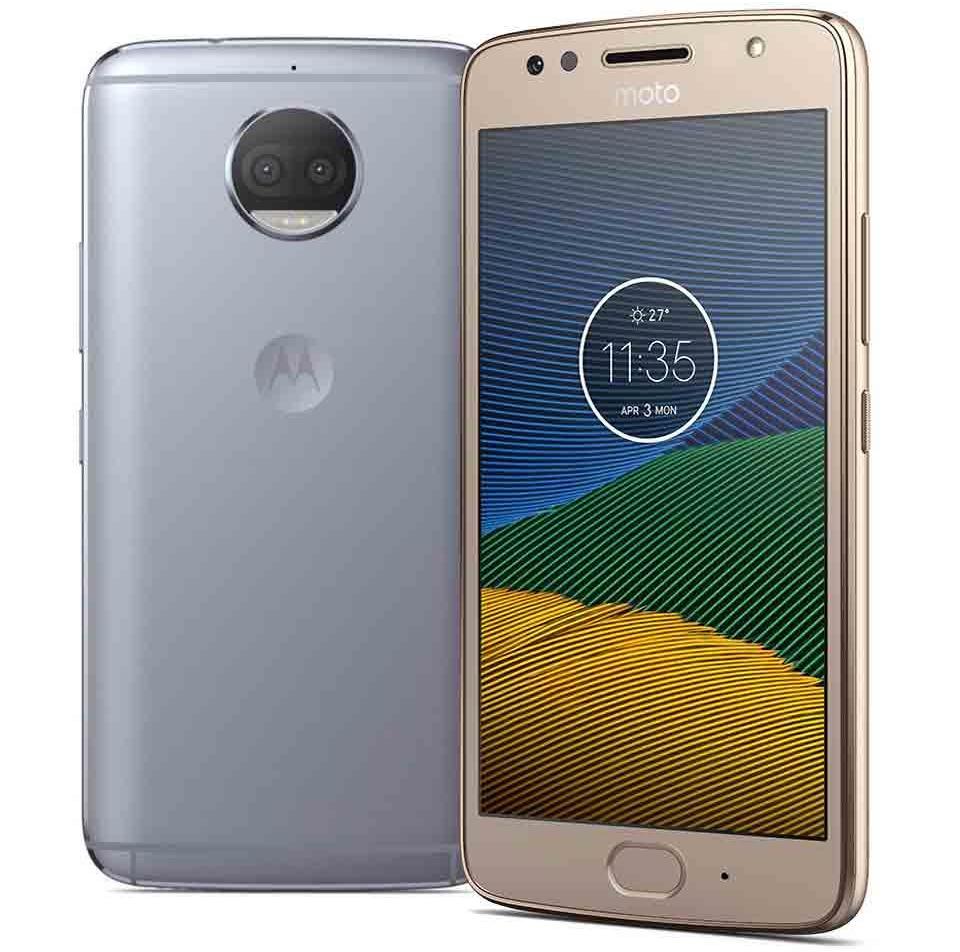
    The rumors about the yet to be launched Moto G5S Plus don’t seem to end. An image revealing the Moto G5S Plus’ design and colour options have been leaked:

    According to the recent update, the upcoming Moto G5S Plus will be available in three colours – Pink, Grey and Silver. The smartphone is said to sport a dual rear camera setup,  featuring two 13 MP sensors — one RGB and one monochrome.  The dual rear cameras will be loaded with features like DSLR bokeh, background replacement and selective black and white filtering. The front camera is expected to be an 8 MP sensor with an LED flash, an upgrade to the usual 5 MP front shooter in most of Motorola’s devices.

    Recollecting all the rumors, the Moto G5S Plus is reported to have an aluminium shell and will be powered by the Snapdragon 625 processor. The G5S Plus is likely to feature a 5.5 inch full HD display with 4GB of RAM and 64 GB of onboard storage. The smartphone is set to run Android 7.1.1 Nougat out of the box and is expected to feature a fingerprint scanner, selfie camera with LED flash and Dolby Atmos Audio support.

    The Moto G5S Plus is expected to carry a price tag of 330 Euros, approximately Rs. 25,000, however, may launch in India at a much lower price. Motorola is keeping mum regarding the release date of the Moto G5s Plus. Hopefully, it won’t be long before we go hands on.

  • Niantic Sued By Attendees Over Pokémon Go Fest Fiasco

    Niantic Sued By Attendees Over Pokémon Go Fest Fiasco

    The Pokémon Go Fest, which marked the game’s first anniversary turned out to be an absolute disaster. The fest was supposed to be a huge celebration. Players were promised rare Pokémons, rewards, training tips but were served with nothing but disappointment.

    The event seemed to be a magnet for screw-ups. The attendees waited for hours to play, only to be told that the games are not working. The game servers quit working (due to the congested network) and the company had no backup plan. Maybe Niantic wasn’t prepared for neither the server load nor the network congestion.

    The fest fiasco obviously didn’t go down well with the event attendees. Few of the visitors decided to file a class action lawsuit against the company. According to reports, the attendees want to be reimbursed for the travel and other expenses as Niantic failed to deliver on its promises of an unmatched gaming experience.

    Soon after the disaster, Niantic issued an apology to mitigate the situation and offered to reimburse the event tickets of all gamers present. The CEO also stated that all visitors will further receive $100 of in-game credit, along with the promised legendary Pokémon Lugia for free.

    But the reimbursement and the $100 of in-game credit weren’t enough to pacify the case. Some angry visitors threw water bottles onto the stage, chanting, “We want refunds!”. Though the company’s apology was acknowledged but it wasn’t enough for the people who travelled from far and incurred huge expenses just to attend the event.

    Jonathan Norton, a California local who flew to Chicago for the Pokémon Go Fest, has filed a lawsuit against Niantic for false advertisement. According to his lawyer, Thomas Zimmerman, 20 to 30 others have joined the suit. and that they will be asking for monetary compensations for their travel expenses:

     [My client] paid to fly out for the festival, and had to wait for several hours in line, just like most everybody else in order to get in… We’re not seeking any relief with respect to the failure to get legendary Pokémon, because Niantic is offering that. But Niantic is not offering to refund people’s travel expenses for coming to Chicago. Most of the people came from out of state, many people from other countries — I talked to someone who flew in from Japan. – Zimmerman

    Though Niantic has made several attempts to compensate the fest attendees, nothing seems to be working in company’s favour. Along with facing the embarrassing fest fiasco, Nianco will now be facing angry gamers and a lawsuit.

  • Impact Of GST On Daily Technology In India

    Impact Of GST On Daily Technology In India

    The multi-rate Goods and Services Tax (GST) tax which was meant to unify the nation, went into effect on 1 July 2017.  The nationwide sales tax is said to have affected various sectors. Before you switch to Google for answers, here’s a brief about the new tax system.

    It is a value-added tax levied on most goods and services sold for domestic consumption, ridding the consumer of different levels of taxes which were paid earlier. All different levels of taxes will be replaced by a single tax – GST.

    Over 1200 goods and 500 services were categorised by the GST Council under four different tax slabs – 5%, 12%, 18% and 28%. For those of you wondering which slab the tech world falls under, here’s how the GST will impact your tech life.

    Smartphones, Tablets and Accessories

    Smartphones are now be cheaper, thanks to the Goods and Services Tax. The smartphones were earlier taxed at 13.5 % or higher, after the new tax categorisation, they fall under the 12% tax slab. The new tax system reduced the smartphone prices by 1.5%. GST is also levied on products made under the “Make In India” initiative, hence, the smartphones manufactured in India are bound to get more expensive. Manufacturers currently pay around 7.5-8% duty, but with GST, phone parts will fall under the 12% slab, increasing the manufacturing cost.

    Taxed at 12%
    Smartphones
    Accessories like Smartwatches, Headphones, Chargers, Batteries, etc.
    Tablets
    Phablets
    Featured Phones
    Mobile Parts like Processors, RAMs, Motherboards, Displays

    Gaming Consoles and Gadgets

    The gaming gadgets and games which were previously at 28.5% duty will now be placed under the highest slab which is 28%. Thus the prices won’t waver much on the gaming front except from the slight 0.5% decrease in the tax rate. Utility gadgets, storage devices like hard drives etc. will attract a levy of 18%.

    Taxed at 28%  Taxed at 18%
    Gaming consoles like Xbox, Playstation, Nintendo Utility Gadgets
    Controllers, Games Storage Devices like Hard-drives, Memory Cards
    Fitness Trackers
    Gaming Accessories like VR headsets

    TV, Laptops, Desktops, Cameras

    Digital cameras, video cameras, televisions, recorders, speakers, etc will fall under the 28% tax bracket. Monitors and projectors will also attract a GST rate of 28% which was earlier up to 18.5%. Whereas Laptops, desktops will attract a tax rate of 18% which was earlier 14-15%.  IT accessories such as LAN and data cable will be 28% which was earlier 17.5%. Since the implementation of GST, PCs and laptops along with Televisions all fall under the 28% tax bracket.

    Taxed at 28%  Taxed at 18%
    DSLRs, Digital Cameras, Video Cameras, Recorders Laptops, Netbooks and Notebooks
    Televisions Desktops
    Computer Peripherals
    IT Accessories

    Consumer Durables, Electronics

    The prices of consumer durables like AC, washing machine, refrigerators, vacuum cleaner, shavers have also gone up by 4% by categorising them in the 28% bracket. Other electronic items like water heaters, hair dryers, curlers  printers, photocopiers, fax machines, ink cartridges, etc. are to levy 28% GST instead of 18% duty. This category consists of

    Taxed at 28%
    Personal Care Products like Trimmers, Curlers, Hair Dryers
    Household Electronics like AC, Washing Machine, Refrigerators
    Electrical Appliances like Printers, Photocopiers, Fax Machines

    Automobiles

    Cars

    With the implementation of Goods and Services Tax, luxury car buyers will benefit the most. Before the tax implementation, luxury cars were taxed between 52-55 %, after GST and cess, taxes have reduced to 43%, making them relatively cheaper. Hatchbacks and sedans which attracted a tax of 29%, will now charge 28% GST + 1%  cess, keeping the price unchanged.

    Motorcycles

    All 350cc and under motorbikes are set to attract a tax of 28%, whereas bikes above 350cc will levy a 31% tax.

    Taxed at 43% Taxed at 29% Taxed at 28% Taxed at 31%
    Luxury Cars Non-Luxury Cars like Hatchbacks and Sedans MotorBikes at and under 350cc MotorBikes above 350cc
    Car Accessories like Stereos, Speakers, Alloy Wheels
    Car Parts like Tyres, Radiators, Thermostats


    Though GST has said to bring major changes in other sectors, the tech industry does not seem be affected by the new tax implementation. The Goods and Service Tax seems to benefit the customers of smartphones, and high end cars, other things remain either unchanged or heavily taxed. Though the gaming industry remains more or less unaffected, devices like laptops, desktops, television etc have seen a high rise in prices.

    Category Before GST After GST
    Smartphones 13.5% 12%
    TV, Cameras, Computer Peripherals and IT Accessories 26.5% 28%
    Laptops, Desktops 14-15% 18%
    Consumer Durables and Electronics 24% 28%
    Luxury Cars 52-55% 43%
    Non Luxury Cars 29% 29%
    Bikes (above 350cc) 30% 31%
    Bikes (below 350cc) 30% 28%
  • Apple Settles Patent Lawsuit With Nokia For A Whopping US $2 Billion

    Apple Settles Patent Lawsuit With Nokia For A Whopping US $2 Billion

    Apple seems to be in a mood for catching a break from the “Smartphone Patent Wars”. After battling the patent violation lawsuit with Samsung, Apple seems to have decided on settling the patent infringement dispute with Nokia back in May. Apple seemed eager to avoid the legal battle like the one with Samsung and both the companies agreed on moving from adverseries to business partners.

    The details of settlement were initialy announced without disclosing the terms and the value of the settlement. According to the recent reports, Nokia announced that it has received a US $2 billion upfront cash payment from Apple (€1.7 billion) to settle the case. The terms of the new licensing deal are yet to be disclosed, including, whether Nokia would receive a US $2 billion quarterly payment or whether this was non-recurring catch-up settlement. Though the possibility of Apple paying US $2 billion quarterly to Nokia seems highly unlikely.

    The original lawsuit began in December with Nokia accusing Apple of patent infringement in multiple countries. Apple was also accused of infringing patents from Nokia subsideries – NSN and Alcatel-Lucent.

    At the center of the dispute were 32 patents involving the iPhone 3GS and subsequently launched iPhones (along with other Apple products) which Apple claimed Nokia intentionally left out of a 2011 licensing agreement. The lawsuit allegedly covered many elements of smartphone handset design and functionality, with Nokia’s patent portfolio spanning display technology, antennas, chipset, user interface and more.

    Apple responded to the lawsuit with its own and removed Withings’ products (a division of Nokia) from its online store and worldwide Apple stores. Both companies, soon after resolved the issues as Apple started restocking Withings products, with new licensing terms and agreeing to a joint effort to explore “future collaboration in digital health initiatives.”

    After the settlement, Apple and Nokia decided to take the usual patent licensing deal a step further by collaborating on technology along with research and development. The collaboration indicates that Apple might be paying Nokia to help explore the technologies related to digital health, optical network and IP routing.

    No information has been received about how Nokia plans to invest the upfront cash payment received from Apple. Whereas for Apple, it may not be a major financial setback, as according to reports, the company has more than a 750 billion dollars in cash and investments.

iGyaan Network
Privacy Overview

This website uses cookies so that we can provide you with the best user experience possible. Cookie information is stored in your browser and performs functions such as recognising you when you return to our website and helping our team to understand which sections of the website you find most interesting and useful.