Author: Parul Ritvik Sood

  • The Chronicles of The One : OnePlus One’s Journey To India

    The Chronicles of The One : OnePlus One’s Journey To India

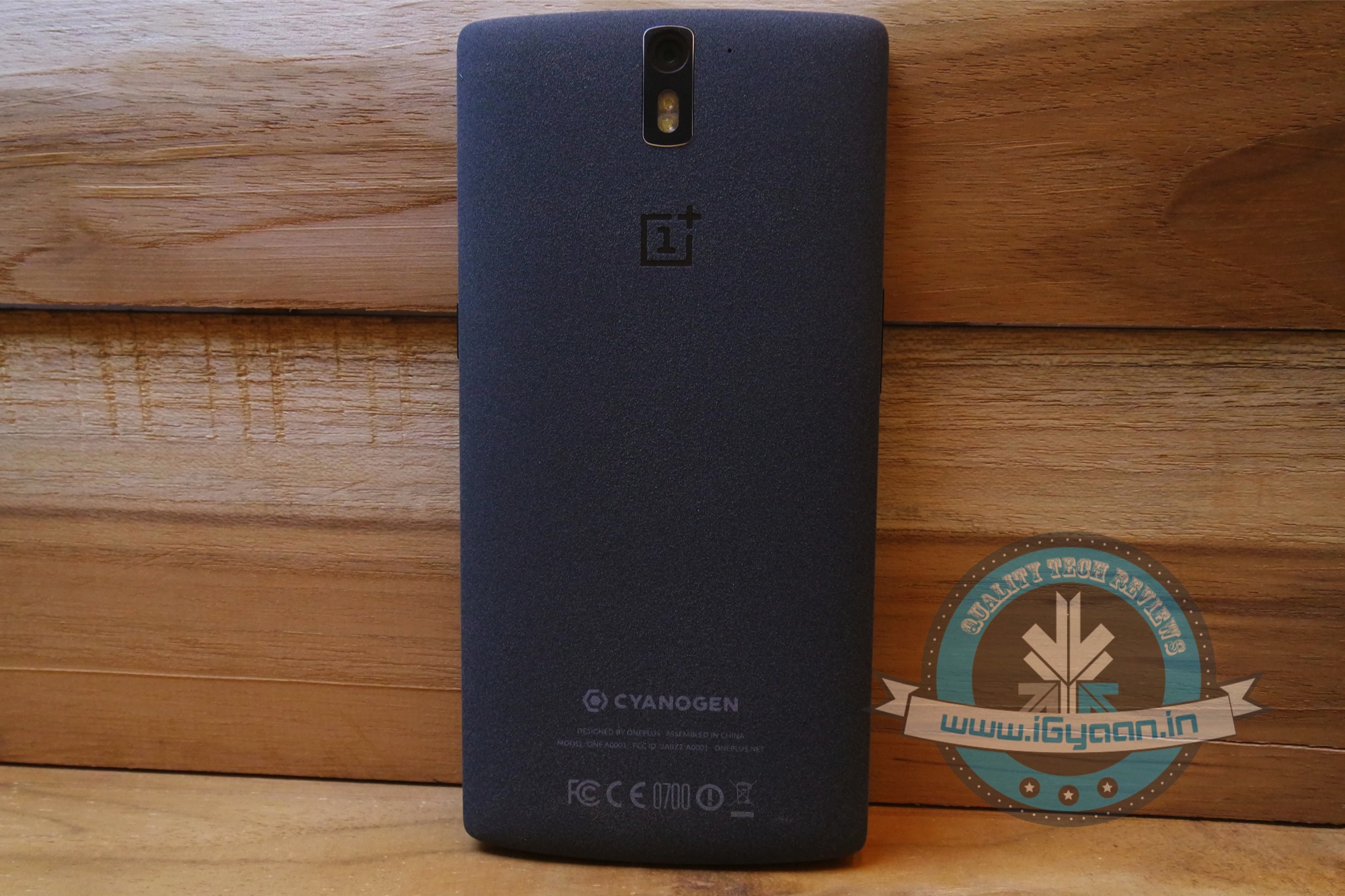
    OnePlus One, or as it is called the ‘Flagship Killer’, has made numerous followers with its impressive design and built quality at a low-end price. Now that the legendary handset is on its way to India, we are rewinding a year to look at how the company was formed and how they are able to reach where they are now.

    December 2013
    OnePlus_One_Never_Settle_01

    OnePlus was founded on 17th December 2013, in China by Pete Lau, previous Vice President at OPPO, with its headquarter in Shenzhen. The company’s motto is to ‘bringing the best possible technology to users around the world.’ Created around the mantra Never Settle, OnePlus aims to create beautifully designed devices with premium build quality.

    January 2014

    1398337195_605186_1398337307_noticia_normal

    On 13th January, 2014, Pete introduced OnePlus in a launch event in Beijing as well as its partnership with CyanogenMod. The company said that it would be responsible for the development and design of the hardware, while CyanogenMod would be responsible for the operating system.

    April 2014

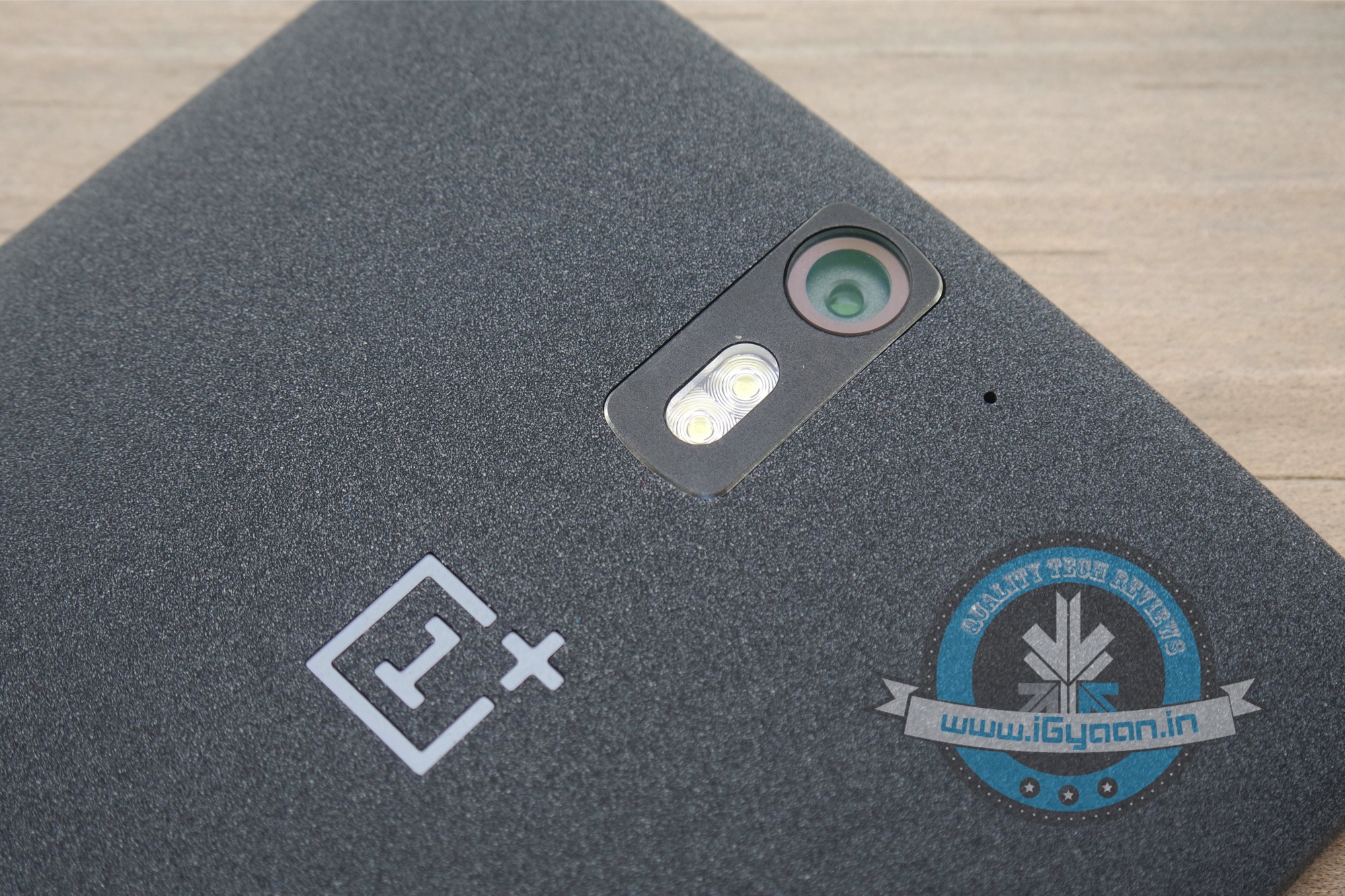
    On 23th April, 2014, Pete announced that the first OnePlus smartphone, the OnePlus One, which will have Qualcomm SnapdragonTM 801 MSM8974AC processor, 3 GB of RAM, a 3100mAh battery, 5.5-inch, 1080p (401ppi) display, and a 13MP Sony Exmor IMX 214 sensor camera. The phone retails for $299 for 16 GB version and $349 for 64 GB version in the US.
    OnePlus One iGyaan 11

    On 25th April 2014, OnePlus began its ‘Smash the Past’ campaign. The promotion asked selected participants to make a video while destroying their phones if they wish to purchase the OnePlus One for $1 (US). However, the promotion was misinterpreted and many unselected users destroyed their phones before the promotion start date.

    The campaign was highly criticised for environmental waste and safety concerns as the batteries and phone components could have posed a potential threat to those destroying their phones. The company asked the winners to donate their old phones. There were 140,000 entrants in the contest, while just 100 got the most desired phone.

    July 2014

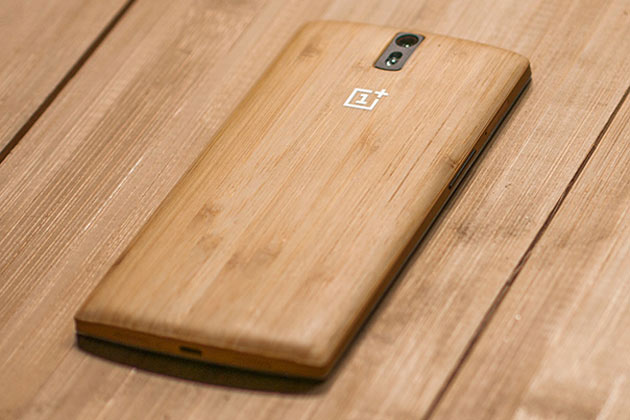
    On 22nd July, OnePlus announced the release of Bamboo Back Cover edition of the OnePlus One and attracted the attention of Chinese and global users alike.
    1p1bamboo

    August 2014

    In a contest at the end of August 2014, 10,000 invites were given out, and furthermore it was announced that the invitation system itself would end in October. The company took up #hashtags to choose the lucky winners by launching the contest called #summershot. The interested people had to post a picture that they took in summer and share it on Instagram or Twitter using the hashtags #summershots and #oneplus.

    On 13th August, 2014, OnePlus asked its female fans to post a photo of themselves along with OnePlus logo to the company’s forums and the fan with the most votes would receive an invite to purchase a OnePlus One. Hours after the announcement, the campaign was stopped stating that a few ‘rogue’ employees created it.

    open_graph

    September 2014

    On 18th September, the company announced that it is going to kill off the invite system and stop limiting who gets its unique smartphone. The pre-order page should have been up in September, but unforeseen problems delayed its launch. OnePlus officially announced that starting in late October for a limited time, anyone who wants a OnePlus One can order the phone online. If OnePlus has your phone in stock, it will ship immediately, but if the company’s sold out, you’ll be added to the pre-order list. However, that means if a lot of people order the phone, pre-orders may get pushed back for a long time.

    October 2014

    The company announced that OnePlus One will soon be launched in India. There was no solid date announced, however, reports hinted the September release. After sometimes, the company confirmed that it will release India-specific invites to prospective ‘One’ consumers online.

    November 2014

    On 4th November, Co-Founder Carl Pei told Forbes that OnePlus has now sold 500,000 smartphones and is aiming for one million by 2015. In an interaction with The Indian Express, the company claimed that the invite system will prevent shortage of devices for potential customers in India. The invite process is also fair and transparent then the flash sale model. The 64 GB variant is expected to come for less than Rs. 25,000 ($407 approx), which was a bit above the expected price range. However, it still is a great offering if its specs are taken into account.
    OnePlus_India

    The company’s newly appointed General Manager for OnePlus India, Vikas Agarwal, posted in a forum on 22nd November, “Firstly, we are thrilled to confirm that the One will be available for our Indian users in December. We can’t wait to bring your favourite phone to your hands. As all the details have now been perfected and last-mile hurdles have been cleared, the exact launch date will soon be announced in the coming days on our forums.”

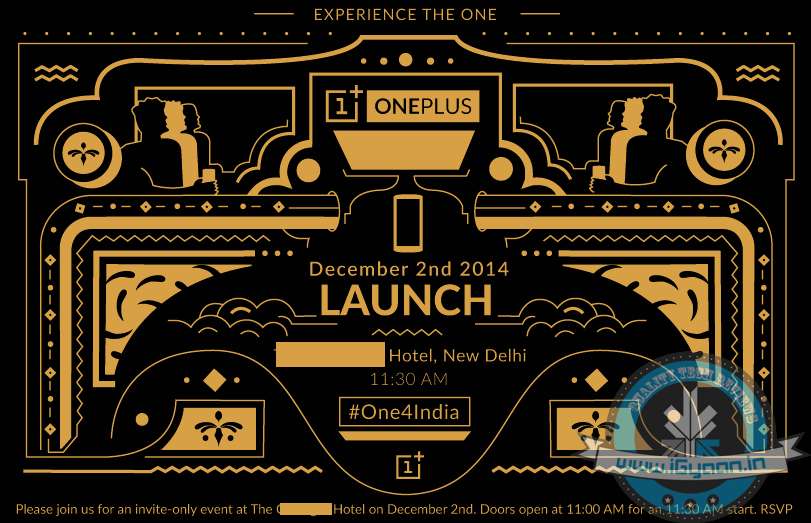
    On 26th November, i.e. today, the company rolled out the invites for the event where it is expected to launch OnePlus One in India. In a teaser image posted on amazon.in, the e-commerce giant said that the smartphone, popularly known as a ‘Flagship Killer’, is expected to be available in the coming days. Amazon India, who has got the exclusive rights to sell the OnePlus One, said on an official teaser, “The Smartphone you have been waiting for, is coming soon,” accompanied by an image of the One and hashtag ‘#TheOneThing’.

    Well, we don’t have to wait for long to find out how we can get our hands on the ‘Flagship Killer’.
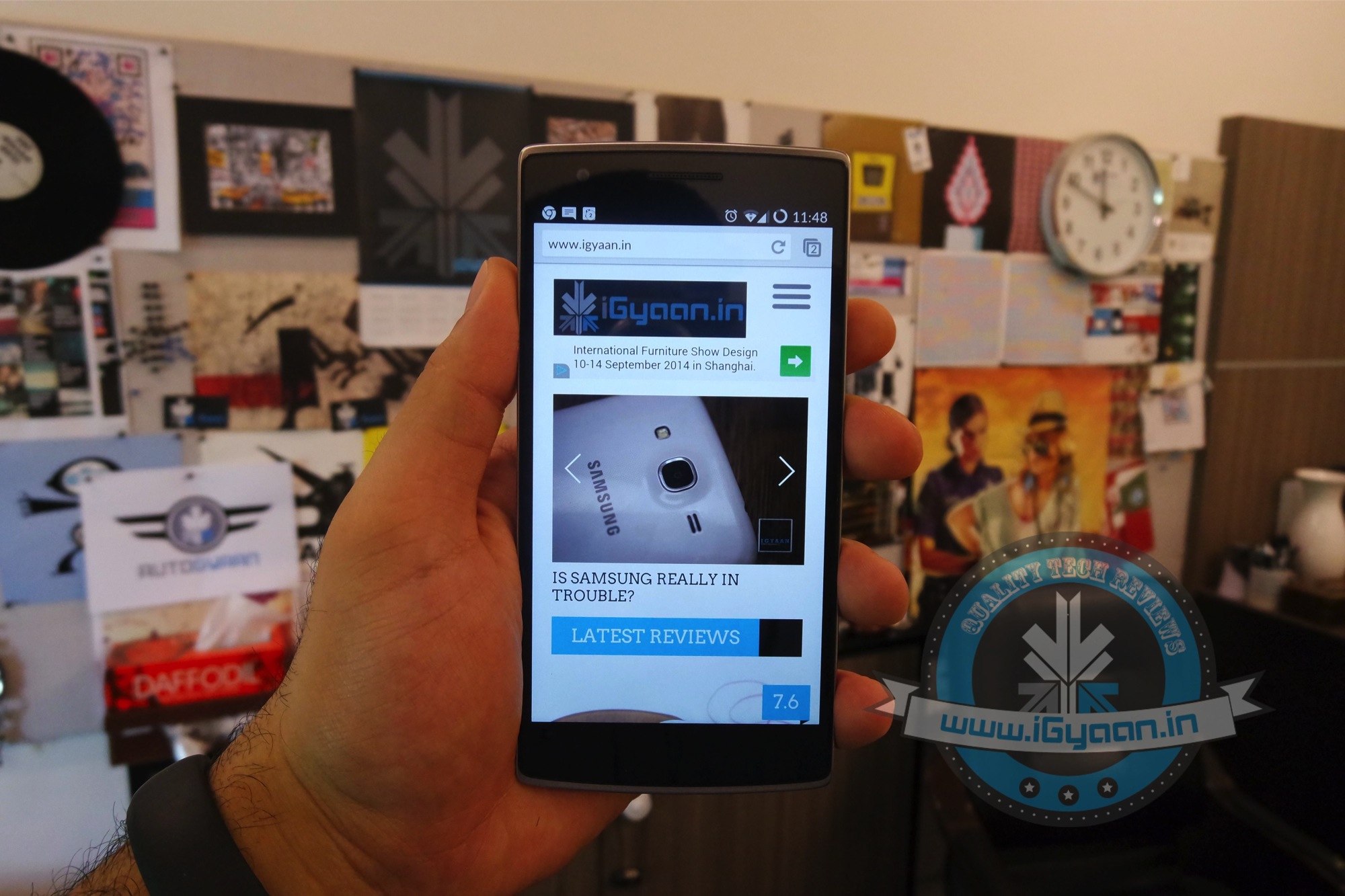
    Our Review of the OnePlus One!

  • The ‘Flagship Killer’ is Finally Here! OnePlus One To Launch On 2nd December

    The ‘Flagship Killer’ is Finally Here! OnePlus One To Launch On 2nd December

    That moment which all the Android enthusiasts have been waiting for is finally here. OnePlus is going to grace the Indian smartphone market with its presence at last. The company has sent out invites for the much-awaited event going to be held on 2nd December, where it will launch the company’s blockbuster OnePlus One.

    OnePlus_India

    The Chinese smartphone manufacturer has been tight-lipped about the plans for the launch of the CyanogenMod-powered smartphone. However, the recent report has suggested that the OnePlus will be sold exclusively via Amazon. The company had also previously announced that their smartphone, the One, would be available in India through an exclusive invitation system.

    [quote text_size=”small” author=”Vikas Agarwal” author_title=” General Manager for OnePlus India”]

    As announced earlier, the product will be exclusively available through our e-commerce partner for users who have a valid India-specific invite

    [/quote]

    In a teaser image posted on amazon.in, the online retailer says that the smartphone, popularly known as a ‘flagship killer’, is expected to be available in the coming days. Amazon India, who has got exclusive rights to sell OnePlus One, says in a teaser, “The Smartphone you have been waiting for, is coming soon,” accompanied by a image of OnePlus One and a hashtag ‘#TheOneThing’.

    Pricing, which is one of the most important parts of OnePlus One’s success, has also been a mystery for the Indian market. However, as we reported earlier, the 64 GB variant is expected to cost around Rs. 24,990 while the 16 GB variant is likely to come at a price of Rs. 19,990. The company’s newly appointed General Manager for OnePlus India, Vikas Agarwal, posted a forum on Saturday which said,

    Firstly, we are thrilled to confirm that the One will be available for our Indian users in December. We can’t wait to bring your favourite phone to your hands. As all the details have now been perfected and last-mile hurdles have been cleared, the exact launch date will soon be announced in the coming days on our forums.

    The OnePlus One is one complete device when it comes to hardware and build quality. Thanks to the inclusion of CyanogenMod, the ROM gives Android an adrenaline boost with regular updates and bug fixes. For a price sensitive market like India, the cost of the phone will be a major factor. In an interaction with The Indian Express, the company claimed that the invite system will prevent shortage of devices for potential customers in India. The invite process is also fair and transparent than the flash sale model.

    Where companies like Xiaomi have gained respect and market share simply by cutting down on administration, distribution and marketing costs, OnePlus may bring the One at a premium in India. The company will continue the invite system for the Indian market and those interested in an invite will be able to get one from oneplus.net/in starting right now.

    If you are successful in getting an invite a spanking new OnePlus One will await you at : www.amazon.in/oneplusone on the 2nd of December 2014. Excited yet? Catch our Review below.

  • Samsung Galaxy A5 China Pricing Revealed

    Samsung Galaxy A5 China Pricing Revealed

    It’s been a month since Samsung unveiled its budget metal-clad smartphone Galaxy A5, however, the company did not confirm any pricing details about the device.

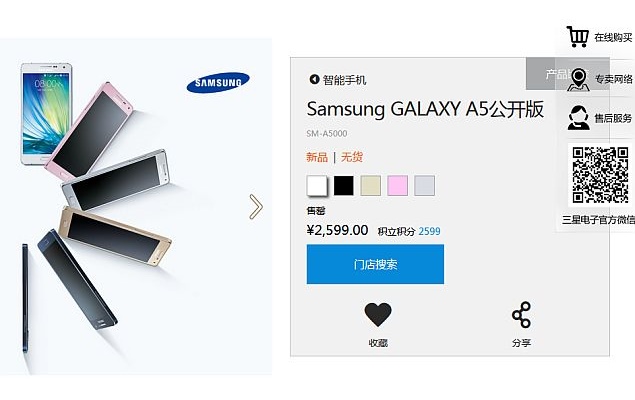
    The dual-SIM version of the Samsung Galaxy A5 is now listed on the company’s official China website for CNY 2599 (which translates to Rs. 26,000 approximately). While Samsung has listed the Galaxy A5’s pricing on the website, it does not provide an online purchase option and, instead, guides users to retail stores.

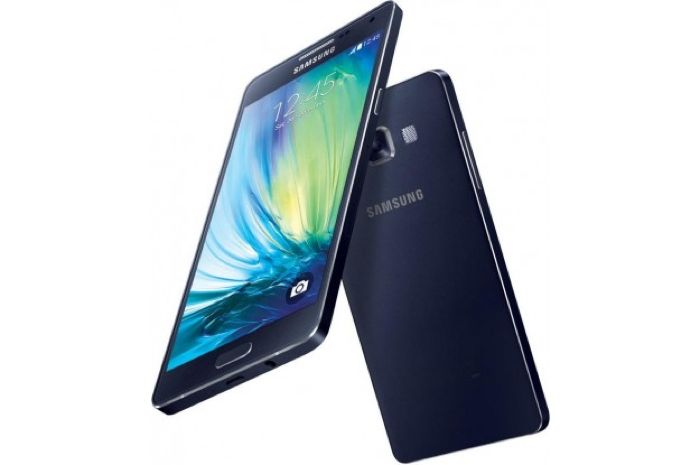
    As far as the specifications of the A5 are concerned, the phone sports a 5-inch display with HD (1280×720 pixels) screen resolution. Under the hood, a 1.2GHz quad-core Snapdragon processor runs the phone, paired with 2 GB of RAM, and 16 GB of internal storage, which can be expanded via microSD card. On the camera front, the phone packs a 13-megapixel shooter at the rear and a 5-megapixel snapper upfront. It comes with a 2,300mAh battery to keep the device running. On the software front, the phone comes with Android 4.4.4 KitKat out of the box. The phone will be available in five colour variants.

    samsung_galaxy_a5_dual_sim_china_with_price_screenshot_official

    The website hasn’t listed the Galaxy A3 as yet, but we expect that the company will also offer a dual-SIM variant of the smartphone, just like Galaxy A5. Samsung has started selling the Galaxy A5 in China as announced during the launch event. As for now, there is no news of its availability outside China, however, we can expect it to launch next month in other markets as well. Samsung is yet to list the smaller but similarly built Galaxy A3.

    Originally, the company planned for Q3 launch for both devices, but because of some difficulties in producing the metal casings for its first full-metal unibody designed smartphones, the company delayed the launch. Earlier this month, a report stated that the rollout of the Samsung’s Galaxy A series was delayed due to the above mentioned problem, but the smartphone would still hit ‘select markets’ including China in November.

  • Meet Flow, A Programmable Wireless Controller to Replace Your Old Mouse

    Meet Flow, A Programmable Wireless Controller to Replace Your Old Mouse

    If the Indiegogo campaign goes right, this new startup aims to replace your desktop mouse for good. Flow, as simply as it is called, is a small gadget that can be paired with your PC, laptop, tablet and can be programmed with shortcuts to your most frequently used actions.

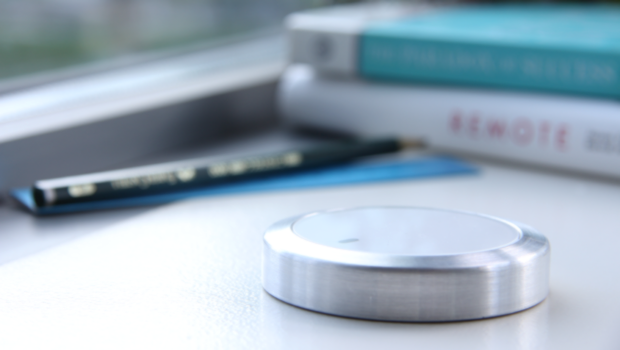
    Created by a team of German hardware designers, Flow can be described as a ‘freely programmable wireless controller’ that combines hand gesture recognition, touch, and haptics in a mobile, hockey puck-shaped design. The idea is to take the core functionality of a traditional mouse and expand it to include much broader capabilities found in touch-based devices, video game controllers, and even motion-and-gesture sensors.

    20141114185544-functionalities

    The device is made from aluminum and stainless steel with a durable polycarbonate touch surface and has a replaceable battery promising four months of charge according to its Indiegogo page. Its sensors enable infrared-based hand gesture recognition, 360-degree angular positioning, capacitive touch and luminosity.

    Flow, according to the makers, offer support for more than 30 applications, including popular ones like Final Cut Pro X, Photoshop, Premiere, SoundCloud, Spotify and YouTube. Flow has been described as a multiuse device which can be used as a traditional mouse with a PC but also to interface with mobile devices and even hung on a wall as a smart device controller.

    At present, most of the information regarding Flow points at its usability with desktops or laptops, but the company also mentioned that there could be support for mobile applications in the future. It measures 70 mm in diameter and 15 mm in height, and ‘connects directly to anything that speaks Bluetooth Low Energy with no additional hardware required,’ according to its makers.

    The designers have launched an Indiegogo campaign to raise $50,000 in seed money. The ongoing campaign has already fetched $19,536 and there is still 40 days left for the campaign. The startup plans to release the product by 2016.

    (more…)

  • Google Rethinking its Sales Strategy for Android One in India

    Google Rethinking its Sales Strategy for Android One in India

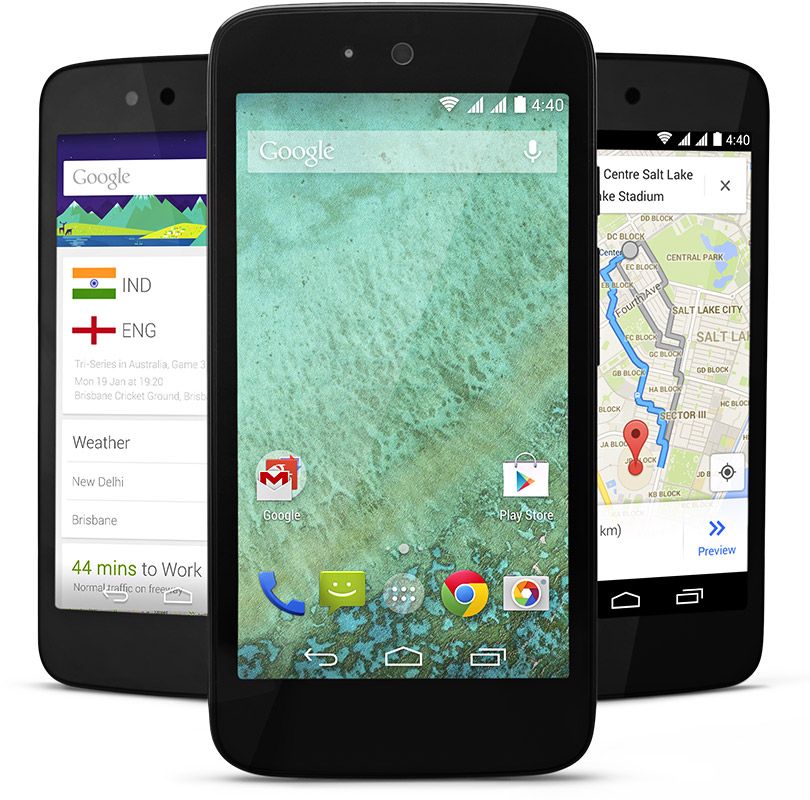
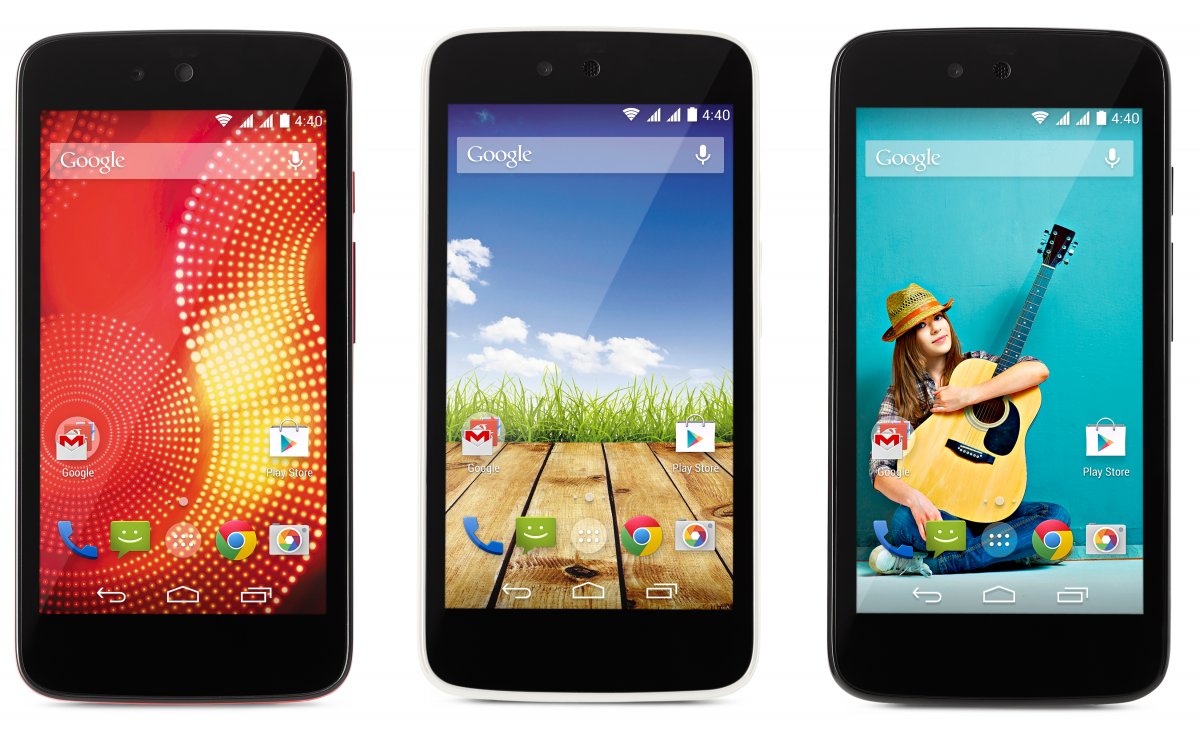
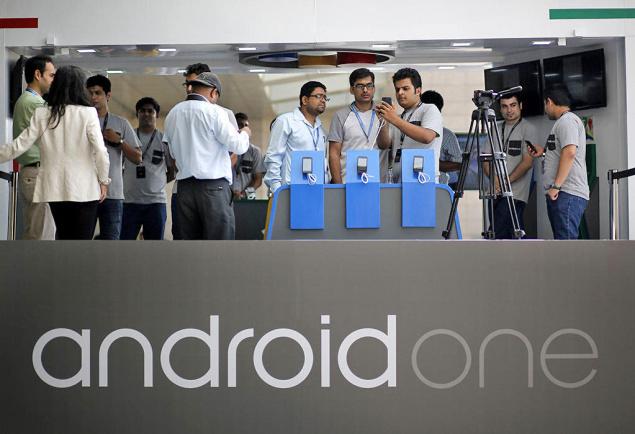
    Google’s Android One initiative has been struggling to get hold of the Indian market since its release. However, the budget segment is so crowded with some amazing smartphones like Moto E, Zenfone 5, Redmi 1S and more that there is simply no space for any other device with same specs.

    Android One’s first and foremost advantage was the Google’s direct involvement, which meant speedy software updates. However, that also seems to go down the drain as Android One devices still haven’t got the Lollipop update. The company launched the Android One in September, but it has faced some challenges in the market.

    image

    Offline retailers have been complaining about low margins for the device. Another big issue was related to its constrained supply. But despite these challenges, around 5 lakh Android One devices have been sold by Micromax, Karbonn and Spice by October-end, according to reports.

    Sandeep Menon, Director of Marketing at Google India, commented on the issue, “We continue to get strong consumer demand. We track things like average number of people walking into stores and asking for Android One devices. From that perspective we are extremely happy. Pricing and margins for retailers are in the hands of the OEM partners but we are constantly engaged with them. Our engineers are working with new suppliers in China to benefit OEM partners in terms of choice and availability.”

    Even though Menon seemed confident about the sales, the recent reports have shown that Android One devices have been struggling to break into the market and haven’t been able to reach sales goal that the company expected. In order to hook more offline consumers, Google is working on creating awareness about Android One’s features through 30,000 brand ambassadors deployed at various retail outlets.

    BL25_IT_ANDROIDONE_2219339f

    According to concerned officials, the demand for Android One has increased further after making the product available in the offline channel. Google is trying to make the device a successful initiative as the global rollout of Android One depends on how the device has performed in India.

    But that’s not a situation Google has to confront for now. “Our global rollout of Android One is as per the original schedule. There’s no change in that,” said Menon, promising that there would be new announcements on Android One over the next few months.

  • Google Adds New Security Feature to Track Devices Using Your Account

    Google Adds New Security Feature to Track Devices Using Your Account

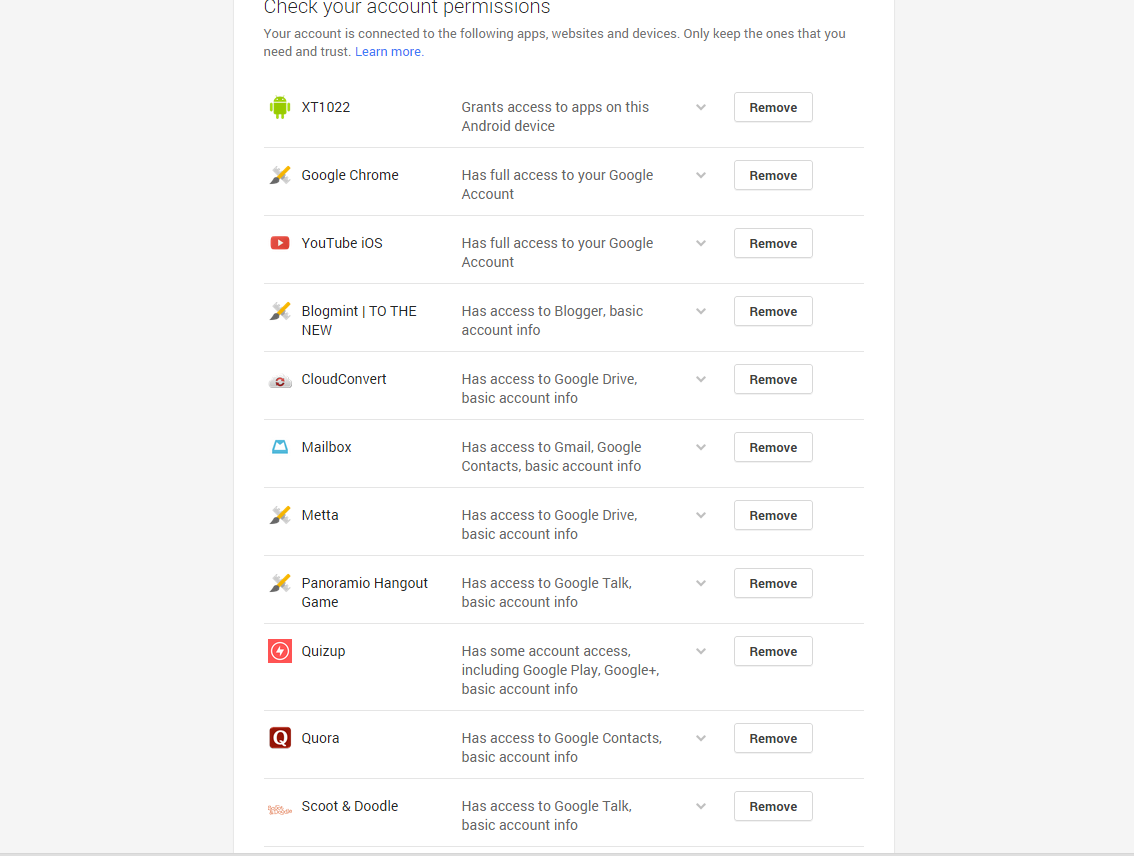
    Well, do you remember from how many devices you have accessed your Google account; obviously, no. With the growing number of devices, it is common to see people accessing their Google accounts from multiple devices and later forgetting them. Google’s new Security dashboard will help you keep a track of the devices that still have access, and also will let you cut down the list right from your browser.

    Screenshot 2014-11-25 11.33.33

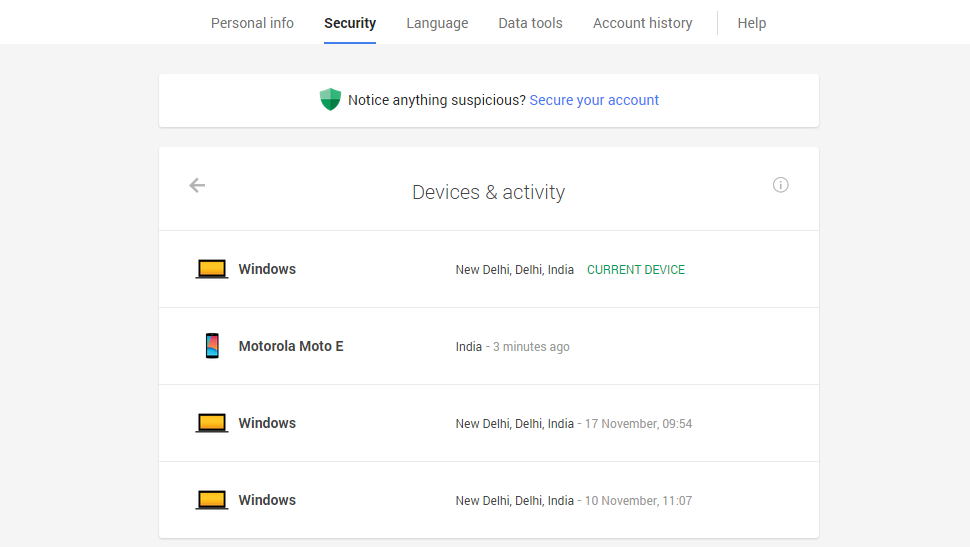
    Google has added this feature to improve the security measures in ‘Google for Work’, the company’s suite of enterprise business services. However, this feature is available for every account be it a personal one or the business one. The new feature called ‘Devices and Activity dashboard‘ can be seen within the Google Account’s Security settings and it gives you a full rundown of every single device that has had access to your Google Account for the last 28 days.

    Screenshot 2014-11-25 11.29.53

    From the dashboard, you can manually revoke access to any device or just leave it if everything looks fine to you. The details include the last time the account was accessed, location from where it was accessed, as well as the web browser that was used to open the account. Users are also given a single-click option to revoke a device’s access from their account.

    If you click on the device, it will show you a list of browsers, the device model, and the account access type. If there’s no Google Account activity in the past 28 days for a given device, Google recommends removing its account access. However, Google no longer displays certain information, like IP addresses and browser versions.

    Screenshot 2014-11-25 11.30.13

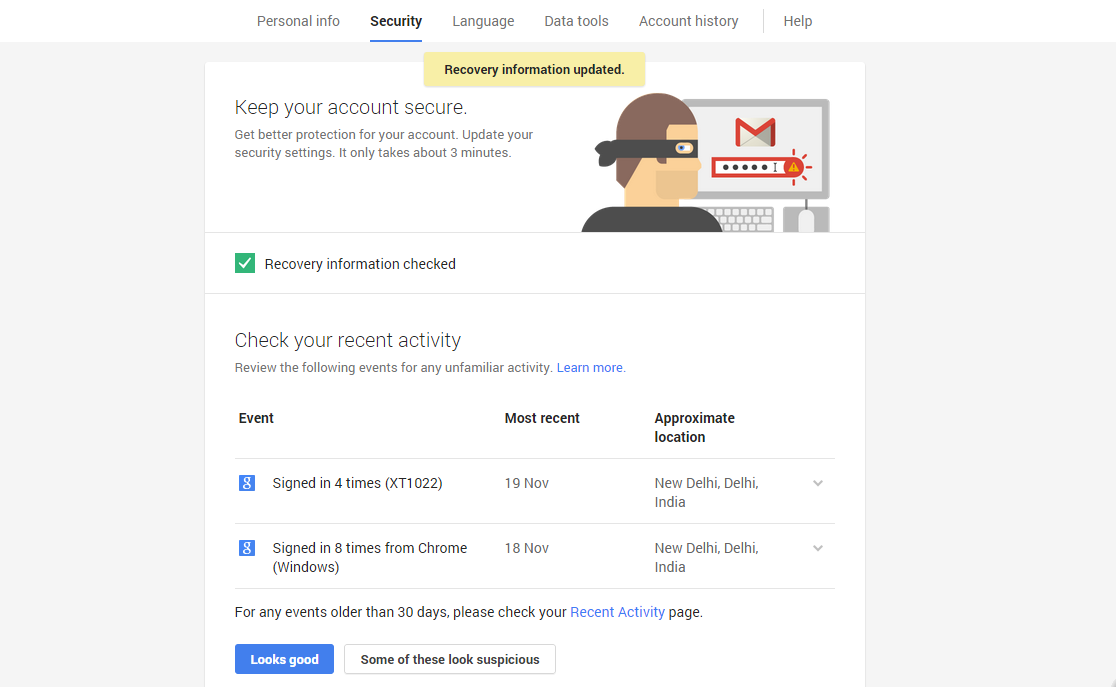
    Google has also added a new Security Wizard which guides Google users through steps they can take to turn on or adjust security features. These can range from providing contact info for account recovery (if the domain security policy allows it) to reviewing recent account activity and permissions. Google claims that running the wizard ‘only takes minutes’ and is meant as a way to encourage users to update their settings.

  • Panasonic Launches Eluga I to Take on Zenfone 5 in India

    Panasonic Launches Eluga I to Take on Zenfone 5 in India

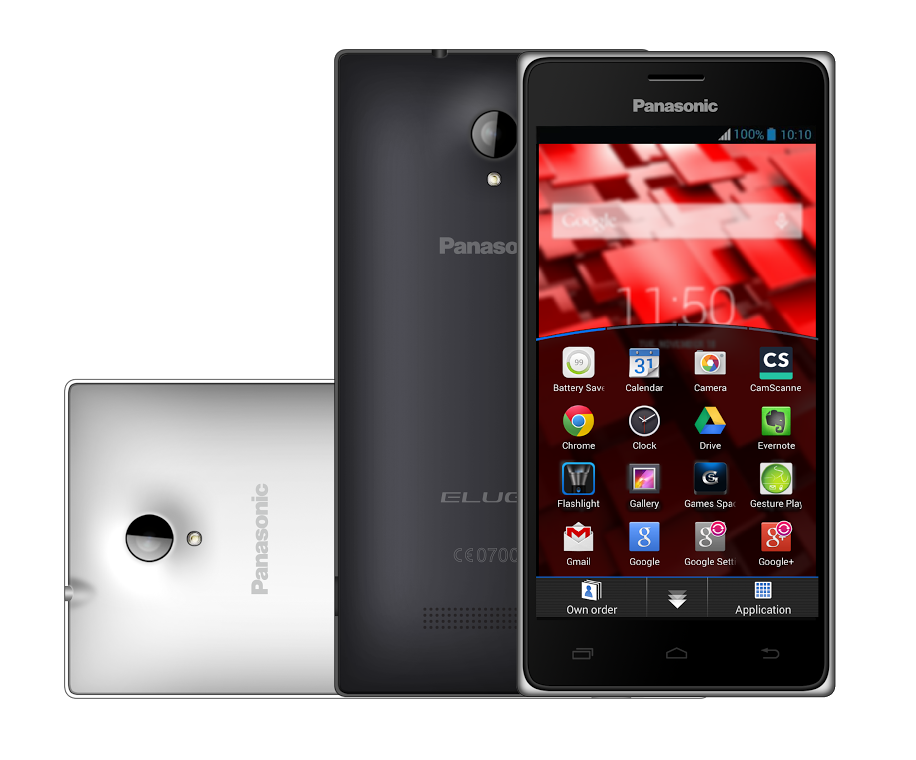
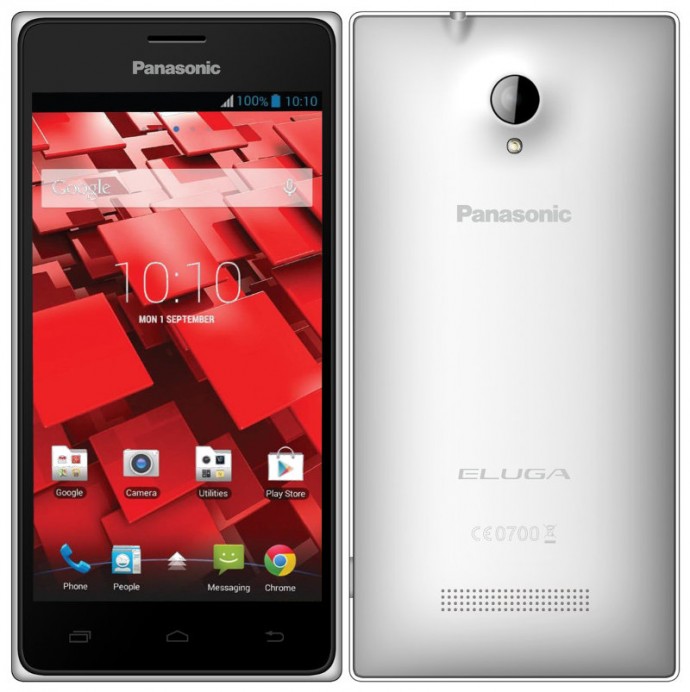
    Panasonic has just added another smartphone called Eluga I. The company has announced that the new Eluga smartphone will come bundled with a free screen guard and a flip cover. The Panasonic Eluga I has already gone on sale via an online retailer ahead of the company’s official announcement. The Panasonic Eluga I comes in silver and white colours and is priced at Rs. 10,990 online.

    The phone is a direct competitor to the highly popular Asus Zenfone 5 and features almost similar specs. The sleek Eluga I sports a 5-inch IPS display of 720p resolution and its raised curve display panel facilitates better viewing angles and makes longer viewing ‘strain-free’ for eyes. Powered by quad-core (1.3 GHz) processor, the new phone runs on Android 4.4.2 KitKat operating system, proving an immersive Android experience along with Panasonic’s Fit Home User Interface (UI) designed for single hand operation.

    Panasonic-Eluga-I1

    It has 1 GB of RAM and 8 GB of internal memory, which can be expanded up to 32 GB, this where it lag behind the Zenfone with sports 2Gb of RAM . The company has also introduced the ‘Smart Swipe’ functionality with Eluga I, wherein a combination of number of fingers and direction of swipe can help users perform various predefined functions, providing ease of access, however, there is nothing new about it and smart swipe seems to give more trouble than helping in getting things done.

    In addition to this, the smartphone comes with an 8MP rear camera with LED flash and 1080p video recording capabilities. The 2 MP front camera, which is quite usual in this price range. The device sports 2000mAh battery which almost same as the Zenfone 5. Earlier this month, Panasonic launched its selfie-focused Eluga smartphone, the Panasonic Eluga S priced at Rs. 11,190.

  • Apple Watch and Selfie Stick are Some of Time Magazine’s Best Innovations of 2014

    Apple Watch and Selfie Stick are Some of Time Magazine’s Best Innovations of 2014

    Time magazine has released a list of 25 best innovations of 2014 featuring Apple Watch, Selfie Stick, Mangalyaam, Blackphone, Microsoft Surface Pro 3 among others.

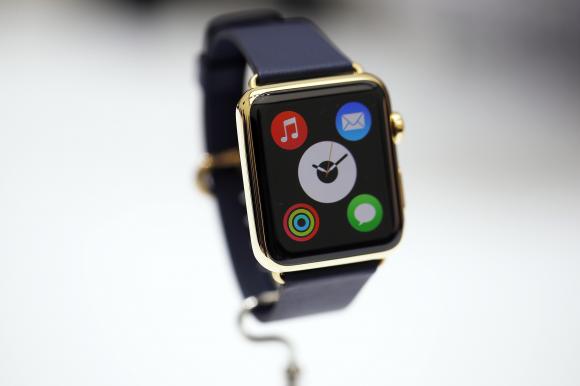
    Apple Watch ‘wholly reimagines the computer for the wrist, using a novel interface that combines a touch screen and physical buttons’, the magazine said, noting that it can send messages, give directions, track fitness, and can even make wireless payments. The smartwatch is expected to be available early next year at a starting price of $349.

    File picture shows the new Apple Watch during an Apple event at the Flint Center for the Performing Arts in Cupertino

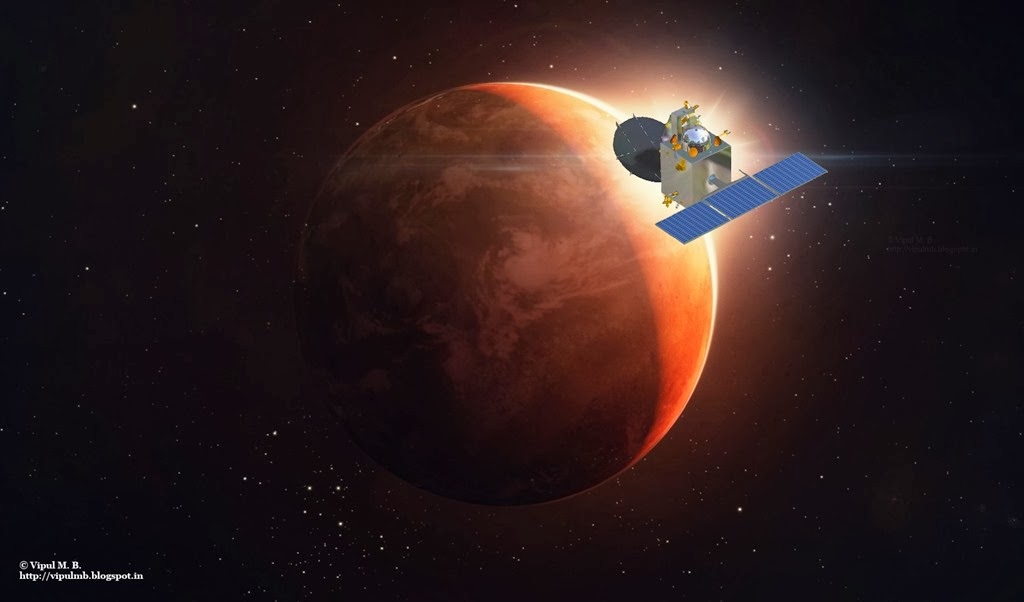
    Mangalyaam also made it in the list, with the magazine describing it as ‘The Supersmart Spacecraft’. Time said, “Nobody gets Mars right on the first try. The US didn’t, Russia didn’t, the Europeans didn’t. But on September 24, India did. That’s when the Mangalyaan…went into orbit around the Red Planet, a technological feat no other Asian nation has yet achieved.”

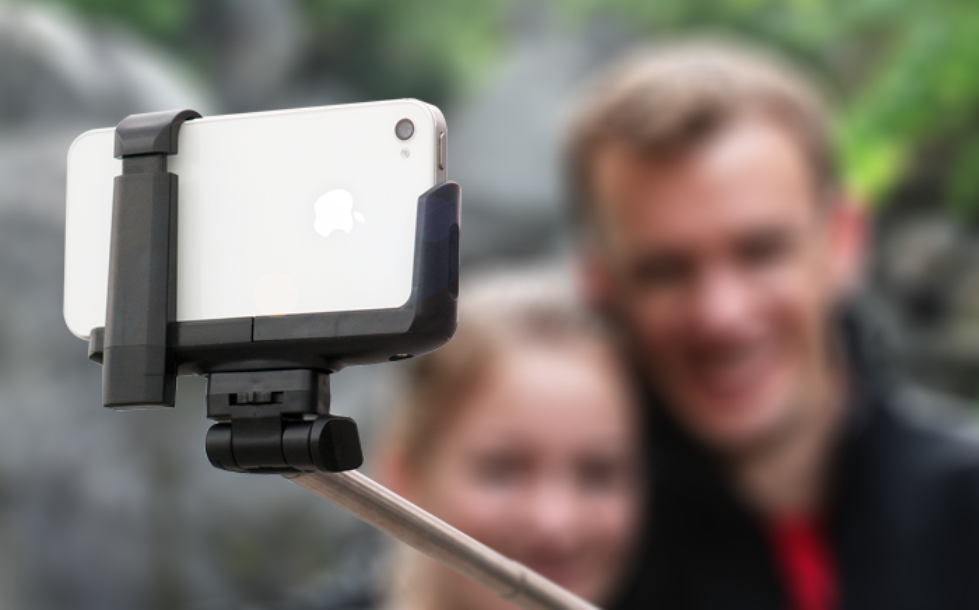
    One of the most interesting innovations that the list included was the Selfie Stick. It facilitates taking a selfie from an angle of your choice by positioning your smartphone beyond the arms’ reach. “If 2013 was the year in which selfie became a buzzword, then 2014 was the year selfies became a cultural phenomenon,” Time said, indicating that the new-found infatuation with selfies matured within a year.

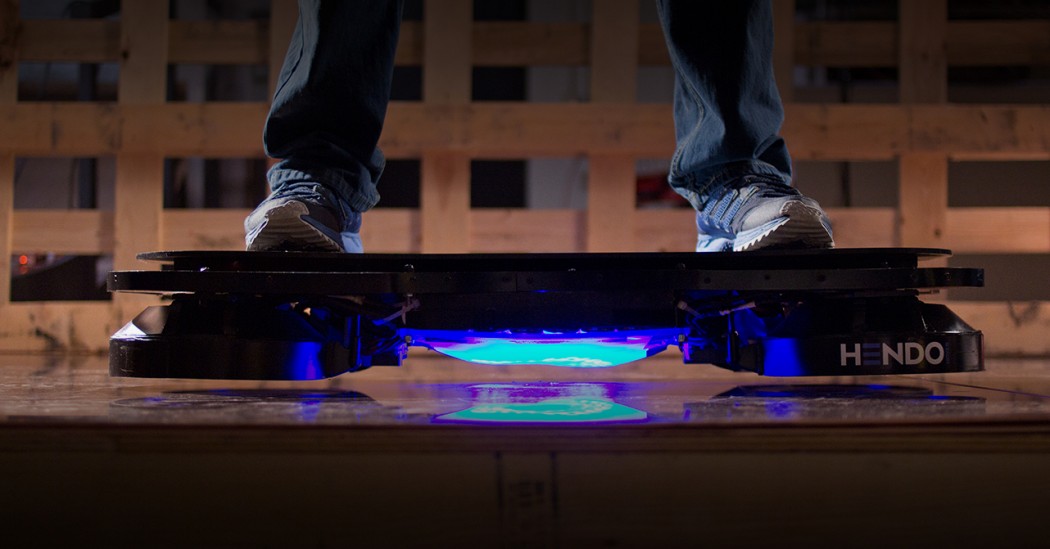
    Along with this, Hoverboard, Back To The Future inspired skateboard that levitates like a magic carpet, also made it to the list. Granted, there are caveats. Hendo’s hoverboard can float only an inch or so above the ground, and only over conductive materials like copper or aluminum. Just 10 are being made so far. The battery life of the hoverboard is 15 minutes—barely enough time to zoom past your enemies à la Marty McFly.

    hero-1050x549

    But the technology that powers it could be revolutionary. Using the $450,000+ it raised on Kickstarter, Hendo Founders Jill and Greg Henderson plan to develop magnetic ‘hovering’ technology to stabilise buildings during earthquakes, protect valuable works of art and more. “The hoverboard is the first step to bringing this technology to the world,” says Greg.

    Other than this, 3D printing, wireless electricity, Blackphone, BMW i3, Microsoft Surface Pro 3 also made to the Time magazine’s list of 25 Best Innovation of 2014.

  • Apple to Donate Retail Revenues For World AIDS Day

    Apple to Donate Retail Revenues For World AIDS Day

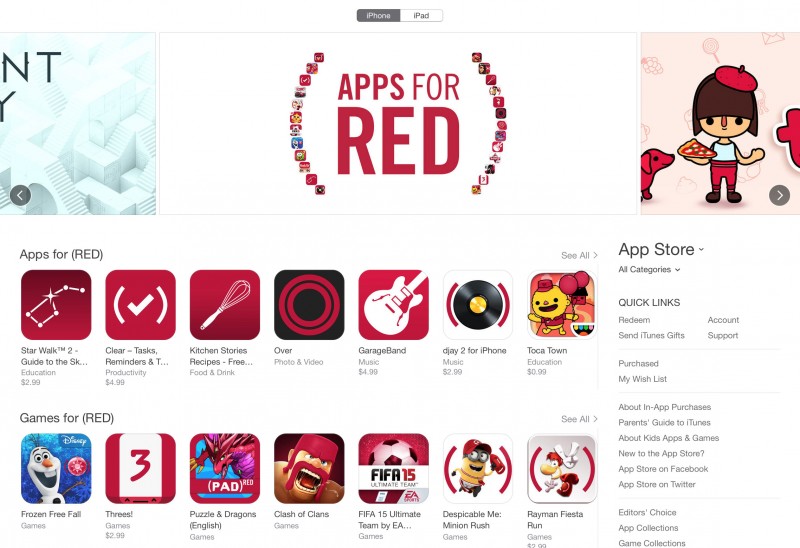
    Apple is extending hands to make the globe an AIDS-free place. Starting from today, Apple has launched a campaign for World AIDS Day 2014 to help (PRODUCT)RED. During the campaign, the company will offer special ‘Apps for (RED)’ section in the App Store that will contain 25 apps with exclusive new content that will benefit the Global Fund to fight AIDS.

    For two weeks, Apple and the participating developers will donate all global proceeds from downloads as well as in-app purchases to the Global Fund. The effort is one in a series of promotions the American multinational giant is doing during the holiday season with (RED). On Friday, 28th November, the Apple customers in the US will receive gift cards after purchasing selected Apple products. And on Monday, 1st December i.e. World AIDS Day, the company will donate an undisclosed percentage of its retail and online sales to the Global Fund.

    appsforred-apple

    “Apple is a proud supporter of (RED) because we believe the gift of life is the most important gift anyone can give,” said Tim Cook, Apple’s CEO. “For eight years, our customers have been helping fight AIDS in Africa by funding life-saving treatments which are having a profoundly positive impact. This year we are launching our biggest fundraising push yet with the participation of Apple’s retail and online stores, and some of the brightest minds in the App Store are lending their talents to the effort as well.”

    The ‘Apps for (RED)’ campaign in the App Store will run from Monday, 24th November to Sunday, 7th December, and will include special versions of apps like Angry Birds, Clash of Clans, djay 2, Clear, Paper, and more. Apple and (PRODUCT)RED have worked together for a number of years, and the latter organisation announced in June that Apple has made a contribution of $75 million. Throughout the history of their partnership, Apple has released a number of (RED) devices including iPod nano and shuffle, iPad Smart Cover, iPhone Bumper, and iPhone cases. With every (RED) product bought, Apple will donate a portion of the purchase amount to the charity.

  • Apple iPad Air 2 and Mini 3 Up for Pre-Orders in India

    Apple iPad Air 2 and Mini 3 Up for Pre-Orders in India

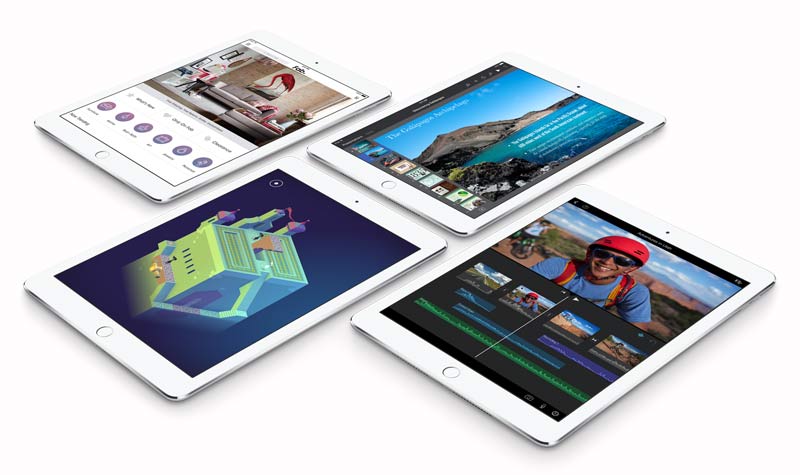
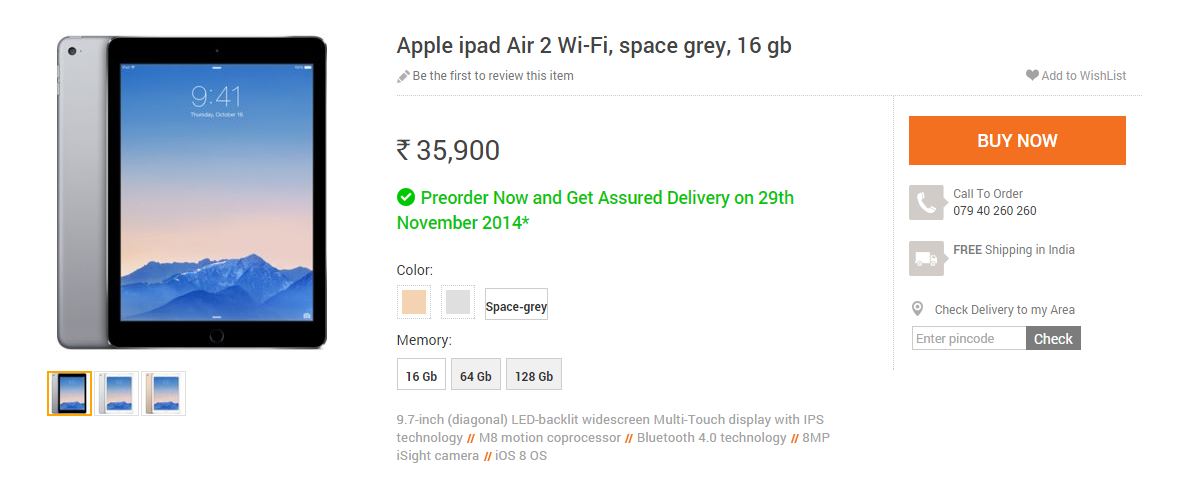
    The latest Apple iPad Air 2 and iPad mini 3 are up for pre-orders now. Apple has partnered with Flipkart and Infibeam to sell its latest iPad Air 2 and iPad mini 3 in India and these e-commerce retailers are accepting pre-orders for 16 GB, 64 GB and 128 GB versions of both the devices. The delivery starts from 29th November onwards.

    The new iPad Air 2 with Wi-Fi model is priced at Rs. 35,900 for the 16 GB capacity, Rs. 42,900 for the 64 GB and Rs. 49,900 for the 128 GB. While the Air 2 with Wi-Fi + Cellular will be available for a suggested retail price of Rs. 45,900 for the 16 GB version, Rs. 52,900 for the 64 GB and Rs. 59,900 for the 128 GB.

    infibeam

    The new Apple iPad mini 3 with Wi-Fi model costs Rs. 28,900 for the 16 GB, Rs. 35,900 for the 64 GB and Rs. 42,900 for the 128 GB model. On the other hand, iPad mini 3 with Wi-Fi + Cellular model is priced at Rs. 38,900 for the 16 GB, Rs. 45,900 for the 64 GB and Rs. 52,900 for the 128 GB version.

    Infibeam has announced the availability of the iPad Air 2 for delivery in Mumbai, Delhi, Ahmedabad, Chennai, Bangalore, Jaipur, Hyderabad, Noida, Gurgaon, Pune, Faridabad, Secunderabad and Nagpur, while Flipkart is not promising any date for delivery right away.

    The new refreshed Air is 18 percent thinner with a thickness of just 6.1 mm. As expected, it is powered by the new Intel A8x Chip, a 2nd gen 64-bit architecture, which is 12 times faster than the current one. Apple claims that the graphics performance of the new iPad Air 2 is 180 times faster, which gives console-like gaming experience.

    ipad mini 3
    iPad mini 3

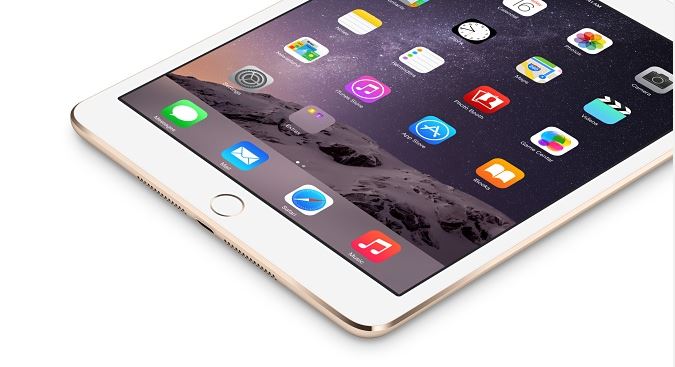
    On the other hand, the iPad mini 3 is a minor upgrade over the last year’s iPad mini 2. It features a 7.9-inch (2048×1536 pixels) display and is powered by a 64-bit A7 dual-core processor paired with M7 co-processor and 1 GB of RAM. It also features a 5-megapixel rear camera, 1.2 megapixel front camera, a battery that is good enough and lasts up to 10 hours, and a TouchID sensor. On the software front, it too runs on iOS 8.1.

  • “India is Xiaomi’s Most Important Overseas Market” Says CEO Lei Jun

    “India is Xiaomi’s Most Important Overseas Market” Says CEO Lei Jun

    The four-year-old Chinese smartphone company Xiaomi has become one of the most talked about smartphone maker in Indian tech industry. With high-end specs and low costs, the company has managed to create a huge market for itself in our country.

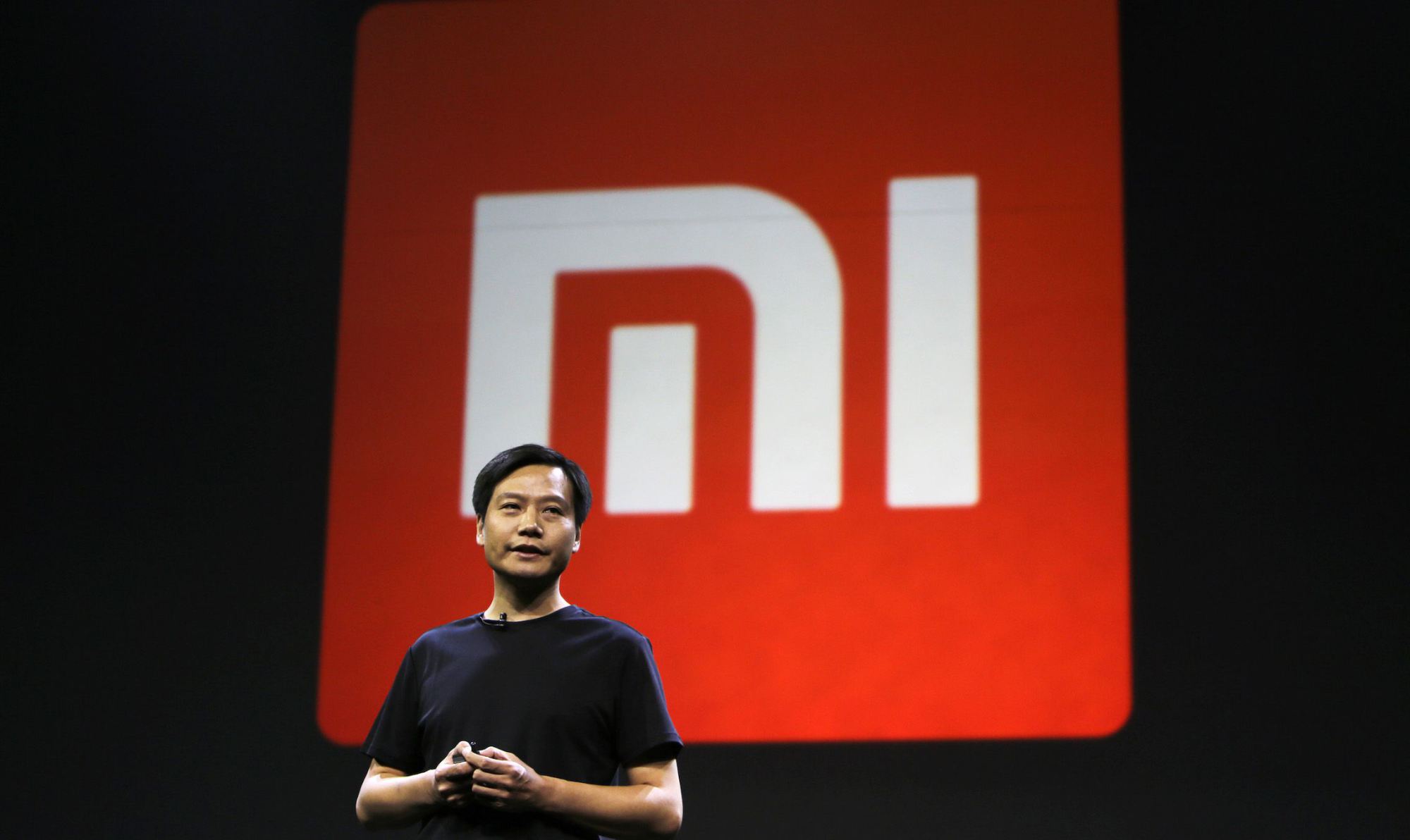
    Xiaomi’s chairman and CEO Lei Jun at the recent World Internet Conference commented on ‘how India has become the most important overseas market for Xiaomi. Jun also shared the company’s strategy to become world’s largest smartphone maker.

    The panel attending World Internet Conference on ‘Creating an Online Global Village Together’ included tech heavyweights like LinkedIn Chairman Reid Hoffman, Nokia CEO Rajeev Suri, Baidu President Zhang Yaqin and China Telecom Chairman Wang Xiaochu.

    Talking about India as a market place, Jun said, “India is becoming our largest overseas market.” Its smartphones offering tempting specifications at an affordable price range have been lapped up by buyers.

    redmi note
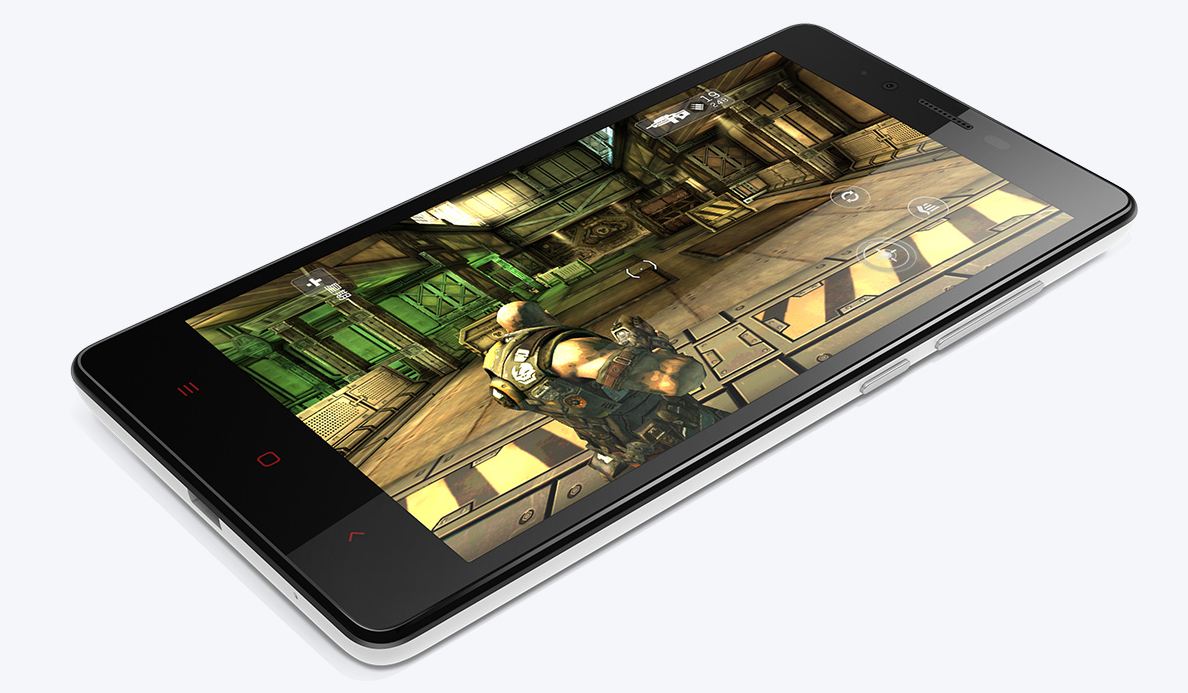
    Xiaomi is hosting an event today in Delhi where it will unveil Redmi Note before it reportedly goes up on sale next week.

    Even though, the company has been criticised for the limited availability of its products and privacy related issues, the smartphones have been seen flying out of shelves in a matter of seconds during the flash sales every Tuesday.

    CEO Lei Jun showed up late for the conference which made up the headline of various publications. At the same time, the company was hosting a press conference in Beijing to announce that it and Shunwei Capital (of which Lei is also chairman) are investing $300 million in Baidu’s IQiyi.com video website. It’s all part of Lei’s plan to plow $1 billion into video content to help bolster sales of Xiaomi’s Internet-ready televisions and set-top boxes.

    “I believe that no one thought the Xiaomi from three years ago, which just made its first phone, would later rank as the third largest player,” Jun said. “Within five or 10 years, we have the opportunity to become number one smartphone company in the world.”

    The company has a stronghold on the Indian market already with its current offerings Mi3 and the entry-level Redmi 1S. Xiaomi is now planning to launch the Redmi Note in India. It is hosting an event today in Delhi where it will unveil the phablet, before it reportedly goes up on sale next week.

  • Amazon Reportedly Planning to Launch Free Video Streaming Service With Ads

    Amazon Reportedly Planning to Launch Free Video Streaming Service With Ads

    Amazon CEO Jeff Bezos is set for a fresh move on video-streaming space. Since last year, Amazon has been gaining ground on Netflix as the most popular video streaming service in the US, and now it is planning something that could overtake its rival.

    According to reports, the e-commerce giant will roll out a new ad-supported streaming offering early next year that will be separate from its $99-a-year Prime membership that includes a video service.

    The ad-supported option — part of an overhaul of its media offerings — poses a serious challenge to streaming rivals such as Hulu and Netflix, analysts said. “If they do an ad-supported service, they will decouple it from Prime and that is a Netflix killer,” said Wedbush Securities Analyst Michael Pachter. “It won’t be $99 a year.”

    In March, the WSJ came up with a similar report describing a free, ad-supported video service from Amazon. At the time, the company flat-out denied that this was happening. “We’re often experimenting with new things, but we have no plans to offer a free streaming-media service,” an Amazon spokeswoman told Variety in response to the WSJ report. The NYP report notes that the ad-based service is ‘a definite go’ but does not specify a launch date.

    Although it will be separate from Prime, the ad-supported service is ultimately a bid by Amazon to lure people to eventually pay up for the Prime membership, said one ad source familiar with Amazon’s plans. However, the company has not confirmed anything and said it has not announced any plans to offer an ad-supported video streaming service. That doesn’t mean that the company won’t, though. This essentially means that they won’t comment on this particular subject.

  • Google Maps 9.1 Update Adds Destination Info, Alternate Routes and More

    Google Maps 9.1 Update Adds Destination Info, Alternate Routes and More

    A month ago, Google Map received the Material Design makeover and revamped the in-app restaurant reservations for good measure (only in the US). Now, a new version is rolling out with much-needed new navigation tools.

    Earlier, the update to Google Play services was rolled out by the company. This update brought Play services to version 6.5 and added improvements to Google Maps, Google Wallet, Google Drive and Google Fit. The majority of the update was aimed at Maps, bringing additional features which allowed third-party apps to take advantage of a more seamless integration with Maps.

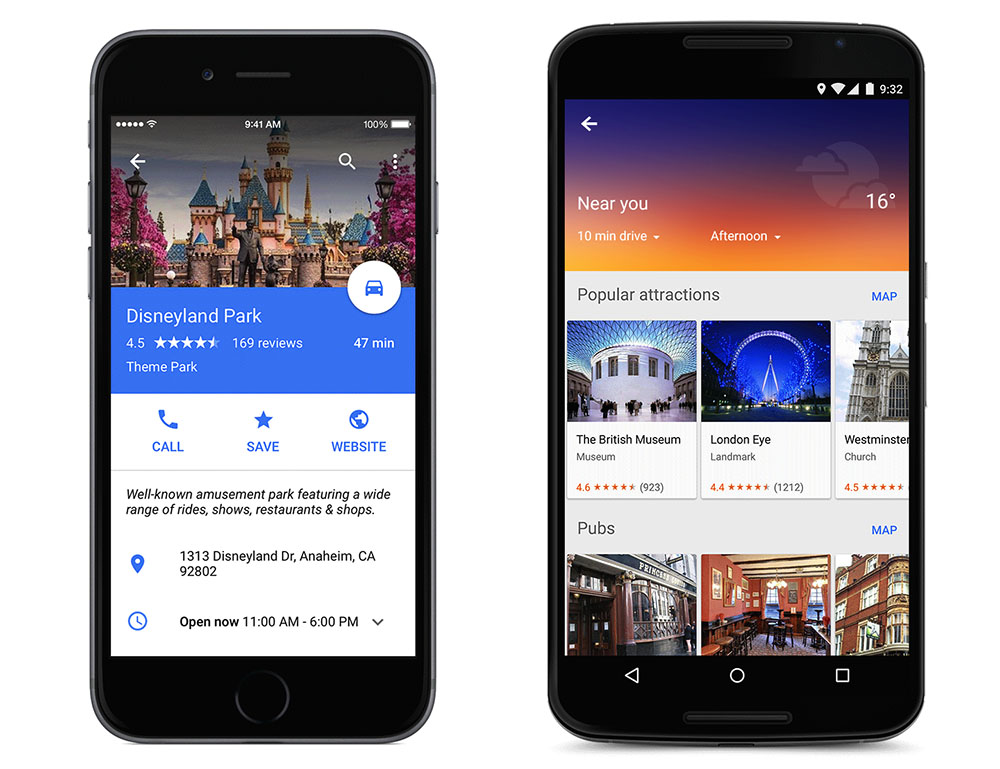
    Now, in addition to letting you know exactly how much time that alternate route will save, the app will display estimated time, weather and a smattering of facts about your destination. Google has also added the ability to show and hide traffic with a simple voice command. Of course, there are also some features hiding under the surface and to know that, you have to juggle with the app yourself.

    Google Maps 9.1 will also offer improved rerouting options, telling users how much time can be saved by rerouting, and offering ‘route-around’ alerts for closed roads. The application will also offer transit schedule changes for early or late arrivals.

    If Google Maps is your go-to app for checking out hotels, restaurants, or scanning other cool stuff, then these new features could save a couple of steps by putting them all in one app. Google is working to make Maps the all-in-one travel and destination tool so that you don’t have to check out competitors like Yelp for information.

    The 9.1 version will be rolling out soon to your device, however, the apk for the new version is available here.

  • Google is Offering $240 Worth Cloud Data Free With Chromebooks

    Google is Offering $240 Worth Cloud Data Free With Chromebooks

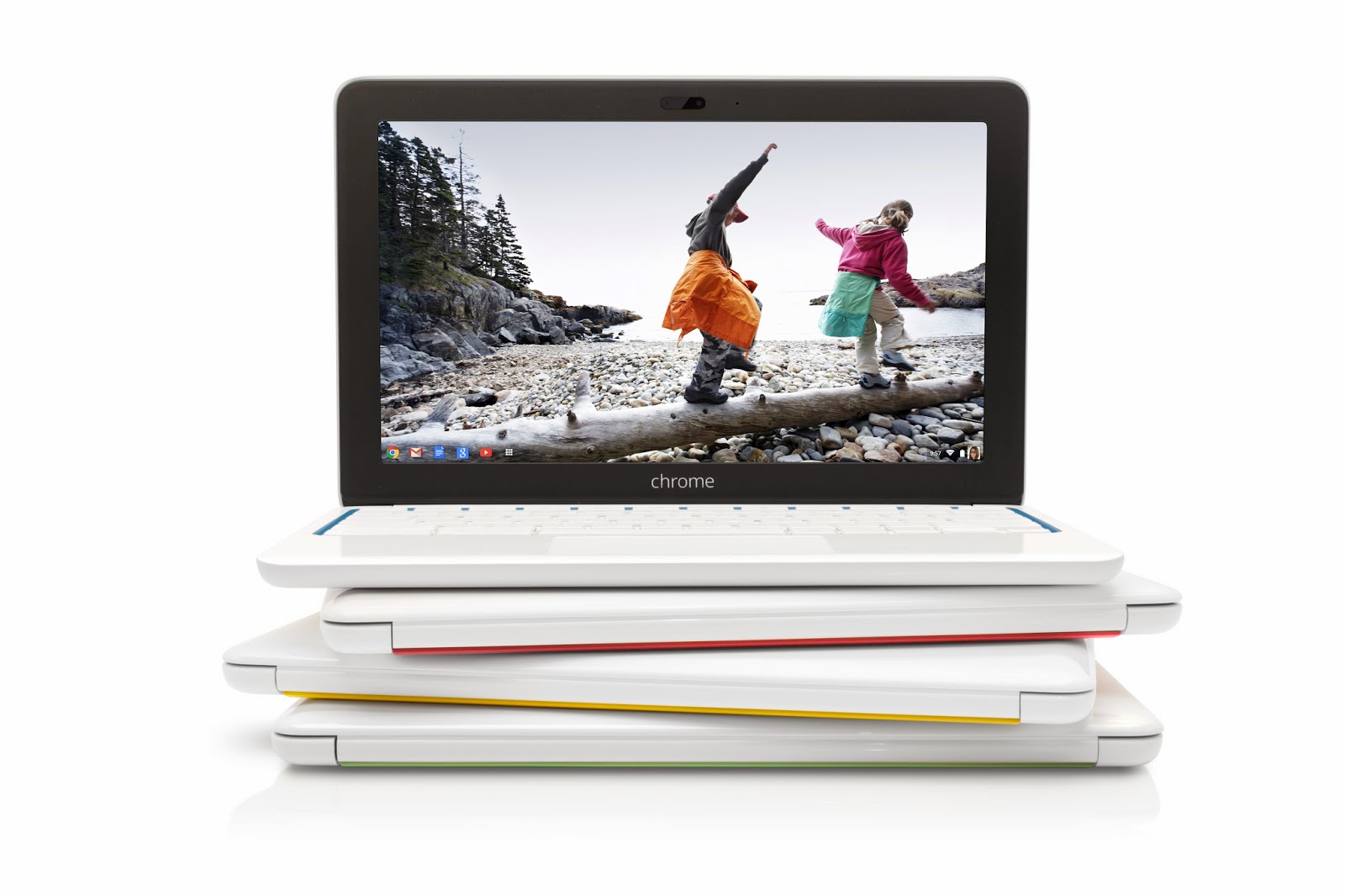
    Chromebooks are basically Cloud-driven netbooks, which according to most industry watchers is the future of computing in both consumer and enterprise ecosystem. Even though, we have seen a serious price cut on the Cloud data this year, there’s nothing better than free.

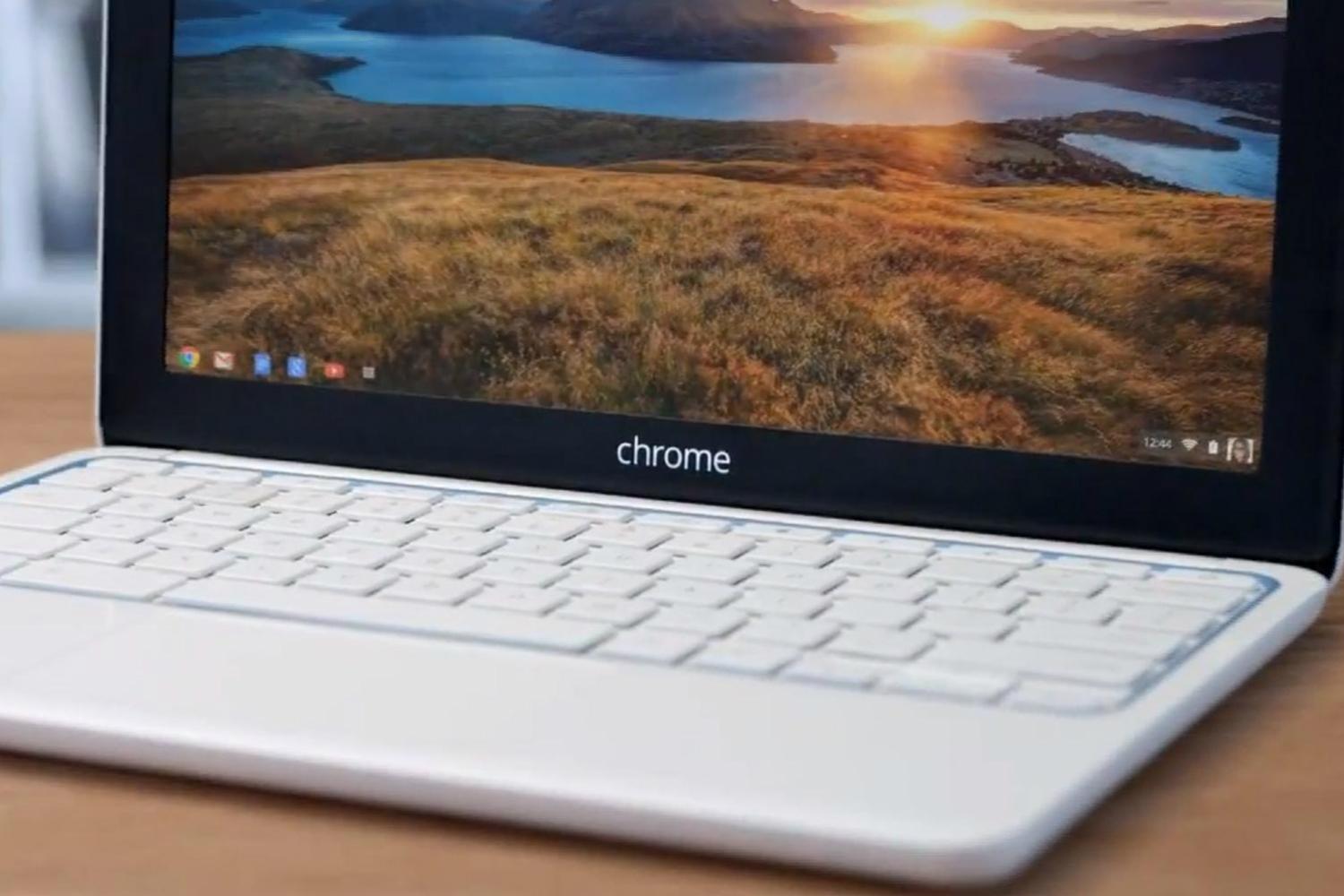
    Google, wooing customers this holiday season, is offering new Chromebook buyers 1 TB of Google Drive storage to go along with their purchase for two years. To take advantage of the deal, you just have to buy any new Chromebook between now and 1st January, 2015.

    Chromebooks run Chrome OS, an operating system based on the Chrome web browser. Everything you want to do on your Chromebook, you have to do on the web. So, instead of saving your Microsoft Word document on your desktop, you use Google Drive to store your docs, spreadsheets, slides etc. in the Cloud. And for that reason, the free data is a sweet deal. That amount of space would usually cost you almost $240.

    8_HP_Chromebook_11_Color_Stack

    Google said, “Chromebooks make day-to-day computing fast, simple and secure, whether you’re searching for a great pumpkin pie recipe or sharing a family photo from Google Drive. And now, as a bonus for the holiday season, new Chromebook buyers can get 1 TB of Google Drive storage for two years – a $240 value – absolutely free. That’s enough space to keep more than 100,000 awkward holiday sweater pics safe and shareable in Drive. With that much free storage, you can use your Chromebook for work, play and pretty much everything else you’ll do this holiday season.”

    Chromebooks like Acer’s C720 start at $199, though you’d do well to spend more money and get more than 2 GB of RAM. If the Cloud model doesn’t work for you, a new class of cheap Windows laptops like HP’s Stream have been creeping down into the $200 price category lately.

  • OnePlus Founder Explains Why it’s so Hard to Get the One

    OnePlus Founder Explains Why it’s so Hard to Get the One

    It would be fair to say that OnePlus One has become a cult smartphone, partly because it is hard to get one. The company has opted quite an unconventional way of selling the exceptional device, the invitation-only system, and not to forget their terribly misguided marketing scheme.

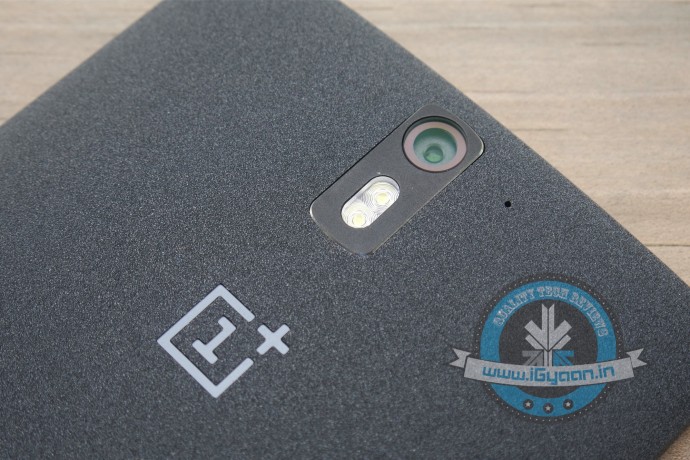
    However, at an expected price of Rs. 25,000 for a 64GB variant, the headaches are worth the wait for smartphone enthusiasts. Having had my share of experience with the One while we were reviewing the device, there is no doubt that the company left no stone unturned in delivering top-end specs with a low-end price and a premium design (especially the Sandstone variant).

    We gave it an impressive 8.7 score saying ‘it is the best phone for its price’, however, there was one problem and that’s its availability. OnePlus founder Carl Pei in an interview with PC magazine explained why is that so. “We set some goals for this year. Thirty thousand was a realistic goal, 50,000 was a pretty good goal and 100,000 was a stretch goal,” he said. “We now aim to ship a million devices this year, and we’ve already surpassed half a million.”

    oneplus-one-igyaan-3

    The problem is to deliver such a product with high-end specs and low-cost, the company has to cut down margins. And because it makes so little money on each phone, it doesn’t want to make more than it can sell. The OnePlus One hasn’t followed the typical rules of phone demand because it is not a usual phone. Typically, when some phone launches, there’s a strong demand for about two months and then it starts tapering off. But nobody’s been able to match the OnePlus One’s price/performance balance, so demand for the phone has just been rising exponentially with time.

    “Sooner or later, it’s going to stop, and we don’t want to be caught with too much inventory. With no margins, we can’t have a situation where we have too many units and we’ll have to discount them. For us, the first year was about survival. We understand it’s been really hard to buy,” Pei said.

    There is a lot of traction between the manufacturer and consumers here as the firm sells its products directly (no middleman involved). However, we need to know that what the company is doing is really difficult. The worst case scenario is if the demand dries out, then they’ve got no chance to recoup with what would be nearly 100% loss. The easy answer is to discount the device, but again the margins are already tight.

iGyaan Network
Privacy Overview

This website uses cookies so that we can provide you with the best user experience possible. Cookie information is stored in your browser and performs functions such as recognising you when you return to our website and helping our team to understand which sections of the website you find most interesting and useful.