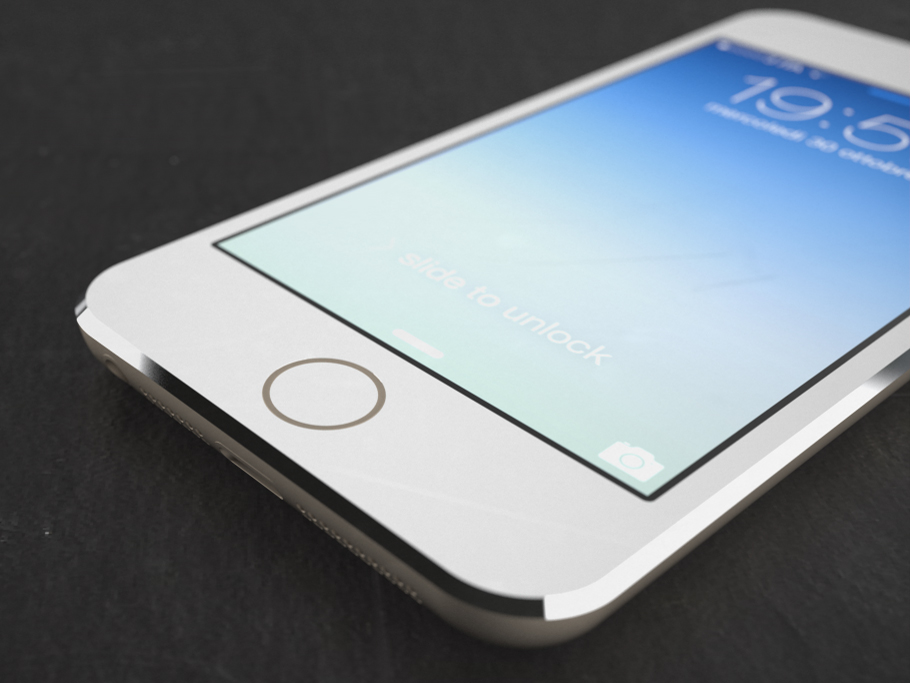
Everyone is eagerly waiting for the rumored September 9th launch of the new revamped iPhone 6. As the date creeps closer, the World Wide Web is flooded with rumours and leaks. The most recent buzz was that the screen of Apple’s new monster was creating problems for the company, and this might delay the launch of the product.
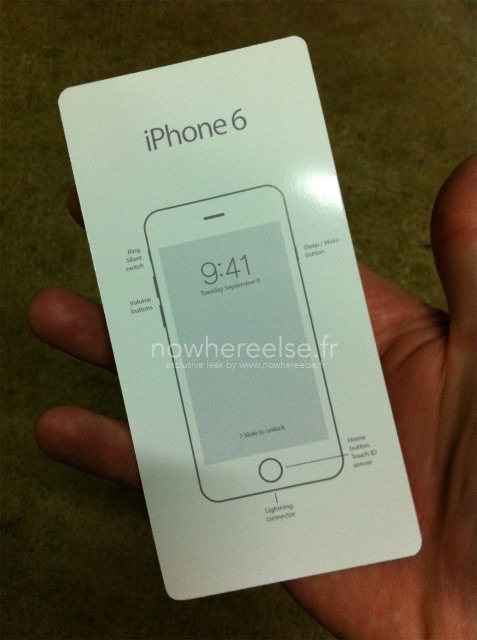
Well, Apple enthusiats can breathe easy, one of the most recent leaked images points to the same predicted date: Tuesday, September 9.
The image is leaked by a French website called Nowhereelse.fr, which has a strong record of getting its hands on new Apple devices before its public unveiling. The image leaked is a shot of the front of the device’s quick start manual. The device printed on the front has a set date of Tuesday, September 9.
It doesn’t come as a surprise, since Apple likes to remain consistent to its history. It typically launches its smartphones in September, and last year, the iPhone 5S and iPhone 5C reared their heads on the second Tuesday of September (10th Sept. to be precise).
If the image is to be believed, the image on the cover of the guide for the presumed iPhone 6 is different than the current model. The shape of the volume buttons have been changed, as have the Sleep/Wake button on the right. The Lightning connector appears to be centered below the home button, which still includes the Touch ID sensor, as marked on the manual.
However, other leaksters have found reasons to believe that this may not be a legitimate product manual. In the past, Apple has used the original product images on the front of the manual. Also, it is said the font is not in line with Apple’s style.
We will only know on September 9th if the image is authentic. The company is expected to launch two devices, the 4.7-inch and 5.5-inch smartphones. Rumors suggests that the name of the large device might be iPhone 6L. Apple is also rumored to include a reversible Lightning cable for the iPhone 6 that allows you to plug it into USB ports from either end. The existing Lightning connector can plug into an iPhone or iPad in any way, but the latest design will bring the flexibility to both ends of the cable.
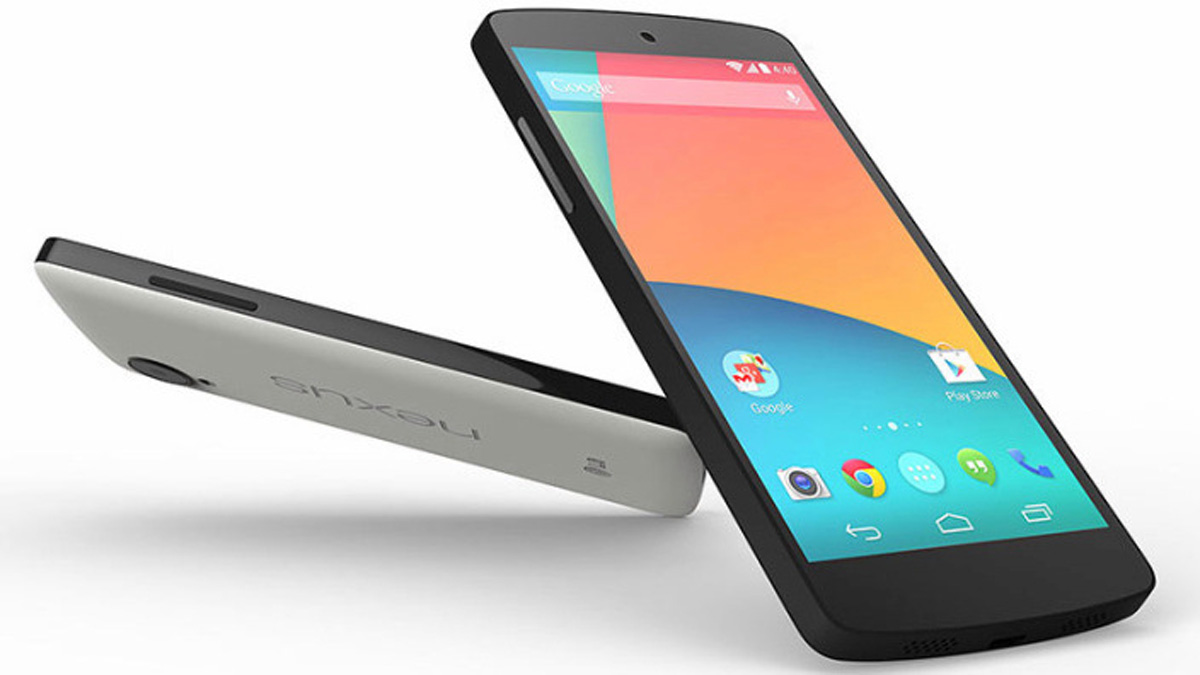
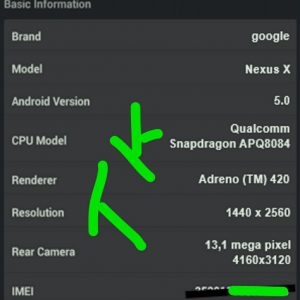
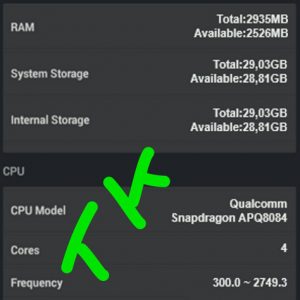
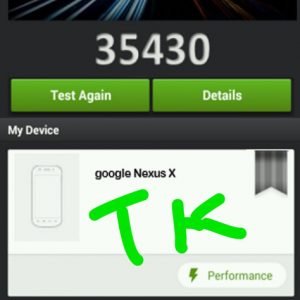
We’ve already established the fact that Google’s upcoming Nexus device will not be called Nexus 6. Also, at this point we’re pretty certain that the device will be brought to us by Motorola. Now, popular tech blog TKTechNews has leaked some interesting information about the upcoming Nexus X. The leaked images show several AnTuTu benchmark screenshots for the handset, which also seem to reveal an important new detail about Android L.
The screenshot reveals the hardware details about the device. The leaked information is in line with the previous reports, which includes a 2K display, 2.7GHz quad-core Qualcomm Snapdragon 805 processor, 3GB of RAM, 32GB of storage and 13-megapixel camera. As mentioned earlier, the AnTuTu app refers the device as Nexus X and the device scored 35,430 in the test.
What’s interesting is that the leaked images of the benchmark lists Android version as ‘5.0’. However, in contrast, other recent leaks had suggested that the new updated version of Android will be called LMP or Lemon Meringue Pie.
The company is yet to confirm what will be the name of the new version of Android once it will be officially launched. Considering that these images are true, this Nexus X benchmark seems to confirm what every Android fan has been waiting for Google to reveal. Android will upgrade itself from Android 4.x (used since Ice Cream Sandwich) to Android 5.x.
Another rumor surrounding the Google’s Nexus X had surfaced recently. According to the leaked Best Buy listing, the Nexus X will be available on Sprint networks for $500 with a two-year contract. The listing for the Nexus X claims that the device has a 5.9-inch Quad-HD display that has a resolution of 1440×2560, a 2.7GHz quad-core processor and the Android L operating system. Google Nexus devices were expected to get an Andoird L update sometime in October followed by Motorola handsets.
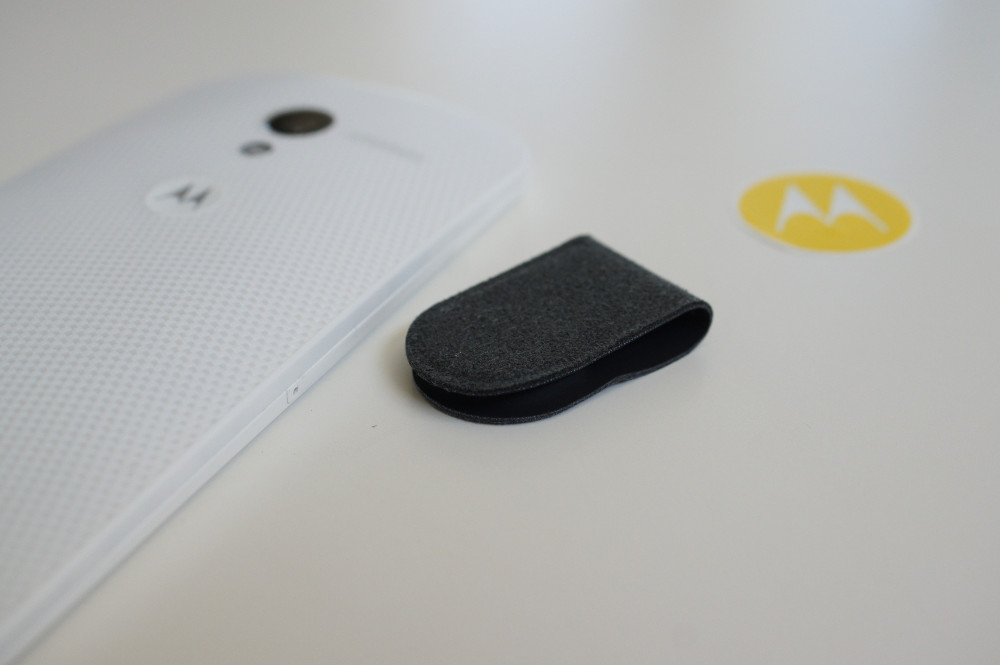
Remember Skip? The petite accessory by Motorola that lets you bypass your phone’s lock screen entirely and “skip” the step of entering a passcode or pattern to use your phone. It was introduced last year alongside Moto X. And now, the word is Motorola is working on the second version of ‘Skip’ which is said to be more useful than its predecessor.
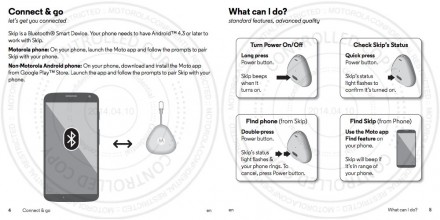
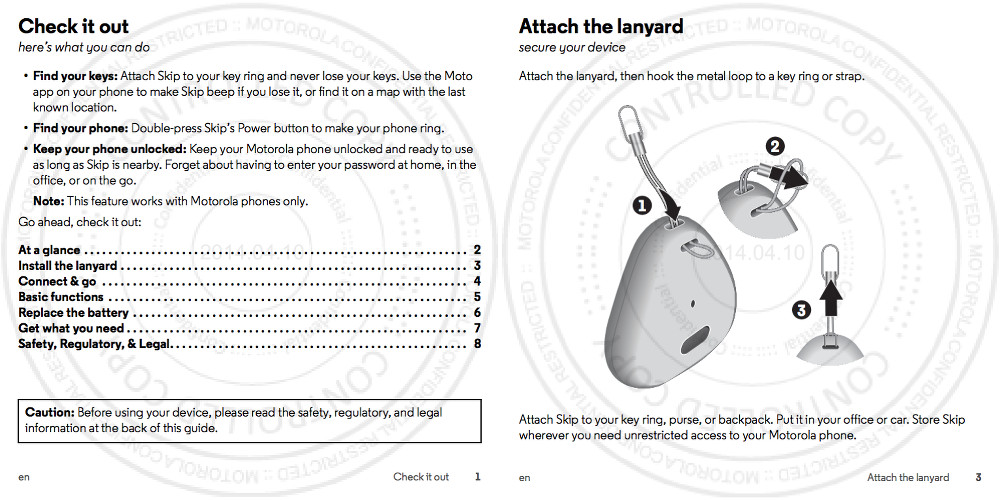
According to new filings at the FCC, the next version of the Skip will use Bluetooth instead of NFC and will become more mature from just being a quick access key to your smartphone. The updated version of Skip will also be capable of helping you locate your misplaced keys if the device is attached to your keychain.
It works the other way round too, double-pressing the power button will make your nearby Android phone ring so it’s easier to locate. This could prove to be of huge help if you’re one of those who always loses their phone. It is pointed out that Motorola is also working on an app which will be available for all Android devices, through which you’ll be able to see where your Skip was last connected.
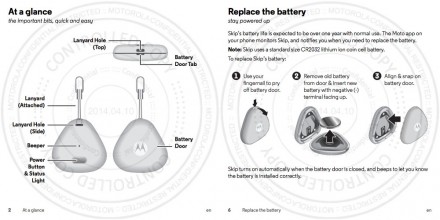
When you get within the range of finding it, Skip will start beeping to help your search. According to Motorola’s user manual, the small device will last about a year on a single battery, and it relies on Bluetooth to pull off most of its functionality.
No information has been made available in terms of pricing or availability. It is said that the probabilities are high that we will see this device at the September 4th event where we expect Moto X+1 and Moto G2 to launch.
Facebook’s picture sharing and recently video sharing social network, Instagram, launched a new standalone iOS app called Hyperlapse. It is an unique and extremely easy way to create time lapse videos using Instagram’s stabilization technology and the mobile device’s camera app.
Timelapse photography is a technique that has been used by photographers for years. Pictures are taken at set interims over a long period and after that accelerated in a video to make it look like time is passing rapidly. However, the traditional method of making a time lapse video includes holding the camera still while you film. Hyperlapse from Instagram features built-in stabilization technology that lets you create moving, handheld time lapses.
Instagram’s video stabilization technology is the result of acquisition of Luma in August 2013. The original Luma app enabled users to edit the stabilization, brightness, contrast and saturation of videos recorded on mobile devices. However, Hyperlapse is a little different from traditional time lapse videos. Time lapse images are taken at designated intervals over long periods and is sped up in the final video, as mentioned above. Whereas, Hyperlapse involves moving a camera across a distance as the images are being shot.
This standalone app was the idea of Thomas Dimson and Alex Karpenko, Instagram engineers. The app became so popular among the the Instagram employees that Facebook decided to launch it as a standalone app rather than as an in-app feature.
Hyperlapse app can record up to a total of 45 minutes per video. Once you are done shooting the video, the app has an option of controlling how fast the video will play with options ranging from 1x speed up to a rapid 12x. Videos are saved to the Camera Roll after it is finalized. The app also has an option to share the video on Facebook and Instagram.
Anyhow, the app is at its nascent stage. There is no option of creating hyper lapse of old videos. Also it doesn’t record the sound or have any option of adding background music to the final cut.
Apple, at WWDC event in June, also announced that the camera app in iOS 8 will have a built-in time lapse feature. The Hyperlapse app is now available for Apple devices that are on iOS 7.0 and higher updates. Instagram plans to build an Android version, but there is no launch date yet. It is being said that Google needs to make some adjustment in the camera APIs before the app can be launched for the Android market.
This is the second standalone app that Instagram launched since it was acquired by Facebook for $1 billion in 2012. Last month, Instagram launched an ephemeral Snapchat-like photo sharing app called Bolt.
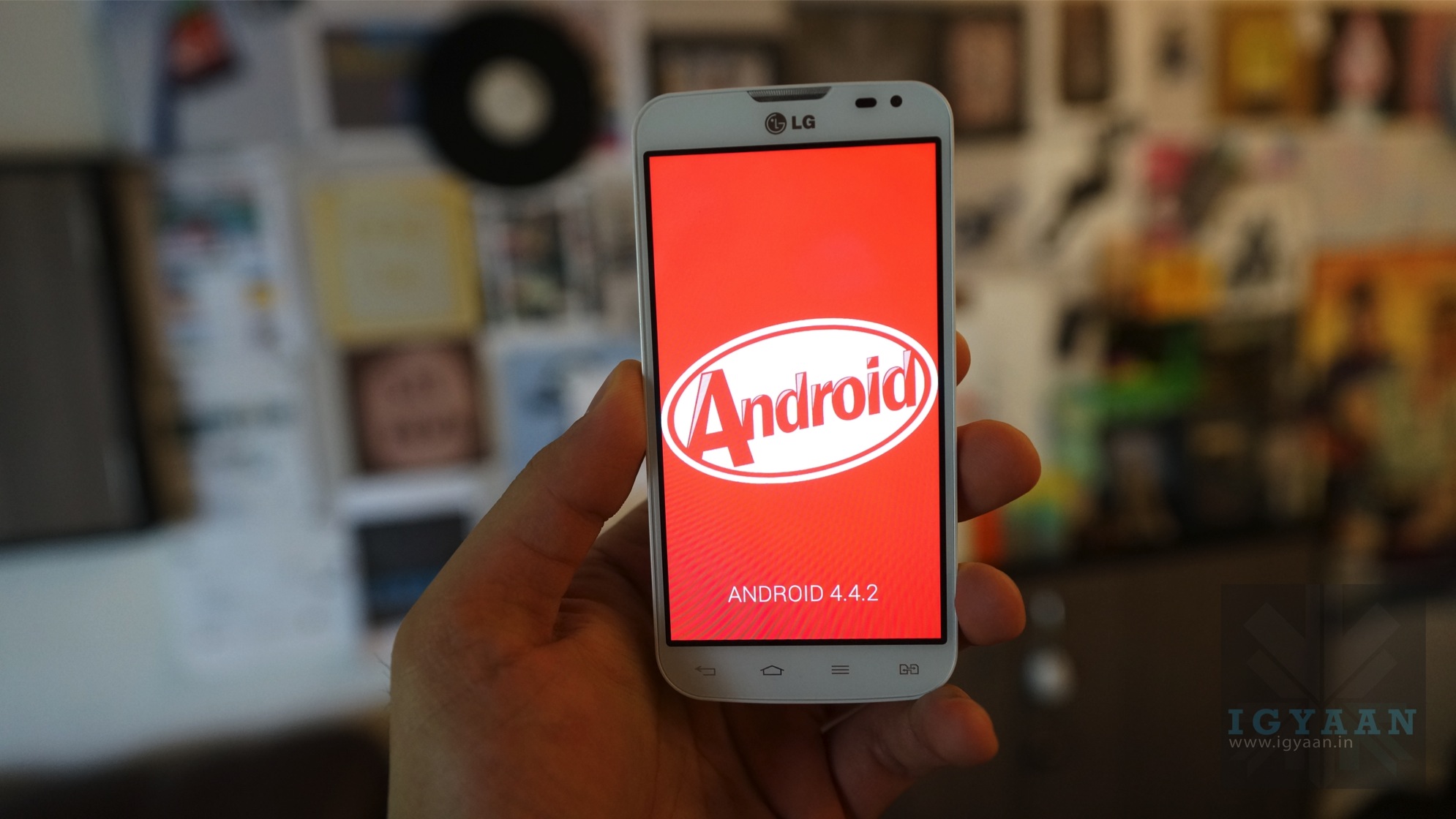
If you ever raise the question, ‘Which is the best OS for smartphones?’, it is inevitable that you will end up in an endless argument that is likely to turn into name-calling. While there are other mobile platforms, Apple’s iOS and Google’s Android have been dominant contenders in the game.
Both companies enjoy the support of loyal fans who religiously follow every minute update and change made to the mobile platforms. But, we are the country of budget phones and a ‘value for money’ market. Android makes a perfect companion of these ideals.
Here we are listing 7 reasons why Android is the undefeated king in the Indian smartphone market.
7. Google Now works better than Siri in India
Even Apple acknowledges this. Google Now is much better and functional in our country. It is not only faster than Siri at answering your questions but it also does a much better job at recognizing Indian accents. Furthermore, you also have an option of downloading the speech recognition files to the device for offline use in Android devices.
6. App publishing in Android is a lot easier
Publishing an Android app is as easy as child’s play. Once you are done making the app, you just have to sign up via a handy Eclipse wizard, and you have an APK file that can run on any device. You can email it, put it up on a web site, or upload it to Google Play and make it available worldwide within the hour. Even better, you can check install statistics and crash reports, including stack traces which identify the exclusive line of code that went wrong, and you can upload a bug-fix version immediately. On the other hand, it is a nightmare to publish an Apple app.
5. Wide range of sharing options
Android powered devices gives option of sharing media files through any installed app with sharing capabilities. That means if you want to share media file through Blogger, Tumblr, Instagram or Pinterest or any other social media app you can do it easy on Android OS devices. However, iOS restrict you to the pre-installed apps such as Message, Mail, Twitter, Facebook, and Flickr for media sharing.
4. No mandatory Multimedia apps for Android
Apple needs iTunes to sync your music and iPhoto for pictures to your iOS smartphones which is a huge drawback especially for people who use Windows on their PCs and Laptops. On the other hand, Android isn’t as bothered about where your music or pictures comes from. You can just plug in your device to your laptops or PC using a USB cable and transfer music and other multimedia files with an ease.
3. Its customizability
If the stock Android look doesn’t suit your taste you can customise your Android smartphones. Sky is the limit with various launchers, themes and what not, available on the Play Store. You can even download an iOS 7 theme, if that is what you are into. And yes, on most Android phones, you can unlock your device to any app you want, which comes handy when you use certain apps regularly.
2. Free Apps vs Premium Apps
It’s true Apple App store offer you many premium quality apps but most of them are paid. On the other hand, Google’s Play Store offers far more options than the App Store. Play Store has an array of genres and categories which offers amazing app (including third party apps) mostly for free or for minimal charges.
1. Android comes in Budget Friendly phones
Android is an open source OS and is available for any manufacturer to use, while iOS is available exclusively on the devices that Apple manufactures. This makes a huge difference as Apple’s iPhones are high-end expensive phones. For an Indian, value for money matters. You can find Android OS in the extensive price range from Rs. 3,000 to 70,000. Hence, we conclude, Android is the true king of smartphones in India.
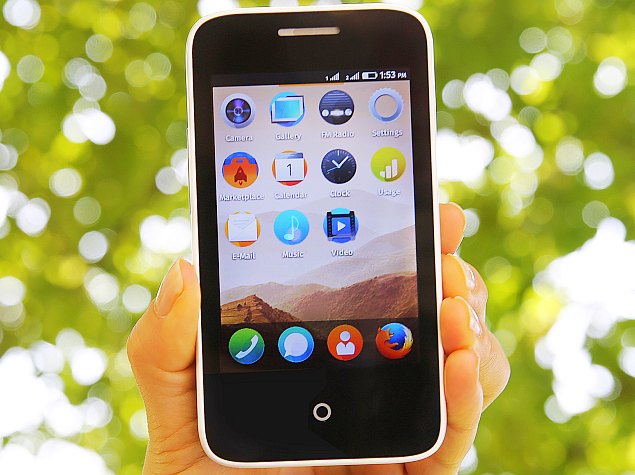
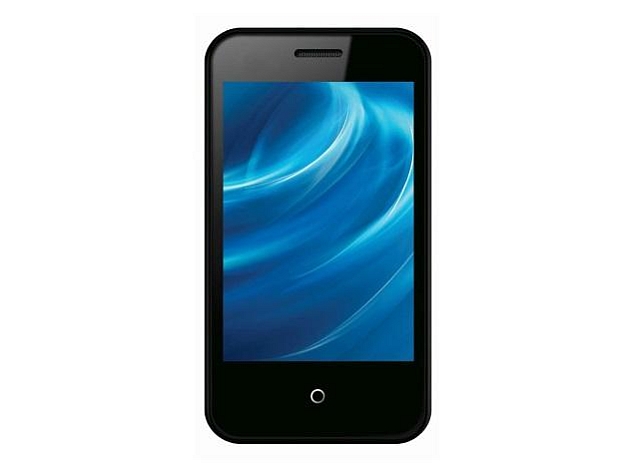
Back in June, Mozilla announced that it was bringing the Cloud FX to Indian and Indonesian markets at this year’s Mobile Asia Expo. Now, the Firefox maker, has launched India’s first Firefox OS smartphone dubbed as ‘Cloud FX’.
The device is a fruitful result of the partnership between Mozilla and Intex. Touted as the cheapest smartphone in the country, the handset was first introduced to India at the Mobile World Congress in February.
[quote text_size=”small” author=”Keshav Bansal” author_title=” Intex Technologies Director (Marketing)”]
This dual SIM-handset is for those looking to upgrade from feature phones without worrying about the price or complexity of a smartphone. We are confident that it will find great traction, especially in tier II and III towns
[/quote]
Bansal also added that the company is targeting rural areas and small cities. The company is aiming to sell more than 5 lakh units in the next three months.
In terms of specs, the smartphone is nothing special. A 2 megapixel camera, 128 MB RAM, a 3.5-inch screen. It’s got a 3.5-inch capacitive touchscreen with 480×320 pixels resolution. Intex has packed in a 1GHz Spreadtrum processor along with 256 MB total memory. It is also got dual SIM support.
However, this is a 2G-only phone with support for Wi-Fi. The Cloud FX takes in microSD cards, but support is limited up to 4GB only. It comes with a 1250mAh battery. The company is clearly not offering a dream phone; Firefox and Intex are targeting an audience that is buying their first smartphone.
“The positive consumer feedback from other markets tells us that people like the unique user experience and openness we’re building with Firefox OS,” Mozilla President Li Gong said in a statement. “Firefox OS smartphones in the ultra-low-cost category will redefine the entry-level smartphone and create strong momentum in Asia.”
The Intex Cloud FX is priced at Rs 1,990 and will be exclusively available on Snapdeal. Intex has also teamed up with Aircel to provide Aircel users who buy the phone 1GB Data free for two months.
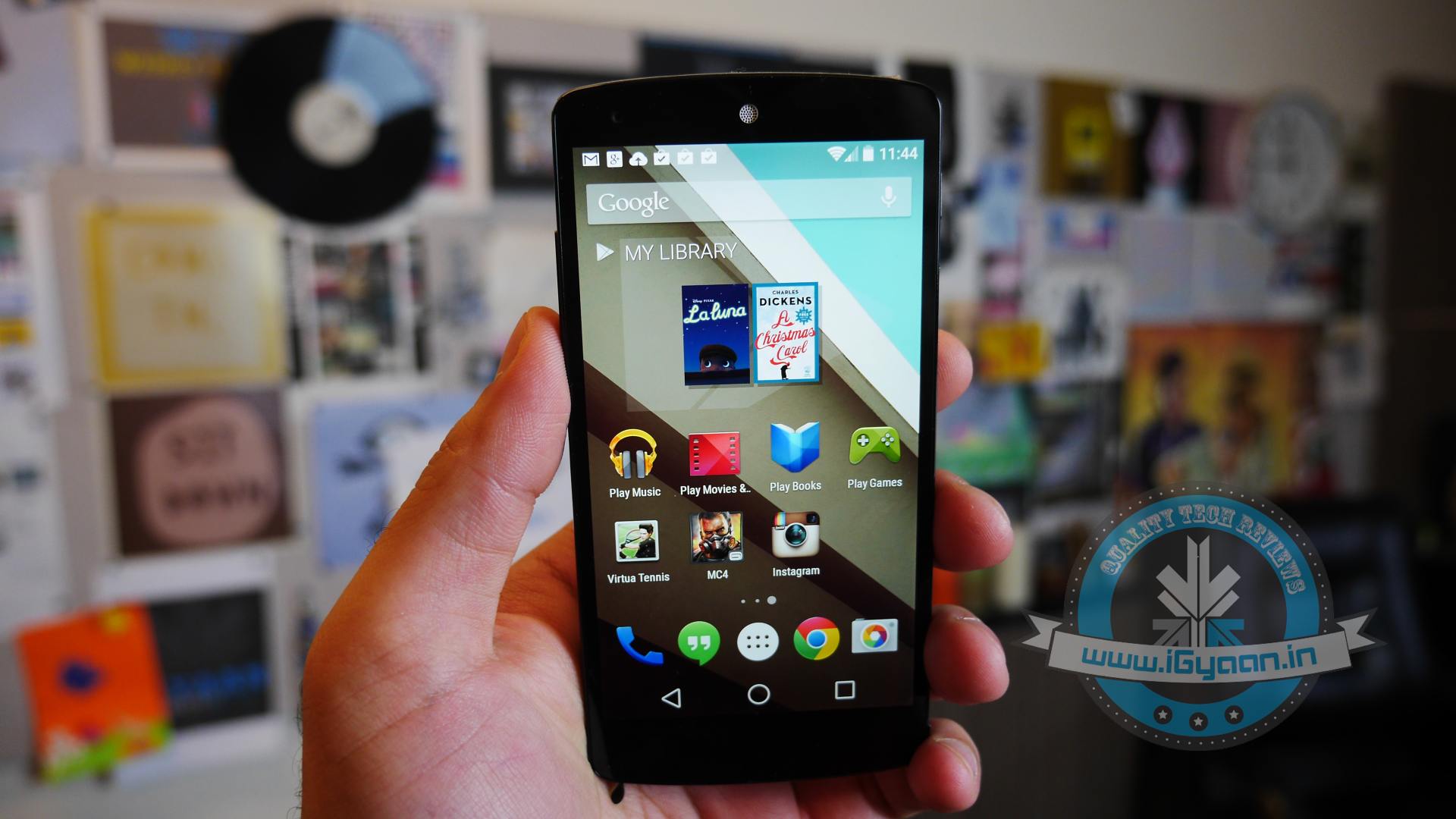
Google introduced us to the next big update of Android at Google I/O 2014. Though, the company has already released the developers preview called ‘L Release’, the search engine giant has been tight lipped about what the name of the update would be, once it’s fully operational.
However, recent leak hint that the new version of Android which was referred to as Android L till now, will be called ‘Lemon Meringue Pie’ once Google releases it officially.
Documents leaked by popular website, Android Police, appears to refer the new version of Android as LMP or Lemon Meringue Pie. One of the documents is an extract from the Android SDK which mentions the current preview build of Android L available for the Nexus 5 and Nexus 7 as the “lmp-preview-release.”
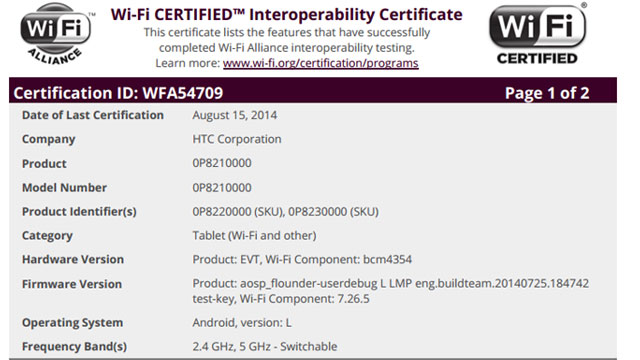
Also, the website posted a Wi-Fi certification for a yet-to-be announced HTC tablet which has the internal name of the latest Android version ID, LMP. The device is said to be HTC Volantis or Flounder which is expected to be the Nexus 8 or 9. The report also added if you search LMP on the Android Open Source Project repository you get nine hits, one of which refers directly to “LMP” in the subject heading.
However, this news should be taken in with a pinch of salt as last year Android KitKat 4.4 was referred KLP or Key Lime Pie prior to the release of Nexus 5 and 7. It is possible that Google may go ahead with an entirely different name, tying up with some company to promote a product just like KitKat. Anyway, it is still unclear what the new version of Android L will be called. Meanwhile, Lollipop, Lemonhead and Licorice are the favorites among Android fans.
Google is also aiming for a better battery life in Android smartphones. The introduced Project Volta improves the “instrumentation” of battery data through a tool called “Battery Historian.” Google has also added a “Battery Saver” mode in “L” which can be triggered manually or configured to be enabled automatically when battery is low.
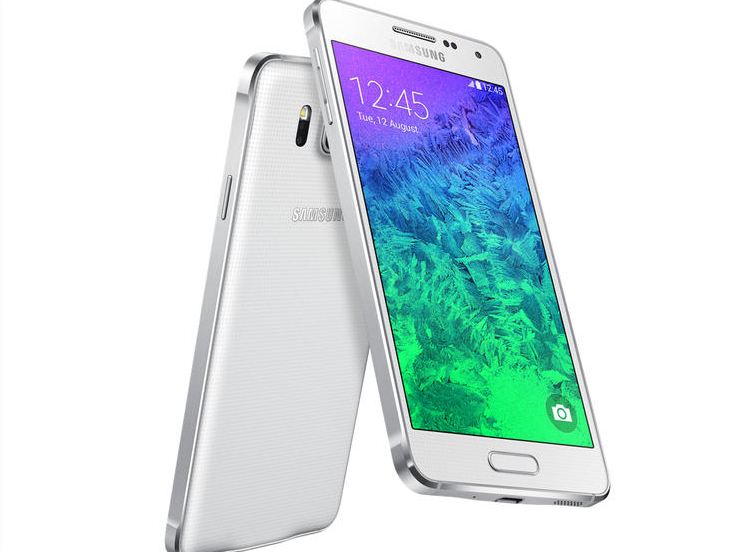
The Samsung Galaxy Alpha turned a lot of heads when it was announced earlier this month. Thanks to the metal frame, it got a lot of attention. Unlike other Samsung products that have all-plastic bodies, the Galaxy Alpha is a welcomed intervention in Samsung’s design philosophy.
However, recent reports have revealed that Galaxy Alpha is not the only handset which is part of this intervention. According to a new report from SamMobile, the Samsung Galaxy Alpha is only one of the first smartphones in a new line of products from Samsung which may be called ‘A’ series.
Reportedly, Samsung will launch three phones that run Android 4.4 KitKat in this series and feature metal components in their cases. Bearing the model numbers of SM-A300, SM-A500, and SM-A700, the three handsets are said to launch in different price ranges.
In terms of specifications, not much has been leaked. The A300 is reported to offer a qHD (960×540) display while the others could pack HD displays. It’s not clear if these are 720p or 1080p screens. Other than this, the only detail shared by the blog is that the company will offer “better” front-facing cameras.
The Galaxy Alpha is said to be 6.7mm thick and weighs about 115 grams. The display on the phone is a 4.7 inch screen with a 1280X720 resolution. It has an unnamed Octa core processor (Quad 1.8GHz + Quad 1.3GHz), and it is most likely on an Exynos 5 based chipset. The RAM on the device is 2 GB and has internal storage of 32 GB. It has no expandable storage. The Alpha has a dismal 1860 mAh battery which might dissuade a lot of folks from getting the device. The three new “A” series phones will reportedly debut sometime during Q3 2014.
Google’s Chromecast was a surprise hit when it was launched. And now it appears Microsoft is working on something similar for Windows Phone and probably Windows PCs.
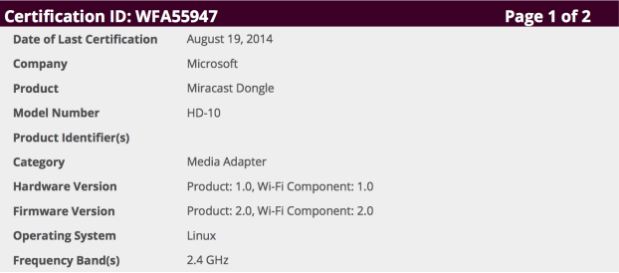
A document filed with the FCC (Federal Communication Commission) by Microsoft has been spotted for a “Miracast Dongle” media adapter. The filing reveals that the device comes with a HDMI port, Wi-Fi and a USB connection for power supply. Miracast is a screencasting standard for connected devices over Wi-Fi Direct. Microsoft recently added Miracast support to Windows Phone via the Lumia Cyan firmware for Windows Phone 8.1.
However, Miracast doesn’t seem like a direct Chromecast competitor. It is said that the two devices work a bit differently with Chromecast pulling streaming data from the cloud while Miracast, as its name suggest, just mirrors the display. The big advantage of mirroring a display on your TV is that you don’t have to wait for developers to add Miracast support to their apps, because it’s a system-wide feature.
It is said that the new dongle would take advantage of Windows Phone 8.1’s Miracast-based Project My Screen feature to broadcast your screen to a TV. This could be used for putting anything from videos and games to presentations and photos on your living room’s big screen. Adding a dongle to support Miracast on TVs is key, because the technology has yet to see wide adoption despite being supported in the latest build of Windows.
With Microsoft expected to launch a couple of Lumia mobile devices at its upcoming IFA press event in Berlin on September 4th, we will not be surprised if Miracast also get officially unveiled at the same event. Also, we expect that device will support Windows PCs as well.
Microsoft is also planning to dispatch a Windows 8.1 PC for $199 to contend with the Chromebook. As per reports the laptop will be made by HP and will be known as the HP Stream 14. It will have a 14 inch show with 1366 x 768 pixels determination. It will be accessible in 32 GB and 64 GB variations and will weigh only 1.75 kgs.
Microsoft has recently lagged behind in offering a universally appreciated user experience. It has a lot of catching up to do. The company is still in its restructuring phase and it will be interesting to see if those massive job cuts would get Microsoft back to tech glory. Also the evolved interconnected ecosystems offered by Chrome and Android on Google’s side and OSX and iOS provided by Apple stand as a formidable opponent in the path of Microsoft. Miracast shows promise but nothing can be said until we lay our hands on the device, so keep checking out this spot.
We reported earlier that Apple is scrambling to get enough screens ready for the new iPhone 6 smartphone. The new launch of iPhone 6 which is long overdue is said to take place next month. The company has confirmed that it will announce at least one new large-screen iPhone in September.
It is unclear that if this problem will delay the launch or limit the number of phones initially available to consumers. The supply chains who are making displays for the phone said that display panel production suffered a setback after the backlight that helps illuminate the screen had to be revised.
Apple is aiming for the thinnest phone possible and initially wanted to cut back to a single layer of backlight film, instead of the standard two layers, for the 4.7-inch screen, which went into mass production ahead of the 5.5-inch version.
However, the problem is now understood to have been resolved, the delays could limit the supply of the iPhone 6, which is expected to be in heavy demand. Recently, Japan Display, a lead supplier for the new iPhone, said orders for “a huge client” have been completed, however shipments may be postponed in the July-September quarter.
Japan Display’s dependence on Apple’s cyclical business has spooked a few financial specialists. UBS Securities has conjectured that Apple will help more than a third of the Japanese association’s aggregate income in the year that ends on March 2015. Japan Display’s offer value dropped to a 12-week low of 501 yen after first-quarter income on Aug 7 slacked business expectations.
The constrains on Apple for delivering exceptional products has increased. Smartphone players such as Samsung and LG and recently, Chinese brands like Xiaomi and Lenovo have dissolved the U.S. phone maker’s dominance in the business sector .
The iPhone 6 release and the hype around it has been foreseen to increase Apple shares to new heights. The shares have climbed to above $100 each, since the company posted solid first-quarter income in late-April. The iPhone release along with the Mac OSX Yosemite and the upcoming iWatch will definately spell good news for the company in the coming future.
Japanese electronic-giant Sony is believed to launch another tablet and a waterproof smartwatch at IFA 2014 in Berlin. Well, a week before the expected launch, both upcoming gadgets have been supposedly spilled by the company.
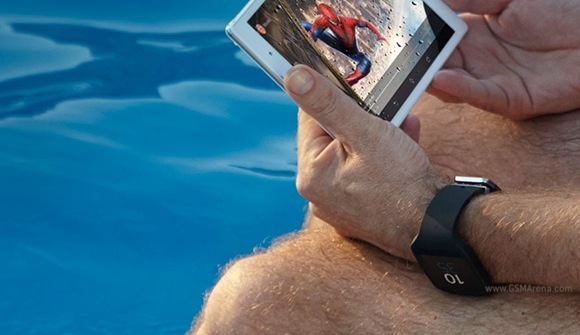
The picture, posted on a Facebook promo page for the Smartband illustrates a 7 or 8-inch tab and a sweet new smartwatch in the hands of a person enjoying some poolside entertainment. The tab could be, in all likelihood, the expected Xperia Z3 Tablet Compact, whose existence was released a week ago in a client’s manual for a Bluetooth speaker charging dock. Now, we’ve got a full look at the mini-tab, which is a the new size in Sony’s tablet lineup.
The photo is captured by a swimming pool, clearly an inference to the brand’s waterproof logic. With all the leaks, it may feel like there’s nothing more to learn about the Xperia Tablet Z3 Compact. The intelligent watch, however, is still a mystery.
The photo is captured by a swimming pool, clearly an inference to the brand’s waterproof logic
The tab shown in the image appears to be an 8-incher, and will come with Sony’s traditional waterproof features. Additionally, an alleged Android Wear smartwatch can be seen on the wrist as well, suggesting that it will have water-resistant qualities too.
The device is expected to use Sony’s custom-built platform based on Android, instead of Android Wear. As usual, the watch will be water proof and dust resistant, though one should expect something new this time around. While we’re not sure if it’s a mistake or if the company wants to tease its upcoming products, it should still come as an exciting news for Sony fans.
Sony is also expected to launch an updated QX len-style camera at the event as well. Stay tuned, we’ll update you as soon as Sony officially reveals its upcoming devices at the IFA 2014 event in Berlin.
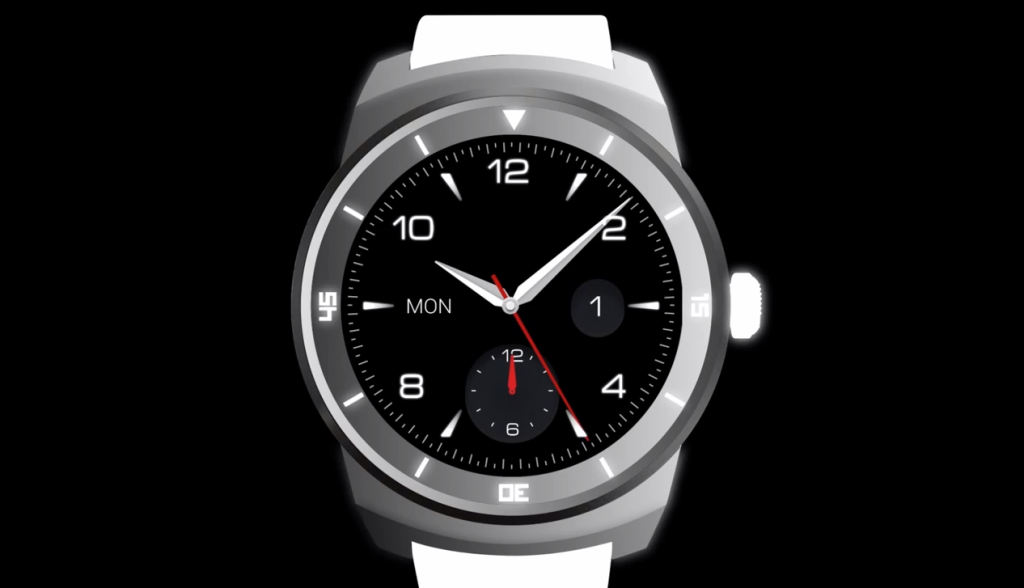
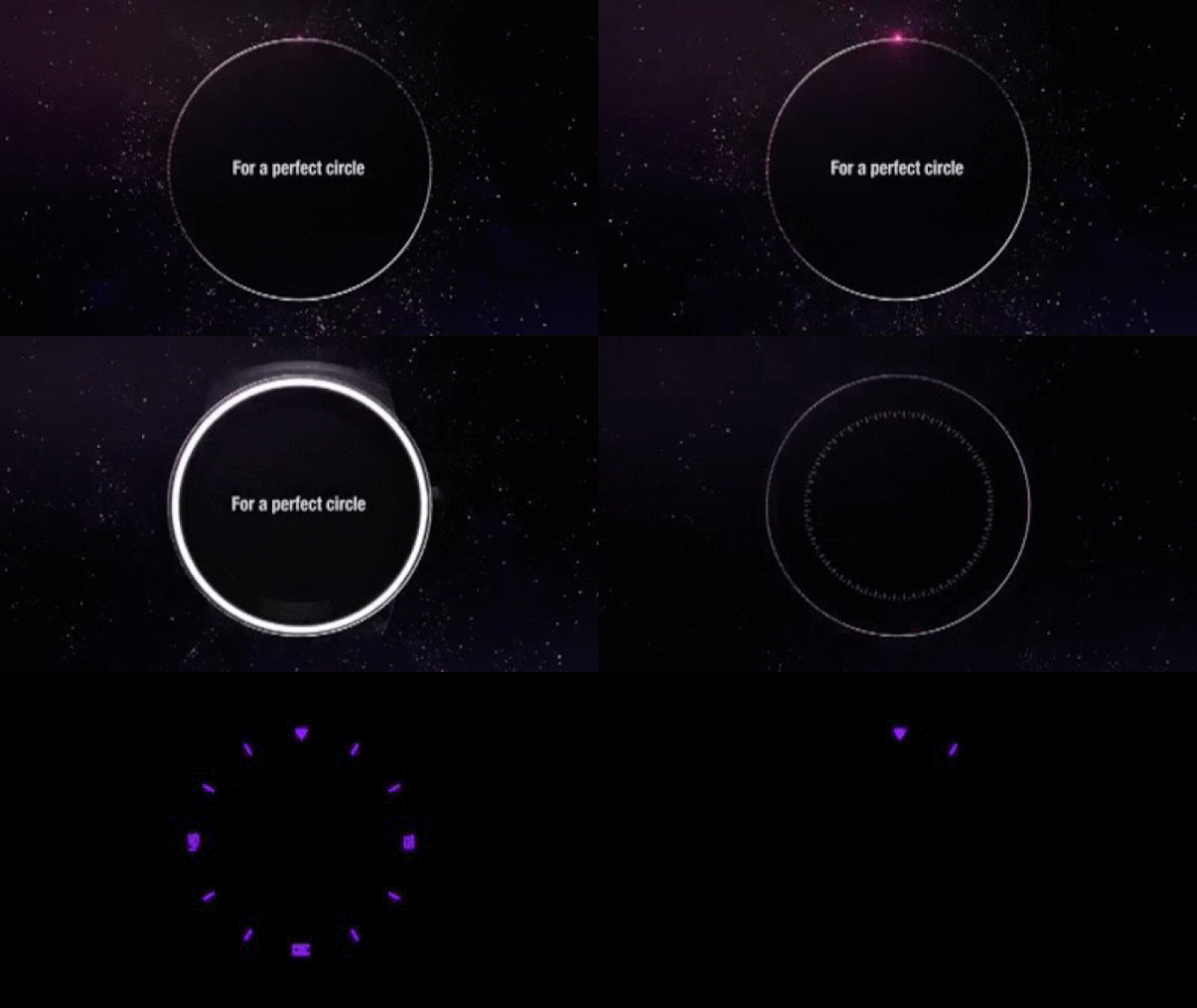
Last week, we heard that LG is working on a refreshed version of the LG G Watch. And now, a leaked teaser shows that this second generation G watch will be round in shape; same as the much appreciated design of the upcoming and highly anticipated Moto 360 smartwatch. A brief 30-second teaser trailer, posted as unlisted on LG Mobile Global’s YouTube page, doesn’t tell much about the new wearable. In fact, it only reveals one (important) detail —its round shape.
LG, which officially launched one of the three Android Wear smartwatches (the LG G Watch), appears to now be focusing on individuals’ preference for round watch faces. The LG watch seems to look like the Moto 360, with a superbly round face that, at any rate as per the teaser, stresses the way that it doesn’t need to leave a little window at the base, as does Motorola’s wearable.
The design also looks to feature a more traditional case with external lugs, vs Motorola’s design, which might be more appealing for those looking for something that more typically resembles your average, innocuous Timex or Casio.
The original G Watch was released only two months ago. The new design so quickly could mean that both these watches were developed around the same time. The first-generation G Watch could have been just to test the waters of the wearable market and to get a headstart and be one of the first companies in the Android Wear device market.
It is said that, LG will be showing off this device at IFA 2014 next week, which means we don’t have to wait too long to get official details.
Universal Serial Bus or the name you’re more likely to be aware of, USB, is an industry standard that defines the cables, connectors and communications protocols used for connecting and power supply between computers and electronic devices. USB Type-C is one of the biggest technological advancement in recent years as it comes with more speed, convenience and power. Recent iPhone 6 leaks show Apple is working on its own form of reversible USB standard.
Well, before we go any further, let’s have a quick look at the existing USB standards.
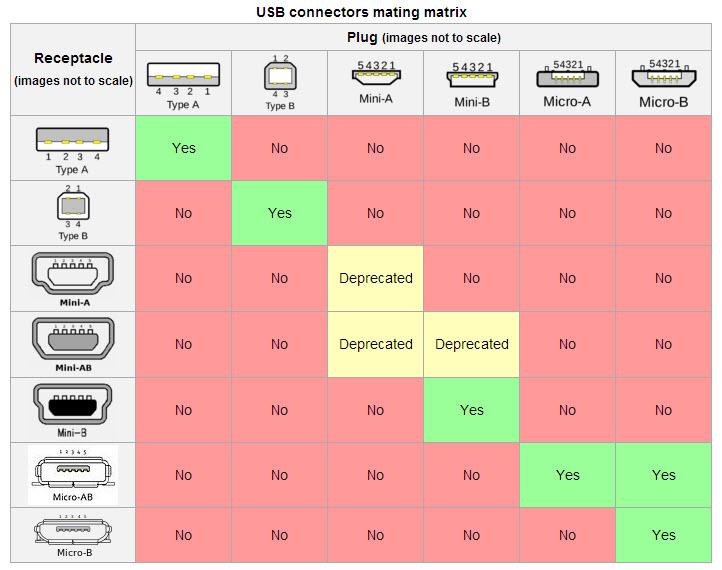
There are basically 4 types USB standard used these days: Type-A, Type-B, Micro USB and Mini USB. Type-A is the most widely used USB standard, used in pen drives, standard USB jacks on your laptops and computers and practically on every electronic device. Type-B is fairly less used or used in combination with Type-A standard to reduce the risk of electrical overloads. Micro USB is the tiny, near-universal form factor used by smartphones and tablets for connections and power supply. And the last one is Mini USB, the larger predecessor of Micro USB used at the device end of things like GPS units and some external hard drives, but like USB Type-B, it is also fast fading from use.
Each type has a different form factor and the same is true for USB Type-C.
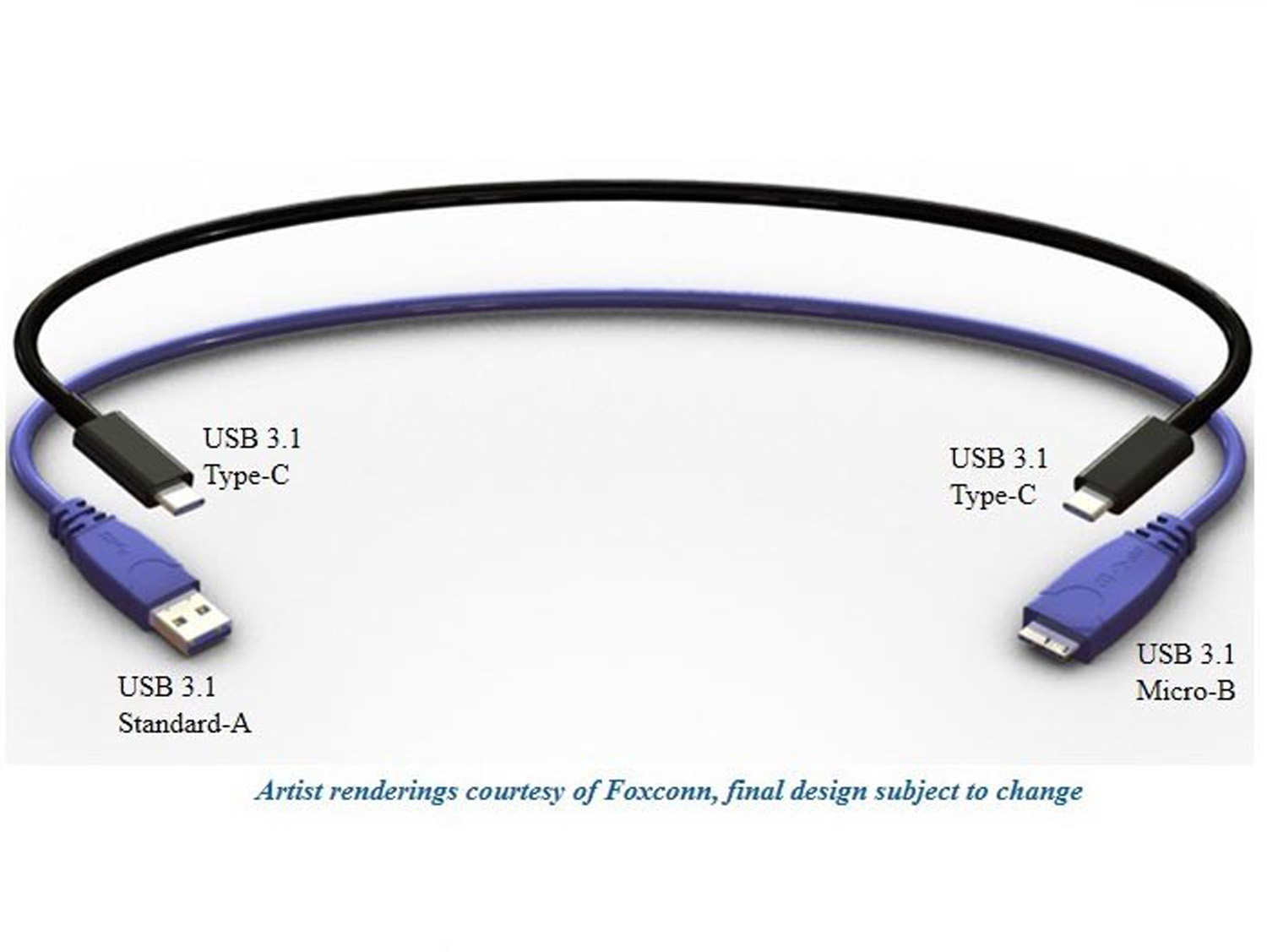
What makes the Type-C a revolutionary technology is that it is going to replace all the form factors and unlike the other standards which target different classes of device, Type-C form factor will be a universal USB standard. The reversible Type-C connector is roughly the same size as the existing Micro-USB connector at the bottom of your smartphone, but it’s reversible.
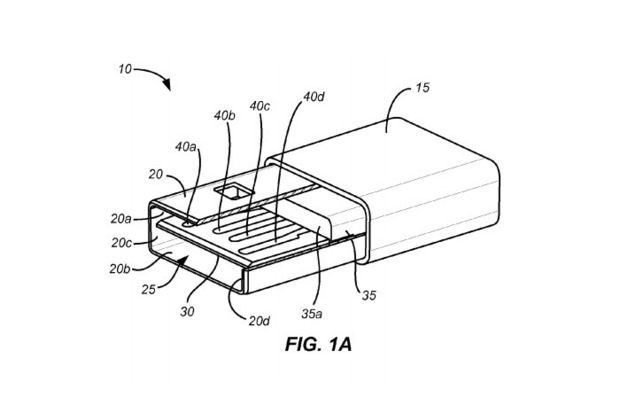
Reversible USB patent Design by Apple
Advantages
Speed
USB Type-C standard can go as fast as 10Mbps, which is double when compared to USB 3.0’s 5Mbps speed. This means you can transfer 1,250MB of data in one second with USB Type-C.
Power
USB Type-C will also compliment the USB 3.1 in terms of power. USB 2.0 can handle the current of up to 500 milliamps (mA) for up to 2.5W of power and USB 3.0 upped that to 900mA for up to 4.5W of power, USB 3.1 can offer 5amps (5000mA) and up to 100W of power. This means not only will devices charge far faster, but almost anything can be powered via USB 3.1 and the tiny USB Type-C connector.
Reversible
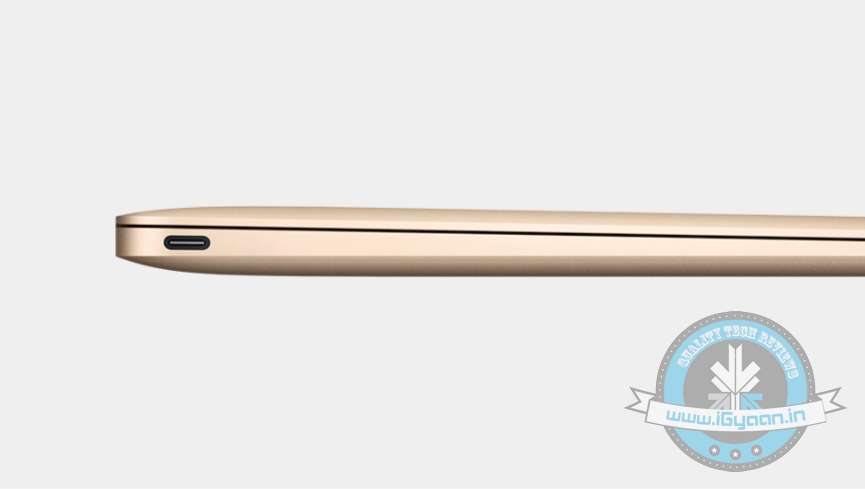
The new MacBook with a single slot
The Type-C connector, which has 18 pins, is essentially two USB 3.1 SuperSpeed connectors (which have the standard four pins, plus five more to enable 10Gbps connections). If you plug in the connector one way, the top set of pins are used; if you plug it in the other way, the bottom set of pins are used and hence, making it reversible.
Official confirmation
The USB Promoter Group announced earlier this month that the reversible Type-C USB connector is ready for mass production. That means it will be an official standard just like USB Type-A, Type-B, Mini and Micro USB. It is also backwards compatible with each USB standard, though the USB 3.1 speed and power benefits it can deliver will only come when connecting to other USB 3.1 compliant ports.
Downsides
Physical compatibility
As mentioned above, USB Type-C is backwards compatible with each USB standard, but they are not physically compatible. Which means you need to buy adapters to fit into existing slots.
Apple
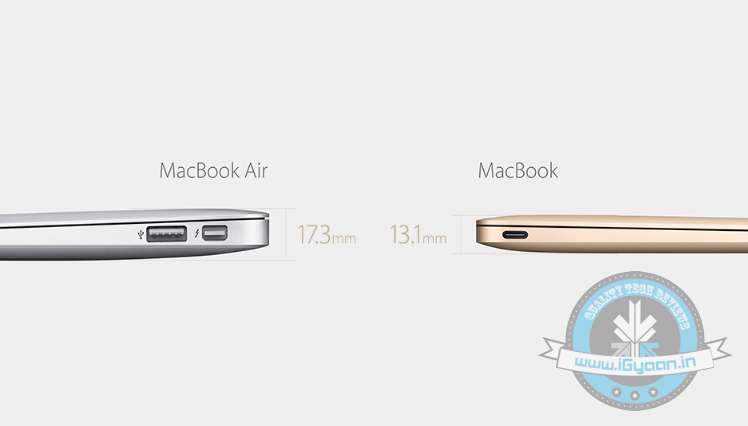
Old vs New
The recently launched Apple MacBook, is the first Apple product to incorporate the new-gen USB. Apple’s USB-C supports higher wattage charging, USB 3.1 Gen 1 (5Gbps) data transfer and DisplayPort 1.2 all in a single connector that’s one-third the size of a traditional USB port. Since the MacBook is the thinnest notebook ever (24% thinner than the Air,) slimmed down ports were also necessary to bring in.
Not only that, this new connectivity standard gives you five ports in one – power, USB data transfer, DisplayPort, HDMI, and VGA capabilities.
Well, even with these downsides, Type-C USB standard is one of the best thing happened in the technology-sphere since ages. With combined power of USB 3.1 and Type-C USB standard, our gadgets will never be the same again. With the ease and the power that comes with this technology, we expect that it will be adopted by consumers quickly. However, it is possible it will create some confusion among the consumers. But taking in account the amount of convenience it comes with, it will be worth it.
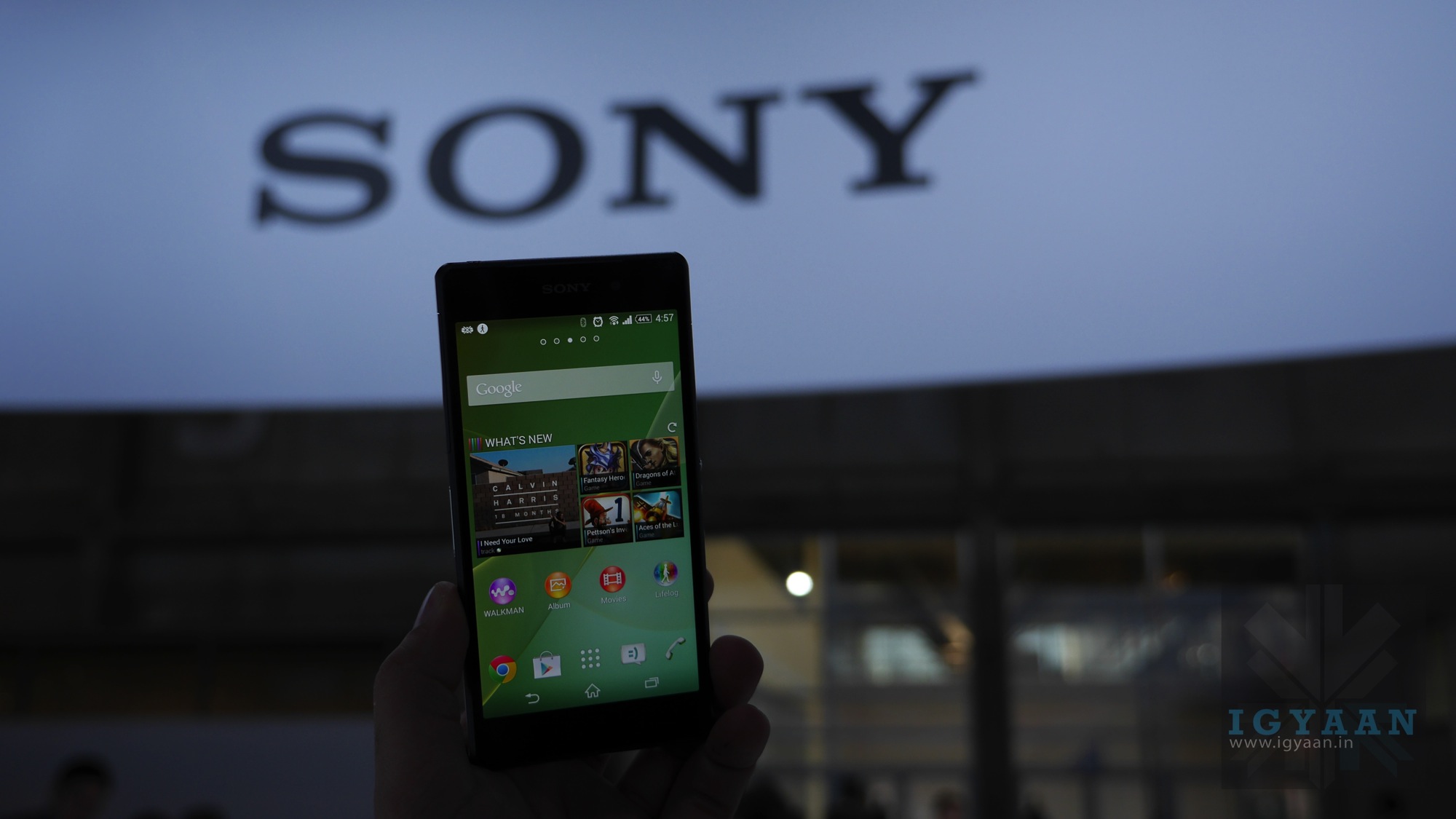
Going by the previous leaks and rumors, Sony Xperia Z3 is not a handset that excites us. Sony has been criticized for being too naive to offer a good handset. Xperia Z3 seems to be no exception to this notion.
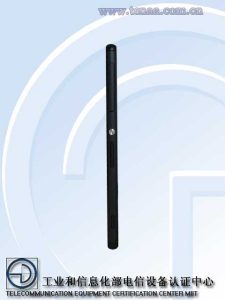
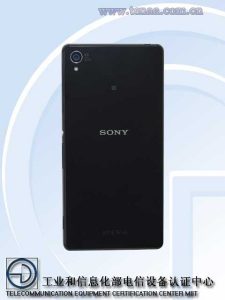
The Xperia Z3 have allegedly been listed for certification by TENAA, the Chinese equivalent of the FCC. If a previously leaked invite is real, Sony will be launching the Xperia Z3 at a 3rd September in Berlin, ahead of IFA 2014.
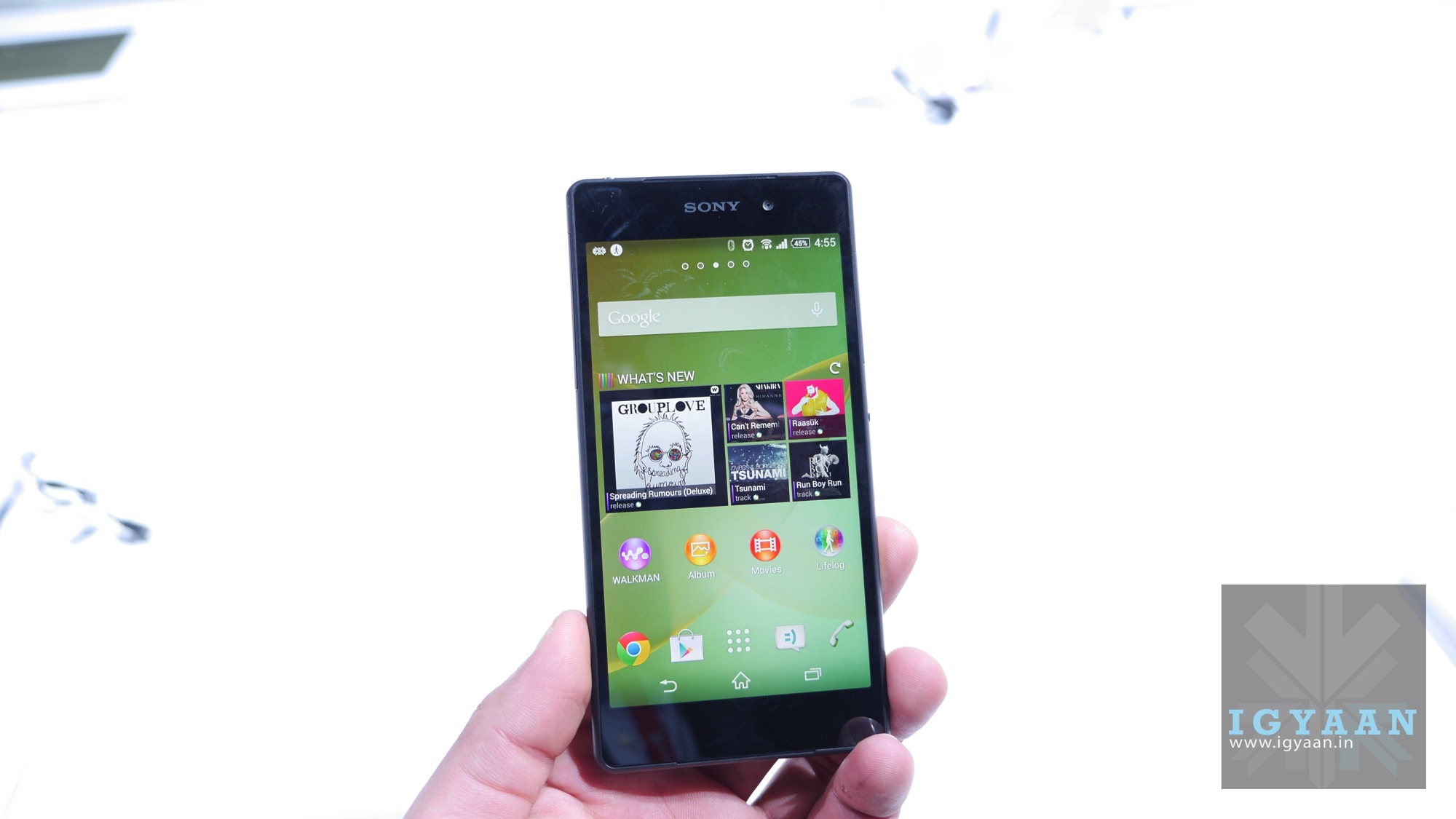
Sony Xperia z2
A handset codenamed ‘L55t’ has been spotted online which was certified by TENAA. It doesn’t actually mention the Z3 anywhere on the listing, but L55t has previously been associated with the Xperia Z3 so they’re likely the same.
Well, the handset specification is neither exciting nor surprising as there is hardly any difference when compared to the previous model, the Sony Xperia Z2.
According to TENAA, the phone keeps the 5.2″ IPS LCD with 1080p resolution, but is marginally smaller in size. The Xperia Z3 measures 146.5 x 72.4 x 7.4 mm while the current Xperia Z2 is 146.8 x 73.3 x 8.2 mm. It’s lighter too (158g vs. 163g) even the bezels have barely changed.
The only real difference between that and the Xperia Z3 is a slightly faster processor (the Z2 is clocked at 2.3GHz). The design may get a slight change though, as the Xperia Z3 is slimmer at 146.5 x 72.4 x 7.35mm compared to the 146.8 x 73.3 x 8.2mm Xperia Z2 and slightly lighter at 158.4g, compared to the 163g of the current model.
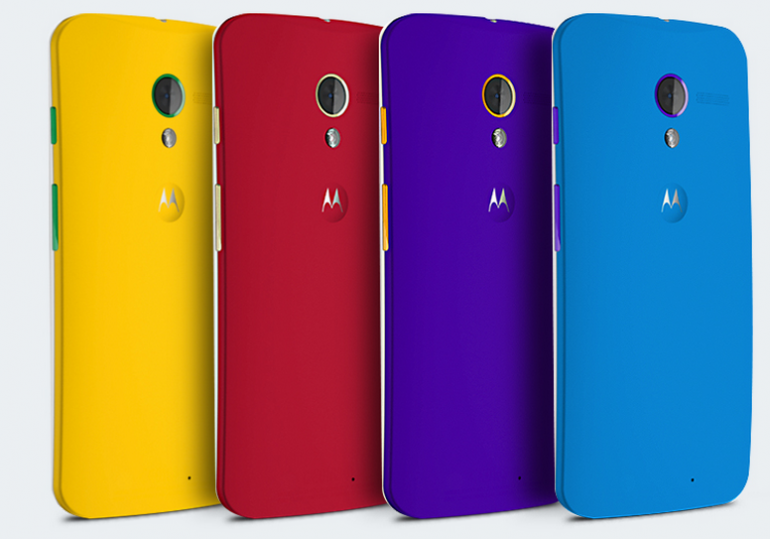
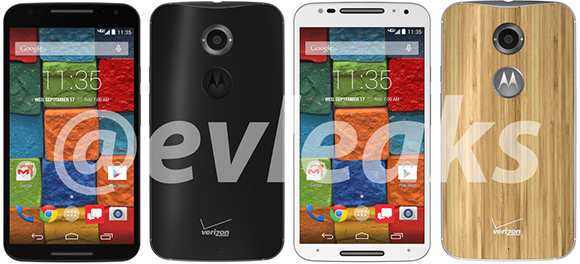
Motorola has quite an impressive line-up to showcase this season. We recently reported that the company is planning to launch 9 devices in next 4 months. Now, the popular leakster Evan Blass, a.k.a. Evleaks has revealed the Moto X +1 through leaked press renders.
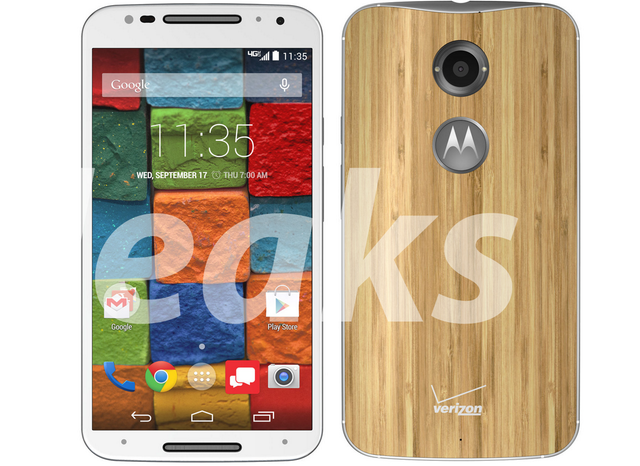
The leaked images are supposedly meant for US carrier Verizon. However, the pictures give you a pretty detailed idea of what the device will look like. The first obvious change is the metal band around the sides of the phone, which was revealed in an earlier leak as well.
The X+1 seems to sport dual camera flashes, a wooden back option, and front-facing speakers like the Moto E. The setup of the camera on the back of the handset is notably a part of the new design.
It appears to drop the typical LED flash for a more elaborate dual setup that includes small flash units on both sides of the sensor. Also, there seems to be a number of sensors on the front, including two below the display. It’s still unclear what they would be useful for.
The wallpaper in the screen looks like the Motorola’s colourful event invite for the September 5 event in Delhi. It is said it is the same event where we will get to meet the much awaited Moto X+1. Furthermore, the date on the device in the leaked images is given as “Wednesday, September 17”. Maybe it’s a strong hint of the chosen date for when the Moto X+1 would be out for sale.