Facebook’s newest change has been the addition of the autoplay feature in its videos. One day you’re happily scrolling down your homepage, and suddenly you hear a cat meowing in the background. Yes, the video has begun to play simply because you happened to stumble across it on your homepage. No, you did not give the command for it to start meowing.
Other than causing the annoyance of unnecessary cat-noises, this new feature is also a big toll on your internet data, not to mention taking away your right to completely ignore other people’s videos on your homepage.
So here’s a quick look at how you can disable autoplay:
iPhone:
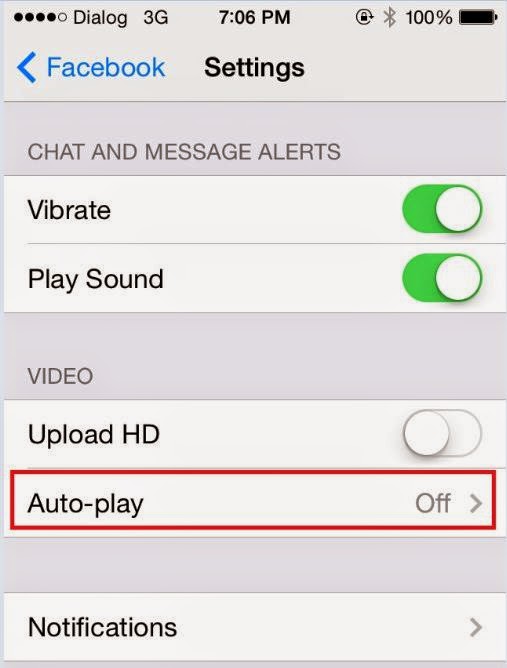
Go to your settings, scroll down until you find Facebook and then select Settings again. Once there you could choose either ‘Wi-Fi Only’ or switch it off entirely.
Android:
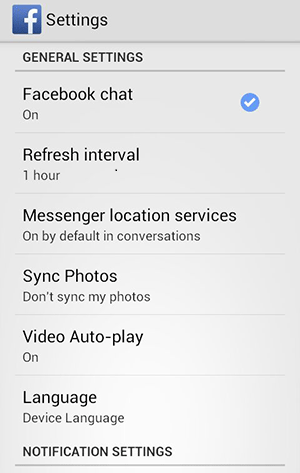
You will find the autoplay settings in your Android app. Choose the Menu button followed by Settings and therein lies your answer.
Desktop:
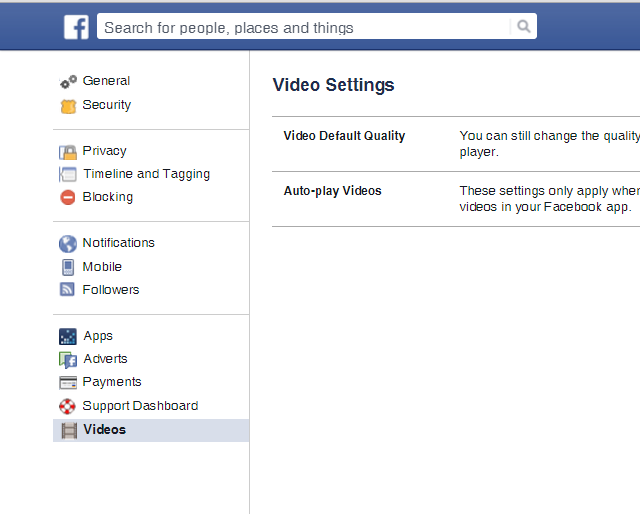
Click the arrow in the upper-right corner of your Facebook profile and choose Settings. There will be Videos on the bottom left of your screen now. Click on it, which will take you to the autoplay settings and from there you can switch it off.
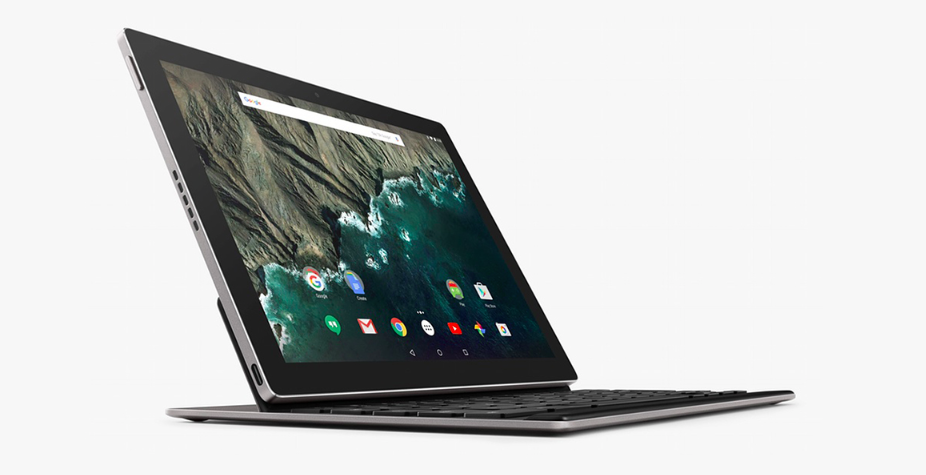
Pixel C is the newest Android tablet on the block released at the official Google event today. The device is the result of an attempt to put together something where the whole is greater than the sum of the parts, claims the company.
The device is a 10.2-inch tablet that has a display and resolution of 2560×1800 (308) ppi. The screen is capable of sensing when to employ the physical keyboard and when to opt for touch. The GPU is Maxwell with an NVIDIA X1 quad-core processor. It operates on Android 6.0 Marshmallow and boasts of far-field voice recognition with the help of four microphones in the device.
Battery life can be checked with the double tap light bar in the gadget. Google promises regular updates on the device’s software and apps post its release.
Yes, it all sounds lovely, too lovely to be palatable, and therefore it’s time to mention the price. The tab is priced at $499 for the 32 GB version and $599 for the 64 GB version. The keyboard is an additional accessory costing $149. Looks like Google too has gone the Apple way and has refused any relief of a lower price to the buyers.
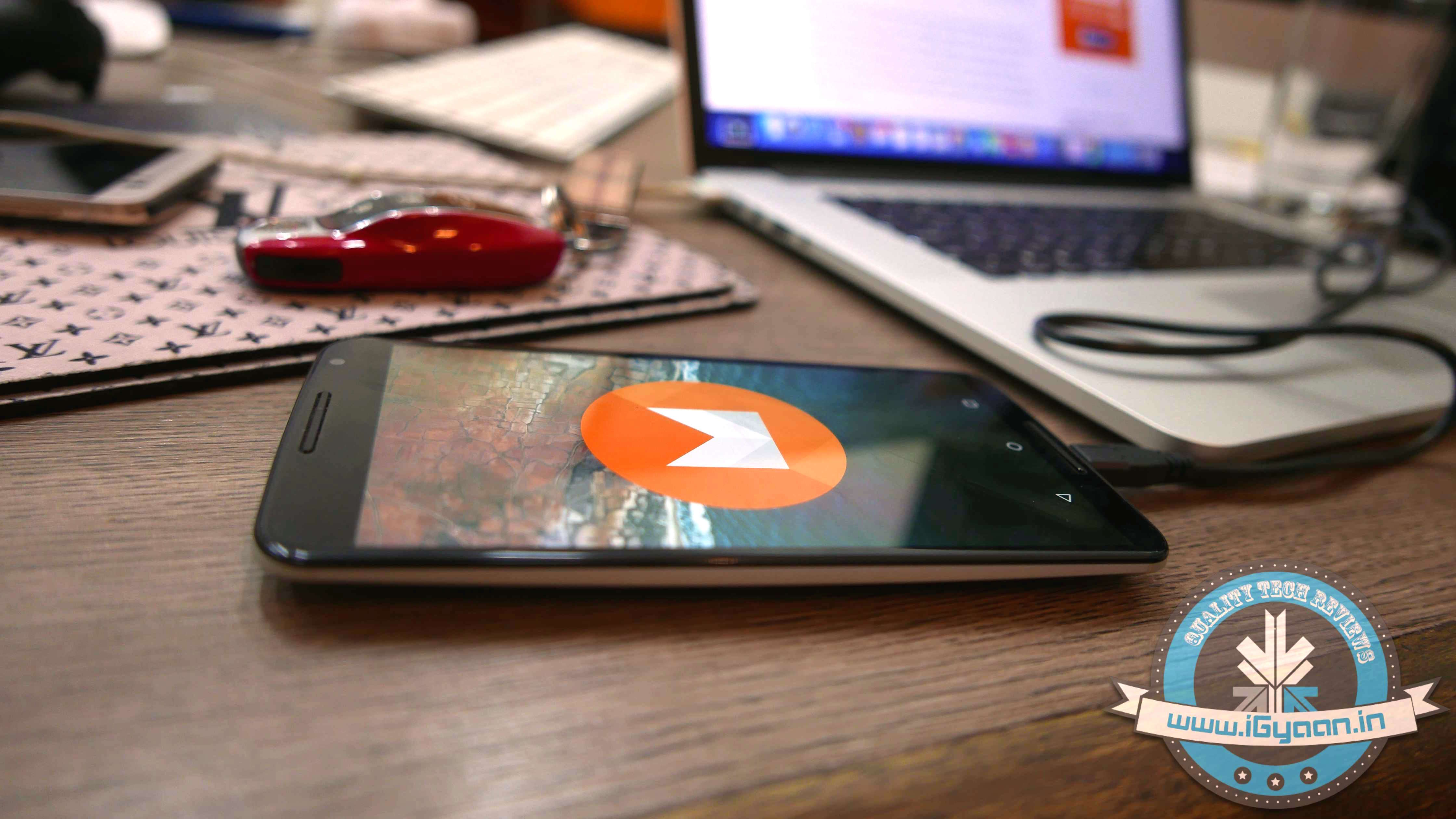
Google has announced that the release of Android 6.0 Marshmallow will take place next week. The news was given to international press and audience at the official event. The exact date has not been confirmed but according to speculations, it should be the 5th of the month. As expected, Google line-up of Nexus devices will be receiving the update first. However, if you own any other Android device other than Nexus you might have to wait longer before being able to use Marshmallow.
One of the highlights of the new OS is Doze, the power saving mode which prompts the phone to shut itself down if the device has not been moved or touched for a while. Other features include finger print sensors which make using Android Pay very convenient and an updated version of Google Play called Google Play on Tap As for the rest, we’ll have to wait and see what more Marshmallow has to offer. Watch this space for all the latest updates from the event.
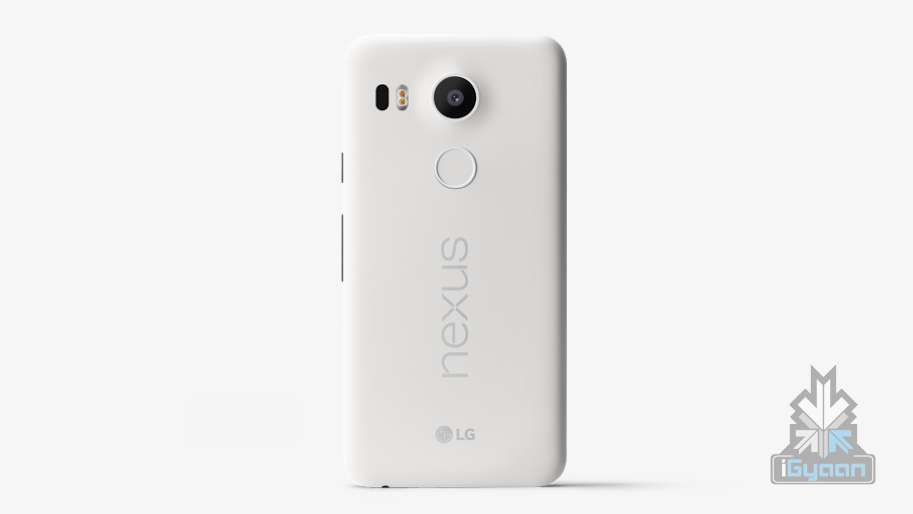
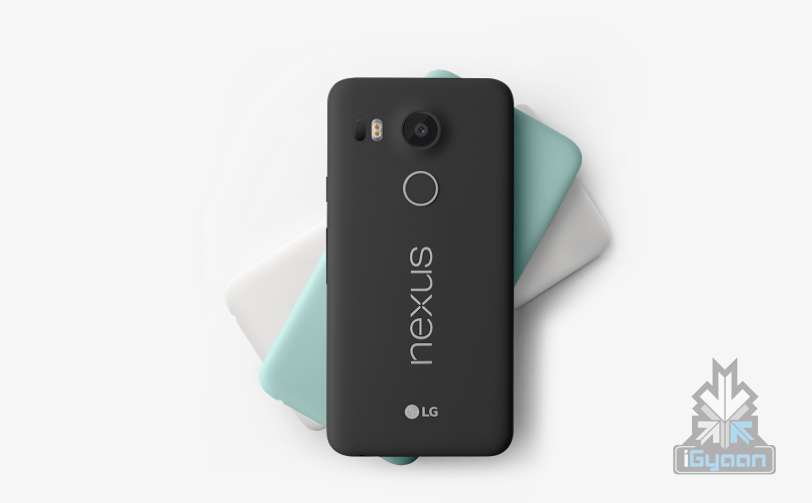
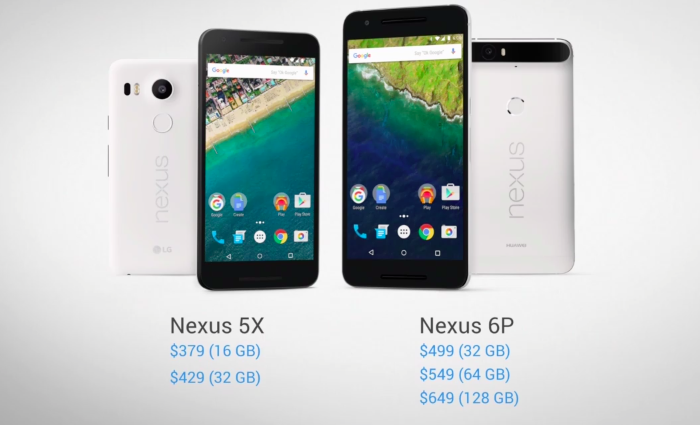
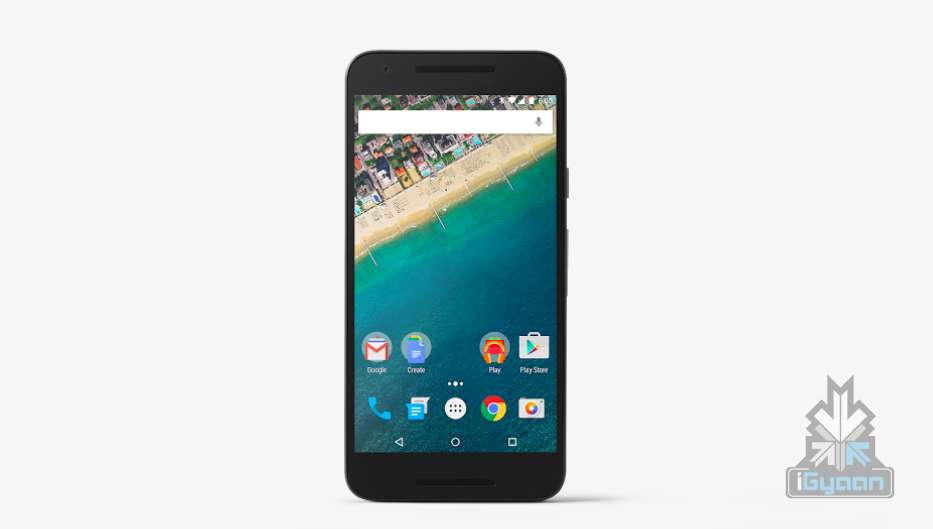
The much awaited Google Nexus event is finally here with the launch of its two new Nexus phones as well as updates on Android Marshmallow. We have brought to you news of all the recent developments, and now that LG Nexus 5X has been launched let’s take a closer look at everything that it has to offer.
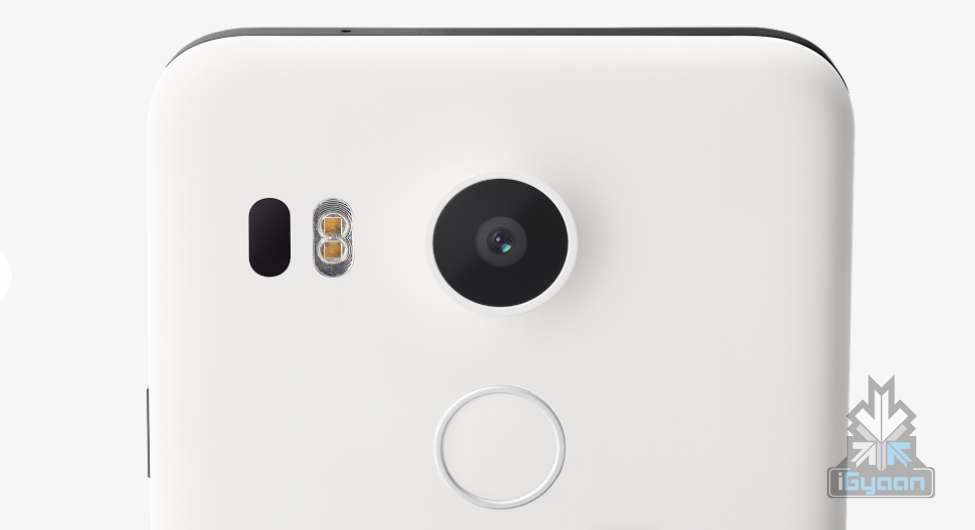
Dave Burke took to stage, following Google CEO Sundar Pichai and introduced the two highlights to the audience.The one we’re concerned with is LG Nexus 5X. As leaked had already showed, the main camera is a protruding structure and is marked at 13 MP.
The phone also boasts of finger print scanners, keeping itself abreast of touch-related technology. Burke attributes to this feature an “incredibly low” false recognition, and calls it very convenient while using Android Pay.
The device comes with USB Type-C and is available in three colours – Carbon Black, Sports White and Ice Blue. It will be available for shipping in late October.
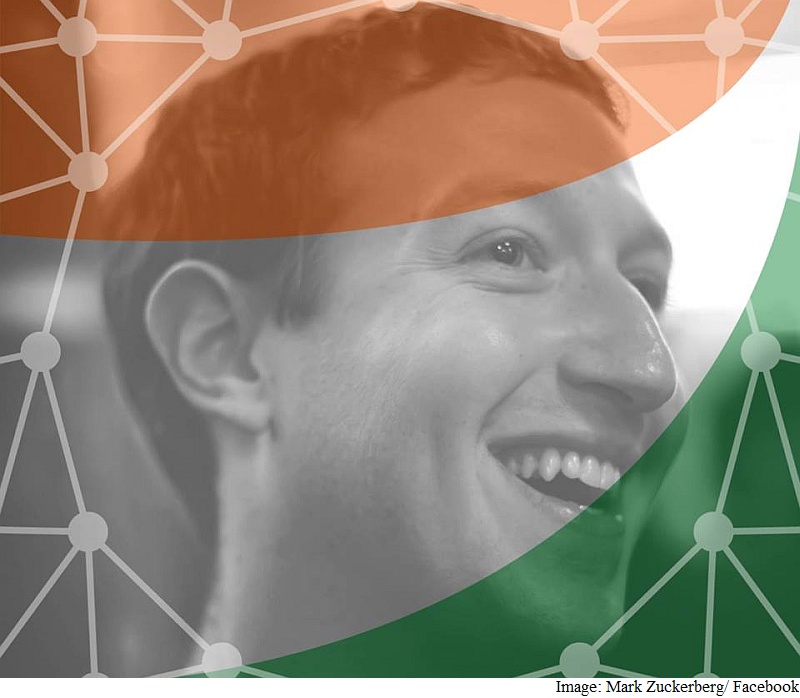
Mark Zuckerberg recently changed his Facebook display picture to one which has an over-lay of the Indian flag. This was done following his Town Hall meeting with Prime Minister Narendra Modi in Silicon Valley this week. Zuckerberg unequivocally expressed his support for the Digital India campaign of the country.
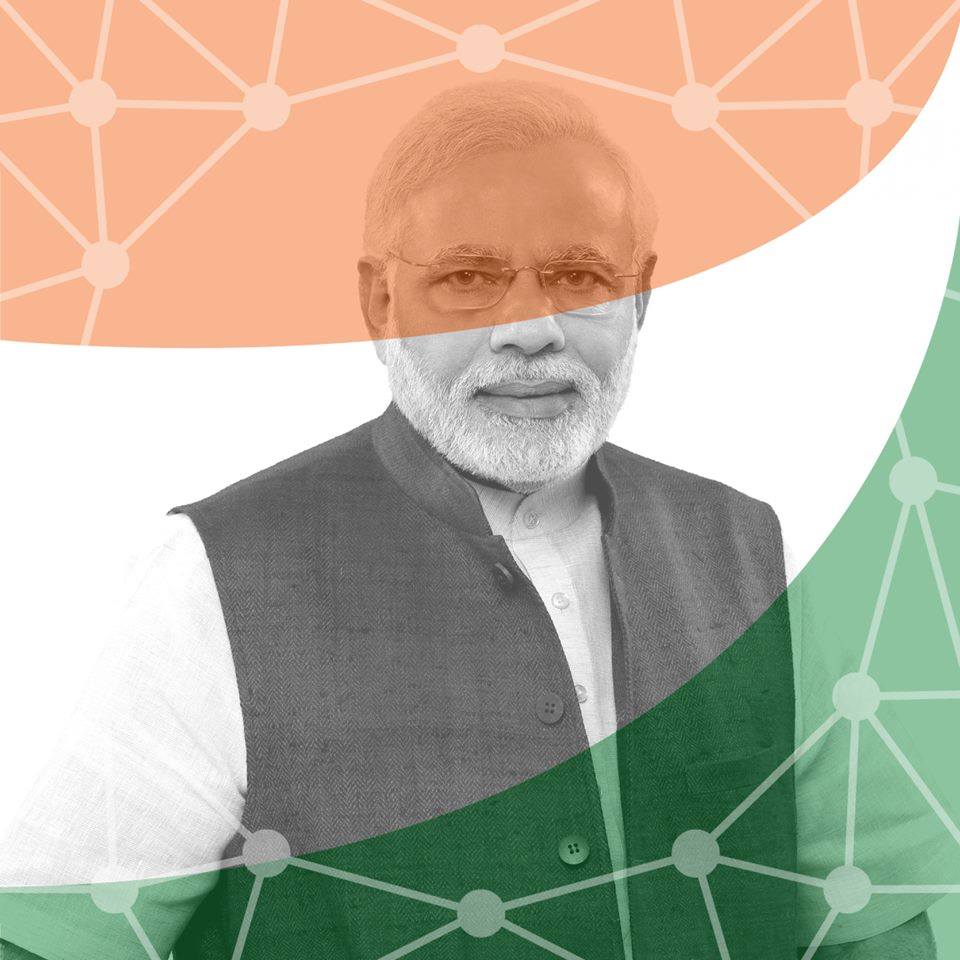
Prime Minister Modi soon followed league and changed his display picture on Facebook as well. Facebook also introduced a feature which allowed users everywhere to make the tri-colour part of their display pictures. Post this, people, as we know them to be, switched their profile pictures left and right and centre. All of a sudden, we woke up to find unanimous, enthusiastic support for Digital India. Utopia, could it be?
Maybe not. A lot of netizens took to social media platforms to express their dismay at the new feature, which was allegedly directly connected with Facebook’s Internet.org. It was assumed that these pictures had a source code which would automatically link them to Internet.org, inadvertently making them support the initiative.
Now the idea of thousands and millions being included within the ambit of the virtual world sounds brilliant and one everyone is up for. But before that, those endorsing this initiative as part of Digital India campaign need to understand all that it entails.
Internet.org:
Internet.org refers to a collaboration between Facebook and six other companies, namely, Samsung, Qualcomm, Nokia, Ericsson, MediaTek and Opera Software. The aim of this collaboration is to bring easily accessible internet to developing countries, especially in remote rural areas. However since it includes only selected services and online operators, it is seen not only as a direct threat to net neutrality but also as rampant publicizing of Facebook. It would be a single company, or a small group of them, which would decide what services are made available and which ones are excluded, a right earlier extended only to the user of the internet, not the service providers.
However, earlier today, an official statement was made by Facebook which reads as follows:
“There is absolutely no connection between updating your profile picture for digital India and registering support for Internet.org. An engineer mistakenly used the words “Internet.org profile picture” as a shorthand name he chose for part of the code. But this product in no way connects to or registers support for Internet.org. We are changing the code today to eliminate any confusion.”
And so, the hue and cry gradually died. But the proposition still remains -before you jump at the idea of a tri-coloured display picture, try remembering the things it implies. Granted such a picture does not necessarily mean support for Internet.org, yet the issue of separating Digital India from Internet.org remains just as relevant. Nothing would be better on the tech front than to have a country where internet is available in every household. But any policy that endangers net neutrality, and therefore, the freedom of expression and to make choices in the virtual space, needs to be reconsidered.
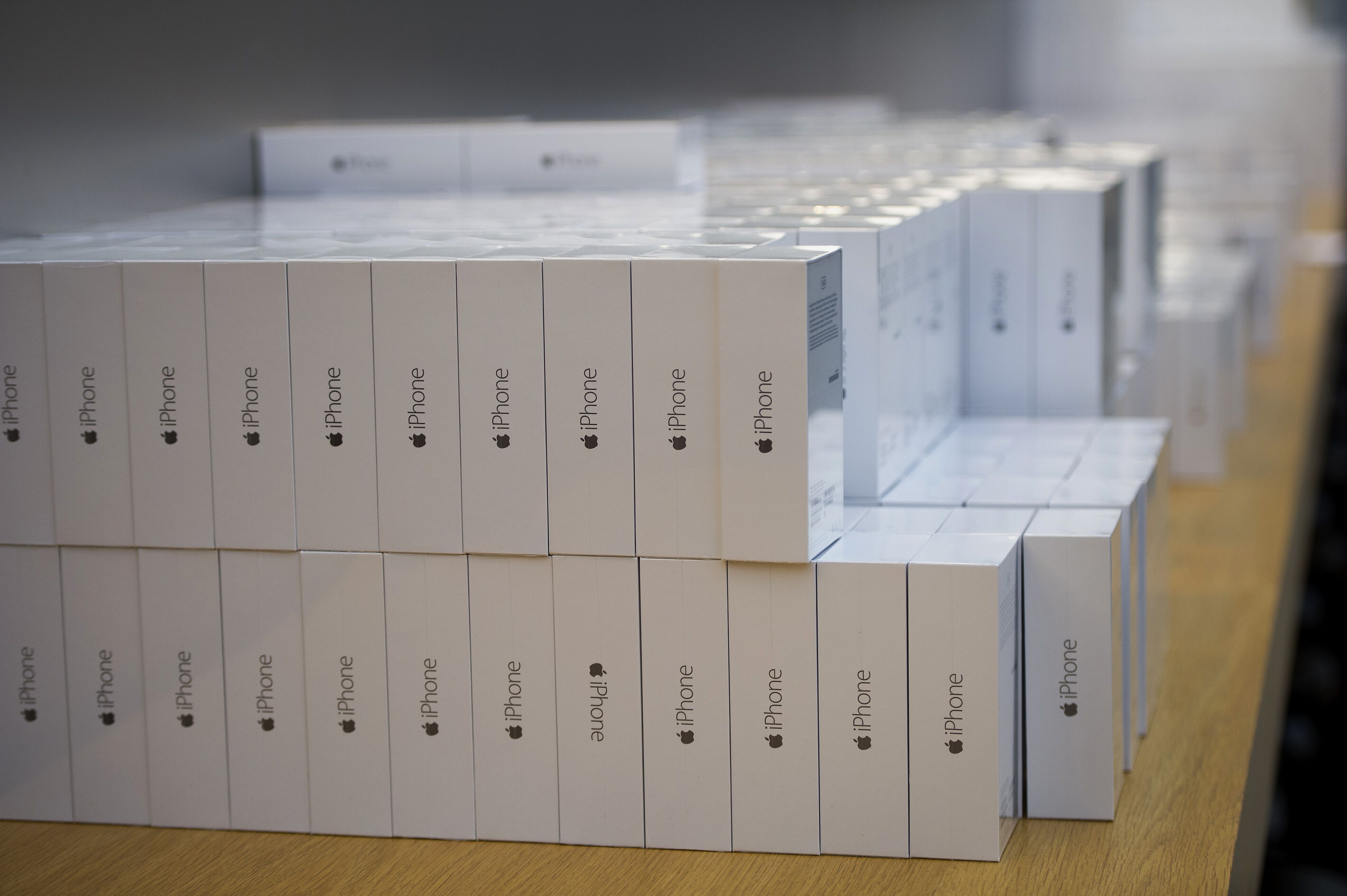
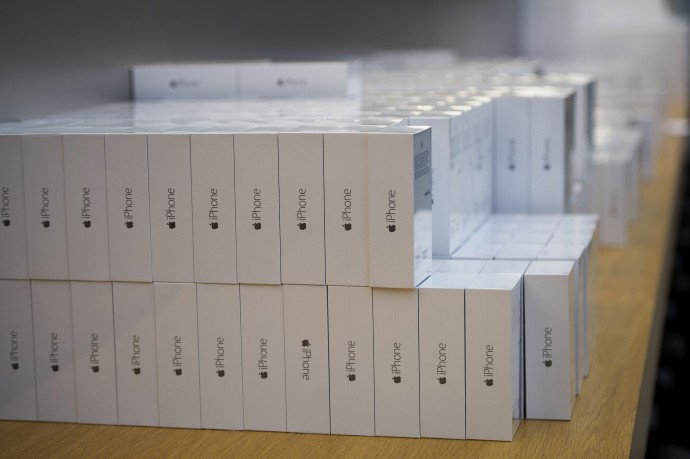
It’s that time of the year again when Apple finally ships its gadgets all the way to India. The wait is over for iPhone lovers eagerly anticipating the launch of the 6s and 6s Plus in the country. The phones will go on sale on 16th October, according to an official statement.
“Ingram Micro India Pvt. Ltd. will offer iPhone 6s and iPhone 6s Plus, the most advanced iPhones ever, beginning on 12:01am local time on Friday, October 16th in 2,500+ retail locations across India.”
Post a blingy event in San Francisco earlier this month, Apple faced a series of glitches with its App Store, security, and the basic software and operating system of its newly launched as well as the older devices. However, it is not likely that any of these recent hiccups would bring down the sales of iPhone 6s and 6s Plus. Time to sit back and let the speculations begin.
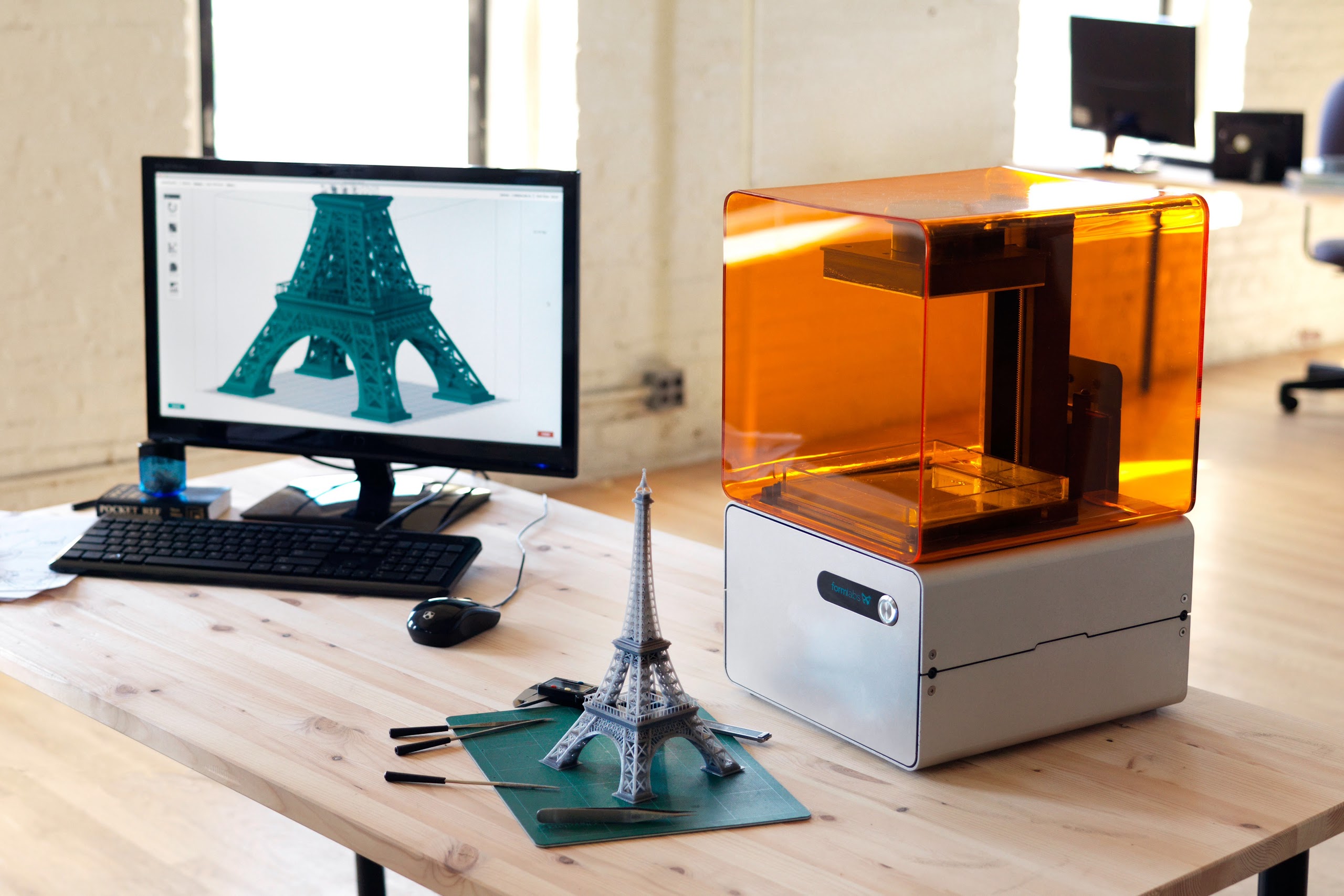
What had initially begun as an Ultra Clean Holdings (UCH) office in Singapore in late 2008 materialised into the first 3D printing factory of South East Asia on Monday. This office also has a second function of operating as the Asia Pacific head-quarters of the company.
The printing factory had been made semi-functional by November of last year. Now it is fully prepared for commercial, and consumer and business related 3D printing. Printing would be possible in 17 different kinds of materials including precious and semi-precious ones like gold, ceramic and brass.
UCT decided to work on its 3D printing technology in Singapore in order to meet with the demands of its growing business with manufacturers in Asia. Other than printing, services like assembly, machining and welding are also provided by the company. With headquarters in California, UCT has five offices in the US, two in Shanghai and one in the Philippines.
Here’s a close, detailed look at what you can expect from the Samsung Galaxy A8. Watch this video-review to see how it fares when pitted against OnePlus 2 and Asus Zenfone 2 – two other new flagships .
Hardware Specs
Samsung Galaxy A8
Display
5.7-inch FHD
Resolution
1920 x 1080p
Chipset
Octa-core (Four cores clocked at 1.3GHz, and four at 1.8GHz)
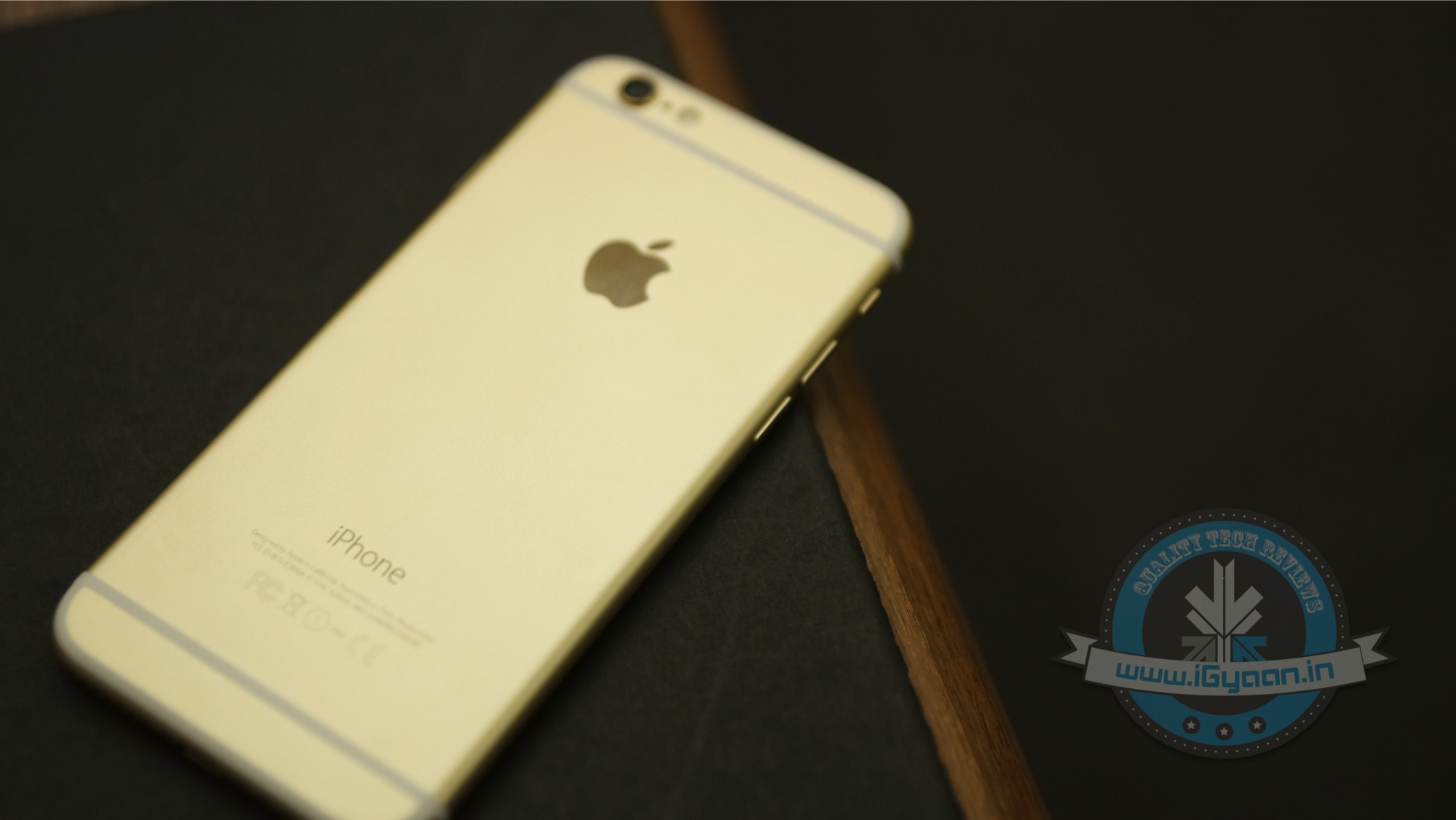
Lo and behold, Snapdeal is letting buyers get iPhone 6 for as low as Rs. 37,488 for the 16 GB variant. This is followed by the 64 GB version at Rs. 45,999, and Rs. 63,344 for the 128 GB variant. The price is so low thanks to the Cash back deal being offered to SBI debit and credit card users. Considering the fact that the 16GB version of Apple iPhone 6 was initially launched at Rs. 53,500 in the country, while the 64 GB and 128 GB versions were priced at Rs. 62,500 and Rs. 74, 000 respectively, this is a major price cut.
It is not uncommon for older versions of phones to witness a drop in price once a new flagship comes out. Similarly, post the launch of iPhone 6s, the drop in price of iPhone 6 isn’t surprising news. The price had began to plummet even before the Apple event on 9th September this year in San Francisco.
If you have been eyeing the iPhone for a while now, this is definitely your chance to grab the opportunity. Knowing how erratic the market as well as the tech world are, it is not likely for these prices to remain low for long.
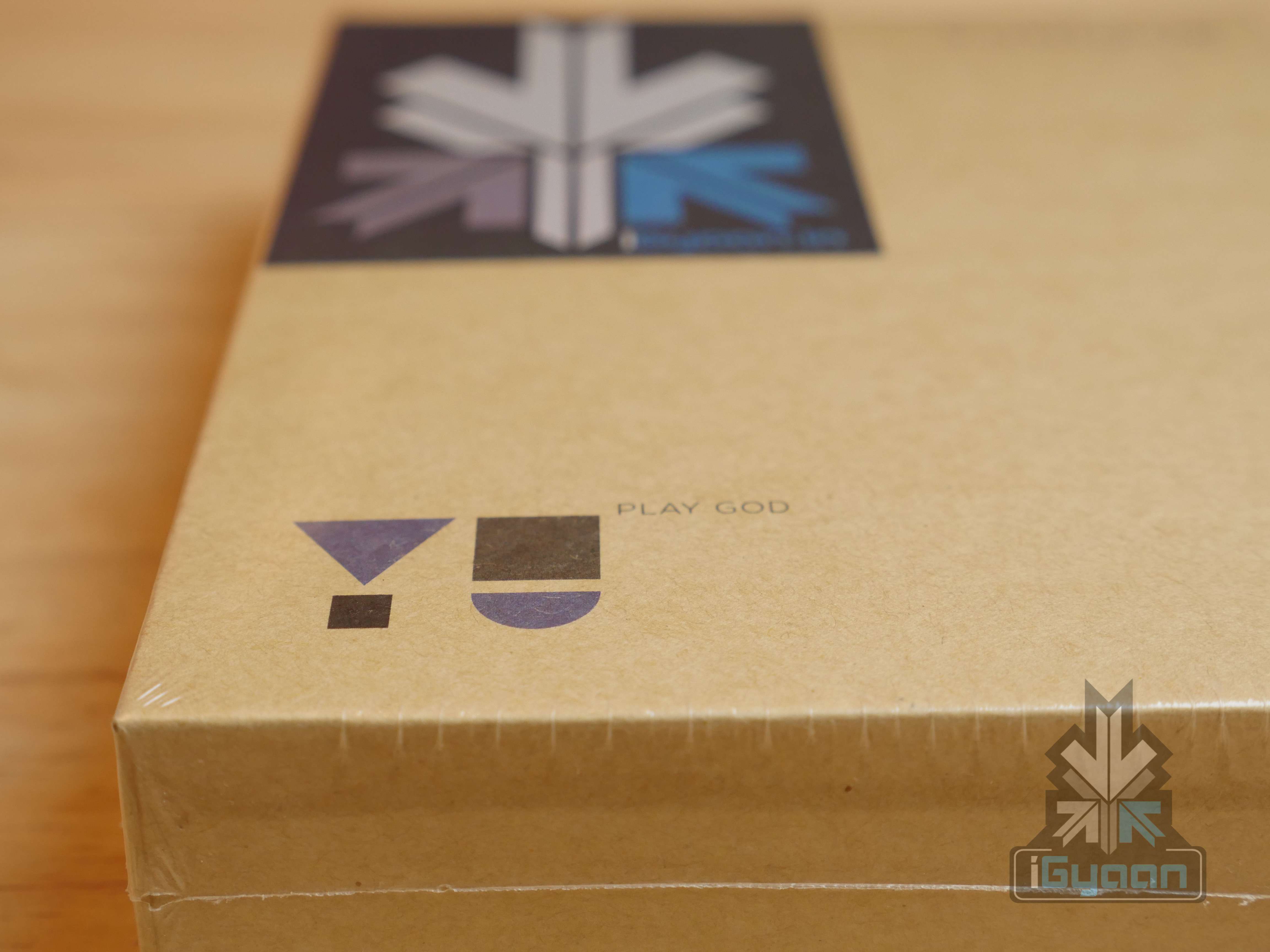
We had earlier discussed the possibilty of a smartphone named Yutopia by YU launching in India. Instead the company had gone ahead to launch the low-budget Yunique. Now we’ve got confirmation from the brand that the earlier discussed smartphone would arrive with 4GB RAM in tow.
YU, which is a Micromax-owned smartphone manufacturer based in India, is all set to launch its first high end smartphone next month. YU Yutopia is expected to go on sale next month, being the first of its kind since YU launched its three smartphones, entry level YU Yuphoria, followed by YU Yureka and YU Yureka Plus, all three powered by Cyanogen OS. Let’s see what the upcoming smartphone has to offer.
YU Yutopia
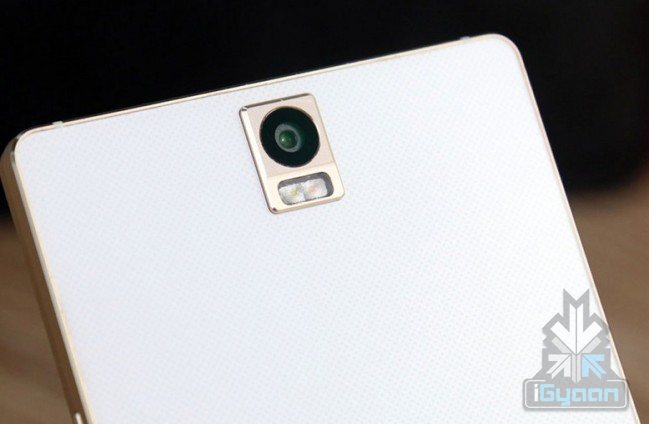
The YU Yutopia will be made available in three colours – white, black and gold. It will boast of a 5.2-inch display, 4GB of RAM and 32GB of internal storage with an expandable microSD card, along with pre-installed Android 5.1.1 Lollipop and Cyanogen OS on top of Google’s operating system.
The phone would be equipped with 64-bit octa-core processor and a Snapdragon 810 chipset. Dual SIM connectivity and 4G LTE would be some of its other features. As has been the case so far with all other YU phones, Yutopia would be available exclusively in India. Details regarding shipping would be known only after the phone has been officially launched. The Yu Yutopia will come with a price tag of Rs. 21,499.
As part of the Digital India campaign, Google is all set to bring high-speed wi-fi to 100 of India’s most crowded railway stations by the end of 2016. A country which has about 13 million people spread across 7000 stations would definitely do well with better internet connections serving about 10 million people every day.
Woes of bad internet while travelling is something all Indians are familiar with. This move to high-speed internet even on railway stations would be a big relief if materialised. These plans would be executed by Indian Railways and RailTel working together in collaboration. The announcement was made yesterday at Google’s Mountain View campus in the presence of Prime Minister Narendra Modi.
Google promises to ensure a speed decent enough to stream HD videos. Additionally, the company plans to extend its services to 400 stations over time. Who knows if the reality of high speed internet for the entire country is just around the corner?
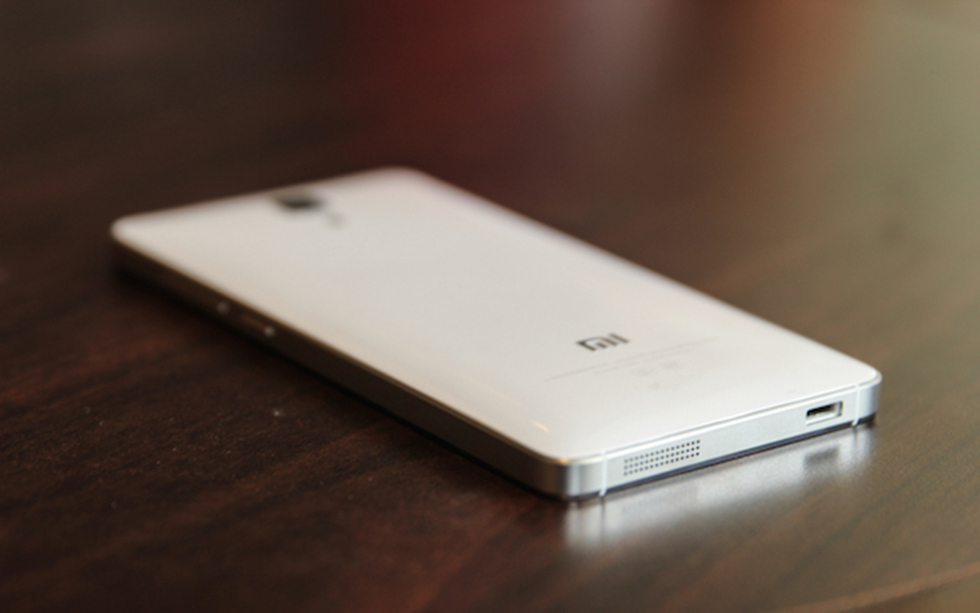
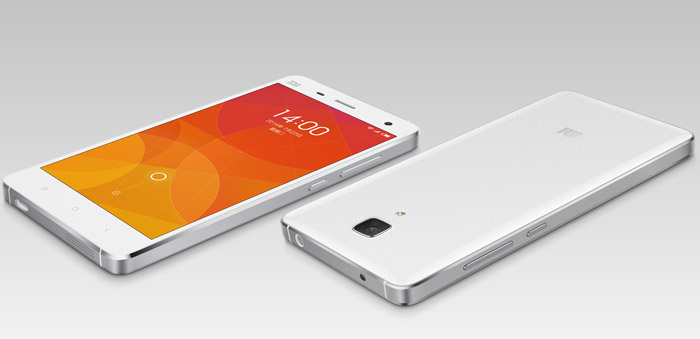
After the success of Xiaomi Mi 4 earlier this year, it can be easily assumed that the company’s Mi 5 will also go the Snapdragon way when it comes to the chipset. Electronic industry analysts like Pan Jiutang had earlier predicted March, 2016 as the release date for Mi 5. However, he has changed his views to December this year, provided Qualcomm manages to supply its chipset in time.
The newest Xiaomi addition to the smartphone industry is expected to have a display of 5.2 inches along with a 1080 x 1920 resolution. Qualcomm’s Snapdragon 820 SoC is most likely to accompany a Kryo CPU core and a GPU of Adreno 530. The front camera will be of 8 MP and the main camera is expected to be of 16 MP. All of these along with a 4 GB RAM, a Type-C USB port and Android 5.1.1 are likely to be part of the package.
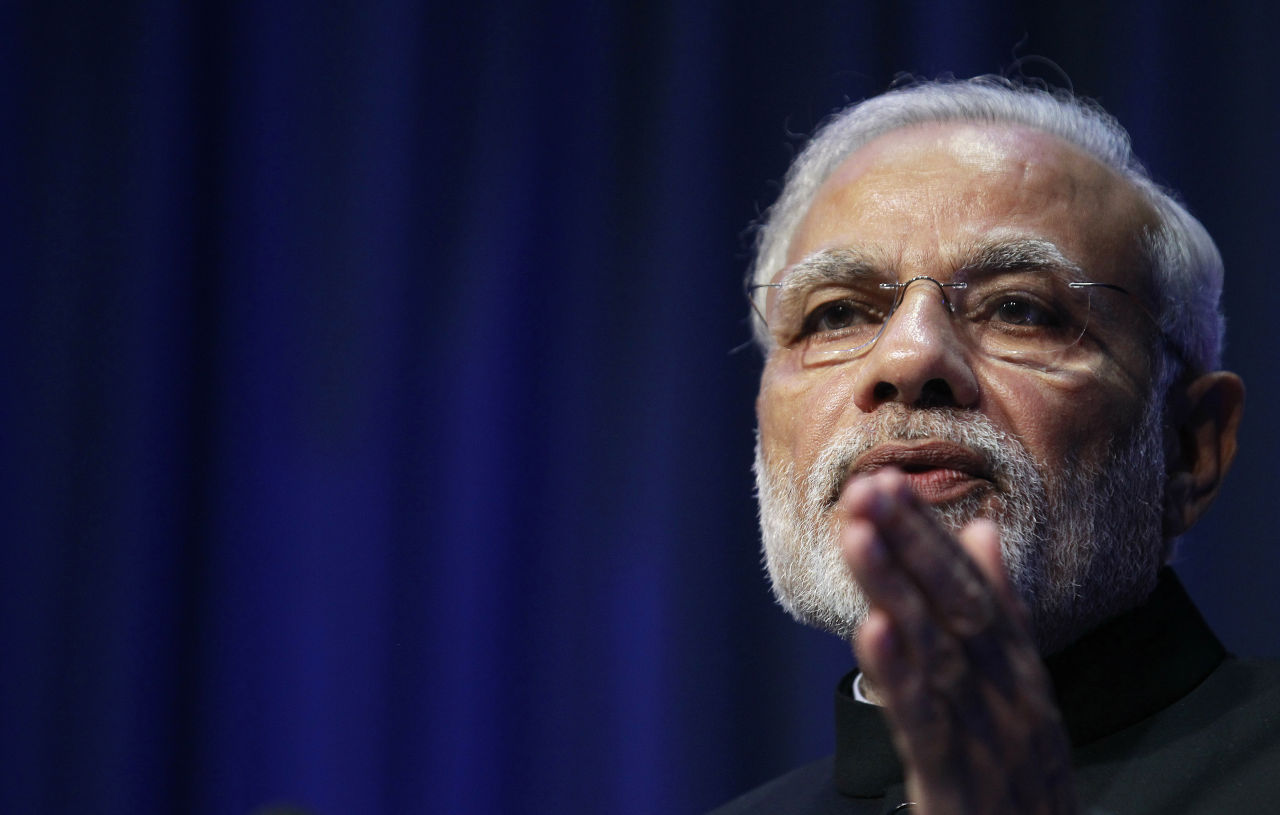
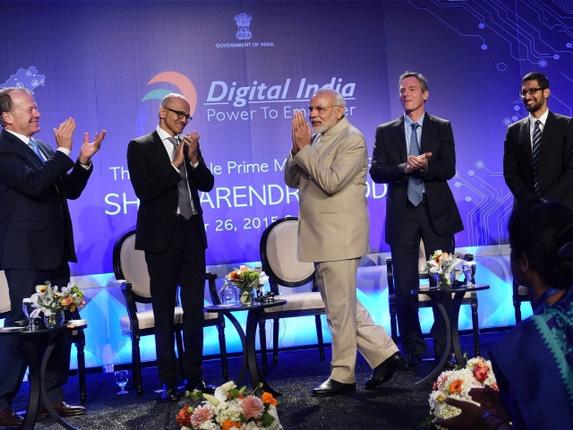
PM Narendra Modi’s visit to Silicon Valley, against the backdrop of campaigns like Digital India and Make in India, has the whole country aflutter with hopes of potential developments in the Indian tech scene. Aimed at promoting the spread of tech-literacy all over the country, the visit includes Modi meeting the CEOs of tech giants. Needless to say, the development of events led to some important announcements.
Google: Modi met Google CEO Sundar Pichai yesterday and discussed plans on introducing Wi-Fi connectivity across 500 railway stations in India, with speeds good enough to stream HD videos. Modi said that Google plans on covering 100 stations by the end of 2016. “We are expanding our public Wi-Fi hotspots. For example, we want to ensure that free Wi-Fi is not only there in airport lounges, but also on our railway platforms. Teaming up with Google, we will cover 500 railway stations in a short time,” he said. Pichai also announced that Google will roll out 11 Indian languages for Android users to type in next month.
Microsoft: Satya Nadella announced that Microsoft would use its cloud services in India. “We believe low cost broadband connectivity coupled with the scale of cloud computing and the intelligence that can be harnessed from data can help drive creativity, efficiency and productivity across governments and businesses of all size. This is turn will create global opportunities for India,” Mr Nadella said.
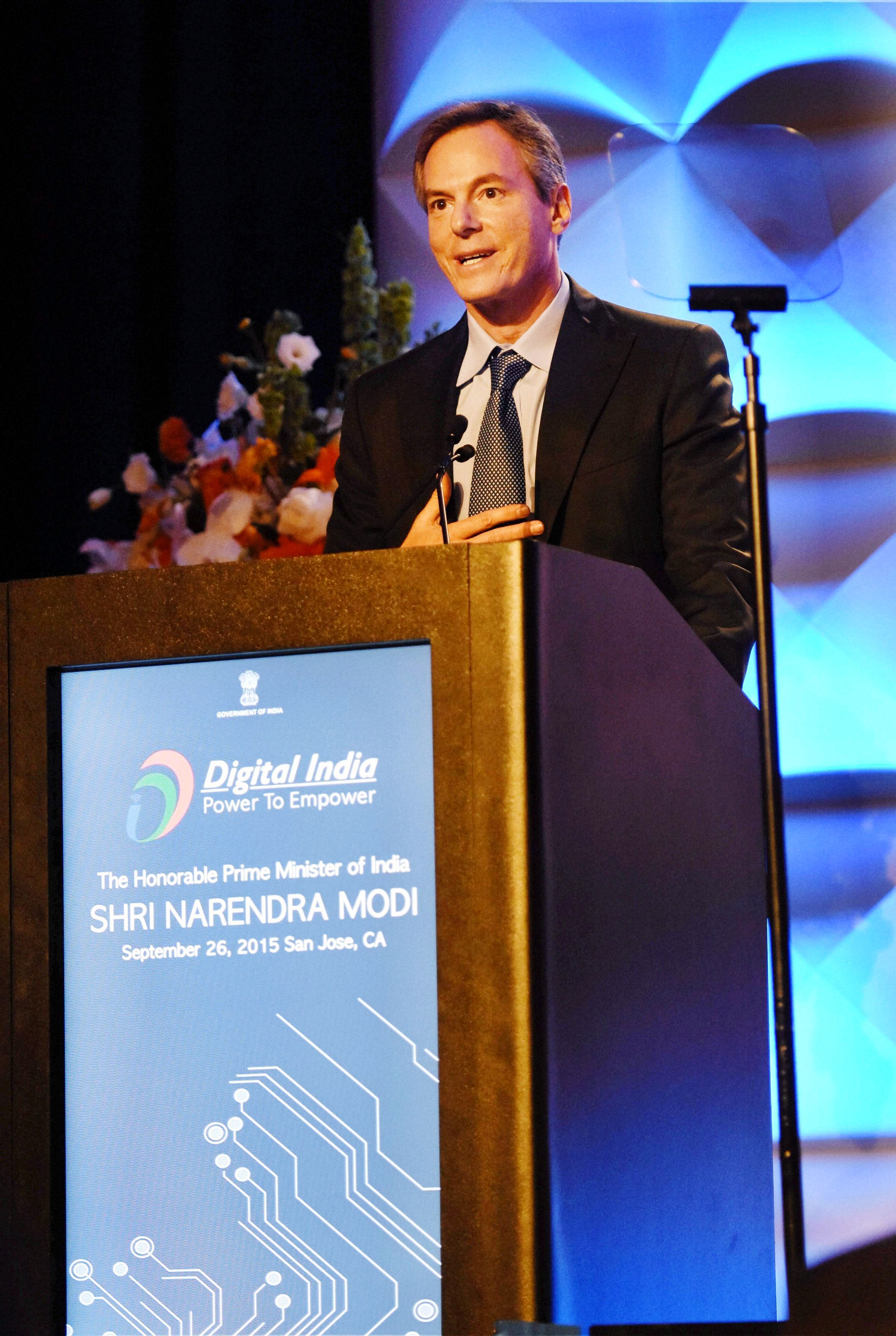
Qualcomm: Qualcomm announced a 10 billion rupee venture capital fund for startups. The company also announced the set up of a lab in Bangalore for product innovation. “We share Prime Minister Narendra Modi’s vision to transform India into a digitally empowered society and knowledge economy,” Qualcomm executive chairman Paul E Jacobs said.
Paul E. Jacobs talks about Digital India
Tesla:
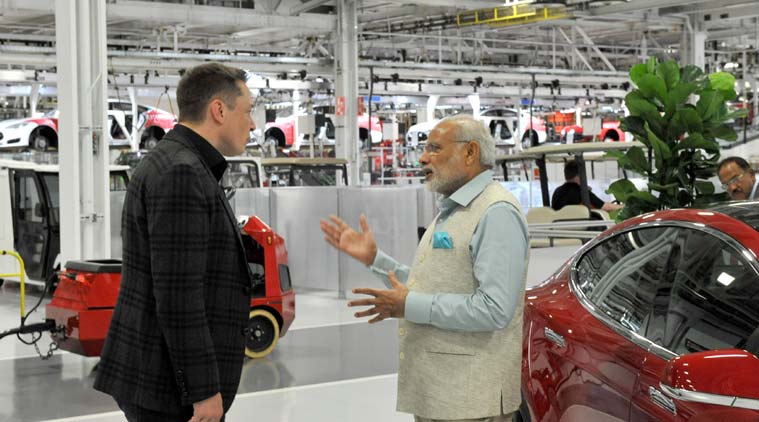
A significant part of the first day of the PM’s visit to Silicon Valley was spent with two CEOs, Tesla’s Elon Musk, and Apple’s Tim Cook. The meeting with Musk was structured with the aim of securing company’s “Powerwall” invention for the Indian tech world. Powerwall is a long term storage device for solar energy capable of bringing “energy to hitherto unserviced areas of India”. This innovation is expected to include more than just solar energy, and hopes to explore alternative energy sources as well.
PM Modi with Elon Musk
Apple:
Tim Cook, the CTO of the company, spoke about India and said, “India has a special place in the heart of every Apple employee for the simple reason that Steve Jobs, when he was young man, went to India for inspiration and it was what he saw in India that infused in him the desire to create Apple.”
Apple sees immense potential for app development in the country, especially for young entrepreneurs in the field. Following the example of China, where the company has managed to give rise to about 15 lakh jobs, Apple’s involvement in India seems a huge leap for the Digital India campaign.
Facebook:
After a one-on-one meeting with Facebook founder and CEO, Mark Zuckerberg, Prime Minister Modi shared the stage with him for a 50-minute discussion on technology, social media and Digital India. Zuckerberg mentioned how India has shaped Facebook’s history by providing a market of millions of netizens all connected through the social media platform. The PM made a comment good humouredly and said, “We used to have elections every five years. Now we have them every five minutes.”
Zuckerberg showed his support for the Digital India campaign by updating the picture on his Facebook page with a tri-coloured display picture.
The PM returns from Silicon Valley on 30th September with immense promise for the country in the realm of internet and technology. A sense of anticipation would perhaps be natural at this juncture as we await the execution of these plans. If seen till the end, a larger proportion of the country’s population would have access to internet services and those already using the internet would have smoother, faster services. Hopefully the UN is listening next time it decides to conduct a poll of internet services in the country.
A collaboration between Stratasys’ Education, R&D departments and MIT’s Self-Assembly Lab has led to a breakthrough in the realm of printing. Because 3D printers were simply not fancy enough, developers decided to create a 4D printer which allows the printed objects to change their physical state with the right temperature as stimuli.
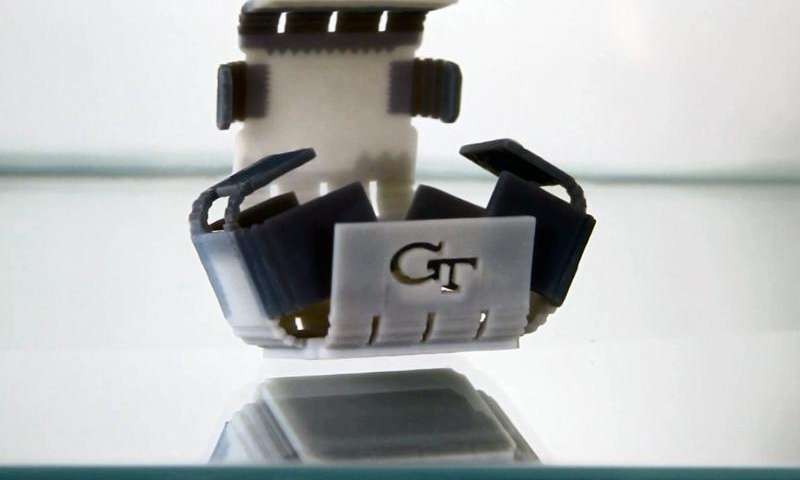
A self-folding object created with 4D technology.
Creating self-assembly technology for large scale structures is the underlying goal for this research and its results. The project is led by Skylar Tibbits, Self-Assembly Lab Director and trained Architect, Computer Scientist and Artist, and has showcased to the world Tibbits’ first 4D printer. It comes equipped with Stratasys’ Connex multi-material 3D printing technology.
The 4-D technology, developed by Georgia Institute of Technology and the Singapore University of Technology and Design (SUTD) enables 3D structures to fold themselves from components that were previously flat or folded for various reasons. Though this technology is not commercially available yet, it seems to hold tremendous promise in manufacturing with least energy consumption. It’s okay for you to go ahead and get excited about the possibility of a sci-fi-inspired-world of self-automated and shape-shifting objects now.
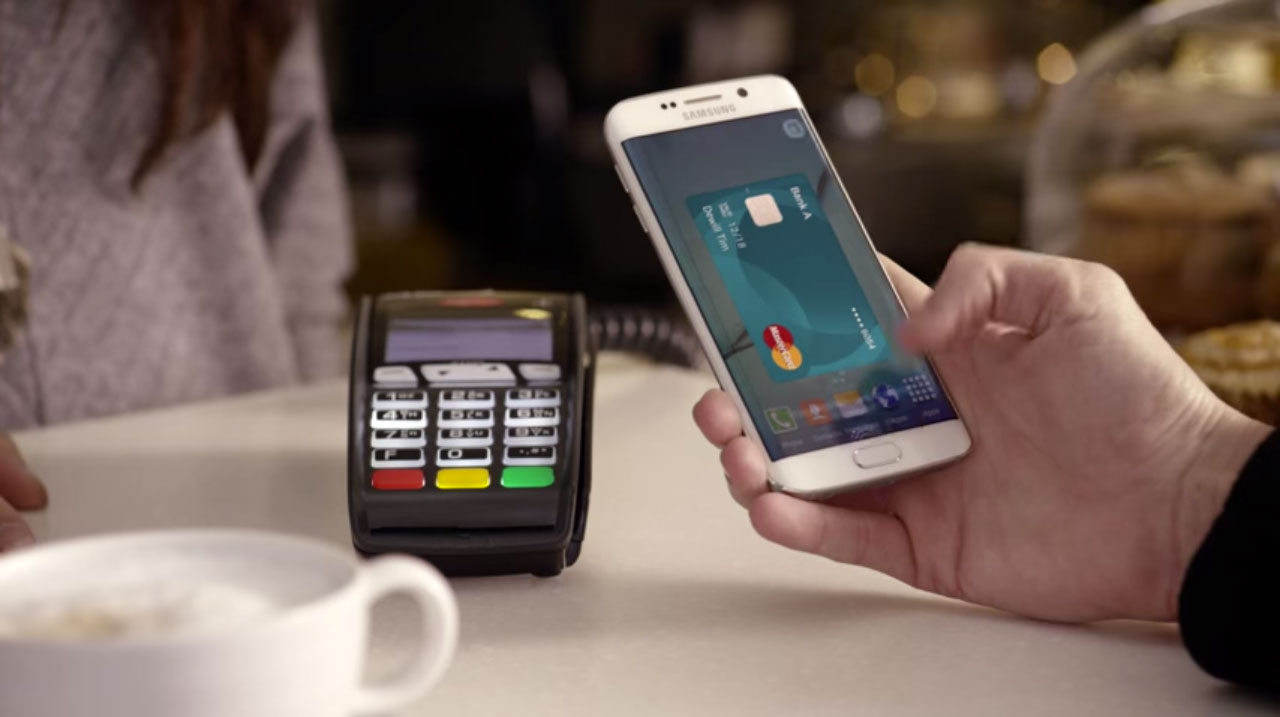
Mobile payment seems to be the next big thing getting users excited in the tech world. It refers to transactions, under specific financial regulations to ensure safety, using a mobile device. The latest company to be in news related to this tech development is Samsung, creating headlines with Samsung Pay.
The newest service of the company has been launched in its home country of South Korea less than a month ago, and the company claims it has already witnessed transactions amounting to $30 million. This amount is spread across 1.5 million transactions. They were made by people who were active throughout the course of last month, many using the service every day. The device mainly used for it was Samsung Galaxy Note 5.
Earlier, Google Wallet has been a noticeable name in the realm of mobile payment. Apple is yet to introduce the service and there is little official news available about its launch. It would be interesting to see Samsung Pay pitted against other tech giants and the way in which market responds to it outside Korea.