Blackberry revealed that the hardware revenue for 800,000 smartphones consisted of an average selling price of just $240. Apple will make more money than that in just one day. Needless to say, things seem beyond bleak for Blackberry.
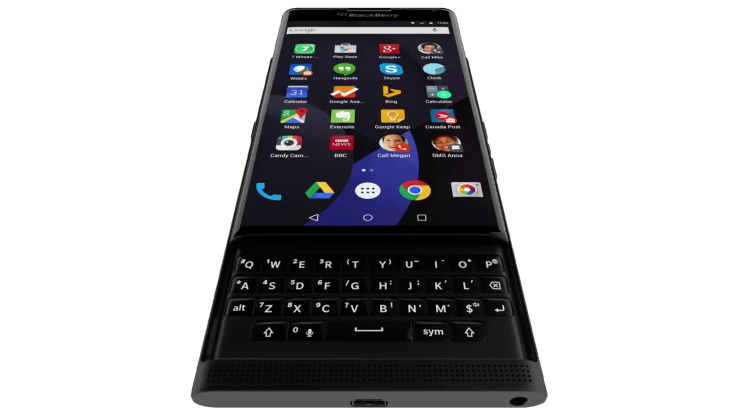
In a fresh attempt to pull itself together, Blackberry earlier announced its plans to launch an Android phone, the first of its kind for the company. Previously codenamed as Venice, Blackberry Priv (short for ‘privacy’) was confirmed yesterday as the official name of the smartphone. Priv is expected to bring the best of both worlds by coupling the latest Android technology with exclusive Blackberry features.
The phone is expected to feature a 5.4-inch quad HD display. The camera is will possibly be a 18 MP, with a Snapdragon 808 processor, a 1.8GHz core and 3GB of RAM.
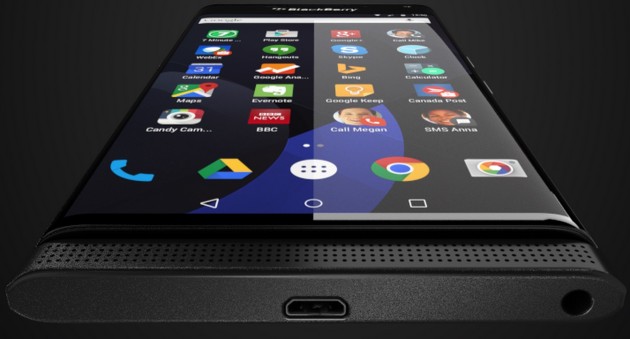
So far, we only had leaked images to go on with. But just yesterday, Blackberry CEO John Chen made an appearance along with Priv in a BNN Canada video. Now we know for a fact that the newest Blackberry smartphone will have a big display which is curved at the edges, reminiscent of Samsung Galaxy S6 edge and S6 edge+.
A little over five years ago, Blackberry had blown the world of instant messaging off its feet with its Blackberry Messenger. It’s time the company made a similar breakthrough again. It will be the launch of Blackberry Priv which would determine whether or not Blackberry is able to reaffirm its position in the tech world.
Heads up, iOS 9 users. In what seems to be another of the many disappointing updates about Apple, it has been revealed that your photos and contact details are open to access by others in seven basic steps. This comes in wake of the recent breach of security in Apple’s iOS App Store.
If you thought your iPhone’s lock code and TouchID can protect your data from hacking, it’s time to burst that little bubble with the following seven steps:
The first step requires you to enter a wrong password four times on your PIN-protected Apple device which runs on iOS 9.
Next, the fifth time that is, first three numbers should be entered, and then press and hold down the home button to launch Siri instantly. Right after this, enter the 4th digit.
On getting a response, ask Siri for the time. Add a new Clock now by tapping on the Clock icon.
Once the new clock has been added, write anything in the Choose a City field, followed by a double tap to get the copy and paste option.
Next you choose the ‘All’ option, followed by ‘Share’, and then the ‘Message’ icon in the Share option, where, once again you type anything.
Now tap ‘Return’, and double tap on the top contact name.
And finally, finish off by selecting ‘Create New Contact’, followed by ‘Add Photo’, and at the end ‘Choose Photo’.
And in this manner, a hacker would have gained access to your entire phone library. However, there is a way to protect your data against this. Disabling Siri on the lock screen by going to the Settings Menu is a way to prevent it. From Settings, select Touch ID and Passcode and then disable Siri. The device would now have to be necessarily unlocked for Siri to work.
While iOS 9 tries to set its feet amidst the quicksands of tech-glitches, it’s better to stay wary of hacking-threats looming overhead. Let’s see what is the next exciting piece of news we get to hear about Apple’s newest devices.
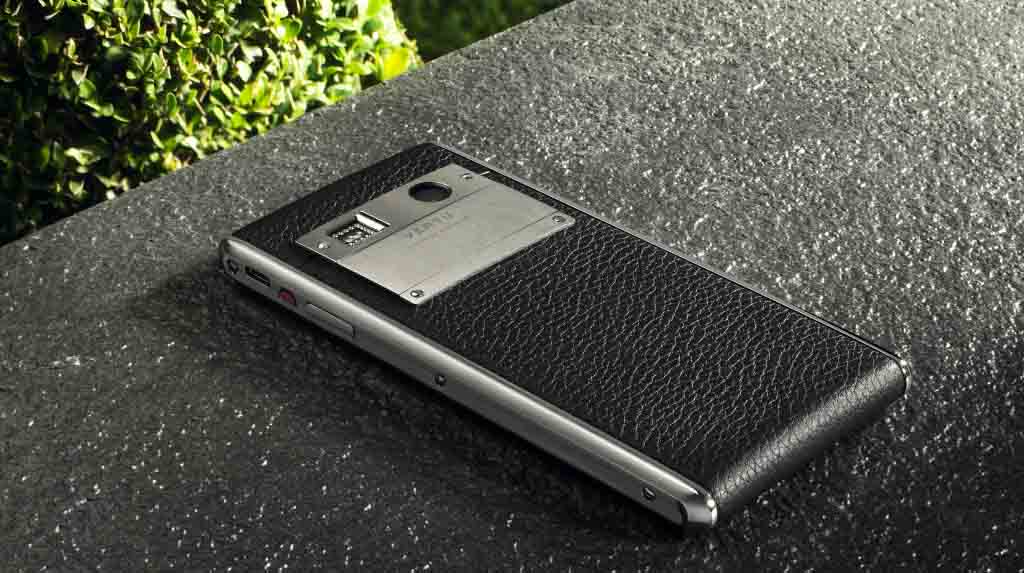
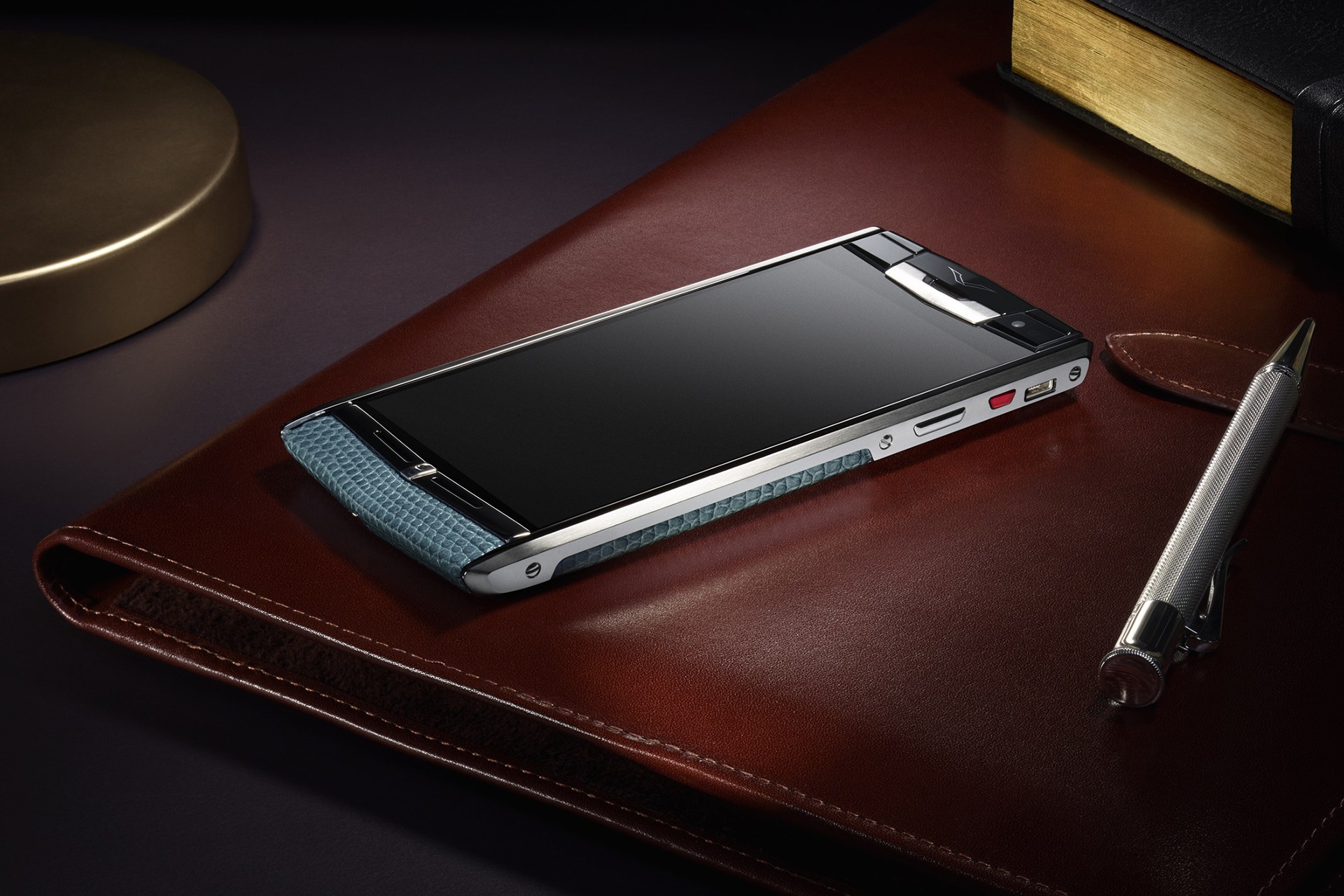
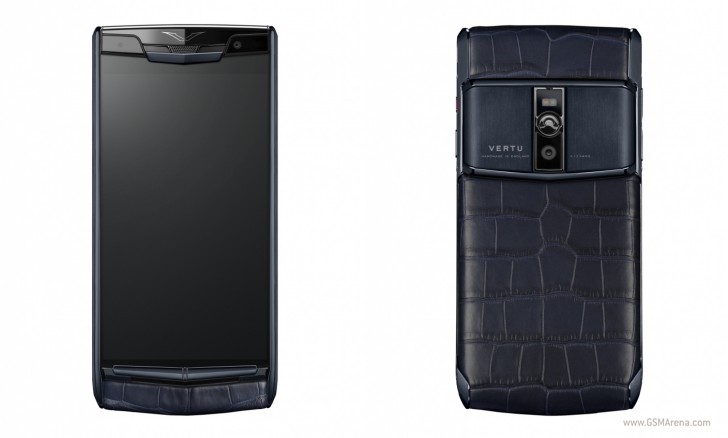
The cat is finally out of the bag as Vertu announces its official upgrade to Signature Touch. The smartphone will now sport a Qualcomm’s Snapdragon 810 chipset and a RAM of 4 GB.
Touch will also feature 5.2″ display covered with sapphire crystal and a 1080p resolution. The main camera would be of 21 MP along with 4K video capture, while the selfie camera is a puny 2.1 MP. The internal storage of the phone is 64 GB, expandable up to 2 TB. Wi-Fi a/b/g/n/ac, Bluetooth 4.0, NFC are the connectivity options packed in this beauty, along with 4G LTE support . The operating system is Android 5.1 Lollipop, and Vertu’s own concierge goodies.
With its release date on the 18th of October, the phone will be available for pre-order in some countries from 28th September to 8th October. Price would be located within the bracket £6,500 (Rs. 6,56,000 approx) – £13,700 (Rs. 13,84,000 approx) depending on the buyer’s choice of the combination of metal and exotic leather. And no, these figures are not typos – just when you thought Apple was stealing the show for the most ridiculously expensive gadgets.
Here’s a spec sheet of all features of Signature Touch:
Specification
Signature Touch
Display
5.2″ display covered by a 5th Generation solid sapphire crystal screen
While these is still a few months before Samsung officially unveils the Galaxy S7, the rumour mill is working hard and fast to deliver news about the device. The yet to be revealed Samsung S7 will come in two variants, according to reports. The SM-G930 and the SM-G935 would follow the league of their predecessors and come equipped with their own specific features.
The Galaxy S7 is codenamed Project Lucky, while the company refers to the two phones as Hero and Hero2. One of the two phones would have Exynos 8890 as its processor, while the other would have Snapdragon 820 SoC. Like the Galaxy S6, both of these phones would have UFS 2.0 storage. The South Korean tech giant may also have developed microSD card slots to work in unison with UFS 2.0, but this piece of information is yet to be confirmed.
The camera of the smartphone is expected to feature either dual-sensor setup, or a 20MP ISOCELL sensor. The display would be flat for one phone, and with a dual-edge curve for other.
After having launched the Galaxy S6 Edge Plus and Note 5 last month, hopes are high from the next Samsung gadgets. Let’s see how the company fares this time.
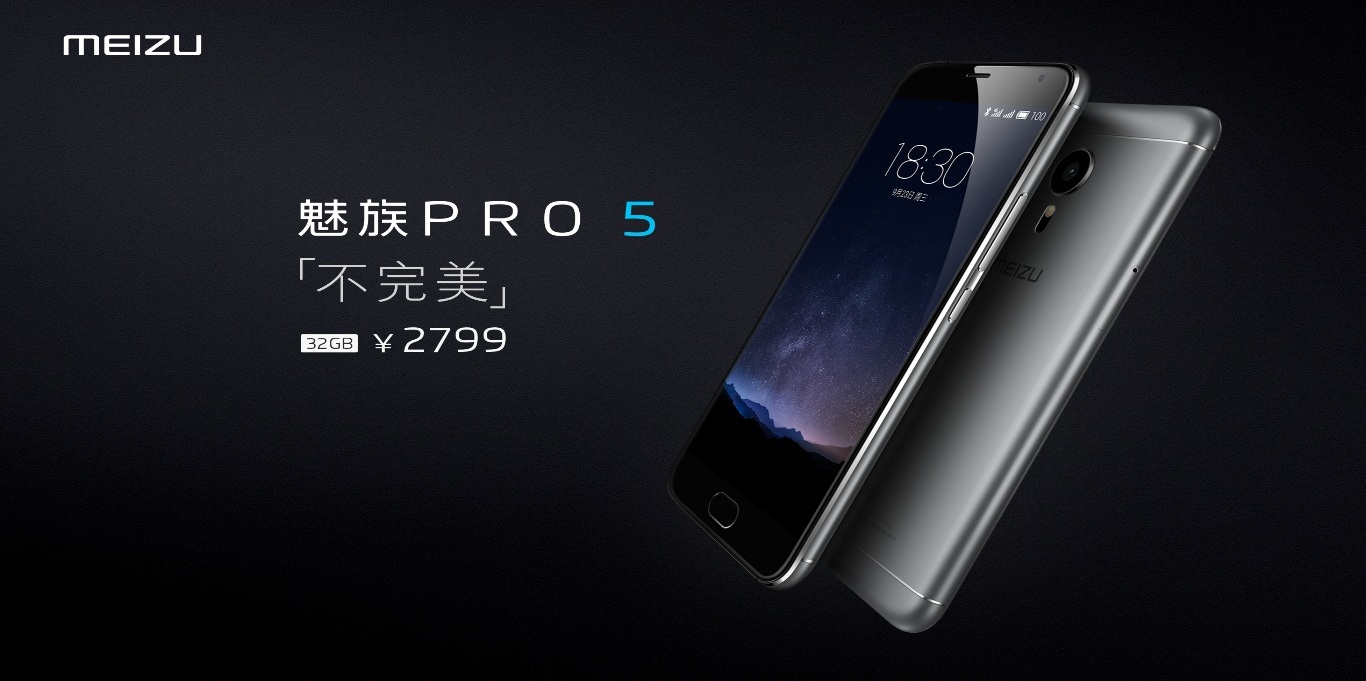
The Meizu Pro 5 has been released at an official event in China. The phone comes with a 5.7″ Super AMOLED screen and a 1080p resolution. There’s a 2.5D curved glass on top for smoothness. The rear camera is 21 MP and is powered by the Sony IMX230 sensor. The front camera is of 5 MP.
A Samsung Exynos 7420 chipset is made part of the phone, along with two options for both RAM and storage-3 GB for 32 GB, or 4 GB for 64 GB. Both models boast of a microSD card slot to further expand the internal storage. Taking a flight from its conventional naming system, the company has dropped ‘MX’ from the name of its latest handset. Rest of the specs of Pro 5 can be summarised as follows:
Specification
Meizu Pro 5
Display
5.7″ Super AMOLED
Resolution
1080p
Chipset
Samsung Exynos 7420
Processor
Octa-Core ( Quad 2.1GHz + Quad 1.5GHz)
GPU
RAM
3 GB/4 GB
Storage
32 GB/64 GB
Expandibility
–
Rear Camera
5 MP
Front Camera
21 MP
Battery
3050mAh
Operating System
Android 5.1 Lollipop
Connectivity
4G LTE (TD-LTE / LTE-FDD) / 3G HSPA+ , WiFi 802.11 ac/b/g/n (2.4/5 GHz), Bluetooth 4.1, GPS, USB 3.0 Type-C
Price
$439 (Rs. 28,900) for the 3 GB, 32 GB model,$490 (Rs. 32,000) for the 4 GB, 64 GB model
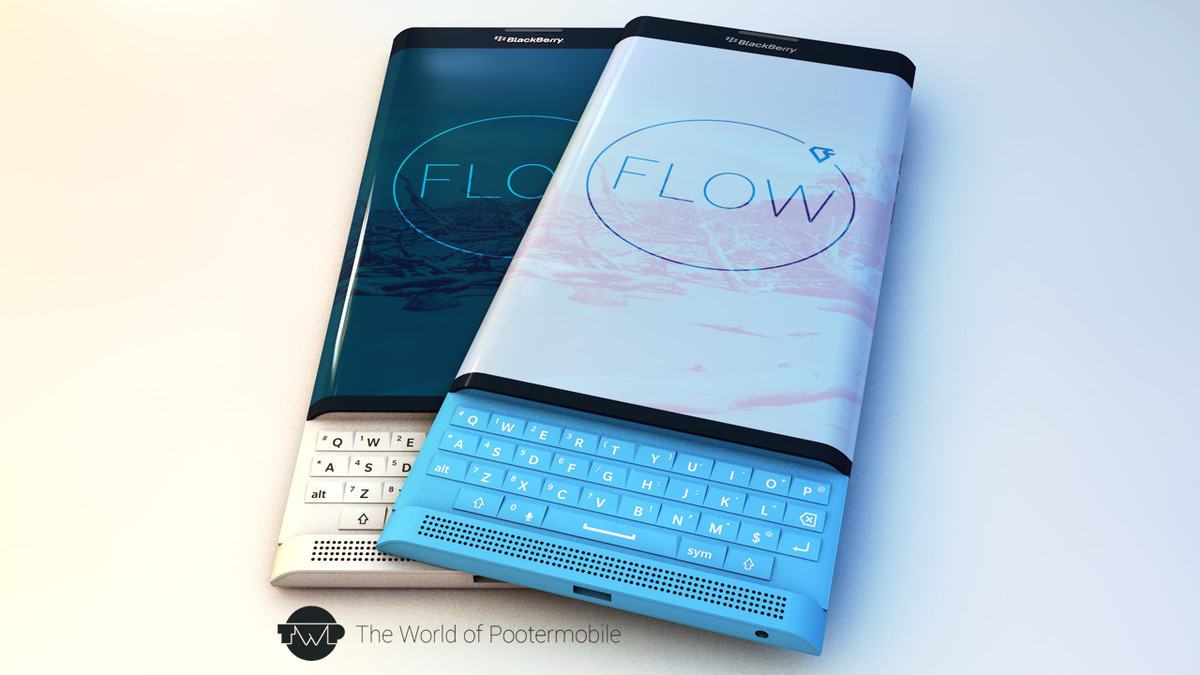
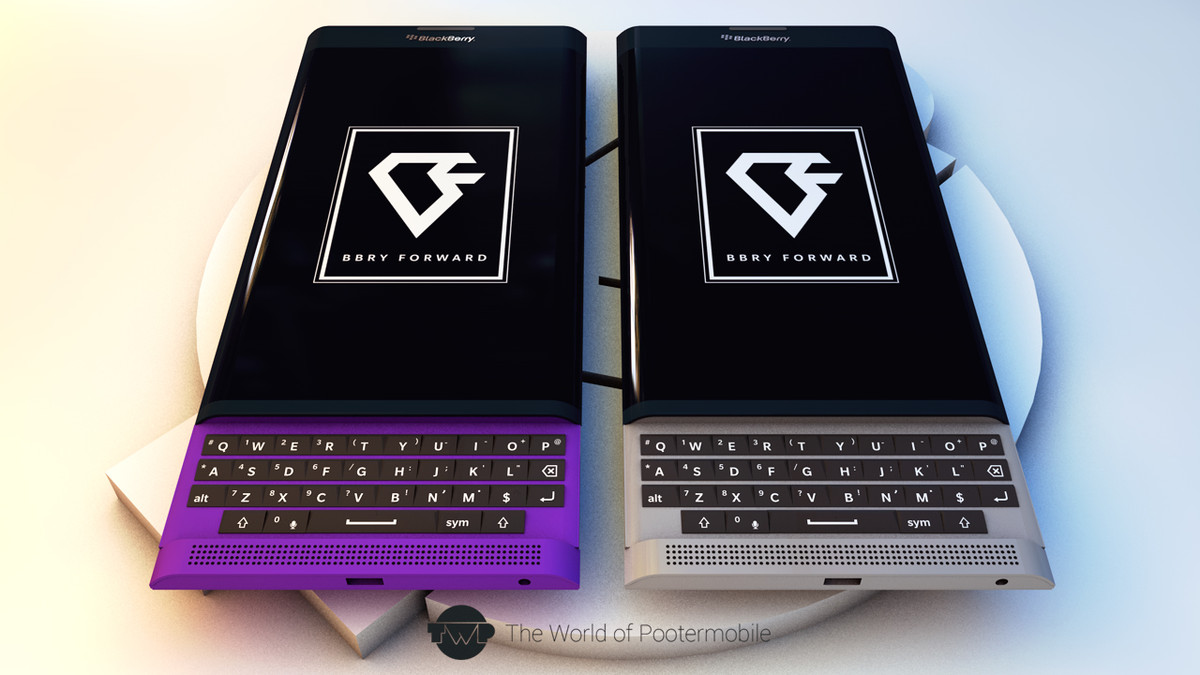
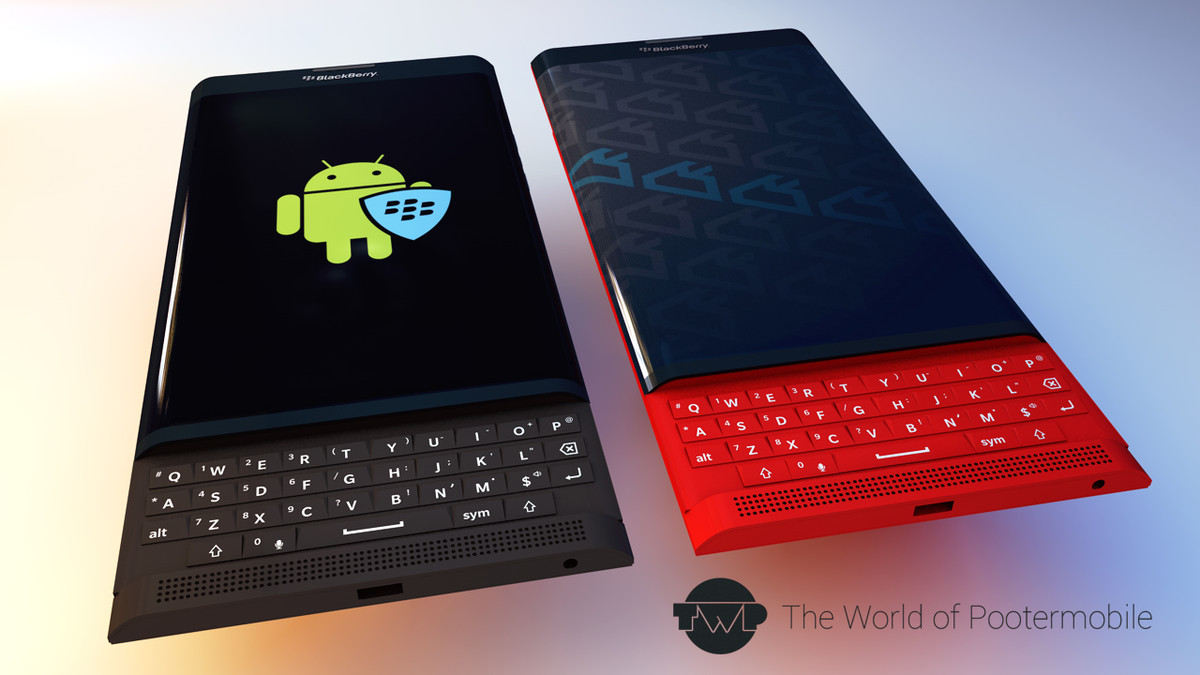
As leaked images of Blackberry Venice flood the internet, a fan adds to it by showing us colourful versions of the phone. The renders include white, aqua blue, purple, silver, red, and black. Hopefully Blackberry will break out of its black and white monotony and surprise buyers this time.
Venice in White and Aqua Blue
Venice will mark Blackberry’s entry in the Android world and should be available for sale somewhere around November this year. With the price yet to be announced, this phone is expected to come bearing the hexa-core Snapdragon 808 SoC, a 3 GB RAM, and an OIS-assisted 18 MP main camera.
Venice in Purple and Silver
Blackberry once again brings best of both worlds in its keyboards, which like the Passport, boasts of a biometric sense touch. Scrolling through documents and long web pages just became so much easier. Unlike older Blackberry handsets, the Venice has an equally distributed weight across the screen and the keyboard. Presence of a physical camera button, volume rockers and a smart action key, along with a front facing speaker grille and a microSD slot has also been confirmed.
Venice in Black and Red
Tap-to-wake, Blackberry Hub, Blackberry Device search, and Google Search are some of the cool new additions the gadget possesses. To find more about Venice, click here.
With its genesis in a fateful January day of 2012, drama around Kim Dotcom’s life continues to unfold with matters coming to a head next week. The hearing starts this Monday and it would decide whether or not Dotcom would be extradited for current charges of racketeering, money laundering and copyright infringement over his now defunct website MegaUpload. Three years ago, Dotcom had woken up one morning to find the Special Task Force at his doorstep, swinging from helicopters reminiscent of your regular Hollywood action flick (video below).
How it all began:
Back in March, 2005, a German-born internet entrepreneur, Kim Dotcom (born Kim Schmitz) started a Hong Kong based website called Megaupload. The main job of the site was to provide online file hosting that included storage and viewing, along with financial and advertisement services that included Megafund and Megapay. Millions of users across the world used Megaupload to share and access all sorts of visual entertainment, music and software. It had 50 million visitors every day and amounted to 4% of internet traffic.
On the 19th of January, 2012, the website was taken down by the United States Department of Justice on charges of copyright infringement. This was followed by the indictment and arrest of the founder and owners of the website, namely Kim Dotcom and three of his colleagues. A series of DoS attacks were carried out against umpteen US government websites and copyright organisations by Anonymous in reaction to these arrests.
The Raid:
Public opinion all over the world unanimously reached the consensus that ‘The Raid’ was a little too over the top, to put it subtly. The intricately planned manner of the arrest was definitely suitable for a first-degree criminal, one capable of corporeal harm in the case of an unexpected arrest. But for a self-proclaimed kingpin of the virtual world? Well, let’s just leave it at that.
Dotcom was physically roughed up by the officers who had arrived at his New Zealand mansion using a…wait, what was it again? Yes, a chopper! He was immediately taken into custody and put on a house arrest. He has continued to maintain residence at his mansion since then.
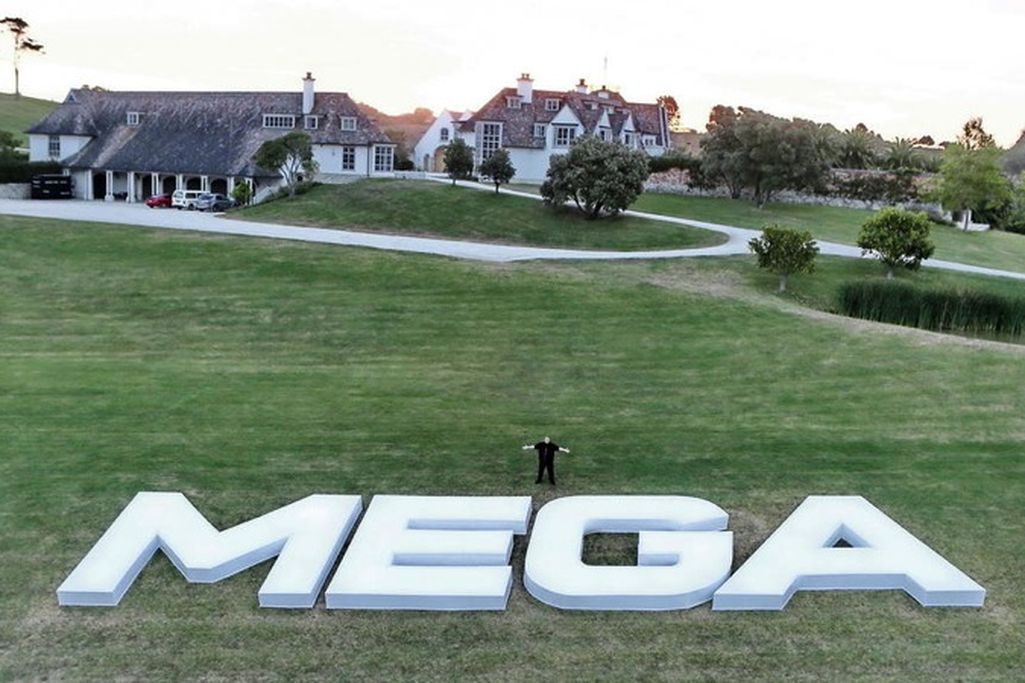
Dotcom refuses to back down – say hi to MEGA, among other things:
Exactly a year after Megaupload was shut down, Kim Dotcom came out with MEGA, the successor to his first major gig in the virtual world. The new website, based in New Zealand, is also a file hosting and cloud storage service which prevents government or third parties to access information of the users. Mobile apps for MEGA are available for all major operating systems like Android, Blackberry, iOS and Windows.
MEGA allows users 50 GB of free storage and upto 4 TB on a payment of a reasonable amount. Its most advertised feature is the local encryption of files before they are uploaded. This implies that MEGA doesn’t know the code to the uploaded files and therefore cannot decrypt them to view the content, thereby enabling absolute privacy to the users of the site, at the same time washing its hands of all responsibility of the content that goes up.
Dotcom and his political endeavours, New Zealand, 2014
Despite being on house arrest which allows him to cover a distance of 80 kilometres around the periphery of his residence, Dotcom has stayed a noted personality online. With a fan-following of his own, Dotcom does not hesitate from taking to social media to express dismay at his on-going legal proceedings. Amidst all this work, Dotcom also managed to found a political party in 2014. Called the Internet Party, it too has its headquarters in New Zealand like MEGA.
Kim now has 5 kids, an estranged wife, a supremely expensive piece of property in New Zealand (current worth -take a deep breath- $90 million) and a threat of expedition looming right over his head. He would have to be proved guilty of a crime both in New Zealand as well as in America to be extradited to Virginia, America. His court hearing starts in New Zealand on Monday and thus begins a circus of media, court-room scenes and the fate of a self-professed internet entrepreneur.
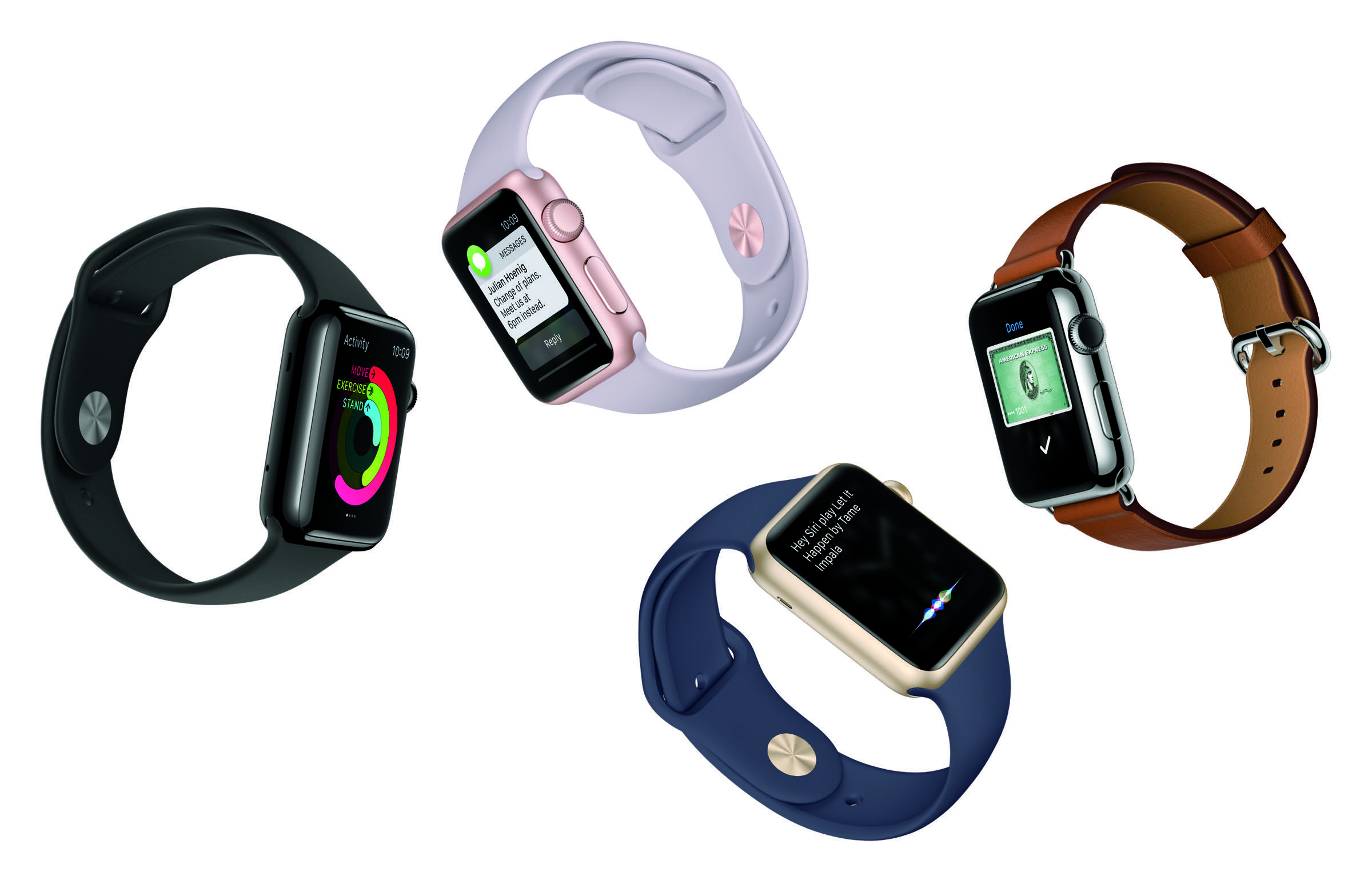
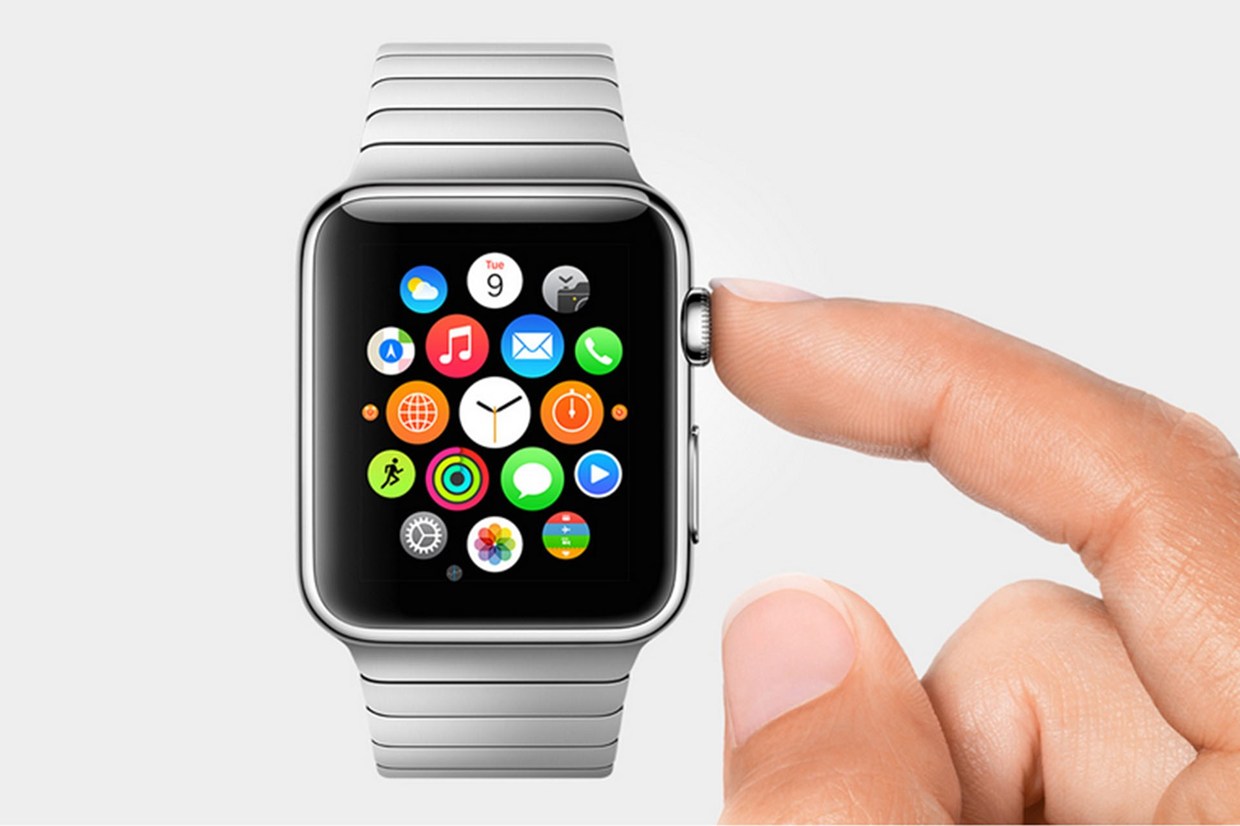
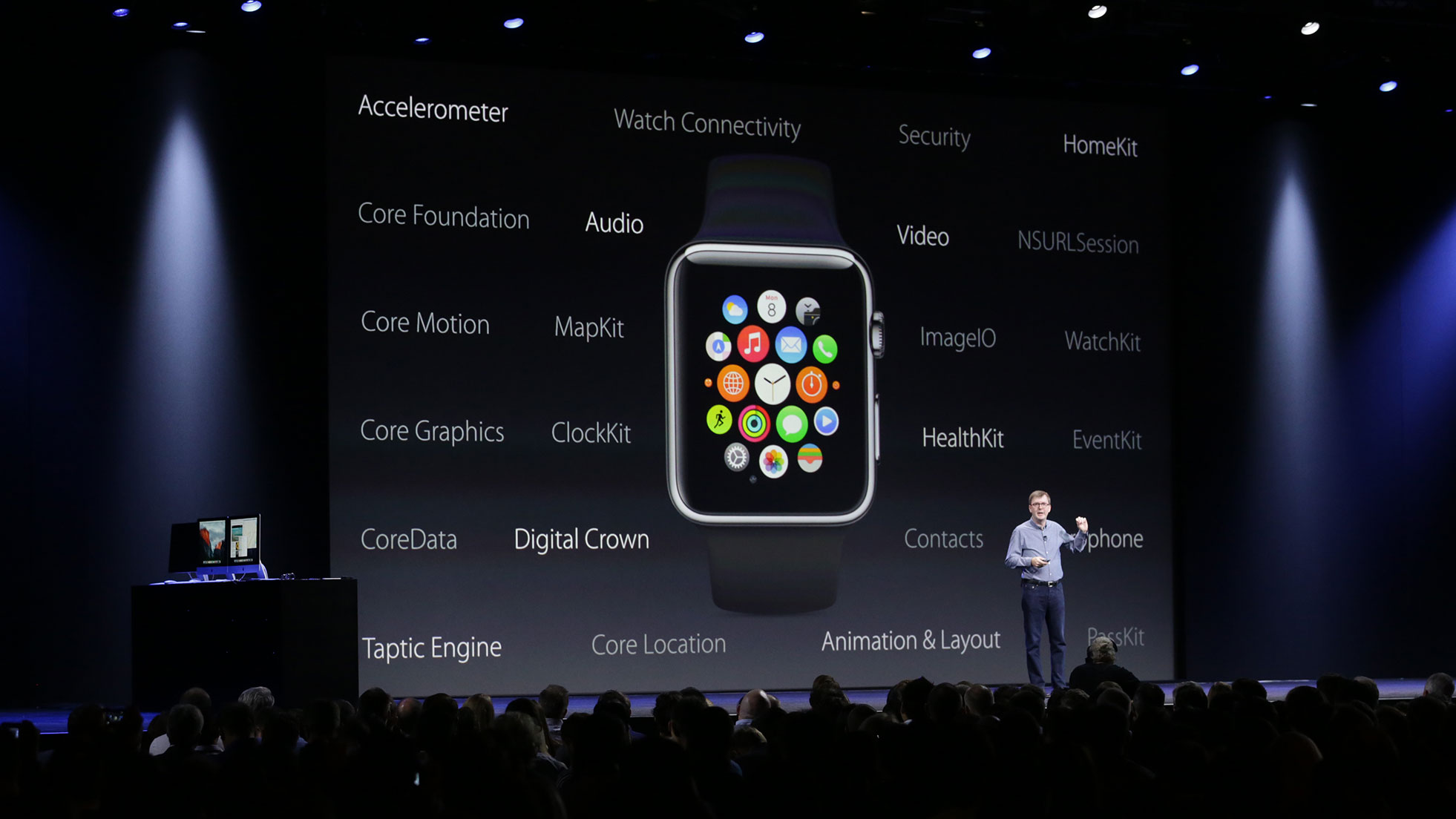
If speculations are to be believed, the new Apple Watch is to be released next year. The Watch is to have a display of 46 mm or 48 mm. These rumours have instantly sparked off a discussion on the pros and cons of the Watch.
Right when Apple had been swept aside as a company that would not jump on the bandwagon of phones with large displays, iPhone 6 and 6 Plus had made an appearance. Not only did the phones go ahead to witness an unprecedented rate of success, but they also made the customers accept the advantages of bigger displays.
Similar things could be expected of the Watch. One of the disadvantages of the current version is the small display which spoils a YouTube or Google Play experience for the user. The new display, along with an updated OS and an improved version of the existing features would make it easier for potential buyers to be drawn towards the gadget, irrespective of a sky-touching price tag. The Apple Watch currently falls within the vast price bracket of Rs. 29,000 ($349, £299) – Rs. 11,00,000 ($17,000, £13,500)! The next one can be expected to be anything but inexpensive. The release of the new Apple Watch can be hoped to be one of the two big events Apple hosts every year.
We can’t say we’re surprised to hear that according to a report by the Broadband Commission for Digital Development, India has fallen in ranking in broadband penetration. The nation has spiraled down to 131 in 2014 from 125 in 2013. A total of 189 countries were part of the survey conducted by the UN.
This news comes just days before the Sustainable Development Goals (SDG) Summit in New York and the meeting of the Broadband Commission for Sustainable Development on the 26th of this month.
There has been a 2.3 percent fall from a 15.3% in 2013 to a 13% in 2014 in broadband penetration in India. Further, the UN Broadband Commission report also pointed out that 57% of the world’s population stays out of the realm of internet, depriving themselves of umpteen opportunities of financial and intellectual development that the virtual world has to offer. International Telecommunication Union Secretary-General Houlin Zhao commented on the topic and said,
“Our important challenge now is to find ways of getting the four billion people online who still lack the benefits of Internet connectivity, and this will be a primary focus of the Broadband Commission going forward.”
A national broadband policy was adopted in India as late as 2011, alongside Middle Eastern countries like Iran and Lebanon. When it comes to the internet, India has some more interesting stats to offer. The UN survey provides a tabular representation of fixed broadband subscriptions per 100 capita. The country leading this table is Monaco at a 46.8, closely followed by Switzerland at a 46. India finds itself at a puny 1.2 in this table. Closer home, countries like Thailand and Singapore are way above at 8.2 and 27.8 respectively.
The numbers are slightly better for the country in terms of fixed broadband for mobile phones per capita 100. India finds itself located at a 5.5. But before you give yourself a pat on the back for this, remember that Bangladesh is at a 6.4, and the country at the top is China with a 322.2. Looks like it’s only the size of the population where we can give China competition at the number game.
Lastly there is a table which shows the number of households with internet connections. India is at an 18%, once again behind unexpected countries like Yemen, Thailand and Bhutan! The country at the top of this table is Iceland with a 98.2%. Now that is something to think about.
According to the survey, Europe is home to all the top ten cities with the maximum number of internet users. The other end of the spectrum is filled by sub-Saharan African countries which has the least percentage of internet usage and connectivity. For a more detailed approach, find the entire report here.
Evidently, India continues to lag behind in the technology race. Despite all the developments in the tech world, the amount of capital being invested in the country and the rampant presence of technology in our lives, the figures on paper are discouraging. One can only hope for a better progress rate by the next UN survey.
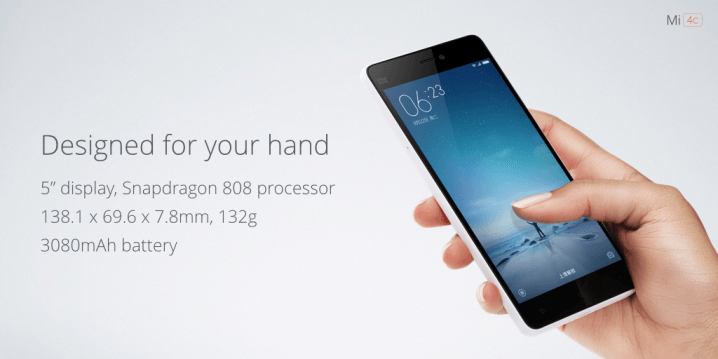
Over the past few weeks, Xiaomi had been dropping hints in bits and pieces regarding its latest smartphone. Finally, the Mi 4c with a 5 MP front camera and a USB Type-C connector charger has been launched today. It’s priced at around Rs 13,500 for 2GB RAM and 16GB Flash, and around Rs 15,500 for 3GB RAM and 32GB Flash. It will be available in four colours, namely, white, grey, pink, yellow, and blue.
The phone seems to have an edge over its OnePlus counterpart, OnePlus 2 which is priced at Rs. 24, 999. It offers similar, or even better features for a lower price. The specs of the phone are as follows:
Specification
Xiaomi Mi 4c
Display
5-inch
Resolution
1080p
Chipset
64-bit Qualcomm Snapdragon 808
Processor
1.4 GHz
RAM
2 GB/3 GB
Storage
16 GB/32 GB
Expandability
N/A
GPU
Adreno 418
Rear Camera
13 megapixel with a dual-tone flash
Front Camera
5 megapixel wide-angle
Battery
3080 mAh
Operating System
MIUI 7.0 based on Android Lollilop
Price
Rs. 13,500 for 2GB RAM and 16GB FlashRs. 15,500 for 3 GB RAM and 32 GB Flash
Mi 4c has a thickness of 7.8 mm and weighs 132 grams. It makes interesting use of different kinds of taps – a single tap clicks a picture whereas a double tap takes you back. The screen wakes up with a double tap.
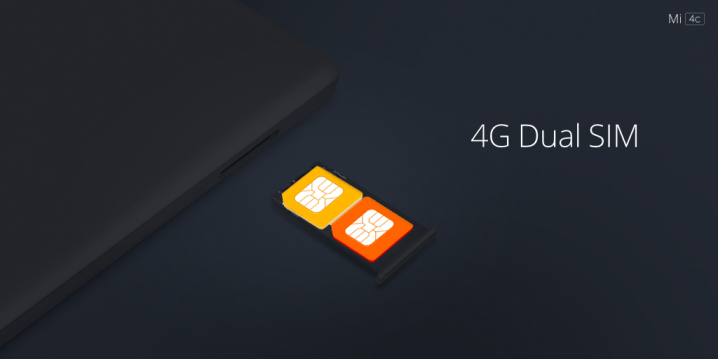
The Sunlight Display of the phone provides “excellent visibility in bright conditions”, claims the Chinese company. Along with the USB connector which boasts of Quick Charge 2.0 fast charging, the phone is also equipped with 4G Dual Sim. In order to make all micro USB cables compatible with the Type-C port of the Mi 4c, Xiaomi offers a USB Type-C adapter at an estimated price of Rs. 50. If all this wasn’t enough, the phone also has an in-built IR blaster capable of supporting over 2000 appliances including dSLR cameras. Though the current versions of the phone has MIUI 6, Xiaomi ensures buyers that the MIUI 7 update would be made available very soon.
Watch this space for all the latest updates on Xiaomi’s newest addition to the smartphone industry.
Following its release on Wednesday, September 16th, iOS 9 has become the most successful and swiftly adopted iOS so far. The speed with which users went ahead to update their devices led Apple to affirm that more than half of all iPhones have iOS 9 now.
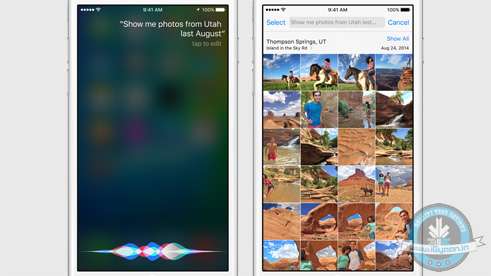
The new operating system comes with a better, faster version of all characteristic Apple features, along with additions, which are bound to woo users. iOS 9 is equipped with a power-saving mode, a feature that allows you to place a FaceTime call and watch a video simultaneously, a smarter Siri, scribbling functions in the Notes app, and an improved Apple Maps that now includes transit directions.
The update process has been made easier by Apple. Memory and storage issues, which have been a concern with the recent iPhones, have also been taken care of with this update. The iOS 9 takes no more than 1.3 GB of space as compared to the 4.6 GB of iOS 8. Users are also able to temporarily delete apps which will be restored once the update is complete.
The new iPhone 6s and 6s Plus will be available for sale Friday onwards. iOS 9 is their operating system by default. Apple expects to set new records in its sales come the 25th of this month.
All this seems to be comforting news for the company grappling with a series of problems in its software this week. Failed iOS updates were followed by a cyber attack on numerous apps in Apple’s App Store. However, the reduced update speed for Android users have inevitably made Apple’s stats look prettier than they are.The fact that different companies allow updates to OS Lollilop on their handsets at different times have allowed upgrades to iOS 9 to be the most to any OS in such a short period of time. Despite a few hiccups following the fancy Apple event earlier this month, Apple has managed to maintain its stable position in the tech world.
According to the Verge, Apple Inc. has trebled its 600-person team to increase the muscle of its electric car plans. The project is codenamed Titan and the company hopes to complete it by 2019. While Apple loyalists wait with bated breath for this addition to the tech world, it remains unclear if the car would be fully automated.
Additionally, the 2019 deadline does not necessarily mean that the car would be ready to enter the market and be up for shipping by then. This date is also a year ahead of the initial deadline for the automobile. Titan therefore becomes one of Apple’s most ambitious projects, especially after the company’s absolute lack of prior experience in the automobile industry.
The latest draft of the National Encryption Policy released by DeitY has found itself on the receiving end of ridicule and scathing criticism. Being condemned as an obsolete move that puts India decades behind in the tech-world, the proposal is seen as an attack on privacy on the internet.
The draft aims to “enable information security environment and secure transactions in Cyber Space for individuals, businesses, Government including nationally critical information systems and networks”.
This proposition is facing criticism because inherent within it is the implication of weakening of the encryption codes that would make private files on the internet accessible to the government. Apple offers an advanced version of iMessages where the company itself has no record of the messages of its users, and fights it out with the US government in the court regarding the latter’s involvement in the virtual existence of its citizens.
Back home, India asks its citizens to make themselves more vulnerable in Cyber Space in the form of regulation regarding the internet. It goes ahead to talk of plans of imposing a 90-day-compulsory-period of storage on all data exchanged using services like WhatsApp or iMessage, which make use of an end-to-end-encryption technology.
“All information shall be stored by the concerned B / C entity for 90 days from the date of transaction and made available to Law Enforcement Agencies as and when demanded in line with the provisions of the laws of the country.”
The complete draft of this new policy has been posted by DeitY on their website. The authorities ask for comments on the decision which can be sent to [email protected], until October 16, 2015.
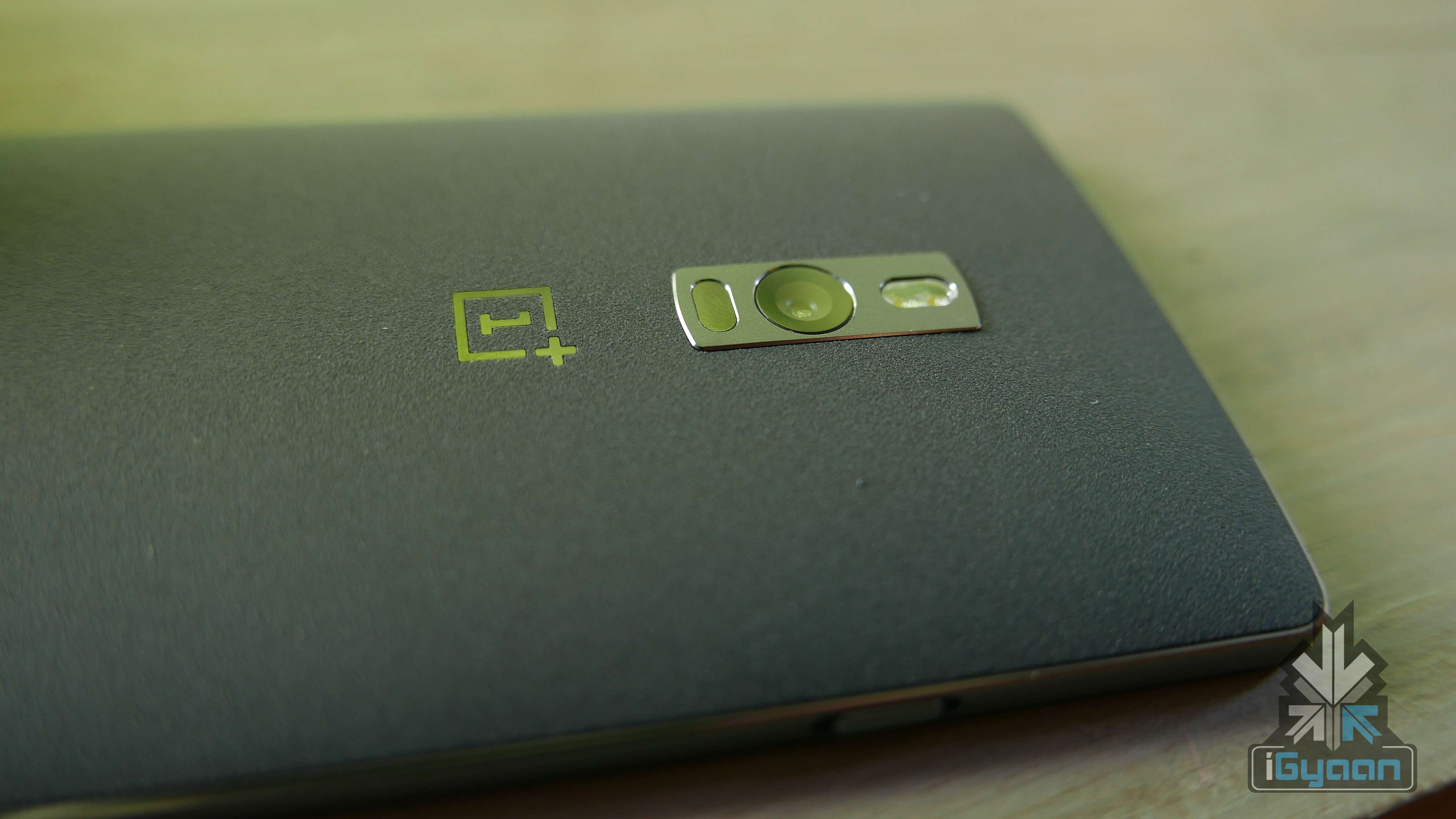
OnePlus co-founder Carl Pei had hinted at a successor of OnePlus 2 earlier in August this year. The company had commented that the new phone will be an entirely new segment and should not be considered as a OnePlus 2 successor. One employee from OnePlus confirmed saying, “we can only tell you that this is not going to be the OnePlus 3 nor a OnePlus 2s.” He also said, “We’ll be broadening our range this year.”
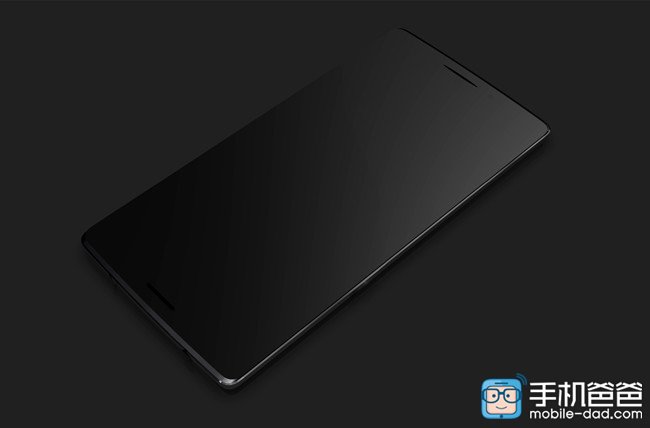
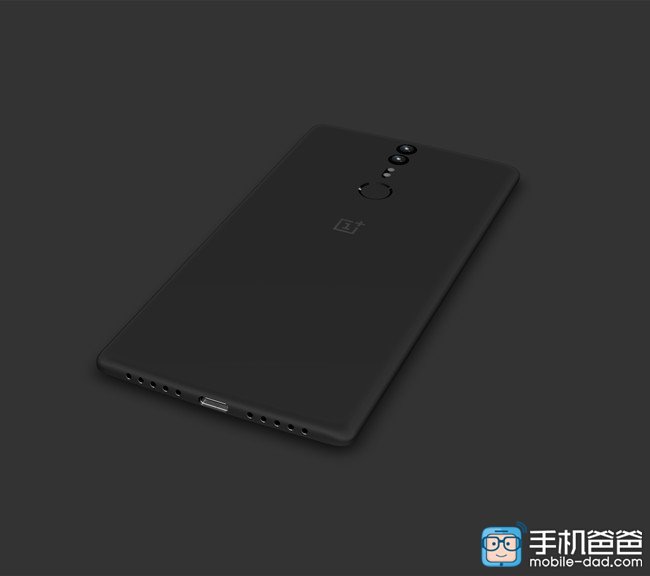
Other than the fact that it would be arriving in December, there were no more than vague rumours about the smartphone. Now, Chinese website Mobile-dad has managed to lay their hands on a pair of images which show a ‘Mini’, potentially the next smartphone by the company.
The leaked renders of the smartphone:
OnePlus Mini seems to resemble its predecessor in terms of basic design, but suggests more of a rounded, slim profile with an Apple Touch ID-like fingerprint scanner and two cameras coupled with two LED lights. Other features include a pair of machined grills for the speaker and microphone. With a tentative launch expected in December, the phone is speculated to cost $249 (Rs. 16,350).
The new device may also address the problem of the missing NFC, wireless charging, quick charging; or any other feature the current OnePlus 2 lacks.
If you’re looking for a course in coding apps, Google and Tata Trusts may have the answer for you. The two names have come together to launch an Android Nanodegree in partnership with Udaycity. The course aims at letting developers work on their skills from anywhere in the country on a phone, laptop or tablet. Google and Tata Trusts will also offer a 1,000 scholarships for students as part of the programme.
Rajan Anandan, VP & Managing Director of Google South East Asia and India said at the launch event of the initiative, “With the launch of this program we want to bridge the gap by providing India’s developer community an easy access to learn and build high quality apps for the world. Today, only 2% of apps built in India feature in the top 1000 apps globally and our goal is to raise this to 10% in next three years. We’re pleased to announce, that Google along with Tata Trusts will offer 500 free scholarships each to developers for Android Developer Nanodegree program.”
The Udacity Android Nanodegree program is open for enrollment right now. The program takes an average of 6-9 months and costs Rs. 9,800 per month with Udacity refunding 50 percent of the tuition upon completion. Google will also host a career summit for thirty of the top graduates from the Android Nanodegree program in Bangalore by end of this year. Scholarships for the Android Nanodegree are available immediately. For more information click here.