There have been many smartphone alarm docs over the years. Most of them haven’t found too many buyers for reasons related to limited functionality and an expensive price tag. But Kickstarter and Indiegogo are trying to bring back the smart alarm clock and make it fun and affordable again.
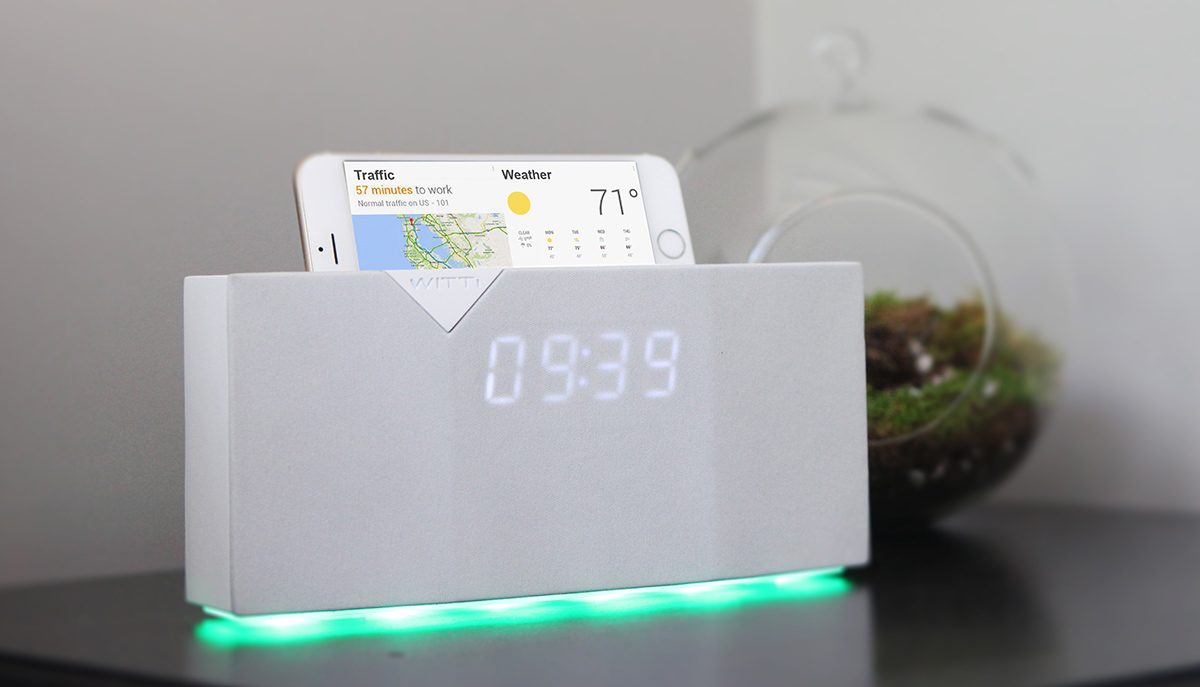
Witti is the company behind the new Beddi smart alarm clock, backed by Kickstarter and Indiegogo. Beddi is a bedside alarm that also works as a Bluetooth speaker, and a lot more. The dock can also hook up to Uber, Spotify and Nest as well. Once your phone is paired over Bluetooth, you can set three presets in Beddi to either call an Uber taxi, toggle a Spotify playlist, control the temperature on your Nest or switch on a Philips Hue light.
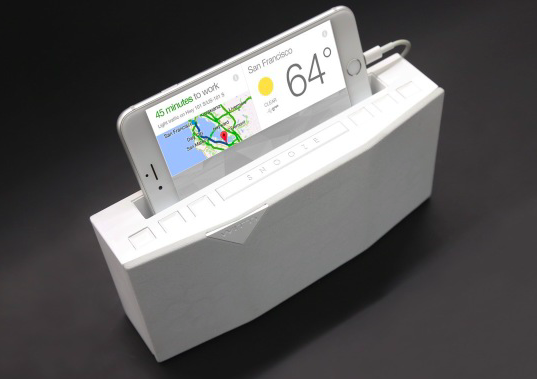
Firstly, the dock houses your iOS or Android phone in landscape mode on top. The dock also serves as a charging hub for your devices with two USB ports. The system gives you morning traffic updates using Google Maps, FM radio, and even has a built-in white noise generator for a good night’s sleep.
The Kickstarter project has doubled its funding goal, and if you purchase the dock through Kickstarter, you’ll get it at just $75 a piece or at $115 for two. The actual price of the dock stands at $100, which is highly affordable considering what the dock has to offer. Beddi will begin shipping worldwide in June 2016. Have a look at the Beddi in the video below.
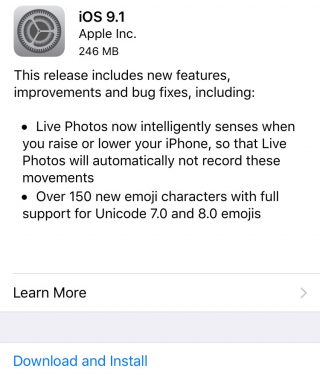
It’s about time you got an emoji that lets you ‘flip the bird’. Wait, let’s rephrase that. It’s about time you got some new ways to express while messaging. Apple has released it’s latest iOS 9.1 update that comes with two major features.
The first is related to Live Photos. Live Photos will now be able to sense when you move your hand higher or lower, and will ignore the movements.
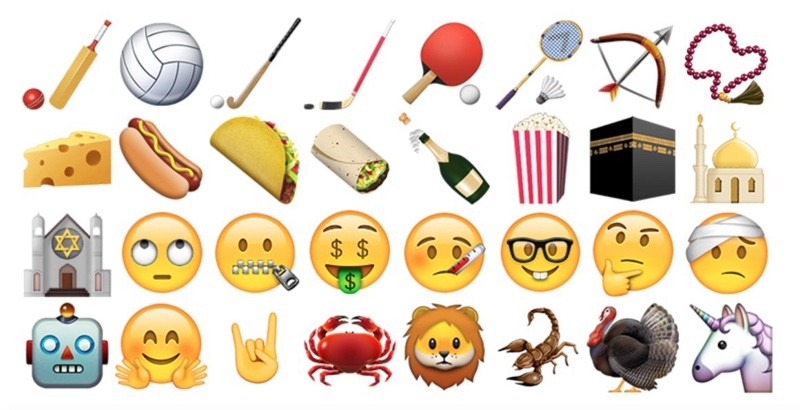
The second new feature is a lot more exciting. The latest updates brings over 150 new emoji characters which include taco, burrito, cheese wedge, money eyes, and the middle finger. Yes, you read that right. There is now an emoji that lets you send a middle finger to anyone if you find yourself unable to express your feelings through the word.
There is a catch, though. The new emojis can be sent only to those who have updated to the iOS 9.1. So, non-iOS users and iOS users still on the older version will not know when you’re giving them the finger. Some would say there is a certain evil joy in that too.
Apart from these changes, iOS 9.1 includes new features and compatibility updates for upcoming Apple products like the fourth-generation Apple TV and the iPad Pro. The new Apple TV requires iOS 9.1 for setting up. The new update also fixes a lot of bugs such as unresponsive Calendar, issues with Game Center and some issues with Mail search, among other things.
In case you haven’t already updated your iPhone to the new iOS 9.1 update, you can do so now. For those who don’t know how to get it done, simply head over to Setting > General > Software Updates and hit on ‘Download and Install’. You can also connect your device to the computer and update via iTunes. Once installed, play around with all the new emojis and show some love to your friends by sending them the finger.
Yesterday was Back to the Future Day around the world. For those who aren’t familiar with the concept, Back to the Future Day comes only once a lifetime, and that was on 21st October, 2015. This day is celebrated because in 1989’s Back to the Future II film, Marty McFly and Doc Brown travel 26 years to the future and land on October 21st, 2015. So naturally, fans of the film around the world were excited to have finally reached the ‘future’.
https://www.youtube.com/watch?v=plwX5NtF530
One of the things that makes the day so exciting is that in the movie, the 2015 future had a hoard of futuristic technology like self-tying shoes, hoverboard, artificial intelligence and all that jazz. And what’s more exciting is that the movie got most of the predictions right.
We celebrated the day in our own way as well by listing 6 techs that the movie predicted correctly about 2015. Companies like Nike were also paying homage to the cult franchise by launching self-tying shoes that were seen in the movie. But no Back to the Future Day is complete without a hoverboard. So the makers behind the Hendo overboard also joined the celebration with their newest version of the hoverboard.
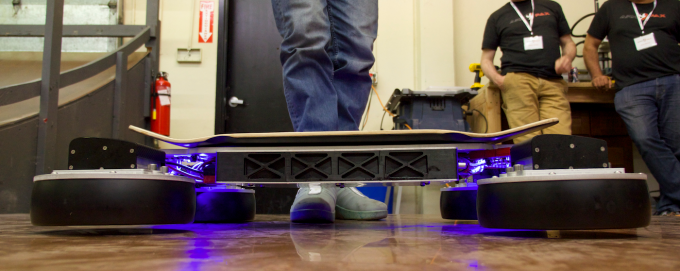
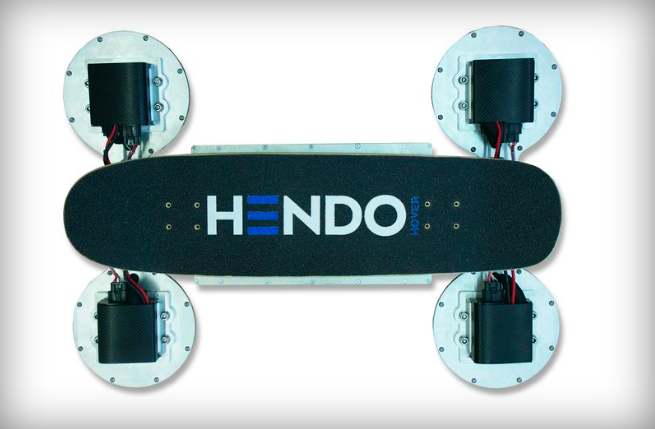
Arx Pax teased new details about the hoverboard last week, like better battery life, USB connectivity, stronger hover engines, and a safety kill switch.The new design looks quite spectacular and in keeping with the future.
The skateboard deck sits on traditional skateboard trucks, which is also where four hover engines connect to the main body. This will help riders shift their weight around much like a traditional skateboard. Another cool piece of information is that the new hoverboard is designed by none other than pro-skater Tony Hawk.
Just to be clear, none of the Hendo Hoverboards run on the street. The magnets below the board need a copper flooring to repel off in order to hover. So you can push off and hover as as long as there is a copper runway. But it’s a start.
The new hoverboard will first go to Kickstarter backers who pledged $10,000 to the company last year. Are Pax has said that the backers were companies who wish to open hoverboard parks of their own. The company has also stated that the hover boards won’t be consumer ready but there has been great progress in the hovering technology that would even make Marty proud. And it does bring the dream of owning your own overboard closer than ever.
It’s a myth that your Mac is the most malware-free PC out there. That perhaps used to be the case, and one reason behind it was that hackers were more attracted to Windows due to their larger presence in the market. But not anymore. Over the years there has been a change. Apple’s share of the PC has grown and, of course, hackers are all too aware of that.
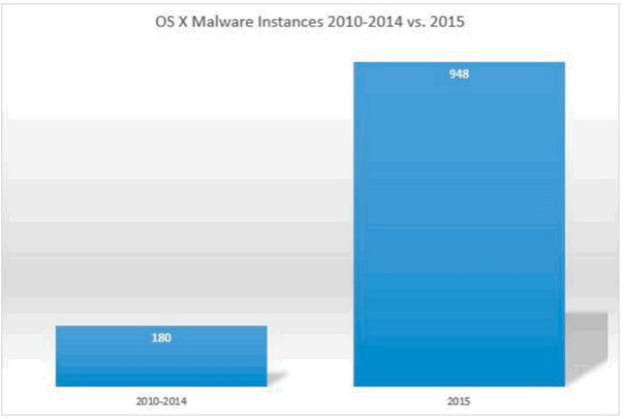
There has been an increase in malware specifically targeting Apple’s Mac platform. What’s more is that the malware is a lot more dangerous and sophisticated than one would think. According to reports from BleepingComputer, 2015 was the most malware-ridden year for the Mac. The reports summarised the findings from Bit9 and Carbon Black that state that OS X malware this year was five times more prevalent than the preceding five years combined.
Bit9 and Carbon Black also released a chart that leaves everything quite clear.
According to the chart, there was about 180 instances of malware during the period of 2010-2014, while 2015 saw a whopping 948 instances, and there’s still a couple of months to the end of this year.
BleepingComputer also listed some of the most common OS X malware found this year. This is based on a 10 week study with over 1400 unique malware samples collected and analysed. The common ones are narrowed down were:
Lamadai – backdoor Trojan targeting a Java vulnerability.
Kitm – ran commands on machines for victims at the Oslo Freedom Forum
Hackback – ran commands on machines for victims at the Oslo Freedom Forum
LaoShu – spam via undelivered mail parcels
Appetite – Trojan targeting government organizations
Coin Thief – stole bitcoin login credentials via cracked AngryBird applications.
Another point to note is that while there are a number of malware being floating around these days, not all are dangerous. Apple has protected itself from most. The issue is, however, that there is a rise in the number of malware targeting Macs. The onus is on Apple to take this into serious consideration and work to make its future OS X updates safer.
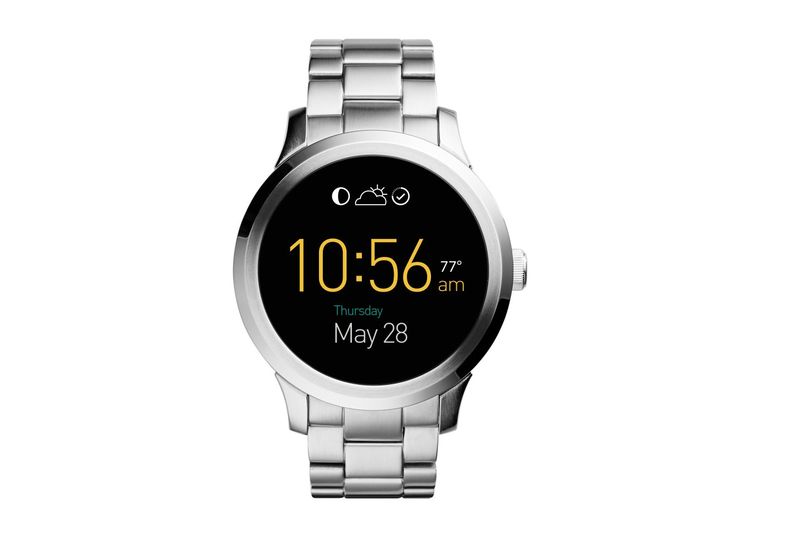
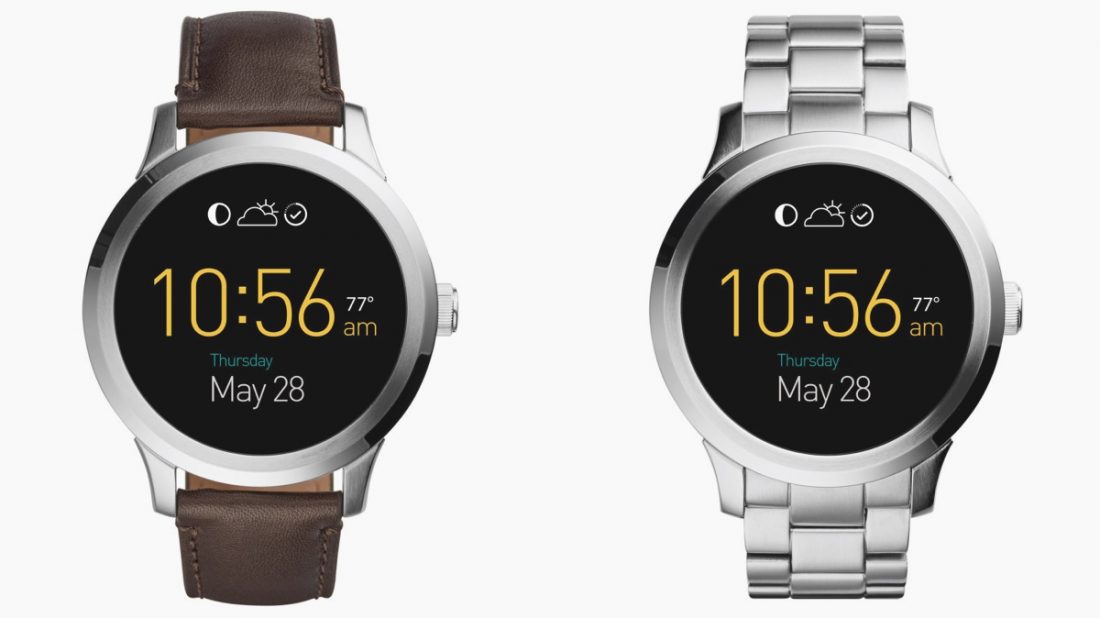
We’ve all seen Apple, Samsung and Motorola coming out with smartwatches, and people are slowly but surely getting used to the idea of having a watch that also functions as a phone. So it only makes sense that a brand that has been in the watch making business forever comes out with a smartwatch and joins the next-gen party. Fossil has unveiled its newest Android Wear smartwatches headed by the Q Founder. The Q Founder is the flagship device and is part of Fossil’s Q lineup of connected wearables.
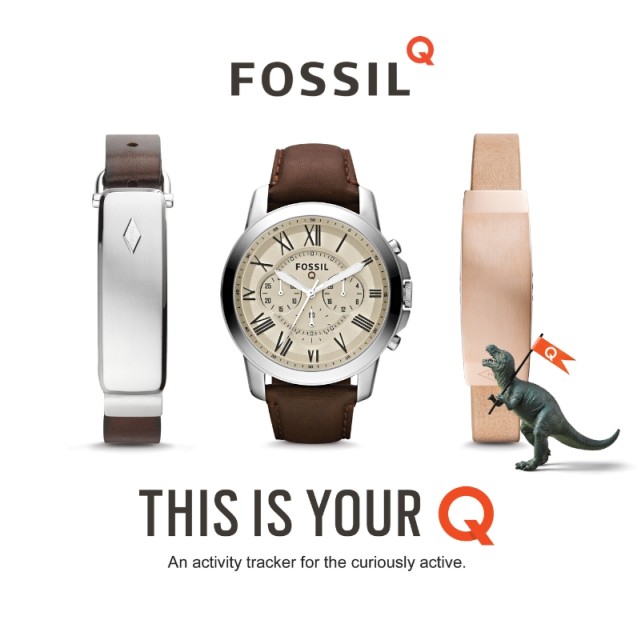
Fossil has four new smartwatches in its kitty – the Q Reveler, Q Dreamer, Q Grant and, of course, the Q Founder. The first three are standard analogue timepieces with electronics built into the bands. The Fossil Q Grant is an analogue fitness tracker while the Q Reveler and the Q Dreamer are a pair of connected smart bracelets. Moreover, the Q Reveler and Q Dreamer are $125 each, while the Q Grant is priced between $175-$195.
The flagship Q Founder runs Android Wear and features a full touchscreen display. The Founder will start at a price of $275. While many companies have opted for Qualcomm-powered chipset in their Android Wear, Fossil and Tag Heuer have announced watches with an Intel CPU. Fossil has not revealed the official release date of the device but sources suggest that it could come in time for the holiday season.
This is a major game changer in the smartwatch department since Fossil will give brands like Apple and Motorola a run for its money. Fossil not only has a more traditional looking design with its smartwatch, but it also knows the business a lot more and its retail footprint means people are more likely to notice Fossil’s Android Wear device than those that are only seen online or at electronic stores. Tag Heuer will also launch its own smartwatch some time in November.
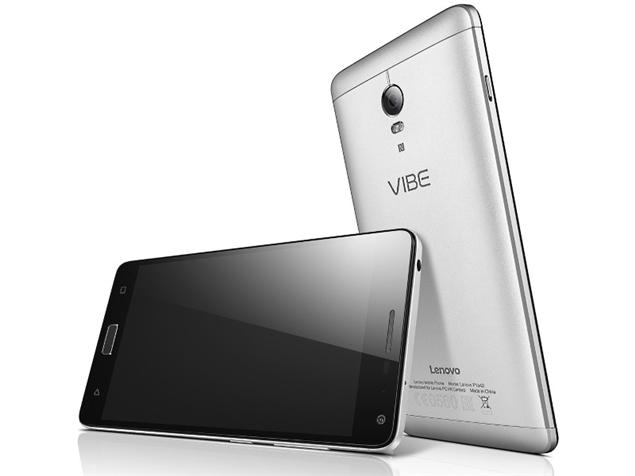
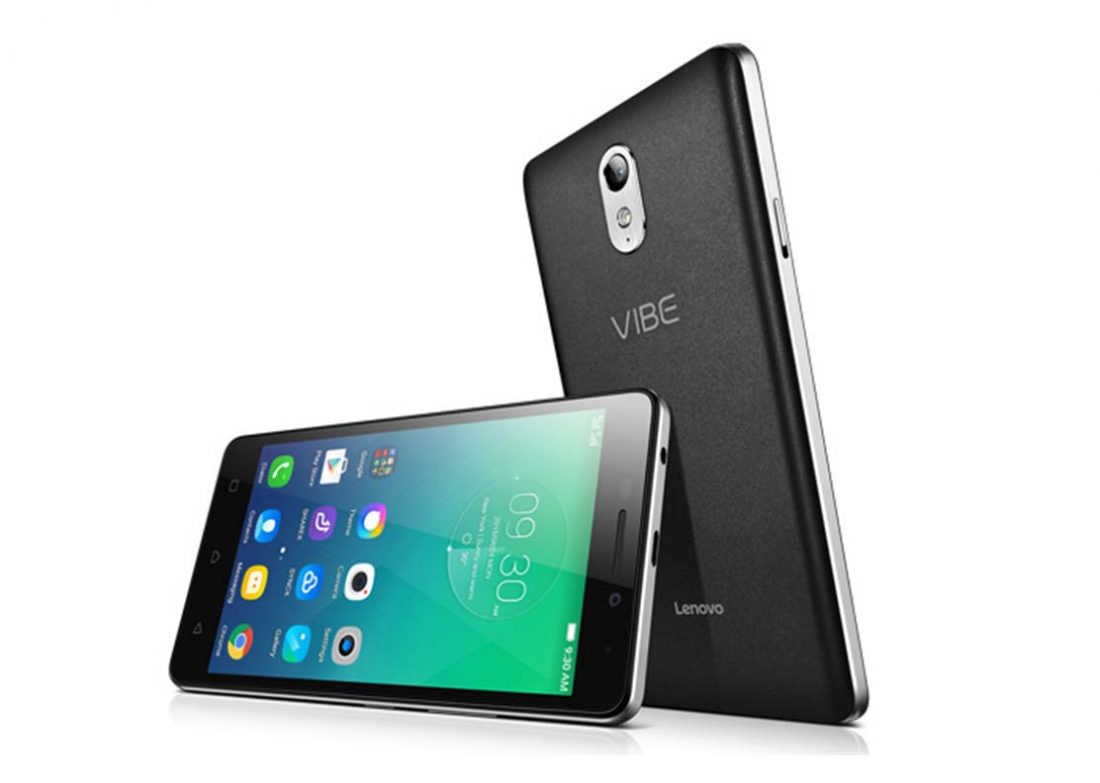
Lenovo has launched its latest smartphones, the Vibe P1 and Vibe P1m, ahead of Diwali. The company is looking to get some early buyers going into the Diwali sale. And one of the reasons the phone could find potential buyers are the massive batteries that come with the devices. The Vibe P1 and P1m will come with 5000mAh and 4000mAh batteries, respectively.
Priced at Rs. 15, 999 for the Vibe P1 and Rs. 7999 for the Vibe P1m, the smartphones are exclusive to Flipkart. The Vibe P1 will go on sale from Tuesday while the Vibe P1m will see a flash sale from Wednesday. Registrations for the P1m start from today.
Lenovo Vibe P1
The Vibe P1 features a 5.5-inch full-HD (1080×1920 pixels) IPS display with Corning Gorilla Glass 3. It is powered by a Snapdragon 615 octa-core processor clocked at 1.5GHz with Adreno 405 GPU; 2GB of RAM and 32GB storage with expandable storage via microSD card. The device features a 13-megapixel rear camera and a 5-megapixel front; dual-SIM with dual 4G LTE support.
The Vibe P1m, on the other hand, sports a 5-inch HD (1280×720) display. It is powered by a 64-bit quad-core MediaTek MT6735 processor with 2GB RAM and 16GB storage. Like the Vibe P1, the P1m supports expandable storage as well.
The Flipkart Big Billion Day offer helped Lenovo sell over 600,000 Lenovo and Motorolla phones in 3 days. The company will look to get some more numbers in with their newest devices during the expected Diwali sale. Another point in favour of Lenovo is that despite having such gigantic batteries, the devices are still slim and light.
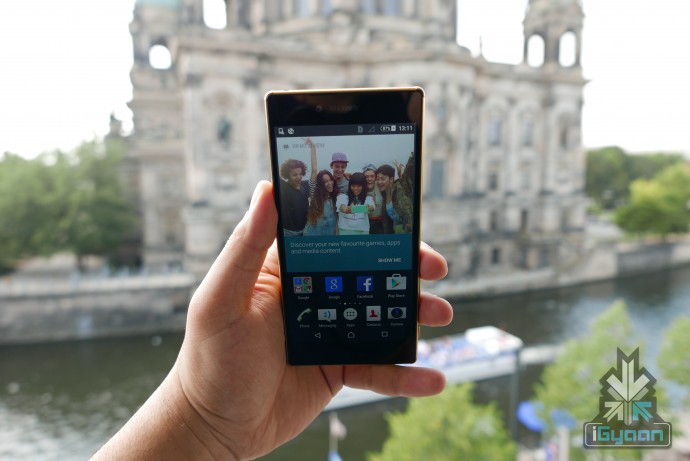
Sony today launched the Xperia Z5 and Z5 Premium smartphones in India starting at Rs. 52,990 and Rs. 62,990, respectively. The devices were first unveiled along with the Xperia Z5 Compact at the IFA Berlin last month. However, the Z5 Concept is yet to come to India.
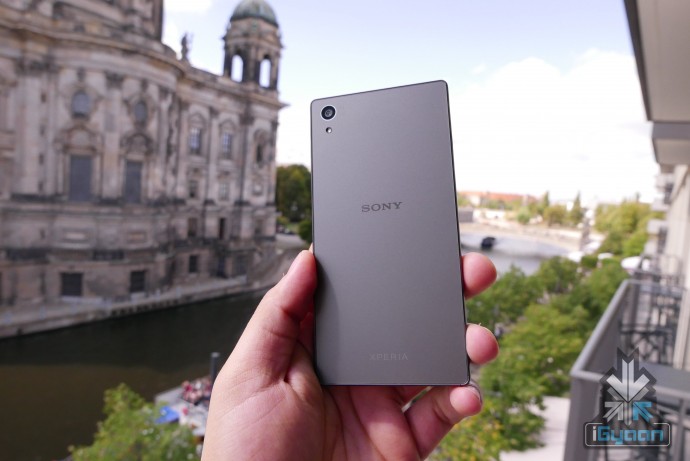
Sony Xperia Z5
So, getting right into the main selling point of the Z5 Premium, which is its 5.5-inch 4K display. The Z5 Premium is the world’s first 4K display smartphone and comes with a bigger 3430 mAh battery than the Xperia Z5. The rest of the specs of the two phones are pretty much the same.
Sony Xperia Z5 Premium
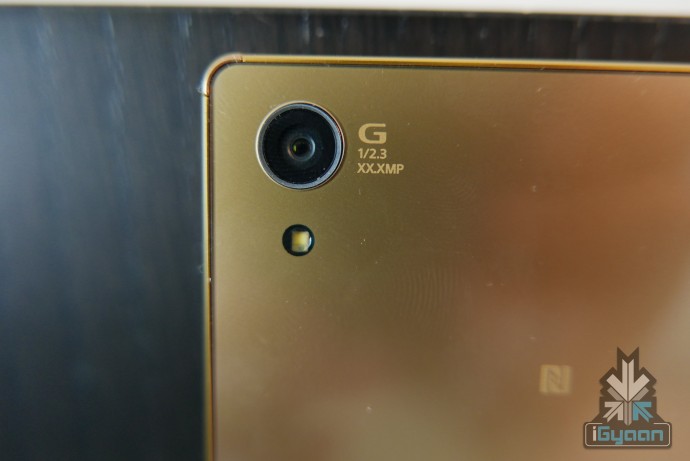
The Sony Xpreria Z5 features a 5.2-inch full HD screen and 2900mAh battery. Both the devices run on Android Lollipop 5.1, powered by a 64-bit octa-core Snapdragon 810 chipset with Adreno 430 GPU, 3GB RAM, 32GB storage (expandable to 200 GB). The devices also come with a 23MP primary camera and 5MP front, and a fingerprint scanner in the power button on the side of the device.
Images are captured on the Xperia Z5 Premium are quick and look sharp, thanks to the 4k display. The in-body image stabalization that we were able to test also looks fantastic.
The front of the device has BoomSound-styled dual speakers that are loud and gives a crisp, well balanced sound.
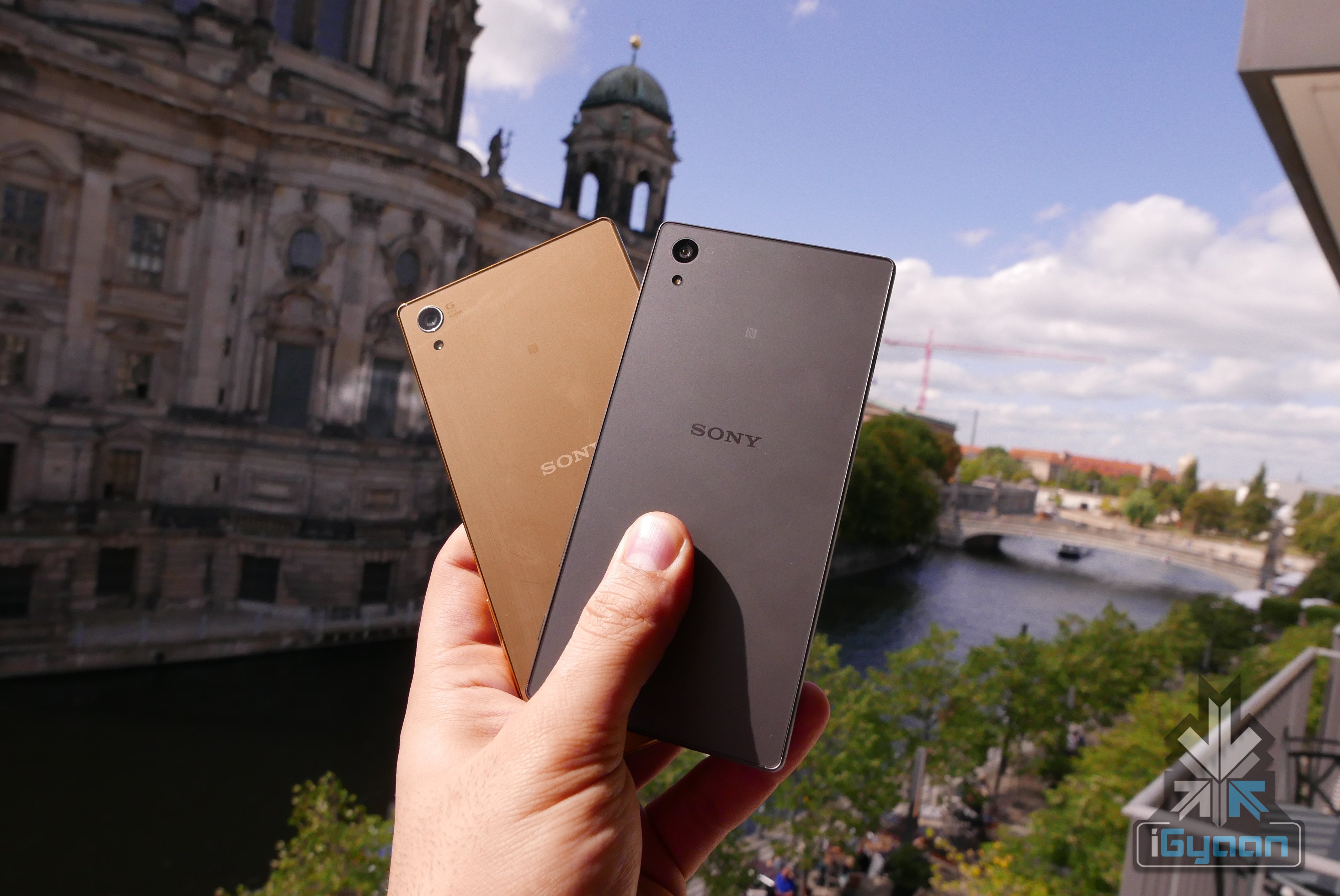
The Xperia Z5 has a matt finish that looks great. The Z5 Premium, on the other hand, has a glossy finish and will be available in Gold or Chrome. The Xperia Z5 and Xperia Z5 Premium will be available in both single SIM and dual-SIM variants. Have a look at the specs of both the devices below.
Specification
Sony Xperia Z5
Sony Xperia Z5 Premium
Display
5.2 inch display Full HD with Gorilla Glass 4
5.5 inch 4K Ultra HD with Gorilla Glass 4
Resolution
1920 x 1080p, 428ppi
4k – 806ppi
Chipset
Qualcomm Snapdragon 810
Qualcomm Snapdragon 810
Processor
Octa Core – 64 bit
Octa Core – 64 bit
GPU
Adreno 430
Adreno 430
RAM
3GB
3GB
Storage
32GB internal memory
32GB internal memory
Expandability
Up to 200 GB via MicroSD card
Up to 200 GB via MicroSD card
Rear Camera
23MP sensor, F2.0 G Lens, 1/2.3 Exmor RS
23MP sensor, F2.0 G Lens, 1/2.3 Exmor RS
Rear Camera Video
4k
4k
Front Camera
5MP
5MP
Front Camera Video
1080p
1080p
Battery
2900mAh battery with Quick Charger feature
3430mAh battery with Quick Charge
Operating System
Android 5.1
Android 5.1
Connectivity
4G LTE, Single SIM and Dual SIM
4G LTE, Single SIM and Dual SIM
Miscellaneous
Fingerprint sensor, Colours: White, Graphite Black, Gold and Green
You know the feeling you get when you come across a cool GIF someone posted on Facebook and wish that you could do it too? GIFs are the new way to communicate feelings because, let’s face it, emojis and memes have run its course. So, it’s time to catch up with the trend and learn how to make GIFs the easy way. Well, Giphy, the GIF website, has done just that. They have launched a GIF creator that is so easy that even monkeys can work it.
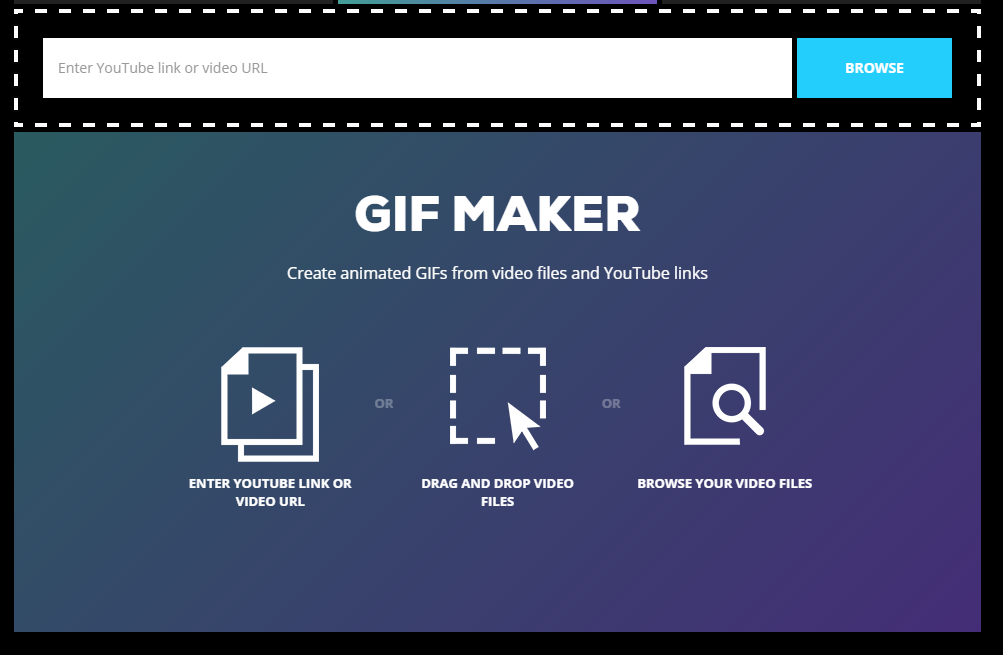
Giphy’s GIF Maker lets you turn that GIF-worthy YouTube video that you saw into a GIF in the simplest way possible. Here’s a step by step instruction.
Step 1: Drop your desired YouTube link or video URL in the drop bar. Your video will the pop up below.
Step 2: Navigate to the point where you want your GIF to begin in. It could be somewhere from the start, the middle, or the end.
Step 3: Choose how long you want the GIF to run for. Since GIFs are essentially short looped videos, you’ll get a maximum duration of about 10 seconds while the minimum is 0.24 seconds, which is as good as no GIF. So you should try and keep your GIF length somewhere above 1 second.
Step 4: The last step is to add a caption for your GIF and then all you have to do is hit the ‘Create GIF’ button at the bottom and you’re good to go.
Using the GIF Maker is really simple and if you have the right video, you can create a GIF in less than 3 minutes. We know this because we tried it, of course.
Although GIF Maker is not the first of its kind easy-to-make GIF application out there (Imgur came out with one of its own back in January), it still gives you a better caption option than many others. Giphy’s GIF Maker offers direct video links from YouTube or you can upload a video from your library.
Giphy has been experimenting with GIFs for a while. It also came out with an easy GIF making app for iOS called Giphy Cam, which is again extremely fun lets you creat GIFs using your iPhone’s camera. Now that you know, go ahead and GIF on.
Our apologies for focusing on Apple and Samsung for so long when there are people out there making hover boards. The world needs more hover boards and other technologies that Back to the Future expected from 2015.
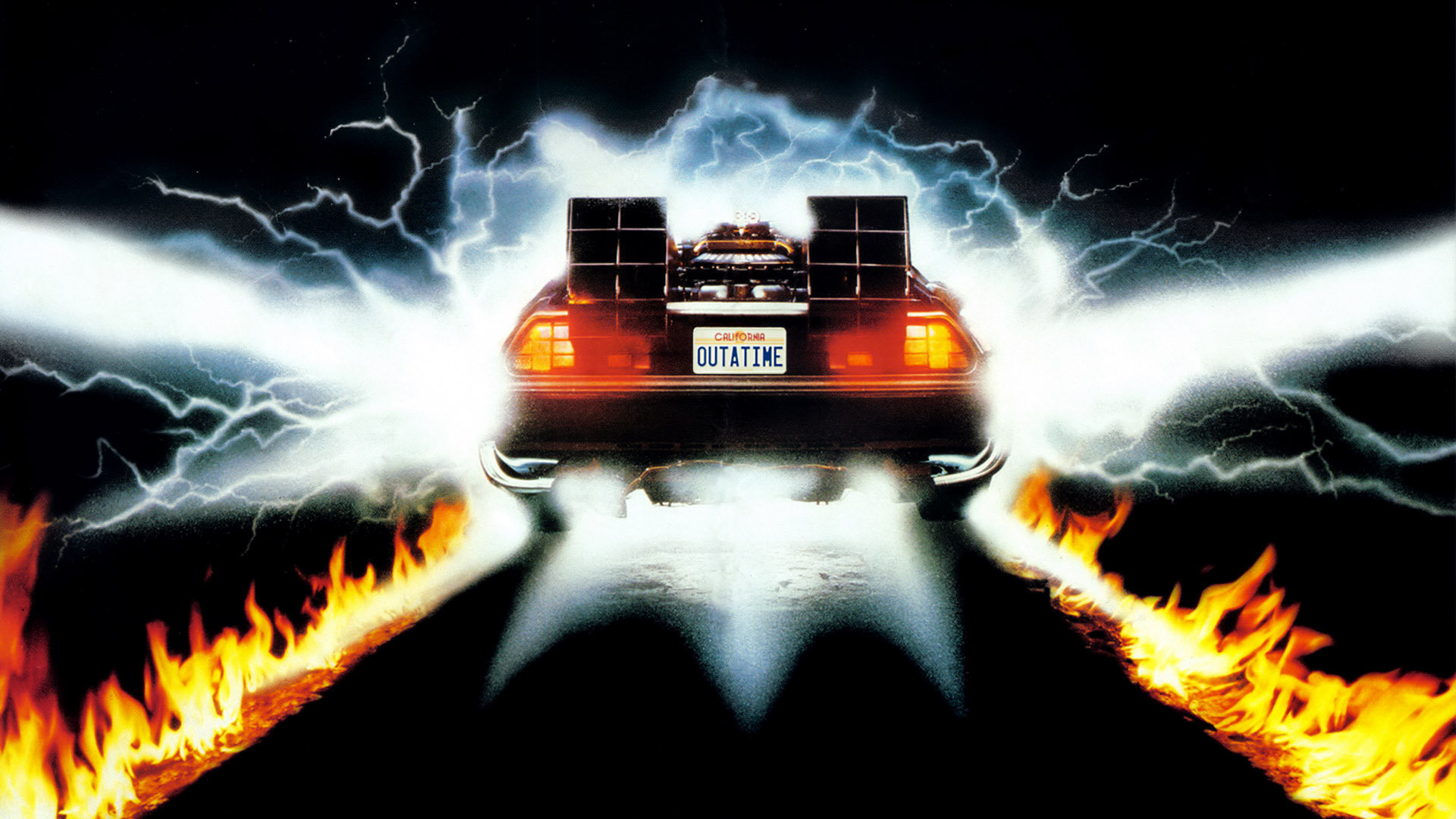
Yes, we are celebrating the 30th anniversary of the cult and cultural phenomenon that is Back to the Future. Released in 1985, the first Back to the Future was all things groundbreaking, had everything a science nerd could ask for including a time-travelling DeLorean, Marty McFly and Doc Brown, ’nuff said. The massive success of the first movie led to a trilogy.
If you watched the equally awesome sequel, Back to the Future Part 2 (1989), you’d remember that Marty traveled 26 years into the future, or more precisely, October 21, 2015. And that’s today. Fans of the movie have been eagerly waiting to see if the 2015 as shown in Back to the Future 2 matches the 2015 of today. The movie promised flying cars, flat TVs, hover boards, Artificial Intelligence and a championship season for the Chicago Cubs. Well, we can’t say much about the Cubs, but how about all that technological stuff?
Flat TVs are already here and have been here for a while, so we can check that off the list. Flying cars are still a way off so we might have to wait a few more years before that can happen. It’s the 21st of October, 2015, so let’s see if our present is what Marty saw 26 years.
Hover Boards
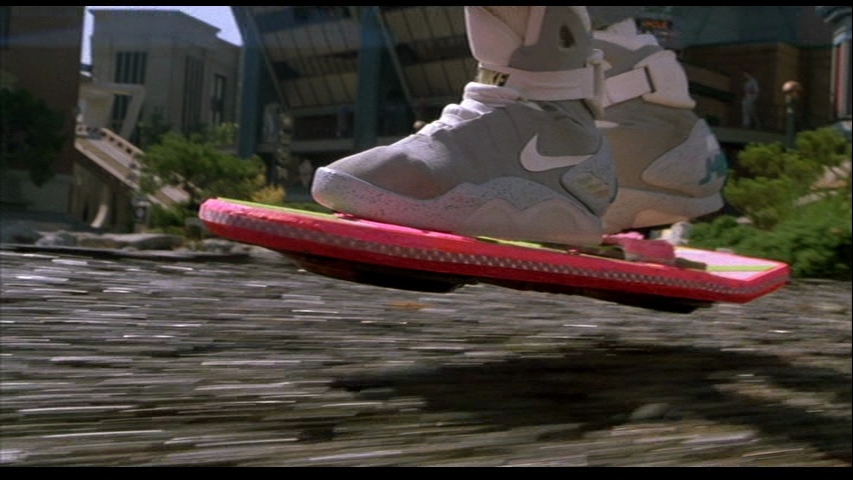
One of the coolest moments in the sequel was when we saw Marty riding a hover board. Back in the ’80s this was a pretty exciting scene on the big screen mostly because people were only aware of a normal skateboard. For fans like myself, this remained something awesome even in the early ’00s.
The hover board needed three specific requirements to work: the ability to hover above ground, the ability to bear your weight, and the ability to last long. While these aspects were seen fulfilled in the movie, it took a long time for reality to get there, but we finally did get there. There are a number of prototypes today that have actually succeeded in making the hoverboard a reality.
Take the Hendo Hoverboard, for example. In 2011, Greg Henderson invented a hover board that used four maglev engines to rise about an inch off the ground and a 135-kilogram payload. However, the battery lasted only about seven minutes. But this was just the start. Unveiled in August 2015, the most recent hover board created by Lexus is undoubtedly awe inspiring. It’s a prototype hoverboard that uses magnetic levitation technology. The board has two reservoirs of superconducting material that’s kept at -197 degrees C through immersion in liquid nitrogen and can be operated when placed above a track that contains permanent magnets.
The video showing the board in action makes you want to scream out “Great Scott!” like Doc Brown. Watch the it below and imagine how Marty would love getting on to one of these babies.
https://www.youtube.com/watch?v=ZwSwZ2Y0Ops
Artificial Intelligence
Mart, Doc Brown, and Biff speak into computerized gadgets and the devices respond intelligently. Sound familiar?
Way before Siri even entered the picture, artificial intelligence already made its appearance on many sci-fi movies, and of course, Back to the Future as well. AI is a process of ‘deep learning’. The ability for a computer to understand human language and respond precisely is something almost every major tech brand today is working on to perfect. AI assistance like Siri and Cortana (first seen in the Halo series) have all drawn inspiration from movies like 2001: A Space Odyssey which featured HAL, the computer in charge of the spaceship.
AI has come a long way and today it’s become extremely intelligent. And yet, AI knows no bounds. Developers are still exploring, looking at how far and wide AI can reach. Today, AI looks to please consumer needs, so much so that physicists like Stephen Hawkins worry about intelligent machines taking over the world.
Fingerprint Biometrics
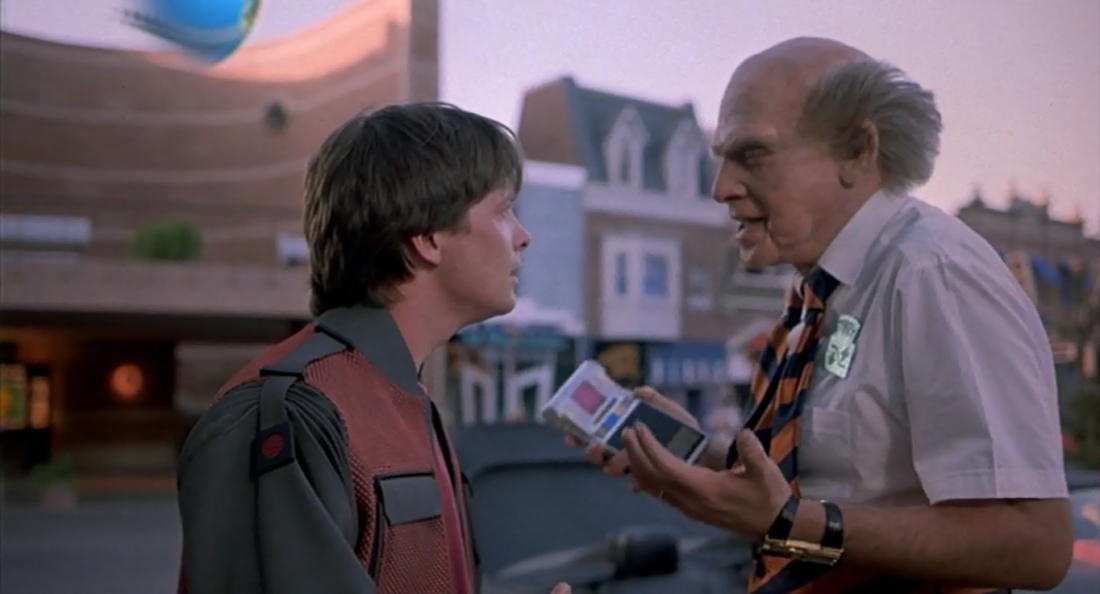
In the movie, when police officers dropped the 1985 Jennifer to her 2015 home, they had to use her thumbprint to enter the house. The door did not have a typical door knob lock. The thumbpad was also seen on currency devices used by taxi drivers in the movie.
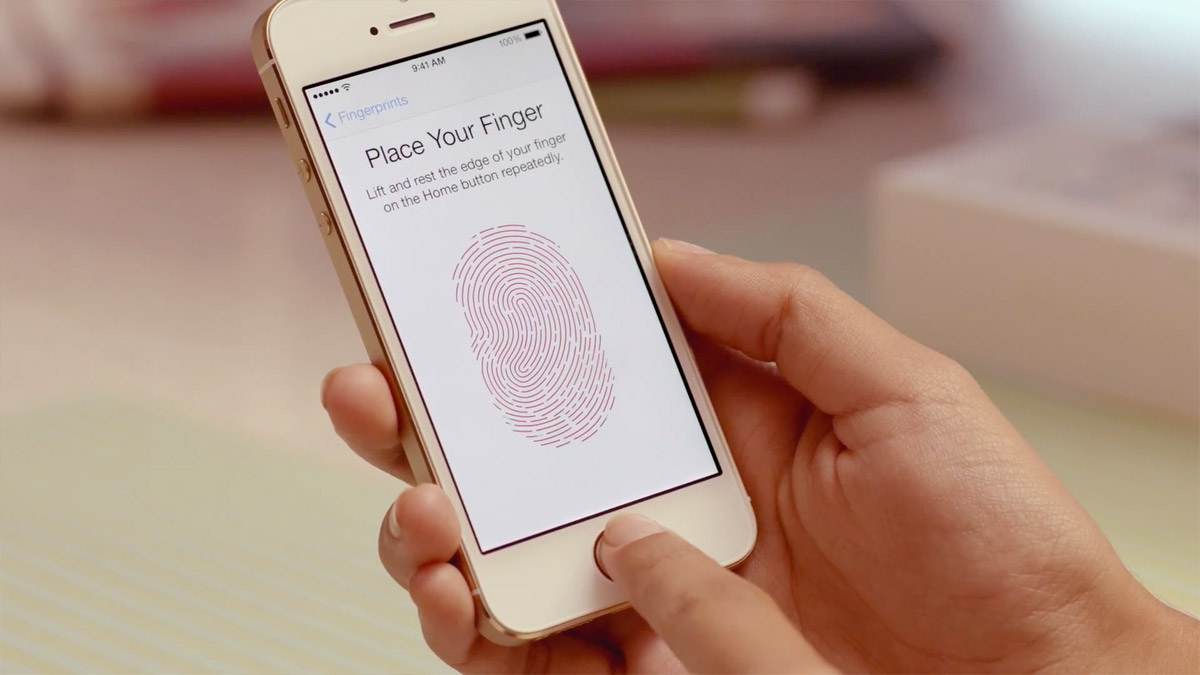
Biometric doorknobs are currently present in the market and work just like they do in the movie. Even smartphones and other gadgets use fingerprint scanners these days for a variety of purposes including that added safety that you need to keep your device protected.
Visual Displays
Throughout the movie, you find a number of visual gadgets being used for a number of reasons. You have a flat-screen TV for video conversations, robotic waiters in the shape of flat screen monitors, and you also see a tablet.
Small flat-screens have have been in existence since the 1960’s, but it wasn’t until 2005 that the LCD and Plasma screen TVs took over the traditional Cathode Ray Tube TVs, and could also be mounted on walls like you see in the movie.
Now for tablet computers. In the movie, Terry walks up to Marty and asks him to pay via a thumbprint on a pad. It’s interesting to see that the thumbpad is mounted on what looks like a tablet computer. Many years after this you would see Apple making the very first tablet called the iPad.
Wearable Technology
Back to the Future 2 also foresaw visual glasses. In a dinner scene with his future kids, Marty Jr. and Marleen are seen sporting electronic video glasses that can also make and receive phone calls. Interestingly, the scene also shows Marty’s mom hydrating a 2-inch pizza in a Black&Decker machine to a size that could easily feed four. Sadly, this technology has not yet been invented in reality by the company yet.
In recent years, we have seen Google trying to create tech goggles with Google Glass. There’s also the more popular Oculus Rift gaming headset. With these devices in the works, virtual reality is not far. Microsoft also recently announced HoloLens which is supposed to bear some resemblance to junior Marty’s glasses.
Microsoft demonstrating HoloLens
Self-tying Shoes
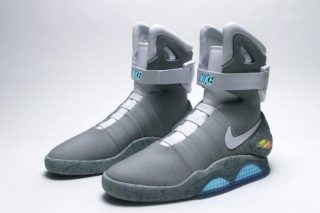
Marty’s self-tying shoes were one of the more bizarre but neat inventions when he visited 2015. As the name suggests, they were shoes that could tie the laces by itself, and they were Nike. As a homage to the movie, Nike designer Tinker Hatfield has confirmed that the team is working on the very same self-tying shoes as seen in the movie and hopes to have them ready for sale by the end of 2015. It’s a beautiful thing when fiction meets reality, isn’t it now?
Finally, we had to add this last one in because it’s too brilliant to leave out. Among the things Marty saw in 2015, there was Jaws 19 being shown at a theater. Let us assure you that there is no Jaws 19 in existence and the series ended with only three sequels being made, none of which were as commercially successful as the original.
Jaws 19 was one of the few false predictions in the movie (no flying cars yet), but that didn’t stop Universal Pictures to release a trailer for a fake Jaws 19 movie in celebration of Back to the Future’s 30th anniversary. The trailer is hilarious and you can’t help wonder at how spot on the naming of the titles are if it were true.
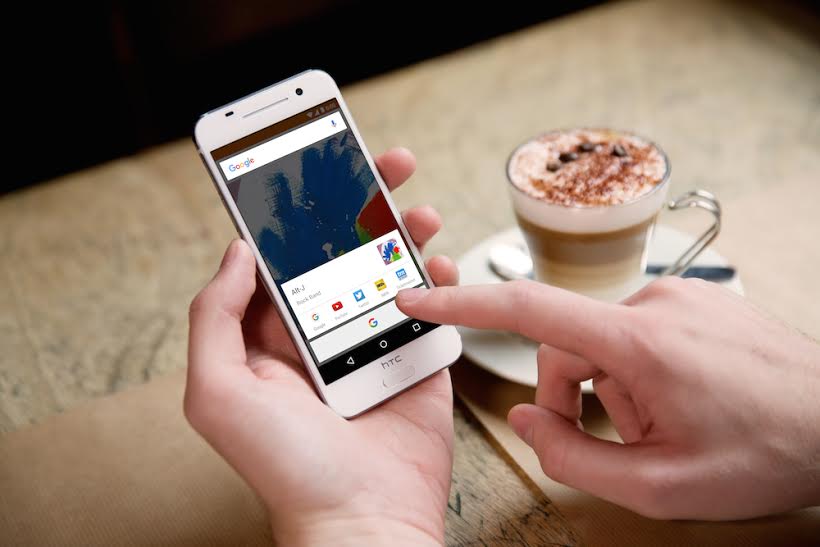
HTC has finally lifted the veil off their newest smartphone, the One A9. We had already seen some leaks of the rumored handset that suggested an iPhone 6-like design and now it can be established that the rumours were true. The HTC One A9 is indeed an iPhone 6 look-alike, and that may not be such a bad thing. For one, it comes as a good alternative to the high-end iPhone 6s as HTC CEO Cher Wang said so herself. The other fact, whether you would like to admit or not, is that there are Android fans out there who still admire the iPhone when it comes to design and creativity.
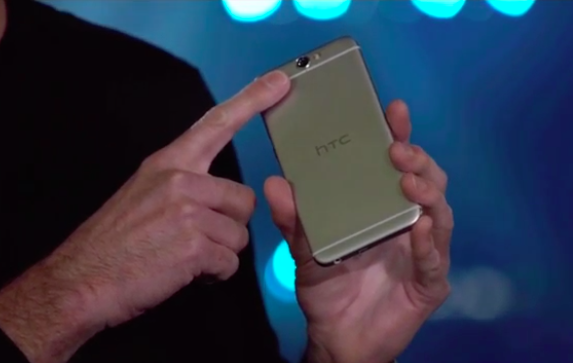
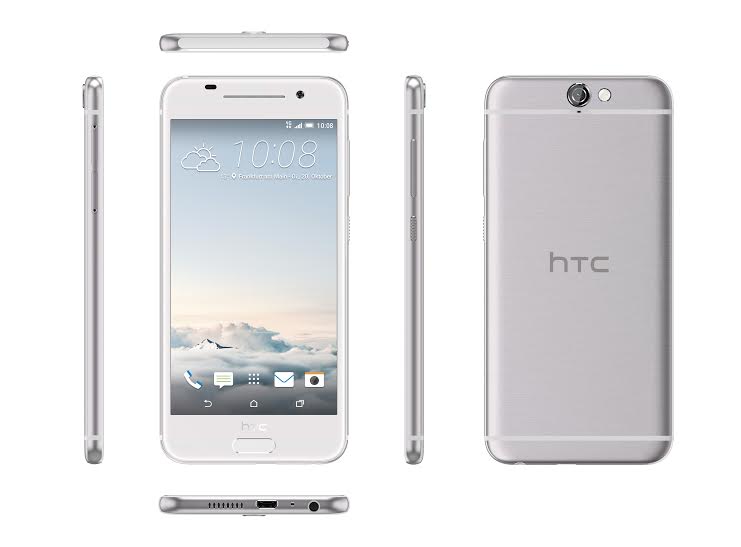
The event began with HTC’s Jason Mackenzie taking a dig at Apple’s iPhones having a lot of restrictions with what one can do with a phone, as well as commenting on Android’s bloatware. He then presented a video introducing the One A9. Next up was the designer who spoke about the the inspiration behind the phone, taking cues from the One M7, especially in the antenna front. The phone also “draws on the natural beauty around us by using rich, striking colors and unique finishes – an approach called “metalmorphics.” The dual finish is brushed with hairline detail and bread blasted before the sides are polished. The device is available in Carbon Gray, Opal Silver, Topaz Gold and Deep Garnet.
HTC has worked closely with Google in bringing the best of Android to the smartphone. The HTC One A9 is the first non-Nexus device to come pre-loaded with the Android 6.0 Marshmallow. And the company has cut down on preloaded apps, opting for a purer Android experience.
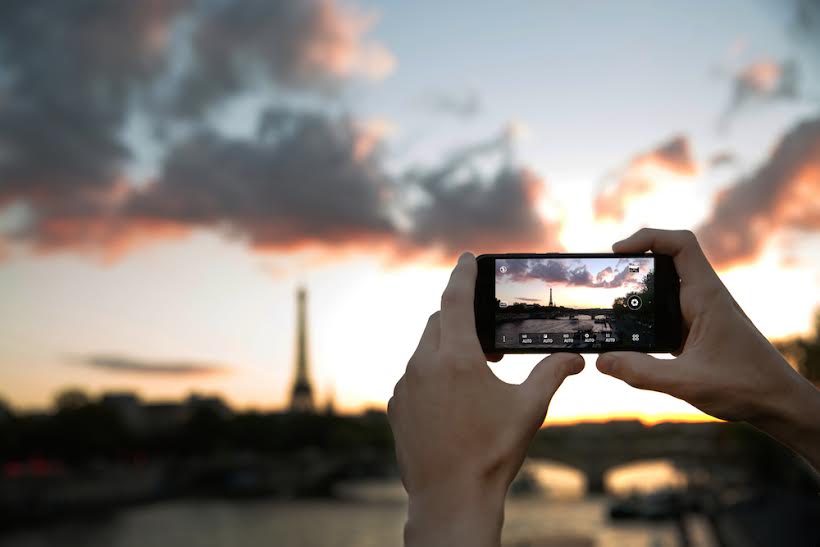
The official specs of the phone are pretty much the same as what leaks have suggested. The One A9 sports a 5-inch Full HD AMOLED display with Corning Gorilla Glass 4 with 1080 x 1920 resolution, a fingerprint sensor, 13-megapixel rear camera with low light OIS and also features a Hyperlapse editing tool. and a 4MP Ultrapbixel front and f/2.0 aperture. Nothing in the processor was revealed during the launch so you’ll have to wait a little longer for that but it is likely that the handset will feature a Snapdragon 617 processor.
On the design front, the HTC One A9 has a curved, aluminium unibody design with oblong SIM and MicroSD tray and plastic antenna lines at the back similar to the iPhone 6. It is also rightly pointed by HTC fans that Apple has previously taken cues from HTC, so this iPhone-like design levels the field. It also makes sense if you think about it. Yes, it is a blatant iPhone rip-off but it’s possibly a part of the company’s strategy. HTC knows that the iPhone 6 is one of the best-selling handsets around, and it just wants to bank on the same magic. But at a $399 price tag, we’re not sure whether consumers would go for the iPhone-ish One A9 or would rather spend a little more and go for the actual iPhone device.
The HTC One A9 is big on sound as well. The phone boasts of amazing sound quality, with HTC BoomSound integrated into the headset combined with Dolby Audio surround technology.
The One A9 will begin rolling out globally from the first week of November. HTC will offer a special unlocked edition in the U.S, and will ship with less pre-installed software. The price of the handset stands at $399.
So without further ado, here’s the spec table of the HTC One A9. Some specs were not revealed during the launch and will be added once official details are out.
Specs
HTC One A9
Display
5-inch Full HD AMOLED with 2.5D Corning Gorilla Glass 4
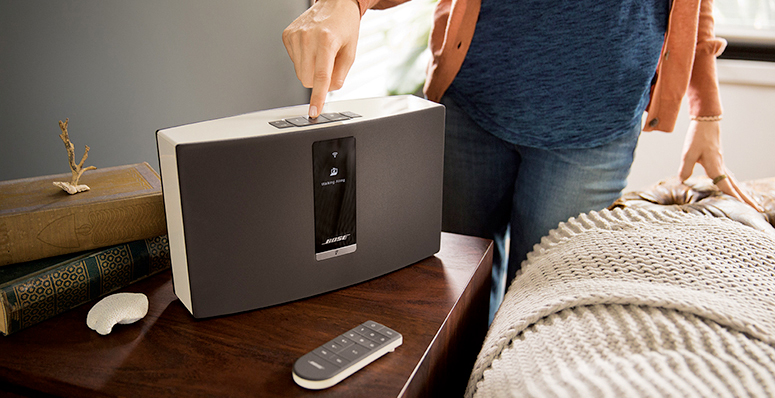
Bose has announced its newest range of next-generation SoundTouch wireless music systems with built-in Bluetooth and Wi-Fi. The systems cater to the growing trend of music streaming around the world and the company wants to make music streaming at home easier than ever before.
The Bluetooth feature allows you stream any song, playlist, music service and YouTube directly from your Bluetooth-enabled phone or tablet. You can also broadcast your songs to as many SoundTouch speakers as you have via Wi-Fi, or you can use the SoundTouch app to explore a whole variety of options from integrated music services and setting presets to enjoying different music in different rooms. Indeed, the SoundTouch’s big selling point is its presets. Atop each SoundTouch speaker are six numbered buttons. You can set each button for a particular playlist, streaming service, a specific song, or anything else, which you can customize through the Bose SoundTouch Control app.
“SoundTouch systems have always been about delivering the very best way to enjoy streaming music at home,” said John Russels, general manager of Bose Wireless Speakers. “So they’re different than other wireless home music systems. They put all your music in one place, are easier to use than anything else available and now they can play whatever you want, whenever you want. SoundTouch systems like what you like, and the new, little SoundTouch 10 is a great way to get started.”
The SoundTouch Family
SoundTouch 10 wireless music systems is the smallest SoundTouch system, measuring at 8.34-inch tall and 5.56-inch wide. It combines the new Unidome transducer with Bose’s own signal processing. What you get finally is a cleaner, deeper, and louder performance than any other single speaker in its league.
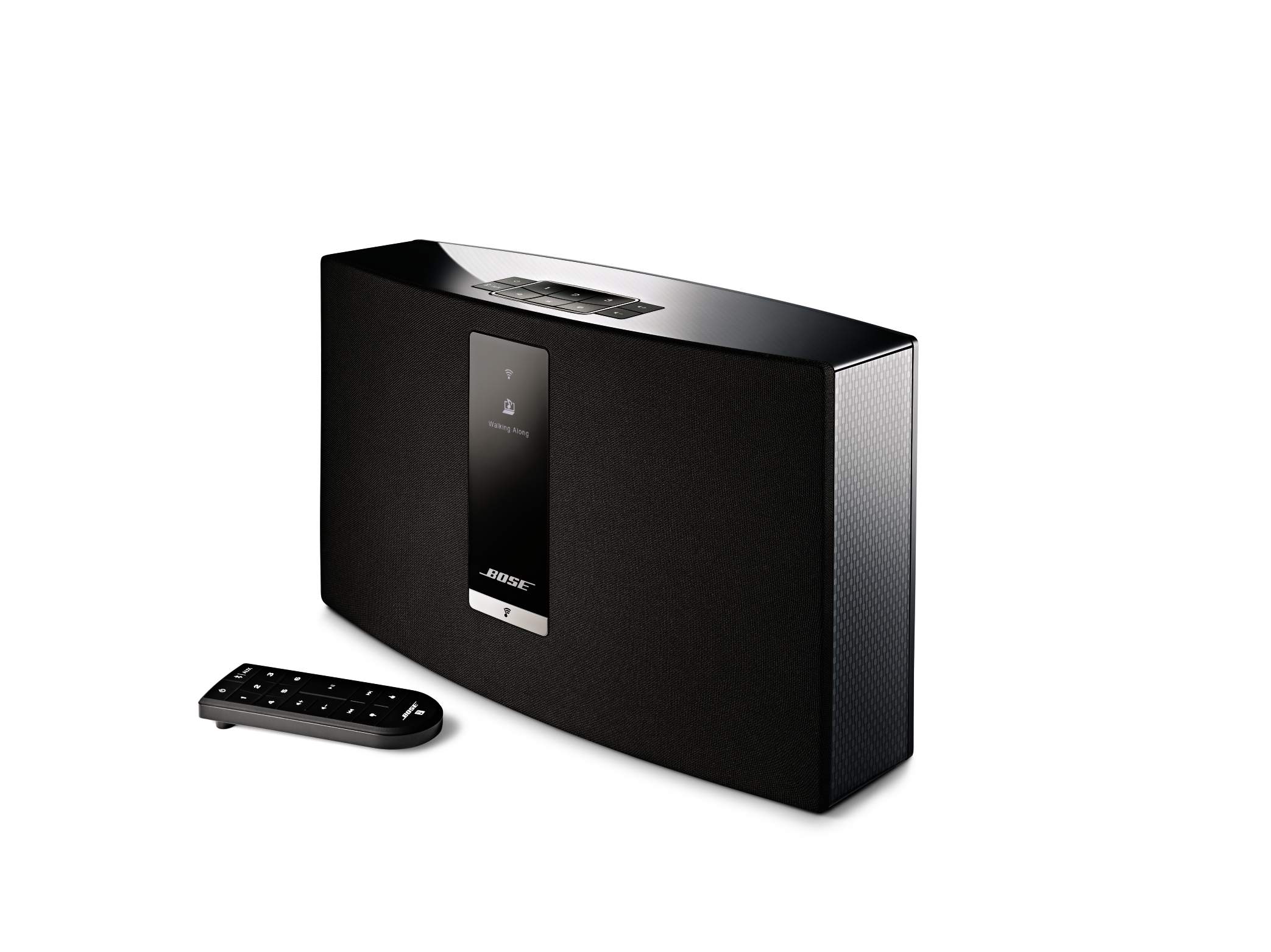
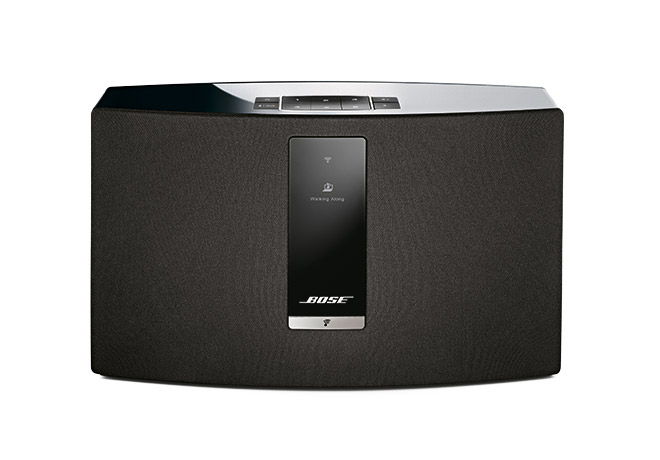
The SoundTouch 20 and 30 Series III systems are updated brother of the SoundTouch 10 system. The SoundTouch 30 Series III is Bose’s best performing one-piece solution while the 20 Series III delivers rich, room filling sound.
Bose SoundTouch 20 Series III
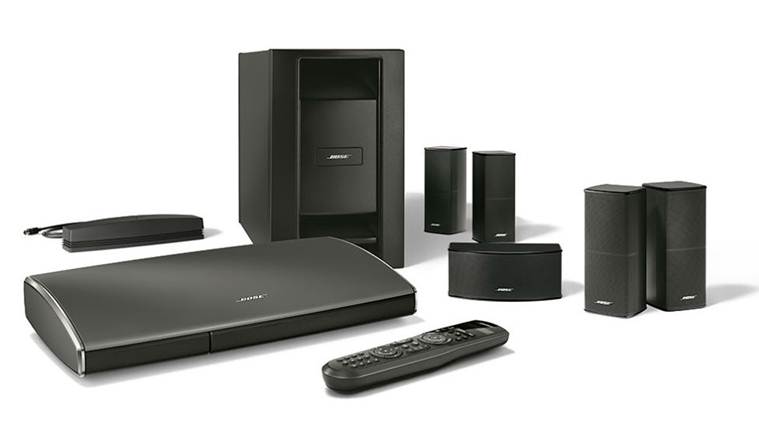
SoundTouch soundbars and home theater system include two soundbars and a 5.1 system, the SoundTouch 520 home theater system.
The SoundTouch SA-S amplifier, lets you take your music outside, too. It powers weaterproof speakers for balconies, patios and backyards.
Pricing and Availability
Bose’s new SoundTouch 10 wireless music system is priced at Rs. 19,013 while the SoundTouch 20 Series III and the 30 Series III are available for Rs. 33,638 and Rs. 57.263, respectively. Bose’s SoundTouch home theater systems are available starting at Rs. 1,10,138. All the latest systems are available at select Bose dealers and Bose retail stores.
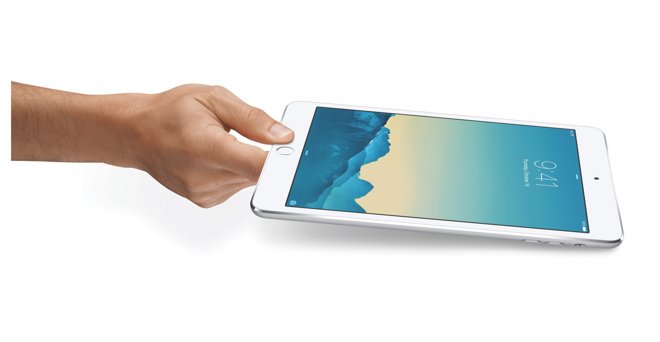
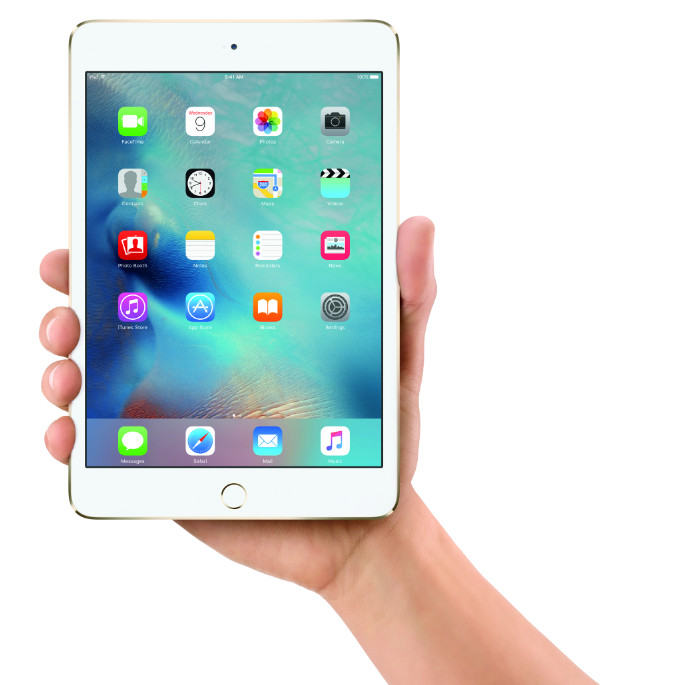
The Apple event last month not only saw the unveiling of the iPhone 6s and 6s Plus, but also two new iPads. The iPad mini 4 and iPad Air Pro continue Apple’s tablet legacy and now the iPad mini 4 has reached the Indian market.
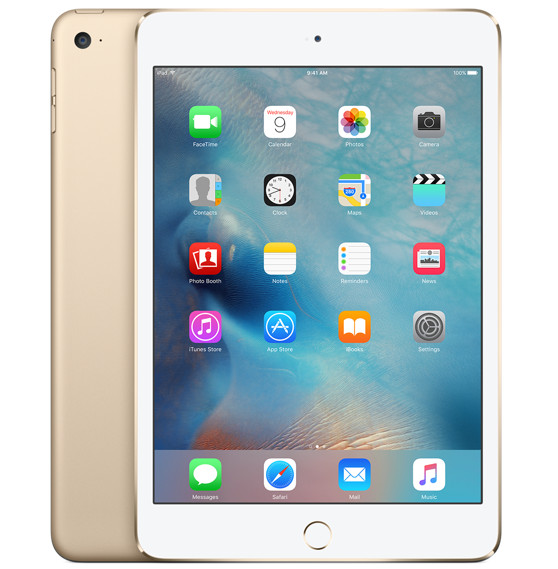
The device is available for purchase from online retailer Infibeam at a starting price of Rs. 27,077 for the 16 GB Wi-Fi variant, and Rs. 38,900 for the 16 GB Wi-Fi+Cellular version. It also comes in 64 GB and 128 GB variants. The price tag is the same as last year’s iPad mini 3, and the mini 4 also sports a similar 7.9-inch Retina Display with 2048×1536 resolution. However, the iPad mini 4 has some new additions that include Apple’s A8 chip with M8 motion co-processor and Touch ID fingerprint sensor.
Other specs include an 8MP iSight 1080p primary camera and 1.2MP HD front-facing camera. It comes with a 5124mAh lithium-polymer battery with up to 10 hours of web surfing on Wi-Fi, video and music playback. The iPad mini 4 will, of course, run on iOS 9.
The iPad mini 4 comes in Silver, Gold, and Space Grey colours. You can purchase the tablet from Infibeam right now or wait for the device to hit other online and offline retailers. You can use the promo code CARNIVAL6 for a discount of 6% (up to Rs. 2000) on the iPad mini 4 on Infibeam. The Wi-Fi version will ship with 2-3 working days while the Wi-Fi+Cellular versions will take 4-6 days to reach you. No word yet on when the iPad Air Pro will launch in India.
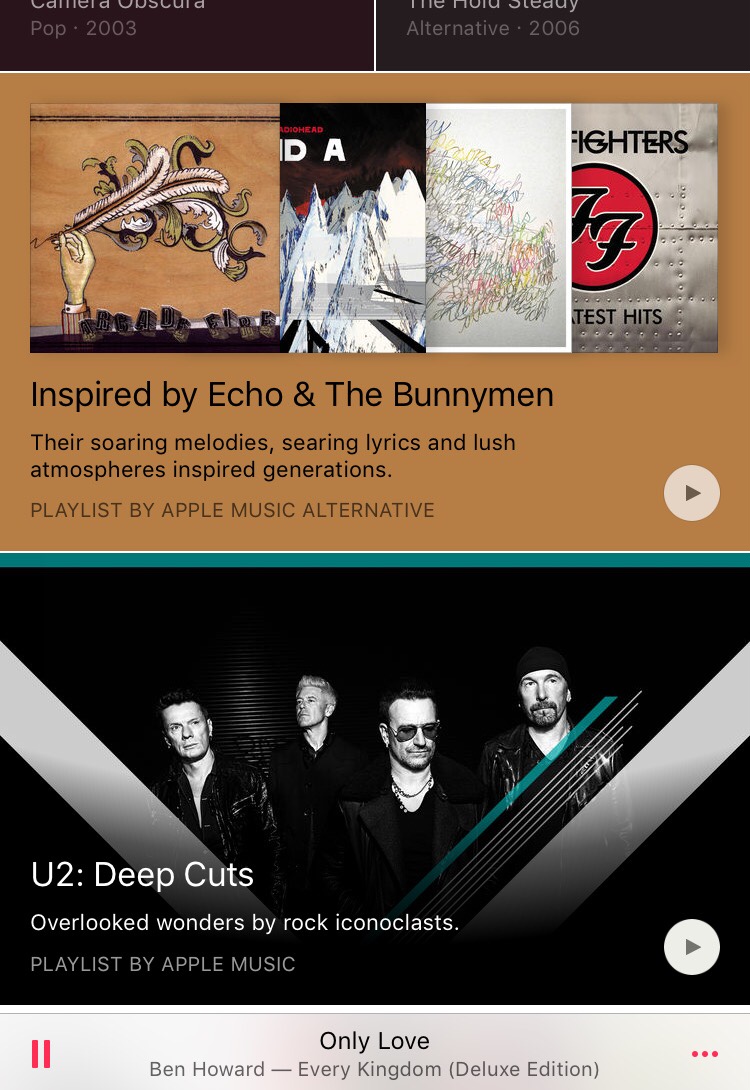
Apple Music has been growing since its inception back in June. Apple CEO Tim Cook recently gave an update on how people are taking to the new music streaming service, and he feels delighted, to say the least. “It’s going really well,” he told Wall Street Journal editor-in-chief Gerard Baker on stage at WSJD Live. “Fortunately, lots of people are liking it.”
There are over 15 million users right now with 6.5 million users already paying for the service and the rest still enjoying the 3-months free trial period. After the trial period users have to pay $9.99 for individual subscriptions or $14.99 for families. In India, it costs Rs. 120 per month for individual subscription and Rs. 180 for families after trial period ends.
Given the number of users – both paying and non-paying – on Apple Music right now, the service is getting closer and closer to Spotify, which has over 20 million paying users.
The free-trial for June users ends this month. So October is the first month Apple has started collecting payments. There are people still joining the service for the first time this month. Apple Music has seen mixed opinions from people. There are those who especially love the curated playlists offered in Apple Music, while others are happy staying with Spotify.
We can barely control the giddiness that has just erupted over the third and potentially final trailer of Star Wars: The Force Awakens. The excitement has never been more real. The internet is literally breaking over the latest trailer, and there are plenty of reasons for it. The new footage premiered during halftime on ESPN’s Monday Night Football.
If you’re still reading and haven’t already jumped to the end and hit play, the new trailer has some huge moments – both in action and scenery. The trailer sheds more light on new characters like Finn (John Boyega) and Rey (Daisy Ridley), and new antagonist, Kylo Ren (played by Adam Driver) – who seems to be carrying forward Darth Vader’s legacy. You can clearly see Kylo Ren talking to the salvaged helmet of Darth Vader, saying, “I will finish what you started”. The third trailer still has no signs of Luke Skywalker (Mark Hamill), though we did hear him speak in the previous trailer. This time, we get to see Han Solo (Harrison Ford) speak a few new lines, and oh, how we love each and every word of it: “The Dark Side, the Jedi, they’re real.” And that really is all a fan needs to hear.
Official Poster
Clocking in at two and a half minutes, this trailer is perhaps the best look at what you can expect from the movie. We see Rey with her BB-8 droid on the planet Jakku. Her character is still a mystery and the trailers so far haven’t revealed much, but that hasn’t stopped fans everywhere coming up with possible theories as to who she might be. One of the more popular opinions suggest that Rey belongs to the Skywalker family. Whether she is the daughter of Han and Leia (Carrie Fisher) or if she’s Luke Skywalker’s own is still uncertain.
You also see the Millennium Falcon show off some new moves that will bring tears and nostalgia in buckets. And when the Millennium Falcon jumps to lightspeed, the goosebumps begin. We can go on and dissect every scene of the trailer, but instead we’ll stop here and let you go ahead and watch the trailer cause,”the Force is calling to you…just let it in.”
J. J. Abrams’ Star Wars: The Force Awakens will hit theaters December 18th.
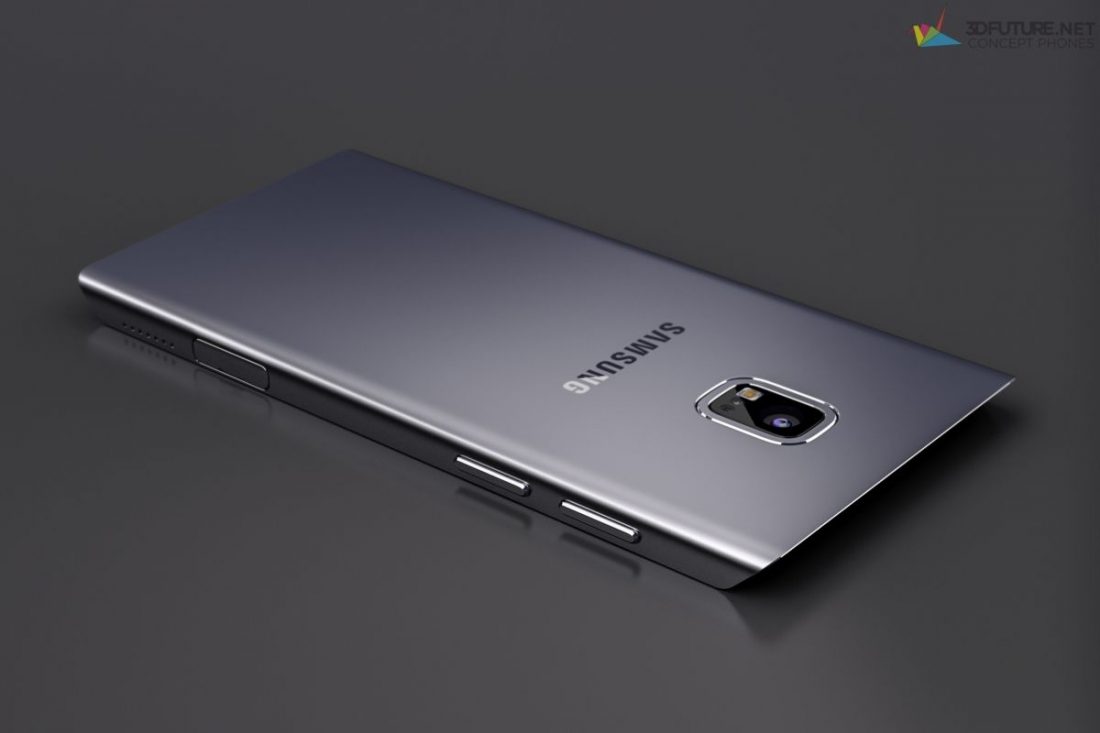
How does a brand behind the S6 Edge and S6 Edge+ continue to innovate after coming out with curved displays that blew its competition away? Of course, we’re talking about Samsung here. We all know that the company is working on its next flagship, the S7. And every little detail about the upcoming phone is welcomed by tech enthusiasts all over. The biggest question on everybody’s mind is how Samsung is going to better itself with the S7.
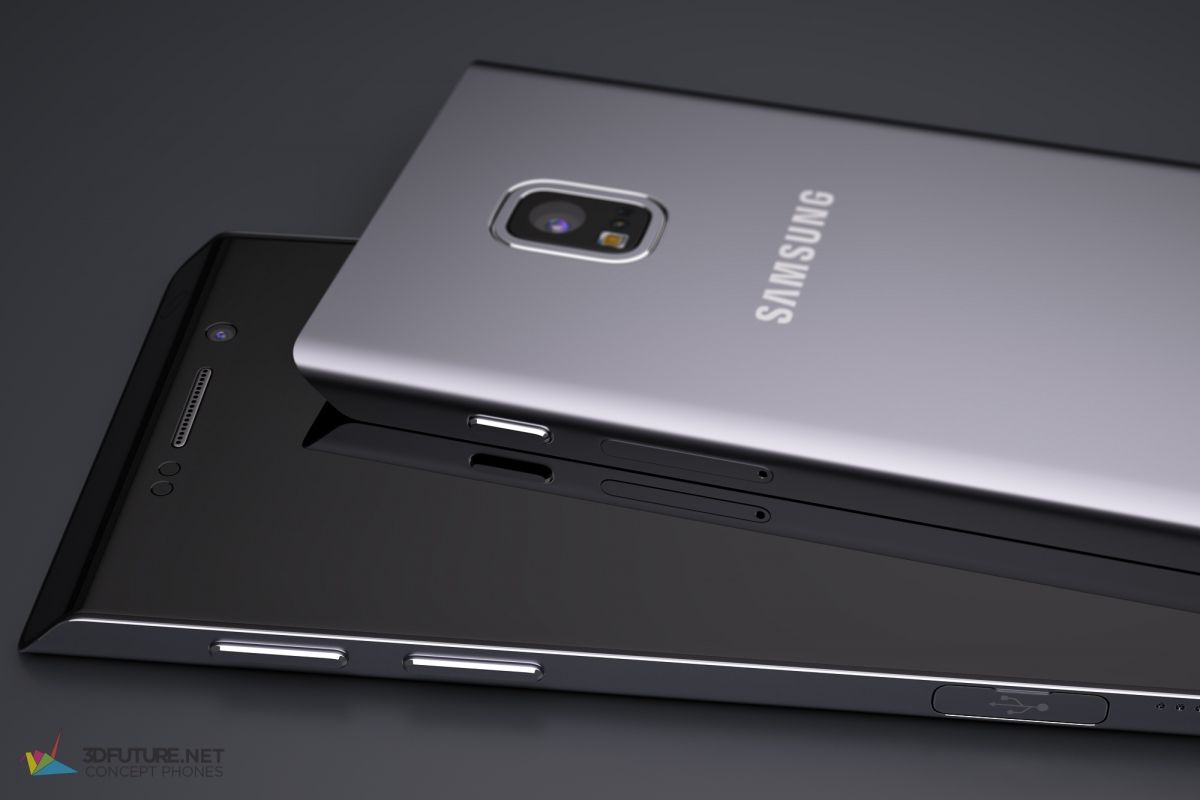
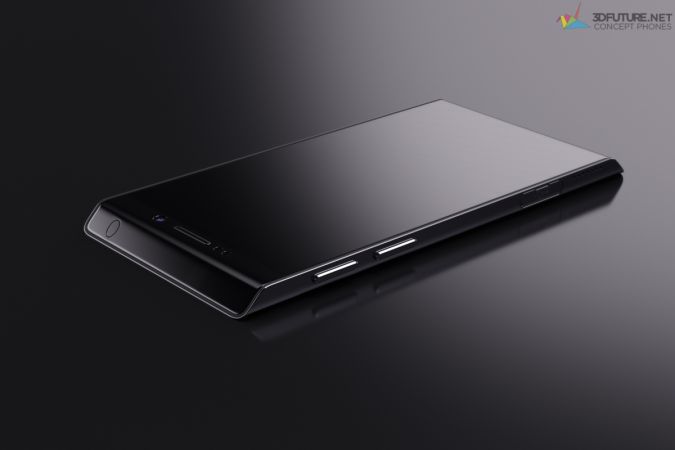
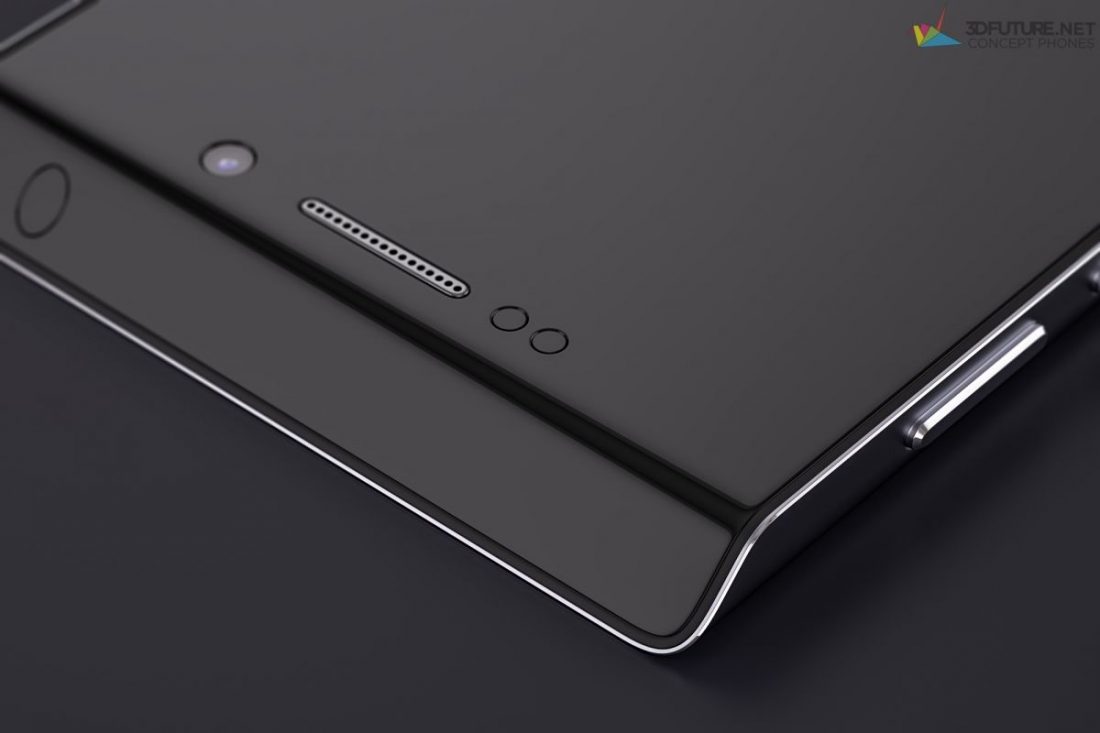
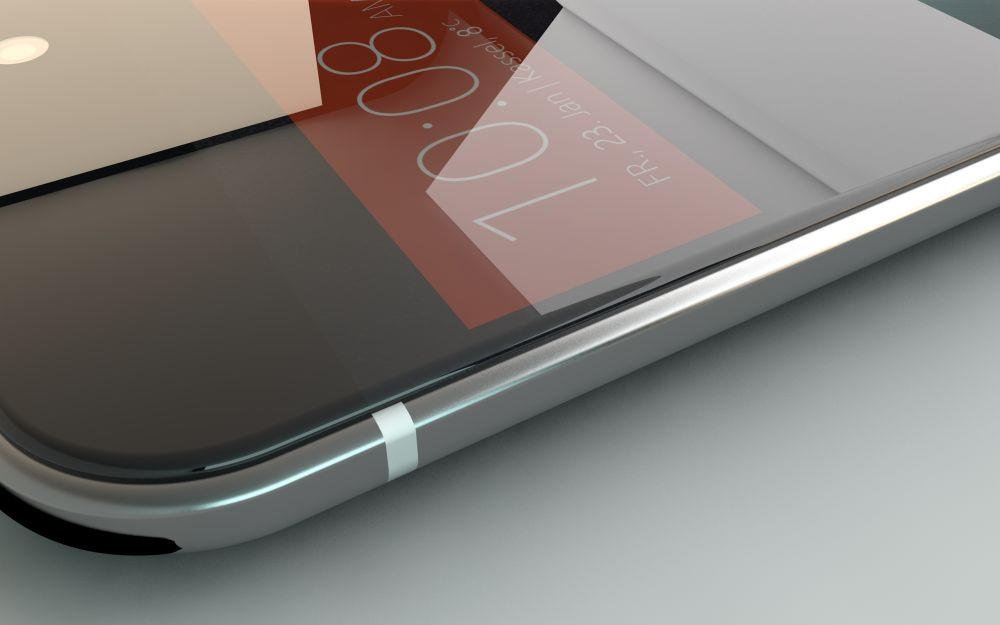
We have already seen a curved display on the side. So perhaps it’s only logical that the company might curve the screen from somewhere else. How about the top and bottom for a change? Some concept images posted by 3DFuture on its blog show what could be Samsung’s next design. And it looks as sleek as it does futuristic.
Samsung has filed design patents and folks at 3DFuture have released images based on those patents. There is no guarantee that the S7 Edge will follow this design, but visuals are always welcomed. The image above and below reveal a sleek, sharp design where the edged display take the top and bottom position now. The concept also shows no hint of a home button while the volume buttons on the side remain intact. The rest of the design with a full metal unibody oozes style and luxury.
While you take a few minutes analysing the images, we would also like to let you know about other rumours going around. It is likely that Samsung is working on a 3D Touch feature that will be seen in the upcoming flagship. The concepts also support rumours of a fully metallic unibody. Other features could see a 5.8-inch display, UHD resolution, 4GB RAM, and Snapdragon 820 chipset and Exynos processors for East Asian markets.
We will bring you more details on the Galaxy S7 as it comes. Let us know what you think of the concept design in the comments below.










 Given the number of users – both paying and non-paying – on Apple Music right now, the service is getting closer and closer to Spotify, which has over 20 million paying users.