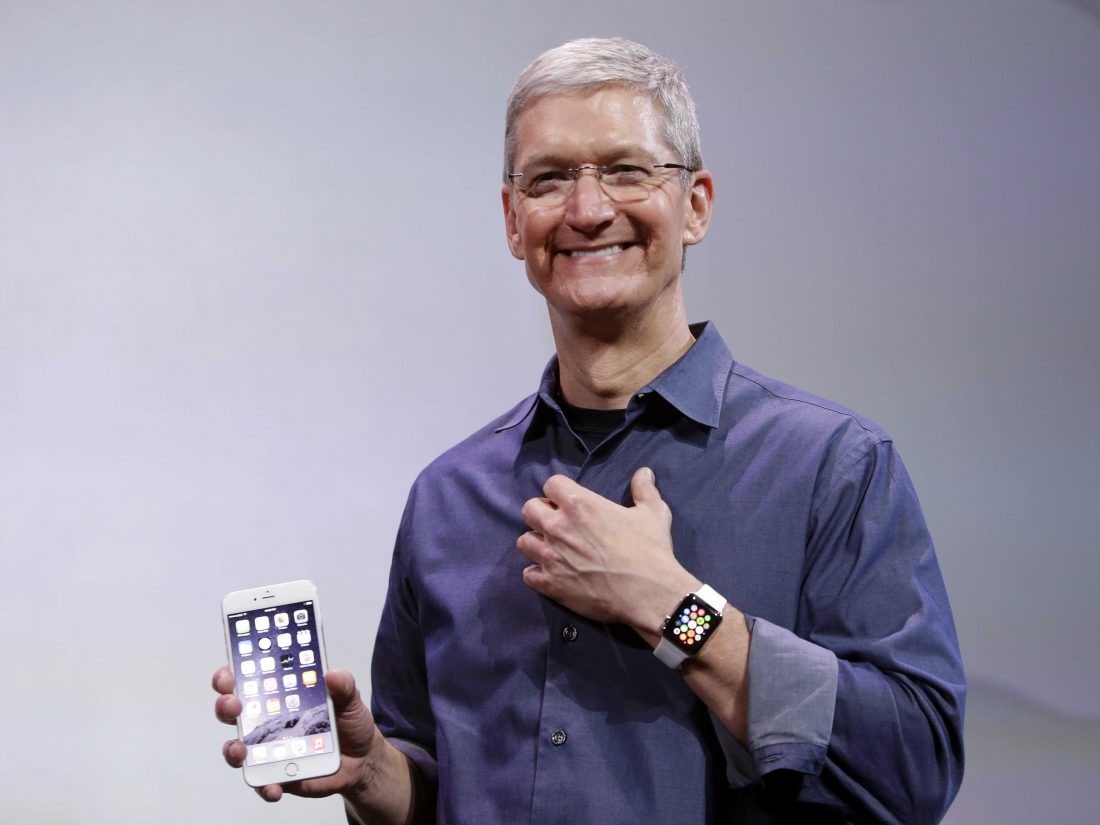
Another year another record quarterly earnings by Apple. The Cupertino-based giant announced their fiscal first quarter earnings ended December 26, 2015. A record quarterly revenue of $75.9 billion with a profit of $18.4 billion, the largest in history. This is a little over than the numbers Apple raked in the same quarter the year before, which was the largest ever recorded by a single public corporation then.
“Our team delivered Apple’s biggest quarter ever, thanks to the world’s most innovative products and all-time record sales of iPhone, Apple Watch and Apple TV,” said Tim Cook, Apple’s CEO. “The growth of our Services business accelerated during the quarter to produce record results, and our installed base recently crossed a major milestone of one billion active devices.”
Now that the earnings are in, Apple has provided their prediction for the second quarter, which is the first three months of 2016 for the company. It expects to generate between $50 billion to $53 billion in revenues which is down from $58 billion in revenues it booked for the same quarter last year.
“Our record sales and strong margins drove all-time records for net income and EPS in spite of a very difficult macroeconomic environment,” said Luca Maestri, Apple’s CFO. “We generated operating cash flow of $27.5 billion during the quarter, and returned over $9 billion to investors through share repurchases and dividends. We have now completed $153 billion of our $200 billion capital return program.”
The past few weeks, reports have been emerging that Apple suppliers have seen a decline on orders, but the earnings tell a different tale. This is partly due to the record-setting sales seen in China. As usual, the iPhones have been the major generators of revenue for the company, but now it also looks like Apple is earning well from its “services” and “other products”. The services consist of things like the app store, iCloud, AppleCare, and Apple Pay, which grew 26 percent year over year to $6.05 billion.
“Other products” includes the Apple Watch and Apple TV, grew its revenue 62 percent year-over-year, bringing in $4.3 billion this quarter.
What does the future look like now for Apple and what new product can become the next cash-cow for the giant is something we’ll just have to wait and see. If recent trend is any sign, then Apple could be making its entry into the virtual reality sector pretty soon.
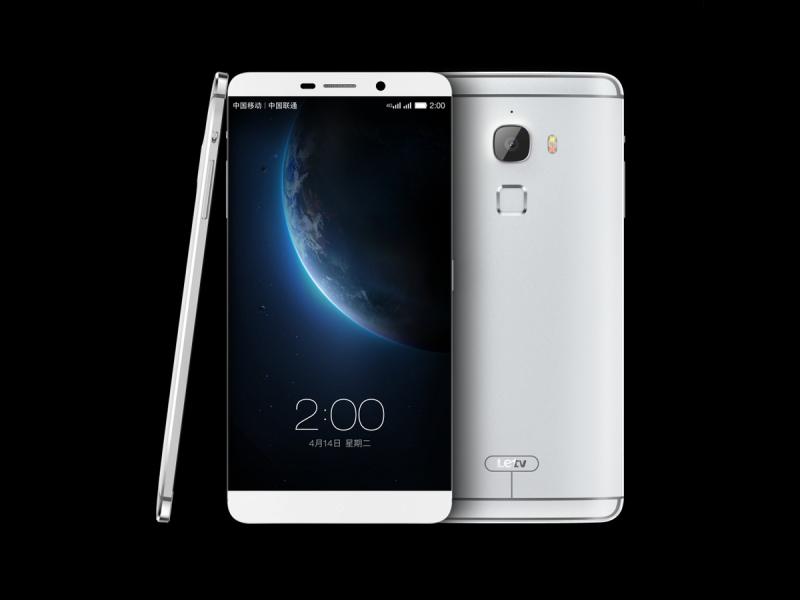
Last week, LeEco entered the Indian market with the launch of its smartphones – Le 1s, Le Max, Le Max Sapphire. The launch happened after the company explained its rebranding from LeTV to LeEco as an effort to expand and enter a number of businesses. We wondered whether LeEco can make good on the many promises it made during the launch event, one of which was the plan to hold a flash sale on the 2nd for the smartphones, which can be damaging to the company’s image if it fails to deliver.
Well, it looks like LeEco is serious about establishing its place in India and wants to assure customers that it is here to stay. The company has announced plans to open at least 555 service centres across India to offer after-sales support for customers. LeEco says these centres will spread across 300 cities in India and will have a 24/7 toll-free helpline with support in 10 languages, which includes English, Hindi, Bengali, Gujarati, Kannada, Malayalam, Marathi, Punjabi, Tamil, and Telugu.
Furthermore, LeEco is offering an excellent warranty on its devices. If the phone breaks or stops working within the warranty period, customer’s will receive a brand new handset. LeEco is also offering free pick-up and drop-off service for the LeMax smartphone.
“At LeEco, it is our constant endeavour to provide our users with superior products and content integrated ecosystem which ensure that their user experience on all our devices is unified and exceptional. We are very excited about our launch in India and look forward to a long-term association with consumers in this market. We are confident to disrupt the market with our innovative products at sustainable prices,” said Atul Jain, LeEco, India CEO in a press release.
Le Max
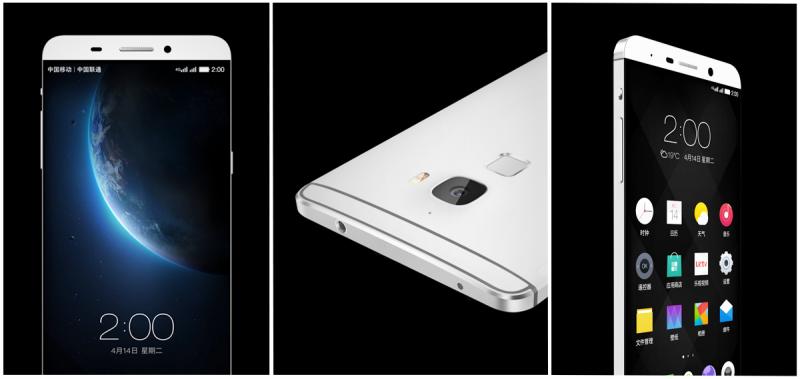
The Le Max features a 6.3-inch screen with 2K display and sports a metal body design with slim bezels. The device is powered by a Qualcomm 64-bit 2GHz octa-core Snapdragon 810 SoC coupled with 4GB of RAM. It is available in 64GB and 128GB storage variants.
On the camera front, the Le Max comes with 21-megapixel and runs on Android 5.1 with custom EUI running on top. The device comes equipped with multiple desktops – Application Desktop, LeView Desktop, Live Desktop -different screens for the phone that makes different applications, live streaming of events and multimedia available to the user conveniently and smoothly.
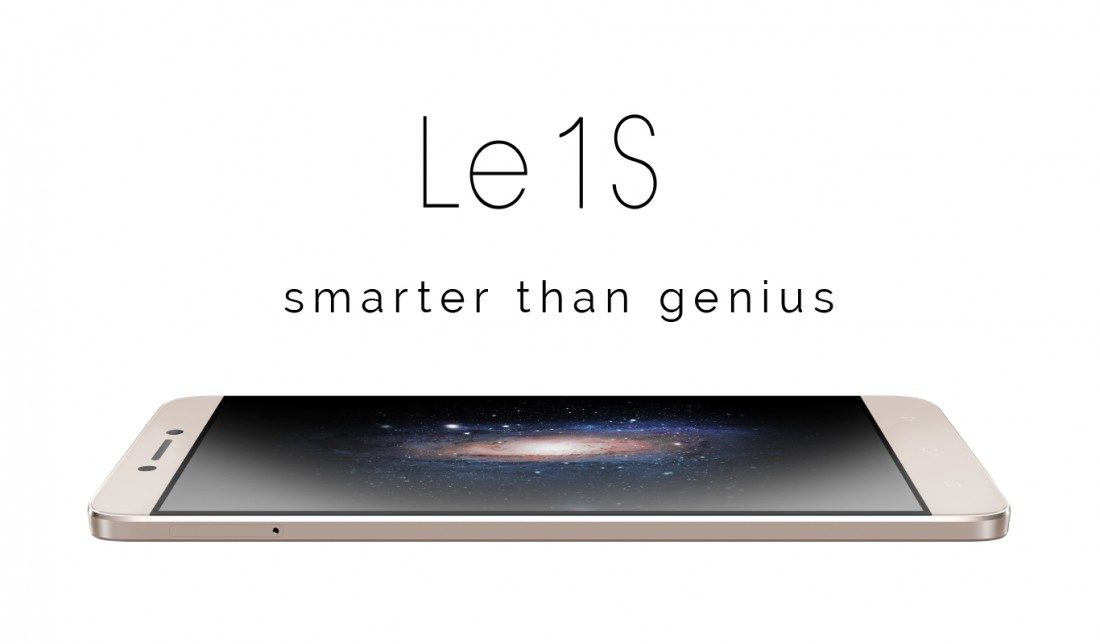
The Le 1s sports a 5.5-inch Full HD display and is powered by a MediaTek’s Helio X10 processor. It features a 13MP rear camera and a 5MP front camera. The smartphone will run on Android 5.1 with custom EUI on top. It is a Dual-SIM device with an AnTuTu score of 55844, beating HTC One M9.
It has a type-C USB port which ensures 3.5 hours of usage in 5 minutes of charging, along with a double chamber, symmetrical design, and super-slim, full-metal body with 7.5 mm of thickness. The finger-print scanner of the device called LeTouch, is mirror-surfaced with 99.3% accuracy and .15 seconds flash recognization.
iGyaan has been busy working on something truly groundbreaking. Over the next few weeks you’re going to find out exactly what that is. Without revealing too much right now, have a look at the teaser below for an idea of where iGyaan is heading. Follow the space for more.
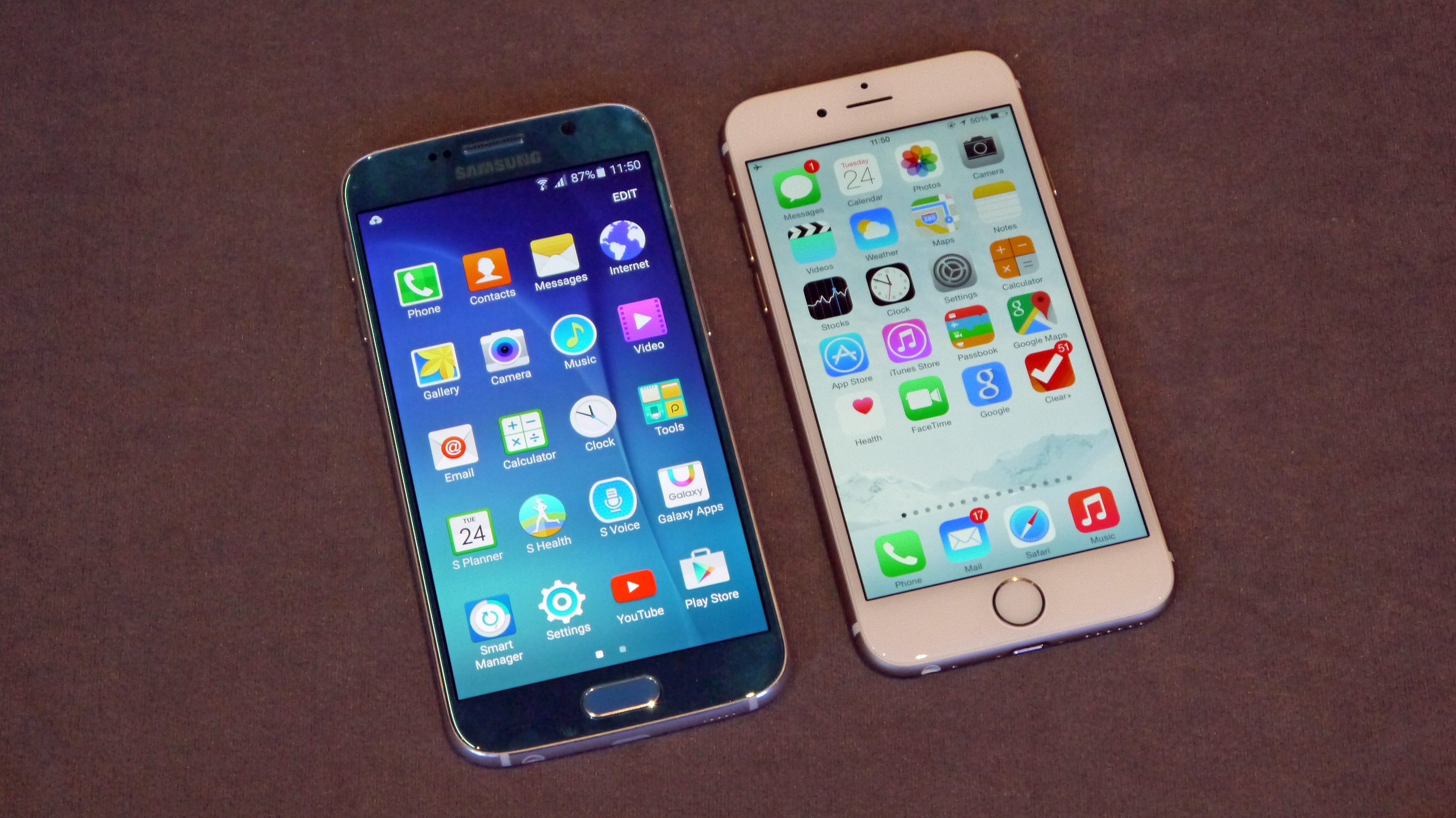
Looks like Samsung is going by the “if you can’t beat them, join them” philosophy. The Korean giant is reportedly planning to launch its apps for iOS devices. Though the love-hate relationship between Samsung and Apple continues, it doesn’t mean the former can’t make some cash off of the latter’s user base.
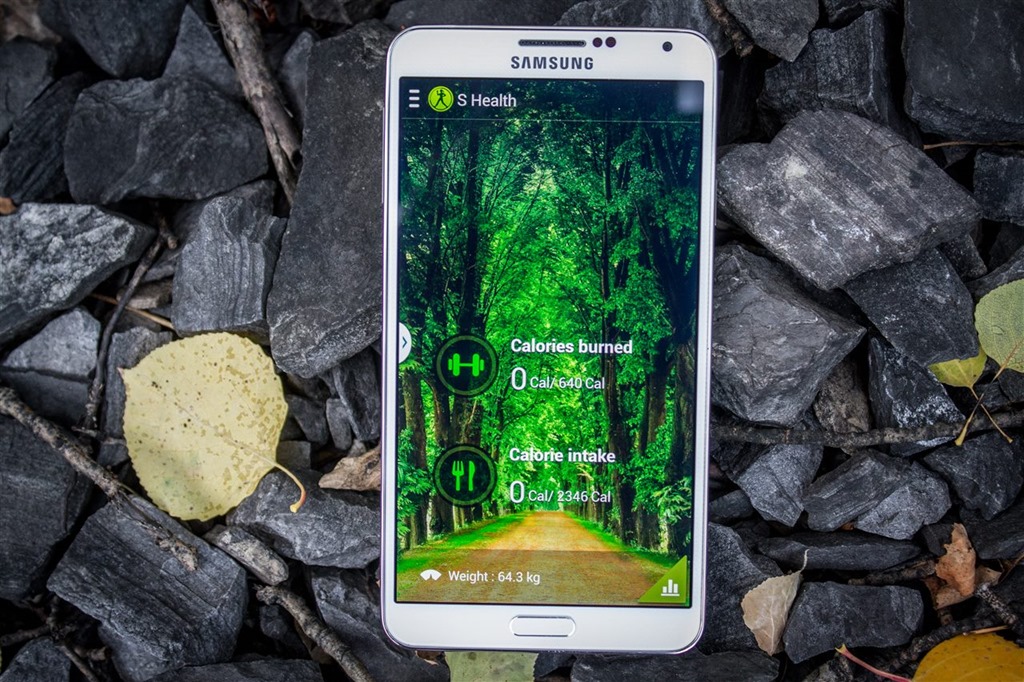
Gear Manager, S Health, Smart Camera and Remote Control are some of the apps that Samsung is planning to launch on iOS. These utility apps are meant to work for Samsung’s smart devices like smart TVs, smartwatches and smart cameras.
Samsung’s idea accepts that there is a huge iOS user base who are being shunned from buying Samsung’s other smart devices for compatibility reasons, and it wishes to change that. Samsung’s smart TVs, for example, have a number of neat features that iPhone users cannot use through their phones. The company wants to make money where it can, and including iOS users is just a smart way to do that.
Google and HTC have already embraced the idea of having as many users using their products as they can no matter which platform they use. It doesn’t look like Apple would have any problem with Samsung’s app on its App Store if it means more users buying iOS devices as well. It looks like a win-win situation from where we see it.
If you had to quickly think of a messaging service today, chances are that WhatsApp will be the first name to pop up in your head. And it should since the name has taken over our messaging unanimously, pretty much making standard SMS services obsolete.
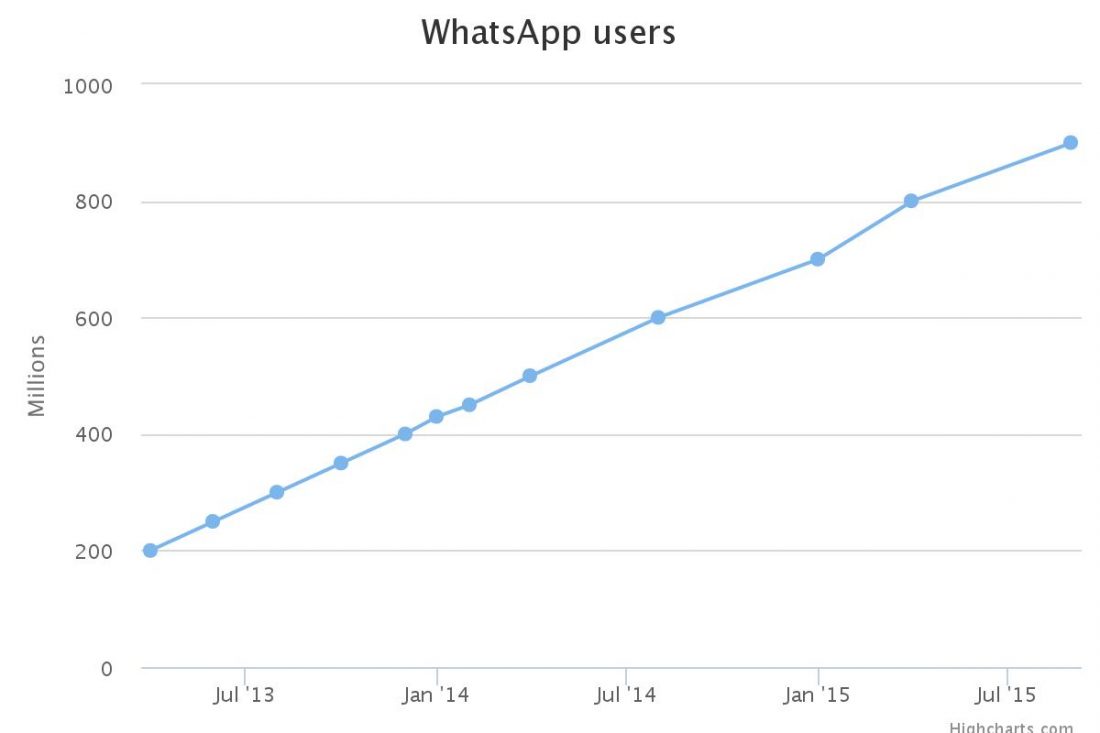
WhatsApp has seen a rise that shows a steady upward curve ever since its inception. Two years and 450 million users ago, the wildly popular messaging service was bought by Facebook for roughly $19 billion. An acquisition Zuckerberg knew would reap him great rewards. Charging a measly 99 cents a year for the service didn’t pinch anyone, but would generate substantial revenue for Facebook. But $19 billion is no small amount, and to make even $2 billion in revenue would mean the app would need 2.3 billion users, and it’s yet to reach a billion.
But WhatsApp is showing no signs of slowing down. The app is just short of a billion users, and if the trend continues, it is likely to touch 2 billion by the end of the decade. So, when the news broke that WhatsApp is going entirely free, the world began to wonder how Facebook would earn its revenues. Part of the confusion was around the decision to go free when Facebook is on the brink of a major cash-cow in WhatsApp.
Last week, WhatsApp founder Jan Koum, announced that the company would ditch the 99 cent fee and make its app completely free. He cited the reason that there are many of those who still aren’t on WhatsApp because they don’t own a credit/debit card. While a genuinely altruistic intention, the move in effect stops the revenue for Facebook.
But the move has clearly been decided with an intention to do more with the app. It’s clear that WhatsApp wants to be more than just a messaging platform. It wishes to take over many of the functions for which one uses the phone. It has already embraced voice calling functionality and has been rumoured introduce video calling soon as well.
The bulk of the worry behind going free was that people were concerned if WhatsApp would resort to the much-hated advertisements for revenue. But the company has denied the intrusion of ads. What the company is planning, however, is to charge businesses to use the app to talk to customers. So, it won’t just be call centres, soon customers will be able to express their dissatisfaction over a messaging app.
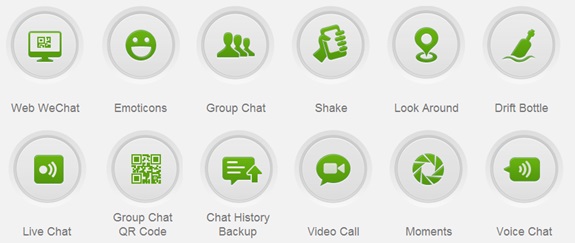
Calling for businesses to interact with customers via WhatsApp will have its benefits and will have its annoying moments, depending on how well WhatsApp integrates the moves. Yu may soon be able to pay off your bills and ask a bank official about your bank details through a simple text message. This is already in practice with WeChat, a Chinese app owned by internet giant Tencent. The app is used in China for messaging as well as to pay bills, make medical appointments, and check traffic.
WeChat Features
Furthermore, it’s no secret that WhatsApp and Facebook have been inspired by the Chinese app. So we could very well see WhatsApp move in a similar direction. Which wouldn’t be a bad thing in terms of revenue – WeChat houses many apps in one and this has led to an average revenue per user to around $7, against the 99 cents that WhatsApp has charged its users.
The success of WeChat in China may not exactly spell success for Facebook and WhatsApp, but it is something that both the companies are eagerly looking to adopt. The challenge, however, is to get Apple and Google on board if WhatsApp and Facebook do plan to build a platform out of the messaging app. Apple and Google are unlikely to appreciate a platform like that that could leave their own apps redundant.
We’ll just have to wait and see how much Facebook and WhatsApp are planning to fit into one app, and how much is too much for an audience that largely believes in the concept of “unbundling” or having apps that do less not more, thereby making it simple and easier to use. After all, it’s not that difficult to jump from one app to another to fulfill one’s needs.
On a parting note, you may also like to know that a new WhatsApp beta update for Android now lets you share your account information on Facebook for better experience and suggestions. Just how much of the user’s chat information is up for grabs is still unknown. Looks like WhatsApp’s move to become the ‘one app to rule them all’has already begun.
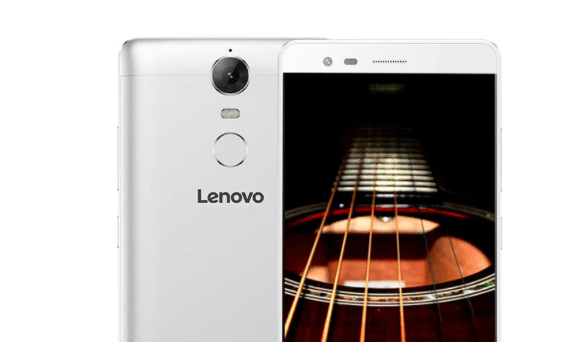
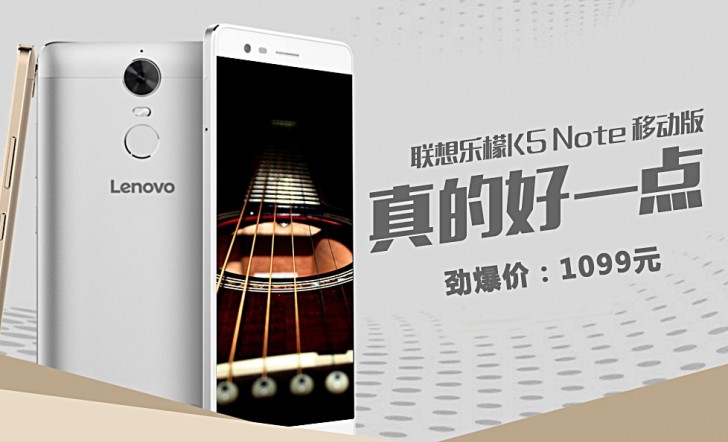
It hasn’t even been a month since Lenovo launched the K4 Note in the Indian Market and it looks like its successor is already here for China. The company has just made the K5 Note official, and the handset comes with an all-metal body.
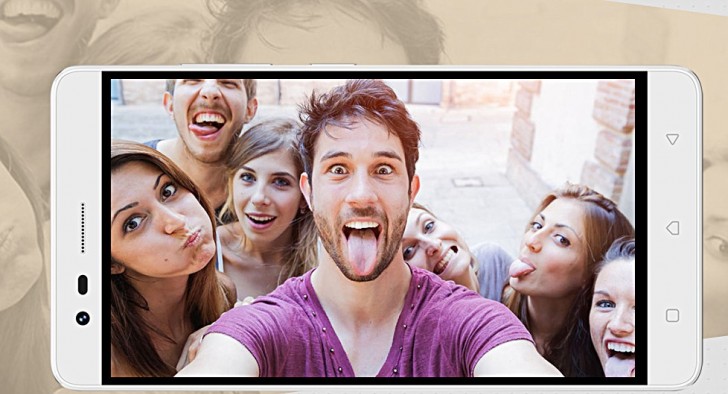
The K5 Note sports a 5.5-inch Full HD LTPS display and is powered by a Mediatek Helio P10 SoC with 64-bit octa-core processor and Mali-T860 GPU. It has 2GB RAM and 16GB internal storage. On the camera front, the handset features a 13MP unit in the front and an 8MP shooter at the back. It packs in a 3,500mAh battery that supports fast charging and runs Android 5.1 Lollipop with Vibe UI on top.
Other features include a fingerprint scanner on the back that can be used to make payments as well as capture photos. The K5 Note offers support for dual-SIM, 4G LTE, as well as VoLTE. It also features a 1.5W speaker on the rear with Dolby Atmos surround sound effect.
The design of the K5 Note looks completely different when compared with the K4 Note. There are no front-facing dual speakers here. Furthermore, the K5 Note sports an all-metal body while the K4 Note had a plastic back. The specs are slightly different as well. The new K5 Note comes with the newly launched Mediatek Helio P10 SoC. However, the RAM here is at 2GB whereas the K4 Note had 3GB.
It is possible that the K5 Note will be exclusive to China much like the K4 Note is to India. The handset is available in Gold and Silver color options and comes with a price tag of RMB 1,099 (Rs 11,500) in China, which is around the same price as the K4 Note. Registrations are already open and it will have its first flash sale this week in China.
Today’s HTC news is not about smartphones but smartwatches and tablets. Whispers and rumours have been floating about that HTC is set to join the growing list of brands to have their own smartwatches. That and a new tablet being spotted on GFXBench are what’s trending today.
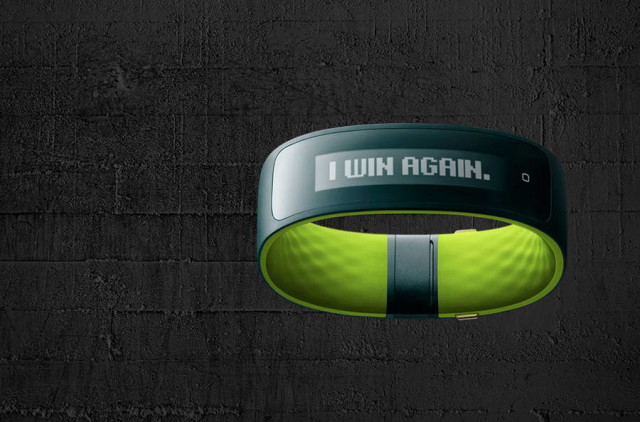
Talking about the smartwatch first, HTC is said to be working on a proper smartwatch after having partially launched the HC Grip fitness band last year. We say partially because the band was launched as a part of an Under Armour Healthbox package that included a chest strap for heart rate monitoring, a smart scale and smart sneakers. The package was launched at CES earlier this month.
The rumor about a smartwatch in the works was revealed by popular leakster @evleaks. However, not much is known about the smartwatch at this time. Some past rumours have suggested that HTC’s smartwatch would use Android Wear as its platform and that the watch would sport a round display.
On the tablet front there are some concrete facts. The alleged tablet was spotted on GFXBench with some key specs listed. The tablet called Desire T7 will be the first-ever tablet under the Desire series and will likely sport a 6.9-inch display with HD (1280 x 720) resolution.
The Desire T7 comes with a Spreadtrum SC8830 quad-core processor clocked at 1.3GHz. It is supported by a Mali-400 GPU and 1GB of RAM. There is 16GB of internal storage. The tablet is also listed to feature a 5MP primary and secondary camera and will run on Android 5.0 Lollipop.
While a lot of uncertainty looms over the smartwatch, you can expect an unveiling of the tablet at the MWC in February. HTC is also likely to mention the smartwatch at the event or would save it for March where the company will hold a separate event for the launch of the HTC One M10.
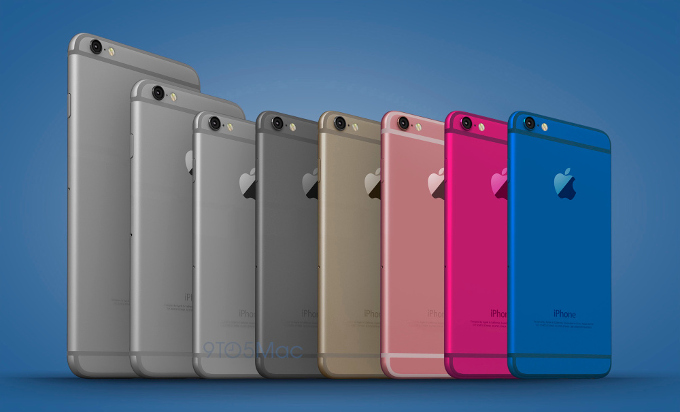
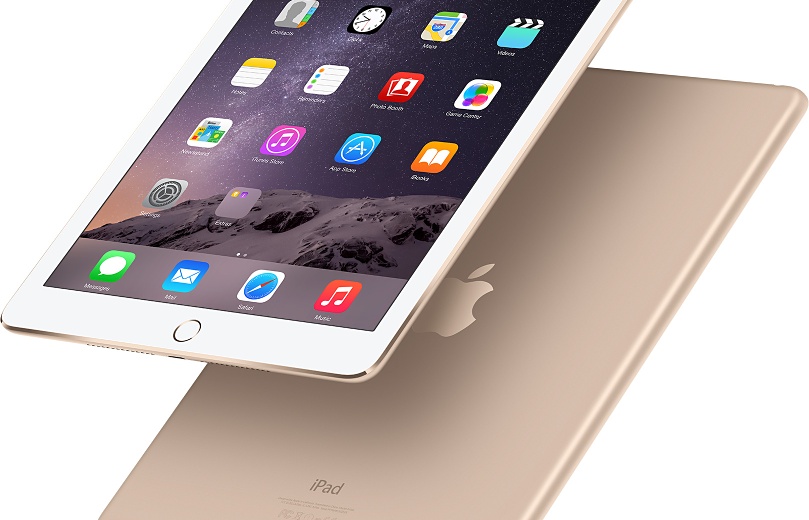
Just a couple of days ago, reports suggested that Apple’s upcoming 4-inch iPhone was going to be called the iPhone 5se, which meant and “enhanced” iPhone modelled on the iPhone 5’s design language. Now, according to KGI analyst and trusted insider Ming-Chi Kuo, Apple is likely to unveil the third generation iPad Air along with the iPhone 5se in the first half of 2016.
From what we’ve come to know so far in terms of specs, the iPhone 5se will be powered by the A8 chipset with the M8 motion co-processor as was seen in the iPhone 6 and 6 Plus.
Furthermore, the miniature iPhone will sport an 8MP rear camera and a 1.2MP front, again similar to the iPhone 6. What the iPhone 5se borrows from the current iPhone 6s is the Live Photos feature that records a video of 1.5 seconds before the shutter is snapped and 1.5 seconds after, the result being a GIF-like video that makes it look like the photograph has come alive.
Not much is known about the iPad Air 3 at this time. The reason behind an early launch of the tablet is because a refreshed iPad Air was ignored last year in favour of the iPad Pro and iPad Mini 4. We’ll learn more about the tablet at Apple’s March event.
Samsung launched the Gear S2 smartwatch in India on Thursday. The launch sees company’s entry into the Indian smartwatch market, which isn’t so hot as of now. One of the reasons Samsung delayed the launch of the Gear S2 in India was due to license and the need for the right content. The Gear S2 comes with a starting price of Rs 24,300.
Manu Sharma, Director, Product Marketing, Samsung Electronics India, unveiled the devices at the event and spoke about the importance of the smartwatch trend in the country. Sharma was especially gleeful about the Gear S2 in India which has partnered with Samsung’s R&D Centre, Samsung Research Institute in Bangalore and other third party partners as part of the ‘Make in India’ initiative to cater to the specific needs of Indian customers.
The smartwatch trend in India is still in its early stages. The wave hasn’t really caught on and consumers here aren’t sold on the usability and practicality of a smartwatch. Part of the reason behind this is the lack of any localized applications, tailor-made for the Indian consumer. Smartwatches, after all, is meant as a fitness device, among other things.
Samsung has tried to address this problem in a bid to attract the Indian customers by partnering with apps like Obino Gear Up that monitors and suggests ideal meals based on Indian food preferences along with exercise options. The meal suggestions come from an extensive Indian food database along wth relevant measuring indices like ‘katori’ (a bowl) ensuring enhanced tracking of diet.
Apart from this, the sensors in the watch like accelerometer, gyro sensor, proximity sensor, etc help monitor physical game-play for sports popular in India such as Cricket, Tennis, and Golf, as of now. “We are aiming at providing a differentiated experience altogether with our smartwatches, which consumers can customise as they want. Our main focus is to increase the use cases for Indian consumers,” said Sharma.
The goal as Samsung sees it, according to Manu Sharma, is to make the smartwatch the primary device, something you look at you reach for your smartphone. In order to do that, the smartwatch needs to have enough and more applications to convince users that looking at their wrists is far more practical and efficient than digging into their pockets. Having a smartwatch that has applications customized for the Indian audience is one way to go about it, which Samsung has achieved with the Gear S2. Is it enough for the smartwatch win over the Indian market? Only time will tell.
Xiaomi fans have been eagerly awaiting news on the exact day of the launch of the flagship Mi 5. Over the past few weeks, we’ve seen a lot of rumours and alleged renders of the device that have left little imagination of the specs and design of the handset.
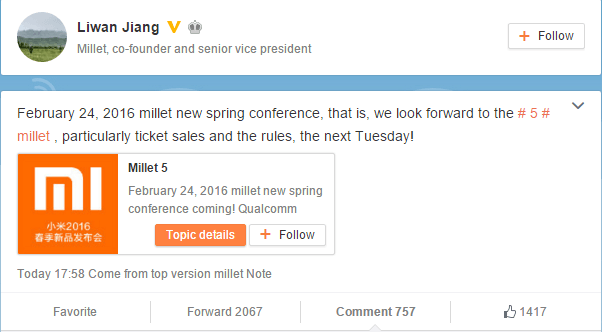
Up until a few days ago it was expected to be launched at the MWC, but a Weibo post today from the Chinese company’s co-founder and Senior VP Liwan Jiang confirmed that the device will be launched on the 24th of February at the company’s spring conference.
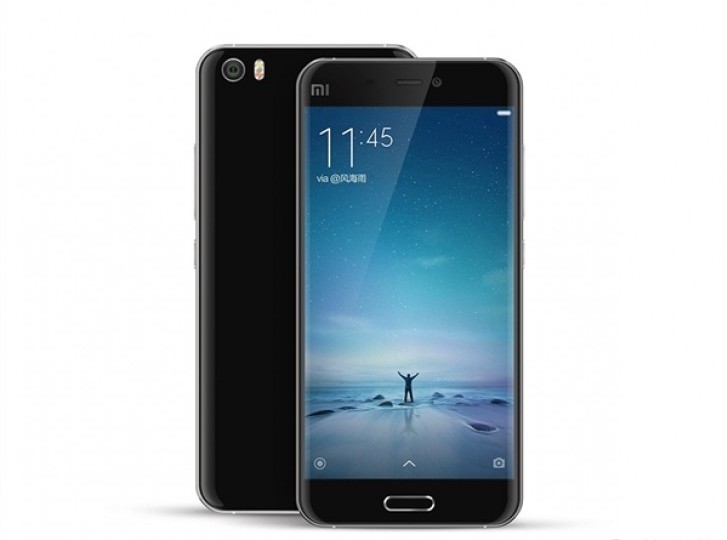
Xiaomi has made some obvious changes to the Mi 5 compared to its predecessor, according to recent leaked photos. The home button is present now and the device sports a curved look moving away from the box-like design of the Mi 4. Other specs that are hardly a secret now include a Snapdragon 820 chipset with 4GB of RAM. The storage is 16GB, though a 64GB option is very likely. The device will run MIUI 7 (based on Android 5.1).
On the camera front, the Mi 5 is set to sport a 16MP camera on the back with dual-LED flash and an 8MP selfie camera. The device is complete with a 3,600mAh battery. The Mi 5 is also a dual-SIM handset, both 4G LTE-enabled.
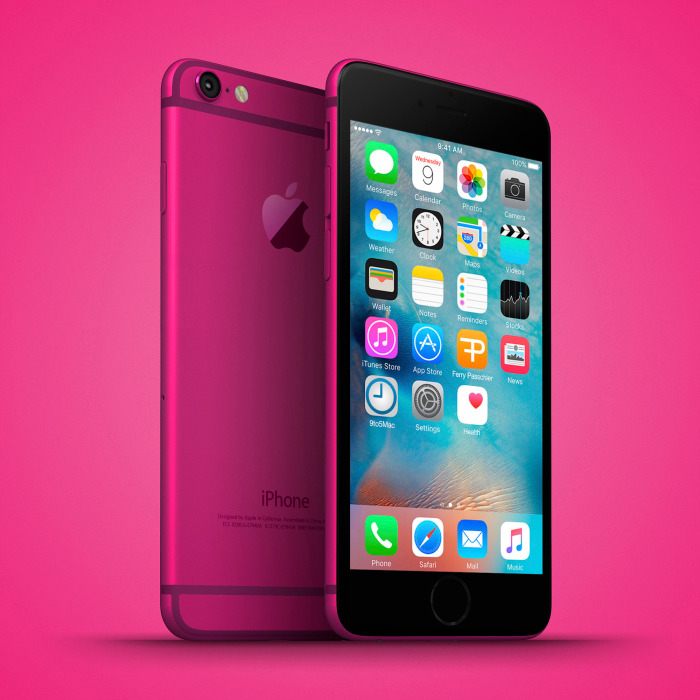
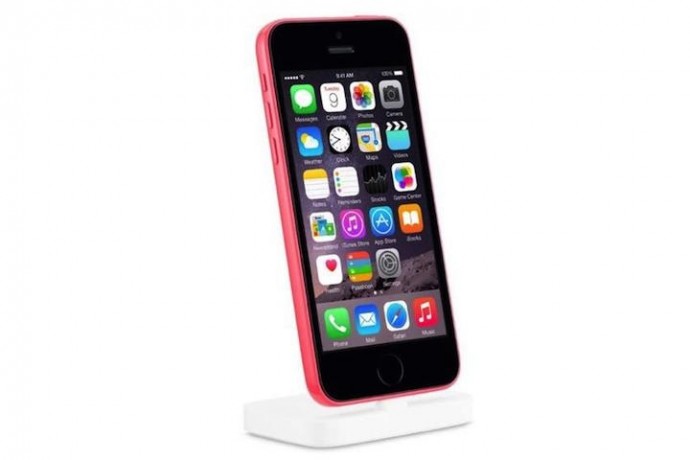
If rumors about Apple’s flagship device weren’t enough, you have a whole bunch of them for its lesser sibling. We’ve heard a great deal about Apple’s upcoming 4-inch iPhone. But the one things the rumors and speculations just couldn’t settle on was the name. Today, it’s possible that the iPhone 5se is what the 4-inch device is going to be called.
The 5se as the name suggests will be an “enhanced” version of the iPhone 5s. From what we’ve come to know so far in terms of specs, the iPhone 5se will be powered by the A8 chipset with the M8 motion co-processor as was seen in the iPhone 6 and 6 Plus.
Furthermore, the miniature iPhone will sport an 8MP rear camera and a 1.2MP front, again similar to the iPhone 6. What the iPhone 5se borrows from the current iPhone 6s is the Live Photos feature that records a video of 1.5 seconds before the shutter is snapped and 1.5 seconds after, the result being a GIF-like video that makes it look like the photograph has come alive.
Live Photos is likely to be the only feature the 4-inch device will borrow from the iPhone 6s. It is unlikely to come with 3D Touch capabilities seeing how the mini version is supposed to be friendly on the pocket.
Apple is rumored to hold an event in March for the unveiling of the iPhone 6se. No word yet on the price but will likely be priced around the same as the iPhone 5s. We’ll know more as we approach the launch.
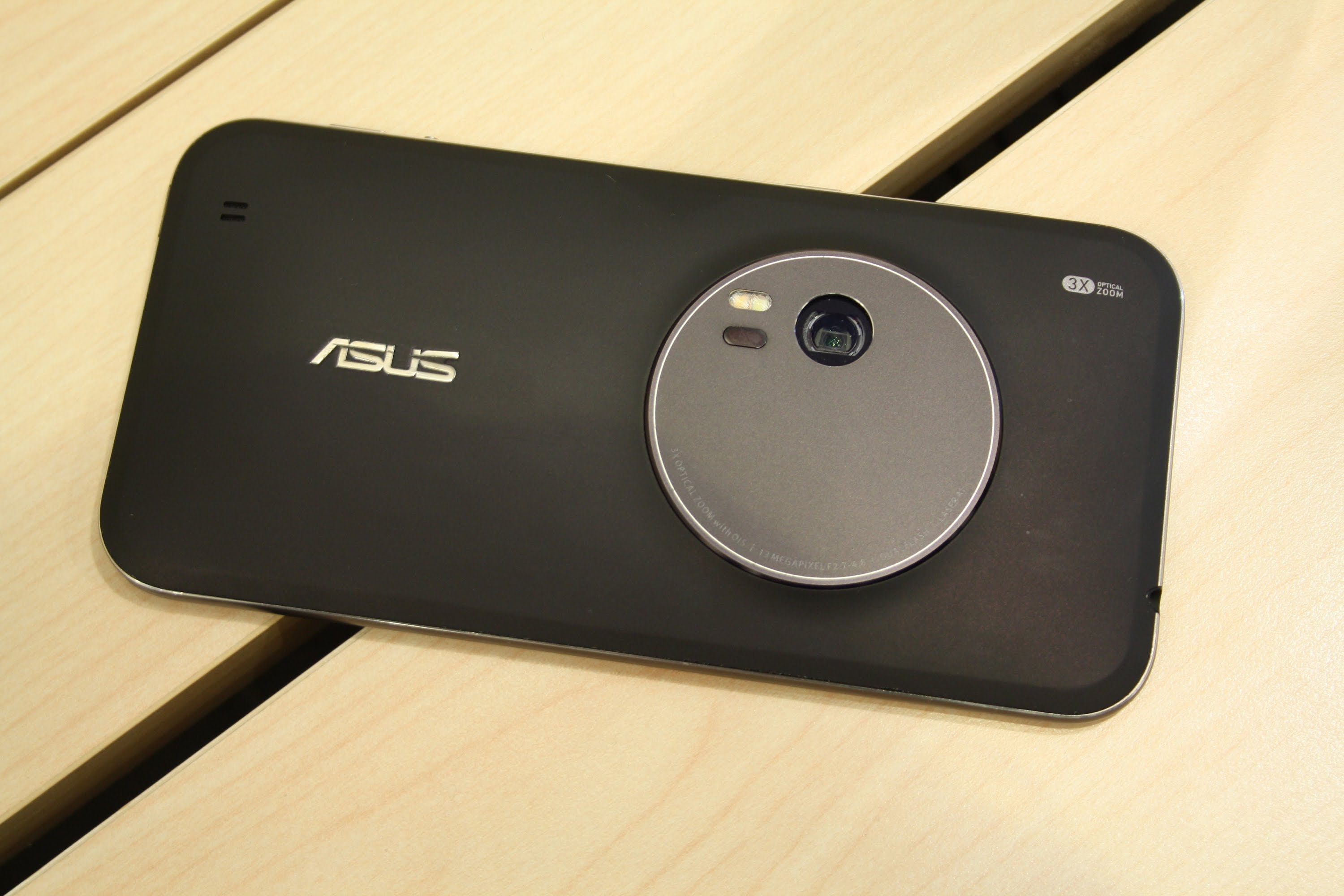
After recently launching the Zenfone Max, Asus has now released the Zenfone Zoom in India at a price of Rs 37,999. As the name suggests, the Zenfone Zoom is a smartphone whose main USP is its primary camera. But more on that in a bit.
The Zenfone Zoom has a 5.5 inch full HD display with Corning Gorilla Glass on top, and is powered by a 2.5GHz quad-core Intel Atom processor. The smartphone features 4GB RAM and comes with 128 GB internal storage options. A 3,000 mAh battery pack provides for the juice and the device runs on Android 5.0 Lollipop.
The body metal body is crafted with aerospace grade aluminum and liquid metal molding.
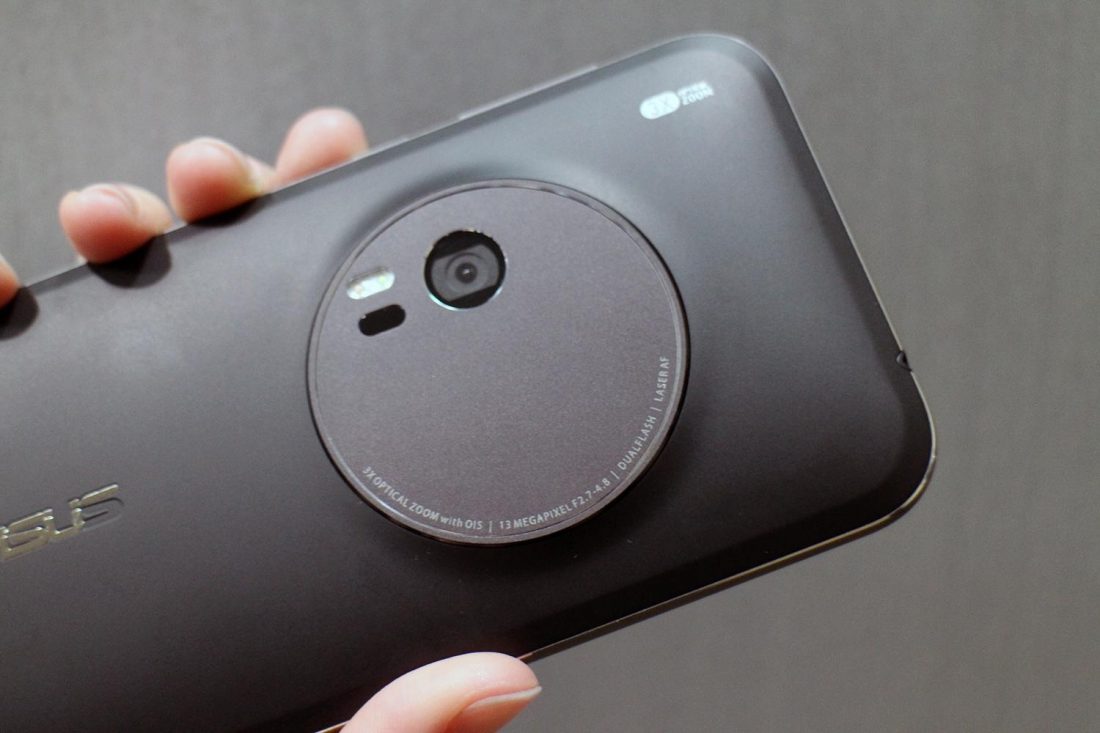
Moving over to the main attraction of the device. The company claims to “reinvent smartphone photography” with Zoom which sports a 13 MP camera that has 10-element lens, 3X optical zoom – world’s thinnest, and optical image stabilization. It also comes with Laser Auto Focus that can capture images in .03 seconds. The back of the smartphone is reminiscent of the Nokia Lumia 1020. Yes, this is a phone for the serious photographer.
it looks like Apple is joining the bandwagon of companies that are focusing on virtual reality technology. This is suggested by the fact that the Cupertino giant recently hired a man by the name Doug Bowman, the Director of the Center for Human-Computer Interaction at Virginia Tech.
Bowman joins the list of recently hired virtual and augmented reality experts, following Apple’s acquisition of Faceshift, Metaio, and Emotient. Apple is trying to learn as much as it can about the world of virtual reality, seeing that its major competitors like Samsung and Microsoft have already made their mark in that realm.
It not clear in any way as to Apple’s plans regarding VR. Bowman’s experience with creating 3D interfaces could be deployed in AR car control systems, which could be incorporated in Apple’s autonomous car (which in itself is a mystery right now). The other speculation is towards a Samsung’s Gear VR-like headset only using iPhones instead. We’ll just have to wait and see what Apple has in mind on that front. One thing is clear, virtual reality is here to stay.
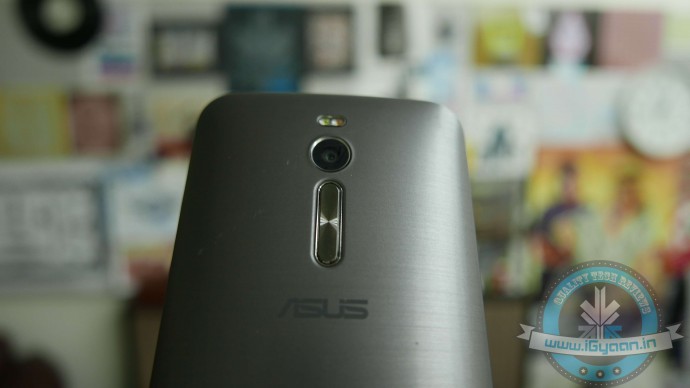
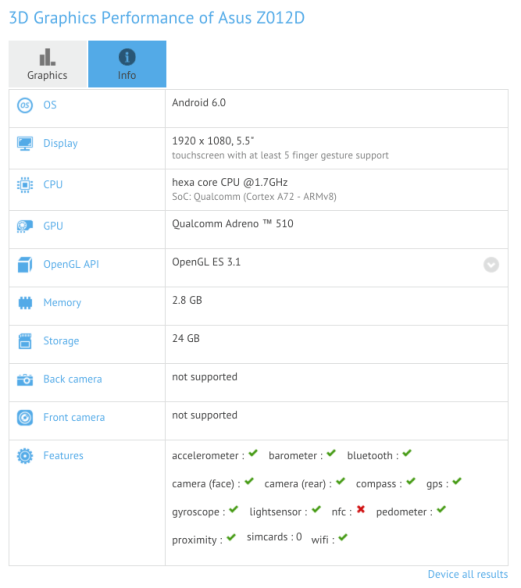
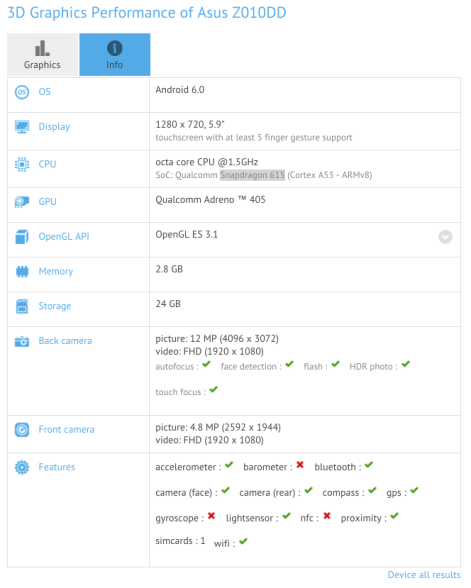
In what could be the successor to the Zenfone 2, two potential Zenfone 3 models have been listed on GFXBench benchmarks. We say Zenfone 3 because the model numbers are close to the Zenfone 2. Mid-range devices are turning out to be the new premium. Cheaper phones are being brought out with good specs and great design language.
The listing shows two possible Zenfone 3 variants – one sporting a 5.5-inch display and the other a 5.9-inch display. The former looks to be the bigger of the two, in terms of specs. The 5.5-inch device is shown featuring a 1920x1080p pixel resolution with a hexa core 1.7GHz Snapdragon 615 SoC under the hood and Adreno 510.
Meanwhile, the 5.9-inch version comes with a lower resolution at 1080x720p pixels. This version also sports a Snapdragon 615 chipset but with Adreno 405 GPU. Both the versions feature 3GB of RAM, 12MP primary shooter and 5MP selfie snapper.
Looks like Asus has ditched Intel for Qualcomm to provide for the chipsets. Going by the specs of the devices, one would expect the pricing to be around Rs 13, 000 – Rs 15,000. No word yet on when the phones will be launched.
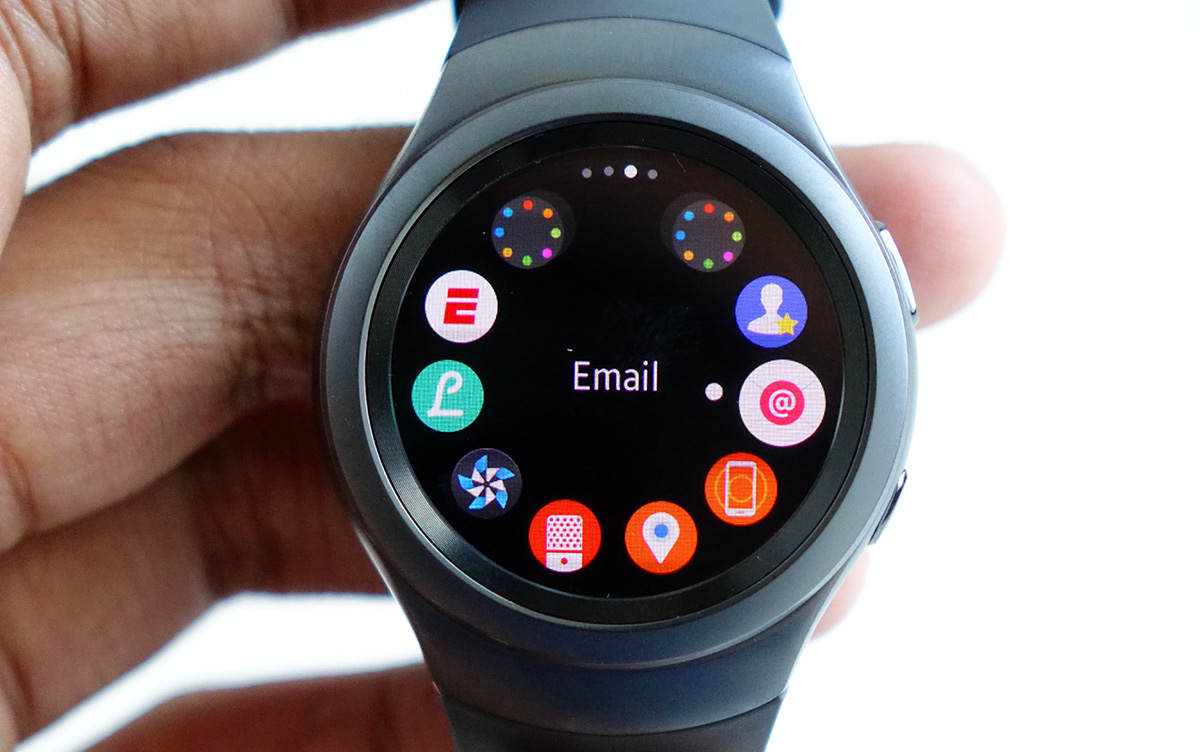
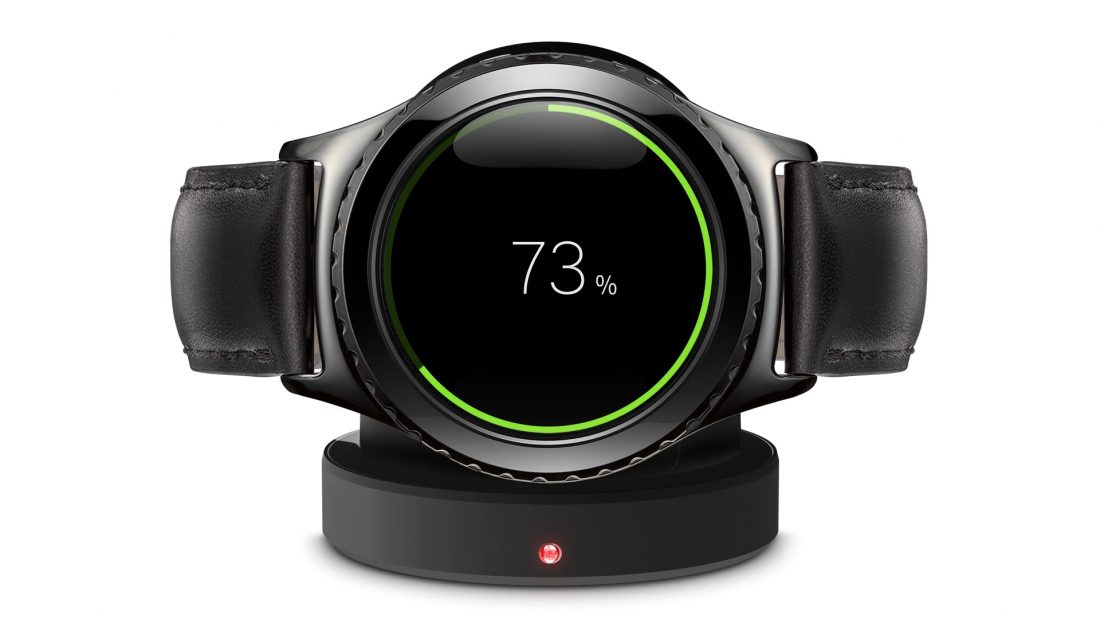
Samsung unveiled the Gear S2 at IFA Berlin last year. The smartwatch has been launched slowly in select countries for the past few months and has now launched the smartwatch in India along with the Gear VR headset.
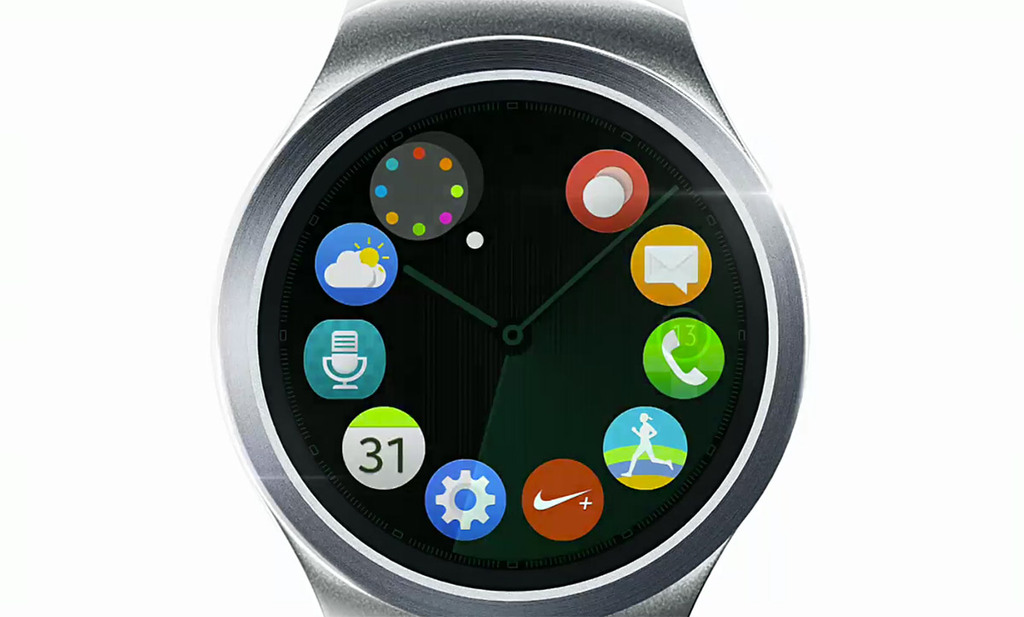
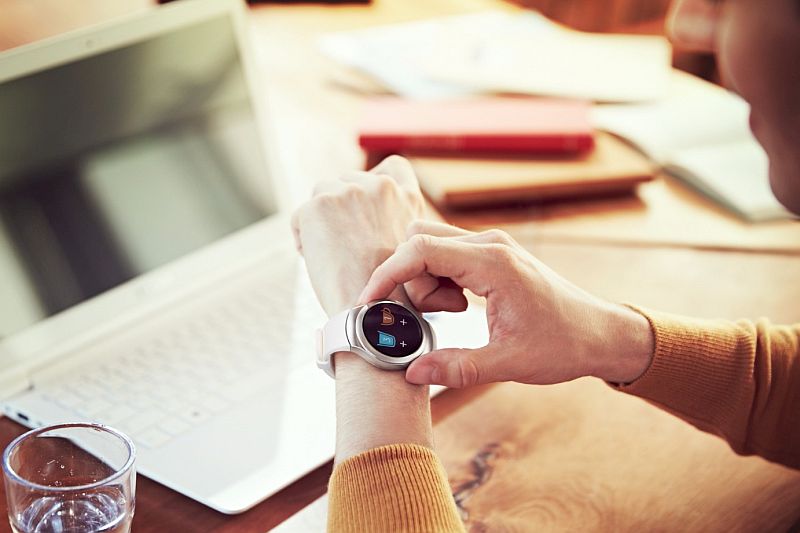
The new smartwatch comes with a 1.2-inch screen with a 360x360resolution (302ppi). To power the device, Samsung has used 1GHz dual-core processor and provided the option of 3G Connectivity. The Gear S2 runs on the company’s very own Tizen OS and uses a rotating bezel, along with the Home and Back buttons, for navigation. Samsung has also added NFC for mobile payments.
Perhaps, the highlight of the device would be the fact that the company claims it lasts upto 2-3 days on a single charge. Since a wearable is an extra ‘smart’ device that you need to carry around, a long-lasting battery is a necessity. You can rotate the bezel to navigate through the device.
One of the exciting announcements is that the smartwatch has been announced in two variants – Gear S2 and Gear S2 Classic. Other than the design, the only major difference between the two is their size. The Classic has been built smaller and lighter than the Gear S2.Titanium and Rose Gold version for S2 Classic will be available later on. For its timeless design, we’re leaning towards the Classic which comes with a black dial and a leather band.
Furthermore, The Gear S2 will be iOS compatible later this year. As of now, the wearables can only work with an Android device.
Specs
Samsung Gear S2
Display
1.2-inch, Circular Super AMOLED, 360×360, 302ppi
Processor
Dual-core 1.0 GHz
OS
Tizen-based wearable platform
Storage Memory
4GB Internal Memory
RAM
512MB
Connectivity
Wi-Fi: 802.11 b/g/n, Bluetooth® 4.1, NFC
Battery
250mAh Li-ion
Misc
IP68 Certified Dust and Water Resistant, Wireless Charging
Price
Rs. 24,300 for Gear S2 and Rs 25,800 for Gear S2 Classic
The pricing is Rs.24,300 for Gear S2 and Rs 25,800 for Gear S2 Classic, and they are available on Flipkart as well as in offline retail stores like those of Chroma and Reliance.