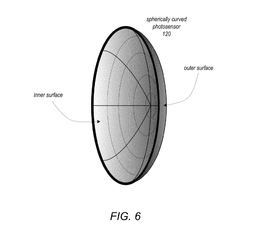
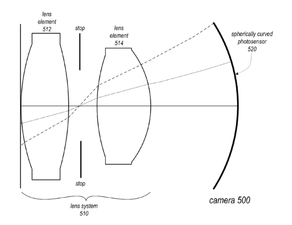
As revealed by reports, the U.S. Patent and Trademark Office has granted Apple a Patent for a “Small form factor high-resolution camera” that will see the amalgamation of cutting edge sensor technology with similarly complex optics to create a compact, high-performance camera suitable for use in there future ultra slim iPhones.
The application, aptly titled “Small form factor high-resolution camera,” reveals a spherically curved sensor that would work with three different lenses to focus light onto a sensing surface.
This would be in line with the already strong rumours of a new iPhone for the next year which will be thinnner than anything that we’ve seen before. Apple has also been looking for ways to make the iPhone thinner and add a higher capacity battery, and this particular switch in camera tech will help in achieving this.
But this move will not come without its drawbacks, the biggest being native barrel distortion, or a bubble-like warping of photos. But if reports are to be beileved then Apple plans to fix this with a software solution for this.
Other than this, the next iteration of the iPhone is expected to come with an OLED diplay, with a full body speaker grill, and could even support Li-Fi. It is also expected to skip on the 3.5mm jack in favour of a system that will see audio accesories being connected to it via the lightning port.
The long wait and all the speculation has finally come to an end. There is at last official word on the launch date of the much awaited Xiaomi Mi 5. The company Global VP, Hugo Barra has joined in the fun and teased users around the globe with a tweet
#Mi5 is almost here! Xiaomi’s first product launch in 2016, on February 24. It’s everything you imagined, and more.- https://twitter.com/hbarra/status/691934558758031360
Internet has been buzzing with leaks and rumours about the Xiaomi Mi 5, and it looks set to grow in the coming days given the kind of hype that Xiaomi is creating for its upcoming handset.
On the specifications front, not much is known apart from the processor that was earlier disclosed by the manufacturer. But according to reports, the device will be equipped with impressive under the hood specs that should be a match for flagships from other brands
The Mi 5 is expected to boast of a 5.2-inch Quad HD display coated in 2.5D Corning Gorilla Glass 4. It also suggested the phone will have a 6-element 16MP camera on the back with f/2.2 aperture and 4K video recording.
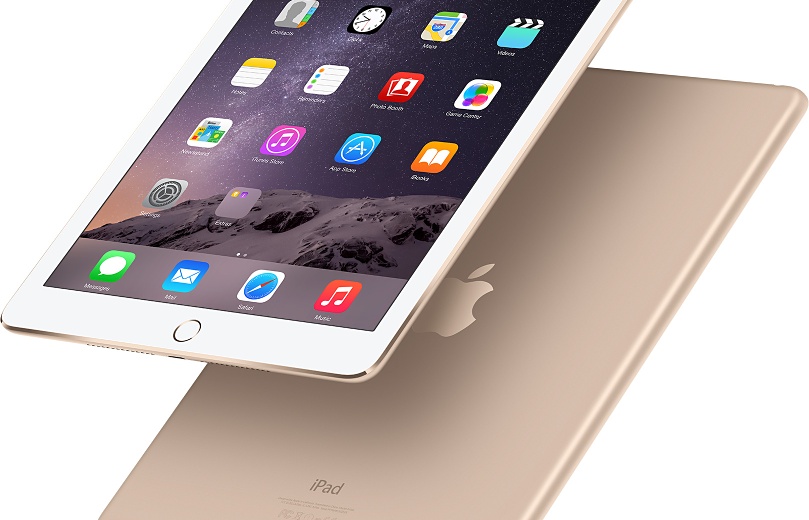
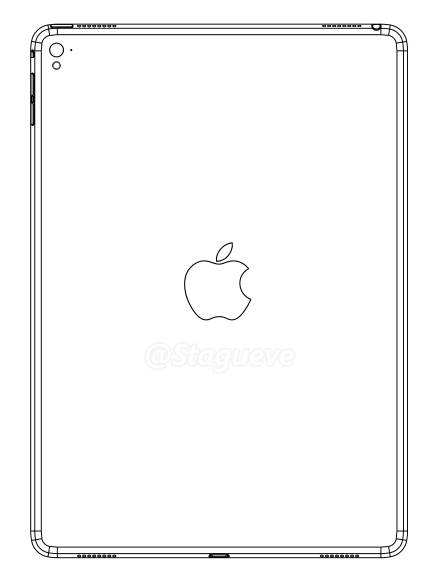
Instead of an iPad Air 3 release a couple of months back, we saw the launch of the iPad Pro instead. However, recent rumours point to the possibility of the iPad Air 3 arriving early this year. And from what leaked schematics of the iPad Air 3 reveal, it could very well be worth the wait.
On the outside, the shape of the tablet appears to be similar in dimensions to its predecessors. The schematics also reveal the iPad Air 3 could be equipped with additional speakers around the tablet, similar to the ones found on the iPad Pro. The schematic shows speakers on the bottom and on the top of the device.
What will also be interesting news is that a cut out below the camera is seen which could well house a flash to complement the shooter. The schematic also shows the survival of the 3.5mm jack on the iPad 3 Air.
If reports are to be believed the much awaited flagship the G5 from the South Korean tech giant, LG will be unveiled next month at the Mobile World Congress. As the launch date nears, more information through secondary sources is making its way to the media.
The G5 which was already speculated to come with market disrupting feature of a modular attachment such as removable battery pack at the bottom will also house dual cameras at the back, amongst other changes.
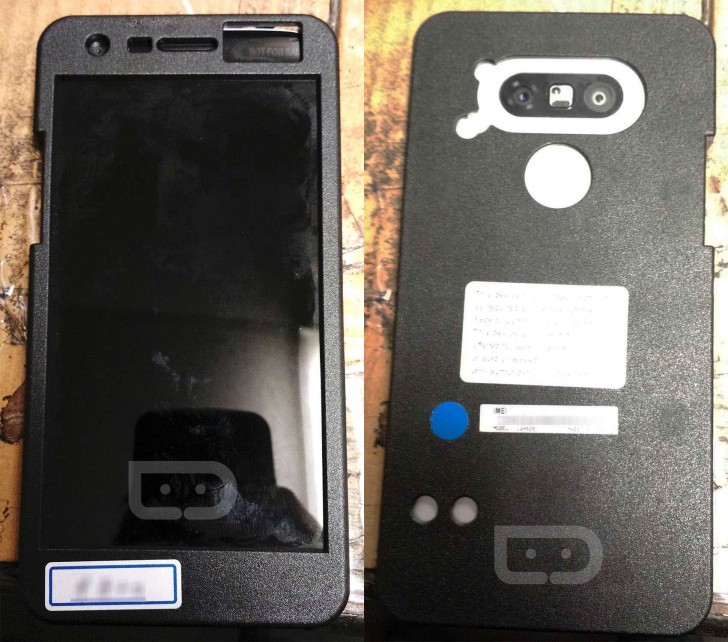
A new set of leaked images of a LG G5 unit wearing a sturdy case have surfaced on the internet which provides some valuable insight into the upcoming flagship. The leaked images reveal a pair of 16-megapixel and 8-megapixel cameras on the back. There’s also a flash and what looks like a fingerprint sensor below.which is also expected to double up as the power button.
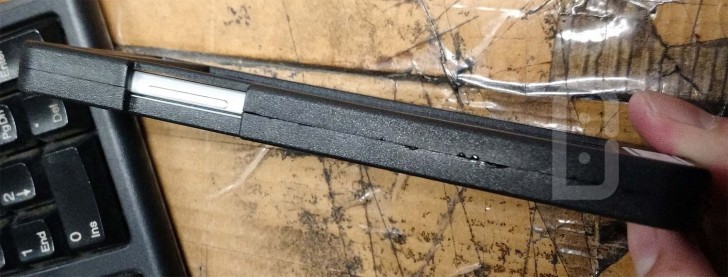
Cutouts on both sides of the device for the volume rocker and SIM card slot are also visible in the pictures. A single speaker grill is also visible on the bottom of the phone. All this will be housed on a body with dimensions of 149.4 x 73.9 x 8.2 mm.
Other rumors suggest it featuring a 5.6-inch QHD display along with a Qualcomm Snapdragon 820 SoC and an 8 MP selfie snapper.
BIt by bit, picture by picture, more and more clues regarding what could be Apple’s next phone are making their way out of Apple’s manufacturing plants and on to the Internet helping us get a fair idea of what exactly the final 5se puzzle is going to look like.
But now what has emerged courtesy of latest leaks pieces it all together. Latest leaked images show The new 4-inch handset from the stables of Apple. With Apple’s iPhone sales slowing down in the past two-quarters, there’s no doubt that Apple is going to see a boost in interest and sales with the 4-inch iPhone 5se if and when it comes to the markets.
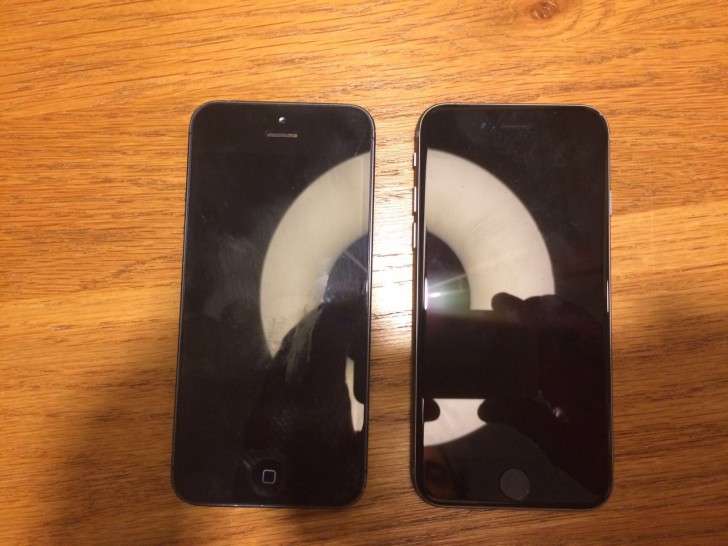
iPhone 5 (left), iPhone 5se (right)
Leaked picture that have surfaced show the 4-inch iPhone 5se on the right-hand side and the iPhone 5 on the left. The images fail to hide much, and its easy to observe that the iPhone 5se will come with a TouchID fingerprint scanner embedded in its home button and thinner bezels as compared to the iPhone 5. The phone’s power button will be on the side, and a FaceTime camera also housed left of the earpiece.
Hardware-wise, the latest rumours suggest that the iPhone 5se will come equipped with an A8 chipset, Bluetooth 4.2, Wi-Fi 802.11ac, an 8 MP rear camera, and a 1.2 MP front snapper. A march Release date is expected for the phone.
It’s close to four years now that graphics chips for our favourite video cards have been manufactured using 28nm process. Back in the day when TSMC moved up from the 40nm process directly to the 28nm process node capable of fitting billions more transistors into their GPUs it marked a monumental leap for the gaming industry.
This leap was what lead to the Xbox One, and PS4 coming to reality, the reason that gave Nvidia and ATI the power to equip us with the hardware to achieve what then was the dream of 1080p/1440p at 60+ frames with a single card. Fast forward to 2016, and thanks largely to the Taiwanese chip maker, TSMC, the industry has been stuck in a limbo struggling to improve the graphics hardware at hand.
1440p and 4K monitor and TVs have made their way to into our homes some time back, but sadly gaming on them at their native resolutions without shelling a fortune has remained a distant dream because of this stagnation that the industry has faced. But worry no more, 2016 comes bearing gifts in the form of the upgrade to the new 14/16nm process nodes.
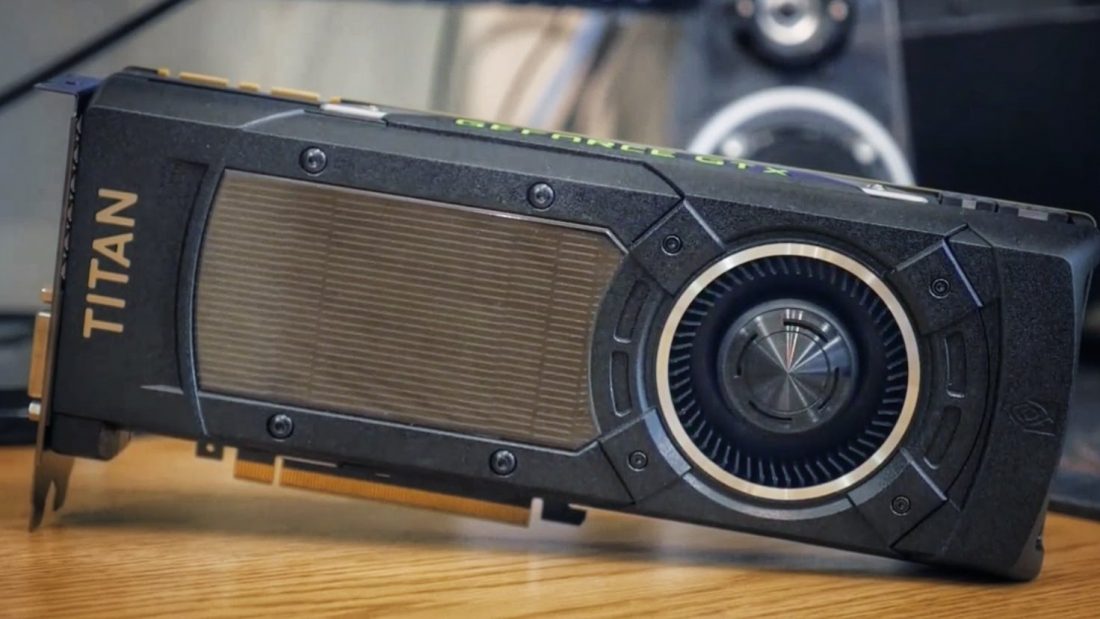
The beast GTX Titan
In simple terms, you will see 2016 come with graphics hardware that would give almost double the performance for the same price point. More importantly for budget conscious users in India building low-cost builds you will get graphic cards that maintain performance but cost almost half as what you would be paying for a card right now.
This upgrade on the manufacturing side of things should allow for much, much more complex GPUs. To put things in perspective last year’s high-end cards such as the Gtx Titan X and the Radeon Fury X which maxed out at between 8-9 billion transistors will see their successors using the Pascal, and Arctic architecture house between 16-17 billion transistors, resulting in almost double the power, at the same cost. No amount of stress on this fact could explain how big a leap this will be for the gaming industry in the coming days.
This move up will also enable these new architecture cards to use second-generation stacked HBM (High Bandwith Memory) which will provide better optimization of VRAM(Video card memory) than what previous generation GDDR5 memory provided. First-generation of HBM only allowed 4GB of HBM RAM to be used, but improved bandwidth using the new process node could take this figure easily up to 16/32 GB of RAM.This could be especially useful for managing the high demands of 4K, multiple displays, and VR gaming that the future holds for us.
Add to this the added bonus of highly improved power efficiency leading to low chances of a need for an upgrade to a new expensive PSU, and possibly even decreased power bills, it just makes it more and more obvious as to why the average gamer should be excited about 2016.
With VR making for an increased push into our gaming world, and people looking at 1440 and 4k gaming seriously, these advancements in GPU tech could make all of it well within an average gaming enthusiasts reach in a few months time when the first cards carrying 14/16nm nodes hit the market.
And just to be clear, if VR, and high-resolution PC gaming isn’t your thing, the impact of this switch in process will extend across the market, and into your homes in one way or the other. This ripple effect might take some time but as the whole range of 14/16nm GPUs appears with new chips, we could very well be looking at not far off double the performance at any given price point by year’s end.
This move could also prompt console makers such as Sony, and Microsoft which use iterations of Radeon HD 7870, and 7790 to power their beasts to use the latest in GPU technology for cheaper consoles in a year’s time. So no matter what platform is your choice, 2016 is going to be a good time for all those who like to game.
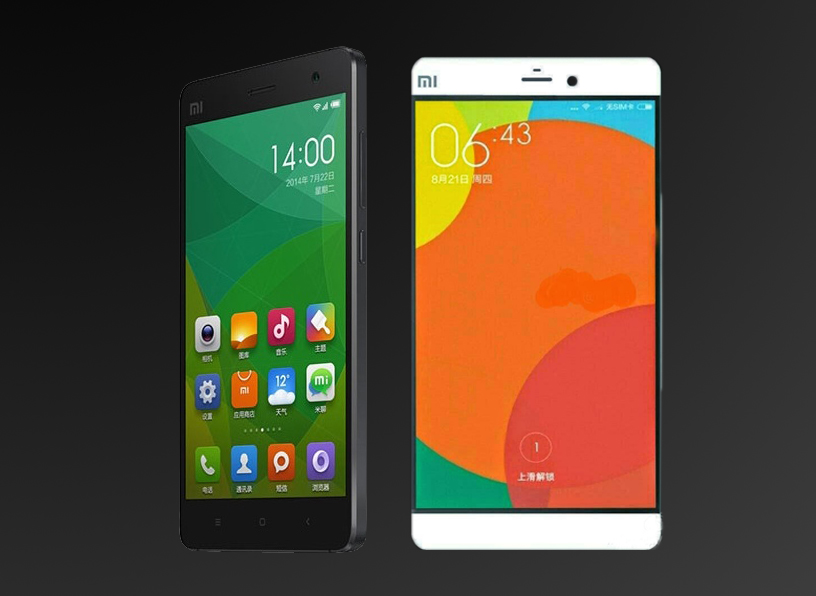
More leaks have surfaced regarding Xiaomi’s next flagship smartphone the Mi 5. Latest set of leaks suggest we could see more variants than It was previously rumored to come with. According to reports, there could be as many as 4 different variants of the much-awaited flagship.
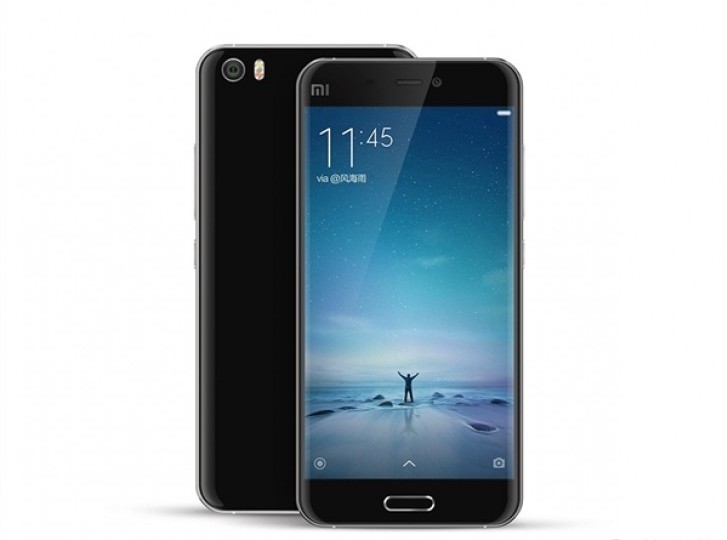
These rumors outline the different design and memory options of the phone for buyers. To start things off for Xiaomi on 24th Feb, it’s claimed that the phone will be offered in two designs, one with a metallic build and another with 2.5D curved glass for the front and back.
The Xiaomi Mi 5 with the metallic build first variant will have 3GB of RAM and 32GB of internal storage and the price of this one is expected to be CNY 2,199 (approx Rs 22,650) according to the leak. The other variant has 4GB of RAM and 64GB of internal storage with a price of CNY 2,599 (approx Rs 26,500).
The report also states that a 2.5D curved glass Xiaomi Mi 5 will also be unveiled with a Quad HD display and 4GB of RAM.This variant is expected to ship in two variants of internal storage, a 32GB model priced at CNY 2,799 (approx Rs 29,000 ) and a 64GB variant priced at CNY 3,099 (approx Rs 32,000 ).
Other than this the Xiaomi Mi 5 will come equipped with impressive under the hood specs. The phone will come on board with a Snapdragon 820 chipset. The device will run MIUI 7 (based on Android 5.1).
On the camera front, the Mi 5 is set to sport a 16MP camera on the back with dual-LED flash and an 8MP selfie camera. The device is complete with a 3,600mAh battery. The Mi 5 is also a dual-SIM handset, both 4G LTE-enabled.
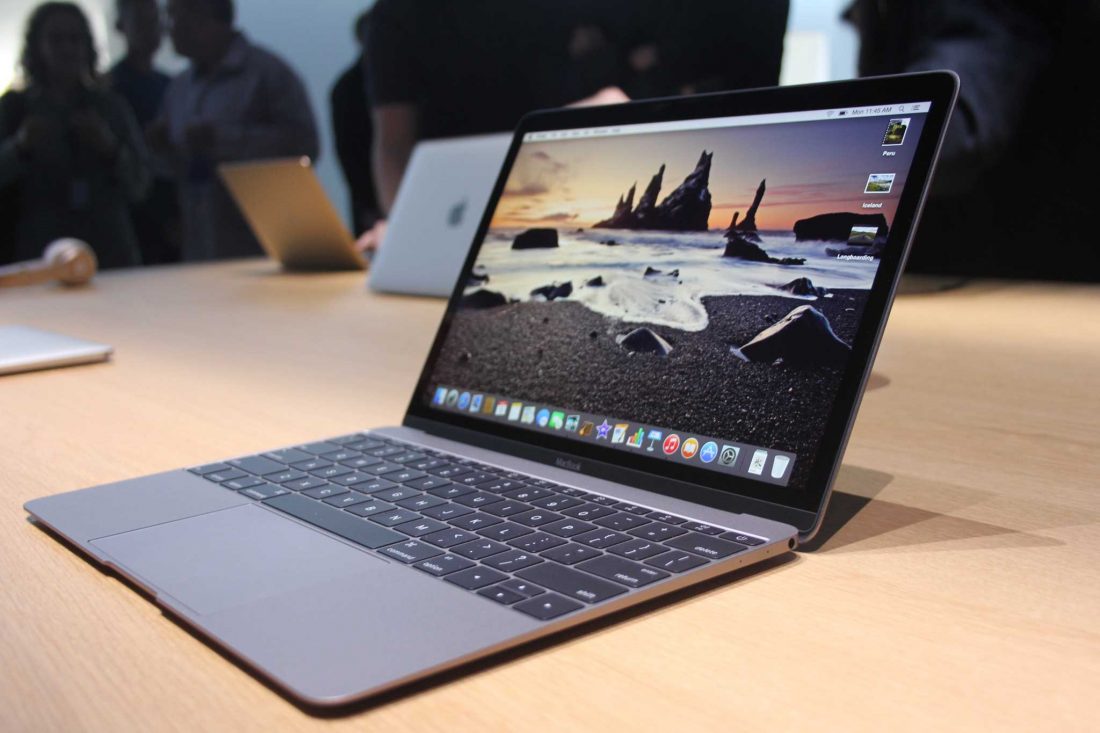
Apple updated its MacBook range during this time last year, and fans and industry experts expect the tech giant to do the same this year too. Unlike how things have gone for the iPhone, Apple has managed to keep a tight lid on the information leaking out of Cupertino for its range of MacBooks.
But from whatever little is known courtesy of reports circulating on the Internet, one big upgrade that the 2016 MacBook range will see the inclusion of newer Skylake processors up from the present fifth-generation Broadwell chipsets. This upgrade could be significant in the sense that it will bring to the new lineup better performance with its improved hyperthreading architecture.
Additionally, for devices such as the MacBook Pro range the Skylake mobile CPUs are expected to deliver up to 2.5 times faster processing performance, 30 times better graphics performance, and three times the battery life of earlier generation processors owing to the 14nm chips used for manufacturing them.
To top it off Integrating Skylake will also allow the company’s complete lineup to run on the same core hardware from end to end, thus making life a lot easier for prospective customers around the globe.
Though there were rumors earlier of major design change, but such chatter has quietened a bit off late, and it is expected when it comes to aesthetic design no remodeling to the upcoming MacBooks will be seen.
Reports peg Apple to introduce the revamped MacBook lineup at its Worldwide Developers Conference in June, and possibly a larger 15-inch version could also be unveiled sometime in March which would be some surprise.
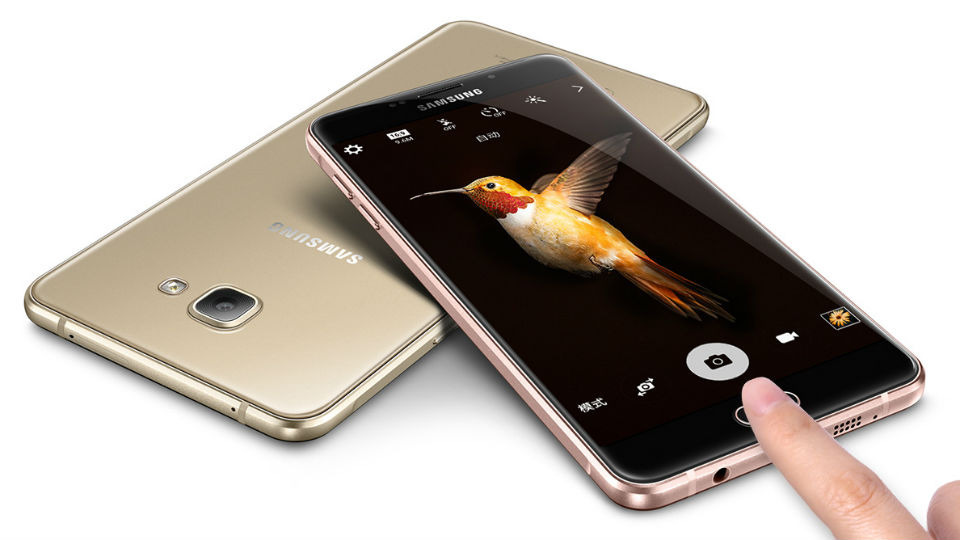
According to latest reports coming out of Samsung’s manufacturing and assembly units in China, a new beast of a phone is under works for the coming months. If reports are to be believed, the company is working on a new extra-large smartphone which, according to sources, might be called Galaxy A9 Pro.
There is nothing concrete on the specs of the phone, the A9 Pro bearing the device model number SM-A9100 is expected to be an enhanced version of the Galaxy A9 which was released last month.
The Galaxy A9 that went official last month sports a 6-inch, 1080 x 1920 pixels display, and is powered by an octa-core Snapdragon 652 processor, so it is expected the A9 Pro will come equipped with a higher resolution display. There are faint murmurs about it being equipped with a better processor too. The phone will reportedly also come on board with 4GB RAM and 64GB inbuilt storage. The hardware will interact with the user through Android 6.0 (Marshmallow) out of the box. A battery pack of 4000mAh will power the Pro, similar to the original.
Samsung A9 which has only been launched in China, and there is no news regarding its India launch, so expect the A9 Pro to take some time to find its way across the border and into our market. But when it does, this beast of a phone can be expected to sell for around the Rs 35,000 mark.
Apple Inc. is one of the biggest companies in the world, and the iPhone the biggest reason behind the Cupertino-based company being up there racking up record revenue figures year after year.
iPhone truly has been the Kohinoor in Apple’s assortment of gems, the nuke missile in its arsenal of weapons that it uses to deal knockout punches to its enemies. It is the one device which has become synonymous with Apple’s very being.
For most it is the device which encapsulates the essence of Apple’s quest for innovation, creativity and quality. It is like the phoenix that rises from its own ashes, reinventing itself after each financial cycle all so that it could mint Apple some more money.
According to estimates, Apple under Steve Jobs spent close to $150 million developing the concept of the iPhone. Put that in perspective with the fact that since that huge gamble, Apple has sold over 600 million iPhones, generating revenues running into hundreds of billions of dollars, and it becomes clear as daylight why the iPhone has to be the best investment the world has ever seen.
Industry estimates claim that Apple today is selling record number of phones. They peg profit margins on the new iPhones to be as high as 70 percent. That percentage is unusually high and especially notable considering that many of its competitors usually work on margins which are not even in the same ball park as Apple’s.
The main reason why Apple has managed to achieve such margins is because it has managed to work around the wants, and needs of the buyer. To its credit the iPhone has never gone down the path of vulgarity in trying to woo consumer. Unlike its competition, it never jumps in your face with “Market Leading” flashy specs, nor does it chase and hound you with the aim of coercing you into believing that a 10-Core processor is the need of the hour just because the calendar says it’s 2016.
iPhone being the iPhone does not promise you the moon and the stars just to make you throw more money at it. Rather the phone just stands there looks pretty with the promise of a phone that will give you that and some more. It comes across as a stable trustworthy product, and with its own swag tells you, “if you don’t have an iPhone, well then you don’t have an iPhone” and in the process it not only makes you happy, but also helps it to seal its place in history as the biggest cash cow that the industry has ever seen.
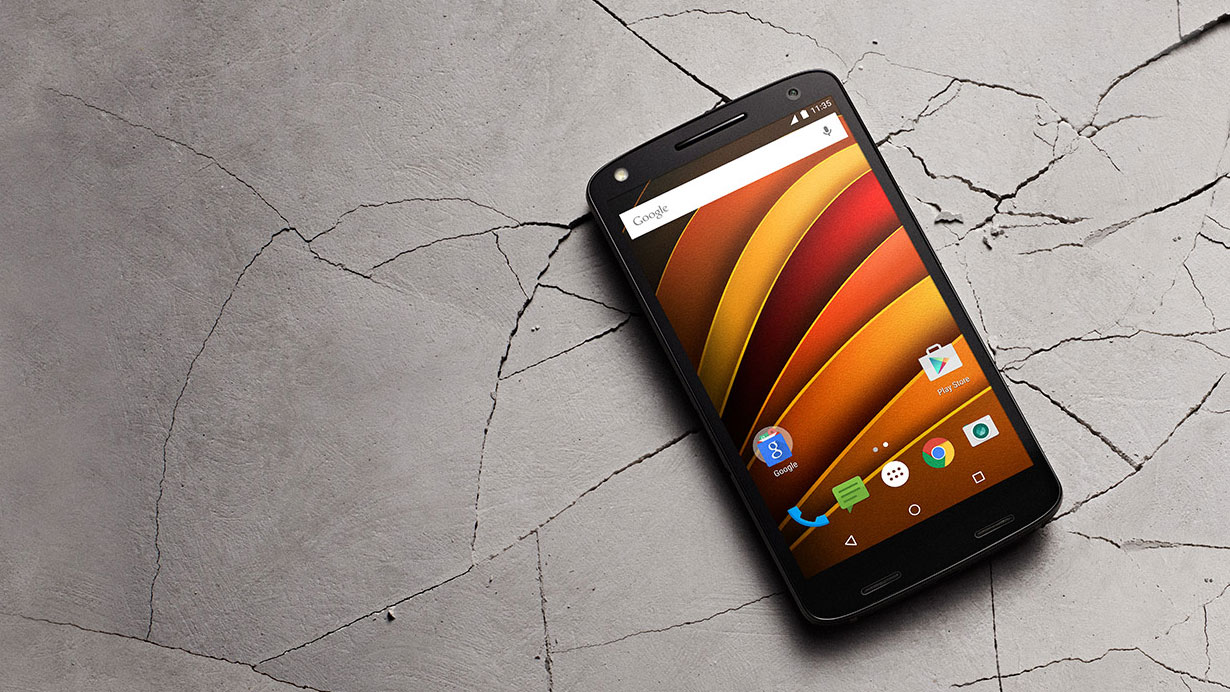
Motorola today has come out with yet another teaser for its latest device, the seventh in the series in which it has mocked, and ridiculed its rivals for their fragility. This new teaser following suit from the previous teasers again puts the iPhone and the Samsung Galaxy S6 in the line of fire but this time these two are put in the ring against the Moto X Force which unsurprisingly come out on top without even a scratch.
The teaser is dubbed as ” Meet the Moto X Force” and for the first time in the series of videos it shows Motorola’s offering being put to the same test that its competitors have had to go through in Motorola’s last couple of videos.
The new teaser shows Motorola Mobility’s President, Rick Oserloh join in on the fun. He is seen letting these phones free from a height of about 7 feet. The iPhone and S6 do not survive the fall, while the Moto X Force comes out of the whole experience like nothing even happened.
Motorola claims to have integrated a ‘Moto Shattershield’ technology in the display of Moto Force which, it says won’t “crack under pressure”. Well, brag on Motorola, this is your time.
Facebook which had earlier introduced some 3D touch capabilities to its native iPhone app, has now added some more features for its users. This will be a slow rollout and Facebook will now release more features that can make use of the tech.
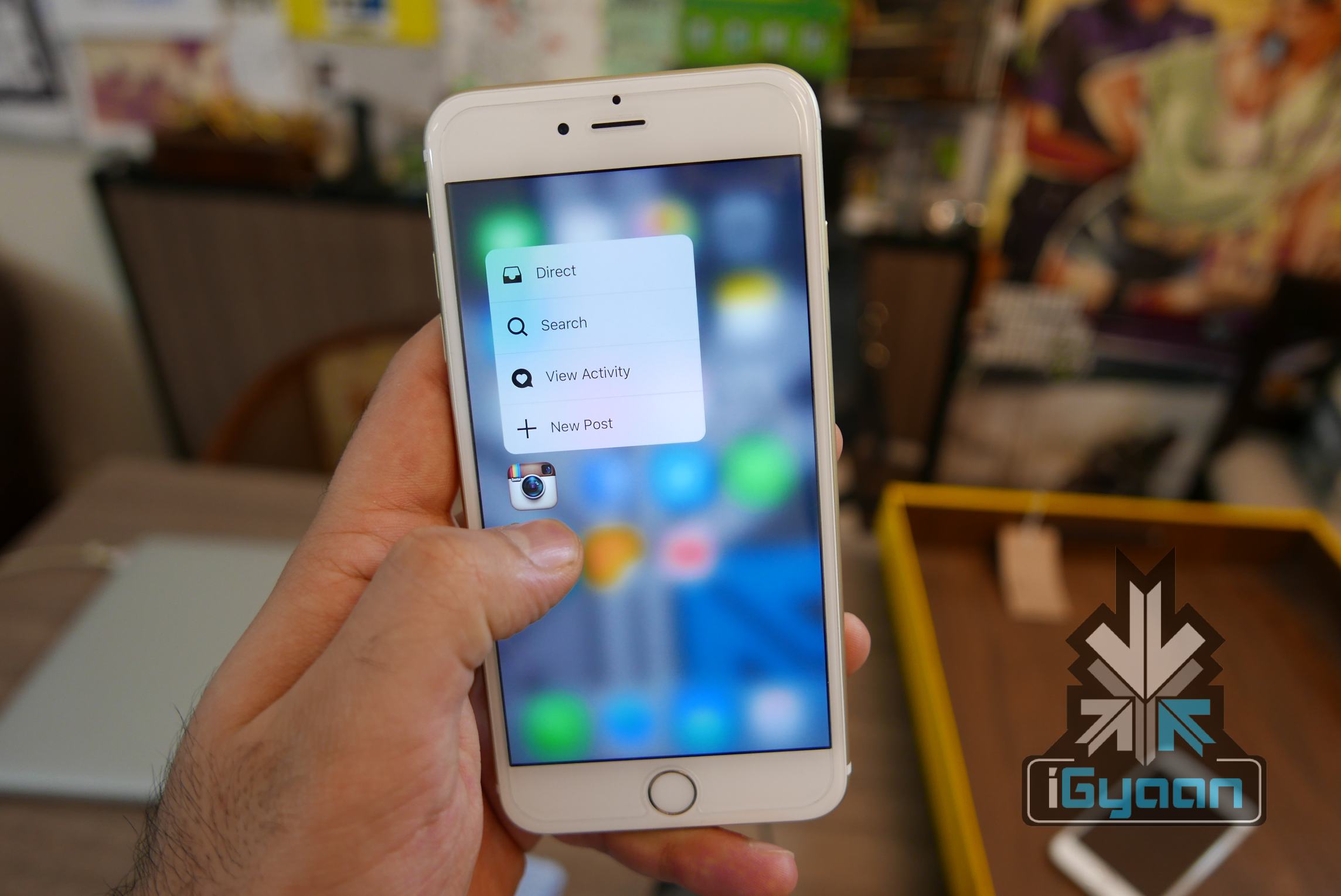
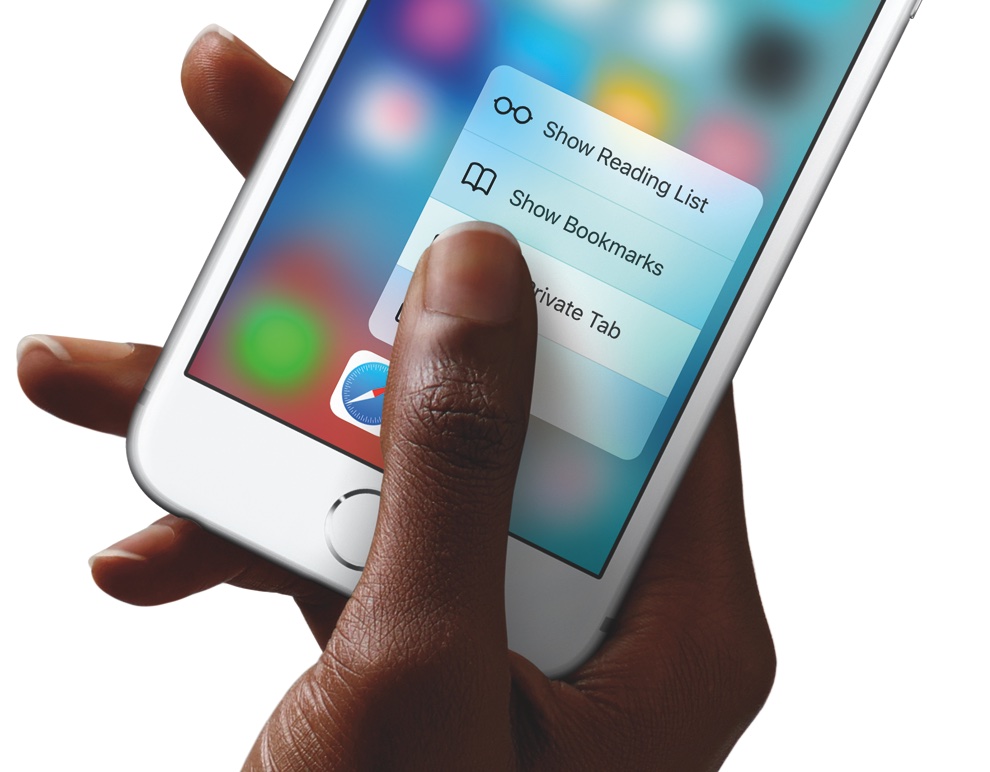
The Facebook app will let users of iPhone 6s, and 6s Plus peek and pop to view profiles, take a closer look at photos or to preview web links, pages, groups and events. The app’s icon will also get a new shortcut option along with an option that will take you directly to your timeline.
“We are excited to start rolling out support for 3D Touch in our iOS app so people can quickly and easily peek into a preview of anything they are interested in on Facebook, and pop into that content to see more,” a Facebook spokesperson said, confirming the addition.
But there’s a catch, Facebook has said that it’ll start the roll out of these new 3D Touch tricks first to “a small group of people beginning today,”. The rest of the loyal Facebook community on the iPhone 6s and 6s Plus will get this update “over the coming months.” That’s sounds like a long wait really.
According to latest rumours, it has been claimed that the new redesigned Apple Watch might not be ready before September. According to these reports Apple will talk about the Apple Watch at an event in March, but will only unveil a new range of band color options and other accessories.
Apple will unviel the new bands at this rumored March event and also announce the release of watchOS 2.2, a software update that adds some minor functionality to Maps and lets iPhones sync with multiple Apple Watch devices.
A redesigned new iteration of the Apple Watch isn’t expected to be unveiled by Apple later this September, along with the iPhone 7. It is expected that the second-generation Apple Watch will likely feature new hardware functionality, and come equipped with more health-focused sensors. A front camera is also being expected.
As a run-up to celebrating India’s 66th Republic Day, the Chinese smartphone maker OnePlus has announced that it will partner with Amazon to provide amazing deals on all its phones between 21-23 January to honour the momentous occasion of the 66th Republic Day with a truly special treat for its fans.
Spread over three days between January 21 – 23, 2016 and coinciding with Amazon’s Great Indian Sale, OnePlus will be offering special festive prices for the first-ever time on particular smartphones.To add to this, the company has also informed that it will sweeten the deal some more for its loyal fans across the country by keeping these phones invite free for these three days. So for those eager to get their hands on the devices today is the last day to purchase them on discount.
And just to prove to its users that it really cares, OnePlus has also announced it will give great discounts to the tune of 20% on all its Premium Accessories.
OnePlus 2 (Sandstone Black, 64GB): Rs. 22,999.
The OnePlus 2 sports a 5.5-inch Full HD display and is powered by a 1.8GHz Qualcomm Snapdragon 810 octa-core SoC, 4GB of RAM, and 64GB of internal storage. On the camera front, the device features a 13MP rear and a 5MP front-facing camera. The device runs on Android-powered Oxygen OS 2.0. So, for those who have been eager to get their hands on the OnePlus 2 there will be no better time.
OnePlus X (Onyx / Champagne, 16GB): Rs. 14,999
It sports a 5-inch AMOLED display (1920×1080), with a primary camera of 13 MP and a 8 MP front. The device runs on a 2.1 GHz Snapdragon 801 chipset. It features a 3 GB RAM with 16 GB internal storage and is expandable up to 128 via MicroSD card slot. The phone includes an alert slider, like the one found on OnePlus 2. The OnePlus X weighs around 138 gm for the Onyx variant
OnePlus One (Sandstone Black, 64GB): Rs. 17,999
The phone comes with a 5.50-inch touchscreen display with a maximum resolution output of 1080p.
The OnePlus One is powered by 2.5GHz quad-core Qualcomm Snapdragon 801 processor and it comes with 3GB of RAM. The phone packs 64GB of internal storage cannot be expanded. OnePlus One packs a 13-megapixel primary camera on the rear and a 5-megapixel front shooter for selfies.
It is powered by a 3100mAh non removable battery. It measures 152.90 x 75.90 x 8.90 (height x width x thickness) and weighs 162.00 grams.
The successor to last year’s Vibe X2 will make its way to Indian markets very soon. The company has revealed its plans to launch the X3 smartphone in India on January 27th. With this launch the company will have launched two products this year. First being the Lenovo K4 Note.
The Vibe X3 was first unveiled in China last year. At the time Lenovo had introduced three variants of the Vibe X3 including two Qualcomm-based models and one MediaTek powered versions called the Vibe X3 Lite.
The smartphone that makes its way to India will come with a 5.5-inch full HD display with Gorilla Glass 3 protection. It will be run by a Qualcomm Snapdragon 808 processor and 3GB of RAM. It is also believed that the company will only bring 32GB storage to the Indian variant. The smartphone will also support expandable storage via microSD.
On the photography front, the Vibe X3 will come equipped a 23-megapixel rear camera featuring Sony IMX230 sensor, phase detection autofocus and 4K video recording. On the front would be an 8-megapixel camera. The Vibe X3 will also feature dual-sim technology and have LTE, Bluetooth and Wi-Fi among others connectivity options. It will get a massive 3,600mAh battery with Quick Charge 2.0 to keep it going through the day.
The smartphone will also come with Dolby ATMOS integration for sound and fingerprint scanner at the back. So far there’s no word on the India pricing of the smartphone. The Vibe X3 could launch in India around the Rs 20,000 mark.