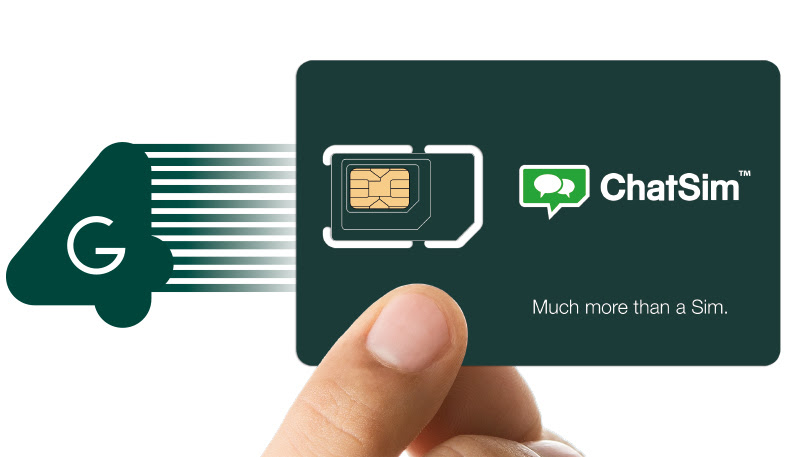
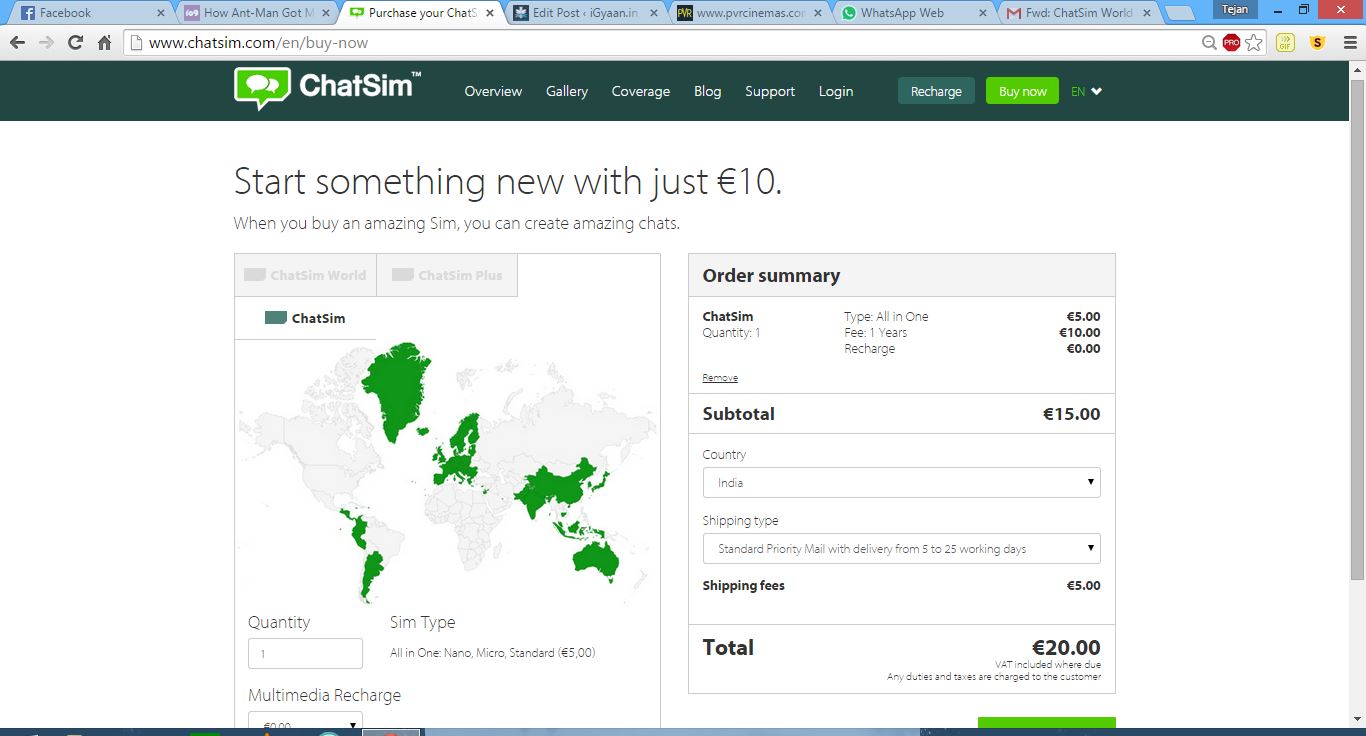
ChatSim World has launched what it calls the world’s ‘most advanced SIM card for chatting’, known as ChatSim. The SIM card allows you to chat free of charge with anyone, anywhere in the world and is compatible with popular chatting apps like WeChat, Facebook Messenger and Whatsapp, all for €10 (approximately INR 695). The company claims that the SIM can let you chat free of charge, anywhere (even without Wi-fi) and no limits.
For 10 Euros per year, ChatSim allows you to chat for free and gives you 2000 credits, which can be converted into MBs, evaluated on the world zone set by company. For example, if you live in India, which comes under Zone 2, your 2000 credits convert into roughly 20 MBs. So, for 10 Euros per year, you are getting 20MB data which you can use for sending photographs and other multimedia files. Also, you get 100 minutes of voice calls. Additional recharge of €25 will give you 250 MB and 500 minutes of voice call for 30 days.
Chat Sim costs 20 Euros including shipping charges.
For Indian users, the price of ChatSim might look quite steep, but is actually a boon for those who frequently travel abroad. According to the European Commission, the roaming rate per MB is €0.20 while the roaming rate for making outgoing voice calls is €0.19. Thus, ChatSim will appeal to travellers who are tired of paying steep roaming rates.
As Manuel Zanella, CEO of ChatSim puts it, “It is an excellent tool for people travelling abroad for business to always keep in touch with colleagues and acquaintances. The most advanced instant messaging apps and super-fast networks let you stay connected, always. ChatSim lets you do it at very affordable prices too.
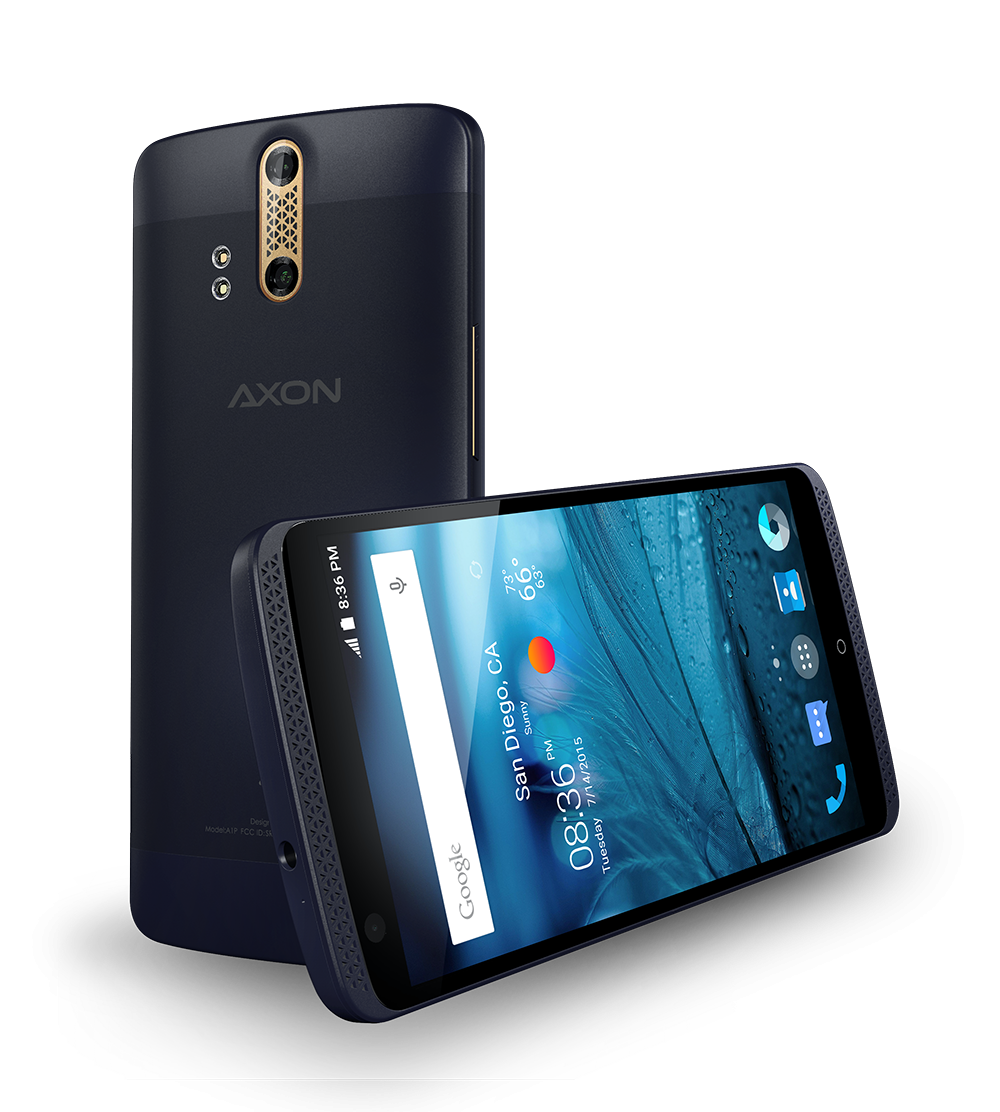
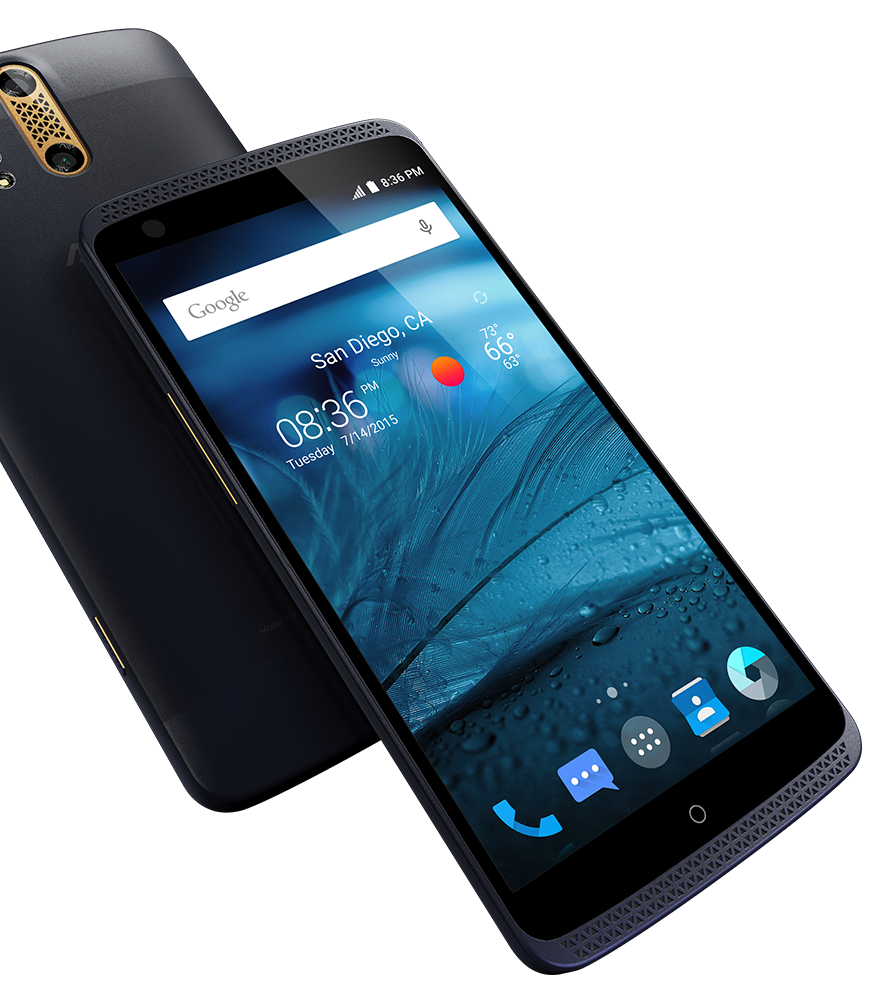
Chinese smartphone manufacturer ZTE has unveiled its new phone, “Axon” in New York, which the company says is the “first phone made in the US, for the US”.
Lixin Cheng, chairman and CEO of ZTE USA, said: “We put consumers at the heart of everything we design, build and deliver, and our phones reflect what consumers want, value, and use. ZTE AXON is a product that devotes to meet all of consumer’s’ requirements.”
The phone runs on a 64-bit octa-core 2Ghz Qualcomm Snapdragon 810 processor with 4GB of RAM. Axon has 32GB of inbuilt storage which cannot be expanded. The 3000 mAh non-removable battery should deliver up to 12 hours of talk time and 240 hours of standby time on a single charge.
The device sports a 5.5 inch display and uses a “dual-lens” system for the rear camera. According to Xinhua, the combination of 13 MP and 2 MP rear camera will lead to sharper video capture. The dual-lens system will also allow users to focus before and after taking a shot.
Dubbed as “a Hi- Fi audio phone”, the features of the Axon include low-light and fast-image capture and high-quality audio. Priced at $449.98, it is available for order directly on ZTE, Amazon and Ebay starting Tuesday, with shipping beginning on July 27.
Barely one and a half years old, and OnePlus is already catching up in the department of suave marketing, which was once the exclusive domain of Apple. In 12 days, OnePlus will launch the OnePlus Two through a VR launch event, which might be the most unique launch since Steve Jobs introduced the iPhone in 2007.
Over the past few weeks, we have heard rumours, seen reports and official confirmations from the company about the OnePlus Two. Here’s what we know so far:
1. OnePlus Two Confirms its Screen Size
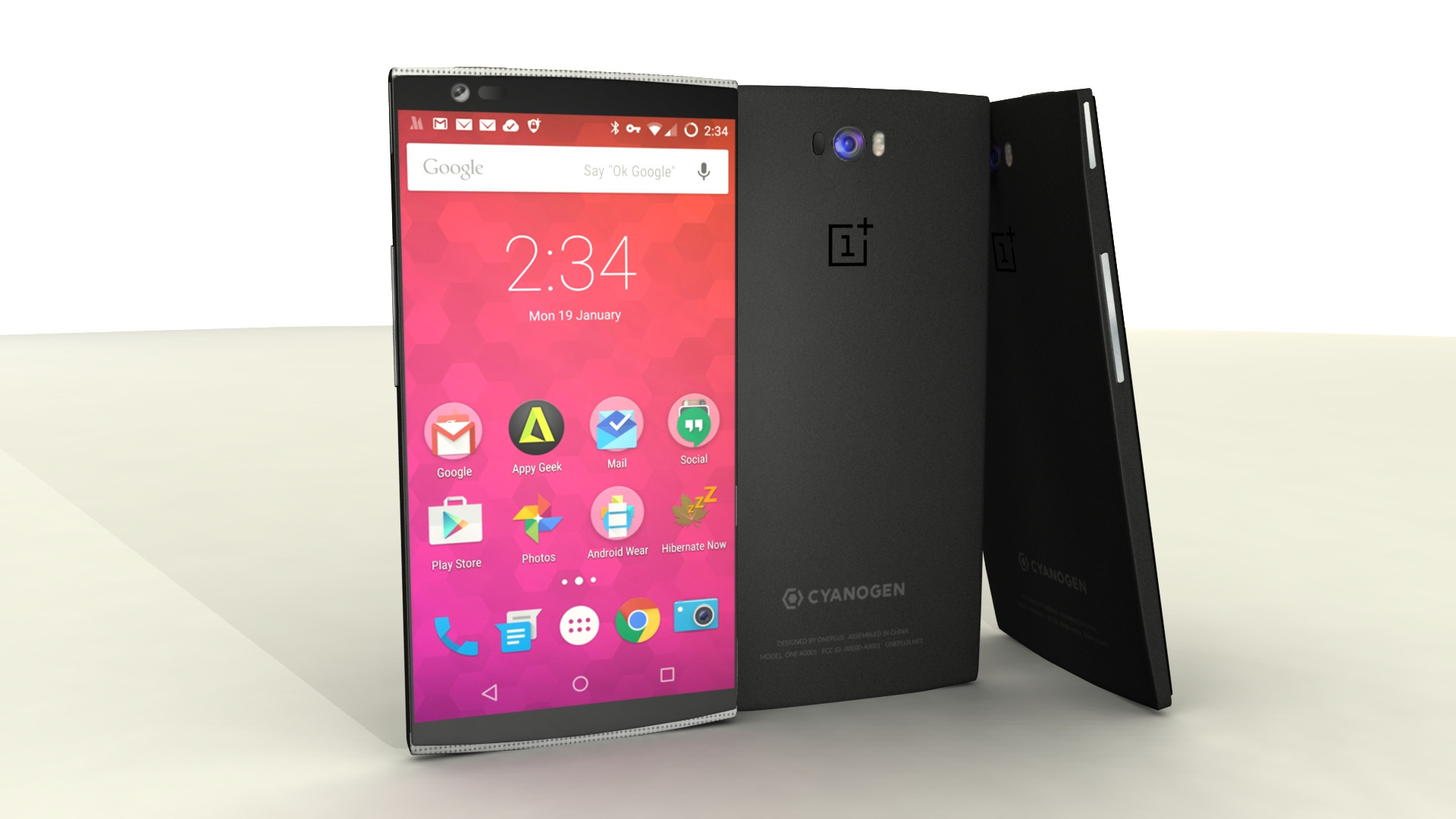
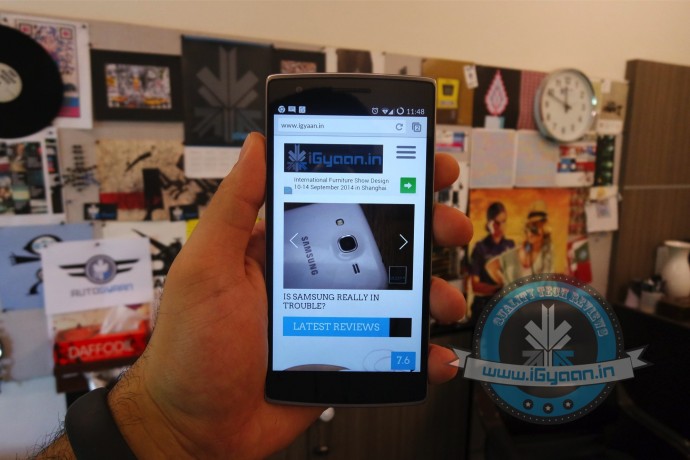
The phone will sport a display ranging between 5.5 and 5.7 inches and will have a black matte border, as leaked on Weibo.
2. OnePlus Reveals the Launch Date
OnePlus Two will launch on 27th July through a virtual reality event. Their live streaming of the event will take place in Virtual Reality, starting at 7 pm PDT. For this occasion, OnePlus has engineered their own ‘cardboard’ VR headgears that allow you to slip in your mobile handset inside the little box.
3. OnePlus Two Will Use USB Type-C
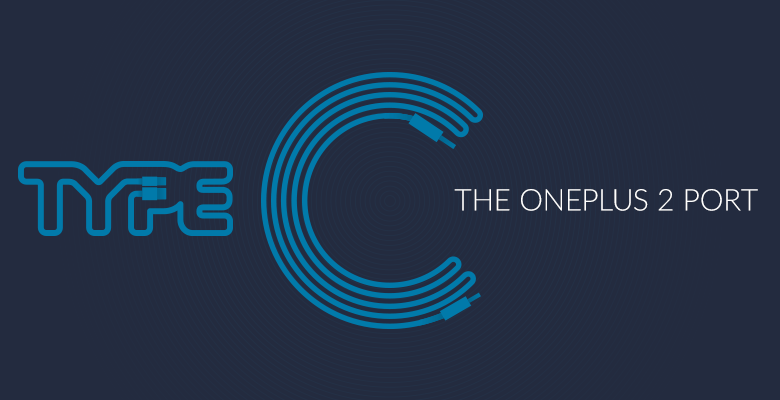
The company announced in a tweet that OnePlus Two will use a Type-C USB port and will become the first flagship phone from a mainstream company to use this USB port.
4. OnePlus Two will Run Second Gen Snapdragon 810
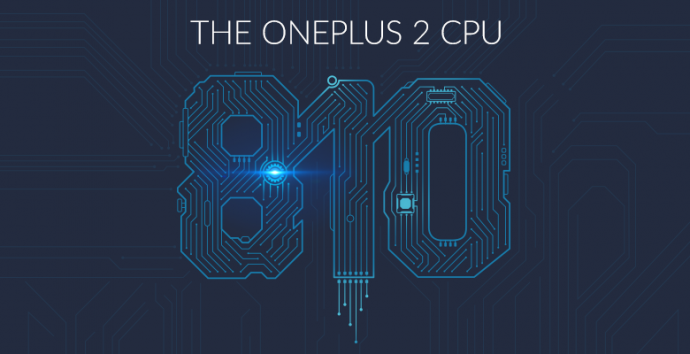
Pete Lau (CEO, OnePlus) has confirmed that the OnePlus 2 will come with the Qualcomm Snapdragon 810 v2.1 processor. Key reasons that this particular chipset was selected include the capability of streaming 4K Ultra HD video, impressive image processing and more.
5. OnePlus Two Pricing Will Not Cross More Than Rs 28,500
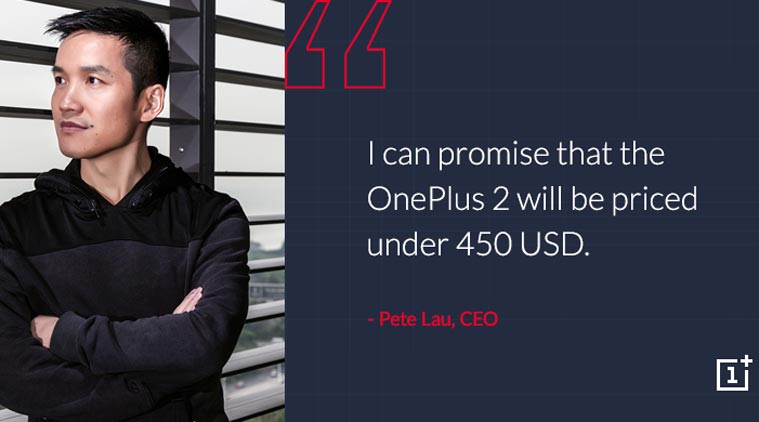
OnePlus posted on Twitter confirming that the device won’t cost higher than $450 (Rs 28,586).
6. OnePlus Two Is Confirmed To Arrive With a 4GB RAM
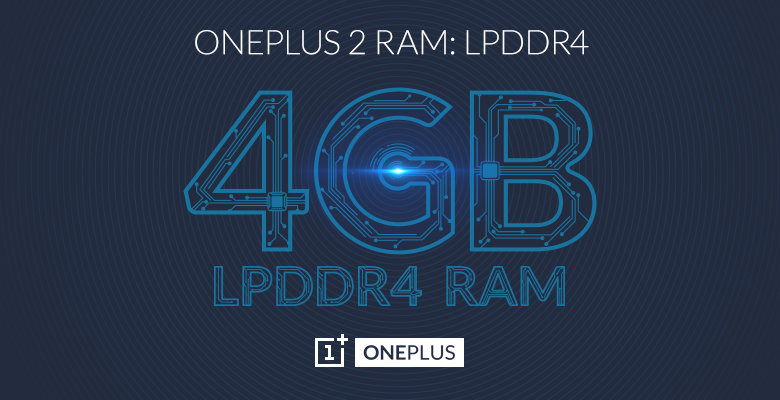
OnePlus has announced the upcoming smartphone will sport a 4GB RAM. It will sport the next-generation LPDDR4 memory chips, which are also packed with Samsung Galaxy S6 and S6 Edge only, for now. No other smartphone, apart from the Asus Zenfone, in the Indian market, comes with 4GB of RAM.
7. OnePlus Two Will Feature Fingerprint Scanning Technology
The company has revealed that the new handset will have a fingerprint sensor, and it is slated to be better than the Touch ID.
8. OnePlus Two May Sport a New Metal Body
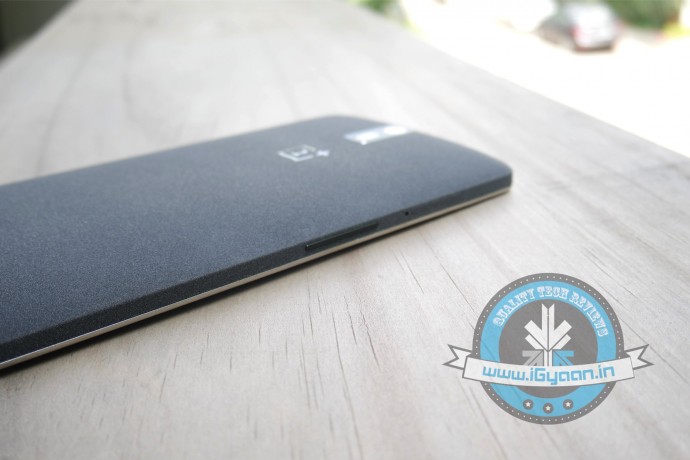
According to a tease by OnePlus’ CEO on Weibo, OnePlus Two will supposedly don a metal frame, instead of a polycarbonate body, the current one sports. By ditching the polycarbonate, OnePlus Two may go for a premium look, like an iPhone. Moreover, given that the Two will cost more than the One, it may be possible that the phone will arrive with a metal body or may be a mix of both polycarbonate and metal.
9. OnePlus Two will sport a bigger battery
A few days back, OnePlus executives revealed in a Reddit AMA session that the OnePlus Two will sport a bigger battery. The 3,100 mAh battery has been upgraded to a 3,300 mAh battery.
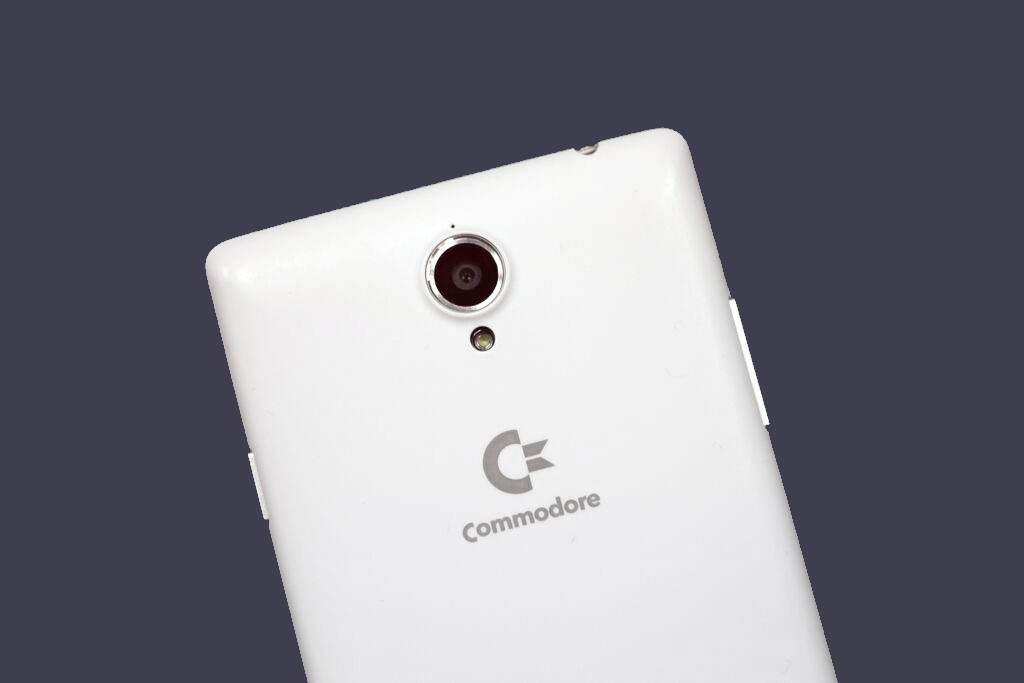
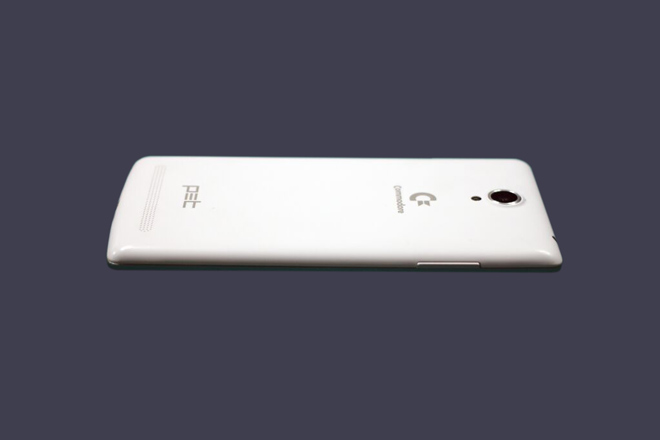
From today, The Terminator will not be the only property revived from the 80s this year. Commodore, a North American company that holds the Guinness World Record for the best-selling single computer model of all time, has unveiled its new project – a smartphone named PET. So why should you care? The company became bankrupt almost 20 years ago, which is why no one was expecting it to make a comeback. In fact most of us (including the author) haven’t even heard of Commodore.
Source: Wired
Nostalgically named after the company’s 1977 PET computer, the smartphone runs on a 1.7 GHz Mediatek 64-bit octa-core processor with ARM Mali T760 GPU for graphics. PET is powered by a 3000mAh battery. According to Wired, the phone’s main camera uses a 13-megapixel Sony sensor with a bright f/2.0 aperture and can capture full HD, 1080p videos. The front camera is an 8MP camera, with an 80 degree wide angle lens.
Commodore PET is a dual-SIM phone and supports 4G connectivity. The phone runs on a customised Android Lollipop 5.0. The phone is available in two variants – 16GB storage/2GB RAM and 32GB/3GB RAM. The former costs around $300 while the latter will cost $65 more.The phone will be available in a variety of colours, such as white, black and classic biscuit-beige.
Commodore will release PET in Italy, France, Germany, and Poland later this week. The company is planning on expanding to international markets soon.
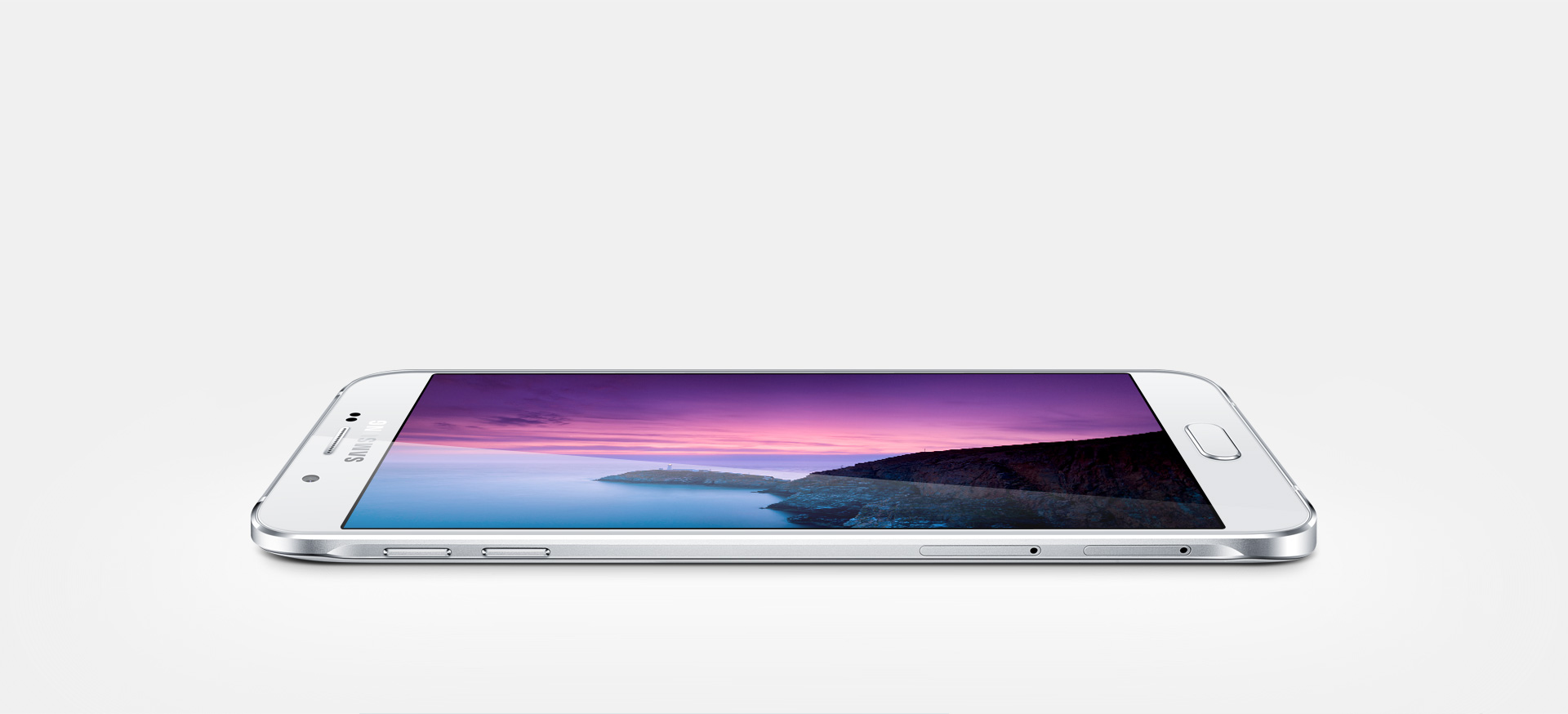
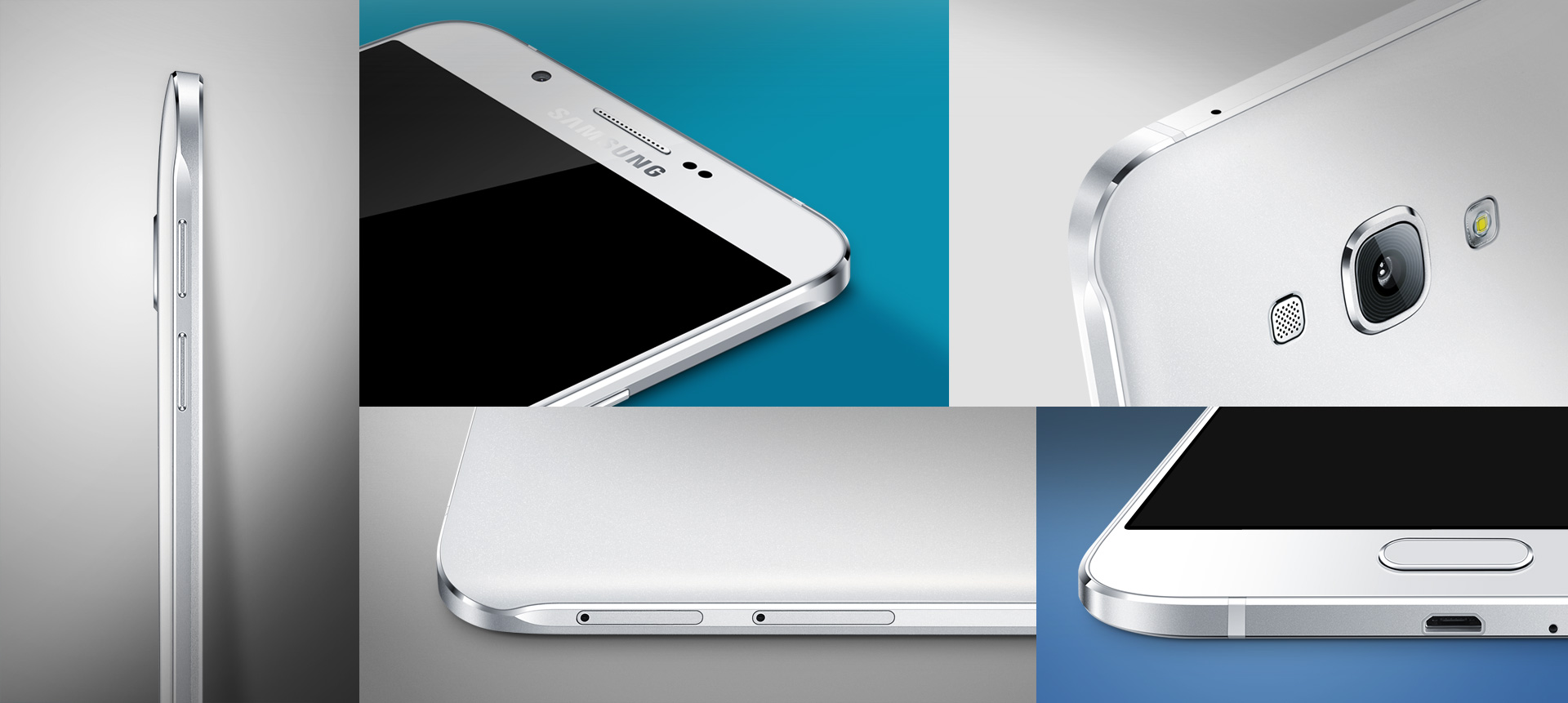
Barely six months after Samsung launched Galaxy A7, the company has already unveiled its successor, Galaxy A8. Samsung’s latest offering proves how the company is trying to win back the market it once dominated. The phone is the slimmest in Samsung’s lineup, with a 5.9 mm width.
Galaxy A8 offers a bigger display than its predecessor, which is a 5.7-inch full-HD (1080×1920 pixels) resolution Super AMOLED display. The phone sports 64-bit Qualcomm Snapdragon 615 processor with Adreno 405 GPU for graphics, and 2GB of RAM. The A8 will run on Android 5.1.1.
In the camera department, the Galaxy A8 uses a 16 MP autofocus rear camera with OIS, a f/1.9 aperture,a wide-angle lens and LED flash. The phone also has a 5MP front camera. The camera can be accessed by pressing the home button twice.
Samsung has upgraded the battery for the A8, from 2,600mAh to 3,050 mAh. A dual-SIM phone, the A8 supports 4G LTE and 3G on both slots. It’s surprising though, that Samsung chose to release two variants of the phone based on storage – 16GB/32GB, which is expandable upto 128 GB. The A8 will also feature a fingerprint scanner.
The Galaxy A8 is now available in China through pre-orders. The company hasn’t revealed its plan to launch it in other countries.
Can’t play Candy Crush Saga on Firefox? In light of recent security flaws found in Adobe Flash, Mozilla has disabled Flash by default. For the past few days, Flash has been scrutinised for having security flaws, which was revealed when a leak of files of size 400GB happened during a hack on the Hacking Team, a spyware company.
In a tweet by Mark Schmidt, the head of the Firefox support team at Mozilla, the browser has disabled Flash version 18.0.0.203, meaning that Flash-based content will not work unless Adobe issues a patch to fix the security flaws. Users can of-course, enable it manually in the Settings menu.
Adobe has now released a new version for Flash, 18.0.0.209, in which the security flaws have been fixed.
The dislike for Flash isn’t new. Just yesterday, Facebook’s new chief security officer asked Adobe to announce a “kill date” for Flash. In a tweet he said, “It is time for Adobe to announce the end-of-life date for Flash and to ask the browsers to set killbits on the same day. Even if it is 18 months from now, one set date is the only way to disentangle the dependencies and upgrade the whole ecosystem at once.”
Late Apple co-founder Steve Jobs was also known to dislike Flash. In an open letter published in 2010, Jobs asked for the discontinuance of Flash, citing performance and security issues with the platform. He also named it the number one reason for a crash in various Mac systems.
A few months back, Google announced an updated version of its Chrome browser that would intelligently pause Flash. YouTube, which has supported it for a long time, dropped it in January in favour of HTML5.
It is only a matter of time before Adobe decides to drop Flash, considering that it already stopped the development of the mobile version back in 2011.
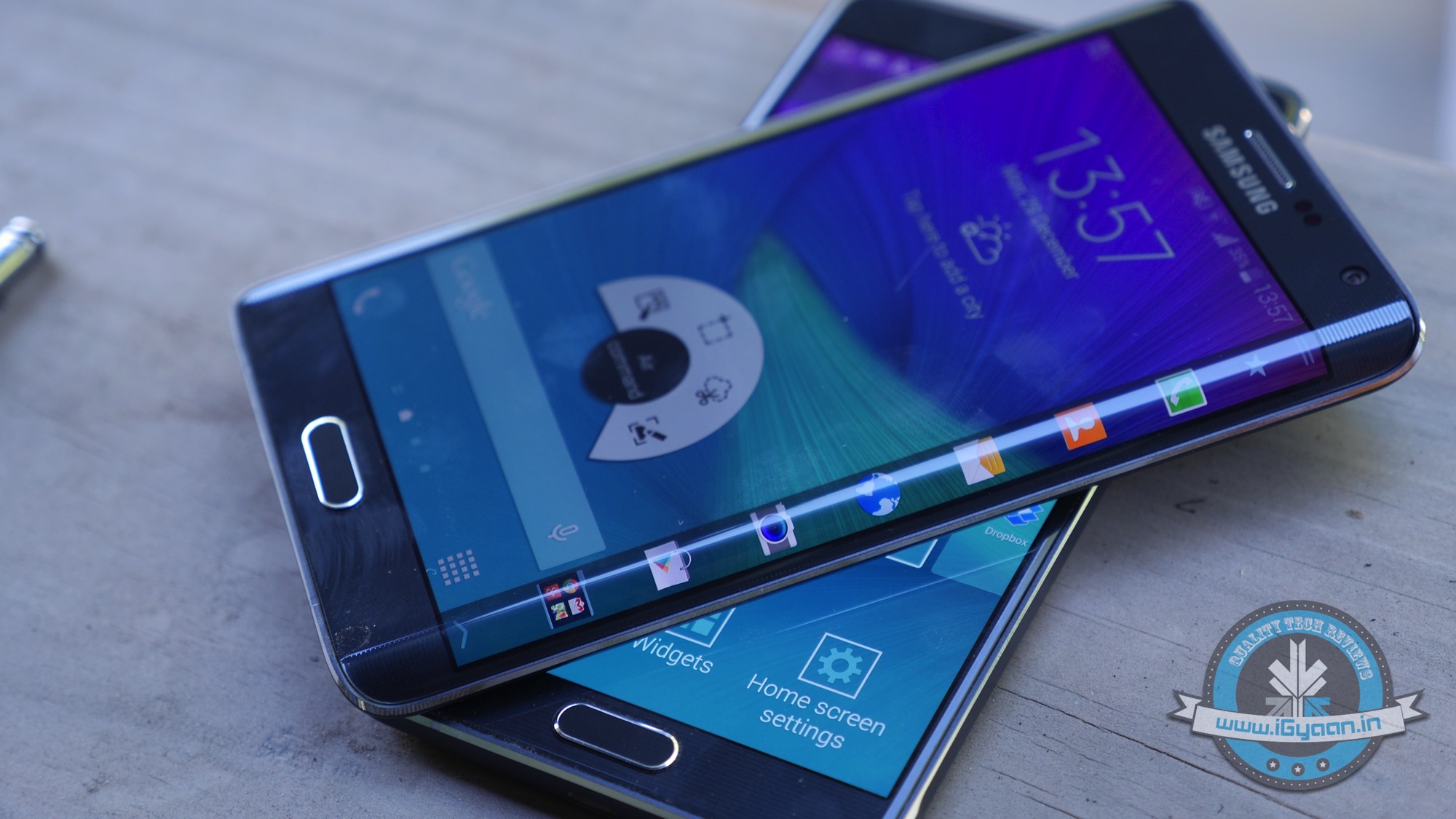
While some may call it a bold move, others term it as cautious; Samsung has advanced the launch date for its upcoming Galaxy Note 5 from September to August. According to Asia One, Samsung’s decision to release the phone earlier has to do with struggling smartphone sales.
In April, a new report showed that Samsung’s market share dropped from 31 percent worldwide to 24 percent. The company said last week, that it was expecting profits to decline this quarter. In the past year alone, we have witnessed the rise of companies like OnePlus and Xiaomi, which are giving quality products at a lesser price than rivals Samsung and HTC. To cut down costs, Samsung is trying to cut down its lineup, like it did in November last year, when it slashed a third of its smartphone lineup.
By advancing the launch date, Samsung may have secured the sales for Galaxy Note 5 from massive competition. Apple is reported to launch iPhone 6S in September, which has already gained momentum months earlier.
The Samsung Galaxy Note 5 is likely to feature a 5.4-inch or 5.5-inch Super AMOLED display with curves on both the edges. The display is likely to also feature a 4K resolution. According to reports, the Note 5 will feature 3GB LPDDR3 DRAM, 32GB of eMMC (embedded multimedia card) along with a controller. The phone may also feature a 16MP rear camera, 8MP secondary shooter, 4GB RAM and 16GB internal storage.
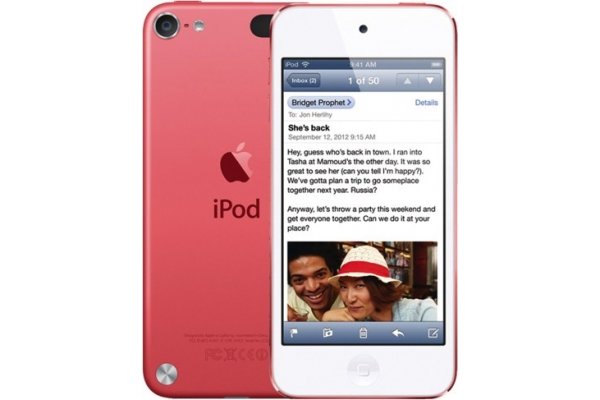
Apple revolutionized the music industry when the iPod was launched 15 years ago. However, over the years, it has suffered the same fate as the Discman and the Walkman – it got replaced by a better system. Though it never matched the storage system that iPod offered, users started storing music on their iPhones and in the later years, streaming services such as YouTube, Vevo and Spotify literally killed the need for an iPod. It seems Apple hasn’t forgotten the iPod, despite the fact that it just launched its own streaming service.
According to a report by iGen, a French website, Apple may launch a new range of iPods in colours such as gold, electric blue and fuchsia, plus classic black, pink and grey sidereal. The new range will include iPod Shuffle, iPod Touch and iPod Nano. While the smaller models will not receive any major upgrades, the iPod Touch will be upgraded to 64-bit from the 32-bit A5 processor that the current one uses.
As Tech 2 puts it, the speculation is based on the code spotted inside the latest iTunes version. Apple has not yet confirmed the launch date for the new iPods.
It will be interesting to see how Apple presents the new iPods, considering that Apple just launched its streaming service and more music lovers are lapping up its features.
Facebook has grown from being a website where people post last night’s party pictures to a site where anything can happen. You can advertise your business, you can check out various events happening nearby, read the latest news and now, Facebook is venturing into streaming too. To enhance your experience, Facebook is reportedly testing a new virtual assistant along the lines of Siri and Cortana, named ‘Moneypenny’.
Named after the famous assistant in James Bond series, the feature will be present in the Messenger App. According to Engadget, Moneypenny will assist you in shopping and research, which sounds rather useful. Facebook is known for its penchant for data collection, and if people are excited about a feature like Moneypenny, then it’s a goldmine for the company as well as advertisers.
No other details about Moneypenny have been revealed yet. It will be interesting to see how Facebook integrates this with its website and app, considering that the virtual assistants by Apple, Microsoft and Google are integrated into the OS as a whole.
We can’t wait to meet Bond’s Facebook’s new assistant, Moneypenny.
This week was loaded with new product releases and announcements from around the world. We have compiled a list of news that made the rounds.
Here are the top highlights of the week:
LG hints at Google Nexus Handset
According to rumors, Google has teamed up with LG to produce the next Google Nexus handset. The device will reportedly sport a 5.2-inch screen display, six-core Snapdragon 808 processor by Qualcomm, and 2700mAh battery pack. It seems Google wants to recreate the success of Nexus 5, which was manufactured by LG.
Instagram Now Allows 1080x1080p Squares
What’s the point of clicking photographs in HD if you can’t view it in Instagram? Instagram users can now rejoice as they can store images in HD resolution. The app has upgraded the resolution from 640 x 640 pixels to 1080×1080 pixels.
Truecaller Launches Messaging App to Keep Your Inbox Spam Free
Truecaller has launched its messaging app, Truemessenger, which basically serves the same function as its parent app – filter out spam and messages from unknown numbers.
OnePlus Two Details
With just two weeks left for the OnePlus 2 launch, here are some of the key details that have been revealed about the upcoming phone –
The phone will not be priced more than Rs. 28,500, OnePlus confirmed on Twitter.
OnePlus 2 will arrive with a 4GB RAM and may sport a metal body.
LG G4 Review
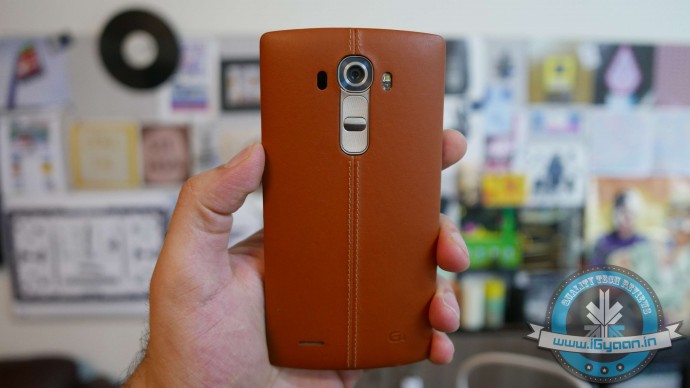
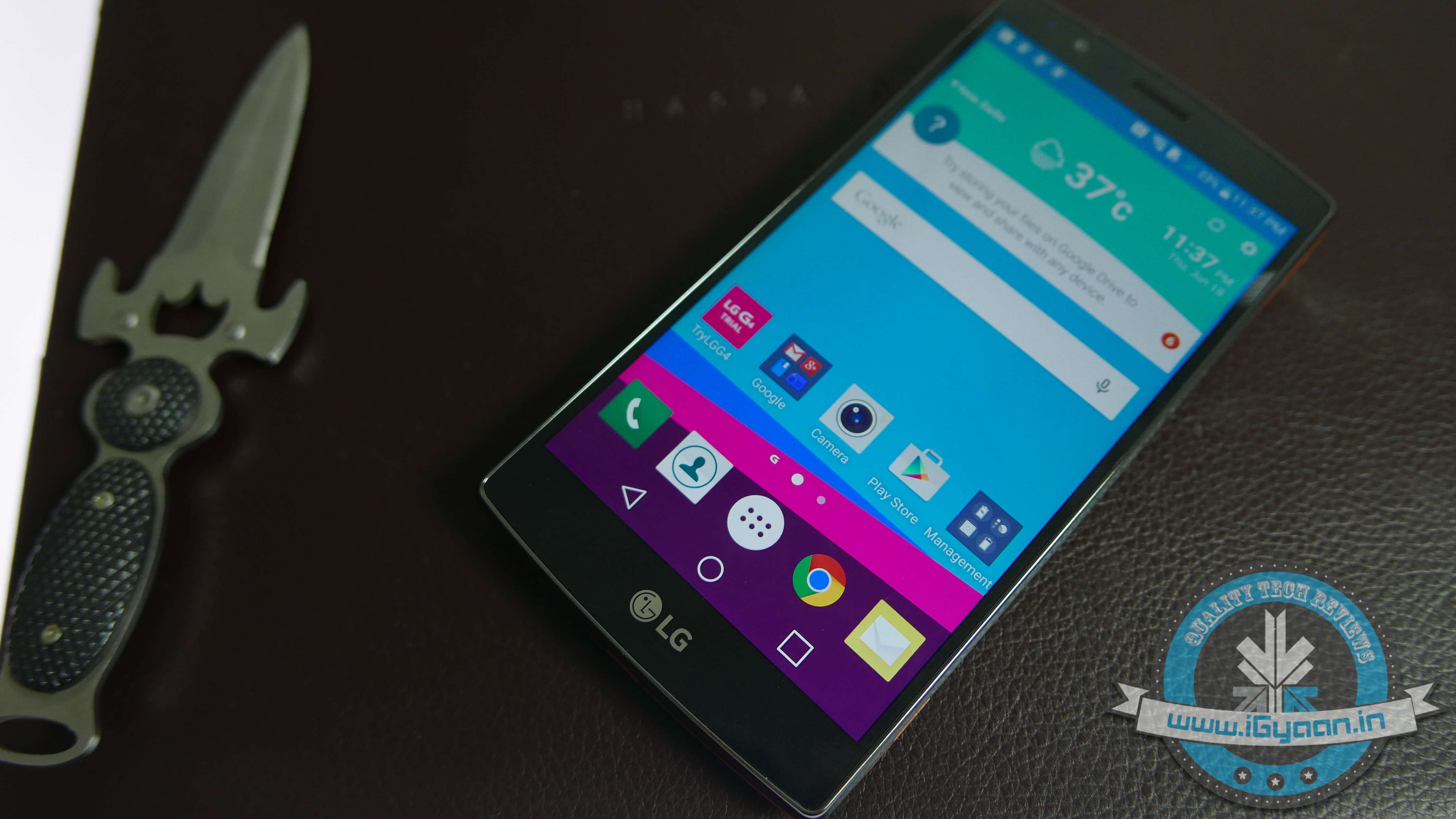
Check out our review of the LG G4 and find out if it is worth a hole in your pocket.
LG launches two new G4 variants
LG has released two new variants in its G4 lineup, the LG G4 Stylus and the G4 Beat.
Xolo Launches Black
Xolo has launched “Black” through Flipkart priced at Rs. 12,999. The company hopes the phone will be able beat to rivals Motorola and Xiaomi.
iOS 9 beta released for public
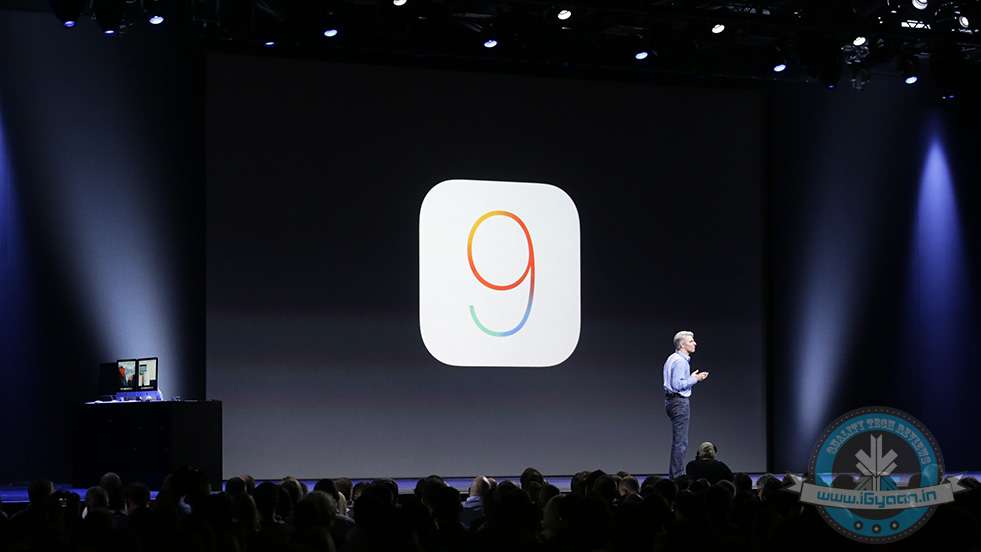
Apple has released the beta version of iOS 9 for the public. The company has introduced some new features such as separate folder for selfies and screenshots and Apple News.
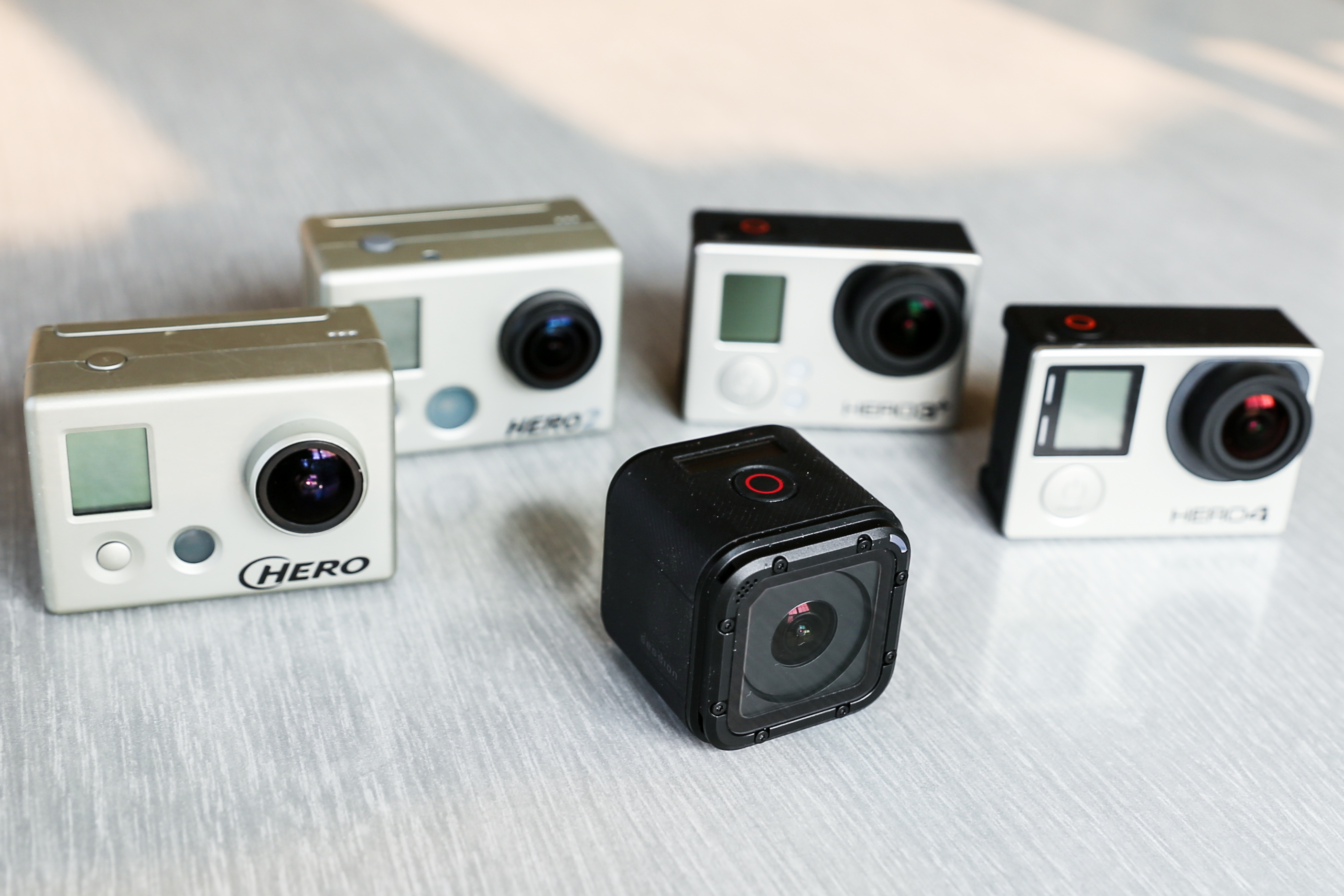
GoPro Is Back With the New Tinier GoPro Hero4 Session
GoPro, the company well known for making incredible cameras for adventure and sports terrain, has unleashed their newest and the smallest beast yet, the GoPro Hero4 Session. The new camera is the first significant redesign of the company’s omnipresent camera in nine years.
Apple has released a new beta version of iOS 9 to app developers, with several new features and changes being introduced. The beta version has been released to registered developers and is available for iPhone, iPad and iPod touch.
Apple News
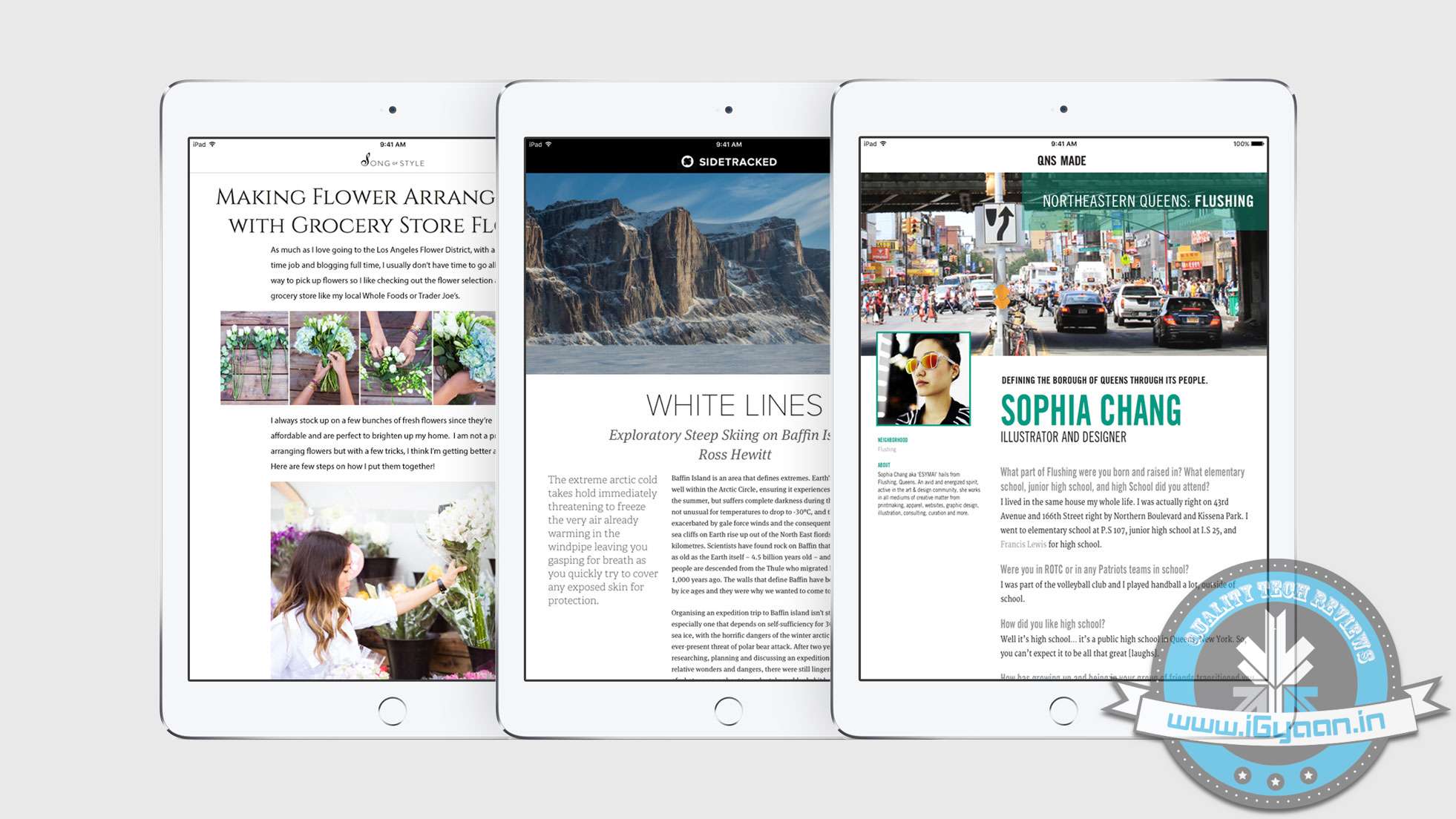
Most notable features of the new iOS beta version include Apple News and a separate folder for screenshots and selfies. Apple News is a Flipboard like app that curates news from different publications like The New York Times and Entertainment Weekly. The feed will show news according to your liking and allows you to save and share an article you like. For now, Apple News will include content from The New York Times, CNN, ESPN, The Atlantic, and Slate.
By segregating the selfies and screenshots folder, Apple has made it easier for users to organize and share the images. Under the current version, all photos clicked (screenshots, selfies, pictures) are stored in a single folder. Users prefer to send a screenshot rather than describe in a text. By separating images, it becomes easier to scroll through folders than a single folder.
iOS 9 beta also includes a new 4×4 grid layout for folders in iPads, a new calendar icon and even Siri gets an improvement – Apple has dropped the famous ‘ding’ activation sound.
Apple announced the latest version of iOS WWDC last month. The new software will be available to iPhone and iPad users in September.
The third beta version of iOS 9 is currently available to registered developers only and will be made available to public later this month.
After launching the LG G4 Stylus yesterday, LG has released another variant called the LG G4 Beat. The new phone is the latest in the G4 line-up after the G4 Stylus and G4c. With this phone, it seems LG is trying to imitate Samsung’s successful Galaxy series, which offers a wide range of affordable and premium phones.
Juno Cho, president and CEO of LG Electronics said
Too often, mid-tier phones sacrifice overall usability in order to include that one killer feature. Our goal with the LG G4 Beat was to create a phone that was not only well- balanced in terms of display, camera, performance and design but delivered terrific value and satisfaction.
The G4 Beat sports a 5.2-inch full HD IPS LCD display with 423 ppi. The phone is powered by a 1.5GHz Snapdragon 615 octa-core processor with 1.5GB of RAM. The internal storage of 8GB can be expanded, allowing you to store more images, music and videos. The G4 Beat will run on Android 5.1.1 Lollipop with LG UX 4.0.
The phone will sport an 8MP rear camera and a 5 MP front camera. For some reasons, LG has decided to include a 13 MP rear camera in the G4 Beat for select Latin America countries. A 2,300mAh removable battery will power the phone. As far as connectivity is concerned, the phone supports LTE, Bluetooth 4.1 and NFC.
LG has not disclosed any pricing for the G4 Beat, which is expected to be launched first in countries like France, Germany and Brazil followed by Canada, India, Russia, Singapore, South Africa and Turkey, among others.
Specification
LG G4 Beat
Display
5.2-inch full HD IPS LCD display
Resolution
1920 x 1080 pixels, 423 ppi
Chipset
Qualcomm Snapdragon 615 chipset
Processor
1.5GHz octa-core processor
RAM
1.5 GB
Storage
8GB
Rear Camera
8 MP Laser Autofocus, LED Flash, 13 MP in select Latin America countries
How long does it take to become a bestseller? As Lenovo found out, apparently 5.2 seconds. Seconds after the first online sale kicked off, the Lenovo K3 Note smartphone was sold out on Flipkart. Lenovo sold about 47,440 smartphones over 5, 38,096 registrations the company received for the first flash sale.
The next sale will be held on 15th July. Two versions of the phone – black as well as white – will be sold at 12 noon and 3pm respectively. Registrations are already open.
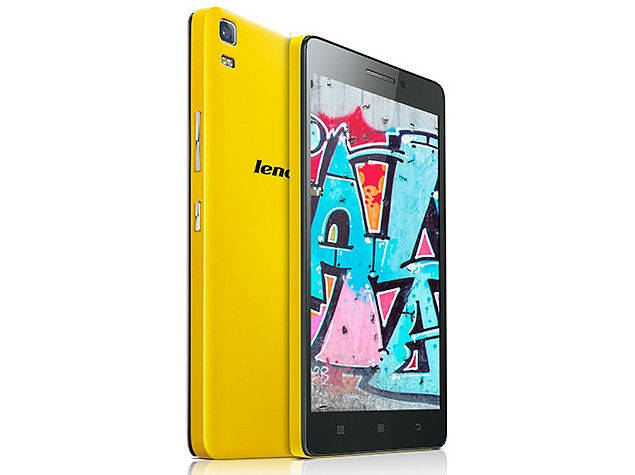
The K3 Note joins a long list of affordable 4G handsets provided by Lenovo, such as A6000, A7000 Plus and S60. The phone has Dual SIM card slots and supports both LTE bands in India. The phone sports a 3,000 mAh battery, which is replaceable. The K3 Note sports a 13 MP rear camera with Dual LED flash and a 5 MP front camera.
The specifications for the phone are reminiscent of the Xiaomi Mi4i, which is currently in demand and has a dedicated fan base. Like Mi4i, the K3 Note boasts a 5.5-inch full HD display. Also to that, the K3 Note costs less than the Mi4i.
Launched in India in late-June, the Lenovo K3 Note was first unveiled for China in March. It competes against the likes of budget contenders – Yu Yuphoria and Xiaomi Redmi Note. Yu Yureka and Xiaomi Redmi Note 4G have ruled this price segment, but it looks like Lenovo is finally going for the kill with the K3 Note.
Check out the specifications for the Lenovo K3 Note before you register:
Specs
Lenovo K3 Note
Display
5.5 inches IPS capacitive touchscreen
Resolution
1080 x 1920 pixels
Chipset
1.7GHz MediaTek MT6752
Processor
Octa-core 64-bit processor
RAM
2 GB
Storage
16 GB
Expandable Upto
32 GB
Main Camera
13 MP
Front Camera
5 MP
Battery
3,000 mAh
Operating System
Android Lollipop 5.0 out-of-the-box, wrapped under Lenovo Vibe 2.5 UI
Miscellaneous
Active noise cancellation with dedicated mic, Lenovo Vibe 2.0
Delhi government has described the operation of ‘Taxi For Sure’ as ‘illegal’. The statement comes days after a driver of the app-based company was alleged to be indulging in a vulgar act while driving a woman to Faridabad from South Delhi.
The Delhi government said that it was not against app-based taxi services in Delhi, but it will not compromise on women safety. ”The government is not against app-based taxi services in the national capital but it will not compromise on women safety, which is its top priority,” the government said. ”Taxi For Sure has not been authorized by the Government of National Capital Territory of Delhi and hence its operations are illegal.”
On July 3, a woman posted her ordeal with Taxi For Sure on Facebook and Twitter. She alleged that the driver committed a vulgar act while driving her from Faridabad to South Delhi. “When I was about 25 minutes away from my destination, the driver got impatient and kept motioning something to himself. I asked him to drive properly… I noticed he was ma********** while driving,” the woman wrote in her post. For her, the experience was traumatizing. “He (the driver) had a smile on his face that will haunt me for nights to come.”
Ola Cabs acquired Taxi For Sure in March and last month integrated its service in its own app. Taxi For Sure executives visited the woman and assured her that the driver had been fired.
This latest incident puts app-based taxi services into danger as the current Delhi government is looking for ways to regulate it. It also raises questions about the safety standards in such services, as women prefer to book cabs through apps.
Just because we are digital doesn’t always mean we are doing our bid to go green. Every photograph, video and every other file we upload on social media, cloud storage and email are stored in a facility known as a data centre. Without the data centres, companies like Facebook, Twitter and Google cannot handle the intense volume of traffic on Internet.
Data centres mainly require electricity for the central servers that handle the data and to cool down the servers, which often get heated due to excess traffic. Environmental concerns have been raised due to the amount of energy consumed by these data centres. Companies like Apple and Google have been taking steps to reduce the carbon footprint generated by data centres and it seems Facebook has taken another step in that direction.
Facebook’s new data centre in Fort Worth, Texas, USA.
Facebook has announced that its next data centre in Fort Worth, Texas, USA, will be entirely powered by wind energy. With this data center, Facebook hopes to reduce its carbon footprint. In 2011, Facebook announced that its data center in Sweden would employ 70% fewer power generators than usual.
The data centre in Fort Worth will run on 200 MW of power and is already under construction. The new facility is expected to operate by 2016.
IT industry consumes about 10% of the world’s energy, most of which is used up by data centres. Thus, it has become important for technological companies to run their data centres on renewable sources of energy, which allows for a smaller carbon footprint without damaging the environment.