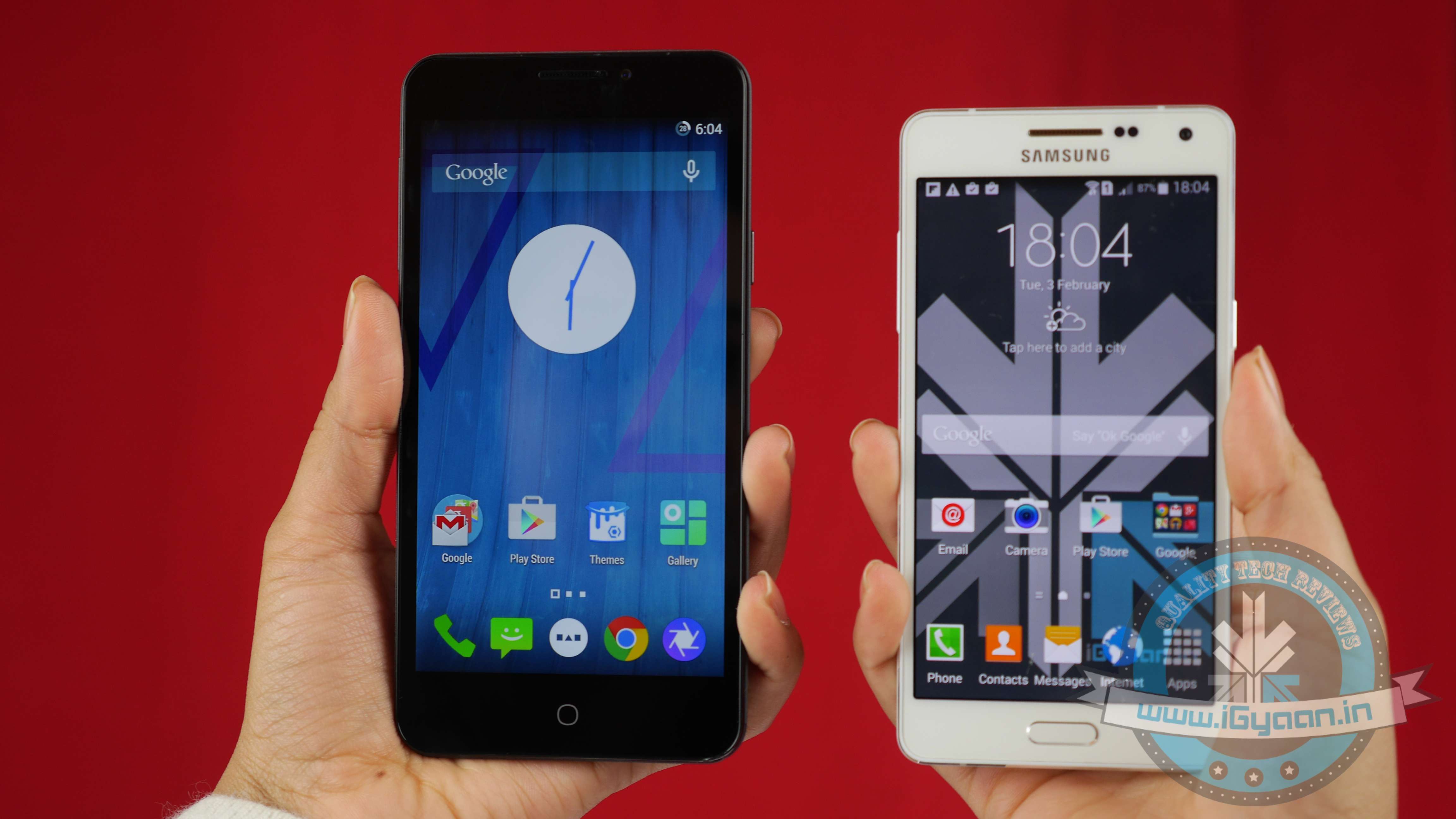
With the launch of the Galaxy Alpha last year, Samsung attempted a new metal frame based design philosophy that also influenced their last major flagship, the Note 4. Samsung recently launched the A3 and A5, which are based on the same design elements, but come with a mid-range price tag. We unbox and take a look at the new Galaxy A5 from Samsung.
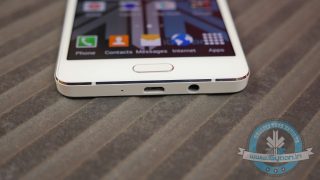
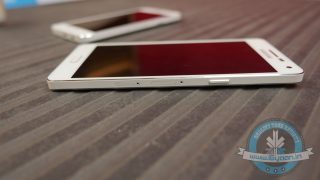
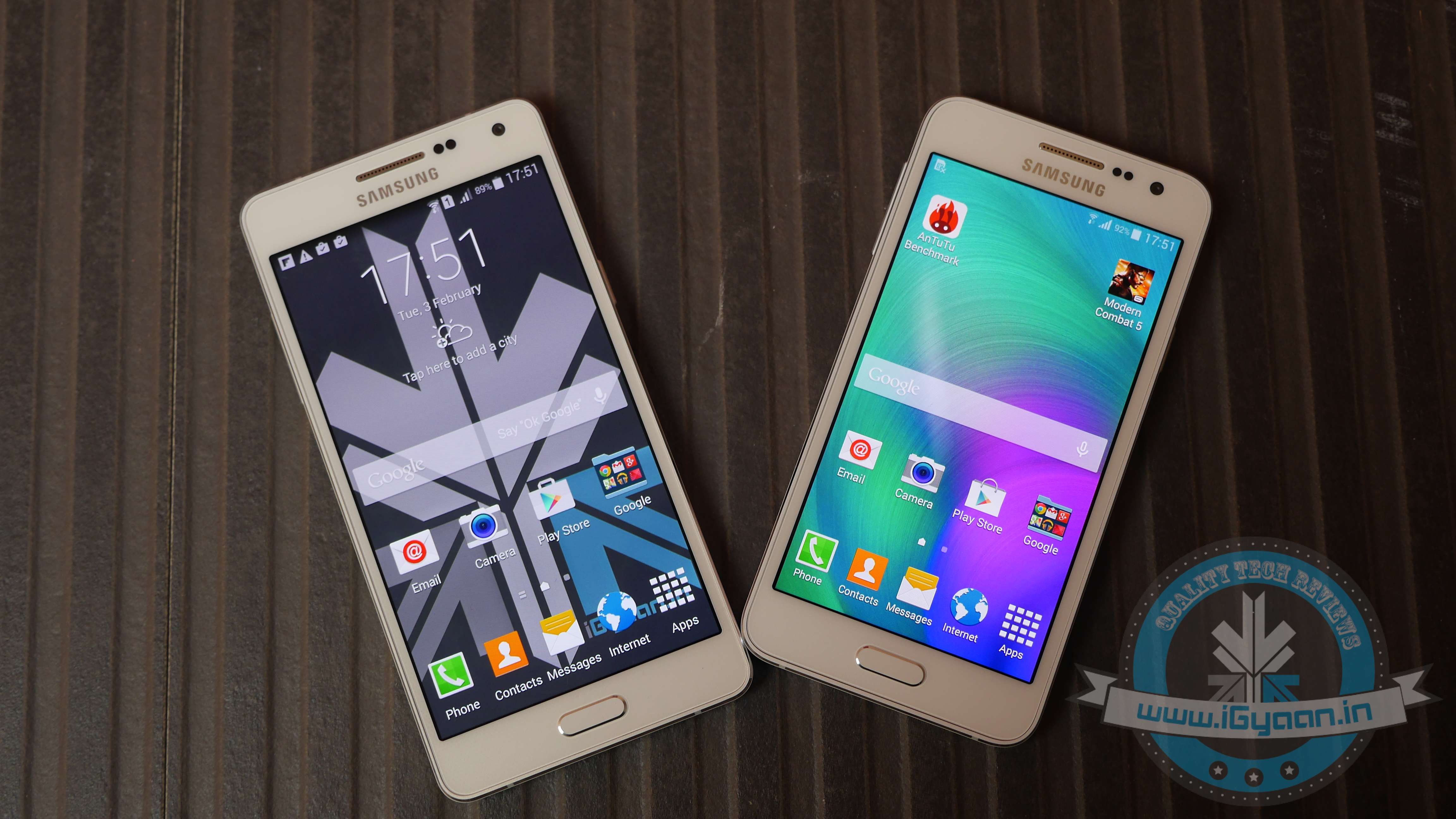
Except for their display sizes, both the A3 and A5 look identical. There is nothing on the top as both the microUSB slot and 3.5 mm jack are placed on the lower end. On the right, you have the power button along with two SIM slots out of which the bigger slot can be used as a microSD card slot. On the left, you have the volume rockers and staying true its, ‘Samsungness’, the main button sits at the center below the display along with the capacitive touch buttons. The pearl white color of the device is fantastic.
In the box you get:
The Galaxy A3
Earphones
Charger + Cable
SIM Removal Tool
Information Booklet
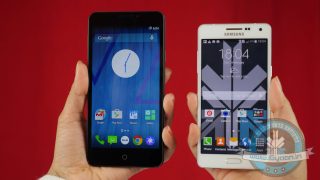
Galaxy A5 vs The Yu Yureka
The devices are marketed as selfie and camera friendly and hence provide instant access to the camera from the lock screen. The touch felt responsive, and there were minimal lags in the time of use. The Galaxy A5 has a 1280×720 display which is a dissapointment as Samsung could have easily provided a Full HD display at the price.
The Galaxy A5 comes for a price of Rs. 25,500 and has more to offer than its younger sibling; the Galaxy A3. Stay tuned for the full review of the devices only on iGyaan.in.
Specs
Samsung Galaxy A5
Operating System
Android 4.4.4
Screen Size
5.0 inch HD
Super AMOLED
1280×720 pixels
RAM
2 GB
Battery
2300 mAh
Processor
Qualcomm Snapdragon 410
CPU
Quad-core 1.2 GHz
GPU
Adreno 306
Front camera
5 MP
Rear Camera
13 MP
Price
Rs. 25,500
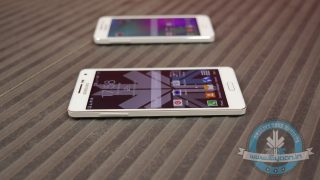
The A3 and the A5 Compared : The A5 being the larger variant
Twitter, the tool that lets people unleash the smart-ass within them has been phenomenally successful with the who’s who of the pop culture. Folks from varied fields such as politicians, actors, intellectuals and even the common man come together on the platform to have an equitable discussion on varied topics. But this great tool has been a bit slow in gathering new users and so they have now joined hands with Google to further their reach.
Twitter and Google have signed an agreement through which Google will show tweets of Twitter users in its search results. Twitter previously had this arrangement with Google between 2009 and 2011, but it lapsed. With this new agreement instead of just the Twitter profile of a person, you would be able to see their tweets right from the google search engine itself. This will be beneficial for Google too as people would find it easier to see the latest tweets without logging into twitter.
Twitter currently has 284 Million users that is way lower in comparison to Facebook’s 1.4 Billion and Instagram’s 300 Million. The microblogging site had released its IPO in 2013, over the last year the stocks have dropped by 37 percent because of slowing user growth. With the agreement, Twitter might hope to engage folks who just view the tweets and don’t actually reply to them or those who don’t tweet on their own. Twitter had also previously launched a ‘While You Were Away’ feature on iOS that shows a snapshot of popular tweets that the user missed when they were not logged in. It will be interesting to see what kind of effects these initiatives have on user base of Twitter.
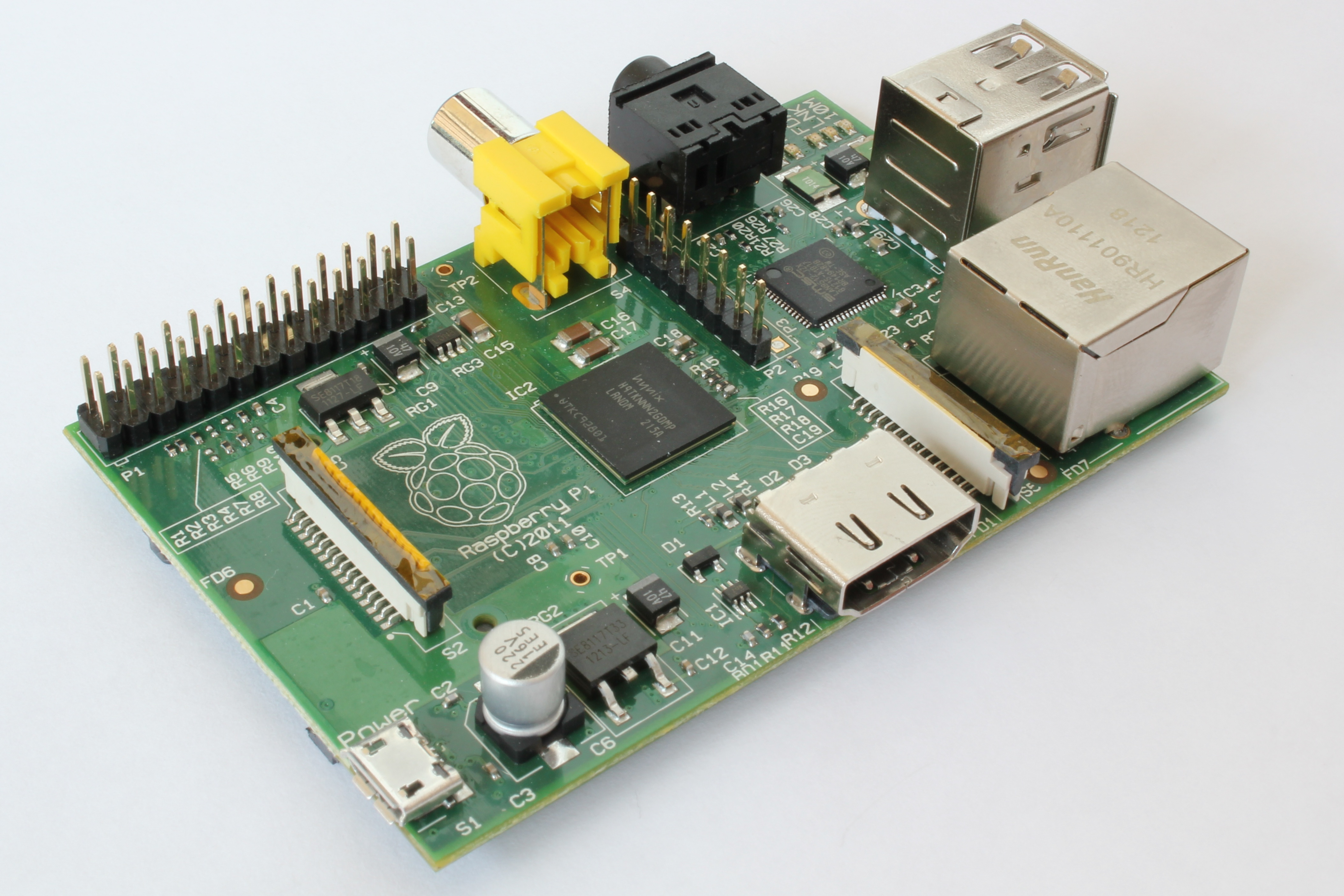
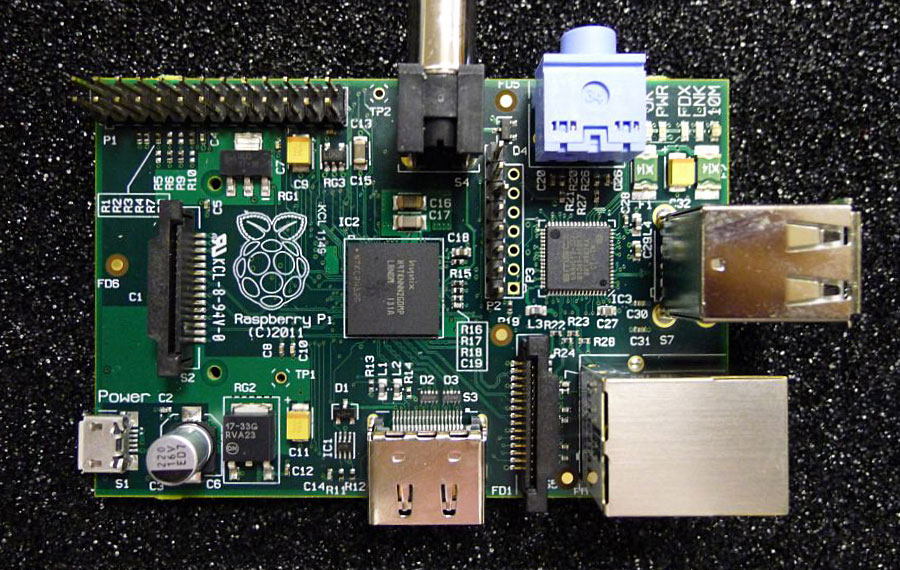
Computers have come a long way in the past couple of decades. From giant machines that took up an entire room, they have shrunk down to fit in the palms of our hands. But there has been a wide disconnect between what a user sees on the screen and what happens in the background. During the early era of computing, people would just tinker around and learn to program with minimal technical skills, but with the passing of time, programming has become more and more specialised. In times like these there is a need for a cheap computer that can take the brunt of a new programmer’s enthusiastic experiments. The answer comes in the form of a credit card-sized computer called the Raspberry Pi.
Raspberry Pi is the brainchild of Eben Upton. He first came up with the idea of the Raspberry Pi back in 2006 while working in the Computer Laboratory of the University of Cambridge. He saw the poor programming skills of students and wanted to make it easier for them to experiment with computers. His intention was to make a computer that was cheap so that budding programmers could easily tinker around with it without worrying about damaging the device.
Raspberry Pi aims to simplify the understanding of computers.
Raspberry Pi is basically a self-contained computer. The Raspberry Pi Foundation was established in 2009 while the first versions was launched in 2012. Model A came with 256 MB of memory and 1 USB port while Model B came with 512 MB of storage and 2 USB ports. Both models were powered by a 700 MHz single core CPU that could be overclocked to 900 MHz. You need to attach a monitor, keyboard and mouse to get the device working. The storage for the user comes in the form of SD cards; the device can handle up to 632 GB of storage.
Getting Started
So now you have your Raspberry Pi board, you need to set it up before you can start with your experimentation. The board requires you to have a computer ready before you can go forward. The foundation page offers a quick start guide that is fairly easy to follow.
First of all you need to get a class 4 SD card with 4 GB or higher storage space. Next you have to format it and install the New Out Of Box Software(aptly abbreviated as NOOBS). Now put the SD card in the Raspberry Pi and it will offer you with a list of operating systems that you can boot into.
Applications
Raspberry Pi can be used as a base to create a lot of hardware. People have fashioned an entire keyboard made out of Beer cans to drones through this humble board. The possibilities with this tiny board are endless.
The official coding language for the Raspberry Pi is Python. You can find varied kinds of codes on the internet along with tutorials that you can follow to make the best out of your board.
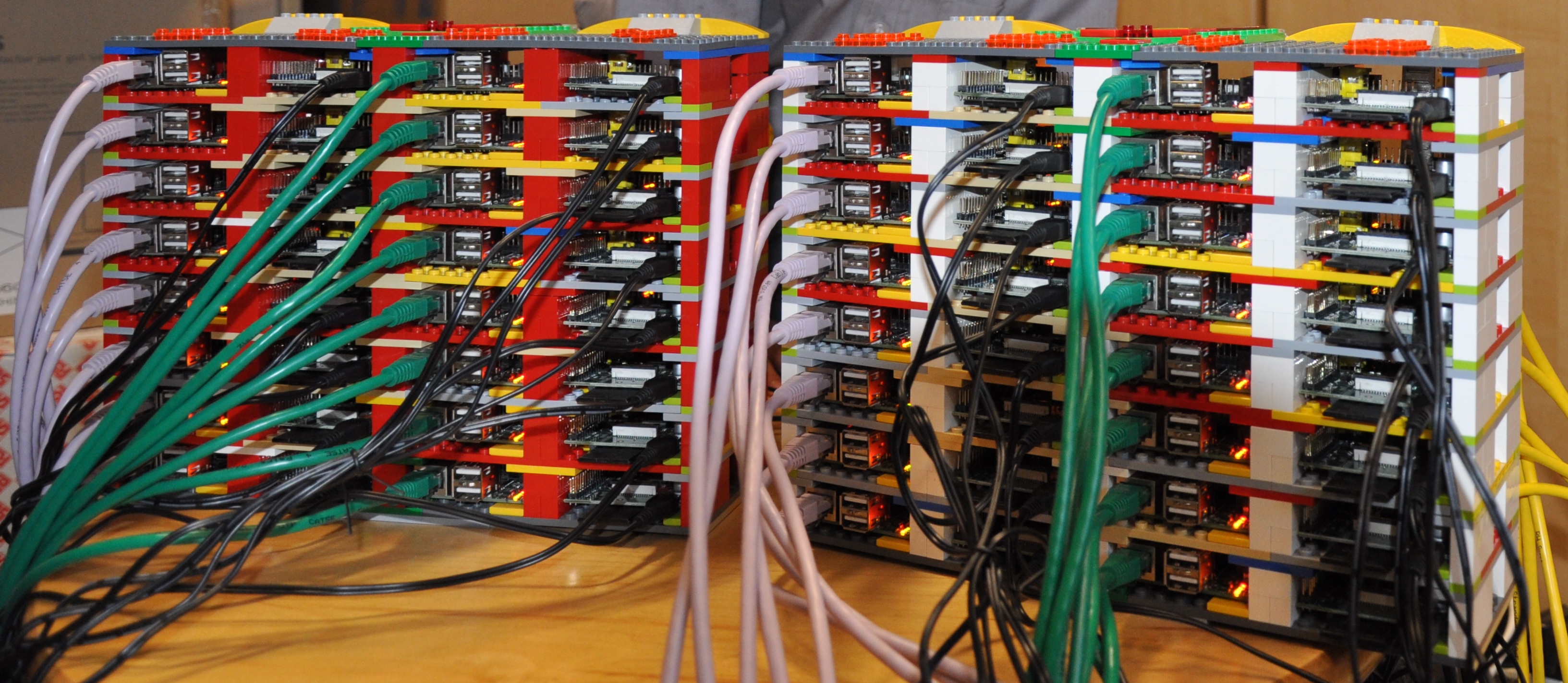
Raspberry Pi Supercomputer
You can write your own game on the board, create your server, and bunch together a lot of boards to create your own supercomputer. You can also place the board on a monitor and have an extra system that takes care of your downloading needs while you concentrate on work on the main system. With a little bit of tweaking you can convert the board into a phone, with that knowledge in hand, you can become the guy who restores communication after an apocalypse.
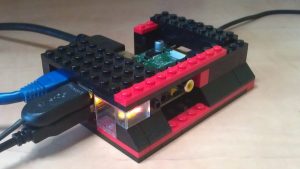
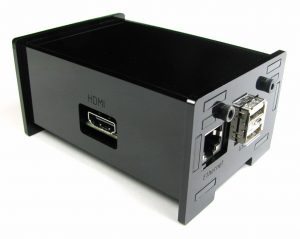
You can beautify your Raspberry Pi Board by creating a case for it. If you are not the arts and crafts type, there are a variety of cases to choose from in the market. Choose the one that matches your personality and get creating.
What’s Next For Raspberry Pi?
The Foundation recently launched Raspberry Pi 2. The Board gets a lot faster over its predecessor and comes at the same affordable price of $35. The device is powered by a 900MHz quad-core ARM Cortex-A7 CPU along with 1 GB LPDDR2 SDRAM. The device will run Windows 10 and Ubuntu and will let the users play around in a known ecosystem. It will also let the users run Windows tablets and PC apps on the Raspberry board.
With all these amazing capabilities that Raspberry Pi has to offer you have to be at least intrigued by the possibilities of the device. If you have the slightest bit of inclination to understand how computers work; then you can start making a unique computer all by yourself with this board. Raspberry Pi is the one of the best things to happen to computers since the advent of desktop computers. So don’t wait up and get tinkering.
Today began with a news that could have been the cause of jubilation at Micromax’s office but would bring gloom to Samsung’s. Research firm Canalys had reported that Samsung was pushed off from the top spot by Micromax in the fourth quarter of 2014. But Samsung has now hit back at the report quoting data from market research organisation Gfk group.
Samsung has said that according to the Gfk data, its volume market share in the October-December 2014 quarter was 34.3% whereas the value market share was 35.8%.
[quote text_size=”small” author=”Asim Warsi” author_title=”Vice President, Marketing, Mobile business, Samsung India Electronics Pvt. Ltd.”]
In the entire year 2014, we continued to lead the market with innovative and exciting offerings. Our volume market share in the smartphone market in the year was 35.7%, which is more than double than that of the next player, while our value share was 40.2%, which is more than four times the next player. The GfK data is based on actual retail sales in 50,000-plus population cities.
[/quote]
But all of this doesn’t depart from the fact that the company has been losing ground to brands that are offering a lot more features to the consumers. Samsung has to find a silver bullet to return back to the prominent spot it used to at during the start of the smartphone race.
ARM, which is a standard when it comes to chipsets for smartdevices, has unveiled new CPU and GPU designs. The company claims that these products won’t just churn up faster performance for the products of 2016; they will also be power efficient.
The company introduced the Cortex A-72 mobile CPU that the company claims is 3.5 times faster than the existing Cortex-A15 chips. The company also claims that these chips will require 75% less energy than its current counterpart.
The focus on battery efficiency is necessary as the batteries have not quite kept up with the rapid increase in the processing capabilities of smart devices. The new A72 can be paired with the Cortex A53 processors to further decrease the power consumption. ARM calls it the big.LITTLE configuration.
The company also unveiled Mali-T880 mobile GPU. ARM claims that this GPU will offer 1.8 times faster graphics performance along with 40% lower energy consumption in comparison to the current generation Mali-T760 GPU.
With these offerings, the company is focusing on providing even greater access to power intensive 4K content. As these energy hungry displays and content make their way to tablets and smartphones, the devices have to be ready face them. ARM plans to bring out the first demo devices based on the technology by the end of 2015 and hopes to bring the technology in the market with the 2016 line of products.
Google was in the news yesterday after a Bloomberg report stated that the company would be launching a ride sharing service to take on Uber and Lyft. The story gained a lot of traction. Bloomberg was quoting an unnamed source at Google, but it turns out Google isn’t really keen on the idea. The company tweeted from its official account saying “We think you’ll find Uber and Lyft work quite well. We use them all the time.”
@business We think you’ll find Uber and Lyft work quite well. We use them all the time.
Google was, in fact, one of the early backers for Uber; it backed the company through its venture capital wing. The above tweet is directly targeted at Bloomberg Business that puts an official end to the speculations, though Google’s entry into the field could have been great for the competition.
Indian smartphone market saw a lot of action last year. A lot of companies made India a priority market and launched their top flagships in the country. Indians now had a wider choice in smartphones than ever before. All these choices have also led to a major reshuffle in the points tally of top selling companies. Indian smartphone brand, Micromax seems to have kicked global market leader Samsung from the first position on the table.
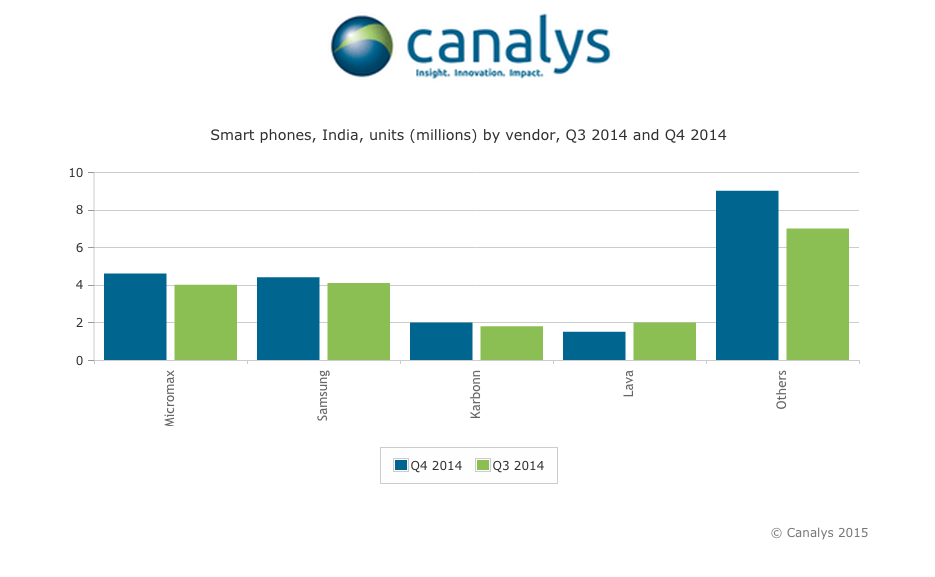
The report comes from research firm Canalys. According to the report, Micromax accounted for 22 percent sales in the fourth quarter of the year between October and December. Samsung on the other hand managed to score 20 percent of device sales during that period.
The industry, in total, sold over 21.6 million smartphones during the period; a 90 percent increase over the previous year. It is estimated that the Micromax’s lead was fueled by increase in the purchase of devices with a lower price tag as the users actively shift from feature phones to smartphones in that segment.
This dip in standing should be a major concern for Samsung as it has already lost the first position in China to Xiaomi. The company has been on the receiving end of complaints about its lackluster devices with monotonous designs and lack of specs. Apart from some tiny tweaks the company hasn’t really offered anything substantial to the consumers. Samsung has to reconsider its smartphone strategy seriously as it is the company’s most visible product portfolio at the moment or else it wouldn’t be long before it follows in the steps of Blackberry and Nokia.
After a long wait and facing the occasional ban in India, OnePlus is all ready to head strong into the future with its own operating system(OS). The Chinese company just posted a healthy annual report today and will be unveiling its home made OS on February 12th.
This new operating system will be based on Android 5.0 Lollipop. The company today uploaded a video that shows a OnePlus One device running on Android Lollipop. The description of the video states “OxygenOS is almost here.” From the brief look of the video, it appears that keeping with its traditions, OnePlus hasn’t done any major tweaks to the visual appeal of the operating system. It has kept it close to the stock Android experience.
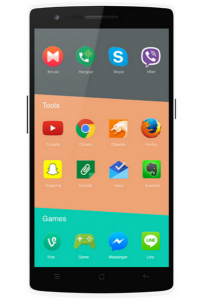
A few photos have also appeared on the internet which are claimed to be from the upcoming Oxygen OS. Though we don’t vouch for the authenticity of the images, the categorized view of icons sure look appealing. Check out the images below.
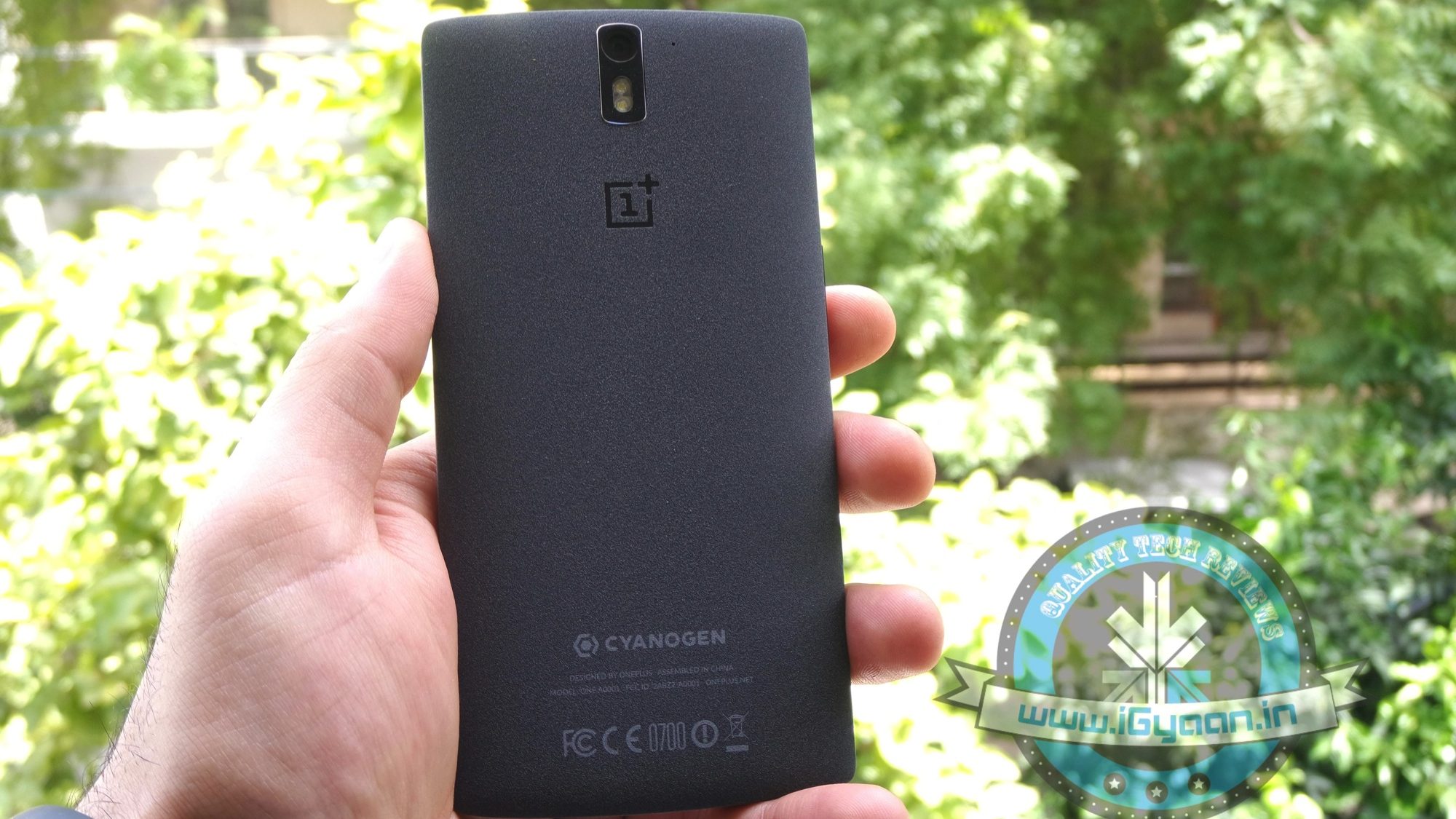
In the meanwhile, Cyanogen informed us that the Cyanogen OS 12S is in the final stage of testing and will be provided as an update for global OnePlus devices running Cyanogen 11S.
OnePlus along with its compatriot Xiaomi were the undoubted winners of the smartphone race in 2014. These two budding Chinese companies have created an immense fan base through their innovative devices. OnePlus has released its annual report for the year 2014, and as expected, it would be a cause for celebrations at the OnePlus offices.
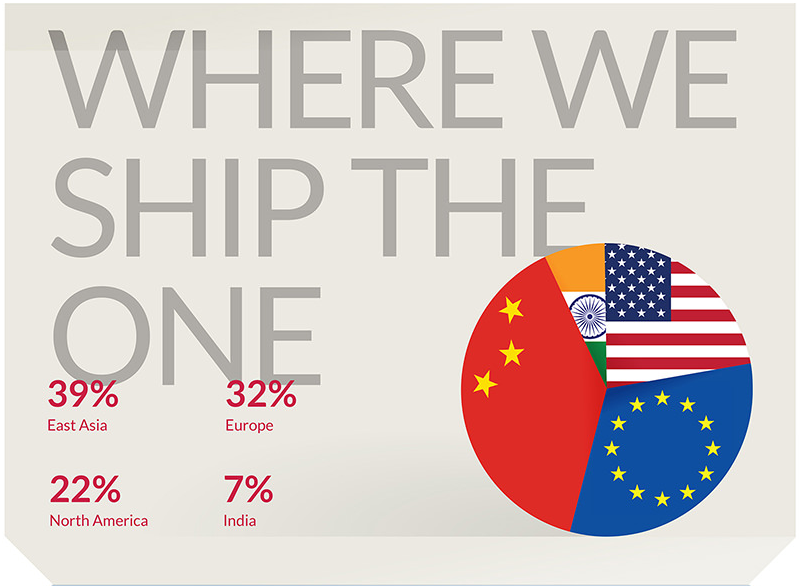
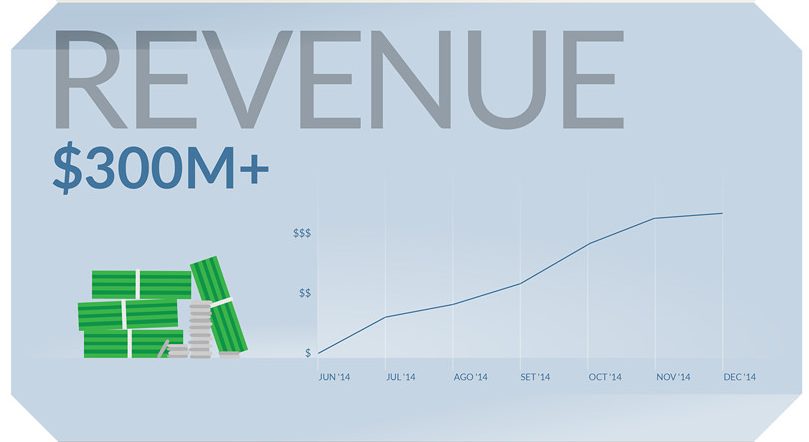
According to the numbers, the company sold the maximum number of devices in East Asia followed by Europe and North America (39%, 32%, 22% respectively). The company arrived in India by the end of the year, but still managed to sell 7% of its stocks in the country. The company has also claimed to have garnered a revenue worth $300 Million.
The USP of the OnePlus devices was the Cyanogen OS that powered them. But after facing an unfavorable situation in India, the company proactively pushed for creating its own operating system based on Android 5.0 Lollipop known as Oxygen OS. OnePlus promises that this new OS too will be customizable, and free from bloat and unnecessary features.
The next big release from the company will be the OnePlus Two and India will be one of the first countries to get access to the new device. There will be a lot of expectations from the OnePlus Two and the Oxygen OS as they would have to fill the shoes amazing OnePlus One. The OnePlus Two will be in the top five of our most anticipated list of devices for 2015.
One of the most anticipated features of the new iPhones was the sapphire glass screen that would have made it practically scratch proof. But after facing multiple issues, the plan was scrapped. Apple was setting up a sapphire glass plant in the US state of Arizona, but its partner filed for bankruptcy in October last year. Now Apple plans to pump in heavy investments to convert the facility into a data center.
Apple had partnered with GT Advanced Technologies Inc in 2013 to manufacture the scratch resistant sapphire glass screens. The plans were dropped later, and the new iPhones came with hardened glass instead.
Now the failed plant will be renovated into a data center that will assist Apple with its various services. The multibillion-dollar project is one of the largest investments made by Apple; the Cupertino-based giant is known for being conservative with its spending.
The data center will act as a command center for Apple’s other data centers and networks and will handle services like iTunes, iCloud, Siri, etc. Apple plans to stretch its $2 billion investment up to ten years with a further commitment of 30 years. The center is expected to be powered by solar energy which is appreciable as data centers are extremely power intensive buildings.
Samsung may be all set to bring out the next version of its S line of devices. If reports are to be believed than the Korean electronics giant is about to bring a completely redesigned device.
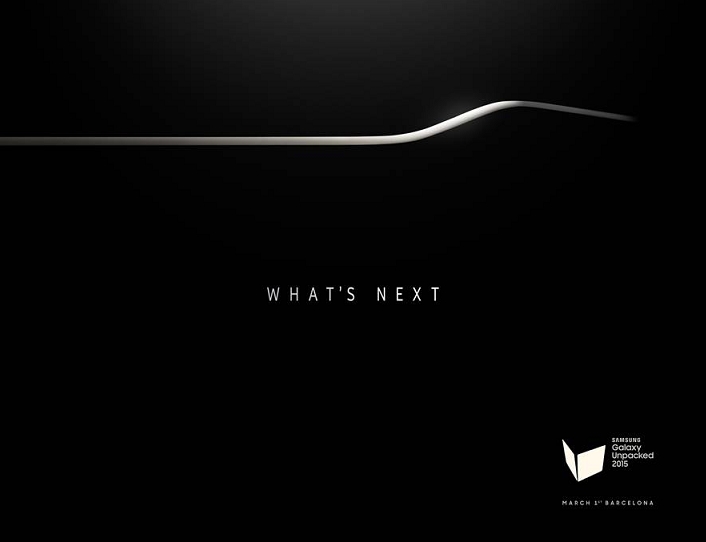
The invite sent out by the company for the unpacked event simply shows a curved edge of a device with the title “What’s Next.” The device is widely expected to be the upcoming S6 and is said to come with a curved display.
The Galaxy S6 is expected to flaunt an Ultra HD 4k display with 4GB RAM and a 20MP camera. The device is expected to be powered by a 64-bit Exynos 7420 and Broadcom’s new sensor chip. Samsung was previously working with the Snapdragon 810 processor but faced overheating issues. The company will now deploy Exynos 7 with LTE while Qualcomm has said that it will be reworking the Snapdragon 810 chipset for Samsung’s flagship devices.
A leaked render from a journalist named Antonio Monaco shows a device with slight curves on the edges. The render was confirmed by Sammobile to be authentic. The render shows the usual Samsung design features including the physical button. Samsung had said previously that it would be redesigning its product line to keep with the times. But if this render is what they have in store for us then it isn’t exactly a departure from the design philosophy that it has gone with in past five years.
Science fiction has for long imagined an idea of a wonder pill that takes on all the diseases at once. Now Google is attempting to transform that idea into reality. The project is being undertaken at Google’s secret research facility known as Google X.
The Silicon Valley giant had reported last year that it was working on magnetic nanoparticles that would locate cancer cells in the bloodstream. Once they’ve located the cancerous cells, they’d report back to a wrist-worn wearable. Now to test the technology, Google is also working on creating synthetic human skin.
The nanoparticles can be introduced into the body through a pill. These particles are so tiny that over 2000 of them can be stuffed inside a red blood cell. The nanoparticles will transmit the information they possess to the wristband through light signals, and this is where the need for the skin arises. The scientists at Google will study various types of skin based on color, thickness and other features to resemble real human skin. They have already created a pair of arms that have “the same autofluorescence and biochemical components of real arms.”
The study still has a long way to go. According Andrew Conrad, the head of Google’s Life Sciences department, the path ahead is long and hard but they envision it becoming a reality in years and not decades. If successful, this can be a great step ahead in the field of medicine. The nanoparticles can be later programmed to detect all forms of illnesses before they come to the surface. With this, Google once again impresses us with its world-changing research efforts.
India’s Agni 5 is the star of the nuclear-capable missile arsenal. With a claimed range of 5000km, the missile is capable of hitting targets across China and parts of Europe. Agni 5 has been tested successfully two times before and today it again took to the skies.
At 8.06 am today, Agni 5 lifted off from Wheeler Island, off the coast of Odisha. The 17-meter tall rocket that weighs 50 tons witnessed a flawless ‘auto launch’ from its mobile launcher. All three stages performed optimally. The missile can carry a nuclear bomb weighing 1000 kilograms and can travel faster than a bullet. It can be launched from anywhere on land.
The missile is capable of launching MIRV’s (Multiple Independent Re-entry Vehicles) through which it can drop 2-10 nuclear bombs at multiple locations. This will strengthen India’s second strike capability in case of a nuclear attack on its soil. India hopes to make the Agni 5 a weapon of peace and act as a deterrent for nations considering a nuclear attack on the country.
The development of the Agni 5 began in 2009 followed by tests in 2012 and 2013. Now with the third test, this intercontinental ballistic missile(ICBM) is expected to get inducted into the military by later this year.
In the age of instant communication, the email has almost taken a back seat. It is used mostly for official communications and sharing files or maybe to receive a lot of junk newsletters from sites. Google’s Gmail and Microsoft’s Outlook.com are the most used email clients, but Amazon wants to capture some of their territory in the corporate sector with its new email service.
Known as the Amazon WorkMail, the mail client gives users the ability to seamlessly access their email, contacts, and calendars using Microsoft Outlook, their web browser, or their native iOS and Android email applications. Users can integrate Amazon WorkMail with their existing corporate directory and control both the keys that encrypt the data and the location in which the data is stored.
The service is created by Amazon Webservices.
WorkMail has been created by Amazon Web Services (AWS) which is the company’s cloud computing wing. At present, the service offers email and scheduling service but is expected to increase its offerings as time passes.This is a big bet by the company and analysts claim that if successful, the project can fetch Amazon about $10 Billion annually.
At present, you can access a 30-day free trial with which you can connect up to 25 users with Amazon WorkMail. The service costs $4 per user per month which includes 50GB of storage per user. Google and Microsoft have a stronghold in the corporate sector, and Amazon would have to provide competent services to break into the market of the big boys.
Xiaomi, who recently boomed the Indian Market with the MI handsets, is ready to establish its research and development base in Bangalore, India. It will be the first such facility outside China.
India is one of the largest market for Xiaomi. All the three devices by the company, Mi 3, Redmi 1S and Redmi Note, cumulatively sold more than a million devices since it was first launched in 2014.
Xiaomi India Head Manu Jain said-
We have always stated that India is one of our most important markets. We are in process of signing the lease on a facility in Bangalore, which will be our R&D unit. This is the first one outside China, the R&D unit will focus on India-specific products to begin with. We will focus on localization, themes and then India specific features to cater to local requirements here.
He, however, refused to disclose the investment details and the number of people who would employed at the centre.
The company expects the centre to be fully operational in the next few months.
This could be a big step to boost their sales even further espcially with the launch today of the Xiaomi Mi4, which will be available on Flipkart on 19th February, 2015.