Author: Happy Nagashetti

  • OnePlus Expected to Continue the Invite System and Launch OnePlus Two in 2015

    OnePlus Expected to Continue the Invite System and Launch OnePlus Two in 2015

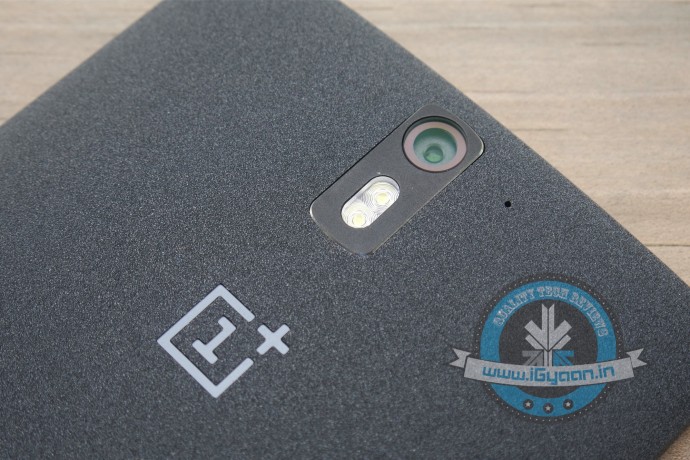
    OnePlus had taken the smartphone market by storm with their flagship killer, the One, which sure sounds like a Matrix reference. The phones unique features and high-end specs at a convenient low price have won hearts globally. The biggest hitch with this excellent phone is its lack of availability. In a Reddit AMA(Ask Me Anything), OnePlus’s Carl Pei and David S answered many important queries about the future of the company.

    The company said that they misjudged the demand for their phones. According to them, they underestimated the demand for their phone and now they are “scrambling to catch up.” The team they established wasn’t big enough to handle the gargantuan demand, and so they are hiring like crazy. They are hopeful that the situation will normalize in a few months.
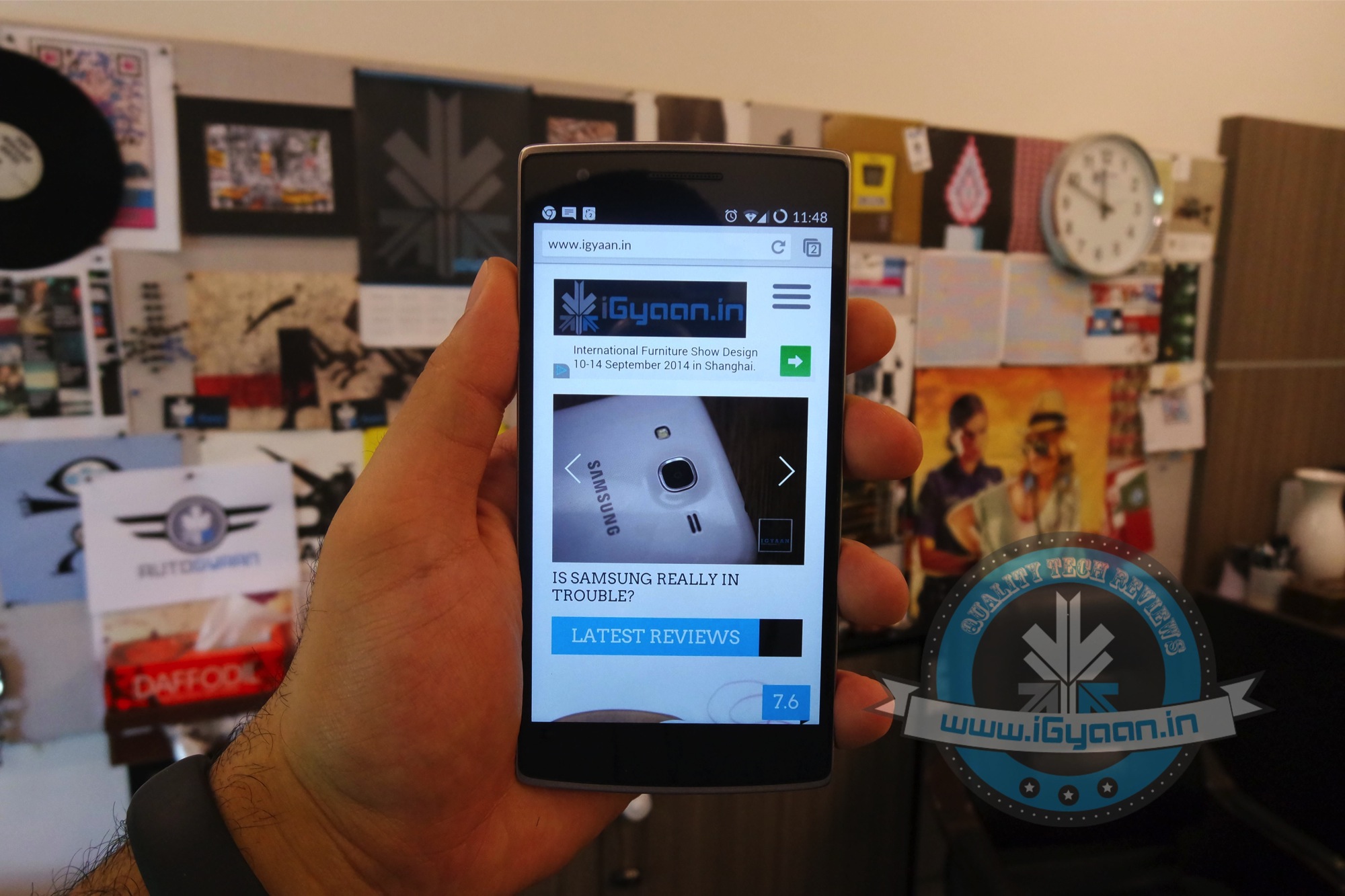
    OnePlus One iGyaan 3
    OnePlus said they underestimated the demand and are now scrambling to catch up.

    The disappointing bit of the AMA was the revelation that the invite system is not going anywhere at least in this year. It was previously reported that the company will be doing away with the invite system for a pre-order system. Carl Pie said, “We understand that our current method may be slowing our growth down, but we’d rather grow slower and in a healthy way than take too much risks and go out of business. Risk management is extra important in our scenario where we don’t have hardware margins.”

    The most prominent announcement was about the successor to the mighty OnePlus One. The new phone, OnePlus Two will be launched by the second or third quarter of 2015. It is a good enough time span considering the future-proof OnePlus One will continue its formidable stand in the market for the considerable future. OnePlus Two will also come with Android L pre-installed. This phone too will begin sale with an invite system but will gradually be rolled out through pre-orders.
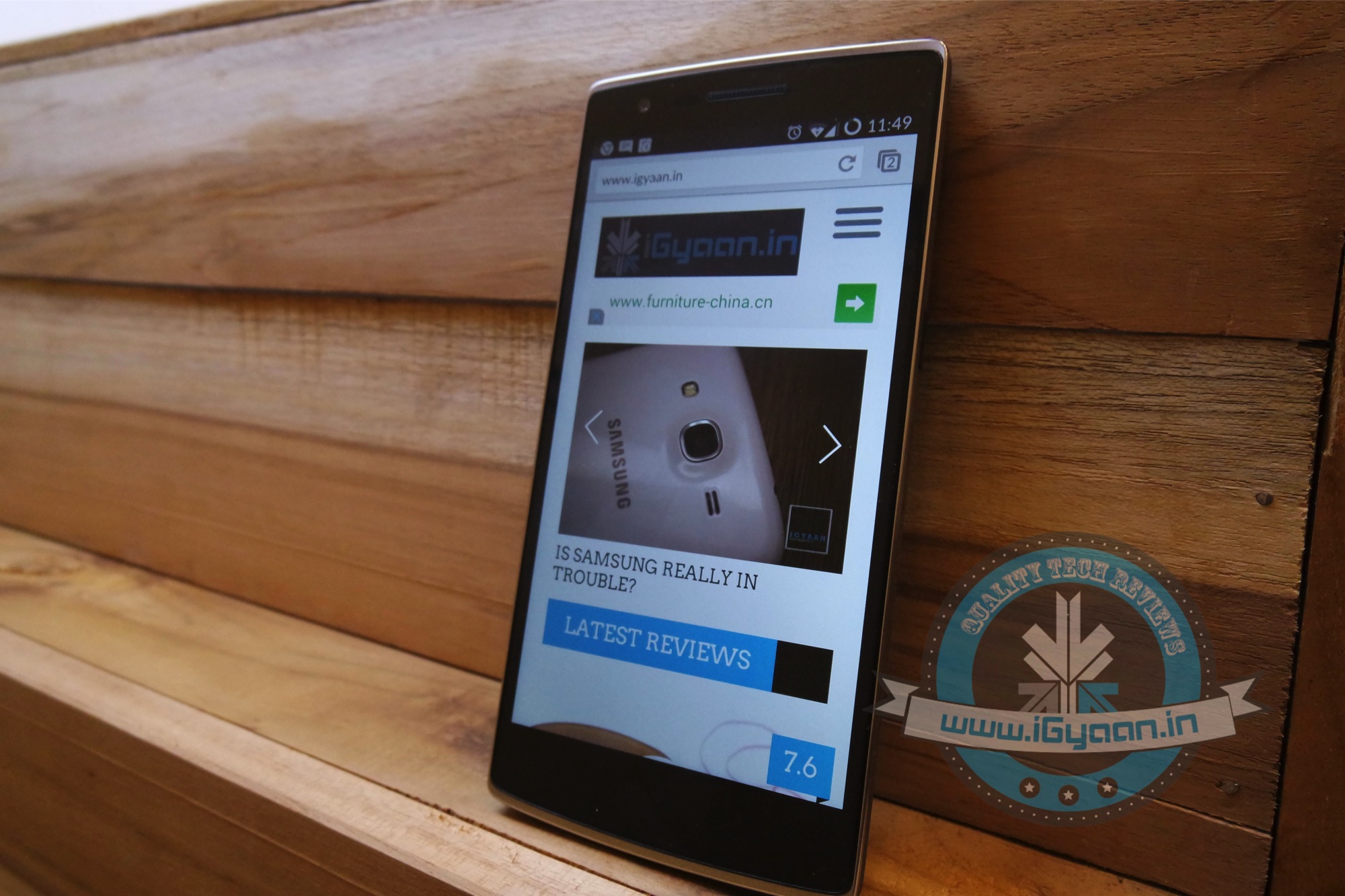
    They also said they are considering the requests for reducing screen size.
    They also said they are considering the requests for reducing screen size for their next device.

    The company said they were considering the screen size issue as that is one request they have been getting bombarded with. The 5.5 inch screen is just too big for everyone. The company has made it clear they will not be bringing it down to iPhone 6’s size of 4.7. We think a 5.0 or 5.2 inch is a great size that everyone can get used to. They said they would continue using the IPS screens instead of OLED’s as they cost more, and their benefits are not really worth the extra bucks.

    OnePlus also said that they are testing products in various other categories, but are not sure of what they’ll release into the market. They said “The Nexus tablets are pretty good. We don’t think we can make anything significantly better in the near future.”

    Overall this was a great discussion. We appreciate the honesty of the folks at OnePlus, who didn’t leave their potential customers in the dark. Now we just hope that the next OnePlus device is as epic as its current sibling.
  • Microsoft Skips 9, Unveils Windows 10 Instead

    Microsoft Skips 9, Unveils Windows 10 Instead

    The next big Windows is finally here. Microsoft did what it does best; arbitrarily name its products. First there were Windows 3.1x, then there was Windows 95 followed by the 98 and then the ME. After these came the modern Windows, namely the XP, Vista, 7 and the 8. Now Microsoft has brought out Windows 10, and it seems it wants to challenge Apple with this one.

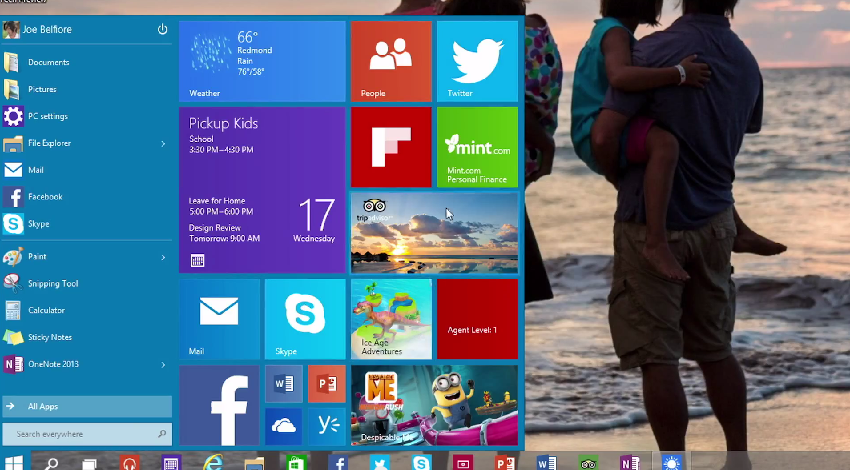
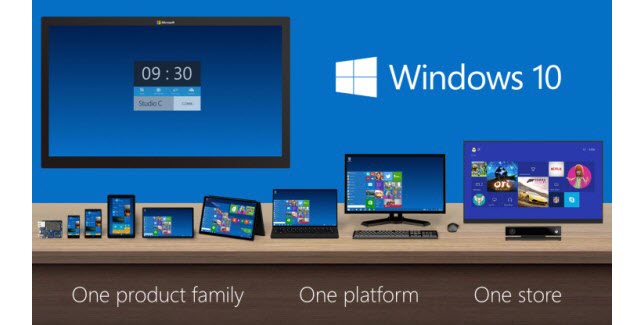
    This release will bring back some of the traditional characteristics of Windows that were lost in the Windows 8 transition. Microsoft has said that users from any previous Windows OS can easily switch to Windows 10. The bit that will excite a lot of users is the glorious revival of the Start Menu, which was a characteristic feature of Windows until the 8. It will also be one operating system percolating through desktops to tablets to smartphones.

    Windows 10 will work across devices.
    Windows 10 will work across devices.

    The new operating system was unveiled at San Francisco for Business customers. Microsoft will be releasing a technical preview version for selected users. It will be unveiling consumer features early next year. Windows 10 is expected to reach the market by mid-2015. Considering Microsoft nails its flagship operating system in every alternate release, we have a lot of hopes with this one.

  • Samsung Launches Groupfie Friendly Galaxy Grand Prime in India

    Samsung Launches Groupfie Friendly Galaxy Grand Prime in India

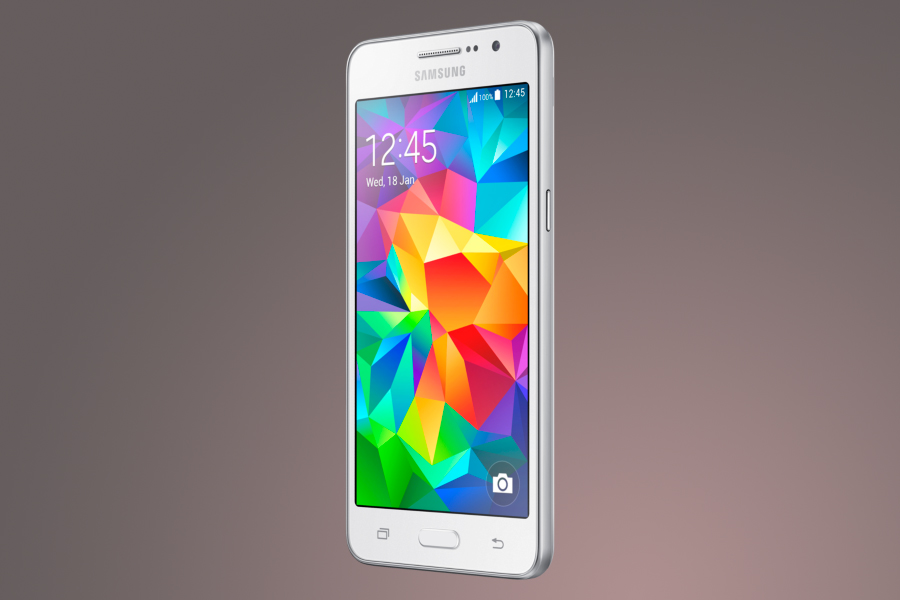
    Samsung today released the Galaxy Grand Prime in India. The phone is being touted by Samsung as a Groupfie friendly phone which means that it will let you take wider selfies with more folks in the picture.

    The phone comes with a 5 MP qHD (960×540) PLS TFT display. The phone has a width of 8.6mm, which brings it in the slim line-up of phones. It is powered by 1.2 GHz Quad Core processor. The RAM on the device stands at 1 GB and has 8 GB internal storage that is expandable up to 64 GB. The device is powered by a 2600 mAh.

    The star of the phone is the 5 MP front camera. The camera has a wide 85-degree view for taking wide selfies or groupies. The back camera on the device is an 8 MP shooter.

    The qHD display is a disappointment considering many phones in this price range offer 720p or full HD display. There could have been more power under the hood too. Samsung had a good plan in hand for a group friendly phone for the festive season where people actually want to take lots of photos, but they cheapened out on the display and processor which can turn against them. Considering the unfavorable opinions received in the market by Samsung it should have made a better effort with this phone.

  • Gionee Brings the Affordable CTRL V4S to India

    Gionee Brings the Affordable CTRL V4S to India

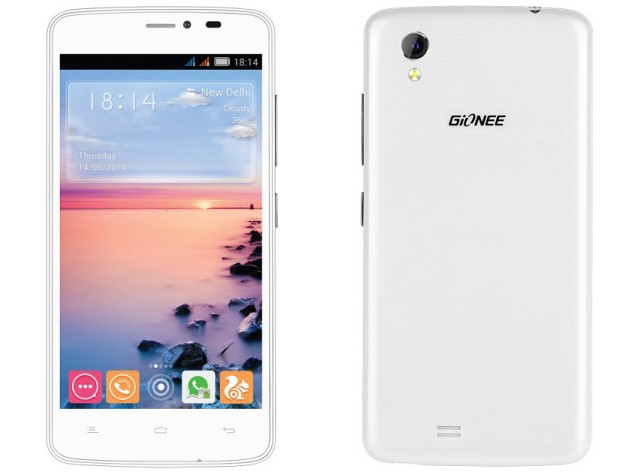
    Chinese smartphone manufacturer, Gionee, known for making the slimmest smartphone has brought a new phone to India. The device is called CTRL V4S and is released for the ongoing festive season.

    CTRL V4s is a dual-SIM device. It has a 4.5 inch IPS LCD display with a resolution of 480×854. It is powered by quad-core 1.3 GHz, a minor improvement over its predecessor, the V4 that came with 1.2 GHz under the hood. The device comes with 1 GB RAM and 8 GB internal storage which can be expanded to 32 GB.

    The main camera on the device is an 8 MP shooter. On the front sits a 2 MP selfie shooter. The battery on the device is 1800 mAh piece which might provide a decent power backup. The phone runs Android KitKat 4.4. out of the box.

    The phone is 7.8 MM thin.
    The phone is 7.8 MM thin.

    A feature that will be loved by most users is the HotKnot. Using this, users can exchange files instantly between two phones by holding the screens together. It can be an alternative to Bluetooth transfers that requires a bit of operating knowledge and patience to finish the transfer.

    The device is priced at Rs. 9,999, which might be slightly steep for the specifications. A 720p display would have been appreciated at this price and would have been in favor of Gionee. This still sounds like a good enough design and the HotKnot feature can come in handy. We now have to see how the market responds to this device.

  • Cosmos: a Browser That Lets You Browse the Internet Without the Internet

    Cosmos: a Browser That Lets You Browse the Internet Without the Internet

    Cosmos, till recently was a term, we used to describe the contents of the universe. Then Neil Degrasse Tyson came in this summer and gave us an epic new show by the same name. Now a team of four college and high school students from the U.S have created a browser that lets you connect to the internet without a data plan.

    Cosmos is a one of a kind browser. When the user enters a URL, the browser sends it through SMS to a web service. The web service is made using Twilio and Node.JS. The service then loads the website and takes out all the scripts, images, CSS and sends it back to the device in one or more text messages.

    The makers of the browser were able to get it on Play Store in less than a month. They have asked the users to be cautious while using the browser as it has some bugs since the app is still in its starting stages. The biggest hitch with the browser is that the pages take a while to load and when they do they are devoid of all the features, like images and scripts that makes web browsing interesting. Also, a user has to deal with many text notifications while using this browser.

    You might want to get a reliable text plan to get the best out of this browser as it sends data through SMS. The app is currently only available to U.S. users to prevent overloading the infrastructure. But as it gets better, and gains users, there might be an expansion.

    As the browser is just starting up, we’ll let the bugs slide as this sounds like a great way of bringing internet access to people who can’t afford it. At a time when major companies are planning drones and balloons to bring internet to the masses, a ground level effort like this is appreciated. We’d love to see where this Cosmos will lead us.

  • GoPro Hero4 : Ups a Number and the Frame Rate

    GoPro Hero4 : Ups a Number and the Frame Rate

    GoPro’s have taken us from being mere spectators of awesome action sports to first person observers. Watching the huge repository of GoPro videos on the internet, you can almost feel the adrenaline rushing through your veins. They are incredibly convenient and using them in drones is letting people get movie-like aerial shots for their home videos. Now GoPro is taking its pocket-sized badass cameras to the next level.

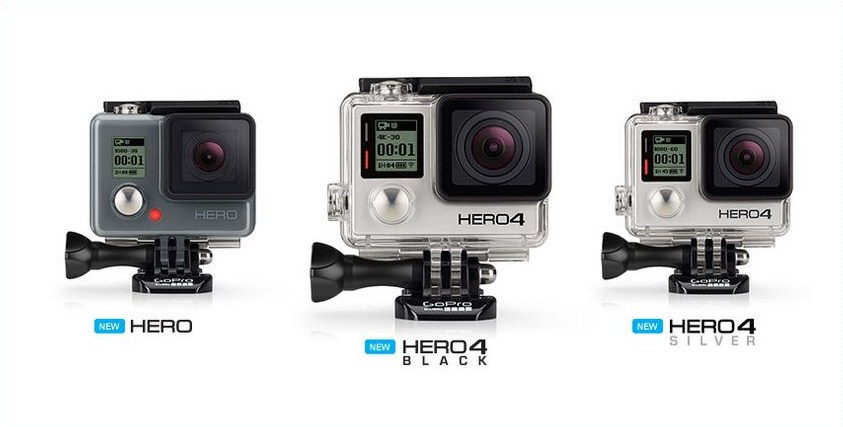
    The company’s latest offering, the Hero4 lineup builds on the legacy and comes with great new upgrades. On the top of the line-up is the Hero4 Black, which comes at a price of $499. It shoots 4K video at up to 30 frames per second giving you some incredible eye-popping visuals. Apart from that, it shoots Full HD (1080p) at 120 frames per second so you can play with some slow-motion action shots. And of course, it offers 12-megapixel photos for folks who want a selfie at an epic destination.

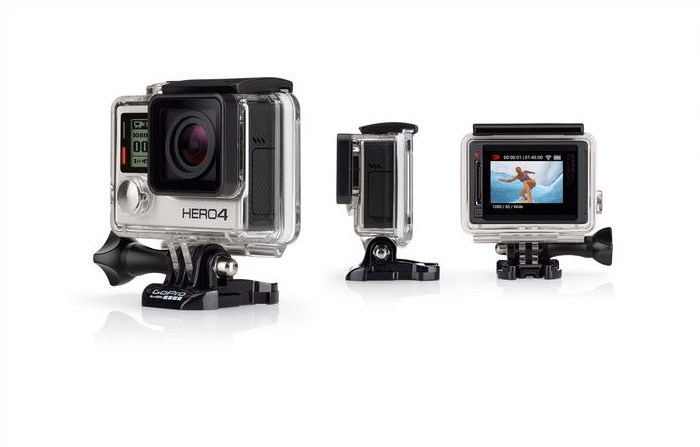
    Hero4 Silver comes with a touchscreen display.
    Hero4 Silver comes with a touchscreen display.

    Next in line is the GoPro Hero4 Silver, priced at $399. Most of its specs are similar to the Hero4 Black apart from the fact that it shoots 4K at 15 fps. The feature that will entice most customers to get this device is the built-in touchscreen LCD screen. For other GoPro models, you need to buy this additional screen for $80.

    Last, but not the least, is the GoPro Hero. It costs a mere $130 but lets you shoot 1080p at 30 fps and 720p videos at 60 fps so you can still get great footage off these. It also lets you take 5 MP images at five frames per second.

    To offer pure, effortless adventure shooting, the cameras shoot on MicroSD cards and work 40 meters underwater. With these, underwater shooters can say goodbye to the massive and expensive camera housings, they need to carry underwater with the risk of them getting destroyed.

    There is also a phone application called GoPro app which can be used to control your camera remotely, view and share your content, and watch the GoPro Channel. Using this app you can turn your phone into a remote viewfinder for your camera. There are multiple kinds of accessories that you can buy for all your action shooting needs. Though they will set you back $20 to $80 per accessory. The new Hero line-up will be ready for shipping by October 5th, just in time for you to get one to capture the Diwali fireworks.

    Check out the amazing visuals shot from the new generation GoPro’s:

  • Researchers Develop a Cheap and Efficient Way to Harness Solar Energy

    Researchers Develop a Cheap and Efficient Way to Harness Solar Energy

    Solar energy has the potential to power the civilizations of tomorrow. It is one of our best bets to save the species from the menace of fossil fuels and help us breath fresh air again. The race to perfect this energy source is getting fierce. A new technique could answer the question about solar energy that everyone asks; “what to do when there is no sunlight?”

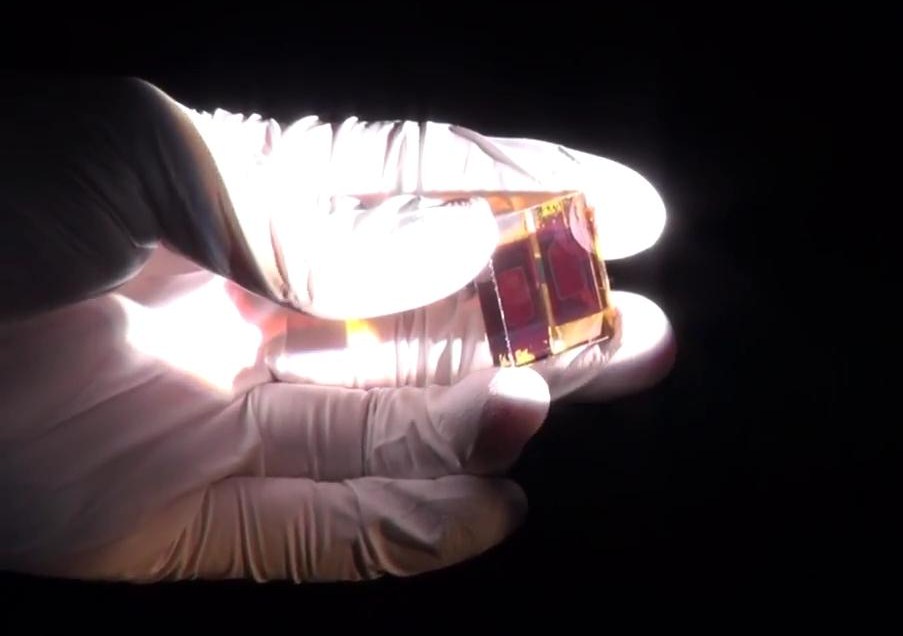
    A team of researchers led by Michael Grätzel at the Laboratory of Photonics and Interfaces at EPFL, Switzerland have figured out the elusive answer to the query. The team has created a solar cell that takes the energy from the sun and converts it into hydrogen that can be used to power fuel cells that light up the house when the sun doesn’t shine. The team has published the research in the journal Science.

    nickel and iron as catalysts in its two 'water-splitting' electrodes
    nickel and iron as catalysts in its two ‘water-splitting’ electrodes

    The secret ingredient in the process is a new material called Perovskite. It was discovered in 2009 and is said to absorb light much more efficiently than silicon. The most astounding feature of this technique is the device’s ability to store 12.3 per cent of the sun’s energy in the form of hydrogen. In comparison, the accepted benchmark for efficient solar-hydrogen converters is 10%, so this technique is the most advanced yet. The device is also cheap to produce as most of its ingredients are available abundantly on the planet. Along with the Perovskite, the device uses nickel and iron as catalysts in its two ‘water-splitting’ electrodes.

    Solar cells are judged for efficiency in four criteria’s. Firstly it should be efficient, which the device is, secondly it should use cheap materials for production. The third criteria is abundance of raw materials, that is also in the positive. The device only lags in the fourth criteria, reliability, which is a rather important aspect of the solar cells. Currently, the perovskite is not as efficient as silicon and degrades much faster than silicon. The researchers are trying to address the issue by adding a layer of carbon to the surface.

    This seems like a great new advancement, and hopefully, it will have a chance to reach the market before being trashed by the powerful interests. Apart from making solar energy 24/7, it is a double-edged sword that can even power the economy of tomorrow.

  • Blackberry Releases the Passport in India for Rs. 49,990

    Blackberry Releases the Passport in India for Rs. 49,990

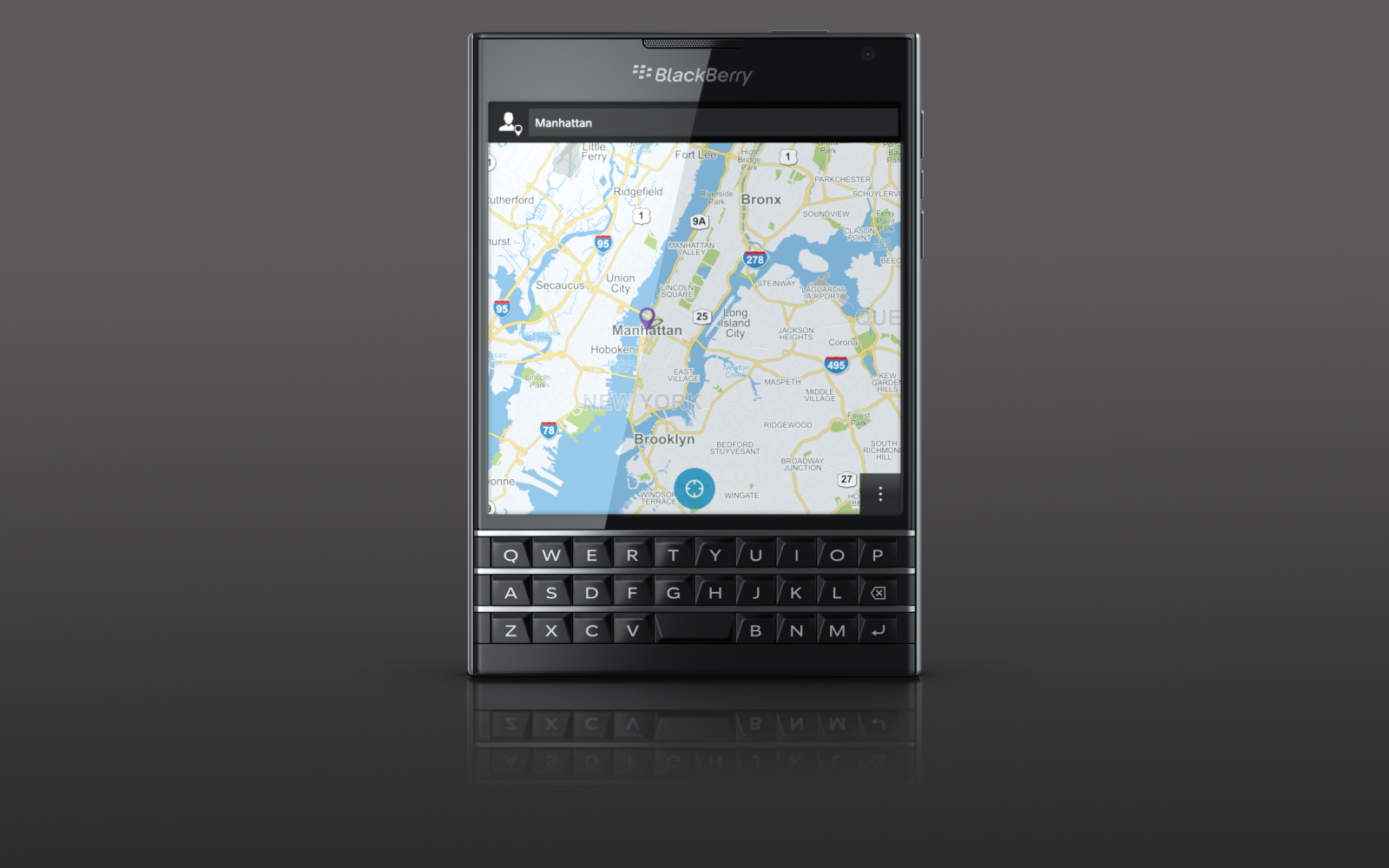
    The Blackberry Passport, which was launched just a few days back in the international market, has now been launched in India. The device has a one of kind square display and flaunts top of the line specs.

    The smartphone will be available for pre-order from today at BlackBerry exclusive stores and Amazon.in. The folks who book the Passport between today and October 10 will get a gift voucher worth Rs 5,000 on Amazon as well as 5,000 frequent flyer miles on Jet Airways.

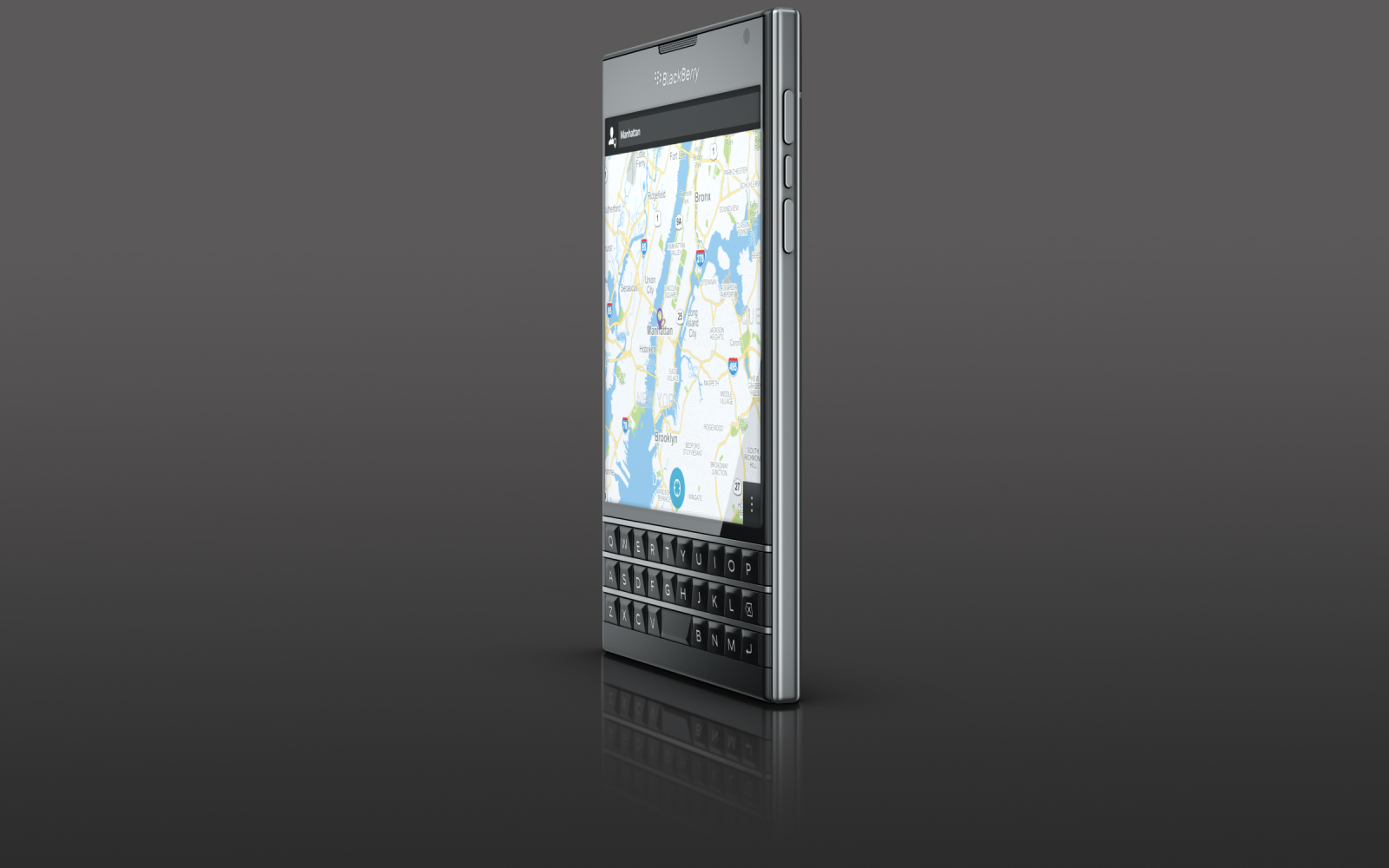
    The 4.5 inch square display is the USP of the device
    The 4.5 inch square display is the USP of the device

    The most prominent feature of the device is the 4.5 inch square display. It has a display resolution of 1440x1440p and a pixel density of 453 ppi. It features a 10 point multi-touch and is protected with Corning Gorilla Glass 3.

    The device also comes with three-row QWERTY keyboard that gives users more typing accuracy and is also touch-enabled. It’s responsive to touch so the user can scroll web pages, flick to type or slide along the keys to move the cursor.

    It is powered by a 2.26 GHz Snapdragon 800, quad-core processor and has 3 GB RAM, equivalent of the Note 4. The internal memory stands at 32 GB and is expandable up to 128 GB. The device also has NFC for mobile payment and file transfer.

    The Passport runs on BlackBerry’s new BlackBerry 10.3 operating system and also features a Siri-like voice assistant. The device is priced at Rs. 49,990 and is competitive and justified for the features it offers. The phone might easily find customers in the corporate or government sectors or even from folks looking for a different mobile experience.

  • New Update for Moto 360 Fixes its Battery Backup Issue

    New Update for Moto 360 Fixes its Battery Backup Issue

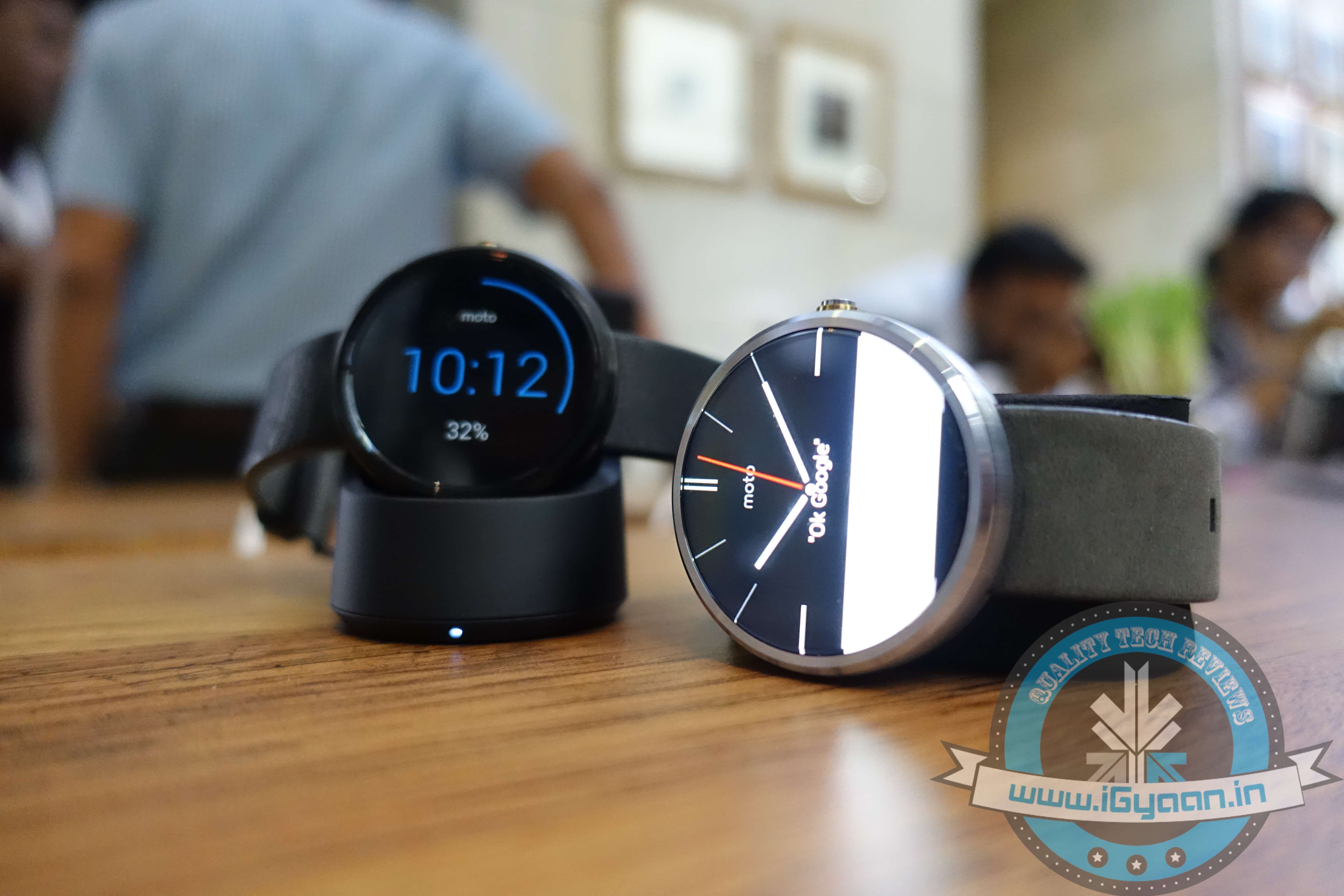
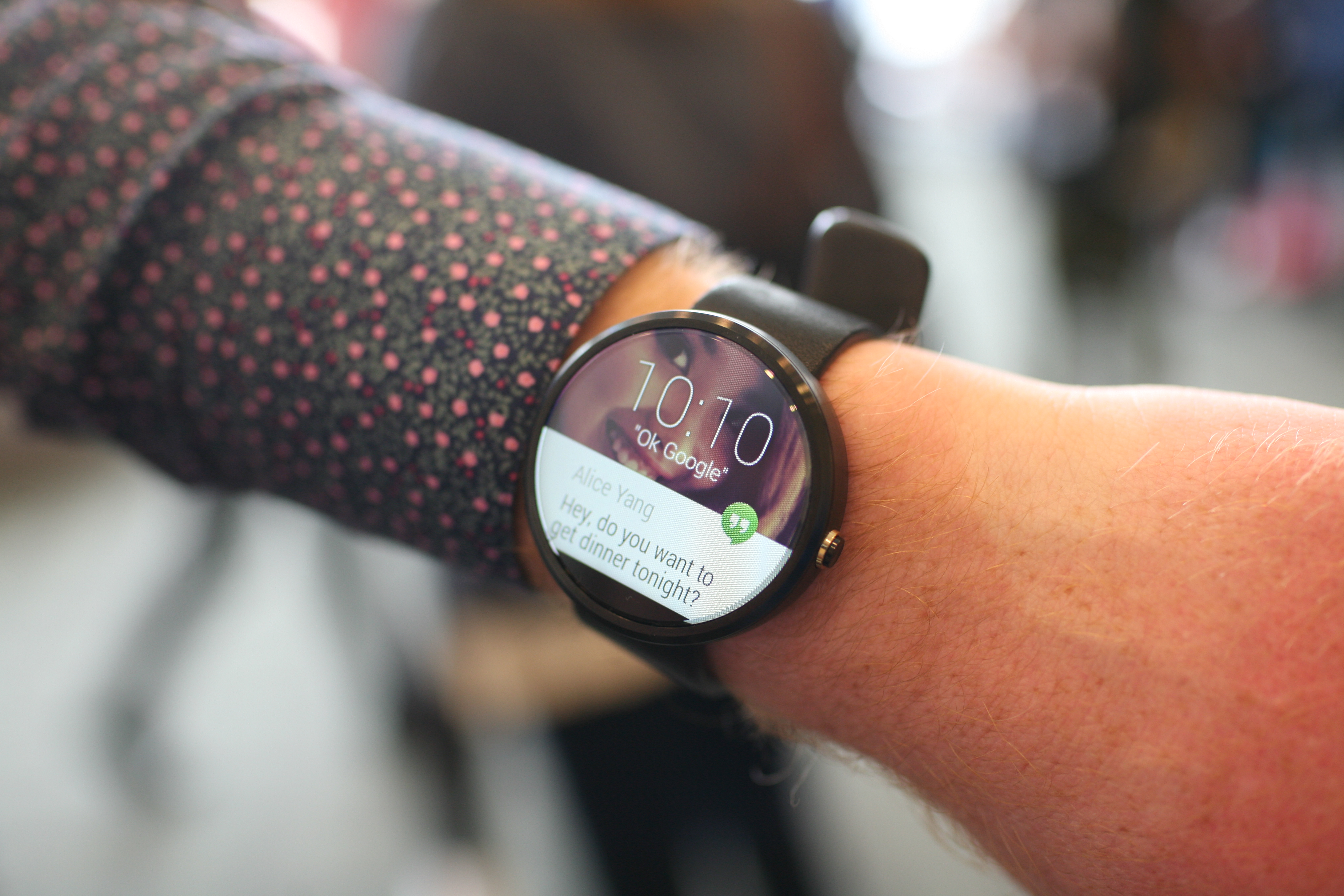
    The Moto 360 was the single most awaited wearable this year. On its launch, the device found a lot of customers willing to get their hands on it. But one of the major issues with the much sought after device was its battery backup. Some users even claimed that the device didn’t even work for an entire day. An iFixit teardown also found that the battery was less than what was claimed by Motorola. Motorola released an update recently to address the issue, and it seems to be working.

    The Moto 360 comes with 1.56 inch LCD display along with 4GB of internal storage and 512 MB of RAM. Its power source is a 320 mAh battery and has been the cause of worry for the device owners.

    Moto 360 4

    Several owners of the Moto 360 on Reddit have claimed that the battery performance has dramatically increased following the new update. Some have even claimed that the dreaded ambient light which drained most of the juice is also performing well.

    The usual complaint was that the battery wouldn’t last a day, but users are now reporting that the issue has also been solved to an extent. But it is still a software based tweak and can be affected by future updates. But as of now it is a necessary update that will give a full day’s worth of functionality of the device.

    The Moto 360 will be arriving on Flipkart around the first week of October, and this seems like a good news for potential customers. The folks who were reconsidering their Moto 360 purchase can now stop. But the update is still software based. Motorola needs to find a way to extend the battery life further, otherwise it will add to the menace of chargeable devices one needs to take care of at the end of a work day.

  • Indian Government’s Own Secure Email Service to be Functional by March 2015

    Indian Government’s Own Secure Email Service to be Functional by March 2015

    The recent news of email hacking and unethical intrusion of personal accounts by foreign governments has spooked the Indian Government. The government has approved a proposal by Department of Electronics and Information Technology (DeitY) to establish a secure and encrypted email service for government officials.

    The government had previously instructed the officials to use the email service provided by NIC for official correspondence. It had also issued a directive to not forward official mail to personal email accounts. This was done to prevent leaks of sensitive government data to third parties.

    Now the government wants to bring the official secure email service to five million officials. The service is currently available to one million officials DeitY is in the process of expanding it. The budget for the project is Rs.100 crores, and it will be utilized to expand infrastructure and ramp up security of servers.

    The Budget
    The Budget will be utilized to expanding infrastructure and beefing up security of NIC servers

    The National Information Center (NIC) will be responsible for the delivering the service. It will handle email service for all departments except the Ministry of Defense which has its own secure email service. The External Affairs ministry too might get its own secure service as it deals with sensitive diplomatic correspondence.

    The Edward Snowden revelations last year about the secret data-mining program by US intelligence agency to monitor worldwide Internet data led to these developments. Governments around the world are looking for ways to secure official communication and preventing data theft. Recently a Russian gang leaked a massive password database of millions of email accounts and this also led the government to take these measures.

  • Samsung Galaxy S5 vs Galaxy Alpha: Which Smartphone is Better?

    Samsung Galaxy S5 vs Galaxy Alpha: Which Smartphone is Better?

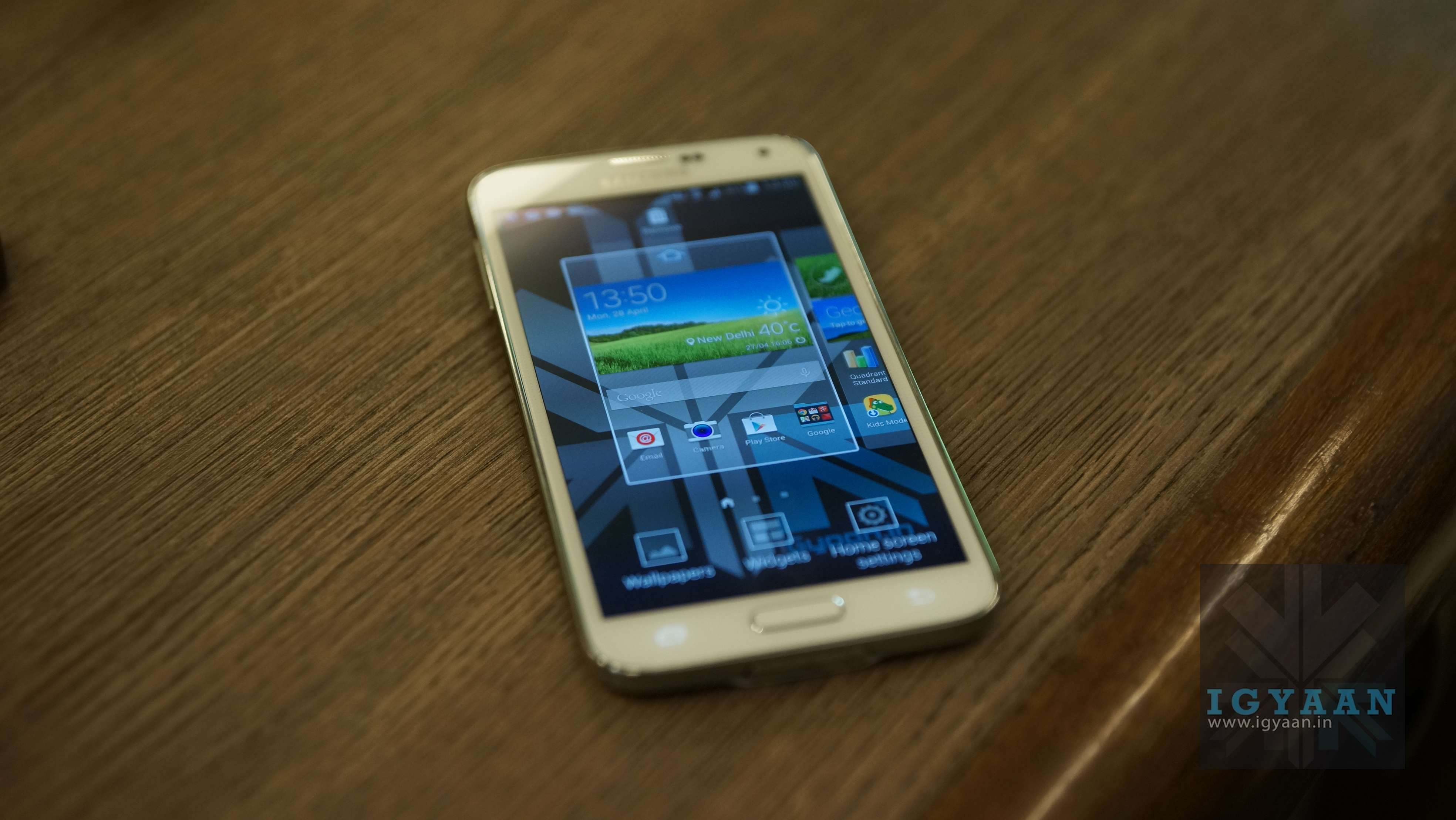
    Samsung today launched the Galaxy Alpha in India. The design of the Alpha incorporates a metal frame that encases the phone. This design feature was carried on to the Samsung Galaxy Note 4. The phone comes with almost the same features as the Galaxy S5. So we test the specs of both devices to check out which one would be the better device to buy.

    Specs Galaxy S5 Galaxy Alpha
    Display 5.1 inch Full HD (432 ppi) 4.7 inch 720p HD (312 ppi)
    Processor Exynos 5 Octa 5422 (Quad-core 1.9 GHz Cortex-A15 & quad-core 1.3 GHz Cortex-A7) Exynos 5 Octa 5430 (1.8GHz quad-core Cortex A15 + 1.3GHz quad-core Cortex A7)
    RAM 2 GB 2 GB
    Storage 16/32 GB 32 GB
    Expandable up to 128 GB
    Main Camera 16 MP 12 MP
    Back Camera 2 MP 2.1 MP
    Battery 2800 mAh 1860 mAh
    Operating System Android Kitkat 4.4.2 Android Kitkat v4.4.4
    Price Rs. 35,489 Rs. 39.990

    So overall the only major difference between the Galaxy S5 and the Alpha is the LTE capabilities of the Alpha. The Galaxy S5 starts at Rs. 35,489 on Flipkart and comes cheaper than the Alpha. If you are looking for good value for your money, we suggest you get the S5 itself considering the severe shortage of 4G connectivity in India.

    Also the S5 gives you upto 128 GB of expandable storage whereas the Alpha lacks the feature. So if you were looking for a premier device, the S5 is still a valid purchase. The Galaxy Alpha sure gets style points, but that’s never good enough.

  • Consumer Reports Stress Tests Find iPhone 6 Not as Bendable as Believed

    Consumer Reports Stress Tests Find iPhone 6 Not as Bendable as Believed

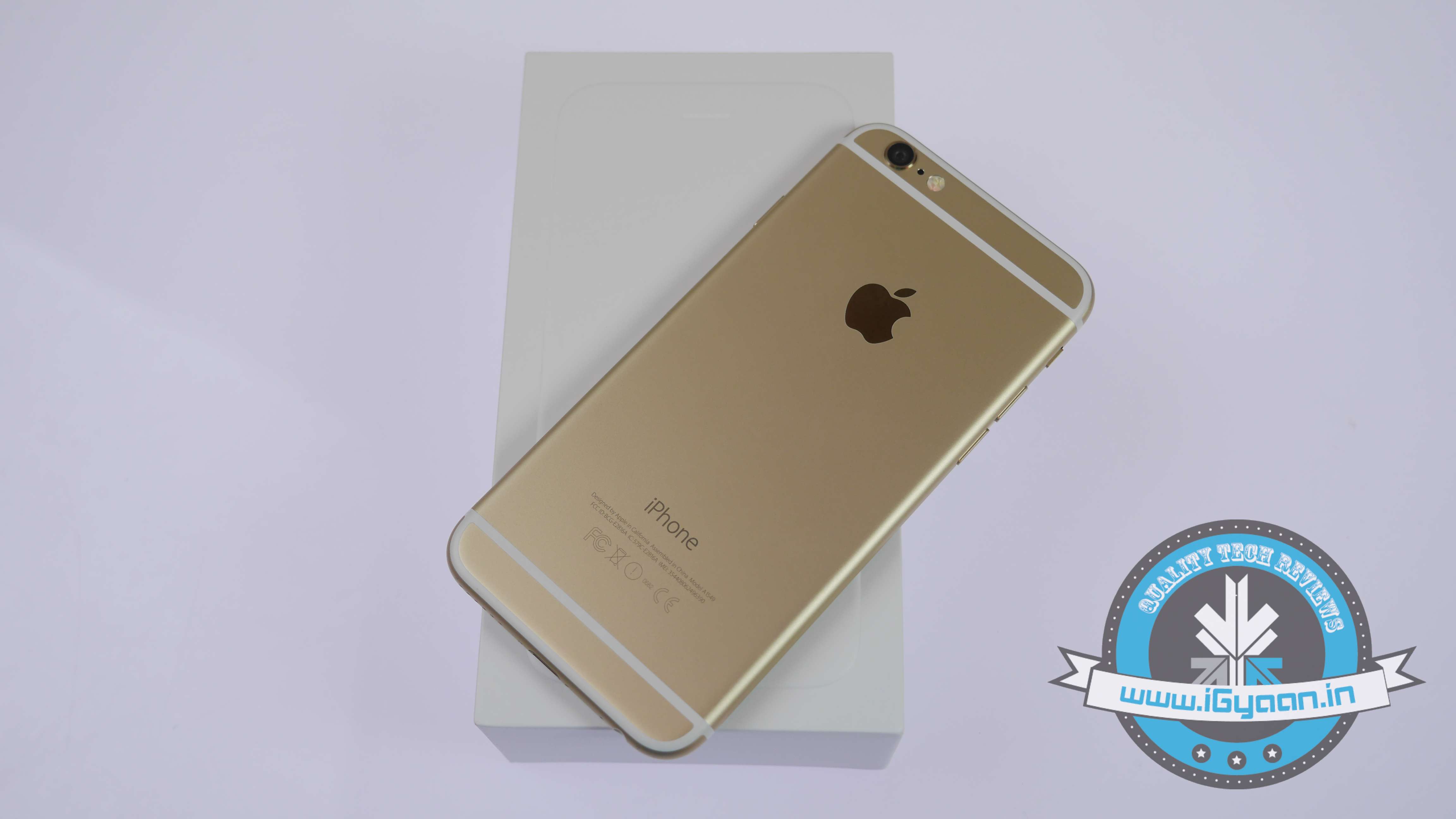
    This was a bad week for Apple. The technology giant had to face massive social media bashing for news that their new iPhone 6 Plus has the tendency to bend in tight pockets. Apple’s biggest competitors like Samsung, LG and HTC got together with some brutal take downs of Apple’s latest flagship in an event dubbed “bendgate”. Adding to the woes was the faulty iOS 8.0.1 update which caused issues in the new iPhone and had to be withdrawn. But it seems like these dark clouds have a silver lining.

    Consumer Reports (CR), an American magazine known for its scientific testing methods and unbiased reporting has put the iPhone 6 Plus to test. The magazine has an extensive testing facility where they test the products.

    The magazine had previously tested the Apple iPhone 4 which also garnered negative reception because of its antennae issue. For the iPhone 6 test, CR brought the phone and its competitors for a comparative test. The results seems to be working in favor of Apple.

    Through its torture testing CR found that iPhone 6 Plus was actually stronger than what was purported. Apple’s biggest phone yet took 90 pounds of pressure to bend while its smaller sibling, the iPhone 6 and HTC One (M8) gave up at 70 pounds.

    Deformation Case separation
    HTC One (M8) 70 pounds 90 pounds
    Apple iPhone 6 70 pounds 100 pounds
    Apple iPhone 6 Plus 90 pounds 110 pounds
    LG G3 130 pounds 130 pounds
    Apple iPhone 5 130 pounds 150 pounds
    Samsung Galaxy Note 3 150 pounds 150 pounds

    The tests also found the toughest phone in the market and it turns out to be Samsung’s Note 3 which faced 150 pounds of pressure before giving up. CR also said that Apple uses the same techniques to test their phones but their machines only go up to 55 ponds.

    Overall, the testing seems pretty genuine based on their testing process. This is a good news for Apple at the end of a terrible week. Though it is also good news for LG G3 which seems to be much stronger than the metallic bodied HTC One (M8.) Now it is up for the market to decide how it is going to approach the new iPhones.

  • Xiaomi Mi3 Coming Back to Market Close to Diwali

    Xiaomi Mi3 Coming Back to Market Close to Diwali

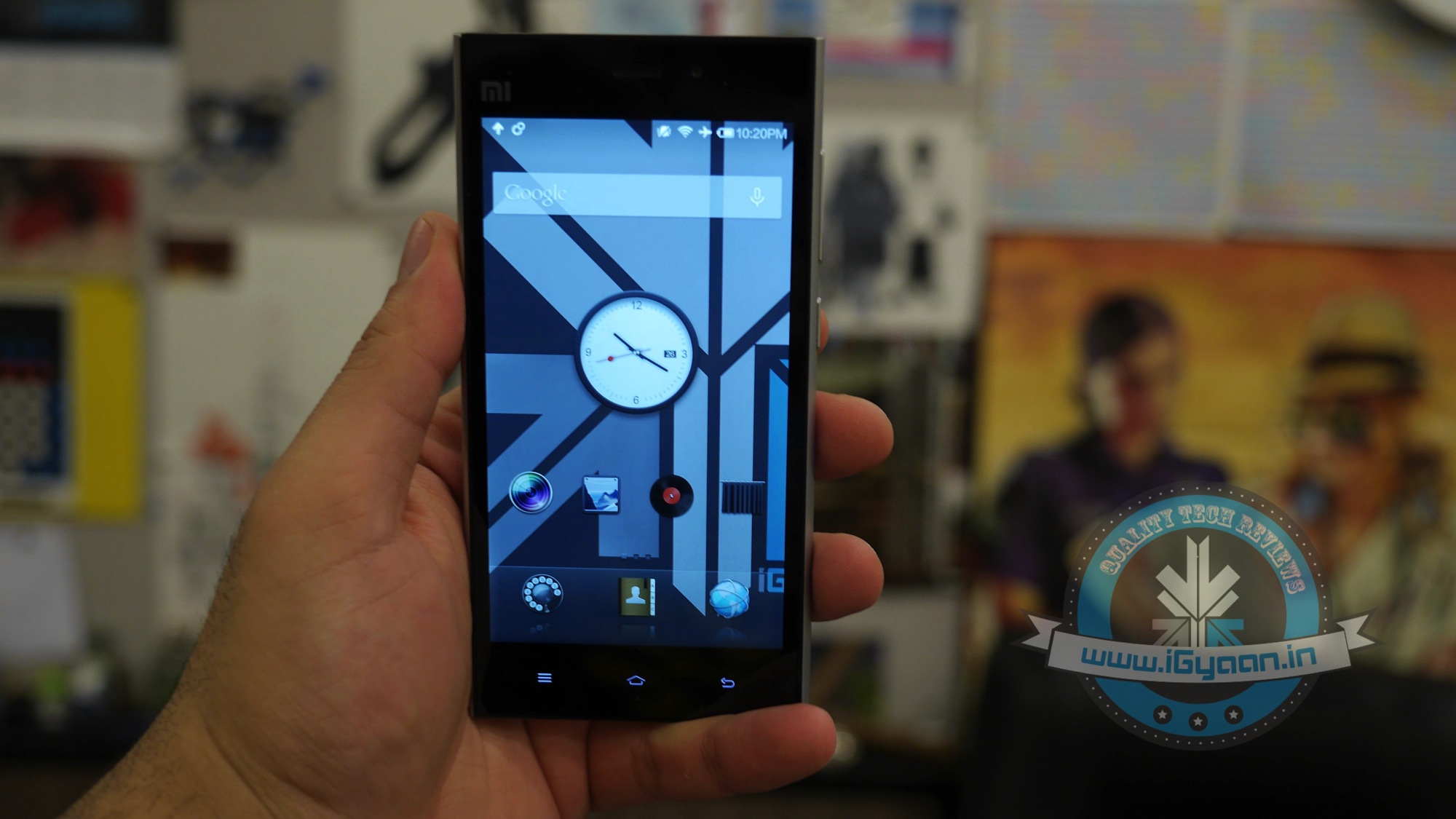
    Xiaomi never fails to create a buzz. The company which recently postponed the sales of the Mi3, to put focus on the Redmi 1S, has said the blockbuster handset is about to make a comeback.

    The Xiaomi Mi3 didn’t just sell like hot cakes, it overshadowed all other smartphone manufacturers. The entry of the Chinese brand was a giant seismic shake for the populated mobile phone market.

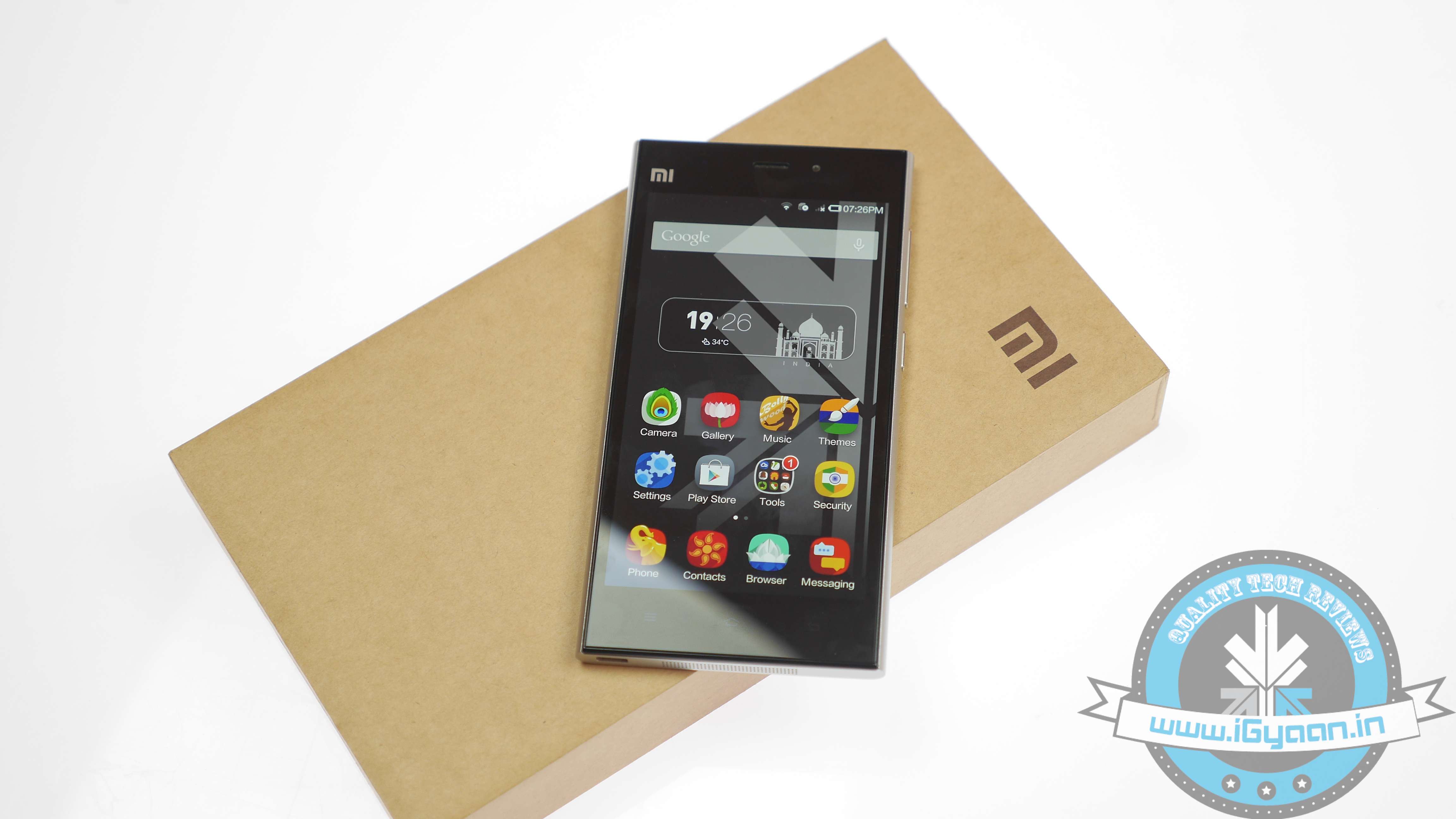
    Xiaomi plans to have a comeback flash sale for the MI3 around Diwali
    Xiaomi plans to have a comeback flash sale for the MI3 around Diwali

    The company has said that it plans to bring back its bestseller to the market close to the festival of Diwali. This was announced at the Global Mobile Internet Conference in Bangalore by Xiaomi India head of operations Manu Kumar.

    Reportedly, Xiaomi is also working on a “priority pass” system which will directly send the device to the carts of folks who have tried ordering and failed previously. Flipkart is currently working on the execution of the priority pass. This plan can be used by e-tail giant for future sales too.

    Xiaomi will also be bringing its latest flagship and the successor to the Mi3, the Mi4 somewhere around the end of the year. The sale of Xiaomi’s Mi3 saw immense number of registrations. Although most of them had to return disheartened as the limited handsets weren’t enough for all who waited with baited breath to buy the device.

    Currently, Xiaomi has been holding flash sales for Redmi 1S on Flipkart. It has held five flash sales, and the maximum amount of time the phone was on offer was 5.2 seconds. Considering the previous cases, one can easily anticipate a massive stampede to get the device. Also, the news of the launch of Mi4 might dissuade some folks from getting the Mi3. But as the Mi4 is expected to be launched starting at Rs. 22,000, the Mi3 might still be a viable option for people looking for the most bang for their buck.

  • CyanogenMod’s Camera App to Get Pressy-Like ‘Kate Upton’ Mode

    CyanogenMod’s Camera App to Get Pressy-Like ‘Kate Upton’ Mode

    Kate Upton, a name that keeps teenagers drooling will now be a feature in CyanogenMod camera app. The Android-based open source operating system will incorporate a Pressy-like feature on your phone.

    With the Kate Upton mode users can use the media button on the phones headset to take images, videos and panoramas along with setting focus. The play button on the headset will act as a shutter while the next and previous button will aid in focusing.

    This feature will ease the process of taking selfies. It lets you take the images without stopping your tunes. It will also let users experiment with their images. Your headphones literally become a remote control for the camera. The name of the update would surely change as its still in the developmental phase, but it’s a damn good name to attract attention to your feature.

    Experiments like these are great as they devise new uses for the existing peripherals and components of the product. It would also be cool if they bring in features for remotely accessing your camera. Considering not everyone is going to buy a Pressy, bringing software solutions sounds like a great plan. Cyanogen will be bringing out this update soon. Hopefully sooner than later Android will incorporate the feature in its regular updates.


  • AMD Brings Out FirePro W9100 and W8100 GPUs for 4K Workstations

    AMD Brings Out FirePro W9100 and W8100 GPUs for 4K Workstations

    The Indian entertainment industry is massive. India is known for making the most number of movies in the world, and this industry is constantly updating itself. The buzzword around the industry is currently 4K. Creating content for 4K requires high power components such as storage, processors and GPU’s. As the content creators are making major strides to create more visual content in 4K resolution, the demand for high power equipment is also increasing. To address this demand AMD has launched its flagship AMD FirePro W9100 and W8100 professional graphics card in India.

    The prominent global chipmakers introduced the cards targeted for 4K content production. While the FirePro W9100 is the flagship product, the W8100 is a lower variant of the product. The major target of these units is the massive VFX industry in India who often work for big-budget Hollywood blockbusters.

    The GPU’s are accelerated by OpenCL. The FirePro W9100 delivers up to 2.62 TFLOPS peak double precision and 5.24 TFLOPS peak single precision in terms of GPU compute power. The W9100 workstations comes with 16 GB GDDR5 memory and users can multi-task across up to six 4K displays.

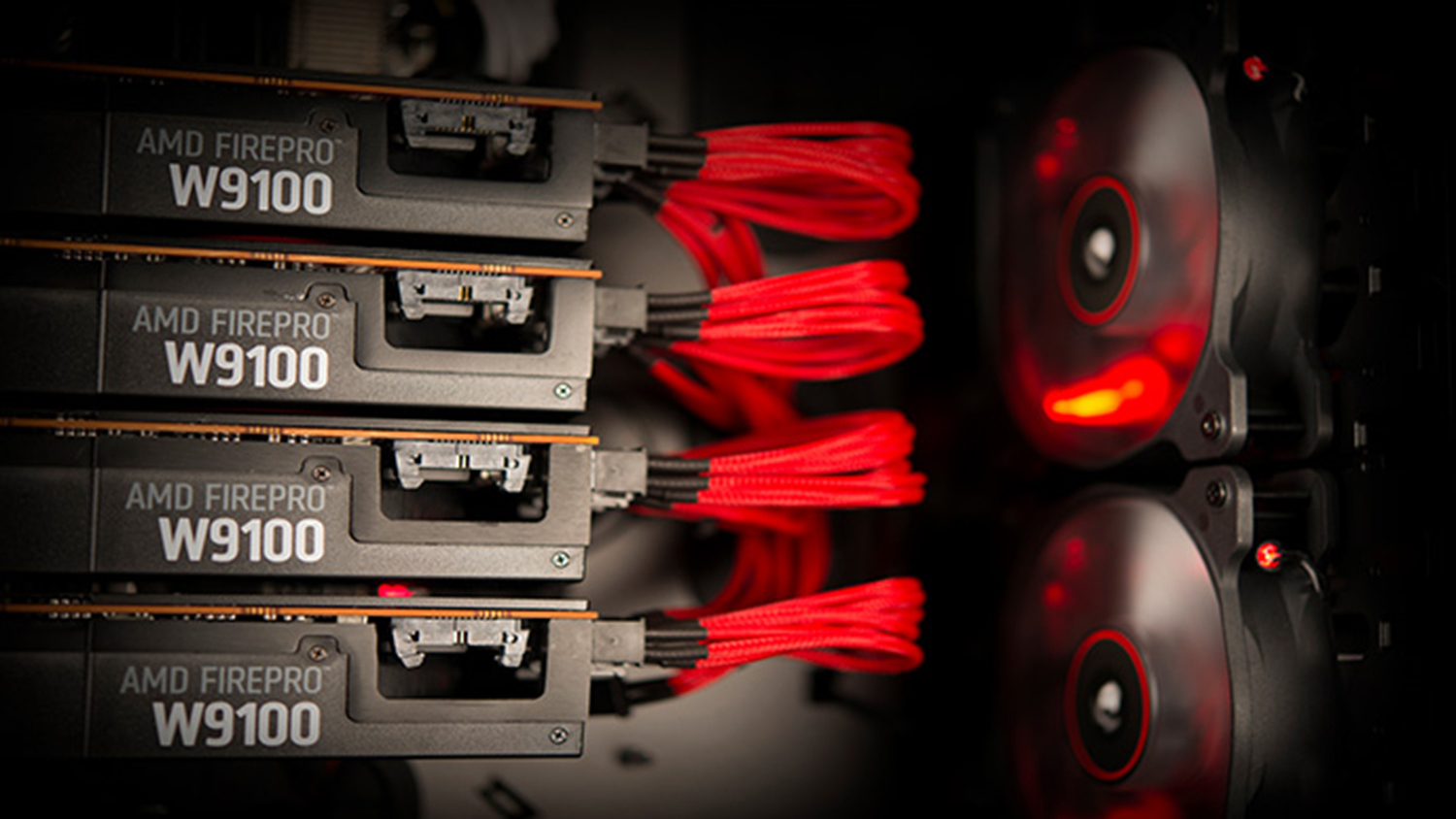
    The FirePro's are some Heavy duty GPU's.
    The FirePro’s are some Heavy duty GPU’s.

    AMD FirePro 8100, on the other hand, is aimed at 4K CAD and Media workflows, engineering analysis and supercomputing applications. It offers 8GB of GDDR5 memory and 4.2 TFLOPS peak single precision and 2.1 TFLOPS peak double precision.

    Raja Koduri, corporate vice president of visual computing at AMD said, “With an increase in accessibility of 4K displays, there has been a rise in the applications demanding increased memory support while pushing the limits of real-time 4K video production and rendering. The addition of W8100 is a significant step towards expanding our product portfolio for enabling professionals with the best kind of workstation performance for next generation 4K workflows.”

    AMD also brought out the Radeon R9 285 graphics card. It features a clock speed of 918 MHz and is capable of delivering 3.29 TFlops of computing performance. AMD also announced they are getting involved with Indian filmmakers in providing them superior visual effects support for their graphics needs in a more cost-effective manner.

    The FirePro W9100 has been priced at $4500 or Rs. 2,75,000 INR whereas the FirePro W8100 has been priced at $2499 or about Rs.1,60,00. The technology is here now, and we can only hope that the Indian entertainment industry starts to make content worthy of 4K resolution.

iGyaan Network
Privacy Overview

This website uses cookies so that we can provide you with the best user experience possible. Cookie information is stored in your browser and performs functions such as recognising you when you return to our website and helping our team to understand which sections of the website you find most interesting and useful.