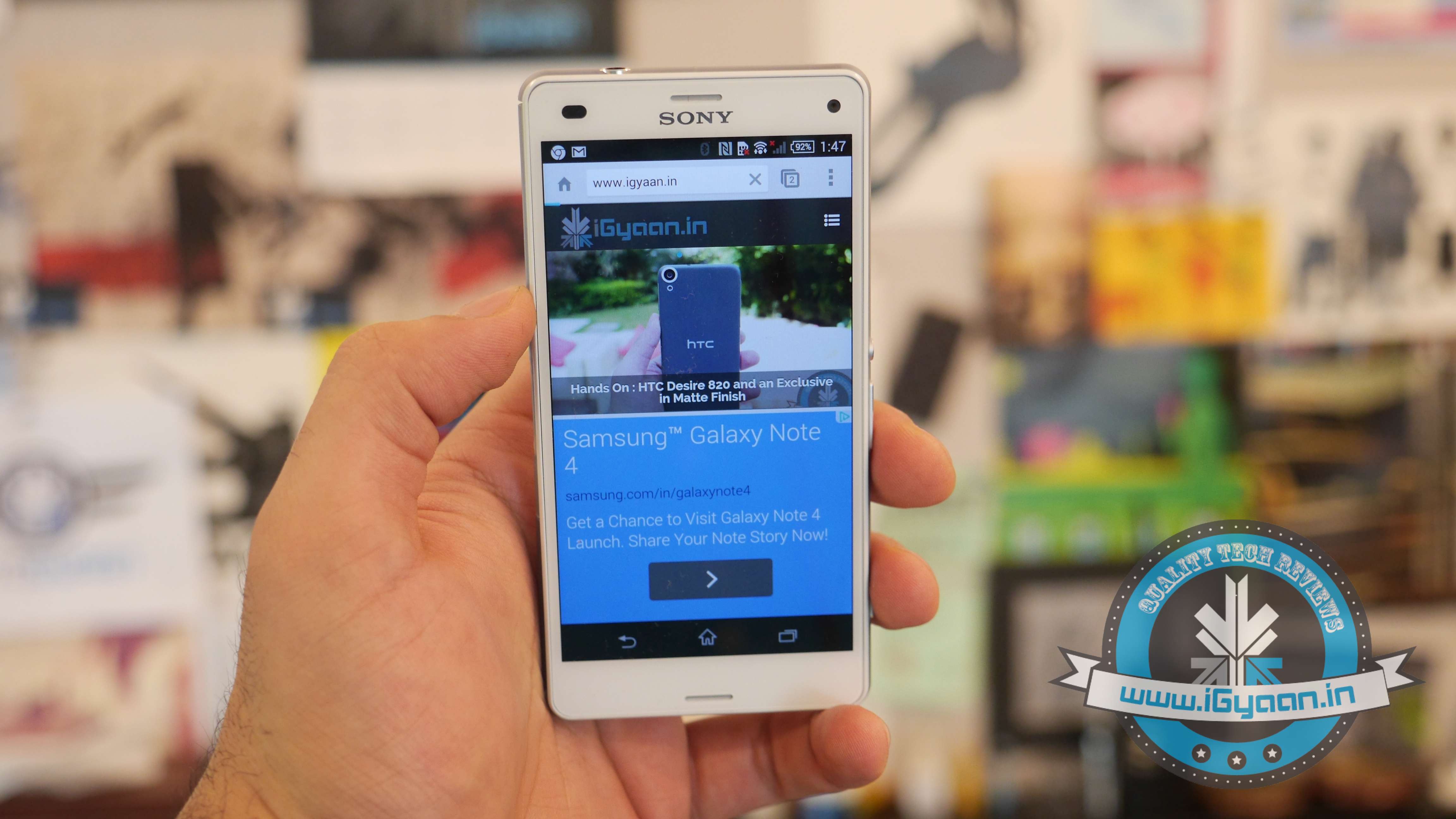
A recent trend from the major smartphone companies is to release a mini variant of their popular high-end phones to create a namesake device. These devices come at diminished features and price.
Samsung was one of those who began the trend with the S3 Mini. This year saw the emergence of the Galaxy S5 Mini, HTC One mini, LG G3 Beat. These devices are now joined by Sony’s Z3 compact which comes with some impressive specs.
So we decided to have a spec battle of these mini/compact devices to check out how they stand against each other.
Specs
Xperia Z3 Compact
Galaxy S5 Mini
HTC One Mini
LG G3 Beat.
Display
4.6 inch, 720p HD (319 ppi)
4.5-inch, 720p (328 ppi)
4.3 inch, 720p (342 ppi)
5.0 inches, 720p (294 ppi)
Processor
2.5 GHz Quad Core Snapdragon 801
1.4 GHz, quad core
1.4 GHz Dual-core Snapdragon 400
1.2 GHz quad core, Snapdragon 400
RAM
2GB
1.5GB
1 GB
1 GB
Internal Storage
16 GB
16GB
16 GB
8 GB
Expandable up to
128 GB
64 GB
–
64 GB
Main Camera
20.7 MP
8.0 MP
4 MP
8 MP
Front Camera
2.2 MP
2.1MP
1.6 MP
1.3 MP
Battery
Non-removable 2600 mAh
Removable 2100mAh
Non-removable 1800 mAh
removable 2540 mAh
Operating System
Android Kitkat v4.4.4
Android Kitkat 4.4.2
Android Kitkat 4.4.2
Android Kitkat 4.4.2
Price
Rs. 44,999
Rs 26,499
Rs. 29,500
Rs. 25000
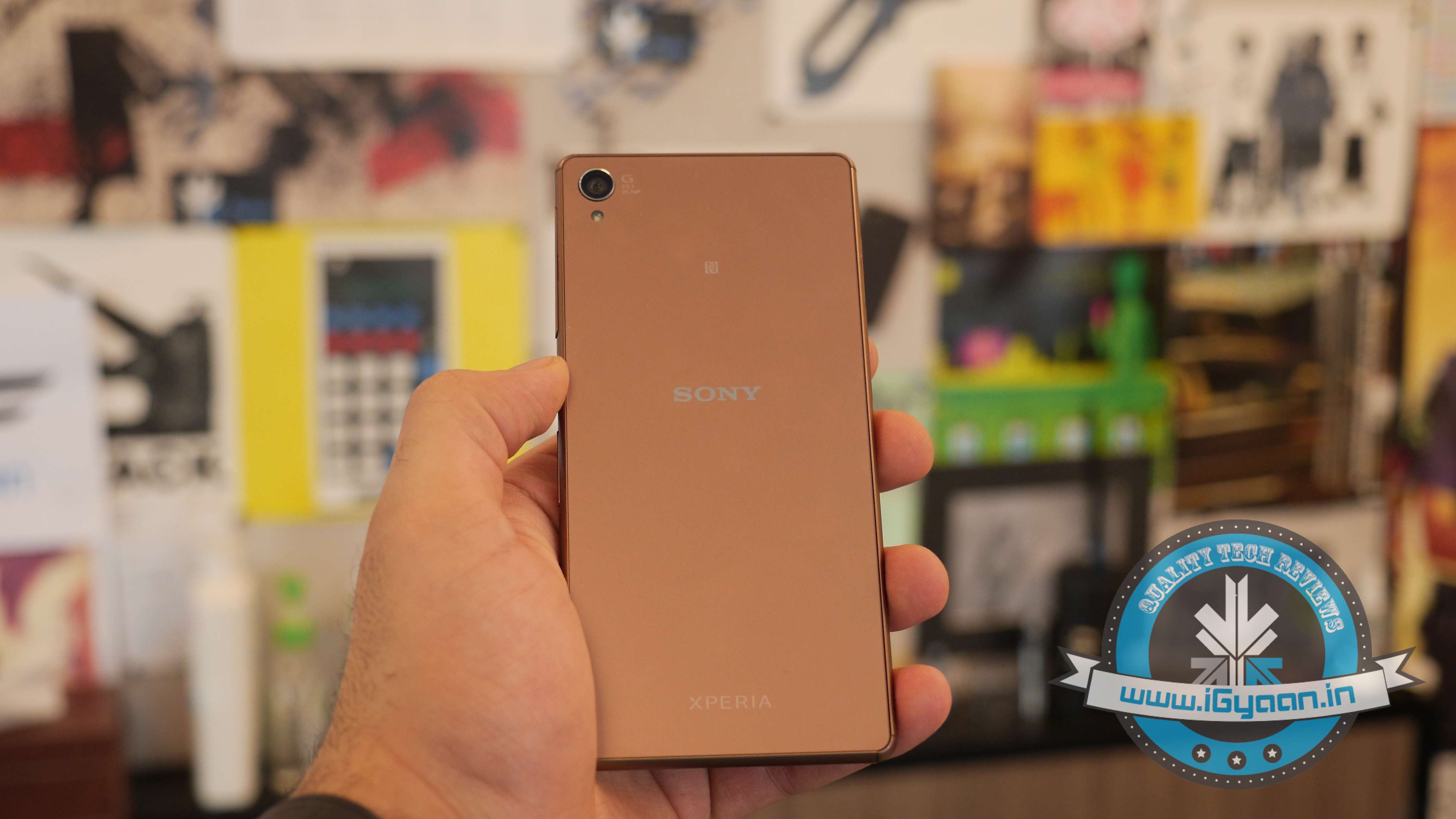
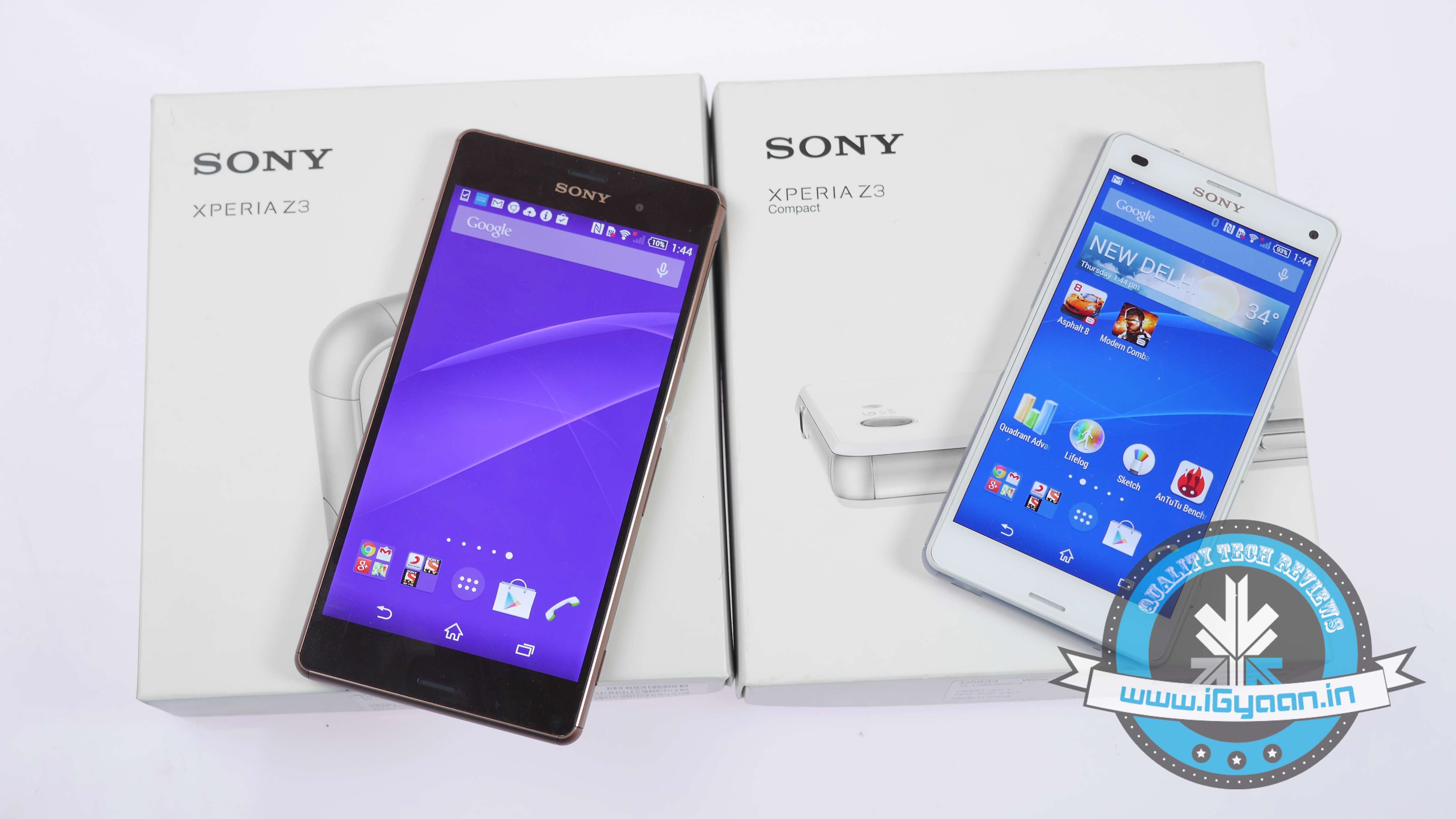
Well as we can see, Sony’s Z3 Compact clearly washes all others in the battle. But, of course, this wasn’t a level playing field. The Xperia Z3 and Z3 Compact are rather like the new iPhones where the only major difference lies in screen sizes. Sony seems to have a great device and by losing some of that bulky price tag the device will be able to find a lot of new customers.
After a less than satisfactory year, Sony recently launched the Xperia Z3, the Z3 Compact and the Z3 Compact Tablet at IFA in Berlin. Today, Sony launched these devices in India.
The Japanese consumer electronics giant had recently brought the Xperia E3 for India. It was a budget device priced at Rs. 11,990 for the single-SIM version and Rs. 12,990 for the dual-SIM variant. Now it is bringing in its big guns.
The Xperia Z3 is a bumped up successor of the Z2, that was launched in February this year. This is the first time a company has brought the mini variant of their high-end phone along with the flagship.
Specs
Xperia Z3
Xperia Z3 Compact
Display
5.2 inch Full HD (424 ppi)
4.6 inch 720p HD (319 ppi)
Processor
2.5 GHz Quad Core Snapdragon 801
2.5 GHz Quad Core Snapdragon 801
RAM
3 GB
2GB
Storage
16/32 GB
16 GB
Expandable up to
128 GB
128 GB
Main Camera
20.7 MP
20.7 MP
Back Camera
2.2 MP
2.2 MP
Battery
Non-removable 3100 mAh
Non-removable 2600 mAh
Operating System
Android Kitkat 4.4.4
Android Kitkat v4.4.4
Miscellaneous
Great Battery Backup, Waterproof
Waterproof
The phones don’t come cheap. The Xperia Z3 is priced at Rs. 51,999 while the Xperia Z3 Compact at Rs. 44,999. These are sone of the best devices from Sony and might just give them the ground it was trying to regain.
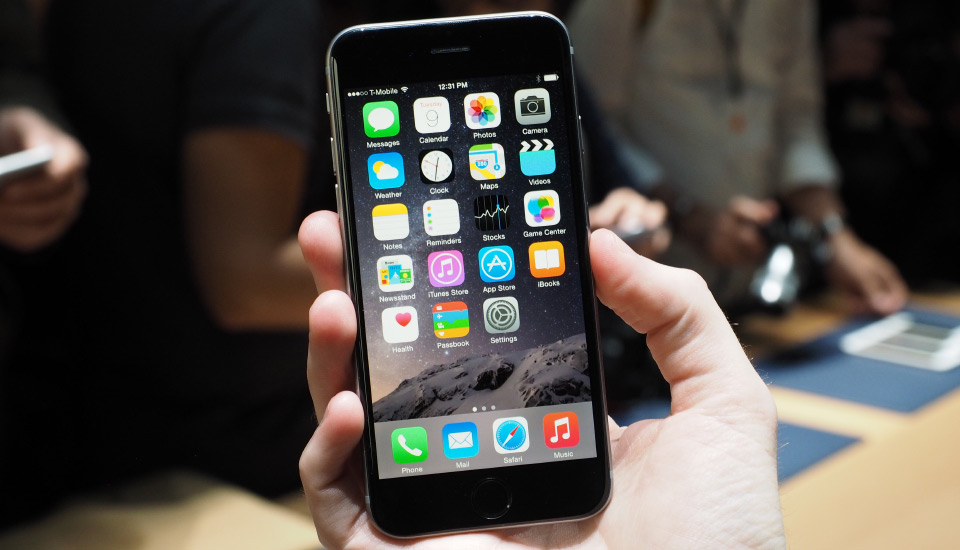
The customers of Apple are not having a good time lately. The company that recently launched its latest flagship, the iPhone 6 has been mired in consumer complaints. One major complaint is that the screen bends in tight back pockets. Now the company is also rushing to fix the iOS 8.0.1 update whose bugs have caused multiple issues for customers who bought it.
The folks who updated their phone soon found out that the phones had lost cell service and the Touch ID. The Cupertino-based tech giant apologized for the error and pulled back the update stating that they will be bringing out a fix in the next few days.
The recently released update shut down cell service and Touch ID on the new iPhones
Apple had released the update to fix minor bugs and some bugs in the Health App. But it, unfortunately, caused major headaches to new iPhone buyers. The older phones on which the update was installed didn’t have any such problems though.
For people who have already updated to the faulty update, Apple is offering a simple workaround. It is asking the users to reinstall iOS 8 through iTunes. This will however make the Health apps nonfunctional, which the company says will be fixed in an upcoming update.
Apple is no stranger to bad response from consumers, it has faced several major complaints in the past. After the iPhone 4 launch, it was observed that the faulty antennae design led to dropped signals. In 2012, the Apple Maps was the cause of a lot of furore. Recently during the launch of the iPhones, the live stream debacle caused a lot of heartbreaks for folks who had been waiting for the show for a long while.
The iPhone 6 and the 6 Plus are still Apple’s best phone outing, and we’d all be waiting to see how the fix works out for the folks who raided their pockets to buy the device.
A while back, Blackberry was synonymous with smartphones. It is common knowledge that on Secret Service’s direction, President Obama had to take the tough decision of quitting his Blackberry when he came to office. But now the company has lost that edge. iPhones and Android smartphones have taken over the market leaving just a tiny gap for others to squeeze through. Blackberry is now taking a major chance with the new Passport, which it hopes will bring back the lost glory of the company.
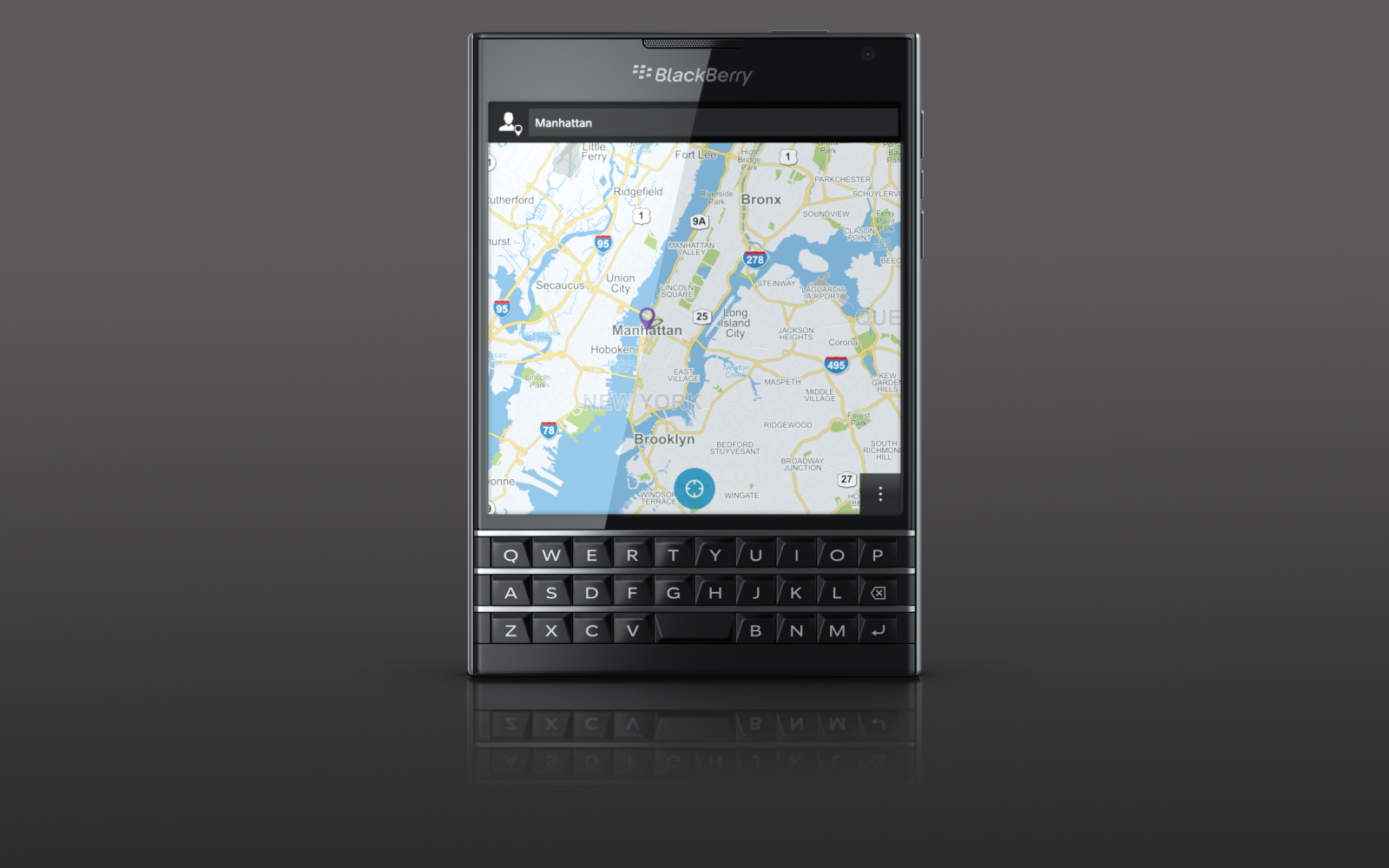
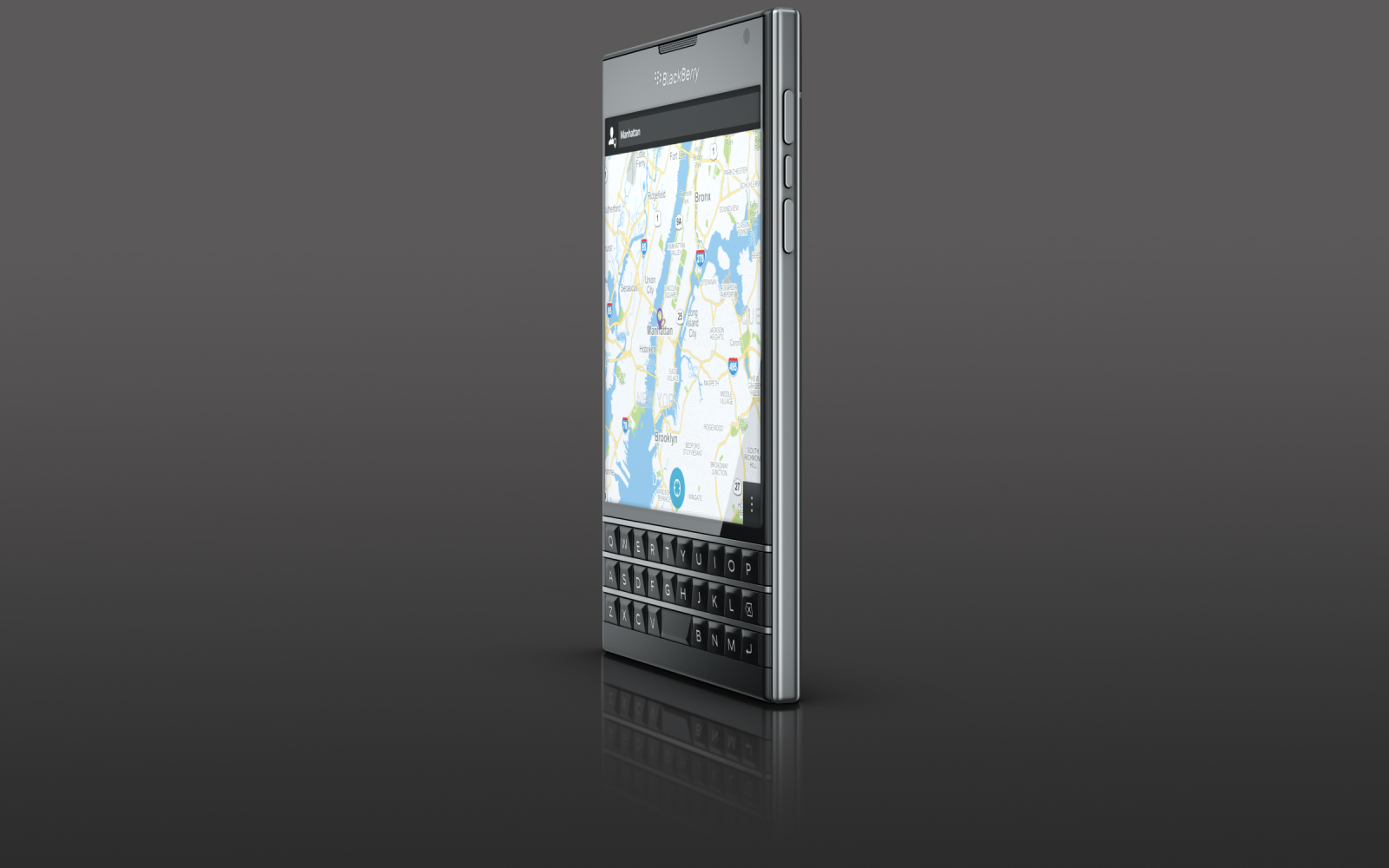
The 4.5-inch square-shaped Blackberry Passport is the company’s first major release in over two years. The square shaped screen with QWERTY keyboard is an attempt by the company to bring back corporate and government consumers. The phone was released simultaneously in Toronto, London and Dubai.
The Passport’s 4.5 inch screen has a resolution of 1440×1440 with a pixel density of 453 ppi, which sounds like an excellent display. It features 10 points multi-touch and is protected with Corning Gorilla Glass 3.
Its processing capabilities are handled by a 2.26 GHz Snapdragon 800, quad-core processor. The device has 3 GB RAM, equivalent of the Note 4. The internal memory stands at 32 GB and is expandable up to 128 GB. The device also has NFC for mobile payment and file transfer.
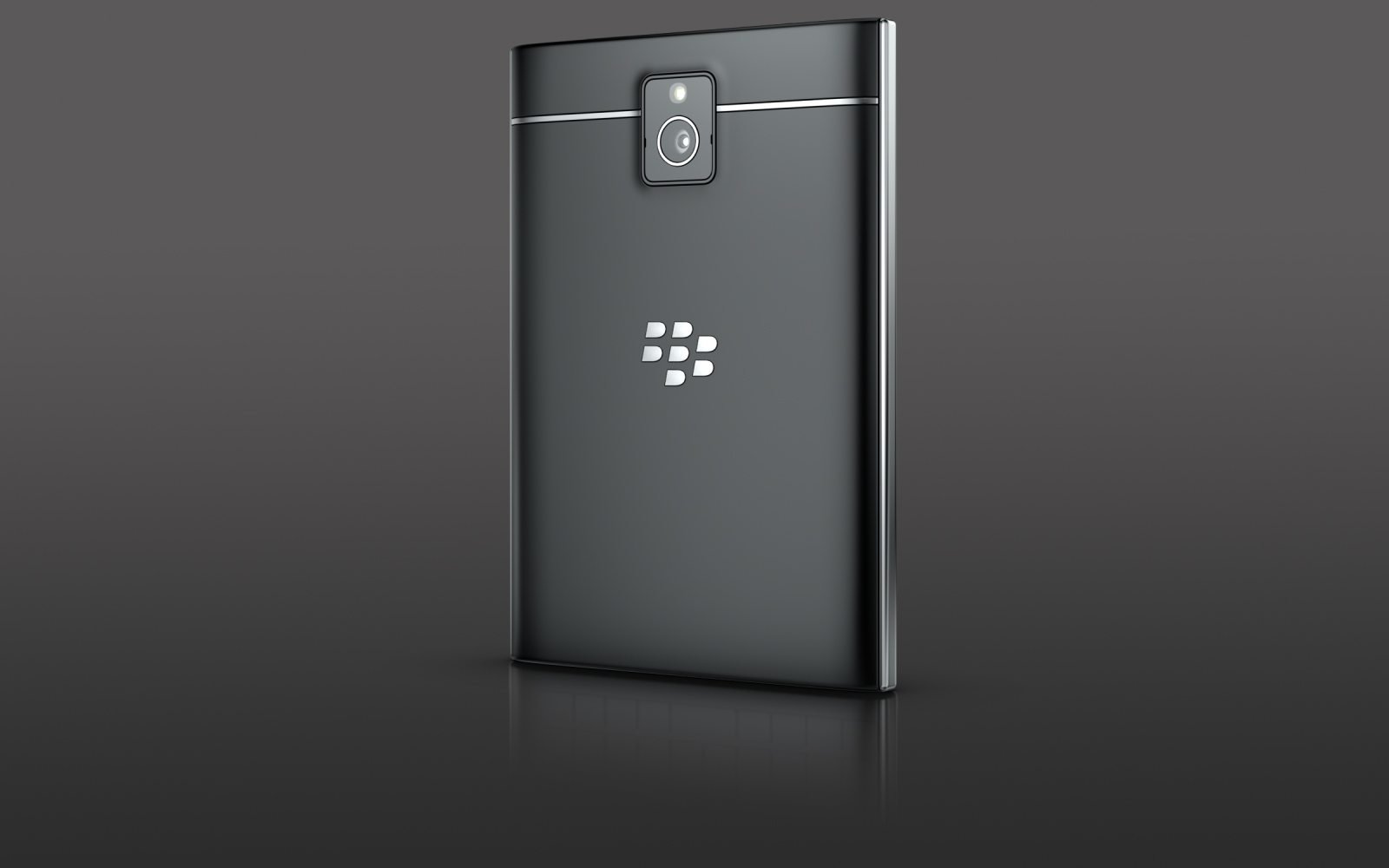
The phone looks classy on the back.
The main camera on the Passport is a 13 MP shooter while the front camera is a 2MP shooter. It comes with a massive battery of 3450 mAh which will probably keep it going for a couple of days, thereby being a good companion for the executive on the move.
Blackberry claims the physical keyboard gives users more typing accuracy and is also touch-enabled. It’s responsive to touch so the user can scroll web pages, flick to type or slide along the keys to move the cursor.
The Passport will cost $599 (about Rs. 36,400) without a contract. If they plan on bringing it to India, it will be at least a Rs. 40,000 plus device. At the price, it will still be cheaper than most of the flagships in the market.
Overall the passport sounds like a great device on paper but we are a little suspicious of the square display. While widescreen is the norm of the day, it will be interesting to see how this crucial bet by Blackberry pays off.
India is the official king of jugaad (innovative fixes). The country made the cheapest mars mission ever; it costs less than the budget of the movie Gravity. The best part, it made its way to mars in the first attempt. The Mars Orbiter Mission (MOM) aka Mangalyaan now is the crowning glory of the Indian Space Research Organisation (ISRO).
Established in 1969, ISRO works under the Department of Space, Government of India. It was entrusted with the responsibility of using space science for the betterment of the country. ISRO has tremendous achievements under its belt; from launching satellites for other nations to being one of the few nations to send a mission to the moon and now to Mars, ISRO has exhibited a feat unlike anyone in the developing nations except China.
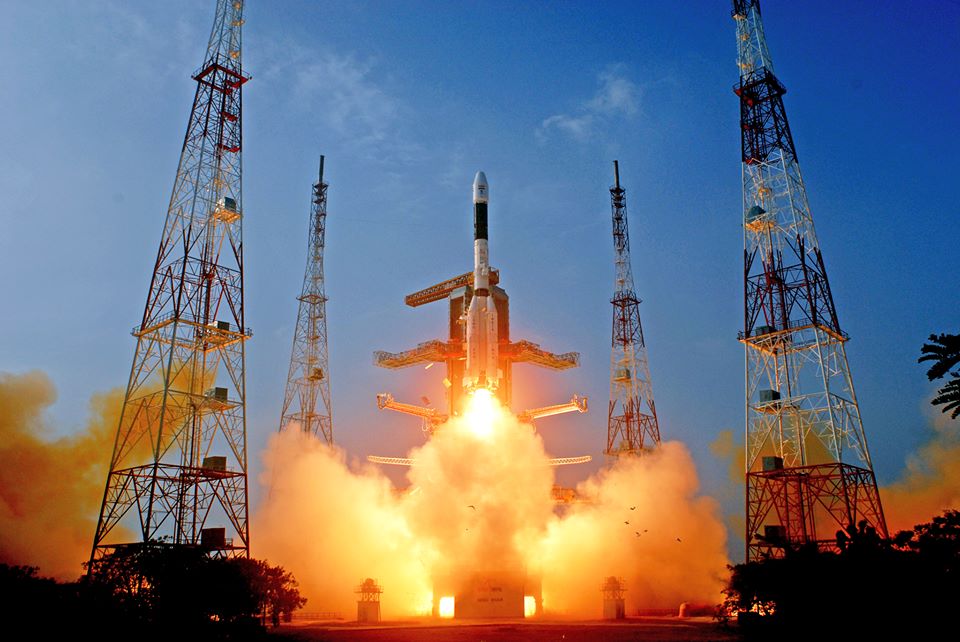
The spacecraft was launched on 5th November 2013
Information about the status of MOM mission was proactively posted on social media and led to a great interest in the mission from the world over. This spacecraft was significant not only because of the low success rate for Mars missions, but also because it was a great feat by a developing economy.
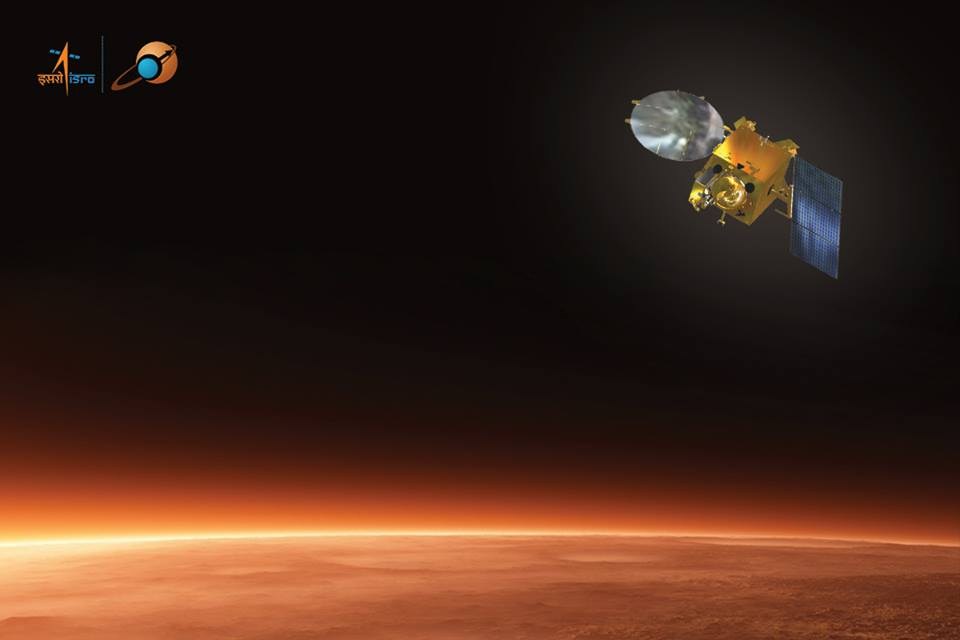
The spacecraft made the 680 million km in under a year. The star of the show is a 1,350kg unmanned robotic satellite about the size of a nano. Its task is to map the red planet for methane, which can help to find the existence of life on the planet. It is equipped with the Mars Colour Camera which will capture images and information about the surface features and composition of Mars.
The Mission achieved its elliptical orbit spanning 423 km X 80,000 km around Mars. At 8.10 AM it was confirmed that MOM has achieved orbital insertion with the engine imparting the required thrust of 1098 metres/second during its 24-minute burst. This led to massive celebrations at the mission control.
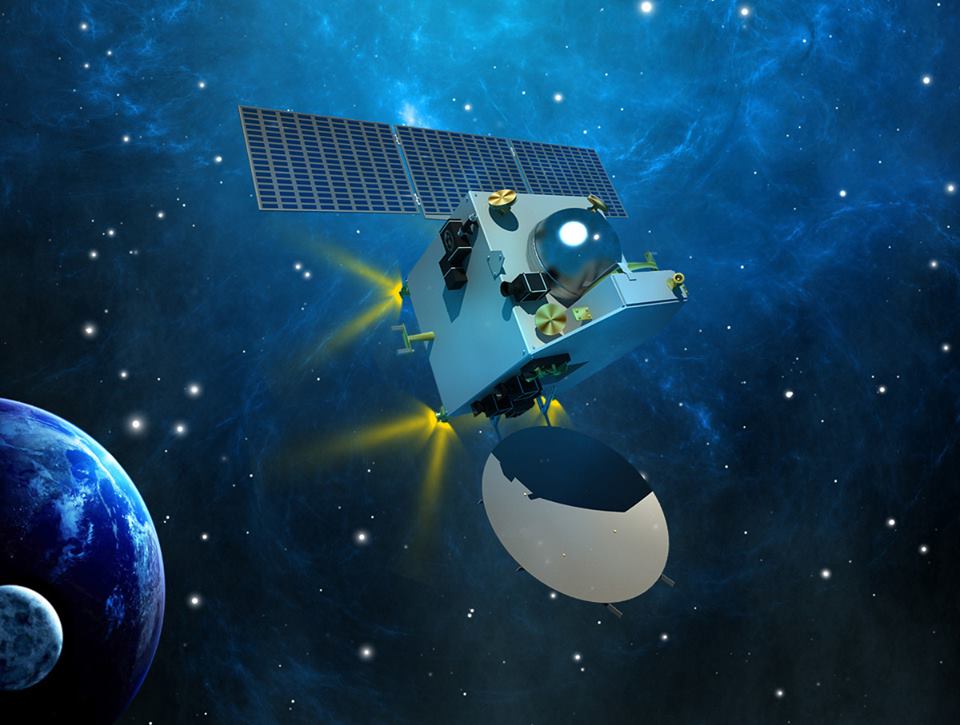
The spacecraft carries a Tata Nano sized satellite which will try to look for methane on Mars
The mission was launched on 5 November 2013 using a PSLV rocket, and it took over 300 days for the mission to reach Mars. The total cost of the mission was Rs. 450 crores or about $74m. The costs include Rs.125 crores (US$21 million) of required studies of the orbiter and the cost of satellite, that is Rs. 153 crores (US$25 million). The mission was announced on 3rd August 2012 former Prime Minister Dr Manmohan Singh and was ready for launch just 15 months later. The mission utilized more than 500 engineers and scientists.
Following the success of the mission, Prime Minister Narendra Modi said “We have gone beyond the boundaries of human enterprise and innovation. If our national cricket team wins a tournament the whole country celebrates. What our scientists have done is far greater.” It is indeed a great feat. With the success of the Mangalyaan mission, India joins the elite league of a handful of countries who have made their way to the fourth rock from the sun. It is also the only country to have a successful mission to mars in the first try where the success rate stands at just 42%.
The mission was basically a test of ISRO’s capabilities for interplanetary missions. Dr. S Radhakrishnan, the Chairman of ISRO called it “technology demonstrator.” ISRO is the highest rated organization for real world applications of its missions as it’s a people oriented organization.
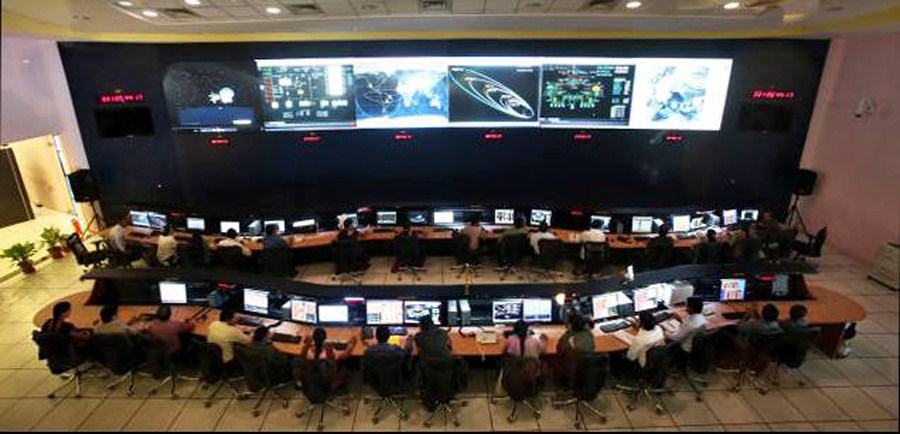
Mission control kept a vigilant eye on the progress of the spacecraft
This is just the beginning of India’s space adventures. Soon ISRO plans to launch the Geosynchronous Satellite Launch Vehicle Mark III (GSLV Mark III) which is the heaviest rocket in its arsenal weighing at about 630 tonnes. It will also carry a dummy astronaut module with it. By sending astronauts to space, India can be on the path to match up to China, which currently is setting up the Tiangong space station that will become operational in 2023. ISRO also plans to send a follow-up mission with a greater scientific payload to Mars in the 2017-2020 timeframe
Space missions are extremely important, especially for growing economies. They provide an aspirational frontier that invigorates a whole new generation to achieve the next step in the evolution of humanity. Space sciences tell us a lot about who we are and where we came from. It requires the collaboration of smart brains from varied fields of research and is a celebration of human intellect that has been gained through millennia’s of curiosity.
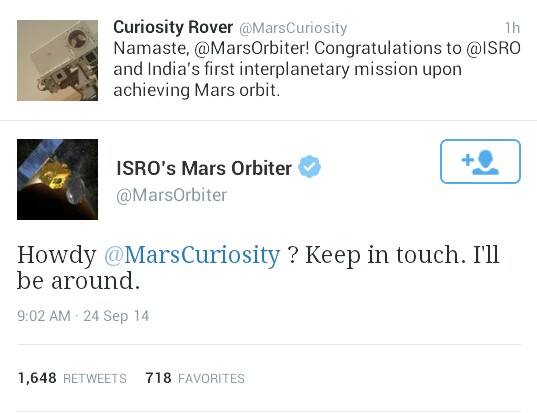
Looks like Mangalyaan already made a friend on arrival at Mars
We heartily congratulate the Indian Space Research Organization for taking this great step for the entire developing world. They have proved that crossing frontiers doesn’t require huge pockets but right intentions and firm determination. Today is a good day.
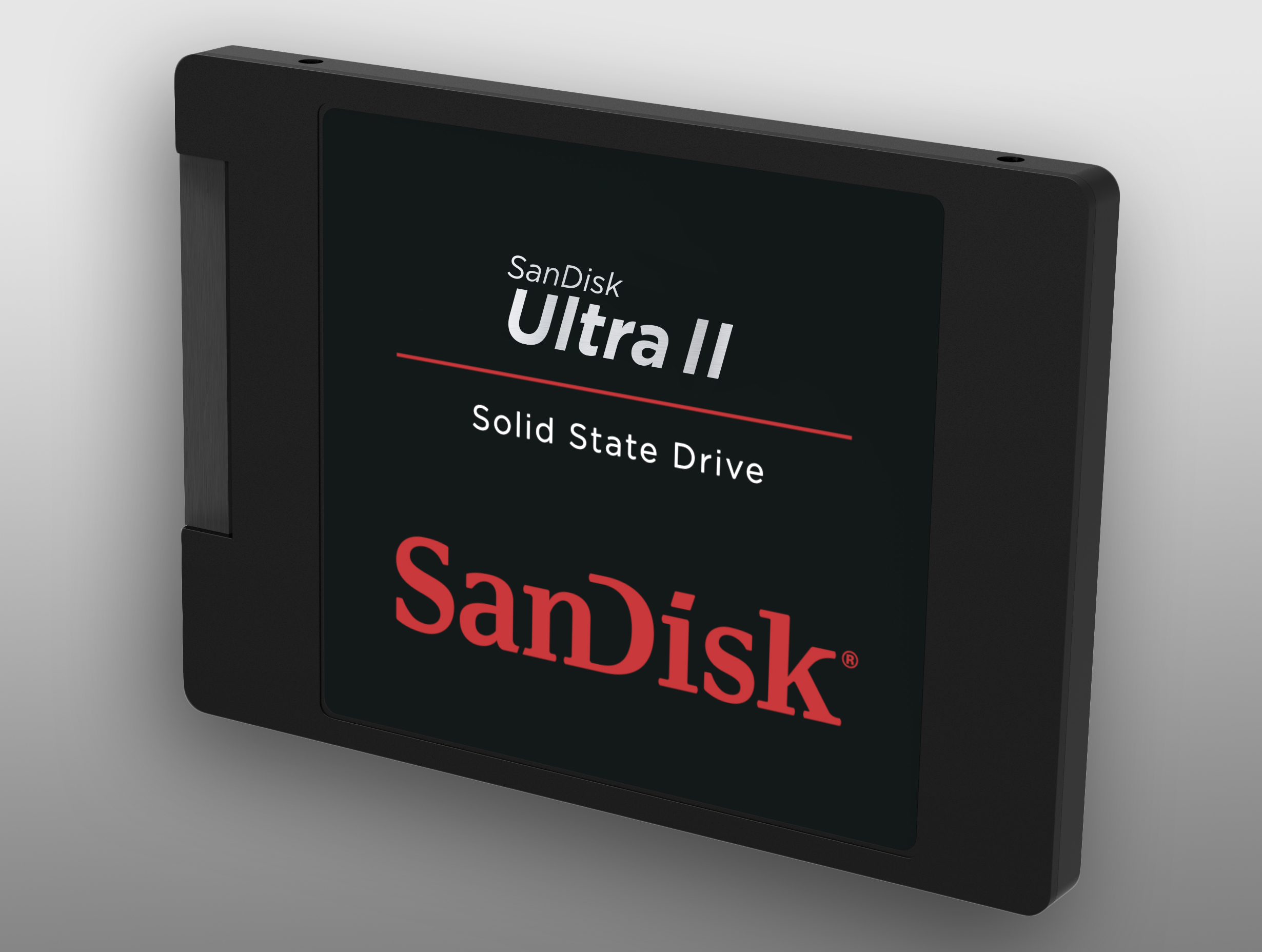
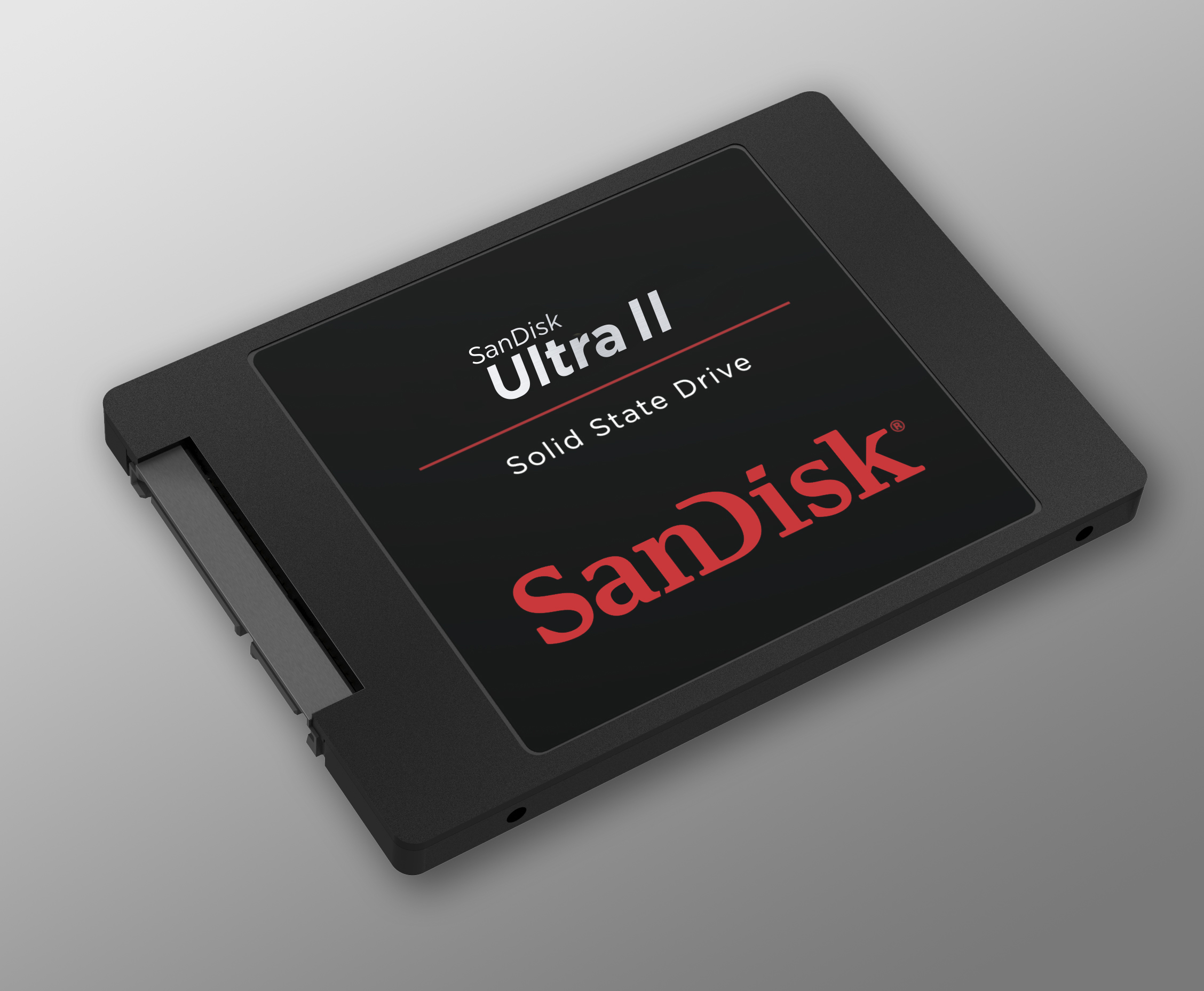
Sandisk that wowed us all recently with the 512 GB SD Card launch is back with another impressive product. The storage device manufacturing giant has unveiled the SanDisk Ultra II SSD (Solid State Drives). Sandisk claims the new drives deliver a cost-effective and easy upgrade solution for PC owners looking to improve performance, battery life, and power efficiency.
The drives are based on X3 NAND Flash technology. They are equipped with nCache 2.0 technology that utilizes a two-tiered caching architecture to optimize drive speed and endurance. The drive is also shock resistant, which keeps data safe even if the computer is bumped or dropped.
Sandisk claims the Ultra II SSD have read speeds of 550 MB/s and write speeds of 500 MB/s, which is impressive. The company also provides a cloning software, Apricorn’s EZ GIG IV, through which you can grab the data from your old drive and have them copied identically on the new drive so you can easily locate your files.
The company also provides theft-proof security. The Absolute LoJack software can locate a device if stolen and help return it to the rightful owner.
The SanDisk Ultra II SSD comes with a 3-year warranty and will be available online and offline in September. It will be offered in capacities of 120GB (Rs. 6,999), 240GB (Rs. 9,949), 480GB (Rs. 18,999), and 960GB (Rs. 37,499).
Solid State Drives’s are fast becoming popular in the computer market and are finding a wider user base. SSD’s are safer than conventional drives and also make the computers faster. The prices are still high, but they are consistently coming down and will be accessible to newer markets soon. Sandisk should be appreciated for bringing this technology to the masses.
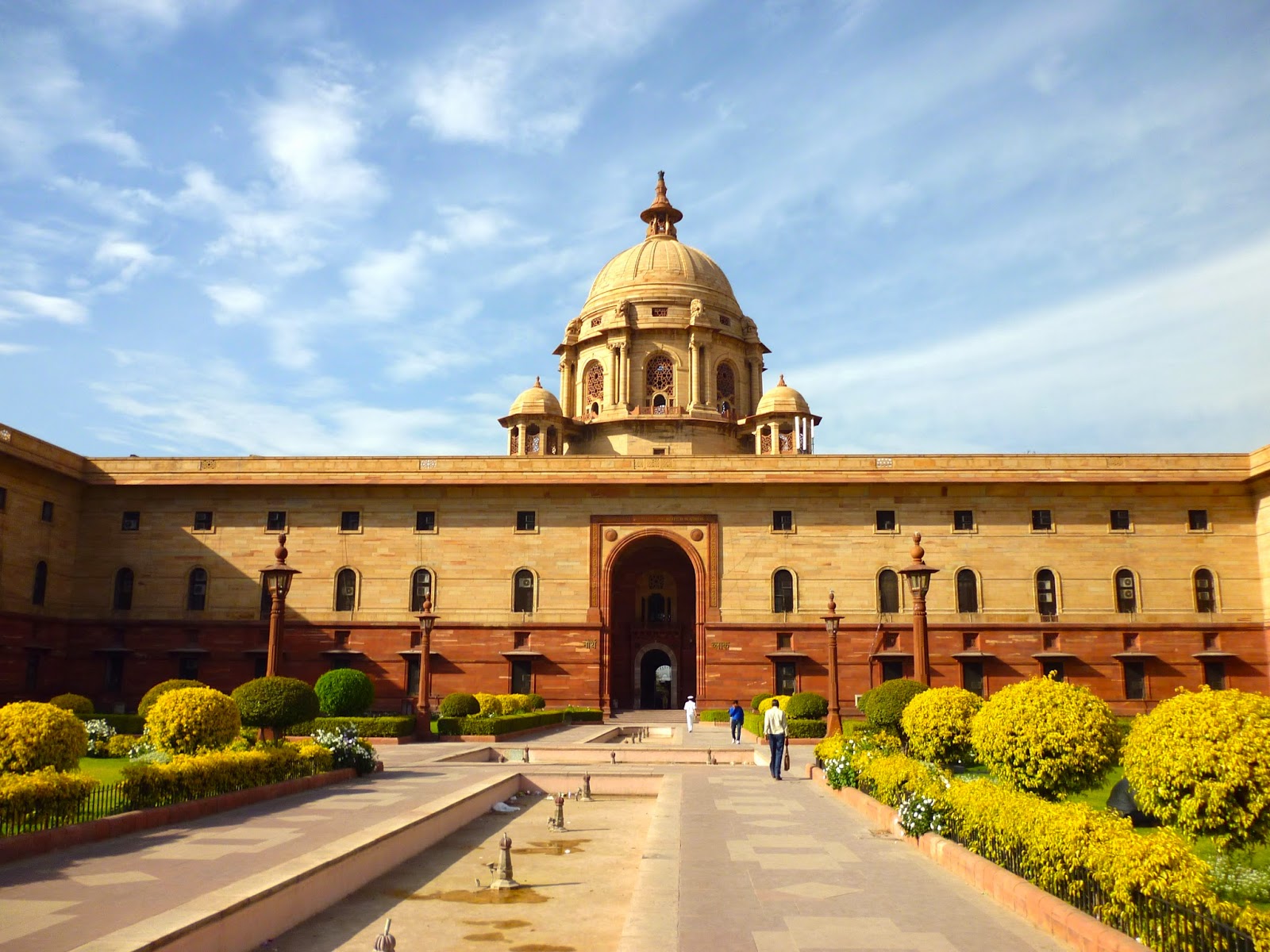
Just a few days back we heard about the Indian government banning the use of foreign-based email services for government employees. It seems now that one such email provider, Google will be partnering with the government to select an official app for the Prime Minister’s Office (PMO.)
Google on Monday released a statement that supported the government’s Digital India Plan. The Prime Minister has made it clear that he plans to focus on an e-governance model to deliver services to the people. The Digital India plan focuses on developing information infrastructure across the nation.
The Indian Government to take assistance from the Silicon Valley giant to make the PMO app.
Google has also said that it will help the government to encourage digital literacy and internet safety. To do this, they want to introduce curriculums for students, government officials and also for elected representatives. The Silicon Valley giant will work with various state governments and the department of information technology to bring the PMO app to the citizens of India.
The app will be a medium of connection between the common public and the PMO. India, which currently has world’s third largest internet using population (about 245 million,) can really benefit from initiatives like this. It is expected to become the second largest by next year (2015) and will reach the 500 million mark by 2016.
The app seems like a great idea and to partner with the makers of the biggest mobile operating system is also appreciated. But the government has to put the citizen feedback into real world change or else this will just end up piling up feedbacks along will everything else that is pending in our government offices. The government should firmly concentrate on bringing systemic changes to how the government functions and take proactive steps to make it better.
Hopefully the new e-governance model will bring about the change that Indians have been waiting for, for a long while.
India has been facing a huge food inflation issue. Food prices are hefty and are really hitting pockets hard. One of the major issues with food supply is storage. Even with massive investment in food storage by the government, issues arise which leads to a tremendous amount of spoilage. It is estimated that India loses around 30 per cent of food production every year due to wastage and contamination, which is a huge concern. To address the wastage issue, students of IIT Kharagpur have developed a micro cold storage system has been successfully tested in a Karnataka farmland.
The device has been developed at Science and Technology entrepreneurship Park (STEP) of the IIT. It is made by mechanical engineering student Vivek Pandey and his team. They call their start-up, Ecofrost Technologies. The team is now ready to move out of campus and set up a manufacturing and assembly unit in Pune by next month.
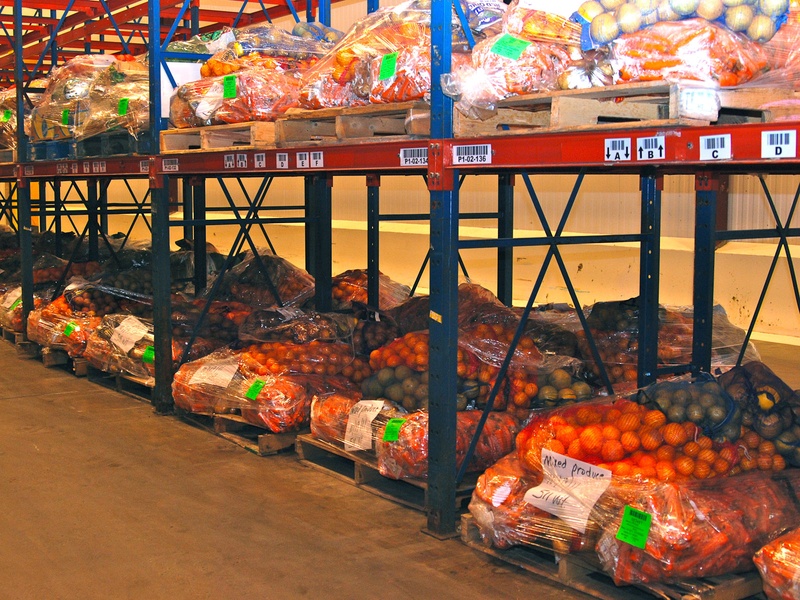
Presently food storage requires a lot of energy and causes wastage by decay.
According to Vivek Pandey it is a one of a kind device with no running costs to the farmer and works for all the 12 months of the year.
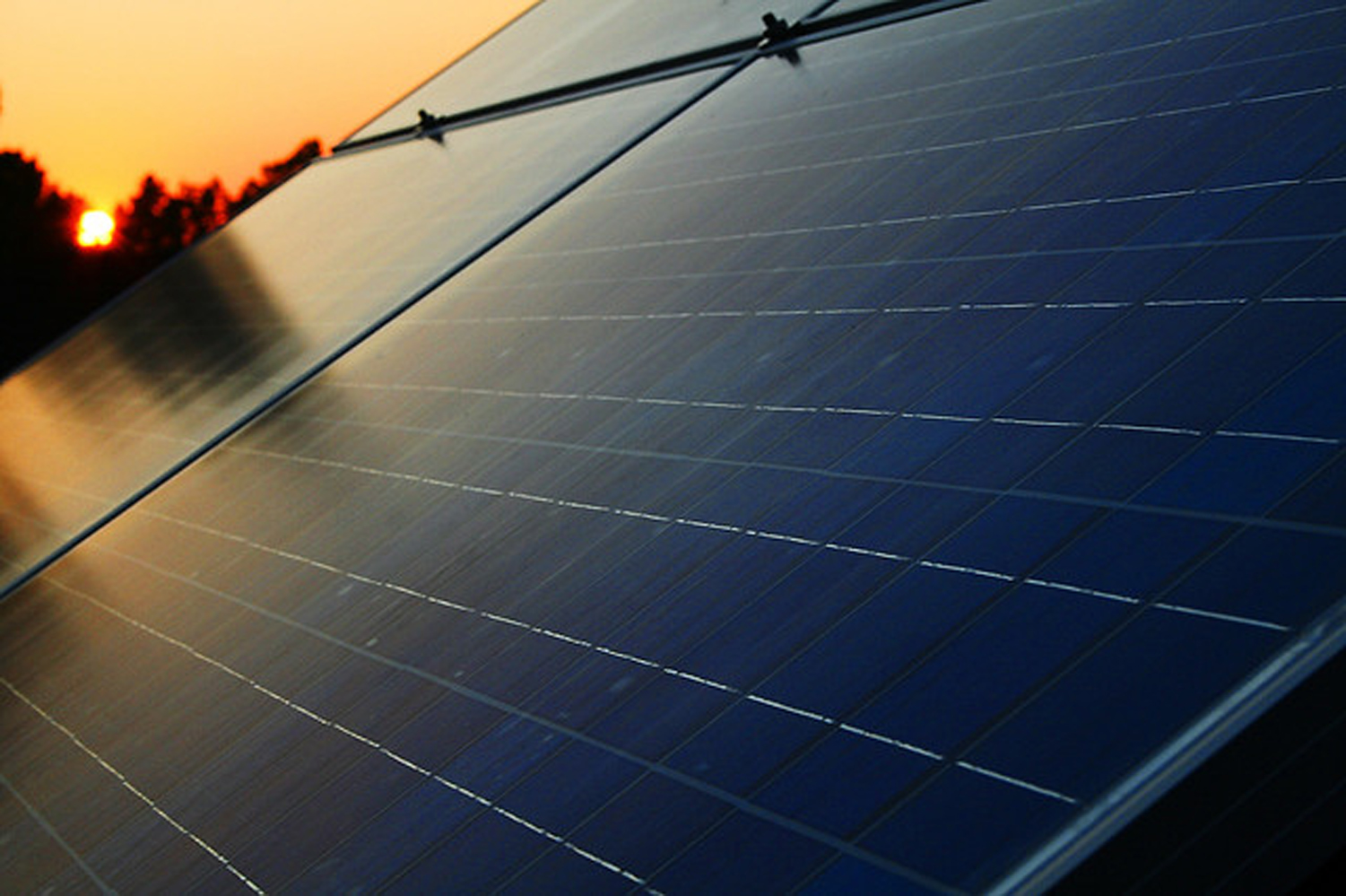
The cold storage system makes use of an exclusive thermal storage methodology. This technique controls the cooling of compartments in tandem with regular cooling. The system is powered using a 2.5 KW- 3.5 KW solar panel. The power generated through these panels is stored in a thermal storage unit that can power the system for more than 36 hours, in case of bad weather. The compressor in this device can run at various speeds depending on the need of cooling.
The team wants to make this an off-grid device which means it should require no electricity from the grid. This will be great for farmers living in far off villages with limited facilities to sell their produce. They believe that by increasing the shelf life of agriculture produce, farmers’ livelihood would improve by reducing losses and allowing better price realization.
Being an agricultural equipment, the micro cold storage system has a capacity of 5 metric tonnes. It comes for a price of Rs 5 to 6 lakhs, about the price of a tractor.
The team targets to manufacture 20,000 such cold storage units in the next five years. The have also won the first prize worth Rs 10 lakh at the national university competition ‘DuPont: The Power of Shunya.’
This is a great new product and if will be economical for farmers as their fresh produce will fetch a higher price. They wouldn’t even have to worry about spoilage or energy costs. It is great to know that they are ready to manufacture the device that will hopefully generate interest in the field and will invite more people to join the untapped solar innovation market. This also has the potential to make headway in the wholesale market thereby saving food products and bringing fresh produce to many more people. We wish these fine young lads all the best for their endeavors.
With the Xiaomi fever slowly subsiding and people looking back at major manufacturers, Samsung seems ready to give the Indian market some serious consideration. The company is expected to launch the recently unveiled Galaxy Alpha in India on the 27th of September.
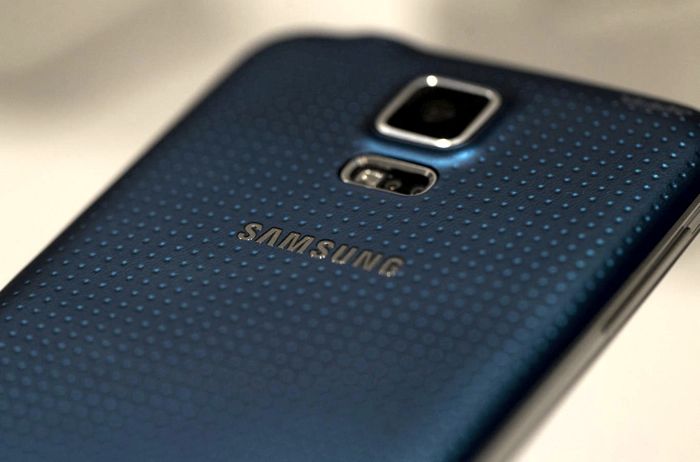
Samsung sent out an invite claiming they would be launching “Next Generation Stylephone.” It is assumed that the phone is Galaxy Alpha that Samsung released in the international markets in August. The phone is a metal-bodied device, a rarity in Samsung’s line-up of products.
The Galaxy Alpha is powered by an Exynos 5 Octa 5430 processor (1.8GHz quad-core Cortex A51 + 1.3GHz quad-core Cortex A7.) It has 2 GB of RAM and 32 GB of internal storage. The device has a 4.7-inch 1280x 720 Super AMOLED display.
The main camera on the device is a 12 MP shooter while the front camera is a 2.1 MP selfie shooter. The Alpha gets its juice from an 1860 mAh battery. The phone runs Android Kitkat 4.4.4 out of the box.
The Alpha was the first to get the metal frame and was followed by the Note 4. The back cover on the devices are still plastic, but Samsung claims the metal frame provides enhanced safety to the phone. We’ll have to wait till the 27th to see what Samsung is really cooking.
With a PC and Mobiles being an absolute necessity, it is necessary to have seamless interaction between them. Apple’s latest ecosystem attempts to do just that. Continuity features like Handoff let users continue their work from their phone to their Mac PC’s without a delay. Not to be left behind, Google also announced some interconnectivity features between Android desktops and Chrome systems. But these attempts are still futile in comparison to MIT’s THAW which takes seamless interconnectivity to a whole new level.
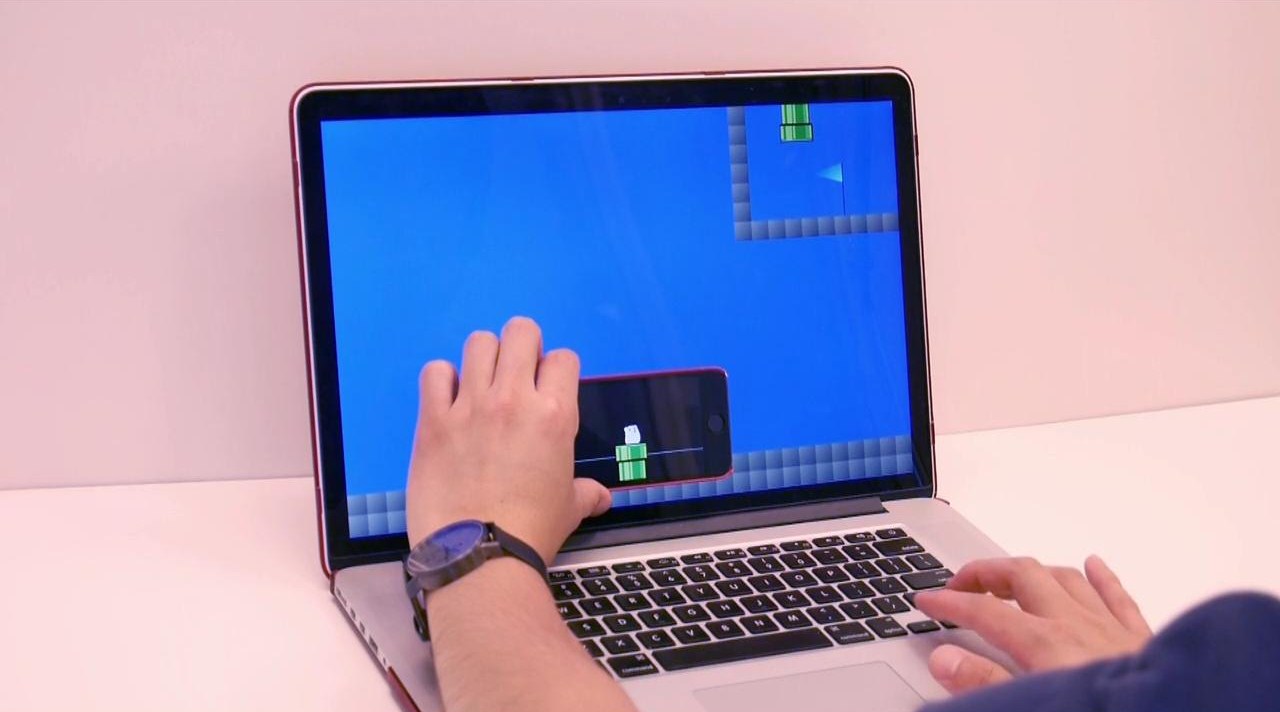
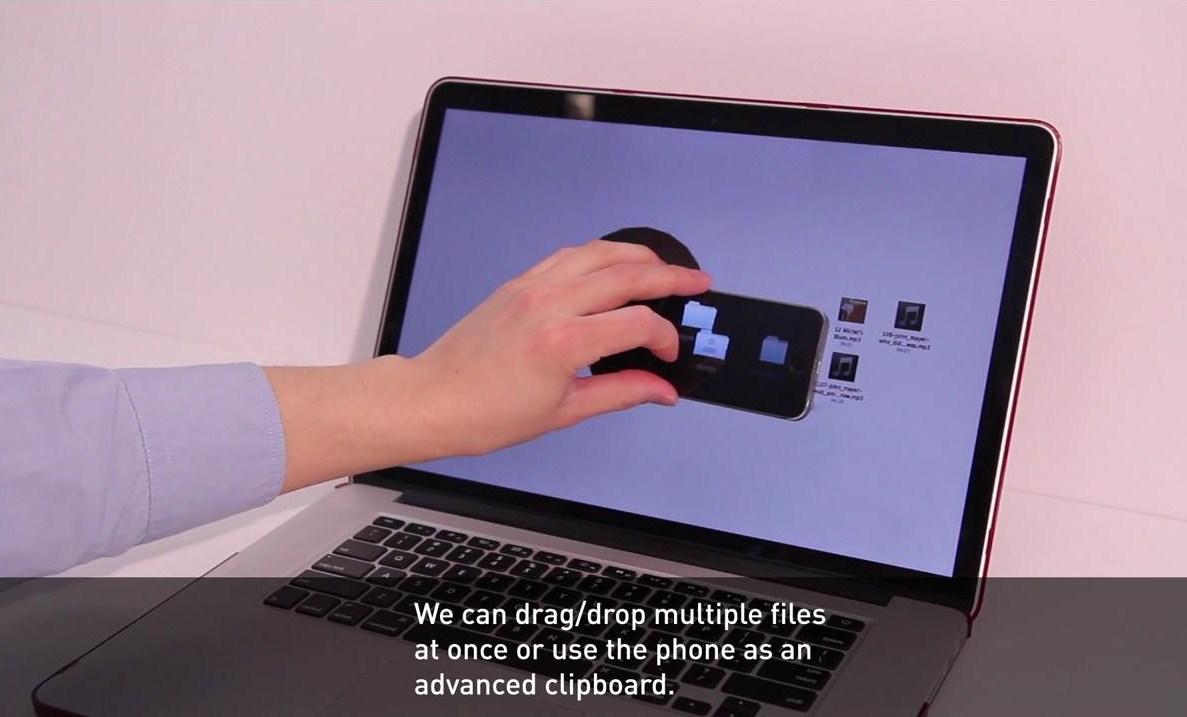
Two teams of researchers at MIT have developed a smartphone system called THAW which allows users to transfer files through and fro from PC to a smartphone. This can be done simply by touching the phone to the screen of the desktop PC. You can take the webpage you were working on your phone by just touching the phone to the screen. It almost feels like those screens in sci-fi flicks which can be shifted from one display to another, like Avatar.
THAW makes you phone a physical handle through which you can send or receive files directly from the screen. The secret behind the technology is the phone camera. The camera takes the image from the desktop screen and then through software manipulations the files are accessible on the phone. This feature will help solve the file management clarity issue that everyone is trying to address. Apple’s Cloud Storage now gives the ability to change the content, and it will appear the same from all your devices. THAW just takes it a bit further.
Now this project is still in its infancy and may or may not come to the market. But just the knowledge of the possibility of this technology will create a boom for devices with such functionalities. This looks like an excellent feature to have and looks so simplistic and effortless. Hopefully, the companies are watching; this is one feature that everyone will love. MIT researchers claim that this can work with practically any smartphone with accelerometer, so come on Samsung, here’s an idea for the Galaxy S6.
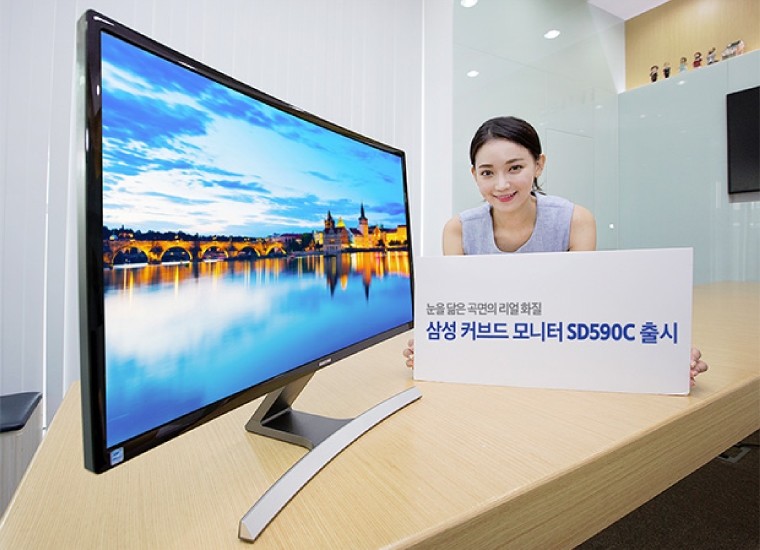
When you talk of curved convex displays, LG immediately pops up in your mind. Why wouldn’t it, LG was the first company to come with a curved display on a smartphone (LG G-Flex.) It has proactively marketed itself as the curved screen master. But its compatriot and global electronics giant; Samsung is not going to let LG have a free run. The company has introduced consumer level curved displays for just around $450.
Samsung had recently wowed the audience at IFA Berlin with a massive 105 inch screen that can bend at a press of a remote. In July, it had also released a curved 105-inch 4K TV which cost a king’s ransom of $129,000 which converts to around Rs. 78,48,360. I’d rather buy a Tesla Model S which comes at almost half the price, well if you want to dream, dream good, right?
Samsung claims the 27-inch curved display provides a wider field of view and a greater sense of depth
Coming back to the display at hand. The new curved monitors have 27-inch display. They have a contrast ratio of 3000:1. It would be great for a desktop monitor or for a gaming system.
Samsung UK’s Phil Gaut claimed that the S27D590C offers “a truly immersive and unforgettable experience. It takes movie watching and gaming to new heights, from the monitor’s unique curved screen and comprehensive entertainment features to the incredible picture quality and the impressive sleek design.”
Samsung has included a feature called the Game mode. This feature, the company claims, intelligently detects on-screen changes and corrects blurry images. It also enhances colors and alters contrast for improved visibility of in-game action. According to the company, the curve of the screen also provides a wider field of view and a greater sense of depth.
The monitor definitely looks impressive and is the cheapest curved screen option out there. The price is great for what it offers. We hope it comes to India soon so we can get our hands on it and know for sure of its “immersive and unforgettable experiences” capabilities. Come on Samsung, we have given you a lot of business; we deserve this treat.
The day has arrived. Microsoft, had previously announced that it would be “restructuring” its business to make it better and nimble. To do this, the company decided to cut 18,000 jobs. This was the biggest job cut in the company’s history. So as planned, the company is slowly cutting its fat down and has now handed pink slips to 2100 employees.
In July this year, Microsoft’s CEO Satya Nadella had sent out a memo to its employees stating that they would be cutting jobs to make “fewer layers of management, both top down and sideways, to accelerate the flow of information and decision-making.” Most of these jobs came from the newly acquired Nokia’s stable.
ZDNet reports that 747 of the employees were situated in Washington, 160 were in California. Microsoft’s Silicon Valley Research arm has also been shut down effective today. There will be one more major job loss coming up. The company had recently got bad press for offering Nokia 630 to workers at the Nokia plant in China for quitting their job.
Microsoft has to take on a whole new world if it wants to be a name that can be a part of the future. It is still the biggest corporation with the Windows operating system holding a monopoly over the computers around the world. But the world is fast moving towards mobile and to succeed in this market, Microsoft has to strive hard.
The job cuts do make business sense, but they will hurt the folks who were dependent on the job for their bread. For now, we can just wait and watch if the biggest job cut in Microsoft’s history actually amounts to anything for the company.
Apple’s flagship is now available for anyone who has got the money for it. The phone got polarising reviews with Apple fans sticking by their device and Android fans turning social media against the new iPhones using tons of memes. As always, it is now time to rip apart and unveil all the secret sauces that went into making the new jewel in Apple’s crown. The tear down of both phones showed us that they are pretty interesting on the inside.
First up, the iPhone 6 with a 4.7 inch display. A Japanese blog called ‘Mac Otakara’ disassembled the phone. They found that the 1810 mAh battery on the device was fastened to the chassis with adhesive tabs. The phone has received some internal tweaks to adapt to the slimmer design. It has a linear oscillating type vibrating motor that sits on the right with the battery. The phone is said to have 1GB RAM.
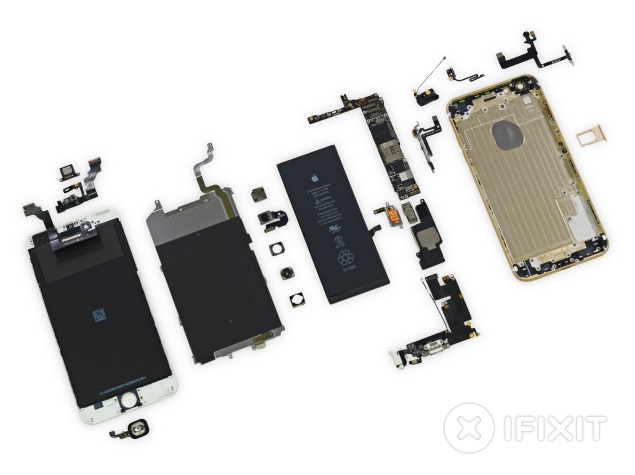
The Phones were torn down by IFixit and Mac Otakara
The iPhone 6 Plus, on the other hand, was unraveled by iFixit who are known for surgically removing all the organs of devices and laying them side by side. The battery on Apple’s biggest iPhone yet stands at 2915 mAh. The battery is bigger in comparison to Samsung’s S5 (2800mAh) which was released earlier this year. Like the Samsung flagship, the iPhone 6 Plus has a full HD(1920X1080) display.
iFixit confirmed that the device holds an Elpida 1 GB LPDDR3 RAM. It is an entire gigabyte less than Samsung’s S5 and 2 gigabyte less than the Note 4. The company also confirmed that the smaller sibling, iPhone 6 also carries the same amount of RAM. The devices are powered by Apple’s A8 chipset.
The Camera Module with OIS is beautiful to look at.
The camera modules on the phones were impressive to see. This new cameras has optical image stabilization, and it sure looks beautiful on the inside.
The 128GB NAND flash memory has been supplied by SK Hynix. Other features that were found inside include the Wi-Fi module supplied by Murata, touch screen controller by Broadcom, power amplifier module by TriQuint and gyroscope and accelerometer combo supplied by InvenSense.
Apple has claimed that the new devices have better battery life and are faster than the previous generations. Considering its higher end phones have the same amount of RAM as there is in the Moto E, it will be interesting to see how the phones handle the new additions such as the much-touted interconnectivity features.
Data storage for long had been a major headache for everyone. But in the last decade storage technologies have evolved astronomically. We now have a wide array of storage options from SD cards to hard drives to even high capacity RAID drives. It won’t be wrong to say that the storage revolution has brought the internet age to its maximum potential and fueled a new age economy. Now Sandisk has performed a feat that will find a place in the history books.
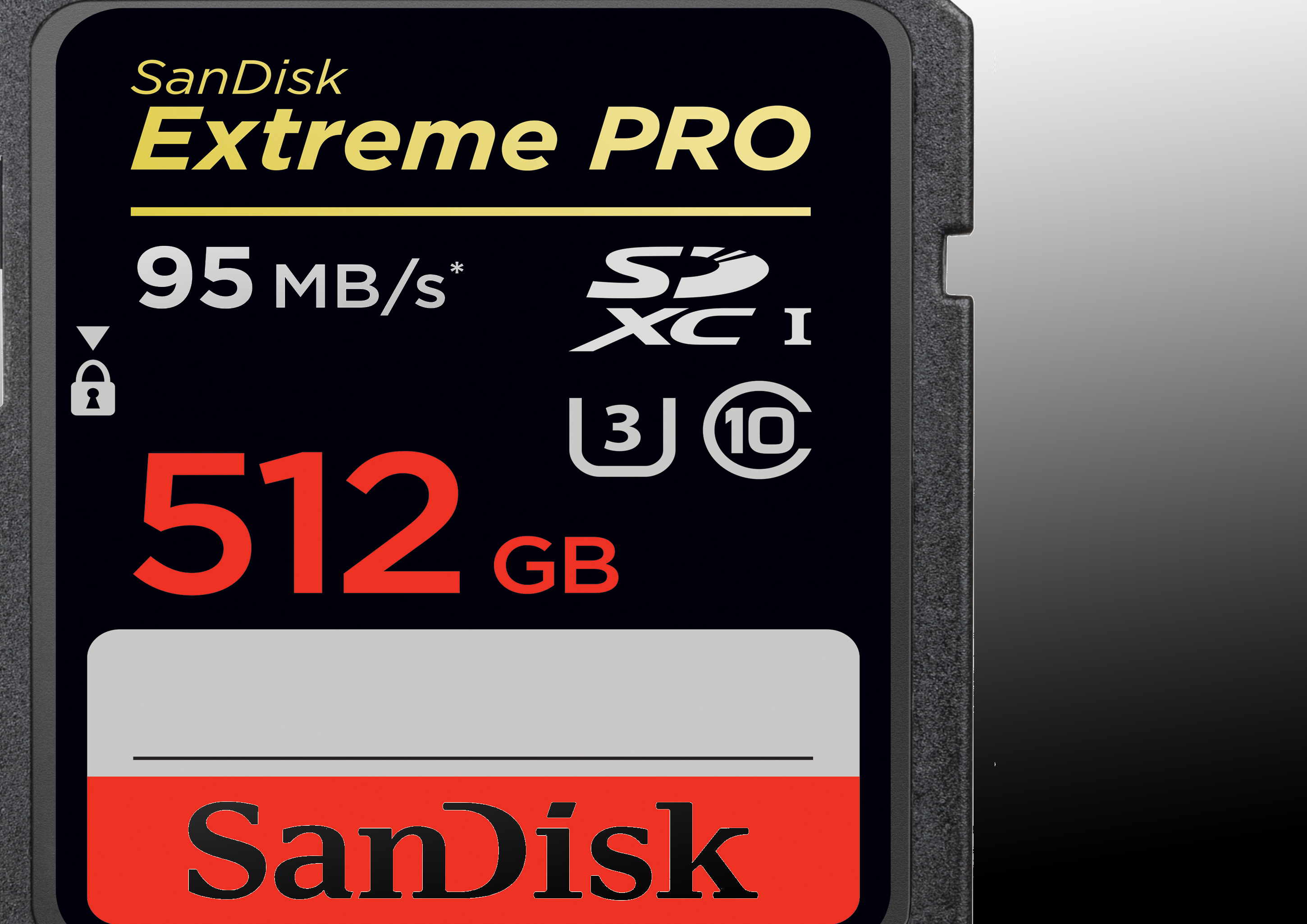
Sandisk has launched a SD Card that has an incredible storage capacity of 512 GB. This card will be a boon to camera professionals as they can shoot their high data-intensive 4K videos with ease. It will also come in handy to photographers who want to do high-speed photography.
Back in 2003, Sandisk had unveiled the first 512 MB card. Now 11 years later the company is ready to create a storm with its new 512GB SanDisk Extreme PRO SDXC UHS-I card. So in just a decade the storage capacity has almost increased a 1000 times. That is a great achievement in itself.
The card provides write speeds up to 90 MB/s* and UHS Speed Class 3 (U3) recording speed for high resolution, real-world color and stutter-free 4K Ultra HD video. The transfer speeds up to 95 MB/s provided by the card helps to move data quickly for efficient post-production workflows.
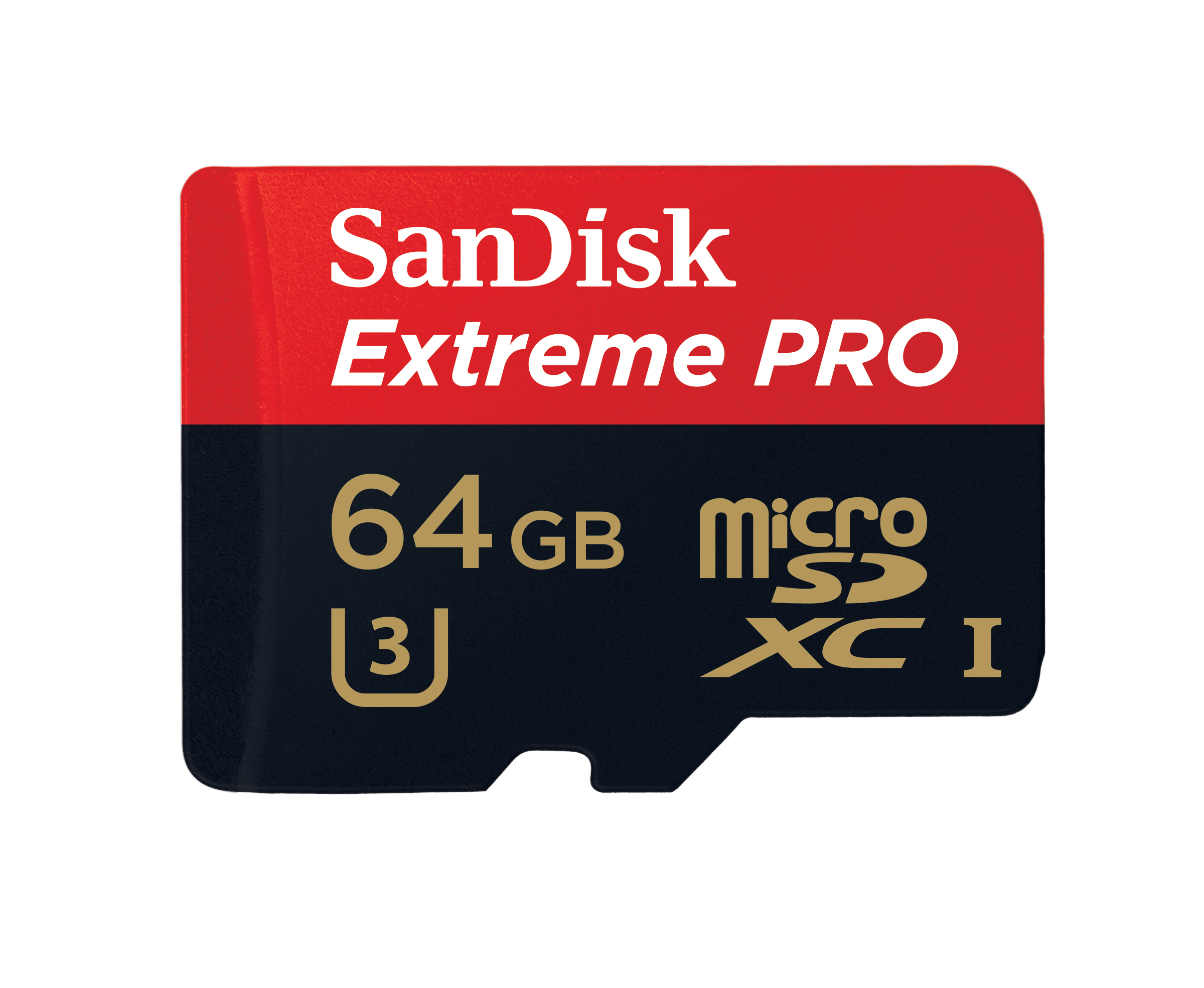
Sandisk claims that the microSD UHS-I card is the fastest in the world.
Along with this Sandisk also released the 64GB SanDisk Extreme PRO microSDXC UHS-I card which it claims is the fastest card in the world. These cards provide transfer speeds of up to 95MB/s and also hold Class 10 and UHS Speed Class 3 (U3) ratings.
As the amount of data stored is high on the cards, the company claims it offers multiple safety features. The cards have Built for and tested in harsh conditions; they are temperature-proof, waterproof, shock-proof, and x-ray proof. Sandisk also offers RescuePRO Deluxe, which is a data recovery software. And if all this is not enough, the card comes with lifetime limited warranty.
The 64 GB Extreme PRO microSDXC UHS-I cards are available in capacities of 32GB and 64GB and range in pricing from Rs. 4,900 and Rs. 9,700. The Sandisk 512 GB SD card will be priced at Rs.51,990.
The cards are clearly not meant for the general public as of yet. But these cards will help to bring great content for the booming high-resolution mobile screens and Ultra HD TV market. These will also be great for phones which offer 4K video recording like Sony Z3, Note 4, LG G3, etc. Hopefully in the next decade we’ll see 512 TB cards or does that sound to audacious? We’ll check back with Sandisk for the answers, 11 years from now.
UPDATE: We had previously reported that the Moto X and Moto 360 will be arriving by the beginning of October. It appears that the Moto X as well as the Moto 360 will be coming out in the last week of September.
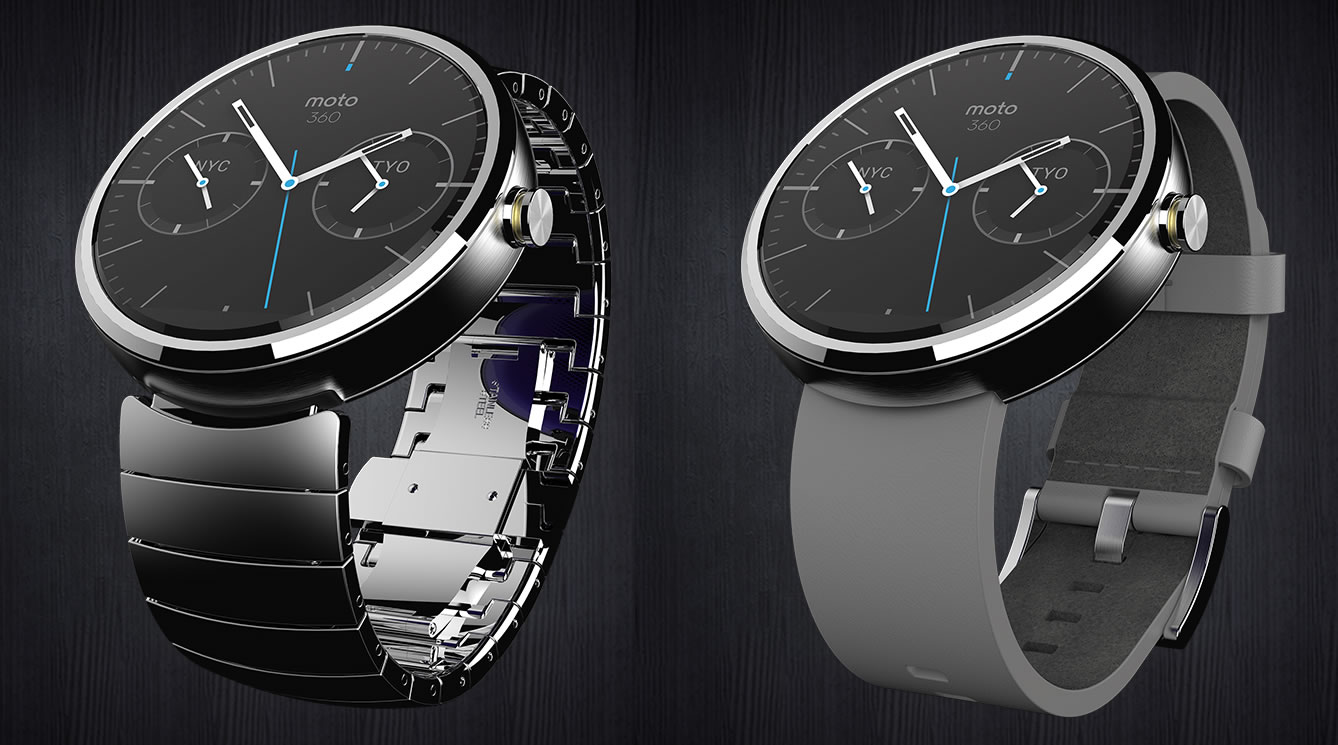
The Moto 360 has been one of the most-awaited wearables in the market. The Smartwatch was unveiled at the beginning of this month, and it was impressive in many aspects. Now sources close to iGyaan reveal that the Moto 360 will be available in India starting next month.
The base model of the device is expected to be launched in the first week. It is going to be priced at Rs. 17,999. A steel band variant will follow soon after this launch. It is expected to come with a price tag of Rs. 19,999.
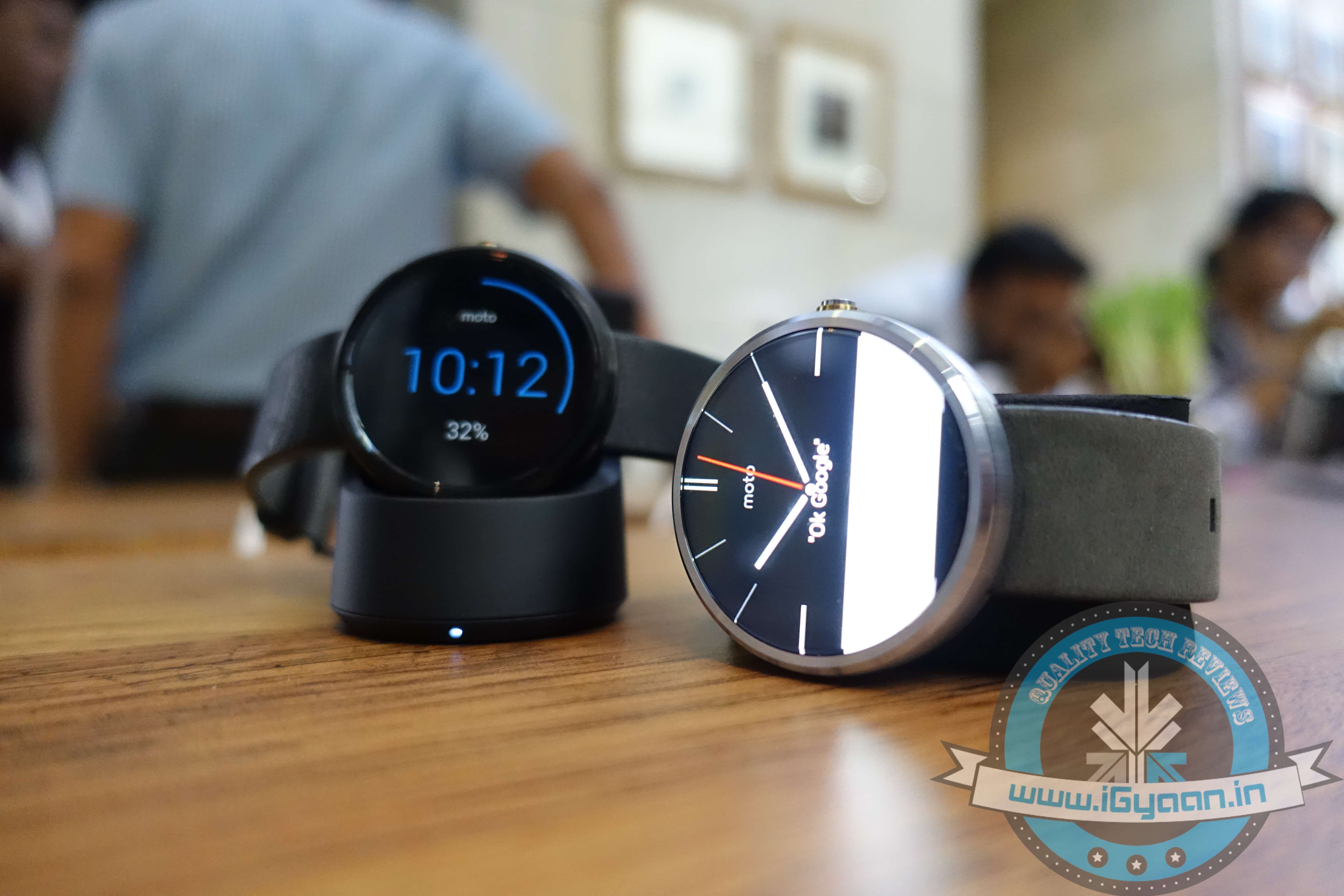
The Base model will arrive first and will be followed by a steel strap variant.
The Moto 360 provides some great watch faces and by being one of the two round devices. The other one being LG’s G watch R which is also expected to come later this year. The G watch R has a more authentic watch like feel, but it comes at an expensive price tag.
The main issue with the device is that even though it is shaped round, the Android Wear OS running on it is designed for rectangle devices. So round screen just end up cutting the corners of the content. Another issue with the 360 is the battery life. Motorola claims it lasts a day, but professional testing shows the Smartwatch losing power by the half day point. The wireless charger that comes with it is really cool, but the thing about wearables is that we don’t want to worry about their batteries. The battery woes might disappoint a lot of folks who have been waiting around for the device for a long while.
The Moto 360 still stands out as a unique device. It also comes from a company which has gained a lot of goodwill amongst the users. The 1st generation of the 360 does have some pretty visible flaws. Motorola had a lot of time on their hands to mend the issues. Hopefully, now that the flaws are apparent in the market, Motorola will fix them in their next versions or provide software tweaks to make the 360 better so that it stands true to the Moto Brand. We just have to wait and watch for this Smartwatch.