We have known for a while that India is working on its satellite-based positioning system called Indian Regional Navigation Satellite System (IRNSS.) This will be a competitor to the US-operated GPS system which is the most prominent navigation system around the world. ISRO has launched PSLV-C27, which carries in itself the IRNSS-1D, which is the fourth satellite in the constellation of seven satellites which will make up for India’s own operating system.
Today’s launch was previously supposed to be held March 9th, but it was postponed due to technical issues in one of the sub-systems. IRNSS-1D has a mission lifespan of 10 years. It will provide navigation, tracking and mapping services. This is the fourth satellite in the constellation of seven satellites. The four satellite will be capable of offering navigational assistance on their own, but the other three satellites will add more accuracy to the system. Once completed, the IRNSS would be on par with US-based GPS system.
IRNSS will be made of a constellation of seven satellites.
IRNSS will be accessible from mobile devices and navigational systems, just like GPS. It will offer terrestrial and marine navigation, assist in disaster management, help track vehicles and will also provide visual and voice navigation for drivers. The system will be established this year and cost the taxpayers a sum of Rs. 1420 crores. IRNSS will focus on South Asia so India’s neighbours can also benefit from it.
The Kargil War of 1999 had incited a need for an in-country navigation system. The US government back then had refused the request of the Indian government to use the navigation system to keep track of enemy movement. This led to the inception of the IRNSS, and now it has reached the half way mark to completion. India is not the only country which wants to break the dominance of GPS and US influence in the navigational front. Russia with its GLONASS system is already in the market while European Union’s Galileo positioning system and China’s Beidou Navigation Satellite System are in the planning stages.
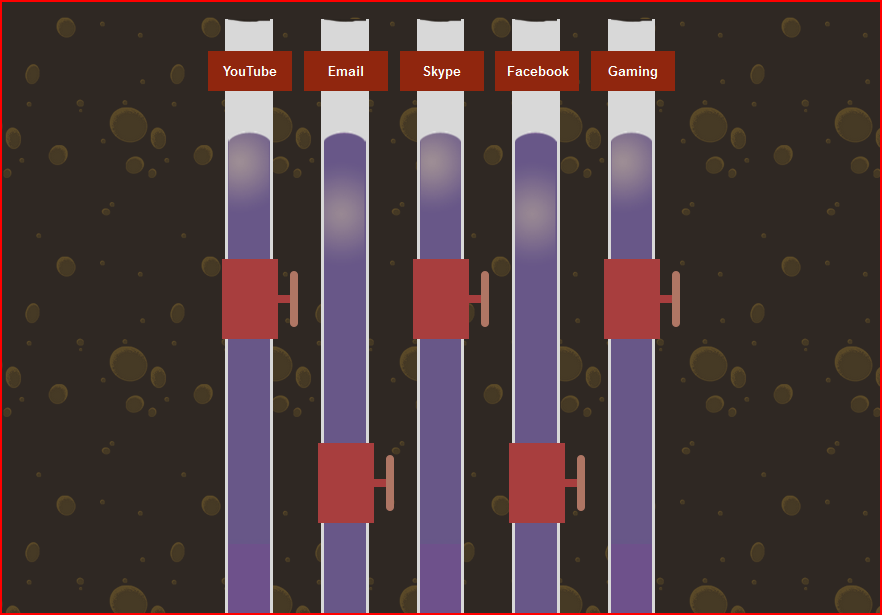
Net Neutrality has become one of the most important buzzwords in the tech world over the past years. This simple principle states that all content on the internet should get equal speeds, and internet providers cannot discriminate between the content. So users will get the same speed of access to the Facebook as they would for Youtube. The Federal Communications Commission of America, after a intense public debate, sided with Net Neutrality which was seen as a big win for an open and free internet and seen as a rare instant when the public opinion was considered over corporate interests. Now it’s India’s turn to decide the future of the internet.
The Telecom Regulatory Authority of India(TRAI) has invited views of Indian citizens on the future of the Internet in the country. The regulatory agency is currently also considering the future course of action for the OTT (over-the-top) players such as apps like Whatsapp, Viber, Skype which let users make calls and send messages at reduced rates in comparison to telecom companies. This is why the government is being pressured by the telecom lobby to create a regulatory framework for these apps which are eating into the revenues of the companies.
Net Neutrality principle states that all traffic on the Internet deserve equal speeds.
Airtel recently was on the receiving end massive of massive public outrage for breaking the internet based services and charging exorbitant rates for them. The public backlash led the company to roll back the decision. This instance exhibited an immediate need for clear net neutrality policies in India.
You can send in your comments by 24th April, 2015 and counter comments by 8th May 2015 on email id [email protected]. You can find more information on the consultation paper on TRAI’s website.
Net Neutrality has been one of the founding principles of the internet which has been around since its early days. Our lives are getting more and more dependent on the internet with each passing day, and so it’s absolutely essential that the consumer demand it to be open and fair. So right now you have been given an opportunity send in your views and if you miss now you won’t have the right to complain later. So go ahead and tell TRAI and the Indian government to bring strong net neutrality policies and preserve the open and free internet.
If you are still not convinced to take action yet, we’ll let John Oliver explain why you should send in your comments to TRAI, right now!
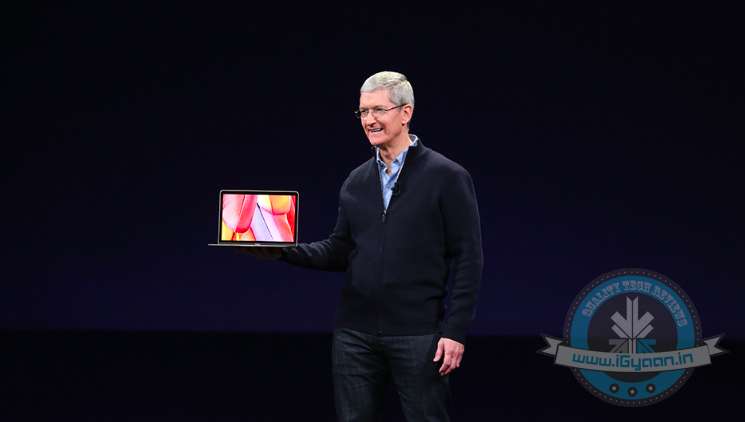
When Bill Gates and Warren Buffet, two of the richest individuals on the planet join their hands to form the Giving Pledge, it was seen as a call to action to the bourgeois population to engage in philanthropic efforts. About 128 billionaires have joined the initiative and agreed to donate most of their wealth to charity. The list includes the likes of Mark Zuckerberg, Richard Branson, and Elon Musk. Now Apple’s current CEO; Tim Cook will now join the ranks of the affluent philanthropists.
Tim Cook has announced that he will be giving away most of his wealth to charity. He wants to have enough to pay for his 10-year-old nephew’s college education. Tim Cook, being the CEO of the company that made the biggest profit ever in history recently, has a quite a healthy savings account, as you can imagine. His estimated wealth currently is said to be around $785 million.
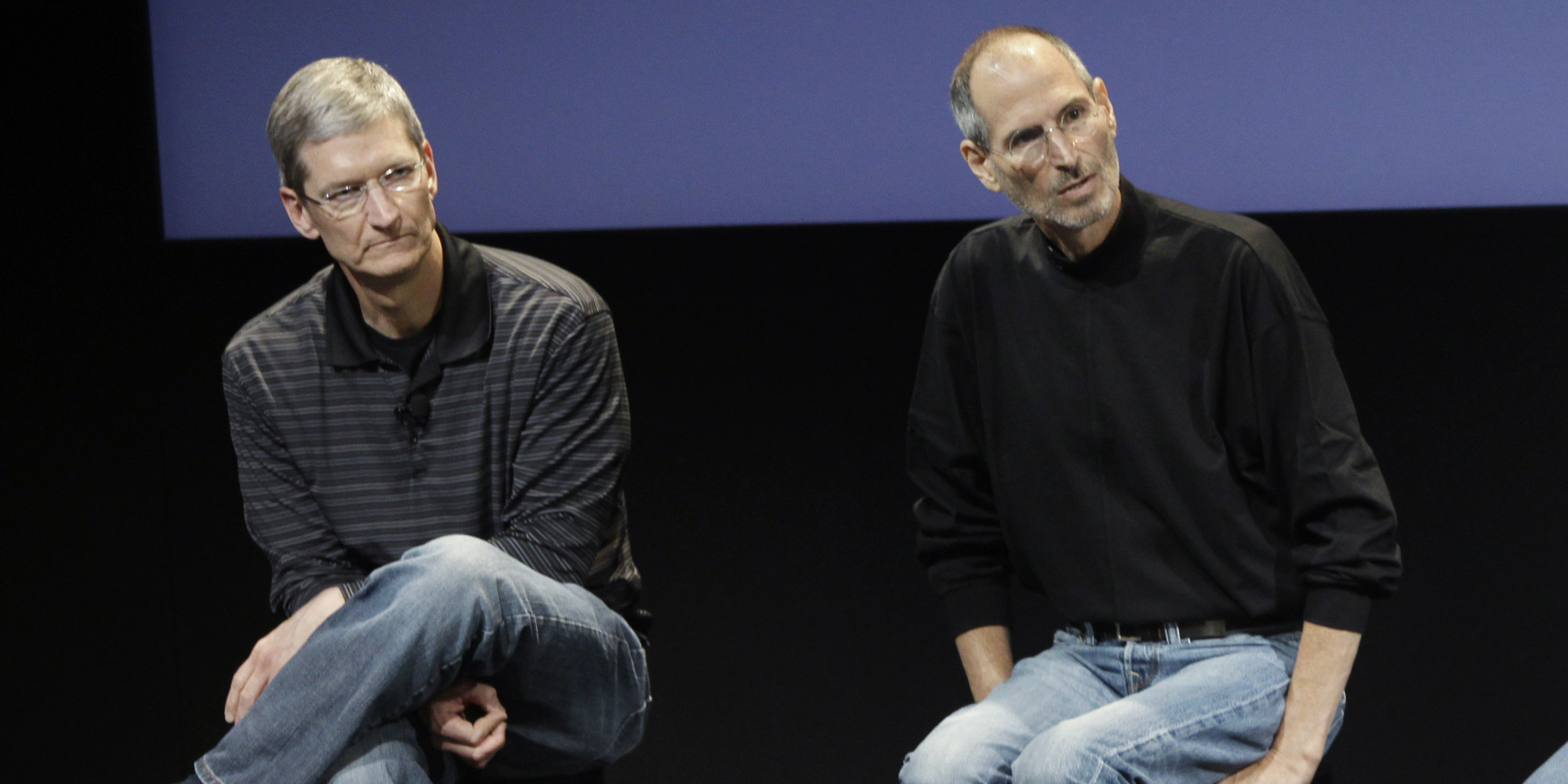
Tim Cook has worked with Apple since 1998 and has led the company since 2011 when Steve Jobs stepped down.
The announcement was made in an interaction with Fortune magazine. He said that he has already started donating money to various unspecified causes and is looking forward to developing a more systematic approach for his donations.
The 54 year old, has commanded the Apple ship since 2011 when its illustrious founder Steve Jobs stepped down. Under his watch, the company has brought several new products including the new Mac Pro, recent iPhones, and the new Apple Watch.
Tim Cooks wealth may not be at par with the likes of Bill Gates and Mark Zuckerberg, but it does present an encouraging scene where billionaires and millionaires show interest in the public good. We hope this trend catches on, and we get to see more individuals with massive capital interested in investing the people instead of stashing that money in offshore banks.
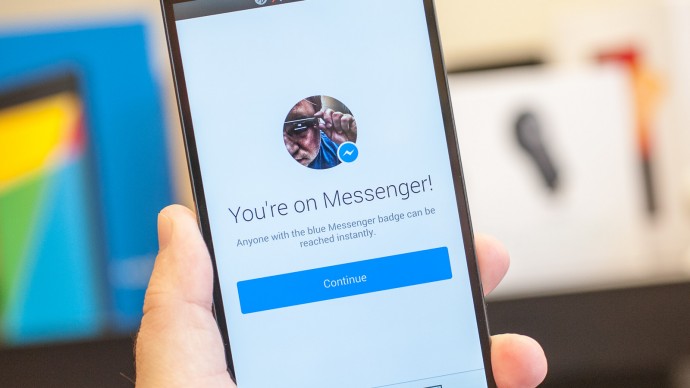
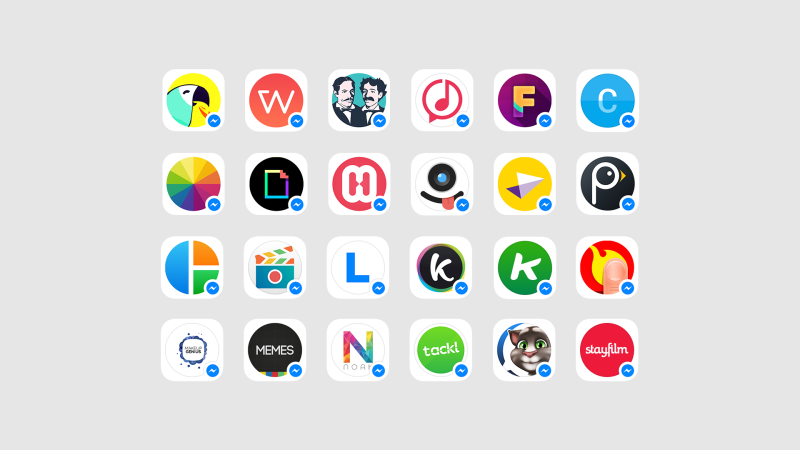
At the Facebook F8 developers conference recently, the social media powerhouse announced a slew of new updates for the Messenger app to make it a formidable messaging tool. The addition of third party apps to the ecosystem is the most prominent upgrade to the new Messenger platform. But Apple might prove a major hindrance to Facebook’s plans.
Facebook inducted third party apps on its Messenger platform to make it a more powerful messaging tool.
Apple, the makers of iOS devices, have strict policies in place for apps on its App Store. Section 2.25 of the App Store Review Guidelines, states, “Apps that display Apps other than your own for purchase or promotion in a manner similar to or confusing with the App Store will be rejected.” The addition of support for third party apps on the Messenger platform puts it directly in conflict with the above app store policy.
The gist of the policy is that Apple doesn’t allow apps to set up their own app store on their ecosystem. If the policy is enforced against the Messenger platform, it will be a major downer for Facebook. As of now Apple has given no indication about its policy towards the new messaging platform. But we might get to hear something soon as Apple might still be studying the situation. Considering the massive market for Apple devices, Facebook is likely to get a deal sorted out to prevent a rejection from the App store.
Honor which is now an independent smartphone under Huawei dazzled the Indian audience with the launch of the Honor 6 Plus and Honor 4X in the Indian market. Honor 4X will take on the likes of Moto G, Redmi Note, Yu Yureka and similar devices. The first flash sale for the 4X will be held on the 30th March and looking at the registrations for the device, it seems like Honor has a winner on their hands.
Honor claimed to have registered over 1,00,000 registration for the Honor 4X within just 24 hours. The device is priced at Rs. 10,499. The registration started on e-commerce website Flipkart at 4:00 pm on March 24, 2015, and will last until midnight on March 29, 2015.
Honor 4X feels like a bang for the buck device. It sports a 5.5 inch HD display and is powered by 1.2 GHz, Snapdragon 410 processor. It offers 2 GB RAM and 8 GB of storage which is expandable up to 32 GB.
The phone flaunts a 13 MP camera on the back and a 5 MP selfie shooter in the front. The device runs EMYI 3.0 which is based on Android 4.4.4 KitKat. It is juiced up by a 3000 mAh which will ensure that you have enough juice to keep you going all day.
It seems that the companies are finally ready to offer quality handsets to budget consumers. The intense competition between the brands is great for the Indian consumers who now gets great features without emptying up their wallets.
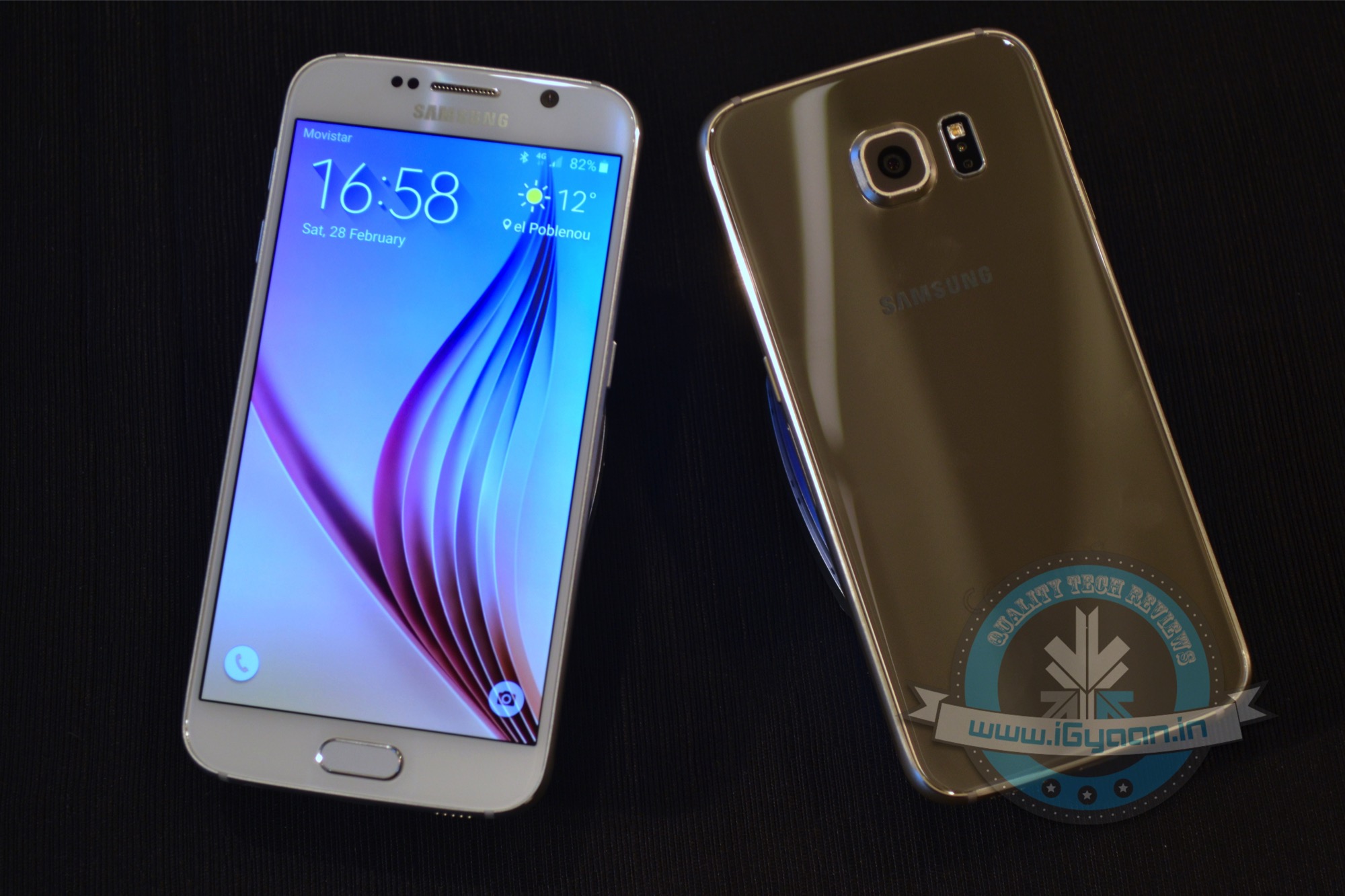
Samsung finally launched products which are worthy of the Korean giant’s stature in the tech industry. The Galaxy S6 and its curvy sibling the S6 Edge bring unique features to the market that set a standard for others to follow. Samsung paid heed to all the criticisms directed towards it and built a smartphone that seeks to address all the issue and take smartphones to the next step.
Here are the ten features of the new Galaxy S6 and the S6 Edge which make it stand apart from the rest of its competition.
Fact #1: Metal and Glass
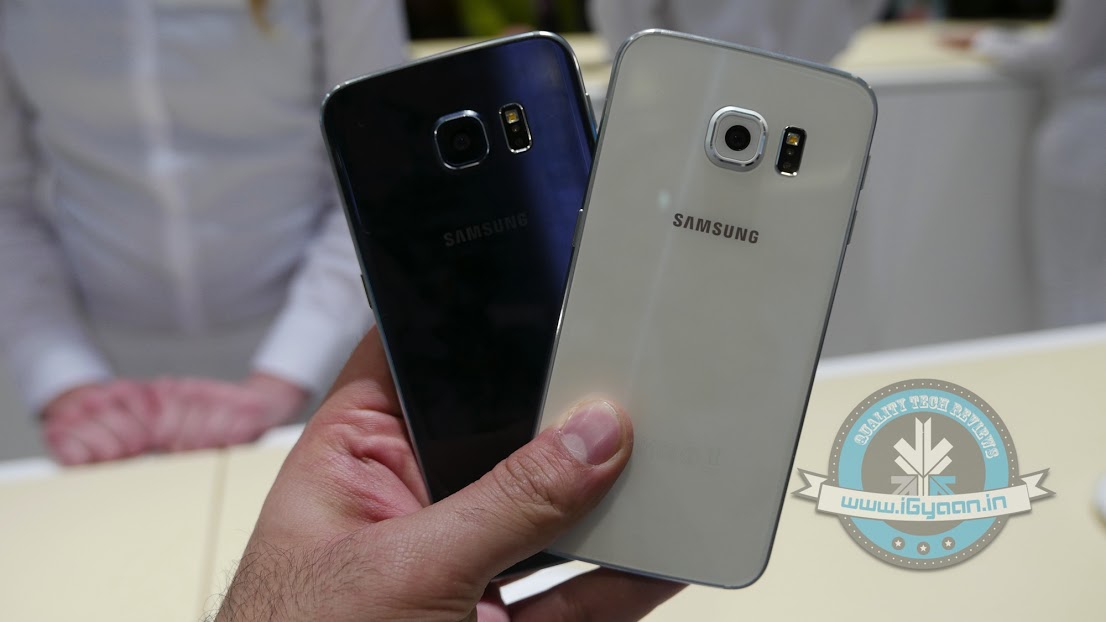
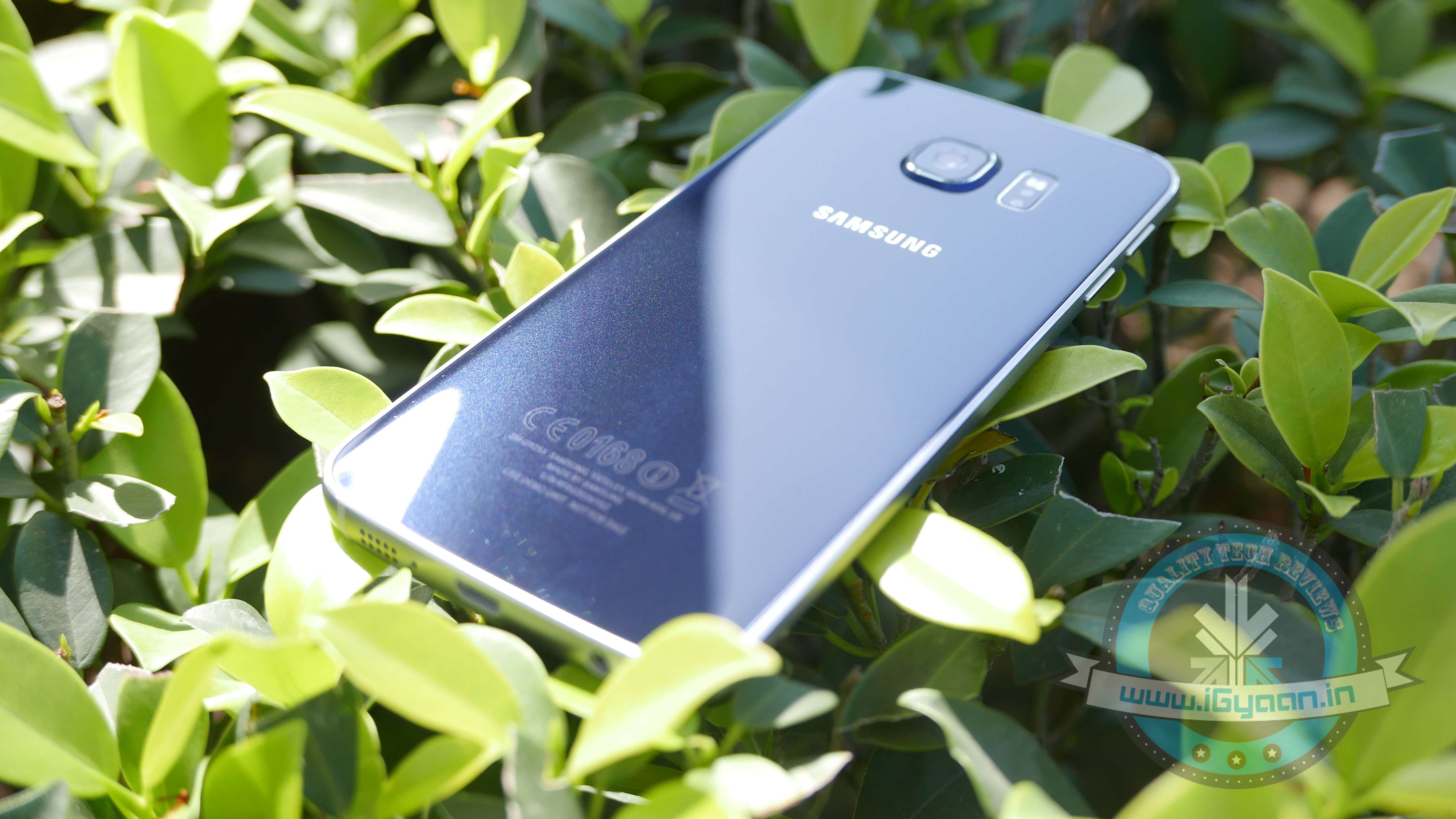
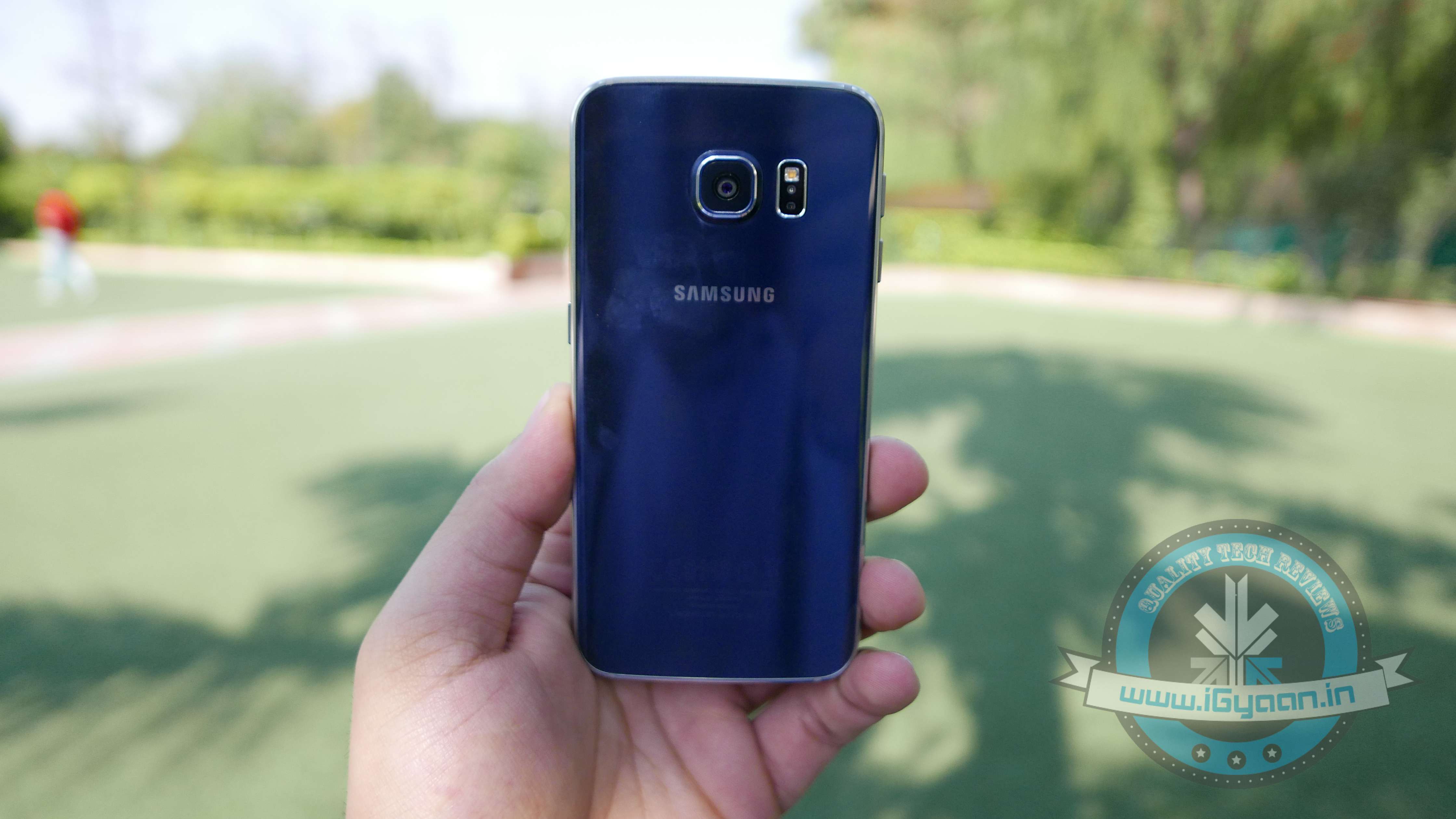
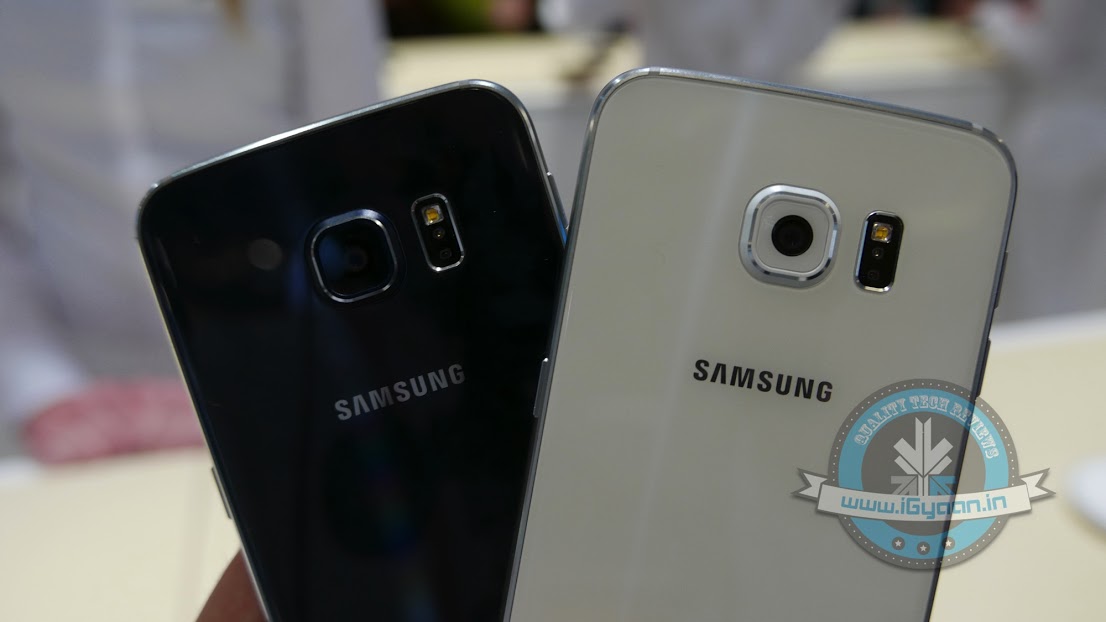
Samsung has been making Android smartphones since the early days of the operating system. Smartphones are its most prominent product, but the company was criticised lately for bringing products with lackluster designs and made mostly of plastic. So this time around Samsung gave its devices the premium look and feel that its target consumers were looking for. The new flagship handsets are crafted with metal and glass which makes them flaunt-worthy. It has an aluminium frame and is strengthened with Gorilla Glass 4 on both sides.
Fact #2: Wireless Charging
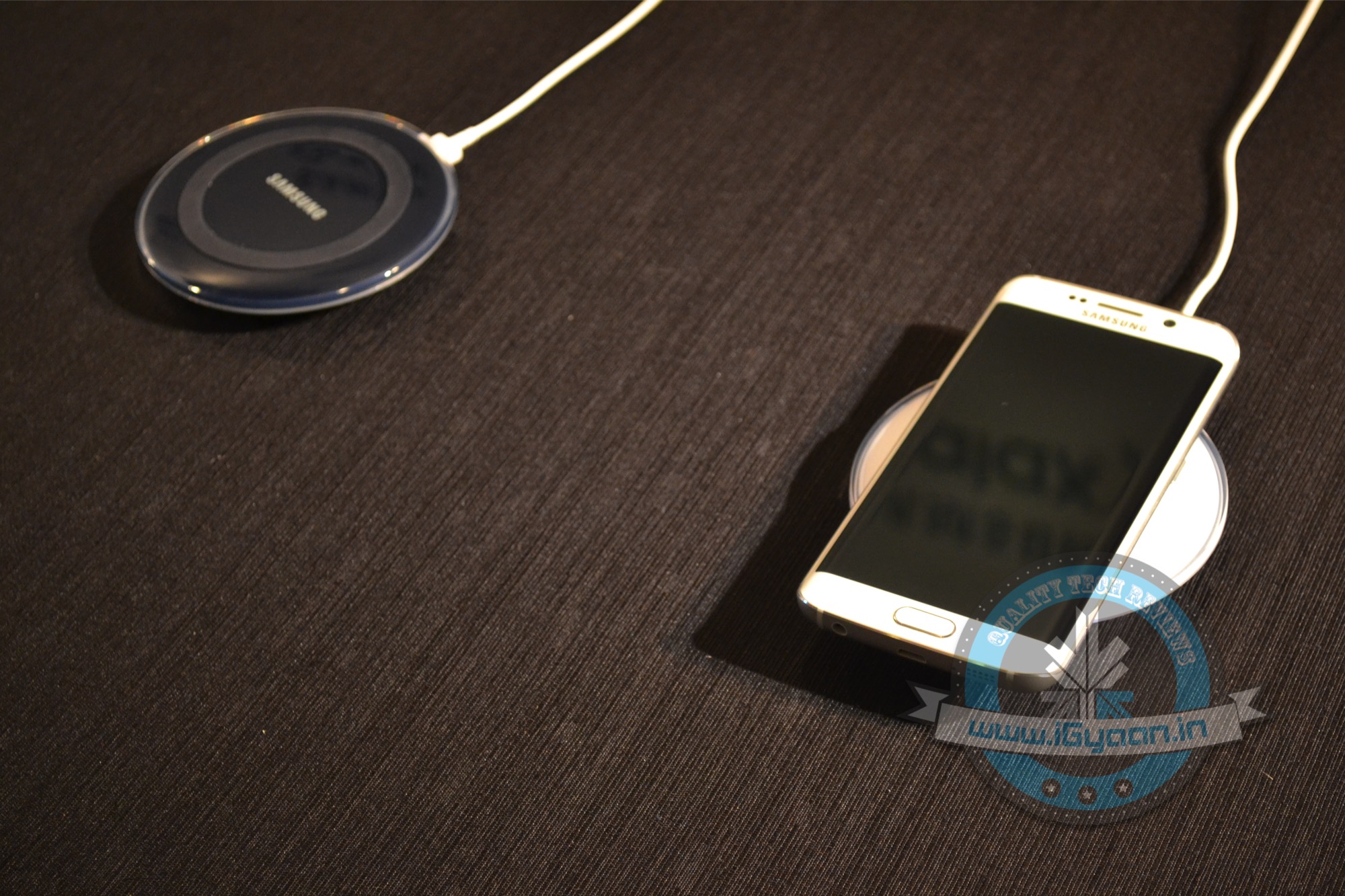
Both the Galaxy S6 and the S6 Edge offer wireless charging that supports major standards including Qi charging.
Fact #3: Quick Charge
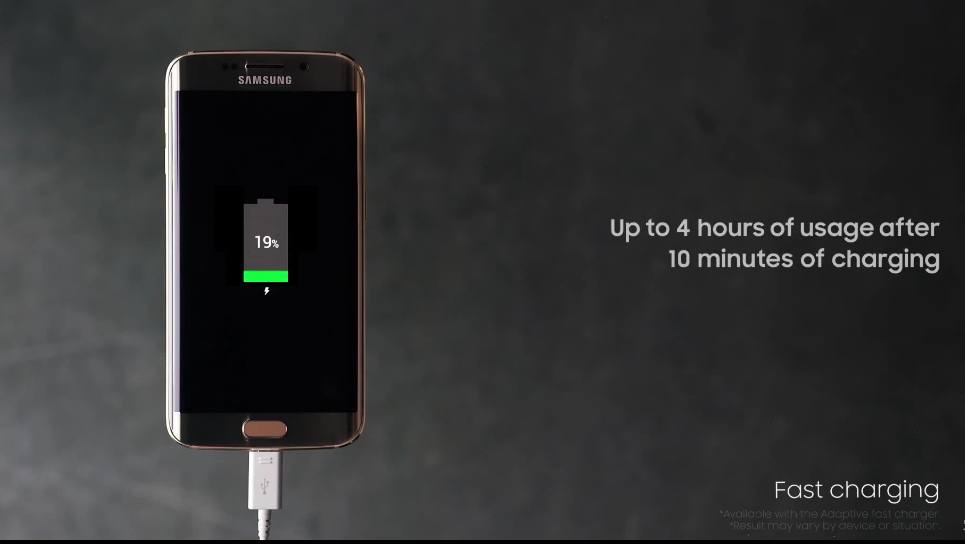
The new flagships feature Quick Charge capability that allows you to get 4 hours worth of juice with just 10 minutes of charging.
Fact #4: Non-Removable Battery and No Expandable Storage
Samsung had in past flaunted the fact that you can easily pull off the back cover, pop in your secondary battery, and you’ll be ready to go. Galaxy S6 and S6 Edge are the first smartphones from the company to feature a unibody design with no removable battery and expandable storage. Samsung said that they were confident of their battery’s features, so they decided to lock it in. The phones are available in 32, 64, and 128 GB storage options.
Fact #5: The First Dual Edge Curved Smartphone
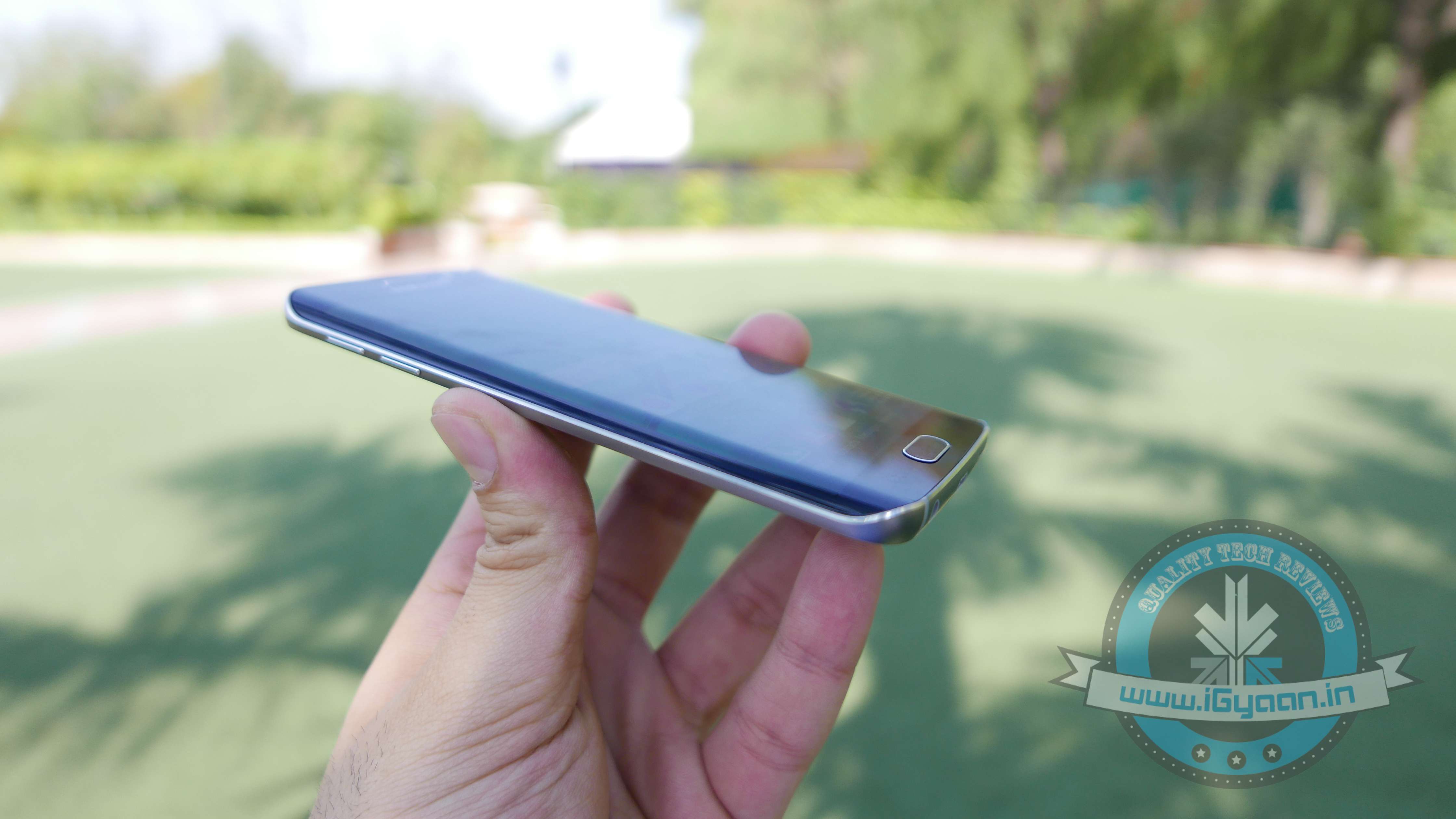
The Galaxy S6 Edge is a one-of-a-kind device. It is the only handset in the world to have a dual edge display. Samsung hasn’t really added a lot of features to the two curved displays, but they sure look fantastic. The curved displays are open for developers to innovate so we might see new utilities for the edge displays in the future.
Fact #6: Gorilla Glass 4
The premium metal and glass design asks for ingredients that look appealing while being tough and robust. Corning Gorilla Glass 4 is one of the strongest protective glass in the world, and the new Galaxy S-series flagships are covered with it on both front and back ends.
Fact #7: Samsung Pay
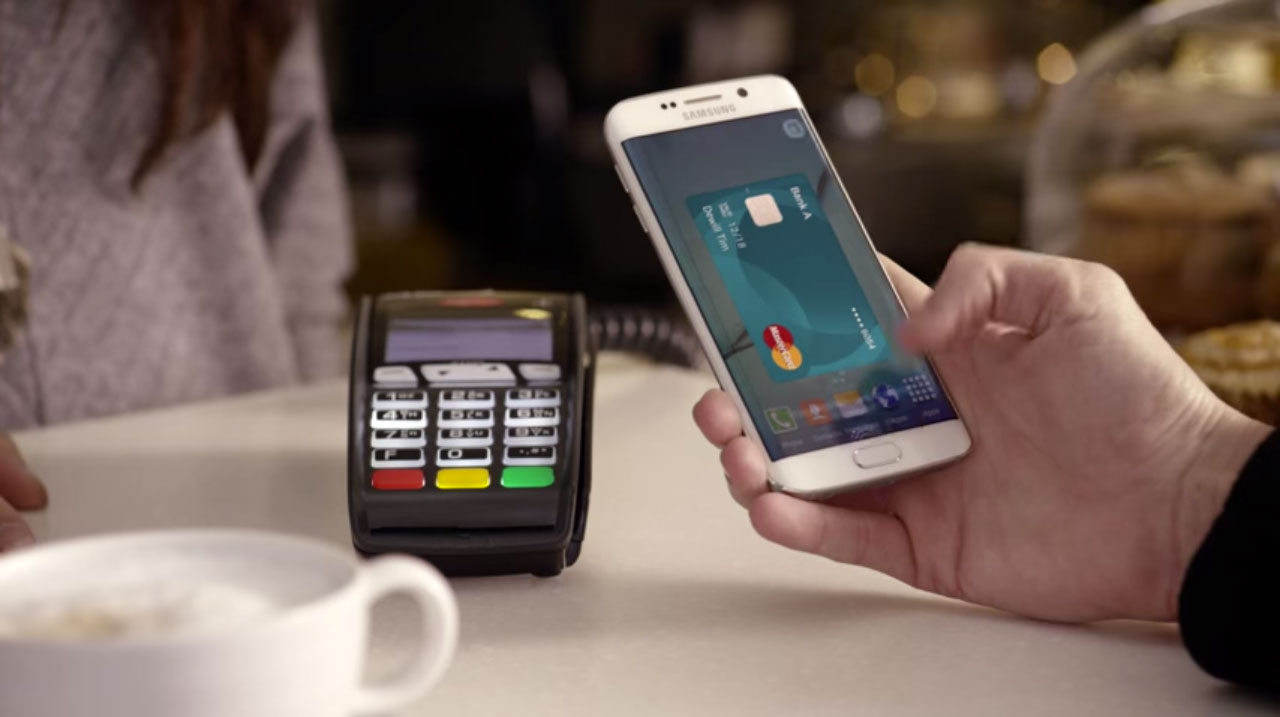
Mobile payments are the next step in payment technologies. Apple has already introduced the NFC-based payment system called Apple Pay with the new iPhones. Samsung went further and introduced Samsung Pay, a mobile based payment method that even works with conventional credit/debit card readers. Your payments will be secure as they will have to be authenticated with the phones inbuilt fingerprint reader located in the home button.
Fact #8: Flagship Camera
Both new Galaxy S flagships feature amazing camera modules. Both these devices have f/1.9 mm lens on both front and back cameras which ensure that you get bright photos and great night-time imagery. The 16 MP main camera with F1.9 on the back also comes with OIS, so you get fantastic images and videos devoid of any shakes.
Fact #9: Powered By Exynos
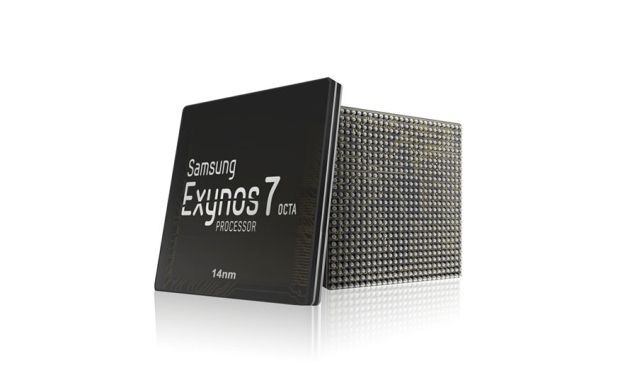
Samsung has previously marketed devices based on its homegrown processor, Exynos along with Snapdragon options. This time around, Samsung has put the task of powering the new flagships solely to the new octa-core Exynos chipsets based on 14 Nm architecture.
Fact #10: Samsung Knox
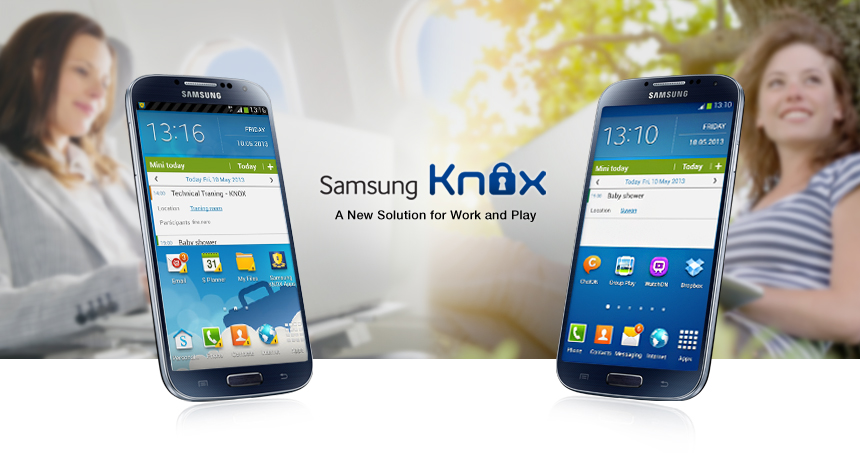
Considering the prices of these premium devices, you can guess that its target audience is the executive and businessman on the move. Mobile devices are playing a major role in the enterprise ecosystem. It’s important here that the crucial enterprise data remain secure while being convenient to access. Samsung Knox attempts to do just that. You can have two device in one, for professional and personal use. With Knox, your enterprise data remains separate and secure from your personal data. Samsung Knox also addresses several security concerns of the Android ecosystem and thereby becomes a valuable addition to the new smartphones.
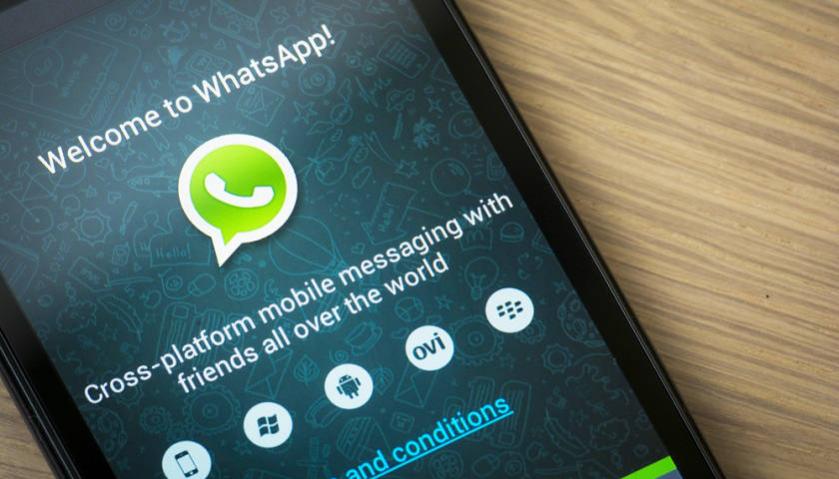
WhatsApp recently led a direct assault at telecom companies’ core business, voice calling. By introducing the voice calling feature, WhatsApp became a complete phone utility in itself. The feature is being rolled out gradually on Android and WhatsApp’s founder has announced that iOS users of the app will be bestowed with voice calling feature really soon.
WhatsApp’s co-founder, Brian Acton was speaking at Facebook’s F8 developers’ conference when he made the announcement. He said iOS users will be getting the voice calling update in a “couple weeks”.
There have already been a few unofficial efforts towards bringing the feature on iOS through jailbroken iPhones, but an official version is definitely better and secure.
As the date mentioned by the company is still vague, you can expect it to take a few weeks more. Facebook Messenger chief, David Marcus had said that WhatsApp had spent years creating and testing the voice calling feature before bringing it to Android phones. So maybe it’s better to wait a few weeks to get a fully functional voice calling feature instead of bug filled versions that may be available now.
It would also be interesting to see how the telecom companies respond to this as it’s a major threat to their core business. If past is an indication, they might steeply increase the price of data packs and may also try to take initiatives to break the internet. This is no ordinary feature, and we should anticipate a major legal battle soon between the old powers and the new innovative tech developers over the future course of communication technology.
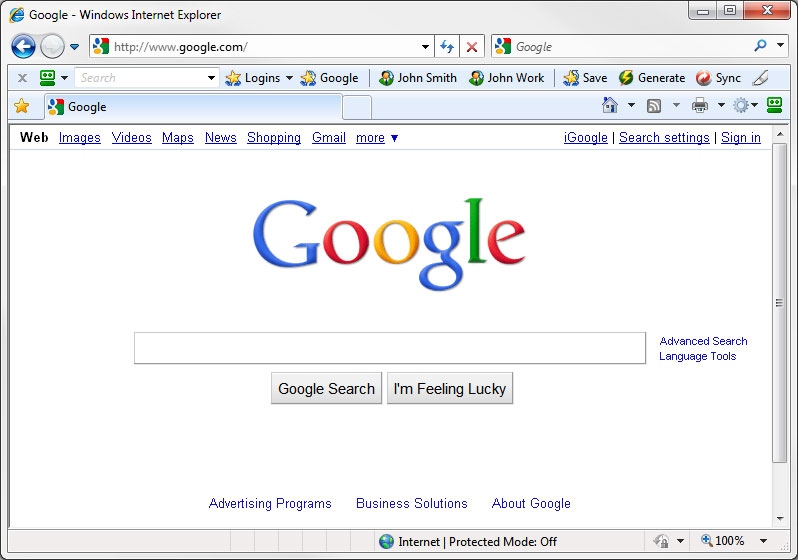
It was once the only way to connect to the internet in most personal computers. For years, Microsoft’s Internet Explorer brought internet to the masses. Before the arrival of multiple tabs, search from address bars, and a multitude of browsers to choose from, there was the Internet Explorer (IE). Now it’s the year 2015, and we have come a long way from 1995 when IE first came into existence. The browser landscape has changed dramatically, and Microsoft has decided to slowly say farewell to the good old IE.
Microsoft launched the Internet Explorer in 1995 as an add-on package Plus! for Windows 95. After its launch, Microsoft had to face a much publicised lawsuit against the American government who alleged that by integrating the internet browser with the operating system, the company was engaging in monopolistic behaviour. It was said Microsoft’s inclusion of a web browser would be severely detrimental to other browsers of that time such as the Netscape Navigator. Microsoft used its monopoly power and eventually won the war of browsers as well as reached a settlement, in that case.
Over the years, IE has constantly lost ground to newer browsers like Firefox and Chrome.
In recent years, there have been immense developments in the field of browsers and IE has now taken a back-seat. Not just that, it has received much ridicule over the internet for not keeping up with the times. Browsers like Mozilla Firefox and Google Chrome are fast eating into the IE’s market share though IE still enjoys a comfortable majority with almost 40% of the market share as its present by default in most systems.
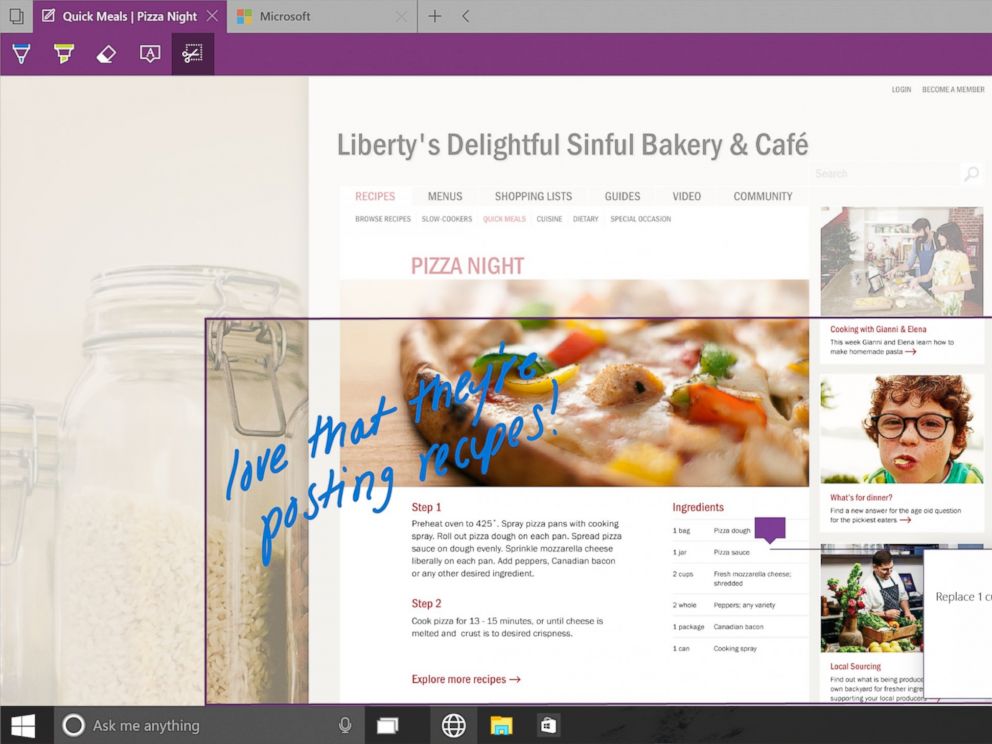
Coming to the future of IE, Microsoft has already announced that it would be replacing IE for a whole new default browser for Windows 10 OS with what is presently known as Project Spartan. Internet Explorer will still be present on a few Windows 10 systems, for enterprise consumers who use it for its business applications. Microsoft had previously said that the new rendering engine for Spartan will also be shared with IE, but the company said that it would not be doing that any more.
Internet Explorer will be replaced with Spartan which will be the browser of the future for Microsoft.
In Windows 10, IE will be carried forward unchanged from Windows 8.1. Spartan, on the other hand, will offer unique features that would let it take on the present giants of the business. Microsoft’s voice assistant, Cortana, will also feature in this new browser to make it easier for you to find what you are looking for.
Every journey has its end, and IE is on the last leg of its journey. As the enterprises and governments who still use IE shift to newer browsers, IE will rapidly lose its share in the market. But considering the iconic stature of the browser, Microsoft needs to send it off in style. We hope Microsoft gets this message, and it hosts a legendary farewell event for the grand old Explorer.
Entourage fans have waited a long while for the movie based on the series to play in a theatre near their house. That wait will come to an end real soon. The movie, like the show is produced by Mark Wahlberg, who also plays himself in the movie. The cinematic version of Entourage stars many recognizable faces from Hollywood.
Ari Gold, the legendary talent agent, is now the head of a studio and invests $100 Million in Vince’s directorial debut. But all seems to be in chaos as usual. The boys; E, Turtle and Drama will also engage in shenanigans that will get them stuck in weird places. Watch the new trailer and get ready for the chaotic adventures of Vincent Chase and his Entourage.
Display technologies have witnessed immense evolution over the years. We now can find displays in all shapes and sizes, and they are now an integral parts of our lives. There have also been efforts to create innovative display which has led to the arrival of various curved and manipulable displays in the market. Samsung wants to take it a step ahead and introduce flexible, foldable displays by next year.
The Korean electronics giant had previously initiated a competition where it offered cash prizes ranging between $2,500 and $10,000 to get entrepreneurs excited about creating startups around flexible display technologies. That initiative was called Samsung Create: Flexible Future Business Plan Competition.
BusinessKorea reports that they have insider info on the future of Samsung’s foldable display endeavour. They say that the commercialization of foldable smartphones will be possible in 2016. They cite a Samsung Display official for the quote.
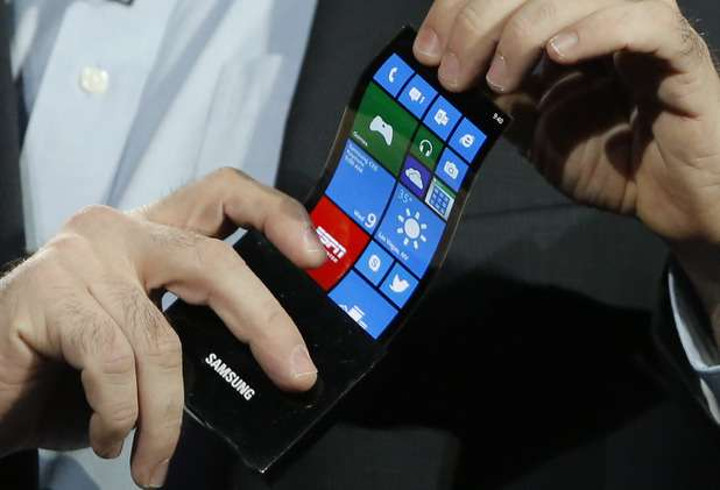
Foldable displays isn’t that new a concept. Most of us have come across random design renderings before the launch of every new iPhone. Flexible displays have also found their place in science fiction based films and TV shows. We have also seen some prototypes like the Kyocera Proteus, but there hasn’t yet been a foldable display in real life that matches up to its fictional silver screen counterpart. A fully developed flexible display might look something like this, except for the holograms of course:
The first foldable displays are expected to be featured in smartphones. So we might start to get some interesting revelations by the time the Galaxy S7 gets ready for launch. The technology is still in developmental stage, and it will be a major challenge to bring a new species of displays for the mass market in a year. But we will still be optimistic here and let Samsung work hard on our future flexible smartphones. Don’t disappoint us now Samsung, we finally started liking you again after the Galaxy S6.
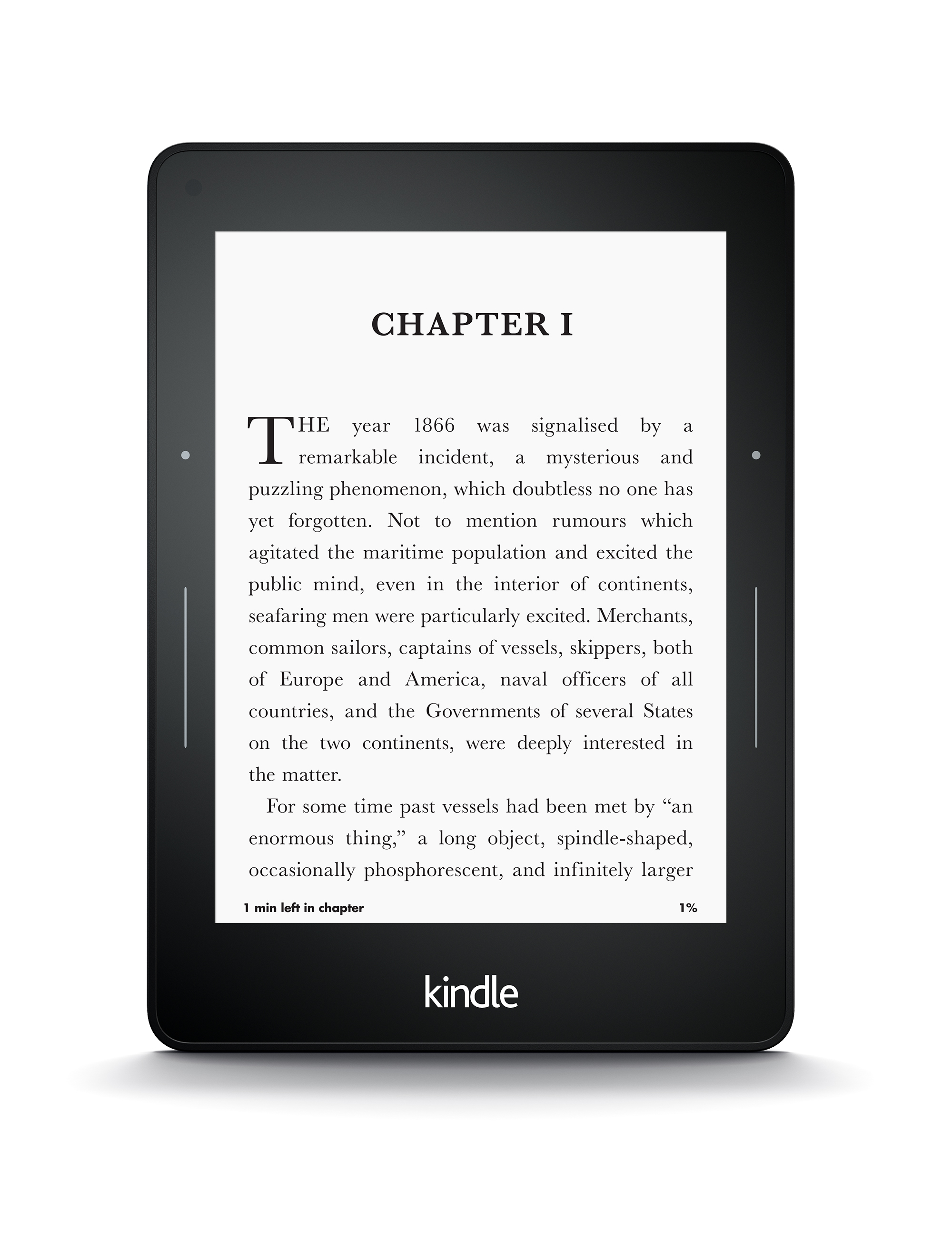
E-Book readers are an excellent tool for the book lovers or as they are called in literary terms, bibliophiles. These tablet devices offer better book reading experience to the readers in comparison to the displays of conventional tablets. The E-ink display is easy to the eyes and gives a more natural look to the digital files. Amazon’s Kindle is the most prominent of all readers, and its has been in India for quite some time now. Amazon has now extended its Kindle portfolio in India with the introduction of the Kindle Voyage.
Kindle Voyage is thinner than all its predecessors. It has a 300 PPI display which is claimed to have the highest resolution, contrast, and brightness till date. This Kindle comes with a new ambient light sensor that adjusts the brightness of the display depending on the environment. So suppose you are reading in your room in the dark. The device will lower the brightness as your eyes get accustomed to the light.
To give a natural book reading experience, the Kindle has haptic actuator which create advanced vibrations when a page is turned. You can browse through Amazon’s massive repository of books at the Kindle store and get your bibliophile on.
Kindle Voyage is available in two variants; the Wi-Fi-only Kindle Voyage is priced at Rs. 16,499 whereas the Wi-Fi + 3G version is priced at Rs. 20,499.
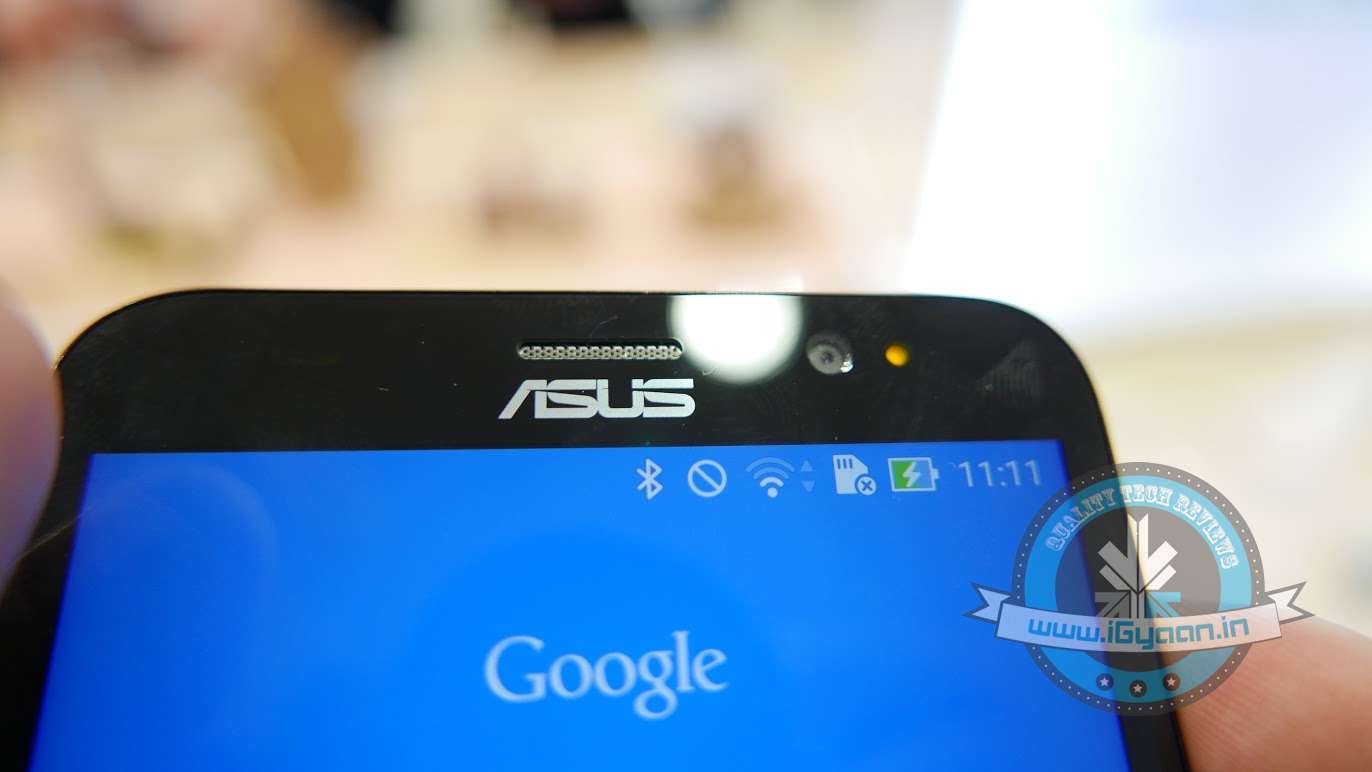
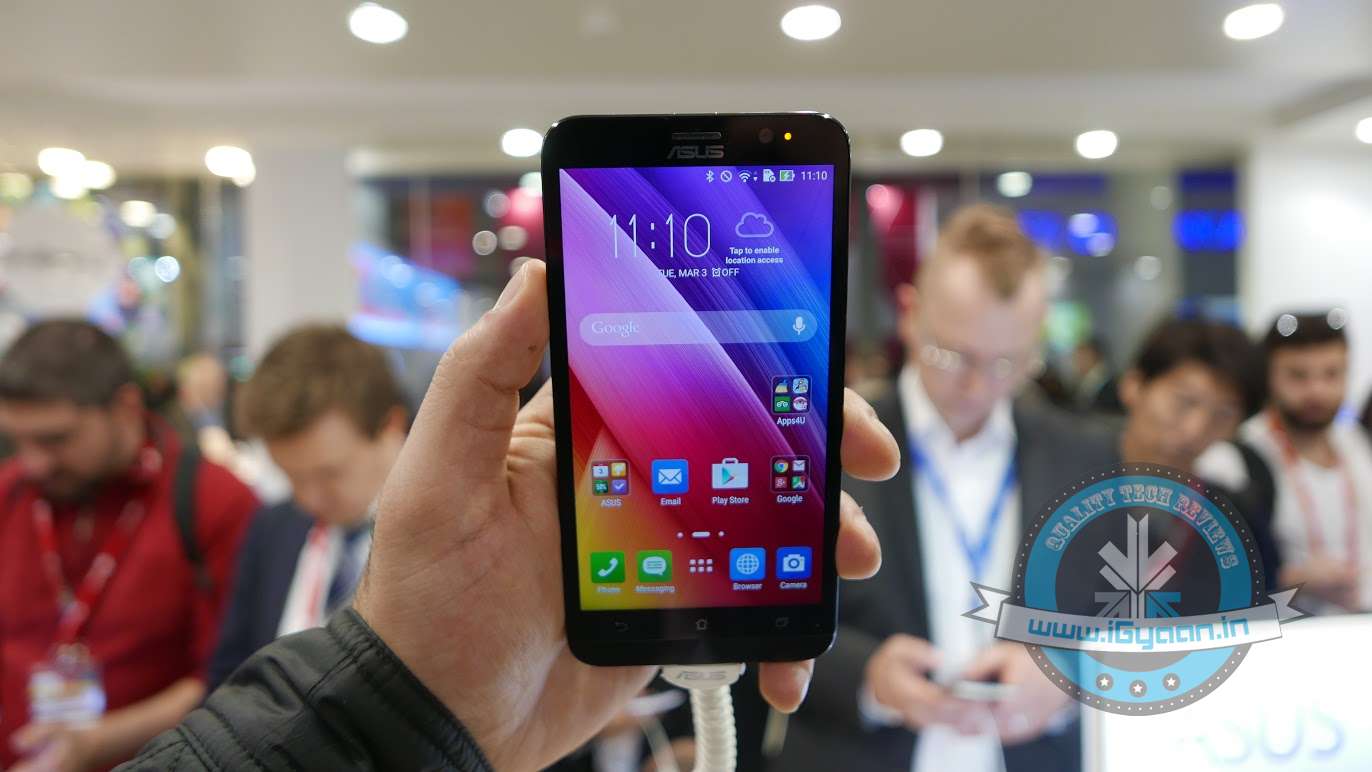
At the Mobile World Congress this year (MWC 2015), all the buzz was around Samsung’s latest flagship the Galaxy S6 and S6 Edge. But one smartphone managed to turn some of the limelight focused on Samsung towards itself. That phone was the Asus Zenfone 2, and according to the Asus, this awesome device is coming to the Indian shores soon.
Asus Zenfone 2 has the potential to be the new affordable superstar. The device flaunts a 5.5. Inch Full HD display with a pixel resolution of 403 PPI. It was launched with two processor options. The first one is powered by a 1.8 GHz, Quad-core Intel Atom Z3560 processor with 2 GB RAM. The other variant handles its processing tasks through a 2.3 GHz, Quad-core Intel Atom Z3580 along with 4 GB RAM.
Zenfone 2 is available in 16, 32 and 64 GB storage options which are all expandable up to 64 GB. The device sports a 13MP camera on the back while a 5MP front shooter is ready for your selfie needs.
Asus has offered the Zenfone 2 with a 3000 mAh battery which will keep it going for a good long while. It runs ZenUI based on Android 5.0 Lollipop.
Zenfone 2 is expected to compete against the likes of Moto G, Redmi Note, Mi 4 and their likes and will be priced accordingly. The device will be available without a flash sale which can in fact be advantage for it over its competition. This phone’s spec sheet looks impressive, and we had a good time playing with it at the MWC albeit for a brief duration.
Read our hands-on experience with the Zenfone 2 here and keep visiting iGyaan for more hands-on and in-depth reviews.
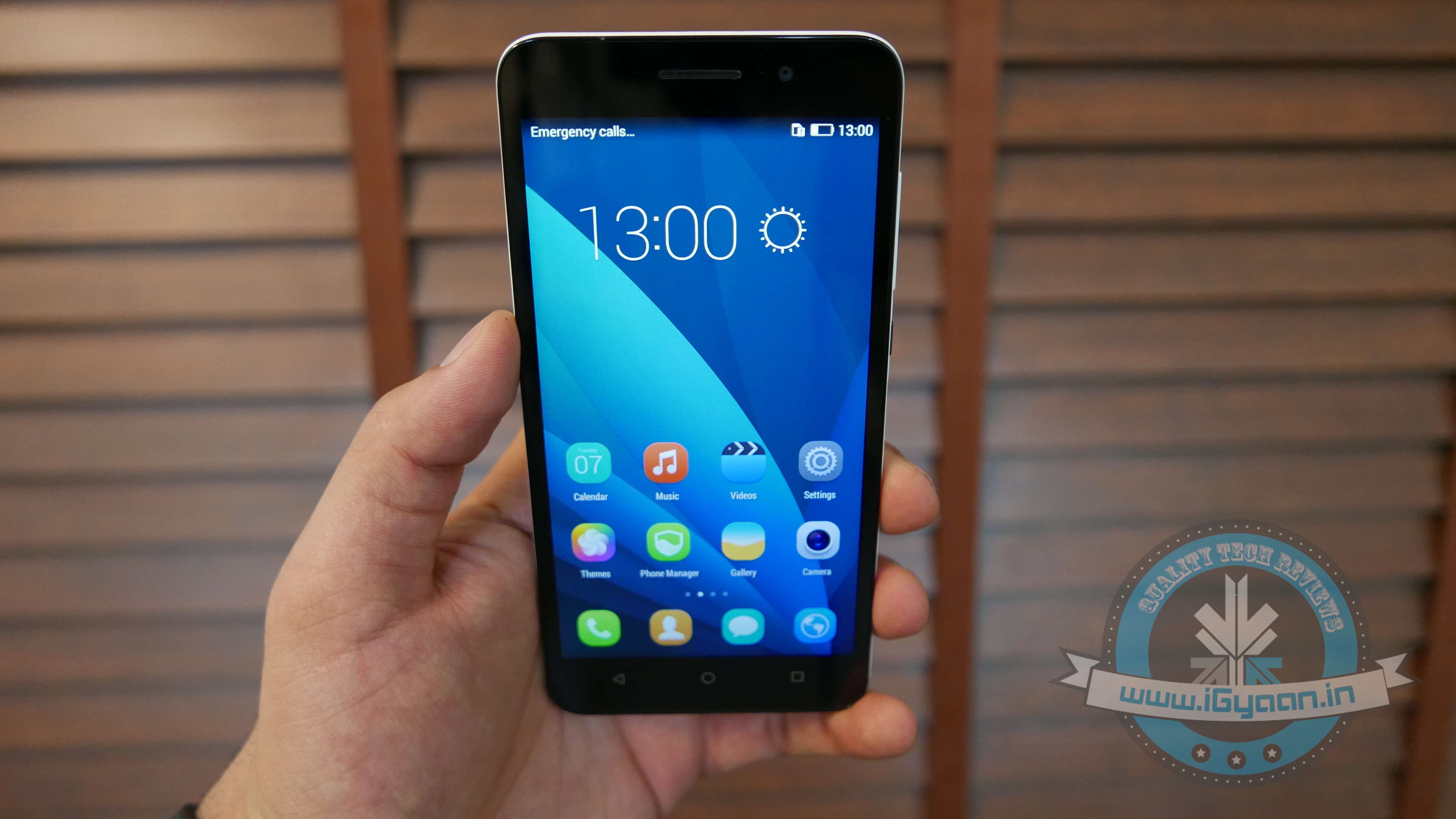
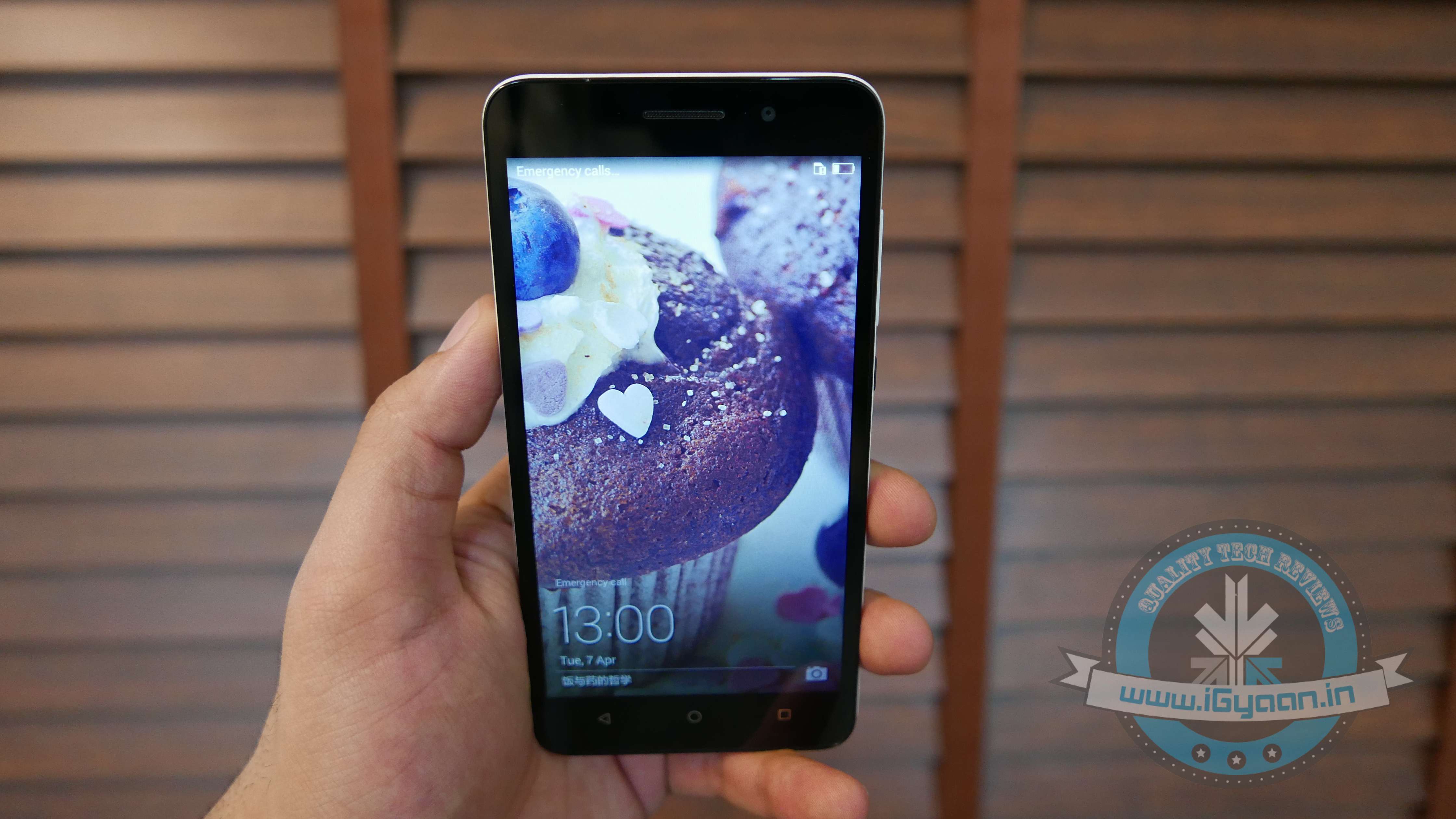
Honor has introduced two new phones for the Indian market, the Honor 6 Plus and the Honor 4X. Both these devices have appealing designs and features. We got our hands on the new Honor 4X and here we bring to you our first hands-on experience with the new smartphone.
Honor 4X sports a 5.5 inch HD(720×1280) display with a pixel density of 267 ppi. It is powered by a Snapdragon 410 processor and comes with 2 GB RAM. It has an internal storage of 8 GB which is expandable up to 32 GB. It runs EMUI 3.0 out of the box which is based on Android 4.4.4 KitKat. The device is juiced up by a 3000 mAh battery.
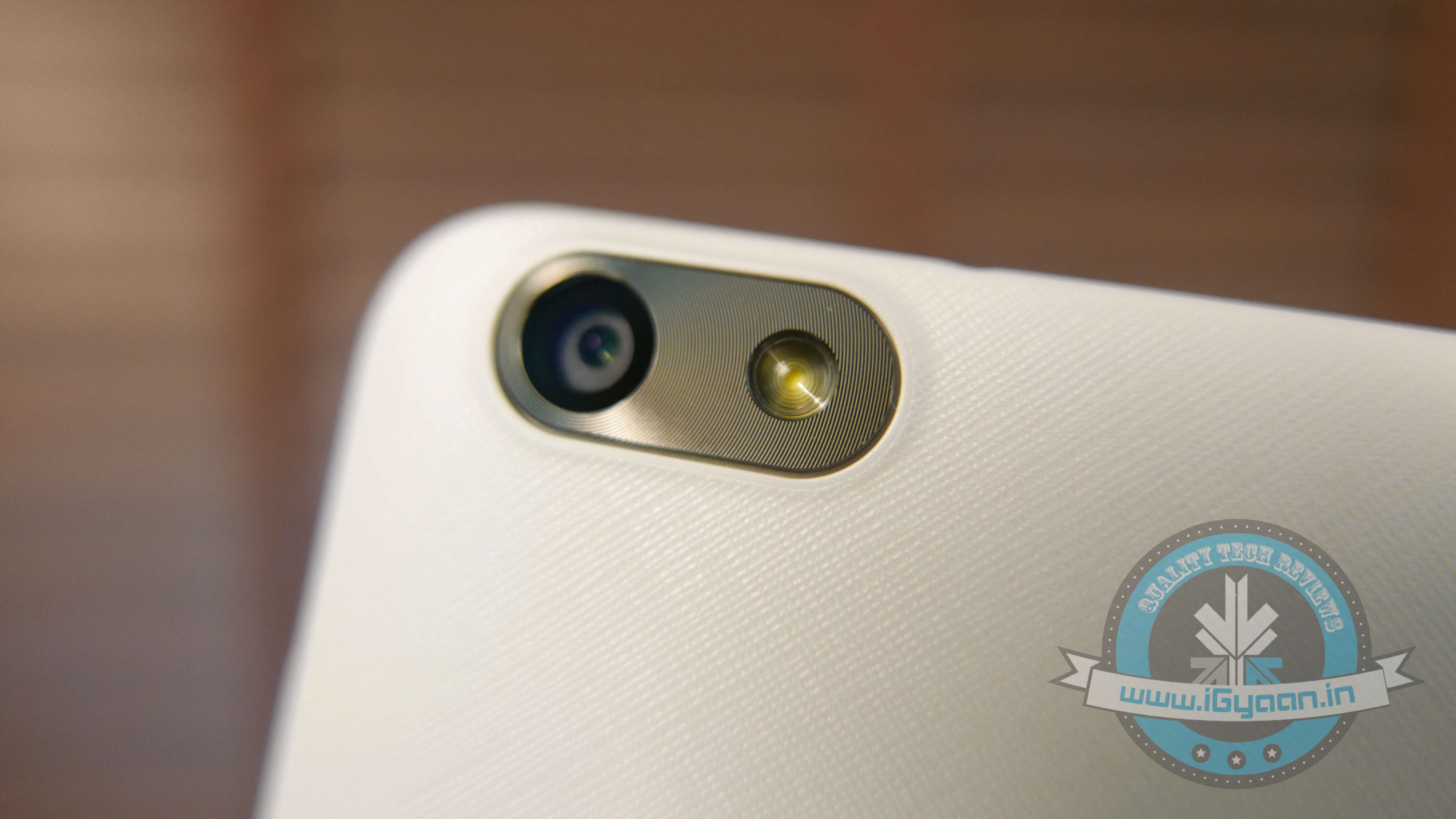
The camera of the Honor 4X is its stand out feature.
The handset features a 13 MP camera on the back which churns out some great images. On the front of the device sits a 5 MP camera for all your selfie needs. It shoots 1080p videos at 30 fps. The camera app is easy to use and offers features like tap to focus, beauty shot, and multiple filters. It lets you change the focus after taking a shot with its All-focus feature. You can also add record a 10 second audio with a photo with the Audio Note feature and also add a watermark which shows the name of the city you are in along with temperature and date.
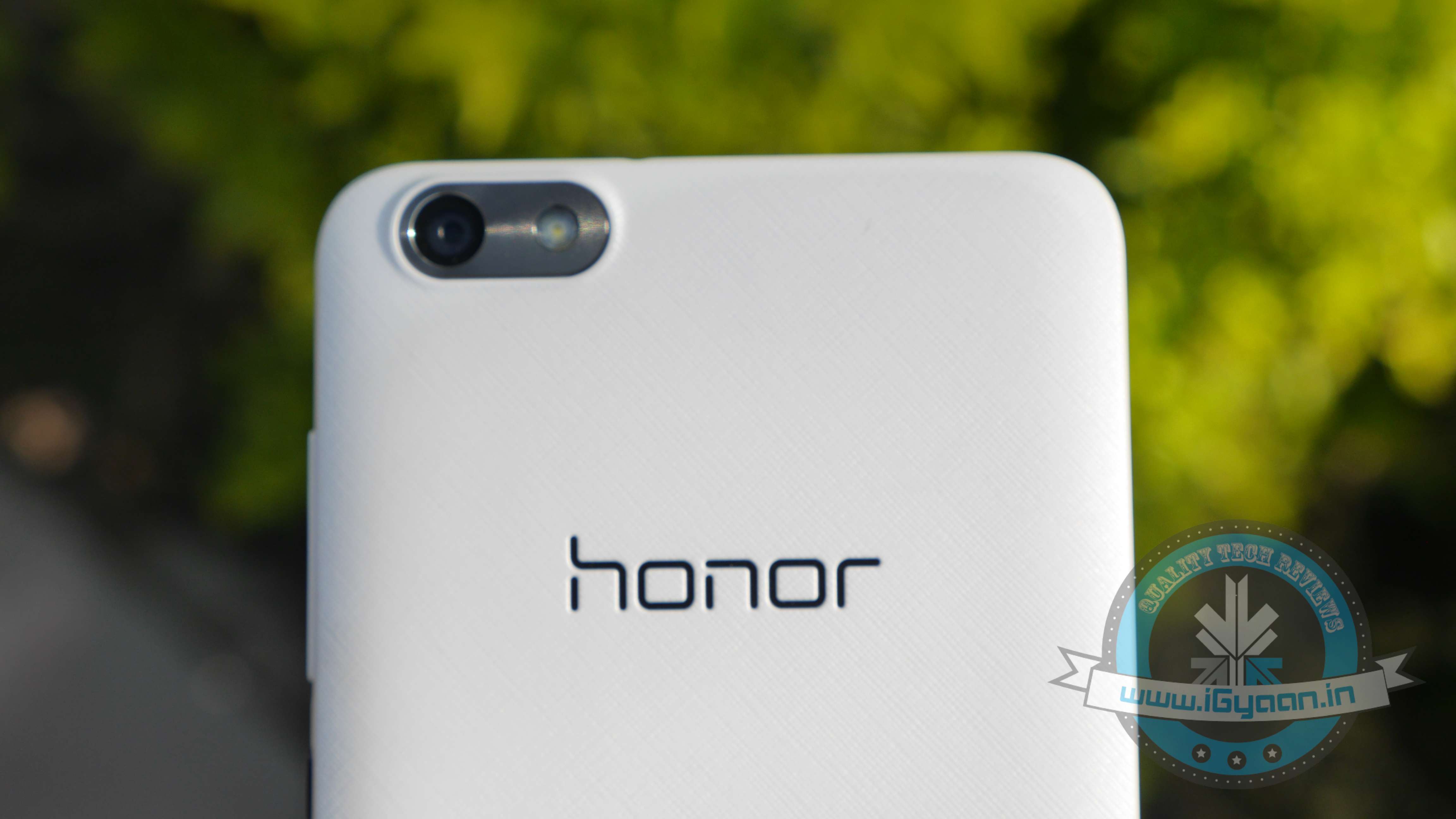
The device felt good in our hands, though it was a bit slippery. It has a soft touch back panel which is made from Kevlar, the material used for making bullet-proof vests. This back panel is removable, but the battery has been sealed. The SIM card and microSD card slots are placed inside the back panel.
The EMUI running on the Honor 4X is similar to the likes of iOS and MIUI where all the apps are on the home screen, and there is no app drawer. The UI was found to be fast and responsive and offers multiple customization features like themes and transitional animations. The sample video playback felt great, and the colors felt just right and were not overtly saturated.
Overall the Honor 4X seemed like an excellent all-round multimedia device for those on a budget. The device is priced at Rs.10,499 which gets it competing with the likes of Yu Yureka, Redmi Note and even the Moto G. The company has also said that the 15-month extended warranty of the device won’t be void even if you root the device, which is great news for those who like to tinker around with their handsets.
Honor will be offering accessories such as leather cases, headphones and others on Flipkart. The company has announced that its new devices will get monthly OTA updates for the first six months, followed by quarterly updates. You can pre-order the Honor 4X starting today till March 29 midnight. The flash sale will be held on March 30 at 2pm.
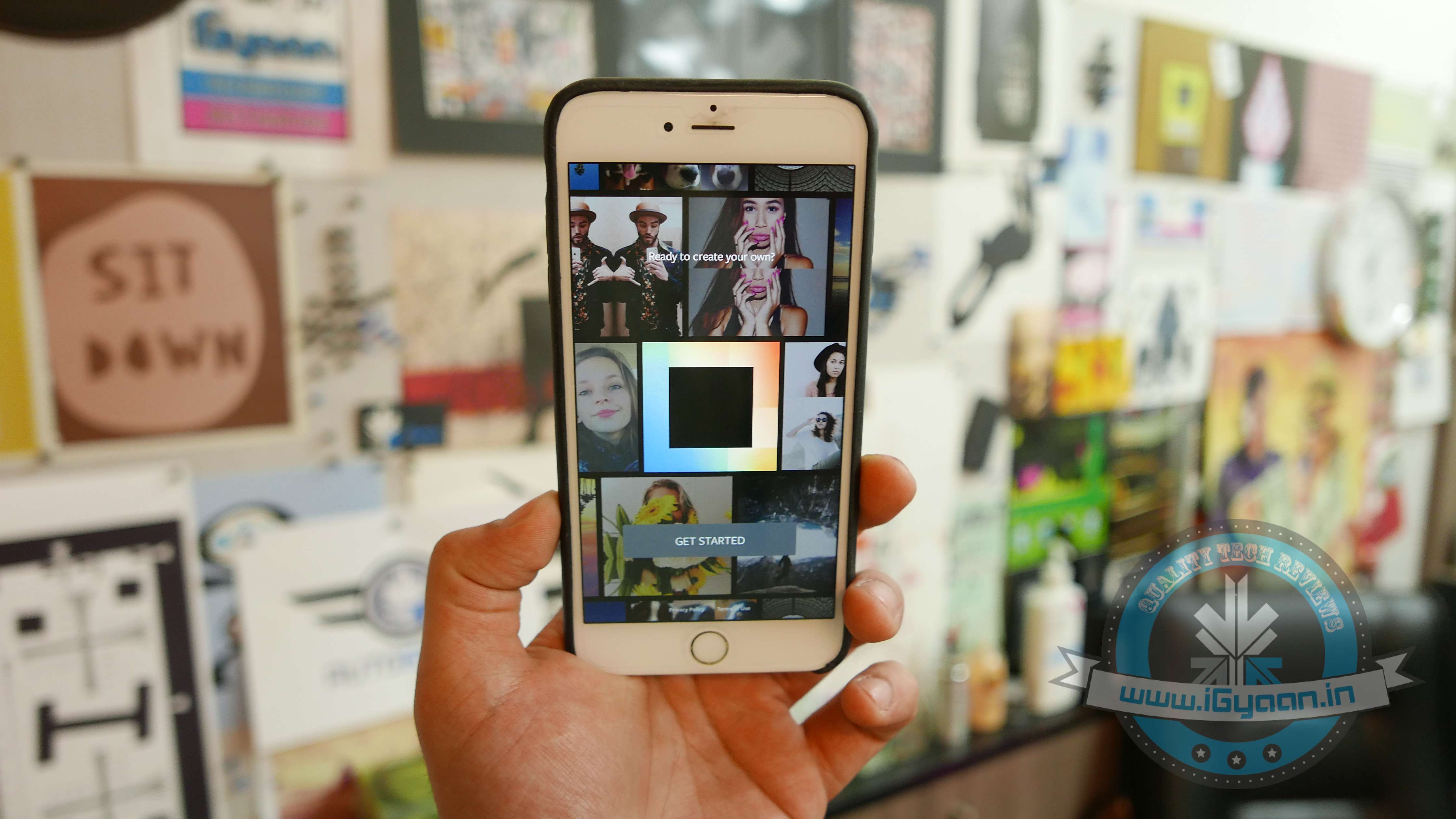
Instagram, the photo sharing app has been growing rapidly. It has overtaken Twitter in terms of the number of subscribers on its service. Its success has lead to a number of third party apps which let users add elements like collage, stickers and other add-on’s on their “grams”. The company has now introduced a new standalone app called Layout which lets users create collages from their camera rolls.
We checked it out, so you didn’t have to:
With Layout, Instagram seems to want to take on the multiple apps that its subscribers use for their photos on the service. Instagram users have been found to proactively use apps like Pic Stitch, Pic Collage, InstaCollage, PhotoGrid, and others. By having its own collage making app, Instagram can keep those users in its own ecosystem.
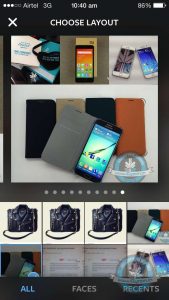
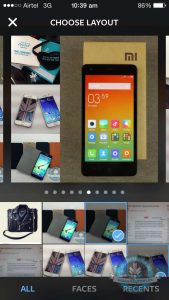
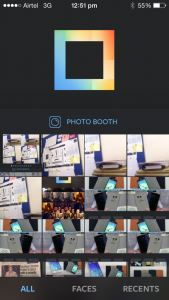
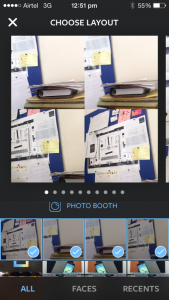
The first thing you see when you get into the app is the camera roll. Here you can select the pictures you want to include in your collage. Once you select the images you want to use, Layout gives you custom layouts that you can choose from. At once, a user can select up to 9 images. Each selection is instantly visualized in the photo grid.
Choose a layout
Instagram wanted to give a better user interface to the users in comparison to the conventional collage makers in the app store. Layout packs in unique features like faces, photo booth and easy to use editing options.
With Faces, you can filter out the unwanted snaps in your camera roll and keep only the ones with people’s faces in them. Instagram found that 90% of all the collages on its service consist of faces, so it makes it easy for users to skip through the random WhatsApp images and only have pictures with people in it.
Choose a layout
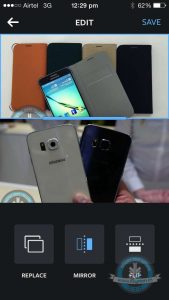
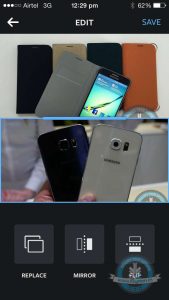
The Mirror feature
The Mirror Feature
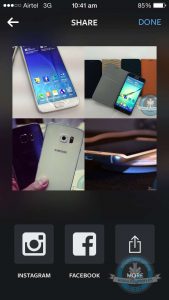
Easy Sharing
The Photobooth feature was essential for an app like Instagram and its one of the most fun things to do at a party. The photobooth button on Layout starts a countdown timer and then takes a bunch of images which are laid out on the grid.
Layout makes editing the collage real easy. It offers intuitive options which most users will find easy to use. It lets you pinch and zoom the images to define the size and also enables you to pan the snaps. A replace option allows you to go back to the photo roll to change an undesired image. Layout also allows you to mirror the images and add some creative elements to your collages.
Once your images are done, you can save them on your device or share them on your preferred social networks including Instagram. At present Layout is only available for iOS users but it will be available for Android soon.
The present Indian government has put stress on connecting India to pave the path for the country to become a powerful force in the digital age. But there are major hindrances in that path. The backbone of the infrastructure, the cables that connect the country together are in poor shape. Along with that, 26 percent of India’s population is illiterate. A new study by The Pew Research Center says that only 20 percent of Indians have access to Internet. This report takes the government’s target of connecting all Indians even further away.
The study says that 20 percent of Indians had occasional access to the internet while only 14 percent of folks own a smartphone. This comes a few days after the country’s telecom minister stated that the country has 95.5 crore mobile subscribers. He also said that there are over 30 crore internet subscribers in the country which means that there is still a mammoth task of connecting 90 crore Indians.
The Pew study had some interesting insights about the internet usage by Indians. It found that 65 percent of respondents used internet for social media while 55 percent used it for job hunting.
There were some questions in the study related to internet’s influence on the lives of people. It reported that 64 percent found internet to be beneficial for education while 53 percent found it to be useful for personal relationships. The recent elections created a vitriolic atmosphere on the internet, but even then 36 percent Indians thought internet’s influence has been good for Indian politics while 30 percent said it had a bad influence. A 42 percent also said that internet had a bad influence on personal morality while 29 percent saw it as good for morality.
The study was conducted in 32 developing nation and surveyed 36,619 people. It found that countries like India, Indonesia, Pakistan and Bangladesh who make up for a quarter of the global population have a dismal access to the internet. Only 24 percent of Indonesians, 11 percent of Bangladeshis and 8 percent of Pakistanis are connected to the internet.
The study also indicated that internet use was more prominent amongst educated; English speaking population, which is a given considering the massive amount of content on the web is in English. There is now a movement towards local languages which will definitely enable more people to join the information revolution. But one thing is sure that if the Indian government wants to create a Digital India, it not only has to invest resources in developing infrastructure but also invest in creating a digitally literate population.