Author: Vipul Vij

  • Xiaomi Mi 7 Leak Reveals It Will Have An iPhone X Like Notch

    Xiaomi Mi 7 Leak Reveals It Will Have An iPhone X Like Notch

    Most of the flagship smartphones in 2018 will have a notch. We have already seen a few Android OEMs embracing the notch and upcoming smartphones like the OnePlus 6, LG G7 ThinQ will also sport it. Xiaomi was expected it to launch the Mi MIX 2s with a notch but, the company stuck to its original MIX design and avoided a lot of backlash. However, it looks like Xiaomi will give in to the industry trend with the launch of the Mi 7. New images of the Mi 7’s tempered glass reveal that it will have a notch as well.
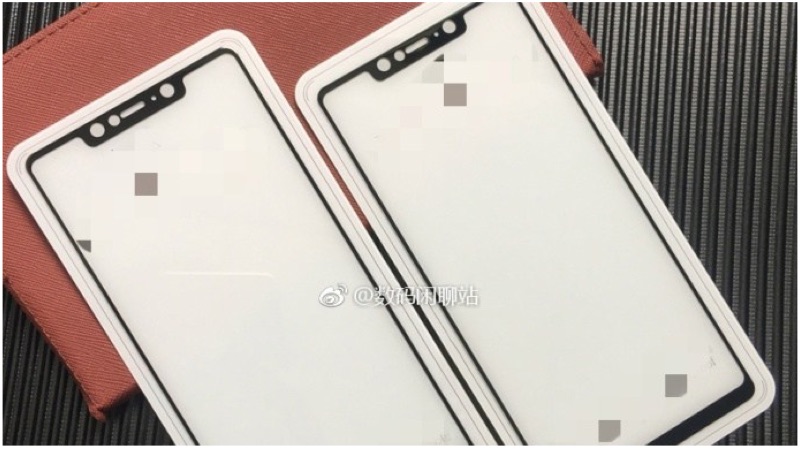
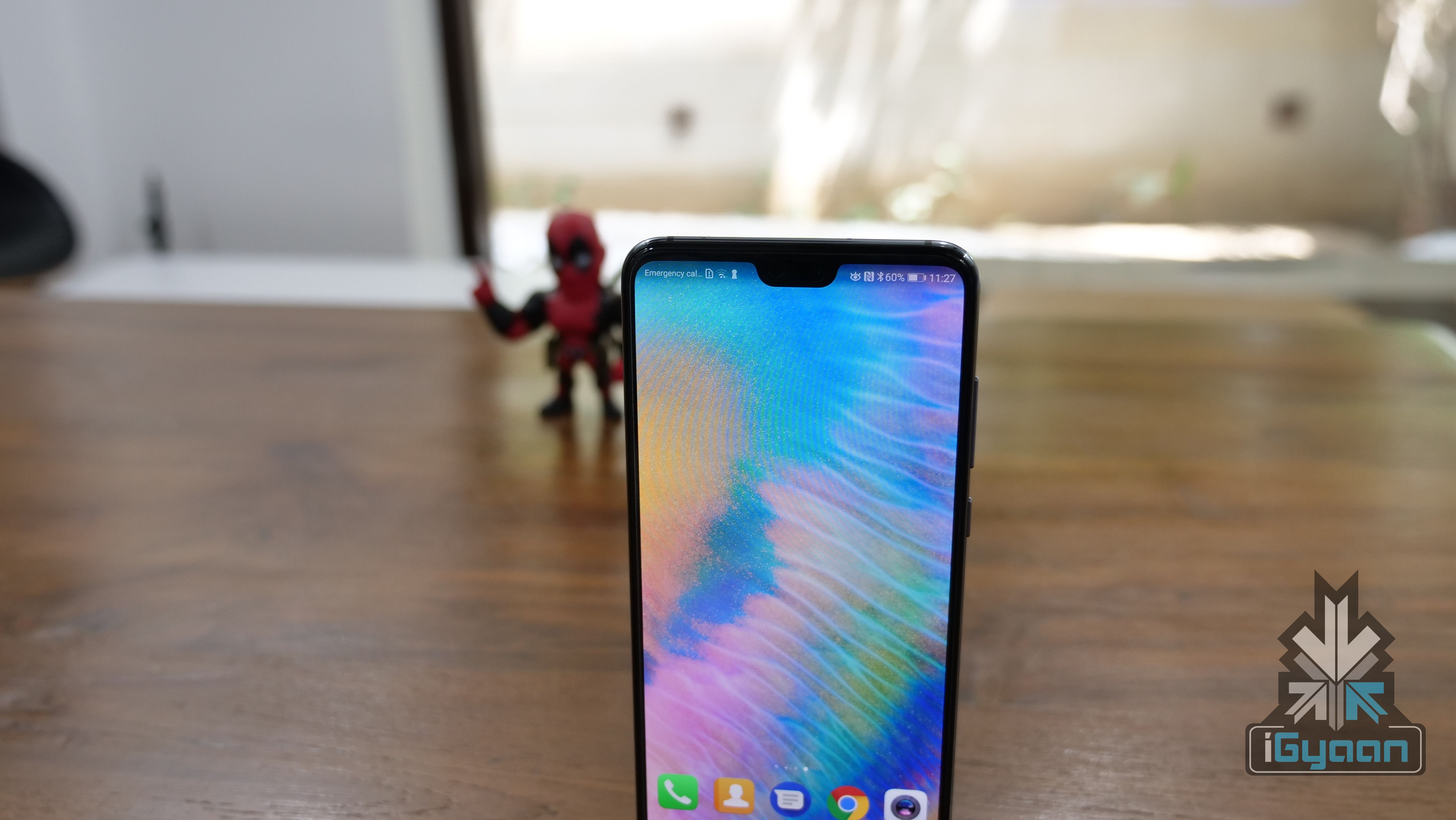
    The images do look real are taken from different angles. Unlike a lot of leaked images, these are high-res images giving us a clear view of what the display of the Mi 7 might look like. It is clearly visible that the glass has a cutout for a fairly large notch. It is worth noting that this notch is bigger than the ones found on the Huawei P20 Pro, Asus Zenfone 5Z or even the upcoming OnePlus 6. In fact, it resembles the iPhone X in terms of the size of the notch.

    Must Read: 2018 Apple iPhone With LCD Display Won’t Have 3D Touch

    The reason behind a bigger notch compared to other Android devices could be facial recognition. For weeks it has been rumoured that the Xiaomi Mi 7 will have an iPhone X like facial recognition system. This means that its Face Unlock feature won’t rely on just software and have the hardware for a much secure facial recognition system. Hence, there are quite a few cutouts in the notch as well. These cutouts could be for the depth-sensing cameras, similar to the iPhone X.
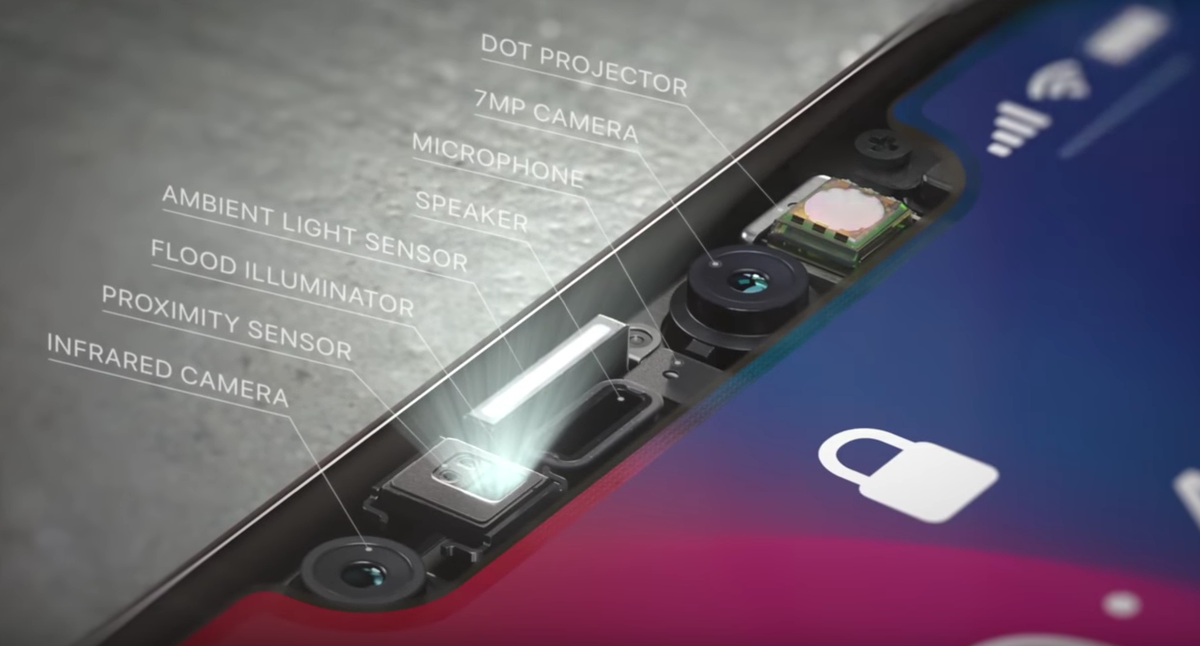
    iPhone X Face ID

    A previous report claimed that this technology won’t make its way to the market before the third quarter of 2018, which is when we can expect the Mi 7 to be launched. The report also mentions that Qualcomm, Himax Technologies and Truly Opto-Electronics have a joint venture for creating a 3D sensing module. However, this only works on the Qualcomm Snapdragon 845 platform. Since smartphone makers like Samsung and Huawei use their own chipset, they won’t be the first OEMs to introduce Face ID like technology on an Android smartphone.

    Must Read: OnePlus 6: Everything We Know So Far

    This means that a recent leaked official-looking poster of the Mi 7 is fake. The poster claims that the Mi 7 will be launched on the 23rd of May. The Xiaomi Mi 7 will certainly be an exciting Android smartphone with its 3D facial recognition technology. However, it does seem that the launch of the Mi 7 is still a few months away. So far, a launch in the third quarter of 2018 seems most likely.
     

  • OnePlus 6 Price In India Leaked, Starts At Rs 36999

    OnePlus 6 Price In India Leaked, Starts At Rs 36999

    The OnePlus 6 is scheduled for a global launch on the 16th of May in London. That will be followed up by launch events in China and Mumbai on the 17th of May. So far, OnePlus has been teasing a few of the features of the OnePlus 6 but, has steered clear of revealing anything related to the price of the device. However, a new leak has shed some light on the possible pricing of the OnePlus 6 in India.

    According to a report, the 64GB storage variant of the OnePlus 6 will be priced at Rs 36999 while the 128GB storage variant will retail for Rs 39999. OnePlus will also launch a 256GB variant of the smartphone that will be paired with 8GB of RAM. The leak does not disclose the price of this particular variant. A previous leak suggested that the OnePlus 6 256GB variant could cost a whopping Rs 48999, however, OnePlus claimed that to be untrue.

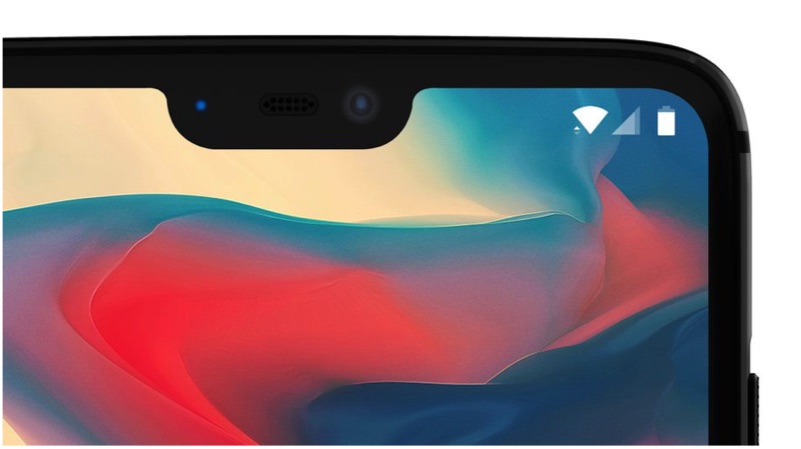
    OnePlus 6

    It is worth noting that True-Tech.net, the source of this report accurately leaked the price of the OnePlus 5 before its launch in July 2017. The pricing, however, does not fall in line with what our sources have revealed. With the company trying to keep the excitement going for the OnePlus 6, the base variant is expected to launch for Rs. 34999.

    OnePlus has been slowly creating a hype around the OnePlus 6 by teasing a few interesting features on social media. So far, the company has already confirmed that the smartphone will have a notch, an all-glass build and design and run on the Snapdragon 845 chipset. We also know that the OnePlus 6 will be water resistant, although the exact certification is still not clear.

    Must Read: OnePlus 6 Everything We Know So Far

    Renders of the OnePlus 6 reveal that this time around, the dual-camera setup on the back will be placed vertically, similar to the Samsung Galaxy S9+. WIth the notch, we expect the screen-to-body ratio of the nePlus 6 to be superior to that of the 5T. The smartphone has also been confirmed to be an Amazon exclusive smartphone in India, like its predecessors. However, like it did with the OnePlus 5 and OnePlus 5T, the 6 will also, eventually, make its way to offline stores as OnePlus is now trying to capture a market that strays away from shopping online.

    OnePlus 6

    The OnePlus 6 goes on sale in India on the 21st of May. Whether the smartphone will be sold out in a few seconds or not, will depend on the pricing. The launch is a few days away where the official pricing of the smartphone will be revealed.

    Read Also: 2018 iPhone Lineup Revealed 

  • Xiaomi Could Launch 2 Android One Devices In India

    Xiaomi Could Launch 2 Android One Devices In India

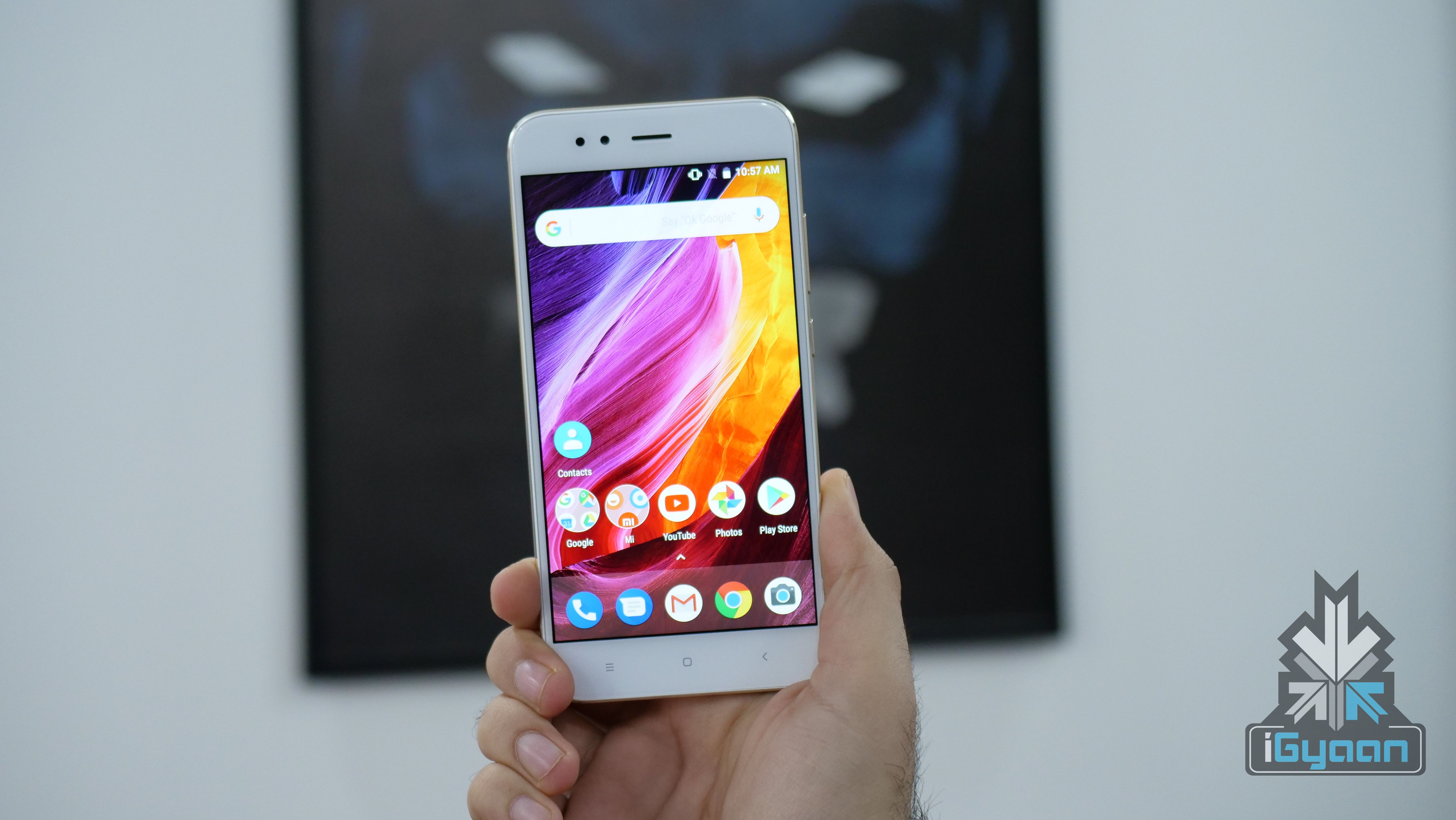
    On September 5th, 2017, Xiaomi launched the Mi A1 in India. It was the first-ever Xiaomi smartphone to run stock Android OS and so far, it is the only one. On 25th April, Xiaomi launched the Mi 6X in China, which is highly anticipated to succeed the Mi A1 in India. That is mainly due to the fact that the Mi A1 was nothing but a rebranded Mi 5X. Hence, a similar move is expected from Xiaomi this year as well. However, it appears that Xiaomi might be planning something else for its stock Android loving Indian consumers. New firmware files obtained by XDA Developers reveal that the company might launch two Android One smartphones in India.

    Xiaomi Mi A1

    Along with a Mi series Android One device, Xiaomi is expected to launch a Redmi smartphone running stock Android OS as well. CEO of Xiaomi, Lei Jun hinted at this possibility last week:

    Yes, we plan to have more Android One devices. Some of our users in India seem to like stock Android, and we are willing to bring in more devices with Android One including the Redmi series.

    Now, the the firmware files of a device codenamed “daisy-sprout” were accessed. It is worth noting that the “sprout” was the codename for the first generation Android One devices. This Redmi Android One smartphone will run on the Qualcomm Snapdragon 625 chipset, the same SoC found in the Xiaomi Mi A1. However, considering this will be a Redmi device, it will be marketed as a budget smartphone.

    This is all the more interesting considering the Redmi S2 will soon launch in China. It is extremely likely that the Redmi S2 might be rebranded as an Android One device for India. If true, we can expect this Redmi Android One smartphone to be launched under Rs 10,000 in India.

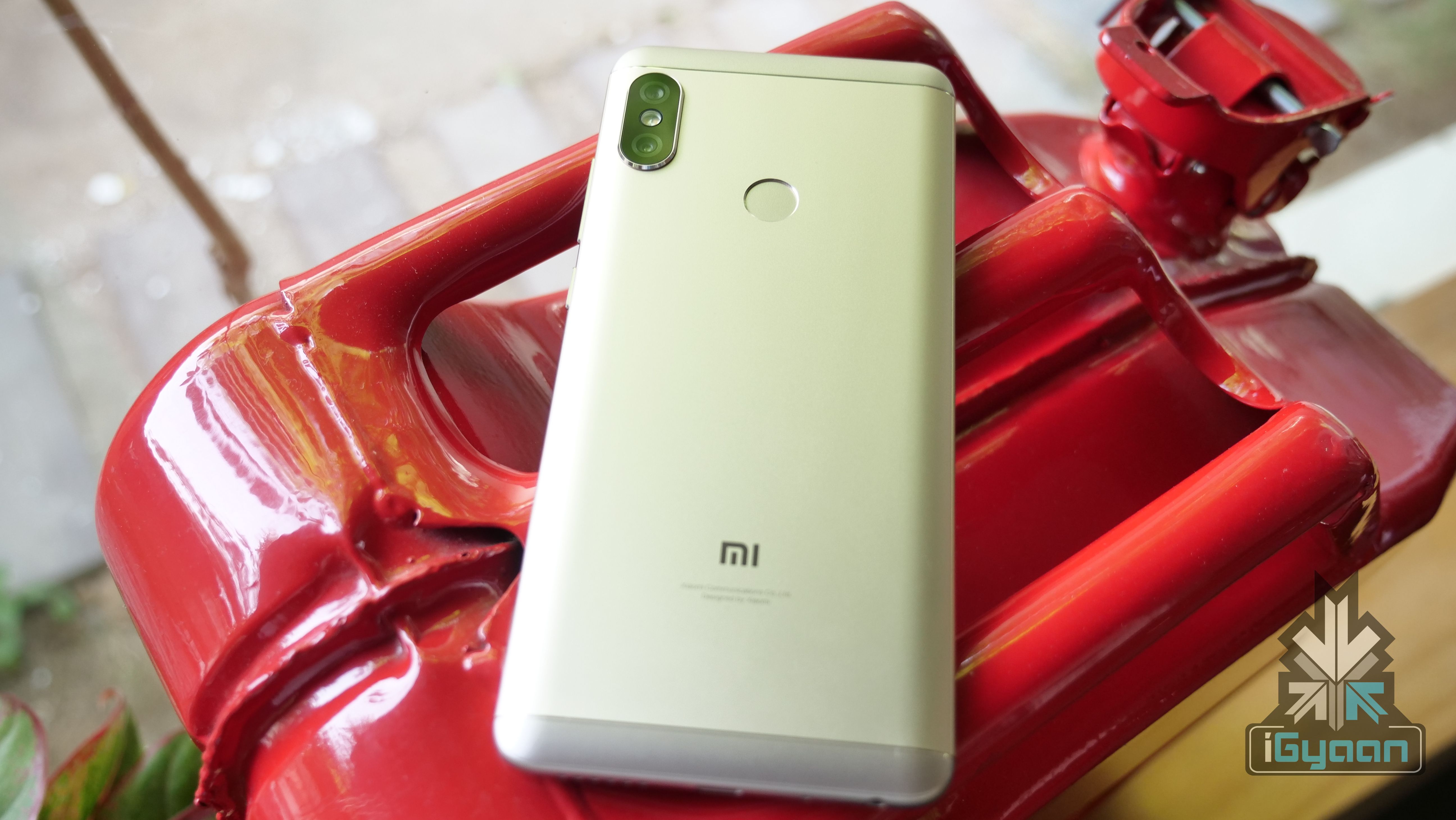
    Mi 6X

    The next set of files retrieved are of a device codenamed “jasmine_sprout.” The codename of the Mi A1 was “tissot_sprout” where “sprout” signifies Android One. According to the report, the Mi A1 successor will be based on the recently launched Mi 6X but, whether it will be a rebranded Mi 6X or not can not be confirmed right now.

    Certain similarities between the mystery ‘Mi’ series Android One device and Mi 6X have been found. For starters, the “jasmine_sprout” will run on the Qualcomm Snapdragon 660 chipset, the same chipset found in the Mi 6X. Also, the Mi 6X and the Android One smartphone will have the same front-facing 20MP Sony IMX376 sensor.

    These files certainly point towards a Xiaomi strategy that wants to build on the success of the Mi A1 in India. It does make sense for Xiaomi to launch a more affordable Android One device considering how price sensitive the Indian market is. Having two solid offerings under Rs 10000 and Rs 15000 running stock Android OS could be a game changer for the Chinese smartphone maker.

  • Xiaomi Redmi Note 5 Pro Prices Hiked, Starts At Rs 14999 Now

    Xiaomi Redmi Note 5 Pro Prices Hiked, Starts At Rs 14999 Now

    Xiaomi has just announced that the Redmi Note 5 Pro has received a price hike. The budget smartphone’s base model with 4GB RAM and 64GB storage will now retail for Rs 14999 instead of its original price of Rs 13999. Manu Kumar Jain, MD of Xiaomi India announced the news via Twitter and said that the price hike is an effort to ramp up the supply of the smartphone after recent changes in PCBA import taxes and the depreciation of INR since the beginning of the year.

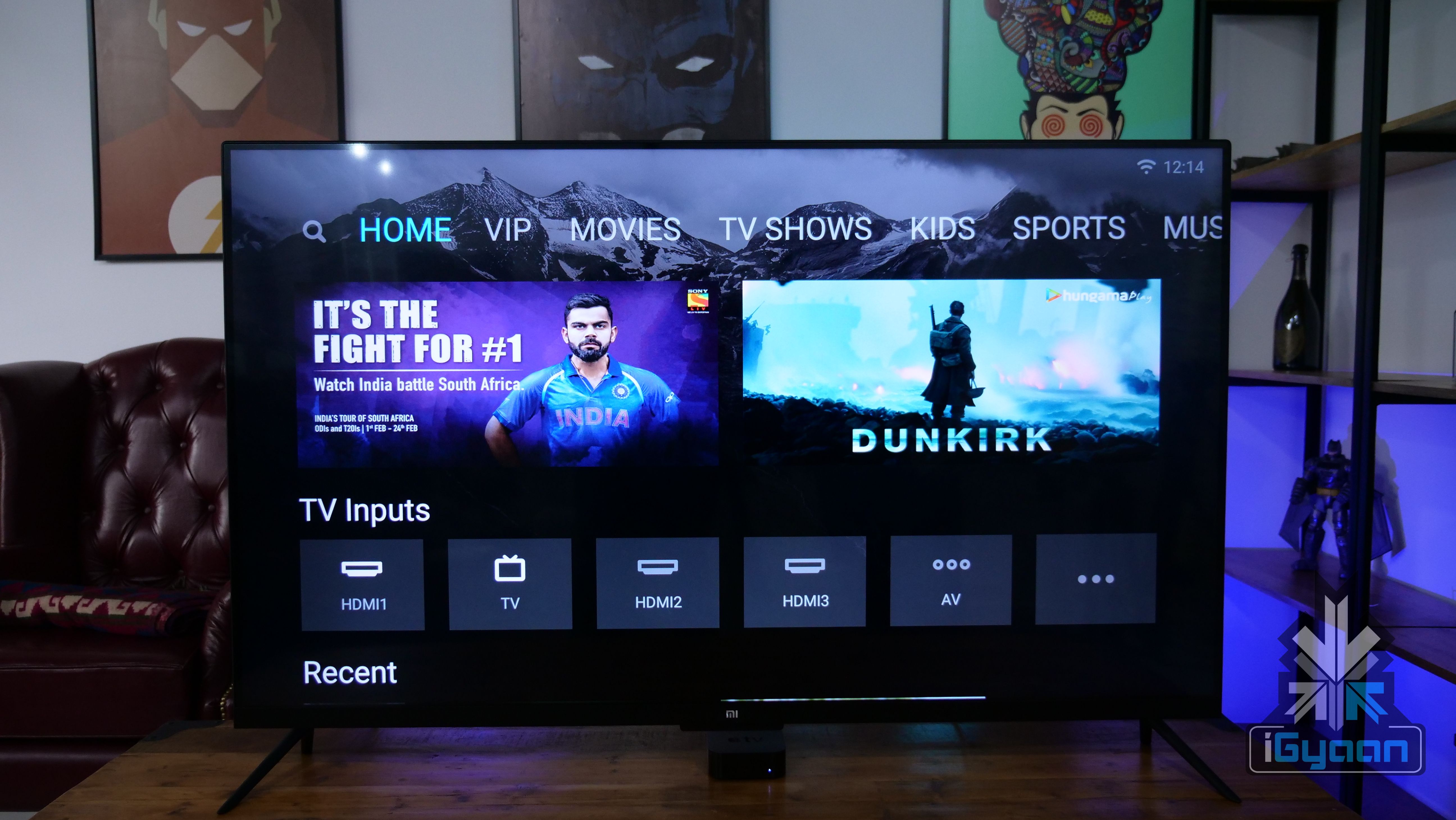
    The Mi TV 4, Xiaomi’s 55 inch smart LED TV has also received a price hike. The company has cited the same reasons and increased the price of the TV to Rs 44999. This is an increase of Rs 5000 since the original price of the television was Rs 39999. Xiaomi has also announced that it will honour the preorders of the Redmi Note 5 Pro and charge the consumers Rs 13999 only. For new orders and subsequent flash sales, the Redmi Note 5 Pro will retail for Rs 14999.
    Mi TV 4

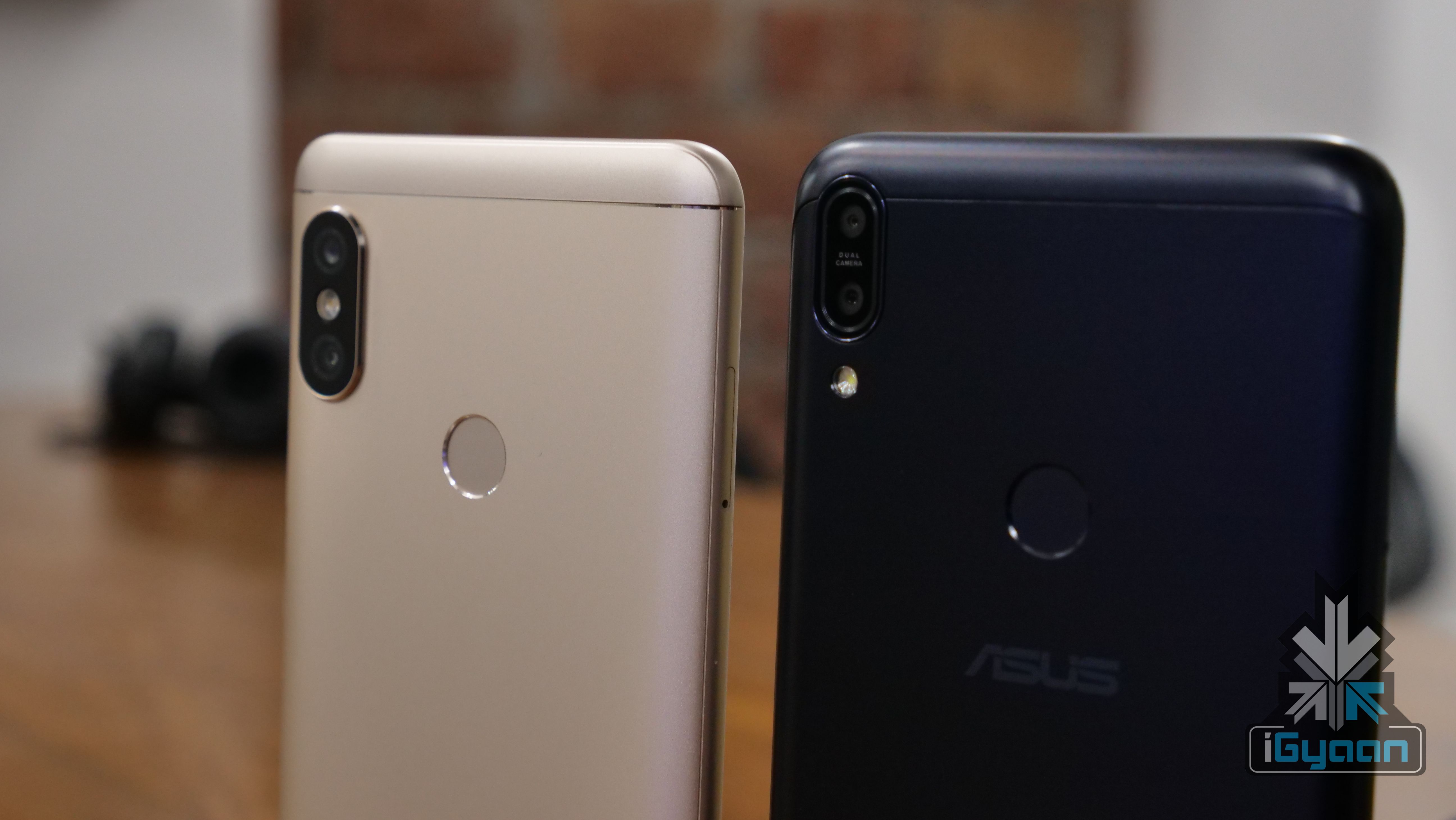
    The Xiaomi Redmi Note 5 Pro was launched in India on the 14th of February at a starting price of Rs 13999. At the time of the launch, it was the only smartphone in India to run on the Snapdragon 636 chipset and is still one of the best budget smartphones in the country. However, we have recently seen strong smartphones being launched in that price category. Asus has launched the Zenfone Max Pro in India at a starting price of Rs 10999 which runs on the same Snapdragon 636 chipset. In fact, the Zenfone Max Pro also runs stock version Android 8.1 Oreo out of the box.
    Also Read: Xiaomi Redmi Note 5 Pro Vs Asus Zenfone Max Pro

    The price hike of Rs 1000 means that Xiaomi wants to get rid of the flash sales and increase the supply of the in-demand Redmi Note 5 Pro. However, in a price sensitive market like India, any sort of price hike can be colossal, especially considering that the Zenfone Max Pro is very able replacement for the Redmi Note 5 Pro.

  • Samsung Galaxy A6, Galaxy A6+ Design And Specifications Leaked

    Samsung Galaxy A6, Galaxy A6+ Design And Specifications Leaked

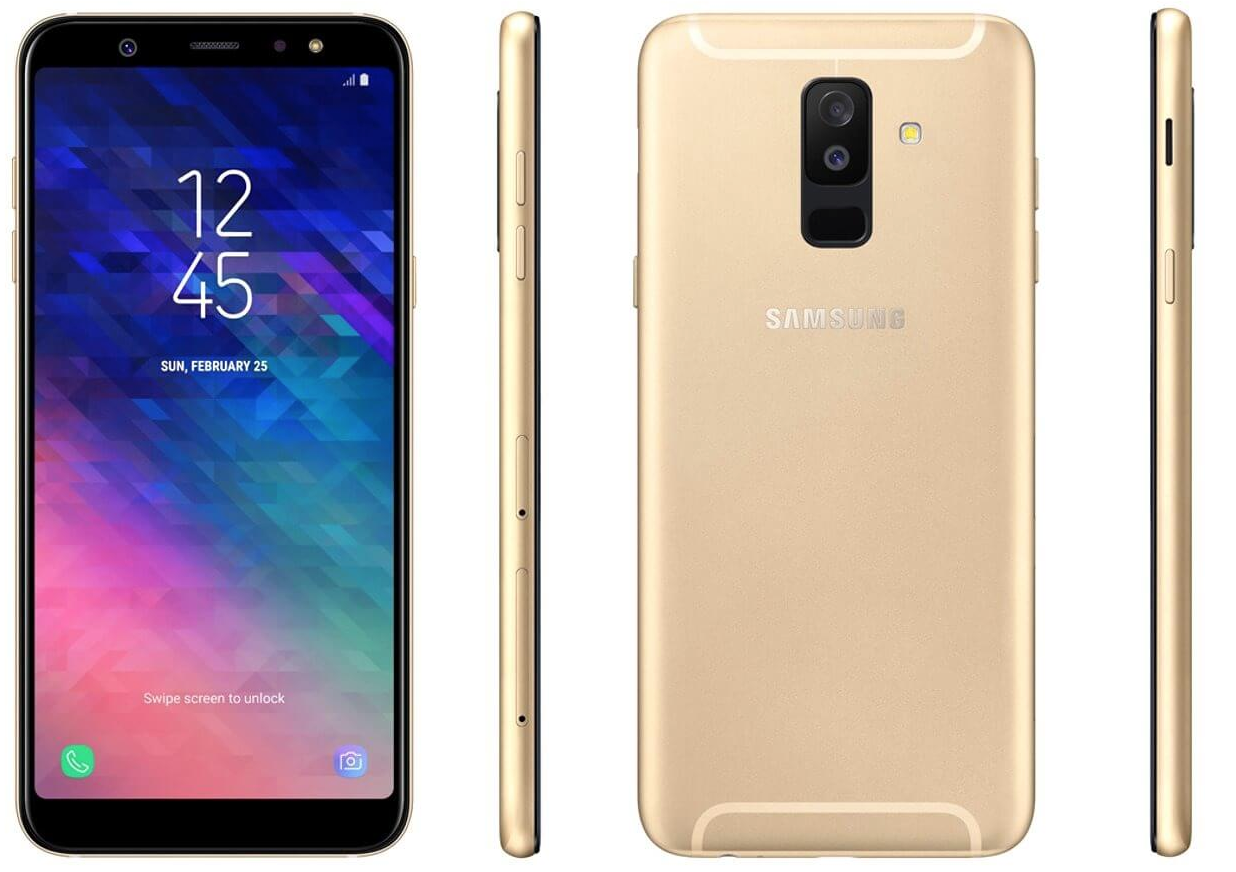
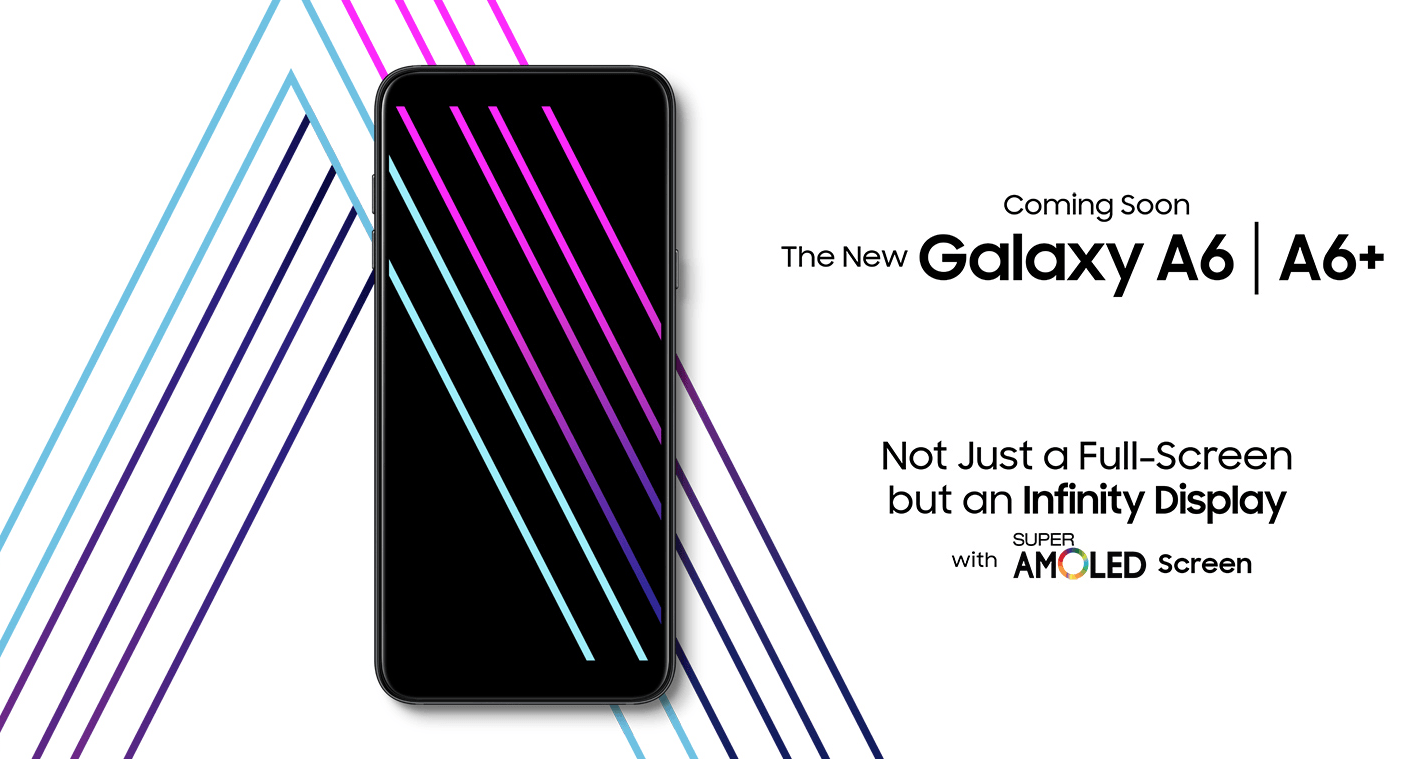
    Samsung launched the highly anticipated Galaxy S9 and S9+ in late-February. The two flagship smartphones have been well-received so far as more flagship smartphones are slated to launch in May. Now, Samsung is moving its focus to the budget smartphones and it appears that the company will soon launch the Samsung Galaxy A6 and Galaxy A6+. Multiple leaks and rumours have surfaced lately and now detailed specifications and design of the two smartphones have been leaked.

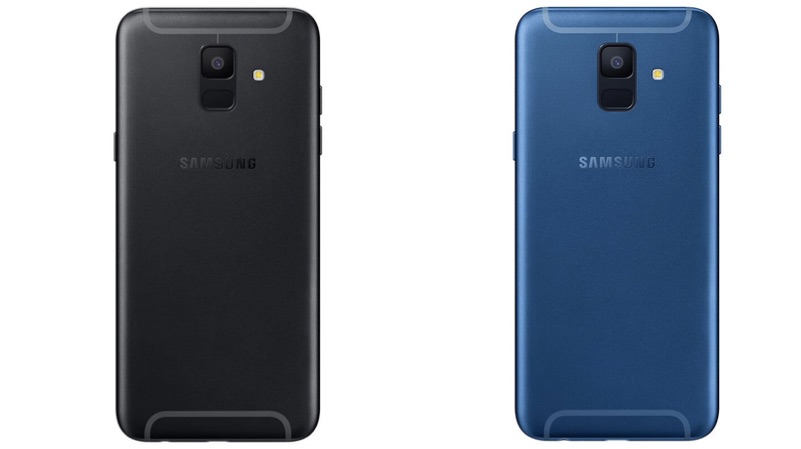
    Samsung Galaxy A6

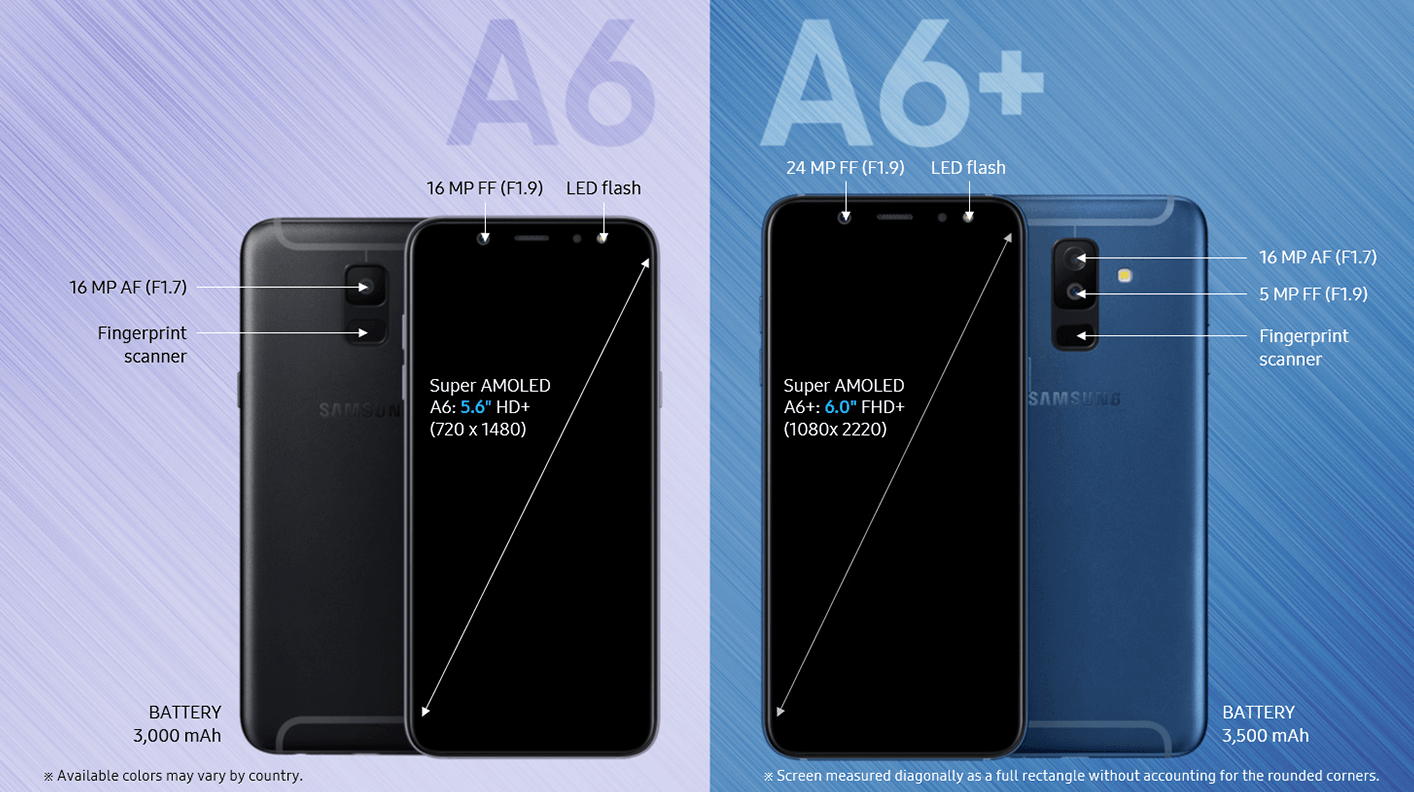
    The Samsung Galaxy A6 will be the more affordable of the two siblings. According to the leaks, it might have a 5.6 inch Super AMOLED display with a 1480 x 720 px resolution. This translates into an 18.5:9 aspect ratio which is slightly taller than the usual 18:9 aspect ratio smartphones.

    Under the hood, the Galaxy A6 will run on the Exynos 9 Octa 7870 chipset paired with 3GB RAM and 32GB onboard storage. The storage will be expandable vias microSD card. There are reports of Samsung introducing a 4GB RAM and 64GB storage variant in a few select countries. Powering the smartphone will be a 3000 mAh battery which will, in all likelihood, charge via a micro USB port.

    The Galaxy A6 will run Android 8 Oreo out of the box Samsung’s Experience UI 9 on top. It will also have support for Samsung Pay which is great for a budget device like A6.

    The Galaxy A6 will have a single camera setup both on the front and back. It will have a 16MP rear-facing camera with an f/1.7 aperture. The front of the device will house a 16MP camera with an f/1.9 aperture and an LED flash.

    Samsung Galaxy A6+

    The Galaxy A6+ will have a few upgraded over the Galaxy A6 as Samsung would want to justify its higher price tag. The smartphone will have the same 5.6 inch Super AMOLED display but, with a 2280 x 1080 px resolution.

    Under the hood, the Galaxy A6+ will run on the Qualcomm Snapdragon 450 chipset coupled with either 3GB RAM/32GB storage or 4GB RAM/64GB storage. The configuration will depend on the country the smartphone will be available in. As the display gets a bump in the resolution, so does the battery. The Galaxy A6+ might be powered by a 3500 mAh battery.

    The Galaxy A6+ will run Android 8 Oreo out of the box Samsung’s Experience UI 9 on top. It will also have support for Samsung Pay.

    unlike the Galaxy A6, the Galaxy A6+ might have a dual-camera setup on the back. The 16MP primary sensor will have an f/1.6 aperture while the secondary 5MP camera will have an f/1.9 aperture. The front of the smartphone will house a 24MP camera with an f/1.9 aperture and an LED flash.

    There are no details about the launch of the smartphones as of now. However, the report does mention that the Galaxy A6 will be priced between 300-340 Euros while the Galaxy A6+ will retail for an estimated price between 360 to 400 Euros.

  • HTC U12+ Leaked In Live Images

    HTC U12+ Leaked In Live Images

    HTC last launched a flagship smartphone in late-November, the HTC U11+. Since then, Qualcomm has launched its new flagship chipset which is already present in a handful of smartphones like the Galaxy S9 (USA and South Korea), Mi MIX 2s, Sony Xperia XZ2 and more. HTC’s upcoming flagship smartphone, the HTC U12+ is expected to have a few features not found on previous flagship HTC devices.

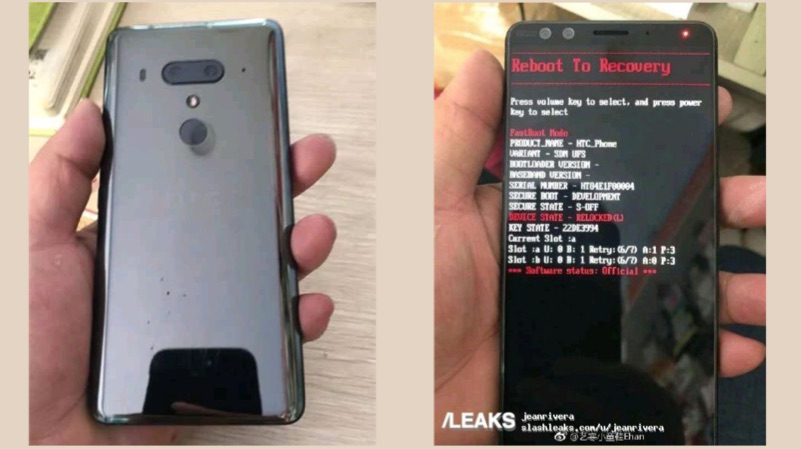
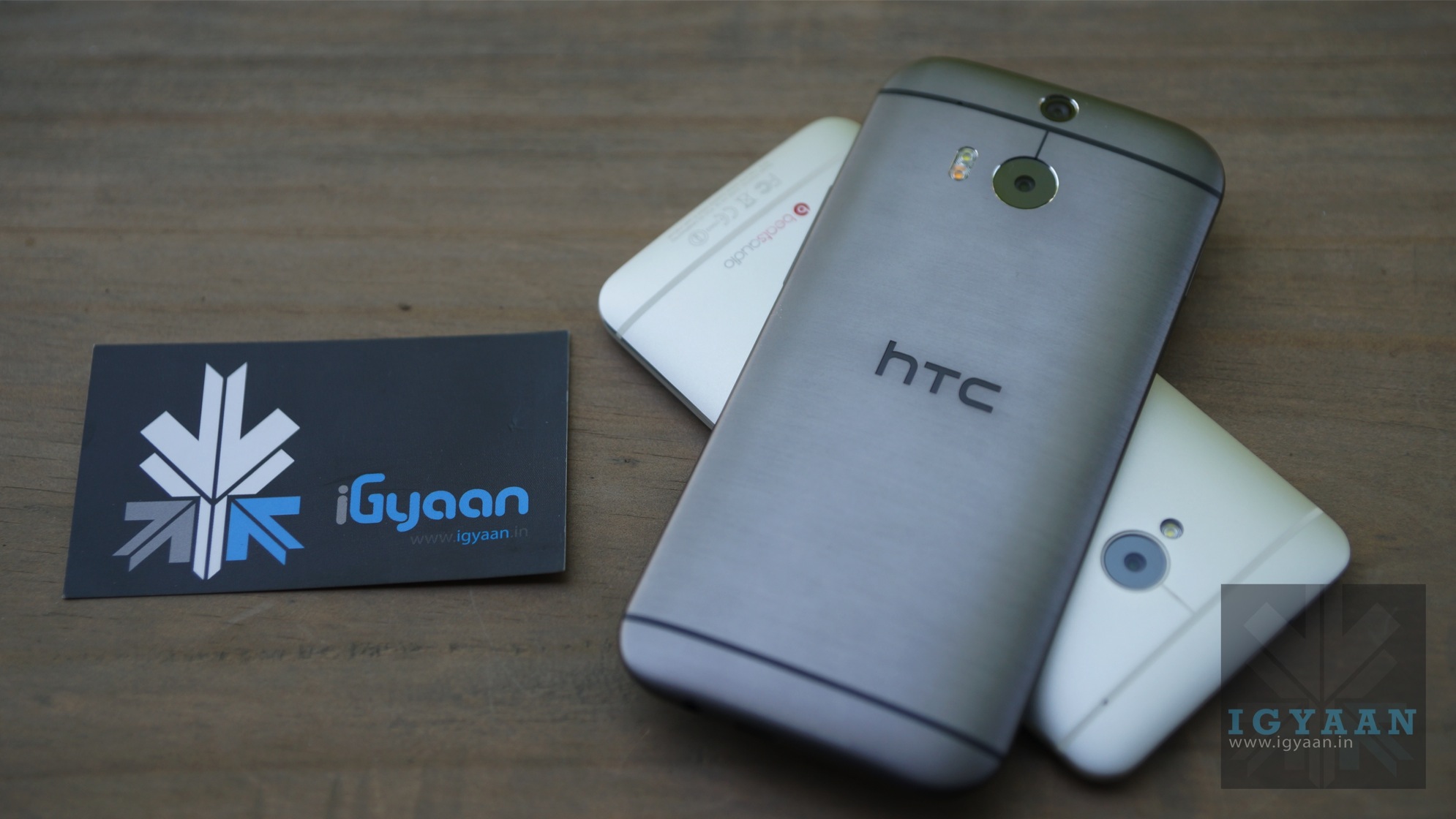
    New leaked images of the HTC U12+ re-affirm previous rumours of a dual-camera setup on the back. HTC introduced the dual camera setup way back in 2012 with the HTC Evo 3D. Later on, the company launched the HTC M8 Eye, in 2014 with a dual camera setup albeit, a different implementation. However, HTC has since then shied away from using a dual-camera setup on its line of flagship smartphones even though companies like Apple, Samsung, OnePlus, LG etc have adopted the new trend of dual-camera setups. In early-2018, HTC did launch the HTC Desire 12+ with a dual-camera setup but, it was a budget smartphone with not a lot of global appeal.

    HTC One M8 Eye

    The leaked images also show the back of the smartphone that will be made of Corning Gorilla Glass 5, just like the HTC U11 and U11+. The dual-camera setup is horizontally placed with the LED flash and a fingerprint sensor placed beneath the camera module. The front of the smartphone has thin bezels and an 18:9 aspect ratio display. This also means that HTC won’t give in to the new trend of having a notch.

    The front of the smartphone also houses a dual-camera setup along with the earpiece and a notification light.

    According to a recent leak, the HTC U12+ might have a 5.99 inch IPS LCD display with 2960 x 1440 px resolution QHD+ panel.  Under the hood, the device will run on the latest Qualcomm Snapdragon 845 Octa-core chipset. The base variant might have 6GB RAM and 128GB storage. The smartphone might have a 3420 mAh Li-ion battery and run Android 8 Oreo out of the box.

    So far, there are no rumours about a possible launch date of the HTC U12+. The HTC U11 was launched in July 2017 which means HTC could launch its first flagship smartphone of 2018 in or around July. Stay tuned for all the updates about the HTC U12+.

  • Xiaomi Redmi S2 Images And Specs Leaked

    Xiaomi Redmi S2 Images And Specs Leaked

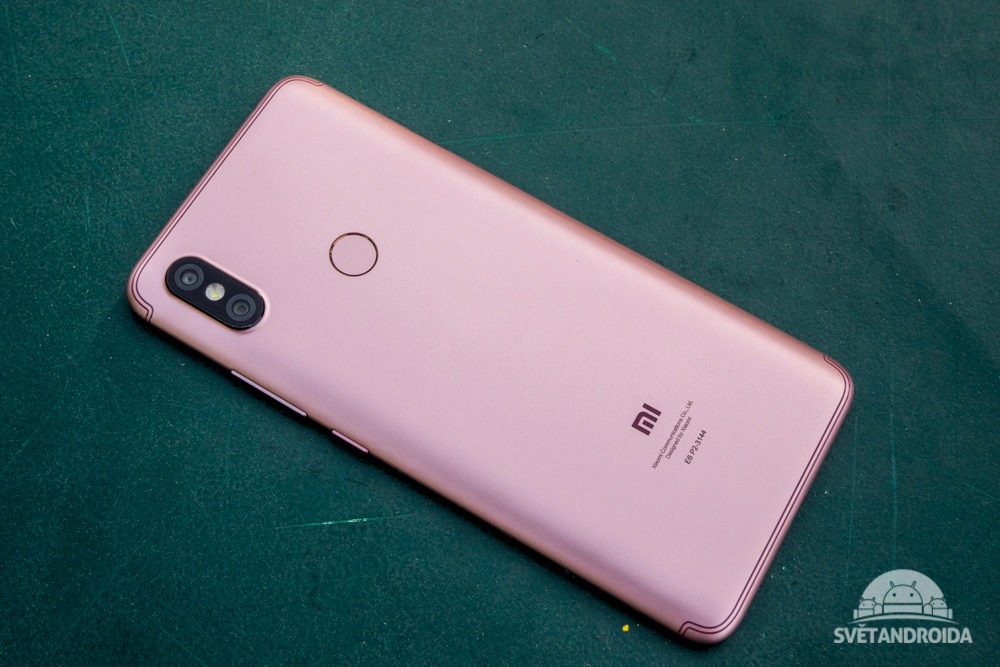
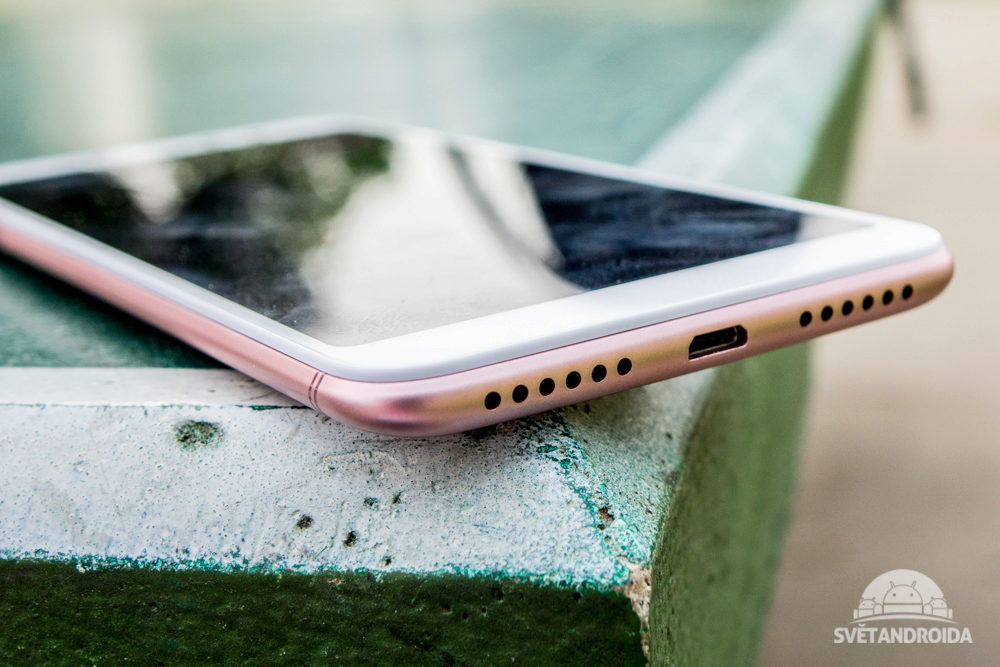
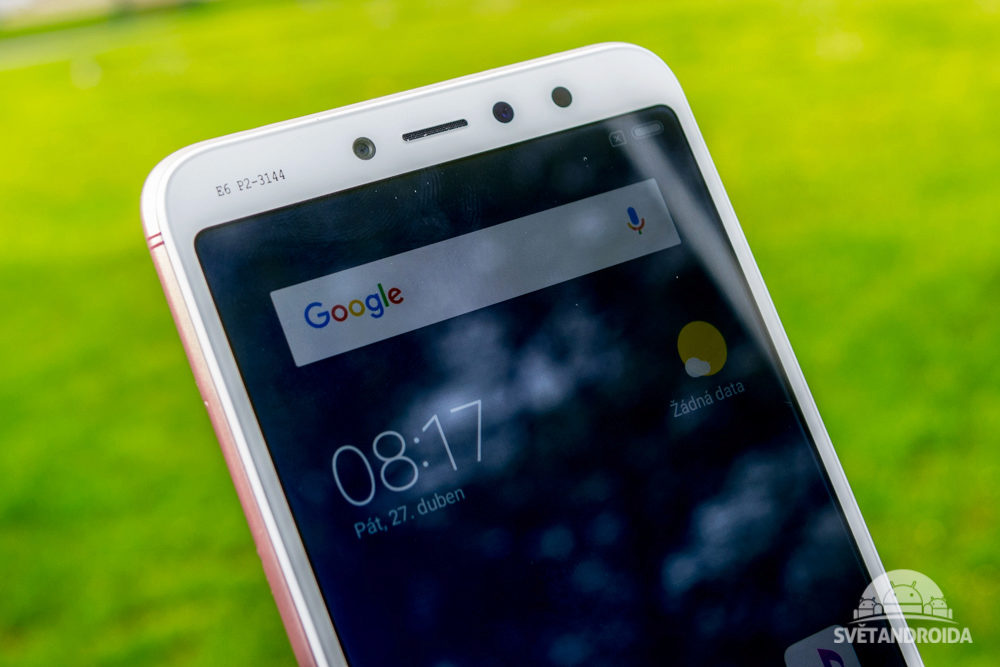
    Xiaomi has recently been launching a lot of mid-range smartphones in China and other major smartphone markets like India. For a while now, a new budget smartphone, part of the Redmi series has been doing the rounds on the internet. New images of the Xiaomi Redmi S2 have been leaked by a Czech Republic publication. However, unlike the usual sketchy looking leaked images that we are used to seeing, these are high-resolution images which have been clicked with a lot of time in hand.

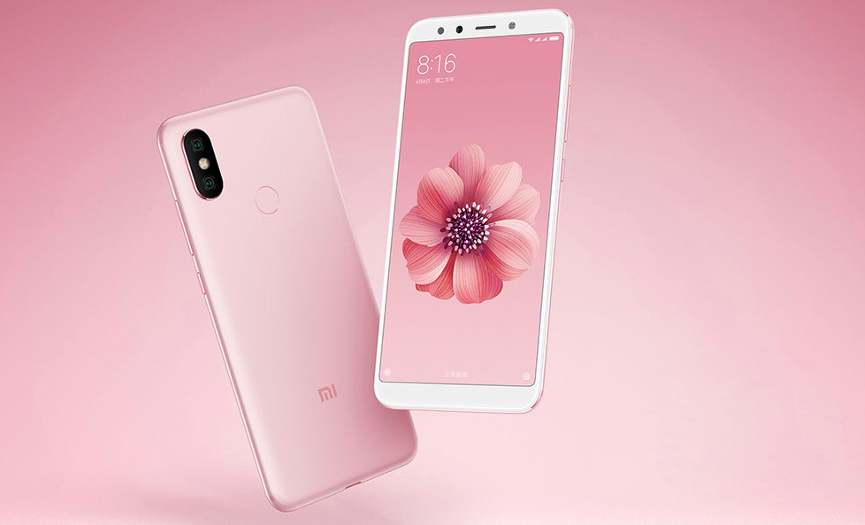
    The leaked images remind us a lot of the recently launched Redmi Note 5 Pro and Mi 6X. The smartphone has the 18:9 aspect ratio and a vertically placed dual-camera setup on the back. It appears that this will become a staple design for Xiaomi mid-rangers in 2018. It also appears that just like the Mi 6X, the Redmi S2 will be available in few colourful options as the one in the images is Pink in colour.


    The publication has also revealed all the specifications of the smartphones. It has a 5.99 inch IPS LCD display with a 1440 x 720 px resolution.

    Under the hood, the Redmi S2 will run on the Snapdragon 625 chipset, a tried and tested SoC for Xiaomi. That chipset will be coupled with 3GB of RAM and 32GB of storage which will be expandable via a microSD card. Powering the device will be a 4000 mAh battery, which is an upgrade over the previously suggested 3000 mAh battery.

    The Xiaomi Redmi S2 will run Android 8 Oreo out of the box with MIUI 9 out of the box. To the back of the smartphone will be a 12MP primary sensor along with a 5MP sensor. There are no details about the front-facing camera so far.

    The Redmi S2 should be launched soon considering such detailed specifications and images of the smartphone have been leaked now. Xiaomi, however, has not hinted at any launch event so far.

  • Nokia X Looks Like The Huawei P20 Lite Running Stock Android

    Nokia X Looks Like The Huawei P20 Lite Running Stock Android

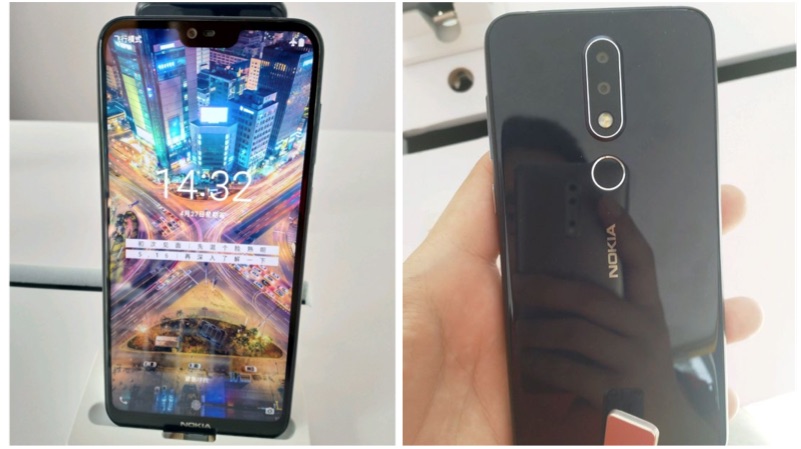
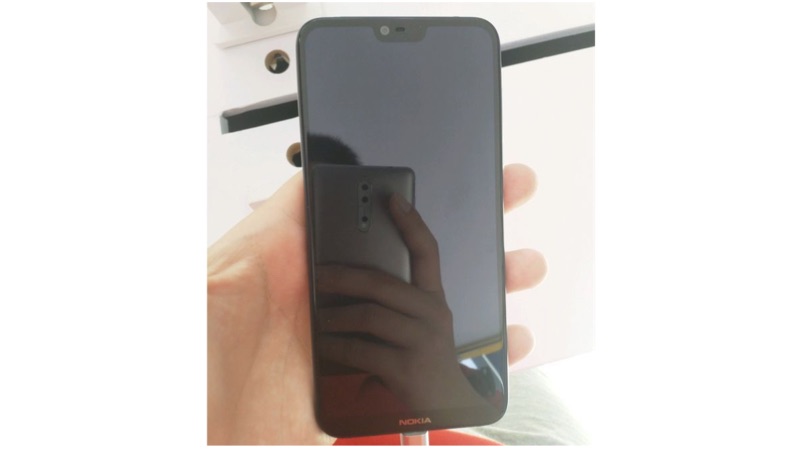
    Nokia appears to be riding the notch bandwagon as well. There have been multiple leaks of the Nokia X so far and now, new live images of the upcoming smartphone have popped up on the internet. The Nokia X or the Nokia X6 will be a new mid-range smartphone from the company and some reports suggest that it could launch on the 16th of May, the same day that OnePlus launches the much-awaited OnePlus 6.

    According to the images, the Nokia X will have a notch on the display which will house the necessary sensors, an earpiece and the front-facing camera. The notch has become incredibly common these days to a point that you can barely make out the differences between many phones. The Nokia X, for example, looks a lot like the Huawei P20 Lite from the front. Obviously, the branding on the front is that of Nokia instead of Huawei but, the placement of the branding, and with the notch, the differences between the two are minimal.

    The Nokia X will supposedly sport a 5.8 inch IPS LCD display with a 2280 x 1080 px resolution. This translates into a 19:9 aspect ratio, the same as the P20 Lite.

    The back of the smartphone has a shiny finish as you can see the reflection of the person taking the images. This could mean that the Nokia X has an all-glass design as it doesn’t seem like Nokia would revert to a shiny plastic build that looks like faux glass. The vertically placed dual-camera setup is in the usual Nokia position but, the “Carl Zeiss” branding is missing. This means that the Nokia X will cost somewhere between the Nokia 7 Plus and Nokia 6 2018. There are rumours that the device will have two variants, one running on the Snapdragon 636 with 6GB of RAM and the other with the MediaTek Helio P60 chipset coupled with 4GB of RAM.

    Nokia in 2018 has launched a few impressive smartphones. The Nokia 7 Plus in India has a great set of specifications and price. The Nokia 8 Sirocco, despite running on an older chipset looks great and is priced equal to the Galaxy S8. The Nokia X would be a step in a new direction as Nokia tries to catch up with the industry trends. It was late to implement the 18:9 aspect ratio but it appears that it won’t hold back when it comes to launching smartphones with a notch.

  • Apple Working On An AR/VR Headset With 16K Resolution Display

    Apple Working On An AR/VR Headset With 16K Resolution Display

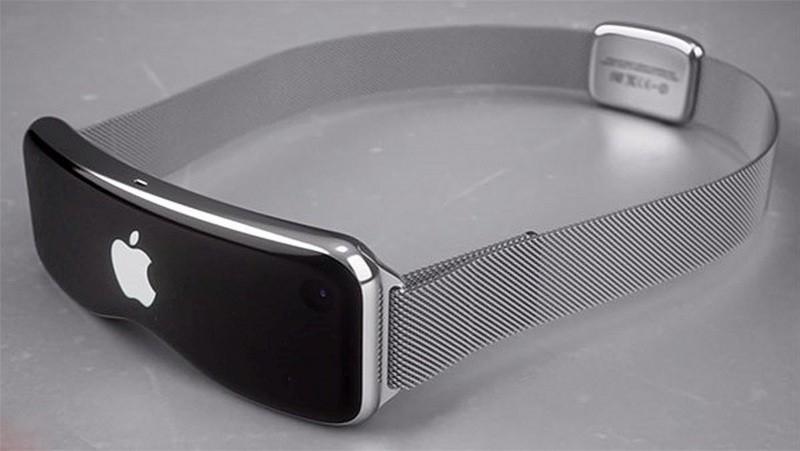
    Last Year at the World Wide Developer’s Conference 2017, Apple talked a lot about the Augmented Reality. The following iPhone X launch had a 15-minute segment of an Apple employee demonstrating the AR capabilities of the new iPhones with the A11 Bionic chipset. It is a known fact that Apple has invested a lot in AR/VR and by 2020, the company could launch a game-changing device. A report has claimed that Apple is working on a standalone AR/VR headset with a whopping 8K display for each eye.

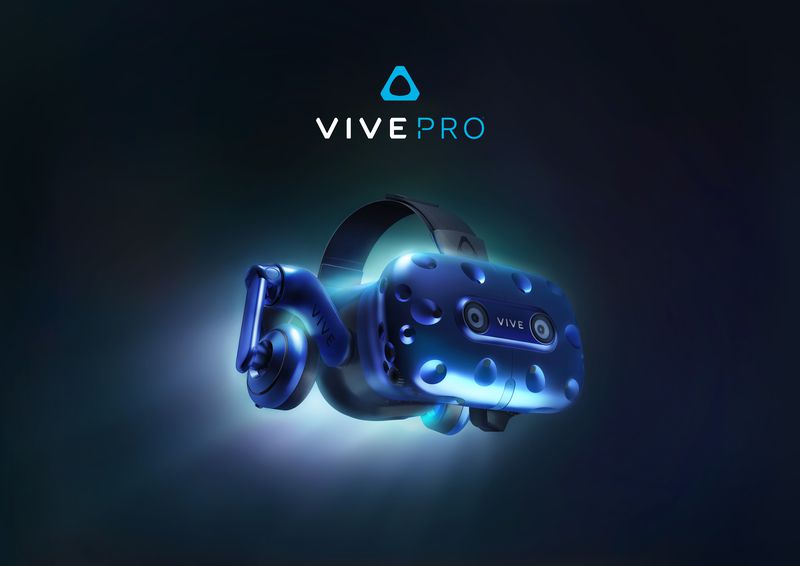
    The report comes from CNET and cites a single source “familiar with the matter.” The report also mentions that internally, the project is being referred as ‘T288’. This headset will apparently come with technology that so far does not exist. It will have two 8K displays, one for each eye, which brings the total to a jaw-dropping 16K resolution. For context, even the best in class VR headsets right now barely reach 4K resolution per eye. The HTC Vive Pro, for example, has a resolution of 1400 x 1600 per eye.

    HTC Vive Pro

    The headset will also have cameras on the outside that will detect its surroundings. The report further claims that the VR headset will connect wirelessly to a dedicated ‘box’ using a high-speed short-range wireless technology called 60GHz WiGig. the source said that the box will be powered by a 5-nanometer proprietary Apple processor that will be ‘more powerful than anything currently available’ in the market.

    Apple VR Patent

    One of the main issues of the current VR market is that it has too many wires. By the looks of it, Apple could potentially solve that issue with this T288 headset. It is obviously too early to call it but, if the report turns out to be true, expect an eye-watering price for the behemoth of an AR headset.

  • 2018 Apple iPhone With LCD Display Won’t Have 3D Touch

    2018 Apple iPhone With LCD Display Won’t Have 3D Touch

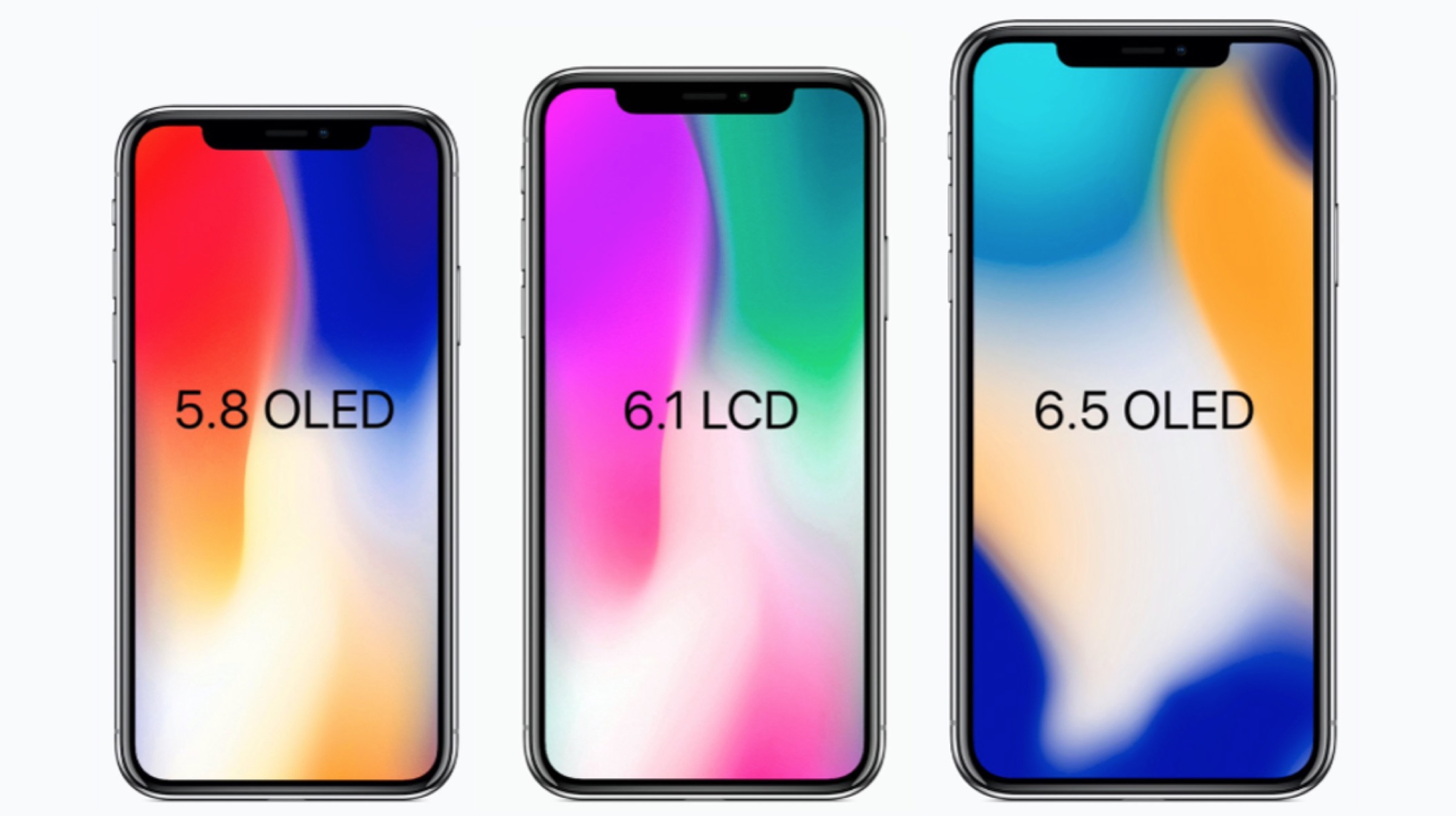
    Apple has just launched the iPhone 8 and 8 Plus (Product) RED in India. This launch comes halfway through Apple’s iPhone cycle as the next batch of iPhones is expected to be launched in September 2018. So far, we know that Apple will launch three new iPhones in September and the most affordable of the lot will the one with an LCD display. Now, a new research note Ming-Chi Kuo has revealed a few key details about the 6.1 inch LCD iPhone.

    According to Kuo, the 6.1-inch iPhone will use what he calls “Cover Glass Sensor” (CGS) technology, relocating the iPhone’s touch module from the display panel (in-cell technology) to the surface glass. He says that this method results in a display that’s lighter and more shock resistant. Apple will apparently add a thin-film sensor to the touch film sensor in the CGS. This method will also result in a 15% increase in the cost of the touch panel. This means that the purchase price of the panel will increase from US$ 23 to US$ 26.

    2018 Apple iPhone lineup

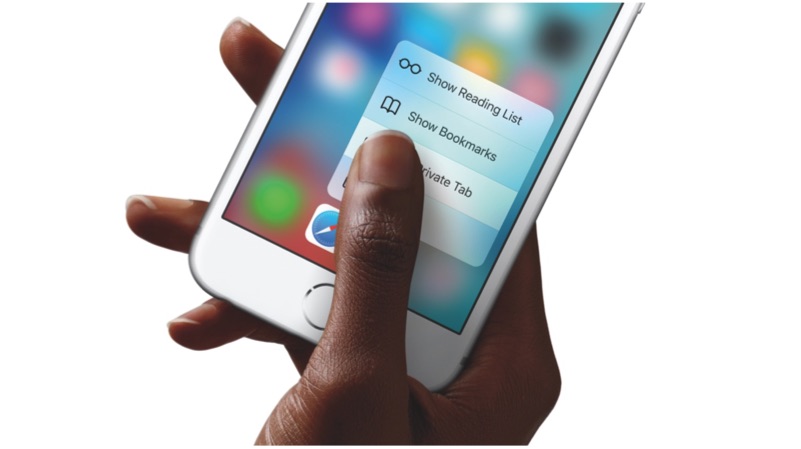
    Kuo believes that to maintain the cost of the iPhone and obtain parity, Apple will remove 3D Touch on the 6.1-inch iPhone. So far, 3D Touch functionalities are well integrated within iOS since it has been present in all iPhones since the iPhone 6s launch. Apple wants to implement the CGS technology in all future iPhones, which means that 3D Touch could be removed from iPhones altogether in the future. That being said, the 5.8 inch iPhone and the iPhone X Plus, both of which will have an OLED panel will have 3D Touch functionalities.

    Kuo also believes that the 6.1 inch LCD iPhone will make up 65 to 75% of iPhone shipments during the year. This is mainly attributed to its much more affordable price tag and the similarities in features with the pricier 2018 iPhone X and iPhone X Plus.

  • Snapchat Spectacles 2 Launched At US$ 150

    Snapchat Spectacles 2 Launched At US$ 150

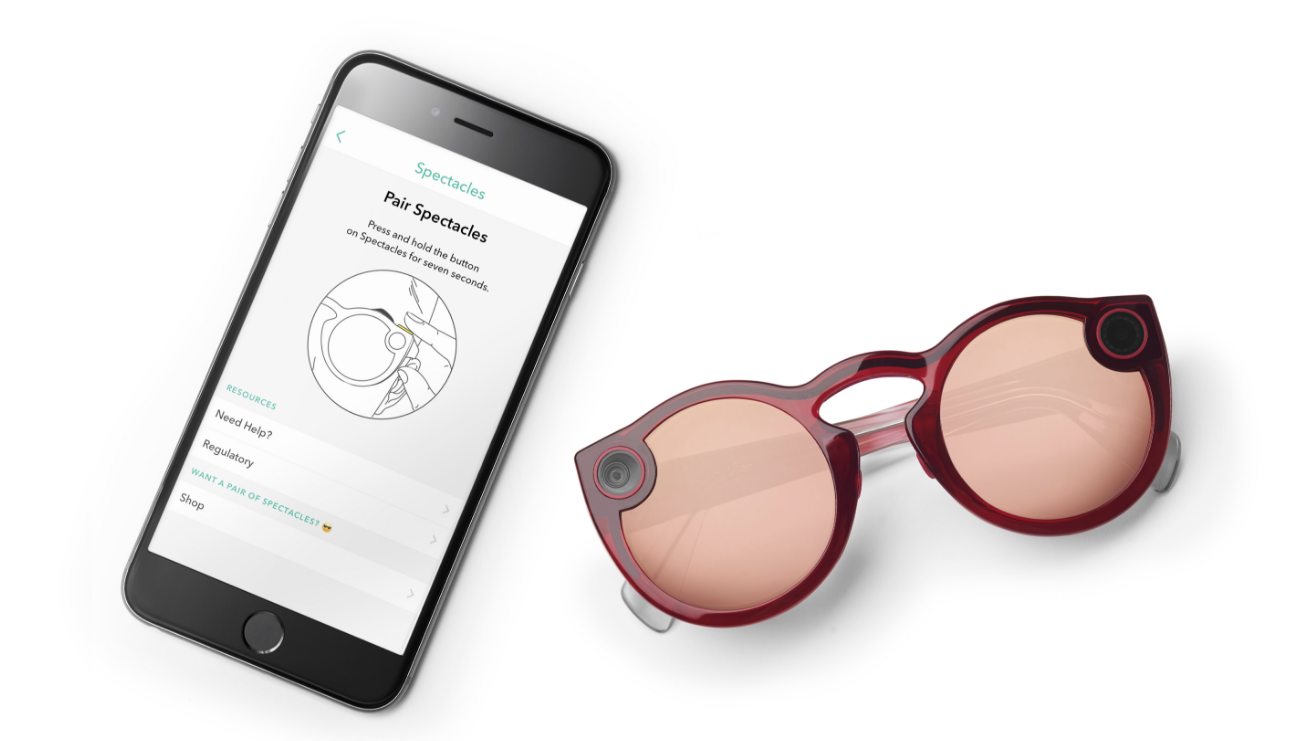
    Snapchat has launched the second iteration of its wearable product, the Snap Spectacles V2. This is not the official name of the specs, as Snapchat is just calling them the Spectacles. The new Spectacles cost US$ 150, which US$ 20 more than the original Specs. This time around, the company appears to have fixed many of the issues that users had with the original Spectacles.

    Unlike the original model, the new Spectacles can also take images along with videos. As is with Snapchat, the videos are recorded for 10 seconds, and users can take continuous videos up to 30 seconds. The glasses are water-resistant at shallow depths, and the company says you can safely dive into a pool with them or splash around in the ocean. The case for the glasses, which also acts as a charger, has also been made splash-proof. The case can charge the glasses up to 4 times on a single charge. This time around, the carrying case is also much smaller.

    The carrying case is smaller because Snap has made the Spectacles thinner and lighter. The specs now have a lot of different glass designs and colour options to choose from. For users in the US, there is also support for people who wear polarised glasses. Snap is working with a company called Lensabl to offer prescription and polarised lenses. This will only be applicable when buying the spectacles from Spectacles.com.

    Snapchat also claims that the file sharing process between the glasses and your smartphone is 4X faster. The pairing process remains the same, wherein users have to wear the specs and point them at their Snapcode. Once paired, their smartphone then has to join a Wi-Fi network created by the glasses. Once that is done, the file sharing process begins wirelessly.

    Compared to the original model, the new Spectacles look much more realistic and closer to regular glasses thanks to the new design and colours. The camera is still visible and should alert bystanders but, the yellow ring around it is gone which helps the lens blend in with the specs a bit more. The Snap Spectacles are on sale in three jewel tones: onyx (black), ruby (red), and sapphire (blue). As of now, these are available in the United States, Canada, the United Kingdom, and France. May 3rd onwards, they’ll be available May 3rd in the Netherlands, Norway, Denmark, Belgium, Finland, Poland, Spain, Italy, and Ireland.

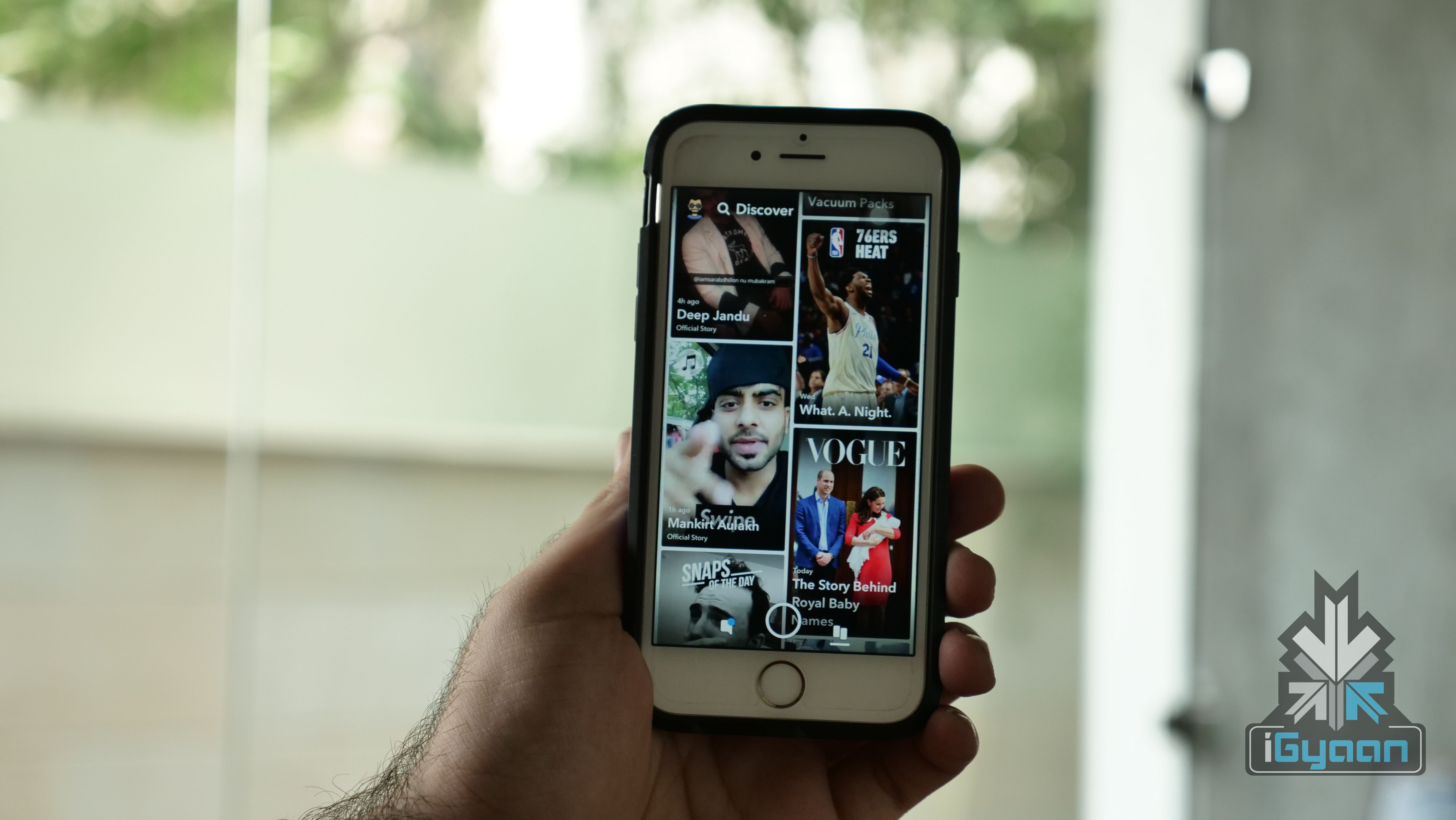
    There have also been reports of Snapchat introducing a dubious feature in its app. Not too long ago, Snapchat went through a complete UI overhaul which, to say the least, did not please its users. Now, it could potentially introduce a feature that might annoy its remaining daily users to a point of no return. Snapchat is reportedly preparing to introduce unskippable advertisements which will only please its stakeholders.

    According to a report by Digiday, citing three sources with “direct knowledge” of the company’s plans, the company will soon insert six-second video ads that will run during select Snapchat Shows. These are short-form video programming from major media companies that run on the platform. The tests for the new advertising format will begin on May 15th. As of now, these ads won’t appear in the app’s Discover feed or in between Stories posted by users.

    Instering unskippable ads on its platform is a telltale sign of the company’s failing business model. It posted its most successful quarter ever in the Q4 of 2017, and still managed to lose about US$ 350 million. It is clear that things are not going well for Snapchat even after recently going public.

    Snapchat was the first was to do what has now become a trend in social media. Personal messages with an exhaustion time limit to adding “stories” in your profile are what made it so famous among teenagers and young adults. However, Facebook, and then Facebook-owned social media platforms Instagram and WhatsApp also adopted that pattern and has been more successful than Snapchat.

    Whether this new advertising format will anyway help the company is yet to be seen. It isn’t clear right now how successful Snapchat Shows is and how many people actually watch it for users to be annoyed with unskippable ads.

  • Xiaomi Mi Pad 4 Might Have An 18:9 Aspect Ratio

    Xiaomi Mi Pad 4 Might Have An 18:9 Aspect Ratio

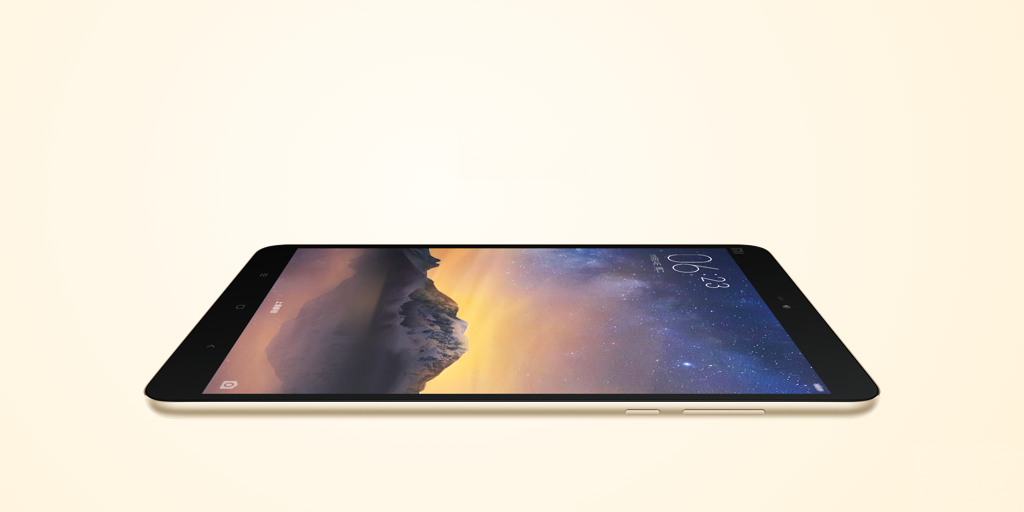
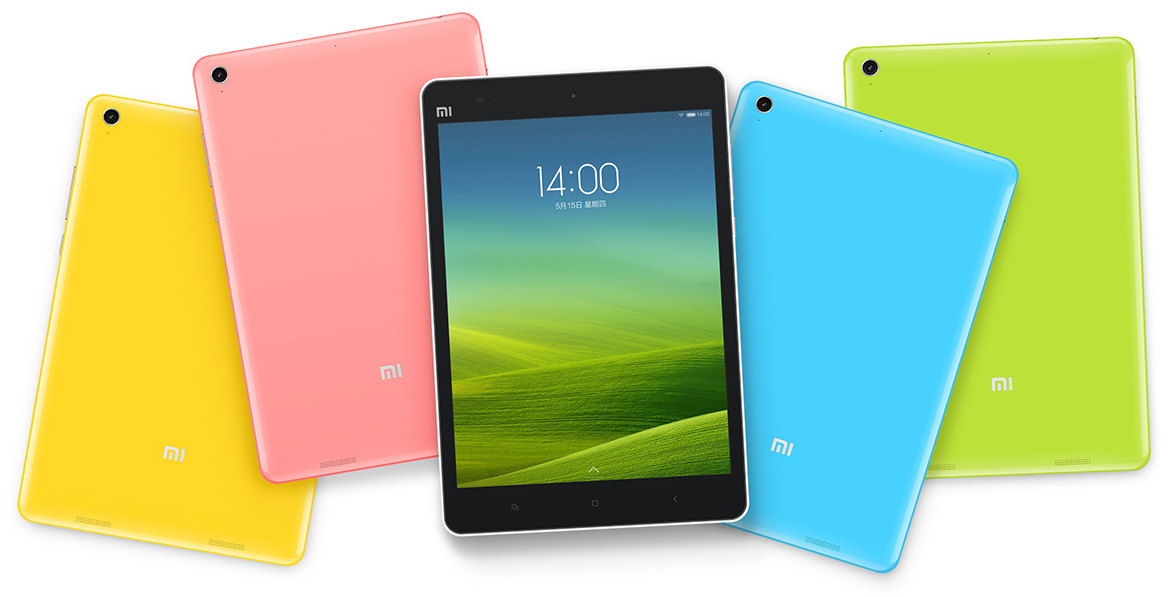
    Xiaomi has had a lot of success with its smartphones in India. The Chinese company is now the top smartphone vendor in India, which is one of the largest smartphone markets in the world. The Chinese tech giant also makes very impressive Android tablets, something that cannot be said for most major Android OEMs. The Mi Pad 3 was launched in April 2017 and the launch of its successor, the Mi Pad 4, is imminent.

    XDA Developers have now got hold of a few firmware files that shed some light on the Mi Tab 4. According to the files, the Xiaomi Mi Tab 4 could have an 18:9 aspect ratio but, it cannot be confirmed right now. The boolean value in the MIUI configuration file called “is_18x9_ratio_screen” is set to “true.” While this a hint of a tall display, folks over at XDA Developers are not very confident about this particular piece of information.

    The Mi pad 4 will run on the Snapdragon 660 chipset, same as the recently launched Mi 6X. The maximum CPU frequency in MIUI’s configuration file is set to 2.0GHz for the big cluster, which hints at the Snapdragon 660 rather than the Snapdragon 636 which is found in the Redmi Note 5 Pro. There is no information on the RAM and storage options, but, it is possible the Mi Pad 4 could have 4GB of RAM and 64GB onboard storage. This particular configuration is extremely common among budget devices.

    The Mi Pad 4 will have a single camera on the front and back. The rear-facing camera will be a 13MP OmniVision OV13855 sensor with an f/2.0 aperture. To the front will be a 5MP Samsung S5K5E8 sensor with an f/2.0 aperture. Tablets are rarely judged for their camera capabilities because it tends to be the least used function on a large sized device. However, a good front-facing camera is ideal for video calling .

    The tablet industry has been dominated by Apple iPads for a while now. With most Android manufacturers shying away from manufacture of tablets, Samsung and Xiaomi are the only major brands especially in the budget category. Hence, the Mi Pad 4 could fill in a gaping hole in the tablet industry. Whether it will be successful at that or not, is yet to be seen.

  • Apple iPhone SE 2 Leaked Images Reveal A Glass Back And Headphone Jack

    Apple iPhone SE 2 Leaked Images Reveal A Glass Back And Headphone Jack

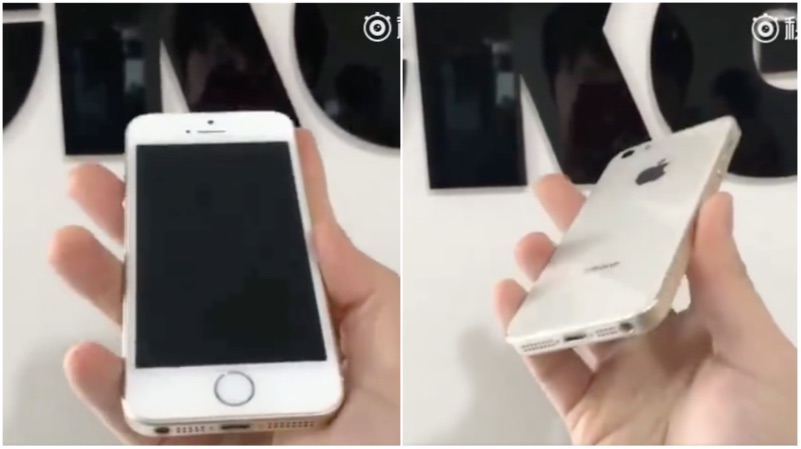
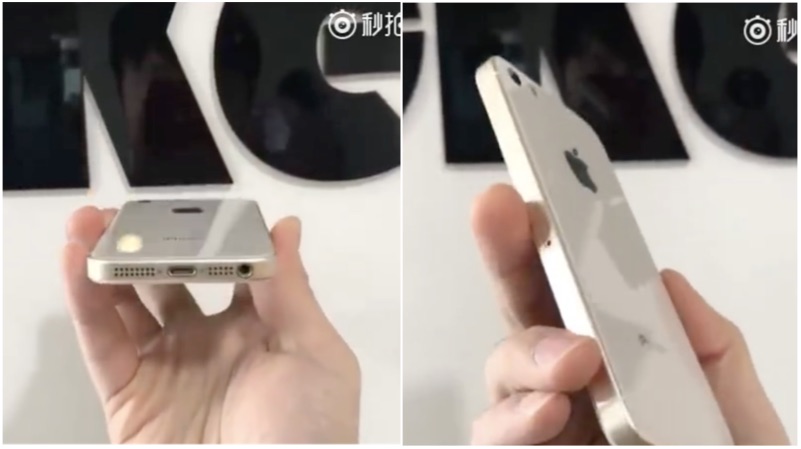
    The Apple iPhone SE 2 is expected to be a successor to the highly popular and compact iPhone SE model. The clouds of uncertainty around the iPhone SE 2’s existence have certainly gone away as we approach a possible launch in May. However, we have received very conflicting reports so far regarding the features and design of the iPhone SE 2. A new set of images, possibly of the iPhone SE 2 reveal a few key details about the upcoming budget iPhone.

    As is visible in the images, it appears that the iPhone SE 2 will indeed have a glass back, similar to the iPhone 8 and iPhone X. The design is very similar to the iPhone SE 2 with a single camera on the back. The front of the iPhone SE 2 has the same bezels as the iPhone SE along with the home button, which will house Touch ID as well. These images reaffirm that Apple won’t go for a radical upgrade with its budget iPhone and instead and introduce a few modern features along with updated hardware.

    The interesting bit about these images is the presence of the headphone jack. The iPhone SE was the last iPhone that Apple launched with a headphone jack. In September 2016, Apple launched the iPhone 7 and 7 Plus which meant the end of the 3.5mm headphone jack in iPhones. Even previous reports have claimed that the iPhone SE 2 won’t have a headphone jack. It won’t make sense for Apple to claim that wireless technology is the future and then take a step back with the headphone jack.

    You May Also Like to Read: Apple iPhone SE 2: Everything We Know

    We expect the iPhone SE 2 to be launched in India soon after its global launch, considering the success the iPhone SE has had in India. The Apple iPhone SE 2 could be manufactured in India at the Bengaluru plant, along with the current iPhone SE and the iPhone 6s Plus. The iPhone SE 2 for certain markets like India could also feature Dual- SIM capability as there are already reports of the Apple launching iPhones with this capability. The iPhone SE is Expected to start at US$ 550 for the 64 GB variant. In India, the iPhone SE 2 can launch for around Rs. 36,999.

  • 76% iOS Devices Are On iOS 11 While Only 4.1% Android Devices Are On Android 8 Oreo

    76% iOS Devices Are On iOS 11 While Only 4.1% Android Devices Are On Android 8 Oreo

    The debate of Android vs iOS might never reach a conclusion. However, there is one area where Android has to always accept defeat, and that is OS adoption rate. Thanks to so many Android OEMs and their own custom skins, new versions of Android are very slow to reach to a majority of Android devices. iPhones on the other hand, are only made by Apple, which means the adoption rate of iOS is extremely high. And new data proves just that.

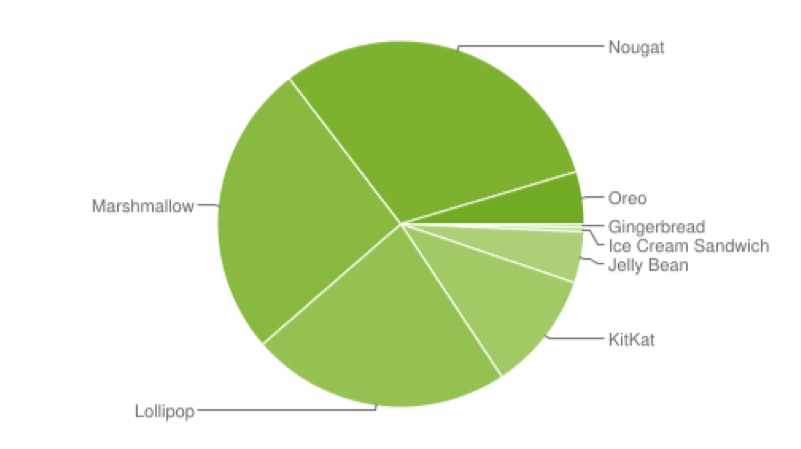
    As of April 16th, 2018, Android 8.1 Oreo, the latest version of Android is only available on 0.5% Android devices. Android 8.0 Oreo, which was launched in August 2017, is only available 4.1% of devices. Astonishingly, the most predominant Android version is Android 6 Marshmallow, with a 26% adoption rate. Android 7.0 Nougat is a close second at 23%.

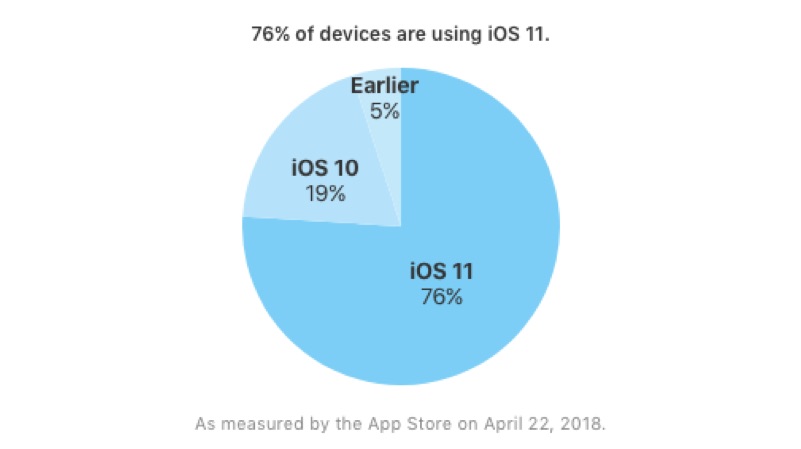
    While on the iOS side of things, as of April 22nd, 2018, iOS 11 is running on 75% of the iOS devices. It is worth noting that this also includes iPads as well since they also run iOS. Apple’s latest iOS version, iOS 11 had a rocky start to life with a lot of bugs pailing its initial phase. However, constant updates to fix various bugs has made iOS 11 a much better upgrade to iOS 10, as we noted in our iPhone X review.

    You may also like: Why Are New Android Phones Launching With Old Android OS?

    Project Treble is Google’s effort at reducing the time it takes for OEMs to receive the new OS and optimise it for its devices and then push out the update. A few months ago, Android received a new Vendor Interface, which is largely what Project Treble is about. The VI’s aim is to separate the “Vendor Implementation” (that is, “the device-specific, lower-level software written in large part by the silicon manufacturers”), from the Android OS framework.

    The new VI is supposed to sit between the Android OS framework and Vendor Implementation. And the new VI will be validated by a Vendor Test Suite (VTS), which is analogous to the Compatibility Test Suite (CTS) that Google has been using for API testing of apps. The VTS ensures forward-compatibility of the VI.

    Time will tell whether Google’s efforts will be of any fruition. Right now, however, iOS is way ahead of Android OS in the race of OS adoption.

  • 2018 Apple Lineup to Include iPhone , iPhone X and iPhone X Plus

    2018 Apple Lineup to Include iPhone , iPhone X and iPhone X Plus

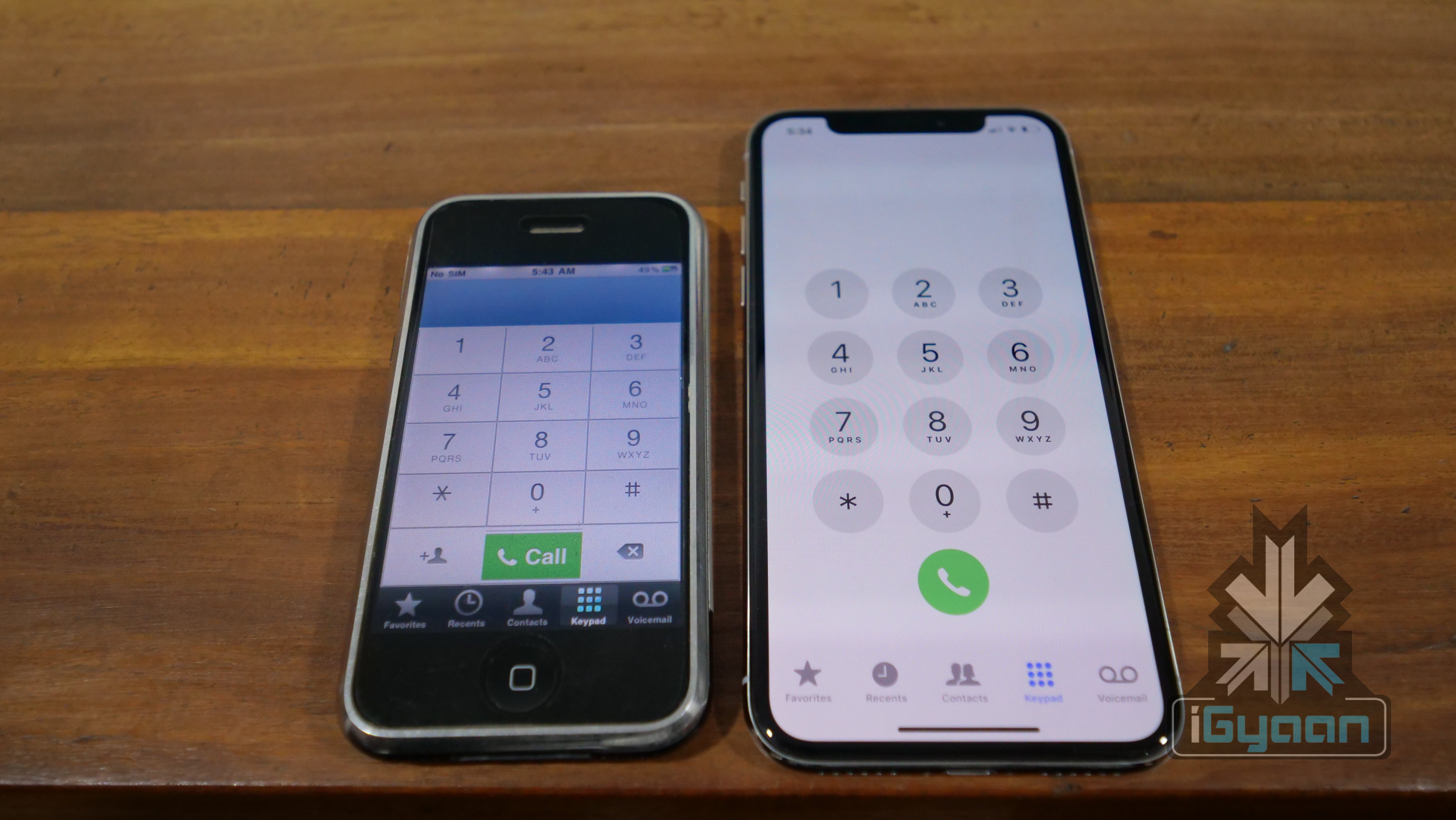
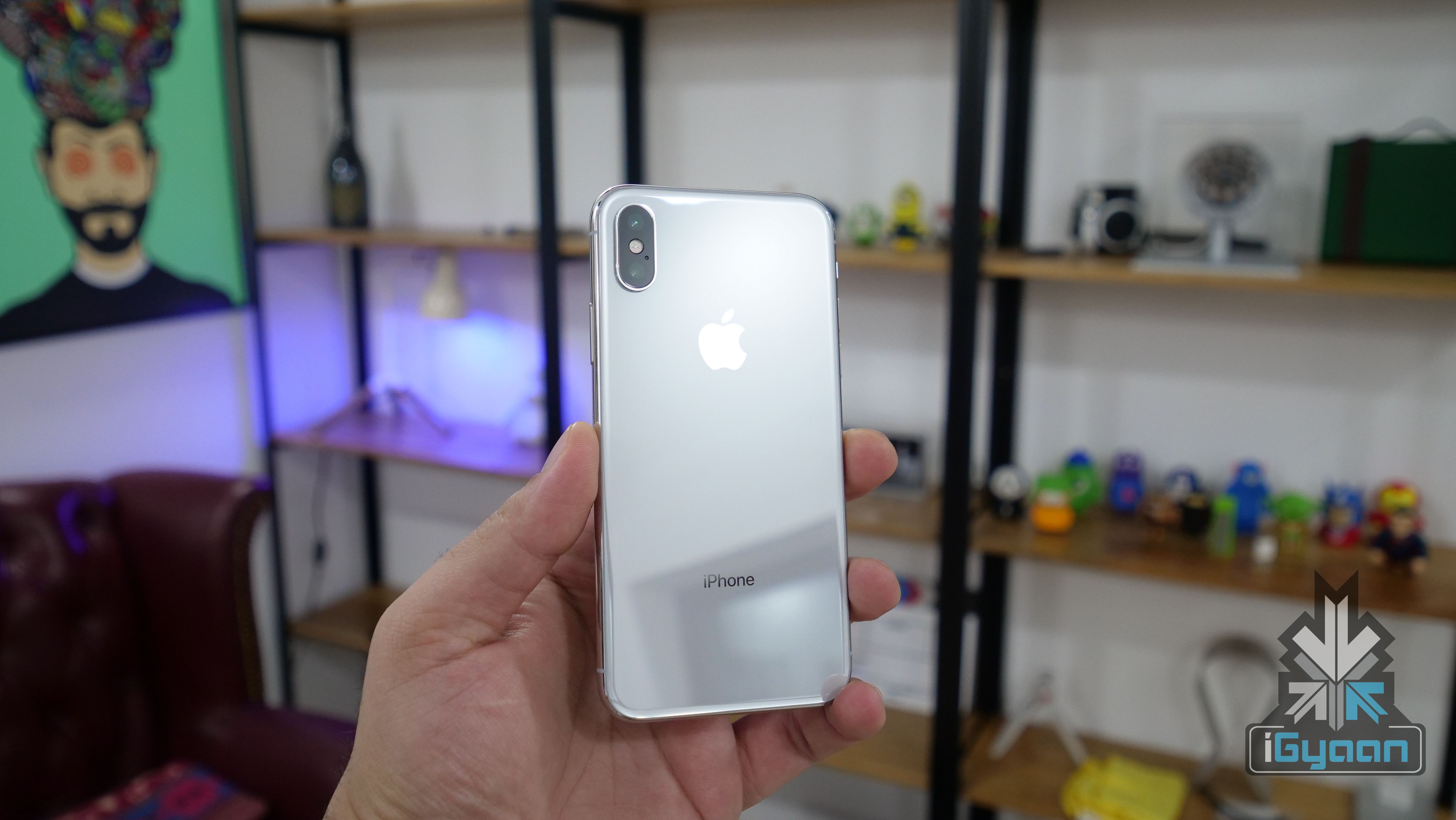
    In 2017, Apple launched three new iPhones. While the iPhone 8 and 8 Plus were successors to the 7 and 7 Plus, the X was billed as a true successor to the original iPhone. The “X” is pronounced as “ten” and represents the 10th anniversary of iPhones. While the three iPhones have enjoyed success, they have raised a few question marks regarding the names of upcoming iPhones.

    Reports claim that Apple will launch three iPhones in 2018. All the three iPhones will have a design like the iPhone X and also feature the infamous notch. The most affordable of the three iPhones will be an LCD model. Then there will be an iPhone X successor with the same screen size and the third model will sport a 6.5 inch OLED display. For reporting, we have so far used the type of display to refer to that device. However, Apple won’t name its new iPhones on the basis of the display technology used.

    iPhone

    The LCD model is more or less is a successor to the iPhone 8/8 Plus but, it won’t carry the number ‘9’. A new research note by Robert Cihra, an analyst at Guggenheim claims that Apple would drop the numbers from the nomenclature in 2018. This also seems like the easiest way to fix the naming conundrum.

    We think Apple may use this upcoming cycle to formally change its iPhone’s naming/branding pattern

    Cihra suggests that the LCD variant would just be called the “iPhone.” The 5.8 inch OLED model would retain the iPhone X moniker and the bigger version will be called the X Plus. Having two iPhones with the same name could be confusing but, we can always refer to the particular smartphone using its year of launch.

    The launch of 2018 iPhones is still a few months away. What route Apple takes to fix the nomenclature issue, only time will tell. That being said, dropping the numbers from the name does make sense as well.

iGyaan Network
Privacy Overview

This website uses cookies so that we can provide you with the best user experience possible. Cookie information is stored in your browser and performs functions such as recognising you when you return to our website and helping our team to understand which sections of the website you find most interesting and useful.