Author: Vipul Vij

  • Asus Zenfone Max Pro M1 Vs Xiaomi Redmi Note 5 Pro

    Asus Zenfone Max Pro M1 Vs Xiaomi Redmi Note 5 Pro

    Asus has launched its latest budget offering for the India market, the Zenfone Max Pro. The newly launched smartphone will go on sale via Flipkart on the 3rd of May at a starting price of Rs 10999. The Zenfone Max Pro, in the beginning, will be available two variants, one with 3GB RAM and 32GB storage and the other one with 4GB RAM and 64GB storage. The company also announced that a 6GB RAM and 128GB storage variant with improved camera capabilities will also launch soon in India.
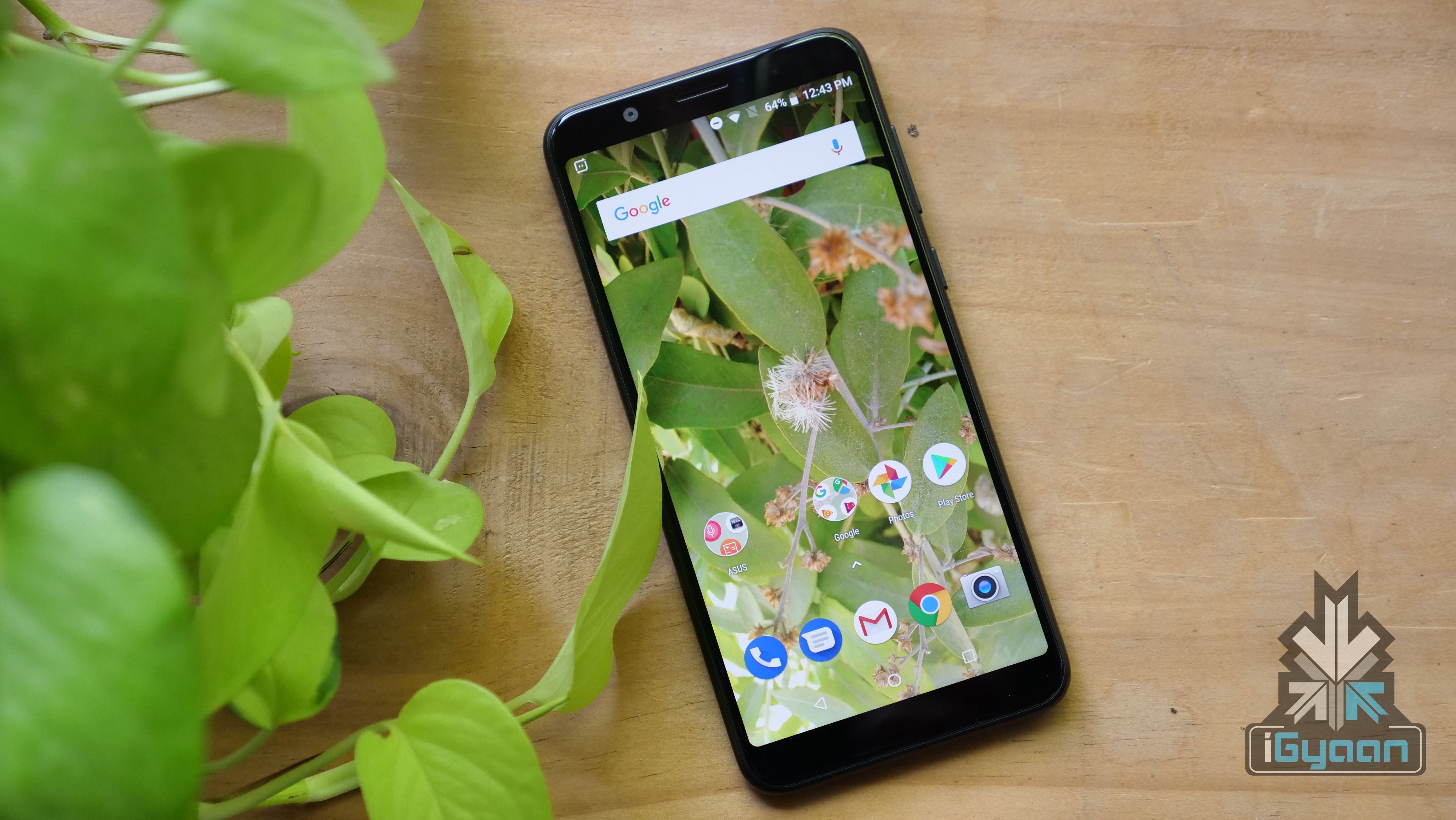
    At such a price range, the Zenfone Max Pro directly competes with the Redmi Note 5. However, in terms of features and hardware, it stacks up against the Redmi Note 5 Pro. The Xiaomi Redmi Note 5 Pro was launched in February of this year and has garnered great reviews so far. The only caveat being its annoying flash sales which is still the only way to buy the smartphone. It starts at a price of Rs 13999 for the 4GB RAM and the 6GB RAM model costs Rs 16999.
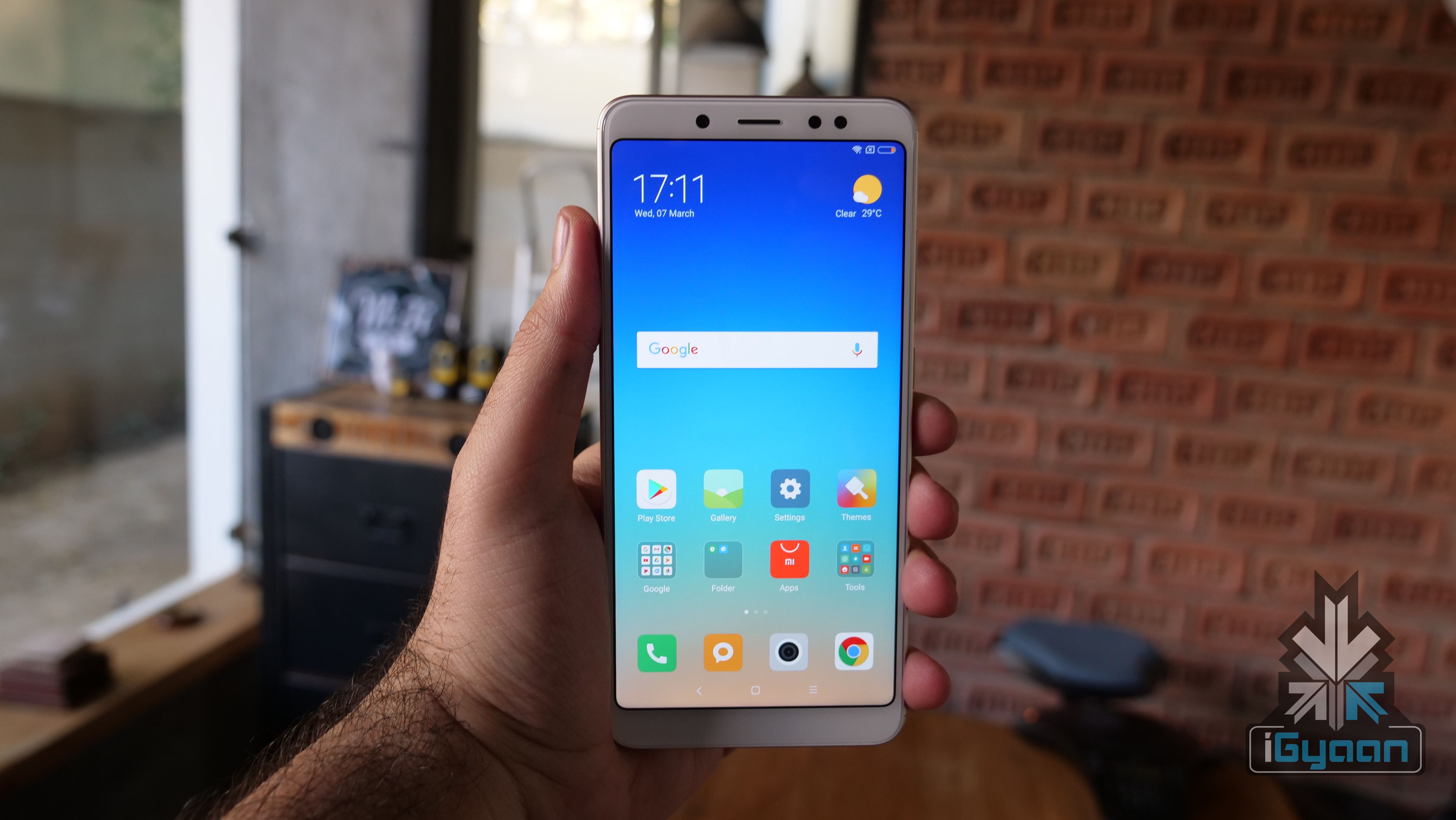
    In a price sensitive market like India, such a price gap between two smartphones can be telling. But, does the Asus Zenfone Max Pro hold up against highly successful Redmi Note 5 Pro? Let’s find out!

    Design

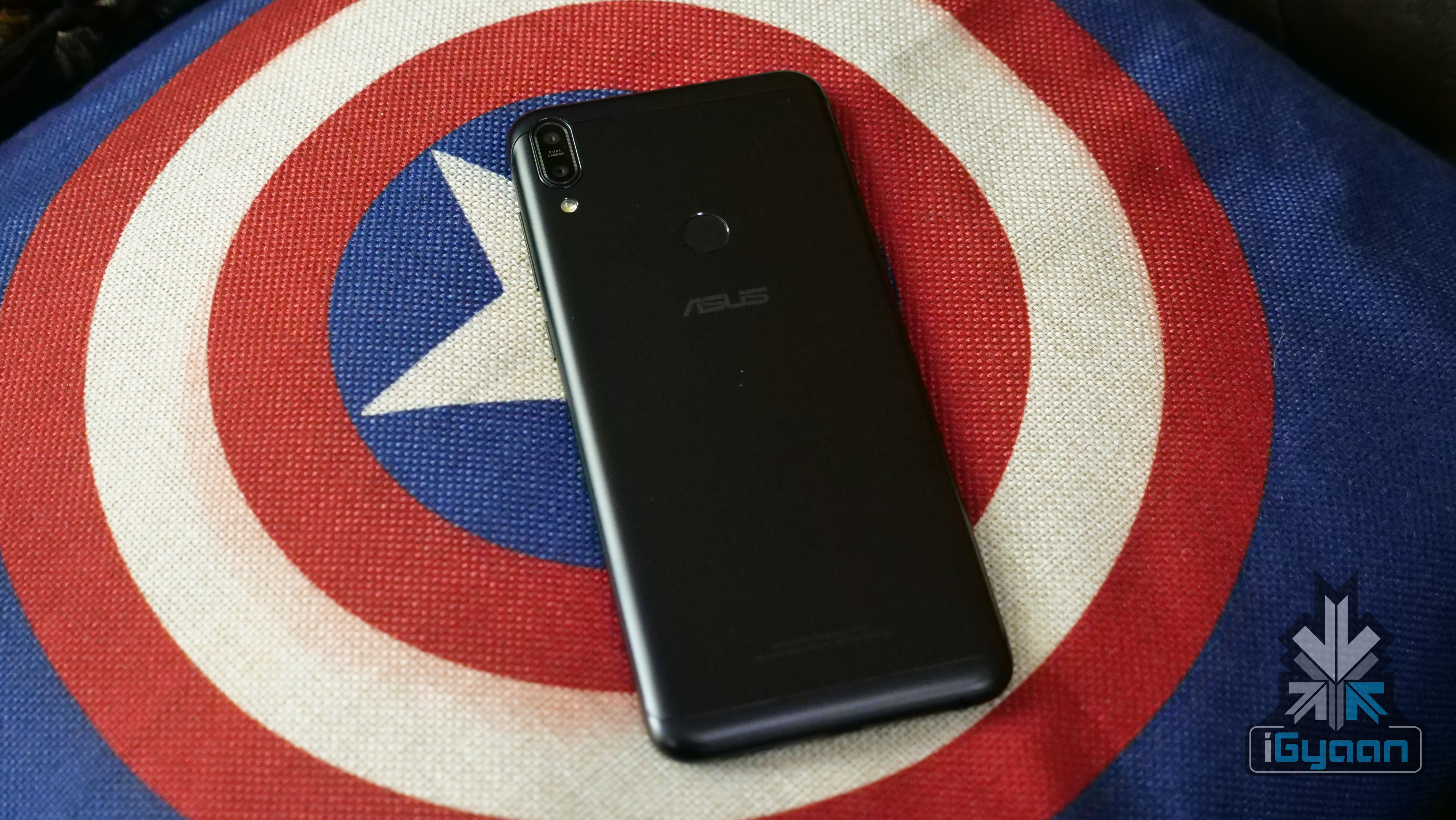
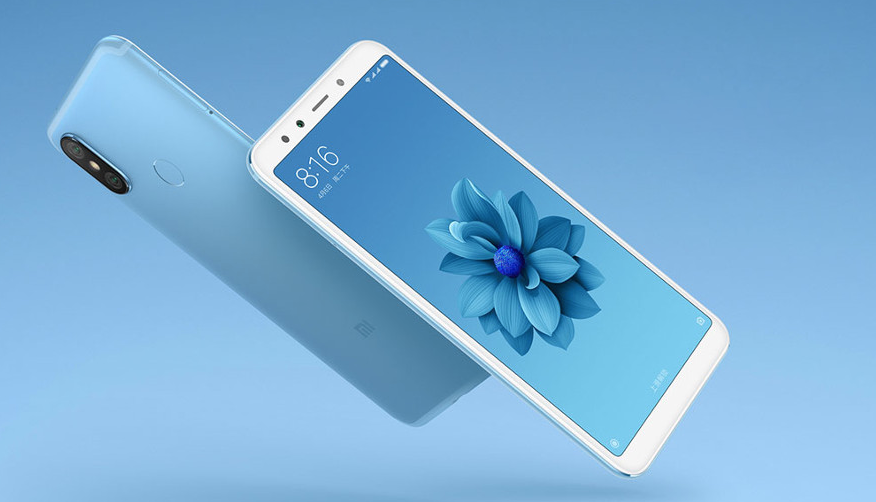
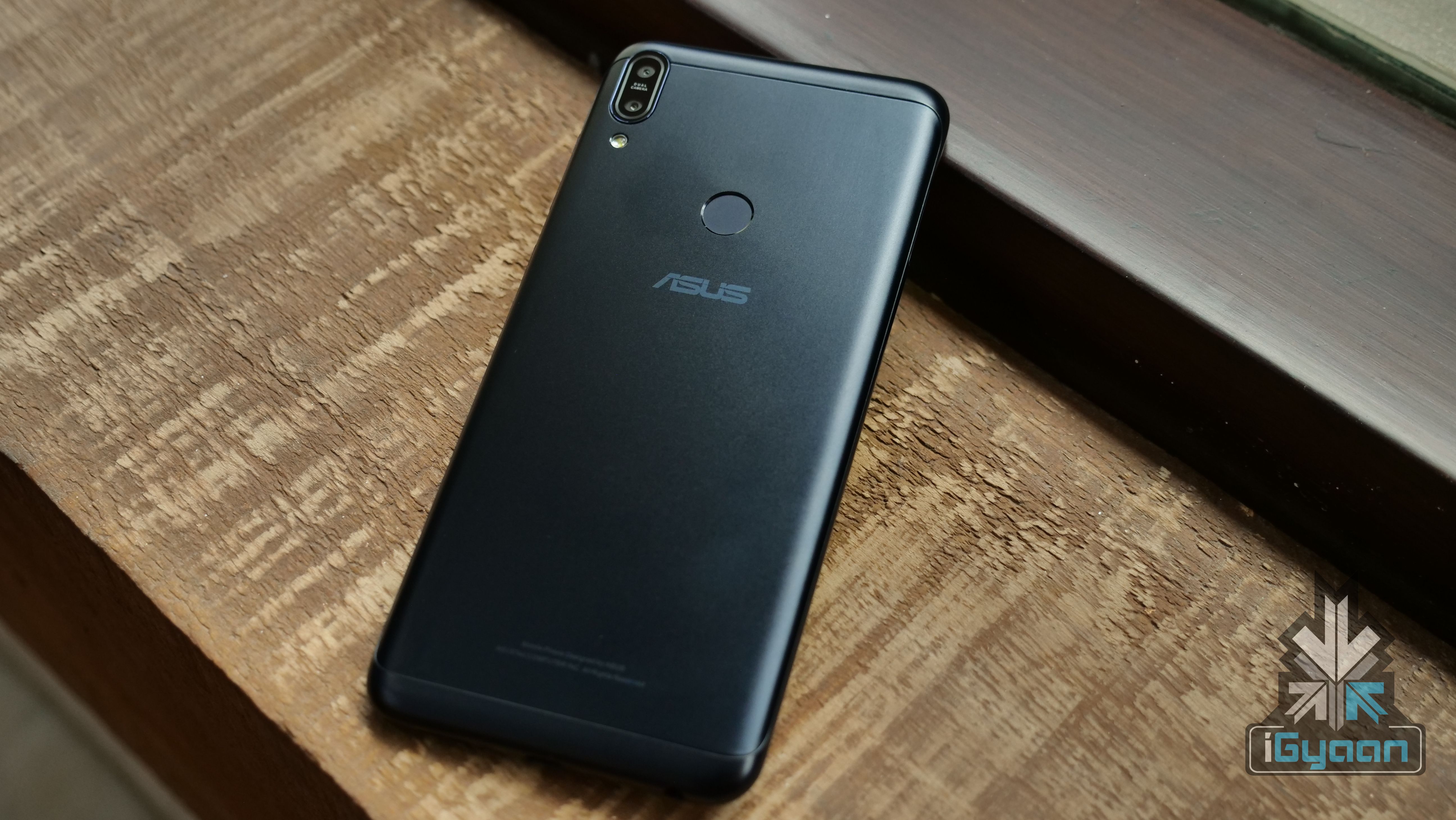
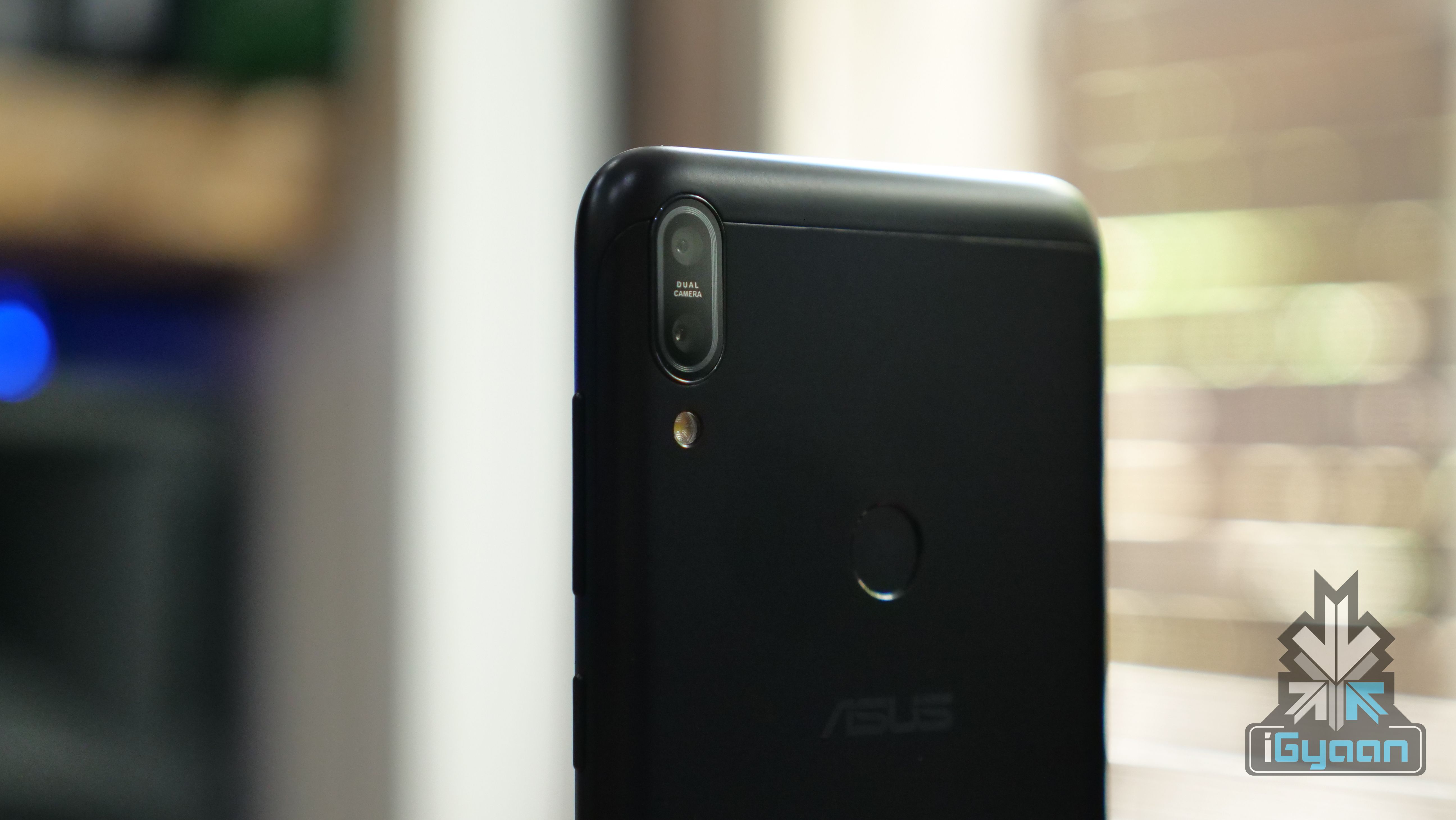
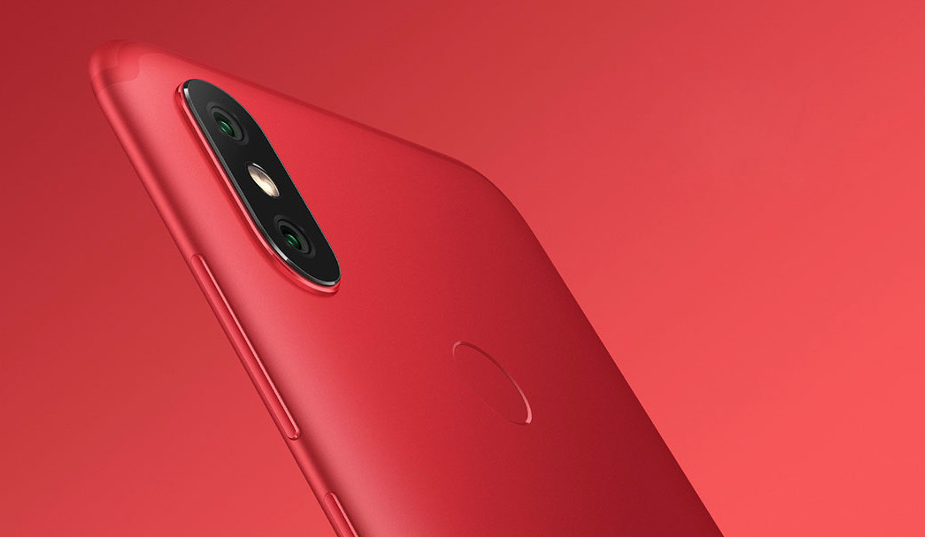
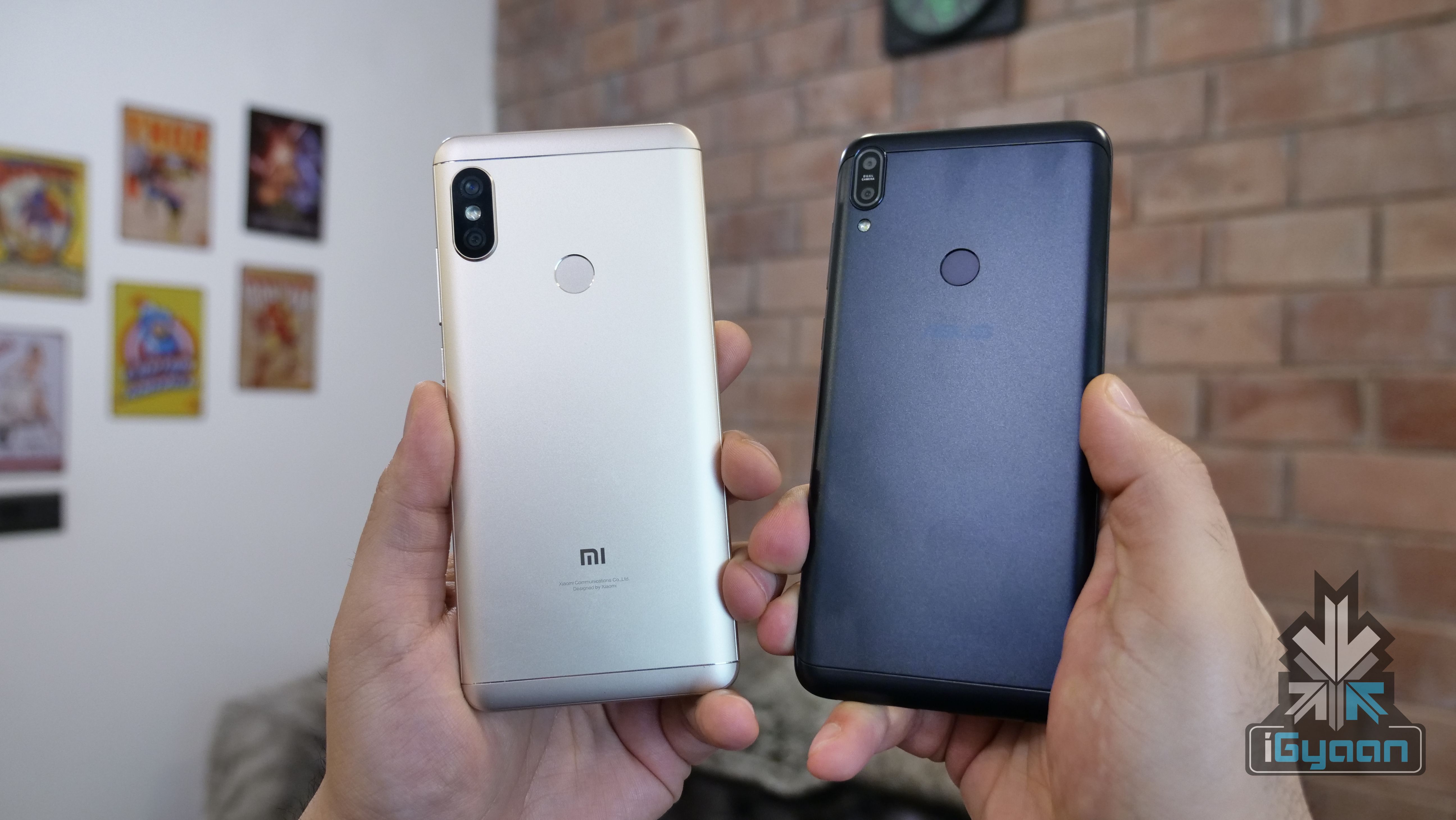
    The Xiaomi Redmi Note 5 Pro and Asus Zenfone Max Pro look identical in more than one way. On the front, the bezels have a similar size around the displays of both the phones. On the back, both the devices have a vertically placed dual camera setup with very similar placements as well. However, the LED flash on the Note 5 Pro is placed between the two cameras while on Zenfone Max Pro, it is placed beneath the dual camera setup. The brushed metal finish on both the phones means that the devices can be a bit slippery, especially if you have smaller hands and cannot get a proper grip.
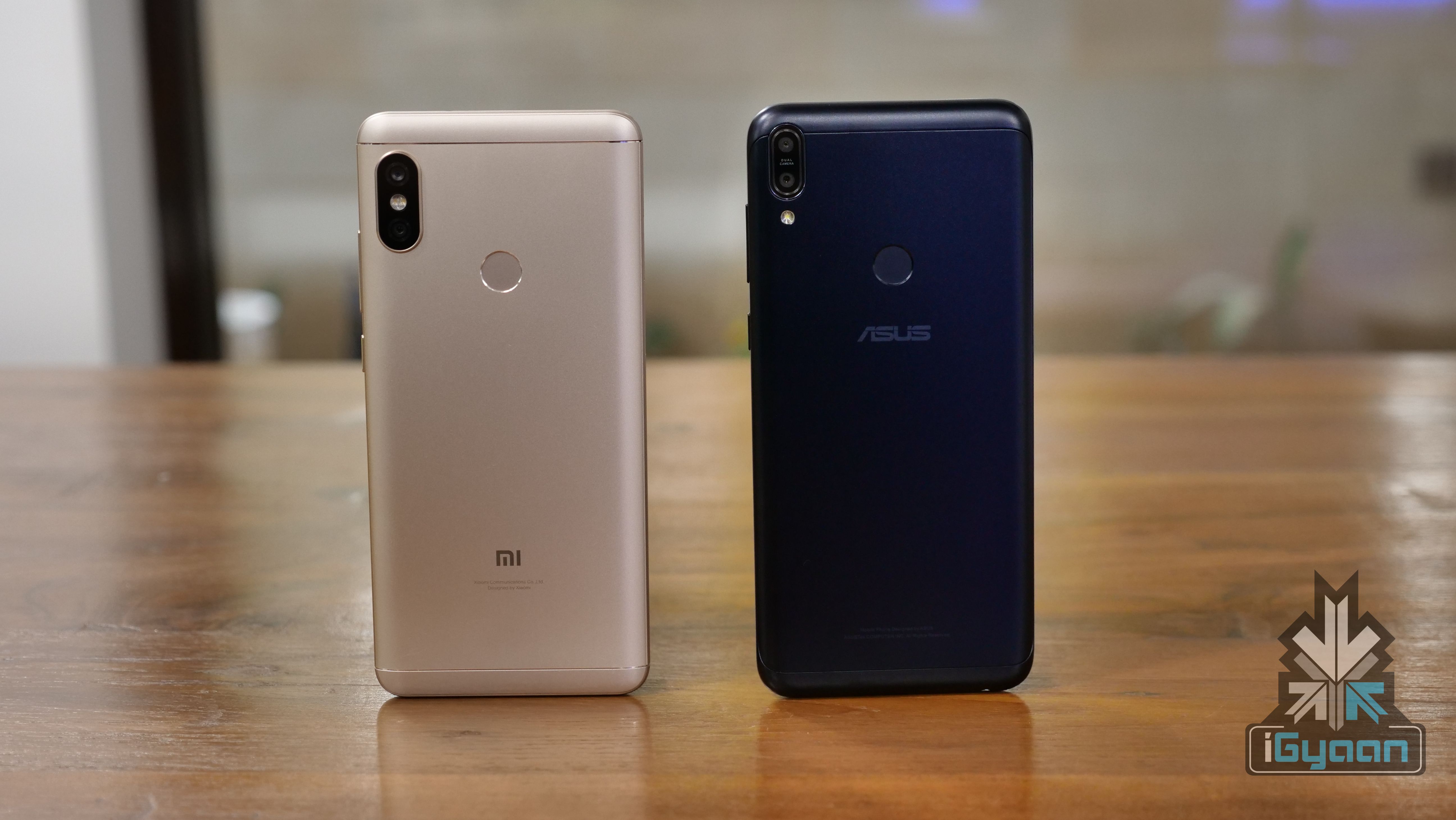
    It is also worth noting here that the Redmi Note 5 Pro has a camera bump on the back while the cameras on the Zenfone Max Pro are flush along the body.

    Display

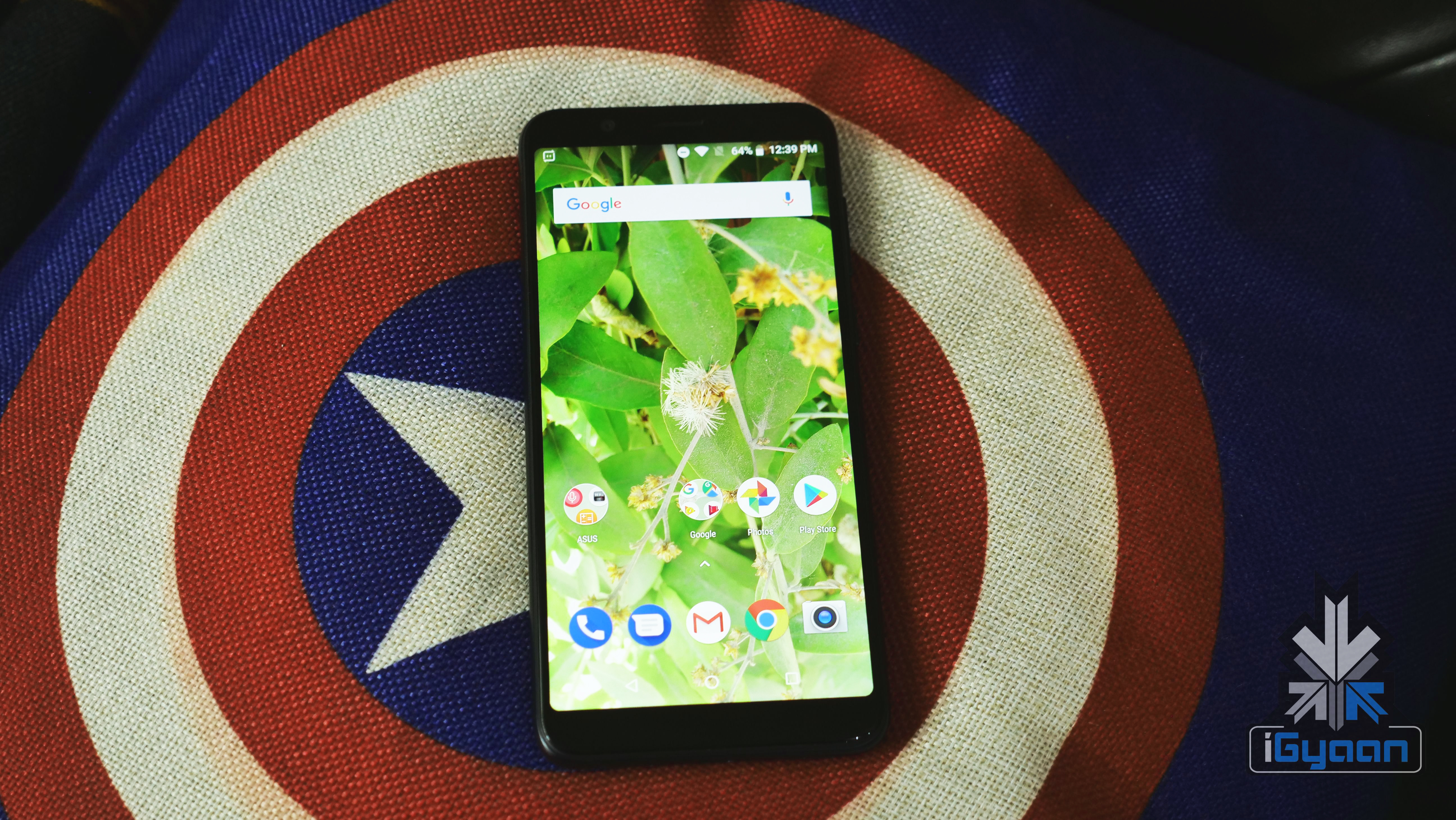
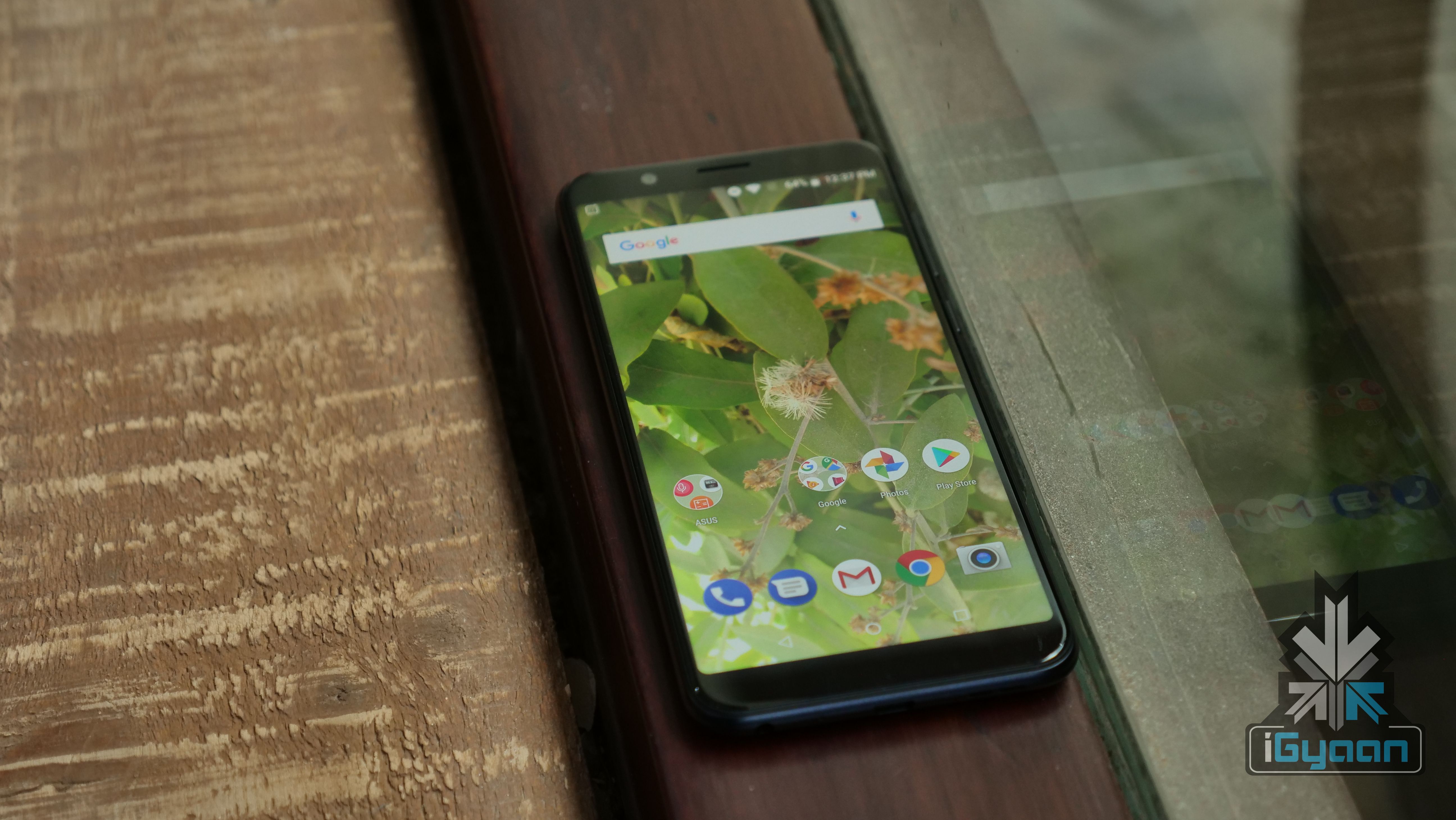
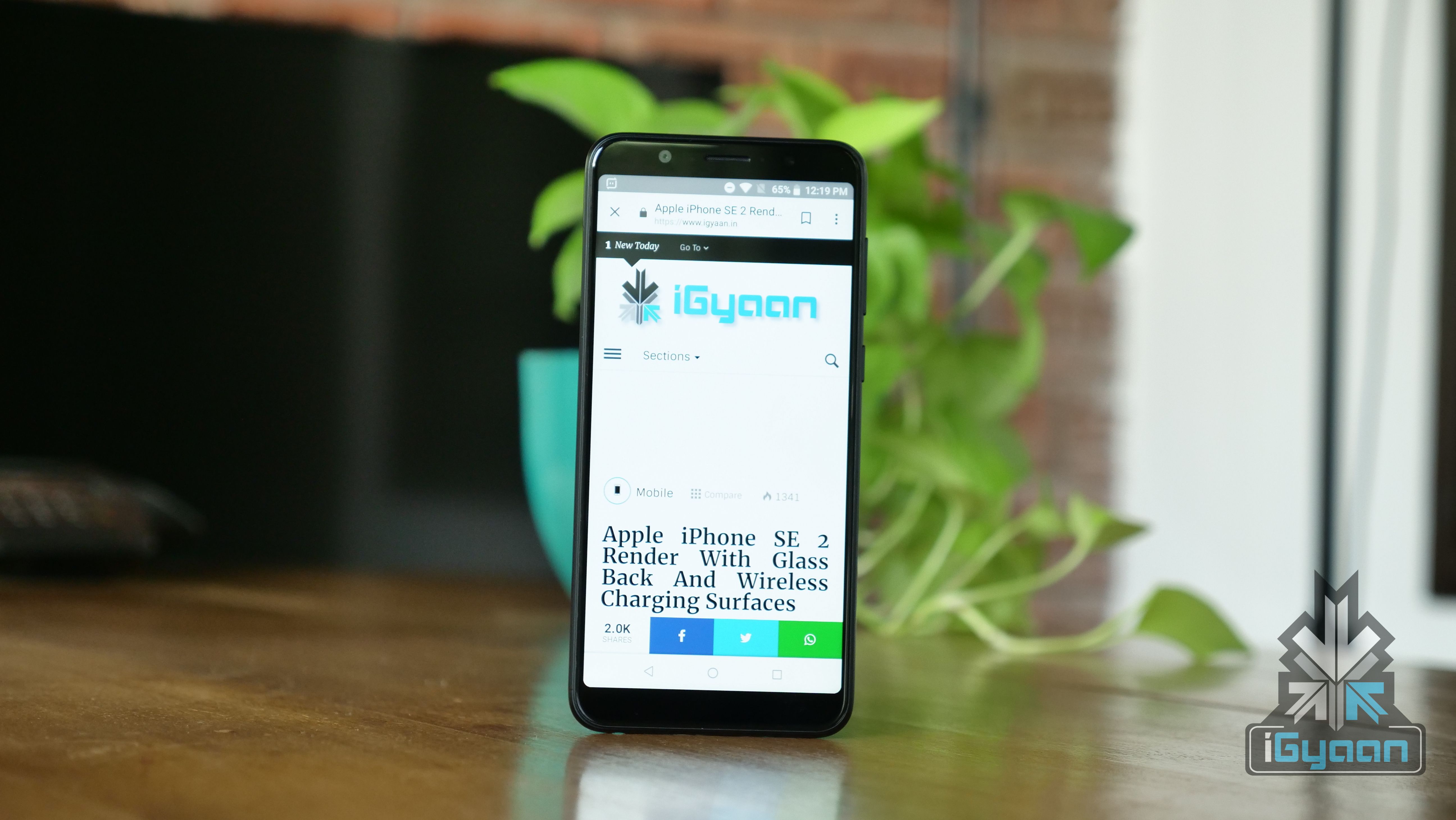
    The display on both the smartphones is identical. It is a 5.99 inch IPS LCD display with a 2160 x 1080 px resolution. This translates into an 18:9 aspect ratio. The corners of the displays are curved giving the smartphones a bit more premium look compared to sharp corners found on something like the Honor 7X.
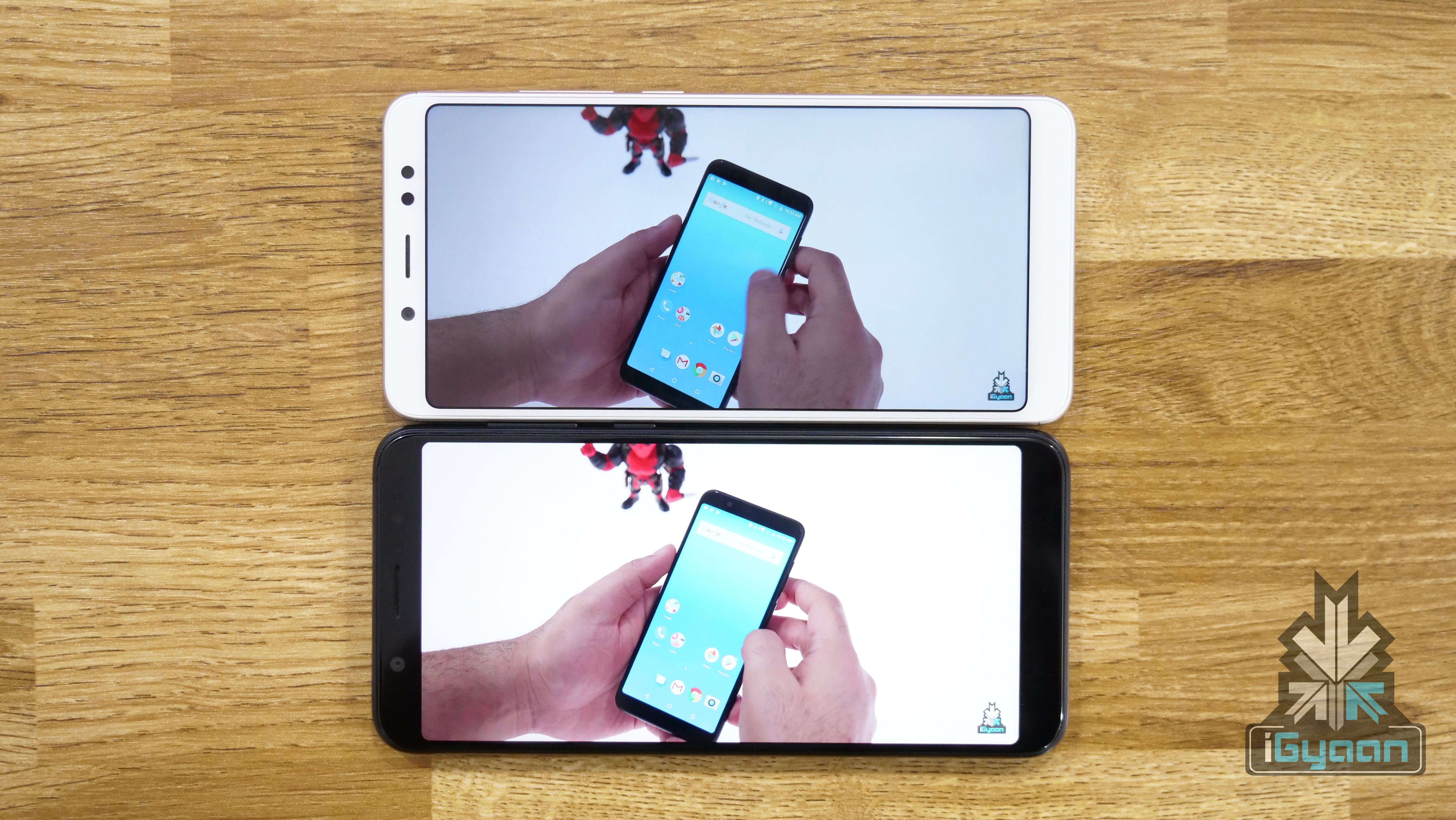
    The viewing angles are great and the colour reproduction is exactly what you would expect from an HD+ LCD panel. Considering how smartphones are the primary source of media consumption for a lot of users, both the devices do a great job with their respective displays. Another advantage of a tall display and thin bezels is the ability to fit a larger display in a relatively smaller body.

    Hardware

    When the Redmi Note 5 Pro was launched, its chipset was one of the highlights. It was the only smartphone to run on the Snapdragon 636 chipset before the Zenfone Max Pro’s launch. The Zenfone Max Pro is available in three different RAM and storage options, while the Note 5 Pro is only available in two RAM and one storage options.

    A department where the Zenfone Max Pro hands down one-ups the Note 5 Pro is the battery. The Zenfone Max Pro has a 5000 mAh battery compared to Redmi Note 5 Pro’s 4000 mAh battery. Also, Asus has managed to keep the weight of the Zenfone Max Pro at 180 grams, identical to that of the Redmi Note 5 Pro.

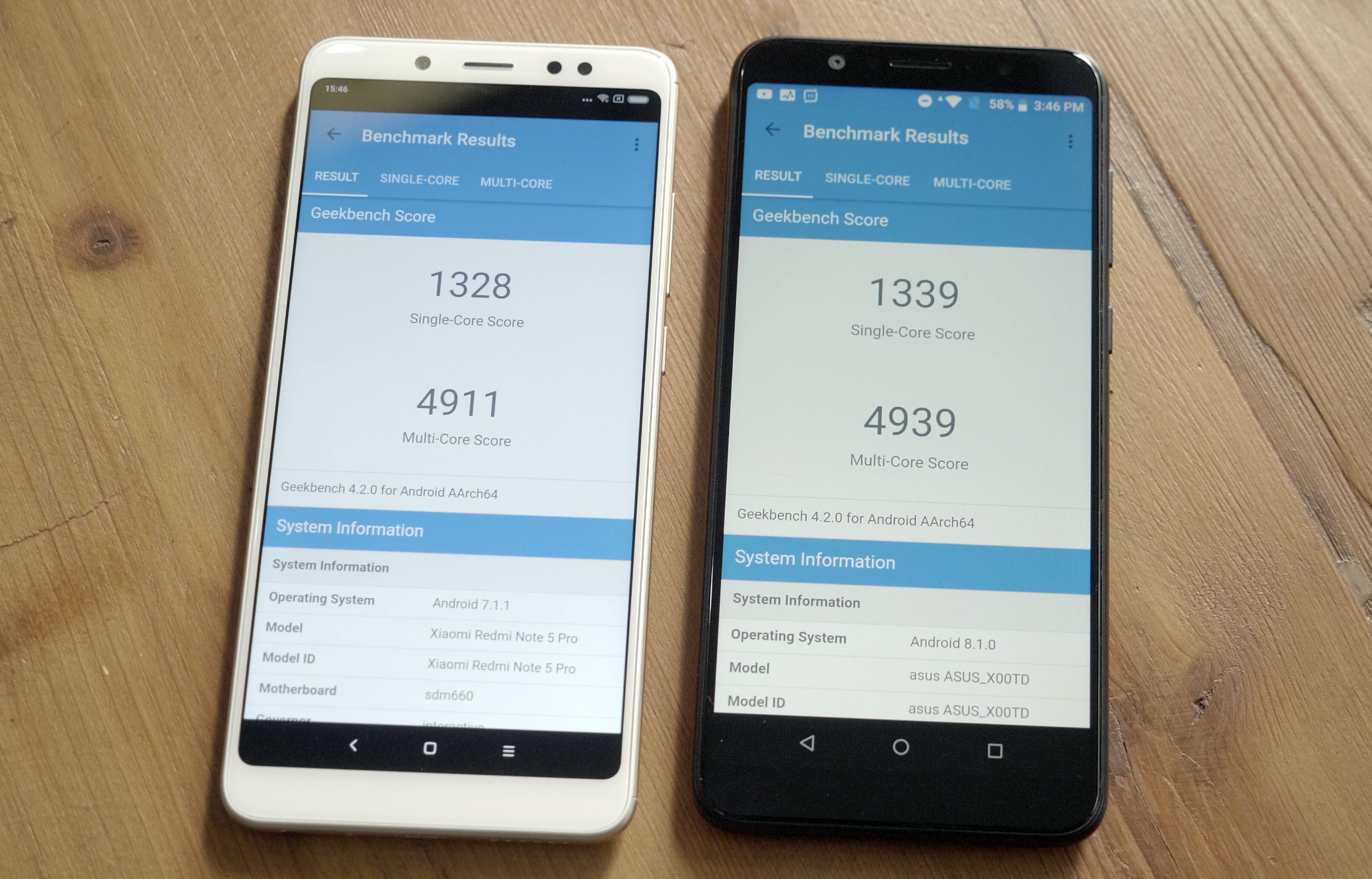
    If you are someone who swears by the benchmark scores, here they are for both the devices:
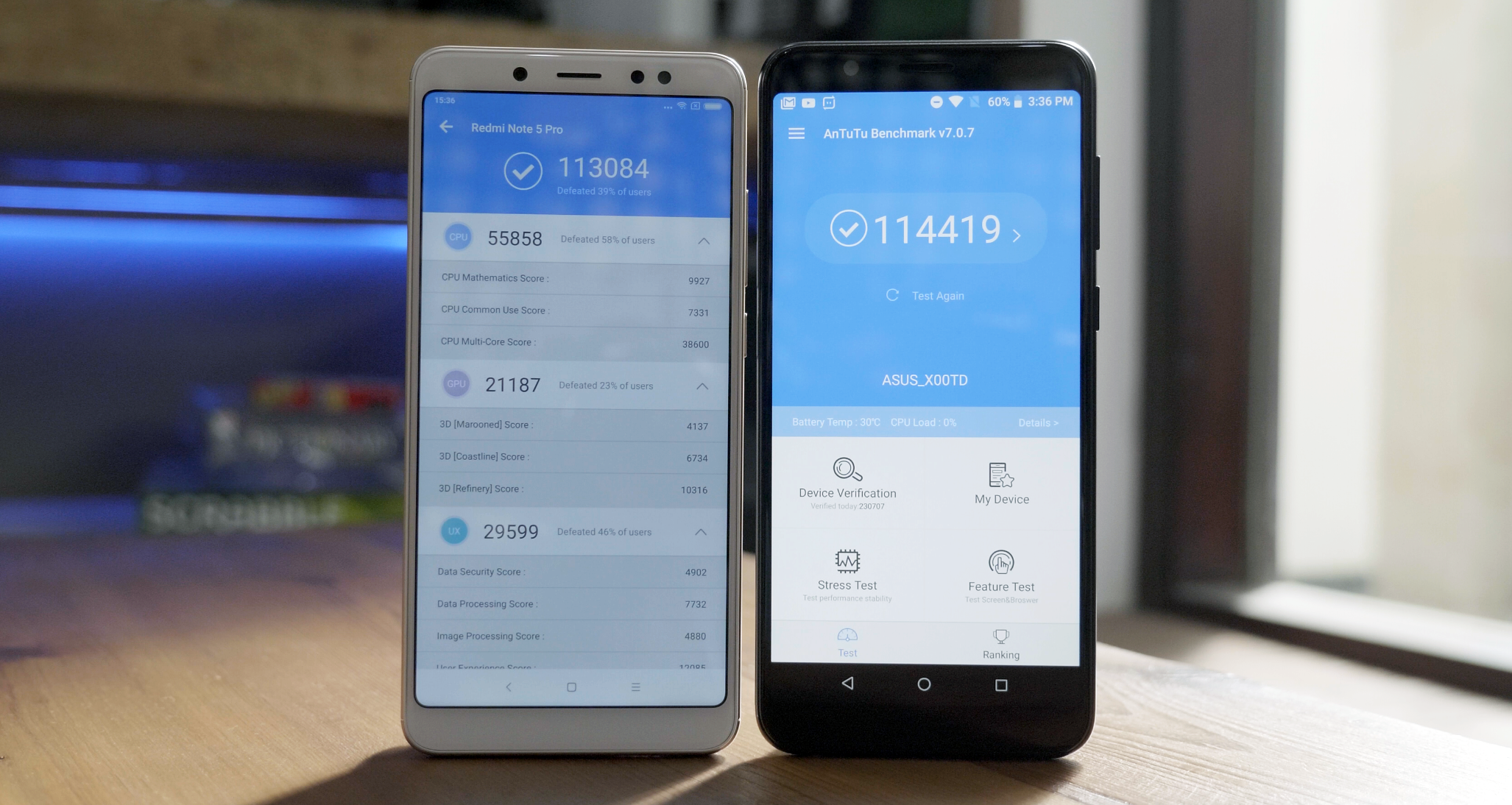
    Antutu Benchmark
    Geekbench
    Camera

    The Xiaomi Redmi Note 5 Pro has a 20MP Sony IMX376 camera on the front with an LED light. To the back of the smartphone is a vertically placed dual-camera setup. It is a 12MP colour sensor with an f/2.2 and a 5MPcolour sensor with an f/2.0 aperture setup. The smartphone clicks portrait mode photos from the front and rear cameras.
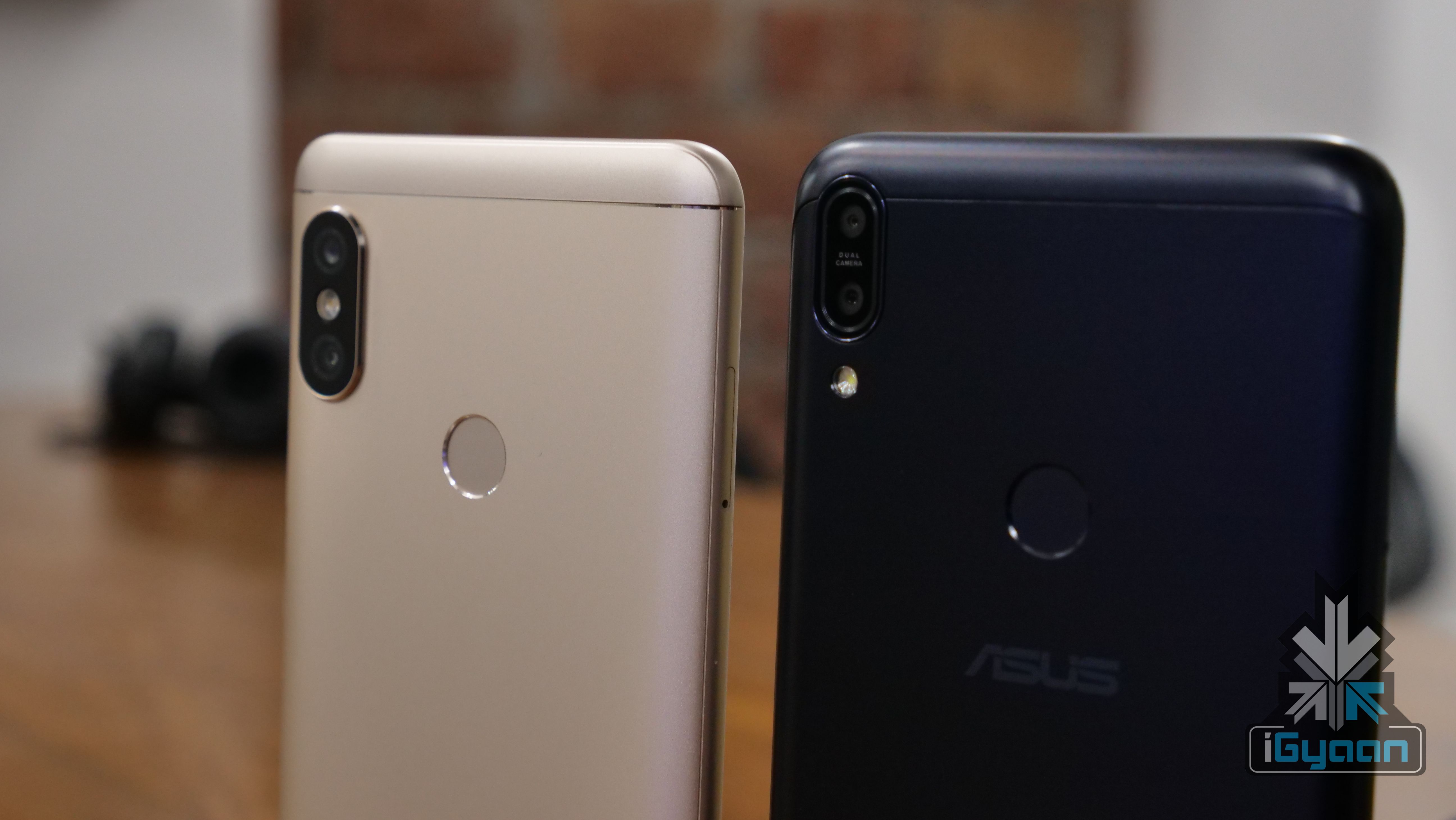
    The Asus Zenfone Max Pro has a 13MP primary sensor with an f/2.2 aperture and the depth sensor is a 5MP camera. The front of the device houses an 8MP camera with an f/2.0 aperture and an LED flash. The Zenfone Max Pro records 4K videos at 30fps while the Redmi Note 5 Pro can only record 1080P videos. Both the smartphones have EIS (electronic image stabilisation) when recording 1080P videos.

    Xiaomi Redmi Note 5 Pro Samples:

     

    Asus Zenfone Max Pro Samples

    Specifications
    Specifications Xiaomi Redmi Note 5 Pro Asus Zenfone Max Pro
    Price Rs 13999 (4GB RAM)
    Rs 16999 (6GB RAM)
    Rs 10999 (3GB RAM)
    Rs 12999 (4GB RAM)
    Rs 14999 (6GB RAM)
    Display 5.99 inch
    IPS LCD
    5.99 inch
    IPS LCD
    Resolution 2160 x 1080 px
    403 ppi
    2160 x 1080 px
    403 ppi
    Battery 4000 mAh 5000 mAh
    Chipset Qualcomm Snapdragon 636 Qualcomm Snapdragon 636
    RAM 4GB/6GB 3GB/4GB/6GB
    Storage 64GB
    Expandable up to 256GB
    Hybrid slot
    32GB/64GB/128GB
    Expandable up to 256GB
    Dedicated microSD card slot
    Primary Camera 12MP f/2.2
    5MP f/2.0
    1.25-micron
    13MP
    f/2.2
    5MP Depth Sensor
    Primary Camera Video 1080P @ 30fps 4K @ 30fps
    Secondary Camera 20MP Sony IMX376
    Beautify 4.0
    LED flash
    Bokeh Effect
    8MP
    f/2.0
    LED Flash
    Bokeh Effect
    Add-Ons Fingerprint Sensor
    Face Unlock
    Fingerprint Sensor
    Face Unlock

  • Meizu 15 Smartphones Launched Sans Notch Or 18:9 Display

    Meizu 15 Smartphones Launched Sans Notch Or 18:9 Display

    The herd behaviour of the smartphone industry is at showcase every year. This year and a better part of 2017 was all about 18:9 aspect ratio and thin bezels. However, a dubious trend has also caught on this year, and that is of the notch. Ever since the iPhone X was launched, a lot of smartphone makers have embraced the notch, without actually implementing it the way Apple did. Meizu, on the other hand, has gone a completely different route with its trio of Meizu 15 smartphones.

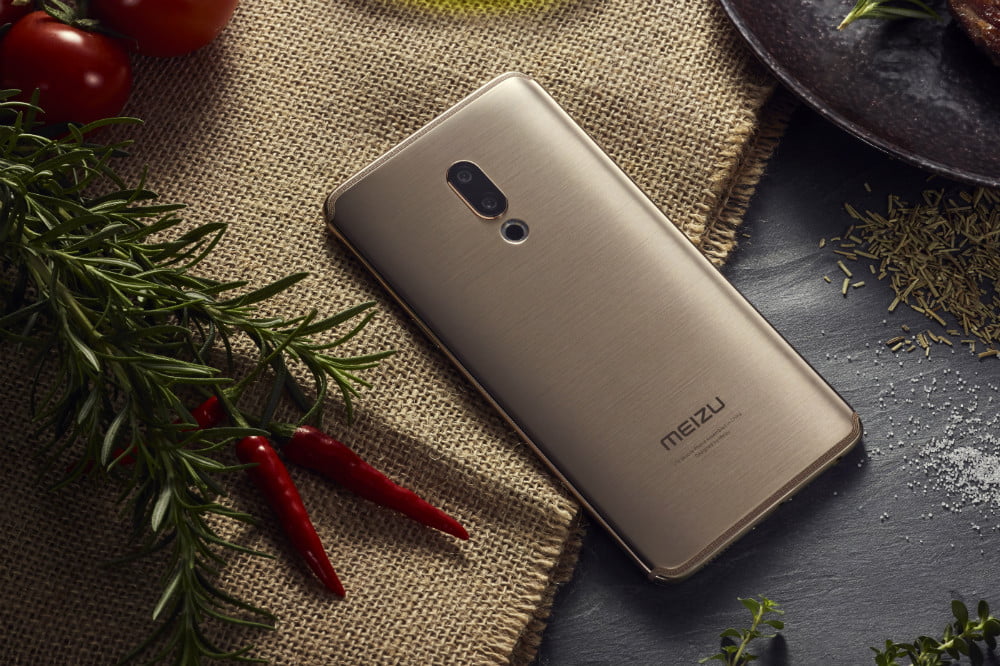
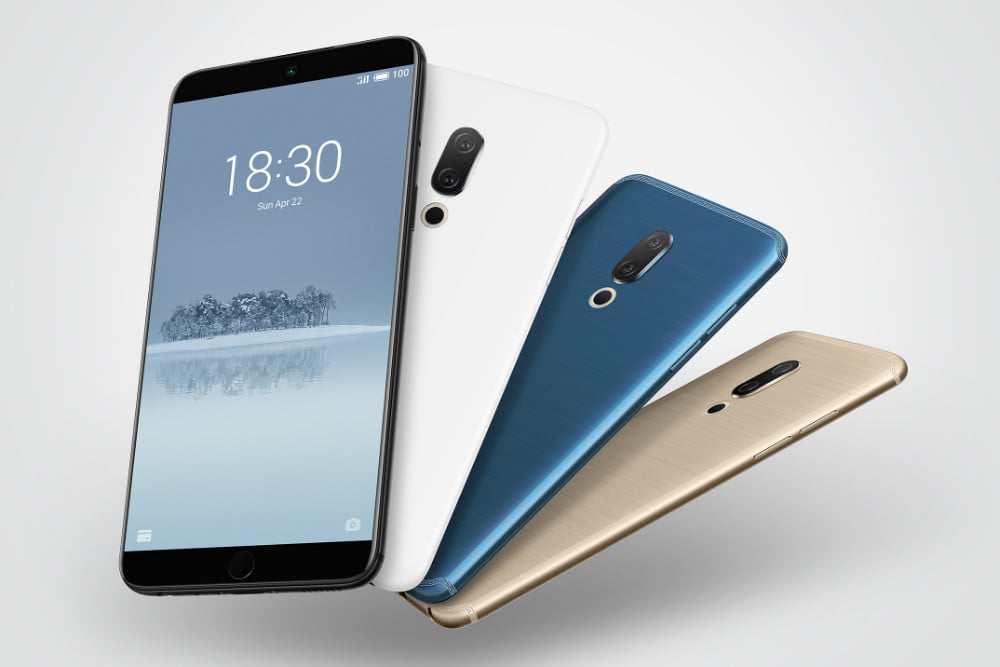
    Meizu, the Chinese smartphone maker celebrated its 15th anniversary by launching the Meizu 15 lineup of smartphones. The new Android devices follow an old formula to stand out from the crowd. The Meizu 15 Plus, Meizu 15 and Meizu 15 Lite have a 16:9 aspect ratio and no notch. This is not a very common sight  for new smartphone launches from Chinese smartphone makers, especially in 2018.

    Meizu 15 Plus

    The most high-end of the three smartphones, the Meizu 15 Plus has a 5.95 inch Super AMOLED display with a 2560 x 1440 px resolution. Under the hood, the Meizu 15 Plus runs on the Samsung-made Exynos 8890 chipset. This is the same chipset found on the Galaxy S8 in India. This chipset is coupled with 6GB of RAM. Powering the smartphone is a 3500 mAh battery which charges via a USB Type C port. Interestingly, the round fingerprint sensor sits below the display in the bottom bezel. The fingerprint sensor looks a lot of like a smaller version of Touch ID.

    To the back of the smartphone is a dual-camera setup placed vertically. Both the sensors are produced by Sony and have 20 megapixels and 12 megapixels, with 3X lossless zoom, a 1.55nm pixel size, OIS, an f/1.8 aperture, and a six-LED dual-tone flash. The front of the smartphone houses a 20MP camera with an f/2.0 aperture.

    Meizu 15

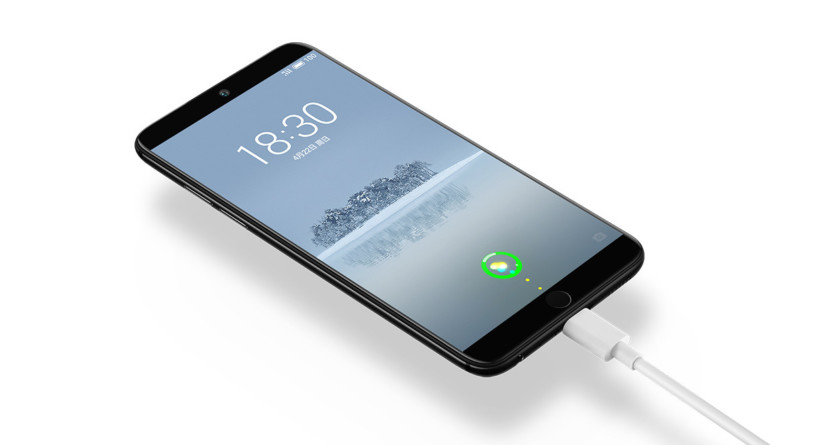
    The Meizu 15 sits right between the Meizu 15 Plus and 15 Lite. It has a 5.46 inch Super AMOLED display with a 1920 x 1080 px resolution. The Meizu 15 runs on the Snapdragon 660 chipset coupled with 4GB of RAM and either 64GB or 128GB onboard storage. Powering the device is a 3000 mAh battery which charges via a USB C port. The proprietary mCharge wall charger takes the cell to 54% capacity in 30 minutes.

    The camera setup is identical to that on the Meizu 15 Plus, with a 20 megapixels and 12 megapixels, with 3X lossless zoom, a 1.55nm pixel size, OIS, an f/1.8 aperture, and a six-LED dual-tone flash. The front of the smartphone houses a 20MP camera with an f/2.0 aperture.

    Meizu 15 Lite

    The Meizu 15 Lite has a 5.46 inch IPS LCD display with a 1920 x 1080 px resolution. It runs on the Snapdragon 626 chipset which is coupled with 4GB RAM and 64GB of onboard storage. The Meizu 15 Lite also gets rid of the dual-camera setup and replaces it with a 12MP with an f/1.9 aperture. The front has the same 20MP camera with an f/2.0 aperture.

    Starting 1,699 Yuan, roughly Rs. 17000, the range of the Meizu 15 goes all the way to 2,999 Yuan ( or Rs. 32000) for the basic variant of the Meizu 15 plus. When and if we should expect these phones in India, but if they do launch, the company might be in some serious need for price checks, and may be able to create some stiff competition in the Under Rs. 20,000 price bracket.

  • Asus Zenfone Max Pro

    Asus Zenfone Max Pro

    Asus launched the Zenfone Max Pro in India on the 23rd of April. The Zenfone Max Pro will be available online via Flipkart exclusively. The smartphone runs on the Qualcomm Snapdragon 636 chipset, which makes it only the 2nd smartphone in India to run on this particular chipset. The Zenfone Max Pro will directly compete with the Redmi Note 5 Pro which also runs on the Snapdragon 636 chipset in India.

    [section label=”Latest News”]

    Latest News

    [loop included_tags=”40218″ loading=”paged” layout=”c” postsperpage=”6″ disable_ads=”true” disable_excerpt=”true”]

    [section label=”Videos”]

    Videos

  • Xiaomi Mi 6X

    Xiaomi Mi 6X

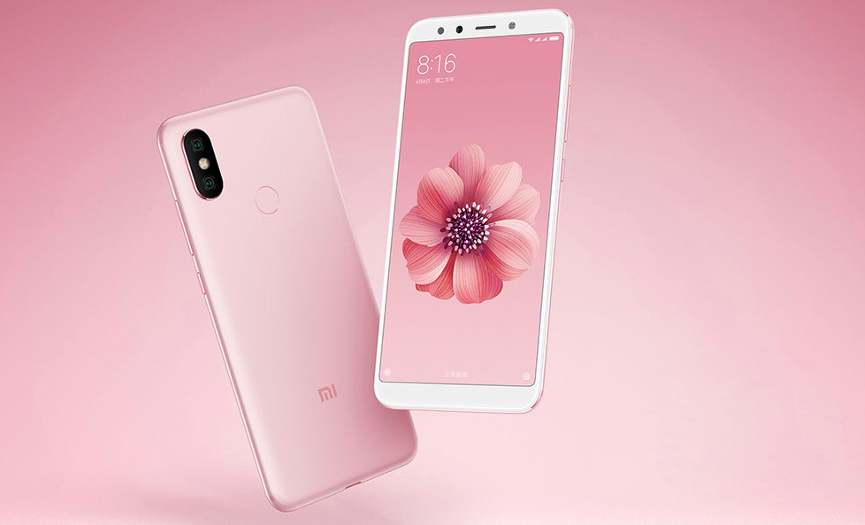
    Xiaomi has launched the follow up of its highly popular Mi 5X, the Xiaomi Mi 6X at an event in China. The Mi 6X will be available in three variants, the base model will have 4GB RAM and 64GB storage, the second will have the same storage and 6GB of RAM and the priciest version of the Mi 6X will have 6GB of RAM and 128GB of onboard storage.

    [section label=”Latest News”]

    Latest News

    [loop included_tags=”40179″ loading=”paged” layout=”c” postsperpage=”6″ disable_ads=”true” disable_excerpt=”true”]

  • Apple Will Replace Some 13 Inch MacBook Pro Batteries For Free

    Apple Will Replace Some 13 Inch MacBook Pro Batteries For Free

    Apple has introduced a new battery replacement program for some 13 inch non-Touch Bar MacBook Pro. Under this program, Apple would replace the batteries of these MacBook Pros for free.

    According to Apple, there is an issue with a small number of MacBook Pros manufactured between October 2016 and October 2017. Apple notes that some non-Touch Bar MacBook Pros manufactured in the mentioned time frame have a faulty component which causes the battery to expand. In order to check eligibility, head to this page and enter the serial number of your MacBook Pro (non-Touch Bar).

    It is worth noting that users who have already replaced their batteries can contact Apple for a refund. Once a MacBook Pro qualifies for the program, owners can either visit an authorised Apple retail store or can mail it to Apple’s repair centre.

    Apple’s preemptive move will be appreciated by MacBook Pro owners especially considering the program will be valid for 5 years since the original release of the 13-inch MacBook Pro (non-Touch Bar). Apple has recently been criticised for not handling the iPhone slow-down debacle well. The company’s efforts of prolonging the life of older iPhones were misconstrued as a deliberate way of influencing users into buying new iPhones. However, Apple has since come out and made its intentions clear.

    The company also released a feature in the latest iOS 11 update wherein users can choose between peak performance or better battery health. Apart from that, Apple also announced that the battery replacement charges will be reduced to US$ 29 for out of warranty iPhones.

  • Unboxing The Asus Zenfone Max Pro

    Unboxing The Asus Zenfone Max Pro

    Asus has officially launched the Zenfone Max Pro in India at an event in Delhi. The Zenfone Max Pro will go on sale in India via Flipkart. The Asus Zenfone Max Pro will be available in two variants in India for now, one with 3GB RAM and 32GB storage and the other with 4GB RAM and 64GB storage You can buy it by clicking here. At the launch, the company also announced that a 6GB RAM/128GB storage variant with better camera capabilities will be launched at a price of Rs 14999. However, no specific timeline for that launch was mentioned.

    The new smartphone has a few interesting features and specifications and at this price, it will compete with the Redmi Note 5 Pro in this highly congested budget smartphone segment in India.

    Asus, with the Zenfone Max Pro, is taking a different approach towards to the budget segment of the Indian smartphone market. There are a few aspects of the smartphone that will an “Asus-first,” especially for India. The Zenfone Max Pro launch is also a world first launch, just like the Redmi Note 5 Pro was.

    [section label=”Unboxing”]

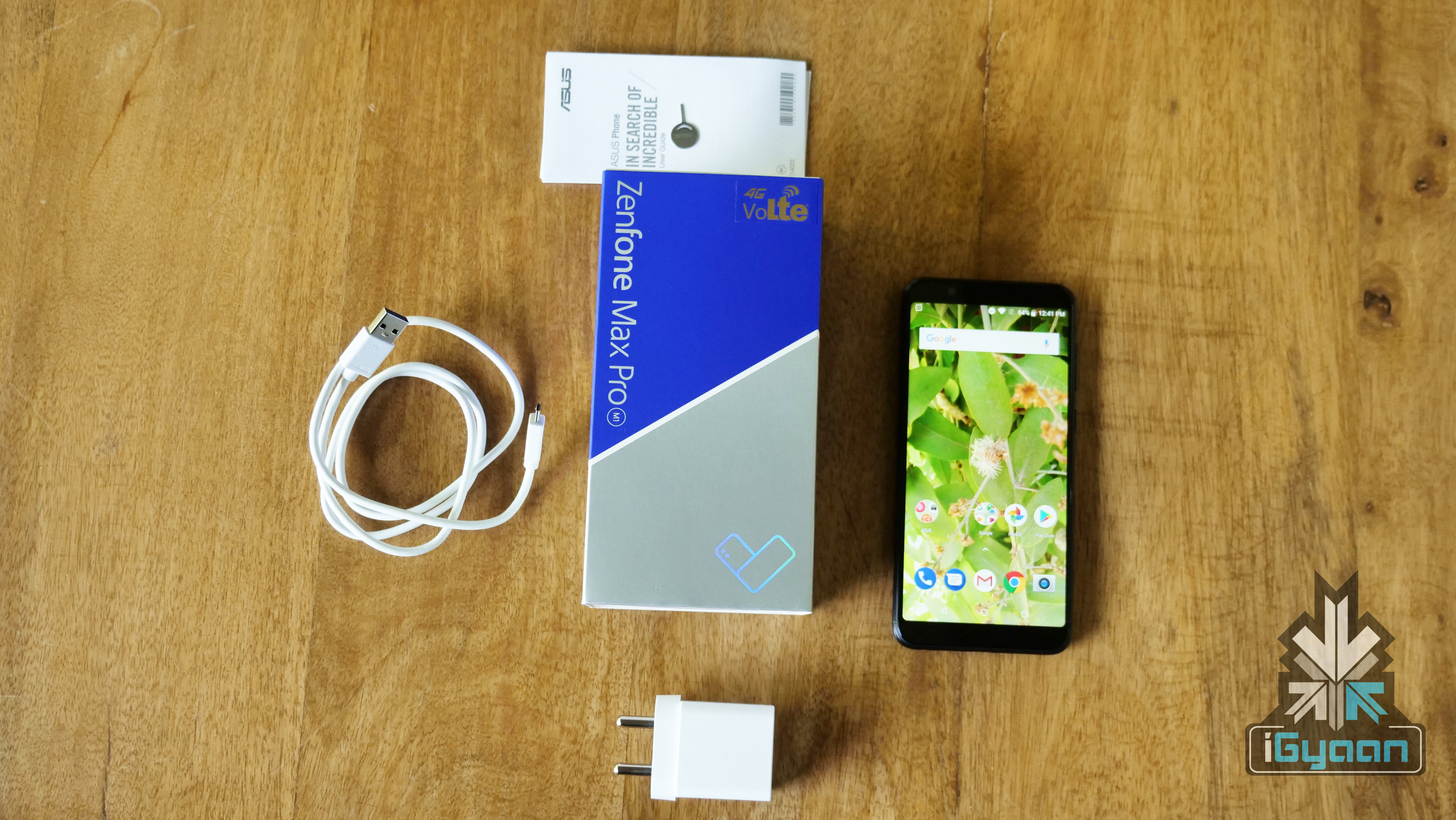
    Inside the box of the Asus Zenfone Max Pro:

    • Asus Zenfone Max Pro
    • Documentation
    • Micro USB Cable
    • 10W Wall Charger
    • Sim Ejector Tool

    [section label=”Initial Impressions”]

    Right off the bat, the Asus Zenfone Max Pro exuberates a sense of familiarity. The aluminium unibody design is prevalent across the budget category of smartphones and the Zenfone Max Pro is no different. The 18:9 aspect ratio and thinner bezels mean that a 5.99 inch display fits into the body of a regular 16:9 smartphone with a 5.5 inch display. Fair to say that the 18:9 aspect ratio has become the norm even in sub-15K smartphones. It is worth noting that even though the bezels are thin, they are still substantial and not as thin as some of the flagship devices.

    Another interesting feature of the Asus Zenfone Max Pro is its OS. So far, we have become accustomed to the heavily customised ZenUI on all Asus Android smartphones. However, with the new Asus Zenfone Max Pro, the company has decided to go for stock Android OS. Now, it is not Android One, which means it is not completely stock OS and there are a few pre-installed apps as well. However, it is much lighter than ZenUI which should bode well with the powerful Snapdragon 636 chipset.

    The back of the smartphone also houses a vertically placed dual-camera setup which looks uncannily similar to the Redmi Note 5 Pro. It appears that this trend of vertically placed dual-camera setup on the side of the smartphone also took off with the iPhone X. The dual-camera setup consists of a depth sensor which will be used for portrait mode shots. It has a 13MP primary sensor with an f/2.2 aperture and the depth sensor is a 5MP camera. The front of the device houses an 8MP camera with an f/2.0 aperture and an LED flash.

    At a starting price of Rs 10999, the Zenfone Max Pro, despite its specifications matching the Redmi Note 5 Pro, will compete with the Redmi Note 5. Maybe, the launch of the Zenfone Max Pro will push Xiaomi into launching a follow-up to the Mi A1.

  • Asus Zenfone Max Pro Launched In India Starting Rs 10999

    Asus Zenfone Max Pro Launched In India Starting Rs 10999

    Asus has launched a new budget smartphone in India, the Zenfone Max Pro. The new smartphone will be priced at Rs 10999 for the entry-level variant and will be sold via Flipkart. There are no details about the offline availability of the smartphone as of now. The Asus Zenfone Max Pro will be available in two variants in India for now, one with 3GB RAM and 32GB storage and the other with 4GB RAM and 64GB storage. Interestingly, this a world first launch of the Zenfone Max Pro and will eventually launch in other markets as well.

    At the launch, the company also announced that a 6GB RAM/128GB storage variant with better camera capabilities will be launched at a price of Rs 14999. However, no specific timeline for that launch was mentioned.

    Unboxing Video


    The Asus Zenfone Max Pro is also only the second smartphone running on the Snapdragon 636 chipset to be launched in India. This means that it is a direct competitor of the highly popular Xiaomi Redmi Note 5 Pro. Both the smartphones also have a lot of similarities in terms of design and pricing.

    Without a doubt, one of the highlights of the Zenfone Max Pro is its battery capacity. It is powered by a 5000 mAh battery while the size and weight of the smartphone are almost equivalent to that of the Redmi Note 5 Pro. For context, the Redmi Note 5 Pro is powered by a 4000 mAh battery. However, the Zenfone Max Pro will charge via a micro USB port which means it could take a while to fully charge from 0%.

    That 5000 mAh battery will be powering a 5.99 inch IPS LCD display with a 2160 x 1080 px resolution.

    So far, Asus smartphones have had the custom ZenUI on top of Android. However, Asus has gone the stock Android route with the Zenfone Max Pro. Out of the box, the Zenfone Max Pro will run on Android 8.1 Oreo, which is the latest version of Android available right now. Asus has also promised timely software upgrades for their new budget smartphone up to Android Q.

    The Asus Zenfone Max Pro will go on sale in India on May 3rd. With such a competitive pricing and specifications, it will be interesting to see how the Zenfone Max Pro holds up in the Indian market.

  • Xiaomi Mi 6X Retail Box And Final Renders Leaked

    Xiaomi Mi 6X Retail Box And Final Renders Leaked

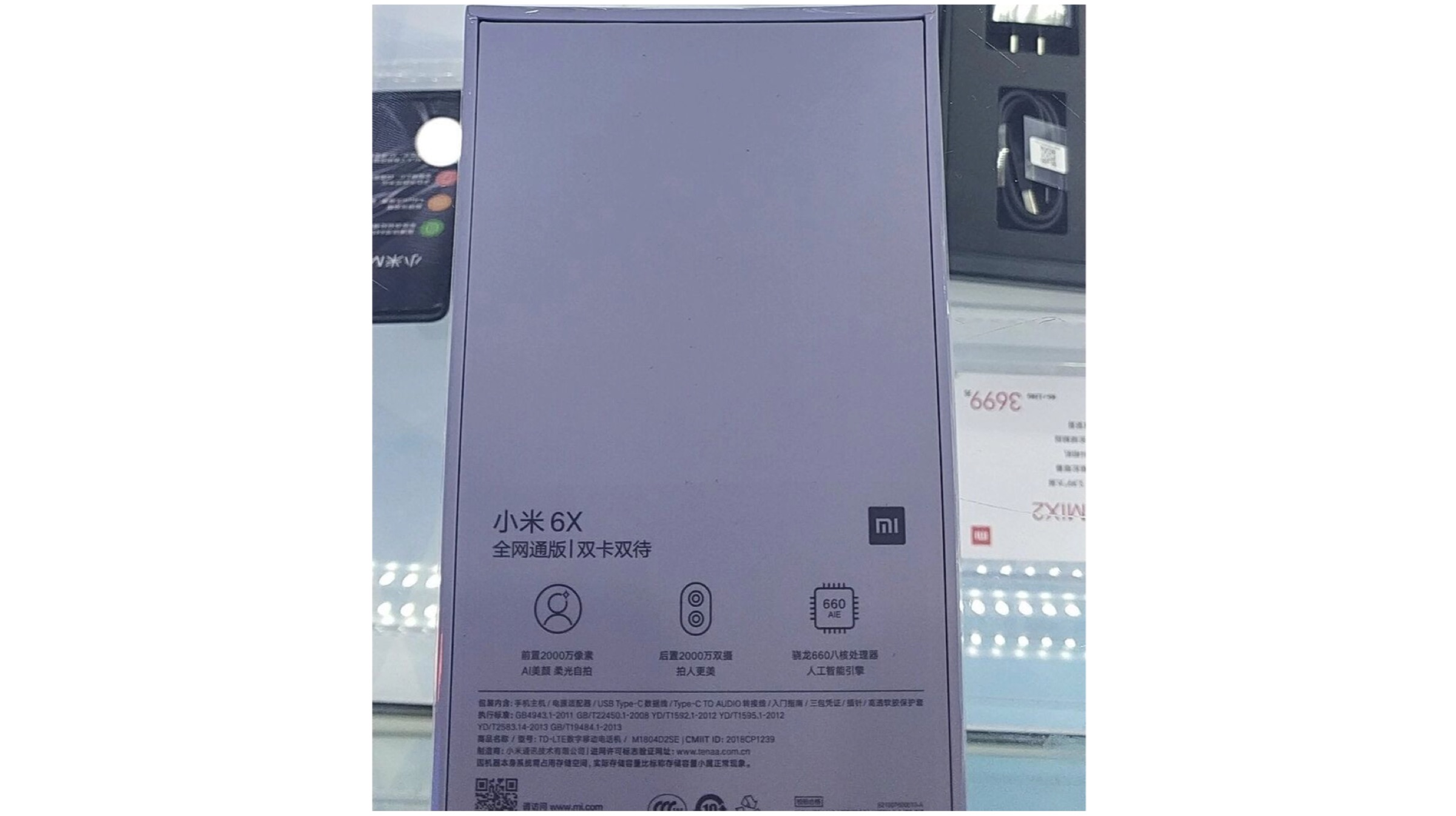
    Xiaomi has launched a lot of smartphones in the first three months of 2018 and will add another to its lineup in April. The Chinese smartphone maker will unveil the Xiaomi Mi 6X in China on the 25th of April. Xiaomi, in official teasers of the device, has revealed the key aspects of the design of the Mi 6X. However, information about the specifications has only been available through leaks. Now, a new leaked image of the retail box of the Mi 6X has revealed a few key details about the smartphone.

    According to the leaked image, the Xiaomi Mi 6X will run on the Qualcomm Snapdragon 660 chipset. This is quite an upgrade over the Mi 5X/Mi A1 which ran on the Qualcomm Snapdragon 625 chipset. Interestingly, the Mi 6X will not have a 3.5mm headphone jack and instead retail with a USB C to 3.5mm dongle. To the front of the smartphone will be a 20MP camera with AI software like Beautify.

    Other information about the smartphone was leaked via a recent TENNA listing. It will have a 5.99 inch IPS LCD 2160 x 1080 px display with 18:9 aspect ratio. Coupled with the Snapdragon 660 chipset will be either 4/6GB RAM with 64/128GB onboard storage.

    The device has a dual 20MP and a 12MP sensor. However, the exact implementation of this dual camera setup is yet to be known. The front-facing camera is likely to support Face Unlock, like the Redmi Note 5 Pro. The Mi 6X will be powered by a 2910 mAh battery and support Fast Charging via a USB C port, as confirmed by the packaging.

    In a recent teaser, we also learned that the Xiaomi Mi 6X will be available in a lot of colour variants. The Mi 6X will be available in Red, Gold, Rose Gold, Black and Blue colour variants. How many of these will make their way to the Indian shores is yet to be seen. The Xiaomi Mi 6X could be launched in India as the Mi A1 (2018) or the Mi A2. However, nothing is confirmed for now and the company might announce its global availability at the launch event.

  • Apple iPhone SE 2 Render With Glass Back And Wireless Charging Surfaces

    Apple iPhone SE 2 Render With Glass Back And Wireless Charging Surfaces

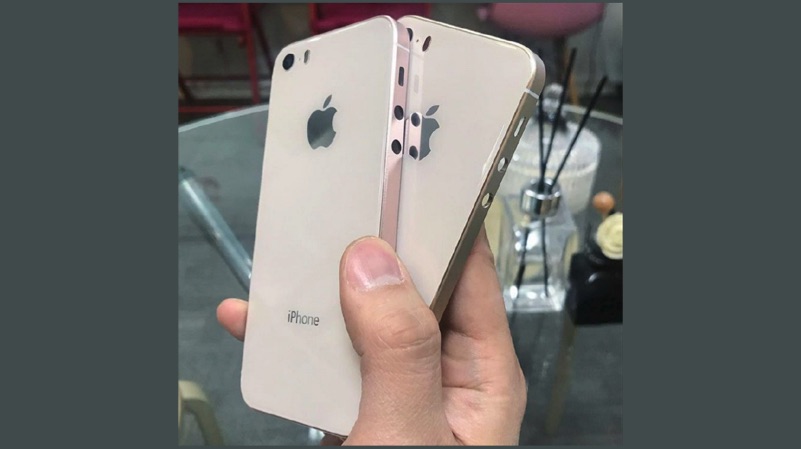
    While for a while there have been serious doubts about the existence of the Apple iPhone SE 2. Despite the fact that, a lot of leaks and renders point towards the existence of the iPhone SE 2. We recently learned that the iPhone SE 2 could be launched in May instead of June at WWDC 2018. Now, a new render by prolific leaker/render artist, Venya Geskin has revealed the possible design of the iPhone SE 2.

    In the tweet, Geskin mentions that the iPhone SE 2 will have a glass back and also feature wireless charging. Apart from that, he claims that the iPhone SE 2 is under mass production already which means Apple could soon launch the smartphone. This information corroborates with a previous report that claimed that the iPhone SE 2 will launch in May and also feature wireless charging. This is also inline with reports from our source that claims that iPhone SE 2 is already in production in India. If true, the iPhone SE 2 will be the fourth iPhone ever to feature wireless charging, after the iPhone X, iPhone 8 and 8 Plus. Also, the iPhone SE 2 will be the most affordable iPhone with wireless charging.

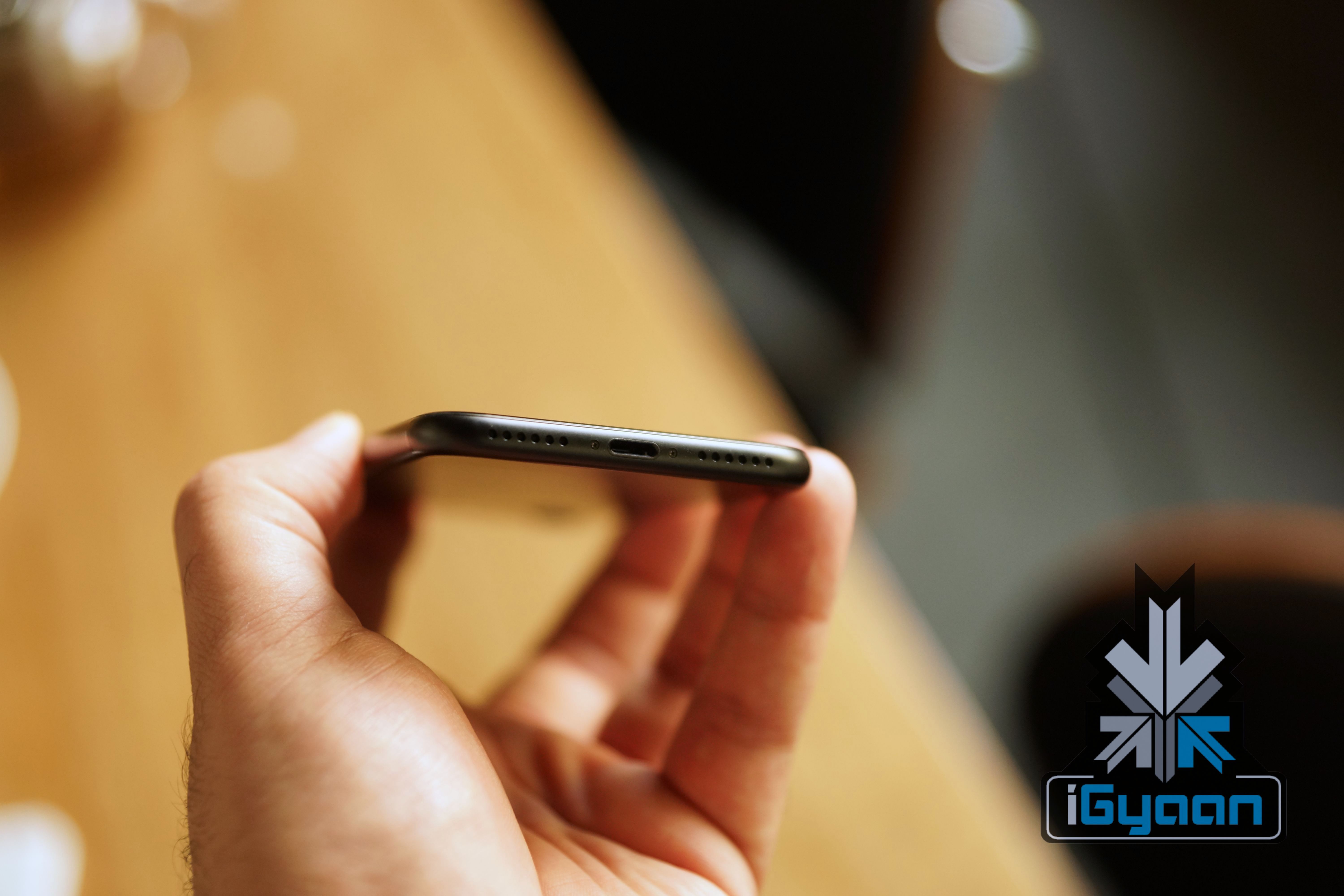
    The one thing this render doesn’t reveal is the presence or absence of the headphone jack. A previous report claimed that the iPhone SE 2 will not have a headphone jack, something that Apple has not provided in an iPhone since the launch of the iPhone 7 and 7 Plus.

    You May Also Like to Read: Apple iPhone SE 2: Everything We Know So Far

    We expect the iPhone SE 2 to be launched in India soon after its global launch, considering the success the iPhone SE has had in India. The Apple iPhone SE 2 could be manufactured in India at the Bengaluru plant, along with the current iPhone SE and the iPhone 6s Plus. The iPhone SE 2 for certain markets like India could also feature Dual- SIM capability as there are already reports of the Apple launching iPhones with this capability. The iPhone SE is Expected to Start at US$ 550 for the 64 GB variant. In India the iPhone SE 2 can launch for around Rs. 36,999.


  • Apple iPhone SE 2 With Touch ID And No Headphone Jack is Coming In May

    Apple iPhone SE 2 With Touch ID And No Headphone Jack is Coming In May

    Anticipation around the Apple iPhone SE 2 is on a rise now, as more reports claim that it will indeed launch in 2018. A day ago, there were reports of a possible WWDC 2018 launch for the iPhone SE 2 after Apple filed a few iPhone model numbers at EEC. However, a new report has now claimed that the iPhone SE 2 will launch in May and has given us a few details about the upcoming budget iPhone.

    The information in the report is based on some details revealed by a few case makers. At the Global Sources Mobile Electronics trade-show, some iPhone case makers revealed that Apple is planning to announce the iPhone SE 2 sometime in May. This contradicts previous reports about the iPhone SE 2 launching at WWDC 2018.

    You May Also Like to Read: Apple iPhone SE 2: Everything We Know So Far

    iPhone SE

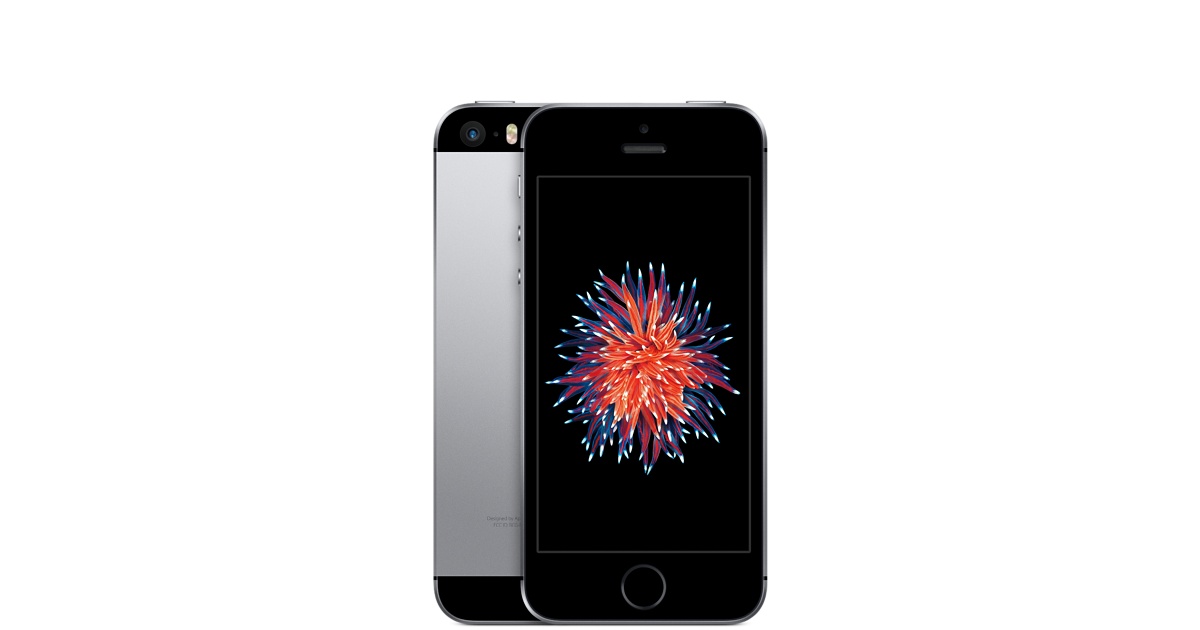
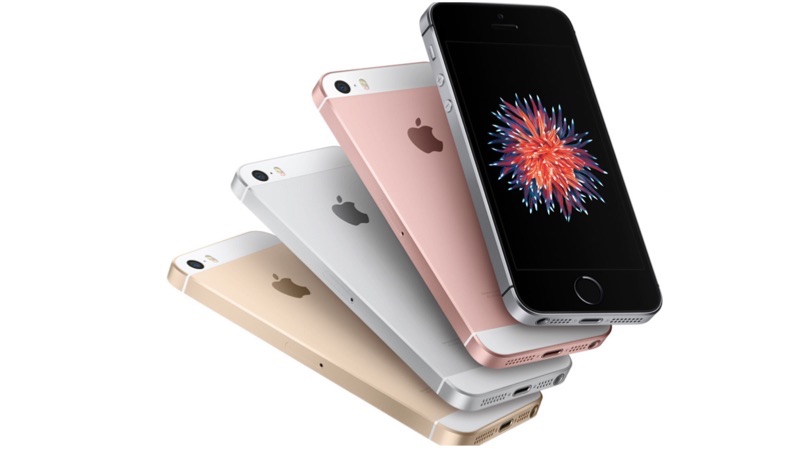
    According to the report, the iPhone SE 2’s build and size will be very similar to the iPhone SE. This means that the iPhone SE 2 would not take design cues from the iPhone X and stick with thick bezels around the display. Subsequently, the iPhone SE 2 will have Touch ID as there will be space for Apple to house a home button on the front of the display. However, there will be a major difference between the iPhone SE and SE 2. The iPhone SE 2 will not have a headphone jack, something that Apple has not provided in an iPhone since the launch of the iPhone 7 and 7 Plus.

    The report also claims that the iPhone SE 2 will have wireless charging. However, it was unclear about the kind of build quality that Apple will go for. Also, the iPhone SE 2 will run on the A10 Fusion chipset, which debuted with the iPhone 7 and 7 Plus. This is a very powerful chipset and for a budget iPhone SE 2, it will provide great processing power.

    Just like the iPhone SE, we expect the iPhone SE 2 to be manufactured in India as well. This means that the iPhone SE 2 will be the most affordable iPhone launched in India in 2018. Considering the success the iPhone SE has had in India, we expect Apple to launch the iPhone SE 2 in India along with other major markets like the US and China.

  • LG G7 ThinQ Will Have A Physical Button To Trigger Google Assistant

    LG G7 ThinQ Will Have A Physical Button To Trigger Google Assistant

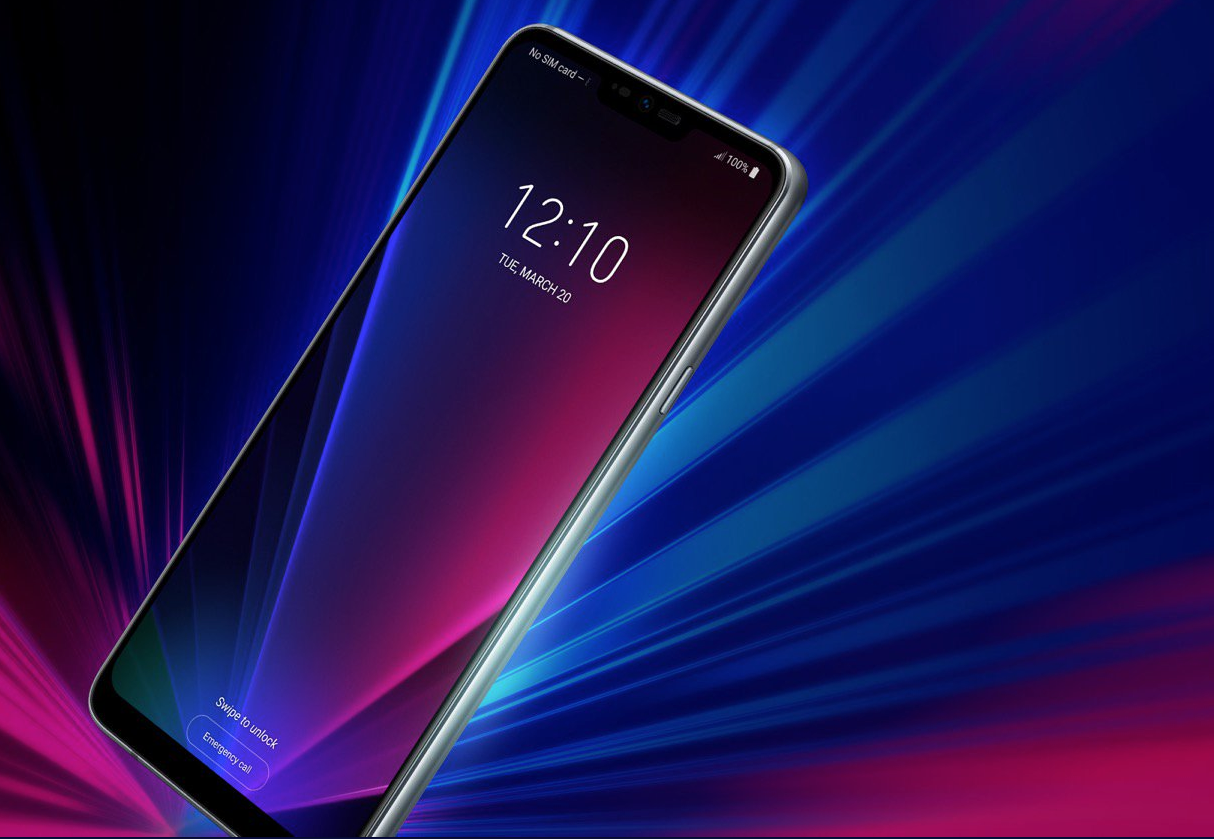
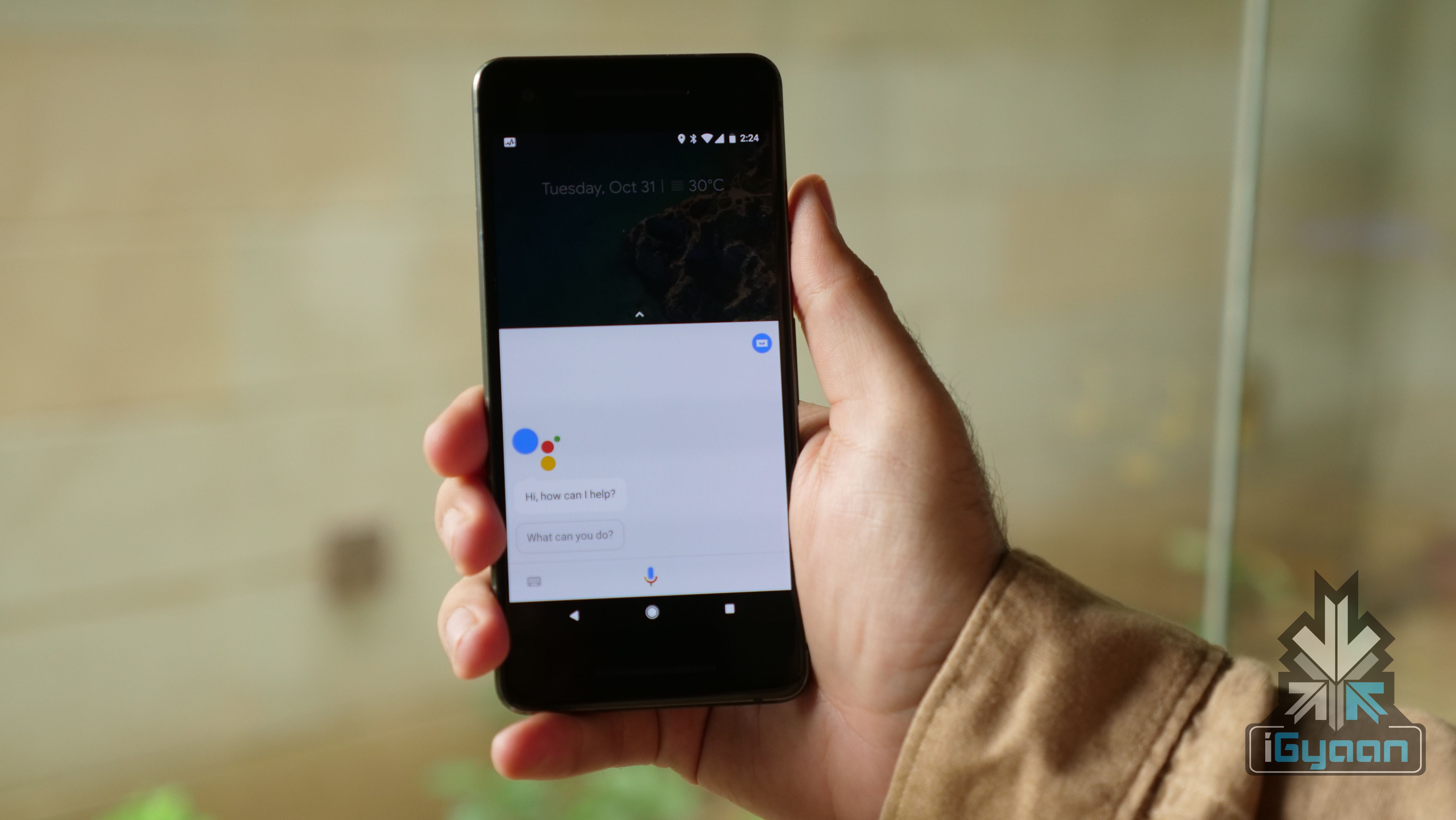
    Artificial Intelligence, as touted by many, is the future of smartphones and the world in general. We recently saw what an underdeveloped AI app can do by creating a fake video that was hard to recognise. AI in smartphones is also catching up. Google showed us what machine learning can do with the great camera performance of Google Pixel 2 devices. Now, LG appears to have taken the next step in adopting AI for the upcoming LG G7 ThinQ.

    The LG G7 ThinQ, scheduled for a May 2nd launch, will have a physical button to trigger the Google Assistant. The smart assistant by Google is readily available in Android smartphones running Android 6 Marshmallow and newer. LG wants to take the integration to a whole new level by dedicating a physical button to just the Google Assistant. This won’t be the first time that such a precedence is given to the Google Assistant. The Google Pixel 2 and Pixel 2 XL have something called Edge Sense, which allows users to squeeze the frame of their Pixel 2 to trigger Google Assistant.

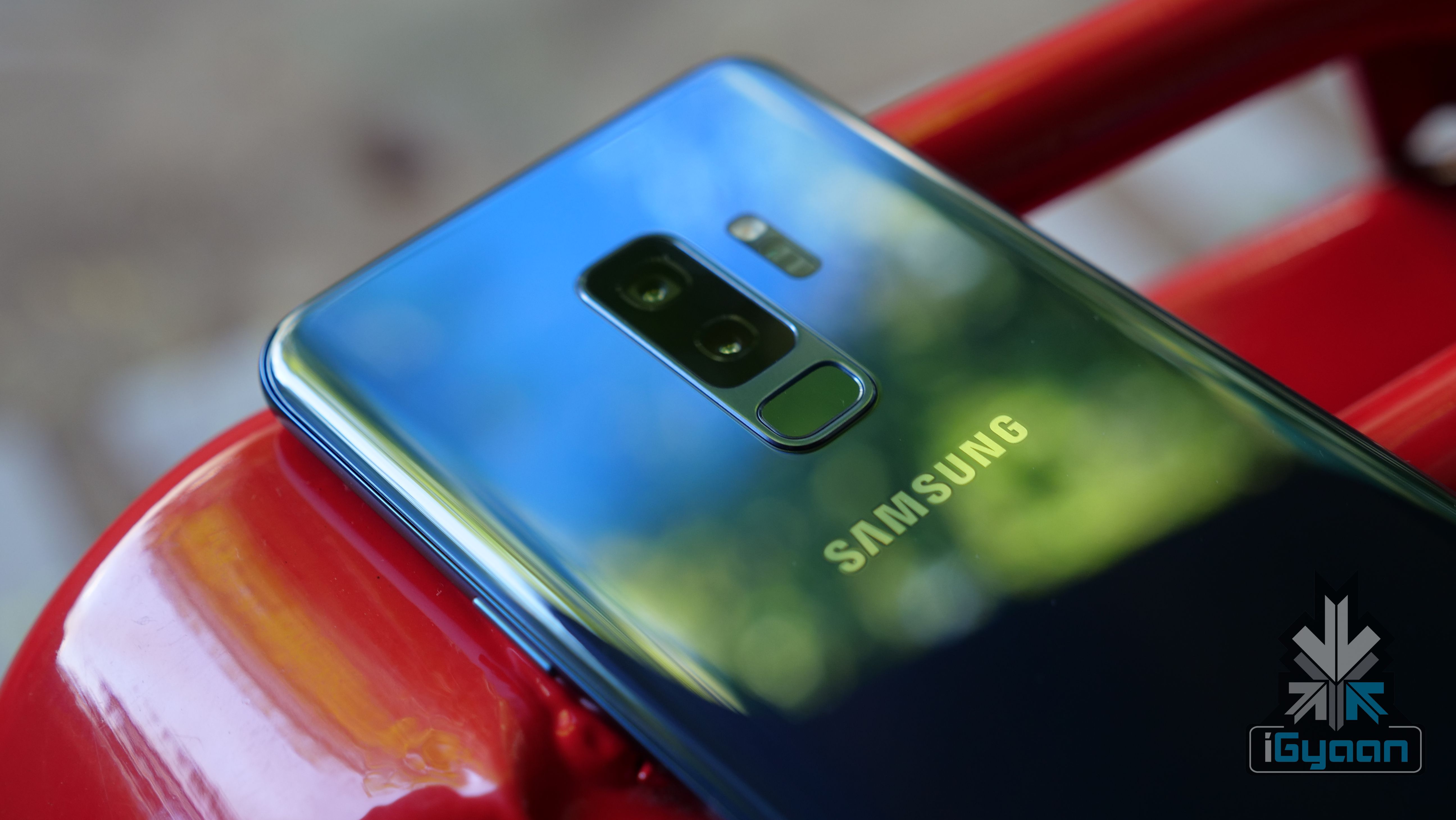
    In 2017, Samsung launched the Galaxy S8 and S8+ with a similar “feature.” The flagship devices had a dedicated button to bring up Bixby, Samsung’s own smart assistant. In the beginning, there were apps that let users remap the button but, Samsung soon made that impossible via an update. However, the company soon heard the complaints and allowed users to at least disable the button. Interestingly, Samsung persisted with the “Bixby Button” for the Galaxy S9 and S9+ as well.

    Apparently, the case of the LG G7 ThinQ won’t be too different either. The Google Assistant button won’t be remappable to some other app or task. This will definitely bother some people and could be a potential deal breaker for many. This decision is line with LG’s broader smartphone strategy of 2018 so far, which is to push AI as much as it can. The LG V30s ThinQ had a few AI features and was launched at MWC 2018. The G7 ThinQ is also expected to have AI capabilities along with a few AI modes in its camera app.

    How the Google Assistant button will work and what its implications will be on daily usage is something that only time and testing will tell. The launch of the LG G7 ThinQ is on 2nd of May and we will get to know more details about it at the launch event.

  • Xiaomi Mi 7 Could Be The First Android Smartphone To Have iPhone X Like Face ID

    Xiaomi Mi 7 Could Be The First Android Smartphone To Have iPhone X Like Face ID

    Long before the iPhone X was launched in September 2017, there were rumours about Touch ID making way for facial recognition. That facial recognition system turned out to be Face ID, something that has gained a lot of positive reviews over the course of time. For Apple to go bezel-less, it had to get rid of Touch ID since there were no bezels to fit the home button. Apple refused to move Touch ID to the back of the iPhone hence, Face ID was introduced. Since then, Apple has admitted that Face ID is the future and even the 2018 lineup of iPhones will all have Face ID. Android smartphone makers, on the other hand, have so far tried to imitate what Apple did with the iPhone X. Now, it looks like Xiaomi will finally introduce a face ID like facial recognition system with the Mi 7.

    According to a new report, the Xiaomi Mi 7 could be the first Android smartphone to have 3D facial recognition technology. Face Unlock, a feature that has been advertised on a lot of Android smartphones is software-based. It essentially uses software to recognise the face and unlock the smartphone. However, that is not as secure fingerprint sensor hence, all Android smartphones also have a fingerprint sensor.

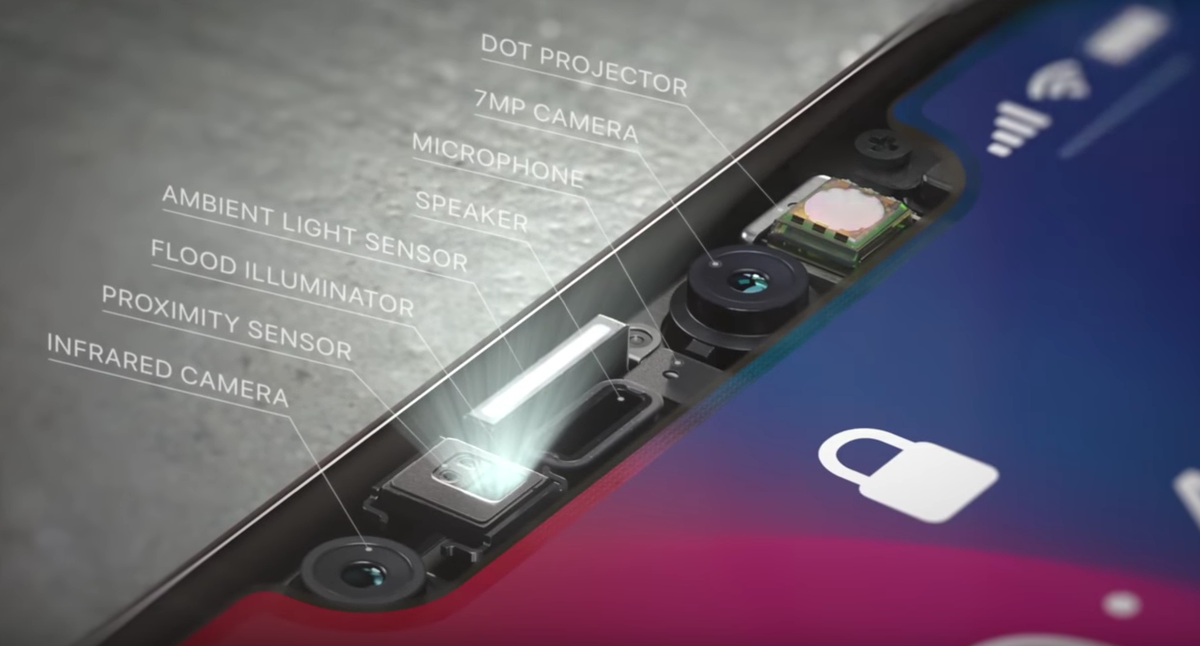
    The OnePlus 5T was highly praised fast Face Unlock feature but, the company admitted that the feature was for convenience and not security. This is where Apple’s system is superior to any other Face Unlock found on an Android device. Apple’s Face ID uses dedicated sensors, dot projector and an infrared camera to scan the face for authentication. The sensors, essentially, throw 30000 dots on a face to map it and create a 3D image of the face. That is why Face ID was able to replace Touch ID.

    The report also mentions that Qualcomm, Himax Technologies and Truly Opto-Electronics have a joint venture for creating a 3D sensing module. However, this only works on the Qualcomm Snapdragon 845 platform. Since smartphone makers like Samsung and Huawei use their own chipset, they won’t be the first OEMs to introduce Face ID like technology on an Android smartphone. Further, this technology won’t make it way to the market before the third quarter of 2018, which is when we can expect the Mi 7 to be launched.

  • Huawei P20 And P20 Pro Will Be Amazon-Exclusive

    Huawei P20 And P20 Pro Will Be Amazon-Exclusive

    The launch of the Huawei P20 and P20 Pro in India is just a few days away. The company has sent out press invites for a launch event on the 24th of April. Both the smartphones were launched globally on the 27th of March in Paris. Now, according to a listing on Amazon, the Huawei P20 and P20 Pro will be sold in India via Amazon exclusively.

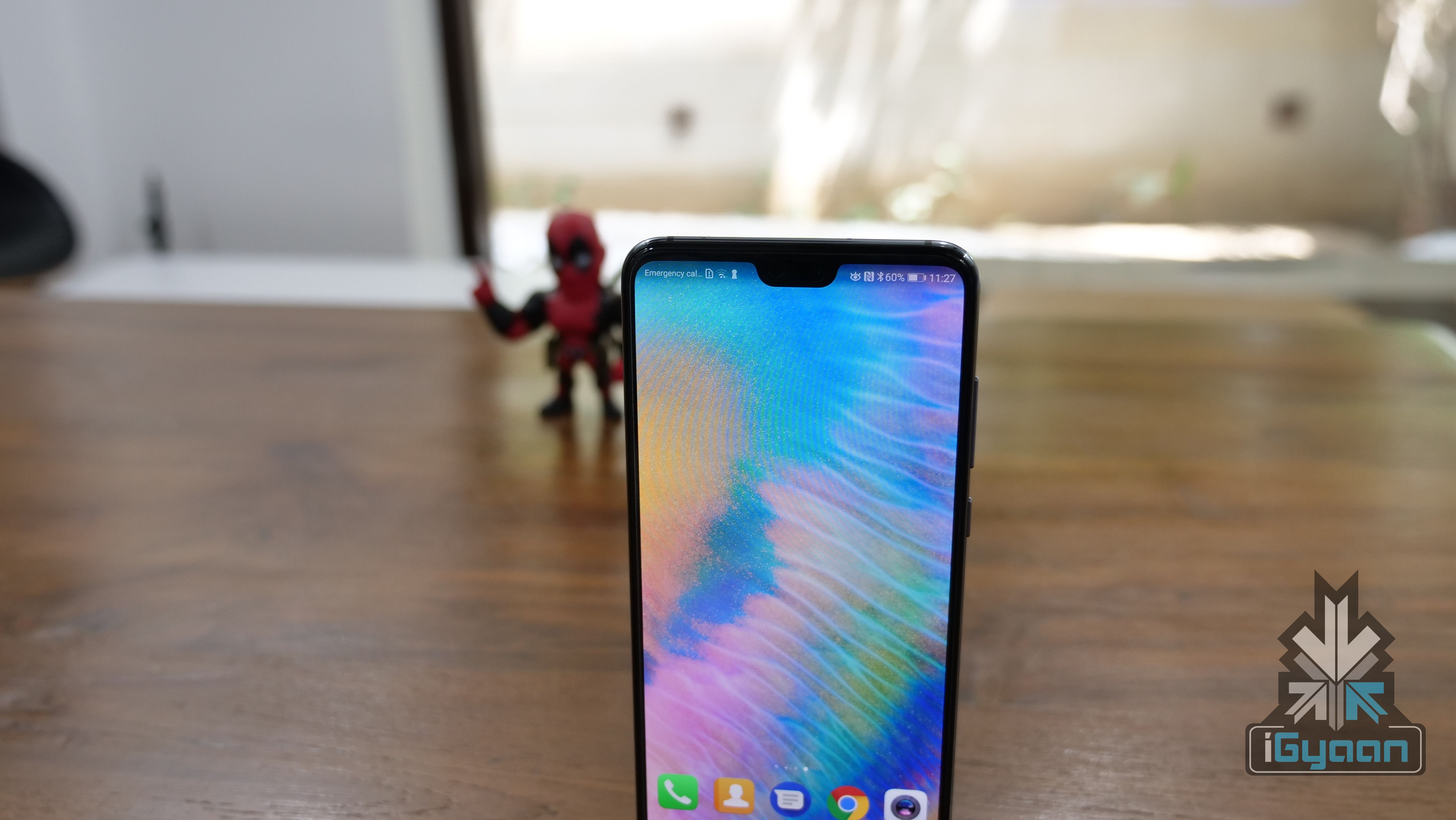
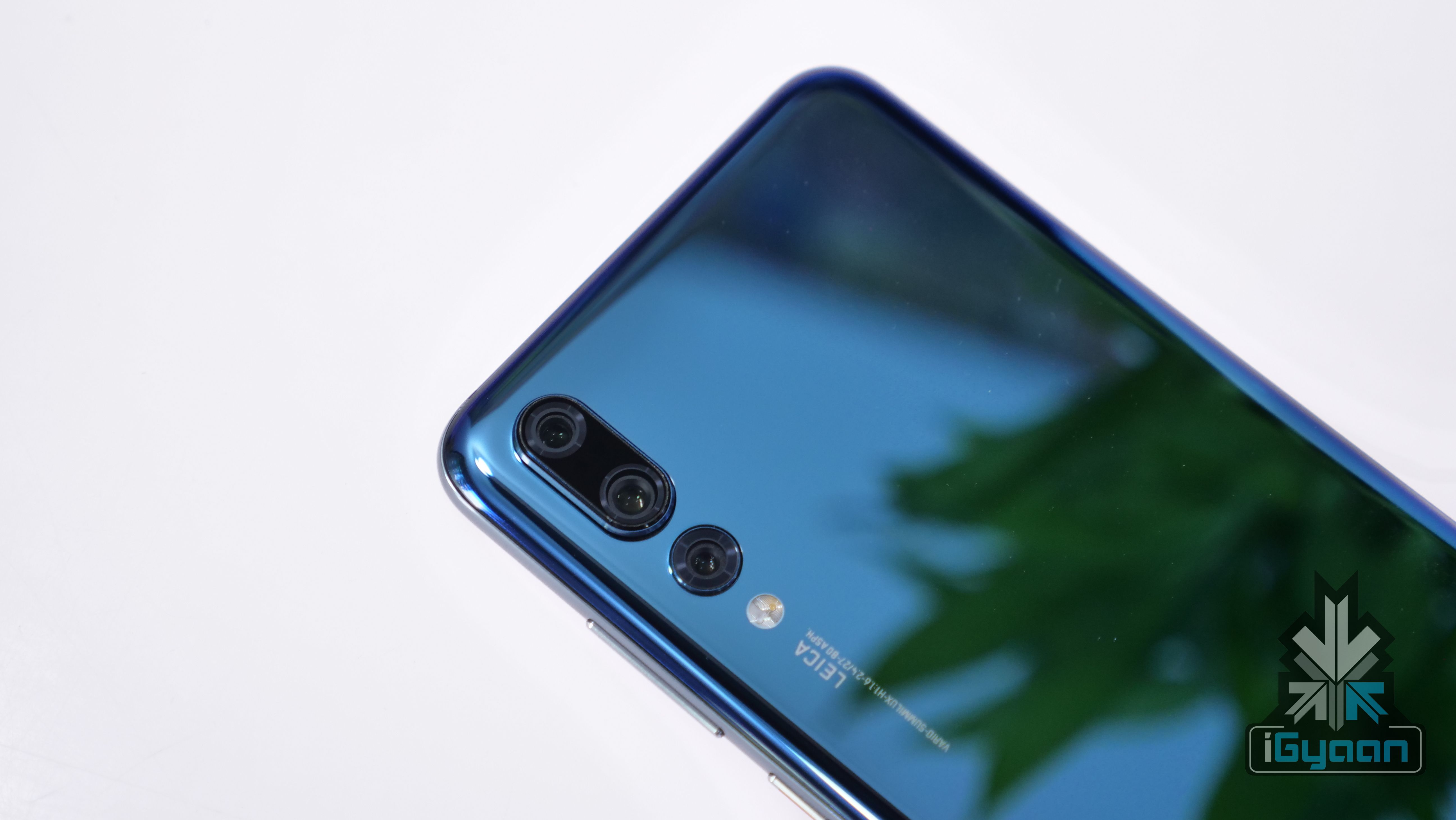
    So far, the Huawei P20 Pro, with its triple camera setup, has been well-received. It is the first-ever smartphone with a triple-camera setup on the back and offers a great build quality with an all-glass design. The Huawei P20 Pro has the same build quality and design albeit, a smaller display and a dual-camera setup on the back. Both the smartphones also sport a notch which houses the front camera, earpiece and the necessary sensors. Huawei, however, has included an option to hide the notch via software but, that also means that you lose a bit of screen real estate.

    The pricing of the P20 and P20 Pro will be key for the Indian market. The P20 retails for a starting price of 649 Euros (Rs 52800 approx.) and the P20 Pro is priced at 899 Euros (Rs 73000 approx.). Huawei’s sub-brand Honor has been very competitive with its pricing in India especially with the Honor 9 Lite, 7X and View10. Hence, it is fair to assume that the price of the Huawei P20 and Huawei P20 Pro won’t be a direct conversion of their European prices.

    The launch of the P20 and P20 Pro will reveal the most important aspect of the Indian market, the price. If priced competitively, the Huawei P20 and P20 can do very well in the India smartphone market.

  • Apple Won’t Launch An iPad/MacBook Hybrid Says Tim Cook

    Apple Won’t Launch An iPad/MacBook Hybrid Says Tim Cook

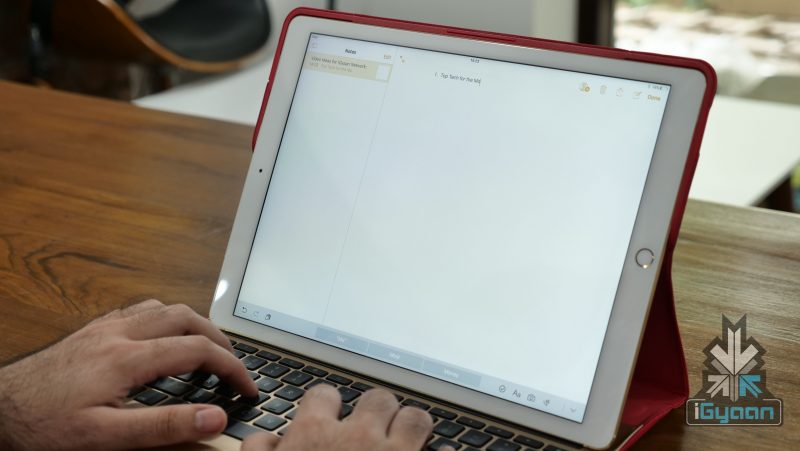
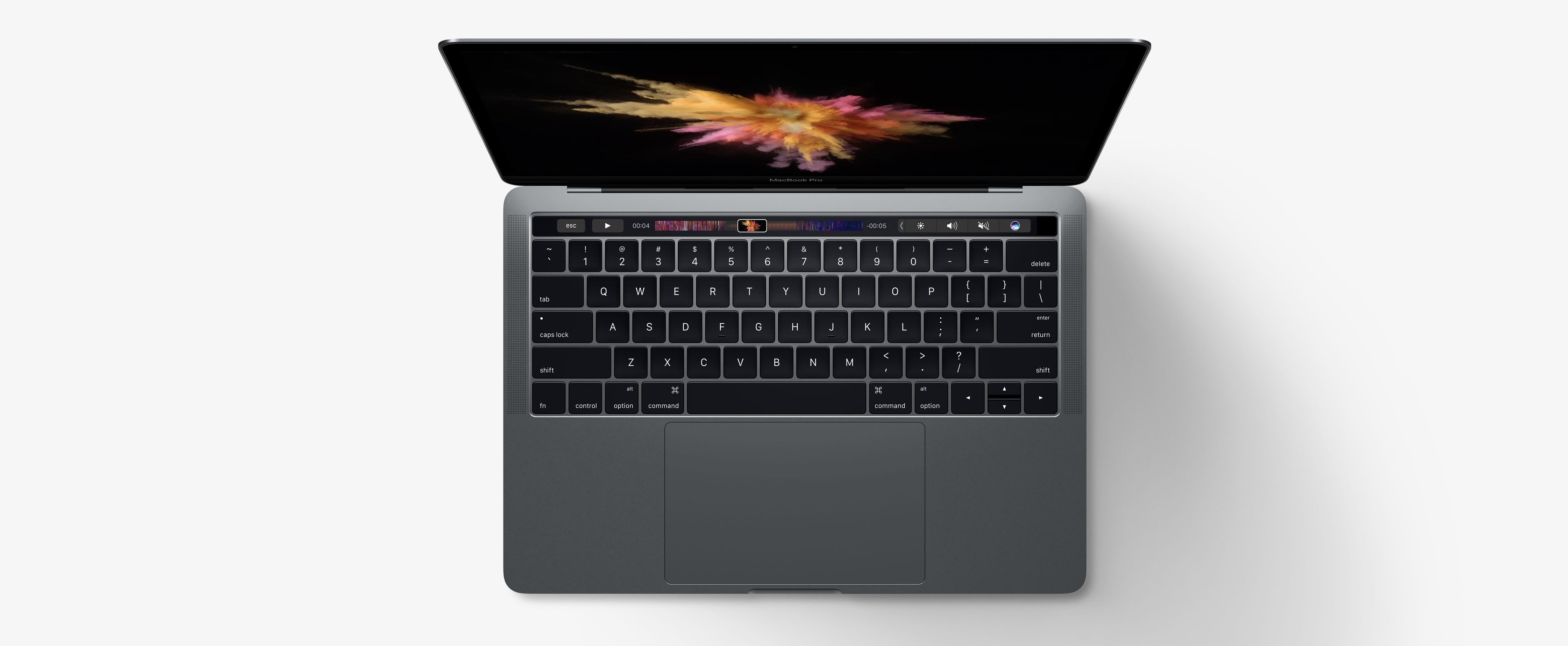
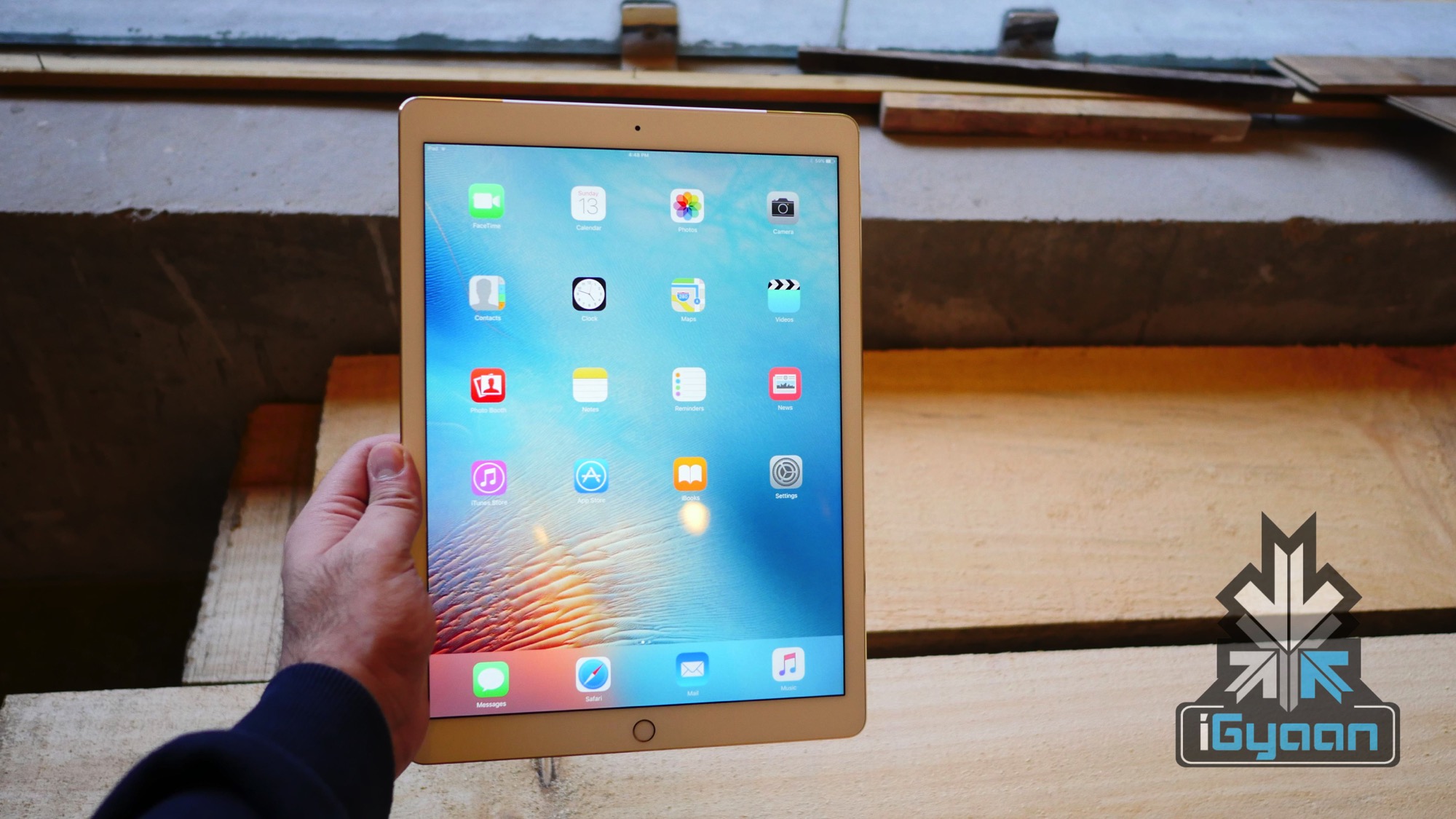
    Ever since the iPad Pro was launched, there has been a lot of talk around iPads replacing MacBooks in the future. While this sounds nice, it is hard to imagine that right now, considering the number of applications that work on macOS but not on iOS. Apart from the general OS compatibility issue, the maker of iPads and MacBooks itself isn’t sold on the idea. Tim Cook, CEO of Apple Inc., has reiterated that Apple has no intention of creating a hybrid tablet-notebook device anytime soon.

    Six years ago, Tim Cook exclaimed that a MacBook and an iPad hybrid would lead to a lot of trade-offs which adversely impact usability.

    Anything can be forced to converge, but the problem is that the products are about tradeoffs. You begin to make tradeoffs to the point where what you have left at the end of the day doesn’t please anyone. You can converge a toaster and a refrigerator, but you know, those things are probably not going to be pleasing to the user.

    Six years later and Tim Cook is still not convinced. In a recent interview after Apple’s March 27th event, Tim Cook reiterated what he essentially said about six years ago.

    We don’t believe in sort of watering down one for the other. Both [The Mac and iPad] are incredible. One of the reasons that both of them are incredible is because we pushed them to do what they do well. And if you begin to merge the two … you begin to make trade offs and compromises.

    It is worth noting that Microsoft has had a fair amount of success with Surface Book lineup, which is essentially a Windows laptop and tablet hybrid. The Microsoft Surface Book lineup has a touch screen, a full-size keyboard and 180-degree foldable design. However, Apple still believes that the MacBook and iPad should not be converged. Both the MacBooks and iPads have been bestsellers in their domain so far. While MacBooks still don’t dominate the laptop industry, iPads have pretty much taken over the tablet industry. Only a handful Android tablets exist that can compete with an iPad.

    While a hybrid of iPad and MacBook is far from being a reality, it appears that the iPhone SE 2 might be. At the upcoming WWDC 2018 conference, Apple is expected to launch the Apple iPhone SE 2. For more details, click here.

  • Apple iPhone SE 2 Could Be Launched In June At WWDC 2018

    Apple iPhone SE 2 Could Be Launched In June At WWDC 2018

    Apple iPhone SE 2 has been a part of a lot of conjecture over the past few months. The iPhone SE was launched in March 2016 and Apple skipped a generational update in 2017. While there have been plenty of rumours about a possible iPhone SE 2 debuting in 2018, It now looks like the iPhone Se 2 is indeed real and could be launched soon. And For Apple what better than at the World Wide Developer’s Conference 2018 (WWDC 2018) in June.

    The model numbers of a few upcoming iPhones have been spotted on EEC, the Russian portal. The EEC filing satisfies Russia’s requirement for companies to register all products containing encryption and/or cryptographic tools. A total of 11 model numbers have been filed with Eurasian Economic Commission (EEC). These model numbers are A1920, A1921, A1984, A2097, A2098, A2099, A2101, A2103, A2104, and A2106. It is worth noting that Apple uses a unique model number for the same iPhone for different regions. And therefore, does not mean that Apple is launching 11 different iPhones.

    iPhone SE 2
    Apple iPhone SE 2 Leaked Images

    For example, the iPhone X carries model numbers A1865, A1901, and A1902, depending on the carrier or which country it is being sold in. However, the timing of the filing of these model numbers is very interesting. EEC usually adds new smartphones to its database about a month before the official launch. This means that a possible June launch of the iPhone SE 2 is on the cards. Historically, WWDC has focused on iOS and app development but, Apple did launch the HomePod at WWDC 2017. This means that Apple will not shy away from announcing a major product at this year’s WWDC as well.

    You May also Like to Read: Apple iPhone SE 2: Everything We Know So Far

    Just like the iPhone SE, we expect the iPhone SE 2 to be manufactured in India as well. This means that the iPhone SE 2 will be the most affordable iPhone launched in India in 2018. Considering the success the iPhone SE has had in India, we expect Apple to launch the iPhone SE 2 in India along with other major markets like the US and China.

iGyaan Network
Privacy Overview

This website uses cookies so that we can provide you with the best user experience possible. Cookie information is stored in your browser and performs functions such as recognising you when you return to our website and helping our team to understand which sections of the website you find most interesting and useful.