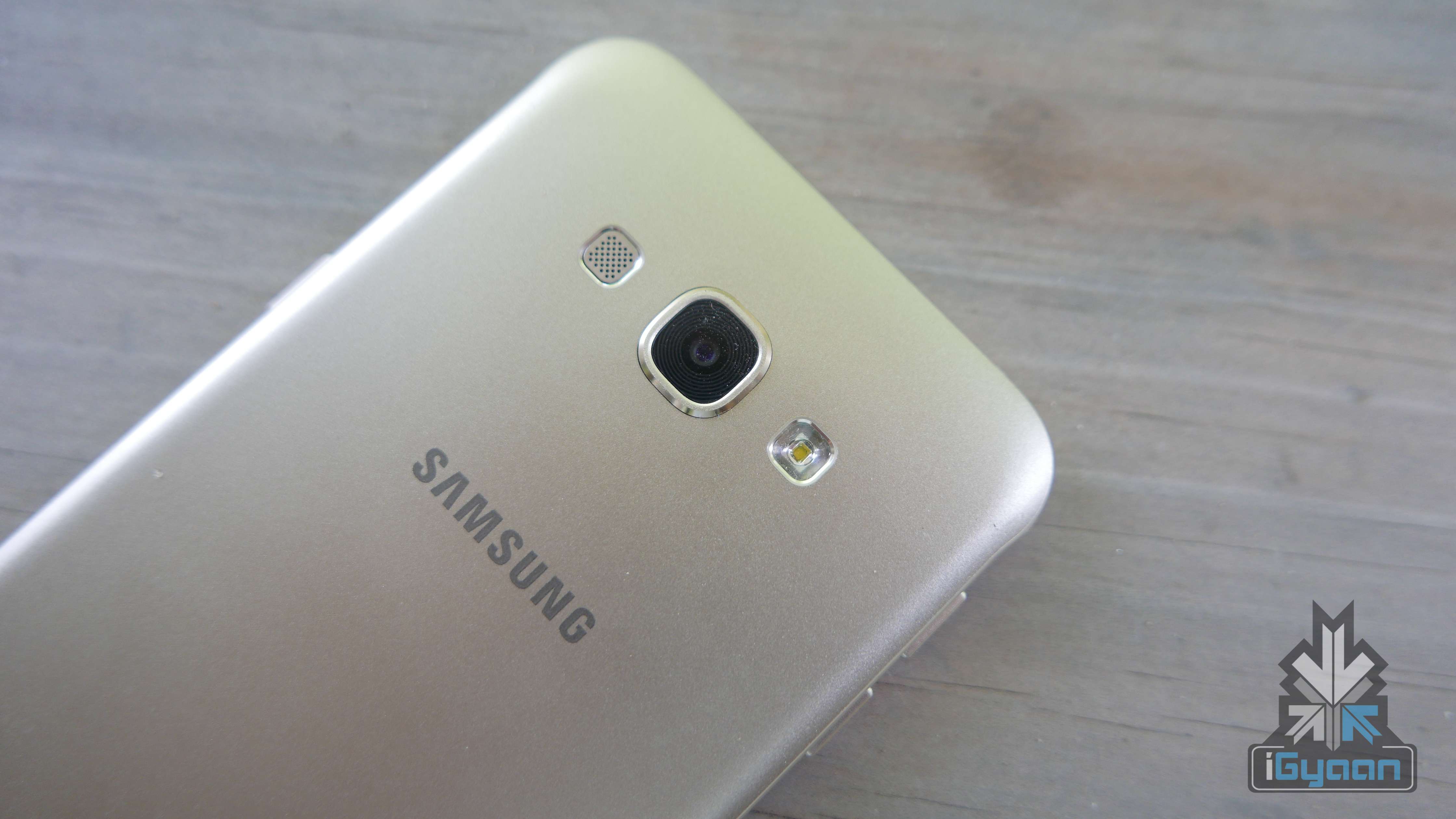
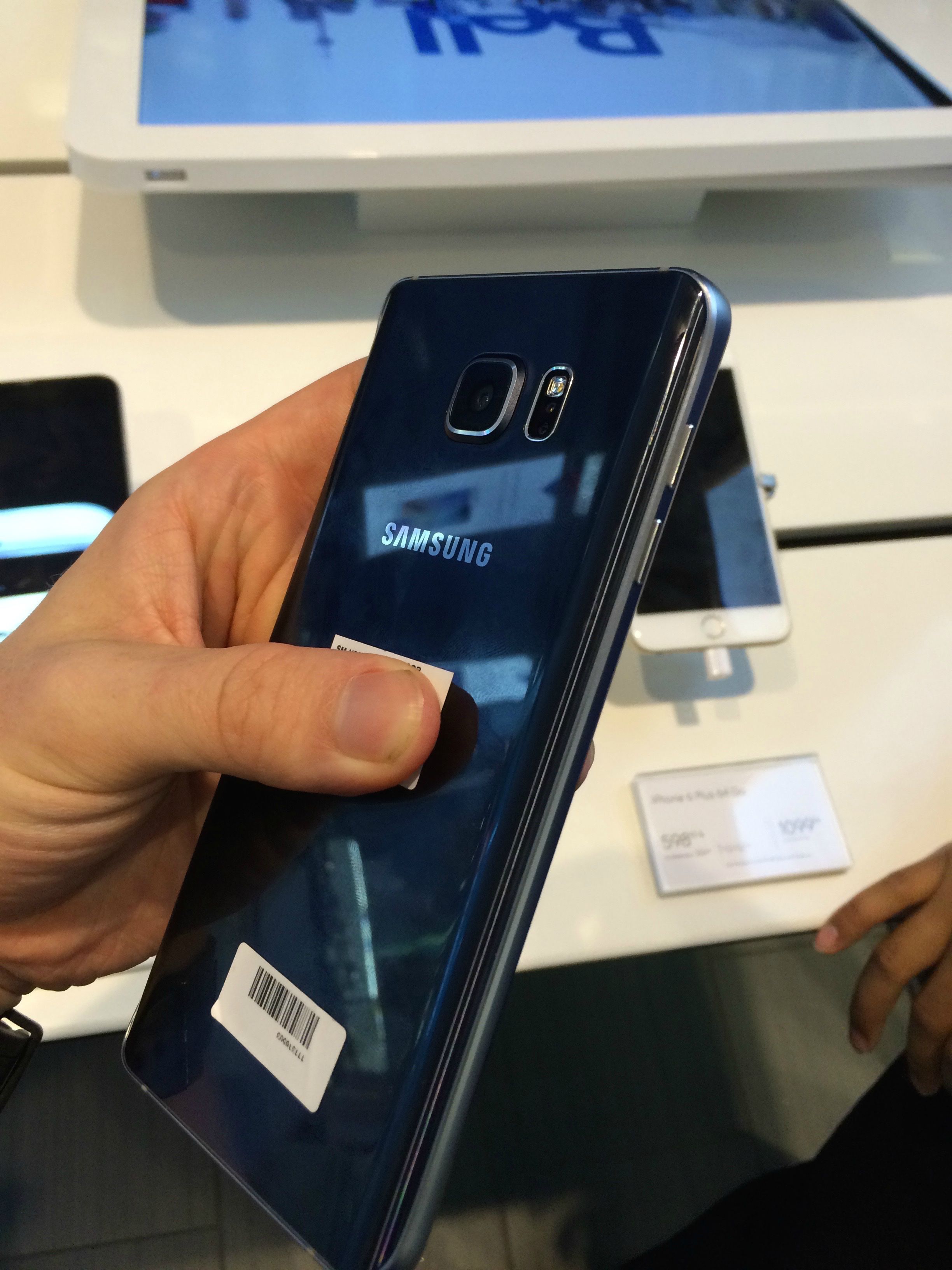
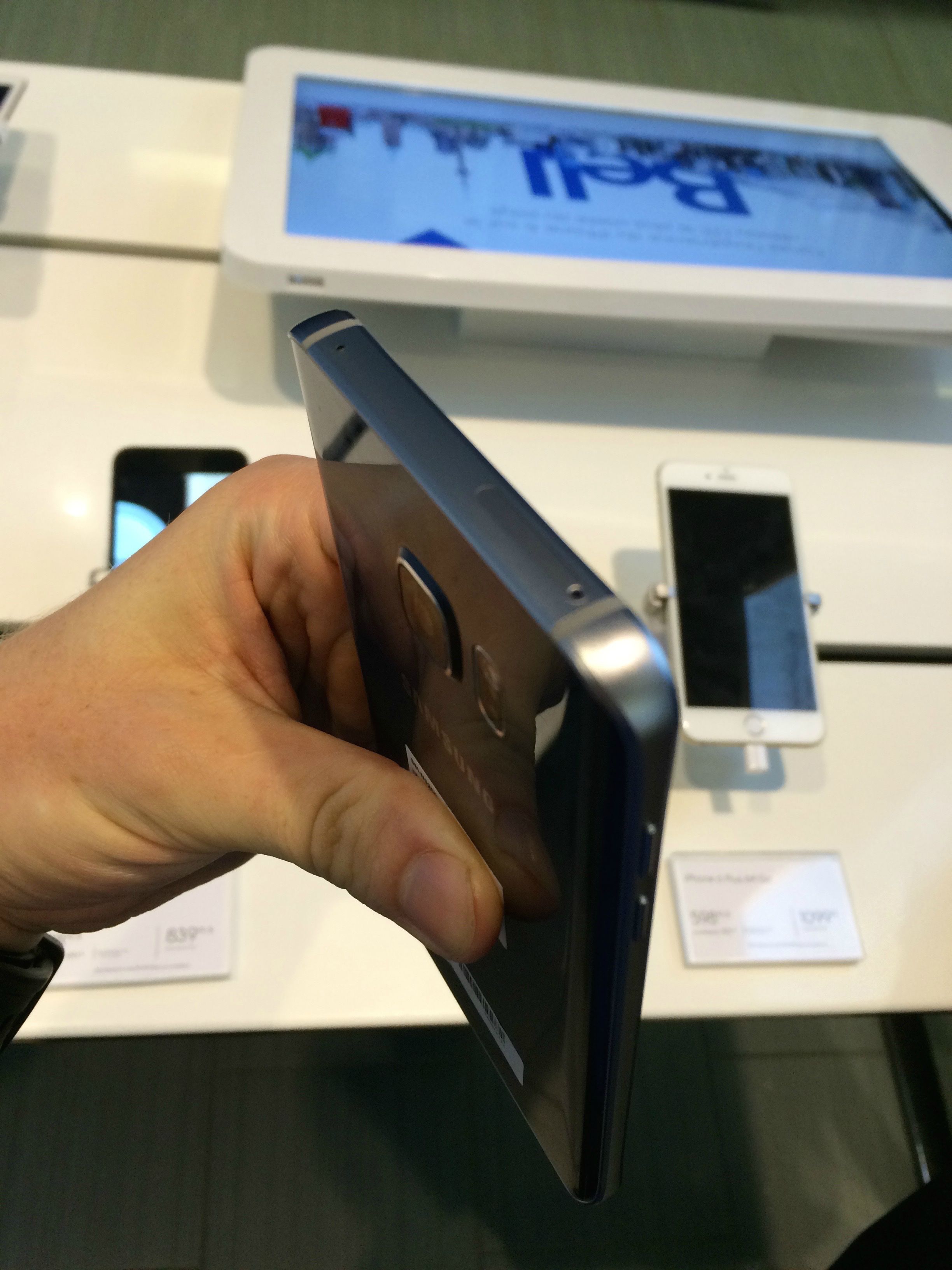
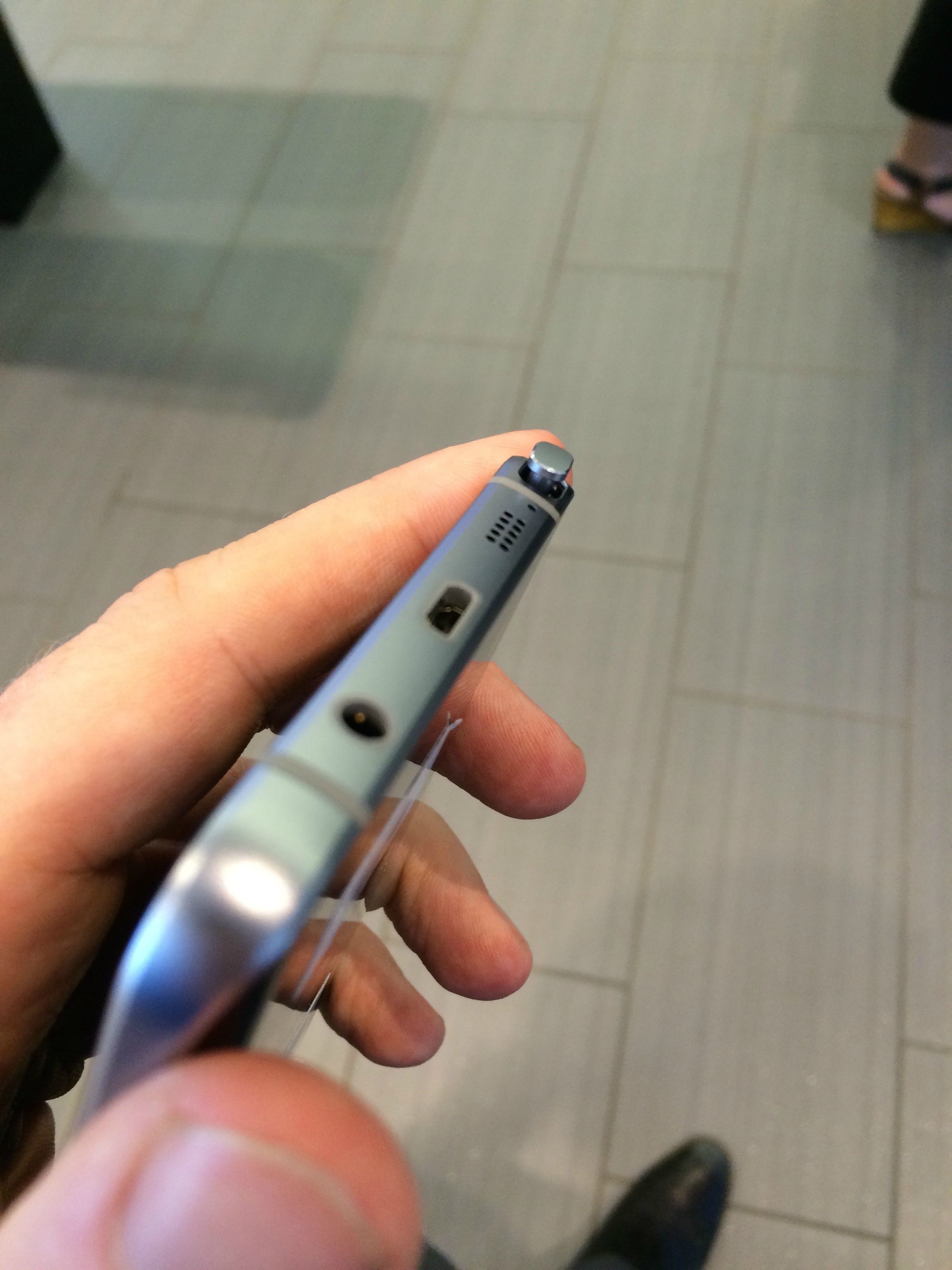
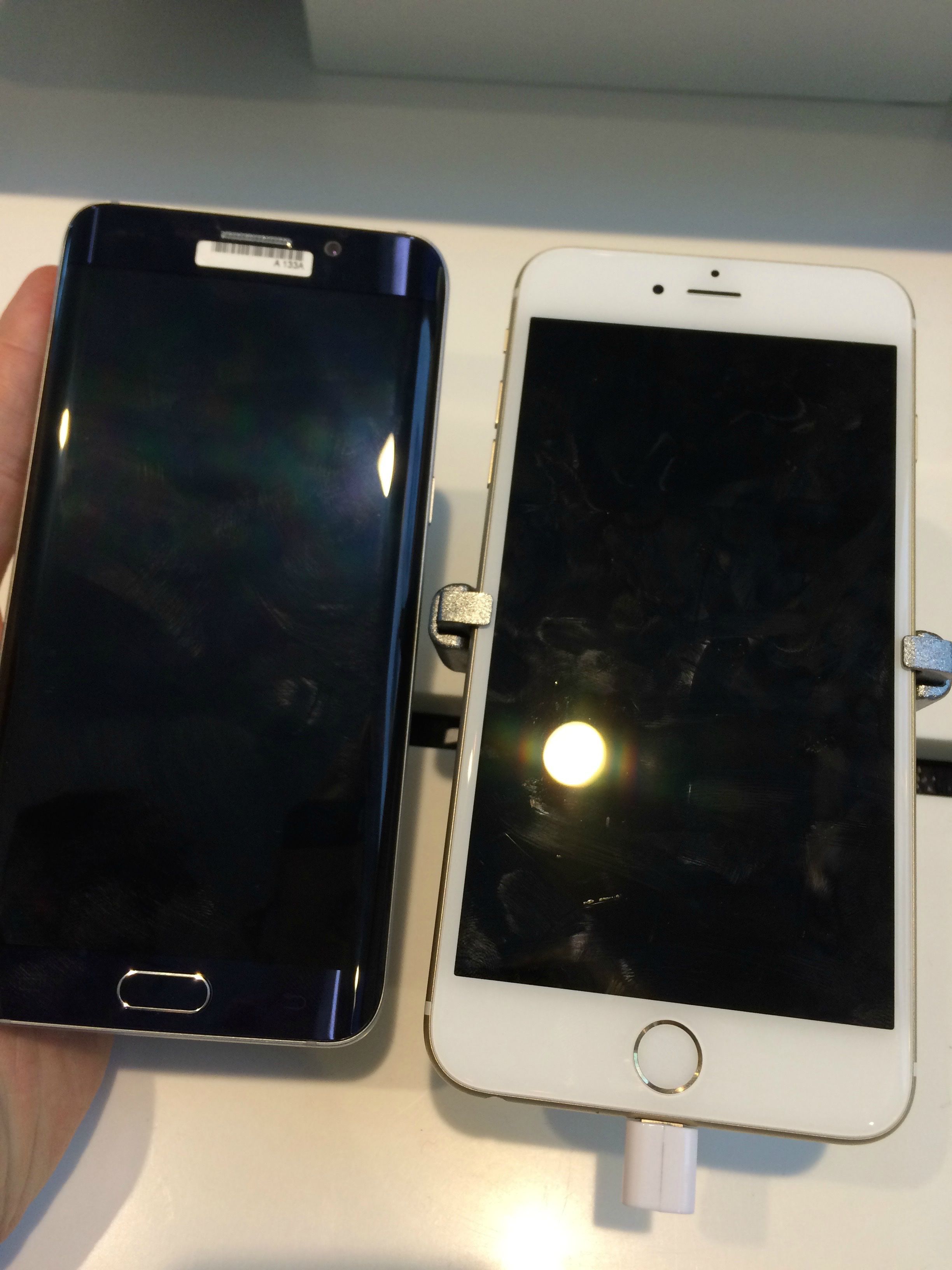
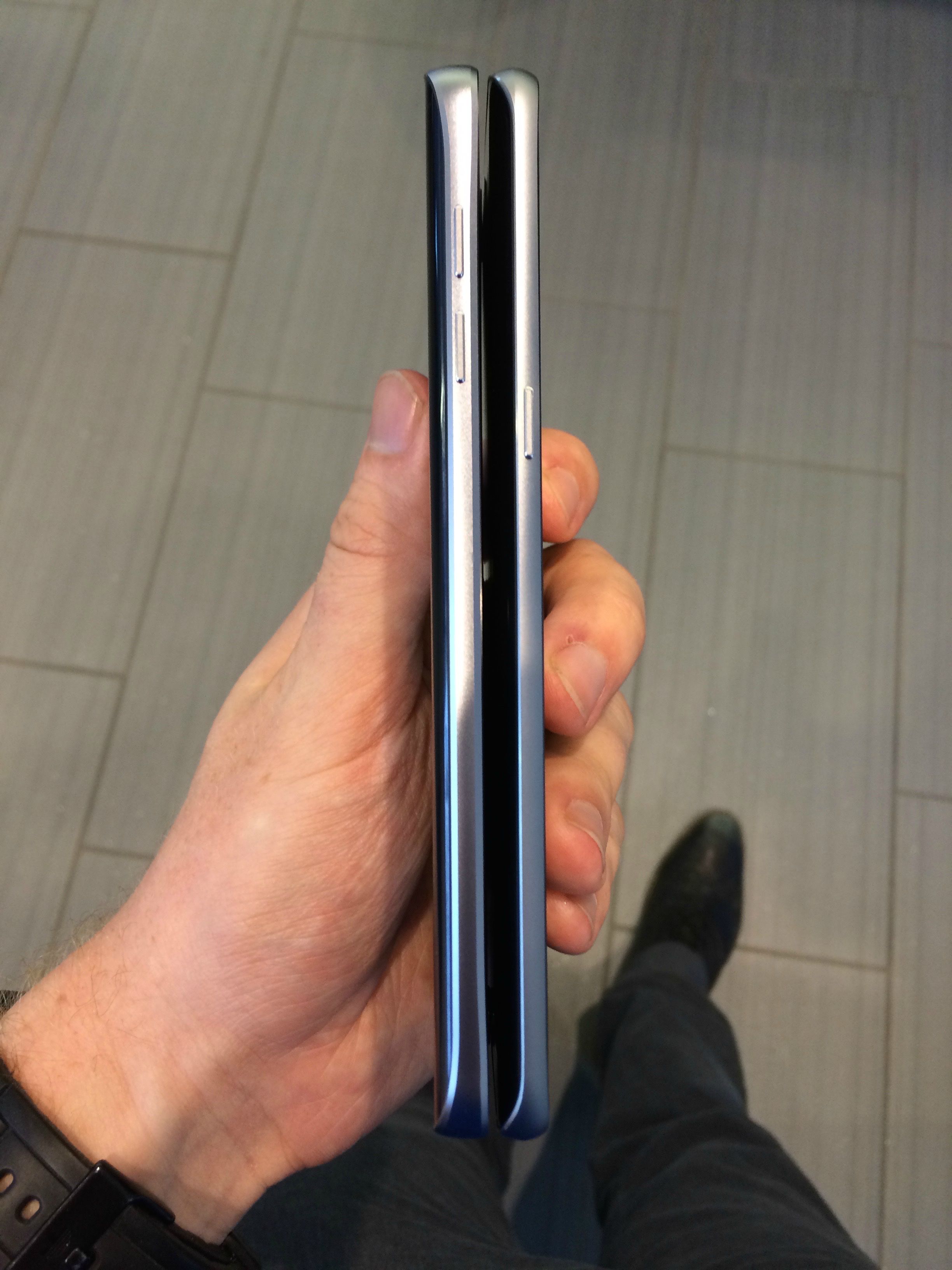
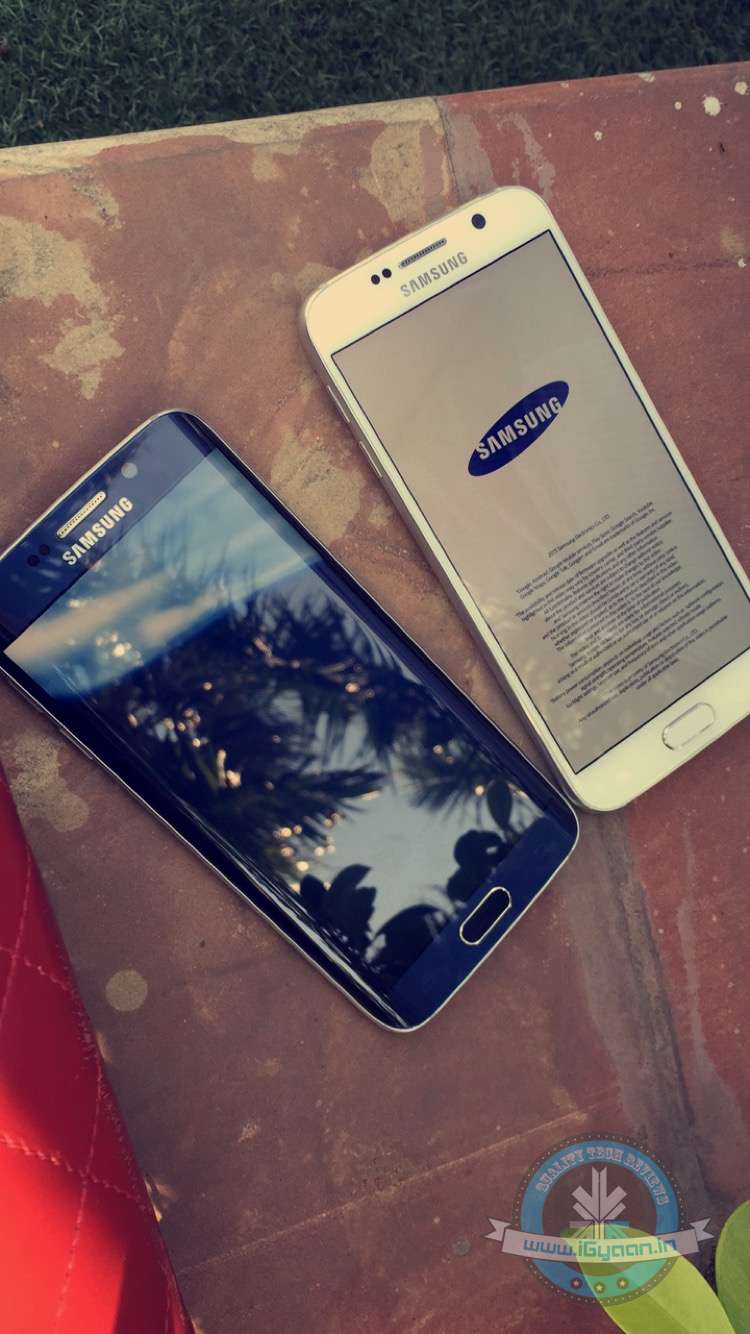
Reports suggest that a Reddit user, under the alias ‘joelrtaveras’ has revealed images of the soon to be released Samsung Galaxy Note 5 and the Galaxy S6 edge+.
The pictures reveal that the edges of the Galaxy Note 5 are made with a metal frame and that the S Pen will be spring loaded at the bottom of the phone. When compared to the iPhone 6Plus, the Note 5 is said to be thicker and has a tapered back. While it won’t have an SD card slot, the model will reportedly have a 32GB storage capacity.
The S6 Edge+ plus has been compared to the iPhone 6 Plus as well as the Note 5. It is said to come with a feature called Apps Edge, that allows one to swipe from the right in order to view app shortcuts.
While, these images leave nothing to one’s imagination, it is yet to be seen what the devices are going to be priced for at Samsung’s Unpacked Event on Thursday the 13th of August 2015.
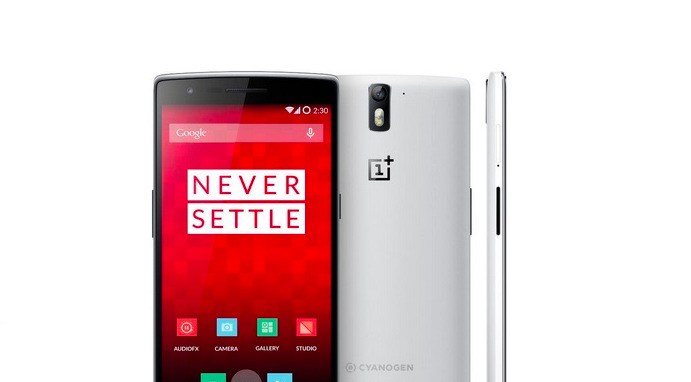
Cyanogen – commonly known as, the modified version of Android, has managed to spread its sphere of influence above both Blackberry and Windows mobile users; suggests new reports.
Reports also suggest that while the Windows Mobile’s market share is at 2.7% and Blackberry’s at 0.3%; Cyanogen alone has worked up a feat of 3%. It is said that with Cyanogen getting huge funding and hiring new talent, their chart doesn’t seem to be coming down anytime soon.
Their OnePlus deal having ended, they now look forward to partnering with bigger Chinese vendors. With their approximately 50 million users, it looks like Cyanogen is here to stay.
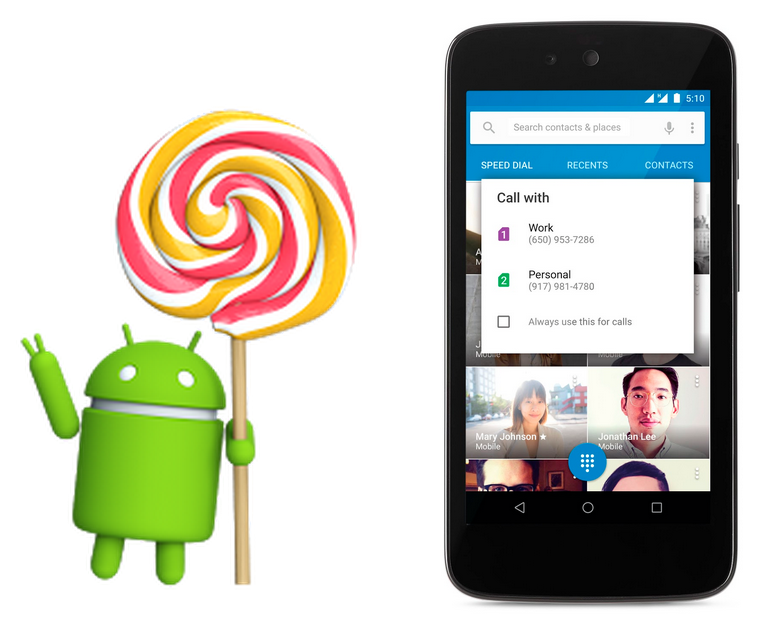
According to reports, Google is set to relaunch its Android cut-price smartphone project in India with a goal of delivering an efficient Android device at an approximate rate of $50 (Rs.3,187 approx.). Android One is a set of specifications that helps manufacturers make cheap and good quality smartphones. This project launched in New Delhi last September, but has struggled since.
Mr Anandan, the managing director in India and Southeast Asia, has reportedly attributed this to supply chain issues that are imported from China, however, the plans for a reboot are said to be revealed in “the next few weeks”. The Android One phones, when launched last year, were priced at about $100 (Rs. 6376 approx.) but, it has been reported that the company would like to target the cost-conscious smartphone users in India and price the phones at $31 to $47, that is around Rs.2000 and Rs.3000.
Over the new few years Google aims “to bring to market high-quality, even more affordable devices… from 6,000 rupees to 5,000 rupees, 4,000 rupees to 3,000 rupees”, he added.
However, there are certain problems that Google faces in India, one of them being – the small size of the local market for digital advertising accompanied by India’s slow bandwidth that hampers their apps such as YouTube and maps; both of which require fast internet connections.
Their response to this, is to fend off local competitors by developing products that are suitable for Indian customers with slow data connections. And an example of this, would be their recently launched offline versions of YouTube and Maps.
It is yet to be seen whether this Google initiative will catch up with the Indian market, and 10 years from now, which big company will dominate India’s ever growing online population.
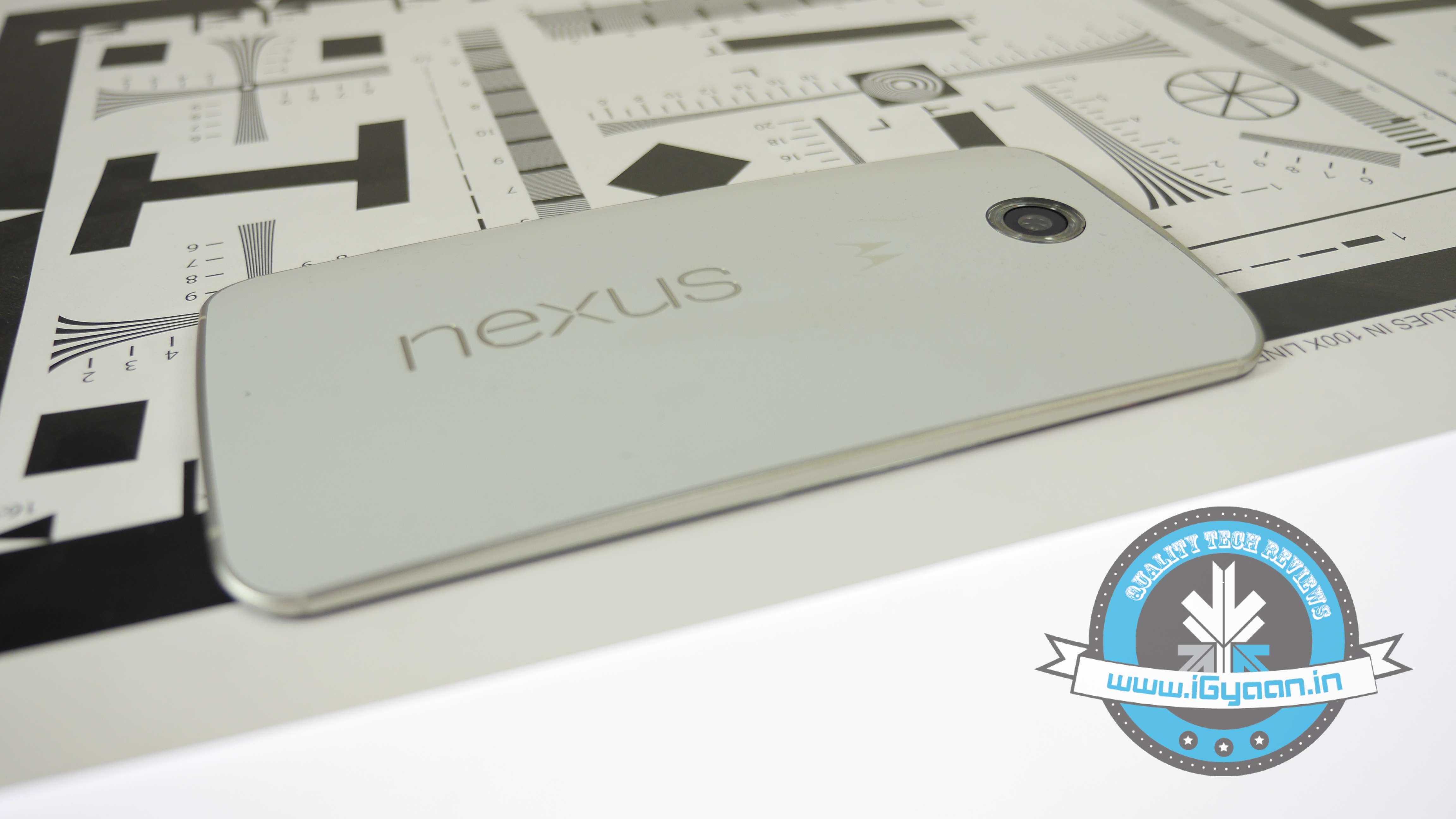
We already know that the Nexus 5 is Google’s best product. The device was released in 2013 and had a Full HD display with a 2.3GHz processor. Later on, reports flowed in about the company working on the next Nexus 5 ,2015. But, there was a slight catch. Sources stated that the device would be released in two variants, an LG and a Huawei variant, codenamed as ‘LG Bullhead’ and ‘Huawei Angler,’ respectively.
But, why is Google launching two handsets in the same year? One of the possible reasons is that both the companies have their recognition in different markets. LG has a good success rate in North America and Europe while Huawei has got a loyal customer base in Asia, particularly in China.
Google’s Nexus device will be launched along with the Android Pay rollout, but since Android Pay won’t likely be used in China, LG Nexus devices will not be sold there.
Another possible reason is that Google is trying to reach a settlement with all the Android partners in the Nexus program. But, this raises another question. Why has LG agreed on making its third Nexus device? According to Business Korea, Google wanted to speed up the adoption rate of the Android Pay, hence they pitched to LG, due to their broad audience base, back in America and Europe.
The speculated specifications of the LG Nexus 2015 include a 5.2-inch with 1920 x 1080 display, Qualcomm Snapdragon 820 processor with 4 GB RAM. Integrated with Android M, the battery will be of 2,860mAh. Supported by a 16-megapixel dual camera at the back and 5-megapixel in the front, it is also observed that LG Nexus 5 will feature a 3D camera.
The back cover of the upcoming LG Nexus will have three openings, one for the camera module, one for the fingerprint scanner and a square-shaped opening that operates the LED flash.
The devices are slated to release on October 20th.
After announcing the release of Apple Music for Android, Apple has gone even further by posting a job listing, looking for a software engineers to create products for Android users.
This new position is reportedly not for the Apple Music but for new mobile products that Apple plans to launch for Android users. Some of the speculated apps that might be in for this project are – the iWork, iCloud, iMessage, Safari, iTunes etc. It is said that releasing iCloud on Android would give users another option to access their files.
However, it seems like Apple’s iOS is finally facing the Android challenge head-on by expanding its accessibility, especially after reports have shown them losing numbers in markets in USA and China. No further information is available on what these new mobile products are going to be.
Our Android devices have a lot of information stored within itself which we need to access frequently. Knowing some shortcodes would definitely save your time,and also give you secret information like hidden camera details. You can even factory reset your device and backup all your data with one-click.
The below given codes can be accessed through your dial pad very easily. While most of the codes would work on all Android devices, some of the codes are carrier-specific. So, it is not sure which one would work on your device, although most of them should.
Check out the list below:
Codes
Function
*#06#
IMEI (International Mobile Station Equipment Identity) number – essential in case your device is stolen, and you want to block the thief from accessing your network
*#*#7594#*#*
Make Power button turn off your device without displaying menu
*#*#4636#*#*
Display information about phone, battery, usage and WiFi
*#*#7780#*#*
Factory reset (deletes app data and apps, not firmware)
*2767*3855#
Complete phone wipe, including firmware
*#*#273283*255*663282*#*#*
Back up all your photos and videos
*#*#1472365#*#*
Test your GPS
*#*#1234#*#*
Display phone firmware and PDA info
*#*#232338#*#*
Show WiFi Mac address
*#*#8255#*#*
Access GTalk Service Monitor
*#*#36245#*#*
Access Email debug info Email
*#*#225#*#*
Events Calendar
*#*#426#*#*
Debug info for Google Play Service
*#*#759#*#*
Access Google Partner Setup
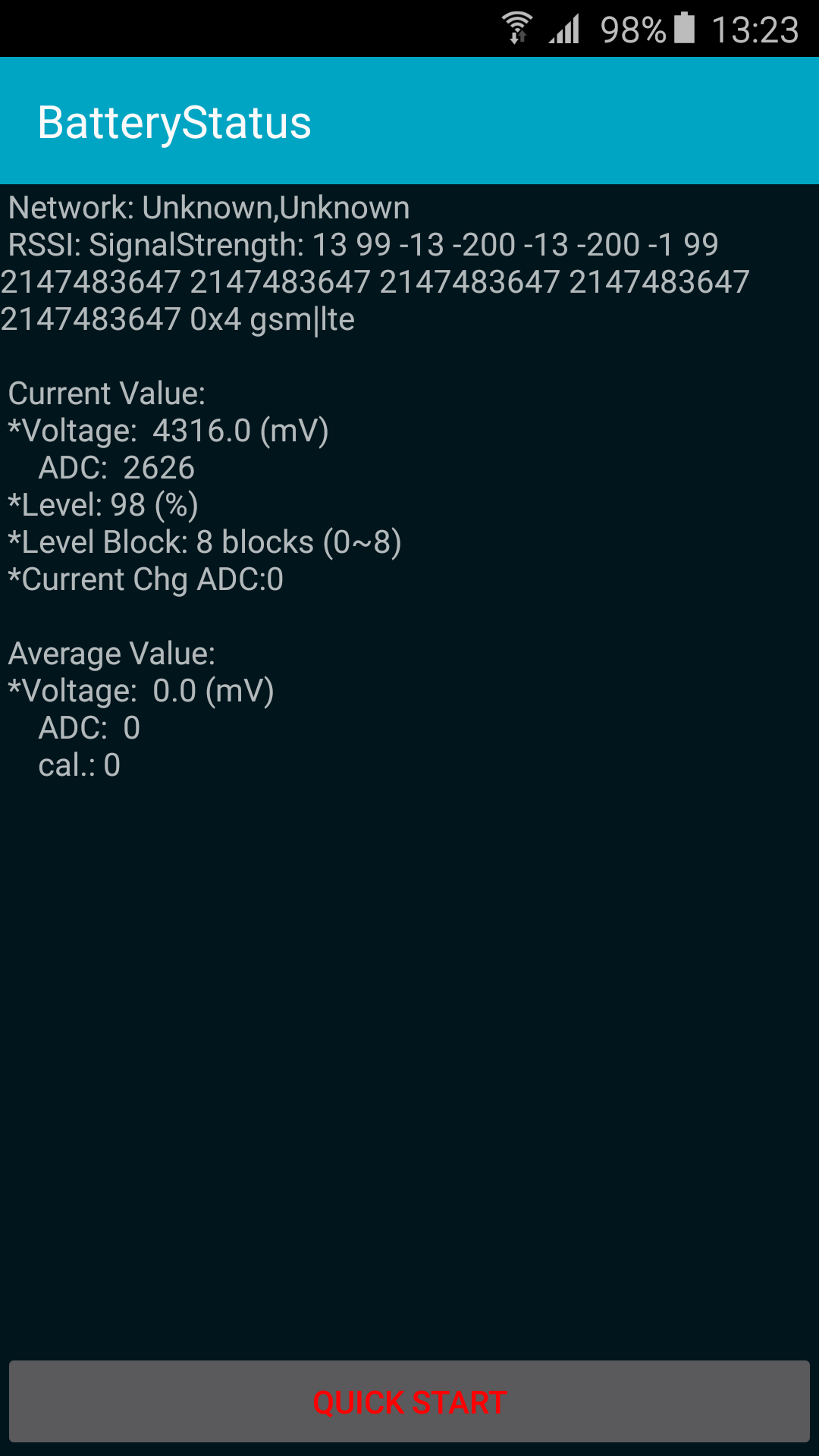
By typing *#0228#, you can access the battery status of your Android device.
While most of the codes are universal, some codes are very specific. You can check out codes for Samsung or HTC devices below:
Samsung
Codes
Function
*#*#34971539#*#*
Show all camera information
*#*#197328640#*#*
Enable test mode for services
*#*#232339#*#*
Wireless LAN test
*#*#1575#*#*
Test your GPS (alternative to generic Android GPS test)
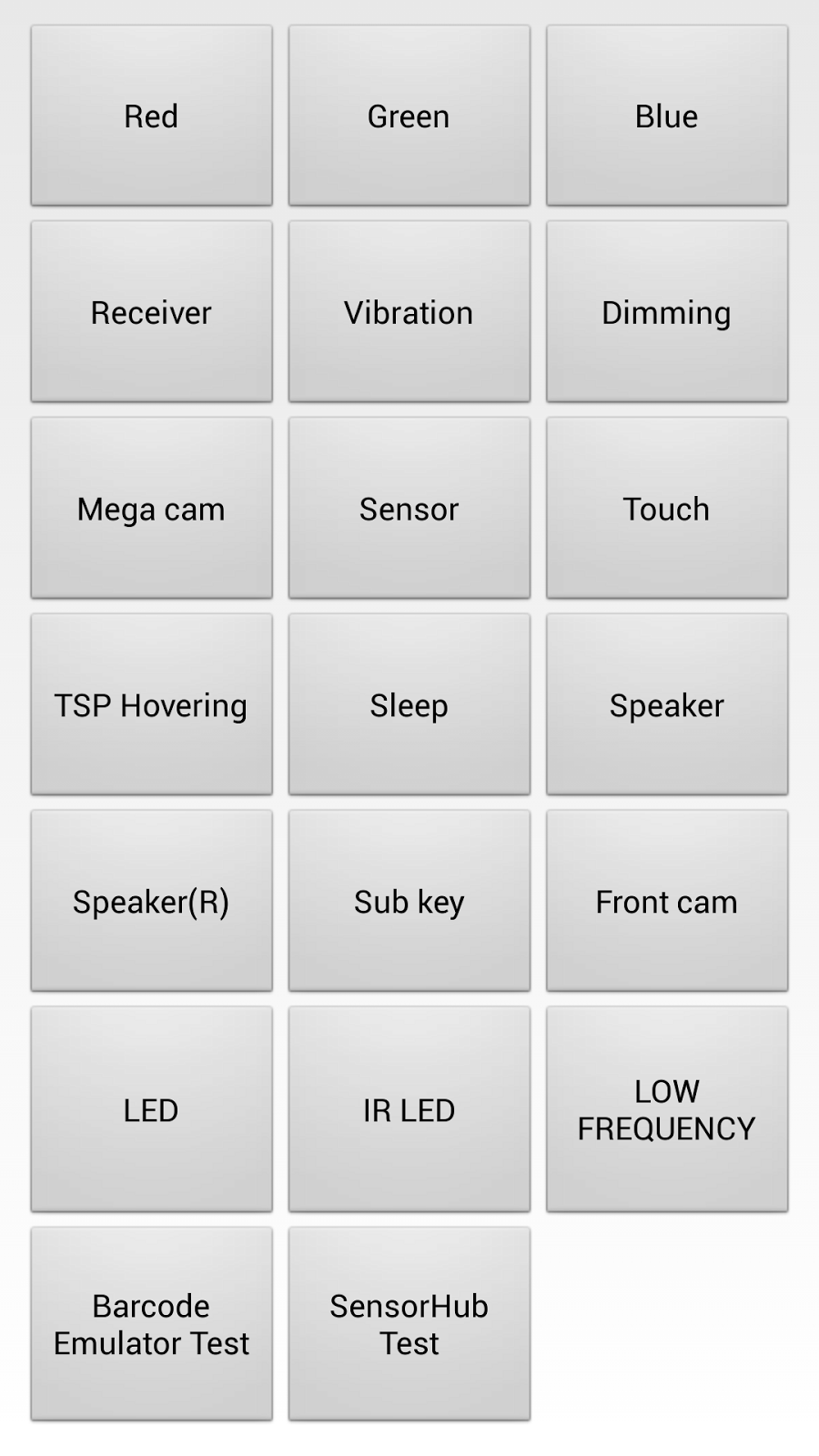
*#*#0*#*#*
Test your LCD
*#*#4986*2650468#*#*
Display crucial phone information (PDA, Hardware, firmware, etc.)
A security firm has found a bug in Android that can result in the death of your phone – you won’t be able to access it as the bug will make your phone unresponsive to the extent that you won’t be able to receive any notifications or calls. According to Trend Micro, the security firm behind the discovery, the bug is present in phones running on Android 4.3 Jelly Bean and above, meaning that even your newly purchased Moto G (Gen 3) is vulnerable.
The new bug causes your phone to crash through Android’s mediaserver service, which indexes all the media files located on your Android device. The service crashes when it processes a distorted Matroska video file (.mkv), thus effectively shutting down the phone. The company notes that the bug can be exploited in two ways – by embedding the corrupted .mkv file in an app or a web page/website.
The glitch was reported by Trend Micro to Google in May this year, which was labelled as low-priority. According to a Google spokesperson (via Engadget), a security flaw will be made available in a “future version of Android.”
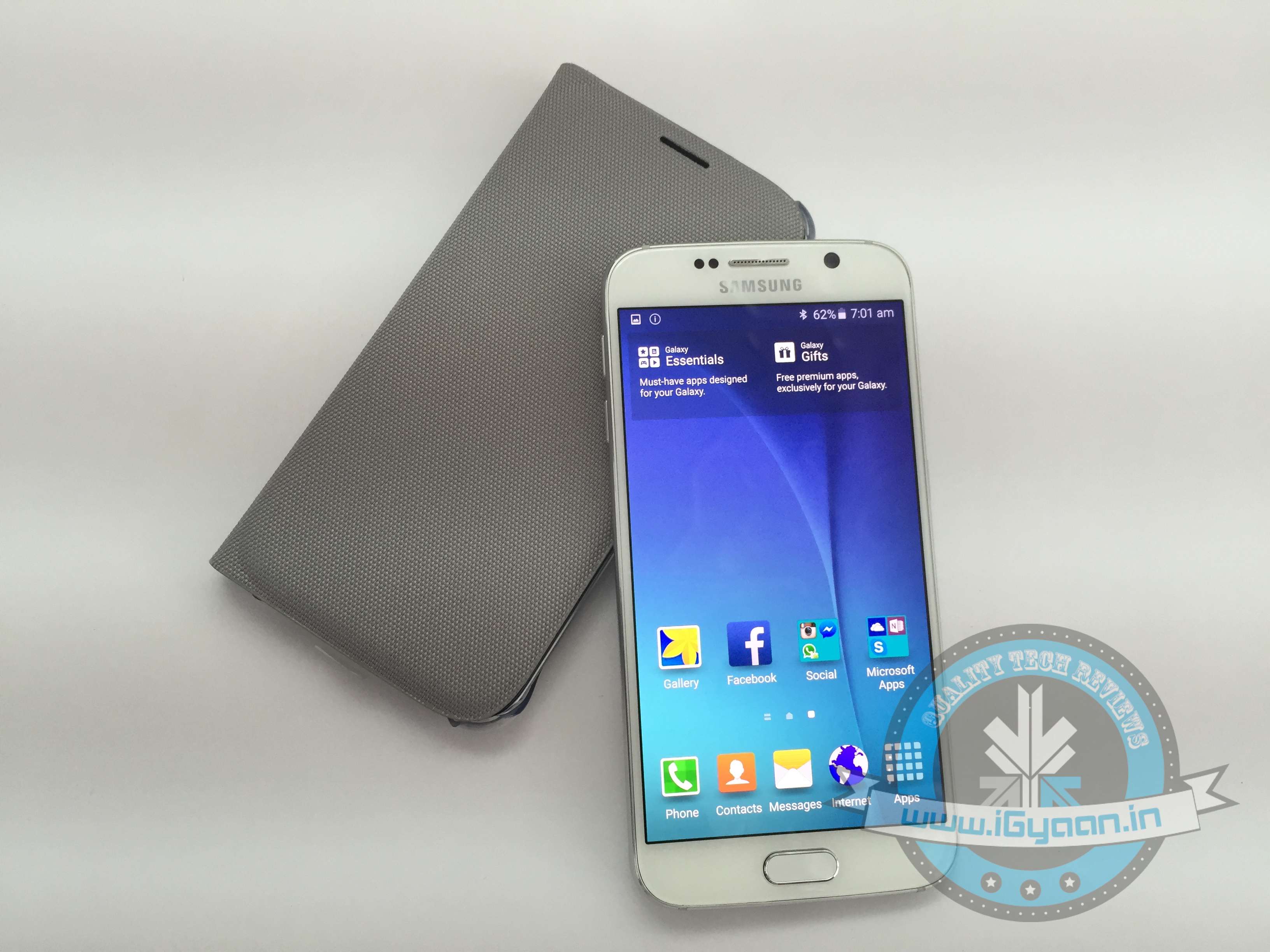
The Samsung S6 arrived in India on the 10th of April 2014, it was touted as being the only Samsung smartphone that could perhaps finally compete with the other high-end smartphones such as the iPhone 6.
It’s specifications included a metal body casing, a 5.1 inches display with1440 x 2560 pixels resolution, a16 MP, 2988 x 5312 pixels, optical image stabilization, autofocus, LED flash camera, an internal memory of 32/64/128 GB with a 3 GB RAM, a non-removable Li-Ion 2550 mAh battery and run by Quad-core 1.5 GHz with the Android OS, v5.0.2 (Lollipop), upgradable to v5.1.1 (Lollipop). Despite this Samsung reported a fall in sales in the second quarter with the mobile division down by 8.9 percent and the mobile in particular, dropping 7.3 percent.
Their solution is to bring in certain adjustments pertaining to the price of the device, although these adjustments have not been described by the company, an insider says that one can expect a price cut on the Samsung S6. The original launch price of the device quoted as Rs. 61,900 for the 128GB variant.
Samsung seems to have a history of price cuts post the launch, due to low sales or otherwise. Samsung which was once the wold’s largest smartphone selling company is now lagging behind in sales due to its customer base shifting towards other competitors such as Apple, and now Chinese companies such as Xiaomi and Huawei.
Do you think these price cuts are unfair to users to have already bought the phone at its quoted launch price? Perhaps the price cuts will increase Samsung sales or people might wait for prices to drop again.
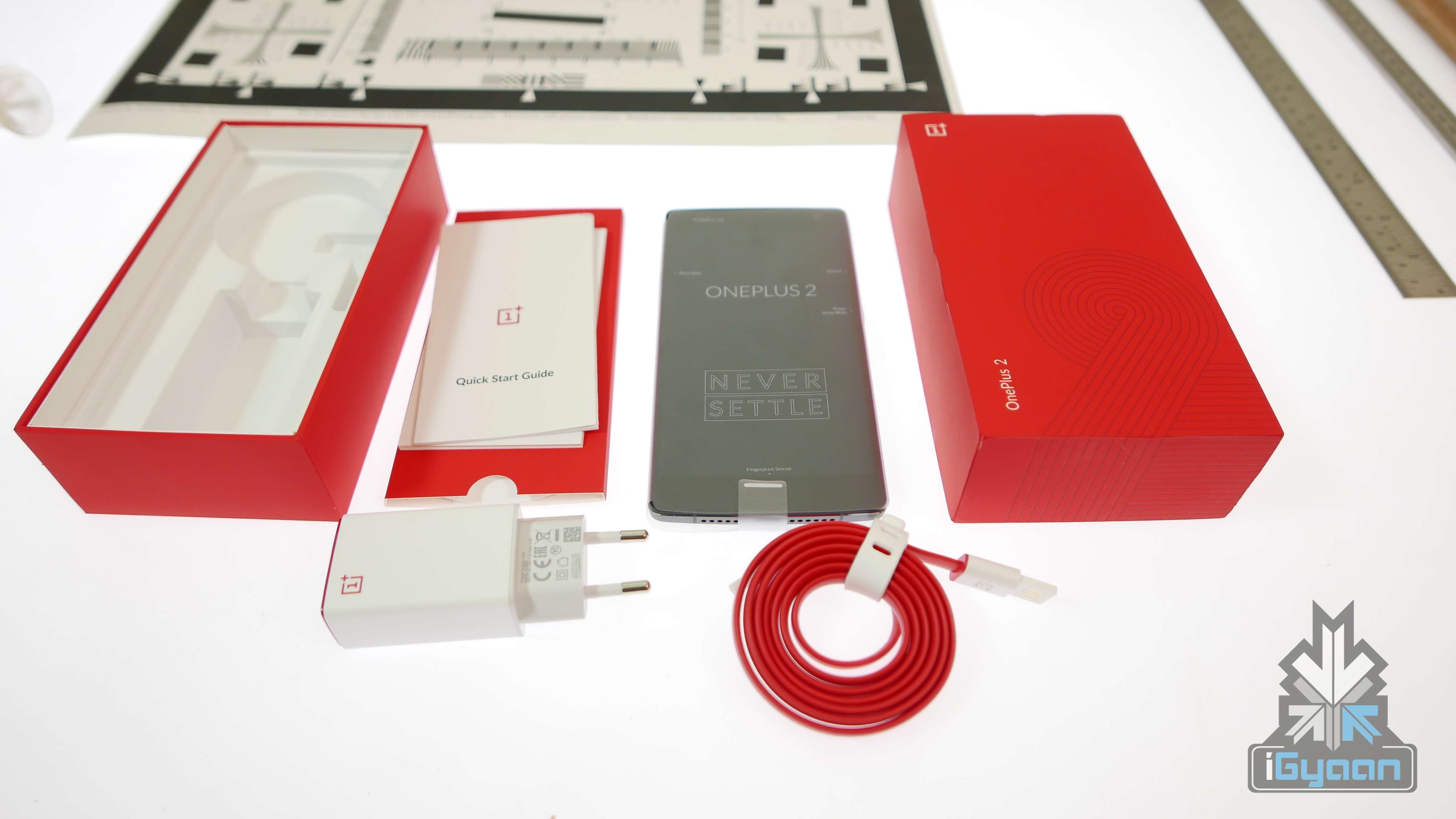
Many are probably wondering what the fate of the OnePlus One will be, right after the release of the much anticipated OnePlus 2. Well, general Manager of OnePlus India, Vikas Agarwal, says that the device will not be discontinued but the price of the product will most definitely drop.
The OnePlus One is presently priced at Rs 18,998 for 16GB and Rs 21,998 for 64GB, though the exact price after the drop, has not been announced yet. Meanwhile, the company has announced its aim to sell around one million handsets by the end of this year.
Till then, it is suggested that the OnePlus 2 will be a better and easier buy since it has a lot more to offer due to heavy demands.
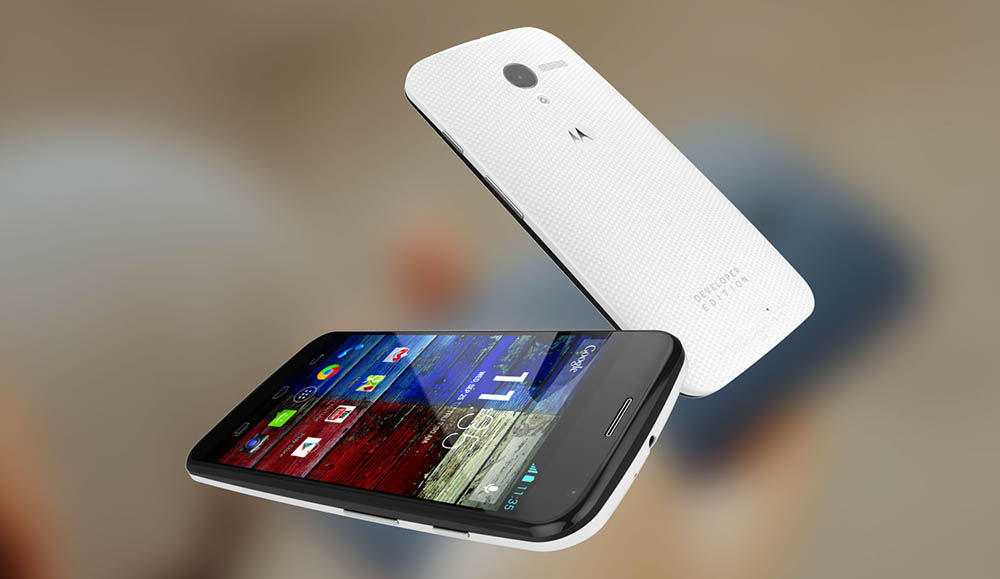
Motorola is expected to launch two of its anticipated products today in New Delhi, New York, London & San Francisco, simultaneously. By the look of their invitation that reads “Your relationship status is about to change”, signed, ” XGX Moto”, it seems like they are going to launch the Moto X (Gen 3) and the budget-friendly Moto G (Gen 3) smartphones. There are added rumours that Motorola will also launch a new product, for which there seems to be barely any information, called the Moto 360 (Gen 2)
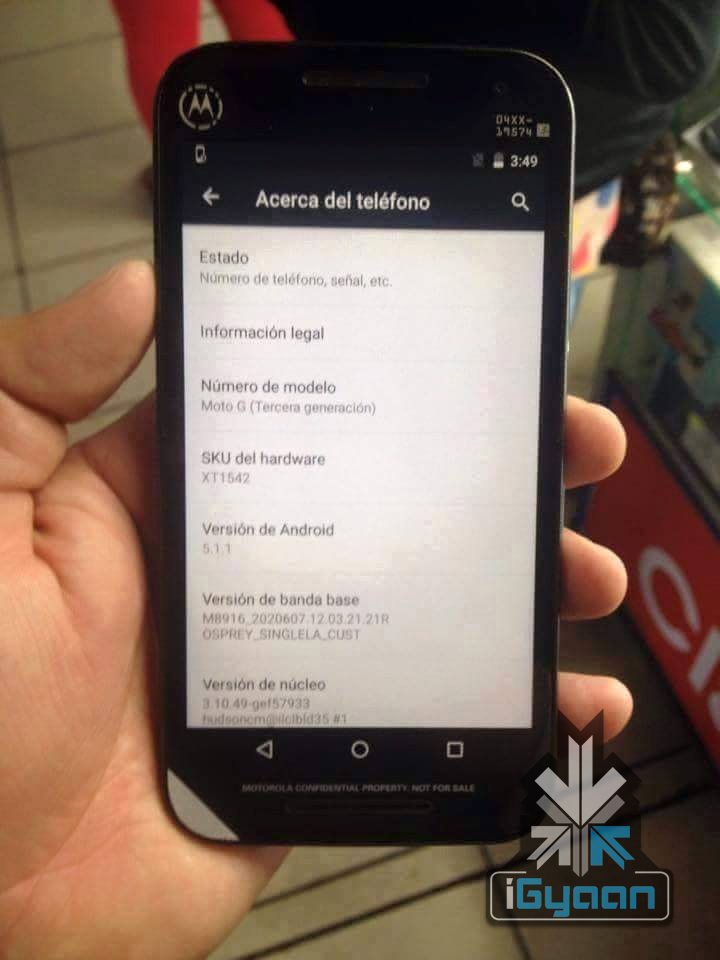
Although, most of the specs for the Moto G (Gen 3) are available, Flipkart accidentally leaked the 8GB white Moto G (Gen 3) priced at Rs 11, 999. Below are the rumoured specifications for the Moto G (Gen 3):
Specification
Moto G (Gen 3)
Display
5 “(12.7 cm) TFT, Gorilla Glass
Resolution
1080 x 1920 HD
Chipset
NA
Processor
MSM8916 1.4 Ghz Quadcore
GPU
NA
RAM
1GB
Storage
8 GB
Expandability
32 GB
Rear Camera
13 MP
Rear Camera Video
1080p
Front Camera
5MP
Front Camera Video
NA
Battery
Non-removable Li-ion 2470 mAh battery
Operating System
Android 5.1 Lollipop
Connectivity
Wi-Fi 802.11 b / g / n, Wi-Fi Direct, hotspot, Bluetooth v4.0, A2DP, LE,
GSM 850/900/1800/1900, HSDPA 850/900/1900/2100, LTE band 1 (2100),
3 (1800), 7 (2600), 20 (800)
Miscellaneous
Fingerprint sensor
Price
Rs.11, 999
Apart from this, the Moto G (Gen 3) is also rumoured to be waterproof!
The Moto X (Gen 3), however is a better kept secret and the price of the product, due to the launch today, is still unknown. However, the speculated specifications of the phone are rumoured to be as follows:
– Fast battery charging: 60% in 30 min (Quick Charge 2.0)
– Active noise cancellation with dedicated mic
– MP3/AAC+/WAV/WMA player
– MP4/H.264/WMV player
– Photo/video editor
– Document viewer
Colours
Black, White
The third product, which is being highly anticipated, is Motorola’s smartwatch Moto 360 (Gen 2). Although, it is rumoured to be releasing today, there have been leaks about it that revealed the Moto 360 (Gen 2) to be like the Moto 360 in design but slimmer. The Moto 360 (Gen 2) is rumoured to have inserts where the watchband is supposed to be, rather than arms and the physical button seems to be placed in the center, as displayed in the leaked pictures .
Image Source: Weibo
Despite leaked images and information, the Motorola devices still seem to be creating a buzz. According to sources, the launch date has been set for today at 3:30pm (New Delhi). With the launch of the OnePlus 2 this morning, it is to be seen whether the Motorola devices will be able to stand the competition.
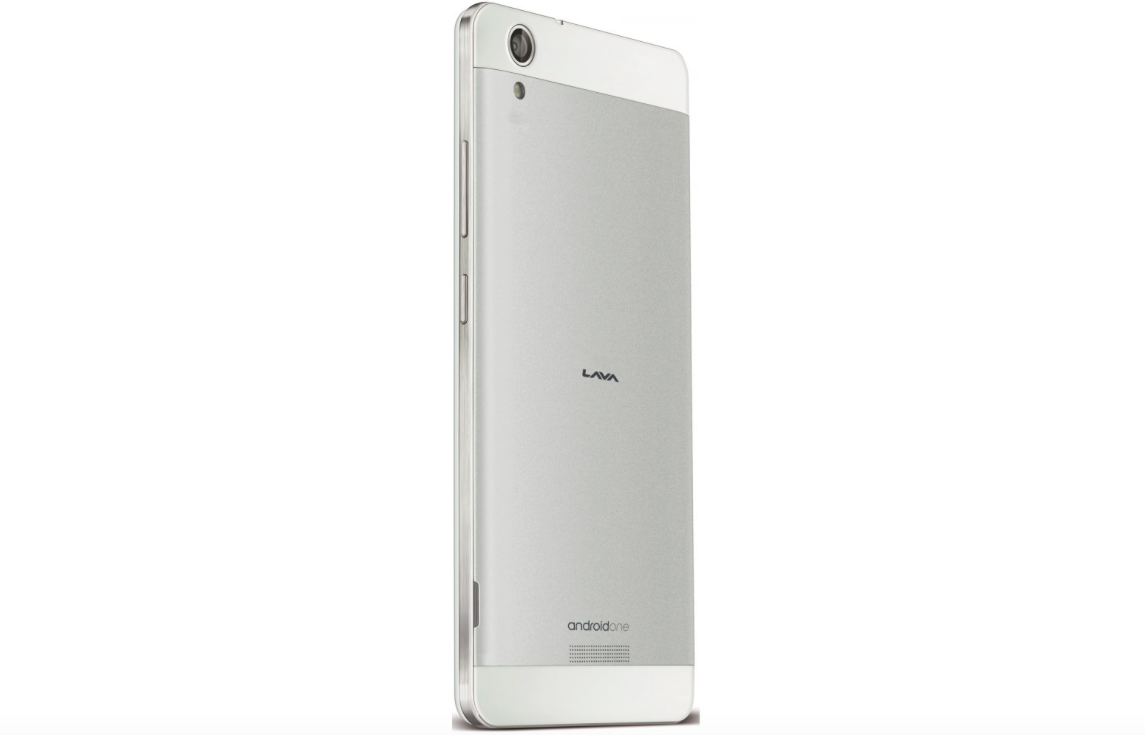
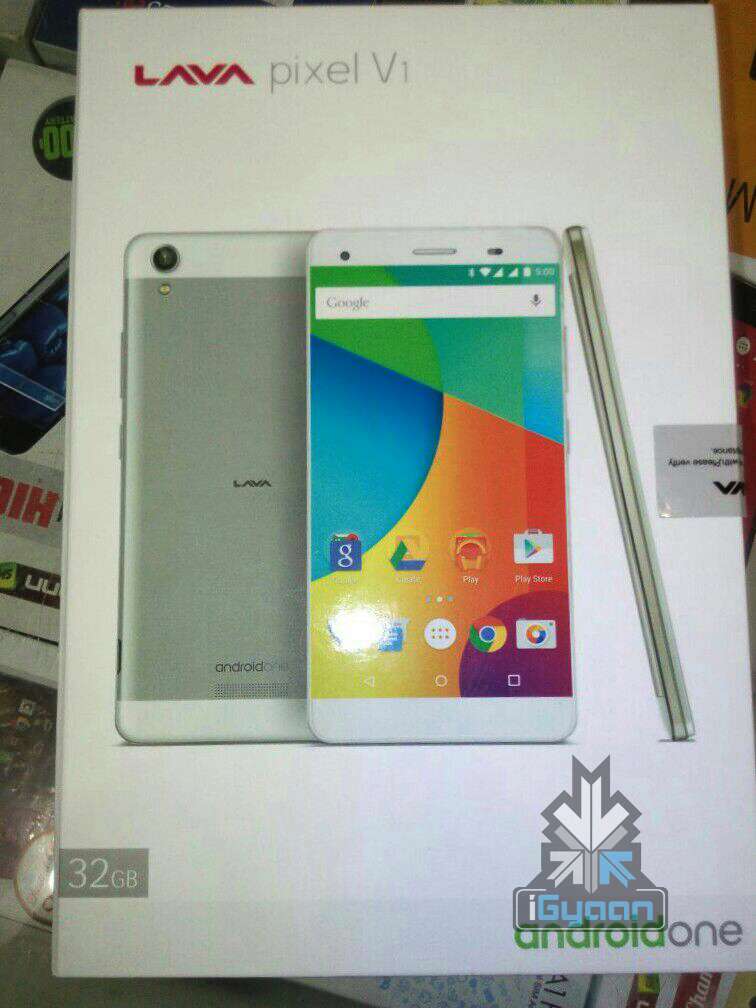
We brought you news in the morning, stating that Lava was going to release its new phone, this afternoon and also giving you the leaked specs and price. However, we now have the official specs and price of Lava’s new Android One smartphone.
Priced at Rs. 11,350, the Lava Pixel V1 will be on sale exclusively on Flipkart and retail stores, starting next Monday. This Android One phone will also receive regular updates for up to 2 years, just like all the others do. Other than this, the phone will be available in two colours; Gold and White-Silver. The phone has a 2650 mAh battery and its connectivity options include a Wi-Fi 802.11 b/g/n, Bluetooth 4.0, GPS, USB OTG, and Micro-USB.
To take care of the camera needs, is a 13MP rear camera and an 8MP secondary camera. The phone comes with dual SIM support and with 3G connectivity on both the SIMs. However, it doesn’t have 4G LTE connectivity and might prove to be at a huge disadvantage due to this. With the market today, flooded with 4G enabled smartphones that are cheaper than the Pixel V1, only time will tell if it will be able to compete with the plethora of smartphones available.
Its main contenders, Yu Yureka and Lenovo K3 Note, both prove to be tough competition. However, with Google’s support, Lava Pixel V1 will stay ahead in getting timely software updates.
Here is the complete spec sheet for the Lava Pixel V1:
Specification
Lava Pixel V1
Display
5.5-inch HD IPS display
Resolution
1280 x 720 HD
Chipset
NA
Processor
1.3GHz quad-core MediaTek (MT6582)
GPU
NA
RAM
2 GB
Storage
32 GB
Expandability
32 GB
Rear Camera
13 MP
Rear Camera Video
NA
Front Camera
8MP
Front Camera Video
NA
Battery
2650 mAh battery
Operating System
Android 5.1 Lollipop
Connectivity
GSM, WCDMA
Wi-Fi 802.11 b/g/n, Bluetooth 4.0, GPS, USB OTG, and Micro-USB.
We have an exciting week ahead of us. In the next few days we’re officially going to see the arrival of OnePlus 2, Moto G (Gen 3) and an ultra budget smartphone by Micromax. Kicking off the week, however, is the new Android One phone, on the block.
We now have information that at noon today, Lava will unveil the Pixel V1. The smartphone is said to arrive with a 5.5-inch 720p display and powered by a 1.3 GHz quad-core Qualcomm processor.
To take care of the camera needs, will be a 13MP rear camera and an 8MP secondary camera. The device will come with 32GB of storage space and is expected to be priced between Rs. 10-12K.
Other than that, reports online also mention the presence of a 2,650mAh battery, and the use of Android 5.1.1 – which is expected as it is an Android One device.
The Android One initiative, which was announced at Google I/O last year, is Google’s direct link to the lower-end consumers. The biggest issue with the Android platform is high levels of fragmentation, devices running older versions of the OS are still available for sale in the market. With the lessons learnt by this initiative, the Android team may be able to provide a better integration of its OS across devices.
In the past we haven’t seen worthy devices by this initiative, however it looks like the Lava Pixel V1 may arrive to change that perception.
Yu Televentures has launched the Yu Yureka Plus, the successor to Yu Yureka, priced at Rs. 9,999. The phone comes with a 5.5 inch FHD display and Qualcomm Snapdragon 615. Check our review of the new phone and find out whether it is worth your money.
According to a report, Amazon will launch its Prime service in India later this year. It is the membership program that offers unlimited free shipping on most deliveries with no minimum order size, unlimited backup for photos, access to streaming movies and music, free books from the Kindle Lending Library and more, for an annual fee.
In a bid to connect with their audience and to up their usage, Google has finally decided that it will be shutting down Google+ photos and making way for Google Photos by August 1st.
After announcing it in CES, Las Vegas, earlier this year, Sony has finally rolled out the Android TV in the Indian market at a starting price of Rs. 69,900.
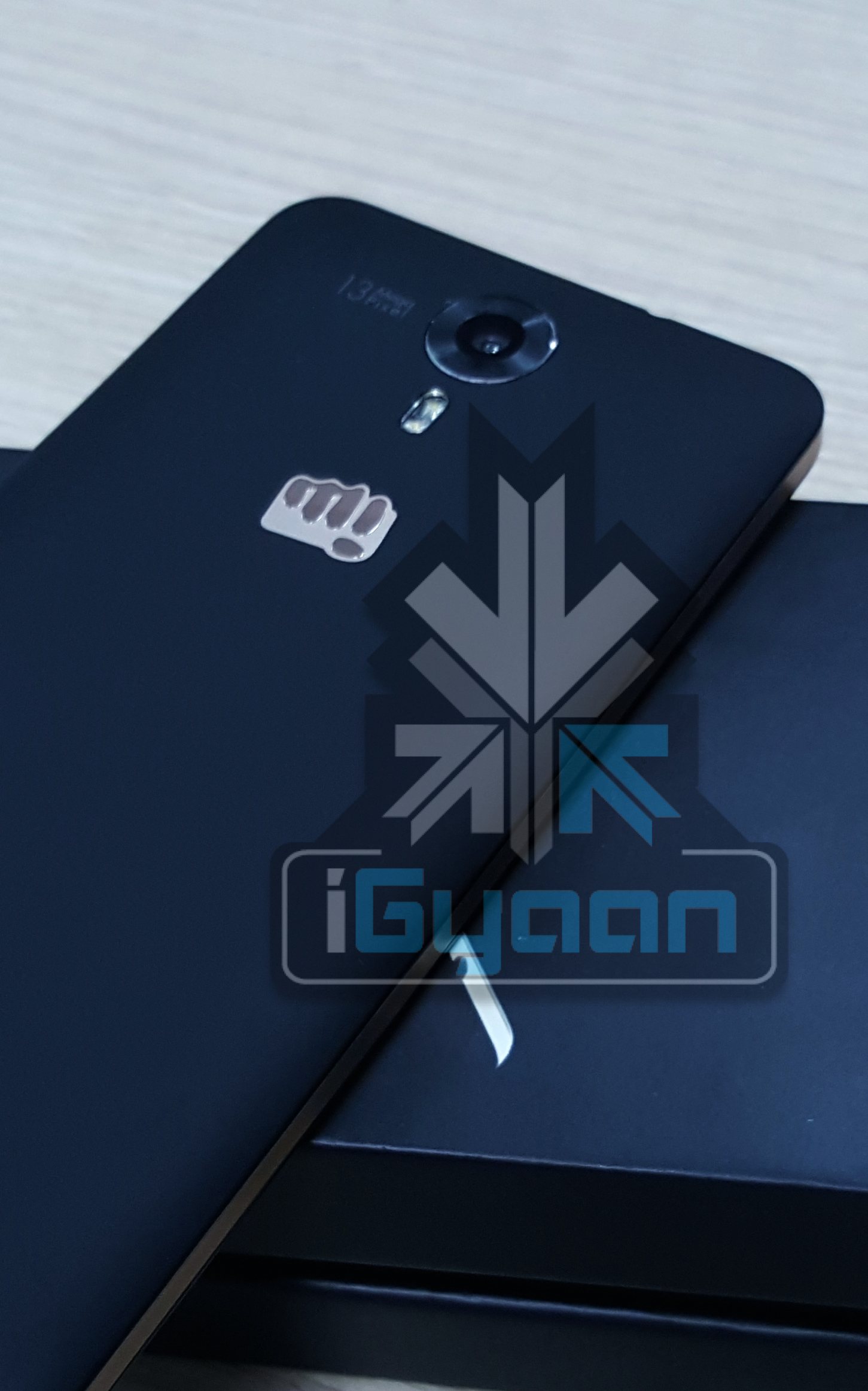
Details about Micromax’s next ultra budget phone has been leaked. It will apparently be the next big thing since Canvas. The phone is expected to be below the 10k price bracket and will use a Snapdragon 615 processor.
Apple has posted its third quarterly results for 2015 and the company has performed better than the previous quarter, but apparently it wasn’t enough for the investors. Apple’s performance is based on the rise in iPhone sales and its increasing popularity in China.
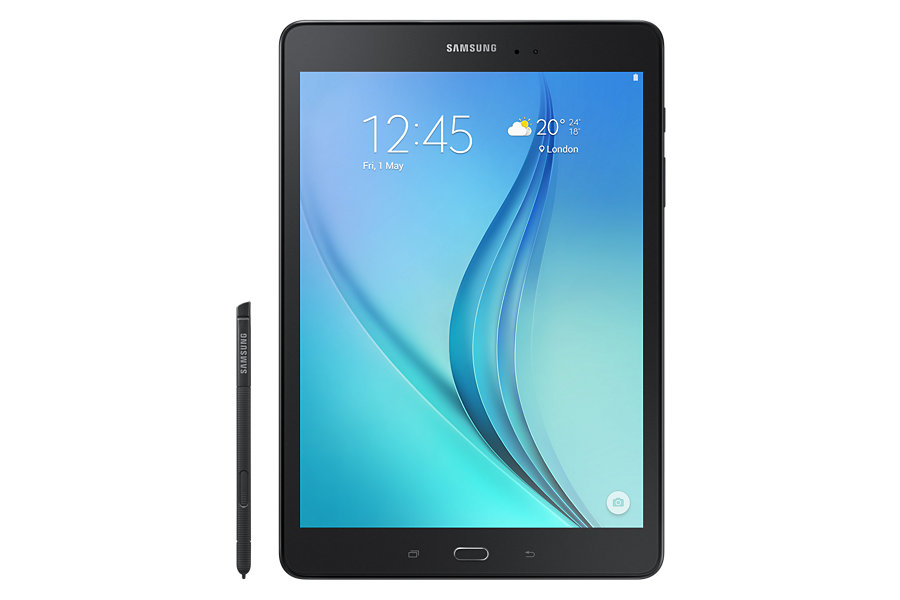
Samsung has announced the launch of Galaxy Tab S2, which the company says is “the most immersive Samsung tablet to-date” . The Galaxy Tab S2 is available in two sizes – 9.7-inch and 8.0-inch.
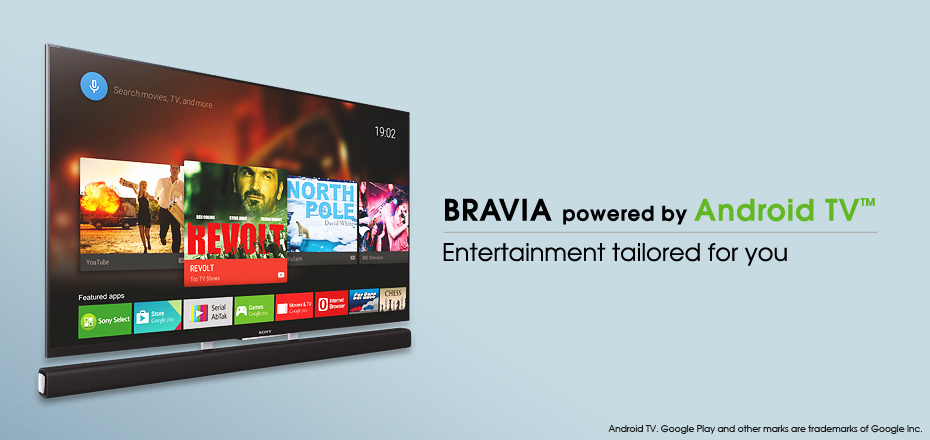
After announcing at CES, Las Vegas, earlier this year, Sony has finally rolled out the Android TV in the Indian market, becoming the first company to launch TV based on Google’s Android Lollipop. The Android TVs start at a price of Rs. 69,900 for a 43-inch model.
Earlier this year, Sony partnered with MediaTek at CES, Las Vegas and announced that it would manufacture Android Lollipop based Smart TVs. Sony’s Android TV aims to provide the proper TV viewing experience on Android and deliver the large screen experience it was designed to do.
Users can access a number of features present on Android OS such as the Google Play Store and YouTube and can play HD videos as long as they have an Internet connection of 8Mbps or more. Plus, you can also play your videos from your smartphone onto the TV, using the the Google Cast feature. The users can also give commands using the voice feature. Sony has customised the OS for Indian users with the app SerialAbTak, that plays most popular soaps and shows from Indian channels.
Sony has gone one step further and has added the 3D feature onto the Android TV, which means you can plug in your PS4 and enjoy the 3D movies, which will look better with Sony’s X-Reality PRO Picture Engine.
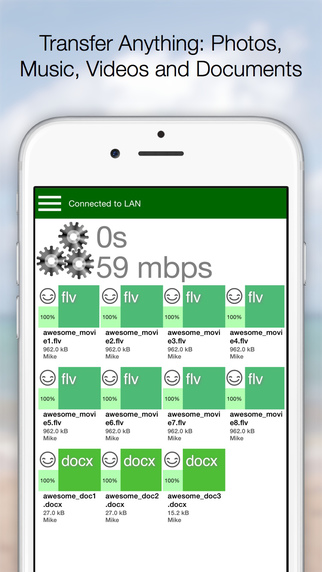
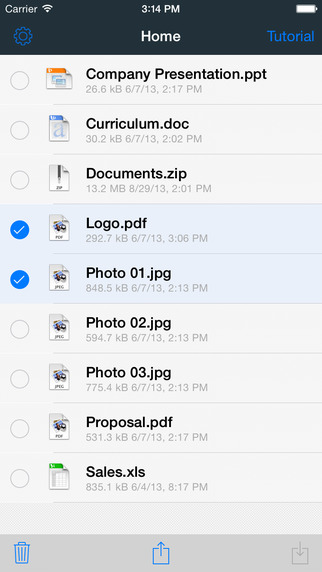
Thanks to apps like WhatsApp and Hike, sharing images, music and videos between iOS and Android devices has become easy. Still, there are some files that cannot be sent over through WhatsApp and even if we e-mail the files, the large size of the file will eat most of the internet data. There are some apps which will allow you to send files between Android and iOS devices without any hassles:
1. Instashare:
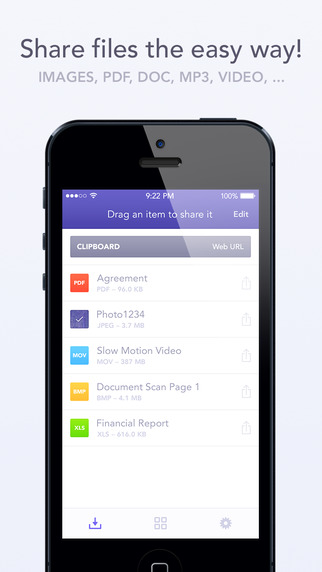
The Instashare app works on a simple principle- drag and drop the file onto your nearby contacts list and the app takes care of the rest. It works on the same principle of Apple’s AirDrop. Instashare supports all types of file formats and works easily on both Android and iOS.
2. Fast File Transfer:
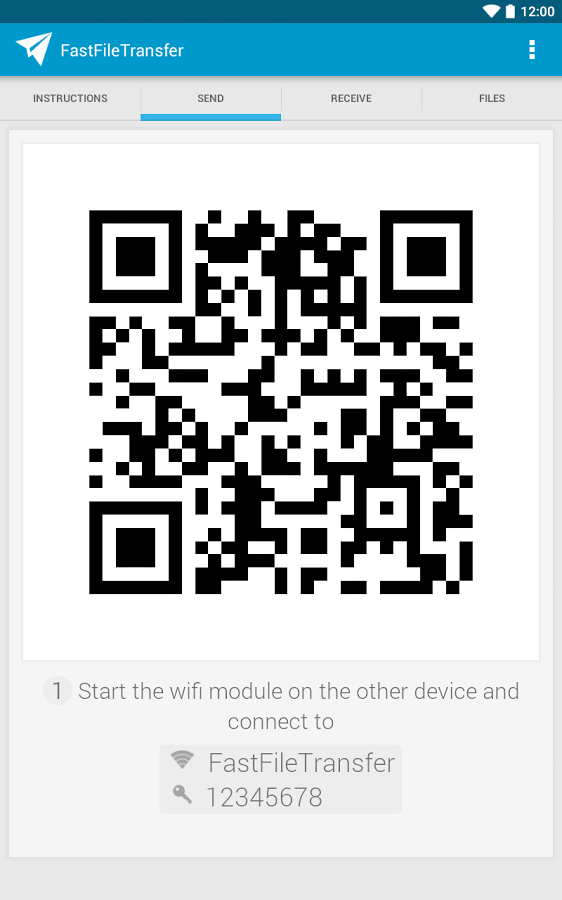
The app, available for Android users, creates a local Wi-fi network and allows iOS devices to log into them. The user can then send large files over small distances through the local Wi-Fi network created. The network is unique to the Android device and allows the iOS device to log into it. It’s faster than Bluetooth and easy to use.
3. Feem:
Feem works just like Fast File Transfer, sending files over locally created wi-fi networks. The app has to be installed in both iOS and Android devices, though. Once the users enter their partner’s username, they can easily exchange the files.
4. Sharable:
Sharable works just like Instashare, except it’s completely free, without any advertisements and restrictions on file size. The device connects users through their device’s local wi-fi.
5. File Transfer For iOS / Android:
File Transfer for iOS, along with the companion app File Transfer for Android, allows users to transfer files between their different devices. It uses Bluetooth when possible, making the process of sending files through Wi-Fi, unnecessary. The software automatically detects nearby devices.