Category: Android

  • Android Devices Vulnerable to Lurking Malware That Sends Out Private Data

    Android Devices Vulnerable to Lurking Malware That Sends Out Private Data

    Google’s mobile operating system Android is used in many devices such as tablets, smartphones, smartwatches and more. The OS is convenient to use and for that reason, its sale is recorded more than the combined sales of Windows, iOS and Mac OS X in 2012, 2013 and 2014. However, this is also true that Android is the weakest OS and an prey to malware and Trojans.

    A new discovery has showcased that a Trojan named ‘Android SMSSEND’ is lurking. It is a threatening Trojan virus that steals essential data from your Android smartphone and leaks confidential information to all those in your contact list. This is done by sending messages to your contacts. The sensitive information that it dispatches illegally includes IMEI number, device ID, device type, contacts, pictures, passwords and personal banking information.

    android malware

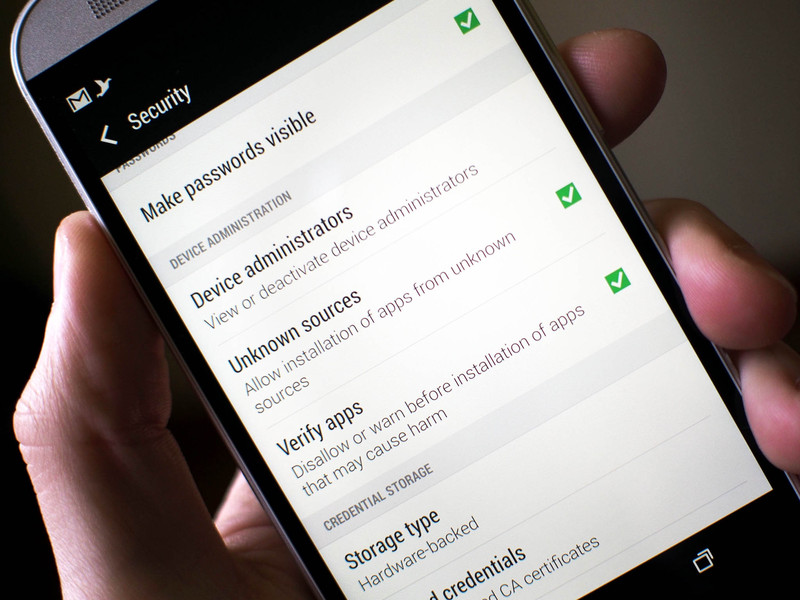
    It is estimated that Android SMSSEND can install spyware, track your phone location, illegally access text messages and harm your system. Although, Google uses a malware scanner Google Bouncer to keep a close watch at these viruses, but the scanner seems inadequate. Whenever a user installs a third-party app, a warning message appears on screen to alert the user about the suspicious app.

    It’s highly advisable not to download and install applications from untrusted sources. Also, one should run full system scan after every 3-4 days. In case, you are installing an application, read all the permissions beforehand. To save your data, it is recommended to take regular backup of the device. Last but not the least, one should avoid using unknown Wi-Fi networks as they may not be secure.

  • 5 Reasons Why AirDroid 3 Might Be The Best Thing to Happen to Android

    5 Reasons Why AirDroid 3 Might Be The Best Thing to Happen to Android

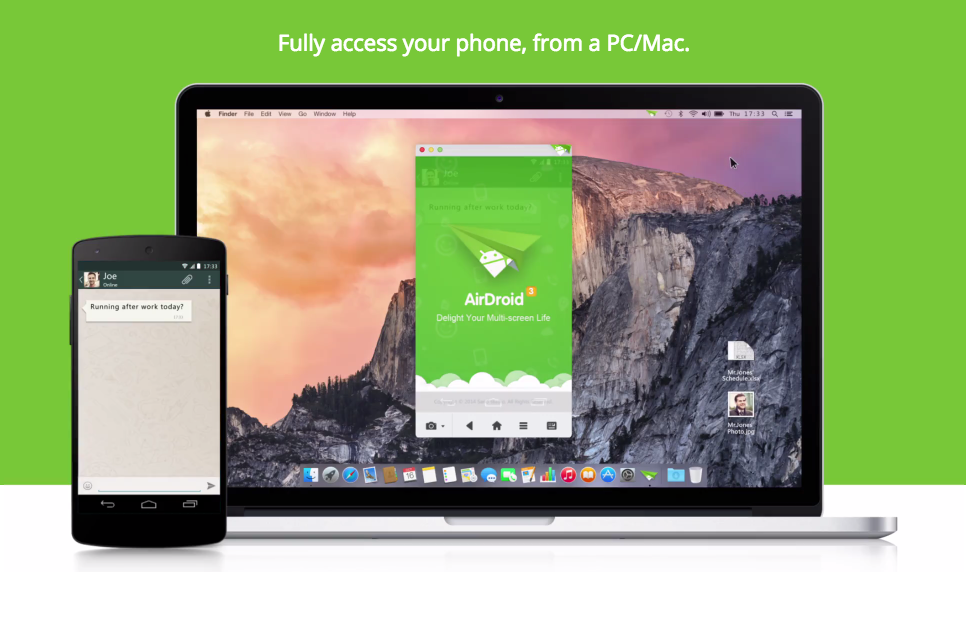
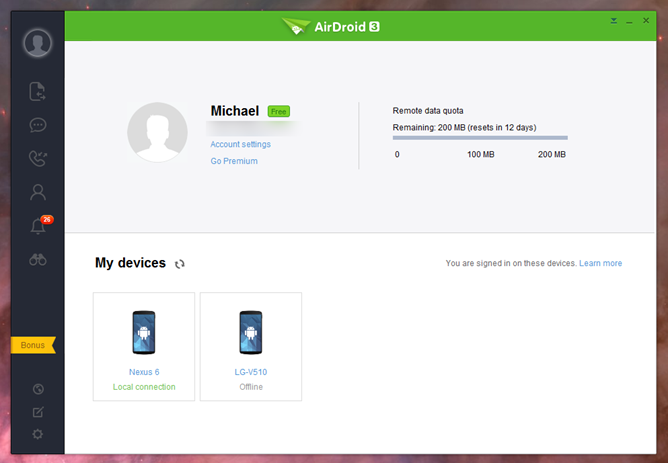
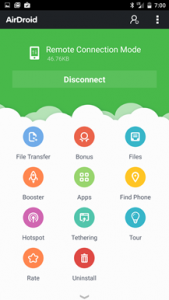
    AirDroid is a tool that allows Android users to perform actions like transferring files, pasting links and text from their web browsers. The third version of the app is finally out of the beta stage and available on Play Store, along with the much-requested desktop clients with Mac and Windows support.

    The new app has an updated UI and a myriad of new features, but the biggest change is the addition of standalone clients for Windows and OS X, besides the app’s famous desktop browser management. It basically brings the Apple’s Continuity feature to Android.

    Here are 5 reasons why AirDroid 3 might be the best thing to happen to Android:

    1. AirMirror

    airmirror_feature_whatsapp_chat_blog_airdroid

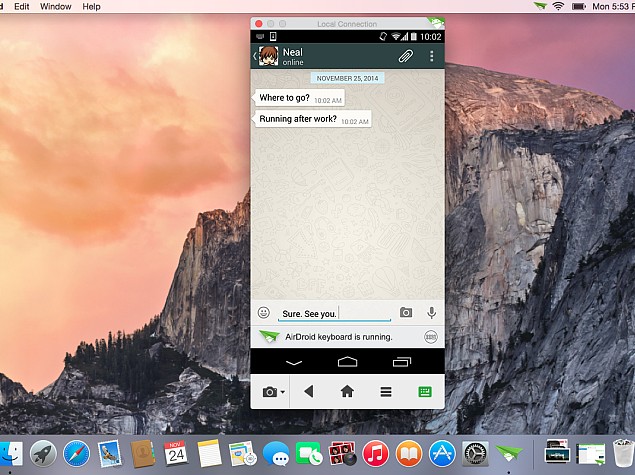
    AirMirror allows users to wirelessly display all of the happenings on their smartphone, directly to their desktop. You can use the mouse to navigate through the app, or make calls, reply to SMS or WhatsApp etc. It is worth mentioning that the AirMirror feature is only supported by rooted devices running Android 4.0 Jelly Bean and higher (or if the Android device is AirDroid-certified). They have not yet provided support to Android 5.0 Lollipop.

    2. Superfast file sharing

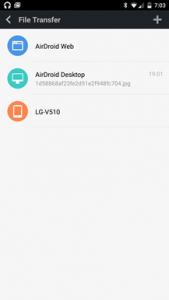
    Though AirDroid has evolved to do a lot more than transfer files, but that has been its USP. You can transfer movies within less than a minute between your Android and PC, using Wi-Fi. Once you get hold of this, it is going to be the default file sharing app for you. It is easy, quick and hassle free.

    nexus2cee_airdroid_thumb

    3. Managing your contact lists and SMS

    AirDroid is one of the most sophisticated desktop clients we have ever used. This app is quite handy when you need to send a ton of messages while working on a project, you can directly reply to your messages from your desktop. You can send, delete texts and even search through your inbox, simply by typing the keyword in the search bar. You can also manage your contact lists, create groups, add new contacts, disconnect calls and dial numbers directly from your PC.

    4. Security

    You can also use AirDroid directly to clear data from a remote location. Although, the same functionality can be sourced directly from Android device manager, but to have that functionality incorporated in a frequently used app, makes it more convenient. The intruder feature will take a selfie shot if you fail to enter the correct lock code.

    5. Web Version

    Well, even though AirDroid App has improved tremendously with the version 3, web version remains the best part of the service. The desktop client directly links to the Web version, with which you can then access both front and back cameras via your PC and display real time footage. The feature is easy to use and you won’t even waste your battery as the camera app and display won’t be engaged.

  • Micromax Fast Capturing Samsung’s Rapidly Losing Ground

    Micromax Fast Capturing Samsung’s Rapidly Losing Ground

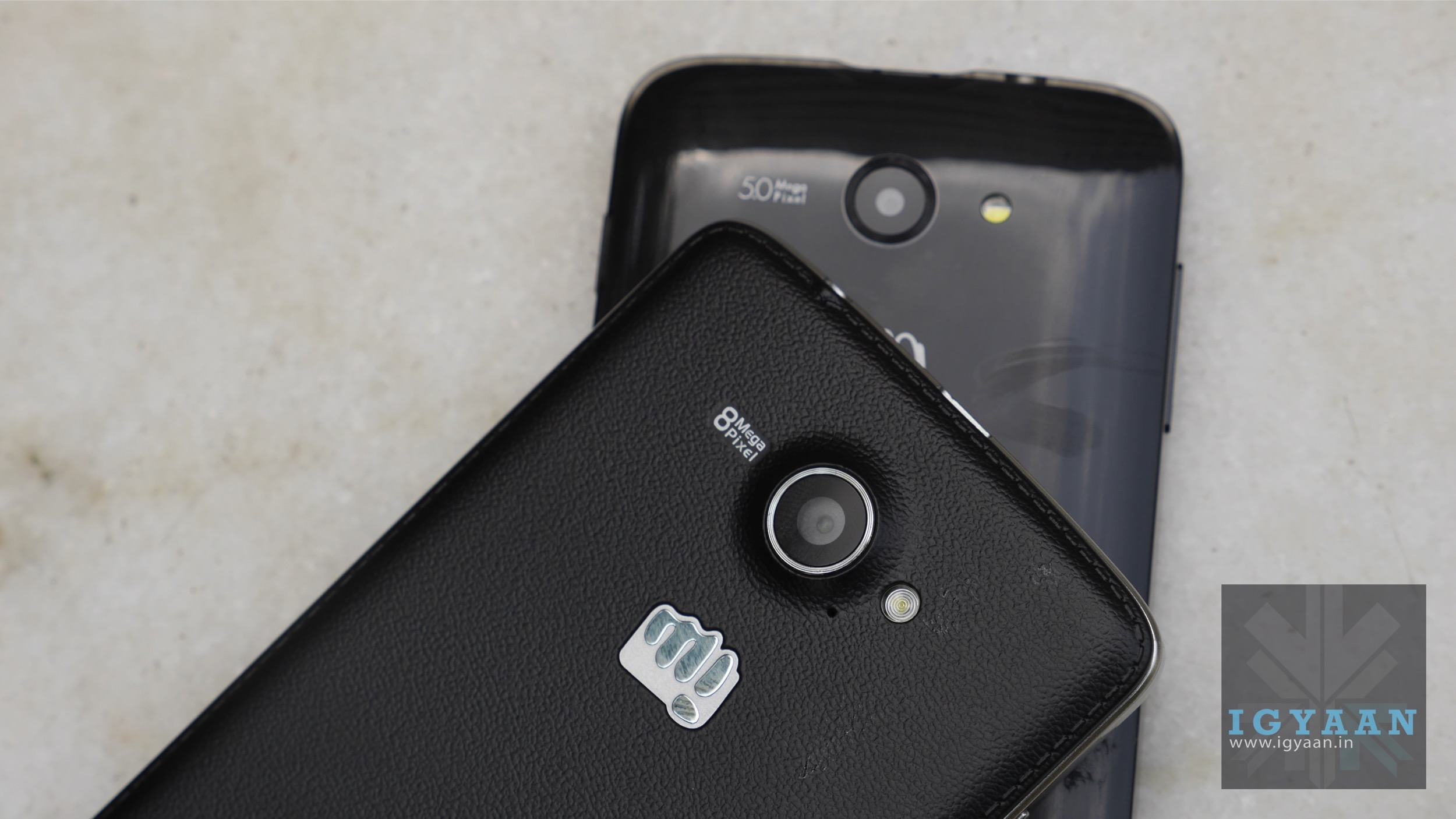
    A few months back, Samsung got its first jolt in rating when Xiaomi kicked it from the top of the podium to second spot in China. A few days later, Samsung was overtaken in the Indian market by the homeboy Micromax in Q2 2014. Samsung denied the news and said that it was still at the top. Well, seems like Samsung’s woes have not finished yet.

    Market research firm IDC is reporting a drastic fall in Samsung’s market share. At the same time, Micromax is showing positive gains. While Samsung slipped from 29% market share to 24%, Micromax gained a healthy lead of 2 percent and went from 18% to 20%.

    Samsung’s sales have been falling over the last couple of years. The culprit can easily be found. The electronic giant has not brought any exceptional device in a while, and even the innovative Note 4 is out of the reach of the average consumers. Samsung is also facing stiff competition from Chinese and Indian brands who are fast adopting high specs, low price formula.

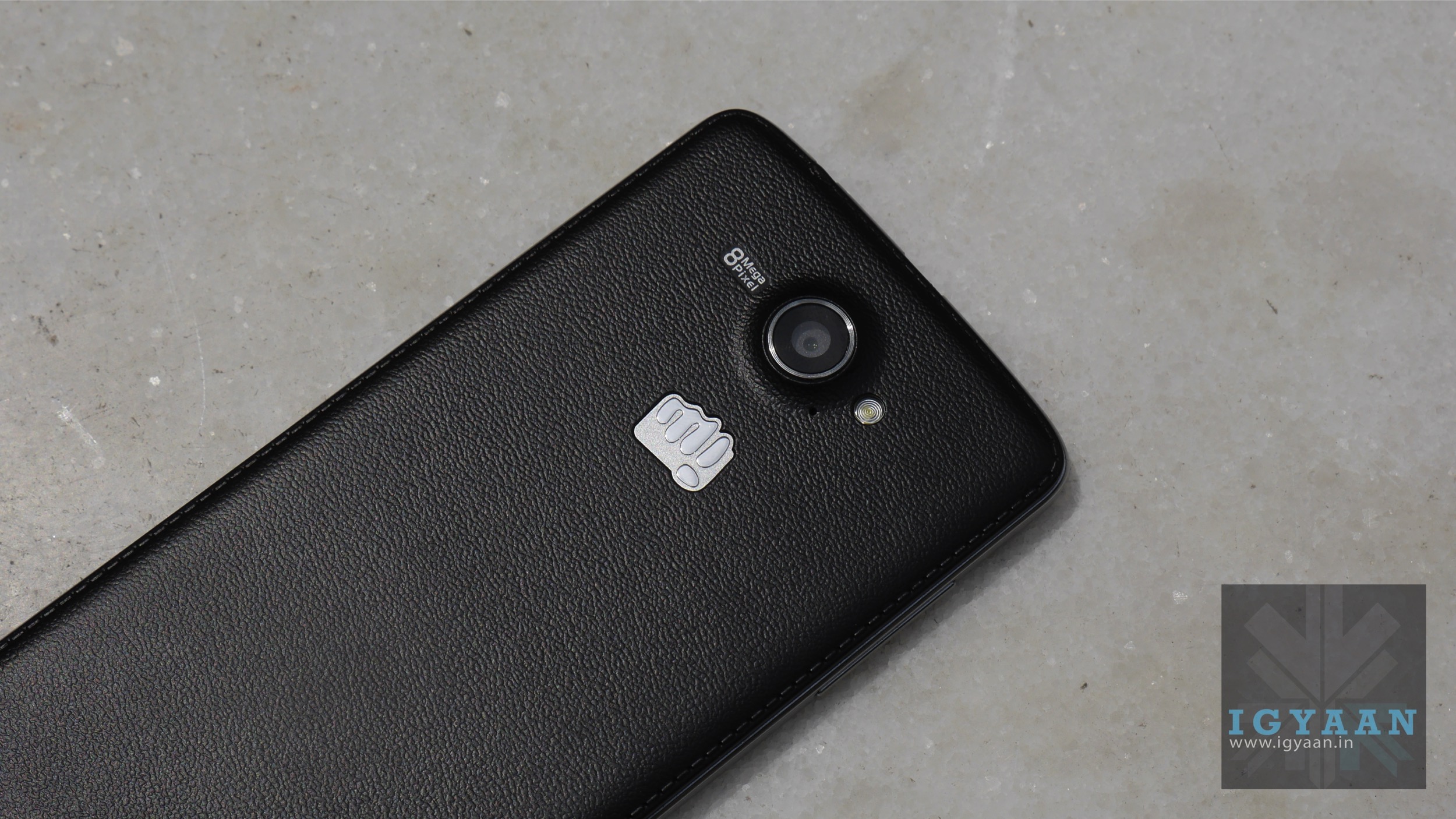
    Though Micromax too doesn’t have any exceptional device in its portfolio, its Indian brand appeal comes to its rescue. The company has been berated for its unsavory after sales service. Recently, the company has hinted at making products based on CyanogenMod that would take care of most of its headaches. The custom ROM is known globally for its stock android experience with amazing customisability features and regular updates. The CyanogenMod-based devices will be released under the brand name ‘Yu’ and are expected to be launched next month. If Micromax plays its cards right, it can literally go places with the Yu. The advice for Samsung has been around for a while, it is to go back to the drawing board and start from scratch, and finally the company is paying heed to it. We just have to wait another quarter to know the further fate of these companies.

  • Lenovo Yoga Tablet 2 830LC Review

    Lenovo Yoga Tablet 2 830LC Review

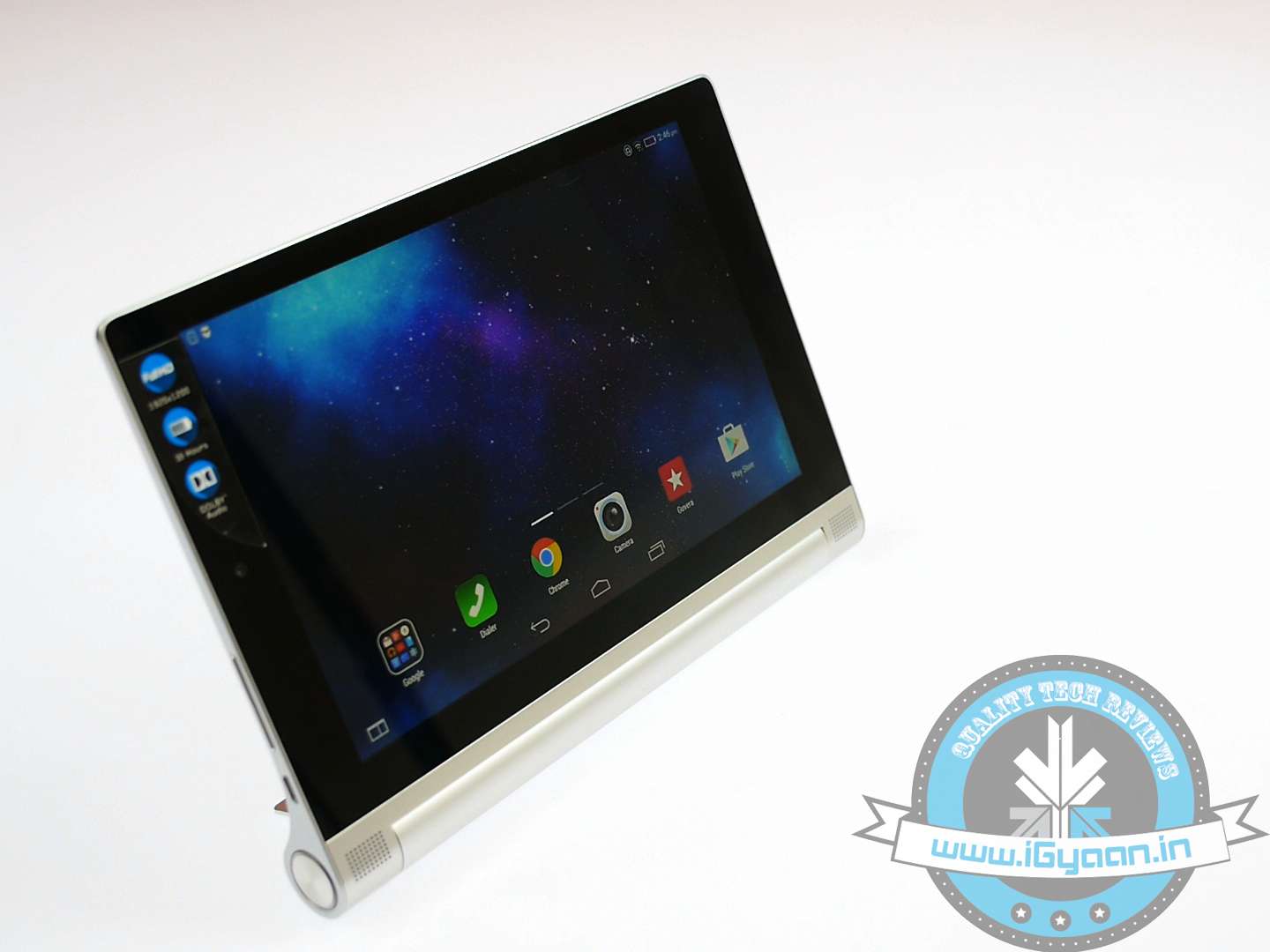
    In today’s highly competitive tablet market, manufacturers are bound to offer an interesting set of specs just to have that slight edge over their rivals. Lenovo recently launched its Yoga Tablet 2 in an attempt to make a mark in this overcrowded tablet market. Does it have what it takes to compete against the big boys including the likes of iPad Retina, the Galaxy Tab 4 or for that matter, the wildly popular Nexus 7. Based on an entirely different form factor, a decent set of specs and a Full HD display, the Yoga Tablet 2 was dying to come to our test lab for a review, and we did not disappoint it.

    SUMMARY

    Strategically priced at Rs. 20,990, the 8-inch Lenovo Yoga Tablet 2 packs a rather interesting set of specs along with a very innovative design. But does it packs enough punch to become a tablet worth shelling out your hard-earned cash? Let’s find out:
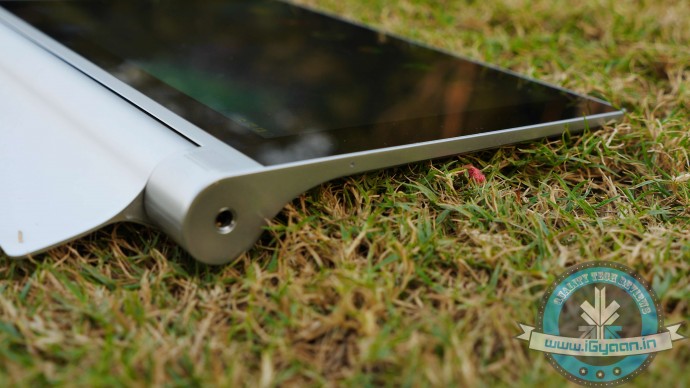
    Yogatablet 2

    HARDWARE

    The Yoga Tablet 2 830LC is powered by an Intel Atom Z3745 quad-core processor clocked at 1.86 GHz. It has a massive 6,400mAh battery that should provide enough juice, while optics includes an 8MP f/2.2 rear camera along with a relatively docile 1.6 MP front snapper.

    On the memory front, the Yoga Tablet 2 offers 16 GB of inbuilt storage expandable up to 64 GB via MicroSD bundled with 2 GB of RAM.

    KEY SPECS

    Specifications

    Lenovo Yoga Tablet 2

    Display
    • 8-inch Full HD IPS display
    • 1920X1200 pixels
    Processor Intel Atom Z3745 quad-core processor clocked at 1.86 GHz.
    Storage 16 GB + microSD
    RAM 2 GB RAM
    Camera Front 1.6 MP HD, Rear 8 MP
    Battery 2 Cell 6400mAH Li-Cylindrical
    Operating System Android 4.4 KitKat

    BUILD QUALITY AND DESIGN

    The 8-inch form factor of tablets is always considered rather comfortable, so the Lenovo Yoga Tablet 2 comes across more of a paperback. It allows easy one-handed usage and comfortably slips into your briefcase making it ultra portable.

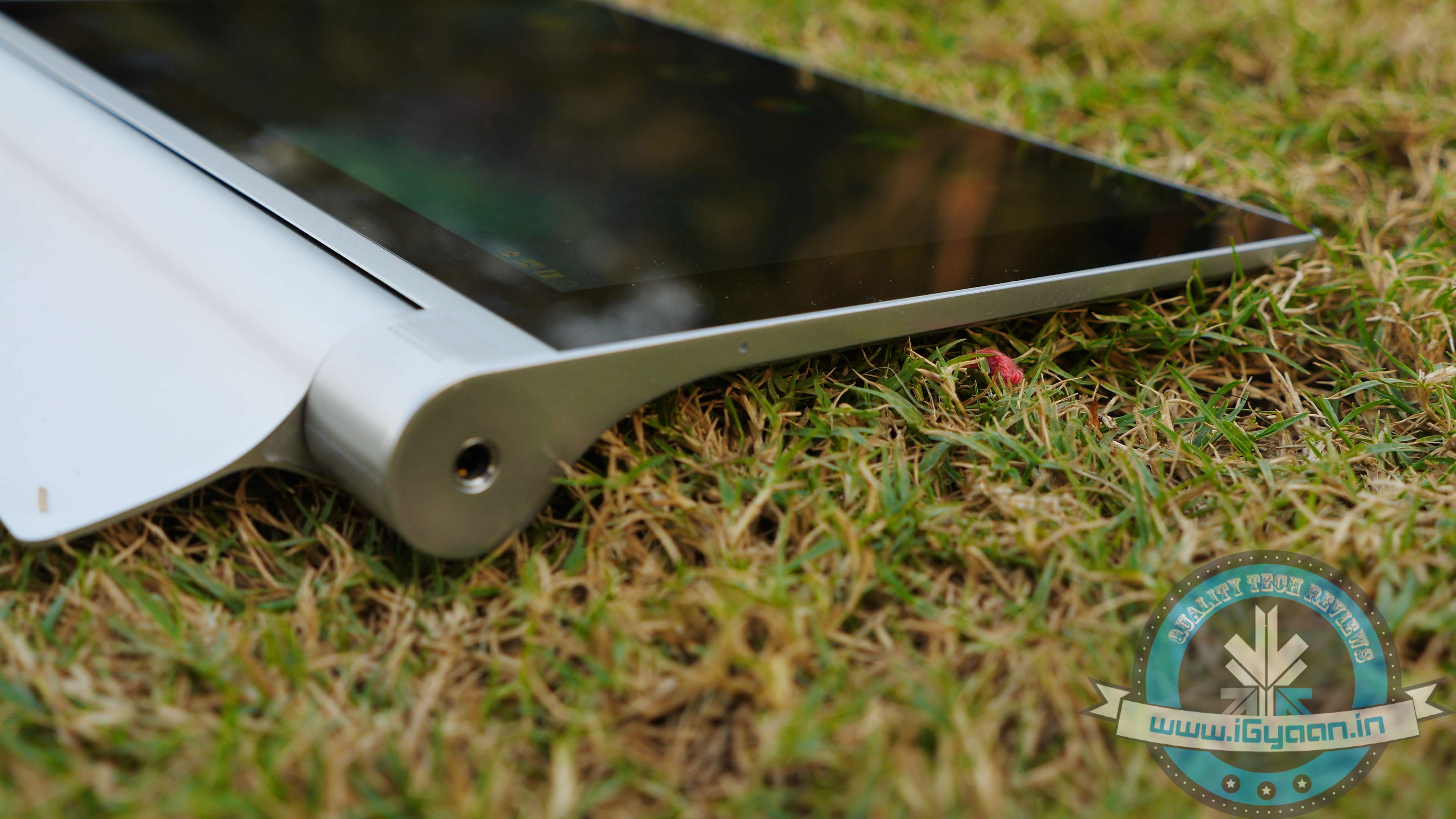
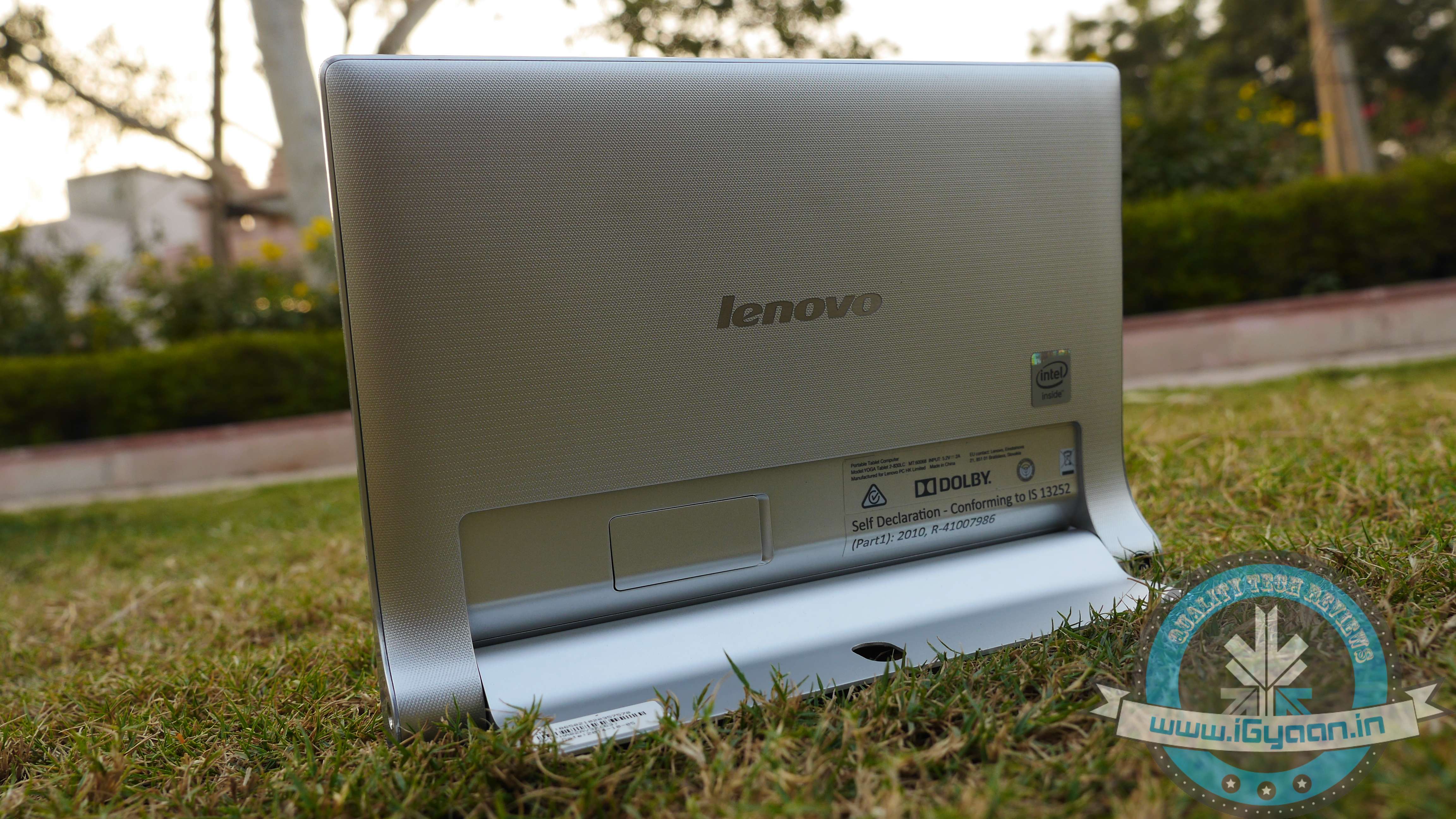
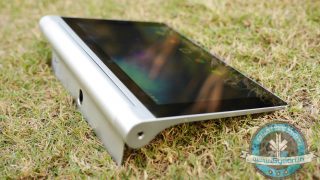
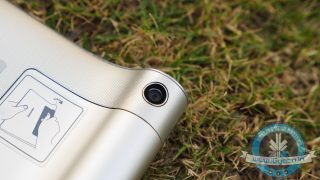
    To kick things off, the first thing that will grab your attention is the tablet’s all metal-magnesium alloy body. Perfect balance of right build and design is what you can expect from this tablet. There’s something intriguing about holding the Yoga Tablet 2; the alloy body gives it a very niche look, being lightweight at the same time.
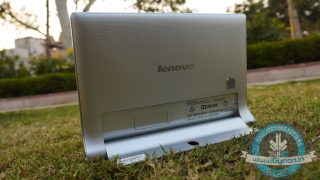

    P1060873 P1060871

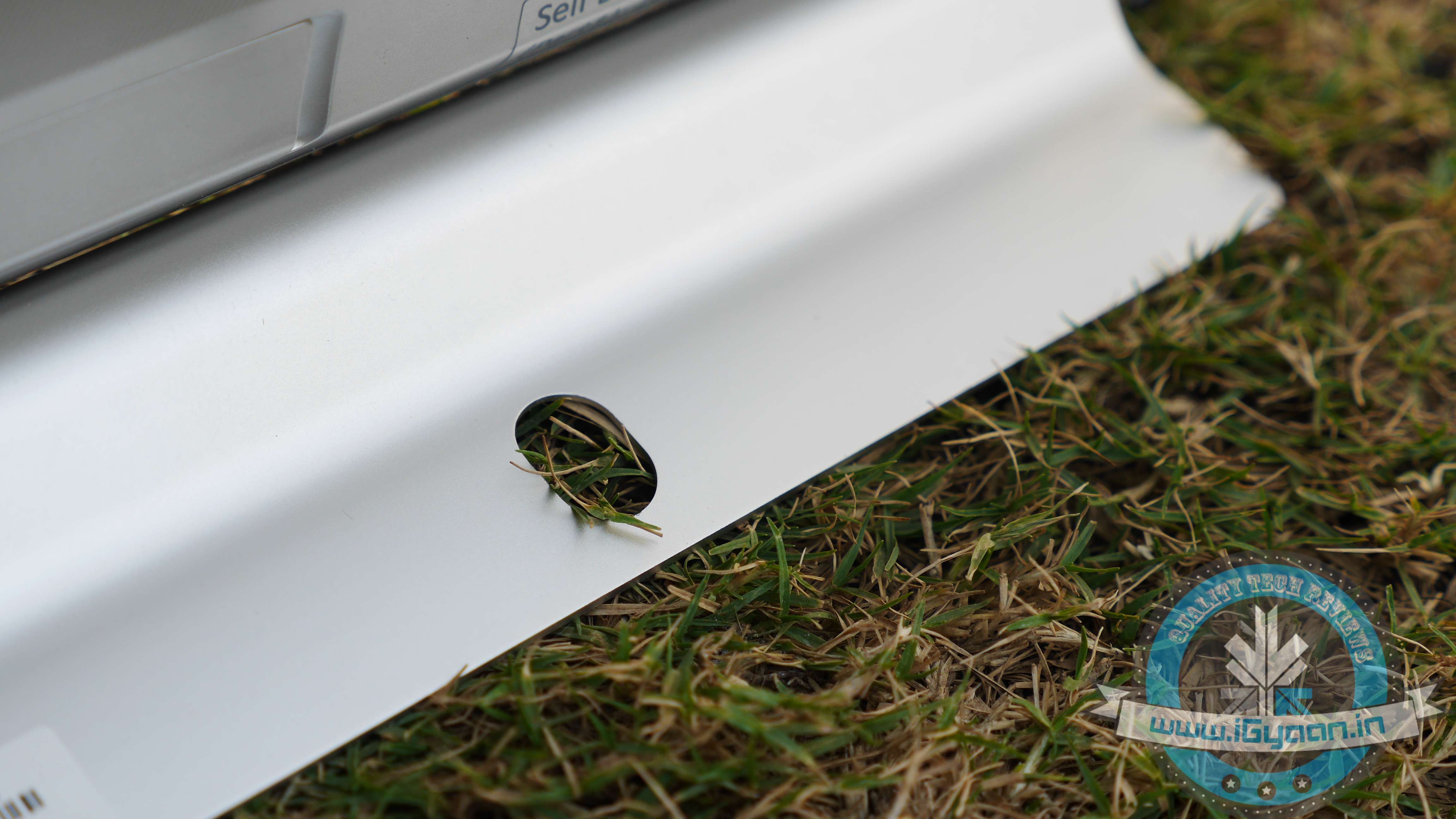
    The real kicker is the nifty stand that flips out in three positions, offering great comfort and viewing angles, no matter which way you want to use it. Whether you’re lazing around or sitting upright at your desk or for that matter even while working out, it truly emanates that hands-free experience. In addition, there’s also a hinge hand that makes it very comfortable to hold on to.

    Certainly, it is one of the most innovative designs at the moment from the usual rectangular slab we’re used to. Be it catching updates from IGN or watching Homeland, you’ll simply love the hassle-free usage.

    However, there’s only one USB port in the entire device with no HDMI slot, which is kind of lame and can certainly put off prospective buyers.

    DISPLAY AND MULTIMEDIA

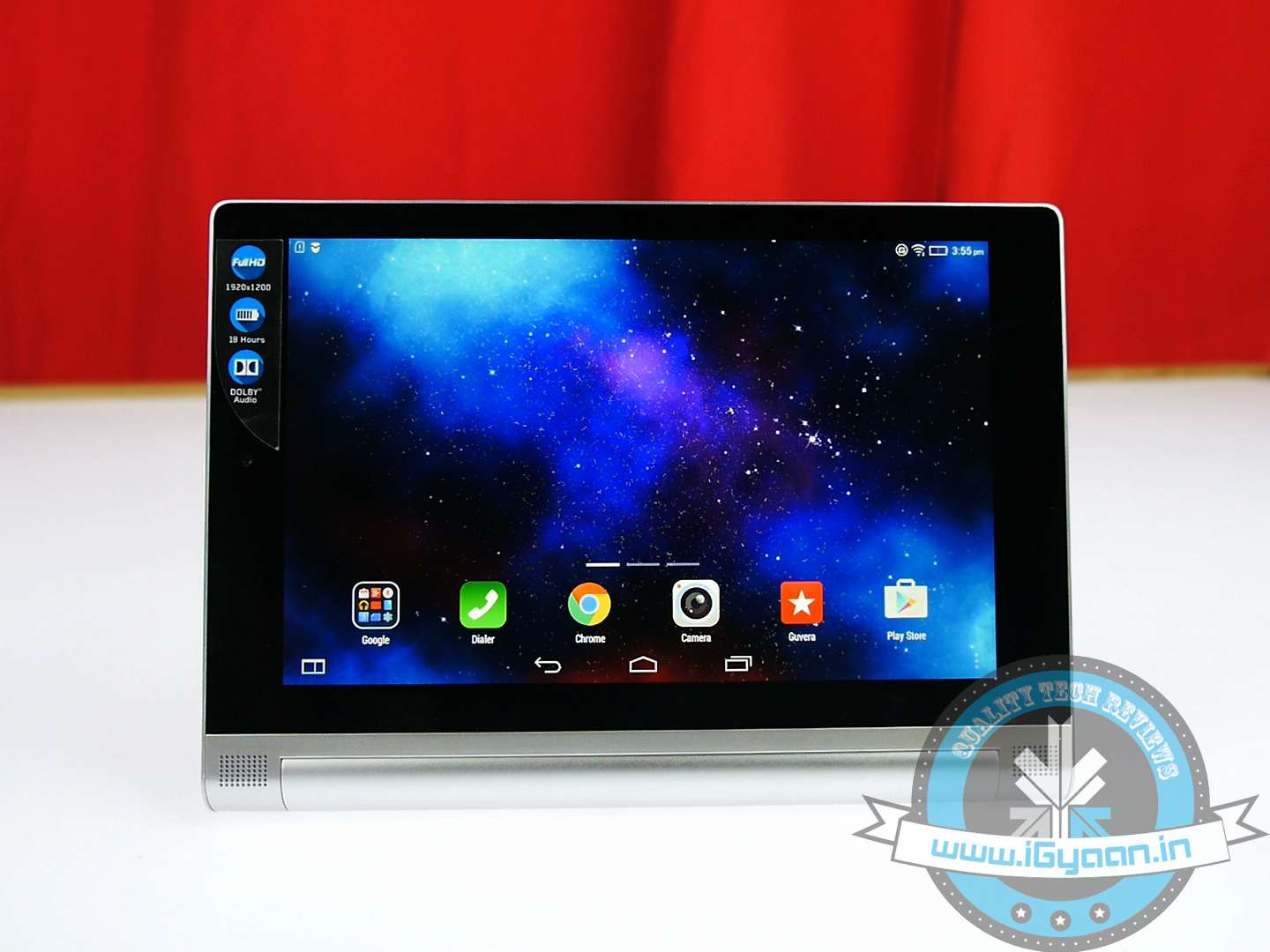
    Given the price of the tablet, it is quite remarkable to have a Full HD display at this price point. The 8-inch screen renders vivid colours and excellent viewing angles. It’s a great device with a gorgeous display whether you’re watching movies, browsing and even gaming. We were quite impressed with the tablet’s 8-inch display.
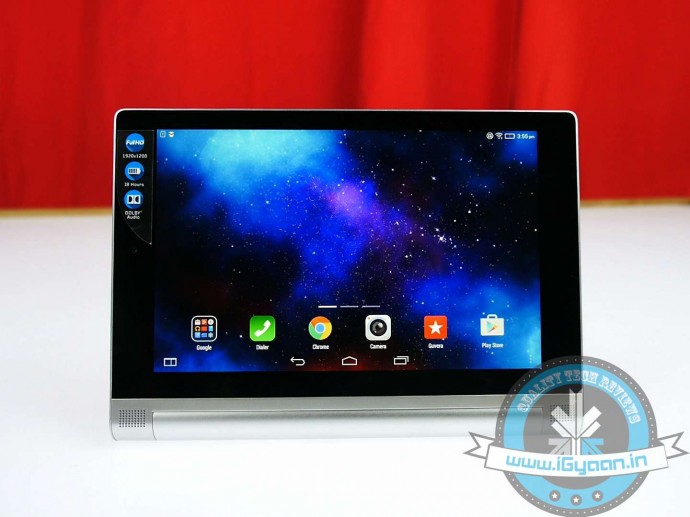
    yogatablet 2

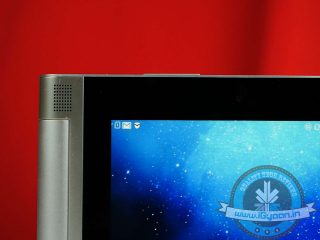
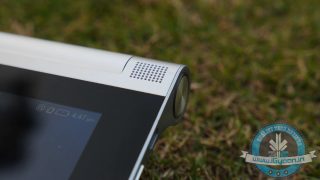
    Playing games or watching your favourite TV sitcoms on the Yoga Tablet 2 is no doubt fun. In addition, the front-facing Dolby stereo speaker packs enough punch that further enhances the whole multimedia experience. Lenovo Yoga Tablet 2 is an entertainment powerhouse.

    CAMERA

    The camera on the Yoga Tablet 2 is apparently its only weaker link. Optics includes an 8MP primary camera. Meanwhile, the 1.6 MP front camera is only decent enough for video chats. There seems to be some issue with our review unit’s battery, so we were not able to take camera samples as the camera unit was detecting low battery backup. Going by the specs, it’s safe to assume that the camera is one of the weaker links of the tablet.

    Eventually, we had to give the camera a very low rating which has affected the tablet’s aggregate score.

    OS and UI

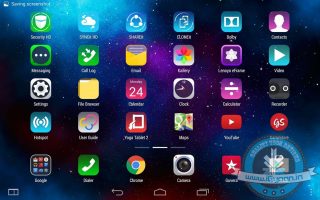
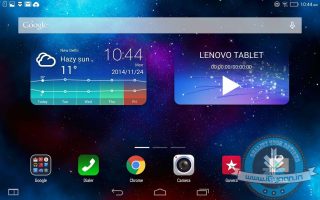
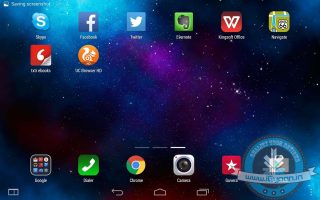
    The Lenovo Yoga Tablet 2 runs on a forked version of Android 4.4 KitKat with a highly customised UI on top. The UI is very reminiscent of the iOS with the same dropdown menu including the home screen.

    Hence, there’s no app tray which some of us would not be comfortable with, but overall, the UI is quite user friendly with nicely laid icons. It will depend on users whether they find Lenovo’s tweaked UI useful. The new layout and icons would need getting used to, though there are some nifty pre-loaded apps that will certainly come in handy for users. Have a look at the screenshots below:

    PERFORMANCE

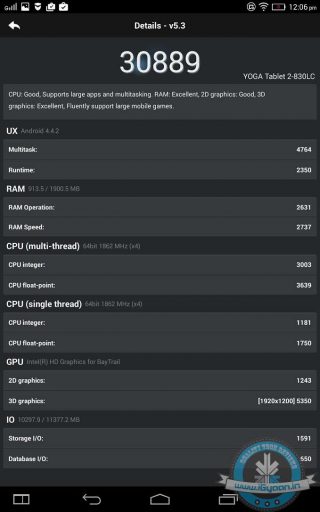
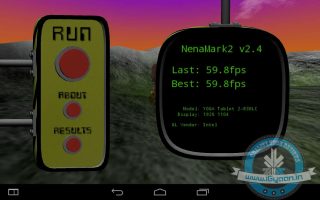
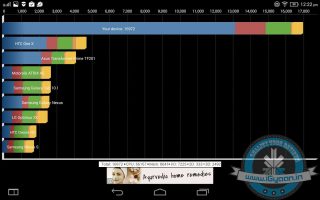
    The 8-inch tablet has a relatively powerful Intel Atom Z3745 quad-core processor clocked at 1.86 GHz. The chipset is perfectly capable of handling multiple apps and runs graphically intensive titles like Asphalt 8 without any hassles. The chipset combined with a hefty 2 GB RAM further bolsters the tablet’s performance, leaving enough room to run multiple apps at the same time.

    The tablet’s benchmark scores are quite impressive and translate into real time performance. Yoga Tablet 2 can handle everything thrown at it from 1080p flicks to graphic intensive games like Asphalt and Real Racing. Have a look at the benchmark scores below:

    TABLET NETWORKS AND BATTERY

    In terms of connectivity, the Yoga Tablet 2 offers great mobility with 3G, Wi-Fi and Bluetooth capabilities including support for 4G LTE. There’s also a SIM slot just in case you’re not in a mood to switch devices. As there’s no internal speaker, one needs to find a suitable place to have a conversation apparently. And of course, you have other options like Bluetooth, earphones etc.

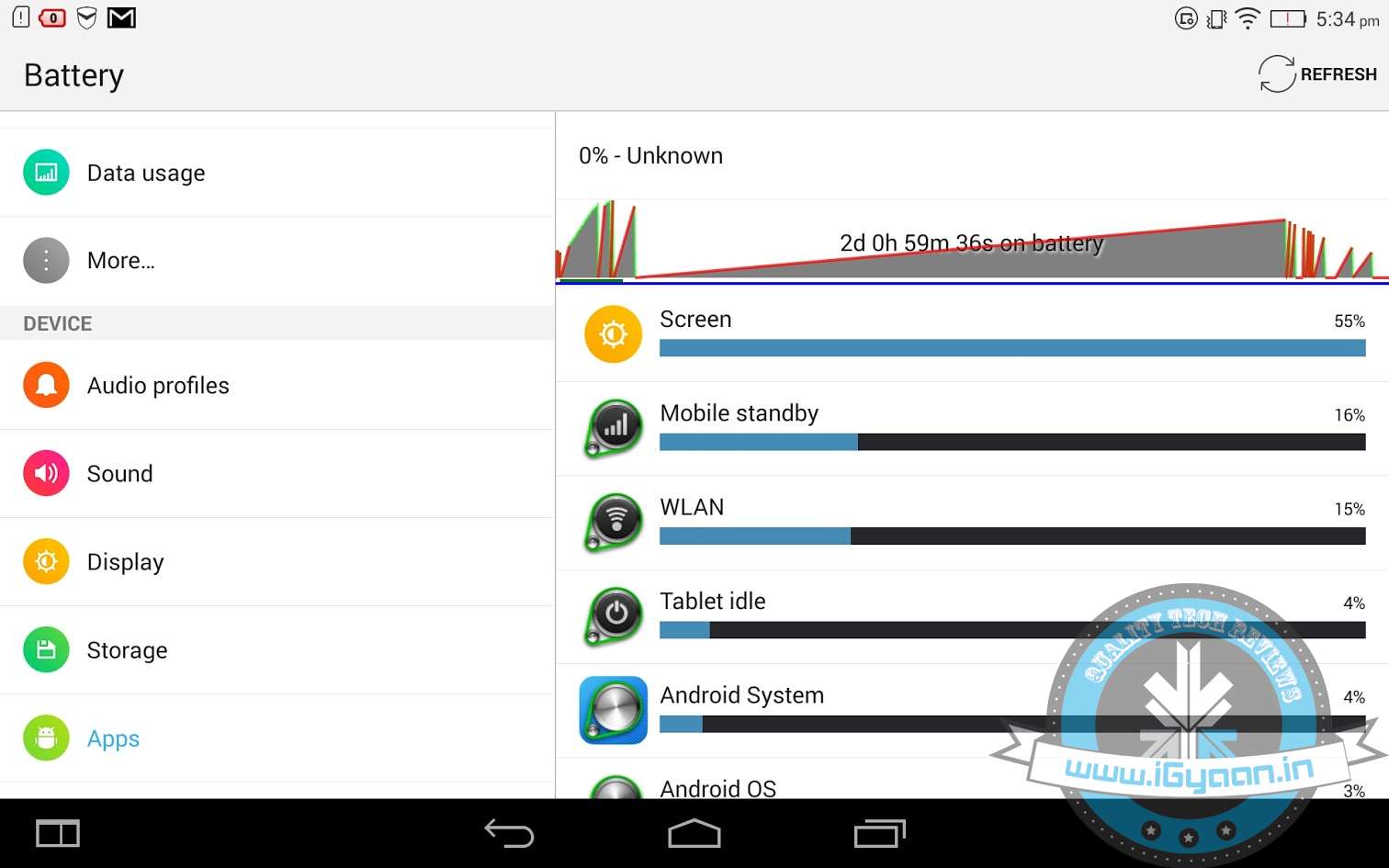
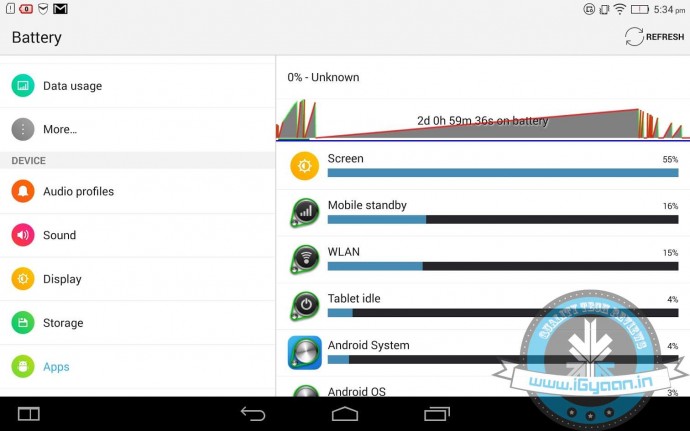
    The 8-inch tablet powered by a Li-ion 6400mAh battery looks quite superb on paper. The battery unit is much larger as compared to the iPad mini and Nexus 7 2013 which come with 4490 and 3950 mAh units respectively. Once fully recharged, Lenovo claims that the battery can last for 18 hours. Though, we would not be able to give you an accurate measure of the tab’s battery performance as our review unit always shows the battery level at zero percent. Still, we could use the tablet for two days in a row after charging it once. The screenshot below might give you a general idea of the tablet’s battery performance.

    yoga tablet 2

    So eventually, this has affected the tablet’s overall rating as we had to give a 5 on 10, which otherwise would have been at least 7.5.

    VERDICT

    Lenovo Yoga Tablet 2 hits the right spot in terms of performance, a Full HD display, innovative design and ease of use. The tablet features one of the best designs in the tablet market, compliments to the nifty little kickstand that significantly increases its usability.

    Apart from the relatively docile camera unit and lack of HDMI connectivity that is rather surprising, the Yoga Tablet 2 has all the attributes you would look for in a mid-range modern day tablet. If you are planning to invest in a mid-range tablet with a great display and top-notch performance, the Lenovo Yoga Tablet 2 should suffice all your needs. It has the attributes to give serious competition to the iPad mini 16 GB and Nexus 7 2013.

    [tw-column width=”one-half”

    GOOD THINGS

    • Innovative Design
    • Ease of Usage
    • Sharp FullHD Display
    • Impressive Performance
    • Great Build Quality

    [/tw-column]
    [tw-column width=”one-half” position=”last”]

    BAD THINGS

    • Weak Camera Unit
    • No HDMI Connectivity
    • No Bundled Headset

    [/tw-column]
  • Indian Moto G (Gen 2) Users to Get Lollipop Update Soon

    Indian Moto G (Gen 2) Users to Get Lollipop Update Soon

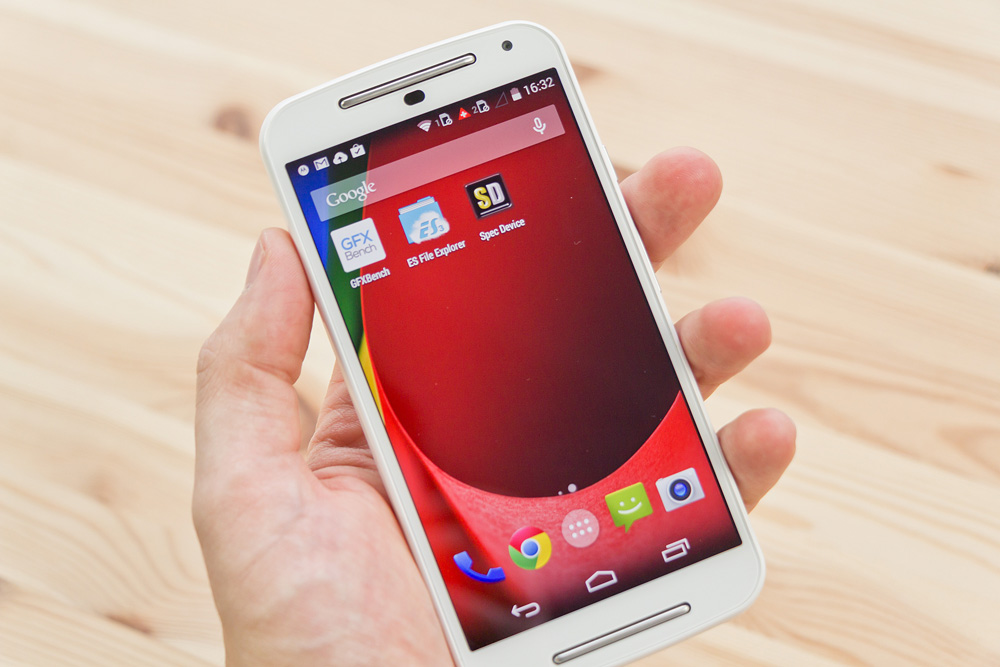
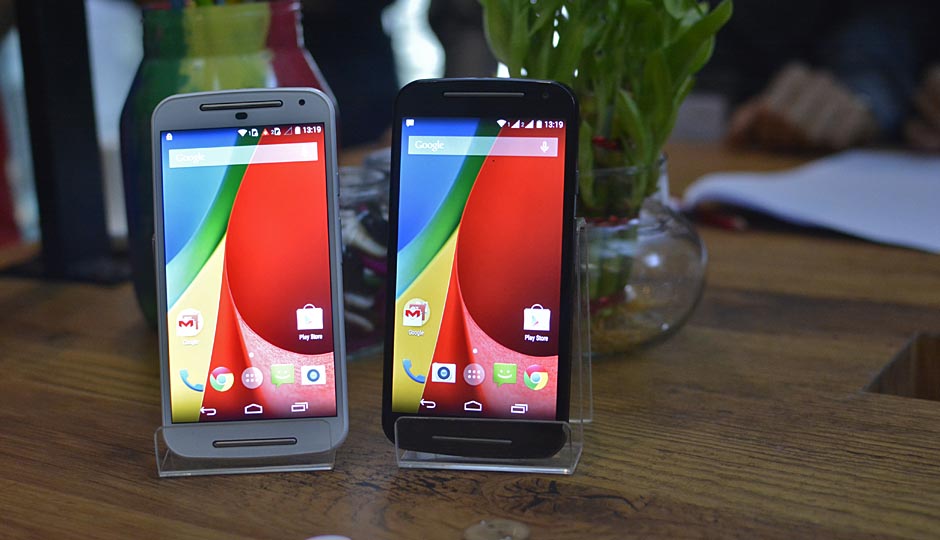
    Motorola has proved that they are in for a serious business with their amazing service and continuous updates. The company has kept its promise and has informed that it will bring the Android Lollipop update to the handsets in India soon.

    In an email to the members of Motorola feedback subscribers, the company has invited the owners of the Moto G (2nd Gen) to participate in an early preview of ‘a new software release’ in the country.

    The email instructed users to click on the link where they can fill out a form providing their name, serial number and IMEI number. While the company didn’t specify that it is releasing the Android 5.0 update, it is quite obvious that the ‘new software release’ at this time couldn’t be anything else.

    29ff51cb9e796400c126bbfbec5ccb045fb5026e

    Considering that the company has already rolled out the update for Moto X (Gen 2) and Moto G (Gen 2) in other markets, India is likely to get the update soon too. Meanwhile, it is also notable that the update will be coming to first gen Moto X and Moto G shortly followed by Moto E.

    Right now, the Nexus lineup is the only series to get Android update. LG has announced the rolled for LG G3 in Korea. Motorola, while launching the 2nd Gen Moto X and Moto G, promised the update for the non-Nexus devices and looks like the company is not going to disappoint us.

  • ASUS Brings its Hybrid Device PadFone Mini for Rs. 15,999

    ASUS Brings its Hybrid Device PadFone Mini for Rs. 15,999

    ASUS has won a lot of hearts in India with its Zenphone series. The low cost – high specs approach has helped the company to make grounds for itself in the saturated market of India. The Taiwan-based company has now brought its innovative PadFone mini to India.

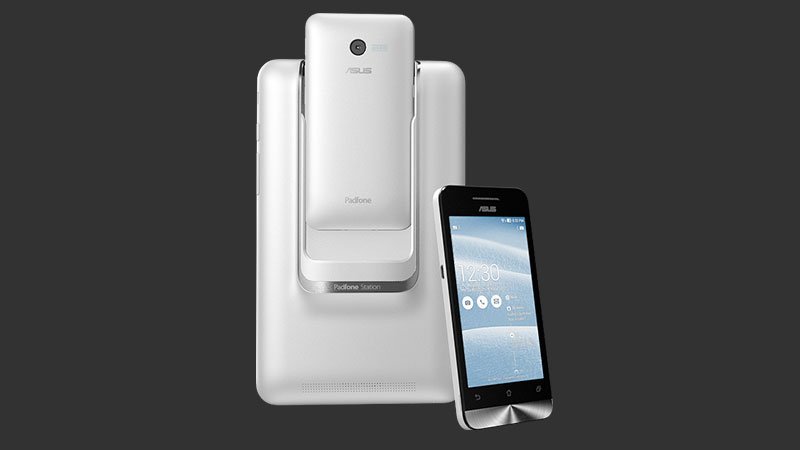
    The PadFone mini is a hybrid device which runs on ASUS’s ZenUI, which is based on Android 4.3 Jelly Bean. It comes with two modules, a 4-inch smartphone, which is fully functional in itself and the time you dock the smartphone in the 7-inch display and voila, you have a tablet!

    The processing bits of the 4-inch PadFone are handled by a dual-core 1.6 GHz Intel Atom Z2560 processor along with 1 GB of RAM. The internal storage on the device stands at 8 GB and can be expanded up to 64 GB. ASUS also offers 5 GB free lifetime cloud storage on ASUS WebStorage.

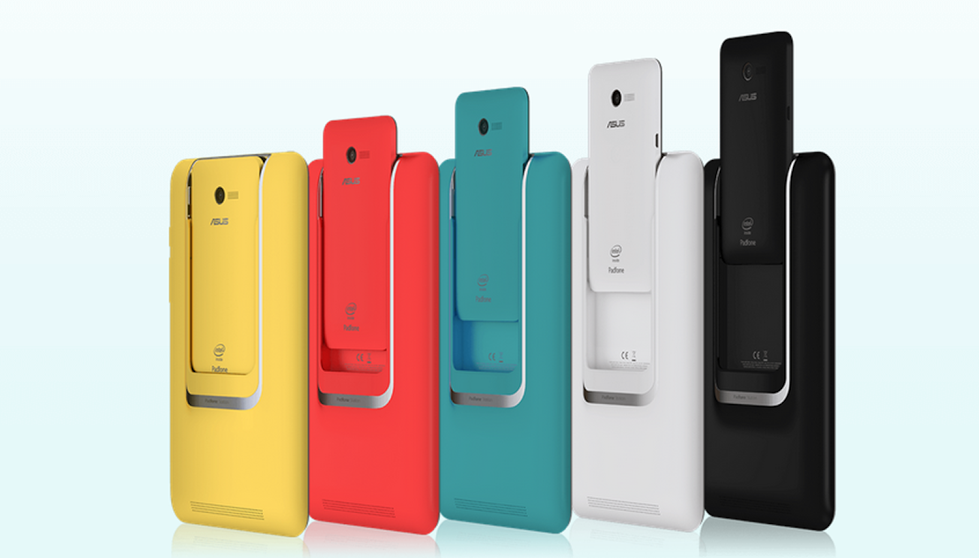
    PadFone Mini comes in multiple color options.
    PadFone mini comes in multiple color options.

    The 4-inch smartphone has a resolution of 800x480p. The 7-inch tablet, on the other hand, has a resolution of 1280x800p, which would make it a good multimedia device. The PadFone mini gets its juice from a 2100mAh battery, which seems rather ill-equipped for a tablet. The phone has a battery of 1200 mAh that might give a satisfactory performance on the 4-inch display.

    The company claims that it will be updating to Android KitKat 4.4 soon. This might be an alternative to people who go for phablets instead of tablets. The pocket-sized phone coupled with a 7-inch display makes this a multi-functional device. There is no alternative to this device so it won’t face a lot of competition. At an affordable price of Rs. 15,999, the device will find a good number of takers whether it’s some tech connoisseur or ordinary folks looking to try something new.

  • Xiaomi Redmi Note Launched in Two Variants, To Go on Sale on 2nd December

    Xiaomi Redmi Note Launched in Two Variants, To Go on Sale on 2nd December

    Xiaomi added the third device to its India portfolio today. The Chinese electronic powerhouse brought two variants of the Redmi Note to India. The devices will go on sale on the 2nd of December.

    As reported earlier, the basic 3G variant will carry octa-core 1.7 GHz MediaTek chipset whereas the surprise offering of the 4G version will sport 1.6 GHz quad-core Snapdragon 400 chipset. The 4G variant is specially made for India, and it has dual-band support for both TDD-LTE 2300 MHz (Band 40) and FDD-LTE 1800 MHz (Band 3).

    Being Xiaomi, there was a last-minute surprise in the pricing front. The 3G variant of the phone comes at a price of Rs. 8,999, while the 4G variant will be up for sale at Rs. 9,999. Considering the offering of a superior processor and 4G capability by shelling just a thousand rupees more, it would be advisable to go for the 4G variant.

    One bit of spec sheet that will tilt the scales even further towards the 4G variant is the expansion of the memory. While the 3G variant gives an expandability option of 32 GB, the 4G variant lets you increase you memory capacity to 64 GB via external storage. So the 4G variant is definitely more bang for the buck.

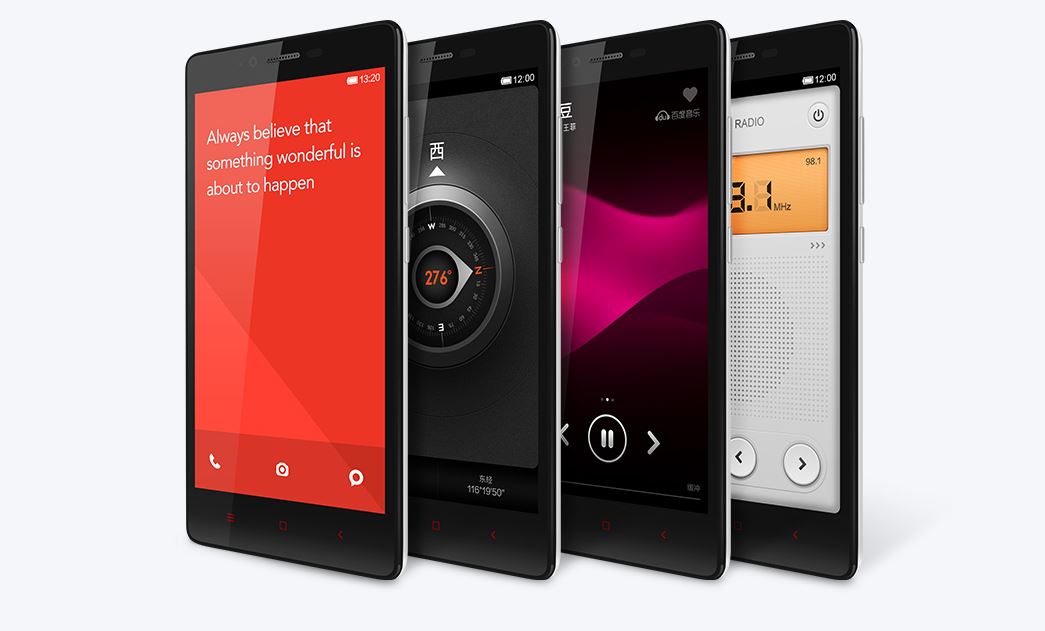
    The USP of the device is its 5.5-inch 720p IPS display. The massive screen coupled with a good processor will put out some great performance. We can safely assume that Xiaomi is going to repeat a vanishing act soon with its third offering for India.

  • Everything You Wanted to Know About the Upcoming Redmi Note

    Everything You Wanted to Know About the Upcoming Redmi Note

    Xiaomi is about to add a third member to its Indian family. The new device will sit comfortably between the flagship challengers Mi3/Mi4 and the low-end market disrupter Redmi 1S. Xiaomi’s Redmi Note will not be just the third offering from the company; it is also a big screen multimedia lovers delight on a budget. We tell you all that makes the device so unique.

    The Specs

    Just like Xiaomi’s other offerings, the Redmi Note is good on specs front. It is powered by an octa-core 1.7 GHz processor from MediaTek along with 2 GB RAM. The device gets its juice from a healthy 3100 mAh battery. It has 8 GB of internal memory that is expandable up to 32 GB. The phone is a solid purchase even on the camera front. The main camera is a 13MP shooter, while the front sports a 5MP selfie shooter.

    The Display

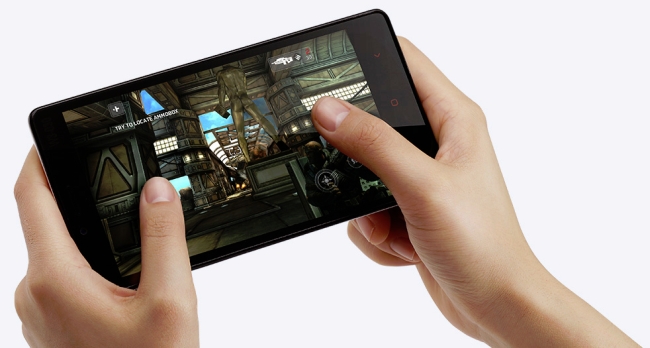
    The huge screen will be appreciated by Gamers, readers and multimedia lovers alike.
    The huge screen will be appreciated by gamers, readers and multimedia lovers alike.

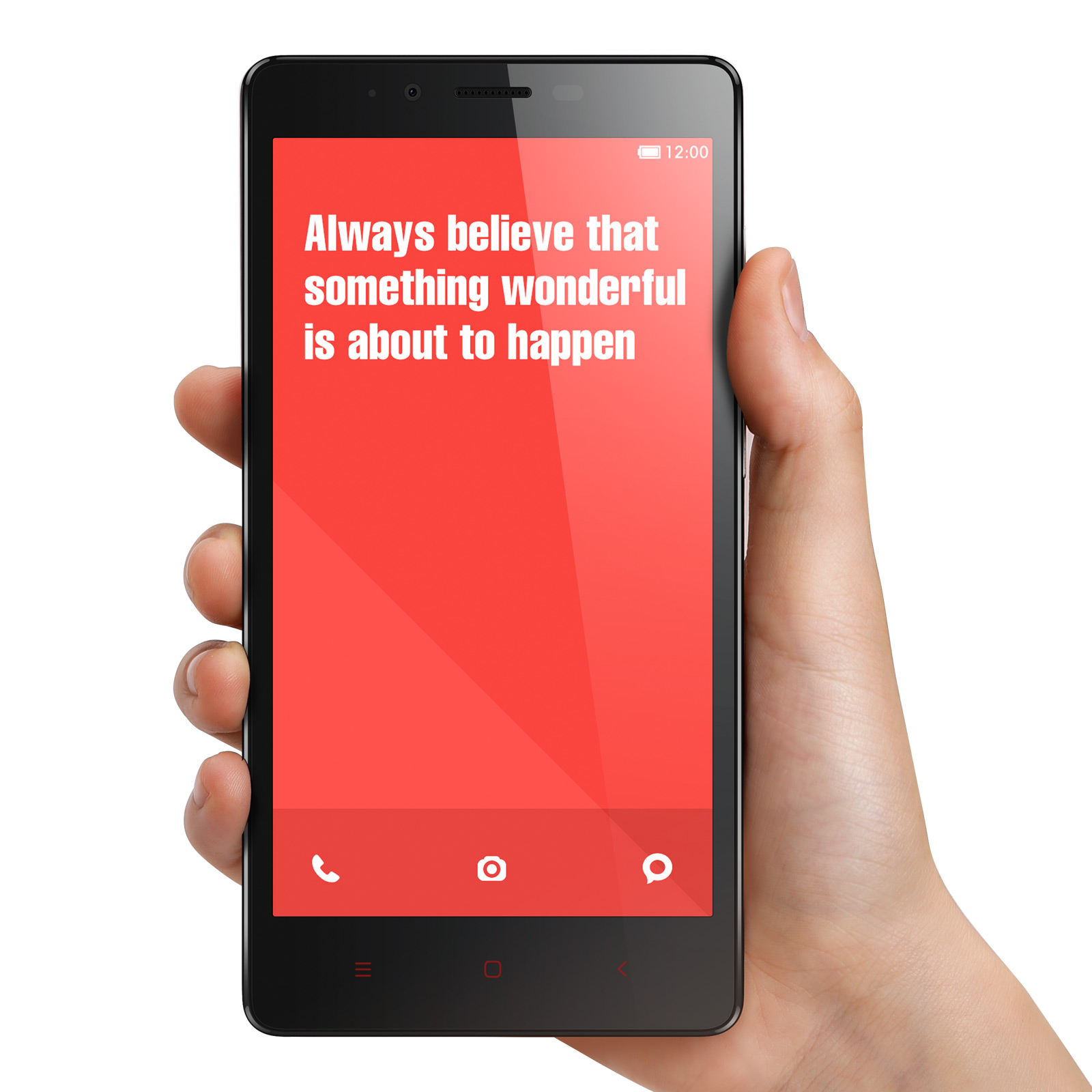
    Redmi Note flaunts a 5.5-inch 720p HD IPS display. This will be a delight for multimedia enthusiasts, e-book readers and gamers alike. With 267ppi, the display of the device has lower pixel count in comparison to the Redmi 1S, so don’t expect the same level of quality. It also doesn’t have the Gorilla Glass protection as is available on the Redmi 1S. So you’d need to spend on a screen protection.

    redmi note
    MIUI makes the device unique.

    MIUI

    The Note, of course, carries Xiaomi’s own MIUI, which is one of the best user interfaces out there. With a slew of regular updates, MIUI is always working towards being bug-free. Xiaomi has released MIUI 6, which is its latest UI buy it is not sure as of yet if the Redmi Note will be getting the update.

    Battery Power

    The huge battery that powers Redmi Note is one the winning features of the device. The company claims that the phablet can run 14 hours on 3G use, 38 hours on 2G use and offers up to 60 hours on music playback.

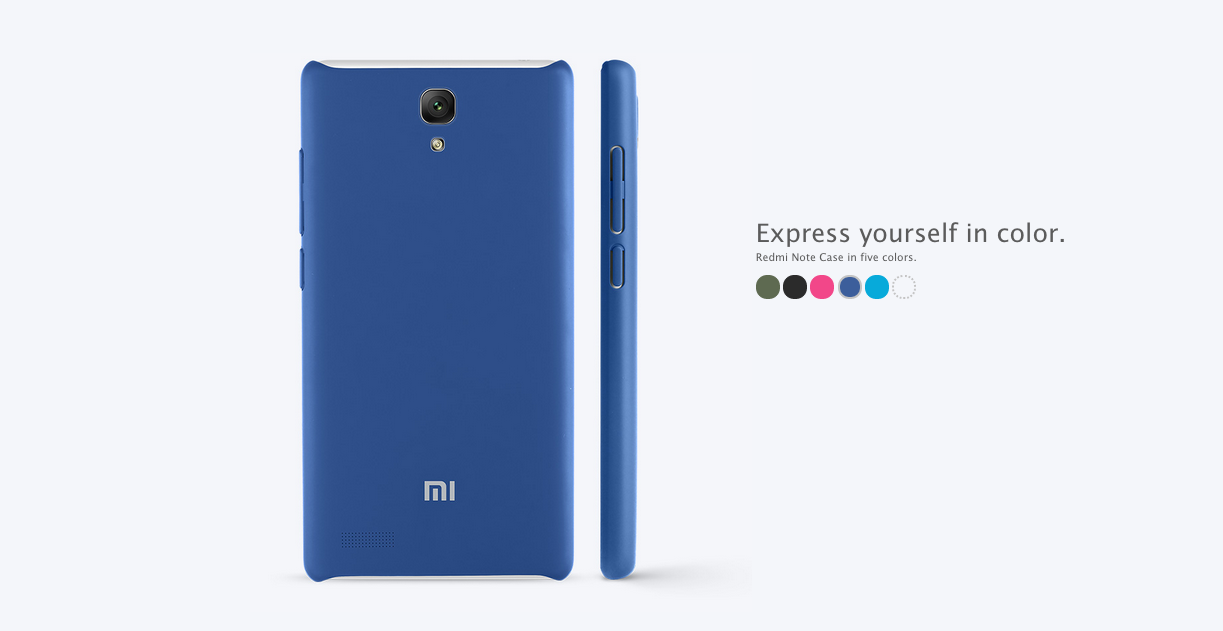
    Note Cases

    Redmi Note Color Case

    Considering the device’s Chinese upbringing, it comes in multiple colour options. These include classy navy blue to hot pink, whatever pleases you.

    Overall, this is a great multimedia device on a budget. It has good specs, and the massive screen is its USP. This dual-SIM phablet is the bigger sibling of Xiaomi Redmi 1S and it sure will attract the same kind of attention. The device is expected to be priced at Rs. 9,999 but we will wait till the launch to confirm the same. So keep checking iGyaan for more.

  • BitBite is Your Mom on the Move, Tells You to Eat Right and Chew Slowly

    BitBite is Your Mom on the Move, Tells You to Eat Right and Chew Slowly

    Eating healthy is hard. With the massive amount of junk food options in the market to gobble up, a healthy diet takes a back seat. So how do you keep fit in the times when you have to be on the move and eat fast to get back to work? Your mom cannot be everywhere with you to make sure you eat right, but one tinsy tiny gadget might just take her place to maintain your eating habit.

    Say hello to BitBite, a tiny wearable that slips comfortably in your ear and using sound and motion, observes if you are eating right and chewing through. This wearable tracks what you eat, when you eat and how you eat. Using the analysis of sound and tracking patterns of your jaw movement, it observes what you eat. In the future, the device will be able to suggest you healthy alternatives to what you are eating.

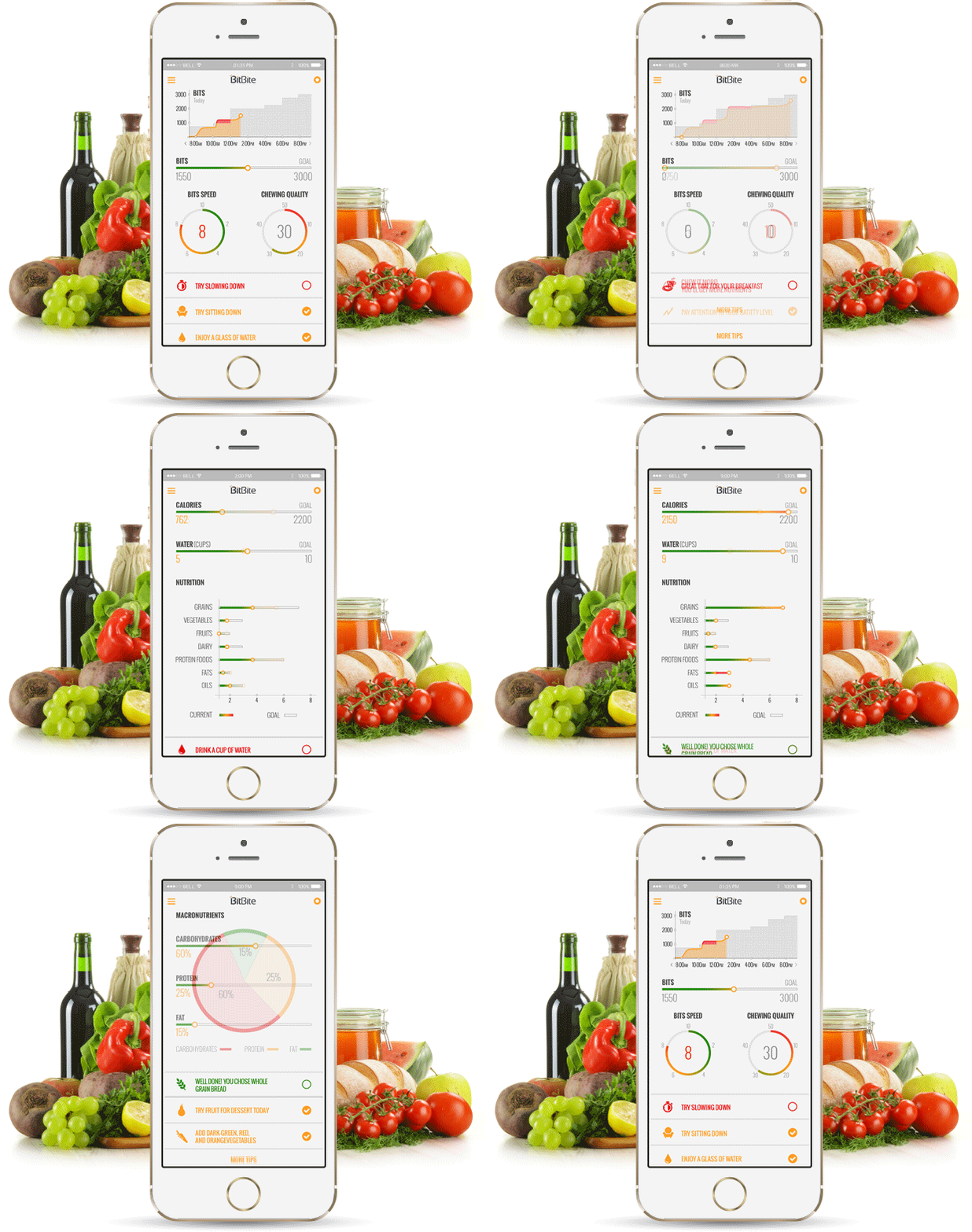
    The mobile app does the number crunching and analyzes your eating habits.
    The mobile app does the number crunching and analyzes your eating habits.

    According to the creators of the device, this minuscule device was developed in co-operation with dieticians and nutritionists. It contains a microphone and additional sensors that record and perform initial processing of the incoming sounds, after which the smartphone app takes care of the number crunching bit. Fortunately, unlike your mom, you can turn it off when you are really in a mood to indulge into some gooey goodness.

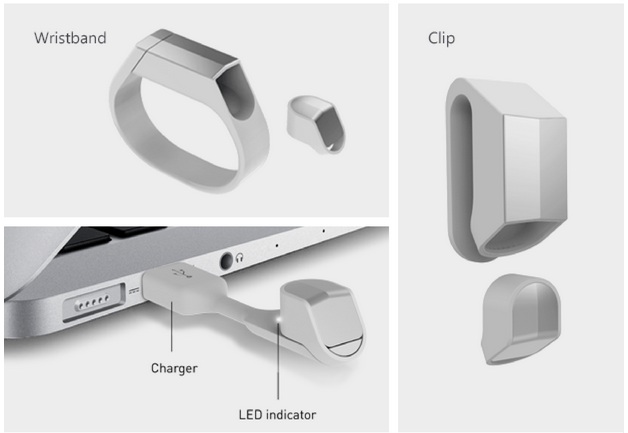
    If you don’t want to join the BlueDouche tribe, then there are some other options to get BitBite by which can start healthy grubbing. The device gives you the option of wearing it on your lapel with a clip in a wristband. It functions as a regular Bluetooth device when not eating.

    There are multiple attachments for the BitBite.
    There are multiple attachments for the BitBite.

    The device works with both iOS and Android devices. The company has achieved 75% of its initial goal of $60,000 on Indiegogo, with 22 days still left to go.

    Well, it’s great to see what you eat but it’s also great to indulge once in a while. We as humans have invented a plethora of amazing foods that varies with the palate of different places. Eating right is just a part of healthy living; it’s also important to exercise and drink loads of water. But it is great to see how technology can be used for the benefit of an average person, and with apps like Google Fit, it’s easier than ever to stay fit. So after reading this, get up and do some jumping jacks for your sake.

  • Come January End, Android One Devices Will Get Their Lollipop

    Come January End, Android One Devices Will Get Their Lollipop

    The latest Android mobile OS Lollipop has already hit the devices such as Google’s Nexus 5 and Nexus 7 tablet. However, it was uncertain till now that when will Android One devices get the new update.

    According to recent reports, the Lollipop update for the Android One phones is ready and consumers may start seeing it on their phones as early as the middle of December. This means that starting next month, you can expect your Android One to get an update via OTA.

    Although Google has remained quiet about the update to Android One devices, Spice, the company which made Dream Uno phone for Android One programme, has stated that the Lollipop update to its users will be rolled out by the end of January. “We plan to provide Lollipop in our Android One devices around January 2015 and the update will be available for all Dream Uno users in India,” stated Prashant Bindal, CEO, Spice Mobility.

    The Android One initiative was taken by Google to boost the smartphone adoption rate in emerging markets. Google launched Android One handsets with great promises not just by the company, but also by the homegrown players that collaborated with the search giant and came out with inexpensive handsets. Though, the Android One smartphones, which are priced at Rs. 6,399 onwards, have been advertised more than any other handset launched by the three companies, they failed to get the desired response.

    India is the first country where the California-based firm’s Android One devices have been launched. Roll out across other markets like Indonesia, Philippines, Pakistan, Bangladesh, Nepal and Sri Lanka will follow in coming months.

  • Nexus 7 Experiencing Performance Issues Post Lollipop Upgrade

    Nexus 7 Experiencing Performance Issues Post Lollipop Upgrade

    Well, Android 5.0 Lollipop got all of us excited when we got hold of it. The new operating system (OS) update is described as a ‘quantum leap forward’ by Google and has got an overwhelming response from the critics, escalating the desire for the software exponentially.

    However, it’s just one side of the story. Many early adopters of the Android’s latest upgrade are complaining about the new OS. One of the most talked-about issues is that the update causes Google’s own Nexus 7 tablet to run slowly and crash repeatedly.

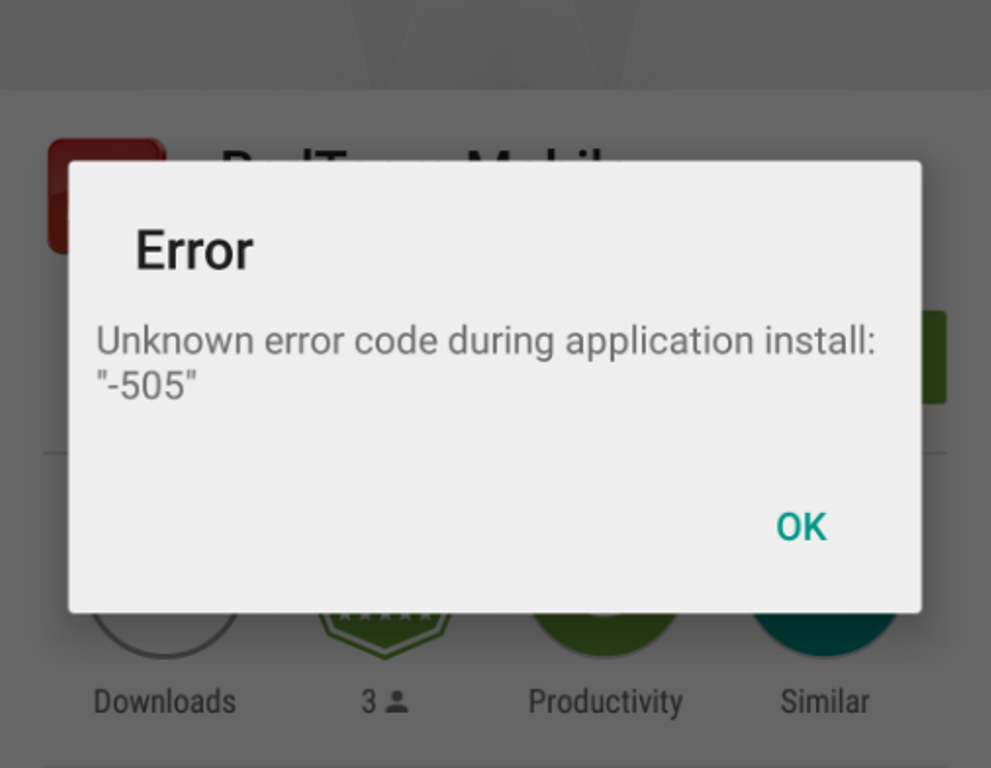
    The users have also complained on Adobe forums that installing Air apps would show a non-descriptive error message, “-505”. On this, Adobe said that it had not been aware of this ‘critical’ bug before Tuesday and had escalated it to Google. According to a post by Program Manager Chris Campbell, the issue has been ‘escalated to Google,’ seemingly pointing the finger at the search giant rather than in its own camp. Campbell said that the company had not been aware of what he described it as a ‘critical’ bug before November 18.

    error 505

    Although, the first wave of the update has already reached the users, many Android-based smartphone makers are withholding the OS till the device testing is complete. It is quite notable that most of the complaints appear to be related to Google’s own-branded smartphones and tablets.

    Nvidia, LG and Motorola have also released Android Lollipop update for some of their handsets and tablets. Dozens of complaints have been posted to Google’s forums stating that owners of the 2012 version of the Nexus 7, in particular, are experiencing performance issues. If nothing else, Google is likely working quickly to ensure these problems are fixed as more devices are expected to receive the update soon.

    It has been a weird year for both the mobile operating system giants. Even the new iOS launch was mired in complaints regarding decreased performance and Apple had to face some flak for that. The pressure of bring new product in the earliest possible time to leads to bugs like these. Updates are fast becoming the buzzword for judging an operating system so it is advisable to the companies to take time with their homework so that they can give a quality update. As the old saying goes slow and steady gives the best bug-free update, or something like that.

  • Nokia Gets Overwhelming Response on Play Store for The Z Launcher

    Nokia Gets Overwhelming Response on Play Store for The Z Launcher

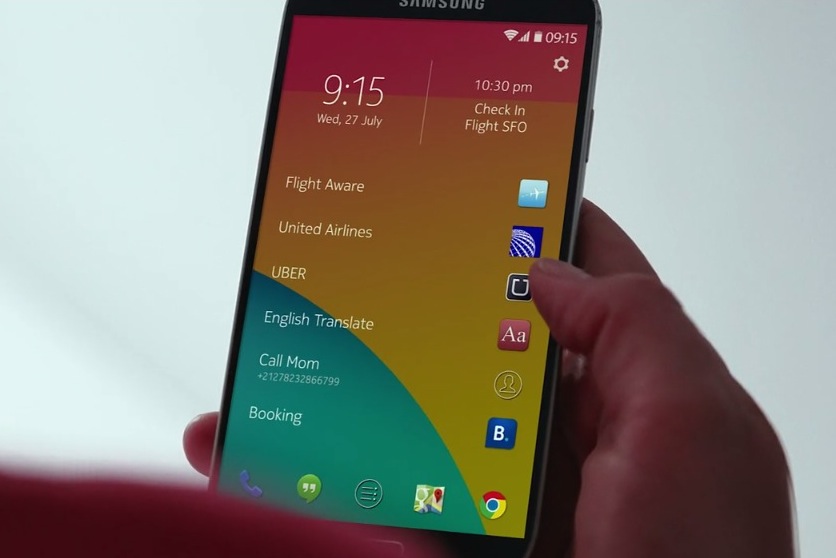
    Nokia may be down but in no way out. After announcing its upcoming N1 tablet, the Finnish giant has now declared its Z launcher on the Google Play Store. Originally announced earlier this summer with a limited beta program, Z launcher is a third-party Android home screen and launcher for Android. The app has received an overwhelming response from its users. It has been downloaded over half a million times within few hours of its announcement.

    The Z launcher has an entirely different take on the home screen. It removes the hassle of multiple home screens and provides users with one single page. The new launcher can analyse users’ habits and displays apps that they need most depending on the time of the day. It also allows users to search apps quickly on the surface of the screen; for instance, an F shape will pop up Facebook and other apps that start with the letter F.

    zlauncher

    Nokia has done some fine-tuning with the Z launcher with improvements to speed and performance, scribble recognition and better prediction algorithm. The app is available for devices running on Android 4.1 to Android 4.4. As of now, the Lollipop version has not been rolled out, but we can expect Nokia to release a compatible version very soon.

  • Micromax Launches Cyanogen-Powered Brand ‘Yu’ for Advanced Users

    Micromax Launches Cyanogen-Powered Brand ‘Yu’ for Advanced Users

    Micromax, the second biggest smartphone company in India, has some great plans for the upcoming future. Now with the intention of providing a unique user experience, the company unveiled their new brand called Yu.

    According to the company’s Yu Televentures, will be a wholly owned subsidiary of Micromax Informatics. It’s the offspring of a tie-up between Micromax and Cyanogen. Cyanogen is, of course, known world over for making one of the best custom ROM’s for Android smartphones. So this tie-up will surely mean good things for the Indian consumers.

    Micromax co-founder Rahul Sharma said “This will be a game changer, not just in India, but globally too. Yu has been envisioned for building an ecosystem of connected devices and offer customized experience to users.”

    Considering the use for a device with heavy customizability is for advanced users, the products of the brand Yu will be sold online. The company is currently in talks with e-commerce companies to pave a path for the roll out of these devices. The first device from this brand will be introduced next month.

    In line with the open source nature of Cyanogen, Yu will be setting up a forum where the users can contribute with ideas and tweaks for the operating system. The suggestions from this forum might get incorporated in the fortnightly updates. For folks who complain about the unavailability of updates on Indian manufacturers, this should be welcoming news.

  • T-Series’ First Smartphone Intends to Take on Redmi’s Market with a Lacklustre Device

    T-Series’ First Smartphone Intends to Take on Redmi’s Market with a Lacklustre Device

    Remember T-series? If you are from the 90s, the name brings in the memory of religious cassettes that parodied Bollywood numbers. Well, times have changed, and the company has become a major force in the Indian entertainment industry. The company has now introduced their first attempt in the smartphone industry with a device that doesn’t have much appeal on the spec sheet.

    The phone is called SS909 has been created in association with Shachii Gizmo Ltd which is its mobile subsidiary. The processor on the device is a 1.3 GHz quad-core processor along with a 512 MB RAM, which is really limited in times when 1GB RAM is fast becoming the norm. The device has 4 GB internal memory; expandable up to 32 GB and runs on Android 4.4 Kitkat.

    The display on the device is a 4.5 inch IPS display. The main camera is an 8 MP shooter whereas the front camera is 2 MP. The cameras are the only arena where the camera matches the Redmi on the spec list, but the quality of the images is still unknown. The SS909 gets its juice from a measly 1600 mAh battery.

    The device is 3G capable and is available on Snapdeal for Rs. 5799 and comes with a free flip cover. The device is a decent budget purchase. Don’t expect exceptional gaming performance or high-quality video playback. This can be a device for someone looking for their first smartphone after a shift from feature devices. It can also be a pride purchase for someone wanting to buy locally made devices.

  • Top 5 Apps That Already Feature Android’s Material Design

    Top 5 Apps That Already Feature Android’s Material Design

    Back in Google I/O 2014, we first learned about Google’s Material Design language. Since then, we have slowly but surely seen bits and pieces of it rolling out to various Google and 3rd-party apps. And now with Lollipop rolling out gradually, Google has been pushing hard to bring Material Design to all its possible apps while encouraging developers to do the same. Third-party developers are already moving forward with the help of Google’s guidelines.

    We are listing top 5 apps that already feature Material Design.

    1. Wally

    wally

    One of the first to adopt Material Design, Wally offers a database of wallpapers, which is sorted by category and colours. This app has provided an example how Material Design can be achieved without the Android 5.0 Lollipop update, after which many developers adopted this strategy.

    2. Androidify

    Google recently updated the Androidify app to version 2.0. The update has more to do with branding and avatars related to the Lollipop version of the Android. The surface of the app has also been improved with a flatter design that Material Design inspires.

    3. Numix Calculator

    Yes, even calculators have been given a makeover with Material Design. The updated Numix Calculator will make you love Algebra more. Well, we guess so.

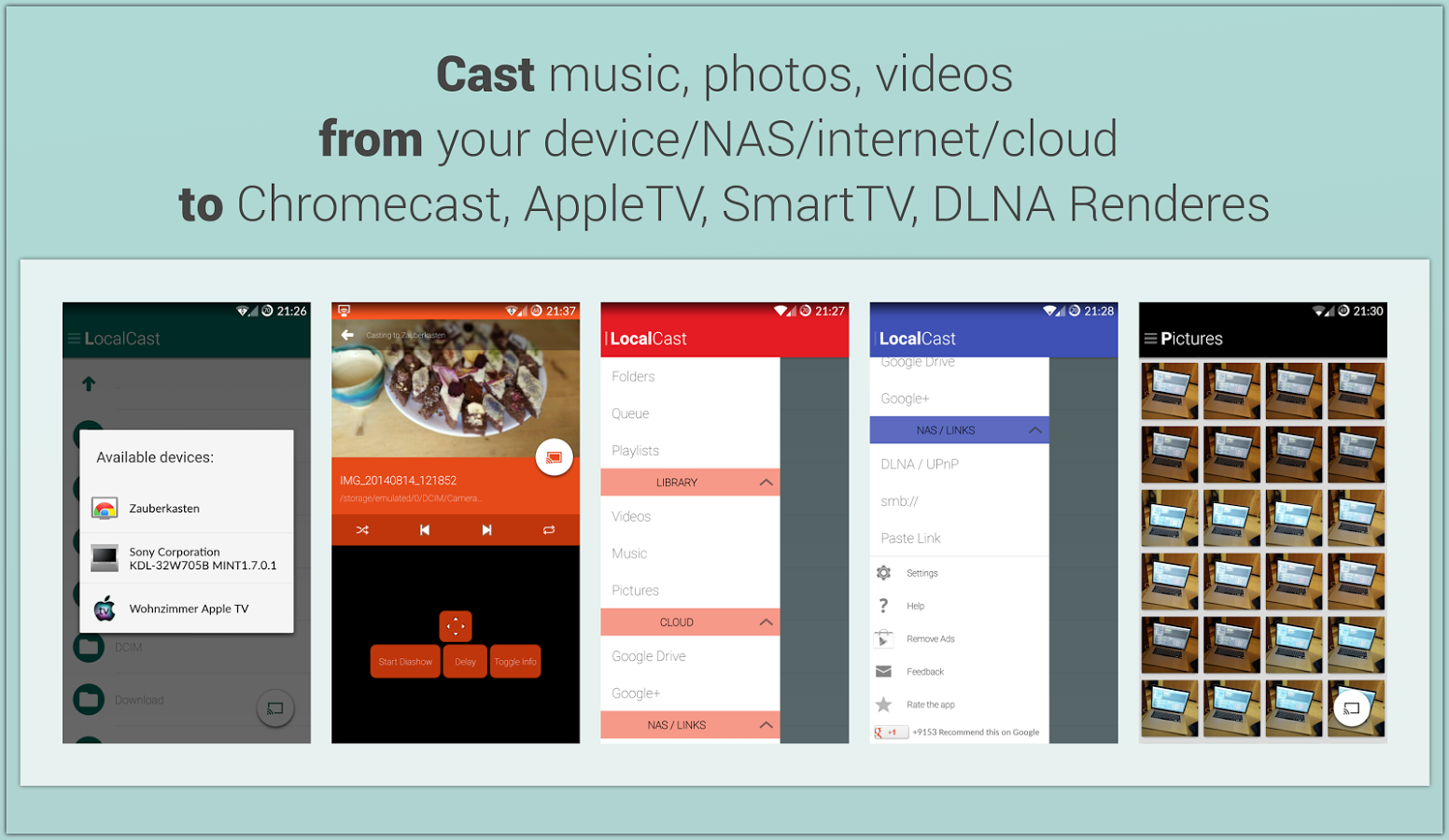
    4. Local Cast

    local-cast-material-design

    This free ad and donation-supported app offers services of streaming PDFs, images, videos and music locally from one Android device to other. The developers are clearly paying close attention to not only the Material Design, but also to the current Google+ app, which shares the ever-present floating circular button. This button gives it a very Google-like look.

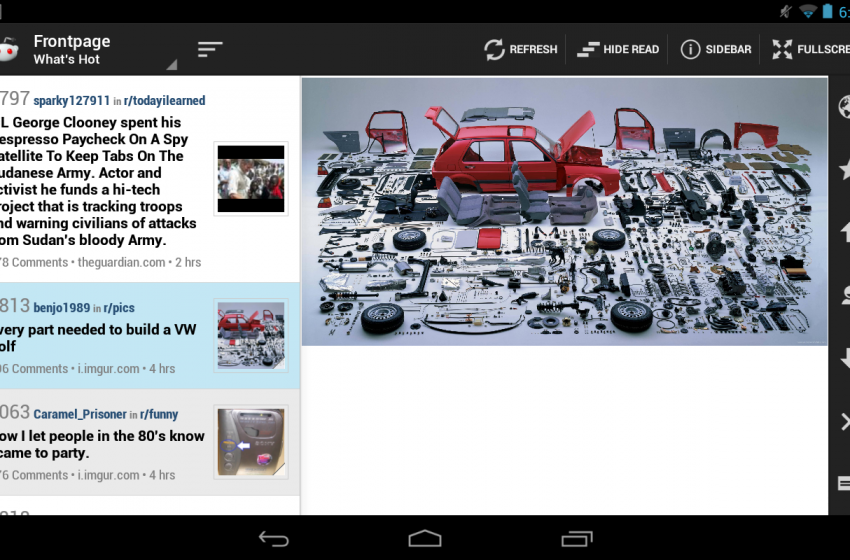
    5. Reddit News Free

    redditnewsscreencap-850x560

    Reddit News Free has updated their app to include Material Design elements and it has been for the best so far. It’s a highly-rated Reddit app with a bunch of features and a lot of happy users. If you’re looking for a modern Reddit experience, this is it!

iGyaan Network
Privacy Overview

This website uses cookies so that we can provide you with the best user experience possible. Cookie information is stored in your browser and performs functions such as recognising you when you return to our website and helping our team to understand which sections of the website you find most interesting and useful.