Category: Google

  • Google Could Be Fined US$ 11 Billion In EU’s Antitrust Case

    Google Could Be Fined US$ 11 Billion In EU’s Antitrust Case

    Google is in troubled waters with the law again. This time around, it is because of the world’s most famous mobile operating system, Android. The European Commission could fine Google up to US$ 11 billion (Rs 73,800 crores) for abusing its dominance via the Android OS. Google was recently sued for £3.2 Billion for secretly tracking and collecting personal information of 4.4 million iPhone users in the UK.

    A report by Financial Times claims that EU’s Competition Commissioner Margrethe Vestager is set to give the verdict “within weeks.” The investigation revealed that Google imposed illegal terms on Android device makers “which harmed competition and cut consumer choice.” The report further adds:

    Android is used in more than 80 percent of the world’s smartphones and is vital to the group’s future revenues as more users search on their mobile gadgets.

    Must Read: Google And Facebook Sued For US$ 8.8 Billion For Coercing Users Into Sharing Their Personal Data

    [amazon_link asins=’B0772YB7Y1′ template=’ProductAd’ store=’igyaan-21′ marketplace=’IN’ link_id=’55d549ca-6b05-11e8-aa1b-3f9463b6a48e’]

    Even though the fine could be up to US$ 11 billion, the actual penalty may be less. This is not an exception and happens in many cases involving multi-billion dollar penalties. The case dates back to 2016 when EU accused Google of imposing licensing conditions for Android OS. The initial charges on Google state that the company required phone manufacturers to install the company’s Chrome web browser and its search tool on their devices. Google allegedly offered financial incentives to place its apps on phones, but also threatened to cut off access to the Google Play Store if companies didn’t comply.

    A third investigation is underway into whether the company (Google) unfairly banned competitors from websites that used its search bar and adverts.

    This isn’t the first time that EU has cracked down on Google’s alleged illegal activities. In 2017, the company was fined US$ 2.7 billion (18,000 crores) for its ill-treatment of comparison shopping services. This led to Google later introducing changes in how it compares shopping offers in its search results.

    With the result poised to be announced in the coming weeks, Google would want to get this over with quickly. The company will launch the Pixel 3 devices in October and would like to avoid any sort of bad press around the time of launch.
  • Google Pixel 3 XL With A Notch Leaked In Live Images

    Google Pixel 3 XL With A Notch Leaked In Live Images

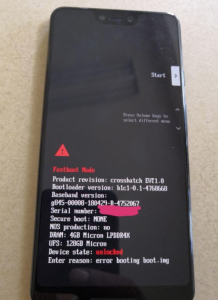
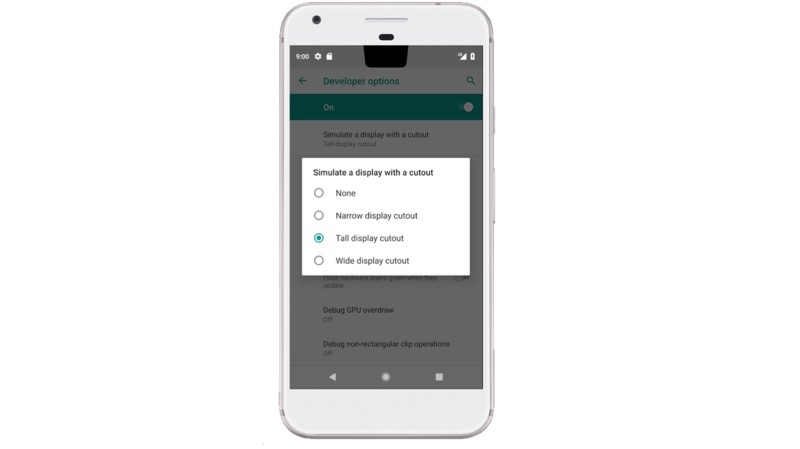
    Google will launch its next generation of Pixel devices in October this year. In this year’s first Android P developer’s preview, Google introduced the support for different types of notches. This gave rise to speculations that the upcoming Google Pixel devices would also have a notch, just like many other Android devices in 2018. New images of a Pixel 3 XL prototype seemingly confirm those speculations as the smartphone is sporting a notch in the images.

    Two images, one of the front and one of the back of the Pixel 3 XL have been leaked online. The front of the smartphone looks eerily similar to other Android smartphones like the OnePlus 6 and Huawei P20 Pro. The notch isn’t wide like the iPhone X or Mi 8. However, if you look closely, the notch does house two sensors, flanked on either side of the earpiece. Could Google launch the Pixel 3XL with a dual front-facing camera setup? Or is it working on a 3D facial recognition system like Xiaomi and Apple? We will have either wait till the launch or a more concrete leak to find answers to that.

    The back of the Google Pixel 3 XL looks similar to its predecessor. It has the same dual-shade design with classic “glass window.” There were rumours that Google will finally introduce wireless charging to Pixel 3 devices. With that in mind, it is possible that the Pixel 3 XL will have a glass back with two different finishes, to maintain the “glass window” look.

    Must Read: Google Sued For £3.2 Billion For Secretly Tracking Browsing Data For 4.4 Million iPhone Users

    It also appears that Google will maintain its stance on the number of cameras you need on a phone. The Pixel 3 XL will retain the single camera setup on the back. The Pixel 2 devices had the best camera on a smartphone in 2017 and the company would want to repeat that this year as well. Google will rely on its machine learning and AI to produce portrait mode shots.

    The leaked images could well be of an early prototype of the Pixel 3 XL. However, it seems more and more likely that the Pixel 3 devices will sport a notch come October.

  • Google Pixel 3 Notch Revealed In Leaked Image Of A Screen Protector

    Google Pixel 3 Notch Revealed In Leaked Image Of A Screen Protector

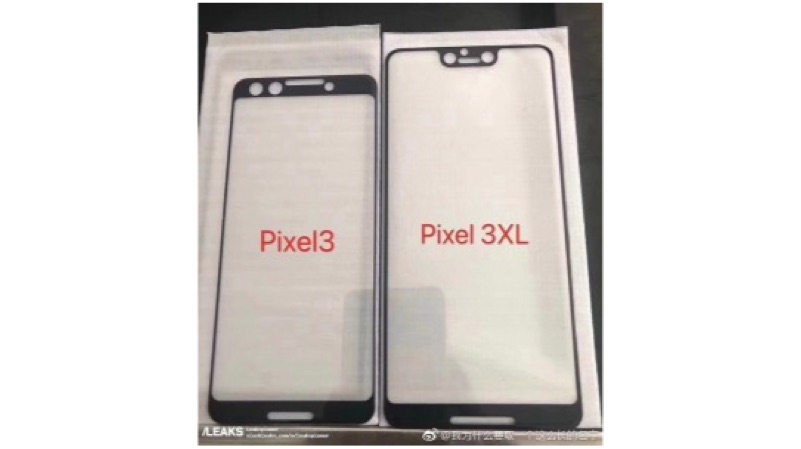
    Google launched the Pixel 2 and Pixel 2 XL in October 2017. The Pixel 2 XL was the modern-looking sibling of the two while the smaller Pixel 2 retained a 16:9 aspect ratio. With the Pixel 3 lineup, there have been rumours that Google will embrace the notch. These rumours gained weightage recently when Google introduced support for notch with Android P developer’s preview. According to a leaked image of the Pixel 3 XL screen protector, Google is indeed planning to go the notch route.

    A sketchy-looking leaked image of the Pixel 3 and Pixel 3 XL screen protectors has surfaced online. The image reveals that both the smartphones will have front-facing stereo speakers, something we saw on the Pixel 2 devices as well. However, the more interesting bit is that the Pixel 3 XL will sport a notch similar to the OnePlus 6 and Huawei P20 Pro.

    The chin appears to be prominent as well which might not go down well with consumers. The iPhone X showed us that having a notch means you can reduce the size of the the other three bezels considerably. Having a notch and a chin aesthetically as well, does not look that great. However, at least the chin will solve a purpose here as it will house a speaker. Google Pixel 2 lineup had great sounding speakers and we expect Google to build up on that.

    The Pixel 3 will also get an upgrade to an 18:9 aspect ratio. The smartphone won’t sport a notch but, it will have a relatively thick forehead which will house a front-facing speaker. The chin appears to be of the same size as the Pixel 3 XL. Apart from the size, the main differences between the Pixel 3 and Pixel 3 XL will be in the display type and battery size.

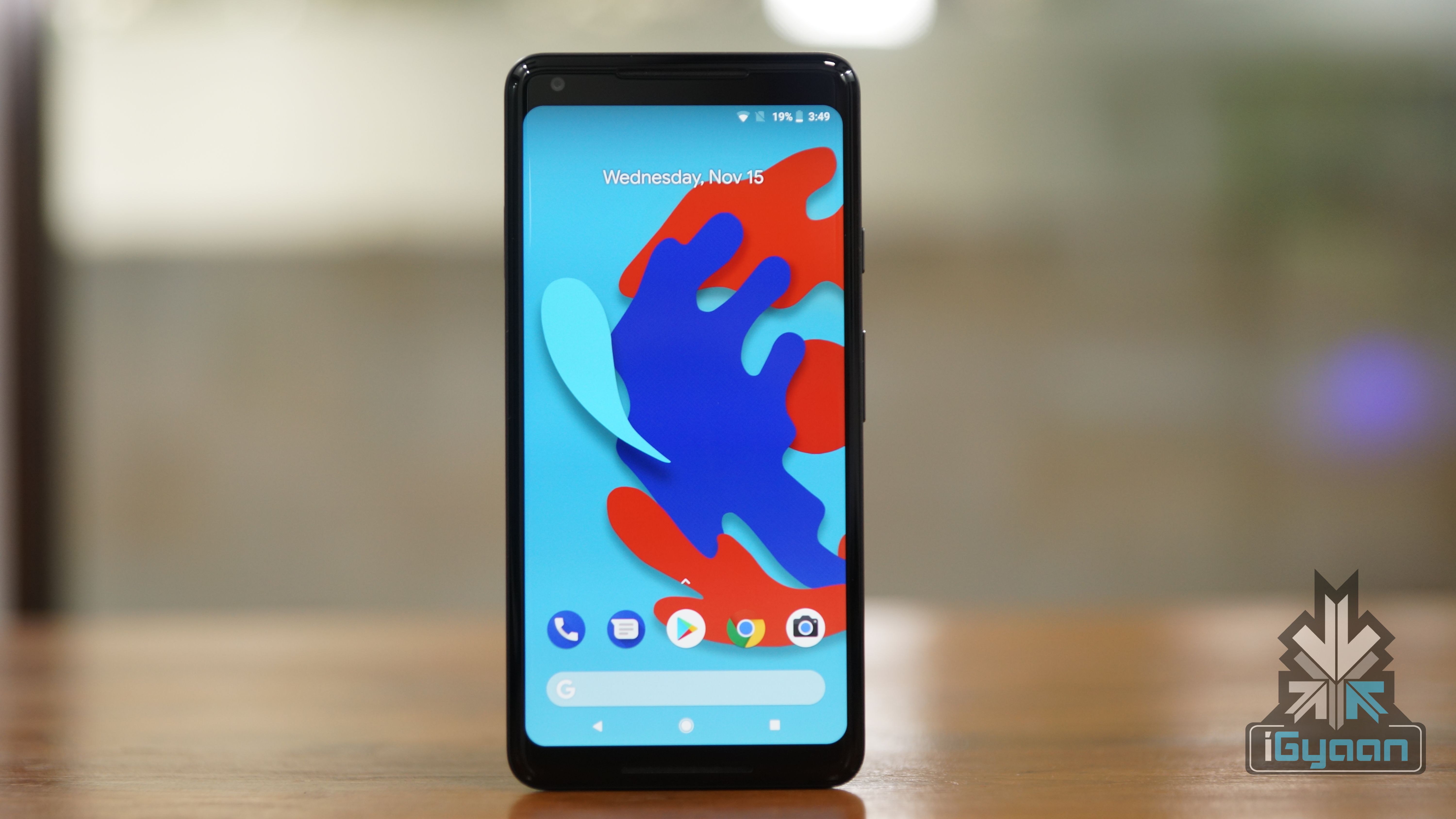
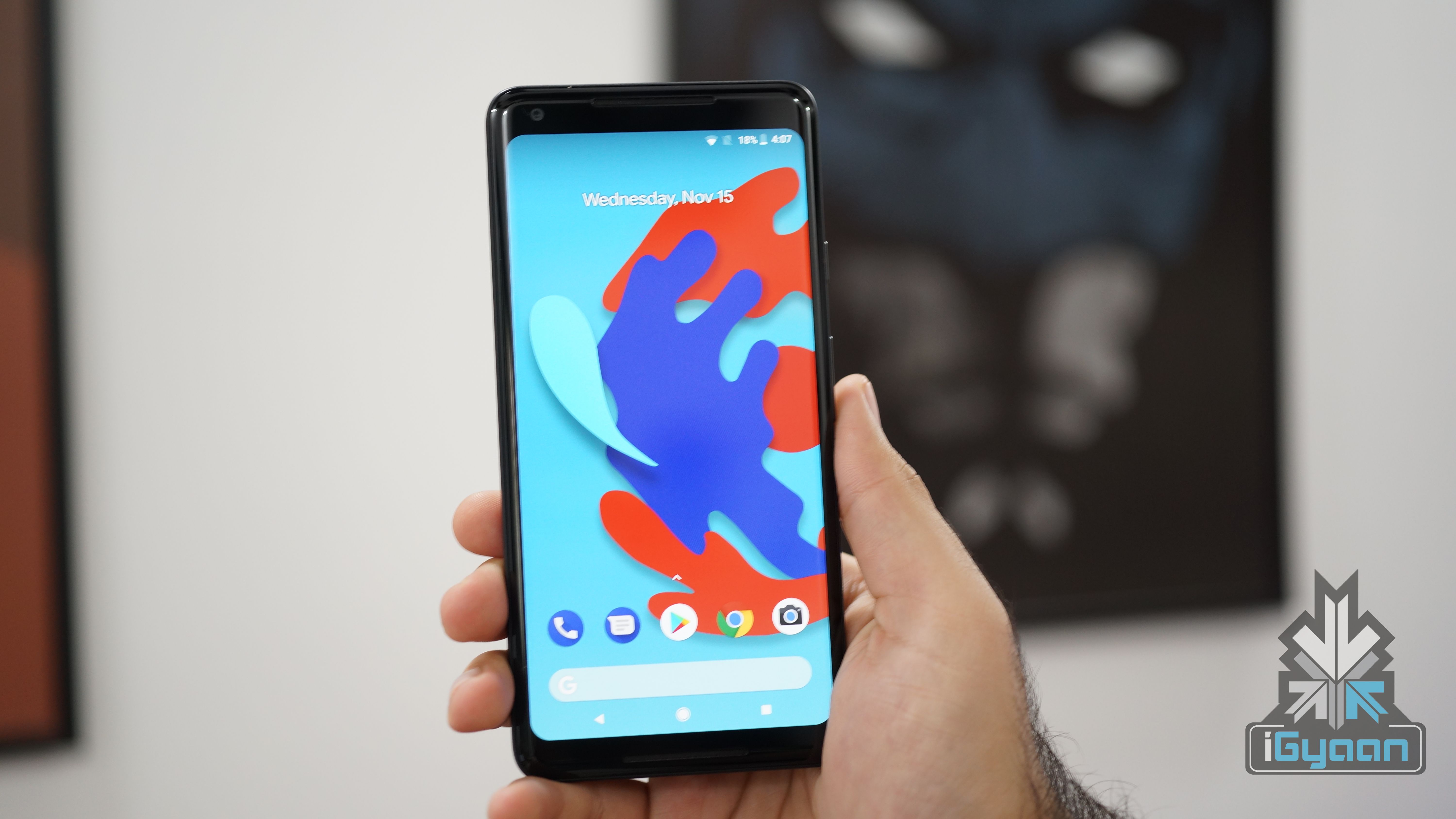
    Pixel 2 XL

    The Google Pixel 2 lineup, despite their great camera performance, was marred by a plethora of hardware issues. With the Pixel 3 lineup, Google would want to rectify that and launch two impressive flagship smartphones.

  • Google And Facebook Sued For US$ 8.8 Billion For Coercing Users Into Sharing Their Personal Data

    Google And Facebook Sued For US$ 8.8 Billion For Coercing Users Into Sharing Their Personal Data

    In the past couple of day, you must have bee bombarded by every app notifying you of the change in their privacy policy. From Twitter, Facebook to Splitwise, every app has sent a notification to their users about the changes and these changes can have huge ramifications. Facebook and Google, for example, have been hit with lawsuits worth US$ 8.8 billion for coercing users into sharing personal data. The lawsuits were filed by Austrian privacy rights activist Max Schrems.

    [amazon_link asins=’B0772YB7Y1′ template=’ProductAd’ store=’igyaan-21′ marketplace=’IN’ link_id=’c72e3f28-60af-11e8-b479-b7071a16be34′]

    For context, GDPR or the General Data Protection Regulation is a rule passed by the European Union in 2016, resetting guidelines and rules for how companies manage and share a user’s personal data. While the rule applies to EU nations only, the internet’s global nature means that companies had to reset their policies in general. Hence, everyone received notifications about the privacy policies.

    It is worth noting that Google and Facebook have rolled out the new policies since GDPR was enforced. Schrems believes, however, that those policies don’t go far enough. He has singled out the way Google and Facebook obtain consent for the privacy policies, asking users to check a box in order to access services. This is a very common practice of almost every internet service, but, the lawsuit argues that this method forces users into an all-or-nothing choice. That is a clear violation of the GDPR’s guidelines around particularised consent.

    Both Google and Facebook have argued that the measures taken comply with the GDPR guidelines. In a statement, Google said:

    We build privacy and security into our products from the very earliest stages, and are committed to complying with the EU GDPR.

    Must Read: Android 9 P: Google I/O 2018 New Features

    Facebook has said that, “We have prepared for the past 18 months to ensure we meet the requirements of the GDPR.” This is not the first lawsuit Google is facing for violating the privacy of users. The company was recently sued for GBP 3.2 billion for secretly collecting browsing data of iPhone users in 2011 and 2012.

  • Google Sued For £3.2 Billion For Secretly Tracking Browsing Data For 4.4 Million iPhone Users

    Google Sued For £3.2 Billion For Secretly Tracking Browsing Data For 4.4 Million iPhone Users

    Google is in hot waters with the law in the UK. The search giant is being sued in the high court for as much as £3.2 billion for secretly tracking and collecting personal information of 4.4 million iPhone users in the UK. The lawsuit action again the company is being led by former Which? director Richard Lloyd. He claims that claims Google bypassed the privacy settings of Apple iPhones’ Safari browser between August 2011 and February 2012 to divide people into categories for advertisers.

    The Guardian reports that Lloyd’s campaign group ‘Google You Owe Us’ told the court information collected by Google included race, physical and mental health, political leanings, sexuality, social class, financial, shopping habits and location data. The information was then aggregated and users were put into groups such as football lovers or current affairs enthusiasts for the targeting of advertising.

    Must Read: OnePlus 6T To Follow OnePlus 6 In Q4 2018

    Hugh Tomlinson QC, representing Lloyd and Google You Owe Us said that the data was gathered through “clandestine tracking and collation” of browsing on the iPhone, known as the “Safari Workaround.” This activity was first exposed by a PhD researcher in 2012. Ahead of the first hearing, Lloyd said:

    I believe that what it did was quite simply against the law. Their actions have affected millions in England and Wales and we’ll be asking the judge to ensure they are held to account in our courts.

    Google has already been fined in the US for similar practices. The company had to pay US$39.5 million to settle claims in the US, it was also fined US$ 22.5 million for the practice by the US Federal Trade Commission in 2012. Google You Owe Us, according to the filing, could be seeking as much as £3.2 billion. This would mean that every claimant could receive £750 per individual if successful.

  • Google One Brings Expanded Storage, Live Support To Google Drive

    Google One Brings Expanded Storage, Live Support To Google Drive

    Ever since the Google I/O 2018 concluded, the company has been hard at work introducing new features to its services. YouTube got a new feature called ‘Take A Break’ recently while Gmail has also received some exciting new features. The company has also decided to rebrand its cloud storage service and call it Google One as well as introduce new plans. It is worth noting that it isn’t the Drive that is being rebranded but, the storage plans.

    As part of the new moniker, Google has unveiled new expanded storage plans, access to live support and more storage sharing plans. The company has added a new, 200GB plan that costs US$ 2.99 per month in the US. This plan will be available along with the existing plans that start at US$1.99 for 100GB and goes all the way up to US# 299.99 for 30TB. Interestingly, Google also dropped the price of its 2TB plan from US$ 19.99 to US$ 9.99.

    These storage plans are already live in the US along with other new features. In the coming months, everyone in the US will be automatically upgraded to Google One plans. The company has claimed that Google One will roll out globally in the coming months which includes India as well. As of now, the plans in India have not been upgraded and the 100GB plan remains the cheapest at Rs 130 per month.

    The live support feature is also very interesting. Google already offered 24/7 support for paying business users with a G Suite account, but this is the first time the live support is offered to consumers. It is worth noting that this is an access to Google Experts for help with any Google consumer product and service. You won’t be connected with an AI bot, but a human being with the necessary knowledge and communication skills.

    Going forward, users will also be able to share their storage with up to 5 family members. The company says:

    Everyone gets their own private storage space as well as the additional benefits of Google One.

    The new features are very useful for people who have subscribed to Google Drive. The new plans also make monetary sense for consumers and the 24/7 live support will be appreciated by many. It will be interesting to see when these features are rolled out to the rest of the world.

  • Android 9 P: Google I/O 2018 New Features

    Android 9 P: Google I/O 2018 New Features

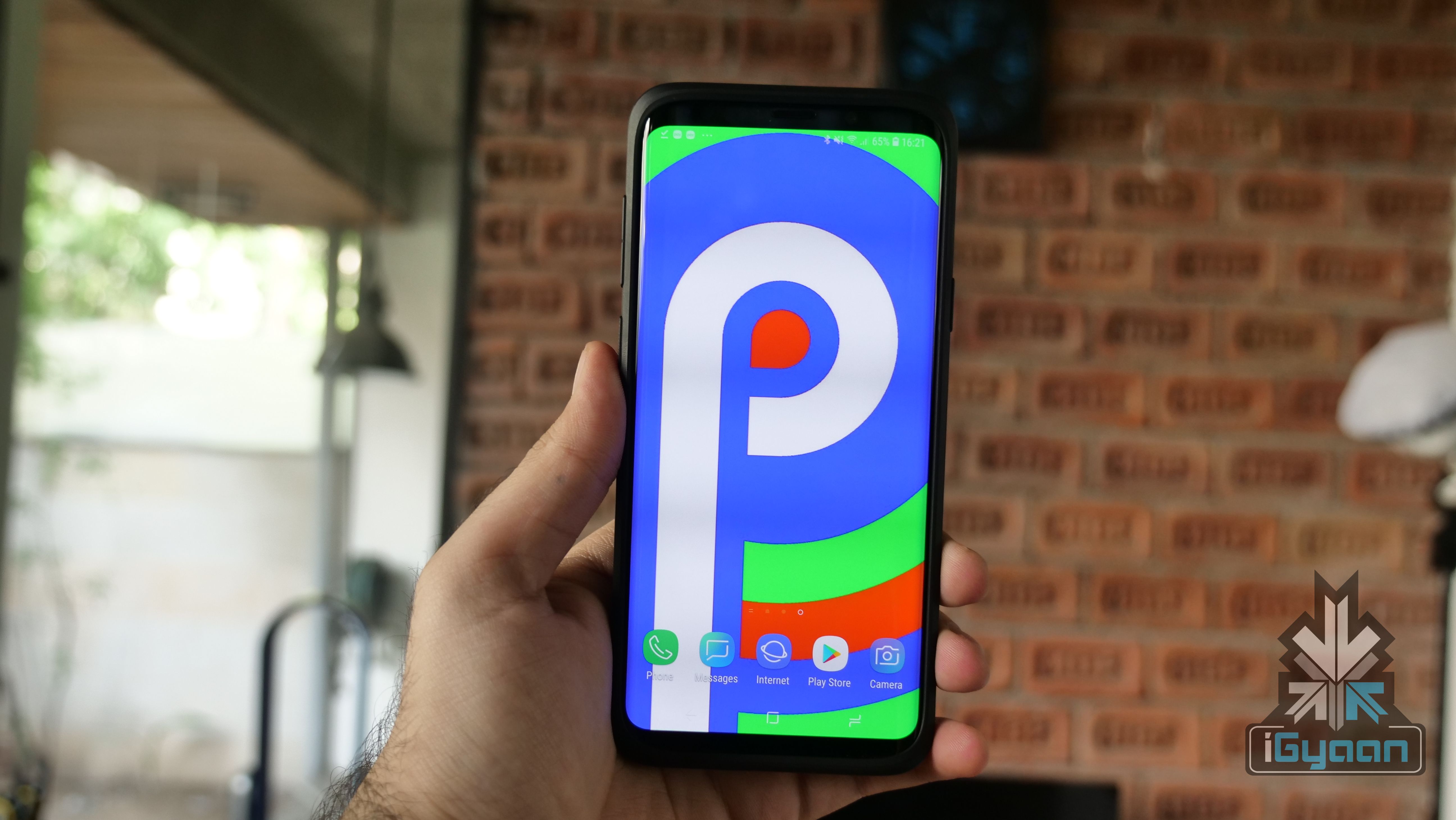
    The Google I/O 2018 conference has concluded and hands down, the biggest unveiling was Android P. The new iteration of the largest mobile OS in the world, Android 9 P will be made available to all Android smartphones later in the year but, Google gave us a glimpse of what’s in store for Android users around the globe.

    The new Android Developer Preview version is now out for a lot of smartphones other than just the Google Pixel devices. Owners of Sony Xperia XZ2, Xiaomi Mi Mix 2S, Nokia 7 Plus, Oppo R15 Pro, Vivo X21, OnePlus 6, and Essential PH1 can enroll for the Android Beta program here.

    With Android P, Google is doing a lot to address the global conversation about distractions caused by smartphones. Android P will have a lot of features built around this theme, that Google is calling “Digital Well Being.” However, Google has claimed that this was not a contingency plan and that the company has been working on curbing this growing issue for years now.

    Wind Down is one of the features as part of Google’s efforts to reduce the use-time of smartphones. It is essentially an automatic Do Not Disturb mode that switches on Night Light when it gets dark. If a user has set their bedtime, the smartphone will turn all the colours on the screen to grayscale, once the clock hits the specified time. This should make using the phone a lot more boring, in turn making the user use their smartphone a lot less.

    Another feature called Shush was unveiled at the conference as well. It is a new gesture that lets users turn their smartphone screen-down and automatically enable the “Do Not Disturb” mode. As is with the Do Not Disturb mode, users can still choose certain contacts to continue to get messages and notifications from.

    There is no longer the circular home button and the square multitasking button is gone as well. What started out with the iPhone X has now been adopted by Google as well (sort of). With Android P, Google is changing the way users interact with the OS. The home button is replaced by this little pill sort of button that has a few functions. One little swipe up will open all the recent apps. What is interesting here is that the apps are live, which means that if you’re in WhatsApp and want to copy a phone number from the call log, you don’t have to open the specific app. By swiping up and opening the recent apps window, you can simply navigate to the Phone app and copy a number from the window itself, without opening the particular app. This feature will come in handy for serious multi-taskers. When on the home screen, a second swipe up will open the apps tray which will have all your installed apps laid out. You can also slide the pill button in the recent apps window to navigate through different apps which looks very cool and simple to use.

    The back button makes a return when you’re within an app and goes away once you’re no longer in an app, simple as. This use of gestures is very different from iOS’s. There is still a navigation bar at the bottom which means you’re still losing a bit of screen real estate. However, this change will be difficult for Android users than it was for iOS users. iOS has traditionally had a few gestures within the UI, while Android, so far, has solely relied on three buttons to navigate from anywhere within the UI.

    More changes are expected to be added to Android P before its final release later this year. The new changes are definitely eye-catching and we will be investigating the new Beta build in detail to find out all that is new with Android P. Google appears to have a lot of answers for questions raised against the growing overuse of smartphones. The only mystery that remains unanswered after the Google I/O 2018 conference is what does the “P” stand for? Maybe Google Assistant can tell us.

  • Google I/O 2018 : Google Assistant Gets New Conversational Skills

    Google I/O 2018 : Google Assistant Gets New Conversational Skills

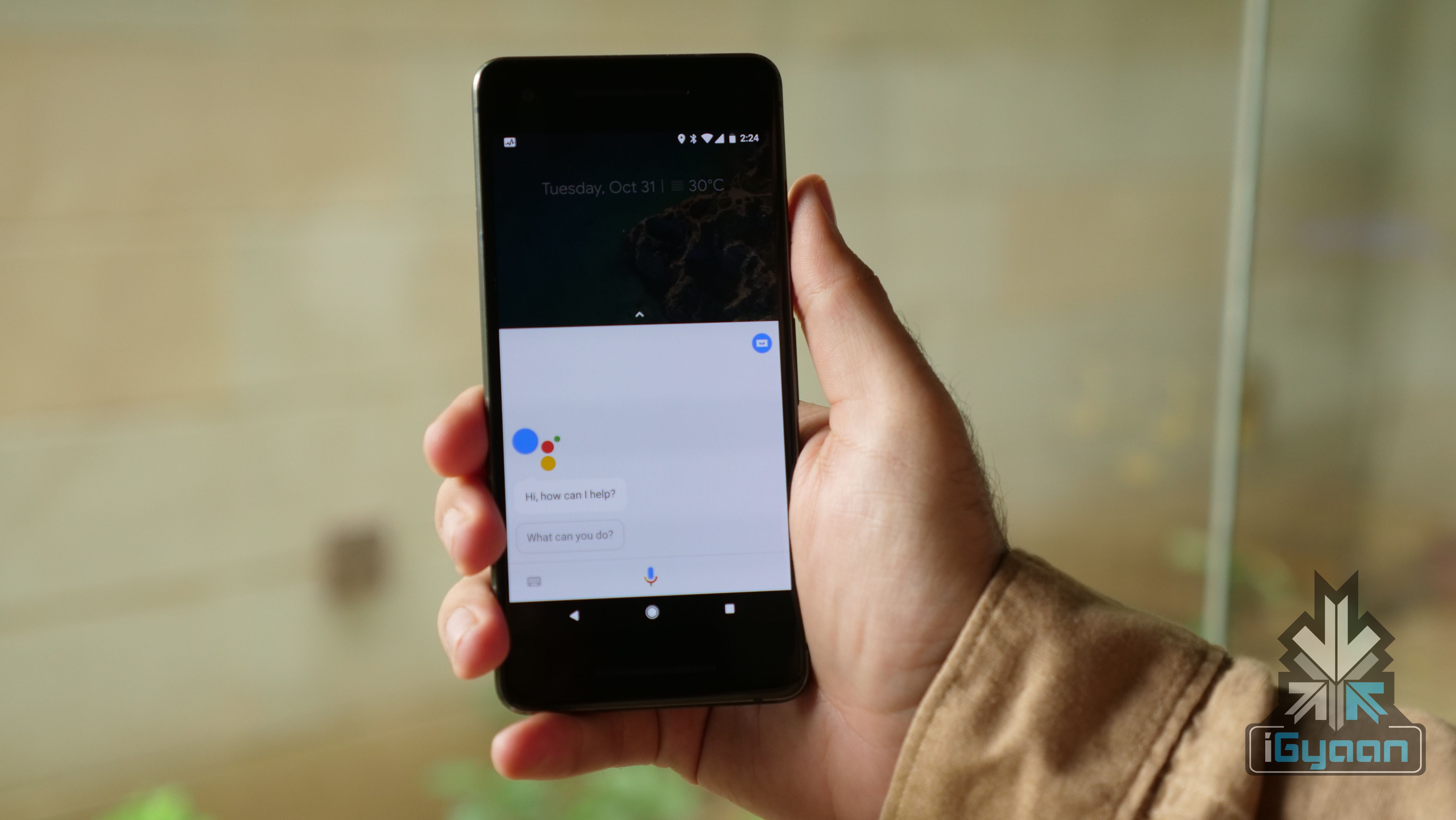
    Artificial Intelligence is a general theme at the 2018 Google I/O conference. Ever since the Google Pixel 2 devices were launched, the company has talked up AI a lot and its Google Assistant is about to become much smarter than it already is. At the conference, Google demonstrated the Google Assistant’s ability to have a human-like conversation with other humans in a non-controlled environment and it was nothing short of impressive. The technology is called Google Duplex and the company has been working on it for years.

    Sundar Pichai came on stage and talked a bit about Google Assistant’s integration with many services. He then mentioned that Google Assistant can now set up appointments and make restaurant reservations. The catch here is that it can do this even if a certain outlet is not listed on a restaurant booking app. Sundar Pichai said:

    We’ve been working on this technology for many years. We’re still developing this technology, and we want to work hard to get this technology and the expectations right.

    He then demonstrated a real conversation between the Google Assistant and a salon rep for a “women’s haircut appointment.” The conversation did not sound staged and that is what made it even more impressive. The Google Assistant was able to recognise where the conversation was headed and gave absolutely normal responses, never once making the “human” feel like they are talking to an AI assistant and not a person.

    The blog post from the company reads:

    The technology is directed towards completing specific tasks, such as scheduling certain types of appointments. For such tasks, the system makes the conversational experience as natural as possible, allowing people to speak normally, like they would to another person, without having to adapt to a machine.

    Fair to say that, going by the demos, the company appears to have got the tech absolutely right. It will be interesting to see how Google localises this technology for other countries. It will be great to see Google Assistant have the same abilities and be integrated with Indian services and maintain the Indian accent as well.

  • Smart Compose For Gmail Will Help Users Write Better Emails

    Smart Compose For Gmail Will Help Users Write Better Emails

    Google has been trying really hard to make Gmail, the world’s largest email service better, for both mobile and web. At the Google I/O conference 2018, Sundar Pichai, CEO of Google announced a new Smart Compose feature for Gmail. The new feature, as expected, depends a lot on AI and machine learning and will essentially help users write better emails.

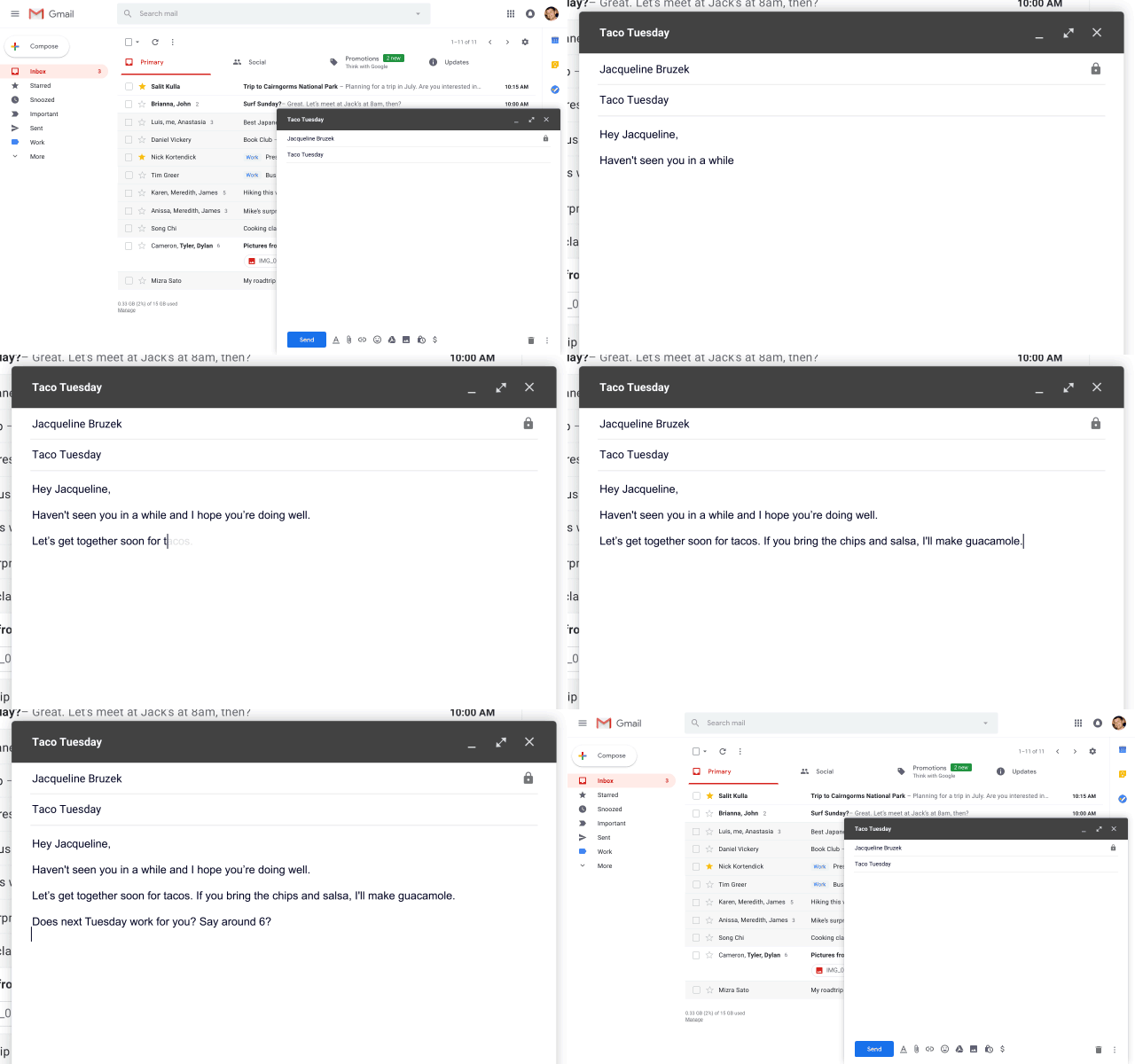
    The Smart Compose feature, from the looks of it, appears to be similar to the Auto Complete feature that Google uses for online searches. Smart Compose will use AI to suggest words and phrases as a user is typing an email to make the email look and sound better. To use a suggested word, users can simply hit the “Tab” button and the word will autofill.

    Google claims that not only will this help save time when writing emails, it will help reduce the chance of users sending an email with a grammatical error. In the world of smartphones and autocorrect, this could be a lifesaver for people who predominantly use Gmail on their computers. Nobody is immune to a grammatical error and AI appears to be ready to help us out. Although, Grammarly might feel hard done here if Gmail becomes self-sufficient in this area.

    Interestingly, Smart Compose will also understand context. For example, if a user is talking about tacos in an email, the feature will understand the conversation and suggest the word, “Guacamole.” The company has said the feature will roll out to users within the next few weeks and will be integrated for G Suite customers within the next few months. For the Smart Compose feature to work, users will have to be updated to the Gmail for Web that was introduced a few weeks ago.

    The Google I/O conference 2018 has kicked off and Smart Compose appears to be a very nifty feature. With autocorrect taking over many people’s typing habits, it was about time something like this was made available for PC users as well.

  • Gboard Lets Users Make Their Own GIFs

    Gboard Lets Users Make Their Own GIFs

    Gboard is one of the best, if not the best keyboard for Android. Google has consistently added new features to the keyboard and now, a new feature in its beta version might be the most interesting one. In the latest beta version 0f the Gboard app, users can make their own GIFs from the keyboard itself.

    To make a GIF, simply tap on the emoji button on the keyboard. Then click on “Make A GIF” and click on the record button. The GIF can be made from either the front or the rear camera. Users can also add effects before recording. Once the GIF is made, users can either instantly share it, save it or re-do it if any changes are to be made.

    Gboard

    We expect this feature to soon make its way to the stable version of Gboard. GIFs or Graphics Interchange Format are already very popular and have become a way of expression on social media. Adding this feature to chats will only intensify the populairty of GIFs and Google would want the stable version users to experience it as well.

    Must Read: 76% iOS Devices Are On iOS 11 While Only 4.1% Android Devices Are On Android 8 Oreo

    If you really want to try out the feature right now, you can always sign up as a beta tester. Once the feature has been rolled out to the stable version, you can end your run as a beta tester and move back to the stable Gboard app. To sign up for the beta test, simply go to Google Play Store and search for Gboard. You can also head straight to the Gboard app listing by clicking here. Once there, scroll to the bottom of the listing and join the beta test. Once enrolled, you will get a notification to update your Gboard app which will have the new “Make A GIF” feature.

  • 76% iOS Devices Are On iOS 11 While Only 4.1% Android Devices Are On Android 8 Oreo

    76% iOS Devices Are On iOS 11 While Only 4.1% Android Devices Are On Android 8 Oreo

    The debate of Android vs iOS might never reach a conclusion. However, there is one area where Android has to always accept defeat, and that is OS adoption rate. Thanks to so many Android OEMs and their own custom skins, new versions of Android are very slow to reach to a majority of Android devices. iPhones on the other hand, are only made by Apple, which means the adoption rate of iOS is extremely high. And new data proves just that.

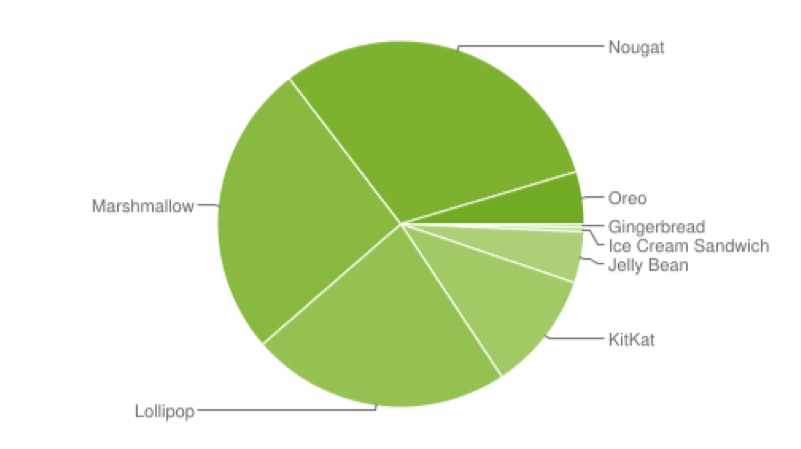
    As of April 16th, 2018, Android 8.1 Oreo, the latest version of Android is only available on 0.5% Android devices. Android 8.0 Oreo, which was launched in August 2017, is only available 4.1% of devices. Astonishingly, the most predominant Android version is Android 6 Marshmallow, with a 26% adoption rate. Android 7.0 Nougat is a close second at 23%.

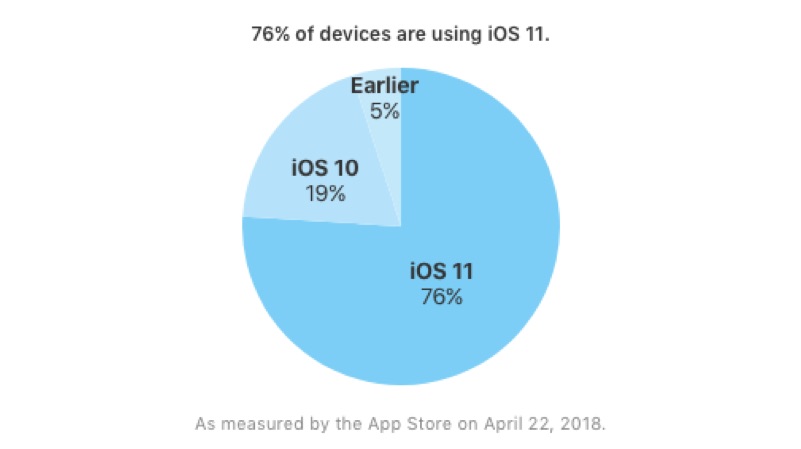
    While on the iOS side of things, as of April 22nd, 2018, iOS 11 is running on 75% of the iOS devices. It is worth noting that this also includes iPads as well since they also run iOS. Apple’s latest iOS version, iOS 11 had a rocky start to life with a lot of bugs pailing its initial phase. However, constant updates to fix various bugs has made iOS 11 a much better upgrade to iOS 10, as we noted in our iPhone X review.

    You may also like: Why Are New Android Phones Launching With Old Android OS?

    Project Treble is Google’s effort at reducing the time it takes for OEMs to receive the new OS and optimise it for its devices and then push out the update. A few months ago, Android received a new Vendor Interface, which is largely what Project Treble is about. The VI’s aim is to separate the “Vendor Implementation” (that is, “the device-specific, lower-level software written in large part by the silicon manufacturers”), from the Android OS framework.

    The new VI is supposed to sit between the Android OS framework and Vendor Implementation. And the new VI will be validated by a Vendor Test Suite (VTS), which is analogous to the Compatibility Test Suite (CTS) that Google has been using for API testing of apps. The VTS ensures forward-compatibility of the VI.

    Time will tell whether Google’s efforts will be of any fruition. Right now, however, iOS is way ahead of Android OS in the race of OS adoption.

  • Google Updates Gmail For Web With New UI And Features

    Google Updates Gmail For Web With New UI And Features

    Gmail is the most popular email service in the world. It has over 1.2 billion active users and so far, there aren’t many rivals to it. Despite the popularity, Google has ignored Gmail for web for way too long. The UI has been the same for many years which, honestly, is the one thing that most users care about. However, that has finally changed as Google has announced a few changes for Gmail in a new blog.

    In its blog, Google has talked about the new UI design which is rolling out to all Gmail users along with a few but, important changes with regards to security. The new Gmail for web now looks more similar to the Gmail app in terms of design. Google has also added a new shortcut bar on the right-hand side of the inbox. In that bar, users can access the Calender app to set reminders about follow-up emails. There is also a marketplace where users can download shortcuts for apps like Trello etc. Gmail will also “nudge” users to follow up and respond to messages with quick reminders that appear next to their email messages to help make sure nothing slips through the cracks.

    The inbox has three modes, in Default, the attachments in an email are present right in the inbox, meaning users can cess attachments without clicking on the email. However, that can feel a bit congested hence, the other two modes, Comfortable and Compact move to a traditional way of showing attachments. One interesting feature trickling down to Gmail for web from the Gmail app is Smart Reply. It essentially allows users to send quick replies that Gmail suggests like “Got It,” “I’ll be there” and many more. These suggestions of quick replied obviously depends on the email users are replying to.

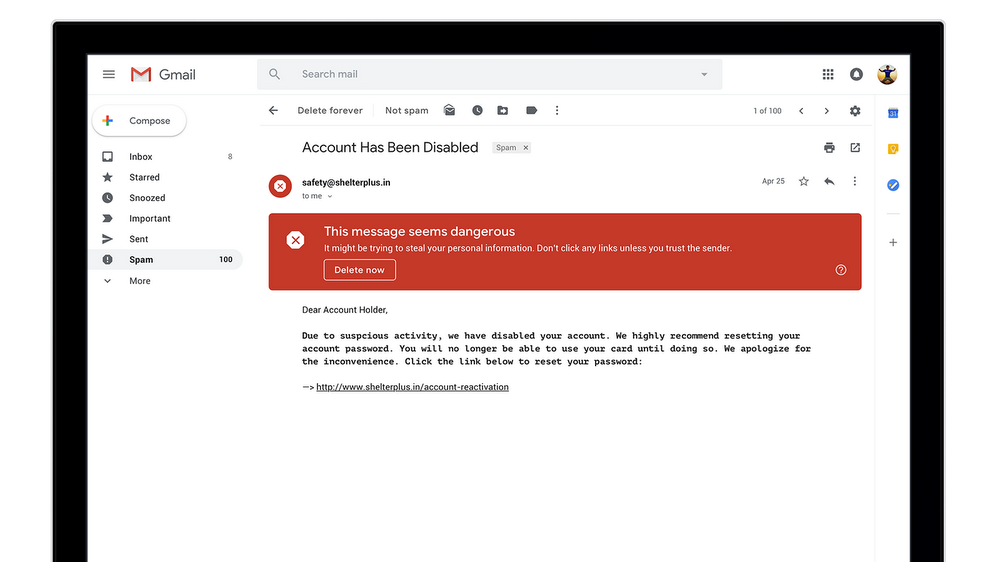
    In terms of security, Google has updated the warning message for risky emails. Now, it is a huge red box which is much harder to ignore and should help users identify risky emails and deal with them accordingly. A new Confidential Mode is Google’s email version of Snapchat. It allows users to remove the option to forward, copy, download or print messages—useful for when they have to send sensitive information via email like a tax return. Users can also make a message expire after a set period of time to help them stay in control of their information.

     Google has not rolled out this feature to everyone and is not readily available as a default option. To check if you have received this update, click on the settings icon in the top-right corner. If the new Gmail is available to you, the top option should be “Try The New Gmail.”
  • Android Popsicle May Be The Final Name Given To Android 9.0

    Android Popsicle May Be The Final Name Given To Android 9.0

    Ever since Android’s inception in 2007, the mobile operating system has an interesting and fun naming pattern. Google has stuck to naming every iteration of Android after a type of dessert. The most recent version, Android 8 goes by the moniker of Oreo. The next in line is Android P which will be unveiled Google I/O 2018 and get an official release in the third quarter of 2018. While many desserts start with the letter P, Google appears to have dropped a major hint about the possible name of Android P and it may be Android Popsicle.

    On its official Instagram account, Google released a set of Spring wallpapers with a certain delicacy making an appearance. Of the five wallpapers released by Google, the last image was of different kinds of popsicles. You don’t need to be a rocket scientist to jump to the conclusion that Google might have just very blatantly hinted that the full name of Android P could be Android Popsicle.

    Over the years, Google has been known to have a bit of fun with its followers, especially when it comes to the names of new Android versions. Google always leaves subtle hints to mislead its fans into predicting a wrong name for the upcoming version of Android. With this Android Popsicle wallpaper trick, however, Google was anything but subtle. Now, it is completely possible that Google has just trolled its 6.2 million Instagram followers into believing that the next version will be called Android Popsicle.

    The first developer’s preview of “Android Popsicle” was released in March 2018 and had a few interesting features. Acknowledging the growing trend of notches, Google introduced the notch feature in the first preview of Android P. Once enabled, the clock moves to the left-hand side of the notch along with notification icons. Other icons like Wi-Fi, Bluetooth remain on the right side of the notch. Interestingly, different sizes of a notch can be emulated.

    Visually, other changes include a slight redesign of the notification panel. The icons in the quick settings pulldown have rounded corners now. If activated, the icons will be blue in colour and when inactive, it will turn grey. To access other quick settings toggle, the user has to pull down on the grey bar just underneath the initial menu.

  • Google Testing Self Destructing Email For Gmail

    Google Testing Self Destructing Email For Gmail

    Google is revamping the web version of its popular email service, Gmail. The company might showcase new Gmail features at the Google I/O 2018, which will commence on the 8th of May. According to a new leak, Google is also working on a new feature that will enable users to send emails which expire after a specified time, a Self Destructing Email.

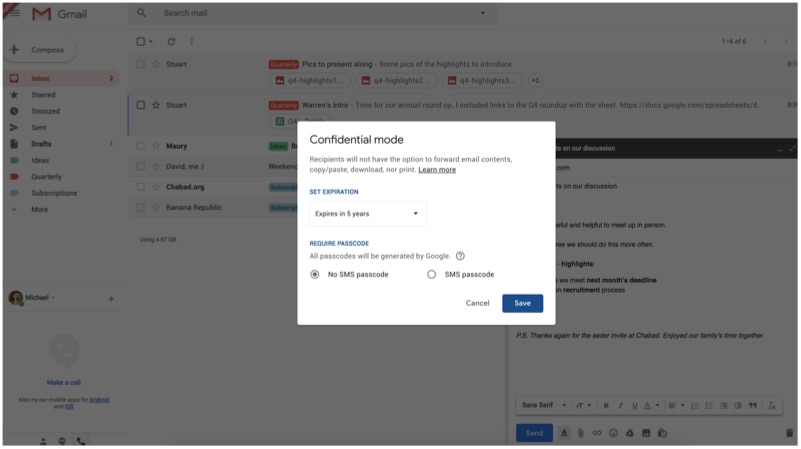
    According to leaked images, the confidential mode will work even with third-party email clients like ‘ProtonMail’. Before sending an email, users will be able to specify a time frame post which, the email will be deleted from the recipient’s inbox. The caveat here is that such email won’t be forwardable. However, the feature is still under development, as the option ‘Learn More’ currently redirects to a blank page.

    Gmail

    Self Destructing Email Is Straight Out Of Spy Movies

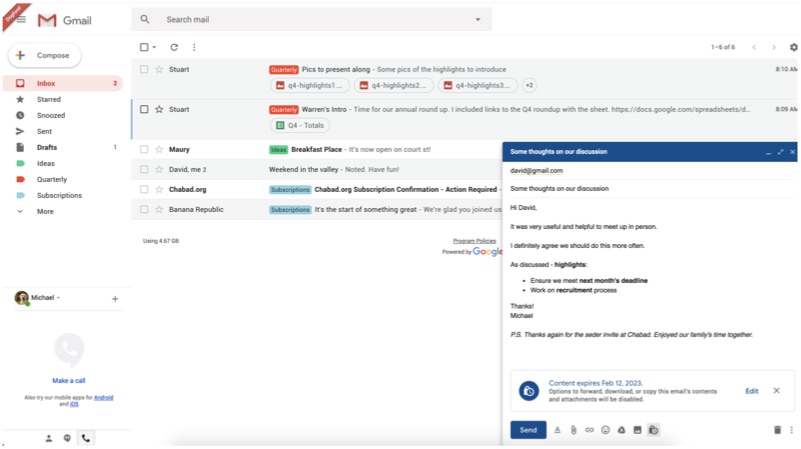
    According to the screenshot, one can set an expiry date for as long as 5 years. The user will also be able to set password requirement, where the recipient has to confirm their identity via a code/OTP sent to the recipient as a text message to access the email. The recipient will not be able to take a print out of this email or cannot copy/paste the content as well. However, the leaker was able to seize a screenshot of the email content.

    Gmail

    As of now, there is no information about this feature being available to non-Gmail users. When a user sends an email using the confidential mode, the mail will look like any other email. However, when it expires the email will disappear from the inbox. Google has not mentioned end-to-end encryption anywhere, which means the company is most likely to stick with non-encrypted emails.

  • Google Home Mini, Google Home Launched In India Starting Rs 4499

    Google Home Mini, Google Home Launched In India Starting Rs 4499

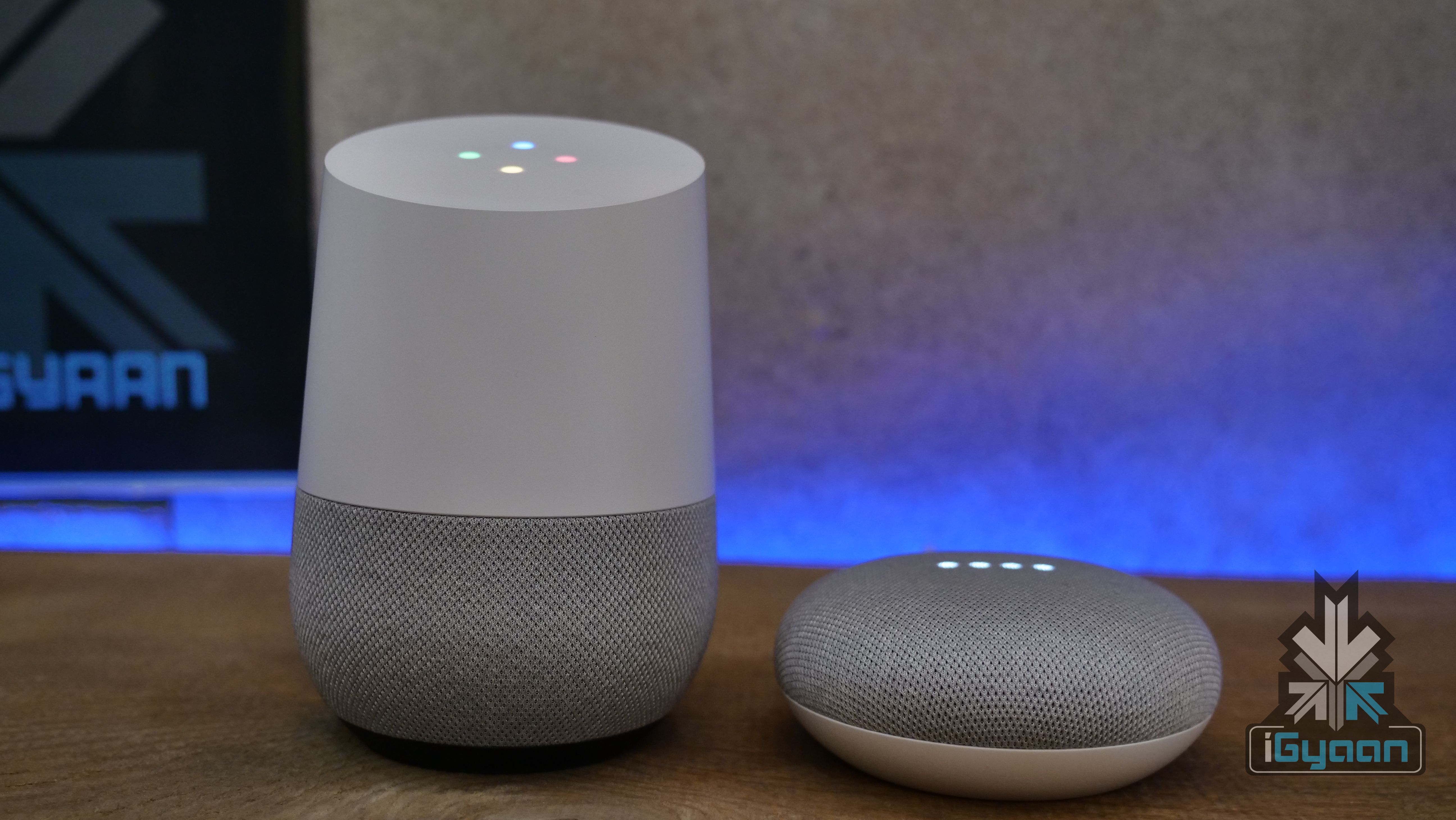
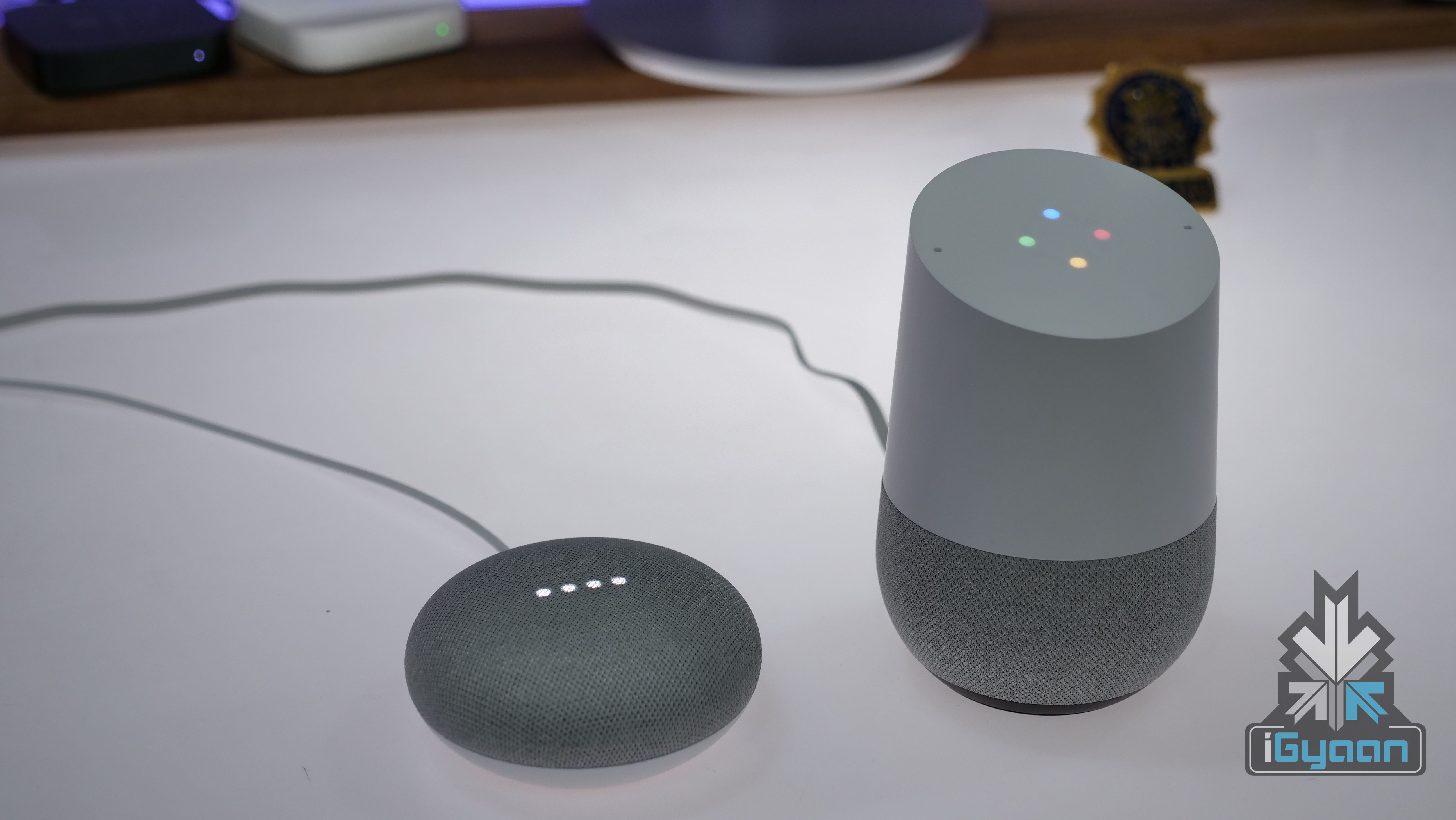
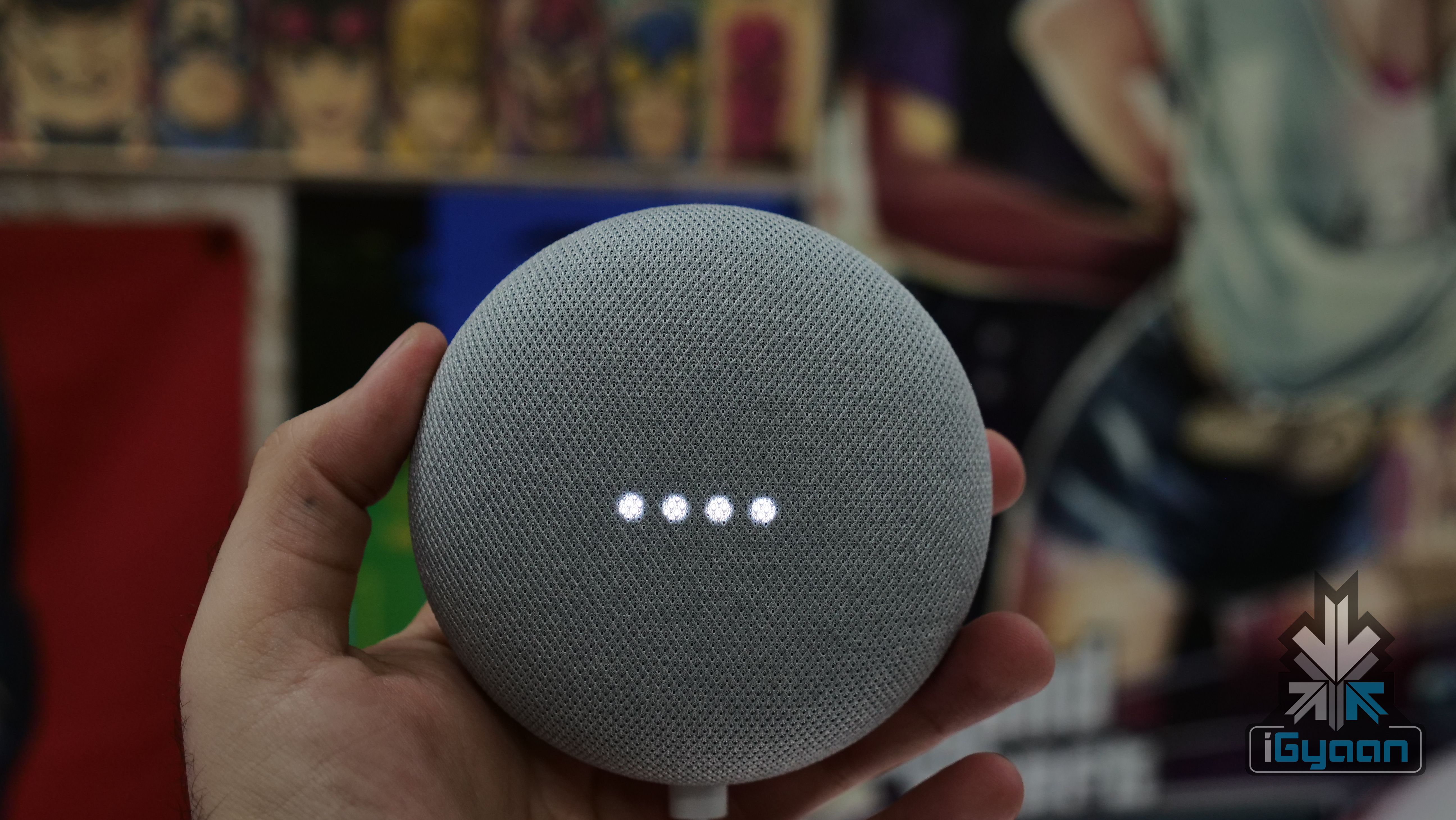
    Google has launched its first-ever line of smart speakers in India at an event in Delhi. The company has launched its most affordable offering, the Google Home Mini for Rs 4499 and the mid-range Google Home for Rs 9999.

    The Google Home Mini and Home will compete with Amazon Echo Dot and Echo, which were launched in India back in October 2017. The smart speaker industry in India is starting to pick up its pace as more companies are introducing their smart speakers in India. Recently, another Echo Dot/Home Mini alternate, Eufy Genie was launched in India which is available for Rs 3980 via Amazon. The Eufy Genie is powered Alexa, Amazon’s AI assistant. The Google Home and Home Mini, on the other hand, are powered by the Google Assistant, the company’s own AI assistant.

    Amazon Echo Plus

    These smart speakers function only if they’re connected to a Wi-Fi network. The speakers act as great music players but once connected they can be used to also control different smart home accessories like a smart bulb. Additionally, these speakers can schedule a task, set an alarm, ask for trivia or the latest news.

    Google Home Specs

    Available in two colour variants, one with White, while the other a Slate fabric finish. The larger smart speaker has a 2 inch driver with dual 2 inch passive radiators. The speaker requires 16.5 Volts and 2A current, which is why the speaker has to be connected to a power source at all times. One can connect to these speakers using an iOS or Android smartphone using the Google Home app. The speaker supports both 2.4 GHz and 5 GHz Wi-Fi Bands. Additionally, these speakers can connect with each other to run as a single set of speakers or for multi-room playback.

    Weight (g)
    477
    Supported Audio Formats
    HE-AAC, LC-AAC, MP3, Vorbis, WAV (LPCM), FLAC, Opus
    Wireless network
    802.11b/g/n/ac (2.4GHz/5Ghz) Wi-Fi
    Speaker
    2in driver + dual 2in passive radiators
    Connections
    DC power jack, Micro-USB port (for service only)
    Google Home Mini Specs

    The Mini has a similar functionality in a compact form factor. The speaker is available in three different finishes, which includes Chalk, Charcoal, and Coral. Due to smaller form factor, it requires 5 Volts and 1.8 Amps power. However, it packs in a smaller speaker, which might not be able to fill out even a small room.

    Weight Approximate

    173 g

    Height

    4.2 cm

    Colour

    Chalk

    Sound System

    360° Circle Sound

    Wireless Speakers

    Yes

    Power Source

    Power Adapter

    Buy The Google Home here

iGyaan Network
Privacy Overview

This website uses cookies so that we can provide you with the best user experience possible. Cookie information is stored in your browser and performs functions such as recognising you when you return to our website and helping our team to understand which sections of the website you find most interesting and useful.