Category: Apple

  • Apple iPhone X Could Soon Be Discontinued

    Apple iPhone X Could Soon Be Discontinued

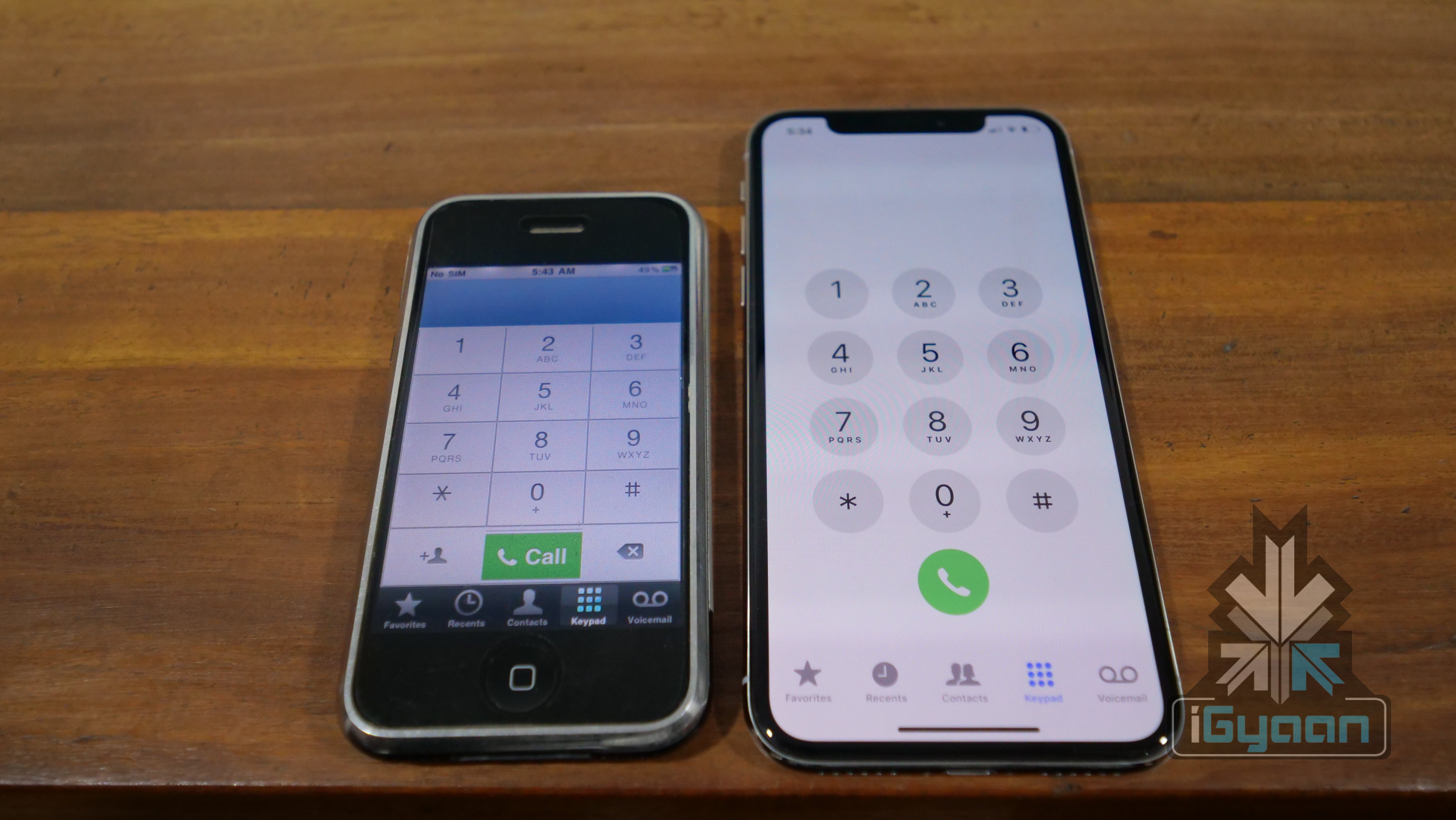
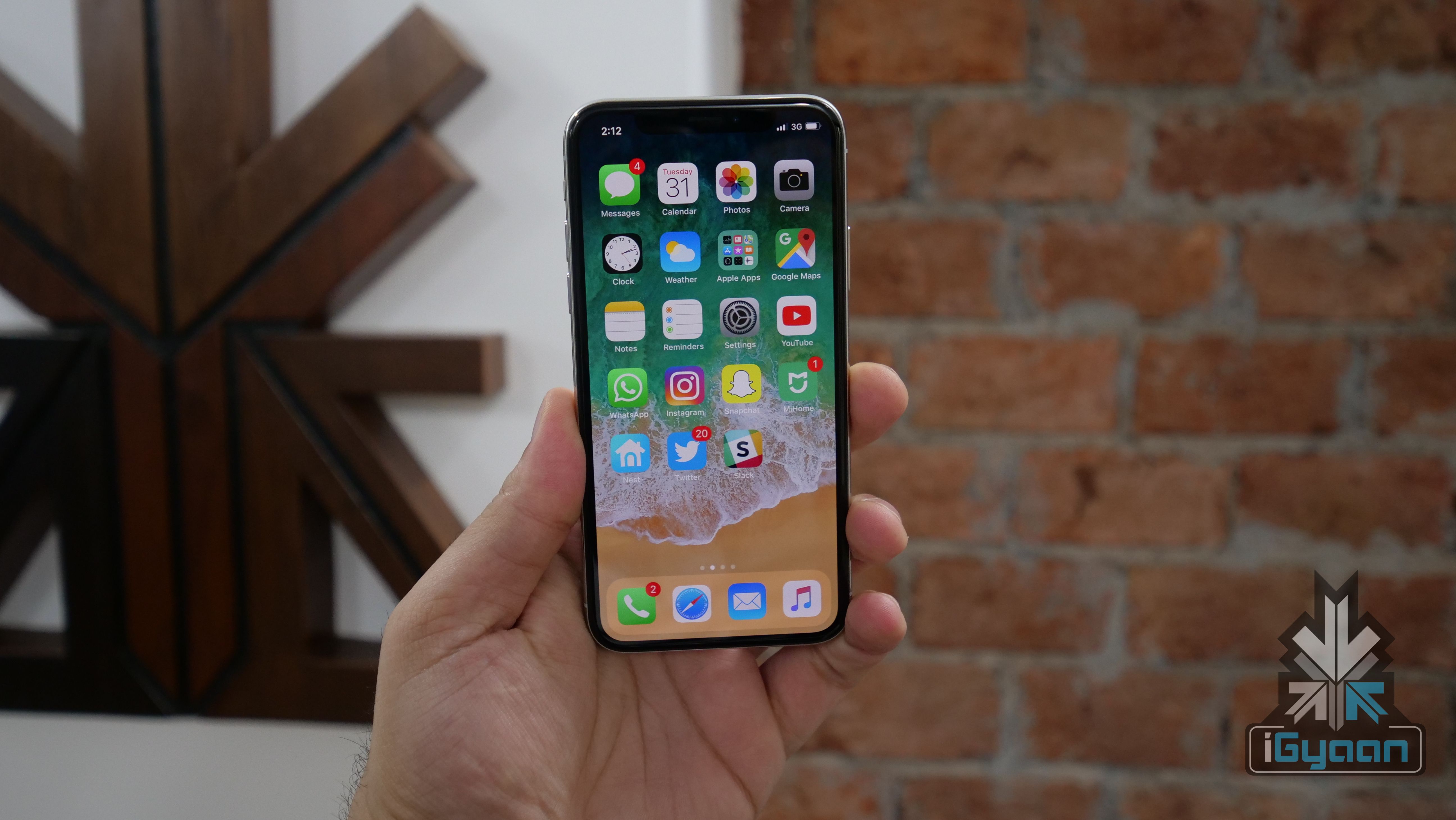
    In September 2017, Apple held its annual launch event and this time around, had a few tricks up its sleeves. The company launched the Apple TV 4K, the Apple Watch Series 3, and then the iPhone 8 and iPhone 8 Plus. However, that wasn’t the end of the event as the company launched the iPhone X, in a way reminiscent of the launch of the original iPhone from 2007.

    [amazon_link asins=’B072LPF91D’ template=’ProductAd’ store=’igyaan-21′ marketplace=’IN’ link_id=’797ce8b4-ff5d-11e7-bbff-4734590d8fbd’]

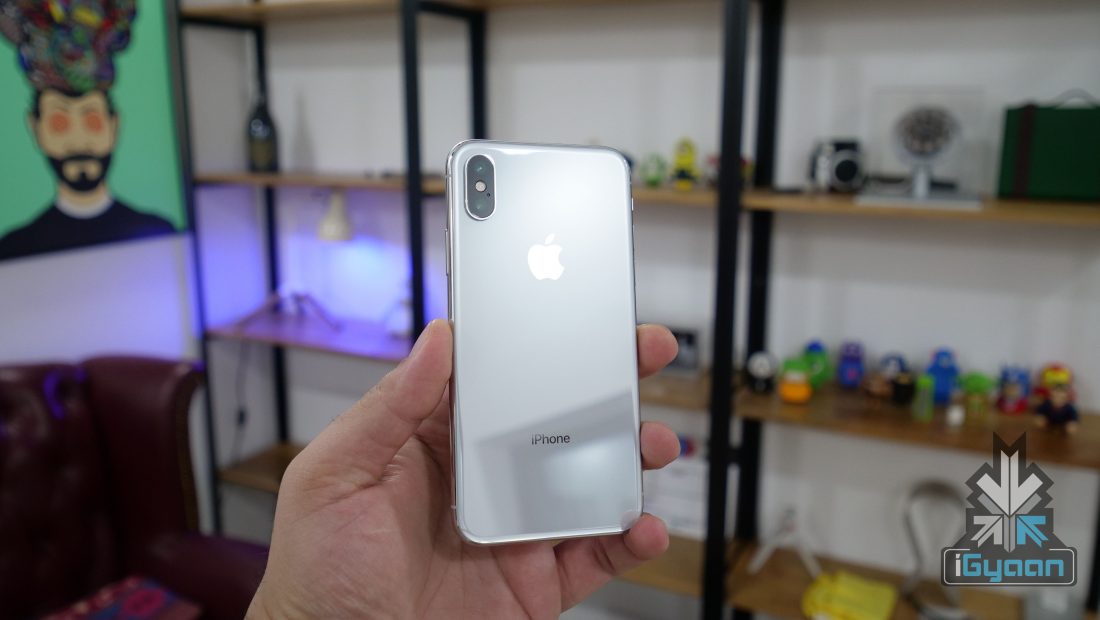
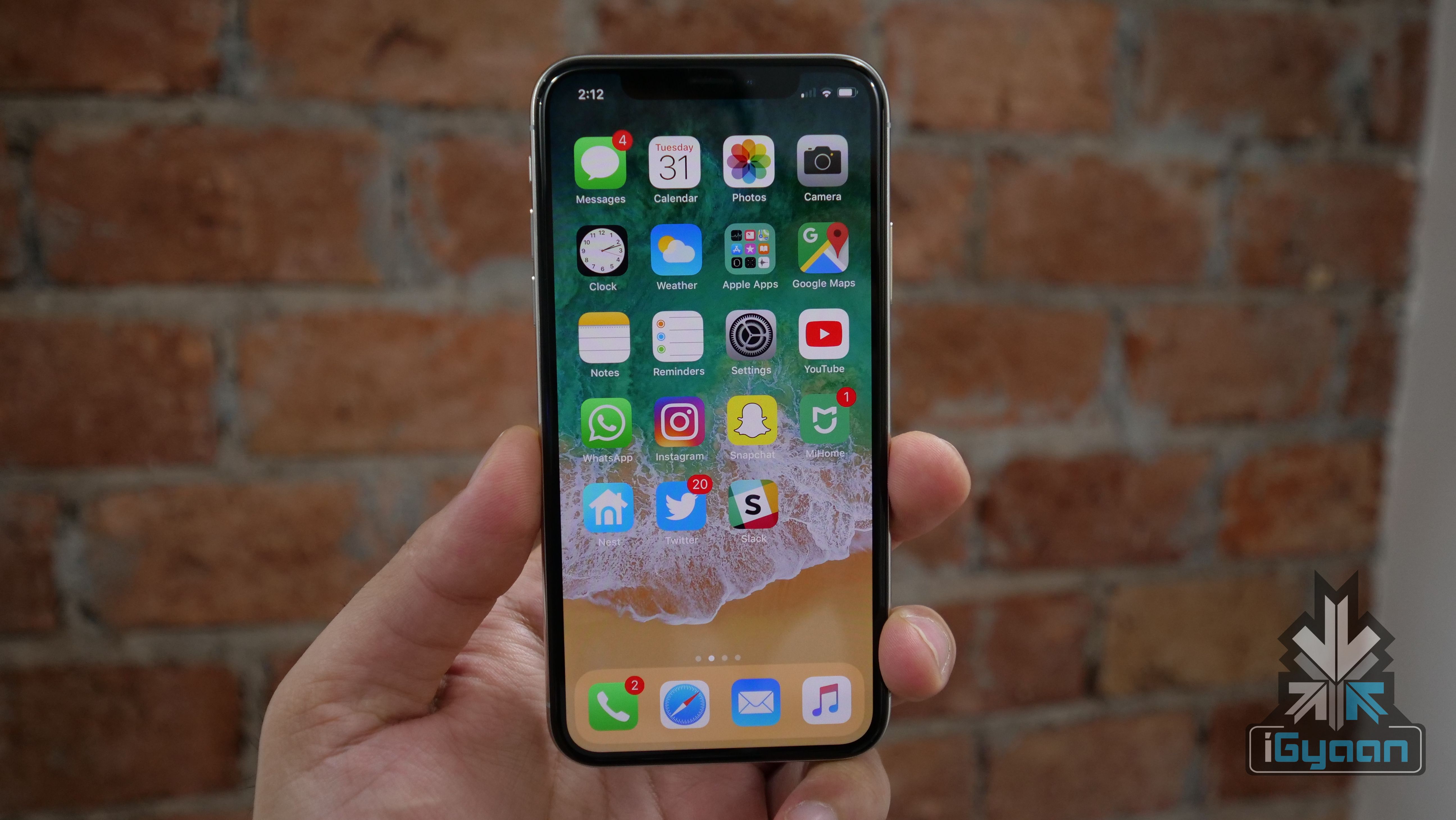
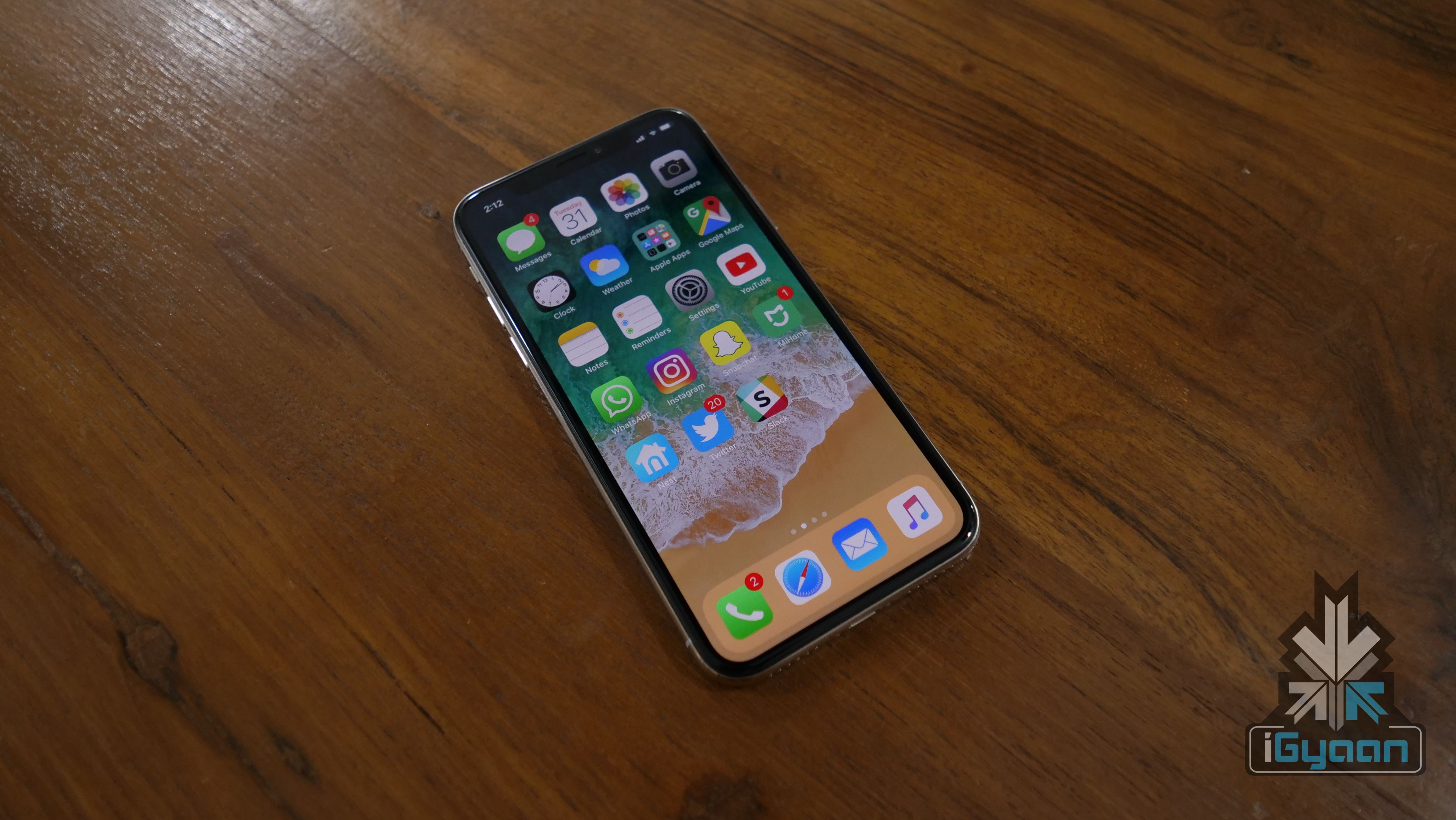
    The iPhone X represented a substantial design shift for the first time since the iPhone 6 was launched in 2014. A near bezel-less design, Face ID and a notch at the top which looked destined to divide opinions in a way only the “iOS vs Android” debate could. While the iPhone X is undoubtedly the most powerful smartphone in the market, the device has not been received that well in prominent smartphone markets.
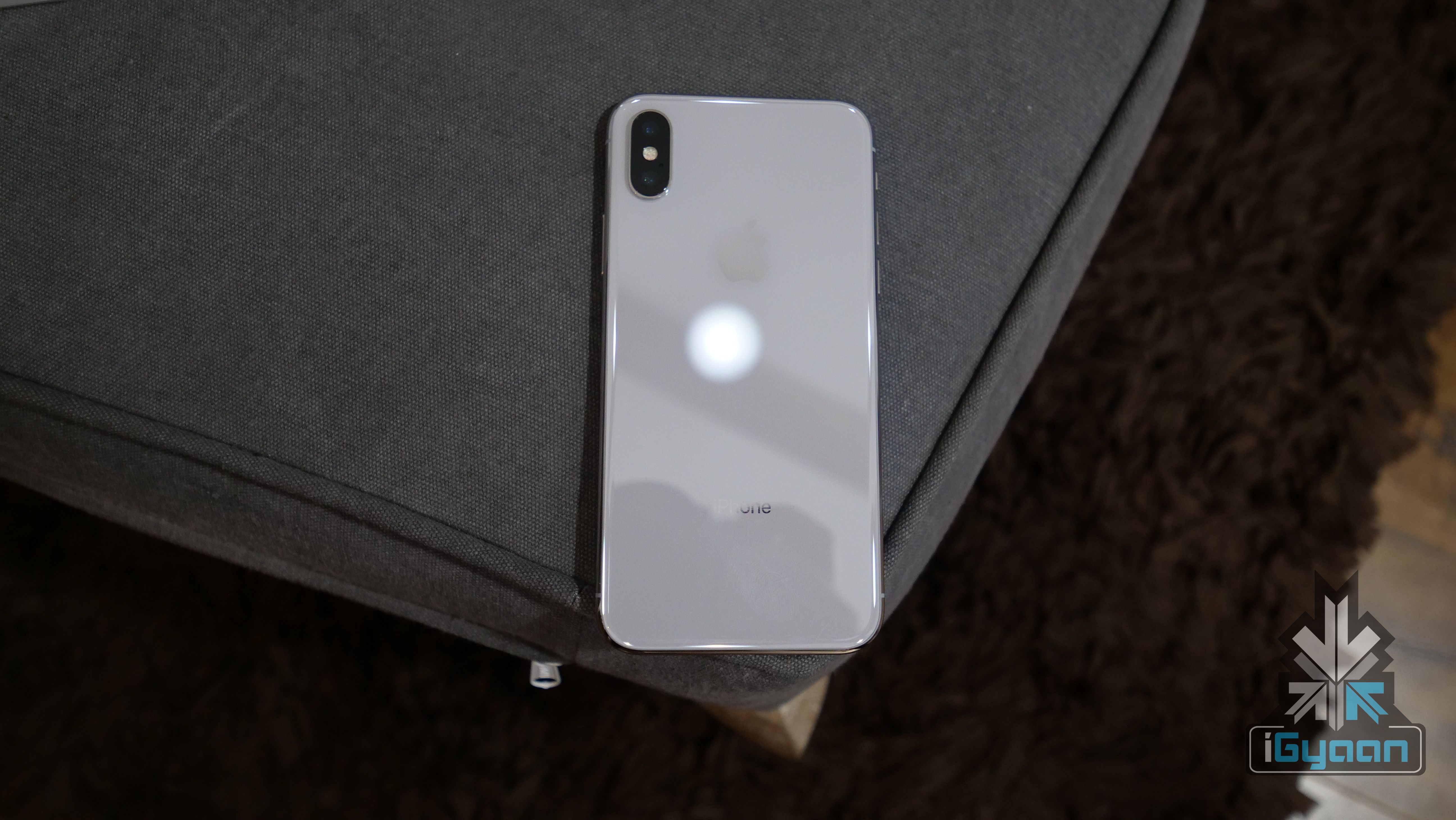
    Investors note from KGI Securities’ Ming-Chi Kuo says that the iPhone X has not been as impactful in China as predicted because of the notch holding the sensors for the device, giving consumers the impression that there is less usable space than on the iPhone 8 Plus. It is also expected that Apple will again launch three iPhones in September 2018 with all the three iPhones looking similar to the iPhone X rather than the iPhone 8 or 8 Plus.

    Ming-Chi Kuo predicts the iPhone X will be “end of life” in the summer of 2018, instead of being retained as a lower-cost option in the following year. If this happens, it would be the first time that Apple has not retained the previous year’s smartphone to offer a wide range of iPhones available in different price brackets.
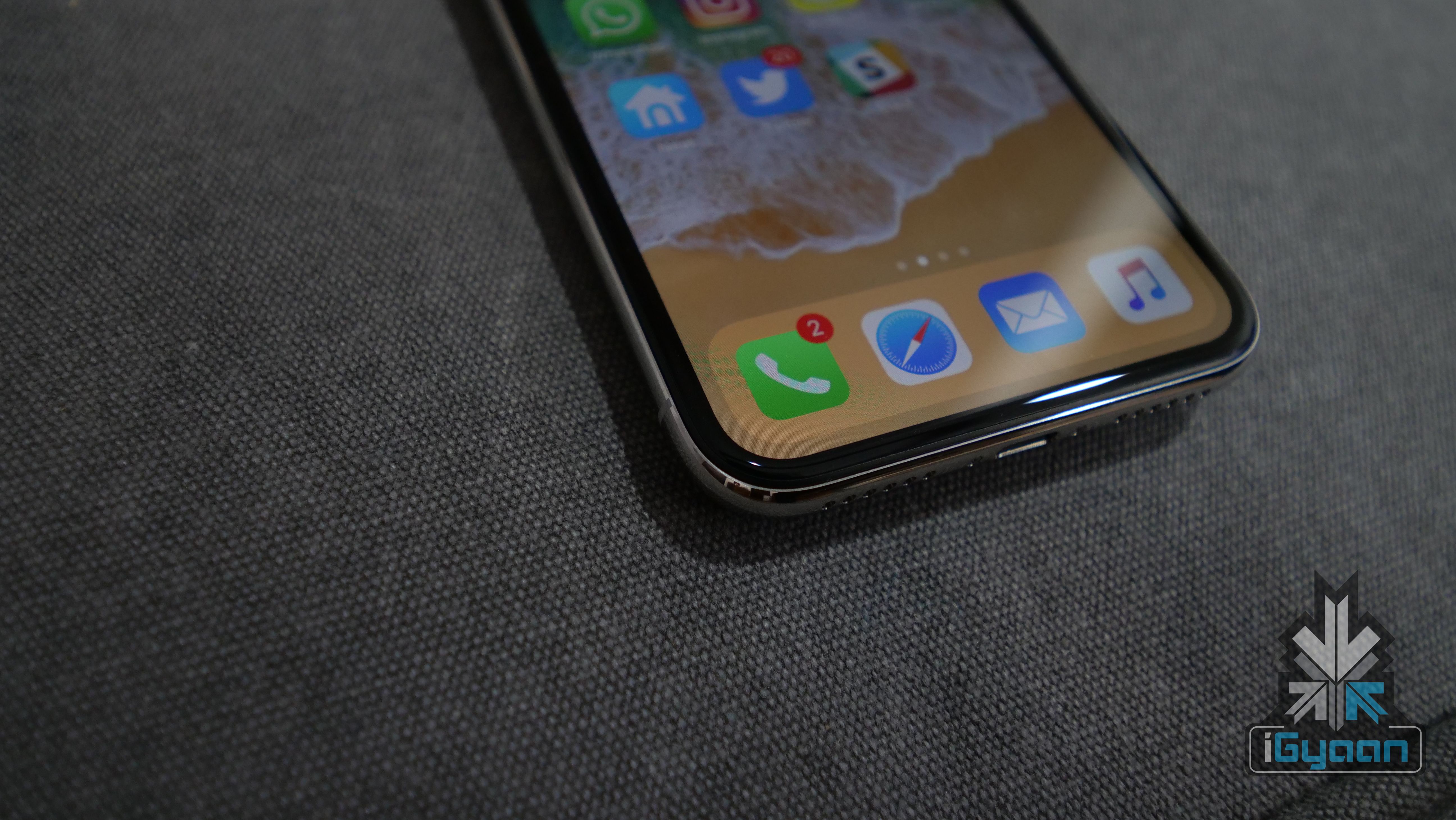
    The iPhone X has been well-received by customers and critics alike. While there were initial doubts about Face ID, it has proven to be a good substitute for Touch ID, especially during in-app purchases. Apple has said that it believes Face ID is the future and even though a screen embedded fingerprint sensor is a reality, we might have seen the last of Touch ID on iPhones with the iPhone 8 and 8 Plus.
  • Tim Cook Says Next iOS Update Will Allow Users To Disable Intentional iPhone Slowdowns

    Tim Cook Says Next iOS Update Will Allow Users To Disable Intentional iPhone Slowdowns

    Apple recently admitted to slowing down iPhones intentionally in order to prolong the battery life of older iPhones. While Apple sees no harm in this, there is a section of iPhone consumers who are against the step and would like the control on their devices back. Apple CEO Tim Cook has shared that the next update to iOS 11 will allow users to disable battery performance throttling on their device.

    In an interview, Tim Cook said the update will seed next month in a developer release before a wider public rollout:

    We’re going to give people the visibility of the health of their battery so it’s very, very transparent. This hasn’t been done before.

    He also says that the update will more clearly inform users when their iPhone is automatically reducing its performance in an effort to prevent unexpected shutdowns. To that, Cook says, “If you don’t want it, you can turn it off.” Although, he has conceded that this is not recommended and Apple stands by its decision to throttle the CPU performance.

    Ever since the news broke out, Apple has taken steps to curb the backlash. Apple conceded that it would cut the price of an out-of-warranty battery replacement from US $79 (Rs. 5000 approx.) to US$29 (Rs. 1850 approx.) for an iPhone 6 or later.

    For years, iPhone users claimed to notice a discernible system slowdown with some iOS updates. However, the issue came in the spotlight thanks to a widely circulated Reddit thread.

    Following that, Geekbench founder John Poole did some performance testing on various iPhones running different versions of iOS. Poole found that Apple does, in fact, limit performance on older iPhone models with lower-capacity batteries in the interest of battery life and preventing unexpected shutdowns.

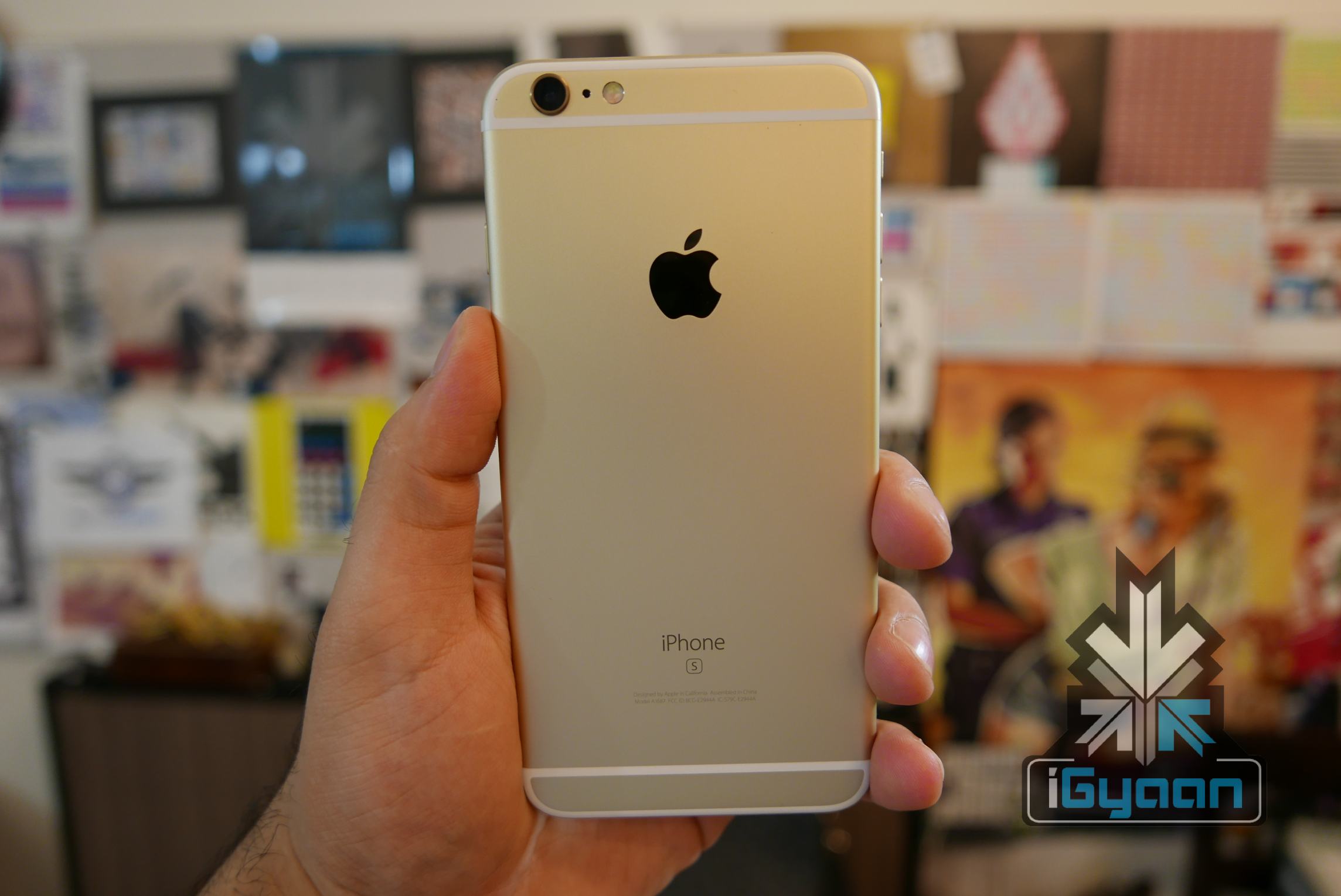
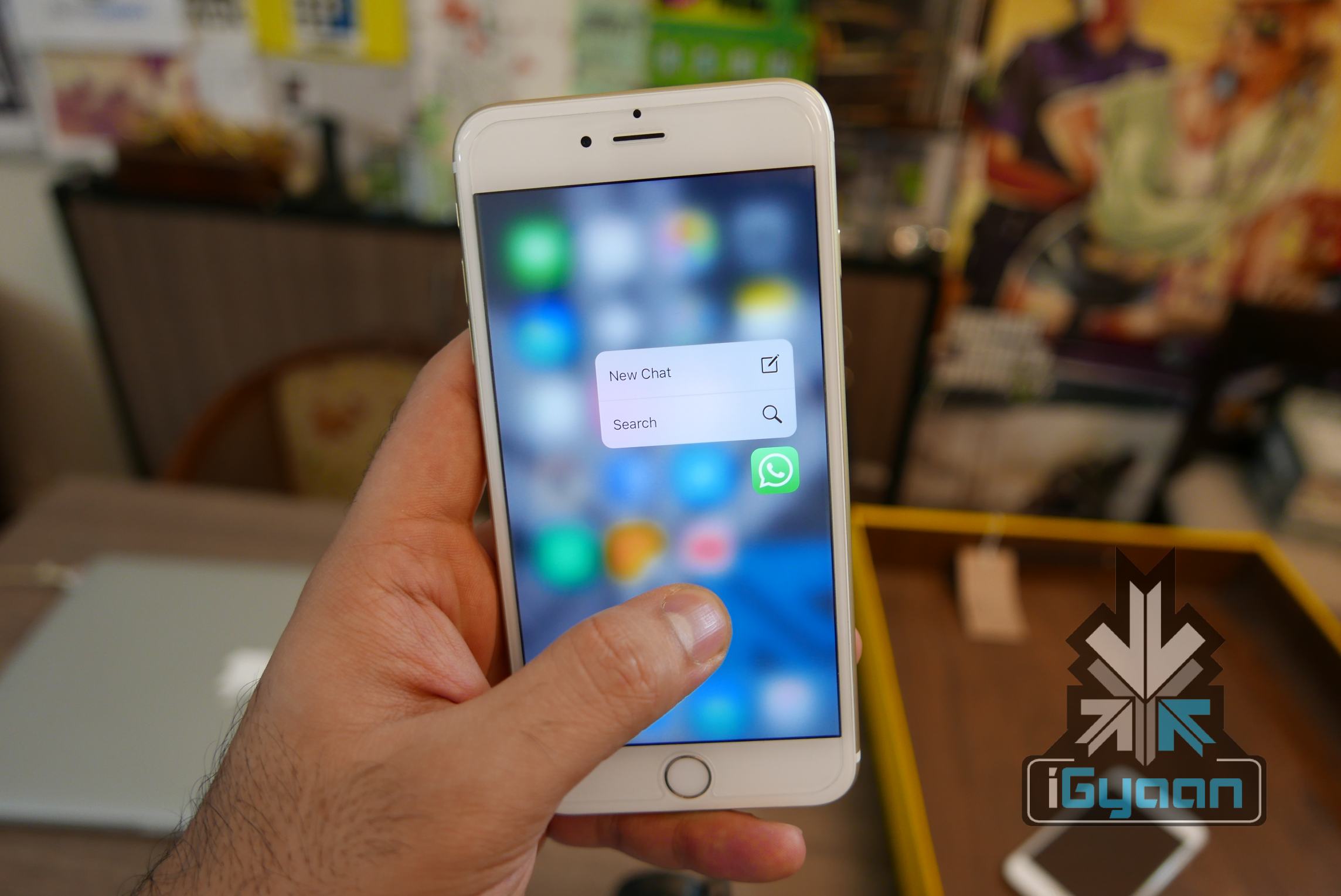
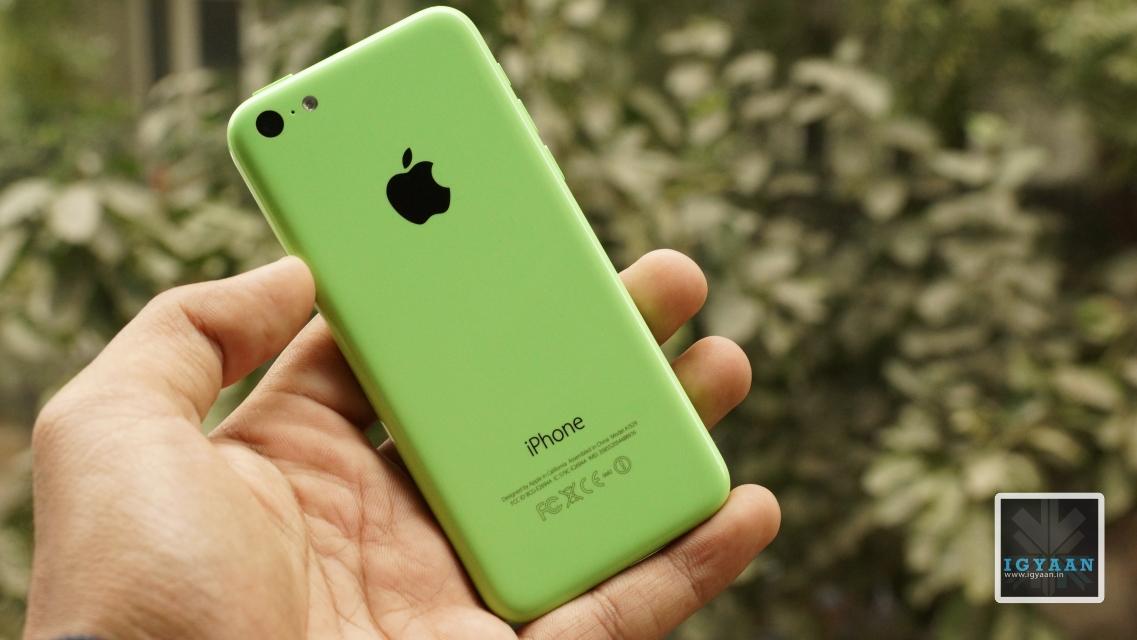
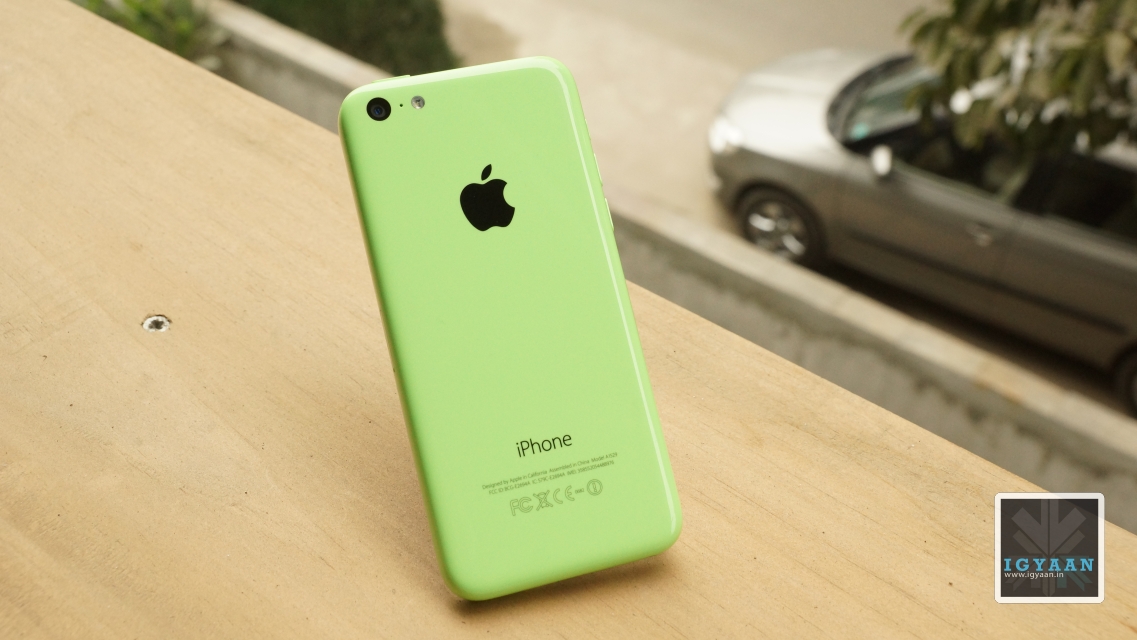
    iPhone 6s

    As Cook suggests, Apple is adamant that this feature is for the betterment of old iPhones. In its apology letter, the company stated:

    This feature’s only intent is to prevent unexpected shutdowns so that the iPhone can still be used. Only if these variables require it, iOS will dynamically manage the maximum performance of some system components, such as the CPU and GPU in order to prevent unexpected shutdowns.

    Apple currently faces multiple class action lawsuits after admitting to intentionally slowing down iPhones. One such lawsuit is filed by Stefan Bogdanovich and Dakota Speas and claims that Apple’s deliberate effort to throttle CPU performance on the iPhone amounts to “breach of contract.” It also notes that Apple’s behaviour lowers the resale value of existing iPhones and underhandedly coerces iPhone owners to upgrade to newer models.

    The next iOS 11 developer beta is expected in early February, which means a public release will follow sometime in March.

  • Is Apple Slowing Down Older iPads As Well?

    Is Apple Slowing Down Older iPads As Well?

    Recently, it was unearthed that older iPhones were being slowed down via OTA updates by Apple. As the story broke out a few days after the iPhone X went on sale, people started questioning Apple’s ethics and speculated that Apple does this to influence consumers into buying new iPhones. After a few days of conspiracy theories doing the rounds on the internet, Apple came out and admitted to the doings.

    However, the reason Apple gave was different from what people on the internet were speculating. To tackle battery ageing in a more efficient way, what Apple is doing for older iPhones is it is capping the processor power to prolong the age of the battery. This is an attempt to make people’s phone work for longer with fewer issues, not to get them to switch away from it.

    So, it is fair to assume that iPads will be dealt with the same strategy of slowing down the performance in order to increase battery life. Well, it isn’t. Apple is not capping the performance of the processors found iPads.

    [amazon_link asins=’B06Y6744LJ’ template=’ProductAd’ store=’igyaan-21′ marketplace=’IN’ link_id=’400776ed-f9bf-11e7-87fd-13a73bdb3c8e’]

    The reason Apple went this route of slowing down iPhones was that of the battery. An ageing battery is less able to provide power quickly enough to the system that needs it. This was the main reason for random iPhone shutdowns which Apple addressed in its iOS 10.2.1 update. IN this update, the company introduced a feature to manage the instantaneous performance peaks, only when needed, to prevent an iPhone from unexpectedly shutting down.

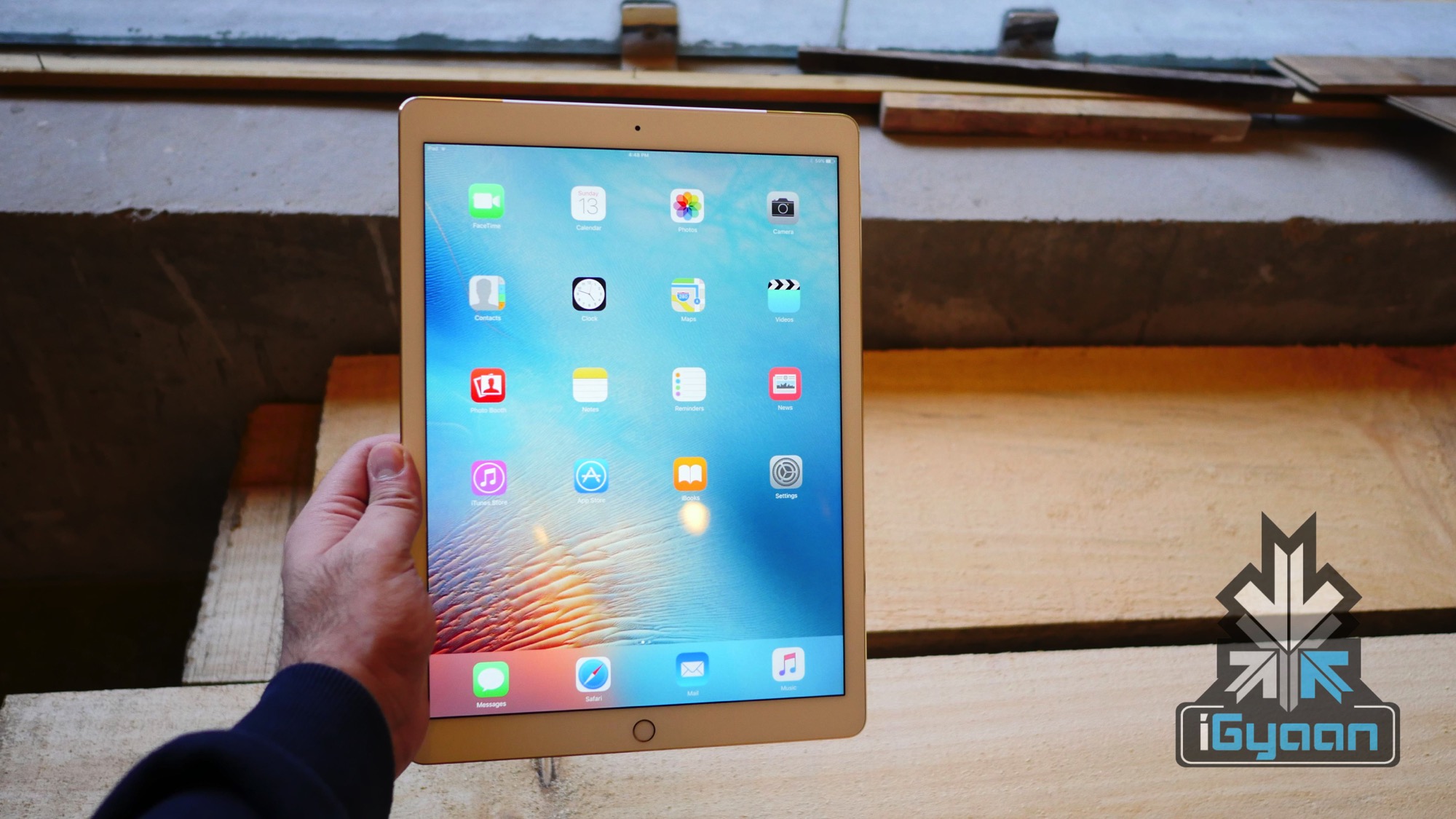
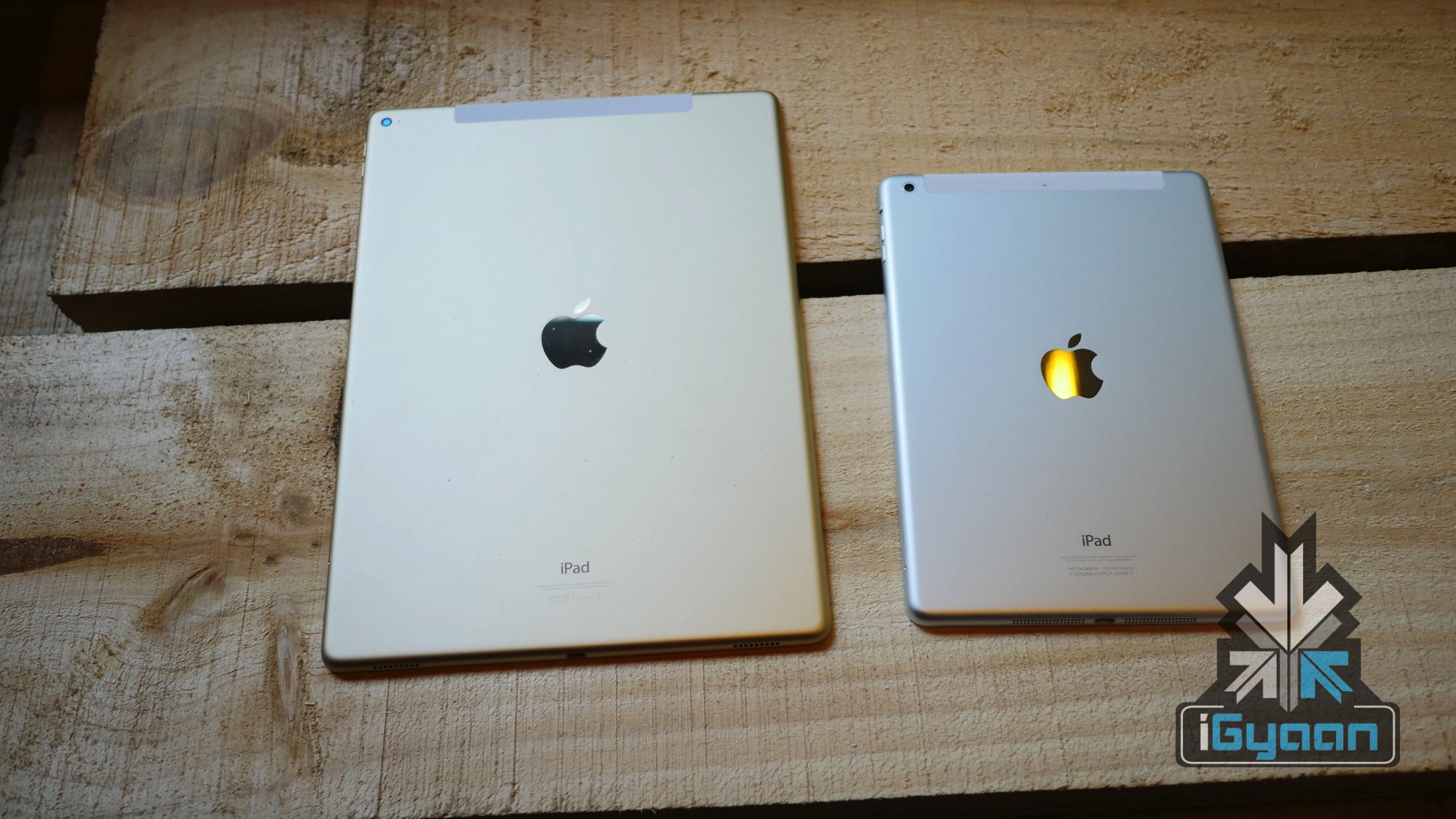
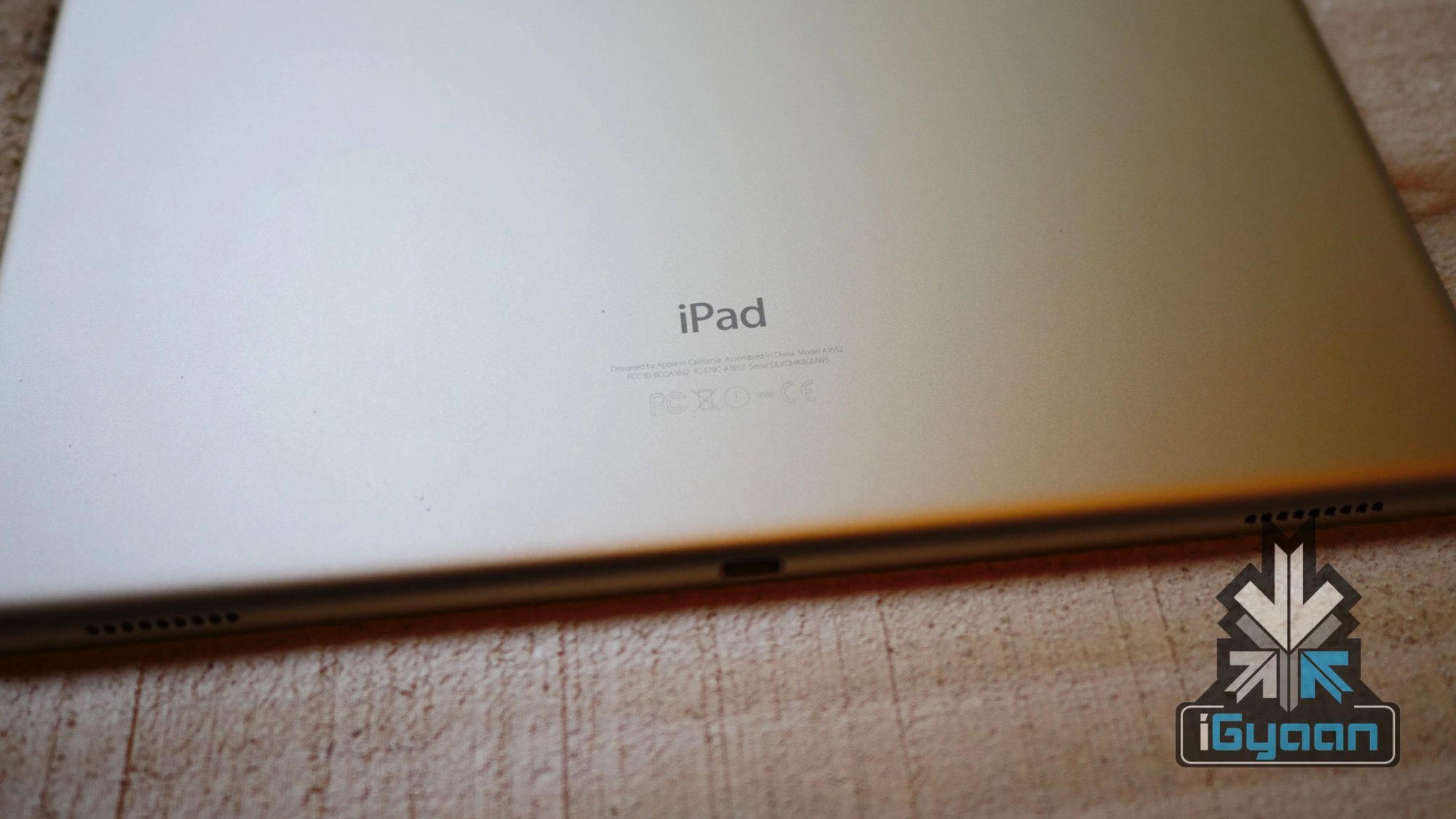
    Now, the reason this wasn’t introduced to iPads is twofold. Firstly, an iPad has a much larger battery capacity than an iPhone. For example, the iPhone 6, launched in 2014 has an 1810 mAh (6.9 Wh) battery while the iPad Air 2, launched the same year has a battery capacity of 7340 mAh (27.62 Wh). This means that an iPad battery is much better equipped to handle performance peaks.

    Also, the average consumer uses iPads in a very different manner when compared to an iPhone. Since it usually is a secondary media consumption device, it is charged less often, which affects how the battery will age. For now, iPads are safe and protected from the slowing down software. However, in the coming years, iPads could also receive such software updates to prolong their battery lives.

  • You Can Own A Gold Apple iPhone X For Rs. 1,36,000

    You Can Own A Gold Apple iPhone X For Rs. 1,36,000

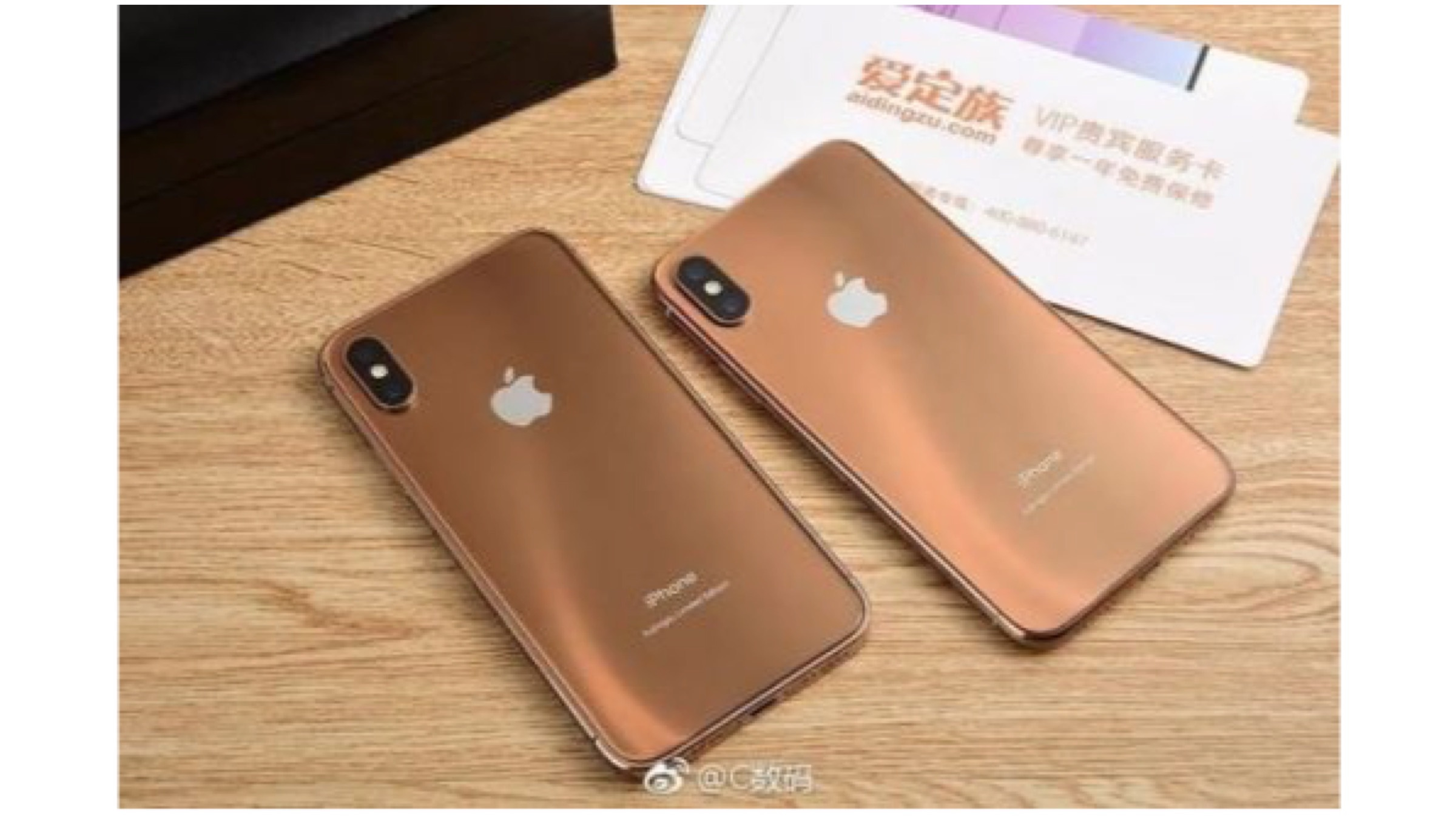
    Apple launched the iPhone X back in September 2017 at a starting price of US $999 while in India, it retails at a starting price of Rs. 89000. While the iPhone X is the priciest iPhone ever launched by Apple, it is certainly not the most expensive iPhone you can buy. If you have about Rs. 1,36,000 burning a hole in your pocket, a Blush Gold iPhone X can be yours.

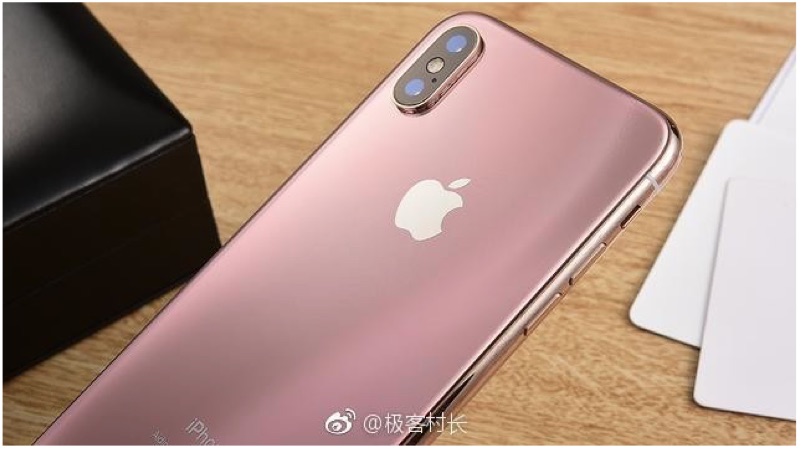
    A Chinese company has launched the iPhone X Blush Gold, Bronze and Champagne Gold Color customised variants for users in China. It starts at a price tag of CNY 13888 (US $2149 or Rs. 1,36,659 approx) and goes up to CNY 16888 (US $2923 or Rs. 1,85,859 approx.).

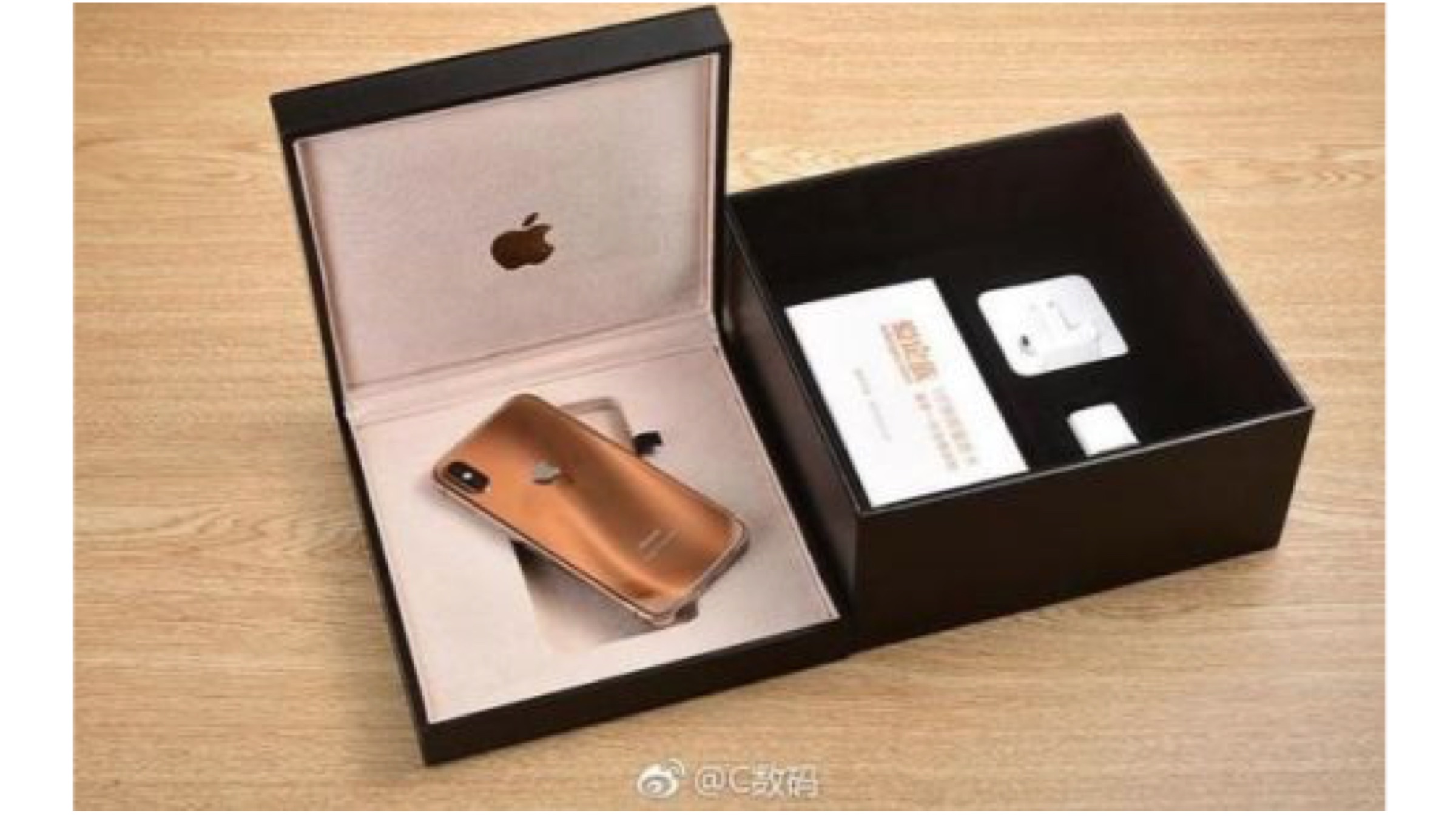
    However, it is not just the colour that is customised according to a user’s need, they can also choose a different middle frame of the iPhone X. Customers can either choose an iPhone X-style curved frame or a flat iPhone 4-style frame. That level of customisation obviously deserves top dollar. The box is not the average run of the mill Apple box, it is a big box designed like a gift for every user.

    In 2017, Apple launched the Product RED iPhone 7 and 7 Plus. It is possible that Apple might launch a Product RED iPhone X as well. If you are on the lookout for a special edition iPhone X, then you’d want to wait and see if a red iPhone X will be launched or not. Otherwise, a Blush Gold, Bronze or Champagne Gold colour options are always available.
  • Apple iPhone 6s, iPhone 7, MacBook Air On Discount During Flipkart’s Apple Week Sale

    Apple iPhone 6s, iPhone 7, MacBook Air On Discount During Flipkart’s Apple Week Sale

    Despite the recent controversy, there is no denying that Apple iPhones age very well and you won’t have to worry about Apple’s software tweaks kicking in at least a couple of years after you buy a new iPhone. With great discounts on iPhone 6s all the way up to iPhone 8 and 8 Plus, this might be the ideal time to upgrade from an older smartphone. Also, the MacBook Air is available at a great discount as well.

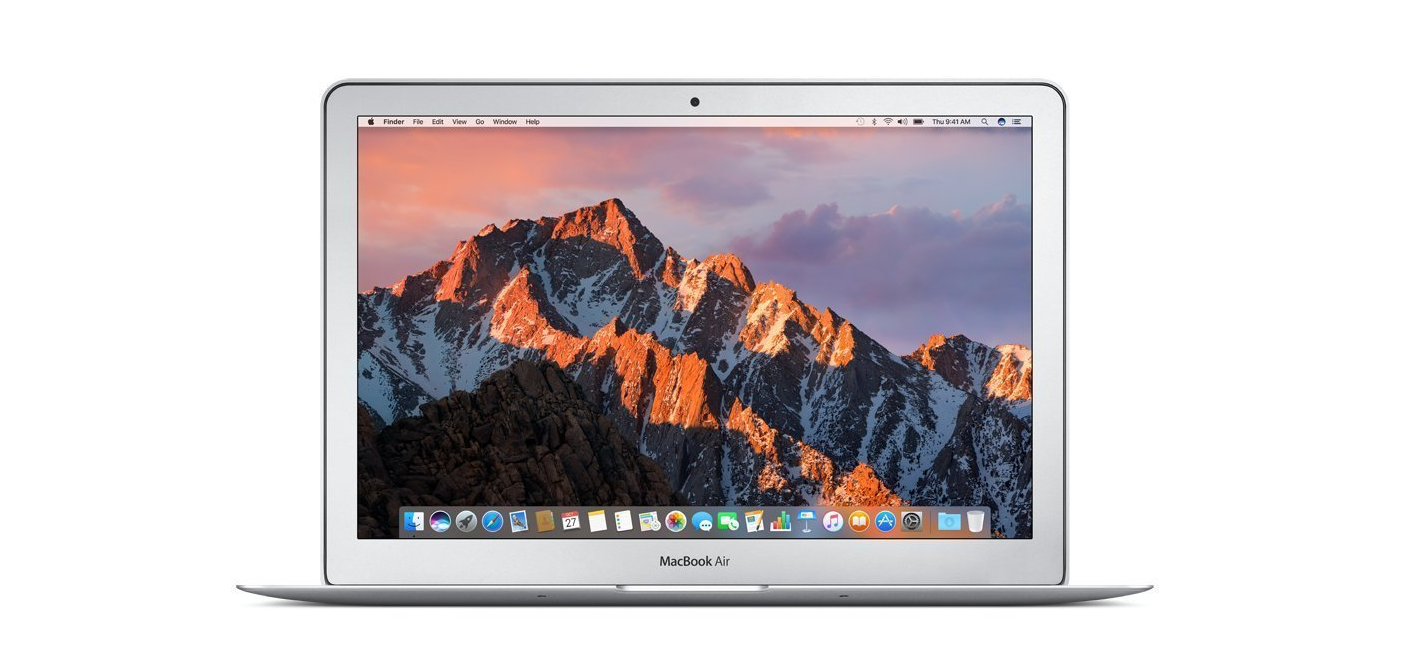
    MacBook Air Core i5 5th Gen Processor

    The Apple MacBook Air is ideal for people who want to be a part of the Apple ecosystem but, do not need the power of a MacBook Pro. The MacBook Air has a 1.8GHz Intel Core i5 processor, 8GB LPDDR3 RAM, 128GB Solid State hard drive and, Intel HD Graphics 6000. The MacBook Air is light, portable and efficient. It usually retails for a price of Rs 77,200 but, during the current sale, it is available for Rs 54,490. The cashback is Rs 8,000 on ICICI Bank EMI transactions and it effectively brings the price to Rs 46,490.

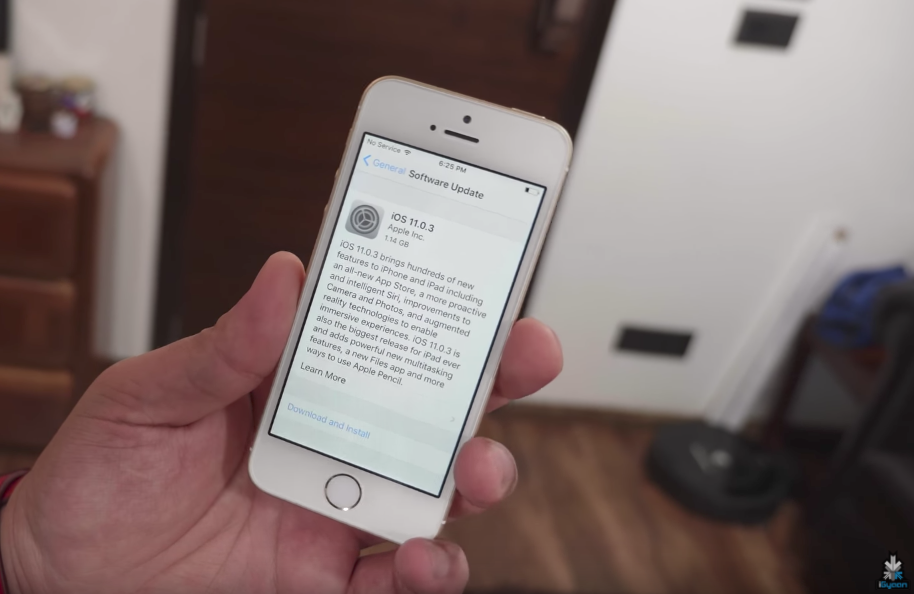
    Apple iPhone SE

    A game-changer at the time of its launch, the iPhone SE is still a great, affordable iPhone for people looking to enter the Apple ecosystem. It is priced at Rs. 18,999 on Flipkart right now with a Rs. 2500 cashback from ICICI Bank and up to Rs. 18,000 on an exchange which seems highly improbable.

    Apple iPhone 6, iPhone 6s

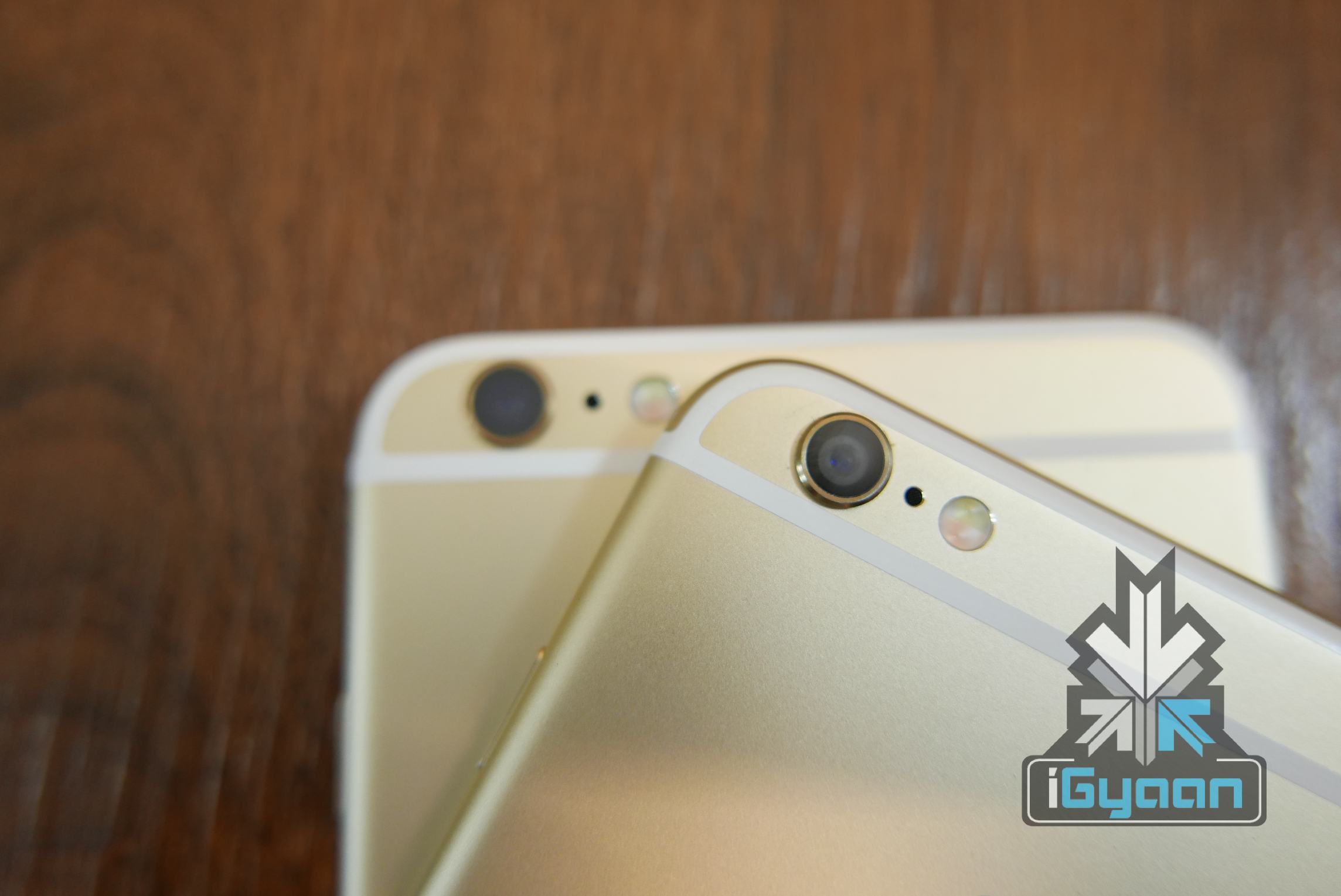
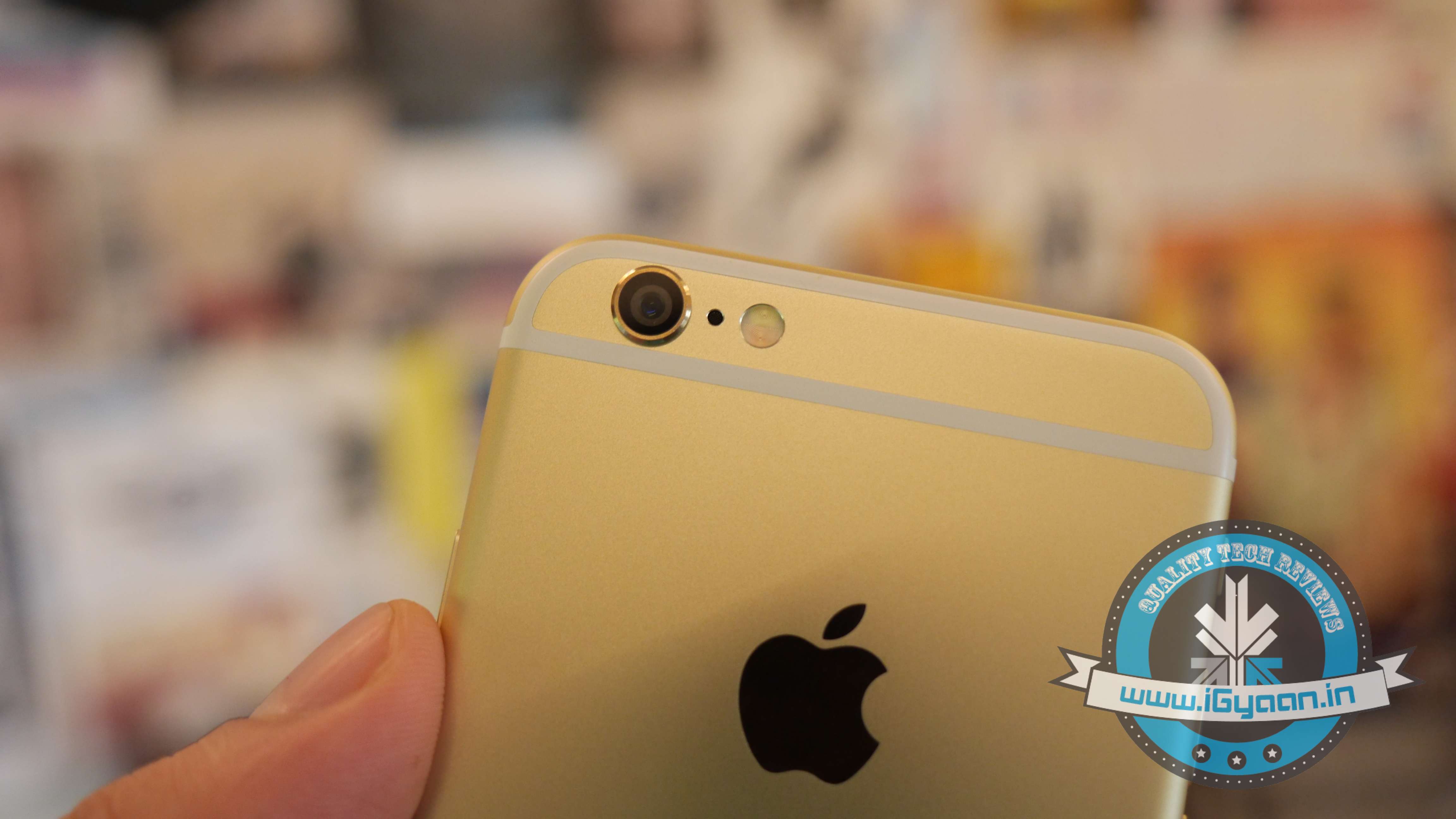
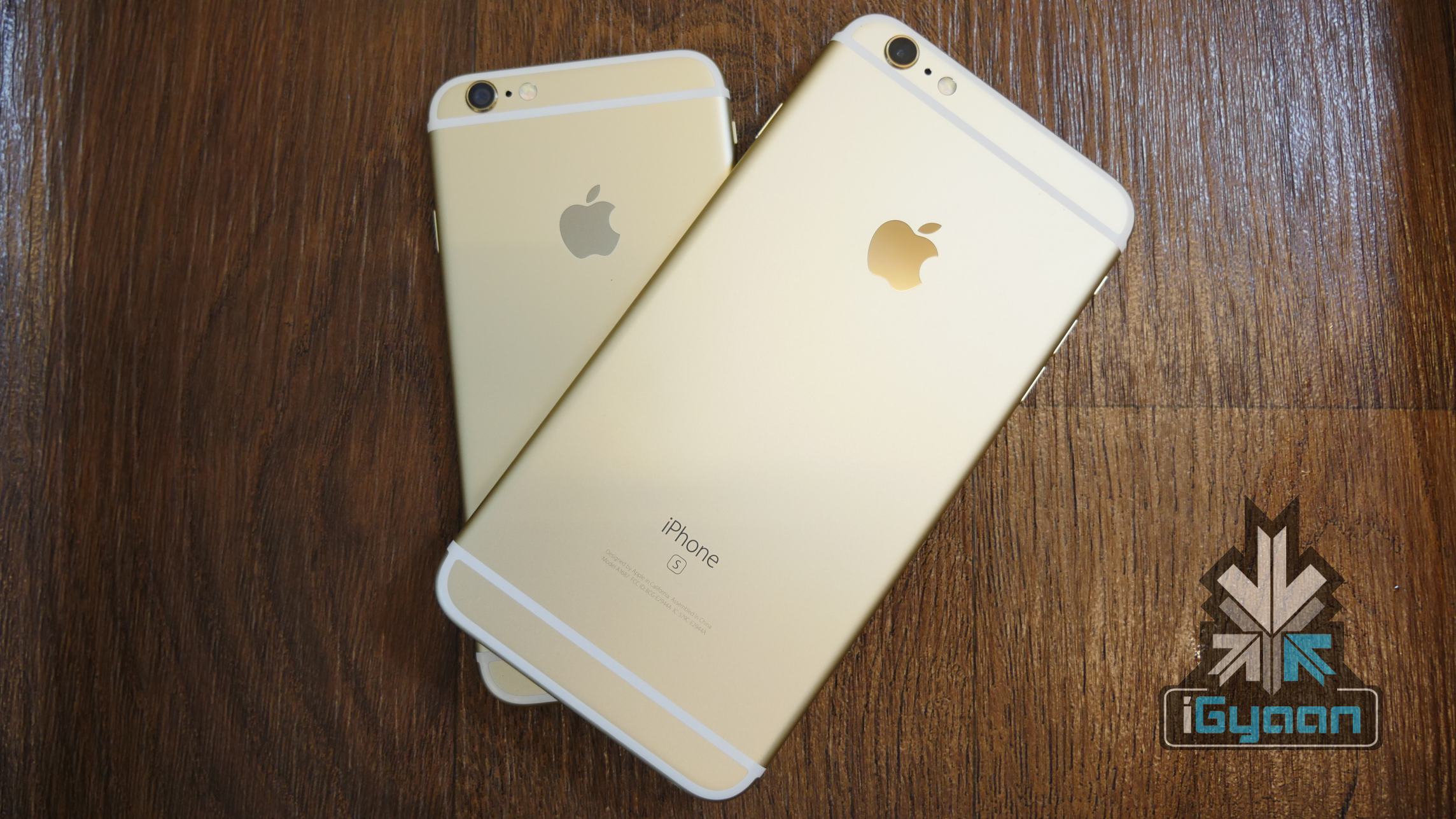
    While the iPhone 6 was launched in 2014, it continues to be a solid offering from Apple even three years later. It recently received iOS 11 update as well and will receive iOS 12 update in 2018. The iPhone 6 starts at a price of Rs. 25,499, while the iPhone 6s Plus starts at a price of Rs 37,999. Apple iPhone 6s is also listed at a price of Rs 34,999 but the listing says ‘Coming soon’.

    Apple iPhone 7, iPhone 7 Plus

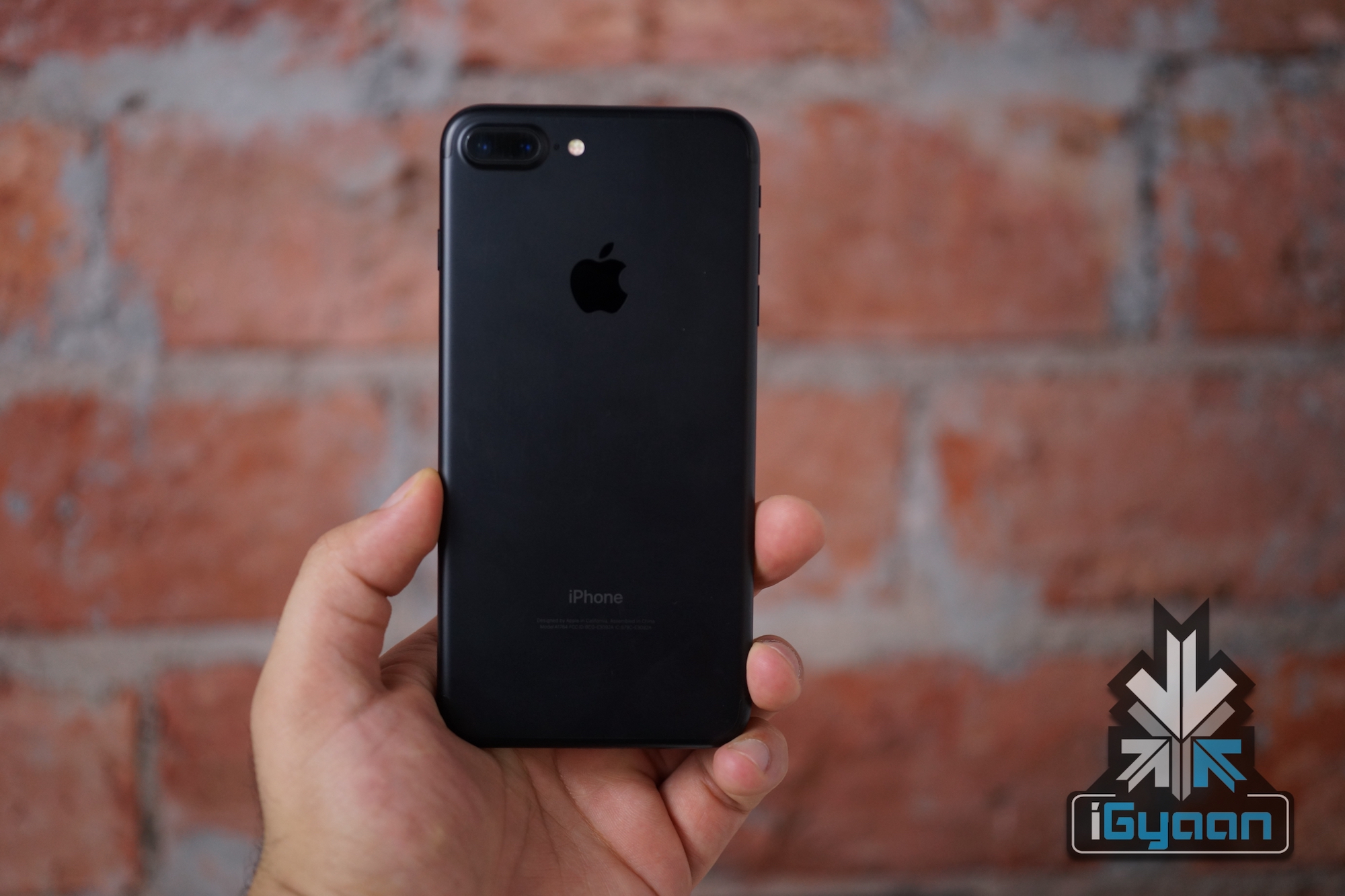
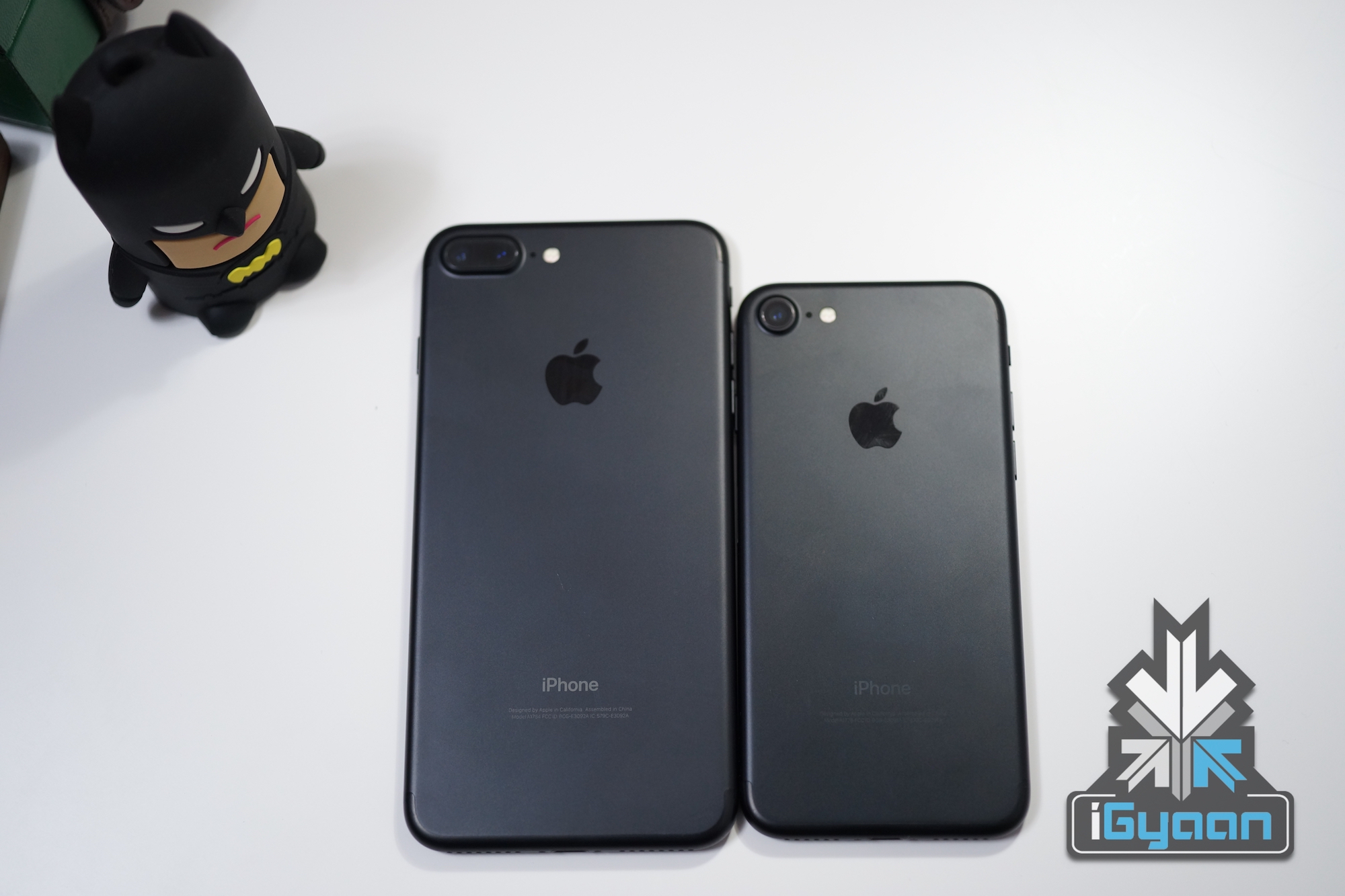
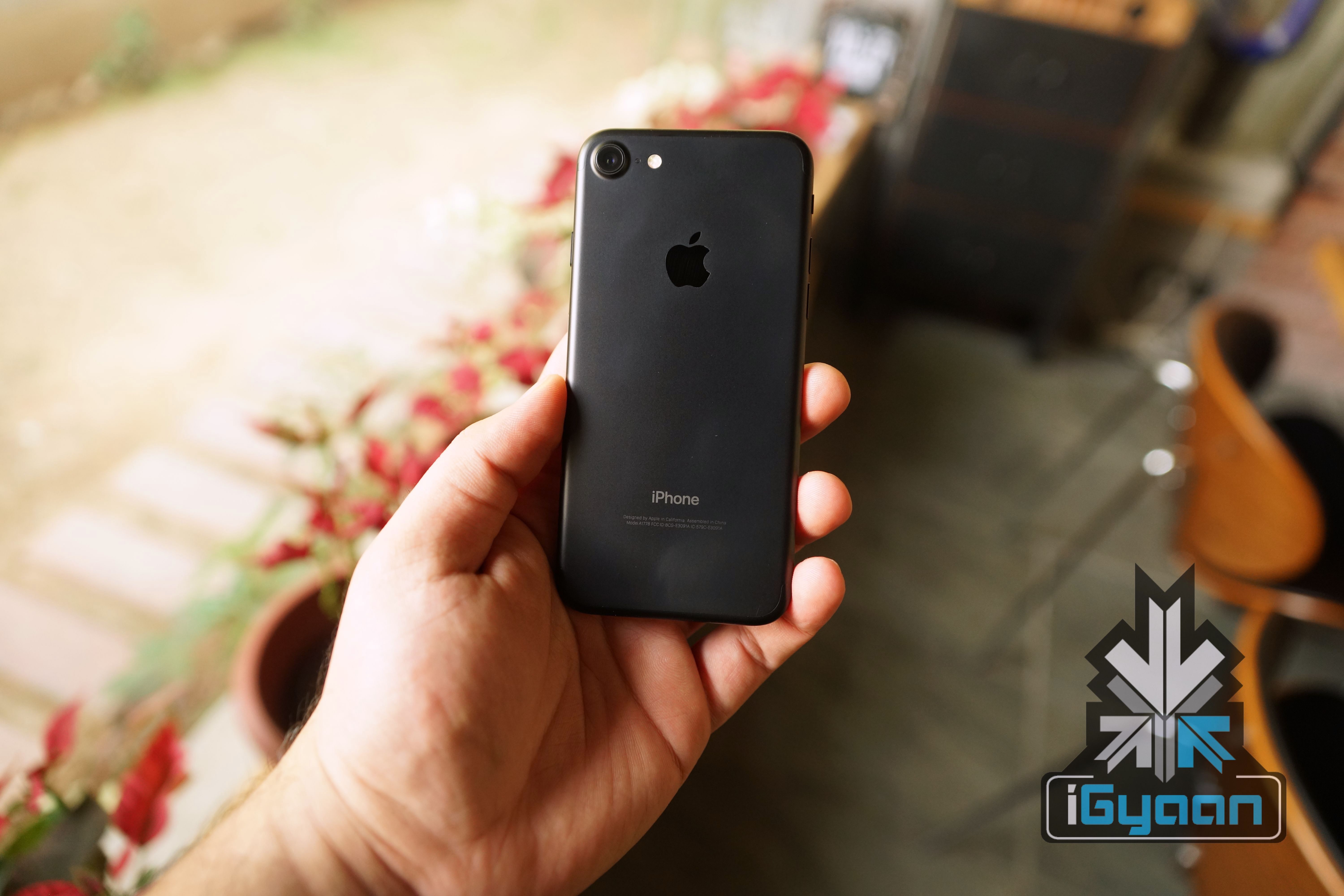
    Launched in 2016, the iPhone 7 and iPhone 7 Plus are powered by a great chipset and feature excellent cameras as well. The devices won’t be slowing down anytime soon so, it makes sense to go for an iPhone 7 or iPhone 7 Plus if you are on a budget. Apple iPhone 7 Plus with 32GB storage is available at Rs. 56,999 during the sale. The price comes down to Rs. 51,999 when the cashback is included as well. The smaller sibling, iPhone 7 with 32GB storage is also available at a discounted pricing of Rs 42,999 on Flipkart. With the cashback of Rs. 5000, the effective price comes down to Rs. 37,999.

    Apple iPhone 8, iPhone 8 Plus

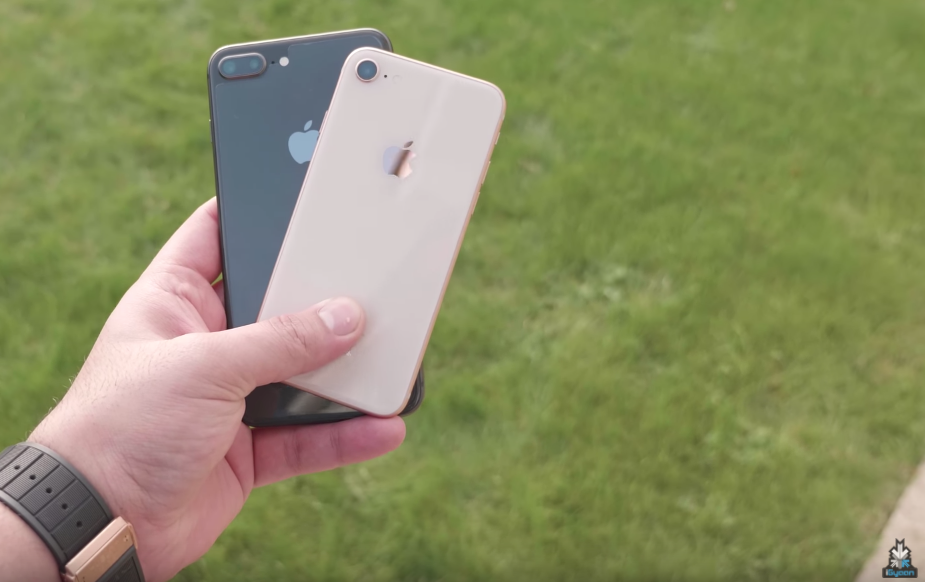
    The forgotten heroes from the Apple launch event that was held back in September. The iPhone 8 and iPhone 8 Plus have a similar design to the iPhone 7 and 7 Plus, with a glass back and new colour options. The iPhone 8 Plus, along with the iPhone X also record 4K videos at 60fps which is unprecedented in the smartphone industry. The devices also feature wireless charging and are powered by the new A11 Bionic chipset with a built-in neural engine for AR. The iPhone 8 with 64GB storage is priced at Rs. 54,999 while the iPhone 8 Plus is retailing at Rs. 66,499. Both variants will get Rs 8000 cashback for ICICI Bank credit card users.

  • Replace iPhone Batteries For Free- US Senate Leader

    Replace iPhone Batteries For Free- US Senate Leader

    The iPhone slowdown controversy surrounding Apple doesn’t appear to be fizzling out anytime soon. Ever since Apple came out and admitted to intentionally slowing down older iPhones, the consumers have been fuming over the decision. Even though Apple changed its battery replacement policies and brought charges down to US $29 (from US $79), the company has not yet won the trust back of the majority of its consumers.

    The chairman of the US Senate’s commerce committee wants Apple to clear the air surrounding its once-secret slowdown of older iPhones. Senator John Thune, a South Dakota Republican, issued his request for more information in a letter sent to Apple CEO Tim Cook. Among other things, Thune wants to know if Apple made any effort to notify its customers that its recent software updates would make several types of iPhones released before 2017 slow down when their batteries weakened.

    Thune also asked whether Apple considered replacing the batteries for free, instead of the current discounted charge of US $29. In the letter, he has also asked about Apple’s future plans of handling ageing batteries and whether performance throttling will continue in older iPhones.

    To tackle battery ageing in a more efficient way, what Apple does for older iPhones is it caps the processor power to prolong the age of the battery. This is a is a lithium-ion chemistry issue, not an Apple or any other OEM issue. Over time, batteries just become bad. This is an attempt to make people’s phone work for longer with fewer issues, not to get them to switch away from it.

    These changes will not affect the average performance of a device, and it is not throttling; it is capping the peak demands. In doing so, it is not allowing them to be as high and spreading that work out over more cycles rather than one.

  • Apple Admits Spectre And Meltdown Affects All macOS And iOS Devices

    Apple Admits Spectre And Meltdown Affects All macOS And iOS Devices

    Alphabet’s Google, along with a few other security researchers published a document which chronicled two major flaws found in nearly all modern CPUs. The reason this flaw is much more complex than the usual software or hardware bugs is that it’s more than just a bug that can be fixed with an update. The flaw lies in the middle, at the level of the processors’ “architectures,” in the way all the millions of transistors and logic units work together to carry out tasks.

    In the architecture of modern CPUs, there are unpenetrable spaces where data passes through in raw, unencrypted form, such as inside the kernel, the most central software unit, or in system memory carefully set aside from other applications. This data has powerful protections to prevent it from being interfered with or even observed by other processes and applications.

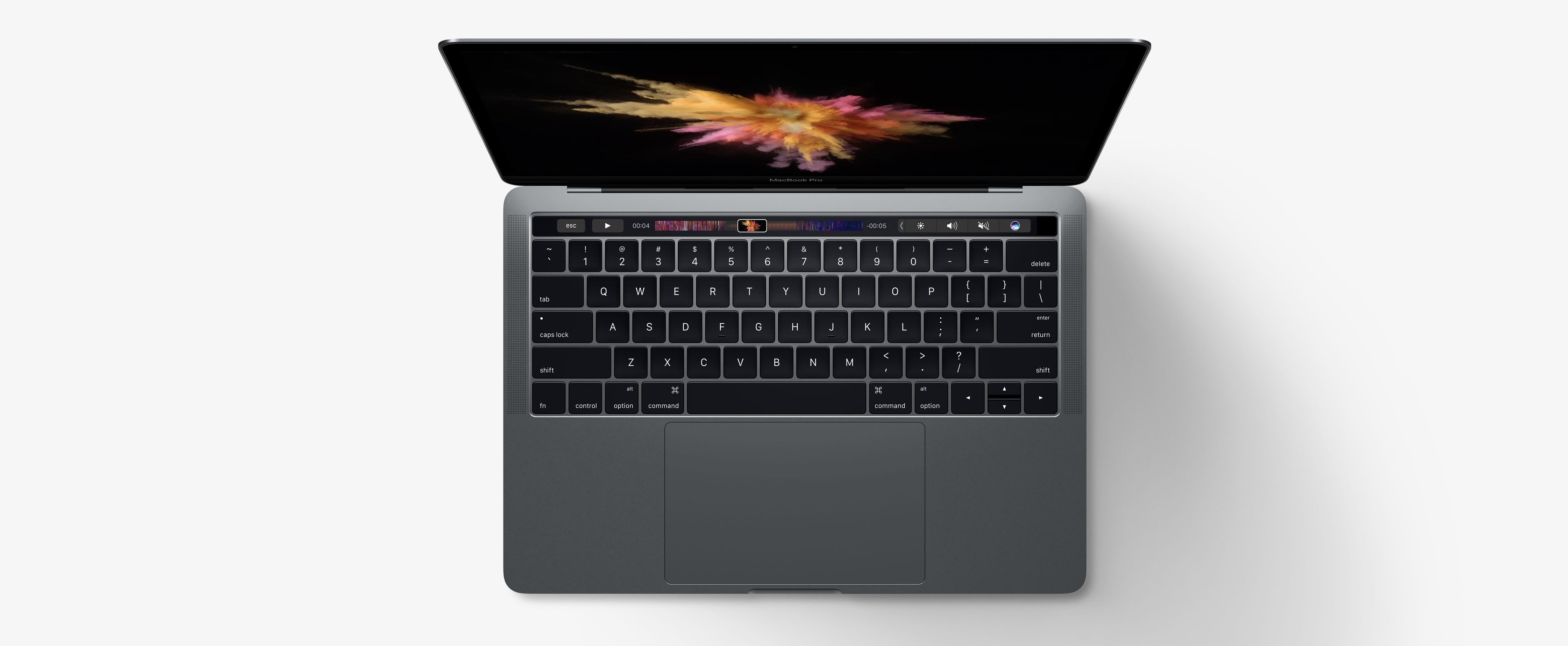
    MacBook Pro

    Meltdown and Spectre exploit critical vulnerabilities in modern processors. These hardware bugs allow programs to steal data which is currently processed on the computer. While programs are typically not permitted to read data from other programs, a malicious program can exploit Meltdown and Spectre to get hold of secrets stored in the memory of other running programs. This might include passwords stored in a password manager or browser, personal photos, emails, instant messages and even business-critical documents.

    Meltdown affects Intel processors and works by penetrating through the barrier that prevents applications from accessing arbitrary locations in kernel memory. Spectre affects Intel, AMD, and ARM processors, which basically means that it affects anything with a chip in it, from mobile phones to thermostats.

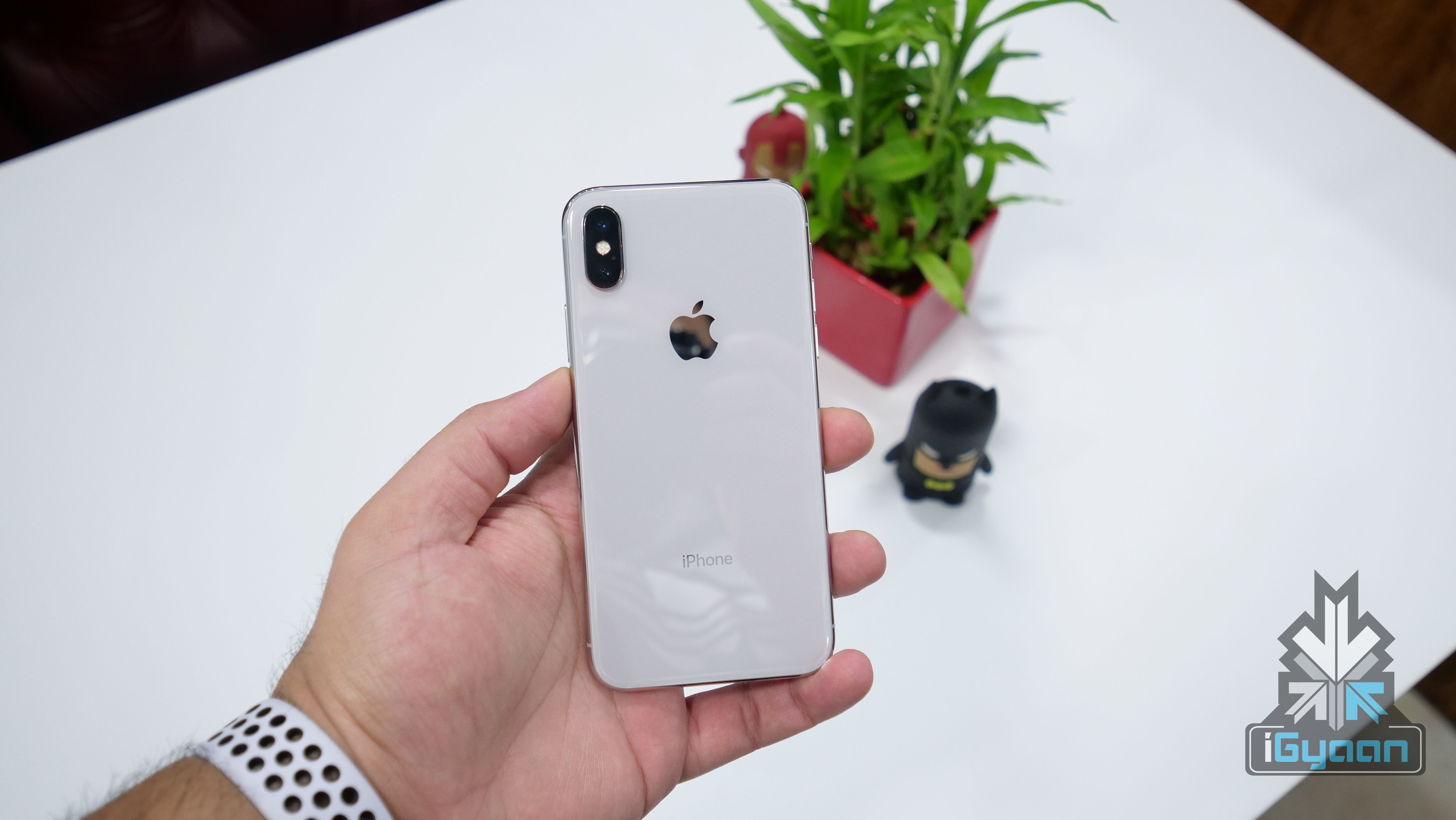
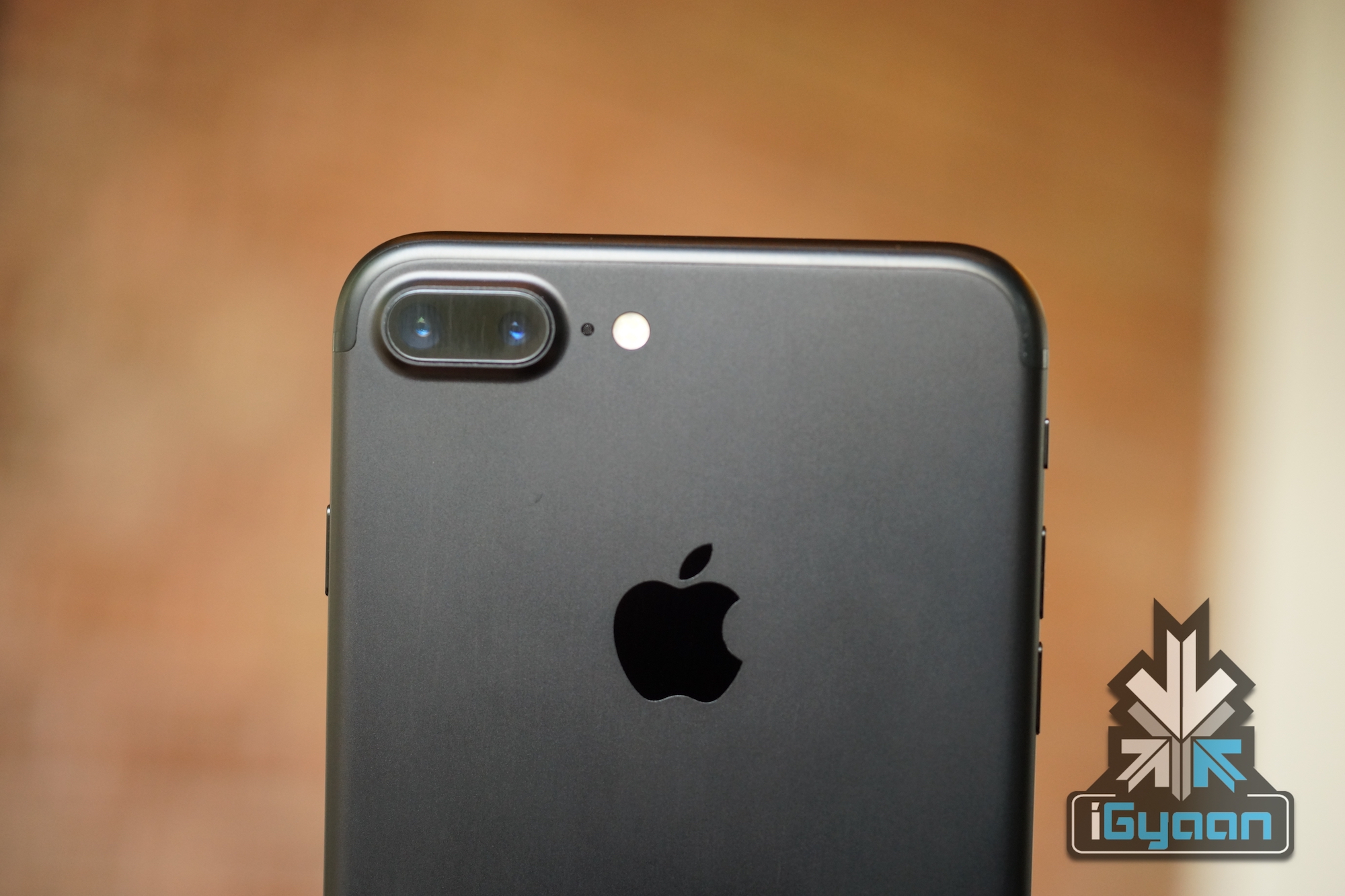
    iPhone X

    In a response to this revelation, Apple has come out and conceded that its devices are not immune to the security flaws. In a statement, the company announced that all its macOS and iOS devices are affected but, mitigations are either already in place or in the final stages of being rolled out. Apple has stated that it has already dealt with Meltdown:

    Apple released mitigations for Meltdown in iOS 11.2, macOS 10.13.2, and tvOS 11.2. watchOS did not require mitigation.

    This is what the company had to say about Spectre:

    Analysis of these techniques revealed that while they are extremely difficult to exploit, even by an app running locally on a Mac or iOS device, they can be potentially exploited in JavaScript running in a web browser.

    Apple will release an update for Safari on macOS and iOS in the coming days to mitigate these exploit techniques.

    In a nutshell, this means that while Meltdown is no longer a threat, Spectre remains the only major flaw which can be exploited and Apple will soon release a fix for that.

  • Apple Will Sell 16 Million Fewer iPhones Thanks To Its New Battery Replacement Program

    Apple Will Sell 16 Million Fewer iPhones Thanks To Its New Battery Replacement Program

    Apple has been in the news for the past few days, getting bad press over the Battery vs Performance slowdowns of the previous generation of iPhones. Although the company clarified its stance and revealed the intentions behind such a drastic step, consumers are still baffled and the company will have to do a lot of work in order to win their trust back. One step that the company took in that direction was reworking its battery replacement program.

    One the 29th of December, the company released a statement announcing its new battery replacement wherein the charges of replacing an out-of-warranty battery were much less than what it was before. According to the old program, it cost US $79 plus taxes to replace a battery but, it will now cost US $29 plus taxes. While this seems like a reasonable trade-off for the consumers, the company might be facing a significant drop in iPhone sales in 2018.

    According to Barclays analyst Mark Moskowitz, customers opting for a battery replacement instead of upgrading an iPhone could be a “mild headwind” for iPhone unit sales, potentially resulting in millions of fewer iPhone purchases during the year. He believes that up to 78% of iPhone users are eligible to upgrade their batteries.

    In our base case scenario, 10% of those 519M users take the $29 offer, and around 30% of them decide not to buy a new iPhone this year. This means around 16M iPhone sales could be at risk, creating ~4% downside to our current revenue estimate for C2018.

    It is to be seen whether the sales will see such a significant hit because it costs less to replace a battery. There are many other factors that influence a consumer to upgrade to a new phone like new features, better camera, or even a new design.

    Apple has said that a new battery in an affected iPhone will restore its old performance since the software tweak kicks in only when it notices a significantly degraded battery health. This was the prime reason behind Apple cutting down the cost of replacing an out-of-warranty. Apple has stated that the throttling of performance was never done to influence a consumer into buying a new iPhone but, there is no denying that it is an inevitable consequence of its actions. Perhaps, the company would have been better off by being transparent about such a huge issue and its steps to curb the side effects.

  • Apple To Use LG Displays In 2018 iPhones

    Apple To Use LG Displays In 2018 iPhones

    There is no doubt that despite being a little late to the OLED game, Apple has impressed its customers with one of the best OLED displays on the market today. Even though the display is entirely manufactured by Samsung, the iPhone X’s display was manufactured under extremely precise conditions all of which were controlled by Apple themselves. Apple has also managed to tune the display the offer up a heightened color balance, and no ghosting or burn in issues.

    But, it seems like Apple is diversifying away from Samsung in an attempt to control their production standards further and increase output of the displays to meet demands for the next generation of iPhones, all of which are expected to use OLED displays. According to the Investor Korea, Apple plans to diversify OLED models this year. Sources said LG Display is likely to produce larger 6.5-inch screens, while Samsung Display will focus more on producing smaller 5.8- or 6-inch screens. LG Display will start production in the second quarter at its E6 plant in Paju, Gyeonggi Province. The plant, consisting of two OLED production lines, has a monthly production capacity of 6 million OLED screens but its full-capacity production is expected to start next year considering its still low yield rate.

    Apple is rumoured to move entirely away from LCD panels this year, offering only previous versions of the iPhone with the LCD displays. As users and owners of the iPhone X have appreciated Apple’s first OLED phones, the company is said to swiftly work to have ample production ready for the next generation iPhone.

  • Apple May Have Plans to Acquire Netflix

    Apple May Have Plans to Acquire Netflix

    Apple has long been rumoured to be be working on a TV subscription streaming service to be integrated into their “TV” app on iOS devices and on the Apple TV. With Netflix already at the top of the list of subscription-based streaming services. Apple may likely be setting its eyes on the acquisition of Netflix. An analyst claims that there is a 40% likelihood that Apple will acquire Netflix now that US President Trump’s corporate tax cut has been passed.

    The cut in corporate taxes, along with a one-time allowance for companies to repatriate cash stored overseas without a major tax hit, will give Apple a much larger cash surplus to buy new companies. Apple has over $ 250 Billion in available cash, which is stored in tax havens outside of the US, which the company will now be able to bring back to the US thanks to the new tax cuts.

    Apple’s list of potential acquisitions contains a few companies, but Netflix tops this list according to the Analysts. This list includes companies like Activision, Electronic-Arts, Take-two, Hulu, Disney and even Tesla. However this was written before Disney’s acquisition of Fox’s studio and TV assets.

    Apple will need to pay only 10% to bring this cash back to America, and Netflix acquisition could cost the company as much at US $ 75 Billion . Still leaving the company strong with 2/3rds of their existing cash and with this number increasing at the rat of US $ 50 Billion each year, Apple could be eyeing other potential investments.

    This move will also allow Apple to establish a stronghold in the streaming space the company has been eyeing for several years. With Apple Music service already a huge success, a movie/tv series streaming service will only add to Apple’s revenue.

  • Apple Apologises To Consumers, Cuts Down Charges Of Replacing Out-Of-Warranty Batteries

    Apple Apologises To Consumers, Cuts Down Charges Of Replacing Out-Of-Warranty Batteries

    A week ago, the news of Apple accepting to deliberately slowing down iPhone batteries broke out. What was in the beginning, just a few conspiracy theories, soon became reality and iPhone users demanded answers from the company. In the aftermath of Apple accepting the allegations, it was sued for forcing people into buying iPhones.

    In a post on its website, Apple has apologised to its consumers and said that a number of changes will be made to regain the trust of its consumers. The post goes on to announce that the company is slashing the price of replacing an out-of-warranty battery as well.

    We know that some of you feel Apple has let you down. We apologize. There’s been a lot of misunderstanding about this issue, so we would like to clarify and let you know about some changes we’re making.

    Apple conceded that it would cut the price of an out-of-warranty battery replacement from US $79 (Rs. 5000 approx.) to US$29 (Rs. 1850 approx.) for an iPhone 6 or later, starting next month. Along with that, iOS would be updated with features to let users see whether their battery is in poor health and is affecting the phone’s performance.

    First and foremost, we have never — and would never — do anything to intentionally shorten the life of any Apple product, or degrade the user experience to drive customer upgrades.

    For years, iPhone users claimed to notice a discernible system slowdown with some iOS updates. However, the issue came in the spotlight thanks to a widely circulated Reddit thread.

    Following that, Geekbench founder John Poole did some performance testing on various iPhones running different versions of iOS. Poole found that Apple does, in fact, limit performance on older iPhone models with lower-capacity batteries in the interest of battery life and preventing unexpected shutdowns.

    Apple continues to insist that it’s never artificially slowed down phones,  just that it’s aggressively managing phone performance to maximize the lifespan of iPhone batteries. In another article that Apple published, it explains:

    This feature’s only intent is to prevent unexpected shutdowns so that the iPhone can still be used. This power management works by looking at a combination of the device temperature, battery state of charge, and the battery’s impedance.

    Only if these variables require it, iOS will dynamically manage the maximum performance of some system components, such as the CPU and GPU in order to prevent unexpected shutdowns.

    The silver lining here is that the consumers have a clear picture and the decision of changing batteries on their old iPhones will now be cheaper than what it was before.


  • Apple’s Original GUI from Lisa to Be Made Available for Free

    Apple’s Original GUI from Lisa to Be Made Available for Free

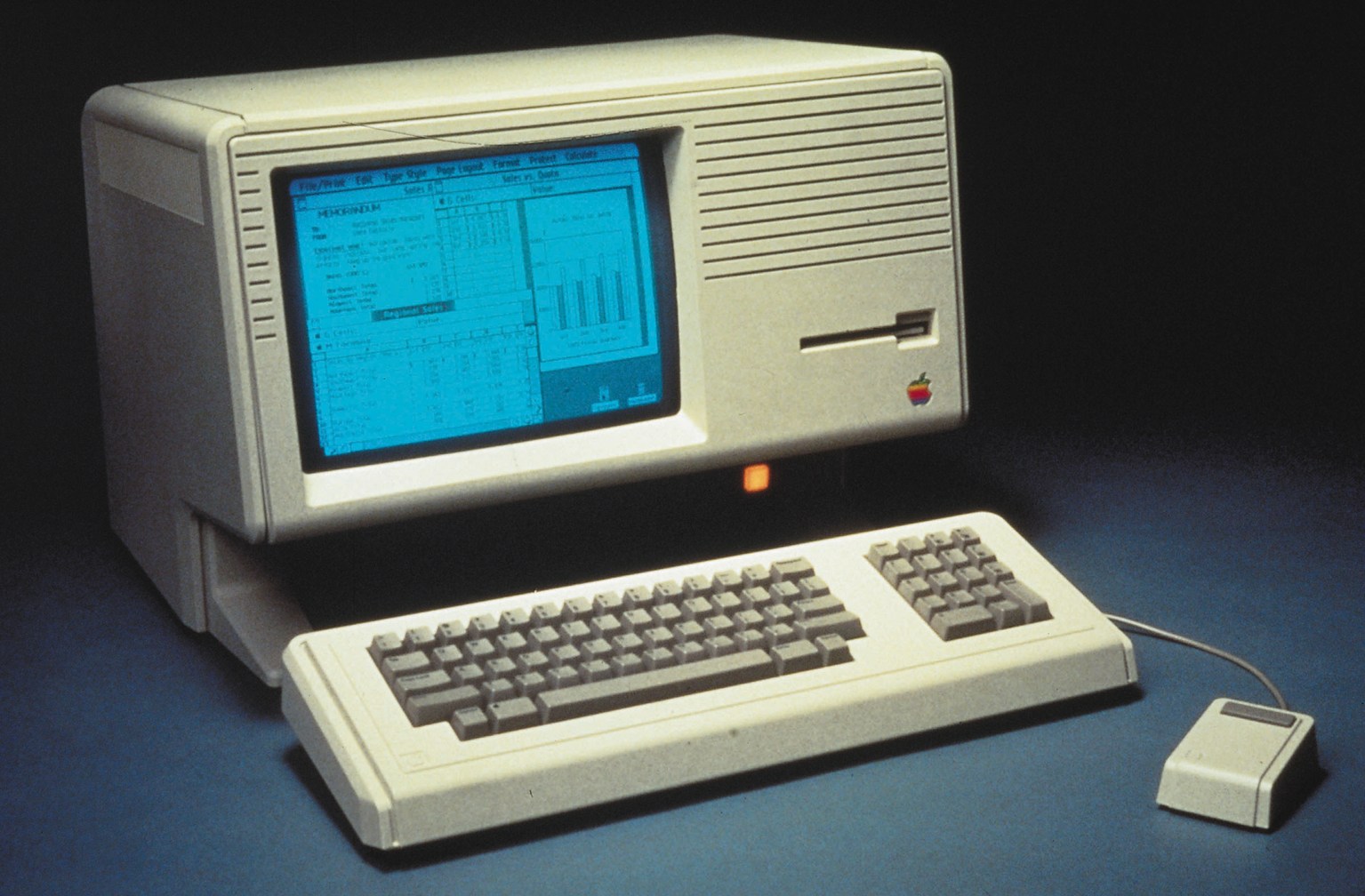
    Apple made the Lisa computer before the Mac was ever conceived, and it was a huge deal for apple, as it contained the original graphical user interface which has today become the foundation for operating systems including those on smartphones. People who were keen to test this out, had to source a working Lisa computer and then extract the software and run it on an emulator.

    However, in 2018, things are about to get easier and free. The Computer History Museum will publish the source code of the Lisa computer for free in 2018, Apple has already given its nod for the release and is assisting and verifying the Lisa code for the museum.

    The Lisa computer ran the Motorola 68000 processor which was the bran behind the processing powers of the operating system. While the computer itself was named after Steve Jobs’ eldest daughter, it was extremely expensive for the time it cost almost US$10,000 at the time and eventually ended up being a bust.

    The OS remains an integral piece of computing history and the first mouse based user interface to be available on a personal computer. It was also the reason behind the big fight between Steve Jobs and Bill Gates, as Steve believed that Microsoft had stolen the lisa OS code for use in MS windows.

  • Apple iPhone SE 2 – What To Expect?

    Apple iPhone SE 2 – What To Expect?

    Update 27/11 – Reports claim that the iPhone SE 2 will have a glass back and support wireless charging. Read the full story here.

    Apple launched the iPhone SE back in March of 2016 after it had moved on from the conventional “small-screen” design on its iPhones. The iPhone SE was a relatively cheaper offering for people who still preferred the look and feel of the iPhone 5s but, also wanted upgraded hardware. It had the same chipset as the previously launched iPhone 6s and iPhone 6s Plus in the body of an iPhone 5s.

    The iPhone SE, at the time of its launch, was priced at Rs. 39000 in India which was much less than the introductory price of the older gen iPhones in India. In a price-sensitive market like India, the availability of an iOS device that did not compromise on hardware and also offered a compact flagship design helped Apple penetrate further into the Indian market. The Indian market had a certain section of society that thrived to buy a new iPhone while the rest of the population resorted to Android devices thanks to its wider availability and cheaper price tag.

    [amazon_link asins=’B071DF166C’ template=’ProductAd’ store=’igyaan-21′ marketplace=’IN’ link_id=’d4b19b48-eb06-11e7-b421-dbf57a1e2b03′]

    The iPhone SE allowed people to enter the Apple ecosystem. Not just in terms of sale, the iPhone SE was groundbreaking for Apple because it was the first (and so far the only) iPhone that was manufactured in India. This helped Apple keep the price of the iPhone SE much lower than its predecessors. Apple began manufacturing the iPhone SE in India in May of 2017 and since then the price of the iPhone SE has significantly lowered. Currently, the iPhone SE retails for Rs. 18499 for the 32GB storage variant.

    The iPhone SE lineup was not refreshed in 2017 and instead, Apple launched three new iPhones later in the year in September. The iPhone X being the most significant of the three. Ever since the launch event in September, there have been rumours that the ‘SE’ lineup will see a new iteration in March of 2018 with a complete design overhaul.

    Design

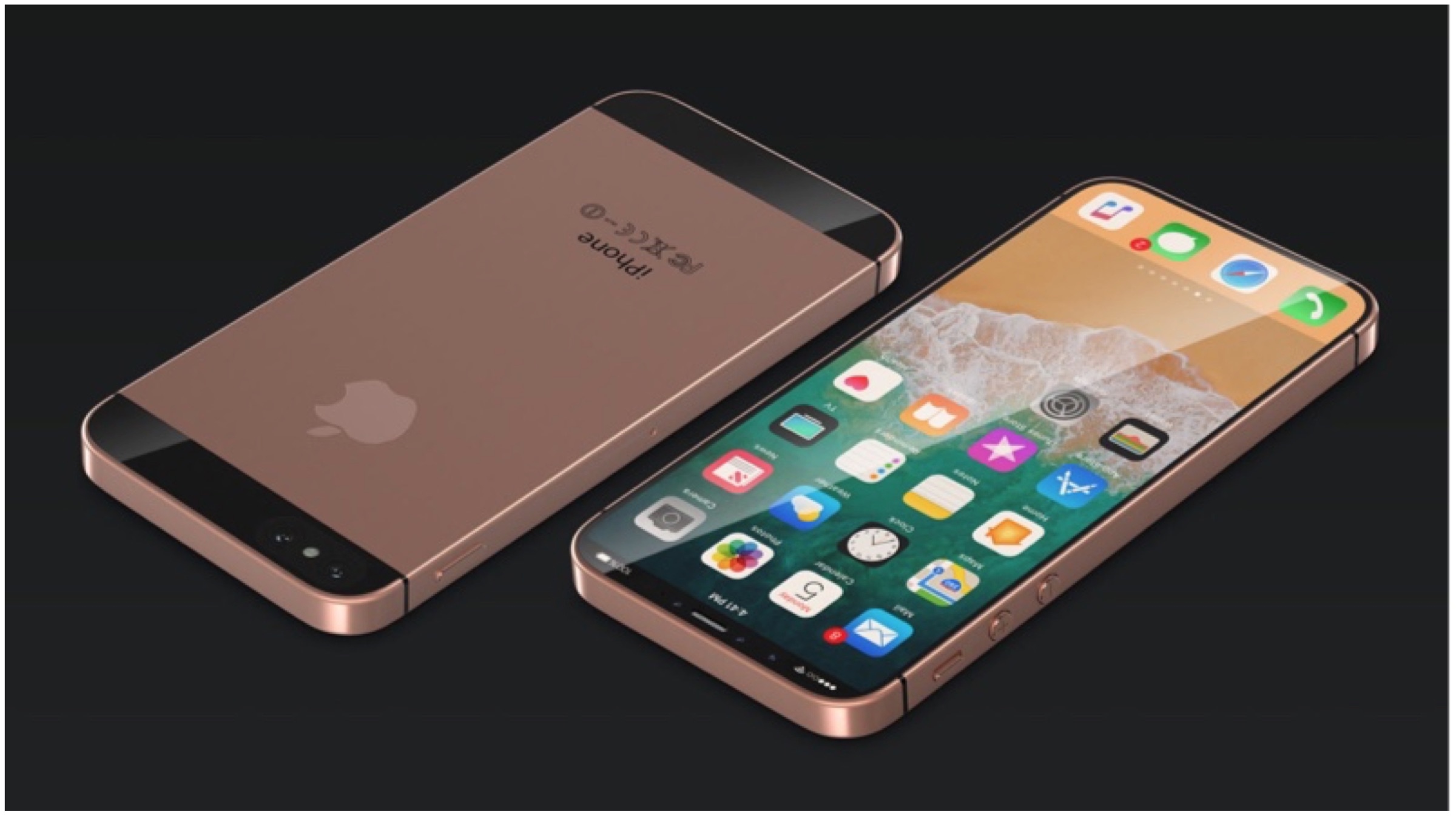
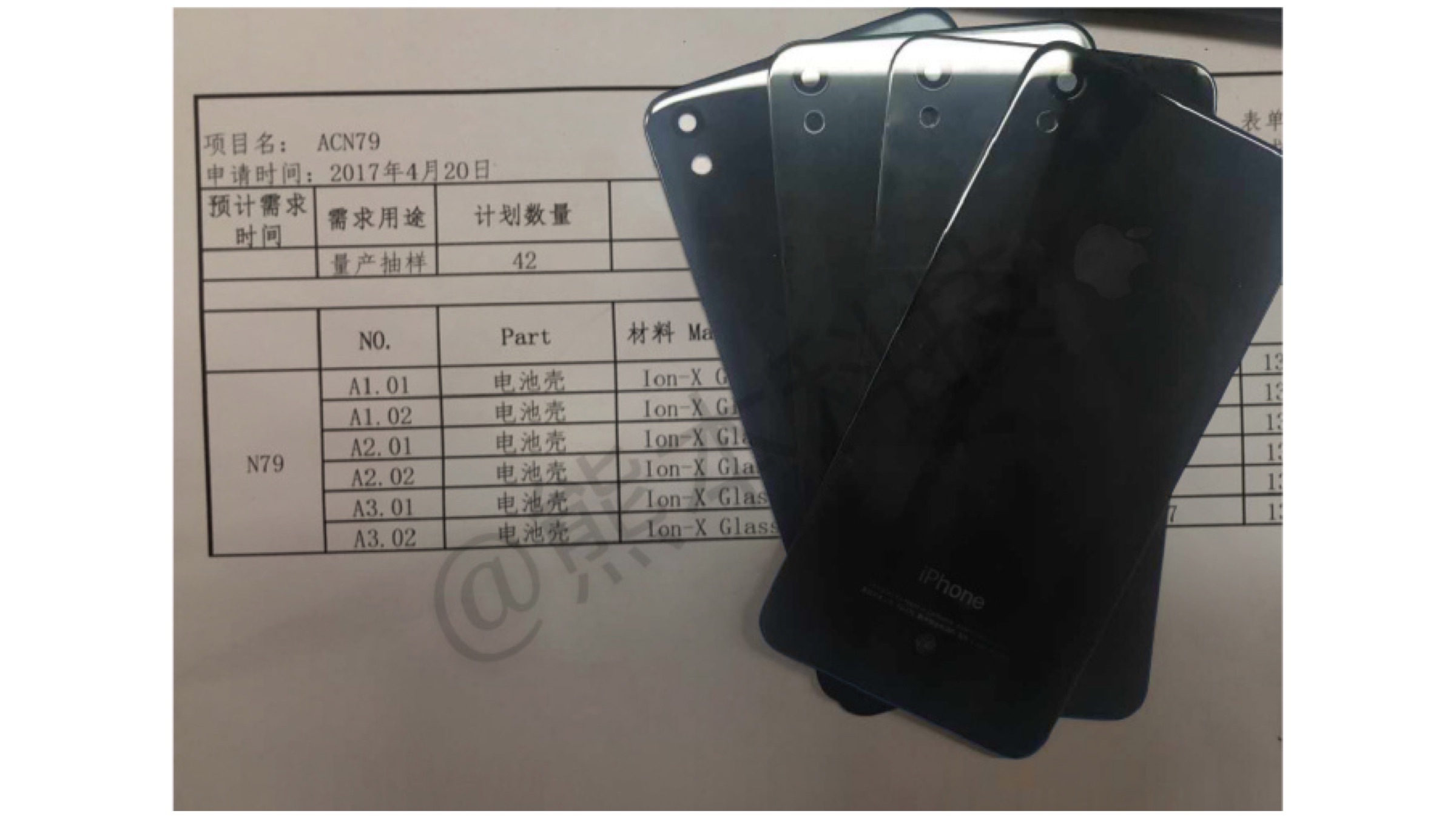
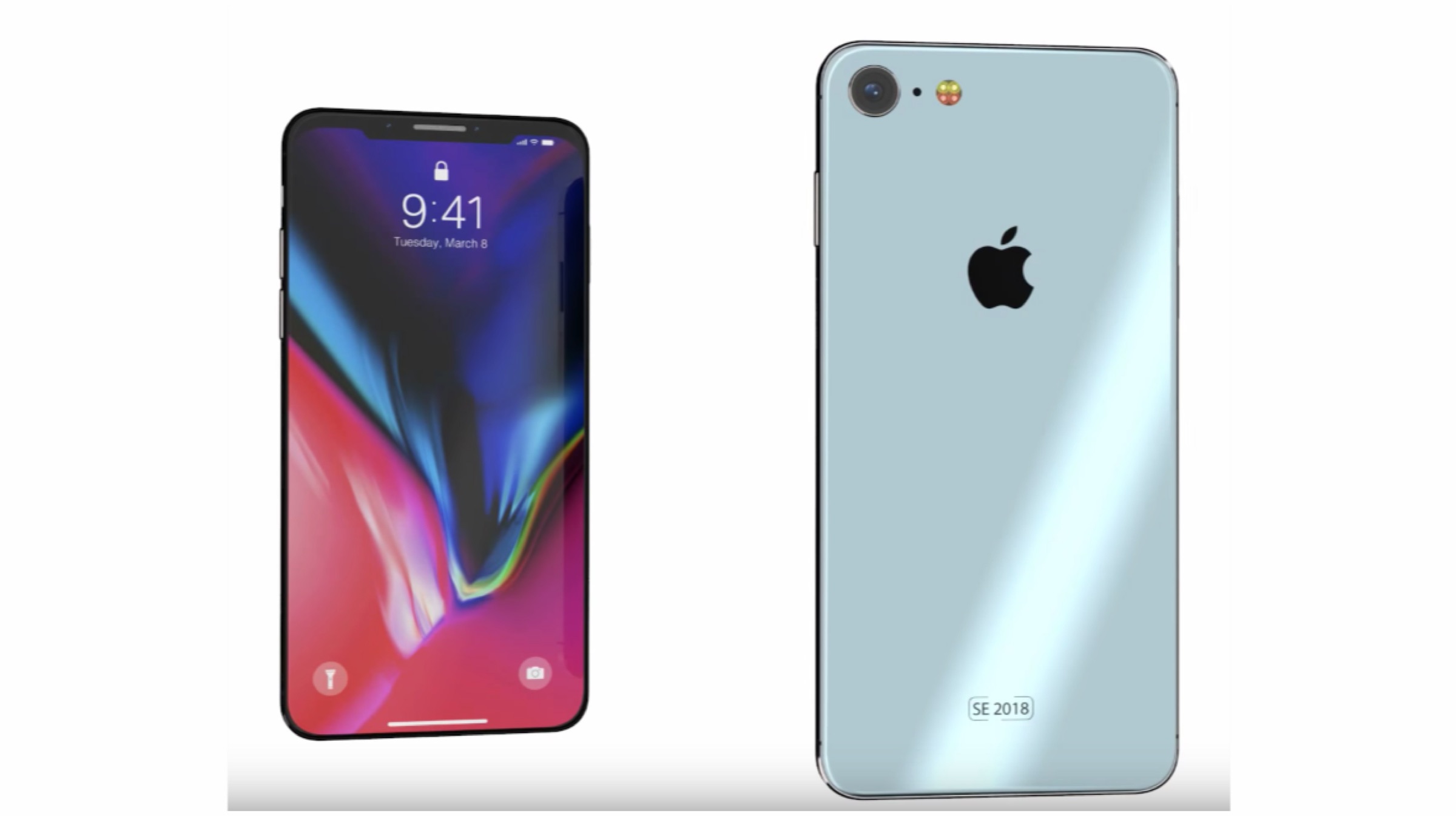
    While the iPhone SE was reminiscent of the past, the iPhone SE 2 will represent the present and what the future holds for the compact lineup of iPhones. There has been concept renders of the iPhone SE 2 which imagine an iPhone X-like design in the shape of the iPhone SE. A few months ago, an image from Weibo revealed a glass back panel of the iPhone SE 2.

    This would make sense for Apple as the new iPhones launched in 2017 have a glass back panel to enable wireless charging. With a glass sandwich design for the iPhone SE 2, it will fit seamlessly into the iPhone lineup.

    USP of the iPhone SE lineup is its compact look and feel without compromising on hardware. Apple could go with a nearly bezel-less design for the iPhone SE 2 and incorporate Face ID since the company has already hinted at phasing out Touch ID in favour of its facial recognition technology. You can watch the entire concept video here.

    Specifications

    The iPhone SE was powered by the Apple A9 chipset, just like the iPhone 6s. Similarly, the iPhone Se 2 could be powered by the A11 chipset. Other iPhone features like wireless charging could also make its way to the iPhone SE 2. While the concept video of the iPhone SE 2 shows off a dual-camera setup at the back, Apple might retain the single-camera setup especially if the device will be incorporating Face ID.

    Price

    In a market like India, the price is an integral factor. It can break or make a device. Unlike all other iPhones, the iPhone SE is manufactured in India in Apple’s Bengaluru plant. The iPhone SE 2will also be manufactured in India which means that unlike the iPhone 8 or iPhone X, the price of the iPhone SE 2 in India will not be inflated and might launch in the sub-35K price bracket.

    The smartphone market doesn’t have many compact flagship phones and the iPhone SE 2 might fit the bill perfectly.

    Would you be interested in an iPhone X-like iPhone SE 2? Let us know in the comments!

  • Apple iPhone X May Receive A Price Cut In Early-2018

    Apple iPhone X May Receive A Price Cut In Early-2018

    Back in September of 2017, Apple launched the iPhone 8 and iPhone 8 Plus along with its priciest iPhone yet, the iPhone X. Considered as the true successor to the original iPhone from 2007, the iPhone X represented the major design change that future iPhones will see.

    China, the largest smartphone market in the world has particularly received the iPhone X well. A report claimed that the iPhone X is convincing more people in China to buy the iPhone, which means that more Android users are switching to iOS thanks to the launch of the iPhone X.

    All may not be rosy for Apple as a new report claims that Apple is might drop the price of the iPhone X come early-2018. Similar to a report by Bloomberg, the report from DigiTimes claims that iPhone X shipments will reach 30-35 million in the first quarter of the year, and stay flat or drop slightly in the first quarter of 2018. Numerous analysts have conceded that Apple is dropping orders with Asian suppliers after iPhone X’s underwhelming demand during the holiday season.

    Markets like the US, Singapore, and Taiwan have not done as well as Apple was expecting. The report claims that the response to the iPhone X is the reason why Apple will make three iPhones in 2018. This seems a bit off since the news of Apple making three iPhones for 2018 has been doing the rounds even before the iPhone X hit the global market.

    The report further claims that:

    Apple is also rumored to adjust its pricing for iPhone devices in early 2018 and has even started preparing a prototype iPhone with support of pre-5G features. However, Apple has not officially confirmed any of the rumors.

    If this turns out to be true, it will be huge for iPhone X aspirants. Apple usually drops the price of their iPhones when a new iPhone launches. The iPhone X is as new as an iPhone gets and has been received well by the critics and Apple loyalists alike. This move, however, won’t be unprecedented as Apple had dropped the price of the original iPhone from US $600 to US $400 within weeks of its launch.

  • Worried If Apple Has Slowed Down Your iPhone? Here’s How To Check

    Worried If Apple Has Slowed Down Your iPhone? Here’s How To Check

    It is no longer a conspiracy theory doing the rounds on the internet. Apple has come forward and conceded that it does indeed make older iPhones run slower in order to prolong its battery life. While much can be said about the intentions and actions of Apple, it is fair to assume that if you have an old iPhone, you would’ve thought about the repercussions of these actions.

    In a nutshell, what Apple is doing is occasionally restricting the processor of some old iPhones, specifically those that have batteries that can’t hold a proper charge. To tackle battery ageing in a more efficient way, what Apple is doing for older iPhones is it is capping the processor power to prolong the age of the battery. This is a is a lithium-ion chemistry issue, not an Apple or any other OEM issue. Over time, batteries just become bad. This is an attempt to make people’s phone work for longer with fewer issues, not to get them to switch away from it.

    Here are a few steps you need to take to see if your phone has been a part of Apple’s intentions to prolong the life of the old iPhones.

    Check the model of your iPhone

    First and foremost, you need to confirm whether your phone is affected by this or not. The affected iPhones are the iPhone 6, iPhone 6S, iPhone SE, and the iPhone 7.

    What software is your phone running

    Apple introduced its software fix with iOS 10.2.1 for the iPhone 6, iPhone 6S, and iPhone SE. It introduced it with iOS 11.2 for the iPhone 7. You can check your current software build by going to Settings>General>About and look under Version.

    Inspect the battery health of your iPhone

    This is the main issue. The main reason Apple is capping the CPU power is to prolong the battery life of older iPhones. It is a known fact that after around a thousand charges, lithium-ion batteries stop performing properly, and cannot retain more than 50-60% of the original charge.

    Download apps like Battery Life and do an inspection of the battery of your iPhone. Even though Apple hasn’t specified the parameters to judge your battery, but battery life rated as “Poor” or worse is likely to be a problem.

    Do a Benchmark Test

    The whole thing broke out when John Poole did some benchmark testing of his own and posted the results online. Geekbench scores for new iPhones are as follows:

    • iPhone 6S: 2500
    • iPhone 7: 3500

    Anything below that (greater than a 500-point difference) means that there is a problem.

    If the tests show that your iPhone has been affected, then the onus is on you to either replace the battery, buy a new phone or ride out the slow iPhone storm for as long as you can and then invest in a new phone.

iGyaan Network
Privacy Overview

This website uses cookies so that we can provide you with the best user experience possible. Cookie information is stored in your browser and performs functions such as recognising you when you return to our website and helping our team to understand which sections of the website you find most interesting and useful.